


Likes
Comments
Share


@Willy_Balls
Follow
It’s the 9th week of flower and this run is slowly coming to an end. Mimosa is by far the fastest finisher here. In 8 weeks there is around 30 % amber trichomes in the top buds. A little too much for my taste. I ve reduced the ec in the medium of mimosas to around 1.0 and took the drippers out.
Now they will dry out fully in around 1 or 2 days and I will chop. The rest is more or less similar and will go for about a week more.



Processing
Likes
43
Share


@IndicaRising
Follow
START OF WEEK 4 FLOWERING. NUTRIENTS SAME 4 ML PER LITER RO WATER OF BOTH A & B. 2 ML PER LITER BIG BUD.
MIXED UP 8 LITERS OF NUTRIENT SOLUTION
---------------------------------------------------------------------------------------------------------
Day 64 April 18th - 2019 Both ladies had a little trim to get rid of thick interior.
Day 64 April 18th - 2019 Both Jessica Rabbit & Elly May were fed 1.5 liters of nutrient mix.
Day 64 April 18th - 2019 Temp in tent is @ 78.4° F.
Day 64 April 18th - 2019 Humidity in tent is @ 51%.
Day 64 April 18th - 2019 Jessica Rabbits Coco temp is @ 70.2° F.
Day 64 April 18th - 2019 Elly Mays Coco temp is @ 70° F.
---------------------------------------------------------------------------------------------------------
NOTE - Day 65 April 19th - 2019 The Lady in the coffee can is a clone from the Blue Cookies. The clone was 2 weeks old put in soil in the coffee can
It was put in the tent straight to flower No Veg time at all the clump of leaves at the bottom was how tall it was.
I have been feeding Her the same Nutrients I am using for Coco flowering with the Big Bud for Coco.
---------------------------------------------------------------------------------------------------------
Day 65 April 19th - 2019 Both Ladies are looking good after their little trim.
Day 65 April 19th - 2019 Temp in tent is @ 81.1° F.
Day 65 April 19th - 2019 Humidity in tent is @ 55 %.
Day 65 April 19th - 2019 Jessica Rabbits Coco temp is @ 71.8° F.
Day 65 April 19th - 2019 Elly Mays Coco temp is @ 71.6° F.
Day 66 April 20th - 2019 Ladies are looking good coming alone.
Day 66 April 20th - 2019 Temp in tent is @ 79° F.
Day 66 April 20th - 2019 Humidity in tent is @ 40 %.
Day 66 April 20th - 2019 Jessica Rabbits Coco temp is @ 69.3° F.
Day 66 April 20th - 2019 Elly Mays Coco temp is @ 69.4° F.
---------------------------------------------------------------------------------------------------------
Day 67 April 21st - 2019 Both Ladies received 1 liter pre-mixed solution
---------------------------------------------------------------------------------------------------------
Day 67 April 21st - 2019 The girls are looking fine.
Day 67 April 21st - 2019 Temp in tent is @ 79° F.
Day 67 April 21st - 2019 Humidity in tent is @ 47 %.
Day 67 April 21st - 2019 Jessica Rabbits Coco temp is @ 70° F.
Day 67 April 21st - 2019 Elly Mays Coco temp is @ 70° F.
Day 68 April 22nd - 2019 Ladies are looking good no issues.
Day 68 April 22nd - 2019 Temp in tent is @ 71.2° F.
Day 68 April 22nd - 2019 Humidity in tent is @ 57 %.
Day 68 April 22nd - 2019 Jessica Rabbits Coco temp is @ 67.6° F.
Day 68 April 22nd - 2019 Elly Mays Coco temp is @ 66.6° F.
Day 69 April 23rd - 2019 Both Ladies looking good.
Day 69 April 23rd - 2019 Temp in tent is @ 69.4° F.
Day 69 April 23rd - 2019 Humidity in tent is @ 61 %.
Day 69 April 23rd - 2019 Jessica Rabbits Coco temp is @ 65.7° F.
Day 69 April 23rd - 2019 Elly Mays Coco temp is @ 64.8° F.
Day 70 April 24th - 2019 Both ladies are coming alone.
Day 70 April 24th - 2019 Temp in tent is @ 67.1° F.
Day 70 April 24th - 2019 Humidity in tent is @ 61 %.
Day 70 April 24th - 2019 Jessica Rabbits Coco temp is @ 65.2° F
Day 70 April 24th - 2019 Elly Mays Coco temp is @ 64.0° F.

Likes
9
Share


@Tito_Yayo
Follow
Week 3
D2 increased RH to ~70%
D3 Height 14cm 1 / 13cm 2
Plants looking good. I'm full satisfied
D4 3cm growth over night
***May the fourth be with you ;-)***
D5 1/19 cm 2/18 cm
D7 No incidents, good week for the plants

Likes
16
Share


@Roundhouse
Follow
Well shit these girls are doing excellent
The smell is strong when I rub a lil bud I can get a sweet citrus smell from it.
The shorter plant has thicker buds but not by much and the crystals are just getting started.
All in all so far an easy grow. So far these seeds are the real deal .
See you next week friends

Likes
42
Share


@Ginger_gnome
Follow
So to start, I did a small leaf strip a few days ago. I like to do small leaf strips ones a week the last few weeks of flower. Now not big, Im Talking 15-20 leaves tops. Don't want to over stress the plant at this stage but also want to make sure the buds below are getting enough light.
The temperature has dropped a bit outside so the tent is running cooler then it was. Honest it got all week was 22.5c, but also only got up to 20c one night. Unfortunately this tent is right next to the door out of my grow space so all the cold air is coming through. Going to need to look at replacing the door with something that fits a bit better, or look at adding something to this door to help.
Next to that the plant is looking amazing so far. Looking forward to smoking this in the coming weeks.
Well happy growing everyone!!!!

Likes
25
Share


@Chubbs
Follow
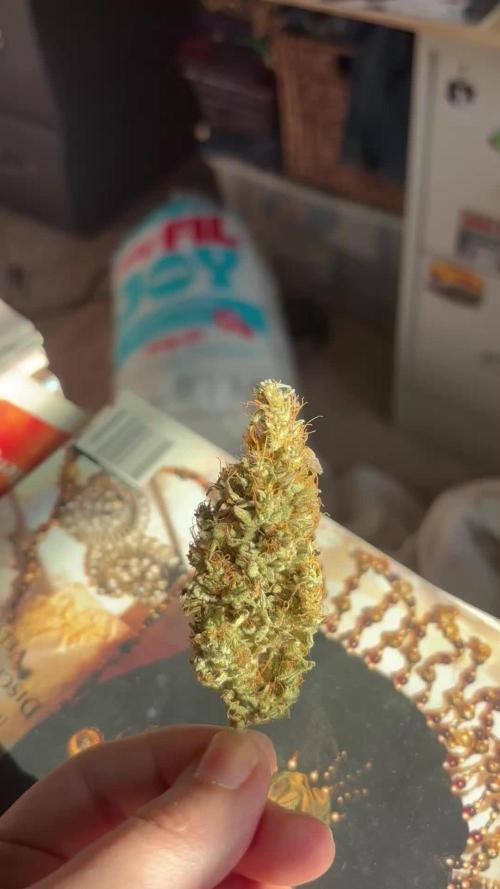
These two have grown amazing. The one with the self water wicker system has absolutely exploded with growth. It's going to be a beast of a plant as the flower period just started and it's still stretching. Nice and healthy with no issues. All in all Happy Growing



Likes
49
Share


@masterofsmeagol
Follow
6/9 I can't believe it but I had faith. The transplant yesterday LOOKED like it was fucked. I cleaned it up though and left it outside. This morning it was standing straight up. Both transplants were! I put tarps up to block the wind tunnel between buildings. It's still overcast and rainy. Sun isn't supposed to come out for a couple poke days. Chance of thubder storms tomorrow but I'm going to try to get everyone in their forever homes today. Or at least most of them. I plan to light dep a few right in the 3 gallon. I'm sure I'll be updating this after I get some work done.
UPDATE: I WENT OVER AND GOT THREE MORE TRANSPLANTED. THAT MEANS FIVE ARE OUTSIDE IN THE CAGE. TWO 10TH PLANET, 2 BLUEBERRY CHEESE AND A LITTLE PURPLE PUNCH. THE 3 GALLON POTS WERE RELATIVELY HEAVY SO I PICKED THE LIGHTER ONES TO TRANSPLANT. I LEFT THE ORHER TWO 10TH'S IN THE GARAGE WITH THE DOOR OPEN WITH THE REMAINING PLANTS. I ALSO ADDED WIND BREAKS AND SUPPORTS TO EVERYTHING. I WANTED TO GET EVERUTHING DONE TODAY BUT THERE MAY BE A THUNDER STORM SO IF I DONT GET IT DONE ITS NOT A BIG DEAL AND ILL FINISH TOMORROW. TRANSPLANTS WENT SMOOTH. I THINK THEY'LL GO EVEN SMOOTHER IF THEY DRY OUT A BIT. STILL HAVE THE 50 AND 40'S TO FILL. Took a bunch of videos but the don't want to load. I'll have to try tomorrow or later tonight.
UPDATE: I TOOK TONS OF PICTURES AND VIDEOS BUT THEY DONT WANT TO SEEM TO UPLOAD. IVE GOT SIX IN THERE FINAL HOMES OUTDOORS 20s and 30 gallon smart pots. Still have massive plants but I'm going to out those in the 50 and the 40. I'll finish this shit up tomorrow and get all the girls in their forever homes and if I don't have room for some I was planning on doing a light dep anyway so that will work out good. I learned a lot and transplanting went a lot smoother todsy than before. I feel really proud of myself. The last Transplant I did break a few leaves off that I didn't notice but whatever. I used tomato cages for suppirt on two and bamboo poles and string on the others. I'll add the vertical trellis as they grow. I'm proud of myself.
6/10 I got a lot done yesterday. Six are outside already. Two are in 20s in the garage. I'm planning on transplanting the rest today or tomorrow. I'll update later. Accidently uploaded lots of stuff on the wrong week. UPDATE: I TRANSPLANTED THAT SUPER TALL PURPLE PUNCH THAT I DIDNT TOP OR HST AT ALL INTO A 40 GALLON TUB. ROOTS WERE DRY AND THIS TIME IT ACTUALLY LOOKED LIKE THEY FELL AWAY. THE PLANT HOWEVER STAYED STANDINGVUP FINE. I THINK THIS PHENO IS GOING TO BE A TOUGH ONE. LOOKS GOOD LIKE AN HOUR LATER. I HAD THE 50 READY TO TRANSPLANT THIS MONSTER BLUEBERRY CHEESE I FIMed BUT THE POTS WERE SUPER HEAVY AND I FIGURED I NEEDED TO SLOW DOWN AND THINK. WE HAVE THUNDER STORMS COMING TONIGHT. TOMORROW IS GOOD. I MAY TRY TO FINISH UP TONIGHT BUT WE SHALL SEE. THE GOOD THING WITH DOING IT A FEW AT A TIME IS THAT IF SOMETHING HAPPENS OUTSIDE IVE STILL GOT A CROP INSIDE LOL. WHAT IM PLANNING TO DO IS EITHER LIGHT DEP THAT BIG BLUEBERRY CHEESE OR PUT IT IN THE FIFTY BUT IM PLANNING TO LIGHT 3 RIGHT IN THEIR 3 GALLON CONTAINERS. HAVENT DECUDED FOR SURE BUT IM THINKING THATS WHATS GOING TO HAPPEN.......of course videos won't upload and the ones that do are old videos. Damn. I need to sharpen my computer skills....and my growing skills. Especially transplanting. I suck at transplanting. I decided not to out all my eggs in one basket and left the 10th planet amd Blue berry cheese in the 20s in the garage. I pulled them out for light further but I'm ousting them back a little tonight. That way I'll have a back up if something catastrophic happens. I doubt it but better safe than sorry. I'm proud of what I've accomplished thus far. I've successfully uploaded my 1 minute plus video several times but it won't appear. Oh well. I'll try to load the videos tomorrow I guess. Just started raining. Just a light rain. Probably what fresh transplants like.
6/11 BEAUTIFUL outside. Today is the day. Most is done and I'll add the supports as trellis as they grow. This new grow space gets about twice as much sun as my old spot. The tar stops the burrowing insects. I'm getting everything out today. I just need to decide if I'm going to light dep that MASSIVE blueberry cheese or bite the bullet and put it in the fifty. Maybe I'll try to get some help from my cousin. Plants withstood the thunderstorm like Champs. I'll update as the day goes on. I planned better this year so I SHOULDN'T have an unmanageable jungle. UPDATE: WATERED THE 3 PLANTS LEFT IN THE 3 GALLONS (1 10th PLANET WITH GREAT BRANCH STRUCTURE AND TWO PURPLE PUNCH THAT WERE THE SMALLER ONES. IM GOING TO LIGHT DEP THEM. EVERYTHING IS OUTSIDE NOW IN A MIX OF 1/3 FOX FARM OCEAN FOREST, HAPPY FROG AND ROOTS ORGANIC 707 IN EQUAL PARTS. TRANSPLANTED WITH MYKOS. EVERYTHING IS OUTSIDE NOW. FINALLY DECIDED TO GET The MONSTER BLUE CHEESE I FIMed INTO ITS FOREVER HOME A 50 FALLON POT. IT WAS TGE EASIEST BEST TRANSPLANT OF THEM ALL. JUST LIKE AETTING A POT IN THE WHOLE. I DONT EVEN THINK THE PLANT NOTICED. ONE OF THE PURPLE PUNCHES HAD ROOTS OB ONE OF ITS LEAVES WHEN I LOOKED BUTVIT WAS STILL STANDING UO STEAIGHT. I KNOW SOME OF THE PLANTS LOOK DROOPY BUT WEVE HAD SEVERAL DAYS OF RAIN AND A MASDIVE THUNDER STORM. I BROUGHT OUT THE EARLIER TRANSPLANTS AS WELL. THEY ARE OUT OF THE SHOCK. WIND IS PRETTY HIGH BUT I DONT WANT TO ADD MORE TARPS. I THINK THINGS ARE SECURED GOOD ENOUGH FOR NOW. IM SUPER STOKED THAT TRANSPLANT WENT SO GOOD! Went back at 7:30pm. Some plants have a little bit of transplant shock and a little bit of burn but it's negligible considering they've been through a thunderstorm with pouring rain and extremely high winds. That blueberry cheese in the 50 transplanted so easy and still looks like it didn't even know the difference. I'll start light dep once I get a plan. Plants are recovering nicely but should something happen to one I could replace it. I'm interested in the light dep though and I've got a pretty good idea how to start.
6/12 The plants that had a little transplant shock are coming out of it. We had a thunderstorm and pouring rain the day of some of the transplants. Wasn't forecasted. High winds moved the plants around a bunch bit they are tough as hell. Everything is out now. Suppisedcto have showers the next few days. I'm putting together a feeding schedule abd setting up a spit to start light dep on the three plants I decided to flower early. The cage now gets twice as much sun as before. This is going to be a good year.
Went back over and plants are perking up and doing even better everytime I see them. I took a video but it might not upload until tomorrow. I may start a new diary for the light dep. I have a few places I'm thinking to use for light dep. I need to make a solid plan before I start so maybe a day or two. Trying to upload again but I doubt it.
6/13 Had a rushed morning but I watered the plants in the 3 gallons as they were dry. I had added more soil to a couple of the bags. The top soil is startingvtj dry out but the plants look good and we are supposed to get rain so I don't really want to water if it's going to be raining. I think I've found my light dep spot and schedule. I'll update after I do something.
WENT BACK OVER AND SPRAYED A LITTLE BIT OF WATER ON THE EXTREMELY DRY TOPSOIL THAT I HAD TOPPED SOME OF THE PLANTS OFF WITH. SHITTY THING IS THAT WAS ADDED AFTER THE THUNDER STORM SO IT MAKES IT HARDER TO JUSTE THE PLANTS WATERING NEEDS. I CAN TELL THAT ONE OFCTHE FIRST TEANSPLANTS IS STILL HOLDING WATER. I MEAN WE GOT A DOWNPOUR AND I DONT WABT TO WATER IF WE'RE GOING TO BE GETTING RAIN ANYWAY. IM GOING TO LOOK BACK OVER THE DIARY. THATS ONE GREAT THING ABOUT THESE. YOU CAN GO BACK AND CHECK YOUR WORK.
6/14 Glad I held off watering. It's raining today. Just showers. We haven't gotten any of that extreme wind we usually do. I have the plants supported but I still worry. Definitely more than I should. Plants are still doing good and acclimating to there homes. I have not started the light dep with the 3 gallons but I think I've found my spot. Once I start it will just be staying consistent putt8ng them in and out. I need to train them anyway. I have some research to do and a joint to smoke so I'll update later.

Likes
6
Share


@DutchFarmer
Follow
Week 4
Topped plus applied some LST training
Seems like Pheno 1 has better structure and growing alot faster
Pheno 2 started to slow slight fade on the lower leaves
But lets push her through!
Likes
7
Share


@Lazuli
Follow
5 days before the pictures i started overdrive and dropped the floranova to 1ml
Likes
12
Share


@Kirsten
Follow
Pink Mist is looking good, has stopped growing as much, and is starting to get into proper flower.
I have much else to say, however it seems I'm unable to, due to grow diaries cutting off all my comments, so I decided to save myself much time, and sadly just not say it!
Thanks for checking out my diary 🍃 ✌️
Processing
Likes
5
Share


Likes
Comments
Share


@eldruida_lamota
Follow
Vamos familia, actualizamos la tercera semana de floración de estas Sagrada amnesia de Seedstockers, salieron las 5 de 5, 100% ratio éxito.
Aplicamos varios productos de Agrobeta, que son increíbles para aportar una buena alimentación a las plantas.
Temperatura y humedad dentro de los rangos correctos dentro de la etapa de floración.
La tierra utilizada es al mix top crop, por cambiar.
De 5 ejemplares seleccioné los 3 mejores para completar el indoor y trasplanté directamente a macetas de 7 litros, el fotoperiodo a 12/12, también aplique una buena poda de bajos, se ven bien sanas las plantas, tienen un buen color y progresan a muy buen ritmo por el momento, ya empiezan a formarse las flores.
Agrobeta:
https://www.agrobeta.com/agrobetatiendaonline/36-abonos-canamo
Hasta aquí todo, Buenos humos 💨💨

Likes
2
Share

@Danger_Mouse
Follow
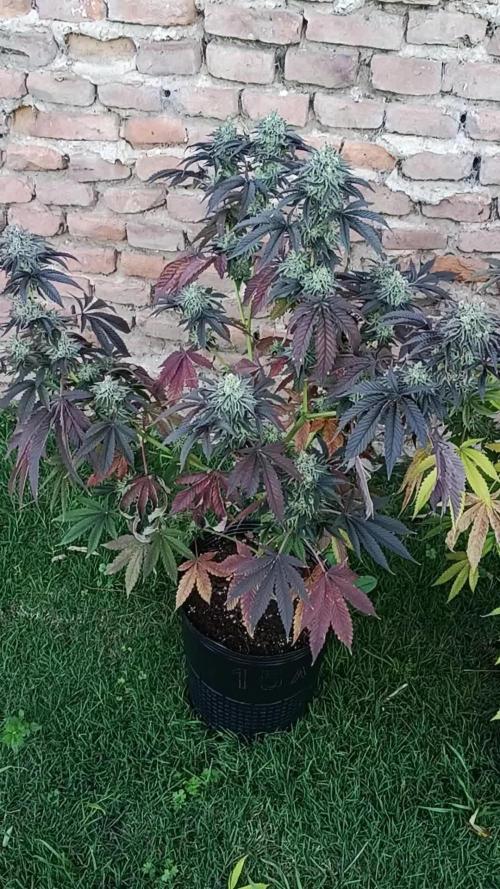
Plantas super faciles de cultivar y muy resistente a Botryitis (las 3 Radical Juice fueron las unicas que no tuvieron ni el mas minimo sintoma a pesar de que 6ta y 7ma semana de floración fueron dias de muchisima humedad ambiente). Hare la reseña final cuando este secos los cogollos. El olor en verde recuerda un poco a Tangilope, Clementine, NYC Diesel.

Likes
224
Share


@Hellishjam
Follow
Ok so i'm pretty sure i'm screwed......these plants are now going to be over the fence but it is what it is, had some help measuring the plants this time so the tape did fold and i know that it got to the base of the stalk as it's really hard to do by yourself with plants of this size:
PP #1-74 inches #2-80.5 inches #3-82 inches
OS #1-78 inches #2-75 inches #3-70 inches
So i believe i'm running into a MG deficiency with these girls as well, i'll fill out the grow question for one lucky person to get some point for GOTM. Still waiting on my bag of gaia green 4-4-4, but i did give them some Basalt rock dust 1 cup and some Glacial rock dust 2 cups to try in help what i believe to be an MG deficiency. I didn't have enought to give them what i wanted to so i'll have to wait for that to come in as well or just pick up some rock dust on my way home from Halifax Seed. I under estimated fertilizers for this grow wasn't expecting them to get this big......
Woke up the other morning to a little bit of wind come from the west and the tops were doing some swaying so i had to run into town to the grow shop and pick up some trellis to secure the tops that arn't in the cage. I figured the best was to trellis them as i could only get two 5x30 nets what to just run one each over the tops and secure to the fence.
I did work on cleaning some of the inside out but theres just so much it's hard to get everything done in two week with real life going on as well.
So i've set up an automated curing system for when these ladies are done. I'll have an air pump hooked up to a timer, then the pump will run into a 12 valve manifold, there will be 12 bucket. each valve will have it's own bucket. each bucket has a one way check valve going into the bottom of the bucket into a perforated hose that will cure around the bottom of the bucket. so the fresh air will rise up thru the bucket. at the top of the bucket will be an outlet with a one way check valve. the buckets have Gama seal lids that screw on with gaskets so it gives you an air tight seal. So having the timer set to twice a day for the first two weeks then adjust to once a day everyday for a few more weeks everything should be on cruse control, no more burping jars if everything works like it's supposed to!
Likes
30
Share


@Lukush
Follow
Hey growmies its flower time Finnaly
Frosted guava looking really good , happy and really enjoying her life cycle.
This week it's time to start giving her some good nutrition for the flower cycle.
Bud candy : 6 ml
Tarantula : 6 ml
Bud ignitor: 6 ml
Voodoo juice: 6ml
Giving them for the first 2 week of flower!
Hope you all enjoy mi diarie and if you do hit that like button or leave a comment below thanks very much for the support 😃Check out the new Video in the diarie 😃😀😃😄

Likes
17
Share


@MasterKush714
Follow
SO HEY GUYS THE UPDATE!!!!!!!!!
1) Switched from the small pots to the 5 Gallon Fabric bags.
2) Using MORE LST as much as I Can lol
3) Using Advanced Nutrients ph GROW and ph Mircro
4) Started incorporating Purple Cow Organics : Indicanja Living soil its fire!!!!!!!!!!!!

Likes
1
Share


@DmbTexasRanger
Follow
Trying to limit the stretch. Not worried about height as much as width. I might remove plant clips once stretch slows.
Full AN run. Adding big bud (removing ignitor). Running candy and tasty next week. Bud factor X week 3

Likes
14
Share


@Kakui
Follow
15 Noviembre:
-Hoy se instaló el sistema de riego "Drip to Waste" que me permitirá hacer riego de precisión, con protocolo "Crop Steering".
-Se instalaron sensores de humedad de suelo, para saber cuándo y cuánto regar, el sistema manda datos de humedad de suelo, temperatura y humedad ambiente, etc vía internet a mi celular.
-Mañana se comienza con el primer riego de precisión.
17 Noviembre: Segundo día de riego automático, 3.0EC y 5.9pH, las plantas crecen a buen ritmo, las raíces ya están saliendo por los orificios de drenaje a 2 días de transplantadas.
20 Noviembre: Se realizó una pequeña defoliacion de las hojas tipo abanico muy grandes.

Likes
20
Share

