


Likes
Comments
Share



Likes
2
Share


@DrJekyll_MrKush
Follow
Just bought some "predatory mites" to kill bad mites and it's working!
I've spread half of a bottle in all my babies soil and the situation changed in like 3 days, not even one bug stayed alive.
I've used also the Neem oil to prevent flies to go on their leaves and they are fine now.
Starting LST, let's see how they will react.
Keep you updated folks!
Have a wonderful week!

Likes
21
Share


@TheStrainAlchemist
Follow
The time has come, here we are into the first couple of days of flowering, slightly upset because I can’t look at them during the day and their light cycle runs at night but I have to get used to, I used to spend hours staring at them.
My Gf told me to get for a second into the feeling of the plants and imagine this human look at me for hours 🤣🤣 I have to admit that would be slightly creepy and they don’t know yet that I’ll chop them down and smoke ☠️
Enjoy fellow growers ☮️✌️🏼😎

Likes
7
Share

@DeepRootsGrowTrees
Follow
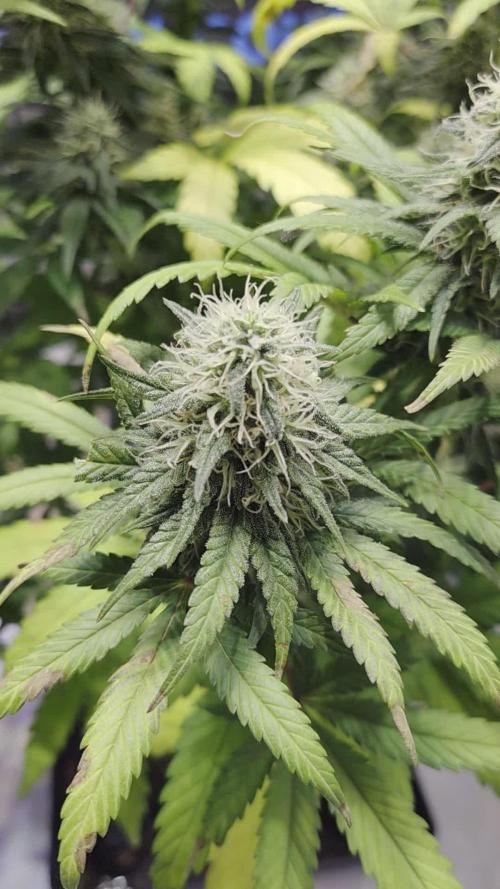
STICKY BROCCOLI 🥦 / ZAMNESIA & PLAGRON WEEK #12 OVERALL
WEEK #6 FLOWER
This week she's right about the half way point 👉 to harvest. She's really developing some frosty buds as she's starting to stack up this week. She still got some issues but overall she's doing great!! Oh yeah, She's sticky like 👍 her name suggests!! 😏 STAY GROWING MY FRIENDS!!
THANK YOU 😊 FOR STOPPING BY AND TAKING A LOOK IT'S MUCH APPRECIATED!!
THANK YOU ZAMNESIA AND PLAGRON!!
STICKY BROCCOLI 🥦 / ZAMNESIA

Likes
1
Share


@Gumbassman
Follow
Well….. that lst thing scares the shit out of me… I just touched CK yesterday but as soon as I did she dropped to the soil…. So in the end two of my girls got some stability from my…. Stunt.


Likes
137
Share


@MrJones
Follow
mrjones - Slurricane #7 S1
🌱Slurricane #7 S1
@inhousegenetics_official
👨🌾🏽GD Grower: MrJones
🔹🔹🔹🔹🔹🔹GOALS🔹🔹🔹🔹🔹🔹
🌞Environment - 75/80℉ and 60% Humidity Good Old Mother Nature
💧 Feeding - The Green Sunshine Company - Earth Dust All-Natural Plant Nutrients
⚗️Soil - 35% ProMix MP / 25% Ocean Forest / 20% Tupur Royal Gold / 10% lobster Compost / 10% Additional Perlite
🍃Training / So this girl was 60 Inches and spread her out under a 5x5 Trellis
🕷️ IPM - Will be using Green Cleaner" 1 OZ per Gallon, and CannControl from Mammoth alternating between product each month
🔹🔹🔹🔹🔹🔹🔹🔹🔹🔹🔹🔹🔹🔹🔹
📜 Rambling - Week 17 / This lady was already 60 inches tall, built a 5x5 Trellis, and spread her out, with the whole summer to go she is going to Beast Mode On Me! Going to be top dressing with the Green Sunshine Company - Earth Dust All-Natural Plant Nutrients, Two-part Dry Amendment, Base, and Bloom, will be making compost teas each week, see recipes below, will be doing a vegetarian focus tea, and a flowering focused tea.
🔹🔹🔹🔹🔹🔹🔹🔹🔹🔹🔹🔹🔹🔹🔹
▶️ Sunday - 05.30.21 / We have been having a small amount of rain, so this outside run has been self-sufficient.
▶️ Monday - 05.31.21 / We have been having a small amount of rain, so this outside run has been self-sufficient. We do have some warmer weather on the horizon! The great news was able to move the CLONE of this plant outside today, the Mother and Her Clone are Doing Great!
▶️ Tuesday - 06.01.21 / Outside grows are starting out sort of easy, soil is nice and moist.
▶️ Wednesday - 06.02.21/ The big girl is really starting to fill the SCOG and stretch up to the second SCROG
▶️ Thursday - 06.03.21 / The outside plants are doing very well, cooler weather with rain again today.
▶️ Friday - 06.04.21 / Warmer day today and it got into the mid 80's they are loving the sunshine!
▶️ Saturday - 06.05.21 / With the week coming to an end, I can be happier with the way the Earthdust is performing so far only a small amount of water, and rain, and the outside Slurricanes are rocking it, the clone has grown at least 6 inches.
🔹🔹🔹🔹🔹🔹🔹🔹🔹🔹🔹🔹🔹🔹🔹
Earth Dust - DESCRIPTION
🔹Earth Dust is our all-natural plant nutrient designed for indoor and outdoor flowering plant growers. You can grow easily by “just adding water” to your soil for the entire growth cycle. It creates a “living soil” so your plants thrive from seedling all the way through flower and harvest. Earth Dust represents an organic dry amendment method of gardening, it’s made of a natural powder of ingredients.
🔹Because you only need to water your soil with Earth Dust, you can concentrate on caring for your plants and getting a healthy crop “on autopilot”. Now you can grow without spending hours of your life mixing chemical nutrients, and you can do it naturally. What’s more, is you will enjoy the cleanest, most aromatic, and flavorful harvest you’ve ever experienced when a plant grows in a rich, organic web of living soil.
Product Highlights
🔹All-Natural Ingredients – Mostly plant-based – Safe around children and pets.
🔹Packaged in kraft paper bags that are recyclable and compostable.
🔹Easy to Use – Just mix the powder into the soil 3 separate times – then water only.
🔹Packed full of rich microbe food & contains billions of beneficial fungi and bacteria! Creates a resilient, living soil that defends against pests and diseases.
🔹Rich in trace minerals and nutrients for full plant expression. Sourced from rock dust, sea-farmed kelp, and land-grown crops.
🔹Soil Conditioners help balance pH and make nutrients more available in the soil. Achieved with ingredients like bat guano, worm castings, limestone, molasses, and humic acid.
🔹The correct balance of N-P-K nutrients for each stage of growth:
🔹Earth Dust Base (3-1-2) contains key nutrients for sustained vegetative growth. High nitrogen (N), Low Phosphorous (P), and Medium Potassium (K).
🔹Earth Dust Boost (2-3-6) contains accelerated-release nutrients for powerful flowering growth. Low nitrogen (N), Medium Phosphorous (P), and High
Potassium (K).
🔹Re-use soil harvest after harvest by simply adding more Earth Dust Base to begin again. Create your own living soil that gets better every time it’s used.
🔹Go organic, save time, and get predictable, healthy harvests.
🔹🔹🔹🔹🔹🔹🔹🔹🔹🔹🔹🔹🔹🔹🔹
Compost Tea for Vegetative Stage
Water 4 Gallons
3 Cups Composr (Your Favorite Worm)
4 TBL Molasses
4 TBL Seaweed Extract
4 TBL Fish Fertilizer
Use air Stone o the tea for 24/3 hours 70/75F, use at full strength for establishing plants and a half strength for younger plants

Likes
8
Share


@Wishar_Garden
Follow
Week 14 (09/06 - 15/06)
12/06
She looking like fox-tailing a bit
15/06
Last day of the week, she is smelling good, got strong lemon/berry smell after defoliating her a bit

Likes
6
Share


@GoldenWeedGrower
Follow
Legend
Timestamp: 📅
EC - pH: ⚗️
Temp - Hum: 🌡️
Water: 🌊
Food: 🍗
pH Correction: 💧
Actions: 💼
Thoughts: 🧠
Events: 🚀
Media: 🎬
D: DAY, G: GERMINATION, V: VEGETATIVE, B: BLOOMING, R: RIPENING, D: DRYING, C: CURING
______________
📅 D15/V11 - 30/04/24
⚗️ EC: 0.7 pH: 6.0
🌡️ T: 21 °C H: 50%
🌊
🍗
💧
💼
🧠
🚀
🎬 1 TL video
______________
📅 D16/V12 - 01/05/24
⚗️ EC: 0.7 pH: 6.0
🌡️ T: 21 °C H: 50%
🌊
🍗
💧
💼
🧠
🚀
🎬 1 TL video
______________
📅 D17/V13 - 02/05/24
⚗️ EC: 0.6 pH: 5.8
🌡️ T: 20 °C H: 50%
🌊
🍗
💧
💼
🧠
🚀
🎬 1 TL video
______________
📅 D18/V14 - 03/05/24
⚗️ EC: 0.8 pH: 5.6
🌡️ T: 22 °C H: 60%
🌊
🍗
💧
💼
🧠
🚀
🎬 1 TL video
______________
📅 D19/V15 - 04/05/24
⚗️ EC: 0.8 pH: 5.5
🌡️ T: 22 °C H: 60%
🌊
🍗
💧
💼
🧠
🚀
🎬 1 TL video
______________
📅 D20/V16 - 05/05/24
⚗️ EC: 0.7 pH: 5.5
🌡️ T: 22 °C H: 60%
🌊
🍗
💧
💼
🧠
🚀
🎬 1 TL video
______________
📅 D21/V17 - 06/05/24
⚗️ EC: 0.7 pH: 5.3
🌡️ T: 22 °C H: 50%
🌊
🍗 Calmag, Grow A-B
💧5L
💼
🧠
🚀
🎬 1 TL video

Likes
11
Share


@GirlGoneWeed
Follow
Weed three, seedlings are on rush to grow! That tells me they are healthy and enjoying the organic live soil!
I’ve notice some root bound starting to happen that means transplant time is on the rise.
No nutes, still just adding water, don’t panic it’s organic :)
Follow me on IG for more details on my gardens @girlgoneweed
Want to save on grow equipment, mediums, nutrients and much more ?
Check the link below to have access to all my discount codes!
Including ACInfinity use code GGW FOR 15% off on acinfinity.com! PetraTools use code GGW and much more!
Whoever uses my codes to make a purchase will get a free seed pack from Divine Seeds! Send me a Dm and I’ll give ya the deets ;)
https://linktr.ee/Girlgoneweed
Happy growing!

Likes
Comments
Share

@Raul2021
Follow
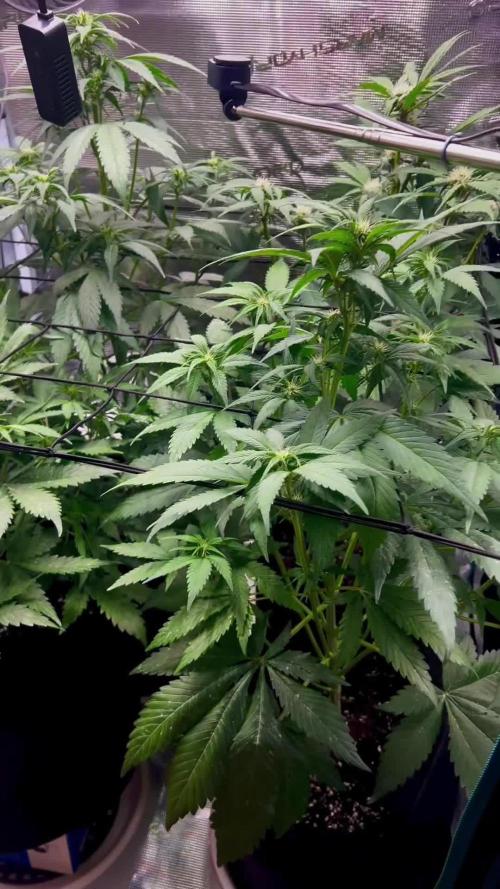
Día 42 de vida de las plantas, estas semanas se ha producido un crecimiento explosivo, se ha regado con unos 1,5 litros por planta con un PH de 6,1 y una EC de 0,82. Se han añadido suplementos al riego para favorecer la floración aun sin utilizar ningún fertilizante. Una de las plantas tiene unos pistilos impresionantes mientras que a la mas pequeña le sigue costando estirarse, ya ha conseguido mostrar las puntas de las hojas. Se ha echo poda de bajos eliminando las ramas con menor exposición a la luz, solo queremos cogollos grandes y compactos. He colocado un intractor de aire y he recolocado el sensor de temperatura y humedad para obtener unos valores mas reales, tenemos ciertos problemas de humedad que aun estoy intentado resolver, por las noches sube a más de 70% y no consigo bajar de 65%. No he aplicado preventivos y aun menos aplicar foliar para que no suba la humedad, con el diatomeas de la semana pasada parece que no existe ninguna plaga en el cultivo.
Por otro lado he apreciado una pequeña deficiencia en las hojas de las plantas, según la IA lo más probable es deficiencia de calcio o magnesio, he aplicado 1 ml/l de Calmag a ver como progresa estas semanas.
Estas son las condiciones de esta semana:
Ventilación: nivel 50% oscilación 90 grados
Extractor: 45%
Humidificador: Off
Luz: 85% con altura de 30 cm
Ppfd: 550 umol/m2/s
Periodo: 18-6
Humedad: 65% a 75%
Temperatura: Día 24 C - Noche 20 C
Vpd: 0,51 a 1,12 kpa
Co2: 329 a 760 ppm
Temperatura del sustrato: mínima 20,4 C máxima 23 C
Humedad del sustrato: mínima 8,5% máxima 33,8%
Productos y Marcas usadas:
Indoor: MARSHYDRO 80x80x160
Led: MARSHYDRO FC 1500 EVO SAMSUNG
Ventilacion y extracción: MARSHYDRO
Controlador: IHUB PRO MARSHYDRO + Kit Sensores
Medidor PH: Milwaukee PH 600
Medidor EC: Milwaukee C66
Sustrato: COMPOSANA Semilleros / LIGHT MIX BIOBIZZ
Ph: BIOBIZZ UP / DOWN
-Fertilizantes-
BAC: GROW, BLOOM, PK, CALMAG
ADVANCED NUTRIENTS: VODOO JUICE, BUD CANDY, TASTY TERPENES, BIG BUD, OVERDRIVE, BUD IGNITOR.

Likes
127
Share


@DutchFarmer
Follow
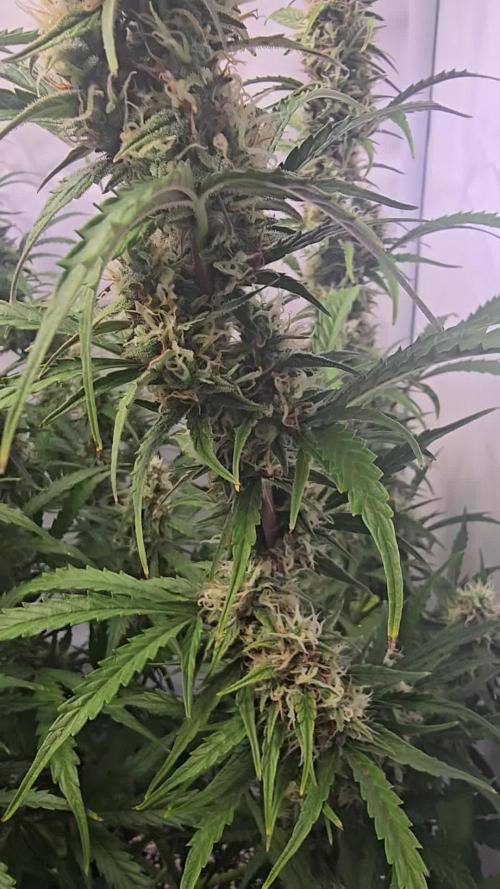
1 week done!
Really impressed with how strong she is!
Let’s gooo we will keep on pushing forward
Time to start the plagron sauce

Likes
20
Share

@Cauli
Follow
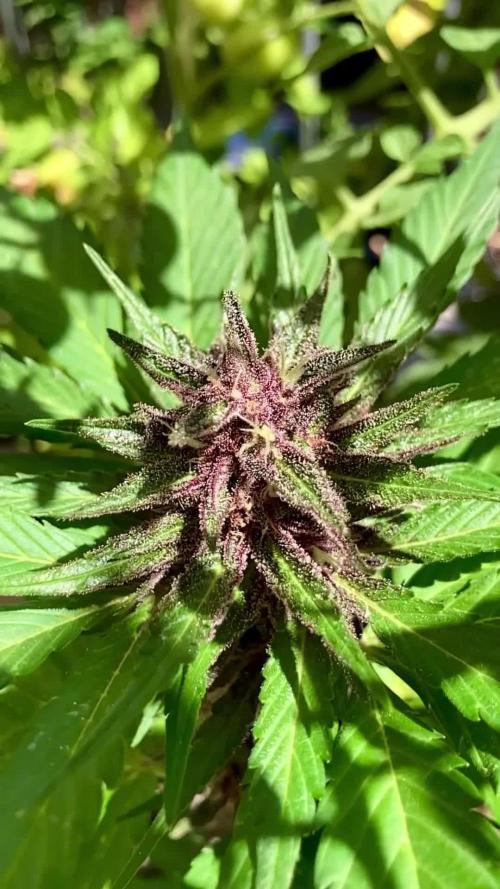
Buds keep growing nicely and the plant smells very fruity and decent.
weather was okay this week, think about giving them about two or three more weeks.
Processing
Likes
3
Share


@Dico29
Follow
Day 136.... buds are swelling and looking nice, don’t really do much beside chill in my closet with my other plants but all in all it’s great smell and destroys all my chances of smell control, which is very little to a point of non existent

Likes
7
Share

@ukojesita
Follow
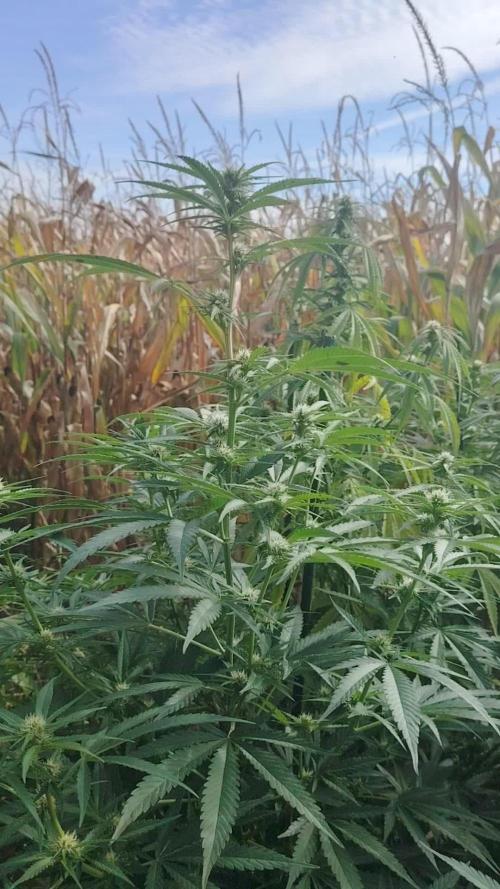
Zdarec pěstiči, tak holky frčej nahoru jak blázen, dvě mají už přes dva metry a paldy krásně nabývají... Zatím Čus.

Likes
12
Share


@TheStaffedition
Follow
Привет друзья.
10.01.24 Harvest 15%
14.01.24 Harvest 100%
27.12 перестал кормить и начал проливать чистой водой
20.10 перевёл свет в режим 12/12
Начал применять LST технику на 19 дне, а 18 августа добавил ДЕФОЛИЗАЦИЮ
С 20.08 ДЕФОЛИЗАЦИЮ
С 20.08 LST технику
На сегодняшний день влажность 54%
5.09.2023 заметил высокий Ph 7.9
С 48 дня Ph не ниже 5.8
На сегодняшний день Ph 6.0
Начал кормить с 60 дня Canna Terra Vega
PPM 150
Всем мира и добра!
Не забудь поставить лайк❤️, если понравилась как прошла неделя
И читайте наш TELEGRAM: https://t.me/smail_seeds
#Smail_Seeds 😀
Перевод
Likes
1
Share


@Blucha
Follow
These ones going crazy right there!
Week 6 of flowering just a couple day ago they started to bulk up.
I did some defoliation but nothing big
Strong and extraordinary smell of both strains. Two different worlds in tha tent.


Likes
15
Share


@RellestPlant3r
Follow
Cycling these girls outa the tent and into a dark tent lol! The time has come to harvest northern lights and banana purple punch 🥊 is not far behind. Definitely growing these in the future!
Likes
6
Share


@eldruida_lamota
Follow
Que pasa familia, vamos con la primera semana de floración de estas Wedding Cheesecake Fast Flowering, de FastBuds.
Agradezco a Agrobeta todos los kits obtenidos de ellos 🙏.
El ph se controla en 6.2 , la temperatura la tenemos entre 21/24 grados y la humedad ronda el 50%.Tienen un color espectacular, esta semana cambié el foco a 12-12, iremos viendo cómo avanzan.
Agrobeta:
https://www.agrobeta.com/agrobetatiendaonline/36-abonos-canamo
Hasta aquí todo, Buenos humos 💨💨💨
Likes
Comments
Share

@TactiLost
Follow
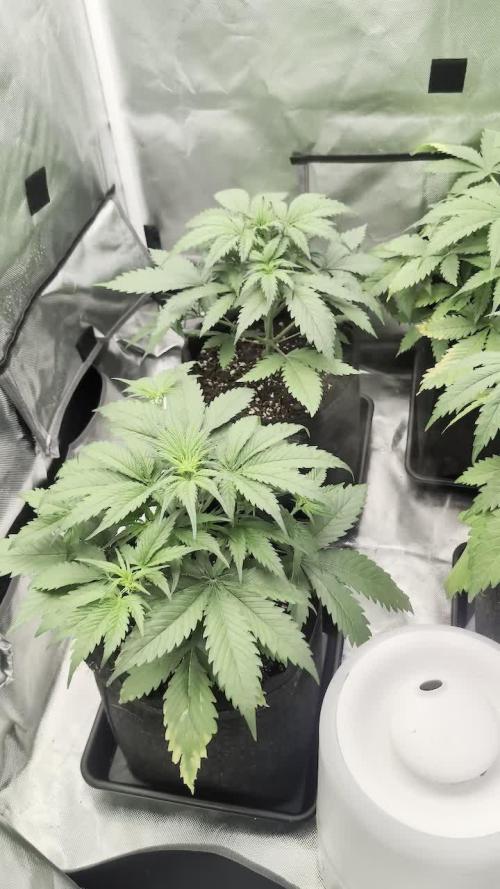
I'd been watering by weight this whole time, aiming for 50% of the pot's dry weight. Big mistake — the soil was absolutely bone dry at times and had shrunk like crazy. One of the girls never bounced back and had to go.
The biggest plant in the run started throwing nanners from all the stress. I pulled the pollen sac off wet and decided to keep her in the tent for now, doing daily checks. If she goes full hermie on me... well, at least there'll be some hash at the end of it