




Likes
20
Share

@Brotanical
Follow
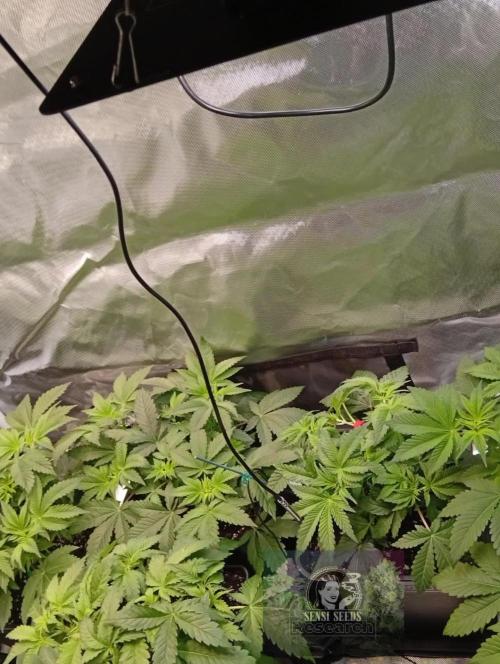
Sie bekommen Ph kontrolliertes Gieswasser👍 zurzeit noch mit hesi TNT und @Plagron Lemon Kick 👍
Pro Pflanze wird mit ca 1 Liter gegossen und dazu bald mit CalMag Pro von Plagron
Bisher finde ich performt die WOB M100 Pro super mir gefällt der Wuchs der Critical Runtz unter ihr 🙂 sie reagieren super auf das aggressive Training @SensiSeeds 🌱👍

Likes
12
Share


@Philippovic
Follow
ich denke wir sind auf einem guten weg, bin für jeden tipp dankbar.
Das Setup wurde mit zwei Solarpaneele erweitert. So wird der Strom zu 90 % von den Panelen gedeckt.
10% werden nachts für die Lüftung vom Netz gesaugt

Likes
24
Share


@Weedzoks
Follow
La plante est passé en 12/12 pour lancer la floraison des féminisées
Flo 8: Arrosage engrais complets et taille secondaires
Flo 12: Arrosage eau

Likes
44
Share


@Aedaone
Follow
The temperatures, humidity, height, and watering volume(if measured) in grow conditions are all averaged for the week. The pH is soil pH. Any watering done by me is well water which is 7.6 pH and 50° F. Coop Poop, Feather Meal, and Soluble Kelp are ml/gallon of soil top dressed. Everything else listed in nutrients is ml/gallon of water fed to plants without checking the solution Ph.
Day 1 we had a high temperature of 73°. It was sunny, cool, and a dry 35% humidity. The girls are super happy. I watered about 5 gallons today.
Day 2 we had a high temperature of 74°F. I watered about 5 gallons of well water. The nights are super cool and the pm is coming back. I'll have more Growers Ally fungicide arriving tomorrow. I'll hit these with the double treatment to clean them up.
Day 4 we had a high temperature of 84°F with sunny skies. The humidity is tipping back up but still below 80%. I didn't get photos for day 3. The girls are doing great. I treated with biofungicide today. They're feeding off the nutes in the pot. They run a little low on nitrogen overnight. When I water in the morning the feather meal on the top soil breaks down and they darken up.
Day 5 we had a high temperature of 87°F with partly cloudy skies. I watered about 5 gallons.
Day 6 we had a high temperature of 80°F. Skies were cloudy and we have a hurricane now tropical depression about to hit. I watered about 5 gallons. No rain yet.
Day 7 we had a high temperature of 72°F. Skies were overcast and there was a drizzling mist all day. Humidity was 110% for at least 24 hours. The girls seemed to be fine. There's more rain in the forecast and I'm hoping we miss it.

Processing
Likes
2
Share


@eldruida_lamota
Follow
Que pasa familia , vamos actualizar estas misty gorilla auto de Zambezaseeds, están increíbles, vaya color, como van formando esas flores , añado mega PK(0,5gr),Terminator, tricoma y explotacogollos (0,2gr),todo de la gama AgroBeta, que por cierto contentísimo con los resultados hasta ahora , cubren todas las etapas de principio , hasta el final de la floración.
Sigo controlando la humedad en que no suba de 50% la temperatura que no aumente de 27 grados y el ph controlado en 6,2 siempre en cada riego tenga nutrientes o no.
Pues lo que veis es lo que hay espero que os este gustando este diario, ya que no soy partidario de poner autoflorecientes en indoor, os traigo el lst en indoor con autos para seguir aumentando los diarios y que os puedan servir de referencia o futuras dudas, un saludo fumetillas y que tengáis buenos humos.

Likes
7
Share


@Naujas
Follow
the girl is growing little by little, no additional light, only what nature gives:) in the coming days, she will be transplanted into her final pot and will spend all her time on the balcony :) I wonder what will happen with a few hours of direct sunlight, if there are no clouds:).

Likes
87
Share


@Mrs_Larimar
Follow
2021-10-23
The Strain is growing very Vigor
I started a Giveaway on instagram
https://www.instagram.com/p/CVP9hbEM7Qh/
Pls help us in liking the " growoff for Charity" posts
Prizes are Starterset Profi, some merchandise
5 Seeds Purple urkle from Weedseedexpress
More Giveaways and Auctions are coming, ( around every 14 days)
xxxxxxxxxxxxxxxxxxxxxxxxxxxxxxxxxxxxxxxxxxxxxxxxxxxxxxxxxxxxxxxxxxxxxxxxxxxxxxxxxxxxxxxxxxxxxxxxxxxxxxxxxx
Hello Growmies and Weedlovers, and future Sponsors!!!
we dont do that Growoff to show „whos got the biggest“
We want to show the Power of Woman, and the Importance of Encouragement and Help
Maingoal is to do some Charity.
We want to collect Donations for Woman- related Social Projects, like Womanshelters, BreastCancer Organistaions, Social Projects for Girls. Some Projects like this.
TO OUR FUTURE SPOSORS!
The Growoff will go until february ( approx) means 22Weeks plus.
We are doing Postings on Instagram twice in the Week, and weekly on Growdiaries.
Means 88 Postings .Enough Space, to promote You ( your Comany)
There are many Options to Support that
• Doing Sponsorship on Likes ( per like 10 cent)
• Monthly Donations fort he Project
• Or sending us Material , that we can give away in Auctions, and we Donate the Money
Thank you for your Attention, and maybe we can encourage You ( your Company) to help us to get tot he Goal.
Dont be shy and get in Contact with us per Direct message
https://www.instagram.com/mrs.larimar/
https://www.instagram.com/silky_smooth1/
https://growdiaries.com/grower/silky-smooth
https://growdiaries.com/grower/mrs-larimar
October 24.th
She was topped
Likes
21
Share


@KentuckyOG60
Follow
Growing nice and easy. No issues just doing a little lst and letting it grow

Likes
63
Share


@AsNoriu
Follow
Day 43.
so main change, i lost my mobile and i had really loads of photos and videos of ex grows. i blacklisted it, but still...
from now i will reduce amount of post and updates, it is stupid, but i cant risk ...
Girls all week on diet, looks like only one Gorilla is starving a bit and would need more, but in my plans last watering with molases this time only.
They already had runs with silica only. cal mag only x2.
Think worm castings was an isue, control garden grows really fine, will be my smallest plants ever, they will have 3 weeks in total for veg.
Happy growing and dont loose your mobiles, huge pain ....
Day 48. Gorillas are really nice and i cant denny it, but ....
Cookies are worst experience ever...
They just dont want to grow and show up new issue the second you fight one....
I even made control garden with more than years old beans of Incredible Bulk and bagseed Strawberry Cough. Both strains grow ok, but not Cookie !!!
Thats honestly wrong genetics, unless someone prove me wrong, open for your advices ...
Hard training again, still on pure water diet with calmag or silica or molases as small bonus while no feed for two weeks + ....
Lights are out because training took longer than i wanted. ...
Next week they go to 24 hours darkness and light is changed to 12/12. That was last week of really hard training, now i will wait for green mass of leaves to cover stems and hope they will make some buds ;))
Choose your beans wisier than me ...
Happy growing !!!


Likes
19
Share


@pifflestikkz
Follow
Day29F - still showing vast growth on buds, swelling and trichomes blossoming out. The colours starting to form nicely on the buds. Smells like a pungent caramel now.
Day32F - This plant is so thick and strong, and can resist a dry and hot climate.
For me this plant has been so easy, and she sucks up nutrients and loves it, 💪
Buds are getting dense and so sweet to smell. So fat and so many, I'm surprised on this auto 👏 well done again RQS.
Day 68- Day 33F - the buds continue to swell and devolope. Trichomes flooding through now. Starting to see cloudy so will push for another week of nutes if she'll allow it after Friday, we'll see 😏✌️💚
Likes
17
Share


@DjgrowingMj
Follow
The tent smells so great each morning when I open it, this is my favorite phase of growing. I love watching them develop and thicken up days after day. Below are the days of activity since the last update:
Day 50
1 gal distilled water 1/2 tsp Cal-mag 9g Simpro bloom booster formula
Pulled 17 leaves adjusted LST
Day 54
1 gal distilled water 1/2 tsp Cal-mag 9g Simpro bloom booster formula
Day 55
Pulled 16 leaves adjusted LST
Day 58
1 gal distilled water 1/2 tsp Cal-mag 9g Simpro bloom booster formula
Pulled 2 leaves adjusted LST

Likes
3
Share


@High_Grade_Dadli
Follow
Mother: to the older sets that are in pot
Gonna transplant dem new mother by the end of the week or next week...jus letting LST do it thing since I already started it
New cutting first visible root in 8 day off of water only gonna hit them with a rooting mixture before end of week


Likes
29
Share


@Edenganj
Follow
I’ve started giving them some silica blast. They seem to be reacting pretty well to it.
What do y’all think?


Likes
8
Share

@meity2312
Follow
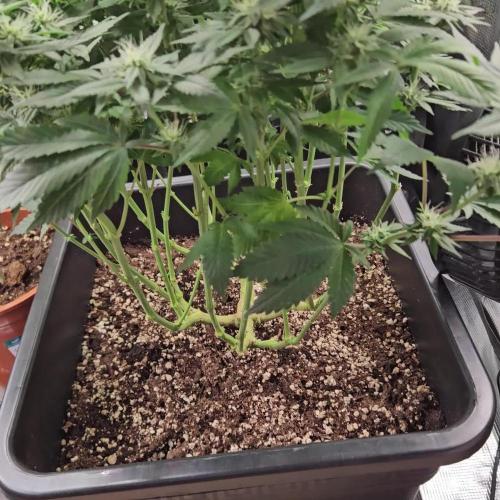
Die Blüten schwellen langsam aber sicher an. Ich bin zufrieden mit den Pflanzen sie sehen sehr gesund aus.
Likes
10
Share


@Weedbadk
Follow
Día :1 iniciamos este seguimiento de estas variedades toda germinaron en 3 días
Día 5 desde puesta en sustrato
Solo pulverizó 1 no sobrevivió pero las 2 salieron sin problemas
Likes
Comments
Share

@Nony_grows
Follow
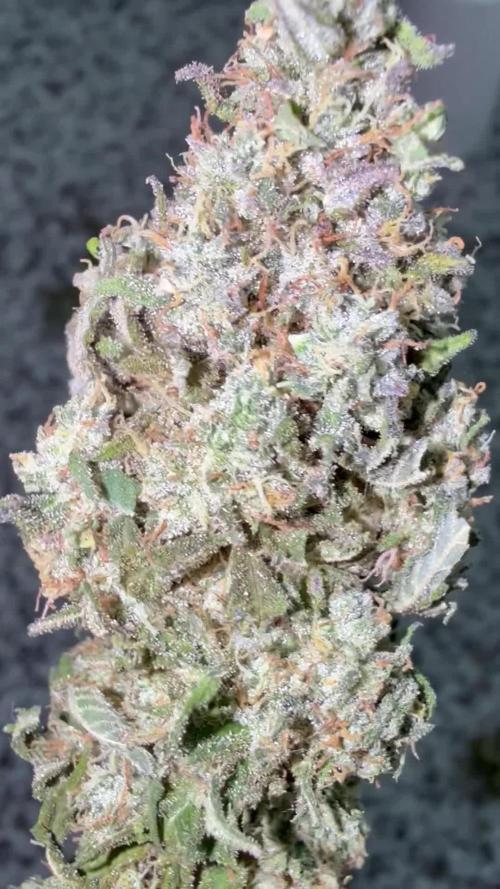
Biscotti had a sweet nutty Teri’s with plenty of frost. Not as dense as I wanted but I also had nutrient issues during flower
Likes
25
Share


@Grower_Of_Persia
Follow
week intel:
we getting close to end of ripening , this week i raised drought , Nitrogen and E.C stress by feeding them 2 times per week and raised e.c to 3 to cause real stress that will help increase terpenes production
stresses :
Nitrogen deficiency Stress by removing the fertilizers that has N in them
Drought stress via removing one meal in week
high E.C stress around 1.7 and the other feeding day 3.0 , 2 times a week
feeding:
no more Nitrogen
i feed them 2 times this week with this order :
day 1 : i feed them high with Bio-Bizz Top-Max + Feeding Booster about 850 ppm - 1.7 e.c to cause a medium e.c stress.
day 3 : no more feeding this day
day 5 : i feed them very high dose of Bio-Bizz Top-Max + Feeding Booster around 1500 ppm - 3 e.c to cause high e.c stress
guide of the week :
be patient in the last weeks, never hurry for harvest because its the time of ripening in last 2 weeks you should let plants to do their work
last weeks of ripening is the time to break the limits we should cause 3 stresses as i said above Nitrogen stress , Drought Stress , E.C Stress
