


Likes
Comments
Share


@GERGrowDesigns
Follow
Dear Growers ,
Welcome to Week 6 or Flower week 3 // Day 42-49 from Sweet Seeds Orange Apricot Xl Auto.
Incase of Moving to a New Home . I Decided to skip 3-4 Weeks from every Diarie of the 12x12 Automatic Project . Everything should be Normal in the next Weeks .
Project Setup & Conditions:
• Brand/Manufacturer: Sweet
• Tent: 222cmx150cmx150cm
• Light: 2x 720 Watt Full Spectrum
• Humidity: 50%
• Soil: Narcos Organix Mix
• Nutrients: Narcos Products
• pH Value: 6
If you want Germinitation results like mine , check out Kannabia Seeds with my link [https://www.kannabia.com/de?ref=61966] and grab the germination device or the strains I used . Trust me – it’s worth it for sure !
Get another 20% Discount at all products using the code [GGD] at the Checkout .
Stay curious and keep up Growing —we look forward to welcoming you back for the next chapter soon!

Likes
10
Share


@RandomStreetMerchant
Follow
The girls are looking strong, can’t wait to see em in a couple weeks. Much love 5/29/23

Likes
100
Share


@ILoVeThiSpLaNt
Follow
Giorno 49
Ho girato in fioritura.
Le due Zombie come già detto nelle settimane scorse sono due fenotipi completamente diversi. Uno sicuramente haze e l'altro bubba Kush. Stanno bene entrambe ma la più grande l'ho dovuta defogliare per bene e sono certo che tra 15/20gg farò una seconda passata. Ultima bevuta prima di mandare in fioritura EC 1.28 ph 5,8.
Anche le due Rainbow Belts sono diverse perché sfregando il gambo una sa di Zkittlez l'altra di frutta quindi penso più a qualche fenotipo dosidos.
La Milk Monkey è quella che per struttura mi piace più di tutte.
Per la prima volta ho preso dei cloni anche se non so dove tenerli e sotto che luce. Per ora li ho messi in un vaso ricoperto da velina nel box delle autofiorenti


Likes
10
Share


Likes
9
Share

@Oldwied
Follow
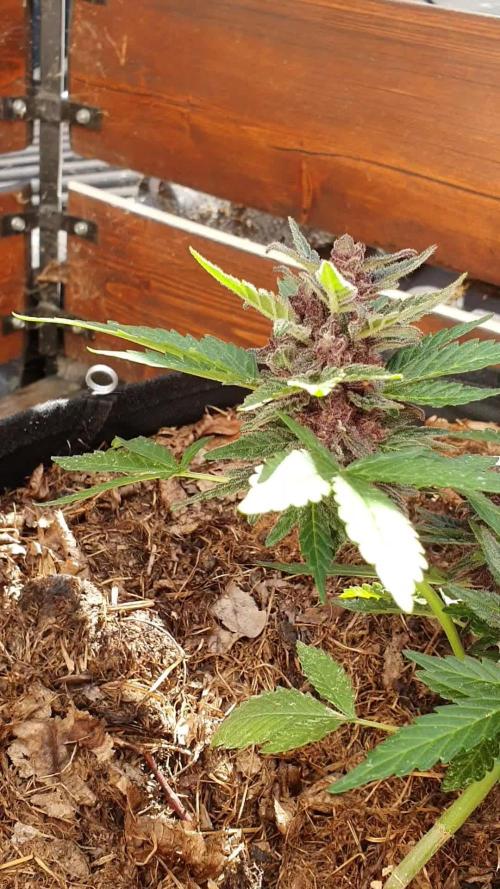
The little one smells like a big one :D
End of the week its time for harvest the purple lady. The Trichomheads looking good but I want a little bit more amber. So we see how they looking on the next sunday. Otherwise she will get a bit more time.
Nothing to say, everything goes on.
Day 78
Photoshooting

Likes
16
Share

@DE_BW
Follow
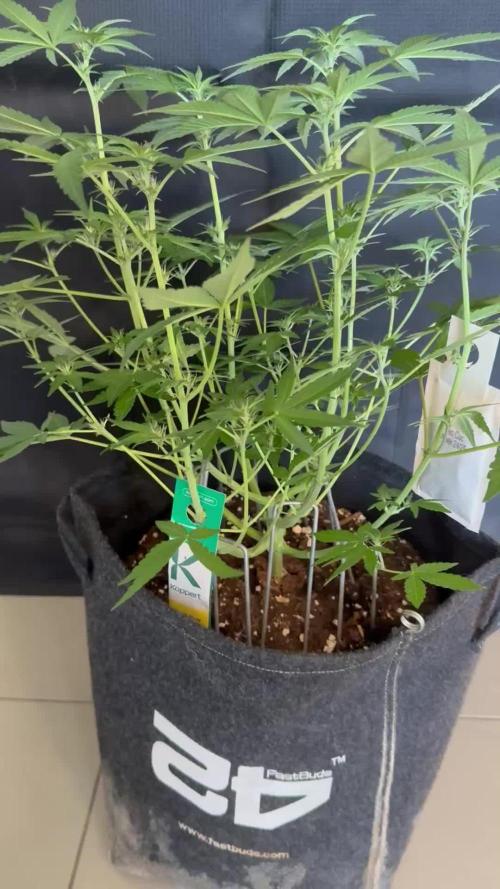
Flowering and the stretch phase have officially begun, and the canopy remains very even thanks to the earlier training. The first buds are forming nicely, and the plant looks vigorous overall. There is still some minor pest damage on a few fan leaves, but it remains healthy and is developing exactly as expected.



Likes
91
Share


@Swollen
Follow
Wonderful strain from Fastbuds. Strong and reliable.
Hits your brain like a sativa and your shoulders like an indica. Love this high. Surely a night time smoke.
I also have to thank this site for letting me discover really expert people and good cultivation techniques, surely without it I would have had less knowledge and the result would have been affected. So thank you Grow Diaries and FastBuds for the great experience this time too!
Likes
9
Share


@Not_a_tutorial1990
Follow
I've been a bit confused about the age of my clones but I reached out to suppliers and got more details.
Clones were cut on September 20, I transplanted on October 25 when I received.
I'm thinking I should flip to flower end of November.
Lots of bud sites after lst and bushy.. a bit short in my eyes but I know will stretch once in florer


Likes
3
Share


@FastbudsFanatic
Follow
Last few days of feeding for strawnana
Second week of flush for gelato
Likes
104
Share


@SmokingTiki
Follow
The plants keep growing and the first pistils have appeared a little bit more than one week after the 12h/12h switch.
It looks like some of the leaves close to the fan received too much wind so I moved the fan to the other side of the crop to see if it's better, it seems to work.
The Blackberry Cake branches grew much this week and unfortunately I didn't see that the LST strings were too tight 😒 Now I removed them but they left some marks on the branches. It already happened to me with previous grows but the plants recovered 😎
It has been two weeks since the 12h/12h switch, I think I can expect some small flowers during next week 👊
Plants heights at the end of the week :
-------------------------------------------
Blackberry Cake : 50 cm
Jack Herer : 47 cm
Cashew Kush : 56 cm

Likes
21
Share


@BudBrewerz
Follow
Miss Kalini is doing super great, she's packing up a whole lot of thick, dense well reeking buds.
She became this nice bush that uses up half of the space in the tent.
I haven't given her nutrients for a couple off days and don't think I will get her back on them.

Likes
29
Share


@KingSalomonsWeed
Follow
Hello,
28.10. Day 58 of flower.
LOL. Auto Seedins! LOL
I mean, anyone else falling in love with these colorful buds?
And yes, some headbud leaves re even in sunlight lila.??? What a plant, im on my knees.
30.10. Day 60 of flower... 70 days the breader says... Ok, i see only milky trichomes. But that massive.
With greatings from the unexpected colorful Trans Syberia... 😛 💪

Likes
22
Share


@m0use
Follow
***Sponsored Grow*** = Medic || https://medicgrow.com || Grow = ***Sponsored Grow***
Still have some issues with the feed and this pineapple dream, they are getting some burning in the sides on some of the larger fan leaves, I would say it could have been over feeding but the runoff is not that bad, and I would expect more burning on the other plants as well. Its smell has changed a bit as well, its not as fruity as it was earlier on or its diluted by all the other smells in the tent, might be a sign I am giving them to much water at a time as well. Still giving them a 2:1 or 2.5:1 grow vs bloom nutrient. Its helping with some of the pink stems from last week. Feeding strength is up .2 point to reach 900ppm or aorund 1.8EC will leave it here fro the remainder of Veg. Prob will do for 2 more weeks then flip to flower as I just topped them and want to give them some time to recover.
NPK ratio of 7-7-14 1:1 equal parts grow/bloom.
Grow=8-4-15
Bloom=6-10-14
Boost=1-15-30 "not yet used it yet"
Also took some clones from the plants as well, took two main cuttings from each plant, forgot to do the one so its not shown in the first video up the updated clone pics later in the week. If any of these impress me then the clones will go outside and grow there all year for a extra special harvest. Or I'll give them out to some friends and family maybe a little gorilla gardening project, but I will wait before getting ride of them all as I'm still kicking my self in the ass over the Blue Cindy loss. really liked that plant and wish its clones I gave out where still aorund.
Lights doing well. The V1 spectrum is good on the medic grow mini sun-2's 240w. No issues so far, dimmed at 80% till flower is initiated then up to 100%, Will test out 13/11 I think as the schedule to give them some more photons for an extra hour vs 12/12
.
Till next week.
***Sponsored Grow***
Official Website:
https://medicgrow.com/
+
https://www.kannabia.com/en
Facebook:
https://www.facebook.com/medicgrowled
+
https://www.facebook.com/kannabiaseed/
Twitter:
https://twitter.com/medicgrow
+
https://twitter.com/kannabiaseeds
Instagram:
https://www.instagram.com/medicgrow420/
+
https://www.instagram.com/kannabiaseedsint
YouTube:
https://www.youtube.com/channel/UCNmiY4F9z94u-8eGj7R1CSQ
+
https://www.youtube.com/c/KannabiaSeedCompany
Growdiaries:
https://growdiaries.com/grower/medicgrowled
https://growdiaries.com/grow-lights/medic-grow
+
https://growdiaries.com/grower/kannabia
https://growdiaries.com/seedbank/kannabia

Likes
34
Share


@Southwest_budders21
Follow
Day 49 Flip day! Just flipped them to 12/12 took loads of leaves off. Let's see if I've guessed the sex right then 😏 I think I've got 3 fems but people still tell me I want know until I've flipped 🤷♂️🏼
Update: Day 50 and day 1 of flower looking very happy will give a nice feed when soil dries out. Lights are now maxed out and on Day 51, day 2 of flower I'm sure all 3 are definitely fems will keep eye on them next few days 👀
Update again: Day 53, Day 4 of flower and they looking beautiful 😍
Likes
17
Share


@CanadianFillmore
Follow
Week 5 begins for Mandarin dreams and Divine storm. All four ladies look happy and healthy with minor deficiency signs. All four are bulking up and frosty as my windows (it's -21 °c)!
The Mars-Hydro TSW2000 is performing awesome, very happy with it. Thank you Kaoritracy for hooking me up!
Thanks for stopping by growfessors 👽🌳💚

Likes
20
Share


@Adkguerrilla44
Follow
I messed up and didnt get many pics as me and my buddy were very very busy trimming from 10am-10pm got the 1 blue cheese plant finished!!! In 12 hours we did 1 plant thats fricken insane considering me and him did 8 of his outdoor plants in less time back in fall,more bud than i have ever seen on a plant under 3ft shit it had more bud on it than the 8 footer i grew last fall lol just so impressed with this plant i will definitely be growing many more blue cheese using FOOP nutes in the future thats for sure ,i am not touching any of this nugget until its dried and cured...gonna be hard to resist lol but it will be worth it for sure 😉
