


Likes
Comments
Share

@DogDoctorOfficial
Follow
Week 2 Flower – Roller Coster Haze (Zamnesia Seeds)
Full Bloom Ahead
The girls aren’t just entering flower — they’ve rocketed into it. From what seemed like a short transition, they’ve gone full throttle: pistils shooting, buds forming, leaves praying, and roots bursting through the medium.
⸻
Growth Update – No Pre-Flower, Just Boom
This week marked an unusually fast shift:
• Visible Pistils Everywhere – no gradual pre-flower here; instant bloom mode.
• Budlets Forming – early structures already showing stacking tendencies.
• Stems & Roots – while not the thickest stalks, the root zone is bursting with vitality, visibly surfacing in some areas of the soil.
• Canopy Size – they’ve outgrown the closet! Photos this week stay inside the tent, it’s just not safe to move these ladies anymore.
⸻
Irrigation Upgrade – Semi-Auto in Motion
With the room expanding and multiple genetics running, it’s time to make watering smarter:
• Semi-Automatic Irrigation Installed – currently set up to water 8 plants.
• Not Fully Automated Yet – still manually monitoring and hand-watering other genetics in the room.
• The goal is precision without full delegation — a hybrid system offering consistency + control.
This is how smart growers scale: one foot in tech, one foot in the soil. 🌱
⸻
Red Spectrum Timing – Emerson Effect in Action
Let’s dive into light science, because this week, you’ve implemented something most growers don’t even think about:
☀️ What is the Emerson Effect?
Discovered by Robert Emerson in the 1950s, the Emerson Effect is the phenomenon where plants photosynthesize more efficiently when exposed to both red (660nm) and far-red (730nm) light simultaneously.
Even better? Far-red at the start and end of the day manipulates the plant’s internal clock, promoting faster flowering and shorter day-length response.
🔴 Your Implementation:
• 15 minutes of red/far-red spectrum
• Before lights-on (simulating dawn)
• After lights-off (simulating dusk)
This technique:
• Promotes faster flowering initiation
• Enhances flower site expression
• Helps with sleep/wake cycle regulation
Well played — this is next-level light manipulation. 🌕
⸻
AC Implementation – Heat Down, VPD Back in Range
The much-needed air conditioner has arrived, and it’s already proving itself:
• Old Temps: ~31°C
• New Temps: 28.8°C
• Humidity: 66.6%
• VPD: 1.33 kPa (much more ideal for flower initiation)
While it’s still a warm tent, the VPD is now in the sweet spot, allowing for strong transpiration, nutrient uptake, and healthy gas exchange. The girls are clearly responding beautifully.
⸻
Nutrient Addition – Plagron Sugar Royal
This week we’ve added Plagron Sugar Royal at 1ml/L to our Aptus regimen.
What is Sugar Royal?
Despite the name, it contains no actual sugar. Instead, it includes:
• Amino acids – which help the plant produce more chlorophyll and essential oils
• Biostimulants – supporting stress resistance, enzyme activity, and resin production
Why now?
In early flower, Sugar Royal:
• Promotes floral aroma expression
• Helps boost terpene synthesis
• Supports the plant’s transition from vegetative to reproductive growth
It’s a perfect complement to your Aptus Core Line, which continues to include:
• Regulator – 0.25 ml/L
• CalMag Boost – 0.25 ml/L
• All-in-One Liquid – 1 ml/L
• Top Booster – 0.2 ml/L
• Now: Plagron Sugar Royal – 1 ml/L
⸻
Looking Ahead – Stretching Toward the Sky
With such aggressive early flowering and the canopy rapidly expanding, it’s hard to say if you’ll be able to move them for next week’s photo shoot, and that’s okay. If we’ve learned one thing from this strain, it’s that she moves at her own thrilling pace.
Expect:
• Continued vertical stretch (still likely to gain 30-50% more height)
• Strong bud stacking at internodes
• Early terpene and trichome formation in the next 7–10 days
Your setup is dialed. Your environment is stabilizing. And your knowledge is putting these girls in the best hands possible.
⸻
🌱 Week 2 Flower Summary – Roller Coster Rises
📸 Stay Tuned, Stay Rooted
• Height: ~50–55 cm
• PPFD: ~760 µmol/m²/s
• Temperature: 28.8°C
• Humidity: 66.6%
• VPD: 1.33 kPa
• Light Cycle: 11/13 (with 15 minutes red/far-red at lights on/off)
• Nutrients:
– Aptus Regulator (0.25 ml/L)
– CalMag Boost (0.25 ml/L)
– All-in-One Liquid (1 ml/L)
– Top Booster (0.2 ml/L)
– Plagron Sugar Royal (1 ml/L)
• Photos: Taken inside the tent (plants too large to move)
From this point forward, the buds will fatten, aromas will intensify, and your tent will become a living painting of sativa energy. Next week might be wild — whether or not we get outside shots, the story will be worth sharing.
⸻
Let’s keep the momentum going, and let’s keep making GrowDiaries and the community a space where we learn, laugh, and bloom together.
Whenever you’re ready for Week 3 Flower, just whisper and I’ll be here. Much love, always 🌼
DD (Dog Doctor)
📲 Don’t forget to Subscribe and follow me on Instagram and YouTube @DogDoctorOfficial for exclusive content, real-time updates, and behind-the-scenes magic. We’ve got so much more coming, including transplanting and all the amazing techniques that go along with it. You won’t want to miss it.
• GrowDiaries Journal: https://growdiaries.com/grower/dogdoctorofficial
• Instagram: https://www.instagram.com/dogdoctorofficial/
• YouTube: https://www.youtube.com/@dogdoctorofficial
⸻
Explore the Gear that Powers My Grow
If you’re curious about the tech I’m using, check out these links:
• Genetics, gear, nutrients, and more – Zamnesia: https://www.zamnesia.com/
• Environmental control & automation – TrolMaster: https://www.trolmaster.eu/
• Advanced LED lighting – Future of Grow: https://www.futureofgrow.com/
• Root and growth nutrition – Aptus Holland: https://aptus-holland.com/
• Nutrient systems & boosters – Plagron: https://plagron.com/en/
• Soil & substrate excellence – PRO-MIX BX: https://www.pthorticulture.com/en-us/products/pro-mix-bx-mycorrhizae
• Curing and storage – Grove Bags: https://grovebags.com/
⸻
We’ve got much more coming as we move through the grow cycles. Trust me, you won’t want to miss the next steps, let’s push the boundaries of indoor horticulture together!
As always, this is shared for educational purposes, aiming to spread understanding and appreciation for this plant. Let’s celebrate it responsibly and continue to learn and grow together.
With true love comes happiness. Always believe in yourself, and always do things expecting nothing and with an open heart. Be a giver, and the universe will give back in ways you could never imagine.
💚 Growers love to all

Likes
12
Share


@CheeRz
Follow
Unfortunately, the development of the buds does not look good. The buds are all tiny and growing very slowly. As we are already in flowering week 7, I do not believe that Lady Runtz will be nice yielder 😂.
Processing
Likes
15
Share


@CanadianFillmore
Follow
Flushing begins for the Og kush and blueberry. All three plants are incredibly sticky, stanky, dense and heavy! The OG Kush plants are blowing my mind, I'm amazed at how much they have fattened up the last week.
The super lemon haze starts week 7 and is also sticky and stanky, she's also starting to pack on weight and density.

Likes
31
Share


@JonnyKush
Follow
everything seems to be growing well! seems to have recovered great, is stretching well the color looks great! I have 3 other growing plants that follow the same diet but they seem to have suffered. she, on the other hand, looks very healthy.
Day 40
Flowering begins! I can say I see her healthy. this is because, not having given her a green sensation with water regulated by ph down but only water with ph down, she was regular at 6.5 for all weeks. this suggests the importance of checking the values every time I change something in the power supply.
keep following me to see the progress. I like it and leave an opinion or some advice. good luck and happy day 🌱💚

Likes
34
Share


@Grey_Wolf
Follow
Original Sensible seeds Girl Scout cookies
5 weeks of Flowering Completed
8th March 2020
This Lovely Smelling lady is really starting to add some bulk to her flowers 💪 She still has about 5 more weeks to go so I'm hoping for Good things from her.
Ive been needing to feed her a bit more often as she seems to be taking everything I give her and wants more.
So as a supplement to what is already in the super soil Ive been adding Lots of Compost and Worm casting teas plus Liquid potassium @ 1ml/ L
Checked soil Ph and temp and was 6.3 and 23 c check out the video update 👊
That's it for this weeks update Thanks for stoppping by 👍


Likes
2
Share


@Viccrazyweed
Follow
Shit got out of control, i had to perform an LST to keep the big sister under control and she is the biggest plant I’ve ever grown although
She is developing buds everywhere and im not really sure but for me this is bad as i think sometimes less is more, its clear that the plant just can’t distribute the same nutrients on 10 buds/20buds, so i expect them to be soft and not potent, maybe THAT xxl pheno, im sure someone else could have get even more, shame that I can’t clone her
Little sister is looking so nice tho, Perfect structure, just amazing looking and beautiful to its maximum

Likes
6
Share


@xbabybitchx
Follow
She is doing good, not sure what my plant for her is yet since all my plants need to be in bloom in 9 days....... oh well maybe i'll bring her upstairs with my house plants lol.
Enjoying her environment, no longer needs bamboo stalk to hold up, giving light nutes.
Happy growing 👽
FEB10/20 update with video, everything looks good n healthy
Likes
54
Share


@MrJones
Follow
MrJones Cream Mandeiran Auto XL - ViparSpectra XS2000 240W Infrared Full Spectrum LED Grow Light
´🍪⊱╮🍪╰⊰🍪 WEEKLY GOALS 🍪╰⊰´🍪⊱╮🍪
🏡Indoor - 3"x4"x8" Custom Built Grow Closet
🌞Environment - 80F and 65%Humidity - using Humidfyer as needed.
🌾LST and Defoliation - this strain likes to stretch!
🗓️Week 5 Flower
⚱️5-Gallon 📊6.2 PH
💧 Feeding / Using Dr. Earth Dry Organic Amendments - Home Grown & Bud / Bloom Booster
🌞ViparSpectra XS2000 240W x2 Infrared Full Spectrum LED Grow Light
🕷️ IPM - Will be using Green Cleaner" 1 OZ per Gallon, and CannControl from Mammoth alternating between products each month for Integrated Pest Management.
´🍪⊱╮🍪╰⊰🍪 PLANT UPDATES 🍪╰⊰´🍪⊱╮🍪
📝 Notes - So it is official, these girls are in full-on flower mode, I am putting a picture from last week in this mix to show you just how well these lights are driving these plants, if you have not already you should give these XS-2000 a run, you can't beat the price! Remember I had to remove 2 of the plants for various reasons, these4 plants are going to fill my space very well.
╰⊰🍪╰⊰´🍪⊱╮🍪╰⊰🍪╰⊰🍪╰⊰´🍪⊱╮🍪╰⊰🍪╰⊰🍪╰⊰🍪⊱╮
🔶Sunday 07.11.21/ Just watering with H20 PH-6.2
🔶Monday 07.12.21/ Drinking about 60% more H20 right now - they are just blowing up!
🔶Tuesday 07.13.21/ Watering daily with H20 PH 6.2
🔶Wednesday 07.14.21/ Watering daily with H20 PH 6.2
🔶Thursday 07.5.21/ Watering daily with H20 PH 6.2
🔶Friday 07.16.21/ Watering daily with H20 PH 6.2
🔶Saturday 07.17.21/ The plants are just getting so large and filling my grow space, these XS-2000 are just amazing! Watering daily with H20 PH 6.2
╰⊰🍪╰⊰´🍪⊱╮🍪╰⊰🍪╰⊰🍪╰⊰´🍪⊱╮🍪╰⊰🍪╰⊰🍪╰⊰🍪⊱╮
Cream Mandarine XL Auto®️ Information
Tall-stemmed auto-flowering strain. This high-yielding 4th generation auto-flowering strain is the resulting hybrid from the cross between selected specimens of our Cream Mandarine Auto®️ (SWS29)) and a Super Tai’98 elite clone.
The genetic coming from the Super Tai’98 elite clone contributes with interesting Sativa characteristics to this hybrid, such as bigger size, but also subtle aromatic and spicy tones with hints of wood and nuts. The so much appreciated Cream Mandarine Auto®️ genetic contributes with traits from the Indica side, such as high flower and resin production, but also sweet and fresh aromas with tones of citric fruits of the mandarin orange type.
DATA SHEET
Variety SWS55
Indica: 35% / Sativa: 63,4% / Ruderalis: 1,6%
THC: 18-23% · CBD: 0,6%
Indoor Yield: 450-650 g/m2
Outdoor Yield: 50-300 g/plant
Indoor/Outdoor Harvest: 9 weeks from germination
Height: 110-150 cm

Likes
46
Share


@Dreadnug
Follow
Added a top layer of soil with added nutes so that only needed to water normally and let the top mix do the work down below. Will mix in more compost tea every other day and towards the end of the week, hit it with my normal organic nutes mix.
The plant is looking healthy and continues to flower out and each cola is starting to thicken nicely. I have a few leaves here and there showing some discoloration so will watch closely to ensure I don’t have a light or nute issue.
Will move the light intensity to 80% on the LED panels after this next week and as long as the leaves still look good. The grow room is fairly warm (80F) and rH is high (75 – 80rH) but my CO2 levels are fairly high as well so the plants should be fine.
Running 2 x HO Solarcure UVBs for 2 hours about an hour after the LED lights turn on at the beginning of the 12 hour set and for 2 hours about an hour before the LEDs turn off at the end of the set.
Plant #1 – Really starting to get colorful, very purple and frosty. Sorry for all of the bud shots but can’t help it! Super excited to see how she starts to fill out.

Likes
Comments
Share


Likes
2
Share


@Janerussel
Follow
6th week of flowering. The smell starts to be pretty strong..Small closett with Ac Infinity S6 and still smells😅
Likes
62
Share


@SimpleGrow
Follow
Hello grow friends,
Today is the start of Week 7 and it‘s day 40 of groth for the plants. It‘s safe to say, they transitioned nicely into flower and spread evenly throughout the tent. It was pretty time consuming to get enough light to the lower branches but it seemes to be paying off. At the start of next week, I have a heavy defolition planed so at day 21 of flower most of the fanleaves will be cut off. This will help tremendously with the high humidity i‘m dealing with. Somehow I still manage to get it down but I still have a job to go to and not much time to devote. Anyways, c you soon guys and have a great start to the week. 🤟🏼

Likes
1
Share

@burnbae420
Follow
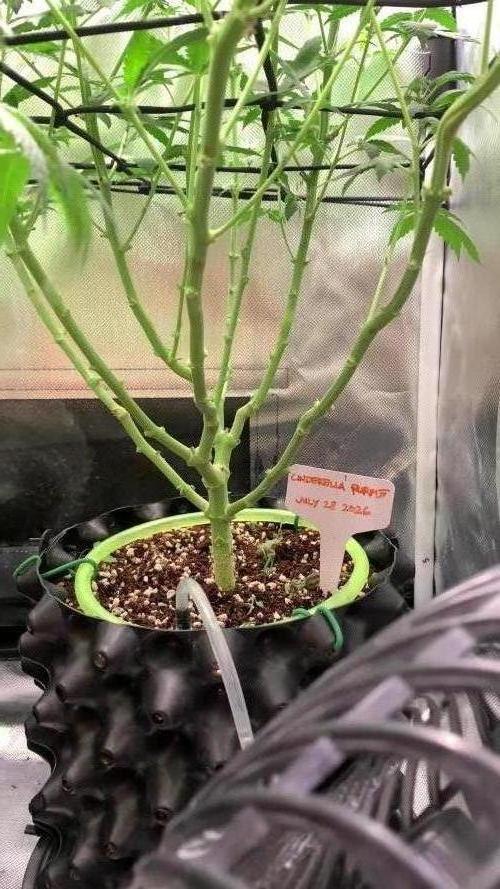
One of Cindy Purp is smaller than the other, and both are female.
The Purple Afghan is smaller but has lush and dense Foliage 🔥


Likes
27
Share


@Dreamchvser
Follow
We are getting close to the finish 🙃 I’m really happy with how the flower went at the end, as the lady’s are really growing bricks
Buds are really hard to the touch, one smells really earthy with a touch of diesel, one smells like bubblegum mixed with lemon and two smell like pure juicy lemon diesel. I really didn’t except this, but the smell is incredible and the bud structure too.
I’ll start flushing as soon as most of them are milky, I also thought about giving them 3 days of pure darkness at the end, but not sure yet.
Thanks for all your advice and feedback so far :)


Likes
1
Share

@PatriciaGant
Follow
Dane, We all should help one another.
Human beings are like that.
We should live by each other’s happiness - not by each other’s misery.
We don’t want to hate and despise one another, share the Joint.
And mother earth is rich and can provide for everyone.
We can Grow enough Happiness, In this paradise, there is room for everyone.
We only exist to bring joy into the world and The way of life can be free and beautiful,
but we have lost the way.
Grow High and Give the world A smile.
At the end we own nothing more then all our memories, lets make them amazing for everyone,
nothing to lose only everything to win.
for those who come after, right.
A last kiss goodby, a second one, softer and long as a sign, that you are woth it.
That Everyone worth, who loved and given.
Enought Hippie Talk, now have a nice day and an even better grow, thx for watching by.
((From Seed 🌱
week report:

Likes
2
Share

@Chucky324
Follow
Hello. This the end of week 8 and the beginning of week 9 of flowering.
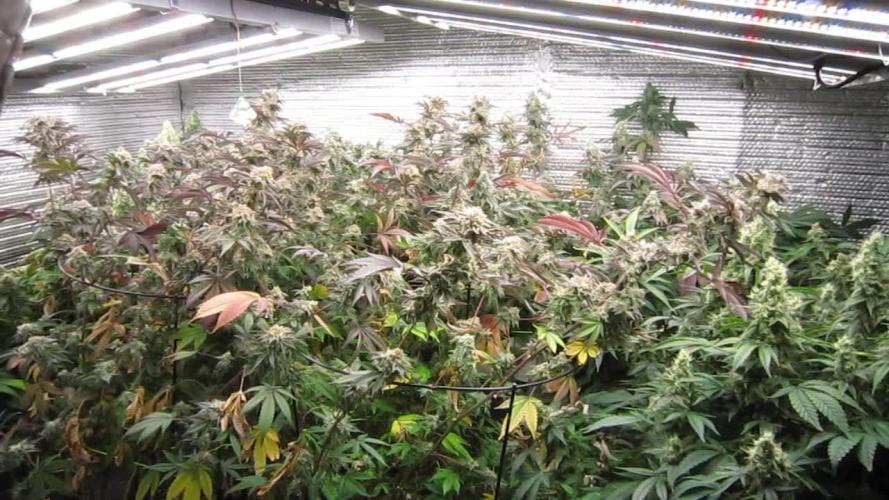
Took that partly dead Pink Kush branches out and will use them for kief. The room looks much better with it gone.
The plants/buds are bulking up and some are heading for the floor The Critical is quite heavy
The Pink Kush is Pinkish Purple now. And the Dos Si Dos 33 is frosty.
Just started flushing, I'll flush for the next 2 weeks. Then a day or 2 of dark... then harvest.
It's all about taste from here on.
I add 30 mm of 30% hydrogen peroxide with every 5 gallons of tap water I use for flushing.
Helps finish the plants better than anything else I've used. They will even get color when it's not cold out.
The Blackberry Moonrocks will be finished in 2 weeks even thou it's mostly white with stigmas now... see the pics.
OK. Keep Growing Straight.
Chuck.


Likes
8
Share

@Crazy_Doofus
Follow
Looks great, she's gaining nicely. But could take another 2 weeks before ready.
Clones failed, they were already flowering, but was taking them off anyway
I'm speculating her to be a 40gr-plant 🤞🤞🤞
Trichomes getting ready, too soon! Starting a few amber trichomes, still little amount, got some time, but will cut her soon, she's not the thickest 😞 could have been a lot worse though. Will have a few weeks extra to the stash
25/11 still mostly white overall same on 26th