


Likes
Comments
Share

@DogDoctorOfficial
Follow
🌸 Week 6 Flower – RollerCoaster Haze 🌸
The RollerCoaster Haze ladies continue to impress, towering, branching, and now fully focused on flower production. At this stage, the stretch has slowed down and the energy is clearly moving into bud development. Both phenos are responding exactly as expected: stacking, swelling, and pushing out white pistils everywhere.
📸 Media Update
This week we worked mostly with video content, editing clips to show different angles of the canopy, along with a handful of carefully edited photos. I also tested the GoPro inside the tent. While it captures the energy of the grow, the challenge remains: grow lights and reflective walls can be tricky for sensors. It’s part of the experimentation, learning what tools work best for documenting the journey.
🌱 Plant Development
• Flowers: Buds are bulking up, calyxes swelling, and pistils standing tall and abundant.
• Colas: Long, thick colas are forming, showing that the plants are putting their full effort into bloom.
• Health: Leaves remain vibrant and healthy, a great sign that the nutrition plan is balanced.
• Size: The girls are still ginormous, filling the tent with their structure and presence.
💧 Feeding & Environment
The recipe continues as in Week 5 with the Aptus + Plagron combo, fine-tuned to deliver exactly what they need in mid-flower. The soil’s foundation combined with targeted liquids creates harmony between root uptake and flower demands.
• pH: ~6.0
• EC: Moderate, adjusted to soil reserves
• Temps: ~28–29°C
• Humidity: ~65%
• VPD: ~1.3–1.4
The girls show no stress signs, just steady flower development and consistent stacking.
🔬 Educational Spotlight: What Happens in Week 6 Flower?
By Week 6, the plants are deep into reproductive growth. Here’s what to expect and observe:
• Bud Bulking: Calyxes swell, flowers add weight, and colas begin to take their final shape.
• Pistil Production: White hairs remain abundant, showing active flower growth. Some pistils may begin to slightly darken or curl in certain spot, a natural step in maturation.
• Trichome Formation: Resin heads start to appear and multiply, laying the foundation for terpenes and cannabinoids.
• Nutrient Focus: Plants now require a steady supply of phosphorus and potassium to fuel flower production, while still needing calcium and magnesium for structural support.
This is also a week for observation. Every genetic expresses differently, some push pistils longer, others start swelling earlier, some stretch more, others pack tighter. It’s a reminder that growing is about watching, adapting, and learning from each cycle.
🌟 Looking Ahead
• Expect even more bulking in the next two weeks, as the flowers really start to pack density.
• Trichome coverage will increase noticeably, and aromas will begin to intensify.
• Environmental control becomes crucial — high humidity can risk mold at this stage, so keeping air moving is key.
✨ Reflection
Week 6 Flower is where the RollerCoaster Haze girls show their true potential. The canopy is vibrant, the flowers are swelling, and every sign points toward a powerful finish. This is the heart of the ride — and these plants are carrying us higher with every day.
🌸 Week 6 Flower – Summary 🌸
• Development: Buds bulking up, calyxes swelling, long colas forming, abundant white pistils.
• Health: Vibrant leaves, strong root base, plants remain ginormous and thriving.
• Feeding: Aptus + Plagron combo (no All-in-One Liquid), balanced P/K support, steady Ca/Mg.
• Environment:
• pH: ~6.0
• EC: Moderate, adjusted to soil reserves
• Temp: ~28–29°C
• RH: ~65%
• VPD: ~1.3–1.4
• Notes: GoPro testing for photos/videos; documenting challenges with tent lighting.
• Focus: Observation of pistil production, trichome development, and bud stacking.
• Looking Ahead: Expect flowers to pack on more density and trichomes in the coming weeks.
📲 Don’t forget to Subscribe and follow me on Instagram and YouTube @DogDoctorOfficial for exclusive content, real-time updates, and behind-the-scenes magic. We’ve got so much more coming, including transplanting and all the amazing techniques that go along with it. You won’t want to miss it. • GrowDiaries Journal: https://growdiaries.com/grower/dogdoctorofficial • Instagram: https://www.instagram.com/dogdoctorofficial/
• YouTube: https://www.youtube.com/@dogdoctorofficial
⸻
Explore the Gear that Powers My Grow
If you’re curious about the tech I’m using, check out these links:
• Genetics, gear, nutrients, and more – Zamnesia: https://www.zamnesia.com/
• Environmental control & automation – TrolMaster: https://www.trolmaster.eu/
• Advanced LED lighting – Future of Grow: https://www.futureofgrow.com/
• Root and growth nutrition – Aptus Holland: https://aptus-holland.com/
• Nutrient systems & boosters – Plagron: https://plagron.com/en/
• Soil & substrate excellence – PRO-MIX BX: https://www.pthorticulture.com/en-us/products/pro-mix-bx-mycorrhizae
• Curing and storage – Grove Bags: https://grovebags.com/
⸻
We’ve got much more coming as we move through the grow cycles. Trust me, you won’t want to miss the next steps, let’s push the boundaries of indoor horticulture together!
As always, this is shared for educational purposes, aiming to spread understanding and appreciation for this plant. Let’s celebrate it responsibly and continue to learn and grow together.
With true love comes happiness. Always believe in yourself, and always do things expecting nothing and with an open heart. Be a giver, and the universe will give back in ways you could never imagine.
💚 Growers love to all



Likes
2
Share


@burnercorona
Follow
Awesome week. Both plants are doing great. One is definitely praying to her Blue God lol.
Processing
Likes
6
Share


@Kush_T_Big_Nugz
Follow
This week I transplanted all of them and started lst training. Of all 3 strains I’ve got going, gummy buns defo has the best vigour and structure on nearly all of them.

Likes
7
Share


Likes
37
Share


@Smoking_Joe_Frasier
Follow
Grow Diary Update: Week 5 - Pre-Flowering and LST Evaluation
Entering Pre-Flowering Stage
At the end of last week, the first pistils appeared, marking the beginning of the pre-flowering stage for my plants 🙌 There's much to manage now. To support optimal stretching, I've adjusted the nutrients following 2/3 of the Terra Aquatica feeding schedule:
CalMag: 2 ml/l (Starting EC before adding nutrients: 0.45 mS/cm)
Grow: 1.33 ml/l
Bloom: 1.0 ml/l
Micro: 1.33 ml/l
The nutrient solution now has an EC of 1.3 mS/cm (638 ppm PPM-500/TDS) with a pH of 6.1. These adjustments aim to promote vigorous growth and prepare the plants for flowering.
Weather and Growth
With significant weather improvements, my plants are thriving at full speed. Every centimeter gained now counts towards maximizing the final yield, turning around from the challenging weeks prior.
Pest Management
I'm fortunate not to have encountered pests like spider mites, aphids, or thrips. However, the persistent snail issue remains. Nightly patrols with a flashlight have been effective, and placing old lettuce leaves away from the plants has helped trap and remove snails, ensuring the plants remain undisturbed.
LST Experiment Results
The two plants I trained with LST have responded admirably, showing healthy adaptation to the bending and vigorous growth. Yet, I'm at a crossroads regarding the upcoming stretch phase: should I continue to tie down branches to maintain an even canopy or allow natural upward growth to potentially boost vertical yield?
Your Feedback Matters
I value your insights on this critical decision. Should I proceed with low-stress training to control canopy height, or should I let the plants stretch upwards for increased productivity? Your experiences and advice are invaluable to me as I navigate this stage of my grow. Share your thoughts below!
Stay tuned as I continue to document the pre-flowering stage and learn from the ongoing LST experiment in my grow diary!
Likes
7
Share


@darb35
Follow
This will be a bit of a challenge, one of the LCC is 45cm while the others are 25cm.
I gave them little ramps to keep canopy even and all 3 are still looking healthy.

Likes
8
Share


@Canna96
Follow
Hey now, I hope everyone is having a great weekend. This was a good week for the Purple Punch, she really started to stretch and grew 14 inches in the last 7 days. I did start transitioning her from veg to flower nutrients yesterday. She is now feeding on Silica, Cal Mag, and 50/50 veg and flower nutrients.
She has 3 shoots coming off some nodes and only one coming off other nodes. This is the first genetically mutated cannabis plant that I have grown so we will see what happens.
The Medic grow light is now running at 100% in F1 Flower mode and I am also integrating the UV/IR bar for approximately 90 minutes per day just before lights off. I will continue to transition her to flower nutrients over the week and by next week at this time all three ladies will be feeding from the same reservoir with Silica, Cal Mag, Maxi Bloom, and Liquid Kool Bloom which is a PK booster. I keep the PH in the reservoir between 5.5 and 6.5 and prefer fluctuations between this range as some nutrients uptake better at different PH's within this range.
I will probably do one last light defoliation in the next couple of days and that will be about it other than keeping the reservoir full and in the correct PH range. The tomatoes outside are absolutely loving the runoff from these autos, as that is all they have had to drink since they were about 3 weeks old.
Thanks for stopping by, Stay Safe and Blaze On!!! 💪
Website: https://medicgrow.com/
https://growdiaries.com/grower/medicgrowled


Likes
6
Share


@Livetimegrower93
Follow
Any advise is welcome. At this point any advise is going to help new growers out here growing a bag seed 🤣
Likes
11
Share


@Bread_n_Buds
Follow
He who stops is lost, as an old saying goes
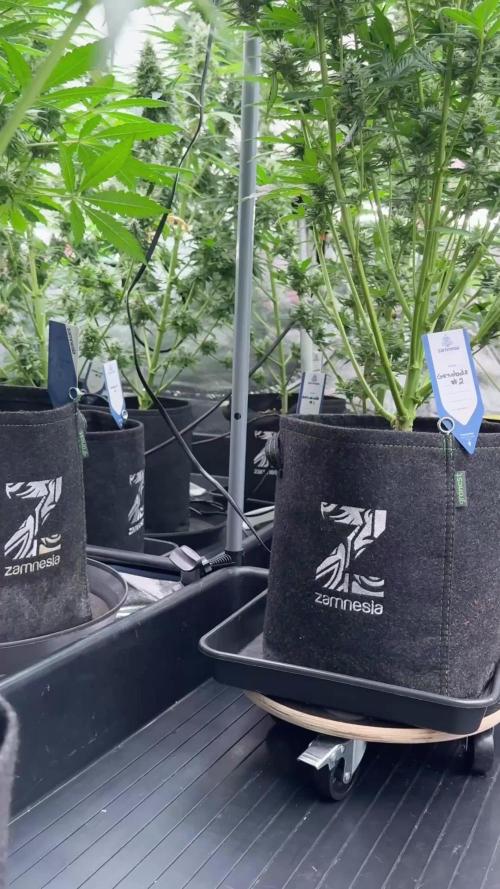
I don't know exactly what the origins are, so here's a new Zamnesia season.
We are in the middle of winter and despite growing in an area that isn't the warmest in Europe, it's really cold now. It's 16-18 degrees Celsius in the house and we need to bring the temperature of the propagator growbox between 20 and 25 degrees Celsius.
So we first placed a layer of those 1 cm thick "rubberized" floors that are used for gyms, they are easily found on Amazon and are very useful for insulation.
Then a heated resistance mat and then the closed propagator on top. Inside with our seedlings and the light on at minimum 20% we reached 24 degrees, not bad in fact the germination is proceeding very well.
100% opening of the seeds in water and almost all of them are opening in our biodegradable peat pots.
----- Our Green Crack F1 Hybrid Auto were born really quickly. About 24 hours in water and the two seeds had hatched, another 24 hours in soil, and off they were born on 01/12/2024 on the identity card we have this date. Special features very pretty, born regularly without any problems, if you have placenta problems or seeds that remain attached. read below.
Is a Sativa Dominant probably running for Autoflowers World Cup let’see the results. .
WARNING: Placenta Problems ---- ALWAYS look very carefully at the seedlings, if the seed or placenta prevents the cotyledon leaves from opening the plant dies after a while. Remove it delicately as if it were a condom or almost. I apologize for the example but it gives the idea to remove slowly delicately please.
WARNING: If you choose biodegradable pots choose the largest possible and not paper/cardboard ones, there is peat which is the main component of most of the soil we use.
If you want to avoid transmitting vibrations to your neighbors I recommend you install one of these gym floors under your growboxes, I did it and I also feel safer not to disturb. They are easily found on Amazon in different thicknesses, I took a gym model that is assembled like a puzzle, they are also found in children's shops, they are those floors that are assembled to make children play safely, or to train and to avoid vibrations from equipment or of any kind.
Everything will be grown Plagron Pro Mix with 100% fertilizers let's start with Power Roots 1 Ml/l
Plagron fertilizers are available on Zamnesia in convenient Pack formats for all growing styles. I used this with a simple search you can find the other products.
---- https://www.zamnesia.io/en/12119-plagron-top-grow-box-100-natural.html
—— Try this strain drive me crazy!
---- https://www.zamnesia.io/en/10677-zamnesia-seeds-green-crack-f1-automatic.html
Zamnesia Description // Forget what you think you know about cannabis. Green Crack F1 Automatic by Zamnesia Seeds is here to shake up the whole industry. Using F1 genetics, growing cannabis has never been easier. These plants offer uniform and abundant yields. Get ready to harvest high-quality buds, full of flavor and amazing effects.
Growbox and Air System - Secret Jardin DS120w + fans + Exhaust fans and filters DF16 kit
Light - Viparspectra P2000 https://www.viparspectra.com/products/viparspectra%C2%AE-2024-updated-p2000-200w-led-grow-light-with-daisy-chain-function
---- www.zamnesia.com
Likes
9
Share


@Naujas
Follow
it's too hot in the tent, which she doesn't like :( well, but there's no other choice, we'll have to end it like this, I think she'll endure and everything will be fine :)


Likes
3
Share


@Chimken
Follow
At the end of Week 4 (vegetation) the plants stretched and got some height.
I still can not assess if they are doing normal, good or great :)
I am starting bending the branches in a special way using the holes in the circle of the pot and gardening rope.
The left and central plants are definitely ready for this.
Likes
2
Share

@hassehujasse
Follow
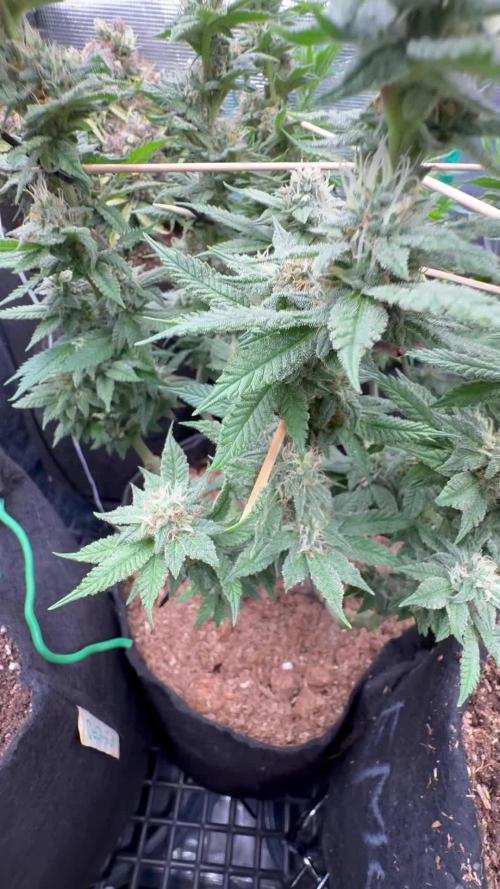
Transformation de la chica a la mujer.Strong begining of the week, looking forward to give her all my love
Likes
17
Share

@ZhulenejJohny
Follow
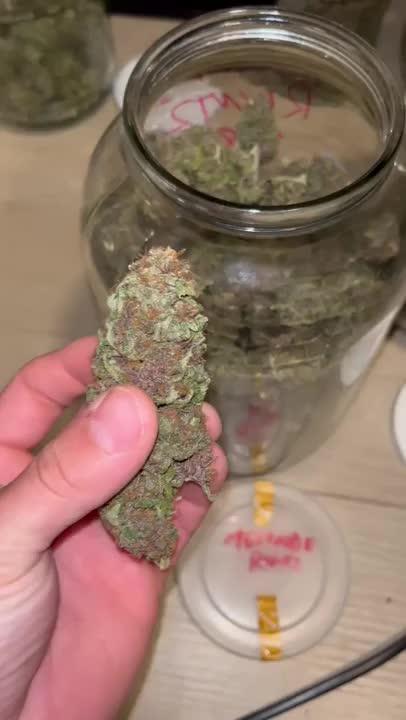
A je to konec dámy a pánové. Byl to náročnej grow skrz vedra, ale s výsledkem jsem spoko. Tak zase u dalšího dobrodružství! Peace 👽


Likes
9
Share


@StoneyMelony
Follow
Overview of my grow:
Tent: Secret Jardin DS120 4 x 4 (120 cm by 120 cm)
Lights: 2 x 120 Watt CTlite c4 clusterled
Climat: Trotec Dehumidifyer 240 watt- 10L/24h
Filter: Prima Klima carbon filter PK2600
fan: 2 x Secret Jardin 20watt osc. fan
Pots: Gronest 4 x 11 liter airpots
Water : automated water system
PH: bluelab
Nutrients: Plagron cocos A + B
Plagron PK 13/14
ATA cal/mag
Epsom salt
no rights to music in the videos
Week 6 She is doing great, She has grown another 21 cm in height. She is still the biggest plant in the room. I did some LST and defoliation again. She is stacking up nicely, i'm very curious about this gorilla no smells maybe next week ! Thanks for checking and stay safe all 😋


Processing
Likes
10
Share


@Claxdiok
Follow
Luego de agregar micorrizas las plantas están absorbiendo demasiados nutrientes y muy rápido lo cual hace que las tenga que fertilizar más porque aún tienen deficiencia del 5% así que está semana empezaré con fósforo potasio.
Likes
Comments
Share


@DrGrow420
Follow
The plants have grown very fast this week, easily doubling in size. I moved them closer to the light to 90 cm from 110cm. Watering as needed and I am keeping the soil surface moist with light watering twice a day.
I have fed the plants twice this week. First with a half dosage humic + fulvic acids, microbial inoculant and Seagro. The second feeding was half dose Seagrow and Biobizz BioGrow with some CalMag and Silicon.
I am preparing a compost tea with some added kelp meal, insect frass and worm castings for the next feeding before I start LST.
Likes
9
Share

@Riseandshine
Follow
Dag 70 van de bende van rise and shine😬❤️❣️❣️❤️
Na alle euforie van de kweek, kwam gisteren een ijskoude douche.😅😅😬😬😬😔🧐🧐🧐
En vandaag na het nodige informeren, nog ne dikke vette stamp in mijn kloten tedju.😬🤯🤕🤒😷
Ik was zwaar teleurgesteld in mijn opbrengst, maar das wss bij velen van de buiten kwekers!
Zeker wat ik droog zou over houden na aftrek percentages. Maar ik wacht af en hoop op het beste.
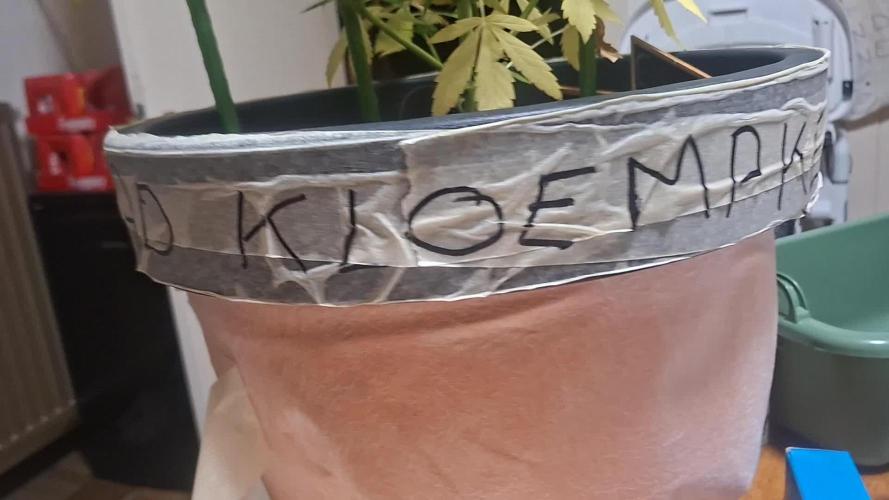
Vandaag heb in bij mel op 3 plaatsen echt in de top geknipt en daar zag ik dat er nog veel trichomen glashelder zijn. Ook nog best veel witte haartjes die omhoog steken. Dit alles in overweging genomen vrees ik dat ik met gaadkloempke ook beter had gewacht. Ik heb haar alleen bovenaan gecontroleerd en dat was dom van me😅?🤫🤫🤫
Geduld vanaf nu en wachten tot alles melkachtig is. Geduld zal me ook hopelijk dat beetje meer opbrengen. Van de geur ook geen klachten' want die 15 gram doet heel ons huis ruiken. Precies of we staan hier op de walletjes in Amsterdam.😅😂😂😂😂😂
Rise and shine, gisteren down , ma vandaag terug fine😁😎😂😂😂😂😂
Dag 71 van mijn golden trio🌱🌱🌱🌱🌱❣️
Eindelijk nog is een dagje 28 graden en een helder blauwe lucht.😎🍂🍂🍂
Het zal ze goed doen, die zon en die natuurlijke bries. Ik heb ze deze middag alle drie een 0.5 liter water gegeven elk in 2 keer. Kwestie dat ik ze niet teveel geef nu en zeker niet net voor ik ze binnen zet.
Bang dat ze anders teveel water verdampen en de geknipte weed gaan beïnvloeden.
temperatuur droogkamer is 22 en de luchtvochtigheid is cobstant 60.
temperatuur is iets te warm eigenlijk , maar zorg met 2 ventilators dat er constant bewegende lucht is.
We strijden verder.😎🌱🌱🌱🌱🍂🍂🍂🍂
Dag 72 van mijn schatjes😁😎🌱🌱🌱
Nu is dat hier in dit apenland 1 dag goed weer en ik zit op mijn droogkamer met een temperatuur van 25 graden!?🧐😬?
(Echt vriendjes, Kweken is leuk, maar moeilijk en een zware leerschool!)
Dus ben ik hier een hoop flessen water aan het invriezen, zodat die ook bij op de kamer staan. 😅🤕😬 Tis een gedoe en een opgave, maar ik heb het er voor over!❤️🔥❤️❣️🌱🌱
En die shit temperatuur zakt lichtjes en hoop doet leven!
De droogkamer ligt wel op de bovenverdieping en dat doe ik ook geen twee keer. Nu is het een constante verhuis van boven naar beneden en ik hoop dat ze geen stress bezorgt bloody hell.🤕😬🧐🌱
Voor 2027 zal ik me zwaar herorganiseren en uit deze 4 zwaar leren.
Want ik doe dit te graag en ben oprecht meelevend met die schatjes, dat ik wel denk dat er stiekem meer in mijn vingers zit. 😁😎?🌱🌱🌱
Weed smoren lukt me in ieder geval al vele jaren met glans.😁😂😂😂😂🤝❣️😜
Attentie Attentie!😁 extra nieuwsverslag live vanuit de kweek ruimte van rise and shine😁??😎🌱🌱🌱🌱🌱
Mel onder de microscoop bestudeerd en ik ga nog wachten en zaterdag een nieuwe inspectie.
Nog veel glashelder en ik heb geduld deze keer ook sensi seeds. Geen 2 keer bij mijn kl%t%. melkachtig of ze blijven staan.
Sensi seeds en beste mensen!
Ik was gaan kijken of mijn takjes nog niet knakten en nee nog niet het geval. Een klein beetje. Ik dus gelijk een proevertje
meegeschaard!😁😬?
TOP TOP TOP🌱❣️💥💥💢
Ik kan best wat hebben, maar ik ben ZEER ZEER ZEER TEVREDEN.❣️🌱🌱🌱
Ik proef hem nog niet helemaal door de natheid , maar het effect is nu al BUENOOOOOOOOOOO😎😎🤝🤝🤝🤝
Ge ga ne goeie klant aan me hebben in mijn kweektoekomst.
Ik ga me wat amuseren en SUPER hard genieten van mijn zelf gekweekt white diesel haze pret raket.😁😁😁
Dag 73 van mijn onder gesneeuwde bloemen.❣️❣️❣️❣️🌱🌱🌱😎
Het vertrouwen groeit terug met de dag hier! ( was wat down met gaadkloempke haar te vroege oogst)😷😔?
Met haar te vroegtijdig te oogsten was de leerschool voor de andere drie gelijk gepasseerd! De andere zwellen echt nog goed aan, dus dat is idd eind van de week en volgende week meer gewicht.😁💥
ik heb ze deze vm elk nog 0.75 liter zuiver water gegeven en ze staan lekker onder het afdak. Veel bewolking weeral, Pfaff tijdens de bloei weinig zon gehad, dus da heb ik ook al geleerd. 🤝🌱🌱🌱
Paft ze vrienden😜🤝😎🌱🌱🌱🌱
Vandaag is het dus officieel. Zal wel wat aan de warmte in mijn droogkamer gelegen hebben, maar gaadkloempke zit in haar potje. 15,38 gram droog en zeer goede kwaliteit mensen.😁💋🌱🌱
Haar bloemen ga ik nu nog 2 weken burden en ga haar nog wat bewaren en smoren op de feestelijke momenten. De naam die ik deze weed geef is golden rise.💣💣💣💥💥💥💥
Omdat ze de eerste was die ontkiemde en ook haar leven heeft gegeven om de rest nog beter te laten worden!!!?☺️☺️☺️☺️
Anders had alles hier al in hun grag gelegen' maar die fout wordt niet opnieuw gemaakt.
Nogmaals TOP WEED#SENSI SEEDS en ik ben benieuwd wat de toekomst van jullie zaadjes naar hier gaat brengen. ☺️😁😎🤝🤝🤝🌱🌱🌱💋
Dag 74 van mijn rising ladyssss😄🌱🌱😎
Morgen D day voor Mel en Berre.
Na mijne vroege shift gaan ze terug zwaar onder de micriscoop en dan ga ik ze zondag vm oogsten, indien een gunstige uitslag.😅
Ik ben reuze benieuwd wat die mij gaan opleveren, want die glinsteren zo mooi de nacht tegemoet. 🌱🌱🌱💥💥💥💢💯
Daarstraks bij Zjan wel 2 zaadjes aan een top gevonden. Deze jongen zwaar in paniek, maar vermoedelijk heeft ze wat stress gehad en blijft het bij deze twee.
Met het Benelux buitenweer en die constante temperatuur schommelingen is dit normaal met een buitenkweek.
Ik duim alvast dat het hier bij blijft!
Ik neem al deze nieuwe levenservaringen mee in bezinning na deze kweek.😁🤡👹👺😈
Maar het vermoeden begint langzaam aan te groeien waarom hier dus in tenten wordt gekweekt.😄🙂🙃😉
Zorgen voor later! Eerst deze schoonheden op mijn weegschaal krijgen.💣💢💥🌱🌱🌱🌱🌱🌱🌱🌱🌱🌱🍂🍂🍂🍂🍂🍂🍂🍂
Dag 75 van mijn duivelse ladyyyys 🍂🍂🍂🌱🌱😎
Vandaag vroeg slapen vriendjes en vriendinnetjes,
want de Sint komt dit jaar wat vroeger .😁
Alee, voor de papa toch. 🤝😅😂😂😂😂
Morgen mijn 2 lst planten berre en mel oogsten dus!
Wel grappig, omdat dit mijn huidige vrouw is en ons zoontje van 4 maanden. 😅😂😂😂😂😂
Ik ga zwaar in rouw gaan denk ik. 😅😁🤕
Hun trichomen waren ditmaal voor 90 procent melk kleurig dus ik denk dat ze op hun toppunt zijn.
Dan gaat zjan alleen nog over blijven in de tuin!🌱
Das jammer, want zo geraakt het feestje gedaan natuurlijk. 💣💥
Haar ga ik nog als extra testje naar amberkleurig laten gaan. Dit zou een verschil maken in high zijn.
Later meer hierover. 🍂🍂🍂🍂🌱🌱🌱
Ik ga slapen! Kwestie dat ik de SINT niet mis😁🌱🌱🌱
Dag 76 van mijn gouden trio 😬🤯😵💫😵😵😵😵
De Sint is geweest dus😃
BERRE EN MEL zijn er niet meer dus vandaag nen dag officiële rouw graag.😅😂😂😂😂😂
Ik ga dat verslag bij week 11 steken, want de foto's kunnen er niet meer bij. 😅😁
Goede knip geweest en Berre heeft me verrast.😎🍂🍂🍂
De kleine patser tedju......🌱💥💥💥
To be continued...............😎🌱🌱🌱🍂🍂🍂???
rise and shine🌱🌱🌱🌱🌱
