


Likes
Comments
Share



Likes
21
Share


@Pedrojuan
Follow
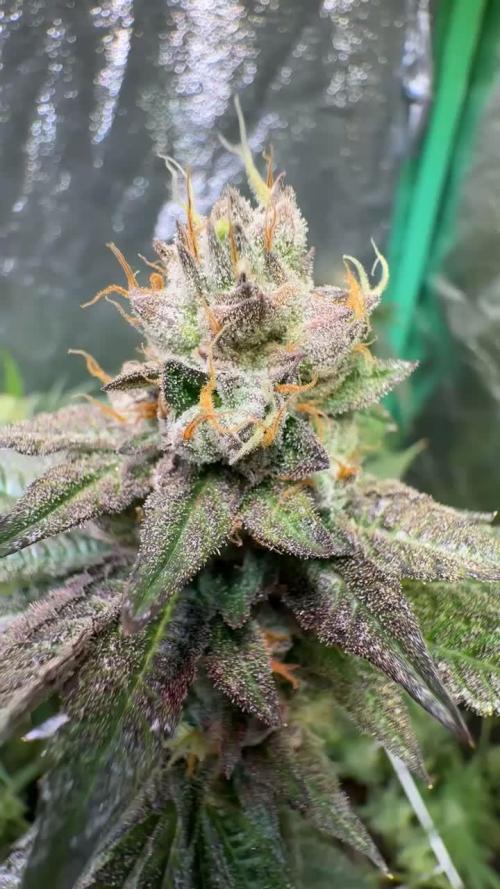
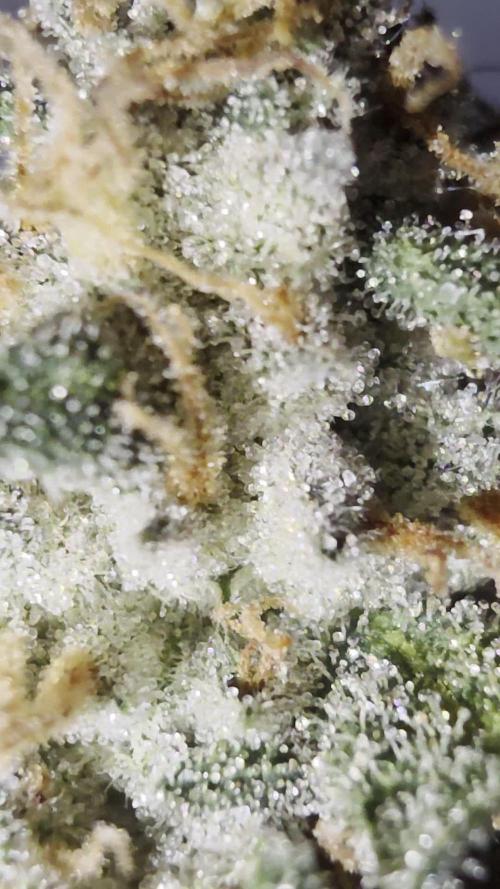
Después del cambio de solución y con el agregado del h2o2, explotaron... los nutrientes siguen estables y madida que pasan los días mejora el PH, en el cuarto día de la semana noto que han consumido +o- 7 u 8 ltrs de agua. Por ser mi primer cultivo creo que de momento va todo bien. Todavía los olores están controlados. Pero si siguen creciendo así no se como llegarán al fin de la floración, no me queda mucho margen para mover los led.
Termino la semana con un PH ideal, nivel de EC en 1,7 y agregué nutrientes a la solución.. consumen mucha agua o se evapora...Y con a triste noticia del mas grande de todos los tiempos! AD10s DIEGO!

Likes
9
Share


@STAYINGONMYMAINCBATORUNTWO
Follow
I’ll start by saying I’m NOT using both bud blood and bud ignitor in one solution, I am using bud blood on the rear runt plant and bud ignitor on the front one to test the outcome of them individually to see the best results! I tied down and defoliated twice in the week and have switched to 12-12 yesterday so they’re transitioning now and should be in bloom by week 7! I made some extract them made some gummies successfully I might add and added the photos in the diary!
Processing
Likes
15
Share


@WighLowBeanz
Follow
She'll be 7 weeks Friday and today is Wednesday July 15th. Her buds are as round as a baseball! Some are 6 inches long and she is full of resin and sticky as hell!


Likes
13
Share


@Youngicons
Follow
1st week of flushing has made some of the the plants have purple appear on the stalk, leaves, and even the tips of some parts of the flower.
Been looking more into good drying and curing technology to ensure a fine finished product.
1 more week of flushing then harvest.
Likes
269
Share


@JohnnyBlaz3
Follow
Day 129
Flower 67
Remaining 10?!?
WOW! lol they keep plumping up. most have slowed down but some of the colas are still noticeably growing.
The plant on the right is quite a bit different then the other two. much shorter and has different looking colas. much more rounded. Also this plant has lots of white hairs on the main colas. Is this a sign they are still growing? how come the other 2 only have a few white hairs and this one is loaded. another distinction is that this plant hasn't really started fading yet. it has a few purple leaves but doesnt have the fade like the other 2? weird? why this plant so different.
I'm quite nervous still but its all good, its just because its foreign to me. most the trichs are clear but theres a growing number of milky ones and the odd amber one. this is for the top colas i've been watching.
I'm stoked to see the harvest. theres 24 yo yos in there holding up these massive colas!
The flush should be any day now. I'm still confused as to know when i'm a week out and to start the flush?!? I understand harvest is when mostly milky with a few clear and amber. I cant believe the crystals on these ladies. its absolutely insane! also sticky as all hell, amazing!
I'm very excited, the big day is coming up very quick
Thanks again for following along and helping to make this grow what it is, let finish strong! 👌👊👊

Likes
29
Share


@Flower420
Follow
Lowered the PPMs to 420 😎
Only added base nutrients.
Her buds are still creating lots of resin and are getting thicker. Ripening nice with an elegant aroma of sweet citrus.
I can’t wait to try her out soon!
Next week will be her flush week, then time to harvest! I had to use zip ties on some of the bud sites due to how heavy they are. Next grow- definitely Doing LST right and different hydro set up. DWC is a great learning curve for hydroponics, but what a pain in the tush every week for feeding.
Bottom line- I’m loving what I’m learning and I’m having fun doing it! 💜

Likes
7
Share


@Sliverconstruct
Follow
Well the finale is here 76 grams from this plant buds are pretty nice and large.
Stay turned for next grow !
Likes
10
Share

@Yamamoto420
Follow
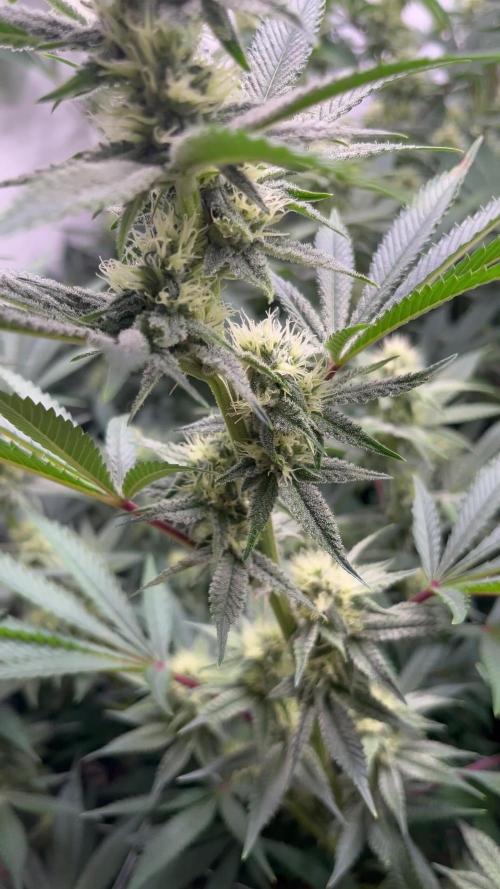
Week 4 day 22 the ladies stop stretching I had to do important deflation for the under canopy and stems where the light is not reaching, I don’t want popcorn buds. So far so good.

Likes
20
Share


@420DeepGrow
Follow
Gracias al equipo de MSNL y XpertNutrients sin ellos esto no sería posible.
💐🍁 Forbidden Fruit Auto:
Forbidden Fruit Autoflower, llamada así por sus deliciosos sabores, es un cruce entre Cherry Pie, Tangie y Siberian Ruderalis. Esta variedad ofrece efectos estimulantes y relajantes con un sabor afrutado, cítrico y a pino. Ideal para quienes buscan un dulce escape.
🚀🌻 Consigue aqui tus semillas:
💡TS-3000 + TS-1000: se usaran dos de las lámparas de la serie TS de Marshydro, para cubrir todas las necesidades de las plantas durante el ciclo de cultivo, uso las dos lámparas en floracion para llegar a toda la carpa de 1.50 x 1.50 x 1.80.
https://marshydro.eu/products/mars-hydro-ts-3000-led-grow-light/
🏠 : Marshydro 1.50 x 1.50 x 1.80, carpa 100% estanca con ventanas laterales para llegar a todos los lugares durante el grow
https://marshydro.eu/products/diy-150x150x200cm-grow-tent-kit
🌬️💨 Marshydro 6inch + filtro carbon para evitar olores indeseables.
https://marshydro.eu/products/ifresh-smart-6inch-filter-kits/
💻 Trolmaster Tent-X TCS-1 como controlador de luz, optimiza tu cultivo con la última tecnología del mercado, desde donde puedes controlar todos los parametros.
https://www.trolmaster.com/Products/Details/TCS-1
🍣🍦🌴 Xpert Nutrients es una empresa especializada en la producción y comercialización de fertilizantes líquidos y tierras, que garantizan excelentes cosechas y un crecimiento activo para sus plantas durante todas las fases de cultivo.
Consigue aqui tus Nutrientes:
https://xpertnutrients.com/es/shop/
📆 Semana 6:
Buena semana, ha habido sol agradable y buenas temperaturas, empiezan a salir varias preflores.
Mantengo las dosis de nutrientes a 1/3 de lo recomendada por el fabricante al estar en suelo virgen ☘️🌲🌳 dentro de macetas geotextiles.

Likes
14
Share


@MrWigglyJiggly
Follow
What a journey this has been. This girl weighs(dry) 263grams plus 23 grams(untrimmed lower nugs) could have pulled out 350g if let her veg a bit longer. The taste is like sweet candy and soda a hint of citrus. The effects are as follows, creative, giggles and energetic but once its nearly gone out. You will feel really sleepy and when you wake up you will feel really hungry. Anyways, thank you guys who have been following my journey. Next grow will be seeds from Sunkentreasure seeds

Likes
6
Share


@KannaGrowing
Follow
Esta semana, aumentamos a tope la potencia de los balastros, 660w.
Realizo la segunda y última poda baja en toda la sala, así nos aseguramos de que las plantas concentran los nutrientes en la parte alta, que es donde reciben más luz, además de facilitarnos el riego y el control de las mismas.
En los riegos alternados entre abono y agua cada tres días, eliminamos Bio Vega.
También realizo un segundo tratamiento foliar de Propolix, justo antes de que se apaguen las luminarias.

Likes
21
Share

@420DeepGrow
Follow
Gracias al equipo de Kannabia Marshydro XpertNutrients y Trolmaster sin ellos esto no sería posible.
💐🍁 Amnesi K - Lemon:
La Amnesi-K Lemon es una semilla formada a partir de un trío de reyes, la Amnesia, la Lemon Skunk y la Jack Herer. Este matrimonio de tres dio lugar a una gran sativa que, con tonos dulces, terrosos y muy cítricos
🌻🚀 Consigue aqui tus semillas:
https://www.kannabia.com/es/semillas-marihuana-feminizadas/amnesi-k-lemon
💡TS-3000 + TS-1000: se usaran dos de las lámparas de la serie TS de Marshydro, para cubrir todas las necesidades de las plantas durante el ciclo de cultivo, uso las dos lámparas en floracion para llegar a toda la carpa de 1.50 x 1.50 x 1.80.
https://marshydro.eu/products/mars-hydro-ts-3000-led-grow-light/
🏠 : Marshydro 1.50 x 1.50 x 1.80, carpa 100% estanca con ventanas laterales para llegar a todos los lugares durante el grow
https://marshydro.eu/products/diy-150x150x200cm-grow-tent-kit
🌬️💨 Marshydro 6inch + filtro carbon para evitar olores indeseables.
https://marshydro.eu/products/ifresh-smart-6inch-filter-kits/
💻 Trolmaster Tent-X TCS-1 como controlador de luz, optimiza tu cultivo con la última tecnología del mercado, desde donde puedes controlar todos los parametros.
https://www.trolmaster.com/Products/Details/TCS-1
🍣🍦🌴 Xpert Nutrients es una empresa especializada en la producción y comercialización de fertilizantes líquidos y tierras, que garantizan excelentes cosechas y un crecimiento activo para sus plantas durante todas las fases de cultivo.
Consigue aqui tus Nutrientes:
https://xpertnutrients.com/es/productos/
📆 Semana 5:
Comienzan a formarse los cogollos, las hojas se llenan de resina cada dia y el olor es bastante fuerte. Parece que ha terminado de estirar. Practico una defoliación intensa para airear los futuros cogollos y dejar mas espacio en el cuarto de cultivo.
Agrupo de nuevo las macetas en su lugar optimo para asi rellenar por completo la carpa @marshydro.
Me quedé algo corto de nutrientes pero estoy muy contento con los resultados, cada vez le voy encontrando mas su punto optimo. Siempre es mejor quedarse corto que pasarse.


Likes
2
Share

@LST420
Follow
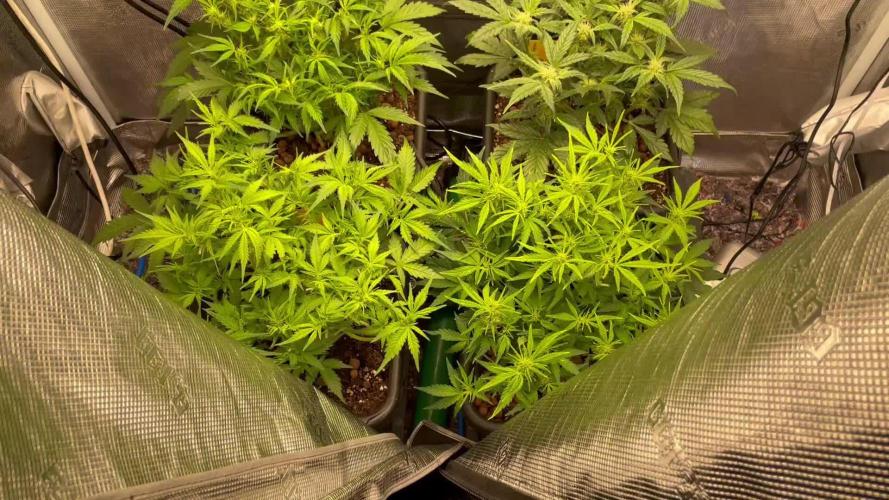
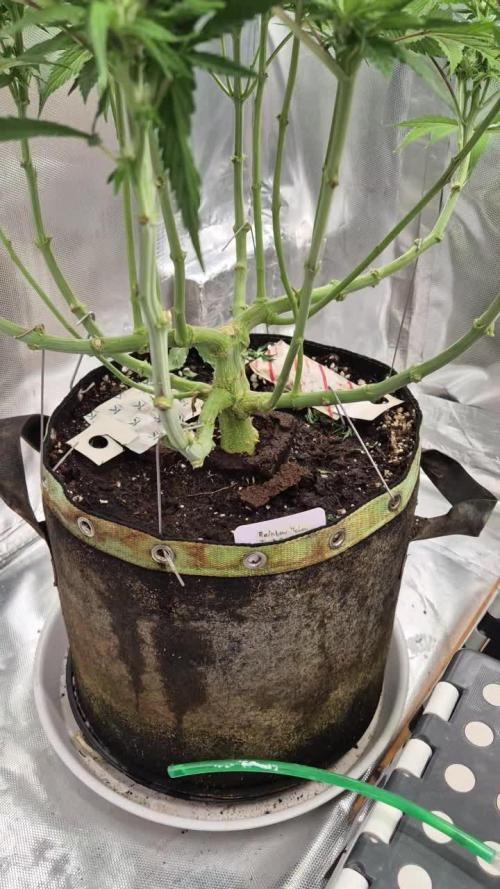
Week 5 The OG Kush and the Night Queen in the front are having some nutrient deficiencies (probably mostly Nitrogen and likely some Calcium and Magnesium) so I've been giving those some extra Orgatrex and CalMag.
Also 'oops I did it again', this time while trying to bend it I partially snapped the main stem of the Mimosa x OP and I immediately fixed it with a few small strips of duct tape. 🍀🙏
Btw the broken and taped stem of the OG Kush from week 3 (last two photos) appears to have recovered nicely.



Likes
241
Share


@Tropicannibis_Todd
Follow
💩Holy Crap We Are Back At It And Loving It💩 👉WE R ALMOST AT THE FINISH LINE👈
Growmies we are at DAY 63 and there just killing💀it👌
👉We are in full on flowering , gotta say the pink to redish hairs have gone away which is a bummer 😕 but the frost 🍦 is strong 💪
So Shit , I gave them just a tad to much nutes on the first few feeding 👈 But I have since fixed it
So I'm still doing some low stress training 🙃 and some defolation 😳
Lights being readjusted and chart updated .........👍rain water to be used entire growth👈
👉I used NutriNPK for nutrients for my grows and welcome anyone to give them a try .👈
👉 www.nutrinpk.com 👈
NutriNPK Cal MAG 14-0-14
NutriNPK Grow 28-14-14
NutriNPK Bloom 8-20-30
NutriNPK Bloom Booster 0-52-34
I GOT MULTIPLE DIARIES ON THE GO 😱 please check them out 😎
👉THANKS FOR TAKING THE TIME TO GO OVER MY DIARIES 👈
Likes
6
Share


@Cannabis_ConnectionUK
Follow
Soil PH Stabilised
Plants Have Shot Up Over 10” Over The Last Week.
Moonshine Spray Used Once A Week Until Flip.
Lights Are At 60% Brightness
