Likes
Comments
Share
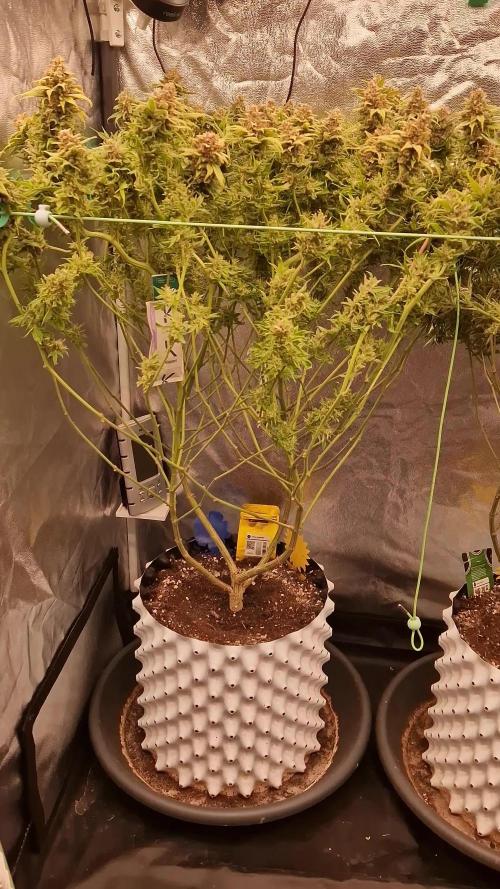
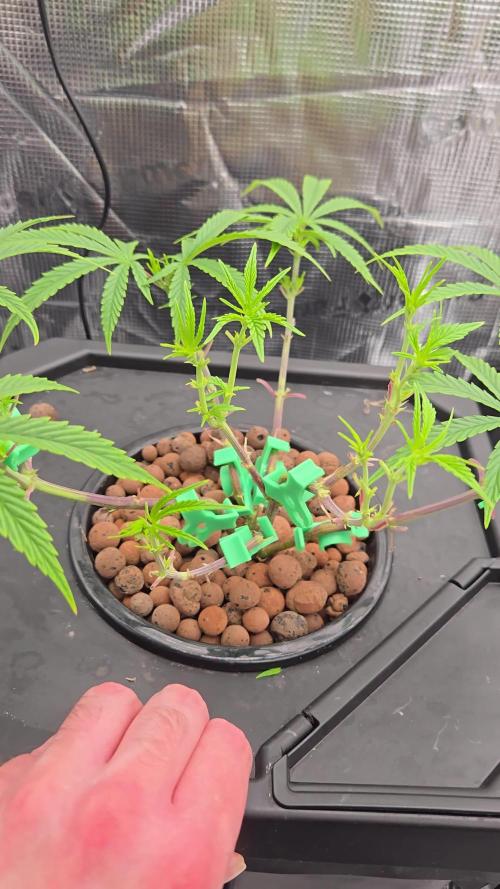
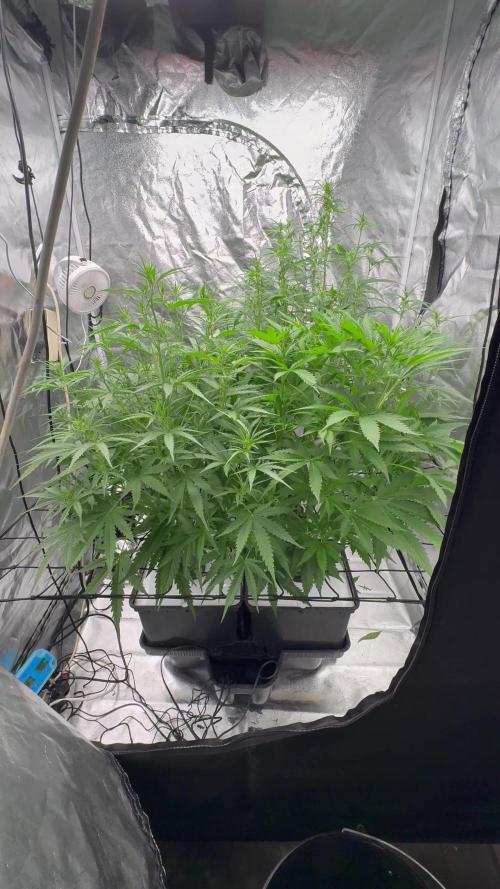
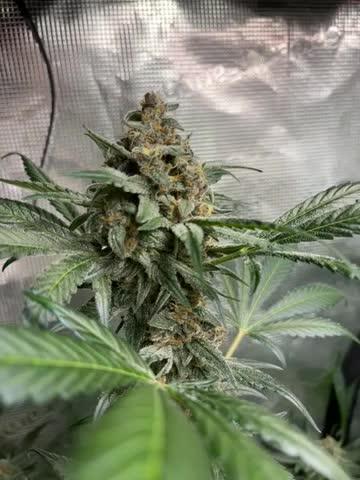
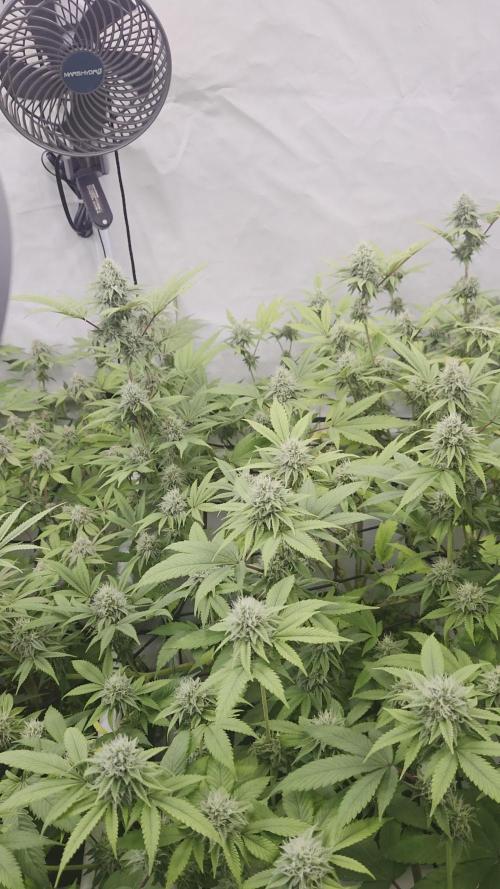
the week passed splendidly, the bushes began to bloom and the smell was crackling the plants develop very well, I continue to water them with clean water and do not use chemicals. I removed the large leaves that were inside, on the sides I left now the light penetrates better in the middle
Likes
14
Share
@BLAZED
Follow
W15 (8-5 to 14-5) 8-5 Temperature: 26.5 degrees (lights on) 20.1 degrees (lights off) Humidity: 58% (highest) 45% (lowest) Opened the reservoir for a couple of minutes. Set the light to 80% strength. 9-5 Temperature: 28 degrees (lights on) 21 degrees (lights off) Humidity: 61% (highest) 42% (lowest) No pictures. 10-5 Temperature: 28.6 degrees (lights on) 21.4 degrees (lights off) Humidity: 60% (highest) 40% (lowest) Added 10L to the reservoir. Dry weight: Gorilla Kush #1: 4.0 kg. Gorilla Kush #2: 4.5 kg. The temperature outside is getting hotter, so the tent is warming up quite a bit aswell. The 2 Gorilla Kush plants are not liking the high temperatures, not a good sign :( 11-5 Temperature: 29.8 degrees (lights on) 20.7 degrees (lights off) Humidity: 59% (highest) 31% (lowest) No pictures. Opened the reservoir for a couple of minutes. 12-5 Temperature: 30.1 degrees (lights on) 21.2 degrees (lights off) Humidity: 51% (highest) 36% (lowest) Opened the reservoir for a couple of minutes. 13-5 Temperature: 31 degrees (lights on) 21.8 degrees (lights off) Humidity: 53% (highest) 40% (lowest) No pictures. Opened the reservoir for a couple of minutes. 14-5 Temperature: 28.7 degrees (lights on) 20.6 degrees (lights off) Humidity: 60% (highest) 39% (lowest) Dry weight: Gorilla Kush #1: 5.6 kg. Gorilla Kush #2: 5.6 kg. Added 8L to the reservoir. Opened the reservoir for a couple of minutes.
Likes
10
Share
Für diesen Run habe ich versucht alles so simpel wie möglich zu halten. 3 Dünger + Ph Regulator und ein kleiner Boost den ich lediglich 2x verwendet habe. Dennoch war es eine Achterbahn der Gefühle! Bereits in der Veg-Phase ist mir die Lampe auf die Pflanze gefallen, konnte sie aber noch so fangen, dass kein schlimmer Schaden entstanden ist. Danach entwickelte sich die Pflanze toll und ich dachte: "das wird noch besser als der letzte Run", bis die ersten Lockout Symptome erschienen, woraufhin ich die Zkittlez geflusht und danach leicht gedüngt habe, bis sie sich erholt hat. Jedoch lauerte der Endgegner bereits im Dickicht der Buds... Boytritis 💀 Drei sehr große Buds wurden entfernt, um auf Nummer Sicher zu gehen bis zum nächsten Bud-Ansatz. n, ich habe diesmal beide Ventilatoren unterhalb der Pflanze aufgestellt und von unten in die Pflanze geblasen. Im oberen Bereich konnte sich dann trotz der Abluft die Luftfeuchtigkeit sammeln... Wieder was gelernt! Update in ein paar Tagen
Likes
34
Share
Yellow butterfly came to see me the other day; that was nice. Starting to show signs of stress on the odd leaf, localized isolated blips, blemishes, who said growing up was going to be easy! Smaller leaves have less surface area for stomata to occupy, so the stomata are packed more densely to maintain adequate gas exchange. Smaller leaves might have higher stomatal density to compensate for their smaller size, potentially maximizing carbon uptake and minimizing water loss. Environmental conditions like light intensity and water availability can influence stomatal density, and these factors can affect leaf size as well. Leaf development involves cell division and expansion, and stomatal differentiation is sensitive to these processes. In essence, the smaller leaf size can lead to a higher stomatal density due to the constraints of available space and the need to optimize gas exchange for photosynthesis and transpiration. In the long term, UV-B radiation can lead to more complex changes in stomatal morphology, including effects on both stomatal density and size, potentially impacting carbon sequestration and water use. In essence, UV-B can be a double-edged sword for stomata: It can induce stomatal closure and potentially reduce stomatal size, but it may also trigger an increase in stomatal density as a compensatory mechanism. It is generally more efficient for gas exchange to have smaller leaves with a higher stomatal density, rather than large leaves with lower stomatal density. This is because smaller stomata can facilitate faster gas exchange due to shorter diffusion pathways, even though they may have the same total pore area as fewer, larger stomata. Leaf size tends to decrease in colder climates to reduce heat loss, while larger leaves are more common in warmer, humid environments. Plants in arid regions often develop smaller leaves with a thicker cuticle and/or hairs to minimize water loss through transpiration. Conversely, plants in wet environments may have larger leaves and drip tips to facilitate water runoff. Leaf size and shape can vary based on light availability. For example, leaves in shaded areas may be larger and thinner to maximize light absorption. Leaf mass per area (LMA) can be higher in stressful environments with limited nutrients, indicating a greater investment in structural components for protection and critical resource conservation. Wind speed, humidity, and soil conditions can also influence leaf morphology, leading to variations in leaf shape, size, and surface characteristics. Small leaves: Reduce water loss in arid or cold climates. Environmental conditions significantly affect gene expression in plants. Plants are sessile organisms, meaning they cannot move to escape unfavorable conditions, so they rely on gene expression to adapt to their surroundings. Environmental factors like light, temperature, water, and nutrient availability can trigger changes in gene expression, allowing plants to respond to and survive in diverse environments. Depending on the environment a young seedling encounters, the developmental program following seed germination could be skotomorphogenesis in the dark or photomorphogenesis in the light. Light signals are interpreted by a repertoire of photoreceptors followed by sophisticated gene expression networks, eventually resulting in developmental changes. The expression and functions of photoreceptors and key signaling molecules are highly coordinated and regulated at multiple levels of the central dogma in molecular biology. Light activates gene expression through the actions of positive transcriptional regulators and the relaxation of chromatin by histone acetylation. Small regulatory RNAs help attenuate the expression of light-responsive genes. Alternative splicing, protein phosphorylation/dephosphorylation, the formation of diverse transcriptional complexes, and selective protein degradation all contribute to proteome diversity and change the functions of individual proteins. Photomorphogenesis, the light-driven developmental changes in plants, significantly impacts gene expression. It involves a cascade of events where light signals, perceived by photoreceptors, trigger changes in gene expression patterns, ultimately leading to the development of a plant in response to its light environment. Genes are expressed, not dictated! While having the potential to encode proteins, genes are not automatically and constantly active. Instead, their expression (the process of turning them into proteins) is carefully regulated by the cell, responding to internal and external signals. This means that genes can be "turned on" or "turned off," and the level of expression can be adjusted, depending on the cell's needs and the surrounding environment. In plants, genes are not simply "on" or "off" but rather their expression is carefully regulated based on various factors, including the cell type, developmental stage, and environmental conditions. This means that while all cells in a plant contain the same genetic information (the same genes), different cells will express different subsets of those genes at different times. This regulation is crucial for the proper functioning and development of the plant. When a green plant is exposed to red light, much of the red light is absorbed, but some is also reflected back. The reflected red light, along with any blue light reflected from other parts of the plant, can be perceived by our eyes as purple. Carotenoids absorb light in blue-green region of the visible spectrum, complementing chlorophyll's absorption in the red region. They safeguard the photosynthetic machinery from excessive light by activating singlet oxygen, an oxidant formed during photosynthesis. Carotenoids also quench triplet chlorophyll, which can negatively affect photosynthesis, and scavenge reactive oxygen species (ROS) that can damage cellular proteins. Additionally, carotenoid derivatives signal plant development and responses to environmental cues. They serve as precursors for the biosynthesis of phytohormones such as abscisic acid () and strigolactones (SLs). These pigments are responsible for the orange, red, and yellow hues of fruits and vegetables, while acting as free scavengers to protect plants during photosynthesis. Singlet oxygen (¹O₂) is an electronically excited state of molecular oxygen (O₂). Singlet oxygen is produced as a byproduct during photosynthesis, primarily within the photosystem II (PSII) reaction center and light-harvesting antenna complex. This occurs when excess energy from excited chlorophyll molecules is transferred to molecular oxygen. While singlet oxygen can cause oxidative damage, plants have mechanisms to manage its production and mitigate its harmful effects. Singlet oxygen (¹O₂) is considered a reactive oxygen species (ROS). It's a form of oxygen with higher energy and reactivity compared to the more common triplet oxygen found in its ground state. Singlet oxygen is generated both in biological systems, such as during photosynthesis in plants, and in cellular processes, and through chemical and photochemical reactions. While singlet oxygen is a ROS, it's important to note that it differs from other ROS like superoxide (O₂⁻), hydrogen peroxide (H₂O₂), and hydroxyl radicals (OH) in its formation, reactivity, and specific biological roles. Non-photochemical quenching (NPQ) protects plants from damage caused by reactive oxygen species (ROS) by dissipating excess light energy as heat. This process reduces the overexcitation of photosynthetic pigments, which can lead to the production of ROS, thus mitigating the potential for photodamage. Zeaxanthin, a carotenoid pigment, plays a crucial role in photoprotection in plants by both enhancing non-photochemical quenching (NPQ) and scavenging reactive oxygen species (ROS). In high-light conditions, zeaxanthin is synthesized from violaxanthin through the xanthophyll cycle, and this zeaxanthin then facilitates heat dissipation of excess light energy (NPQ) and quenches harmful ROS. The Issue of Singlet Oxygen!! ROS Formation: Blue light, with its higher energy photons, can promote the formation of reactive oxygen species (ROS), including singlet oxygen, within the plant. Potential Damage: High levels of ROS can damage cellular components, including proteins, lipids, and DNA, potentially impacting plant health and productivity. Balancing Act: A balanced spectrum of light, including both blue and red light, is crucial for mitigating the harmful effects of excessive blue light and promoting optimal plant growth and stress tolerance. The Importance of Red Light: Red light (especially far-red) can help to mitigate the negative effects of excessive blue light by: Balancing the Photoreceptor Response: Red light can influence the activity of photoreceptors like phytochrome, which are involved in regulating plant responses to different light wavelengths. Enhancing Antioxidant Production: Red and blue light can stimulate the production of antioxidants, which help to neutralize ROS and protect the plant from oxidative damage. Optimizing Photosynthesis: Red light is efficiently used in photosynthesis, and its combination with blue light can lead to increased photosynthetic efficiency and biomass production. In controlled environments like greenhouses and vertical farms, optimizing the ratio of blue and red light is a key strategy for promoting healthy plant growth and yield. Understanding the interplay between blue light signaling, ROS production, and antioxidant defense mechanisms can inform breeding programs and biotechnological interventions aimed at improving plant stress resistance. In summary, while blue light is essential for plant development and photosynthesis, it's crucial to balance it with other light wavelengths, particularly red light, to prevent excessive ROS formation and promote overall plant health. Oxidative damage in plants occurs when there's an imbalance between the production of reactive oxygen species (ROS) and the plant's ability to neutralize them, leading to cellular damage. This imbalance, known as oxidative stress, can result from various environmental stressors, affecting plant growth, development, and overall productivity. Causes of Oxidative Damage: Abiotic stresses: These include extreme temperatures (heat and cold), drought, salinity, heavy metal toxicity, and excessive light. Biotic stresses: Pathogen attacks and insect infestations can also trigger oxidative stress. Metabolic processes: Normal cellular activities, particularly in chloroplasts, mitochondria, and peroxisomes, can generate ROS as byproducts. Certain chlorophyll biosynthesis intermediates can produce singlet oxygen (1O2), a potent ROS, leading to oxidative damage. ROS can damage lipids (lipid peroxidation), proteins, carbohydrates, and nucleic acids (DNA). Oxidative stress can compromise the integrity of cell membranes, affecting their function and permeability. Oxidative damage can interfere with essential cellular functions, including photosynthesis, respiration, and signal transduction. In severe cases, oxidative stress can trigger programmed cell death (apoptosis). Oxidative damage can lead to stunted growth, reduced biomass, and lower crop yields. Plants have evolved intricate antioxidant defense systems to counteract oxidative stress. These include: Enzymes like superoxide dismutase (SOD), catalase (CAT), and various peroxidases scavenge ROS and neutralize their damaging effects. Antioxidant molecules like glutathione, ascorbic acid (vitamin C), C60 fullerene, and carotenoids directly neutralize ROS. Developing plant varieties with gene expression focused on enhanced antioxidant capacity and stress tolerance is crucial. Optimizing irrigation, fertilization, and other management practices can help minimize stress and oxidative damage. Applying antioxidant compounds or elicitors can help plants cope with oxidative stress. Introducing genes for enhanced antioxidant enzymes or stress-related proteins over generations. Phytohormones, also known as plant hormones, are a group of naturally occurring organic compounds that regulate plant growth, development, and various physiological processes. The five major classes of phytohormones are: auxins, gibberellins, cytokinins, ethylene, and abscisic acid. In addition to these, other phytohormones like brassinosteroids, jasmonates, and salicylates also play significant roles. Here's a breakdown of the key phytohormones: Auxins: Primarily involved in cell elongation, root initiation, and apical dominance. Gibberellins: Promote stem elongation, seed germination, and flowering. Cytokinins: Stimulate cell division and differentiation, and delay leaf senescence. Ethylene: Regulates fruit ripening, leaf abscission, and senescence. Abscisic acid (ABA): Plays a role in seed dormancy, stomatal closure, and stress responses. Brassinosteroids: Involved in cell elongation, division, and stress responses. Jasmonates: Regulate plant defense against pathogens and herbivores, as well as other processes. Salicylic acid: Plays a role in plant defense against pathogens. 1. Red and Far-Red Light (Phytochromes): Red light: Primarily activates the phytochrome system, converting it to its active form (Pfr), which promotes processes like stem elongation and flowering. Far-red light: Inhibits the phytochrome system by converting the active Pfr form back to the inactive Pr form. This can trigger shade avoidance responses and inhibit germination. Phytohormones: Red and far-red light regulate phytohormones like auxin and gibberellins, which are involved in stem elongation and other growth processes. 2. Blue Light (Cryptochromes and Phototropins): Blue light: Activates cryptochromes and phototropins, which are involved in various processes like stomatal opening, seedling de-etiolation, and phototropism (growth towards light). Phytohormones: Blue light affects auxin levels, influencing stem growth, and also impacts other phytohormones involved in these processes. Example: Blue light can promote vegetative growth and can interact with red light to promote flowering. 3. UV-B Light (UV-B Receptors): UV-B light: Perceived by UVR8 receptors, it can affect plant growth and development and has roles in stress responses, like UV protection. Phytohormones: UV-B light can influence phytohormones involved in stress responses, potentially affecting growth and development. 4. Other Colors: Green light: Plants are generally less sensitive to green light, as chlorophyll reflects it. Other wavelengths: While less studied, other wavelengths can also influence plant growth and development through interactions with different photoreceptors and phytohormones. Key Points: Cross-Signaling: Plants often experience a mix of light wavelengths, leading to complex interactions between different photoreceptors and phytohormones. Species Variability: The precise effects of light color on phytohormones can vary between different plant species. Hormonal Interactions: Phytohormones don't act in isolation; their interactions and interplay with other phytohormones and environmental signals are critical for plant responses. The spectral ratio of light (the composition of different colors of light) significantly influences a plant's hormonal balance. Different wavelengths of light are perceived by specific photoreceptors in plants, which in turn regulate the production and activity of various plant hormones (phytohormones). These hormones then control a wide range of developmental processes.
Likes
2
Share
@Nagash
Follow
hot Season day 30-50c'. / night 25-29C' longday 12/12
Likes
22
Share
Hopefully I haven't left it too late to fix, added nitrogen fertiliser (liquid) 1ml/1ltr with their nutrient mix, waiting a few days to see if they get back that lovely green colour again, probably should of left the damaged leaves on until I see healthy new growth but I cut a few of the worst looking ones at the bottom.
Likes
3
Share
I defoliated most of the purple stemmed fan leaves on day 19 of flower. They are already filling in after just a few days. I'm still feeding at 1000ppm with 20% run off.
Likes
Comments
Share
@Fusion
Follow
This is a custom hybrid strain created by myself. Calling it Garlic Widow. It's history: Parents are Mother: Humboldt Lemon Garlic Kush X-Pollen: Dniafem White Widow Ive been working on this strain for the last year. Profiles include a strong garlic smell with a citrus tone taste. The white widow added more tricome production as well as increase the citrus flavors. Homogeneous. Took the best 1 out of 8 plants (size, growth, smell, tricomes) and cloned her. Clone was sprayed with colateral silver and bred with mother. See video/images for results.
Likes
36
Share
@squalino
Follow
​Journal de Culture : Frost 1 (Semaine 4) ​Génétique : Frostbanger (F2 graine Perso) | Système : Autopot 20L ​📣 Remerciements Un immense merci à toutes les personnes qui suivent ce journal depuis le début ! Un merci tout particulier à @Mia_BIOTABS et à @Mrs_Larimar pour leurs précieux conseils et leur accompagnement. Merci à tous pour votre soutien ! ​🛠️ Configuration Technique ​Éclairage : Lumatek ATS 300W Pro (réglé à 75%) ​Distance lampe/canopée : 75 cm ​Climat : Jour : 25°C / Nuit : 21°C ​Humidité (HR) : 50% ​Tente : 1m80 de hauteur ​📅 Évolution & Entretien : Structure et Patience ​État de la plante : La Frost 1 affiche une santé éclatante. Contrairement à mes premières impressions, elle reste bien ancrée dans sa phase végétative et n'est pas encore passée en floraison. Elle profite de ce temps pour renforcer son tronc et ses ramifications. ​Hauteur actuelle : 33 cm (après LST) ​Vigueur : On voit clairement sur les photos que le tronc principal est massif. Les tiges sont vigoureuses et le vert du feuillage est parfaitement homogène. ​Travail sur la plante : ​LST & Structure : Le travail aux ficelles continue de porter ses fruits. J'ai pu écarter les branches secondaires de manière très précise pour aplatir la canopée. ​Optimisation : L'effeuillage léger effectué précédemment a permis de bien dégager les sites de croissance inférieurs. La lumière pénètre désormais partout, et la circulation d'air au centre de la plante est optimale. ​Gestion du système & Nutrition : rien donné ​ ​Vanne Autopot : La vanne est toujours coupée. Je reste vigilant et j'attends que le pot soit bien sec et léger avant de relancer le système, afin de garantir une oxygénation maximale des racines. . ​Résumé de la situation : La plante est magnifique et occupe l'espace avec beaucoup de force. Pas de fleurs à l'horizon pour le moment, ce qui me laisse encore un peu de temps pour parfaire sa structure avant le futur stretch. On continue de surveiller le séchage du pot pour une reprise de l'autonomie au moment idéal. ​À bientôt pour la suite !
Likes
145
Share
@Salokin
Follow
Hi Growmies, So far it all goes to plan. Not much to do on soil I gotta admit. Right now they are receiving RO ph balanced water with some CalMag, rhizotonic and orca. The solution is applied with a spray bottle every time the top layer appears dry. #1 is a bit behind, as she struggled to get out of the seed shell. The other two are pretty much on par in terms of development. Thanks for stopping by and hope to see you next week.
Likes
27
Share
Hello Diary. Here we are at the end of the last, seventh week of flowering for the Haze Berries. Their roommate Fat Banana is now drying in a box between them. 😎 Although there are two Haze Berries on the “farm,” I only photographed one for the diary. I do too many photos with one anyway, with two it would be really too much. But before the harvest I will take a few photos and another Haze Berry. 😉 Basically, the Haze Berrys exceeded my expectations, they grew big beautiful plants full of flowers. This will be perhaps the biggest yield for me so far. 💪 As can be seen in the first photo where all the plants are, it can be seen that the Haze Berrys did not grow even remotely similar. The second Haze Berry has grown twice as short as the first. The structure of the plant itself is different, but will be seen in the final photos. Watering is every three days, the last two weeks I water with clean water which I regulate p.H at 6.3. Conditions on the "farm" are almost ideal, the temperature in the Box is about 25, 26 degrees, the humidity is about 40%, sometimes even lower. Now everything is ready, here and there I see some brown trichomes so I will still have to wait a day or two until harvest. 😀 Here’s what the last week of flowering looked like. 28/11/2020 - Day 65. Watering. I regulated the p.H of water to 6.3. Temp / Humidity on the farm - 25.5 degrees and 40% humidity. 1/12/2020 - Day 68. Watering. Like three days ago. It was the last watering for Haze Barry before the harvest. Temp / Humidity on the farm - 26.3 degrees and 37% humidity. 3/12/2020 - Day 70. Usual photography for the end of the current week. Temp / Humidity on the farm - 25.6 degrees and 40% humidity. In the end I can say that I am very excited about the harvest, it will be interesting to see the outcome in the end. Stay connect, and thank you for supporting all this past weeks. And sorry for so much delay with the posts but I have a bunch of photos to edit. So when other obligations come together, then this is what it looks like. 🙏
Likes
11
Share
Week 3 Veg Update, (Please see the following) Both Plants ( Seedsman -Critical +2.0 - Blimburn (Applefritter) Thus far both plants are coming along nicely WIll be using Bud clip bender this week to utilize PPF light usage. *Mid-Week Update* Introduced CaliMagic this week LST and Bud clipped Light Defoliation Introduced Element Nutrient (Flower Fuel) 1 week until early Flower. *End of week recap* 08/21 Light Defoliation Bud Clip tie down Thus far all is running smoothly, No changes from above.
Processing
Likes
39
Share
@Belverde
Follow
Ola 🙂... the two sisters grow up very well ... first time I try them.. the seeds were given to me by the boy from the grow shop, after buy some Barney's seeds .. With them, under the 205 BD LED light, there is also the sister, who can actually find in the diary SUPER SOIL LED (if you want to see the differences) 😉... 5th week started by giving him a nice lunch based on banana macerate (10 days to macerate), about 0.5 in 1.5l h2o .. pH I never check it when I am using a ready-made soil .. the water I use is quite good and does not contain chlorine (fundamental in organic) .. it has a pH always around 6.5 / 7.5 and is ok ... afterwards I only gave h2o to drink for once, again without letting it come out of the bottom of the vase .. two days after treacle-based sweet like the past week .. this time I gave 1 teaspoon apiece (they will be about 5ml, I think, but that's okay) in 1.5l h2o ... time after still water .. and today, Friday 27th, I finely chopped a bit of barley malt and I made a top dressing, wetting with water in mix with 3ml topmax for 3l h2o, to increase the malt action .. I see just one or two thrips every now and then, but I'm under control .. I have not used anything to drive them out .. only the fan always on and the humidity left slightly higher ... They start to smell good and very sticky too .. I don't know how to describe the aroma at the moment .. sweet .. but complex .. we'll see .. hi, thanks for the time 🙏 and tell me if you like it ... See you next week😉✌️
Likes
54
Share
Flowering day 21 since time change to 12 / 12 h Hey guys :-) The lady makes a very nice look 😍. The flowers are starting to grow fantastically 👍. I'm already looking forward to the coming weeks. This week 1 g GHSC Bloom Pro l substrate was added It was poured twice with 1 l each time. Everything was cleaned up. Stay healthy 💚🙏🏻 👇🏼👇🏼👇🏼👇🏼👇🏼👇🏼👇🏼👇🏼👇🏼👇🏼👇🏼👇🏼 ‘Powered by GreenHouse Feeding’ Copy the link for 10% off all Nutrients 👇🏼 https://shop.greenhousefeeding.com/affiliate/MadeInGermany_PassionGrower 👇🏼👇🏼👇🏼👇🏼👇🏼👇🏼👇🏼👇🏼👇🏼👇🏼👇🏼👇🏼 You can buy this strain at : https://www.amsterdamgenetics.com/product/choco-cheesecake/ 👇🏼👇🏼👇🏼 Use the coupon code: madeingermany for 10% on all Amsterdam Genetics seeds Water 💧 💧💧 Osmosis water mixed with Cal/Mag (24 hours stale that the chlorine evaporates) to 290 ppm and Ph with Ph- to 5.8 - 6.4 MadeInGermany
Processing
Likes
7
Share
@Kushizlez
Follow
Day 70-77 (Day 71) Not exactly sure why but node spacing on bbb 6&7 is super tight still. Their stems are also harder and less bendy, almost like they’re root bound. Bbb #5 in my veg tent is looking bizarre and I’m at a loss for what to do. I’ve been looking up and asking around about the leaf crinkle and no one seems to know what’s wrong. Trashing a pheno of this would hurt. It could be a keeper too as I don’t think the problem is genetic. It’s definitely root bound but that doesn’t cause contorted new growth like that. I’ve concluded that it’s my dense soil coupled with root bound issues, overwatering and high RH. (Day 72) Later tonight I’m going to give bbb 5 a bath tub flush until it’s reading 200ppms, drain it well and then transplant into a 3g pot with lightly amended soil. I’m also going to give it a light defoliation. I don’t mind stressing the shit out of this plant right now because I won’t be flipping for another week at least. With the small container it will run out of amended nutes mid flower so I will hit it with a few synthetic feedings around then to test out the smokabilty and taste compared to organic nutrients. I might as well give the rest a good defoliation on the rest of the plants too. I will try to get most of what is under the trellis. (Day 73) I definitely defoliated #7 waaay too much. Since it’s tucked away in the corner and a really bushy plant I can’t train it as well as the others. I cut most of the sucker branches and the majority of the lower fans. This should prevent the need to defoliate at all until week 3 of flower. (Day 74) I’ve been reading that higher temperatures with a high RH can affect growth big time. It could be what’s causing all the crinkling and twisting. And now that the plants are in very late veg they could probably benefit from a lower RH. When I was running my temps around 74-78F and 70% RH I was in the perfect range. Now that I’m around 82-86F with the same 70% RH that could be what’s causing it. Hotter air holds more moisture than cooler air and proper vpd at 84F is around 75-80%. I’m going to turn up the speed on my carbon filter and set my controller to 75%. If I don’t see a difference or it gets worse I will drop to 65 and go from there. (Day 76) I finally got the lights raised up another 4 inches or so. It’s not much but it should help reduce the intensity and stretch the nodes more. I’m starting to think the super tight node spacing and droopy/contorted growth has more to do with something I’ve been reading about called ‘soil compaction’. Apparently farmers often deal with compacted soil in fields from running tractors over it all day. When I potted the plants I gave them a good little jiggle to compact the soil down further so I could fit a bit more in the container. I think this could be the culprit as they don’t seem to be drying out evenly. Even the plants in my other room are not drying out like they should and it’s probably from compacting too. With the addition of rock dust and dry amendments the soil can become sandy/clay like and retain a lot more moisture. Wish I would have added a few more liters of perlite and packed the soil a bit looser. Either way I need to get this problem sorted ASAP before I get root rot. Earlier in the season when I overwatered, I stuck a fish tank air pump into the soil and it aerated the soil enough to prevent overwatering. The only reason I discontinued it is because it didn’t have much effect in the 1.7g pots. I just ordered a 36w 6 way fish tank pump that is way more powerful. It was 50 bucks and I’m willing to take a gamble on it. It seems to be my only option at the moment because I can’t just repot. Worst case scenario I can use it for brewing compost teas if it doesn’t work. I’m not sure how well this will work in a giant fabric pot but it’s worth a shot. I’ve heard of people supplementing additional air into raised garden beds with great results. I’m picking off some of the new auxiliary branches to try and widen the node spacing. Growth is definitely slow and stunted but no signs of deficiencies. I just thought of another theory on the node spacing... and the more I think about it, the more I think it’s the mystery problem. I’ve been foliar spraying with 1-1-1 VeloKelp at pretty high concentrations 2-3 times per week. I have heard in passing that kelp and seaweed can somehow reduce stretch. A quick google search reveals that Ascophyllum Nodosum Seaweed and other marine algae extracts contain large amounts of hormones and auxins that reduce plant height and stretch. *facepalm* Guess I’ll stop that for the rest of the cycle. As far as I know there is nothing I can really do but wait for the plant to use up all those excess hormones and nutes. The recent 0-0-15 seaweed extract and 1-0-3 kelp meal I bought is derived from the same kind as the velokelp. I guess I won’t use it again until week 3 or 4 in flower. Tight nodes are very useful in flower but aren’t desirable at all in when trying to scrog in veg. Especially when they’re like a half inch apart. It slows the shit out of a grow. Vietnamese and biker gangs in my area used to grow SOG style and use a synthetic PGR hormone (meant for bonsai trees) called ‘paclobutrazol’ that would make the weed rock hard dense so they wouldn’t have to pay people as much to trim it. I’ve heard that in recent years they have made the switch to using kelp extracts because paclo is getting harder find and is not meant for food crops let alone smokeable crops. I’m ashamed of it but I have smoked pounds of PGR weed long before I knew what a PGR was. 🤷‍♂️ (Day 77) One more theory. Ever since raising up the plants up onto that shelf the root zone is probably significantly warmer and the bottom of the pot (where most of the roots are) drys out way quicker. It’s possible that the warmer root zone could not be holding dissolved oxygen at the proper rate resulting in that over/underwatered look. Or it could be that I’m not watering enough at once to reach the bottom of the pot where the roots are and it’s indeed under watered. I’m going to water in a gallon when I get my new air pump and see if that makes any positive change. If I see the new air pump making a difference, I will flip on the 21st of April. If I don’t see a difference, I will carefully untangle the plants from the scrog net and remove the shelf. That extra foot should make a massive difference with ppfd and will cool down the roots significantly too. I’m thinking about grabbing a simple soil/compost thermometer to check the temp of the medium. Better safe than sorry. Rough week. Hopefully everything get smoothed out in the next little while before I flip.
Likes
42
Share
Dear Growers , Welcome to Week 8 or Flower week 5 // Day 56-63 from Kannabia Lemon Haze Auto . Incase of Moving to a New Home . I Decided to skip some Weeks from every Diarie of the 12x12 Automatic Project . Everything should be Normal in the next Weeks . Whether you're a beginner or an expert, you are warmly invited to join, ask questions, and share your own experiences along the way! Project Setup & Conditions: • Brand/Manufacturer: Kannabia Seeds • Tent: 222cmx150cmx150cm • Light: 2x 720 Watt Full Spectrum • Humidity: 50% • Soil: Narcos Organix Mix • Nutrients: Narcos Products • pH Value: 6 If you want Germinitation results like mine , check out Kannabia Seeds with my link [https://www.kannabia.com/de?ref=61966] and grab the germination device or the strains I used . Trust me – it’s worth it for sure ! Get another 20% Discount at all products using the code [GGD] at the Checkout . Stay curious and keep up Growing —we look forward to welcoming you back for the next chapter soon!