



@PavementPunk
Follow
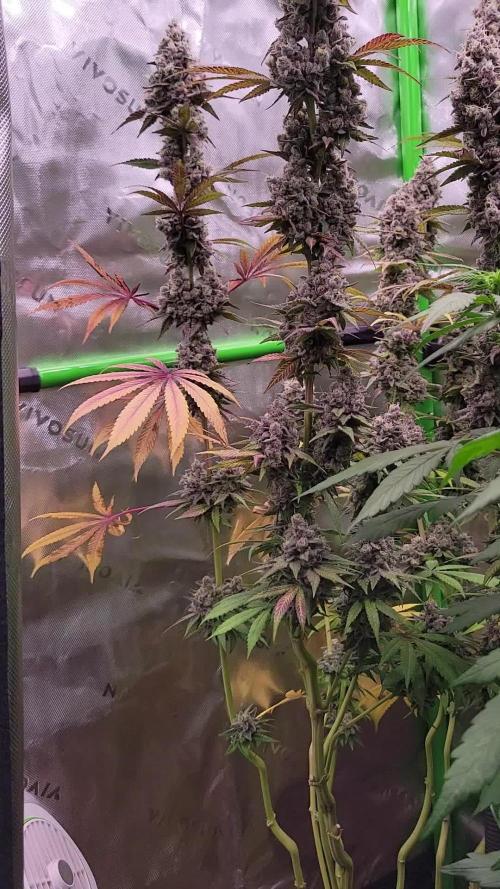
The mighty permanent marker decides the time to ripen is nigh. Finally shes starting to show shes nearly ready for harvest. The buds are looking prettier everyday the smell is dieselish dank and a bit pungent. Pretty much the terps im after. This is definitely the frostiest plant ive grown, especially when dried the buds almost look white. Insane. Really happy with this grow and cant wait to see what shes really all about. ZAMMIGROW2024 for 20% off at checkout on zamnesia.com. Been going well in the garden. Learning with each grow. Happy Thanksgiving and growers love friends



@Elpicor
Follow
Una settimana colma di cambiamenti, é incredibile come le piante senza nessun tipo di training si adattino perfettamente tra di loro allo spazio circostante, quanti sensori possiedono le piante? Come comunicano tra di loro? mi ha sempre affascinato...

shorts_status_processing


@eldruida_lamota
Follow
Como estáis fumetillas, yo estoy flipando, y es que las flores de estas skunks son como rocas, y no solo lo compactas que están si no que están bastante tricomadas, las 3 a cada cual más , lavamos las raíces y ya estarán solo agua, dejemos que termine de florecer y madurar, tampoco hay prisa, ph controlado temperatura ideal, bajamos algo más la humedad, puede que tengamos que tuitear alguna pero estoy evitándolo, se irá viendo estos días, ya nos veremos esta semana que viene un saludo familia y buenos humos.


@Farmerted
Follow
She is coming along. Put under 12/12 five days ago. Should be able to start a little training this week. She is at the fourth node now and 4 inches tall. Hoping she flips soon as I want her to stay very short. Watering has been very frequent and small without giving her wet feet.


@Dankbudz84
Follow
The strain handled all my mistakes as a new grower great and is one of the reasons why I chose these strains. Just to name, bad Ph, over watering, over feeding was giving full dose instead of half, not watering to run off, not checking ppms and flushing right before harvest instead of weeks prior. I was not expecting the trichomes to look like diamonds as the video doesn’t do any justice. They really sparkle.

shorts_status_processing


@Zurban_Poison
Follow
იზრდება ძალიან სწრაფად. დღეში ლიტრანახევარ სასუქს სვავს)) მომავალ კვირას ყვავილობაში იქნება უკვე.. ვფიქრობ დაჟე ხომ არ გადავრგო მოზრდილ ქოთანში)) მემგონი ეს 10 ლუტრიანი უჭერს..))

shorts_status_processing


@Cannibalgardens
Follow
This lady is chugging along chasing the strain next to her and has been having a bit of a hard time against this slowed growth.. I've tried less water but still it hasn't really helped yet will watch and wait for that explosion.. cheers

@CalGonJim
Follow
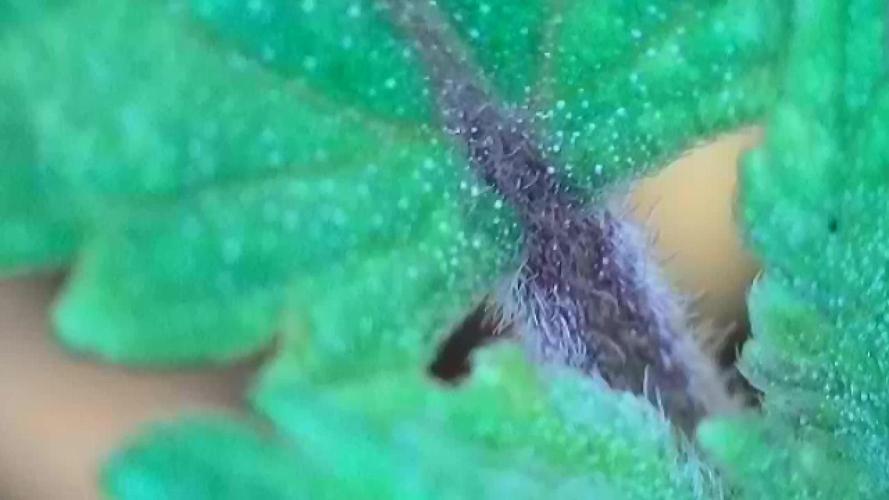
9/15 12AM MONDAY!!! THEY ARE ALL DOING GREAT!!! VERY HEAVY AMINOS YESTERDAY, NO DAMAGE.
9/15 11:24PM. In plant cells, glutathione S-transferases (GSTs) act as transporters, facilitating the movement of anthocyanins from the endoplasmic reticulum (ER) to the vacuole for storage, though their exact mechanism is still being studied. The synthesis of glutathione (GSH) itself occurs in the cytosol of mammalian cells through two ATP-requiring enzymatic steps, while anthocyanins are synthesized via a separate phenylpropanoid pathway
9/15 11:42PM glutathione metabolism glutathione S-transferases plantsThinkingKicking off 5 searchesLooking at 71 sitesPutting it all together In plants, glutathione S-transferases (GSTs) are a diverse family of enzymes integral to glutathione (GSH) metabolism, primarily functioning in detoxification and stress response. The core of this process involves GSTs catalyzing the conjugation of the tripeptide GSH with various toxic compounds, or xenobiotics, making them less harmful and easier to sequester or transport. Glutathione (GSH) metabolism in plants GSH metabolism is a tightly regulated process that maintains cellular redox balance and protects against stress. Biosynthesis: GSH is synthesized in two adenosine triphosphate (ATP)-dependent steps:(gamma )-Glutamylcysteine synthetase (GSH1) joins L-glutamate and L-cysteine to form (gamma )-glutamylcysteine. In Arabidopsis, this enzyme is located exclusively in the chloroplasts.Glutathione synthetase (GSH2) adds glycine to (gamma )-glutamylcysteine to produce GSH. This enzyme is found in both the cytosol and the chloroplasts.Oxidation and reduction: GSH exists in two forms: a reduced monomer (GSH) and an oxidized disulfide dimer (GSSG).Oxidation: In the process of scavenging reactive oxygen species (ROS), GSH is oxidized to GSSG.Reduction: Glutathione reductase (GR) uses NADPH to reduce GSSG back into active GSH, which is essential for maintaining a high GSH-to-GSSG ratio inside the cell.Degradation: Glutathione can be degraded in the cytosol, apoplast, and vacuoles by (gamma )-glutamyltransferases (GGTs) and other peptidases, allowing for recycling of its amino acid components.Transport and compartmentalization: While synthesis occurs in the chloroplasts and cytosol, transporters move GSH and its conjugates throughout the cell, including to the mitochondria, peroxisomes, and vacuoles. Functions of glutathione S-transferases (GSTs) GSTs are a large, ancient gene family with diverse roles that extend beyond detoxification. The primary functions involving GSH are: Detoxification of xenobiotics and heavy metals: GSTs catalyze the conjugation of the thiol group of GSH to a wide range of electrophilic and hydrophobic substrates, including herbicides, pesticides, and heavy metals. The resulting GSH-conjugates are then recognized by ATP-binding cassette (ABC) transporters and sequestered in the vacuole, reducing their cellular toxicity.Protection from oxidative stress: Stress conditions like drought, salinity, and high light increase levels of ROS, which cause lipid peroxidation. 🚨Some GST isoforms have glutathione peroxidase (GPOX) activity, using GSH to reduce toxic lipid hydroperoxides to less damaging alcohols, thereby protecting cell membranes.Defense against pathogens: During pathogen attacks, GST activity increases to detoxify microbial toxins and secondary defense-related compounds. This helps to bolster the plant's resistance response.Metabolism of endogenous compounds: GSTs play roles beyond immediate stress response by participating in the normal metabolic processes of plants. Examples include:Hormone transport: Some GSTs act as binding proteins (ligandins) that transport plant hormones like auxins within the cell.Metabolite transport: Specific GSTs facilitate the transport of important compounds like flavonoids and anthocyanin pigments into the vacuole.Tyrosine degradation: The zeta GST class (GSTZ) catalyzes a critical step in the breakdown of the amino acid tyrosine.Redox signaling: By influencing the GSH/GSSG ratio and interacting with plant hormones, GSTs can regulate cellular signaling pathways that control growth and stress response. 🚨GSTs and plant stress response The expression of many GST genes is highly inducible by various environmental and endogenous cues, making them key players in a plant's ability to adapt to adverse conditions. Abiotic stress: Drought, salinity, heavy metals, and extreme temperatures all trigger increased GST expression, which helps plants manage resulting oxidative damage. Overexpression of specific GST genes has been shown to enhance stress tolerance in transgenic plants.Herbicide resistance: The ability of crops and weeds to detoxify herbicides through GST-catalyzed conjugation is a well-studied example of GSTs in stress adaptation. Herbicide safeners, chemical agents that protect crops from herbicide injury, work by boosting the activity of these GST enzymes.Developmental processes: Studies have linked the expression of certain GST genes to specific stages of plant development, such as fruit ripening, root and stem development, and flower formation. ""
9/16 12:32am
AI Overview
In plants, phenylalanine is the precursor for anthocyanin synthesis, a process that involves a multistep pathway in which glutathione (GSH) plays a critical role in the transport of the final pigment to the cell vacuole.
Phenylalanine initiates anthocyanin synthesis
The biosynthesis of anthocyanins begins with the amino acid phenylalanine, which is produced via the shikimate pathway. The conversion process, known as the phenylpropanoid pathway, involves a series of enzymatic reactions:
1. Phenylalanine ammonia-lyase (PAL): This enzyme catalyzes the first committed step of the pathway, converting L-phenylalanine into trans-cinnamic acid.
2. Downstream enzymatic reactions: A series of additional enzymes, such as chalcone synthase and chalcone isomerase, convert the intermediate compounds into unstable anthocyanidins.
3. Glycosylation: Glycosyltransferase enzymes stabilize the anthocyanidins by adding sugar molecules, creating the final, stable anthocyanin pigments.
4.
Glutathione is crucial for anthocyanin transport
After synthesis, glutathione is essential for transporting anthocyanins for storage.
* Glutathione S-transferases (GSTs): These enzymes bind to the newly formed anthocyanins in the cytoplasm. This binding is a key step that facilitates the transport of the anthocyanin-GST complex across the tonoplast (the vacuolar membrane) and into the vacuole.
* Vacuolar storage: Once inside the vacuole, the anthocyanins accumulate and provide color to plant parts, such as flowers, fruits, and leaves.
* Catalytic role: Recent research has also found that certain GSTs have a catalytic role in anthocyanin synthesis. They can catalyze a dehydration step to form specific anthocyanidins, significantly boosting production in engineered systems.
*
The process in summary
The synthesis and accumulation of anthocyanins involve a coordinated process of multiple steps:
1. Production from phenylalanine: The amino acid phenylalanine enters the phenylpropanoid pathway, where enzymes convert it into the basic flavonoid structures.
2. Formation of anthocyanidins: Further enzymatic modifications produce the colored but unstable anthocyanidins.
3. Stabilization and transport with glutathione: These anthocyanidins are stabilized by glycosylation and then bound by GSTs (which use glutathione). This binding enables their transport into the vacuole for storage and visible pigmentation.
9/15 12:46AM https://pmc.ncbi.nlm.nih.gov/articles/PMC7238016/
9/16 1:30AM BKO is looking great!!!
Conclusion
The “butter frosting” resin on Cookie Apple F1, healthy yellow-green fusiform, and Blueberry KO’s pigmented cotyledons show your anthocyanin-glutathione-phenylalanine strategy is working—phenylalanine drives synthesis, glutathione ensures transport. Tweak amino acids to 100–150 mg/L to reduce tip burn.
9/16 3:34am
9/16 4:31AM Anthocyanin glutathione synthesis phenylalanine proline tmg powder relating current project:
* Phenylalanine is a precursor: Phenylalanine is an amino acid and the starting point for the phenylpropanoid pathway in plants.
* Anthocyanin synthesis: This pathway creates various secondary metabolites, including the flavonoid pigments known as anthocyanins, which give plants their red, purple, and blue colors.
* Pathway activation: Multiple enzymes, such as phenylalanine ammonia-lyase (PAL), catalyze the conversion of phenylalanine into the building blocks for anthocyanin.
*
Anthocyanin and glutathione synthesis
* Glutathione S-transferase (GST): This enzyme is crucial for synthesizing anthocyanins in plants. It transports anthocyanins into the cell's vacuole for storage.
* Glutathione (GSH) production: Anthocyanins can promote glutathione synthesis in certain cells. For instance, the anthocyanin cyanidin-3-O-β-glucoside (C3G) has been shown to increase the expression of glutamate-cysteine ligase (Gclc), a key enzyme in GSH synthesis.
* Antioxidant effect: By upregulating GSH production, anthocyanins contribute to the antioxidant defense system, protecting cells from oxidative stress.
*
Proline and glutathione synthesis
* Shared precursor: In some organisms, the synthesis pathways for proline and glutathione share a precursor molecule called γ-glutamyl phosphate.
* Alternative pathway: Research on bacteria and yeast has revealed an alternative, trace pathway where γ-glutamyl phosphate from the proline synthesis pathway can be diverted to produce the glutathione precursor γ-glutamylcysteine.
* Oxidative stress response: Studies in mouse oocytes show that supplementing with proline upregulates genes related to glutathione synthesis (Gclc and Gclm), increases glutathione levels, and reduces oxidative stress.
*
TMG powder, methylation, and homocysteine
* Methyl donor: Trimethylglycine (TMG), or betaine, is a potent methyl donor, meaning it provides methyl groups needed for various biochemical processes in the body, including the methylation cycle.
* Homocysteine regulation: One of TMG's primary functions is to convert the amino acid homocysteine into methionine. This helps regulate homocysteine levels, which is important for cardiovascular health.
* TMG and proline interaction: In plants and some organisms, TMG and proline act as compatible solutes or osmoprotectants, helping cells stabilize against osmotic stress like drought or salinity. However, in human biology, TMG mainly functions through methylation, while proline is involved in different metabolic and antioxidant roles.
*
How they all relate
The listed components are connected through several overlapping metabolic and regulatory pathways:
* Anthocyanin synthesis starts with phenylalanine.
* Anthocyanins can promote glutathione synthesis via upregulation of key enzymes like Gclc.
* Glutathione synthesis can be influenced by the proline synthesis pathway, as they share an intermediate in some contexts.
* TMG powder supports the methylation cycle, which helps regulate homocysteine levels. While TMG and proline serve similar protective roles in some organisms, their primary human metabolic functions differ, with TMG focusing on methylation and proline having distinct roles in antioxidant response and metabolism
9/17 217am Die Hard Christmas Grow
9/18, 11:34 AM. I ordered some square saucers that were cartoonishly too small but they fit inside the AC infinity germination kit and they fit with the Bud Cups perfectly really nice so it’s not a total loss.
9/18 11:45AM mix. Foliar Spray, the rest of the mix ec 0.46
Mixed up Aminos first and separate and use 16 oz for foliar spray. Then mixed up:
Root: 1 mL/L Connoisseur A & B GROW,
.2 mL/L CaliMagic,
.2 mL/L Purpinator.
Setria Glutathione: 150 mg/L(Brand: Emerald 250mg capsule.)
TMG: 150 mg/L = (Brand Nutricost)
Phenylalanine: 150 mg/L (Brand Nutricost)
Proline: 150 mg/L (Brand Nutricost).
9/18 228PM AI Overview
Glutathione influences plant colors by regulating the accumulation of pigmented compounds, primarily anthocyanins. The tripeptide accomplishes this through its role in transporting pigments within plant cells and in protecting against environmental stresses like UV radiation that can cause oxidative damage.
Transporting pigments into plant cell vacuoles
Glutathione works with a class of enzymes called Glutathione S-transferases (GSTs) to transport pigments like anthocyanins into the vacuole for storage.
Anthocyanin transport: In plants with pigmented tissues, such as purple grapes or red flowers, glutathione-conjugated pigments are transported by GSTs across the tonoplast membrane into the vacuole. This process is crucial for the stable accumulation of pigments.
Genetic manipulation: Research shows that manipulating specific GST genes can alter a plant's pigmentation. For instance, silencing a particular GST gene in purple grape hyacinths caused their petal color to shift to a lighter shade of purple. Similarly, defective GST genes in carnations resulted in pale-colored flowers.
Protecting against UV light and stress
Glutathione helps regulate plant pigmentation in response to environmental factors, especially UV-B radiation.
Activating flavonoid production: When plants are exposed to UV light, a surge in glutathione triggers the expression of genes involved in producing flavonoids. Flavonoids, including anthocyanins, can act as protective sunscreens for the plant, and their increased synthesis and accumulation can alter visible coloration.
Balancing oxidative stress: Intense UV-B radiation increases reactive oxygen species (ROS) in plants, which can cause oxidative damage. Glutathione is a master antioxidant that helps detoxify these ROS, preventing cellular damage that can affect a plant's pigment-producing mechanisms.
Indirectly influencing plant colors
By regulating cellular redox status and interacting with other molecules, glutathione also affects pigment expression in more indirect ways.
The xanthophyll cycle: As part of a plant's antioxidant system, glutathione helps maintain the reduced state of other protective antioxidants like tocopherol and zeaxanthin. Zeaxanthin is a carotenoid pigment involved in the xanthophyll cycle, which helps dissipate excess light energy.
Redox signaling: The balance between reduced glutathione (GSH) and oxidized glutathione (GSSG) is a key cellular signal for stress response. A shift in this ratio during environmental stress can influence the production of secondary metabolites like pigments, allowing the plant to adapt. "
9/19 1:41AM AI Overview
The key difference is that anthocyanins are the sugar-containing form (glycosides) of pigments, while anthocyanidins are the sugar-free form (aglycones). Anthocyanidins are the foundational molecules, and when a sugar molecule attaches to them, they become anthocyanins, which are more stable and water-soluble, making them the forms found naturally in plants, such as berries and purple vegetables.
Anthocyanidin (Aglycone)
Structure: The basic, sugar-free molecule of the anthocyanin structure.
Location: Not found freely in nature but is the core component that is then glycosylated.
Properties: Color changes with pH, being visible in acidic conditions but colorless in basic conditions.
Examples: Cyanidin, delphinidin, pelargonidin, peonidin, petunidin, and malvidin.
Anthocyanin (Glycoside)
Structure: Consists of an anthocyanidin linked to one or more sugar molecules.
Location: Found in the vacuoles of plant cells.
Properties: Water-soluble and are the pigments responsible for the red, purple, and blue colors in plants.
Function: The sugar attached provides stability, allowing for accumulation in plants and providing antioxidant properties.
Examples: Cyanidin-3-glucoside and other derivatives like acylated anthocyanins. "
9/19 2:43AM I also saw a good mans immediate accent into Heaven, that perspective matters too. no less angry about it though.
9/19 10AM Heavy Amino spray 250mg each in 1L of Setria Glutathione and Phenylalanine
9/19 10:10PM The sons and daughters of americas real terror organization carried out the last horror show, and the one before that and before that. It's not a foreign country, it's always the anti white anti human black sheets and badges that did this.
9/19 10:43PM AI Overview
Phenylalanine and glutathione contribute to plant colors through different biochemical pathways
. Phenylalanine is a precursor for the pigments themselves, primarily anthocyanins, while glutathione is involved in the transport and stabilization of these pigments within the plant cell.
Phenylalanine: The pigment precursor
The source of aromatic compounds: Phenylalanine is an aromatic amino acid and the starting compound for the phenylpropanoid pathway in plants. This pathway produces a vast number of secondary metabolites, including anthocyanins, which give many plants their red, purple, and blue colors.
Color enhancement: Research has shown that increasing the amount of available phenylalanine can lead to more intense red coloration in some fruits, such as mangoes and apples.
Pathway stimulation: Phenylalanine ammonia-lyase (PAL) is a key enzyme in this pathway that converts phenylalanine into precursors for anthocyanin biosynthesis. An increase in phenylalanine levels stimulates this entire process.
Glutathione: The pigment transporter
Anthocyanin transport: After anthocyanin pigments are synthesized in the cell's cytoplasm, they must be transported into the central vacuole for storage. Glutathione S-transferases (GSTs) are a family of enzymes that facilitate this process.
Color intensity: A functional GST is essential for proper anthocyanin accumulation. Mutations in GST genes can result in a significant decrease in color intensity, as seen in the pale or white flowers of certain gentian mutants.
Mechanism of action: The GST binds to the anthocyanin pigment and moves it from the cytoplasm into the vacuole. If the GST is defective, the pigment cannot be transported correctly, leading to a loss of coloration.
Summary of interactions
The roles of phenylalanine and glutathione are distinct but cooperative in producing plant colors:
Phenylalanine provides the essential building blocks for creating the colored compounds (anthocyanins).
Glutathione, with the help of GSTs, ensures these colored compounds are correctly moved to their storage location (the vacuole).
This cooperative system explains why mutations or deficiencies in either process can lead to reduced or altered coloration in plants."
9/19 10:51PM AI Overview.
Trimethylglycine (TMG) supports the production of glutathione, a vital antioxidant
. However, there is no evidence to suggest a direct relationship between these supplements, the amino acid phenylalanine, and the colors of plants. The concepts are linked indirectly via complex biological processes.
Trimethylglycine (TMG) and glutathione
TMG and glutathione are connected through the body's methylation cycle.
TMG as a methyl donor: TMG plays a critical role in the methylation process by donating a methyl group, which helps convert the harmful amino acid homocysteine back into methionine.
Support for glutathione production: This methylation cycle, which is supported by TMG, is essential for producing glutathione. Glutathione is a powerful antioxidant that protects against cellular damage and is crucial for detoxification.
Supplementation considerations: TMG supplements are sometimes taken alongside other supplements to support health, though consultation with a healthcare provider is recommended.
Phenylalanine and the methylation cycle
Phenylalanine is an essential amino acid, but its role is distinct from the TMG-glutathione process.
Essential nutrient: Phenylalanine is a key nutrient for cellular metabolism.
Potential interactions: A separate medical study on experimental hyperphenylalaninemia (abnormally high phenylalanine levels) in chicks observed a decrease in other amino acids in the brain, including those involved in the glutathione pathway. This demonstrates how excessive levels of one amino acid can potentially influence others, though this does not represent a typical interaction.
Plant colors
The connection between the supplements and plant colors is purely conceptual, as the colors are determined by completely different biological processes.
Anthocyanins: The colors of many plants, including red, purple, and blue flowers, come from pigments called anthocyanins.
Glutathione in plants: While plants contain glutathione as an antioxidant to combat stress, it influences color by regulating the transport and accumulation of anthocyanin pigments, not by being a pigment itself.
TMG and phenylalanine in plants: Plants contain TMG, which functions as an osmoprotectant (protecting against osmotic stress). They also contain phenylalanine, but these substances do not directly determine the plant's visible color."
9/19 11:21PM. !!!!!! this was pointless and im dumber for having read it. !!! Light intensity and spectrum affect metabolism of glutathione and amino acids at transcriptional level: https://pmc.ncbi.nlm.nih.gov/articles/PMC6938384/
9/20 11:08 AM the seedlings and the four autos are doing just great. The amino spray with phenylene and glutathione really had nice effects no burning nice solid growth even seedlings from basil lavender various lettuce all are perfect.🚨🚨🚨👍👍👍👍👍
9/21 2AM I AM BECOME ANTHOCYANID!!! ITS WORKING AND ON A SEEDLING I SEE THE GELATO COLLORS IN BLUEBERRY KO AND THE LEAF SHAPE OF BUBBLES BLUEBERRY,!!!



@GothBotanical
Follow
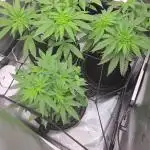
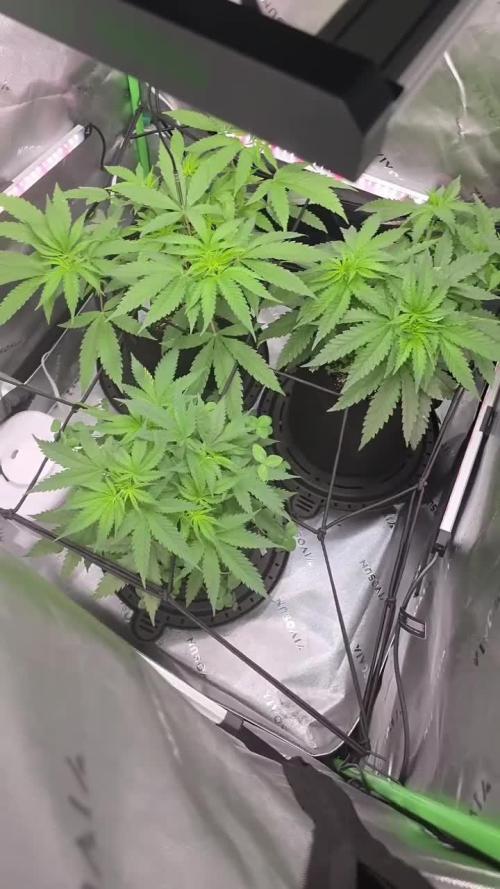
This week focused on recovery and light nutrition support before flipping to flower. On Sept 17, all three photoperiods were top-dressed with worm castings, kelp, and fish bone meal to help correct lingering deficiencies and strengthen root development. Oracle OG continued showing pale foliage through most of the week, with only minor signs of improvement toward the end. She’s still in recovery, but new growth remains consistent and the structure is holding up well. Blue Bitch stayed vigorous and dark green, showing no stress and maintaining excellent leaf tone. Strawberry Cola Sherbet remained slightly lighter in color but stable overall, showing a healthy rate of new growth. Watering was light since the soil retained moisture after the top-dress, and no major training adjustments were made. Temperatures held around 77–82°F with 55–60% RH. This was a steady week focused on letting the amendments settle and giving the plants time to rebuild strength before the transition to flower.


shorts_status_processing


@SupaDank
Follow
End of day 41 flower and will be flushing both girls on day 42 flower. Overall the buds don’t seem as fat as it should be but hopefully during the flush they should gain some weight. I took a bunch of clones so those will be going to flower soon and now I have a better understanding of how to treat these girls during the flowering stage. Also popped two Blueberry seeds so I will have a journal on that soon.


@kdgrow
Follow
Lots of stretching this week, been having fun LST ing the poor girl
Given two feedings again this, no signs of nute burn.
Day 24 Dr FG
2ML Grow
1 TSP Molasses
1ML Calmag
1 litre water
Day 26 Dr FG
2.5ML Grow
1ML Bloom
1ML Calmag
1 litre water

shorts_status_processing


@MG2009
Follow
04/03/2020
Day 28 of flowering first pistils are fading and tons of new pistils popping up everywhere! Whew!
Got a couple nice pics this week, getting a faint scent of tangie and berries Mmmm!
Leaves are getting pretty frosty


@trustno1
Follow
Hi 👋
Blüte Tag 20
Die Lady Broccoli ist gut in die Breite gegangen. Morgen werden noch ein paar Mini Triebe entfernt, und die Haupttriebe geknickt.
bis zur nächsten Woche
Gruß M.


@Dapper_Buds
Follow
What’s going on lady’s an gentleman this week we got the M.O.A.B. Girls going into week 3 veg under the Double UnitFarm UFL3000 an now on full auto ride with the Autopot system now turned on. The girls are back up an going for full speed. Had ph issues due to I filled the spray bottle with .9 ph water an was hitting them with 9 ph just for 2 days. Then I caught my mistake after showing signs an soil ph out to 6.3. Ph the bottle spray an plants rebounded nicely now. The girl on the right got LST/ tied down. Some time this week I’ll train the girl on left(I’ll post updated pics). Other then that they are on full auto ride an lights are at the very top at full max. Par meter comes in this week. But on the photon app it’s reading out 600 par or 38-39 DLI on a 18hr light on the plants currently loving it. Tent stays at 81 day and 74 at night at 60%rh day n night. But also wanna say big thank you to UnitFarm for the dope UFL3000 setup. Happy growing everyone! An thank you for all the support an likes!
Can check out the UFL3000 in the link below if interested in it.
https://www.amazon.com/unitfarm


@Cogollo_eu
Follow
**Encontrarás la traducción a español al final de la descripción**
From/Desde: 30/09/19 || To/Hasta: 06/10/19
From day/Desde día: 29 || To day/Hasta día: 35
BlueBerry Cookies Diary / Diario de las BlueBerry Cookies:
https://growdiaries.com/diaries/38769-dinafem-039-s-blueberry-cookies-at-the-ocean
If you like this week, please hit a like, it costs you nothing! 👊. Thanks in advance 😉!
-----IMAGES & VIDEOS-----
V1: TimeLapse week video, at second 24 I changed the lights to full operation (notice the color change), so since mid week I'm using the full 180W instead the 90W for growing. Also today (Week 11), I purchased the Platinum P450 model to replace the P300 I have. I still don't know if I'm going to place both lights together to end this grow, or if just replace the P300 and use it to grow another plant in my 60x60 tent.
P5: A leave broken on a night photo session (last week dark photos). I'm in really love with Ocean's leaves, they are super beauty, with very bold "fingers", and very textured.
-----WEEK SUMMARY-----
This week I changed the lights to full flora mode as is recommended by the manufacturer for late vegetative grow.
They are still growing at a very good speed more than a cm per day, soon I will perform a full LST on one of them and also I will place the SCROG mesh to try to match the height of the colas. At time the 4 plants (All the cookies) are +/- the same height, but soon the BlueBerries will be bigger than the Oceans.
I see a bit overfeeding in the leaves aspect, it must be due to the guano and volcanic soil I added to Soil mix. In a couple of weeks they will look very beauty and healthy.
-----WATERING CALENDAR-----
05/10/19 DAY 34 - 1 l with all week nutrients @ (1.3 EC | PH 6.2 | 24.9ºc)
*****ESPAÑOL*****
Por favor, si te gusta esta semana dale un like, no te cuesta nada 👊. ¡Gracias por adelantado 😉!
-----IMÁGENES & VÍDEOS-----
V1: Video TimeLapse semanal, en el segundo 24 cambio las luces a full flora (se nota en el cambio de color de la imagen), así que a partir de mitad de semana empezaré a usar los 180W de mi luminaria en vez de los 90W que venía consumiendo en crecimiento. Esta semana (Semana 11) he comprado una mejora de luces, he comprado el modelo P450 de Platinum que reemplazará al P300 que estoy usando. Aún no se si voy a dejar ambas luces juntas para acabar este cultivo, o si simplemente reemplazaré el P300, y este lo usaré para crecer otra cosa en mi armario de 60x60.
P5: una hoja que se me rompió durante una sesión de fotos nocturna. Las hojas de esta genética son especialmente bonitas, con unos dedos gordos gordos y texturizados.
-----SUMARIO SEMANAL-----
Esta semana cambio el modo de la luminaria a flora, pues es lo recomendado por el fabricante para la última etapa de crecimiento.
Siguen creciendo a una velocidad excelente, más de 1 cm por día, pronto pondré la malla de SCROG para intentar ajustar la altura de las cola. Por el momento las 4 plantas (todas las cookies) son más o menos d la misma altura, pero pronto las BlueBerry pasarán en altura a las Ocean.
Puedo ver un poco de sobrealimentación por el aspecto de las hojas, debe ser debido a la tierra volcánica y el guano que le añadí al sustrato. En un par de semanas se verán super sanas y bonitas.
-----CALENDARIO DE RIEGO-----
05/10/19 DÍA 34 - 1 l con todos los nutrientes semanales @ (1,3 EC | PH 6,2 | 24,9ºc)



@masterofsmeagol
Follow
4/27 I'm fairly certain that I watered everything. If not I only would've held off on a smaller plant that was about 17 grams over dry weight. Pretty sure I did them all though. Having a scale makes watering in these cups SO much easier. Had a rough few days with a lot going on so i uavent been writing as much. Transplant will be happening soon. Most plants have or are close to having there fourth node. I'm not going to top/FIM until after transplant and they've settled in nicely. The Kush plants are getting close to needing that transplant. I'm waiting for the leaves to go beyond the edge of the cup. Despite the fact that some havecthree fingered leaves hanging on their own stem. The transplants will go into 1/2 happy frog half ocean forest. All in all things are going good. Some plants will probably be transplanted this week. Plants in this diary are different ages.
4/28 I watered what needed it by the scale. A few were close but within range so I left them alone. I'll check later in the day and water when they are within range. It sucks sometimes because I need to make that decision over just a few points sometimes. I usually do it based on plant size and response. Oh well, these girls are out of seedling stage thats for sure. Realistically this week is closer to week one of veg then the seedling emerging on day one when i started this. I just wanted to get this diary started. Then I had to get replacement seeds as some didn't germinate. These girls are looking pretty good so ill probably save the other beans i have for next year. I MAY do a lilac/diesel auto from Ethos when it gets warmer but we'll see. I am wicked excited for this season. Planning to clean and sanitize grow area and wash pots today. Everything seems to be doing amazing.
4/29 I watered a few but many weren't in range yet. I'll be there later this afternoon and check again. Boy things are going good. Planning to grab the rest of my soil this morning. Things are popping off. Transplants will be coming soon. I just want that big rootball first before they go in the 1 gals. I picked up my soil but they shorted me 3 bags of haply frog. It was like a war zone there. Construction everywhere and people hollering at each other over the mechanical racket. Only the drive through was open. I did some quick calculations to reach what I needed for soil bit after they told me to go back in because "they didn't have it." I stop and get out and it went back on my card. Apparently they were hassling my legally blind disabled wife to move the car. She offered them the opportunity to do so but they would need to deal with me after. I wasn't in anyone's way. The car behind me went around me just fine. Anyway I remembered the little local store one town over. Ten minute drive and they have a deal where if you buy 5 bags of hf you it's only SLIGHTLY more than 3. I headed out that way but had to come home due to an emergency. They've got a bunch and they aren't in the city. I'll make it over there this afternoon or in the morning and pick up the rest of my happy frog. No roots organic 707 this year. It's the same price as ocean forest and I really like ocean forest. Lots see how they do with just happy frog and ocean.
4/30 Watered the front row of the aerogarden. Others seemed to be within range. Pretty sure I watered everything under the L.E.D. Things are moving forward. I've got a lot of work to do. I'm going to pick up my remaining soil. I need to clean and sterilize grow bags and the 1 gallon pots and I need to clean and sanitize the grow cage itself and do any little repairs that may need it. So far I'm pretty happy. I don't want to make a mistake and transplant to early. I think we may have an early season this year. It's been nice the past few days.
5/1 It's been hot the past few days. It's looking like we are going to have an early season which is totally OK with me. I WATERED TODAY. I think I did the entire aero garden. I watered the majority under the l.e.d as well. I think when it gets that close (weight wise) it doesn't REALLY matter whether they get that shot glass or not. As long as the weight is like 217 or something. Some plants have leaves going over the sides of the cup. I transplanted to early last time with seeds. Not REALLY to early but they could've stayed in the cups longer. And they take up less space that way but within a week I bet these girls will be transplanted and spending some time outside. I'm looking forward to it.
5/2 Plants are looking great. Watered everything I think. Some weights were high (e.g. 216) but I watered them anyway. I'm starting to be able to squeeze the cups and feel the roots. After I run these few errands and bring wife to the soctors I'll get the rest of my soil and I'll clean my 1 gal pots. The past few days they could've gotten some sunlight. It's been really nice out. Raining today.
EDIT: PICKED UP THE REST OF THE SOIL FOR THE SEASON. PLANTS ARE DOING GOOD. SINCE THE FIRST BATCH WAS A LITTLE STUNTED SOME OF THE OTHERS ARE IN SIMILAR STAGES. I "COULD" TRANSPLANT NOW BUT ITS EASIER DEALING WITH THEM IN THE SOLOS. AS SOON AS I TRANSPLANT THEY'LL JUMP IN SIZE. I'LL NEED TO PUT AT LEAST ONE HPS LIGHT UP AS WELL. HOWEVER, IT'S BEEN NICE ENOUGH HERE THAT THEY'LL BE ABLE TO SPEND TIME OUTSIDE DURING PART OF MOST DAYS. LAST TIME I DID SEEDS I WENT WITH 3 GALLONS BUT IM GOING INTO 1'S THIS YEAR WITH FINAL GROW BAGS RANGING FROM 20G-50G. I USIALLY USE A MIX OF FFOF, FFHF, AND ROOTS ORGANIC 707 IN EQUAL PARTS. THIS YEAR I'M USING ONLY THE FOX FARM SOILS. IVE DONE THIS BEFORE WITH GOOD RESULTS.
5/3 WATERED EVERYTHING BUT ONE TENTH PLANET AND THE ONE BEHIND IT WHICH I BELIEVE IS CHEM DOG #4. I'M FAIRLY CERTAIN I WATERED EVERYTHING UNDER THE L.E.D. These girls are ready for a new home. There's a couple that I Gould hold off on but some are at the point where they NEED A transplant. IT would be much easier to light and carry around in these cups but I want to veg indoors and on nice days bring them outside to harden off. There's only a COUPLE slow starters that could wait but only a couple. I have this year's soil. Just need to wash the pots and mis the soil and transplant. Today is busy but tomorrow is open so I'll be playing it by ear.


@Philippovic
Follow
Panikiller 3 ist nun endlich auch in der Blüte, die Lampe ist bis zum Maximum nach oben gezogen, hoffen wir mal das die Ladys nicht noch höher werden.
Dünger nach BioBizz Schema, licht auf 80%, Abluft auf 80 %, Ventilator Vollgas
Die Ladys hatten deutliche Anzeichen von Licht-Stress, daher wurde die Lampe auf 80% gedimmt.
11.07
Die Pflanzen sind alle sehr unterschiedlich entwickeln sich aber sehr g


@Bread_n_Buds
Follow
The Sweet Cherry Pie is not very fast but how beautiful and how it is resining. It is very beautiful because having a short distance the stronzetta is filling well, go Baby!
LIGHT >> MARSHYDRO SP3000 AT 100% OF POWER, WE ALREADY LIKE IT SO MUCH BECAUSE IT COVERS THE INTACT LENGH OF THE TENT.
TENT >> MARSHYDRO 120x60x180
CHECK IG >> https://www.instagram.com/marshydro_aliexpress2/
Buy >> marshydroled.aliexpress.com
GD >> https://growdiaries.com/grow-lights/mars-hydro