




Likes
20
Share


@Boomdrawfyah
Follow
Dia 110 de vida y 2nda para 3ra semana de floración.
Han hecho un estiron final llegando a medir casi 3 m y han empezado a florecer se ven muy sanas sigue todo muy bien algun saltamontes sigue motdiendo las hojas nada grave.
Se avecina tiempo de tormentas y lluvias esperemos que no pase nada grave , las plantas estan preparadas para soportar lo que sea que venga aunque siempre puede haber algun imprevisto

Likes
39
Share


@Secretflower
Follow
Hello my friends,
...May 16, 2022....Day N°64...
My three Automatic White Banana are awesome, smells very good.
I feed them with the complete stuff of the Green Buzz Liquids nutrients from Germany.
They are under a Viparspectra P4000 at 80% of power and at 40cm of the canopy.
www.exoticseed.com
www.viparsprectra.com
www.gbliquids.com
15% discount code : secretflower
That's all for now my friends.
Thank you very much for passing by.
Wish you the best with your green projects, peace.
See you soon 💨💨💨

Likes
86
Share


@DogDoctorOfficial
Follow
Greetings, fellow cultivators and green enthusiasts! Week 9 of our Apolo F1's cosmic journey has unfolded with a sense of anticipation and reflection as we approach the long-awaited harvest. Join me as we delve into the depths of this extraordinary odyssey, celebrating the growth, discovery, and botanical brilliance that has defined our journey thus far.
Nine weeks ago, we embarked on this botanical odyssey with a tiny seedling filled with promise. From those humble beginnings, our Apolo F1 has blossomed into a majestic specimen, a testament to the power of cultivation and the wonders of nature. Each week has been a chapter in our shared story of growth and discovery, filled with moments of triumph, challenge, and unwavering dedication.
As we stand on the cusp of harvest, we are surrounded by a sea of vibrant blooms, each one a testament to the meticulous care and nurturing environment we have provided. From the delicate tendrils of her infancy to the lush canopy of her maturity, Apolo F1 has been a beacon of botanical brilliance, inspiring us with her resilience and vitality. The floral symphony she has orchestrated fills the air with its intoxicating aroma, a fitting tribute to her journey of growth and transformation.
In celebration of this momentous occasion, I have curated a special photoshoot showcasing the beauty and wonder of Apolo F1. From evocative images of swirling smoke to captivating glistening trichomes, each photograph captures a glimpse of the magic that has unfolded before our eyes. These images are not just snapshots; they are a reflection of the passion, dedication, and love that has gone into nurturing our green companion every step of the way.
Throughout this journey, I have incorporated enzymes into our watering regimen, recognizing their role in promoting healthy soil and ensuring the vitality of our plants. As we prepare to harvest, I am mindful of the importance of nurturing care and sustainable practices, knowing that the soil we tend today will nourish the gardens of tomorrow.
As we stand on the brink of harvest, I am filled with a profound sense of gratitude. To Aptus for crafting the nutrient symphony that fueled our journey, to Royal Queen Seeds for providing the genetic star of our green opera, to Grow Diaries for their unwavering support and camaraderie, and to the entire community for sharing in this remarkable adventure. Together, we have proven that with dedication, passion, and a touch of magic, anything is possible in the world of cultivation.
Join me in the final chapter of our Apolo F1 Mission Diary, where we'll witness the culmination of this extraordinary journey and celebrate the harvest of a lifetime. Until then, may your gardens flourish, and your green endeavors be ever blessed by the spirit of growth, discovery, and botanical brilliance.
#aptus #aptusplanttech #aptusgang #aptusfamily #aptustrueplantscience #inbalancewithnature #trueplantscience #rqs #ApoloMission #MoonHarvestAdventure #playwithlego #lego #legotime #legovideo #tothemoonandback
More info and complete updates from all my adventures can be found - link in the profile description
Friendly reminder all you see here is pure research and for educational purposes only
Growers Love To you All 💚💚💚

Likes
22
Share


@m0use
Follow
***Sponsored Grow*** = Medic || https://medicgrow.com || Grow = ***Sponsored Grow***
Still have some issues with the feed and this pineapple dream, they are getting some burning in the sides on some of the larger fan leaves, I would say it could have been over feeding but the runoff is not that bad, and I would expect more burning on the other plants as well. Its smell has changed a bit as well, its not as fruity as it was earlier on or its diluted by all the other smells in the tent, might be a sign I am giving them to much water at a time as well. Still giving them a 2:1 or 2.5:1 grow vs bloom nutrient. Its helping with some of the pink stems from last week. Feeding strength is up .2 point to reach 900ppm or aorund 1.8EC will leave it here fro the remainder of Veg. Prob will do for 2 more weeks then flip to flower as I just topped them and want to give them some time to recover.
NPK ratio of 7-7-14 1:1 equal parts grow/bloom.
Grow=8-4-15
Bloom=6-10-14
Boost=1-15-30 "not yet used it yet"
Also took some clones from the plants as well, took two main cuttings from each plant, forgot to do the one so its not shown in the first video up the updated clone pics later in the week. If any of these impress me then the clones will go outside and grow there all year for a extra special harvest. Or I'll give them out to some friends and family maybe a little gorilla gardening project, but I will wait before getting ride of them all as I'm still kicking my self in the ass over the Blue Cindy loss. really liked that plant and wish its clones I gave out where still aorund.
Lights doing well. The V1 spectrum is good on the medic grow mini sun-2's 240w. No issues so far, dimmed at 80% till flower is initiated then up to 100%, Will test out 13/11 I think as the schedule to give them some more photons for an extra hour vs 12/12
.
Till next week.
***Sponsored Grow***
Official Website:
https://medicgrow.com/
+
https://www.kannabia.com/en
Facebook:
https://www.facebook.com/medicgrowled
+
https://www.facebook.com/kannabiaseed/
Twitter:
https://twitter.com/medicgrow
+
https://twitter.com/kannabiaseeds
Instagram:
https://www.instagram.com/medicgrow420/
+
https://www.instagram.com/kannabiaseedsint
YouTube:
https://www.youtube.com/channel/UCNmiY4F9z94u-8eGj7R1CSQ
+
https://www.youtube.com/c/KannabiaSeedCompany
Growdiaries:
https://growdiaries.com/grower/medicgrowled
https://growdiaries.com/grow-lights/medic-grow
+
https://growdiaries.com/grower/kannabia
https://growdiaries.com/seedbank/kannabia

Likes
48
Share


@MrJones
Follow
These buds are all dense, frosty, and the smells are just a very sweet thick aroma, of sugary sweet fruits, berries, and citrus, harvested on 10/30/21 these ladies spent 3 weeks in the dry tent at 65F and 60 % RH, then another week in the curing totes, before they were spun and cleaned - I am just blown away with the quality of this harvest!

Likes
12
Share
@BettyFlores
Follow
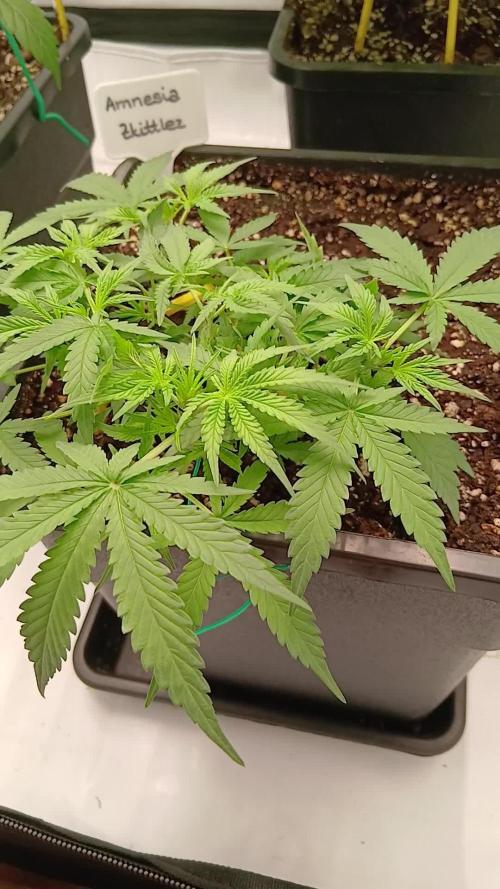
15.08.2025 They started flowering some days ago. They are splendid 🌸
Super-Cropped the Original Afghan Kush for achieving an even canopé, not mentioning the tiny version of Amnesia Zkittlez, which will never reach the canopé of the others.
16.08.2025 Yesterday evening I cropped the main cola of the O. A. K. and this morning 5 am she totally recovered the stem and is standing as before the cropping. Oh, Lord 😅


Processing
Likes
Comments
Share


Likes
10
Share


@Gokou4OG
Follow
These girls are on fire , super dense heavy nugs . Smells incredible and can’t wait . Harvest is expected before the end of the month . Btw this is actually my first grow … I’ve been studying a lot and have certs from thc university.
Likes
16
Share


@GYOweed
Follow
Did a bit too much crushing on one stem. Gonna spray it see if it perks up.
Rest is A OK
Likes
11
Share


@Mr_Motalovah
Follow
Hello Growers & Tokers!
The route to having a jungle starts with the roots!
That's why my main goal in those first 14-21 days is developing the root system.
I like to give them time to expand the roots which is very important for a healthy plant.
That also gives them more time to get bigger and stronger before going into flower.
More growth, more bud sites, more buds. Trust me the wait is worth the reward.
We'll be seeing some truly sweet and zenzational flowers.
This week they got transplanted to their final pot, 11L fabric pots.
It's one step closer to getting that jungle, zenzational!
Medium used was Light Mix from BioBizz.
Synergy from Grotek nutrients was blended in the medium to help out the roots.
Let the mycorrhizae do its job and take over the soil, then the roots just follow.
Take care out there and happy growing!

Likes
7
Share


@Alejangrow
Follow
Some defoliation & nutrient solution change
Really liking the bushiness of these plants. Probably have to flower an extra week to account for some of the stress right around the switch to flower 🤷♂️🏽
Seems a little behind for end week 4 imo🤔
What do you think?🌿

Processing
Likes
36
Share


@Yayayatoure
Follow
She started popping pistils. She just got into preflowering let's see how she does.
Day 40 flushed her with ph balanced water to remove the salt build up
Day 42: Had an accident today tho she recovering and she's totally droopy.
Day 44: Thank God She has started stretching again


Likes
9
Share


@NewOfficialDrillInvaders
Follow
Smell like 🥦🍋 but like skunky little bit pungent smell kick good looks good just look at the video 😉love that orange bud looking colour

Likes
30
Share


@SolitudeCorners
Follow
Last week of flowering (72days from the light switch) Gonna cut soon when the dirt is dry. A quite late harvest. Many buds denser more, and stem can’t longer resist.
This season so satisfy. Thank for all mentor and comment. You all are my inspiration for grows.
Feeding
23/1 Water 13.5L+Flawless 20ml ppm80 ph6.2
MDR 3L 2Lx5
Runoff
MDR 1400 /1155
Zkittle 1600/1300/1150
Pineapp 900/600
Purp 1300 /1200
Sapp 2000/1100
Dozdos 1100/1000
25/1 10.42 6L ppm9 ph6 1L per pot
3L+Flawless6ml ppm116 ph5.9 1.5/1.5 Purp, Zkittle
4.5L+ Flawless7ml ppm119 ph6 1.5/3 Sapp,MDR
Runoff
Purp 1300
Zkittle 1500/1200
Dozdos 1400
Sapp1300
Pineapp850
MDR950
27/1 runoff
Pineapp 500
Purp 900
MDR 600
Zkittle 400
Sapp 300
Dozdos 400


Likes
19
Share


@CookiesAndCake
Follow
This girl was a high effort high reward type of girl for sure. She was struggling with nutrients which is why towards the end all of the leaves were just yellow and crispy. I didn't manage to find the right balance of nutrients for her BUT the yield and end product definitely did not suffer. This strain's smell alone is 100% worth growing!
Likes
7
Share


@Mr_Maritime
Follow
I backed my light up a little and let my nutes sit for longer this time. She’s improving. Think I’ll up my ph on the next watering.
Trichs are starting to come in
I added a dish of water to up humidity. Don’t know if it’s helping.
One of the pics has a blemish. It’s from me, not spotting from deficiency. She’s looking yellow and skinny. Stems got really dark
Likes
3
Share

@Bdog7878
Follow
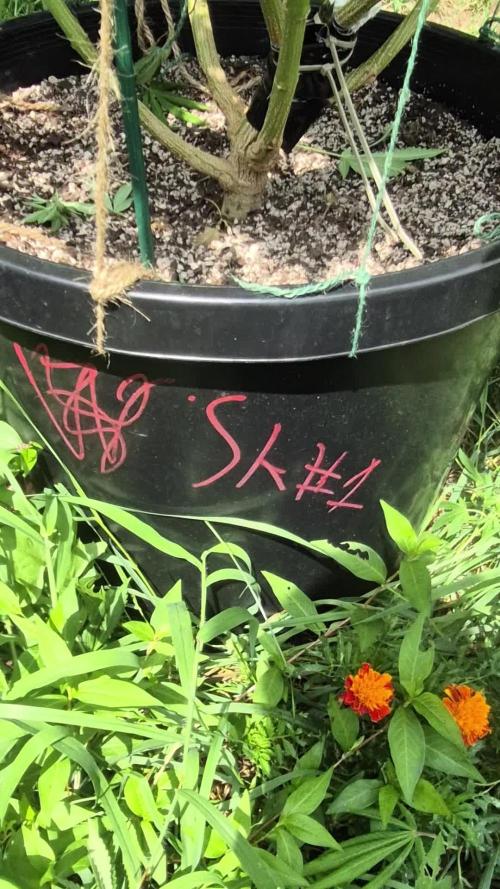
All seems good. Did a bunch of defol to get some air and light down in there. The skunks and ww both had a ton of leaves they required way more trimming than the end games which didn't need any almost. Still feeding every 5 days and recharge 1x weekly. I switched to bloom mix ratio last week so 1 tsp grow 1.
2 tsp micro and 3 tsp bloom. Birds are shifting on the plants its driving me insane lol. The buds are definitely starting to stack up and build trics. The ww definitely has way less trics as of right now but hopefully it will kick in shortly.

Likes
5
Share

@Organic473
Follow
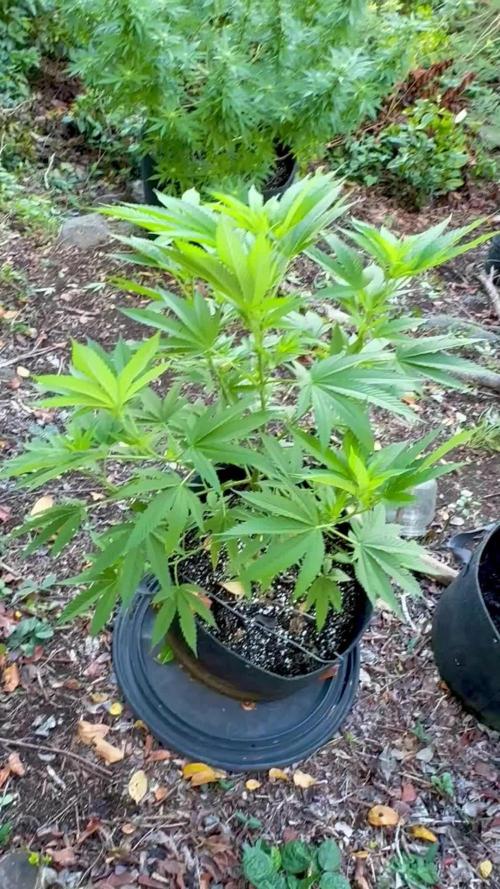
This girl is really tall and sexy I must say. I expect her to show pre flowers within the next few days.
