


Processing
Likes
Comments
Share


@SupremeTimmy
Follow
the week went great! blueberries are poured, cones swell bushes noticeably grown I hope this is their limit and then they will only gain weight


Likes
12
Share

@RakonGrow
Follow
+
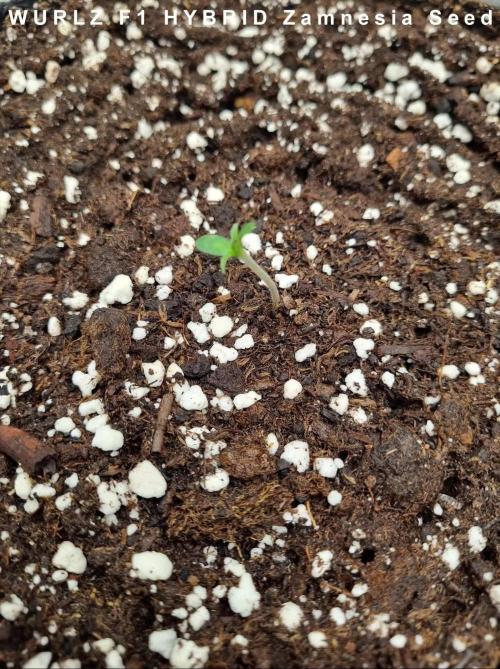
Day 57:
3.25L bottle water EC 0.35 + 0.4ml/L CalMag + Terra Flores 5ml/L Final PH 6.13
Day 55:
3L bottle water EC 0.35 + 0.3ml/L CalMag + Terra Flores 5ml/L Final PH 6.13
alles will zum licht bei der Pflanze. Maincola bleibt stehen aber um so weiter aussen um so gieriger strecken sie sich lol
Day 53:
3.25L bottle water EC 0.35 + 0.3ml/L CalMag + Terra Flores 4.5ml/L Final PH 6.13
Day 52:
add diashow day 0 - 51 video
Day 51:
120cm , wow more rocket sience , 80cm is given
DayLight Cycle : 12h (about 970PPFD at canopy) + 4h (about 730PPFD at canopy) + 1h sunrise + 1h sunset
3.25L bottle water EC 0.35 + 0.3ml/L CalMag + Terra Flores 4.5ml/L Final PH 6.13
---------------------- all values are weight in grams ( assumption : 1000g = 1000ml.) -------------
Date Time..................Seed......messure..change...watering.....surplus.....DayLight.....Night.....within 24h
07.11.2025 06:00.....Wurlz...........4946.......-205.......................................................................-205..............-1631
07.11.2025 07:00.....Wurlz...........8211.......3256.........3265..............88
07.11.2025 23:45.....Wurlz...........6842.....-1369.................................................-1369
08.11.2025 06:00.....Wurlz...........6627.......-215.......................................................................-215..............-1584
08.11.2025 15:00.....Wurlz...........5766.......-861
08.11.2025 20:30.....Wurlz...........5250.......-516
08.11.2025 23:45.....Runtz...........5065.......-185.................................................-1562
09.11.2025 07:30.....Runtz...........4817.......-248.......................................................................-248..............-1810
09.11.2025 08:30.....Runtz...........7994.......3177.........3177.........-217
10.11.2025 01:00.....Wurlz...........6781.....-1213................................................-1213
10.11.2025 06:00.....Wurlz...........6533.......-248.......................................................................-248..............-1461
10.11.2025 23:45.....Wurlz...........5113.....-1420................................................-1420
11.11.2025 06:00.....Wurlz...........4913.......-200.......................................................................-200..............-1620
11.11.2025 07:00.....Wurlz...........8001.......3090.........3090..............9
11.11.2025 23:45.....Wurlz...........6737.....-1266................................................-1266
12.11.2025 06:00.....Wurlz...........6518.......-219.......................................................................-219..............-1485
12.11.2025 14:30.....Wurlz...........5795.......-723
12.11.2025 20:00.....Wurlz...........5221.......-574
12.11.2025 20:30.....Wurlz...........5471.........250............250
12.11.2025 23:45.....Wurlz...........5279.......-192................................................-1489
13.11.2025 06:00.....Wurlz...........5110.......-169.......................................................................-169..............-1658
13.11.2025 07:00.....Wurlz...........8211.......3101.........3101.........-42
13.11.2025 11:00.....Wurlz...........8466.........250............250
13.11.2025 11:01.....Wurlz...........8018.......-448
13.11.2025 18:00.....Wurlz...........7395.......-623
13.11.2025 23:45.....Wurlz...........7066.......-329................................................-1400
14.11.2025 06:00.....Wurlz...........6865.......-201.......................................................................-201..............-1601
+

Likes
39
Share


@Mr_und_Ms_Lue_Roots
Follow
So die Süßen bis auf ,,Eine,, die ist nicht so süß die letzten Tage gewesen..., befinden sich jetzt am Anfang der Blütewoche 5
Allgemein verläuft alles sehr gut. Aber wie eben schon angedeutet, spielt die Pink Mist vorne bei der Luftzufuhr ein wenig ,,Fasching,, und versucht sich doch als Mann zu verkleiden :-)
Zwar gering und natürlich da, wo man es auf den ersten Blick nicht vermutet.
Wenige Staubbeutel hatten sich sichtlich geöffnet. Dennoch hoffen wir nach rascher u. vorsichtiger Entfernung, dass weiter große Kollateralschäden ausbleiben.
Die Gründe dafür können vieler Natur sein. Trotz das die Geschlechtsreife abgewartet wurde, ist nach hinten raus alles möglich.
Man muss das beste daraus machen :-) Hätten wir es noch komplett vor dem öffnen der Staubbeutel gesehen, hätten wir sie eher entfernt.
Natur ist halt Natur und noch viel wichtiger, es ist ja nur für uns. Sollten in der Pink Mist samen auftauchen, so hätten wir feminisiertes Saatgut.
Also immer Positiv sehen ;-)
Seit Mitte letzter Woche fahren wir mit einem EC von mind. mS 1,6 Tendenz jetzt fortlaufend eher an die 1,8.
Augenscheinlich und von den Werten her passt alles wirklich gut. Auf eine neue tolle Woche!
Ansonsten vielen Dank fürs reinschauen viel spaß mit dem Bild u. Video- Material und allen zusammen eine angenehme Wochen gewünscht!
VG

Likes
24
Share


@Cogollo_eu
Follow
**Encontrarás la traducción a español al final de la descripción**
From/Desde: 14/10/19 || To/Hasta: 20/10/19
From day/Desde día: 84 || To day/Hasta día: 90
If you like this week, please hit a like, it costs you nothing! 👊. Thanks in advance 😉!
-----IMAGES & VIDEOS-----
P13: The excess nutrients are beginning to be noticed on the leaves.
-----WEEK SUMMARY-----
Again my unexperience and desire of pushing things to the limits, are returning the play to me. The excess of nutrients at the end of this week is more than evident in most of the leaves of AliceK., in fact, so much that I've entered into panic mode and the last 2 days I've watered her with FloraKleen trying to fix something, although I'm afraid it's too late and I'm going to suffer the consequences.
The continuous waterings of this week have had consequences beyond. Due to the water the humidity in the tent has risen a lot for several consecutive days, and for next week AliceK will have a severe infection of Oidium in the leaves, so severe that in a few days it will colonize the entire plant, despite of the combat actions I've taken. This will inevitably lead me to sacrifice Alice at the beginning of the fattening process 🐖.
-----WATERING CALENDAR-----
14/10/19 DAY 84 - 3 l with All week nutrients -(FloraKleen) & Bloom Nutrition Half Dosed @ (2.1 EC | PH 6.2 | 25.2ºc)
17/10/19 DAY 87 - 4 l with all week nutrients -(Rinho Skin, FloraKleen) @ (2.3 EC | PH 6.4 | 22.2ºc)
19/10/19 DAY 89 - 1.5 l with FloraKleen & Bud Factor-X @ (PH 6.2 | 23ºc)
20/10/19 DAY 90 - 1.5 l with FloraKleen & Bud Factor-X @ (PH 6.2 | 23ºc)
*****ESPAÑOL*****
Por favor, si te gusta esta semana dale un like, no te cuesta nada 👊. ¡Gracias por adelantado 😉!
-----IMÁGENES & VÍDEOS-----
P13: Ya se empieza a notar en las hojas el exceso de nutrientes que he estado aplicando, por ende la planta está empezando a sufrir las consecuencias.
-----SUMARIO SEMANAL-----
De nuevo mi inexperiencia y mis ganas de empujar las cosas al límite me están devolviendo la jugada con creces. El exceso de nutrientes al final de esta semana es más que evidente en la mayoría de las hojas de Alice k., de hecho tanto que me he asustado y los 2 últimos días he regado con FloraKleen para ver si puedo arreglar algo, aunque me temo que ya es tarde y que voy a sufrir las consecuencias.
Los riegos continuados de esta semana han tenido consecuencias más allá. Debido a los riegos ha subido mucho la humedad en el armario durante varios días consecutivos y para la semana que viene ya voy a tener una infección severa de Oidio en las hojas de Alice, tan severa que en pocos días va a colonizar toda la planta a pesar de las medidas que intente tomar. Esto me llevará inevitablemente a sacrificar la Alice al inicio del proceso de engorde 🐖.
-----CALENDARIO DE RIEGO-----
14/10/19 DÍA 84 - 3 l con todos los nutrientes semanales -(FloraKleen) y Bloom Nutrition media dosis @ (2,1 EC | PH 6,2 | 25,2ºc)
17/10/19 DÍA 87 - 4 l con todos los nutrientes semanales -(Rinho Skin, FloraKleen) @ (2,3 EC | PH 6,4 | 22,2ºc)
19/10/19 DÍA 89 - 1,5 l con FloraKleen y Bud Factor-X @ (PH 6,2 | 23ºc)
20/10/19 DÍA 90 - 1,5 l con FloraKleen y Bud Factor-X @ (PH 6,2 | 23ºc)

Likes
2
Share


@Comfrey
Follow
Die Ernte ist zwar lange her, aber ich wollte das Album noch abschließen. Leckere Blüten.

Likes
21
Share


@Stince1981
Follow
D57. All good in the tent. Both plants going well. There's a video for the banana blaze for you this week!

Likes
2
Share


@Madman2020
Follow
One plant finished very Early.
The other plants are starting have amber trichomes


Processing
Likes
12
Share


@cherokee
Follow
Это было прекрасное приключение. Девочки цвели 60+ дней и все еще были готовы продолжать... стигмы все лезли и лезли, убеждаюсь в том что 55 дней указанные заводчиком это слишком маленький срок, растению нужно 65-70 или даже 75 дней что бы созреть на 100%. У меня к сожалению не было возможности продолжить цикл из за отсутствия места,пришлось резать ((( ну ничего уже новые 7-8 клонов готовы к новому дневнику и к новому приключению))) С каждим циклом вижу как мой результат стает все лучше и лучше, я начинаю понимать этот сорт и что он любит и как с ним нужно себя вести , соответственно с каждым циклом урожай все больше и больше, думаю в горшках 5л этот результат будет еще больше. ))) Великолепное растение OG !

Likes
12
Share


@Jens_420
Follow
Lst hat glaube was gebracht, also auf jeden Fall ist alles gut in die Höhe gewachsen, ich hoffe die anderen Blüten an den ehemaligen Seiten Trieben bilden sich auch noch schön, sonst alles prima
Likes
Comments
Share

@Chubbs
Follow
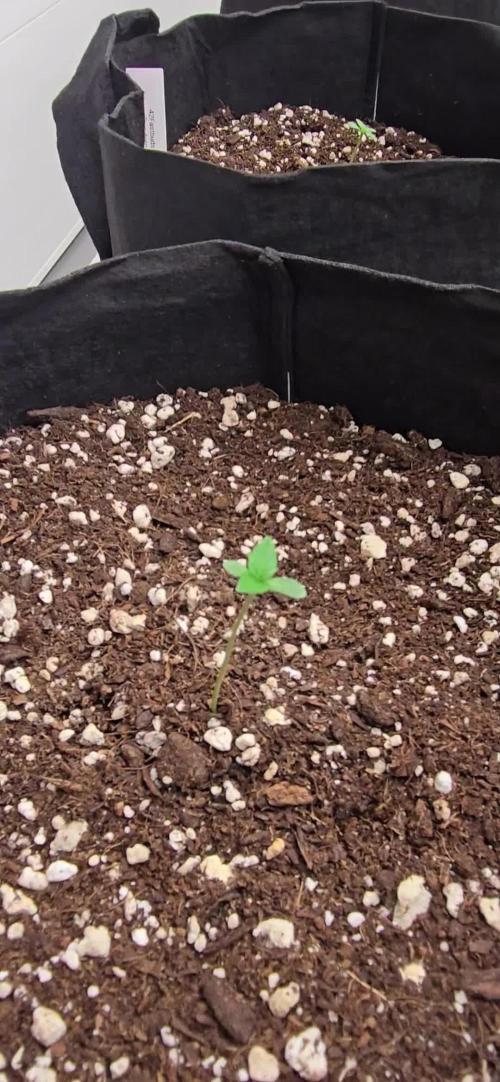
What up fam, so glad to be back. I've decided to go all out and ditch the tents and build a Grow Room and run tables. Super excited and happy the way it all came out from start to finish. I got new lights that are all daisy chained and more wattage 830watts each. Also they're all hooked up to a master controller. I decided to run the new LemonTree Auto from Fastbuds (of Course) my favorite Genetics. Excited to get the new room all dialed in and seeing it in flower with colas everywhere. Happy Growing.

Likes
40
Share

@Chubbs
Follow
420Fastbuds-Week9
Strain:ApricotAuto
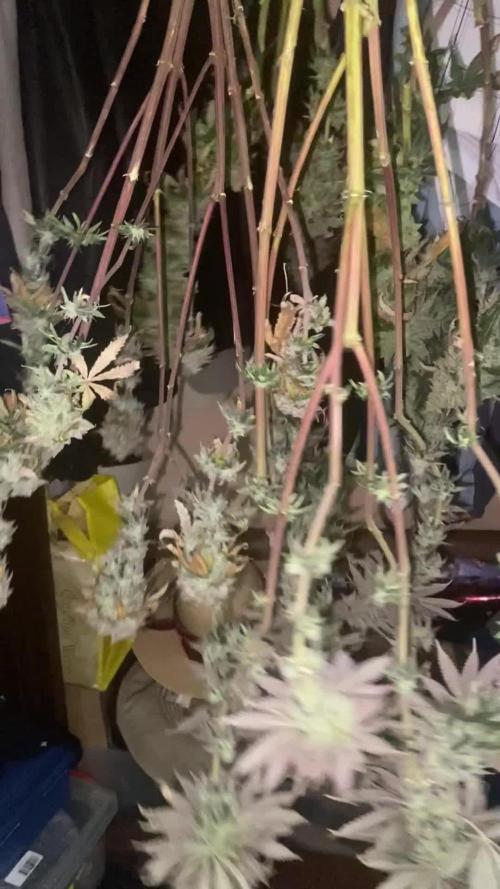
What up grow fam. Weekly update for these gorgeous girls. They're definitely getting close to being done and getting the chop. I did a defoliation this week to allow the light down to the lower bud sites. All in all Happy Growing.


Likes
97
Share


@CANNASIM
Follow
GENERAL COMMENT. WEEK 5 OF FLOWER.
Ok guys, this week ran ok for one girl and less for her sister, so i will go on details individually.
RQS NORTHERN LIGHTS AUTOMATIC COMMENT.
As I has commenting since the beginning I think this could be a nice strain to grow with minimal water and nutes, keep that in mind when growing this strain, i learned the hard way.
What happened with this girl is that salt builded up in the medium and de stabilised mainly the PH, creating a super acidic medium, thats my bad, i failed to id earlier.
So back to spotting, and a bit of yellowing showing, so some deficiencies, i honestly don’t know how this is going to end.
I flushed her 4 days a go with PH water to 6.5, that raised the medium runoff from 5.0 to 5.4-5.6, and flushed again with tap water, is alkaline at 8.1+, runoff is still 5.6, so that raised more concern with that input range getting so acidic runoff is bad, and in the end of flush received a dose of voodoo juice, big bloom, calmag and top candy, that are all organic at regular ph, EC at 1.8. I know the PH fluctuation can worse the scenario.
I’m been apocalyptic is just that i’m feeling a bit turn down now, i was expecting this girl to run flawlessly, heads up will try my best to correct issues, just wished she was like her sister…
Likes
6
Share


@Headies
Follow
this is weeks 5 and 6.I topped them and trained the branches out to the side. Plus I broke one... I tried to save it but it broke again later
Likes
36
Share


@Regenwurm
Follow
Die Bedingungen sind perfekt, ich bin mit der Entwicklung sehr zufrieden. Diese Woche ging es in die Blüte, Lichtleistung wurde erhöht und es wurde heftig entlaubt um den versteckten Trieben Licht zu geben.
Tage der Keimungsphase = 7 Tage.
Tage in Wachstum = 21 Tage
Tage in der Blüte = 7 Tage
Wachstum h Woche 1 Blüte = 10 cm
2 mal in dieser Woche mit Purolyt Mischung 1:25 besprüht
Lichtstärke: 90 %
PPFD: ca. 850 umol
Lichtabstand: 40 cm
Std Tag/Nacht: 18/12
Temperatur Tag: ca. 25 Grad
RLF Tag: 60%
Temperatur Nacht: 21 Grad
RLF Nacht: ca. 60 %
VPD Wert: ca. 0,9
PH Wert Wasser/Düngelösung: 6,3
EC Wert: nicht gemessen
Ventilator Oszillation: Stufe 1
Befeuchter: an
Entfeuchter: aus
Zusätzlicher Entfeuchter: 0 Stk. außerhalb vom Zelt im Raum
Bewässerung: 2* bewässert 1 l/Pflanze mit Dünger mit den o.g. Mengen
1 * pures Wasser mit 2 l/Pflanze
Purolyt Besprühung: 2 mal
Besprühung Fastplantspray : 1 mal
Controlling: Grow Control
Dünger: Greenbuzz Nutrients
Licht: Pro Emit Vollspektrum
Abluft: EC Carbon Active 750 m3
Danke an Zamnesia für die Seeds, den sonstigen Merch und natürlich das Vertrauen in die Kooperation
https://www.zamnesia.com/de/10681-zamnesia-seeds-pineapple-express-f1-automatic.html
Danke auch an Mia von GB:
https://greenbuzznutrients.com/de/
Ihr bekommt 25 % Rabatt bei der Nutzung des Codes auf der GB Homepage
https://greenbuzzliquids.com/de/shop/
Code: GD42025
(Mindestbestellwert 75€)
Likes
Comments
Share

@DopeCutz
Follow
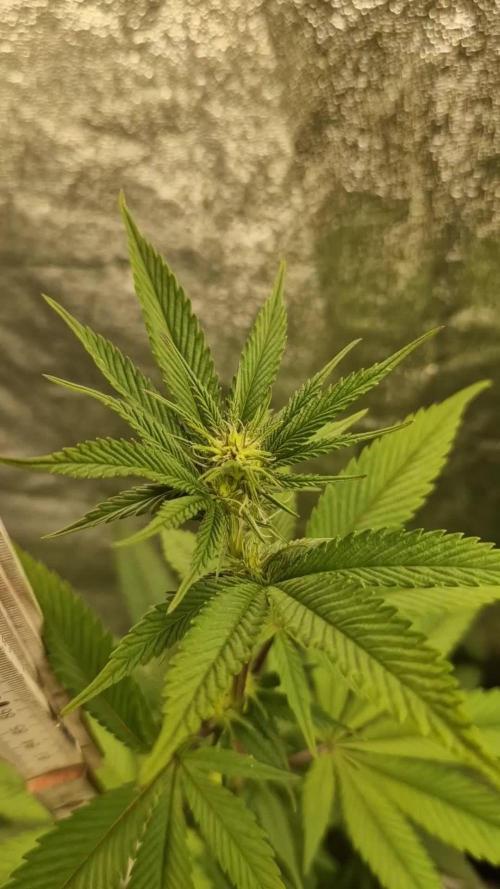
Mit 90 cm ist der Stretch beendet, und die Pflanzen können sich auf die generative Phase konzentrieren. An jeder Nodie sind jetzt Blüten zu erkennen.

Likes
5
Share


@Deli_Weed
Follow
Esta semana engordaron bastante las flores, los últimos dos dias de esta semana deje de regar con nutrientes, pura agua 🚿 para empezar el flush

Likes
53
Share


@Roberts
Follow
She has a sweet, berry, fruity aroma. Smells great, and is loaded in trichromes. I did not get a purple color morph, but that is okay. She grew great in the small potter, and there was no major issues during the grow. Thank you again ILGM, and Medic Grow. 🤜🏻🤛🏻🌱❄️
Thank you grow diaries community for the 👇likes👇, follows, comments, and subscriptions on my YouTube channel👇.
❄️🌱🍻 Happy Growing 🌱🌱🌱
https://youtube.com/channel/UCAhN7yRzWLpcaRHhMIQ7X4g

Processing
Likes
37
Share


@Mr_Motalovah
Follow
Hello growers and tokers! 👋 👩🌾 🧑🌾.🔥💨
This is one is living it up!
Transplanted to final pot, an 11L fabric pot like all the other strains.
Great root system going on.. I added 5 grams of Micro Vita from TopCrop to the soil.
I took the pictures with my phone so you can't really appreciate the details but the roots are thick and strong.
It sucks this one won't get as much veg time as the others so I'll definitely be growing this one again and with a full veg cycle.
Looks to be a very promising strain!
One Love!

Likes
22
Share


@BoboLacetti
Follow
I'm currently trying to compensate for deficiencies. I hope it's with magnesium and cal. has accomplished. I think it looks very good and am happy about the aesthetics of this plant every day.
If you have any tips, please write to me. I'm now trying with 600 W while it's "cooler" outside, I hope they tolerate it well.
