


Likes
Comments
Share



Likes
5
Share

@CalGonJim
Follow
9/15 12AM MONDAY!!! THEY ARE ALL DOING GREAT!!! VERY HEAVY AMINOS YESTERDAY, NO DAMAGE.
9/15 11:24PM. In plant cells, glutathione S-transferases (GSTs) act as transporters, facilitating the movement of anthocyanins from the endoplasmic reticulum (ER) to the vacuole for storage, though their exact mechanism is still being studied. The synthesis of glutathione (GSH) itself occurs in the cytosol of mammalian cells through two ATP-requiring enzymatic steps, while anthocyanins are synthesized via a separate phenylpropanoid pathway
9/15 11:42PM glutathione metabolism glutathione S-transferases plantsThinkingKicking off 5 searchesLooking at 71 sitesPutting it all together In plants, glutathione S-transferases (GSTs) are a diverse family of enzymes integral to glutathione (GSH) metabolism, primarily functioning in detoxification and stress response. The core of this process involves GSTs catalyzing the conjugation of the tripeptide GSH with various toxic compounds, or xenobiotics, making them less harmful and easier to sequester or transport. Glutathione (GSH) metabolism in plants GSH metabolism is a tightly regulated process that maintains cellular redox balance and protects against stress. Biosynthesis: GSH is synthesized in two adenosine triphosphate (ATP)-dependent steps:(gamma )-Glutamylcysteine synthetase (GSH1) joins L-glutamate and L-cysteine to form (gamma )-glutamylcysteine. In Arabidopsis, this enzyme is located exclusively in the chloroplasts.Glutathione synthetase (GSH2) adds glycine to (gamma )-glutamylcysteine to produce GSH. This enzyme is found in both the cytosol and the chloroplasts.Oxidation and reduction: GSH exists in two forms: a reduced monomer (GSH) and an oxidized disulfide dimer (GSSG).Oxidation: In the process of scavenging reactive oxygen species (ROS), GSH is oxidized to GSSG.Reduction: Glutathione reductase (GR) uses NADPH to reduce GSSG back into active GSH, which is essential for maintaining a high GSH-to-GSSG ratio inside the cell.Degradation: Glutathione can be degraded in the cytosol, apoplast, and vacuoles by (gamma )-glutamyltransferases (GGTs) and other peptidases, allowing for recycling of its amino acid components.Transport and compartmentalization: While synthesis occurs in the chloroplasts and cytosol, transporters move GSH and its conjugates throughout the cell, including to the mitochondria, peroxisomes, and vacuoles. Functions of glutathione S-transferases (GSTs) GSTs are a large, ancient gene family with diverse roles that extend beyond detoxification. The primary functions involving GSH are: Detoxification of xenobiotics and heavy metals: GSTs catalyze the conjugation of the thiol group of GSH to a wide range of electrophilic and hydrophobic substrates, including herbicides, pesticides, and heavy metals. The resulting GSH-conjugates are then recognized by ATP-binding cassette (ABC) transporters and sequestered in the vacuole, reducing their cellular toxicity.Protection from oxidative stress: Stress conditions like drought, salinity, and high light increase levels of ROS, which cause lipid peroxidation. 🚨Some GST isoforms have glutathione peroxidase (GPOX) activity, using GSH to reduce toxic lipid hydroperoxides to less damaging alcohols, thereby protecting cell membranes.Defense against pathogens: During pathogen attacks, GST activity increases to detoxify microbial toxins and secondary defense-related compounds. This helps to bolster the plant's resistance response.Metabolism of endogenous compounds: GSTs play roles beyond immediate stress response by participating in the normal metabolic processes of plants. Examples include:Hormone transport: Some GSTs act as binding proteins (ligandins) that transport plant hormones like auxins within the cell.Metabolite transport: Specific GSTs facilitate the transport of important compounds like flavonoids and anthocyanin pigments into the vacuole.Tyrosine degradation: The zeta GST class (GSTZ) catalyzes a critical step in the breakdown of the amino acid tyrosine.Redox signaling: By influencing the GSH/GSSG ratio and interacting with plant hormones, GSTs can regulate cellular signaling pathways that control growth and stress response. 🚨GSTs and plant stress response The expression of many GST genes is highly inducible by various environmental and endogenous cues, making them key players in a plant's ability to adapt to adverse conditions. Abiotic stress: Drought, salinity, heavy metals, and extreme temperatures all trigger increased GST expression, which helps plants manage resulting oxidative damage. Overexpression of specific GST genes has been shown to enhance stress tolerance in transgenic plants.Herbicide resistance: The ability of crops and weeds to detoxify herbicides through GST-catalyzed conjugation is a well-studied example of GSTs in stress adaptation. Herbicide safeners, chemical agents that protect crops from herbicide injury, work by boosting the activity of these GST enzymes.Developmental processes: Studies have linked the expression of certain GST genes to specific stages of plant development, such as fruit ripening, root and stem development, and flower formation. ""
9/16 12:32am
AI Overview
In plants, phenylalanine is the precursor for anthocyanin synthesis, a process that involves a multistep pathway in which glutathione (GSH) plays a critical role in the transport of the final pigment to the cell vacuole.
Phenylalanine initiates anthocyanin synthesis
The biosynthesis of anthocyanins begins with the amino acid phenylalanine, which is produced via the shikimate pathway. The conversion process, known as the phenylpropanoid pathway, involves a series of enzymatic reactions:
1. Phenylalanine ammonia-lyase (PAL): This enzyme catalyzes the first committed step of the pathway, converting L-phenylalanine into trans-cinnamic acid.
2. Downstream enzymatic reactions: A series of additional enzymes, such as chalcone synthase and chalcone isomerase, convert the intermediate compounds into unstable anthocyanidins.
3. Glycosylation: Glycosyltransferase enzymes stabilize the anthocyanidins by adding sugar molecules, creating the final, stable anthocyanin pigments.
4.
Glutathione is crucial for anthocyanin transport
After synthesis, glutathione is essential for transporting anthocyanins for storage.
* Glutathione S-transferases (GSTs): These enzymes bind to the newly formed anthocyanins in the cytoplasm. This binding is a key step that facilitates the transport of the anthocyanin-GST complex across the tonoplast (the vacuolar membrane) and into the vacuole.
* Vacuolar storage: Once inside the vacuole, the anthocyanins accumulate and provide color to plant parts, such as flowers, fruits, and leaves.
* Catalytic role: Recent research has also found that certain GSTs have a catalytic role in anthocyanin synthesis. They can catalyze a dehydration step to form specific anthocyanidins, significantly boosting production in engineered systems.
*
The process in summary
The synthesis and accumulation of anthocyanins involve a coordinated process of multiple steps:
1. Production from phenylalanine: The amino acid phenylalanine enters the phenylpropanoid pathway, where enzymes convert it into the basic flavonoid structures.
2. Formation of anthocyanidins: Further enzymatic modifications produce the colored but unstable anthocyanidins.
3. Stabilization and transport with glutathione: These anthocyanidins are stabilized by glycosylation and then bound by GSTs (which use glutathione). This binding enables their transport into the vacuole for storage and visible pigmentation.
9/15 12:46AM https://pmc.ncbi.nlm.nih.gov/articles/PMC7238016/
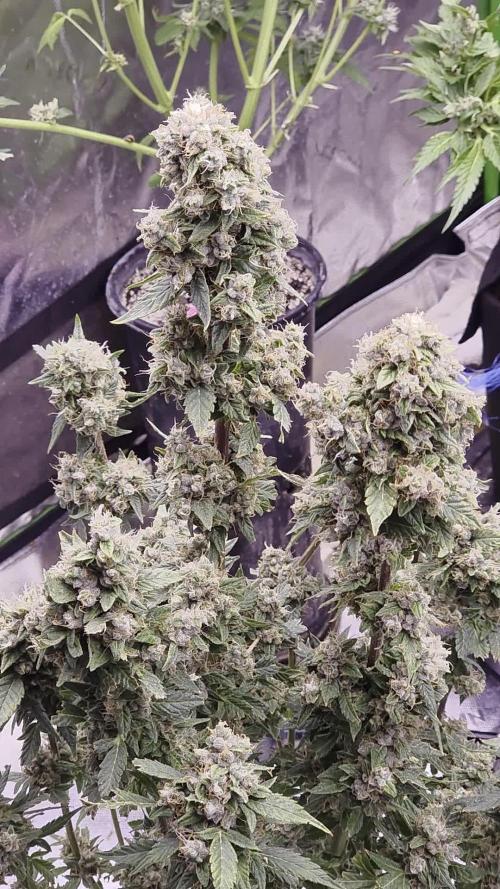
9/16 1:30AM BKO is looking great!!!
Conclusion
The “butter frosting” resin on Cookie Apple F1, healthy yellow-green fusiform, and Blueberry KO’s pigmented cotyledons show your anthocyanin-glutathione-phenylalanine strategy is working—phenylalanine drives synthesis, glutathione ensures transport. Tweak amino acids to 100–150 mg/L to reduce tip burn.
9/16 3:34am
9/16 4:31AM Anthocyanin glutathione synthesis phenylalanine proline tmg powder relating current project:
* Phenylalanine is a precursor: Phenylalanine is an amino acid and the starting point for the phenylpropanoid pathway in plants.
* Anthocyanin synthesis: This pathway creates various secondary metabolites, including the flavonoid pigments known as anthocyanins, which give plants their red, purple, and blue colors.
* Pathway activation: Multiple enzymes, such as phenylalanine ammonia-lyase (PAL), catalyze the conversion of phenylalanine into the building blocks for anthocyanin.
*
Anthocyanin and glutathione synthesis
* Glutathione S-transferase (GST): This enzyme is crucial for synthesizing anthocyanins in plants. It transports anthocyanins into the cell's vacuole for storage.
* Glutathione (GSH) production: Anthocyanins can promote glutathione synthesis in certain cells. For instance, the anthocyanin cyanidin-3-O-β-glucoside (C3G) has been shown to increase the expression of glutamate-cysteine ligase (Gclc), a key enzyme in GSH synthesis.
* Antioxidant effect: By upregulating GSH production, anthocyanins contribute to the antioxidant defense system, protecting cells from oxidative stress.
*
Proline and glutathione synthesis
* Shared precursor: In some organisms, the synthesis pathways for proline and glutathione share a precursor molecule called γ-glutamyl phosphate.
* Alternative pathway: Research on bacteria and yeast has revealed an alternative, trace pathway where γ-glutamyl phosphate from the proline synthesis pathway can be diverted to produce the glutathione precursor γ-glutamylcysteine.
* Oxidative stress response: Studies in mouse oocytes show that supplementing with proline upregulates genes related to glutathione synthesis (Gclc and Gclm), increases glutathione levels, and reduces oxidative stress.
*
TMG powder, methylation, and homocysteine
* Methyl donor: Trimethylglycine (TMG), or betaine, is a potent methyl donor, meaning it provides methyl groups needed for various biochemical processes in the body, including the methylation cycle.
* Homocysteine regulation: One of TMG's primary functions is to convert the amino acid homocysteine into methionine. This helps regulate homocysteine levels, which is important for cardiovascular health.
* TMG and proline interaction: In plants and some organisms, TMG and proline act as compatible solutes or osmoprotectants, helping cells stabilize against osmotic stress like drought or salinity. However, in human biology, TMG mainly functions through methylation, while proline is involved in different metabolic and antioxidant roles.
*
How they all relate
The listed components are connected through several overlapping metabolic and regulatory pathways:
* Anthocyanin synthesis starts with phenylalanine.
* Anthocyanins can promote glutathione synthesis via upregulation of key enzymes like Gclc.
* Glutathione synthesis can be influenced by the proline synthesis pathway, as they share an intermediate in some contexts.
* TMG powder supports the methylation cycle, which helps regulate homocysteine levels. While TMG and proline serve similar protective roles in some organisms, their primary human metabolic functions differ, with TMG focusing on methylation and proline having distinct roles in antioxidant response and metabolism
9/17 217am Die Hard Christmas Grow
9/18, 11:34 AM. I ordered some square saucers that were cartoonishly too small but they fit inside the AC infinity germination kit and they fit with the Bud Cups perfectly really nice so it’s not a total loss.
9/18 11:45AM mix. Foliar Spray, the rest of the mix ec 0.46
Mixed up Aminos first and separate and use 16 oz for foliar spray. Then mixed up:
Root: 1 mL/L Connoisseur A & B GROW,
.2 mL/L CaliMagic,
.2 mL/L Purpinator.
Setria Glutathione: 150 mg/L(Brand: Emerald 250mg capsule.)
TMG: 150 mg/L = (Brand Nutricost)
Phenylalanine: 150 mg/L (Brand Nutricost)
Proline: 150 mg/L (Brand Nutricost).
9/18 228PM AI Overview
Glutathione influences plant colors by regulating the accumulation of pigmented compounds, primarily anthocyanins. The tripeptide accomplishes this through its role in transporting pigments within plant cells and in protecting against environmental stresses like UV radiation that can cause oxidative damage.
Transporting pigments into plant cell vacuoles
Glutathione works with a class of enzymes called Glutathione S-transferases (GSTs) to transport pigments like anthocyanins into the vacuole for storage.
Anthocyanin transport: In plants with pigmented tissues, such as purple grapes or red flowers, glutathione-conjugated pigments are transported by GSTs across the tonoplast membrane into the vacuole. This process is crucial for the stable accumulation of pigments.
Genetic manipulation: Research shows that manipulating specific GST genes can alter a plant's pigmentation. For instance, silencing a particular GST gene in purple grape hyacinths caused their petal color to shift to a lighter shade of purple. Similarly, defective GST genes in carnations resulted in pale-colored flowers.
Protecting against UV light and stress
Glutathione helps regulate plant pigmentation in response to environmental factors, especially UV-B radiation.
Activating flavonoid production: When plants are exposed to UV light, a surge in glutathione triggers the expression of genes involved in producing flavonoids. Flavonoids, including anthocyanins, can act as protective sunscreens for the plant, and their increased synthesis and accumulation can alter visible coloration.
Balancing oxidative stress: Intense UV-B radiation increases reactive oxygen species (ROS) in plants, which can cause oxidative damage. Glutathione is a master antioxidant that helps detoxify these ROS, preventing cellular damage that can affect a plant's pigment-producing mechanisms.
Indirectly influencing plant colors
By regulating cellular redox status and interacting with other molecules, glutathione also affects pigment expression in more indirect ways.
The xanthophyll cycle: As part of a plant's antioxidant system, glutathione helps maintain the reduced state of other protective antioxidants like tocopherol and zeaxanthin. Zeaxanthin is a carotenoid pigment involved in the xanthophyll cycle, which helps dissipate excess light energy.
Redox signaling: The balance between reduced glutathione (GSH) and oxidized glutathione (GSSG) is a key cellular signal for stress response. A shift in this ratio during environmental stress can influence the production of secondary metabolites like pigments, allowing the plant to adapt. "
9/19 1:41AM AI Overview
The key difference is that anthocyanins are the sugar-containing form (glycosides) of pigments, while anthocyanidins are the sugar-free form (aglycones). Anthocyanidins are the foundational molecules, and when a sugar molecule attaches to them, they become anthocyanins, which are more stable and water-soluble, making them the forms found naturally in plants, such as berries and purple vegetables.
Anthocyanidin (Aglycone)
Structure: The basic, sugar-free molecule of the anthocyanin structure.
Location: Not found freely in nature but is the core component that is then glycosylated.
Properties: Color changes with pH, being visible in acidic conditions but colorless in basic conditions.
Examples: Cyanidin, delphinidin, pelargonidin, peonidin, petunidin, and malvidin.
Anthocyanin (Glycoside)
Structure: Consists of an anthocyanidin linked to one or more sugar molecules.
Location: Found in the vacuoles of plant cells.
Properties: Water-soluble and are the pigments responsible for the red, purple, and blue colors in plants.
Function: The sugar attached provides stability, allowing for accumulation in plants and providing antioxidant properties.
Examples: Cyanidin-3-glucoside and other derivatives like acylated anthocyanins. "
9/19 2:43AM I also saw a good mans immediate accent into Heaven, that perspective matters too. no less angry about it though.
9/19 10AM Heavy Amino spray 250mg each in 1L of Setria Glutathione and Phenylalanine
9/19 10:10PM The sons and daughters of americas real terror organization carried out the last horror show, and the one before that and before that. It's not a foreign country, it's always the anti white anti human black sheets and badges that did this.
9/19 10:43PM AI Overview
Phenylalanine and glutathione contribute to plant colors through different biochemical pathways
. Phenylalanine is a precursor for the pigments themselves, primarily anthocyanins, while glutathione is involved in the transport and stabilization of these pigments within the plant cell.
Phenylalanine: The pigment precursor
The source of aromatic compounds: Phenylalanine is an aromatic amino acid and the starting compound for the phenylpropanoid pathway in plants. This pathway produces a vast number of secondary metabolites, including anthocyanins, which give many plants their red, purple, and blue colors.
Color enhancement: Research has shown that increasing the amount of available phenylalanine can lead to more intense red coloration in some fruits, such as mangoes and apples.
Pathway stimulation: Phenylalanine ammonia-lyase (PAL) is a key enzyme in this pathway that converts phenylalanine into precursors for anthocyanin biosynthesis. An increase in phenylalanine levels stimulates this entire process.
Glutathione: The pigment transporter
Anthocyanin transport: After anthocyanin pigments are synthesized in the cell's cytoplasm, they must be transported into the central vacuole for storage. Glutathione S-transferases (GSTs) are a family of enzymes that facilitate this process.
Color intensity: A functional GST is essential for proper anthocyanin accumulation. Mutations in GST genes can result in a significant decrease in color intensity, as seen in the pale or white flowers of certain gentian mutants.
Mechanism of action: The GST binds to the anthocyanin pigment and moves it from the cytoplasm into the vacuole. If the GST is defective, the pigment cannot be transported correctly, leading to a loss of coloration.
Summary of interactions
The roles of phenylalanine and glutathione are distinct but cooperative in producing plant colors:
Phenylalanine provides the essential building blocks for creating the colored compounds (anthocyanins).
Glutathione, with the help of GSTs, ensures these colored compounds are correctly moved to their storage location (the vacuole).
This cooperative system explains why mutations or deficiencies in either process can lead to reduced or altered coloration in plants."
9/19 10:51PM AI Overview.
Trimethylglycine (TMG) supports the production of glutathione, a vital antioxidant
. However, there is no evidence to suggest a direct relationship between these supplements, the amino acid phenylalanine, and the colors of plants. The concepts are linked indirectly via complex biological processes.
Trimethylglycine (TMG) and glutathione
TMG and glutathione are connected through the body's methylation cycle.
TMG as a methyl donor: TMG plays a critical role in the methylation process by donating a methyl group, which helps convert the harmful amino acid homocysteine back into methionine.
Support for glutathione production: This methylation cycle, which is supported by TMG, is essential for producing glutathione. Glutathione is a powerful antioxidant that protects against cellular damage and is crucial for detoxification.
Supplementation considerations: TMG supplements are sometimes taken alongside other supplements to support health, though consultation with a healthcare provider is recommended.
Phenylalanine and the methylation cycle
Phenylalanine is an essential amino acid, but its role is distinct from the TMG-glutathione process.
Essential nutrient: Phenylalanine is a key nutrient for cellular metabolism.
Potential interactions: A separate medical study on experimental hyperphenylalaninemia (abnormally high phenylalanine levels) in chicks observed a decrease in other amino acids in the brain, including those involved in the glutathione pathway. This demonstrates how excessive levels of one amino acid can potentially influence others, though this does not represent a typical interaction.
Plant colors
The connection between the supplements and plant colors is purely conceptual, as the colors are determined by completely different biological processes.
Anthocyanins: The colors of many plants, including red, purple, and blue flowers, come from pigments called anthocyanins.
Glutathione in plants: While plants contain glutathione as an antioxidant to combat stress, it influences color by regulating the transport and accumulation of anthocyanin pigments, not by being a pigment itself.
TMG and phenylalanine in plants: Plants contain TMG, which functions as an osmoprotectant (protecting against osmotic stress). They also contain phenylalanine, but these substances do not directly determine the plant's visible color."
9/19 11:21PM. !!!!!! this was pointless and im dumber for having read it. !!! Light intensity and spectrum affect metabolism of glutathione and amino acids at transcriptional level: https://pmc.ncbi.nlm.nih.gov/articles/PMC6938384/
9/20 11:08 AM the seedlings and the four autos are doing just great. The amino spray with phenylene and glutathione really had nice effects no burning nice solid growth even seedlings from basil lavender various lettuce all are perfect.🚨🚨🚨👍👍👍👍👍
9/21 2AM I AM BECOME ANTHOCYANID!!! ITS WORKING AND ON A SEEDLING I SEE THE GELATO COLLORS IN BLUEBERRY KO AND THE LEAF SHAPE OF BUBBLES BLUEBERRY,!!!


Likes
15
Share
@Trinidad
Follow
21.11.2512 days dry.
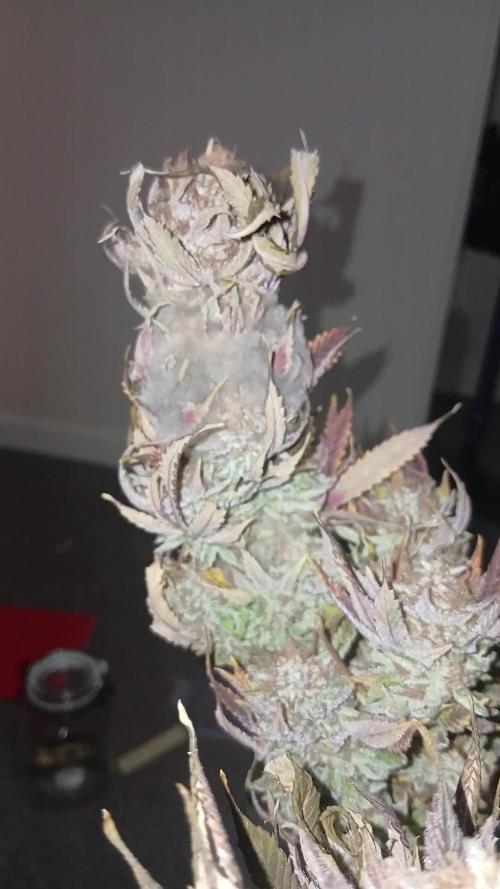
I suffered some bud rot so my final weight of 189 is inaccurate, also there is still trim on weed. But you can clearly see she is a high yeilder. I had to tie the dehumidifier high up in the tent so that the heat coming from it would not dry out the buds like what happened in my 1st grow, Wurlz F1 by Zamnesia.
She is very sticky. She smells like when you pull on a THC vape.
Likes
18
Share


@DogDoctorOfficial
Follow
Hey fellow green thumbs! 🌿💚 The day has finally come—our Auto Northern Dragon Fuel from Super Sativa Seed Club has been harvested! After an exciting journey, we’re thrilled to share the details of this incredible plant’s final stage. Let’s dive into the harvest report!
🌟 Harvest Details:
Day 75: Harvest Day
• Harvest Date: Day 75
• Harvest Method: Our beautiful Auto Northern Dragon Fuel was harvested yesterday. After weeks of careful nurturing, the time was right to bring in this amazing plant. 🌿🌼
• Preparation: Before hanging, we meticulously cleaned the plant, removing all leaves without trichomes to ensure a smooth drying process and to enhance the quality of the final product. 🌿✂️
Current Drying Process:
• Method: The entire plant is now hanging upside down to dry. This method helps maintain moisture levels within the buds, allowing for a slower and more even drying process. 🌿🔄
• Environment:
• Temperature: 18-22°C (65-72°F)
• Humidity: 50-60%
Maintaining these conditions is crucial for achieving a perfect dry and preserving the plant’s aromatic and flavorful profile. 🌡️💧
🌟 Plant and Bud Characteristics:
Auto Northern Dragon Fuel:
• Bud Structure: Dense and sticky, with an impressive trichome coverage. The buds are beautifully formed, showcasing the robust genetics of this strain.
• Aroma: Even in the drying phase, the rich and potent aroma is unmistakable. Expect a delightful scent that hints at the powerful experience to come.
• Trichomes: A thick layer of trichomes covers the buds, promising a potent final product with a great flavor profile. 🌿✨
🌟 Care Tips:
• Drying Process: Patience is key. Allowing the plant to dry slowly will enhance the final quality, preserving both flavor and potency. Ensure good airflow around the hanging plant to prevent mold and mildew. 🌬️💧
• Trimming: Once the drying process is complete (typically 10-14 days), it will be time to trim the buds. This is where we’ll shape the final product and get it ready for curing. ✂️🌿
• Curing: After trimming, curing the buds in jars for at least 2-4 weeks will further enhance the flavor and smoothness. This final step is essential for achieving the best possible smoking experience. 🍁
🌟 Genetics Spotlight:
Auto Northern Dragon Fuel:
• Characteristics: Known for its robust structure and dense buds, this strain has shown remarkable resilience and impressive bud development throughout the grow. The final product promises to be potent and flavorful, thanks to the thick trichome coverage and rich aroma.
• Harvest Expectations: High-quality buds with a strong aroma and potent effects. The slow drying process will ensure the best possible preservation of cannabinoids and terpenes.
🌍🌿 Fun Fact:
Did you know? 🌿✨ Drying the entire plant slowly helps retain more terpenes, which are responsible for the plant’s aroma and flavor. This method also helps preserve the potency and quality of the buds, resulting in a smoother and more enjoyable experience.
For all the in-depth action and detailed explanations, head over to my YouTube channel! 🎥✨ I’m sharing all the tips, tricks, and step-by-step guides to help you get the best results from your grow. This week’s harvest has been particularly exciting, and there’s so much more to explore and learn together!
👉 Join me on YouTube Link in my profile 👈
🌟 Conclusion:
Harvesting Auto Northern Dragon Fuel at Day 75 has been a rewarding experience. With the plant now drying, we’re eagerly awaiting the final product. Stay tuned for updates on the drying, trimming, and curing process, and get ready for a high-quality harvest!
Happy growing, and see you next time! 🌿💚✨
#SuperSativaSeedClub #HarvestReport #NorthernDragonFuel #PlantMagic #GardeningJoy #NatureLovers #PlantPower #InspireGrow #YouTubeJourney

Likes
10
Share


@TommyBVRSA75
Follow
Veamos, cosas importantes en la semana.
1- Automaticas y sus caprichos. Te dan las indicaciones en los bancos semilleros que del día de germinación al día de cosecha, es X (pongamos 70 días) y pese a que sea un referente de la duración del ciclo, las automáticas por su genética ruderal, hacen la eclosión de floración y ya he tenido casi todo, empezando por grows que han hecho floración en el día 30 (en un ciclo previsto de 70) y en los 40 días finales, cosas tan increíbles como floración mínima a menos de 4 semanas de la previsión de cosecha y después, como que, literalmente "explotan" y forman cogollos impresionantes en 20 días.
2- Otras por su parte, son muy lineares en sus procesos y es incluso, como si pese a su genética ruderal, pudieran tener influencia de exposición luminosa (lo que no ocurre seguramente) y que pasa por los periodos puedan venir a ocurrir de modo muy seguro - un vegetativo para un ciclo total de 70 dias, por ejemplo, que tiene sus 30 días ciertos y después una floración que va hasta el final de ciclo con crecimiento muy firme y en linea al tiempo de duración - los primeros pistilos, después el desarrollo de pistilos y hojas para estructura de calixes y después, engorda de cogollos con resinas y terpenos- pero todo ocurriendo de modo muy proporcional y sin "tirones" de golpe como os dije por ejemplo, en el tópico anterior.
3- También ya he tenido algún que otro grow de automática, que casi no ha tenido expresión vegetativa y después mientras crecía la floración, se produjo también tirón vertical, casi como si el ciclo tuviera un vegetativo de principio a fin (y eso sin por ejemplo, agregarle en nutrición de floración, tan solo un mililitro de nitrógeno, en periodo supuestamente de floración).
4 - Conclusiones : Todavía para mí es complejo, entender la expresión fenotípica de las automáticas, pero para mí algo se vuelve sencillo de observar y concluir y que es la falta tremenda de estabilidad genética que muchas de las automáticas (incluso las de los bancos semilleros "estrella" y que se gastan millonadas en marketing de ventas) y eso pasa, por qué las reglas del juego para los bancos de semillas, es poner a cada medio año, fotos para venta de cogollos a quien les llamo "cogollos hamburguesería" pues en las fotos, los comes por colores y la gente también y de manera muy atontada se pone en grows de muchas de las automáticas que, hoy día venden lo que considero tasas de THC tóxicas, - para mi, una cepa con un THC del 16% y un buen entourage con otros canabinóides, es mejor y más segura para la salud, que cosas que por ahí se "regalan" con tasas de THC muy por encima del 30% y a mí siempre me gustó que el humo, me sea placentero y que pueda desarrollar actividad, en vez de quedarme tumbado y en paranoia delirante.
4 - En los más técnico...semana de defoliación y defoliación muy a critério pues era muy notorio que por las reducidas dimensiones del área de los grows automáticos , en las partes inferiores había una cantidad muy significativa de los que se designan "ramas vampiras" y de hojas fan que en estos momentos no más que eran limitantes a los aportes de oxígeno/dióxido carbónico y concentración de humedad en el limite físico del sustrato con la atmosfera.
A los que están empezando siempre daros la información que solo hay que crear condiciones para que el tercio superior de las ramas pueda al final, convertirse en espacio de floración. Los tercios inferiores de los grows, deben pues estar limpios de ramas finas que no cogen luz ó hojas fan que por el mismo motivo solamente estorban y tienen implicaciones muy serias, en lo tocante a productividad final. Por lo cual, las "vampiras" hay que removerlas cuando las ramas donde estén insertas ya tengan grosor y resistencia para que las "vampiras" sean arrancadas sin por ejemplo haber secado de la rama.
ESTE PROCEDIMIENTO EN INDOOR - RETIRADA DE RAMAS "VAMPIRAS" Y HOJAS FAN EN LIMITE BAJO DEL GROW- ES OBLIGATORIA CARA A OBTENER COGOLLOS DE GRAN CALIDAD Y TAMAÑO (y no confundir defoliación, con FIMming o con cortes apicales pues las automáticas en regla se resienten tremendamente y pueden incluso "cargarse" con maniobras que impliquen alto estrés).
5 - En lo más técnico y por qué no he sido aún muy específico en la forma de nutrición con los nutrientes/aportes de Top Crop:
* De lo que podéis ver en la nutrición, cada uno de los nutrientes solo se usa una vez a la semana y hago en regla una tabla donde a cada día preparo según el grow la solución. Así y por ejemplo;
Lunes - Agua 1L (agua limpia)
Martes - Big One 2ml/L
Miércoles - Top Candy 2ml/L
Jueves - Água 1L (agua limpia)
Viernes - Top Auto 3,5 ml/L
Sábado -Agua 1L (agua limpia)
Domingo - Agua 1L (agua limpia)
Lo de Top Crop en linea del control, se basa muchísimo en las tasas de PH y si la recomendación son tasas del 5,8-6,2, la experiencia me ha enseñando que si, esos son los límites en vegetativo...pero en floración, yo mantengo el limite entre 6,4 -6,7 y para las automáticas, empezar con más de 6,2 y de empiezo de floración a fin de ciclo, el PH ideal es siempre más de 6,6 y nunca sobrepasando el 6,8.
Mucha atención por qué cuando toque a darle:
- cuatro veces en el total de ciclo de grow, el maravilloso Top Mass, por ser uno de los mejores aportes de silicio en el mercado y por su formulación que permite una absorción del silicio de manera muy efectiva
- tres veces en todo el ciclo del Barrier (también silicio y aporte de aminoácidos y quelatos base y muy efectivo para prevención de estrés de todos los tipos y de agresiones de plagas (como siempre preparo suelo con mycorrizas, trichoderma y bacterias de recaptación atmosférica, no tengo memoria de alguna plaga que pueda haber tenido, desde que las mycorrizas y la trichoderma son puestos en el sustrato)
- el CalMag, que por ele tipo de agua se incluye más o menos veces. En regla y en lo que llevo de ciclo, tanto en automáticas cuanto fotodependientes, solo he usado un par de veces. El CalMag cuando hagas uso de aguas blandas (con poca o ninguna mineralización); cuando trabajes sobre todo con coco o otros sustratos en esta linea y con tendencia a gran porosidad y poca retención ó y ahora os explico el por qué del uso esta semana, pues cuando por ejemplo, se hace una mayor inclusión de tasas de PK (fósforo y potasio), el magnesio y cálcio del CalMag, mejoran el rendimiento de la "bomba" de captación del PK y la integración de la mayor cantidad posible de estos dos, es la diferencia entre cogollos bellos, gordos y resinosos ó media docena "vellos" acurrucados.
- Habéis visto a igual que incluso con los nutrientes de Top Crop y su inductor de floración que es el Top Bloom, para mí hay cosas que no cambió ni lo dejo a segundo plano y el Delta 9 de Cannabiogen es muchísimo más que tan solo un inductor de floración más. Es un producto de altísima calidad, con una de las más equilibradas composiciones alguna vez pensada y además una forma perfecta de compensar deficits, pues si formular de aminoácidos, de azúcares y de compensación de macro y micro elementos es inmejorable. A los que habéis ya trabajado y lo conocéis, sabéis cómo se usa y en floración plena, nada de daño vendrá, si en un periodo de un mes a cada diez dias por fertirrigación (en total tres veces) sacáis de riego con Delta 9, vuestros grows.
6 - A lo largo de la semana :
Temp. Maxima (período luces encendidas) : de 23 a 26ºC
Temp. Mínima (período luces desconectadas) : de 20 a 22ºC
Variaciones Humedad Relativa : entre 68% y 89%
Ratio CO2 ambiente : de 406 (min.) a 568 (max.)
Y aquí tenéis lo más destacado de la semana...que el Dios Jah nos proteja siempre de todos los peligros -en grow y fuera de el-
420 siempre y por el derecho al cultivo de recreación sin amago de ganancias y la Cannabis como producto de sustentabilidad; uso médico y de recreación y uso positivo.
Green Greets a todos los hermanos.
Tom



Likes
12
Share


@Kakui
Follow
Por lejos este ha sido mi mejor cultivo hasta ahora, han sido los cogollos más grandes, densos y llenos de tricomas que he cultivado, comparado con el cultivo anterior en el que usé el mismo tipo de planta, está vez fue muy superior. Los motivos de la mejora pueden ser varios, incluidos más luz, ya que en el cultivo anterior solo tuve 480w, ahora fueron 720w, también usé tutores y palitos de madera para crear una estructura firme en algunas plantas, y fueron estás mismas las que tuvieron los cogollos más grandes, así que lo usaré en todas las plantas del siguiente cultivo. Además el tiempo de cultivo se redujo de 4 meses a 3 meses y medio, aprox. Ahora solo queda esperar unas 2 semanas para el secado y ver cuánto fue la cosecha total en gramos secos, la anterior fue de 635 gramos secos, está yo creo que por lo menos rondará los 700 gramos secos, incluso puede que me sorprenda y sea mucho más.

Likes
24
Share


@Cookie_monster12
Follow
Gained some height since last week, bud sites everywhere. Defoliatated a few leaves to allow light in as its really bushy. Upped the nutrients and shes drinking alot more now. Hopefully see some trichromes popping up soon and they fatten up


Likes
207
Share


@Hattiwatti
Follow
Everything just fine. Lst and defoliation done. New fan and grow light added last week.


Likes
11
Share


@Budking420
Follow
This ladies without a doubt one of the easiest growing strains for me. She has not wilted or showed even a little bit of fatigue despite the 20 hour light cycle. Her friend on the other hand seems to do that every few days. The smells wonderful already very strong & smells almost a lot like the classic strawnana. I'm so excited to see how she grows this next week!!!!! Her trichomes are really beginning to spread and thicken. I hope you enjoy! Check back next week to see just how fast she flowers & dont forget its 4:20 somewhere!
Likes
Comments
Share


@drop_some_weed
Follow
So Ugly Genetics, little plant that go in flowering at two weeks. 1/3 Seeds come out, GrowShop near home so bad quality articles.
Microscopic root develop... do not use "eazy plug" as a seed's first pot... don't trasplant autoflowering strain.
From 60 grams wet, 12 grams dry ...

Likes
3
Share


@blacknpearl
Follow
june 29. Megacrop ~2 litre feed number 8. 1.17gr/litre. ph 6.11
july 3. Megacrop ~2 litre feed number 9. 1gr/litre. ph 6.11. Snapped a branch by mistake. Tried to tape it without success :(
july 5. Megacrop ~2 litre feed number 10. 1gr/litre. ph 6.11
Keep performing some light defoliation almost every day.

Likes
17
Share


@MG2009
Follow
07/15/2025
Started veg week by transplanting an AK 2.0 into a 20 gallon fabric pot others will be going into 3 gallon nursery pot.
The 20 gallon fabric pot is in second year of growing, is amended with Carbon G (Lesco) worm castings and other organic stuff I can't remember,
(Coast of Maine Stonington Blend 5-2-4) plant food and top pot off with Coast of Maine Stonington Blend soil, but I want to make it a no till type bed. I've also been watering pots with BIO-REMEDY to insure plenty of microbial activity in plants root zone and nemetodes too! See ya next week.


Likes
1
Share

@Bdog7878
Follow
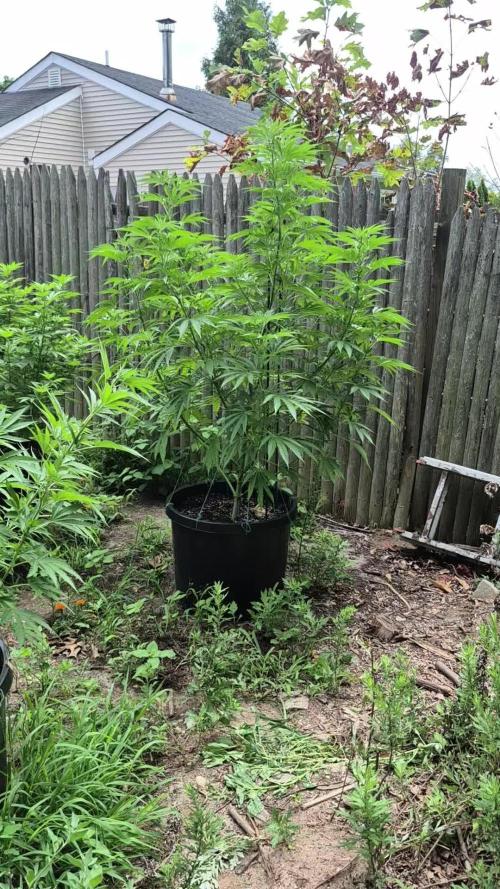
Flowering has started on the skunk and white widow and the end games are looking like any day now. All are healthy and doing well. They been needing water every two days so ive been feeding flora grow 3 part at 2 teaspoon grow 2 micro 2 bloom,than plain water than recharge at 1 teaspoon per gallon. The one end game is about 6 feet without the pot as of today and it just started the stretch. The other plants are about 3. 5 to 4.5 feet and bushy wider than a hula hoop for sure. I had some trouble at the beginning of the grow with low soil ph and some over watering on my part and from all the rain in the beginning but seems ive got it under control as they are looking and growing great. I did a little lst to open up the canopy and get some light down in there.

Processing
Likes
142
Share


@MadeInGermany
Follow
Hi everyone :-)
This week a lot of nice things happened in the flower tent :-)
Everyone looks super nice, and is growing stronger and more beautiful week by week 😍👌.
The blue cheese smells like a dream ;-) As usual from this variety 👍.
The kosher tangie is also very, very tasty 👏🏻.
Both got Pk 13/14 this week for the last time :-)
Everyone else is developing very well 👍, That will be the last diary with several strains together :-)
In future everyone will come individually 👌.
I wish you a lot of fun with the videos, have a nice weekend, stay healthy 🙏🏻 and let it grow 😎👌


Likes
2
Share


@Cis420
Follow
Esta semana se lanzo a crecer la micro - selva....
En 2 días más se pasa a florar, buenas genéticas han resistido bien a muchos factores adversos, clonare algunos ejemplares, los más robustos a pesar de los problemas mencionados.... éxitos.
Buenas vibras
Likes
3
Share

@Allancmwa
Follow
I'll upload everything on that beauty when I'll have the time.
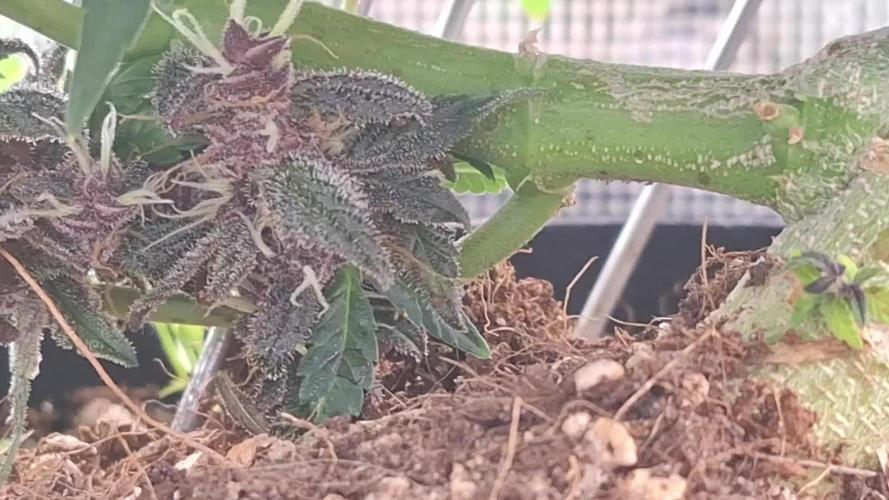
Instead of a 60 days I've seen her develop a new top apex (on the left) that I was waiting to mature a bit before cutting.
Now that I've been looking at everything she produced I'm absolutely stunned.
From top to bottom, the purple color is stunning, even at the base she managed to grow a new set of purple leaf this week.
She's been foxtailing like crazy, most of them are 1cm
She got plain water for a week now, but seems to refuse to even start to take out her leaves.
This genetic is insane.