The Grow Awards 2026 🏆
Likes
Comments
Share
@Johan2
Follow
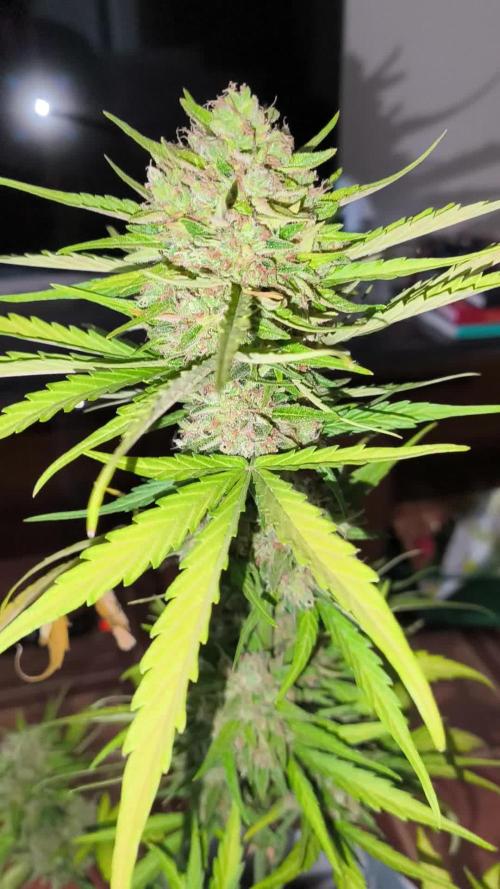
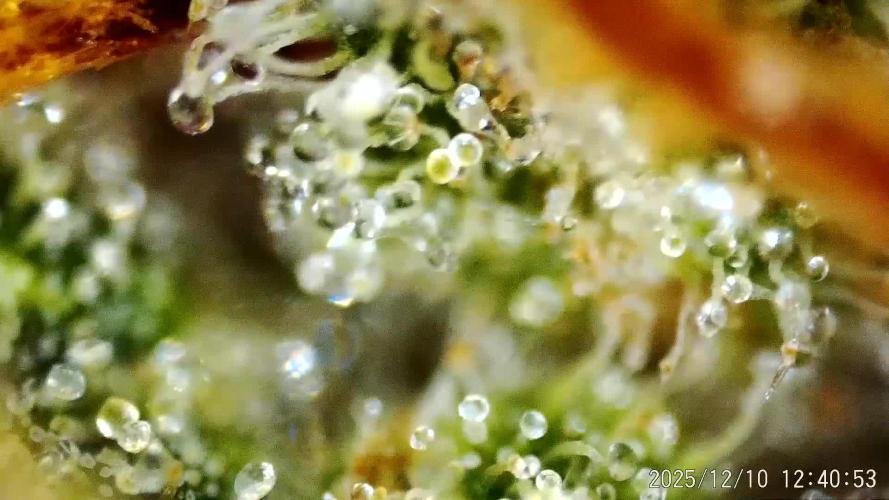
Day 56 of flower cloudy trycs no amber . Flush with just calmag this week . Hoping she will be ready in the next few days . It looks like it may have at least a week in her. Fattening of buds daily more frosting every day . Will water stress . Not very thirsty only 4 litres of flush in a 6 days
Likes
3
Share
I hope you will enjoy my work, the peaks are to dry, share a few days for comments or advice, or questions please write to me.... !! peace & love
Likes
Comments
Share
She started taking off!! Super fast growth. In this stage i did pull down some of the branches and tied them down
Likes
5
Share
A normal week in the tent nothing new besides fabulous growth from the girls, so much so in fact that I plan to slip to flower in a week or so to keep them from out growing my tent. So excited to start the next phase!!!
Likes
Comments
Share
Het gaat goed , niks noemenswaardig. Heb haar in de tweede week getopt, en nu wat grote bladeren verwijderd.
Likes
8
Share
@NuttyYeti
Follow
Looking beautiful. The pot is just big enough that I don't have to water too much, for now anyway.
Processing
Likes
6
Share
@Ashbash
Follow
Not giving them Any nutrients now until chop which should be in a few days. Seeing lots of amber on the Royal Gorilla, not so much on the Green Gelato, but still present in small amounts. 2 days until 10 weeks total flowering. Letting the plants fall and rest on the side of the tent isnt ideal, but its the only way i could have saved them from the heat. Check out my stardawg diary for what heat can really do to a plant....gonna upload another week soon and there is HUGE damage to the plant that didnt auto. These smell lovely anyway, cant wait to try them!
Likes
11
Share
@BruWeed
Follow
🍀21/07 - Ya se encuentra en etapa de secado. 🍀El lunes le agregue 30L de agua y 10ml de Top Wash. 🍀Esta planta se encuentra mas resinosa y densa que la otra que también cultive. 🍀Todo fue perfecto desde el momento uno, no tuvo ningún problema en toda su etapa de vida. 🍀Tiene mucho olor, a caramelo o crema, todos sus cocos son densos y gordos. 🍀En total dio 163g. 🍀En estos días seguiré subiendo mas imágenes de como viene. 😶‍🌫️🇦🇷🍀Podes seguirme en Insta gram como @bruweed_arg🍀😶‍🌫️🇦🇷
Likes
435
Share
@Ju_Bps
Follow
Hello my friends growers 👩‍🌾👨‍🌾💨💨, Week was good, baby's continuing to grow up, we have now 2 nodes. This end week, I've removed the glass, and put on my extractor, I continue to give water with my vaporisator Water + rhizo PH@6 I keep a wet soil and give water everywhere, not only around the stem. I put a bit up supply lamp each day, we are now at 20% #3 is smallest than others because going out soit delayed than 2 others. Thanks community for follow, likes, comments, always a pleasure 👩‍🌾👨‍🌾❤️🌲 Also to @marshydrococo2 , @News_SweetSeeds for sponsoring 💕💕. Mars Hydro TS 1000 https://www.mars-hydro.com/ts-1000-led-grow-light Gorilla Girl F1 fast version https://sweetseeds.es/en/photoperiod-dependent-seeds/3065-gorilla-girl-f1-fast-version.html See you next week my friends Have a good week end 😁💕
Likes
3
Share
@syoung
Follow
Started seeds in distilled water. 18hours later taproots were showing, so I poured onto paper towel and left for 24hours. When taproots are about an inch long I will pop into soil
Processing
Likes
1
Share
@Tri_Op
Follow
Have had a lot of issues with rising ec levels so have been feeding at 3/4 strength of what Cyco reccomends for week 5 of flower. No issues have been apparent with the plant visually, however I will reduce nutrients to half strength for the following week. Buds are developing nicely, a large amount of trichome production over the past week. A few gaps in the node spacing on the colas but I’ll put that down to a far too excessive defoliation at the start of flower. Smell is extremely strong, my carbon filter can’t filter all of it out so half of my house smells of musty candied fruits.
Likes
1
Share
Likes
2
Share
Looks like a lot of top sights. Afraid stretching too much. Hopefully it fills in.
Processing
Likes
7
Share
Likes
79
Share
@Salokin
Follow
Hey Growmies! I'm thrilled to share my latest project: two exceptional grow environments, each a lush green haven with 9 plants on plant rollers. We’re employing a blend of Scrog (Screen of Green) and Sog (Sea of Green) techniques. Each plant has its individual ScroG, directly connected to its air-pot, facilitating easy mobility and care within the tent. As the Room is on the cooler side at the moment, I've set up a Solea infrared heater, controlled by an Inkbird ITC-308 temperature controller, to maintain a cozy climate. Each tent is also equipped with a Spider Farmer Cool Mist humidifier for perfect humidity levels. Initially, I planned for identical setups in both tents, but adaptation is crucial. I encountered a challenge with the UR45 lights due to their single plug and UV/IR switches. To overcome this, in Tent 1, I’ve installed two UR45 lights: one dedicated to IR and the other to UV, each managed by a Meross smart plug. The Mars Hydro app manages the light and in-line fan controls in Tent 2, though it has its limitations. The ITC-308 takes care of the infrared heater, while the humidifier regulates itself. I'm really into this setup, but I'm already thinking about upgrading to a single grow controller for all devices. Excitingly, ‘Epic Buzz’ in Tent 1 is competing in the Tent-X Ultimate Grow Challenge sponsored by Trolmaster, who has also sponsored a Tent X Controller for this tent. This addition will greatly enhance our control and monitoring capabilities in this tent. This grow season is extra thrilling as I’m collaborating with Anesia Seeds and Ganja Farmer Seeds. They've provided some amazing strains. Tent #1 houses ‘Epic Buzz’, ‘Red Banana Pudding’, and ‘Pink Matcha Slush’ from Anesia Seeds. Tent #2 features ‘Caramel’, ‘GMO’, and ‘Bruce Banner x White Russian’ from Ganja Farmer Seeds. I’ll be documenting their growth in individual diaries. Check out these links for each strain's story: 1. Anesia Seeds - Epic Buzz [Grow Diary](https://growdiaries.com/diaries/189991-anesia-seeds-epic-buzz-grow-journal-by-salokin) 2. Anesia Seeds - Red Banana Pudding [Grow Diary](https://growdiaries.com/diaries/189995-anesia-seeds-red-banana-pudding-grow-journal-by-salokin) 3. Anesia Seeds - Pink Matcha Slush [Grow Diary](https://growdiaries.com/diaries/189993-anesia-seeds-pink-matcha-slush-grow-journal-by-salokin) 4. Ganja Farmer Seeds - Caramel [Grow Diary](https://growdiaries.com/diaries/190093-ganja-farmer-seeds-caramel-grow-journal-by-salokin) 5. Ganja Farmer Seeds - GMO [Grow Diary](https://growdiaries.com/diaries/190089-ganja-farmer-seeds-gmo-grow-journal-by-salokin) 6. Ganja Farmer Seeds - Bruce Banner x White Russian [Grow Diary](https://growdiaries.com/diaries/190091-ganja-farmer-seeds-bruce-banner-x-white-russian-grow-journal-by-salokin) For those curious or seeking inspiration, here’s the detailed equipment list for each tent: Equipment List for Tent 1: - Mars Hydro 120x120x200cm Grow Tent Dark Room - Mars Hydro Smart FC 4800 Samsung LED Grow Light – 480W - 2 x Mars Hydro UR45 IR & UV LED Grow Lights - Mars Hydro iFresh 6-Inch Smart Inline Duct Fan - Spider Farmer 6L Cool Mist Humidifier - Solea Infrared Heater 500W - Inkbird ITC-308 Digital Temp-Controller - 3 x Meross Smart Plugs (for UV/IR light timing) - Tent X Controller (sponsored by Trolmaster) - 9 x 12.5L Airpots - 9 x 30cm Plant Rollers - 9 x 36cm Plant Saucers Equipment List for Tent 2: - Mars Hydro 120x120x200cm Grow Tent Dark Room - Mars Hydro Smart FC 4800 Samsung LED Grow Light – 480W - Mars Hydro iFresh 6-Inch Smart Inline Duct Fan - Spider Farmer 6L Cool Mist Humidifier - Solea Infrared Heater 500W - Inkbird ITC-308 Digital Temp-Controller - 1 x Meross Smart Plug with Consumption Measurement - 9 x 12.5L Airpots - 9 x 30cm Plant Rollers - 9 x 36 cm Plant Saucers Always happy to hear tips or chat about gear with fellow growers! Can't wait to update you all as these tents transform Stay Lifted Salokin
Likes
34
Share
Yellow butterfly came to see me the other day; that was nice. Starting to show signs of stress on the odd leaf, localized isolated blips, blemishes, who said growing up was going to be easy! Smaller leaves have less surface area for stomata to occupy, so the stomata are packed more densely to maintain adequate gas exchange. Smaller leaves might have higher stomatal density to compensate for their smaller size, potentially maximizing carbon uptake and minimizing water loss. Environmental conditions like light intensity and water availability can influence stomatal density, and these factors can affect leaf size as well. Leaf development involves cell division and expansion, and stomatal differentiation is sensitive to these processes. In essence, the smaller leaf size can lead to a higher stomatal density due to the constraints of available space and the need to optimize gas exchange for photosynthesis and transpiration. In the long term, UV-B radiation can lead to more complex changes in stomatal morphology, including effects on both stomatal density and size, potentially impacting carbon sequestration and water use. In essence, UV-B can be a double-edged sword for stomata: It can induce stomatal closure and potentially reduce stomatal size, but it may also trigger an increase in stomatal density as a compensatory mechanism. It is generally more efficient for gas exchange to have smaller leaves with a higher stomatal density, rather than large leaves with lower stomatal density. This is because smaller stomata can facilitate faster gas exchange due to shorter diffusion pathways, even though they may have the same total pore area as fewer, larger stomata. Leaf size tends to decrease in colder climates to reduce heat loss, while larger leaves are more common in warmer, humid environments. Plants in arid regions often develop smaller leaves with a thicker cuticle and/or hairs to minimize water loss through transpiration. Conversely, plants in wet environments may have larger leaves and drip tips to facilitate water runoff. Leaf size and shape can vary based on light availability. For example, leaves in shaded areas may be larger and thinner to maximize light absorption. Leaf mass per area (LMA) can be higher in stressful environments with limited nutrients, indicating a greater investment in structural components for protection and critical resource conservation. Wind speed, humidity, and soil conditions can also influence leaf morphology, leading to variations in leaf shape, size, and surface characteristics. Small leaves: Reduce water loss in arid or cold climates. Environmental conditions significantly affect gene expression in plants. Plants are sessile organisms, meaning they cannot move to escape unfavorable conditions, so they rely on gene expression to adapt to their surroundings. Environmental factors like light, temperature, water, and nutrient availability can trigger changes in gene expression, allowing plants to respond to and survive in diverse environments. Depending on the environment a young seedling encounters, the developmental program following seed germination could be skotomorphogenesis in the dark or photomorphogenesis in the light. Light signals are interpreted by a repertoire of photoreceptors followed by sophisticated gene expression networks, eventually resulting in developmental changes. The expression and functions of photoreceptors and key signaling molecules are highly coordinated and regulated at multiple levels of the central dogma in molecular biology. Light activates gene expression through the actions of positive transcriptional regulators and the relaxation of chromatin by histone acetylation. Small regulatory RNAs help attenuate the expression of light-responsive genes. Alternative splicing, protein phosphorylation/dephosphorylation, the formation of diverse transcriptional complexes, and selective protein degradation all contribute to proteome diversity and change the functions of individual proteins. Photomorphogenesis, the light-driven developmental changes in plants, significantly impacts gene expression. It involves a cascade of events where light signals, perceived by photoreceptors, trigger changes in gene expression patterns, ultimately leading to the development of a plant in response to its light environment. Genes are expressed, not dictated! While having the potential to encode proteins, genes are not automatically and constantly active. Instead, their expression (the process of turning them into proteins) is carefully regulated by the cell, responding to internal and external signals. This means that genes can be "turned on" or "turned off," and the level of expression can be adjusted, depending on the cell's needs and the surrounding environment. In plants, genes are not simply "on" or "off" but rather their expression is carefully regulated based on various factors, including the cell type, developmental stage, and environmental conditions. This means that while all cells in a plant contain the same genetic information (the same genes), different cells will express different subsets of those genes at different times. This regulation is crucial for the proper functioning and development of the plant. When a green plant is exposed to red light, much of the red light is absorbed, but some is also reflected back. The reflected red light, along with any blue light reflected from other parts of the plant, can be perceived by our eyes as purple. Carotenoids absorb light in blue-green region of the visible spectrum, complementing chlorophyll's absorption in the red region. They safeguard the photosynthetic machinery from excessive light by activating singlet oxygen, an oxidant formed during photosynthesis. Carotenoids also quench triplet chlorophyll, which can negatively affect photosynthesis, and scavenge reactive oxygen species (ROS) that can damage cellular proteins. Additionally, carotenoid derivatives signal plant development and responses to environmental cues. They serve as precursors for the biosynthesis of phytohormones such as abscisic acid () and strigolactones (SLs). These pigments are responsible for the orange, red, and yellow hues of fruits and vegetables, while acting as free scavengers to protect plants during photosynthesis. Singlet oxygen (¹O₂) is an electronically excited state of molecular oxygen (O₂). Singlet oxygen is produced as a byproduct during photosynthesis, primarily within the photosystem II (PSII) reaction center and light-harvesting antenna complex. This occurs when excess energy from excited chlorophyll molecules is transferred to molecular oxygen. While singlet oxygen can cause oxidative damage, plants have mechanisms to manage its production and mitigate its harmful effects. Singlet oxygen (¹O₂) is considered a reactive oxygen species (ROS). It's a form of oxygen with higher energy and reactivity compared to the more common triplet oxygen found in its ground state. Singlet oxygen is generated both in biological systems, such as during photosynthesis in plants, and in cellular processes, and through chemical and photochemical reactions. While singlet oxygen is a ROS, it's important to note that it differs from other ROS like superoxide (O₂⁻), hydrogen peroxide (H₂O₂), and hydroxyl radicals (OH) in its formation, reactivity, and specific biological roles. Non-photochemical quenching (NPQ) protects plants from damage caused by reactive oxygen species (ROS) by dissipating excess light energy as heat. This process reduces the overexcitation of photosynthetic pigments, which can lead to the production of ROS, thus mitigating the potential for photodamage. Zeaxanthin, a carotenoid pigment, plays a crucial role in photoprotection in plants by both enhancing non-photochemical quenching (NPQ) and scavenging reactive oxygen species (ROS). In high-light conditions, zeaxanthin is synthesized from violaxanthin through the xanthophyll cycle, and this zeaxanthin then facilitates heat dissipation of excess light energy (NPQ) and quenches harmful ROS. The Issue of Singlet Oxygen!! ROS Formation: Blue light, with its higher energy photons, can promote the formation of reactive oxygen species (ROS), including singlet oxygen, within the plant. Potential Damage: High levels of ROS can damage cellular components, including proteins, lipids, and DNA, potentially impacting plant health and productivity. Balancing Act: A balanced spectrum of light, including both blue and red light, is crucial for mitigating the harmful effects of excessive blue light and promoting optimal plant growth and stress tolerance. The Importance of Red Light: Red light (especially far-red) can help to mitigate the negative effects of excessive blue light by: Balancing the Photoreceptor Response: Red light can influence the activity of photoreceptors like phytochrome, which are involved in regulating plant responses to different light wavelengths. Enhancing Antioxidant Production: Red and blue light can stimulate the production of antioxidants, which help to neutralize ROS and protect the plant from oxidative damage. Optimizing Photosynthesis: Red light is efficiently used in photosynthesis, and its combination with blue light can lead to increased photosynthetic efficiency and biomass production. In controlled environments like greenhouses and vertical farms, optimizing the ratio of blue and red light is a key strategy for promoting healthy plant growth and yield. Understanding the interplay between blue light signaling, ROS production, and antioxidant defense mechanisms can inform breeding programs and biotechnological interventions aimed at improving plant stress resistance. In summary, while blue light is essential for plant development and photosynthesis, it's crucial to balance it with other light wavelengths, particularly red light, to prevent excessive ROS formation and promote overall plant health. Oxidative damage in plants occurs when there's an imbalance between the production of reactive oxygen species (ROS) and the plant's ability to neutralize them, leading to cellular damage. This imbalance, known as oxidative stress, can result from various environmental stressors, affecting plant growth, development, and overall productivity. Causes of Oxidative Damage: Abiotic stresses: These include extreme temperatures (heat and cold), drought, salinity, heavy metal toxicity, and excessive light. Biotic stresses: Pathogen attacks and insect infestations can also trigger oxidative stress. Metabolic processes: Normal cellular activities, particularly in chloroplasts, mitochondria, and peroxisomes, can generate ROS as byproducts. Certain chlorophyll biosynthesis intermediates can produce singlet oxygen (1O2), a potent ROS, leading to oxidative damage. ROS can damage lipids (lipid peroxidation), proteins, carbohydrates, and nucleic acids (DNA). Oxidative stress can compromise the integrity of cell membranes, affecting their function and permeability. Oxidative damage can interfere with essential cellular functions, including photosynthesis, respiration, and signal transduction. In severe cases, oxidative stress can trigger programmed cell death (apoptosis). Oxidative damage can lead to stunted growth, reduced biomass, and lower crop yields. Plants have evolved intricate antioxidant defense systems to counteract oxidative stress. These include: Enzymes like superoxide dismutase (SOD), catalase (CAT), and various peroxidases scavenge ROS and neutralize their damaging effects. Antioxidant molecules like glutathione, ascorbic acid (vitamin C), C60 fullerene, and carotenoids directly neutralize ROS. Developing plant varieties with gene expression focused on enhanced antioxidant capacity and stress tolerance is crucial. Optimizing irrigation, fertilization, and other management practices can help minimize stress and oxidative damage. Applying antioxidant compounds or elicitors can help plants cope with oxidative stress. Introducing genes for enhanced antioxidant enzymes or stress-related proteins over generations. Phytohormones, also known as plant hormones, are a group of naturally occurring organic compounds that regulate plant growth, development, and various physiological processes. The five major classes of phytohormones are: auxins, gibberellins, cytokinins, ethylene, and abscisic acid. In addition to these, other phytohormones like brassinosteroids, jasmonates, and salicylates also play significant roles. Here's a breakdown of the key phytohormones: Auxins: Primarily involved in cell elongation, root initiation, and apical dominance. Gibberellins: Promote stem elongation, seed germination, and flowering. Cytokinins: Stimulate cell division and differentiation, and delay leaf senescence. Ethylene: Regulates fruit ripening, leaf abscission, and senescence. Abscisic acid (ABA): Plays a role in seed dormancy, stomatal closure, and stress responses. Brassinosteroids: Involved in cell elongation, division, and stress responses. Jasmonates: Regulate plant defense against pathogens and herbivores, as well as other processes. Salicylic acid: Plays a role in plant defense against pathogens. 1. Red and Far-Red Light (Phytochromes): Red light: Primarily activates the phytochrome system, converting it to its active form (Pfr), which promotes processes like stem elongation and flowering. Far-red light: Inhibits the phytochrome system by converting the active Pfr form back to the inactive Pr form. This can trigger shade avoidance responses and inhibit germination. Phytohormones: Red and far-red light regulate phytohormones like auxin and gibberellins, which are involved in stem elongation and other growth processes. 2. Blue Light (Cryptochromes and Phototropins): Blue light: Activates cryptochromes and phototropins, which are involved in various processes like stomatal opening, seedling de-etiolation, and phototropism (growth towards light). Phytohormones: Blue light affects auxin levels, influencing stem growth, and also impacts other phytohormones involved in these processes. Example: Blue light can promote vegetative growth and can interact with red light to promote flowering. 3. UV-B Light (UV-B Receptors): UV-B light: Perceived by UVR8 receptors, it can affect plant growth and development and has roles in stress responses, like UV protection. Phytohormones: UV-B light can influence phytohormones involved in stress responses, potentially affecting growth and development. 4. Other Colors: Green light: Plants are generally less sensitive to green light, as chlorophyll reflects it. Other wavelengths: While less studied, other wavelengths can also influence plant growth and development through interactions with different photoreceptors and phytohormones. Key Points: Cross-Signaling: Plants often experience a mix of light wavelengths, leading to complex interactions between different photoreceptors and phytohormones. Species Variability: The precise effects of light color on phytohormones can vary between different plant species. Hormonal Interactions: Phytohormones don't act in isolation; their interactions and interplay with other phytohormones and environmental signals are critical for plant responses. The spectral ratio of light (the composition of different colors of light) significantly influences a plant's hormonal balance. Different wavelengths of light are perceived by specific photoreceptors in plants, which in turn regulate the production and activity of various plant hormones (phytohormones). These hormones then control a wide range of developmental processes.
Likes
42
Share
@Dr_Boom
Follow
I just let her grow this week. Her buds are starting to get very sticky and I can tell the branches are starting to get heavy. I anticipate adding some additional support soon to keep her from drooping. No problems at all this week. She just continues to grow strong.
Likes
5
Share
@TerpTime
Follow
Zeit für den Endspurt Neun Wochen liegen inzwischen hinter uns – und das Ende lässt sich förmlich riechen. Fünf Wochen Blütezeit sind geschafft, und die Ladys zeigen sich weiterhin von ihrer besten Seite. Die wohl größte Veränderung in dieser Woche ist, dass meine kleine Nachzüglerin das Zelt verlassen hat. Sie steht nun überdacht im Außenbereich. Die Entscheidung fiel mir nicht schwer, da sie im Vergleich zu den anderen deutlich hinterherhinkt und schlichtweg nicht denselben Nährstoffbedarf hat. Durch ihren Auszug konnte ich sowohl die Transpiration als auch die Wärmeentwicklung im Zelt etwas reduzieren. Der Fokus liegt nun ganz klar auf den verbleibenden drei Pflanzen – und wer weiß, vielleicht holt die Nachzüglerin am Ende draußen doch noch etwas auf, wenn der Rest bereits geerntet ist. Ernährungstechnisch blieb in der fünften Blütewoche alles beim Alten. Die Nährstoffzufuhr habe ich bewusst konstant gehalten. Für die kommende Woche ist allerdings eine gezielte Mischung mit PK 13/14 geplant, um die Blütenbildung weiter zu pushen und das Maximum aus der Reifephase herauszuholen. Die Entwicklung der Pflanzen ist weiterhin tadellos. Alle Werte – sei es Luftfeuchtigkeit, Temperatur, VPD oder pH-Wert – sind stabil und genau dort, wo sie sein sollen. Diese Konstanz in der Umgebung macht sich sichtbar bezahlt. Im Zelt liegt ein intensiver, süßlicher Duft in der Luft, der stark an Zitrone und Beeren erinnert – ein echter Vorgeschmack auf das, was kommt. Die Buds entwickeln sich sichtbar weiter, werden dichter, harziger und formen sich immer klarer aus. Besonders auffällig ist der dichte Überzug aus Trichomen, der die Blüten in ein frostiges Kleid hüllt. Beim Berühren bleiben die Finger regelrecht kleben – ein deutliches Zeichen dafür, dass sich hier eine Menge Potenzial an Geschmack und Wirkung aufbaut. Ein kleiner Wermutstropfen bleibt: Durch den begrenzten Platz mit ursprünglich vier Pflanzen musste ich in Sachen Lichtverteilung und Luftzirkulation kleine Einbußen hinnehmen. Das wird sich vermutlich leicht auf die Budgröße auswirken. Dennoch bin ich mehr als zufrieden mit dem, was sich hier abzeichnet. Die letzten Wochen des Grows sind angebrochen – das Ende rückt näher, der Anfang liegt längst zurück. Ich freue mich riesig auf das, was noch kommt, und bin sehr gespannt, welche Masse und Qualität die Buds am Ende erreichen werden.