Likes
Comments
Share
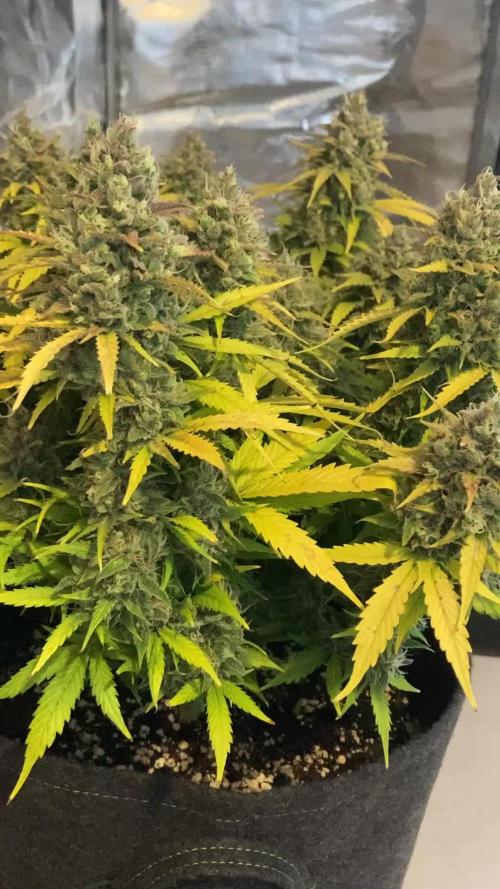
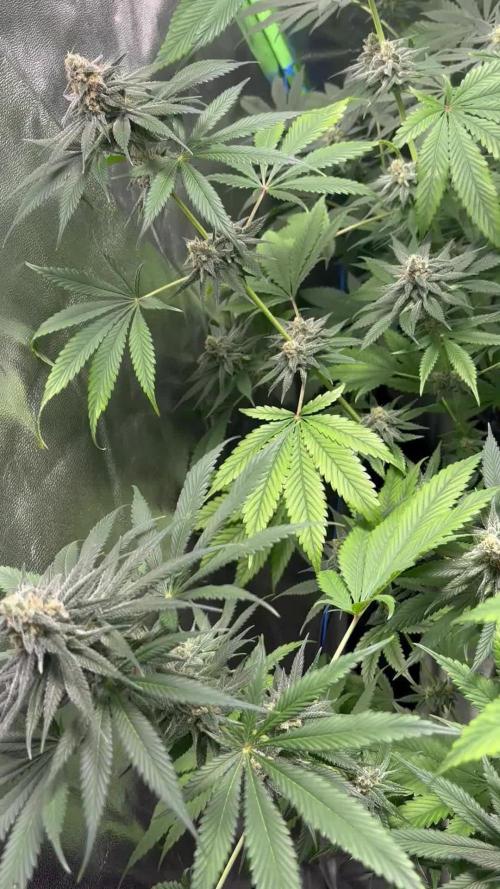
Great week, all is going well. I'm glad that I keep these in my basement where it stays nice cool 25°C during this year's heatwave. I'll reduce some of the nutrients from next week on. Power buds in late flowering stage doesn't really do anything.
Likes
Comments
Share
@Eggie420
Follow
Only a Test run will write everything down in the Last week what went wrong (No Pics of week 4)
Likes
19
Share
@Wenz004
Follow
Die Woche getoppt und von 0.5 in 3 l umgetopft. EC unter der Woche leicht auf 1.1 erhöht...mit etwas mehr AllinOne.
Likes
27
Share
@420
Follow
Tag 31 wird der letzte Tag der Wachstumsphase. Danach beginnt die Blütephase mit einem relativ einheitlichen „Dach“ aus Trieben. Nur durch das Scrog Netz wäre es nicht möglich gewesen. Die frühen Seitentriebe wurden durch Drähte in die Breite gezogen.
Likes
44
Share
**Encontrarás la traducción a español al final de la descripción** From/Desde: 22/03/19 || To/Hasta: 28/03/19 From day/Desde día: 29 || To day/Hasta día: 35 You can find the Money Maker Diary here: ** Podéis encontrar el diario de las Money Maker aquí:** https://growdiaries.com/diaries/25667-gorillamakingmoney-gorilla-vs-money-m -----IMAGES & VIDEOS----- Video 1: Exactly the same video as 2 but accelerated +400% to fix it to 1 minute for instagram. Video 2: 7 days (29~35) TimeLapse, 1 image each 60 secs @ 30 fps Video 9: An overview video not as awesome as it's music 😂💪 Video 10: Myself working on the babies, lowering tops, topping & training. Video 12: Full working on the secondary Gorilla, twisting some branches, topping & training. -----WEEK SUMMARY----- Well, now i'm getting a bit scared as i adventured myself into Photoperiod, high training, full topping... in indoors at once. I feel that plants are going good, but i really don't know what am i doing, and if i'm doing well. Also i don't know how much time should i give them of vegetation stage, because i don't want to eternalize myself with this tent, so i'm planning to leave this upcoming 6th week and maybe the 7th of vegetation, but no more. Anyway they look pretty atm 😻. In video 10 the main-linning Gorilla suffered an accident as i grabbed the main left branch from a weak point and it has broken (sec 39 aprox.) so it has one less node than the right branch. -----WATERING CALENDAR----- 24/03/19 - 1.000 ml with all week nutrients @ 0.9 E.C. PH5.8 *****ESPAÑOL***** -----IMÁGENES & VÍDEOS----- Vídeo 1: TimeLapse, exactamente el mismo vídeo que el 2 pero acelerado a un poco más del 300% para ajustarlo a 1 minuto para Instagram. Vídeo 2: 7 días (29~35) TimeLapse, 1 imagen cada 60 segundos @ 30 fps. Vídeo 9: Un vídeo general no tan increíble como la música de fondo 😂💪. Video 10: Trabajando en las pequeñas, rebajando las alturas, haciendo topping y entrenando. Video 12: Trabajando a pleno en la segunda Gorilla, girando algunas ramas, haciendo toppings y entrenándola. -----SUMARIO SEMANAL----- Bueno, ahora estoy empezando a estar asustado. Me he aventurado a probar con fotodependientes, entrenamiento fuerte y super topping, todo a la vez. Siento que las plantas van bien, pero realmente no se lo que estoy haciendo ni si lo estoy haciendo bien. También tengo dudas sobre cuanto tiempo más dejarlas en estado vegetativo ya que no me quiero eternizar con este armario, por lo que estoy planeando dejar esta sexta semana de crecimiento y quizás una séptima, pero no más. Aun así y con todo, las nenas se ven preciosas 😻. En el vídeo 10 sufro un accidente en la Gorila con main-linning ya que amarré el final del tallo principal izquierdo por un punto débil y este se partió (sec 39 aprox.), por lo que tiene un piso de topping de más en comparación con tallo derecho. -----CALENDARIO DE RIEGO----- 24/03/19 - 1.000 ml con todos los nutrientes semanales @ 0.9 E.C. PH5.8
Likes
2
Share
Likes
35
Share
welcome to Day 15 1/1/20 and she is getting tall I'm going to need my new trellis net very soon, as you can see she is nice and healthy and I should not need to top water anymore. now I can relax to some extent. As always happy growing and keep your stick on the ice
Likes
32
Share
@noak47
Follow
Thanks everyone thanks fastbud Wow so i finally harvest after long time growing. I got like 8 ounce dry weight First i didnt expect this much but i got a lot this time. And sugar leaf was full of tricome. Please comment below and see you guys next growing thanks for following me se youuuu
Likes
6
Share
@Sense63
Follow
🌿 Woche 3 – Vegetative Phase (19.–26. Oktober) Die Mädels sind jetzt deutlich in der Hauptvegetation angekommen. Das Wachstum hat sich in dieser Woche sichtbar beschleunigt: kräftige Stiele, gleichmäßige Kronenbildung und eine stabile, tiefgrüne Blattfarbe prägen das Gesamtbild. Die Spider Farmer SE3000 läuft inzwischen auf 55 % Leistung (≈ 480 µmol/m²/s · DLI ≈ 30–31) und liefert eine gleichmäßige Ausleuchtung über die gesamte Fläche. Keine Pflanze zeigt Lichtstress oder Verbrennungen – das Canopy ist geschlossen und harmonisch. 📋 Aktuelle Eindrücke Canopy: gleichmäßig, kräftige Farbe, leichtes „Lifting“ der oberen Blätter – Zeichen hoher Photosyntheseaktivität. Substrat: lebendig und locker, leichte Mikroflora sichtbar – ein gesundes, aktives Bodenleben. Klima: Tag: 25–26 °C · rLF 50–55 % Nacht: Werte folgen (wird nachgetragen) Sehr stabile Bedingungen, idealer VPD-Bereich für starkes vegetatives Wachstum. Lichtabstand: aktuell ~60–65 cm – optimal bei 55 % Leistung. 💧 Gieß- und Nährstoffplan Zyklus alle 2–3 Tage, abhängig von der Trocknung der Töpfe: 1️⃣ Bactrex-Tee (~1 g/L) auf trockene Erde 2️⃣ Reines Wasser (pH ≈ 6.5) 3️⃣ Orgatrex (2 ml/L, kein Run-off, langsam gegossen) Die Erde trocknet gleichmäßig in 48–72 h – ein deutliches Zeichen für starke Wurzelaktivität. 🌱 Strain-Layout / Zeltanordnung Position Sorte Kurzbeschreibung Front L/R Cherry Poppers × 2 🍒 kompakt, symmetrisch, satte Farbe, ruhiger, gleichmäßiger Wuchs Center-L (gelber Topf) Karate Kit 🥋 kompakter Phänotyp, kräftiger Mitteltrieb, frühe Seitentriebe Center-R (terracotta) Lemon Orange 🍋 größte Pflanze im Zelt, breite Fächerblätter, moderater Stretch Back L/R White Gorilla Haze × 2 🦍 dunkelgrün, buschig, enge Nodien, stabile Struktur 📸 Visuelle Entwicklung (19. → 24. Oktober) Vom Start der Woche bis heute hat sich das Canopy sichtbar verdichtet. Die Pflanzen stehen kompakt, zeigen kräftige Stiele und einen gleichmäßigen Aufbau. Die Blattfarbe ist tiefgrün mit leicht glänzender Oberfläche – Hinweis auf optimale Ernährung und Photosynthese. White Gorilla Haze (Back L/R): buschig und dicht, starke Blattmasse, kräftige Blatttiefe. Lemon Orange (Center-R): größte Pflanze im Bestand, breite Blätter, gleichmäßiger Stretch. Karate Kit (Center-L): symmetrischer Aufbau mit deutlicher lateraler Entwicklung. Cherry Poppers (Front L/R): kompakt, gleichmäßig, ruhig wachsend – klassischer Indica-Habitus. Das Gesamtbild des Zeltes ist geschlossen und vital. Keine Mängel, kein Lichtstress, keine Verformungen. 🧠 Notizen & Beobachtungen Luftfeuchte bei 50–55 % halten – kurzzeitig anheben, wenn sie unter 45 % fällt. Umtopfen in 18 L Endtöpfe, sobald die Wurzelballen vollständig durchzogen sind (voraussichtlich Anfang Woche 4). LST-Training ab der 5.–6. Nodie geplant. Aktuelle Lichtleistung (55 %) bleibt bis zum Umtopfen konstant – PPFD und Temperatur perfekt ausbalanciert. ✅ Fazit – Woche 3 Eine rundum stabile und produktive Vegetationswoche. Die Pflanzen entwickeln sich kräftig, gesund und gleichmäßig; keine Stresssymptome oder Mängel. Das Klima ist konstant, das Substrat aktiv, und die Beleuchtung optimal abgestimmt. Woche 3 hat das Fundament für Training und Umtopfen in Woche 4 gelegt. Gesamtbewertung: 🌿 9.5 / 10 Vitales, ausgeglichenes Wachstum – starke Struktur, gesunde Blätter und lebendiger Boden.
Likes
8
Share
Craaazyyyy weeks Craaazyyyy growth Loving it AAALLLL Ok, so, this is the 5th week. Plants started flowering during 4th. They've had massive growth (from my perspective and experience 😅😅) and started to smellll I think I was consistent on that LST. Always trying to give all the heads as much light as possible. It was a lot of work, but I still loved it. Having 2 plants makes it more fun because I need to have a diferent point of view for each one. S has been toped, and with LST I was able to have lots of heads very well positioned B is responding marvelously to bending, wich makes it hard to bend because THERE IS NO MORE ROOM TO RUN TO 😂 she is growing a lot, and there's just to much leaves to tuck... As I was saying they're different, wich I am loving I decided to defoliate them as my last stress move towards the plants. Cutted the leaves that were on the bottom and covering the top heads, and the very small, tiny, thiny side branches. I am lowering the LST to minimum. Since the heads I chose, now have space and LIGHT to grow at will, I want to not disturb them as much as I can. You can see that when I defoliated them, there was light on the soil. And just in 1 day difference, even at this point, you almost can feel them grow! I was amased, because of the stress I had caused them. Yet, look with attention, you can spot the differece. (I hope you can see it too through the screen, because it's real 😅) Look at the S. She is doing just greaaaaat. Think it was a good decision to top her. Hope it keeps growing as it is! Smell is increasing Day 30 changed the light to 24h ON. Day 31 - Heads bigger - !QUESTION! -I always water the plants simultaneously. B's vase is noticeble heavier. Cant understand why... I'm going to start checking if they need to be watered at different times. I can only imagine that the root system is different, due to its "differences outside". But really! They have suffered different stress at different times... different root system = different drainage? Food for thought Day 32 Defoliated them because I thought they were too bushy. Felt like it maybe was a mystake, later, due to some recommendations i read... Day 34 Plants seem to have reacted ok to defoliation, lets see how the next days go by Day 36 Starting to get frosty and smelly Plants seem healthy ❄️ TEMPERATURE: 22-27°C RH: 40-60% WATER PH: 6.2-6.5
Likes
21
Share
Inizio 2 settiman...anche loro stanno venendo su benissimo.da questa 2°settimana inizierò anche dandogli poco Ph perfect ,......... Oggi 17/10/2024 .queste papaya cookies auto Che mi ha regalato la cara Molly di fastbuds, stanno esplodendo di vita😉💪🙏🤣😂.... Forza belle piantine mie ... Oggi 18/10/24 sto pensando di toppare una di ogni varietà...tipo 3 le toppo e 3 no e vediamo qual'è che viene meglio Toppata...,....
Likes
5
Share
@CalGonJim
Follow
9/15 12AM MONDAY!!! THEY ARE ALL DOING GREAT!!! VERY HEAVY AMINOS YESTERDAY, NO DAMAGE. 9/15 11:24PM. In plant cells, glutathione S-transferases (GSTs) act as transporters, facilitating the movement of anthocyanins from the endoplasmic reticulum (ER) to the vacuole for storage, though their exact mechanism is still being studied. The synthesis of glutathione (GSH) itself occurs in the cytosol of mammalian cells through two ATP-requiring enzymatic steps, while anthocyanins are synthesized via a separate phenylpropanoid pathway 9/15 11:42PM glutathione metabolism glutathione S-transferases plantsThinkingKicking off 5 searchesLooking at 71 sitesPutting it all together In plants, glutathione S-transferases (GSTs) are a diverse family of enzymes integral to glutathione (GSH) metabolism, primarily functioning in detoxification and stress response. The core of this process involves GSTs catalyzing the conjugation of the tripeptide GSH with various toxic compounds, or xenobiotics, making them less harmful and easier to sequester or transport. Glutathione (GSH) metabolism in plants GSH metabolism is a tightly regulated process that maintains cellular redox balance and protects against stress. Biosynthesis: GSH is synthesized in two adenosine triphosphate (ATP)-dependent steps:(gamma )-Glutamylcysteine synthetase (GSH1) joins L-glutamate and L-cysteine to form (gamma )-glutamylcysteine. In Arabidopsis, this enzyme is located exclusively in the chloroplasts.Glutathione synthetase (GSH2) adds glycine to (gamma )-glutamylcysteine to produce GSH. This enzyme is found in both the cytosol and the chloroplasts.Oxidation and reduction: GSH exists in two forms: a reduced monomer (GSH) and an oxidized disulfide dimer (GSSG).Oxidation: In the process of scavenging reactive oxygen species (ROS), GSH is oxidized to GSSG.Reduction: Glutathione reductase (GR) uses NADPH to reduce GSSG back into active GSH, which is essential for maintaining a high GSH-to-GSSG ratio inside the cell.Degradation: Glutathione can be degraded in the cytosol, apoplast, and vacuoles by (gamma )-glutamyltransferases (GGTs) and other peptidases, allowing for recycling of its amino acid components.Transport and compartmentalization: While synthesis occurs in the chloroplasts and cytosol, transporters move GSH and its conjugates throughout the cell, including to the mitochondria, peroxisomes, and vacuoles. Functions of glutathione S-transferases (GSTs) GSTs are a large, ancient gene family with diverse roles that extend beyond detoxification. The primary functions involving GSH are: Detoxification of xenobiotics and heavy metals: GSTs catalyze the conjugation of the thiol group of GSH to a wide range of electrophilic and hydrophobic substrates, including herbicides, pesticides, and heavy metals. The resulting GSH-conjugates are then recognized by ATP-binding cassette (ABC) transporters and sequestered in the vacuole, reducing their cellular toxicity.Protection from oxidative stress: Stress conditions like drought, salinity, and high light increase levels of ROS, which cause lipid peroxidation. 🚨Some GST isoforms have glutathione peroxidase (GPOX) activity, using GSH to reduce toxic lipid hydroperoxides to less damaging alcohols, thereby protecting cell membranes.Defense against pathogens: During pathogen attacks, GST activity increases to detoxify microbial toxins and secondary defense-related compounds. This helps to bolster the plant's resistance response.Metabolism of endogenous compounds: GSTs play roles beyond immediate stress response by participating in the normal metabolic processes of plants. Examples include:Hormone transport: Some GSTs act as binding proteins (ligandins) that transport plant hormones like auxins within the cell.Metabolite transport: Specific GSTs facilitate the transport of important compounds like flavonoids and anthocyanin pigments into the vacuole.Tyrosine degradation: The zeta GST class (GSTZ) catalyzes a critical step in the breakdown of the amino acid tyrosine.Redox signaling: By influencing the GSH/GSSG ratio and interacting with plant hormones, GSTs can regulate cellular signaling pathways that control growth and stress response. 🚨GSTs and plant stress response The expression of many GST genes is highly inducible by various environmental and endogenous cues, making them key players in a plant's ability to adapt to adverse conditions. Abiotic stress: Drought, salinity, heavy metals, and extreme temperatures all trigger increased GST expression, which helps plants manage resulting oxidative damage. Overexpression of specific GST genes has been shown to enhance stress tolerance in transgenic plants.Herbicide resistance: The ability of crops and weeds to detoxify herbicides through GST-catalyzed conjugation is a well-studied example of GSTs in stress adaptation. Herbicide safeners, chemical agents that protect crops from herbicide injury, work by boosting the activity of these GST enzymes.Developmental processes: Studies have linked the expression of certain GST genes to specific stages of plant development, such as fruit ripening, root and stem development, and flower formation. "" 9/16 12:32am AI Overview In plants, phenylalanine is the precursor for anthocyanin synthesis, a process that involves a multistep pathway in which glutathione (GSH) plays a critical role in the transport of the final pigment to the cell vacuole. Phenylalanine initiates anthocyanin synthesis The biosynthesis of anthocyanins begins with the amino acid phenylalanine, which is produced via the shikimate pathway. The conversion process, known as the phenylpropanoid pathway, involves a series of enzymatic reactions: 1. Phenylalanine ammonia-lyase (PAL): This enzyme catalyzes the first committed step of the pathway, converting L-phenylalanine into trans-cinnamic acid. 2. Downstream enzymatic reactions: A series of additional enzymes, such as chalcone synthase and chalcone isomerase, convert the intermediate compounds into unstable anthocyanidins. 3. Glycosylation: Glycosyltransferase enzymes stabilize the anthocyanidins by adding sugar molecules, creating the final, stable anthocyanin pigments. 4. Glutathione is crucial for anthocyanin transport After synthesis, glutathione is essential for transporting anthocyanins for storage. * Glutathione S-transferases (GSTs): These enzymes bind to the newly formed anthocyanins in the cytoplasm. This binding is a key step that facilitates the transport of the anthocyanin-GST complex across the tonoplast (the vacuolar membrane) and into the vacuole. * Vacuolar storage: Once inside the vacuole, the anthocyanins accumulate and provide color to plant parts, such as flowers, fruits, and leaves. * Catalytic role: Recent research has also found that certain GSTs have a catalytic role in anthocyanin synthesis. They can catalyze a dehydration step to form specific anthocyanidins, significantly boosting production in engineered systems. * The process in summary The synthesis and accumulation of anthocyanins involve a coordinated process of multiple steps: 1. Production from phenylalanine: The amino acid phenylalanine enters the phenylpropanoid pathway, where enzymes convert it into the basic flavonoid structures. 2. Formation of anthocyanidins: Further enzymatic modifications produce the colored but unstable anthocyanidins. 3. Stabilization and transport with glutathione: These anthocyanidins are stabilized by glycosylation and then bound by GSTs (which use glutathione). This binding enables their transport into the vacuole for storage and visible pigmentation. 9/15 12:46AM https://pmc.ncbi.nlm.nih.gov/articles/PMC7238016/ 9/16 1:30AM BKO is looking great!!! Conclusion The “butter frosting” resin on Cookie Apple F1, healthy yellow-green fusiform, and Blueberry KO’s pigmented cotyledons show your anthocyanin-glutathione-phenylalanine strategy is working—phenylalanine drives synthesis, glutathione ensures transport. Tweak amino acids to 100–150 mg/L to reduce tip burn. 9/16 3:34am 9/16 4:31AM Anthocyanin glutathione synthesis phenylalanine proline tmg powder relating current project: * Phenylalanine is a precursor: Phenylalanine is an amino acid and the starting point for the phenylpropanoid pathway in plants. * Anthocyanin synthesis: This pathway creates various secondary metabolites, including the flavonoid pigments known as anthocyanins, which give plants their red, purple, and blue colors. * Pathway activation: Multiple enzymes, such as phenylalanine ammonia-lyase (PAL), catalyze the conversion of phenylalanine into the building blocks for anthocyanin. * Anthocyanin and glutathione synthesis * Glutathione S-transferase (GST): This enzyme is crucial for synthesizing anthocyanins in plants. It transports anthocyanins into the cell's vacuole for storage. * Glutathione (GSH) production: Anthocyanins can promote glutathione synthesis in certain cells. For instance, the anthocyanin cyanidin-3-O-β-glucoside (C3G) has been shown to increase the expression of glutamate-cysteine ligase (Gclc), a key enzyme in GSH synthesis. * Antioxidant effect: By upregulating GSH production, anthocyanins contribute to the antioxidant defense system, protecting cells from oxidative stress. * Proline and glutathione synthesis * Shared precursor: In some organisms, the synthesis pathways for proline and glutathione share a precursor molecule called γ-glutamyl phosphate. * Alternative pathway: Research on bacteria and yeast has revealed an alternative, trace pathway where γ-glutamyl phosphate from the proline synthesis pathway can be diverted to produce the glutathione precursor γ-glutamylcysteine. * Oxidative stress response: Studies in mouse oocytes show that supplementing with proline upregulates genes related to glutathione synthesis (Gclc and Gclm), increases glutathione levels, and reduces oxidative stress. * TMG powder, methylation, and homocysteine * Methyl donor: Trimethylglycine (TMG), or betaine, is a potent methyl donor, meaning it provides methyl groups needed for various biochemical processes in the body, including the methylation cycle. * Homocysteine regulation: One of TMG's primary functions is to convert the amino acid homocysteine into methionine. This helps regulate homocysteine levels, which is important for cardiovascular health. * TMG and proline interaction: In plants and some organisms, TMG and proline act as compatible solutes or osmoprotectants, helping cells stabilize against osmotic stress like drought or salinity. However, in human biology, TMG mainly functions through methylation, while proline is involved in different metabolic and antioxidant roles. * How they all relate The listed components are connected through several overlapping metabolic and regulatory pathways: * Anthocyanin synthesis starts with phenylalanine. * Anthocyanins can promote glutathione synthesis via upregulation of key enzymes like Gclc. * Glutathione synthesis can be influenced by the proline synthesis pathway, as they share an intermediate in some contexts. * TMG powder supports the methylation cycle, which helps regulate homocysteine levels. While TMG and proline serve similar protective roles in some organisms, their primary human metabolic functions differ, with TMG focusing on methylation and proline having distinct roles in antioxidant response and metabolism 9/17 217am Die Hard Christmas Grow 9/18, 11:34 AM. I ordered some square saucers that were cartoonishly too small but they fit inside the AC infinity germination kit and they fit with the Bud Cups perfectly really nice so it’s not a total loss. 9/18 11:45AM mix. Foliar Spray, the rest of the mix ec 0.46 Mixed up Aminos first and separate and use 16 oz for foliar spray. Then mixed up: Root: 1 mL/L Connoisseur A & B GROW, .2 mL/L CaliMagic, .2 mL/L Purpinator. Setria Glutathione: 150 mg/L(Brand: Emerald 250mg capsule.) TMG: 150 mg/L = (Brand Nutricost) Phenylalanine: 150 mg/L (Brand Nutricost) Proline: 150 mg/L (Brand Nutricost). 9/18 228PM AI Overview Glutathione influences plant colors by regulating the accumulation of pigmented compounds, primarily anthocyanins. The tripeptide accomplishes this through its role in transporting pigments within plant cells and in protecting against environmental stresses like UV radiation that can cause oxidative damage. Transporting pigments into plant cell vacuoles Glutathione works with a class of enzymes called Glutathione S-transferases (GSTs) to transport pigments like anthocyanins into the vacuole for storage. Anthocyanin transport: In plants with pigmented tissues, such as purple grapes or red flowers, glutathione-conjugated pigments are transported by GSTs across the tonoplast membrane into the vacuole. This process is crucial for the stable accumulation of pigments. Genetic manipulation: Research shows that manipulating specific GST genes can alter a plant's pigmentation. For instance, silencing a particular GST gene in purple grape hyacinths caused their petal color to shift to a lighter shade of purple. Similarly, defective GST genes in carnations resulted in pale-colored flowers. Protecting against UV light and stress Glutathione helps regulate plant pigmentation in response to environmental factors, especially UV-B radiation. Activating flavonoid production: When plants are exposed to UV light, a surge in glutathione triggers the expression of genes involved in producing flavonoids. Flavonoids, including anthocyanins, can act as protective sunscreens for the plant, and their increased synthesis and accumulation can alter visible coloration. Balancing oxidative stress: Intense UV-B radiation increases reactive oxygen species (ROS) in plants, which can cause oxidative damage. Glutathione is a master antioxidant that helps detoxify these ROS, preventing cellular damage that can affect a plant's pigment-producing mechanisms. Indirectly influencing plant colors By regulating cellular redox status and interacting with other molecules, glutathione also affects pigment expression in more indirect ways. The xanthophyll cycle: As part of a plant's antioxidant system, glutathione helps maintain the reduced state of other protective antioxidants like tocopherol and zeaxanthin. Zeaxanthin is a carotenoid pigment involved in the xanthophyll cycle, which helps dissipate excess light energy. Redox signaling: The balance between reduced glutathione (GSH) and oxidized glutathione (GSSG) is a key cellular signal for stress response. A shift in this ratio during environmental stress can influence the production of secondary metabolites like pigments, allowing the plant to adapt. " 9/19 1:41AM AI Overview The key difference is that anthocyanins are the sugar-containing form (glycosides) of pigments, while anthocyanidins are the sugar-free form (aglycones). Anthocyanidins are the foundational molecules, and when a sugar molecule attaches to them, they become anthocyanins, which are more stable and water-soluble, making them the forms found naturally in plants, such as berries and purple vegetables. Anthocyanidin (Aglycone) Structure: The basic, sugar-free molecule of the anthocyanin structure. Location: Not found freely in nature but is the core component that is then glycosylated. Properties: Color changes with pH, being visible in acidic conditions but colorless in basic conditions. Examples: Cyanidin, delphinidin, pelargonidin, peonidin, petunidin, and malvidin. Anthocyanin (Glycoside) Structure: Consists of an anthocyanidin linked to one or more sugar molecules. Location: Found in the vacuoles of plant cells. Properties: Water-soluble and are the pigments responsible for the red, purple, and blue colors in plants. Function: The sugar attached provides stability, allowing for accumulation in plants and providing antioxidant properties. Examples: Cyanidin-3-glucoside and other derivatives like acylated anthocyanins. " 9/19 2:43AM I also saw a good mans immediate accent into Heaven, that perspective matters too. no less angry about it though. 9/19 10AM Heavy Amino spray 250mg each in 1L of Setria Glutathione and Phenylalanine 9/19 10:10PM The sons and daughters of americas real terror organization carried out the last horror show, and the one before that and before that. It's not a foreign country, it's always the anti white anti human black sheets and badges that did this. 9/19 10:43PM AI Overview Phenylalanine and glutathione contribute to plant colors through different biochemical pathways . Phenylalanine is a precursor for the pigments themselves, primarily anthocyanins, while glutathione is involved in the transport and stabilization of these pigments within the plant cell. Phenylalanine: The pigment precursor The source of aromatic compounds: Phenylalanine is an aromatic amino acid and the starting compound for the phenylpropanoid pathway in plants. This pathway produces a vast number of secondary metabolites, including anthocyanins, which give many plants their red, purple, and blue colors. Color enhancement: Research has shown that increasing the amount of available phenylalanine can lead to more intense red coloration in some fruits, such as mangoes and apples. Pathway stimulation: Phenylalanine ammonia-lyase (PAL) is a key enzyme in this pathway that converts phenylalanine into precursors for anthocyanin biosynthesis. An increase in phenylalanine levels stimulates this entire process. Glutathione: The pigment transporter Anthocyanin transport: After anthocyanin pigments are synthesized in the cell's cytoplasm, they must be transported into the central vacuole for storage. Glutathione S-transferases (GSTs) are a family of enzymes that facilitate this process. Color intensity: A functional GST is essential for proper anthocyanin accumulation. Mutations in GST genes can result in a significant decrease in color intensity, as seen in the pale or white flowers of certain gentian mutants. Mechanism of action: The GST binds to the anthocyanin pigment and moves it from the cytoplasm into the vacuole. If the GST is defective, the pigment cannot be transported correctly, leading to a loss of coloration. Summary of interactions The roles of phenylalanine and glutathione are distinct but cooperative in producing plant colors: Phenylalanine provides the essential building blocks for creating the colored compounds (anthocyanins). Glutathione, with the help of GSTs, ensures these colored compounds are correctly moved to their storage location (the vacuole). This cooperative system explains why mutations or deficiencies in either process can lead to reduced or altered coloration in plants." 9/19 10:51PM AI Overview. Trimethylglycine (TMG) supports the production of glutathione, a vital antioxidant . However, there is no evidence to suggest a direct relationship between these supplements, the amino acid phenylalanine, and the colors of plants. The concepts are linked indirectly via complex biological processes. Trimethylglycine (TMG) and glutathione TMG and glutathione are connected through the body's methylation cycle. TMG as a methyl donor: TMG plays a critical role in the methylation process by donating a methyl group, which helps convert the harmful amino acid homocysteine back into methionine. Support for glutathione production: This methylation cycle, which is supported by TMG, is essential for producing glutathione. Glutathione is a powerful antioxidant that protects against cellular damage and is crucial for detoxification. Supplementation considerations: TMG supplements are sometimes taken alongside other supplements to support health, though consultation with a healthcare provider is recommended. Phenylalanine and the methylation cycle Phenylalanine is an essential amino acid, but its role is distinct from the TMG-glutathione process. Essential nutrient: Phenylalanine is a key nutrient for cellular metabolism. Potential interactions: A separate medical study on experimental hyperphenylalaninemia (abnormally high phenylalanine levels) in chicks observed a decrease in other amino acids in the brain, including those involved in the glutathione pathway. This demonstrates how excessive levels of one amino acid can potentially influence others, though this does not represent a typical interaction. Plant colors The connection between the supplements and plant colors is purely conceptual, as the colors are determined by completely different biological processes. Anthocyanins: The colors of many plants, including red, purple, and blue flowers, come from pigments called anthocyanins. Glutathione in plants: While plants contain glutathione as an antioxidant to combat stress, it influences color by regulating the transport and accumulation of anthocyanin pigments, not by being a pigment itself. TMG and phenylalanine in plants: Plants contain TMG, which functions as an osmoprotectant (protecting against osmotic stress). They also contain phenylalanine, but these substances do not directly determine the plant's visible color." 9/19 11:21PM. !!!!!! this was pointless and im dumber for having read it. !!! Light intensity and spectrum affect metabolism of glutathione and amino acids at transcriptional level: https://pmc.ncbi.nlm.nih.gov/articles/PMC6938384/ 9/20 11:08 AM the seedlings and the four autos are doing just great. The amino spray with phenylene and glutathione really had nice effects no burning nice solid growth even seedlings from basil lavender various lettuce all are perfect.🚨🚨🚨👍👍👍👍👍 9/21 2AM I AM BECOME ANTHOCYANID!!! ITS WORKING AND ON A SEEDLING I SEE THE GELATO COLLORS IN BLUEBERRY KO AND THE LEAF SHAPE OF BUBBLES BLUEBERRY,!!!
Likes
19
Share
Está semana se siente bastante el aroma de whithe widow y blue moby, mientras que moby Dick sano y viene en viaje entrando en flora. Me quedé sin medidor de ph y sufren un desvalance de ph, más que nada ww pero ya lo voy a solucionar! Muchas Gracias por ver! Acepto críticas y concejos.
Likes
5
Share
@undermink
Follow
She's awesome. So bushy and strong - I can't belive it 😻 No wonder this strain won so many prices in the past...Love it! It's one of my favorites.
Likes
19
Share
Fed today, average runoff PPM 3581 Not a lot to report, buds are getting sticky about a month to go...
Likes
18
Share
Привет друзья. Моей растихе сегодня 71 дней. Был в отъезеде, не поливал. В связи этим растение не много подсохло. Как придёт в чувства. переведу на цвет. Начал применять LST технику на 19 дне и продалжаю применять её через день, а 18 августа добавил ДЕФОЛИЗАЦИЮ С 20.08 ДЕФОЛИЗАЦИЮ делаю каждые 3,4 дня С 20.08 LST технику делаю каждые 4.6 дней На сегодняшний день влажность 54% 26 дней назад заметил высокий Ph 7.9 С 48 дня Ph не ниже 5.8 На сегодняшний день Ph 6.0 Начал кормить с 60 дня Canna Terra Vega PPM 550 Погладитель влажности, выполняет свои функции. Посмотрю на динамику. Всем мира и добра! https://t.me/smail_seeds #Smail_Seeds