Likes
Comments
Share
@JoLatto
Follow
Very convenient this is a must but can mess things up when updates come.
Processing
Likes
3
Share
@vilahaze
Follow
aqui ya le he hecho una defoliacio y un corte fim
Likes
11
Share
Hey everyone its the final week for this beauty.what a pleasure to grow she was and i will grow this strain again for sure. She drinks a whole lot less then before and the trychomes are turning amber and the rest are milky so she will be cut some where on the end of this week. I will update you guys and girls with the final dry weight and some pics of the dry buds. Thank you rqs for this amazing strain. See you all soon✌️
Likes
6
Share
Buenas a tod@s... Sexta semana de estás green poison de sweet Seeds.. de momento va todo en orden, la planta ya se hace notar con distintos tonos de verdes, olores y sobre todo resina... Van creciendo muy bien, está semana fue todo tranquilo... Con ganas de ver la etapa final y desgustarlas aún que todas las etapas se disfrutan, la final es la más power y ahí realmente ves si necesitas cambiar algo o no, de momento todo más q bien 🏻. Buenos humos para tod@s.. ⚡⚡⚡🤘🏻🤘🏻🤘🏻⚕️😎 🇦🇷🤝🏻🇪🇦
Processing
Likes
6
Share
@Weedzoks
Follow
Hi, La sénescence se fait naturellement du fait d’une légère carence en N, j’ai quand même ajouté du Power Clean pour l’accélérer et améliorer encore plus le goût et l’odeur. Les couleurs violettes se propagent petit à petit vers le bas de la #2, et très légèrement sur la #1, comme des reflets. La puissance du panneau LED a été abaissé sur 55% La floraison est prévu pour 7-8 semaines et pourtant j’en suis à 10, sûrement du à la carence post stretch qui a ralentit la floraison et réduit le rendement ; J’ai observé les trichromes le 28/10, ils sont presque tous laiteux et les premiers ambrés arrivent doucement.. A la semaine prochaine 👋
Likes
26
Share
@Reyden
Follow
LSD-25 deve essere una genetica bellissima dai tratti viola a predominanza indica ma che è capace di portarti con la testa molto in alto! Già da adesso il colore del gambo risulta più scuro più rosso delle sorellastre, questo dice molto del suo tratto genetico…voglio vedere come si svilupperà, non penso di fare dei particolari allenamenti alle piante ma solo una potatura delle foglie e forse qualche piegatura ma steremo a vedere…grazie @Fast_Buds per queste bellissime genetiche 💯
Likes
6
Share
@Naujas
Follow
wow :) she is growing very fast :) the plans are for 5 weeks of vegetation and then I will change the time to 12/12 :) so far everything looks good, she is strong, healthy, and gives beautiful branches:).
Likes
19
Share
Yellow butterfly came to see me the other day; that was nice. Starting to show signs of stress on the odd leaf, localized isolated blips, blemishes, who said growing up was going to be easy! Smaller leaves have less surface area for stomata to occupy, so the stomata are packed more densely to maintain adequate gas exchange. Smaller leaves might have higher stomatal density to compensate for their smaller size, potentially maximizing carbon uptake and minimizing water loss. Environmental conditions like light intensity and water availability can influence stomatal density, and these factors can affect leaf size as well. Leaf development involves cell division and expansion, and stomatal differentiation is sensitive to these processes. In essence, the smaller leaf size can lead to a higher stomatal density due to the constraints of available space and the need to optimize gas exchange for photosynthesis and transpiration. In the long term, UV-B radiation can lead to more complex changes in stomatal morphology, including effects on both stomatal density and size, potentially impacting carbon sequestration and water use. In essence, UV-B can be a double-edged sword for stomata: It can induce stomatal closure and potentially reduce stomatal size, but it may also trigger an increase in stomatal density as a compensatory mechanism. It is generally more efficient for gas exchange to have smaller leaves with a higher stomatal density, rather than large leaves with lower stomatal density. This is because smaller stomata can facilitate faster gas exchange due to shorter diffusion pathways, even though they may have the same total pore area as fewer, larger stomata. Leaf size tends to decrease in colder climates to reduce heat loss, while larger leaves are more common in warmer, humid environments. Plants in arid regions often develop smaller leaves with a thicker cuticle and/or hairs to minimize water loss through transpiration. Conversely, plants in wet environments may have larger leaves and drip tips to facilitate water runoff. Leaf size and shape can vary based on light availability. For example, leaves in shaded areas may be larger and thinner to maximize light absorption. Leaf mass per area (LMA) can be higher in stressful environments with limited nutrients, indicating a greater investment in structural components for protection and critical resource conservation. Wind speed, humidity, and soil conditions can also influence leaf morphology, leading to variations in leaf shape, size, and surface characteristics. Small leaves: Reduce water loss in arid or cold climates. Environmental conditions significantly affect gene expression in plants. Plants are sessile organisms, meaning they cannot move to escape unfavorable conditions, so they rely on gene expression to adapt to their surroundings. Environmental factors like light, temperature, water, and nutrient availability can trigger changes in gene expression, allowing plants to respond to and survive in diverse environments. Depending on the environment a young seedling encounters, the developmental program following seed germination could be skotomorphogenesis in the dark or photomorphogenesis in the light. Light signals are interpreted by a repertoire of photoreceptors followed by sophisticated gene expression networks, eventually resulting in developmental changes. The expression and functions of photoreceptors and key signaling molecules are highly coordinated and regulated at multiple levels of the central dogma in molecular biology. Light activates gene expression through the actions of positive transcriptional regulators and the relaxation of chromatin by histone acetylation. Small regulatory RNAs help attenuate the expression of light-responsive genes. Alternative splicing, protein phosphorylation/dephosphorylation, the formation of diverse transcriptional complexes, and selective protein degradation all contribute to proteome diversity and change the functions of individual proteins. Photomorphogenesis, the light-driven developmental changes in plants, significantly impacts gene expression. It involves a cascade of events where light signals, perceived by photoreceptors, trigger changes in gene expression patterns, ultimately leading to the development of a plant in response to its light environment. Genes are expressed, not dictated! While having the potential to encode proteins, genes are not automatically and constantly active. Instead, their expression (the process of turning them into proteins) is carefully regulated by the cell, responding to internal and external signals. This means that genes can be "turned on" or "turned off," and the level of expression can be adjusted, depending on the cell's needs and the surrounding environment. In plants, genes are not simply "on" or "off" but rather their expression is carefully regulated based on various factors, including the cell type, developmental stage, and environmental conditions. This means that while all cells in a plant contain the same genetic information (the same genes), different cells will express different subsets of those genes at different times. This regulation is crucial for the proper functioning and development of the plant. When a green plant is exposed to red light, much of the red light is absorbed, but some is also reflected back. The reflected red light, along with any blue light reflected from other parts of the plant, can be perceived by our eyes as purple. Carotenoids absorb light in blue-green region of the visible spectrum, complementing chlorophyll's absorption in the red region. They safeguard the photosynthetic machinery from excessive light by activating singlet oxygen, an oxidant formed during photosynthesis. Carotenoids also quench triplet chlorophyll, which can negatively affect photosynthesis, and scavenge reactive oxygen species (ROS) that can damage cellular proteins. Additionally, carotenoid derivatives signal plant development and responses to environmental cues. They serve as precursors for the biosynthesis of phytohormones such as abscisic acid () and strigolactones (SLs). These pigments are responsible for the orange, red, and yellow hues of fruits and vegetables, while acting as free scavengers to protect plants during photosynthesis. Singlet oxygen (¹O₂) is an electronically excited state of molecular oxygen (O₂). Singlet oxygen is produced as a byproduct during photosynthesis, primarily within the photosystem II (PSII) reaction center and light-harvesting antenna complex. This occurs when excess energy from excited chlorophyll molecules is transferred to molecular oxygen. While singlet oxygen can cause oxidative damage, plants have mechanisms to manage its production and mitigate its harmful effects. Singlet oxygen (¹O₂) is considered a reactive oxygen species (ROS). It's a form of oxygen with higher energy and reactivity compared to the more common triplet oxygen found in its ground state. Singlet oxygen is generated both in biological systems, such as during photosynthesis in plants, and in cellular processes, and through chemical and photochemical reactions. While singlet oxygen is a ROS, it's important to note that it differs from other ROS like superoxide (O₂⁻), hydrogen peroxide (H₂O₂), and hydroxyl radicals (OH) in its formation, reactivity, and specific biological roles. Non-photochemical quenching (NPQ) protects plants from damage caused by reactive oxygen species (ROS) by dissipating excess light energy as heat. This process reduces the overexcitation of photosynthetic pigments, which can lead to the production of ROS, thus mitigating the potential for photodamage. Zeaxanthin, a carotenoid pigment, plays a crucial role in photoprotection in plants by both enhancing non-photochemical quenching (NPQ) and scavenging reactive oxygen species (ROS). In high-light conditions, zeaxanthin is synthesized from violaxanthin through the xanthophyll cycle, and this zeaxanthin then facilitates heat dissipation of excess light energy (NPQ) and quenches harmful ROS. The Issue of Singlet Oxygen!! ROS Formation: Blue light, with its higher energy photons, can promote the formation of reactive oxygen species (ROS), including singlet oxygen, within the plant. Potential Damage: High levels of ROS can damage cellular components, including proteins, lipids, and DNA, potentially impacting plant health and productivity. Balancing Act: A balanced spectrum of light, including both blue and red light, is crucial for mitigating the harmful effects of excessive blue light and promoting optimal plant growth and stress tolerance. The Importance of Red Light: Red light (especially far-red) can help to mitigate the negative effects of excessive blue light by: Balancing the Photoreceptor Response: Red light can influence the activity of photoreceptors like phytochrome, which are involved in regulating plant responses to different light wavelengths. Enhancing Antioxidant Production: Red and blue light can stimulate the production of antioxidants, which help to neutralize ROS and protect the plant from oxidative damage. Optimizing Photosynthesis: Red light is efficiently used in photosynthesis, and its combination with blue light can lead to increased photosynthetic efficiency and biomass production. In controlled environments like greenhouses and vertical farms, optimizing the ratio of blue and red light is a key strategy for promoting healthy plant growth and yield. Understanding the interplay between blue light signaling, ROS production, and antioxidant defense mechanisms can inform breeding programs and biotechnological interventions aimed at improving plant stress resistance. In summary, while blue light is essential for plant development and photosynthesis, it's crucial to balance it with other light wavelengths, particularly red light, to prevent excessive ROS formation and promote overall plant health. Oxidative damage in plants occurs when there's an imbalance between the production of reactive oxygen species (ROS) and the plant's ability to neutralize them, leading to cellular damage. This imbalance, known as oxidative stress, can result from various environmental stressors, affecting plant growth, development, and overall productivity. Causes of Oxidative Damage: Abiotic stresses: These include extreme temperatures (heat and cold), drought, salinity, heavy metal toxicity, and excessive light. Biotic stresses: Pathogen attacks and insect infestations can also trigger oxidative stress. Metabolic processes: Normal cellular activities, particularly in chloroplasts, mitochondria, and peroxisomes, can generate ROS as byproducts. Certain chlorophyll biosynthesis intermediates can produce singlet oxygen (1O2), a potent ROS, leading to oxidative damage. ROS can damage lipids (lipid peroxidation), proteins, carbohydrates, and nucleic acids (DNA). Oxidative stress can compromise the integrity of cell membranes, affecting their function and permeability. Oxidative damage can interfere with essential cellular functions, including photosynthesis, respiration, and signal transduction. In severe cases, oxidative stress can trigger programmed cell death (apoptosis). Oxidative damage can lead to stunted growth, reduced biomass, and lower crop yields. Plants have evolved intricate antioxidant defense systems to counteract oxidative stress. These include: Enzymes like superoxide dismutase (SOD), catalase (CAT), and various peroxidases scavenge ROS and neutralize their damaging effects. Antioxidant molecules like glutathione, ascorbic acid (vitamin C), C60 fullerene, and carotenoids directly neutralize ROS. Developing plant varieties with gene expression focused on enhanced antioxidant capacity and stress tolerance is crucial. Optimizing irrigation, fertilization, and other management practices can help minimize stress and oxidative damage. Applying antioxidant compounds or elicitors can help plants cope with oxidative stress. Introducing genes for enhanced antioxidant enzymes or stress-related proteins over generations. Phytohormones, also known as plant hormones, are a group of naturally occurring organic compounds that regulate plant growth, development, and various physiological processes. The five major classes of phytohormones are: auxins, gibberellins, cytokinins, ethylene, and abscisic acid. In addition to these, other phytohormones like brassinosteroids, jasmonates, and salicylates also play significant roles. Here's a breakdown of the key phytohormones: Auxins: Primarily involved in cell elongation, root initiation, and apical dominance. Gibberellins: Promote stem elongation, seed germination, and flowering. Cytokinins: Stimulate cell division and differentiation, and delay leaf senescence. Ethylene: Regulates fruit ripening, leaf abscission, and senescence. Abscisic acid (ABA): Plays a role in seed dormancy, stomatal closure, and stress responses. Brassinosteroids: Involved in cell elongation, division, and stress responses. Jasmonates: Regulate plant defense against pathogens and herbivores, as well as other processes. Salicylic acid: Plays a role in plant defense against pathogens. 1. Red and Far-Red Light (Phytochromes): Red light: Primarily activates the phytochrome system, converting it to its active form (Pfr), which promotes processes like stem elongation and flowering. Far-red light: Inhibits the phytochrome system by converting the active Pfr form back to the inactive Pr form. This can trigger shade avoidance responses and inhibit germination. Phytohormones: Red and far-red light regulate phytohormones like auxin and gibberellins, which are involved in stem elongation and other growth processes. 2. Blue Light (Cryptochromes and Phototropins): Blue light: Activates cryptochromes and phototropins, which are involved in various processes like stomatal opening, seedling de-etiolation, and phototropism (growth towards light). Phytohormones: Blue light affects auxin levels, influencing stem growth, and also impacts other phytohormones involved in these processes. Example: Blue light can promote vegetative growth and can interact with red light to promote flowering. 3. UV-B Light (UV-B Receptors): UV-B light: Perceived by UVR8 receptors, it can affect plant growth and development and has roles in stress responses, like UV protection. Phytohormones: UV-B light can influence phytohormones involved in stress responses, potentially affecting growth and development. 4. Other Colors: Green light: Plants are generally less sensitive to green light, as chlorophyll reflects it. Other wavelengths: While less studied, other wavelengths can also influence plant growth and development through interactions with different photoreceptors and phytohormones. Key Points: Cross-Signaling: Plants often experience a mix of light wavelengths, leading to complex interactions between different photoreceptors and phytohormones. Species Variability: The precise effects of light color on phytohormones can vary between different plant species. Hormonal Interactions: Phytohormones don't act in isolation; their interactions and interplay with other phytohormones and environmental signals are critical for plant responses. The spectral ratio of light (the composition of different colors of light) significantly influences a plant's hormonal balance. Different wavelengths of light are perceived by specific photoreceptors in plants, which in turn regulate the production and activity of various plant hormones (phytohormones). These hormones then control a wide range of developmental processes.
Likes
Comments
Share
@Chamed33
Follow
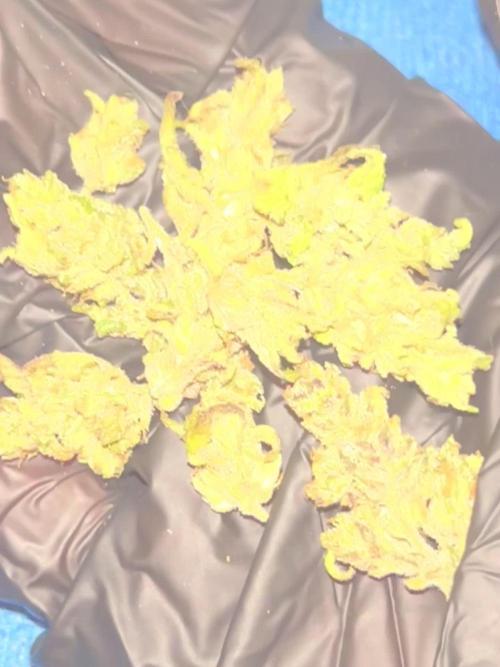
Her terpene profile is incredible she Been drinking 1 gal every 24h buds still developing !!!
Likes
4
Share
@twenty20mendocino Ateam R&D Update ~ Let’s Go day 18 of 🌸almost 3 weeks in an we are looking great! Gave em another aggressive trim up some lollipops this week hopefully wasn’t too early but hey it’s we learn as growers, but they are bouncing back super nice, praying a looking happy y’all! Can’t wait to see what these girls do over the next few weeks, y’all have to keep them eyes peeled for next weeks update. Y’all have an amazing productive rest of your day as well as great rest of your week! Hope y’all enjoy, peace love an positive vibes to all y’all Cheers an blaze on 😶‍🌫️💨💨💨💨
Likes
2
Share
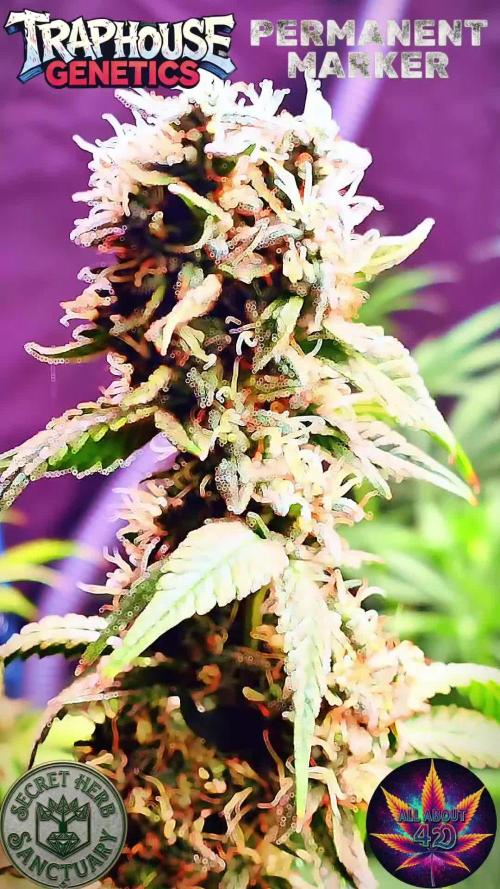
Nach 63 Tagen Blüte und 2 Tage vollkommener Dunkelheit ging es den kleinen nun an den Kragen und sie wurden zum trocknen aufgehangen. Der Duft der Permanent Marker und der Dante ähneln sich sehr, wobei die Dante mehr in die fruchtige Richtung abdriftet, die Permanent hingegen bleibt bei dem Duft von Gas, Diesel und verdünnung. Die Buds der Permanent Marker sind diesmal wesentlich größer und fester als beim vorherigen Grow. Freue mich darauf wenn geschnitten wird und ich die fertigen Buds probieren und präsentieren darf.
Processing
Likes
7
Share
Corrected a few minor issues and she seems to be getting on well now. Hopefully i should see some steady and quick growth few minor problems at the start with light leaks causing algae but quickly rectified. Roots are looking healthy and are reaching through to the water. Back with an update soon. Day 26 - well on her way now, growth occuring everyday, currently at 1.32 EC and around 6.1 pH. Roots have exploded since two days ago. If i kerp this going garvest time will be the best ive ever had and ive had some good harvests in soil/coco. But yeah, very please so far. Updaye soon Day 27 - Dropped the EC slightly down to 1.28 as she was looking a bit toxic, pH seems more stable now but might lower the EC again slightly. Ill see how it goes for now.
Likes
30
Share
@valiotoro
Follow
Let’s jump into 2025 with the Papaaaya Cookies🍪🌴 100% germination rate as always with Fast Buds💥 24h in a glass of water with hydrogen peroxide💧 See you next week😎
Likes
37
Share
Hello my friends, ...May 16, 2022....Day N°64.. My three Automatic Blueberry Cheese are fine. The buds smells strong. I feed them with the complete stuff of the Green Buzz Liquids from Germany. There are under a Viparspectra P4000 at 80% of power and at 40cm of the canopy. www.barneysfarm.com www.viparsprectra.com www.gbliquids.com 15% discount code : secretflower That's all for now. Thank you very much for passing by. Wish you the best with your green projects, peace. See you soon 💨💨💨
Likes
26
Share
So day 21 of flower today, major defoliation done yesterday and feed only water and molasses phed to 6.5. The plants look good again but very bare with out the leafs, lots of light can peneetrate the lower buds now tho. Hopefully see some nice growth this week 😀. Day 23 of flower. Been battling humidity these past few days, with the de humidifier on i can get it to 48% so not to bad now, a good purchase lol. Plants are stinking really skunky when you open the room up, but to touch and smell its like pure citric 🍋 lemon. There Starting to put out lots of trichomes now, hopefully I have a good pheno.
Likes
27
Share
3/4/2023 Week 3- Day 1 of Veg (Day 31 overall) Water Change out Day 36 Gallons in CalMag = .5Mil/Gal = 18Mil FloraMicro = 4.2Mil/Gal = 151Mil FloraGrow = 3.8Mil/Gal = 137Mil FloraBloom = 3.0Mil/Gal = 108Mil PH DOWN = 1.72Mil/Gal = 62Mil PPM = 546 PH = 5.88 This Grow has definitely been an interesting grow I have been playing with Over or Under since the beginning and it all started with me drowning the plants by adding too much water. I will have to make sure I watch that on all my future grows. I prayerful that this week will get me fully back on track, in my previous grows using my chart, I haven't had any issues during this week, so again prayerful that this is the week I am back on point. 3/5/2023 Week 3- Day 2 of Veg (Day 32 overall) ROOT ROT!!! I guess from when I drowned it I caused a lurking issue that really showed it's head today. The roots were looking not slightly bleached but looking black. I cut out what looked dead and I had to run to the local Hydro shop to pick up some items to see if I can fix it and strengthen the plants. I picked up Mammoth Silica, ORCA, and ROOT Drip. I completely drained the system and started it over today as well. 38 Gallons In Mammoth Silica = .5Mil/Gal = 19Mil CalMag= .5Mil/Gal = 19Mil Root Drip = 1Mil/Gal = 38Mil FloraMicro = 4.2Mil/Gal = 160Mil FloraGro = 3.8Mil/Gal = 144Mil FloraBloom = 3.0Mil/Gal = 114Mil Orca = .5Mil/Gal = 19Mil PH Down 60 Mil = PH 5.83 I also had to run by Staples I realized the paper I was using wasn't the right brightness and Lbs for the Photon App. What I needed to have 22Lbs 98 Bright. I recently saw a comparison of the different weight papers against a several hundred dollar Apage PPFD detector and with the right paper it was almost exact readings. With that my PPFD 355. 3/6/2023 Week 3- Day 3 of Veg (Day 33 overall) Still alive!! #2 and #3 are still alive and it looks like no further damage to any of the leaves. #2 needed 1 node topped. I will keep monitoring day to day. 3/7/2023 Week 3- Day 3 of Veg (Day 34 overall) Well Both appear to be doing all right. I cut off the offensive leaves from #3 nothing new on shown on the leaves. I actually needed to top 1 node on #2. PH is stable, Temps are stable.. I will be changing out the water and Nutes on Saturday not waiting the 2 weeks. 3/8/2023 Week 3- Day 4 of Veg (Day 35 overall) Well Both appear to be doing all right. I actually needed to top 1 node on #3 and 2 on #2. PH is stable, Temps are stable.. I will be changing out the water and Nutes on Saturday not waiting the 2 weeks. I think the additives are truly making a difference I think I will be adding them to all my grows from here on out. 3/9/2023 Week 3- Day 5 of Veg (Day 36 overall) Both still appear to be on the mend Still some dark brown on a small part of the roots and I don't know if those are just dead but it doesn't look like it is spreading and I see a bunch of new roots forming. Nothing new on the leaves at all. So I think the trio that I added is helping. The plants also seem to be in raised happy position going towards the light. I still plan to change the water on Saturday and go from there. 3/10/2023 Week 3- Day 6 of Veg (Day 37 overall) Moved the light up to 41 1/2" so 3' 4 1/2" away from the top of the Plants. PPFD= 363 Power on my Light =62.5 Water Temp is holding steady=70.3 PPM= 534 PH= 5.92 Tent Temp= 72.5 Humidity= 50-60% I have 2 humidifiers running on INK Bird controllers monitoring it 24/7. I will be changing out the water tomorrow even though I could let it go an extra week but I am still concerned that the Root Rot is clearing up and I don't want to risk it coming back. I want fresh Nutes/ water in the tanks. I topped 2 nodes on #3 I topped 3 Nodes on #2 I also cleaned out some of the bottom third portion that isn't getting much light and not much growth at all. #2: 8 1/2" tall, 18" Wide #3: 7 1/2" Tall, 15" Wide
Likes
18
Share
@Roberts
Follow
Mintz runtz auto is doing okay, she is building her colas and starting to get a aroma. I did a solution change on her today, along with some defoliation. It was looking like the light was too strong. So I turned it down to 75 percent. Thank you Elufah, Spliff, Atami, and Spider Farmer. 🤜🏻🤛🏻🌱🌱🌱 Elufah (Power by Growpros solutions) UAP1500,Die-cast radiator and featuring an optical lens design(Uniform PPFD),150W,PPE3.0μmol/J,PPFD1500umol/s/m²,Use the verified commercial-grade spectrum;Full/Epar Boost Spectrum adjustable,A very excellent grow light; By entering the discount code, you can enjoy an additional 10% price reduction when making the purchase. Amazon discount code:SAVEURCASH10 product Link:https://a.c1ns.cn/uap1500 Thank you grow diaries community for the 👇likes👇, follows, comments, and subscriptions on my YouTube channel👇. ❄️🌱🍻 Happy Growing 🌱🌱🌱 https://youtube.com/channel/UCAhN7yRzWLpcaRHhMIQ7X4g.
Likes
57
Share
Hey everyone 😃 The time has come , On flowering day 64 the harvest was carried out 😍. After spending two days in the darkroom at 62% humidity, they were now harvested cleanly by hand 😃. After harvesting, they were laid out on the net as usual, where they can now slowly dry again for about 7-10 days at 62%. Then they come with 62% in jars for 2-4 weeks, and then the 58% boveda packs are put in 👍. Of course, I will come to the phenotypes themselves in detail in the last update. Until then, I wish you all the best, stay healthy 🙏🏻 and let it grow 🍀👋 You can buy this Strain at : https://sweetseeds.es/de/red-mandarine-f1-fast-version/ Type: Red Mandarine F1 Fast Version ☝️🏼 Genetics: Red Poison Auto®️ (SWS39) X Tangie (California Orange x Hybrid Skunk) 👍 Vega lamp: 2 x Todogrow Led Quantum Board 100 W 💡 Bloom Lamp : 2 x Todogrow Led Cxb 3590 COB 3500 K 205W 💡💡☝️🏼 Soil : Canna Coco Professional + ☝️🏼 Fertilizer: Green House Powder Feeding ☝️🏼🌱 Water: Osmosis water mixed with normal water (24 hours stale that the chlorine evaporates) to 0.2 EC. Add Cal / Mag to 0.4 Ec Ph with Organic Ph - to 5.5 - 5.8 .