Likes
Comments
Share
@Newborn
Follow
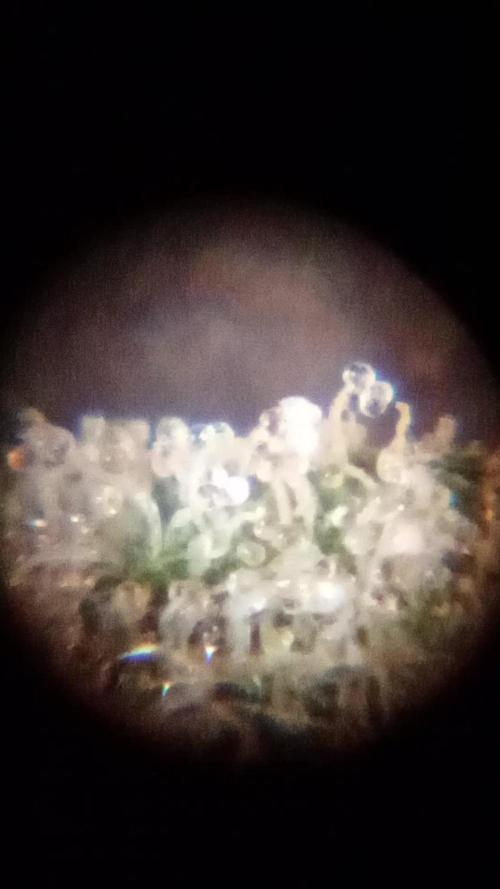
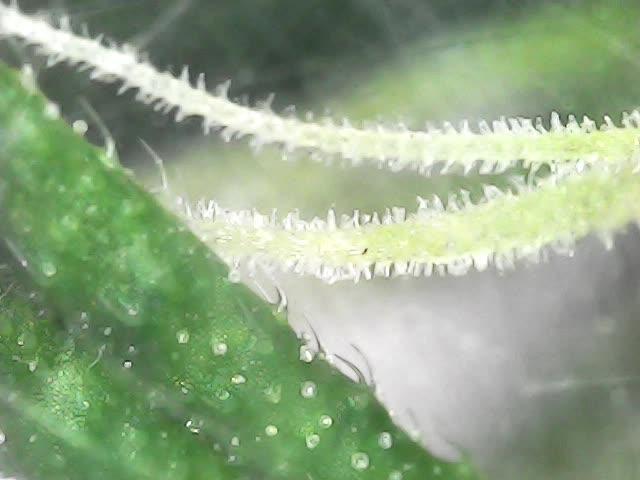
Still milkywhite tricomes, need to wait...
Likes
11
Share
Servus Moin! Langsam startet die Chemical Candy richtig durch. Der Stamm wird jetzt dicker und die Blätter bilden sich schön aus.
Likes
8
Share
7° Semana- Aeroponía - Están muy bellas las raíces, están 100% sanas. Pequeña defoliación y luego se aplica LST, además comienzan a formarse los cogollos, muy contento con el crecimiento actual. --------------------------------------------------------------------------------------------------------------------------------------------------------------------------------------------------------------------- 7th Week- Aeroponics - The roots are very beautiful, they are 100% healthy. A little defoliation and then LST is applied, Also, starting to form the buds, very happy with the current growth.
Likes
27
Share
@Salokin
Follow
This plant was an absolute joy to trim. This plant consisted of buds and stems only, so I am actually curious what the dry weight will be.
Likes
14
Share
Day 71. Some purple showing on the leaves. Gave an extra heavy dose of bud candy last time, thinking that may be why. Just watered with maxigro. I get better results using Maxigro all the way thru rather than switching to maxibloom which seems to burn my plants even when pH'd correctly. Day 74. Looks like she's gonna be a beautiful purple strain.
Likes
21
Share
A-Week 10(Day 74), B&C-Week 10(Day70) A- Still fattening up, took a Growmie’s advice, she was a little over fed, eased back this week on the nutrients and just used water and Sensi CalMag Extra. Gave her a regular dose Friday and she seems good, no new discoloured/burnt leaves. Tricomes are still showing as clear and cloudy mixed in with a few amber here and there. Watching closely to when I feel she is done, then I will start a water flush cycle for the last few feeds… B- Is looking great, doesn’t seem to have slowed down one bit, hard to tell sometimes when you are looking at them so frequently, but week to week you can see the stack grow 😍 Defoliated a little, and pulled her branches down a bit to let in more light, otherwise she’s chugging along! C- Is making me wonder how much she will produce?! Big colas all around, from 10-14 inches long 🤩Stacking very well, and loving the Indo Nutrient line. She’s a big drinker, takes almost a full gallon every 2.5 days. I figure it will be at least 1-2 weeks longer to harvest than A… Happy Gardening Growmie’s 🌱😎💨
Likes
29
Share
Orion f1 wächst schnell.sehr schnell. Die ist 60% größer als die bananas gleichen Alters... läuft gut bisher. Die beiden größeren banana wachsen wie die aus dem 1.run, der spätzünder ist halbsogroß aber sie wächst.
Likes
14
Share
So pheno #2 is already done some how way before the others the rest have a couple of weeks left till chop got 3 different phenos but probably won’t run this one again tbh but everyone’s different and likes different things!
Likes
7
Share
The first in breaking the shield was the pheno number 2 on this pair of jack orange! Let's see how they keep developing!! Out of the 2 seeds that I started only one was good and I decided to discard the #1 because of a deformation or a genetic fail. So I just kept #2, hope you like this strain!
Likes
48
Share
[Day 47] 08/13/21 - It's hard to believe these are all the same strain. Looks like 4 phenotypes at play. They all have differences in growth type, smell and size. #4 has zero trichomes so far and not the most pleasant scent. The others have a very pleasant smell with subtle differences between them.
Processing
Likes
33
Share
@Ferenc
Follow
Day 36 : I did LST again plants are growing quick. I set the lamp approx 26 cm away. 600 W LED, 20 hours on 4 hours off the same with ventilation humidity approx 60 percent. Ferlizitaion will continue the same way Monday Wednesday and Friday BioBizz family and Tuesday Thursday and Saturday bat gunao and Epson salt. Water intake 100 ml per day per plant. Day 39: Pre-flowers are coming BlackBerry Kush is getting purple ❤️. All of them started flowering and colas are coming out. Day 41: All of them have pre-flowers and pistils are out. BlackBerry Kush started turning into Purple. She and LSD-25 are the most developed. I did more LST on them.
Likes
36
Share
Flowering week 1: Well an odd affair with the Herz .o.g being a week actually in flower and stretching while the other 2 are just starting to hit flowering. I will keep track and try not to confuse the journal count too much.lpl After last weeks update, I had a busy time dealing with the fungus gnat issue. Thankfully the powder I bought took care of the pot surfaces and is still working on the emerging adults at the moment. The sticky yellow traps are catching a few escapees and hopefully this will eventually kill them off altogether. Seeinf the amount of them rapidly increase on the surface gave me the creeps but also had me worried about the amount them each one would already have laid so many eggs on the soil. Horrible little gits.... Herz O.g has has a good week of growth due to stretch. she has a tall and skinny sativa look to her so I will need to be mindful of how tall she tries to go. She looks nice and healthy with only 2 or 3 bud sites to each growing limb. I think she will need some tying into place to get the best from her. Strawberry Cola is only just showing signs of flowers in her growing tips but her bracts hairs are visible to shownher gender thankfully. She isnt as tall and stretchy as the Herz.og but has more of an indica look to her. She is a more squat looking plant and has some very nice potential mains to play with. Monster Mash has shown flowers for a few days now so is between the 2 other girls for timing. Like the Strawberry , she is smaller in size but has some very nice looking leaves to power her in stretch. I removed some lower small growth and leaves to open the bottom of her up a little before the bushyness starts. lol I am keeping them happy using megacrop alongside the living soil and will also be using shogun products as they finish their stretch period. Another happy week for the exotic girls and now we get to see what they can do in flowering. If they are anything like the Mango cream I am running , I am in for a treat. ... Be safe growmies and keep it green and clean.
Likes
20
Share
@Robin87
Follow
Day 62! Not long left at all now with the 🍋🍒🍪 they smell amazing! 🦍🍪 setting a decent pace now too, the first defoliation session I’ve had on them too, wasn’t sure if to just leave them , but I’m more than happy with them now, everything’s looking and smelling 10/10.. untill next week! 👊🏻
Likes
2
Share
Holy Lst. Getting crazy now for just a few weeks from seed. No stopping it now.
Likes
30
Share
Likes
42
Share
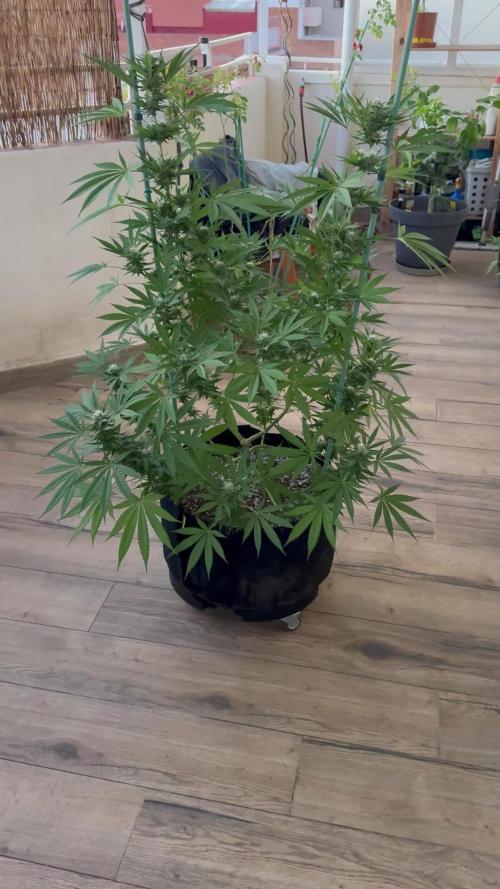
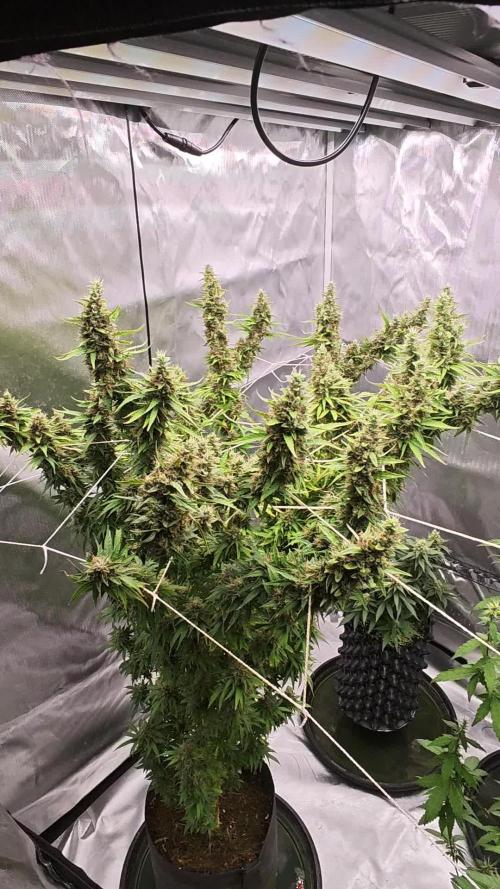
Thank you. Gave her a cocktail to help with stress. Added 1st net for lateral support, not so much now, but for later. Blue light is absorbed by photoreceptor proteins called phototropins, which trigger a hormonal response that causes cells on the shaded side to elongate, making the plant bend toward the light. Try and fill this side a little. She is quite big already, just needs to find her stride again after the undue torture. The mind is constantly working and producing, just like a factory. It's not just a passive recipient of information but an active producer of ideas, attitudes, and beliefs. The "ingredients" in this factory are the information you consume, such as books, conversations, and the media you engage with. The "products" are your thoughts, beliefs, and actions. The quality of the ingredients directly influences the quality of the output. To guard the door of your mind means to be selective about what you allow in. It involves actively choosing to consume positive and constructive information while filtering out negativity and harmful influences. If you don't guard your mind, others can "dump" whatever they want into it, leading to undesirable results in your life. You must take responsibility for the inputs to ensure you produce the outcomes you desire. 5 apex stems with 20-30 mini cola, let them develop a little, with the apical dominance shattered, all those 20-30 will all compete with each other as soon as that stretch is initiated. Key to a good stretch is making sure the plant is cycling efficiently, with large ATP conversions occurring lights out. For now, I'm keeping light intensity high. A plant will slow its vertical growth in very high light intensities, leading to a more compact form with thicker stems and leaves. This response is a protective mechanism against light stress, which can damage the photosynthetic apparatus and lead to symptoms like leaf scorching, yellowing, and brittleness. Instead of growing taller, the plant invests its energy into creating a more robust, stress-tolerant structure. Providing plants with necessary antioxidants helps protect the photosynthetic apparatus by scavenging reactive oxygen species (ROS) that cause damage from excess light. UV light exposure can impact the xanthophyll cycle by either enhancing its photoprotective role or causing damage, depending on the intensity and type of UV radiation. UV exposure can trigger the synthesis of more xanthophyll cycle pigments to increase the plant's capacity to dissipate excess energy, but it can also cause direct damage, particularly to Photosystem II, and may lead to a decrease in the de-epoxidation state (DEPS ratio) which indicates a reduced capacity to dissipate excess energy. Plants can respond to UV stress by increasing the synthesis of xanthophyll cycle pigments, such as violaxanthin and zeaxanthin, to improve their photoprotective capacity. UV-induced changes in xanthophyll cycle pigments can be linked to a plant's overall tolerance to high radiation stress. The xanthophyll cycle helps protect against photoinhibition, which is especially important when the plant is exposed to high levels of both UV and visible light. High doses of UV radiation can directly damage photosynthetic components, including the proteins, lipids, and pigments in the thylakoid membranes. Exposure to UV radiation can have a mixed effect on the de-epoxidation state (DEPS ratio) of the xanthophyll cycle pigments. In some cases, UV can inhibit the conversion of violaxanthin to zeaxanthin, resulting in a lower DEPS ratio and a reduced capacity for energy dissipation. However, the total pool of xanthophyll cycle pigments may increase, and this enhanced pool size could provide a greater potential for photoprotection despite a lower DEPS ratio. The xanthophyll cycle works alongside other mechanisms, such as the accumulation of flavonoids (UV screens), to protect the plant from UV-induced damage. Blue light repairs 100% UV-induced damage in plants through a process called photoreactivation, which uses a light-dependent enzyme called photolyase. This enzyme uses energy from blue and UV-A light to directly reverse the damaging pyrimidine dimers in the DNA caused by UV-B radiation, a key mechanism for maintaining the plant's genetic integrity. After carbon, light, water, temperature, and nutrients, the limiting factor of a plant's growth is often its own internal factors or the amount of a key ingredient. Chlorophyll concentration is one such factor, as the amount of this pigment limits how much light can be captured for photosynthesis. Other factors include chloroplast number, respiration rate, and the concentration of carbon dioxide in the atmosphere, as plants are often in a CO2-deficient condition. 60x60x18=64800seconds x 700 = 45,360,000moles. 45DLI Exposure to 165 µW/cm² of ultraviolet-B (UV-B) light for 3600 seconds = 1 hour, a extremely high, acute dose triggering stress responses and protective mechanisms. . The plant's photoreceptor protein, UVR8, senses the UV-B radiation. This triggers a signaling cascade that activates specific genes to protect the plant from damage. In response to the UV-B signal, the plant ramps up the biosynthesis of protective compounds like flavonoids, phenolic acids, and anthocyanins. These compounds absorb UV radiation and accumulate in the epidermal layers of leaves to shield inner photosynthetic tissues. The plant may increase leaf thickness or deposit more cuticular wax, creating a physical barrier to the radiation. The plant will produce more enzymatic and non-enzymatic antioxidants to neutralize the reactive oxygen species (ROS) produced by the UV-B radiation. The plant activates enzymes, including photolyases, to repair DNA damage caused by the UV-B. These repair mechanisms are critical for preventing permanent genetic mutations. While protective measures are activated, a high dose delivered over a short period can cause stress that overwhelms the plant's defenses. Photosynthesis is highly sensitive to UV-B. A high dose can inactivate Photosystem II (PSII), damage thylakoid membranes within the chloroplasts, and reduce chlorophyll content, which lowers the plant's overall photosynthetic capacity. Despite repair mechanisms, high UV-B doses can inflict persistent damage on the plant's DNA. The overproduction of reactive oxygen species can cause oxidative stress, leading to the oxidation of lipids and proteins and disrupting cellular function. I am playing in the enchanted forest.