


Likes
Comments
Share


@Ageddd
Follow
ULH2: Still growing buds
AH1: Strated branching ^^ Bent the plant a little
AH2: Transplant to 25l Tex Pot with Canna Terra Pro


Likes
13
Share

@Schafe1001
Follow
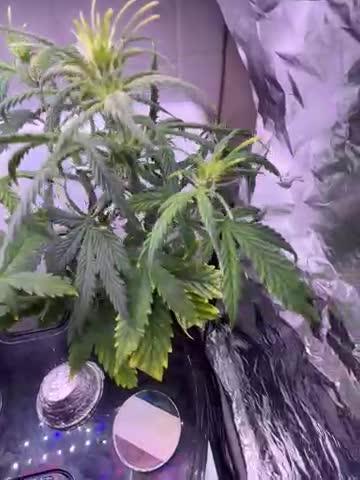
Moving along nicely, I love seeing leaves praying to the light. It’s amazing. One of the best things a grower gets to see. Think I’m gonna need a bigger boat lol
Likes
6
Share


@victor_lion
Follow
Una cepa de fácil crecimiento y resistente al ataque de bichos, humedad alta y climas cambiantes, aunque la cosecha no fue muy abundante debido a su estructura compacta, sería bueno aplicar alguna técnica de crecimiento para obtener más cosecha, una fácil y rica planta medicinal

Likes
4
Share

@eldruida_lamota
Follow
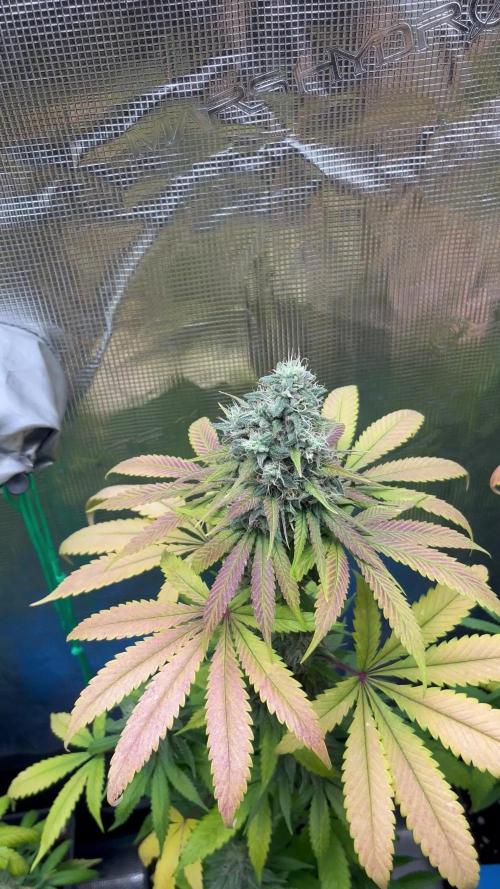
Vamos familia, actualizamos la séptima semana de floración de estas Permanent maker de Seedstockers.
La temperatura que estuvo entre los 24-25 grados y humedad dentro de los rangos correctos.
En cuanto a las plantas pues estas últimas semanas cogimos un poco de trips y pues ahí ando combatiendo con planchas pegajosas de color azul, estiraron bien y ensancharon bastante también.
Las flores se están llenas de tricomas y van madurando, aún con la plaga, por el momento todo correcto, aportamos mega pk y thor de Agrobeta, que será la última semana en aportarlos.
Hasta aquí todo lo de esta semana , ya queda nada, buenos humos.
- os dejo por aquí un CÓDIGO: Eldruida
Descuento para la tienda de MARS HYDRO.
https://www.mars-hydro.com
Hasta aquí todo, Buenos humos 💨💨💨

Likes
14
Share


@Rock_n_Roll_Randy
Follow
FOR EVERYTHING MARS HYDRO VISIT:
www.mars-hydro.com
www.marshydroled.ca
PROMO CODE: rocknroll
VISIT THE ALIEXPRESS STORE:
@marshydro_aliexpress
Instagram: @marshydropenny
https://youtube.com/channel/UChU5ZWwNi-DvnO3oWVU3ceA
(NEW) STRIVE NUTRIENTS 💪
Thanks for taking the time to read and check out my diary🤜🤛
FC-E6500 LED GROW LIGHT:
FC-E6500 grow light with 3978pcs OSRAM BridgeLux Diodes & Moso Driver, market-leading PPF 2.7 µmol/J, Max 2.5g yield/watt with 30% higher Average PPE, more cost-effective when compared to same style type lights. Only consumes 650W, perfectly cover 5x5ft (personal), 4x4ft (commercial) grow space. Innovative Precise Uniform Lighting-Built-in removable bars interval & dimmability enable the exact & dynamic PPFD control over each of the plant growing stages, FC-E6500 detachable bars deliverSuperior Heat Dissipation: Real Aluminum heatsink together with 6 slim profile passive cooled bars (THINNER & LARGER surface) and detachable Meanwell Driver, create less heat. save 50% hydro than other old grow lights! Driver can be mounted remotely on the side of a grow tent/rack or on an adjacent wall to remove heat from grow space. Full Spectrum UV IR LED: With Yield Max spectrum (660nm Osram enhanced Deep Red,2800k-5000k,730-740nm IR,380-410nm UV LEDs), Average PPFD the FC-E6500 LED grow lamp enables cultivators to produce BIG FAT Dense Buds, perfect for full-cycle hydroponic, soil, grow tent/grow room.
Dimmable Commercial Grow Light: Cost-efficient, easy dimming & daisy chain With a max up to 20 lights, IP65 Waterproof, master light easily controls the rest. Perfect for commercial & home horticulture.
FC4800 LED GROW LIGHT:
GET THE MAX FROM MARS👍: Welcome one of the newest members of the Mars Hydro family🤜🤛🤘. The Mars Hydro FC 4800 480W LED Grow Light can accommodate up to a 4' x 4' area for flowering. It has OVER 2000 LED chips consisting of the best selling Samsung LM301B diodes which has a Luminous Efficacy of: 220 lm/W
0.2 W, 3 V mid power,
Osram 660nm Diodes, Infrared light and UV LIGHT👍. It boasts the incredible efficiency of 2.8 µmol/J, maximum 2.5gram yield per watt with 30% higher Average PPFD. This High-intensity spectrum is beneficial for plants at all stages - from veg to bloom, and creates Big dense Buds👍. achieve 50% higher yields & quality compared with the old lights! Only consumes 480W for 4x4ft personal grows, and 3x3ft for commerical grow. It comes with a dimmer and daisy chain function with a maximum of up to 15 lights, the master light controls the rest👍. Wide 6-bar design offers even & wide canopy coverage and can maximizes your grow space. slim 180° FOLDABLE DESIGN... YES I SAID FOLDABLE🤘🤣 , making it compact and easy to install, it's IP65 WATERPROOF and will give you no worries while growing in a humid environment and makes it a flexible high performance commercial grow light for enormous SUPER FROSTY yields.😛😛😛. MARS GETS EM FROSTY BOYS👍
AWESOME HEAT DISSIPATION: The Low energy consumption FC4800 growing light has 6 passive-cooled bars and an aluminum heat-sink a removable driver you can upgrade later or have it outside your tent. with zero noise you can save up to 50% in your electricity bill compared to HID's or HPS lights!
It also has a removable driver so you can upgrade it in the future or have it outside your grow space for better heat control in your growroom👍
UPGRADED FULL SPECTRUM: Yield Max Spectrum with enhanced red (Top-Bin Samsung 3000k-5000knm, Osram 660nm Deep Red), speed up blooming & fruiting, perfectly suited for full-cycle growing. The FC4800 LED grow lamp was born for Big Buds, perfect for commercial, grow tent, grow room, hydroponics, and all soil grows.👍
THE BEST SAMSUNG DIODES: THE FC4800 has Top Bin genuine Samsung Osram Diodes, combined with remarkable 2.8 µmol/J Efficacy, 30% higher Average PPFD, 50% less energy consumption, to maximize your yields. They give you a TRUSTED 3 years warranty 100% Satisfactory guaranteed!!!
TSW2000 LED GROW LIGHT:
INCREASE YIELD AND CROP QUALITY WITH MARS HYDRO LED GROW LIGHTS: NEWEST SMD LED technology provides the highest PAR/LUMEN output (1122umol@18") and can make you get 30% higher yield compared to OLD blurple led lights. Max 2.5g yield per wattage and achieve maximum quality and quantity, much better than traditional HPS grow systems
LOW ENERGY CONSUMPTION LED GROW LIGHT: Consuming only 300W true output with 684 LEDS! It saves up to 50% energy than other led grow lights. Perfect for 3.5x3.5ft bloom stage, 4x4ft veg stage. Over 90% light energy can be absorbed by plants, it will have higher intensity in a MARS HYDRO grow tent with diamond design mylar, or by crossing over using multiple TSW2000
HIGH EFFICIENCY FULL SPECTRUM INDOOR GROW: 3000K 5000K and IR 660nm 760nm RED, makes it close to natural light, highly engineered to provide improved growing performance for plants at all stages of growing, rapid plant response from seed to flower; Uniform and wide-beam light distribution for your plant's optimal growth
8x8 1680D GROW TENT
The MARS HYDRO 8x8 Grow Tent interior is made of a unique diamond design mylar which is highly reflective. (Other companies mylar and reflective rate is as low as 50%, and it won't provide efficient light. They use thick 1680D oxford canvas, and being double stitched, it is tear proof and perfect for locking in the light. Their grow tent keeps 100% of the light inside the tent and helps your plants absorb more light. EXTRA-THICK material means No light leaks or rips at all.👍
Strong Stable metal corner adapters and poles are the trustful supporters of the tent. It's very sturdy, neither rusting or paint flaking off. quick and easy tool-free setup. They use heavy-duty metal zippers, with double layer black lining, by far the best on the market which creates a light-proof seal.
The Easy observation windows are made by double layers of cloth. Observe the growing conditions of your plants without opening the tent and avoid disturbing your plants. The observation windows also serves to dissipate heat and ventilate the air.
The tent includes 2 removable waterproof floor trays to hold soil and water. The removable tray can be taken out to wash easily.
They guarantee the grow tents are easy to install even if you've never done something like this before. Clear Instructions and no tools needed! They also offer 30-day unconditional refunds for quality problems. Just contact their friendly 24 hours customer service 👍


Likes
111
Share


@Salokin
Follow
Hi Growmies,
She did not take well to the ec of 2.0 that I intended to feed her, so I changed the reservoir again midweek and went down to 1.6, after feeding her canna flush with RO water for 24 hours. She seems very forgiving, as she didn’t even get stunted by the lockout. 4 of the 8 shoots went through scrog and were super cropped underneath the screen. The others should catch up any day now and will be trained in a similar fashion. Rootball looks also amazing. I will experiment with continuously feeding her orca every 3 days, as it feels like the mycorrhizal inoculants seem to go down after 3 days and root growth slows down. Let’s see if it’ll work.
Here is the code that’ll give you 20% in Zamnesia‘s online store, just input ZAMMIGD2023 at checkout.
Thanks for stepping by and until next week!

Likes
19
Share


@LittleBigTrees
Follow
This plant was germinated along side three other strains , it stayed short and compact ,it was very leafy and compact .
If I was to grow it again I would spread and thin out the canopy and defoliate more heavily .
This strain was in a10 litre pot and produced 90g of dried trimmed bud .
It was a low producer but the flower is really nice , a very enjoyable evening flower through a volcano vaporizer.


Likes
23
Share


@Horseluisweed
Follow
Básicamente lo mismo, aunque está semana pilló bastante más horas de luz(tuve que irme fuera de casa dos findes seguidos, en los cuales la dejé con la luz encendida full 24/7 en la caja)
Como experiencia utilicé café reposado 48h para "alimentarla" e intentar bajar el Ph de la tierra (coco ph6+hummus ph7+vermiculita ph8= ph total 7)
El otro experimento fue cubrir la tierra con coco para que el tallo eche raíces y aprovechar su espigamento!
Las horas de luz solía dejarla 8h en bombilla mientras duermo, y el día la pongo en la ventana a que tome el fresco, pero apenas tiene luz directa, me da la sensación que crece más rapido cuando vuelvo del finde, estoy replanteandome tenerla más tiempo en la caja con luz, porque la veo aún pequeña, y quizá ponerle un ventilador de pc o algo🤔..veremos, aún tengo el papel de aluminio al lado de la caja y ni se lo he puesto, con eso os lo digo todo☝️🎃


Likes
2
Share


@slightlystonedstoopid42
Follow
this week im starting the pre harvest nutes for the white widow she's about to be cut in about 2 weeks the northern lights is doing good i jad to put them under 12 hrs of light cause I have photos flowering but still coming along good I get my veg tent thos week so it will be better

Likes
12
Share

@Suemchen
Follow
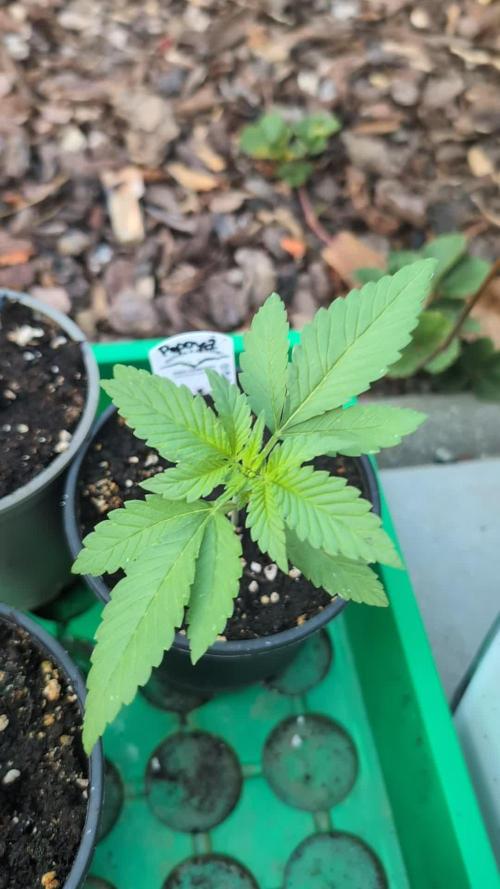
Outside right now untill there is room in the tent
Day 8: Looks good 👍🏻 watered with rain water 👌🏻 keeping the soil moist 🌧️
Day 9: watered with rain water again 👌🏻
Day 11: watered with rain water again 👌🏻
Day 13: Looks good 👍🏻 watered with out supplements 👌🏻 just rain water. She'll get a new pot in the next couple of days ?
Likes
11
Share


@TiRobotProds
Follow
Cela es ma deuxième session automatique et je peut dire que Cette plante est incroyable, magnifique grandit vigoureusement plein de pistils 🎄🎄
La température est de 26°🌡️ pour 55% d'humidité🌅, sur les photos vous pouvez voir une carence en potassium pour cela j'ai commencé à engraisser au Méga PK 50-33 voyons dans les semaines à suivre si cela s'aggrave merci a toi de m'avoir lu bonne croissance a tous.
Likes
3
Share


@drewnagy0510
Follow
I just wanted to let the people know about topping and the benefits and when I did my research there was not much for documentary purposes very great results super cropping is a must and topping to create more nodes

Likes
8
Share


@dwotTV
Follow
Transplanted in the afternoon of 10/23 because they were rooting out of the pucks. Got some humidity dome cups coming tomorrow and another inline fan to handle intake to try to dial in things a bit more.
Growing well as the week ends, #1 is the big guy so far, growing really well.
Sprayed with Neem Oil on 10/24
Fed Light Fox Farms Blend on 10/25
Treated with NemAttack on 10/26


Likes
3
Share


@High_Grade_Dadli
Follow
Girls are coming along well transplanted set 1&2... seem to be loving it....we getting there

Likes
8
Share


@Philippovic
Follow
Die Pflanzen entwickeln sich gut. Es wird die nächsten 10 Tage nachts sehr kalt, deshalb wurde heute eine heizmatte zur Sicherheit ins Zelt gehängt und auf 25 C gestellt.
Die zwei Blumat pro Topf sind zu wenig, sie können den Wasserbedarf einer Pflanze nicht decken Halten den Boden aber trotzdem leicht feucht, wenn ich zwei Tage nicht gegossen habe.


Likes
19
Share


@Mattyice
Follow
Great progress. Accidentally broke one of the lowest branches trying to do lst so I won't be trying that again. My methods are going to be defoliation until preflower which is coming up soon/already started, and then a small Supercrop. The defoliation has triggered some increased speed in growth I've noticed. I still feel like it's short though
Likes
38
Share


@Chucky324
Follow
Hello. This is the end of week 10 and the beginning of week 11 of veg.
Got the girls out to the greenhouse this weekend. And the guys too.
Repotted the 6 females into the big pots. And training has started already with the metal rods to hold down the long branches.
For each pot I mixed 4 gallons of soilless soil and 2 gallons of compost and 1 gallon of perlite/vermiculite. That filled each pot about 3/4 full.
After transplanting I filled up the top 1/4 with the soilless soil. All the pots got about the same amount of soil within 1 Liter +/-
The plants did well being bent into place. I broke 1/2 of plant #6's mainline.
Wrapped twine around the brake and bent the branch over the bar and held it in place with a metal rod. That will work for me. You can see in the picture.
I'll give a bit more water later today but with the compost the plants will have enough food for a while, so I won't have to feed for a while.
I'm still planning to start flowering around June 1st to Aug 15 or so, to take advantage of the strong summer sun.
These plants should take off once they get a taste of the compost.
Ok. Be Great.
Chuck.
