Likes
Comments
Share
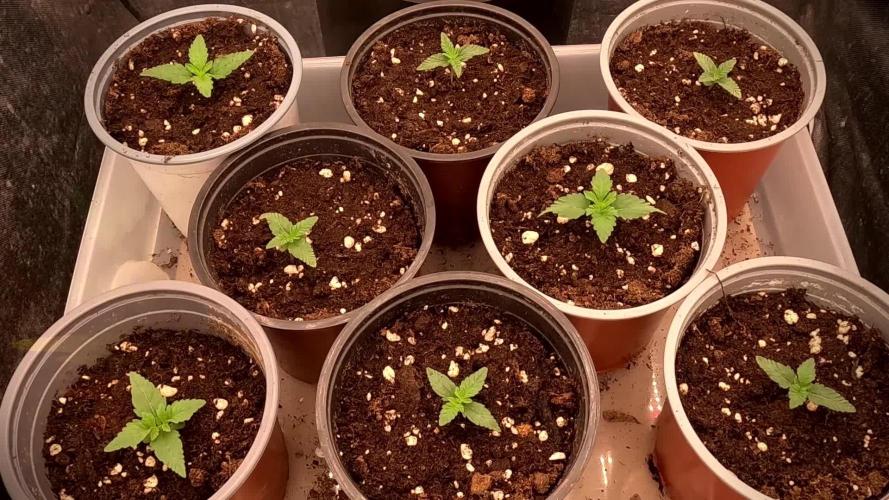
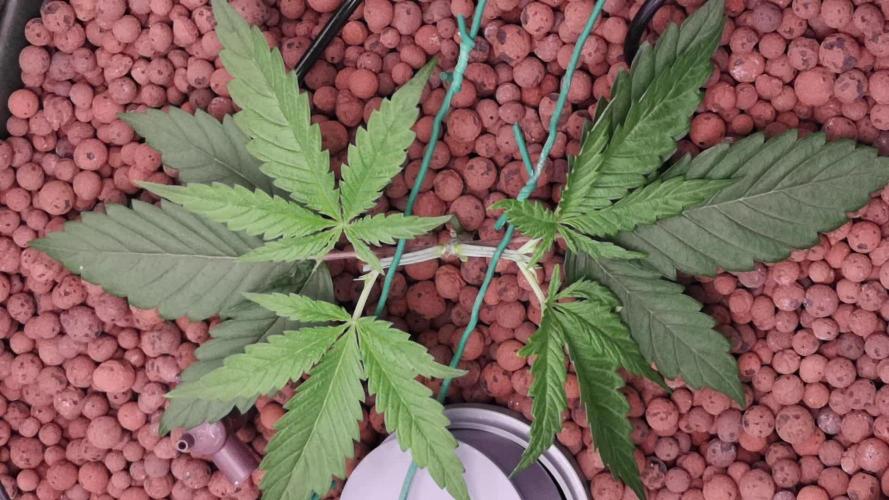
Not sure if these 2 are auto plants? The blackberry are flowering quiet obviously, but these 2 are either really slow or I accidentally bought non autos. Anybody help? Cheers
Likes
1
Share
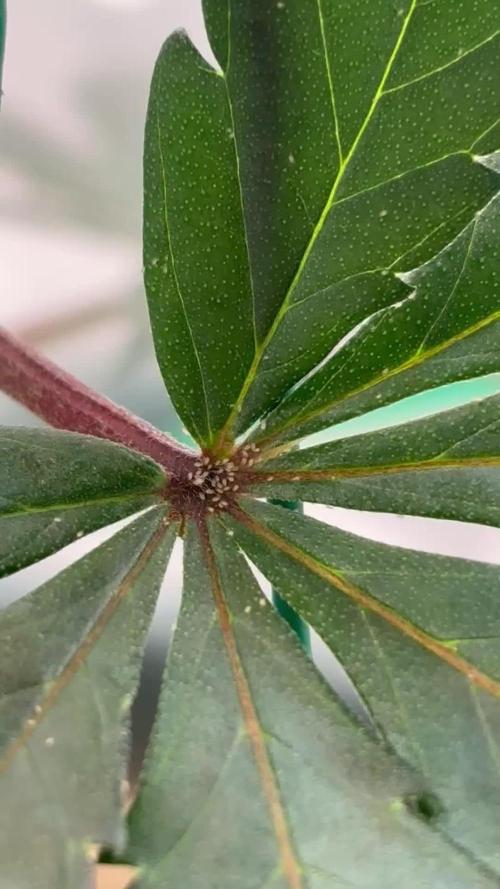
Seguimos otra semana más con las pequeñas ya se recuperaron de la araña roja ahora toca reponer energías y seguir creciendo!
Likes
4
Share
Welcome to Veg Week 3 of Kannabia Pink Gelato I'm excited to share my grow journey with you from my Kannabia Seeds Project . It's going to be an incredible ride, full of learning, growing, and connecting with fellow growers from all around the world! Check out Kannabia Seeds with my link [https://www.kannabia.com/de?ref=61966] and grab the germination device or the strains I used . Trust me – it’s worth it for sure ! Get another 20% Discount at all products using the code [GGD] at the checkout. little Holiday Present to the Community btw ☃️ For this Project , I’ve chosen the Feminized Photo Strain Pink Gelato: Here’s what I’m working with: • 🌱 Tent: 120x60x80 • 🧑‍🌾 Breeder Company: Kannabia Seeds • 💧 Humidity Range: 90 • ⏳ Flowering Time: 56-63 Days • Strain Info: 23%THC • 🌡️ Temperature: 26 • 🍵 Pot Size: 0.1 • Nutrient Brand: Hy-Pro • ⚡ Lights : 600W x 2 A huge thank you to Kannabia Seeds for allowing me to try my Best with this amazing collection from Photo Strains they managed to Sponsore . Big thanks for supporting the grower community worldwide! Your genetics and passion speak for themselves! Let’s grow together – and don’t forget to stop by again to see the latest updates! Happy growing! Stay lifted and stay curious! Peace & Buds!
Likes
12
Share
Harvest & Trim Report — RollerCoaster Haze (Zamnesia Seeds) Overview We’ve reached the end of the RollerCoaster Haze ride. After an intense and rewarding flowering period, the girls were harvested and processed with care. This is a full documentation of the final stage: harvest timing, drying method, trimming workflow, kief collection and pressing, and final yields. This harvest produced excellent results from two phenotypes — a true tribute to the genetics and the ecosystem we built around them. Final dry yields: • Pheno #3: 138 g (dry, trimmed bud) • Pheno #2: 224 g (dry, trimmed bud) Total dry bud: 362 g We also collected kief and pressed it into a beautiful resinous hash using heat and pressure; this sits alongside the cured flower and will be part of the upcoming smoke review. ⸻ Harvest Timing & Rationale The decision to harvest was made after careful observation of trichome and pistil development, the overall fade, aroma intensity, and the plants’ finish-line behaviour. The last weeks of the run had been dedicated to ripening: we completed the last balanced feed, then transitioned to plain water and a spectral end-season program (reduced whites/blues, elevated red/far-red/UV). These cues — combined with visible trichome development and the natural fade in the canopy — indicated the plants were ready to come down. ⸻ Cutting & Whole-Plant Drying • Each plant was cut whole and hung to dry intact. • Drying duration: two weeks (full-plant hang), at the environment you maintained (consistent conditions around your final stage set point). This allowed a controlled, gradual loss of moisture and preserved aromatic compounds and trichome integrity. • Drying environment was monitored and managed with the same attention as the grow: consistent airflow, humidity control and gentle circulation to avoid hotspots while preventing too rapid desiccation. (Notes: this section is a narrative of what i did. For clarity on local rules and safety, always follow local regulations and recommended practices.) ⸻ Trimming Workflow • After the two-week hang, the plants were moved to a dedicated trimming area and placed in the trim bin for processing. • Trimming method: primarily hand trim, using delicate, precise trimming tools and patience — “delicatessen and love” as i put it. The emphasis was on preserving trichome-rich surfaces while shaping each bud for appearance and even curing. • Hand trimming allowed you to selectively manicure the buds, remove the remaining larger fans, and leave the finished colas in a state ideal for curing and later consumption. The results were clean, visually appealing buds with intact resin heads. ⸻ Curing & Storage • Trimmed buds were carefully placed into Grove Bags for the finish of the cure. The Grove Bags are being used as the controlled environment for the slow biochemical processes that refine aroma, smoothness, and terpene expression. • The plan is to allow the flower to finish its cure under stable conditions until ready for the smoke review. This prolonged, stable cure should bring out the nuanced haze profile the genetics promise. ⸻ Kief Collection & Resin Press • While trimming, kief was collected from the trim and from screens. The kief was then pressed into a concentrated resin/hash using heat and pressure. • The result is a solid, aromatic hash — glossy and packed with the strain’s signature terpenes — a beautiful secondary product from the harvest and a perfect complement to the flower in the smoke review. ⸻ Sensory & Quality Notes • Aroma: intensely hazy — a dominant hay-sweet note with mature, layered complexity. The smell in the drying/trim room was strong and very characteristic of a classic haze. • Appearance: colors trending golden to warm yellow tones, heavy frosting of trichomes, dense calyxes and robust colas. The buds visually convey potency and quality. • Structure: each phenotype expressed the haze identity; long internodes on some branches, dense stacking on others — overall excellent structure that translated into heavy colas and great yields. ⸻ Recap: Seed → Harvest at a Glance • Germination: pillbox water method; seeds cracked and into soil within 48 hours. Gentle Aptus start mix supported early vigor. • Vegetative: bottom-watering to promote downward root growth; transplanted and vegged with controlled training and canopy management. • Flower: early flip to 11/13; progressive nutrition with Aptus + Plagron mix; inner canopy lighting (ICL300) to support middle/low bud development; spectrum tuning (red/far-red/UV) toward the end of flower. Final flush and plain water to finish. • Harvest: judged by trichome and pistil maturity, aroma, and overall plant condition. Whole-plant hang for two weeks, then hand-trimmed and cured in Grove Bags. Kief collected and pressed to make hash. • Yield: Pheno #2 — 224 g; Pheno #3 — 138 g (dry, trimmed flower). ⸻ Gratitude & Next Steps Thank you to everyone who followed this run — your support, questions, and shared passion have been part of what made this project so rewarding. The full smoke review will follow this harvest report and will be presented in 4K on YouTube, where we’ll document the aroma, flavor, burn, and overall experience with both phenotypes and the pressed hash. 📲 Don’t forget to Subscribe and follow me on Instagram and YouTube @DogDoctorOfficial for exclusive content, real-time updates, and behind-the-scenes magic. You won’t want to miss it. • GrowDiaries Journal: https://growdiaries.com/grower/dogdoctorofficial • Instagram: https://www.instagram.com/dogdoctorofficial/ • YouTube: https://www.youtube.com/@dogdoctorofficial ⸻ Explore the Gear that Powers My Grow If you’re curious about the tech I’m using, check out these links: • Genetics, gear, nutrients, and more – Zamnesia: https://www.zamnesia.com/ • Environmental control & automation – TrolMaster: https://www.trolmaster.eu/ • Advanced LED lighting – Future of Grow: https://www.futureofgrow.com/ • Root and growth nutrition – Aptus Holland: https://aptus-holland.com/ • Nutrient systems & boosters – Plagron: https://plagron.com/en/ • Soil & substrate excellence – PRO-MIX BX: https://www.pthorticulture.com/en-us/products/pro-mix-bx-mycorrhizae • Curing and storage – Grove Bags: https://grovebags.com/ ⸻ We’ve got much more coming as we move through new grow cycles. Trust me, you won’t want to miss the next steps, let’s push the boundaries of indoor horticulture together! As always, this is shared for educational purposes, aiming to spread understanding and appreciation for this plant. Let’s celebrate it responsibly and continue to learn and grow together. With true love comes happiness. Always believe in yourself, and always do things expecting nothing and with an open heart. Be a giver, and the universe will give back in ways you could never imagine. 💚 Growers love to all
Likes
39
Share
@J_diaz420
Follow
Como es un cultivo s.o.g hice el transplante rápidamente el día 12, para dejar crear raices ya que se pasará a floración tempranamente por el día 20 a 25 de vegetación, se transplanto de 1 a 5 lts. El día 14 se hará 1° riego con fertilizante y el día 15 ya se hará riego foliar con estimulador de floración delta 9 para próximamente pasar a floración ✌️🍀💚
Likes
15
Share
160 days of life harvested on day 63 of flower. I don’t have photos of her vegging but she started off great. About two weeks in, she started having some major issues. Her leaves started atrophying, curling up at the borders, growing 3 finger leaves, all new growth was deformed and twisted and growth in general almost stopped completely, to what I suspect was from broad mites. These fuckers are nasty! I dm’d my local grow shop and tried out some Neem Oil. I diluted it in water like they recommended and sprayed that baby every day for one week, then every other day the following week, then down to once a week. I sprayed her leaves stem and surface of the soil. I also cleaned the entire grow space with some bleach solution. Doing this allowed her to really bounce back, growth started to take off again! So I vegged for a few more weeks and trained her as much as I could to keep her uniform but short, she responded well to this. During flower, she was very happy. I had two main issues during this time, one was being too hot in Nitrogen and a week of very hot temperatures which burned her a slight bit, although she didn’t seem to mind much. I also could’ve continued a once a week spray of Neem oil because I think they might’ve started to come back on the lower and younger leaves that weren’t getting much light. Overall it was a dope grow and hope to do better on the next one!
Likes
69
Share
@nonick123
Follow
Día 87 (26/08) Aplicación foliar de Bacillus thuringiensis a 1 g / litro para evitar a las temidas orugas de los cogollos! Hace un día nublado (29 ºC de maxima) y NO es necesario regar Elimino la malla de sombreado de la cara sur, ya que las temperaturas son más suaves después de la canicula Día 88 (27/08) Riego con 500 ml H2O pH 6,5 Empiezan a bajar las temperaturas a 29 ºC de máxima, y se nota en la demanda de agua por parte de las plantas! Día 89 (28/08) Riego con 500 ml H2O pH 6,5 Cada planta empieza a ir un poco a su marcha en la demanda de riego dependiendo de su tamaño y estado de floración Día 90 (29/08) Riego con 250 / 500 ml H2O pH 6,5 He detectado un gusano de los cogollos muerto sobre una hoja! 💥 Parece que los Bacillus thuringiensis funcionan estupendamente! 😁 Día 91 (30/08) Riego con 250 / 500 ml H2O pH 6,5 Día 92 (31/08) Riego con 1 litro H2O pH 6,5 + 25 ml de Humus de Lombriz Liquido Día 93 (01/09) Aplicación foliar Bacillus Thuringiensis No es necesario regar tras el litro de ayer y dia nublado con pequeños chubascos! 💦Nutrients by Lurpe Solutions - www.lurpenaturalsolutions.com 🌱Substrate PRO-MIX HP BACILLUS + MYCORRHIZAE - www.pthorticulture.com/en/products/pro-mix-hp-biostimulant-plus-mycorrhizae
Likes
12
Share
@Eauderay
Follow
Well the end is in sight, she is dressed in yellow and little buds are swollen more and more, no more flowers out, so I am harvesting in a week or so if all goes well! She smells gassy and narcotic on surface, very strong! No more food just water
Likes
5
Share
@fadagrow
Follow
Week 2 is cruising along, and the lady is looking strong and healthy 💪🏼. Feeding her the full Canna suite with the pH locked at 5.8 and watering every 3-4 days. Everything's on track with no major updates—next week, I'll kick off LST!
Likes
57
Share
Day 6 since the time change to 12/12 hrs Hey all together 😋. in the last six days since the changeover, it has already made a nice boost 👌. She looks beautiful and it is fun to watch her grow 😉. In the next few days, as soon as the flowers start to appear, I will add GHSC Powder Feeding Bio Bloom to the coconut substrate 😃. I wish you a lot of fun with the update 👍 You can buy this Strain at : https://sweetseeds.es/de/red-mandarine-f1-fast-version/ Type: Red Mandarine F1 Fast Version ☝️🏼 Genetics: Red Poison Auto®️ (SWS39) X Tangie (California Orange x Hybrid Skunk) 👍 Vega lamp: 2 x Todogrow Led Quantum Board 100 W 💡 Bloom Lamp : 2 x Todogrow Led Cxb 3590 COB 3500 K 205W 💡💡☝️🏼 Soil : Canna Coco Professional + ☝️🏼 Fertilizer: Green House Powder Feeding ☝️🏼🌱 Water: Osmosis water mixed with normal water (24 hours stale that the chlorine evaporates) to 0.2 EC. Add Cal / Mag to 0.4 Ec Ph with Organic Ph - to 5.5 - 5.8 .
Likes
61
Share
@Hou_Stone
Follow
☄️Salut les copains,👋 🍊J'ai récolté 4 plantes au 53 ème jour de floraison. Après avoir retiré pleins de feuilles de mes bourgeons, j'ai pesé 75 grammes de bourgeons sec sur la balance. C'est ok mais j'aurai aimer avoir plus. 🍊J'ai commis des erreurs durant cette culture et je n'avais malheureusement pas la possibilité de m'en occuper comme je le voulais. 🍊Je vous suggère de ne pas reproduire mon dosage pour les nutriments(+serait mieux) et ma fréquences d'arrosage(moins d'eau et + souvent serait mieux). 🍊Je compte modifier certaines choses pour ma prochaines culture en espérant améliorer le rendement 👌 🍊 🍊Je prévois aussi de faire du ice o lator avec les plus petits bourgeons et les feuilles de mes Lemon Orange, je vous partagerais ça ici et sur mon instagram bientôt !✌️ 🍊 🍊Mon Instagram ☄️ https://www.instagram.com/hou_stone420/
Likes
3
Share
Tito's Living Soil Blueprint: Why You Can’t Treat Organics Like a Synthetic Hydro System. When transitioning from synthetic hydroponics to true organic cultivation, many growers bring their old habits with them. It is a common pitfall: pulling out pH pens, measuring runoff, and liquid-feeding heavy doses of organic nutrients as if the medium were sterile coco or rockwool. But living soil operates on an entirely different set of rules. To achieve the true potential of an organic garden, we must stop treating the soil as a mere holding tank for liquid chemicals and start viewing it as a self-sustaining biological engine. This will be a breakdown of why treating organic soil like a synthetic system fails, and how to shift ones methodology to unlock the true power of the soil food web. Pouring massive amounts of raw elements into a living system all at once is the biological equivalent of force-feeding a newborn a massive takeout meal and expecting them to digest it instantly. In an optimal system, soil should never be breaking down more than roughly 5% of its total composition as organic matter at any given time. The math is simple: more intense chemical and biological reactions equal more physical heat. If the root zone temperature creeps even remotely over 72°F, oxygen hypoxia sets in, drastically reducing plant growth. Organic rhizospheres and biological nutrient delivery require significantly more oxygen to maintain efficient parameters for growth—a reality that is drastically different from a pure synthetic approach where a complex rhizosphere is virtually non-existent. The fundamental blueprint of organic growing relies on Cation Exchange Capacity (CEC). The goal is to build a medium with so much CEC that it can store massive amounts of excess nutrients safely. This provides the necessary buffering capacity to handle large biological reactions, a process typically managed in the time period between grows. Once the soil is fully loaded and stabilized, the rhizosphere maintains its own pH balance, allowing the plant to dynamically feed itself directly from its massive, built-in storage of CEC. Treating Living Soil Like Coco creates a runoff-runaway trap. Applying a massive overdose of raw organic materials releases too many nutrients at once, leading to completely uncontrolled pH skewing. Running a synthetic-style management setup while simultaneously dumping organic inputs into the container does not make it an "organic" grow. Trying to judge a metric like pH after letting it run completely out of control with multiple simultaneous amendments is an uphill battle. Each input possesses unique chemical properties that drastically alter atomic decay chains and, consequently, pH. Without an adequate structural buffer, the medium experiences unpredictable swings. Put simply, the sheer volume of inputs rapidly outpaces the soil's built-in buffering capacity. Constantly reading the pH and Electrical Conductivity (EC) of input and output water in an organic soil is not true organic cultivation; it is just a synthetic indoor environment layout utilizing organic ingredients. This presents a distinct misunderstanding of how these two opposing approaches need to be separated. One cannot simply measure EC and pH to heavy runoff in a soil designed to store cations and expect to keep accurate tabs. Even when using 100% organic certified ingredients, liquid feeds, and compost teas, the underlying methodology matters most. Measuring runoff pH and EC treats an organic soil system like a synthetic coco or rockwool grow. In a high-CEC organic soil, a runoff reading is highly inaccurate. A soaring runoff reading of 8.0 is often just the water physically washing past raw amendments on its way out of the pot. It does not mean the actual root interface is locked out; it simply indicates that the soil ran out of immediate storage capacity for those heavy inputs. Synthetic growing relies entirely on direct nutrient delivery. Chemical salts are poured over the root system, the plant absorbs what it needs through basic osmotic pressure, and the excess is flushed away. True organic growing, however, relies on biological cycling. An organic soil should never be watered to heavy runoff, because doing so actively washes away the beneficial microbes, soluble humic acids, and organic buffers that the soil life works so hard to create to protect the root zone. Applying inputs as an immediate, massive overload of raw elements causes chaotic chemical spikes. Dumping heavy amendments directly into a big pot mid-grow triggers unpredictable reactions. In a true living soil system, amendments are added in tiny, balanced amounts long before the plant ever meets the dirt. This deliberate timeline allows the soil’s Cation Exchange Capacity to naturally "park" and buffer those nutrients. When inputs outpace the soil's ability to buffer them, the system breaks down, and the runoff pH screams. When faced with a fluctuating pH meter, a common reactive impulse is to throw agricultural sulfur at the problem. This is a classic example of trying to react mechanically to a digital number rather than letting the soil chemistry work. Elemental sulfur does not lower pH on contact. Soil microbes must first digest it and convert it into sulfuric acid. Because this biological process takes weeks or even months, adding it mid-problem yields no immediate change. This leads to the temptation to add even more. Weeks down the line, the cumulative sulfur will finally convert, causing the pH to crash violently and fry the root system. As a general rule, avoid using sulfur as a corrective knee-jerk reaction. If it is used at all, it should be applied strictly 2 to 3 weeks prior to flower as a precise, one-off addition to assist with Isopentenyl pyrophosphate synthesis. If a soil matrix is truly experiencing a severe alkaline lockout at a pH of 8.0, the new leaves at the very top of the plant will tell you directly by turning bright yellow while the veins stay dark green—the classic signature of alkaline drift and iron chlorosis. The solution is simple: put the pH meter away. Stop watering to heavy runoff. Only apply enough water to evenly moisten the soil matrix, and let natural inputs do their job to feed the microbes and naturally buffer the root zone. Electrical Conductivity (EC) dictates plant water and nutrient availability by altering the soil solution's osmotic potential. This potential controls whether a plant can efficiently pull water into its roots or if it will actually lose water to the surrounding soil. If a grower cannot control the rate of what is going in (the rate of nutrient release) and cannot control the rate of what is going out (the plant's dynamic growth), the immediate medium's EC deviates. When EC deviates, osmotic potential goes with it, disrupting bulk flow and the entire vascular transport system of the plant. Synthetic nutrient delivery relies on precise input measurements and an incredibly tight management of the wet-dry cycle to prevent the constant, violent spiking of EC caused by excess moisture loss. Reducing EC to a mere measurement of "food in and food out" oversimplifies its true function. It acts as a balance of electrical conductance that must be maintained to regulate the flow of water. Failing to acknowledge this is a severe disservice to the beauty and potential of a true rhizophagy cycle in all its respiratory glory. True organic cultivation does not actually begin until biological cycling is actively linked to hydrogen exudation from the roots. The vast majority of modern cultivation advice leaves growers completely in the dark regarding these biological mechanics. This is a product of market capitalism rather than basic chemistry. There are significantly lower profit margins for hydroponic companies when a grower uses ten times fewer mass consumables and relies on little more than water from seed to harvest. By shifting focus away from "feeding the straw" and moving it toward nurturing the near-infinite soil food web, the plant regains absolute autonomy over its own rhizophagy cycle. It begins regulating its own nutrient intake dynamically, without a single digital EC pen in sight. This allows the grower to focus entirely on optimizing the macro-environment rather than micromanaging the root zone. The cultivation medium can be reused indefinitely so long as you can prevent a buildup of carbon and nitrogen in the soil; cover that in a later week. To achieve a truly organic system that unlocks this rhizophagy cycle, the cultivation approach must shift entirely from feeding the plant directly to feeding the soil microbiome. Because the modern gardening community is heavily guided by synthetic methodologies, the subtle nuances and variations of this biological process are rarely highlighted. The hydroponic industry is fundamentally built on a recurring revenue model of bottled minerals, flush agents, and sterile mediums. Conversely, a self-sustaining living soil system requires minimal external inputs after its initial build. This shifts the grower's role from a rigid chemical manager to a biological custodian. Because managing biology requires observing subtle environmental factors—like consistent soil moisture, oxygenation, and temperature—rather than reading a digital screen, commercial entities scaled for automated, synthetic delivery often dismiss it as unpredictable. When the soil food web is fully unlocked, the plant takes the driver's seat, operating with a level of systemic efficiency that synthetic nutrient lines simply cannot replicate. In the commercial cultivation landscape, corporate structures are legally bound to protect shareholder interests and recurring profit margins, which often prioritize the sale of bottled consumables over the promotion of self-sustaining agricultural practices. Under modern industrial cultivation models, biology is too often treated as secondary to business. By stepping away from the meters, understanding Cation Exchange Capacity, and feeding the microbiome instead of the roots, you break free from the chemical cycle—allowing nature to do what it has perfected over millions of years.
Likes
36
Share
@nonick123
Follow
Día 66 (05/08) Cerrado por vacaciones Día 67 (06/08) Mi amigo viene a casa a hacer un riego con 1 Litro de H2O pH 6,5 Día 68 (07/08) Cerrado por vacaciones Día 69 (08/08) Vuelta de vacaciones! A ver como están después de 5 días sin verlas... 😱 Riego con 1 litro. OnionOG con 1.5 L Añado 3 cm de sustrato nuevo porque se ha compactado y se ven las raíces! 😢 Día 70 (09/08) Riego 500 ml H2O pH 6,55 Eliminación de algunas ramas bajas Día 71 (10/08) OnionOG vuelvo a hacer topping a todas las ramas principales! 💥 Riego 500 ml H2O pH 6,55 Sesión de fotos semanal! Día 72 (11/08) Riego con 1 Litro de Té Vegetativo de Lurpe Solutions. Preparación: 24 horas con bomba de aire (oxigenación) con ingredientes: Green Sunrise 8 ml/L + Insect Frass 16 ml/L + Hummus Lombriz 8 ml/L + Melaza 1 ml/L + Kelp Hidrolizado 0,25 g/L Aplicación foliar Kelp hidrolizado de Lurpe Solutions a 0,25 ml/l 💦Nutrients by Lurpe Solutions - www.lurpenaturalsolutions.com 🌱Substrate PRO-MIX HP BACILLUS + MYCORRHIZAE - www.pthorticulture.com/en/products/pro-mix-hp-biostimulant-plus-mycorrhizae
Likes
18
Share
04/19 - (M) - The mother is running accordingly - changing out her drip emitter system with a Vivo 16 drip line for increased feeds - Increased carbohydrate dosing for terp production using "RAW NPK CANE MOLASES". 04/19 - (C) - In avoiding growth decay from running the clones to long I have flipped them into flower this week - I will be transplanting all 8 into the 4x4 with their mother (FLOWER TENT) - These will be running off the drip lines as well for consistent and efficient feedings.
Likes
8
Share
Cómo estamos , familia, de nuevo actualizamos semana, y esta vez andamos con la primera semana de floración, si es que parece mentira pero el tiempo vuela y cuando menos lo espere tendré que cortarlas y volver a empezar . Pero a lo que vamos aquí va esta cepa increíble de Zambeza seeds , que tienen una distancia de Inter nudos muy corta y una buena vegetación, cumple expectativas de que tendrá largas colas laterales , iremos viendo el proceso estas semanas. Agrobeta: https://www.agrobeta.com/agrobetatiendaonline/36-abonos-canamo Mars hydro: Code discount: EL420 https://www.mars-hydro.com/ Las maximas de temperatura no superan los 26 grados y las mínimas no bajan 19, así que no me puedo quejar. Los niveles de humedad también son los correctos van entre 50%/60%de humedad relativa. Por supuesto el Ph lo estamos dejando alrededor de 6. Hasta aquí es todo poco más la verdad, solo deciros que buenos humos 💨💨💨y nos vemos el finde en SPANNABIS.
Likes
Comments
Share
@Simba732
Follow
🔹Welcome to my Original Blueberry Auto grow diary from Fastbuds. 🔹She’s one of the strains featured in this season’s lineup. Germinated using the glass-of-water method for 3 days, starting August 10, 2025. 🔹Placed into soil on August 13th. 🔹She sprouted with slightly munched / chopped cotyledons… uhmm 🤨 🔹I’m hoping there aren’t any mites or pests lurking in the mix or tent that could harm our seedling. 🔹Happy growing 💚
Likes
10
Share
@Deniguez
Follow
Settimana 6 di fioritura. I bud sono densi e iniziano a gonfiare. Stop con big bud e inizio con overdrive. Vediamo un po cosa ci dice questa genetica 😈
Likes
113
Share
@Skunky
Follow
Day 1 It seems like she's a little slow but the smell finally starts to come. No big changes for the rest. I'll probably need to feed her tomorrow. I dropped the temps a little bit. No other changes so far. Day 2 Feeding time! Up with the nutes to 75%... Only the Boost is at 100%. Changed the values above as well :) Day 7 Feeding time. Nutes were at 85%. Boost is at 100%. Changed the values above.
Likes
15
Share
Absolutely Love these genetics one of my favorite grows so far cannot wait till harvest. The smells are immaculate.🌿💨💯