


Likes
Comments
Share


@TopNotchBud
Follow
Very easy strain to grow. I grew the White Critical Express previous to this grow, I really liked it and wanted to try growing an Autoflower so I went for the Critical 2.0 and it was worth the grow.


Likes
14
Share


@BudXs
Follow
Ya boii, you know the ABC sound!
Playground
Coming from the playground take it straight back to the streets
You know what it is
Well im Roro coming in third
Nows about that time that i get heard,
None of my rhymes have ever ever been heard
Word to herb play tricks on ya mind, a come on
Everybody here is real superb, and ill be right back with part 2 of rhis funky rhyme , B , ya...
Yo red, i dont wanna flow no more man, yall go aheadz im just gonna sit back on this bad old beat
Cuz this is what i do
At the playground
Likes
12
Share

@HerrnBubatz88
Follow
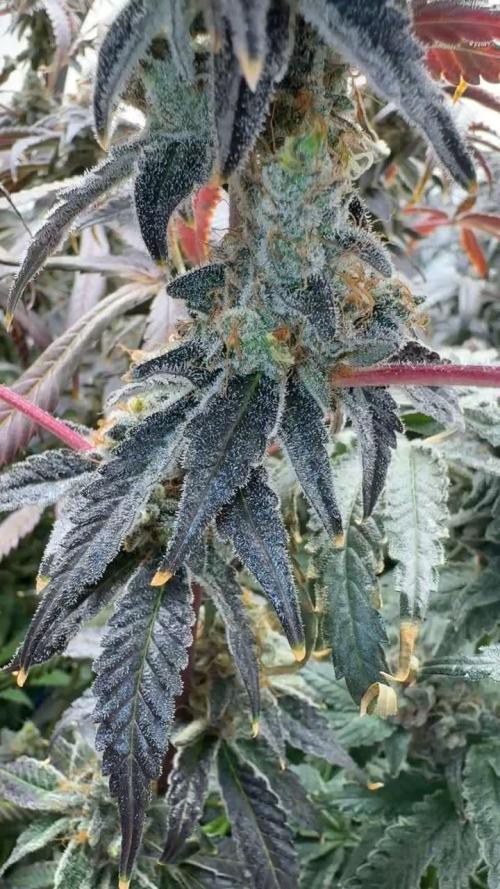
14.12: Last week; we’re about to finish! Will update you soon. Keep an eye on the harvest posts.
16.12: Fade about to run out will change to RO+Cleanse when it does, Will run 3 days of RO to as scheduled from Athena on 6-6.4
I did write a reaaaaaally detailed post but growdiaries managed to delete/not post it


Likes
1
Share

@JVKdopegrow
Follow
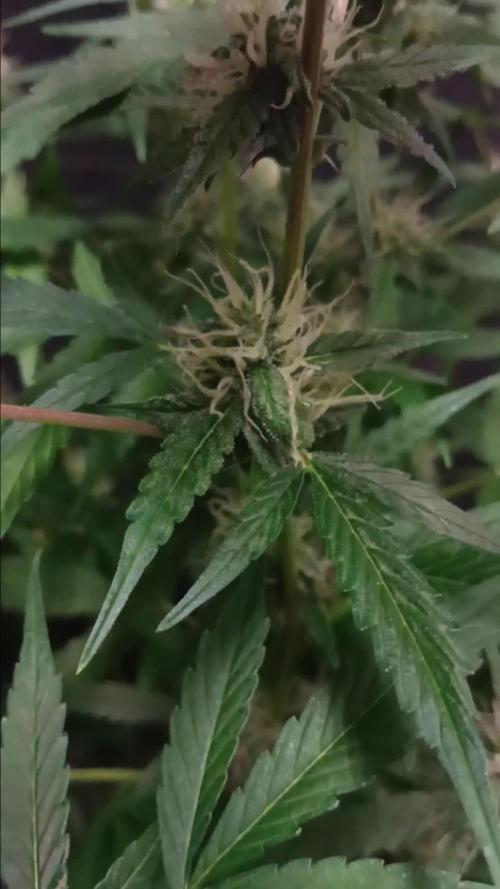
The stretch is over, all growth now focused on the flowers. The buds are beautiful and getting fat like a Peter Paul Ruben painting. Increased the bloom component of the nutes. Smells like candy.


Likes
11
Share


@Sejnik
Follow
Tento týden jsem provedl pořádnou defoliaci a odstranění nízkých větví, které se nedostanou na světlo.
Zakoupení odvlhčovače nepomohlo snížit vlhkost.. budu muset pravděpodobně v budoucnosti zalévat menším množství vody.
D82/19 Čtvrtek
Každá z holek dostala 1,5l vody bez živin.
Poté jsem rozpustil 2x RQS bloom booster tablets ve 13 litrech vody do které jsem přidal i ostatní živiny vypsané výše. Tento roztok jsem rozdělil mezi mé dívky.
Každá tím pádem dostala 3 litry vody a částečně jsem tím propláchl substrát jako prevenci usazování solí.
Likes
3
Share


@gammacrowns
Follow
growbox upgrade from 0.36m² to 0.64m²
This is my second DWC grow. On my first run, I used Plagron Aqua and got good results with healthy-looking roots.
This time, I’m using Canna Aqua under the same conditions and with the same water, but the roots look much worse. Here is the result.
Has anyone had a similar experience with Canna Aqua? Could the nutrients be causing this, or should I be looking at something else?
Both plants are affected, they are different strains.

Likes
7
Share


@herbalistssword
Follow
Weather is really bad. I've moved her inside to avoid mold :s taking her out whenever rain stops to get some light. Hope she pulls through.
Some leaves are getting grey, not sure if it is because of environment changes or what. Grow question asked said mg deficiency, but after looking at symptoms it is quite different. I'm leaving her and assuming it is ok

Likes
37
Share


@Roberts
Follow
I just cut her down like 3 weeks ago. Gd was having update issues. It had pretty purple flowers. They had a nice layer of resin on them. I will update more when I do the smoke report, and have it processed and ready. Thank you Gen1:11, Medic Grow, and Ganja Farmer. 🤜🏻🤛🏻🌱❄️
Thank you grow diaries community for the 👇likes👇, follows, comments, and subscriptions on my YouTube channel👇. ❄️🌱🍻
Happy Growing 🌱🌱🌱
https://youtube.com/channel/UCAhN7yRzWLpcaRHhMIQ7X4g

Likes
9
Share


@Mr_nugs_lover_David
Follow
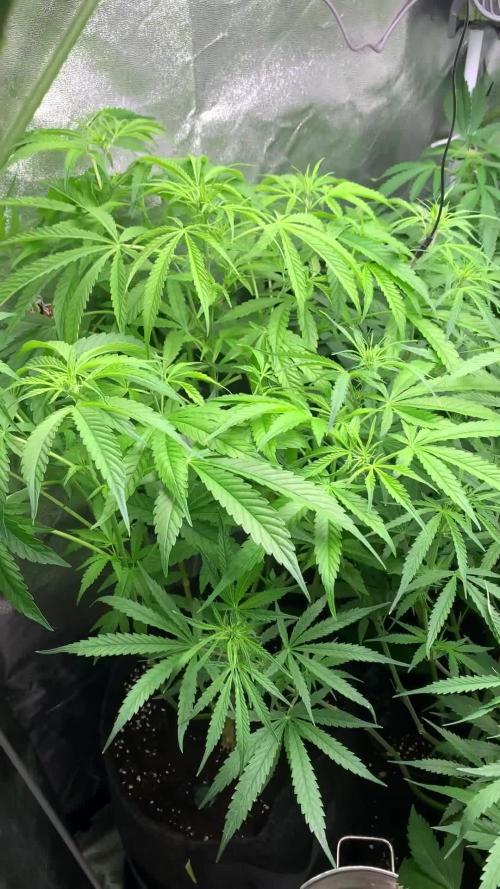
Hello everybody!!,I'm very very sad this time guys,a few weeks ago I had some kind of fungal infection because humidity went to high with the rain and I had to take away 3 of this 4 ladies plus the other one I lost at the beginning because they were 5 and it was due also to a fungal infection however she was in seedling stage and I got the evil dumping off,the good news is that I'm enjoying soo much the only one I have,she's in full flowering and she's producing amazing sweet terps,you can't imagine how disappointed I am,I would have loved to have my 5 girls in full flowering now,I'll griw her Photoperiod version no matter what,I'm in love with her suoer floral and sweet aromas,I recomend this strain to everyone,you will enjoy her so much.peace growmies and cannalovers! ❤️💚💛🌱✌️ #LEGALIZEIT!!!!!!


Likes
43
Share


@TheCannaProphet
Follow
~ GG4 SHERBET FAST FLOWER by FastBuds ~
Well fam, here we go again with another epic strain from FastBuds Fast Flowering stable. After having such tremendous success growing their Gorilla Cookies Fast Flower outdoors last year, I've decided to run another of their fast flowering strains outdoors this year... GG4 Sherbet Fast Flower!
The best description of this awesome cultivar comes directly from my friends at FastBuds which is as follows:
"Bred from extremely potent and flavorful Gorilla Glue and Orange Sherbet genetics, GG4 Sherbet FF (Fast-Flowering) takes all the best traits to the next level, offering a high-yielding strain that can produce up to 600 g/m2 in a 7-week flowering time. This super resilient Indica-leaning hybrid thrives indoors and outdoors, and in all types of climates while producing mouth-watering sweet, fruity, spicy and earthy terps that translate into a delicious sugary hazelnut aroma. Expect an extremely relaxing and overall happy effect that’ll leave you with a huge smile from ear to ear. It’s the perfect strain for growers of all levels of experience seeking low-maintenance yet highly productive photoperiod varieties that deliver quality and quantity without extra effort.
GG4 Sherbet FF grows chunky buds with long dark orange hairs and spade-shaped calyxes that get encrusted with trichomes by harvest time, giving them a gorgeous silvery-white appearance. This medium-sized photoperiod can reach up to 200 cm in height and yields up to 650 g/m2 while developing that typical hybrid structure. GG4 Sherbet FF grows with a stocky, bushy appearance, developing one sturdy main cola and fat side branches that support huge yields without much effort. This super-fast variety produces distinctive light-green buds with a high bud-to-leaf ratio, making your trimming sessions a breeze. It’s a top-notch resin producer that doesn’t need much maintenance and will thrive in almost every climate, rewarding growers of all levels with extremely flavorful resin that makes for outstanding hash end extracts."
________________________________________________________________________________________________________________________________________________________________________________________________________________________________________________________________________________________________________________________
The Setup:
This is going to be an outdoor grow, but I have started the GG4 Sherbet Fast Flower indoors as our weather is still too cold to put her outside (nighttime temp's dipping regularly into the 30's℉).
The plan is simple... let her grow inside under a 19/5 light schedule until the nighttime temperatures stay above the mid 40's℉, at which point she'll be moved outside and transplanted into the soil which I have already setup and inoculated with beneficial microbes, and then let the fun begin!🤪💚
________________________________________________________________________________________________________________________________________________________________________________________________________________________________________________________________________________________________________________________
Weekly Updates:
8/10- Wow! Here we go into Week 4 of flower for the GG4 Sherbet Fast Flower by FastBuds and this lady is on a mission! The GG4 Sherbet FF has large cola's forming all over her and they are rapidly stacking up. Her flowers are continuing to develop and are beginning to get a thick layer of trichomes on them!
8/12- Today, the daily watering routine continues at sunset with around 5g of well water from the hose. I also went into the canopy and removed a bunch of dead and/or completely yellowed leaves to keep the foliage clear of debris which can cause insect and fungal issues if allowed to get out of hand.
8/14- I am continuing to water the FastBuds GG4 Sherbet Fast Flower daily with 5-8 gallons of well water from the garden hose.
Yesterday, I top dressed the FastBuds GG4 Sherbet FF with 3 cups of Gaia Green 2-8-4 Power Bloom which I watered in with well water from the hose. I then applied 1/2 gallon of a nutrient mix I made up in 2 1/2g of well water consisting of: 1/4 cup Neptune's Harvest Seaweed(kelp) plant food and 2 1/2 tsp. of Plantonics Amino Bliss.
8/16- We have rain in the forecast over the next three days. There were a couple of passing light rain showers today which didn't provide a lot of rain so I went ahead and watered the GG4 Sherbet FF with approximately 5g of well water just to make sure that she didn't get thirsty.
There's a month in flower for this beautiful fast flowering cultivar from the experts at FastBuds and all I can say is WOW! I can't say enough positive things about this strain and will, for sure, be running it again! See you next week!😎✌️
Thank you for checking out my diary, your positive comments and support make it all worthwhile! 💚Growers Love!💚😎🙏
Processing
Likes
6
Share


@Flydope21
Follow
Week 2 veg. Starting some LST this week. Pretty new to this so hopefully all goes well!

Processing
Likes
2
Share


@GaliforniaWeeds
Follow
Día 5/10/20 día 11 de vegetativo
Buenas. Acaba de amanecer para nuestras nenas y todo avanza genial. Cada día crecen en su zona aérea, síntoma de unas raíces sanas que se desarrollan bien. Las condiciones climáticas siguen sin cambios y la nutrición la altérnanos con riegos de agua más enrraizante. No te pierdas las actualizaciones, esto no para!!
Día 7/10/20 día 13 de vegetativo
Las nenas tienen un buen color, síntoma de salud, ni sobre fertilización ni carencias. Condiciones climáticas y nutrición estable. Trabajaremos para que todo avance como hasta ahora.
Día 9/10/20 de vegetativo
Cada día las pequeñas son un poco menos pequeñas y continúan creciendo y por el momento este es el único cambio, una buena señal sin duda.
Día 11/10/20 día 17 de vegetativo
Continuamos regando las nenas con agua más ryzofuel a 5.8 de ph, por el momento demandan poco y no necesitamos darles más.





Likes
20
Share


@LaGrassaFarm
Follow
Buena semana tengáis. Por aquí están las pequeñas cada vez mas grandes. Bastante contento en general con su crecimiento diario. En esta semana le he añadido a la solución de riego, CalMag, es un aditivo de calcio y magnesio, que en mi caso que riego con agua de osmosis, le aporta calcio y magnesio a la planta. Y esta vez le aporté el Vitalize por riego foliar, potenciando así su efecto. También he añadido otro foco al espacio de cultivo, para que tengamos las misma luz por todo el espacio disponible. En este caso de trata de un Nagasaki de 240W. Que ahora mismo lo tengo puesto al 50% de su potencia. Por aquí os dejamos hasta dentro de otra semana, un saludo y muchas gracias por todo el apoyo.

Likes
25
Share


@Kush_queen
Follow
All is great with my ladies this week the buds are fattening up nicely I got alot of bud sites and they are all developing beautifully the 2 plants that were approximately a week behind are also now fully flowering thankfully
The extractors are working hard keeping the humidity low temps are around 28.5 lights on and humidity is 42 they are drinking more and they are getting the full recommended monkey nutrients and the Zues pro 600 is on 100% finally.
Let's hope the ladies keep improving
Stay blessed 💚


Likes
13
Share


@FlavoursUk
Follow
Day 15 - The start of week 3 and the girls are really taking off, from 1-2 Inches of vertical growth daily. Consuming a good amount of water, almost leaving the bucket empty. lol.
Lightly defoliating to keep the bud sites exposed to light, as they get bushy very fast and recovery is only taking a day for them to bounce back. Pretty happy with how things are going right now. Slightly increased the EC by .2 but not enough to burn them.. which is the goal. Grateful for my trolmaster unit as it has made keeping tracking of my parameters much easier and effortless.
Day 16- Topping up the res with RO water every two days. Otherwise I'm sure it would be empty! Pistils are showing and the bud sites are very visible. Seeing one pheno with slightly more sativa dominant traits. Luckily I took clones so I can run the best pheno next time around, although all these plants are special. Still going through the flower stretch. Excited for what is to come. Stay tuned for the results.
Day 18 - As you can see, the difference is night and day over a period of 2 days they have had an explosion of growth. They were
heavily defoliated on day 17 and bounced back within a day. Happy plants preying. Bud sites are forming everywhere now. Not much to report. Until the end of week 3 in a few days. Bring on week 4.
Follow my Instagram and YouTube (link in bio)