


Processing
Likes
Comments
Share


@GardenSchool
Follow
February 2, 2021 (Week 4, Day 29): The plants grew enough overnight to top at the third node. This is the second and last time I'll be topping these plants - this is the Nebula method of manifolding. I also took off the second node of each growth stem as well as the original fan leaves. I've pressed them in my plant press to save the memories of my experience with my first grow. I also redid the LST on every plant. The new growth sites I've pinned to the fan leaves. I really enjoy doing LST, it's quite therapeutic to figure out just how to support the plant without harming it. I think I am getting great lateral growth so far. The main growth stems are swelling a lot at the bases. Medium is still wet from yesterday - lightly tilled about a half inch of top soil. I've turned down the humidity another 5% this week. I'll keep it there most likely until I start the flowering cycle. Averaging 60% rH and 78℉. Plants are happy, and I am happy. 😸
February 3, 2021 (Week 4, Day 30): Plants are looking good this morning. The nitrogen toxicity in Unknown 2 is beginning to subside. Now Unknown 1 seems to be having a nitrogen toxicity as well - slight leaf curling at the ends with a very lush and dark green color. I am assuming this soil is still very hot. As I've lowered the humidity I suspect more nutrients are being sucked in through the roots instead of transpiration through the leaves. I think the plants are going to take a little bit to get used to the hot soil, but I bet once they do they'll be as happy as ever. Medium is still slightly moist this morning, no watering. I tilled a half inch of top soil again to keep everything aerated. Most likely will water tomorrow or the next day. My LST seems to be holding nicely. I tied down Unknown 2's first growth tips as the fan leaves have finally straightened out after the topping yesterday. New growth tips are emerging nicely from the third node of each lateral stem. Averaging 60% rH and 77℉. Nothing else to report for today.
February 4, 2021 (Week 4, Day 31) : Growth looks good overnight. I think this second topping is confusing the plants a bit. Lots of bulking of the stems, but not much lateral growth. I have a feeling they'll take off over the next few days. They're still growing really well. I posted a grow question last night having to do with little white bead-like structures growing on the surfaces of the leaves on every plant. I was concerned it may be a mold or fungus starting to grow. I did a bunch of research and it seems to be early trichome development called "sessile glands". I still have the question open and I am trying to get confirmation. Really hoping if they're trichomes that's a good sign that these plants are going to be frosty. I uploaded some pictures to show the development. Over night they started to grow everywhere on the leaves - hopefully they really are just trichomes and I am being over-vigilant. Better safe than sorry. I watered the plants today without nutrients; 3 liters per plant pH'd to 5.8. Runoff sitting at ~6.5 pH now which is much better. I'll continue to run 5.8 pH solution until I see the pH of the soil come down to at least 6.2-6.3. Tomorrow I'll most likely have to defoliate a bit and tie down the second sets of growth stems, as they're beginning to stretch and grow vertically. Averaging 60% rH and 76℉. Happy growing all! 😸
February 5, 2021 (Week 4, Day 32): The plants are exploding with growth now. I defoliated the fan leaves from the first node on every plant and tied down the growth stem for lateral growth. These plants are meaty as hell. The stems are thickening really quickly and I am getting tons of foliage and stem growth. The third nodes are starting to come around. I think I figured out the "mold" issue I thought was starting. They're definitely trichomes, not mold. I touched the leaves that were sparkling and my fingertips got sticky, oily, and reeked of weed - so that's great news. The smell in my grow room is getting stronger every day. While defoliating this morning I found my first pre-flowers on Gelato 1! It looks like all the plants are female, but Gelato 1 threw some pretty pistils at me to get my attention. Seems like the plants are reaching maturity. Depending on growth over the next few weeks it may be time to switch to flower soon! I am aiming for about 16" in veg before switching. Seeing these pre-flowers made me so anxious for flowering. Unknown 1 and Unknown 2 are doing great as well - all the signs of the nitrogen toxicity have subsided. Unknown 2 has more trichomes on the leaves than any of the other plants, and its foliage is a beautiful deep green. They are either different phenotypes or different strains entirely as the two of them are growing and looking quite different. Unknown 1 is much lankier so I suspect a different strain. Unknown 2 is especially squat and I suspect it's 100% indica or close to it. Medium is still wet. Averaging 60% rH and 77℉. No other news today.
February 6, 2021 (Week 4, Day 33): Last 24 hours I have seen at least an inch of lateral growth per growth stem on each plant. These girls are absolutely loving life from the looks of it, they're growing incredibly fast. I redid a bunch of LST today. Had to move every tie up one node. Medium is still moist. Lightly tilled half inch of top soil. Gelato 1 is shooting out more pre-flowers. Thanks to my wife we have new friends that have joined us in the smart pots. 😸 Averaging 60% rH and 75℉. Happy weekend everyone!
February 7, 2021 (Week 4, Day 34): These girls are chugging right along. Tons of great lateral growth every 24 hours at this point. Having to adjust LST pretty much every morning to accommodate for the crazy growth. Gelato 1 is a freak of nature - the fan leaves are gigantic. Defoliated again today; took the fan leaves from the third node of each plant. Will be defoliating the first node of the secondary growth stems tomorrow most likely. Medium is slightly moist. Tilled the soil again. Will be watering tomorrow morning most likely. There's still a little dropping at the ends of the leaves so I will hold off on nutrients until all nitrogen toxicity has subsided. Averaging 60% rH and 77℉. Nothing else for today.
February 8, 2021 (Week 4, Day 35): Watered today with 3 liters of 5.8 pH filtered water per plant (no nutrients) - runoff around ~6.7-6.8 pH. Will most likely resume nutrients upon next feeding depending on how the plants look. Defoliated entire first node from center four growth stems and tied down third nodes. Readjusted outside LST. The plants are almost to the outside of the pot which is when I'll switch to vertical growth. Unknown 1 is very close to being let loose, it's also pre-flowering now. Gelato 1 is now covered in pre-flowers - it's definitely a happy plant. Unknown 2 is still the runt of the group but also appears to be almost 100% indica by how stout it is. It's showing sex but no pistils yet. All three plants seem to responding well to mainlining and the stress isn't making them skip a beat. Stems are getting huge. I downloaded an app on my phone to check how well my lights are doing and, if the readings are accurate, I am very impressed with these lights. I've read cannabis can handle around ~65 DLI, so I am right where I need to be. Averaging 60% rH and 78℉.
That ends week 4 of veg. Time is flying. Hoping to switch to flower in two weeks for a total of six weeks in veg. Getting super stoked to switch over! Happy growing everyone! 👽

Likes
7
Share


@Thigh
Follow
Shes getting bigger 😄 weather is also slowly gettin better👨🏽🌾 she is a little bit younger as my Zkittelz plant, but i think she is a Little Bit Slower as the Zkittelz. Maybe too much Stress.

Likes
13
Share


@COCOBAM
Follow
She is getting more and more white hairs.
We exposed a little more the bud sites.

Likes
65
Share


@Dendegrow
Follow
Week 4 update! 🌱 Week 3 is done, and the ladies are now three weeks into their flowering phase. So far, everything has gone really well. However, one bud and the plants in the front showed slight signs of potassium overfertilization, which likely caused a calcium uptake issue and led to minor necrosis.
No worries, though – today I completely flushed the entire system and replaced it with a fresh solution. With this reset, everything should be back on track 💪💧.
On top of that, I decided to bring out an old Cree& Osram LED lamp as a booster. This will provide the two smaller front plants with more light intensity so they can metabolize the higher nutrient levels more effectively 💡🌿.
Everything is looking great so far! Stay tuned, follow along, and let’s see how this journey continues 🌺📸.
Woche 4-Update! 🌱 Woche 3 ist geschafft, und die Ladies sind jetzt drei Wochen in der Blütephase. Bis jetzt lief alles super. Eine Bud und die Pflanzen vorne zeigten jedoch leichte Anzeichen von Kalium-Überdüngung, was wahrscheinlich zu einer Kalzium-Aufnahmehemmung geführt und leichte Nekrosen verursacht hat.
Kein Grund zur Sorge – heute habe ich das komplette System gründlich durchgespült und die Lösung durch eine frische ersetzt. Mit diesem Reset sollte jetzt wieder alles reibungslos laufen 💪💧.
Außerdem habe ich beschlossen, eine alte Cree& Osram LED-Lampe als Booster herauszuholen. Damit bekommen die beiden kleineren Pflanzen vorne eine stärkere Lichtintensität, damit sie die höheren Nährstoffwerte besser verstoffwechseln können 💡🌿.
Es sieht alles richtig gut aus! Bleibt dran, folgt mir, und lasst uns schauen, wie sich die Reise weiterentwickelt 🌺📸.


Likes
24
Share


@nanaboham
Follow
Humidity and temperature back under control for a while. Buds look a little lite so could be another month off. Will probably start flushing in 3/4weeks. Gonna add some overdrive too.

Likes
63
Share


@Ferenc
Follow
Day 80, 22nd of October 2020: 3rd week of flowering! Happiness she needs a lot of boost hard to keep up. She loves fertilization too much..... I mean before always craving for nitrogen now qould need more potassium and phosphorus hard to keep up. I also detect deficiency based on the leaves getting lighter and brown spots but I do feed her as much as I can really.
This week i have relised the first nice trichomes started "sitting" on the leaves as well and the pistils coming out nicely pre flowers forming. Let's go.

Likes
54
Share


@Roberts
Follow
Gorilla cookies was doing really good until last 24 hours. Looks like a little phosphorus deficiency on leaves. I flushed her out and refreshed nutrition. Ph is good and everything is set. Hopefully she should bounce right back. Thank you Spider Farmer, and Pure Instinto Seeds. 🤜🏻🤛🏻🌱🌱🌱
Thank you grow diaries community for the 👇likes👇, follows, comments, and subscriptions on my YouTube channel👇. ❄️🌱🍻
Happy Growing 🌱🌱🌱
https://youtube.com/channel/UCAhN7yRzWLpcaRHhMIQ7X4g
Spider Farmer G300w: https://amzn.to/3S2zvsd
Spider Farmer 10X20 Heat Mat Kit - https://amz.fun/lsa0J
Spider Farmer Amazon Store: https://www.amazon.com/spiderfarmer
Spider Farmer Official Site: https://spider-farmer.com
Discount code: saveurcash (stackable)

Likes
40
Share

@THcHunteR23
Follow
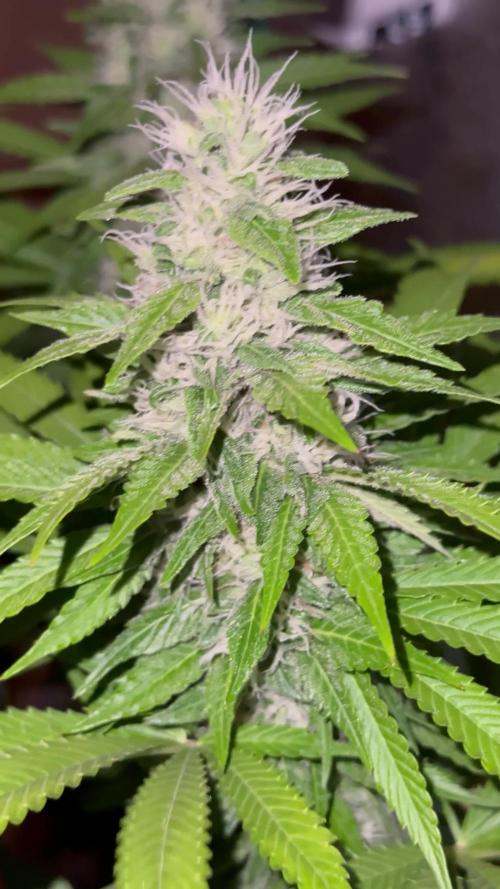
C’est deux la 2 me font vivre des montagnes russes chaque semaine 😅cette bête mérite d’être apprivoisée !

Likes
5
Share


@GhostmanGrows
Follow
Because of the hight and cold we have some and very different Pheno's its not gonna be my best run.. but we have still got some time..
Likes
3
Share

@RakonGrow
Follow
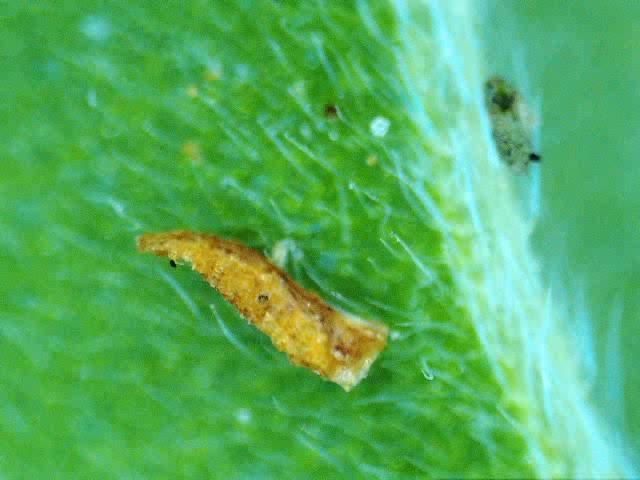
it is a pests on my leaf ? or just something ? watch the video ,it shows you in 300x and 60x optical Zoom !! what you thing about it ? , the backside has 2 looking like a coocon or a sleeping snail . What you think it is ?
Likes
11
Share


@Farmer1
Follow
Love to watch here growing,she need a new pot and LST,I didn't have much Time but will be done in the next days.
Likes
92
Share


@DogDoctorOfficial
Follow
Week 5 Veg Report: SCROG Netting, Massive Leafs & Precise Data Mastery!
🌱 Girls Growing Stronger Than Ever! 🌱
This week has been truly epic in the grow room—so much so that it’s time to bring in the SCROG net! With the canopy expanding and the younger ones still working to catch up, the SCROG net will help me achieve that perfect, even canopy. A well-placed SCROG not only ensures better light penetration but also gives the smaller plants a chance to spread out and thrive alongside their bigger sisters.
Now, let’s dive deep into the SCROG method.
The Screen of Green (SCROG) technique is a grower’s secret weapon for maximizing space, light efficiency, and yields. The concept is simple but powerful—train the plants to grow horizontally along the net, forcing them to expose multiple budding sites instead of just a single cola. This way, the canopy spreads evenly, improving light distribution and air circulation throughout the tent. As the plants grow, I’ll gently weave their branches through the screen, ensuring they fill every square inch of space. The end goal? A sea of buds all basking in equal light!
💪 Huge Leafs Everywhere! 🌿
One thing that’s really catching my eye this week is the size of the leaves—they’re HUGE! Honestly, they’re so big I couldn’t resist a little fun, so I made myself some fashion accessories: leaf earrings and a cap from the Super Sativa Seed Club Green Papaya! 😂 And, of course, I captured the moment. But seriously, large leaves at this stage are a great sign of healthy, robust plants. These “solar panels” are hard at work soaking up all the light, driving photosynthesis, and fueling growth.
So, what does it mean when your plants are showing off big, luscious leaves? It’s a clear indication that they’re happy, healthy, and thriving in their environment—big leaves mean lots of energy being produced and stored for future bud growth. Exactly what we want!
💧 Precision Feeding with Aptus Nutrients 💧
This week, I took a deep dive into my Aptus nutrient lineup and shared a video explaining how each product affects the water’s pH and TDS. Using the AMP-3 Precision Meter, I’m getting real-time water readings and keeping everything dialed in perfectly. Let’s break it down:
• pH: 5.83
• TDS in solution: 445 ppm
• Water temperature: 25.2°C
The Aptus products are incredible for balancing nutrients without throwing off the pH or TDS too much. I’m fine-tuning my feedings based on these readings to make sure the girls are getting exactly what they need. The precision I’m able to achieve with the AMP-3 is mind-blowing—I get immediate feedback on pH, temperature, and EC, allowing me to make real-time adjustments and ensure the perfect environment for nutrient uptake.
📊 Environmental Mastery Thanks to TrolMaster 📊
Speaking of control—let’s talk about the TrolMaster system! Between the DSH-2U Humidity Station and all the other sensors, I’ve created the perfect environment for my plants. Here’s where we’re at this week:
• Temperature: 26.2°C
• RH: 70.6%
• CO2 levels: 775 ppm
• VPD: 1.0 kPa
• PPFD: 423
Thanks to TrolMaster, I can monitor and adjust these metrics in real time, and the best part? I can do it all through the TM+ Pro app, even while I’m lounging in my green papaya leaf hat! 😆 Whether I’m checking the CO2 levels, adjusting the lights, or fine-tuning the humidity, it’s all in my hands with just a tap of my phone. Talk about convenience!
🌱 P.S. – Inline Sensors: Heavy-Duty Precision 🌱
Now, let’s talk about the heavy-duty players in this game—the (PCT-2) Heavy Duty Inline EC/Temp Sensor and the (PPH-2) Heavy Duty Inline pH Sensor. These bad boys are connected directly to the AMP-3 Precision Meter, and they’ve been absolutely crucial in giving me the most accurate readings on my water and nutrient solution.
The PCT-2 keeps me informed about the electrical conductivity and temperature of my solution, which is key for monitoring how well my plants are absorbing nutrients. Too high or too low, and we’re asking for trouble, but this sensor ensures I’m always in that perfect range.
The PPH-2, on the other hand, is all about maintaining the perfect pH balance. A fluctuating pH can mean nutrient lockout or deficiencies, but thanks to this sensor, I get a constant read on my pH levels, so the plants are always in their sweet spot for optimal nutrient absorption.
Together, these inline sensors allow me to run a super-tight ship—every drop of water and nutrient is dialed in to perfection, keeping the plants happy and healthy!
Shout Outs!
As always, huge thanks to TrolMaster and ThinkGrow LED for the amazing gear, to Aptus Holland for their top-notch nutrients and Pro-Mix for the best soil i have used so far. Big love to the seed banks, the amazing Grow Diaries community, and all my followers—you guys make this journey so much more exciting. Don’t forget to catch up on my social media, Instagram, and YouTube for real-time updates and exclusive content!
Stay tuned for more—next week is going to be epic!
DogDoctorOfficial Discount Codes so you can save big on your next check out 💚💚💚
Kannabia - DOGDOCTOR 30% off
SeedsmanSeeds - DOGDOCTOR 10% off
CannaKan- DOGDOCTOR 15% off
terpyz.eu - DOCTOR 15% off
The Neutralizer - PORKIT5-DOG 15% off
Growers Love to you all 💚💚💚


Likes
116
Share


@AsNoriu
Follow
Day 72 since seed touched soil. All is okeish in garden. Twins are showing signs of light burn and toxicity. I always get toxicity during first few waterings with slow release nutes. One twin is bigger and way frostier than any other plant in garden.
Mars TSL2000 is now on very healthy distance. Works fine.
Temps are in good range. Humidity spikes to 70 on watering day, but is in 60-65 during others.
Happy Growing !!!
Likes
18
Share


@CraftedFlower
Follow
This plant was an absolute joy to grow. She was photogenic and really something that has stood out to most grows as far as looks go. The purples and hints of red caught everyone's eye. The vigor during veg was something I've never experienced; it was amazing. It seemed to enjoy being topped! I really wish flower had produced bigger buds, but they seem pretty dense, so I’m hopeful. Great job as usual Ethos!
Likes
5
Share


@DemonDabsSolventless
Follow
🚨🚨🚨🚨🚨
Week III
🚨🚨🚨🚨🚨
A WEEK OF A LOT OF PATIENCE, PLANTS STOPPED AND I TRIED TO MODIFY THE WIDE ASPECT OF LIGHT TO UNLOCK THEM, AS I HAD ALREADY SCHEDULED LET'S PULL ON TO 6 WEEKS OF VEGETATION AND WAIT FOR BETTER DEVELOPMENTS
📝📝📝📝📝
Notes
📝📝📝📝📝
CHANGE IN THE WATERING JOURNEY, LEAVING 1 WATERING DAY FOR 2 DRY WATERING FOR EVERY DAY NO, BEING 1 WATERING WITH NUTRIENTS AND ANOTHER WATER ONLY.
📝📝📝📝📝
Likes
34
Share


@MisterSix
Follow
Week 5 for my plant so far it might be 4 more week to go, i have cut down a little bit of nitrogen
The bud get nicer and got more trichomes but it seem not harden up by now.
I have 5 large branches as in the video and 5 other small branches, how many gram dry will i get anyone have a guess i'm excited
the last picture is the bud i cut down because the downside of it has greymold, i dry it for 5 day and cure for 6 day seem pretty nice, enter your thought :)
If there anything i would do in this stay to maximize the crop, need suggestion
Processing
Likes
10
Share


@RivenWaters
Follow
Hot and humid week, training canopies, hope to see buds soon!

Likes
32
Share


@LapsekiliTayfur
Follow
Day in and exit fan 15 min off 15 min on Van is full on
Night in and exit fan 30 min off 15 min on Van is off
Lst tranings return
Day 35 Short Flowering 2gr/1L 1Liter Per Pot
Day 40 Short Flowering 2gr/1L Booster 1gr/1L 1Liter Per Pot


Likes
28
Share


@GodZilla_Owner
Follow
The Red Pure develops extremely quickly. I have therefore not been able to keep up with the fertilisation scheme in time to switch to the flowering fertiliser and also adjust the CalMag ratio.
You can recognise a slight lack of potassium and magnesium.
Nevertheless, it continues to develop very well and you can see how the flowers and leaves are slowly turning purple.
Likes
3
Share


@Nookandplant42o
Follow
It's drinking a lot of water, obviously because of its huge size, smaller doses of nutrients to go little by little, the shape of the tall buds, they're much more resinous with this update, I'm hoping for more time with this one due to its size and little light.
