


@Pedrojuan
Follow
La producción fue de solo una planta, la otra fue invadida por la de la izquierda que le sacó espacio de luz y no creció bien dio cogollitos muy pequeños que he descartado. 153 gr secos😕 esperaba más.



@youdan
Follow
Il ciclo è stato veloce e veramente molto produttivo! E stata superata 3 volte in modo che avesse 8 cole principali, i realtà poteva prendersi un altra tagliata (per riuscire ad averne 16) ma non ho voluto farlo perche avevo un vaso da 8 litri, se avessi avuto un vaso più grande sicuramente avrei continuato a fare topping!
E stato un vero piacere vederla crescere ho voluto farla crescere fino a quando avesse avuto i tricomi al 30ambra e 70 latte e così ho fatto! Ho controllato con il mio lumagny 100x e una volta raggiunto un 10ambra e 90 latte ho iniziato fare il flush (dando solo acqua ed enzimi per i primi 4 giorni e per i successivi 7 ho dato solo acqua. Quando ho controllato i ppm di scarico defluiva solo 380-400ppm (che era i ppm dell'acqua iniziale)....
E stato bellissimo lavorare a questo progetto con tutti questi sponsor perché ogniuno a modo suo mi ha insegnato qualcosa è come potete vedere i risultati parlano da soli! Le piante non mentono MAI!😝
Volevo anche offrire l'opportunità a tutti voi di poter acquistare qualsiasi cosa voi vogliate su hempatianetwork oppure su bioponicagrowshop con il 20% di sconto basta inserire il coupon con il codice:
CURATIDASOLO
ed in automatico avrai il 20% su tutti gli articoli! Spero che sia di aiuto! La prossima settimana pubblicherò le foto del raccolto (veramente generoso pesata con tutti gli steli superava il kg!)
Non voglio svelarvi adesso il peso perché vorrei conservarlo per la.prossima settimana come sorpresa per tutti voi quindi miraccomando STAY TUNED! 🌈🌱👇🏼


@Elogrower
Follow
LST started only on the Northern Lights and one of the Lemon Shining Silver.
All nutrients only being applied to the automatics (N. Lights and Dwarf). The Lemon still being fed with Grow, Fish, Heaven and Acti-vera plus small portions of Call mag as preventive.
Quantity of water was reduced to improve the drainage and also to raise the amount of watering in a week. Before 2 times, now 3.
Notes:
The N.L 02 is growing in a pure soil as an experiment. Dark green leafs and fast growing terpenes.
The N.L 01, she's growing with only the fingers leafs.
Dwarf is the most beauty and healthy between them.
All those three Lemon are growing beautifully and look going pretty well in hers vegetative phase. LST applied only in one of them as an experience.


@WhiteWidow
Follow
Hello friends, I planted this plant as an experiment as you can see but today in day 17 from seed i decided to share this growth here coz it surprised me with the so far growth. Sorry for lacking photos from week 1 but i didnt take pictures.. she is under the sun whole day and 4 hours 250w HPS... and as you can see some leaves curled in coz she is too young for 250W hps 25 cm from her..
So far I foliar fed her and regularly watered, dilluted 2ml/L of B-52, 2 ml/L fitobacillus (essential bacterias and enzymes) and foliar sprayed her. With every watering so far i put 2ml/l fitobacillus and 2ml/ B-52 and mycorhizae in the very first and second watering.
As you can see her main stem is already fatter than average for that time of growth and the root mass is so dense and thick, also many many hairs ready to absorb some nutes so tmrw will be her first nutes dosage, day 18 that will be from seed.
I am hoping only that the pot size will not restrict her growth, as the roots already reached the bottom and started to curl back in.. but their colour is bright white and i have no worries bout rot or similar, at least so far so good :D
Stay tuned brothers and sisters, all my grows are for you in order to learn ultra fast all the interesting and mind intriguing stuff by following only one grower. @James drop an eye here, you did a good job with genetics on this one..
Kisses to all from white and Team Wolfpack 😎✌️
UPDATE same day LOL
I decided to transplant her to a 3 gallon fabric pot coz those roots got me so surprised and i prepared a good nutes mix for them.. you can
see the health potion in the video that contains myco and nutes
UPDATE 10.10.2107.
Today i applied some more lst to maximally expose side branches to the sun. You will see some interesting pics and vids explaining my low stress training technique. I blv this plant's main goal in life to be LST'd. Dont be afraid, side branches will be thankfull and your harvest will be thankfull..
You can se some lst with side branches and how i tucked the leaves and made sure they stay there using the green wire and forming that shape on the pic.
Today i also noticed a white hair showing up, still not sure if it is starting to flower in her DAY 19 from seed, or is it just "stress defending mechanism".
Seems to me i will find out soon :)


@PatriciaGant
Follow
Dane, We all should help one another.
Human beings are like that.
We should live by each other’s happiness - not by each other’s misery.
We don’t want to hate and despise one another, share the Joint.
And mother earth is rich and can provide for everyone.
We can Grow enough Happiness, In this paradise, there is room for everyone.
We only exist to bring joy into the world and The way of life can be free and beautiful,
but we have lost the way.
Grow High and Give the world A smile.
At the end we own nothing more then all our memories, lets make them amazing for everyone,
nothing to loose only everything to win.
A last kiss goodby, a second one, softer and long as a sign, that you are woth it.
That Everyone worth who loved and give.
Enought Hippie Talk, now have a nice day and an even better grow, thx for watching by.
((From Seed 🌱
week report:
(49 refill bucket 4L


@BigBadLion
Follow
Sorry for the huge delay, I wanted to update this earlier but COVID-19 happened everywhere and many things happened where I live. Nonetheless, I have all the photos and I'll be finishing this diary soon.
The smell of both of my babies was quite, quite strong. It even made me feel very dizzy every time I checked them.
During the week the leaves from Pistachio started to turn yellow while the ones from Matcha finally started to show signs of the excesses and burn, the mistakes I made earlier started to become more and more apparent so it was only a matter of time. Also, everytime a leaf started to die I removed it as soon as possible... but that might become more evident at the time lapse I uploaded!
This was the last week of flower for Pistachio, and I'll leave Matcha a couple more days with some direct light on her (I want her pistils to mature a bit more), but next week is finally the week when I cut them. Trichomes on both plants are ready! 😲
Thanks for reading!


@Ferinky
Follow
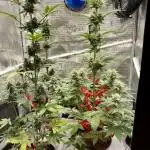
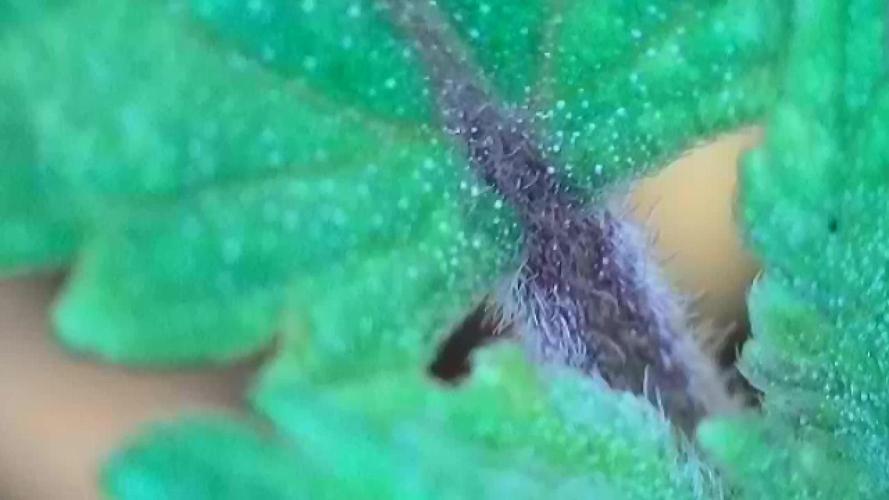
Hola y gracias por pasarte a ver mi diario.
Cuando compré esta semilla buscaba una variedad de rápida floración y con toques a naranja para completar mi cultivo de exterior.
La planta creció sin ningún problema excepto alguna carencia que presentó antes de tiempo, especialmente de nitrógeno.
Al ser un cultivo 100% orgánico y únicamente con riegos de agua del grifo sin añadir abonos líquidos era esperable, aunque el resultado final me deja muy satisfecho. Además, el hecho de añadir todos los nutrientes al sustrato me ha permitido facilitar la tarea del riego y no tener que realizar el lavado de raíces.
La planta se desarrolló en una maceta de 20L y ha producido 90g de cogollos secos, bastante duros y con una relación flores/hojas bastante buena.
El olor de las flores húmedas era bastante intenso y con matices dulces y cítricos.
Respecto a plagas y enfermedades ha sido muy resistente, no he apreciado signos de araña roja, pulgón ni trips gracias al aporte de harina de Neem en el sustrato.
Tampoco he sufrido el temido y habitual ataque de las orugas (ni la oruga de las hojas ni la del cogollo) gracias a las pulverizaciones en las fechas clave con Bacillus Thuringiensis.
Tampoco se ha visto afectada por el Oídio que normalmente aparece al final de la floración en la zona donde vivo, tampoco botrytis pese a ser cogollos densos y llenos de resina, por lo que la pastilla de Micorrizas y Trichodermas ha funcionado a la perfección, no sólo reforzando el sistema radicular sino también frente a los hongos invasores.
El clima también me ha acompañado este año, vivo en una zona cálida donde la temperatura suele ser óptima para el cultivo de exterior de cannabis, el mes de mayo llovió algún día de forma agradable, junio, julio y agosto fueron especialmente secos, solo llovió un par de noches a finales de agosto, y septiembre también ha sido muy respetuoso lloviendo solo 2 veces.
Por todo esto, siendo la primera vez que elaboro un supersoil, estoy seguro que para la temporada 2022 repetiré el sistema, haciendo algunos ajustes a la mezcla para evitar estas carencias que he comentado.
Quiero agradecer a Growdiaries.com la herramienta que nos brinda a los cultivadores (en mi caso cultivador clandestino) para poder realizar el seguimiento de nuestros cultivos y como, en mi caso particular, ha hecho que mi motivación y trabajo hayan sido una constante semana tras semana, por lo que ha influido directamente en el buen resultado final de la cosecha.
También agradecer a todo el que pasó por aquí durante el seguimiento ya que me dieron el apoyo necesario para mejorar en mi cultivo.
Un saludo.
Ferinky


@CalGonJim
Follow
9/15 12AM MONDAY!!! THEY ARE ALL DOING GREAT!!! VERY HEAVY AMINOS YESTERDAY, NO DAMAGE.
9/15 11:24PM. In plant cells, glutathione S-transferases (GSTs) act as transporters, facilitating the movement of anthocyanins from the endoplasmic reticulum (ER) to the vacuole for storage, though their exact mechanism is still being studied. The synthesis of glutathione (GSH) itself occurs in the cytosol of mammalian cells through two ATP-requiring enzymatic steps, while anthocyanins are synthesized via a separate phenylpropanoid pathway
9/15 11:42PM glutathione metabolism glutathione S-transferases plantsThinkingKicking off 5 searchesLooking at 71 sitesPutting it all together In plants, glutathione S-transferases (GSTs) are a diverse family of enzymes integral to glutathione (GSH) metabolism, primarily functioning in detoxification and stress response. The core of this process involves GSTs catalyzing the conjugation of the tripeptide GSH with various toxic compounds, or xenobiotics, making them less harmful and easier to sequester or transport. Glutathione (GSH) metabolism in plants GSH metabolism is a tightly regulated process that maintains cellular redox balance and protects against stress. Biosynthesis: GSH is synthesized in two adenosine triphosphate (ATP)-dependent steps:(gamma )-Glutamylcysteine synthetase (GSH1) joins L-glutamate and L-cysteine to form (gamma )-glutamylcysteine. In Arabidopsis, this enzyme is located exclusively in the chloroplasts.Glutathione synthetase (GSH2) adds glycine to (gamma )-glutamylcysteine to produce GSH. This enzyme is found in both the cytosol and the chloroplasts.Oxidation and reduction: GSH exists in two forms: a reduced monomer (GSH) and an oxidized disulfide dimer (GSSG).Oxidation: In the process of scavenging reactive oxygen species (ROS), GSH is oxidized to GSSG.Reduction: Glutathione reductase (GR) uses NADPH to reduce GSSG back into active GSH, which is essential for maintaining a high GSH-to-GSSG ratio inside the cell.Degradation: Glutathione can be degraded in the cytosol, apoplast, and vacuoles by (gamma )-glutamyltransferases (GGTs) and other peptidases, allowing for recycling of its amino acid components.Transport and compartmentalization: While synthesis occurs in the chloroplasts and cytosol, transporters move GSH and its conjugates throughout the cell, including to the mitochondria, peroxisomes, and vacuoles. Functions of glutathione S-transferases (GSTs) GSTs are a large, ancient gene family with diverse roles that extend beyond detoxification. The primary functions involving GSH are: Detoxification of xenobiotics and heavy metals: GSTs catalyze the conjugation of the thiol group of GSH to a wide range of electrophilic and hydrophobic substrates, including herbicides, pesticides, and heavy metals. The resulting GSH-conjugates are then recognized by ATP-binding cassette (ABC) transporters and sequestered in the vacuole, reducing their cellular toxicity.Protection from oxidative stress: Stress conditions like drought, salinity, and high light increase levels of ROS, which cause lipid peroxidation. 🚨Some GST isoforms have glutathione peroxidase (GPOX) activity, using GSH to reduce toxic lipid hydroperoxides to less damaging alcohols, thereby protecting cell membranes.Defense against pathogens: During pathogen attacks, GST activity increases to detoxify microbial toxins and secondary defense-related compounds. This helps to bolster the plant's resistance response.Metabolism of endogenous compounds: GSTs play roles beyond immediate stress response by participating in the normal metabolic processes of plants. Examples include:Hormone transport: Some GSTs act as binding proteins (ligandins) that transport plant hormones like auxins within the cell.Metabolite transport: Specific GSTs facilitate the transport of important compounds like flavonoids and anthocyanin pigments into the vacuole.Tyrosine degradation: The zeta GST class (GSTZ) catalyzes a critical step in the breakdown of the amino acid tyrosine.Redox signaling: By influencing the GSH/GSSG ratio and interacting with plant hormones, GSTs can regulate cellular signaling pathways that control growth and stress response. 🚨GSTs and plant stress response The expression of many GST genes is highly inducible by various environmental and endogenous cues, making them key players in a plant's ability to adapt to adverse conditions. Abiotic stress: Drought, salinity, heavy metals, and extreme temperatures all trigger increased GST expression, which helps plants manage resulting oxidative damage. Overexpression of specific GST genes has been shown to enhance stress tolerance in transgenic plants.Herbicide resistance: The ability of crops and weeds to detoxify herbicides through GST-catalyzed conjugation is a well-studied example of GSTs in stress adaptation. Herbicide safeners, chemical agents that protect crops from herbicide injury, work by boosting the activity of these GST enzymes.Developmental processes: Studies have linked the expression of certain GST genes to specific stages of plant development, such as fruit ripening, root and stem development, and flower formation. ""
9/16 12:32am
AI Overview
In plants, phenylalanine is the precursor for anthocyanin synthesis, a process that involves a multistep pathway in which glutathione (GSH) plays a critical role in the transport of the final pigment to the cell vacuole.
Phenylalanine initiates anthocyanin synthesis
The biosynthesis of anthocyanins begins with the amino acid phenylalanine, which is produced via the shikimate pathway. The conversion process, known as the phenylpropanoid pathway, involves a series of enzymatic reactions:
1. Phenylalanine ammonia-lyase (PAL): This enzyme catalyzes the first committed step of the pathway, converting L-phenylalanine into trans-cinnamic acid.
2. Downstream enzymatic reactions: A series of additional enzymes, such as chalcone synthase and chalcone isomerase, convert the intermediate compounds into unstable anthocyanidins.
3. Glycosylation: Glycosyltransferase enzymes stabilize the anthocyanidins by adding sugar molecules, creating the final, stable anthocyanin pigments.
4.
Glutathione is crucial for anthocyanin transport
After synthesis, glutathione is essential for transporting anthocyanins for storage.
* Glutathione S-transferases (GSTs): These enzymes bind to the newly formed anthocyanins in the cytoplasm. This binding is a key step that facilitates the transport of the anthocyanin-GST complex across the tonoplast (the vacuolar membrane) and into the vacuole.
* Vacuolar storage: Once inside the vacuole, the anthocyanins accumulate and provide color to plant parts, such as flowers, fruits, and leaves.
* Catalytic role: Recent research has also found that certain GSTs have a catalytic role in anthocyanin synthesis. They can catalyze a dehydration step to form specific anthocyanidins, significantly boosting production in engineered systems.
*
The process in summary
The synthesis and accumulation of anthocyanins involve a coordinated process of multiple steps:
1. Production from phenylalanine: The amino acid phenylalanine enters the phenylpropanoid pathway, where enzymes convert it into the basic flavonoid structures.
2. Formation of anthocyanidins: Further enzymatic modifications produce the colored but unstable anthocyanidins.
3. Stabilization and transport with glutathione: These anthocyanidins are stabilized by glycosylation and then bound by GSTs (which use glutathione). This binding enables their transport into the vacuole for storage and visible pigmentation.
9/15 12:46AM https://pmc.ncbi.nlm.nih.gov/articles/PMC7238016/
9/16 1:30AM BKO is looking great!!!
Conclusion
The “butter frosting” resin on Cookie Apple F1, healthy yellow-green fusiform, and Blueberry KO’s pigmented cotyledons show your anthocyanin-glutathione-phenylalanine strategy is working—phenylalanine drives synthesis, glutathione ensures transport. Tweak amino acids to 100–150 mg/L to reduce tip burn.
9/16 3:34am
9/16 4:31AM Anthocyanin glutathione synthesis phenylalanine proline tmg powder relating current project:
* Phenylalanine is a precursor: Phenylalanine is an amino acid and the starting point for the phenylpropanoid pathway in plants.
* Anthocyanin synthesis: This pathway creates various secondary metabolites, including the flavonoid pigments known as anthocyanins, which give plants their red, purple, and blue colors.
* Pathway activation: Multiple enzymes, such as phenylalanine ammonia-lyase (PAL), catalyze the conversion of phenylalanine into the building blocks for anthocyanin.
*
Anthocyanin and glutathione synthesis
* Glutathione S-transferase (GST): This enzyme is crucial for synthesizing anthocyanins in plants. It transports anthocyanins into the cell's vacuole for storage.
* Glutathione (GSH) production: Anthocyanins can promote glutathione synthesis in certain cells. For instance, the anthocyanin cyanidin-3-O-β-glucoside (C3G) has been shown to increase the expression of glutamate-cysteine ligase (Gclc), a key enzyme in GSH synthesis.
* Antioxidant effect: By upregulating GSH production, anthocyanins contribute to the antioxidant defense system, protecting cells from oxidative stress.
*
Proline and glutathione synthesis
* Shared precursor: In some organisms, the synthesis pathways for proline and glutathione share a precursor molecule called γ-glutamyl phosphate.
* Alternative pathway: Research on bacteria and yeast has revealed an alternative, trace pathway where γ-glutamyl phosphate from the proline synthesis pathway can be diverted to produce the glutathione precursor γ-glutamylcysteine.
* Oxidative stress response: Studies in mouse oocytes show that supplementing with proline upregulates genes related to glutathione synthesis (Gclc and Gclm), increases glutathione levels, and reduces oxidative stress.
*
TMG powder, methylation, and homocysteine
* Methyl donor: Trimethylglycine (TMG), or betaine, is a potent methyl donor, meaning it provides methyl groups needed for various biochemical processes in the body, including the methylation cycle.
* Homocysteine regulation: One of TMG's primary functions is to convert the amino acid homocysteine into methionine. This helps regulate homocysteine levels, which is important for cardiovascular health.
* TMG and proline interaction: In plants and some organisms, TMG and proline act as compatible solutes or osmoprotectants, helping cells stabilize against osmotic stress like drought or salinity. However, in human biology, TMG mainly functions through methylation, while proline is involved in different metabolic and antioxidant roles.
*
How they all relate
The listed components are connected through several overlapping metabolic and regulatory pathways:
* Anthocyanin synthesis starts with phenylalanine.
* Anthocyanins can promote glutathione synthesis via upregulation of key enzymes like Gclc.
* Glutathione synthesis can be influenced by the proline synthesis pathway, as they share an intermediate in some contexts.
* TMG powder supports the methylation cycle, which helps regulate homocysteine levels. While TMG and proline serve similar protective roles in some organisms, their primary human metabolic functions differ, with TMG focusing on methylation and proline having distinct roles in antioxidant response and metabolism
9/17 217am Die Hard Christmas Grow
9/18, 11:34 AM. I ordered some square saucers that were cartoonishly too small but they fit inside the AC infinity germination kit and they fit with the Bud Cups perfectly really nice so it’s not a total loss.
9/18 11:45AM mix. Foliar Spray, the rest of the mix ec 0.46
Mixed up Aminos first and separate and use 16 oz for foliar spray. Then mixed up:
Root: 1 mL/L Connoisseur A & B GROW,
.2 mL/L CaliMagic,
.2 mL/L Purpinator.
Setria Glutathione: 150 mg/L(Brand: Emerald 250mg capsule.)
TMG: 150 mg/L = (Brand Nutricost)
Phenylalanine: 150 mg/L (Brand Nutricost)
Proline: 150 mg/L (Brand Nutricost).
9/18 228PM AI Overview
Glutathione influences plant colors by regulating the accumulation of pigmented compounds, primarily anthocyanins. The tripeptide accomplishes this through its role in transporting pigments within plant cells and in protecting against environmental stresses like UV radiation that can cause oxidative damage.
Transporting pigments into plant cell vacuoles
Glutathione works with a class of enzymes called Glutathione S-transferases (GSTs) to transport pigments like anthocyanins into the vacuole for storage.
Anthocyanin transport: In plants with pigmented tissues, such as purple grapes or red flowers, glutathione-conjugated pigments are transported by GSTs across the tonoplast membrane into the vacuole. This process is crucial for the stable accumulation of pigments.
Genetic manipulation: Research shows that manipulating specific GST genes can alter a plant's pigmentation. For instance, silencing a particular GST gene in purple grape hyacinths caused their petal color to shift to a lighter shade of purple. Similarly, defective GST genes in carnations resulted in pale-colored flowers.
Protecting against UV light and stress
Glutathione helps regulate plant pigmentation in response to environmental factors, especially UV-B radiation.
Activating flavonoid production: When plants are exposed to UV light, a surge in glutathione triggers the expression of genes involved in producing flavonoids. Flavonoids, including anthocyanins, can act as protective sunscreens for the plant, and their increased synthesis and accumulation can alter visible coloration.
Balancing oxidative stress: Intense UV-B radiation increases reactive oxygen species (ROS) in plants, which can cause oxidative damage. Glutathione is a master antioxidant that helps detoxify these ROS, preventing cellular damage that can affect a plant's pigment-producing mechanisms.
Indirectly influencing plant colors
By regulating cellular redox status and interacting with other molecules, glutathione also affects pigment expression in more indirect ways.
The xanthophyll cycle: As part of a plant's antioxidant system, glutathione helps maintain the reduced state of other protective antioxidants like tocopherol and zeaxanthin. Zeaxanthin is a carotenoid pigment involved in the xanthophyll cycle, which helps dissipate excess light energy.
Redox signaling: The balance between reduced glutathione (GSH) and oxidized glutathione (GSSG) is a key cellular signal for stress response. A shift in this ratio during environmental stress can influence the production of secondary metabolites like pigments, allowing the plant to adapt. "
9/19 1:41AM AI Overview
The key difference is that anthocyanins are the sugar-containing form (glycosides) of pigments, while anthocyanidins are the sugar-free form (aglycones). Anthocyanidins are the foundational molecules, and when a sugar molecule attaches to them, they become anthocyanins, which are more stable and water-soluble, making them the forms found naturally in plants, such as berries and purple vegetables.
Anthocyanidin (Aglycone)
Structure: The basic, sugar-free molecule of the anthocyanin structure.
Location: Not found freely in nature but is the core component that is then glycosylated.
Properties: Color changes with pH, being visible in acidic conditions but colorless in basic conditions.
Examples: Cyanidin, delphinidin, pelargonidin, peonidin, petunidin, and malvidin.
Anthocyanin (Glycoside)
Structure: Consists of an anthocyanidin linked to one or more sugar molecules.
Location: Found in the vacuoles of plant cells.
Properties: Water-soluble and are the pigments responsible for the red, purple, and blue colors in plants.
Function: The sugar attached provides stability, allowing for accumulation in plants and providing antioxidant properties.
Examples: Cyanidin-3-glucoside and other derivatives like acylated anthocyanins. "
9/19 2:43AM I also saw a good mans immediate accent into Heaven, that perspective matters too. no less angry about it though.
9/19 10AM Heavy Amino spray 250mg each in 1L of Setria Glutathione and Phenylalanine
9/19 10:10PM The sons and daughters of americas real terror organization carried out the last horror show, and the one before that and before that. It's not a foreign country, it's always the anti white anti human black sheets and badges that did this.
9/19 10:43PM AI Overview
Phenylalanine and glutathione contribute to plant colors through different biochemical pathways
. Phenylalanine is a precursor for the pigments themselves, primarily anthocyanins, while glutathione is involved in the transport and stabilization of these pigments within the plant cell.
Phenylalanine: The pigment precursor
The source of aromatic compounds: Phenylalanine is an aromatic amino acid and the starting compound for the phenylpropanoid pathway in plants. This pathway produces a vast number of secondary metabolites, including anthocyanins, which give many plants their red, purple, and blue colors.
Color enhancement: Research has shown that increasing the amount of available phenylalanine can lead to more intense red coloration in some fruits, such as mangoes and apples.
Pathway stimulation: Phenylalanine ammonia-lyase (PAL) is a key enzyme in this pathway that converts phenylalanine into precursors for anthocyanin biosynthesis. An increase in phenylalanine levels stimulates this entire process.
Glutathione: The pigment transporter
Anthocyanin transport: After anthocyanin pigments are synthesized in the cell's cytoplasm, they must be transported into the central vacuole for storage. Glutathione S-transferases (GSTs) are a family of enzymes that facilitate this process.
Color intensity: A functional GST is essential for proper anthocyanin accumulation. Mutations in GST genes can result in a significant decrease in color intensity, as seen in the pale or white flowers of certain gentian mutants.
Mechanism of action: The GST binds to the anthocyanin pigment and moves it from the cytoplasm into the vacuole. If the GST is defective, the pigment cannot be transported correctly, leading to a loss of coloration.
Summary of interactions
The roles of phenylalanine and glutathione are distinct but cooperative in producing plant colors:
Phenylalanine provides the essential building blocks for creating the colored compounds (anthocyanins).
Glutathione, with the help of GSTs, ensures these colored compounds are correctly moved to their storage location (the vacuole).
This cooperative system explains why mutations or deficiencies in either process can lead to reduced or altered coloration in plants."
9/19 10:51PM AI Overview.
Trimethylglycine (TMG) supports the production of glutathione, a vital antioxidant
. However, there is no evidence to suggest a direct relationship between these supplements, the amino acid phenylalanine, and the colors of plants. The concepts are linked indirectly via complex biological processes.
Trimethylglycine (TMG) and glutathione
TMG and glutathione are connected through the body's methylation cycle.
TMG as a methyl donor: TMG plays a critical role in the methylation process by donating a methyl group, which helps convert the harmful amino acid homocysteine back into methionine.
Support for glutathione production: This methylation cycle, which is supported by TMG, is essential for producing glutathione. Glutathione is a powerful antioxidant that protects against cellular damage and is crucial for detoxification.
Supplementation considerations: TMG supplements are sometimes taken alongside other supplements to support health, though consultation with a healthcare provider is recommended.
Phenylalanine and the methylation cycle
Phenylalanine is an essential amino acid, but its role is distinct from the TMG-glutathione process.
Essential nutrient: Phenylalanine is a key nutrient for cellular metabolism.
Potential interactions: A separate medical study on experimental hyperphenylalaninemia (abnormally high phenylalanine levels) in chicks observed a decrease in other amino acids in the brain, including those involved in the glutathione pathway. This demonstrates how excessive levels of one amino acid can potentially influence others, though this does not represent a typical interaction.
Plant colors
The connection between the supplements and plant colors is purely conceptual, as the colors are determined by completely different biological processes.
Anthocyanins: The colors of many plants, including red, purple, and blue flowers, come from pigments called anthocyanins.
Glutathione in plants: While plants contain glutathione as an antioxidant to combat stress, it influences color by regulating the transport and accumulation of anthocyanin pigments, not by being a pigment itself.
TMG and phenylalanine in plants: Plants contain TMG, which functions as an osmoprotectant (protecting against osmotic stress). They also contain phenylalanine, but these substances do not directly determine the plant's visible color."
9/19 11:21PM. !!!!!! this was pointless and im dumber for having read it. !!! Light intensity and spectrum affect metabolism of glutathione and amino acids at transcriptional level: https://pmc.ncbi.nlm.nih.gov/articles/PMC6938384/
9/20 11:08 AM the seedlings and the four autos are doing just great. The amino spray with phenylene and glutathione really had nice effects no burning nice solid growth even seedlings from basil lavender various lettuce all are perfect.🚨🚨🚨👍👍👍👍👍
9/21 2AM I AM BECOME ANTHOCYANID!!! ITS WORKING AND ON A SEEDLING I SEE THE GELATO COLLORS IN BLUEBERRY KO AND THE LEAF SHAPE OF BUBBLES BLUEBERRY,!!!


@Redupgrower253
Follow
This week really seen some big changes in the lady's. The blueberry is not wait on no1 she has really stretched and her budlets are the biggest in the tent. Loving the sweet smell she is letting out!
The zkittlez glue is not stretching has fast has her neighbour! (Blueberry) she was really bushy so I defoliated her. I really hope me doing it to early has not stunted her stretch.. She looks so healthy and drinking loads.
Has for the smallest girl in the room the northenlights she is growing well such a nice little plant to look at. I think she is going to do okay.
Can't wait to start seeing the buds form and bring on the frost.
Thanks again for taking the time to follow my grow diary really enjoying it so far!😊 happy growing to all the growmies. 🌱😁


@sellem
Follow
Done.
Harvested ALL on Day 72 - one LCC was very heavy on amber trichomes, one BPP and one LCC were what i consider optimum, and one BPP was VERY milky, like peak potency. very few amber. Interested to try them all!
Total Drying time was 7 Days for both LCCs and 8 Days for both BPPs.
I decided to do my first proper dry trim. For two plants i hit the spot and could just shave off the remaining leaves. For the other two it was much more of a hassle.
They already smell way better than my previous runs where i dry trimmed. Also the colors are awesome for both plants that purpled.
Smoke review will have to wait some time. Right now, all of them are curing.


@Weedbadk
Follow
Día 1 y todas germinaron súper rápido 3 días
Día 5 desde puesta en sustrato
Ya todas están arriba
Estoy solo pulverizando el sustrato
Temperatura 23c humedad 75%


@Chucky324
Follow
Hello. This is the end of week 13 and the beginning of week 14 of veg.
Didn't report last week because I was still harvesting the 13 plants of Captain Future. Just put the last plant into the curing bags last night.
Each plant is getting 2 gallons of rainwater every 4 days or so. Did some branch topping and light defoliation this week.
OK ... Ready for flowering ... Going to turn them over to flowering tonight or tomorrow. Take out the lights and close up the tent at 8 pm.
Open it back up at 8 am and repeat. Found a couple of seams that need stitching in a few places to make it totally dark. I'll do that tomorrow.
There's a 15 gallon reservoir in the tent too. I'll fill it on Sun with flowering nutrient and if I spray a couple of minutes a day, it lasts a week.
Then on the seventh day I clean it up and make more nutrient for the coming week. I'll hand water when the pots seem dry.
Works good ... last year I got about 2K from 6 plants ... so ... We'll see how it goes this year.
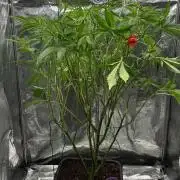
Plant #1 smells wonderful. Soft Lemon with some sweet Papaya in there too, and is sticky when I'm working with it. Nice Plant.
OK. Keep Growing Straight.
Chuck.


@FourTwenty_Plants
Follow
Already at day 57 since these cuts arrived at my doorsteps, I cant belive how fast the time went by.
Im prob gone move them to the 4x4 in the next few days, they are wayyyyy to bushy and tall for the 2.6x2.6.
I gave them a nice defoliation about 2 days ago and took 4 clones of the Chimera for future experiments.
Also they are a bit thin on some nodes but im fine with that cause I plan to suppercrop and a net above the cannopy afterwards but thats gone happen in the 4x4.
I also gotta add that these girls are fcking thirsty for water and nutes they are running on the bare minimum from the colours of theire leaves .-.
Grow Setup: Space: 80x80x180 [2.6x2.6] grow tent from Hydroshoot
Lightning: Lumatek ATS 200w
Watering method: Autopots 1Pot kit with 15L pots, even tho I still water per hand till they go in my 4x4 [120x120x200]
Humidity: 65-68 % rn kinda wet but they are going hard
Average Temp: 23-25°C
Base Nutrients: Advanced Nutrients Sensi Coco line


shorts_status_processing


@Messypies
Follow
Buds are now looking ripe. The trichomes are mostly milky and senesance has set in nicely.
Pushing until i start seeing 1 or 2 Amber's and then will induce 48hours of darkness to attempt to increase thc production before harvest




@BlaKX
Follow
Ai Gude Growmies,
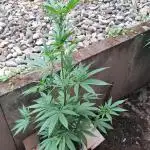
Habe sie vor über 1 Woche in einen 0,5l Topf mit Canna Terra Professional Plus Erde. A und B wachse zusammen auf im Gewächshaus. Leider habe ich beim Samen schalen entfernen etwas fest gezogen und damit einen kleinen Wachstums stop bekommen habe.
Die trockene wiederverwendete Erde muss ich leicht mit Dünger angießen bzw es ist ein test.
Ansonsten herrschen brutal heiße Temperaturen aber sie verkraftet es super.


@eldruida_lamota
Follow
Kio familia, que ya actualizo. Jaja
Al lío finalizamos la 3 semana de floracion, y esta genética también creció bastante se nota su tamaño xL.
Aumentamos la cantidad de comida por litro, Al ser grandes piden más.
La humedad no aumenta de 50% y la temperatura baja Algo en comparación al principio. 27 grados de media.
En la imágenes y vídeos podemos apreciar bien la evolución esta semana.


@Stickygreens420
Follow
2/21/2023 - Day 50: Starting pre-bloom this week. Changed the light from 18/6 to 16/8. Also, started adding my bloom nutrients. Watered about 3.5 gallons and threw a little bit of everything in today. Started with Jay Plantspeaker Quillaja as a wetting agent, then added Rootwise Micro Complete, Enzyme Elixer, and Bio-Phos, BuildASoil Big 6, BuildABloom, Coconut Powder, Pure Protein Dry, Yah-Whey, Fermented Comfrey and Fermented Peach. Also top dressed with some BuildAFlower.
2/23/2023 - Day 52: not much to report. Plants are doing great, and seem to like the slightly cooler temps lately. Mainly just been tucking branches under the scrog screen and doing some super cropping in an attempt to keep my canopy even.
2/24/2023 - Day 53: gave the plants their weekly IPM, with a foliar spray at lights out of warm distilled water and BuildASoil EM-5. This is also to clean the leaves in preparation for the flip to flower next week.
2/26/2023 - Day 55: last day of veg. Officially flipping to flower tomorrow. The scrog screen is pretty full, other than the Frozen White Runtz, which is barely reaching the screen. Hoping it will catch up more during stretch. Also, plan to put a second layer of trellis on.
