


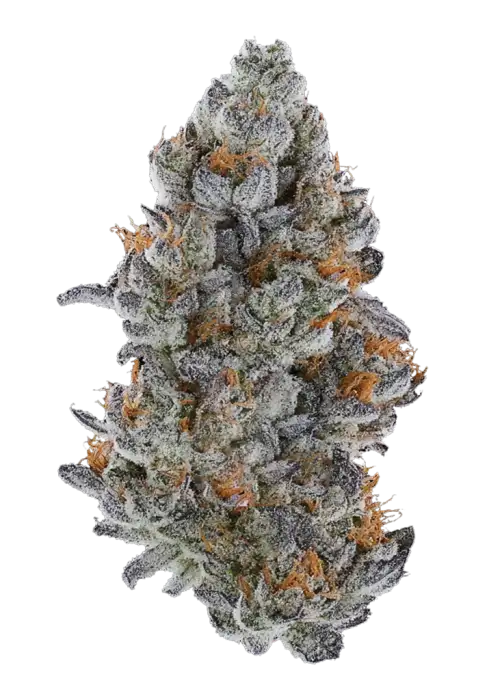

Final Crop Report: System Failure & Lessons Learned Project Status: Emergency Early Harvest | Final Outcome: Crop Failure (Low Yield/Stunted Buds) Executive Summary The crop was terminated during Week 7-8 of flowering due to a total systemic collapse. The plants suffered from severe dehydration and physiological stress, resulting in small, airy buds and significant loss of biomass. The "Fade" observed was not natural ripening but rather premature senescence caused by environmental and root-zone failure. 1. Chronological Failure Analysis • Weeks 4-5 (Early Signs): First indicators of Heat and Light Stress appeared. Leaves began "tacoing" (curling upwards) as a defense mechanism against high LED intensity and surface temperatures. • Week 6 (The Decline): Visible Nutrient Lockout occurred. While resin was being produced, the fan leaves turned pale yellow and developed necrotic (burnt) edges. Specific phenotypes on the right began to droop permanently, indicating root-zone dysfunction. • Week 7 (Systemic Collapse): The plants entered a state of Severe Dehydration. Despite moisture in the soil, the plants could no longer transport water to the canopy. Buds stopped swelling and became "stunted." • Final Action: An emergency harvest was conducted to salvage what little resin remained before the plants completely dried out on the stalk. 2. Root Cause Breakdown • Environmental Overload: Light intensity was likely too high for the plants to manage without higher CO2 or lower temperatures. This led to chronic transpiration stress. • Root Zone Lockout: In the "Living Soil" system, pH imbalances or excessive salt buildup likely caused a lockout, preventing the uptake of water and essential nutrients (P-K) during the critical bulking phase. • The Masking Effect: The dense cover crops may have made it difficult to accurately monitor soil moisture and oxygen levels, potentially contributing to root suffocation.
Show more
4mo ago