


Orange Creampop #2025








Indoor
Room Type
Topping
weeks 3
6 liters
Pot Size
0.1 liters
Watering
Start at Harvest
G
Germination1y ago

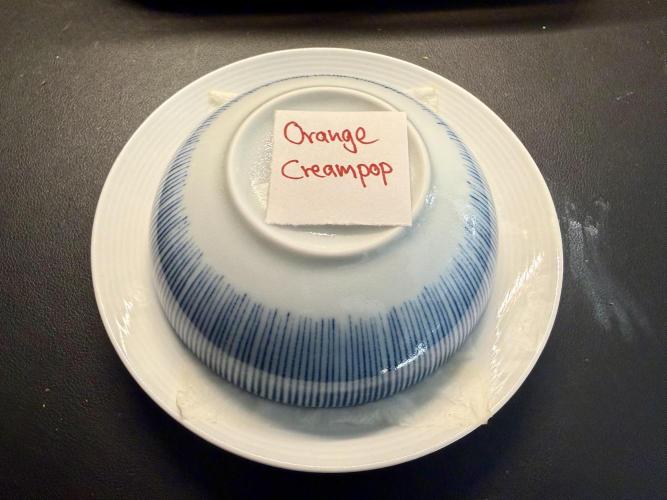
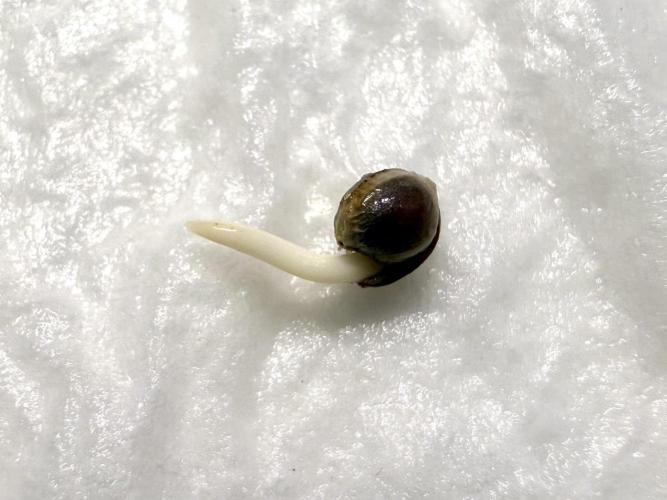

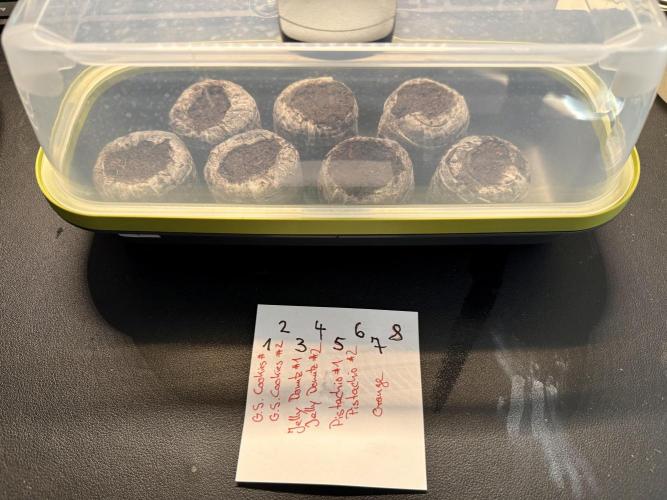
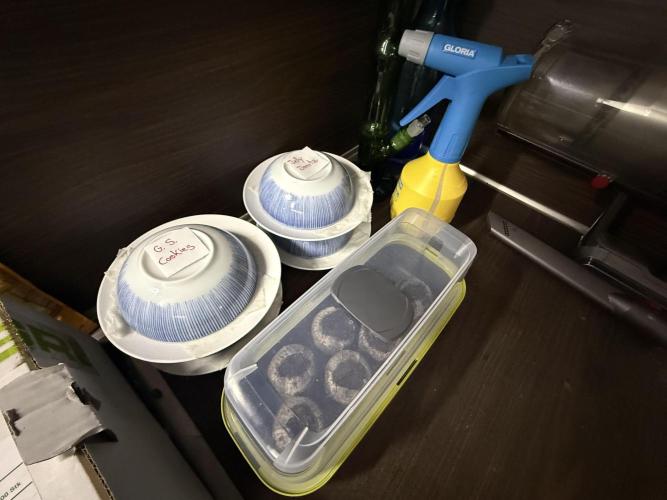

Schnahacken here's to a new beginning!
11 likes
comments
Share
Used method
Paper Towel
Germination Method
1
Week 1. Vegetation1y ago
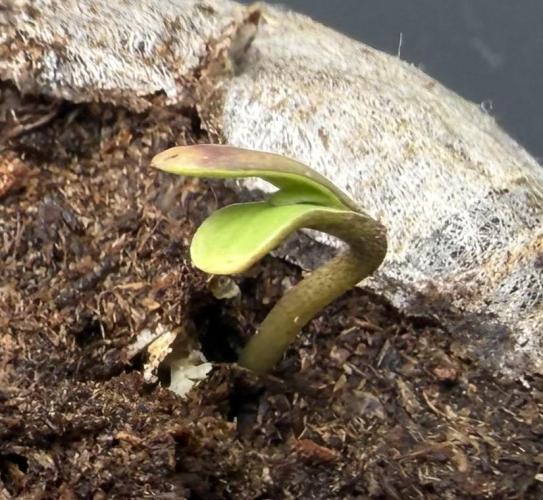
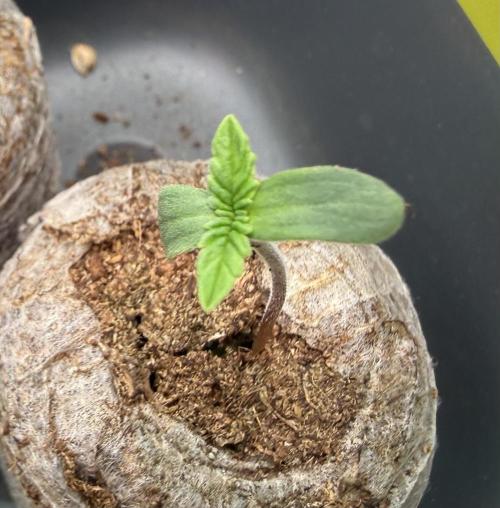
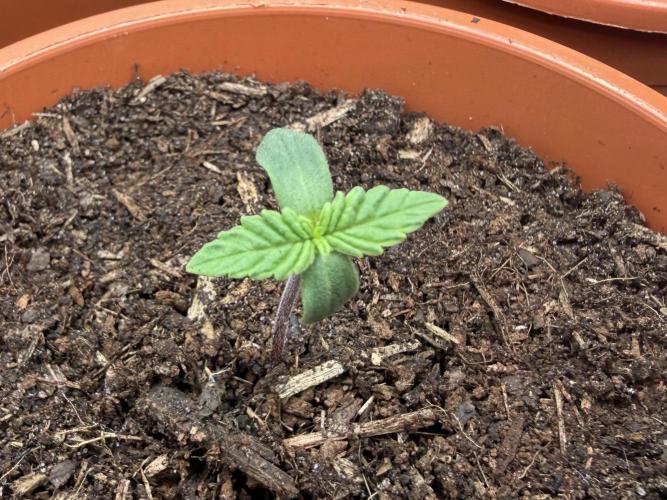
1 cm
Height
18 hrs
Light Schedule
22 °C
Day Air Temp
6.5
pH
50 %
Air Humidity
20 °C
Night Air Temp
0.1 liters
Pot Size
0.1 liters
Watering Volume
20 cm
Lamp Distance
Schnahacken off to week 1
10 likes
comments
Share
2
Week 2. Vegetation10mo ago
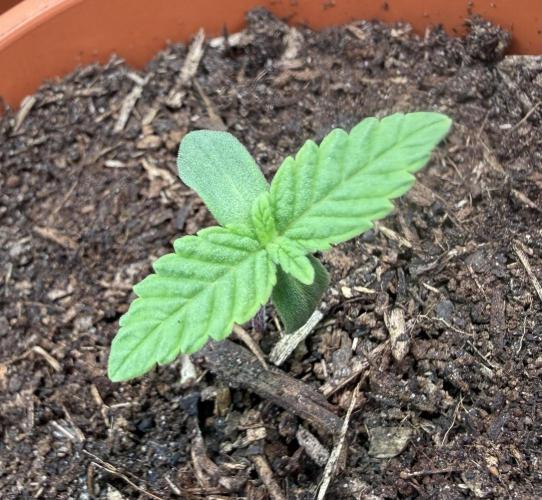
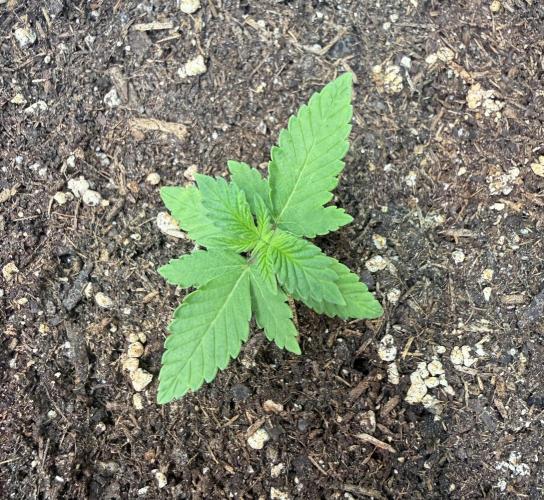
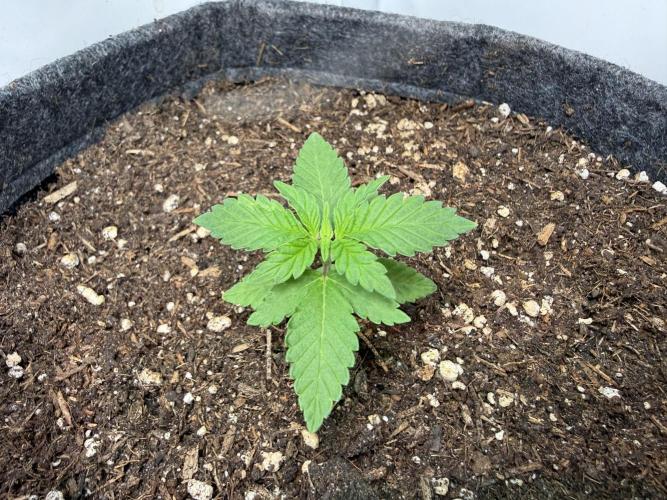
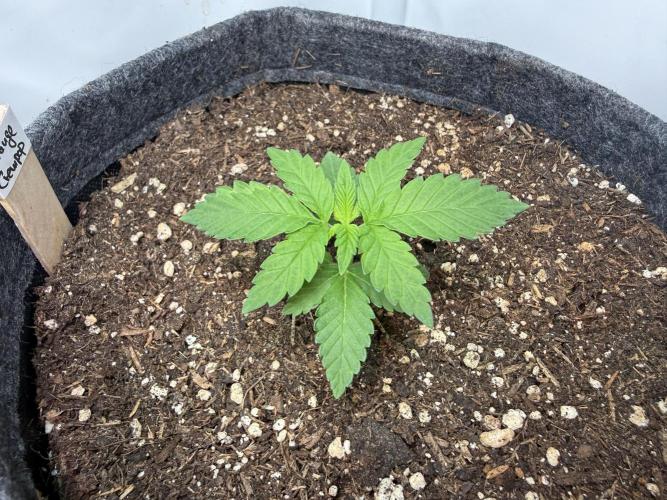
2 cm
Height
18 hrs
Light Schedule
22 °C
Day Air Temp
6.5
pH
50 %
Air Humidity
20 °C
Night Air Temp
0.5 liters
Pot Size
0.1 liters
Watering Volume
20 cm
Lamp Distance
Schnahacken on to the 2nd week
10 likes
1 comment
Share
3
Week 3. Vegetation10mo ago
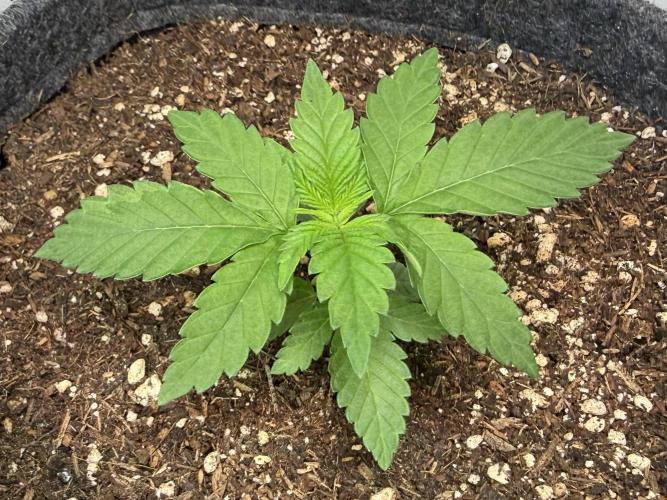
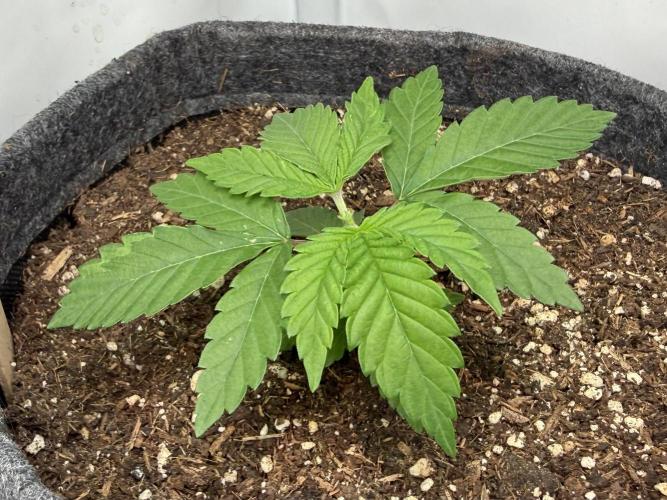
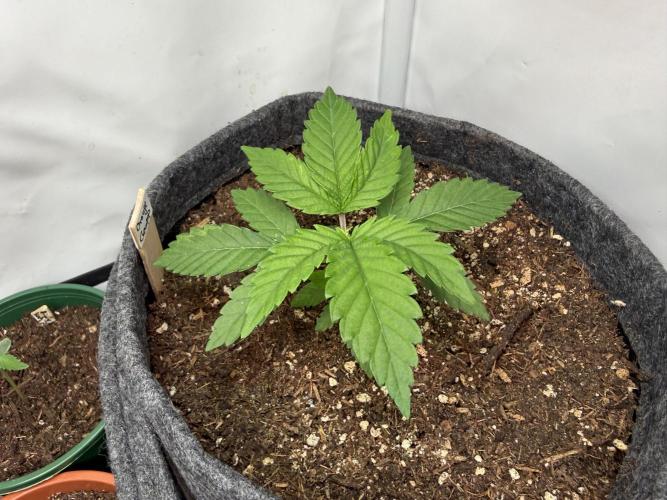
5 cm
Height
18 hrs
Light Schedule
22 °C
Day Air Temp
6.5
pH
50 %
Air Humidity
20 °C
Night Air Temp
0.5 liters
Pot Size
0.1 liters
Watering Volume
20 cm
Lamp Distance
Schnahacken on to week 3
8 likes
comments
Share
Used techniques
Topping
Technique
4
Week 4. Vegetation10mo ago
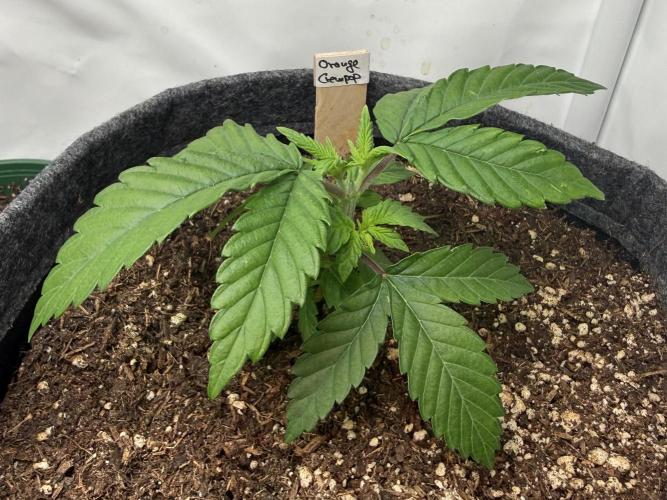
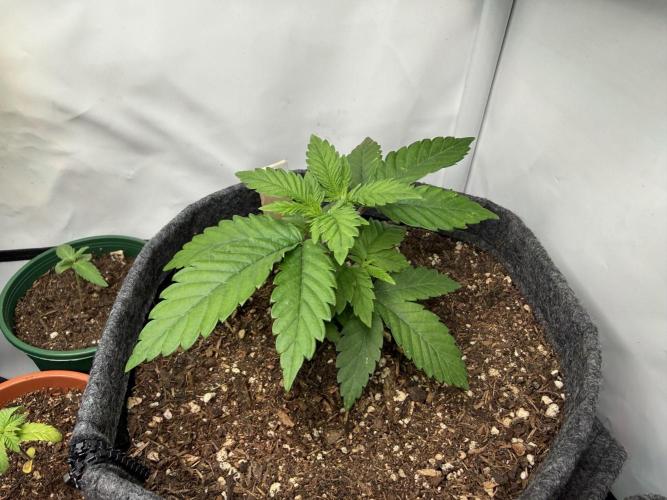
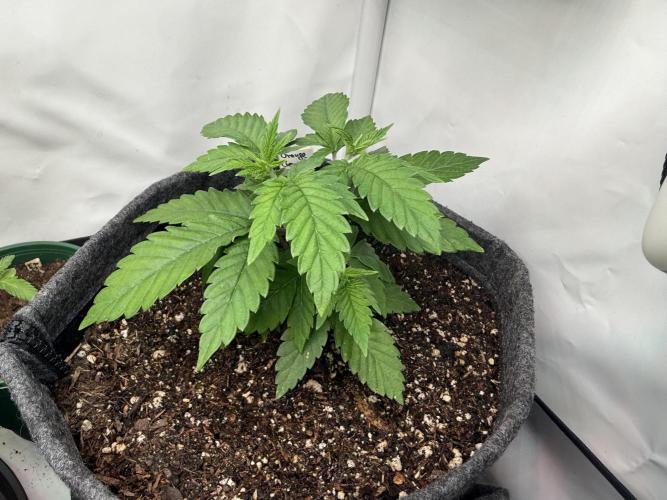
10 cm
Height
18 hrs
Light Schedule
22 °C
Day Air Temp
6.5
pH
50 %
Air Humidity
20 °C
Night Air Temp
0.5 liters
Pot Size
0.1 liters
Watering Volume
20 cm
Lamp Distance
Schnahacken into the 4th week
9 likes
comments
Share
5
Week 5. Vegetation9mo ago
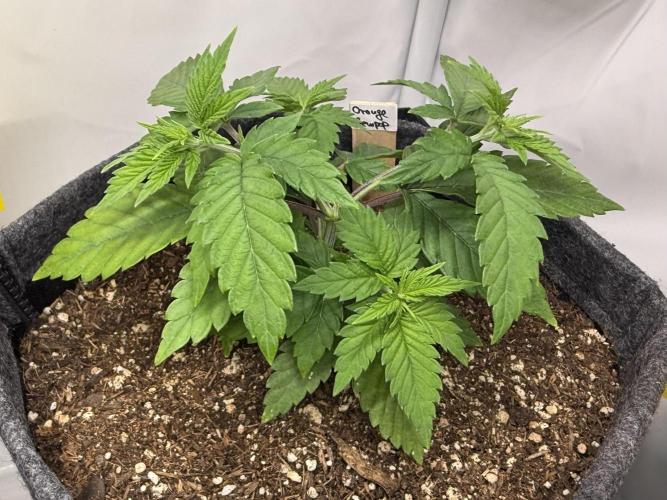
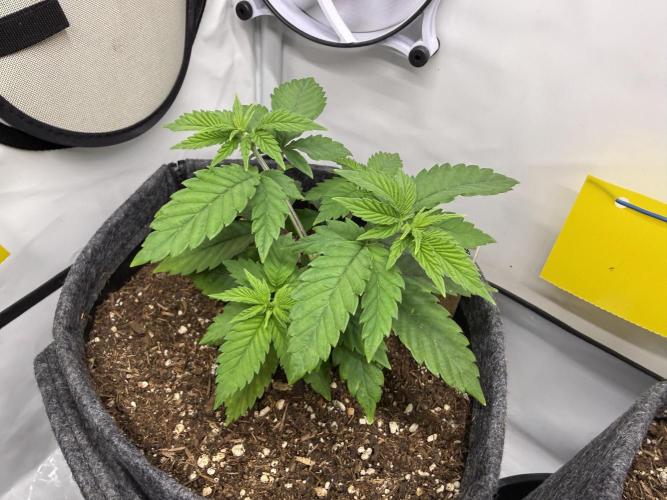
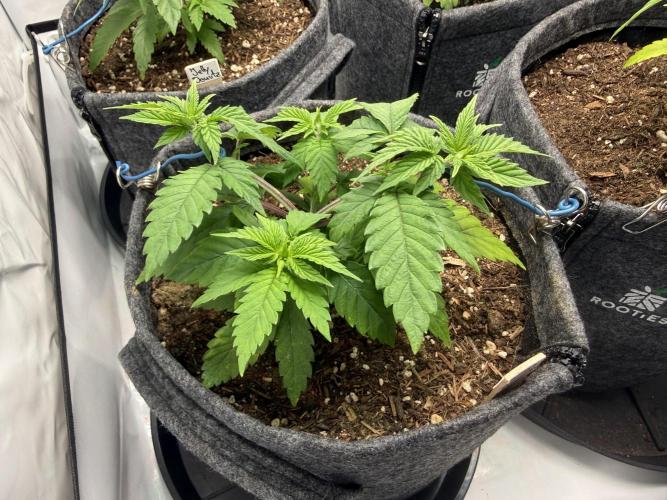
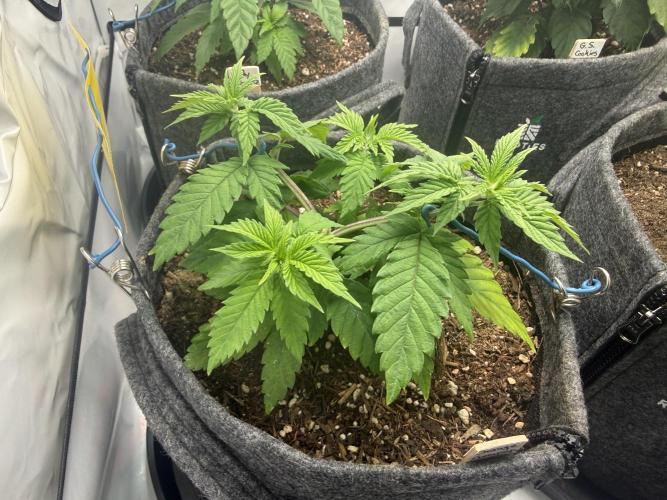

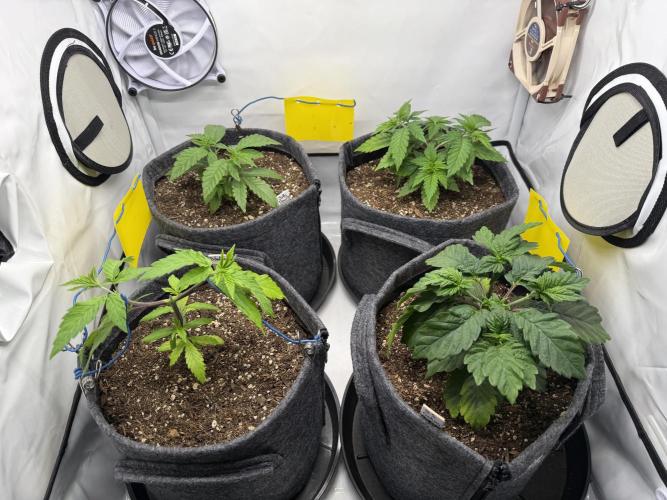
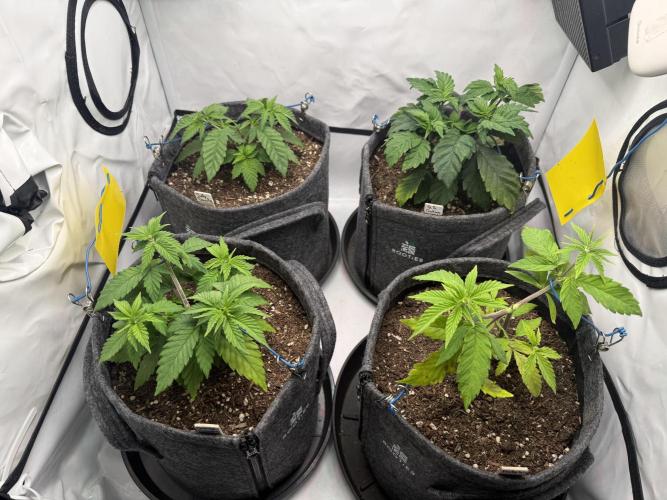
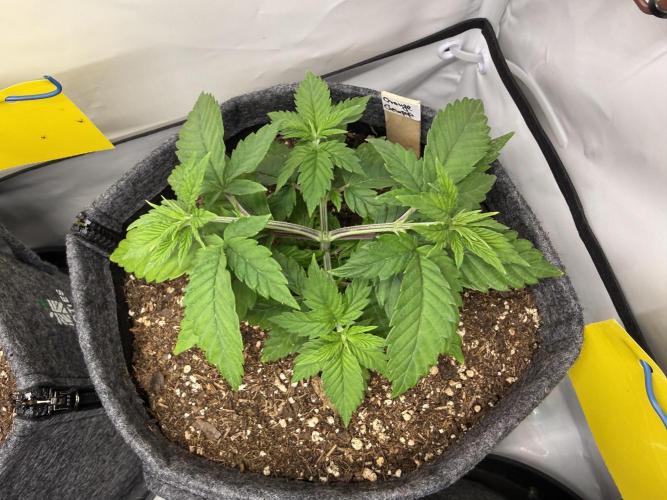
13 cm
Height
18 hrs
Light Schedule
22 °C
Day Air Temp
6.5
pH
45 %
Air Humidity
20 °C
Night Air Temp
6 liters
Pot Size
0.1 liters
Watering Volume
30 cm
Lamp Distance
Schnahacken on to week 5
9 likes
comments
Share
6
Week 6. Flowering9mo ago
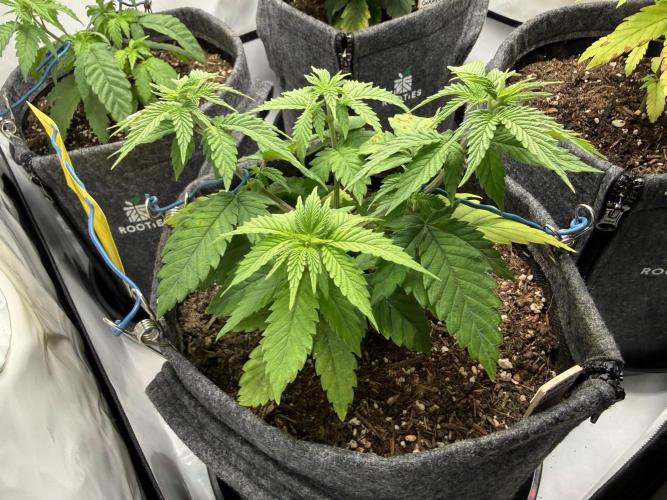
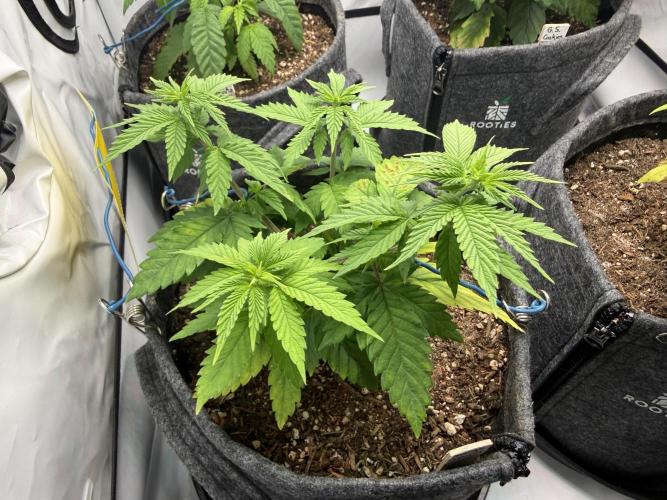
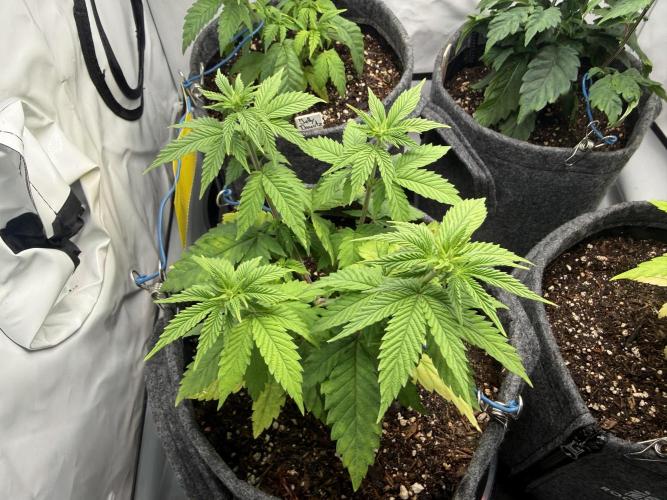
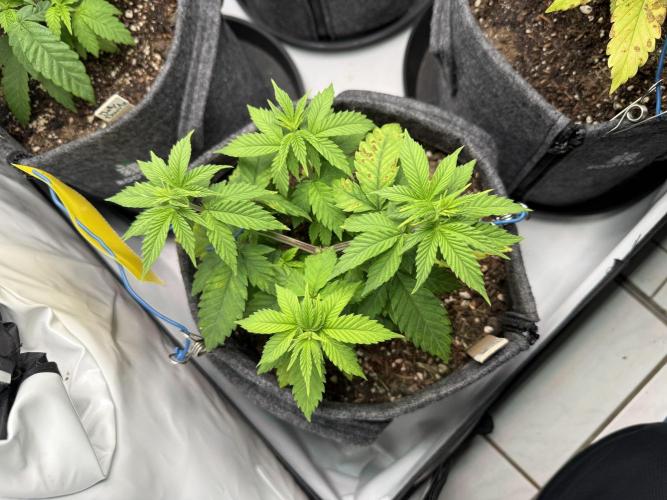
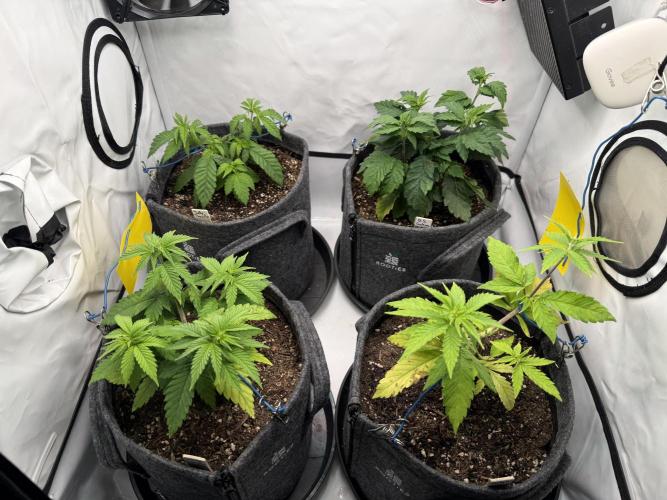

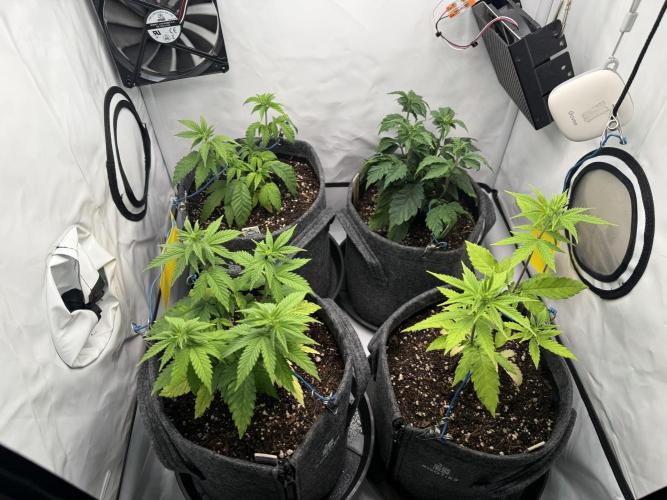
16 cm
Height
12 hrs
Light Schedule
22 °C
Day Air Temp
6.5
pH
45 %
Air Humidity
20 °C
Night Air Temp
6 liters
Pot Size
0.1 liters
Watering Volume
30 cm
Lamp Distance
Nutrients 2
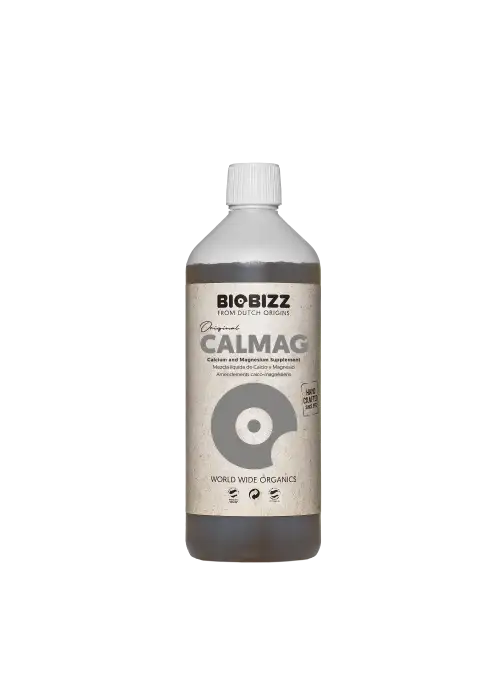
Calmag
0.8 mll

BioBloom
25 mll
Schnahacken into flowering
- the light was set to 12/12
10 likes
comments
Share
7
Week 7. Flowering9mo ago
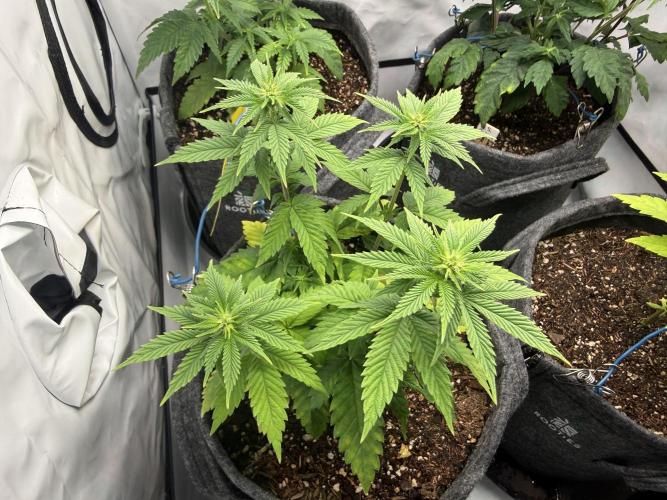
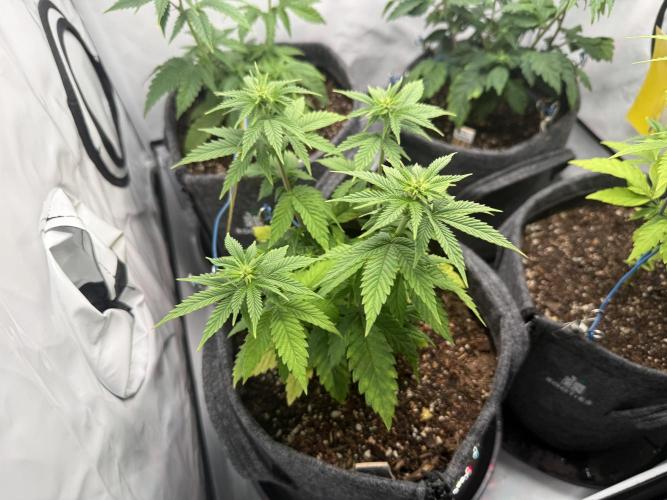
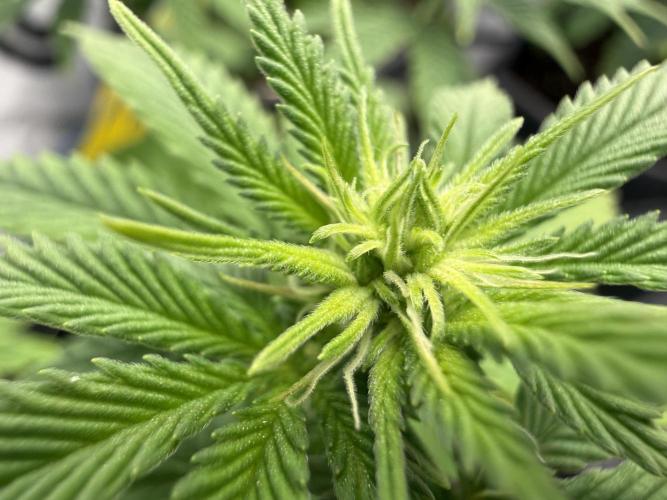
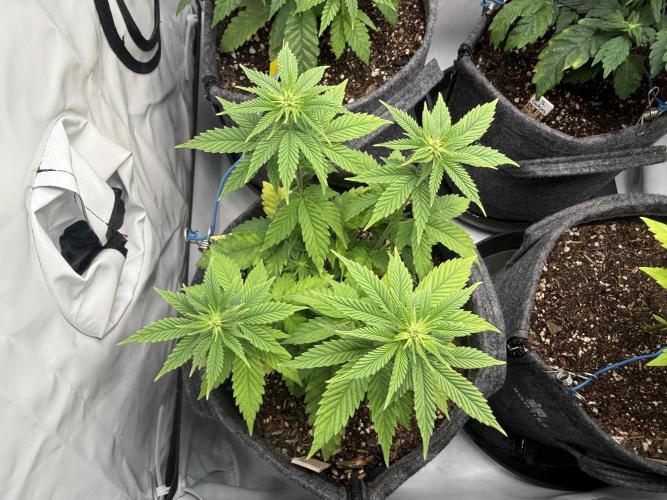
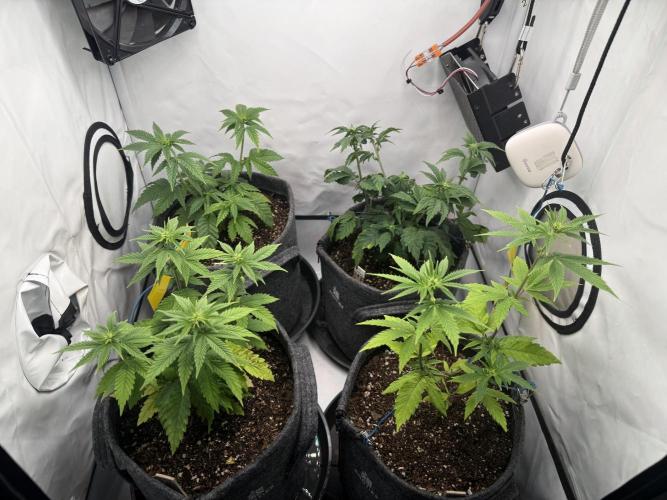
20 cm
Height
12 hrs
Light Schedule
22 °C
Day Air Temp
6.5
pH
45 %
Air Humidity
20 °C
Night Air Temp
6 liters
Pot Size
0.1 liters
Watering Volume
30 cm
Lamp Distance
Nutrients 1
Calmag
0.8 mll
Schnahacken into the 7th week
8 likes
1 comment
Share
8
Week 8. Flowering9mo ago
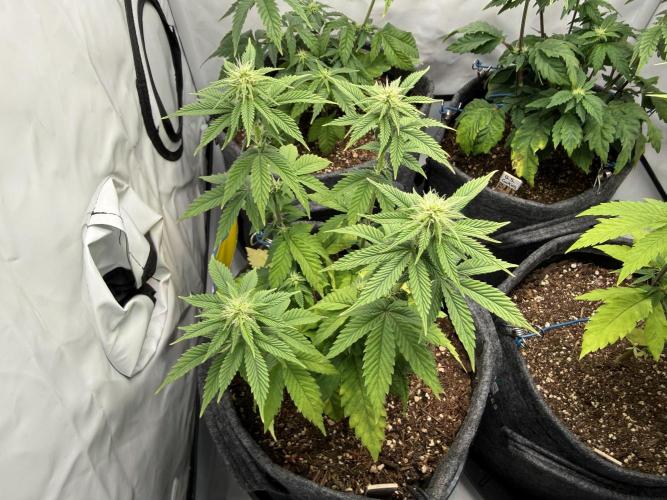
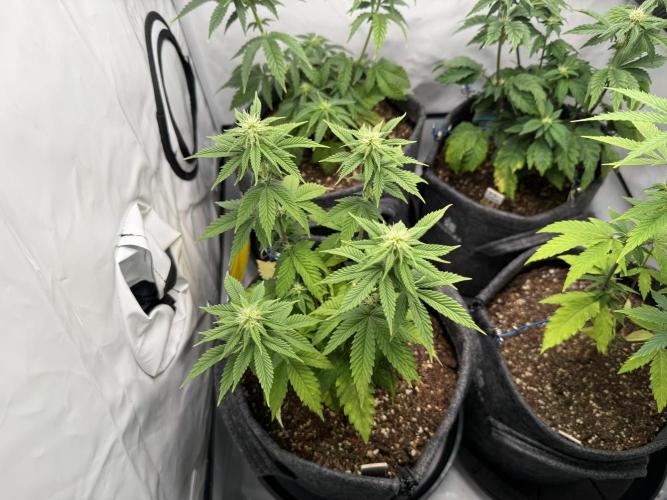
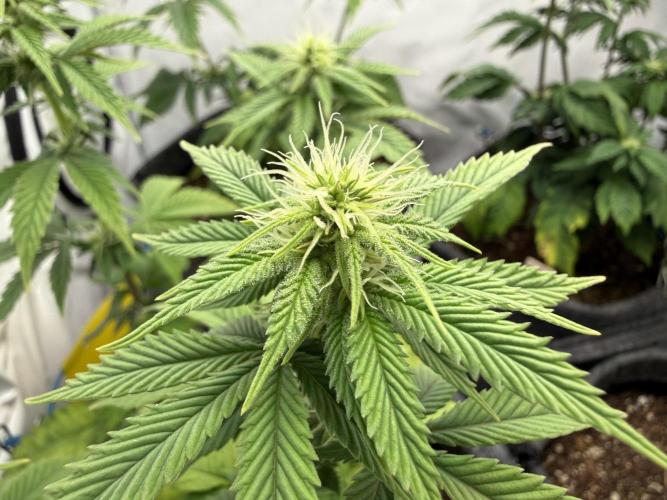
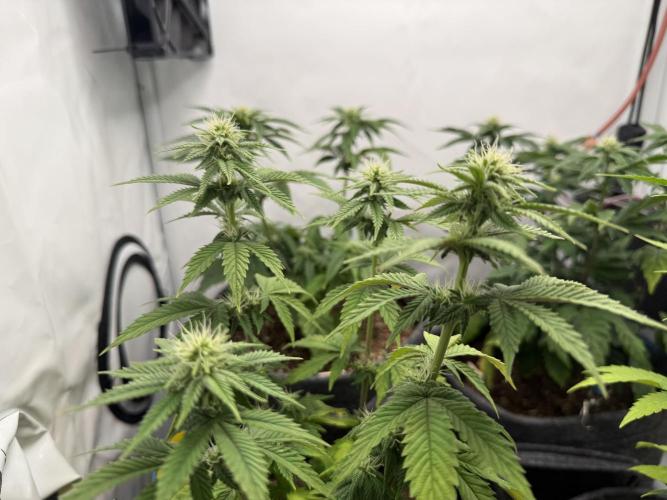
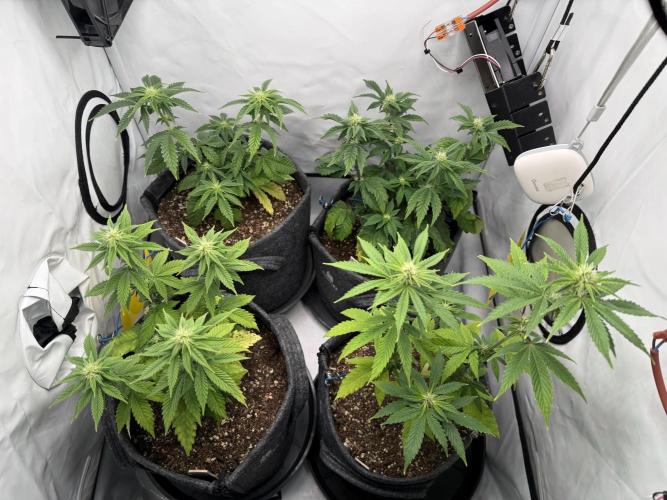
26 cm
Height
12 hrs
Light Schedule
22 °C
Day Air Temp
6.5
pH
45 %
Air Humidity
20 °C
Night Air Temp
6 liters
Pot Size
0.1 liters
Watering Volume
30 cm
Lamp Distance
Nutrients 1
Calmag
0.8 mll
Schnahacken on to week 8
8 likes
comments
Share
9
Week 9. Flowering9mo ago
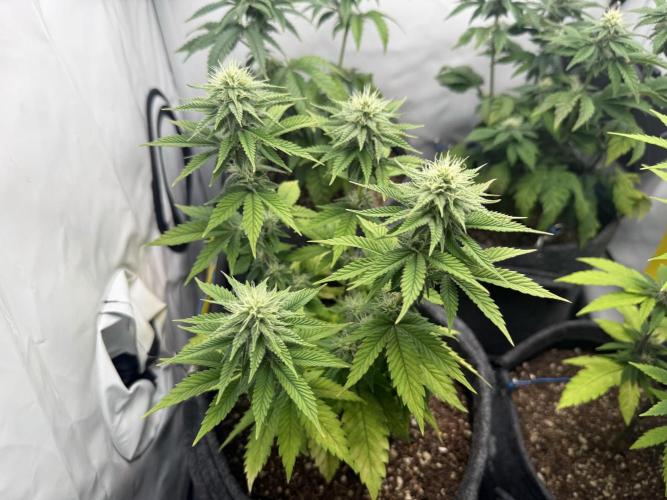
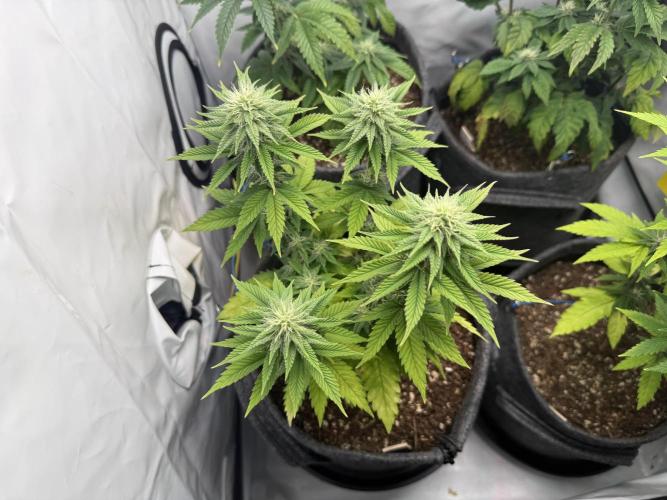
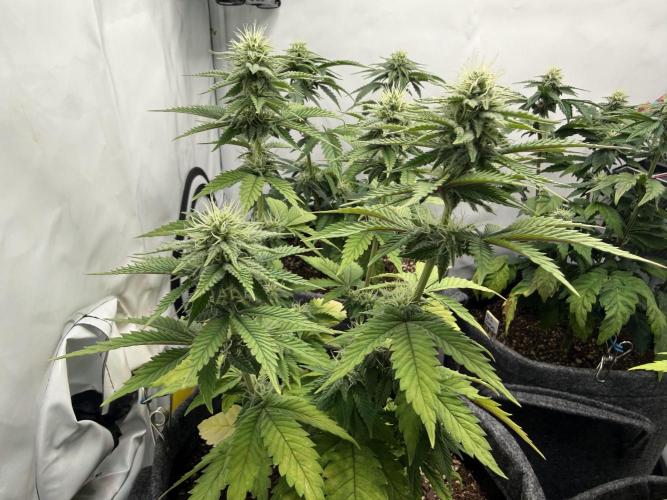
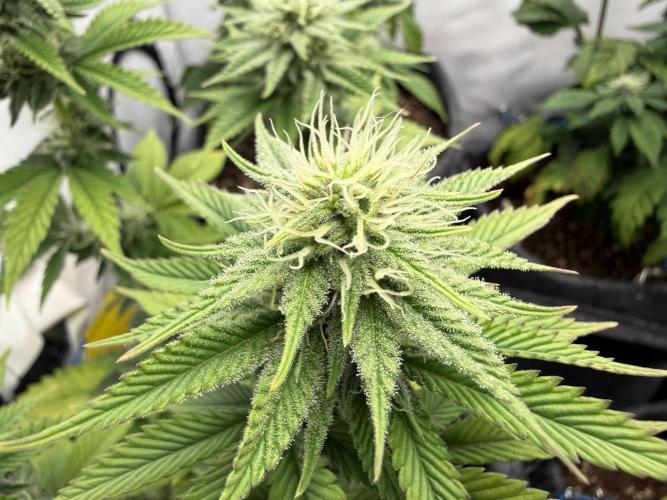
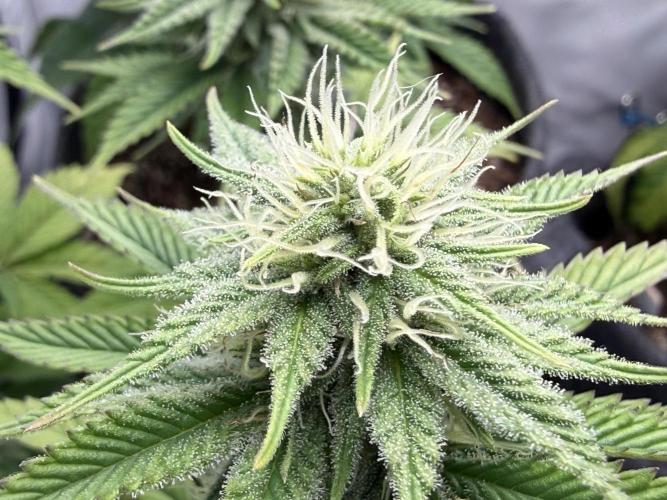
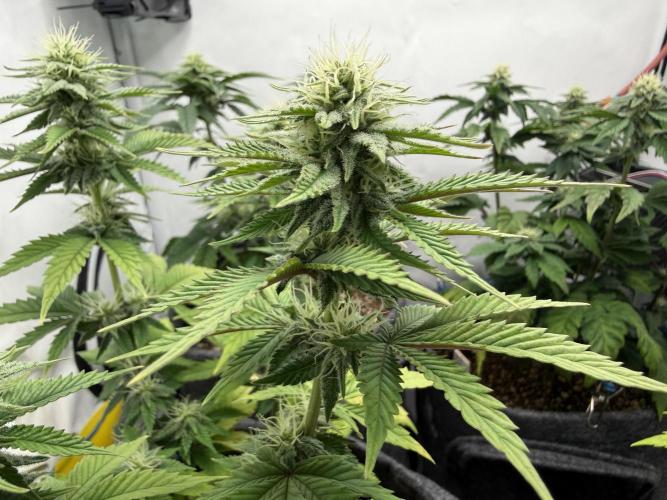
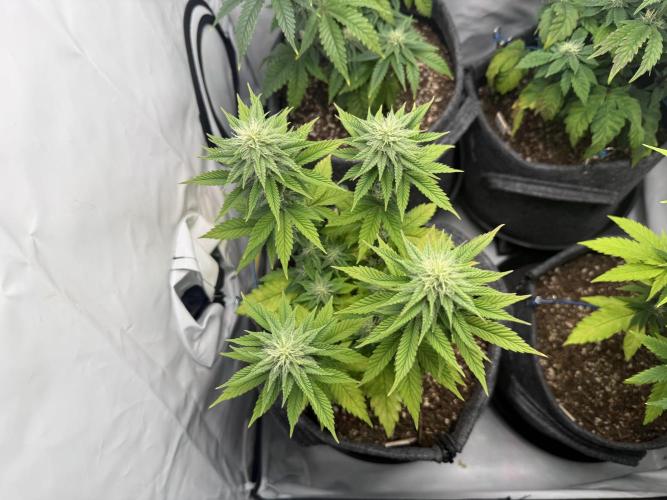
26 cm
Height
12 hrs
Light Schedule
22 °C
Day Air Temp
6.5
pH
45 %
Air Humidity
20 °C
Night Air Temp
6 liters
Pot Size
0.1 liters
Watering Volume
30 cm
Lamp Distance
Nutrients 1
Calmag
0.8 mll
Schnahacken into the 9th week
The AI response regarding the lower yellow leaves:
This is a very important point! Here lies the proverbial "dog buried."
The problem with citric acid
Citric acid is unstable. It is an organic acid that is broken down extremely quickly by microorganisms in the soil. This means:
You adjust the water to pH 6.5 and water.
The microbes consume the citric acid within a few hours.
The pH level in the soil suddenly shoots back up (towards 8.3).
This "pH yo-yo" stresses the microbes that are supposed to unlock your BioBloom fertilizer. When the pH level in the substrate is too high, iron, manganese, and phosphorus are blocked – this perfectly explains the light leaves.
9 likes
comments
Share
10
Week 10. Flowering8mo ago
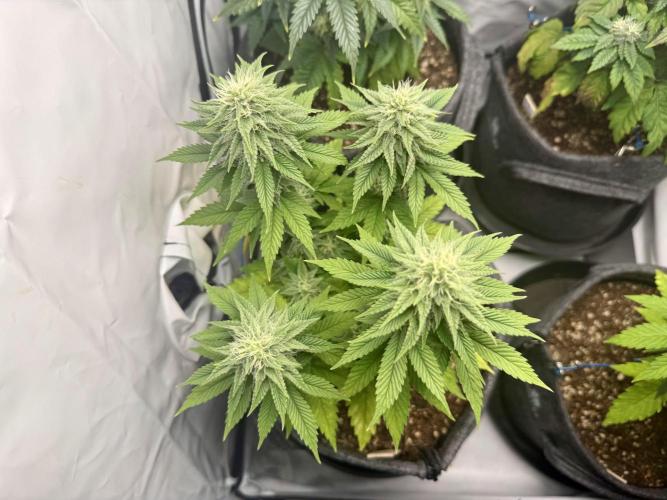
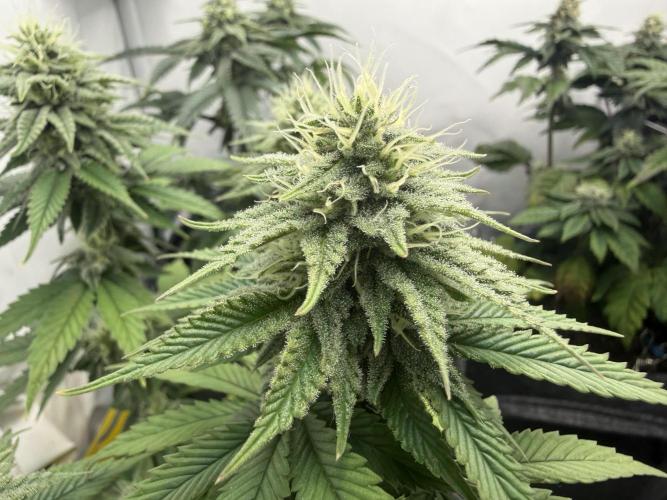
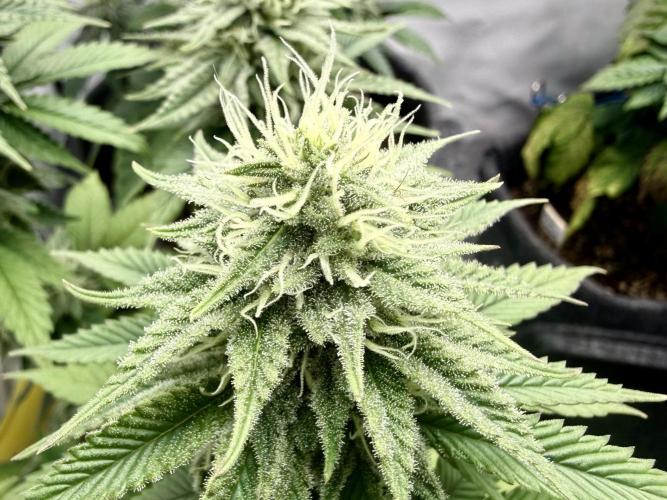
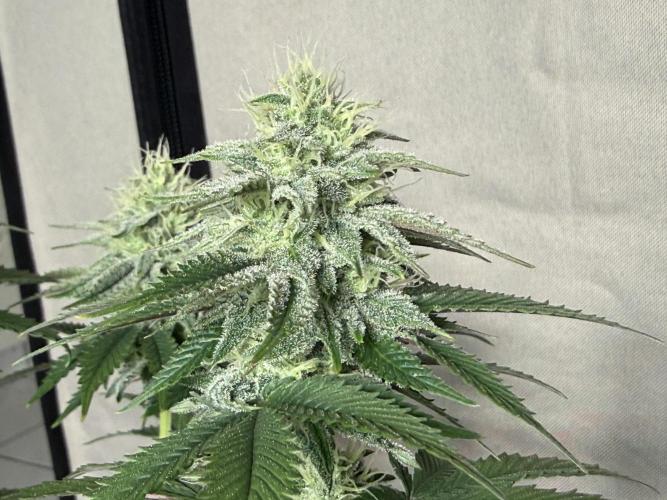
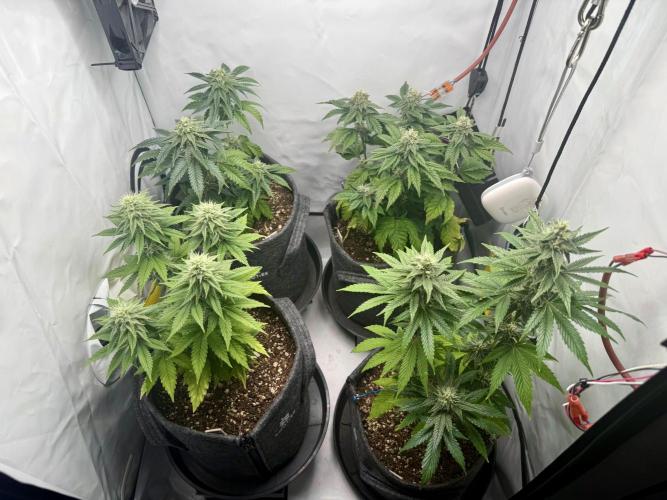
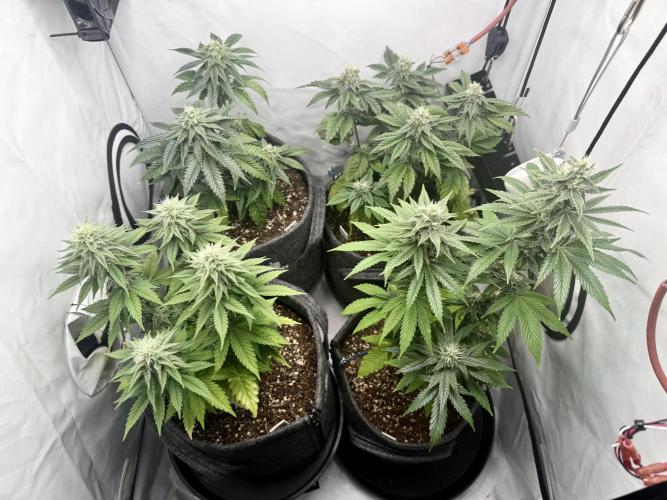
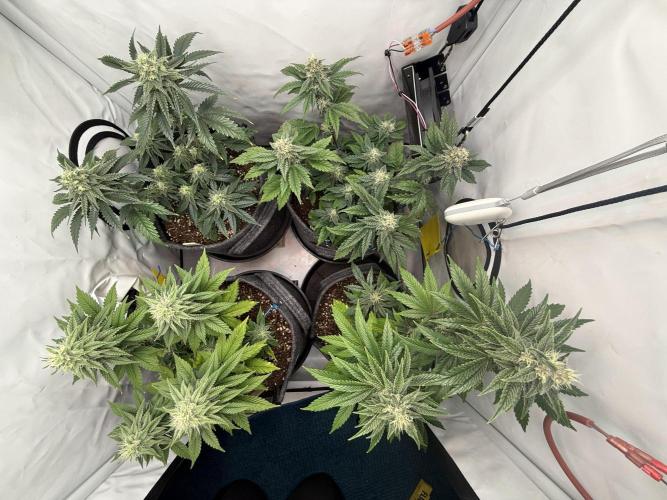
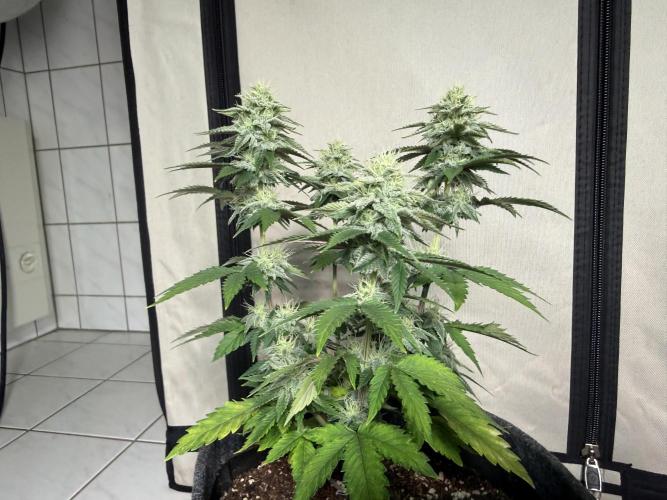
28 cm
Height
12 hrs
Light Schedule
22 °C
Day Air Temp
6.5
pH
45 %
Air Humidity
20 °C
Night Air Temp
6 liters
Pot Size
0.1 liters
Watering Volume
30 cm
Lamp Distance
Nutrients 3
Calmag
0.8 mll

Top-Max
2 mll

Ph Min
0.01 mll
Schnahacken on to week 10
14 likes
1 comment
Share
11
Week 11. Flowering8mo ago
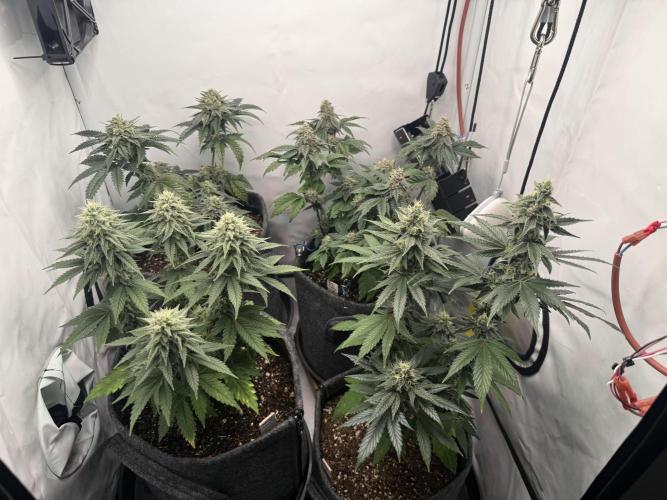
28 cm
Height
12 hrs
Light Schedule
22 °C
Day Air Temp
6.3
pH
45 %
Air Humidity
20 °C
Night Air Temp
6 liters
Pot Size
0.1 liters
Watering Volume
30 cm
Lamp Distance
Nutrients 3
Calmag
0.8 mll
Top-Max
2 mll
Ph Min
0.01 mll
Schnahacken on to week 11
10 likes
comments
Share
12
Week 12. Flowering8mo ago
28 cm
Height
12 hrs
Light Schedule
22 °C
Day Air Temp
6.3
pH
45 %
Air Humidity
20 °C
Night Air Temp
6 liters
Pot Size
0.1 liters
Watering Volume
30 cm
Lamp Distance
Nutrients 3
Calmag
0.8 mll
Top-Max
2 mll
Ph Min
0.01 mll
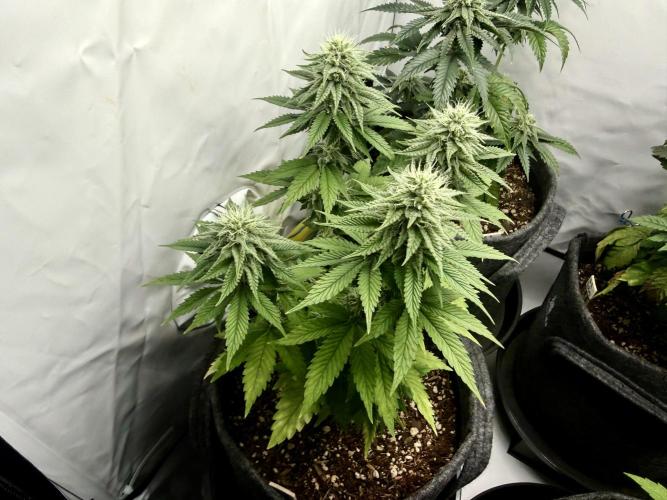
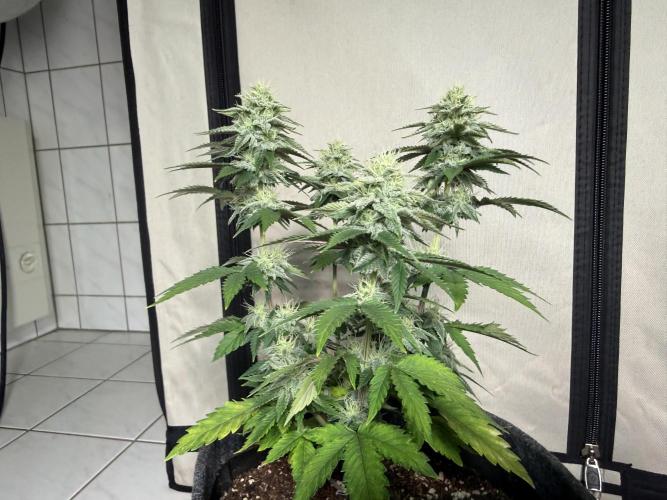
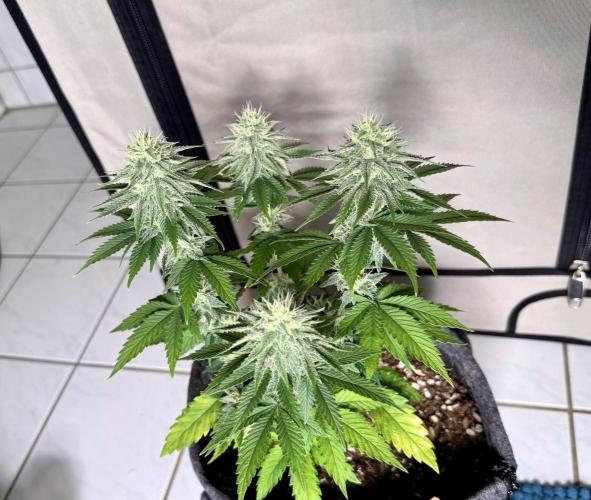
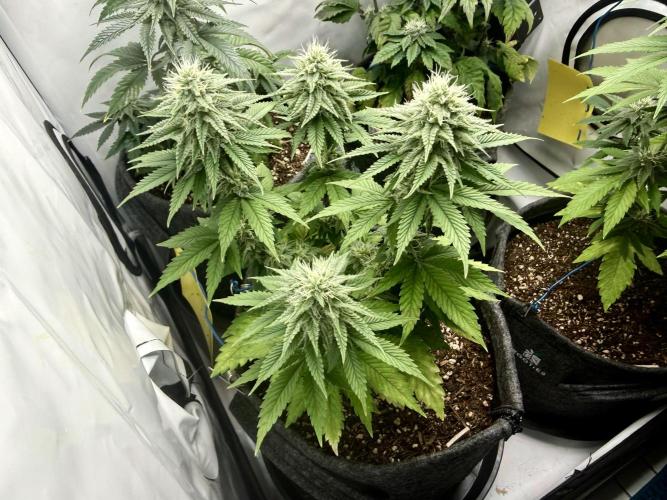
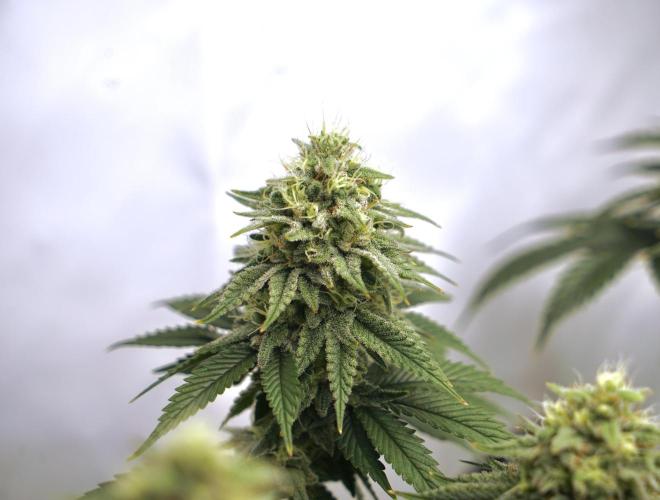
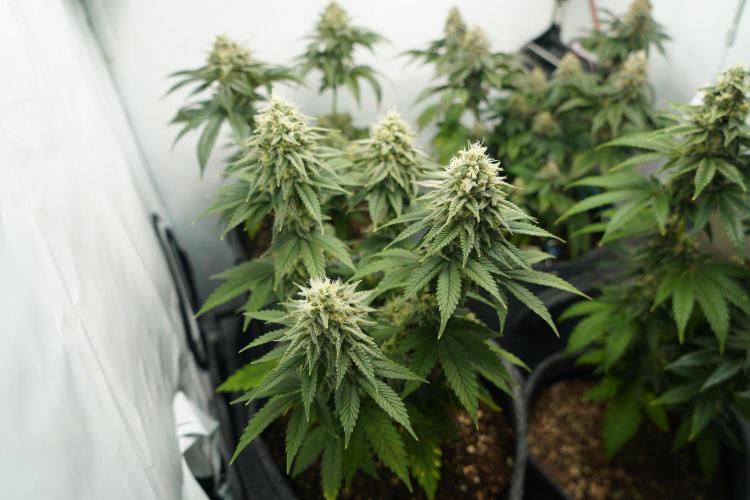
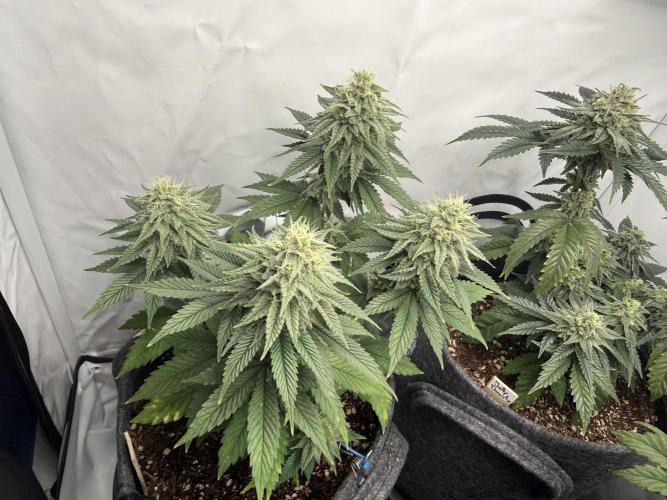
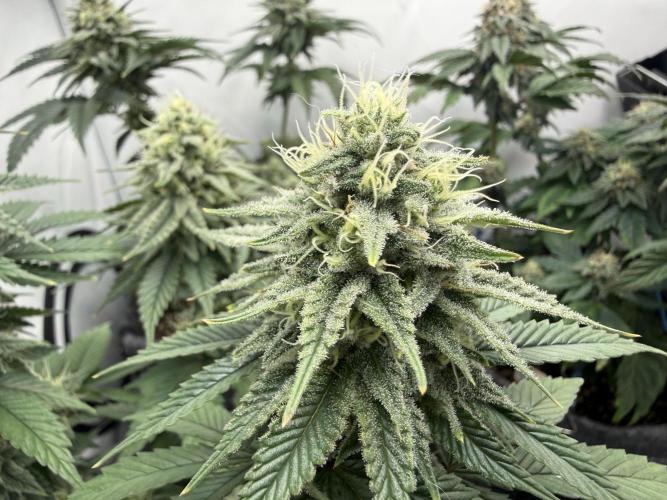
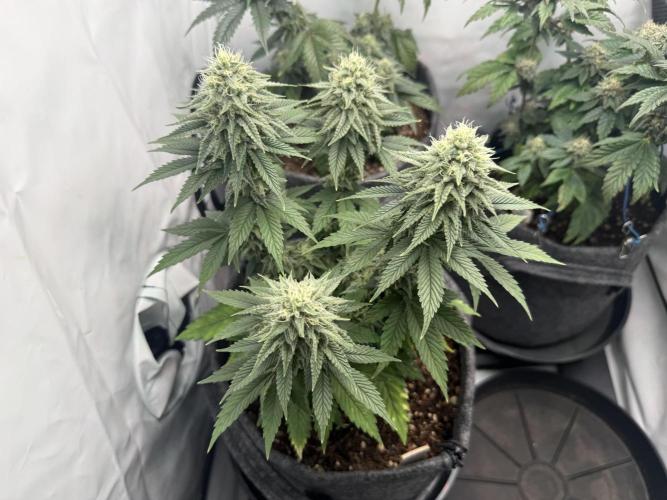
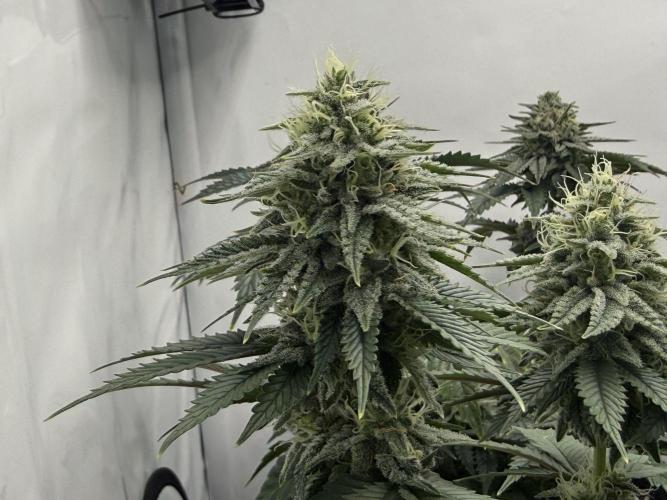
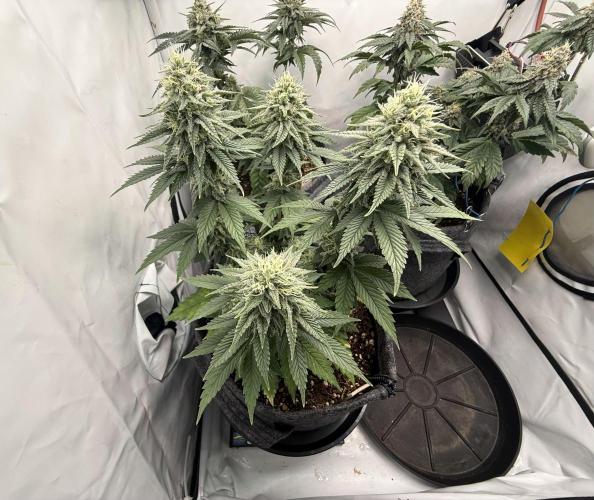
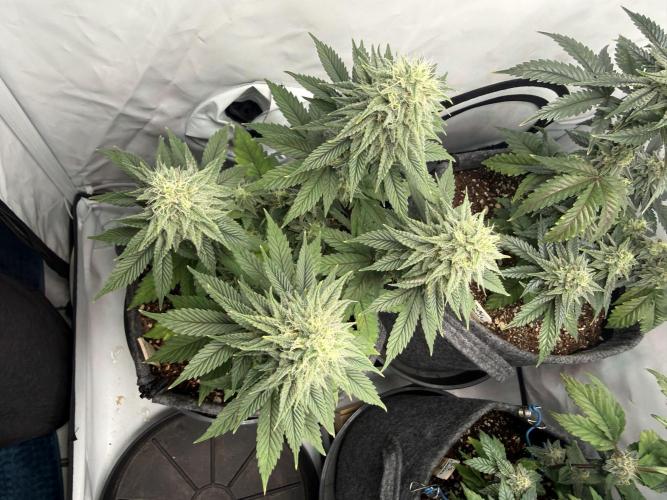
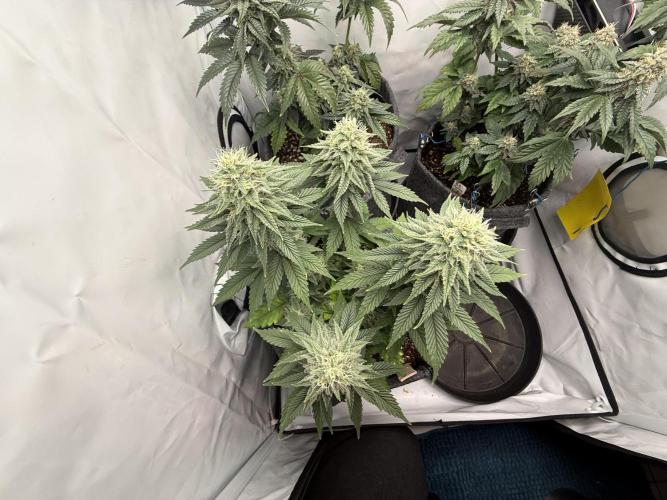
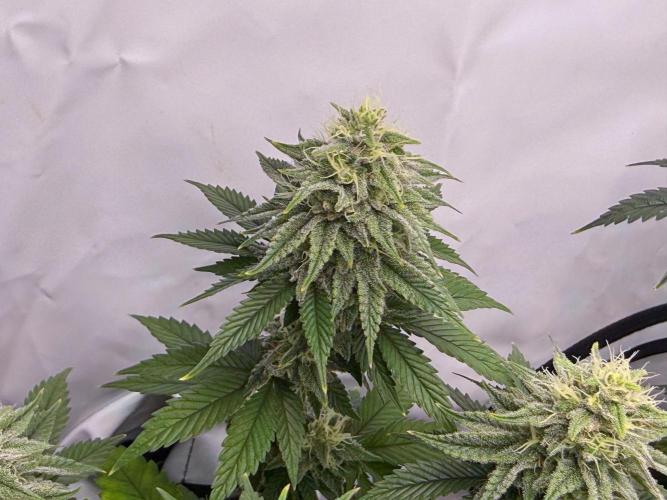
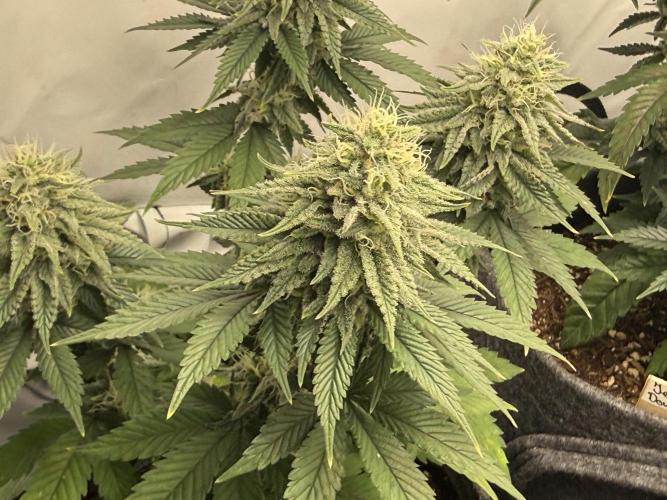
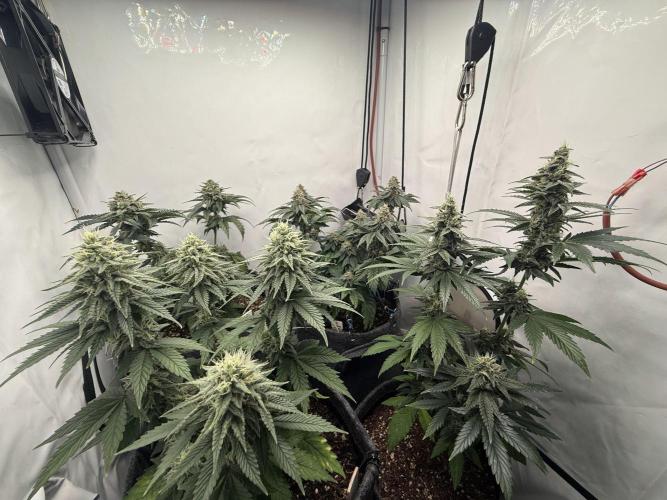
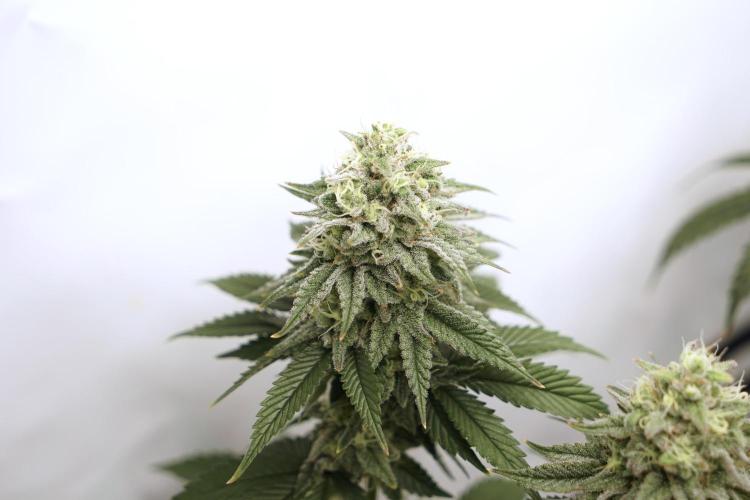
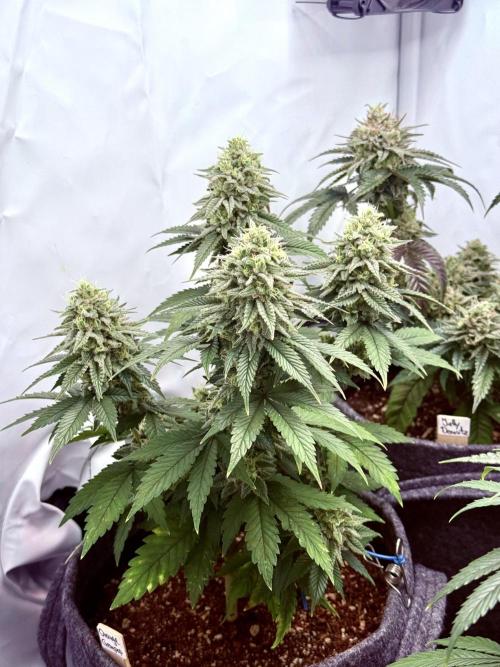
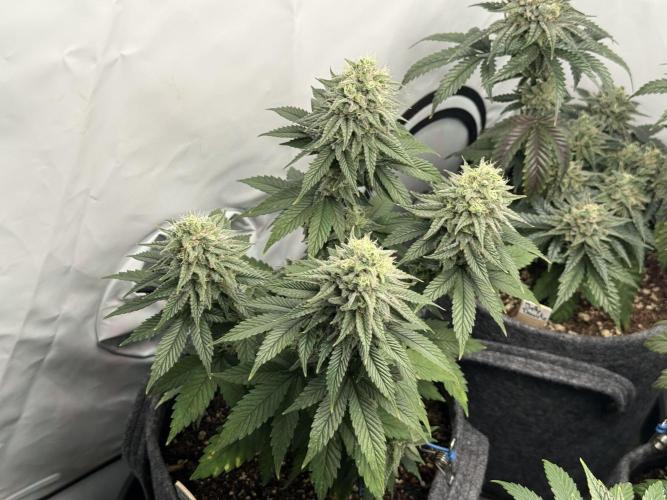
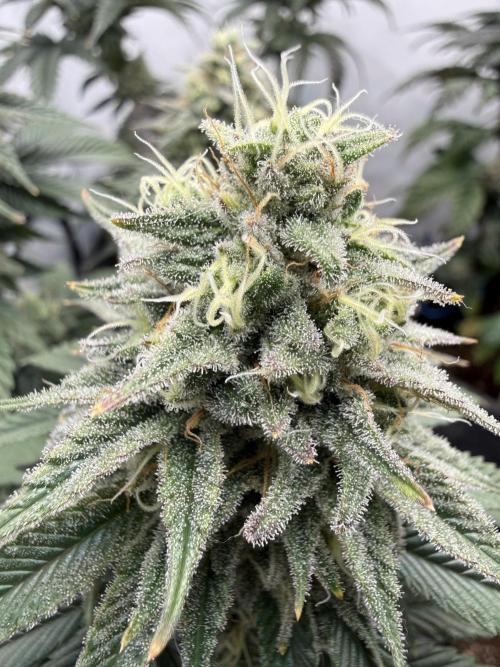
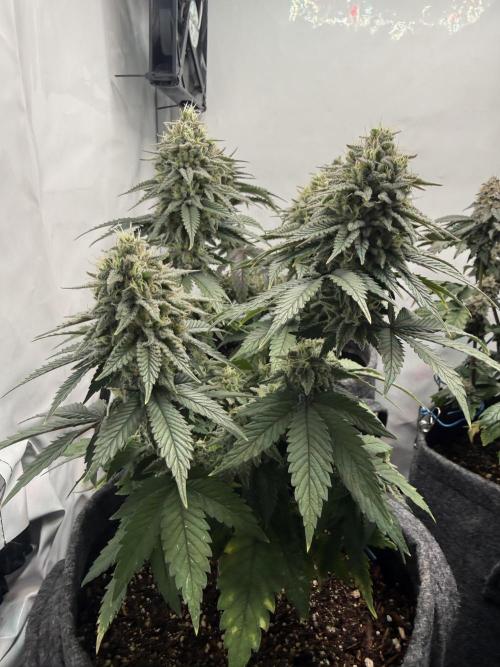
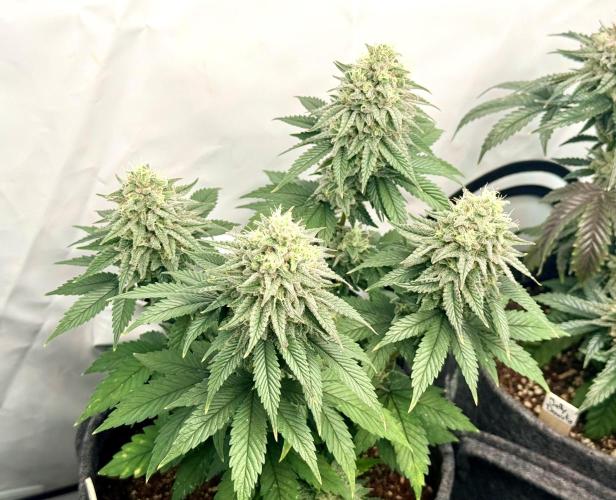
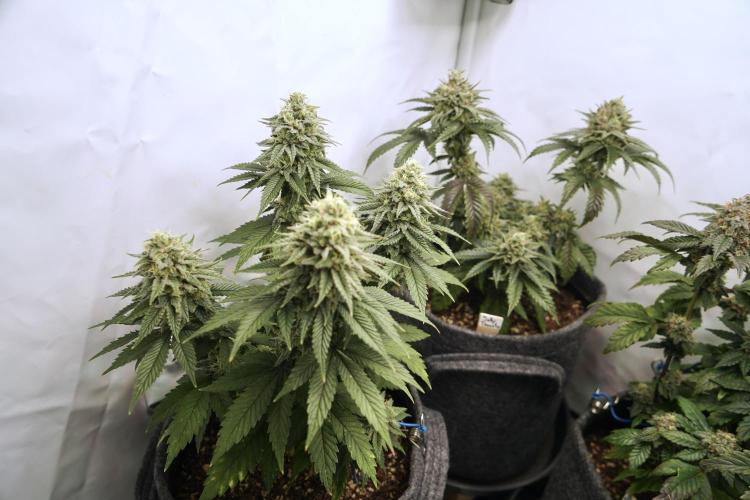
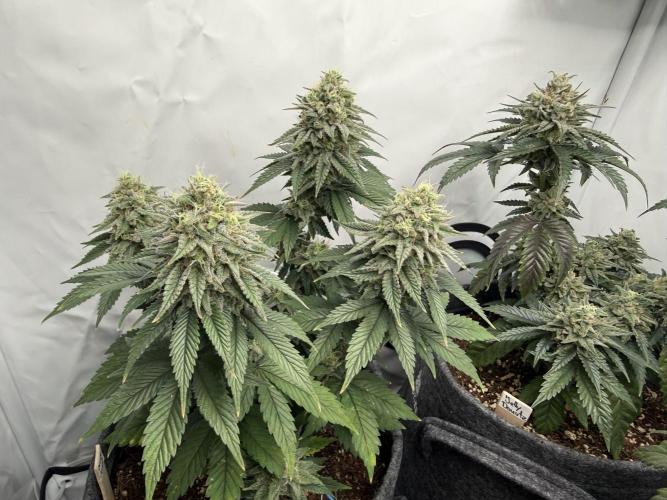
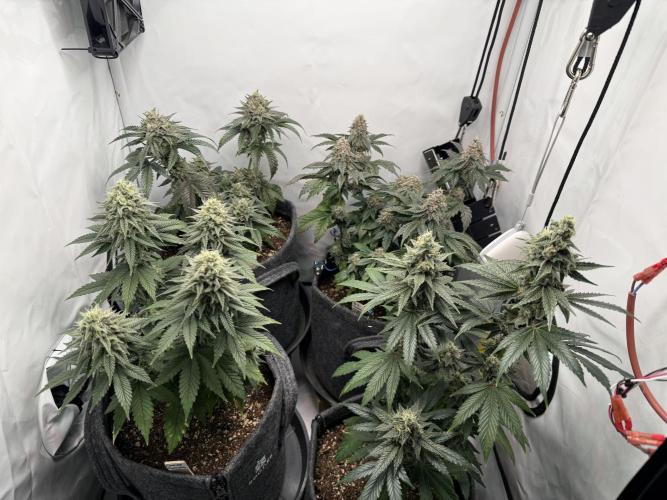
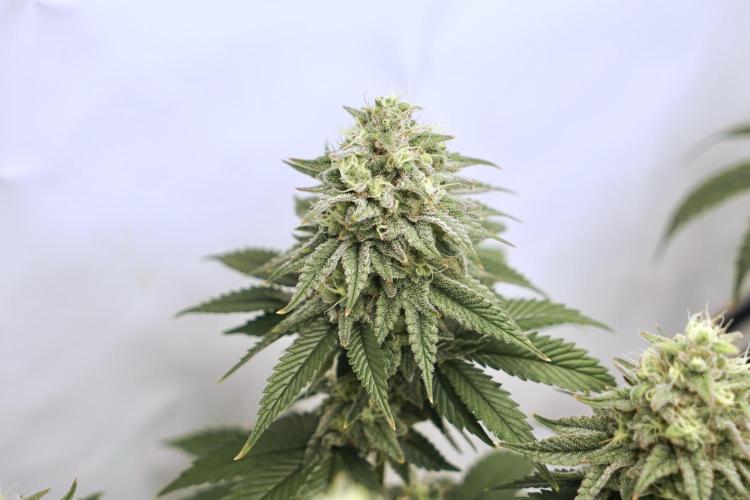
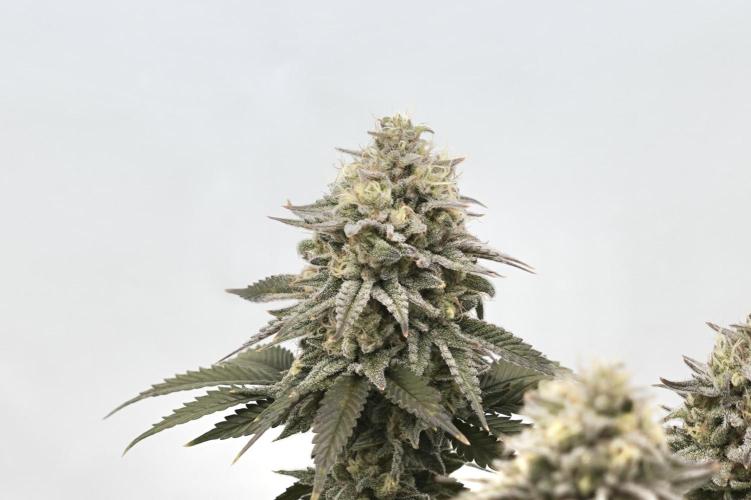
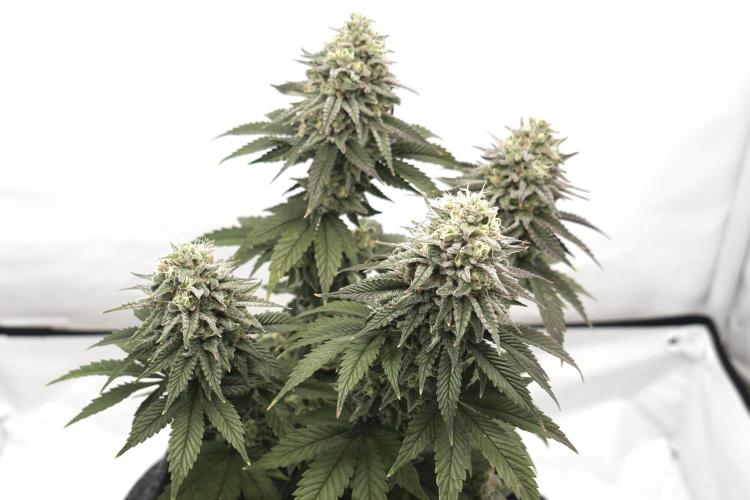
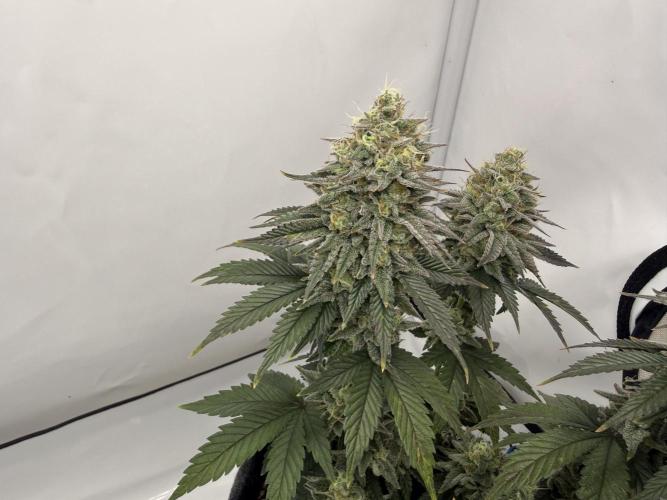
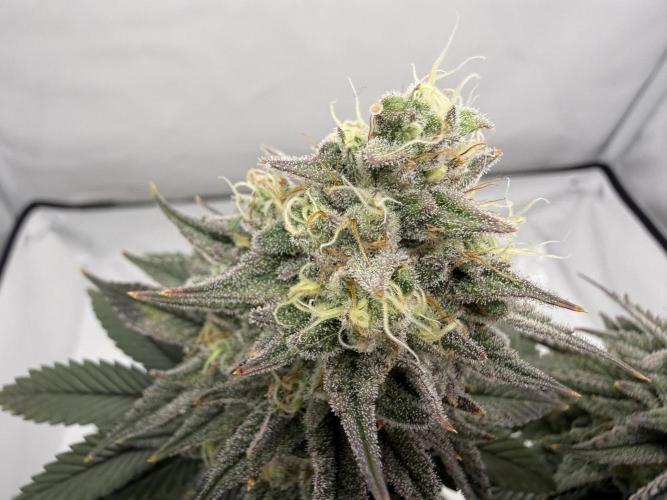
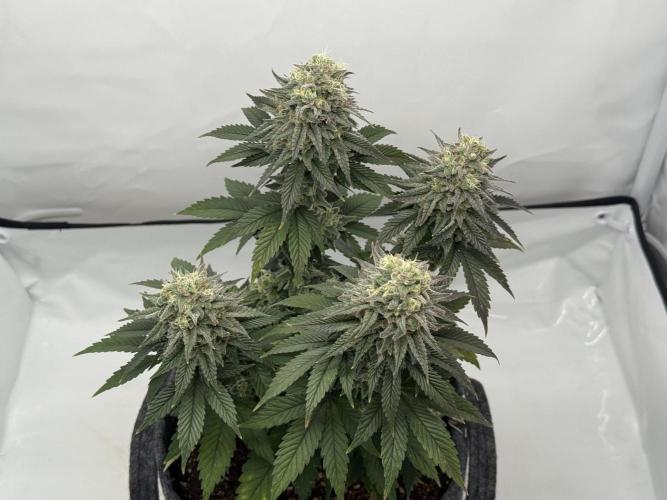
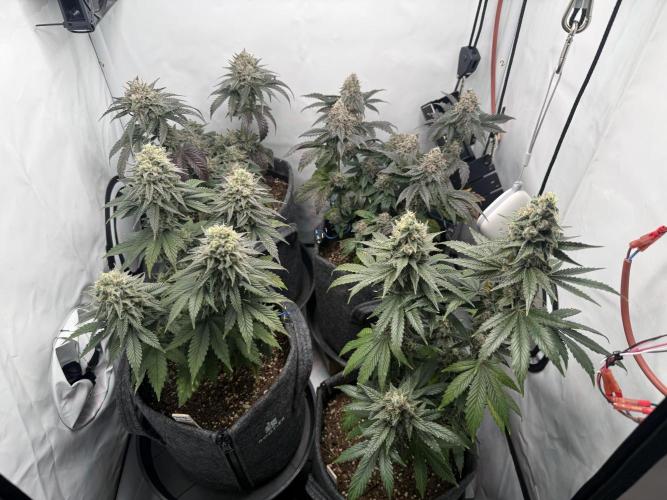
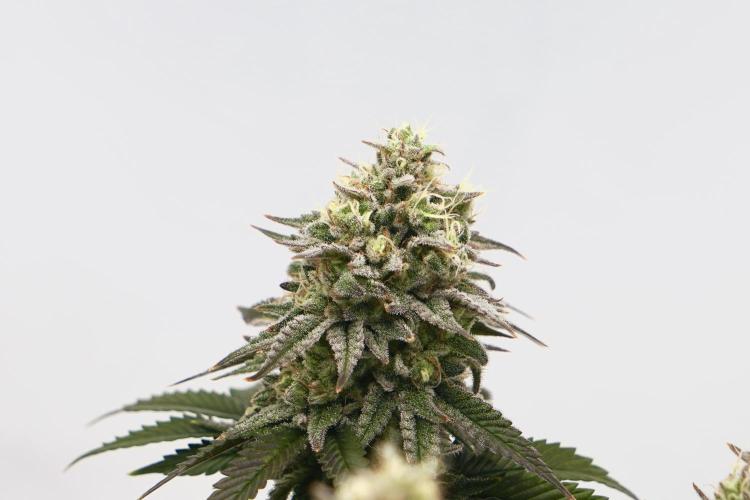
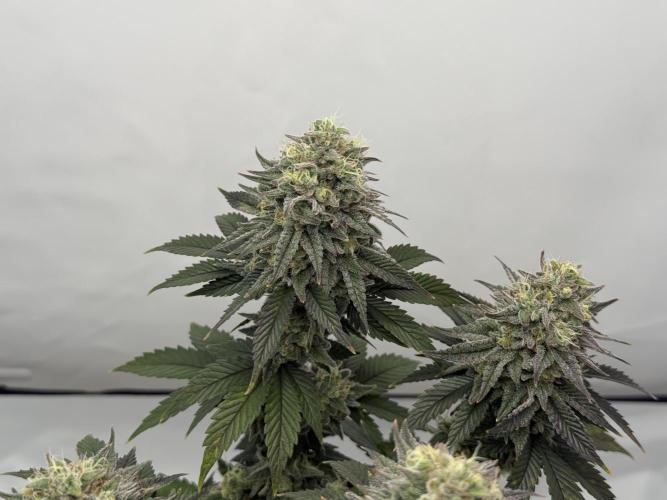
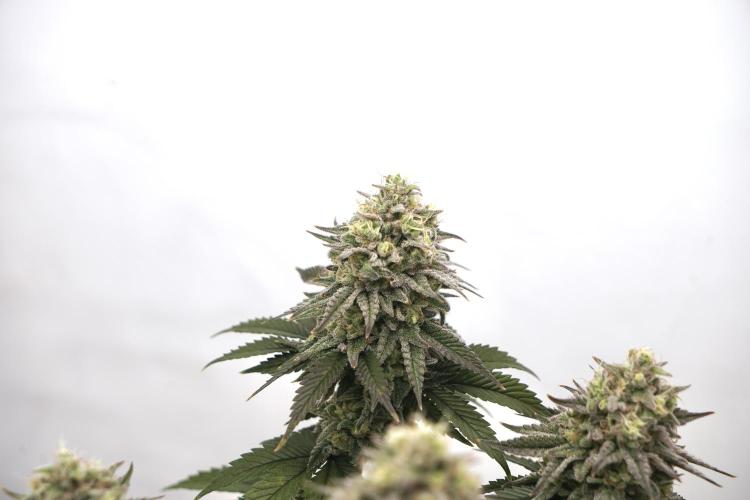
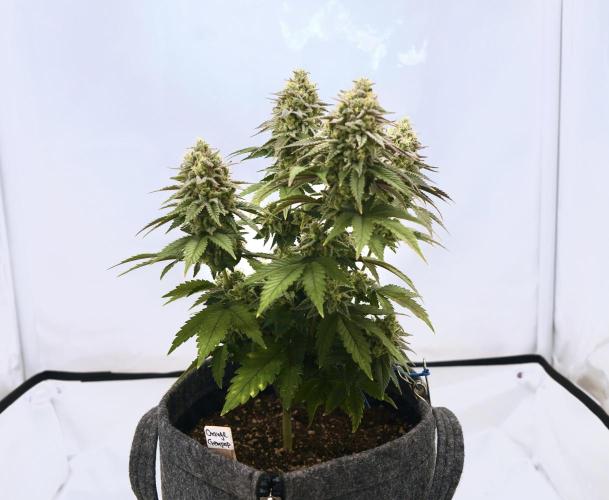
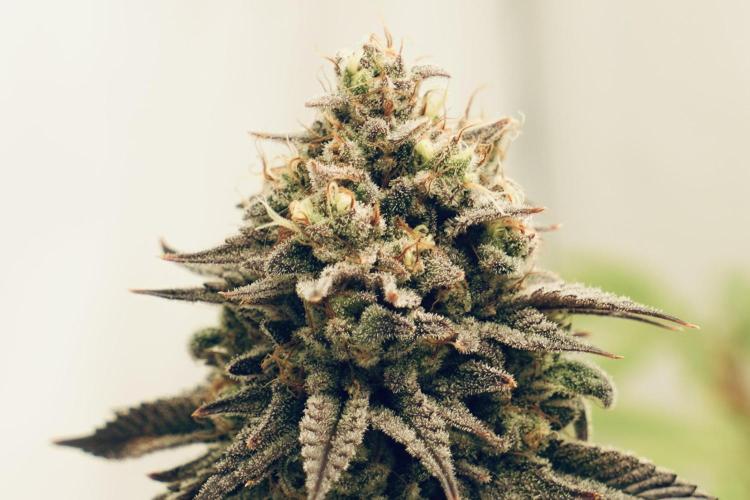
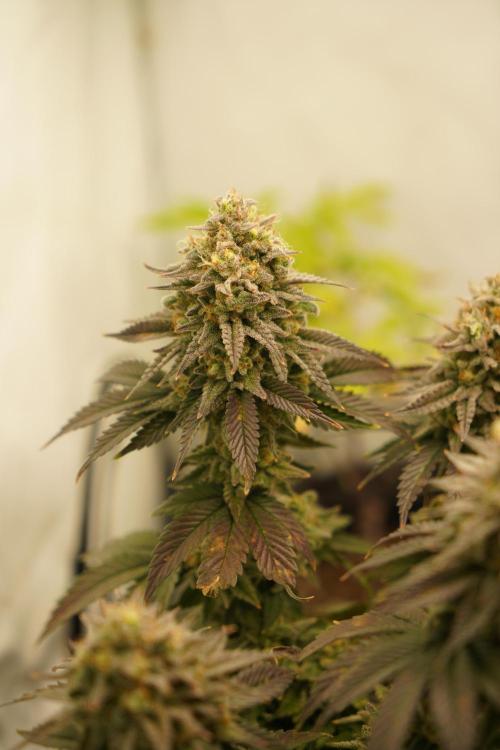
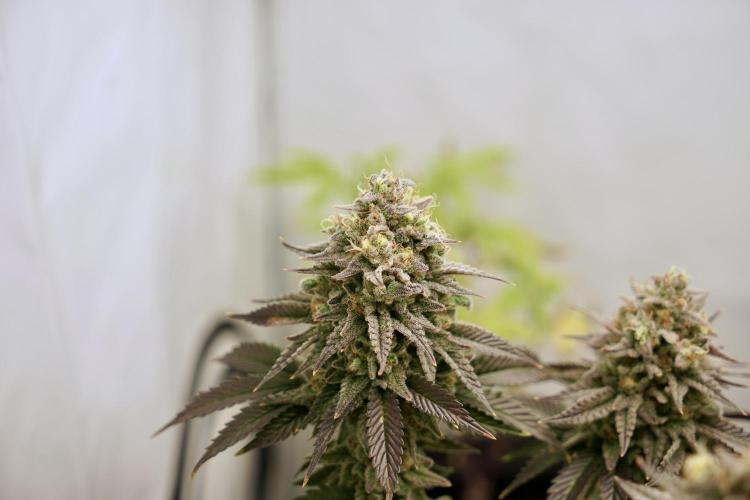
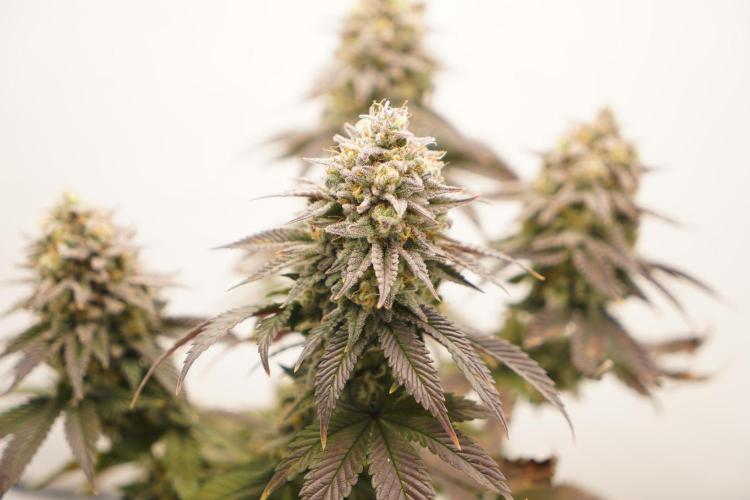
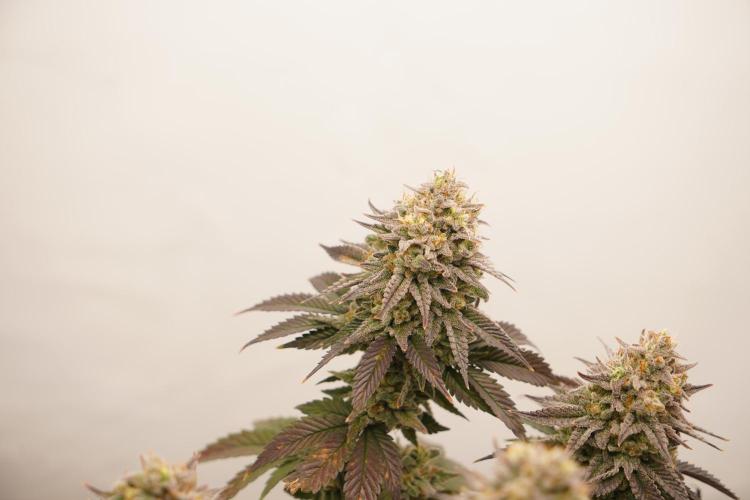
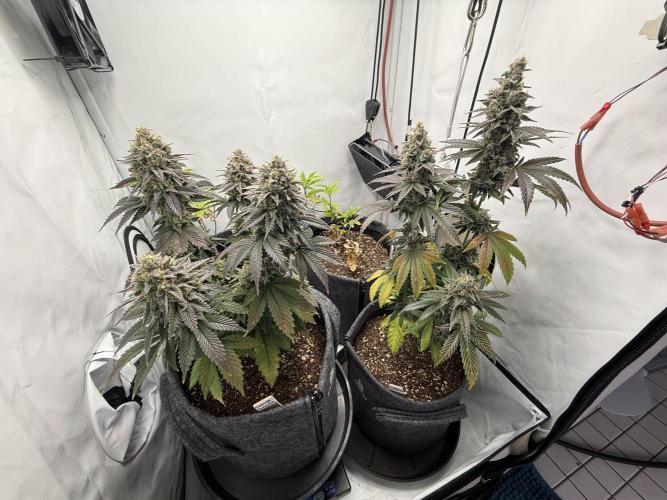
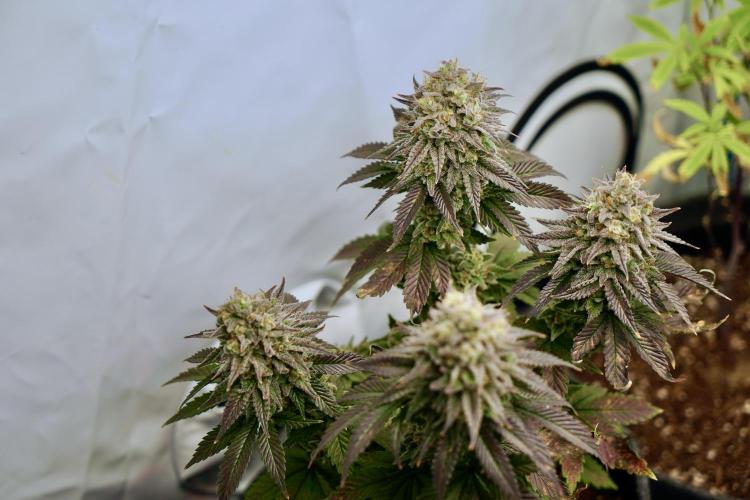
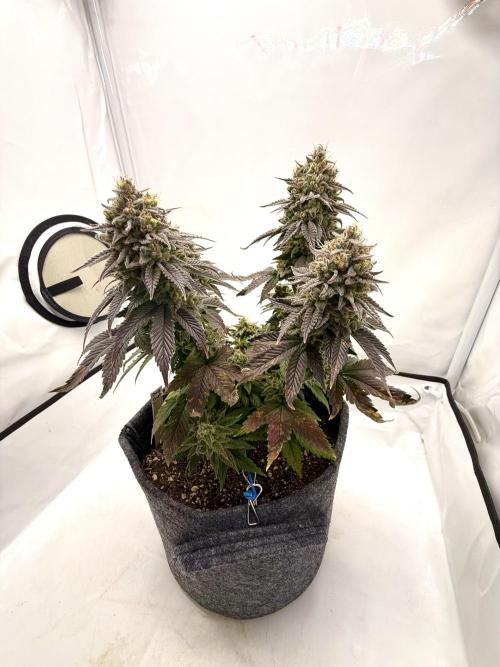
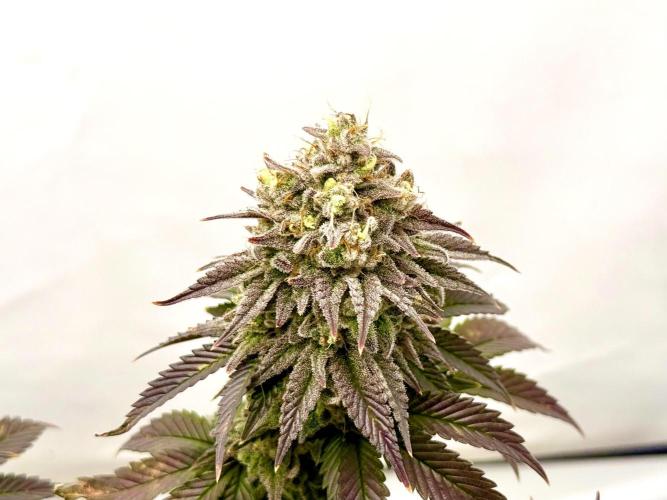
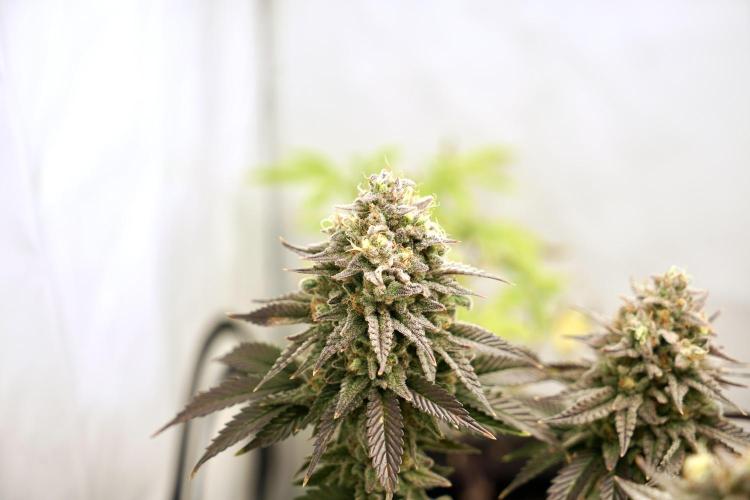
Schnahacken On day 48, the Orange Creampop shows a very distinct profile compared to the GSC and Pistacio. While the others are already maturing significantly, the Orange displays its Sativa-dominant genetics through impressive resin production and a slightly different bud structure.
Here’s the detailed analysis for the Orange Creampop:
1. Bud Structure & Calyx Development
Stacking: The Orange shows very pointed, tower-shaped buds. The calyxes stack more vertically here than with the GSC.
Hair Status: In contrast to the Pistacio, there are already significantly more stigmas (hairs) turning orange-brown and starting to curl.
Swelling: The calyxes at the base are already very plump and pushing the hairs aside, indicating a massive increase in bud density.
2. Trichome Analysis & Resin Coverage
Status: The trichomes are uniformly cloudy.
Shine Factor: The resin coverage is particularly intense with this strain; the buds appear almost "wet," which is a sign of a very high concentration of essential oils and terpenes.
Amber Check: The first amber heads are appearing on the sugar leaves, but the actual flower calyxes are still purely white-cloudy.
3. Leaf Vitality & 710 PPFD
Autumn Signs: The Orange Creampop is showing the first signs of "autumn." The large fan leaves are starting to mobilize nutrients into the buds.
Light Resilience: Despite the maximum light output of 710 PPFD, there are no signs of light stress or bleaching at the tips. Your pH of 6.43 and the 2.0 ml/l CalMag keep the plant stable, even though it has the highest metabolic rate at this stage.
Recommendation for the Orange Creampop:
It is timed perfectly between the fast GSC and the slightly slower Pistacio.
Watering: Watering is due today or tomorrow. Keep the 2.0 ml/l CalMag to avoid accelerating leaf decay under the strong light.
Nutrients: No further BioBizz additives needed; the Green House Feeding in the soil works highly efficiently at this pH level.
Flushing Plan: I expect that we can start flushing her in about 4–6 days.
8 likes
comments
Share
13
Week 13. Flowering8mo ago
28 cm
Height
12 hrs
Light Schedule
22 °C
Day Air Temp
6.3
pH
45 %
Air Humidity
20 °C
Night Air Temp
6 liters
Pot Size
0.1 liters
Watering Volume
30 cm
Lamp Distance
Nutrients 3
Calmag
0.8 mll
Top-Max
2 mll
Ph Min
0.01 mll
Schnahacken on to week 13
12 likes
1 comment
Share
14
Week 14. Flowering7mo ago
28 cm
Height
12 hrs
Light Schedule
22 °C
Day Air Temp
6.3
pH
45 %
Air Humidity
20 °C
Night Air Temp
6 liters
Pot Size
0.1 liters
Watering Volume
30 cm
Lamp Distance
Nutrients 3
Calmag
0.8 mll
Top-Max
2 mll
Ph Min
0.01 mll
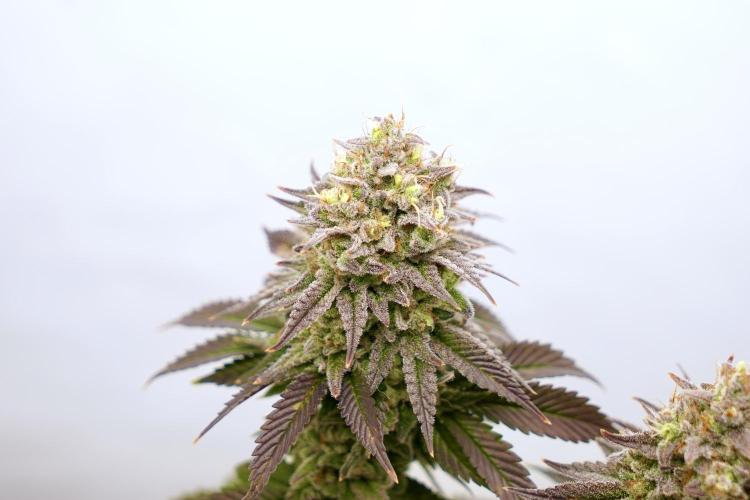
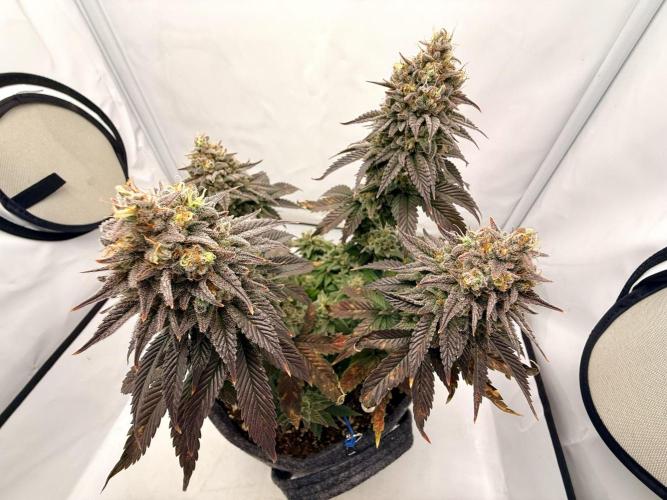
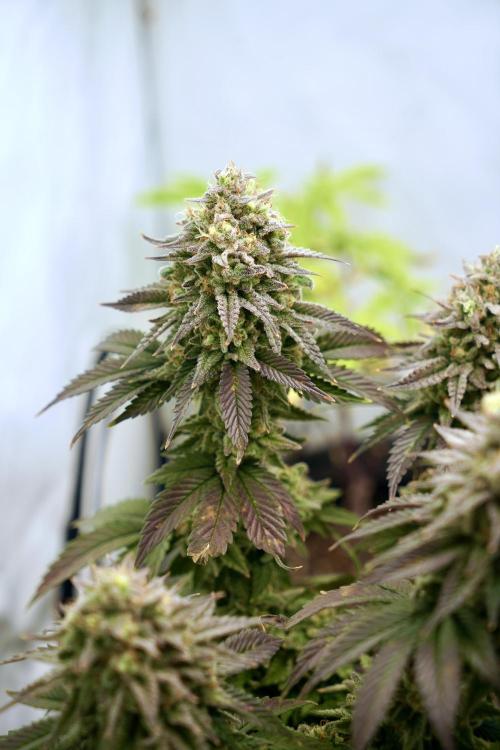
Schnahacken on to week 14 and the last one :)
15 likes
3 comments
Share
15
Week 15. Harvest7mo ago
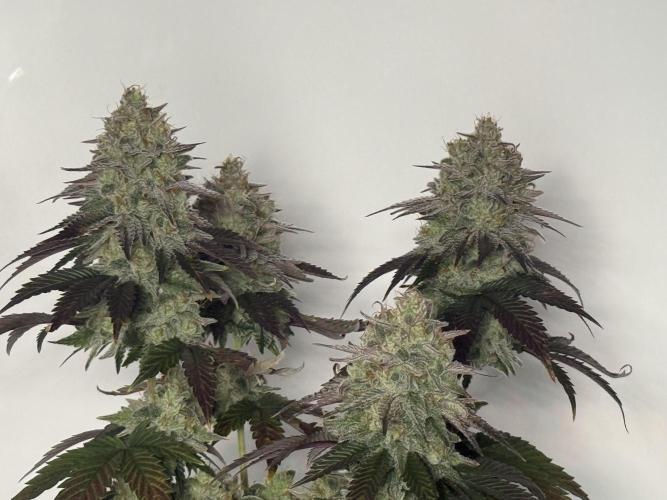
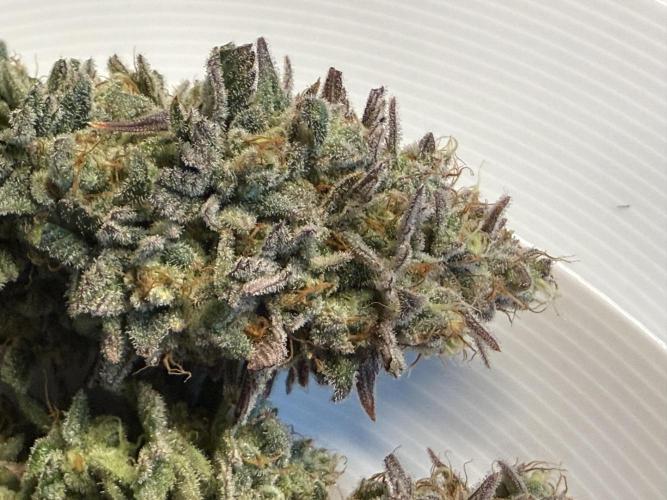
Happy Harvest Day!


10/10
Rated
A detailed report will come after the drying.
Show more
Original
Spent 100 days
Ger Veg Flo Har
105 g
Bud wet weight per plant
1
Plants
Easy
Difficulty
Height
Day air temperature
Air humidity
PH
Light schedule
Night air temperature
Pot size
Lamp distance
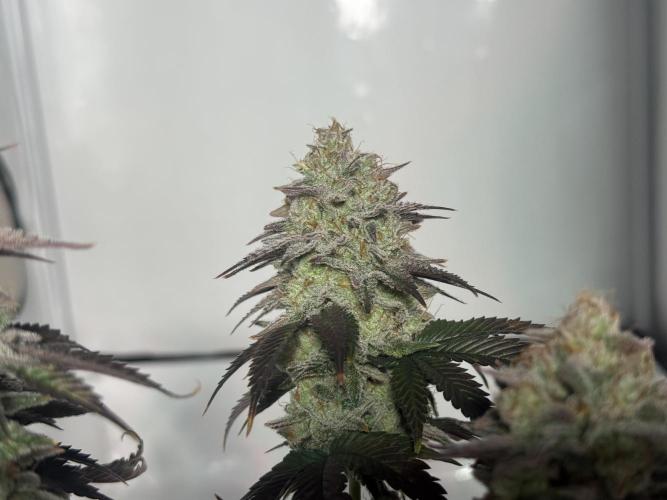
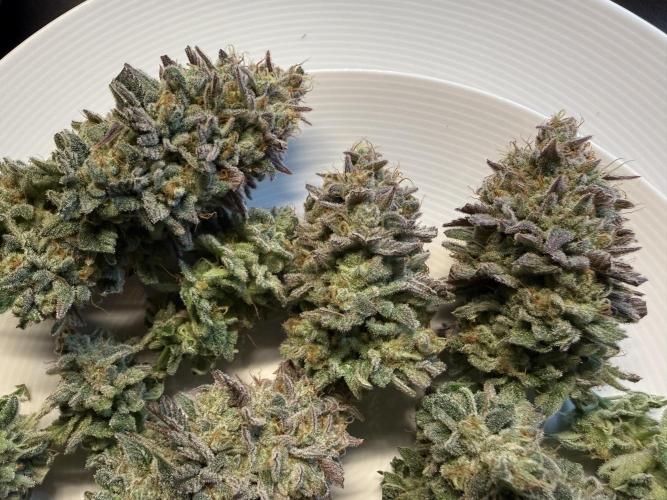
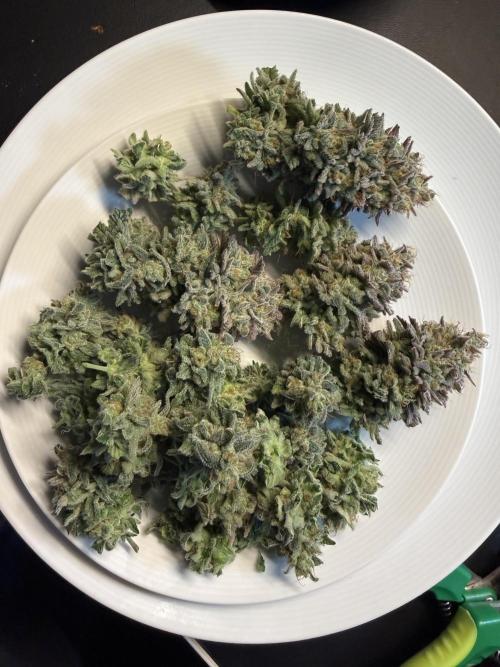
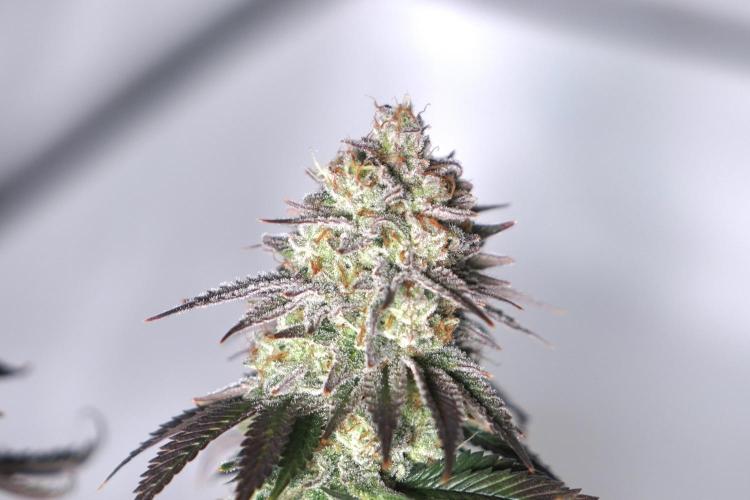
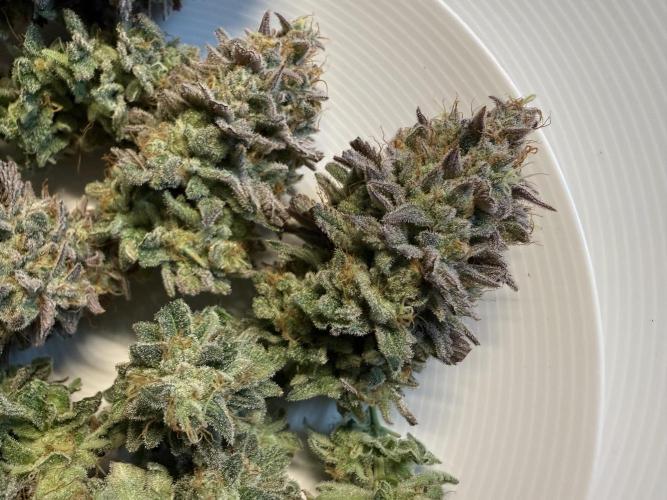
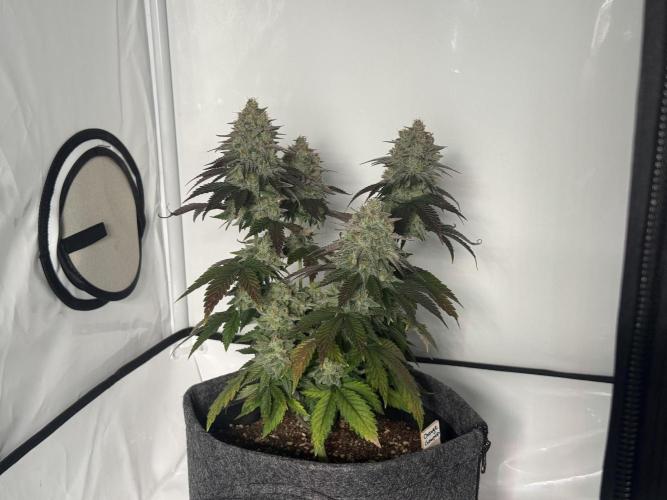
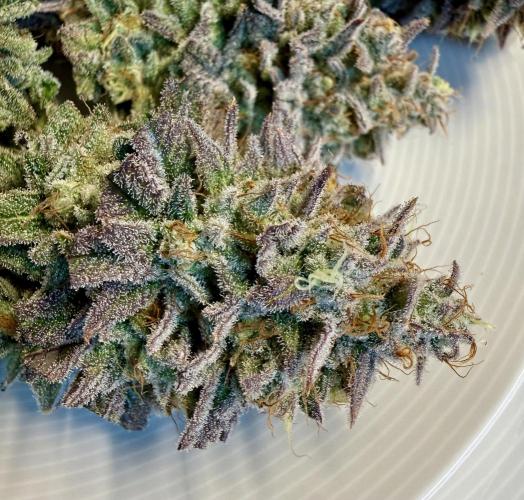
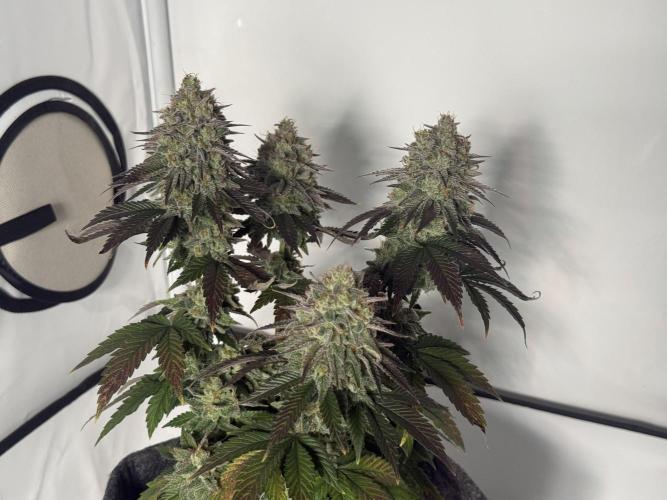
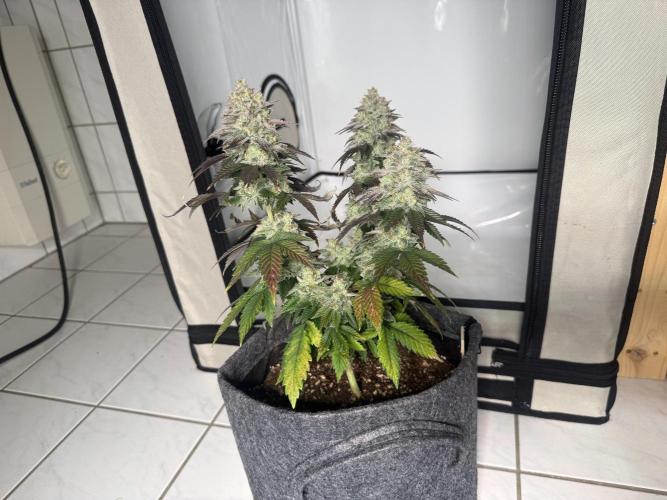
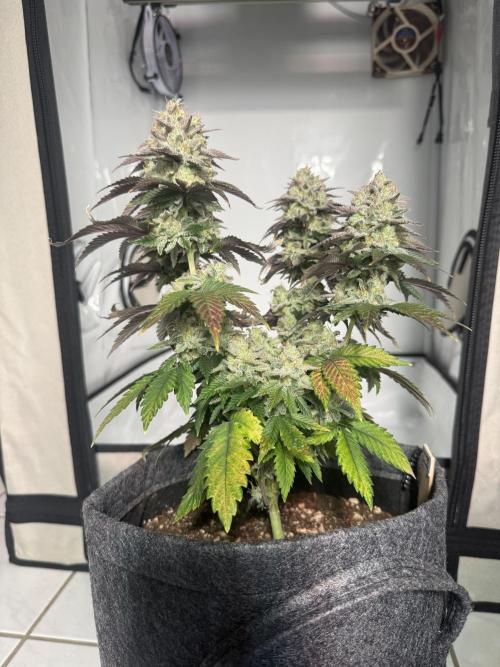
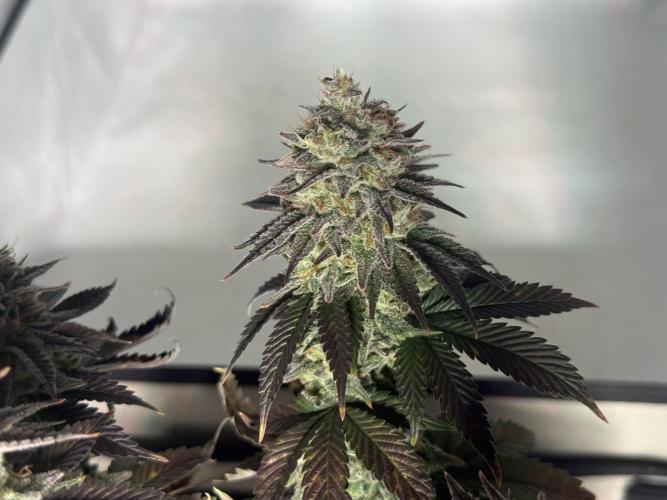
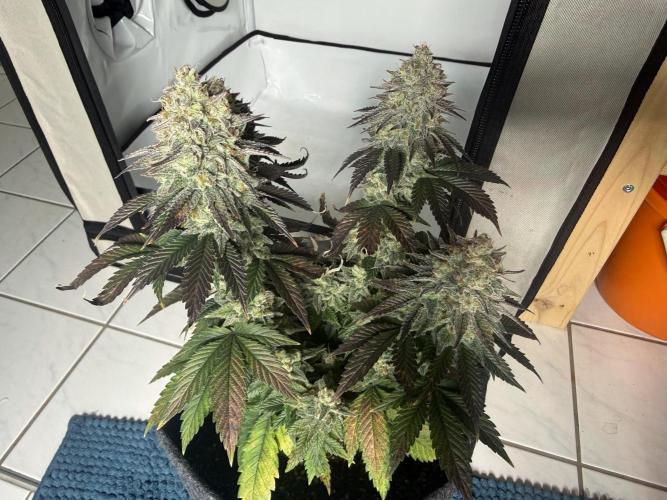
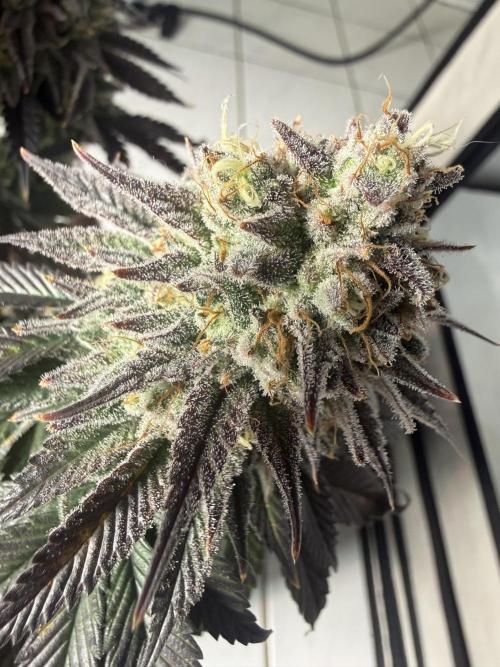
Schnahacken It was harvested
21 likes
5 comments
Share
Equipment Reviews






12 comments
Sort by
popularity
popularity
newest
oldest

Stony_German commentedweek 210mo ago
Hello beautiful little girl. Congratulations to the proud parents on the birth of their offspring. 😉 May she grow up beautiful, fat, and tasty.
likes 5

DrGruen commentedweek 157mo ago
Enjoy the fat harvest 😎
likes 4

Momentum commentedweek 157mo ago
looks wonderfully tasty 👍
likes 4
DrGruen commentedweek 147mo ago
wishing you a good harvest buddy😎
likes 3

Wilstang commentedweek 79mo ago
Incredible strain 🔥
likes 3

Irrai commentedweek 157mo ago
I can only agree with my predecessors; they look as good as they sound 🌿😍
likes 2
Wilstang commentedweek 147mo ago
Dope finish, enjoy the smoke 💨💯
likes 2

Terponaut commentedweek 144mo ago
Just looking at this makes my mouth water. Time to roll one up :) Thanks for the grow report!
like 1

YourLocalGrowmie commentedweek 108mo ago
Some of the most orangy and zesty tasting strain out there right now
like 1

bkickstand commentedweek 153mo ago
Wow, looks great!
likes
Wilstang commentedweek 156mo ago
Beautiful finish 🍬🔥
likes

RabbitHole commentedweek 138mo ago
already sexy =D nice work !
likes

the end.
Enjoying this diary? Follow for more updates!
Prefer the old Diary view?
Go back to the old Diary view