


Pistachio #2025








Indoor
Room Type
Topping
weeks 3
6 liters
Pot Size
0.2 liters
Watering
Start at Harvest
G
Germination1y ago


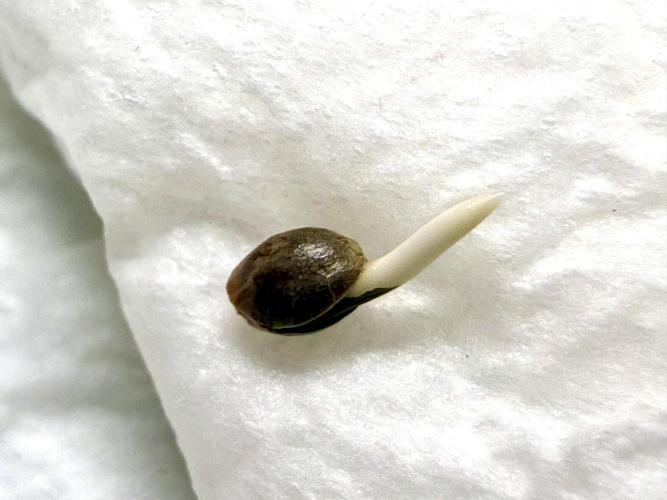


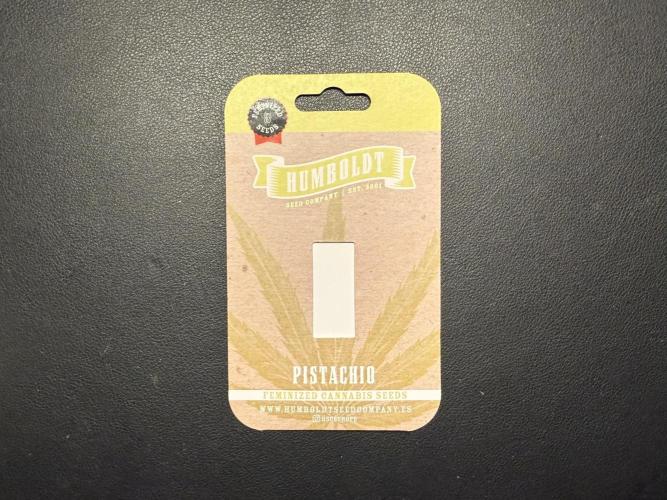
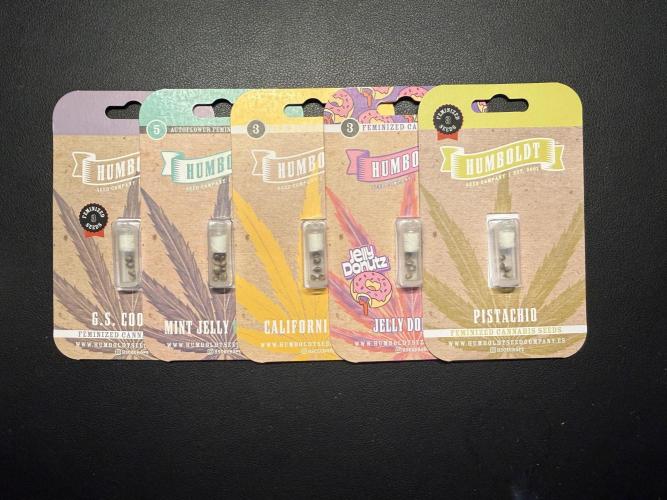
Schnahacken here's to a new beginning
9 likes
1 comment
Share
Used method
Paper Towel
Germination Method
1
Week 1. Vegetation1y ago
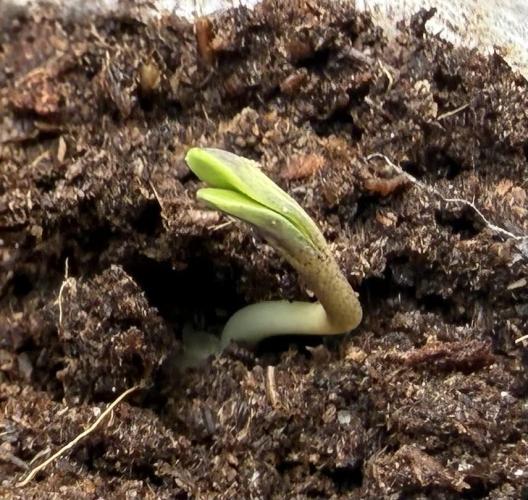
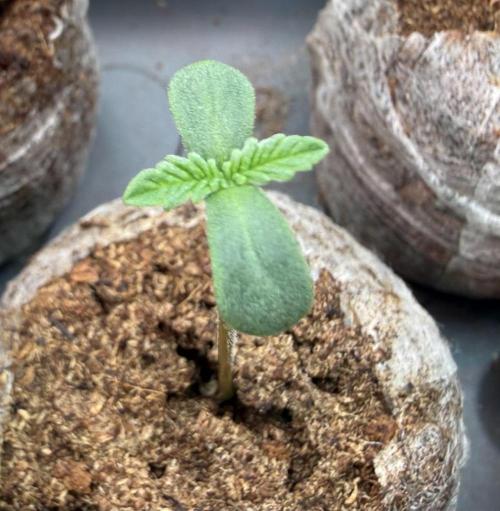
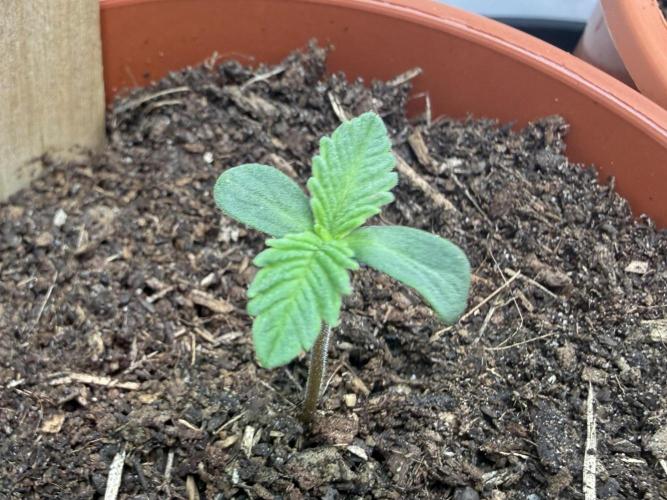
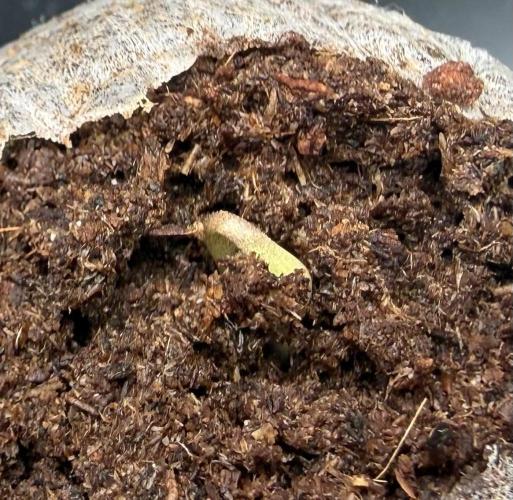

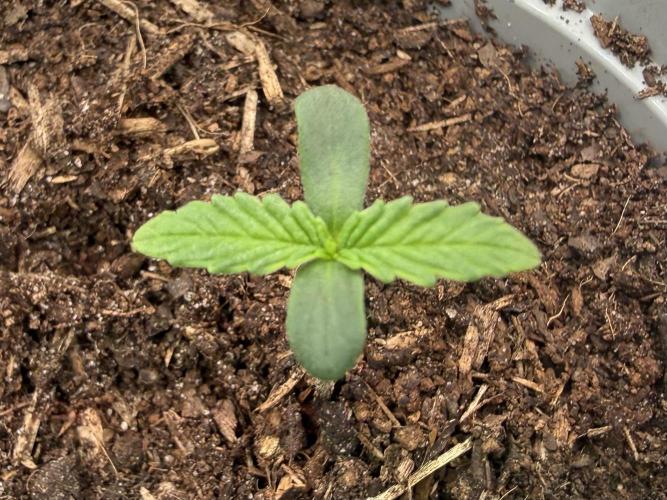
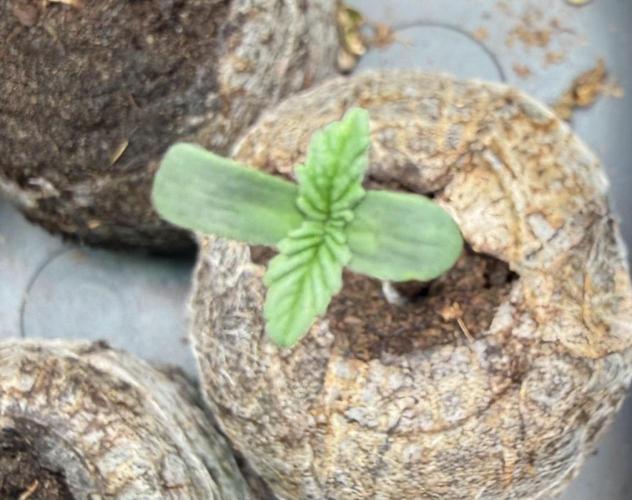
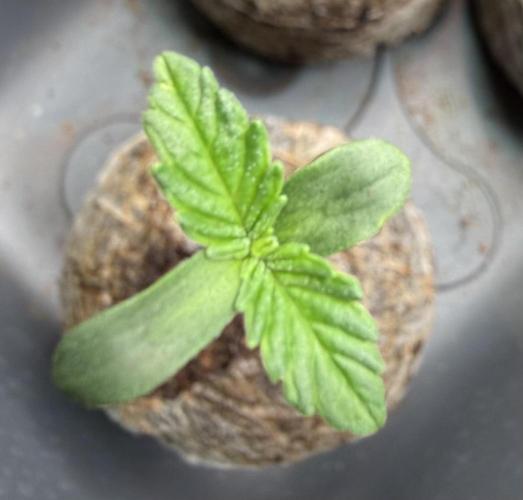
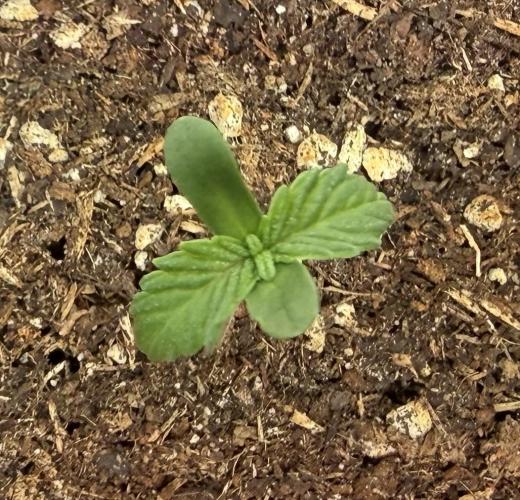
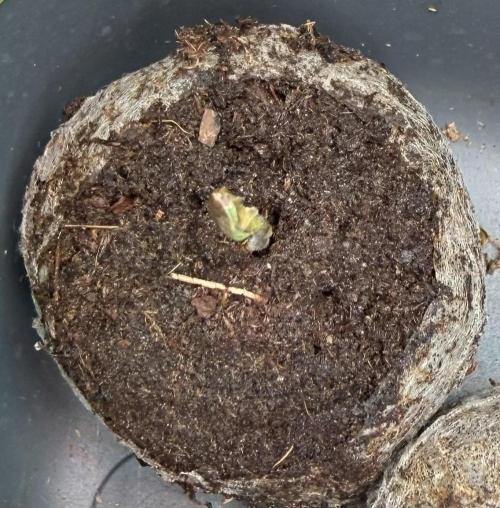
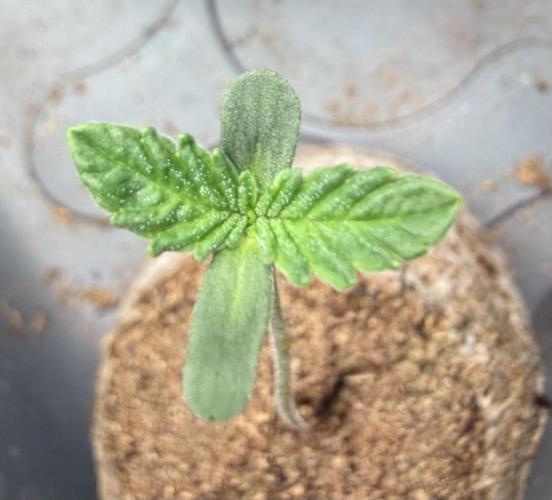
1 cm
Height
18 hrs
Light Schedule
23 °C
Day Air Temp
6.5
pH
50 %
Air Humidity
20 °C
Night Air Temp
0.1 liters
Pot Size
0.1 liters
Watering Volume
20 cm
Lamp Distance
Schnahacken off to week 1
- both seeds have germinated, the best of the two will be selected
13 likes
1 comment
Share
2
Week 2. Vegetation1y ago
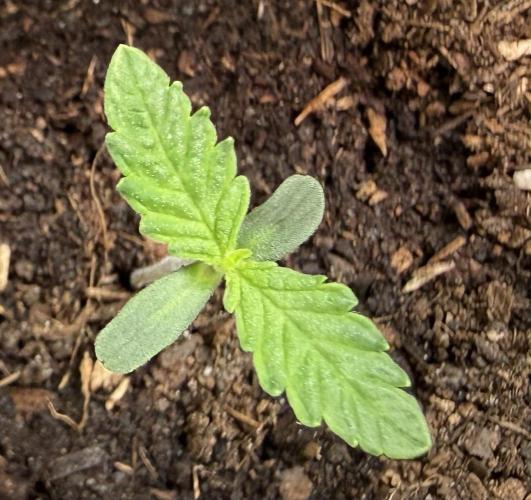
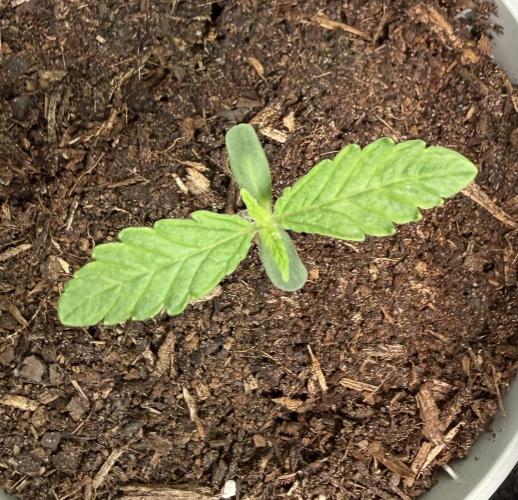
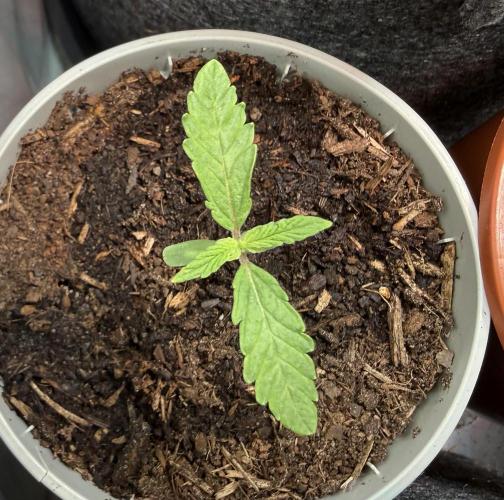
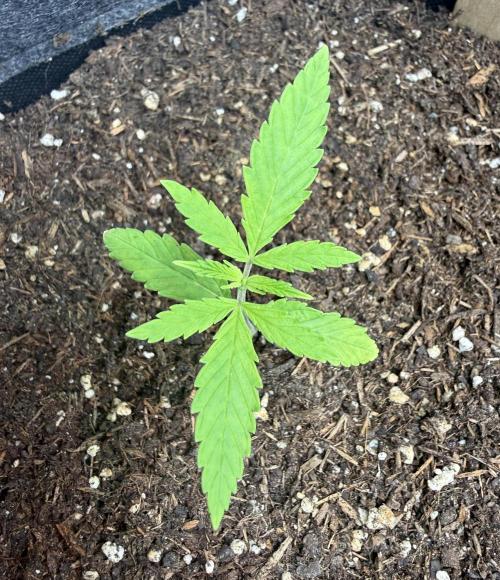
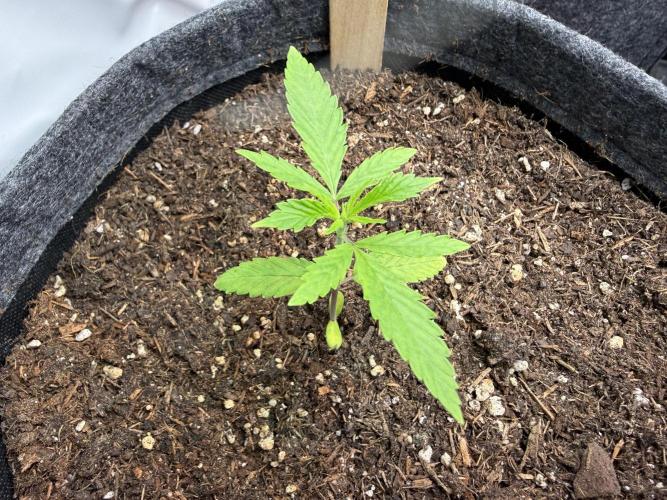
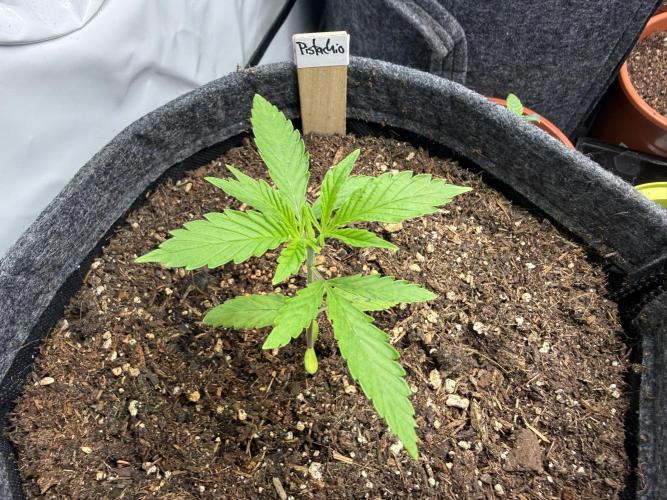
2 cm
Height
18 hrs
Light Schedule
23 °C
Day Air Temp
6.5
pH
50 %
Air Humidity
20 °C
Night Air Temp
0.5 liters
Pot Size
0.1 liters
Watering Volume
20 cm
Lamp Distance
Schnahacken off to the 2nd week
11 likes
1 comment
Share
3
Week 3. Vegetation10mo ago
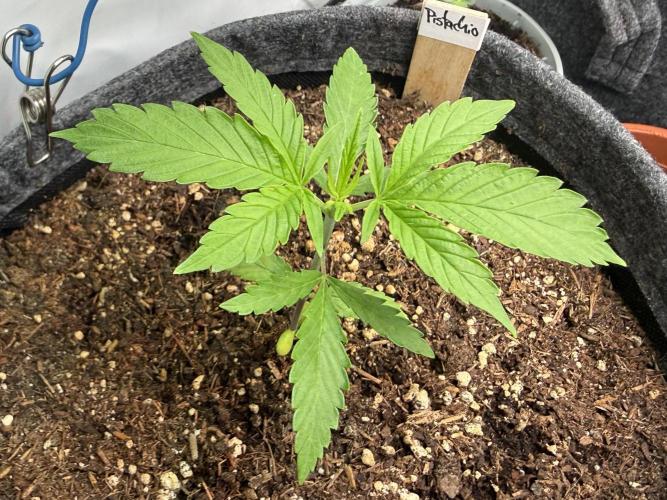
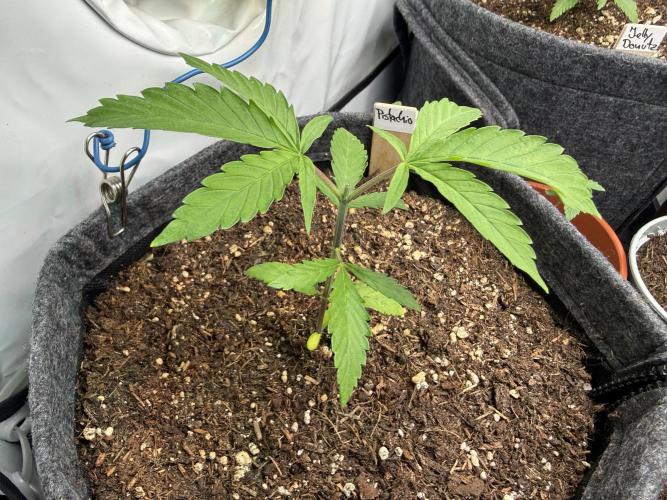
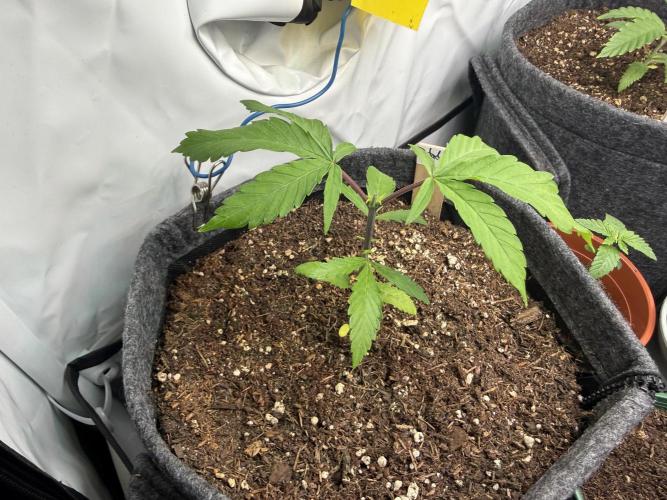
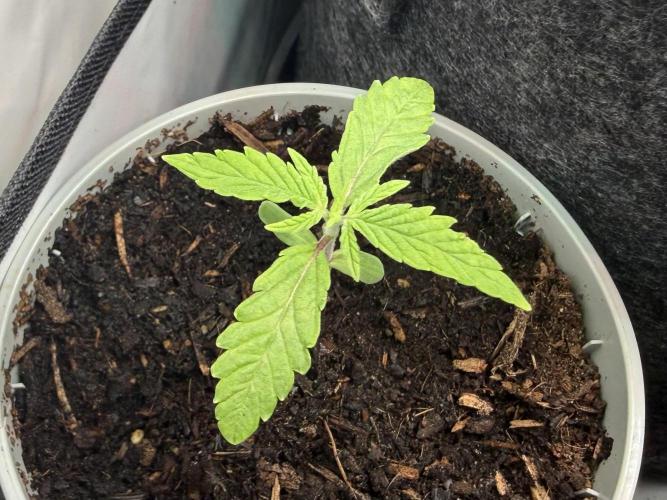
5 cm
Height
18 hrs
Light Schedule
23 °C
Day Air Temp
6.5
pH
50 %
Air Humidity
20 °C
Night Air Temp
0.5 liters
Pot Size
0.1 liters
Watering Volume
20 cm
Lamp Distance
Schnahacken into the 3rd week
8 likes
comments
Share
Used techniques
Topping
Technique
4
Week 4. Vegetation10mo ago
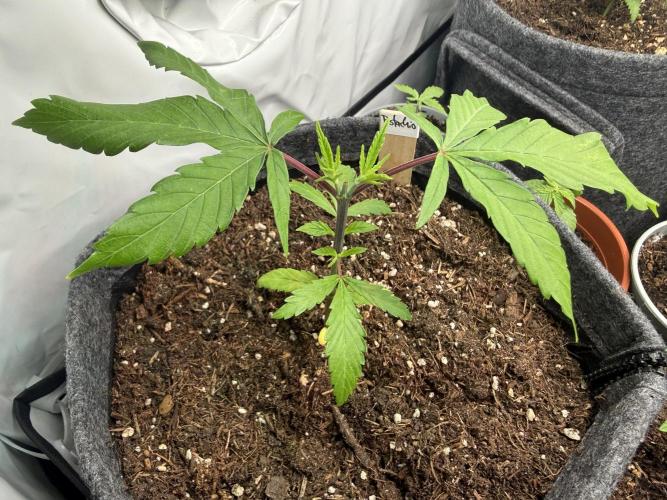
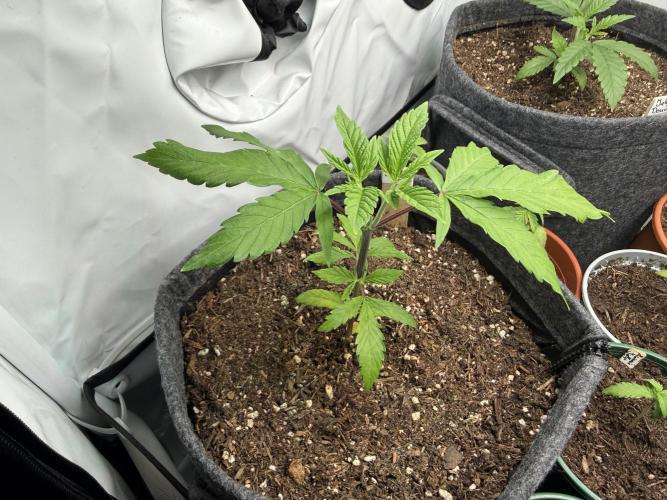
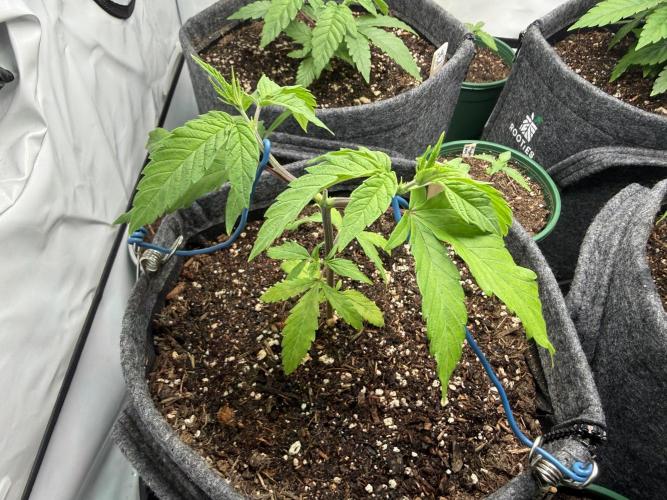
10 cm
Height
18 hrs
Light Schedule
23 °C
Day Air Temp
6.5
pH
50 %
Air Humidity
20 °C
Night Air Temp
0.5 liters
Pot Size
0.1 liters
Watering Volume
20 cm
Lamp Distance
Schnahacken into the 4th week
10 likes
comments
Share
5
Week 5. Vegetation9mo ago
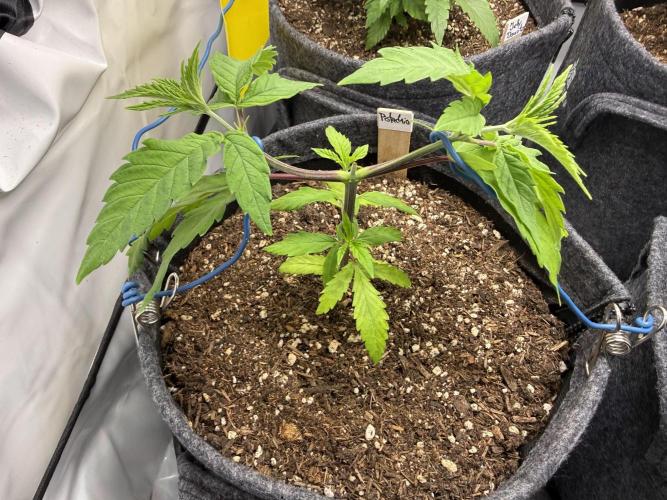
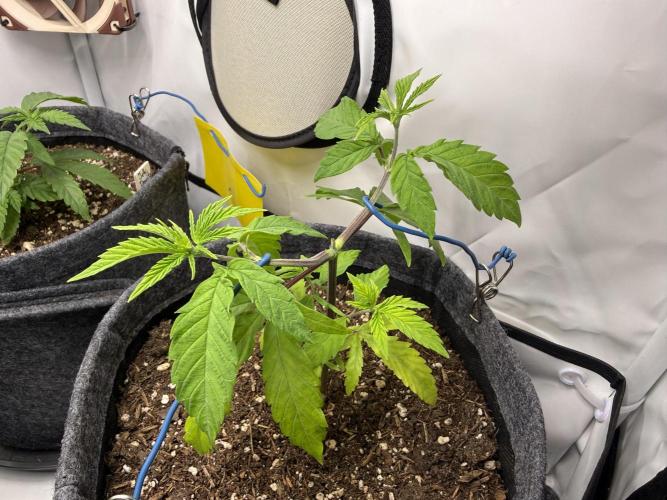
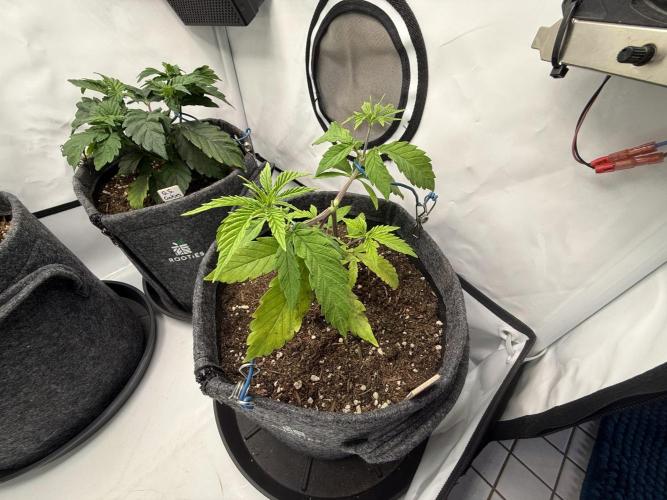
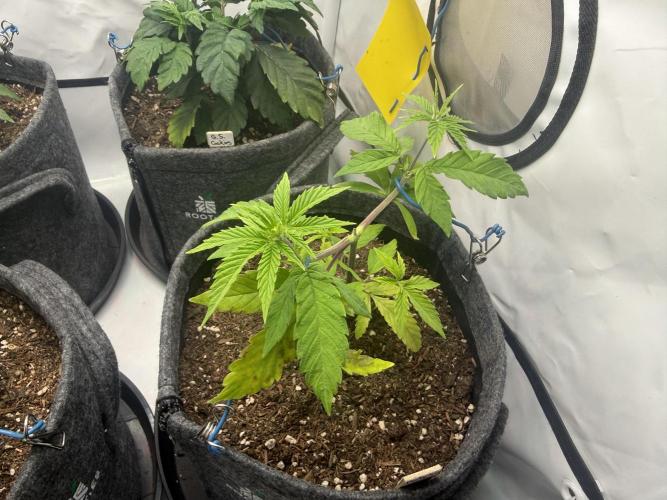
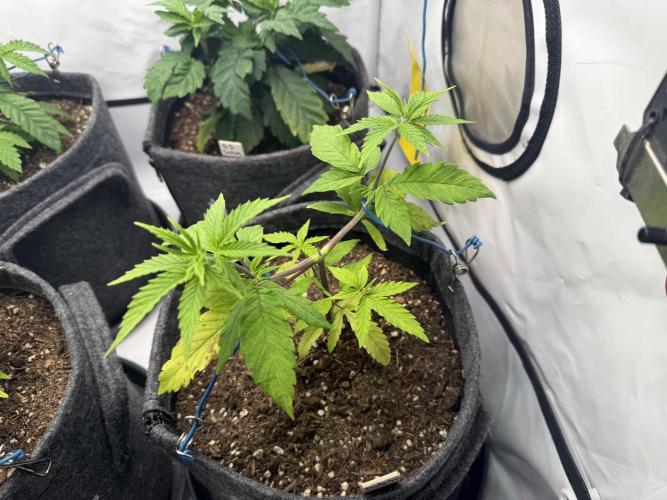
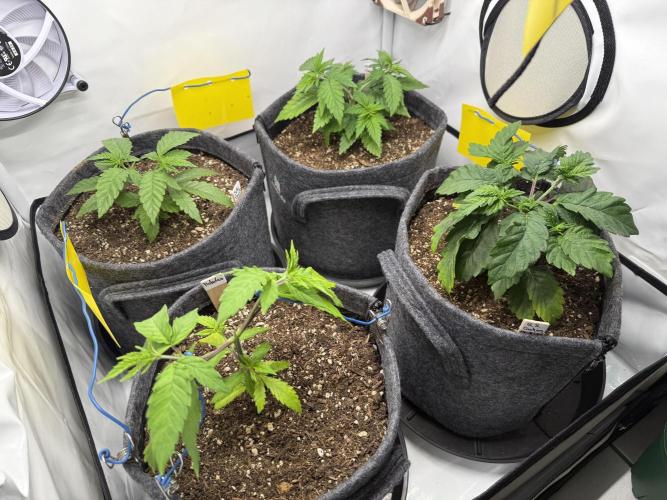
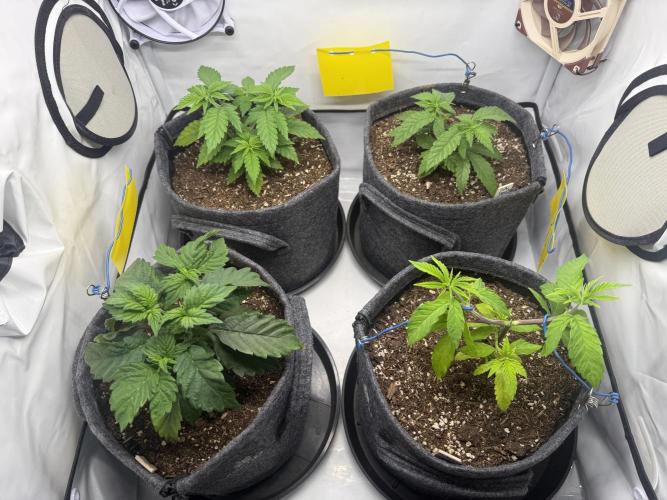
17 cm
Height
18 hrs
Light Schedule
23 °C
Day Air Temp
6.5
pH
45 %
Air Humidity
20 °C
Night Air Temp
6 liters
Pot Size
0.1 liters
Watering Volume
30 cm
Lamp Distance
Schnahacken on to week 5
9 likes
comments
Share
6
Week 6. Flowering9mo ago
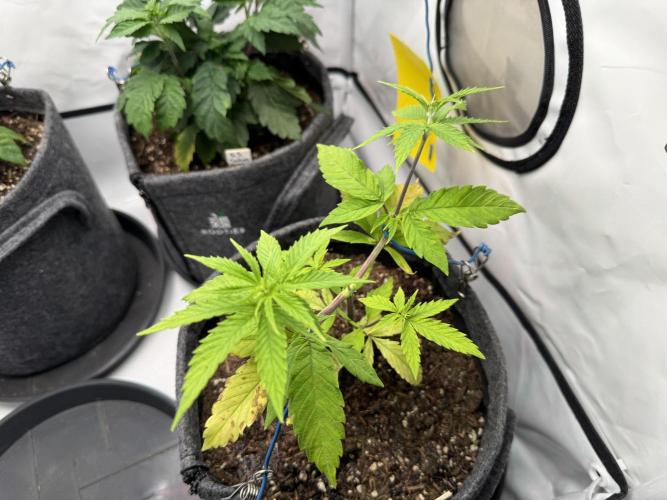
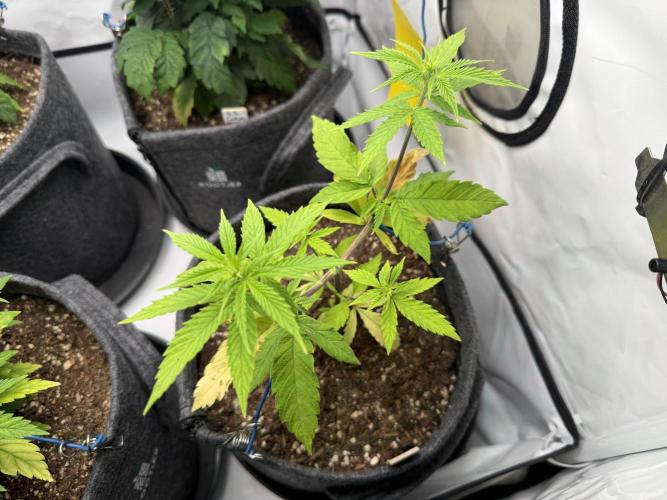
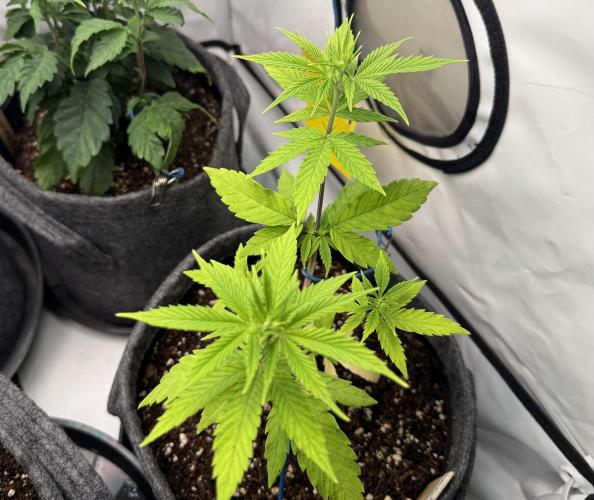
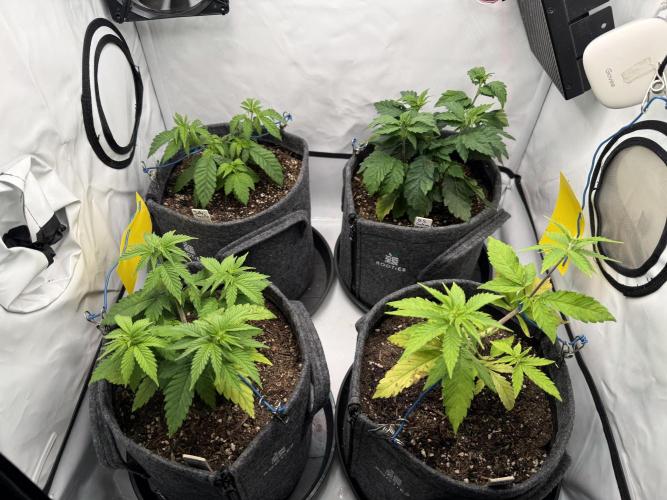

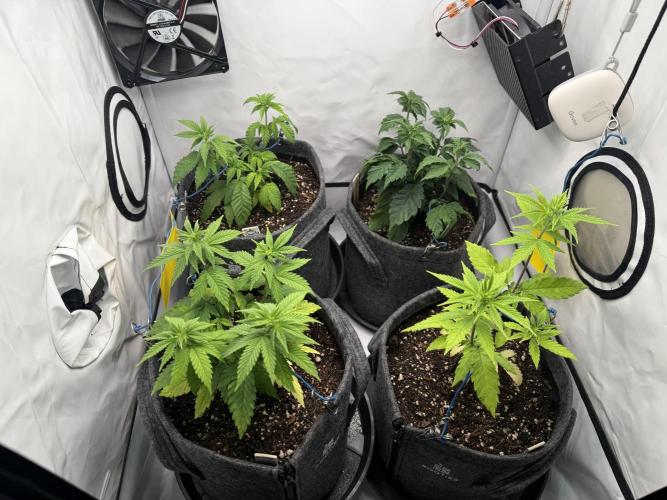
20 cm
Height
12 hrs
Light Schedule
23 °C
Day Air Temp
6.5
pH
45 %
Air Humidity
20 °C
Night Air Temp
6 liters
Pot Size
0.1 liters
Watering Volume
30 cm
Lamp Distance
Nutrients 2

Calmag
0.8 mll

BioBloom
25 mll
Schnahacken into flowering
- the light was set to 12/12
9 likes
comments
Share
7
Week 7. Flowering9mo ago
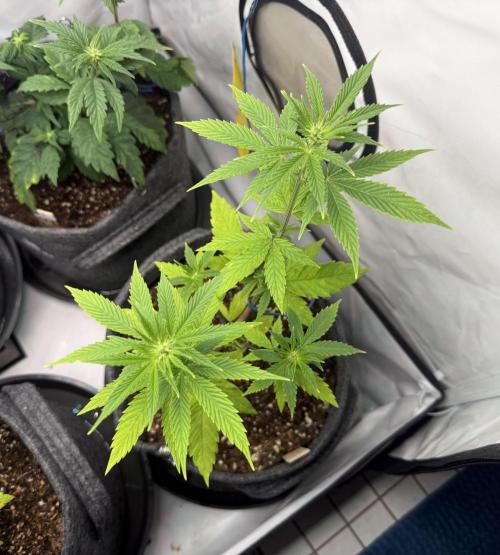
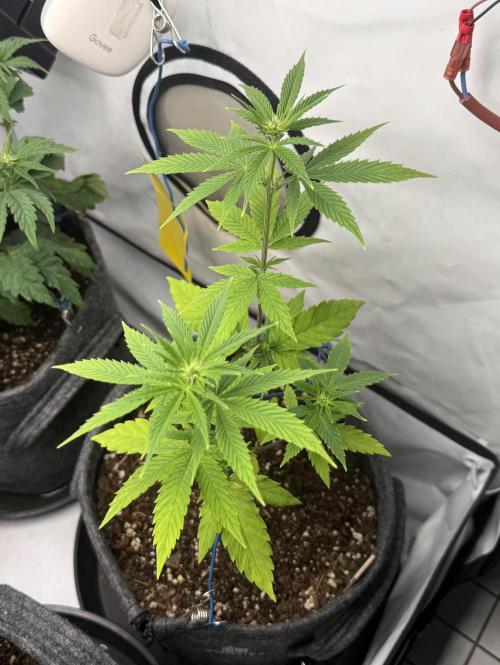
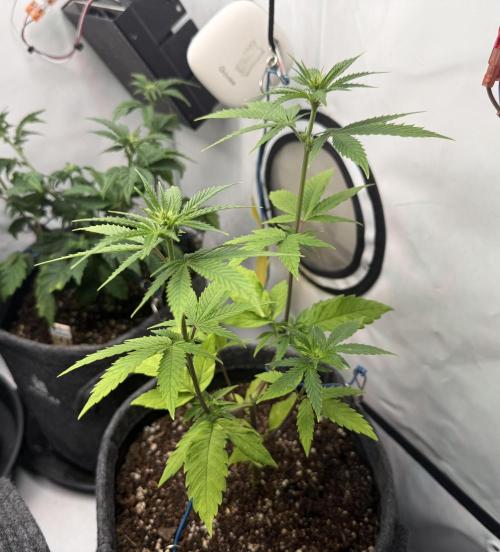
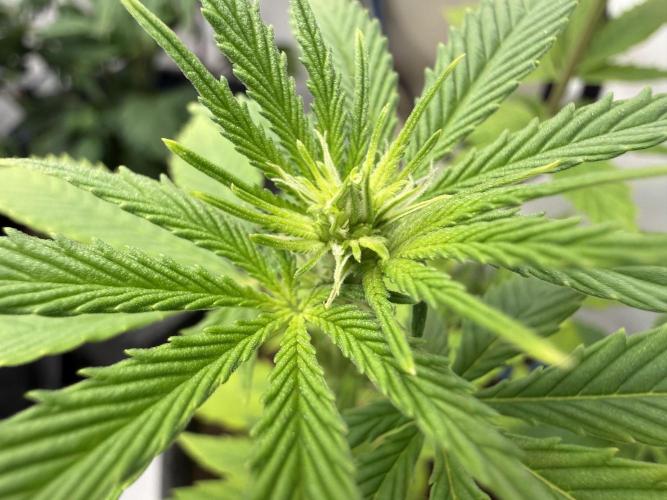
30 cm
Height
12 hrs
Light Schedule
23 °C
Day Air Temp
6.5
pH
45 %
Air Humidity
20 °C
Night Air Temp
6 liters
Pot Size
0.1 liters
Watering Volume
30 cm
Lamp Distance
Nutrients 1
Calmag
0.8 mll
Schnahacken on to week 7
8 likes
comments
Share
8
Week 8. Flowering9mo ago
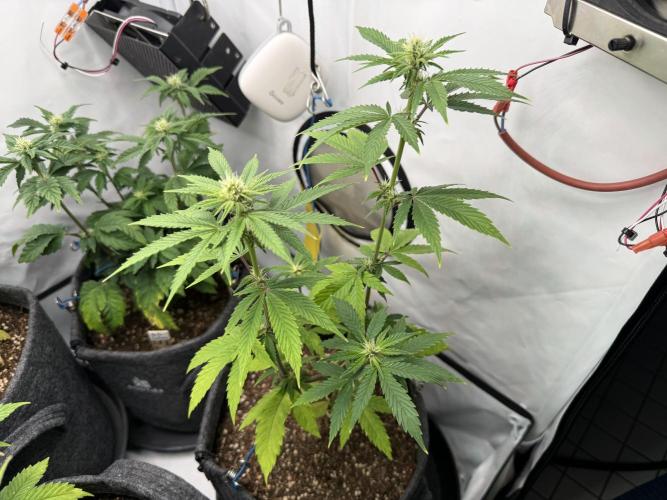
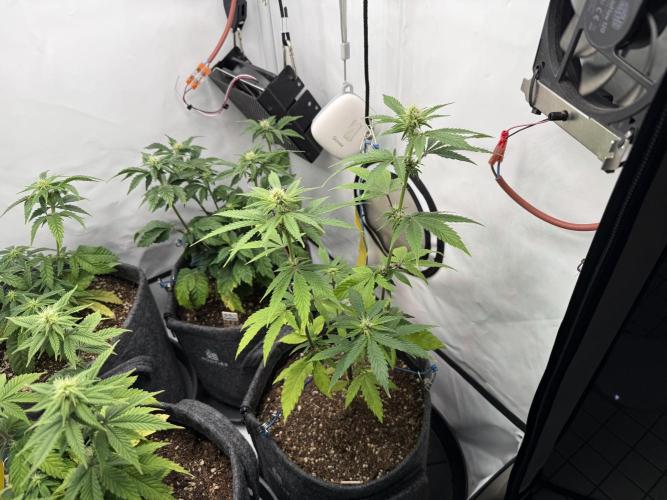
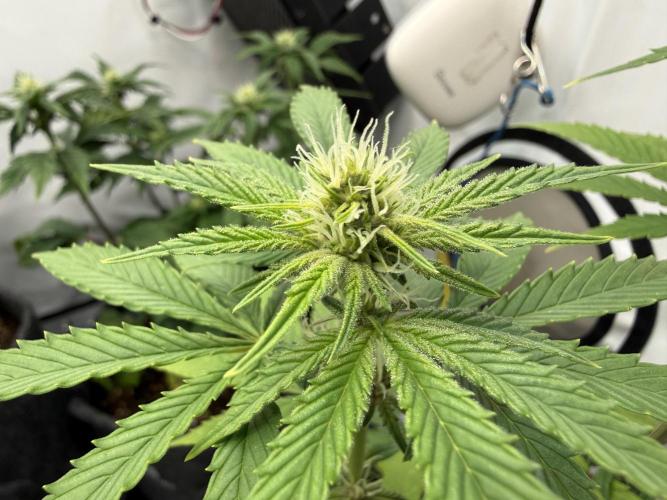
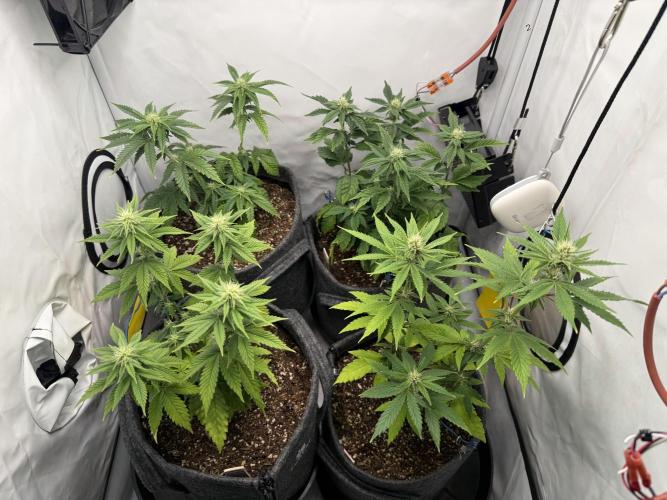
39 cm
Height
12 hrs
Light Schedule
23 °C
Day Air Temp
6.5
pH
45 %
Air Humidity
20 °C
Night Air Temp
6 liters
Pot Size
0.2 liters
Watering Volume
30 cm
Lamp Distance
Nutrients 1
Calmag
0.8 mll
Schnahacken on to week 8
11 likes
comments
Share
9
Week 9. Flowering9mo ago
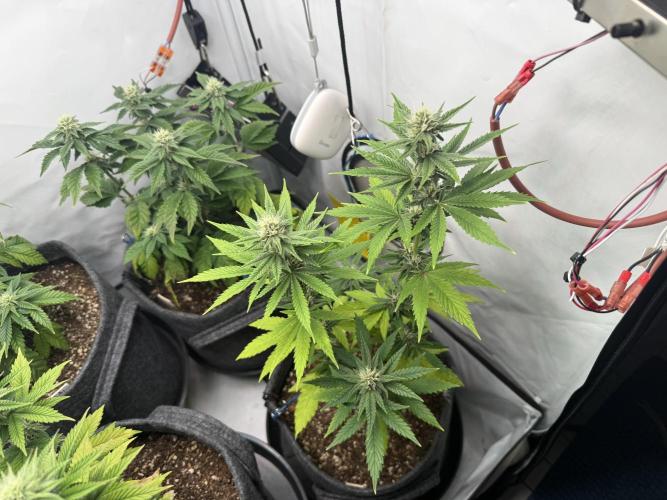
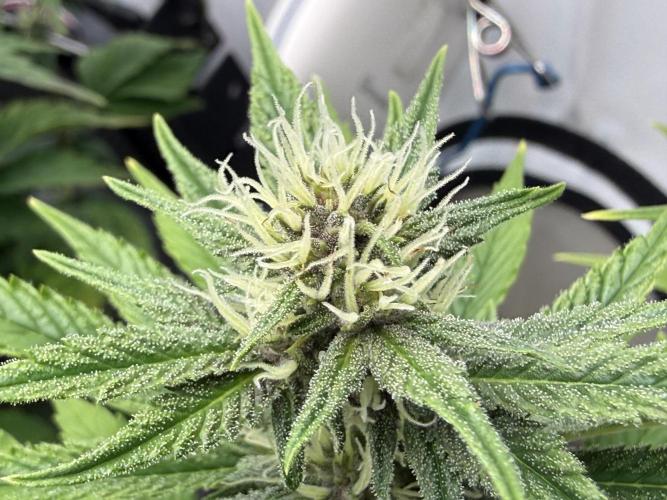
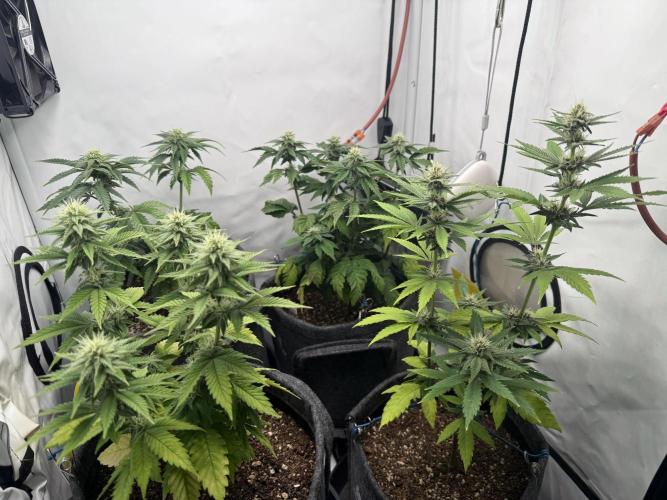
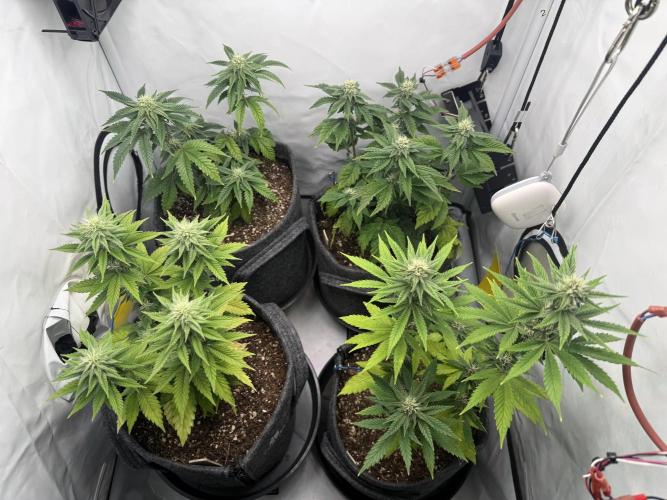
39 cm
Height
12 hrs
Light Schedule
23 °C
Day Air Temp
6.5
pH
45 %
Air Humidity
20 °C
Night Air Temp
6 liters
Pot Size
0.2 liters
Watering Volume
30 cm
Lamp Distance
Nutrients 1
Calmag
0.8 mll
Schnahacken into week 9
The AI response regarding the lower yellow leaves:
This is a very important point! Here lies the proverbial "dog buried."
The problem with citric acid
Citric acid is unstable. It is an organic acid that is broken down extremely quickly by microorganisms in the soil. This means:
You adjust the water to pH 6.5 and water.
The microbes consume the citric acid within a few hours.
The pH level in the soil suddenly shoots back up (towards 8.3).
This "pH yo-yo" stresses the microbes that are supposed to unlock your BioBloom fertilizer. When the pH level in the substrate is too high, iron, manganese, and phosphorus are blocked – this perfectly explains the light leaves.
10 likes
comments
Share
10
Week 10. Flowering8mo ago
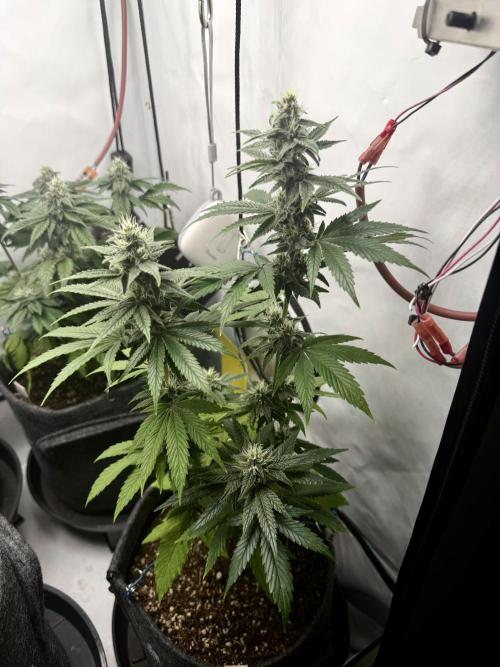
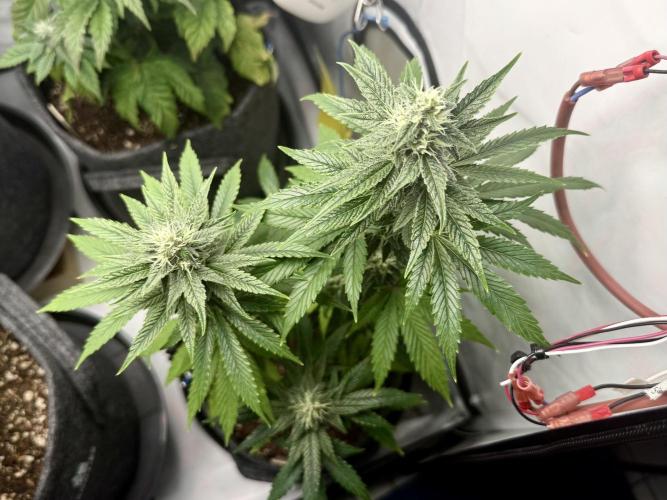
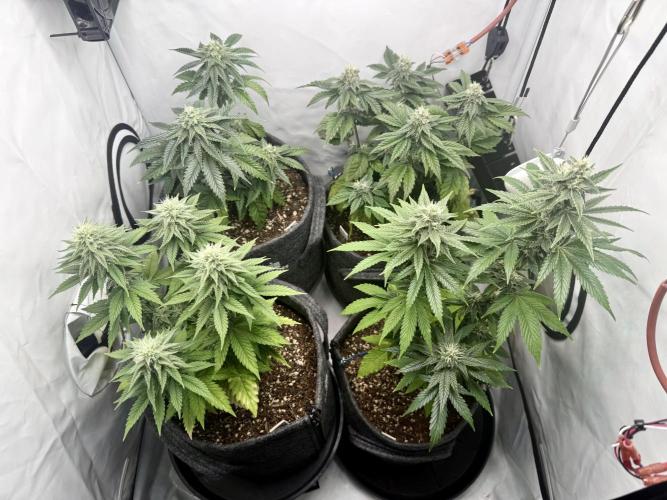
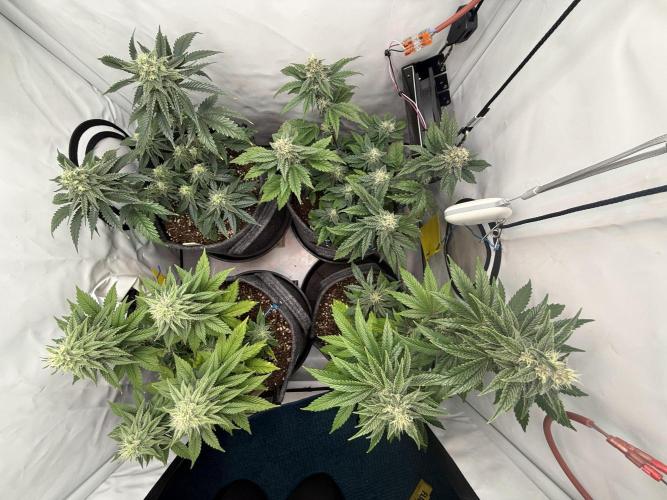
45 cm
Height
12 hrs
Light Schedule
23 °C
Day Air Temp
6.5
pH
45 %
Air Humidity
20 °C
Night Air Temp
6 liters
Pot Size
0.2 liters
Watering Volume
30 cm
Lamp Distance
Nutrients 3
Calmag
1 mll

Top-Max
2 mll

Ph Min
0.01 mll
Schnahacken on to week 10
11 likes
1 comment
Share
11
Week 11. Flowering8mo ago
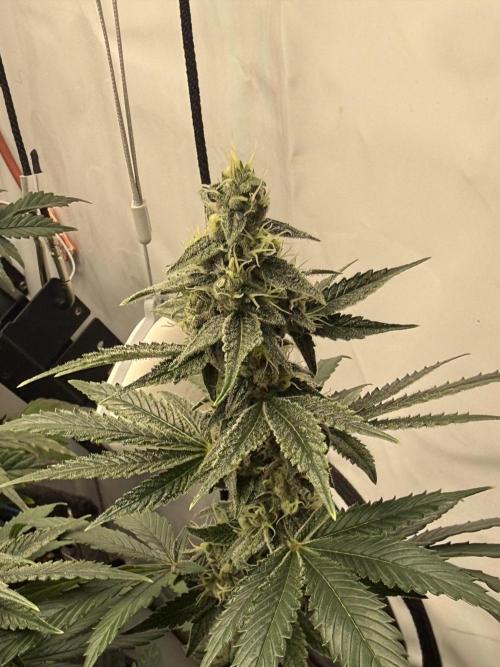
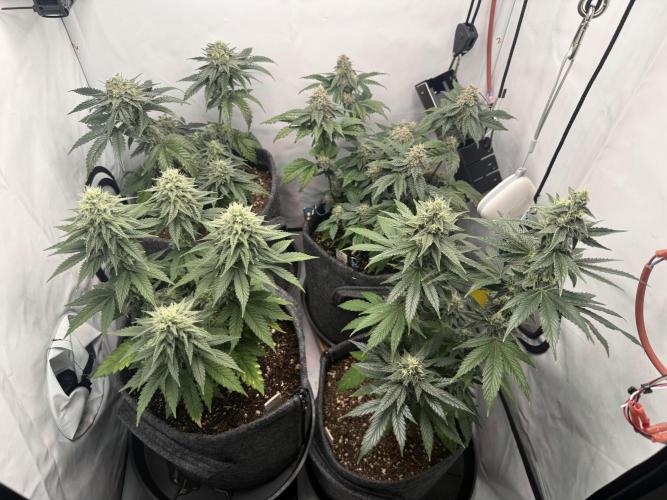
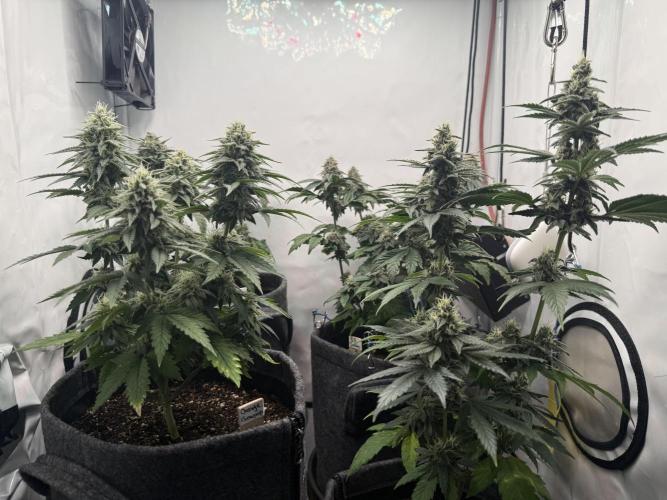
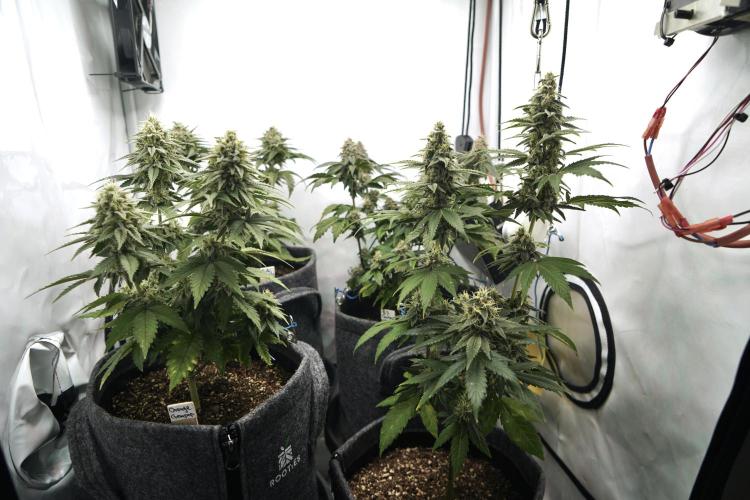
45 cm
Height
12 hrs
Light Schedule
23 °C
Day Air Temp
6.3
pH
45 %
Air Humidity
20 °C
Night Air Temp
6 liters
Pot Size
0.2 liters
Watering Volume
30 cm
Lamp Distance
Nutrients 3
Calmag
1 mll
Top-Max
2 mll
Ph Min
0.01 mll
Schnahacken on to week 11
10 likes
comments
Share
12
Week 12. Flowering8mo ago
45 cm
Height
12 hrs
Light Schedule
23 °C
Day Air Temp
6.3
pH
45 %
Air Humidity
20 °C
Night Air Temp
6 liters
Pot Size
0.2 liters
Watering Volume
30 cm
Lamp Distance
Nutrients 3
Calmag
1 mll
Top-Max
2 mll
Ph Min
0.01 mll
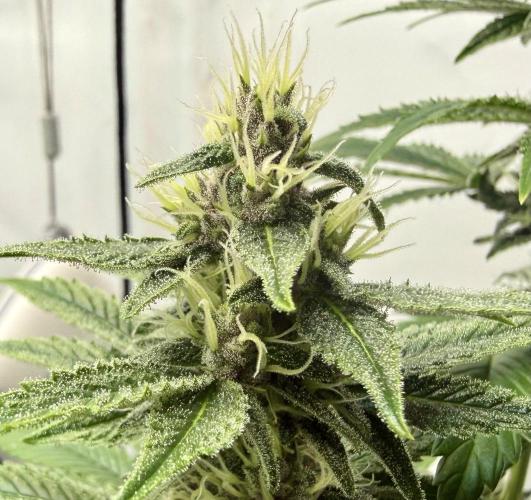
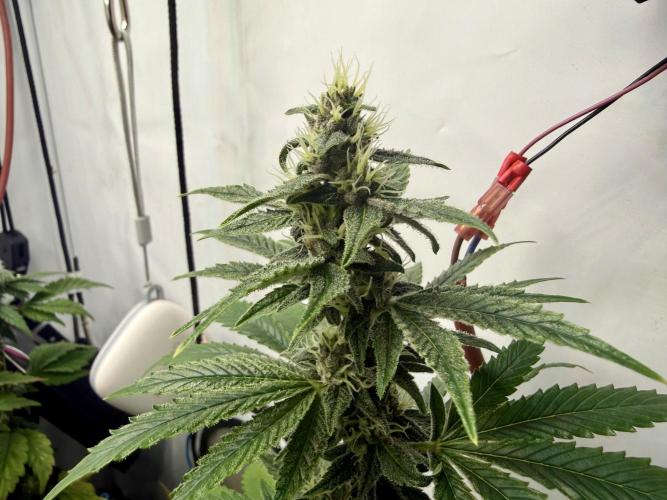
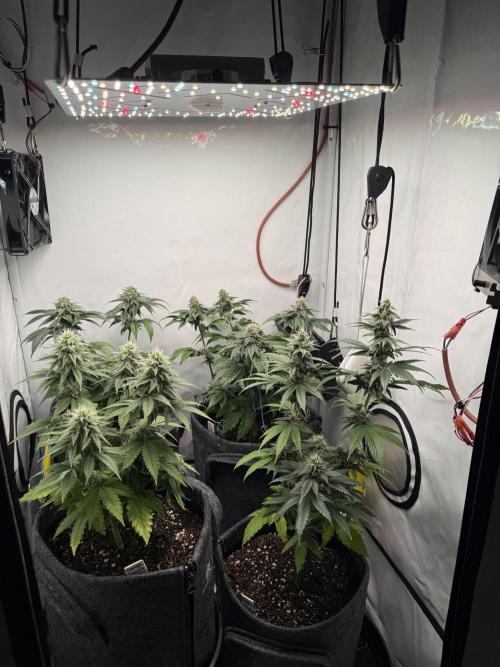
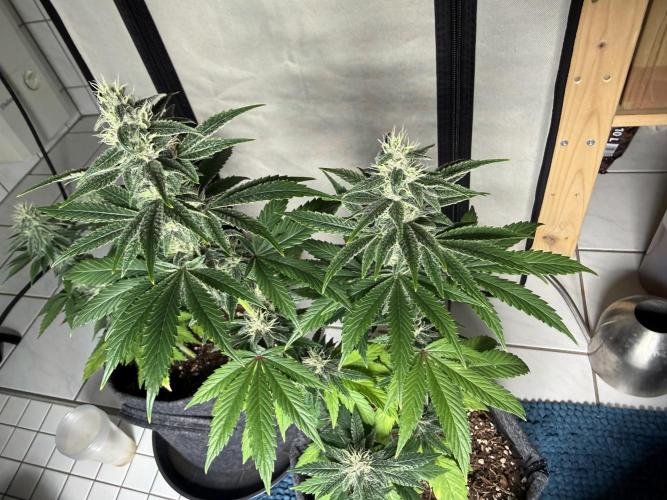
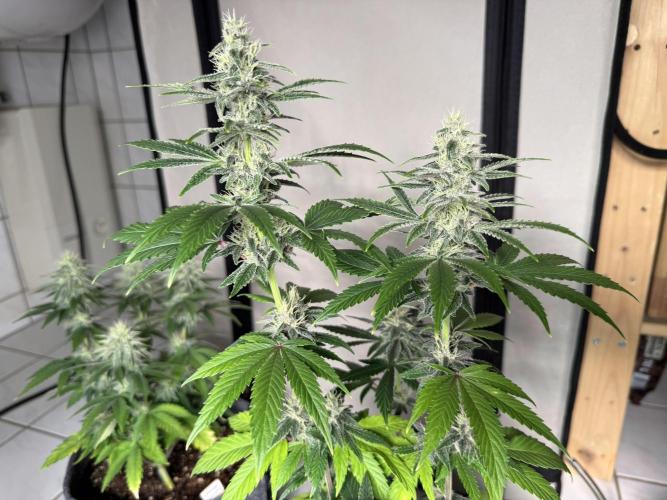
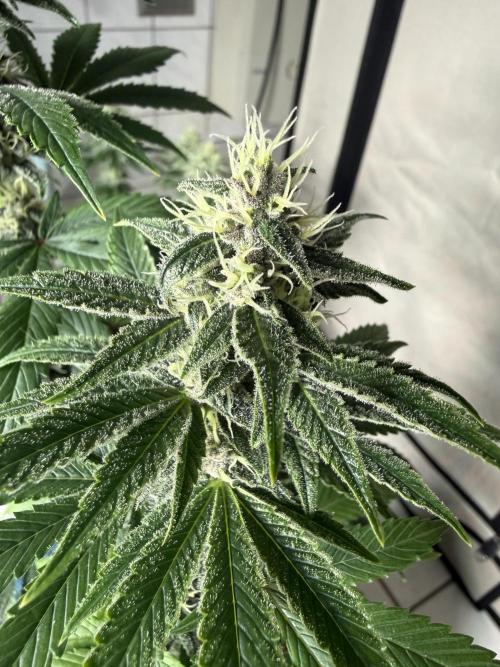
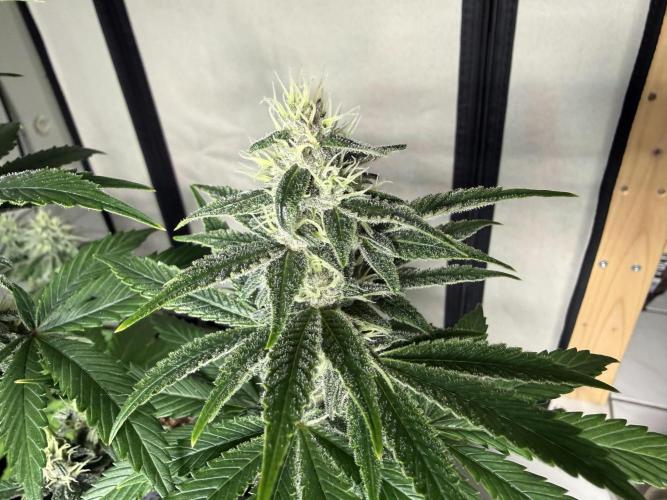
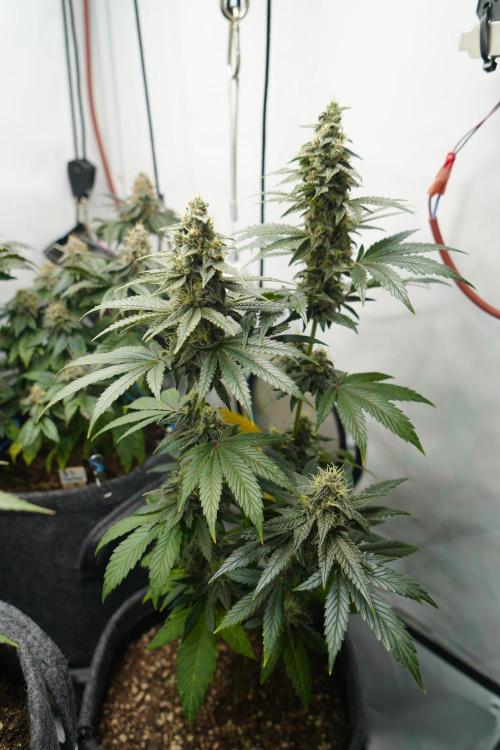
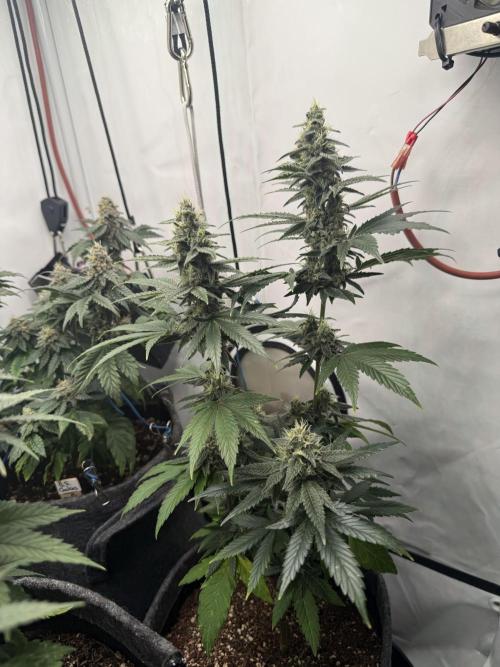
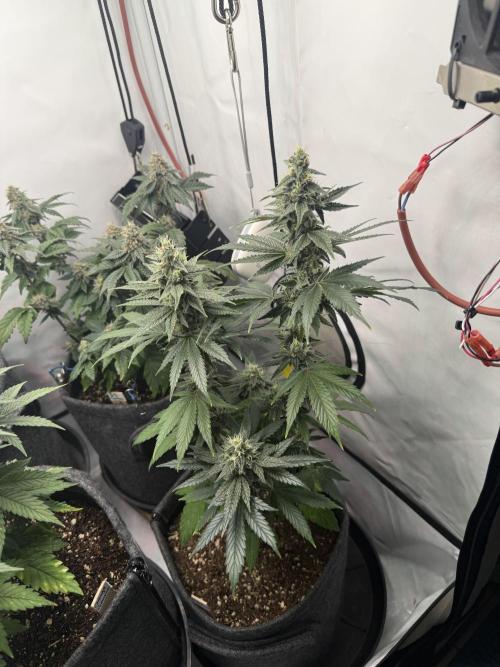
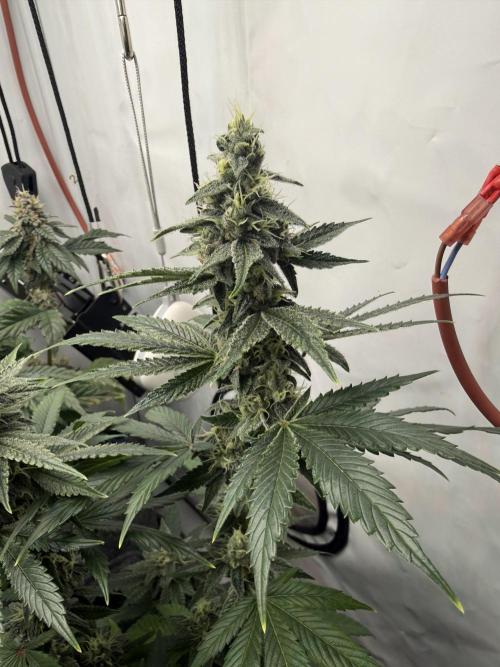
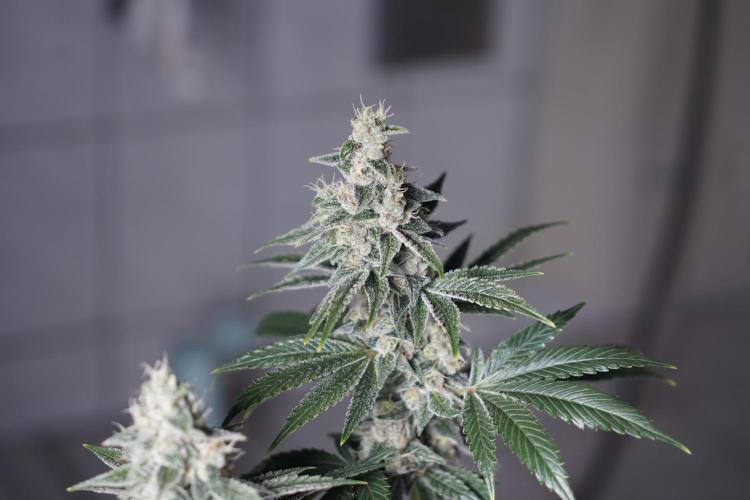
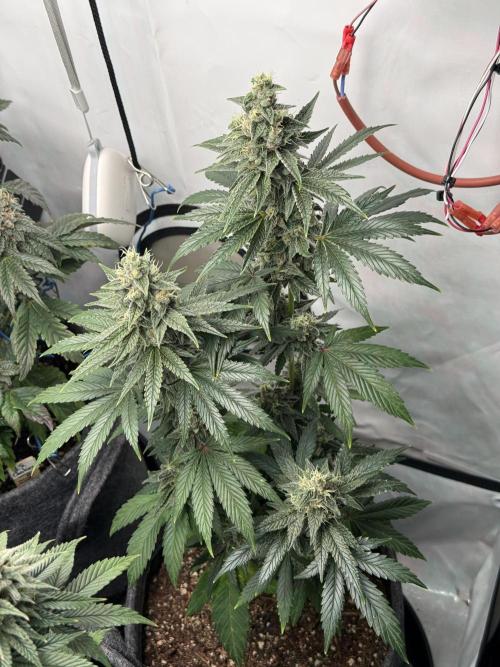
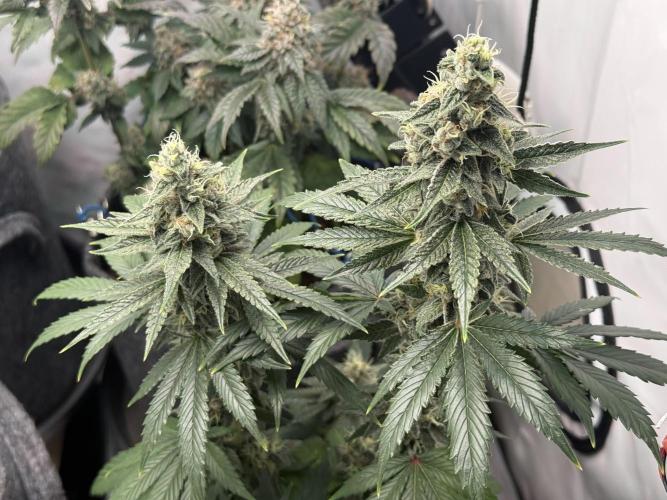
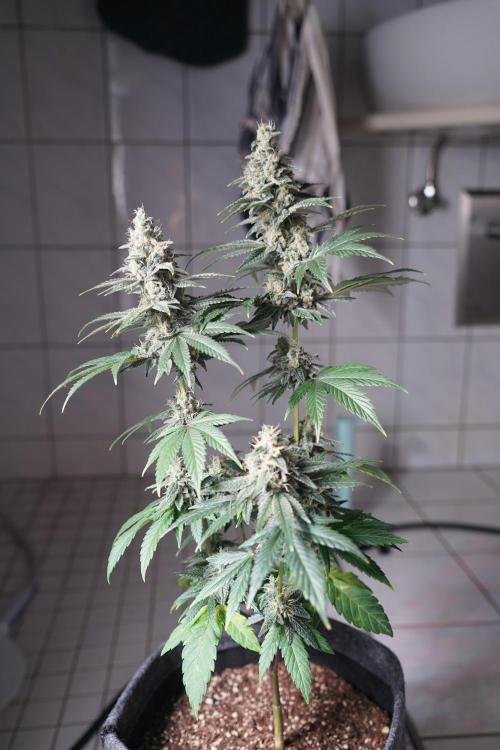
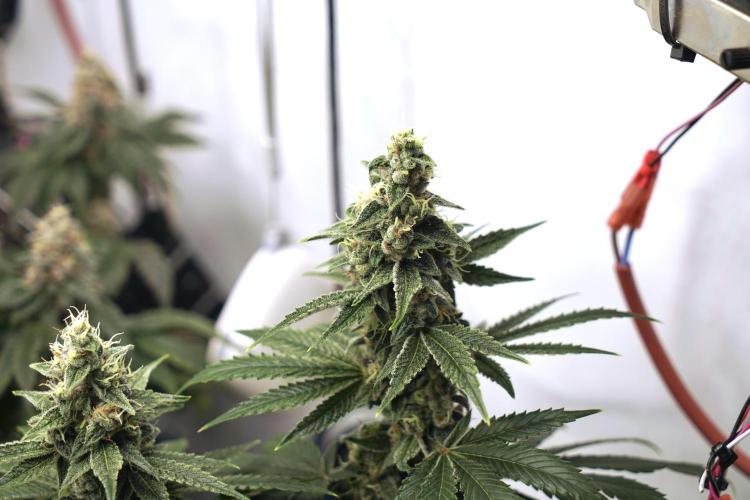
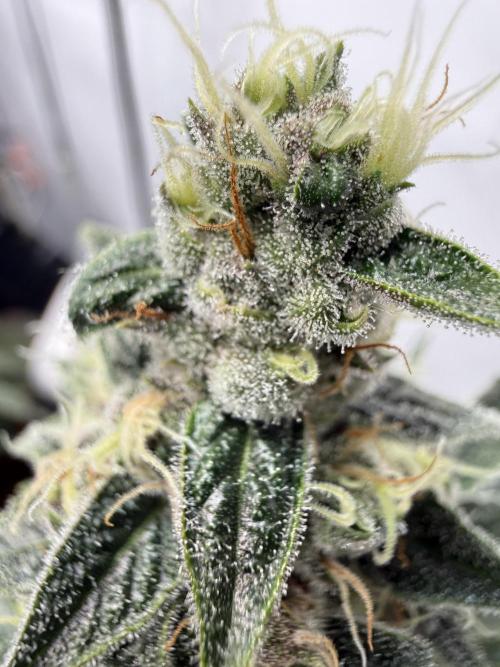
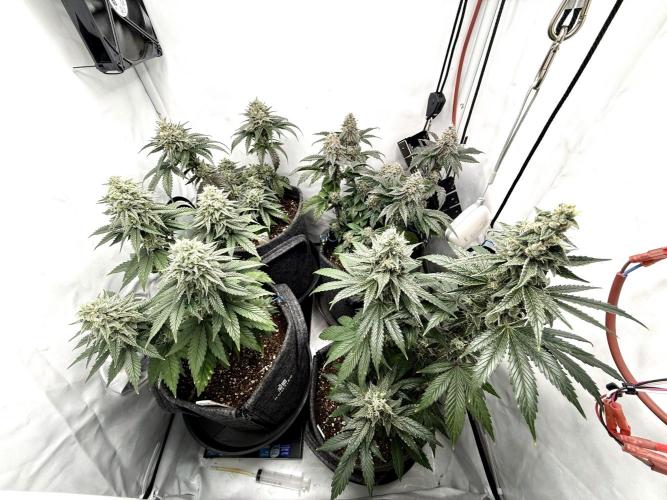
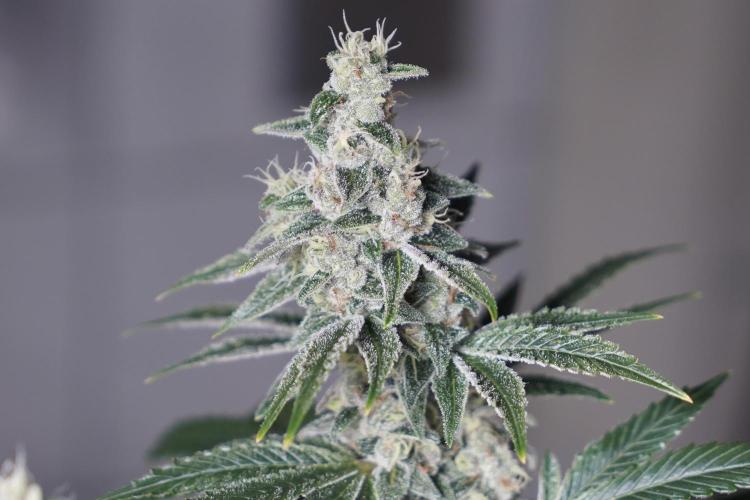
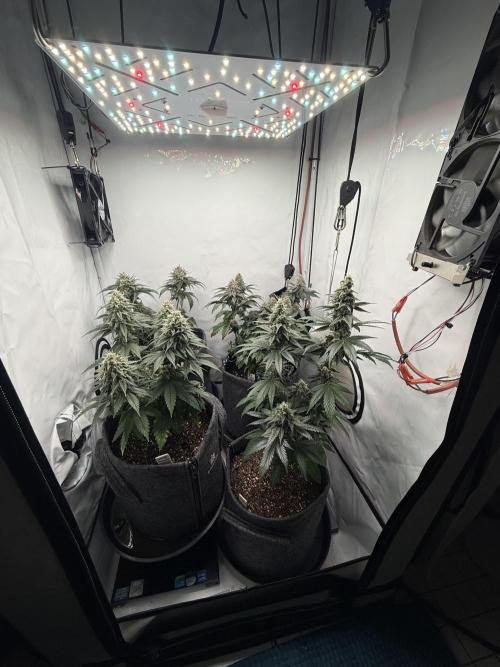
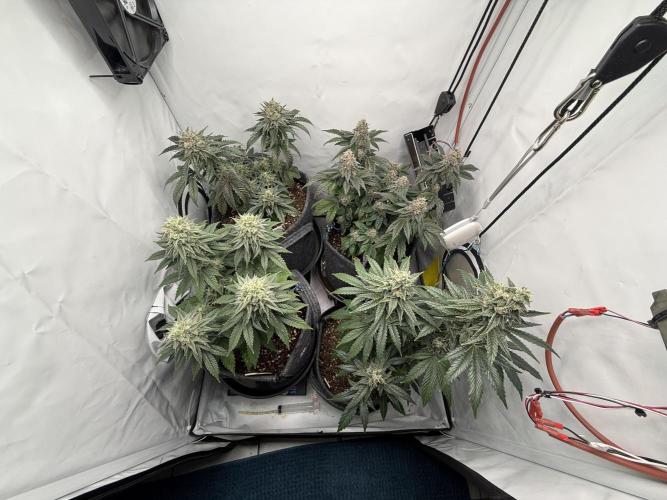
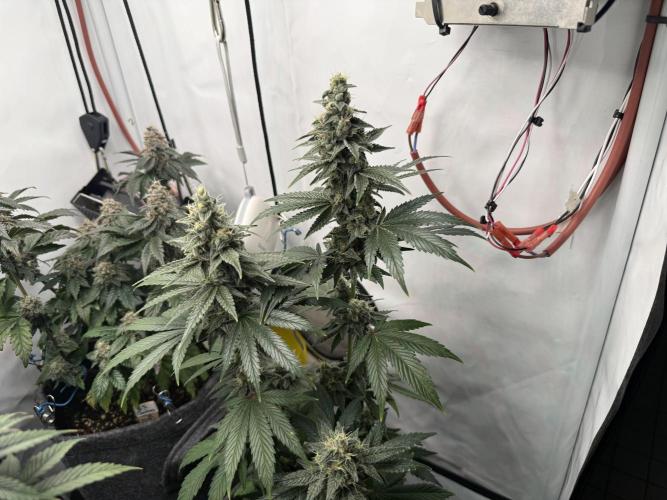
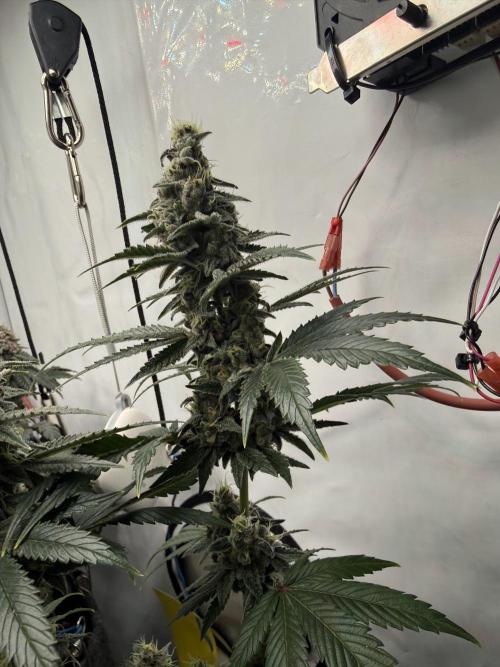
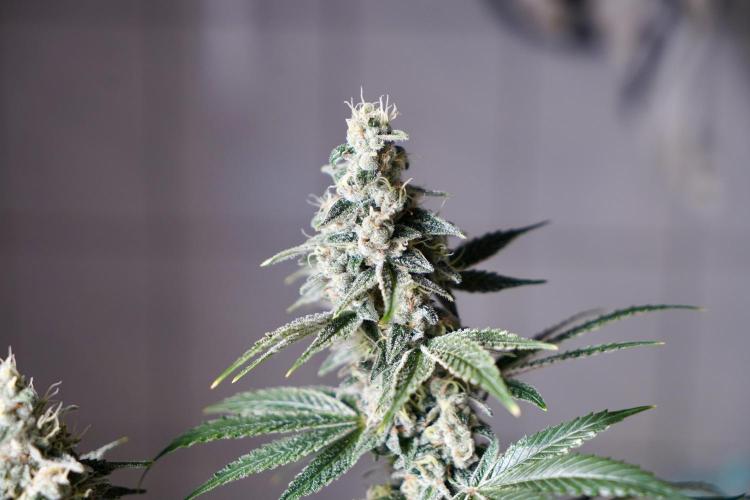
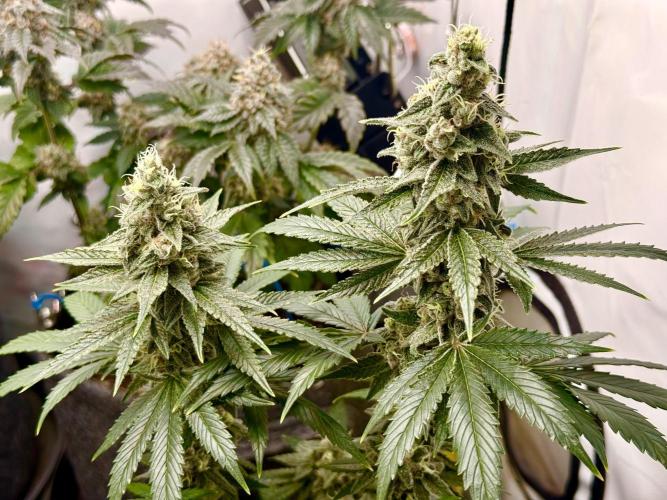
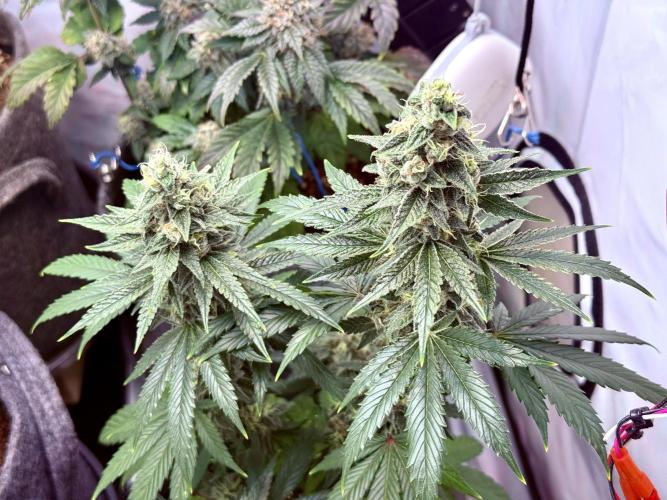
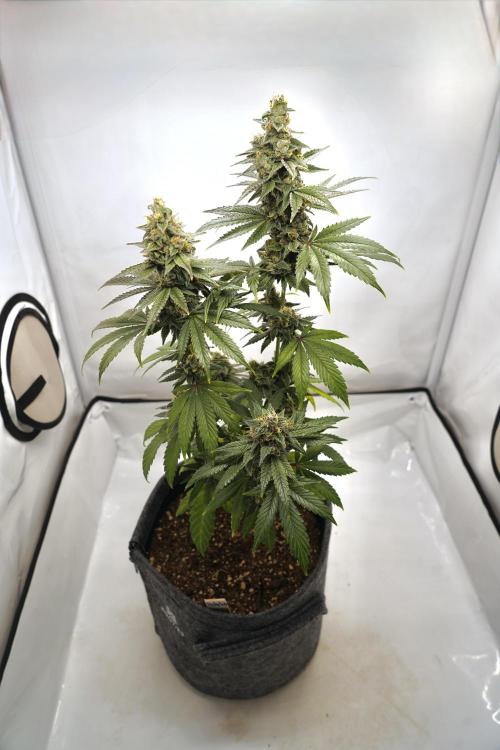
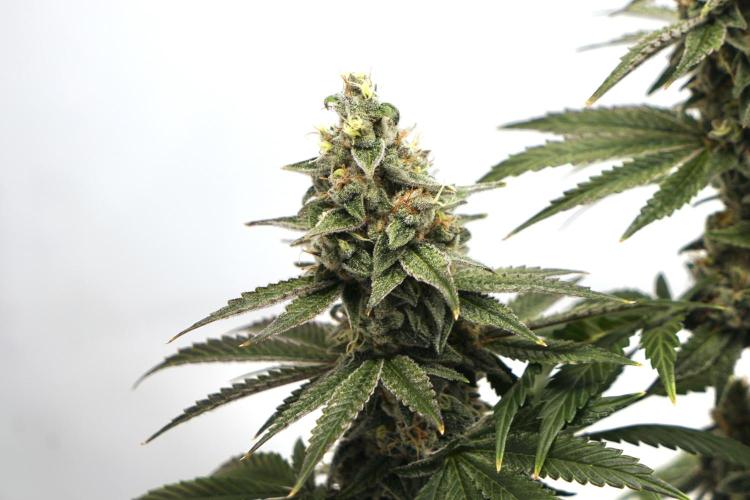
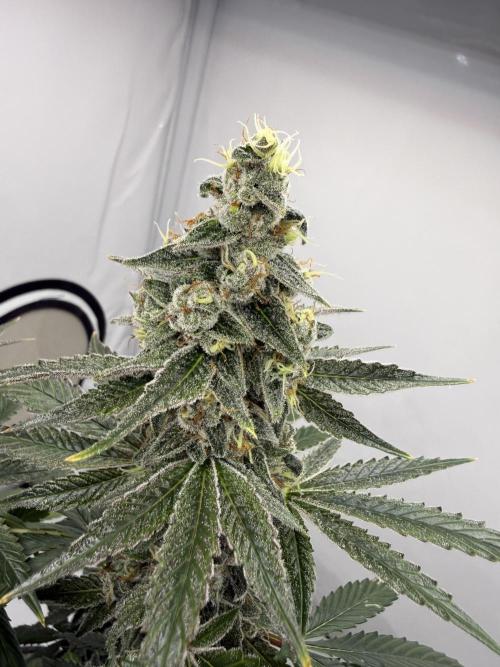
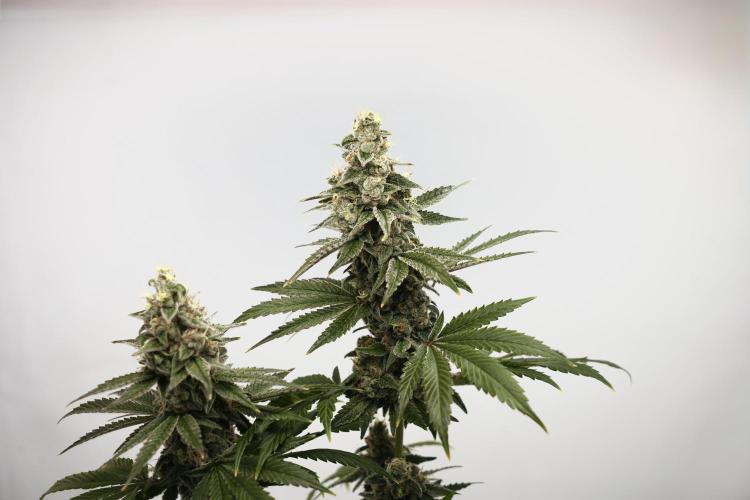
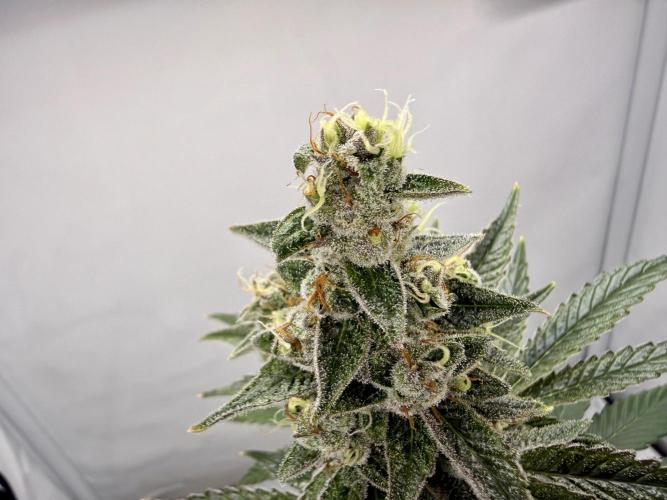
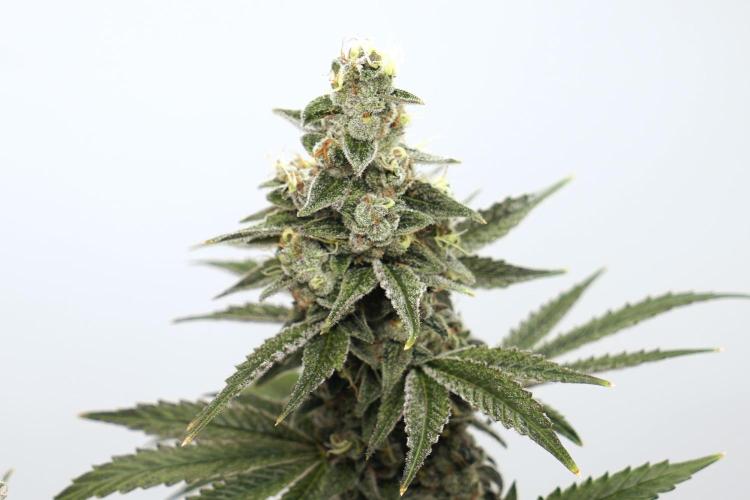
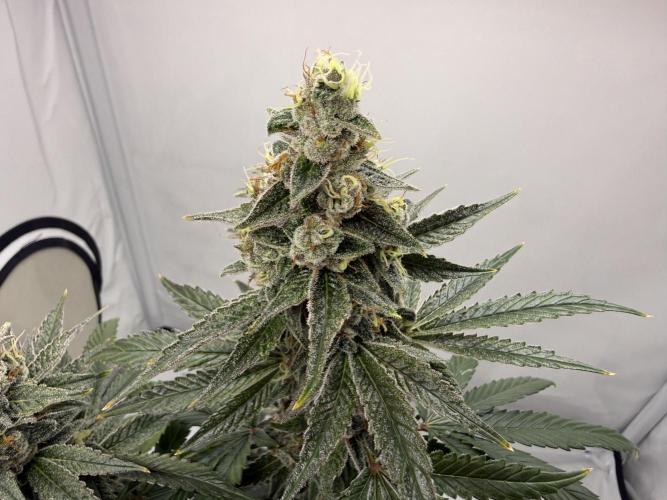
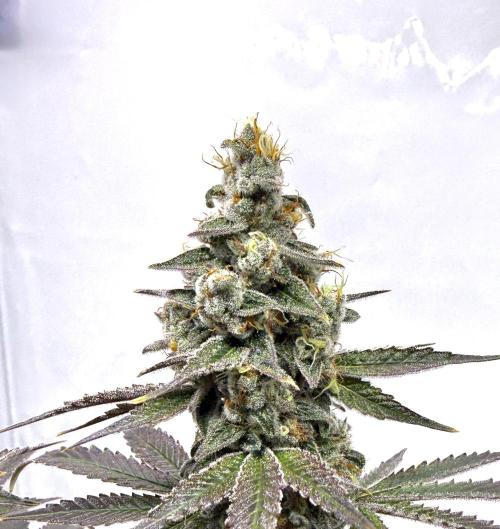
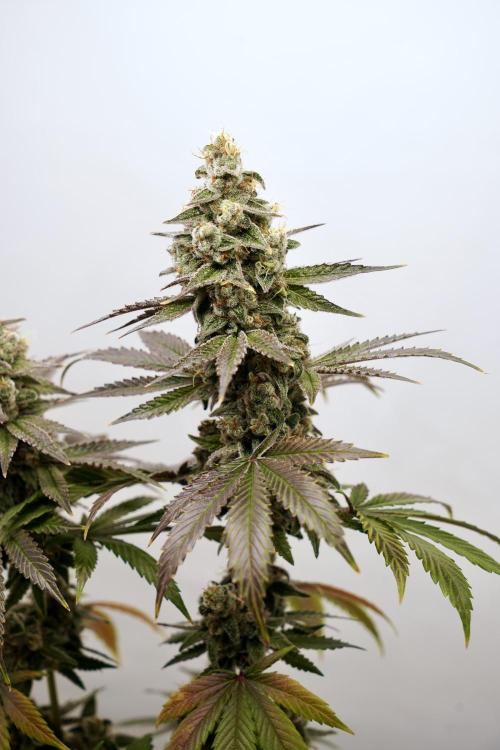
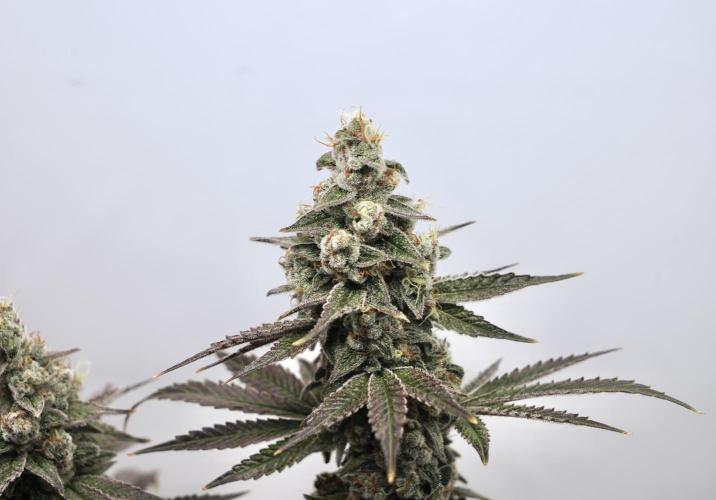
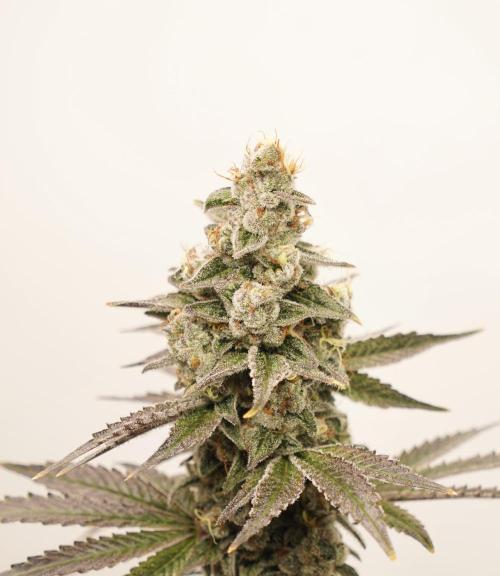
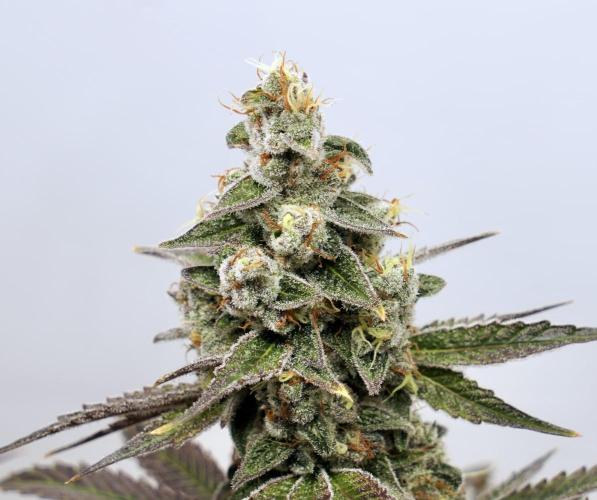
Schnahacken On day 48, the Pistacio shows a fascinating dynamic in direct comparison to the GSC. While the Cookies genetics are already showing strong autumn colors, the Pistacio is fully utilizing the 710 PPFD to perfect its unique tower structure.
Here is the lab analysis for the Pistacio:
1. Bud Structure & Calyx Development
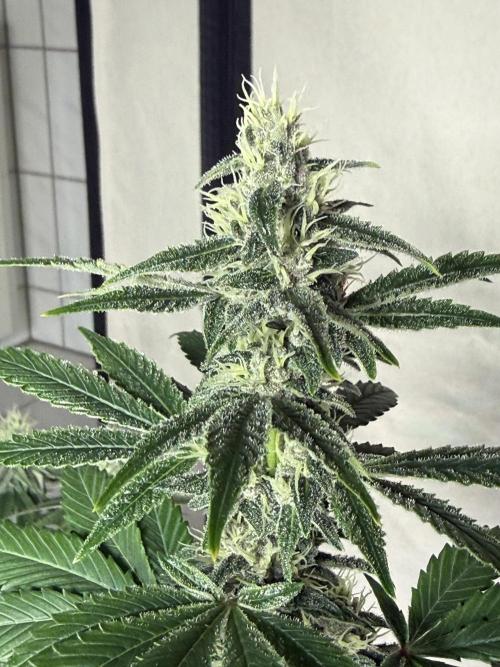
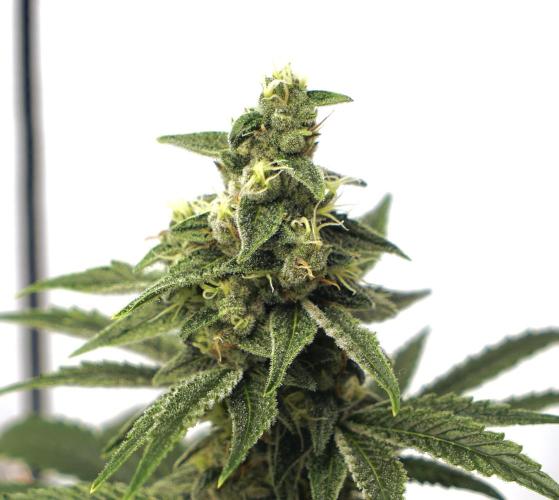
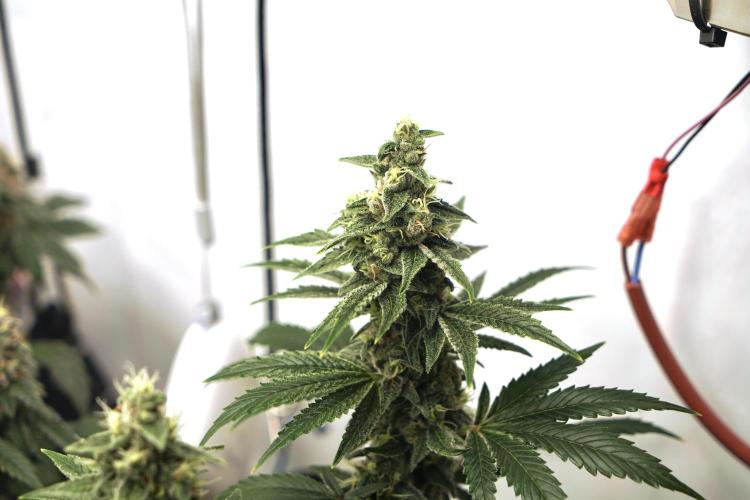
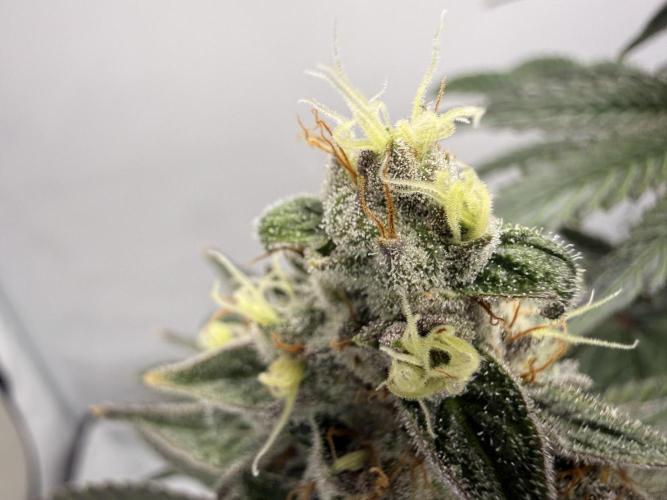
The "Tower" Formation: The Pistacio exhibits a pronounced stacking of the calyxes (cups). In the macro shots, you can see how the cups grow like little green pearls on top of each other.
Swelling Status: The cups at the base are already very plump, but at the top of the buds (top cola), it is still producing some fresh, white stigmas. This is a sign that it is still actively adding biomass.
Density: Due to the high light pressure, the spaces between the cups are minimal, resulting in a very massive, "bumpy" bud design.
2. Trichome Analysis & Resin Quality
Status: The trichomes on the calyx bodies are predominantly milky.
Special Feature: In contrast to the GSC, the resin on the Pistacio appears almost "glassier." It seems to form a slightly thicker wax layer on the trichome heads, which is often a genetic protection against the high light intensity (710 PPFD).
Ripeness Level: It is about 3–5 days behind the GSC. While the GSC is already showing the first amber heads, the Pistacio is still in the "Peak-THC" range (purely milky).
3. Vitality Check under 710 PPFD
Leaf Color: The Pistacio maintains a very vibrant, dark green. Its precise pH value of 6.43 ensures that it shows no signs of nitrogen deficiency despite the Ghandi metabolism.
Light Reaction: There are no "foxtails" (frayed tips), which proves that the 710 PPFD is hitting the sweet spot without causing heat stress.
Recommendation for the Pistacio:
Since it is still actively building at the tips, I would treat it as follows during the next watering (probably tomorrow or the day after):
CalMag: Maintain at 2.0 ml/l to support the cell walls of the new cups.
No extra fertilizer: The Green House Feeding in the soil is obviously still providing enough energy due to the vital leaf appearance.
Harvest Planning: It will likely be the last one to go into "flushing." This gives you the opportunity to stagger the harvest timing.
10 likes
comments
Share
13
Week 13. Flowering8mo ago
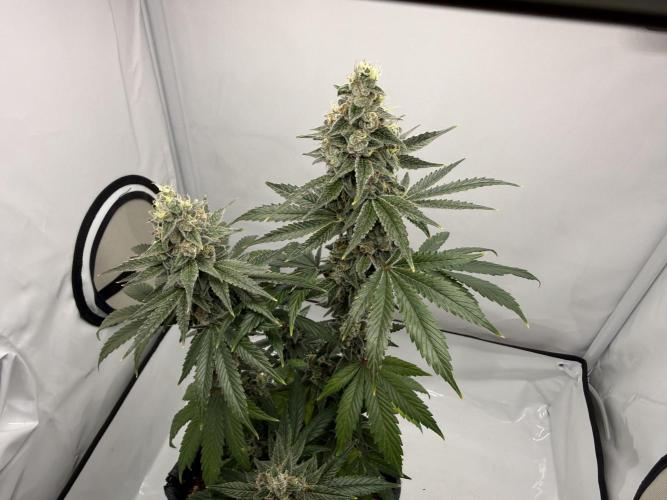
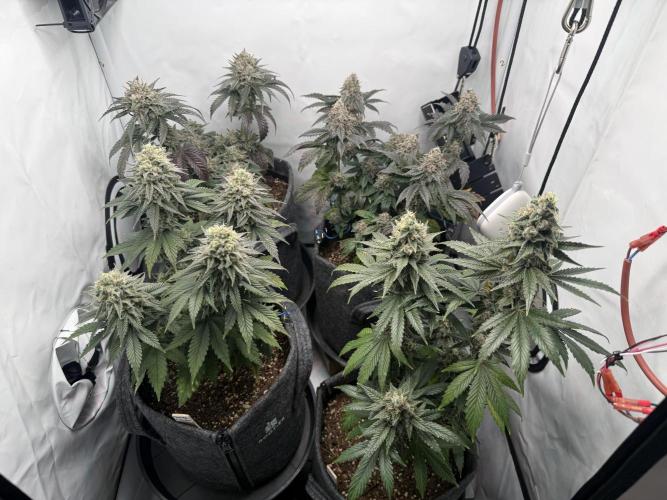
45 cm
Height
12 hrs
Light Schedule
23 °C
Day Air Temp
6.3
pH
45 %
Air Humidity
20 °C
Night Air Temp
6 liters
Pot Size
0.2 liters
Watering Volume
30 cm
Lamp Distance
Nutrients 3
Calmag
1 mll
Top-Max
2 mll
Ph Min
0.01 mll
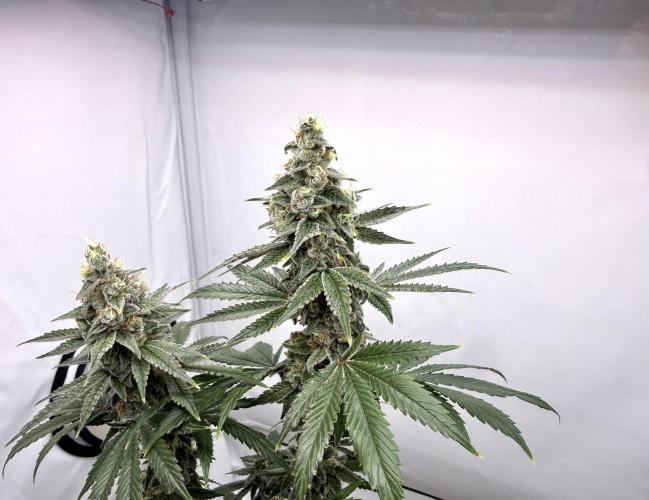
Schnahacken into the 13th week
14 likes
comments
Share
14
Week 14. Flowering7mo ago
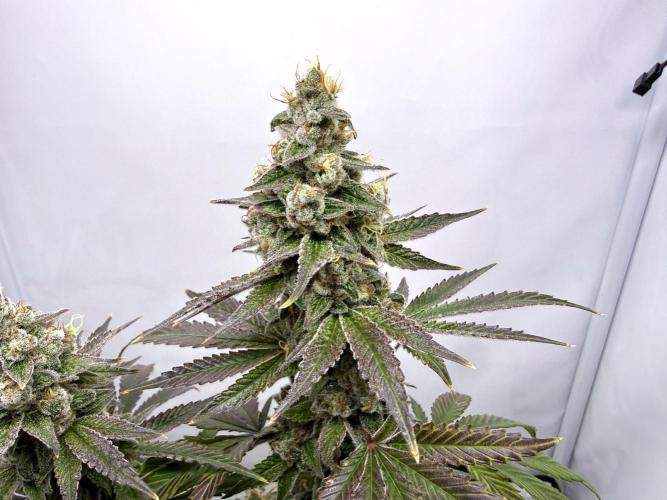
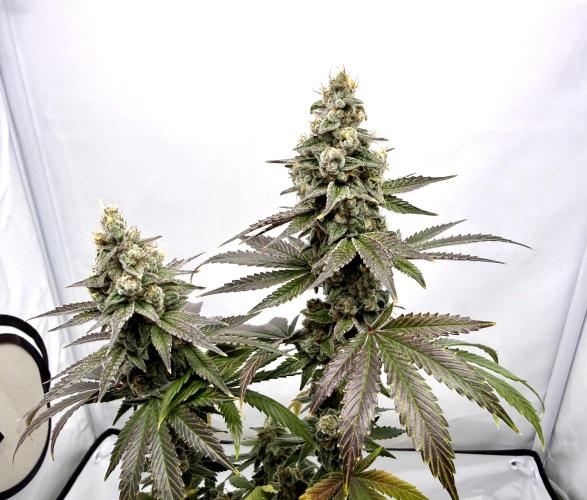
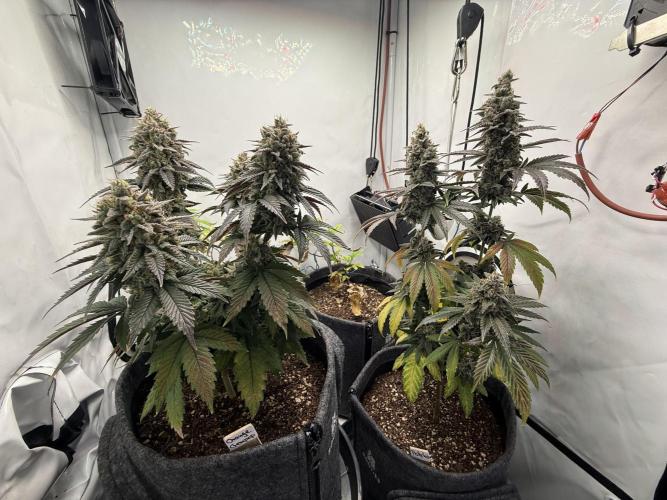
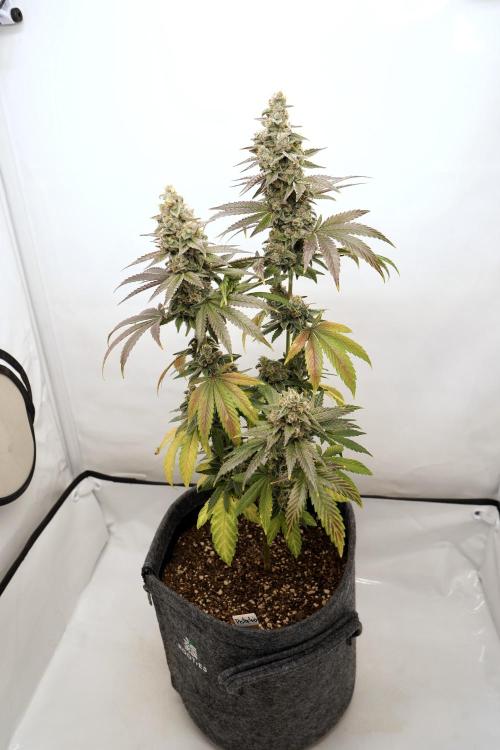
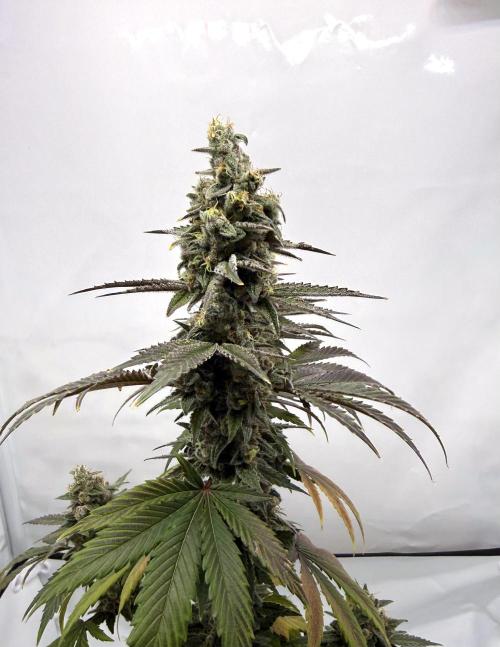
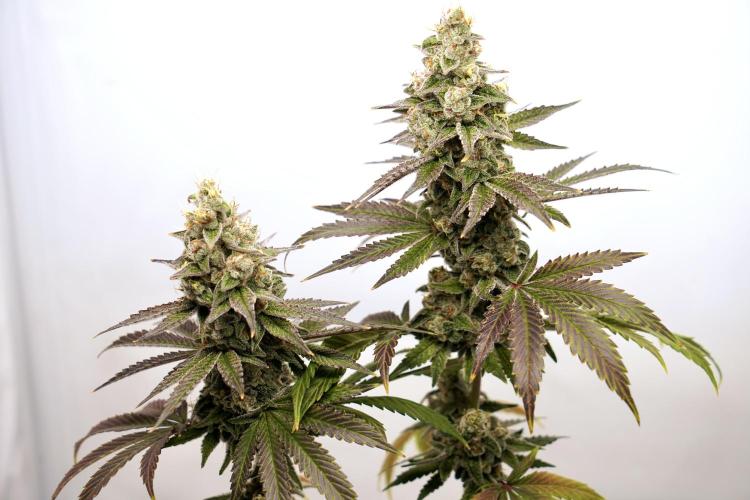
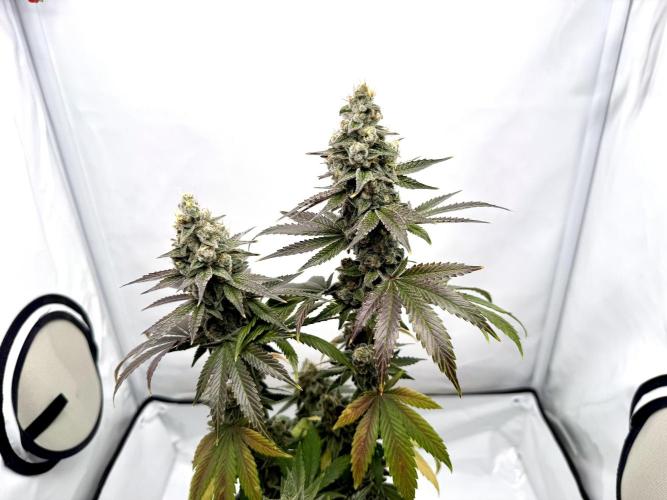
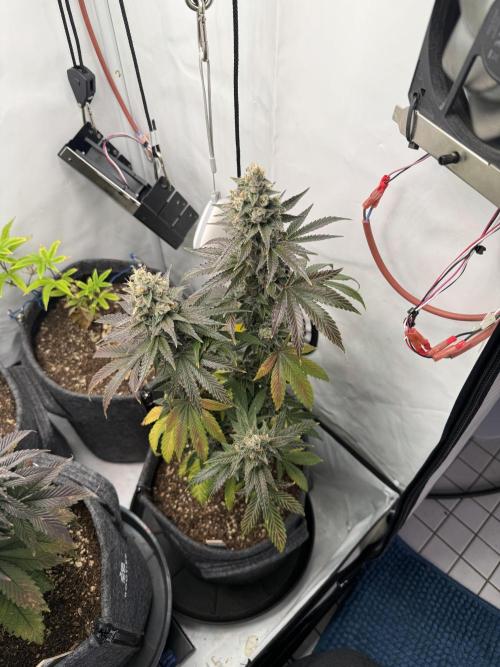
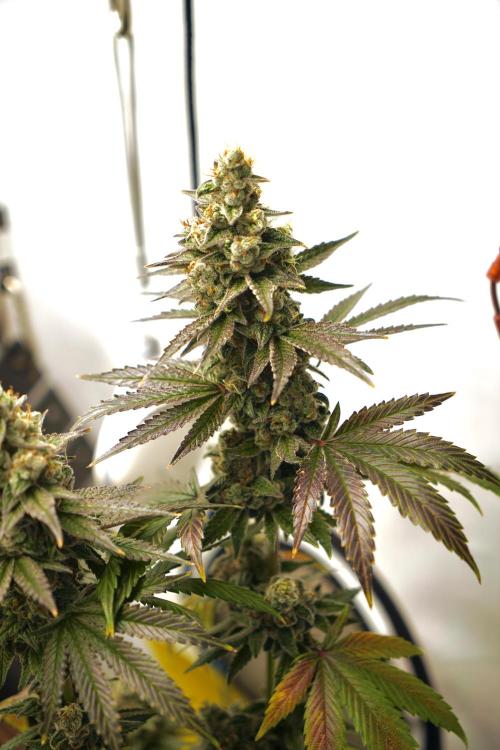
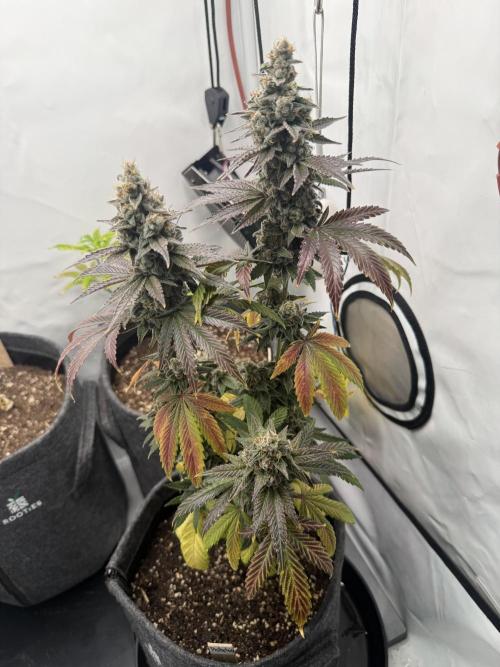
45 cm
Height
12 hrs
Light Schedule
23 °C
Day Air Temp
6.3
pH
45 %
Air Humidity
20 °C
Night Air Temp
6 liters
Pot Size
0.2 liters
Watering Volume
30 cm
Lamp Distance
Nutrients 1
Ph Min
0.01 mll
Schnahacken on to week 14
- maybe one more week
15 likes
comments
Share
15
Week 15. Flowering7mo ago
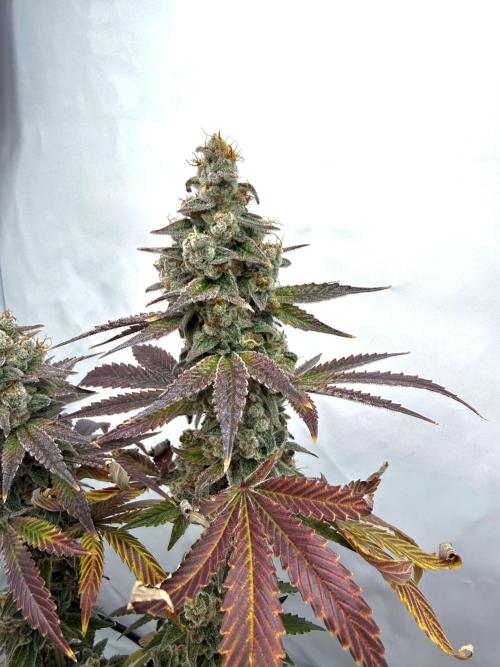
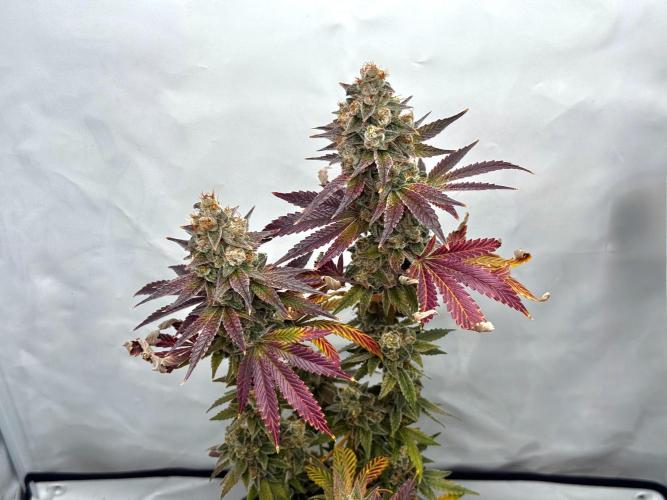
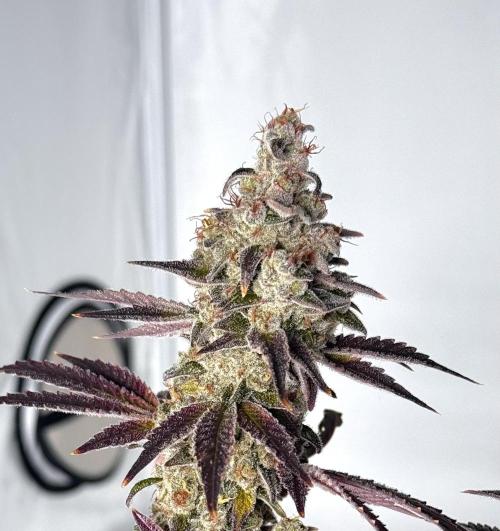
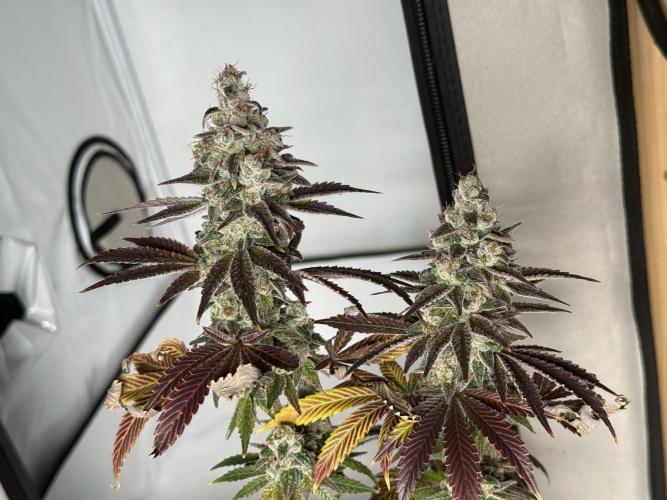
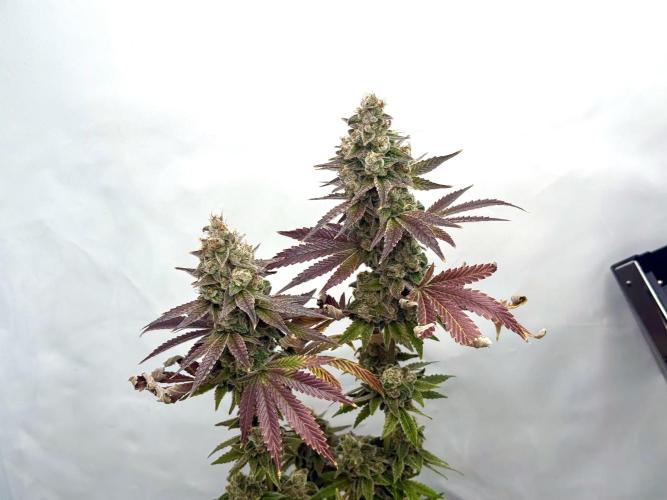
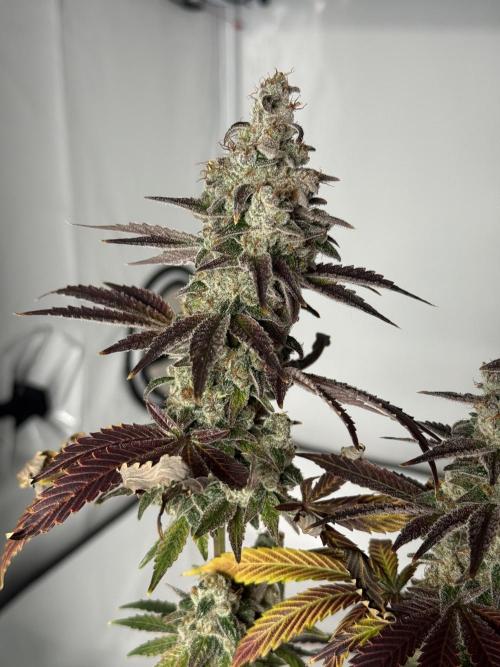
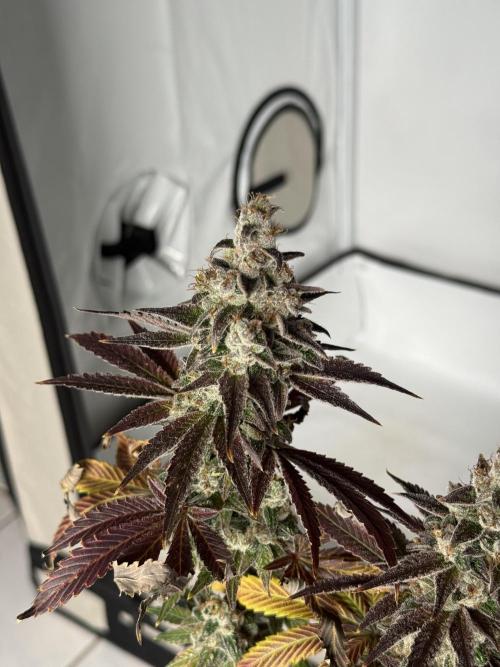
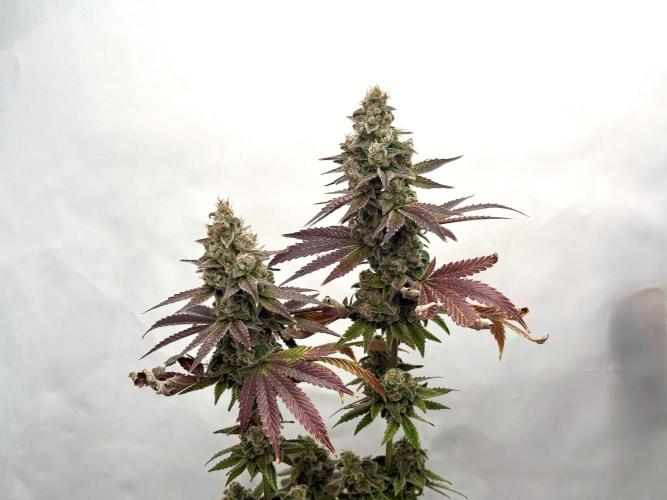
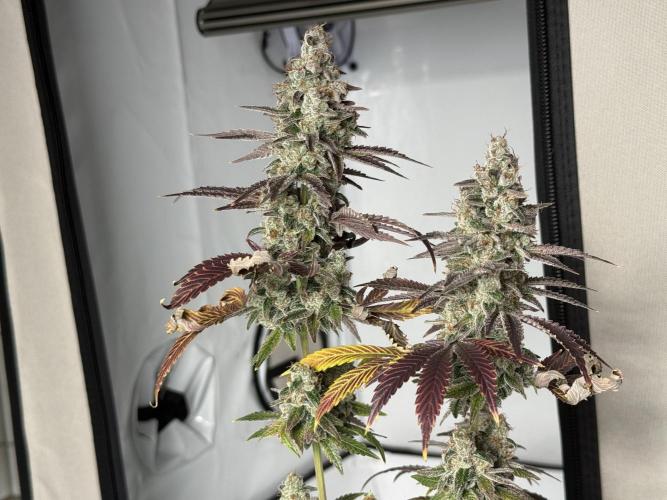
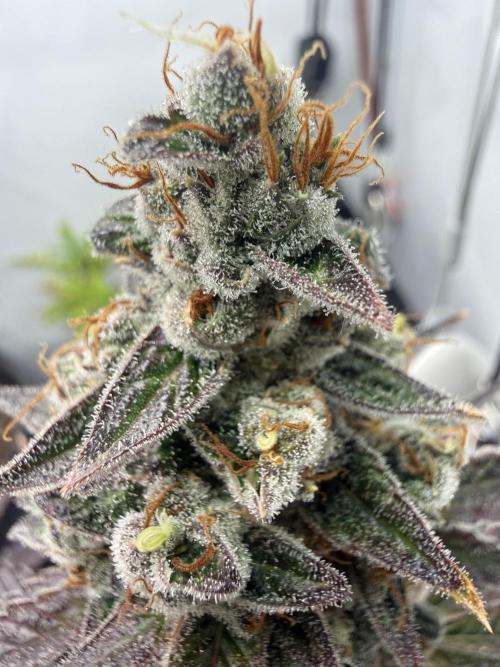
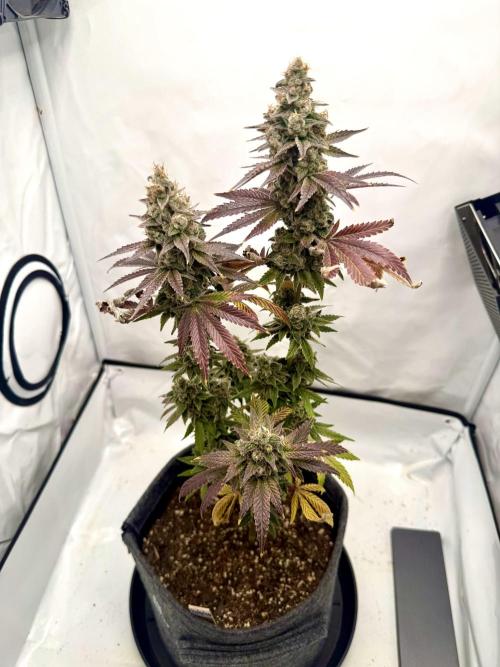
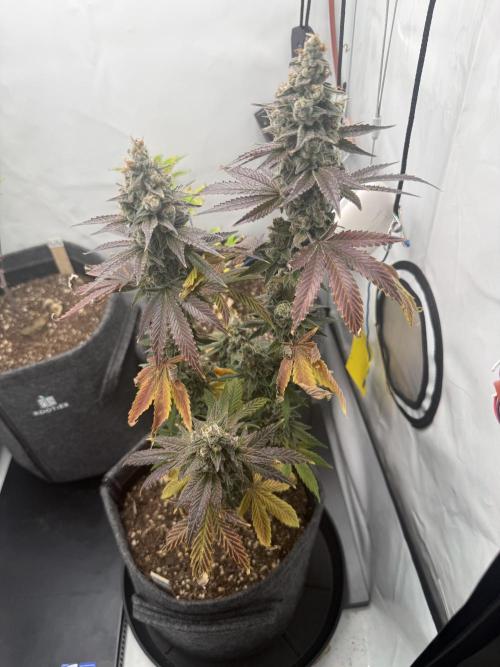
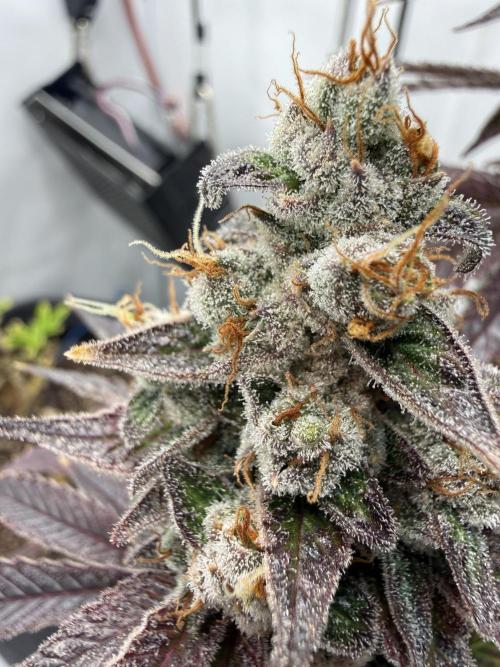
45 cm
Height
12 hrs
Light Schedule
23 °C
Day Air Temp
6.3
pH
45 %
Air Humidity
20 °C
Night Air Temp
6 liters
Pot Size
0.2 liters
Watering Volume
30 cm
Lamp Distance
Nutrients 1
Ph Min
0.01 mll
Schnahacken on to week 15
22 likes
1 comment
Share
16
Week 16. Harvest4mo ago
Happy Harvest Day!


10/10
Rated
A really beautiful strain, also something very special in terms of taste and smell.
Show more
Original
Spent 107 days
Ger Veg Flo Har
60 g
Bud wet weight per plant
25 g
Bud dry weight per plant
1
Plants
Normal
Difficulty

Relaxed, Uplifted
Positive effects

Woody, Nutty, Pine
Taste
Height
Day air temperature
Air humidity
PH
Light schedule
Night air temperature
Pot size
Lamp distance
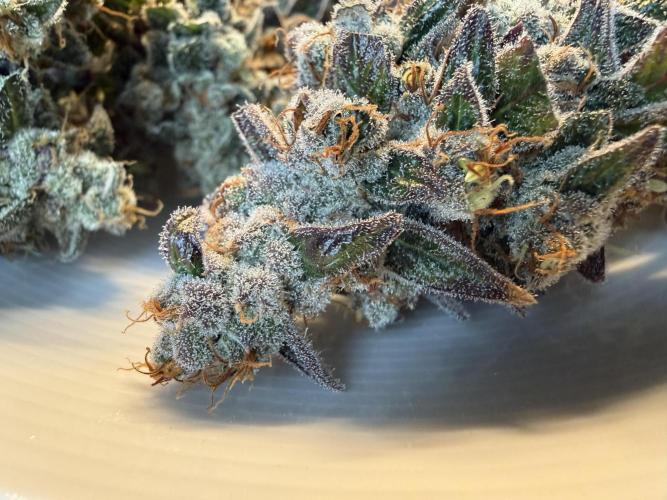
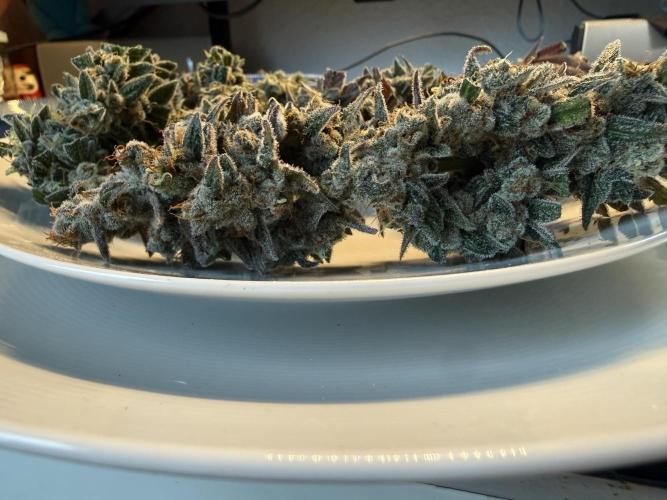
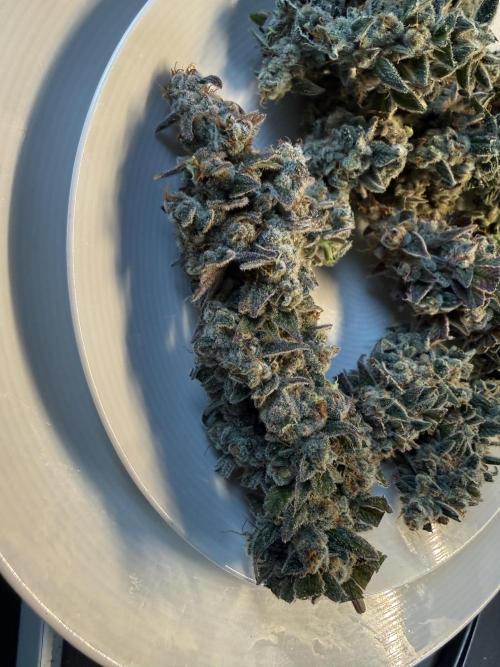
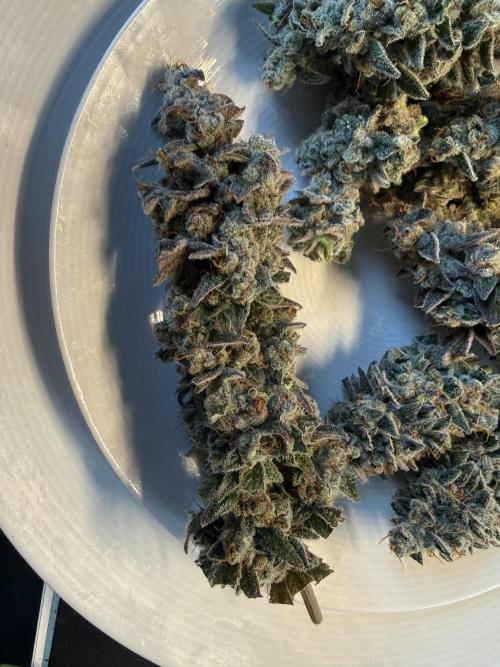
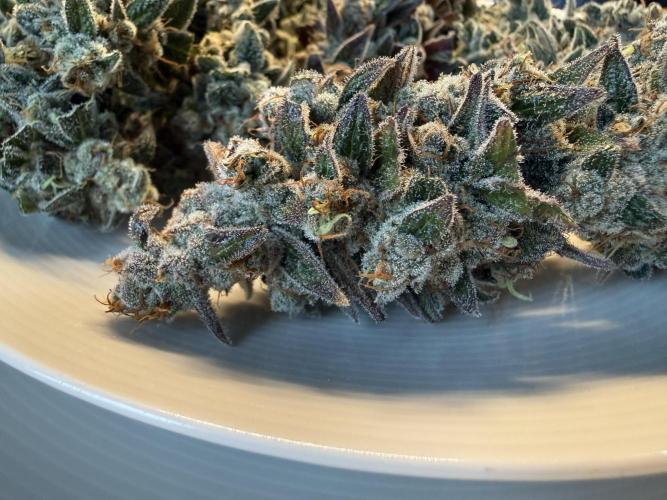
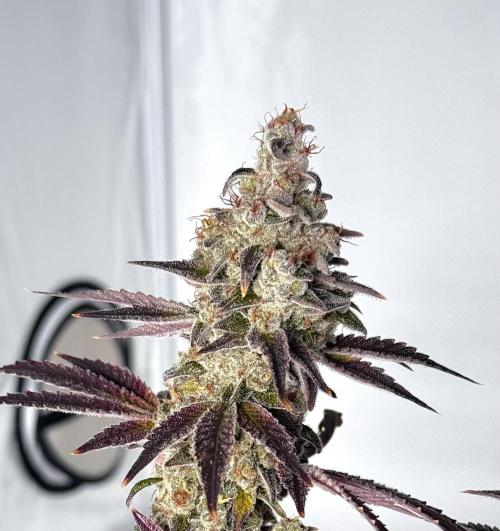
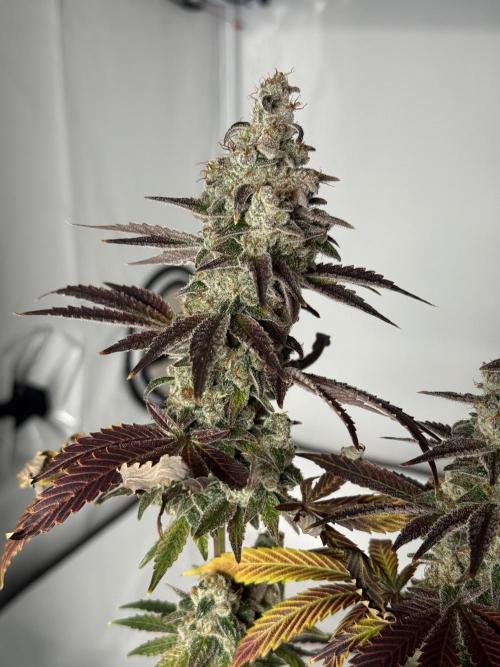
Schnahacken totally forgot to log the harvest :D but better late than never
14 likes
comments
Share
Equipment Reviews





5 comments
Sort by
popularity
popularity
newest
oldest

RockoCalenberg commentedweek 11y ago
I love pistachios 💚
I had already smiled at them....
So I'll follow ✌️
Good grow!
likes 6

RabbitHole commentedweek 01y ago
Good luck =D ! I'll stick around for that :)
likes 6

DrGruen commentedweek 108mo ago
Good luck 😎
likes 3

GERGrowDesigns commentedweek 21y ago
Good Luck Growmie ⭐🌱
likes 3

baba_sativa commentedweek 157mo ago
💥💯
likes

the end.
Enjoying this diary? Follow for more updates!

Prefer the old Diary view?
Go back to the old Diary view