


Clone race






Mix
TERRÔ SUPER SOIL

Indoor
Room Type
Transplantation
weeks 1
ScrOG
weeks 1-3
LST
weeks 1, 3, 8
12-12
weeks 3
Defoliation
weeks 3-6
Lolippoping
weeks 4
Lollipopping
weeks 4
HST
weeks 5
7 liters
Pot Size
0.68 liters
Watering
Start at Harvest
1
Week 1. Vegetation10mo ago
18 hrs
Light Schedule
27 °C
Day Air Temp
6.9
pH
Weak
Smell
65 %
Air Humidity
20 °C
Night Air Temp
7 liters
Pot Size
55 cm
Lamp Distance
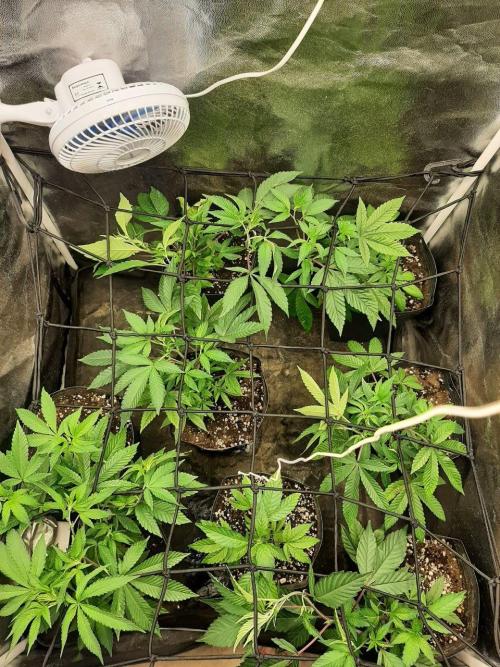
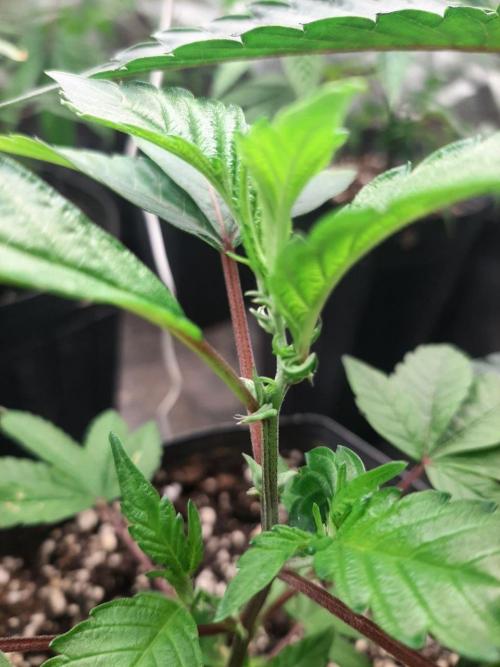
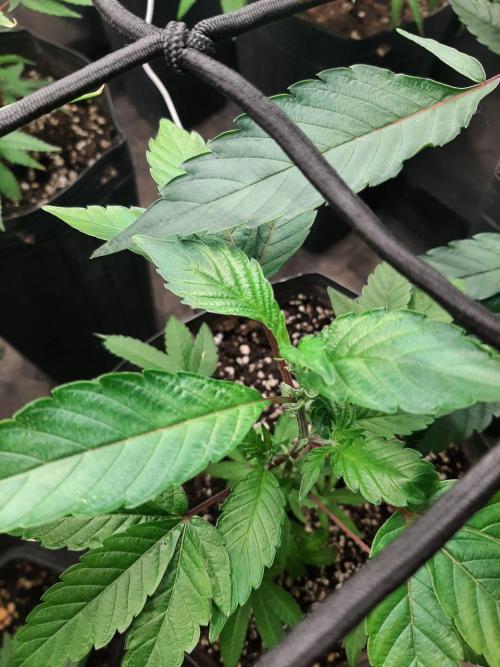
FROZENGARDENER710 Happy to finish one cycle and start a new one, that's the good news. The bad news is that I didn't write down any of the clones I took, but I've already seen that most are Bakers, maybe there's a Pure Glitter one, hopefully!
The reason for not identifying them is that they were in a place not conducive to rooting because the humidifier broke and on very hot days, an improvised lamp was used. I actually doubted that any would survive, but here we are. I will notify you if I manage to determine if any others are different genetics, but I remember the smell of the veg of this Bakers as if it were yesterday. Transplanted into 7-liter pots and I added 15g of bokashi to each soil level, watering with about 1L in order to leach some microorganisms that I inserted and some beneficial bacteria for roots and prevention of gnat proliferation, Trichoderma Harzianum for roots and Bacillus Turingensis Israelis for mosquito larvae.
2 likes
1 comment
Share
Used techniques
LST
Technique
ScrOG
Technique
Transplantation
Technique
2
Week 2. Vegetation10mo ago
18 hrs
Light Schedule
27 °C
Day Air Temp
6.9
pH
Weak
Smell
65 %
Air Humidity
20 °C
Night Air Temp
7 liters
Pot Size
55 cm
Lamp Distance
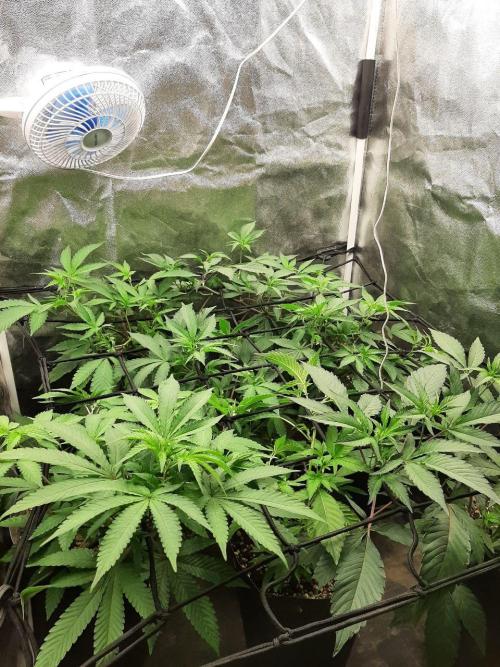
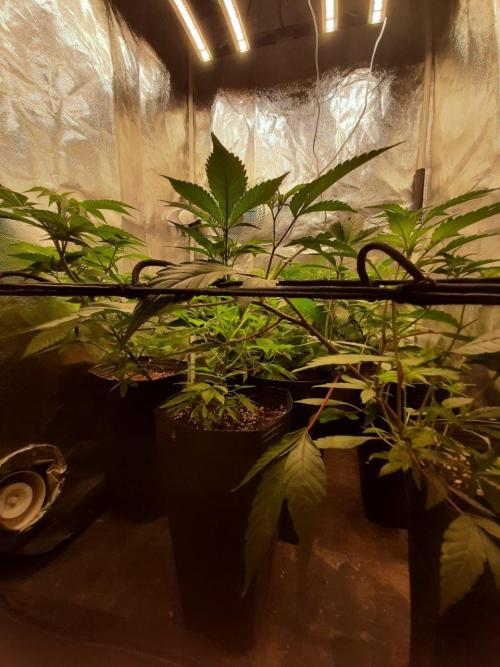
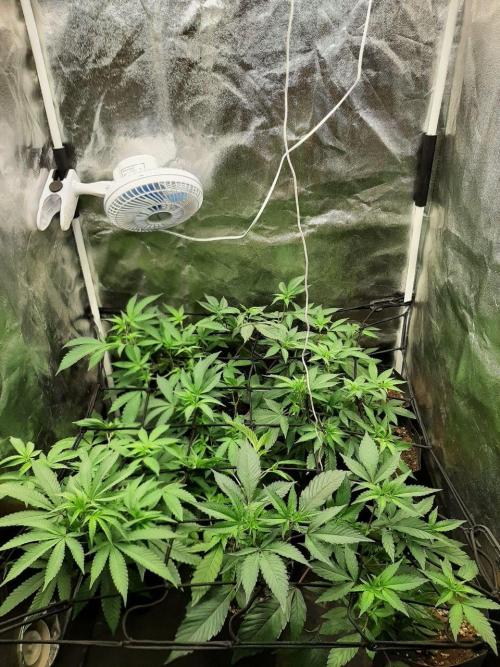
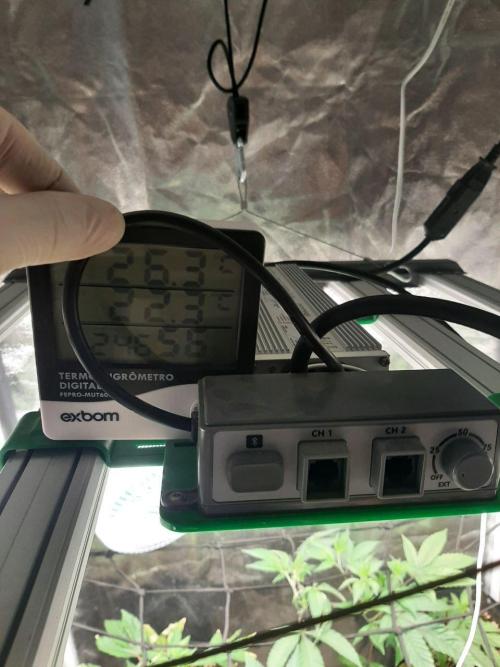
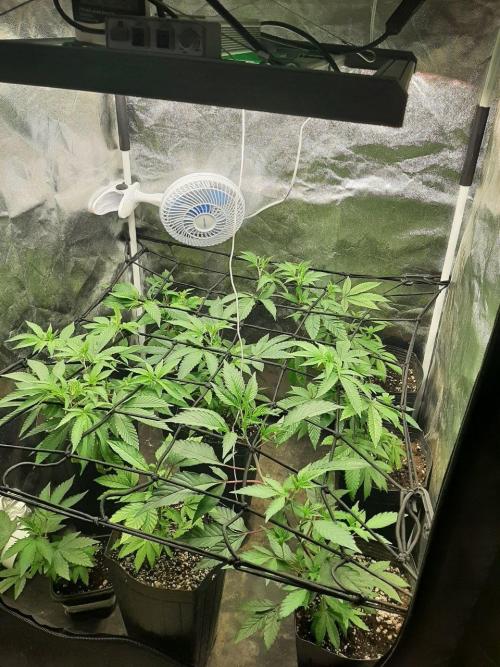
FROZENGARDENER710 End of the second week and everything seems to be going very well, the plants have started to smell good, most of the ones that had strange leaves have already started to show new leaves with a healthy green color, in addition to the weekly application of Harzianum and daily application of BTi, I added 100ppm of NitCal and 40ppm of Mg via Epsom salt, I added more biostimulants for veg and flor, I believe I will flip these plants by next week, all in a very good flowering rhythm, only one is a little behind, maybe I will remove it to avoid the risk of hermaphroditism.
5 likes
2 comments
Share
Used techniques
ScrOG
Technique
3
Week 3. Flowering10mo ago
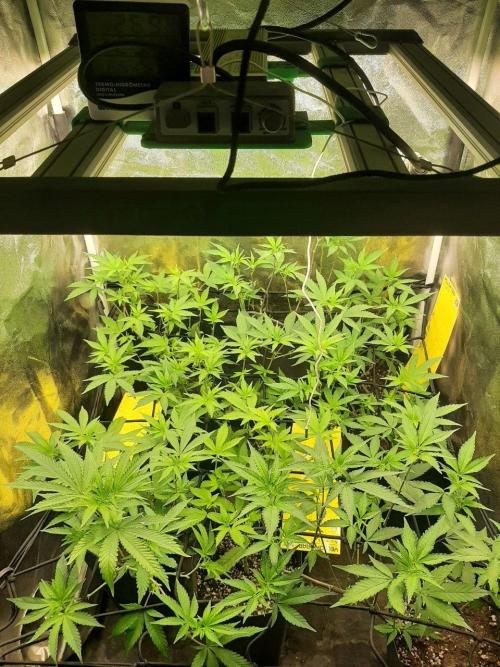

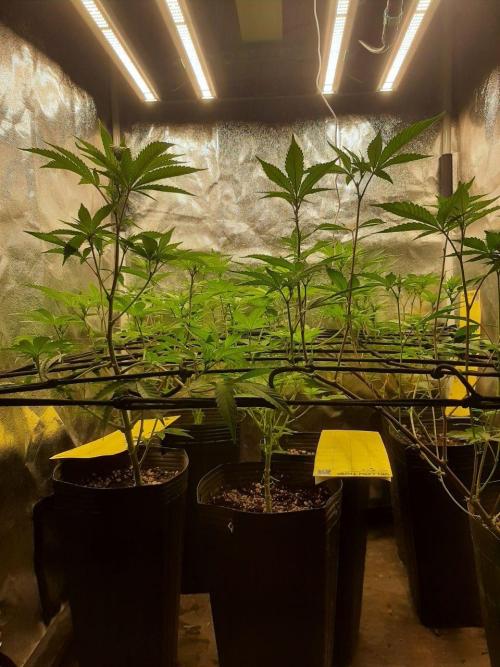


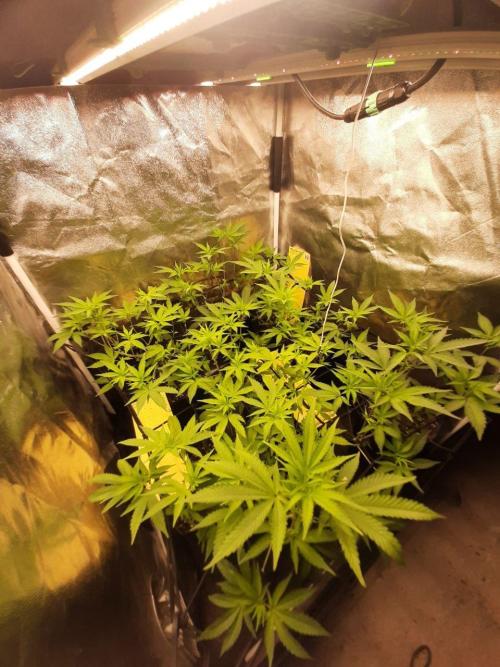


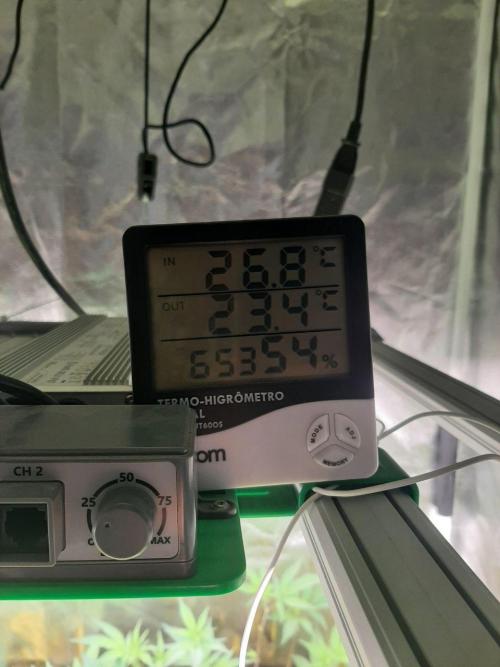

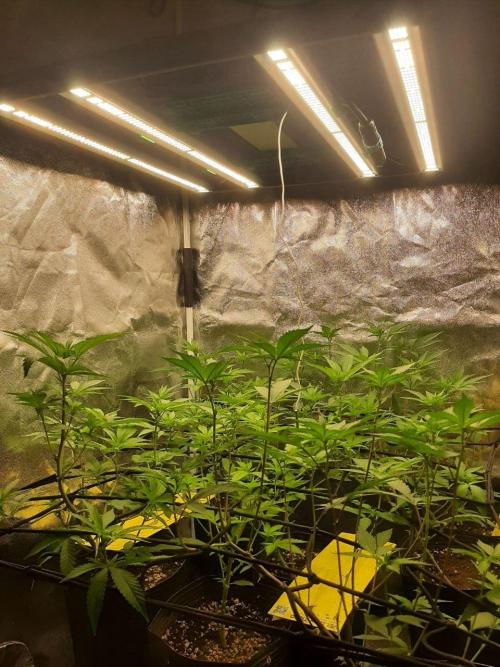
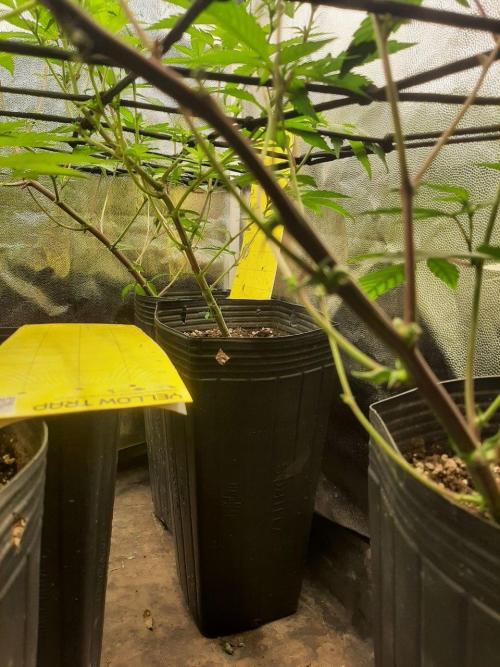
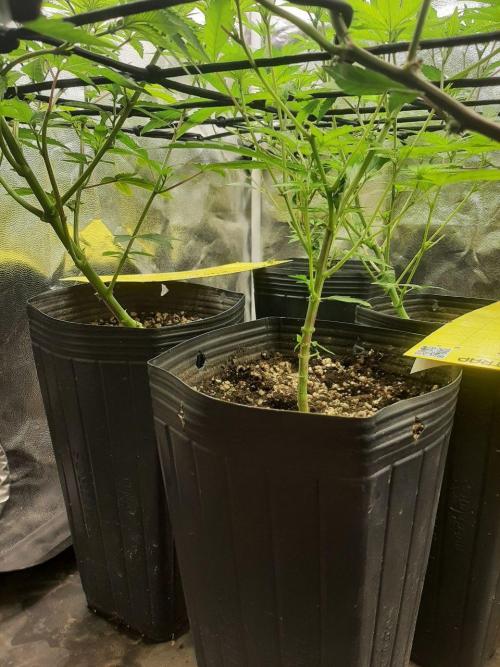
30 cm
Height
18 hrs
Light Schedule
29 °C
Day Air Temp
6.3
pH
Normal
Smell
55 %
Air Humidity
22 °C
Night Air Temp
7 liters
Pot Size
0.7 liters
Watering Volume
55 cm
Lamp Distance
Nutrients 5
Bokashi
15 mll
NitCal Prime
0.026 mll
MKP
0.1 mll
FROZENGARDENER710 I performed a runoff test on the pots to check the nutrient release from the soil; all showed an average of 500 ppm and a pH of 6.3, understandable given the organomineral growing method.
All plants appear very healthy and fragrant. I defoliated them on the third day of flowering to allow more light to reach the buds I want to penetrate the SCROG screen. On day 6, I did a light lollipoping to remove some clones and a few leaves to continue stretching branches upwards over the screen. I don't like to be invasive and try to remove only a few branches from those that aren't developing and only a few leaves from a single plant to avoid hindering the stretch. All plants responded positively to the management, with no apparent stress.
They received a concentrated dose of BTi and Trichoderma, BTi for the gnat larvae and Trichoderma to preserve the roots, and this week a higher dose to aid in phosphorus absorption in the roots, 60ppm of NitCal and 0.5g in 5L of MKP totaling 120ppm. With all this addition, the water pH dropped to 5.7. I mixed 25g in 5L of a veg biostimulant, which is rich in fermented fish, algae, and amino acids, to raise the water pH, which rose to 6.6. The biostimulant will aid in stretching. Some plants showed slight chlorosis due to a possible lack of nitrogen, understandable since they are drawing all the nutrients from the leaves to grow upwards while the soil is releasing them more slowly than they consume, hence the conservative doses.
See you next week.
3 likes
comments
Share
Used techniques
12-12
Technique
Defoliation
Technique
ScrOG
Technique
LST
Technique
4
Week 4. Flowering10mo ago
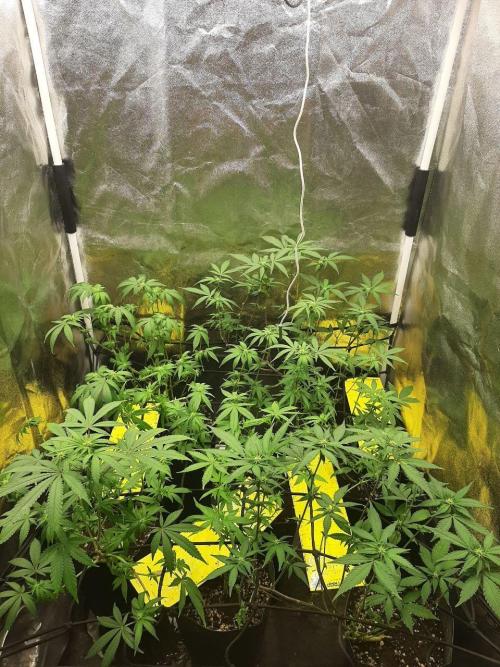
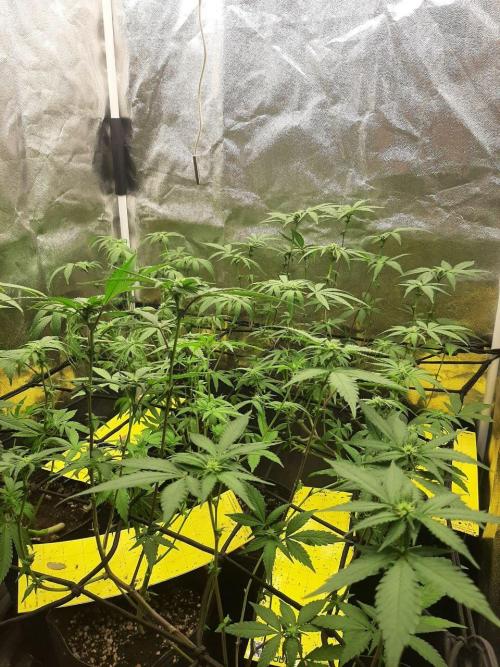
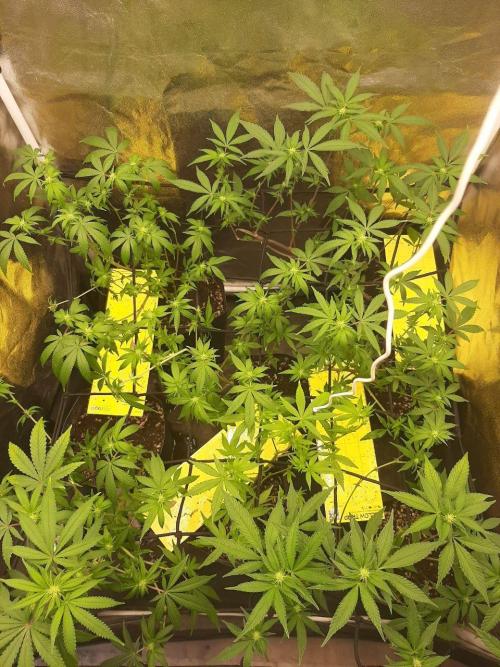
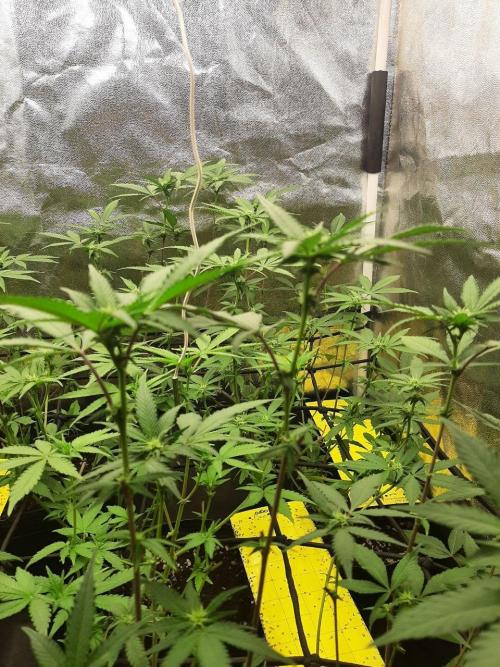
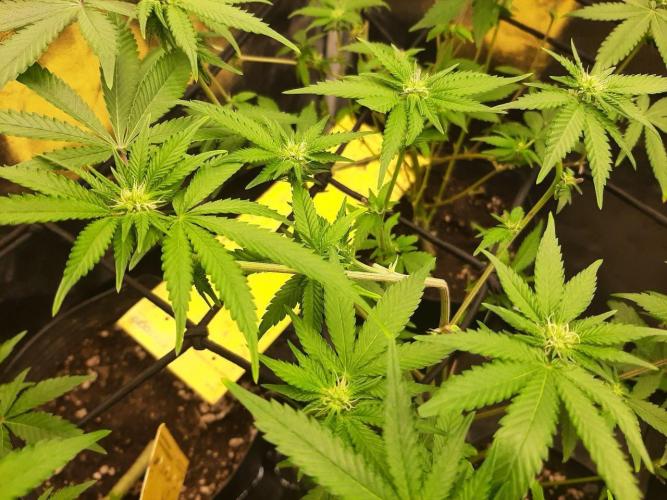
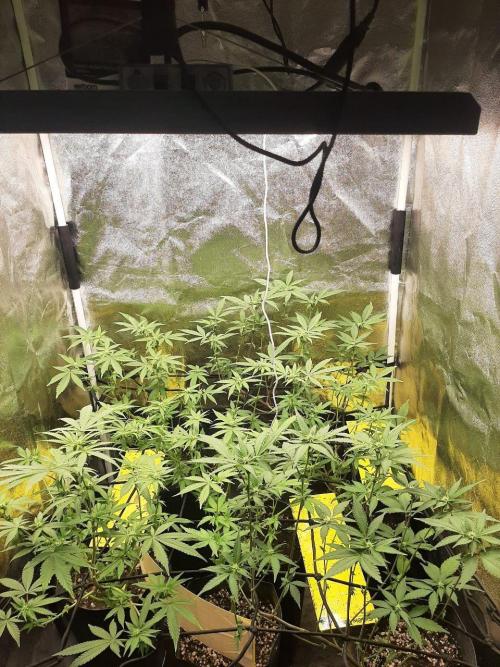
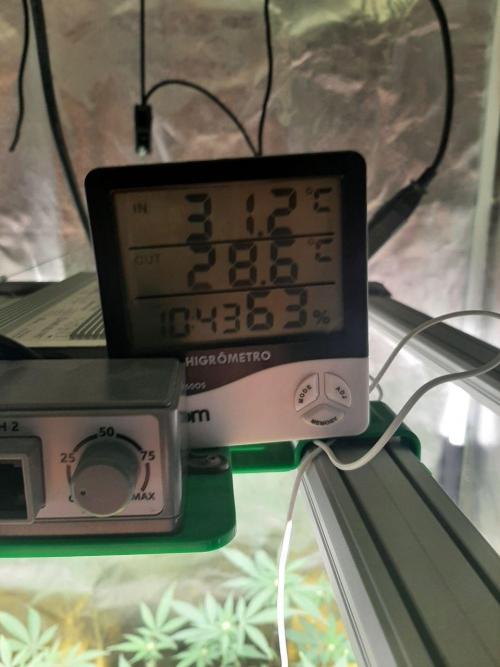
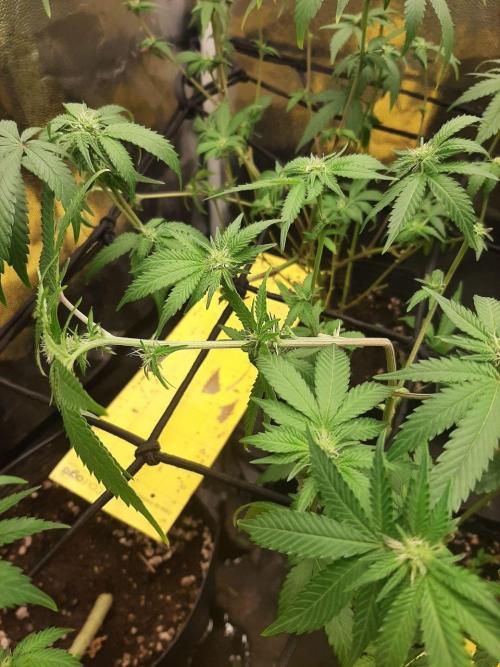
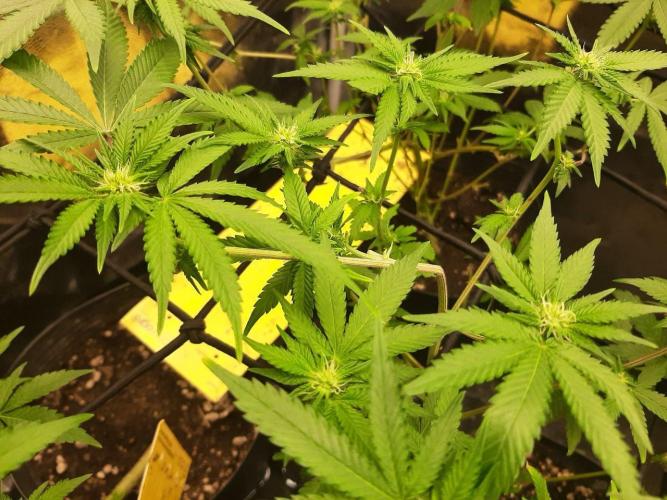
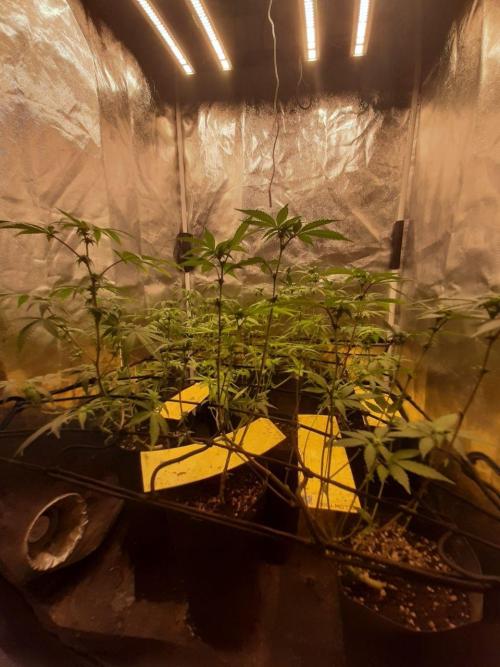
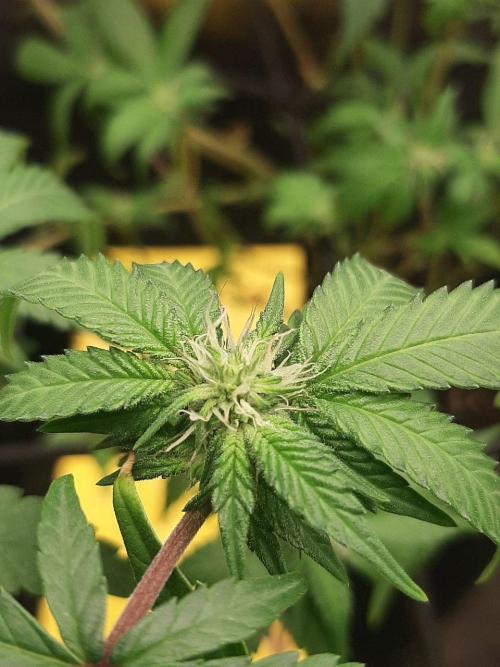
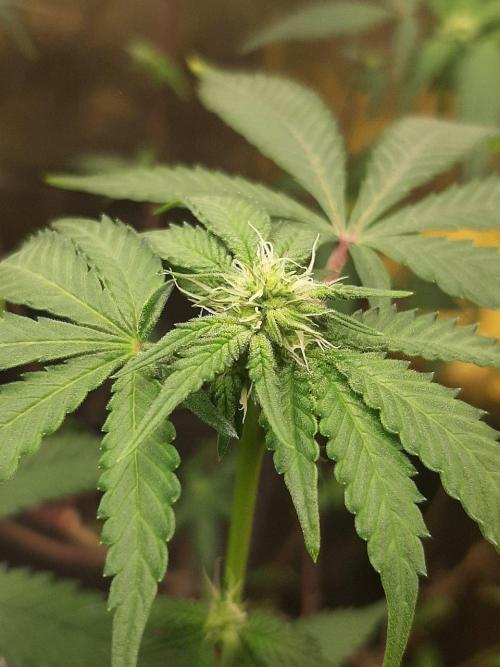
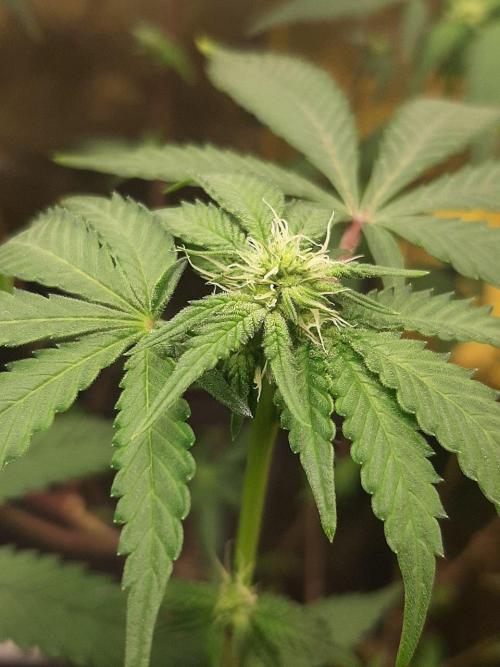
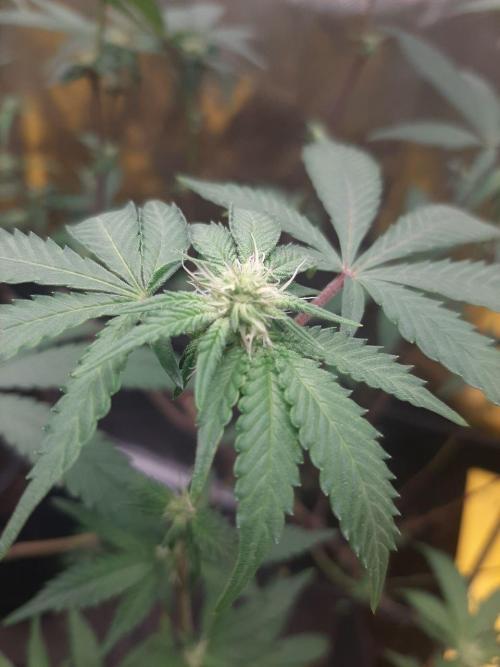
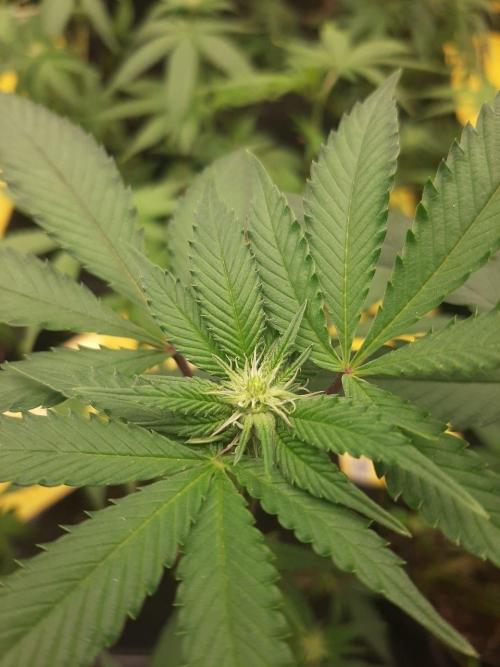
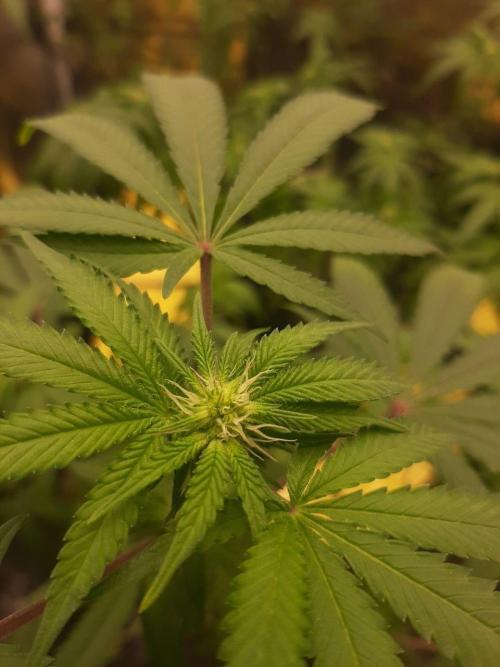
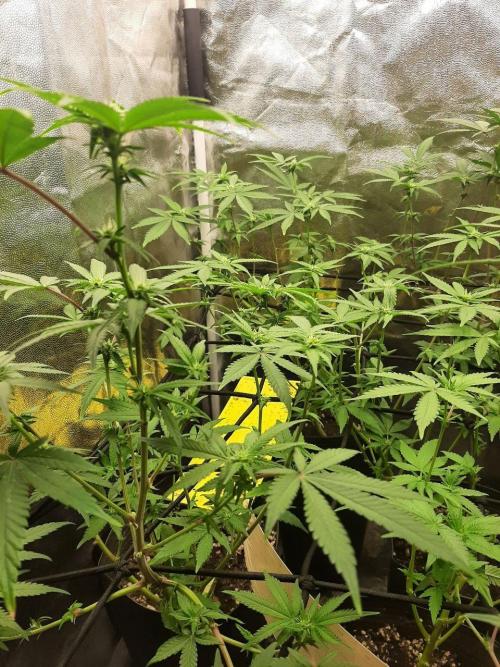
40 cm
Height
12 hrs
Light Schedule
32 °C
Day Air Temp
6.7
pH
Normal
Smell
63 %
Air Humidity
22 °C
Night Air Temp
7 liters
Pot Size
0.68 liters
Watering Volume
45 cm
Lamp Distance
Nutrients 1
Tricoderma Harzianum
0.793 mll
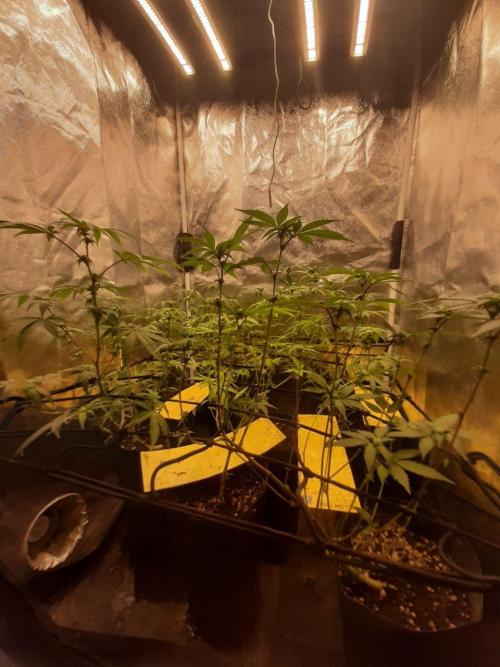
FROZENGARDENER710 It's been a very hot week here, I've reduced the intensity of the light panel to 20%. The focus is on maintaining a healthy growth rate. I know that in the coming weeks the temperature will be between 34 and 25 degrees Celsius, above what the genetics prefer, so we're proceeding cautiously, with very little additional nutrition, almost none, just organic matter from the soil. Each pot is releasing an average of 800 ppm total.
Strategic defoliation was done during the stretch week so all the colas could see light, and I removed all the bottom buds to maximize the tops.
See you in the next update, until soon!
2 likes
comments
Share
Used techniques
Defoliation
Technique
Lolippoping
Technique
Lollipopping
Technique
5
Week 5. Flowering9mo ago
35 cm
Height
12 hrs
Light Schedule
29 °C
Day Air Temp
6.7
pH
Strong
Smell
57 %
Air Humidity
19 °C
Solution Temp
20 °C
Night Air Temp
7 liters
Pot Size
0.68 liters
Watering Volume
45 cm
Lamp Distance
Nutrients 4
BTi
0.793 mll
Tricoderma Harzianum
1.321 mll

Bio-Bloom
0.528 mll
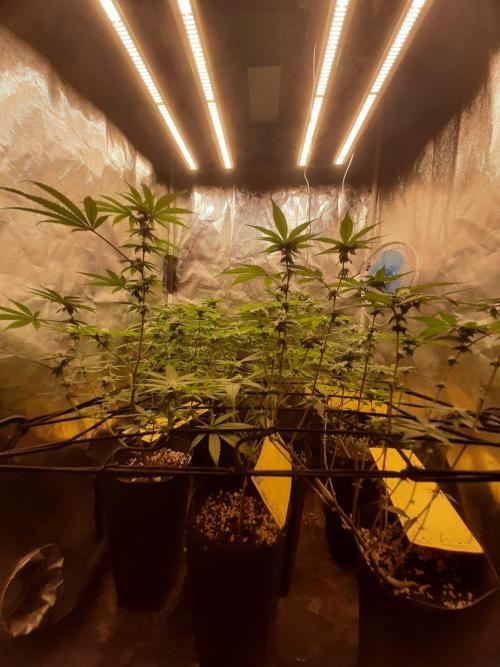
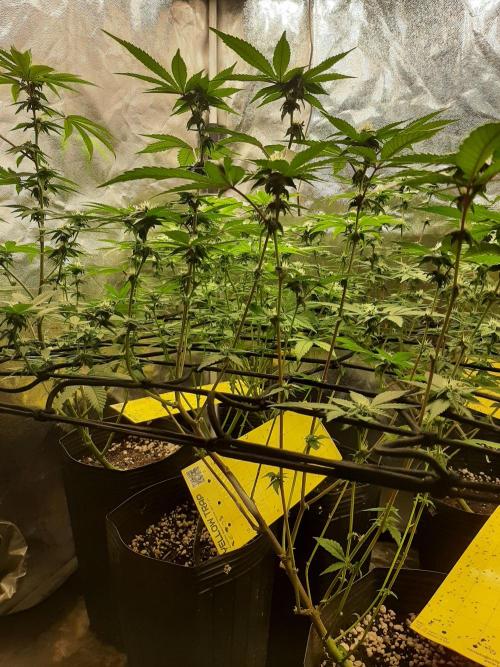
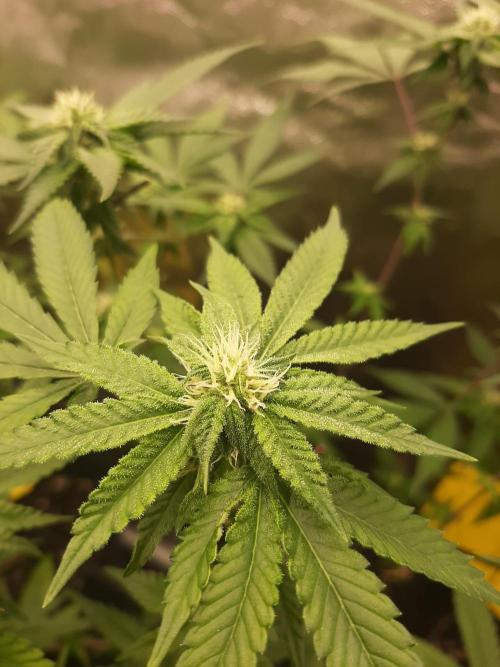
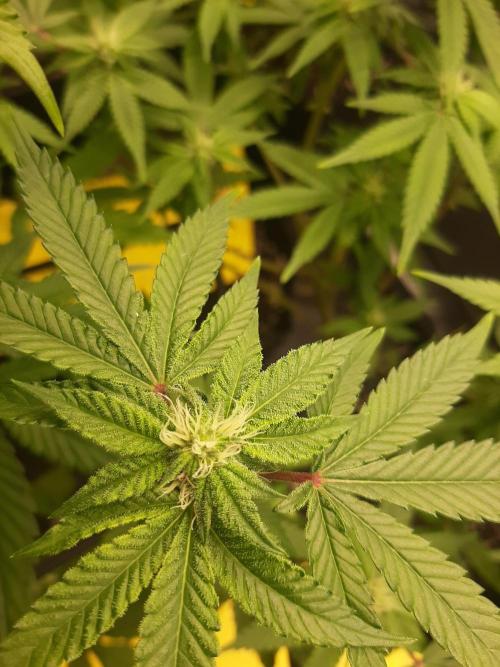
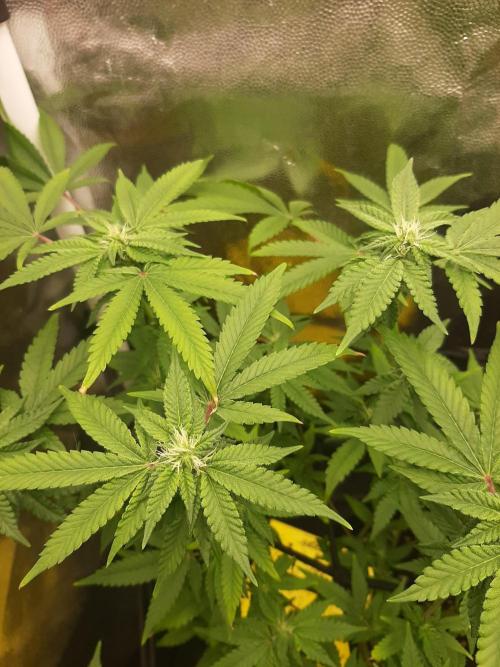
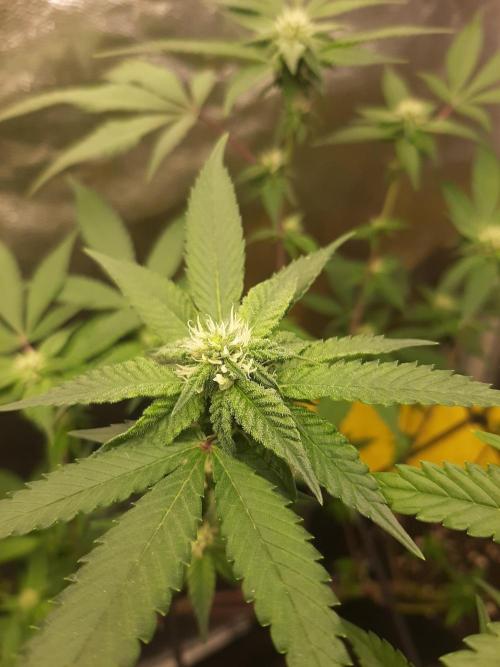
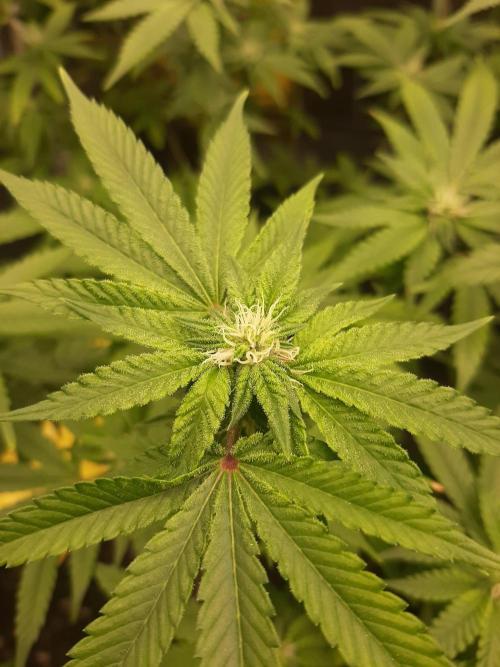
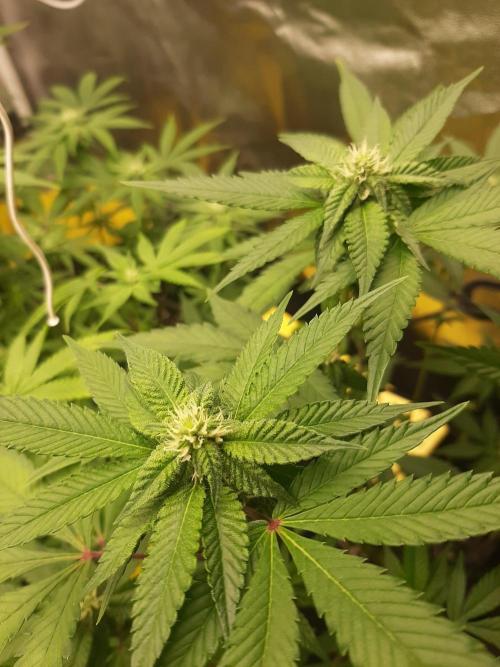
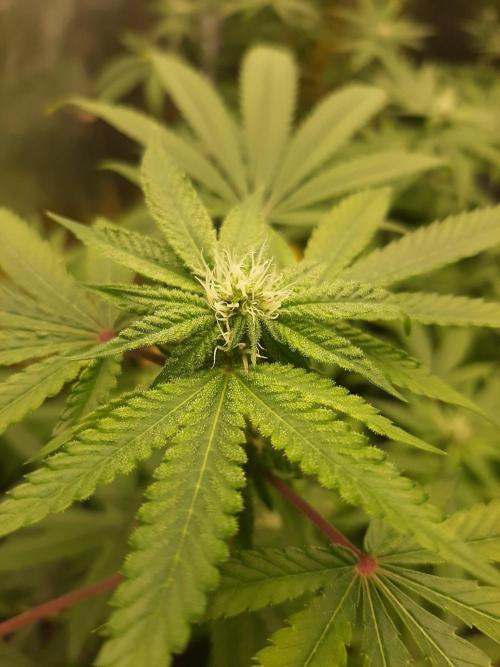
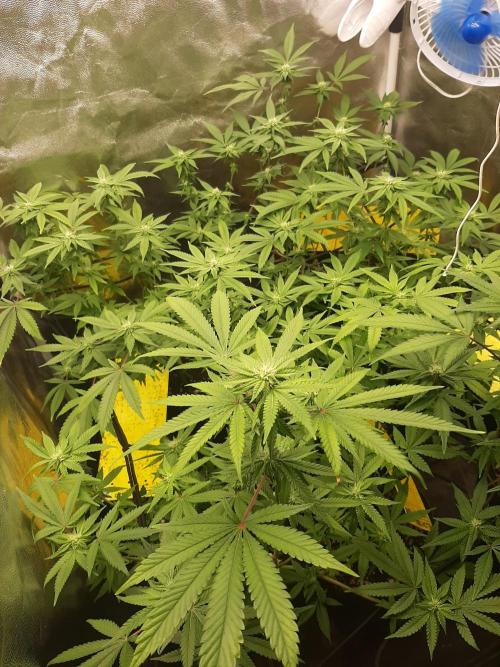
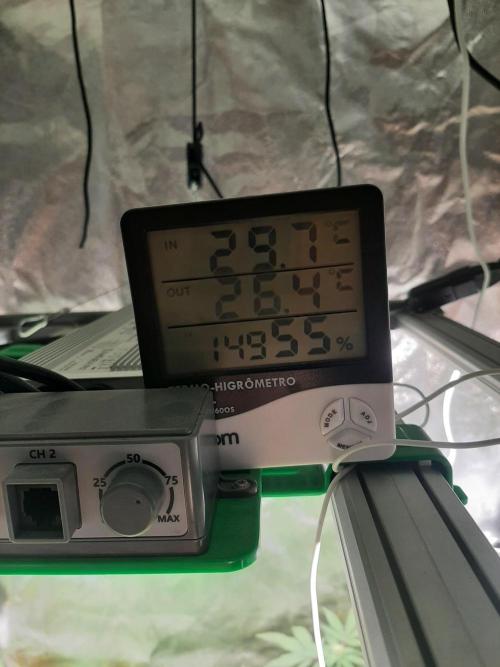
FROZENGARDENER710 Everything is going very well with the girls! This week I managed to solve some electrical problems that made my panel emit less heat, about 5 degrees less. The plants showed tolerance to intense heat and showed a good growth rate with the increased light. I used 1ml of Bio Grow and Biobloom in 5 liters of water to feed the soil, along with 5ml of liquid Bokashi mixed with the fertilizers. In this model, the fertilizers feed the microbiota so that it continues to release nutrients. No apparent deficiencies. One plant showed low nitrogen, but I realize that this strain doesn't like nitrogen, and it naturally consumes it faster than it draws it from the soil, but this hasn't been a problem. In addition to these management practices, I've done intense leaf pruning and some stem bending to spread more light, and besides nutrition, a few days before I applied BTi and Trichoderma to prepare the soil for a nutrient watering a few days later. The plants are drinking 300 to 500ml of water per day; in some cases, I only give 100ml when only the surface of the soil is dry. Speaking of living soil, leaving it without water is harmful to the microbiota, which consequently impairs nutrient absorption.
4 likes
1 comment
Share
Used techniques
Defoliation
Technique
HST
Technique
6
Week 6. Flowering9mo ago
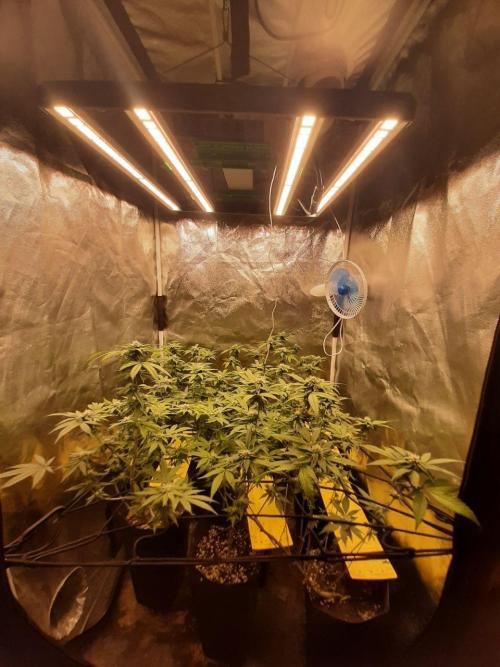
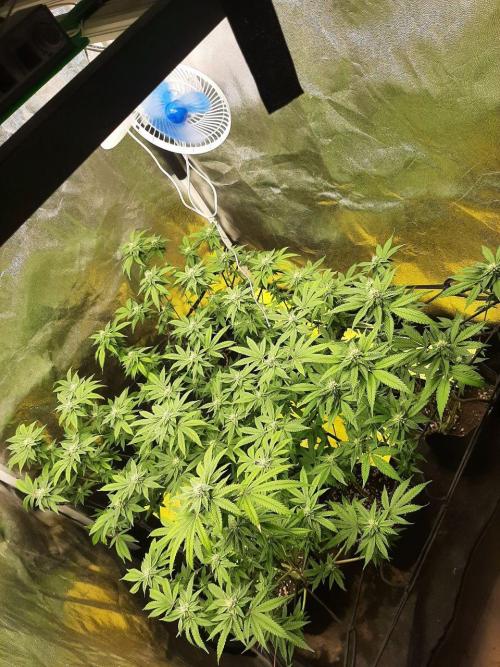
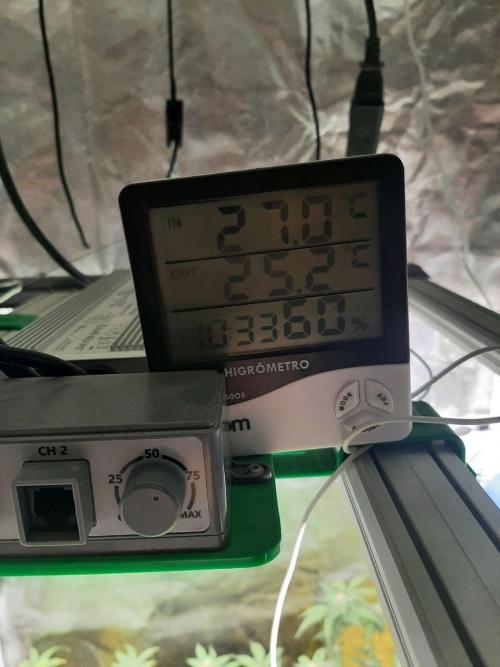
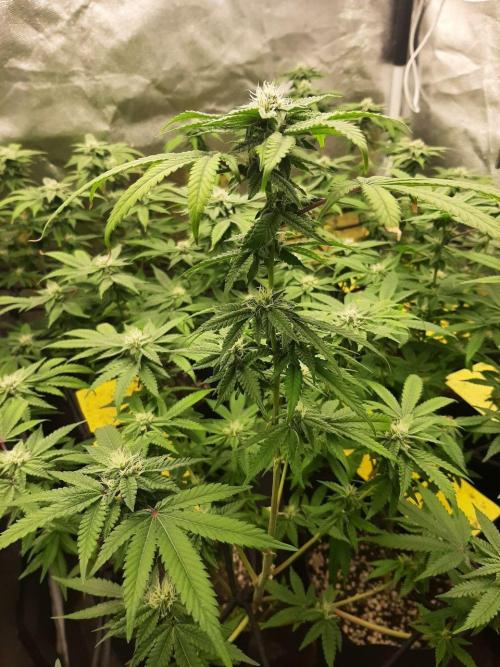
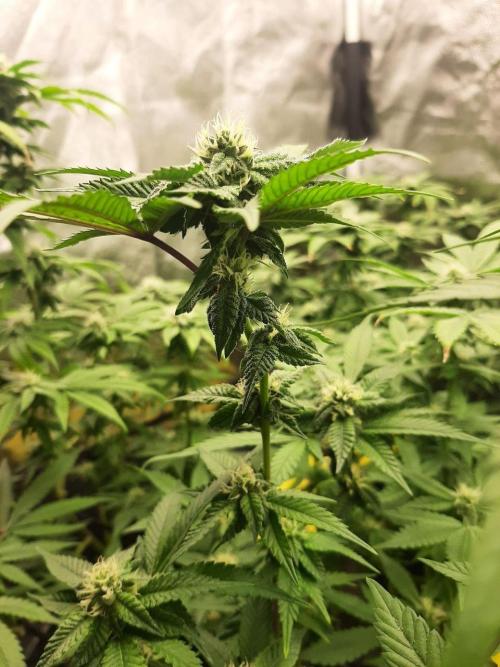
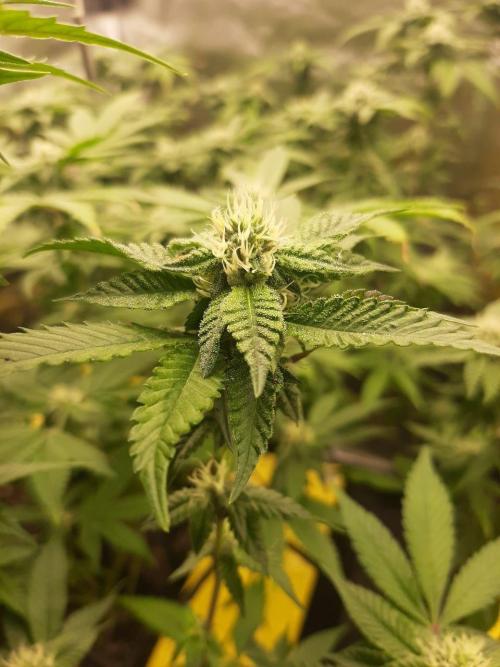
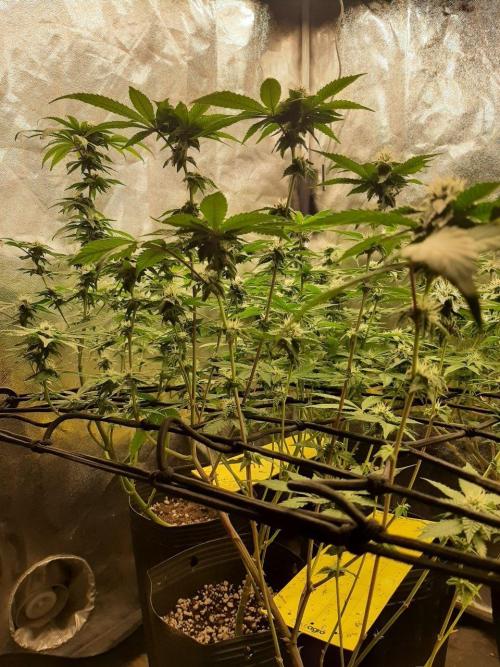
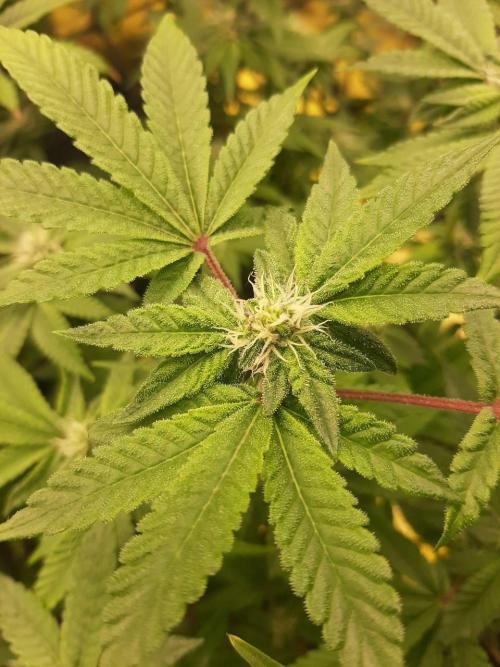
45 cm
Height
12 hrs
Light Schedule
27 °C
Day Air Temp
6.7
pH
Normal
Smell
50 %
Air Humidity
22 °C
Solution Temp
24 °C
Night Air Temp
7 liters
Pot Size
0.68 liters
Watering Volume
45 cm
Lamp Distance
Nutrients 8
BTi
0.793 mll
potassium silicate
0.793 mll
HasifaCal Prime
0.053 mll
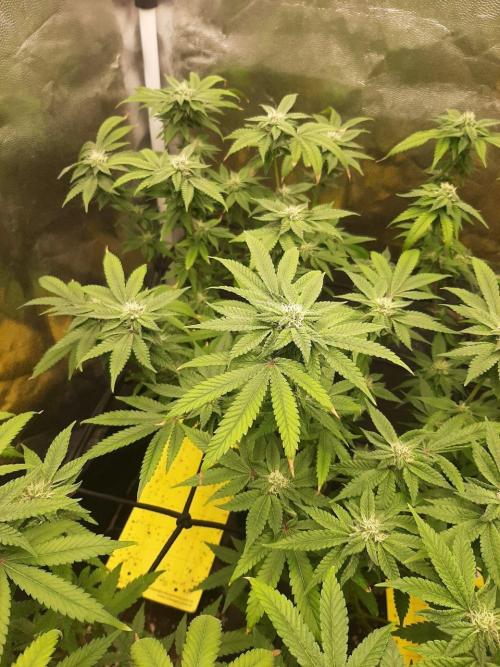
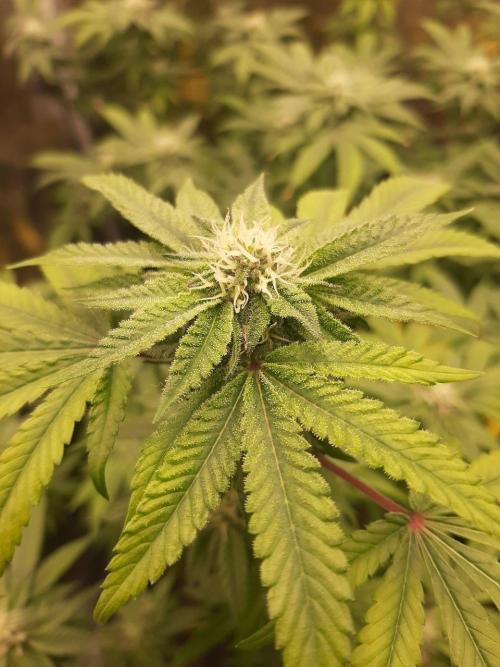
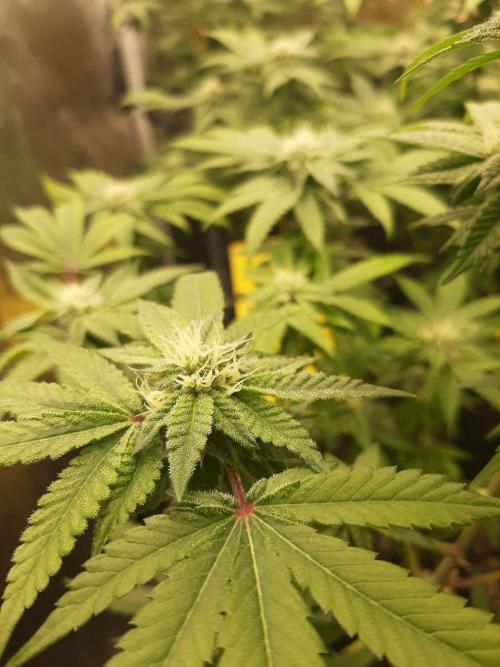
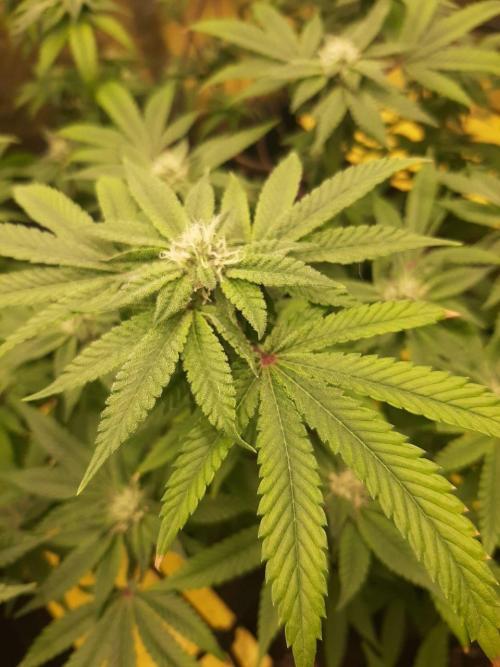
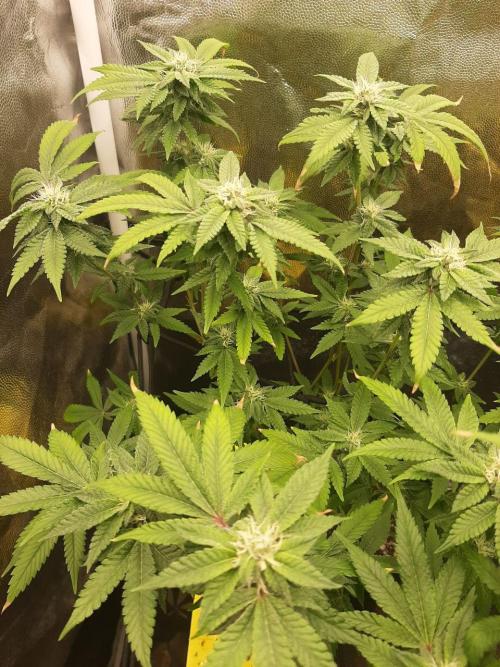
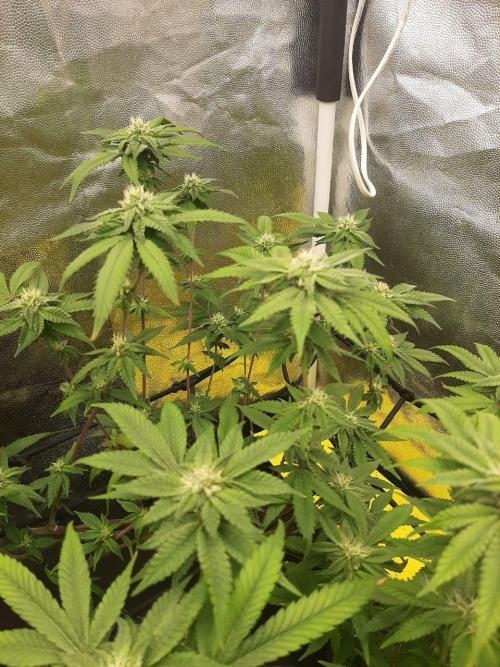
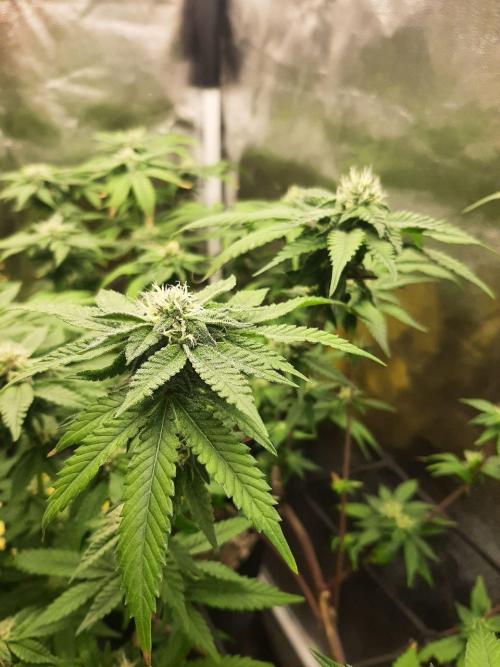
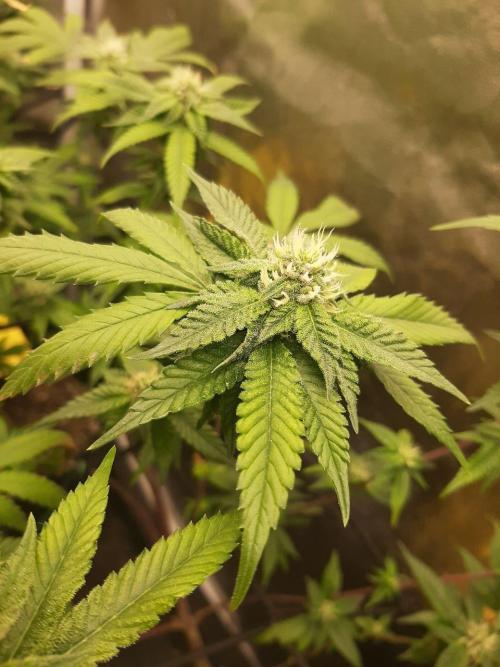
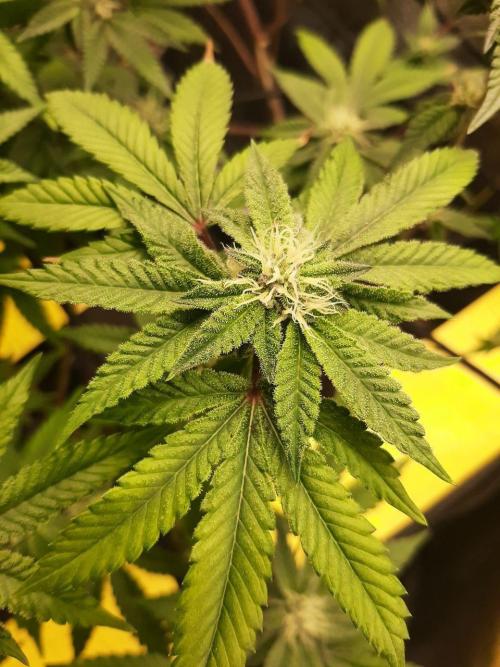
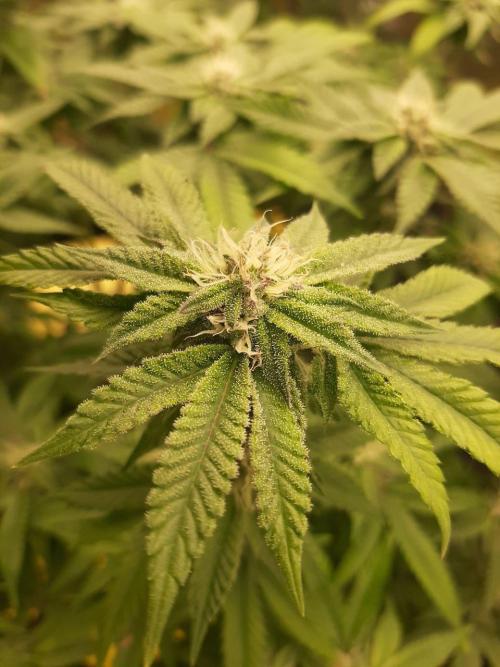
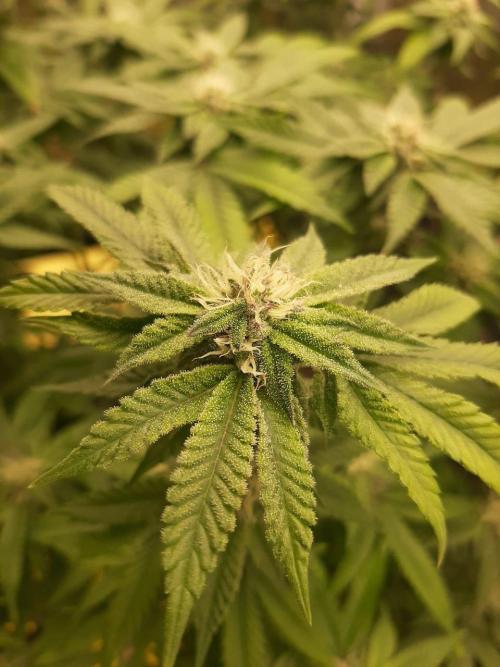
FROZENGARDENER710 I'm almost certain I have 2 or 3 Pure Glitter clones in the mix. I remember the gasoline smell like it was yesterday. The truth is, I'm not sure because I didn't name the clones, believing they wouldn't root without a humidifier and in unsuitable soil. In the next update, I'll be more certain and can confirm with accuracy.
This week I ended up miscalculating the MKP dosage, which competed for nitrogen and magnesium in the plants. Nothing too critical; it delayed development but didn't stop it, nor did it seem like a worrying stress. I'll be more careful with saline dosages and from now on I'll start giving light drybacks to the pots so the soil works better. I added some biostimulants and nothing else. I'm happy with how everything is going.
See you next week!
4 likes
comments
Share
Used techniques
Defoliation
Technique
7
Week 7. Flowering9mo ago
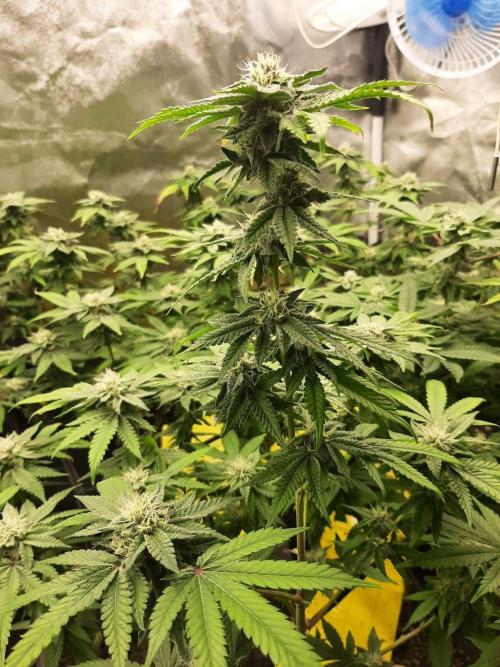
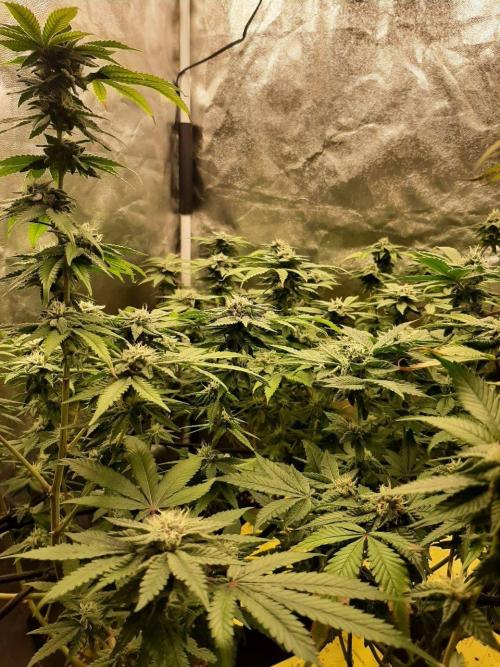
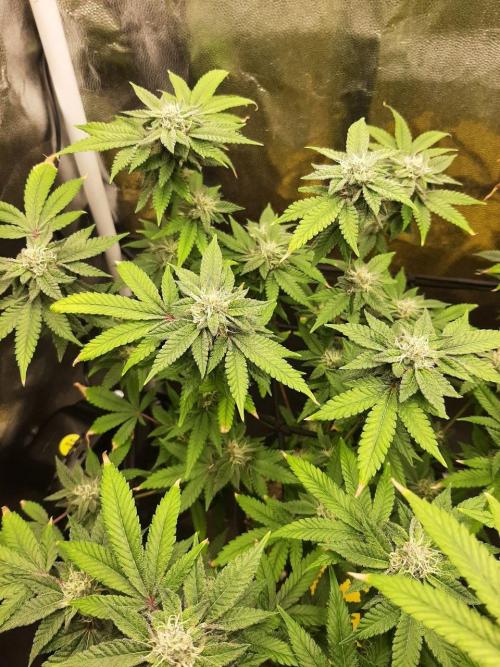
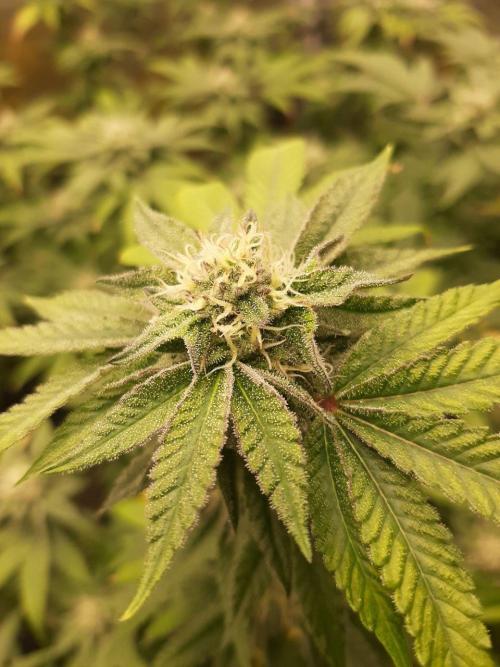
45 cm
Height
12 hrs
Light Schedule
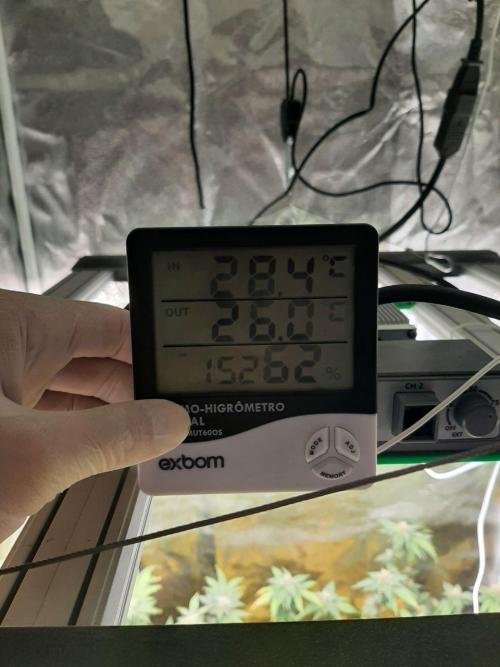
28 °C
Day Air Temp
6.7
pH
Normal
Smell
55 %
Air Humidity
22 °C
Solution Temp
24 °C
Night Air Temp
7 liters
Pot Size
0.68 liters
Watering Volume
45 cm
Lamp Distance
Nutrients 6
BTi
0.793 mll
potassium silicate
0.264 mll
HasifaCal Prime
0.053 mll
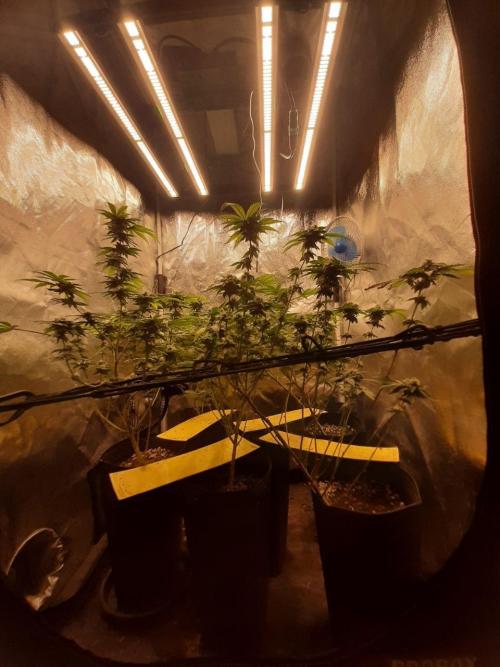
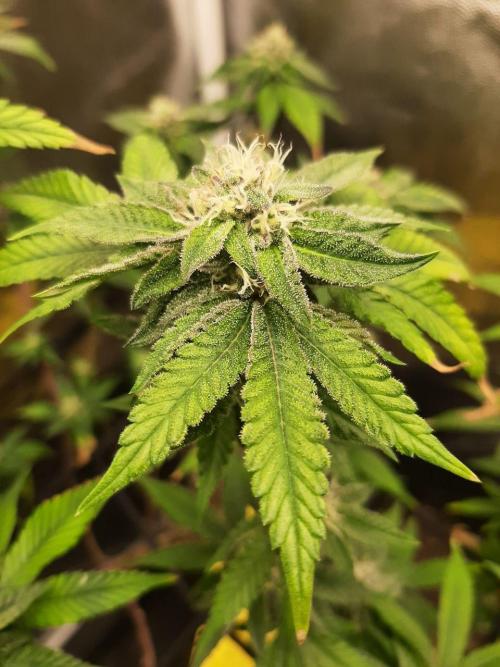
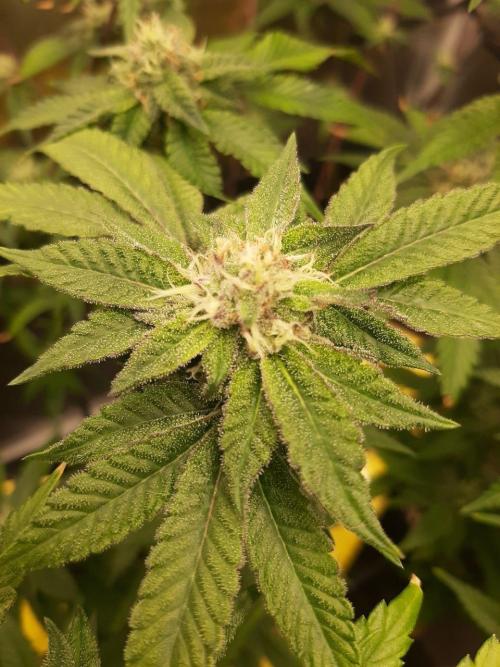
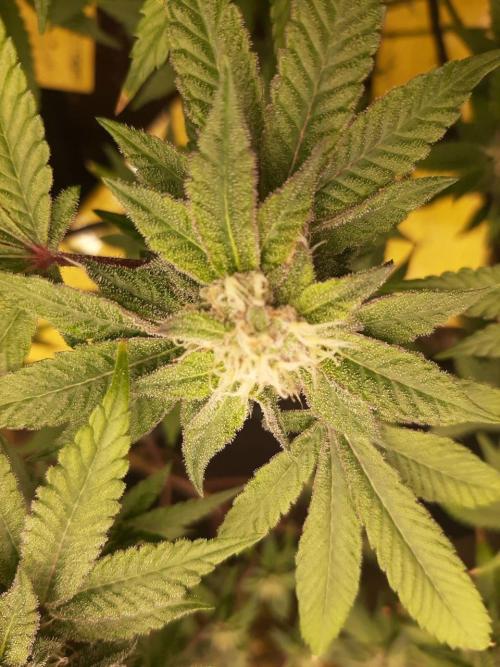
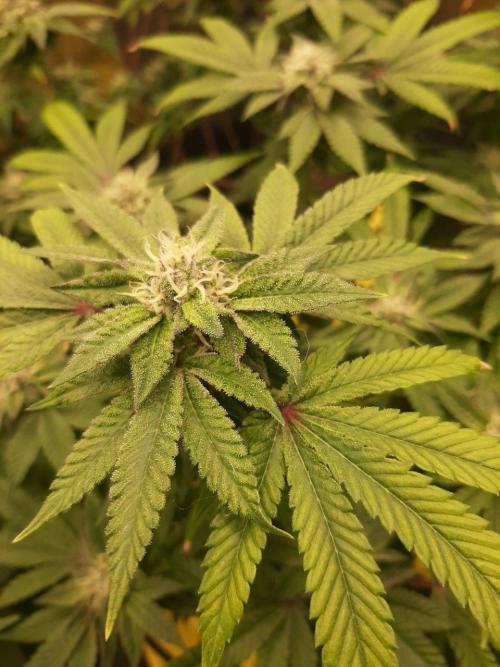
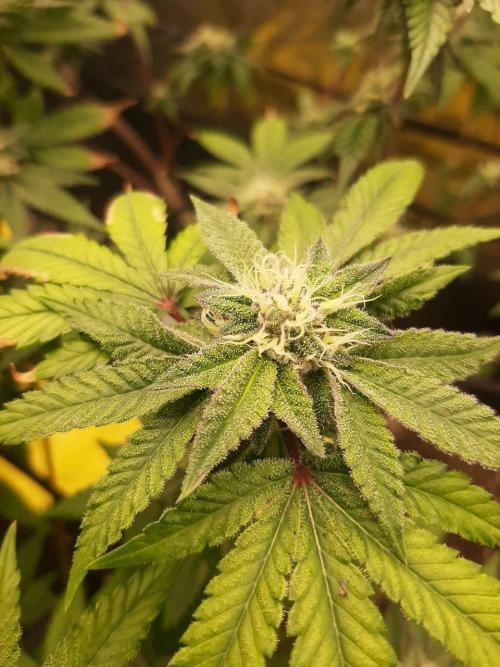
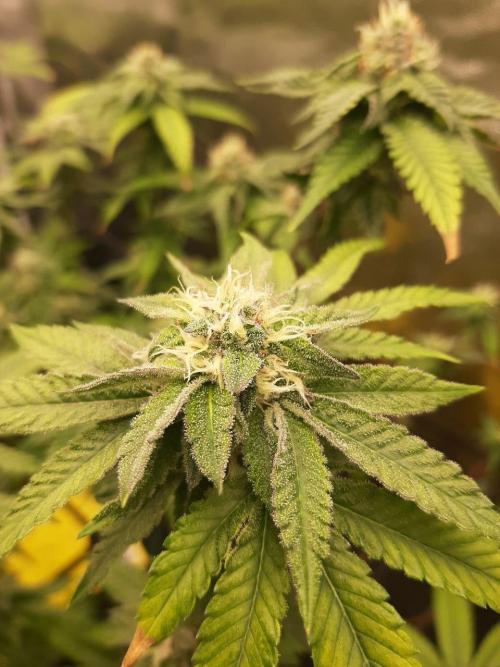
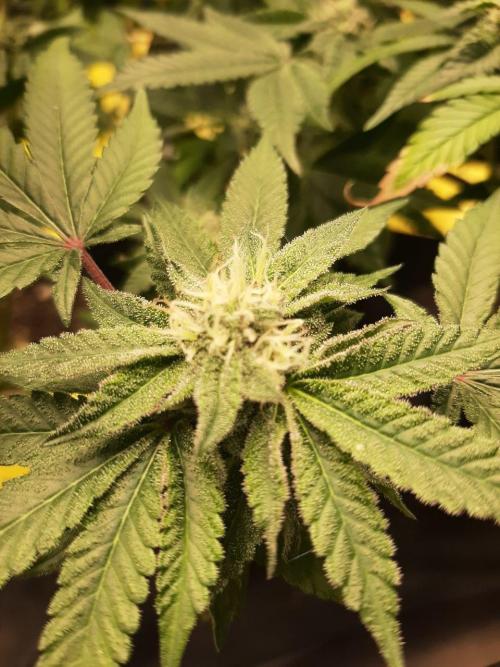
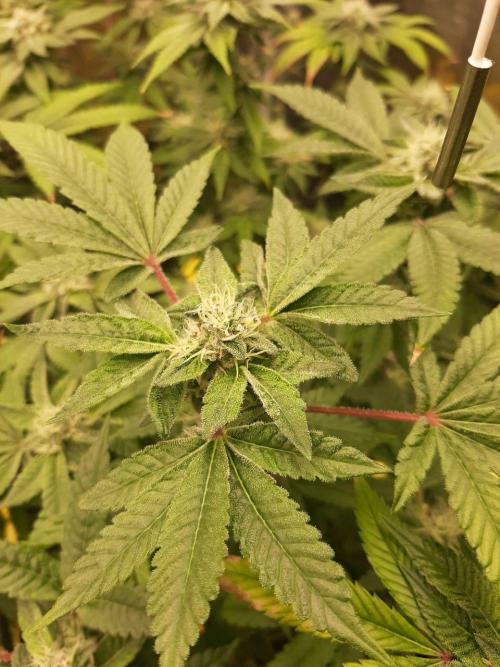
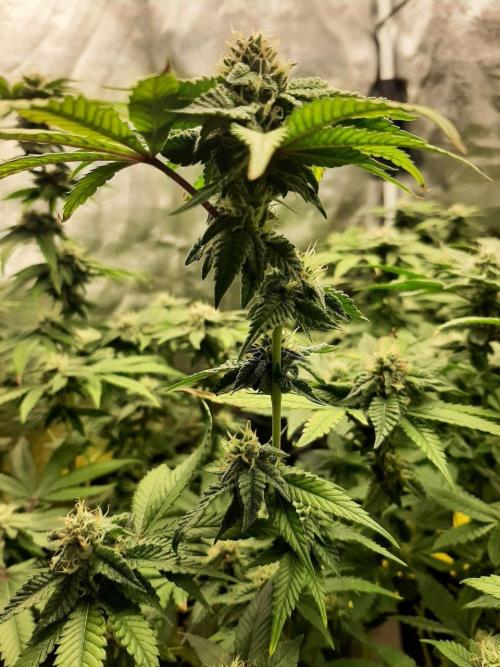
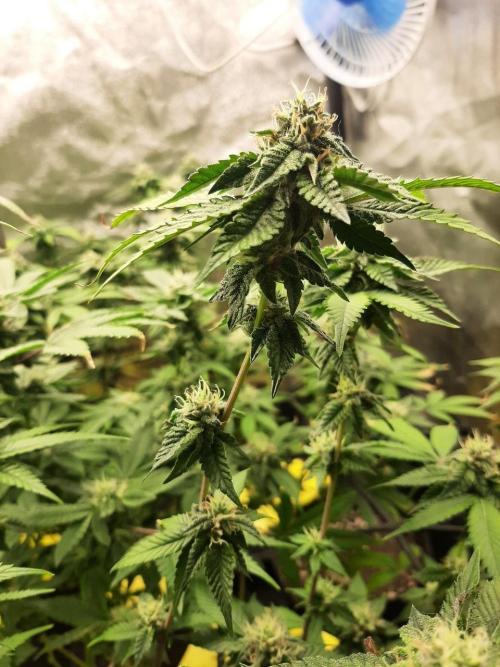
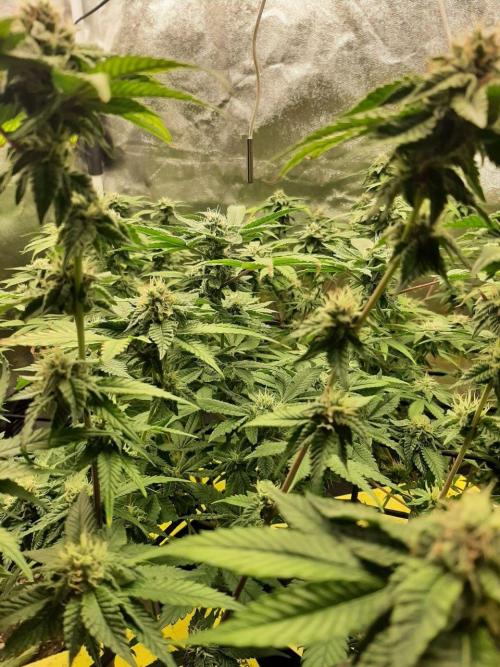
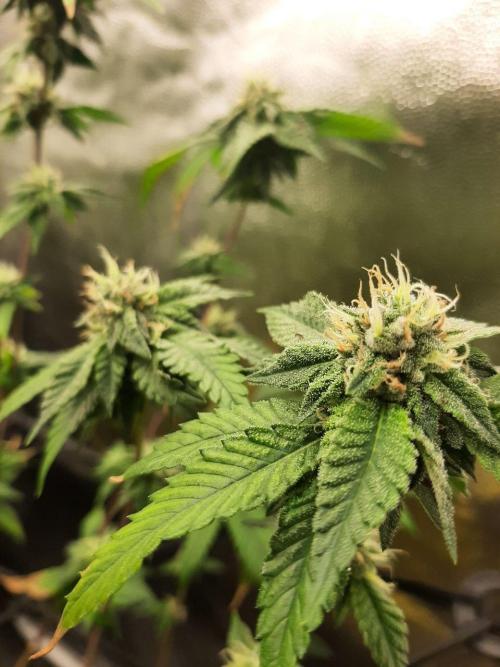
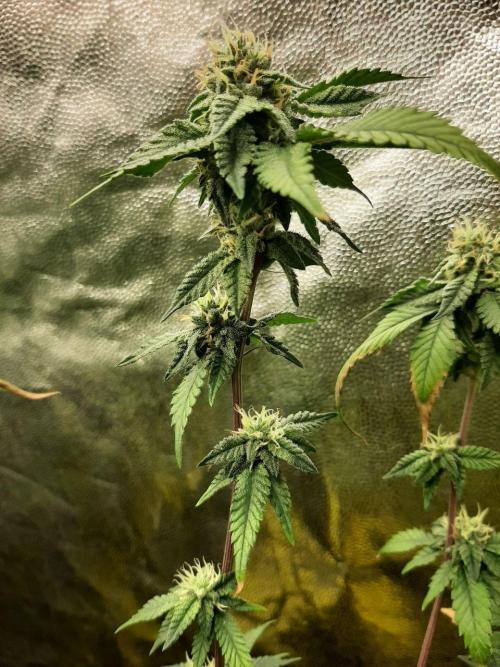
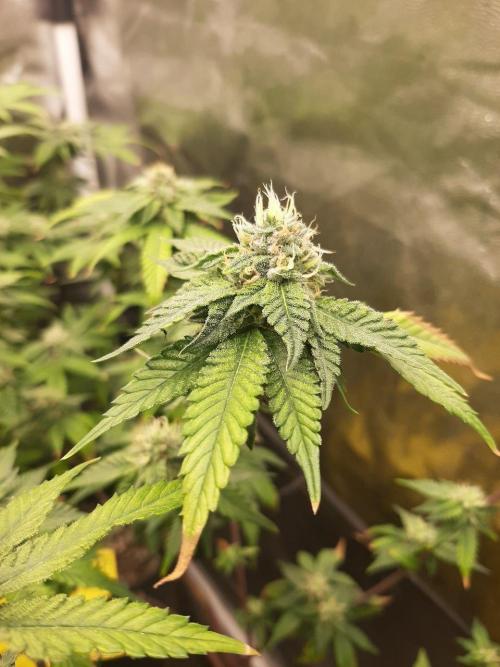
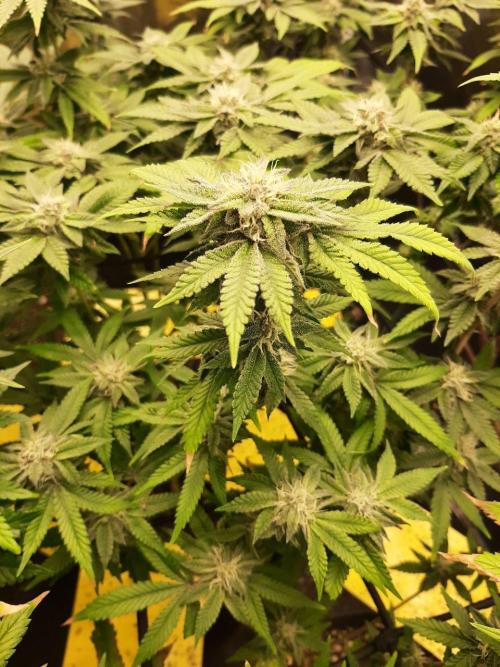
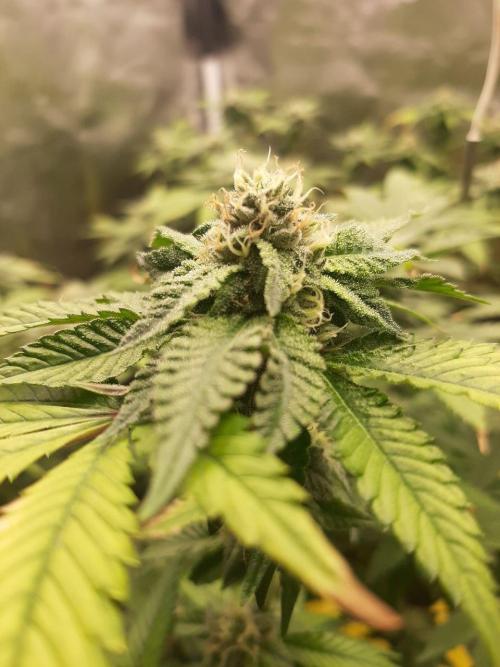
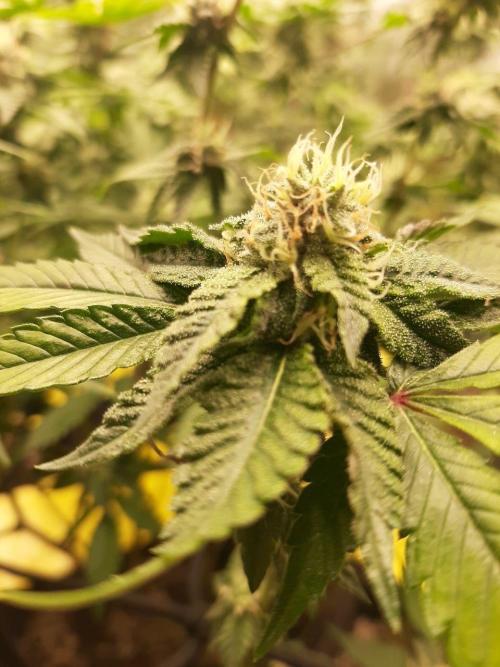
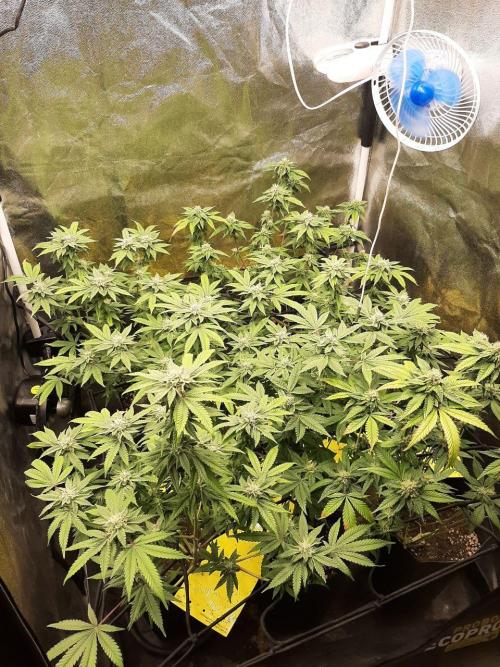
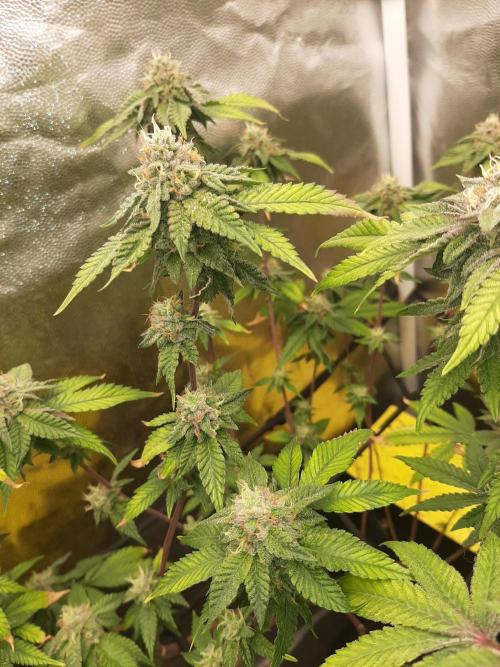
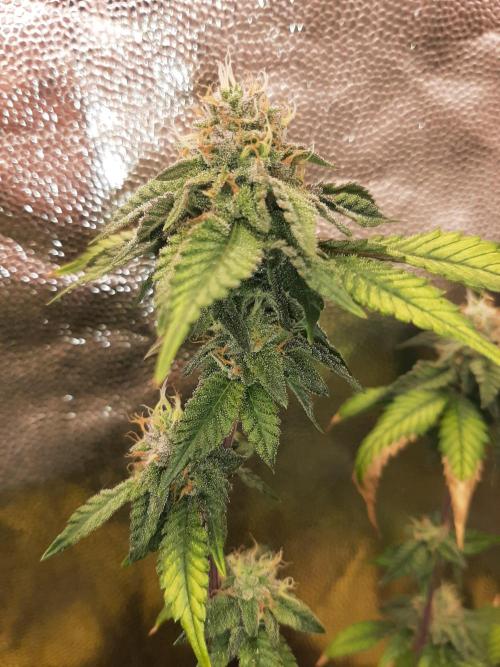
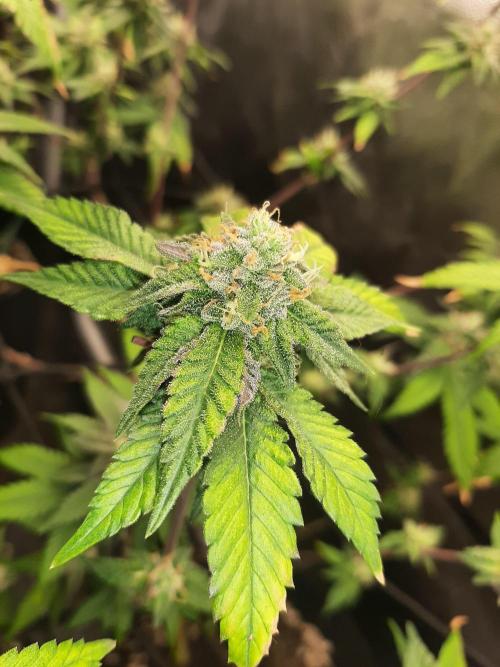
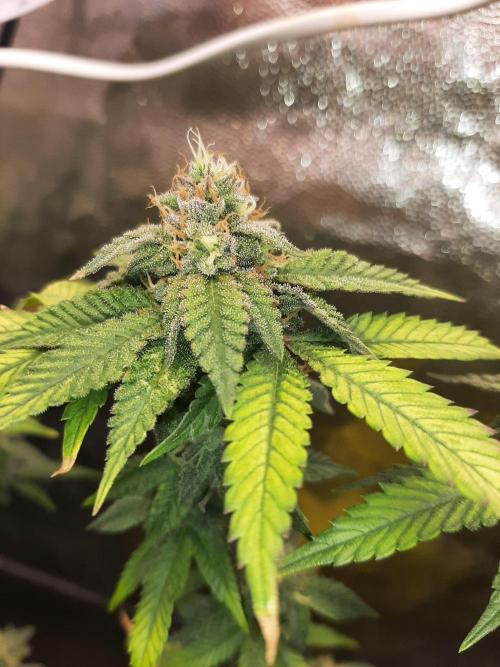
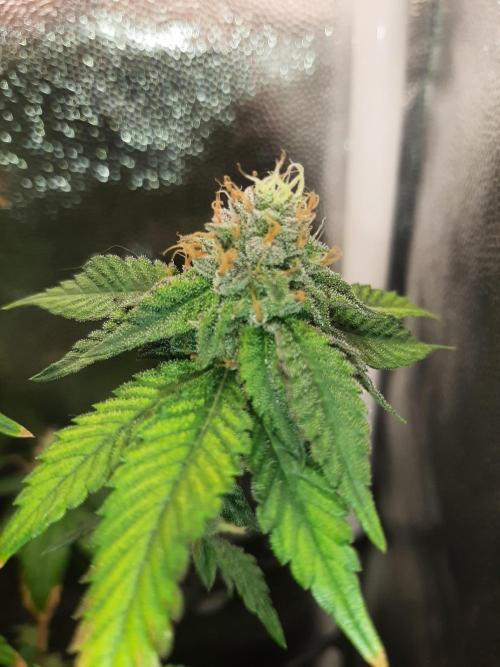
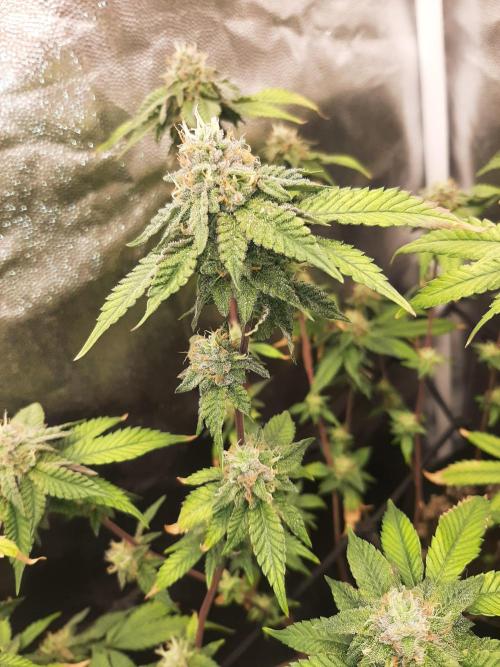
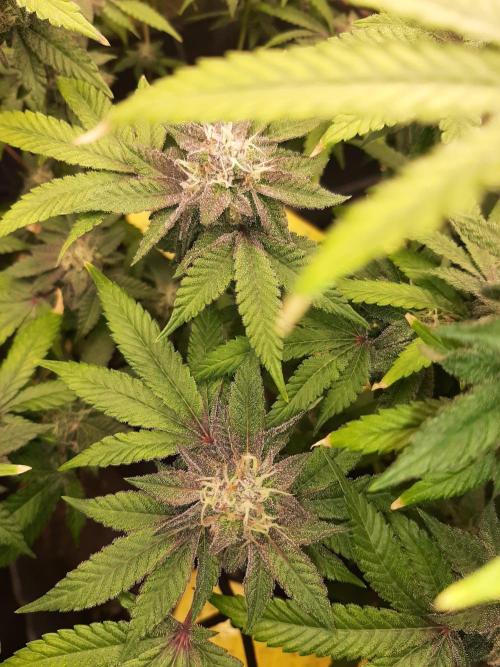
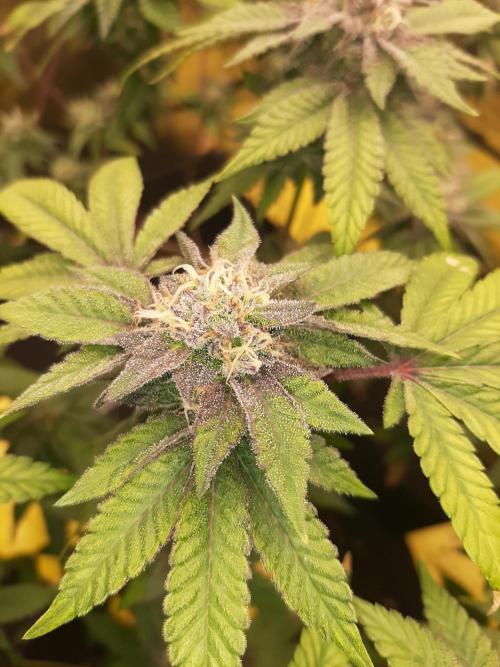
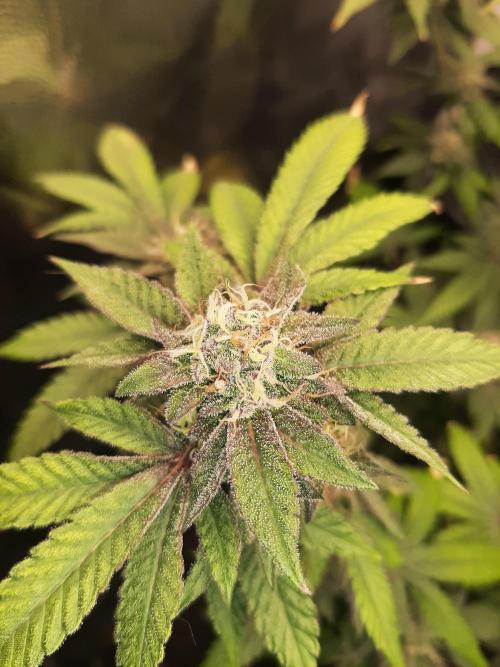
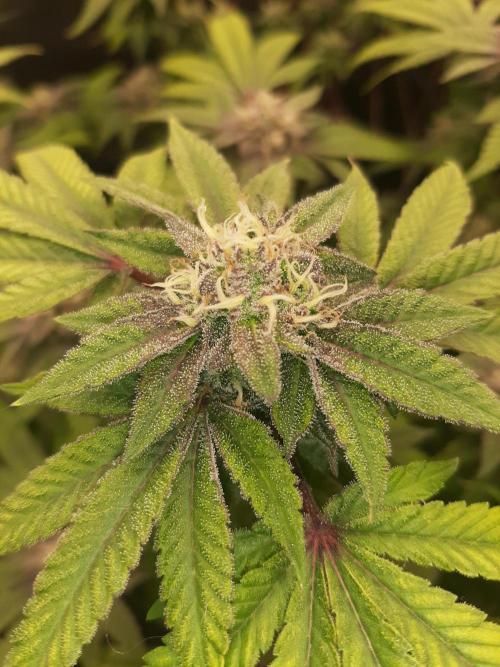
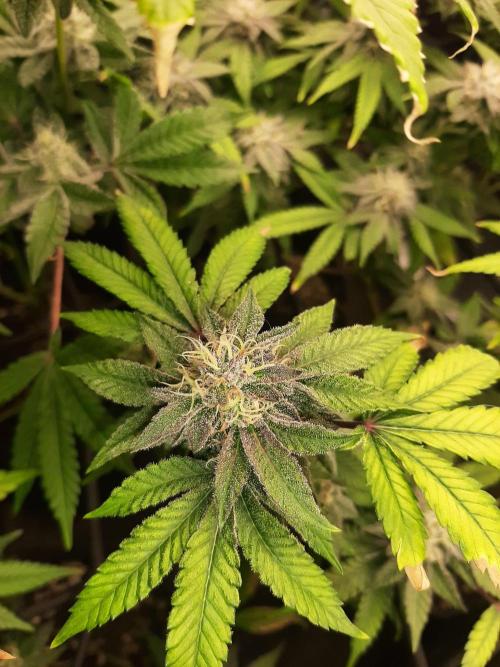
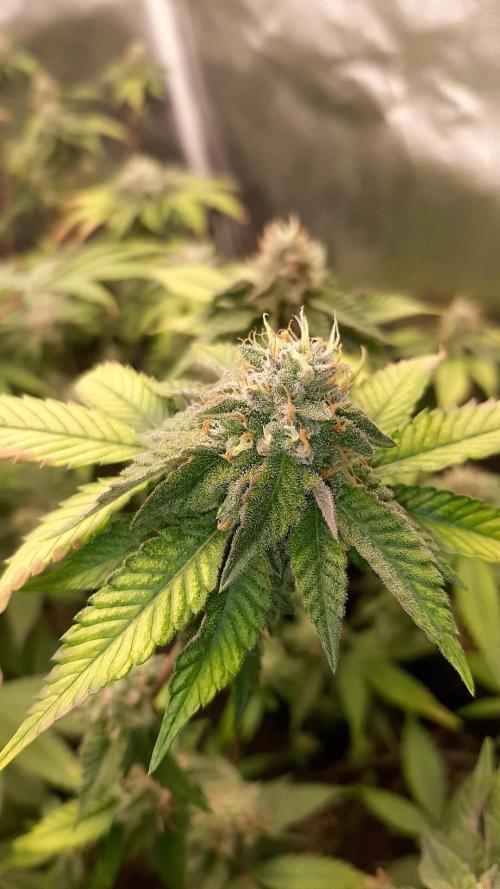
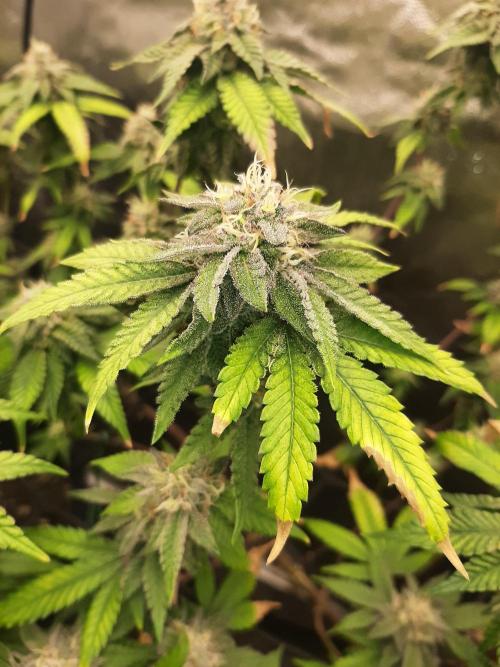
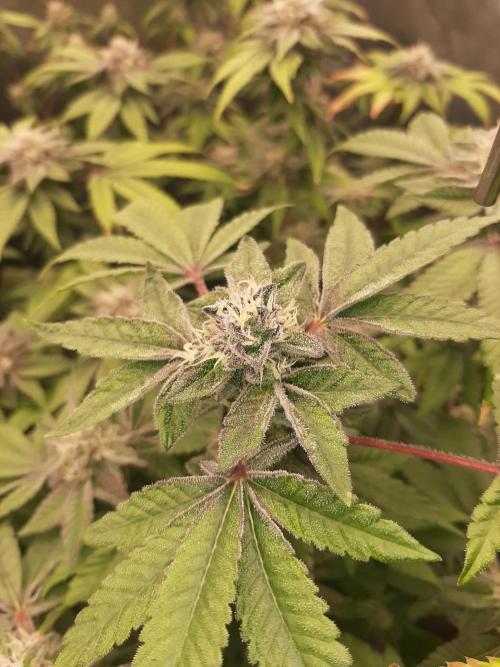
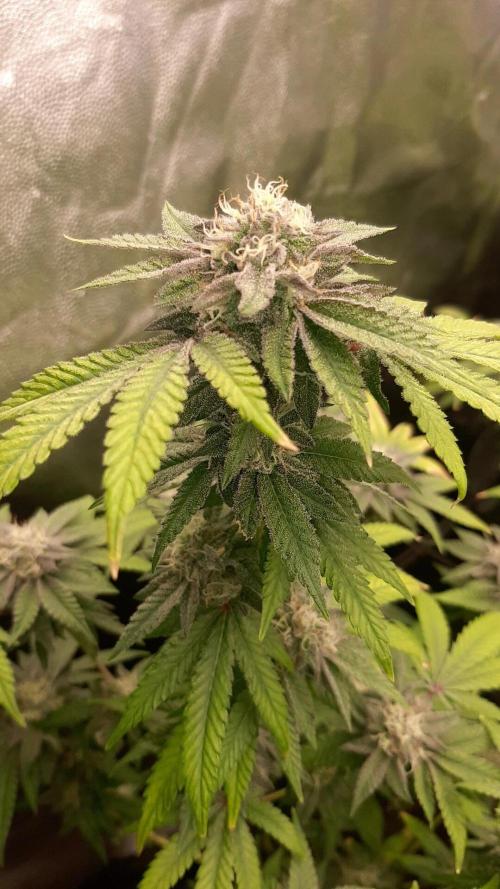
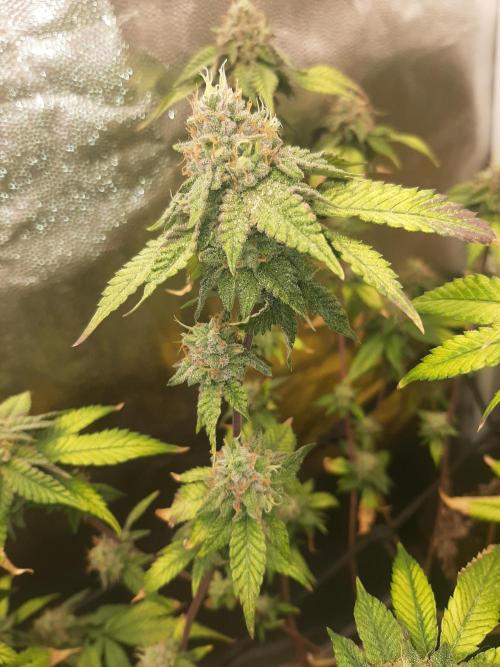
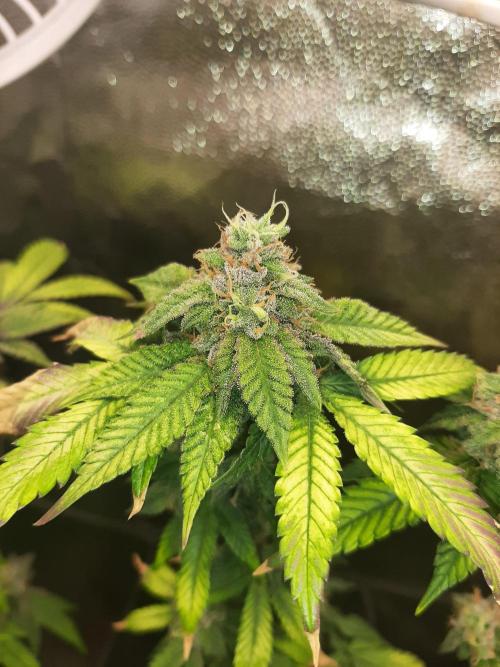
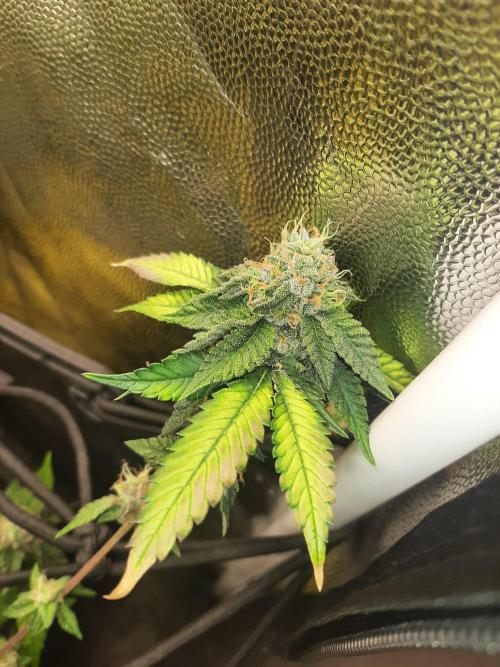
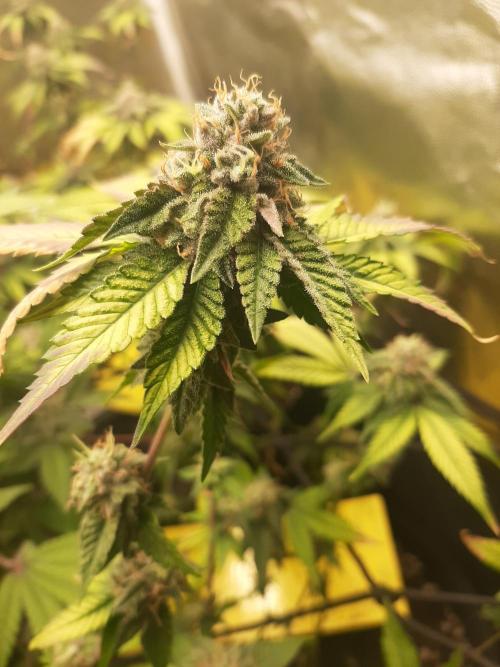
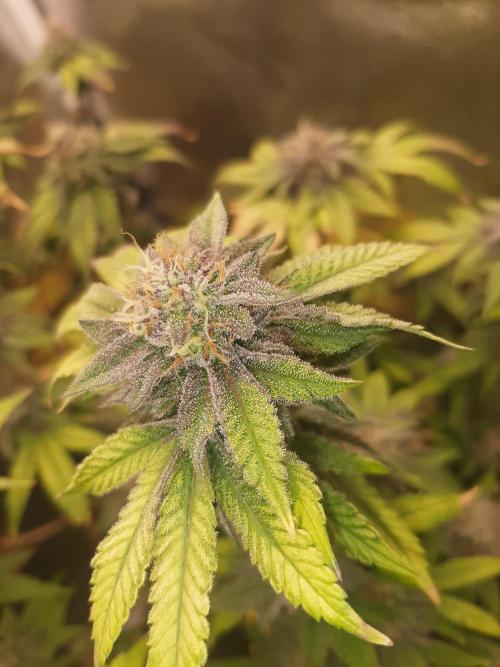
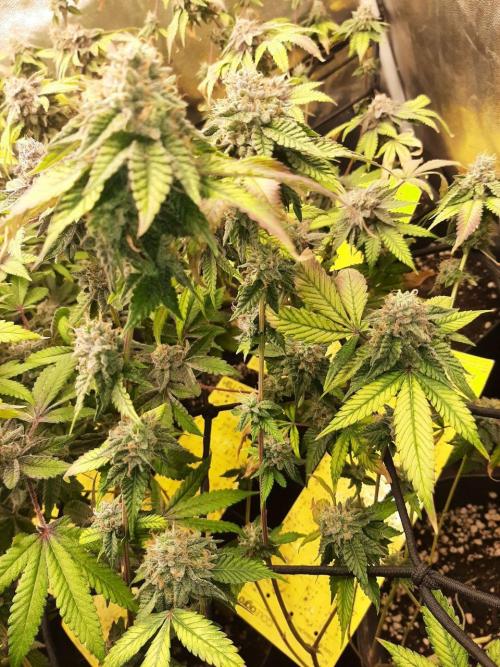
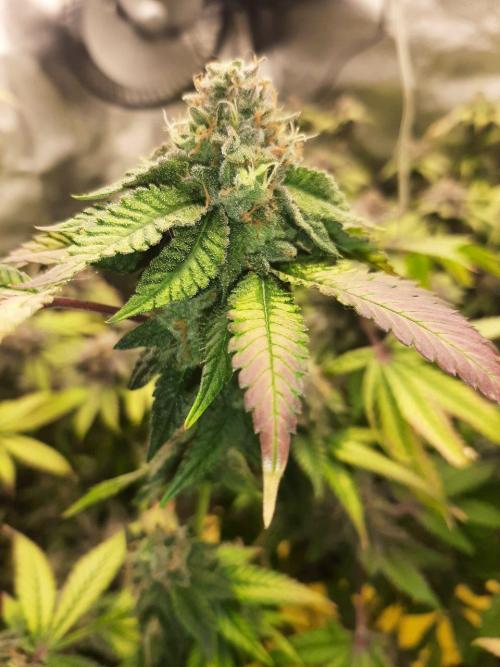
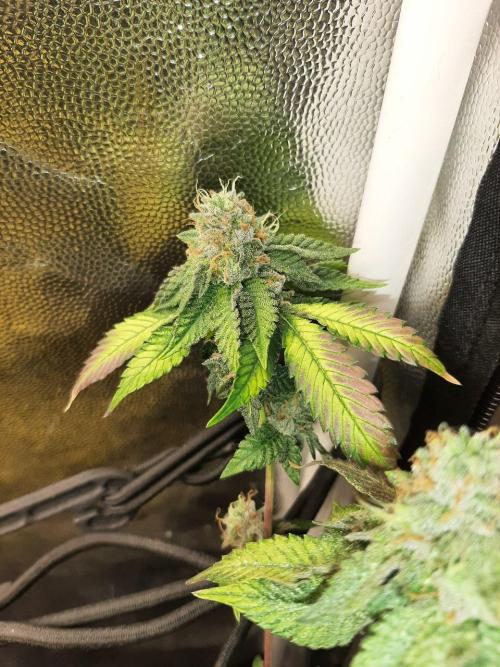
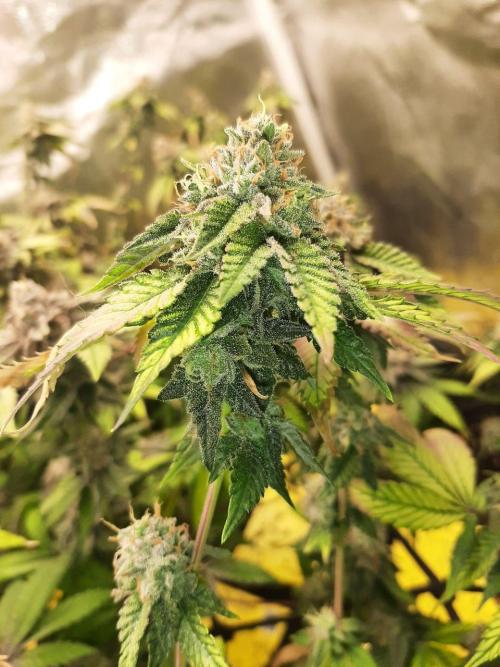
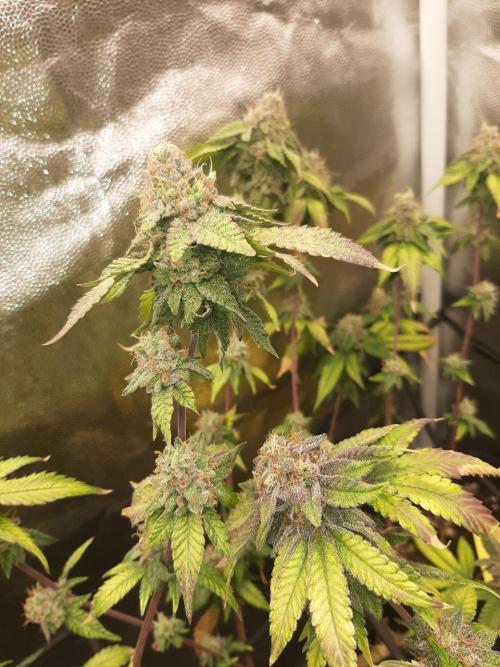
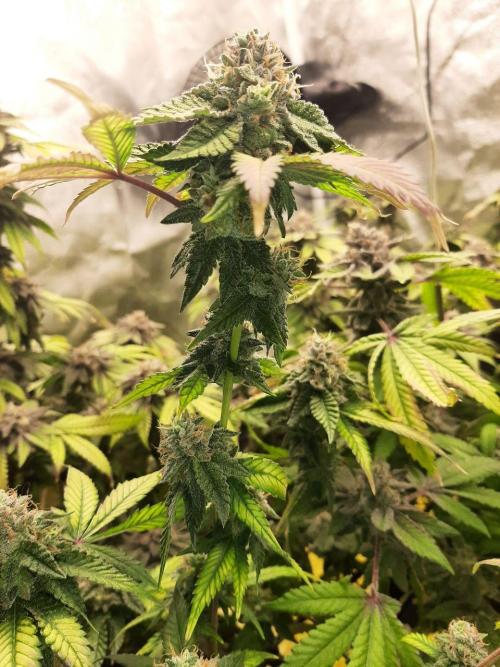
FROZENGARDENER710 The smell is starting to get good around here, I really recognize the gasoline smell of Pure Glitter, this strain is definitely very resinous, and I remember that its buds don't grow very tall, they don't seem to evolve during flowering but in the end they get fat and flat, but this plant has a lot of resin, let's see if it turns purple this time!
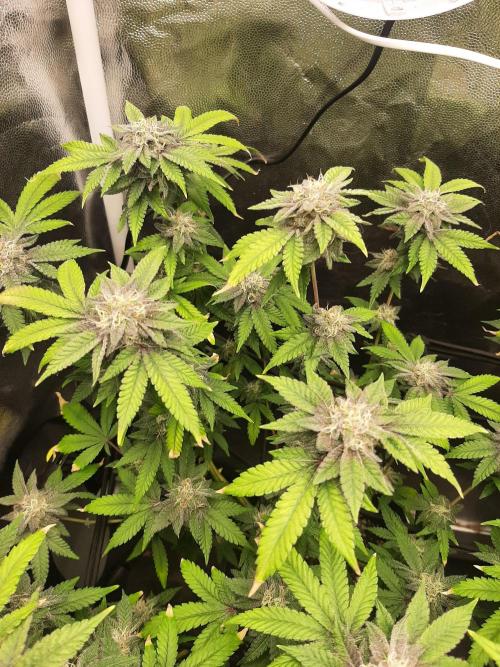
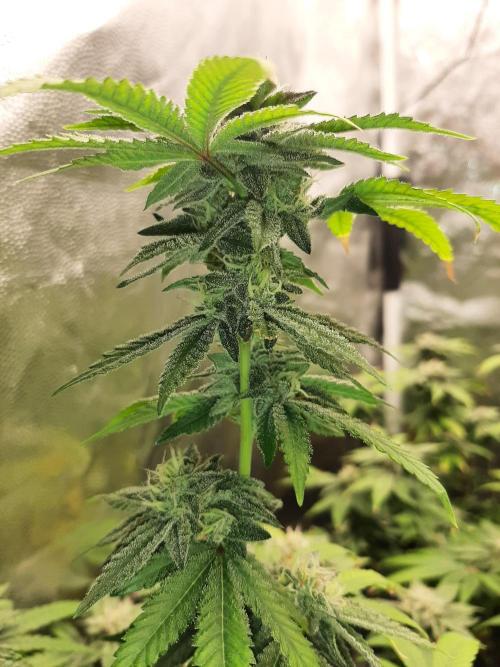
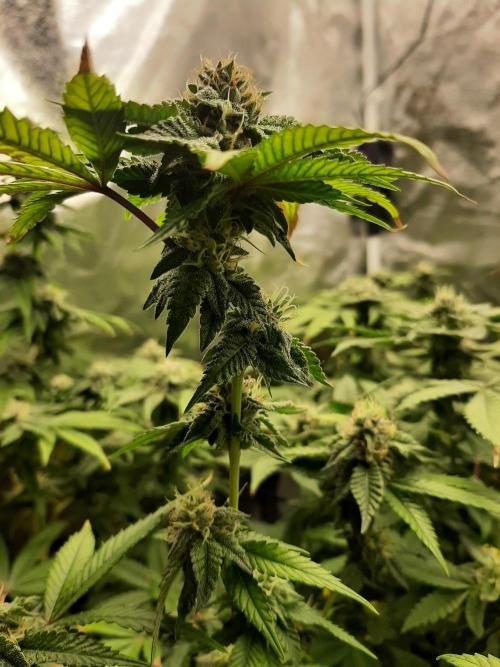
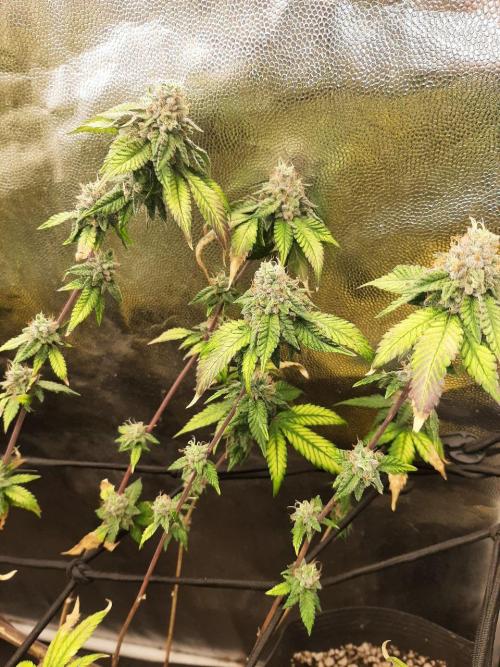
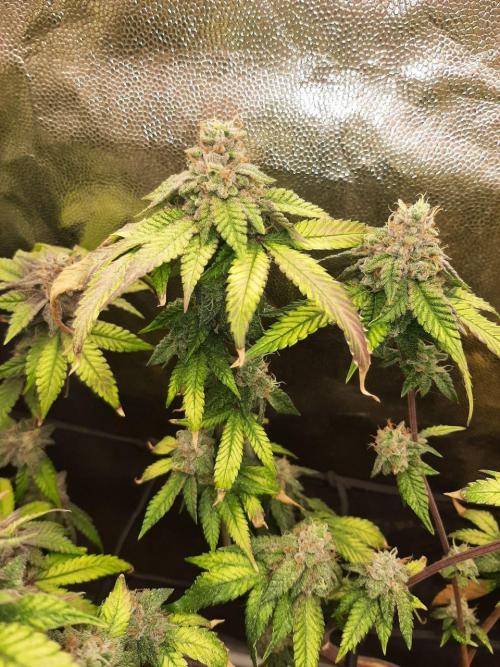
Bakers has a very characteristic flowering, they look like swords, but the smell is very good, I was already missing it!
I didn't make any additions this week, I'm conducting everything calmly and doing drybacks in the organomineral grow, the plants started drinking much more water.
See you next time!
4 likes
comments
Share
8
Week 8. Flowering9mo ago
45 cm
Height
12 hrs
Light Schedule
26 °C
Day Air Temp
6.7
pH
Strong
Smell
48 %
Air Humidity
22 °C
Solution Temp
17 °C
Night Air Temp
7 liters
Pot Size
0.68 liters
Watering Volume
45 cm
Lamp Distance
Nutrients 10
BTi
0.793 mll
potassium silicate
0.264 mll
MKP
0.079 mll
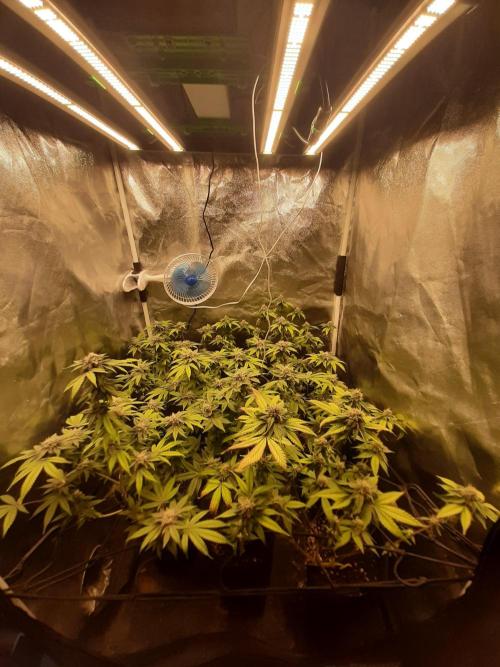
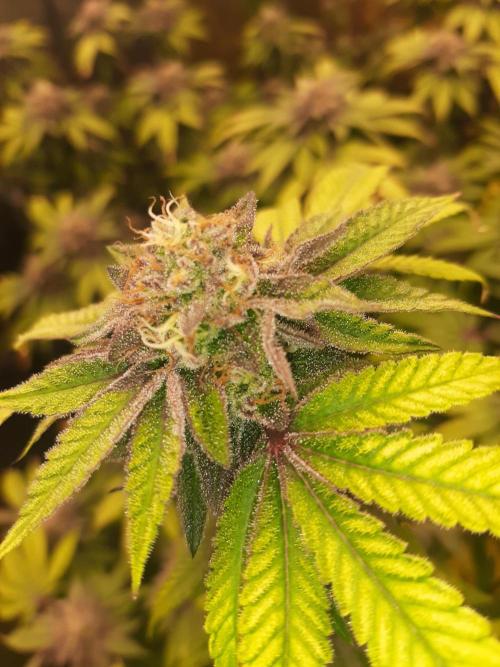
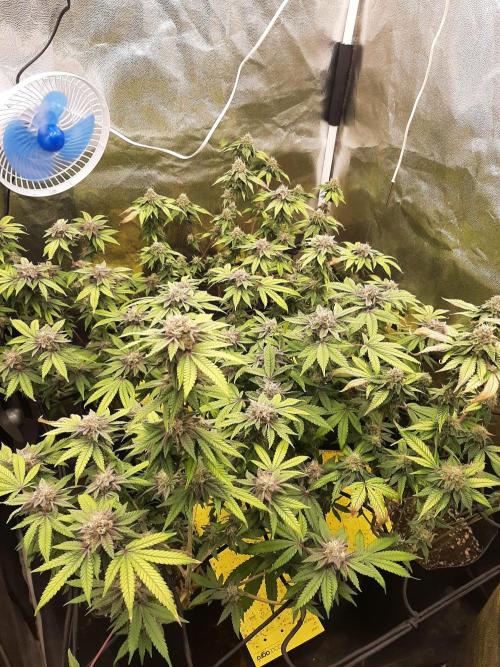
FROZENGARDENER710 Apparently everything is going well, there was a slight burn from a mineral MKP insertion; to be honest, I confused the quantities and thought the MKP was NitCal, hence the slight burn on the leaves, but nothing too critical, no signs of astringency or hermaphroditism, new pistils are emerging and buds are resin-producing more and more. Despite everything, I remain satisfied, but I understand that I have a lot to improve.
Until next time.
4 likes
3 comments
Share
Used techniques
LST
Technique
9
Week 9. Flowering9mo ago
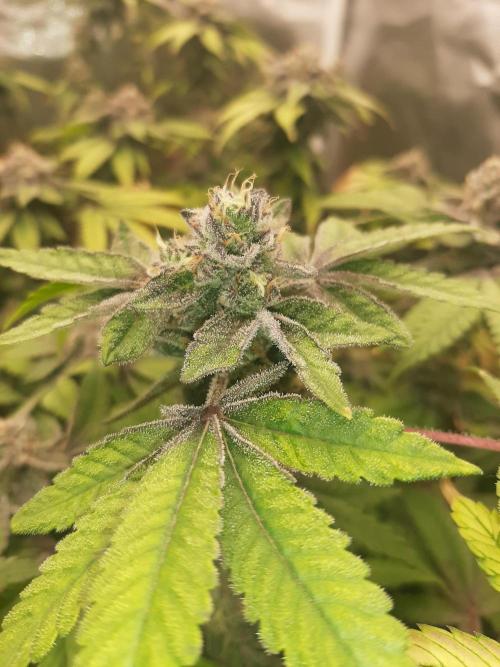
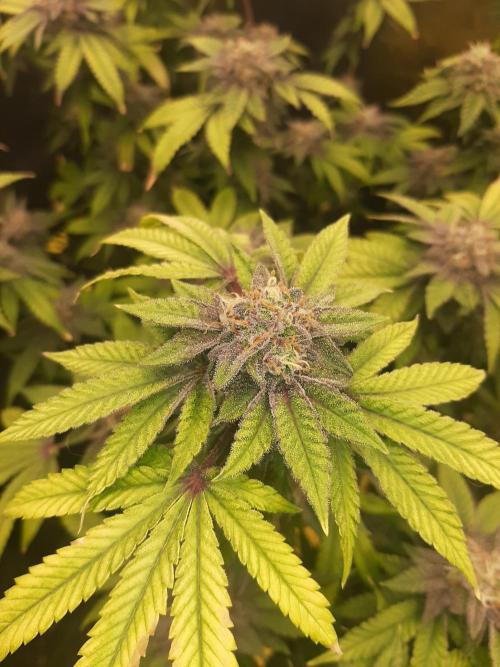
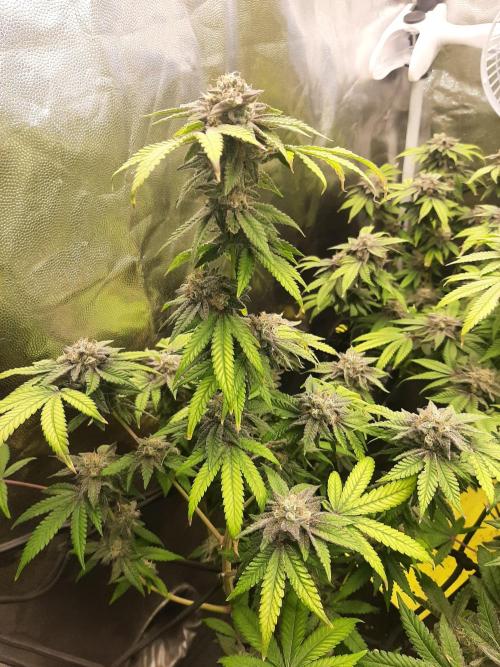
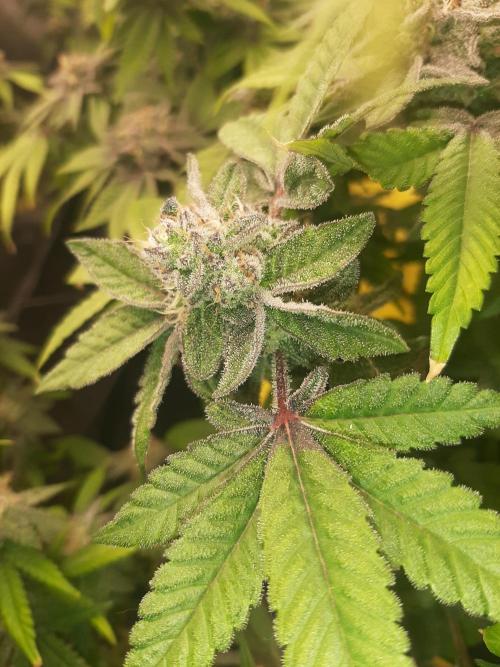
45 cm
Height
23 hrs
Light Schedule
28 °C
Day Air Temp
6.7
pH
Strong
Smell
55 %
Air Humidity
22 °C
Solution Temp
17 °C
Night Air Temp
7 liters
Pot Size
0.68 liters
Watering Volume
45 cm
Lamp Distance
Nutrients 7
potassium silicate
0.264 mll
MKP
0.079 mll
Algafish
2.642 mll
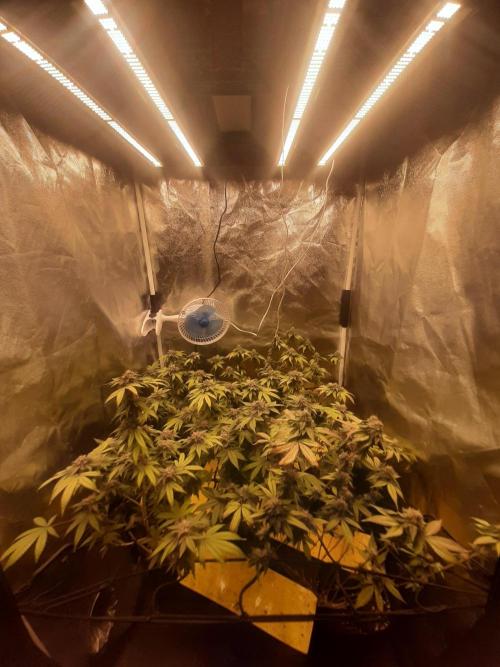
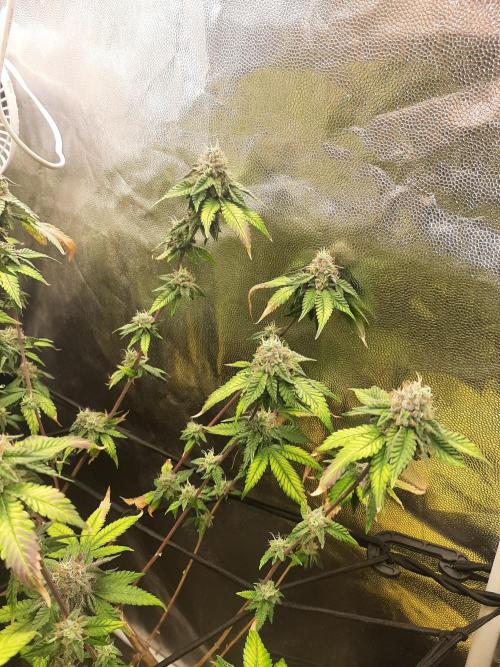
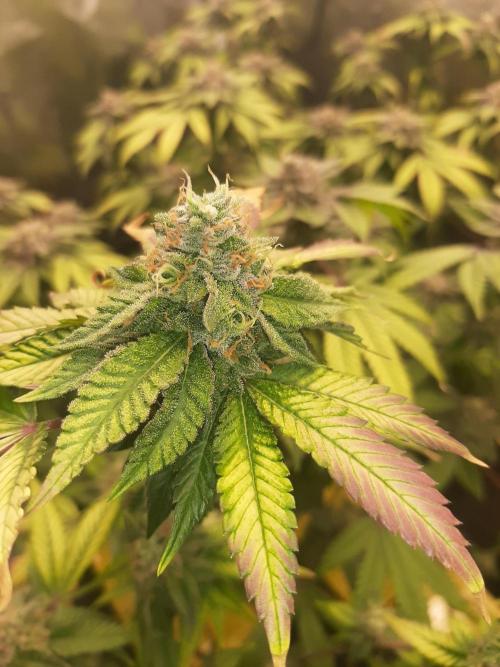
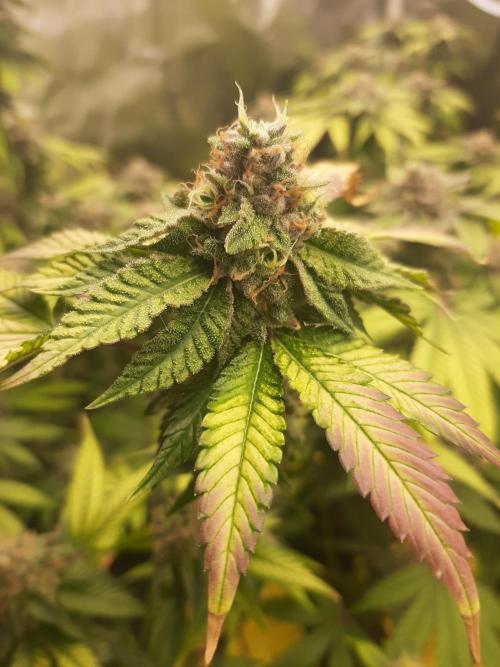
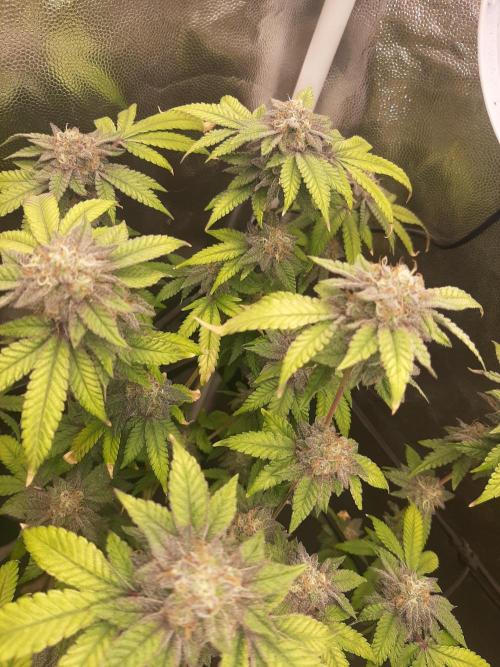
FROZENGARDENER710 Not much to say, I feel that senescence started early, but this may be related to rapid absorption in the soil and slow release from the soil. I made some additions to these girls' diet today at the end of the last day of the seventh week, but during the week they only drank pure water with some fermented fish food. This week I probably won't add anything else besides this dosage and will continue with just pure water until the end. Thank you to everyone who has followed along in some way!
4 likes
comments
Share
10
Week 10. Flowering8mo ago
45 cm
Height
12 hrs
Light Schedule
28 °C
Day Air Temp
6.7
pH
Strong
Smell
50 %
Air Humidity
22 °C
Solution Temp
20 °C
Night Air Temp
7 liters
Pot Size
0.68 liters
Watering Volume
35 cm
Lamp Distance
Nutrients 1
Algafish
2.642 mll
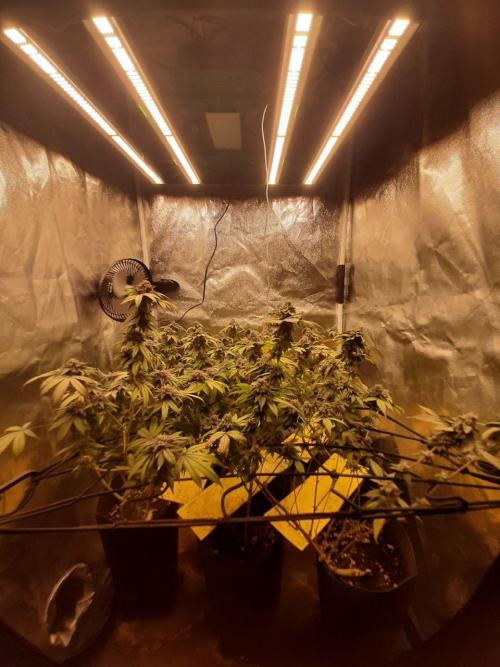
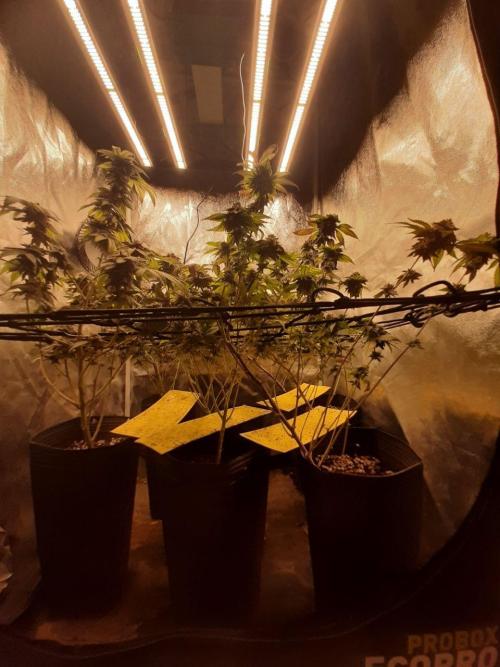
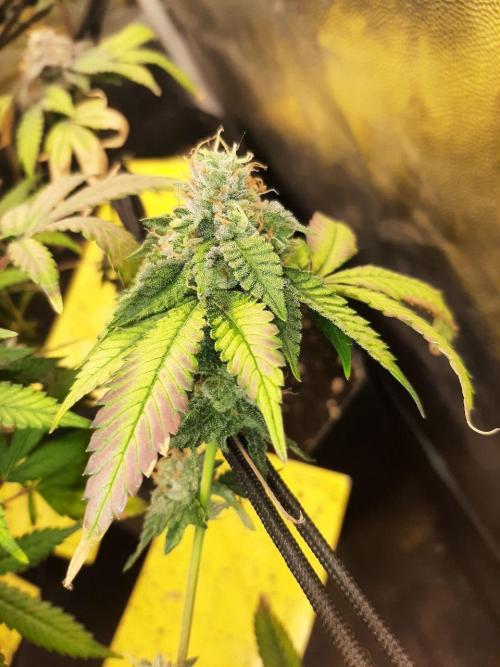
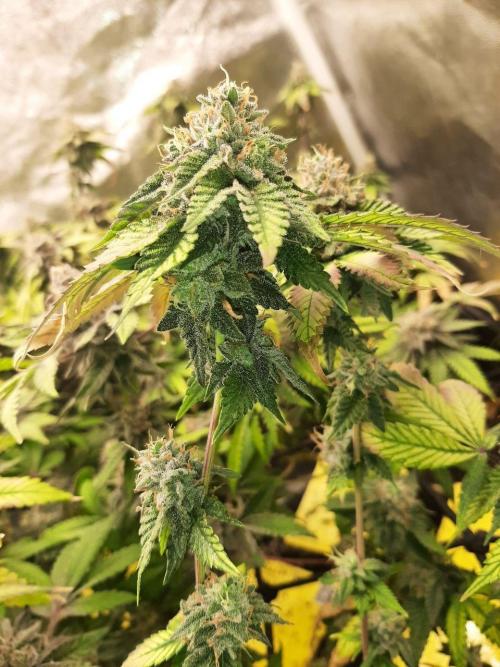
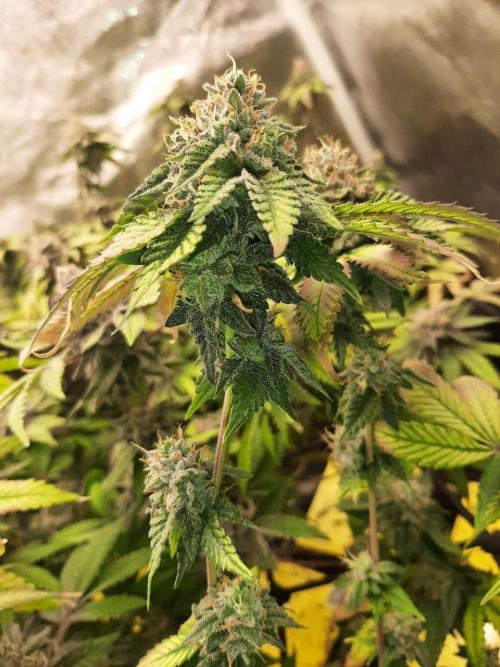
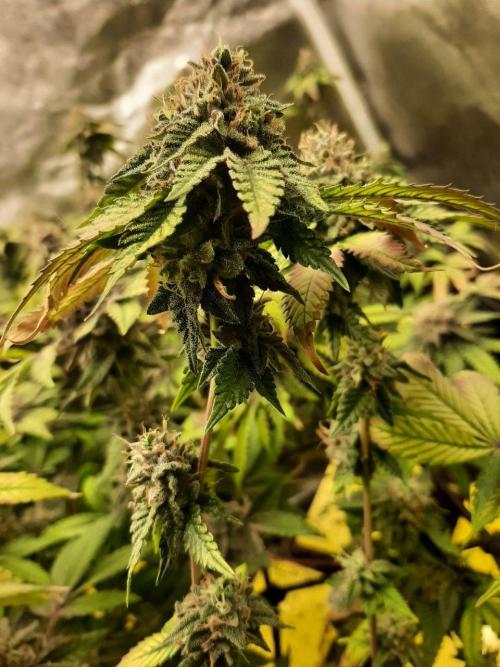
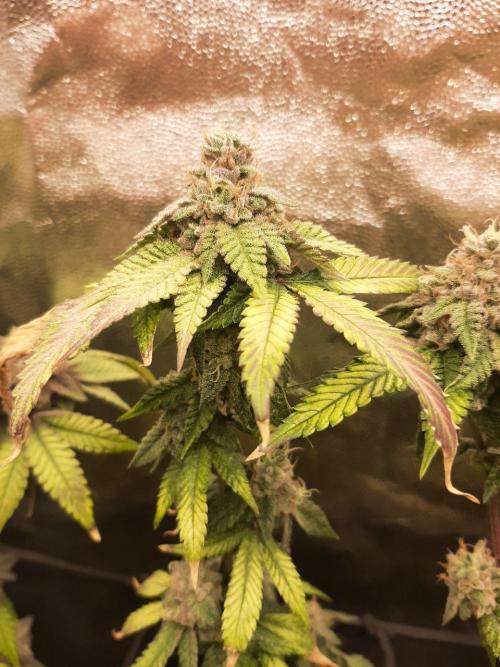
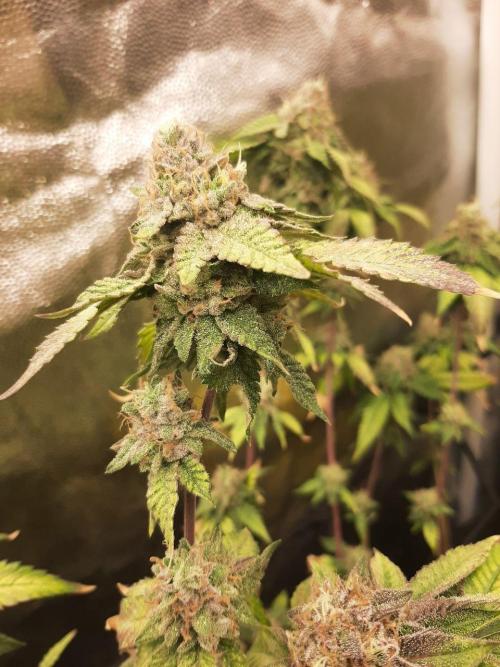
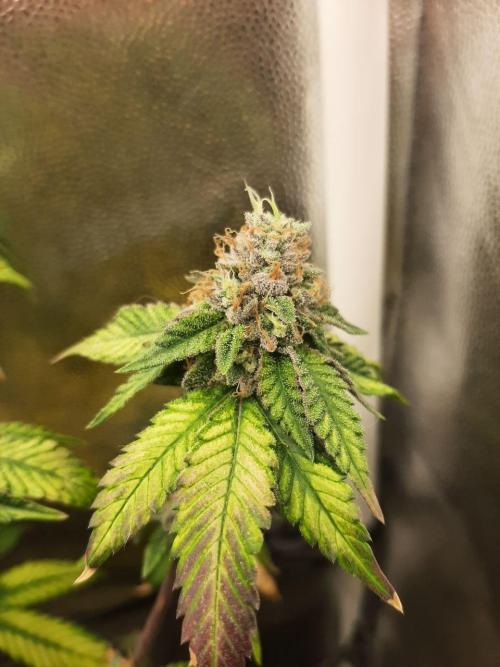
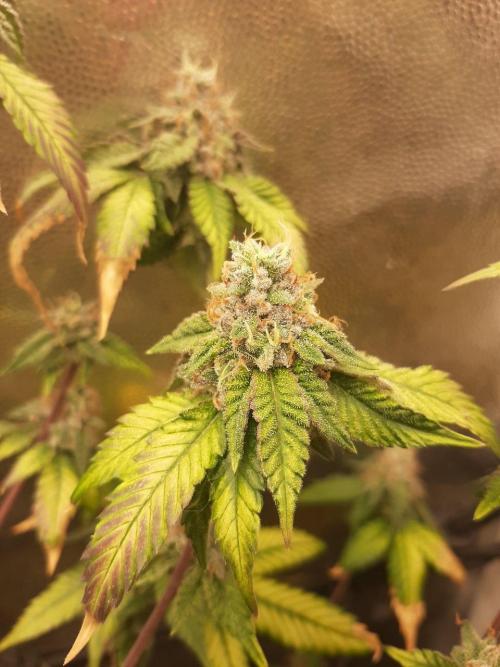
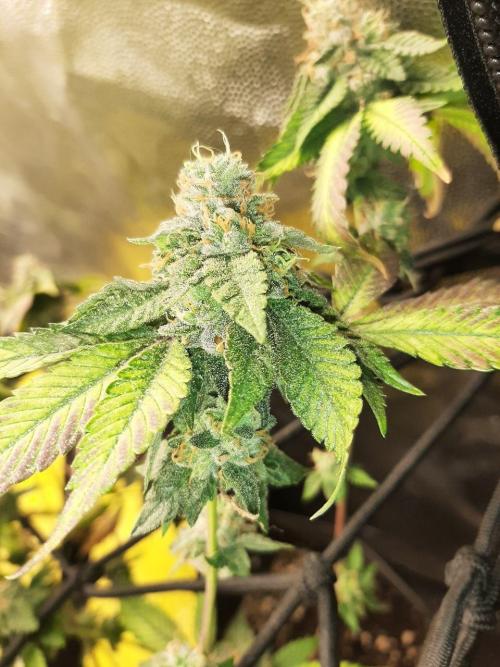
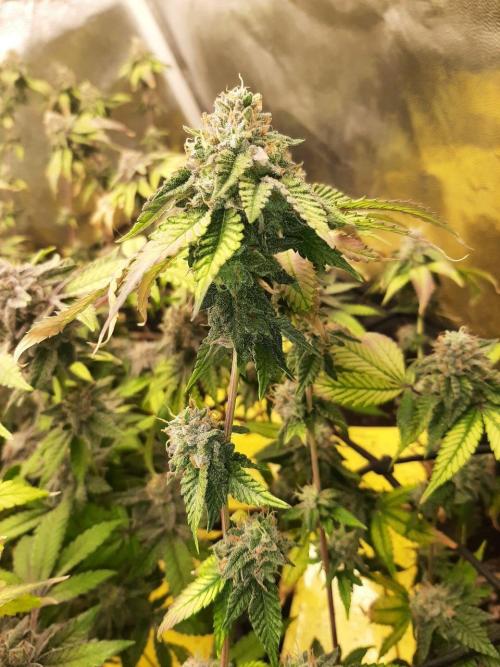
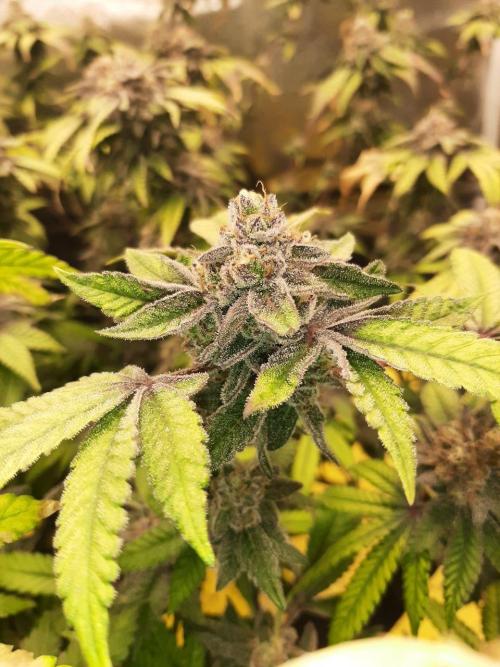
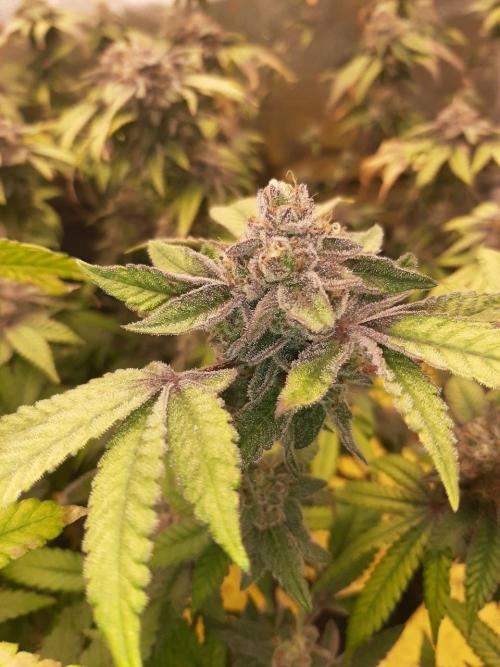
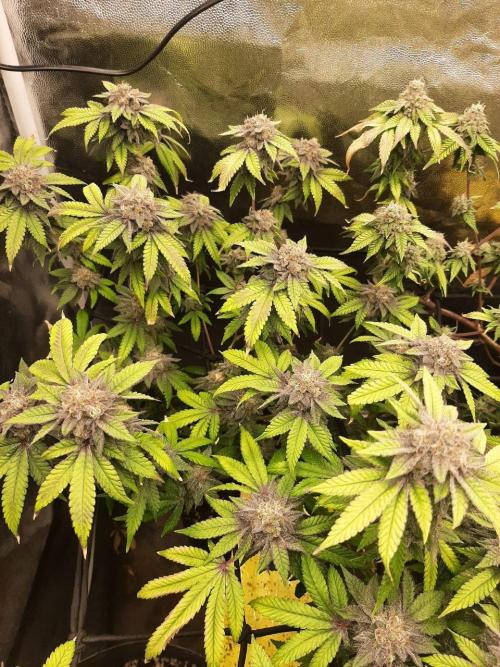
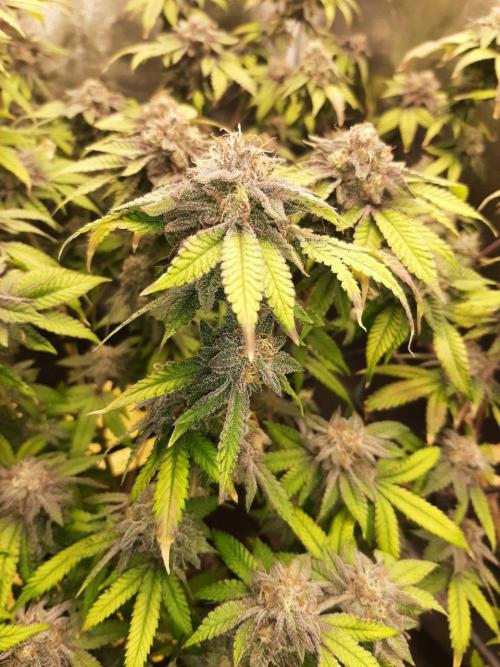
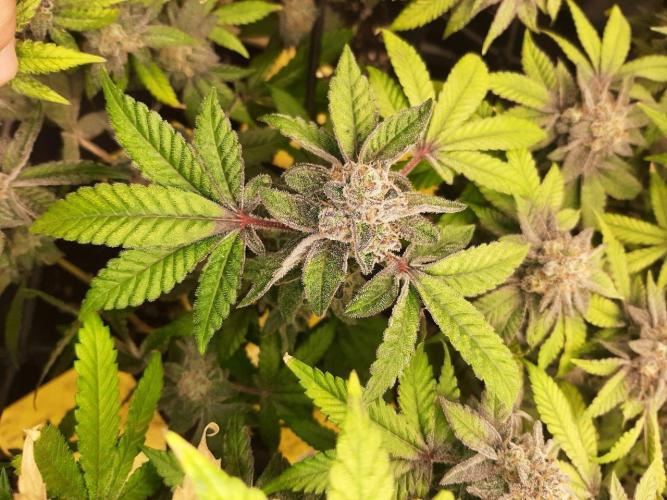
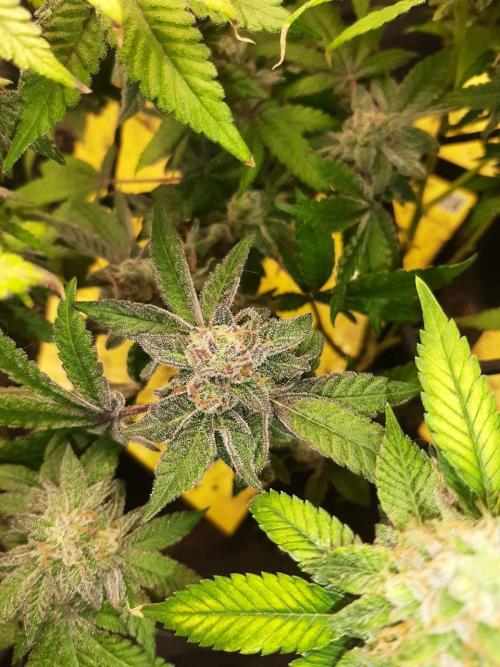
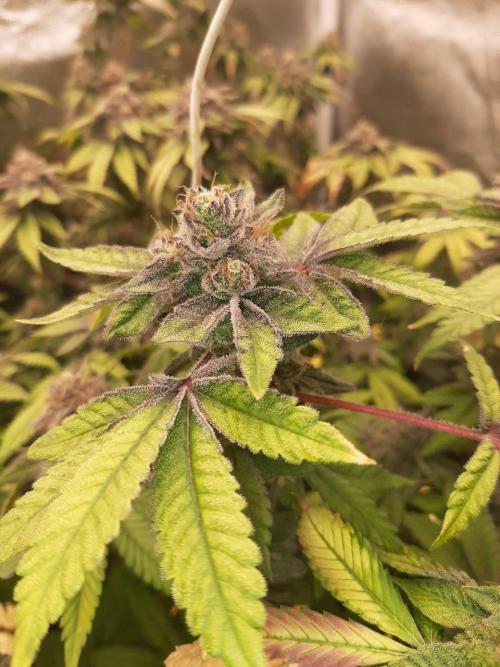
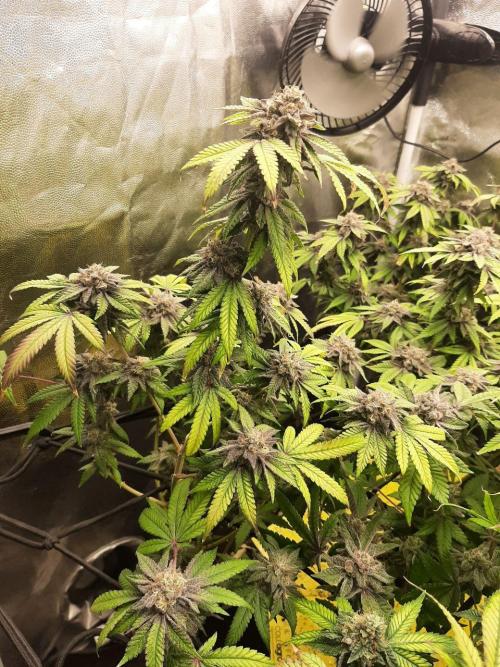
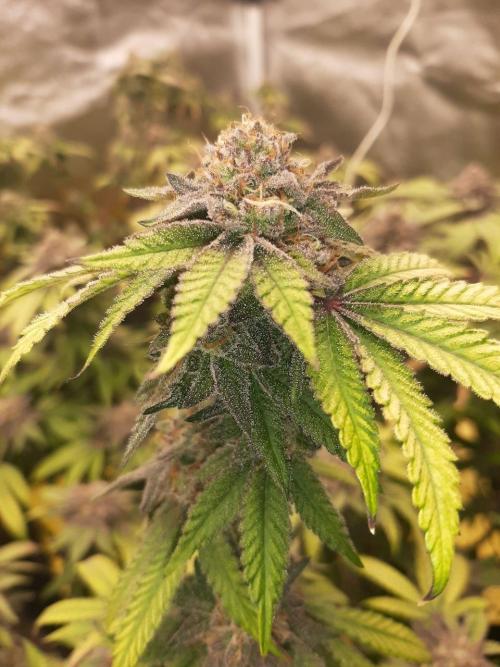
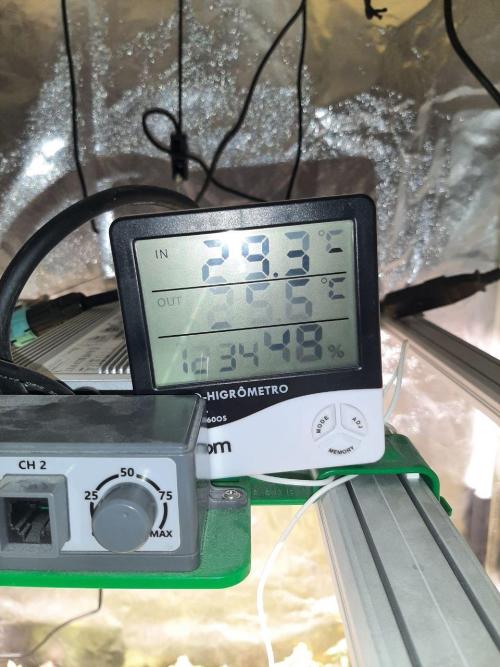
FROZENGARDENER710 And we're starting week 8, unfortunately more mistakes than successes. Some power problems left one of the fans off, and the humidity is very high at night, worrying me about mold. I believe I'll have to harvest early because of the weather. I'm anxious to start the next cycle without mistakes. Starting today, I'll begin cutting some of the more developed buds. I believe I'll do a two-stage harvest; I'm not in a big hurry, just anxious to harvest. But I see that each cone, even from the same mother plant, has developed very differently. I'm happy with the process; I'll only give it water until the end. This last week I only used some leftover algaefish from the last watering.
Thank you to everyone who has followed along so far. I hope I've contributed in some way. Some of you have been asking me to show what I use to feed the soil and plants, specifically the organomineral method. If it makes sense, I can post a picture of everything in future updates!
See you soon!
3 likes
comments
Share
11
Week 11. Harvest8mo ago
Happy Harvest Day!


9/10
Rated
A very good strain, high yields under long vegetative growth, the genetics don't like too much nitrogen but are quite resistant. Its taste is very herbal, a little spicy and sweet at the same time. It's very reminiscent of GSC in both structure and a touch of the aftertaste. I still have some phenotypes saved with some mites; if I manage to save them, I'll bring more diary entries. This flowering has shown very pink colors in the last few weeks. It's worth remembering that I need to do a perfect cycle to give a more consistent evaluation. A completely different flavor from all the other flowers I've ever tried. The hashish has a strong, very pungent smell that even burns the nose, but I feel it's a plant more for producing flowers for smoking. Its buds are really very resinous, but difficult to trim.
Show more
Translate
Spent 72 days
Ger Veg Flo Har
15 g
Bud wet weight per plant
2
Plants
0.64 m²
Grow Room size
Normal
Difficulty
Height
Day air temperature
Air humidity
PH
Light schedule
Solution temperature
Night air temperature
Pot size
Lamp distance
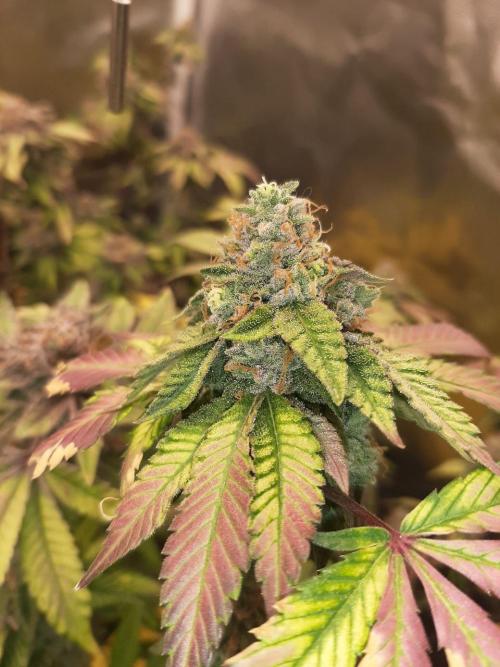
FROZENGARDENER710 Without much to declare, organic runoff from the pots was at 200ppm, no nutrients were added in the last week, I increased air circulation, and harvested these plants on day 63 of flowering. I feel that if I wanted I could have left them longer, but one bud from one plant got infected with spider mites and I preferred to harvest everything to avoid infecting the others.
1 like
comments
Share
Equipment Reviews





11
Week 11. Harvest8mo ago
Happy Harvest Day!


10/10
Rated
Definitely a strain for extraction with a strong smell of a sweet grape cake with gasoline, very tasty, if I could I would open the jar all day, maybe I was very lucky to get a very resinous phenotype, I will try to make monstercrop on a plant that was healthy, really a lot of resin, purple flowers, and a very strong smell of berries, a very strong sweetness, the hashish is very sticky and a very good conversion
Show more
Translate
Spent 72 days
Ger Veg Flo Har
30 g
Bud wet weight per plant
4
Plants
0.64 m²
Grow Room size
Normal
Difficulty
Height
Day air temperature
Air humidity
PH
Light schedule
Solution temperature
Night air temperature
Pot size
Lamp distance
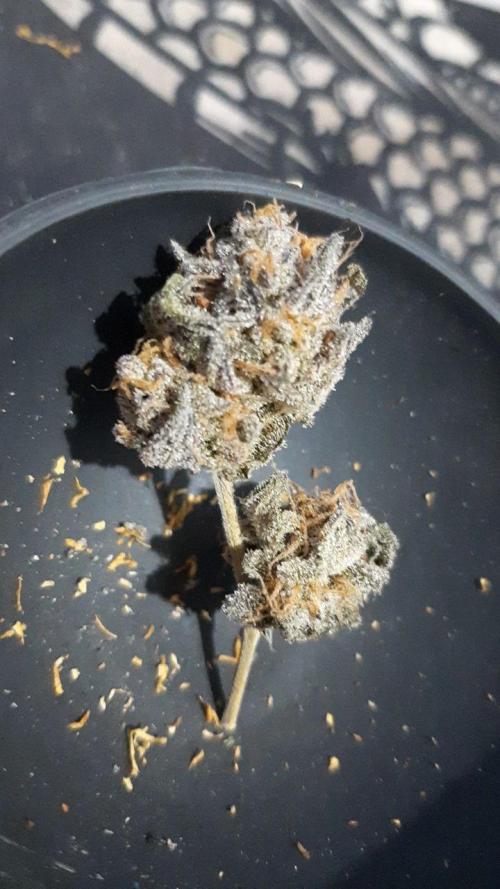
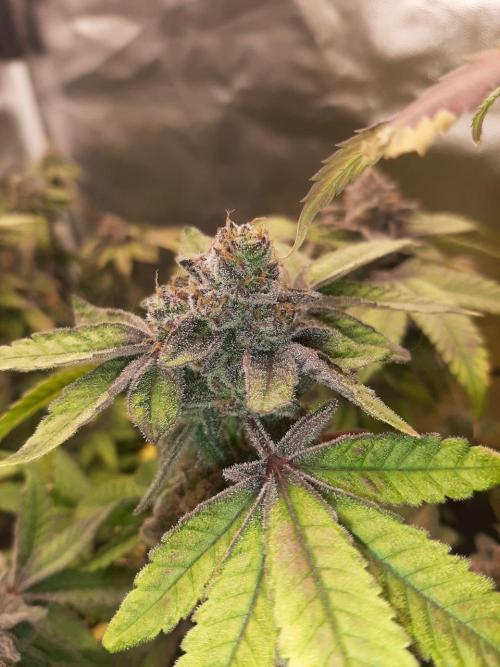
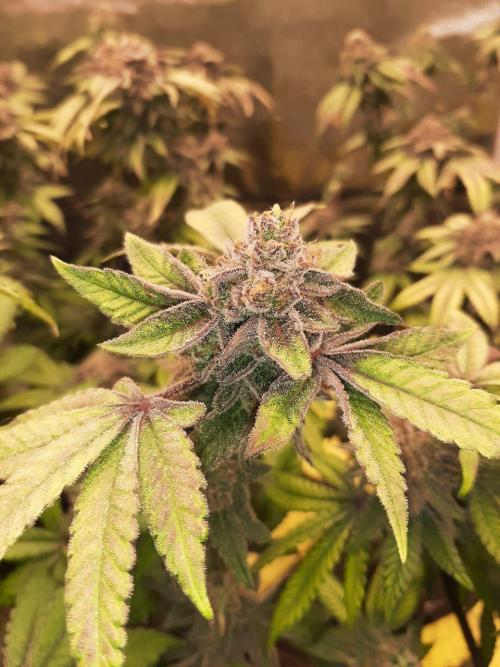
FROZENGARDENER710 Water only for the girls, fading is starting but I couldn't finish due to pest and heat problems even in organic substrate. Some clones hermed and developed completely differently, each bud even coming from the same mother plant. A strain for those who like a lot of resin and easy trimming, a very strong and good flavor. I would recommend it without hesitation. What worries me is that other grower friends received 1 seed and most were not plants similar to mine, and most with negative feedback. Anyway, excellent work by Pure Instinto!
7 likes
comments
Share
Equipment Reviews
7 comments
Sort by
popularity
popularity
newest
oldest

wolfvb commentedweek 89mo ago
She's looking so frosty and healthy! The clone race is such a cool idea. I'm really curious about how you managed that recovery after the burn, she looks perfect now. I'd appreciate if you could take a look at my diaries and give me some advice on my own progress!
likes 2

FROZENGARDENER710 commented9mo ago
@wolfvb,
To be honest, I believe the stability and resilience of the genetics that made this work possible, including the clones that took root in very unfavorable conditions, are key factors. But aside from that, I feel that humic and fulvic acids, along with some fermented fish products and amino acids, contribute to resistance against pests and other stresses that may occur
likes
FROZENGARDENER710 commented9mo ago
@wolfvb,
To be honest, I believe the stability and resilience of the genetics that made this work possible, including the clones that took root in very unfavorable conditions, are key factors. But aside from that, I feel that humic and fulvic acids, along with some fermented fish products and amino acids, contribute to resistance against pests and other stresses that may occur.
likes

RealGrowDiary commentedweek 210mo ago
Good luck and Have Fun :)🌷🚀
likes 2
FROZENGARDENER710 commented10mo ago
@RealGrowDiary,
Thank you, I wish you positive energy too!
like 1

cangrowz commentedweek 19mo ago
Happy Growing growmie 💚
likes
FROZENGARDENER710 commented9mo ago
@cangrowz,
Thank you for the positive energy, I wish the same for you, my friend.😸
likes

the end.
Enjoying this diary? Follow for more updates!

Prefer the old Diary view?
Go back to the old Diary view