Harz_Kontrolleur The Objective
I first came across Urban Seedlab during a rather controversial discussion on the German forum grower.ch. While the brand is polarizing, the genetic lineages raised a lot of questions about their actual performance. I decided to step in and run a rigorous performance evaluation to see if the results match the claims.
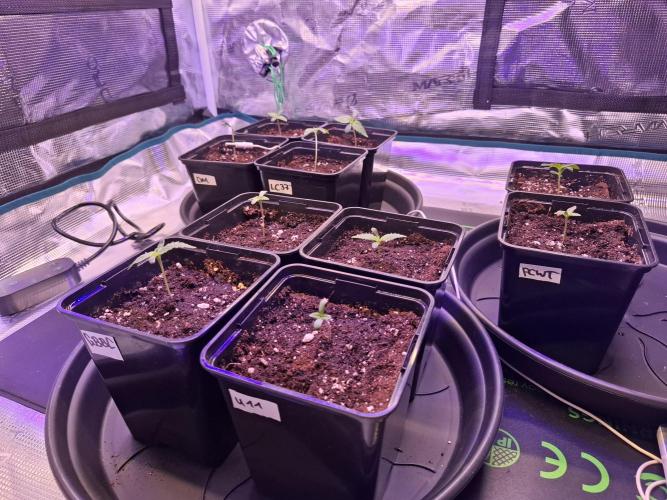
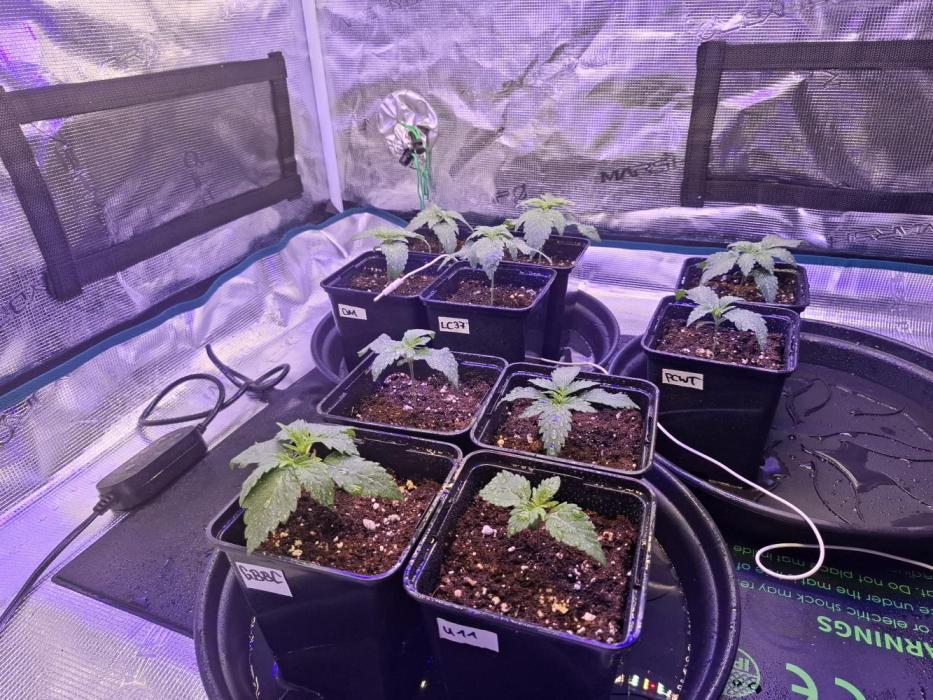
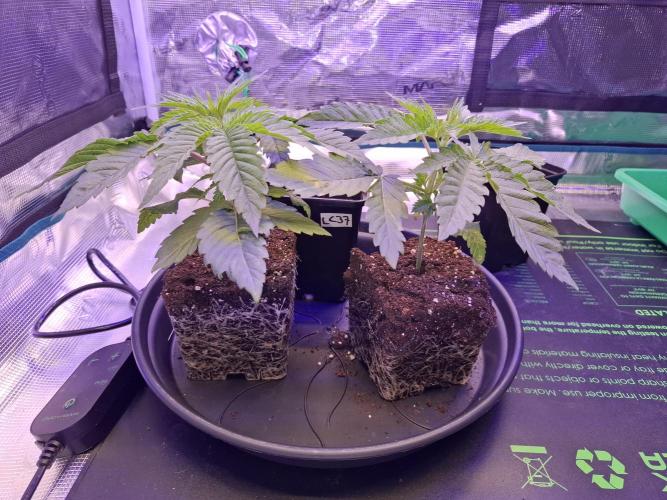
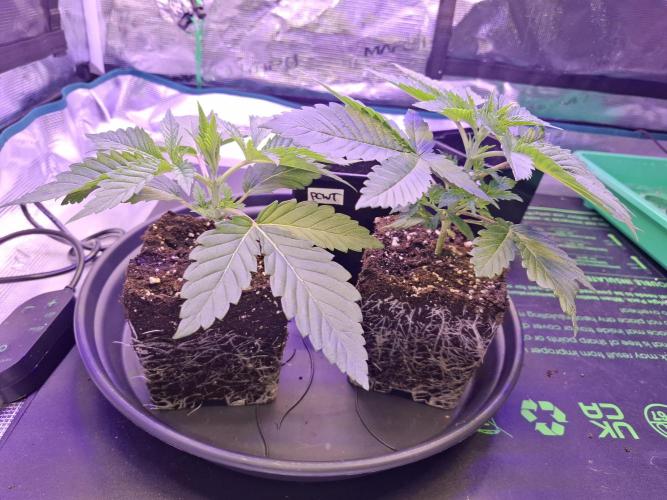
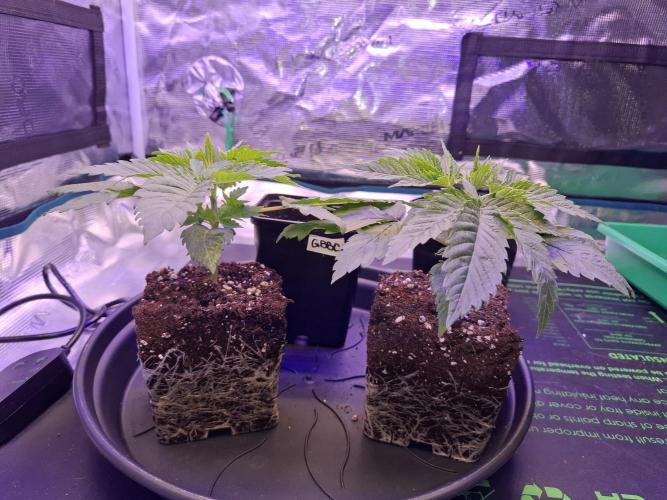
To keep this review objective, I purchased the Lab File Box myself. For this run, I have prioritized Urbans 11 and Diamond Marker, as well as the exclusive bonus seeds included in the box: Permanent Chimera #35 x White Truffle. Additionally, through an Instagram connection, I received special test seeds: Gorillato x BBC and Lab Candy #37. My goal is a completely unbiased seed-to-harvest report.
The "Elite 6" Selection Strategy
I am starting this hunt with a perfect 100% germination rate (10/10) for these five primary strains. This means I have every single plant available for a direct head-to-head comparison. To ensure a consistent baseline, I am utilizing Greenhouse Bio Feeding.
The goal is to select the single best phenotype of each strain, plus one additional "Wildcard" winner, to move a total of 6 plants into the final flowering stage. Evaluation criteria for this hunt include:
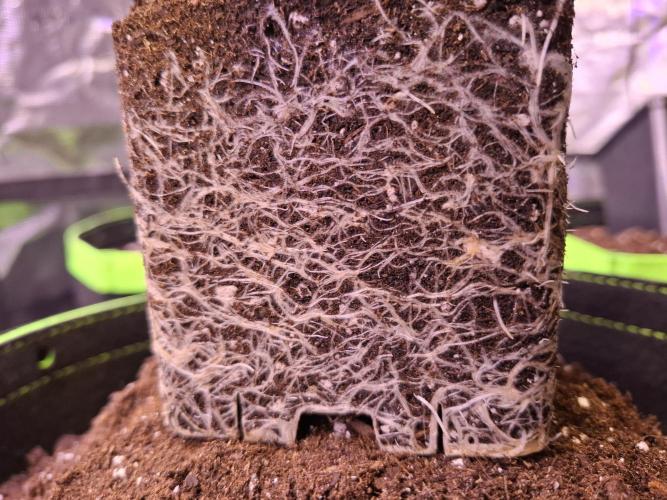
Root vigor and colonization speed.
Nodal structure and internodal spacing.
Early terpene potential through systematic stem rubs (used as a tie-breaker when vigor is equal).
Important Note on Stability:
This diary documents a specific phenotype selection (Pheno Hunt). Therefore, it focuses on the peak potential found within my selection rather than providing a definitive statement on the overall genetic stability of the seed lots.
Substrate Setup (1L Phase)
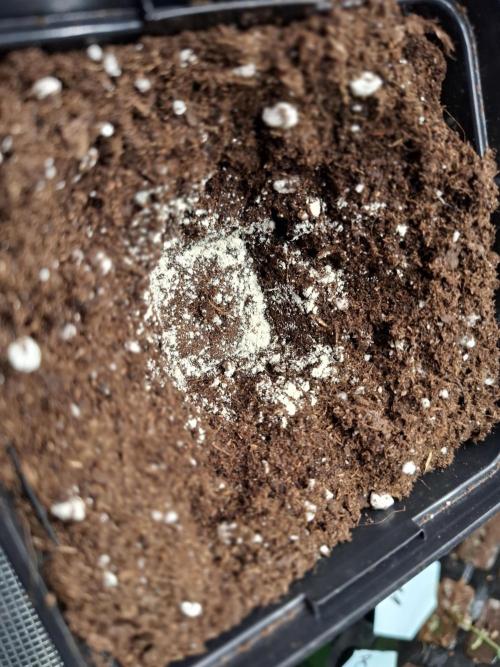
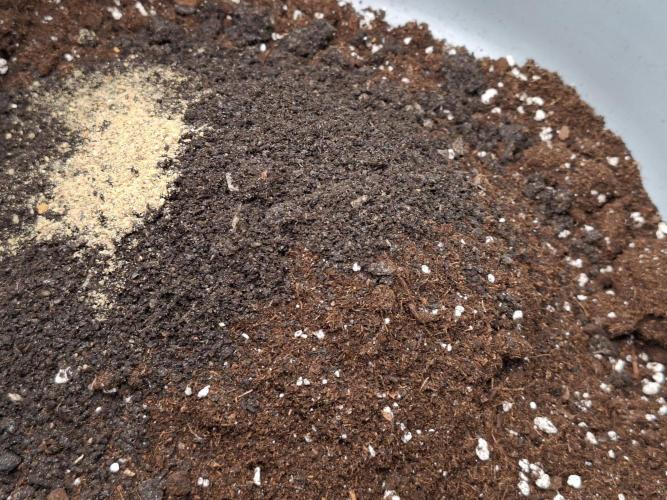
Base: BioBizz Light Mix enriched with 5% Earthworm Castings.
Nutrition: A minimal baseline of 1g/L Greenhouse Bio Grow.
Inoculation: Organic Nutrients Mycorrhiza were applied directly to the root surface and the planting hole during transplanting for immediate symbiotic contact.
Kickstart: The first watering includes Greenhouse Enhancer to activate soil microbiology.
Technical Baseline: Lighting & Environment
Lighting: Currently running a Mars Hydro FC3000 EVO (supplemented with Adlite Blue) delivering a consistent 300–350 PPFD. This provides a high-energy start to maximize early structural development.
Environmental Targets: Maintaining 24–26°C and 60–70% RH to ensure an optimal VPD for this high-light intensity.
Initial Water Profile: pH 7.5 | EC 573 µS/cm | Calcium 81 mg/l | Magnesium 16.2 mg/l.
My Adaptations for Week 1
Mineral Balancing & Acclimatization: To correct the native 5:1 Ca:Mg ratio of my tap water, I have started a low-dose supplementation of 0.08 ml/L Mono-Magnesium (0.2 ml per 2.5L).
The Strategy: While not strictly necessary at this exact moment, this early "metabolic priming" ensures the plants are perfectly acclimated to a stable 2.2:1 ratio before the nutrient demand spikes under the 350 PPFD intensity.
Microbe Protection: All water is aged for 24 hours to allow Chlorine Dioxide to gas off, protecting the Mycorrhiza.
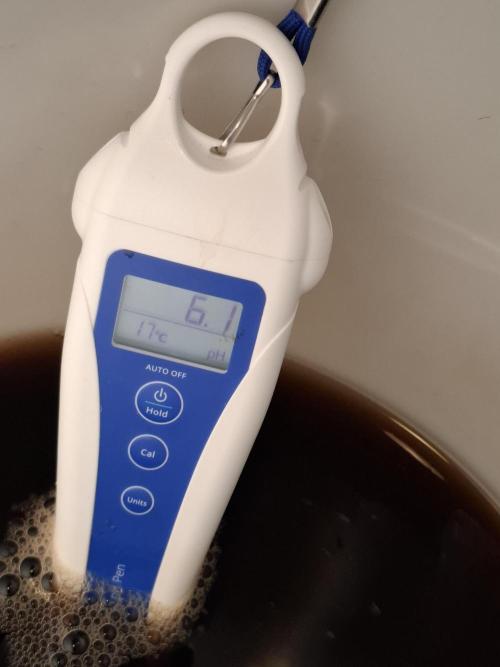
pH Precision: Every irrigation is monitored with a Bluelab pH Pen, targeting a stable pH of 6.0–6.2.
2 likes
3 comments
Share
Used method
Peat Pellet
Germination Method
1
Week 1. Vegetation
21d ago
18 hrs
Light Schedule
No Smell
Smell
Nutrients 2
BioGrow
1 mll
BioEnhancer
0.5 mll
Harz_Kontrolleur Week 1:
Substrate Transition & Technical Calibration
The Pivot: From Coco to Soil Logic
After the initial setup, I am recalibrating my approach. Coming from a long-term Coco / Drain-to-Waste background, my instinct was to target a lower pH. However, to better support the microbial activity and the natural buffering capacity of the BioBizz/Worm Casting mix, I am adjusting my strategy:
Current Target: 6.3 pH (Vegetative phase).
Future Adjustments: I plan to gradually drift towards 6.5 during the stretch and 6.7 in bloom to optimize nutrient solubility in an organic environment.
Water Chemistry Update:
I am sticking to the 50/50 mix of Tap and Distilled water. To correct the native 5:1 Ca:Mg ratio of my tap water, I continue to supplement with Canna Mono Magnesium. The primary change is the adjusted pH of 6.3 to better align with the organic substrate.
Environment & VPD Management
The start of this week was challenged by a hardware failure (humidifier), leaving the RH between 40% and 50%. This resulted in a VPD that is significantly higher than the targets defined in Week 0.
I’ve implemented manual countermeasures:
Water trays added to the tent (though the effect is minimal).
Manual spraying twice daily.
Lighting & Growth Strategy:
Currently, one of the FC3000 EVO units is running at 30% (approx. 300-350 PPFD). While I could lower the intensity to reduce transpiration stress and "fix" the VPD issues, I am prioritizing a compact nodal structure. I’d rather accept some slightly crinkled leaf textures now than deal with unwanted stretching later.
Selection Outlook:
In about 10 days, the "Casting" for the Top 6 will begin. I am not stressing the current humidity issues too much, as the move from 1L to 5-gallon pots will drastically increase the transpiration surface and soil volume, which usually stabilizes the tent environment naturally.
2 likes
1 comment
Share
2
Week 2. Vegetation
15d ago
1/7
22 hrs
Light Schedule
Weak
Smell
Nutrients 2
BioGrow
3 mll
BioEnhancer
1 mll
Harz_Kontrolleur Week 3: The Elite Selection & 19L Transition
The Selection Process: Culling for Performance
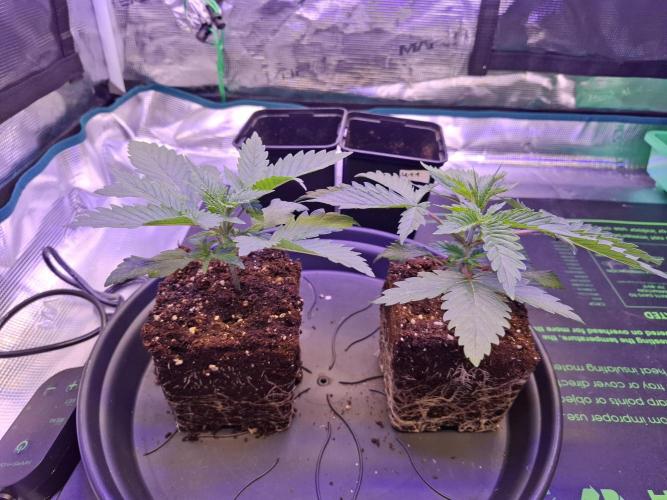
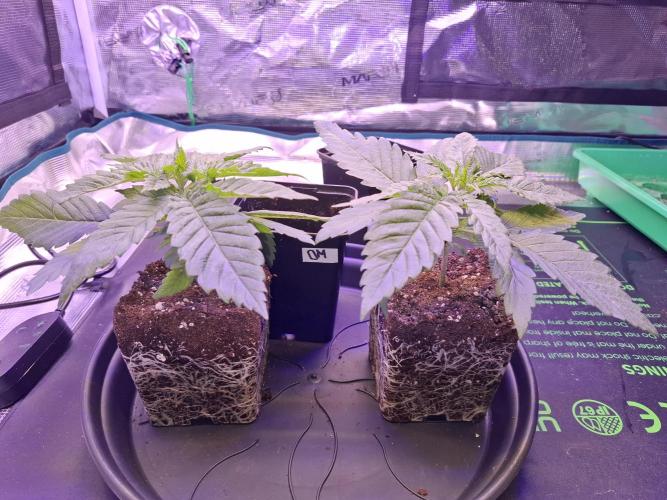
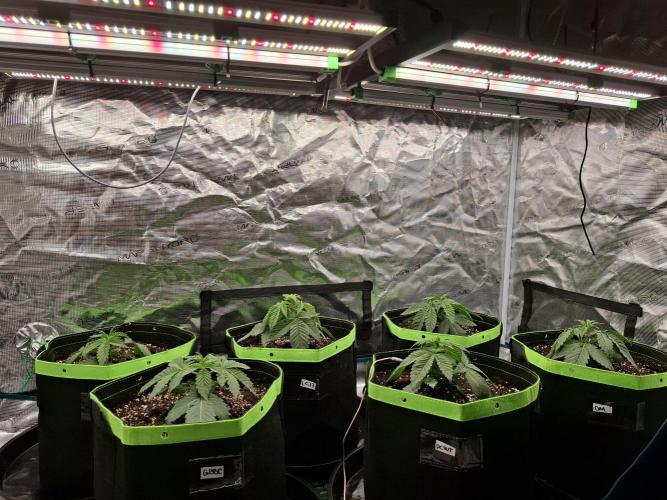
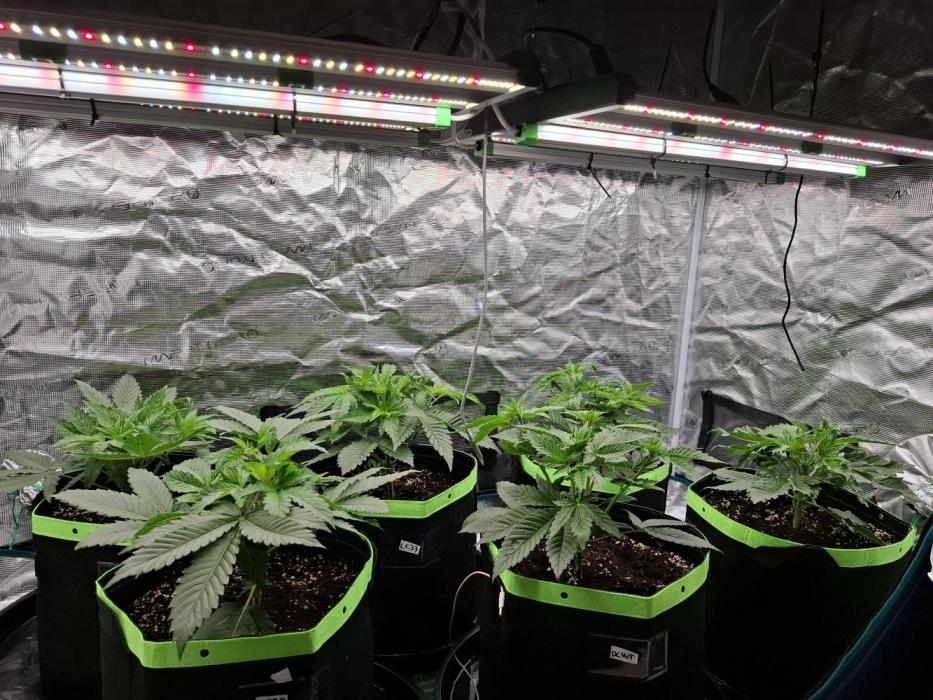
Plant count reduced from 10 to the "Elite 6" based on root vigor, nodal structure, and early development.
Permanent Chimera #35 x White Truffle:
Leading the pack with exceptional root colonization. I selected the pheno with the 2-day lead in development.
Diamond Marker (The Double Feature): This strain secured two spots in the final setup. One spot was pre-planned, and the second was awarded as a "Wildcard" because both phenotypes were performing at an identical, strong level. Very intense smell already present at Day 18.
Urbans 11: Selected the most vigorous phenotype. Interesting note: U11 was the slowest to germinate, but it has caught up significantly in terms of vigor and leaf size.
Lab Candy #37: Both phenotypes were looking great, but I chose the more compact one for canopy homogeneity. The other pheno was culled due to larger nodal spacing.
Gorillato x BBC: Decision based on root mass inspection, as vigor and stem rub were identical between candidates.
Note on Genetics: So far, the seeds from Urban Seedlab have shown 100% germination and solid performance in early veg. No complaints so far, but the final verdict stays reserved until the flower is in the jars.
Substrate & Transplant Setup:
Pots: 19L (5 Gal) breathable fabric pots.
Drainage: 2L clay pebble (Correls) base layer (not included in nutrient calculations).
Medium: 17L BioBizz Light Mix enriched with 10% Earthworm Castings.
Nutrition: Amended with precisely 51g (3g/L) Greenhouse BioGrow.
Inoculation: Immediately after transplanting, I re-introduced Greenhouse Bio Enhancer at 1g/L (as per the 2-week schedule) to prime the new substrate.
Technical Adjustments & Training Strategy
Water Profile: Switched to 100% Tap Water. Mineral balance adjusted with Canna Mono Magnesium for a perfect Ca:Mg ratio. pH level dialed in at exactly 6.3. All irrigation is actively oxygenated.
Lighting: Second Mars Hydro FC3000 EVO activated. Intensity is currently at 300–350 PPFD, but will be increased to 400 PPFD as soon as the topping is done.
Spectrum: Adlite Blue/UV remains active for 3 more days until topping to maintain maximum compactness. It will be deactivated post-topping to allow for healthy branch expansion.
High-Performance Training & Outlook: The plan is to continue the vegetative stage for 3 more weeks. In the coming days, I will top all plants above the 4th node and remove the lowest node pair. This marks the start of training for exactly 6 main colas per plant (36 total) to ensure a controlled microclimate and maximum airflow throughout the grow.
1 like
1 comment
Share
3
Week 3. Vegetation
7d ago
18 hrs
Light Schedule
24 °C
Day Air Temp
6.3
pH
Weak
Smell
60 %
Air Humidity
19 °C
Solution Temp
19 °C
Night Air Temp
19 liters
Pot Size
45 cm
Lamp Distance
Nutrients 2
BioGrow
3 mll
BioEnhancer
1 mll
Harz_Kontrolleur Week 3: Metabolic Stress Analysis & Structural Calibration
The Incident: Microclimate Failure & Xylem Overload
Jan 19th (Post-Transplant): Failure to activate the exhaust system led to a 24h transpiration blockade.
Physiological Impact: With RH peaking near 100%, the Vapor Pressure Deficit (VPD) effectively collapsed. At this saturation point, plants are forced to cease transpiration as the air cannot take up any more moisture. This halt in the evaporative cooling cycle caused an abnormally high turgor pressure within the cellular structure.
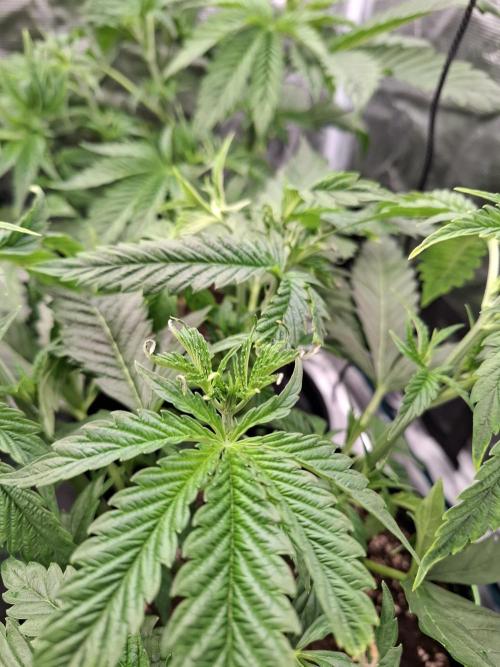
Diagnosis: While the other 4 cultivars maintained homeostasis, the Diamond Marker sisters exhibited clear morphological anomalies (crinkling). This was a classic case of cellular over-hydration and restricted nutrient transport due to the total lack of an evaporative pull.
Training Status & Early Development
Jan 20th: Despite the environmental stress, the scheduled training was executed. All plants were topped above the 4th node, and the lowest node pair was removed to focus energy on the remaining 6 primary shoots.
Vitality Check: Despite these minor hiccups (which I fully take responsibility for) the plants are showing great resilience. The stems are developing very good girth and strength, and I am highly satisfied with the overall vigor across all strains so far.
Strain Profile: Diamond Marker Sisters
Stress Response: Those two sisters have officially been classified as the "Sensitivity Lead." The leaf crinkling was a localized reaction to the excessive turgor and the specific high-energy photons of the Adlite Blue.
Recovery Status: It is noteworthy that 5 days after topping, the new growth is developing beautifully again. The plants have successfully bypassed the stagnation phase.
Correction: Adlite Blue deactivated on Jan 22nd. Removing the supplemental blue spectrum reduced the photomorphogenic stress, allowing for more balanced meristematic development. New shoots are already showing optimized intercellular spacing.
Recovery & Defoliation Protocol: To account for their higher metabolic sensitivity, I am adjusting the recovery buffer:
The other 4 strains will be defoliated 3 days before the flip. The Diamond Marker sisters will be granted a full 5-day recovery window post-defoliation.
Community Inquiry: I am curious if other Growmies have observed similar phenotypic sensitivity or turgor-related leaf crinkling specifically in Permanent Marker crosses? Is this a common trait in this lineage when VPD fluctuates?
Technical Progression & Canopy Engineering
Jan 26th (Status Quo): Implementation of minimal Low Stress Training (LST). The 6 primary shoots are being gently anchored toward the pot periphery to maximize the horizontal canopy footprint. Combined with selective Leaf Tucking, this ensures optimal photon flux to the lateral meristems.
Structural Goal: Once the target radius is established, all apical dominance will be redirected vertically.
DLI Balancing & Flip Strategy: Current Baseline: 400 PPFD (18/6). Flip Target: 600 PPFD (12/12).
The Objective: By precisely synchronizing the intensity increase with the photoperiod reduction, I am maintaining a constant Daily Light Integral (DLI). This "Steady-State" transition prevents photo-oxidative shock and ensures a seamless metabolic shift from vegetative to generative growth.
Genetic Outlook & Stretch Anticipation
With the flip approaching in 14 days at the latest, the real challenge begins: managing the individual stretch characteristics of this high-profile lineage. Given the genetic background of these cultivars (ranging from Permanent Marker, Jealousy, and Permanent Chimera #35 to White Truffle, Gorillato, and Banana Butter Cups) I am expecting a highly dynamic transition.
The primary objective for the remaining vegetative phase is to maintain a homogenous canopy despite the diverse morphological traits inherent in these crosses, including Lab Candy #37, of which I do not know the exact lineage. Observations on internodal elongation will be documented to ensure the 6-shoot structure remains optimized under the upcoming 600 PPFD intensity push.
1 like
comments
Share
4
Week 4. Vegetation
17h ago
1/5
18 hrs
Light Schedule
24 °C
Day Air Temp
6.3
pH
Weak
Smell
60 %
Air Humidity
19 °C
Solution Temp
19 °C
Night Air Temp
5.02 liters
Pot Size
45 cm
Lamp Distance
Nutrients 2
BioGrow
3 mll
BioEnhancer
1 mll
Harz_Kontrolleur Week 4: Anthropogenic Stress Factors & Structural Remediation
The Reality: A High-Stress Performance Evaluation
This week has evolved into a rigorous stress test for the Urban Seedlab lineages. The conditions for this performance evaluation have become significantly harder than anticipated. The beginner crew at the location where the tent is situated has demonstrated significant learning resistance regarding irrigation protocols. Furthermore, I have identified a critical lack of transparency: irrigation errors and environmental fluctuations are being actively concealed by the on-site staff. However, through systematic analysis of plant morphology and substrate weight, these discrepancies have been documented.
Due to this breach of protocol and persistent incompetence, I will terminate all support for this location following the completion of this cycle. I am only continuing this project because my professional integrity demands a completed seed-to-harvest report.
For the remainder of this run, the local crew’s inconsistency is being treated as a critical environmental variable. We are effectively testing the genetic resilience of these strains under high-stress conditions that deviate from a controlled environment.
Consequently, my on-site presence will be intensified during the generative phase. Remote instructions have reached their limit of efficacy. Personal oversight is now mandatory for irrigation precision, nutrient calibration, and systematic staminate flower (nanner) screenings.
Biological Deep-Dive: Epigenetic Priming & Sexual Stability
The Diamond Marker sisters, having exhibited the highest sensitivity to previous microclimate fluctuations, are now under strict observation.
Persistent vegetative stress and xylem pressure fluctuations can trigger epigenetic tags on the DNA. This priming may force the plant to prioritize survival reflexes over stable floral development.
The upcoming photoperiod transition involves a massive shift in the Auxin/Ethylene ratio. An unstable metabolism increases the risk of Ethylene-deficiency, which is the primary driver for hermaphroditic expression (nanners) in female plants.
The metabolic cost of cellular repair from past dehydration events may manifest as reduced genetic stability during the mid-bloom stretch.
Technical Progression & Spectrum Calibration
To enhance boundary layer conductance and stabilize the microclimate, a Taifun Box Fan has replaced the Garden Highpro unit. This provides a laminar airflow profile, optimizing transpiration rates across the canopy.
UV light has been completely deactivated for this run. Current photobiological consensus suggests that the metabolic costs of UV-induced stress often outweigh the marginal gains in secondary metabolites. To maximize plant health and minimize further stressors, I am focusing on a stable PAR spectrum. IR (Infrared) remains the only supplement used, specifically for circadian synchronization (the Sleep/Wake cycle).
Secondary metabolite optimization will be attempted via VPD-manipulation (atmospheric drought) during the late generative phase, rather than radiation-induced stress.
Structural Analysis & Training Report
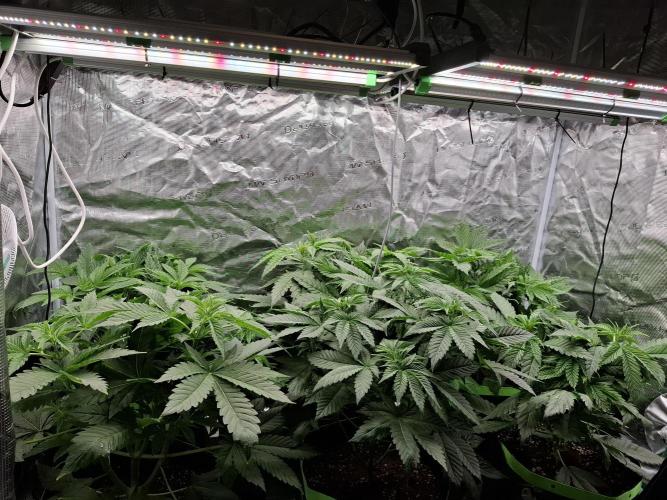
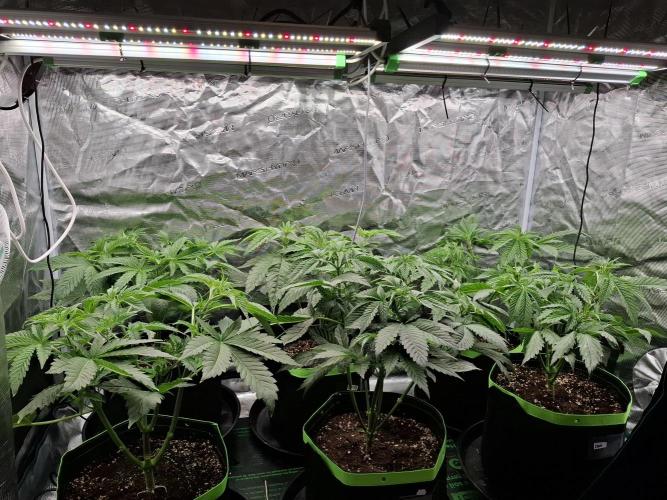
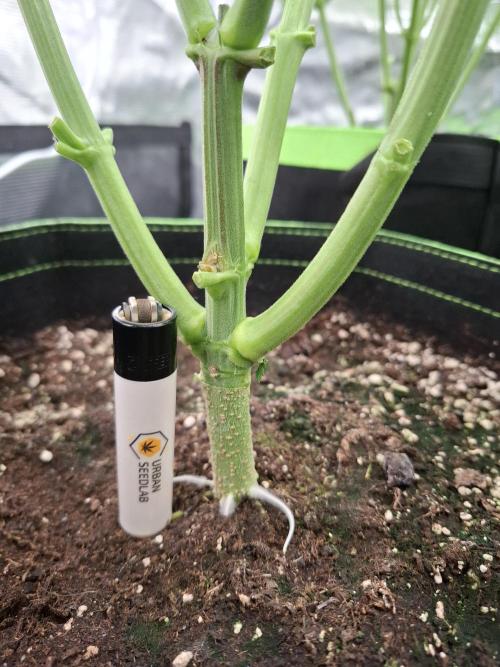
Today, a radical defoliation of the lower plant sections was executed to redirect all nutrients to the primary meristems and ensure maximum airflow.
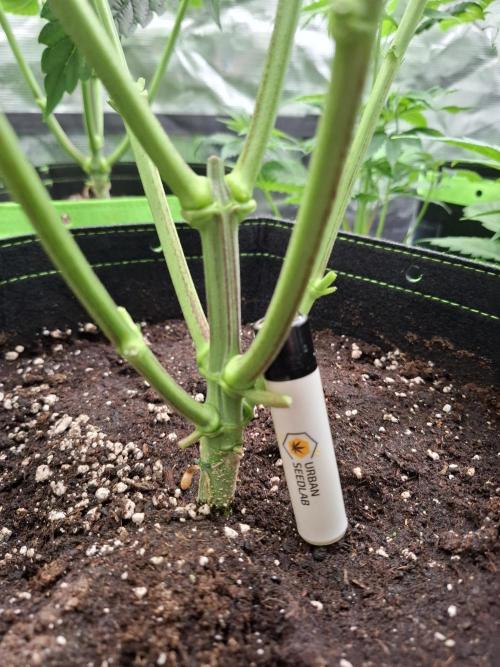
During the anchoring of the Gorillato x BBC, a primary lateral branch suffered a mechanical failure (snapped). The projected canopy has been reduced from 36 to 35 primary colas. Visual evidence provided: comparison with lighter.
Strategy & Outlook
Lighting: Constant 400 PPFD (18/6 cycle).
Water Profile: 100% Tap Water | Ca:Mg ratio 2.2:1 (Supplemented via Canna Mono Magnesium) | pH 6.3.
The Flip: Due to the anthropogenic stress and today's defoliation, a 7-day recovery buffer has been implemented. The 12/12 transition is scheduled for next Monday.
Metabolic Priming: This Thursday, I will personally execute the Greenhouse Bio Bloom top-dressing. The enzymatic degradation of the organic amendments requires a stable moisture film in the topsoil; therefore, any further irrigation deviations by the beginner crew will directly jeopardize nutrient bioavailability during the transition.