


Mini-Pheno-Hunt - Urban Seedlab


Diamond Marker
Urban Seedlab

Permanent Chimera #35 x White Truffle
Urban Seedlab

Lab Candy #37
Urban Seedlab

Urban's 11
Urban Seedlab

Gorillato
Urban Seedlab


VEG

Tent
150x80x200

Fan
Pk160ec
Pk160ec

Filt


Indoor
Room Type
Defoliation
weeks 8
19 liters
Pot Size
1.4 liters
Watering
Start at 11 Week
G
Germination7mo ago
Nutrients 2

BioGrow
1 mll

BioEnhancer
0.5 mll
Harz_Kontrolleur The Objective
I first came across Urban Seedlab during a rather controversial discussion on the German forum grower.ch. While the brand is polarizing, the genetic lineages raised a lot of questions about their actual performance. I decided to step in and run a rigorous performance evaluation to see if the results match the claims.
To keep this review objective, I purchased the Lab File Box myself. For this run, I have prioritized Urbans 11 and Diamond Marker, as well as the exclusive bonus seeds included in the box: Permanent Chimera #35 x White Truffle. Additionally, through an Instagram connection, I received special test seeds: Gorillato x BBC and Lab Candy #37. My goal is a completely unbiased seed-to-harvest report.
The "Elite 6" Selection Strategy
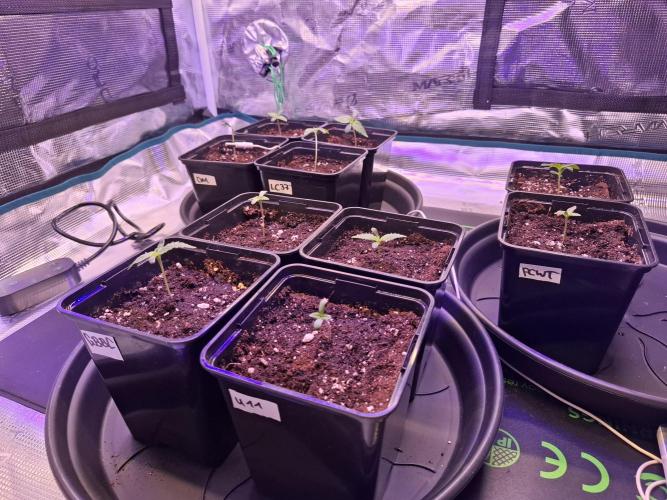
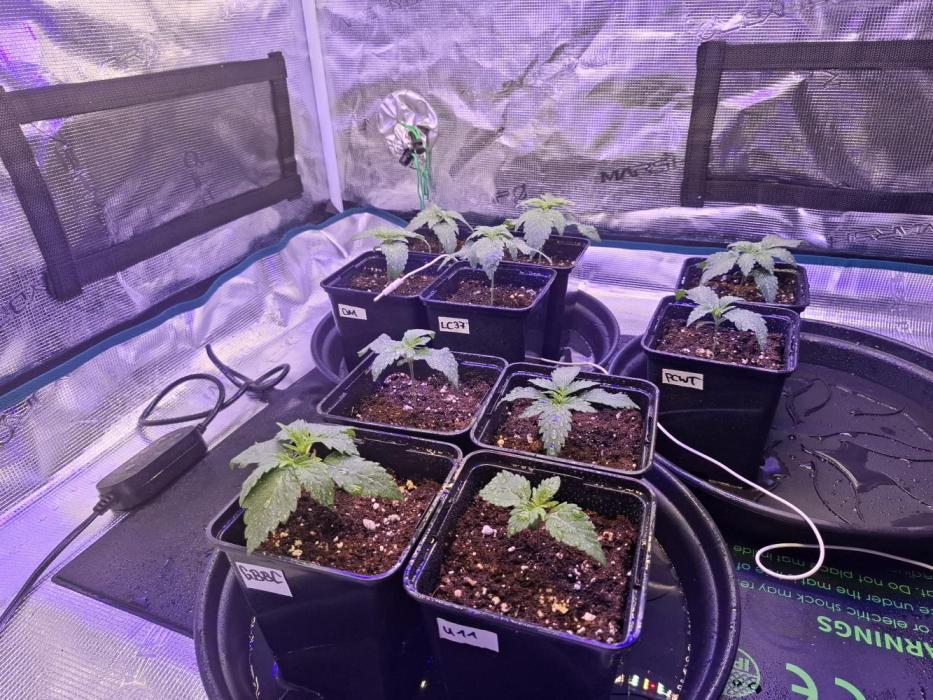
I am starting this hunt with a perfect 100% germination rate (10/10) for these five primary strains. This means I have every single plant available for a direct head-to-head comparison. To ensure a consistent baseline, I am utilizing Greenhouse Bio Feeding.
The goal is to select the single best phenotype of each strain, plus one additional "Wildcard" winner, to move a total of 6 plants into the final flowering stage. Evaluation criteria for this hunt include:
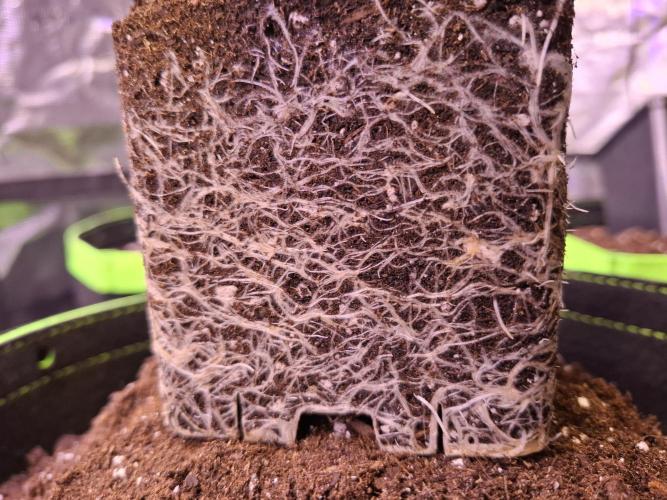
Root vigor and colonization speed.
Nodal structure and internodal spacing.
Early terpene potential through systematic stem rubs (used as a tie-breaker when vigor is equal).
Important Note on Stability:
This diary documents a specific phenotype selection (Pheno Hunt). Therefore, it focuses on the peak potential found within my selection rather than providing a definitive statement on the overall genetic stability of the seed lots.
Substrate Setup (1L Phase)
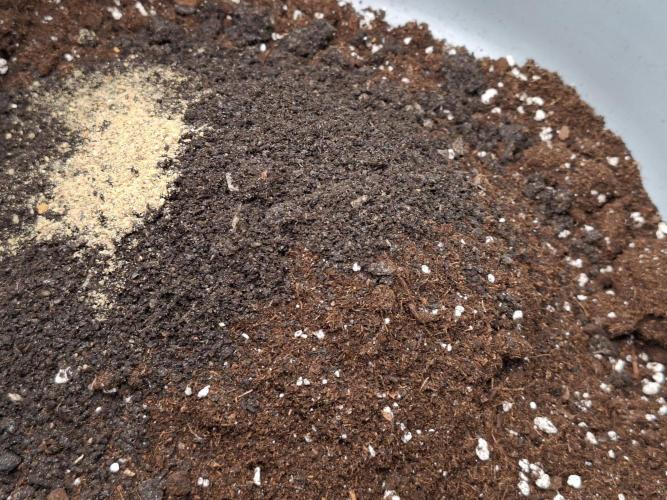
Base: BioBizz Light Mix enriched with 5% Earthworm Castings.
Nutrition: A minimal baseline of 1g/L Greenhouse Bio Grow.
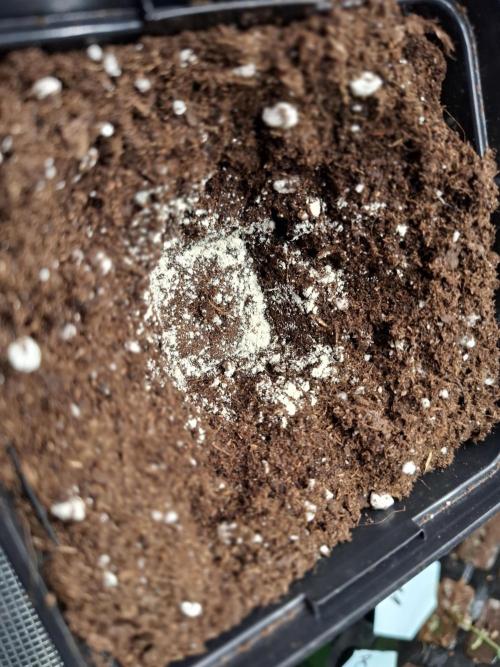
Inoculation: Organic Nutrients Mycorrhiza were applied directly to the root surface and the planting hole during transplanting for immediate symbiotic contact.
Kickstart: The first watering includes Greenhouse Enhancer to activate soil microbiology.
Technical Baseline: Lighting & Environment
Lighting: Currently running a Mars Hydro FC3000 EVO (supplemented with Adlite Blue) delivering a consistent 300–350 PPFD. This provides a high-energy start to maximize early structural development.
Environmental Targets: Maintaining 24–26°C and 60–70% RH to ensure an optimal VPD for this high-light intensity.
Initial Water Profile: pH 7.5 | EC 573 µS/cm | Calcium 81 mg/l | Magnesium 16.2 mg/l.
My Adaptations for Week 1
Mineral Balancing & Acclimatization: To correct the native 5:1 Ca:Mg ratio of my tap water, I have started a low-dose supplementation of 0.08 ml/L Mono-Magnesium (0.2 ml per 2.5L).
The Strategy: While not strictly necessary at this exact moment, this early "metabolic priming" ensures the plants are perfectly acclimated to a stable 2.2:1 ratio before the nutrient demand spikes under the 350 PPFD intensity.
Microbe Protection: All water is aged for 24 hours to allow Chlorine Dioxide to gas off, protecting the Mycorrhiza.
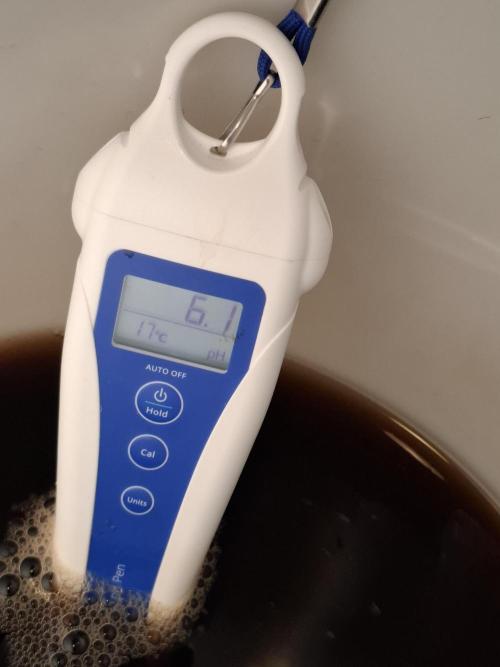
pH Precision: Every irrigation is monitored with a Bluelab pH Pen, targeting a stable pH of 6.0–6.2.
4 likes
3 comments
Share
Used method
Peat Pellet
Germination Method
1
Week 1. Vegetation7mo ago
18 hrs
Light Schedule
No Smell
Smell
Nutrients 2
BioGrow
1 mll
BioEnhancer
0.5 mll
Harz_Kontrolleur Week 1:
Substrate Transition & Technical Calibration
The Pivot: From Coco to Soil Logic
After the initial setup, I am recalibrating my approach. Coming from a long-term Coco / Drain-to-Waste background, my instinct was to target a lower pH. However, to better support the microbial activity and the natural buffering capacity of the BioBizz/Worm Casting mix, I am adjusting my strategy:
Current Target: 6.3 pH (Vegetative phase).
Future Adjustments: I plan to gradually drift towards 6.5 during the stretch and 6.7 in bloom to optimize nutrient solubility in an organic environment.
Water Chemistry Update:
I am sticking to the 50/50 mix of Tap and Distilled water. To correct the native 5:1 Ca:Mg ratio of my tap water, I continue to supplement with Canna Mono Magnesium. The primary change is the adjusted pH of 6.3 to better align with the organic substrate.
Environment & VPD Management
The start of this week was challenged by a hardware failure (humidifier), leaving the RH between 40% and 50%. This resulted in a VPD that is significantly higher than the targets defined in Week 0.
I’ve implemented manual countermeasures:
Water trays added to the tent (though the effect is minimal).
Manual spraying twice daily.
Lighting & Growth Strategy:
Currently, one of the FC3000 EVO units is running at 30% (approx. 300-350 PPFD). While I could lower the intensity to reduce transpiration stress and "fix" the VPD issues, I am prioritizing a compact nodal structure. I’d rather accept some slightly crinkled leaf textures now than deal with unwanted stretching later.
Selection Outlook:
In about 10 days, the "Casting" for the Top 6 will begin. I am not stressing the current humidity issues too much, as the move from 1L to 5-gallon pots will drastically increase the transpiration surface and soil volume, which usually stabilizes the tent environment naturally.
4 likes
1 comment
Share
2
Week 2. Vegetation7mo ago
22 hrs
Light Schedule
Weak
Smell
Nutrients 2
BioGrow
3 mll
BioEnhancer
1 mll
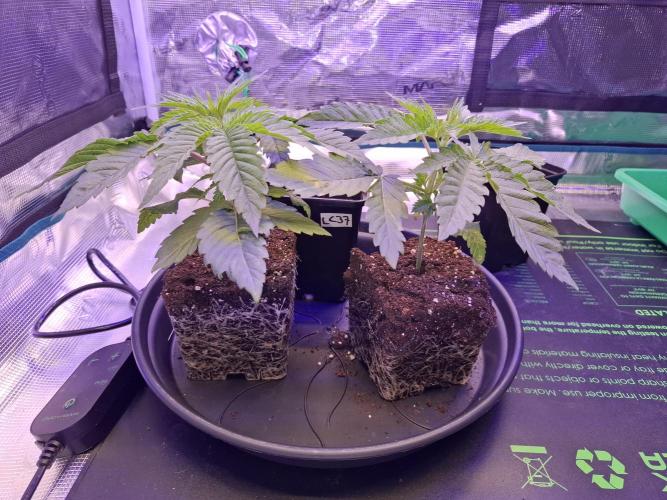
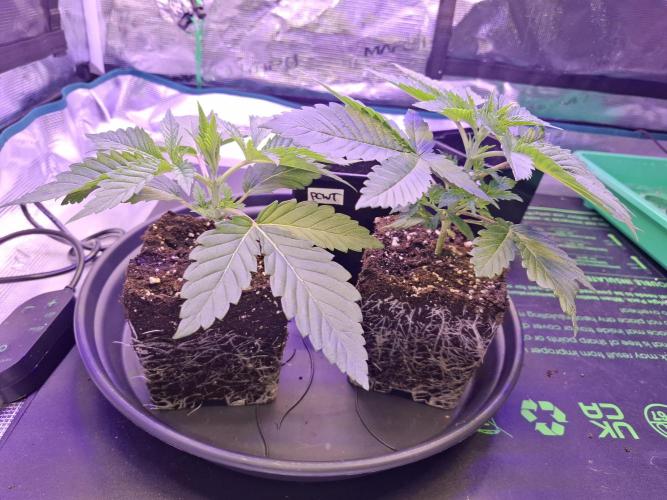
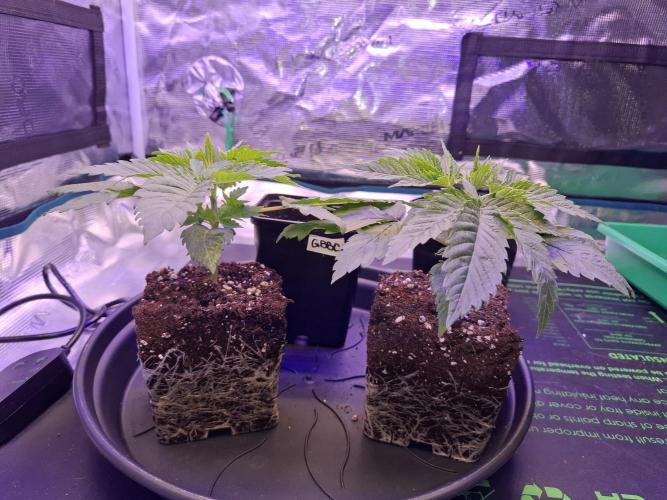
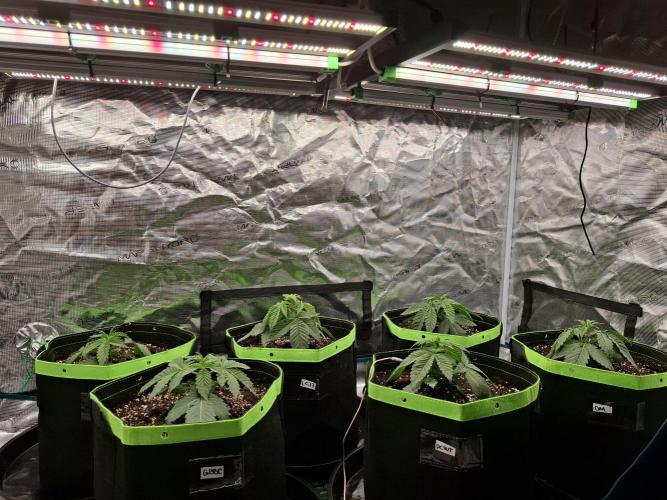
Harz_Kontrolleur Week 3: The Elite Selection & 19L Transition
The Selection Process: Culling for Performance
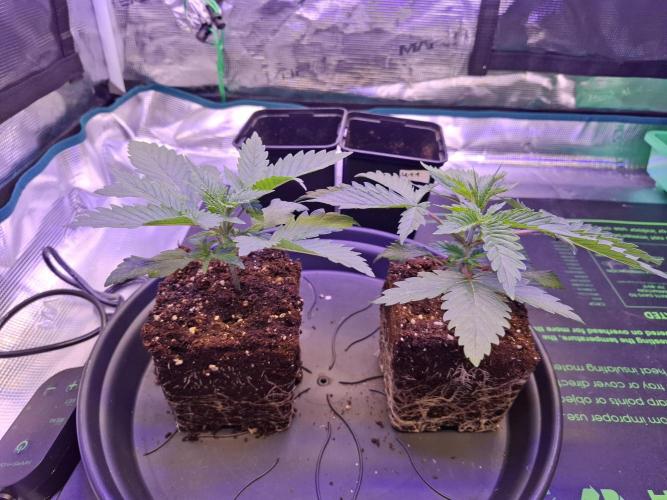
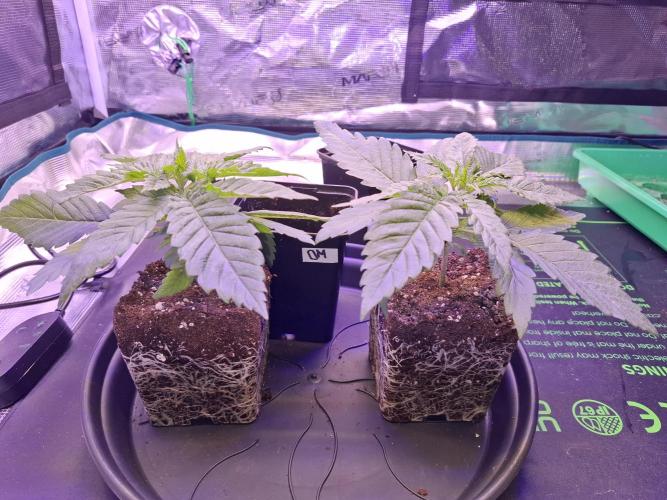
Plant count reduced from 10 to the "Elite 6" based on root vigor, nodal structure, and early development.
Permanent Chimera #35 x White Truffle:
Leading the pack with exceptional root colonization. I selected the pheno with the 2-day lead in development.
Diamond Marker (The Double Feature): This strain secured two spots in the final setup. One spot was pre-planned, and the second was awarded as a "Wildcard" because both phenotypes were performing at an identical, strong level. Very intense smell already present at Day 18.
Urbans 11: Selected the most vigorous phenotype. Interesting note: U11 was the slowest to germinate, but it has caught up significantly in terms of vigor and leaf size.
Lab Candy #37: Both phenotypes were looking great, but I chose the more compact one for canopy homogeneity. The other pheno was culled due to larger nodal spacing.
Gorillato x BBC: Decision based on root mass inspection, as vigor and stem rub were identical between candidates.
Note on Genetics: So far, the seeds from Urban Seedlab have shown 100% germination and solid performance in early veg. No complaints so far, but the final verdict stays reserved until the flower is in the jars.
Substrate & Transplant Setup:
Pots: 19L (5 Gal) breathable fabric pots.
Drainage: 2L clay pebble (Correls) base layer (not included in nutrient calculations).
Medium: 17L BioBizz Light Mix enriched with 10% Earthworm Castings.
Nutrition: Amended with precisely 51g (3g/L) Greenhouse BioGrow.
Inoculation: Immediately after transplanting, I re-introduced Greenhouse Bio Enhancer at 1g/L (as per the 2-week schedule) to prime the new substrate.
Technical Adjustments & Training Strategy
Water Profile: Switched to 100% Tap Water. Mineral balance adjusted with Canna Mono Magnesium for a perfect Ca:Mg ratio. pH level dialed in at exactly 6.3. All irrigation is actively oxygenated.
Lighting: Second Mars Hydro FC3000 EVO activated. Intensity is currently at 300–350 PPFD, but will be increased to 400 PPFD as soon as the topping is done.
Spectrum: Adlite Blue/UV remains active for 3 more days until topping to maintain maximum compactness. It will be deactivated post-topping to allow for healthy branch expansion.
High-Performance Training & Outlook: The plan is to continue the vegetative stage for 3 more weeks. In the coming days, I will top all plants above the 4th node and remove the lowest node pair. This marks the start of training for exactly 6 main colas per plant (36 total) to ensure a controlled microclimate and maximum airflow throughout the grow.
4 likes
1 comment
Share
3
Week 3. Vegetation7mo ago
18 hrs
Light Schedule
24 °C
Day Air Temp
6.3
pH
Weak
Smell
60 %
Air Humidity
19 °C
Solution Temp
19 °C
Night Air Temp
19 liters
Pot Size
45 cm
Lamp Distance
Nutrients 2
BioGrow
3 mll
BioEnhancer
1 mll
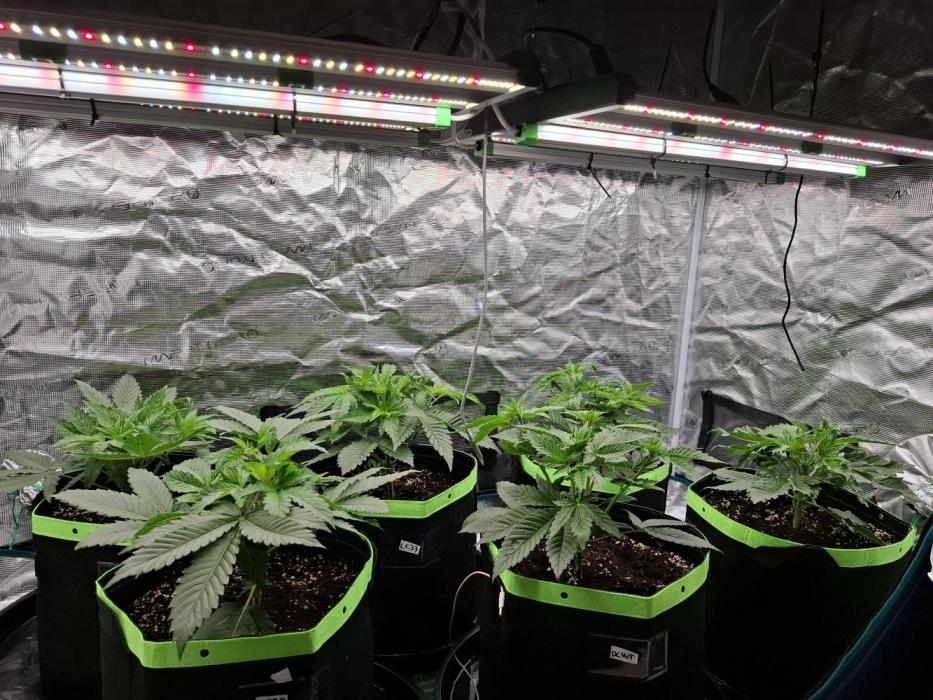
Harz_Kontrolleur Week 3: Metabolic Stress Analysis & Structural Calibration
The Incident: Microclimate Failure & Xylem Overload
Jan 19th (Post-Transplant): Failure to activate the exhaust system led to a 24h transpiration blockade.
Physiological Impact: With RH peaking near 100%, the Vapor Pressure Deficit (VPD) effectively collapsed. At this saturation point, plants are forced to cease transpiration as the air cannot take up any more moisture. This halt in the evaporative cooling cycle caused an abnormally high turgor pressure within the cellular structure.
Diagnosis: While the other 4 cultivars maintained homeostasis, the Diamond Marker sisters exhibited clear morphological anomalies (crinkling). This was a classic case of cellular over-hydration and restricted nutrient transport due to the total lack of an evaporative pull.
Training Status & Early Development
Jan 20th: Despite the environmental stress, the scheduled training was executed. All plants were topped above the 4th node, and the lowest node pair was removed to focus energy on the remaining 6 primary shoots.
Vitality Check: Despite these minor hiccups (which I fully take responsibility for) the plants are showing great resilience. The stems are developing very good girth and strength, and I am highly satisfied with the overall vigor across all strains so far.
Strain Profile: Diamond Marker Sisters
Stress Response: Those two sisters have officially been classified as the "Sensitivity Lead." The leaf crinkling was a localized reaction to the excessive turgor and the specific high-energy photons of the Adlite Blue.
Recovery Status: It is noteworthy that 5 days after topping, the new growth is developing beautifully again. The plants have successfully bypassed the stagnation phase.
Correction: Adlite Blue deactivated on Jan 22nd. Removing the supplemental blue spectrum reduced the photomorphogenic stress, allowing for more balanced meristematic development. New shoots are already showing optimized intercellular spacing.
Recovery & Defoliation Protocol: To account for their higher metabolic sensitivity, I am adjusting the recovery buffer:
The other 4 strains will be defoliated 3 days before the flip. The Diamond Marker sisters will be granted a full 5-day recovery window post-defoliation.
Community Inquiry: I am curious if other Growmies have observed similar phenotypic sensitivity or turgor-related leaf crinkling specifically in Permanent Marker crosses? Is this a common trait in this lineage when VPD fluctuates?
Technical Progression & Canopy Engineering
Jan 26th (Status Quo): Implementation of minimal Low Stress Training (LST). The 6 primary shoots are being gently anchored toward the pot periphery to maximize the horizontal canopy footprint. Combined with selective Leaf Tucking, this ensures optimal photon flux to the lateral meristems.
Structural Goal: Once the target radius is established, all apical dominance will be redirected vertically.
DLI Balancing & Flip Strategy: Current Baseline: 400 PPFD (18/6). Flip Target: 600 PPFD (12/12).
The Objective: By precisely synchronizing the intensity increase with the photoperiod reduction, I am maintaining a constant Daily Light Integral (DLI). This "Steady-State" transition prevents photo-oxidative shock and ensures a seamless metabolic shift from vegetative to generative growth.
Genetic Outlook & Stretch Anticipation
With the flip approaching in 14 days at the latest, the real challenge begins: managing the individual stretch characteristics of this high-profile lineage. Given the genetic background of these cultivars (ranging from Permanent Marker, Jealousy, and Permanent Chimera #35 to White Truffle, Gorillato, and Banana Butter Cups) I am expecting a highly dynamic transition.
The primary objective for the remaining vegetative phase is to maintain a homogenous canopy despite the diverse morphological traits inherent in these crosses, including Lab Candy #37, of which I do not know the exact lineage. Observations on internodal elongation will be documented to ensure the 6-shoot structure remains optimized under the upcoming 600 PPFD intensity push.
4 likes
comments
Share
4
Week 4. Vegetation6mo ago
18 hrs
Light Schedule
24 °C
Day Air Temp
6.3
pH
Weak
Smell
60 %
Air Humidity
19 °C
Solution Temp
19 °C
Night Air Temp
5.02 liters
Pot Size
45 cm
Lamp Distance
Nutrients 2
BioGrow
3 mll
BioEnhancer
1 mll
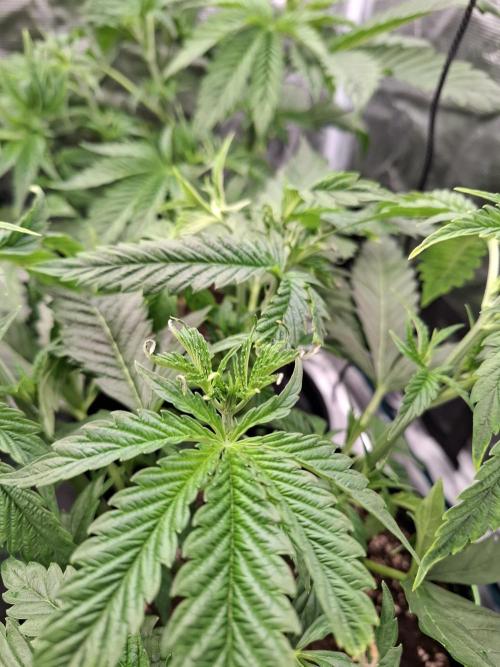
Harz_Kontrolleur Week 4: Anthropogenic Stress Factors & Structural Remediation
The Reality: A High-Stress Performance Evaluation
This week has evolved into a rigorous stress test for the Urban Seedlab lineages. The conditions for this performance evaluation have become significantly harder than anticipated. The beginner crew at the location where the tent is situated has demonstrated significant learning resistance regarding irrigation protocols. Furthermore, I have identified a critical lack of transparency: irrigation errors and environmental fluctuations are being actively concealed by the on-site staff. However, through systematic analysis of plant morphology and substrate weight, these discrepancies have been documented.
Due to this breach of protocol and persistent incompetence, I will terminate all support for this location following the completion of this cycle. I am only continuing this project because my professional integrity demands a completed seed-to-harvest report.
For the remainder of this run, the local crew’s inconsistency is being treated as a critical environmental variable. We are effectively testing the genetic resilience of these strains under high-stress conditions that deviate from a controlled environment.
Consequently, my on-site presence will be intensified during the generative phase. Remote instructions have reached their limit of efficacy. Personal oversight is now mandatory for irrigation precision, nutrient calibration, and systematic staminate flower (nanner) screenings.
Biological Deep-Dive: Epigenetic Priming & Sexual Stability
The Diamond Marker sisters, having exhibited the highest sensitivity to previous microclimate fluctuations, are now under strict observation.
Persistent vegetative stress and xylem pressure fluctuations can trigger epigenetic tags on the DNA. This priming may force the plant to prioritize survival reflexes over stable floral development.
The upcoming photoperiod transition involves a massive shift in the Auxin/Ethylene ratio. An unstable metabolism increases the risk of Ethylene-deficiency, which is the primary driver for hermaphroditic expression (nanners) in female plants.
The metabolic cost of cellular repair from past dehydration events may manifest as reduced genetic stability during the mid-bloom stretch.
Technical Progression & Spectrum Calibration
To enhance boundary layer conductance and stabilize the microclimate, a Taifun Box Fan has replaced the Garden Highpro unit. This provides a laminar airflow profile, optimizing transpiration rates across the canopy.
UV light has been completely deactivated for this run. Current photobiological consensus suggests that the metabolic costs of UV-induced stress often outweigh the marginal gains in secondary metabolites. To maximize plant health and minimize further stressors, I am focusing on a stable PAR spectrum. IR (Infrared) remains the only supplement used, specifically for circadian synchronization (the Sleep/Wake cycle).
Secondary metabolite optimization will be attempted via VPD-manipulation (atmospheric drought) during the late generative phase, rather than radiation-induced stress.
Structural Analysis & Training Report
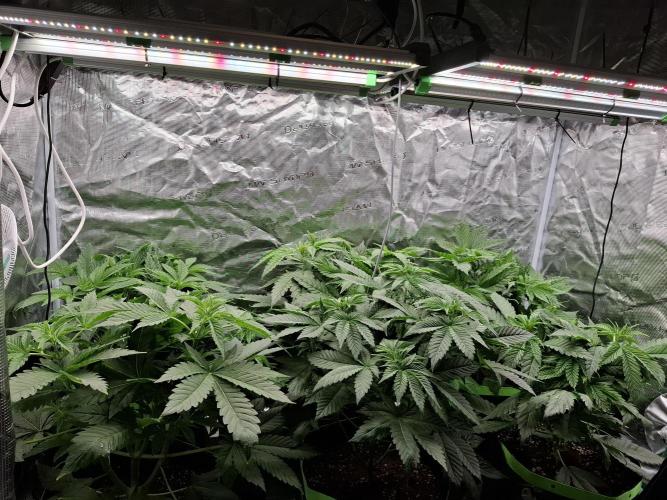
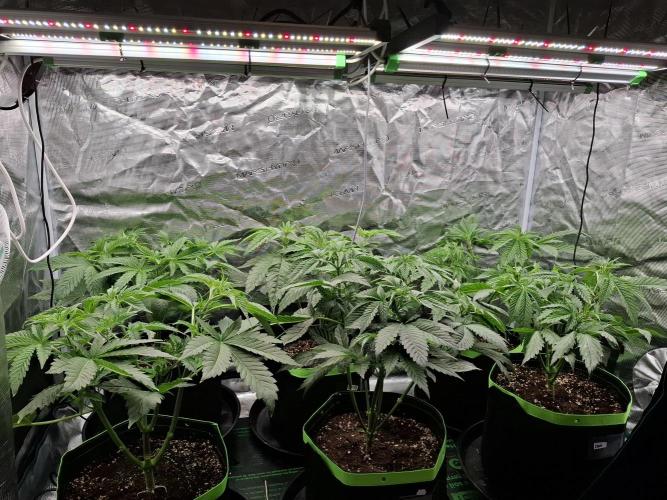
Today, a radical defoliation of the lower plant sections was executed to redirect all nutrients to the primary meristems and ensure maximum airflow.
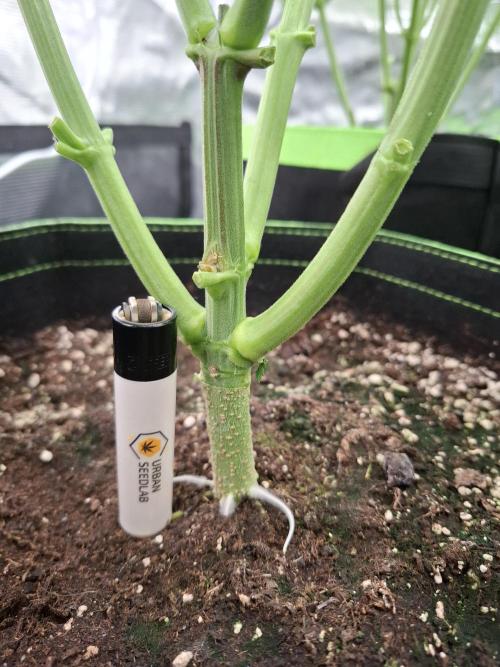
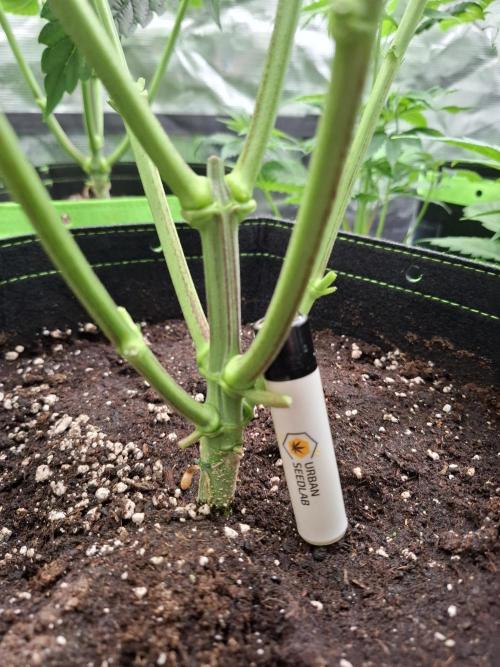
During the anchoring of the Gorillato x BBC, a primary lateral branch suffered a mechanical failure (snapped). The projected canopy has been reduced from 36 to 35 primary colas. Visual evidence provided: comparison with lighter.
Strategy & Outlook
Lighting: Constant 400 PPFD (18/6 cycle).
Water Profile: 100% Tap Water | Ca:Mg ratio 2.2:1 (Supplemented via Canna Mono Magnesium) | pH 6.3.
The Flip: Due to the anthropogenic stress and today's defoliation, a 7-day recovery buffer has been implemented. The 12/12 transition is scheduled for next Monday.
Metabolic Priming: This Thursday, I will personally execute the Greenhouse Bio Bloom top-dressing. The enzymatic degradation of the organic amendments requires a stable moisture film in the topsoil; therefore, any further irrigation deviations by the beginner crew will directly jeopardize nutrient bioavailability during the transition.
4 likes
comments
Share
5
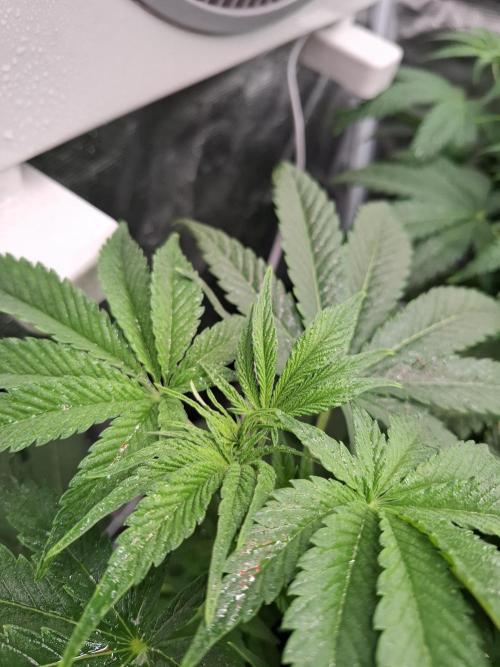
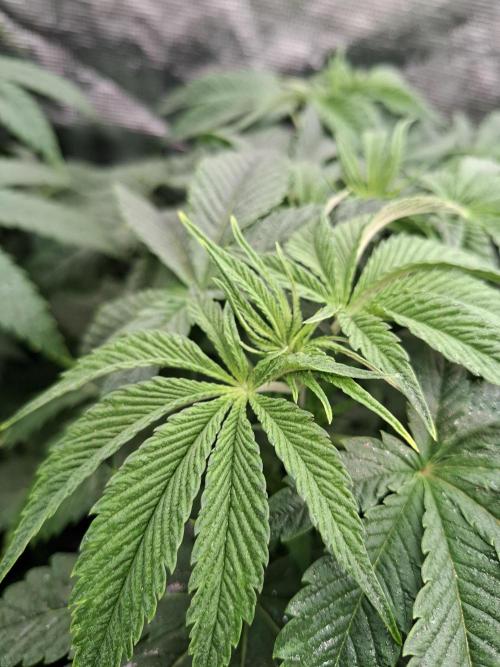
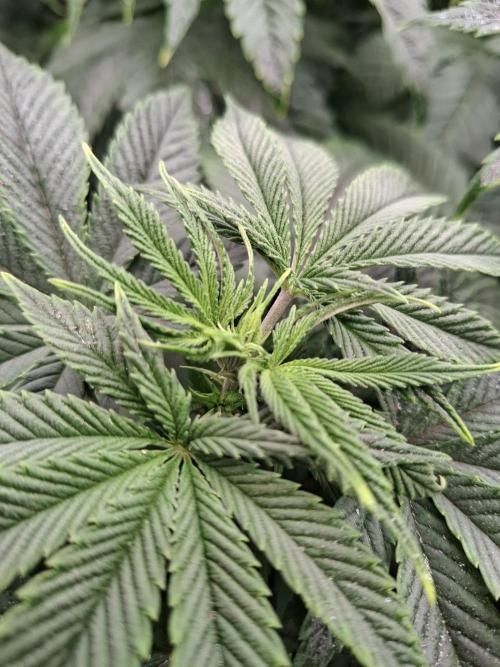
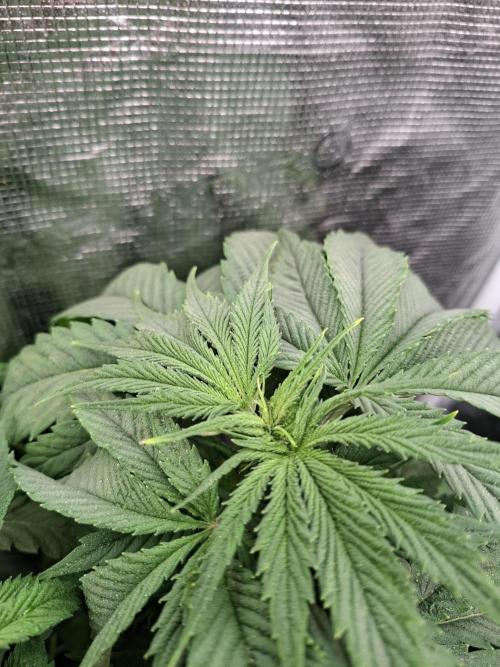
Week 5. Flowering6mo ago
12 hrs
Light Schedule
24 °C
Day Air Temp
6.5
pH
Normal
Smell
55 %
Air Humidity
19 °C
Solution Temp
20 °C
Night Air Temp
19 liters
Pot Size
45 cm
Lamp Distance
Nutrients 3
BioGrow
3 mll
BioEnhancer
1 mll

BioBloom
3 mll
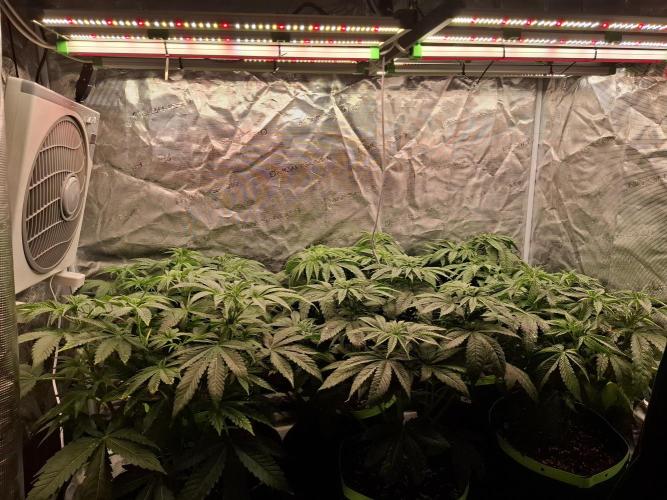
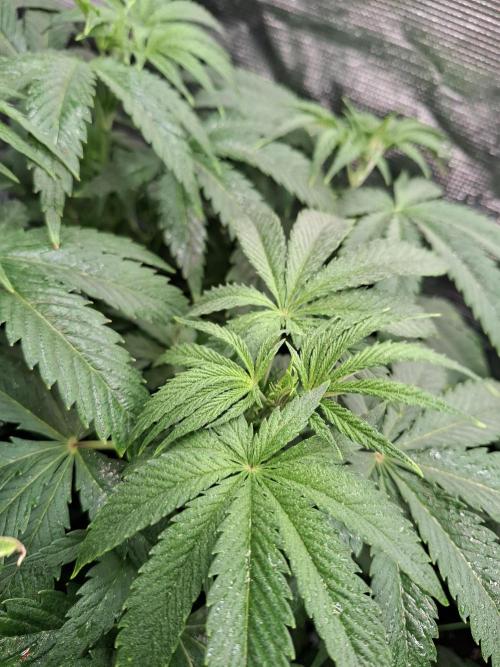
Harz_Kontrolleur Week 5: Generative Transition & Irrigation Analysis (F-Day 3)
The Metabolic Shift: From Structural Growth to Bloom:
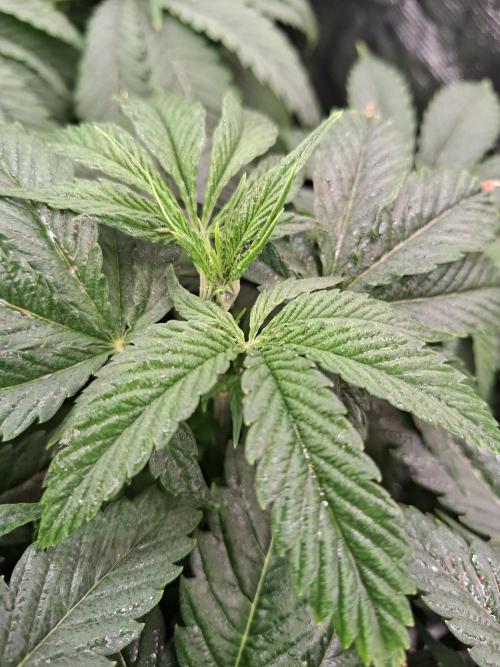
Following the heavy defoliation on Monday, Feb 2nd, the plants displayed remarkable resilience. Originally, I planned a 7-day recovery buffer, specifically to grant the more sensitive Diamond Marker sisters a full 5-day window of rest post-defoliation. Having met these recovery requirements, the flip to 12/12 was moved forward by 2 days.
Irrigation Discrepancy & Physiological Impact:
A significant deviation in irrigation volume occurred during the last cycle. Instead of the targeted 2L per plant, only 2L total was distributed across all 6 plants. In a 19L substrate environment at the onset of the flowering stretch, this volume is insufficient to maintain the necessary water potential.
Currently, some leaves are exhibiting symptoms resembling a Potassium (K) deficiency. I have diagnosed this as a water-stress induced secondary deficiency rather than an actual depletion of nutrients in the medium.
Scientific Context: Potassium uptake is highly dependent on mass flow and diffusion within the soil solution. When the substrate moisture drops below a critical threshold, the "transpiration pull" is interrupted. Additionally, as the soil dries out, the salt concentration in the remaining water increases (higher EC), leading to osmotic stress. This makes it physically harder for the roots to pull in K^{+} ions, even if they are present in abundance. This "lockdown" often manifests as marginal chlorosis or "burnt" edges, mimicking a classic deficiency.
Deep-Dive: Cationic Antagonism & Preventive Mineral Management:
I have been adjusting the Calcium-Magnesium ratio preventively since the seedling stage to ensure a friction-less nutrient uptake from the start.
Scientific Explanation Calcium Ca2+ and Magnesium Mg2+ are chemically similar, divalent cations that compete for the same uptake pathways at the root surface. If the native tap water has a high Calcium-to-Magnesium ratio, the Calcium acts as an antagonist, physically crowding out the Magnesium at the ion channels. While a 3:1 ratio is often cited as a standard, I deliberately target a tighter 2.2:1 ratio. This higher Magnesium concentration accounts for the increased metabolic demand during high-intensity LED phases and ensures that the competitive pressure from Calcium never reaches a threshold where Magnesium uptake is throttled.
Technical Parameters & Photobiology:
Lighting Targets * Current (Transition): 600 PPFD | DLI: 25.9 mol/m²/d
Target (Post-Stigma): 750 PPFD | DLI: 32.4 mol/m²/d
Climate To counter the rising transpiration rates and prevent late-stage pathogens, a dehumidifier is now operational in front of the tent.
Canopy Outlook:
The two Diamond Marker phenotypes looked like identical clones during the selection process. I am monitoring them closely to see if the recent irrigation deficit causes phenotypic divergence or localized stress responses.
4 likes
comments
Share
6
Week 6. Flowering6mo ago
12 hrs
Light Schedule
24 °C
Day Air Temp
6.5
pH
Normal
Smell
55 %
Air Humidity
18 °C
Solution Temp
20 °C
Night Air Temp
5.02 liters
Pot Size
1 liters
Watering Volume
45 cm
Lamp Distance
Nutrients 3
BioGrow
3 mll
BioEnhancer
1 mll
BioBloom
3 mll
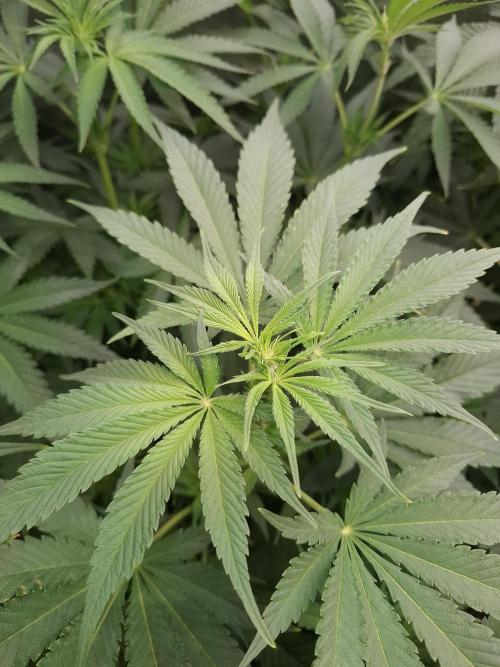
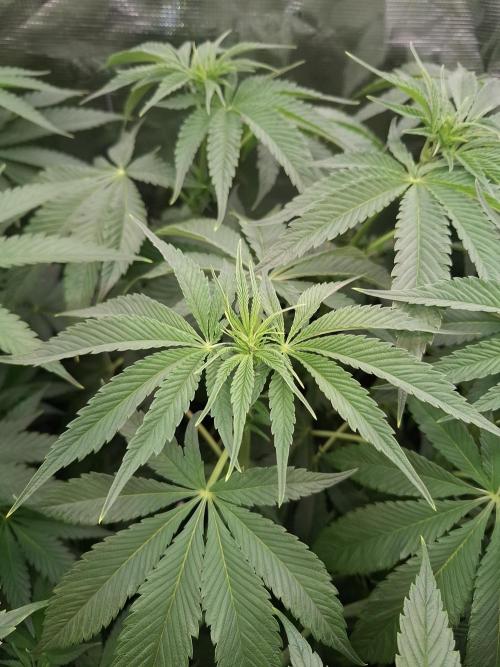
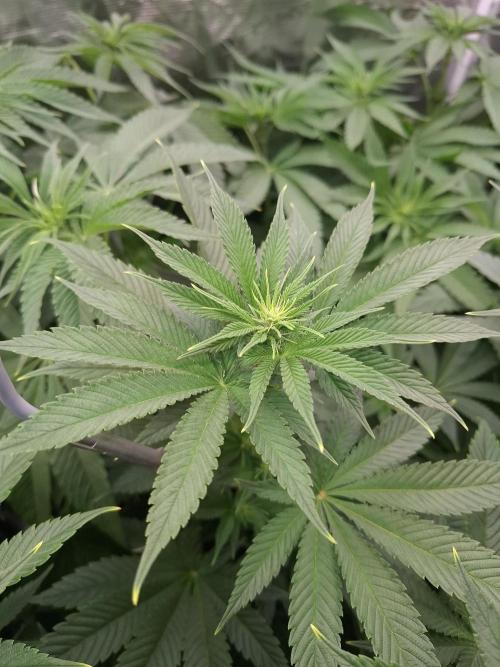
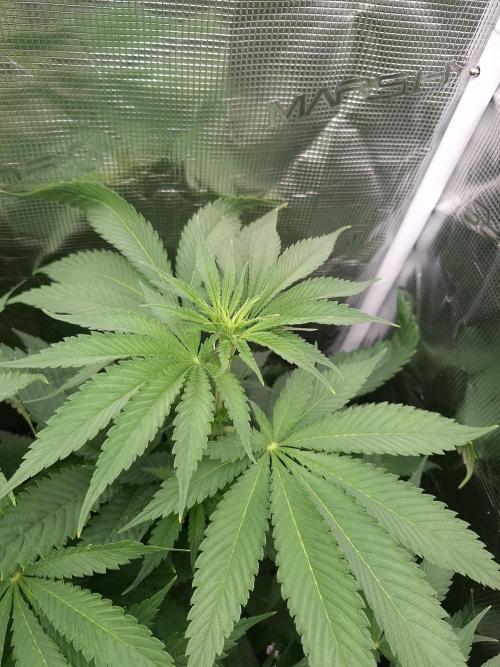
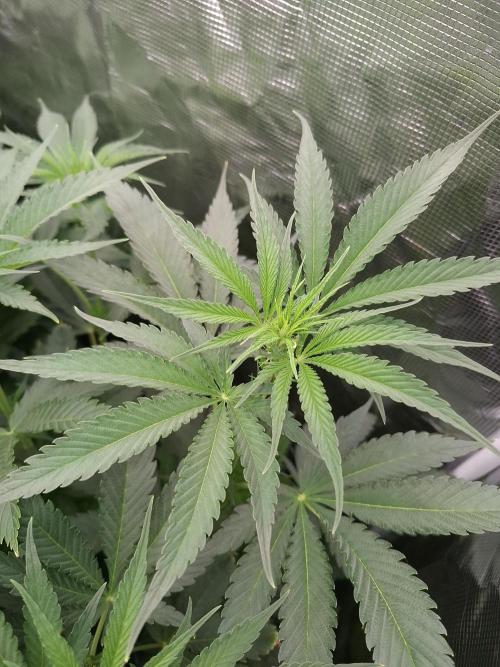
Harz_Kontrolleur Week 6: Stretch Peak & Photobiological Synergism
Operational Update: Personal Oversight & Philosophy
I would like to clarify that my previous comments regarding the on-site situation were born out of professional dedication, not cynicism or bitterness. The crew consists of close friends, and the disappointment I expressed was purely a reflection of my commitment to the accuracy of this performance evaluation. To ensure total precision during this critical window, I have personally resumed all irrigation duties. While Greenhouse Bio Feeding keeps the manual fertigation effort minimal, maintaining a stable moisture film is essential for microbial nutrient cycling. Since returning to hands-on management, the plants have shown perfect physiological stability.
Morphological Analysis: The Controlled Stretch
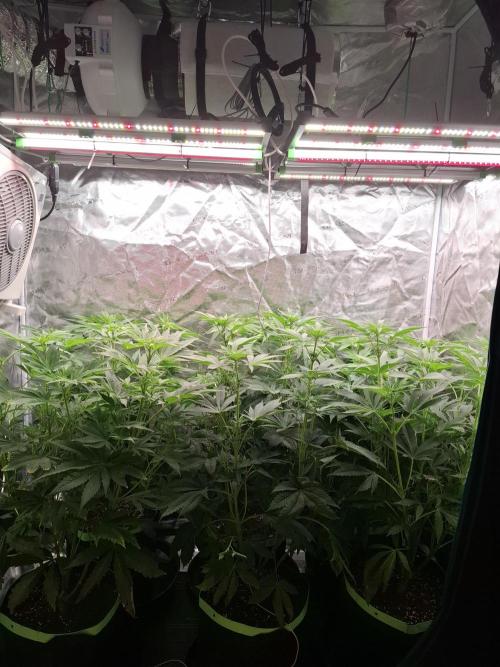
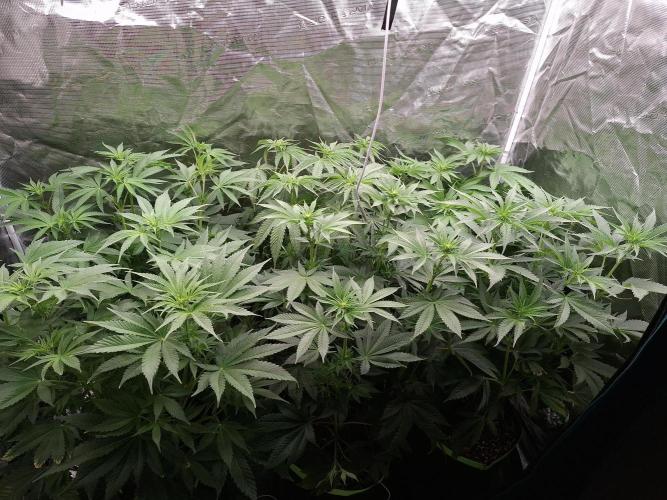
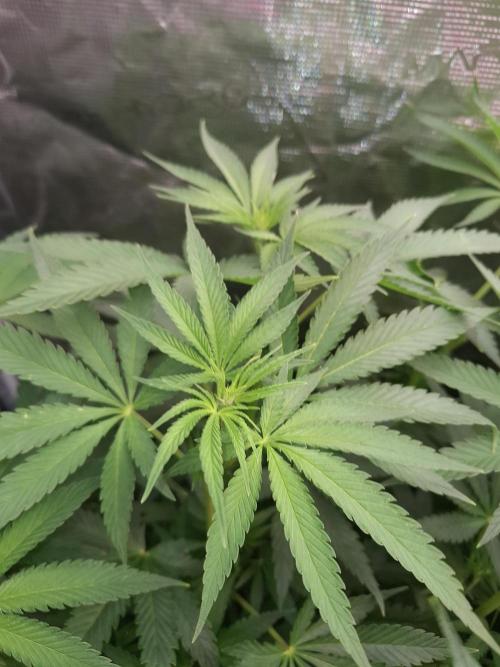
We are currently at the peak of the stretch. Overall canopy homogeneity is excellent, with almost all individuals maintaining a nearly identical height. One of the Diamond Marker sisters is currently showing a slight variance in vertical expansion; however, I will perform a final height calibration once the stretch phase is fully completed to ensure a perfectly level canopy for the bloom.
Genetics & Selection: Following a consultation with the breeder, the Biohazard (from the Lab File Box) was excluded from this specific run. The breeder cautioned that its aggressive stretch would have compromised the uniform canopy I am targeting.
Spectral Influence: I have integrated Deep Red Adlite into the environment. While this has slightly increased internodal spacing, it is a calculated structural decision. Given the genetic profile of these exotics, I prefer well-spaced, rock-hard clusters over massive, oversized colas. This strategy maximizes boundary layer conductance (airflow) around the buds, significantly reducing the risk of late-stage Botrytis without sacrificing the "rock-hard" density these genetics are known for.
Technical Deep-Dive: The Emerson Effect & Circadian Efficiency
To maintain the technical integrity of this report, I am documenting the implementation of the Emerson Effect via the addition of 660nm (Deep Red) and 730nm (Far-Red/Infrared) wavelengths.
In this setup, the Far-Red Adlite runs for the full 12-hour photoperiod alongside the primary lighting. This triggers a continuous Emerson Effect: by simultaneously exciting both Photosystem II (PSII) and Photosystem I (PSI), the electron transport chain operates at a synergistic efficiency that exceeds the sum of individual wavelengths.
Beyond enhancing photosynthesis, this constant Far-Red presence manages the Phytochrome equilibrium. The spectrum ensures a rapid conversion from Pfr (active) to Pr (inactive) at "lights out," forcing the plants into the dark-cycle metabolism almost instantly. Furthermore, it accelerates the "wake-up" protocol at the start of the cycle. This optimized circadian synchronization ensures that energy is redirected toward generative development without the typical metabolic lag phase, which is crucial during the high-energy demands of the stretch peak.
Status Quo
The plants are responding perfectly to the increased light intensity. Nutrient uptake is stable, and the transition from vegetative structure to generative development is proceeding exactly according to the high-performance roadmap. The final verdict on whether these phenotypes earn the "Elite" title will be reserved for the jars.
4 likes
comments
Share
7
Week 7. Flowering6mo ago
12 hrs
Light Schedule
25 °C
Day Air Temp
6.5
pH
Normal
Smell
55 %
Air Humidity
18 °C
Solution Temp
20 °C
Night Air Temp
19 liters
Pot Size
1.2 liters
Watering Volume
40 cm
Lamp Distance
Nutrients 3
BioGrow
3 mll
BioEnhancer
1 mll
BioBloom
3 mll
Harz_Kontrolleur Week 7: Floral Progression and Manual pH Steering (F-Day 17)
Morphological Diversity and Terpene Profiling
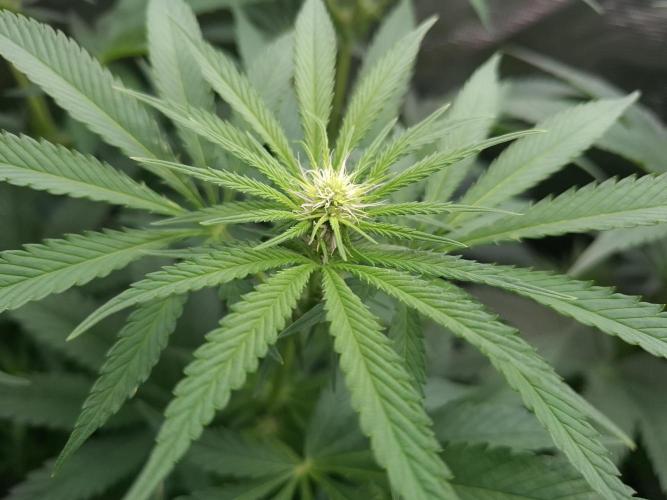
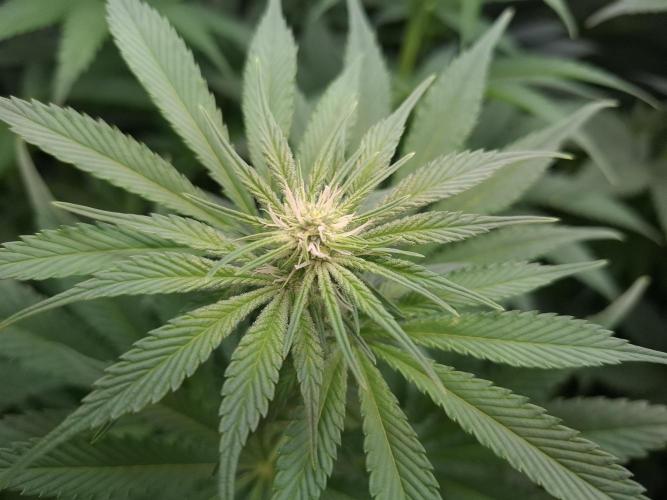
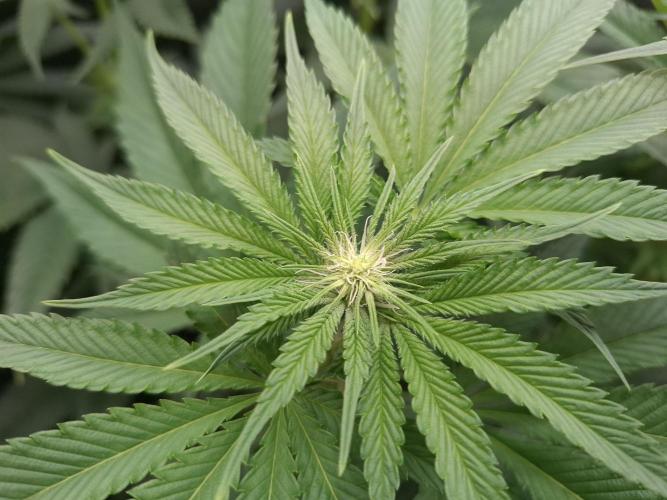
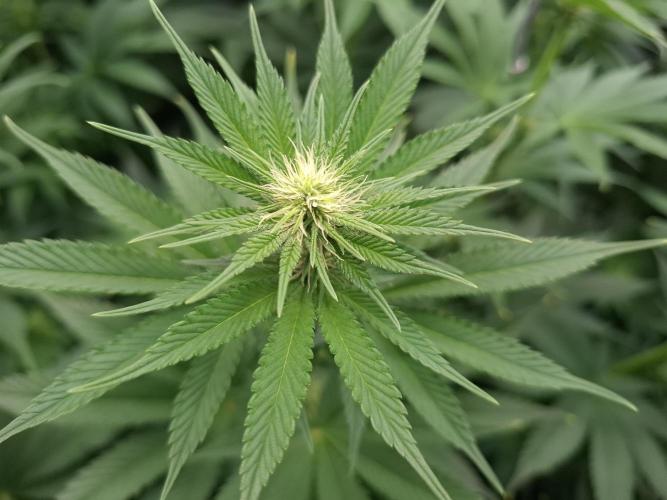
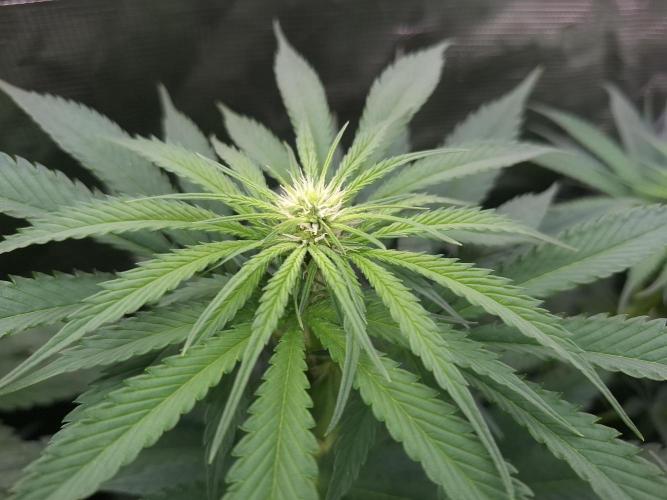
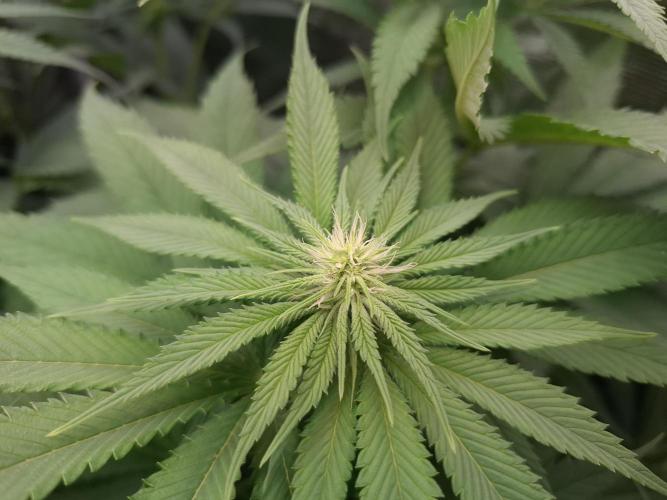
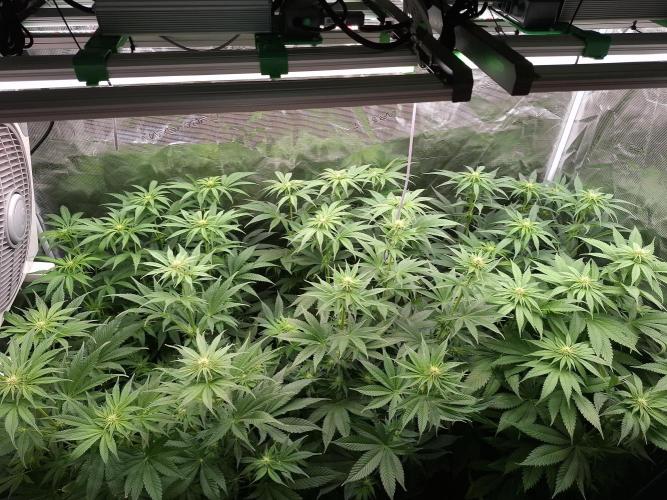
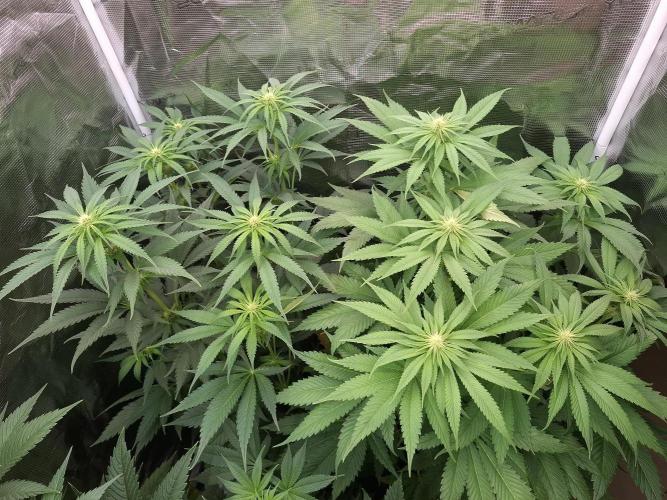
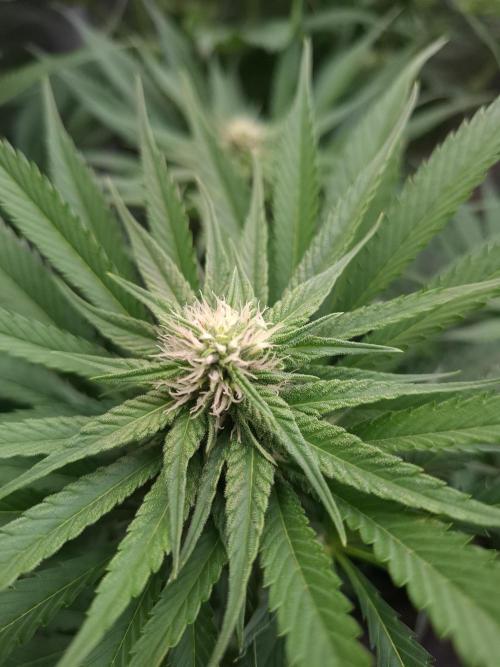
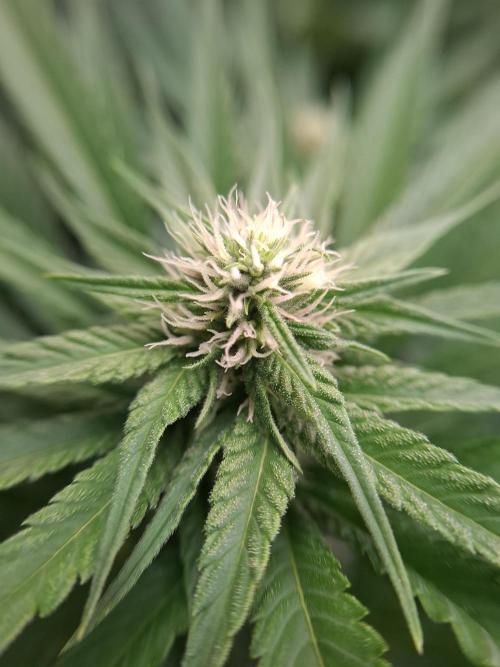
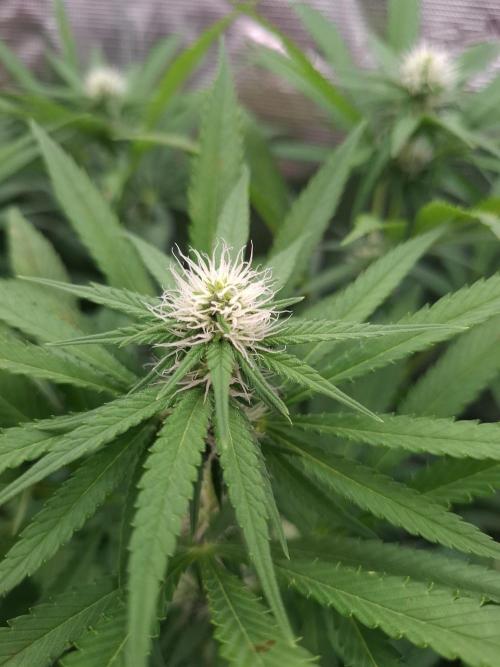
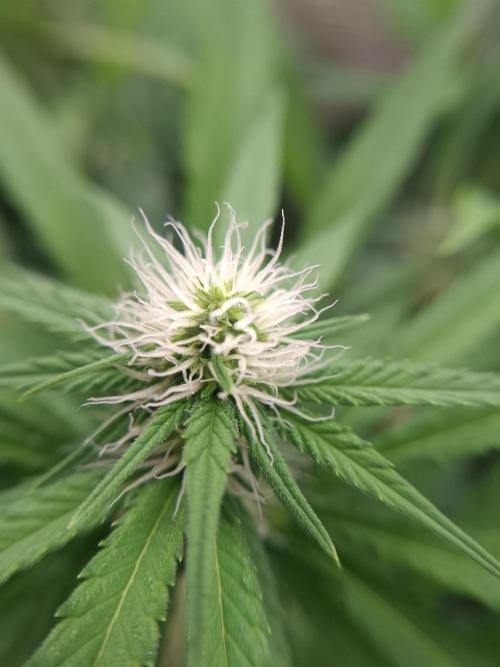
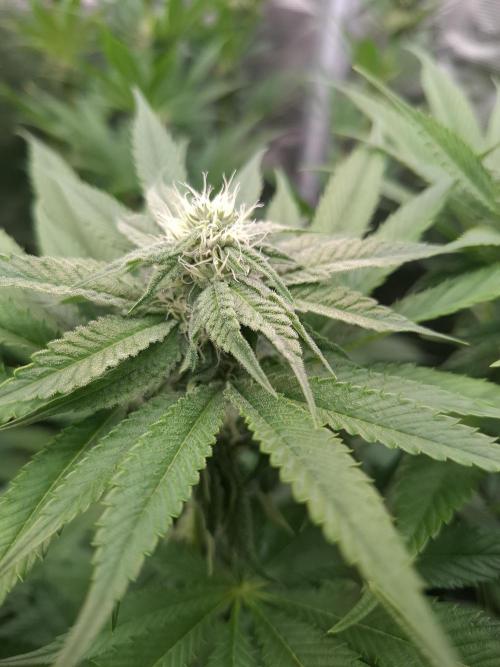
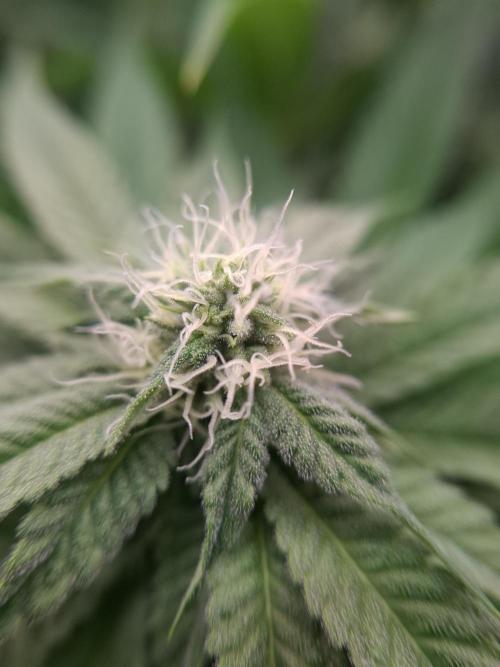
We have reached Day 17 of the flowering phase and the stretch has officially stabilized. I am highly satisfied with the development observed over the past seven days. The Diamond Marker phenotypes are now exhibiting clear divergence in their chemical profiles. I have decided to name the standout narrow-leaf individual the Marker Phenotype. It is already emitting an intense, industrial chemical pungency during stem rubs that perfectly represents the lineage. In contrast, the Creamy Phenotype is a more compact plant that I have propped up by 10cm to maintain a level canopy. It leans toward a sweet and creamy profile with a complex secondary note that is still maturing.
Regarding resin production, 4 out of the 6 plants show very good trichome coverage for Day 17, specifically both Diamond Markers, the Permanent Chimera #35 x White Truffle, and the Lab Candy #37. The Gorillato x BBC resin production is simply outstanding at this stage. However, I find it personally amusing that the plant currently producing the most resin leans heavily toward a GG4 profile that does not entirely align with my personal taste. Conversely, the Urbans 11, which is currently showing the least resin development, is presenting the most promising and interesting terpene profile of the bunch. It smells of fermented tropical fruits with an emerging gaseous undertone. I will continue to maintain my objectivity throughout this performance evaluation while still highlighting my personal preferences as the hunt progresses. It is important to note that since we are only at Day 17, these assessments are strictly a snapshot of current development as of Monday, February 23, 2026. A definitive judgment on final resin potential cannot be made at this early stage.
Photobiological Calibration and the 750 PPFD Threshold
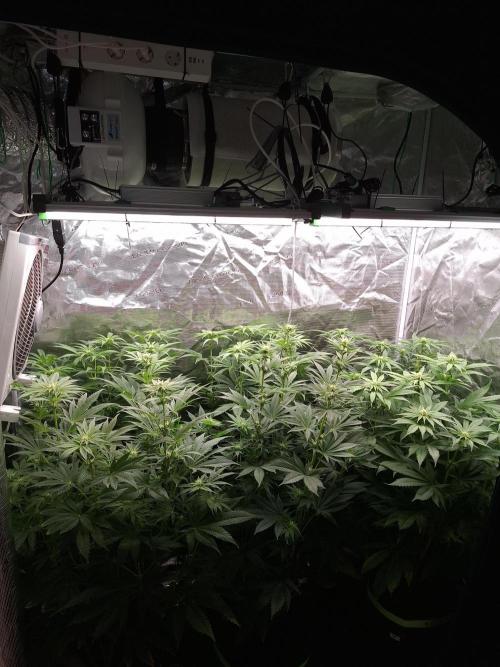
The canopy is now receiving a uniform 700 to 800 PPFD across the board. By orienting the two Mars Hydro FC3000 EVO units longitudinally at 60% power, I have achieved high uniformity without hotspots. Starting next week at the onset of Week 4, I will increase intensity toward 900 PPFD to fuel the peak generative phase and maximize the photosynthetic rate.
Environmental Parameters and VPD Management
The microclimate is currently being managed by a Comfee dehumidifier with a capacity of 12L per day, set to a target of 50% relative humidity. In the tent, we are seeing a baseline of 55% relative humidity, though this spikes by approximately 6% to 8% for a period following irrigation.
To ensure absolute operational stability, I have implemented a drainage system using a hose connected to a large external canister. This setup is a strategic safeguard: it bypasses the internal 2L tank, which would otherwise stop the unit once full. By eliminating the need for manual emptying, I can account for the occasional forgetfulness of the crew on-site. This prevents dangerous humidity peaks and allows me to remain in a complete Zen mode as the remote supervisor of this grow, knowing the environment remains stable regardless of human error. We are currently maintaining a night temperature of 20°C, providing a consistent Day and Night differential of 5°C. This 25°C to 20°C cycle keeps the Vapor Pressure Deficit within a range that promotes active transpiration without overstressing the stomatal response.
Strategic Defoliation Protocol
A heavy intervention is scheduled for the end of this week. The lower third will undergo a radical removal of all fan leaves and sucker branches to focus energy on the primary meristems and optimize airflow. In the upper canopy, I will perform selective defoliation, specifically for the wide-leaf Diamond Marker whose dense foliage is currently shielding lower flower sites from vital photon flux.
Deep Dive: Rhizospheric Steering and the pH Habit
Coming from a long term Coco DTW background, the urge to manually intervene in the pH profile remains a fundamental part of my growing habit. Those who have followed my diary from the beginning might have already guessed that I have one or two obsessive compulsive tendencies when it comes to my plants. However, this is not mere habit but a relentless drive for perfection. Even in an organic system where the Greenhouse Bio Feeding and the soil substrate provide a natural buffer, I am consciously drifting the input pH from 6.5 to 6.7 as we enter Week 4.
The scientific rationale for this shift involves the Cation Exchange Capacity and the specific solubility curves of generative minerals. In an organic medium, the availability of Phosphorus and Potassium is not just a matter of presence but of ionic mobility. Phosphorus is a notoriously immobile element, often getting locked in organic matter or forming insoluble complexes with Calcium. At a pH of 6.7, we reach a physiological sweet spot where the microbial mineralization of organic Phosphorus is optimized to meet the high ATP demands of flower induction. This slight upward drift ensures that the phosphate ions remain in their most bioavailable forms for root uptake.
Furthermore, Potassium uptake is vital for the regulation of the stomatal aperture and the translocation of carbohydrates from the leaves to the floral sinks. By steering the pH toward 6.7, we ensure that the Potassium ions remain highly available to facilitate the osmotic pressure required for the buds to swell. This is especially critical during the high intensity light phases. In this bio organic setup, we strictly avoid the aggressive dry backs common in inert media to protect the sensitive rhizosphere and the Mycorrhiza colony. Instead, the 6.7 pH acts as a precision tool to ensure that nutrient delivery remains frictionless during the upcoming 900 PPFD push, allowing the plants to maintain peak metabolic velocity without the risk of mineral lockouts or secondary deficiencies.
Status Quo
The plants are responding perfectly to the environment. The focus now shifts from structural management to maximizing resin density and the maturation of these complex terpene profiles.
3 likes
comments
Share
8
Week 8. Flowering6mo ago
12 hrs
Light Schedule
26 °C
Day Air Temp
6.7
pH
Strong
Smell
50 %
Air Humidity
18 °C
Solution Temp
20 °C
Night Air Temp
19 liters
Pot Size
1.21 liters
Watering Volume
35 cm
Lamp Distance
Nutrients 2
BioEnhancer
1 mll
BioBloom
3 mll
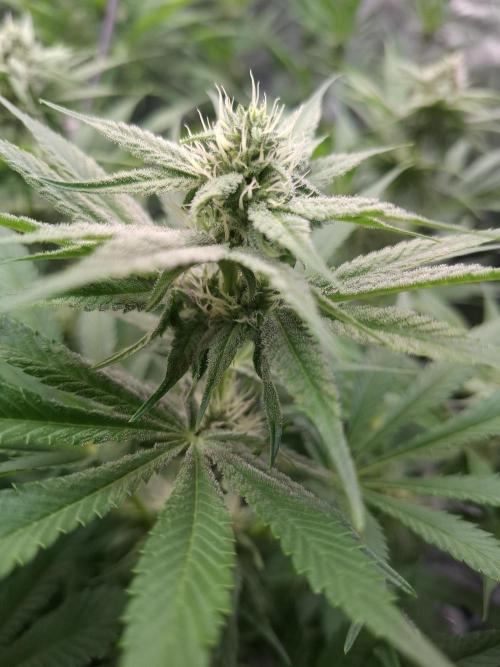
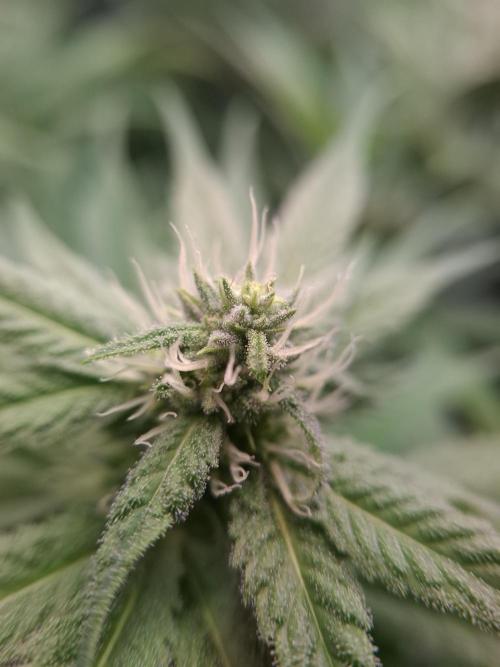
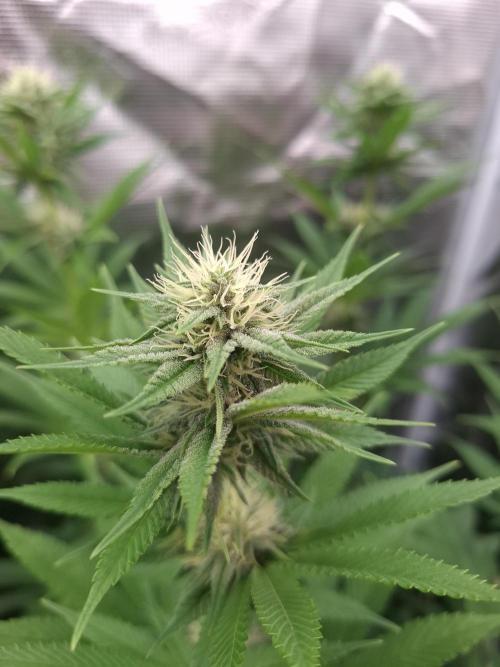
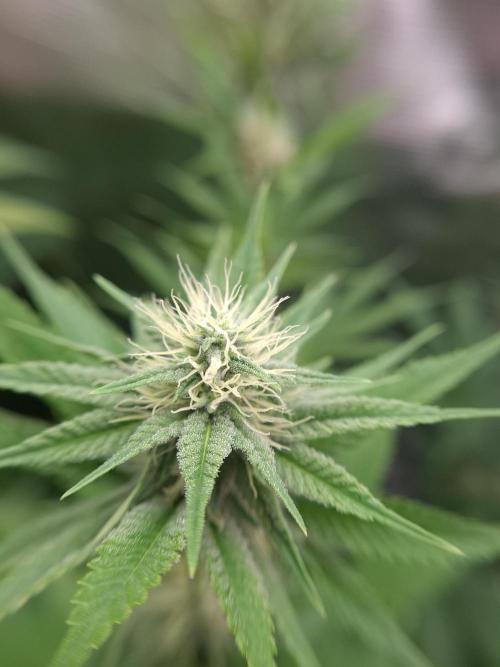
Harz_Kontrolleur Week 8: Structural Finalization & Nutrient Priming (F-Day 24)
The Transition: From Morphological Shaping to Calyx Stacking
We have officially reached Flower Day 24. This phase represents a critical metabolic pivot; the stretch has subsided, but the peak velocity of calyx expansion (stacking) is just beginning. To ensure the upcoming intensity increase is converted into floral mass rather than stress, several strategic interventions were executed.
Structural Analysis & Canopy Refinement
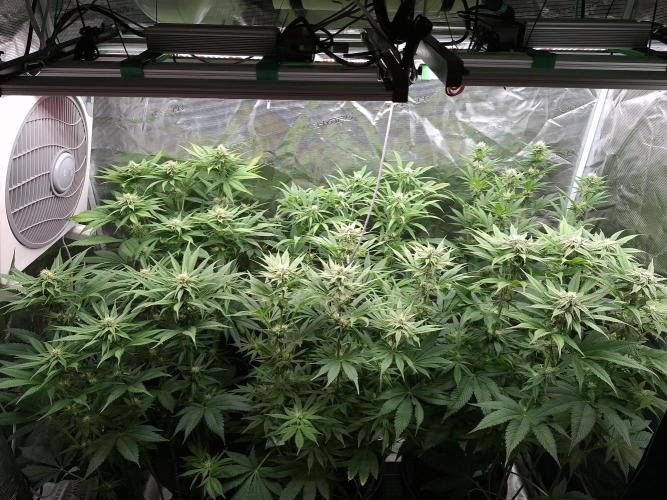
Defoliation & Airflow: A final "Sucker" removal and selective top-down defoliation were performed on Friday/ F-Day 21. By stripping non-productive lower growth, the "Source-to-Sink" ratio is optimized, directing all energy to the primary meristems.
Hardware Supplementation: To maintain boundary layer conductance, an additional Garden Highpro fan was installed to eliminate stagnant air pockets beneath the dense canopy.
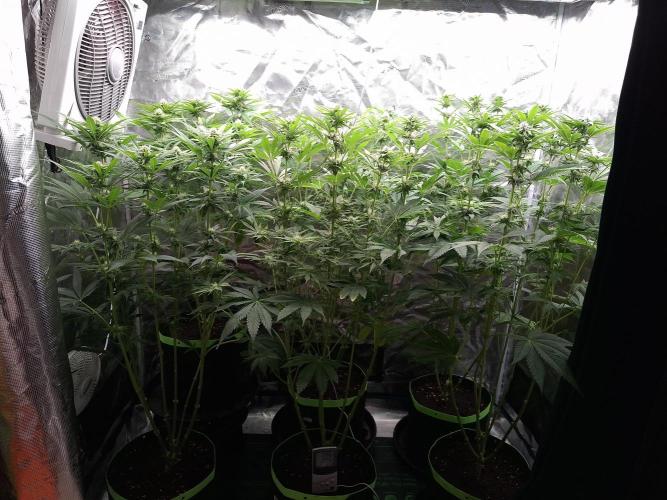
Canopy Engineering: I must admit, I slightly underestimated the stretch potential; the performance of these genetics in this specific organic substrate has exceeded my expectations for soil-based cultivation. To maintain a largely uniform canopy, the plants were rearranged from left (smallest) to right (largest).
Light Calibration: Consequently, the right Mars Hydro FC3000 EVO has been positioned slightly higher than the left unit to compensate for the increased plant height on that side, ensuring a balanced PPFD distribution despite the heterogeneous vertical expansion.
Cola Count Update: During the refinement of the Permanent Chimera #35 x White Truffle, the second node pair was removed as it failed to reach the target canopy height. The "Elite 6" (quotation marks intentionally chosen to validate true keeper status at harvest) are now proceeding with 33 primary colas.
Photobiological Push: The 900 PPFD Threshold
The transition to the peak generative phase is being fueled by a two-stage increase toward the 900 PPFD threshold. This controlled ramp-up prevents photo-oxidative shock while maximizing the photosynthetic rate. At this intensity, the plant's demand for CO2 and transpiration-cooling increases exponentially.
My environmental steering (VPD management) is now the primary factor in ensuring that the stomatal conductance remains high enough to process this photon flux without triggering "leaf-tucking" or photo-inhibition.
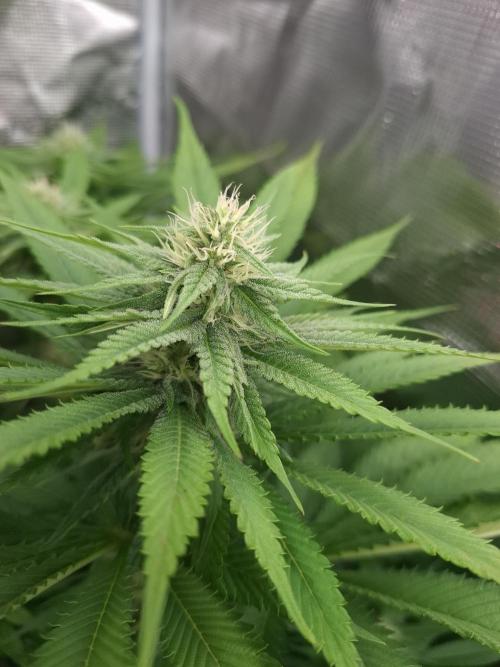
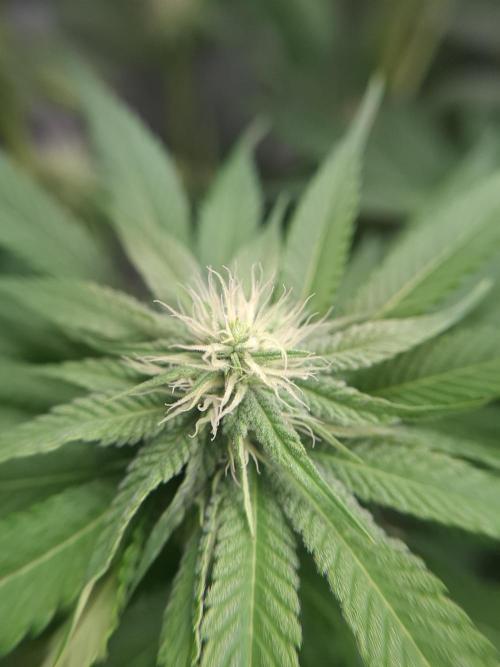
Terpene Profiling: The Chemical Shift (Status F-Day 24)
Marker Pheno: Developing the signature industrial/chemical pungency as expected.
Jealousy Pheno: Exhibiting a sophisticated, candy-sweet profile with a distinct gaseous finish. While I have no prior hands-on experience with this specific cultivar, based on theoretical knowledge, I would attribute this aroma to its Jealousy heritage.
Urbans 11: Currently the "aromatic lead" with an exceptionally seductive, complex fermented fruit profile. Although I have not yet cultivated the original RS11, this experience has already convinced me to plan a run with at least two RS11-based cultivars for my next project.
Gorillato x BBC: The dominant GG4 funk has receded, making way for a distinct "green banana peel" aroma, mixed with a straight dank.
Permanent Chimera #35 x White Truffle: An enigmatic musk/berry fusion. This terpene profile is highly extraordinary and represents a sensory experience that is entirely new to me at this stage.
Lab Candy #37: While I am not familiar with the official lineage of this individual, the specific phenotype I am running is leaning heavily into a sweet, doughy "Cake" profile, complemented by a distinct tropical fruitiness. It is important to note that this fruitiness is purely tropical and explicitly non-citrus. Given the compact structure and creamy-fruity aroma, "Lab Cake" would be a far more accurate taxonomic description for this phenotype than its current name.
Deep Dive: Enzymatic Mineralization & The C:N Ratio Dynamics
In this bio-organic setup, we are navigating the "Nutrient Lag"—the temporal gap between application and bioavailability. The key to unlocking the Greenhouse Bio Bloom (Top-Dressing) lies in the Carbon-to-Nitrogen (C:N) ratio.
The "Why" behind the Science:
Soil microbes require Carbon (C) as an energy source and Nitrogen (N) to build cellular structures (proteins/enzymes). The ideal ratio for microbial decomposition is approximately 24:1.
Nitrogen Immobilization (C:N too high): If a top-dressing is too carbon-rich, microbes will scavenge all available nitrogen from the soil to process the carbon, leaving the plant deficient (Nitrogen Lockout).
Mineralization (C:N optimized): Because the Bio Bloom pellets feature an optimized, narrow C:N ratio, the microbes do not need to hoard the nitrogen. Instead, they "waste" the excess nitrogen and bound phosphates, excreting them in an ionic, plant-available form (e.g. PO4)
By applying 40g/plant at F-Day 21, I am strategically timing the peak mineralization to coincide with the "Bulk Phase" of Week 5 and 6. A stable moisture film is essential here; a "dry back" would halt this enzymatic process, as microbes require water to transport these enzymes to the organic matter.
Status Quo:
The environment is stable, and the nutrient buffer for the "Elite 6" is set. We are now entering the phase where resin density and floral weight become the primary focus.
Sponsorship Call & Outlook:
To ensure the long-term viability of this location, a transition to higher automation is inevitable. I am officially calling out to Autopot to sponsor a 6-pot system with a 100L reservoir for this project. Given the current performance, I anticipate the final results of this run will likely overwhelm the motivation of the local crew rather than increase it. An automated system would allow me to maintain this high-performance standard as a remote supervisor without depending on local consistency.
4 likes
1 comment
Share
Used techniques
Defoliation
Technique
9
Week 9. Flowering5mo ago
12 hrs
Light Schedule
29 °C
Day Air Temp
6.7
pH
Strong
Smell
30 %
Air Humidity
20 °C
Solution Temp
20 °C
Night Air Temp
5.03 liters
Pot Size
1.51 liters
Watering Volume
35 cm
Lamp Distance
Nutrients 2
BioEnhancer
1 mll
BioBloom
3 mll
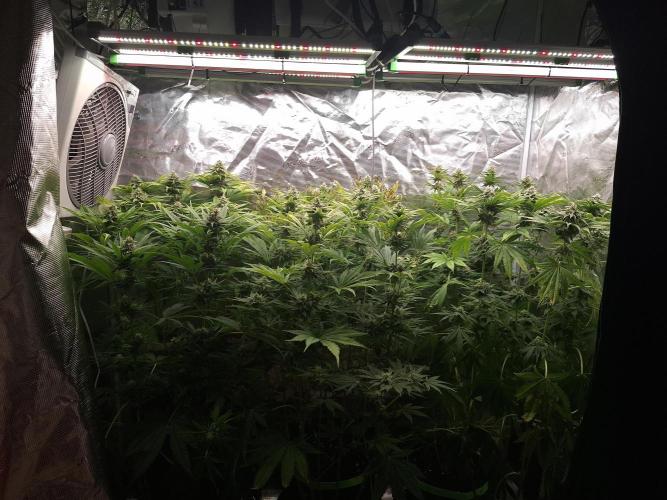
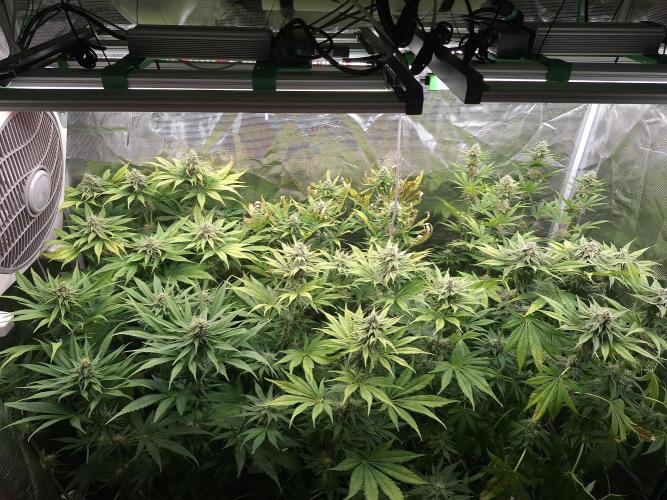
Harz_Kontrolleur Week 9: Anthropogenic Sabotage & Total Environmental Collapse (F-Day 31)
The Incident: Forced Overdrive & VPD Collapse
This week, the performance evaluation was compromised not by technical failure, but by unauthorized manual intervention. On Monday (F-Day 24), I calibrated the lighting to a precise 900 PPFD. However, following the misguided "bro-science" logic of "more light equals more weight," the on-site team manually increased the power on the Mars Hydro units, resulting in a devastating 1350 PPFD across the canopy.
Physiological Fallout: This unauthorized intensity push was compounded by another critical error: the dehumidifier was "accidentally" switched to Continuous Mode. This triggered a total collapse of the microclimate.
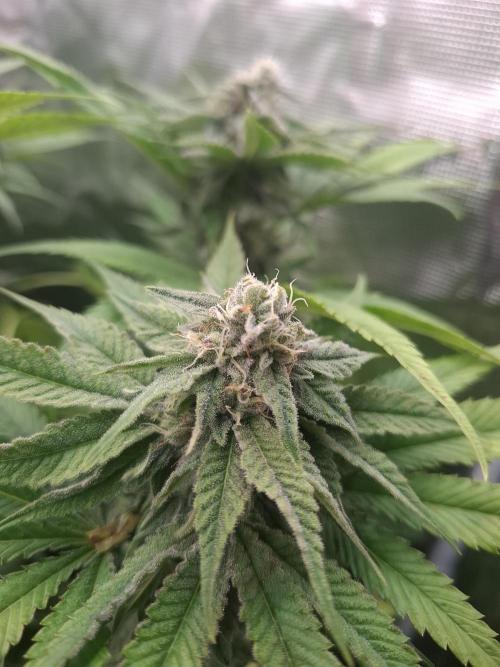
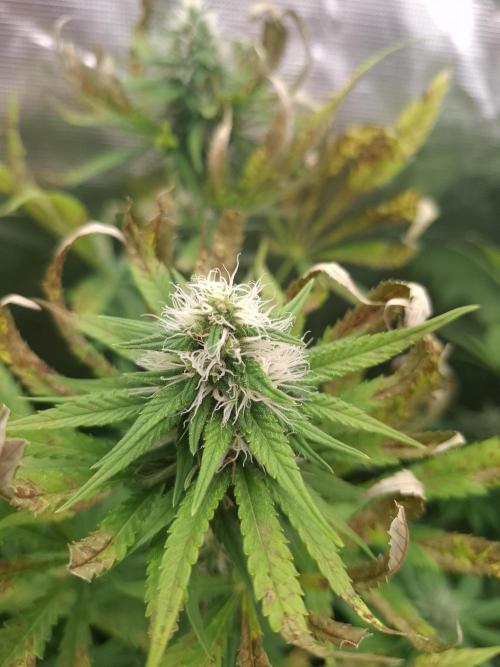
By Tuesday, I was told "everything is top," but by Wednesday, the reality manifested: sudden stigma discoloration and widespread necrotic rust spots (Calcium deficiency). At 1350 PPFD and bottomed-out RH, the plants reached a breaking point where they could no longer keep up with the transpiration demand. To survive the dehydration, the plants closed their stomata, effectively halting the "transpiration pull." Consequently, Calcium (an immobile element) could no longer reach the apical meristems. I am documenting this specifically as a direct result of on-site mismanagement.
The Zen Mode...: Sabotaged Guidelines
The reliability at this location has officially hit rock bottom. Despite the plan to irrigate early this morning, I was unable to gain access until shortly before "lights off" tonight.
Substrate Analysis: In a bio-organic setup (Greenhouse Bio Feeding), finding the pots bone-dry at the end of a high-intensity cycle is a death sentence for soil microbiology. The Lab Candy #37 was severely wilting. The moisture film required for the enzymatic mineralization of the Bio Bloom top-dressing was non-existent, effectively starving the plants during their most critical bulking phase.
Genetic Observations: Resilience & Stacking
Despite being pushed far beyond their biological limits by the local crew:
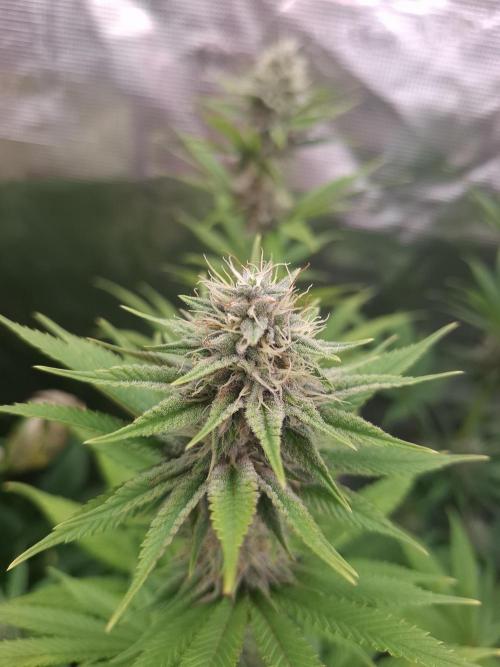
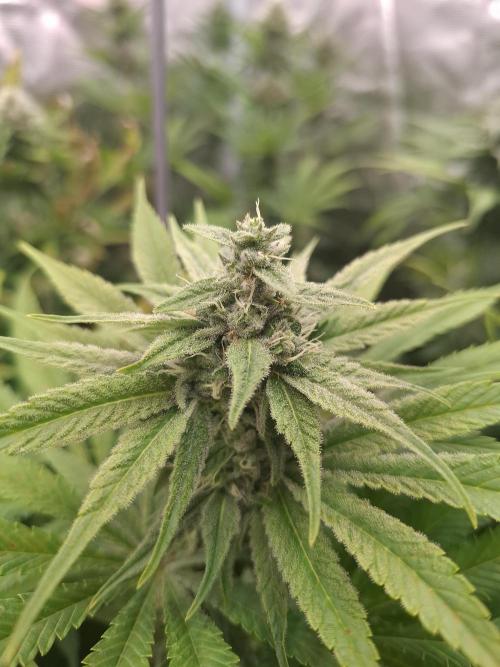
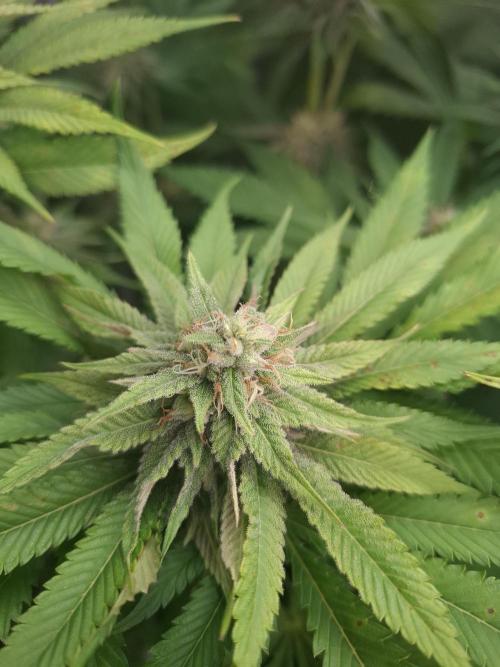
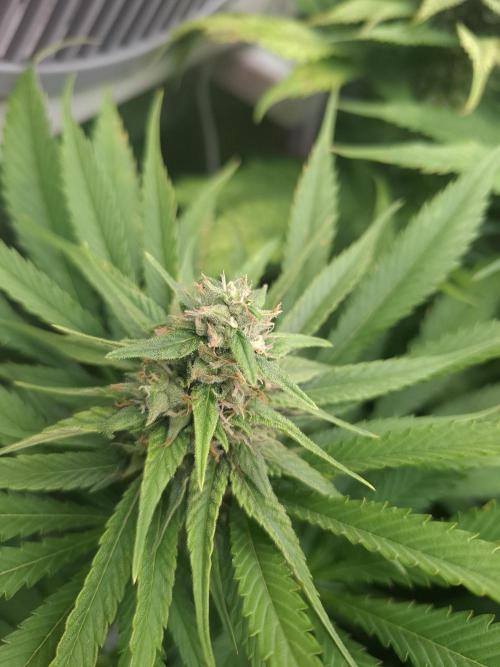
Urbans 11: Visually the most affected by the "Calcium Shock," showing heavy spotting. However, in a direct comparison to last week, the increase in stacking is clearly visible. Her drive to produce floral mass despite the metabolic trauma is the only reason this plant is still viable.
Diamond Marker Sisters: The apical development is currently disappointing. The combination of unauthorized light intensity and extreme VPD seems to have stunted the top-end expansion of both phenotypes.
Lab Candy #37: Severely dehydrated; it remains to be seen if the rhizosphere can recover from this level of neglect.
Operational Risks & Final Verdict
Due to the delayed access tonight, a staminate flower (nanner) screening was impossible. Given the extreme hormonal stress—specifically the Ethylene-deficiency caused by drought—the risk of hermaphroditic expression is now at an absolute maximum.
I will not be able to return for another 4 days. Considering the current state of the plants and the consistent disregard for basic cultivation standards, I am curious if they will even be alive by then. I am officially terminating all future cooperation with this location. Automation cannot compensate for a lack of common sense. This has officially turned from an "Elite Hunt" into a "Rescue Operation."
Status Quo: Lighting reset to 900 PPFD. The margin for error is gone.
2 likes
comments
Share
10
Week 10. Flowering5mo ago
12 hrs
Light Schedule
25 °C
Day Air Temp
6.7
pH
Strong
Smell
45 %
Air Humidity
19 °C
Solution Temp
19 °C
Night Air Temp
5 liters
Pot Size
1.4 liters
Watering Volume
35 cm
Lamp Distance
Nutrients 2
BioEnhancer
1 mll
BioBloom
3 mll
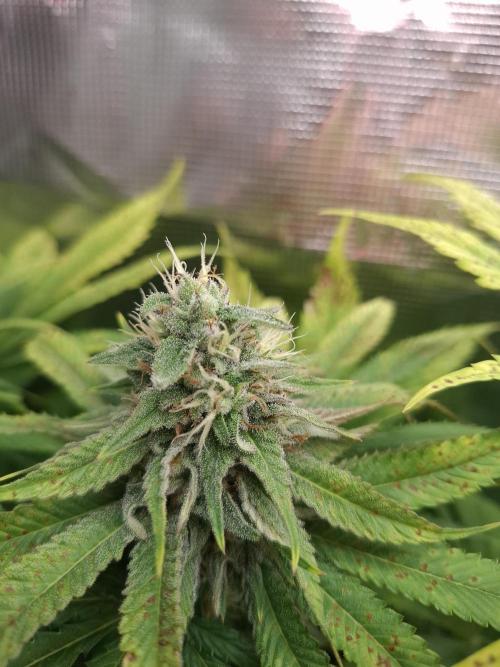
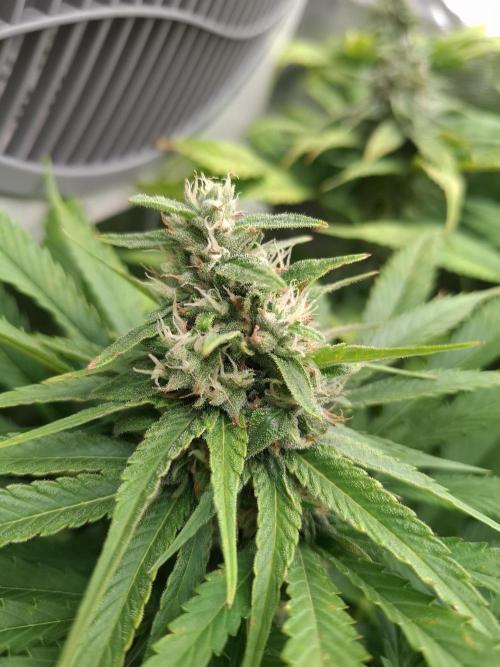
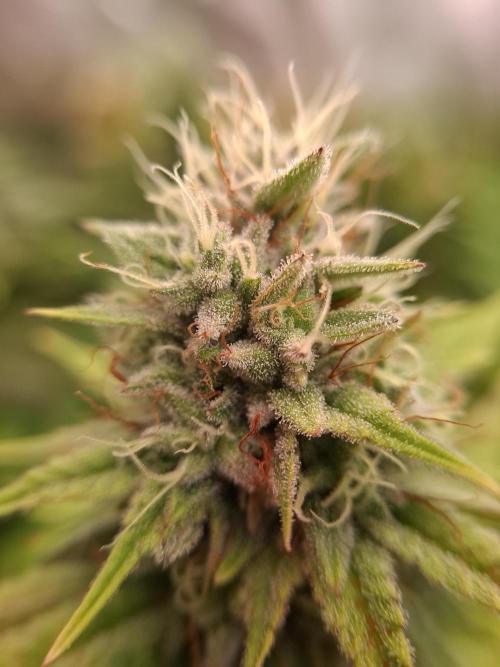
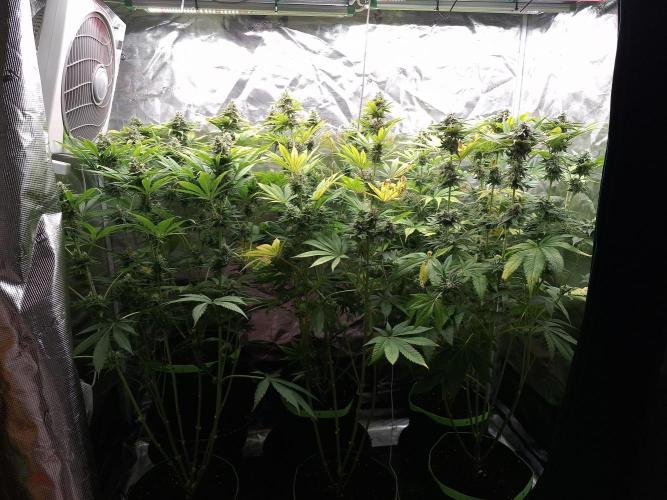
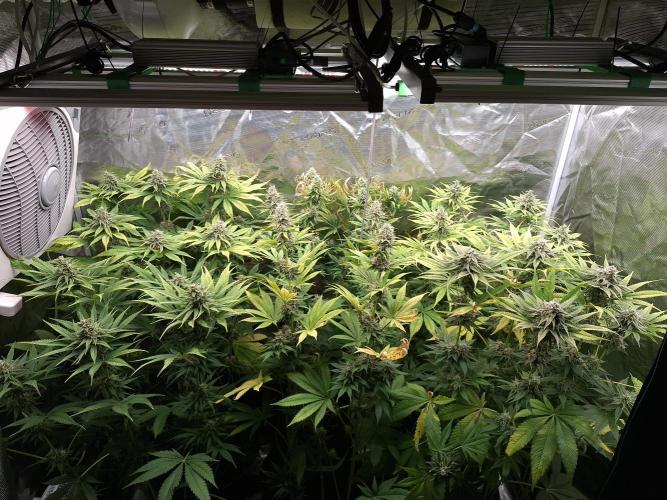
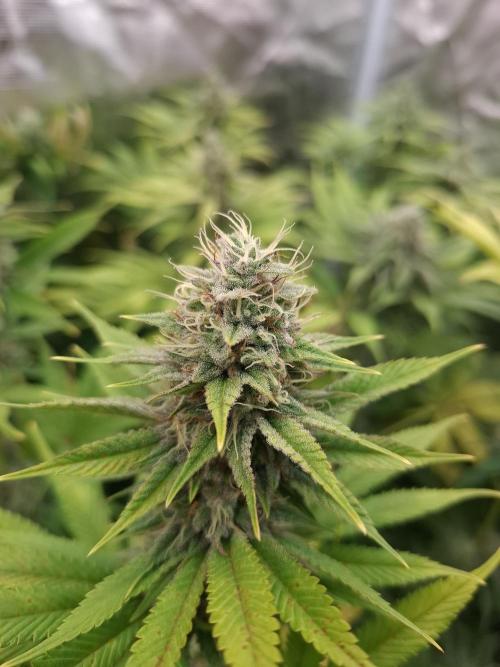
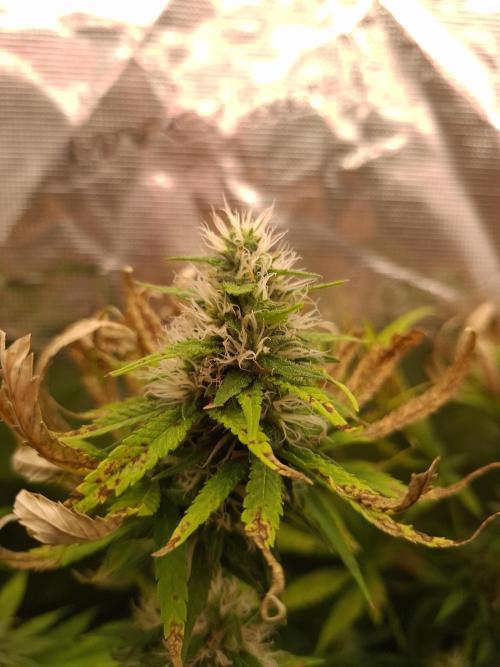
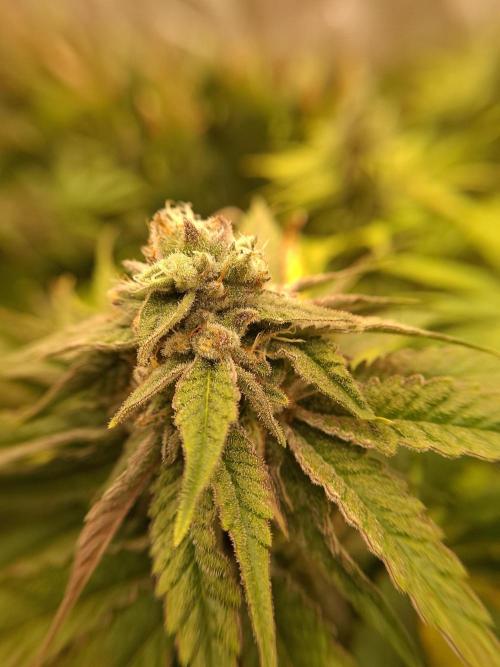
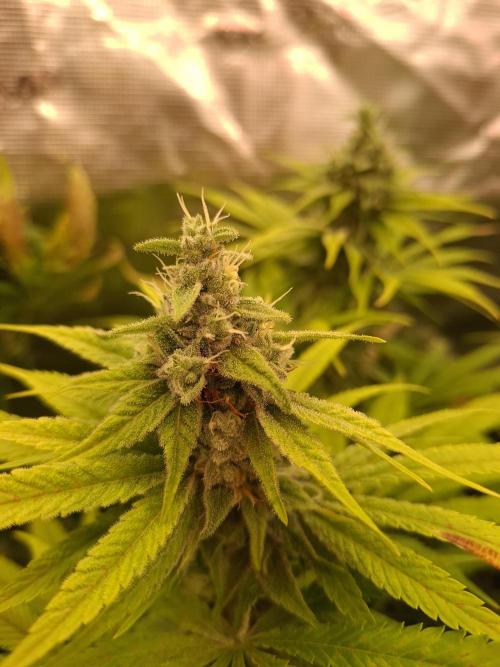
Harz_Kontrolleur Week 10: The Lazarett Update – A Growing Tragedy-Comedy (F-Day 38)
The Status Quo: Survivors of the "Stoned Sabotage"
Welcome to the "Lazarett" (Field Hospital). At this point, I’m less of a high-performance cultivator and more of a weary triage surgeon. This run has officially transitioned from a rigorous performance evaluation into a full-blown Grow Tragicomedy. It turns out that you can design the most sophisticated, data-driven cultivation roadmap in the world, but if the "local logistics team" (my dear, perpetually over-medicated friends) possesses the attention span of a goldfish and treats my strict protocols as "vague suggestions," you’re simply fighting a losing battle.
I’m honestly just glad when this cycle is over. My professional soul hurts, but my curiosity remains piqued by the sheer genetic resilience on display.
The "Elite" 4: Potential in Chains
Despite the anthropogenic chaos and the fact that these plants will never reach their true 100% ceiling in this environment, four individuals are showing stunning potential:
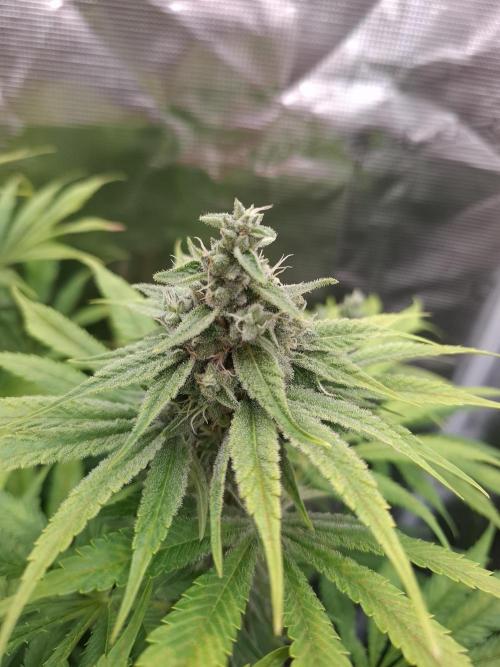
Diamond Marker (Jealousy Pheno): Despite the light-stress trauma, her structural potential is undeniable.
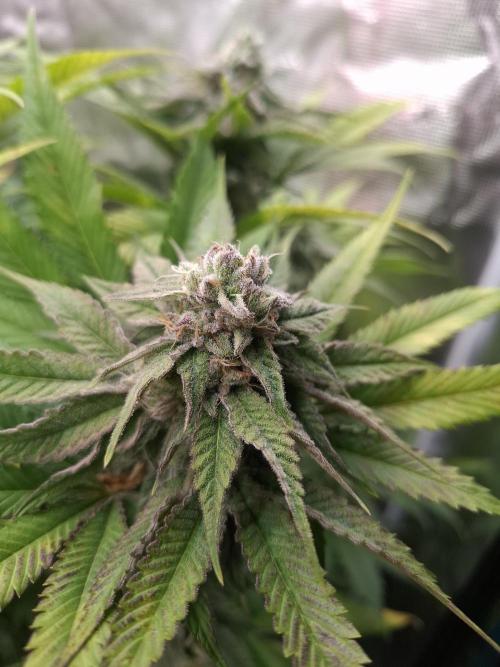
Permanent Chimera #35 x White Truffle: A frosty fortress. Even under-fed and over-lit, the resin density is top-tier.
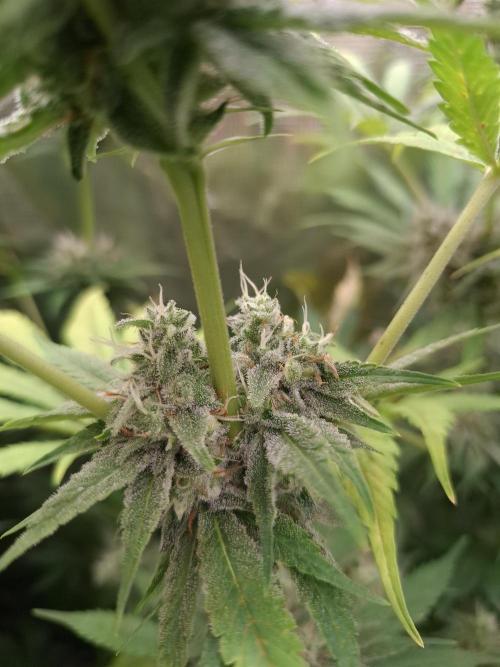
Gorillato x Banana Butter Cups (K40): A visual powerhouse. She’s stacking beautifully despite the neglect.
Lab Candy #37: Recovering from the near-death dehydration event, her "cakey" profile is holding strong.
Olfactive Evaluation: While I’m disappointed by the yield-limiting factors, the quality of the volatile organic compounds (terpenes) is genuinely impressive. These four are smelling loud and proud, proving that Urban Seedlab’s genetics can survive even a "Worst Case Scenario" staffing situation.
The Heartbreak: Urbans 11 & The Transpiration Wall
My personal terpene favorite, the Urbans 11, has unfortunately hit a plateau.
Diagnosis: Physiological Stagnation. Due to the persistent microclimate mismanagement in the upper canopy, there is simply not enough transpiration possible. The stomata are likely in a permanent state of defensive closure to prevent total desiccation, which has halted the metabolic transport required for the "final swell."
The Redemption Plan: I refuse to let this be the final word on Urbans 11. I will be launching another run later this year specifically featuring her again, alongside the recently released Milk Funk 11 (Urbans 11 x Cereal Milk). That run will take place under strict, non-sabotaged conditions.
Conclusion: The "Whatever" Phase
At this stage, a scientific "final conclusion" for this specific run is no longer possible. The variables have been skewed too far by human error. However—and this is the comedy within the tragedy—it doesn't even bother me anymore. I’ve reached a state of horticultural Zen. The potential of the genetics is clearly visible through the "rust spots" and "stunted tips" left behind by the local crew.
Technical Summary - Week 10
Light Intensity: Dialed back (again) to 800 PPFD to prevent further frying.
Climate: Attempting to maintain 45% RH, though it's a constant battle against the "Continuous Mode" enthusiasts.
Nutrients: Riding out the remaining Greenhouse Bio Bloom buffer.
Outlook: Harvesting for quality over quantity. The "Lazarett" stays open for a few more weeks until the bitter (but aromatic) end.
4 likes
1 comment
Share
11
Week 11. Flowering4mo ago
12 hrs
Light Schedule
25 °C
Day Air Temp
6.7
pH
Strong
Smell
45 %
Air Humidity
19 °C
Solution Temp
19 °C
Night Air Temp
5 liters
Pot Size
1.4 liters
Watering Volume
35 cm
Lamp Distance
Nutrients 2
BioEnhancer
1 mll
BioBloom
3 mll
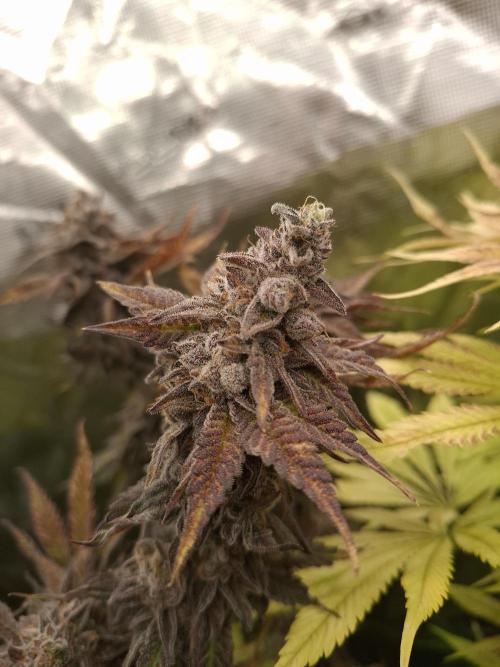
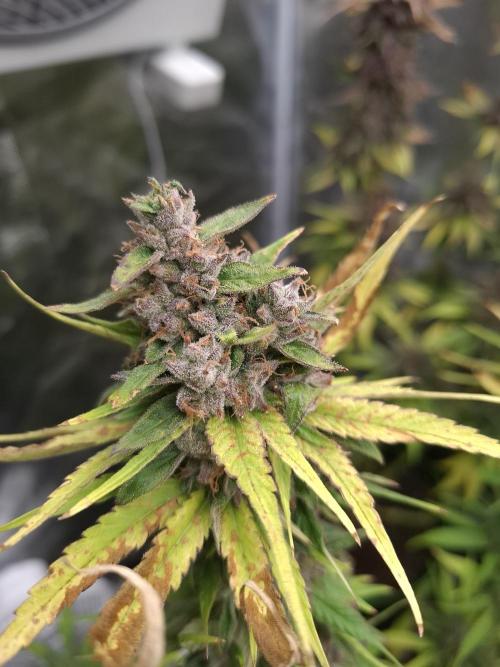
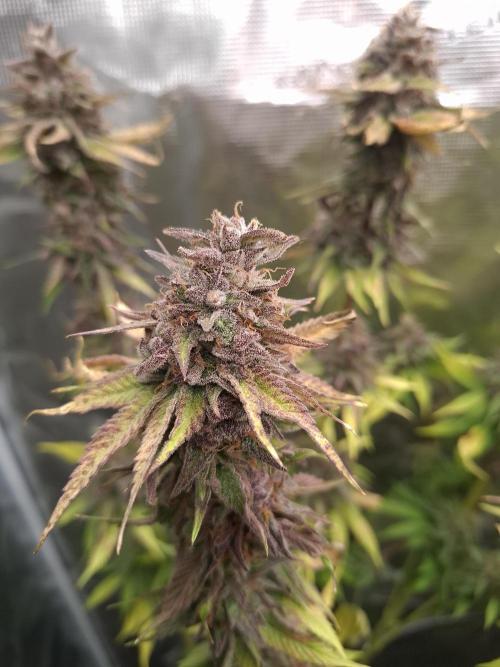
Harz_Kontrolleur Final Chapter: Harvest Day – Genetic Resilience vs. Validation (F-Day 63)
The Final Assessment: Harvest Protocol
Today marks Day 63 of flower and approximately 98 to 100 days since germination. The cycle is officially complete. Apologies for the radio silence during the final stretch; at a certain point, the priority shifted entirely to navigating the environmental hurdles and ensuring these plants reached the finish line.
The "Elite 6" Verdict: Phenotype Breakdown
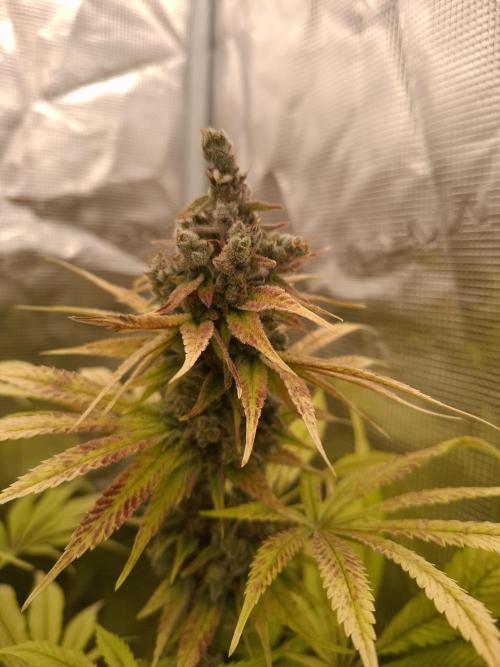
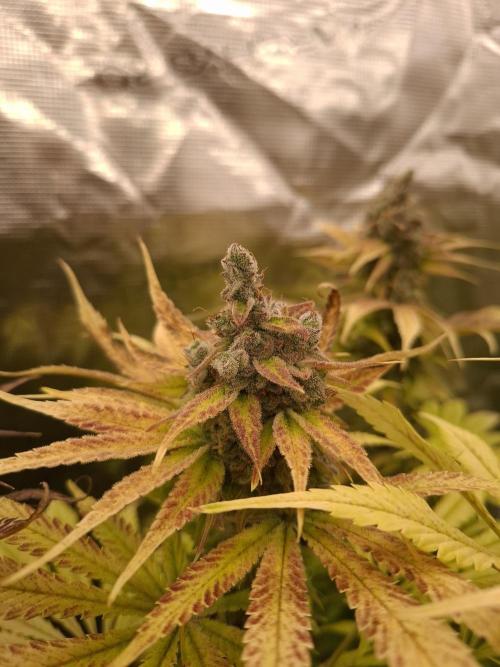
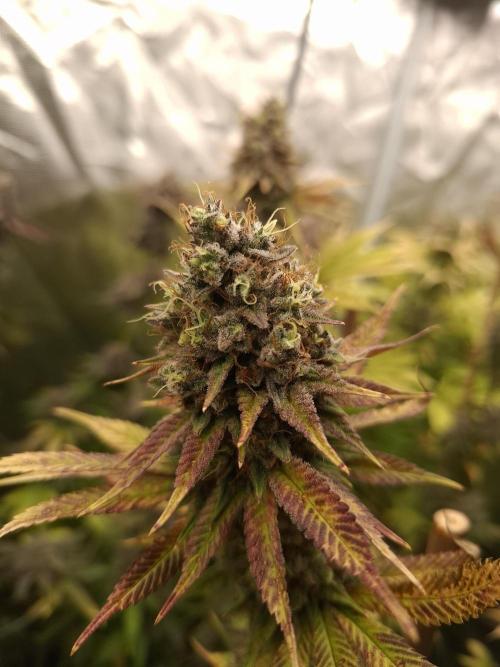
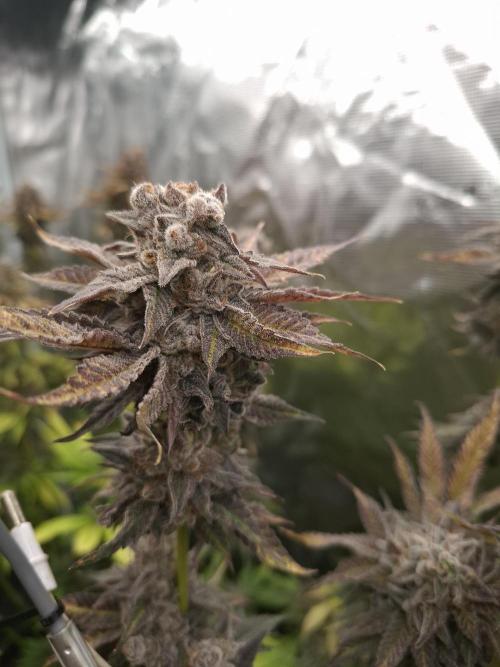
Looking at the final results, the quality of the flowers confirms that we are dealing with high performance genetics, not generic white label bulk. 4 out of the 6 plants from the original 10 have absolutely earned the "Elite" title, even under suboptimal conditions.
Lab Candy #37: A standout performer. The breeder confirmed this pheno leans heavily into the Berlin Tropic (Ice Cream Cake BX1) parentage. It delivers a fine, creamy "Cake" aroma with a touch of tropical fruit that reminds me most of Mango. Importantly, there is zero "lemon bleach" or "urinal cake" Terpinolene here, just pure dessert funk.
K40 (Gorillato x BBC): This one shows a beautiful symbiosis of banana peel and glue terps. The flowers are stone cold rock hard. I am extremely curious to see how much of that distinct banana note remains after the drying process.
Diamond Marker (Jealousy Pheno): This is essentially Candy and Gas on steroids. The pungency is intense and aggressive.
Diamond Marker (Permanent Marker Pheno): Extremely gassy and simultaneously very spicy/skunky. The resin production is fantastic and the flower to leaf ratio is noteworthy. Unfortunately, this is one of the plants that stayed far below its actual potential due to the earlier stress factors.
Permanent Chimera #35 x White Truffle: This individual operates on a completely different terpene frequency, primarily musk, berry, and lemonade. Because of this complexity, she will be cured with extreme care and won't be sampled for at least 6 weeks.
Urbans 11: After the VPD chaos at the start of bloom, she only just barely made it across the finish line. Both terpene and bud production suffered significantly. It is a shame, as the profile was extremely promising in early flower, but the environmental stress was simply too high for her to recover.
The Urban Seedlab Conclusion: Beyond the Forum Noise
The polarizing discussions on the German grower.ch forum were the primary catalyst for this run. Seeing so many users post assumptions without ever popping a single seed convinced me to run a factual performance test. I am glad I ignored the noise and tested it for myself.
After seeing these results, I can unreservedly recommend Urban Seedlab, though perhaps not to absolute beginners. These genetics have a high ceiling but require a grower who can read the plant’s needs and manage the metabolic demands of such potent lineages.
The Economics of the Hunt:
Even at the standard 7.50 Euro per seed, the value is great. However, they frequently run sales where a 3 pack + White Truffle freebie + an additional freebie costs just 24.90 Euro including shipping. This low price per seed allows you to "pop" more seeds and select aggressively from the start. Personally, I find the beginner habit of trying to save every single seedling, regardless of vigor, to be idiotic. For a successful hunt, you MUST over plant and cull the weak, and USL's pricing makes this "Pro Approach" accessible.
Technical Summary & Closure
Harvested today at Day 63. 5 of the 6 were well within the window, and the tent was required for drying.
Future Strategy: To maintain this site's standards, I am installing a Blumat system. This will stabilize the moisture film and shift my role to weekly quality control visits to my friends' place.
4 likes
1 comment
Share
Enjoying this diary? Follow for more updates!

Prefer the old Diary view?
Go back to the old Diary view