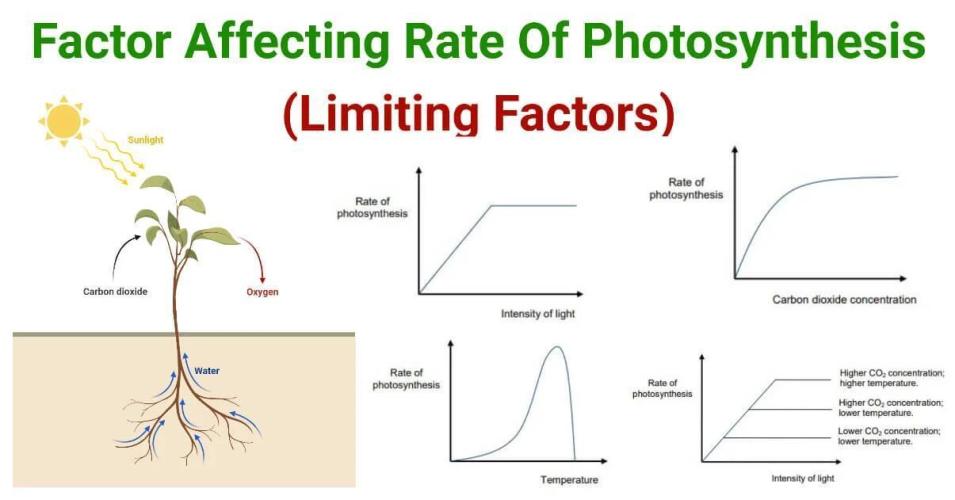
Ultraviolet Fundamental principle in plant biology, more energy, more growth. Forget everything else, ATP, Adenosine triphosphate, is top of the food chain. More ATP more plants in same amount of time. ATP is the "energy currency" of the cell, and photosynthesis is the process that "captures" the energy and releasing 10% of the energetic potential in doing so. Cellular respiration is the process that "spends" the energy stored in glucose to generate 90% ATP for immediate use. Cellular respiration takes place in the mitochondria of leaves, stem and roots! Root respiration is a form of cellular respiration that is localized to the plant's roots. It follows the same basic biochemical pathway as general cellular respiration, but the crucial difference is its specific location and the mechanism of gas exchange. Unlike photosynthesis, which only occurs in the presence of light, cellular respiration is a continuous process that happens 24 hours a day, in both the presence and absence of light. Plants produce oxygen during the day via photosynthesis and use it, along with releasing CO2 during cellular respiration (which occurs continuously, but is masked by photosynthesis during light hours). The two processes form a critical cycle in the environment.
Plant roots have a significant indirect effect on the respiration of the broader soil carbon pool through the rhizosphere priming effect (RPE). Roots continuously release organic carbon compounds (sugars, amino acids, enzymes, etc.) into the surrounding soil, known as the rhizosphere. These exudates provide an easily accessible, energy-rich food source for soil microbes. The stimulated microbes increase their activity and enzyme production, which in turn accelerates the breakdown and respiration of the native, older, and more complex soil organic matter that the plant roots themselves could not access. As the microbes break down this non-exudate soil carbon, they release CO2 into the soil, which is then part of the total soil respiration.
Root respiration cannot use carbon in soil that was not exuded by the plant. The plant's own respiration uses its internal carbon stores, but carbonates activity in the soil indirectly causes microbes to respire surrounding, older soil carbon that the plant did not directly provide. Only organic carbon is generally used when calculating the C:N ratio in the context of plant nutrient cycling and microbial activity, which in turn determines plant responses. Inorganic forms of carbon, such as carbonates in the soil, are typically excluded from this calculation. Microorganisms use organic carbon sugars as an energy source and nitrogen for building their tissues.
(roughly 40% of a plant's captured carbon ends up in the medium). Barometric pumping of soil refers the natural advective movement of soil gas driven by short-term changes in atmospheric pressure. When atmospheric pressure drops (creating a negative pressure differential between the atmosphere and the soil), air expands within the soil and is forced out; when the pressure rises, atmospheric air is forced into the soil.