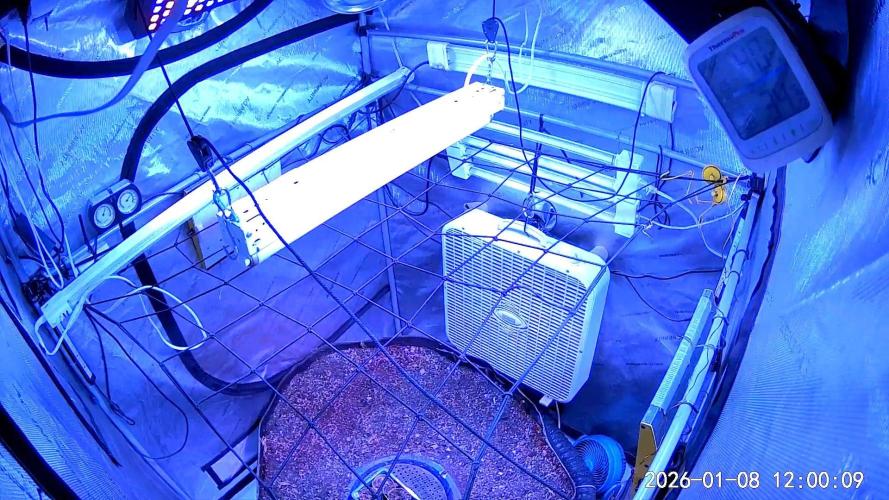
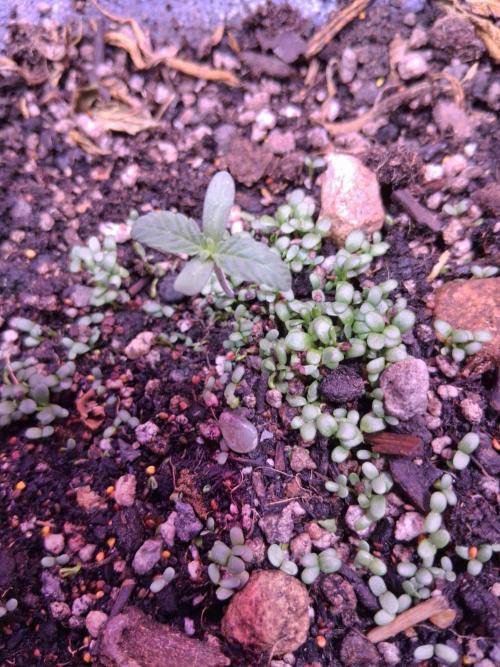
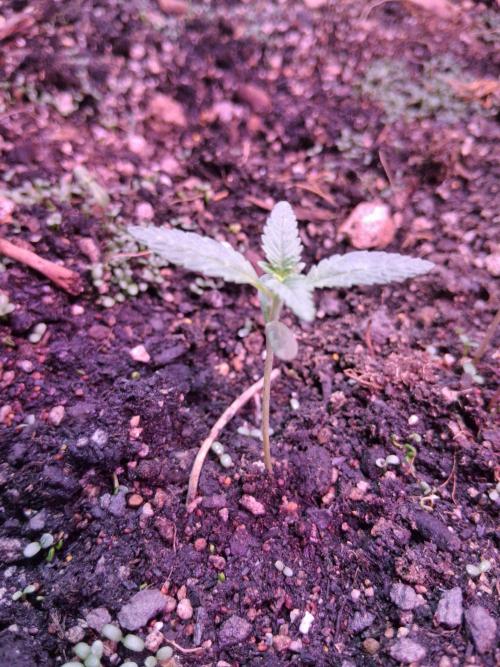
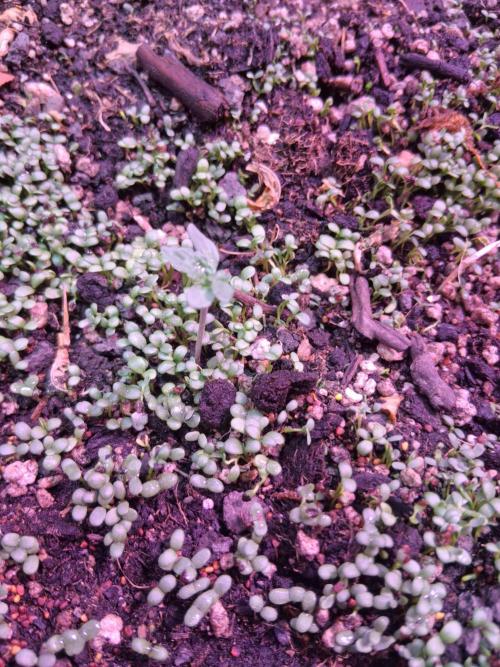
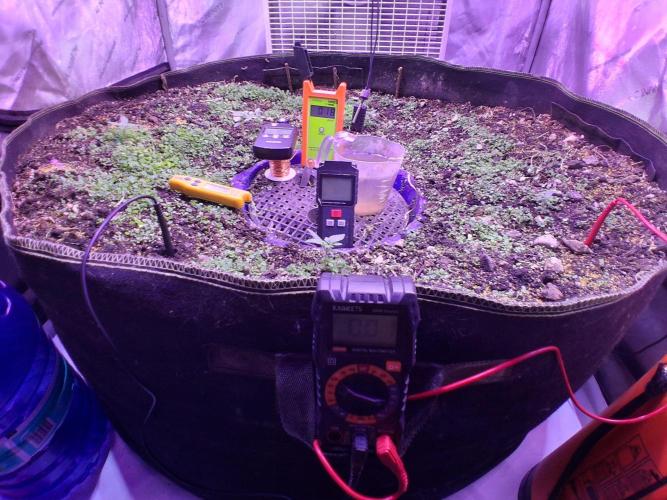
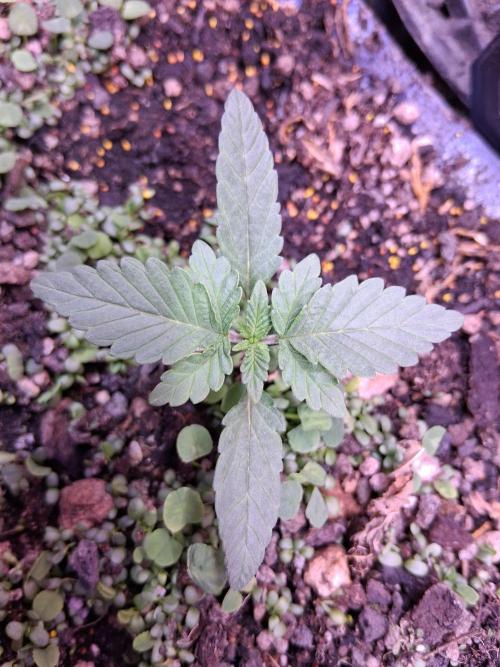
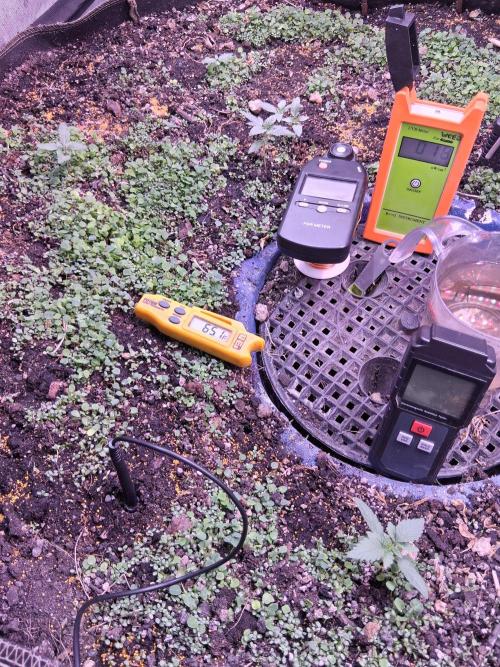
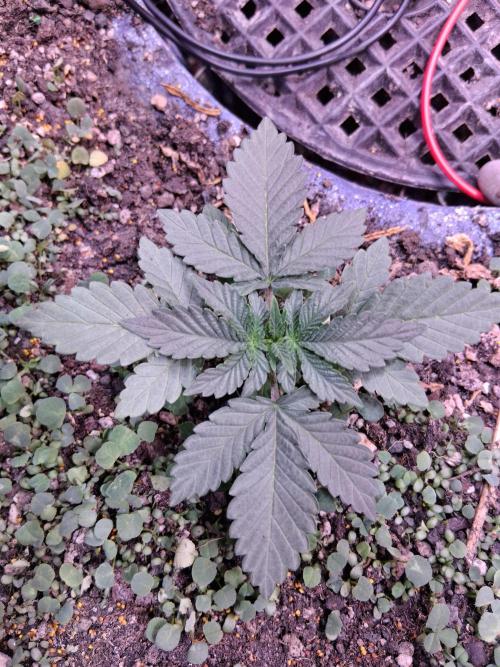
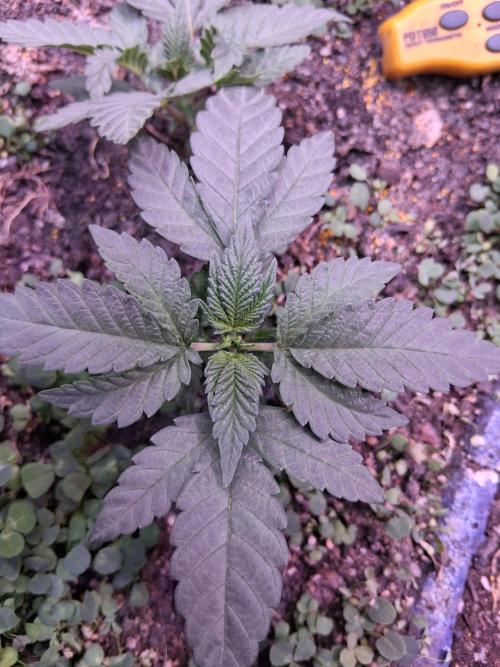
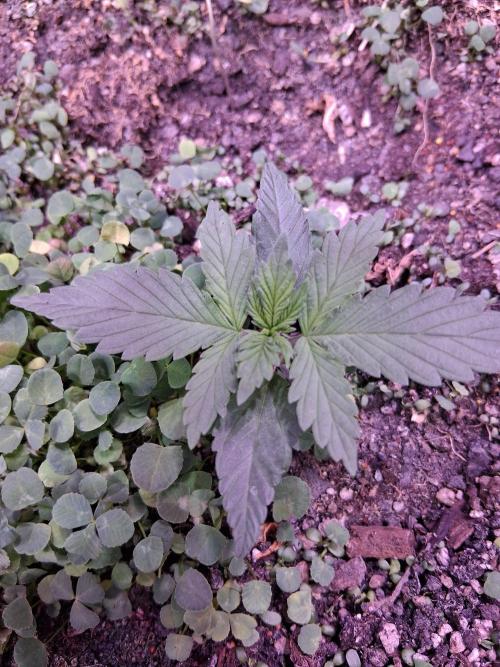
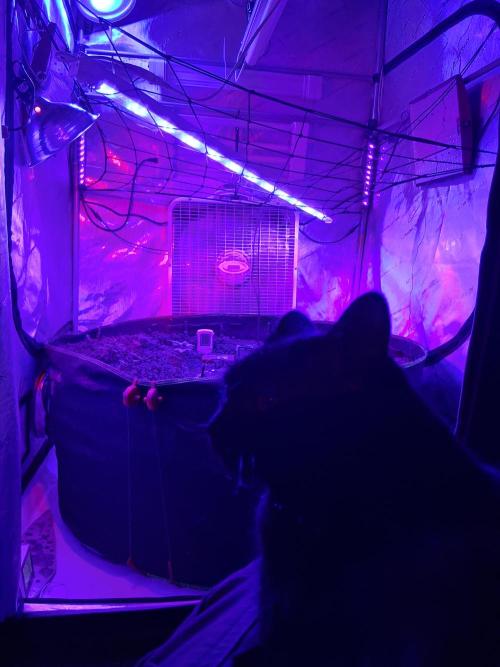
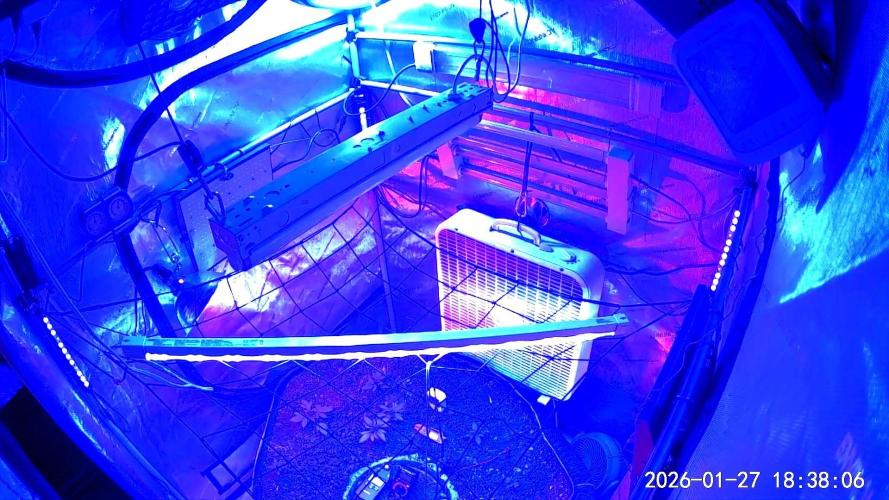
Ultraviolet Not particularly growing for speed or any dedicated reason this time round. Just chilling with my autos, gotta admit I do like the autoseed logo. Off we go again.
(Arthrospira platensis) cultivated in high-alkaline, mineral-rich water in Kailua-Kona, Hawaii. It is renowned for having a higher nutrient content, including more carotenoids and essential fats, compared to other spirulina brands. It is frequently cited as a "complete food" due to its dense concentration of proteins, vitamins, minerals, and pigments.
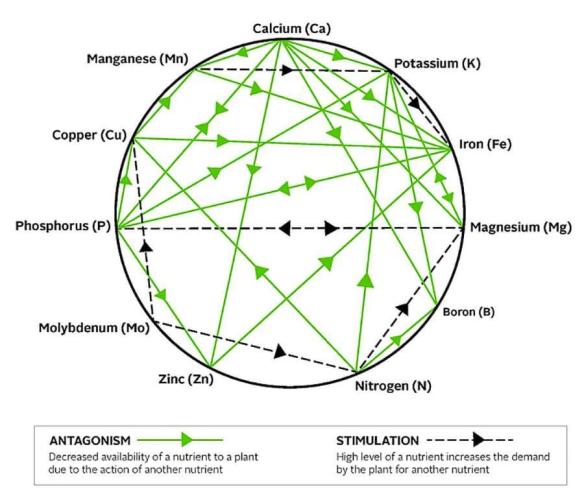
The nutritional profile of standard dried Spirulina platensis biomass. 3kg of spirulina powder has an approximate NPK ratio of 10-2-1 (or 10% Nitrogen, 2% Phosphorus, and 1% Potassium).
Here is the breakdown of the nutrient content for 3kg of powder:
Nitrogen (N): ~300g (10% of total mass)
Phosphorus (P): ~60g (roughly 2% of total mass)
Potassium (K): ~30g (roughly 1% of total mass)
3kg of spirulina powder is more than enough nitrogen for 4 cannabis plants in a 100-gallon pot—in fact, it is likely excessive and could cause severe nutrient burn or toxicity if not properly managed. Spirulina has a very high protein content (46% to 63% dry weight), which translates to a significant nitrogen source. It is often described as a 5-1-1 NPK fertilizer.
3kg (3000g) of powder in 100 gallons means 30g per gallon. General organic recommendations for potent amendments (like frass) are often around 1–3 tablespoons per gallon. 30g of powder is roughly 2-3 tablespoons, making this a very high-strength application rate if added all at once. Balance this with calcium/magnesium, and organic nutrient delivery in soil growing can lead to deficiencies in these nutrients.
Not all of that 100 gallon is used, so figuring out precise measurements was ballpark, but there is about 10kg of engineered biochar in that pot. Mostly in the top half. Ideally, I'd have 25kg in a full active 100-gallon, but......... don't mess with something that is not broken. Roots do not utilize the entire 100 gallons. This has been a couple of years of trial and error, mostly error. The amount of cations you can add in grams depends entirely on the specific cation exchange capacity (CEC) of your biochar and the type of cation being added. Biochar CEC values vary widely, typically ranging from 4 to over 300cmolc/kg. Multiple Biochars in use, ranging upwards of 100cmolc/km.
Different cations have different atomic weights
Potassium K+ 39.1g/mol.
Calcium Ca2+ 40.1g/mol.
Magnesium Mg2+ 24.3g/mol.
Nitrogen NH4+ 18.04g/mol.
You get more nitrogen bang for your buck. It all depends on the CEC of the biochar you use, but brrrrrrrrrr roughly I'm looking at 500-600 grams worth of elemental cation exchange capacity, give or take. That's just for the biochar alone. Elemental cation exchange capacity refers to the ability of materials—such as soil, minerals, and biochar to adsorb, hold, and release positively charged ions Ca2+, Mg2+, K+, Na+, Al3+, and Zn2+. This capacity is a critical measure of nutrient availability in soil and energy density in electrochemical systems.
Added calmag 2:1 to complement spirulina.
Calcium (Ca): Approximately 150g - 300g of elemental calcium.
Magnesium (Mg): Approximately 75g - 150g of elemental magnesium.
So long as pH stays in 6.3 to 6.7 ish, the plant will unlock hydrogen. Plants will be able to cycle CEC for their own needs. Hydrogen ion pumping (proton pumping) is a fundamental mechanism used by plant roots to facilitate the cycling of nutrients within a medium's Cation Exchange Capacity (CEC), directly increasing nutrient availability. A growing medium's Cation Exchange Capacity (CEC) does not contribute directly to Electrical Conductivity (EC). CEC represents potential nutrient storage, while EC represents active nutrients in the water/soil solution. A medium with a high CEC can hold many nutrients, but if there is no water present, the EC will be low.
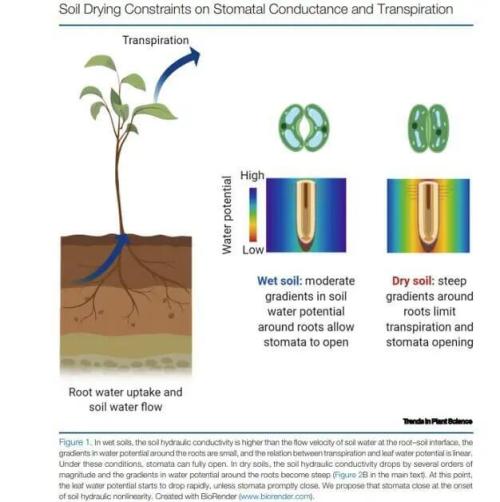
98% of plant nutrient uptake comes directly from the soil solution.
2% of nutrient uptake is directly from soil particles.
Nutrients held on exchange sites (CEC) are not directly measured by EC until they are released into the soil solution through exchange with other ions (e.g., hydrogen ions from roots or fertilizer).
Distilled water is highly useful in managing the electrical conductivity (EC) of a growing medium by allowing for precise control over nutrient concentration and assisting in the mobilization of nutrients from the cation exchange capacity (CEC) into the active, plant-available nutrient solution.
Just add water & Love.
Potential hydrogen. pH. + - , potential charge balance for hydrogen.
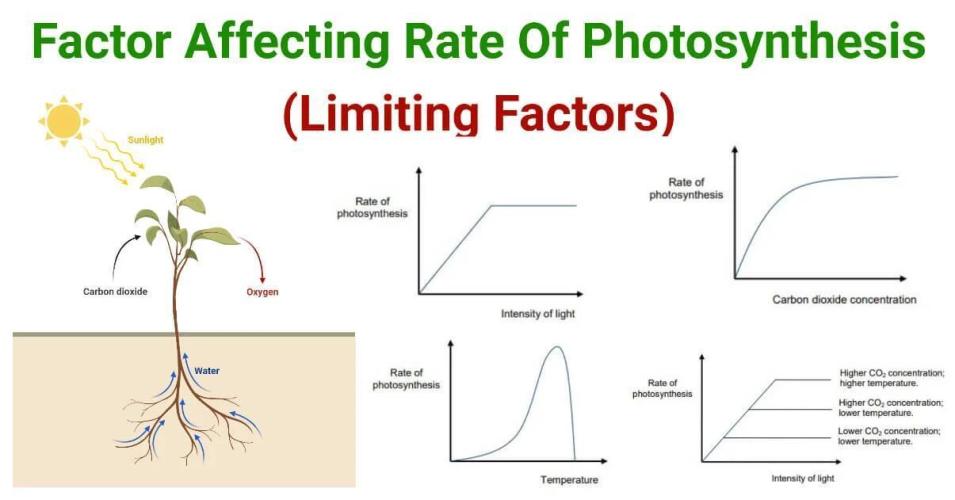
So long as there is adequate oxygen in the soil and air and water moves at a decent interval, its practically impossible for the pH to skew in a soil that is taking in oxygen and releasing CO2 and nitrogen, I say practically, but meh:
Even with plenty of oxygen, the process of converting ammonium NH4+ to nitrate NO3- by bacteria releases hydrogen ions H+, which directly causes acidification (lowering pH). While water movement is necessary, consistent water moving through the soil can leach away basic cations Ca2+, Mg2+, K+, Na+, leaving behind acidic hydrogen and aluminum ions, causing pH to drop, especially in humid regions. High levels of CO2 in the soil (from intense respiration) dissolve in soil water to create carbonic acid, H2CO3, which lowers the pH. (barometric pumping removes that possibility)
The pH in a cannabis cultivation environment, particularly in hydroponic or soilless setups, will often naturally drift towards acidic (lower pH) over time.
Understand how, and know when to lime the pH back up. Complex but critical.
Base saturation directly reflects the percentage of CEC occupied by base cations. Generally, as base saturation increases, soil pH increases because fewer acidic cations, H+ and Al3,+ are present on the soil colloid surfaces.
At a pH of 7 or higher, the soil colloids are saturated with base cations, resulting in a base saturation of 90+%.
While many sources include Sodium Na+ as a base cation, some calculations focused specifically on plant nutrients (like in some nutrient management contexts) may focus solely on the "Big 3": Ca2+, Mg2+, and K+. However, in soil science and CEC (Cation Exchange Capacity) measurements, sodium is usually included in the definition of total base cations, making it the "Big 4" base cations.
At a pH around 5.5, soils often have a 45–55% base saturation, while a soil with a pH between 6.5 and 6.8 generally has an 80–90% base saturation.
Base saturation is considered a reliable, albeit complex, indicator of soil fertility and the degree of soil weathering, acting as a crucial metric in soil classification and management.
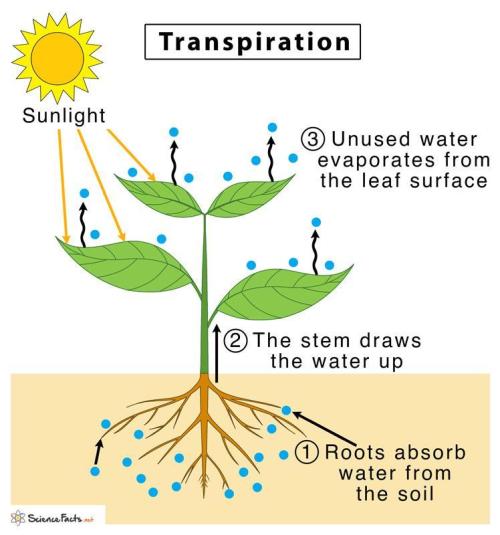
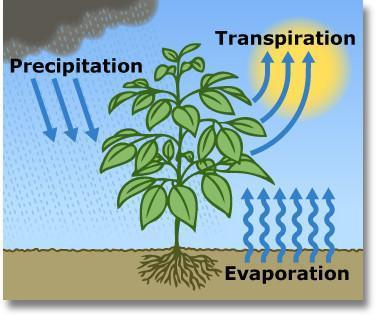
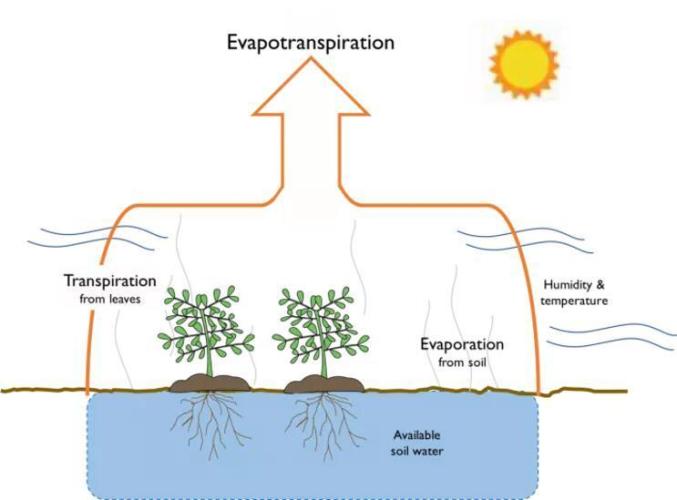
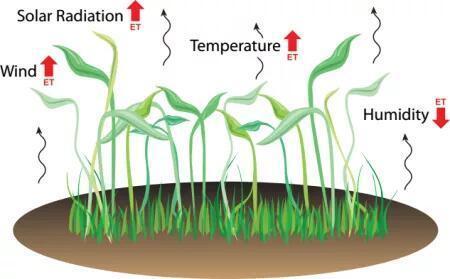
Once you take full control of the pH, so long as there is oxygen, and one keeps tabs on base saturation levels. Its near impossible for anything to go wrong. All you are essentially doing is adding water and waiting for any sign of deficiency. Not so much growing as eliminating the possibilities of things going sideways. Can't over or under water, can't skew pH, can't go anaerobic. Everything runs in optimal cycles, watering every 2 to 3 days or as required, depending on the rate of combined ET. A little warmer, a little drier, but never short on water.
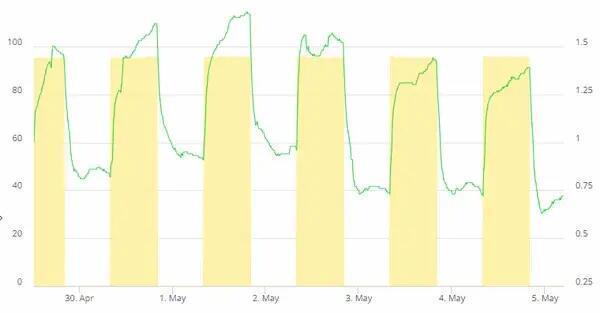
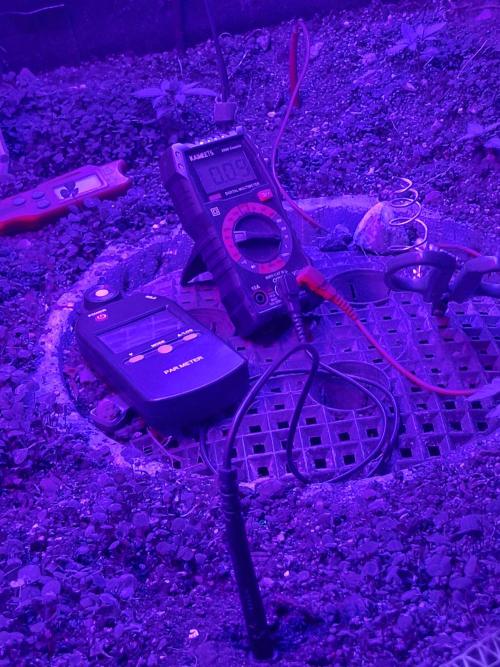
When to water? When Electrical Conductivity of soil gets low. No water, no conductivity. Not to be confused with EC/TDS of water solution......using a TDS metre for run off.
12 likes
4 comments
Share
1
Week 1. Vegetation
3d ago
1/18
7.62 cm
Height
12 hrs
Light Schedule
Ultraviolet The most important contribution that any man can make to a garden -- even more important than water or compost-- is the radiation he himself puts into the soil while cultivating it.
Epinoia
(ἐπίνοια) is a Greek term meaning thought, intention, purpose, or conception, stemming from "mind" (nous) and "upon" (epi), representing the mind's reflective or creative process, used in philosophy (Aristotle, Gnosticism) and theology to discuss understanding and divine names, appearing once in the New Testament for the "intent of your heart" (Acts 8:22). It signifies the mind's operation to form ideas or designs, contrasting with raw data or innate perception, and in Gnosticism, it's an emanation of divine wisdom (Sophia).
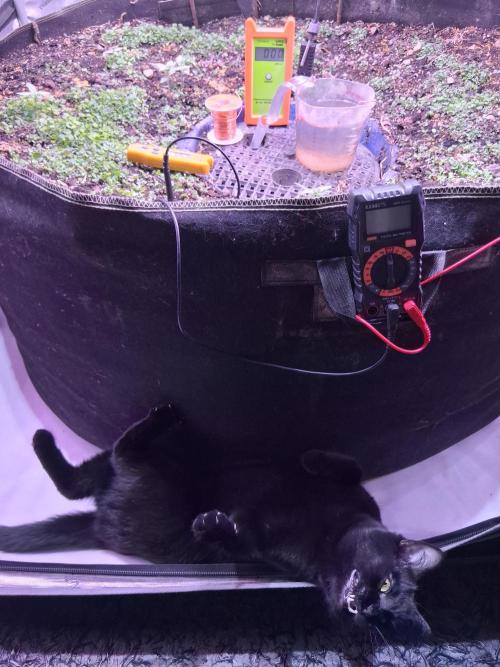
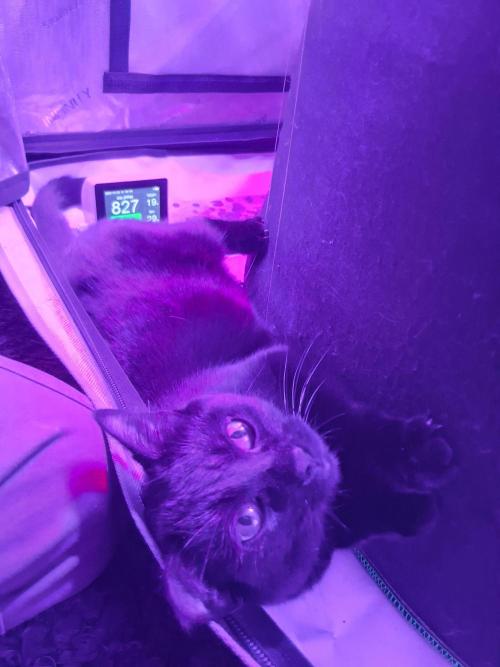
@Kushycat, my little kitty was a rescue so she has wild tendencies, but she chose me, won't go near anybody else, a friend of a friend gave her to me after her son in law abused her quite badly, she was found alone in abandoned barn with a baby bunny. Whatever the kid did to her in the week he had her, sticks with her to this day. My other cat is a big black fluff ball of love and cuddles. This little cutie took me many years to build enough trust to even get close, I'm very proud of how far she has came. Never give up sweet Kushy, where one begins is not where it ends.
@Kushycat, when I got her she was very sick and had terrible issues with her breathing, whenever she jumps or lands on her front paws she squeezes air out her little lungs, squeezes and wails like a tiny little set of bagpipes. Cute as! But hearing a bagpipe run up and down stairs all night haha. Be good 👍 🙏
@Ultraviolet, That sounds awful, and I've never understood how people can treat other living beings that way. It's terrible to think that they're just animals or something... If you treat animals like that, how do you treat people? It's a miracle that you managed to do that at all, considering how traumatized she was.
Your other cat probably experienced the exact opposite and received a lot of love, so she is a good, non-traumatized, balanced creature who gives back what she has experienced.
I suppose it's no different with humans.
Of course, you're right, I won't, but it's one of those days again.
It's nice that you're still here. I was really sad when I couldn't access your profile anymore. Thank you for your kind words. 🙏🏼