


Ac Grow





Tent
Einbauschrank
Eigenbau

Fan
Fan 120
PC
Fan
Ventilator
MEDION




Knauf Perlite

Expanded Clay
Knauf

Indoor
Room Type
HST
weeks 1
Transplantation
weeks 1-2
LST
weeks 1-2, 4-6
Topping
weeks 1-2, 4-6
Defoliation
weeks 1-2, 4-6
FIMing
weeks 4-5
ScrOG
weeks 1-2, 4-6
12-12
weeks 5
SoG
weeks 1-2, 4-6
14 l
Pot Size
0.23 l
Watering
Start at 6 Week
1
Week 1. Vegetation7mo ago
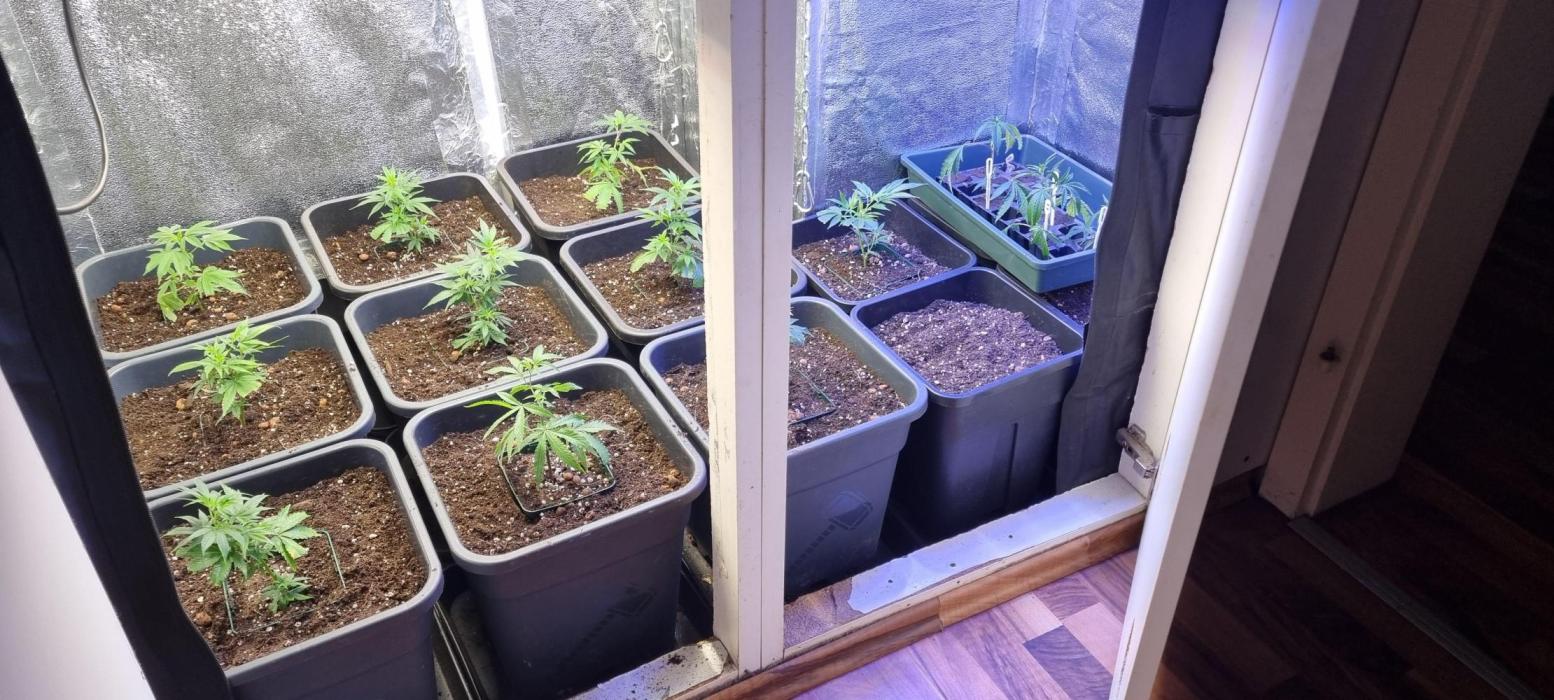
7 cm
Height
18 hrs
Light Schedule
28 °C
Day Air Temp
6.3
pH
No Smell
Smell
450 PPM
TDS
85 %
Air Humidity
21 °C
Solution Temp
20 °C
Substrate Temp
22 °C
Night Air Temp
0.98 l
Pot Size
0.11 l
Watering Volume
40 cm
Lamp Distance
600 PPM
CO₂ Level
Nutrients 12
Aloe Vera Saft 100% Bio
5 mll
Schachtelhalm Extrakt
2 mll

Root-Juice
4 mll
ImproGrow Plant Setup & Soil Preparation
Plant Source: All plants were grown from cuttings, purchased at a local grow shop nearby in the city.
Soil Recycling: I am using reclaimed soil that was partially used outdoors last summer. To sterilize it, I processed the soil in the microwave (3L soil with 1L water at 1000W for 35 minutes).
Soil Amendments: After sterilization, the soil was re-inoculated with mycorrhizae and microbes, as well as SST (Sprouted Seed Tea) and ACT (Aerated Compost Tea). Additionally, 28g of rock dust was added per 14L pot.
Transplanting & Initial Care: After transplanting, I watered them with approx. 600ml of a proper nutrient solution. I then let them rest for 6 days to allow the 1L pots to become fully rooted. These have already been placed into the final pots.
Lighting: Greenception LED set to "Veg" at 50% intensity, providing approximately 370–450 PPFD.
likes
comments
Share
Used techniques
Topping
Technique
LST
Technique
HST
Technique
SoG
Technique
ScrOG
Technique
Defoliation
Technique
Transplantation
Technique
2
Week 2. Vegetation7mo ago
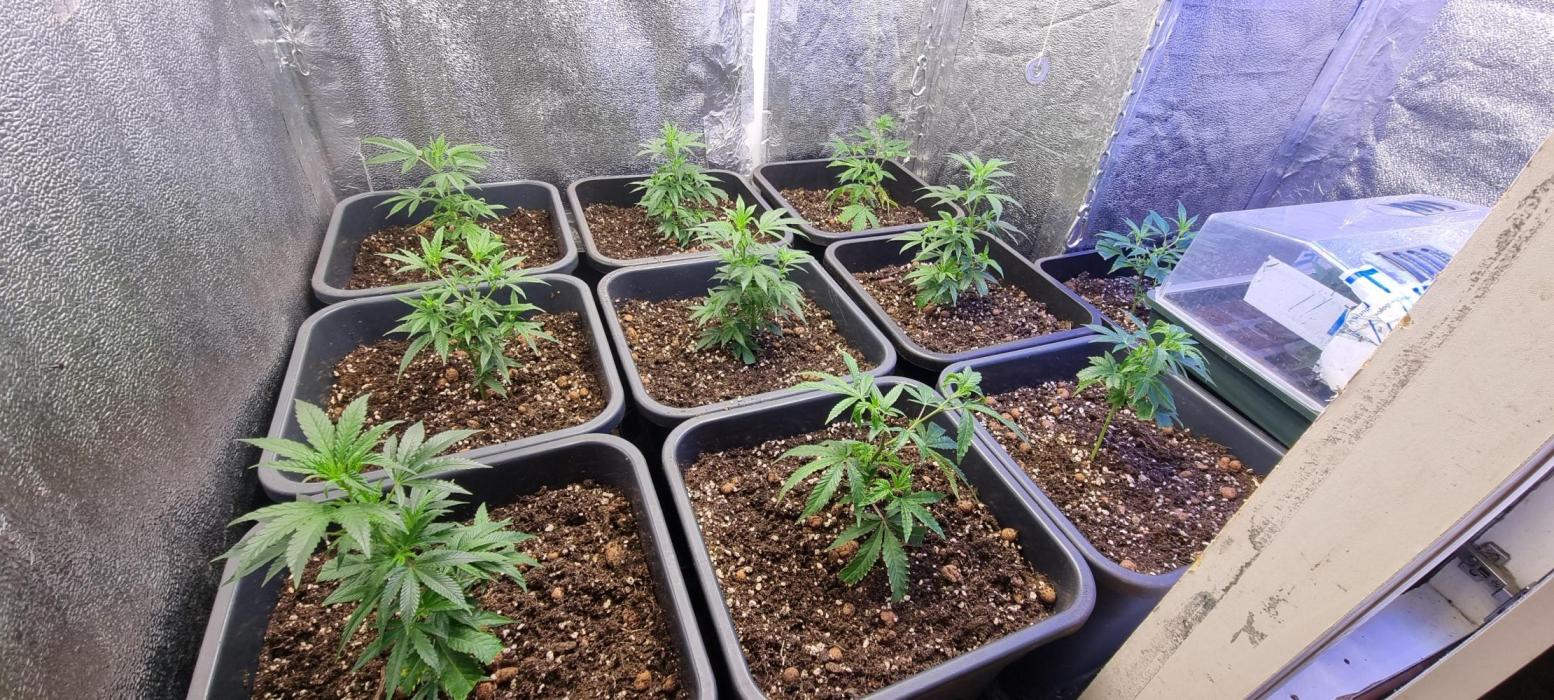
15 cm
Height
18 hrs
Light Schedule
27 °C
Day Air Temp
6.3
pH
No Smell
Smell
550 PPM
TDS
80 %
Air Humidity
21 °C
Solution Temp
20 °C
Substrate Temp
22 °C
Night Air Temp
14.01 l
Pot Size
0.11 l
Watering Volume
40 cm
Lamp Distance
600 PPM
CO₂ Level
Nutrients 15
Aloe Vera Saft 100% Bio
5 mll
Schachtelhalm Extrakt
2 mll
Aerated Compost Tea
700 mll
ImproGrow Transplanting & Advanced Nutrition
Final Potting: After approximately 6 days, the plants were moved into their final 14L containers. They were watered with 600ml of water containing 10% SST (Sprouted Seed Tea).
Follow-up Irrigation: Two days later, they received another 700ml of ACT (Aerated Compost Tea).
ACT Recipe (Aerated Compost Tea)
The tea was brewed for 24 hours at 21°C using the following ingredients:
15L RO (Reverse Osmosis) water
15ml CalMag & 1g Epsom salt (Magnesium sulfate)
10g Sugar beet syrup & 20g Blackstrap molasses
10g Rock dust
20ml BioHeaven, 10ml Alg-A-Mic, & 10ml AlphaBoost
30g Cannabis leaf trimmings
3g BioBizz Microbes
3 handfuls of Worm Castings (Vermicompost)
Foliar Feeding
The plants receive a light daily foliar spray consisting of:
Aloe Vera
Horsetail extract (Silica)
Root-Juice, Fish-Mix, Alpha Boost and Acti-Vera
likes
comments
Share
Used techniques
LST
Technique
SoG
Technique
ScrOG
Technique
Topping
Technique
Defoliation
Technique
Transplantation
Technique
3
Week 3. Vegetation7mo ago
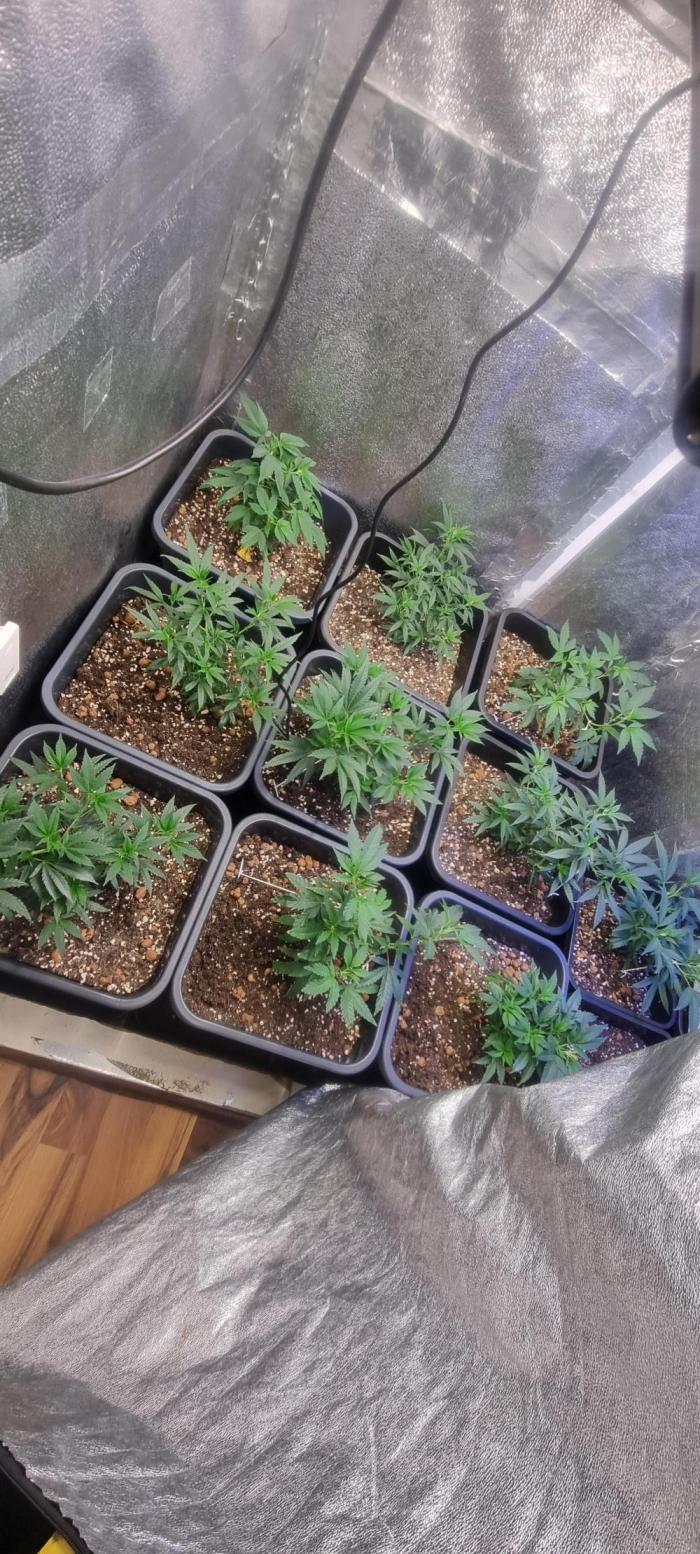
15 cm
Height
18 hrs
Light Schedule
27 °C
Day Air Temp
6.3
pH
No Smell
Smell
550 PPM
TDS
80 %
Air Humidity
21 °C
Solution Temp
20 °C
Substrate Temp
22 °C
Night Air Temp
14.01 l
Pot Size
0.11 l
Watering Volume
40 cm
Lamp Distance
600 PPM
CO₂ Level
Nutrients 15
Aloe Vera Saft 100% Bio
5 mll
Schachtelhalm Extrakt
3 mll
Aerated Compost Tea
700 mll
ImproGrow Pre-Flower Nutrient Adjustment
Eight days before flipping to the flowering stage (12/12), I applied a top-dressing of Green House Feeding Bio Bloom to balance the specific nutritional needs of each strain:
Imperium X: 20g (total for all plants of this strain)
Candy Store: 20g (total for all plants of this strain)
Apple Fritter: 12g (total for all plants of this strain)
Lilac Cookies: 5g
Foliar Maintenance:
In addition to the nutrient adjustment, I continued the daily light foliar feeding routine, this time including a generous application of Leaf·Coat to provide a protective barrier against pests and environmental stress.
likes
comments
Share
4
Week 4. Flowering7mo ago
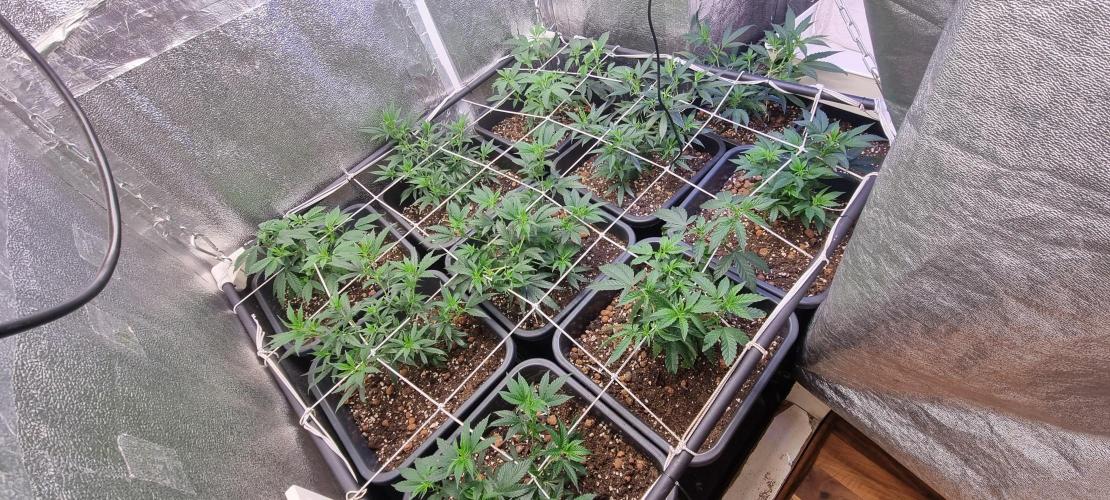
25 cm
Height
12 hrs
Light Schedule
26 °C
Day Air Temp
6.3
pH
No Smell
Smell
700 PPM
TDS
65 %
Air Humidity
21 °C
Solution Temp
20 °C
Substrate Temp
21 °C
Night Air Temp
14.01 l
Pot Size
0.42 l
Watering Volume
35 cm
Lamp Distance
600 PPM
CO₂ Level
Nutrients 19
Schachtelhalm Extrakt
3 mll
Aerated Compost Tea
700 mll
10g Hanfsamen 60g Gerste 15gBerglinsen
100 mll
ImproGrow Transition to Flowering
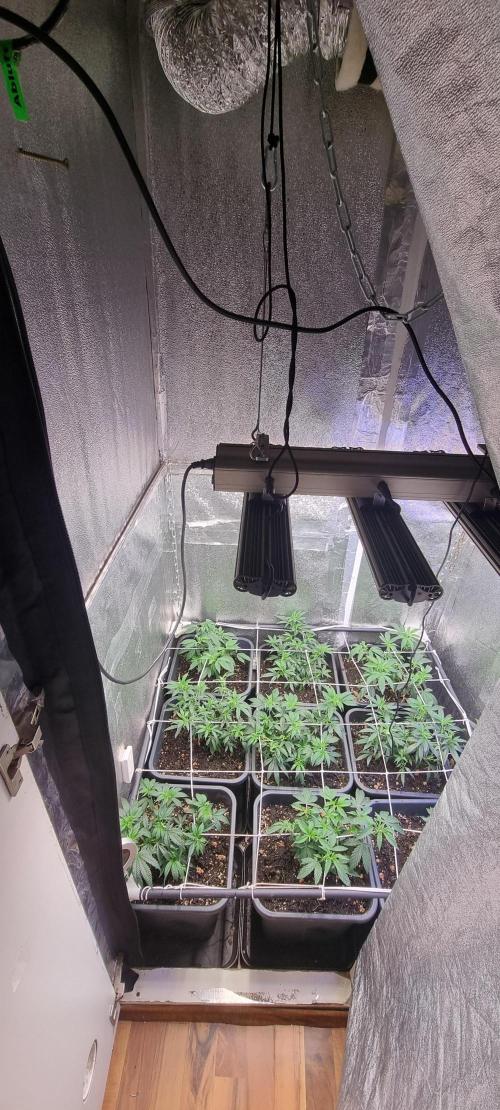
Light Cycle: The photoperiod has been switched to 12.5 hours of light and 11.5 hours of darkness.
Training: A trellis net (SCROG net) has been installed to manage the canopy and support future bud growth.
Hormonal Transition Boost
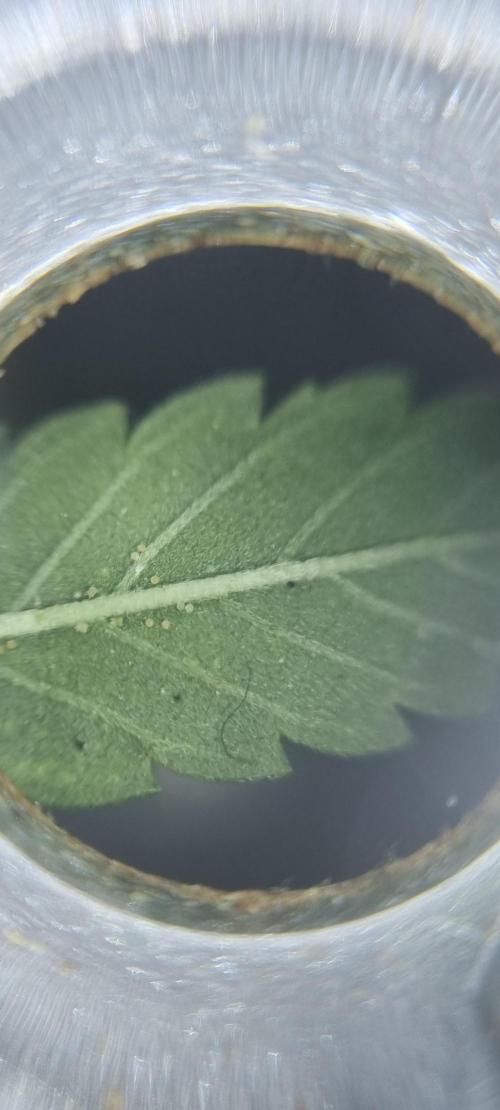
To further accelerate the transition from the vegetative stage to flowering, I have specifically adjusted the nutrient regimen. I applied a potent dose of AlphaBoost and Aloe Vera to trigger a strong hormonal response. This combination is intended to prime the plants' internal signaling, ensuring a faster and more vigorous shift into flower production.Pest Alert: Despite all preventative measures and the soil sterilization process, a thrips infestation has been detected.
Biological Pest Control Measures
To combat the thrips infestation immediately and biologically, I have purchased a specialized army of beneficial insects:
Nematodes: 1 million beneficial nematodes (specifically Steinernema feltiae) to target thrips larvae in the soil.
Predatory Mittes: A population of predatory mites to patrol the foliage and hunt young thrips.
Lacewing Larvae: 50 Green Lacewing larvae (Chrysoperla carnea), which are highly aggressive generalist predators, to clear the canopy.
I will be deploying these beneficials immediately to regain control of the environment before the flowering phase progresses further.
likes
comments
Share
Used techniques
LST
Technique
SoG
Technique
ScrOG
Technique
Topping
Technique
FIMing
Technique
Defoliation
Technique
5
Week 5. Flowering7mo ago
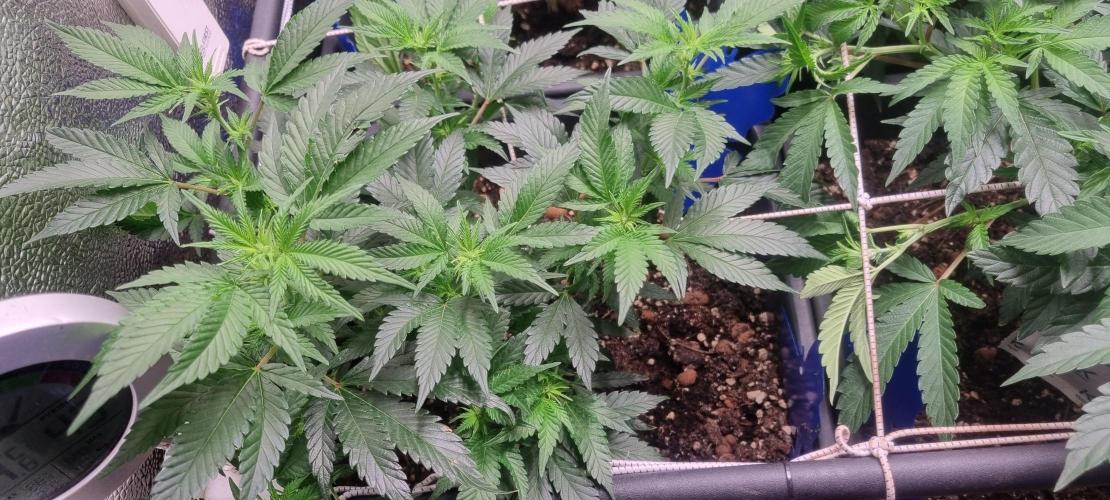
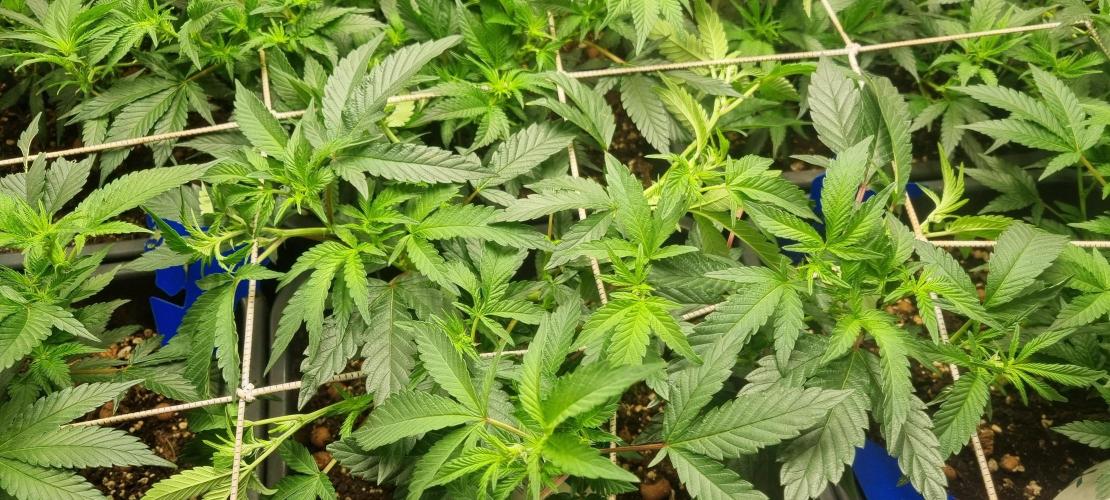
25 cm
Height
12 hrs
Light Schedule
26 °C
Day Air Temp
6.3
pH
No Smell
Smell
900 PPM
TDS
62 %
Air Humidity
21 °C
Solution Temp
20 °C
Substrate Temp
21 °C
Night Air Temp
14.01 l
Pot Size
0.42 l
Watering Volume
35 cm
Lamp Distance
800 PPM
CO₂ Level
Nutrients 16
Schachtelhalm Extrakt
3 mll
Aerated Compost Tea
700 mll
10g Hanfsamen 60g Gerste 15gBerglinsen
100 mll
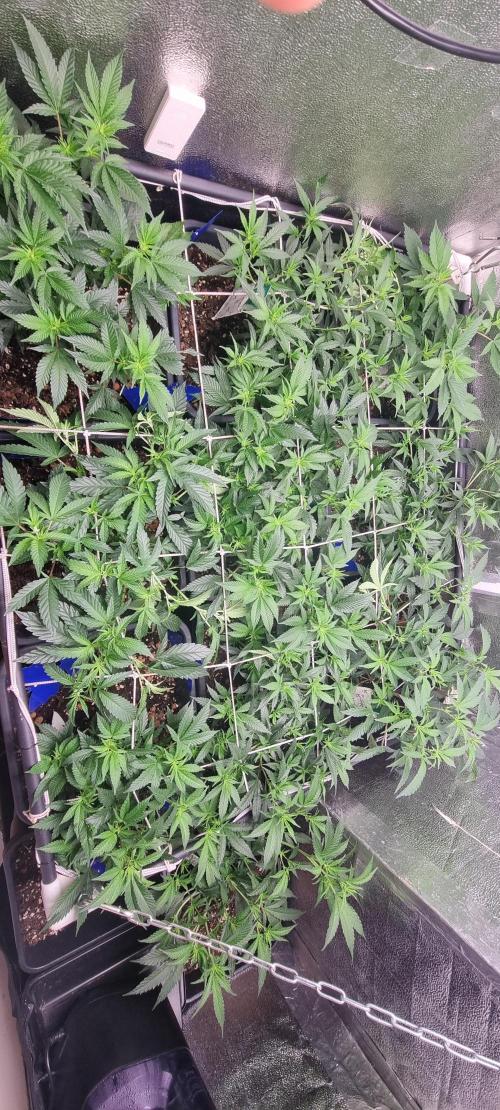
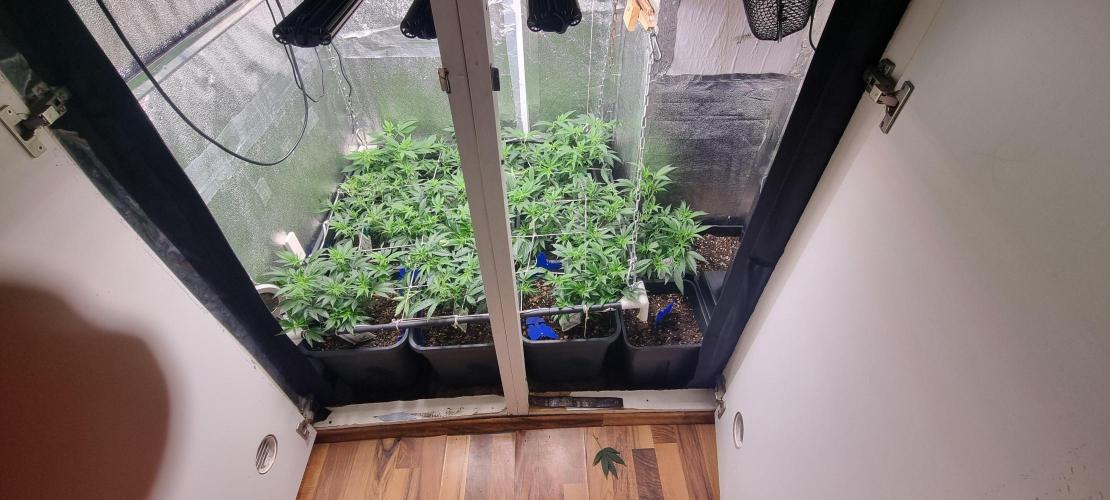
ImproGrow Beneficials Update:
The beneficial insects have been deployed and are performing well. I am currently maintaining environmental conditions that favor their activity to ensure the thrips are eradicated.
Runoff Analysis:
A small runoff sample (approx. 100ml) showed a Drain EC of 13.4. This indicates a very high salt concentration within the root zone.
Nutrient Pivot: I have not performed a full flush. Instead, I have completely stopped all NPK fertilizers.
Enzymatic Remediation: To manage the high salinity, I am now watering with a diluted solution of hormonal boosters, SST, and ACT. The goal is to use the enzymes and microbes to break down and mobilize the existing salt buildup while providing the necessary signals for the flowering transition.
likes
comments
Share
Used techniques
LST
Technique
SoG
Technique
ScrOG
Technique
Topping
Technique
FIMing
Technique
Defoliation
Technique
12-12
Technique
6
Week 6. Flowering7mo ago
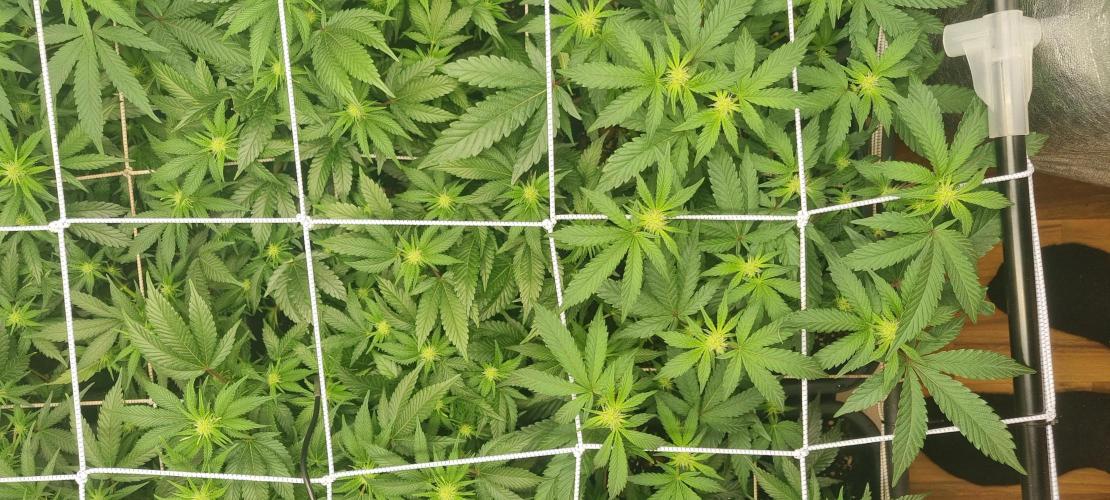
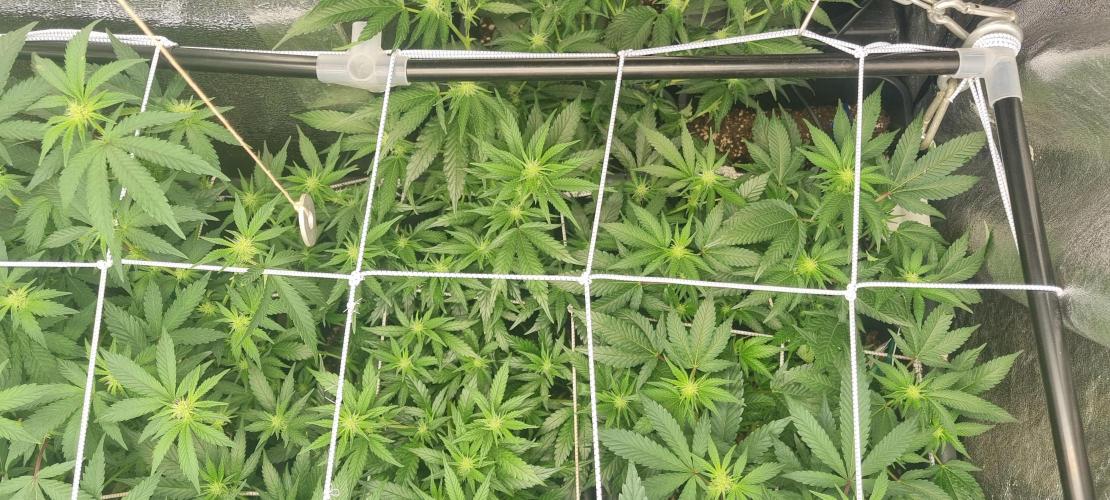
40 cm
Height
12 hrs
Light Schedule
26 °C
Day Air Temp
6.4
pH
No Smell
Smell
450 PPM
TDS
62 %
Air Humidity
21 °C
Solution Temp
20 °C
Substrate Temp
20 °C
Night Air Temp
14.01 l
Pot Size
0.23 l
Watering Volume
35 cm
Lamp Distance
800 PPM
CO₂ Level
Nutrients 14
Schachtelhalm Extrakt
4 mll
Aerated Compost Tea
700 mll
10g Hanfsamen 60g Gerste 15gBerglinsen
100 mll
ImproGrow Emergency Remediation & Pest Control Update
Biological Pest Control
The beneficial insects are performing exceptionally well. Thanks to optimized temperature and humidity levels, the thrips have very limited opportunities to multiply or survive.
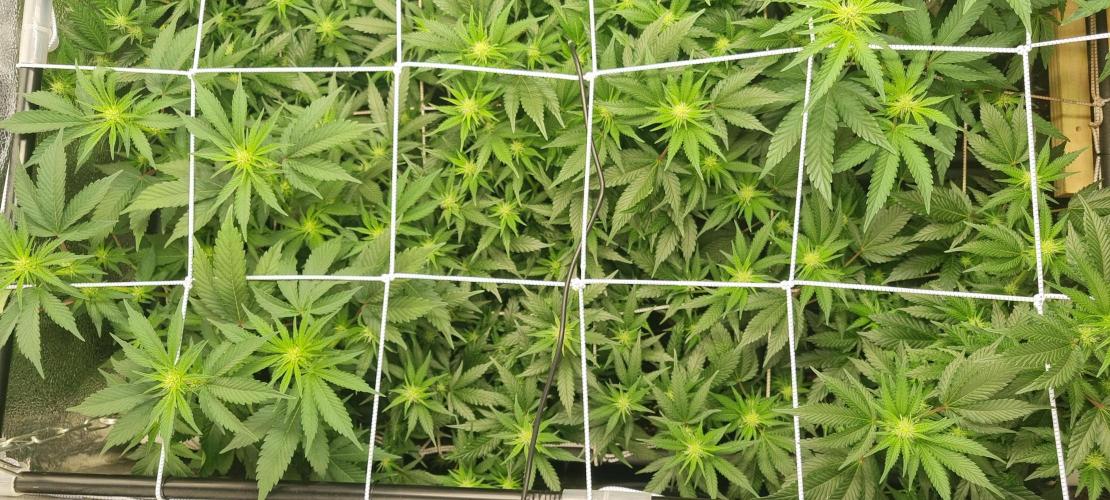
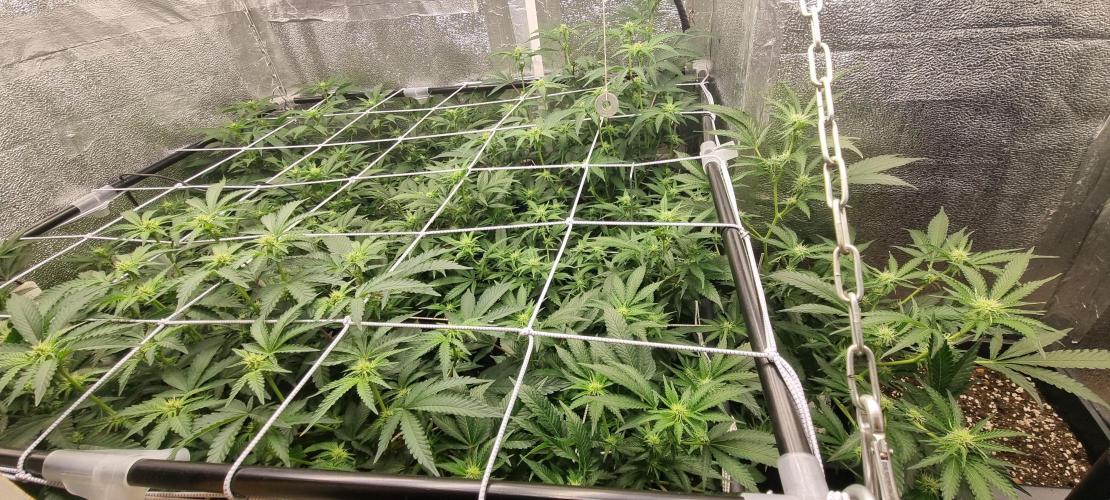
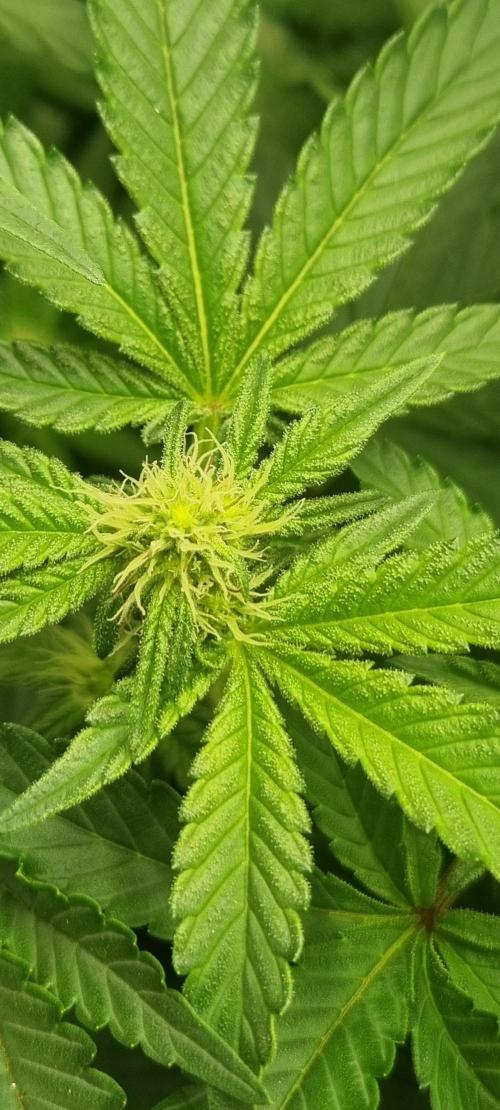
Plant Vitality & Structure
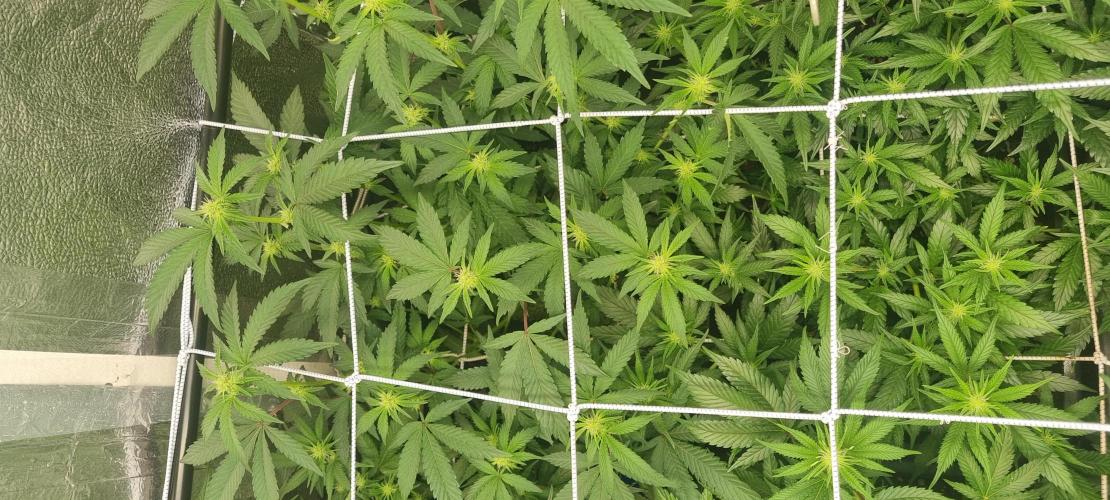
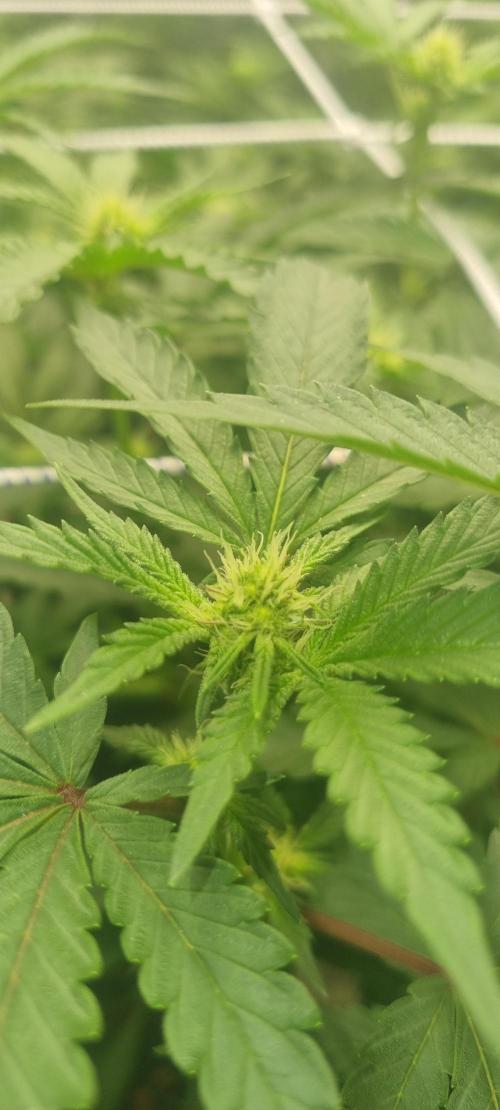
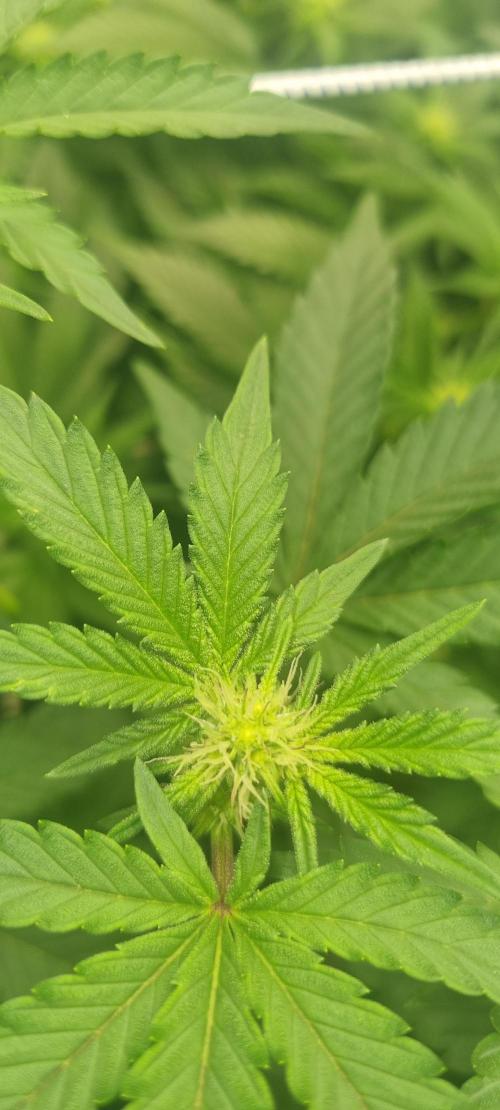
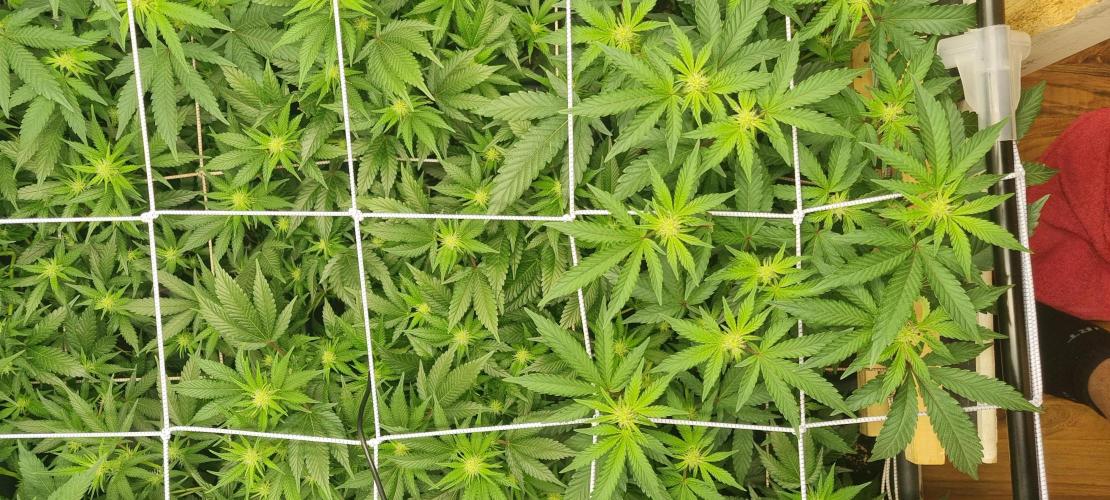
The plants remain vibrant and "well-fed" (high nutrient sap), though the stems have become slightly "spongy" due to the over-fertilization and osmotic stress. To counter this and strengthen the cell walls, I have increased the dosage of horsetail extract (silica). Additionally, coconut water is now only applied every second watering.
Root Cause Analysis: Substrate Legacy
I have identified a key factor contributing to the current salinity crisis: the use of recycled soil. In previous cycles, I tended to over-fertilize and used tap water with a baseline EC of 0.65 instead of RO water.
Over time, this caused a significant buildup of mineral salts within the medium. By introducing potent biological additives, enzymes, and Aloe Vera—which are designed to break down and mobilize nutrients—I inadvertently triggered a massive release of these legacy salts all at once. Combined with the current liquid and solid fertilization, this created an overwhelming nutrient load for the plants.
Critical Substrate Analysis & Action
A recent watering with diluted ACT resulted in a runoff with a critical EC exceeding 20.0 and a pH drop to 5.5. To mitigate this immediate threat:
I applied an additional 0.5L of a pH-adjusted mixture (Tap water + RO water).
This was supplemented with Microbes and Enhancer, along with Aloe Vera and Alg-A-Mic, to combat the over-fertilization and break down salt deposits.
The 450ml of runoff (drain) was immediately removed/vacuumed.
Irrigation Strategy Shift
To prevent further salt concentration through evaporation, I am reducing the drybacks.
Substrate moisture is now maintained at 50%, up from the previous 35%.
NPK fertilizers remain discontinued or strictly minimized.
Recovery
Signs of recovery were visible only a few hours after this "mini-flush" and the adjustment of the moisture levels.
Strategic Outlook
Despite the extreme readings, I am not overly concerned at this stage. I view this situation as a form of "extreme crop steering." As long as I can stabilize the substrate and bring the values back into a manageable range within the next 7 days, I am confident the plants will harness this nutrient surge for the upcoming flower production.
4 likes
1 comment
Share
Used techniques
LST
Technique
ScrOG
Technique
Topping
Technique
Defoliation
Technique
SoG
Technique

Prefer the old Diary view?
Go back to the old Diary view