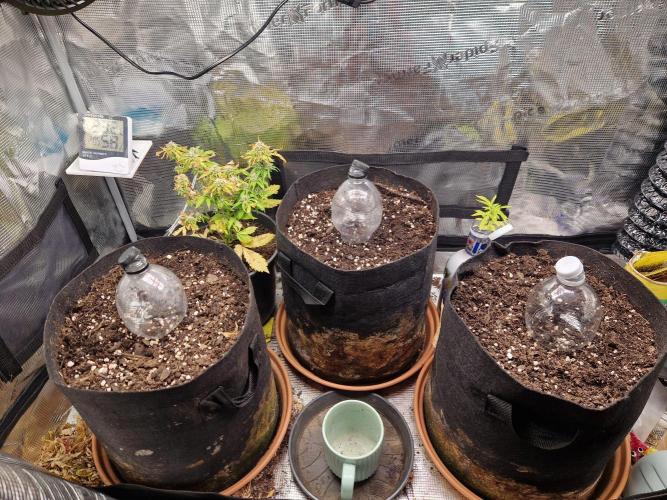
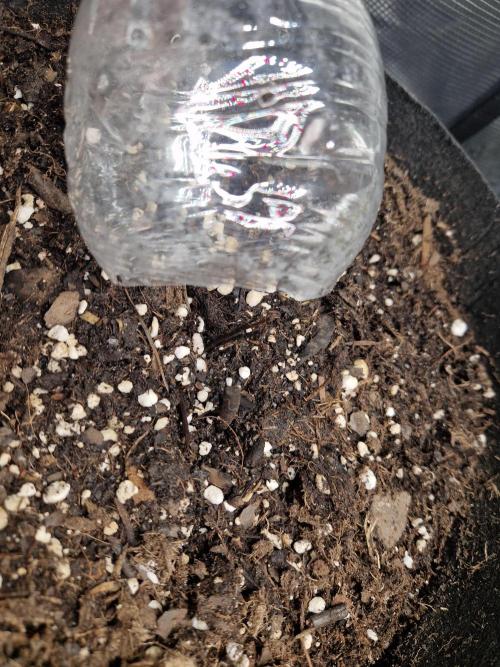
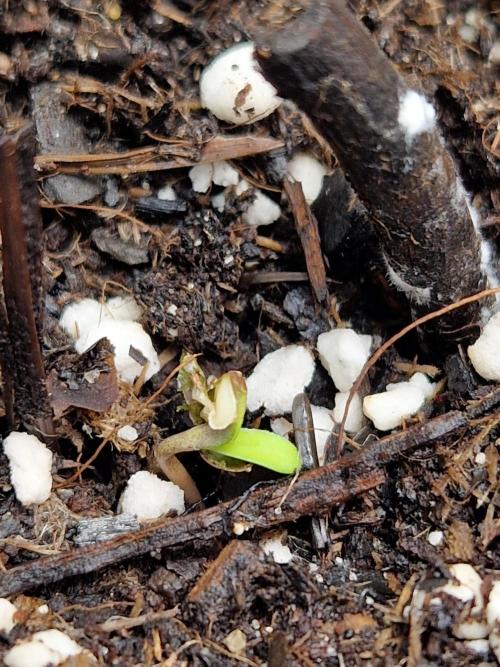
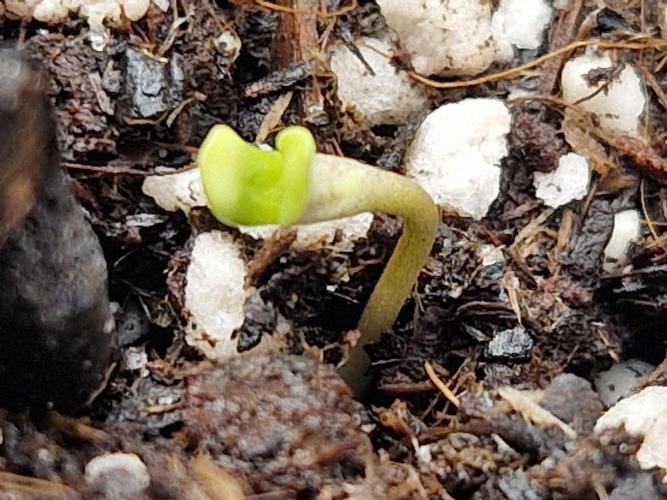
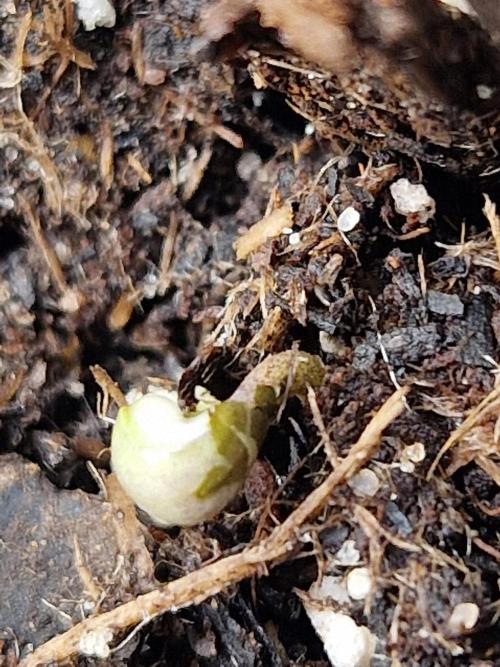
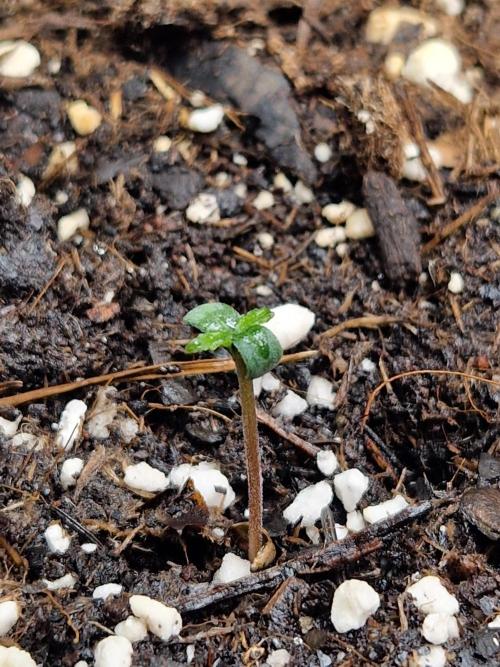
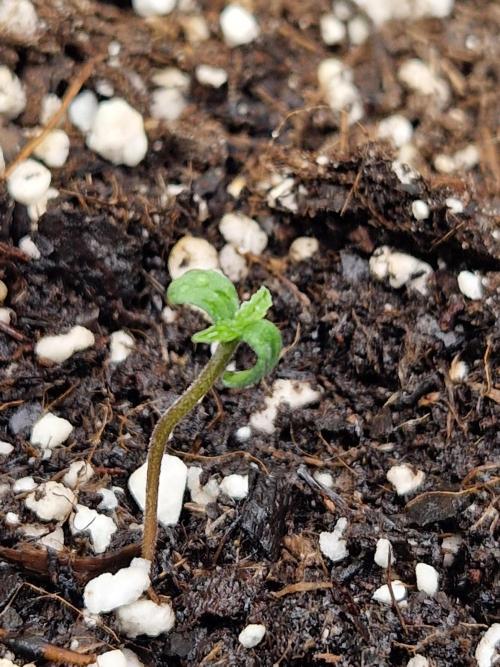
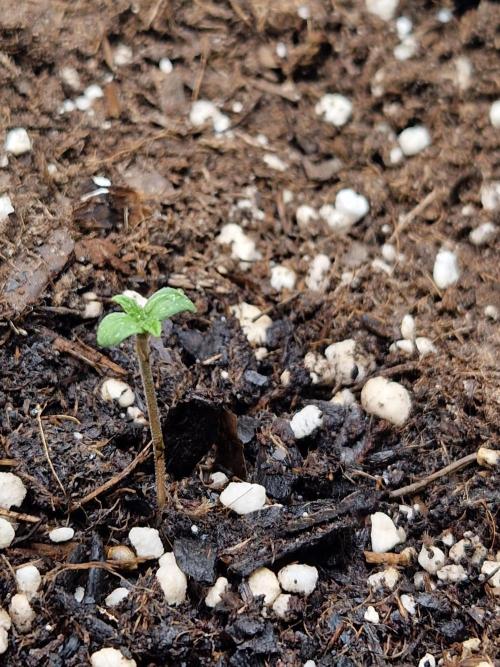
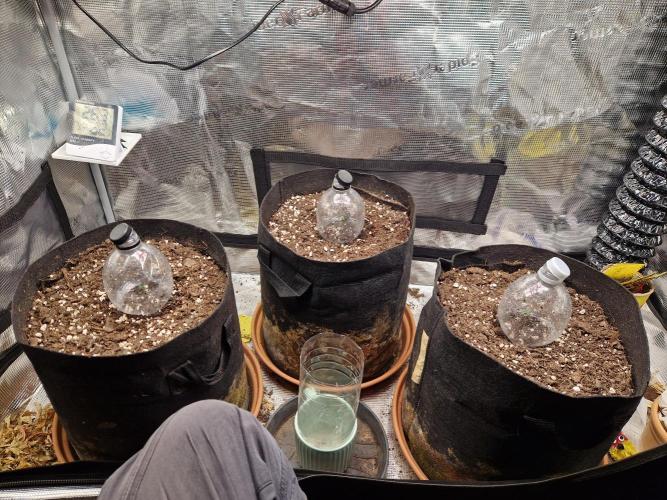
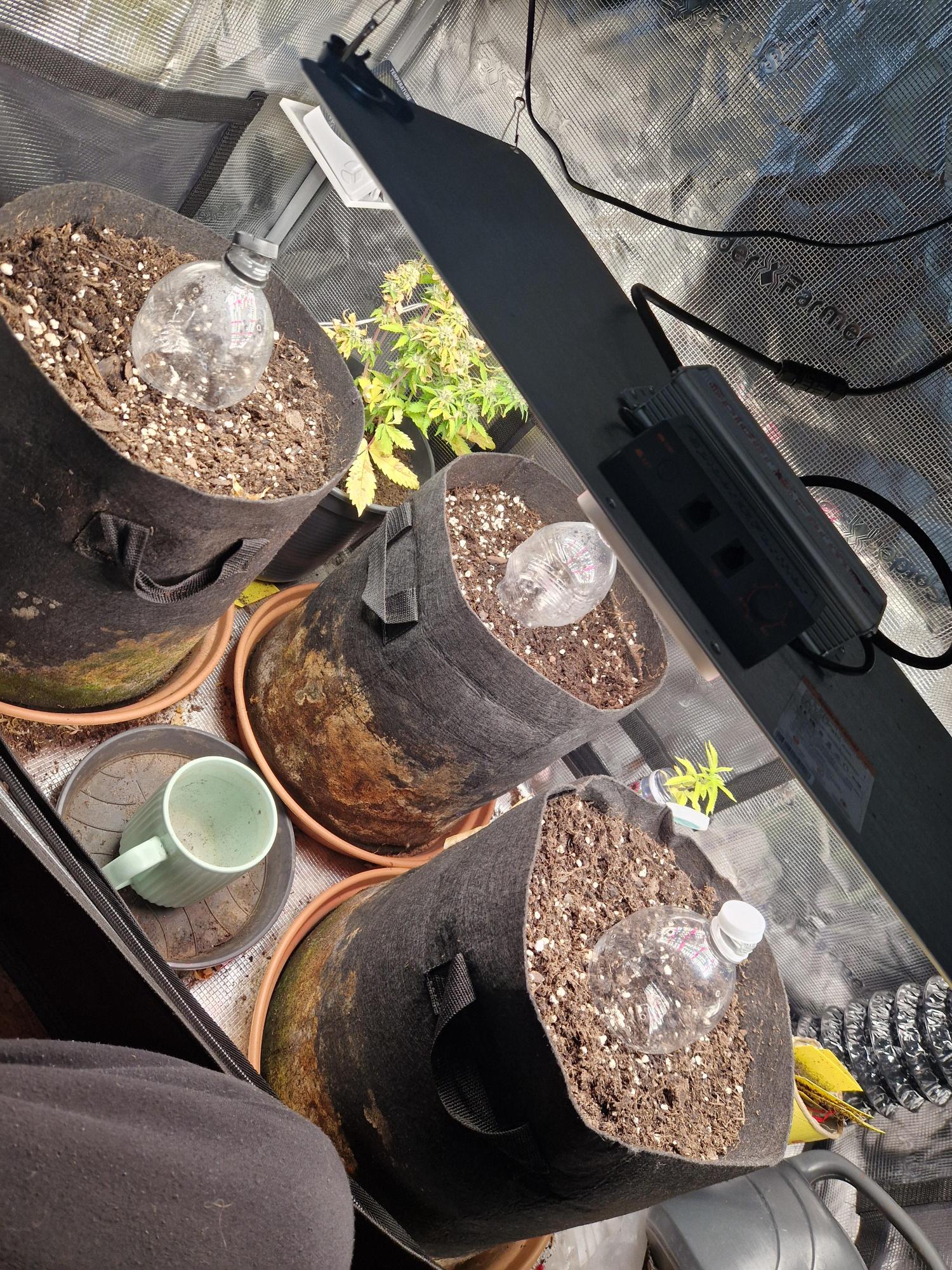
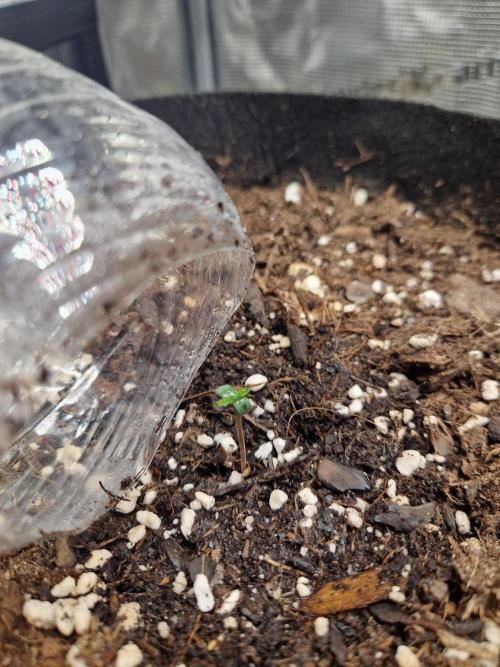
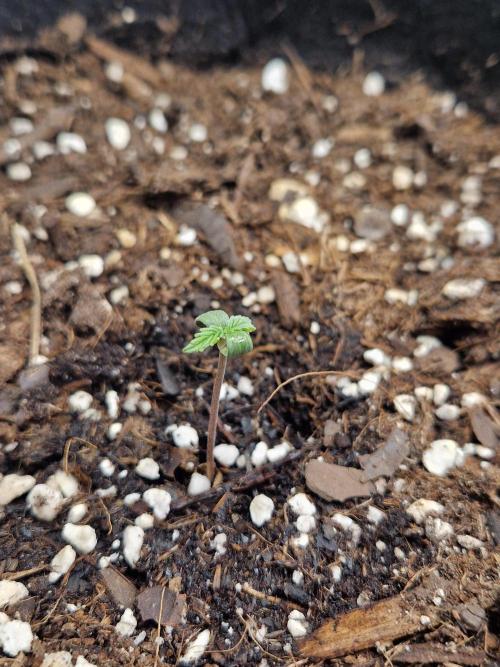
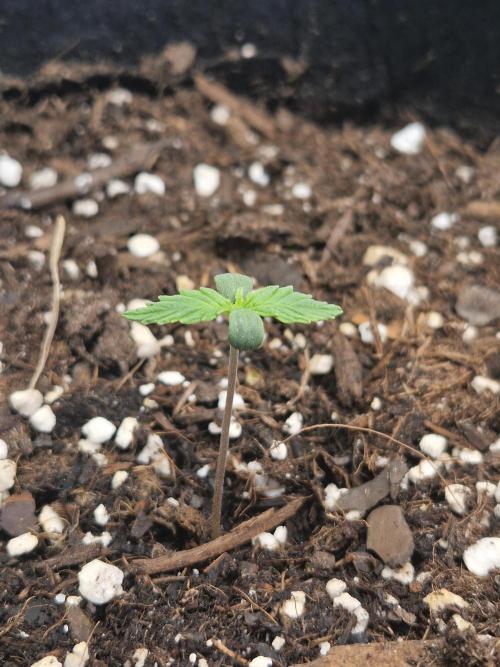
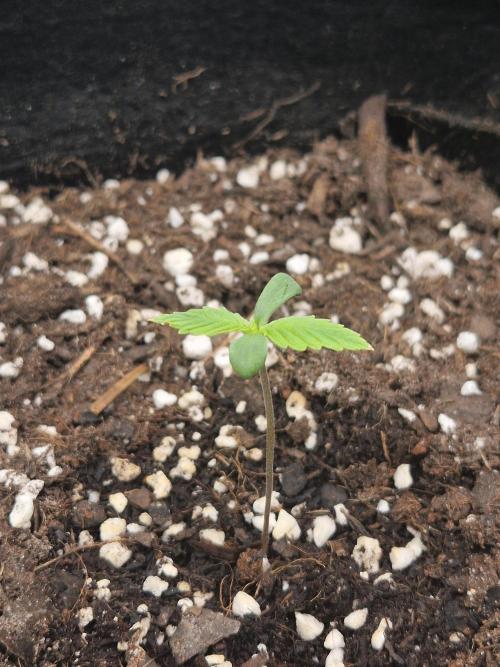
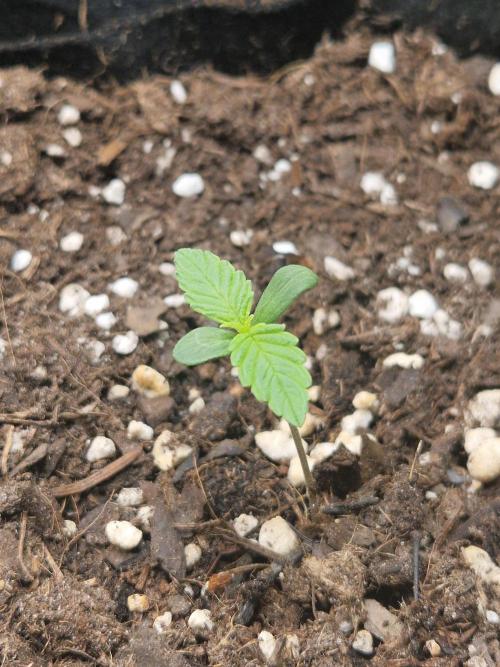
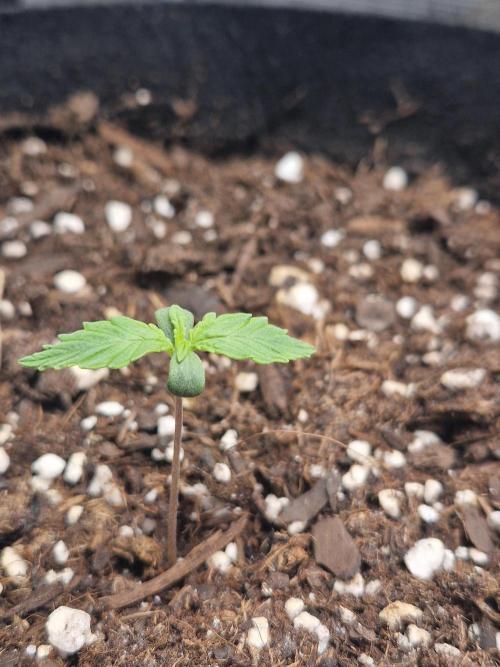
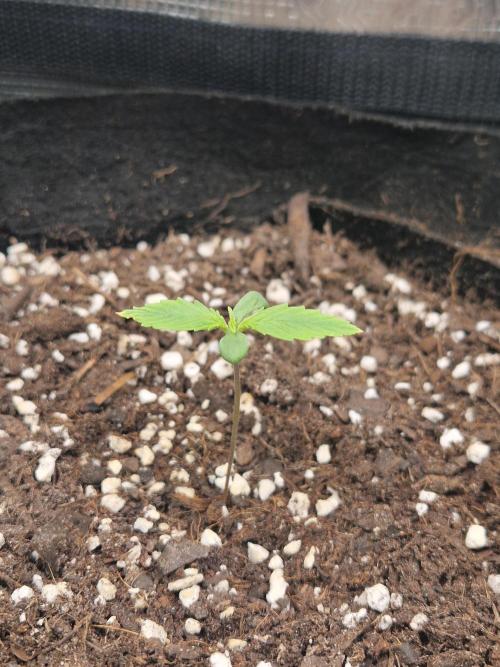
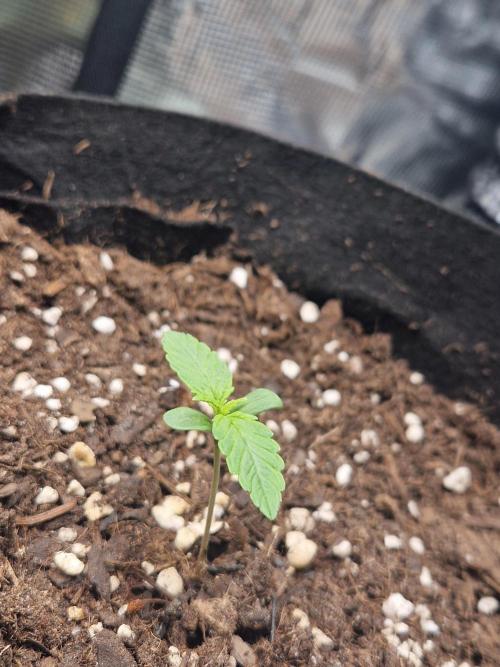
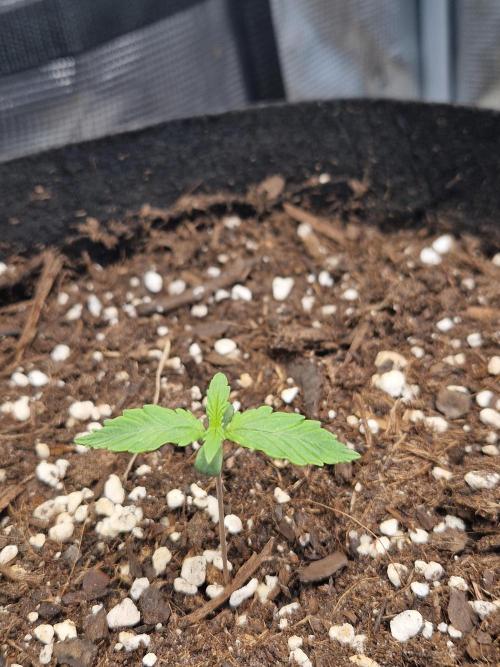
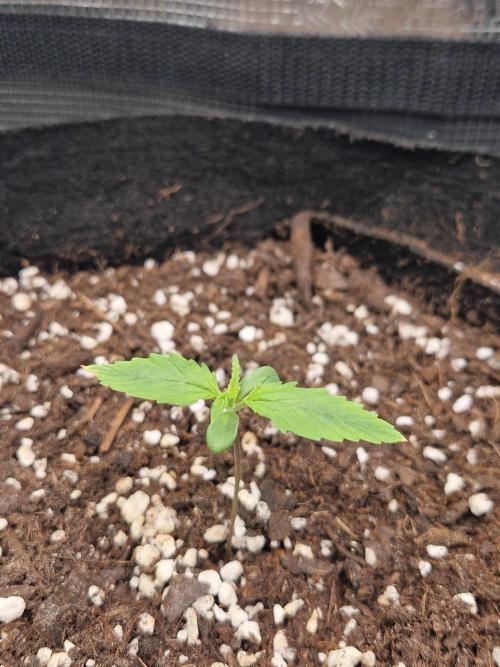
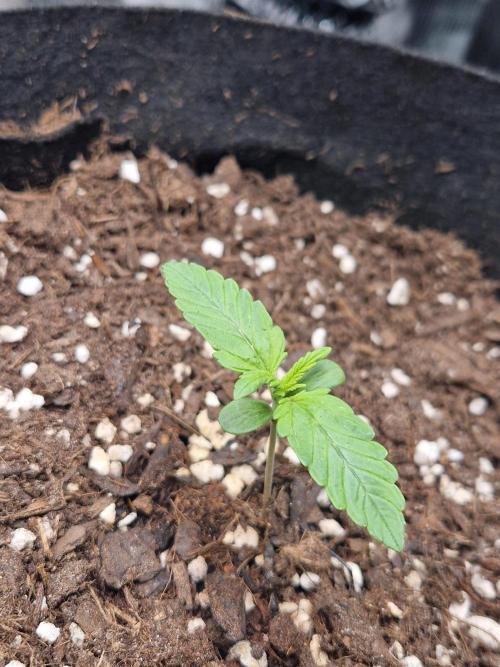
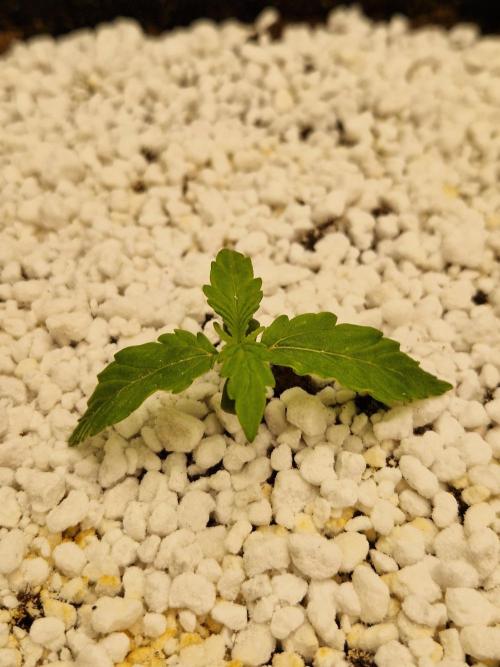
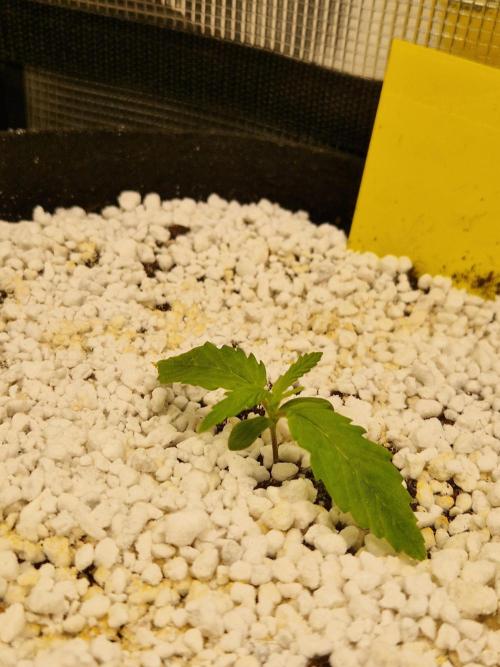
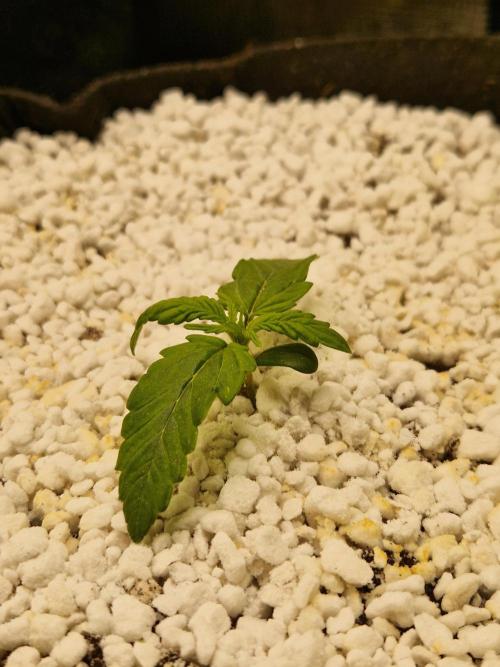
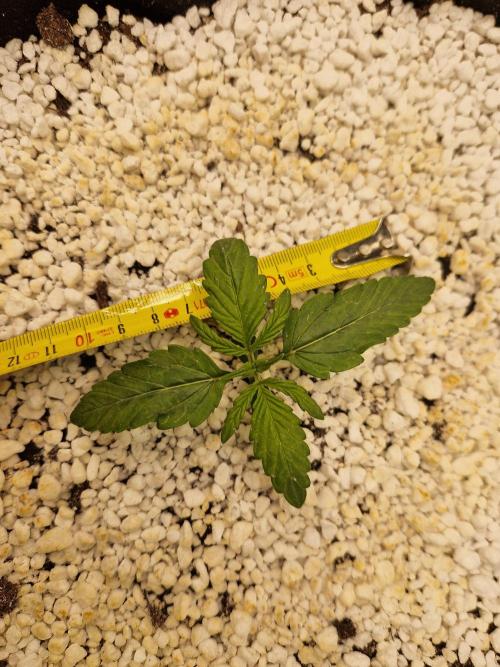
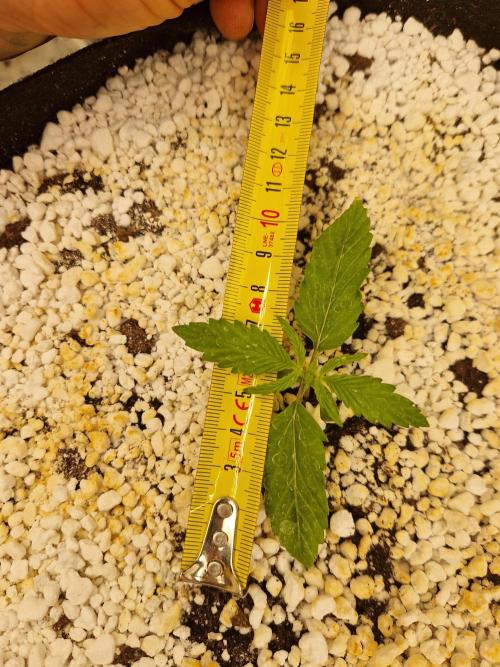
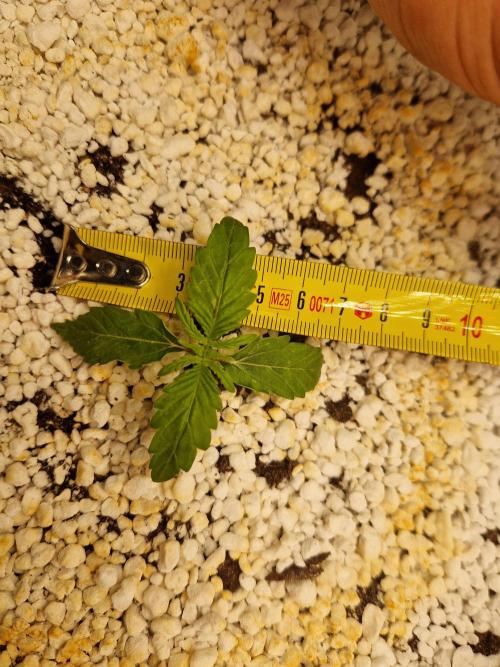
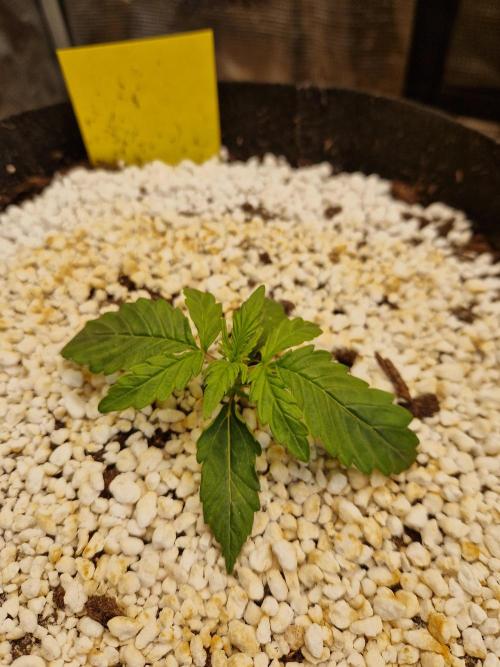
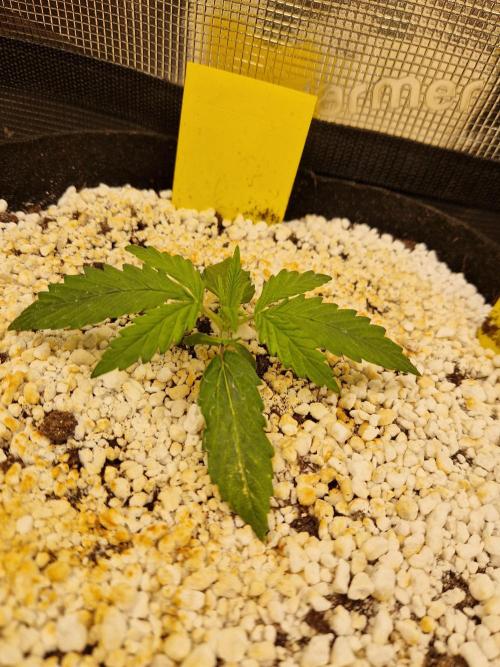
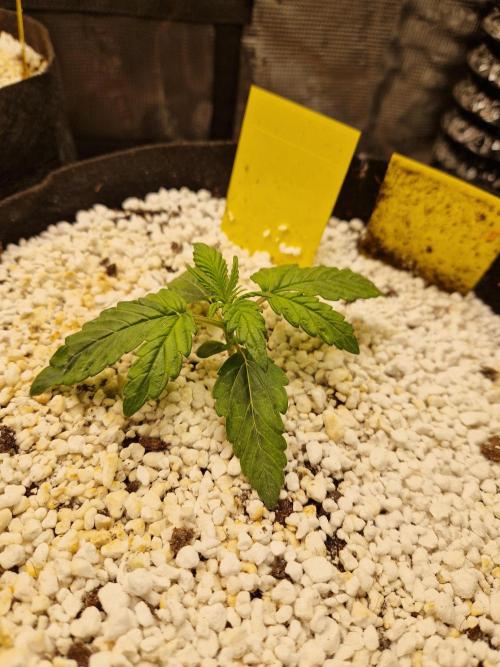
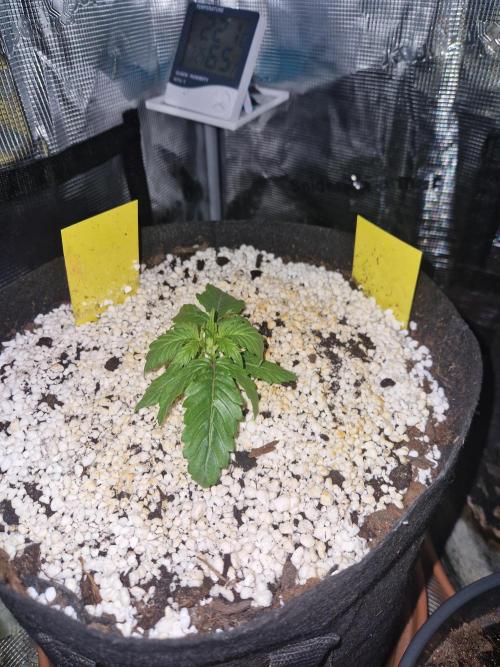
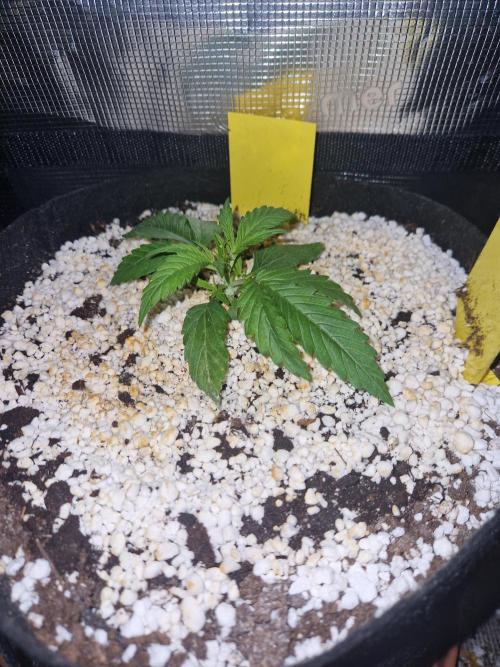
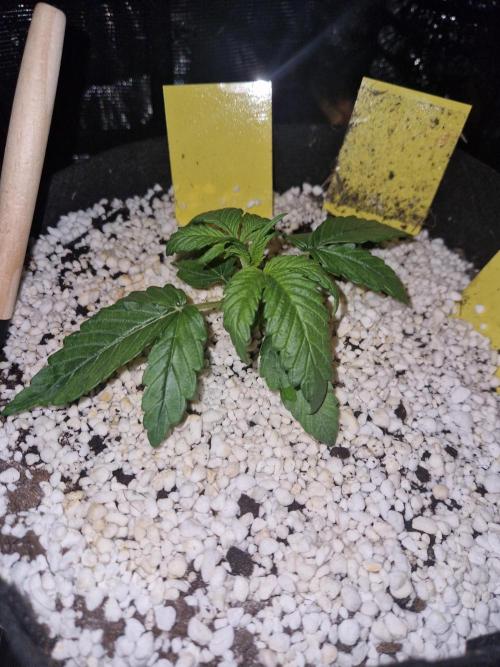
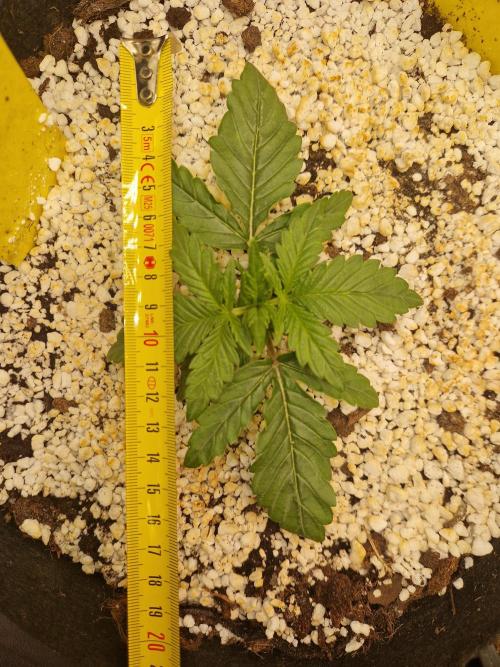
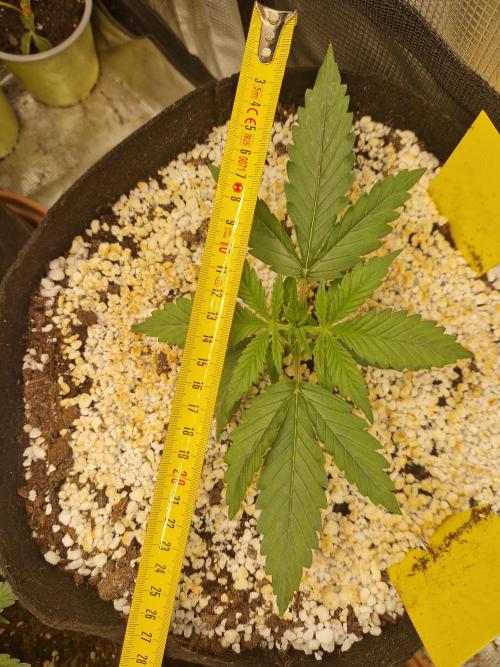
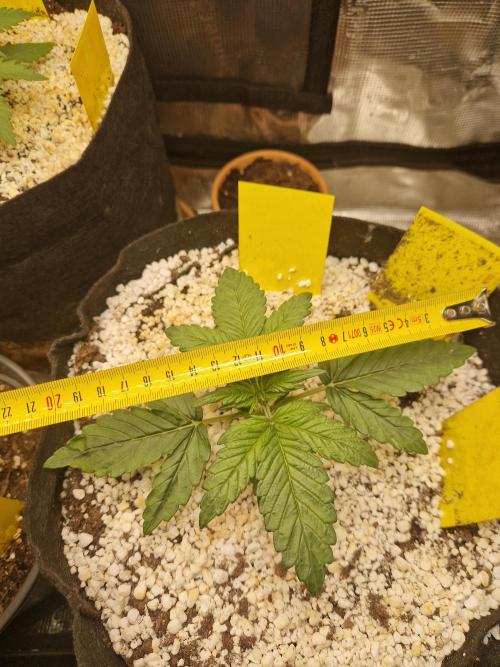
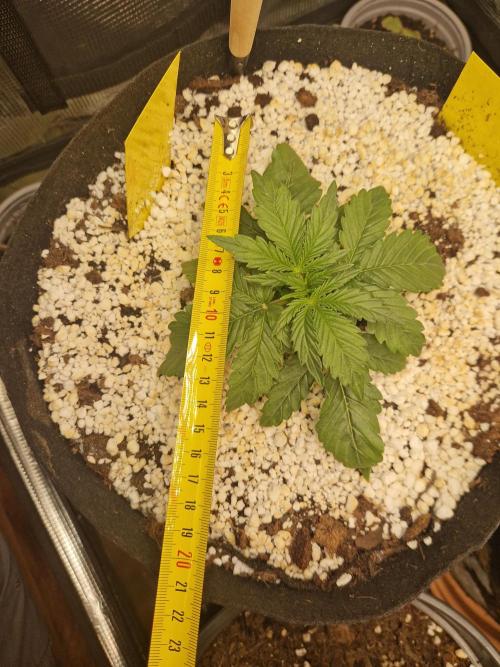
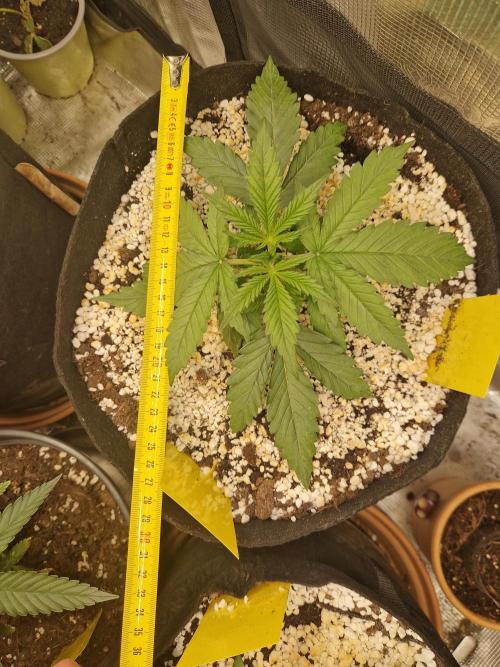
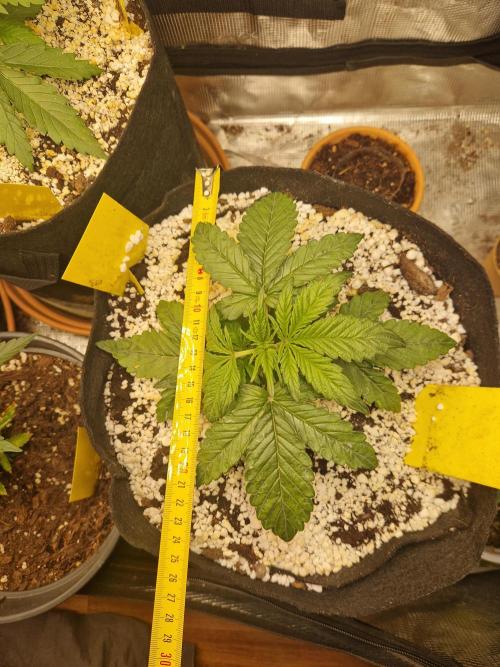
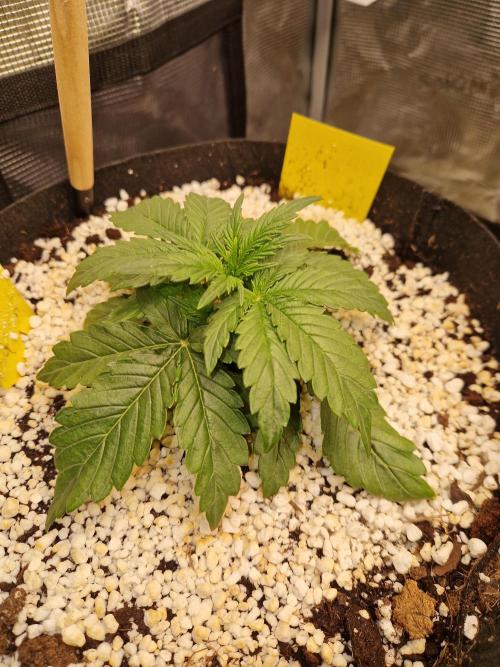
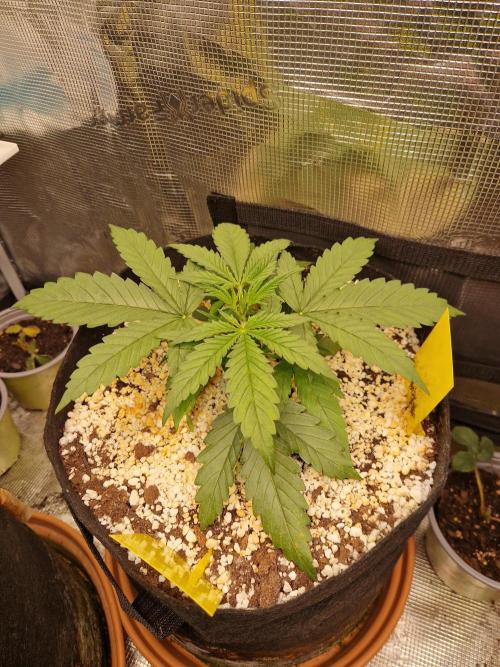
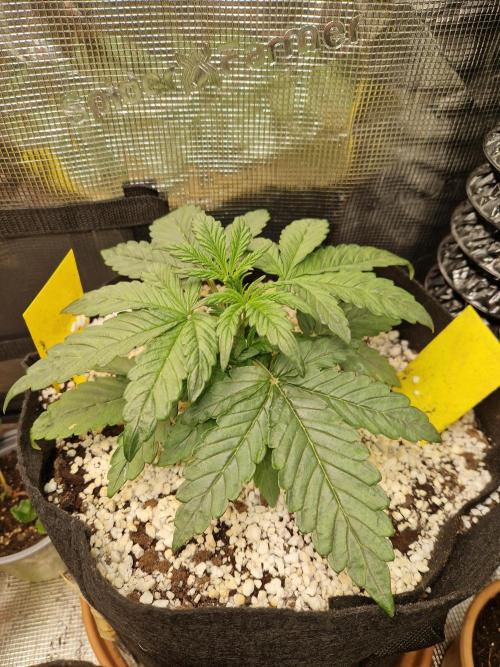
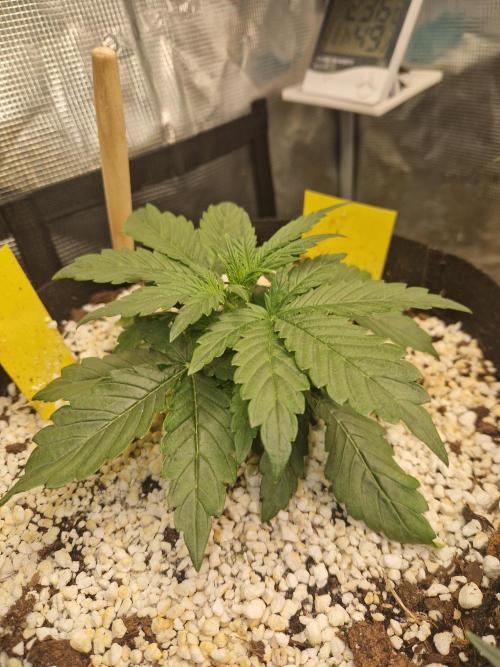
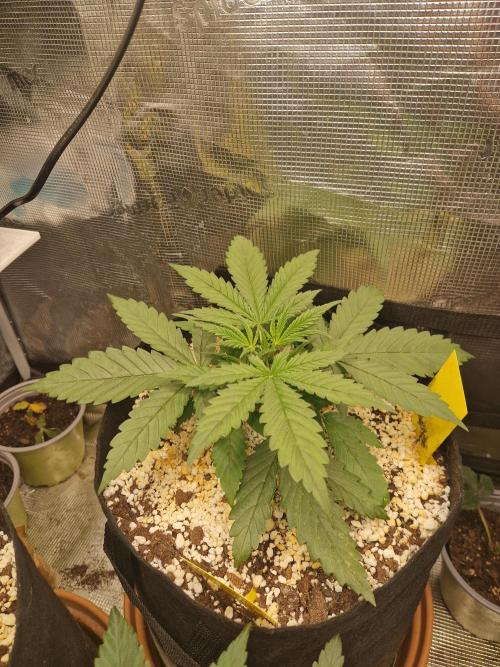
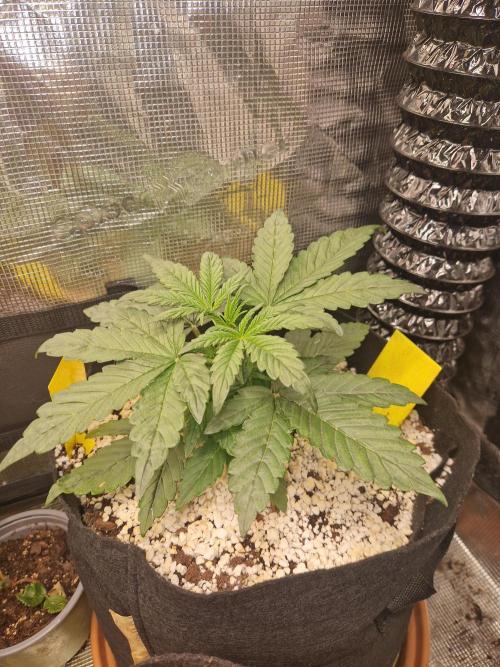
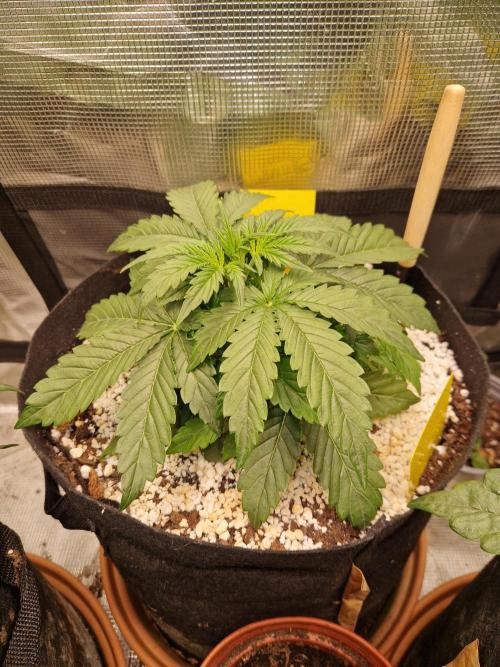
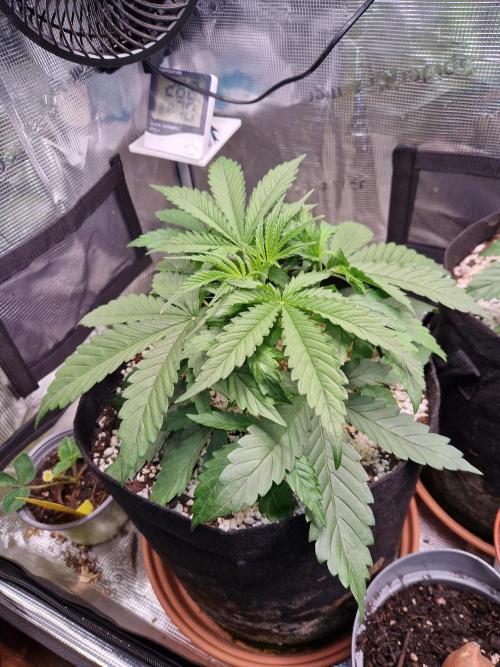
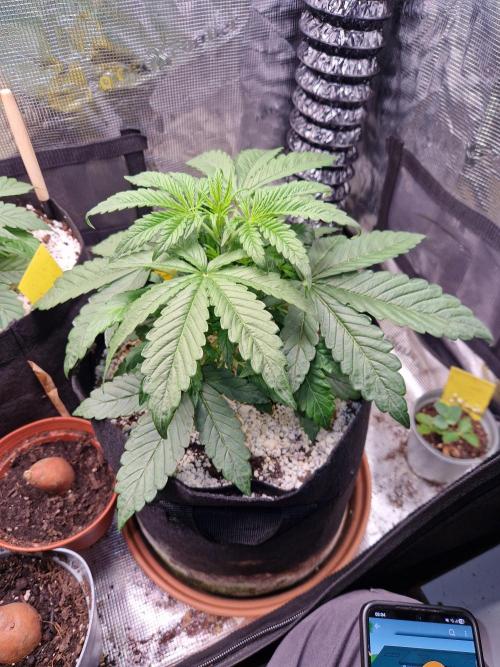
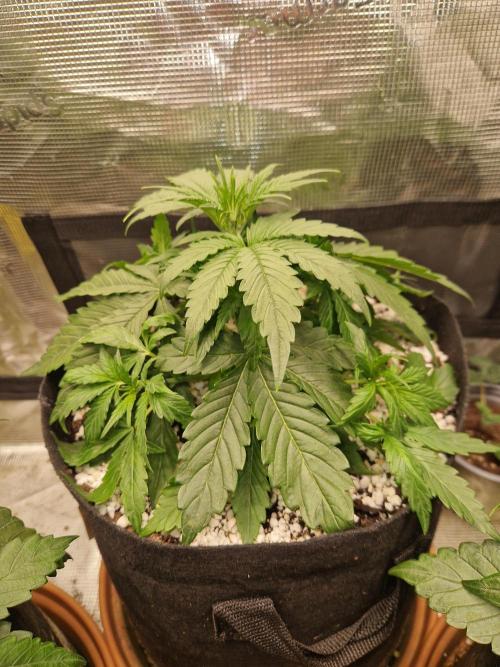
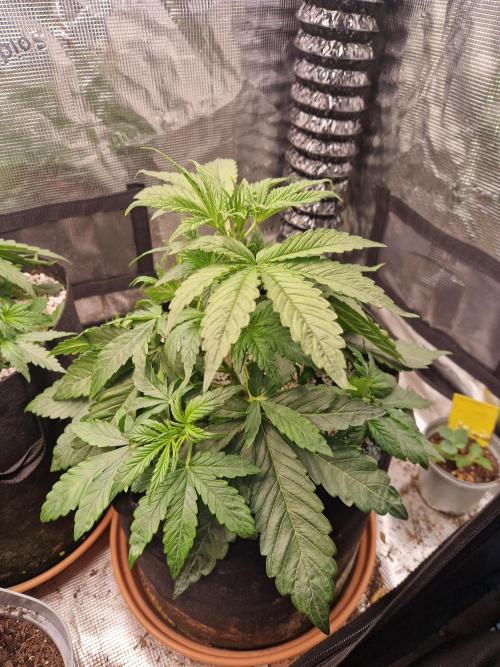
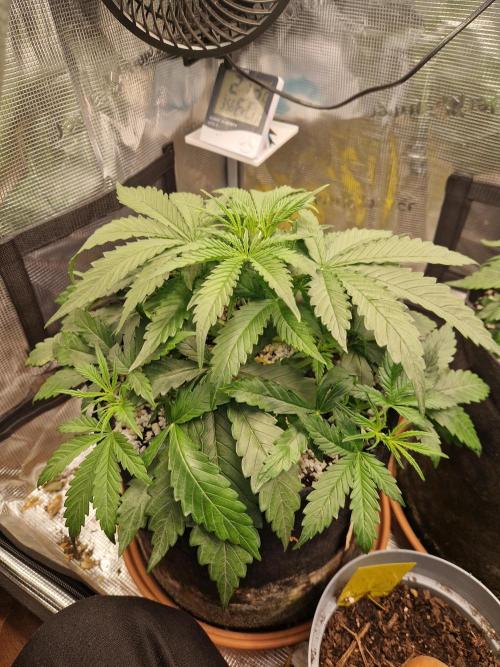
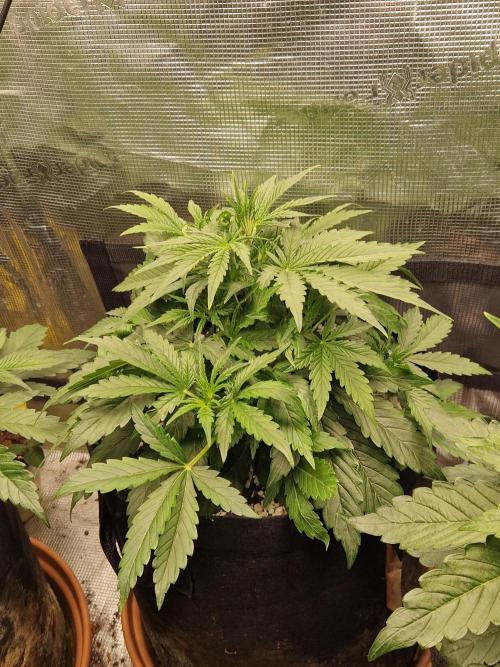
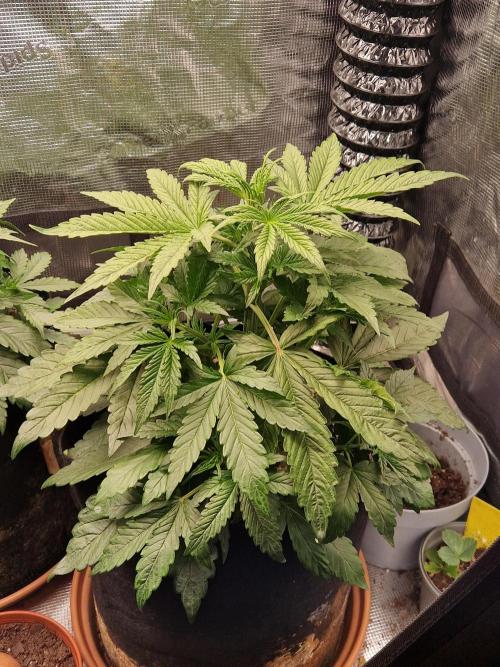
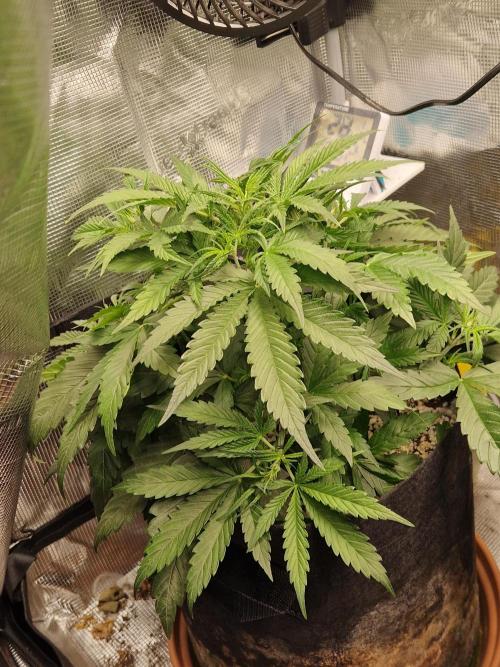
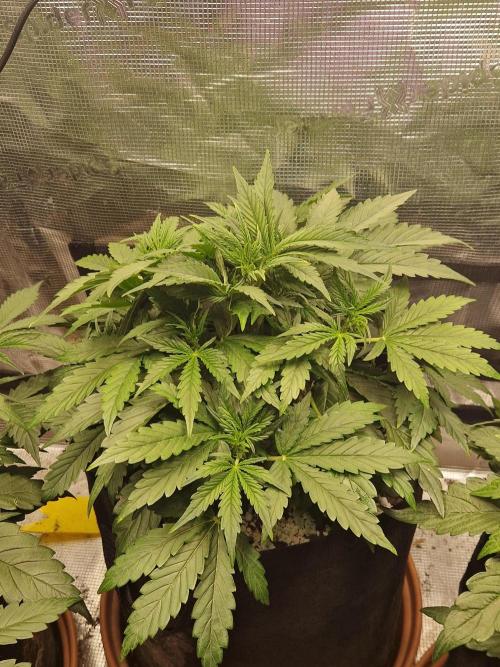
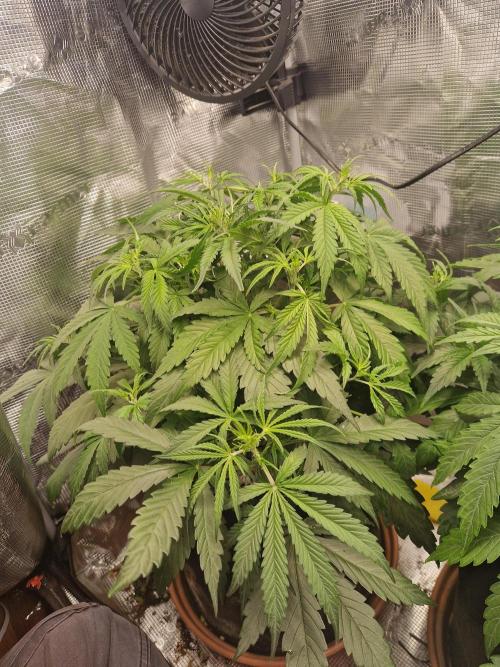
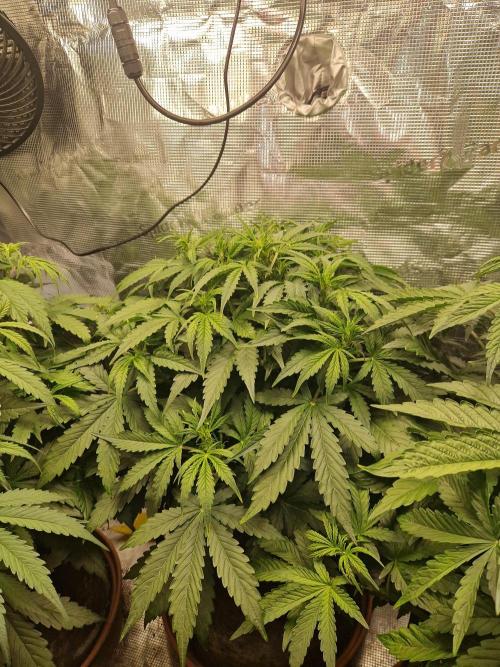
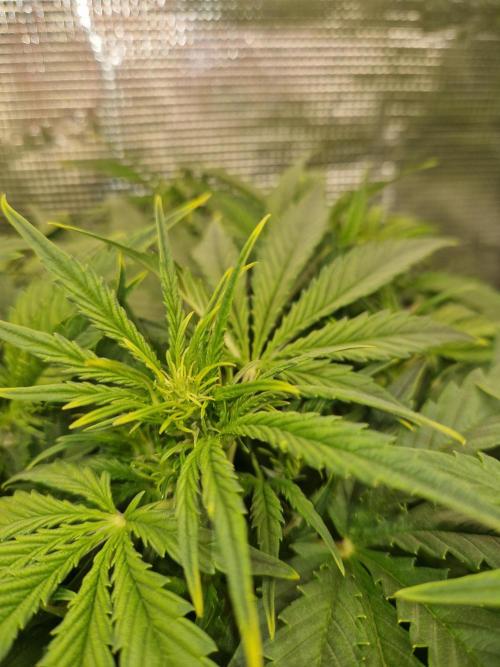
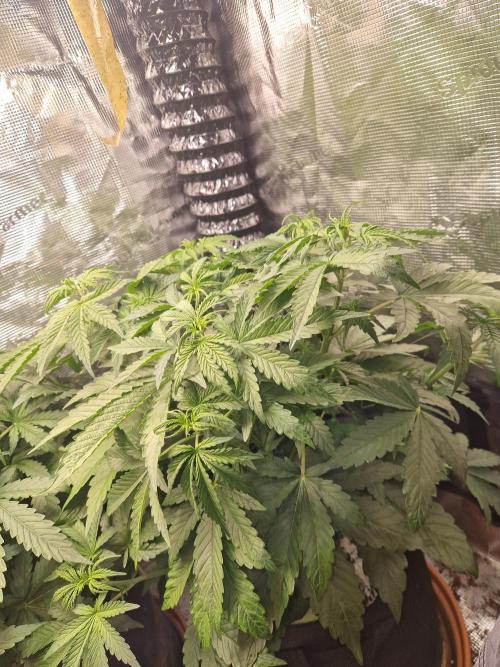
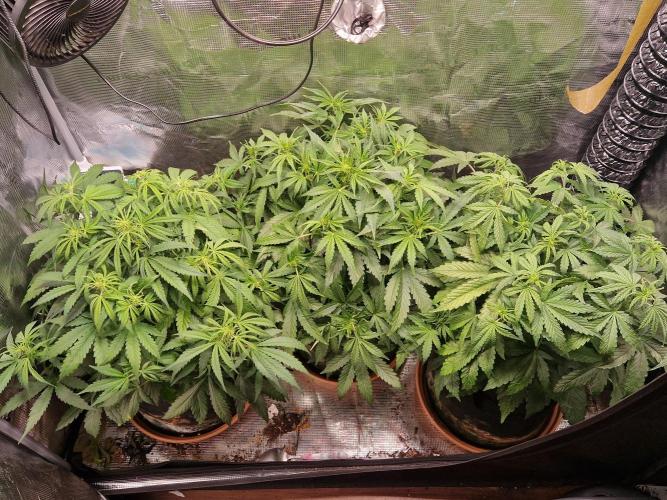
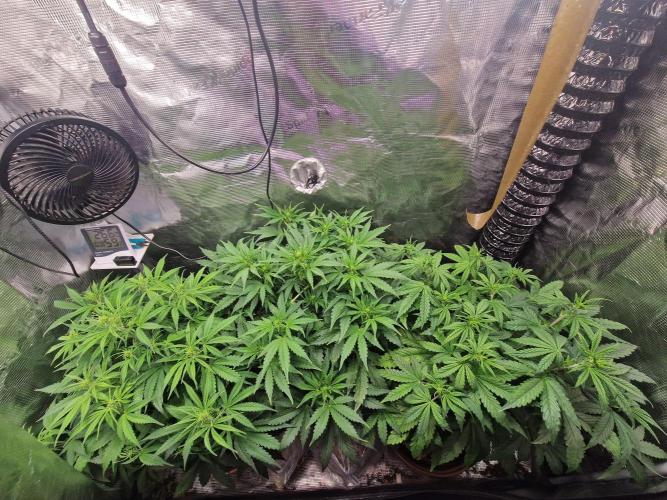
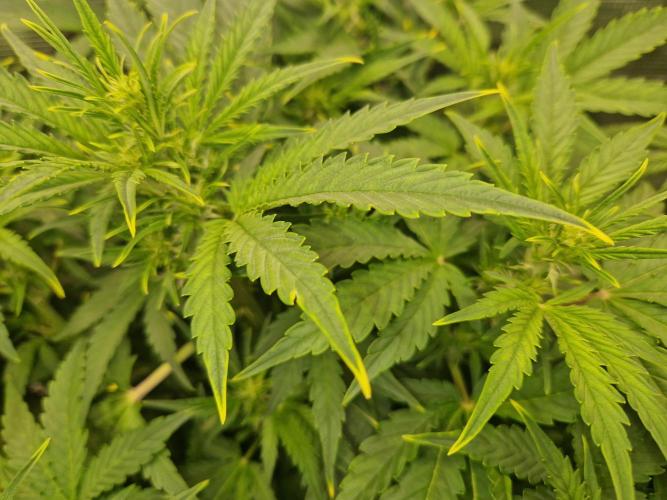
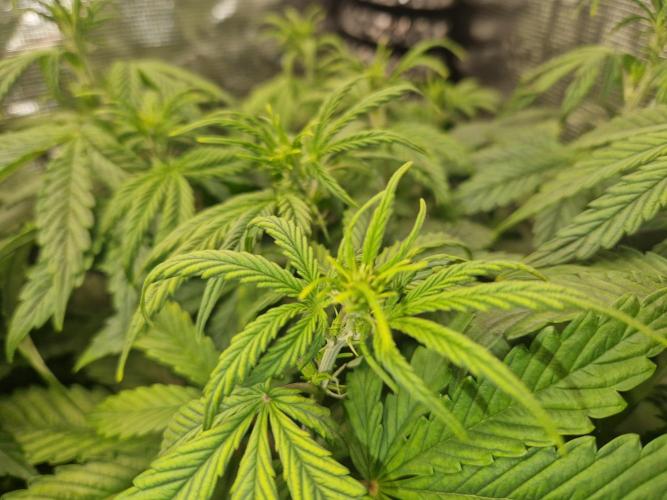
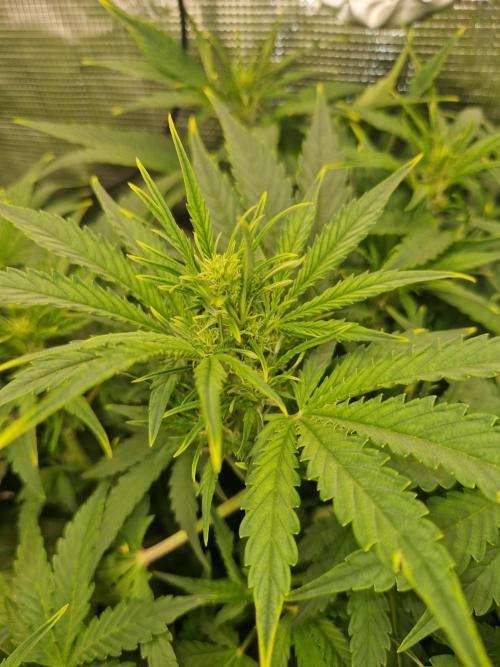
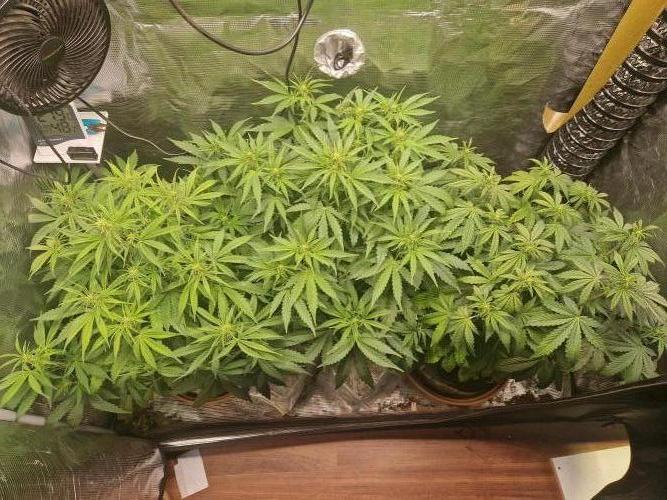
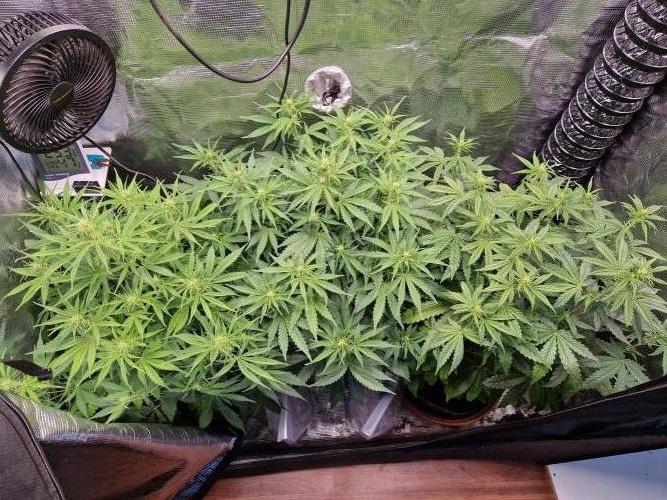
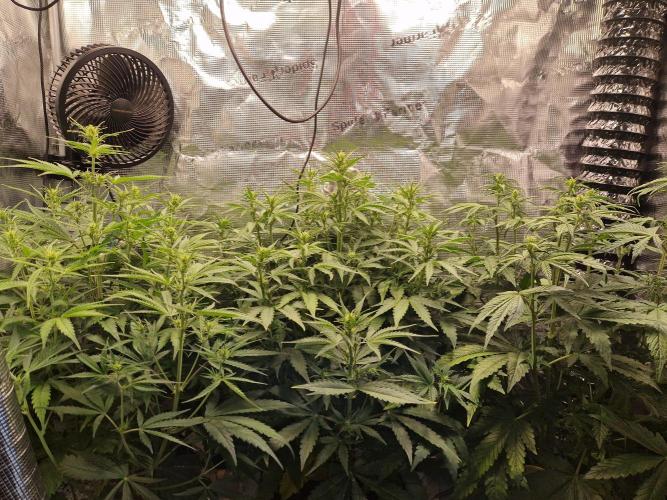
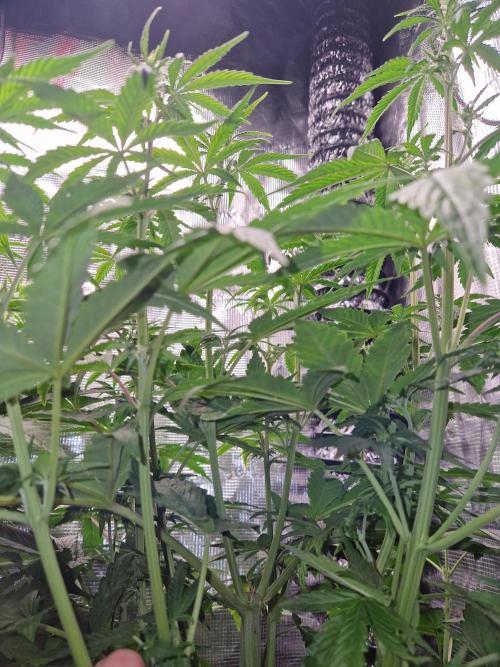
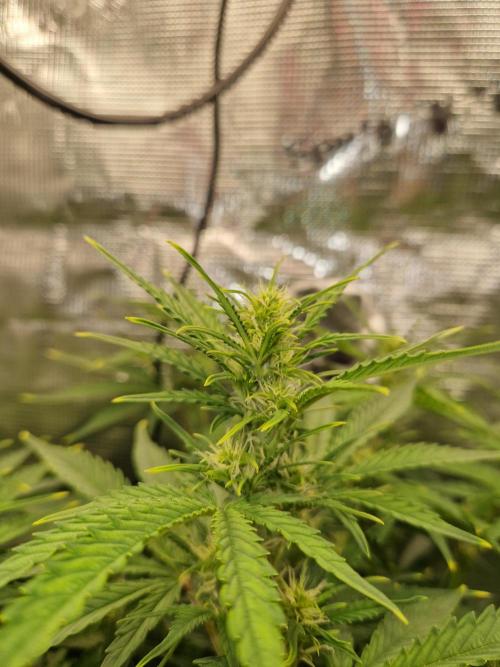
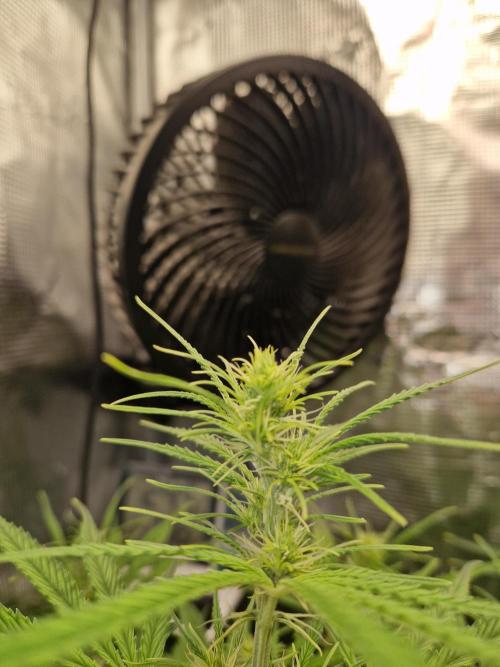
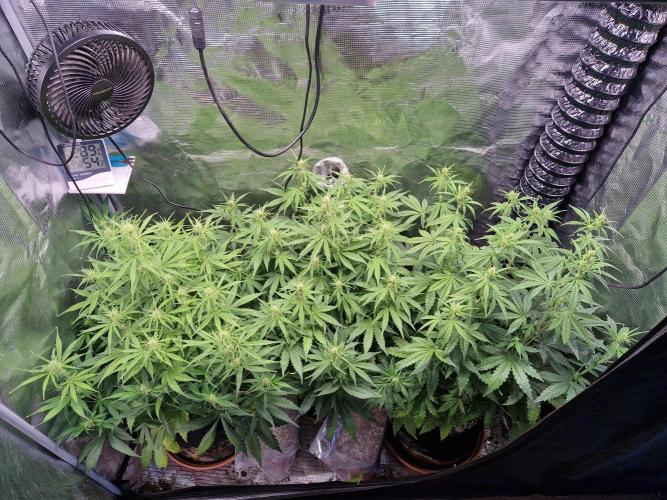
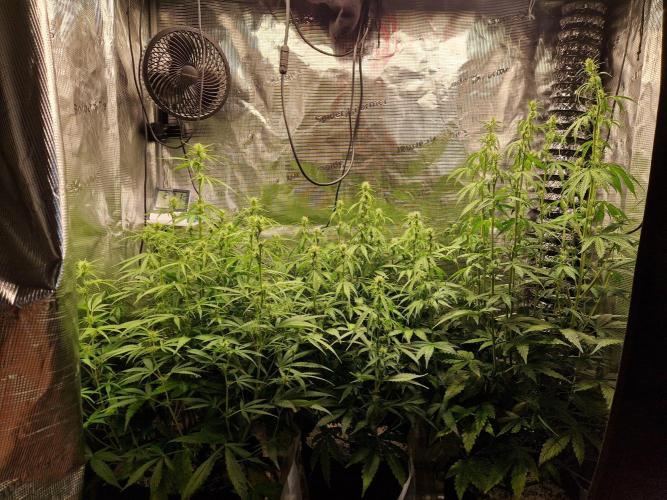
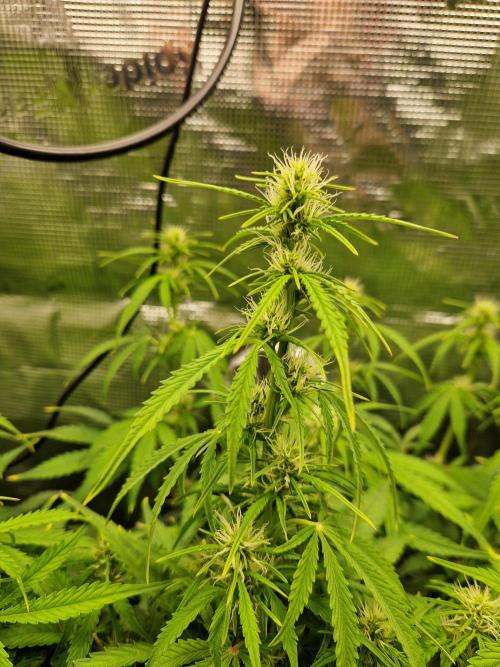
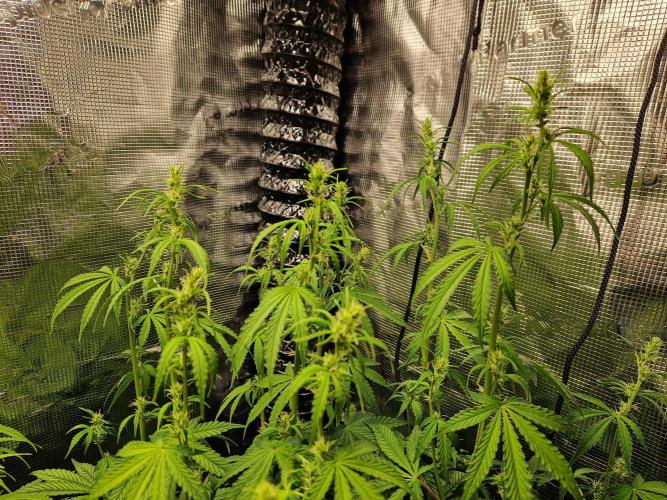
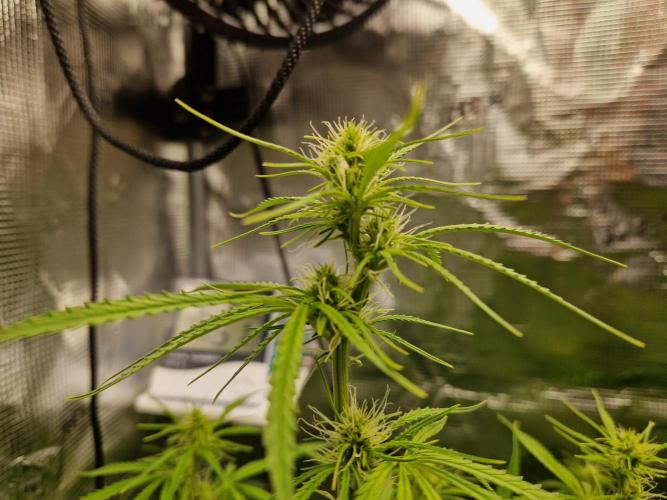
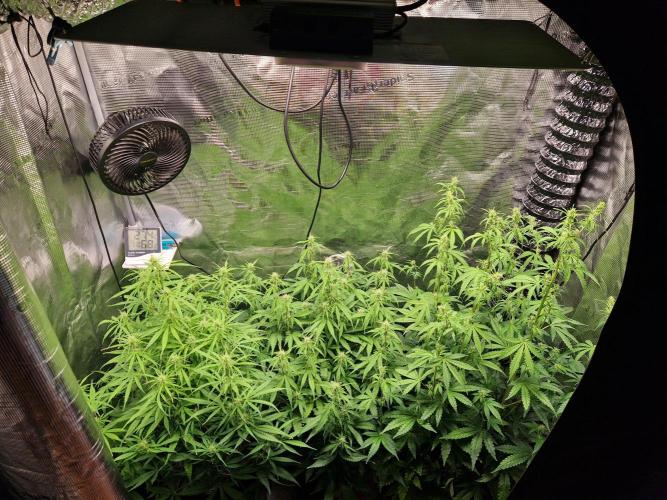
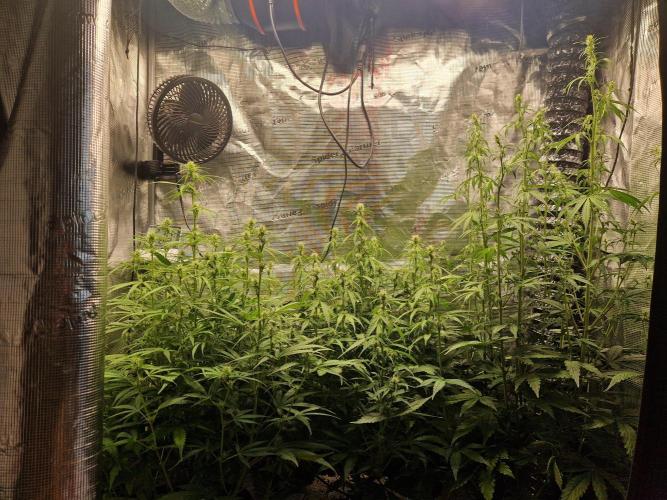
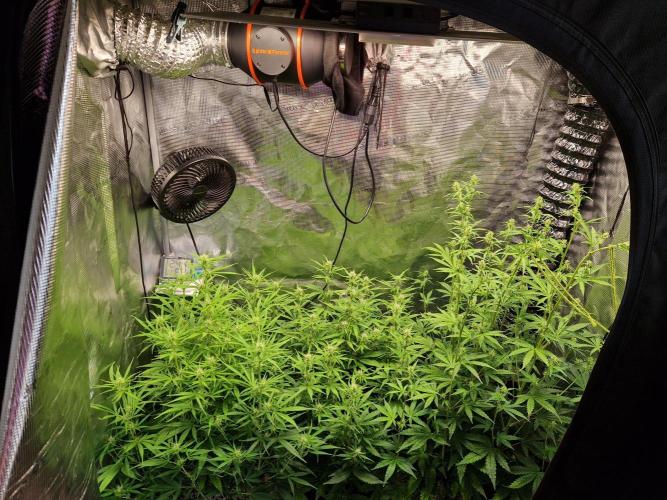
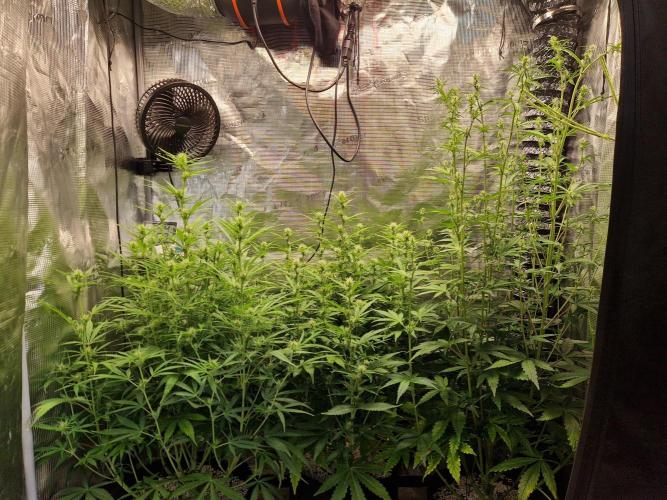
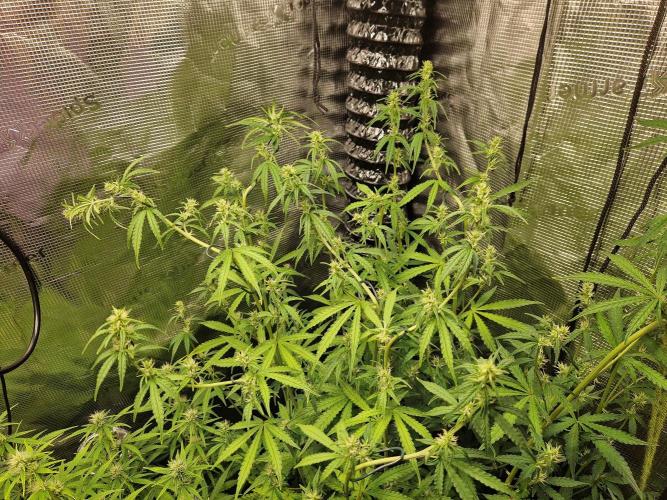
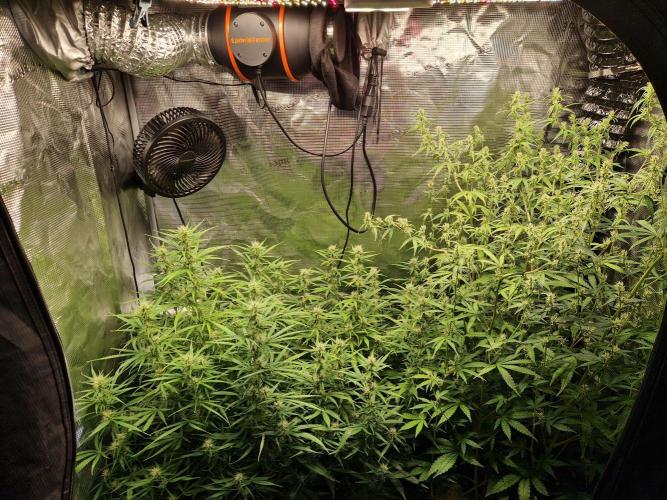
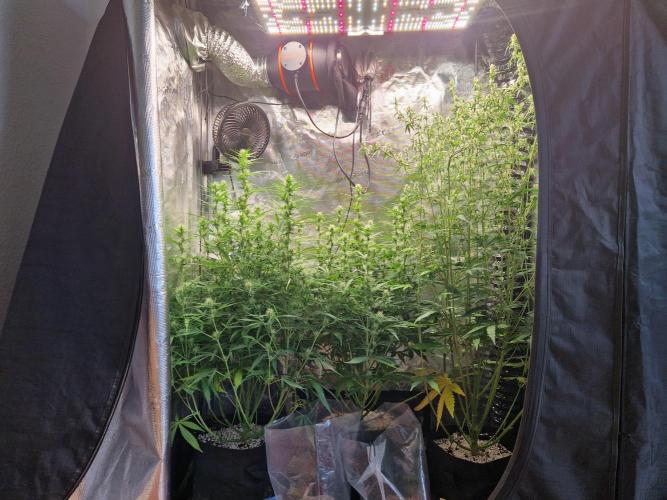
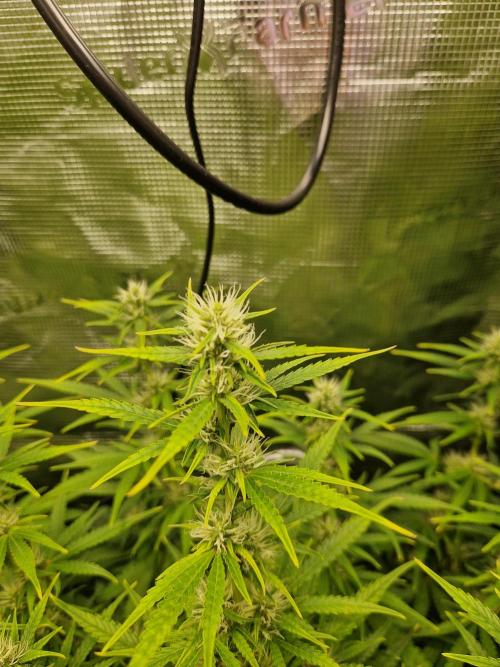
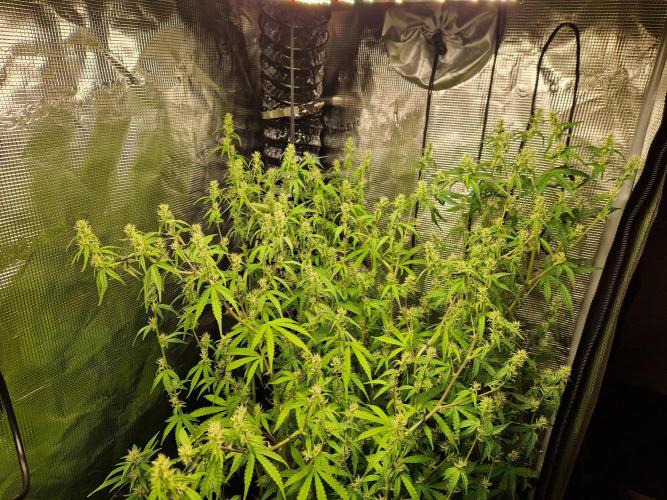
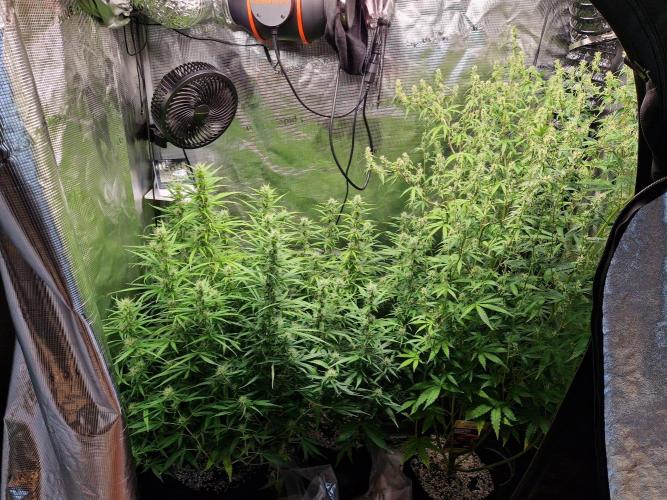
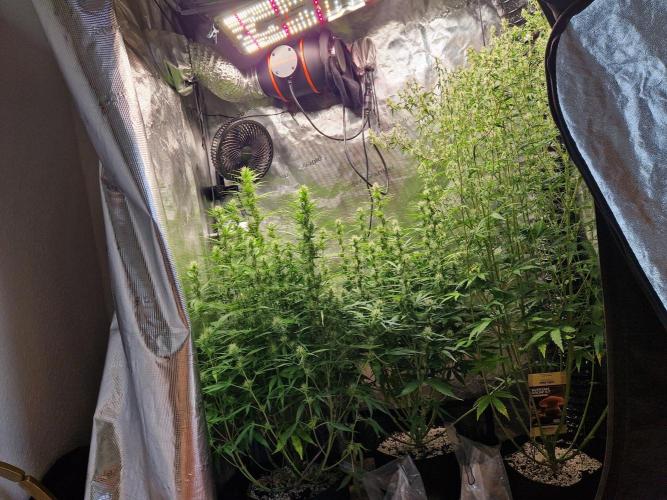
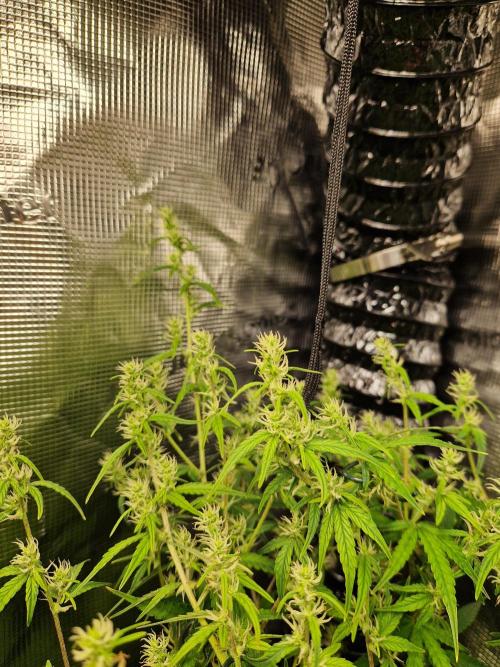
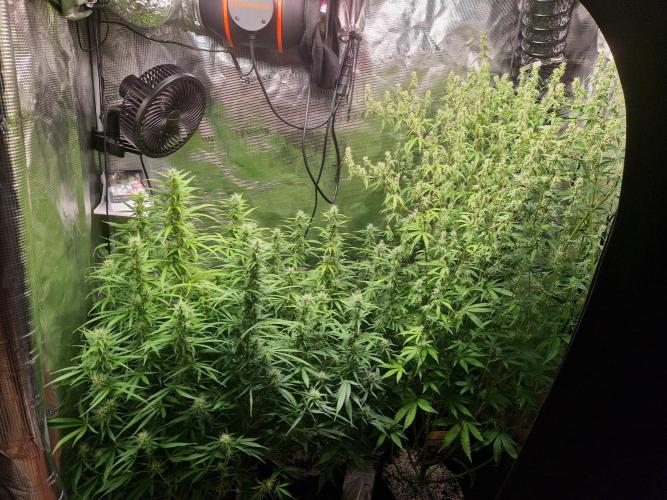
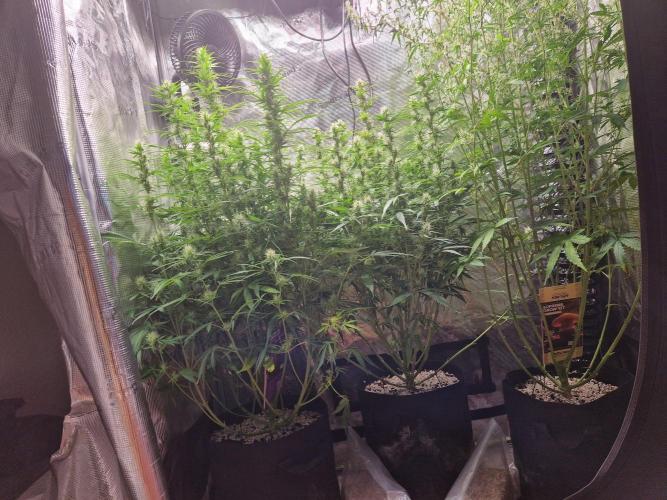
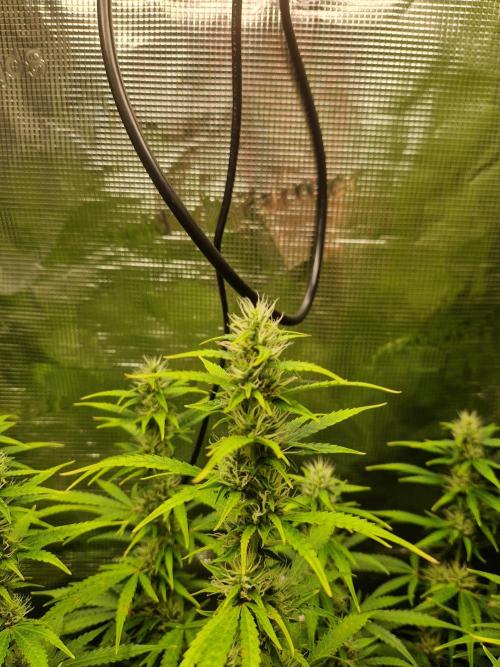
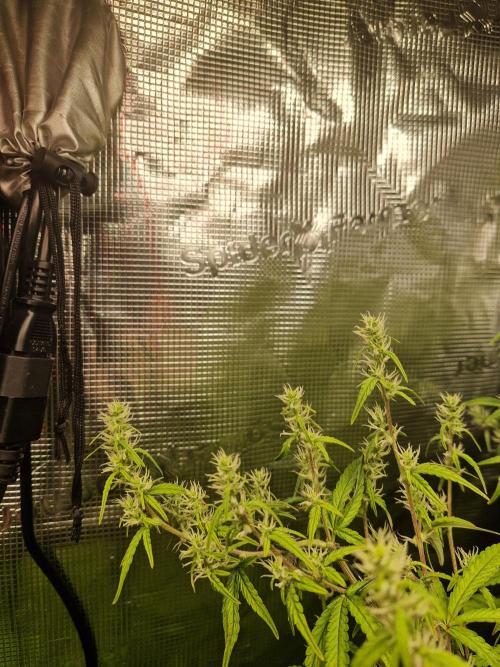
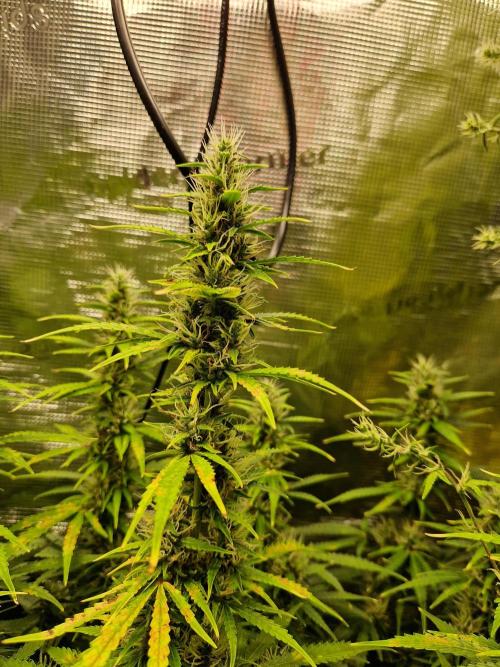
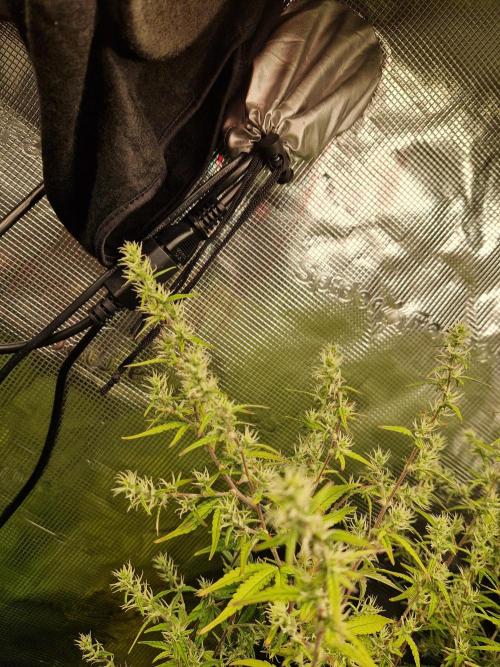
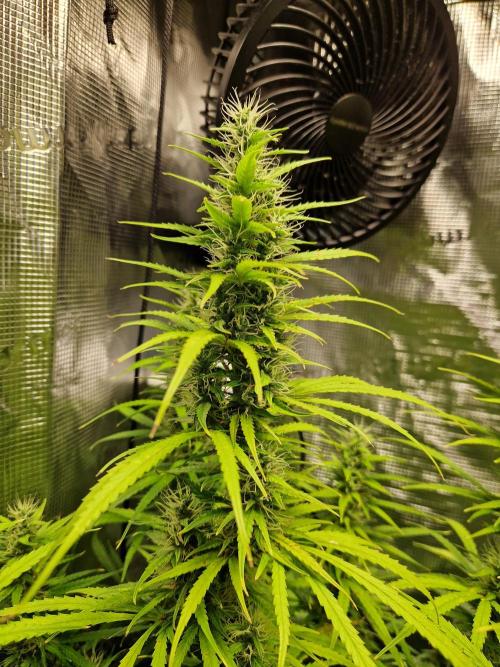
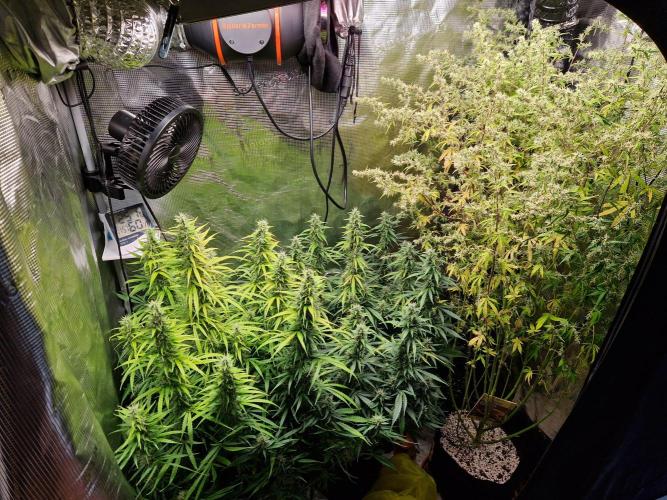
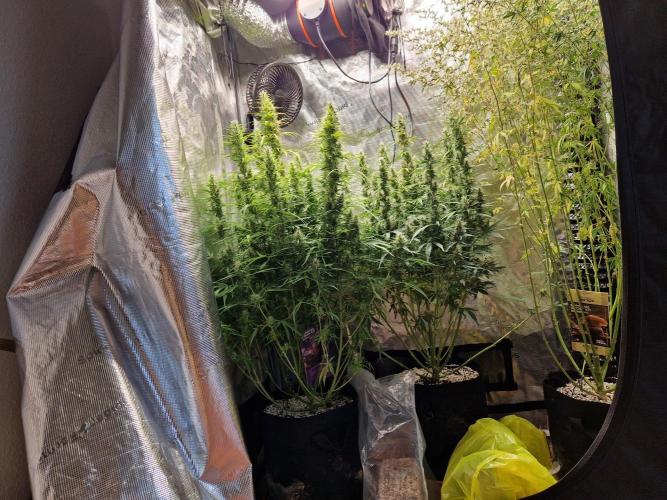
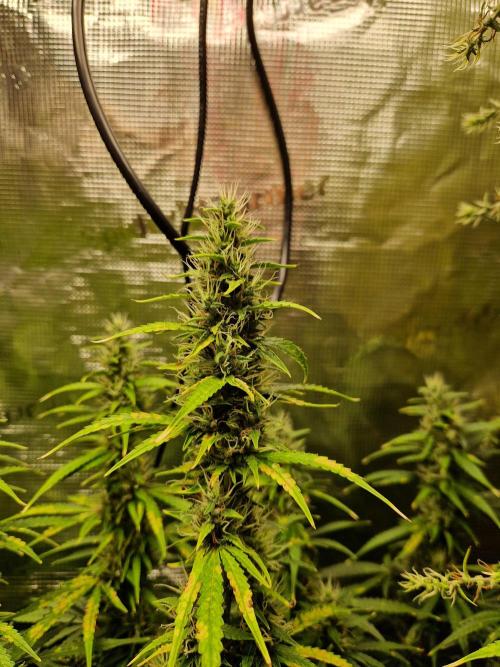
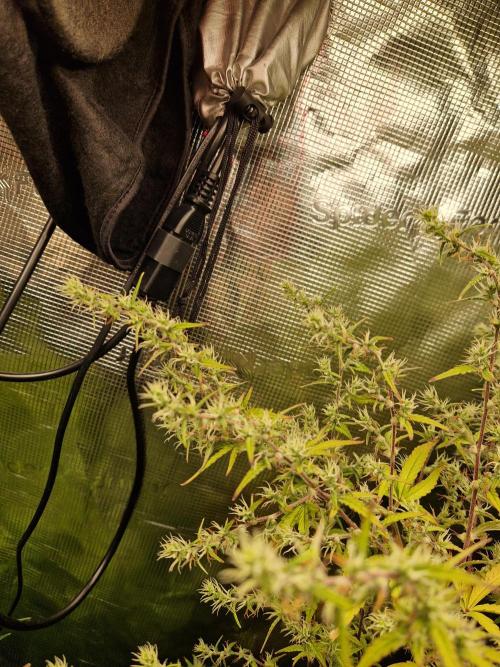
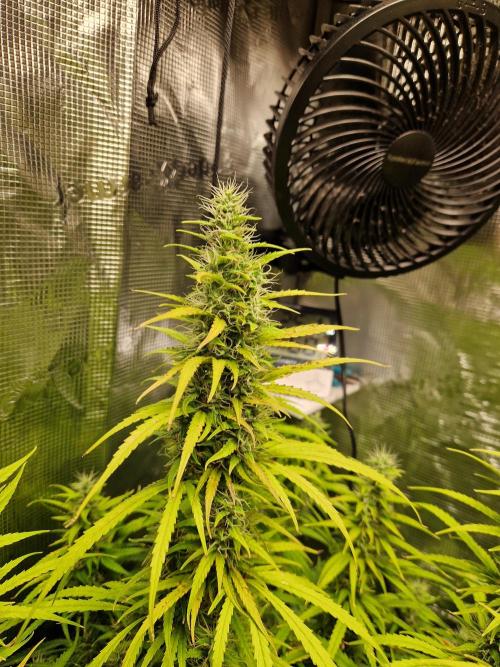
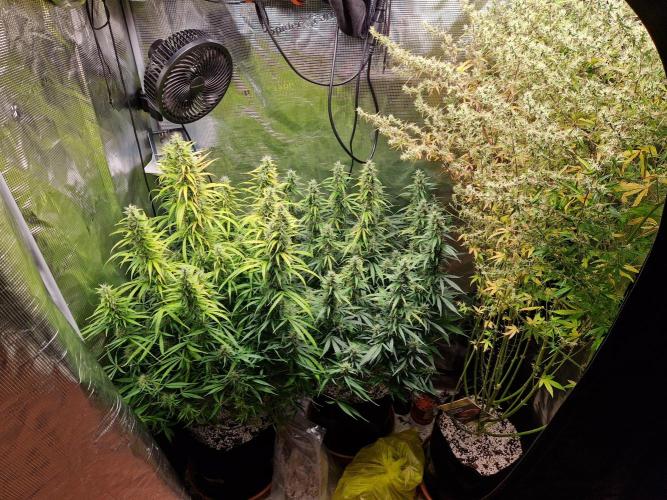
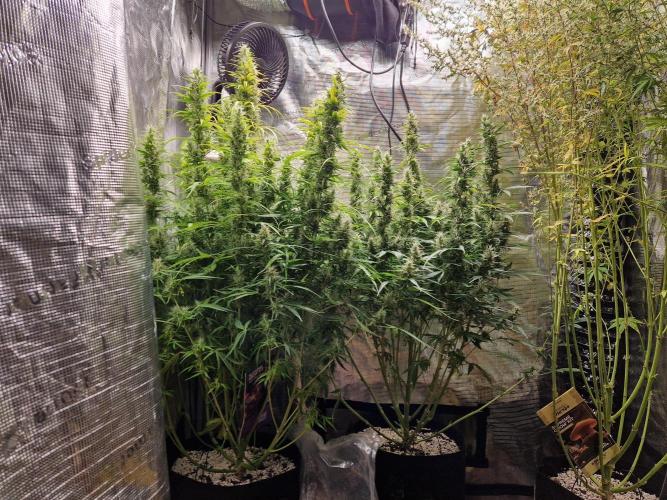
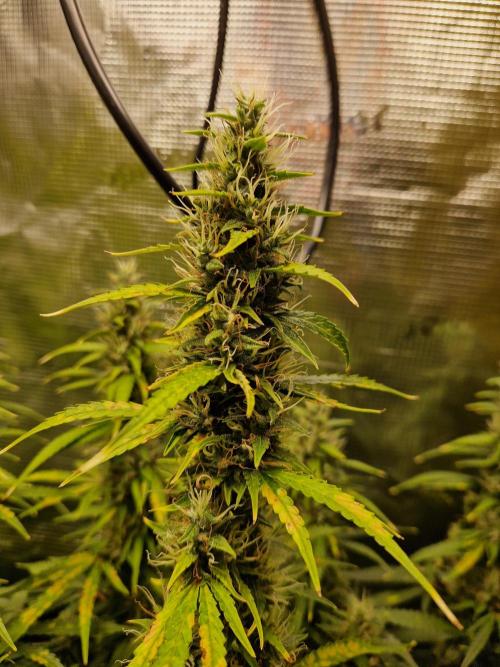
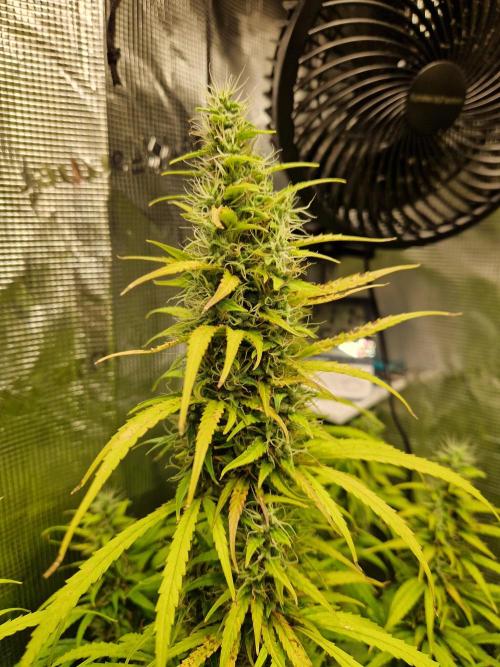
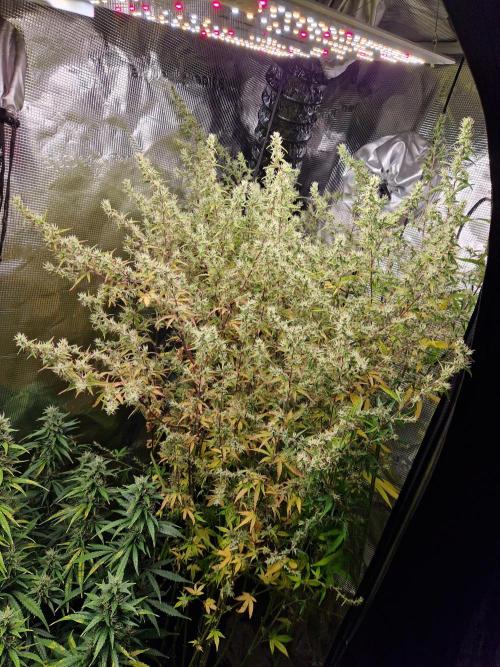
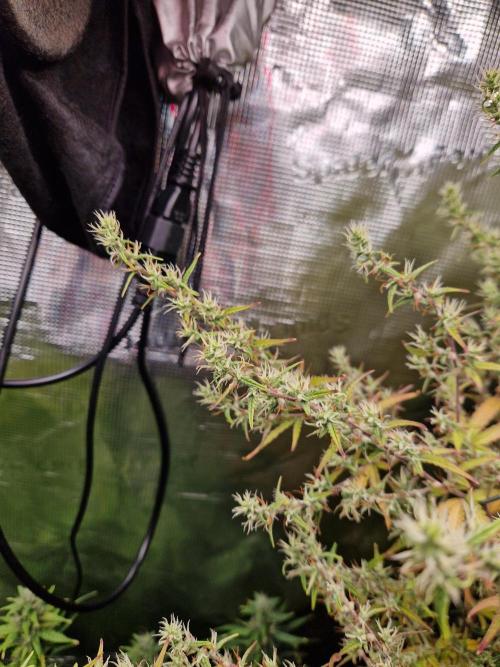
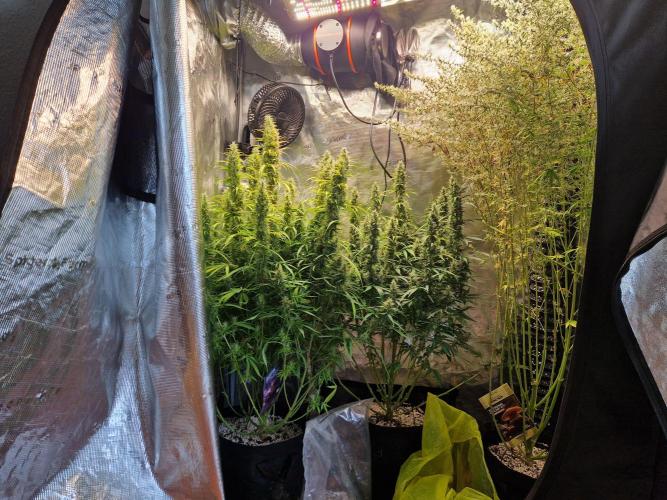
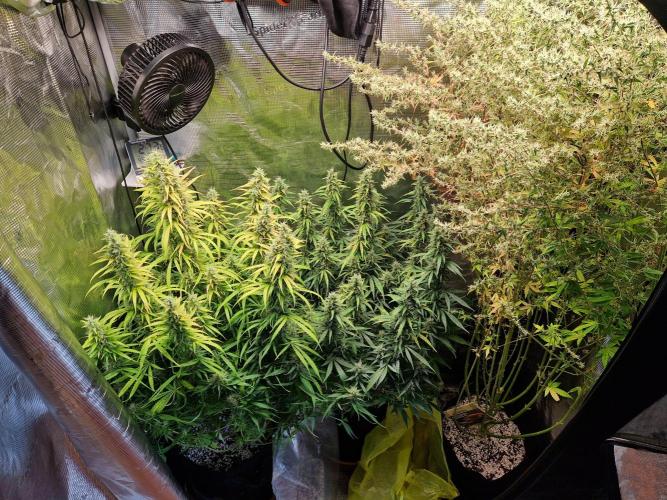
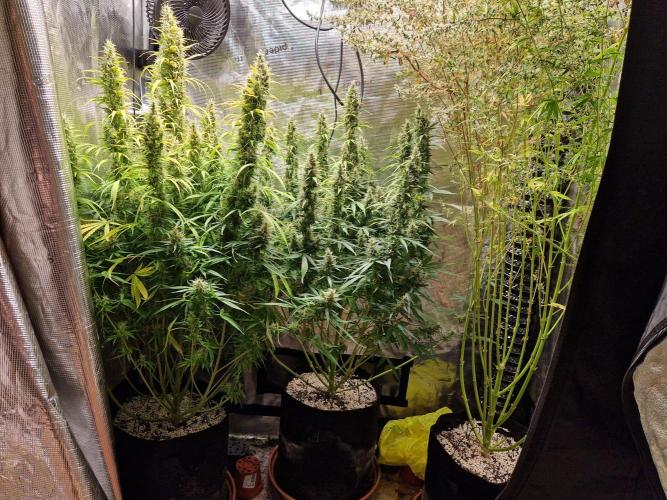
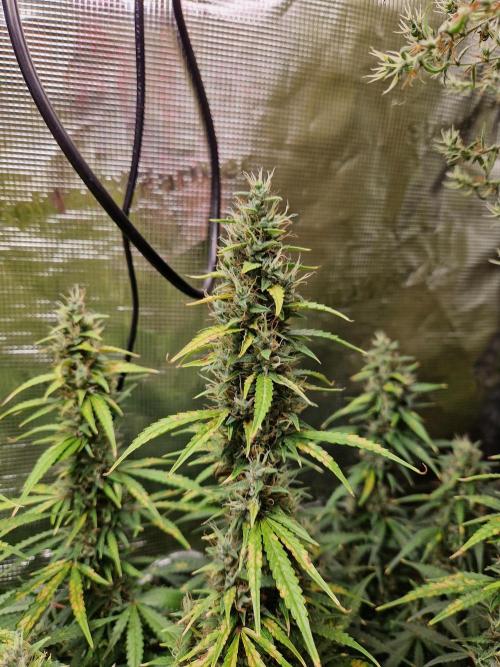
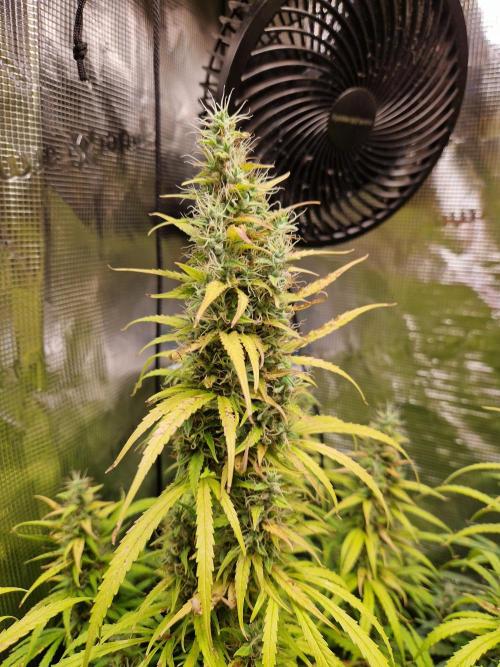
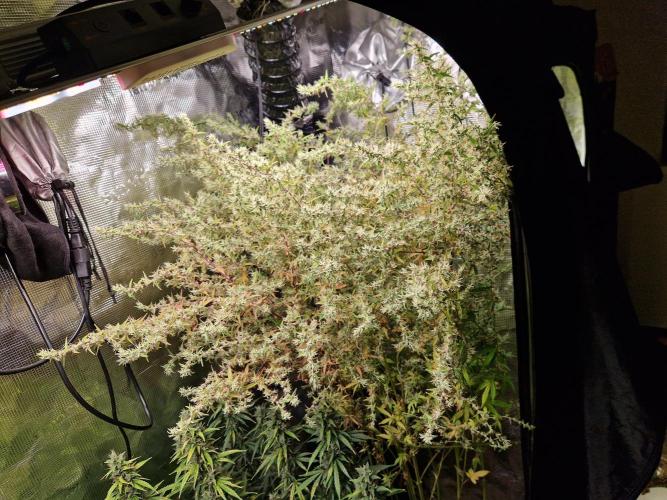
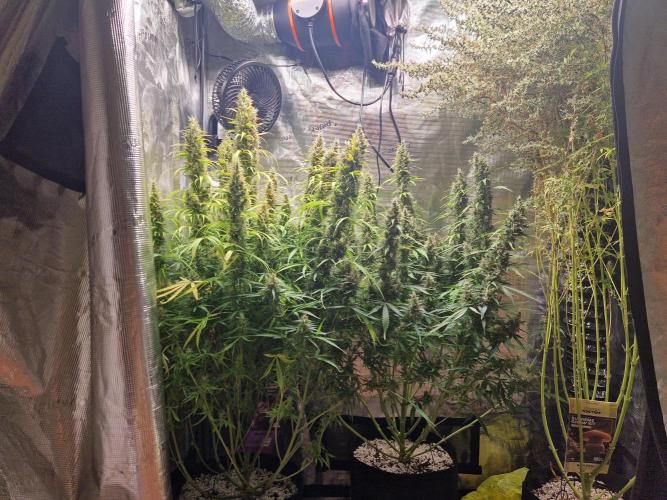
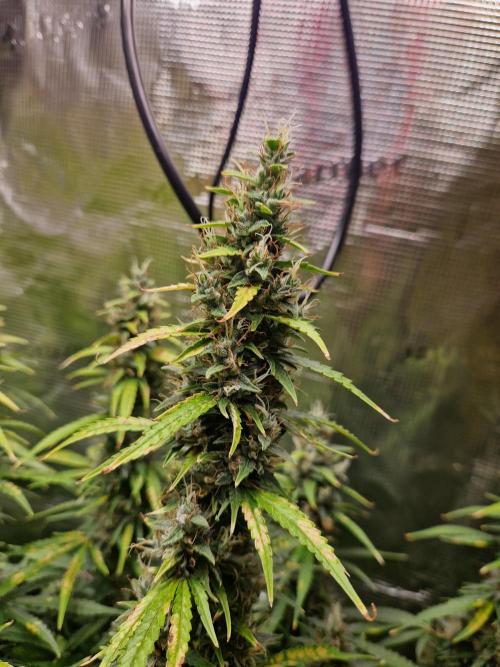
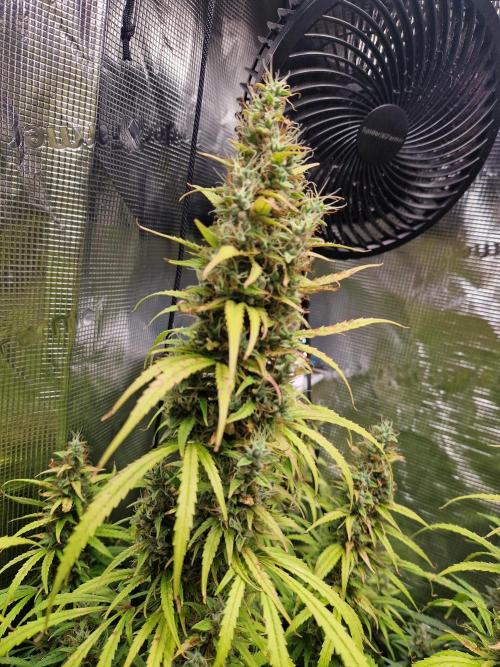
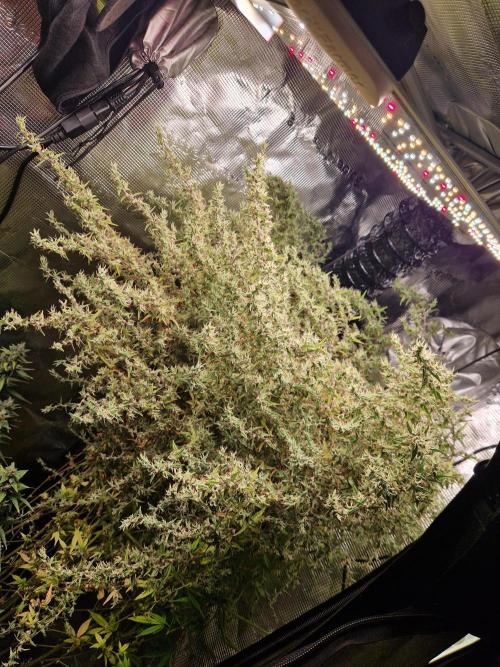
Before they sprout it obviously doesn't do anything. After 2-2.5 days i set the light for seedlings and waste a little electricity to ensure they have light when they sprout and don't stretch too much.
If you want to run the light at close distances and reduced power, that'll take a little trial and error. Take some notes on distance and power that promotes good node spacing and reuse that info in future. That is really difficult to suggest because it's unusual conditions. I have a 150w light of a little better build quality. I keep a regular 18" hanging distance but only 35% power those first 24h, then watching for a reason to amp up to prevent stretch. It's all a reaction to how the plant is growing. I could lower it to 12" and reduce it to 15-20% i bet... but i need to cover an entire 1020 tray, and being wasteful with a 150w light for slightly better conditions is not cost-prohibitive.
That L1000 on a 12/12 schedule is limited to roughly 2'x2' coverage and 18" from canopy for full power. On an 18/6 schedule covering same area, 67^ power. If running autoflowers, you can expand area of coverage 150% (~6sq ft) with a greater hanging distance.. maybe 20-22".
In the end, local variables will impact exactly how much light your plant can handle. No matter how good a suggestion is, you may have to make slight adjustments to power. Hanging distance should be about even light distribution without sacrificing overall average light intensity, so that remains roughly the same regardless. A light meter app can help with that. Consider center reading as "100%" and then everything proportional from there to best even it out.
Since the above explanation applies, i'll just show the initial suggestion for sf2000 pro light.
SF2000 pro according to their spec sheet is:
200w - 552.6 μmol/S, this will be based on 600 or 900 PPFD targets for 18h and 12h operation, respectively. Both add up to same upper-30s DLI.
Their suggestion of 3x3 is a bit optimistic. Already a bad sign from the spec sheet that makes me question the efficacy listed which impacts the authenticiy of the "552.6" number above.
I'd stick to a max coverage of 6.7sq ft for 12/12 operation. With reflective walls and appropriate hanging distance, it'll fall short of a maximum ~900 PPFD in that context, which would be up near the max for ambient co2 conditions.
For 18/6 and covering same footprint, run at 67% power and same hanging distance. If autoflowers, you can choose to cover 150% more space (~10sq ft) at 100% power. Hanging distance is likely to increase slightly, too.
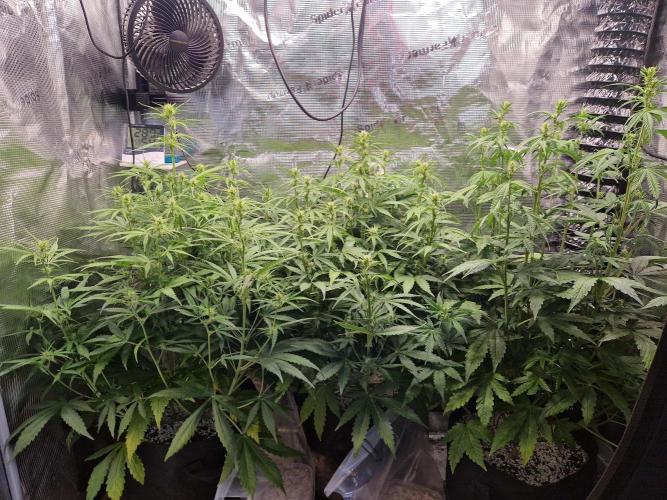
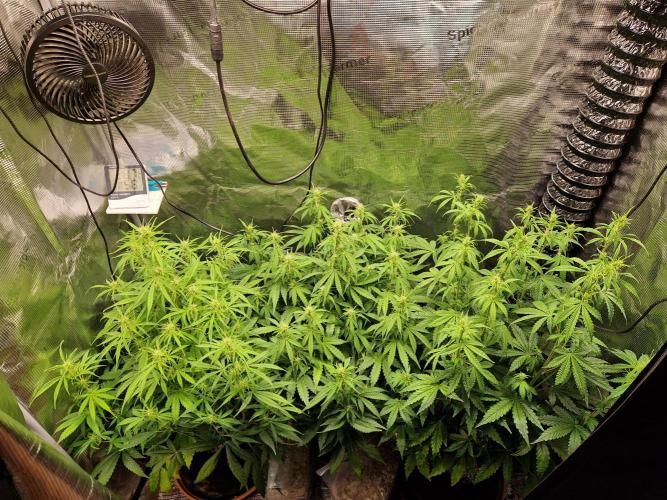
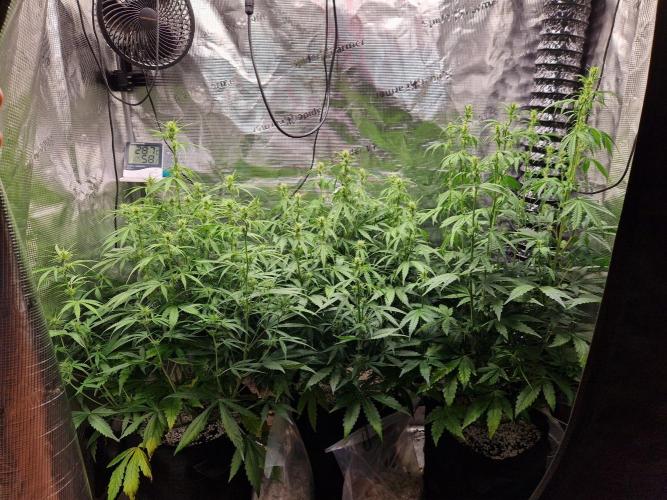
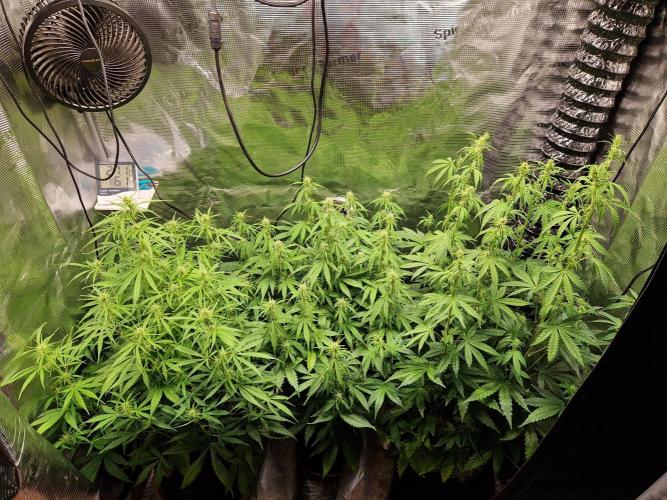
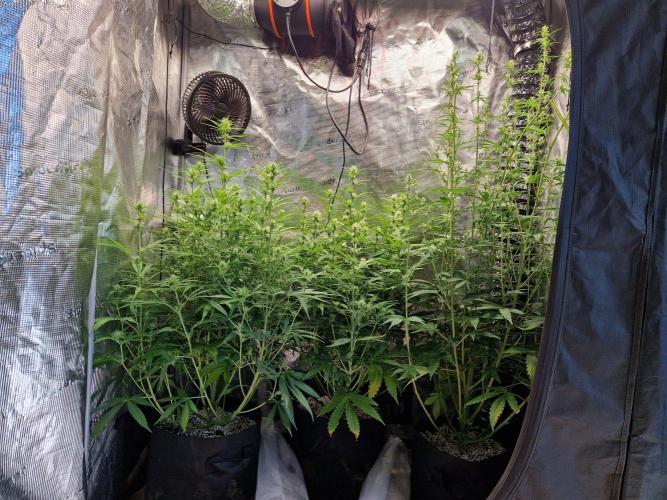
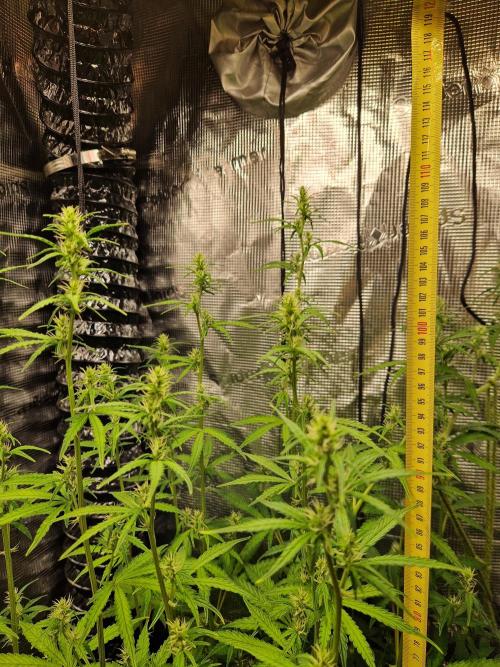
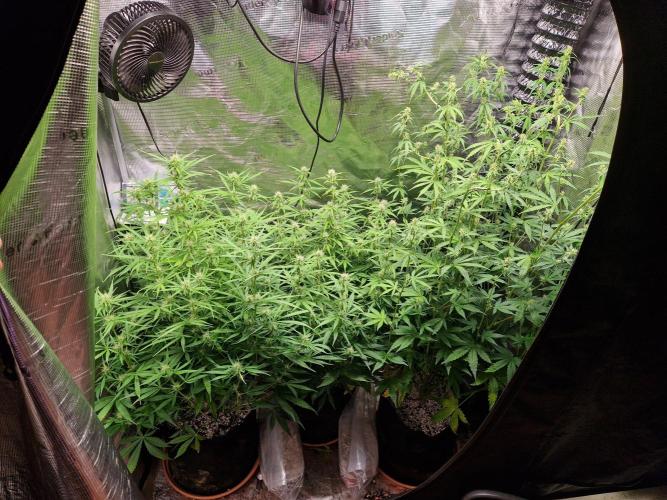
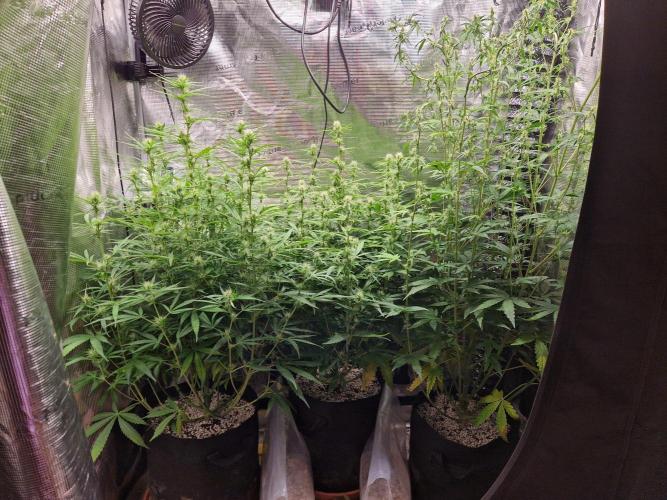
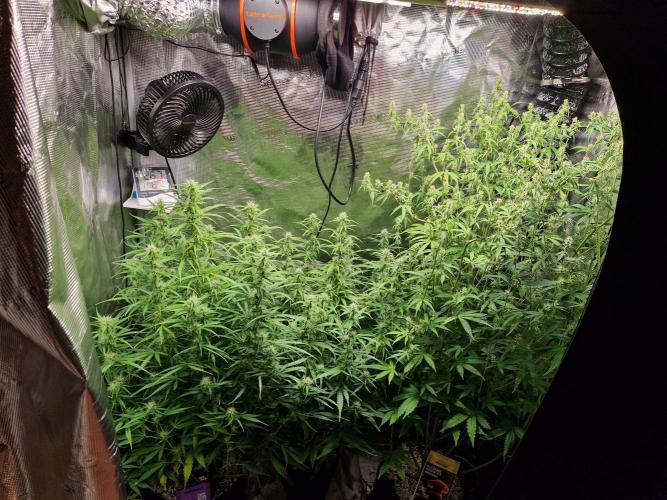
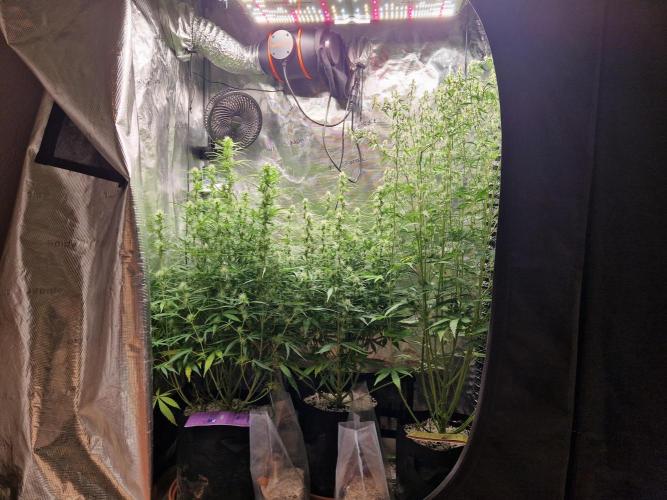
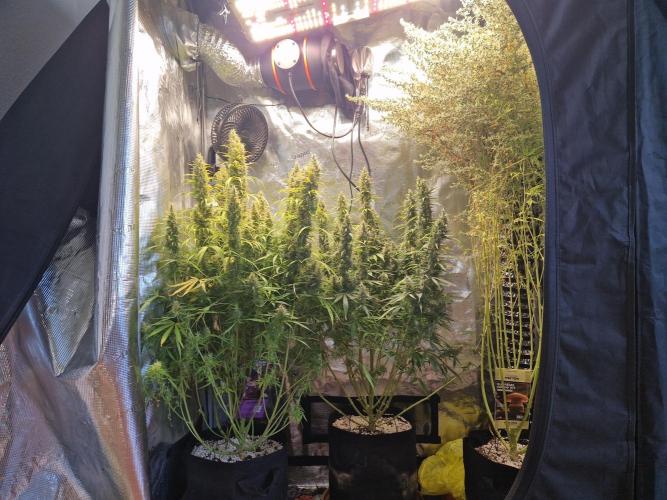
Hanging distance for mature plants - it's a QB, so typically 18" or more. If covering a larger area for autoflowers, you'll probably want a few more inches of height. again, a light meter can help with this as above.
Extra hours, ceteris paribus, are also 1:1 proportional with DLI. 10% more time = 10% more DLI, all other factors the same. So, if you can get a better DLI with 19/5 relative to some unique context, it can be a good idea. Hours of operation is only important for a photoperiod - stick to 16h or more for vegetative phase of a photoperiod. Not sure if 15/9 would work on all genetic variety?
Otherwise, DLI is DLI whether it is over 12 hours of 20 hours. Same max per day given local variables. I run my vege hours 16/8 so i keep a greater number of hours "off-peak" for my utility bill. Doesn't cost more or less electricity, either. Same energy expended over 12h-16h-20h will add up to the same DLI... (some very minute efficacy related differences). The heat byproduct of giving 35-40 DLI over 12h vs 18h is a difference that may matter.
Read the wiki. Don't need to know the math, but understanding what is proportional, inversely proportional and how it all adds up in a pretty easy way once you grasp it.... makes setting the light and adjusting that much faster and the next tim you do it, it'll be even easier.







 commentedweek 16mo ago