


Blueberry Muffin by Zamnesia Pheno A


BlueBerry Muffin


VEG
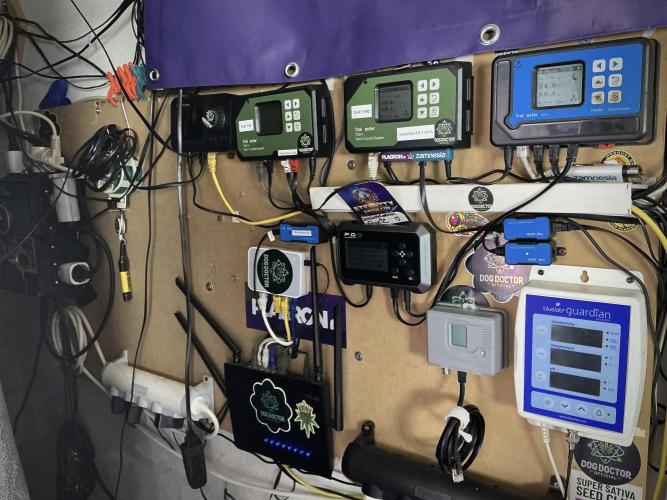
Black Series Light Emitting Diodes/600W
Future Of Grow FOG
FLO
Black Series Light Emitting Diodes/600W
Future Of Grow FOG




Contr
Pro
FOG



Indoor
Room Type
Transplantation
weeks 1
12-12
weeks 1-2
15 l
Pot Size
Start at 2 Week
G
Germination17d ago


DogDoctorOfficial # Blueberry Muffin by Zamnesia | Pheno A 🌱?
## Germination Week | A New Chapter Begins
Welcome everyone.
Before we start, a small explanation.
For years I documented multiple plants of the same cultivar inside a single diary. With recent GrowDiaries photo limitations, I decided to change the structure of my documentation moving forward.
Instead of grouping multiple phenotypes together, each plant will now receive its own dedicated diary.
That means:
- Pheno A gets its own journey.
- Pheno B gets its own journey.
- Individual observations become easier to track.
- Phenotype differences become easier to compare.
- Documentation becomes cleaner and more detailed.
The goal remains exactly the same as always:
To document the entire process honestly, openly, and educationally from seed to harvest.
The only difference is that now each plant gets to tell its own story.
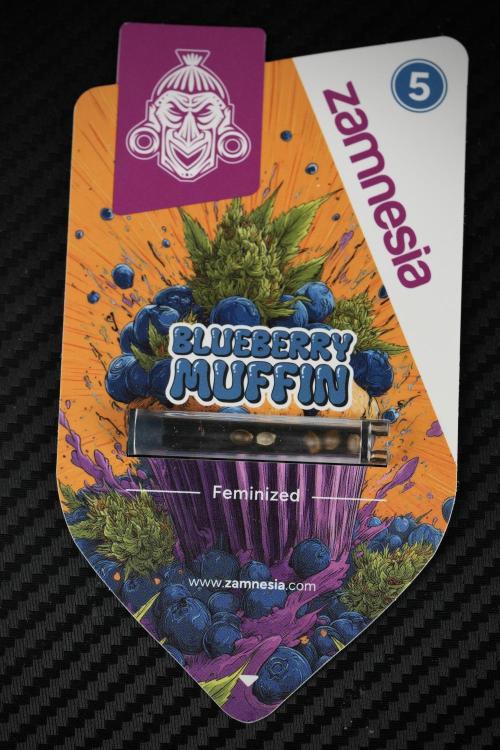
And today, that story begins with Blueberry Muffin Pheno A.
---
## The Beginning
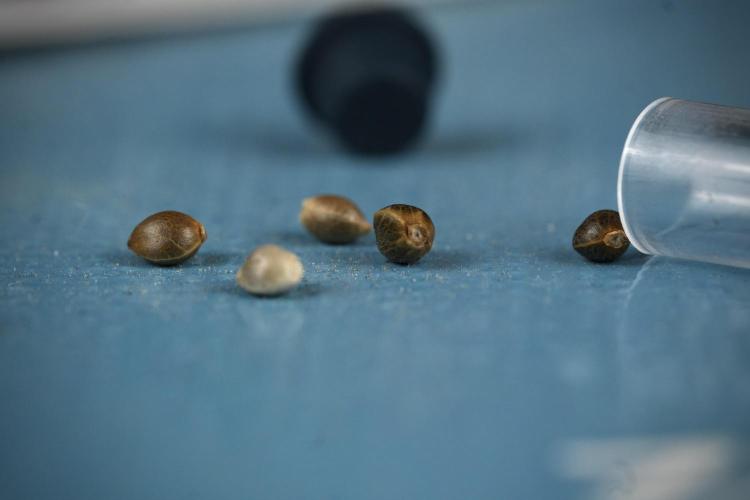
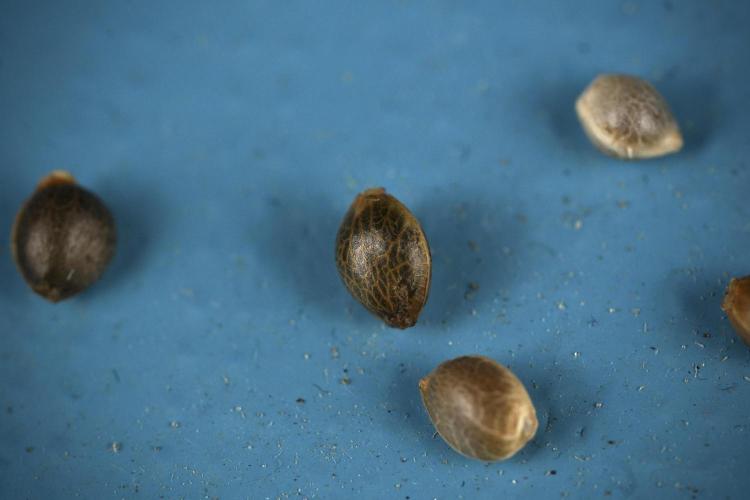
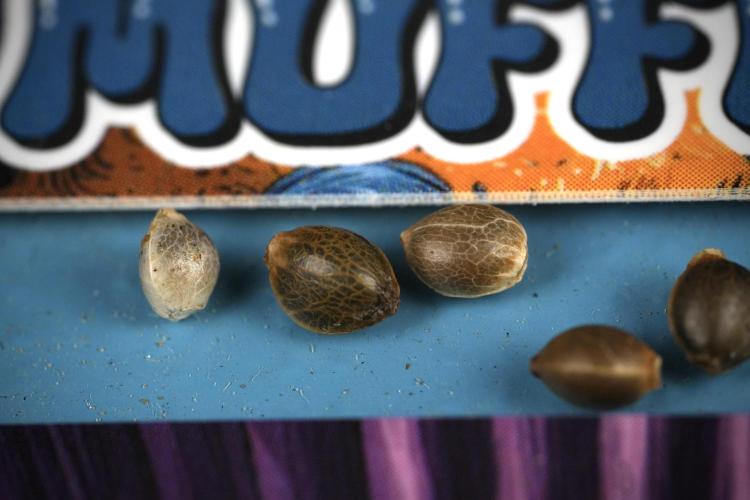
Every grow starts with a seed.
Tiny.
Silent.
Full of potential.
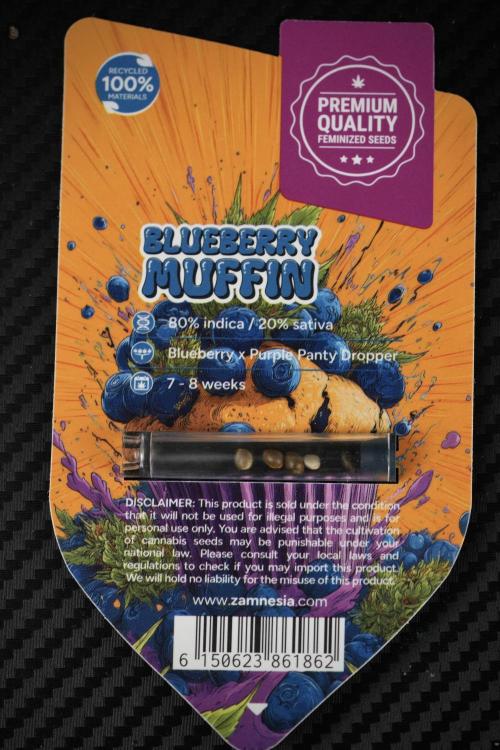
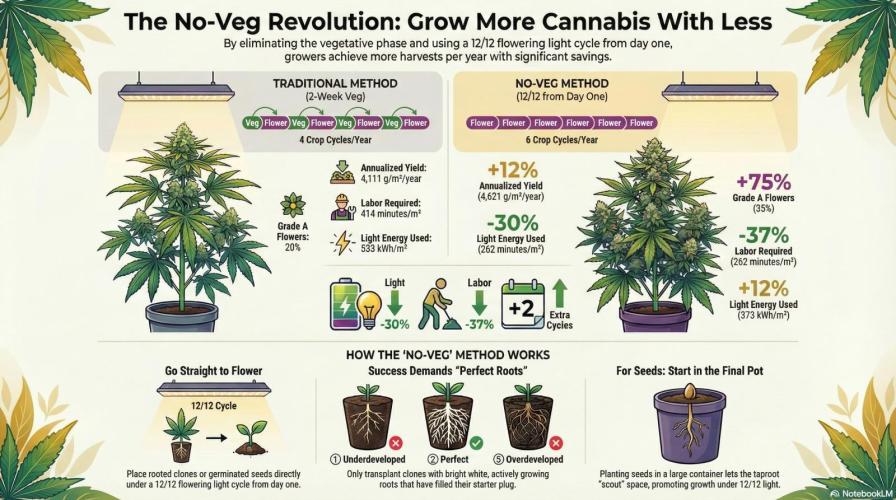
This run begins with Blueberry Muffin from Zamnesia Seeds, grown under a 12/12 from seed schedule from the very first day of life.
A method that is a little different from what most growers choose, but one that has become part of my own cultivation style over time.
As always, the purpose here is not to claim that one method is better than another.
It is simply to document what works for me and share the results openly so everyone can draw their own conclusions.
---
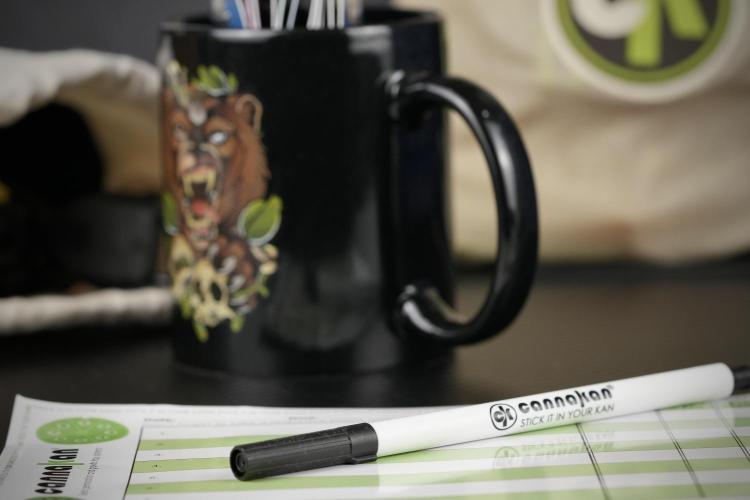
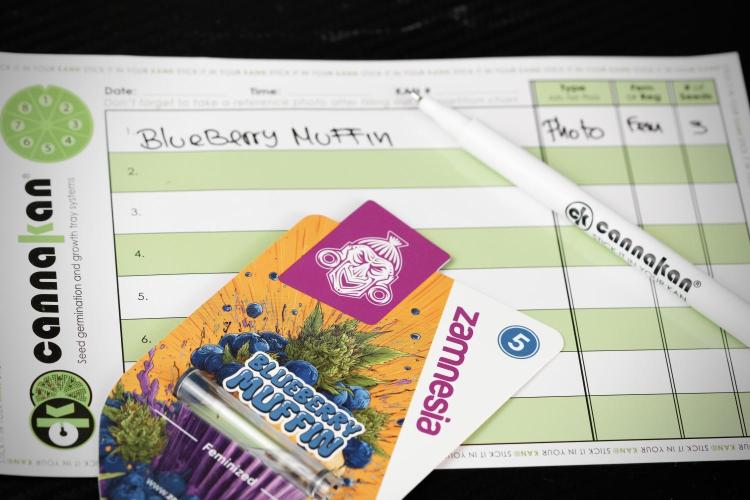
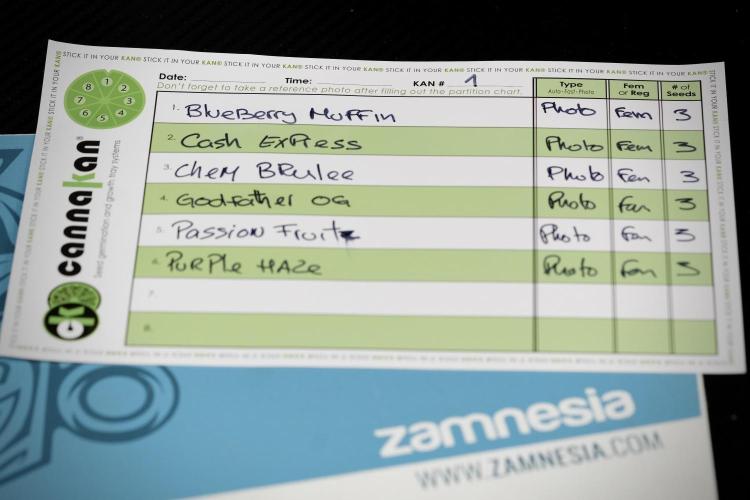
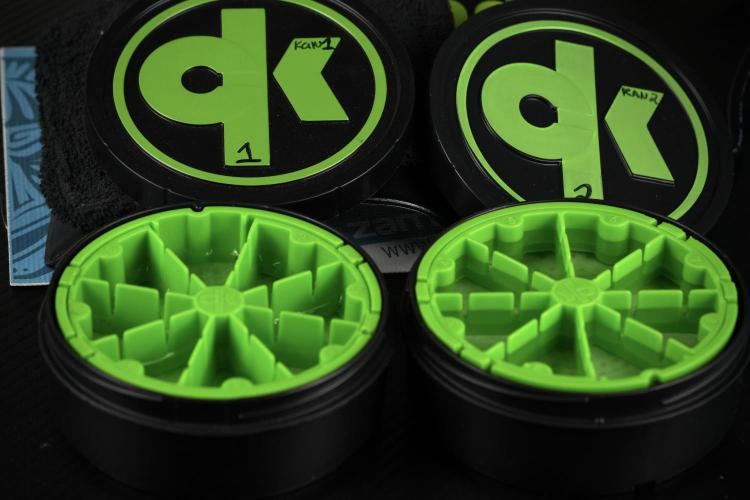
## Germination Using the Cannakan System
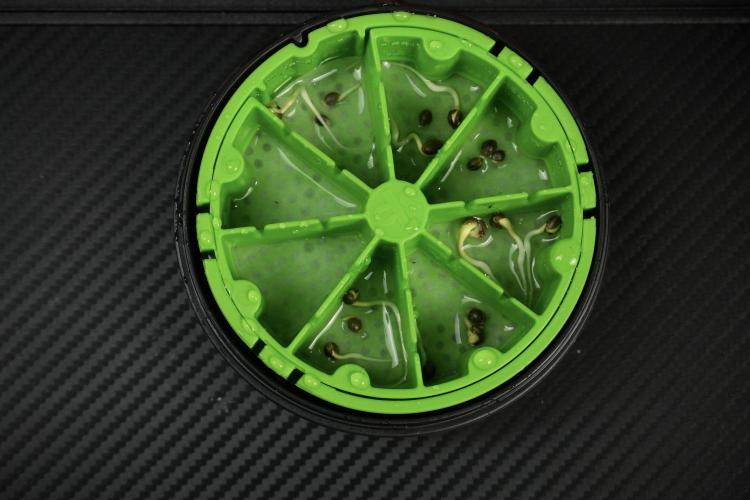
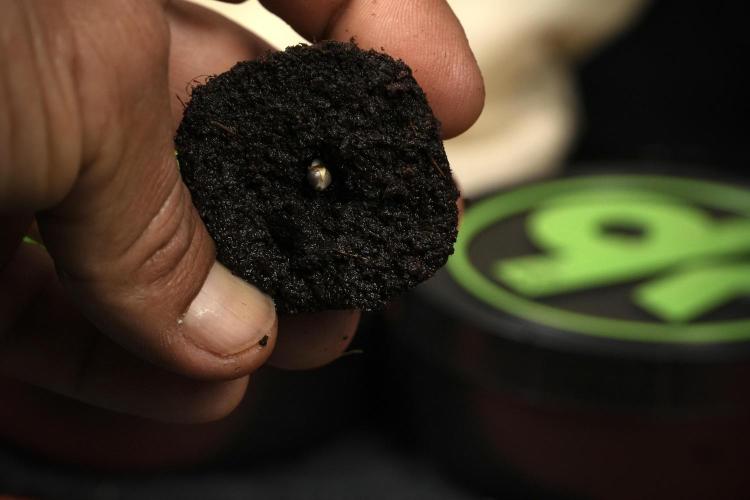
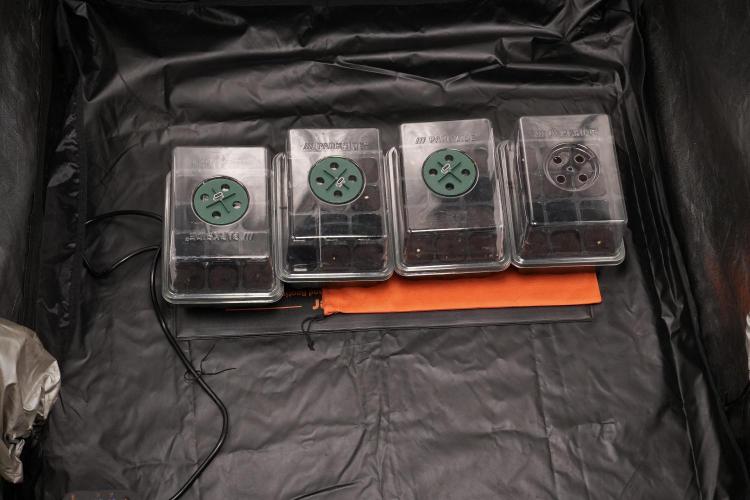
For germination we used the Cannakan system.
The concept is simple but extremely practical.
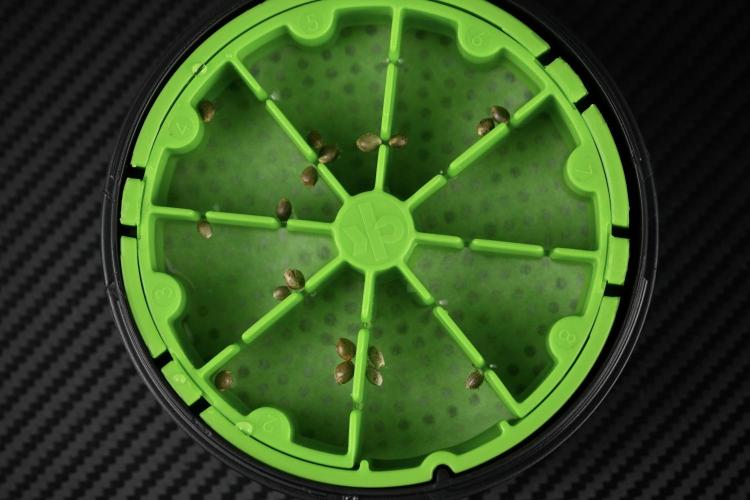
The container is divided into individual chambers, allowing multiple cultivars to be germinated at the same time while keeping everything organized and properly labeled.
Each section can be identified individually, reducing confusion when working with multiple genetics simultaneously.
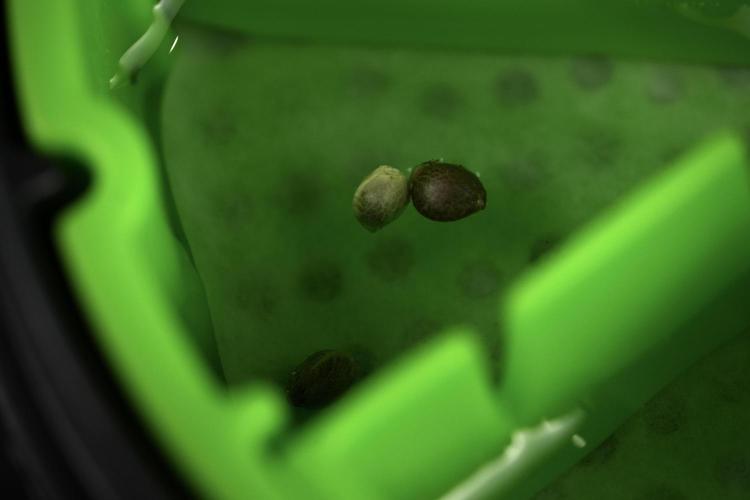
The seeds were placed inside using only plain water.
Nothing else.
No additives.
No rooting stimulants.
No nutrients.
Just water.
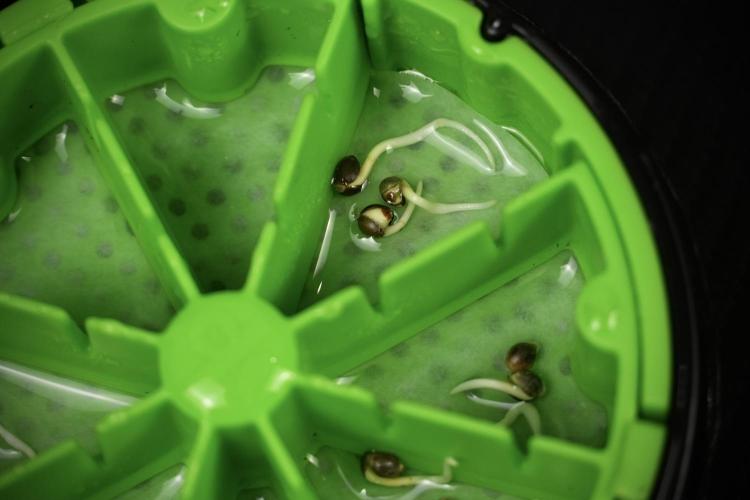
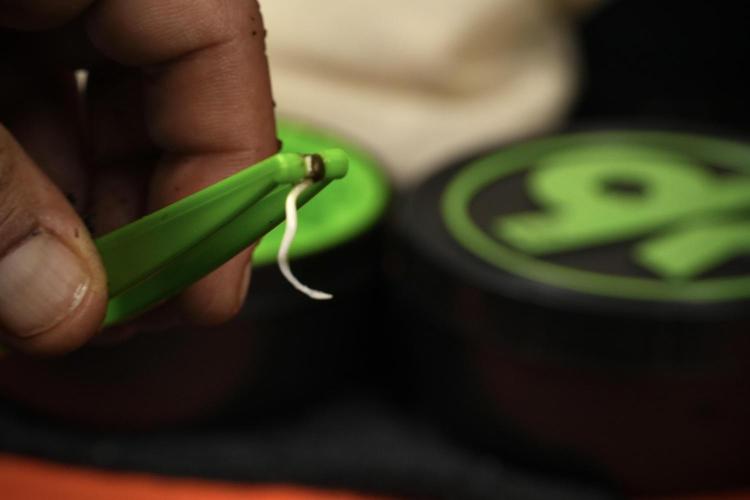
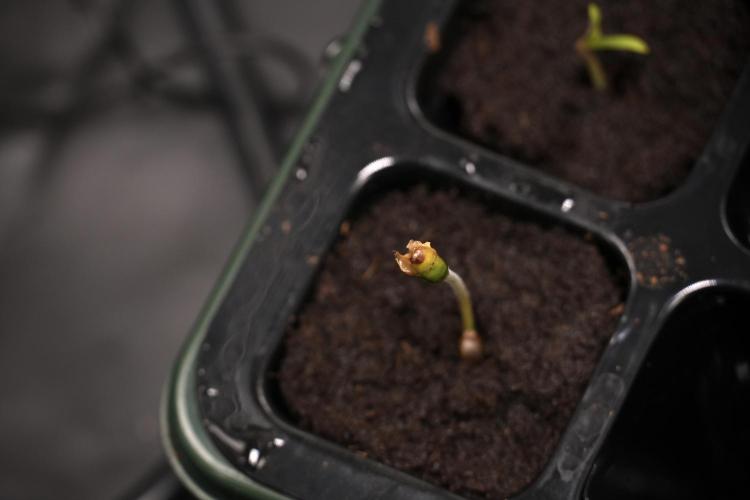
Within approximately 24 hours the seeds had already produced healthy taproots and were ready for the next step.
Fast.
Clean.
Simple.
Exactly what we hope to see during germination.
---
## Why Only Water?
One question that often appears during germination is:
"Why not feed the seed immediately?"
The answer is simple.
The seed already contains everything required for the first stage of life.
Nature prepared that package long before we arrived.
The seed carries its own energy reserves and nutritional resources necessary to begin root development and establish itself.
At this stage I personally prefer to let the seed do what nature designed it to do.
Water is enough.
The goal is not to feed the plant.
The goal is to wake it up.
---
## First Experiment With Coco Plugs
This run also marks my first experience using coco starter plugs.
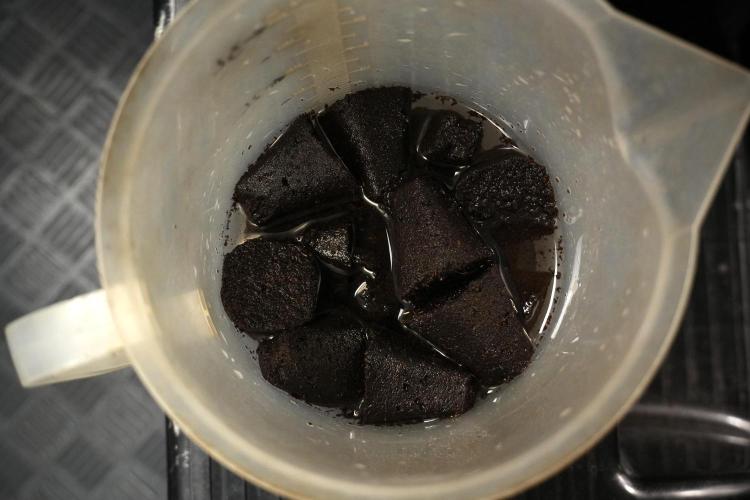
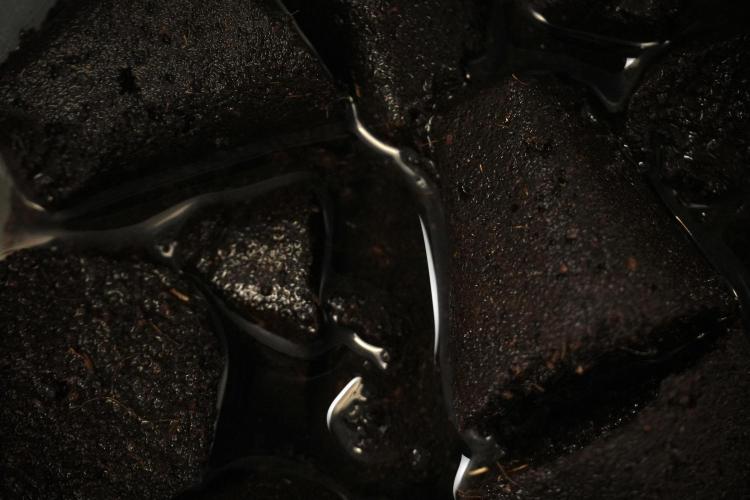
The plugs were fully saturated with water before use and then lightly squeezed to remove excess moisture.
This leaves the media moist while still maintaining oxygen around the developing root system.
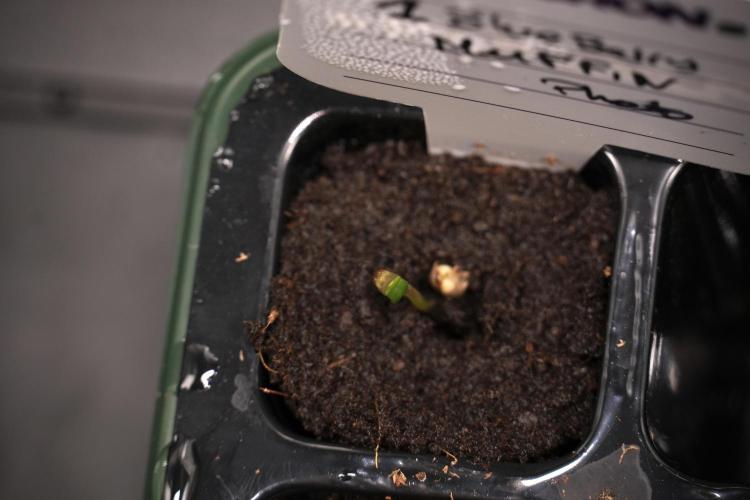
The germinated seeds were carefully inserted into the plugs and placed under a humidity dome.
The dome remained useful for only a very short time.
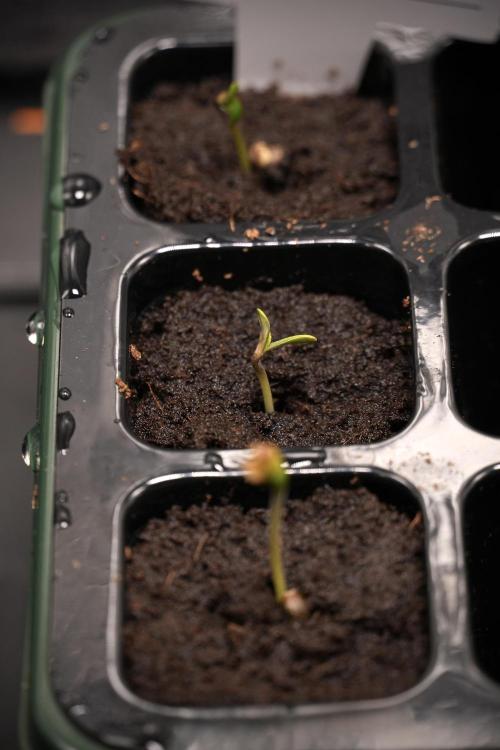
In less than 24 hours the seedlings had already emerged and were ready to continue growing.
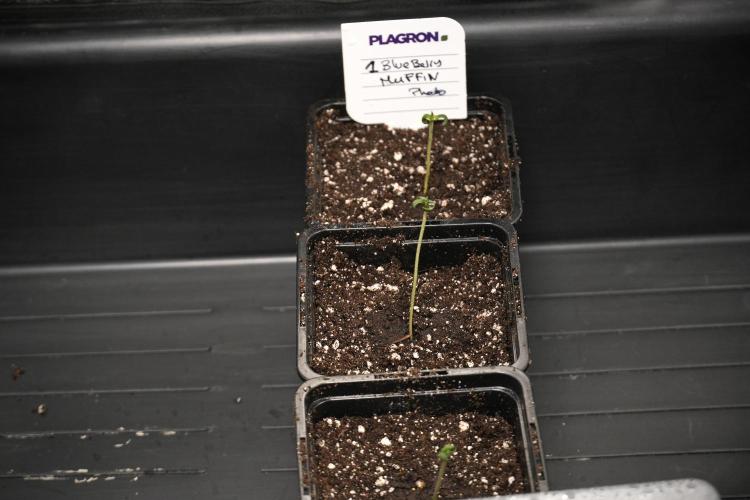
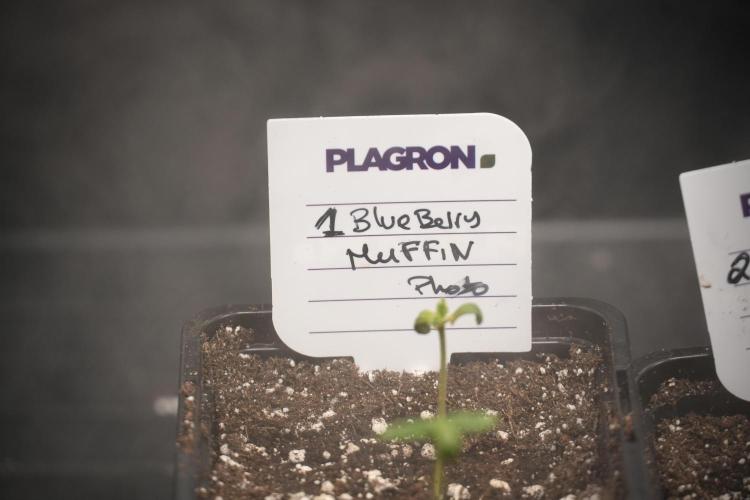
At that point they were transplanted directly into small containers filled with Plagron Lightmix.
---
## Environment
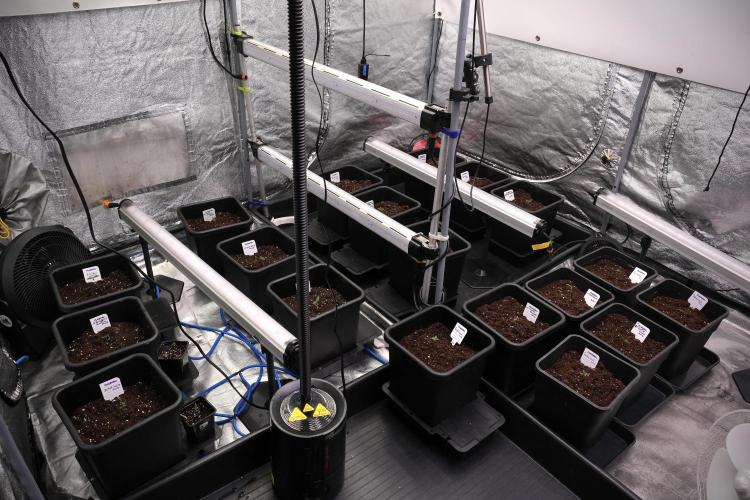
The early environment was kept intentionally simple.
Temperatures remained around 26–27°C.
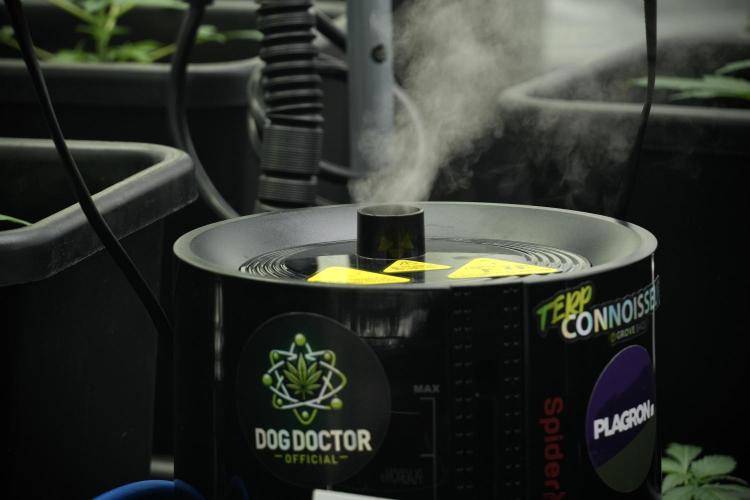
Humidity initially stayed high during germination and then transitioned quickly toward approximately 65–70% using a Spider Farmer humidifier.
This is a personal preference.
Rather than keeping seedlings inside extremely humid conditions for extended periods, I prefer introducing them relatively early to the environment they will actually experience during growth.
The idea is gradual adaptation rather than prolonged protection.
Airflow remains extremely gentle at this stage.
Just enough movement to prevent stagnant air without stressing young seedlings.
---
## Heat Mat Temperatures
The propagation mat itself was running around 40°C.
That number often surprises people.
However, the temperature inside the rooting environment is always lower than the heating source itself.
The heat source must be warmer than the target root-zone temperature in order to maintain stable conditions.
The objective is not to expose the seedlings to 40°C.
The objective is to provide enough energy so the rooting environment remains comfortably warm and encourages rapid germination.
As always, monitoring and adjustment are important.
---
## Lighting
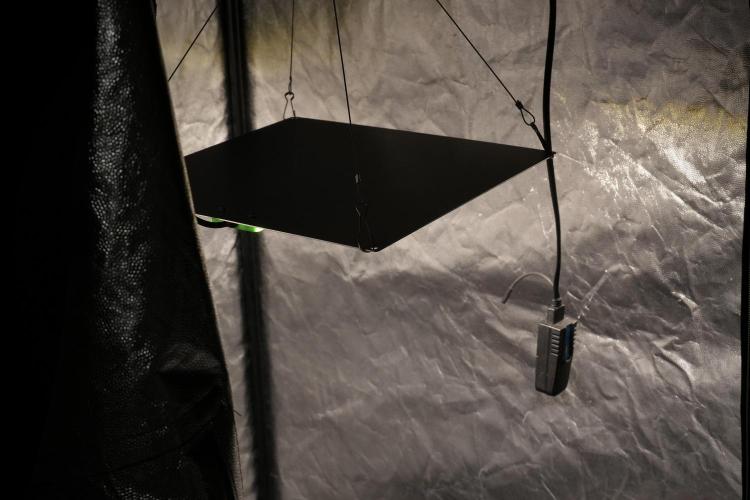
Lighting during germination is intentionally soft.
Seedlings do not require intense light immediately after emerging.
The purpose is simply to encourage healthy development while avoiding unnecessary stress.
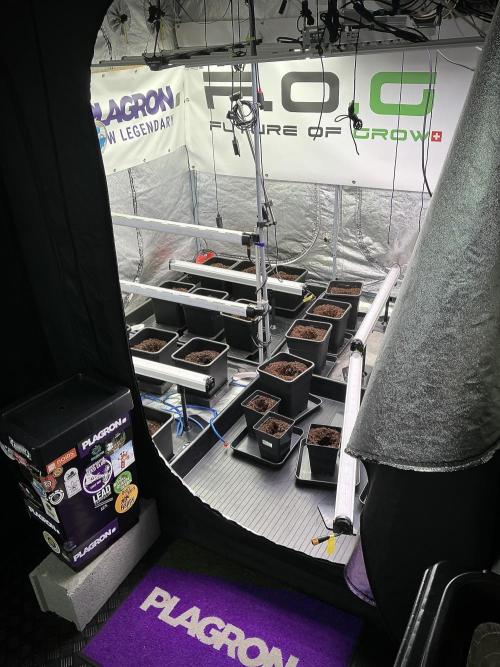
Once established, these girls will move under the Future Of Grow Black Series 600W full-spectrum LED system where the real journey begins.
PPFD discussions will come later as the plants develop and become capable of utilizing stronger light levels effectively.
For now, gentle growth is the objective.
---
## First Observations
So far everything has gone exactly as hoped.
Fast germination.
Healthy taproots.
Strong emergence.
Healthy color.
Good vigor.
And perhaps most importantly:
Curiosity.
Every run teaches something.
Every cultivar expresses itself differently.
Every phenotype tells its own story.
This is only the first chapter.
---
## Looking Ahead
Next week we will begin following Blueberry Muffin Pheno A through her first true stages of vegetative growth.
We will discuss:
- Early development
- Root establishment
- Initial structure
- Environmental parameters
- Light intensity
- Watering strategy
- And whatever surprises she decides to show us
Because that is the beauty of growing.
No matter how many runs we complete, every seed still carries a little mystery inside.
And honestly?
That mystery is part of what keeps us coming back.
Grower's love everyone. 🌱
Huge thanks to Zamnesia Seeds for the genetics, Plagron for the substrate and nutrition, Future Of Grow for the lighting, and everyone following along as this new chapter begins.
9 likes
comments
Share
Used method
Other
Germination Method
1
Week 1. Vegetation9d ago


3.5 cm
Height
12 hrs
Light Schedule
27 °C
Day Air Temp
6.0
pH
No Smell
Smell
230 PPM
TDS
55 %
Air Humidity
21 °C
Solution Temp
21 °C
Substrate Temp
25 °C
Night Air Temp
15 l
Pot Size
0.71 l
Watering Volume
600 PPM
CO₂ Level
Nutrients 4

Terra Grow
1 mll

Pure Zym
1 mll

Sugar Royal
1 mll
DogDoctorOfficial # Blueberry Muffin by Zamnesia | Pheno A 🍇🌱
## Vegetative Week 1 | Settling Into Her New Home
Hello GrowDiaries family! 👋🌱
Welcome back to the journey of Blueberry Muffin Pheno A.
Last week we followed this seed from germination into its first days above the soil. This week marks the beginning of true vegetative growth and the first important step toward establishing a healthy root system and a strong foundation for everything that follows.
As mentioned in the germination report, all plants in this project are being grown under a 12/12 light cycle from seed. It is a method that differs from what most growers choose, but one that has become part of my cultivation style over time.
Because of that, we approach the early stages slightly differently than many traditional vegetative grows.
---
## Moving Into The Final Home
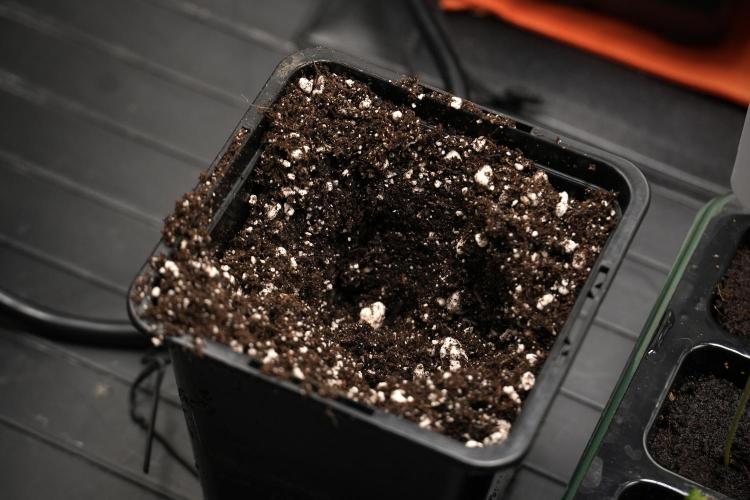
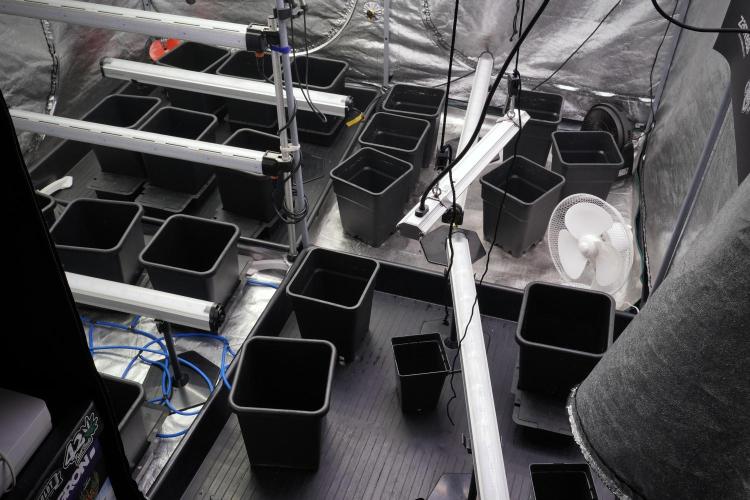
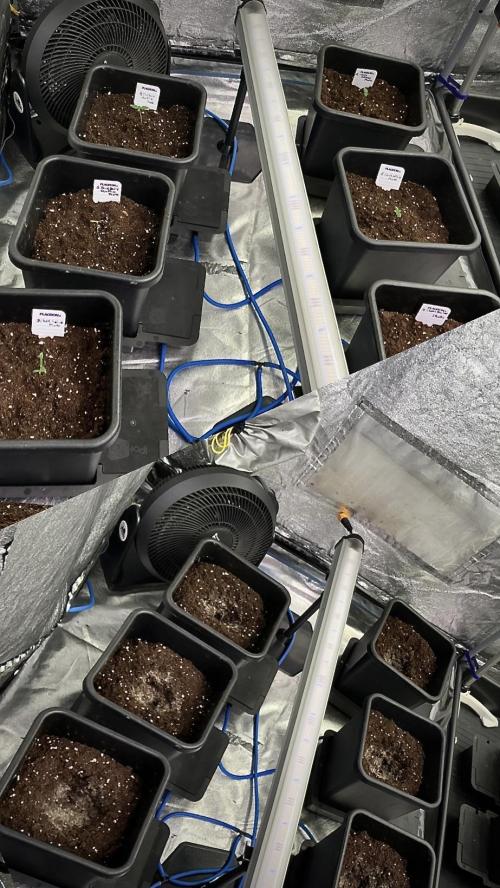
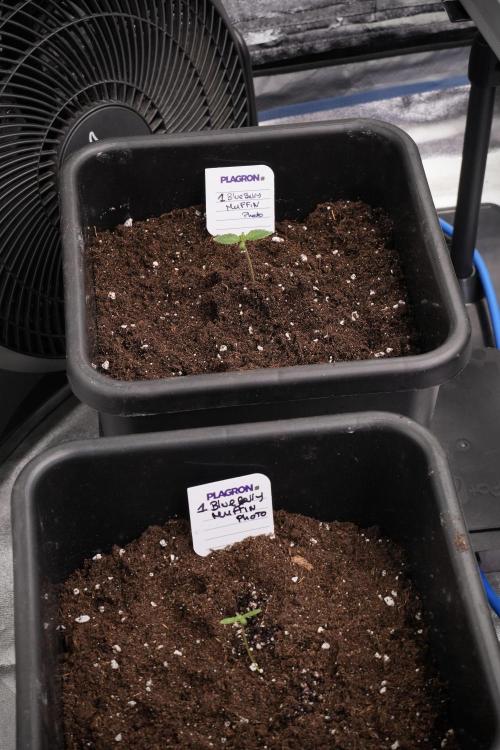
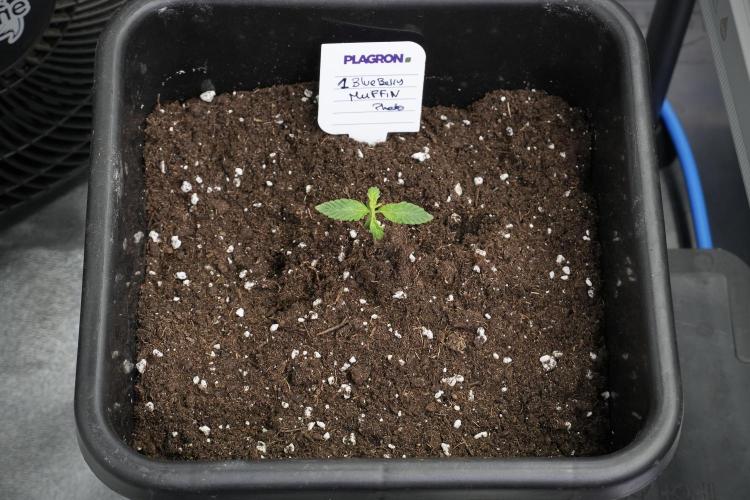
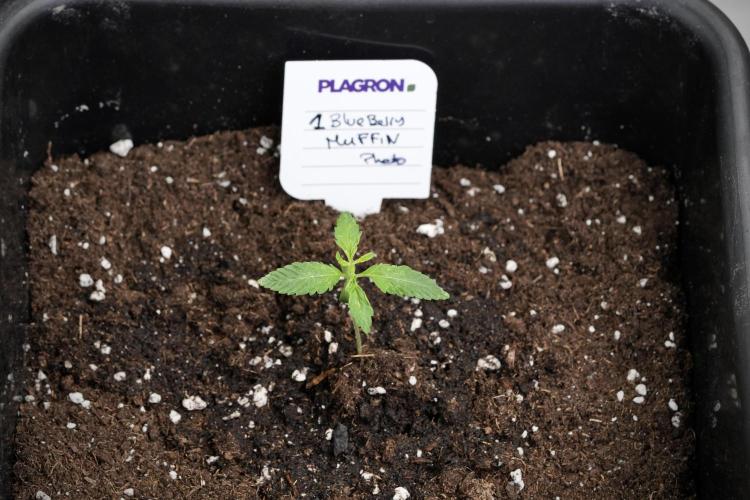
One of the first major steps this week was transplanting the seedlings into their final containers.
Normally many growers choose to gradually increase pot size through several transplant stages. In this project we decided to move directly into the final homes from the beginning.
The reasoning is simple.
When growing under 12/12 from seed, every day matters. We want the roots to establish themselves as quickly as possible without interruptions, restrictions, or unnecessary transplant stress later in the cycle.
The goal is to allow the plant to focus on building roots immediately and continuously from the very beginning.
---
## Lightmix & Early Root Development
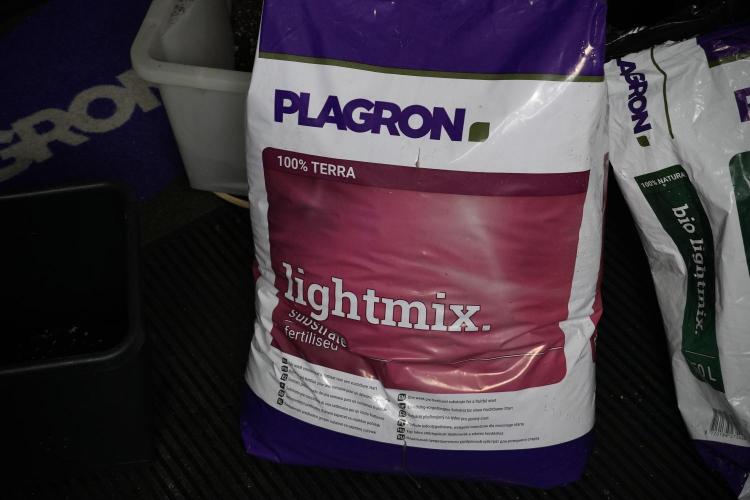
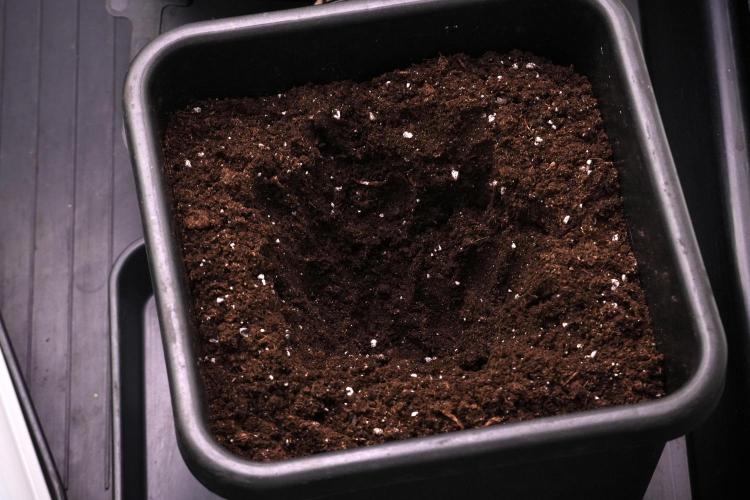
The final containers were filled with Plagron Lightmix.
Lightmix provides a gentle environment for young plants while still offering enough nutrition to support early development without overwhelming delicate root systems.
At this stage we are not trying to force growth.
We are trying to build foundations.
Strong roots today become strong plants tomorrow.
---
## Water First, Food Later
The first irrigation after transplant consisted only of plain water.
This is something I personally prefer during the earliest stages.
Young seedlings still carry nutritional reserves from the seed itself and are growing within a lightly fertilized substrate. There is usually no need to rush nutrients immediately.
Instead, the focus remains on root establishment.
Several days later, once the plants had settled into their new environment, a very gentle feeding program was introduced using:
🌱 Plagron Terra Grow
🌱 Plagron Pure Zym
🌱 Plagron Sugar Royal
🌱 Plagron Power Roots
The dosage remains intentionally light. At this stage less is often more.
The objective is not maximum growth.
The objective is steady, healthy growth.
---
## Introducing PPFD & DLI
This week also marks the point where we begin paying attention to light intensity.
The seedlings are already receiving approximately 350 PPFD.
At first glance this may sound relatively high for young plants, but context matters.
Because these plants are growing under 12 hours of light rather than the more common 18 or even 24-hour schedules, Daily Light Integral (DLI) becomes extremely important.
A plant receiving 350 PPFD for 12 hours accumulates significantly less total daily light than a plant receiving the same PPFD for 18 hours.
For that reason we begin acclimating them to stronger light levels earlier than many growers might expect.
The goal is adaptation rather than shock.
We want the plants to become comfortable with higher light intensity from the beginning while still remaining within a safe range.
---
## Environment
Environmental conditions remained stable throughout the week.
🌡️ Day temperature: approximately 27°C
🌙 Night temperature: approximately 25°C
💧 Relative humidity: approximately 55%
🌱 Root zone temperature: approximately 21°C
💧 Solution temperature: approximately 21°C
Stable environmental conditions allow seedlings to focus their energy on growth rather than constantly adapting to changing conditions.
Consistency remains one of the most powerful cultivation tools available.
---
## Early Observations
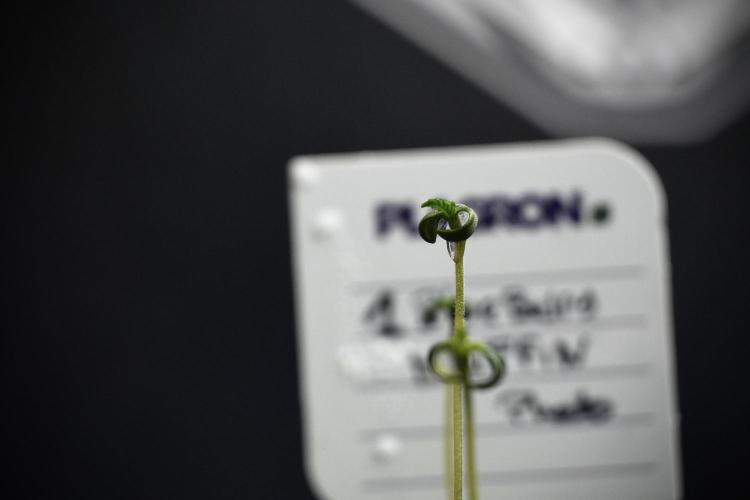
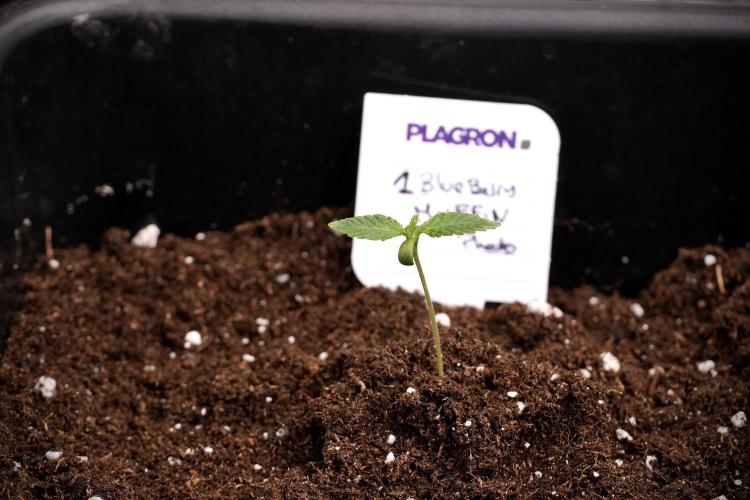
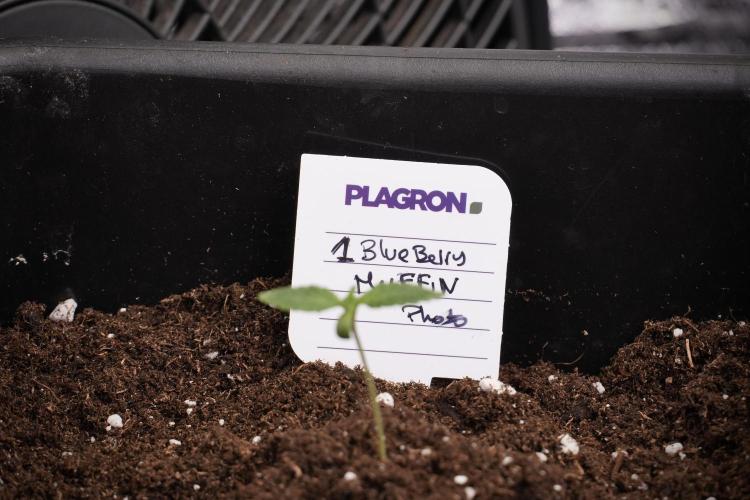
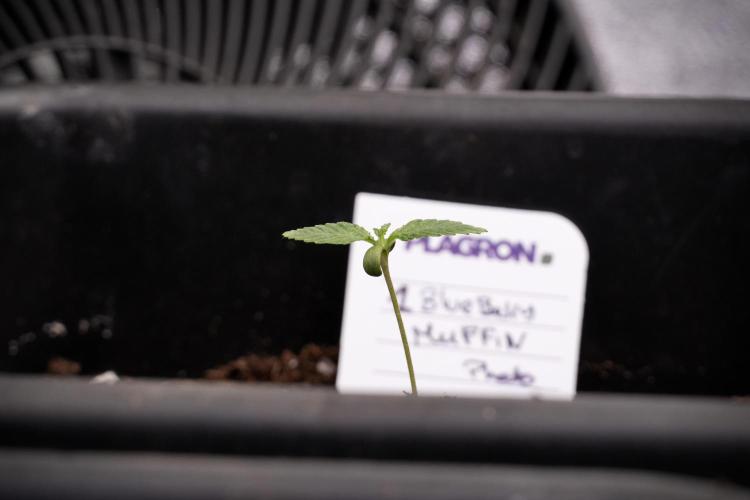
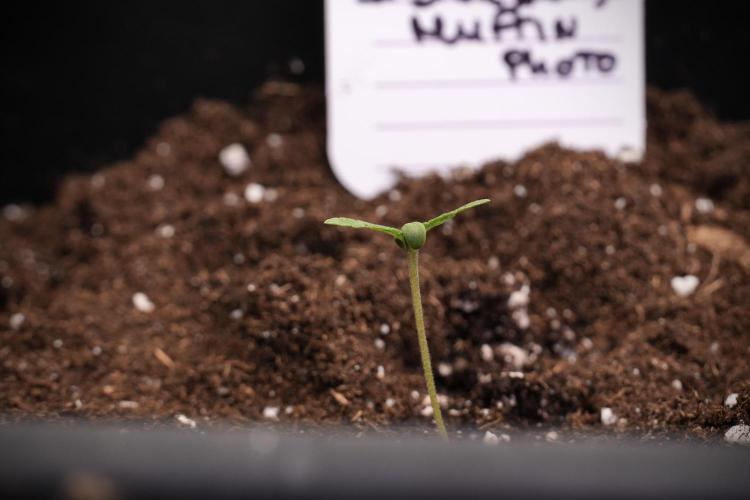
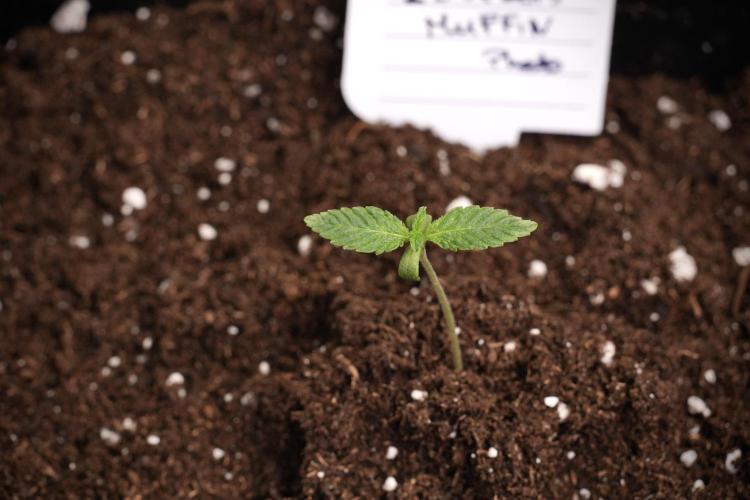
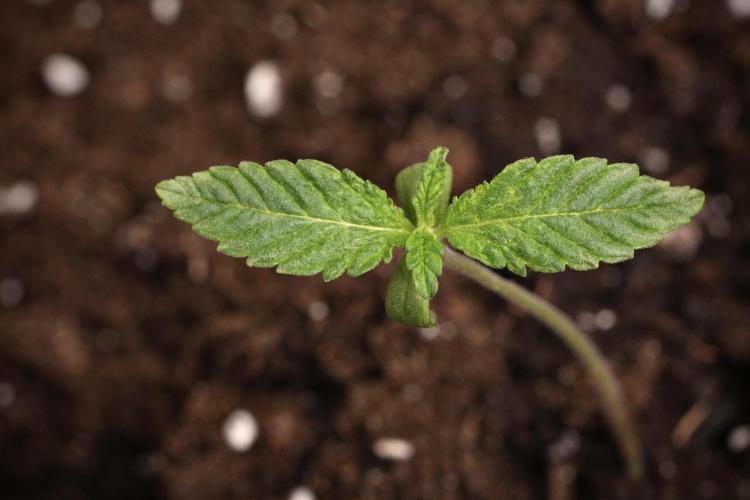
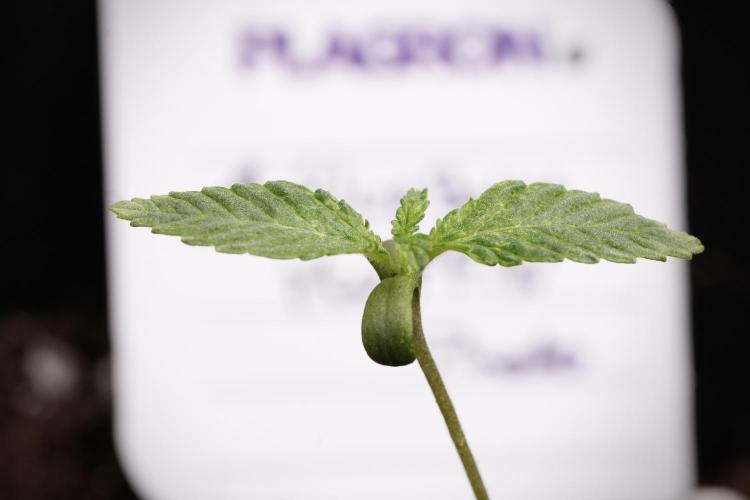
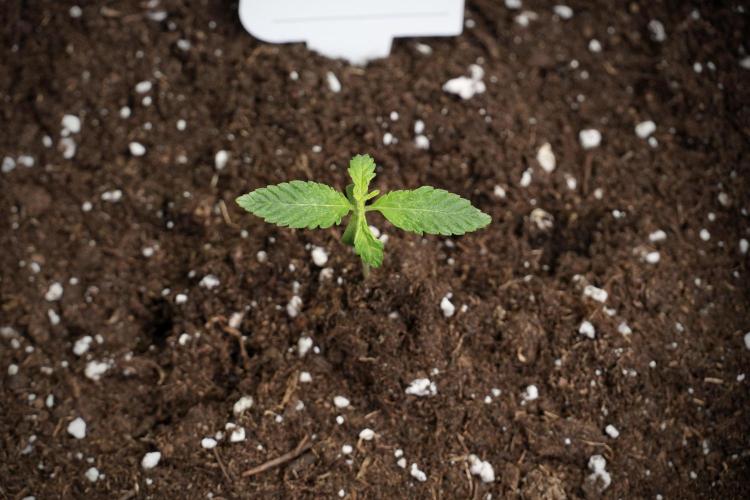
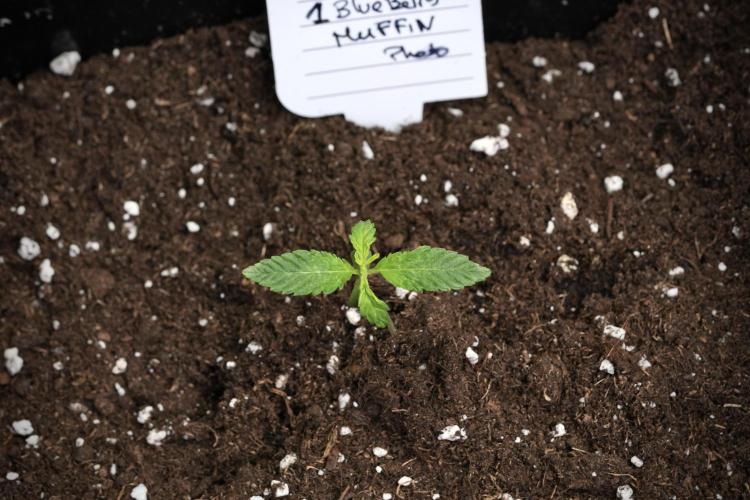
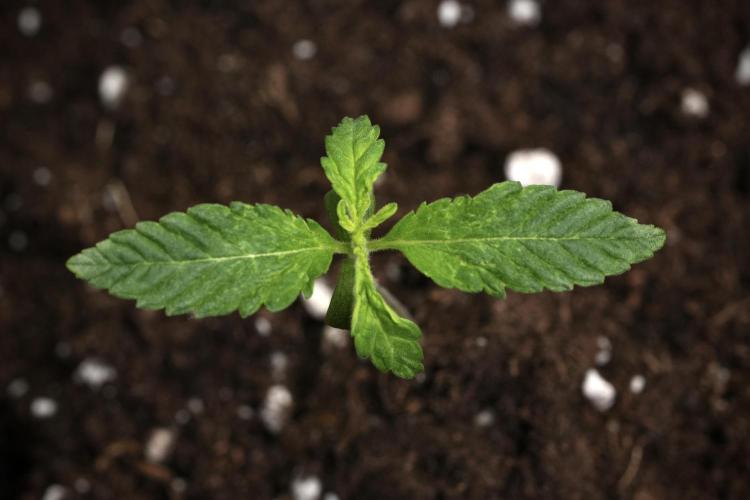
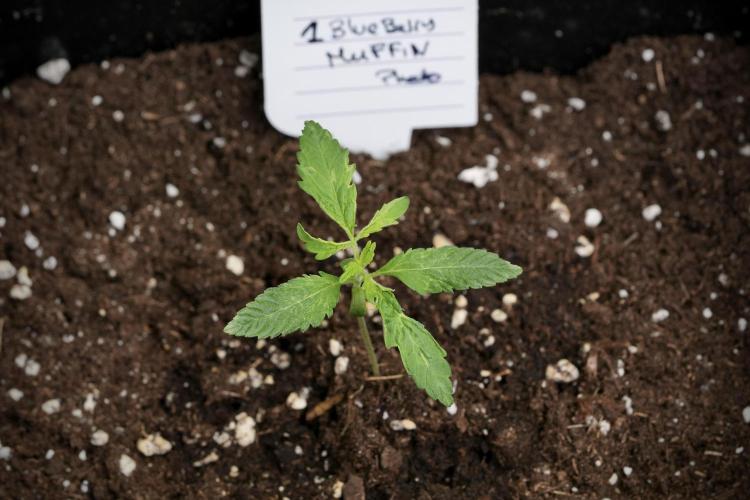
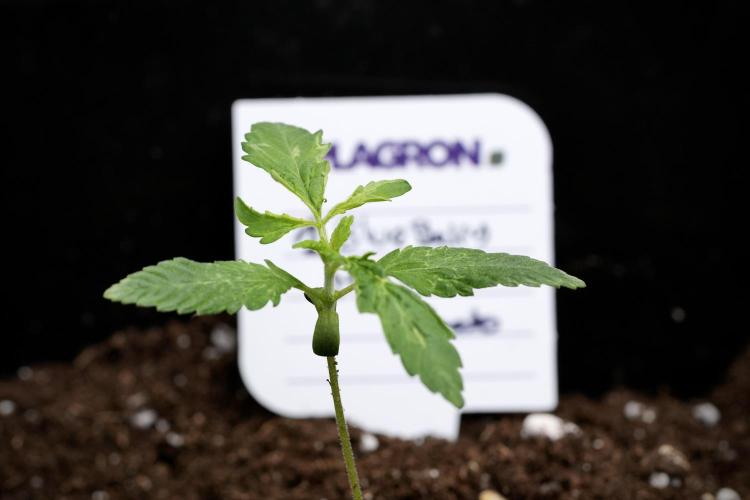
Even this early, Pheno A is already beginning to show a little personality.
Nothing dramatic.
Nothing concerning.
Just subtle differences in growth structure and leaf development compared to her sister.
These small variations are exactly why each phenotype is now being documented separately.
At this stage it is far too early to draw conclusions, but it is always exciting to watch the first hints of individuality emerge.
Nature rarely creates two identical plants.
And that is part of the beauty.
---
## Looking Ahead
The roots are establishing.
The first true vegetative growth is underway.
Nutrition has been introduced.
The environment is stable.
And now the real journey begins.
Next week should bring faster growth, larger leaves, stronger root development, and perhaps even more clues about the personality of this Blueberry Muffin phenotype.
For now, patience remains the plan.
One week at a time.
One observation at a time.
One lesson at a time.
---
## Thank You
A huge thank you to Zamnesia for the Blueberry Muffin genetics.
Thank you to Plagron for providing the nutrition and substrate used throughout this run.
And thank you to Future of Grow, and everyone following along on this journey.
As always, thank you for stopping by, and I hope you enjoy watching these plants grow as much as I enjoy documenting them.
Grower's Love everyone. 🌱💚
8 likes
comments
Share
Used techniques
12-12
Technique
Transplantation
Technique
2
Week 2. Vegetation1d ago


6 cm
Height
12 hrs
Light Schedule
27 °C
Day Air Temp
6.0
pH
No Smell
Smell
450 PPM
TDS
55 %
Air Humidity
20 °C
Solution Temp
21 °C
Substrate Temp
25 °C
Night Air Temp
15 l
Pot Size
0.8 l
Watering Volume
600 PPM
CO₂ Level
Nutrients 4
Terra Grow
1.8 mll
Pure Zym
1 mll
Sugar Royal
1 mll
DogDoctorOfficial Week 2 - Blueberry Muffin (Pheno A) ?🌱
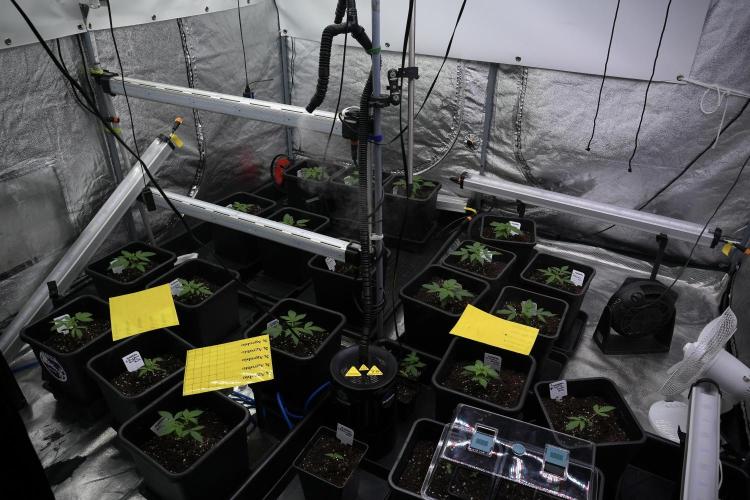
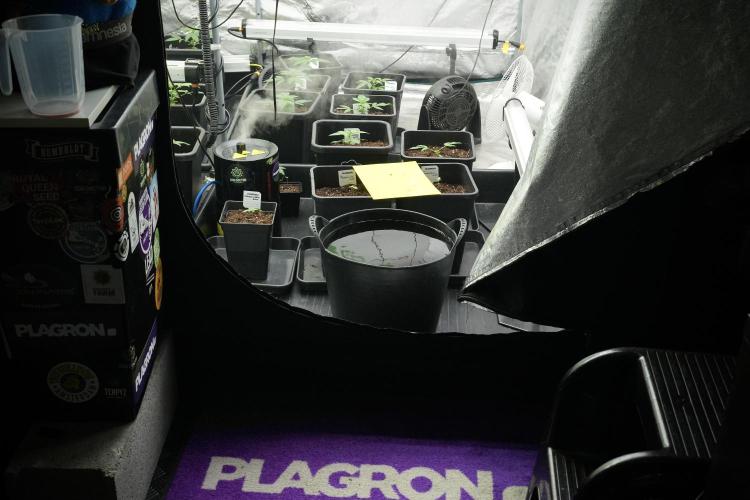
Hello everyone, and welcome back to another update from Project Blue Tent!
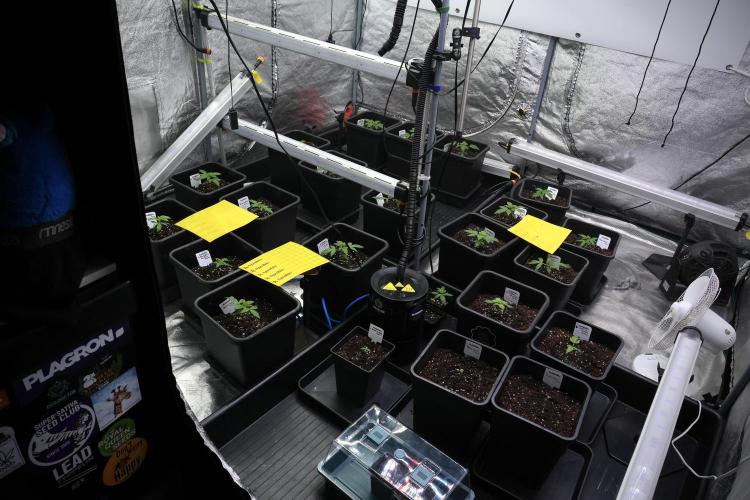
For anyone joining the journey for the first time, this run follows multiple cultivars and phenotypes from Zamnesia, with each phenotype receiving its own dedicated diary. By documenting Pheno A and Pheno B separately, we can follow their individual development, compare traits, and observe how each plant expresses its genetics from seed to harvest.
This project is also being conducted under a 12/12-from-seed schedule. Rather than using an extended vegetative period, the plants receive 12 hours of light and 12 hours of darkness from the very beginning. The goal isn’t to grow the largest possible plants, but to efficiently explore genetics, phenotype expression, structure, vigor, and flowering characteristics while maintaining a manageable footprint.
Week 2 Overview
The second week has brought some fantastic progress throughout the tent. Growth has accelerated noticeably, root systems continue to establish themselves, and the plants are beginning to transition from fragile seedlings into young vegetative plants.
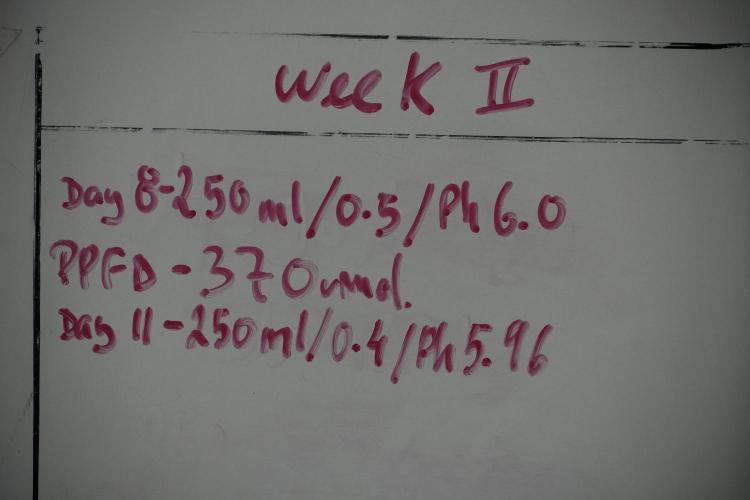
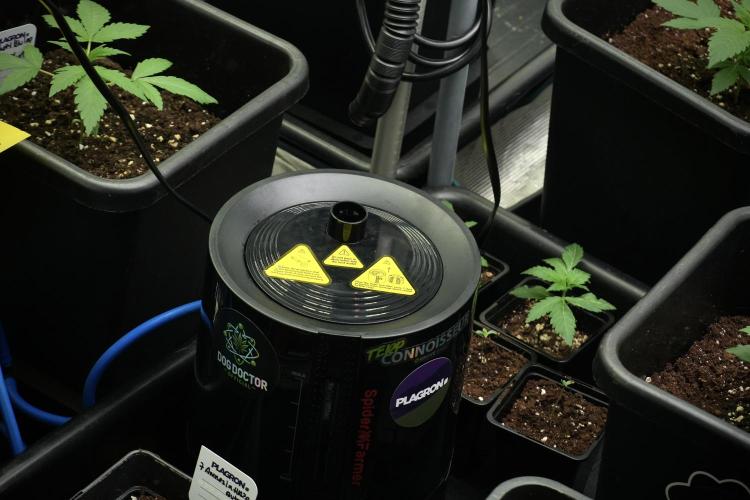
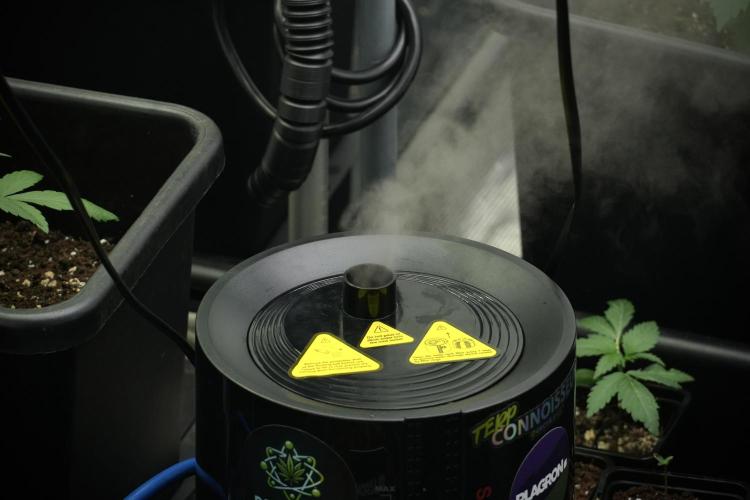
PPFD has now been increased to approximately 370 µmol/m²/s, providing more energy as the plants become capable of handling higher light levels. Environmental conditions have remained stable, with temperatures around 27°C during lights-on and 25°C during lights-off. Relative humidity has been maintained near 55% with the help of a humidifier, ensuring a comfortable environment for early growth.
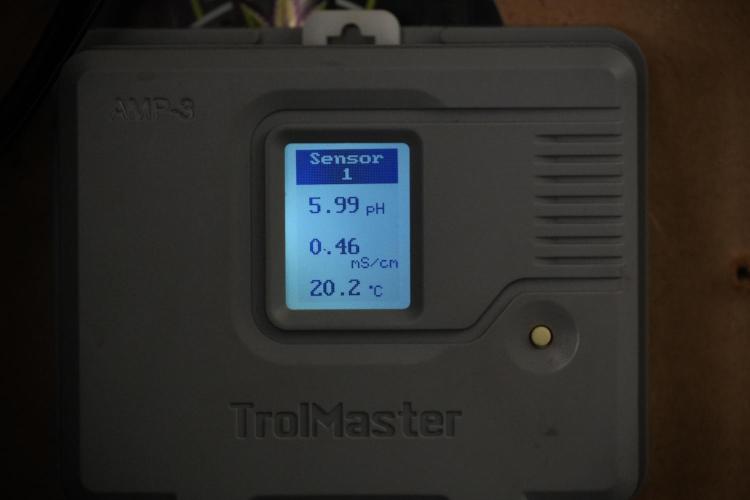
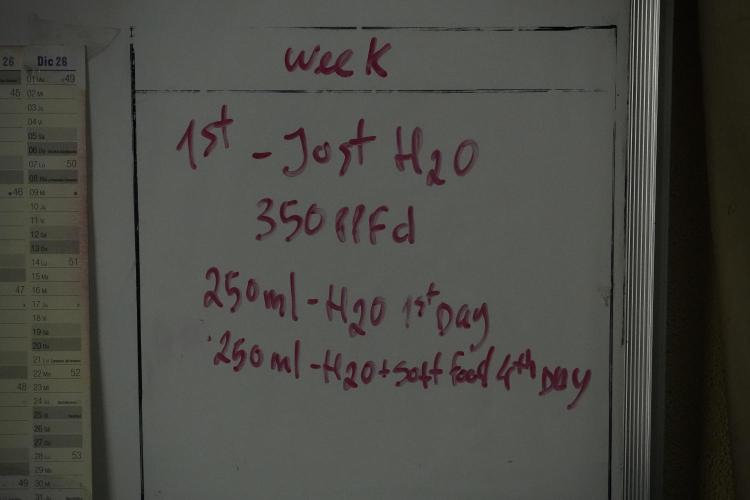
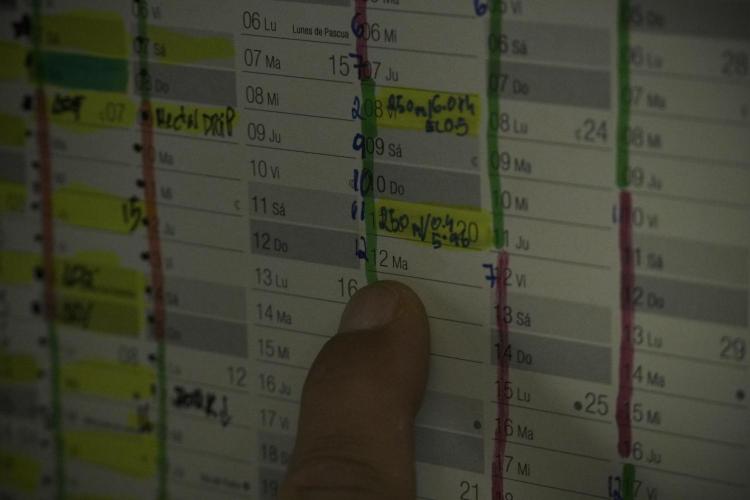
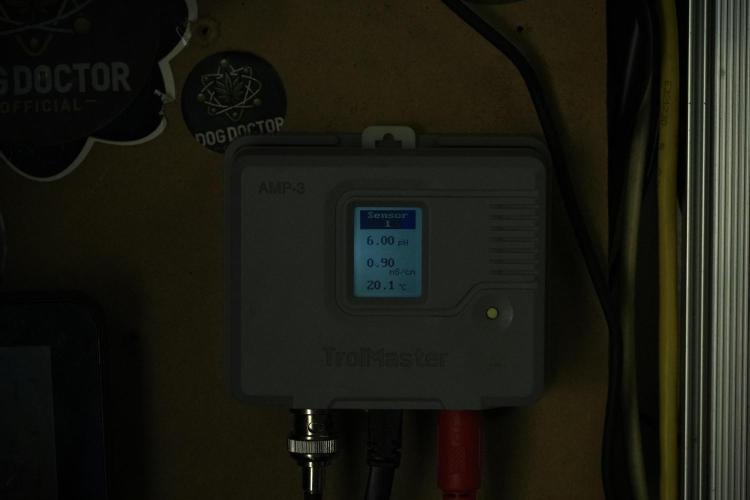
Watering remains deliberately conservative. Each plant received approximately 250 ml on Day 8 and another 250 ml on Day 11. Nutrient levels have also been increased gradually throughout the week. We finished the week at approximately EC 0.9 mS/cm and pH 6.0, allowing the plants to adapt comfortably while monitoring their response.
Current feeding schedule:
• Terra Grow – 1.8 ml/L
• Pure Zym – 1 ml/L
• Power Roots – 1 ml/L
• Sugar Royal – 1 ml/L
The response so far has been very encouraging. Healthy color, strong growth, and no signs that the plants are struggling with the increased feeding levels.
Blueberry Muffin Pheno A
This week has been all about proving that first impressions don’t tell the whole story.
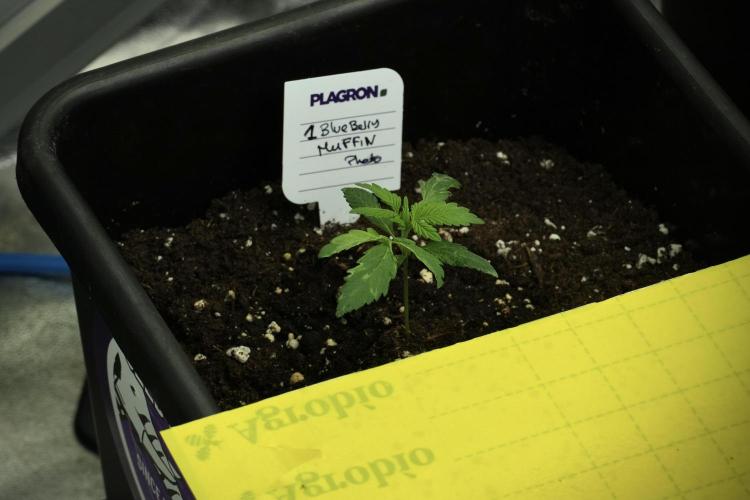
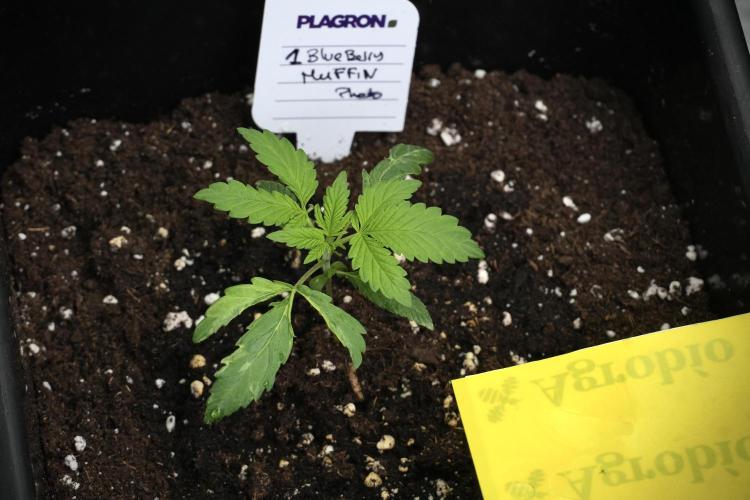
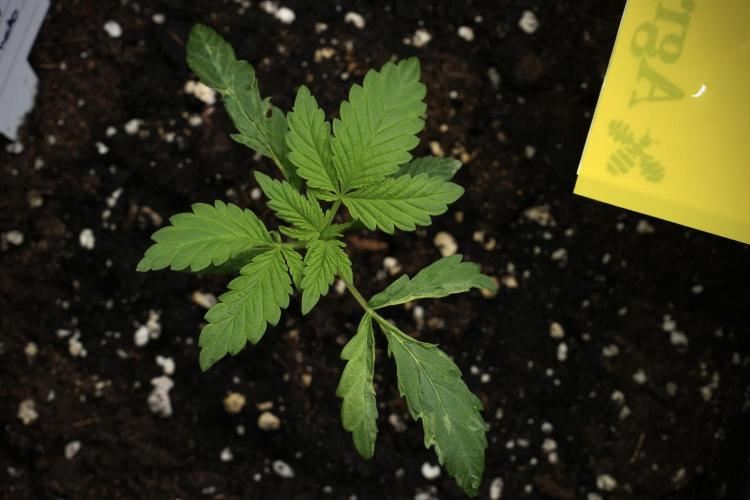
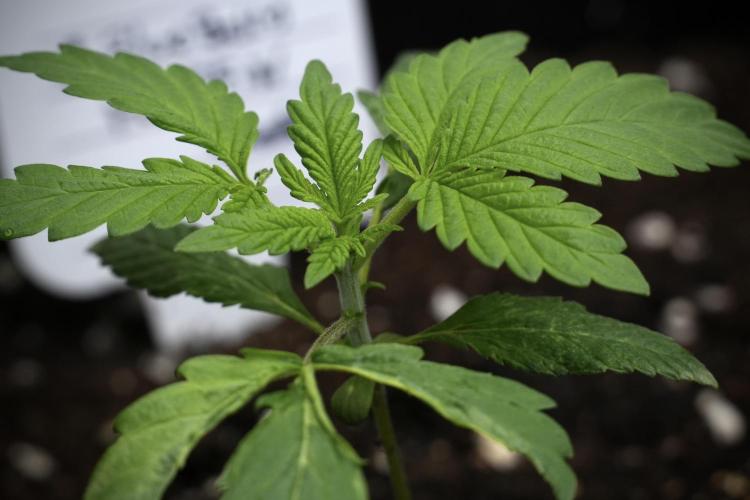
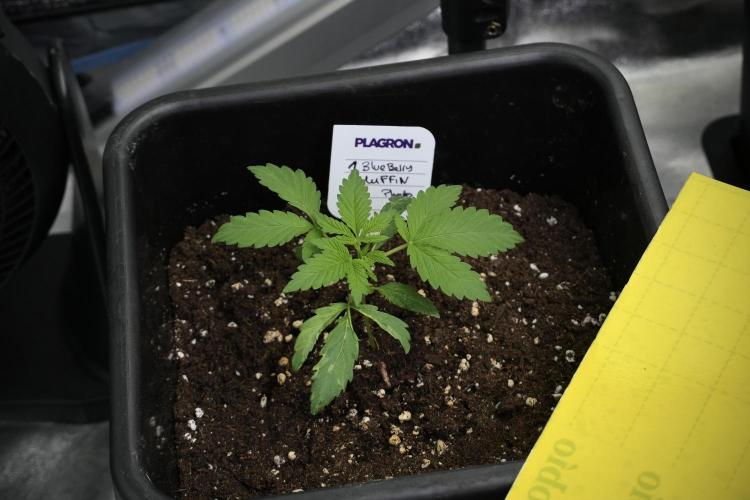
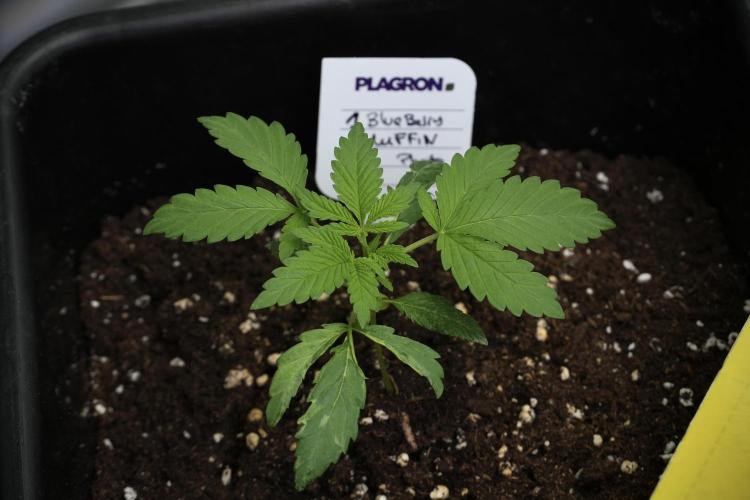
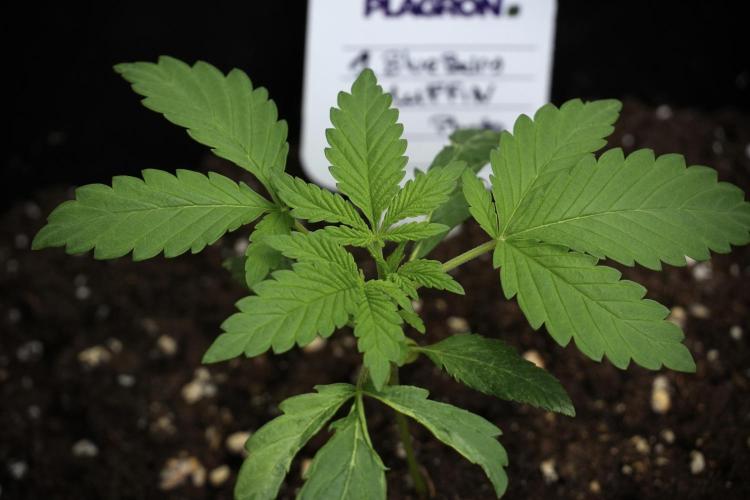
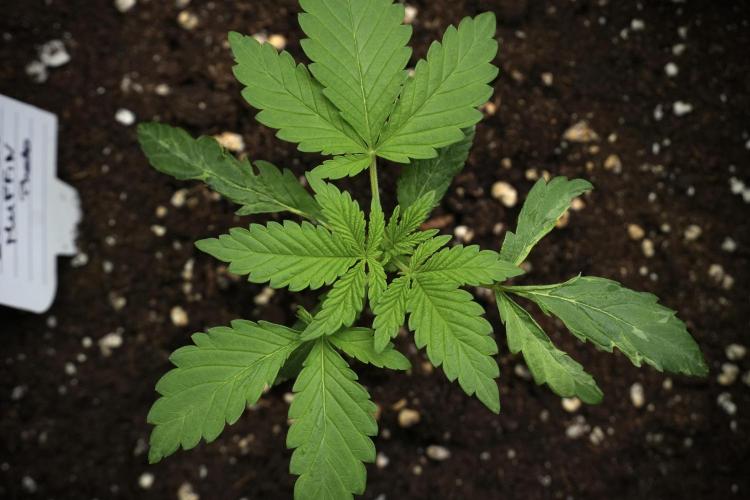
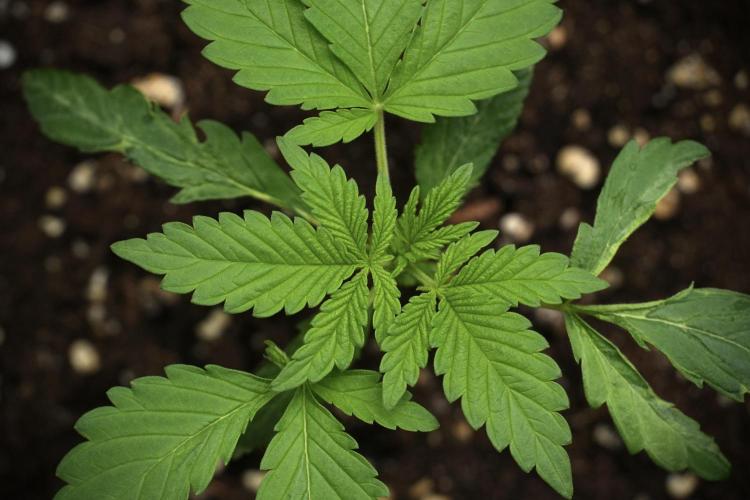
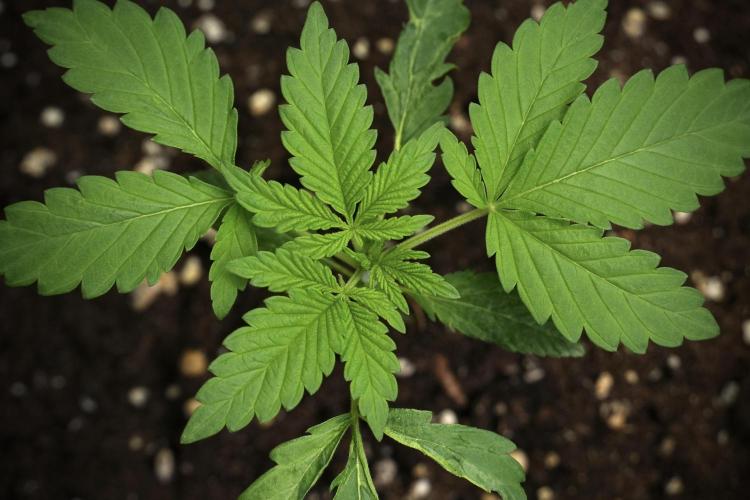
During the first week, this phenotype displayed some unusual leaf development. Nothing particularly concerning, but enough to give her a little extra character compared to some of her sisters. Those early quirks are still visible on a few of the older leaves, serving as a reminder of her unique start.
The newest growth, however, tells a completely different story.
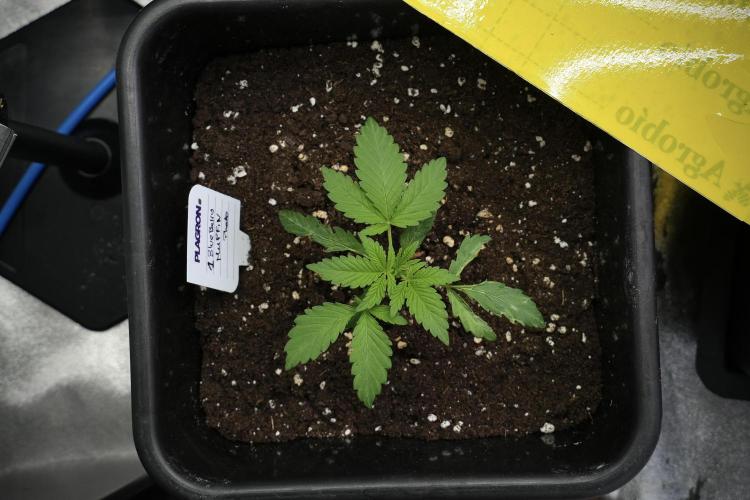
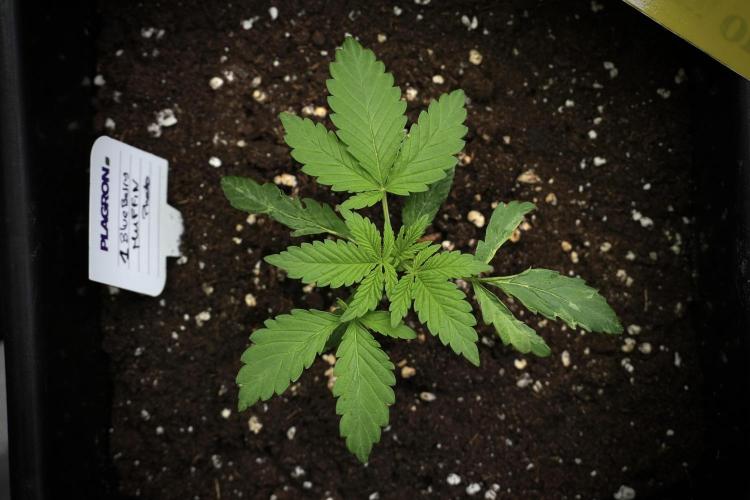
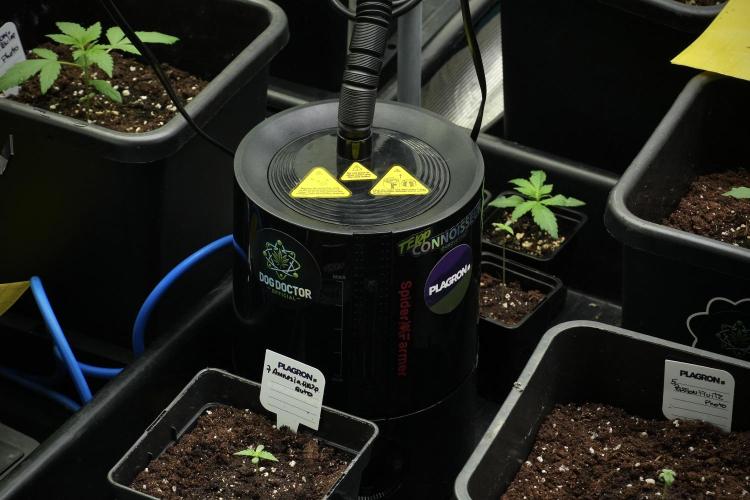
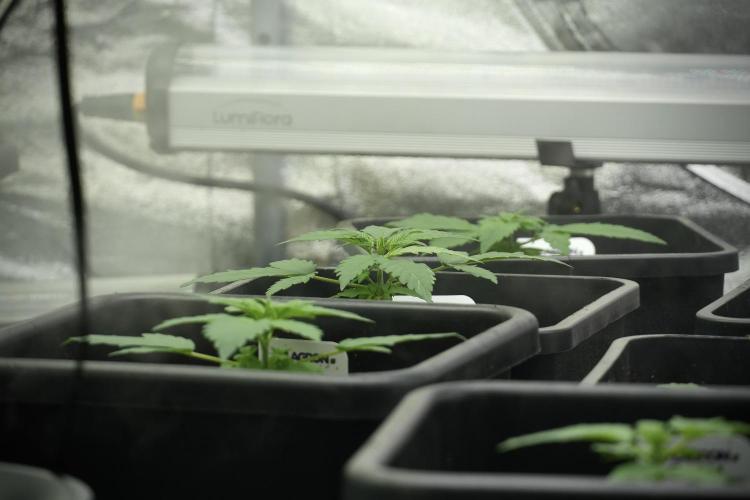
Fresh leaves are emerging beautifully formed, symmetrical, and vibrant green. The plant appears to be thoroughly enjoying the gradual increase in nutrition and has responded with noticeably stronger growth throughout the week.
Several new nodes have developed, five-finger leaves have begun appearing, and overall structure is becoming much more defined. The root system continues to establish itself beneath the surface while the canopy steadily expands above it.
One thing that stands out most this week is the color. The foliage carries a rich, healthy green tone that suggests the plant is comfortable, actively growing, and making excellent use of the available nutrition.
At this stage, Pheno A is looking vigorous, healthy, and increasingly confident.
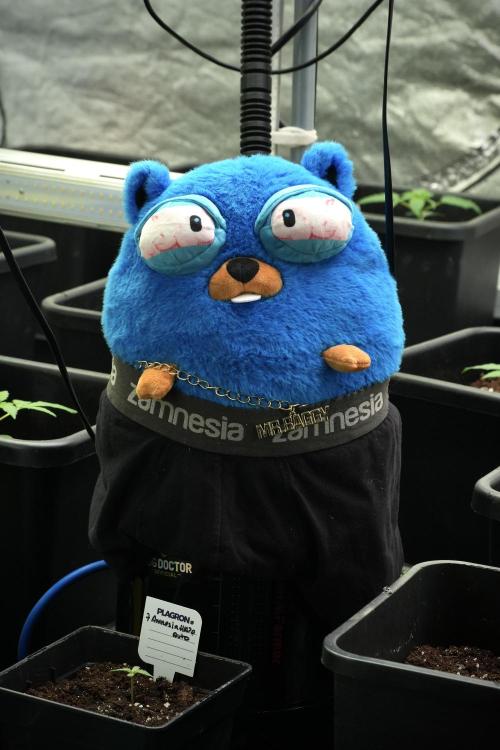
Mr. Baggy Report
Mr. Baggy remains hard at work supervising daily operations throughout the tent. While productivity reports remain difficult to verify, morale appears exceptionally high.
Further investigation is ongoing.
Looking Ahead
If growth continues at the current pace, next week should bring:
• Faster node development
• Larger five-finger leaves
• Increased branching potential
• Stronger stem development
• More visible phenotype traits
Week 3 is often where young plants begin showing much more of their individual personalities, and I’m excited to see what this Blueberry Muffin has in store.
Final Thoughts
Overall, I couldn’t be happier with how Week 2 has progressed. The early leaf quirks that initially caught my attention are becoming less relevant with each passing day as healthy new growth takes over.
A huge thank you to everyone following along, commenting, sharing advice, and supporting the project.
Special thanks to Zamnesia, Plagron, Future of Grow, and the entire growing community helping make this journey possible.
Thank you for stopping by, and I’ll see you all next week for another update from Project Blue Tent.
Growers Love
DD 🌱💚
5 likes
comments
Share
Used techniques
12-12
Technique
Enjoying this diary? Follow for more updates!

Prefer the old Diary view?
Go back to the old Diary view