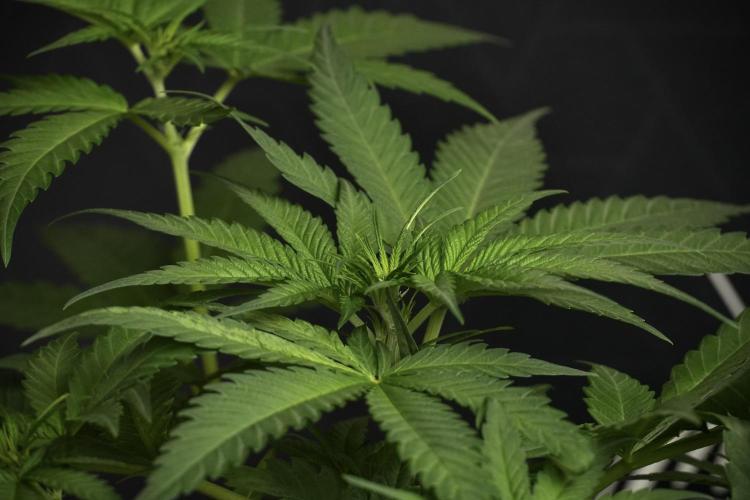
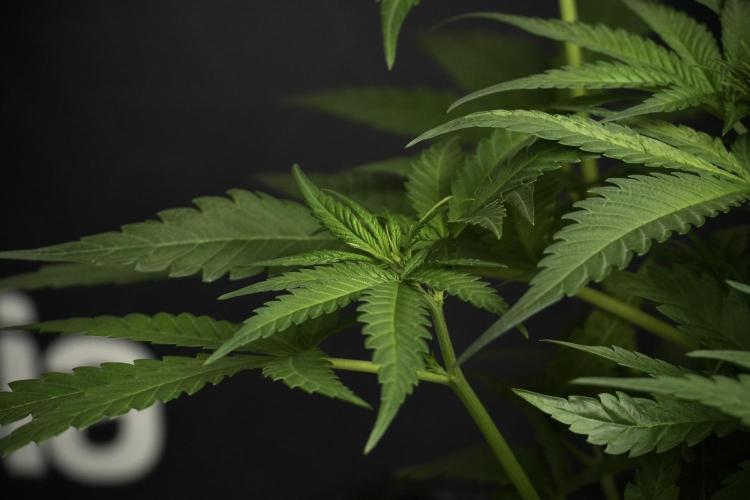
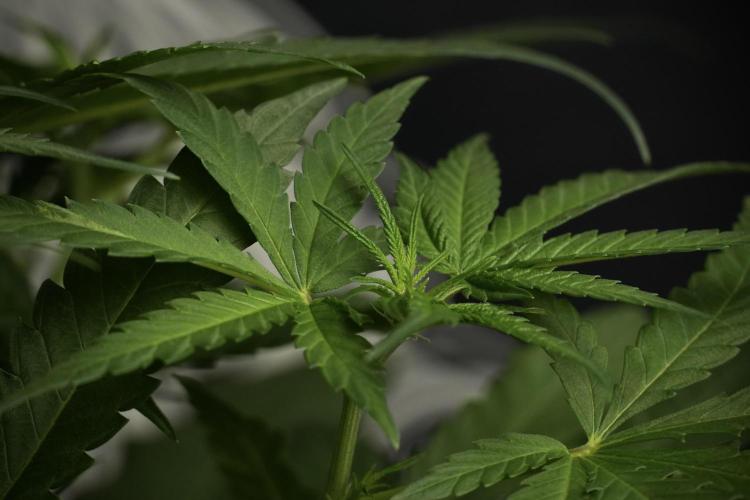
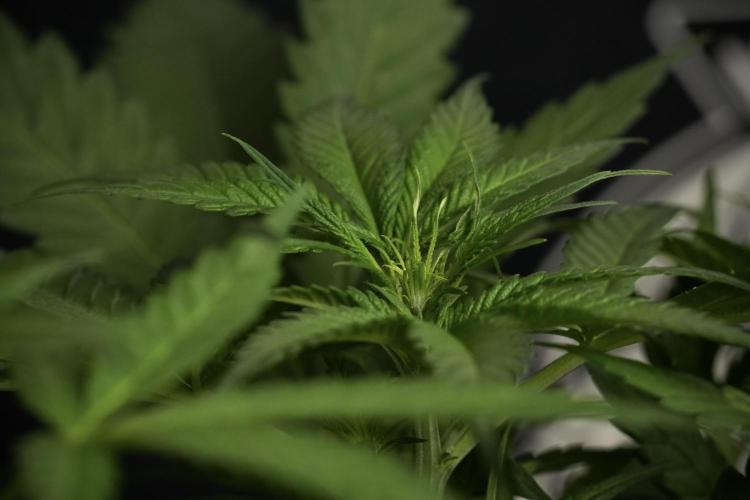
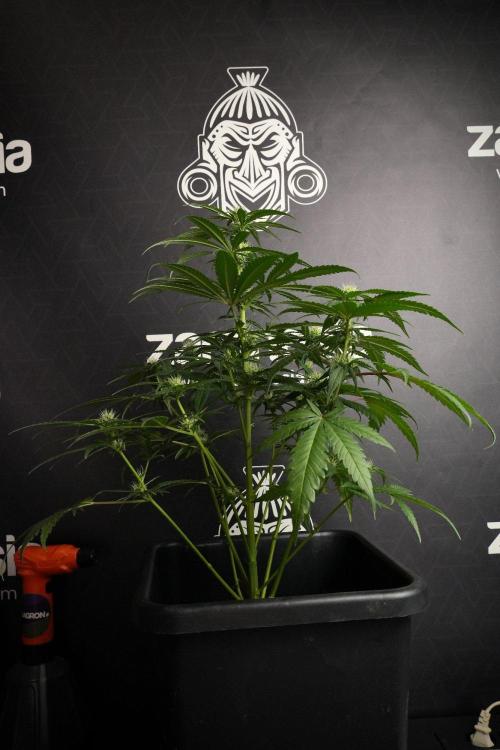
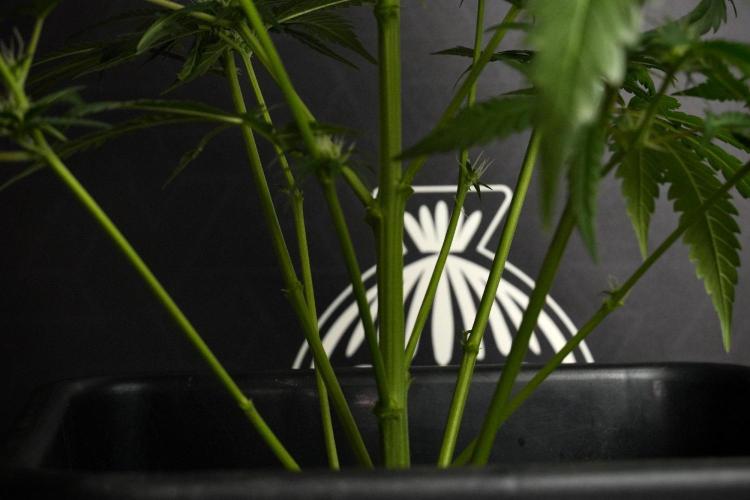
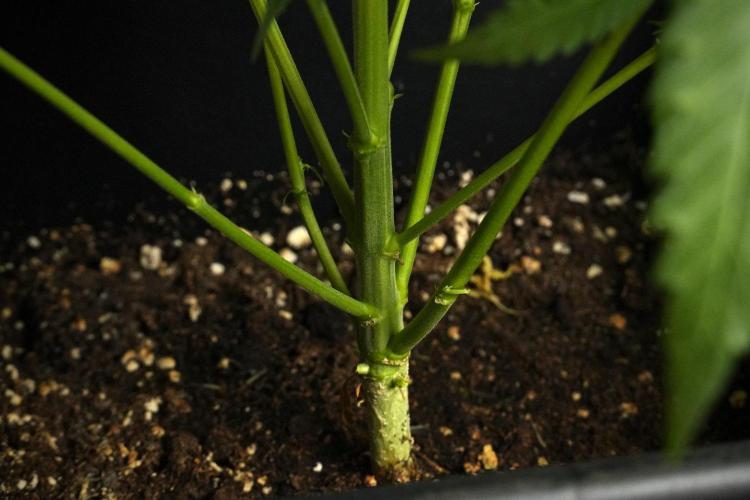
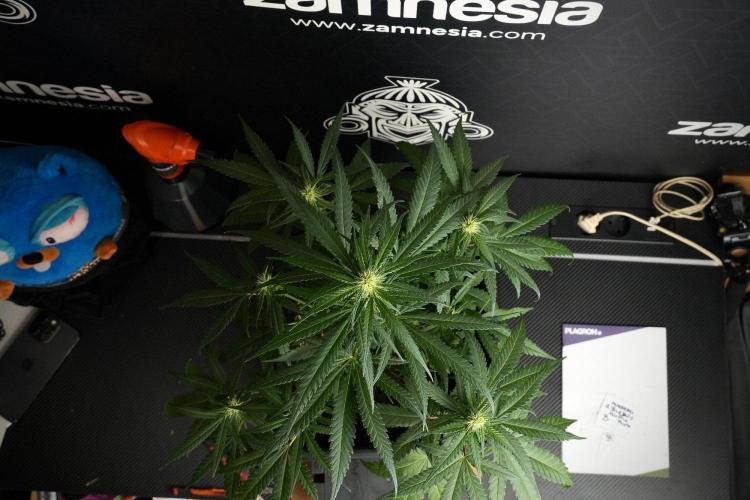
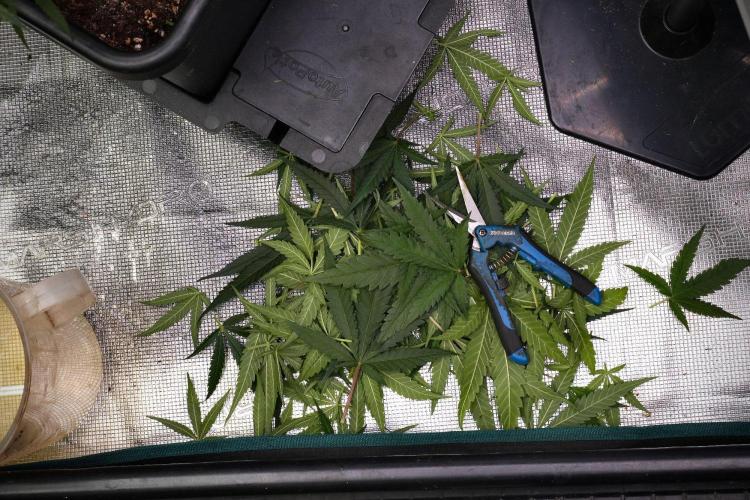
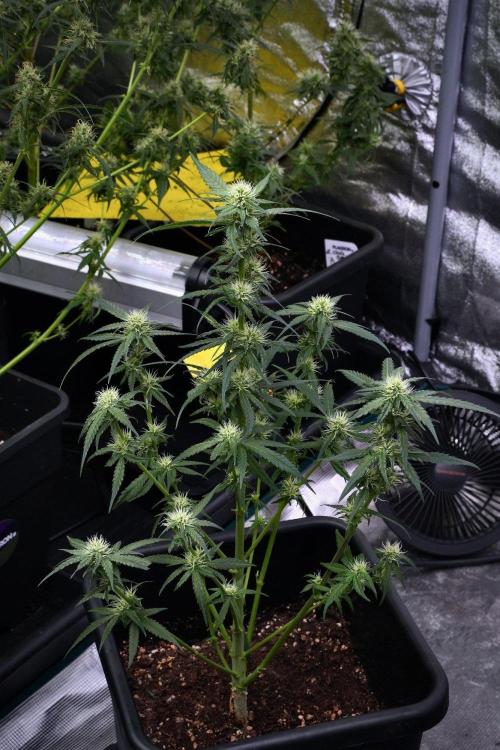
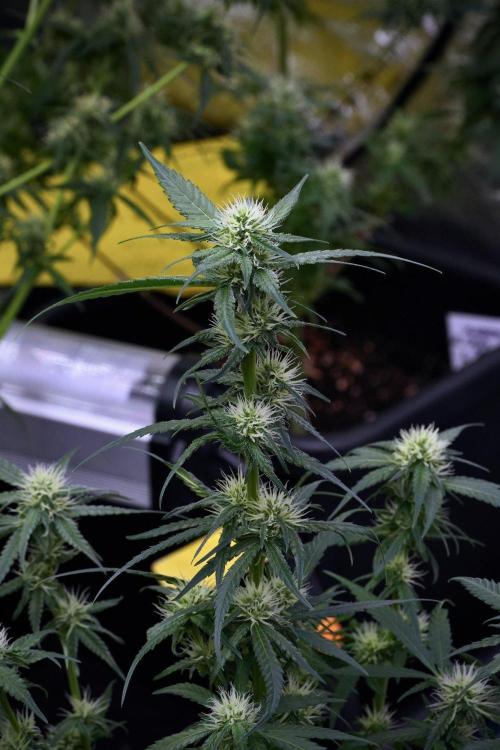
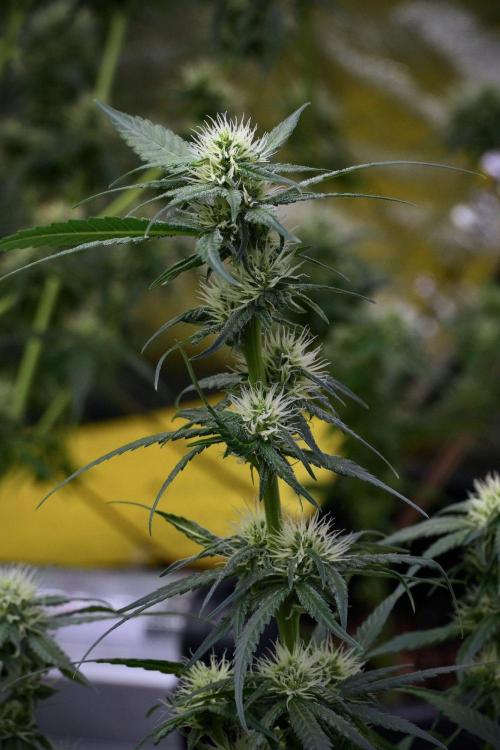
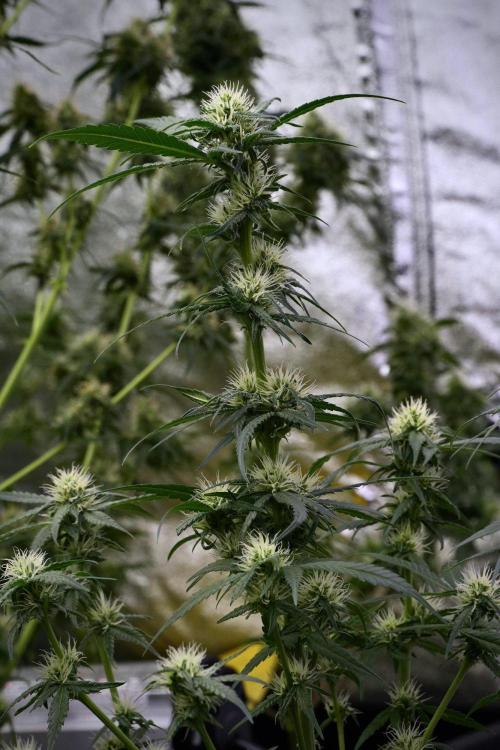
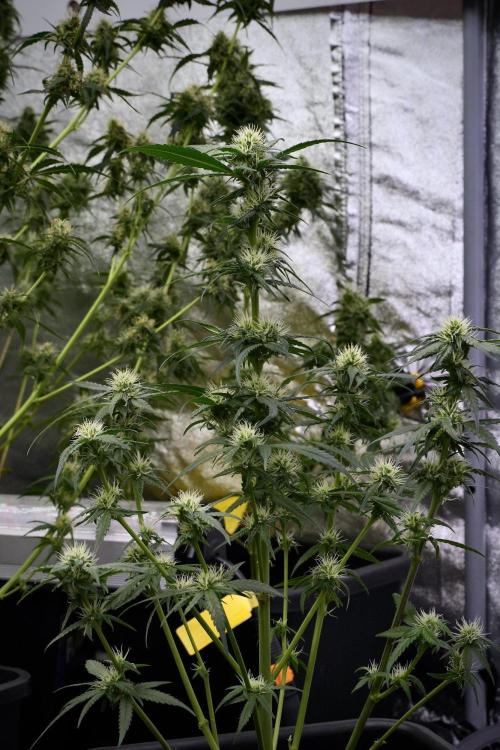
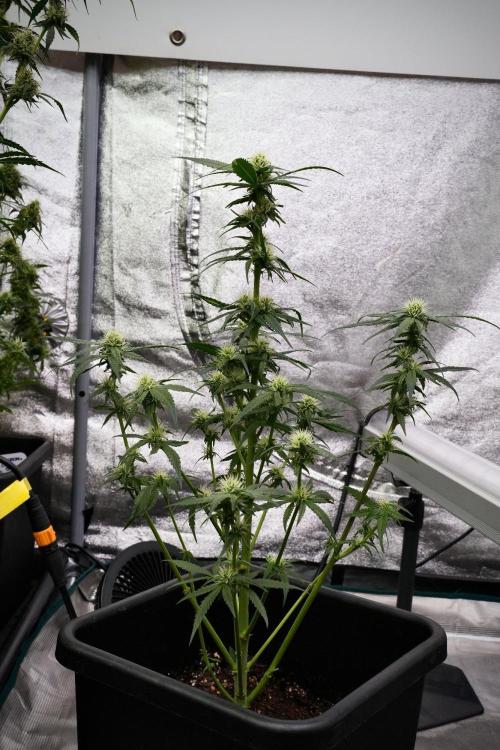
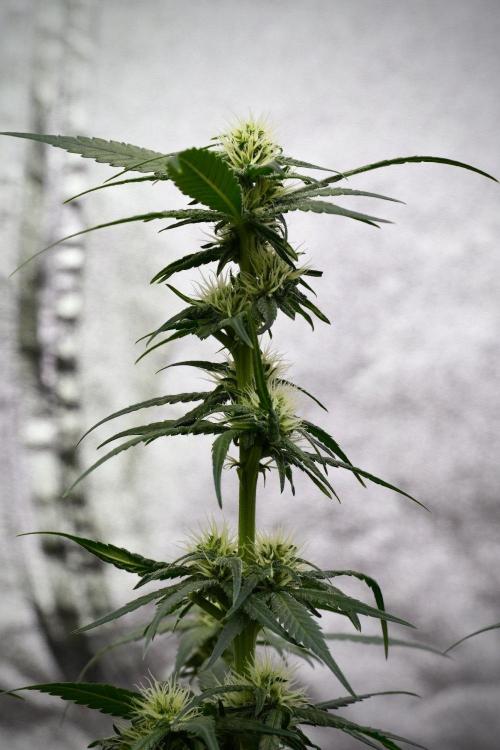
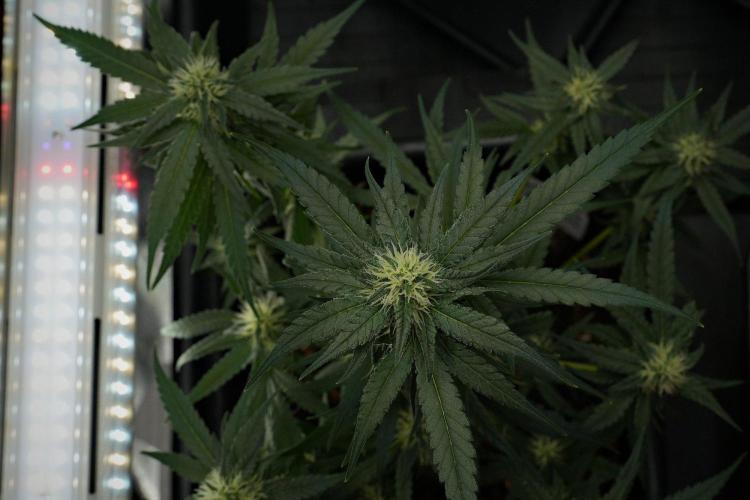
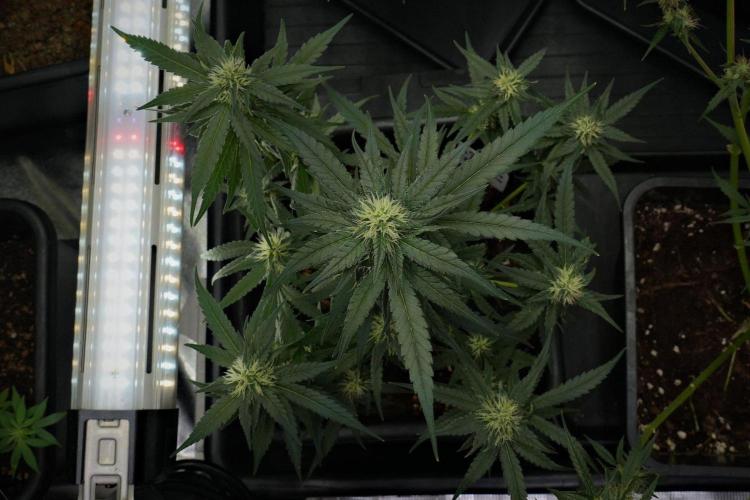
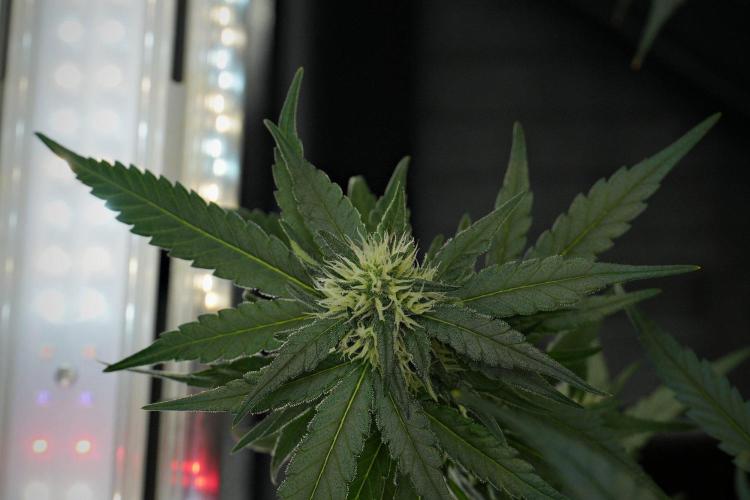
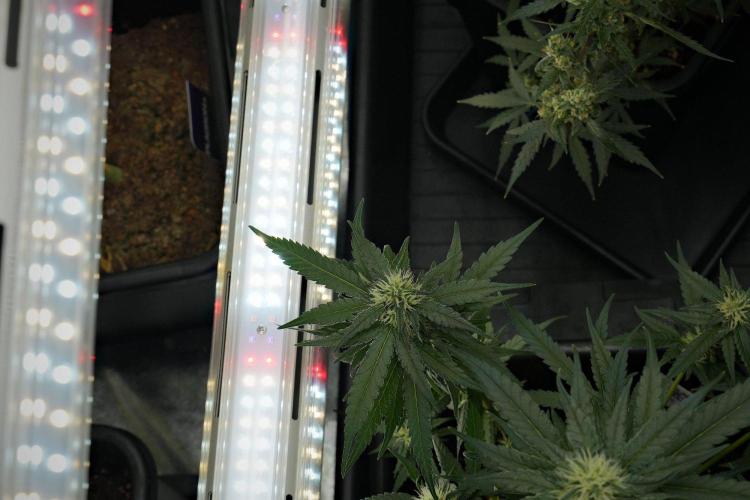
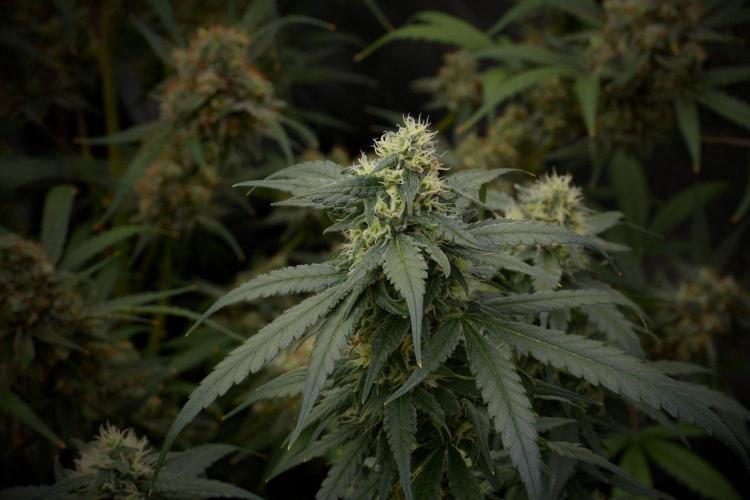
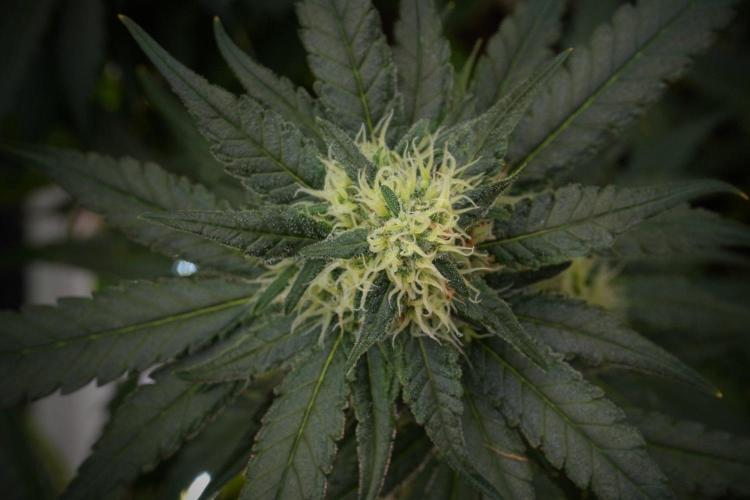
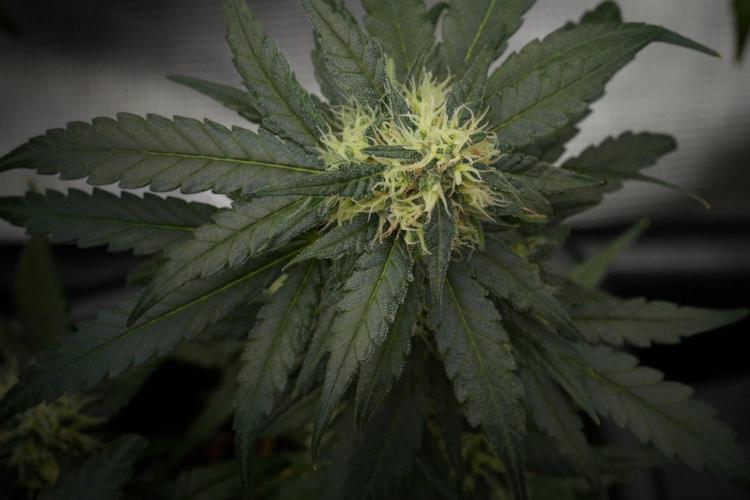
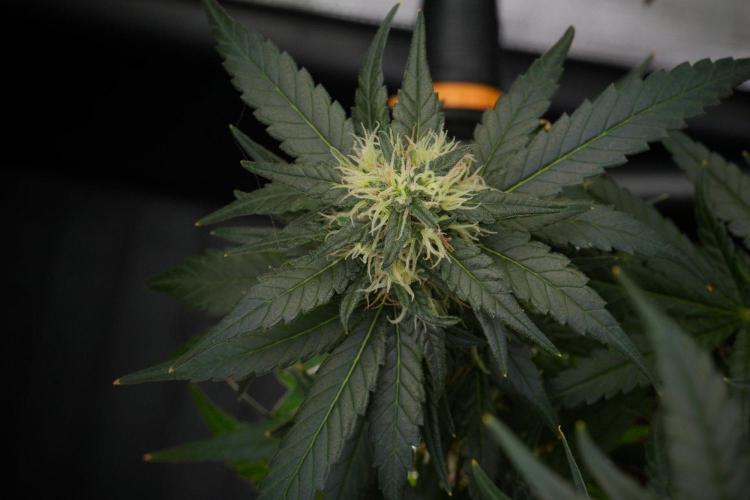
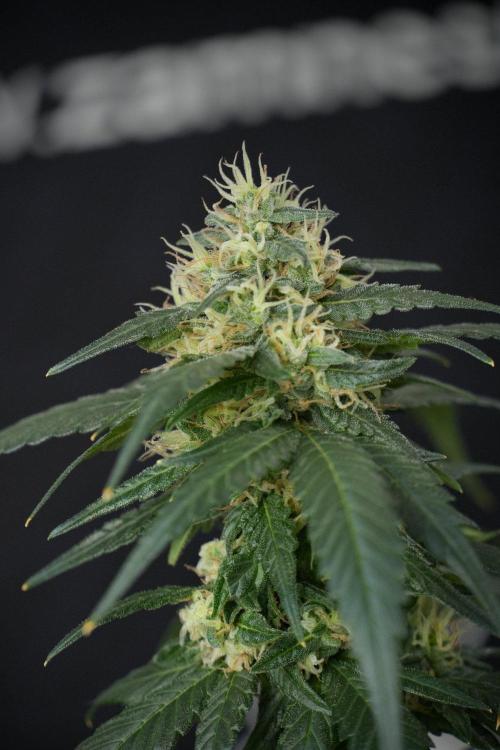
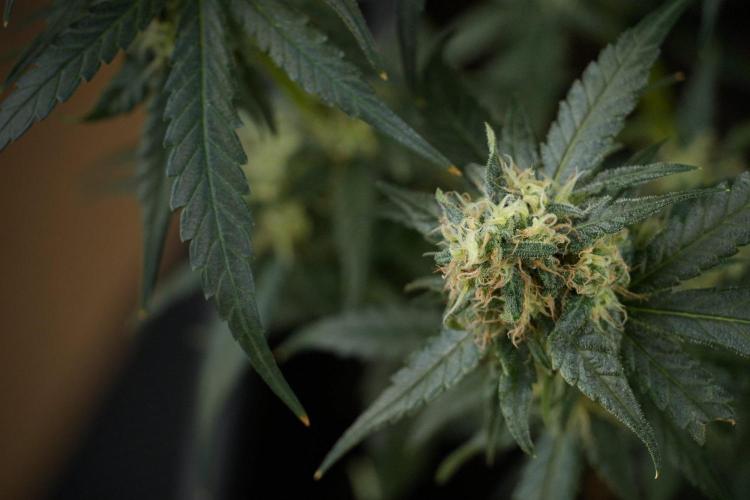
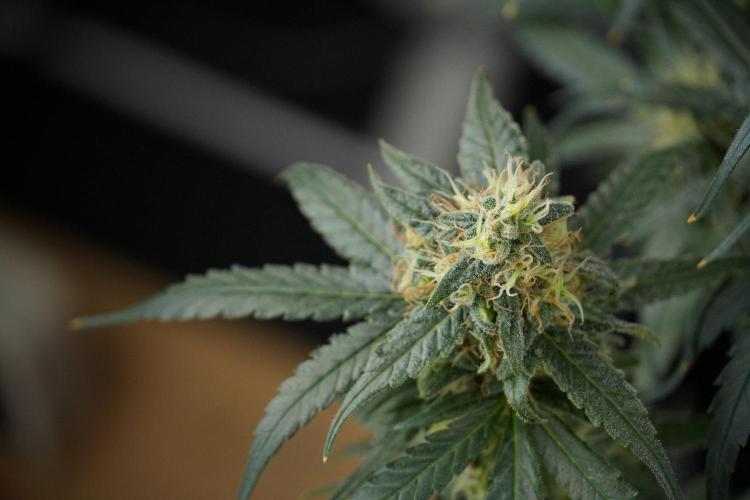
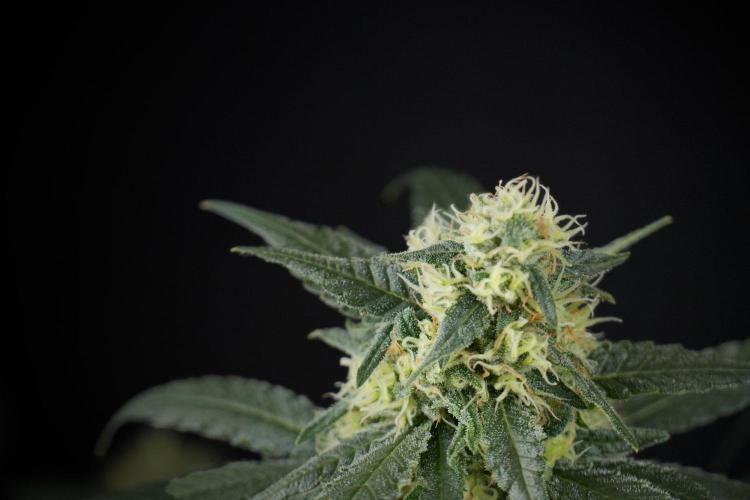
DogDoctorOfficial Hello GrowDiaries family! 👋🌱
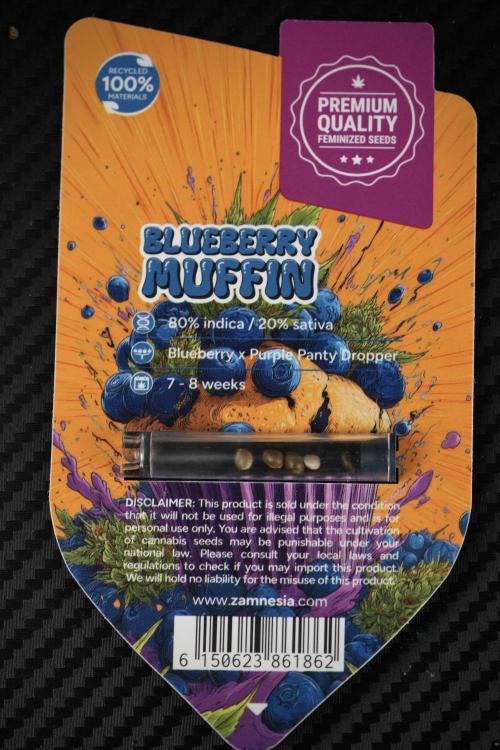
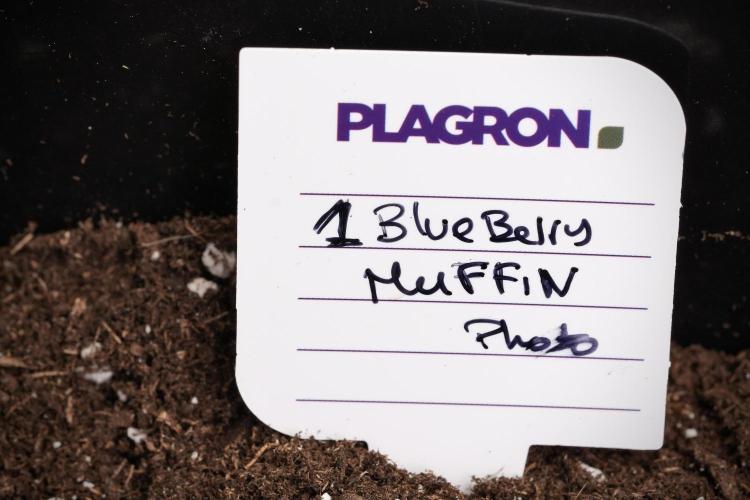
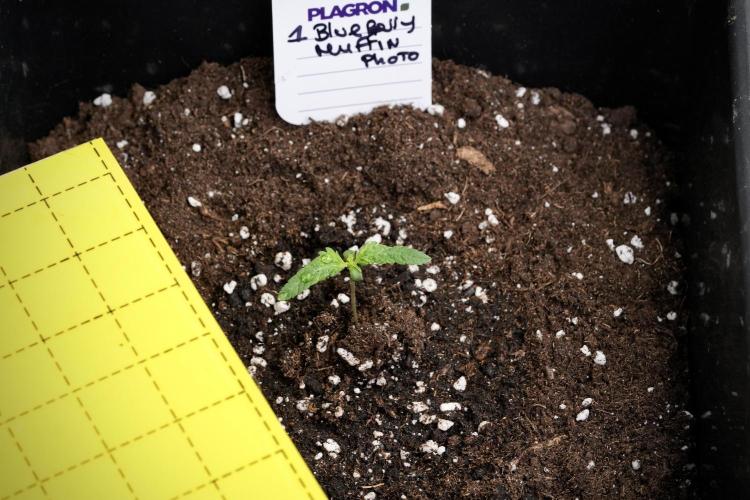
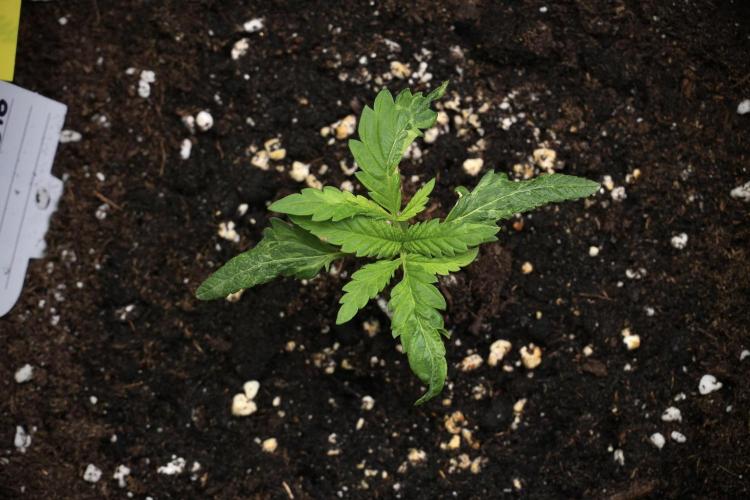
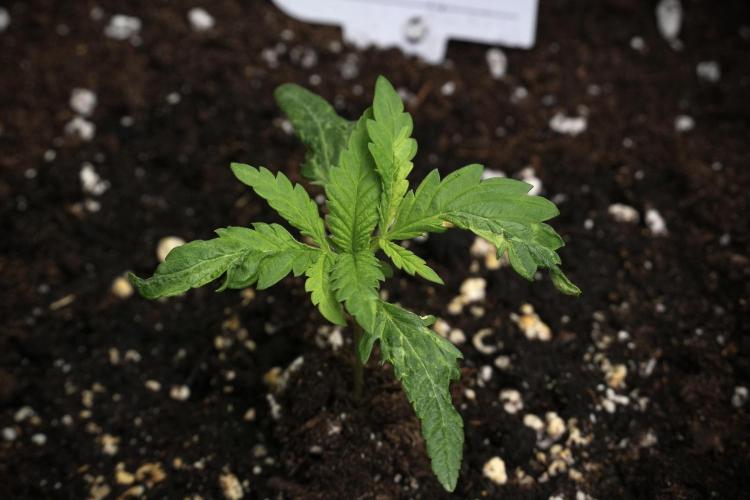
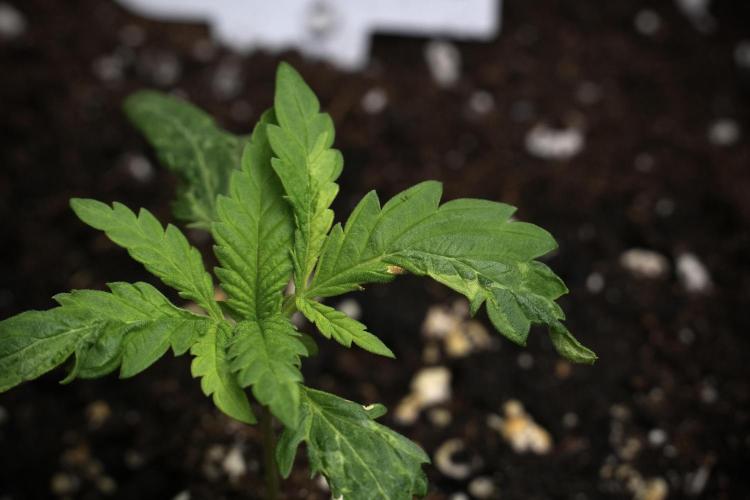
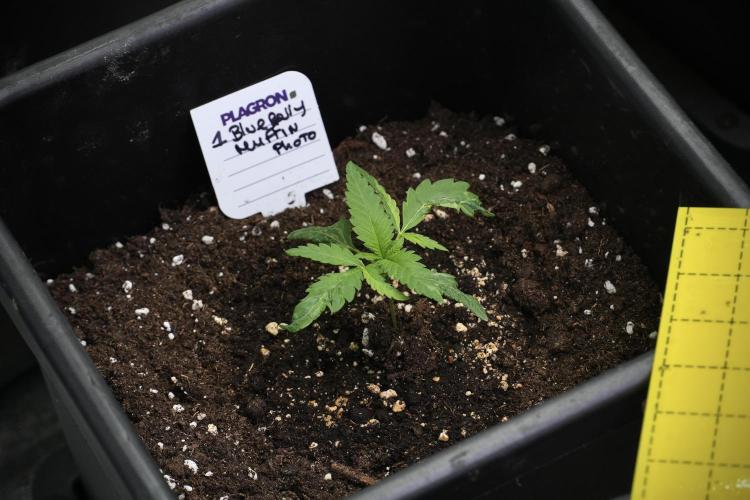
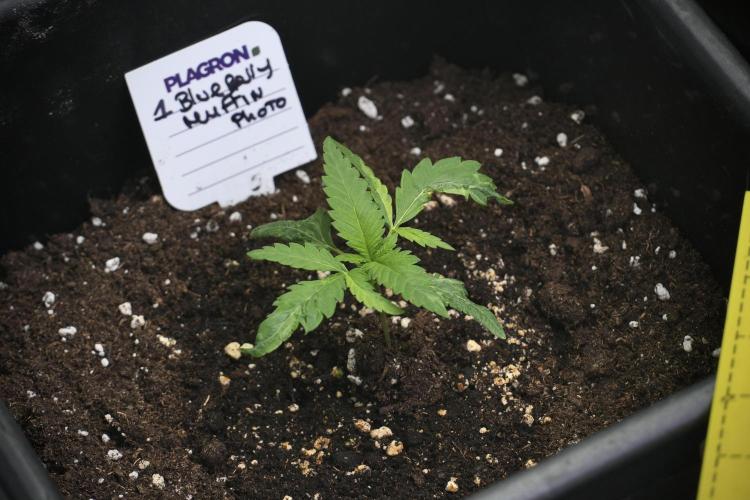
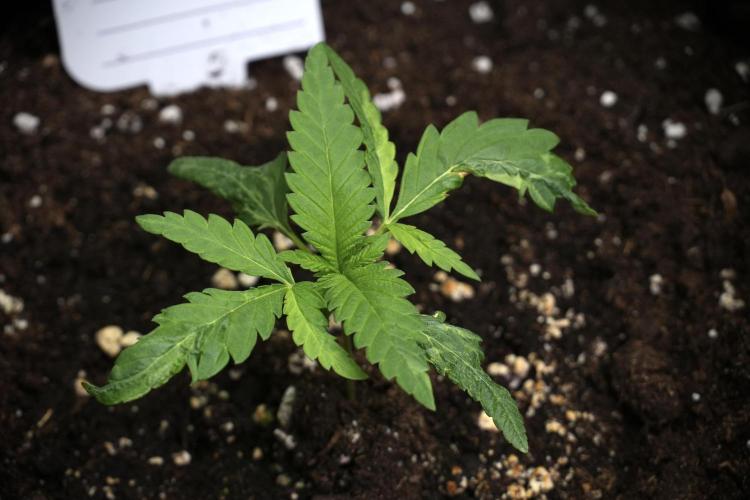
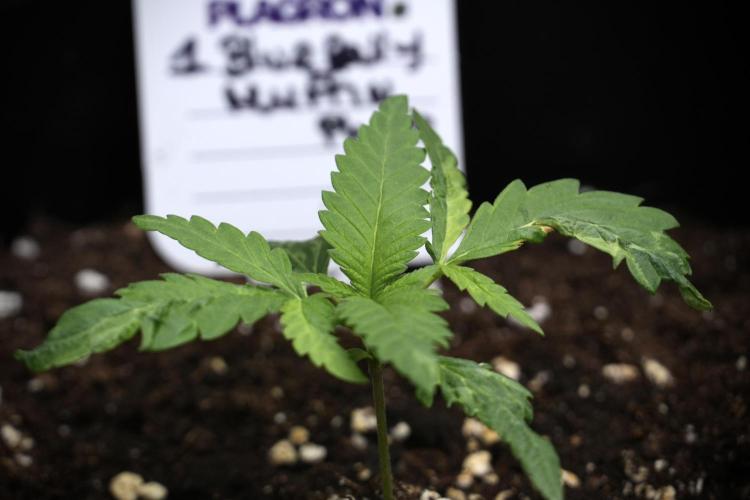
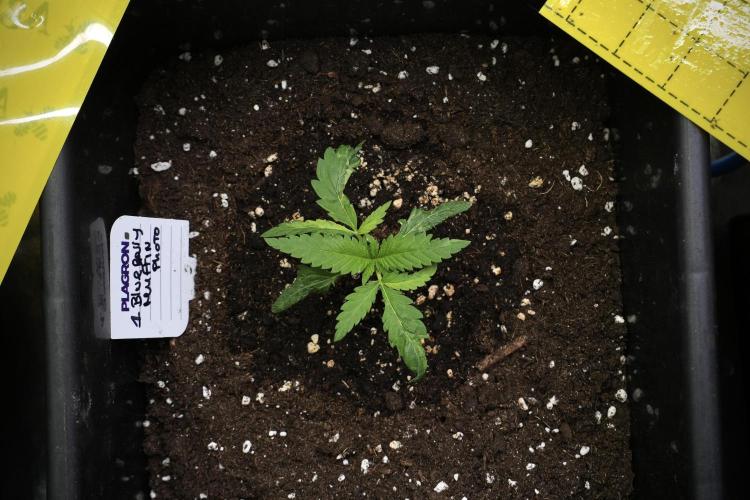
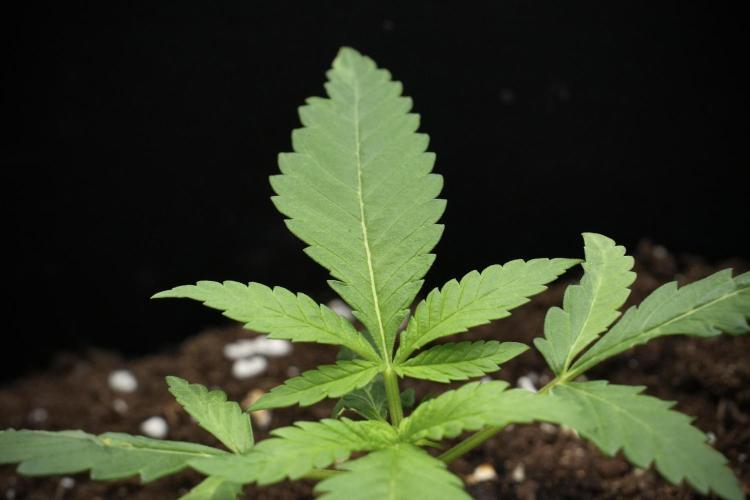
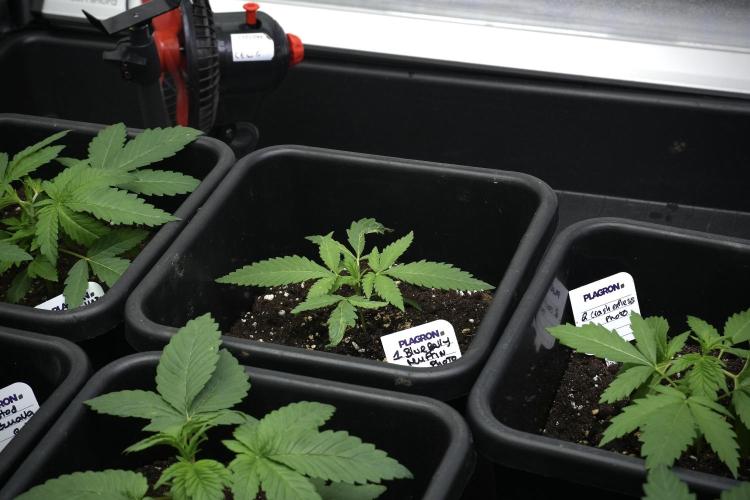
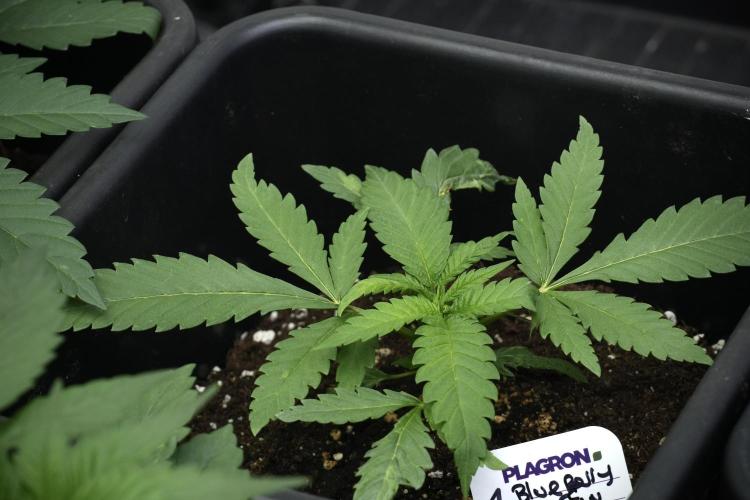
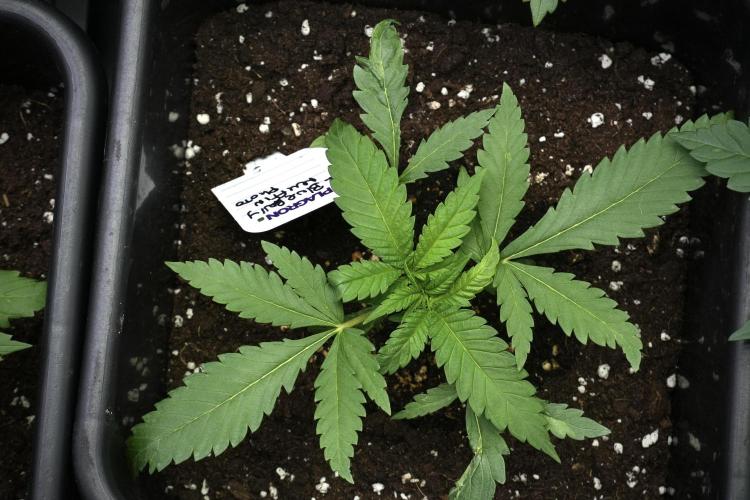
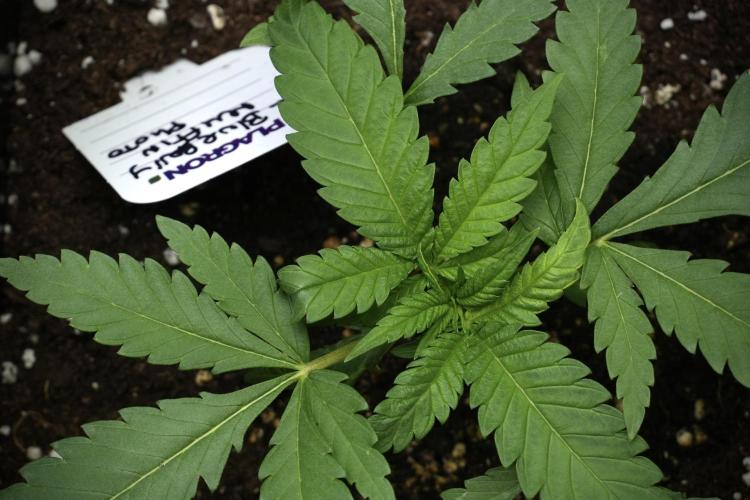
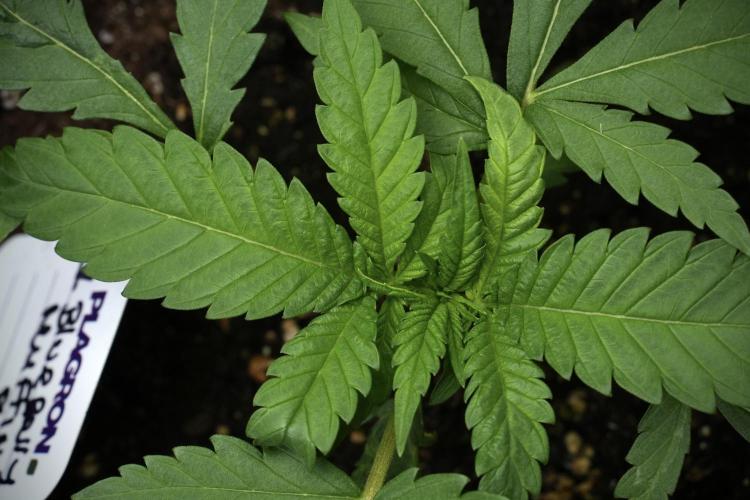
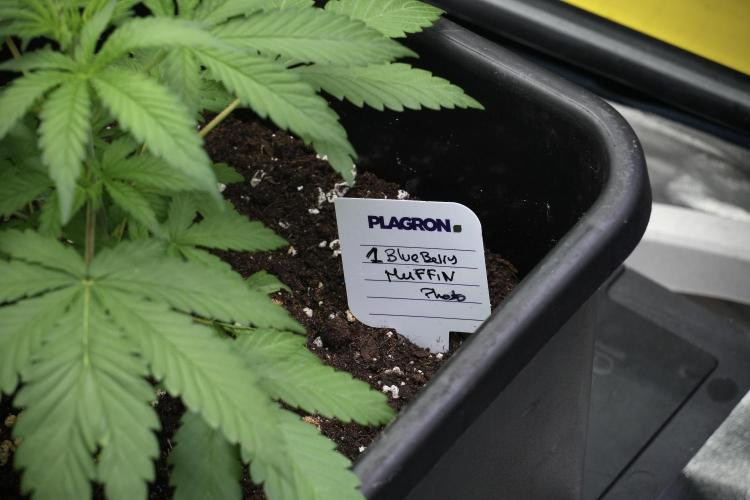
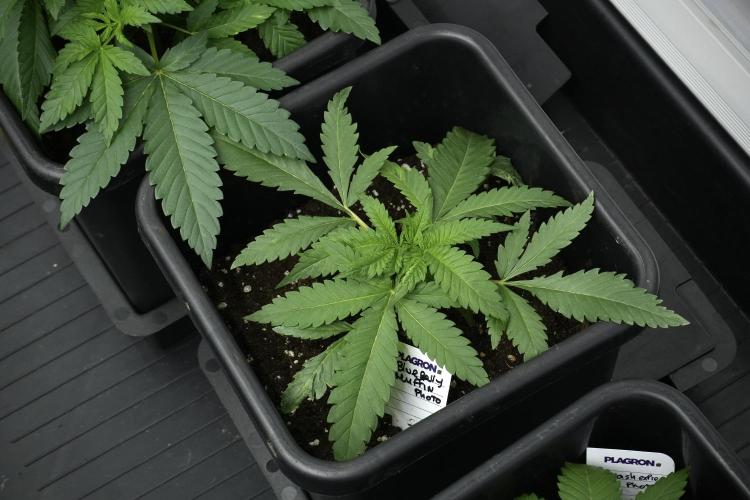
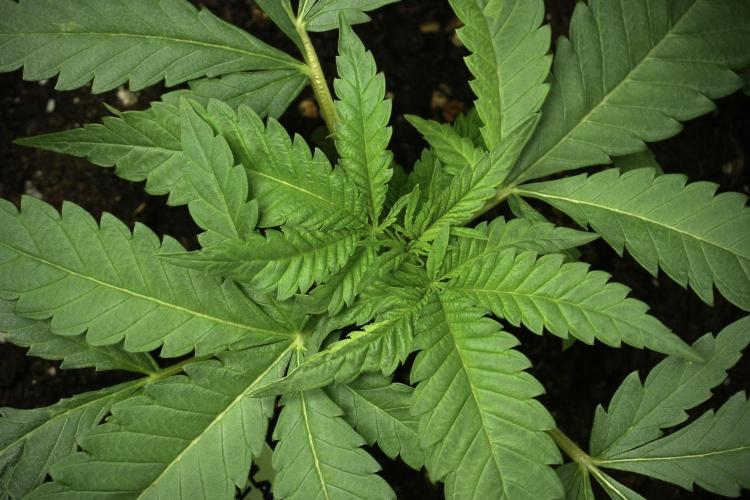
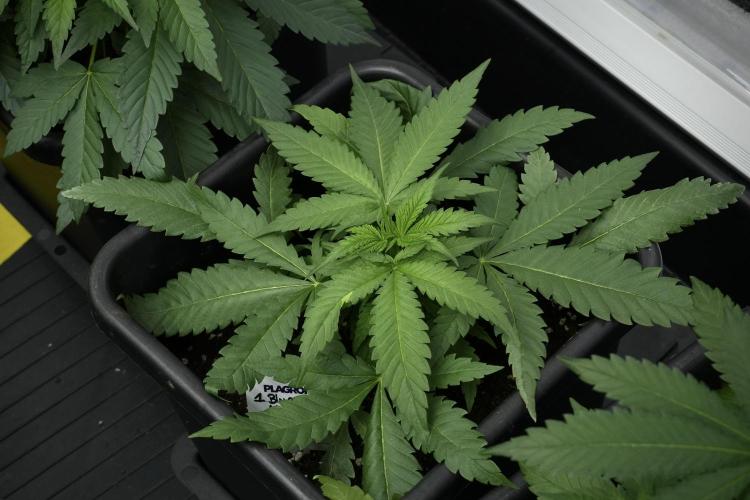
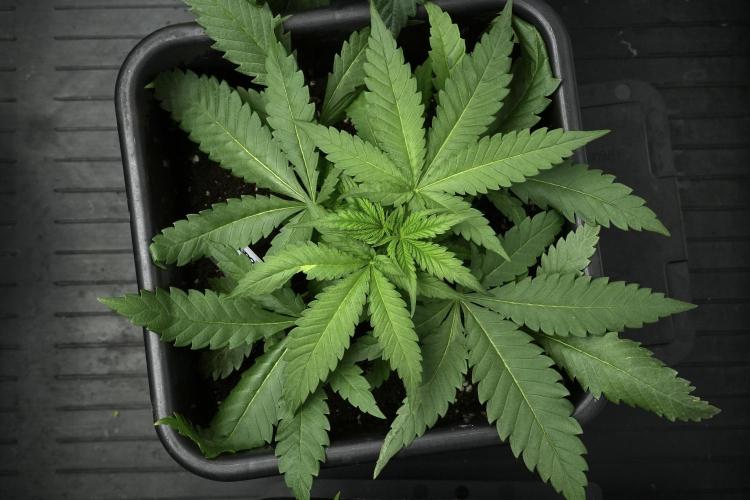
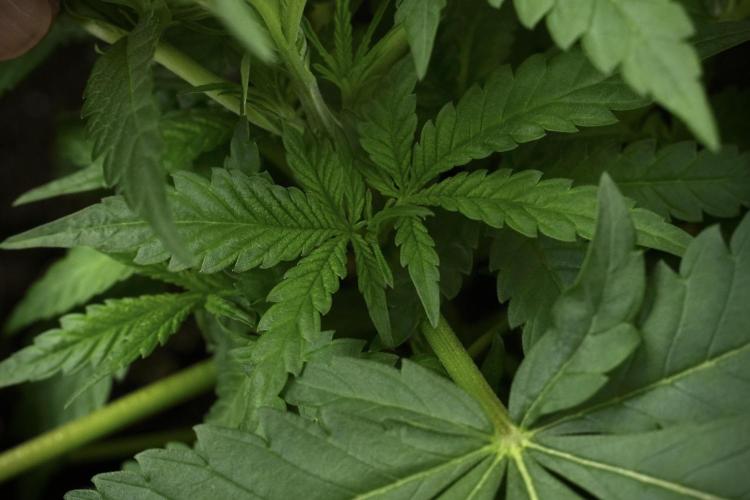
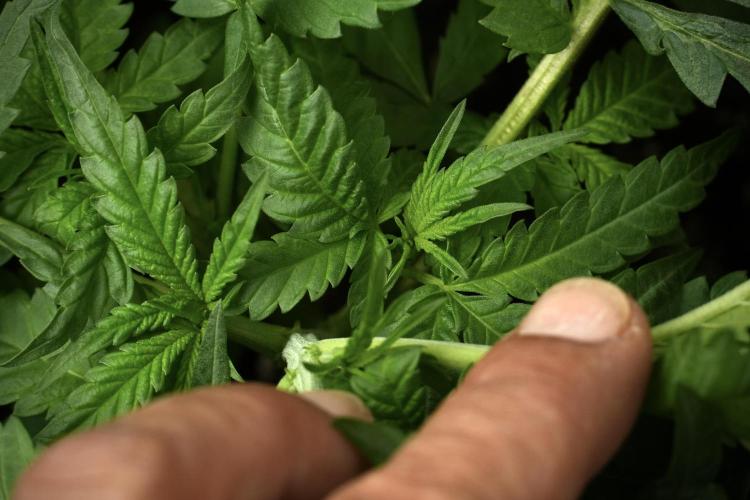
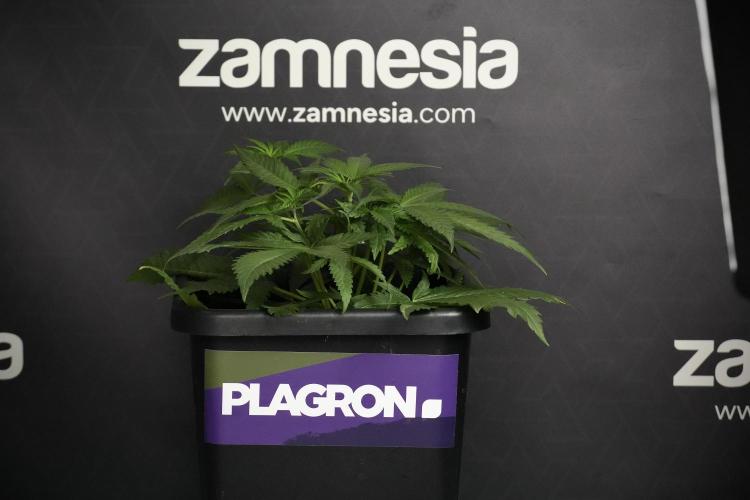
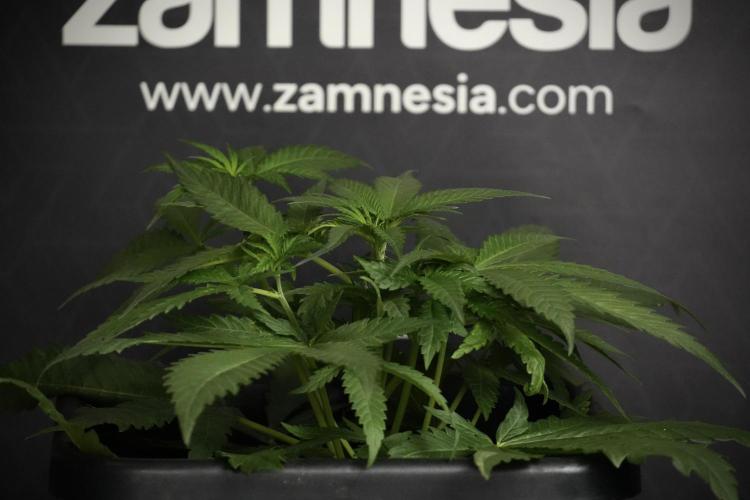
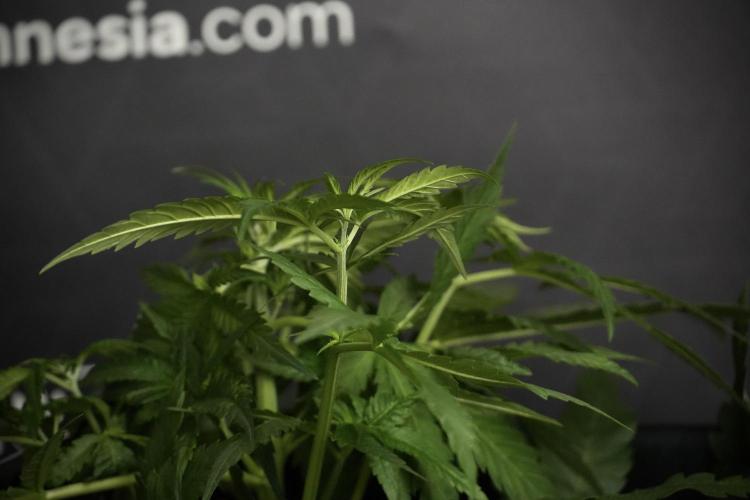
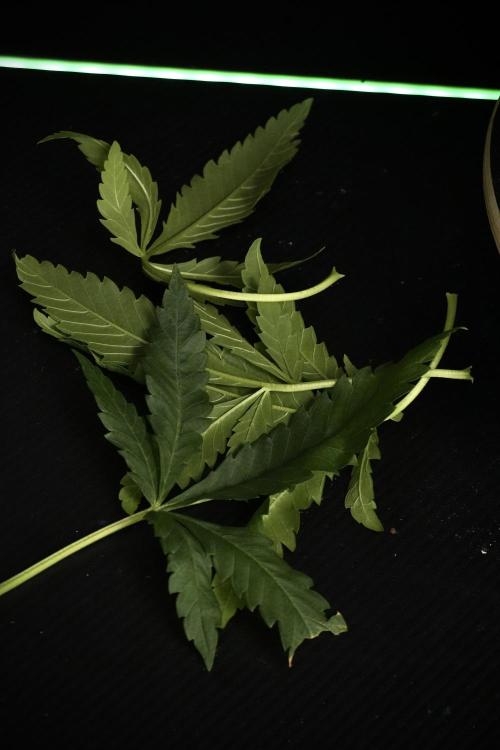
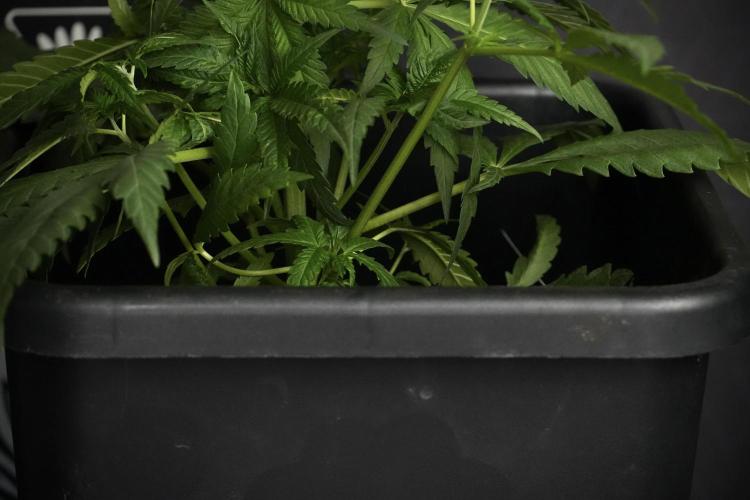
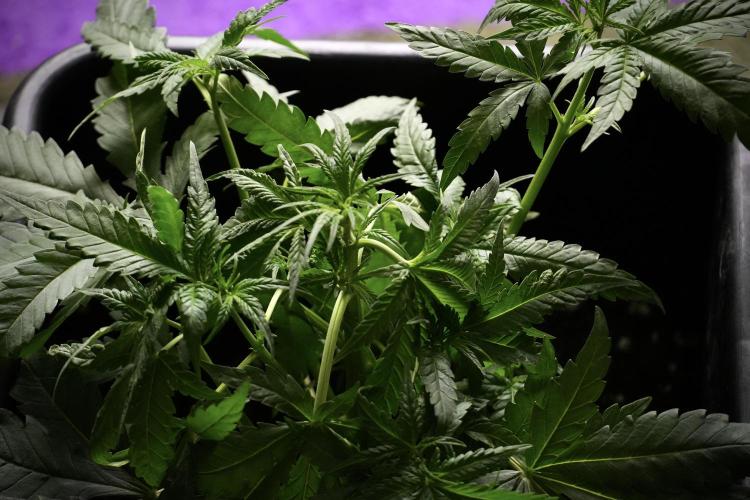
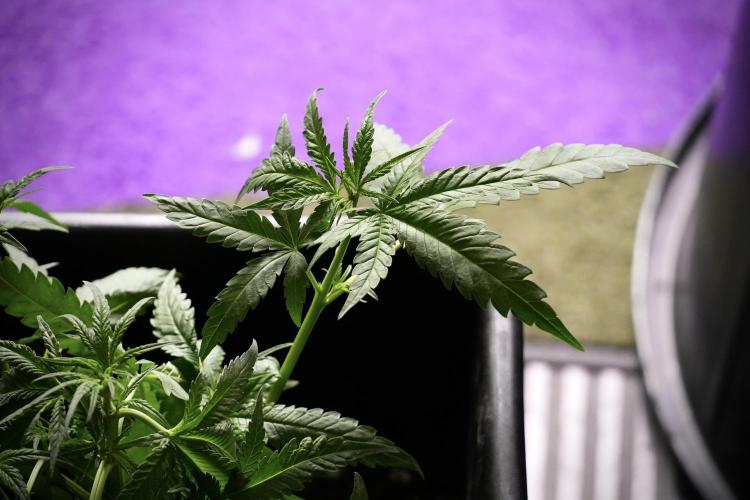
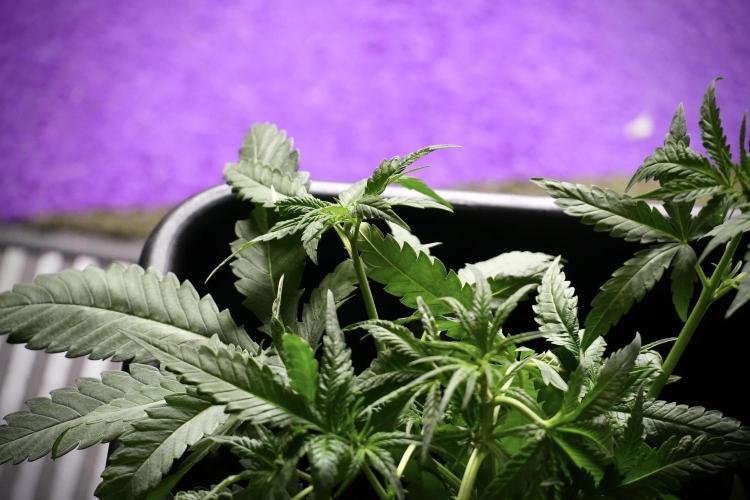
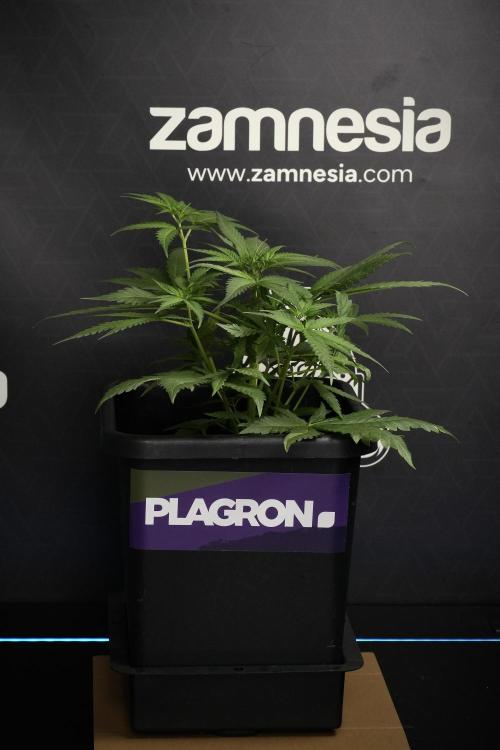
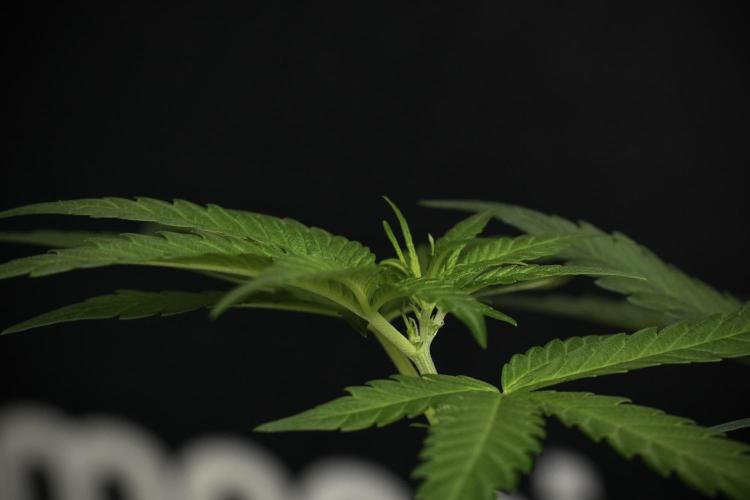
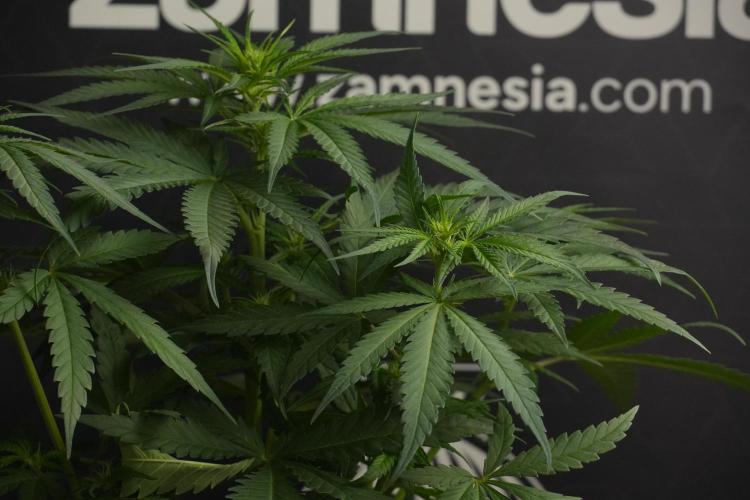
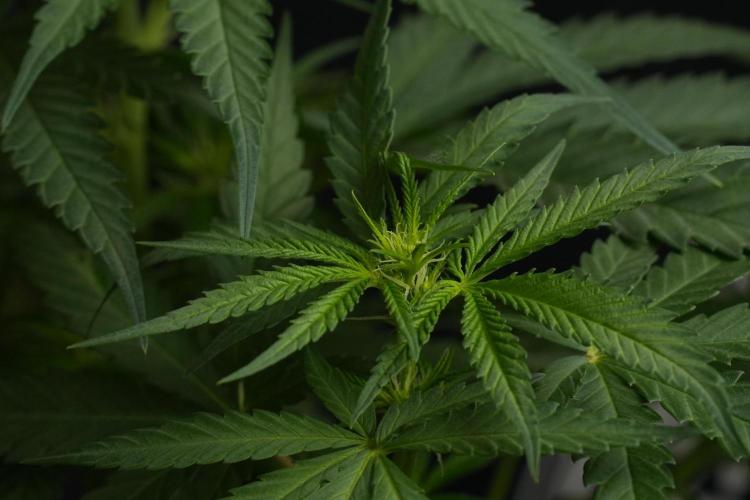
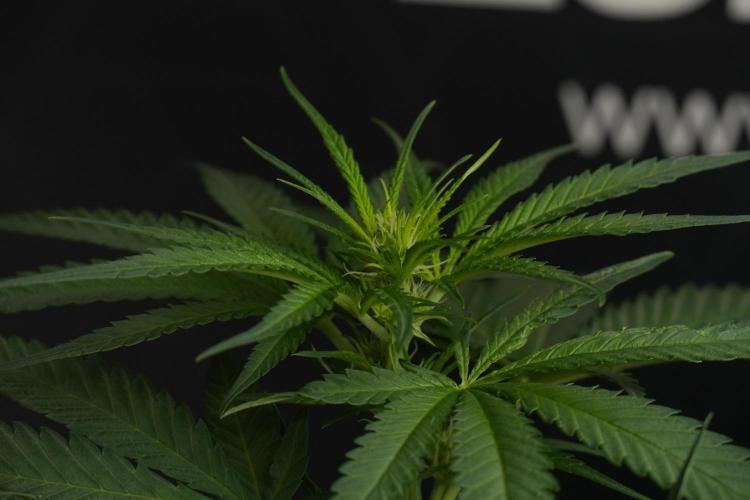
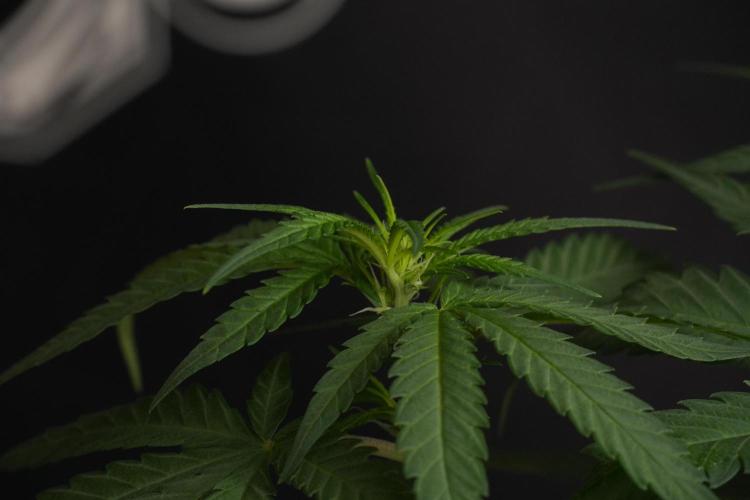
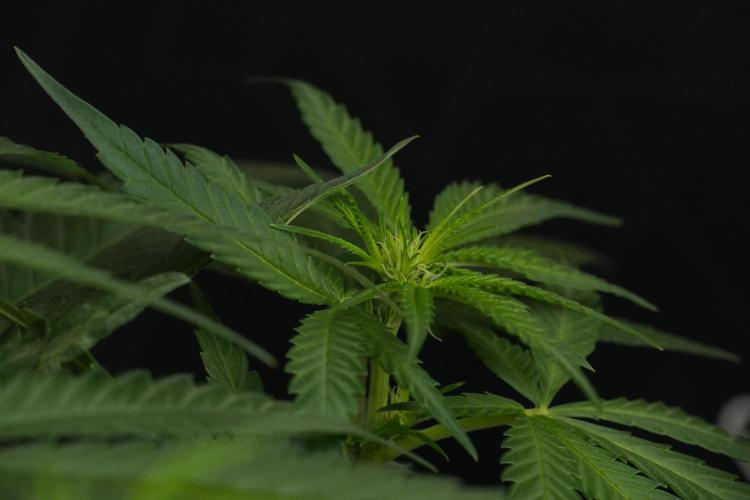
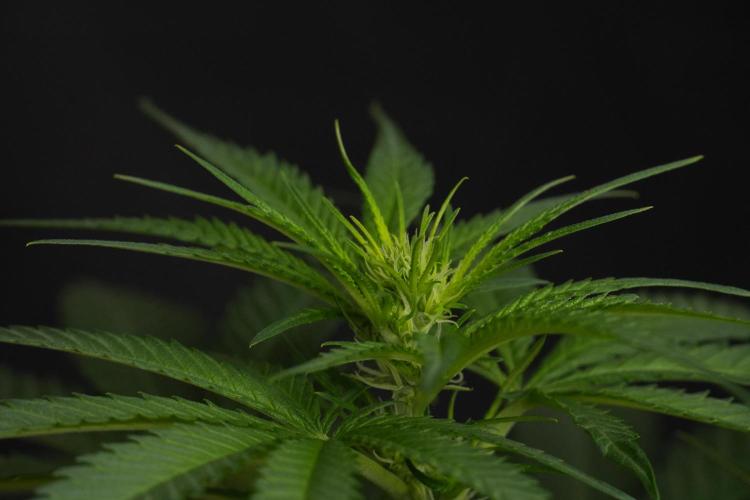
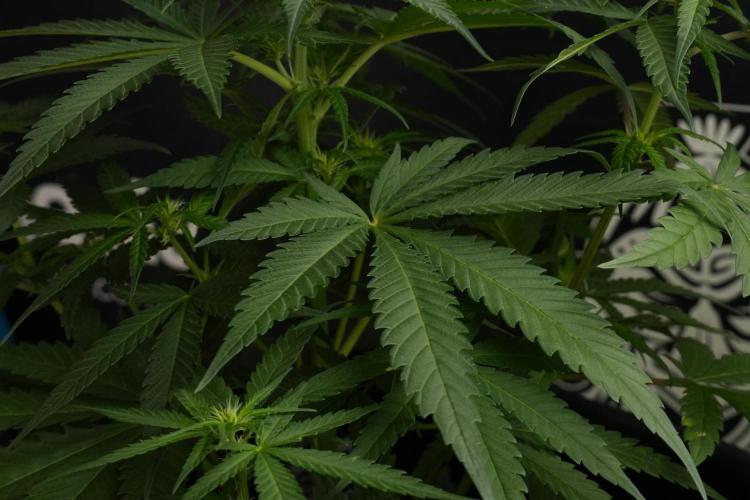
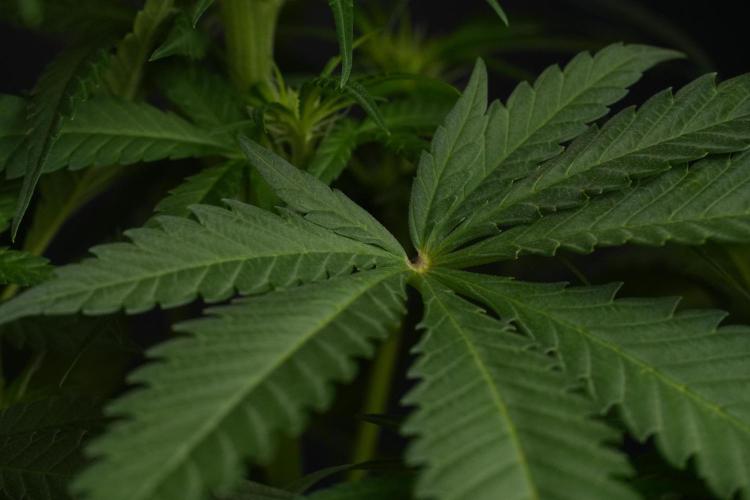
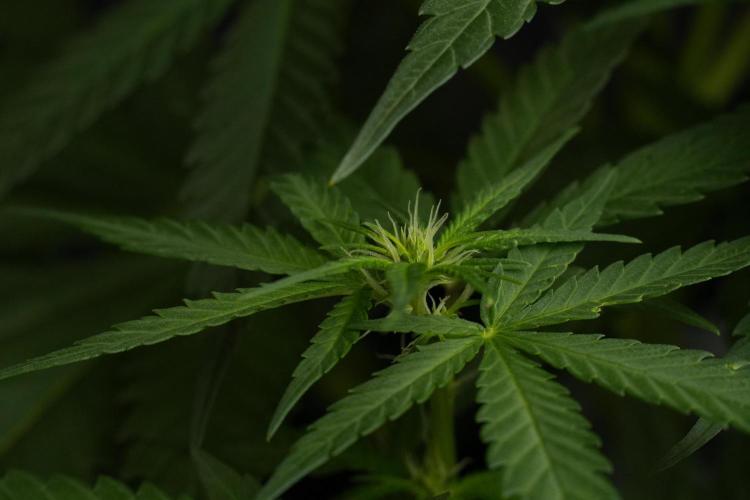
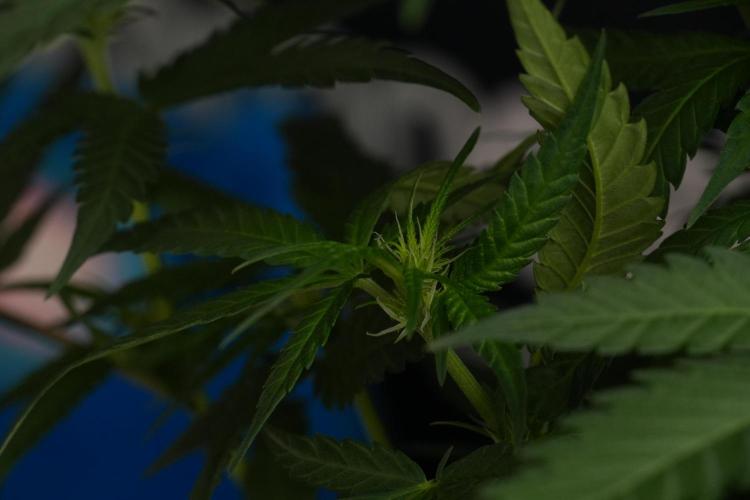
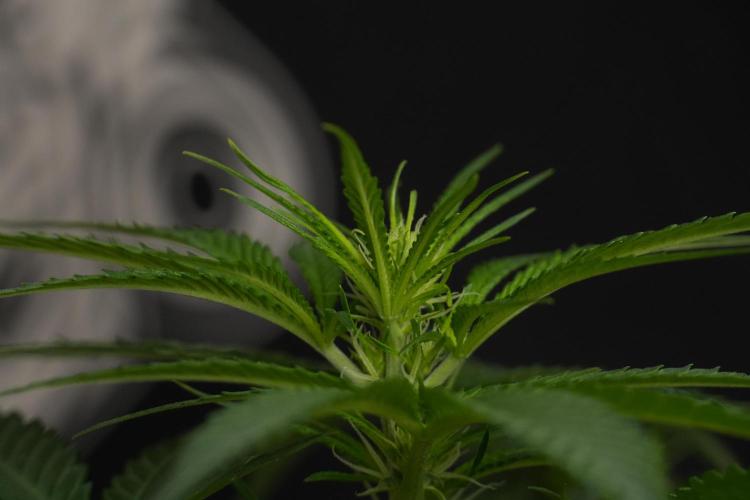
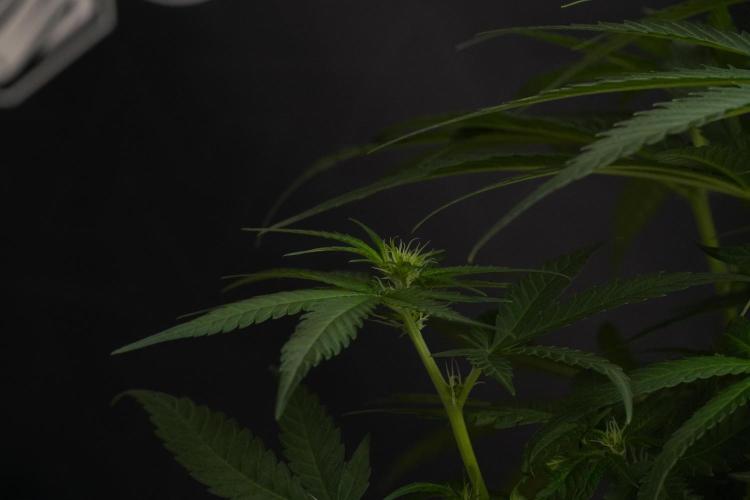
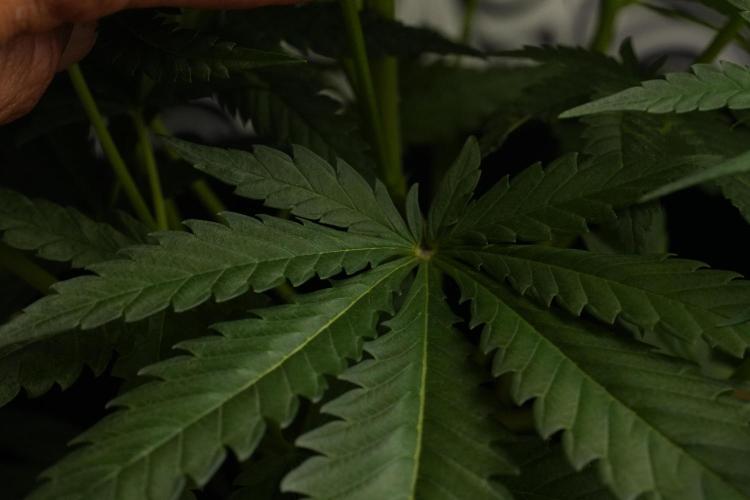
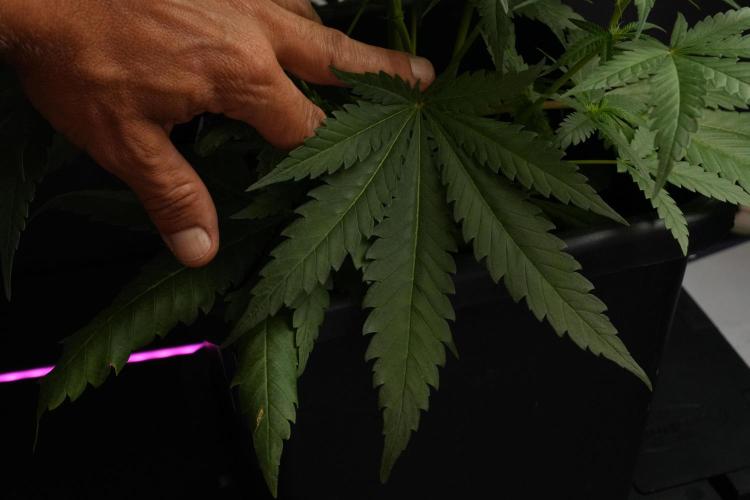
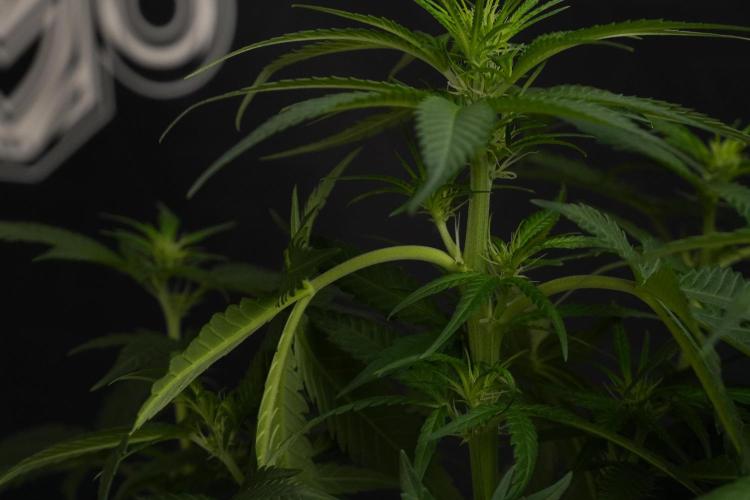
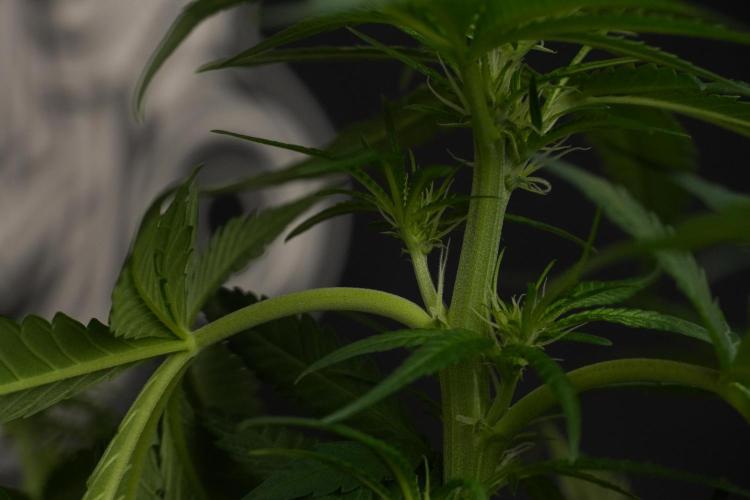
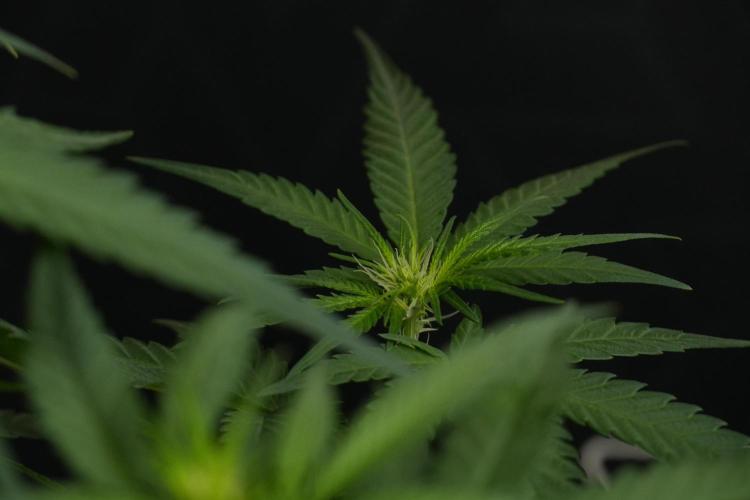
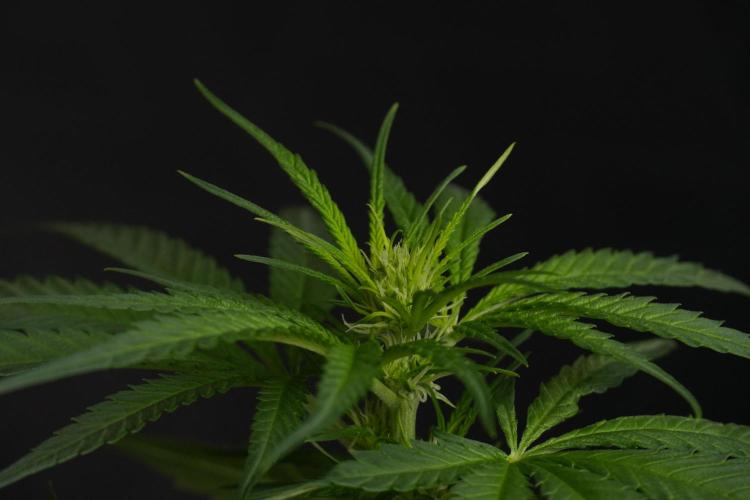
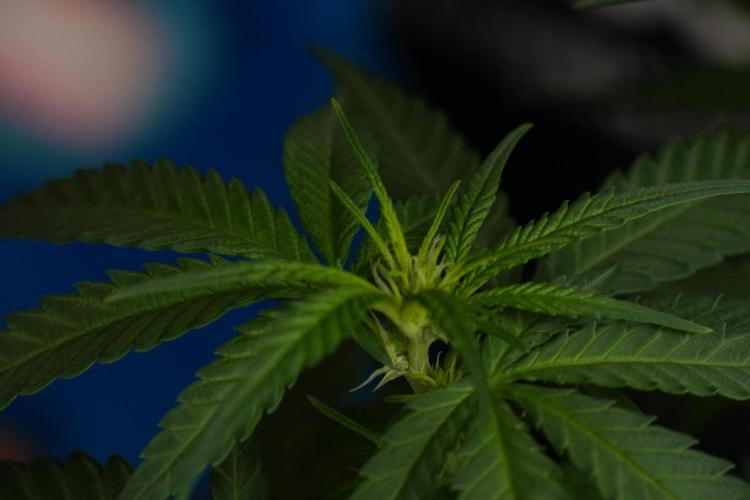
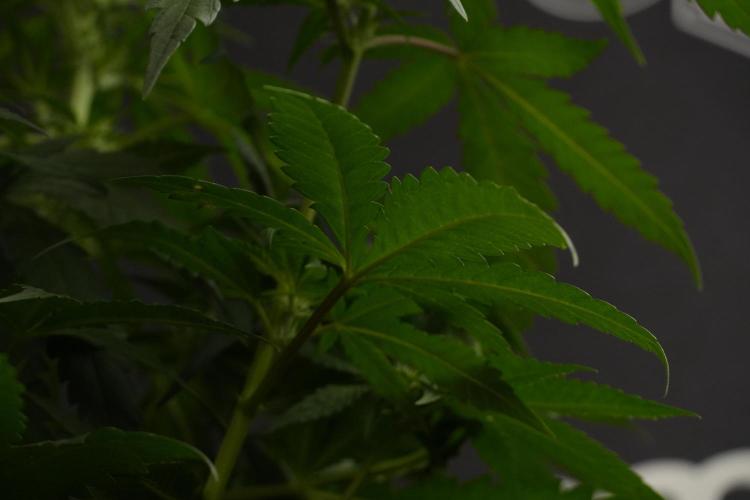
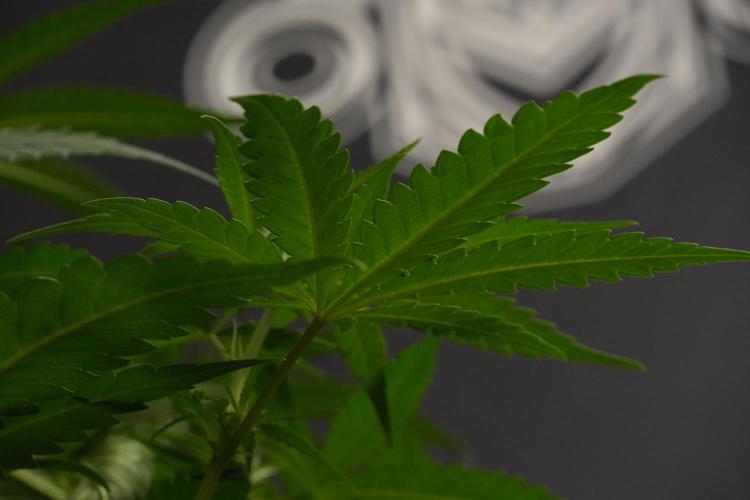
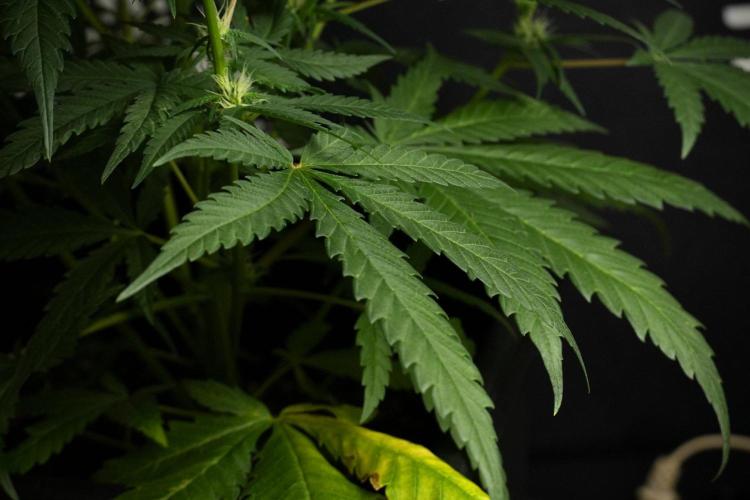
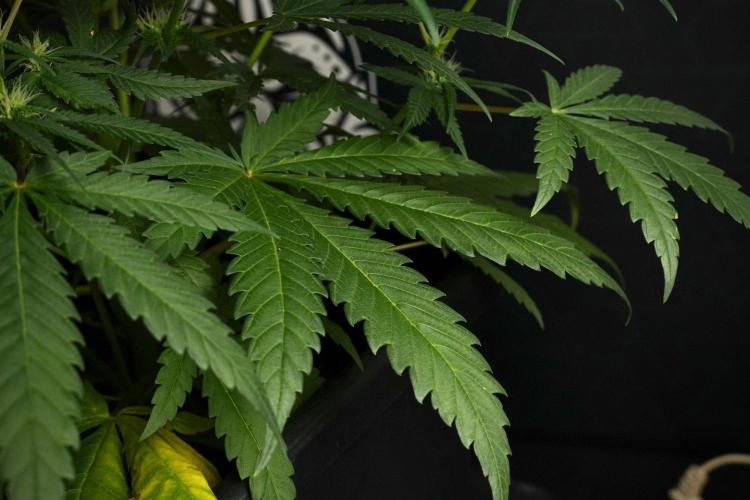
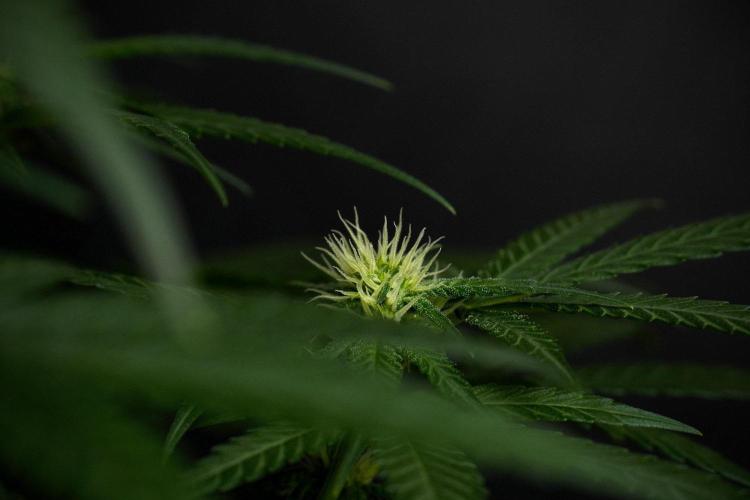
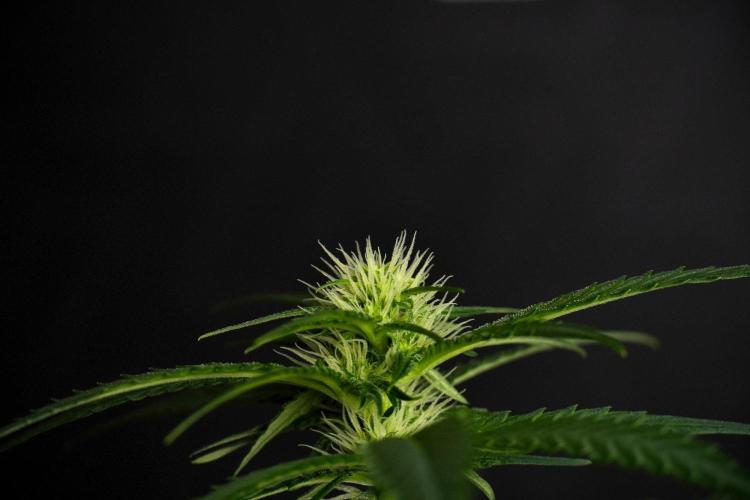
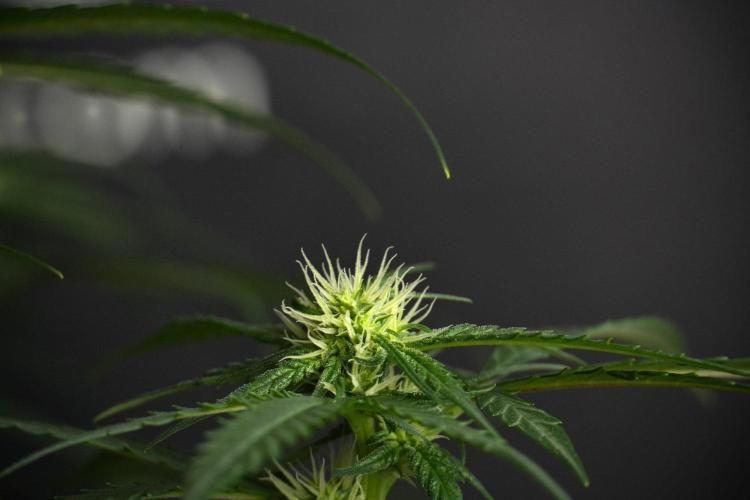
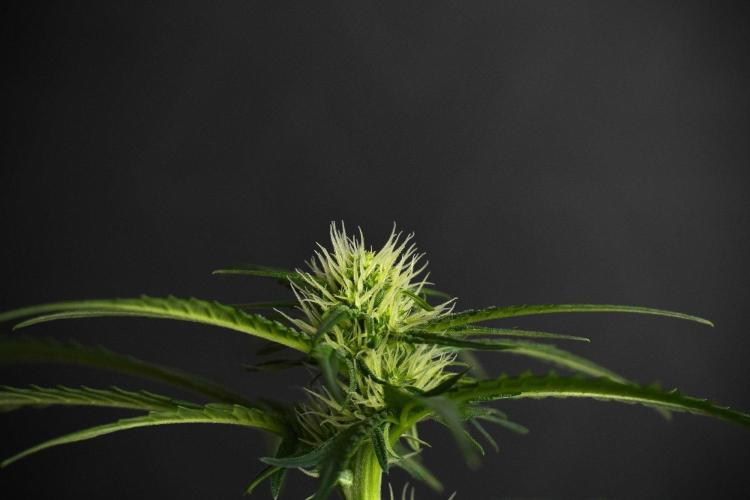
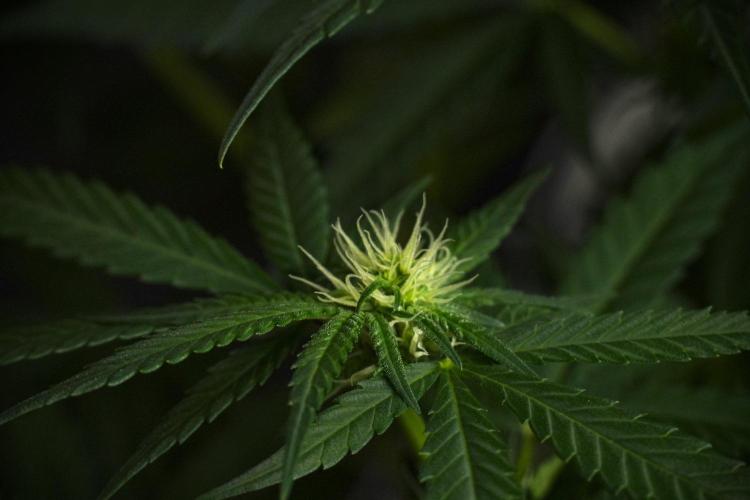
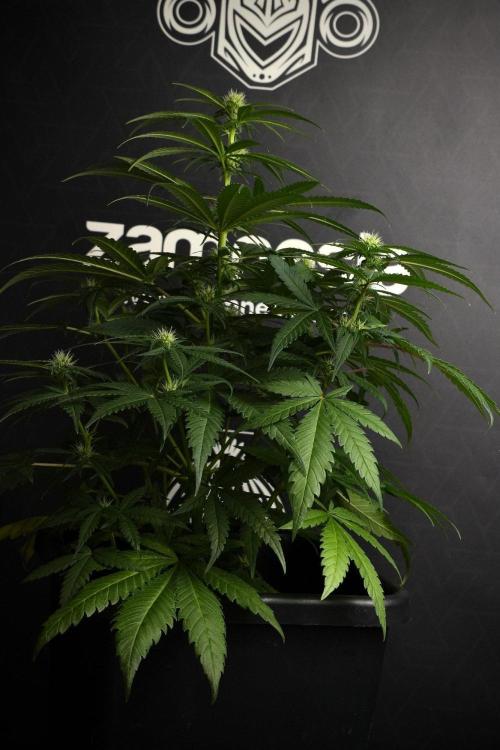
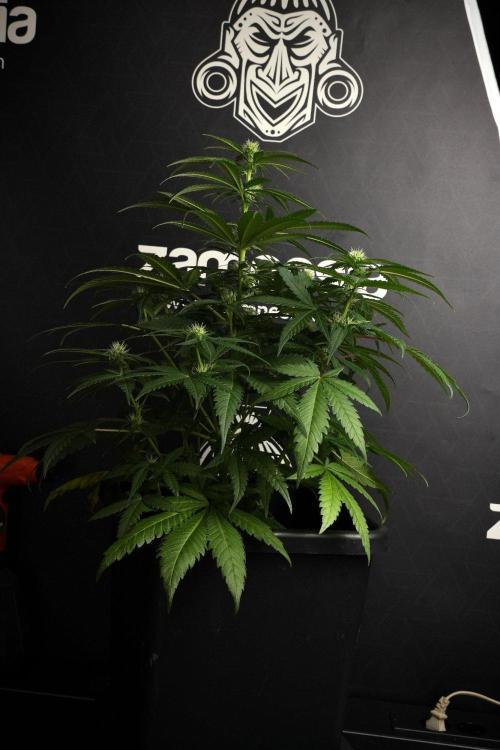
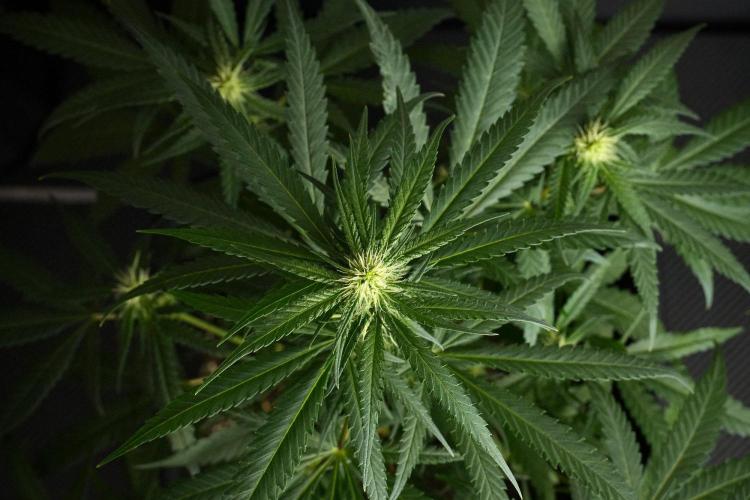
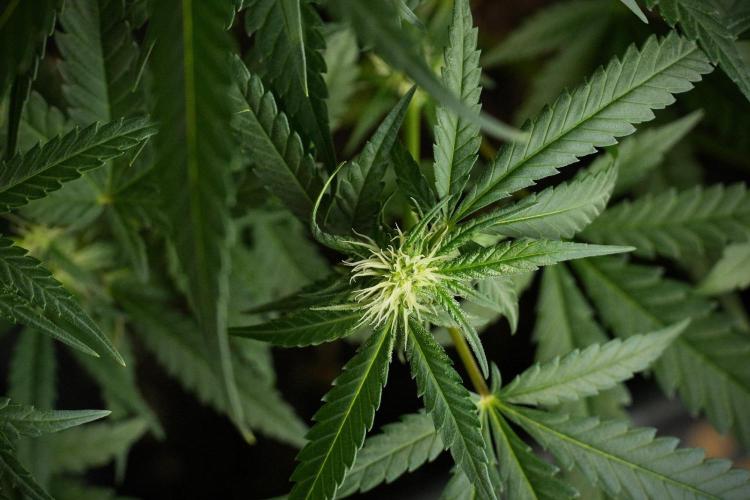
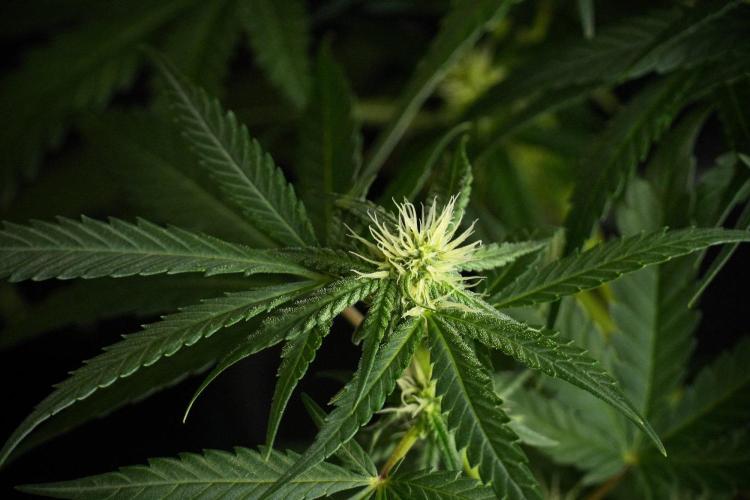
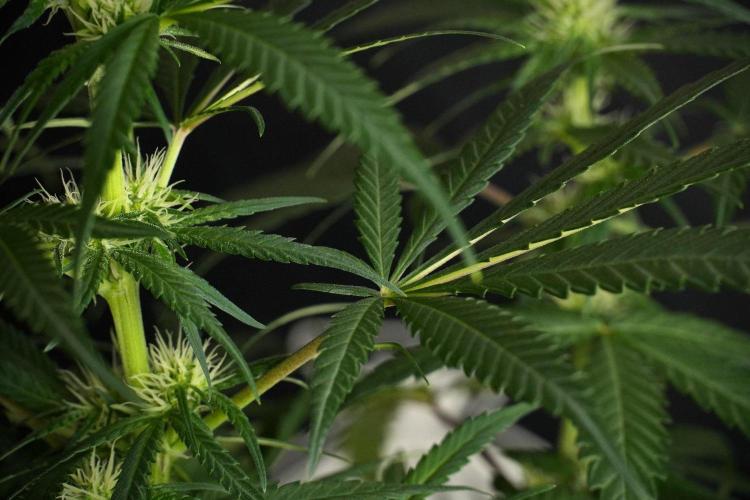
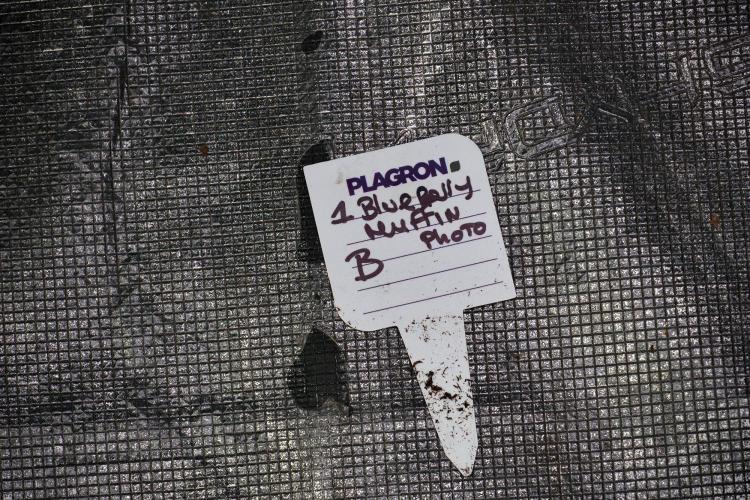
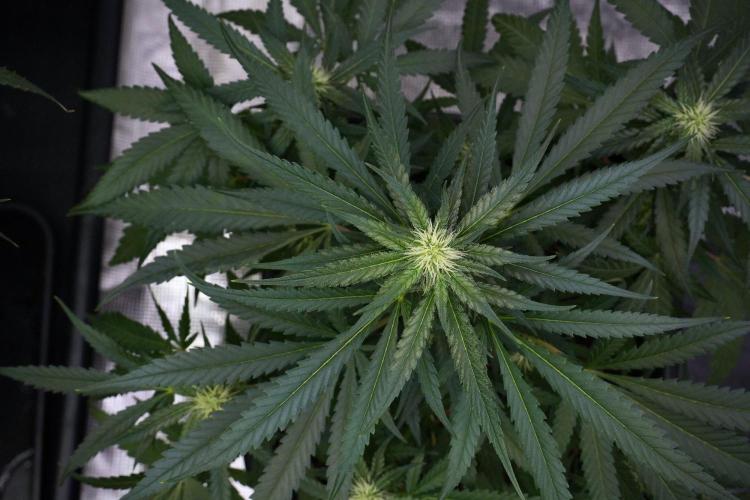
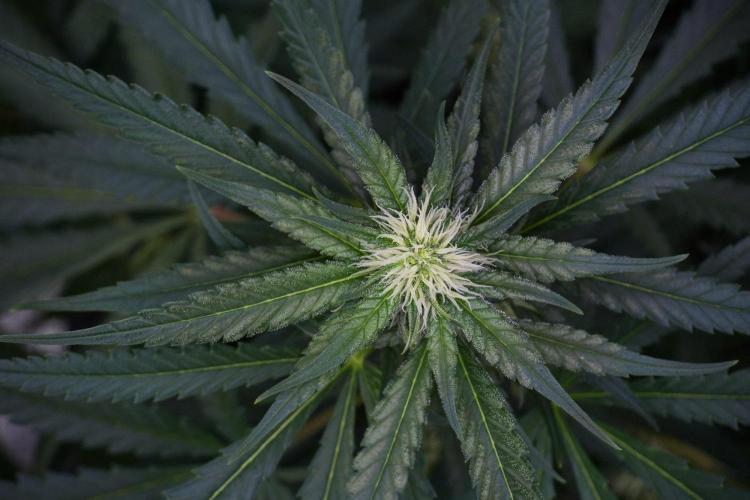
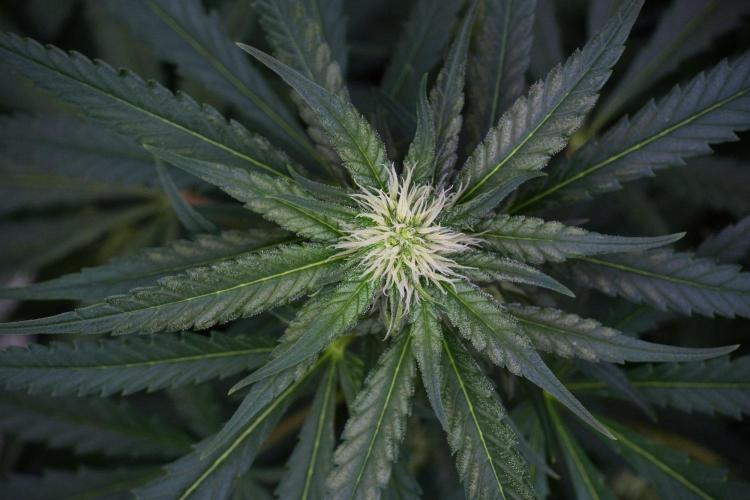
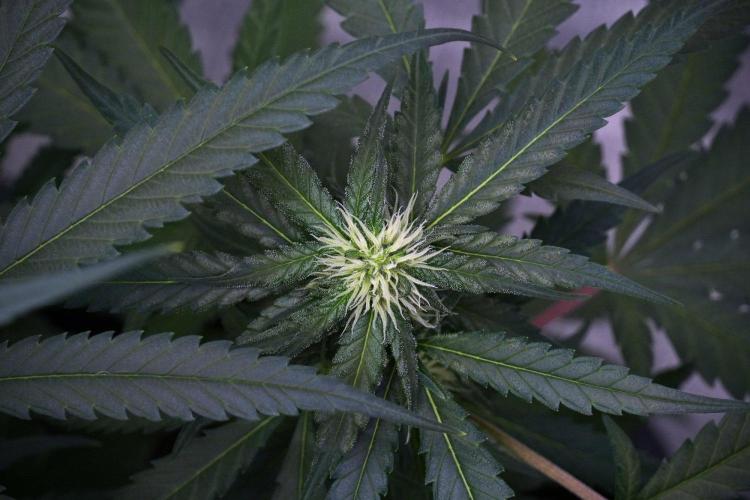
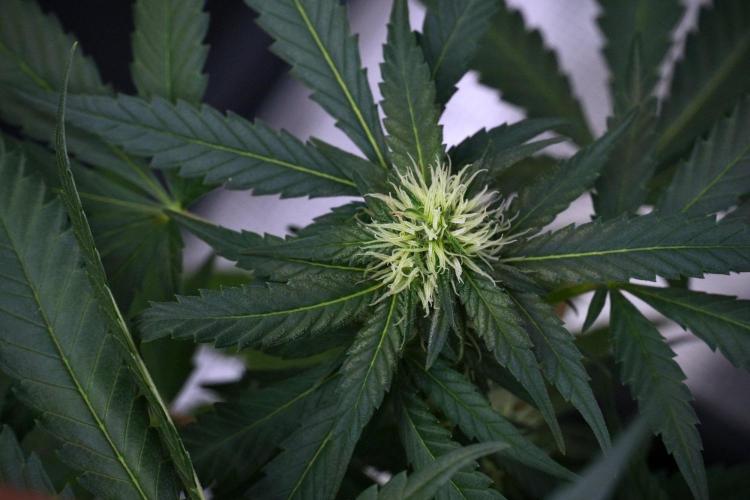
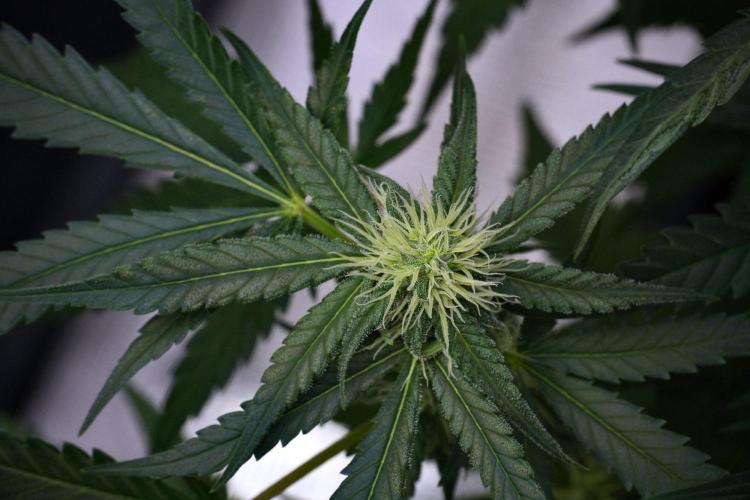
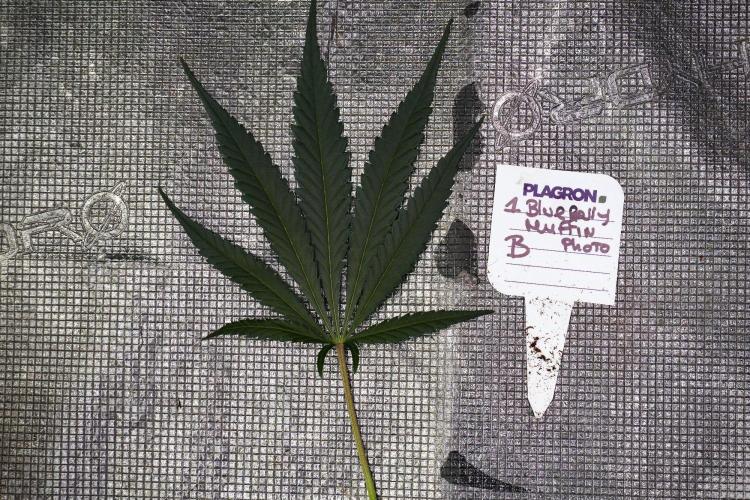
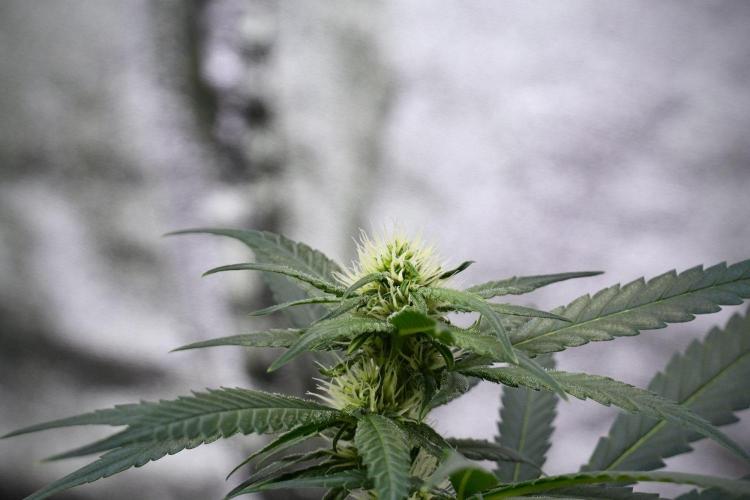
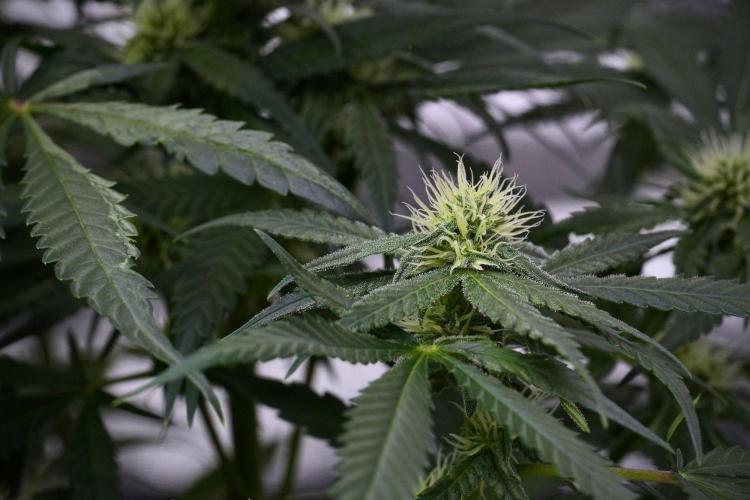
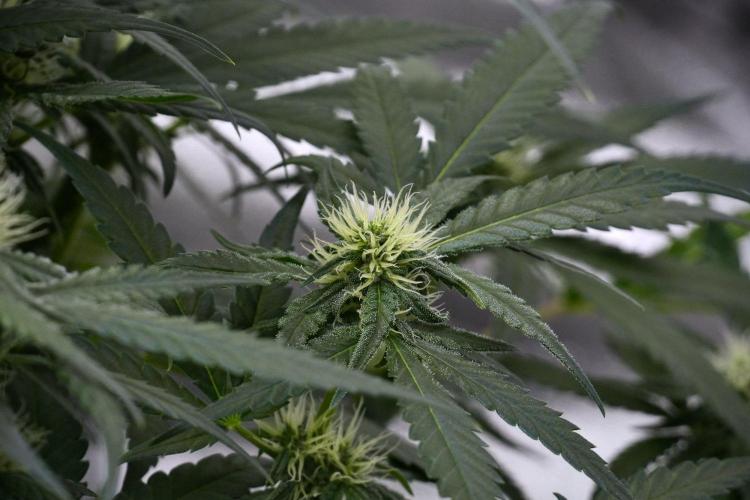
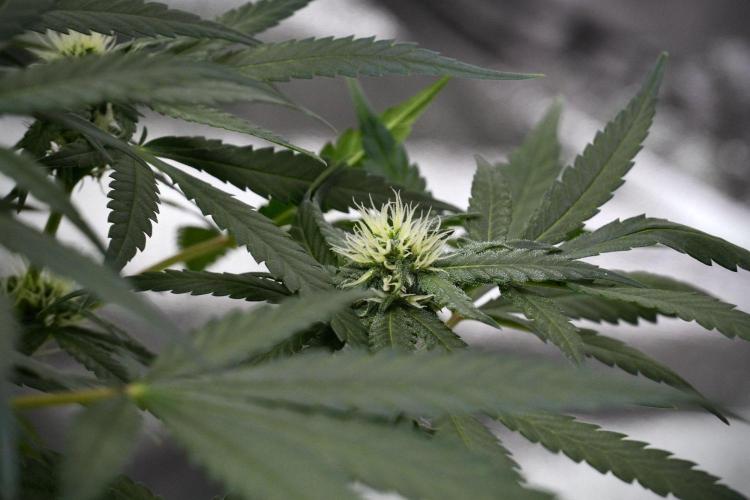
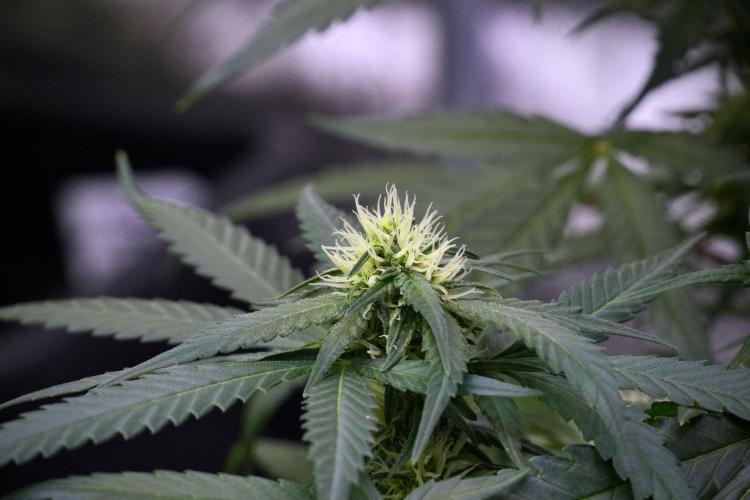
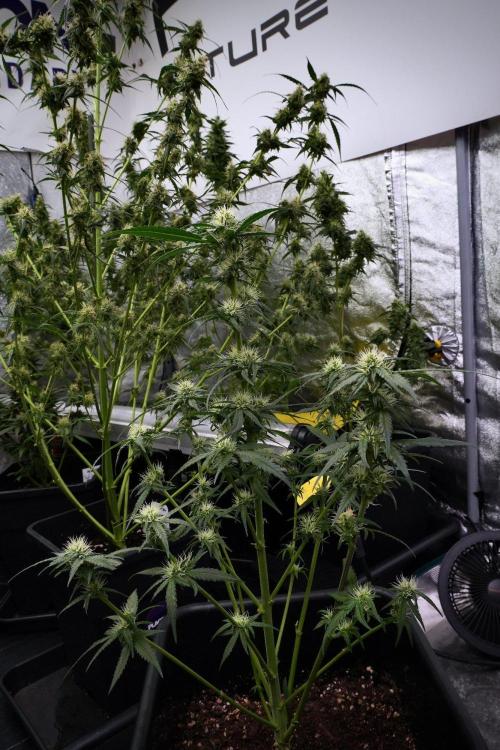
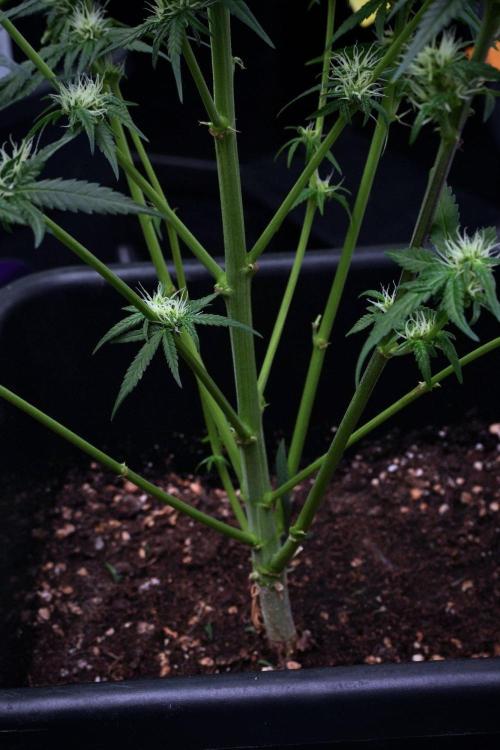
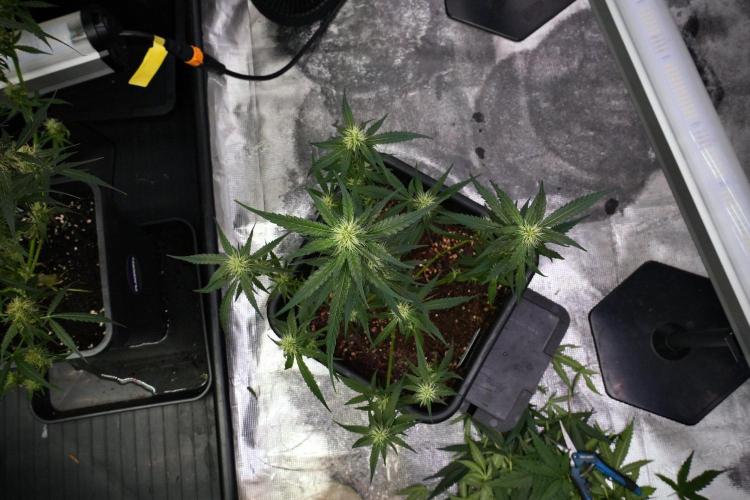
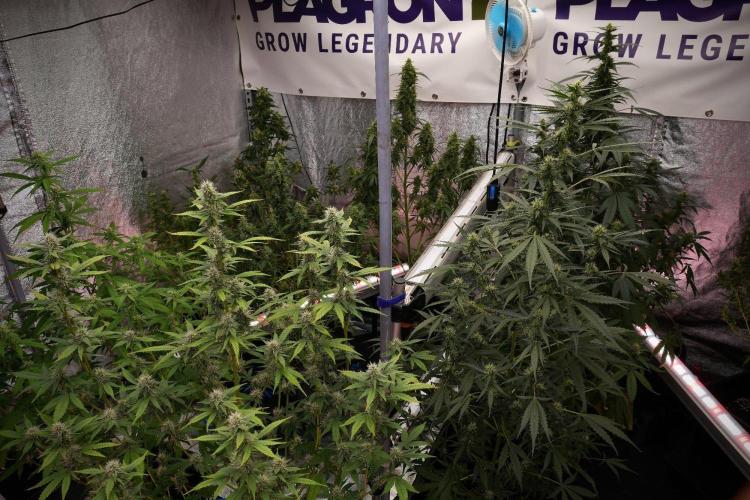
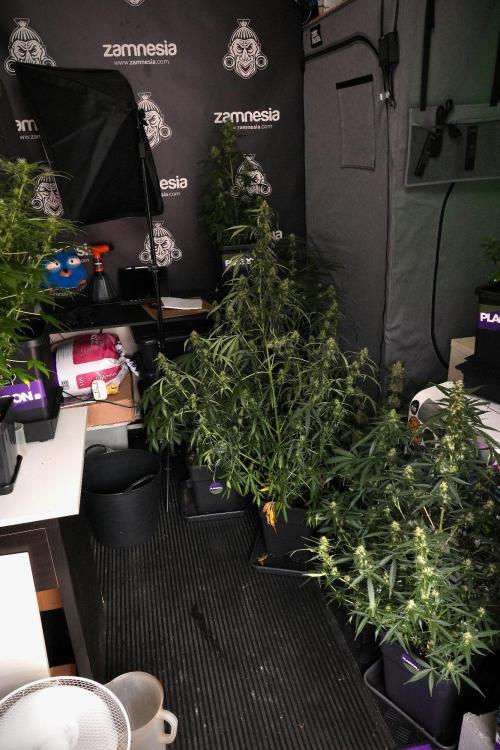
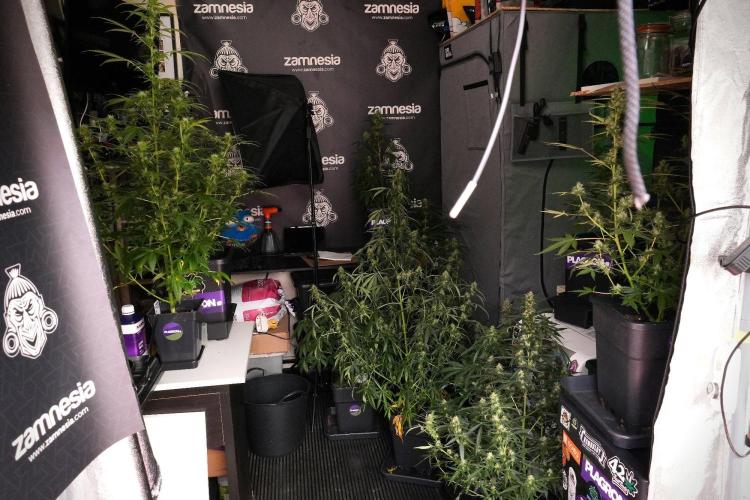
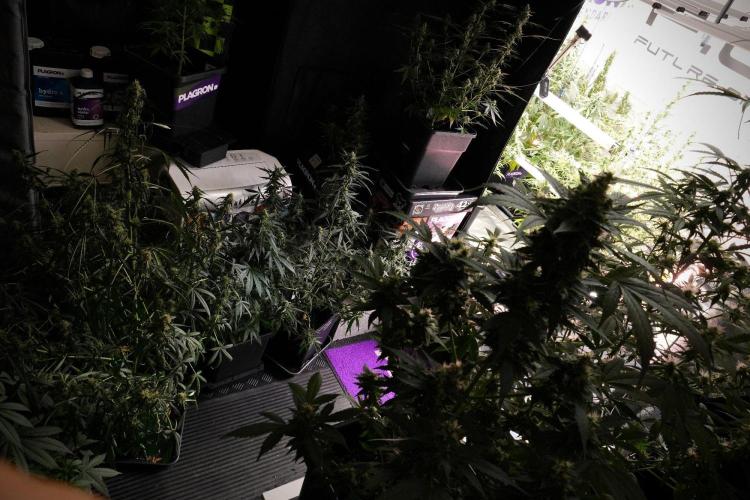
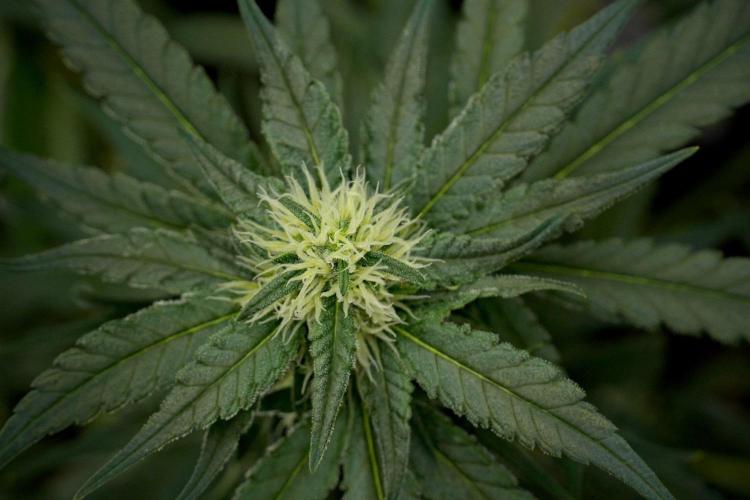
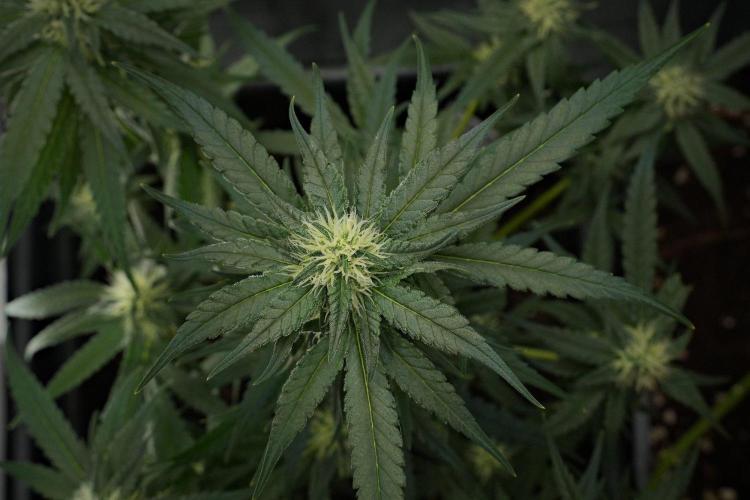
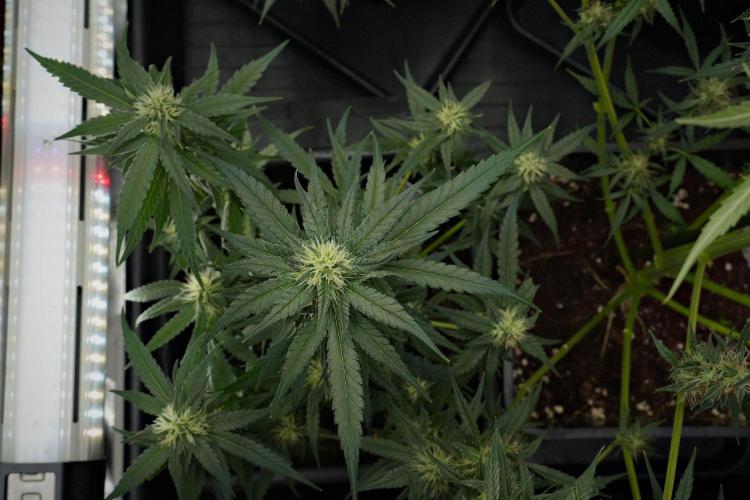
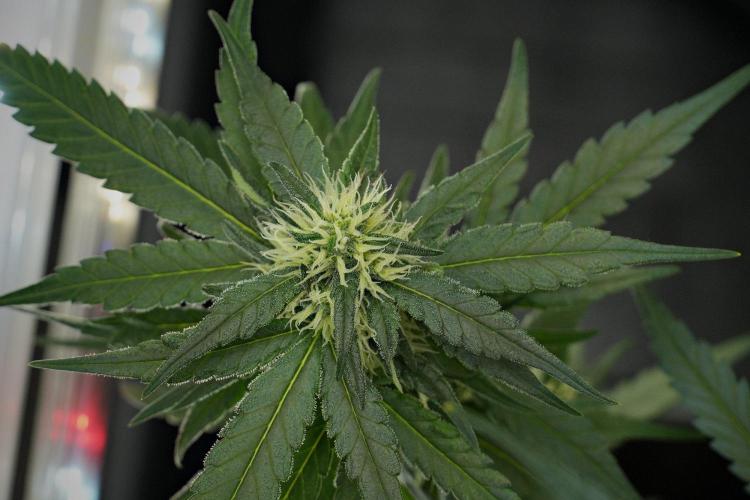
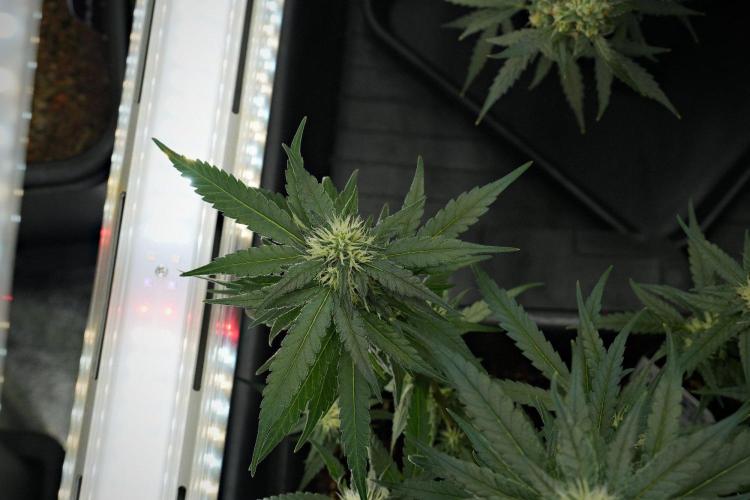
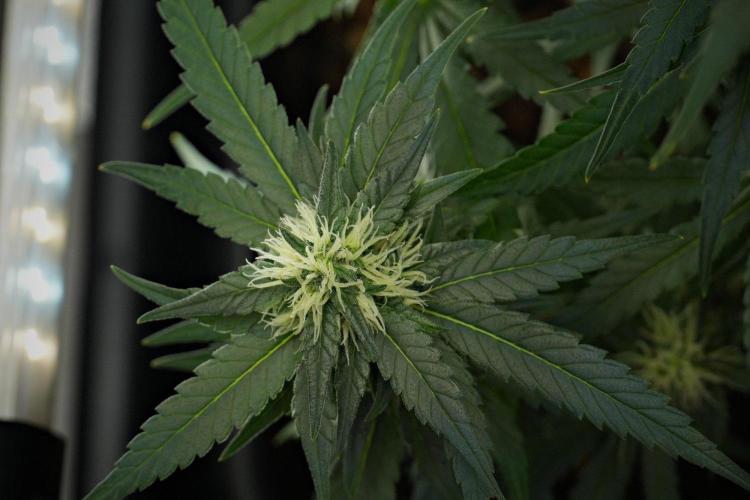
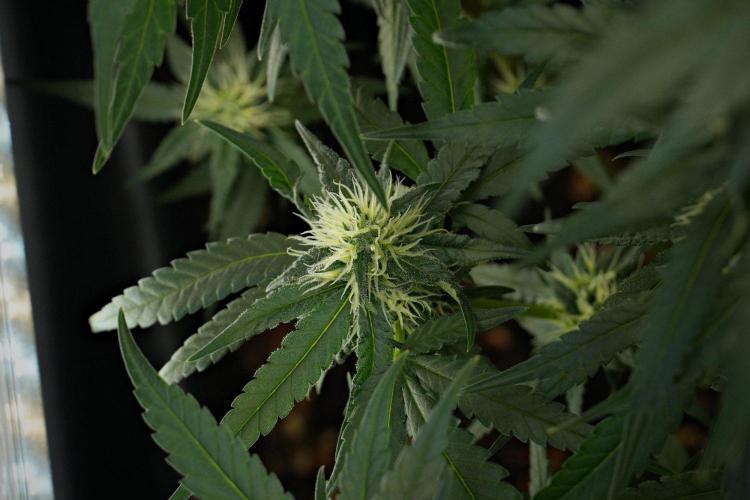
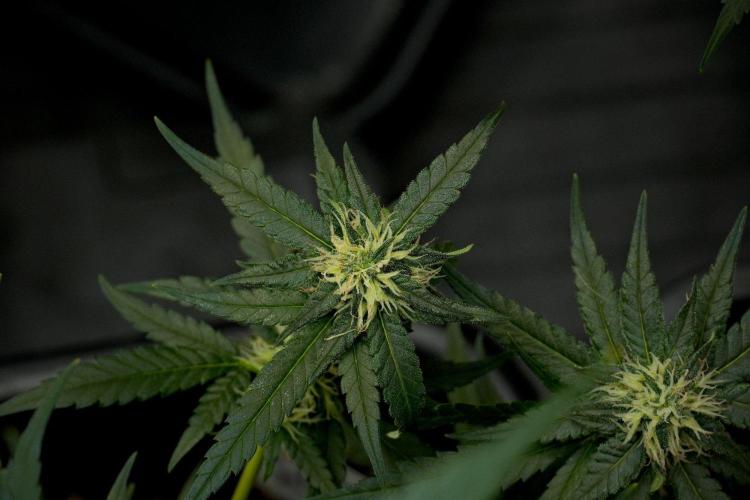
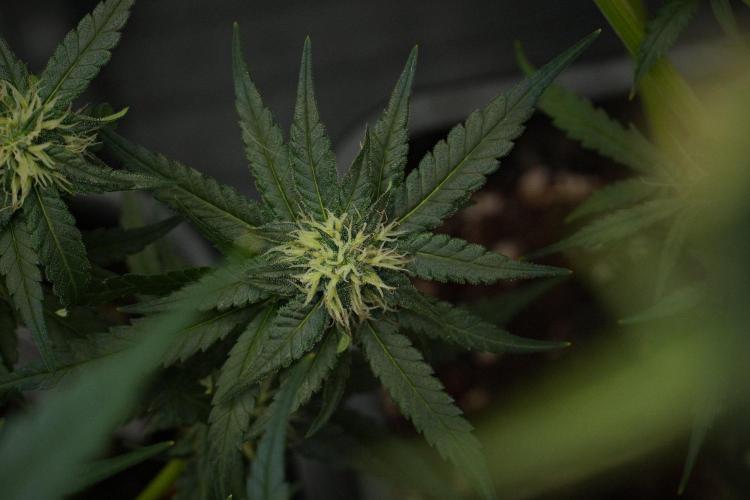
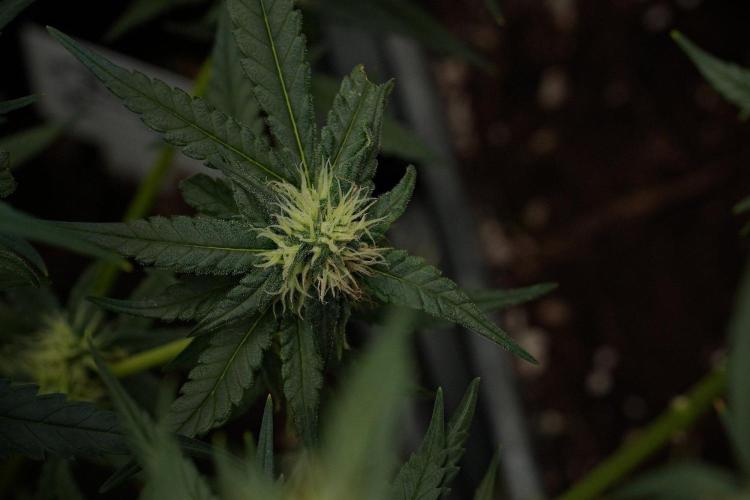
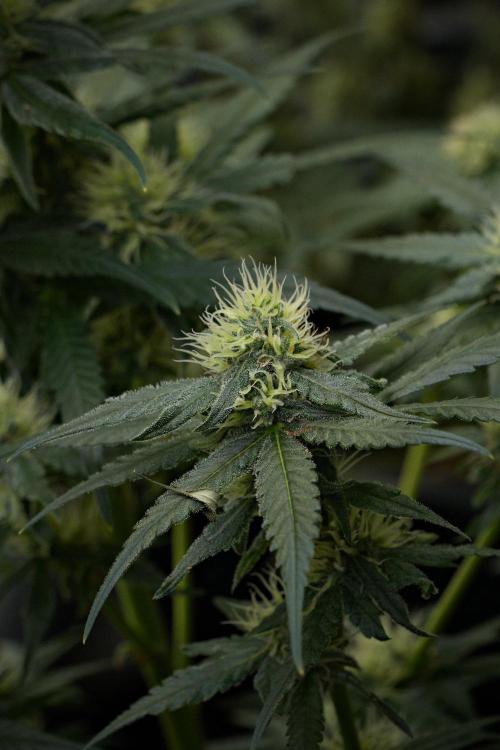
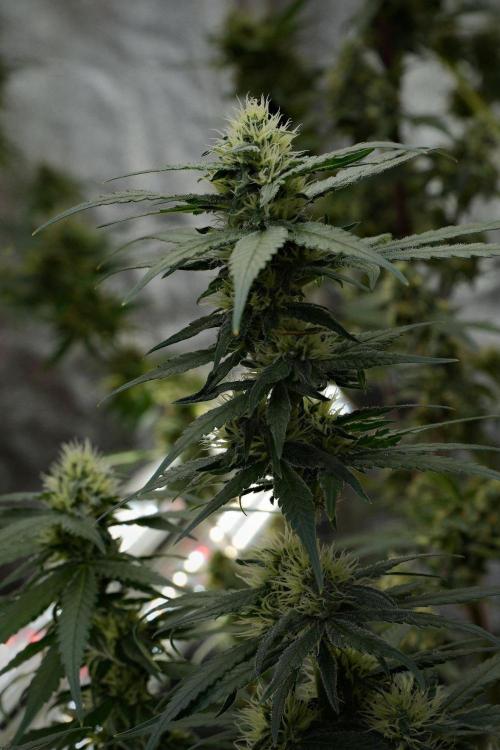
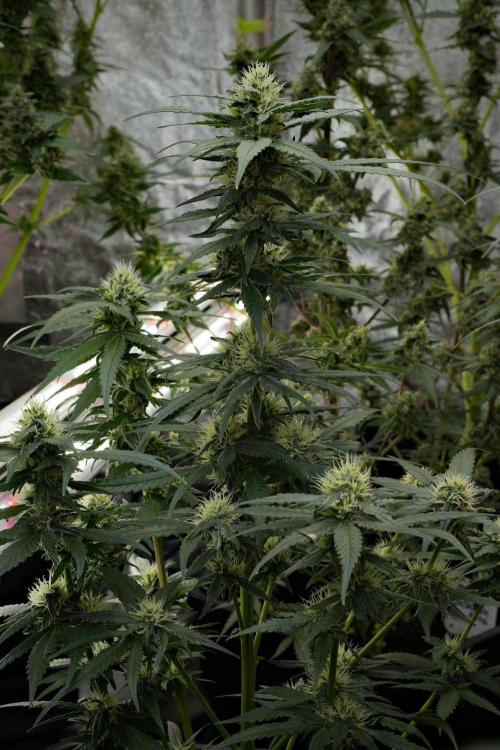
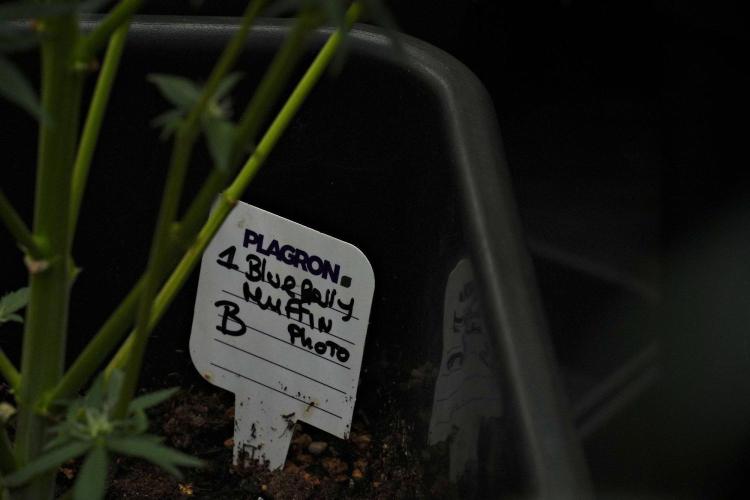
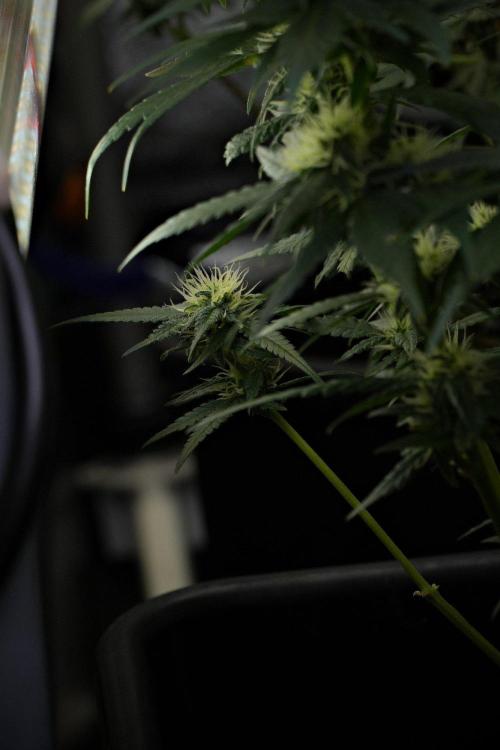
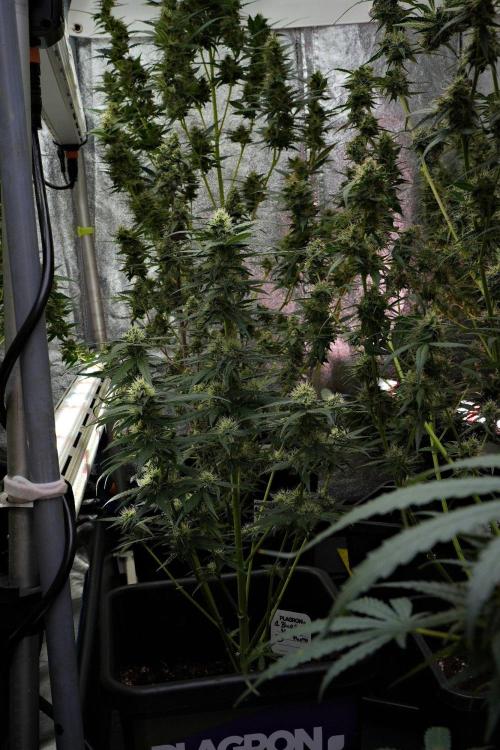
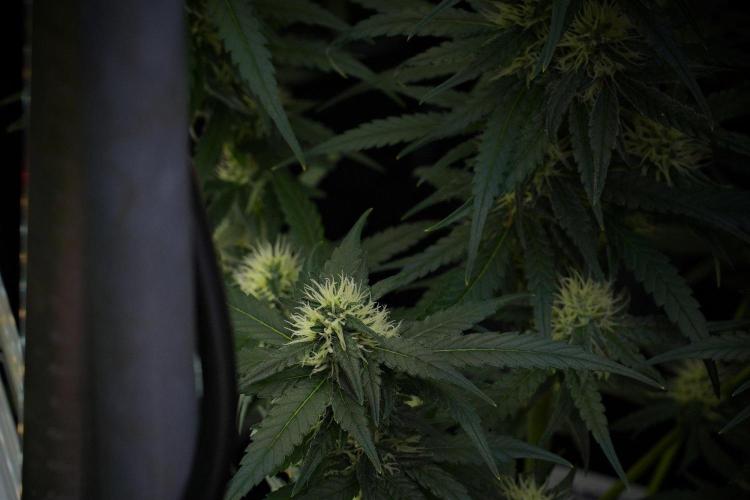
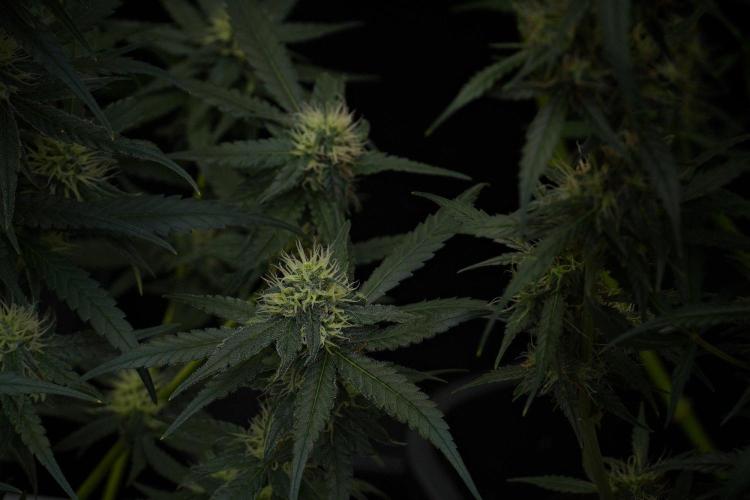
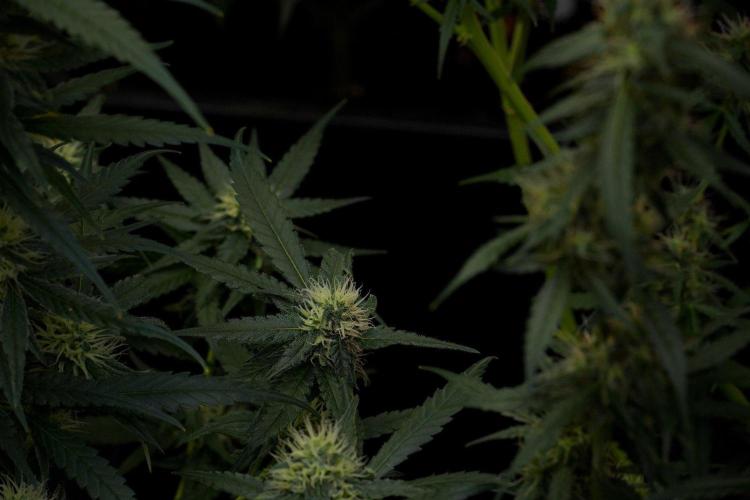
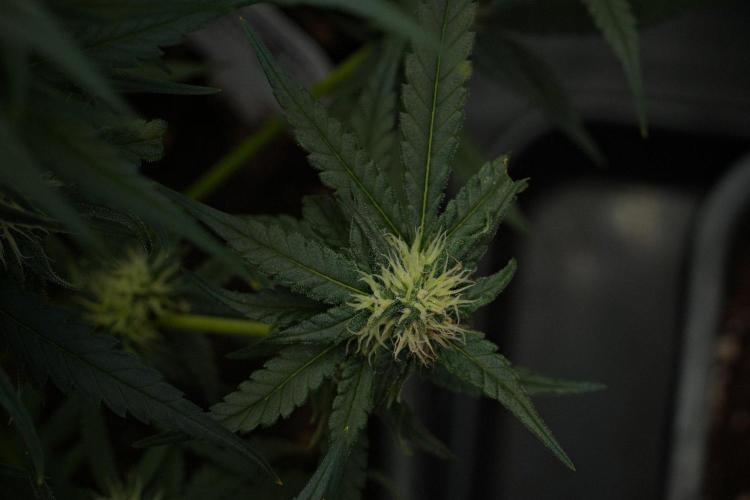
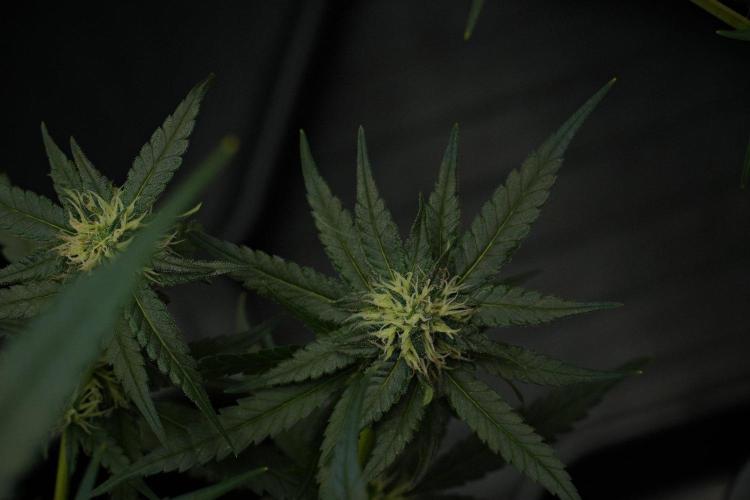
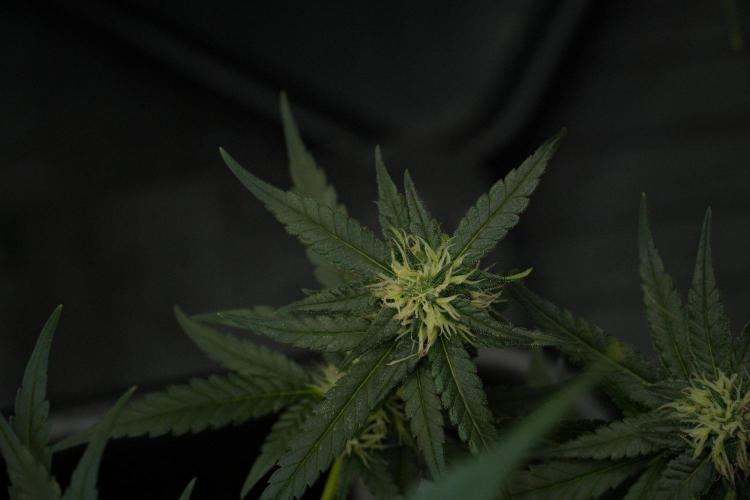
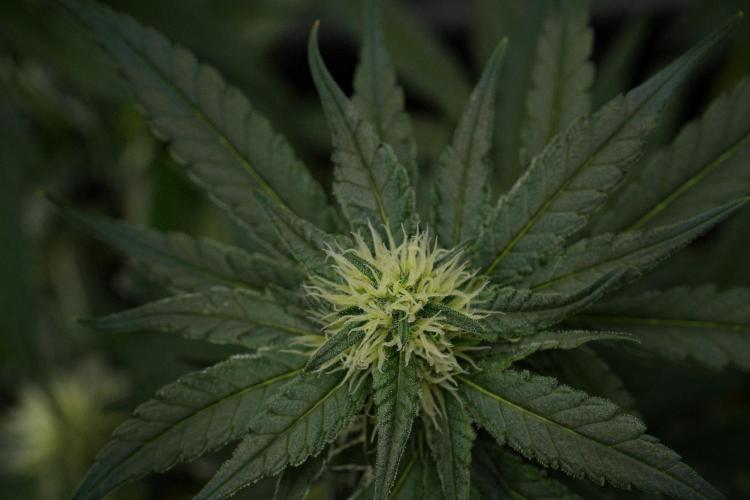
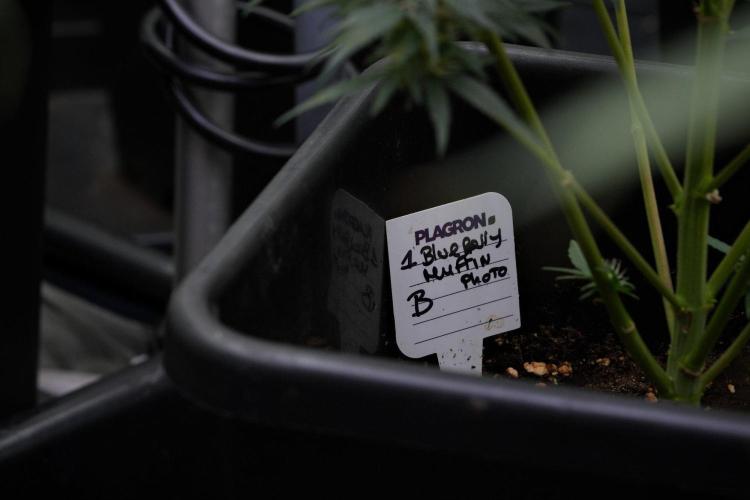
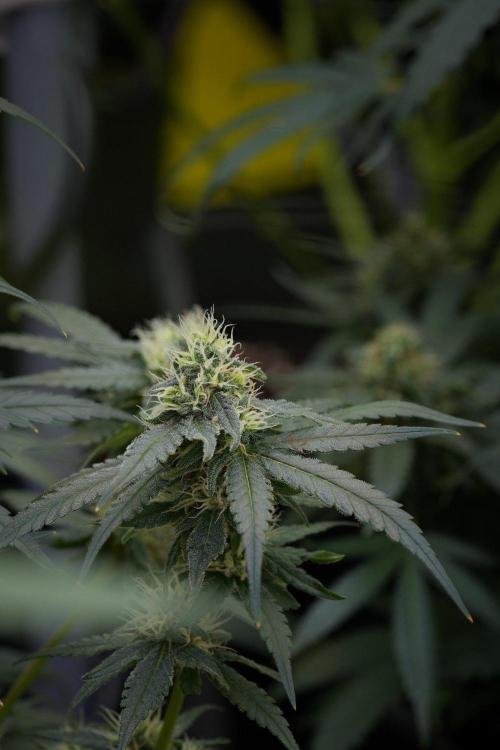
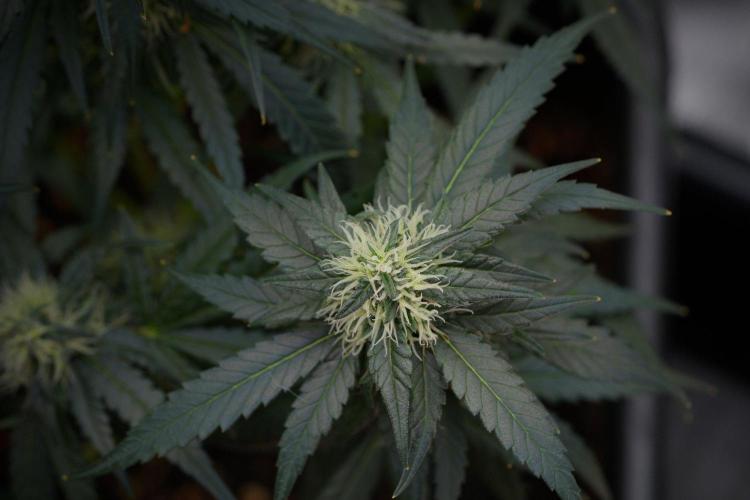
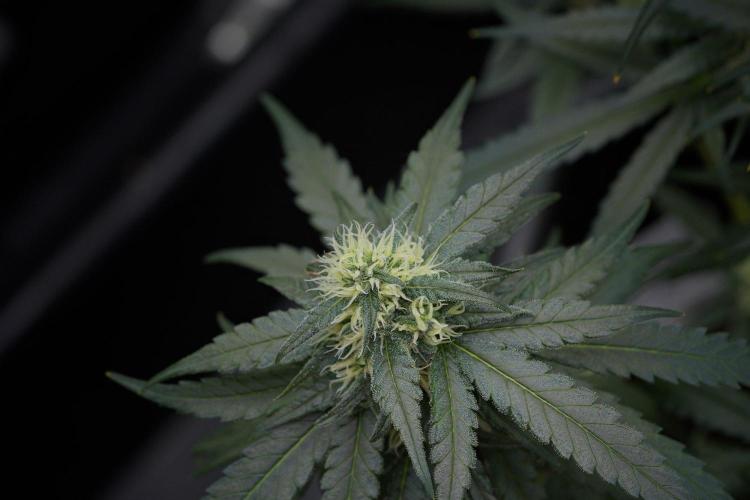
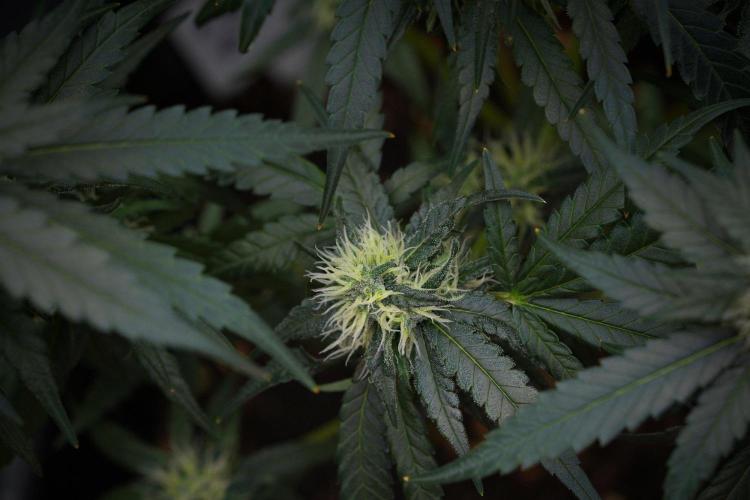
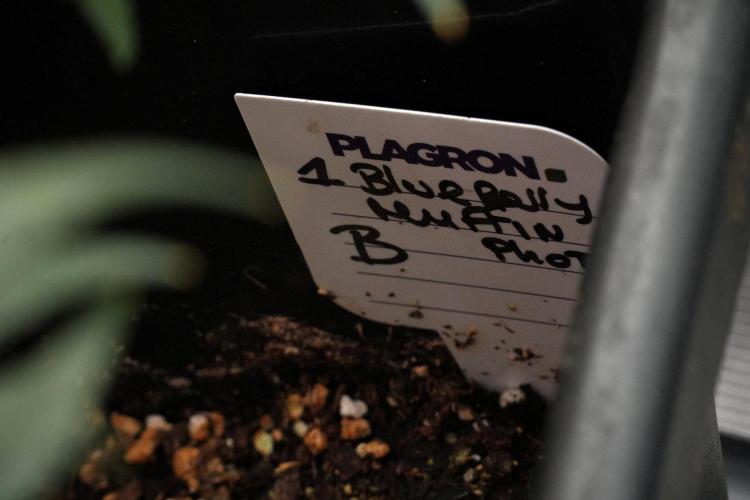
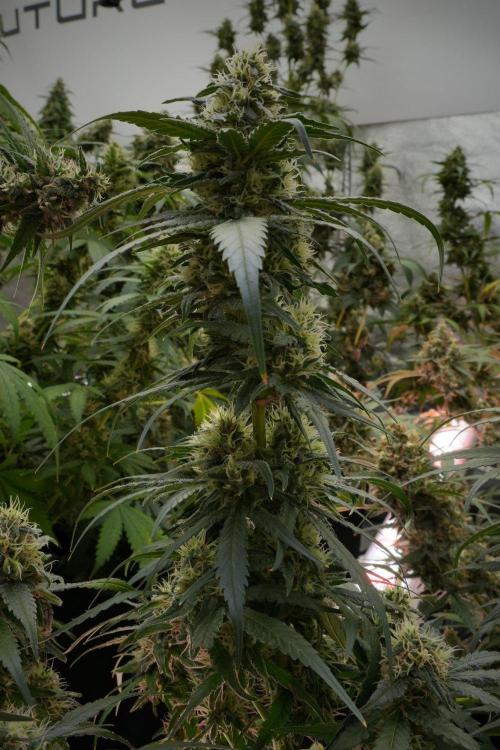
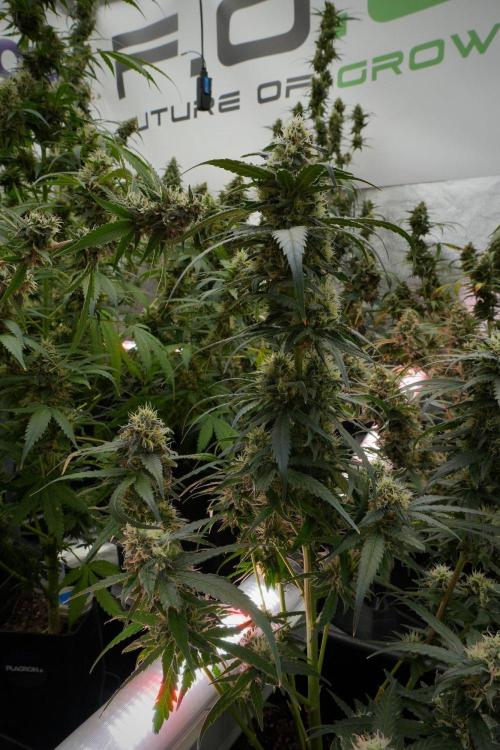
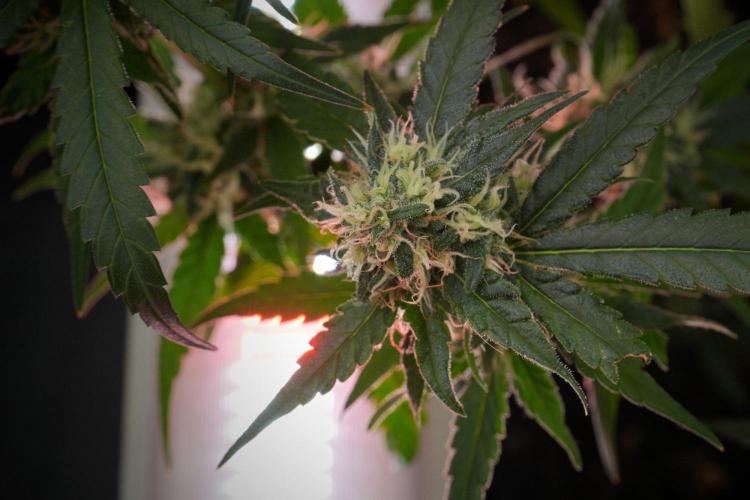
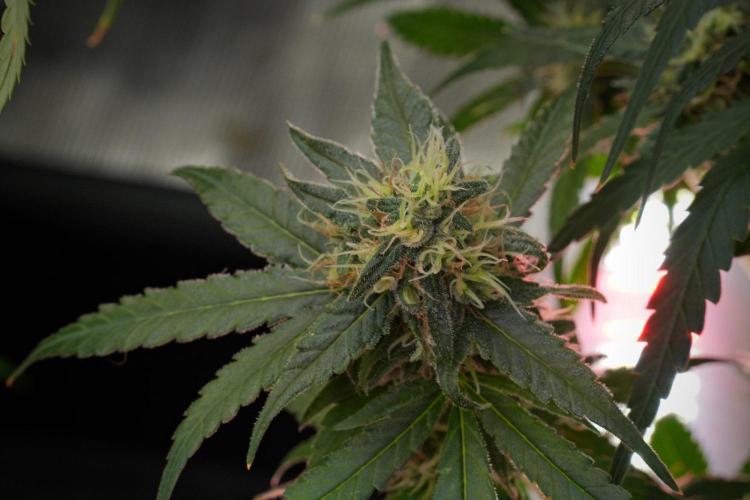
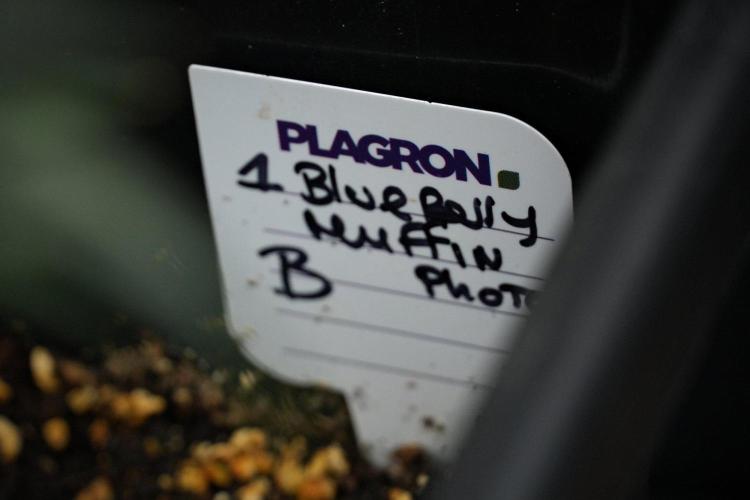
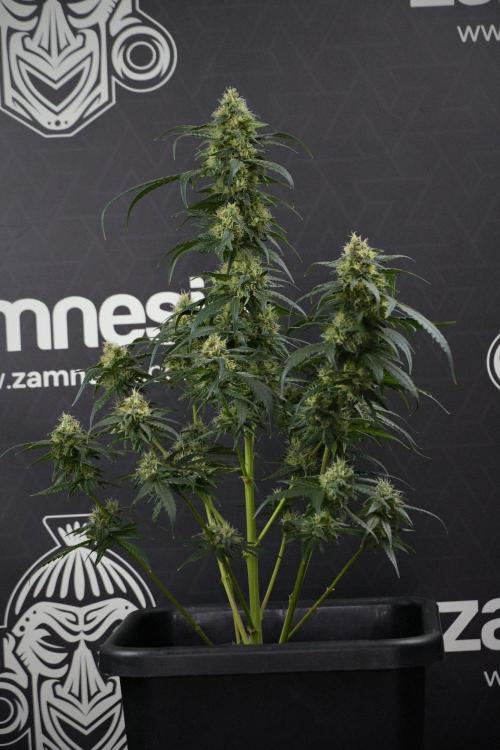
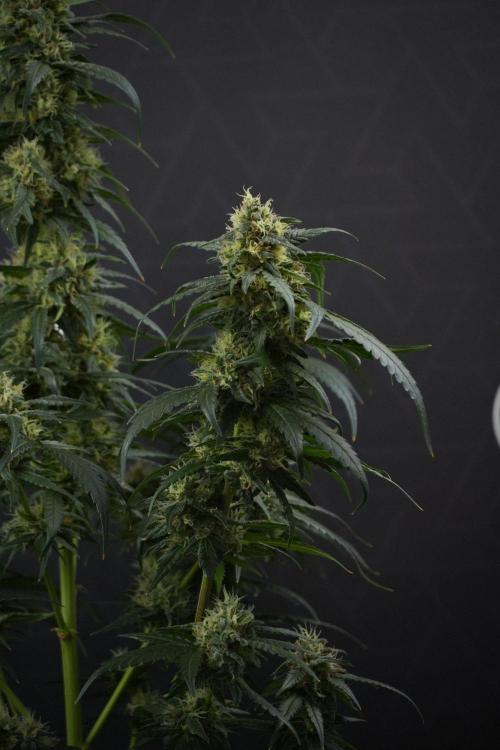
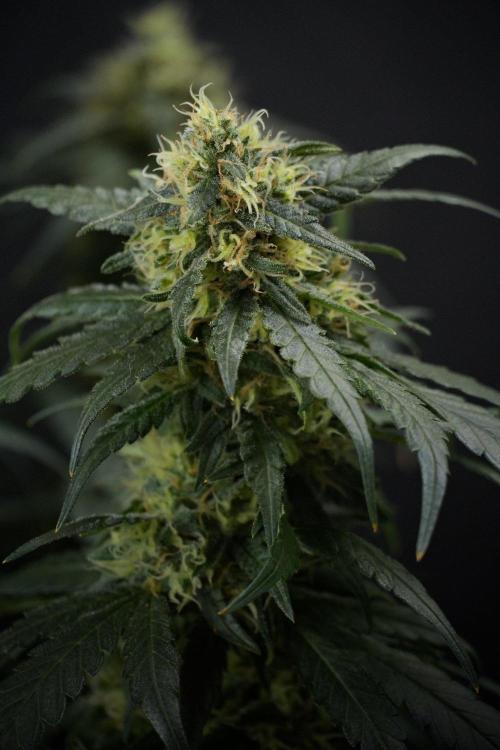
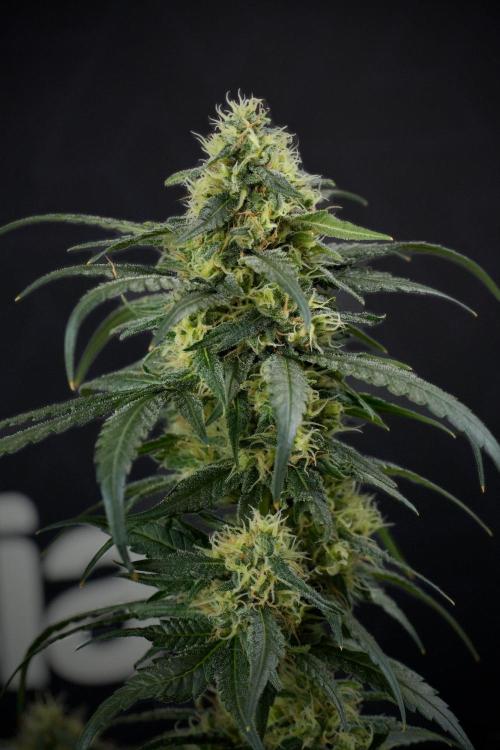
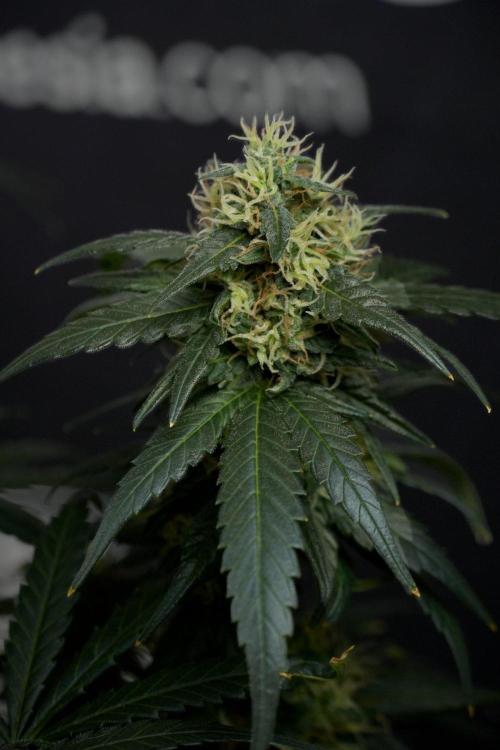
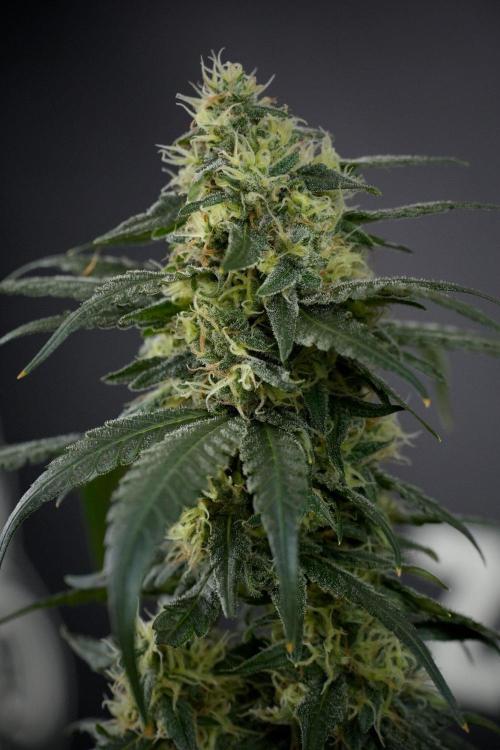
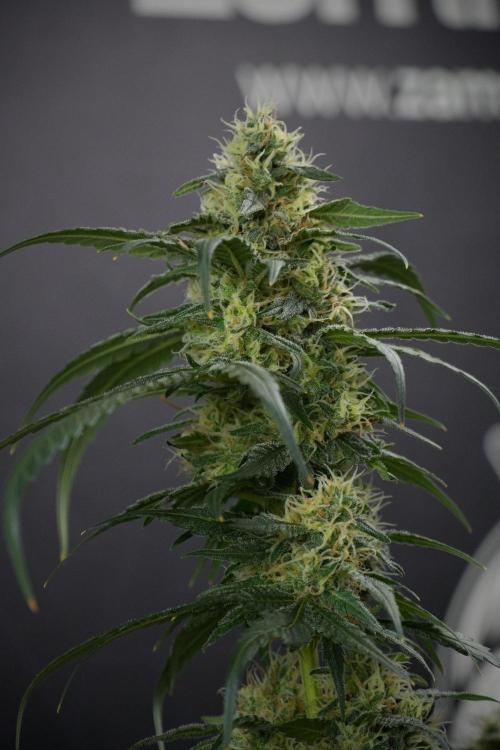
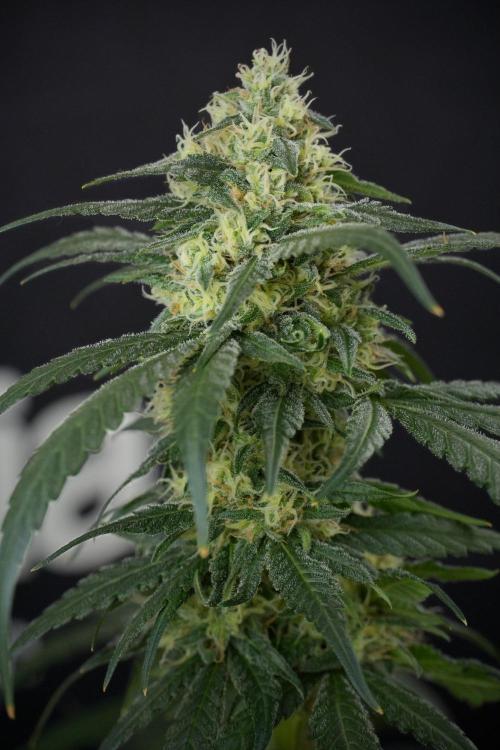
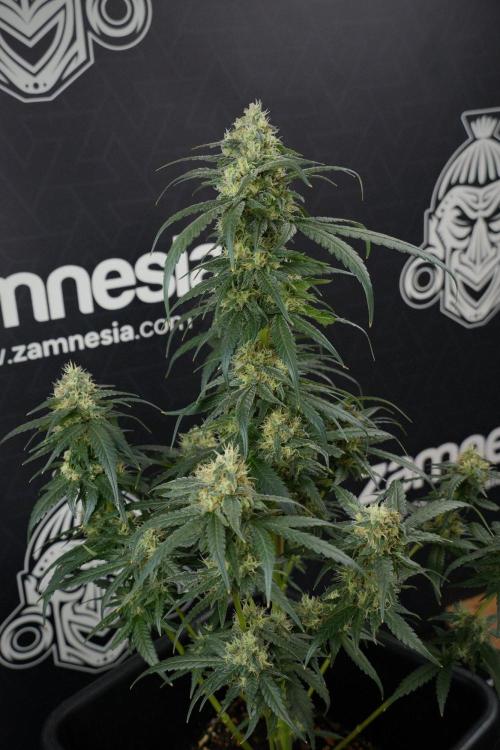
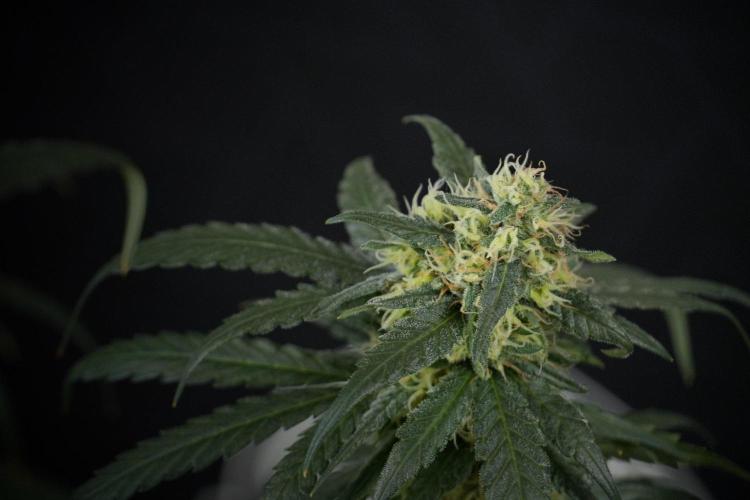
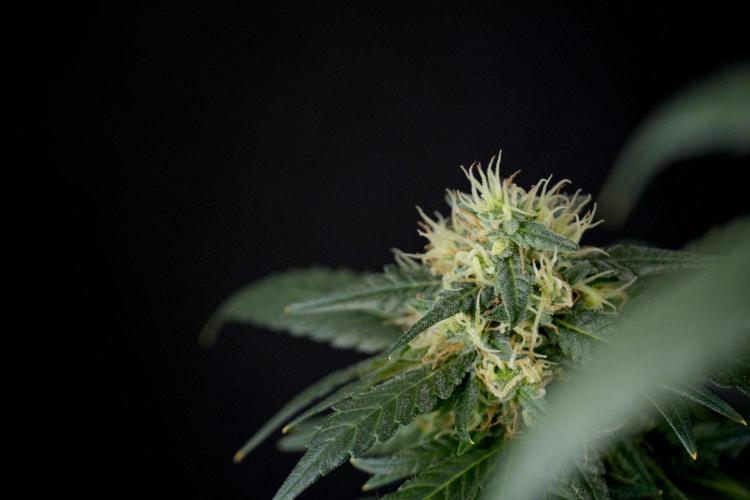
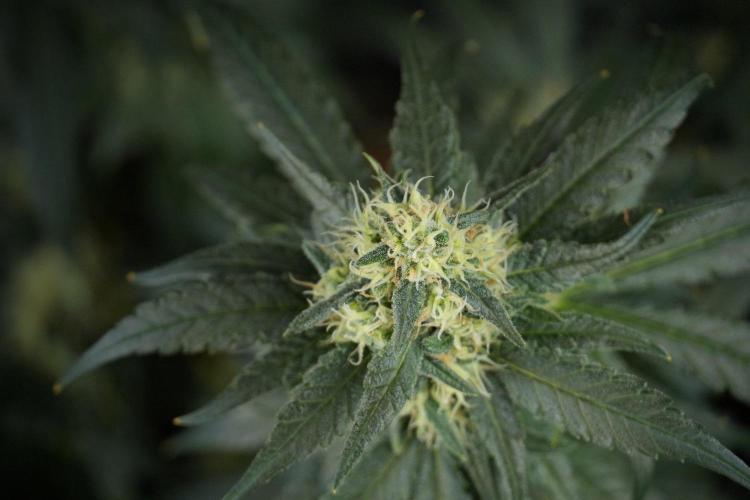
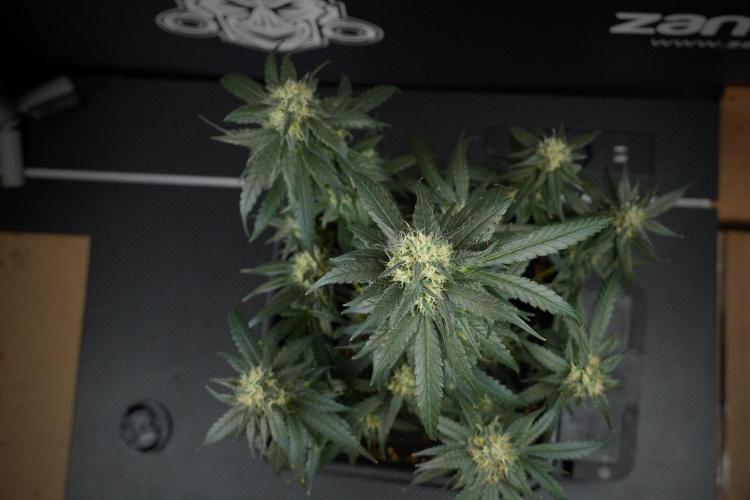
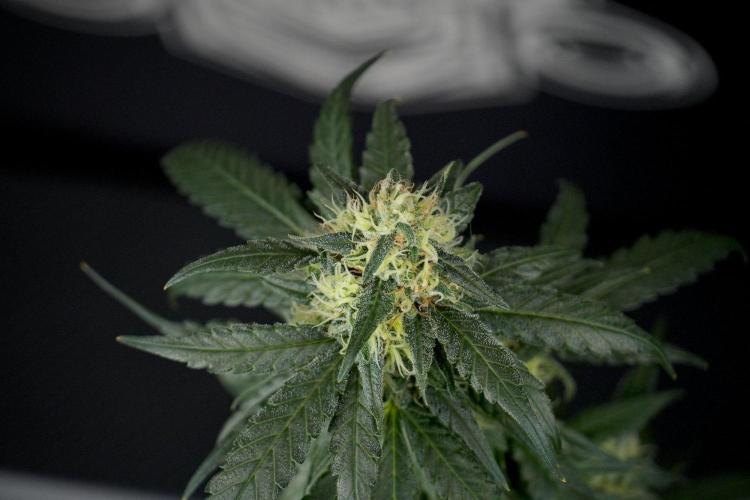
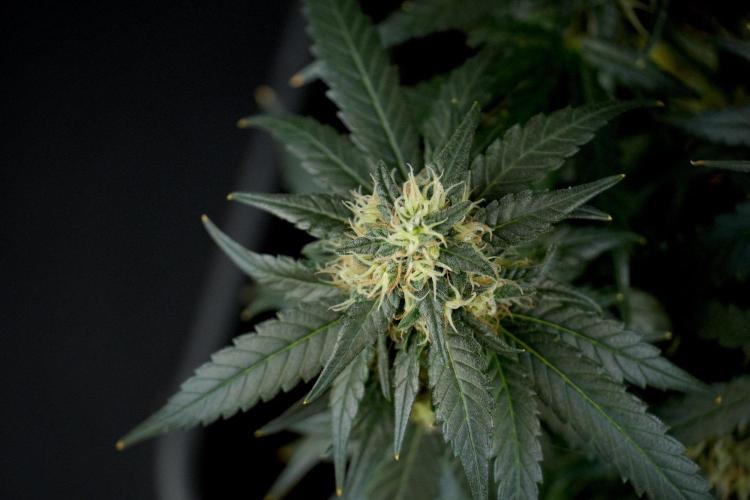
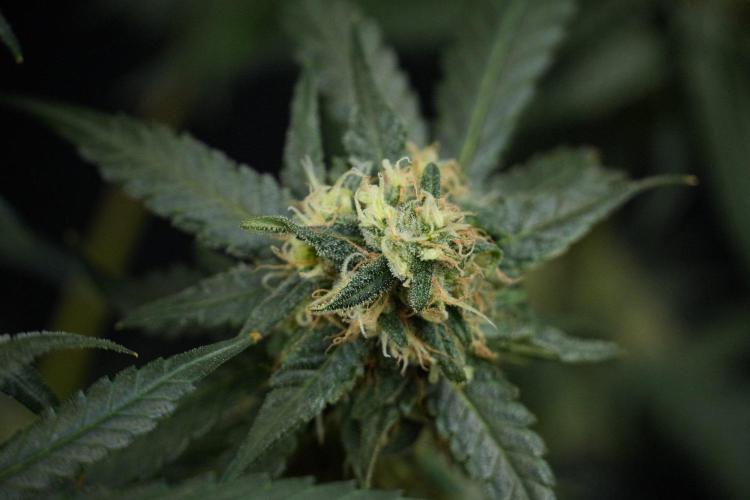
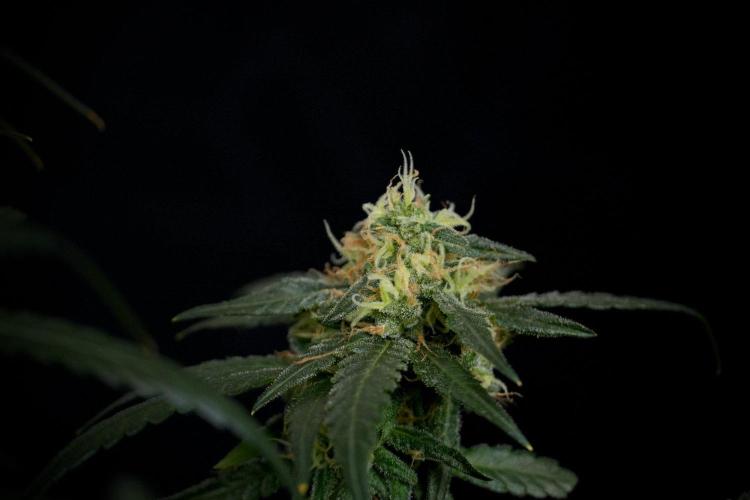
Welcome to another new journey, and this time we're following Blueberry Muffin by Zamnesia – Pheno B.
Before we begin, I'd like to mention a small change in the way I'll be documenting this run. Due to the current photo limitations on GrowDiaries, I've decided to separate each phenotype into its own dedicated diary. Instead of documenting multiple plants within a single journal, each phenotype will now have its own space from seed to harvest.
This approach allows me to continue documenting every stage as thoroughly as possible while selecting the best photos from each week. The goal remains exactly the same as always: to create a complete educational record of the grow, sharing not only the successes, but also the challenges, observations, and lessons learned along the way.
For those following my previous diaries, you'll already know that this cultivation style is a little different from what many growers choose. Over the years it has become part of my own growing philosophy, and throughout this journey I'll do my best to explain not only what I'm doing, but also why I'm doing it.
So let's begin at the very beginning: germination.
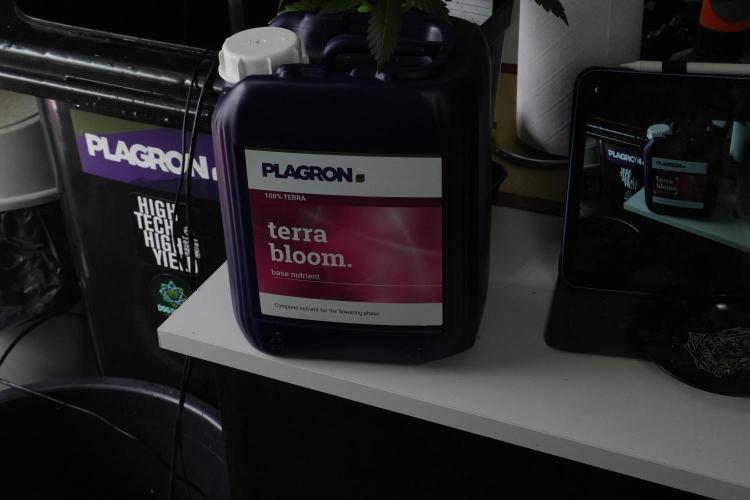
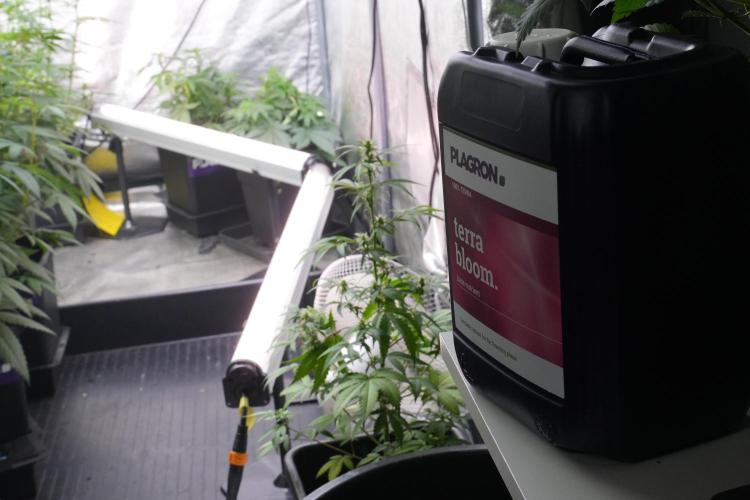
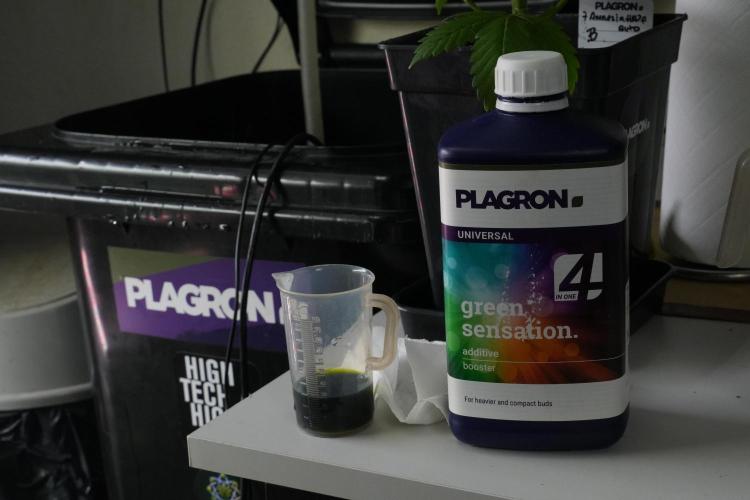
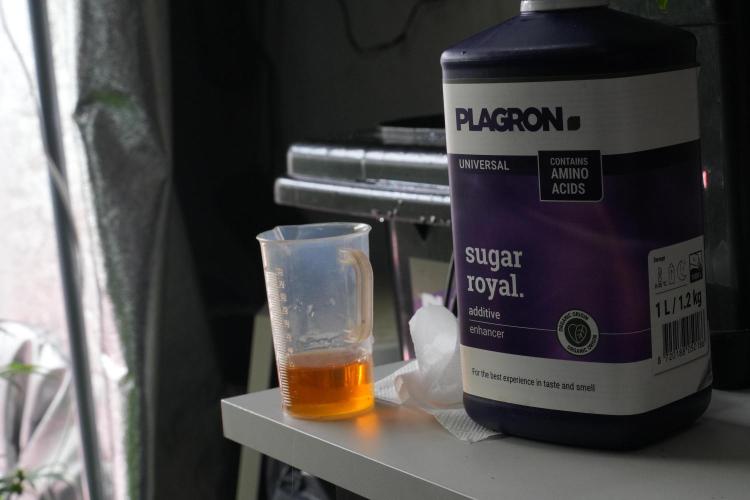
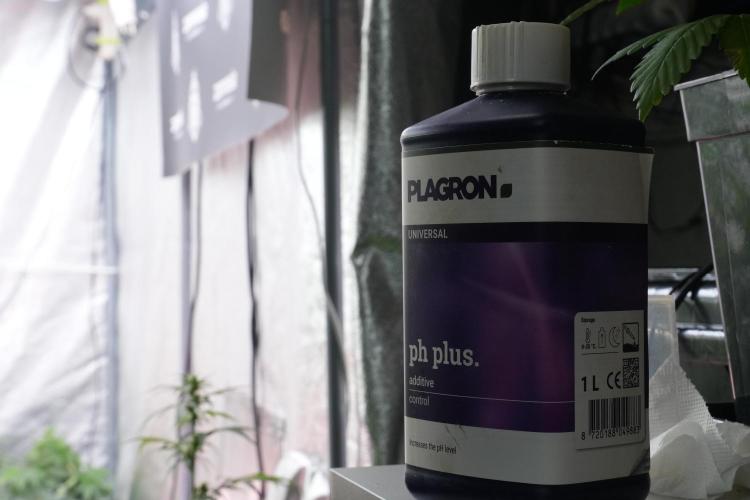
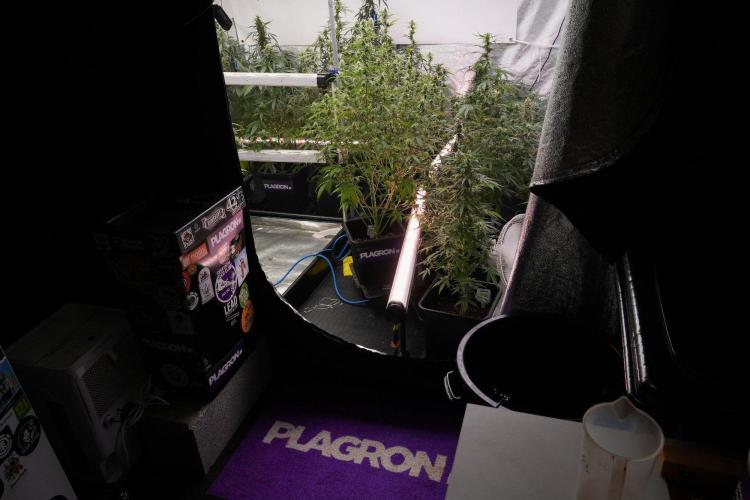
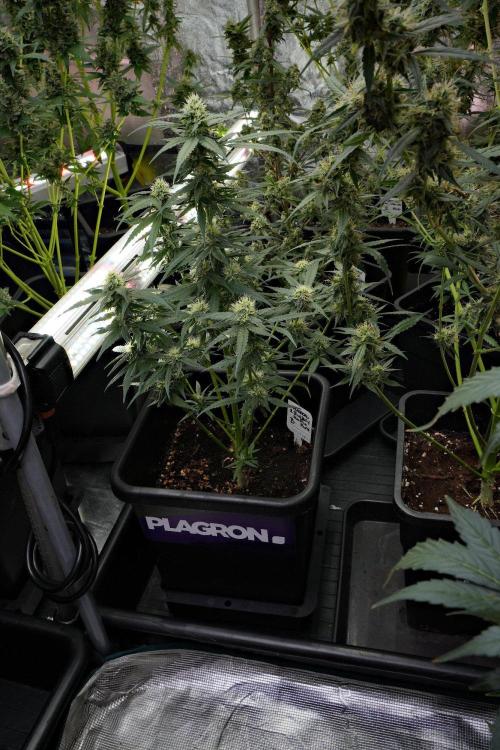
For this run, all genetics are provided by Zamnesia Seeds, while the substrate and nutrient line come from Plagron. Blueberry Muffin has built quite a reputation among growers for its beautiful structure, vibrant colors, and unmistakable aroma profile, making it a cultivar I've been looking forward to documenting from seed to harvest.
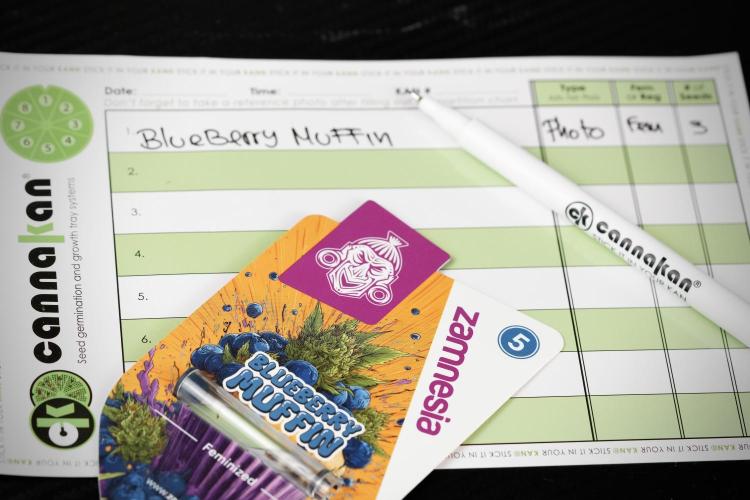
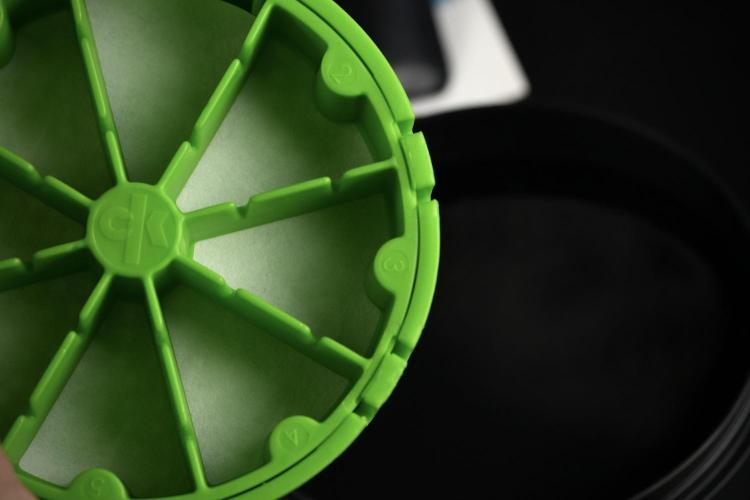
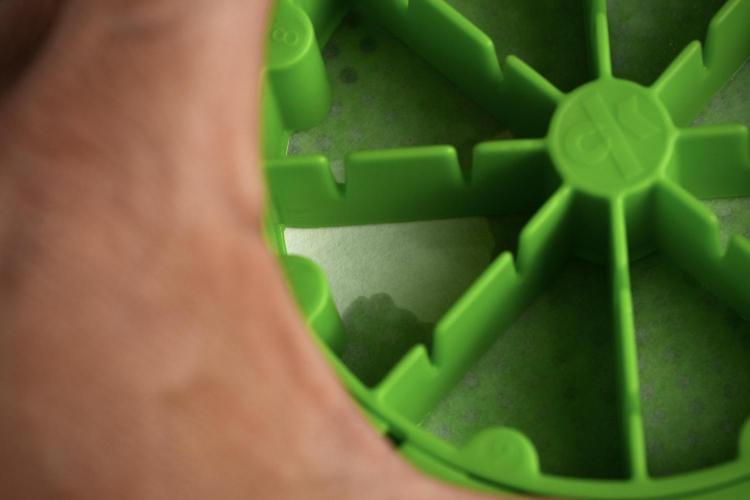
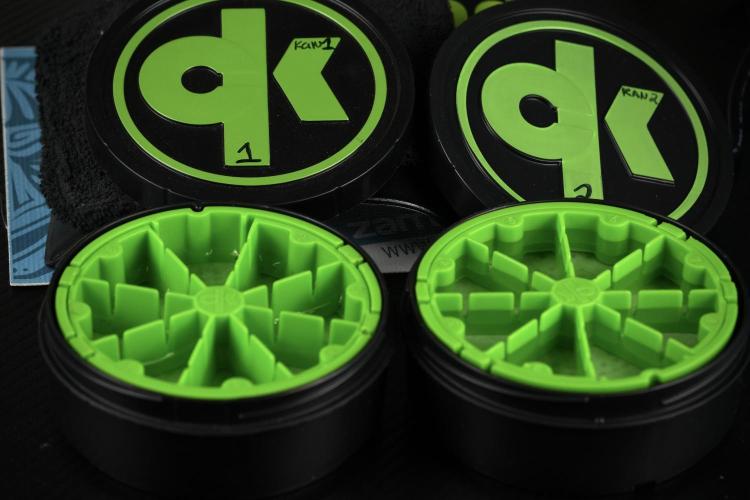
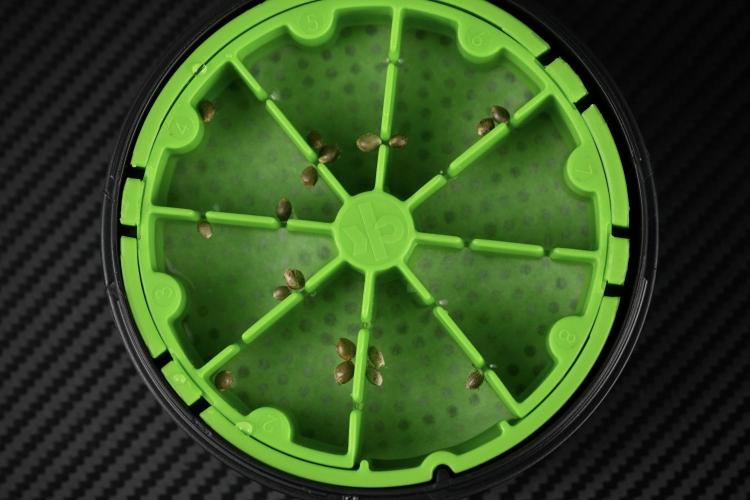
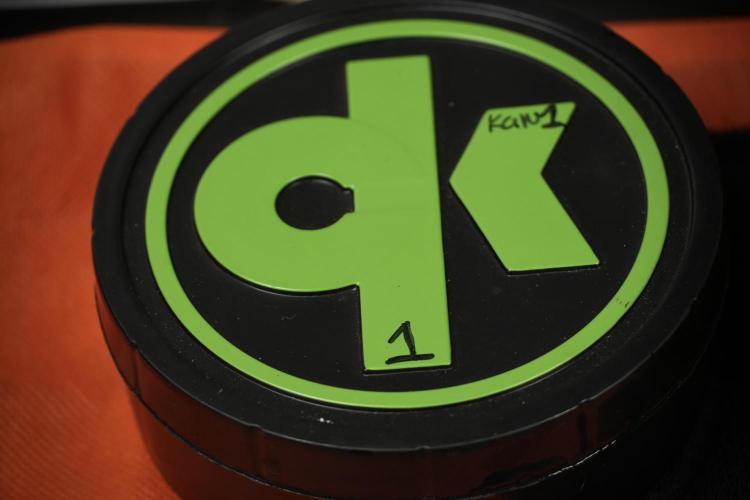
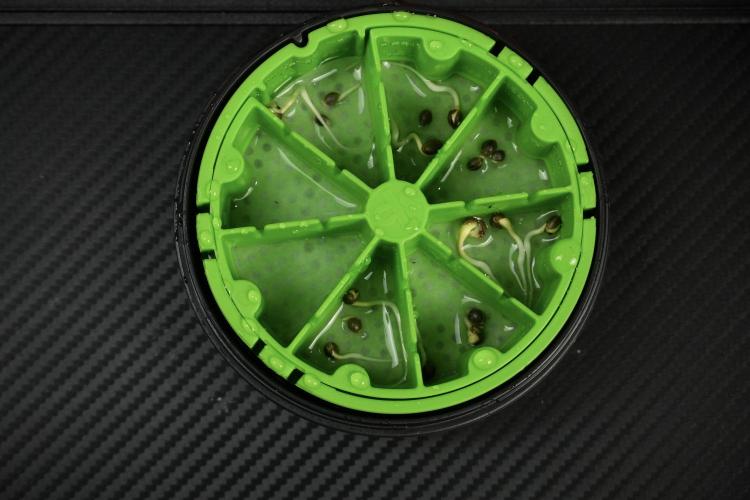
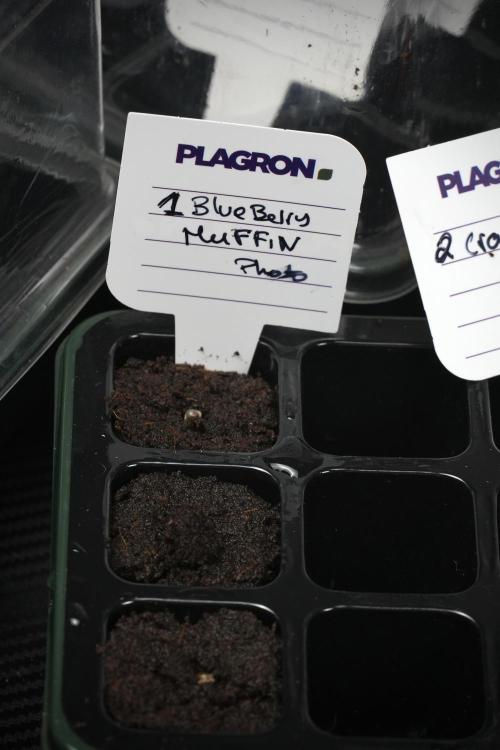
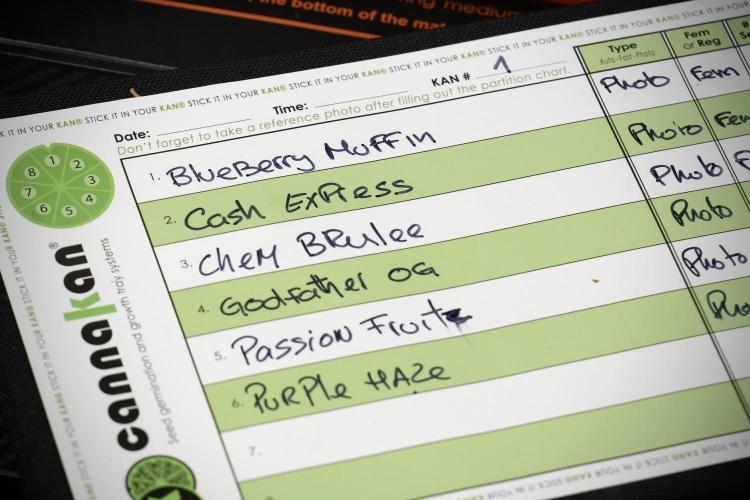
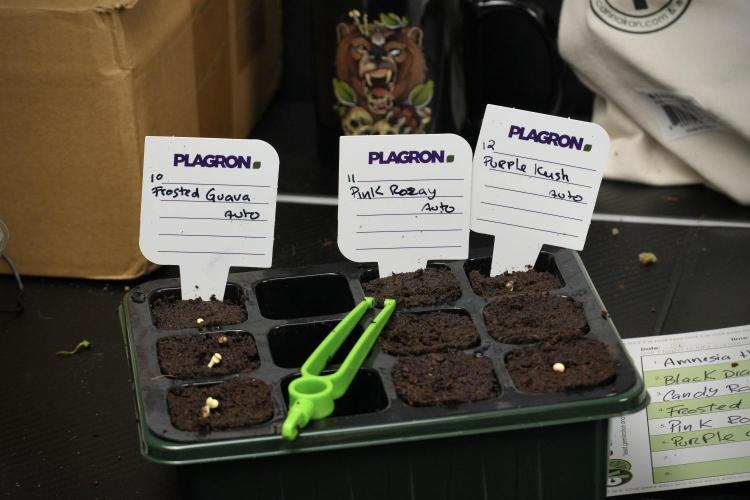
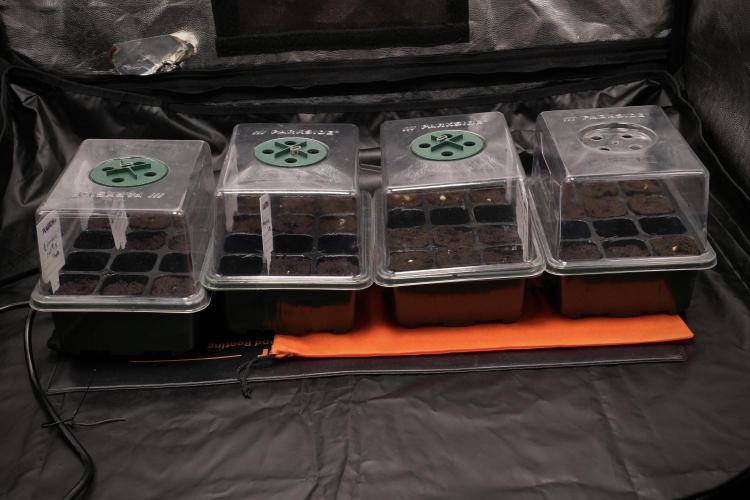
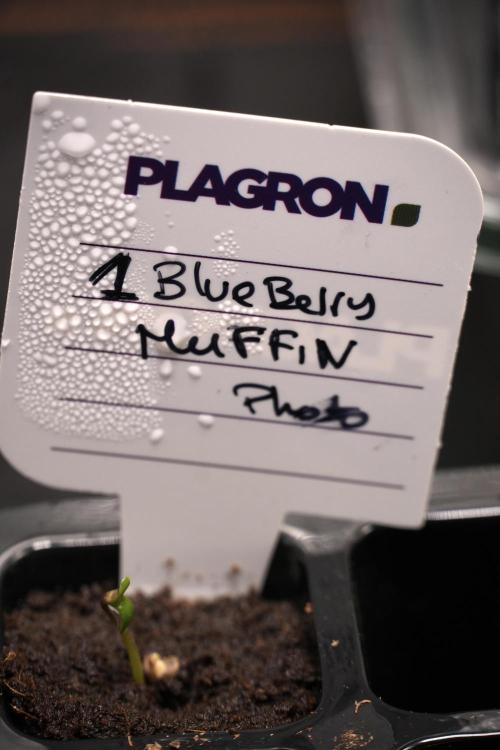
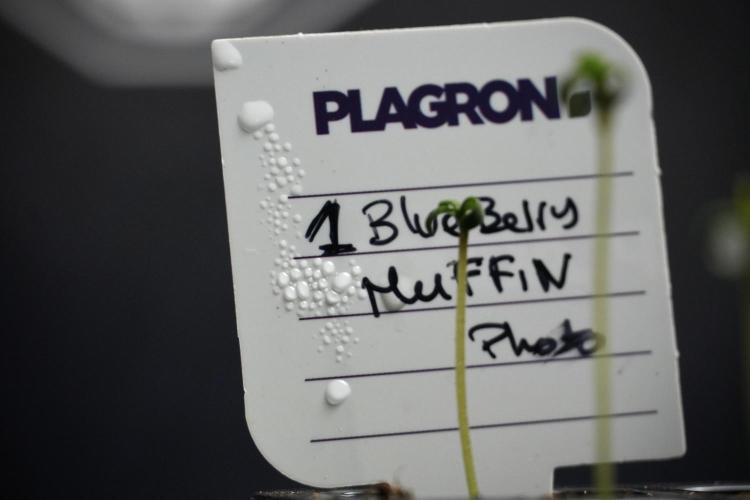
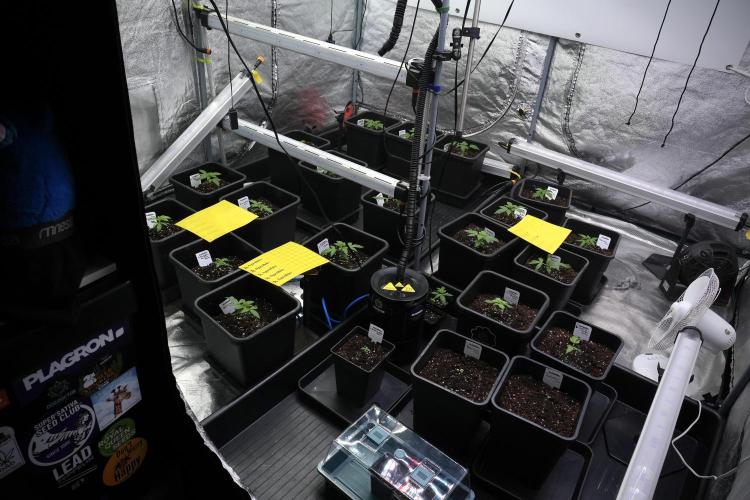
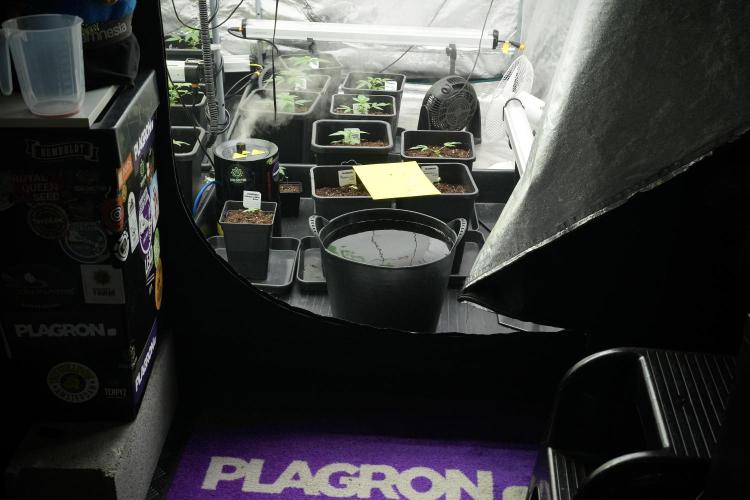
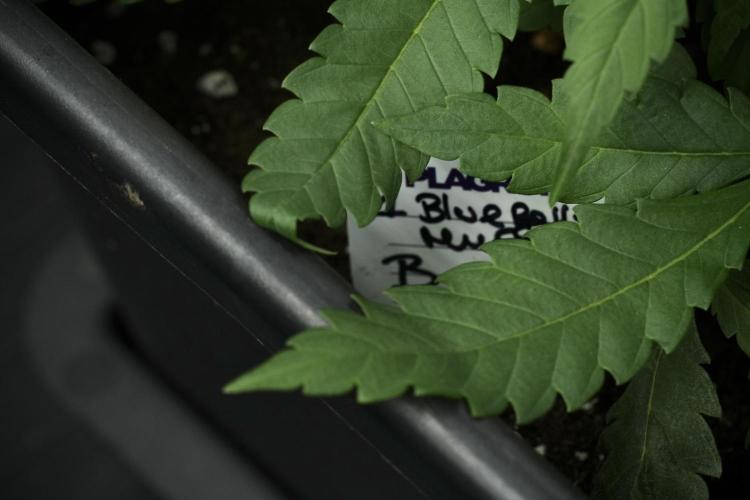
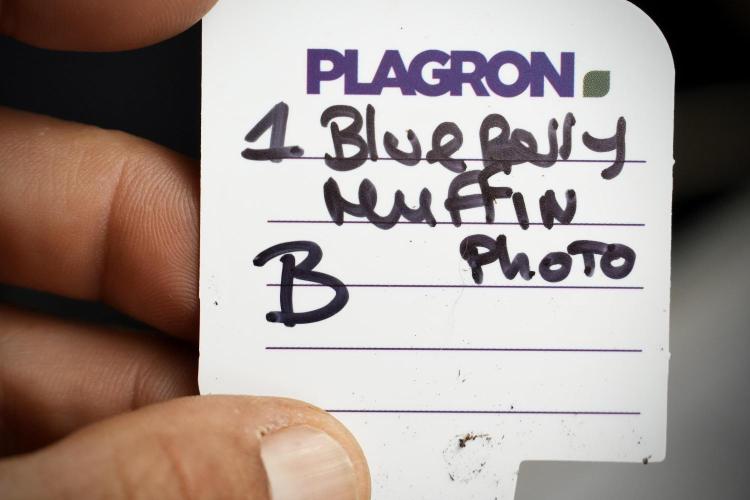
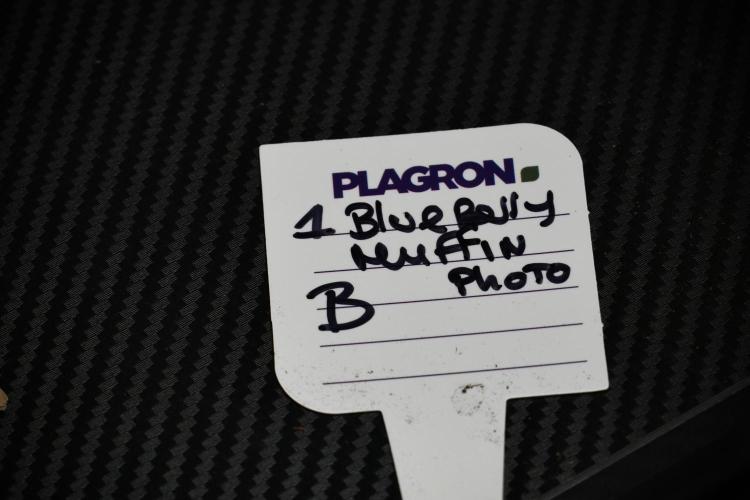
To start the seeds, I used the Cannakan germination system. For those unfamiliar with it, it is a simple but practical germination container that allows multiple seeds or cultivars to be organized separately while maintaining a stable environment. Each compartment can be individually labeled, making it easy to keep track of genetics throughout the germination process.
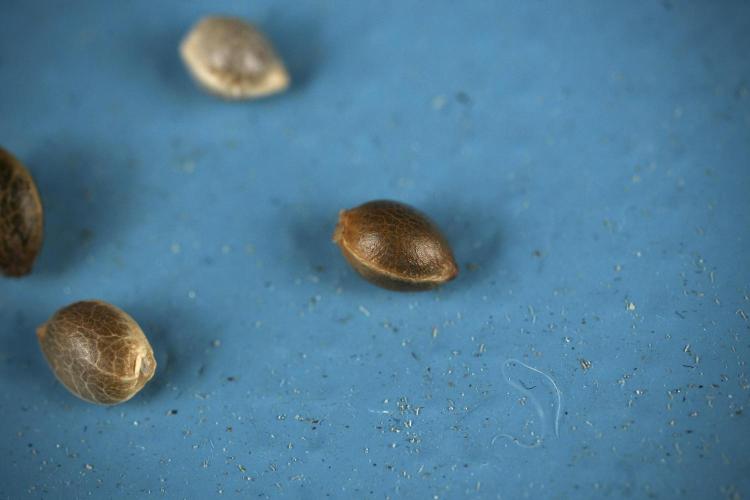
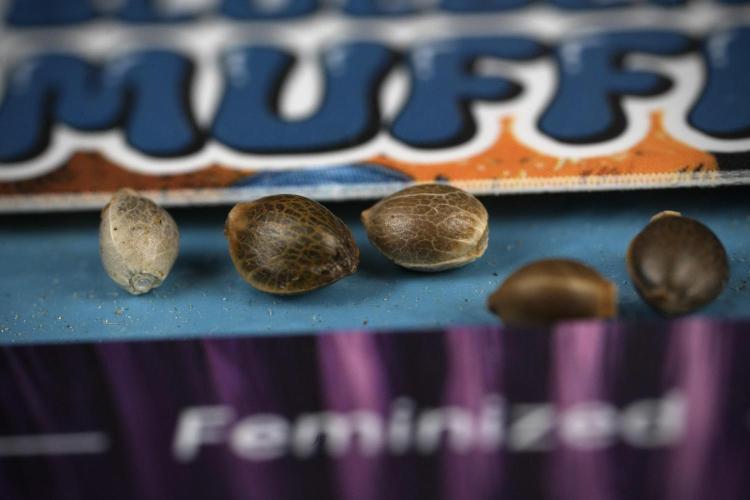
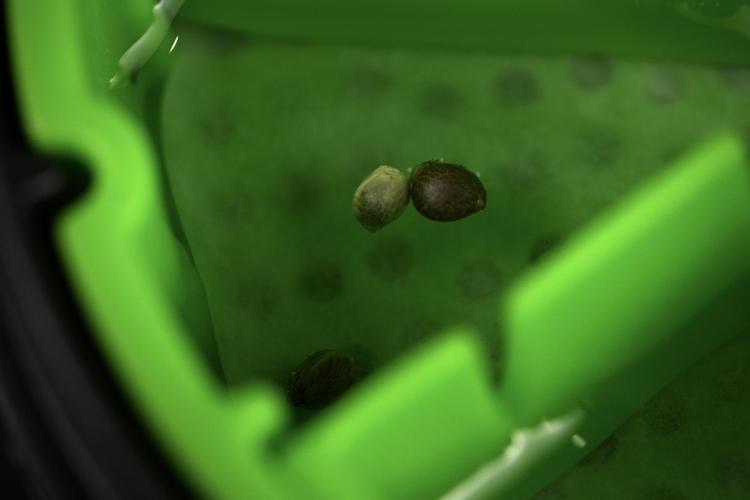
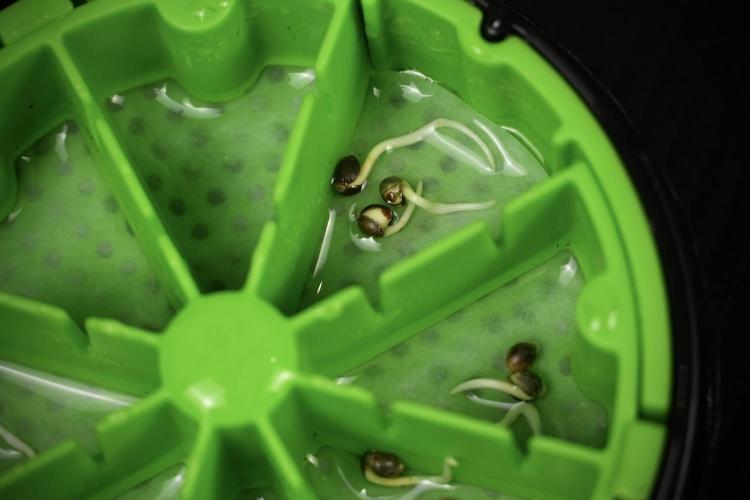
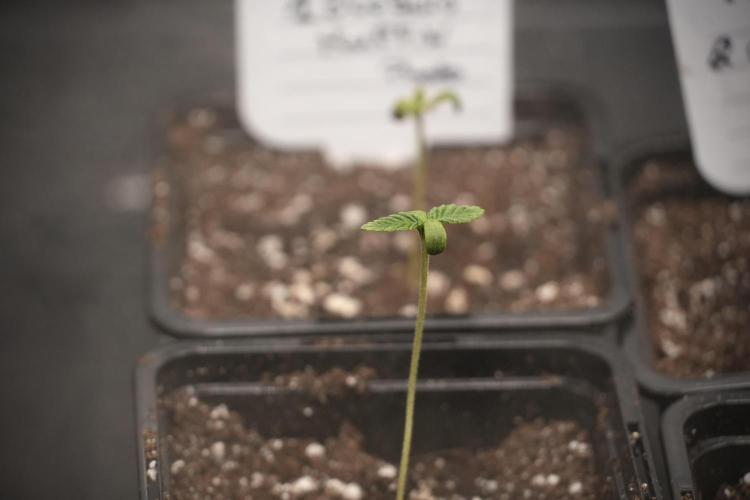
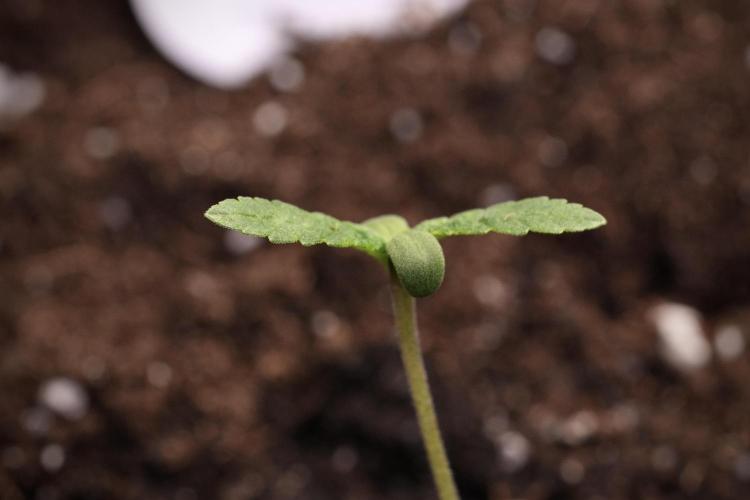
The seeds were placed in plain water inside the Cannakan and left to hydrate. Within roughly 24 hours, healthy taproots had already emerged and the seeds were ready for the next stage.
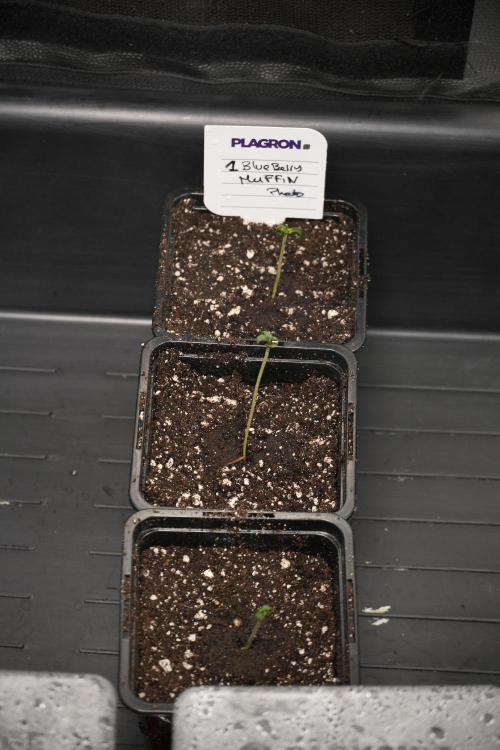
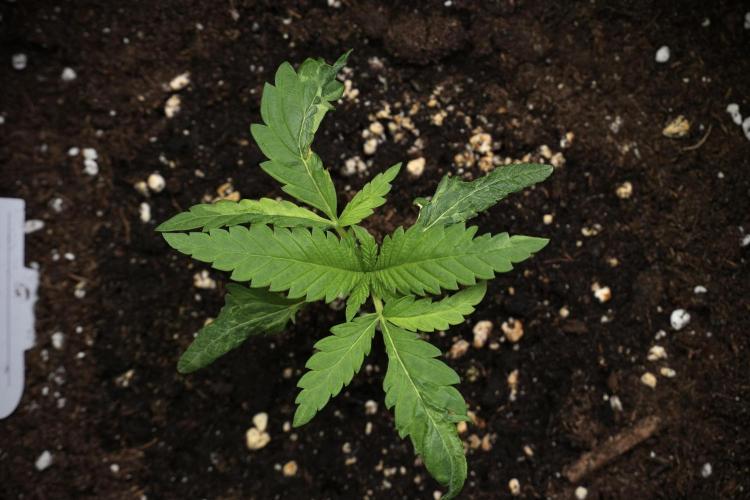
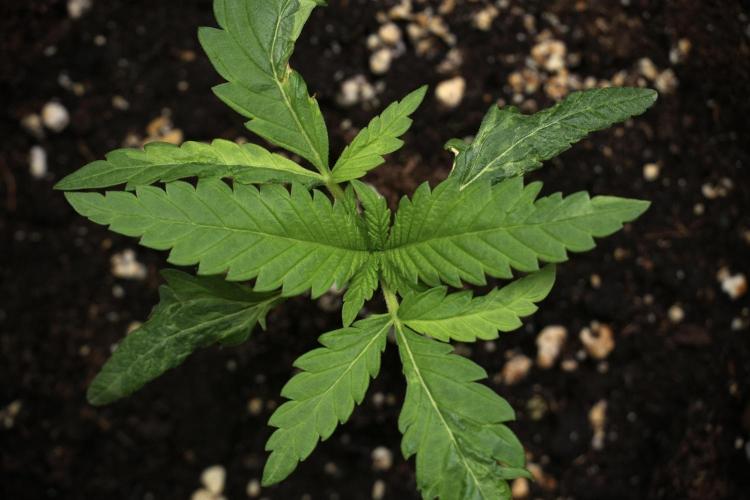
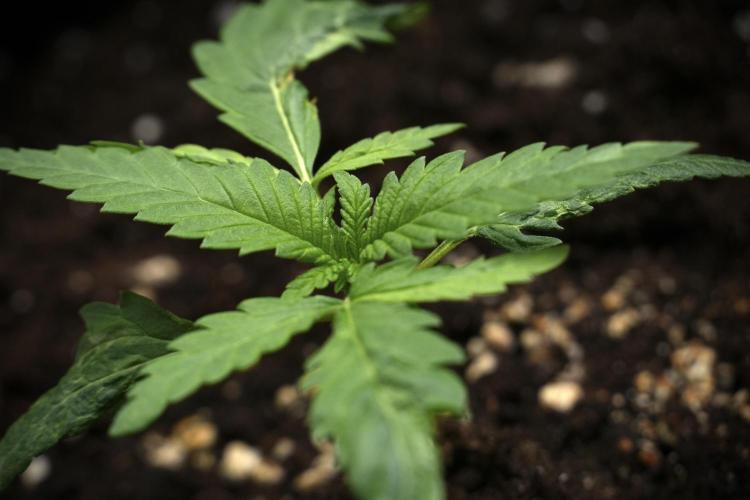
This run also marks my first experience using coco starter plugs. The plugs were thoroughly hydrated, lightly squeezed to remove excess water, and the germinated seeds were carefully placed inside. They then spent approximately 24 hours inside a propagation dome where humidity remained high enough to support early development.
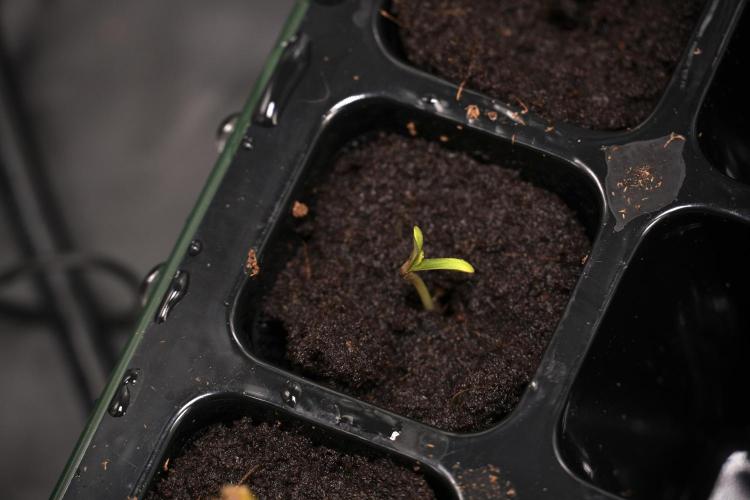
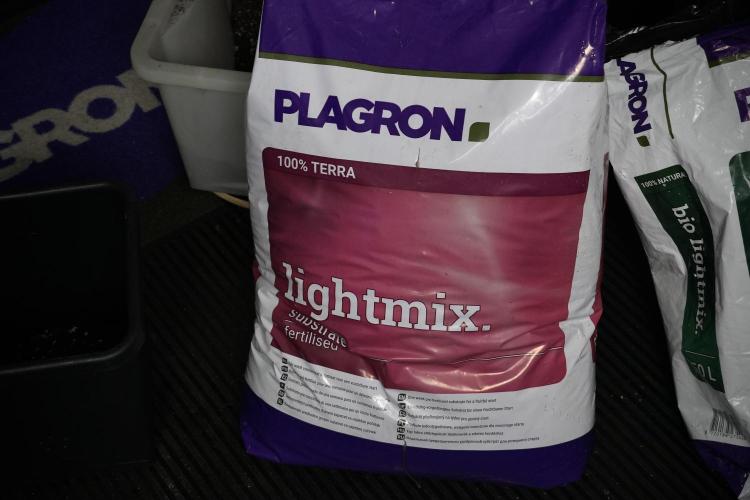
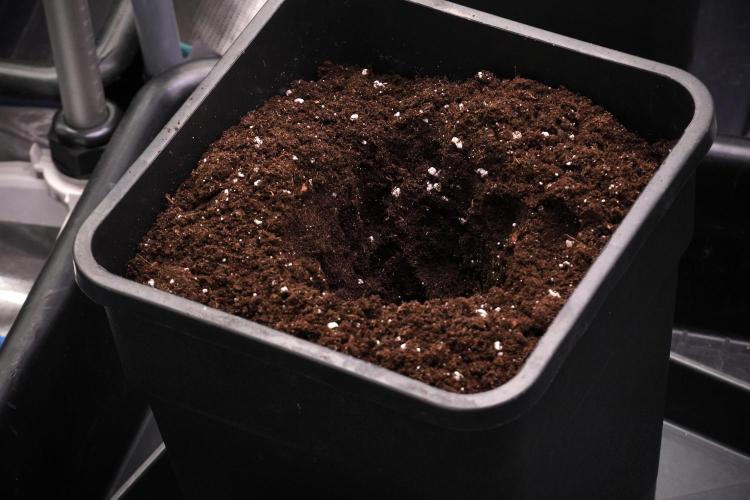
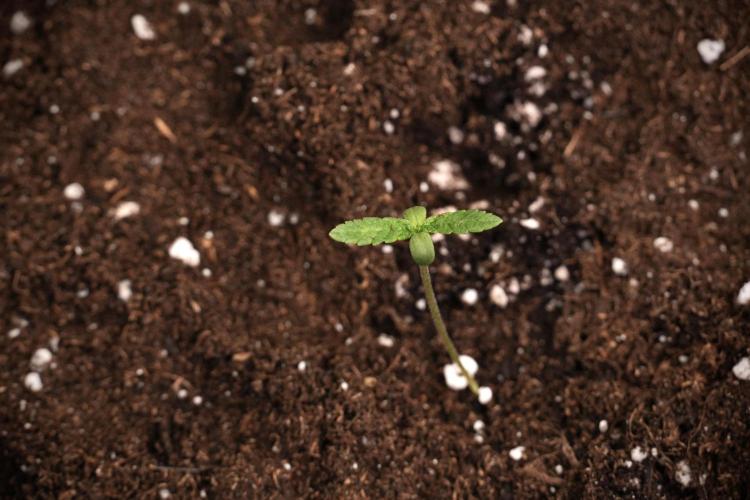
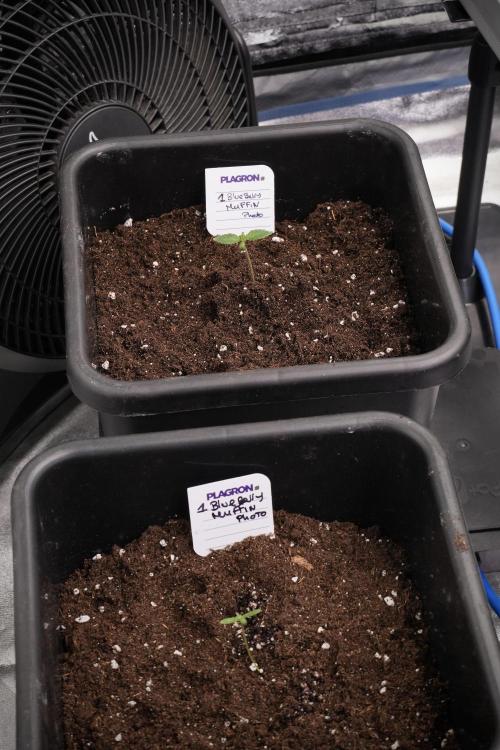
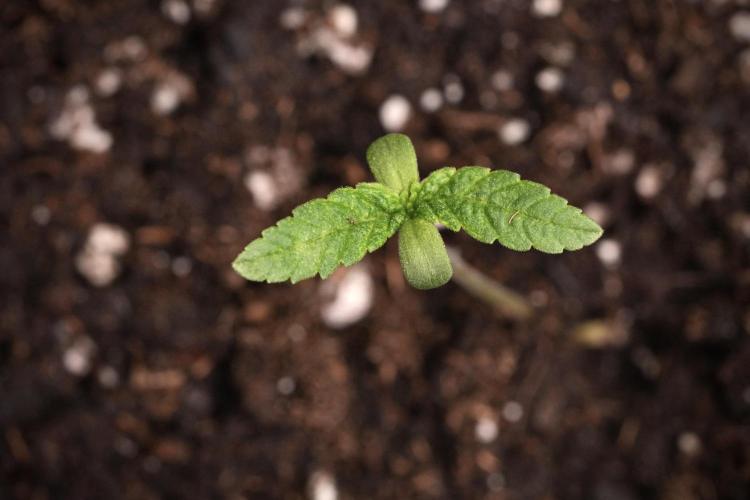
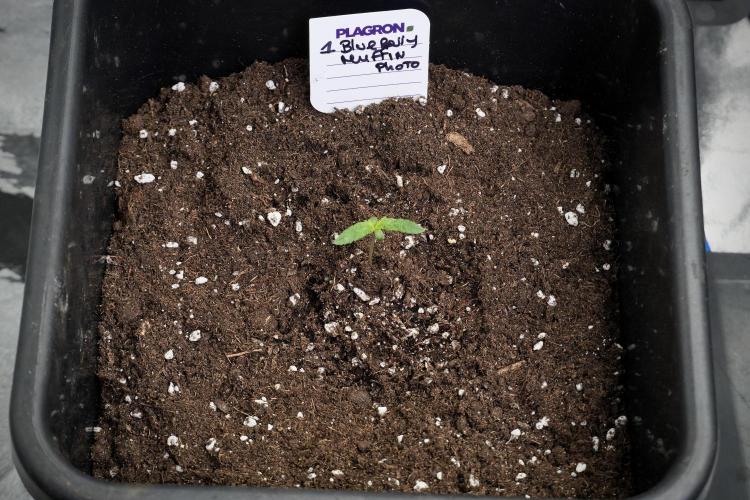
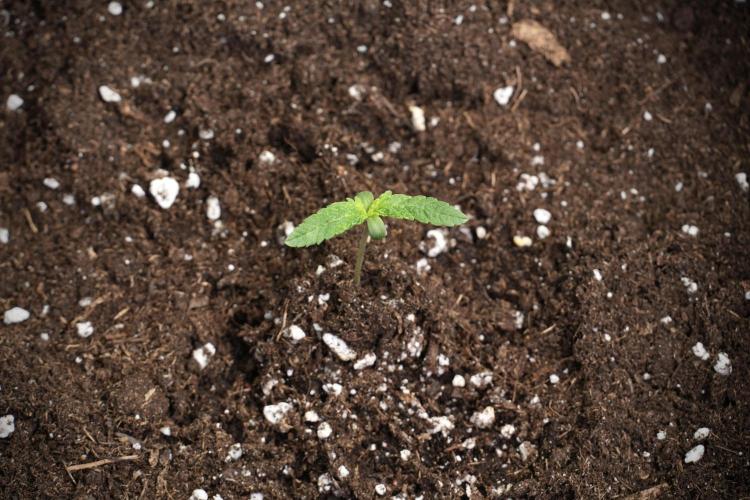
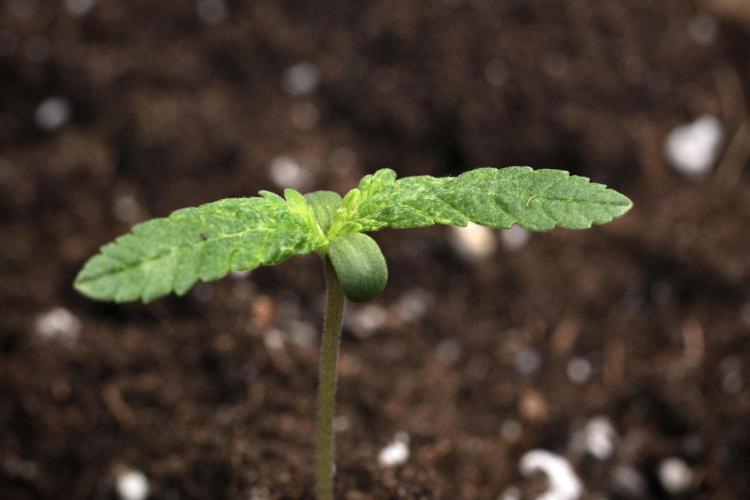
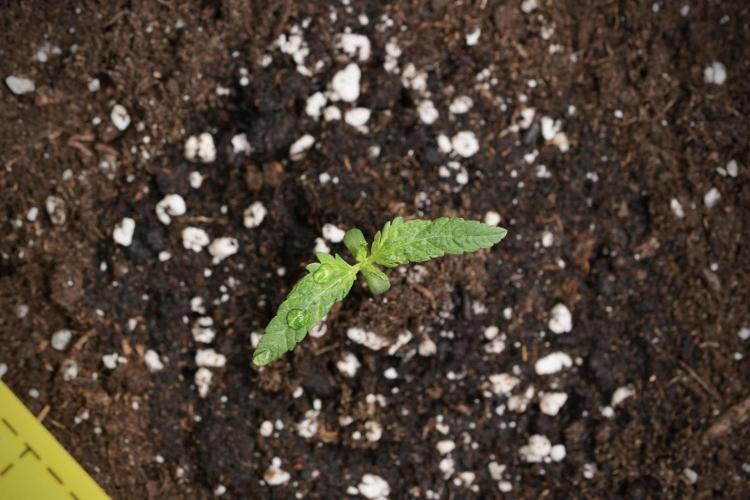
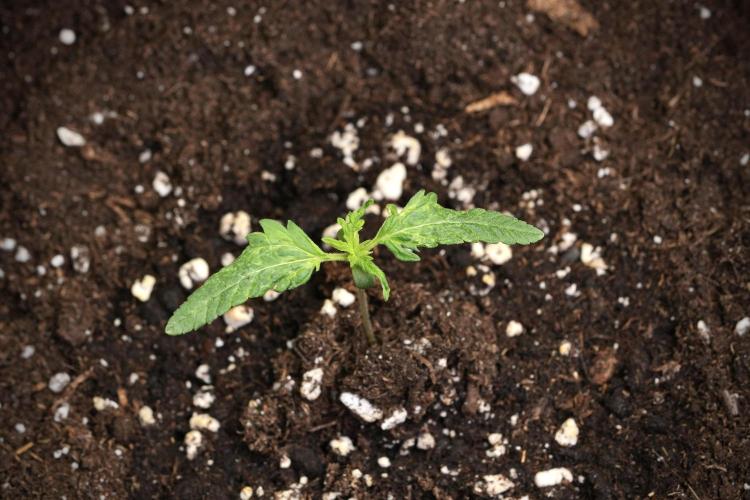
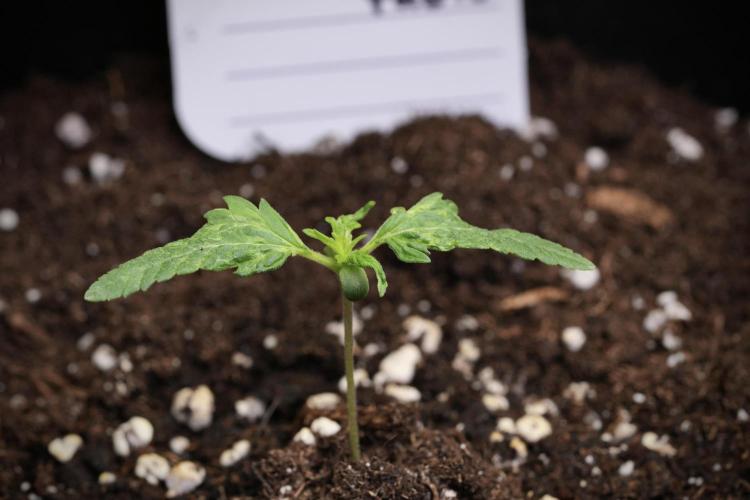
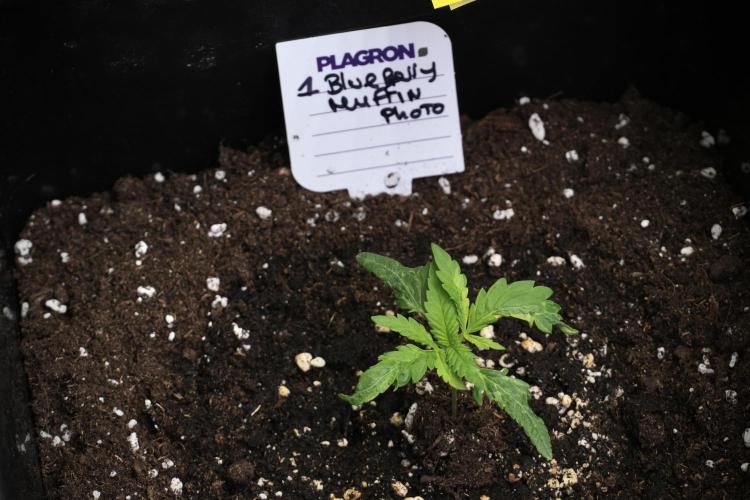
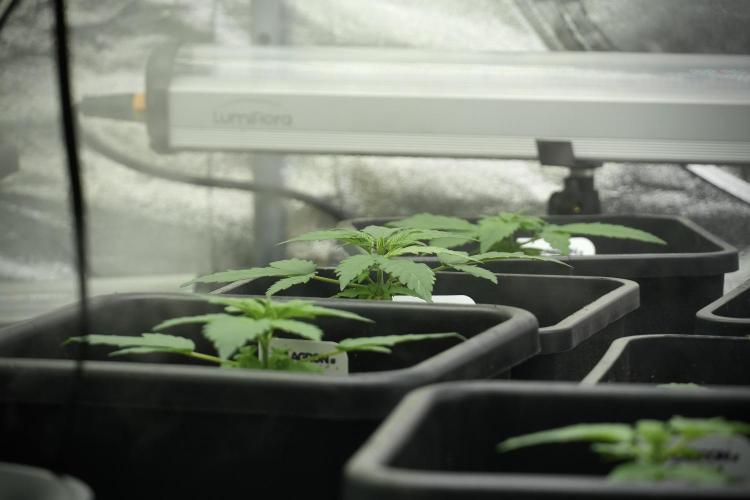
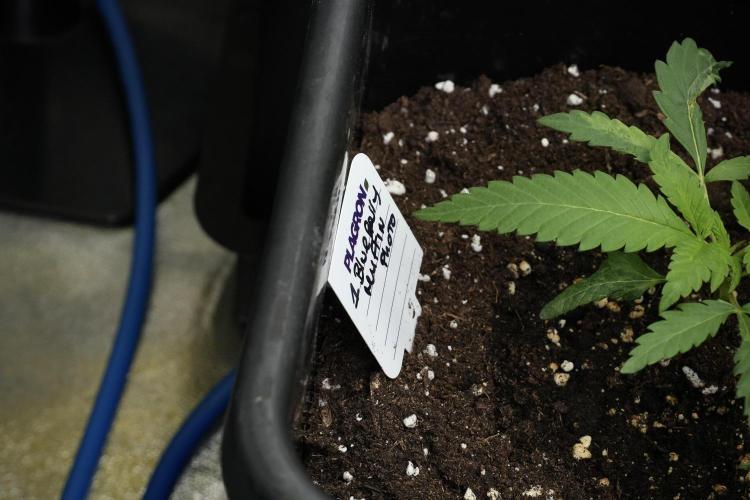
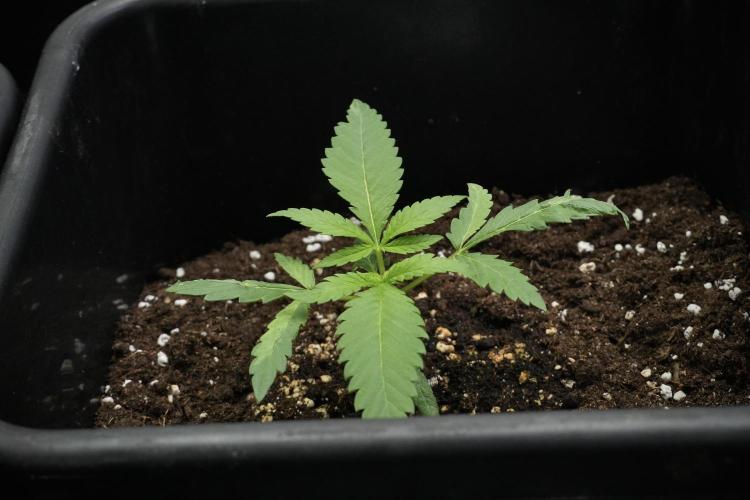
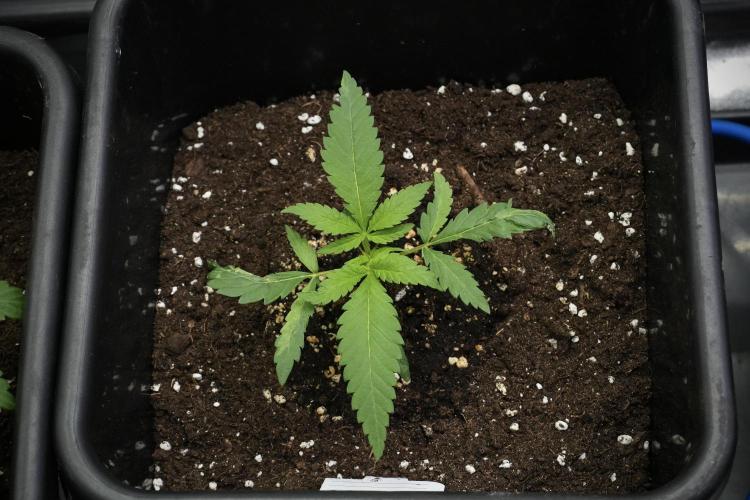
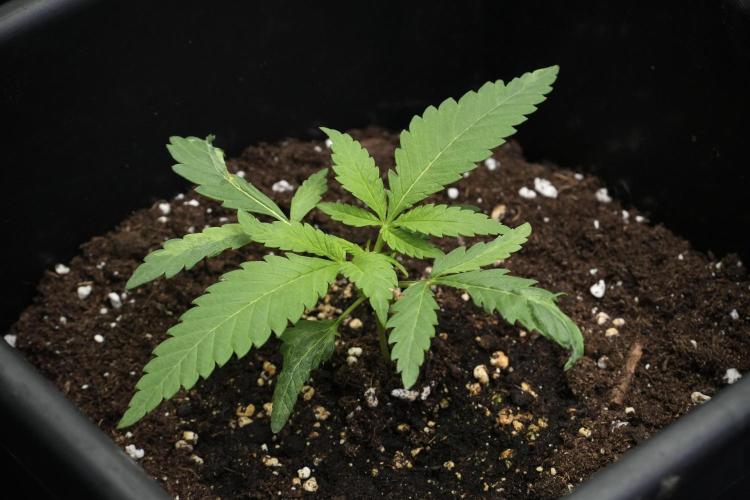
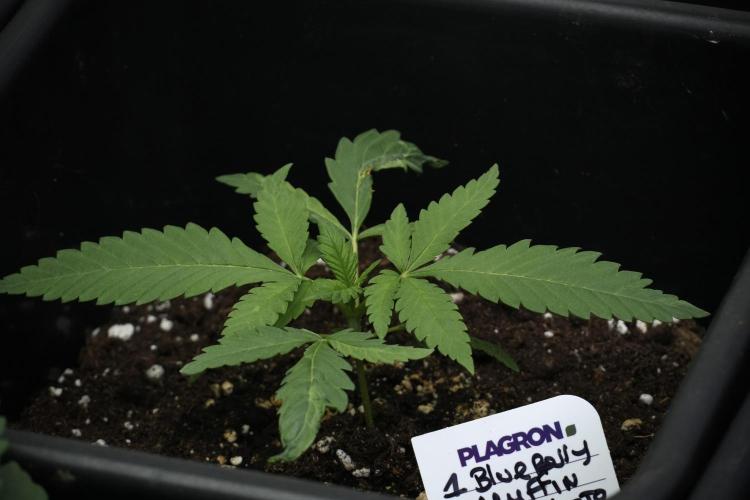
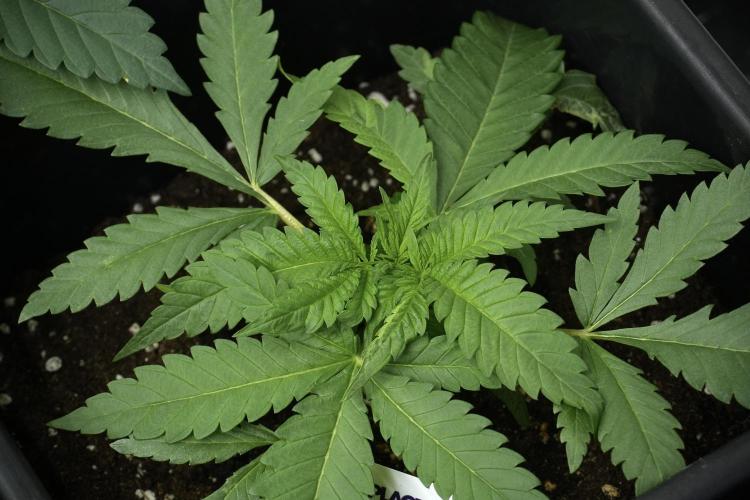
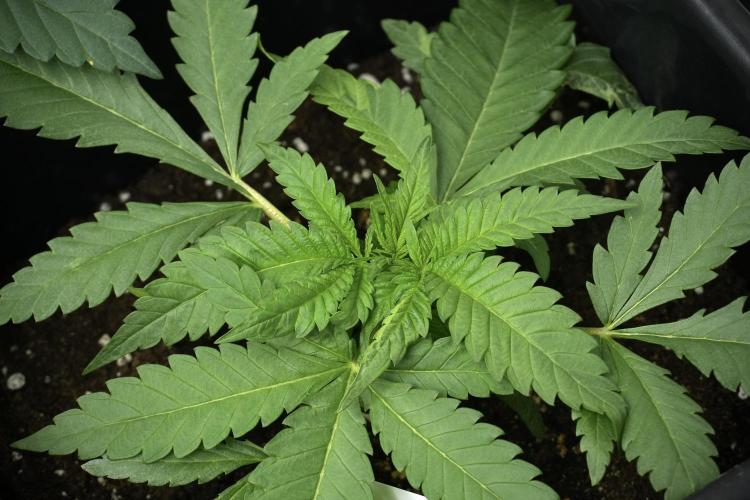
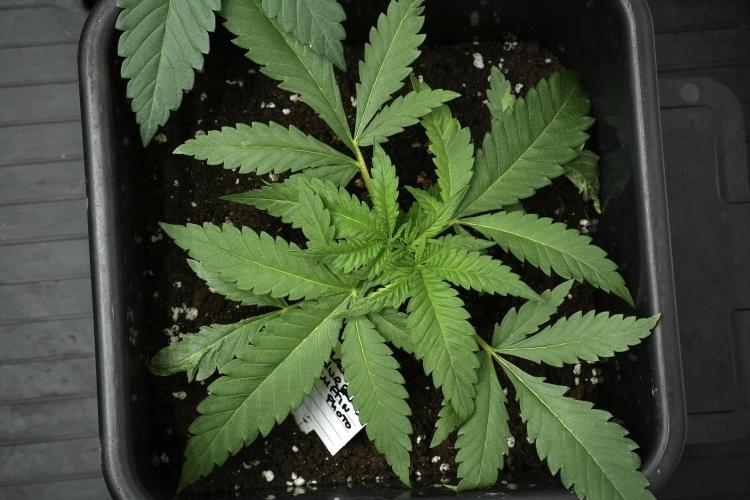
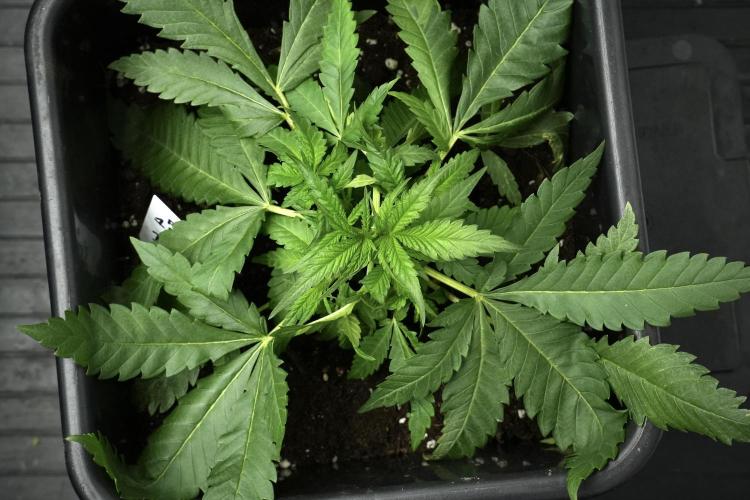
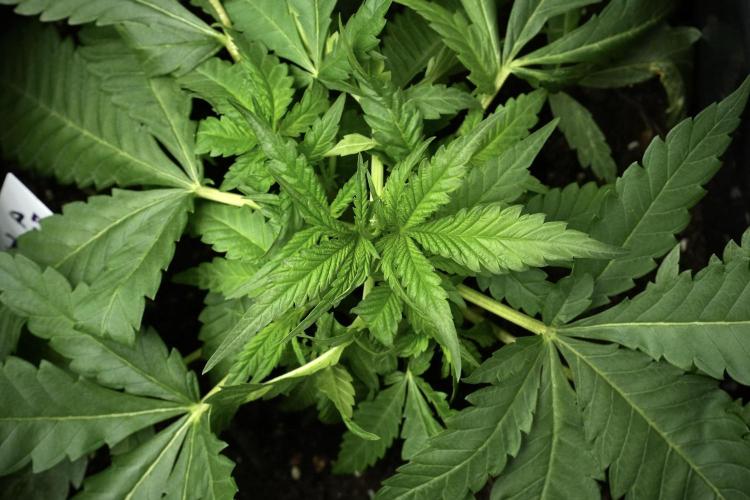
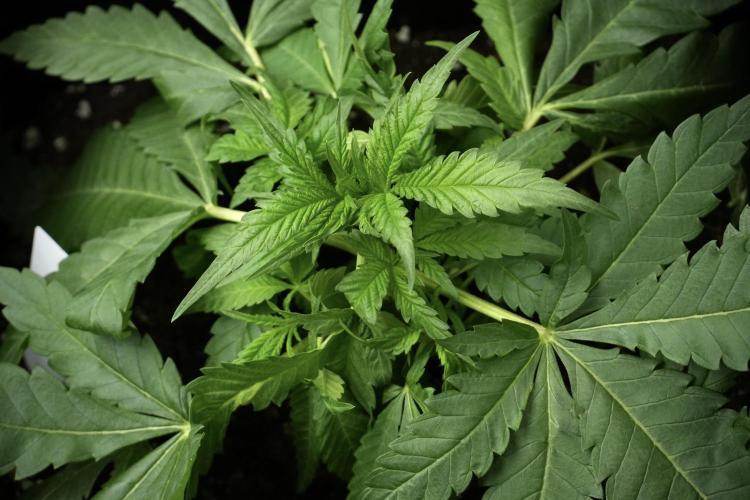
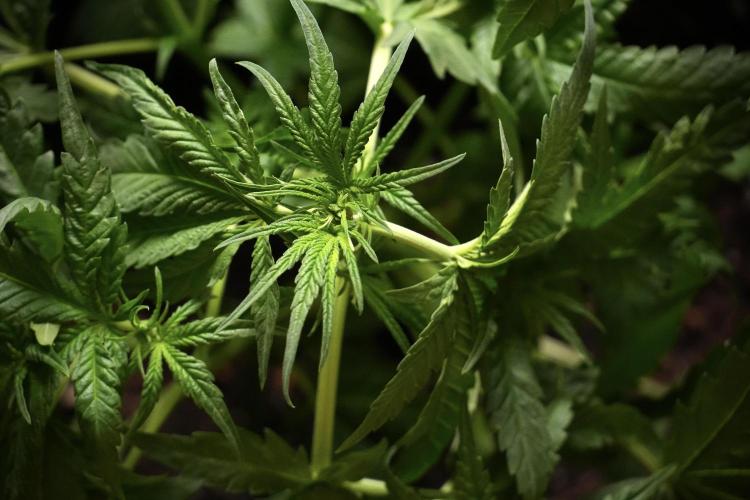
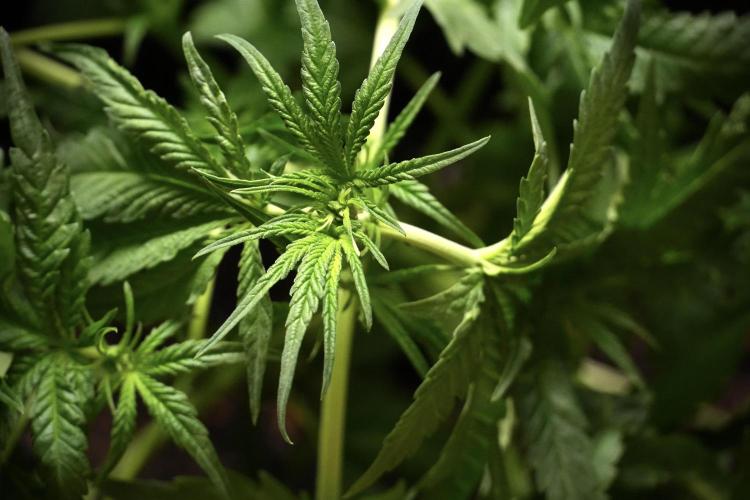
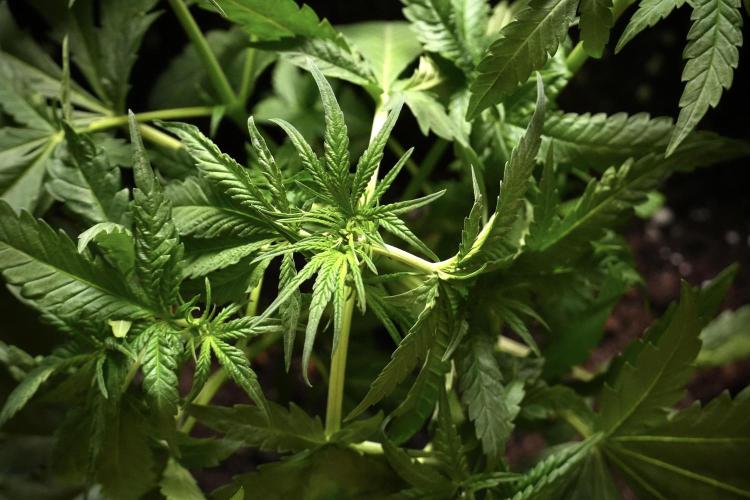
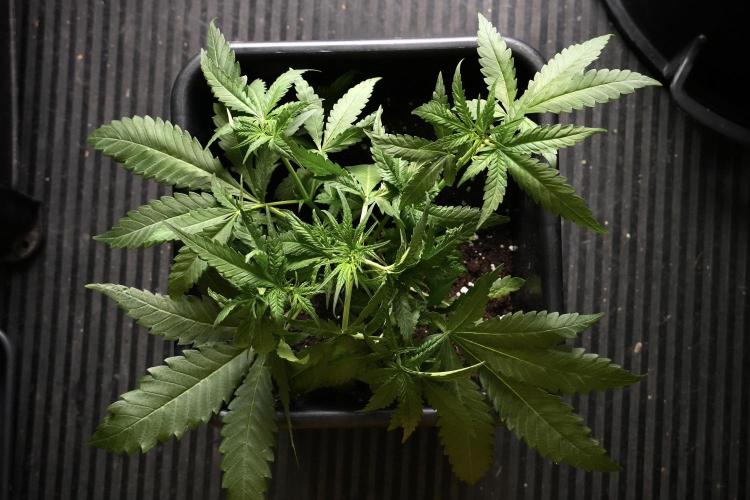
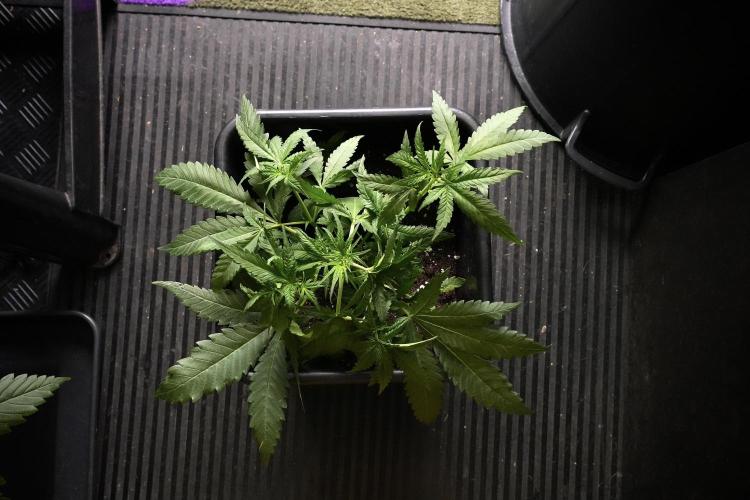
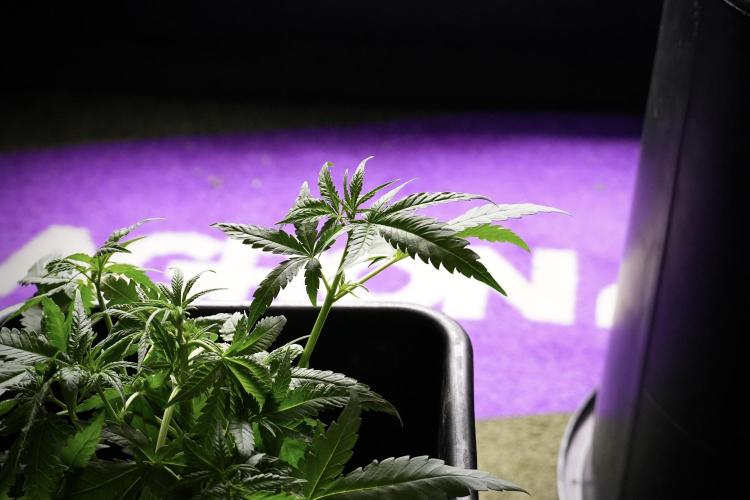
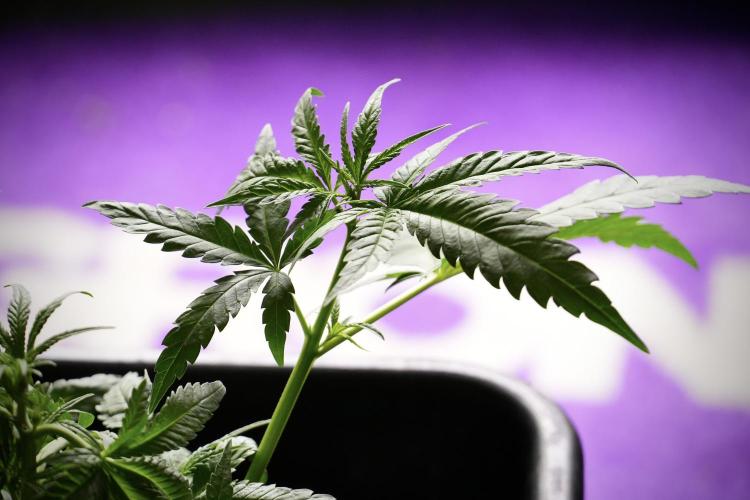
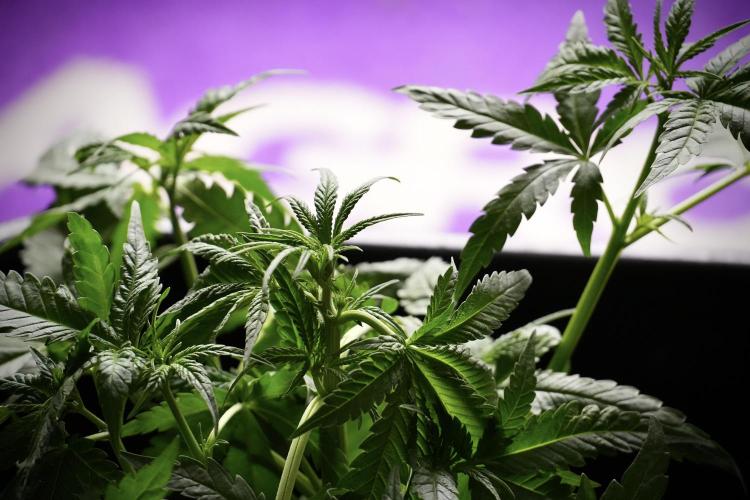
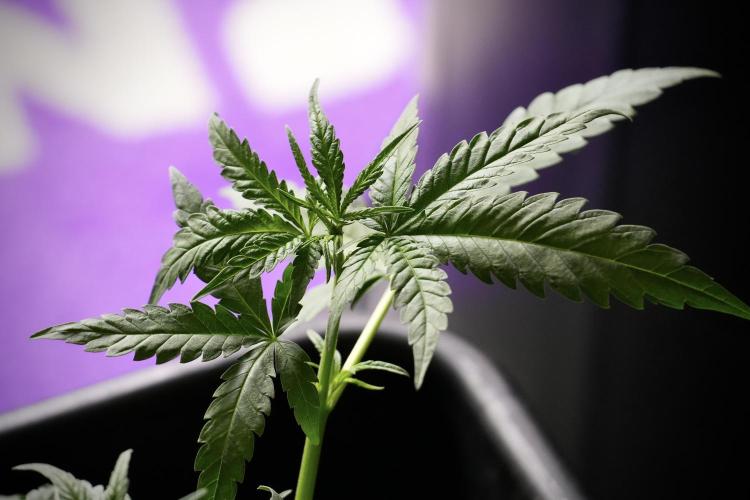
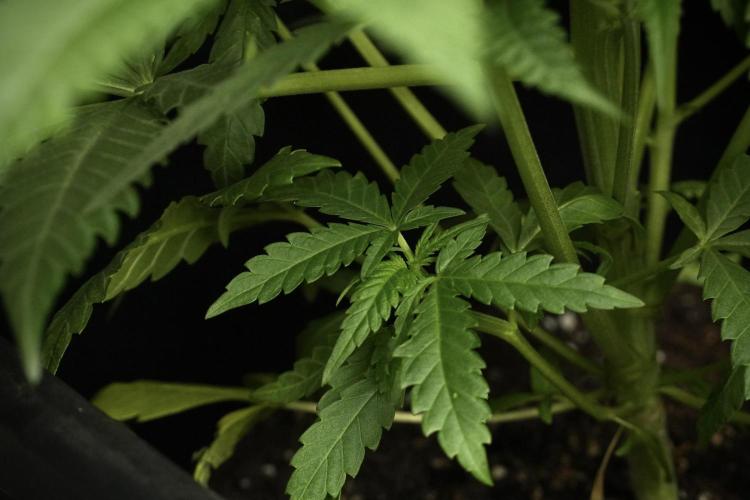
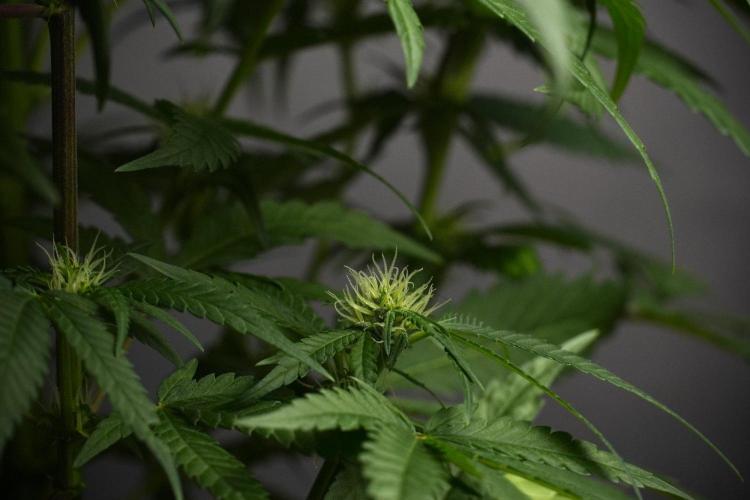
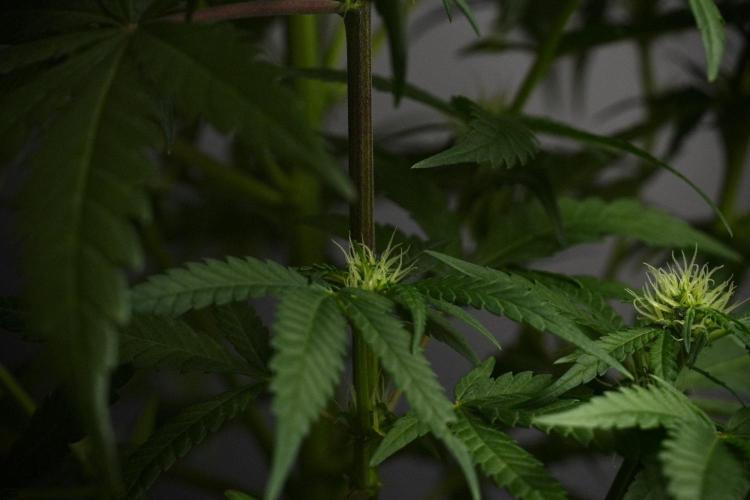
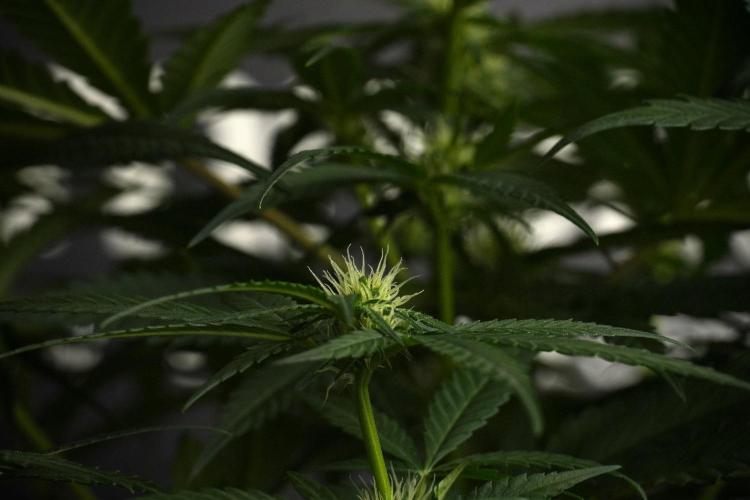
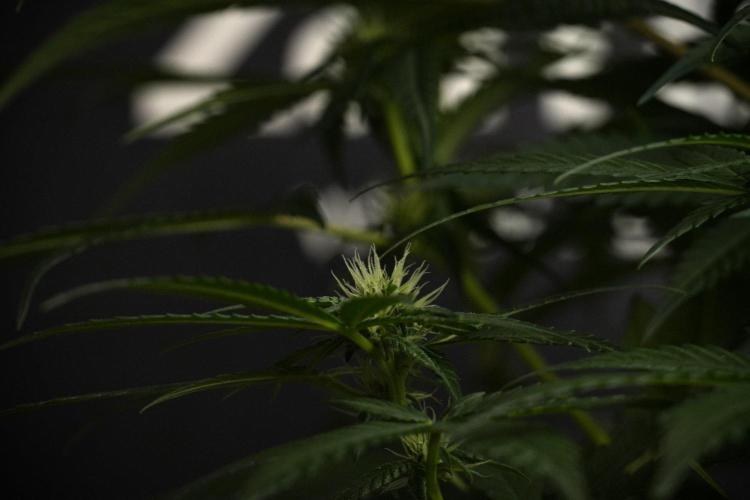
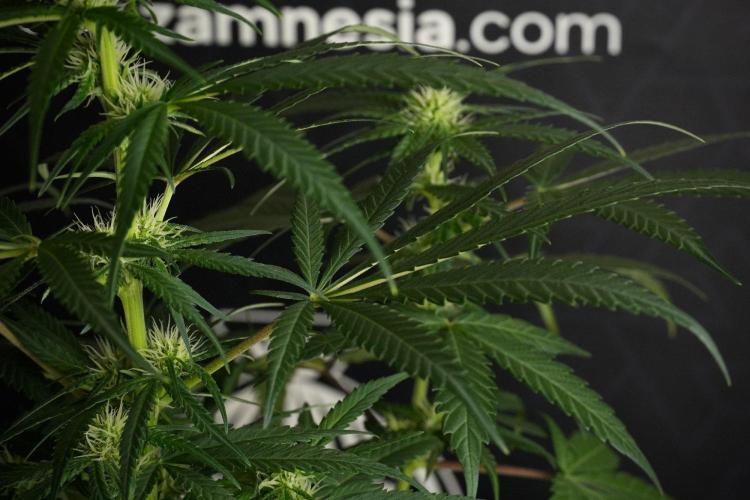
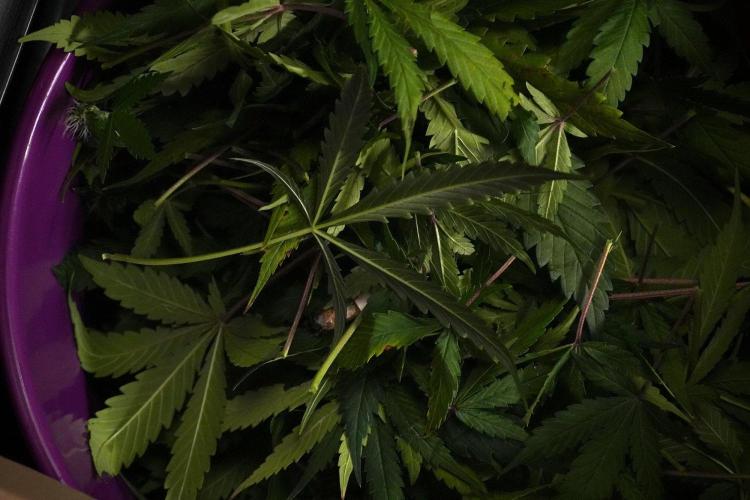
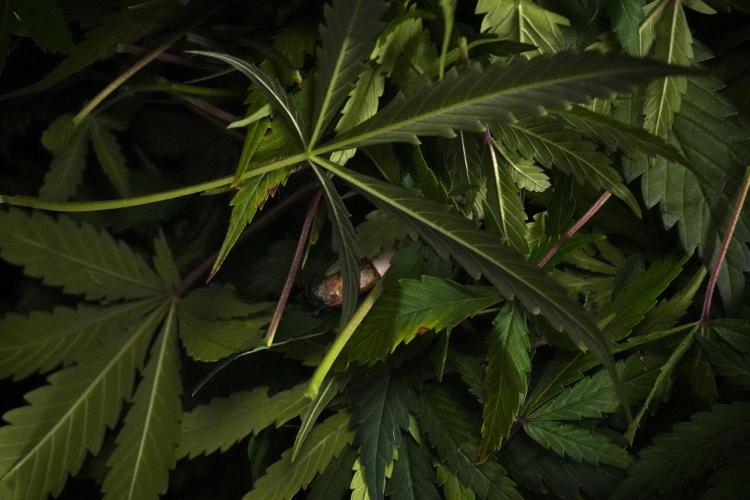
The response was immediate. Before the first full day had passed, the seedlings were already emerging, opening, and searching for light. At that point I decided to transplant them directly into small containers filled with Plagron Lightmix.
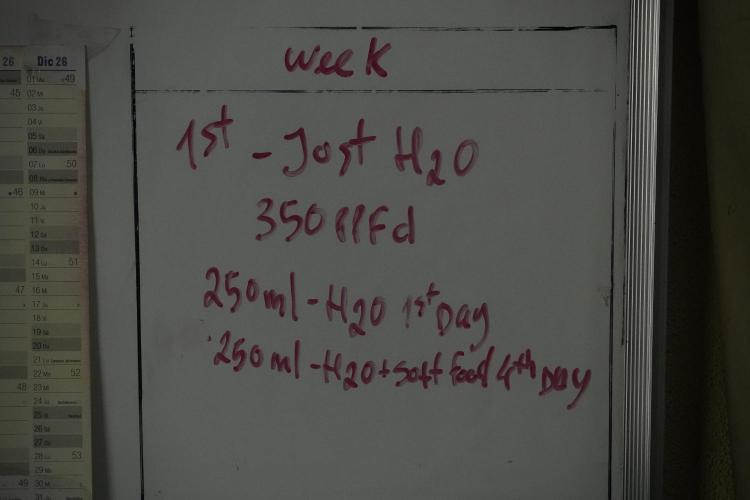
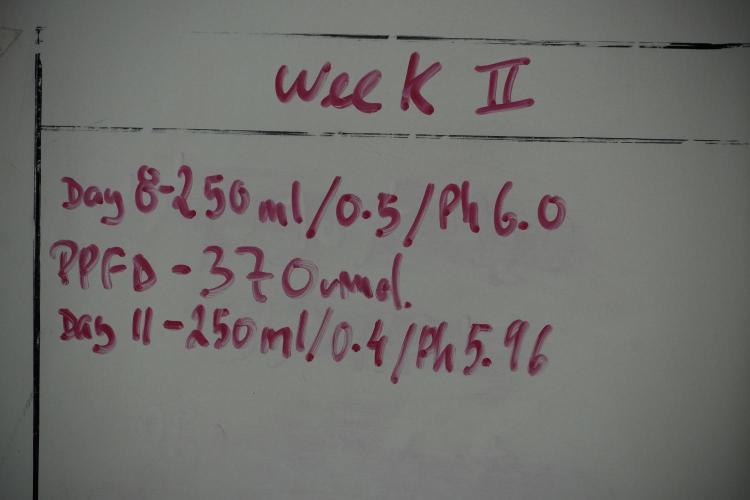
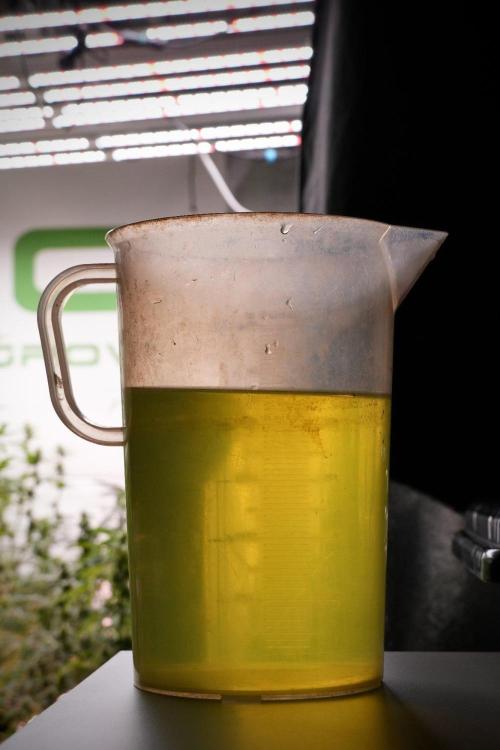
At this stage, the only thing they receive is water.
Seeds already contain everything required to support their initial development, so I prefer not to introduce nutrients during germination. The objective is simply to provide moisture, oxygen, warmth, and a stable environment while allowing the seedling to establish itself naturally.
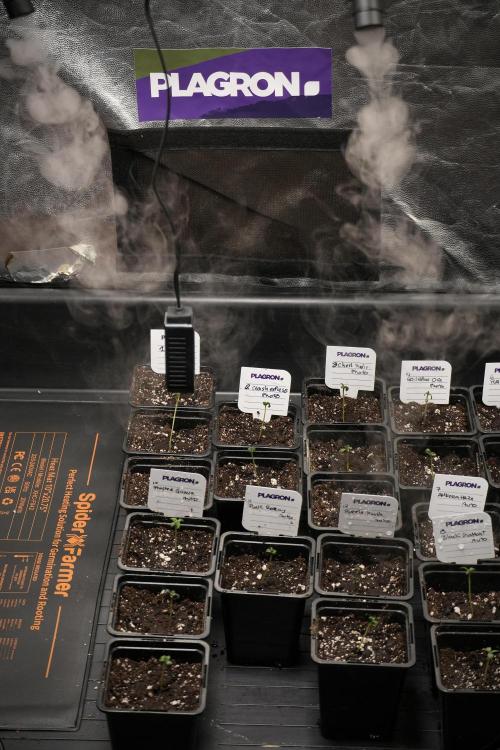
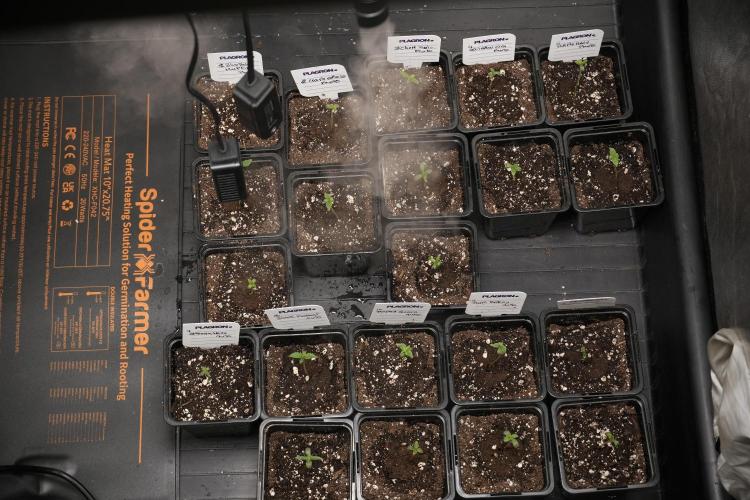
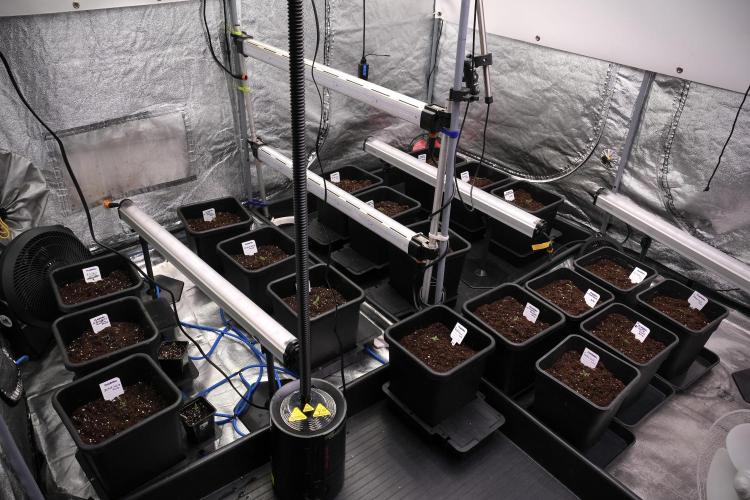
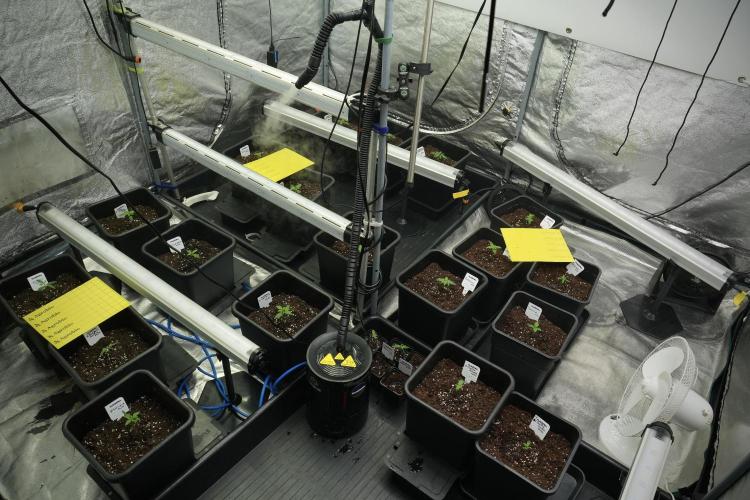
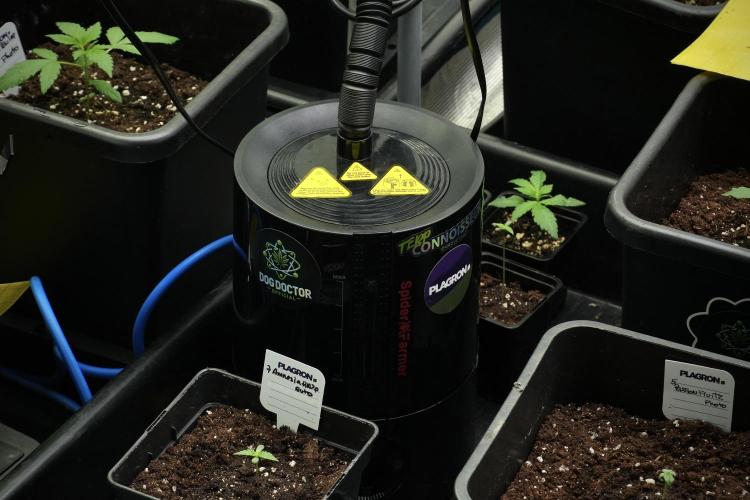
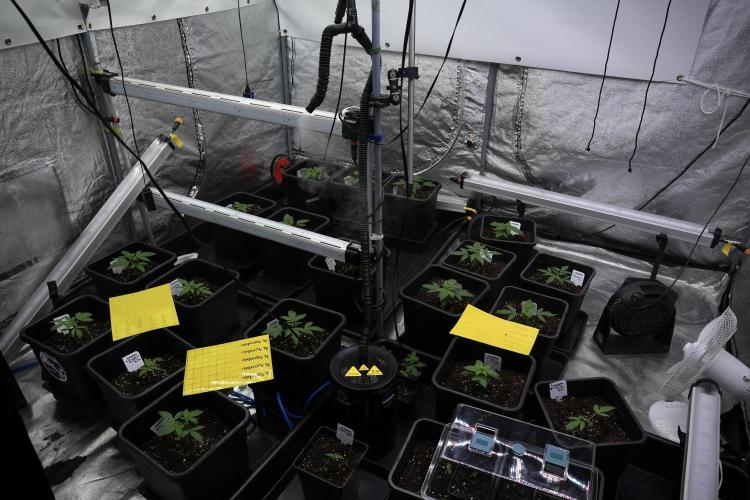
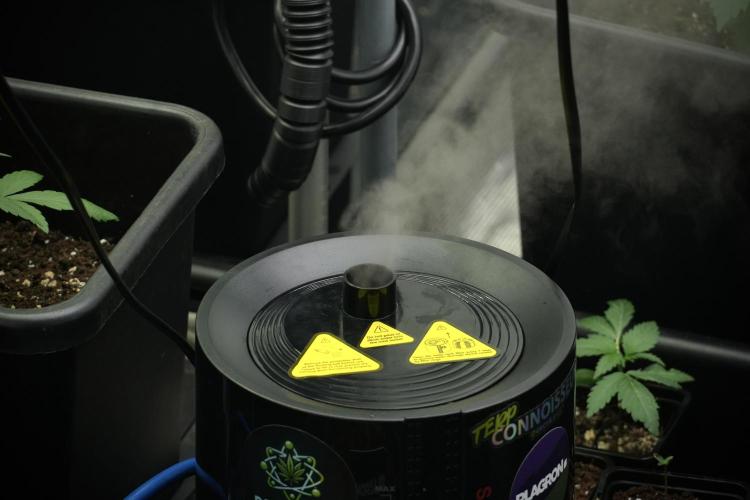
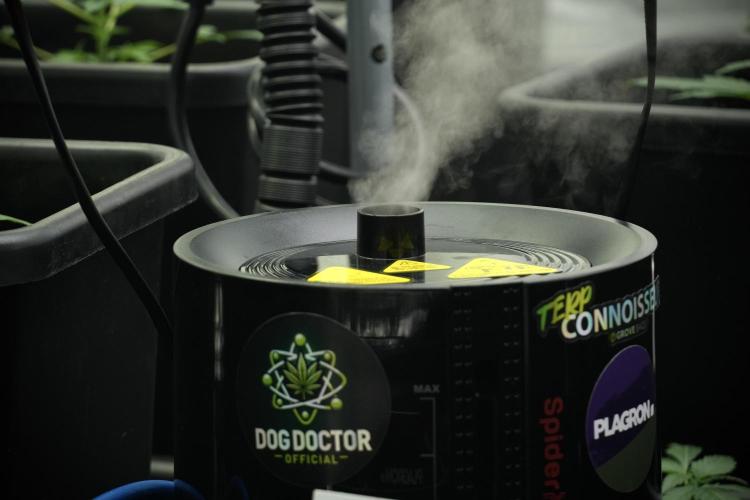
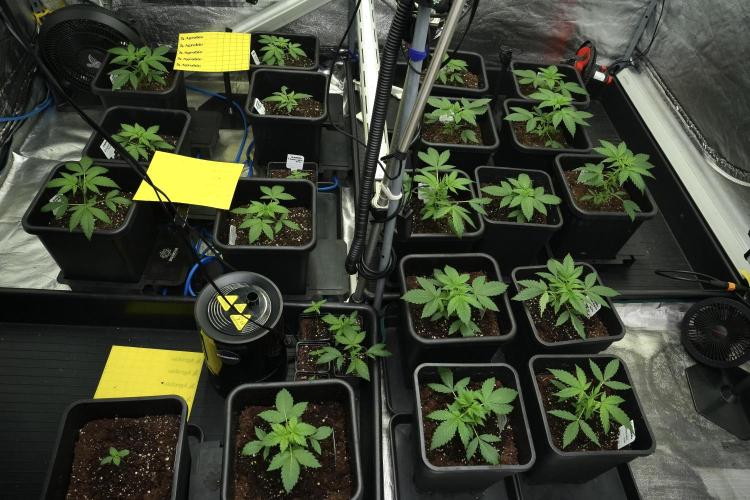
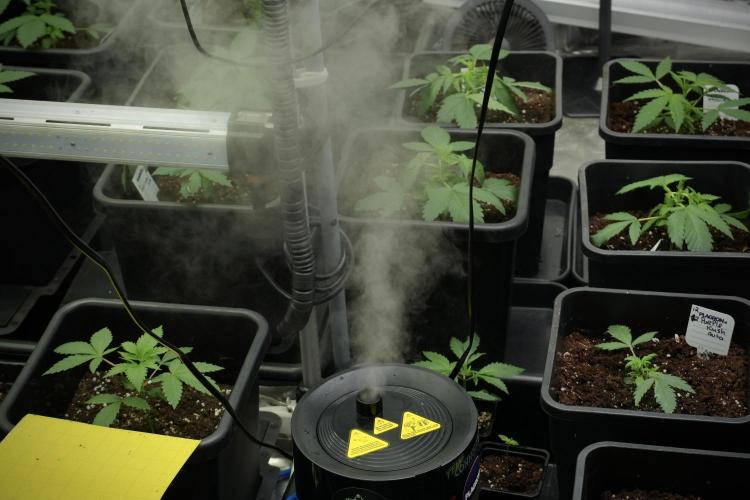
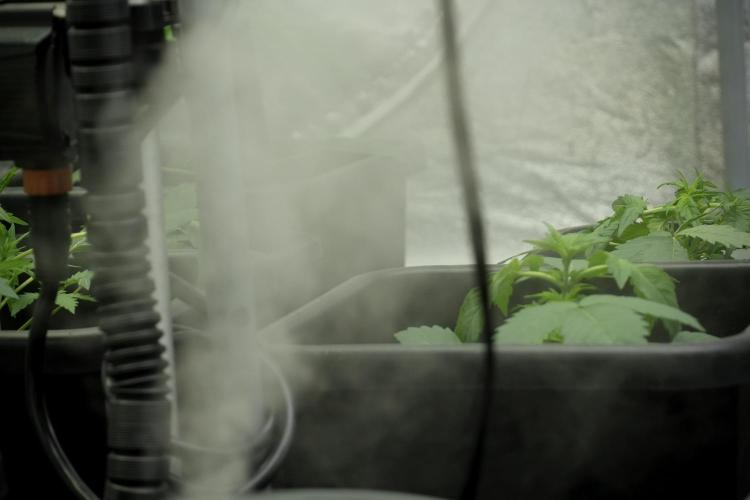
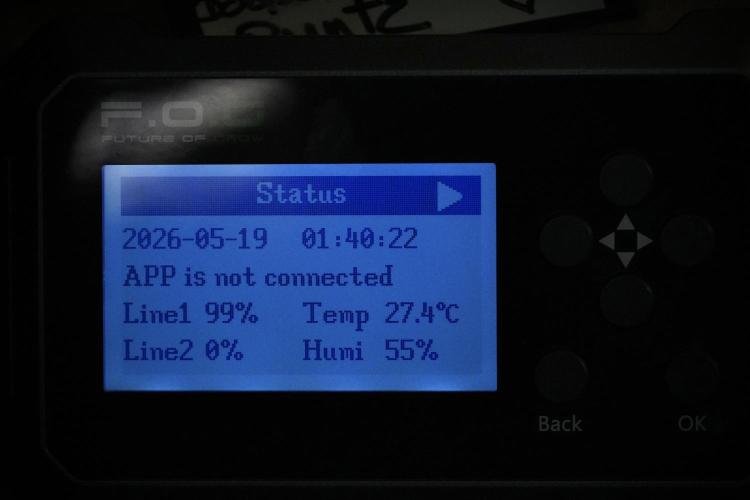
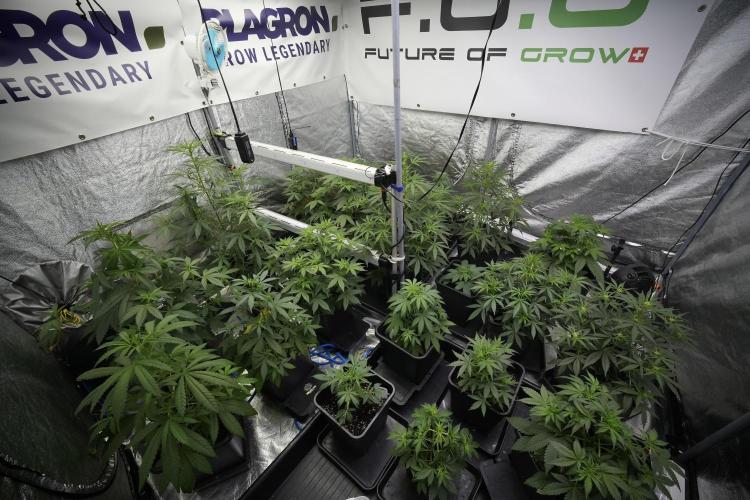
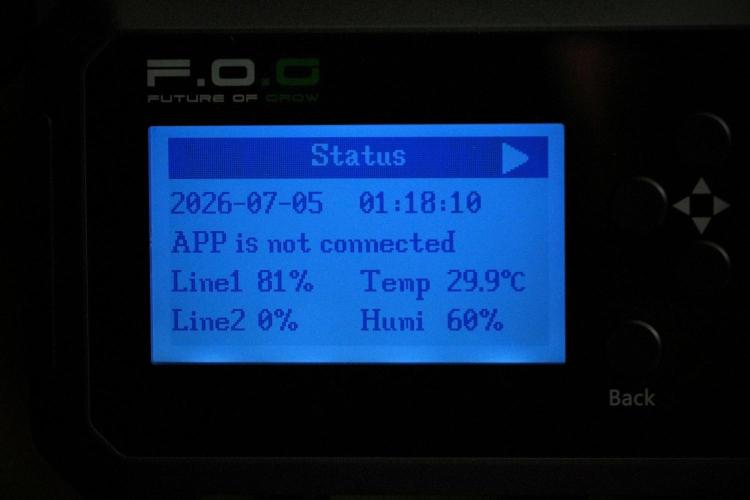
Environmental conditions were kept intentionally simple. Temperatures remained around 26–27°C, while humidity stayed between 65–70% thanks to the Spider Farmer humidifier. While many growers prefer keeping seedlings inside a dome for extended periods, I personally like introducing them to the ambient environment early. A method that may differ from more traditional approaches, but one that has become part of my own cultivation style over time.
Airflow was kept extremely gentle during these first days. Seedlings need fresh air, but excessive airflow can quickly become counterproductive. At this stage, less is often more.
For bottom heat, a propagation mat was used and maintained around 40°C. The reason for this is simple: heat sources generally need to operate slightly above the target root-zone temperature in order to compensate for environmental losses and maintain consistent warmth where it's actually needed.
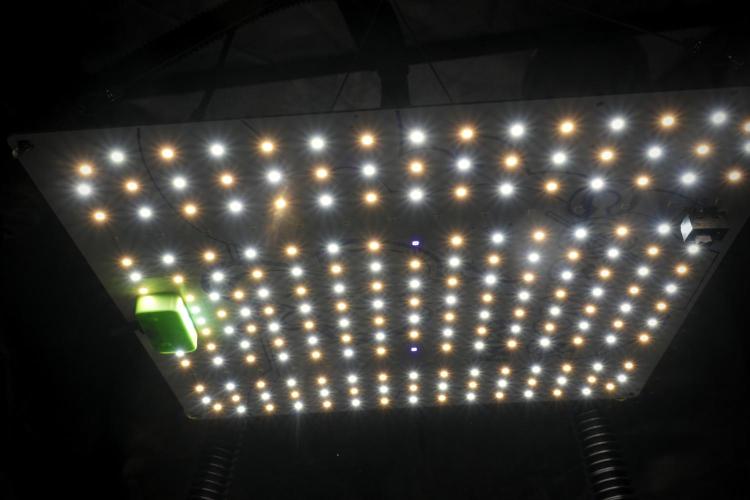
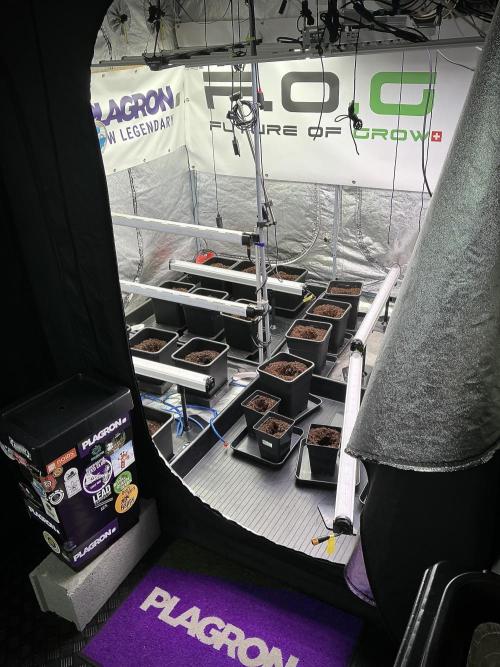
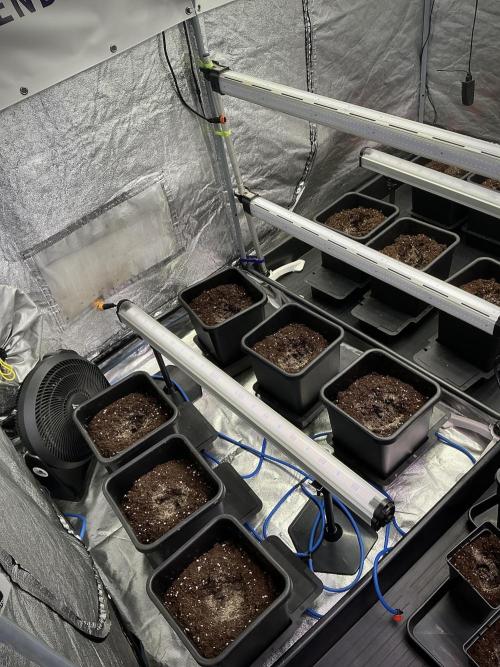
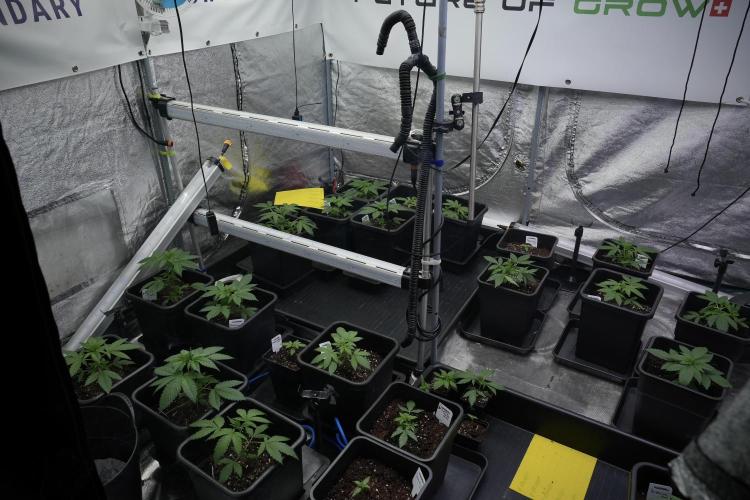
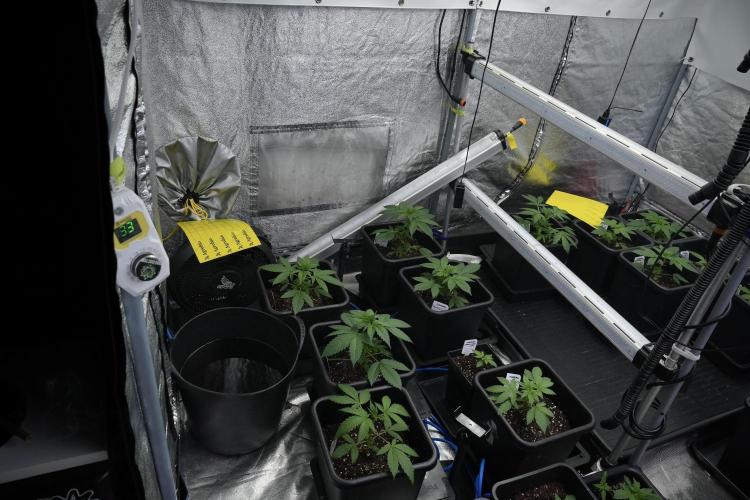
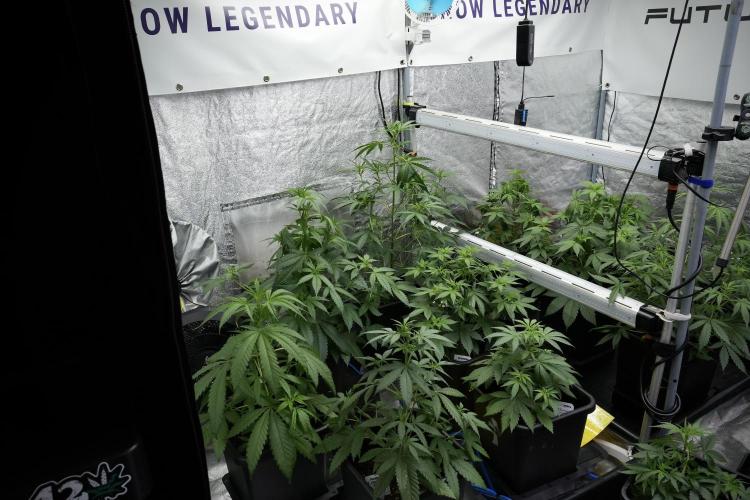
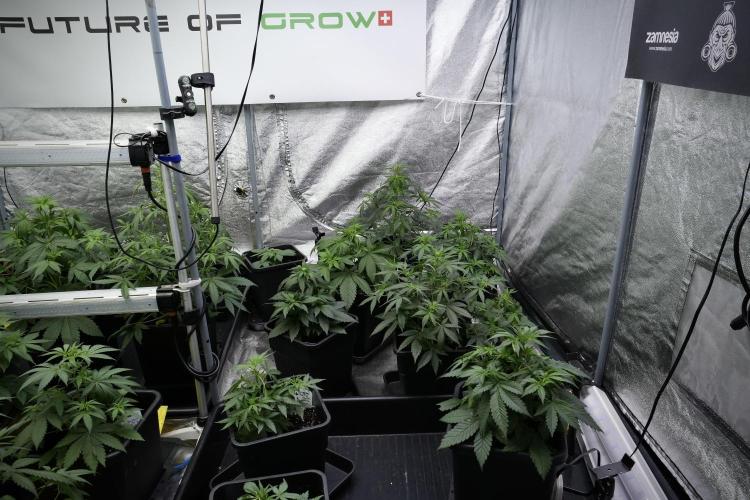
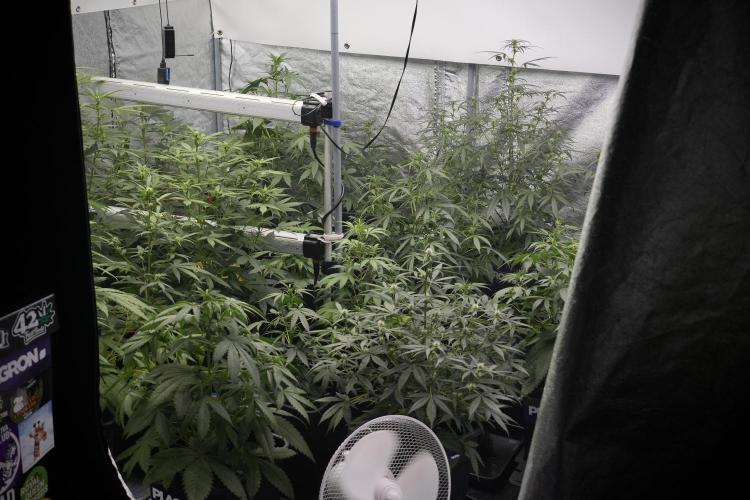
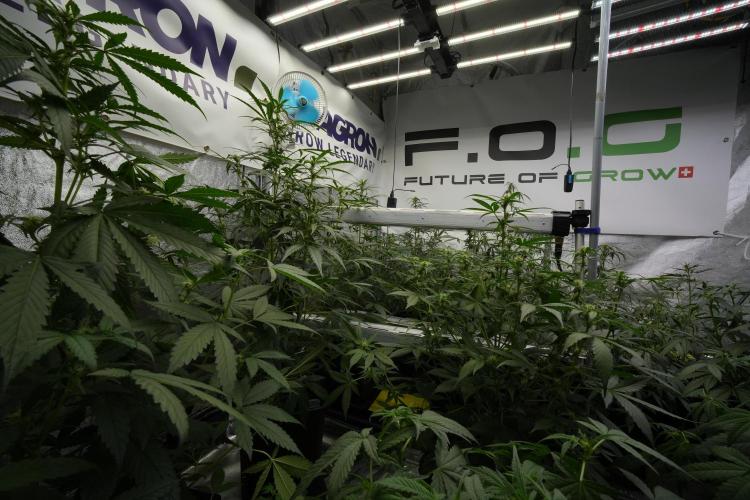
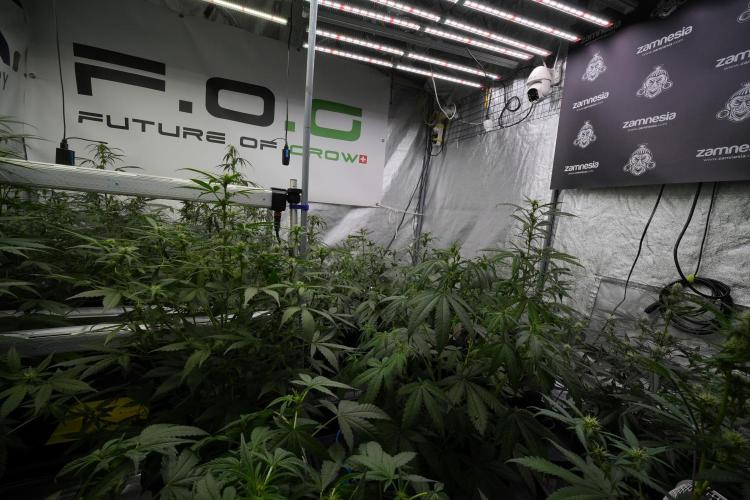
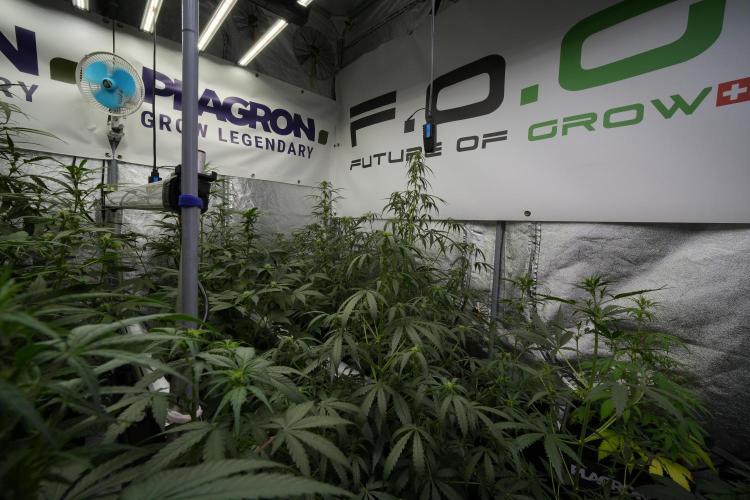
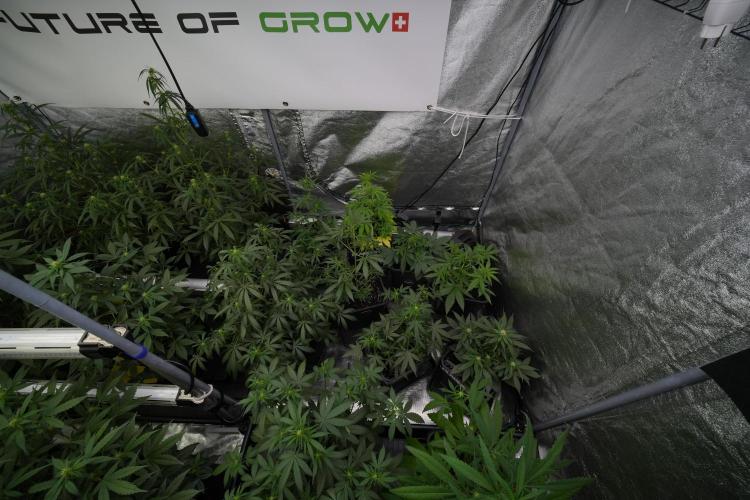
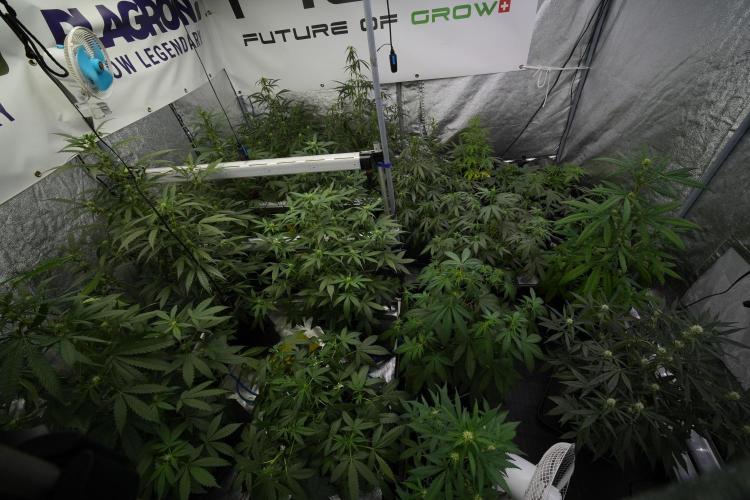
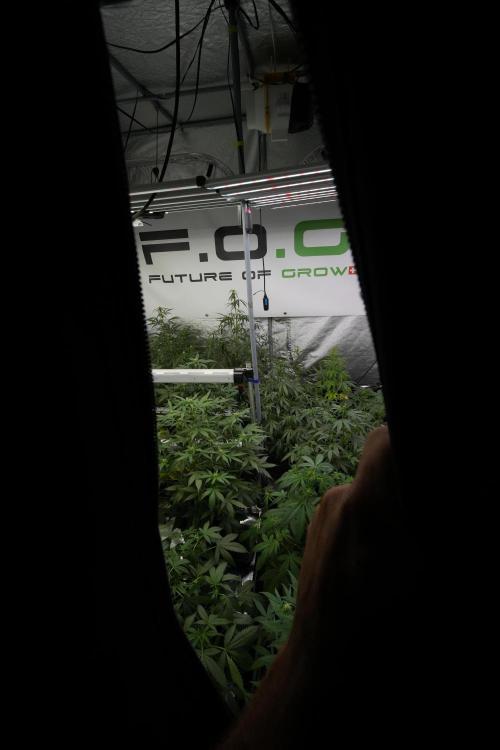
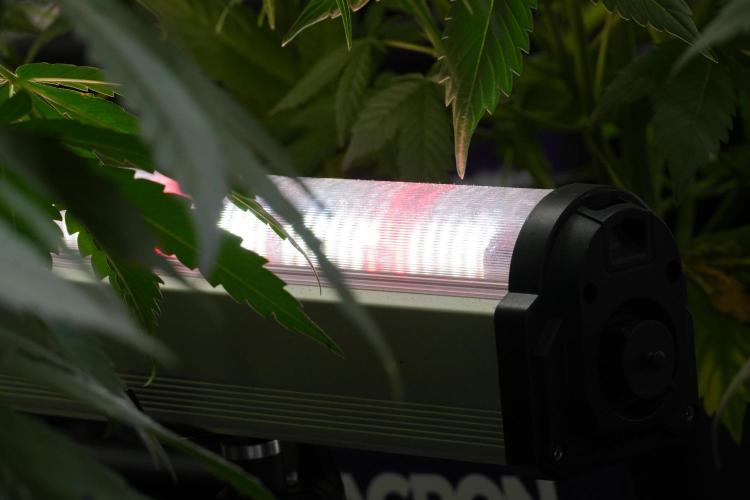
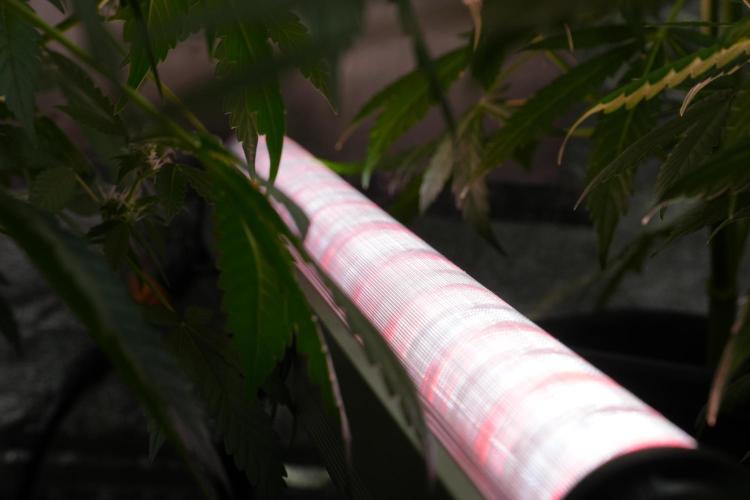
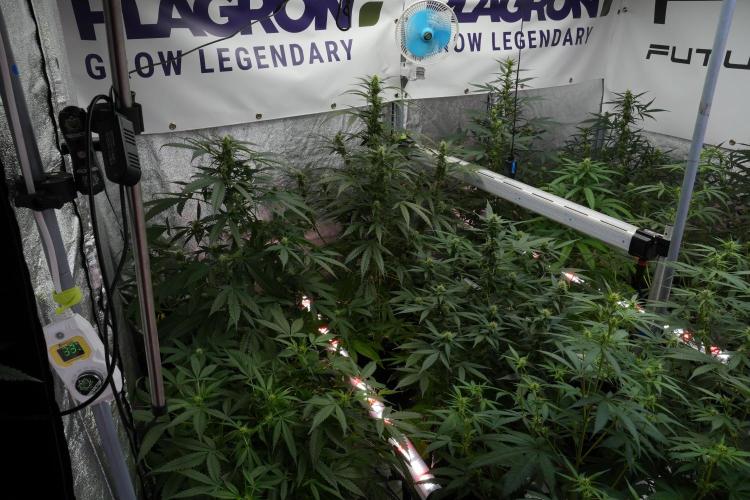
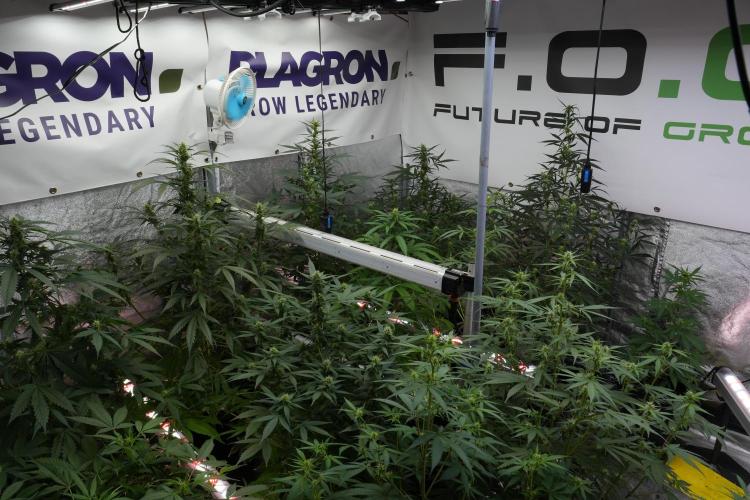
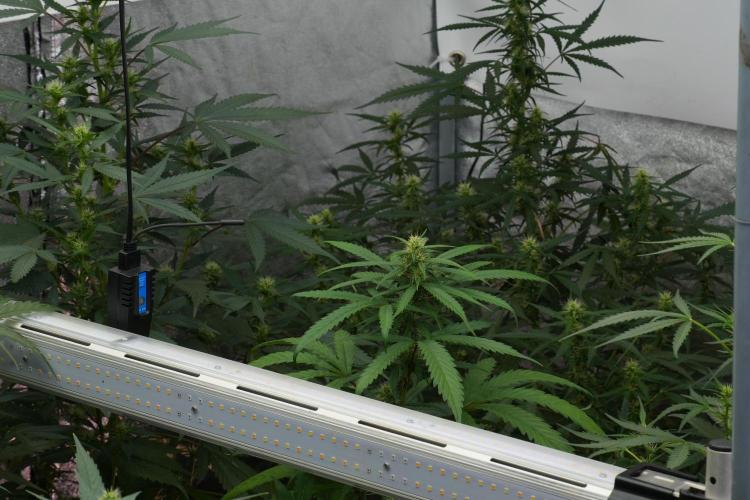
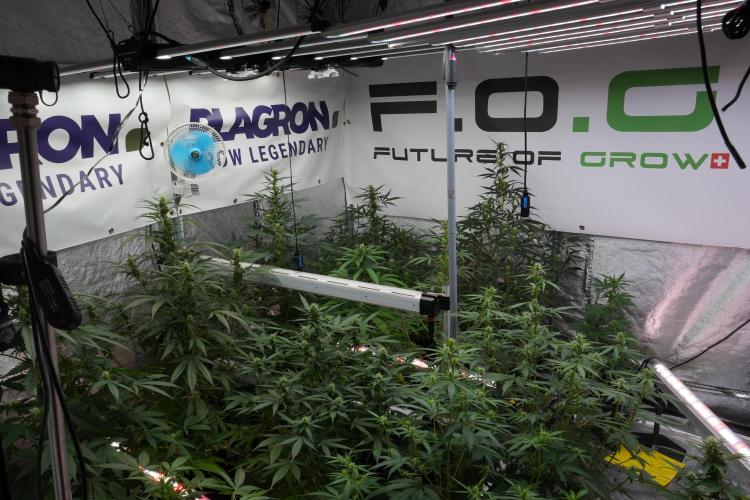
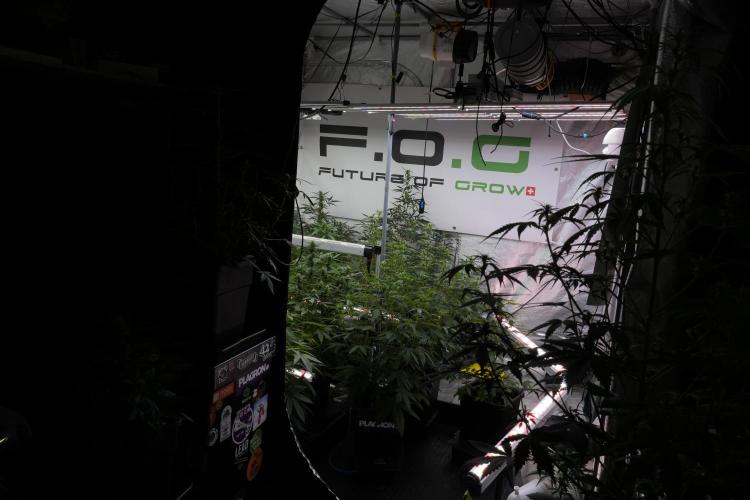
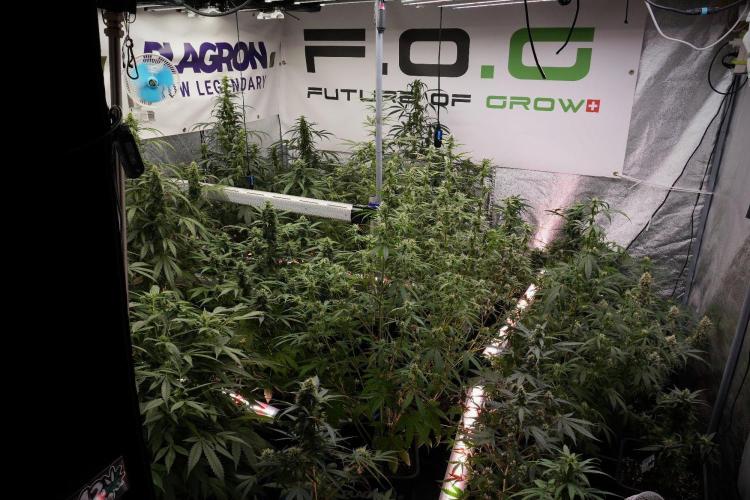
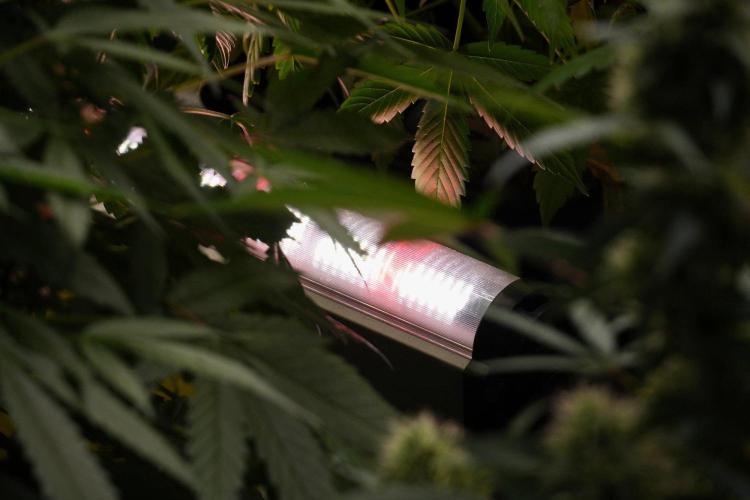
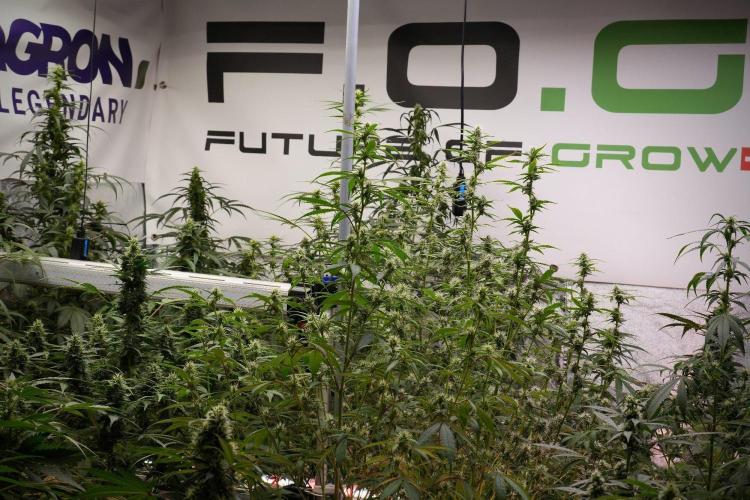
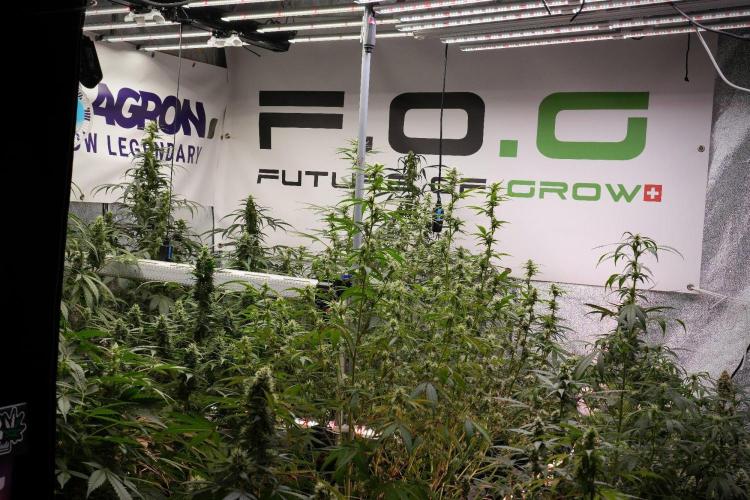
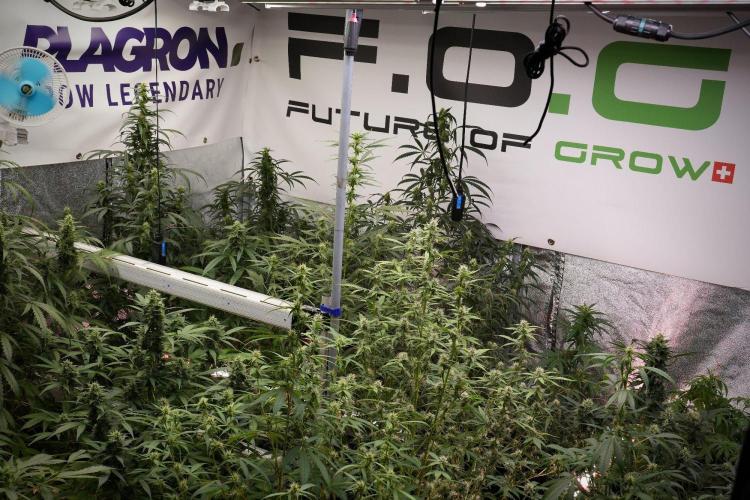
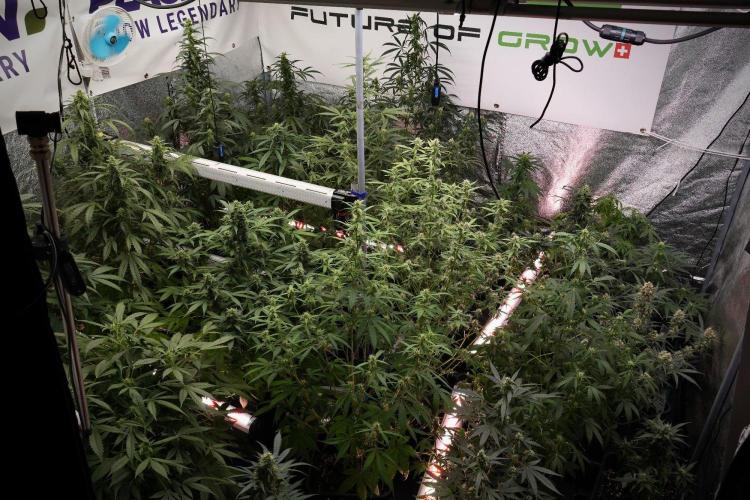
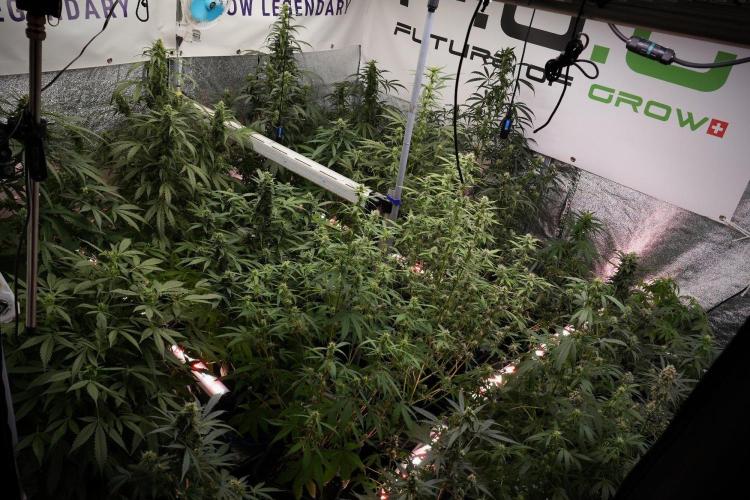
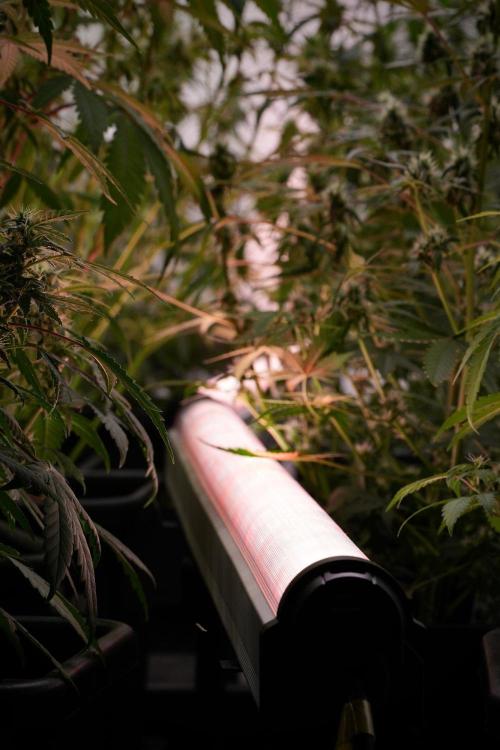
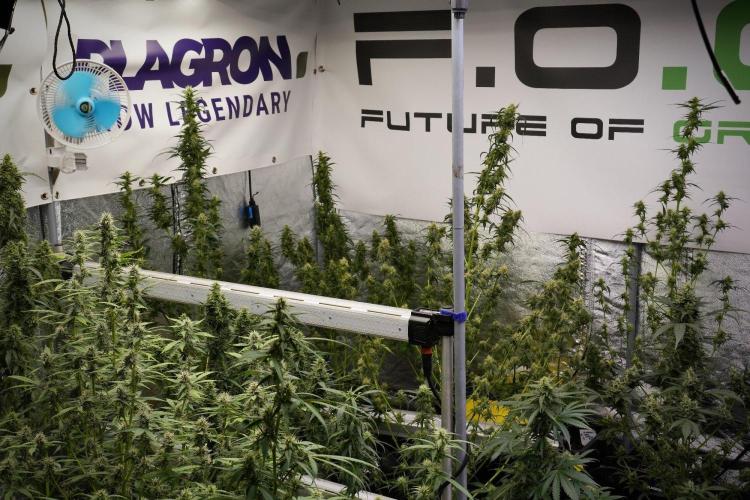
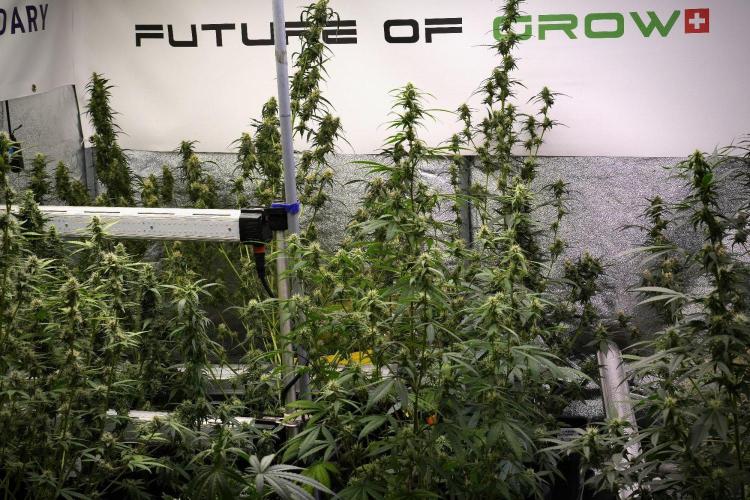
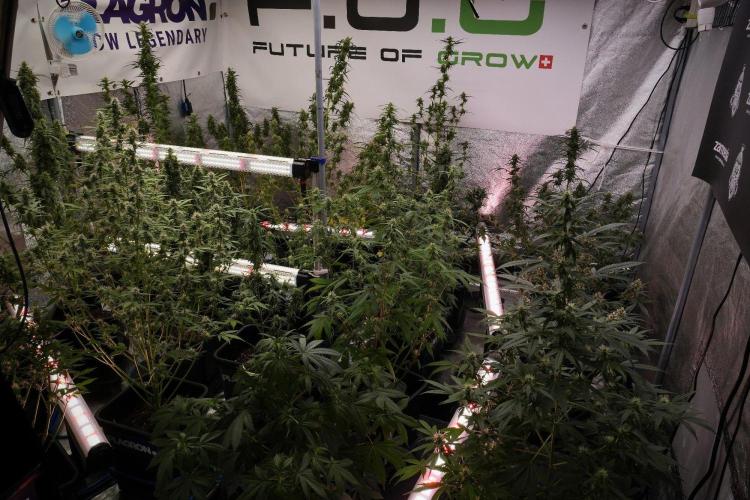
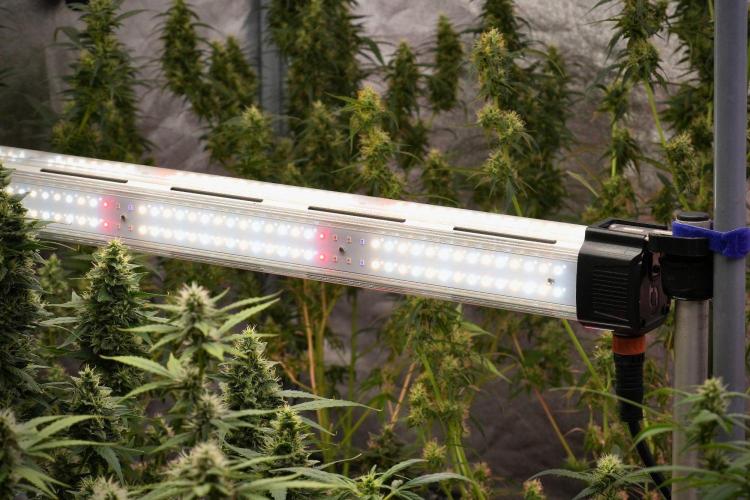
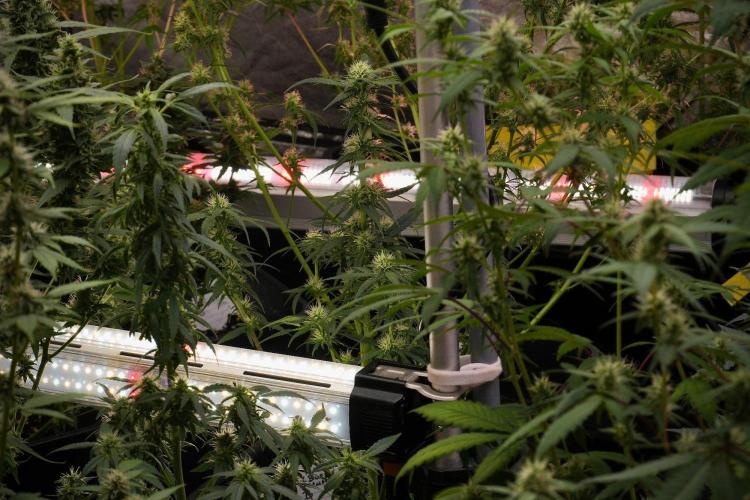
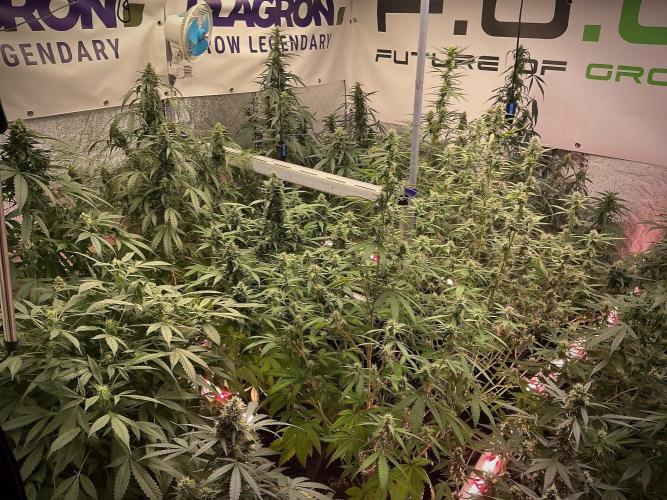
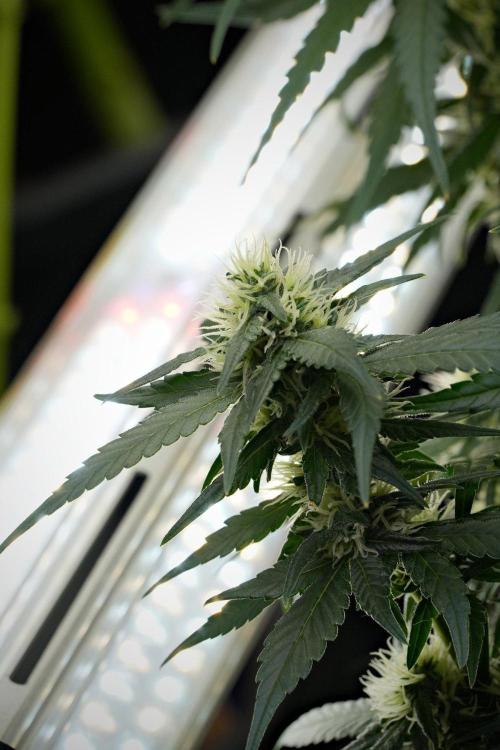
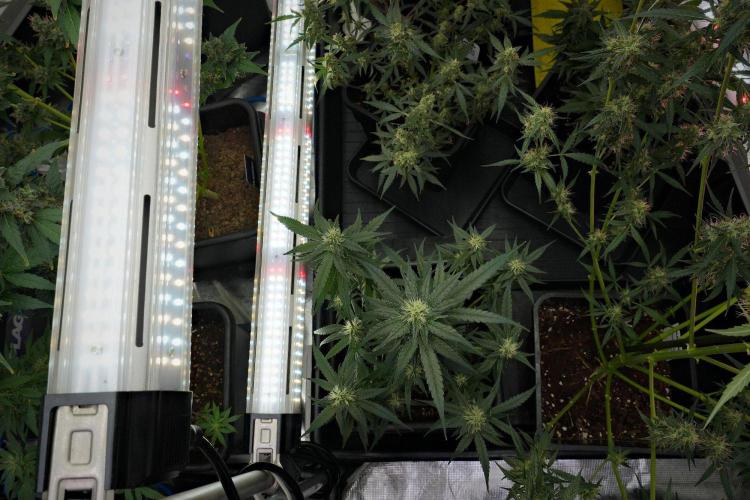
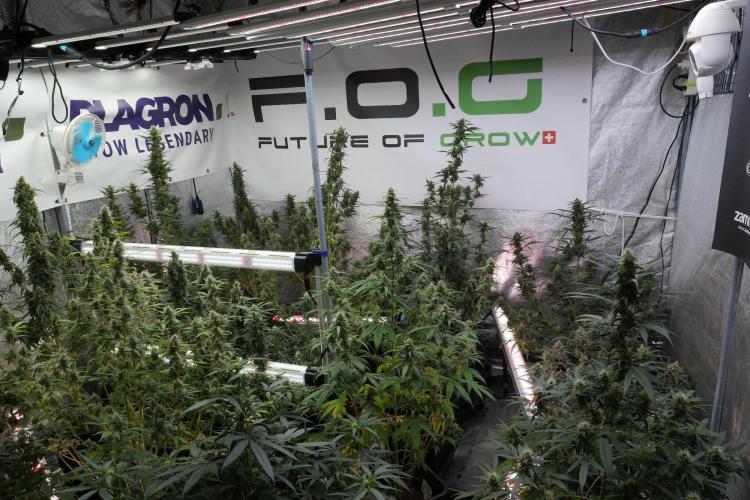
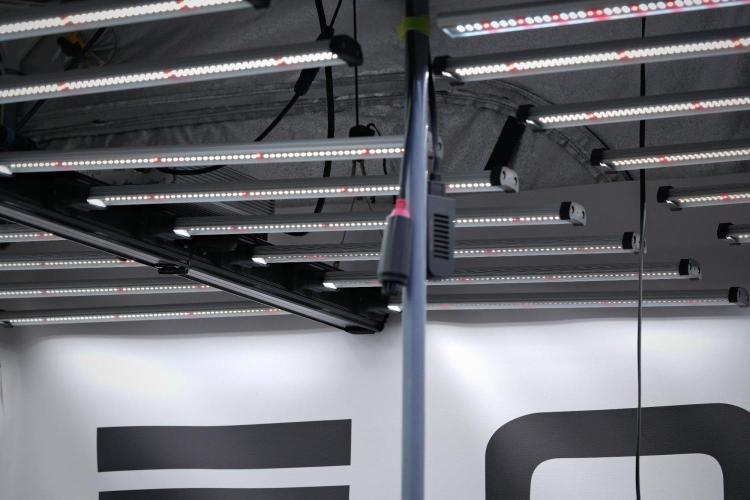
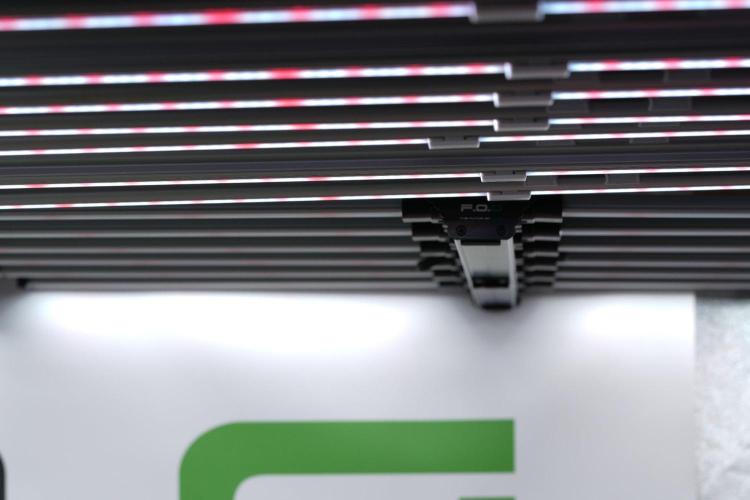
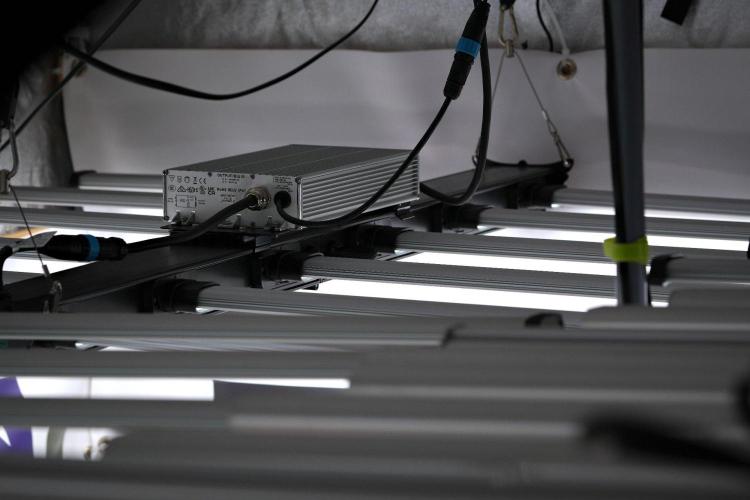
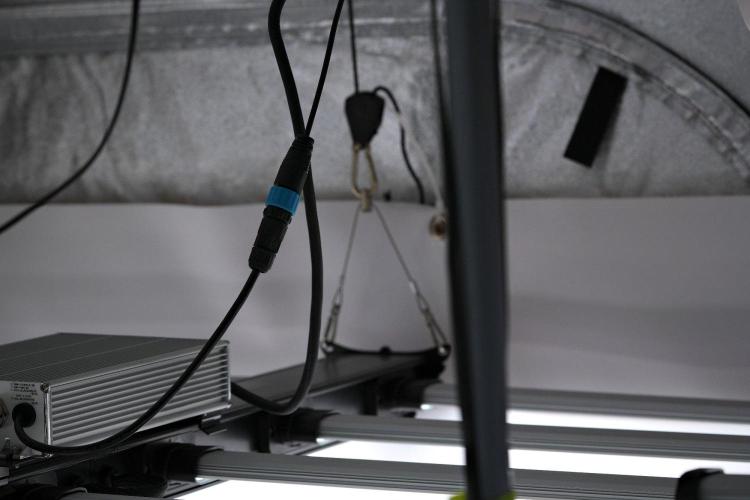
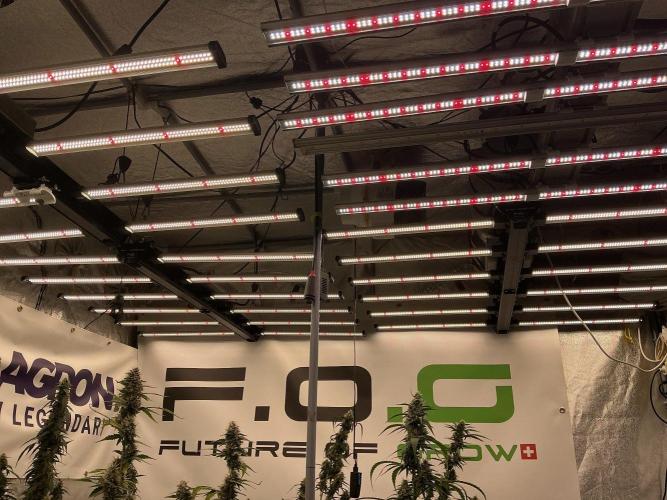
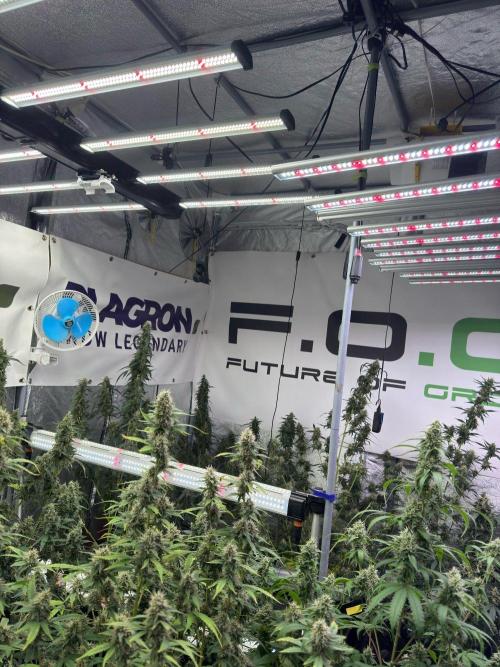
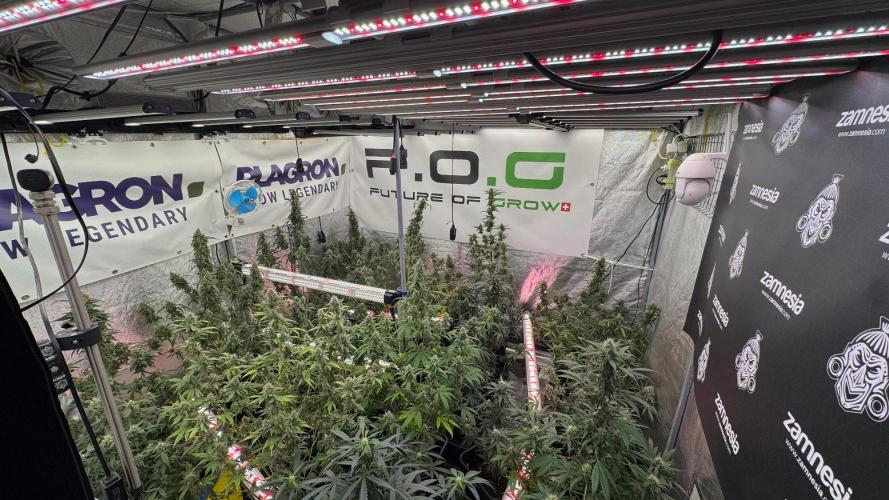
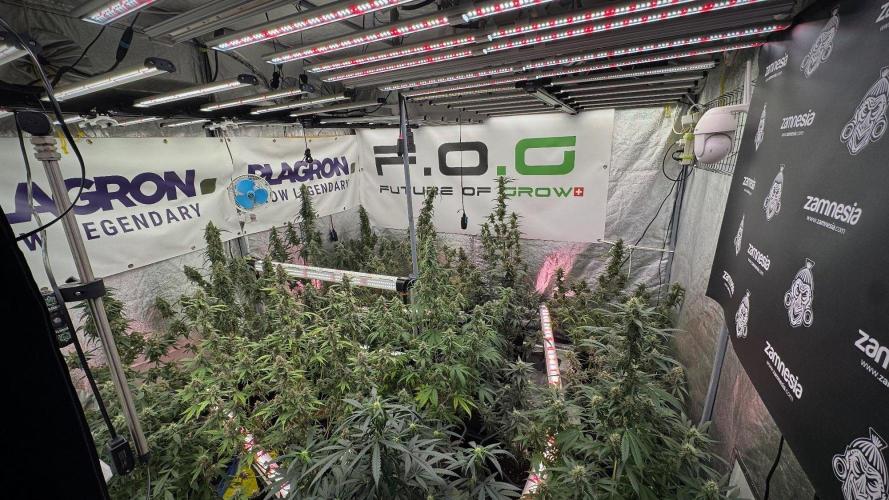
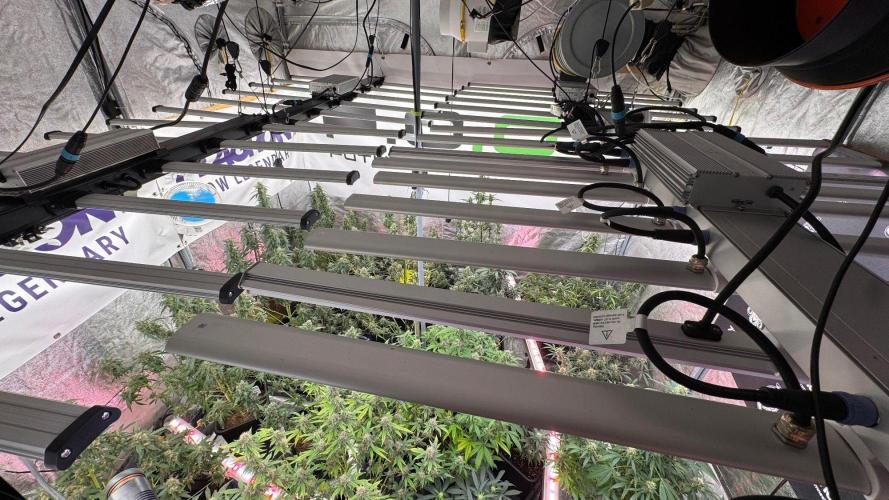
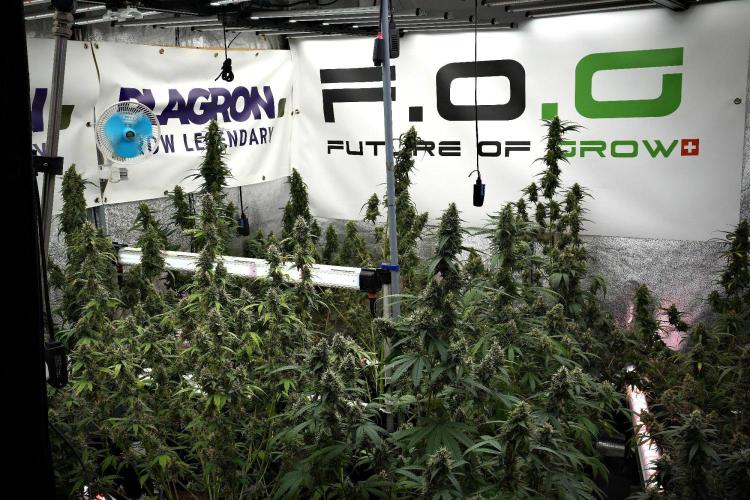
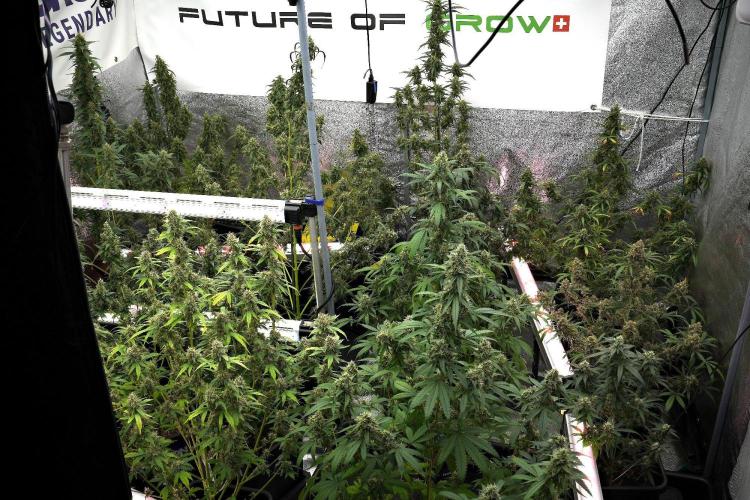
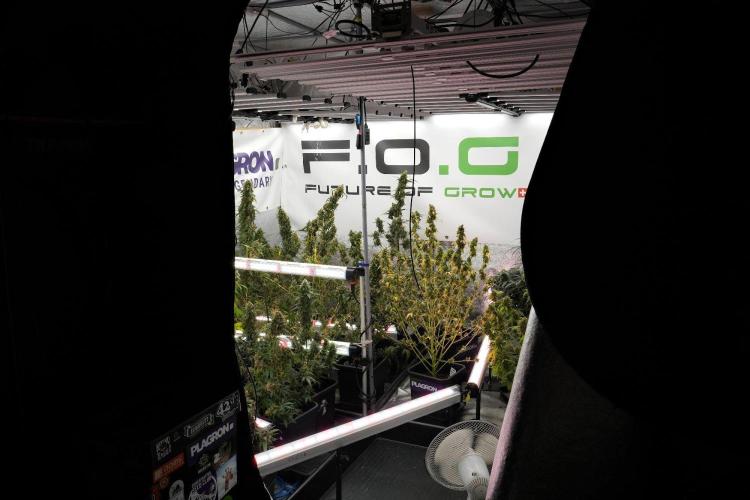
Lighting during germination was intentionally soft. The goal is not explosive growth but healthy establishment. Once these young plants are fully settled, they will be moved under the Future of Grow Black Series 600W full-spectrum LED, which will carry them through the rest of the cycle.
Like all plants in this project, this phenotype will be grown under a 12/12 light schedule from seed to harvest. It's a method I've documented for years and one I'll continue exploring throughout this diary. Every observation, success, challenge, and lesson learned will be documented as honestly as possible.
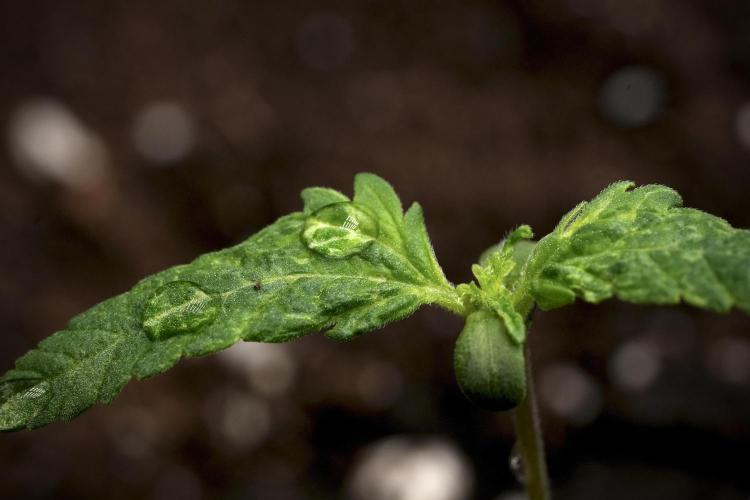
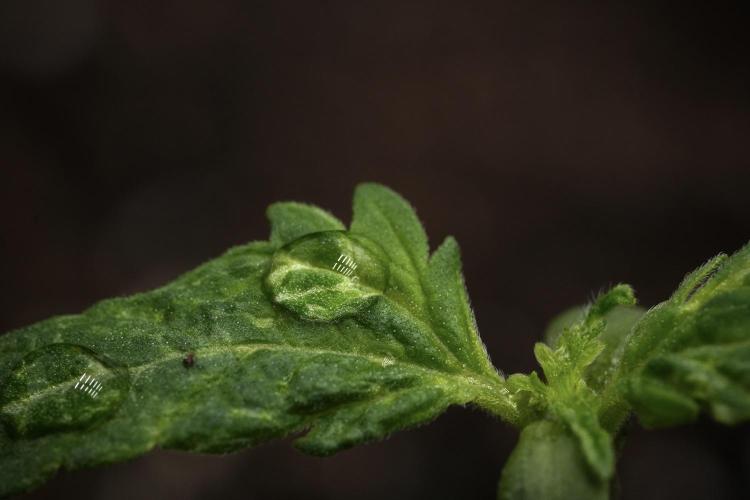
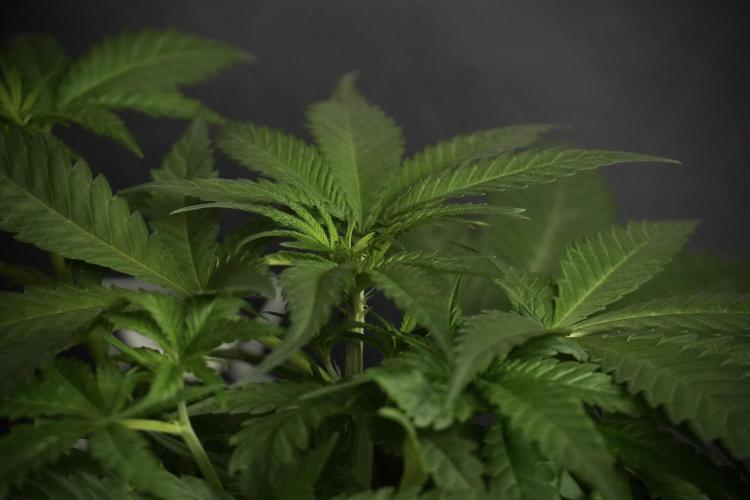
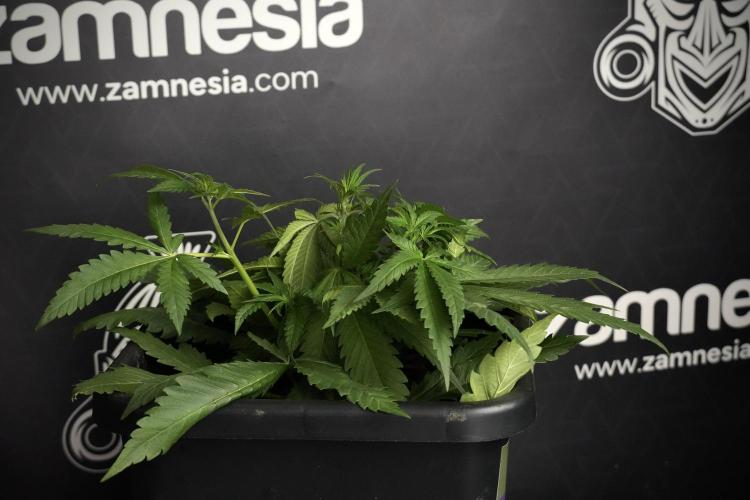
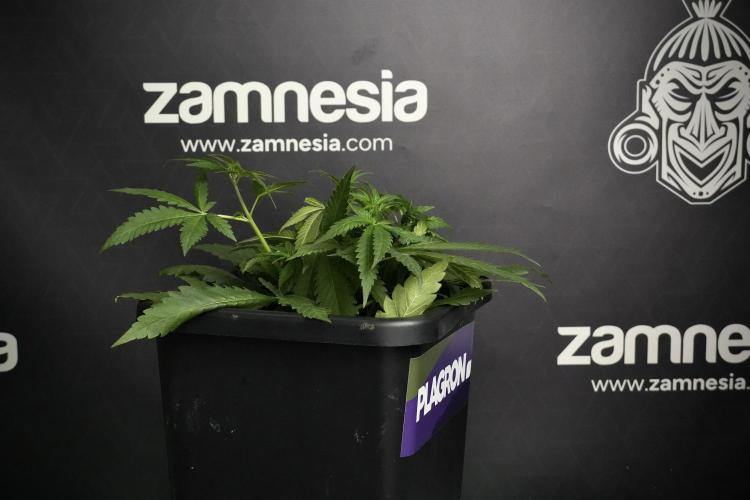
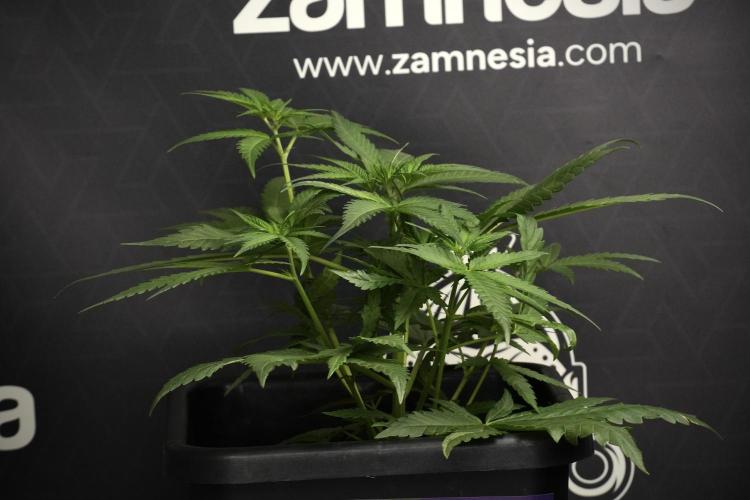
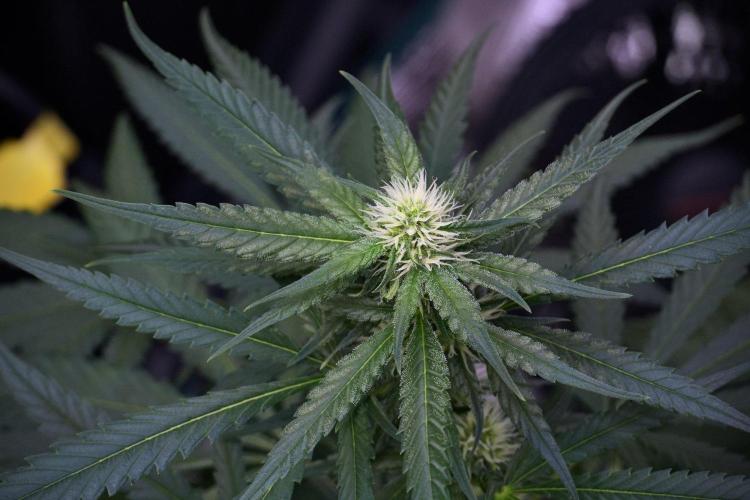
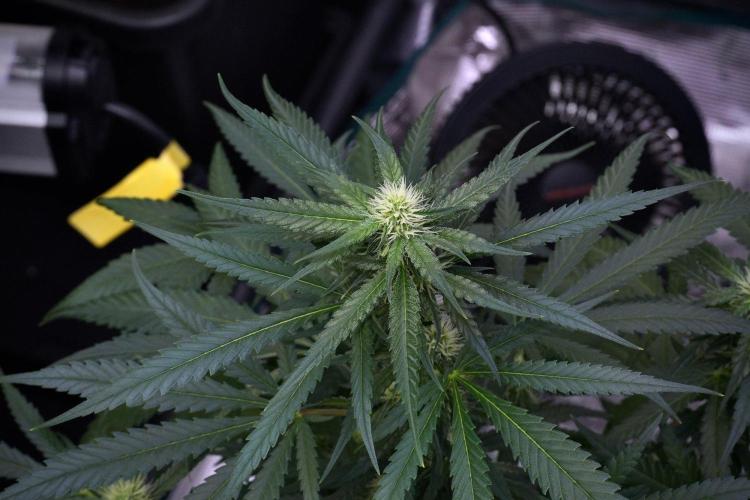
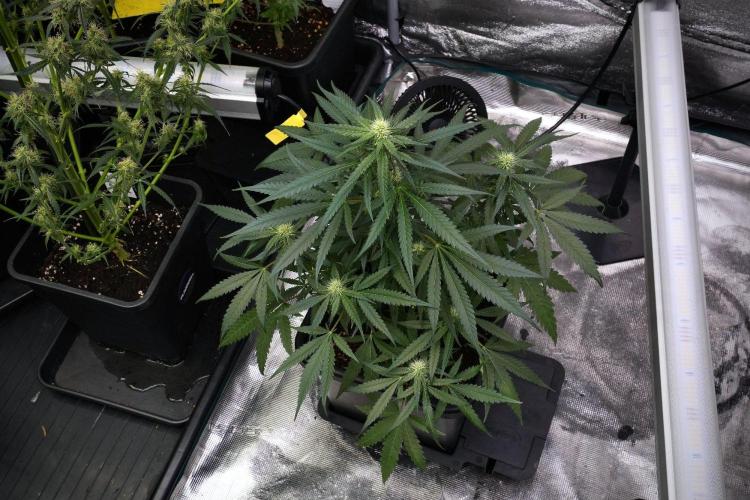
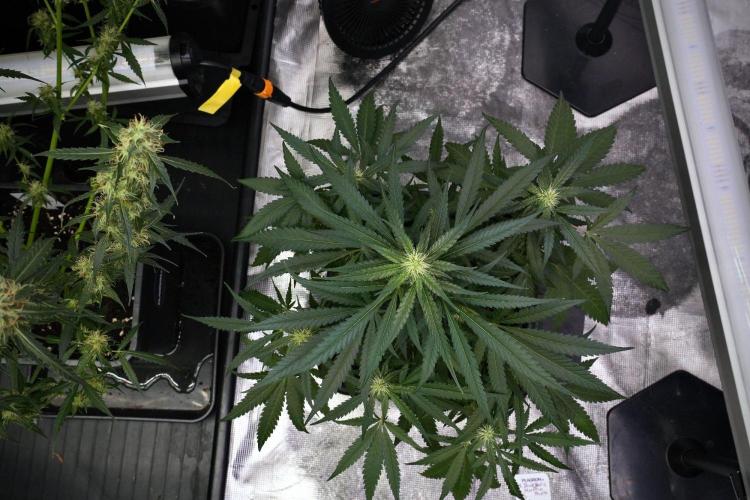
For now, everything is looking healthy, the seedlings have emerged successfully, and the journey of Blueberry Muffin Pheno B is officially underway.
Thank you to Zamnesia for the genetics and to Plagron for the substrate and nutrition supporting this run.
As always, thank you to everyone following along. I hope you'll enjoy the journey as much as I do documenting it.
Grower's Love! 🌱💚
13 likes
comments
Share
Used method
Other
Germination Method
1
Week 1. Vegetation
5mo ago
1/30
3 cm
Height
12 hrs
Light Schedule
27 °C
Day Air Temp
6.0
pH
No Smell
Smell
230 PPM
TDS
55 %
Air Humidity
21 °C
Solution Temp
21 °C
Substrate Temp
50 °C
Night Air Temp
15 set_lilers
Pot Size
0.71 set_lilers
Watering Volume
600 PPM
CO₂ Level
Nutrients 4
Terra Grow
1 mll
Pure Zym
1 mll
Sugar Royal
1 mll
DogDoctorOfficial Blueberry Muffin by Zamnesia | Pheno B 🍇🌱
Vegetative Week 1 | Finding Her Rhythm
Hello GrowDiaries family! 👋🌱
Welcome back to the journey of Blueberry Muffin Pheno B.
Last week we followed this seed through germination and into its first days above the soil. This week marks the beginning of vegetative growth as she settles into her final container and starts building the foundation that will support the entire cycle ahead.
As with all plants in this project, Pheno B is being grown under a 12/12 light schedule from seed. It is a somewhat unconventional approach, but one that allows us to document how different genetics and phenotypes respond when grown under flowering photoperiods from the very beginning of life.
While her sister has shown slightly faster development during these first days, Pheno B is taking things at her own pace—and that’s perfectly fine.
Every plant has its own rhythm.
⸻
Moving Into The Final Container
This week we transplanted Pheno B into her final home.
Rather than gradually increasing pot sizes throughout the grow, we prefer to place these plants directly into their finishing containers from the beginning.
The reasoning is simple.
Since this project is being run under 12/12 from seed, we want root development to begin immediately without interruptions from additional transplants later in the cycle.
The objective is to allow the roots to fully colonize the container while minimizing stress and maximizing consistency.
At this stage, healthy roots are far more important than rapid growth above the soil.
⸻
Building Foundations With Lightmix
For this run we are using Plagron Lightmix as the base substrate.
Lightmix offers a gentle starting environment while still providing enough nutrition to support young plants during their first days of life.
The goal during this stage is not explosive growth.
The goal is balance.
A healthy root zone, stable moisture levels, and a comfortable environment create the conditions needed for strong development later on.
⸻
Water First, Nutrition Second
The first irrigation after transplant consisted of plain water only.
Young seedlings still rely heavily on the energy reserves stored inside the seed itself, and Lightmix already contains enough nutrition to support those early stages.
After several days of establishment, we introduced a very gentle feeding schedule consisting of:
🌱 Terra Grow
🌱 Pure Zym
🌱 Power Roots
🌱 Sugar Royal
All products were used at light dosages with the objective of supporting root development and encouraging healthy growth without overwhelming a young seedling.
At this stage patience is still one of the most valuable inputs a grower can provide.
⸻
Light Intensity & Daily Light Integral
One aspect that often surprises growers when following these diaries is the light intensity being used this early.
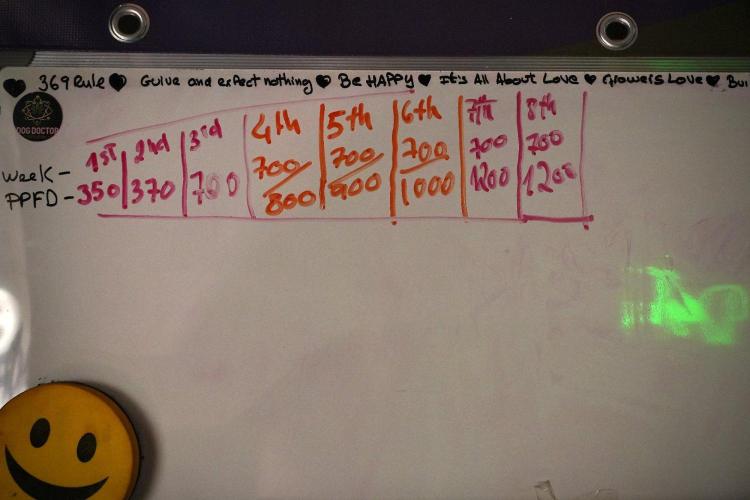
Pheno B is already receiving approximately 350 PPFD.
Under a traditional vegetative schedule of 18 or more hours, this could be considered relatively strong for a seedling.
However, because these plants receive only 12 hours of light each day, the total amount of light accumulated throughout the day—the Daily Light Integral (DLI)—remains significantly lower.
By introducing moderate PPFD levels early, we help the plants adapt to stronger light while maintaining an appropriate daily light load.
The objective is adaptation rather than acceleration.
⸻
Environmental Conditions
Environmental conditions remained stable throughout the week:
🌡️ Day temperature: 27°C
🌙 Night temperature: approximately 25°C
💧 Relative humidity: 55%
🌱 Substrate temperature: 21°C
💧 Solution temperature: 21°C
🌿 CO₂: approximately 600 ppm
Consistency remains one of the most important factors during seedling establishment, and so far the environment has remained exactly where we want it.
⸻
Early Observations
Pheno B is already showing subtle differences compared to her sister.
Growth has been slightly slower and the overall structure remains a little more compact at this stage.
Leaf development is progressing well, but she appears to be taking a more measured approach to growth compared to Pheno A.
This is exactly why both phenotypes are being documented separately.
The differences may seem small now, but often these early observations become some of the most interesting comparisons later in the cycle.
For now, she appears healthy, stable, and comfortable in her new environment.
And that’s exactly what we want to see.
⸻
Looking Ahead
The root system is expanding.
The feeding program has begun.
The environment remains stable.
And now we wait.
Over the next week we expect to see increased vegetative growth, larger leaves, stronger branching development, and perhaps even more clues about the unique personality of this phenotype.
The race is not won during the first week.
Right now we’re simply laying the foundations.
And Pheno B is doing exactly that.
⸻
Thank You
A huge thank you to Zamnesia for providing the Blueberry Muffin genetics for this project.
Thank you to Plagron for the nutrition and substrate supporting this run.
And thank you to Future of Grow, and everyone following along and sharing this journey with us.
As always, thank you for stopping by.
The adventure has only just begun.
Grower’s Love everyone. 🌱💚🍇
10 likes
comments
Share
Used techniques
12-12
Technique
Transplantation
Technique
2
Week 2. Vegetation
4mo ago
1/30
5.5 cm
Height
12 hrs
Light Schedule
27 °C
Day Air Temp
6.0
pH
No Smell
Smell
450 PPM
TDS
55 %
Air Humidity
20 °C
Solution Temp
21 °C
Substrate Temp
50 °C
Night Air Temp
15 set_lilers
Pot Size
0.8 set_lilers
Watering Volume
600 PPM
CO₂ Level
Nutrients 4
Terra Grow
1.8 mll
Pure Zym
1 mll
Sugar Royal
1 mll
DogDoctorOfficial Week 2 - Blueberry Muffin (Pheno B) ?🌱
Hello everyone, and welcome back to another update from the 8×8 Adventure!
For anyone joining the journey for the first time, this run follows multiple Zamnesia cultivars and phenotypes grown side-by-side under a 12/12-from-seed schedule. Each phenotype receives its own dedicated diary so we can document individual development, compare expressions, and observe how different plants reveal their genetics from seed to harvest.
By documenting Pheno A and Pheno B separately, we can follow each plant’s individual story rather than averaging them together. Sometimes the differences are subtle, and sometimes they are impossible to ignore.
This project is also being conducted under a 12/12-from-seed schedule. Rather than using a traditional vegetative period, the plants receive 12 hours of light and 12 hours of darkness from the very beginning. The objective isn’t to grow the largest plants possible, but to efficiently explore genetics, phenotype expression, structure, vigor, and flowering characteristics while maintaining a manageable garden.
Week 2 Overview
The second week has brought fantastic progress throughout the entire room. The seedlings are now firmly establishing themselves and beginning the transition into young vegetative plants.
PPFD has been increased to approximately 370 µmol/m²/s, providing more energy as the plants become capable of handling stronger light levels. Environmental conditions have remained stable throughout the week, with daytime temperatures around 27°C, nighttime temperatures around 25°C, and relative humidity maintained near 55% with the help of a humidifier.
Watering remains intentionally conservative at this stage. Each plant received approximately 250 ml on Day 8 and another 250 ml on Day 11. Nutrient levels have also been increased gradually throughout the week as the plants continue responding positively.
We finished the week at approximately:
• EC: 0.9 mS/cm
• pH: 6.0
Current feeding schedule:
• Terra Grow – 1.8 ml/L
• Pure Zym – 1 ml/L
• Power Roots – 1 ml/L
• Sugar Royal – 1 ml/L
The increase in nutrition has been introduced slowly and carefully, allowing the plants to adapt while monitoring their response. So far, the garden has reacted extremely well, showing healthy color, strong development, and excellent vigor.
Blueberry Muffin Pheno B
If there is one plant that has captured my curiosity so far, it is definitely this one.
From the beginning, Pheno B has been determined to do things her own way.
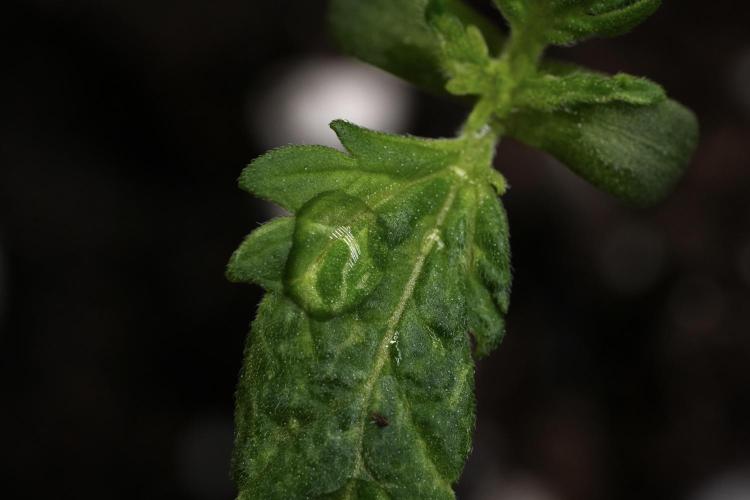
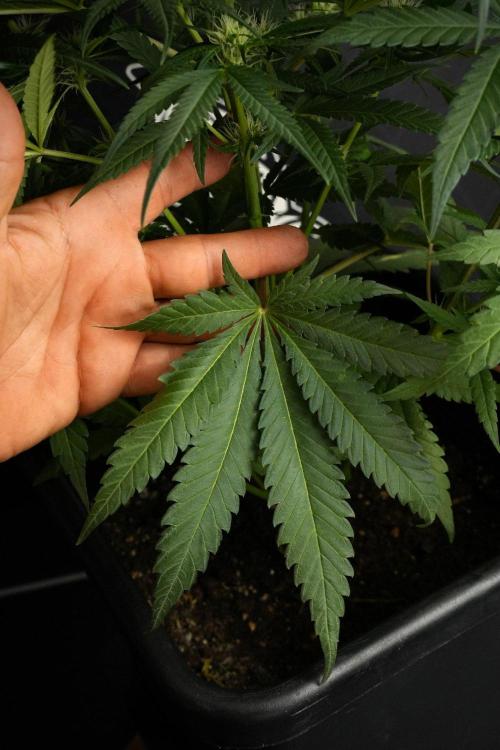
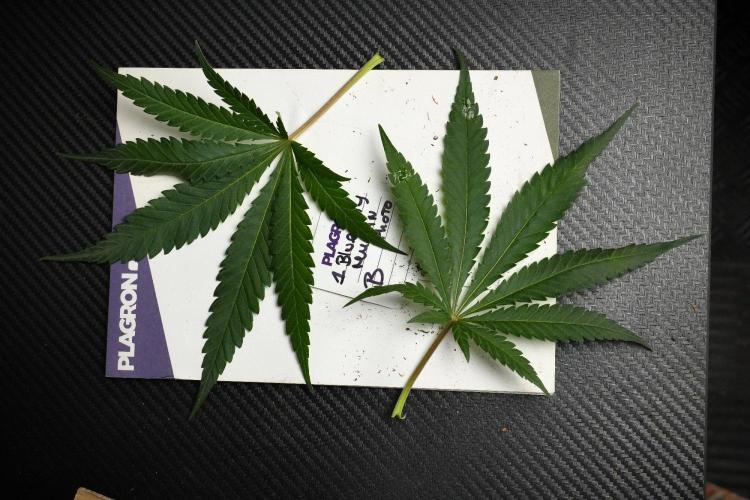
While many of her sisters have followed a more traditional development pattern, this phenotype continues producing unusual leaf shapes and quirky growth traits that immediately catch the eye. Several leaves display irregular morphology, and some of the foliage even carries what can only be described as a camouflage-like appearance, with multiple shades of green appearing across the same leaf surface.
It’s unusual.
It’s a little strange.
And honestly, it’s pretty fascinating.
What makes this phenotype particularly interesting is that despite all of these unusual characteristics, she simply refuses to slow down.
New leaves continue to emerge.
New nodes continue to form.
Growth continues moving forward.
The newest growth remains healthy, vibrant, and full of energy.
This isn’t a plant struggling to survive. This is a plant expressing itself differently while continuing to grow with confidence.
At this stage there is absolutely no reason to give up on her. Quite the opposite.
Phenotype hunting is often about discovering the unexpected, and plants like this are part of what makes growing from seed so rewarding. Sometimes unusual seedlings grow out of their quirks completely. Sometimes they keep those unique characteristics throughout their entire life cycle. And occasionally those odd traits become part of what makes a phenotype truly memorable.
For now, we’re simply observing, learning, and enjoying the journey.
Development Notes
During Week 2, Pheno B continued stacking nodes and expanding her canopy despite her unconventional appearance.
Five-finger leaves have begun appearing, growth remains steady, and the overall color is healthy throughout the plant. The root system continues developing beneath the surface while the plant gradually builds structure above it.
Every day brings something slightly different with this phenotype, and that’s exactly what makes her one of the most interesting plants in the room right now.
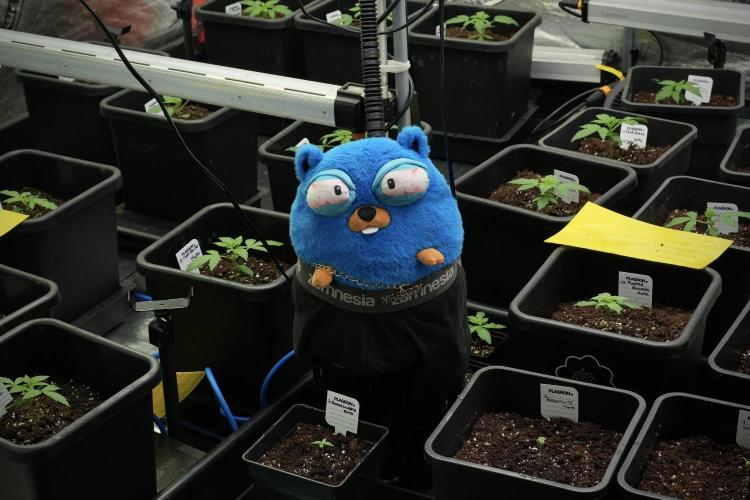
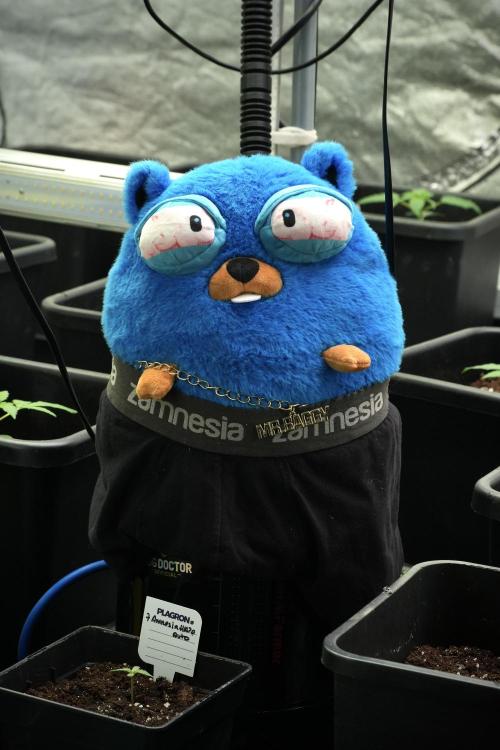
Mr. Baggy Report
Mr. Baggy remains on-site and fully committed to supervisory duties throughout the 8×8 Adventure.
His responsibilities currently include quality control inspections, environmental monitoring, motivational support, and posing for photographs whenever required.
Performance reviews remain ongoing.
Looking Ahead
The coming week should tell us much more about where this phenotype is heading.
Key observations will include:
• Continued leaf development
• Whether newer growth begins normalizing
• Additional branching development
• Stem strengthening
• Overall vigor and growth rate
• Further phenotype-specific traits
Week 3 is often where young plants begin revealing more of their genetic personality, and this Blueberry Muffin is already giving us plenty of reasons to stay curious.
Final Thoughts
Week 2 leaves me feeling very optimistic about this unusual little plant.
Yes, the leaf morphology remains different.
Yes, she continues showing some wonderfully strange characteristics.
But she is healthy.
She is growing.
And she is making this phenotype hunt far more interesting.
Sometimes the plants that stand out the most early on end up becoming the ones you remember long after harvest.
We’ll have to wait and see what story she decides to tell.
A huge thank you to everyone following along, commenting, sharing advice, and supporting the project.
Special thanks to Zamnesia, Plagron, Future of Grow, and everyone helping make this journey possible.
Most importantly, thank you to the entire growing community for continuing to share knowledge, encouragement, and passion for the plant.
Thank you for stopping by, and I’ll see you all next week for another update from the 8×8 Adventure.
Growers Love
DD 🌱💚
10 likes
comments
Share
Used techniques
12-12
Technique
3
Week 3. Vegetation
4mo ago
1/30
16 cm
Height
12 hrs
Light Schedule
27 °C
Day Air Temp
6.0
pH
No Smell
Smell
650 PPM
TDS
55 %
Air Humidity
20 °C
Solution Temp
21 °C
Substrate Temp
50 °C
Night Air Temp
15 set_lilers
Pot Size
1 set_lilers
Watering Volume
600 PPM
CO₂ Level
Nutrients 6
Terra Grow
1.8 mll
Pure Zym
1 mll
Sugar Royal
1 mll
DogDoctorOfficial Blueberry Muffin – Pheno B | Week 3
The Beautiful Oddball
Welcome back to another week of the 8×8 Adventure, where twelve cultivars are being documented individually under a 12/12-from-seed schedule. Every phenotype receives its own dedicated diary, allowing us to follow each plant’s journey independently and observe how unique expressions emerge even between sisters sharing the same genetics.
This week brought one of the largest environmental adjustments of the entire project so far.
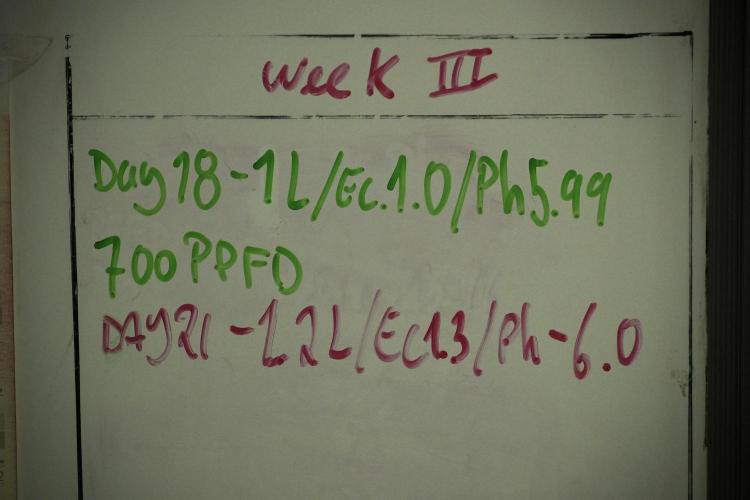
The lighting intensity was increased significantly, moving from approximately 370 µmol/m²/s PPFD to 700 µmol/m²/s PPFD at canopy level. Alongside the increase in light, nutrient strength and water consumption also rose to support the accelerating growth rate.
The response throughout the room has been overwhelmingly positive.
Growth has accelerated, internodes remain compact, and the plants appear eager for more.
⸻
Week 3 Environment
🌡️ Temperature: 27.4°C
💧 Relative Humidity: 55%
💡 PPFD: ~700 µmol/m²/s
🌱 Medium: Plagron Lightmix
? Growing Method: 12/12 From Seed
💦 Water Consumption: ~0.9–1.2L per day
Feeding Schedule
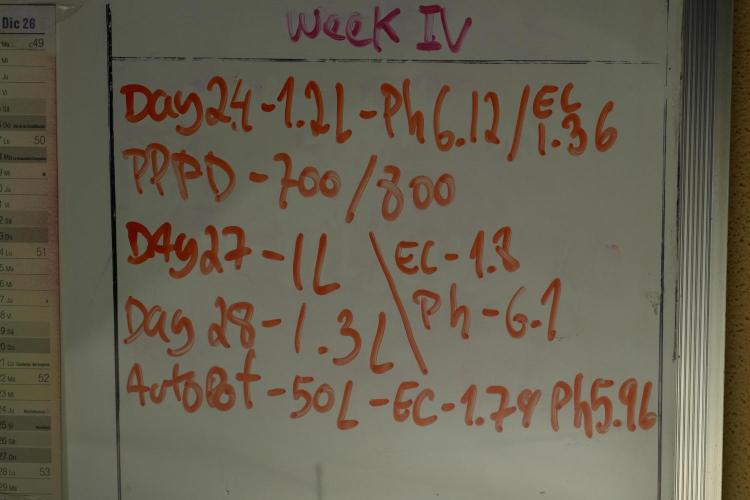
Days 18
* EC 1.0
* pH 5.99–6.0
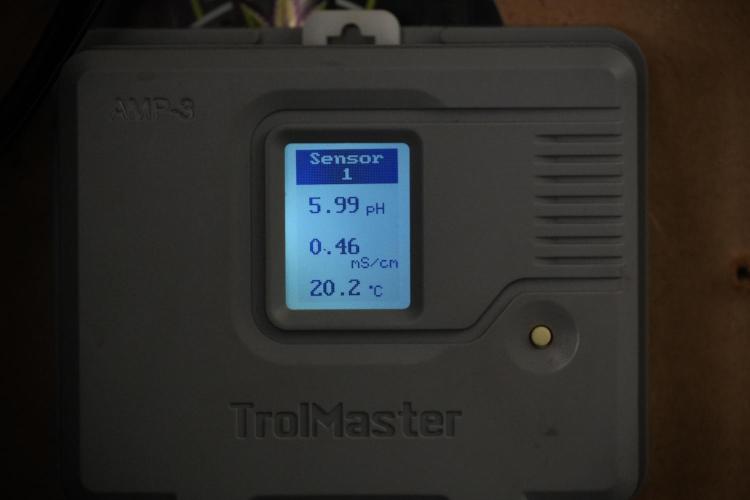
* Approximately 1L
Days 21
* EC 1.3
* pH 6.0
* Approximately 1.2L
As always, consistency remains the goal. Stable environmental conditions allow the genetics to tell their story without unnecessary interference.
⸻
Blueberry Muffin Pheno B
While her sister has spent the last week showing near textbook development, Pheno B continues to be the plant that makes me stop, smile, and ask questions.
Not because she is perfect.
Because she isn’t.
And that is exactly why I like her.
From the beginning this phenotype has carried a slightly unusual appearance. Certain leaves developed differently, growth patterns occasionally looked a little unconventional, and she never quite followed the same path as her sister.
Yet despite all those quirks, she continues moving forward.
Week after week.
Healthy.
Steady.
Determined.
Looking at her now, it is clear that she is gradually growing out of many of those early abnormalities. New growth is arriving cleaner, stronger, and more structured than before. The center of the plant is becoming increasingly organized, with fresh leaves stacking tightly around the apical growth tip.
She remains slightly smaller than Pheno A, but she is far from struggling.
In fact, she appears to be finding her rhythm.
The canopy has expanded noticeably during the week, internodal spacing remains compact, and the plant is beginning to develop a stronger framework that should support future growth.
One of the most interesting observations is how the newer leaves continue to improve with every passing node. The plant seems to be correcting itself naturally, producing increasingly normal foliage as it matures.
It’s almost as if she needed a little extra time to figure out who she wanted to become.
And honestly, those are often the plants that end up teaching us the most.
While Pheno A currently wins the beauty contest, Pheno B wins the curiosity contest.
Every time I look at her, I want to see what she does next.
⸻
Measuring Light: Why We Use a Quantum Sensor
One of the biggest changes this week involved increasing PPFD levels throughout the room, so this feels like a good opportunity to talk about one of the most useful tools available to modern growers.
The Dr. Meter Quantum Sensor
To monitor light levels, I use the Dr. Meter Quantum Sensor, a tool designed specifically to measure Photosynthetic Photon Flux Density (PPFD).
Rather than measuring brightness the way our eyes perceive it, a quantum sensor measures the photons that plants can actually use for photosynthesis.
This is an important distinction.
Plants don’t care how bright a light looks to us.
They care about how many usable photons are reaching the leaf surface.
A quantum sensor allows growers to measure exactly that.
Instead of guessing whether a plant is receiving too little or too much light, we can collect real data and make informed decisions.
Why PPFD Matters
PPFD tells us how many photosynthetically active photons reach a square meter every second.
Measured in:
µmol/m²/s
This information helps answer important questions:
* Is the plant receiving enough light to maximize growth?
* Is the light intensity limiting development?
* Are we approaching levels that could cause stress?
* Can nutrient levels be increased safely alongside higher light intensity?
This week, measurements showed the plants were capable of handling significantly more light than they were receiving previously.
That gave us confidence to increase intensity from approximately 370 PPFD to 700 PPFD, while simultaneously increasing nutrient strength.
The plants responded immediately with stronger growth and improved vigor.
This is one of the biggest advantages of using a quantum sensor.
Instead of guessing.
We measure.
Then we adjust.
And finally we observe how the plant responds.
⸻
Looking Ahead
The coming week should reveal even more about Pheno B’s personality.
Key areas of interest include:
* Continued normalization of new growth
* Branch development
* Structural differences compared to Pheno A
* Response to increased PPFD
* Overall vigor and growth rate
She may not be the largest plant in the room.
She may not be the prettiest.
But she is quickly becoming one of the most interesting.
And sometimes the plants that don’t follow the script end up writing the best chapters.
⸻
Thank You
A huge thank you to everyone following this adventure and supporting these diaries.
Thank you to the entire GrowDiaries community for creating a space where growers can learn, experiment, and share knowledge together.
Thank you to Plagron for providing the nutrition and cultivation support behind this project.
Thank you to Zamnesia for the genetics, equipment, and opportunity to document these cultivars from seed to harvest.
And thank you to every grower, reader, supporter, and fellow plant enthusiast who takes a moment to stop by, leave a comment, ask a question, or simply follow along.
The journey continues.
🌱💚?
Growers Love and see you next week, little oddball. I can’t wait to see what you do next.
10 likes
comments
Share
Used techniques
12-12
Technique
4
Week 4. Vegetation
4mo ago
1/27
20 cm
Height
12 hrs
Light Schedule
33 °C
Day Air Temp
6.1
pH
No Smell
Smell
680 PPM
TDS
63 %
Air Humidity
26 °C
Solution Temp
21 °C
Substrate Temp
25 °C
Night Air Temp
15 set_lilers
Pot Size
1 set_lilers
Watering Volume
693 PPM
CO₂ Level
Nutrients 6
Terra Grow
1.8 mll
Pure Zym
1 mll
Sugar Royal
1 mll
DogDoctorOfficial Blueberry Muffin – Pheno B | Week 4
Finding Her Own Rhythm
Welcome back to another chapter of the 8×8 Adventure, where twelve cultivars are being documented individually from seed to harvest under a strict 12/12-from-seed schedule. Every phenotype follows its own diary, allowing each plant to develop independently and reveal the subtle differences that make every seed a unique expression of its genetics.
Week 4 has been another exciting chapter across the entire room.
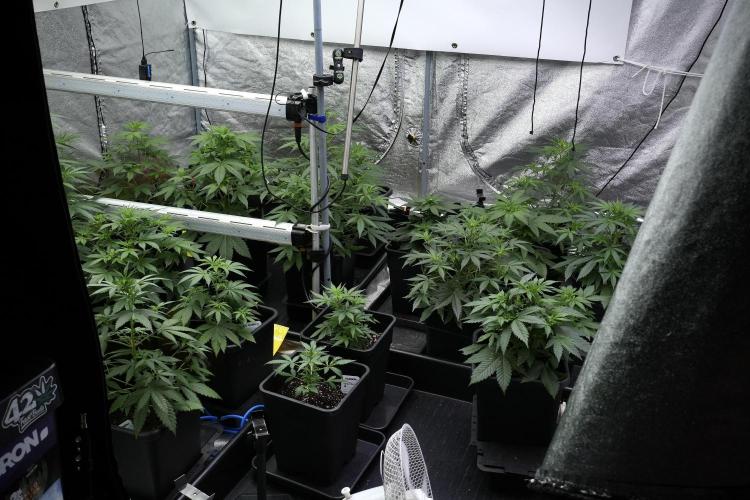
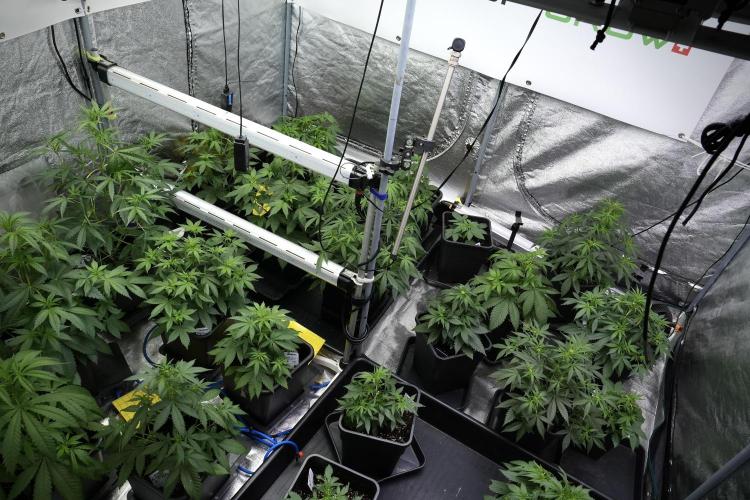
The explosive growth that began last week has continued, and every day the garden feels a little more alive. Canopies are becoming denser, branches are reaching outward with confidence, and the room is slowly transforming into the miniature forest I imagined when this project first began.
One thing that couldn’t go unnoticed this week was the environmental reading.
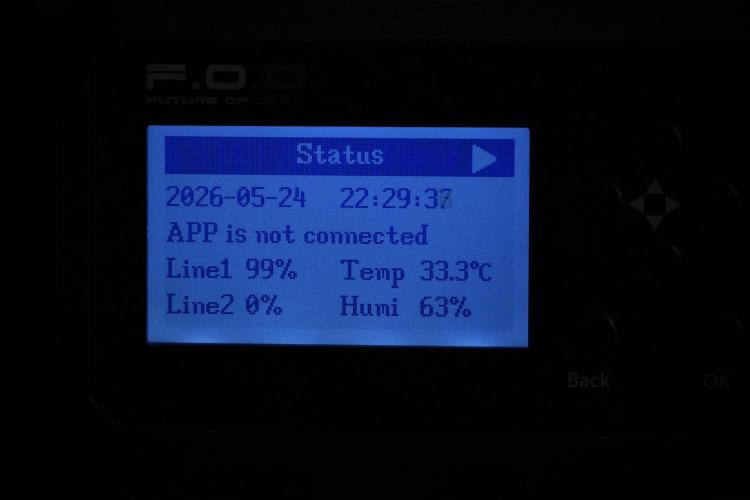
33.3°C and 63% humidity.
Apparently the grow room has developed a strange obsession with the number three. 😄
Although temperatures climbed higher than I’d normally like, the relatively high humidity helped soften the impact, and the plants rewarded the stable environment by continuing to grow with impressive vigor. Sometimes nature reminds us that consistency is just as important as chasing perfect numbers.
⸻
Week 4 Environment
🌡️ Temperature: 33.3°C
💧 Relative Humidity: 63%
💡 PPFD: 700–800 µmol/m²/s
🌱 Medium: Plagron Lightmix
? Growing Method: 12/12 From Seed
As the room continues to develop, another interesting difference is appearing naturally.
The lighting itself hasn’t been increased significantly this week. Instead, some phenotypes are simply growing faster and moving closer to the fixtures. Those taller plants are now receiving around 800 PPFD, while the shorter individuals remain closer to 700 PPFD.
It’s another reminder that no two phenotypes read the same instruction manual.
Even under identical conditions, every plant follows its own pace.
⸻
Feeding Strategy
The feeding program has also continued evolving alongside the plants.
During the first weeks the nutrient solution stayed around pH 5.8, maximizing nutrient availability while young root systems became established inside the containers.
Now those root systems have expanded considerably, allowing a slight shift in strategy.
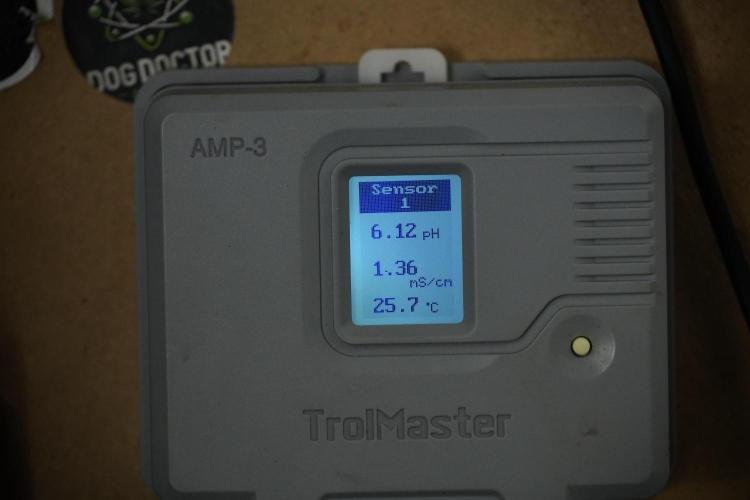
Throughout this week the solution gradually moved toward pH 6.1, while nutrient strength steadily increased, finishing around EC 1.8.
The recipe itself hasn’t changed dramatically.
No major adjustments.
No sudden jumps.
Simply a gentle increase in concentration to match the plants’ increasing appetite. Sometimes the smallest adjustments create the biggest improvements, and this week’s growth has been a great example of that philosophy.
Allowing the pH to drift slightly higher also gives the roots access to a broader spectrum of nutrients available within the substrate, helping support the increasing demands of this new stage of growth.
As always, the goal remains the same:
Listen to the plants, not the feeding chart.
⸻
Blueberry Muffin – Pheno B
This young lady has been quietly writing one of my favourite stories inside the tent.
Unlike her sister, who seemed determined to impress from almost the very beginning, Pheno B decided to keep everyone guessing.
Her first weeks were… let’s call them creative.
The leaf structure wasn’t quite what I expected, growth was a little unusual, and every new set of leaves felt like another clue in a mystery I hadn’t solved yet.
Fast forward to Week 4…
The mystery is starting to make sense.
She’s finding her own rhythm.
Looking at her now, it’s hard not to appreciate just how much progress she’s made over the course of a single week. The unusual appearance that once caught my attention is fading into the background as healthy, vigorous new growth begins taking over the canopy.
She’s still not trying to imitate her sister—and honestly, I hope she never does.
Every phenotype deserves to express itself.
The structure is becoming noticeably fuller, with side branches beginning to establish themselves beneath the canopy while the main stem continues building upward with confidence. Internodal spacing remains compact, creating a nicely stacked framework that should provide plenty of future flowering sites.
One detail I particularly enjoy is the contrast between the older and newer growth.
Fresh leaves emerge in a bright lime-green colour full of energy before gradually darkening as they mature, giving the plant a vibrant appearance that changes almost daily.
Looking deeper into the canopy, more secondary shoots are beginning to appear than I expected only a week ago. She seems to be quietly building herself from the inside out, strengthening her framework before making any dramatic moves upward.
There’s something very satisfying about watching a plant overcome an uncertain beginning.
She may not possess the textbook symmetry of Pheno A, but she’s developing a character entirely her own.
And sometimes, those are the phenotypes that end up becoming unforgettable.
⸻
Looking Ahead
Week 5 should be another exciting milestone.
With nutrient demand increasing, root development well established, and the first signs of flowering beginning to appear throughout the room, I’m expecting another noticeable leap in development.
Over the coming week I’ll be watching closely for:
• Stretch progression as flowering begins.
• Continued branch development.
• Response to the higher EC.
• Structural differences compared to her sister phenotype.
• How her unique architecture evolves as the canopy continues to fill.
The slow start now feels like a distant memory.
This week wasn’t about catching up anymore.
It was about proving that she has every intention of writing her own story.
⸻
Thank You
A huge thank you to everyone following this 8×8 Adventure and taking the time to visit these weekly updates.
Thank you to the entire GrowDiaries community for providing a place where growers from around the world can learn, share experiences, and inspire one another every single day.
A special thank you to Plagron for providing the nutrients and cultivation support that keep this project moving forward.
Thank you to Zamnesia for the incredible genetics, equipment, and the opportunity to document each phenotype from seed to harvest.
And finally, thank you to every grower who leaves a comment, shares advice, asks questions, or simply enjoys following these plants as they write their own stories.
Every phenotype has its own personality.
Watching those personalities emerge is one of the greatest joys of growing.
🌱💚🍇
Growers Love, and I’ll see you all next week.
12 likes
comments
Share
Used techniques
12-12
Technique
5
Week 5. Vegetation
4mo ago
1/30
40 cm
Height
12 hrs
Light Schedule
31 °C
Day Air Temp
6.0
pH
Weak
Smell
890 PPM
TDS
72 %
Air Humidity
24 °C
Solution Temp
21 °C
Substrate Temp
25 °C
Night Air Temp
15 set_lilers
Pot Size
1 set_lilers
Watering Volume
693 PPM
CO₂ Level
Nutrients 8
Terra Grow
1.8 mll
Pure Zym
1 mll
Sugar Royal
1 mll
DogDoctorOfficial ? Blueberry Muffin – Pheno B
Week 5 | Letting the Plant Choose Her Own Pace
One of the reasons I love growing multiple phenotypes from the same seed pack is that they constantly remind me of one important lesson…
Genetics always have the final word.
Even when plants share the same parents, the same environment, the same nutrition and exactly the same lighting schedule, each one develops its own personality.
Blueberry Muffin Pheno B is proving exactly that.
While her sister is already comfortably stepping into flowering, this lady is taking her time, continuing to build structure before fully committing to bloom.
And honestly…
I’m perfectly happy to let her decide.
⸻
🌱 The 12/12 From Seed Journey
For anyone joining this diary for the first time, welcome!
This entire project is being grown using the 12/12 from seed method, meaning the lighting schedule has remained at 12 hours of light and 12 hours of darkness from the very beginning of the grow.
Unlike traditional cultivation, where growers decide exactly when flowering begins by changing the light cycle, this method leaves much of that decision to the plant itself.
Each phenotype transitions when its genetics decide the moment is right.
That’s exactly what we’re seeing here.
Although the first pre-flower signs are beginning to appear, I still consider this another week of vegetative growth.
She simply hasn’t committed enough to flowering for me to officially change the diary yet.
It’s a perfect example of how two sisters can follow completely different timelines while growing side by side.
⸻
🌿 Building Structure Before Flowers
Rather than rushing her into bloom, this week focused on preparing the strongest possible foundation.
Pheno B naturally grows with an extremely compact structure, producing very short internodal spacing and dense foliage.
That beautiful compactness comes with one small challenge…
Light struggles to reach the interior of the canopy.
To help with that, I spent the week using gentle Low Stress Training together with regular leaf tucking to expose developing shoots hidden beneath the large fan leaves.
Toward the end of the week I also performed a very light defoliation.
Nothing aggressive.
Just removing a few carefully selected leaves to improve airflow and allow more light to reach the inner branches.
Sometimes less really is more.
By the end of the week the results were already becoming visible, with several lower shoots responding by stretching upward and beginning to develop into future flowering branches.
Exactly the response I was hoping for.
⸻
💧 Hand Feeding Continues
Unlike her sister, Pheno B remains completely hand-watered.
For now I want full control over how she receives her nutrients while continuing to observe how this phenotype develops naturally.
Hand watering also allows me to monitor her appetite closely and make adjustments whenever necessary based on her individual needs rather than following the same routine as the AutoPot system.
As always, every plant earns its own management strategy.
⸻
🍽️ Feeding
This week’s feeding consisted of the complete Plagron program, including:
• Terra Grow – 1.8 ml/L
• Terra Bloom – 1.8 ml/L
• Pure Zym – 1 ml/L
• Sugar Royal – 1 ml/L
• Power Roots – 1 ml/L
• Power Buds – 1 ml/L
The introduction of Terra Bloom and Power Buds marks another exciting milestone as the plant slowly begins preparing for reproductive growth.
Although she’s still spending most of her energy building structure, it’s the perfect moment to begin supporting what’s coming next.
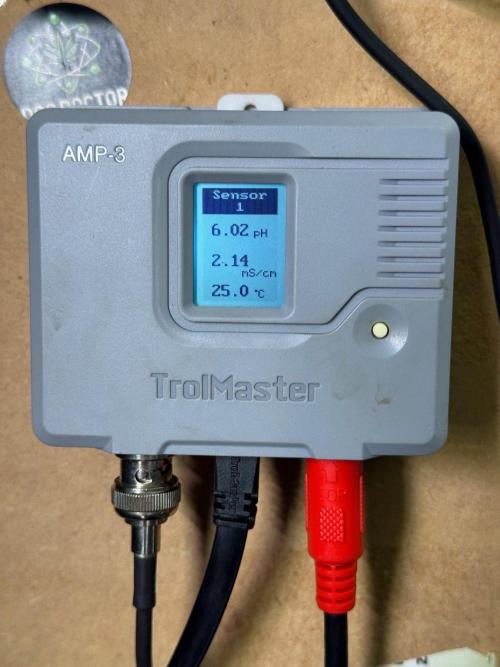
Solution parameters remained stable with an EC around 1.78 mS/cm and a pH of approximately 6.02, providing a balanced nutrient profile while keeping the root zone healthy.
⸻
🌡️ Environment
The room continues running under intentionally warm conditions.
Day temperatures averaged around 31.1°C, nighttime temperatures remained close to 25°C, relative humidity stayed around 72%, and atmospheric CO₂ measured approximately 693 ppm.
Those humidity levels are still intentional.
At this stage I’m encouraging vigorous vegetative expansion and allowing the plants to establish as much healthy biomass as possible before gradually reducing humidity later in flowering.
It’s all part of preparing for healthier flowers in the weeks ahead.
⸻
📸 This Week Behind the Lens
This week’s photographs beautifully capture the personality of Pheno B.
She’s noticeably shorter than her sister, yet incredibly dense.
The studio side profiles reveal a stocky plant packed with tightly spaced growth sites, while the bird’s-eye photographs highlight just how compact her canopy has become.
Several close-up images also document the early effects of leaf tucking and the gentle defoliation, showing new shoots beginning to emerge from areas that were previously hidden beneath large fan leaves.
Watching those branches respond over only a few days is one of those quiet victories that makes plant training so rewarding.
⸻
🔍 Looking Ahead
Next week should answer one of the biggest questions of this grow.
Will Pheno B finally commit fully to flowering?
Or will she continue investing another week into structure before stretching?
Either outcome is perfectly welcome.
If she continues vegetative growth, I’ll maintain gentle training and keep opening the canopy to encourage even more secondary branching.
If flowering officially begins, the focus will shift toward supporting the stretch while maintaining an open, evenly lit canopy.
Whatever she decides…
I’ll simply help her become the best version of herself.
⸻
💚 Thank You
Thank you to everyone following this journey and taking the time to grow alongside me.
Every comment, every question, every shared experience—and yes, even every constructive criticism—helps make these diaries more valuable for growers all around the world.
Special thanks to:
💚 GrowDiaries for providing a platform where growers can document every success, mistake and lesson.
Zamnesia for these wonderful Blueberry Muffin genetics, already demonstrating just how unique individual phenotypes can be.
🌱 Plagron for supplying the complete nutrition program that keeps these plants healthy from seed to harvest.
💡 Future of Grow LED for delivering the consistent light that powers every stage of this adventure.
And finally, thank you for following this 8×8 project.
Whether you’re here to learn something new, compare techniques, cheer the plants on, or simply enjoy the journey, I’m genuinely grateful to have you here.
Growers Love and see you next week… where we’ll discover whether Blueberry Muffin Pheno B finally decides it’s time to bloom, or keeps reminding us that nature follows its own schedule. 🌱💙
13 likes
comments
Share
Used techniques
12-12
Technique
LST
Technique
6
Week 6. Vegetation
3mo ago
1/30
51 cm
Height
12 hrs
Light Schedule
29 °C
Day Air Temp
6.0
pH
Weak
Smell
890 PPM
TDS
60 %
Air Humidity
24 °C
Solution Temp
21 °C
Substrate Temp
25 °C
Night Air Temp
15 set_lilers
Pot Size
1 set_lilers
Watering Volume
693 PPM
CO₂ Level
Nutrients 8
Terra Grow
1.8 mll
Pure Zym
1 mll
Sugar Royal
1 mll
DogDoctorOfficial Blueberry Muffin – Pheno B
Week 6 | Nature Keeps Her Own Calendar
Growing multiple phenotypes from the same seed pack is one of the greatest reminders that every plant writes her own story.
Even when everything is identical—the same room, the same lighting schedule, the same nutrients, the same environment—each phenotype responds according to its own genetic blueprint.
Blueberry Muffin Pheno B continues to prove that point beautifully.
While her sister has already settled comfortably into flowering, this lady is still taking her time. She's showing the earliest signs that bloom is approaching, but she hasn't fully committed just yet.
And that's perfectly okay.
Sometimes the best thing a grower can do is stop trying to rush nature and simply pay attention to what the plant is saying.
🌱 The 12/12 From Seed Adventure
If you're joining this diary for the first time, welcome!
This entire 8×8 Adventure is being grown using the 12/12 from seed method. From the moment these seeds germinated, they've received twelve hours of light and twelve hours of darkness every single day.
Unlike a traditional photoperiod grow, where the grower decides exactly when flowering begins by changing the light cycle, this approach allows each plant to determine its own timing.
That's why these two Blueberry Muffin sisters look so different despite growing side by side.
Pheno A embraced flowering weeks ago.
Pheno B is still finishing the work she wants to do before making that transition.
She's reminding us that genetics don't own a calendar.
They simply follow their own rhythm.
🌿 A Compact Bush With Big Potential
One thing that immediately stands out this week is just how compact this phenotype has become.
She's noticeably shorter than her sister, yet every internode is packed tightly together, producing a dense, healthy canopy filled with future flowering sites.
The gentle Low Stress Training continues to work exactly as intended.
Rather than forcing dramatic changes, it has gradually opened the plant while encouraging side branches to grow upward and compete for the canopy.
Leaf tucking has remained part of the daily routine, helping expose developing shoots without removing unnecessary foliage.
With such tight growth, every little adjustment makes a noticeable difference.
The result is a beautifully balanced little bush that feels full of potential.
💧 Individual Care for an Individual Plant
One advantage of growing each phenotype as its own diary is being able to treat every plant according to its own needs.
Unlike several of the other girls in this room, Pheno B is still being hand-watered.
She continues receiving her own feeding schedule, allowing me to make adjustments specifically for this phenotype while observing how she develops before eventually joining the rest of the flowering program.
Not every plant wants the same meal at the same time.
Listening to that difference is part of becoming a better grower.
🍽️ Feeding
While many of the flowering plants have already moved to a bloom-focused nutrition schedule, Pheno B continues following a transitional feeding program that supports both vegetative growth and the approaching flowering stretch.
This week's feeding consisted of:
• Terra Grow – 1.8 ml/L
• Terra Bloom – 1.8 ml/L
• Pure Zym – 1 ml/L
• Sugar Royal – 1 ml/L
• Power Roots – 1 ml/L
• Power Buds – 1 ml/L
The nutrient solution remained stable with an EC of approximately 1.78 mS/cm and a pH adjusted to 6.02, providing everything she needs while allowing her to continue developing at her own pace.
For now, there's no reason to rush any changes.
Healthy plants tell you when they're ready.
🌡️ Environment
Environmental conditions remained very consistent throughout the week.
Daytime temperatures averaged around 29°C, with nighttime temperatures close to 25°C. Relative humidity settled around 60%, while atmospheric CO₂ measured approximately 693 ppm.
These stable conditions continue providing an ideal environment for steady growth, allowing Pheno B to focus her energy on building structure before fully committing to flower.
Consistency is often one of the most overlooked nutrients in any grow room.
📸 This Week Behind the Lens
This week's photographs perfectly capture the personality of this phenotype.
The side profiles reveal an incredibly stocky plant with thick stems and remarkably tight internodal spacing, while the close-up images begin showing the earliest hints of floral development hiding between vibrant green leaves.
She's not stretching dramatically.
Instead, she's quietly building a strong, compact framework that could eventually support some beautifully dense flowers.
Sometimes the plants that make us wait the longest surprise us the most at harvest.
🔍 Looking Ahead
I have a feeling this could be Pheno B's final week of vegetative growth.
The first signs are there.
She's beginning to hint that flowering is finally approaching, even if she's still taking things more slowly than the rest of the room.
Over the coming week I'll continue with gentle leaf tucking, maintain the current feeding program, and simply let her dictate the pace.
If she officially enters flower, the diary will naturally follow her into that next chapter.
If she chooses to wait another few days...
That's perfectly fine too.
After all, one of the biggest lessons this project continues to teach is that plants don't grow according to our expectations.
They grow according to their genetics.
💚 Thank You
A huge thank you to everyone following this 8×8 Adventure and sharing this journey with me.
Whether you're here to learn something new, compare growing techniques, ask questions, or simply enjoy watching these different phenotypes develop, I truly appreciate having you along for the ride.
Special thanks to:
💚 GrowDiaries for providing a platform where growers from around the world can document every success, challenge, and lesson.
? Zamnesia for these fantastic Blueberry Muffin genetics, which continue to showcase just how diverse two sister plants can become.
🌱 Plagron for supplying the nutrition that supports every stage of this grow, allowing each phenotype to receive exactly what it needs.
💡 Future of Grow LED for delivering the consistent light that powers this entire project from seed to harvest.
And finally...
Thank you for taking the time to follow this adventure.
Every comment, every question, every shared experience, and every bit of encouragement helps make these diaries something far greater than a simple grow log.
Growers Love, and I'll see you next week... where we'll discover whether Pheno B finally decides it's time to join her sister in full flower—or reminds us once again that nature always keeps her own calendar. 🌱💚
10 likes
comments
Share
Used techniques
LST
Technique
12-12
Technique
7
Week 7. Flowering
3mo ago
1/63
66 cm
Height
12 hrs
Light Schedule
29 °C
Day Air Temp
5.8
pH
Weak
Smell
975 PPM
TDS
60 %
Air Humidity
24 °C
Solution Temp
21 °C
Substrate Temp
25 °C
Night Air Temp
15 set_lilers
Pot Size
1.2 set_lilers
Watering Volume
693 PPM
CO₂ Level
Nutrients 6
Pure Zym
1 mll
Sugar Royal
1 mll
Ph Plus
0.03 mll
DogDoctorOfficial Blueberry Muffin – Pheno B
Week 7 | Finally Joining the Flower Party
Welcome back to another week of the 8×8 Adventure! 💚🌱
If this is your first visit to the diary, welcome!
This project follows twelve different cultivars growing together under exactly the same environment, lighting, irrigation and nutrition. Every plant receives the same care, allowing genetics to become the true variable. It has been incredible watching each cultivar—and even different phenotypes of the same strain—express their own unique personality.
Blueberry Muffin Pheno B continues her journey under a strict 12/12 light schedule from seed beneath the Future of Grow Black Series LED. After taking her time compared to the rest of the room, this week she finally decided it was time to move forward.
Sometimes patience is rewarded.
And this week, she certainly rewarded it.
────────────────────────────
🌸 Flower Development
This is the week I'm officially considering her first week of flowering.
Although we're already seven weeks from seed, this phenotype followed her own schedule from the very beginning. While the rest of the room has been well into flower for some time, she spent longer building her structure before making the transition.
The exciting part is just how quickly she has responded once flowering began.
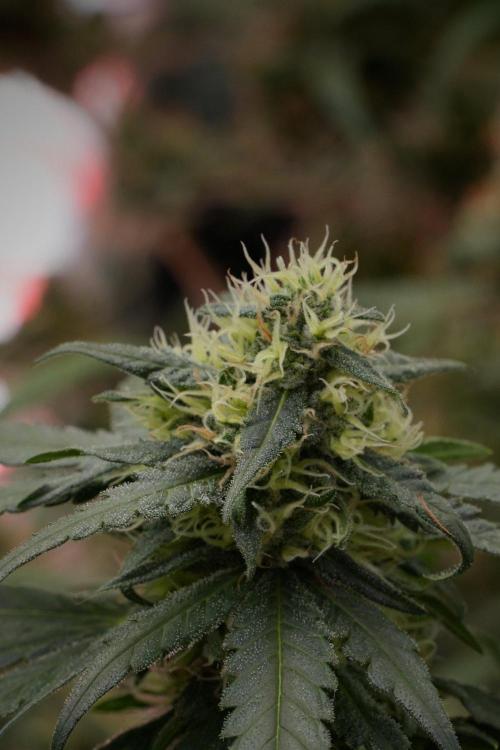
Fresh white pistils are now appearing everywhere, the tops are becoming much more defined, and every day she seems a little more committed to producing flowers.
She may have arrived late...
...but she's certainly not wasting any time now.
────────────────────────────
🌿 From Slow Starter to Fast Mover
One of the biggest changes this week is her overall appearance.
The lighter colour from previous weeks has completely disappeared, and she now carries a rich, healthy green from top to bottom. The foliage looks vibrant, balanced and full of energy, with no signs of nutritional deficiencies.
Seeing that transformation is incredibly satisfying.
It confirms that sometimes all a plant really needs is time.
For several weeks she was easily one of the slowest plants in the room, but once she decided to flower, her pace changed dramatically.
It's almost as though she's trying to catch up with her sisters.
────────────────────────────
🌱 Structure & Personality
Pheno B continues showing a very different personality compared to her sister.
Both plants are actually quite similar in height, but that's where the similarities begin to fade.
While Pheno A developed a more open structure, Pheno B has become much bushier and denser, producing a compact canopy with very tight internodal spacing.
The Low Stress Training carried out during vegetative growth has created a beautiful, even framework, allowing multiple flowering sites to receive excellent light exposure despite her naturally dense growth habit.
She's not trying to become the tallest plant in the room.
She's becoming one of the fullest.
It will be fascinating to see how this compact structure influences bud development over the coming weeks.
────────────────────────────
🌡️ Environment
Environmental conditions remained stable throughout the week, providing ideal conditions for this important transition into flowering.
🌡️ Day temperature: 29°C
🌙 Night temperature: 25°C
💧 Relative humidity: 60%
🥥 Root zone temperature: 21°C
💦 Nutrient solution temperature: 24°C
⚗️ pH: 5.8
⚡ EC: 1.95 mS/cm
💨 CO₂: 693 ppm
💡 Light schedule: 12/12
Keeping these conditions stable allows each phenotype to express its own genetic potential without unnecessary environmental stress.
────────────────────────────
🌱 Feeding
As flowering begins, her feeding programme has now moved forward alongside the rest of the room.
This week's nutrient solution consisted of:
Plagron Terra Bloom – 2 ml/L
Plagron Sugar Royal – 1 ml/L
Plagron Pure Zym – 1 ml/L
Plagron Power Buds – 1 ml/L
pH adjusted to 5.8
The richer green foliage and healthy new growth suggest she's very comfortable with the current feeding schedule, and I'll continue monitoring her closely as flower production accelerates.
────────────────────────────
📸 Behind the Lens
This week's photographs capture a plant that finally seems confident about the direction she's taking.
The close-up shots show clusters of bright white pistils emerging from every growing tip, while the wider photographs reveal just how compact and symmetrical her structure has become.
One thing that immediately stands out is the colour.
Compared to previous weeks, the foliage is noticeably healthier, richer and more vibrant.
She may have been quiet for the first part of this adventure...
...but she's beginning to steal a little attention now.
────────────────────────────
🔍 Looking Ahead
Now that flowering has officially begun, I'm excited to see how this phenotype develops over the next few weeks.
Will she remain compact and produce dense, chunky flowers?
Or will she surprise us with a stronger flowering stretch before settling into bud production?
That's one of the reasons I love documenting different phenotypes.
Even sisters can tell completely different stories.
Whatever happens next, she'll decide the pace—and I'll simply continue giving her everything she needs to become the best version of herself.
────────────────────────────
💚 Thank You
Thank you so much to everyone following this 8×8 Adventure.
Every week these diaries remind me that growing isn't just about harvesting beautiful flowers. It's about observing, learning and appreciating the incredible diversity that exists within genetics.
A huge thank you to GrowDiaries for providing a place where growers from around the world can document every lesson and share their experiences with such an amazing community.
Thank you to Zamnesia for these wonderful Blueberry Muffin genetics. Watching two sister phenotypes develop into such different plants has been one of the highlights of this project.
Thank you to Plagron for providing the nutrition that supports every stage of this grow and helps these plants express their full potential.
And thank you to Future of Grow LED for delivering the consistent lighting that powers this entire 8×8 Adventure from seed to harvest.
Finally, thank you to everyone reading, commenting and following along.
Your support makes documenting this journey even more rewarding, and I hope these diaries continue helping and inspiring growers everywhere.
Growers Love, and I'll see you all next week as Blueberry Muffin Pheno B continues writing her own unique story. 💚🌱
9 likes
comments
Share
Used techniques
12-12
Technique
8
Week 8. Flowering
3mo ago
1/73
75 cm
Height
12 hrs
Light Schedule
29 °C
Day Air Temp
6.0
pH
Weak
Smell
1000 PPM
TDS
60 %
Air Humidity
24 °C
Solution Temp
21 °C
Substrate Temp
25 °C
Night Air Temp
15 set_lilers
Pot Size
1.3 set_lilers
Watering Volume
693 PPM
CO₂ Level
Nutrients 6
Pure Zym
1 mll
Sugar Royal
1 mll
Ph Plus
0.03 mll
DogDoctorOfficial ? Blueberry Muffin – Pheno B
Week 8 | Lush, Green & Ready to Perform 🌿🔥
Welcome back to another week of the 8×8 Adventure! 💚🌱
If you're new to this diary, welcome!
And if you've been following from the beginning, you already know that this project isn't simply about growing twelve plants.
It's about watching twelve different personalities develop under the same conditions.
Twelve cultivars.
The same room.
The same lighting.
The same irrigation system.
The same general feeding strategy.
And yet somehow…
they all tell completely different stories.
Blueberry Muffin Pheno B is becoming a perfect example of that.
Last week, she finally joined the flowering party.
This week?
OMG.
She's looking absolutely lush.
🌱 A Quick Recap — How Did We Get Here?
Because every phenotype has its own diary, I always want to begin with a little recap.
Blueberry Muffin Pheno B has been grown from seed under a strict 12/12 light schedule, meaning she has received twelve hours of light and twelve hours of darkness from the beginning of the project.
This is what we call 12/12-from-seed.
Rather than giving the plants a traditional vegetative period under a longer light schedule, we're allowing them to develop under flowering photoperiod conditions from the start.
And that doesn't mean every plant reacts the same way.
Quite the opposite.
We've seen some plants transition very quickly, while others have taken considerably longer.
Pheno B was one of the slower ones.
She spent a long time developing her structure before finally deciding that it was time to flower.
But once she made that decision…
she didn't waste any time.
During the vegetative stage I deliberately kept things relatively gentle.
There was no aggressive training programme.
No constant manipulation.
Mostly LST and gentle leaf positioning, allowing the plant to naturally develop her own structure while making small adjustments when necessary.
That has given us a really interesting phenotype to observe.
She's approximately the same size as her sister, but her personality is completely different.
Pheno A developed a more open architecture.
Pheno B?
She's becoming a lush little bush. 🌿
And now we're finally getting to see what that structure can do in flower.
🌸 Flowering — She's Ready to Perform
This is officially her second week of flowering development, and the transformation is becoming much more obvious.
The flowering sites are clearly established now, with fresh white pistils appearing throughout the canopy.
The tops are beginning to develop their own identity, and there are flowering sites distributed all across the plant.
She's not stretching dramatically.
She's not trying to become the tallest girl in the room.
Instead, she's putting her energy into building what is already a very full structure.
And that's what has me curious.
Because when you look at her now, the question isn't really:
"Will she flower?"
That's already happening.
The question is:
What is she going to do with all this structure?
Will she keep stacking compact flowers?
Will she put on more stretch?
How much will those smaller flowering sites develop?
We don't know yet.
And that's exactly why we're documenting it.
🌿 The Greenest Girl in the Room?
One thing that immediately stands out this week is her colour.
Look at this girl.
She's carrying an incredibly lush green across the canopy.
There are a few leaves here and there that had some imperfections or showed signs that they weren't contributing much anymore.
Those are exactly the kinds of leaves we've been removing during our selective cleaning.
But looking at the plant as a whole?
She's looking healthy, vibrant and full of energy.
And that's particularly interesting when compared with her sister.
Same genetics.
Same room.
Same project.
Different phenotype.
Different expression.
Pheno A has been asking for more nutrition and has been slower to regain that deeper colour.
Pheno B is basically standing there saying:
"I'm good. What's next?" 😂
And I absolutely love seeing that difference.
✂️ Cleaning, Lollipopping & Defoliation
This week we've also continued our cleaning work around the room.
And again, I want to emphasize something because this is an important part of how I'm approaching this entire project.
There is no defoliation day.
I don't have a calendar saying:
Week 8 = everybody gets defoliated.
That's not how I grow.
There are twelve plants in this room, and they're twelve different personalities.
So I look at the room.
I look at the plants.
And when one plant is telling me that it could benefit from a little cleaning…
I clean that plant.
Another one might be ready next week.
Another one might need almost nothing.
And that's perfectly fine.
I'm also doing this entire project myself.
So I'm not going to create artificial pressure by trying to defoliate twelve plants on the same day simply because a schedule says I should.
I go with the flow.
Not with pressure.
For Pheno B, this meant removing selected leaves that were no longer useful, were creating unnecessary overlap, or were interfering with the developing flowering sites.
We also cleaned up the lower portion of the plant with some lollipopping, removing lower growth that wasn't likely to contribute meaningfully to the main flowering structure.
The objective isn't to strip the plant.
It's simply to clean up the areas that don't need to be there anymore and improve the overall architecture.
And I think the result is pretty clear in the photographs.
She's still very leafy.
She's still lush.
She's still got plenty of healthy foliage.
But the plant now has a cleaner lower structure and better-defined flowering areas.
That's exactly what I want.
⚗️ Feeding — A Little More for Everyone
The feeding programme has also been increased this week.
And just like with Pheno A, this wasn't because Blueberry Muffin Pheno B suddenly demanded a huge increase.
The entire room has reached a point where nutritional demand has increased naturally as flowering progresses.
So we adjusted the feeding accordingly.
Pheno B doesn't look hungry.
Quite the opposite.
She's looking fantastic.
But she certainly doesn't appear to mind the increased availability either. 😄
Our current feeding consists of:
🌱 Plagron Terra Bloom – 2.2 ml/L
🌱 Plagron Power Buds – 1 ml/L
🌱 Plagron Sugar Royal – 1 ml/L
🌱 Plagron Pure Zym – 1 ml/L
With the pH adjusted to approximately 6.0.
The important thing now is not to keep changing things simply because we can.
We've increased the feeding.
Now we watch.
If she continues maintaining this beautiful colour and keeps developing normally, that's a very good sign that she's comfortable with the current strategy.
If she tells us something different…
we listen.
That's really the philosophy behind this entire grow.
🌡️ Environment
The environment remains stable, which is exactly what I want at this stage.
🌡️ Day temperature: 29°C
🌙 Night temperature: 25°C
💧 Relative humidity: 60%
🥥 Substrate temperature: 21°C
💦 Nutrient solution temperature: 24°C
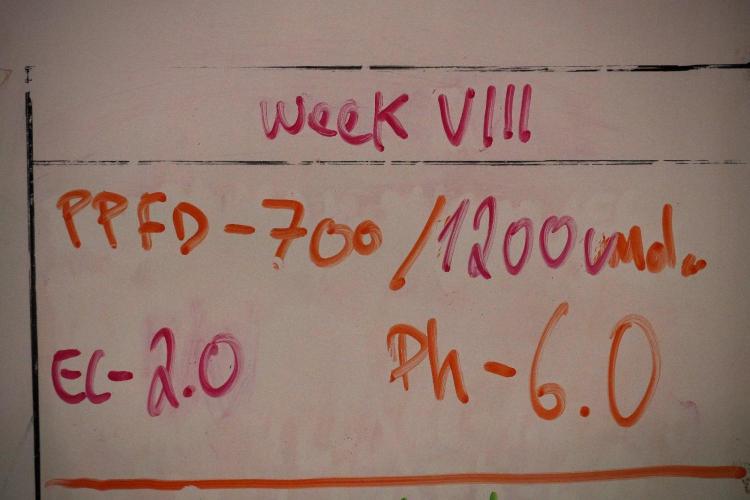
⚗️ pH: 6.0
⚡ EC: approximately 2.0 mS/cm
💨 CO₂: 693 ppm
💡 Light schedule: 12/12
💧 Watering: approximately 1.3 L/plant/24h
? Pot size: 15 litres
She's continuing in the AutoPot system, giving the root zone consistent access to the nutrient solution.
That consistency is particularly valuable now that the plant has moved properly into flowering.
No unnecessary drama.
No wild swings.
Just a stable environment and a plant being allowed to do what she naturally wants to do.
? Pheno B's Personality Is Becoming Very Clear
This is probably my favourite part of this week's update.
Because now we're beginning to understand who she is.
She's compact.
She's bushy.
She's extremely leafy.
She's naturally vigorous.
And she's carrying a beautiful green colour.
She's also developing a very different structure from her sister despite being the same cultivar.
And that's exactly why I wanted separate diaries for the phenotypes.
Imagine if these two plants were simply documented together under one Blueberry Muffin diary.
We would lose half the story.
Pheno A would tell us one story.
Pheno B is telling us another.
Same genetics.
Different expression.
And now we're going to get the opportunity to see whether that difference continues all the way through flowering.
📸 Behind the Lens
The camera really captured the personality of this girl this week.
The close-ups show those fresh pistils emerging from the developing flowers, while the wider photographs reveal just how much plant she has packed into a relatively modest footprint.
The canopy is full.
The flowering sites are becoming easier to identify.
And that green…
wow.
There are still a few older leaves that have shown some imperfections, but after the selective cleaning, the plant looks remarkably uniform.
This is one of those weeks where the photographs almost tell the story before I even start writing.
She's ready.
Now we just have to see what she does with the opportunity.
🔮 Looking Ahead — What Do We Expect?
For the coming week, I'm not expecting any miracles overnight.
And I'm certainly not going to make predictions about final yield or flower size at this stage.
It's still early.
What I am expecting is continued flower development.
I'm looking for:
🌸 Increasing flower formation
🌿 Continued healthy green growth
? More definition around the individual flowering sites
📈 Some gradual stacking and development
✂️ Further selective cleaning only where the plant actually needs it
And what am I not expecting?
I'm not expecting every plant in the room to behave the same way.
I'm not expecting Pheno B to suddenly become Pheno A.
And I'm definitely not going to force her into a schedule simply because another plant is ready for something.
She has already shown us that she's perfectly capable of writing her own story.
So we'll let her continue.
💚 One More Week, One More Lesson
This week is another reminder of why the 8×8 Adventure has become so fascinating for me.
Two Blueberry Muffins.
Same environment.
Same genetics.
Same light.
Same irrigation.
Same general feeding strategy.
Yet look at them.
Two completely different personalities.
Pheno A is the patient one, gradually finding her rhythm and demanding a little more nutrition.
Pheno B is the lush one, standing there with a beautiful green canopy and looking like she's ready to perform.
Neither is better.
Neither is worse.
They're simply different.
And that's the whole point.
The grower doesn't always get to decide what the plant is going to become.
Sometimes our job is simply to create the conditions where the plant can show us.
💚 Thank You
As always, thank you so much to everyone following the 8×8 Adventure.
Every week this project becomes a little more interesting, and seeing twelve different cultivars develop under the same conditions has been an incredible learning experience.
A huge thank you to GrowDiaries for providing the platform where I can document this journey, share the observations and learn alongside growers from around the world.
To Zamnesia, thank you for these beautiful Blueberry Muffin genetics. Watching two different phenotypes from the same cultivar develop such different personalities has already made this one of the most interesting comparisons in the room.
To Plagron, thank you for the nutrients and growing media supporting the plants throughout this journey.
And to Future of Grow LED, thank you for providing the lighting that gives all twelve girls the same opportunity to show us what their genetics can do.
And finally, to everyone following, commenting, asking questions, sharing experiences and simply stopping by to see how the girls are doing…
thank you. 💚
This adventure wouldn't be nearly as meaningful without the community around it.
So let's see what this lush little Blueberry Muffin has planned for us next.
She's got the structure.
She's got the colour.
She's got the flowers.
Now it's time to see what she can do with them. ?🌸🔥
Growers Love, my friends.
See you next week. 💚🌱
18 likes
2 comments
Share
Used techniques
12-12
Technique
9
Week 9. Flowering
2mo ago
1/74
75 cm
Height
12 hrs
Light Schedule
29 °C
Day Air Temp
6.0
pH
Weak
Smell
1000 PPM
TDS
60 %
Air Humidity
25 °C
Solution Temp
26 °C
Substrate Temp
25 °C
Night Air Temp
15 set_lilers
Pot Size
1.3 set_lilers
Watering Volume
693 PPM
CO₂ Level
Nutrients 6
Pure Zym
1 mll
Sugar Royal
1 mll
Ph Plus
0.03 mll
DogDoctorOfficial ? Blueberry Muffin – Pheno B
Week 9 | Same Genetics. Completely Her Own Story. 🌿🔥
Welcome back to another week of the 8×8 Adventure! 💚🌱
If you've been following these individual phenotype diaries, you already know that I absolutely love this part of the project.
Because sometimes you can take two plants from the same cultivar...
Give them the same environment.
The same light.
The same irrigation.
The same nutrition.
The same room.
And still end up with two plants that look like they were given completely different instructions.
That's exactly what we're seeing with these two Blueberry Muffins.
And this girl?
She's writing her own story.
She's compact.
She's lush.
She's beautifully structured.
And she's becoming increasingly interesting as flowering progresses.
This week was another step toward giving her the space she needs to turn all that beautiful structure into flowers.
So let's have a look at what our little Blueberry Muffin Pheno B has been doing. ?🌸
🌱 Week 9 – The Compact Sister
Blueberry Muffin Pheno B has never been interested in becoming the tallest girl in the room.
And honestly?
I don't think she cares.
She's approximately 75 cm tall, but height doesn't really tell the story with this phenotype.
Her personality is in her density.
She's compact.
She's leafy.
She's got a strong central structure with flowering sites distributed throughout the plant.
And as flowering has progressed, that compact architecture has become even more obvious.
This is where growing multiple phenotypes becomes so much fun.
Her sister has her own architecture.
This girl has hers.
Neither one is trying to imitate the other.
They're simply expressing what they have genetically programmed inside them.
And I absolutely love it.
🌸 Flowering Development – She's Filling the Space
The flowers are now becoming much more established throughout the plant.
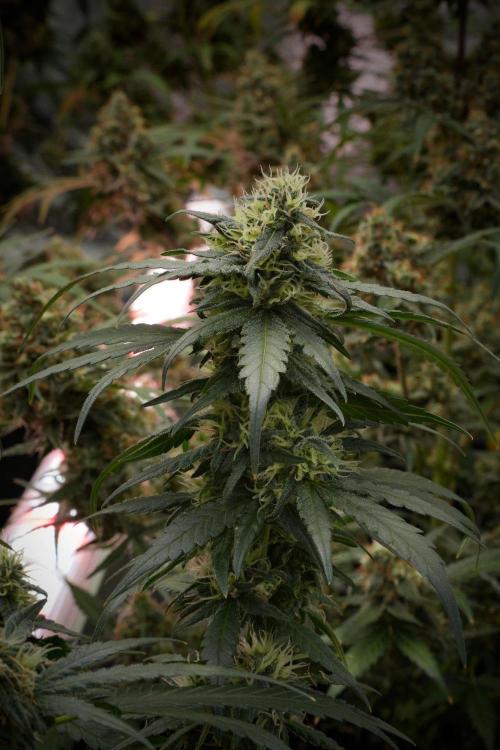
The fresh white pistils are everywhere, and the individual flowering sites are becoming increasingly recognizable.
What I particularly like about Pheno B is how much flower development she's carrying inside such a relatively compact structure.
She's not using a huge amount of vertical space.
She's using the space efficiently.
Branches are filling in.
Flowering sites are developing.
The canopy is becoming increasingly dense.
And this is where our job as growers changes slightly.
Earlier in the grow, density was simply beautiful.
Now that we're moving deeper into flower, we have to think about what that density means for:
💨 Air movement
💡 Light penetration
🌡️ Microclimate
💧 Humidity management
🌸 Flower development
And that's exactly what we're doing this week.
✂️ Cleaning the Canopy – Making Room
Like her sister, Pheno B also received some selective defoliation this week.
But there's an important distinction.
We're not cleaning her because she's doing something wrong.
We're cleaning her because she's doing too much of a good thing. 😄
She's naturally compact and very leafy.
And as the flowers develop, some areas can become quite crowded.
So we're opening her up a little.
Removing selected leaves that are overlapping.
Removing foliage that isn't contributing much anymore.
Creating some breathing room around developing flowers.
And generally making the architecture easier to manage.
This isn't about stripping the plant.
Far from it.
She's still beautifully green.
She's still carrying plenty of healthy foliage.
We're simply creating a little more space between everything.
Sometimes the best canopy is not the one with the most leaves.
It's the one where every remaining leaf has room to work.
💨 Airflow – Especially Important for This Girl
This is probably even more relevant with Pheno B than it is with her sister.
Because this girl is compact.
And compact plants naturally create more areas where leaves and flowers can sit close together.
That can be beautiful.
But as flowers become denser, I don't want stagnant little pockets developing inside the canopy.
Good airflow is one of those things you don't really notice when everything is working properly.
And that's exactly how I like it.
Air moving through the plant.
Humidity being managed.
No unnecessary congestion.
No little hidden corners where moisture can sit.
We're not trying to create a sterile plant.
We're simply trying to make the environment less friendly to problems such as mildew or mould as flowering progresses.
Prevention is always easier than dealing with a problem later.
💡 She's Compact – So Let's Use the Photons
This is another reason I like opening her up a little.
At around 75 cm, she's not particularly tall.
And that's perfectly fine.
But when you have a compact flowering plant, I want to make sure the available photons can actually reach the places where they're useful.
She already benefits from the additional light strategy we're running in the room, including the inner and under-canopy lighting.
That's a huge advantage.
But even with additional lighting, there's no reason to let unnecessary layers of foliage block one another if we can naturally improve the canopy.
We're not trying to expose every flower directly to the light.
We're simply creating pathways.
Light pathways.
Air pathways.
And observation pathways.
That's what this little cleanup is about.
🌿 Still One of the Lushest Girls in the Room
And after the cleanup...
Look at her.
She's still lush.
She's still green.
She's still compact.
And she's still unmistakably Pheno B.
This is something I really wanted to preserve.
I don't want to turn her into a completely different plant just because we removed some leaves.
The phenotype is the phenotype.
Our job isn't to erase that.
Our job is to help her express it as efficiently as possible.
And I think we're getting a really nice balance now.
Enough foliage to power the plant.
Enough space to let the canopy breathe.
Enough structure to support the developing flowers.
And enough visibility for us to actually see what's happening.
That's a pretty good combination.
? Two Sisters – Two Personalities
This comparison is becoming one of my favourite parts of the entire 8×8 Adventure.
Because if you put Pheno A and Pheno B side by side, you can immediately see that they're related...
but they're not identical.
Pheno A has developed her own open architecture.
Pheno B is the compact, lush sister.
Pheno A has been a little more demanding in some areas.
Pheno B has generally looked extremely comfortable with the current environment.
And yet both plants are producing their own beautiful version of Blueberry Muffin.
This is exactly why I don't like forcing every plant into the same training schedule.
If I had tried to make these two plants behave identically, I'd have removed some of the most interesting information this grow is giving us.
Instead, we're allowing the differences to remain visible.
Same genetics.
Different phenotype.
Different personality.
Different expression.
And that's the story.
⚗️ Nutrition – No Need to Fix What Isn't Broken
The feeding programme remains unchanged this week.
We're continuing with:
Terra Bloom – 2.2 ml/L
Pure Zym – 1 ml/L
Sugar Royal – 1 ml/L
Power Buds – 1 ml/L
pH adjustment as required
Current solution is around:
pH 6.0
EC ~2.0 mS/cm
And Pheno B continues looking very comfortable with it.
She's maintaining that beautiful green colour.
She's developing flowers.
She's growing normally.
And there are no obvious reasons to start changing the recipe simply for the sake of changing it.
That's one of the things I've learned during this project.
When the plant is happy...
sometimes the smartest thing you can do is leave it alone.
🌡️ The Room – Small Changes, Same Stability
The environment has changed slightly compared with some of our earlier updates, but we're still maintaining a very stable room.
Current conditions are approximately:
🌡️ Day temperature – 29°C
🌙 Night temperature – 25°C
💧 Relative humidity – 60%
⚗️ pH – 6.0
⚡ EC – ~2.0 mS/cm
💨 CO₂ – ~693 ppm
💦 Watering – ~1.3 L/plant/24h
🌡️ Solution temperature – 25.2°C
🌡️ Substrate temperature – 25.6°C
💡 Light schedule – 12/12
? Pot size – 15 L
So we're sitting around a 4°C day/night temperature difference.
And again, I don't look at any one number in isolation.
Temperature interacts with humidity.
Humidity interacts with transpiration.
Light affects plant demand.
Root-zone conditions affect water and nutrient uptake.
Everything is connected.
And at this point in flower, I'm particularly interested in keeping the relationship between those factors stable rather than chasing some theoretical perfect number.
💨 Opening the Canopy Helps the Whole Room
There's another reason I'm happy we cleaned her up this week.
It's not just about Pheno B.
When you've got a room full of flowering plants, every canopy contributes to the overall environment.
More open foliage means air can move through more easily.
More airflow means fewer stagnant pockets.
And better movement through the room helps the environmental system do its job.
Again, defoliation isn't a replacement for proper ventilation or environmental control.
But good canopy architecture and good environmental management work together.
And that's exactly what we're trying to achieve.
🔬 A Plant That's Becoming Easier to Read
One thing I really appreciate about Pheno B is that she's becoming easier and easier to understand.
At the beginning, we didn't know what she was going to become.
Now we do.
She's telling us:
"I'm compact."
"I'm vigorous."
"I'm leafy."
"I'm going to build my flowers inside this structure."
And our response is simply:
"Okay. Let's work with that."
That's what I mean when I say grow with the plant, not against it.
We're not trying to make her taller.
We're not trying to make her look like Pheno A.
We're not trying to turn her into something she's not.
We're simply giving this particular phenotype the conditions and space she needs to perform.
📸 The Camera Doesn't Lie
The photographs this week really show how much she's changed.
The close-ups reveal those developing flowers and their increasingly defined structure.
The wider photographs show just how much vegetation she's carrying around those flowers.
And then there are the little details.
The colour.
The leaf posture.
The branching.
The way the flowers are distributed.
Those details are why I love documenting individual phenotypes.
A single photograph can show what the plant looks like.
But a series of photographs over several weeks shows who the plant is becoming.
And Pheno B is becoming a very beautiful little flowering plant.
🔮 Looking Ahead
From here, I'm not looking to make any dramatic changes.
The major framework is already there.
The selective cleaning has given her some additional breathing room.
The environment is stable.
The feeding is stable.
The flowers are developing.
Now comes the part where patience becomes increasingly important.
Over the coming week, I'll be watching for:
🌸 Continued flower development
🌿 Increasing density around the flowering sites
💎 Early resin development
💨 Continued airflow through the canopy
💧 Stable water demand
🌡️ A stable flowering environment
And most importantly...
I'll be watching the plant.
If she tells me she needs something, we'll respond.
If she doesn't...
we let her work.
💭 Final Thoughts – Her Own Little World
There's something really satisfying about this plant.
She isn't dramatic.
She doesn't need to be.
She's just beautiful.
Compact.
Lush.
Healthy.
And increasingly covered with developing flowers.
And what's especially fascinating is that her sister is doing something completely different while receiving essentially the same treatment.
That's the magic of phenotype hunting.
You don't know exactly what you're going to get.
You give the genetics the same opportunity.
Then you watch.
And eventually...
they introduce themselves.
Pheno B has introduced herself as the compact, lush, elegant sister.
And I really like her.
This week wasn't about changing her.
It was about giving her a little more room to breathe.
A little more room for photons to move through.
A little more room for air.
A little more room for those flowers to develop.
And now...
she's ready.
The canopy is cleaner.
The flowers are becoming more defined.
The environment is stable.
The nutrition is steady.
And this beautiful little Blueberry Muffin is heading deeper into flower.
Let's make her shine.
Let's give her the spotlight she deserves.
Because she may be the compact sister...
but she's certainly not a small personality. ?🌸🔥
🙏 Thank You
As always, a huge thank you to everyone following the 8×8 Adventure.
Thank you to Zamnesia for these beautiful Blueberry Muffin genetics and for giving us the opportunity to explore just how differently two phenotypes from the same cultivar can express themselves.
Thank you to Plagron for supporting the plants with the growing media and nutrition throughout the journey.
Thank you to Future of Grow for providing the lighting that allows these twelve different genetics to perform under the same artificial sun.
Thank you to Lumiflora for helping us bring additional light into the inner and lower parts of the canopy.
Thank you to TrolMaster for helping keep the environment stable.
And, of course, thank you to everyone in the GrowDiaries community.
Every comment.
Every question.
Every observation.
Every person simply stopping by to see how the girls are doing.
It all makes this adventure more enjoyable.
Two Blueberry Muffins.
Two phenotypes.
Two personalities.
And we're nowhere near finished discovering what they can do.
Until next week...
Growers Love and happy growing! 🌱💚?
See you next week with Blueberry Muffin Pheno B. 🌸🔥
14 likes
2 comments
Share
Used techniques
12-12
Technique
Defoliation
Technique
10
Week 10. Flowering
2mo ago
1/52
75 cm
Height
12 hrs
Light Schedule
30 °C
Day Air Temp
6.0
pH
Weak
Smell
1000 PPM
TDS
60 %
Air Humidity
25 °C
Solution Temp
26 °C
Substrate Temp
25 °C
Night Air Temp
15 set_lilers
Pot Size
1.3 set_lilers
Watering Volume
693 PPM
CO₂ Level
Nutrients 6
Pure Zym
1 mll
Sugar Royal
1 mll
Ph Plus
0.03 mll
DogDoctorOfficial ? 8×8 Adventure – Week 10
Blueberry Muffin – Pheno B
The Small Delight Continues to Surprise Us 💚🌸
Hello everyone, and welcome back to another week of the 8×8 Adventure! 🌱💚
And last but certainly not least...
Here comes our second Blueberry Muffin.
If you've been following both phenotypes, you already know that these two girls may share the same genetics, but they certainly didn't receive the same instruction manual. 😂
And this week, Pheno B continues to play the same card she's been playing since the beginning:
"I'm small. I'm slow. But look how beautiful I am."
And honestly...
She has a point.
Because compared with the rest of the room, this girl is slow as fuck. 😂
But she's also becoming an incredibly beautiful, compact and increasingly dense flowering plant.
So let's give this little delight the spotlight she deserves.
────────────────────────
🌸 Week 10 – The Small Delight
Pheno B continues to be one of the most compact plants in the entire room.
At approximately 75 cm, she isn't trying to compete with the taller girls.
She's not racing toward the ceiling.
She's not stretching dramatically.
She's simply building.
Slowly.
Quietly.
And beautifully.
That's actually one of the most fascinating things about having so many different genetics growing together.
Some plants seem determined to conquer the room.
Others seem perfectly happy occupying their little corner and making the most of it.
Blueberry Muffin Pheno B definitely belongs to the second group.
She's small.
She's compact.
She's increasingly dense.
And she's absolutely covered in developing flowers.
So maybe...
small isn't such a bad thing after all. ?🌸
────────────────────────
🌿 Compact Doesn't Mean Unproductive
This is something that's becoming increasingly obvious with her.
Her size doesn't tell the whole story.
She's not particularly tall, but she's building a very compact flowering structure.
The branches are carrying numerous flowering sites, the flowers are becoming more defined, and the plant is gradually developing that dense appearance we've been watching for.
She's basically concentrating everything into a smaller package.
And I really like that.
Because the purpose of this project was never to see which plant could become the tallest.
It was to see what the different genetics would do when given the same opportunity.
And Pheno B is showing us exactly what she wants to do.
She's telling us:
"I'm going to take my time."
"I'm going to stay compact."
"And I'm going to make it beautiful."
Fair enough, girl.
You do you. 😂💚
────────────────────────
🌸 The Flowers Keep Developing
The most important change isn't her height anyway.
It's what's happening at the flowering sites.
And those are looking fantastic.
The flowers continue to gain structure and definition, with fresh pistils covering the developing buds and the individual sites becoming increasingly substantial.
There's a very noticeable difference between looking at her now and looking back at the early flowering photographs.
She's no longer simply starting flower.
She's building it.
And because she's so compact, the flowers appear packed throughout her structure.
This is where that small size becomes particularly interesting.
Instead of putting a huge amount of energy into vertical expansion, she's gradually turning that compact architecture into a flowering structure.
She's still moving slowly compared with some of her sisters...
But she's definitely moving.
And that's what matters.
────────────────────────
💡 The LED Canopy – Feeding Her With Photons
This week I also want to give the lighting another proper spotlight, because across these individual diaries we're seeing something fascinating.
The Future of Grow LEDs continue providing the main artificial sun over the room.
And every day, millions upon millions of photons arrive at the canopy.
Those photons are the starting point for the energy that drives photosynthesis.
But what I particularly enjoy about this setup is that we're not thinking about the canopy as a completely flat surface.
The plants have depth.
They have upper leaves.
Inner growth.
Lower flowers.
Different angles.
Different orientations.
Different distances from the light.
And that's where the additional contribution from Lumiflora becomes particularly interesting.
By bringing light into areas that naturally receive less direct illumination, we're trying to make better use of the three-dimensional structure of the plants.
Not simply:
"More light."
But:
"More useful light reaching more of the plant."
And with a compact plant like Pheno B, that's particularly interesting.
Her flowers are packed into a relatively small structure.
So managing how photons interact with that structure becomes another part of the equation.
────────────────────────
☀️ The Plant Doesn't Know What Brand the Light Is
One thing I always find fascinating about lighting is that the plant doesn't care about the logo on the fixture.
She cares about photons.
Where they arrive.
How many arrive.
How consistently they arrive.
And whether the rest of the environment allows her to actually use them.
That's why lighting can't really be separated from everything else.
Light interacts with:
🌡️ Temperature
💧 Water availability
🥥 Root-zone conditions
💨 CO₂
🌿 Leaf health
⚗️ Nutrition
🌸 Developmental stage
Everything is connected.
And right now, we're giving Pheno B a strong and consistent artificial sun while maintaining the rest of the environment as steadily as possible.
She's responding in her own way.
Which, apparently, means:
very slowly. 😂
But beautifully.
────────────────────────
? Her Own Little Architecture
If I had to describe this phenotype in one sentence, I'd probably say:
She's becoming a little compact powerhouse.
Not a huge plant.
Not a dramatic plant.
Not the plant that's going to win a height competition.
But she's developing a very interesting architecture.
The flowers are sitting close together.
The branches are supporting a dense structure.
The foliage remains lush.
And the overall plant is becoming increasingly compact as flowering progresses.
That's her personality.
And I'm not trying to change it.
This is one of the things I enjoy most about phenotype work.
You can guide a plant.
You can manage it.
You can shape its environment.
But eventually...
the genetics introduce themselves.
And Pheno B has introduced herself quite clearly.
"I'm the small one."
😂?💚
────────────────────────
💧 Keeping the Roots and Irrigation Consistent
While the plant above the substrate is taking her sweet time, the root environment continues receiving the same consistent attention.
Current watering remains around:
💧 1.3 L per plant / 24 hours
The solution is approximately:
🌡️ 25°C
and the substrate is around:
🌡️ 26°C
The idea remains exactly the same as throughout this project:
Keep the root environment as consistent as possible and allow the plant to determine what she does with it.
We're not increasing inputs simply because we think a plant should be growing faster.
We're watching.
We're measuring.
We're responding.
And with Pheno B, that patience is particularly important.
Because if we tried to force her to behave like one of the faster phenotypes...
we'd be fighting the very characteristic that makes her interesting.
────────────────────────
🥥 Nutrition – Staying Steady
The feeding strategy also remains stable.
We're continuing with:
• Terra Bloom — 2.2 ml/L
• Pure Zym — 1 ml/L
• Power Buds — 1 ml/L
• Sugar Royal — 1 ml/L
• pH Plus / Lemon Kick — as required
Current readings are approximately:
⚗️ pH — 6.0
⚡ EC — 2.0 mS/cm
And once again...
She looks happy.
Beautiful green foliage.
Healthy flowering development.
No obvious reason to start changing everything simply because another week has passed.
The best feeding strategy isn't necessarily the one that changes the most.
Sometimes it's the one that gives the plant exactly what she's already responding well to.
So for now...
We stay the course.
────────────────────────
🌡️ Summer Is Still Summer
The environmental conditions remain very close to our previous week.
We're currently around:
• 🌡️ Day temperature: 29.9°C
• 🌙 Night temperature: 25°C
• 💧 RH: 60%
• 🥥 Substrate temperature: 26°C
• 💦 Solution temperature: 25°C
• ⚗️ pH: 6.0
• ⚡ EC: ~2.0 mS/cm
• 💨 CO₂: ~693 ppm
• 💡 Light schedule: 12/12
• 💧 Watering: ~1.3 L/plant/24h
• ? Pot size: 15 L
• 📏 Height: ~75 cm
Summer continues to make absolute temperature consistency a little challenging.
Some days are warmer.
Some days are cooler.
Sometimes we're fighting for that perfect number and the weather simply says:
"No." 😂☀️
So we're doing what we can.
The variables we can control are kept as stable as possible.
And rather than obsessing over a single degree here or there, we're looking at the whole environment and, most importantly...
the plant.
And the plant looks good.
────────────────────────
🌬️ Dense Is Beautiful – But We Still Watch the Canopy
As Pheno B becomes more compact and increasingly dense, canopy management remains something we're keeping an eye on.
The plant doesn't need dramatic intervention right now.
The major structural work has already been done.
At this stage, we're mostly observing how the flowers and foliage develop within that compact architecture.
The more dense the flowers become, the more important it becomes to maintain good airflow through the room and around the plants.
We're not trying to turn her into an empty skeleton.
Quite the opposite.
We're preserving that beautiful lush structure while making sure the environment around it remains manageable.
It's a balance.
And that's what we're watching.
────────────────────────
💡 Every Flower Has a Different Relationship With the Light
Another thing I love about photographing her at this stage is seeing how differently the flowers sit within the canopy.
Some are facing directly toward the LEDs.
Others are tucked between leaves.
Some receive additional light from the inner-canopy setup.
Others are naturally more shaded.
That's normal.
A plant isn't a perfectly engineered solar panel.
It's a three-dimensional living structure.
And our lighting strategy is simply trying to give that structure the best possible access to photons without unnecessarily disturbing the plant's natural architecture.
Future of Grow provides the main light.
Lumiflora helps bring additional illumination into the less-exposed areas.
And then...
the plant decides what to do with it.
That's the part we can't program.
And honestly?
That's the fun part.
────────────────────────
📸 The Camera Is Starting to Tell the Story
The photographs this week are another reminder that size really doesn't tell the whole story.
Look at those flowers.
Look at the structure.
Look at the density.
Look at the colour.
This girl may be slow...
but she certainly isn't boring.
😂?
And that's why these individual diaries are so valuable.
If we only photographed the entire room, Pheno B might disappear into the bigger picture.
But when we isolate her...
we can appreciate what she's actually doing.
A compact flowering plant slowly becoming denser.
Week after week.
She's writing her own story.
And I'm very happy to let her take her time.
────────────────────────
🧠 Slow Doesn't Mean Behind
This is probably my favourite observation this week.
Pheno B is slow compared with the rest of the room.
There's no question about it.
Some of her sisters are moving much faster.
But that doesn't mean she's behind.
She's simply developing according to her own rhythm.
There's a difference.
A plant doesn't know that another phenotype next door is growing faster.
She doesn't care.
She has her own genetic programme.
Her own structure.
Her own timing.
And our job is not to make every plant identical.
It's to understand them.
And this little Blueberry Muffin is teaching us patience.
Lots of patience. 😂
────────────────────────
🔮 Looking Ahead
From here, I'm keeping things simple.
No unnecessary changes.
No chasing height.
No trying to force her to become something she's not.
We're going to continue providing:
💡 Quality photons
💧 Consistent irrigation
🥥 Stable nutrition
🌡️ A controlled environment
🌬️ Good airflow
⏳ And plenty of time
Then we'll see where she takes us.
The flowers are continuing to develop.
The plant remains beautifully green.
Her structure is becoming increasingly compact and dense.
And if she wants to take her time...
well...
we have time.
────────────────────────
💚 Final Thoughts – Small, Slow & Beautiful
Every room has those plants that immediately demand attention.
The big ones.
The fast ones.
The dramatic ones.
And then there are plants like Blueberry Muffin Pheno B.
She quietly sits there.
She doesn't stretch like crazy.
She doesn't try to dominate the canopy.
She doesn't rush.
She simply keeps doing her thing.
Slowly.
Very slowly. 😂
But beautifully.
She's becoming an increasingly compact flowering plant, and I really like the direction she's heading.
The lighting is giving her plenty of photons.
The irrigation remains consistent.
The nutrition remains steady.
The environment is being kept as stable as summer allows.
And now...
we let her continue.
Because maybe the small delight doesn't need to become a giant.
Maybe she just needs to become the best version of herself.
And that's exactly what we're going to let her do.
?🌸💚
────────────────────────
🙏 Thank You
A huge thank you to Zamnesia for giving us the opportunity to explore these Blueberry Muffin genetics and discover just how different two phenotypes from the same cultivar can become.
Thank you to Plagron for supporting the garden throughout this flowering journey.
A massive thank you to Future of Grow for providing the main LED lighting and giving these girls the photons they need to keep building.
And thank you to Lumiflora for helping illuminate the deeper and less-exposed areas of the canopy and making this lighting experiment even more interesting.
Thank you to everyone following the 8×8 Adventure on GrowDiaries.
This project continues to remind me why I love documenting plants individually.
Same genetics.
Same room.
Same general conditions.
And yet...
completely different personalities.
Blueberry Muffin Pheno B may be the smallest and slowest girl in this particular race.
But she's beautiful.
She's becoming dense.
She's developing flowers.
And she's doing it her way.
So let's give our little delight the spotlight.
She deserves it.
Until next week...
Growers Love, happy growing, and take care everyone! 🌱💚?🌸
8 likes
comments
Share
Used techniques
12-12
Technique
11
Week 11. Flowering
1mo ago
1/36
75 cm
Height
12 hrs
Light Schedule
27 °C
Day Air Temp
6.0
pH
Strong
Smell
1070 PPM
TDS
60 %
Air Humidity
25 °C
Solution Temp
26 °C
Substrate Temp
25 °C
Night Air Temp
15 set_lilers
Pot Size
1.4 set_lilers
Watering Volume
693 PPM
CO₂ Level
Nutrients 6
Pure Zym
1 mll
Sugar Royal
1 mll
Ph Plus
0.03 mll
DogDoctorOfficial 8×8 Adventure – Week 11
Blueberry Muffin – Pheno B
💚 The Little One Keeps Shining
Hello everyone, and welcome back to another chapter of the 8×8 Adventure! 🌱💚
And here she is again...
Our little Blueberry Muffin Pheno B.
If you've been following this diary from the beginning, you already know exactly what makes this girl special.
She's small.
She's slow.
She's compact.
She's beautifully green.
And somehow...
she keeps getting more beautiful every week.
😂💚
While some of the plants around her have been stretching, reaching and trying to occupy every possible centimetre of the room, Blueberry Muffin Pheno B has remained completely committed to her own philosophy.
Stay small.
Build flowers.
Look beautiful.
Take your time.
And honestly?
I respect it.
This week isn't about dramatic intervention.
It's about watching her continue to develop while we give her exactly what she needs.
Because at this stage of flowering...
sometimes the best thing a grower can do is simply let the plant finish her story.
────────────────────────
🌸 Week 11 – The Quiet Stage Of Flowering
We're now at that interesting point in the flowering cycle where the major structural work is already behind us.
The plant has her architecture.
The flowering sites are established.
The roots are established.
The irrigation system is running.
The nutrition is established.
The lighting is in place.
And now...
the flowers get to do the talking.
That's exactly where Pheno B is right now.
We're not constantly reaching into the canopy.
We're not trying to reshape her.
We're not trying to make her taller.
We're not trying to make her behave like another phenotype.
We're simply observing.
Watering.
Feeding.
Monitoring the environment.
Checking the flowers.
And making adjustments only where the plants actually ask for them.
Pheno B isn't asking for much.
She's just quietly getting on with the job.
────────────────────────
🌿 Small Doesn't Mean She's Not Working
This little girl continues proving one of my favourite points from the entire 8×8 Adventure:
Height isn't everything.
At around 75 cm, Blueberry Muffin Pheno B is still one of the smallest plants in the room.
But look at her.
She's lush.
She's green.
She's full of flowering sites.
She's compact.
She's developing density.
And she's filling her available space extremely well.
She's not wasting energy trying to become a giant.
She's simply using the architecture she has.
And that's what I love about phenotype hunting.
You don't always get what you expect.
Sometimes the plant gives you something completely different from the picture you had in your head.
And instead of fighting it...
you learn to appreciate it.
Pheno B has made her position very clear.
She's the little one.
And she's perfectly happy with that.
😂💚
────────────────────────
🌸 The Flowers Are Becoming The Story
At this stage, her height isn't really what I'm watching anymore.
I'm watching the flowers.
And they're looking beautiful.
The developing buds continue gaining structure and volume.
The plant is gradually becoming more dominated by flowering growth, and those compact branches are carrying increasingly substantial floral sites.
This is where the patience starts becoming rewarding.
Week after week, the difference may seem small when you're standing in front of the plant every day.
But compare photographs.
Suddenly...
you see it.
More flower.
More structure.
More density.
More maturity.
And that's what we're looking for now.
Not another giant burst of vegetative growth.
Not another training session.
Just development.
────────────────────────
💡 Two More Future Of Grow Black Series 600W Fixtures
Now, although we're doing very little to the plant physically this week, there has been an important development above her.
Future of Grow provided us with two additional Black Series 600W fixtures for us to test as part of the 8×8 Adventure.
And that gave us a completely different lighting capability.
Once the additional fixtures were added, the available PPFD increased considerably.
Actually...
a little more than I wanted.
😂
So instead of simply running the fixtures at maximum power, we turned them down.
We're currently running at approximately 59% power from the plug.
At that setting, we're seeing approximately 1,500 PPFD across the upper canopy, with the intensity naturally decreasing lower down depending on plant height and canopy position.
And I'm very happy with that.
The important part isn't simply having 600W fixtures.
It's having control over them.
────────────────────────
🔌 More Light Doesn't Mean We Need More Power
This is something I really enjoy demonstrating in a real grow.
When you have powerful equipment, you don't necessarily need to run it flat out.
We increased the available lighting.
The PPFD went higher than I wanted.
So we reduced the power.
Simple.
😂
Now we're still providing an extremely strong light environment while using less electricity.
We're also avoiding unnecessary stress on the fixtures and the associated equipment.
And we're giving ourselves room to adjust later if the plants tell us they want something different.
That's one of the reasons I'm so happy with the additional Future of Grow fixtures.
They give us more capability.
More control.
And more room to experiment.
────────────────────────
☀️ Around 1,500 PPFD At The Top
The approximately 1,500 PPFD we're seeing is measured across the upper canopy.
Obviously, Blueberry Muffin Pheno B is not a perfectly flat surface.
She's a living plant.
Some flowers are higher.
Some are lower.
Some leaves face the fixtures directly.
Others sit at different angles.
So the light naturally changes throughout the structure.
And that's exactly what we expect.
The goal isn't to make every single square centimetre of the plant receive identical light.
The goal is to create a strong overall light environment and allow the plant to use those photons as efficiently as possible.
And with Pheno B's compact architecture, this is particularly interesting.
She has a relatively small vertical footprint, so we're able to provide a very strong upper-canopy environment without needing to chase a huge plant through the tent.
She's compact.
The light is strong.
And now...
we watch what she does with it.
────────────────────────
💚 Future Of Grow – A Big Thank You
I want to give Future of Grow a special shout-out this week.
Providing two additional Black Series 600W fixtures gives us the opportunity to explore how these plants respond when we substantially increase the available lighting capability.
And we're not just turning everything on and walking away.
We're testing.
We're adjusting.
We're measuring.
We're finding the level that makes sense.
That's exactly the kind of real-world testing I enjoy doing.
We increased the lighting.
We saw where the PPFD went.
We decided it was more than necessary.
We reduced the output.
And now we're sitting at a level I'm very comfortable with.
More capability.
Less unnecessary power consumption.
And plenty of light.
That's a pretty good combination.
────────────────────────
🌿 Pheno B Under The New Lighting
And what about our little Blueberry Muffin?
She's happy.
That's really the simplest way to describe it.
Her foliage remains lush.
Her colour remains beautiful.
Her flowering development continues.
And she isn't giving us any reason to suddenly start changing everything.
So we're not.
She's doing her thing.
We're doing ours.
The lights provide the photons.
The roots provide the foundation.
The irrigation provides the water and nutrients.
The environment provides the conditions.
And the plant decides how to put everything together.
That's the fun part.
────────────────────────
🥥 Nutrition – Another Small Step
There was also a small nutritional adjustment this week.
Nothing dramatic.
We're simply increasing Terra Bloom slightly from 2.2 ml/L to 2.3 ml/L.
The current recipe is:
• Terra Bloom — 2.3 ml/L
• Pure Zym — 1 ml/L
• Power Buds — 1 ml/L
• Sugar Royal — 1 ml/L
• pH Plus — 0.03 ml/L
• Lemon Kick — 0.03 ml/L
That small increase in Terra Bloom brought the EC up slightly.
We're now sitting around:
⚡ EC — 2.14 mS/cm
Again...
Nothing dramatic.
Just a small measured progression as flowering continues.
I don't believe in changing things simply because the calendar says another week has passed.
The plant tells us what she needs.
And Pheno B is telling us:
"I'm happy."
So we're making small adjustments rather than dramatic ones.
────────────────────────
💧 Irrigation – Keep The Roots Happy
The irrigation remains consistent as well.
We're currently around:
💧 1.45 L per plant / 24 hours
The current root-zone conditions remain stable, with the solution and substrate both around 25°C.
That's important.
Because while we can change the lighting strategy, adjust nutrition and make other decisions above the canopy...
The roots still need consistency.
Water.
Nutrition.
Oxygen.
A stable root environment.
And Pheno B is receiving exactly that.
Her slow growth isn't something we're trying to correct through excessive inputs.
That's simply her phenotype.
We're supporting her rather than trying to force her to become somebody else.
────────────────────────
🌡️ Week 11 – Current Conditions
This week's recorded conditions are:
• 🌡️ Day Temperature: 26.5°C
• 🌙 Night Temperature: 26°C
• 💧 Relative Humidity: 61%
• 🥥 Substrate Temperature: 25°C
• 💦 Nutrient Solution Temperature: 25°C
• ⚗️ pH: 6.02
• ⚡ EC: 2.14 mS/cm
• 💨 CO₂: approximately 693 ppm
• 💡 Light Schedule: 12/12
• 💧 Irrigation: approximately 1.45 L/plant/24h
• ? Pot Size: 15 L
• 📏 Plant Height: approximately 75 cm
The room continues to remain stable overall.
Summer can still create small fluctuations, of course, but we're keeping the variables we can control as consistent as possible.
And that's particularly important at this stage.
We're not looking for perfection every minute of every day.
We're looking for stability.
────────────────────────
🧠 Why We're Not Touching Her
I think this deserves its own section because it's an important part of the grow.
There is always a temptation to do something.
Remove a leaf.
Move a branch.
Change the feeding.
Change the light.
Adjust something.
But sometimes...
there is nothing that needs fixing.
Pheno B has a good structure.
Her flowers are developing.
Her foliage is healthy.
Her environment is stable.
Her irrigation is consistent.
Her nutrition is working.
So why would I disturb her?
We're watching her closely.
We're checking for problems.
We're monitoring development.
But we're not manufacturing problems just because we feel like we should be doing something.
This is the stage where patience becomes cultivation too.
────────────────────────
🌿 Compact Architecture – A Little Advantage
Her compact size is actually becoming quite enjoyable at this stage.
There isn't a huge vertical structure to manage.
There isn't an enormous stretch creating constant challenges.
She's simply sitting there...
building.
Her flowers are concentrated through a compact architecture, and that makes her a fascinating contrast to some of the taller plants in the 8×8.
Same room.
Same general philosophy.
Same lighting.
Same nutrition.
Same irrigation.
Different genetic expression.
That's the experiment.
And Pheno B continues giving us a very clear answer.
Small.
Compact.
Slow.
But beautiful.
────────────────────────
📸 The Photographs Tell The Truth
This is another reason I love keeping individual diaries.
If we only photographed the whole room, Pheno B could easily disappear into the bigger picture.
But when you isolate her...
You can appreciate her.
The lush foliage.
The compact structure.
The developing flowers.
The density.
The colour.
The progression.
She's not competing with anyone anymore.
She doesn't need to.
She's simply showing us what she can do.
And honestly...
I think she's doing a beautiful job.
────────────────────────
☀️ Photons, Plants & Patience
One of the things this stage reminds me of is that lighting is only one piece of the equation.
We're now giving these girls a very strong lighting environment.
Approximately 1,500 PPFD at the upper canopy.
That's a lot of photons.
But photons alone don't grow flowers.
The plant still needs:
Water.
Nutrition.
Healthy roots.
CO₂.
Temperature control.
Humidity control.
Healthy foliage.
And time.
Everything has to work together.
That's why we're not simply adding light and then expecting miracles.
We're giving the plants a complete environment and watching how they respond.
Pheno B is responding in her own way.
Slowly.
Quietly.
Beautifully.
────────────────────────
🔬 Same Genetics, Different Personality
This is probably one of the biggest reasons I enjoy having both Blueberry Muffin phenotypes documented separately.
They're related.
They're growing under the same general conditions.
But they don't express themselves exactly the same way.
Pheno B has consistently shown us that she's the smaller, slower phenotype.
And instead of treating that as something that needs correction...
I'm treating it as information.
This is what her genetics are expressing.
And that's valuable.
Because the purpose of a phenotype diary isn't to make every plant behave the same.
It's to discover how they behave.
And this little girl has been very clear.
😂💚
────────────────────────
🔮 Looking Ahead
From here...
We're keeping things simple.
We're going to continue monitoring the flowers.
Continue checking the foliage.
Continue watching the environmental conditions.
Continue providing consistent irrigation.
Continue with the flowering nutrition.
And continue testing the new lighting setup.
The two additional Future of Grow fixtures give us another exciting variable to observe.
We've already found a power level we're comfortable with.
Now we'll watch how the plants respond over the coming weeks.
And as for Pheno B?
She's going to keep doing what she does best.
Take her time.
Build quietly.
And look beautiful while doing it.
────────────────────────
💚 Final Thoughts – Let The Little One Finish
I think that's probably the biggest lesson this girl continues teaching me.
Not every plant needs to be big.
Not every plant needs to be fast.
Not every plant needs constant intervention.
And not every phenotype needs to be pushed toward the same result.
Sometimes...
the little one is exactly the one you want to watch.
Blueberry Muffin Pheno B is compact.
She's slow.
She's lush.
She's green.
She's flowering beautifully.
And she's becoming increasingly dense.
This week we haven't needed to do much physically to her.
And that's okay.
We've provided the light.
We've provided the nutrition.
We've provided the irrigation.
We've provided the environment.
And now...
we give her time.
That's the stage we're in.
The plant has done her part.
Now we watch the flowers finish the story.
And with the new Future of Grow lighting above her, a small increase in nutrition, a stable environment and a very happy-looking plant...
I'm really curious to see what this little Blueberry Muffin becomes by the end.
For now?
She's shining.
And that's enough.
💚🌸
────────────────────────
🙏 Thank You
A huge thank you to Zamnesia for giving us the opportunity to explore these Blueberry Muffin genetics and to follow this beautiful phenotype individually throughout the entire journey.
A heartfelt thank you to Plagron for the nutrition supporting these girls through flowering and helping us maintain such healthy, lush plants.
A massive thank you to Future of Grow for providing the Black Series lighting that has been powering this room and, especially this week, for providing two additional Black Series 600W fixtures for us to test.
Having more lighting capability and then being able to control the output to find the level that makes sense for the plants is exactly the kind of experiment I love documenting.
And thank you to Lumiflora for continuing to contribute additional light deeper into the canopy and helping us think about the plants as three-dimensional structures rather than simply flat canopies.
Thank you as well to everyone following the 8×8 Adventure here on GrowDiaries.
This project continues showing us something I never get tired of seeing:
Same room.
Same environment.
Same general cultivation philosophy.
Different genetics.
Different personalities.
Different stories.
Blueberry Muffin Pheno B may still be the little one.
She may still be the slow one.
But she's also one of the most charming plants in this room.
She's compact.
She's lush.
She's beautiful.
And she's quietly building something very interesting.
So this week, there isn't a dramatic intervention.
There doesn't need to be.
We're simply giving her what she needs...
and letting her finish.
Keep shining, little girl. 💚🌸
Until next week...
Growers Love, happy growing, and take care everyone! 🌱💚
6 likes
comments
Share
Used techniques
12-12
Technique
12
Week 12. Flowering
1mo ago
1/25
75 cm
Height
12 hrs
Light Schedule
27 °C
Day Air Temp
6.0
pH
Strong
Smell
1025 PPM
TDS
60 %
Air Humidity
25 °C
Solution Temp
26 °C
Substrate Temp
25 °C
Night Air Temp
15 set_lilers
Pot Size
1.4 set_lilers
Watering Volume
693 PPM
CO₂ Level
Nutrients 6
Pure Zym
1 mll
Sugar Royal
1 mll
Ph Plus
0.03 mll
DogDoctorOfficial 💙 8×8 Adventure – Week 12
🌿 Blueberry Muffin – Pheno B
💚 Small, Beautiful & Moving at Her Own Damn Speed
Hello everyone, and welcome back to another chapter of the 8×8 Adventure! 🌱💚
And here she is again...
Our little Blueberry Muffin Pheno B.
😂💚
Still small.
Still compact.
Still beautiful.
And still moving...
at approximately the speed of a snail on holiday.
😂
But you know what?
I absolutely love her for it.
Because every time I look at this girl, I see exactly the same thing:
A beautiful little plant that simply refuses to rush.
She's not trying to catch up with anybody.
She's not trying to become a giant.
She's not trying to compete with the bigger girls around her.
She's just doing what Blueberry Muffin Pheno B apparently decided she wanted to do.
Slowly.
Quietly.
Beautifully.
And honestly?
She's doing a damn good job.
💚🌸✨
────────────────────────
🌱 The 8×8 Adventure — Same Room, Different Rhythms
For anyone discovering this diary for the first time, welcome to the 8×8 Adventure.
The concept behind this project is simple:
Twelve different plants.
Different genetics.
Different phenotypes.
One shared room.
One general environmental strategy.
One 12/12 lighting schedule.
One irrigation philosophy.
One nutritional program.
One lighting ecosystem.
One grower.
And twelve completely different expressions.
That's the beauty of this experiment.
The environment gives everyone the same general opportunity.
The genetics decide what each plant does with that opportunity.
And Blueberry Muffin Pheno B?
She's made her decision very clearly.
Stay small.
Stay compact.
Take your time.
Build beautiful flowers.
And apparently...
make the grower wait.
😂💚
Fair enough.
I'm patient.
────────────────────────
💚 The Little One Keeps Doing Her Thing
This girl hasn't suddenly decided to change personality.
And I wouldn't want her to.
She's still one of the smallest and most compact plants in the room.
Around 75 cm.
That's it.
She's basically looking at all the girls around her and saying:
"Yeah... I'm good down here."
😂
And honestly?
She is good.
The plant looks beautiful.
The structure is compact.
The flowers are developing.
The overall appearance remains healthy and vibrant.
She's simply progressing much more slowly than many of her neighbours.
And that's okay.
Slow doesn't mean bad.
Slow doesn't mean unsuccessful.
Slow means...
slow.
😂
And that's exactly what this phenotype is showing us.
────────────────────────
🌸 Beautiful Flower Formation
If you stop looking at her height for a moment...
that's when she becomes really interesting.
Because the flower formation is beautiful.
The buds are developing within that compact framework, and there's something very satisfying about watching them slowly become more defined.
She's not throwing huge amounts of vertical growth at us.
She's not creating enormous distances between flowering sites.
Instead, she's building within herself.
Compact little structures.
Beautiful flowering sites.
Increasing density.
And plenty of character.
This is another one of those plants where I keep thinking:
"Okay...
you're taking your sweet fucking time."
😂💚
But then I look at the flowers and think:
"Fine.
I'll wait."
😂🌸
────────────────────────
🐌 Slow As Fuck — But Beautiful
Let's just say it honestly.
She's slow as fuck.
😂💚
Compared with many of the other girls in this room, Blueberry Muffin Pheno B is moving at a completely different rhythm.
Some of the plants have already progressed much further.
Some are showing much more obvious signs of maturity.
Some are beginning to fade.
Others are already looking much closer to their final form.
And then there's this little girl...
Still producing.
Still developing.
Still carrying plenty of fresh white hairs.
Still looking like she has time.
A lot of time.
😂
But here's the thing:
She's not struggling.
She's not looking unhappy.
She's not looking like something is wrong.
She's simply developing slowly.
And that's a very important distinction.
Her phenotype is telling us how she wants to move through this stage.
So instead of trying to force her to catch up...
we let her be herself.
────────────────────────
? Still So Many White Hairs
One of the things that really stands out when I compare her with some of the other girls in the room is the number of white pistils she's still carrying.
There are a lot of them.
???
While several other plants are showing much more mature-looking flowers and increasingly changing pistil colours, Blueberry Muffin Pheno B still has plenty of fresh white hairs throughout her flowers.
And to me, that's another visual reminder that she's simply not at the same point in the journey as some of her neighbours.
She's still building.
Still developing.
Still adding to those flowers.
And that's why I'm not looking at her and thinking:
"Why aren't you further along?"
I'm looking at her and thinking:
"Okay...
you're just not done yet."
😂💚
That's perfectly fine.
The plant gets the final vote.
────────────────────────
💡 Still Eating Photons
The lighting environment continues under the upgraded Future of Grow setup.
The two additional Black Series 600W fixtures remain part of the room's lighting ecosystem, giving us significantly more available lighting capability than we had before.
After the initial increase pushed the PPFD higher than we wanted, we brought the output down to approximately 59% from the plug.
We're still working around:
☀️ ~1,500 PPFD across the upper canopy
with the intensity naturally changing depending on plant height and position.
And our little Blueberry Muffin?
She's still making use of those photons.
Just...
slowly.
😂💚
Some plants take those photons and turn them into enormous structures.
Some turn them into height.
Some turn them into massive branches.
Blueberry Muffin Pheno B appears to have decided:
"I'll take my time and build my little flowers."
And that's exactly what we're watching.
────────────────────────
☀️ Same Photons. Different Interpretation.
This is one of the things I never get tired of seeing in the 8×8 Adventure.
Same room.
Same lights.
Same general environment.
Same nutrition.
Same irrigation.
And yet...
completely different results.
The plants are essentially interpreting the same opportunity through their own genetic expression.
Blueberry Muffin Pheno B is giving us one of the more compact and slower expressions.
And honestly?
That's valuable information.
Because if we had only one plant, we might look at her and think:
"This is Blueberry Muffin."
But because we're following individual phenotypes, we can see:
"This is what THIS phenotype does."
And that's much more interesting.
────────────────────────
🥥 A Small Nutritional Adjustment For The Whole Room
We also made a small adjustment to the base nutrition this week.
Across the entire room, Terra Bloom has been reduced slightly from:
🌸 2.3 ml/L
to:
🌸 2.0 ml/L
This brought the solution strength down slightly as well.
Current EC:
⚡ ~2.05 mS/cm
The rest of the current recipe remains:
🌱 Plagron Pure Zym — 1 ml/L
🌿 Plagron Power Buds — 1 ml/L
🍯 Plagron Sugar Royal — 1 ml/L
⚗️ Plagron pH Plus — 0.03 ml/L
🍋 Plagron Lemon Kick — 0.03 ml/L
🌸 Plagron Terra Bloom — 2.0 ml/L
This is a small adjustment across the room rather than a plant-specific change.
And again...
we're not trying to force the plants into a particular schedule.
We're simply adjusting the overall program as the room progresses.
Blueberry Muffin gets the same opportunity as everyone else.
Then she decides what to do with it.
────────────────────────
💧 Irrigation — Still Consistent
Current irrigation is around:
💧 1.4 L per plant / 24 hours
And just like everything else in this room, we're watching the plants rather than trying to make them all behave identically.
Blueberry Muffin Pheno B isn't consuming the room at the same pace as some of the larger girls.
She's small.
She's compact.
She's developing slowly.
And that's reflected in her overall behaviour.
So we continue observing.
Keep things consistent.
And let her tell us if she wants something different.
────────────────────────
🌡️ Week 12 — Current Conditions
This week's recorded conditions are:
🌸 Flowering: Week 12
📏 Height: approximately 75 cm
💡 Light schedule: 12/12
☀️ Upper-canopy PPFD: ~1,500
💡 Future of Grow Black Series LEDs: upgraded setup
🔌 Approx. lighting output: ~59% from the plug
🌡️ Day temperature: ~27°C
🌙 Night temperature: ~25°C
💧 Relative humidity: 60%
⚗️ pH: 6.04
⚡ EC: 2.05 mS/cm
🌡️ Solution temperature: 25.2°C
🌱 Substrate temperature: 26°C
🌬️ CO₂: 693 ppm
🌱 Pot size: 15 L
💦 Irrigation: ~1.4 L per plant / 24h
The room continues moving forward with the same overall environmental strategy.
And our little Blueberry Muffin continues moving at...
well...
Blueberry Muffin speed.
😂💚
────────────────────────
🌿 Compact As They Come
I keep coming back to this because it's genuinely one of the most interesting characteristics of this phenotype.
She's tiny.
She's compact.
And honestly?
She couldn't be much smaller without becoming a bonsai.
😂💚
But within that small structure, she's building a beautiful flowering plant.
That's what makes her fascinating.
The size is obvious.
The development is less obvious if you only look at her from a distance.
But spend some time looking closely...
and there's a lot happening.
The flowers are developing.
The structure is becoming more defined.
The pistils are progressing.
And she's slowly becoming more complete.
She's simply doing it at her own pace.
────────────────────────
📸 This Is Why I Love Individual Phenotype Diaries
Blueberry Muffin Pheno B is another perfect example of why I wanted to document the plants individually.
If I only showed the entire room, she'd disappear among the bigger plants.
But when you isolate her...
you see the personality.
You see the compact architecture.
You see the flower formation.
You see the development.
You see the white pistils.
You see the differences.
And those differences are the experiment.
We're not trying to make her behave like her sister.
We're not trying to make her behave like the larger girls.
We're simply documenting what she does.
And she's doing something very clearly.
She's taking her sweet time.
😂💚
────────────────────────
✂️ Still No Need To Interfere
And once again...
there's really no reason for me to go in there and start doing things just because I have scissors.
😂✂️
The structure is already established.
The plant is compact.
The flowers are developing.
The foliage is doing its job.
She's not asking for anything.
So I'm not going to manufacture work.
This stage is about observation.
Not constant manipulation.
We're providing the environment.
We're monitoring.
We're responding if necessary.
And otherwise...
we let her grow.
────────────────────────
🧠 The Plant Gets The Final Vote
This principle becomes even more important with a phenotype like this.
If I looked only at the calendar, I could easily think:
"Week 12. Surely she should be further along."
But the calendar doesn't grow the plant.
The plant grows the plant.
😂💚
And Blueberry Muffin Pheno B is telling us:
"Not yet."
She's still producing fresh white hairs.
She's still developing.
She's still building.
She's still green.
She's still beautiful.
So...
not yet.
And that's okay.
We don't need to force the story to fit a calendar.
We let the plant write it.
────────────────────────
🔬 Slow Development Is Still Development
I think this is worth saying because sometimes growers can get caught up in comparing plants.
You look across the room and see another girl that is clearly further along.
Then another.
Then another.
And suddenly you're wondering why your little plant isn't doing the same.
But that's exactly why we're running this experiment.
They're not supposed to be identical.
Blueberry Muffin Pheno B is showing us a slower flowering progression.
And that's fascinating.
Because the question isn't:
"Why isn't she like them?"
The question is:
"What will she become if we let her continue?"
That's what I want to discover.
And honestly...
I'm very curious.
────────────────────────
💚 One Of The Cutest Girls In The Room
I'm just going to say it.
She's adorable.
😂💚
There's something about this tiny little plant sitting there among all these larger flowering girls that makes me smile.
She's not trying to compete.
She's not demanding attention.
She doesn't need to.
She's just quietly doing her thing.
And when you get close enough to see the flowers...
you realize she's actually quite beautiful.
Compact little structure.
Beautiful flowering formation.
Lots of fresh pistils.
Increasing detail.
And a whole lot of personality.
She's the little girl of the room.
And I absolutely love her.
────────────────────────
🔭 Looking Ahead
So what happens next?
Honestly...
we watch.
😂💚
I don't think she's anywhere near ready to finish yet.
At least visually, she still looks like she has plenty of development ahead.
The amount of white pistils she's carrying compared with many of the other plants tells us that her flowers are still progressing.
And that's exactly what I'm interested in seeing.
How much more will those flowers develop?
How much more density will she build?
How will the resin continue to evolve?
When will the plant finally start showing us those stronger signs of maturity?
I don't know.
And I'm perfectly happy not knowing.
Because that's the fun.
Let's let her surprise us.
────────────────────────
✨ Final Thoughts — Let The Little Girl Shine
Week 12.
And Blueberry Muffin Pheno B is still doing exactly what Blueberry Muffin Pheno B does.
She's small.
She's compact.
She's beautiful.
She's slow.
Very slow.
😂💚
But she's growing.
And that's what matters.
The flower formation is beautiful.
The plant is healthy-looking.
The structure is compact.
The development is continuing.
And there are still plenty of white hairs telling us that this girl isn't finished writing her story.
She's moving at her own speed.
And while that speed may sometimes make me laugh...
"Come on, girl!"
😂
I wouldn't change her.
Because the whole point of this adventure is to discover these differences.
This is her.
This is what she's showing us.
And I'm genuinely curious to see where that takes her.
So we're not going to rush her.
We're not going to force her.
We're not going to compare her unfairly with the faster girls.
We're simply going to give her what she needs...
and let her keep doing her thing.
Water.
Nutrition.
Light.
Environment.
Time.
And a little bit of love.
💚🌸
That's all she needs from us right now.
And she can take care of the rest.
So let's give this little beauty the spotlight.
Let's appreciate the compactness.
Let's appreciate the flowers.
Let's appreciate all those beautiful white hairs.
Let's appreciate the fact that she's still moving forward.
Slow as fuck...
but forward.
😂💚
And honestly?
That's good enough for me.
Keep growing, little girl.
Keep taking your time.
Keep building those flowers.
And eventually...
show us what you've been working on all this time.
💚🌸✨
────────────────────────
🙏 Thank You
A huge thank you to Zamnesia for the Blueberry Muffin genetics and for giving us the opportunity to discover these different individual phenotypes.
Thank you to Plagron for supporting the nutritional side of this adventure and for giving us the tools to adjust the program as the room progresses.
A massive thank you to Future of Grow for the Black Series lighting and for supplying the two additional Black Series 600W fixtures that we're testing in this 8×8 Adventure. 💡🙏
Thank you to Lumiflora for adding another lighting dimension deeper into the canopy.
Thank you to TrolMaster for helping us maintain the environment behind the scenes.
And, of course...
thank you to everyone following along on GrowDiaries.
Every comment.
Every question.
Every observation.
Every photograph.
Every week spent watching these girls develop.
It all becomes part of the story.
And Blueberry Muffin Pheno B has certainly given us one of the more charming stories in this room.
She's tiny.
She's compact.
She's slow.
She's beautiful.
She's still full of white pistils.
And she's still moving.
So we're going to keep watching.
Keep documenting.
Keep learning.
And let this little girl write her story in her own time.
Because sometimes...
the slowest plant is the one that teaches you the most about patience.
💚🌸✨
Keep shining, Blueberry Muffin.
We're still watching.
Growers Love & Happy Growing! 🌱💚
5 likes
comments
Share
Used techniques
12-12
Technique
13
Week 13. Flowering
21d ago
1/34
75 cm
Height
12 hrs
Light Schedule
27 °C
Day Air Temp
6.0
pH
Strong
Smell
1025 PPM
TDS
60 %
Air Humidity
25 °C
Solution Temp
26 °C
Substrate Temp
25 °C
Night Air Temp
15 set_lilers
Pot Size
1.4 set_lilers
Watering Volume
693 PPM
CO₂ Level
Nutrients 6
Pure Zym
1 mll
Sugar Royal
1 mll
Ph Plus
0.03 mll
DogDoctorOfficial 💙 8×8 Adventure – Week 13 🌿 Blueberry Muffin – Pheno B
✨ Still Small. Still Delayed. Still Beautiful. And Just A Little Ahead of Her Sister.
Welcome back to another chapter of the 8×8 Adventure! 🌱💚
And guess what?
Guess what?
GUESS WHAT? 😂💙
She's still small.
😂
I know.
Nobody is shocked.
Our little Blueberry Muffin Pheno B is still very much...
Blueberry Muffin Pheno B.
Compact.
Small.
Delayed compared with much of the room.
But...
beautiful.
Absolutely beautiful.
And here's the interesting part:
She's a little bit ahead of her sister.
Not by some enormous amount.
Not suddenly racing through the room.
But enough that I can see it.
She's moving.
She's developing.
She's progressing.
And when I look at both Blueberry Muffins together, I can't help but smile.
Because despite both of them being compact...
despite both of them being smaller plants...
despite both of them being delayed compared with many of their neighbours...
they are both beautiful.
💙🌸✨
And that's really the story this week.
We're not trying to make them bigger.
We're not trying to make them faster.
We're not trying to make them something they're not.
We're simply letting them be Blueberry Muffin.
And this girl?
She's doing it beautifully.
So let's give her the spotlight.
────────────────────────
🌱 THE 8×8 ADVENTURE — SAME ROOM, DIFFERENT PERSONALITIES
────────────────────────
For anyone discovering this diary for the first time, welcome to the 8×8 Adventure.
The concept behind this project is simple:
Twelve different plants.
Different genetics.
Different phenotypes.
One shared room.
One general environmental strategy.
One 12/12 lighting schedule.
One irrigation philosophy.
One nutritional program.
One lighting ecosystem.
One grower.
And somehow...
twelve completely different personalities.
😂💚
That's the part I love most.
The room is the same.
The ecosystem is the same.
The environment is the same.
The lighting is the same.
The feeding is the same.
And yet every plant seems to have received the instructions...
and then immediately decided to ignore half of them.
😂
Some stretch.
Some stay compact.
Some become monsters.
Some remain little.
Some move quickly.
Some take their sweet time.
Some seem to know exactly where they're going.
Others appear to be improvising.
And Blueberry Muffin Pheno B?
She's definitely in the:
"Yeah, I'll get there eventually."
😂💙
But she's getting there.
And that's what matters.
────────────────────────
💙 STILL SMALL — AND STILL BEAUTIFUL
────────────────────────
Let's not pretend she's suddenly become a giant.
She hasn't.
😂
She's still small.
Still compact.
Still one of the more petite girls in this room.
But honestly?
I wouldn't change that.
Because the moment I stop comparing her size to the larger plants...
I can really appreciate her.
Look at the flowers.
Look at the structure.
Look at the way she's developing.
Look at the details.
This is a beautiful little plant.
And that's the important part.
She's not competing in a height competition.
She's not trying to occupy every square centimetre.
She's simply making the most of the structure she has.
And she's doing it very nicely.
────────────────────────
🌸 A LITTLE AHEAD OF HER SISTER
────────────────────────
Now here's the little difference this week.
She's still delayed.
But she's a little bit ahead of Pheno A.
And I find that fascinating.
Because they're both Blueberry Muffin.
They're both compact.
They're both small.
They're both sharing the same room.
They're both receiving the same general environment.
And yet...
their clocks aren't identical.
Pheno B is just nudging forward a little faster.
Not dramatically.
Just enough for me to notice.
And this is exactly the kind of difference I love documenting.
Because if we only looked at the genetics name...
we might assume these plants should behave the same.
But they don't.
They're individuals.
And even within the same genetic line, they can have their own rhythm.
Pheno A has her story.
Pheno B has hers.
And we're going to document both.
That's the beauty of the 8×8 Adventure.
────────────────────────
? STILL DELAYED — BUT NOT LEFT BEHIND
────────────────────────
When I say she's delayed, I don't mean she's doing badly.
That's important.
She's simply further behind compared with many of the other plants in the room.
And that's perfectly okay.
The room doesn't have a single finish line for every plant.
The plants don't all have to arrive at the same time.
They're not identical machines running on identical timers.
They're living organisms expressing their own genetics.
And Blueberry Muffin Pheno B is telling us:
"I'm taking my time."
😂💙
Fine.
Take your time.
As long as you're moving.
And she is.
She's developing.
She's flowering.
She's progressing.
She's becoming more beautiful.
So there's absolutely no reason to rush her.
────────────────────────
🌿 TWO COMPACT GIRLS — TWO DIFFERENT STORIES
────────────────────────
This is actually becoming one of my favourite comparisons in the room.
Blueberry Muffin Pheno A.
Blueberry Muffin Pheno B.
Both compact.
Both small.
Both delayed.
But not identical.
One is a little ahead.
The other has her own rhythm.
And that's exactly why separate phenotype diaries are so valuable.
Because if I put them together into one generic report and simply said:
"Blueberry Muffin is small and delayed..."
we'd lose so much detail.
Instead...
we can look at each girl individually.
We can follow her development.
We can see her structure.
We can document her timing.
We can appreciate her personality.
And then, when the adventure is complete, we can look back and compare the two.
That's where the real fun is.
💙🌸
Same genetics.
Same room.
Different personalities.
────────────────────────
💡 SAME PHOTONS — DIFFERENT RESPONSE
────────────────────────
The lighting environment remains unchanged.
We're keeping the same ecosystem across the room.
The Future of Grow Black Series LEDs continue providing the main lighting, with the additional Black Series 600W fixtures remaining part of the upgraded setup.
After adding the extra fixtures, we reduced the output to approximately 59% from the plug, giving us around:
☀️ ~1,500 PPFD across the upper canopy
with the actual intensity naturally changing according to plant height and position.
And Blueberry Muffin Pheno B?
She's using those photons in her own way.
Not by becoming huge.
Not by stretching across the room.
Not by trying to dominate the canopy.
She's simply developing within her compact structure.
Same photons.
Same artificial sun.
Different interpretation.
And that sentence basically describes the entire 8×8 Adventure.
💙🌿✨
────────────────────────
🌱 SAME FEEDING — SAME OPPORTUNITY
────────────────────────
The feeding program also remains unchanged for the room.
We're not making plant-specific changes simply because one girl is slower.
The current recipe remains:
🌱 Plagron Pure Zym — 1 ml/L
⚗️ Plagron pH Plus — 0.03 ml/L
🍋 Plagron Lemon Kick — 0.03 ml/L
🌸 Plagron Terra Bloom — 2 ml/L
🌱 Plagron Power Buds — 1 ml/L
🍯 Plagron Sugar Royal — 1 ml/L
Current solution readings are approximately:
⚗️ pH — 6.04
⚡ EC — ~2.05 mS/cm
Same feeding.
Same general irrigation.
Same environment.
Same room.
And Blueberry Muffin Pheno B gets the same opportunity as everybody else.
Then...
she decides what to do with it.
And she's doing something pretty damn beautiful.
────────────────────────
🌿 THE ROOM IS STABLE — AND WE'RE LEAVING IT THAT WAY
────────────────────────
This is another thing I really want to emphasize this week.
The room is stable.
The plants are developing.
The environment is consistent.
And honestly?
It seems to be working.
So we're not changing things just because we can.
We're not chasing numbers.
We're not trying to force the slower girls to catch up.
We're not reinventing the ecosystem every week.
The room is alive.
The plants are alive.
They're progressing.
They're enjoying the conditions.
So for now...
we keep things stable.
Sometimes the best adjustment is no adjustment.
😂💚
────────────────────────
✂️ NOT MUCH TO DO — AND THAT'S PERFECT
────────────────────────
There's not much we're doing to this girl now.
And honestly?
That's exactly how I like it at this stage.
The structure is established.
The flowering sites are there.
She's developing.
She's healthy-looking.
The room is stable.
So why interfere?
Why start creating work when there isn't a problem to solve?
😂✂️
We're simply watching.
Observing.
Photographing.
Enjoying.
And letting her continue.
The grower doesn't need to be constantly touching the plant.
Sometimes we just need to stand there and admire the work the plant is doing.
And this little girl?
She's giving us something worth looking at.
────────────────────────
📸 THE CAMERA DOESN'T CARE HOW BIG SHE IS
────────────────────────
This is another thing I love about photographing the smaller plants.
From across the room...
she's small.
Very small.
But put a camera close to one of her flowers?
Different story.
😂📸💙
Suddenly the scale disappears.
You don't see a small plant anymore.
You see a flower.
You see the structure.
You see the pistils.
You see the texture.
You see the details.
And that's one of the reasons these individual reports are so enjoyable.
The camera allows us to give these smaller plants the attention they deserve.
Because size isn't everything.
Sometimes the smallest plant has some of the most interesting details.
And Blueberry Muffin Pheno B definitely deserves her close-up.
────────────────────────
🔬 GENETICS ARE WRITING THEIR OWN STORIES
────────────────────────
This is probably the biggest lesson of this entire adventure.
We can control the room.
We can control the environment.
We can control the lighting.
We can keep nutrition consistent.
We can maintain the irrigation strategy.
But we cannot tell every phenotype exactly how to behave.
They decide.
And Blueberry Muffin Pheno B has decided:
"Compact.
Slow.
Beautiful.
And I'll get there when I get there."
😂💙
And honestly?
I respect it.
Because that's the whole reason we're doing this.
We're not trying to make every plant identical.
We're trying to discover what they actually are.
And this girl is showing us exactly who she is.
────────────────────────
🌸 BEAUTIFUL DESPITE THE DELAY
────────────────────────
This is what I want people looking at these reports to remember.
Delayed does not mean ugly.
Small does not mean weak.
Compact does not mean uninteresting.
And slow certainly doesn't mean unsuccessful.
Look at her.
She's beautiful.
She's flowering.
She's developing.
She's expressing herself.
She's simply doing it on another timeline.
And that's completely fine.
Actually...
I think that's what makes her more interesting.
Because every week she makes us wait a little longer.
😂
And every week she gives us another reason to keep watching.
────────────────────────
🌡️ WEEK 13 — CURRENT CONDITIONS
────────────────────────
The room continues under the same stable setup:
🌸 Flowering — Week 13
💡 Light schedule — 12/12
💡 Future of Grow Black Series LEDs — upgraded setup
🔌 Approx. lighting output — ~59% from the plug
☀️ Upper-canopy PPFD — ~1,500
🌡️ Day temperature — ~27°C
🌙 Night temperature — ~26°C
💧 Relative humidity — ~61%
⚗️ pH — ~6.04
⚡ EC — ~2.05 mS/cm
🌡️ Solution temperature — ~25°C
🌱 Substrate temperature — ~25°C
🌬️ CO₂ — ~693 ppm
🌱 Pot size — 15 L
💦 Irrigation — ~1.45 L per plant / 24h
Same room.
Same conditions.
Same environment.
Same ecosystem.
Same feeding.
Same lighting.
Different personality.
And Blueberry Muffin Pheno B continues proving that she has her own clock.
────────────────────────
💚 I'M REALLY GLAD WE KEPT WATCHING HER
────────────────────────
There's something satisfying about these slower plants.
Because if you're only looking for speed...
you might overlook them.
You see another plant racing ahead and think:
"That's the exciting one."
But then you keep watching.
Week after week.
And the little one keeps developing.
Keeps flowering.
Keeps becoming prettier.
And eventually you realize:
"Wait a minute..."
😂💙
This little girl is actually beautiful.
That's what happened with both Blueberry Muffins.
They're not the biggest.
They're not the fastest.
But they're both beautiful.
And that's enough.
────────────────────────
🔭 WHAT HAPPENS NEXT?
────────────────────────
Honestly...
we wait.
😂💙
I don't know exactly how much longer she has.
I don't know exactly when she'll decide she's finished.
And I'm not going to pretend I do.
She's already shown us that her timing is different from many of the other girls.
So we'll let her continue.
Maybe she'll accelerate.
Maybe she'll continue slowly.
Maybe she'll surprise us.
That's the fun.
We're not here to force the ending.
We're here to document it.
One week at a time.
One photograph at a time.
One phenotype at a time.
────────────────────────
✨ FINAL THOUGHTS — GIVE THIS LITTLE GIRL HER SPOTLIGHT
────────────────────────
Week 13.
And Blueberry Muffin Pheno B is still...
small.
😂💙
Still compact.
Still delayed.
Still beautiful.
And just a little bit ahead of her sister.
And honestly?
I love that.
Both Blueberry Muffins are showing us something very similar...
but they're still individuals.
They're both small.
They're both compact.
They're both taking their time.
They're both behind much of the room.
And yet...
they're both absolutely beautiful.
That's the part I don't want to lose.
Because it's easy to look at the room and focus on the giants.
The huge plants.
The massive structures.
The girls taking over every available centimetre.
But sometimes...
you need to look down.
😂💙
And there she is.
Our little Blueberry Muffin.
Doing her thing.
Quietly.
Beautifully.
At her own speed.
And she's still here.
Still developing.
Still shining.
Still giving us another chapter.
So let's give her the spotlight.
Let's appreciate the compact structure.
Let's appreciate the beautiful flowers.
Let's appreciate the fact that she's moving forward.
And let's appreciate the individuality.
Because that's what this whole adventure is about.
Same room.
Same ecosystem.
Same photons.
Same feeding.
Same grower.
Different personalities everywhere.
And we're going to expose every single one of them through their own story.
💙🌸✨
Blueberry Muffin Pheno B...
you're small.
You're delayed.
You're taking your sweet time.
But you're beautiful.
And that's more than enough.
Keep doing your thing, little girl.
Keep growing.
Keep developing.
Keep shining.
And whenever you're ready...
show us what you've got.
We're still watching.
────────────────────────
🙏 THANK YOU
────────────────────────
A huge thank you to Zamnesia for the Blueberry Muffin genetics and for giving us the opportunity to discover these individual phenotypes. 💙🌸
Thank you to Plagron for supporting the nutritional side of this adventure. 🌱
A massive thank you to Future of Grow for the Black Series lighting and especially for supplying the two additional Black Series 600W fixtures that have expanded the lighting capability of the 8×8 Adventure. 💡🙏
Thank you to Lumiflora for adding another lighting dimension deeper into the canopy.
Thank you to TrolMaster for helping us maintain the environment behind the scenes.
And of course...
thank you to everyone following along on GrowDiaries.
Every comment.
Every question.
Every observation.
Every photograph.
Every week spent following these twelve very different girls.
It all becomes part of the story.
And Blueberry Muffin Pheno B?
She's definitely writing her own.
Slowly.
Compactly.
Beautifully.
And completely in her own way.
💙🌸✨
She's not the biggest.
She's not the fastest.
She's not the earliest.
But she is absolutely one of the most interesting.
And now we're going to keep watching both Blueberry Muffins and see where their separate journeys take them.
Same room.
Same conditions.
Same ecosystem.
Different personalities.
Different stories.
And that's exactly why I love this adventure.
Keep shining, Blueberry Muffin.
Your spotlight is yours.
💙🌸✨
Growers Love & Happy Growing! 🌱💚💙
8 likes
comments
Share
Used techniques
12-12
Technique
14
Week 14. Flowering
9d ago
1/30
75 cm
Height
12 hrs
Light Schedule
27 °C
Day Air Temp
6.0
pH
Strong
Smell
1025 PPM
TDS
60 %
Air Humidity
25 °C
Solution Temp
26 °C
Substrate Temp
25 °C
Night Air Temp
15 set_lilers
Pot Size
1.4 set_lilers
Watering Volume
693 PPM
CO₂ Level
Nutrients 7
Pure Zym
1 mll
Sugar Royal
1 mll
Ph Plus
0.03 mll
DogDoctorOfficial 💙 8×8 Adventure – Week 14 🌿
Blueberry Muffin – Pheno B
🌸 A Little Further Ahead, Still in No Hurry — The Compact Girl Follows Her Own Clock
Welcome back to another chapter of the 8×8 Adventure! 🌱💚
And here we are again...
Blueberry Muffin Pheno B.
😂💙
Still compact.
Still taking her time.
Still looking at the rest of the room as if everybody else is running around for absolutely no reason.
And honestly?
I think she might have a point.
😂🌿
She's moving forward, she's developing beautifully, and she's actually a little further along than her sister.
But let's not get carried away.
We're not talking about a sudden transformation into the fastest girl in the room.
Nope.
She's still taking the scenic route.
She's simply a little further down that road than Pheno A.
And when I look at her now, I really like what I'm seeing.
The flowers have their own character.
The structure is beautiful.
She's continuing to evolve.
And despite her slower pace compared with much of the room, she's giving us plenty of reasons to keep watching.
💙🌸✨
So this week, we're keeping things simple.
No dramatic changes.
No new environmental strategy.
No attempt to force her to catch up with her neighbours.
We're letting her continue at her own pace while we observe the differences between these two sisters.
Because if the 8×8 Adventure has taught me anything, it's that the plants don't always follow the schedule we imagine for them.
And Blueberry Muffin Pheno B?
She's following hers.
Let's give this little lady her spotlight!
────────────────────────
🌱 THE 8×8 ADVENTURE — ONE ROOM, MANY DIFFERENT CLOCKS
For anyone discovering this diary for the first time, welcome to the 8×8 Adventure!
The idea behind this project is simple.
We're observing different genetics and phenotypes sharing the same general growing environment.
Same room.
Same lighting ecosystem.
Same 12/12 schedule.
Same general nutritional approach.
Same grower.
But very different plants.
Some stretch.
Some stay compact.
Some develop quickly.
Others take their time.
Some become giants.
Others seem perfectly happy keeping their feet on the ground.
😂🌿
And then there are plants like our Blueberry Muffin sisters.
Both compact.
Both progressing more slowly than much of the room.
Both beautiful.
But still following their own individual timelines.
That's what makes this experiment interesting.
We're not trying to make every plant behave identically.
We're watching what happens when different genetic expressions share the same general conditions.
And Pheno B is giving us another little piece of that puzzle.
💙🌱
────────────────────────
💙 STILL COMPACT — BUT A LITTLE FURTHER ALONG
Let's talk about the difference between the sisters.
Pheno B is a little more advanced than Pheno A at the moment.
Not dramatically.
Not enough to make us forget that both girls are progressing more slowly than many of their neighbours.
But it's noticeable.
And I like documenting those little differences.
Because when you look at the cultivar name alone, it's easy to imagine that both plants should behave in roughly the same way.
But plants aren't copies of one another.
Even when two plants share the same genetic background, individual phenotypes can express themselves differently.
They can have different structures.
Different growth patterns.
Different rates of development.
And different finishing timelines.
Here, Pheno B is just a little further along.
She's still compact.
Still taking her time.
But she's showing us her own version of Blueberry Muffin.
And that's exactly what we want to document.
💙🌸
────────────────────────
🐢 NO HURRY, NO PANIC, NO RACE
I swear these girls have their own calendars.
😂💙
The rest of the room keeps moving, and these two Blueberry Muffins seem perfectly comfortable doing things at their own speed.
And you know what?
That's fine.
We're not running a race.
We're not handing out prizes for the fastest plant to reach the next stage.
And we're certainly not going to assume that every difference in timing means something needs to be changed.
Pheno B is developing.
She's progressing.
She's looking beautiful.
She's simply taking longer than many of the other girls.
That's the observation.
And that's what we'll continue to document.
The important thing is to distinguish between a plant that is progressing slowly and a plant that is showing signs of a problem.
Those aren't automatically the same thing.
So rather than making assumptions based on the calendar alone, we're watching the actual plant and how she develops.
No unnecessary drama.
No imaginary deadlines.
Just Blueberry Muffin doing her thing.
😂💙🌿
────────────────────────
🌸 THE FLOWERS DESERVE THE ATTENTION
Now, let's leave the calendar aside for a moment.
Because I don't want this report to become entirely about how slowly she's moving.
There's much more to this girl than her timeline.
She's developing beautiful flowers, and her structure is worth appreciating on its own.
When I look at her, I don't just see a plant that's behind the others.
I see a plant with her own expression.
Her own structure.
Her own visual character.
And that is what makes photographing individual phenotypes so rewarding.
The whole-room view tells us one story.
Getting closer tells us another.
And when we compare those observations over several weeks, we begin to appreciate the small changes that might otherwise go unnoticed.
That's why we're here.
Not simply to count weeks.
Not simply to compare heights.
But to document what each individual plant actually does.
And Blueberry Muffin Pheno B?
She's still giving us something beautiful to look at.
💙📸✨
────────────────────────
🌿 TWO SISTERS, TWO INDIVIDUAL JOURNEYS
I know we're going to cover some of the same subjects in Pheno A's diary.
And that's completely fine.
Both reports need to make sense on their own, because someone might be following only one of these plants.
But the interesting part is how the same general story expresses itself differently in each diary.
Pheno A is moving at her own pace.
Pheno B is a little further along.
Both are compact.
Both are slower than much of the room.
And both are beautiful.
The differences aren't necessarily dramatic.
Sometimes they're small distinctions in timing or development.
But those distinctions are exactly what makes following individual phenotypes worthwhile.
We're giving each girl her own record rather than treating them as one generic plant.
And when the run is complete, we'll have two individual stories to look back on.
Same family.
Same room.
Different clocks.
💙🌸🌱
────────────────────────
💡 SAME ARTIFICIAL SUN — SAME PHOTONS
The lighting setup remains unchanged this week.
Our Future of Grow Black Series LEDs continue providing the main lighting, with the two additional Black Series 600W fixtures remaining part of the upgraded room setup.
After introducing the extra fixtures, we reduced the output to approximately 59% from the plug rather than simply running everything at maximum.
Our working reference remains around:
☀️ Approximately 1,500 PPFD across the upper canopy.
Actual intensity varies according to plant height and position, so that figure is a reference for the upper canopy rather than a claim that every flower receives exactly the same amount.
And Pheno B?
She's sharing the same lighting environment as the rest of the room.
Same artificial sun.
Same general lighting strategy.
Different genetic expression.
Some plants respond by building large structures.
Some stretch.
Some remain compact.
And some take their time developing their flowers.
The photons are available, but each plant has its own biology and its own way of responding to the environment.
That's one of the things that keeps this experiment interesting.
💡🌿💙
A huge thank you to Future of Grow for supplying the additional fixtures and allowing us to expand the lighting capability of the room.
────────────────────────
❤️ A LITTLE RED LIGHT BEFORE THE NIGHT
We're also continuing with our 15-minute red-light period after the main lighting period.
This is an additional part of the lighting routine we're exploring, and it's worth explaining what we mean by it.
Plants respond to different wavelengths of light through several photoreceptors.
Red and far-red light are particularly relevant to phytochrome signalling, which helps plants interpret changes in their light environment.
However, red light and far-red light are not interchangeable terms.
Their wavelengths differ, and the effects depend on the spectrum, intensity, duration, timing, and the plant's physiological response.
So, for our setup, the extra 15 minutes of red light is something we're documenting as part of the lighting routine.
We're not assuming that it automatically improves flowering, increases yield, or guarantees a better transition into the dark period.
We want to understand the science behind what we're doing rather than simply repeat claims we've heard.
❤️💡🌱
────────────────────────
🔬 QUICK SCIENCE BREAK — THE EMERSON EFFECT
Since we're talking about light, let's take a moment to revisit the Emerson effect.
The Emerson effect is a real phenomenon discovered through research into photosynthesis.
In simplified terms, photosynthetic activity can increase when certain wavelengths of red light and far-red light are provided together, beyond what would be expected from their separate effects under the conditions studied.
This helped scientists understand that photosynthesis involves two cooperating photosystems:
🌿 Photosystem II (PSII)
🌿 Photosystem I (PSI)
These systems work together in the photosynthetic electron transport chain.
Different wavelengths can contribute differently to their activity, and under suitable conditions, their combined contribution can enhance photosynthetic performance.
That's the fascinating part.
But here's the important distinction.
The Emerson effect is not simply another name for giving a plant a short red-light treatment after the main lights switch off.
The classic effect concerns photosynthetic responses under particular illumination conditions. An end-of-day lighting treatment is a different situation.
We therefore shouldn't assume that our 15-minute red-light period automatically triggers the Emerson effect or guarantees an improvement in plant performance.
The actual spectrum and conditions matter.
And that's why I prefer to keep the explanation honest.
We can explore lighting.
We can test ideas.
We can learn from the science.
But we shouldn't promise results that we haven't established.
🔬💡🌱
────────────────────────
🌙 THE DARK PERIOD STILL MATTERS
Our main lighting schedule remains 12/12.
The additional red-light period is a separate part of the lighting routine, and it doesn't mean plant responses to darkness can be reduced to a simple on/off switch.
Plants have internal rhythms and respond to changes in their light environment.
Photoreceptors, signalling pathways, and the timing of the light-dark cycle all play roles in how plants respond.
So we're keeping the distinction clear.
We're documenting the lighting treatment we're using.
We're keeping the rest of the room consistent.
And we're observing the plants rather than assuming that one small adjustment will explain every aspect of their development.
That's the approach I prefer.
Curiosity, observation, and a little bit of science.
💚🔬
────────────────────────
🌱 NUTRITION — NO CHANGES THIS WEEK
On the nutritional side, we're keeping the same general program as the rest of the room.
No new recipe for Pheno B.
No attempt to force her to catch up.
No changes simply because she's developing more slowly than some of the other plants.
The current recipe remains:
🌱 Plagron Pure Zym — 1 ml/L
⚗️ Plagron pH Plus — 0.03 ml/L
🍋 Plagron Lemon Kick — 0.03 ml/L
🌸 Plagron Terra Bloom — 2 ml/L
🌱 Plagron Power Buds — 1 ml/L
🍯 Plagron Sugar Royal — 1 ml/L
🌿 Plagron Green Sensation — 1 ml/L
Current solution readings are approximately:
⚗️ pH — 6.04
⚡ EC — ~2.05 mS/cm
The general nutritional approach remains unchanged.
We're keeping things consistent and observing the individual plants rather than assuming that slower development automatically calls for a different feeding program.
Pheno B is progressing.
She's a little further along than her sister.
And we're continuing to let her show us how her own story develops.
────────────────────────
🌡️ WEEK 14 — ROOM OVERVIEW
🌸 Flowering: Week 14
💡 Main lighting schedule: 12/12
❤️ Additional end-of-day red-light period: 15 minutes
💡 Lighting system: Future of Grow Black Series LEDs
🔌 Approximate fixture output: 59% from the plug after adjustment
☀️ Upper-canopy PPFD reference: approximately 1,500
🌱 Pot size: 15 L
The general room setup remains unchanged.
We're keeping the environment and overall approach consistent while observing the differences between the plants.
────────────────────────
✂️ THE BEST THING WE CAN DO IS NOT INVENT WORK
At this stage, we're not trying to create tasks just because we feel we should be doing something.
😂🌱
The plants have established their structures.
The flowers are developing.
And the room continues along the same general path.
So we're observing, documenting, and making changes only when there's a genuine reason to do so.
Pheno B doesn't need us constantly interfering with her just because she's moving more slowly than some of the other girls.
She needs us to pay attention to what she's actually doing.
And that's exactly what we're doing.
Sometimes growing involves plenty of hands-on work.
Sometimes it involves stepping back and allowing the plant to continue.
Right now, this girl is giving us plenty to observe.
So we're letting her get on with it.
💙🌿
────────────────────────
📸 THE VALUE OF KEEPING INDIVIDUAL RECORDS
This is where the separate phenotype diaries really come into their own.
When we document Pheno A and Pheno B individually, we can look back and compare their development rather than relying on memory.
We can see which plant was a little further along.
We can compare their structures.
We can follow their individual timelines.
And we can appreciate how two plants sharing the same general environment can still express themselves differently.
That's useful information for the diary, and it's part of what makes this project enjoyable.
Not every observation has to be dramatic.
Sometimes it's simply:
"She's still moving slowly, but she's a little further along than her sister."
And that's a perfectly worthwhile observation.
Because this isn't about inventing differences.
It's about documenting the ones we actually see.
💙📸🌱
────────────────────────
😂 BLUEBERRY MUFFIN IS NOT CHECKING THE CALENDAR
If this girl could talk, I suspect the conversation would go something like this:
Me: "You know the rest of the room is moving a little faster, right?"
Blueberry Muffin Pheno B: "And?"
Me: "Nothing. Just checking."
Blueberry Muffin Pheno B: "Good. Now leave me alone."
😂💙🌸
And honestly, fair enough.
She's not here to satisfy my curiosity on a schedule.
She's here, she's developing, and she's doing things at her own pace.
The job is to observe her actual progress rather than decide in advance where she should be.
So, little lady...
take your time.
Just don't be surprised when I come back with the camera again.
😂📸
────────────────────────
💙 FINAL THOUGHTS — A LITTLE AHEAD, STILL COMPLETELY HERSELF
Week 14.
Blueberry Muffin Pheno B.
Still compact.
Still slower than much of the room.
Still taking her time.
But a little further along than her sister, and still looking beautiful.
💙🌸✨
We're not changing the general setup this week.
The lighting remains the same.
The nutritional approach remains the same.
The room continues along its established path.
And we're keeping the additional 15-minute red-light period as part of the lighting routine we're documenting.
We've also taken a moment to discuss red and far-red light, along with the Emerson effect, because understanding the science behind our equipment and routines matters.
The Emerson effect is fascinating, but it shouldn't be confused with a guaranteed benefit from a short end-of-day red-light treatment.
We'll keep the explanation grounded, keep observing the plants, and let the evidence guide what we conclude.
And as for Blueberry Muffin Pheno B?
She's doing her thing.
She's a little further along than Pheno A.
She's still taking the scenic route compared with much of the room.
And she's continuing to show us her own expression.
That's what I want to celebrate this week.
Not a race.
Not a competition.
Not an arbitrary deadline.
Just another chapter in the life of this beautiful little plant.
So let's give her the spotlight.
Let's appreciate her flowers.
Let's appreciate her structure.
Let's appreciate the differences between the sisters.
And let's remember why we started documenting these individual phenotypes in the first place.
Same room.
Same general conditions.
Different plants.
Different personalities.
Different timelines.
And a whole lot to learn along the way.
💙🌱🌸
Keep doing your thing, Blueberry Muffin Pheno B.
You're a little further along than your sister, but you're still in no hurry to join the fast lane.
😂💙
And that's fine.
We're watching.
We're documenting.
And we're letting you write your own story.
────────────────────────
🙏 THANK YOU
A huge thank you to Zamnesia for the Blueberry Muffin genetics and for giving us the opportunity to discover these individual phenotypes. 💙🌸
Thank you to Plagron for supporting the nutritional side of the 8×8 Adventure. 🌱
A massive thank you to Future of Grow for the Black Series lighting and especially for supplying the additional Black Series 600W fixtures that have expanded the lighting capability of this room. 💡🙏
Thank you to LumiFlora for helping illuminate the deeper parts of the canopy.
Thank you to TrolMaster for helping maintain the environment behind the scenes.
And, of course, thank you to everyone following along on GrowDiaries.
Every comment.
Every question.
Every observation.
Every photograph.
Every week spent following these different plants and their individual journeys.
It all becomes part of the story.
And Blueberry Muffin Pheno B?
She's still here.
Still compact.
Still beautiful.
Still progressing.
And still doing things at her own pace.
💙🌸✨
I'm looking forward to seeing how her story continues to unfold alongside her sister and the rest of the room.
Until then, keep growing, little lady.
Keep developing.
Keep shining.
And keep reminding us that not every plant needs to follow the same clock.
Growers Love, my friends, and happy growing! 🌱💚💙
See you next week in the 8×8 jungle...
where the faster girls keep moving,
the Blueberry Muffin sisters continue taking the scenic route,
the photons keep flying,
and we're still learning something new from every plant.
Let's grow, observe, and let every phenotype tell her own story. 💙🌱✨
@bkickstand, Thank you my friend , i know i type a lot but i kind like to share what's happening here, thank you so much for you support ,for the love ad for it all 🙏🙏🙏
Hi Bro, once again you have beautiful ladies in your garden, I love your work and the dedication and attention you give to your girls. I wish you and your loved ones all the best and only the best vibes. I hope things get better for me soon too. Unfortunately, I have to take a break because I had a half accident, but soon I'll be back at it.
@Gruenerfinger85, Thank buddy, and please stay strong, thats all that matter now my friend 🙌🙌🙌 growers love and thank you for all the love and support 🙏🙏🙏