


Pheno B Blueberry Muffin by Zamnesia


BlueBerry Muffin


VEG
Black Series Light Emitting Diodes/600W
Future Of Grow FOG
FLO
Black Series Light Emitting Diodes/600W
Future Of Grow FOG




Contr
Pro
FOG


Indoor
Room Type
Transplantation
weeks 1
12-12
weeks 1-2
15 l
Pot Size
0.8 l
Watering
Start at 2 Week
G
Germination17d ago

DogDoctorOfficial Hello GrowDiaries family! 👋🌱
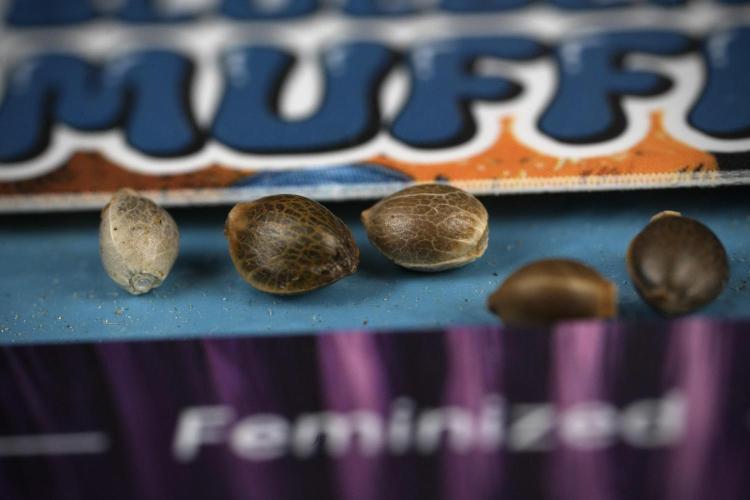
Welcome to another new journey, and this time we're following Blueberry Muffin by Zamnesia – Pheno B.
Before we begin, I'd like to mention a small change in the way I'll be documenting this run. Due to the current photo limitations on GrowDiaries, I've decided to separate each phenotype into its own dedicated diary. Instead of documenting multiple plants within a single journal, each phenotype will now have its own space from seed to harvest.
This approach allows me to continue documenting every stage as thoroughly as possible while selecting the best photos from each week. The goal remains exactly the same as always: to create a complete educational record of the grow, sharing not only the successes, but also the challenges, observations, and lessons learned along the way.
For those following my previous diaries, you'll already know that this cultivation style is a little different from what many growers choose. Over the years it has become part of my own growing philosophy, and throughout this journey I'll do my best to explain not only what I'm doing, but also why I'm doing it.
So let's begin at the very beginning: germination.
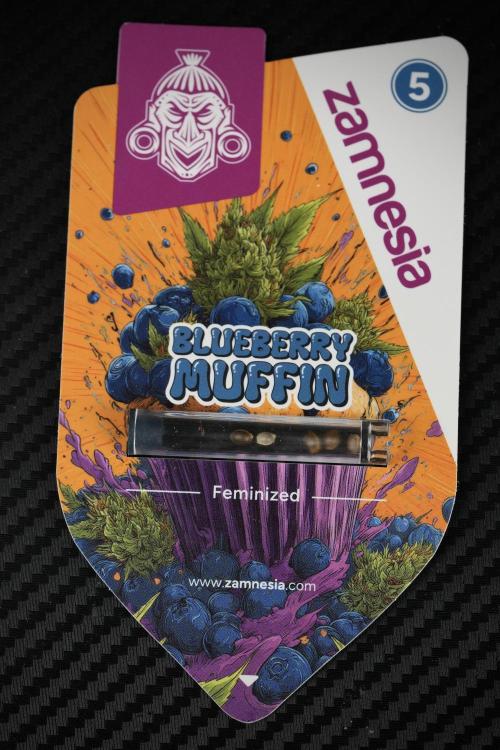
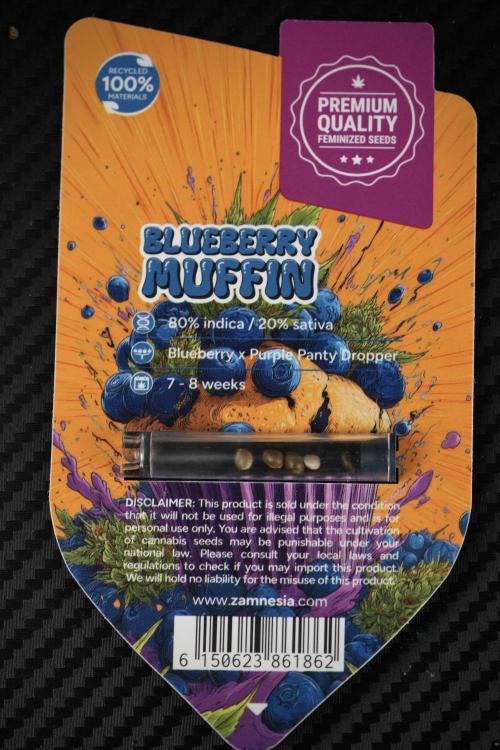
For this run, all genetics are provided by Zamnesia Seeds, while the substrate and nutrient line come from Plagron. Blueberry Muffin has built quite a reputation among growers for its beautiful structure, vibrant colors, and unmistakable aroma profile, making it a cultivar I've been looking forward to documenting from seed to harvest.
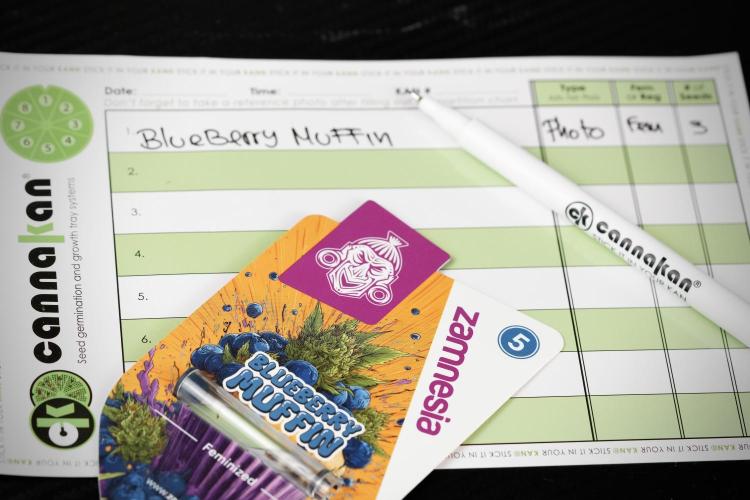
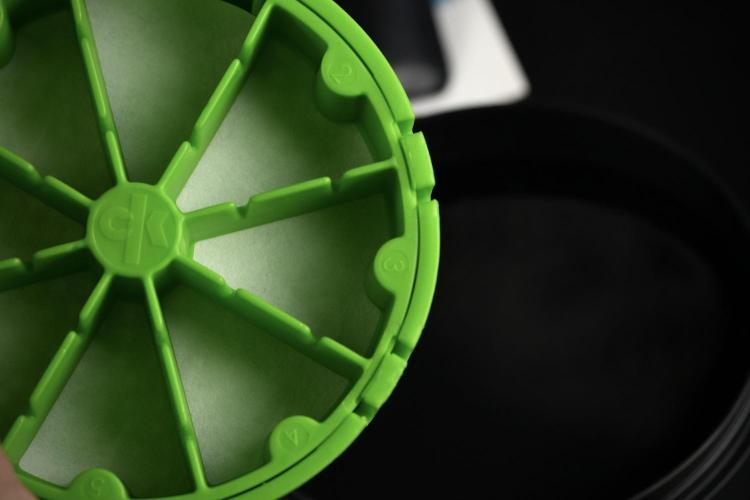
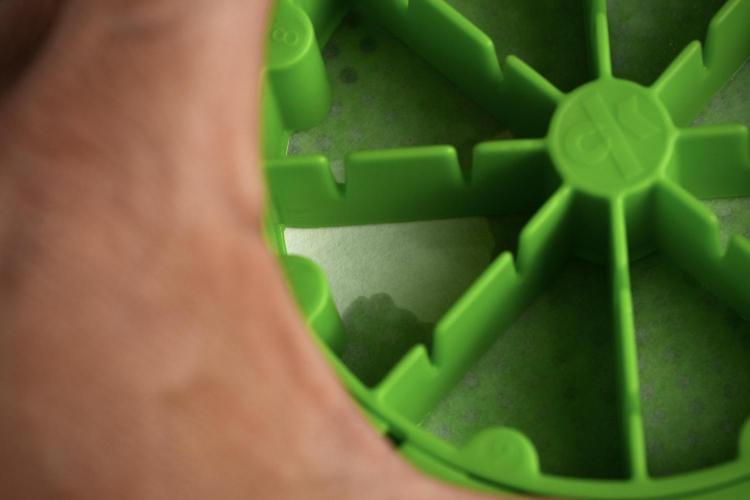
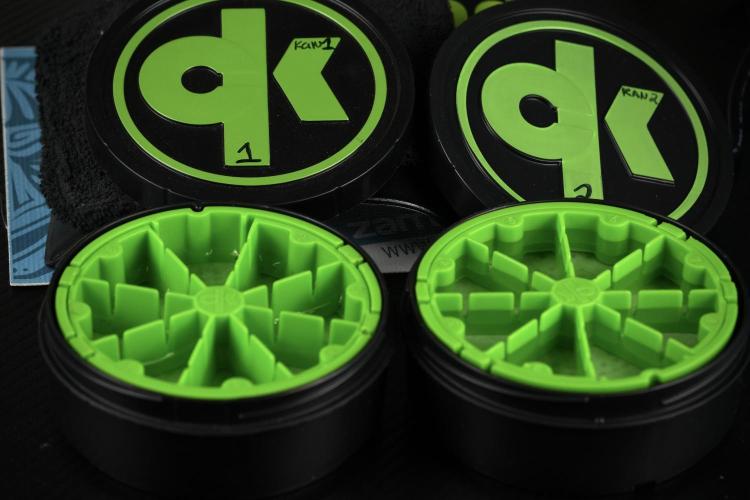
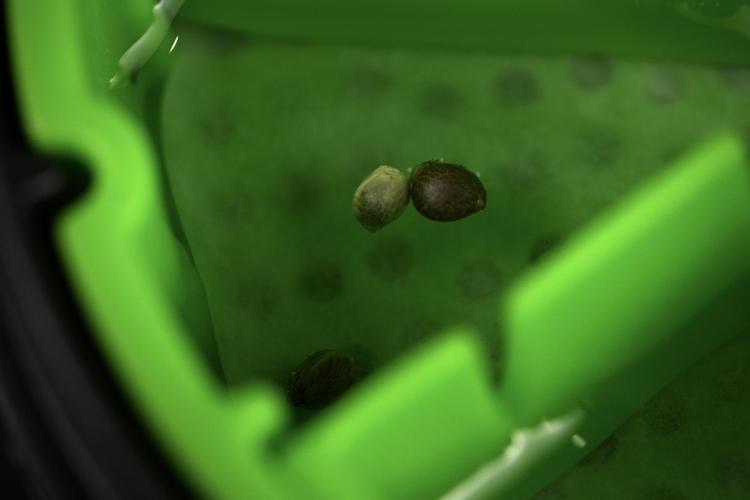
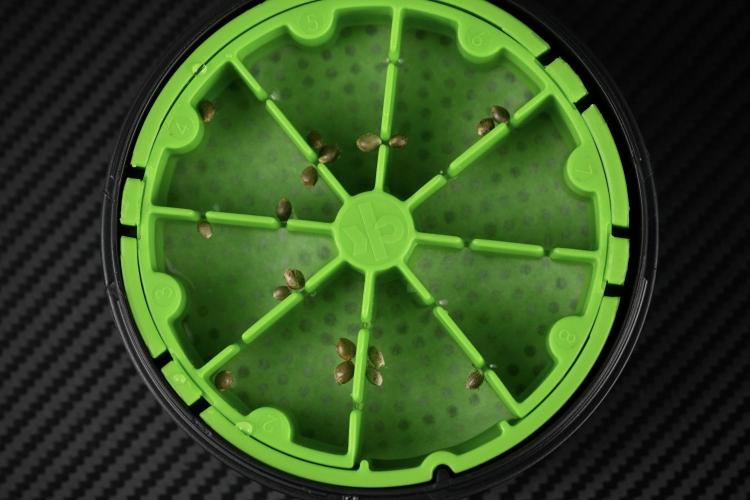
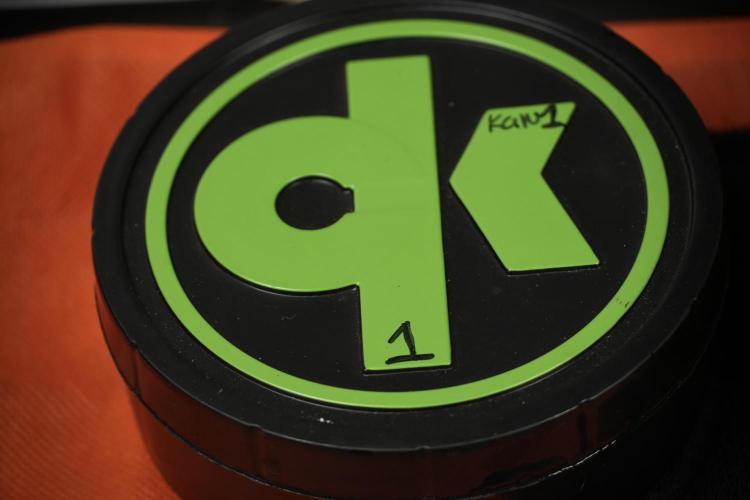
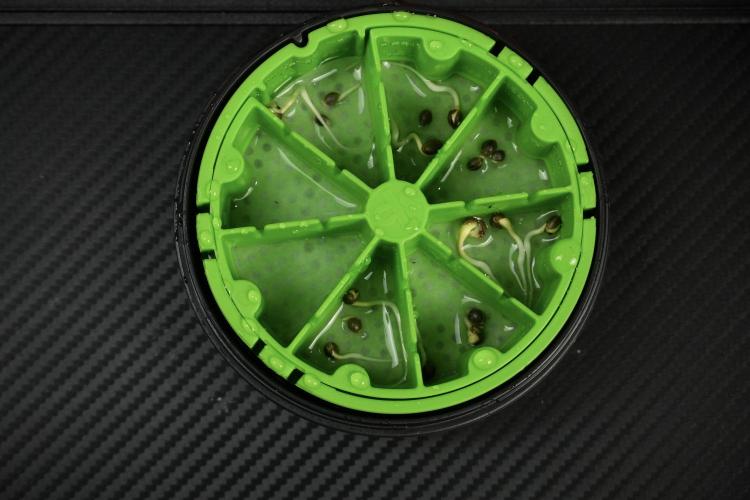
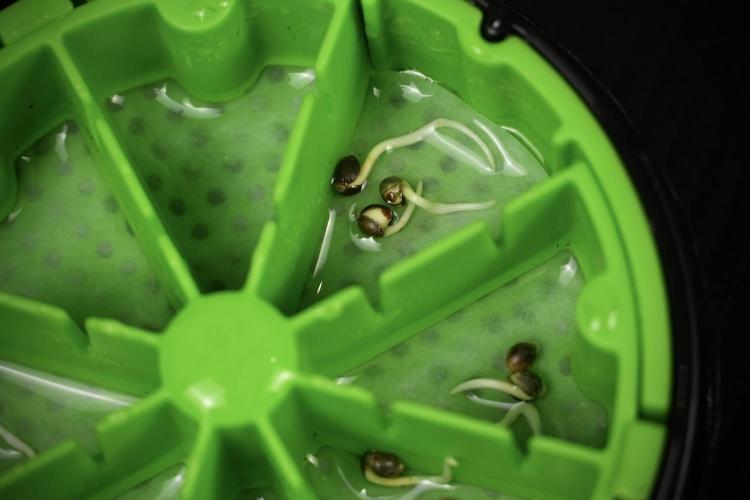
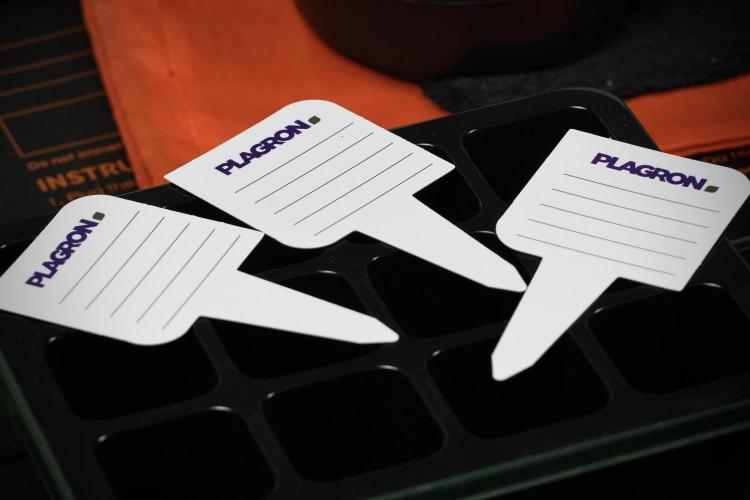
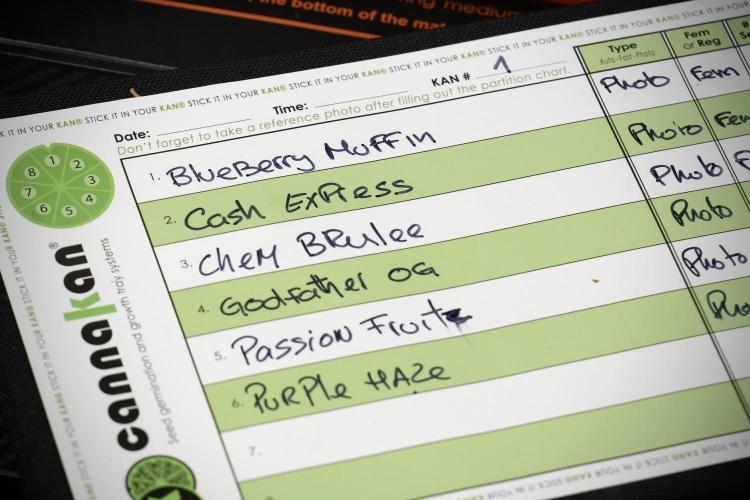
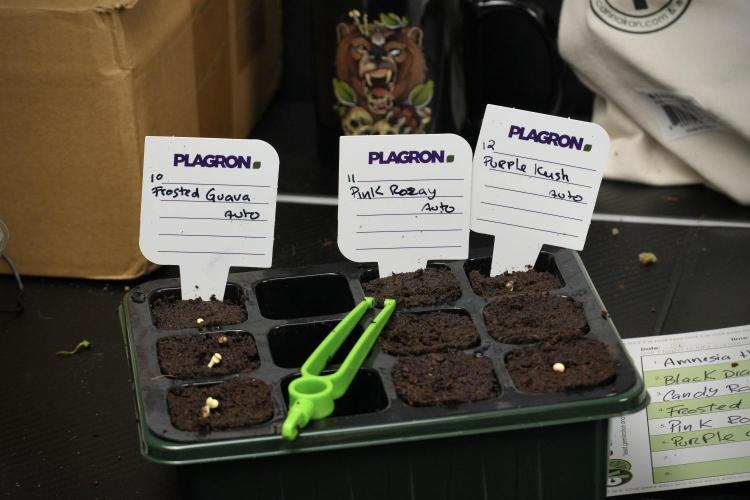
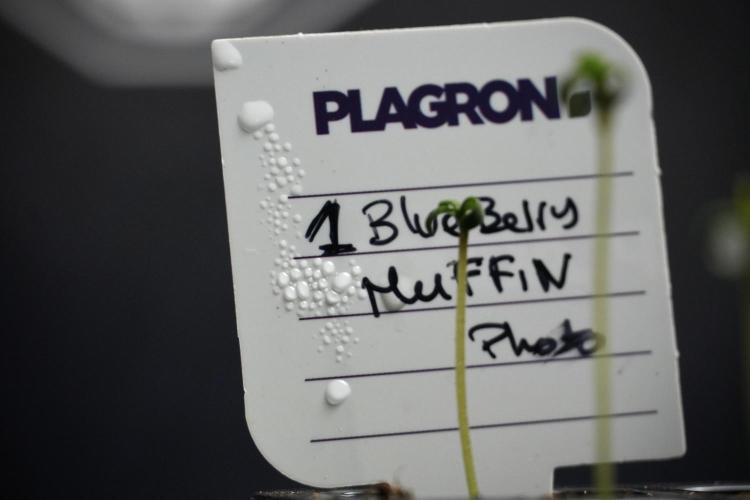
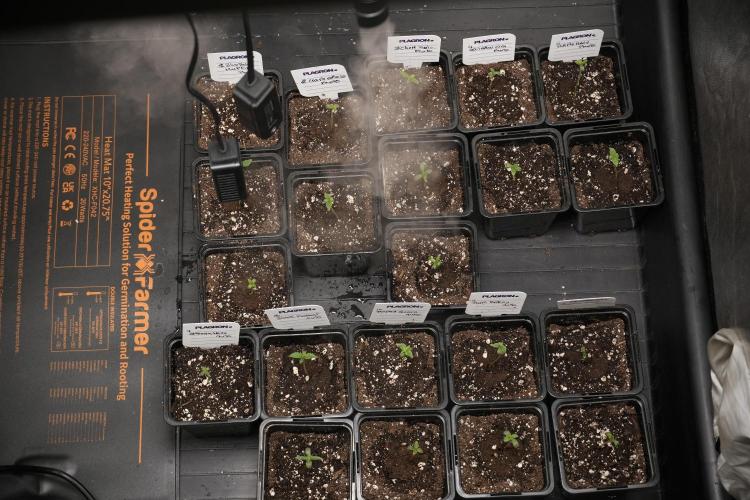
To start the seeds, I used the Cannakan germination system. For those unfamiliar with it, it is a simple but practical germination container that allows multiple seeds or cultivars to be organized separately while maintaining a stable environment. Each compartment can be individually labeled, making it easy to keep track of genetics throughout the germination process.
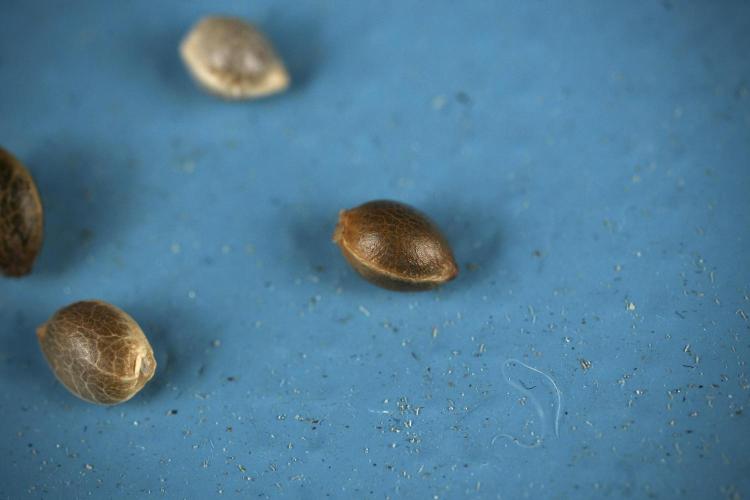
The seeds were placed in plain water inside the Cannakan and left to hydrate. Within roughly 24 hours, healthy taproots had already emerged and the seeds were ready for the next stage.
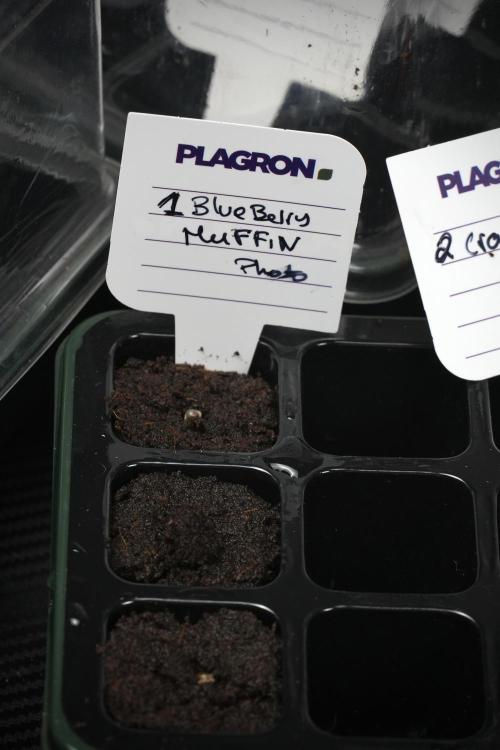
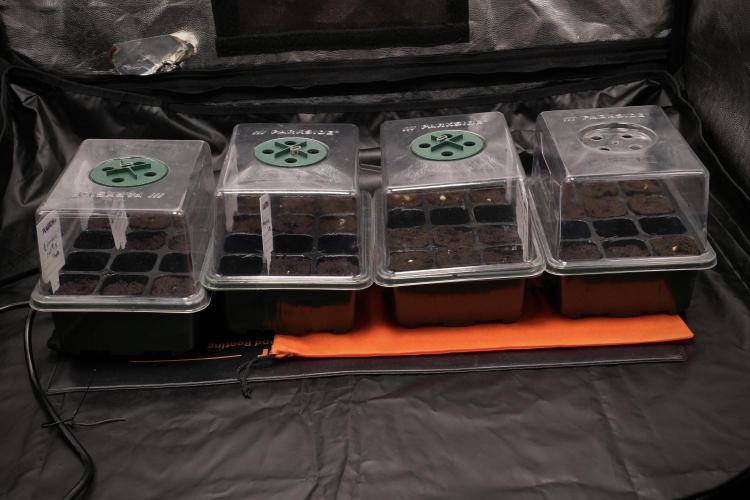
This run also marks my first experience using coco starter plugs. The plugs were thoroughly hydrated, lightly squeezed to remove excess water, and the germinated seeds were carefully placed inside. They then spent approximately 24 hours inside a propagation dome where humidity remained high enough to support early development.
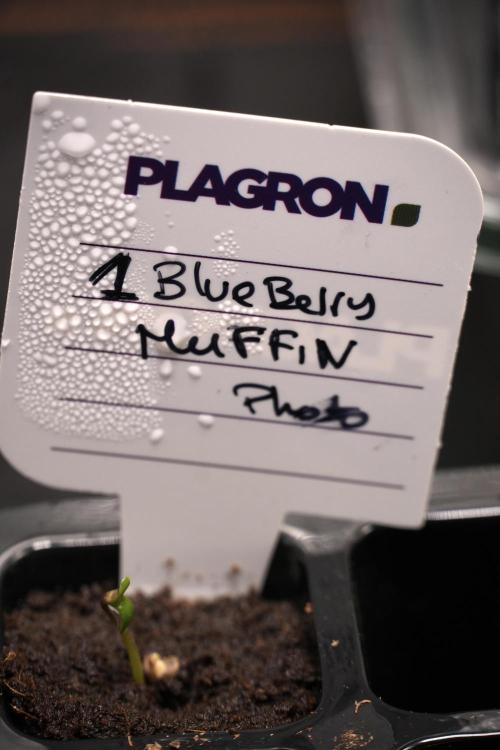
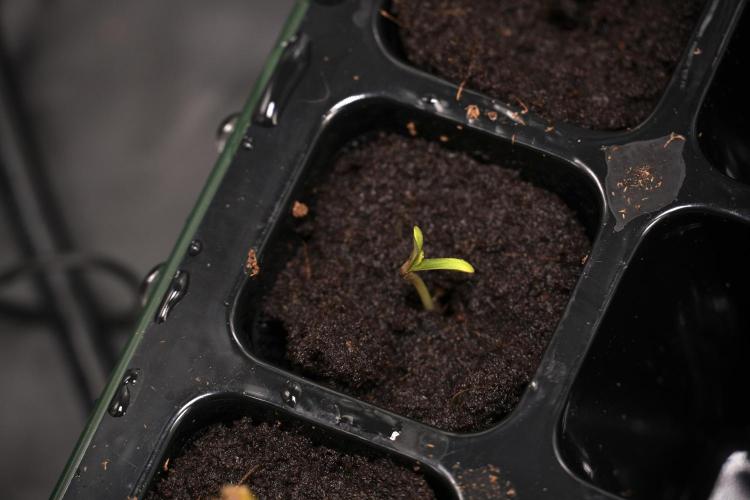
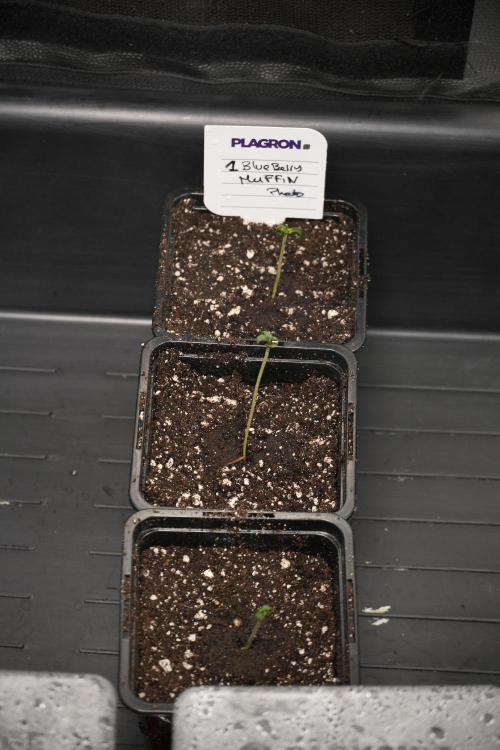
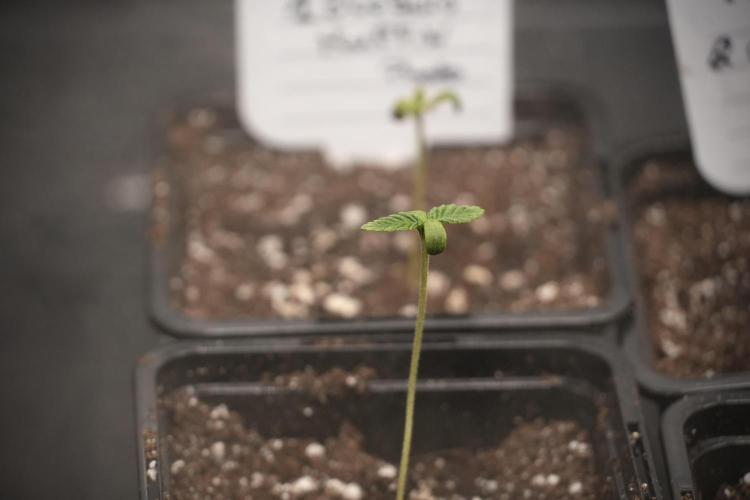
The response was immediate. Before the first full day had passed, the seedlings were already emerging, opening, and searching for light. At that point I decided to transplant them directly into small containers filled with Plagron Lightmix.
At this stage, the only thing they receive is water.
Seeds already contain everything required to support their initial development, so I prefer not to introduce nutrients during germination. The objective is simply to provide moisture, oxygen, warmth, and a stable environment while allowing the seedling to establish itself naturally.
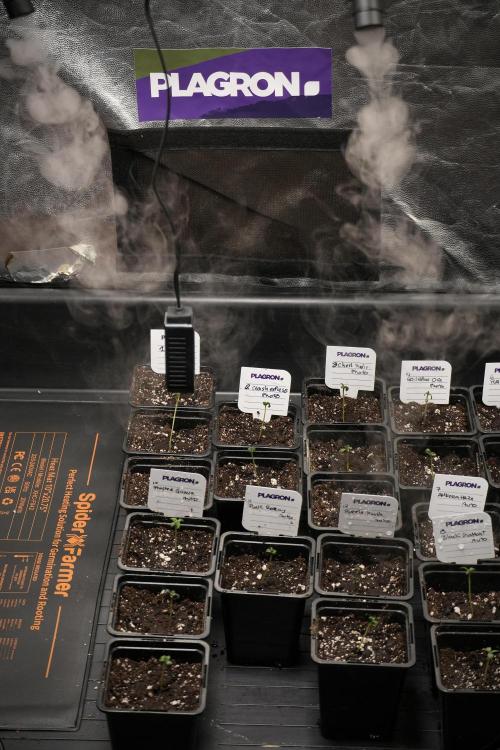
Environmental conditions were kept intentionally simple. Temperatures remained around 26–27°C, while humidity stayed between 65–70% thanks to the Spider Farmer humidifier. While many growers prefer keeping seedlings inside a dome for extended periods, I personally like introducing them to the ambient environment early. A method that may differ from more traditional approaches, but one that has become part of my own cultivation style over time.
Airflow was kept extremely gentle during these first days. Seedlings need fresh air, but excessive airflow can quickly become counterproductive. At this stage, less is often more.
For bottom heat, a propagation mat was used and maintained around 40°C. The reason for this is simple: heat sources generally need to operate slightly above the target root-zone temperature in order to compensate for environmental losses and maintain consistent warmth where it's actually needed.
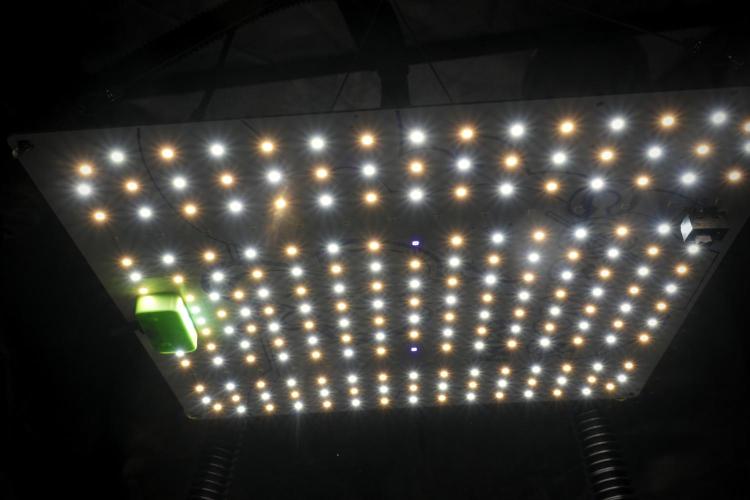
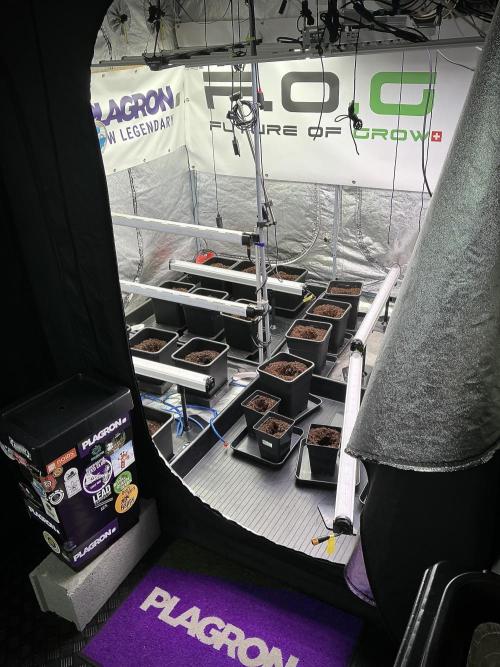
Lighting during germination was intentionally soft. The goal is not explosive growth but healthy establishment. Once these young plants are fully settled, they will be moved under the Future of Grow Black Series 600W full-spectrum LED, which will carry them through the rest of the cycle.
Like all plants in this project, this phenotype will be grown under a 12/12 light schedule from seed to harvest. It's a method I've documented for years and one I'll continue exploring throughout this diary. Every observation, success, challenge, and lesson learned will be documented as honestly as possible.
For now, everything is looking healthy, the seedlings have emerged successfully, and the journey of Blueberry Muffin Pheno B is officially underway.
Thank you to Zamnesia for the genetics and to Plagron for the substrate and nutrition supporting this run.
As always, thank you to everyone following along. I hope you'll enjoy the journey as much as I do documenting it.
Grower's Love! 🌱💚
10 likes
comments
Share
Used method
Other
Germination Method
1
Week 1. Vegetation9d ago


3 cm
Height
12 hrs
Light Schedule
27 °C
Day Air Temp
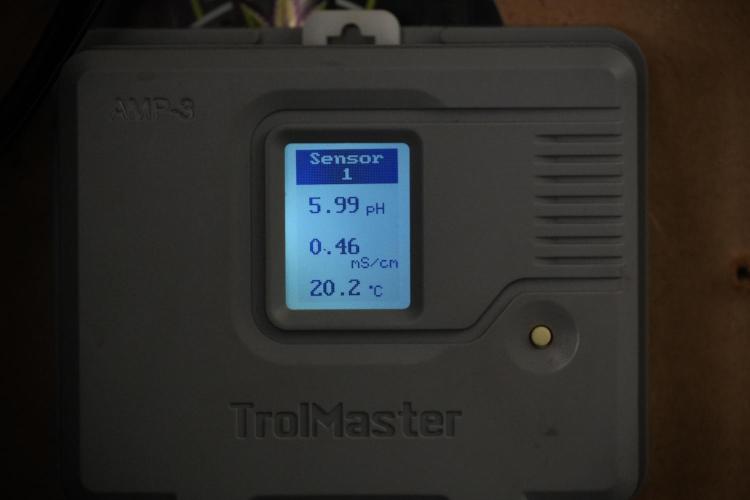
6.0
pH
No Smell
Smell
230 PPM
TDS
55 %
Air Humidity
21 °C
Solution Temp
21 °C
Substrate Temp
50 °C
Night Air Temp
15 l
Pot Size
0.71 l
Watering Volume
600 PPM
CO₂ Level
Nutrients 4

Terra Grow
1 mll

Pure Zym
1 mll

Sugar Royal
1 mll
DogDoctorOfficial Blueberry Muffin by Zamnesia | Pheno B 🍇🌱
Vegetative Week 1 | Finding Her Rhythm
Hello GrowDiaries family! 👋🌱
Welcome back to the journey of Blueberry Muffin Pheno B.
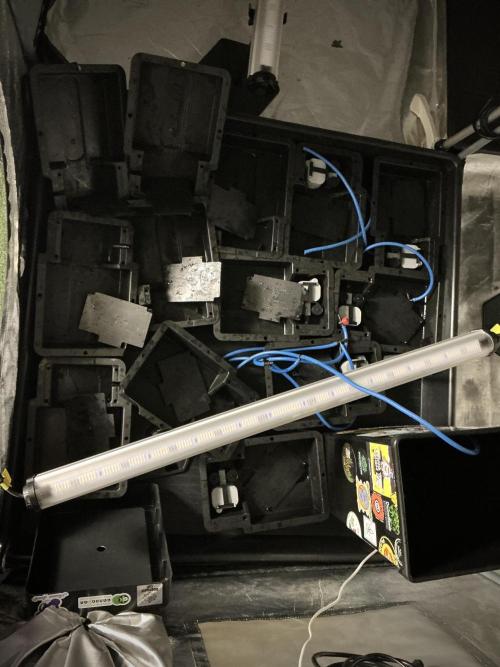
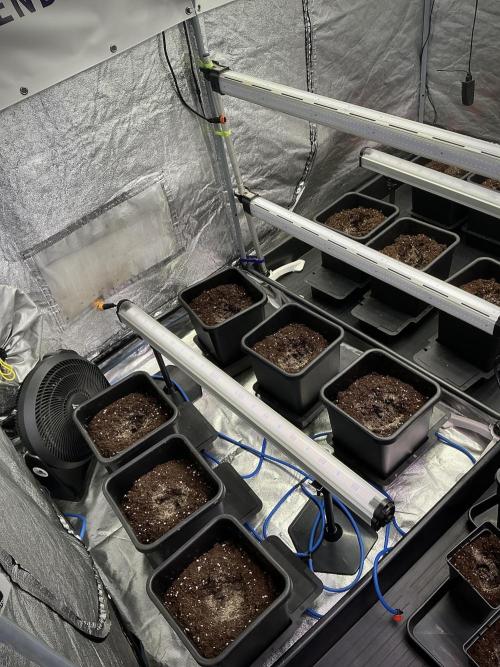
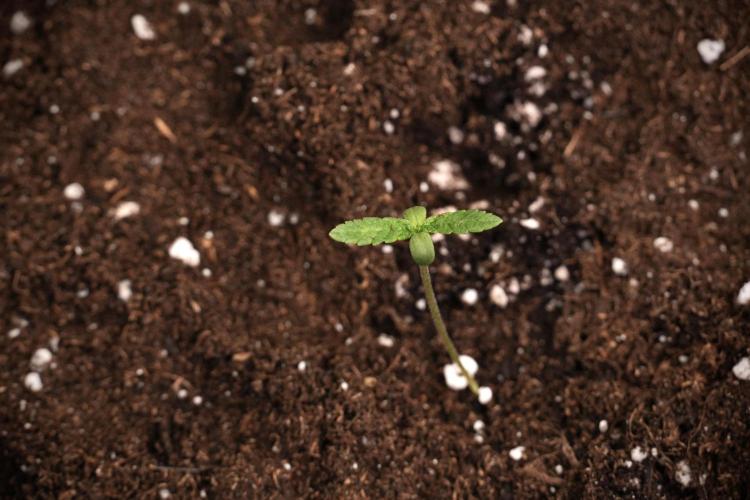
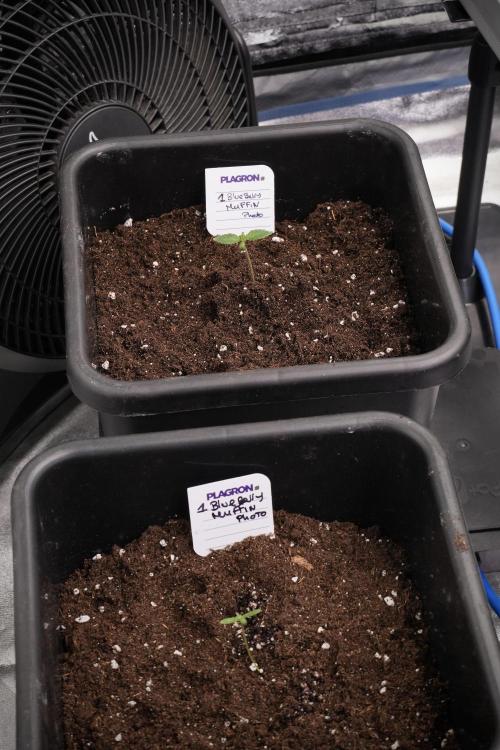
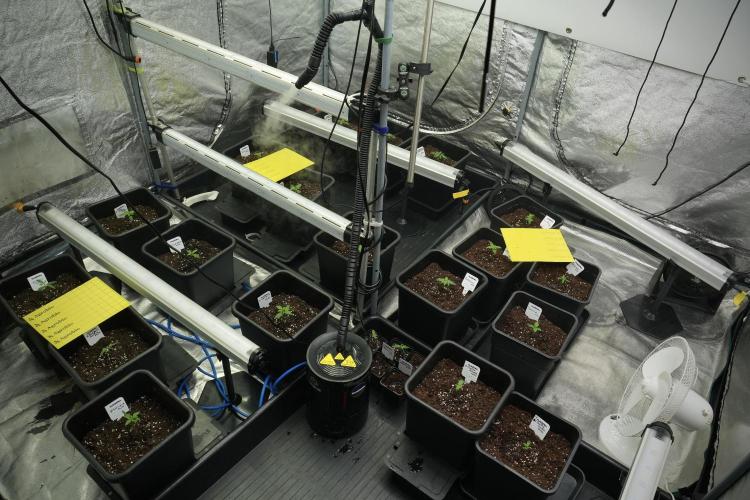
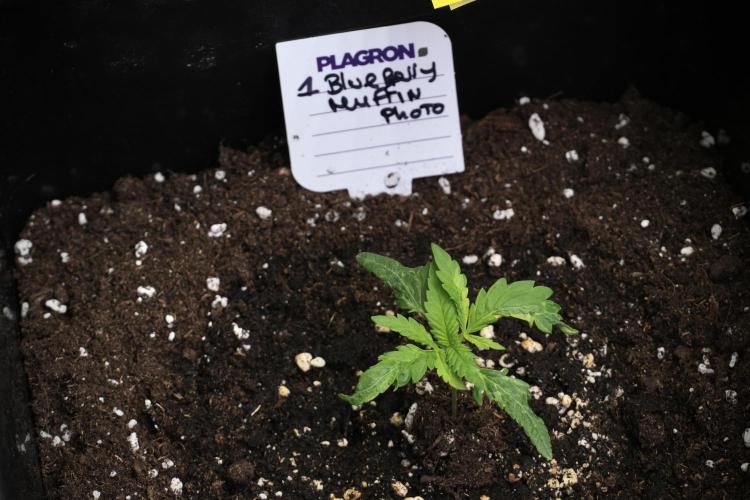
Last week we followed this seed through germination and into its first days above the soil. This week marks the beginning of vegetative growth as she settles into her final container and starts building the foundation that will support the entire cycle ahead.
As with all plants in this project, Pheno B is being grown under a 12/12 light schedule from seed. It is a somewhat unconventional approach, but one that allows us to document how different genetics and phenotypes respond when grown under flowering photoperiods from the very beginning of life.
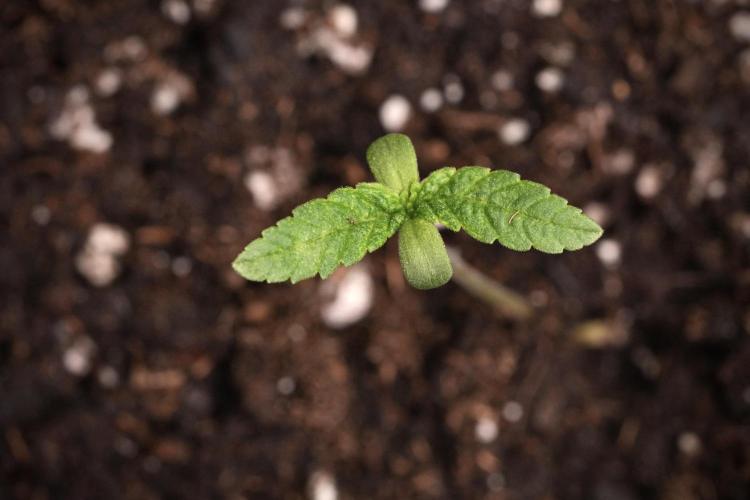
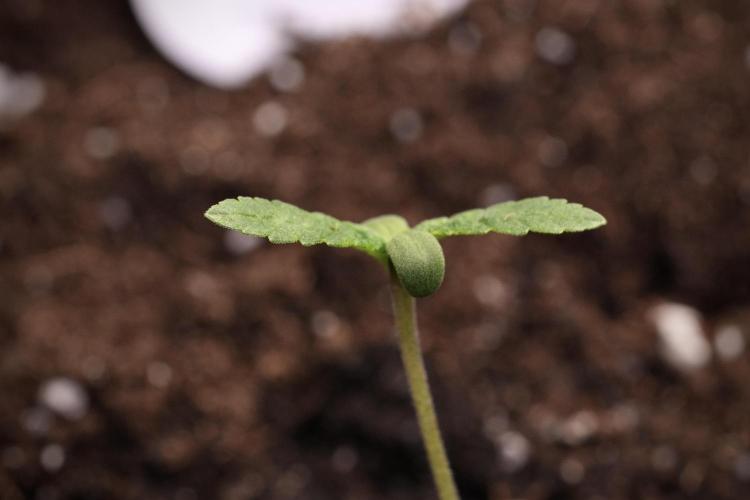
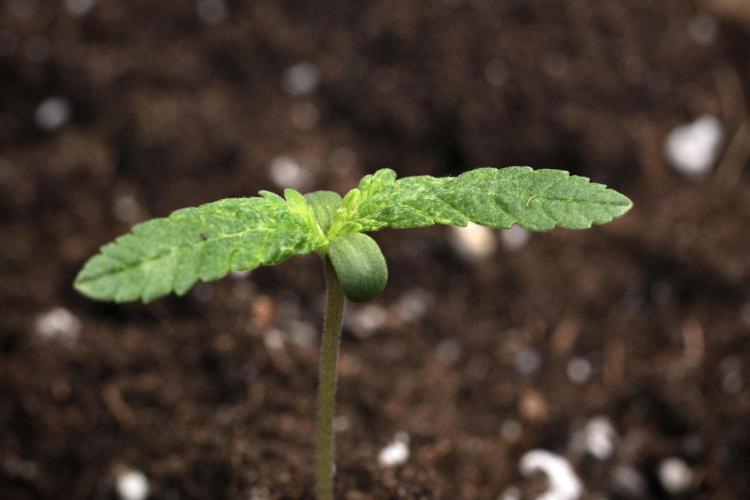
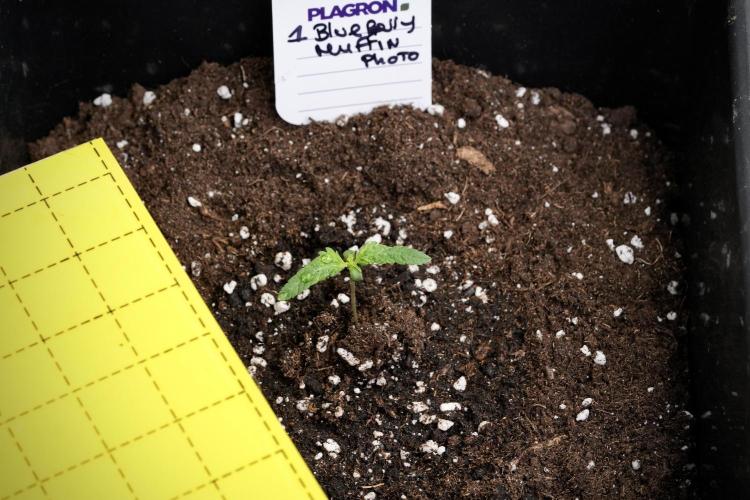
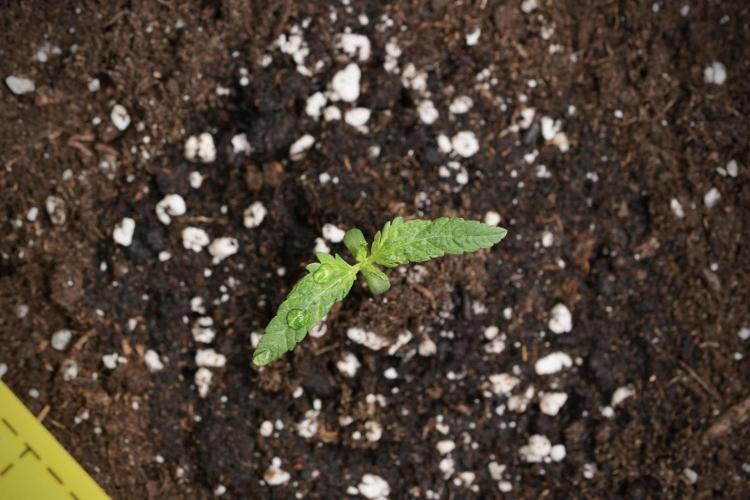
While her sister has shown slightly faster development during these first days, Pheno B is taking things at her own pace—and that’s perfectly fine.
Every plant has its own rhythm.
⸻
Moving Into The Final Container
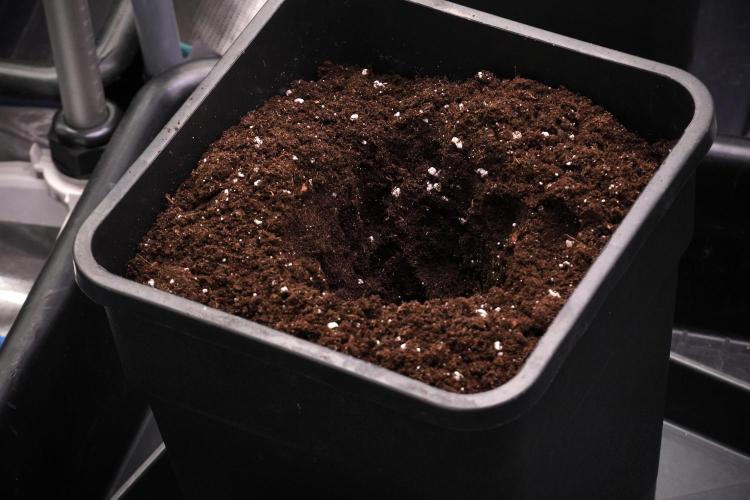
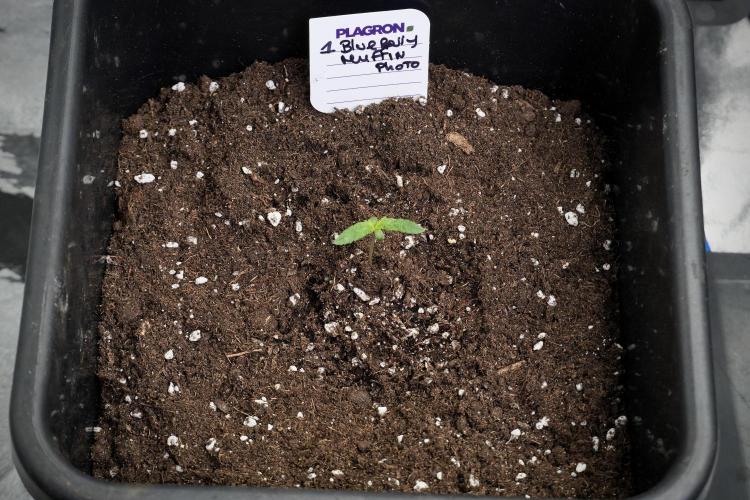
This week we transplanted Pheno B into her final home.
Rather than gradually increasing pot sizes throughout the grow, we prefer to place these plants directly into their finishing containers from the beginning.
The reasoning is simple.
Since this project is being run under 12/12 from seed, we want root development to begin immediately without interruptions from additional transplants later in the cycle.
The objective is to allow the roots to fully colonize the container while minimizing stress and maximizing consistency.
At this stage, healthy roots are far more important than rapid growth above the soil.
⸻
Building Foundations With Lightmix
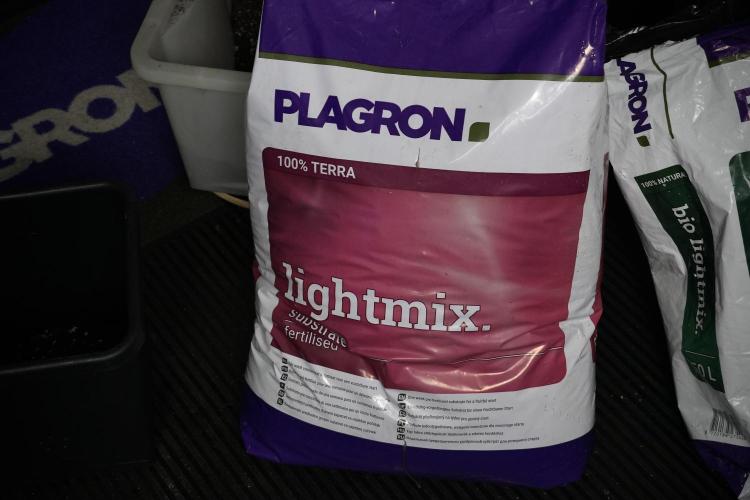
For this run we are using Plagron Lightmix as the base substrate.
Lightmix offers a gentle starting environment while still providing enough nutrition to support young plants during their first days of life.
The goal during this stage is not explosive growth.
The goal is balance.
A healthy root zone, stable moisture levels, and a comfortable environment create the conditions needed for strong development later on.
⸻
Water First, Nutrition Second
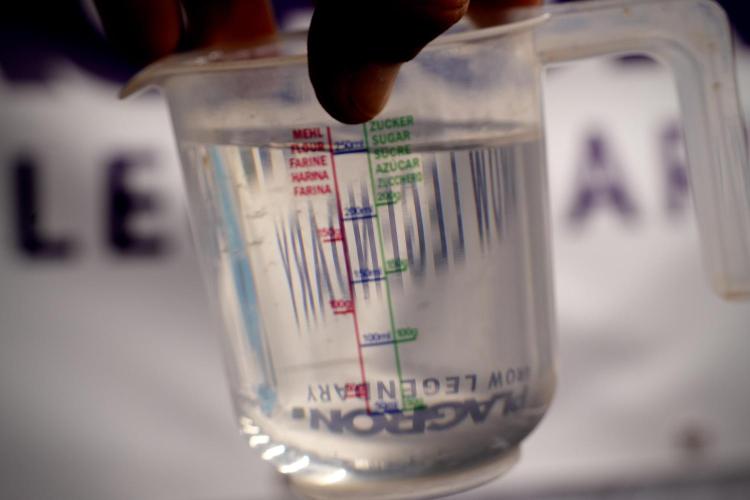
The first irrigation after transplant consisted of plain water only.
Young seedlings still rely heavily on the energy reserves stored inside the seed itself, and Lightmix already contains enough nutrition to support those early stages.
After several days of establishment, we introduced a very gentle feeding schedule consisting of:
🌱 Terra Grow
🌱 Pure Zym
🌱 Power Roots
🌱 Sugar Royal
All products were used at light dosages with the objective of supporting root development and encouraging healthy growth without overwhelming a young seedling.
At this stage patience is still one of the most valuable inputs a grower can provide.
⸻
Light Intensity & Daily Light Integral
One aspect that often surprises growers when following these diaries is the light intensity being used this early.
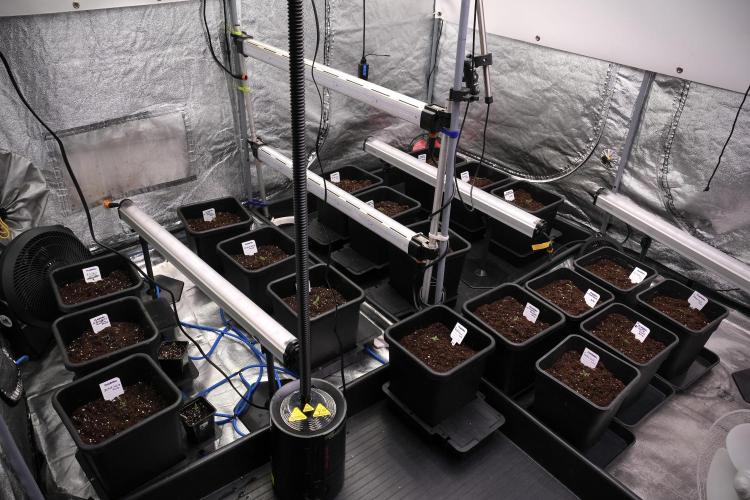
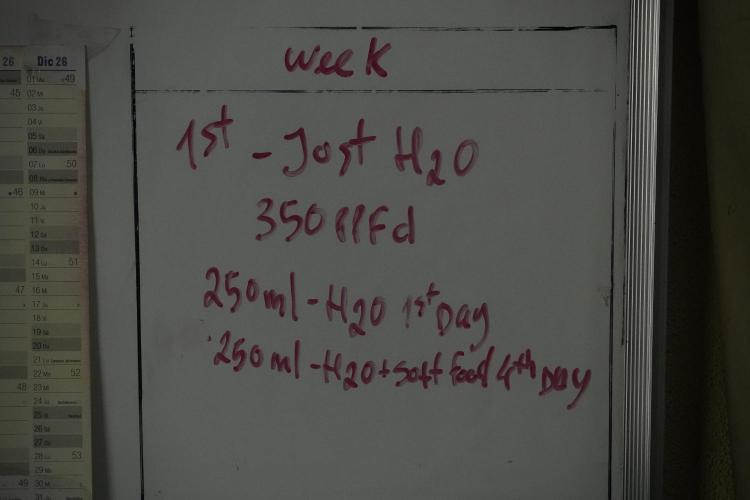
Pheno B is already receiving approximately 350 PPFD.
Under a traditional vegetative schedule of 18 or more hours, this could be considered relatively strong for a seedling.
However, because these plants receive only 12 hours of light each day, the total amount of light accumulated throughout the day—the Daily Light Integral (DLI)—remains significantly lower.
By introducing moderate PPFD levels early, we help the plants adapt to stronger light while maintaining an appropriate daily light load.
The objective is adaptation rather than acceleration.
⸻
Environmental Conditions
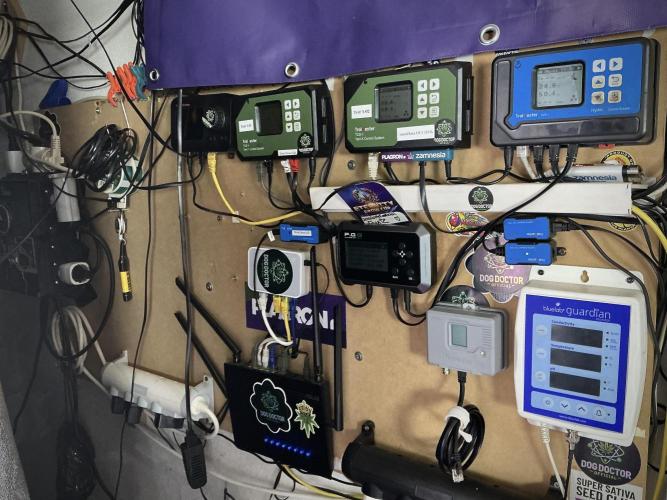
Environmental conditions remained stable throughout the week:
🌡️ Day temperature: 27°C
🌙 Night temperature: approximately 25°C
💧 Relative humidity: 55%
🌱 Substrate temperature: 21°C
💧 Solution temperature: 21°C
🌿 CO₂: approximately 600 ppm
Consistency remains one of the most important factors during seedling establishment, and so far the environment has remained exactly where we want it.
⸻
Early Observations
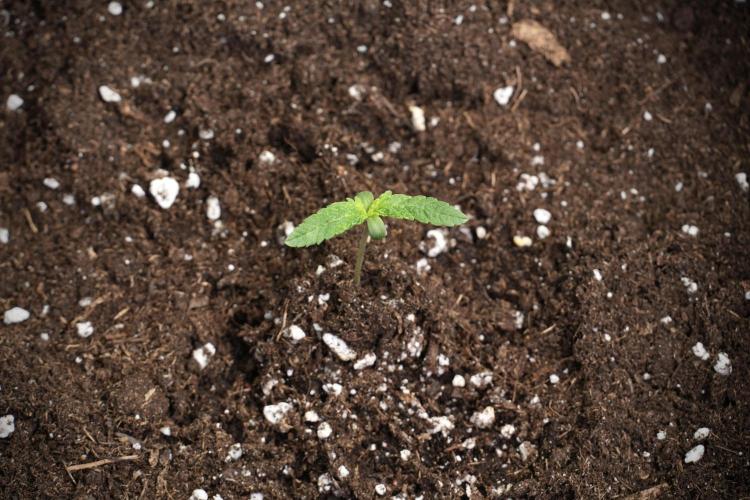
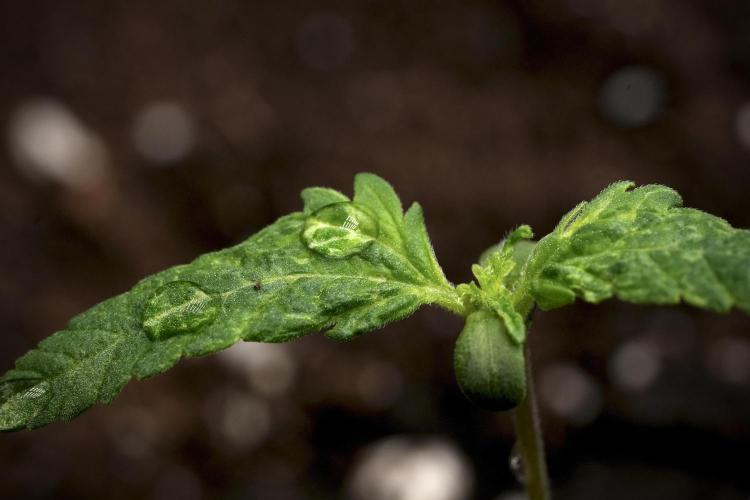
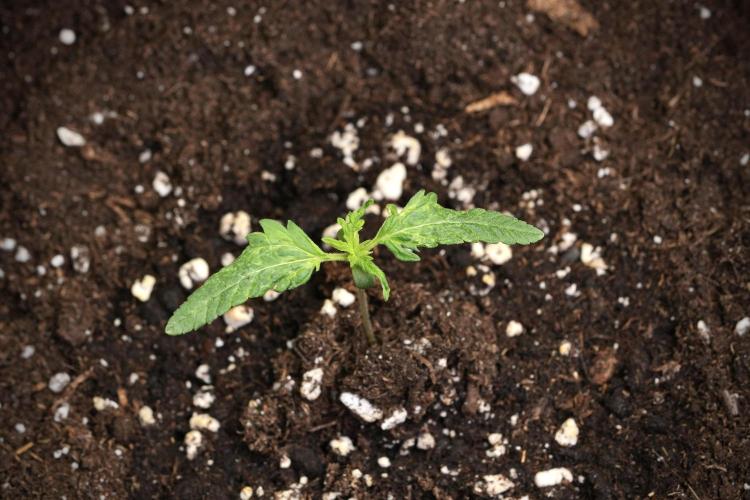
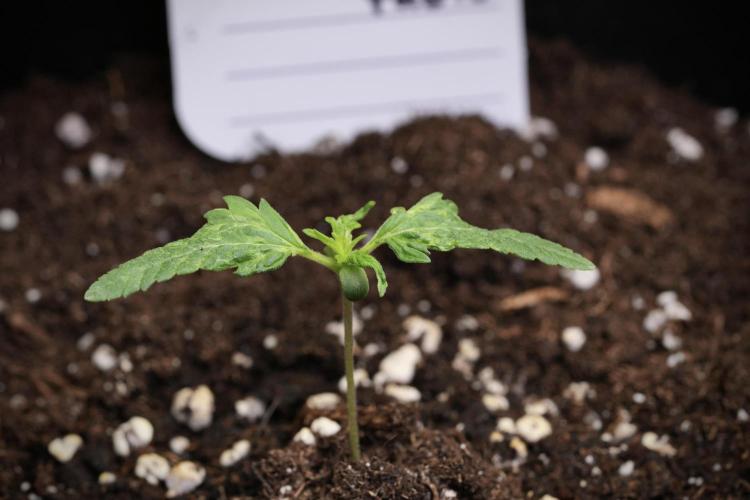
Pheno B is already showing subtle differences compared to her sister.
Growth has been slightly slower and the overall structure remains a little more compact at this stage.
Leaf development is progressing well, but she appears to be taking a more measured approach to growth compared to Pheno A.
This is exactly why both phenotypes are being documented separately.
The differences may seem small now, but often these early observations become some of the most interesting comparisons later in the cycle.
For now, she appears healthy, stable, and comfortable in her new environment.
And that’s exactly what we want to see.
⸻
Looking Ahead
The root system is expanding.
The feeding program has begun.
The environment remains stable.
And now we wait.
Over the next week we expect to see increased vegetative growth, larger leaves, stronger branching development, and perhaps even more clues about the unique personality of this phenotype.
The race is not won during the first week.
Right now we’re simply laying the foundations.
And Pheno B is doing exactly that.
⸻
Thank You
A huge thank you to Zamnesia for providing the Blueberry Muffin genetics for this project.
Thank you to Plagron for the nutrition and substrate supporting this run.
And thank you to Future of Grow, and everyone following along and sharing this journey with us.
As always, thank you for stopping by.
The adventure has only just begun.
Grower’s Love everyone. 🌱💚🍇
7 likes
comments
Share
Used techniques
12-12
Technique
Transplantation
Technique
2
Week 2. Vegetation1d ago


5.5 cm
Height
12 hrs
Light Schedule
27 °C
Day Air Temp
6.0
pH
No Smell
Smell
450 PPM
TDS
55 %
Air Humidity
20 °C
Solution Temp
21 °C
Substrate Temp
50 °C
Night Air Temp
15 l
Pot Size
0.8 l
Watering Volume
600 PPM
CO₂ Level
Nutrients 4
Terra Grow
1.8 mll
Pure Zym
1 mll
Sugar Royal
1 mll
DogDoctorOfficial Week 2 - Blueberry Muffin (Pheno B) ?🌱
Hello everyone, and welcome back to another update from the 8×8 Adventure!
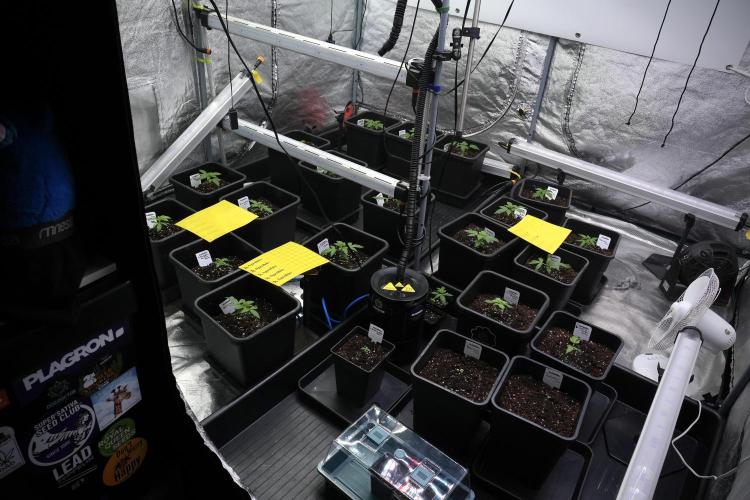
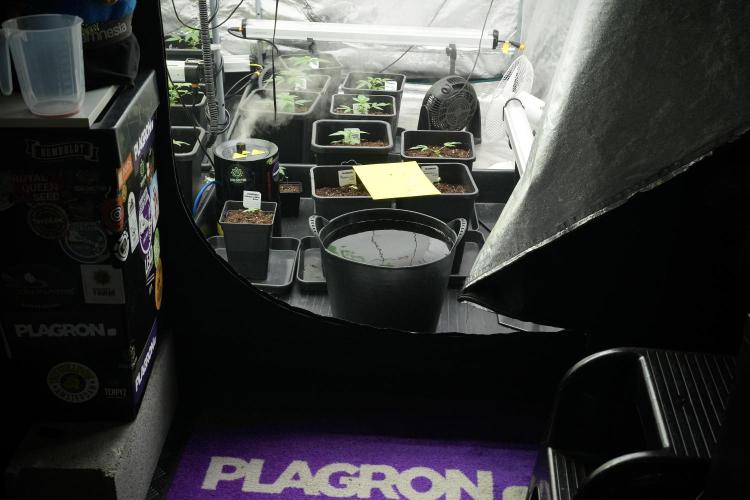
For anyone joining the journey for the first time, this run follows multiple Zamnesia cultivars and phenotypes grown side-by-side under a 12/12-from-seed schedule. Each phenotype receives its own dedicated diary so we can document individual development, compare expressions, and observe how different plants reveal their genetics from seed to harvest.
By documenting Pheno A and Pheno B separately, we can follow each plant’s individual story rather than averaging them together. Sometimes the differences are subtle, and sometimes they are impossible to ignore.
This project is also being conducted under a 12/12-from-seed schedule. Rather than using a traditional vegetative period, the plants receive 12 hours of light and 12 hours of darkness from the very beginning. The objective isn’t to grow the largest plants possible, but to efficiently explore genetics, phenotype expression, structure, vigor, and flowering characteristics while maintaining a manageable garden.
Week 2 Overview
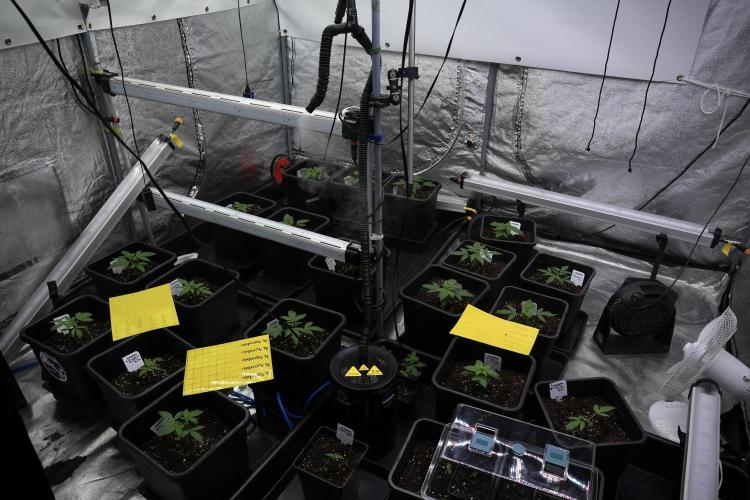
The second week has brought fantastic progress throughout the entire room. The seedlings are now firmly establishing themselves and beginning the transition into young vegetative plants.
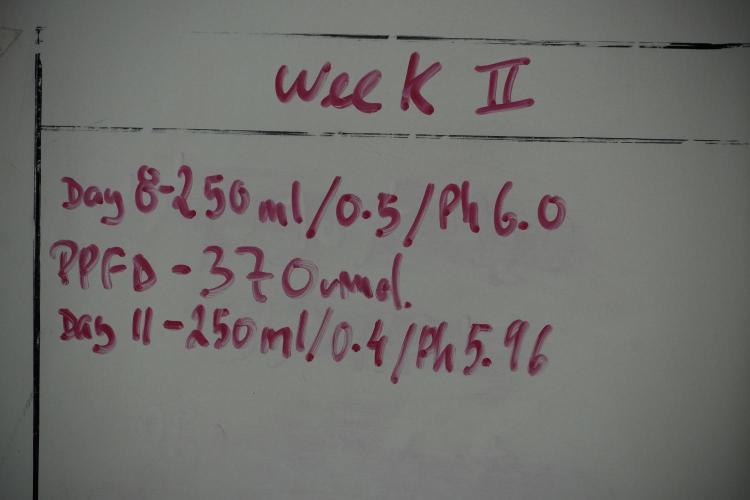
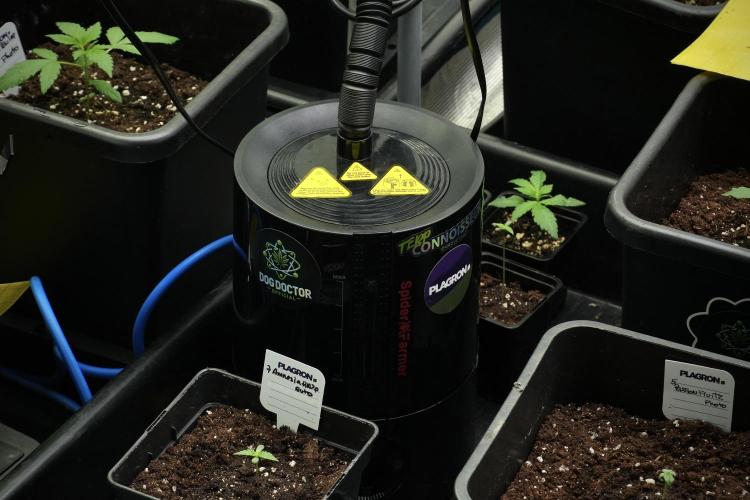
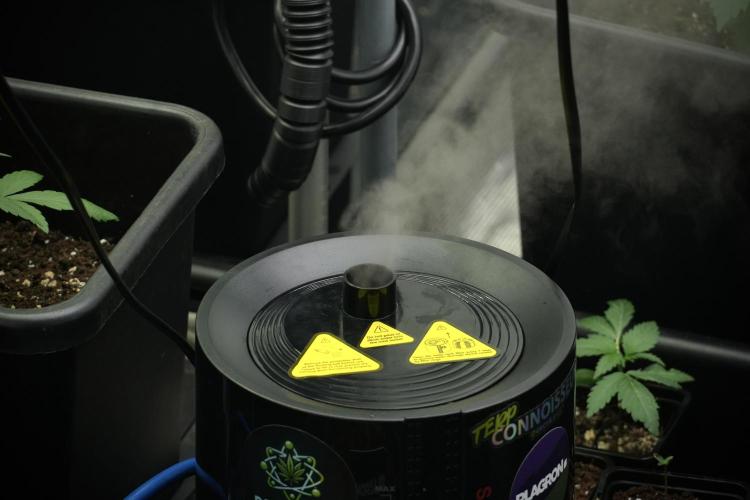
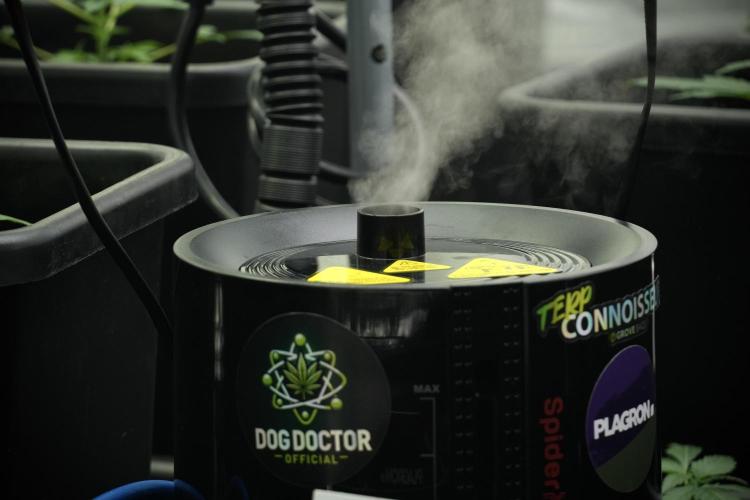
PPFD has been increased to approximately 370 µmol/m²/s, providing more energy as the plants become capable of handling stronger light levels. Environmental conditions have remained stable throughout the week, with daytime temperatures around 27°C, nighttime temperatures around 25°C, and relative humidity maintained near 55% with the help of a humidifier.
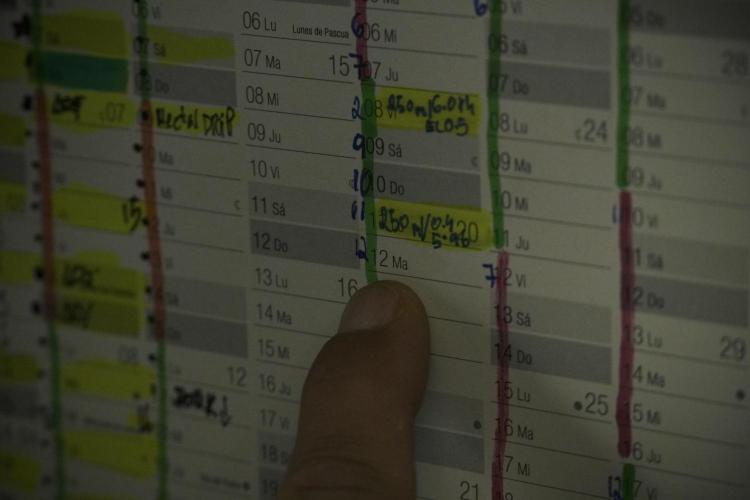
Watering remains intentionally conservative at this stage. Each plant received approximately 250 ml on Day 8 and another 250 ml on Day 11. Nutrient levels have also been increased gradually throughout the week as the plants continue responding positively.
We finished the week at approximately:
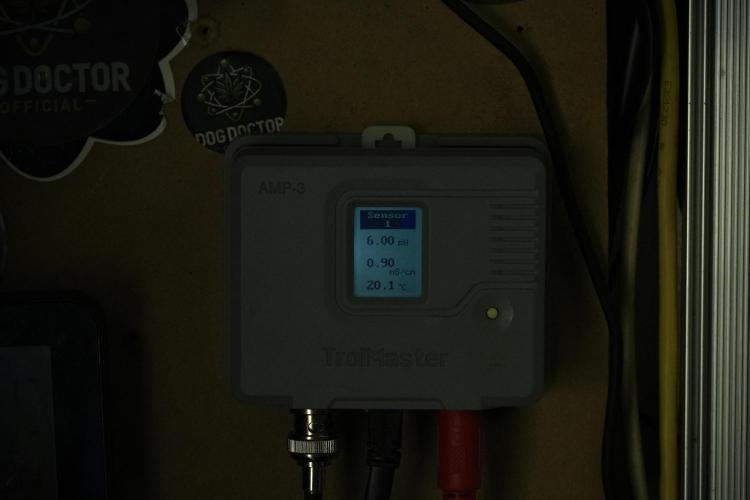
• EC: 0.9 mS/cm
• pH: 6.0
Current feeding schedule:
• Terra Grow – 1.8 ml/L
• Pure Zym – 1 ml/L
• Power Roots – 1 ml/L
• Sugar Royal – 1 ml/L
The increase in nutrition has been introduced slowly and carefully, allowing the plants to adapt while monitoring their response. So far, the garden has reacted extremely well, showing healthy color, strong development, and excellent vigor.
Blueberry Muffin Pheno B
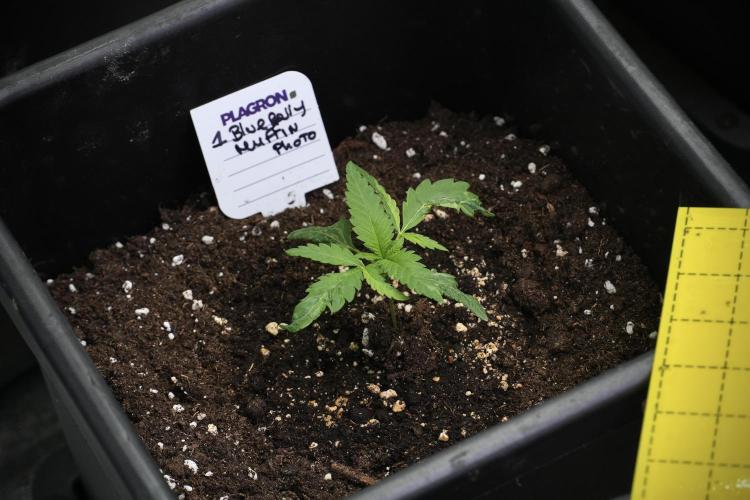
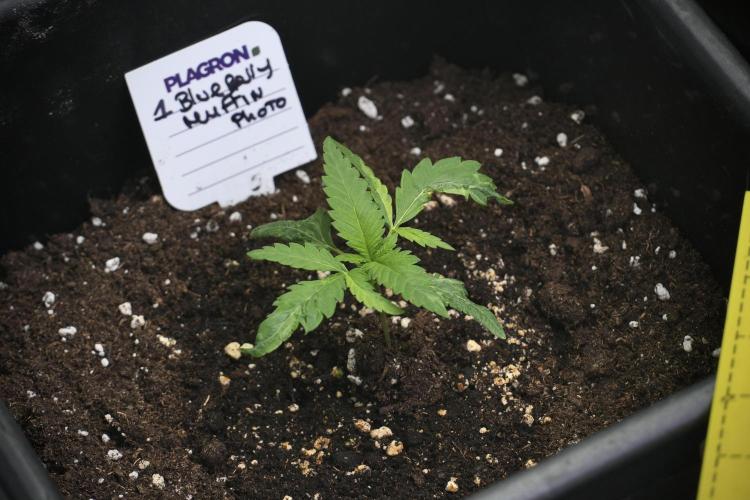
If there is one plant that has captured my curiosity so far, it is definitely this one.
From the beginning, Pheno B has been determined to do things her own way.
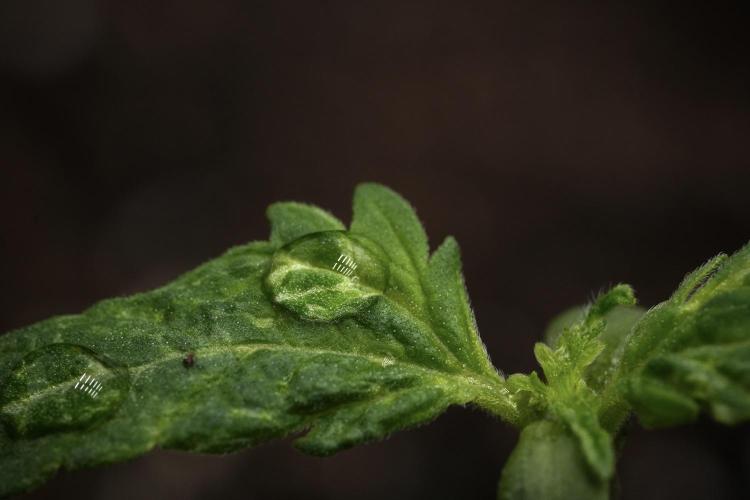
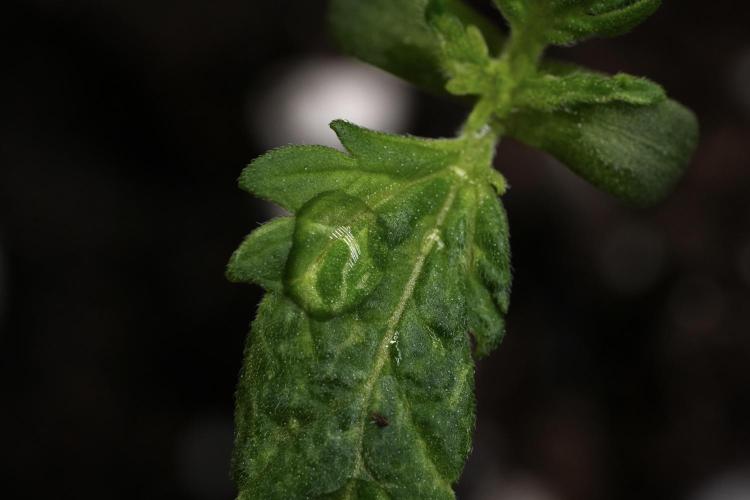
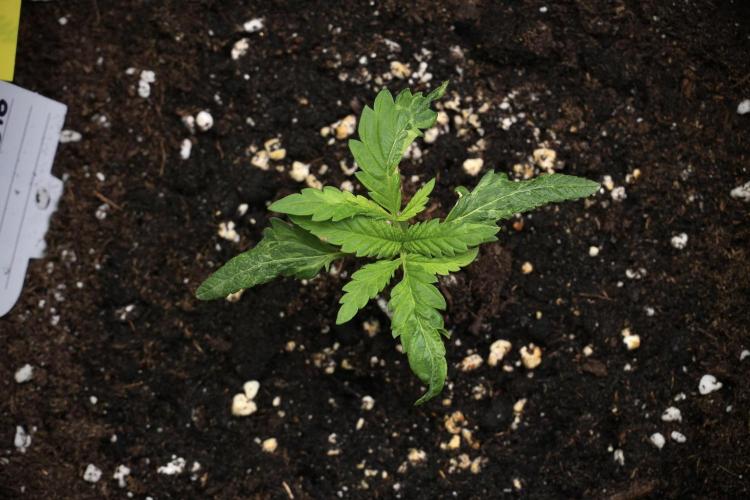
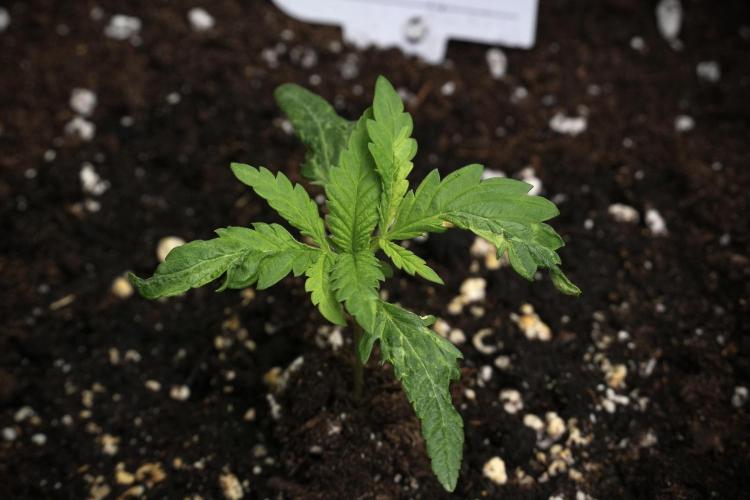
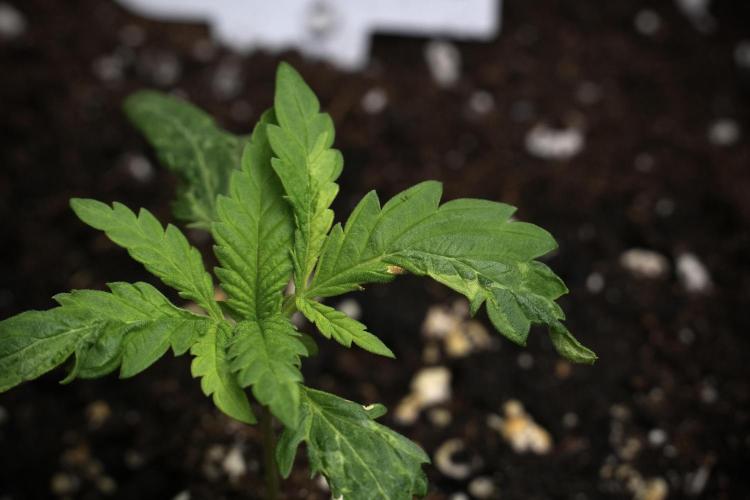
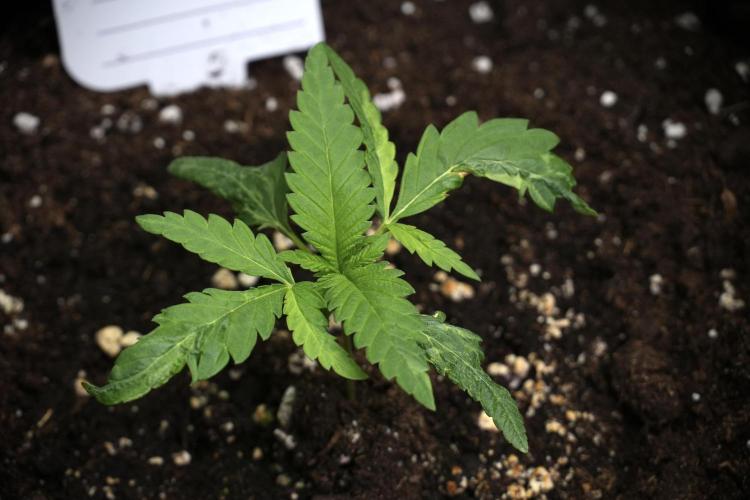
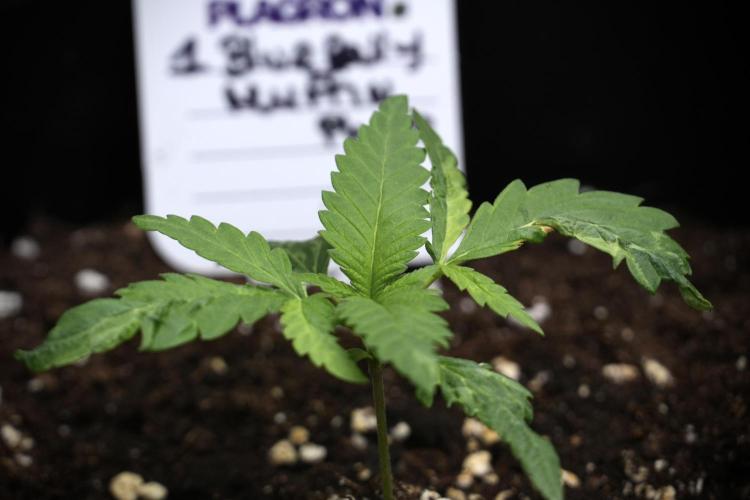
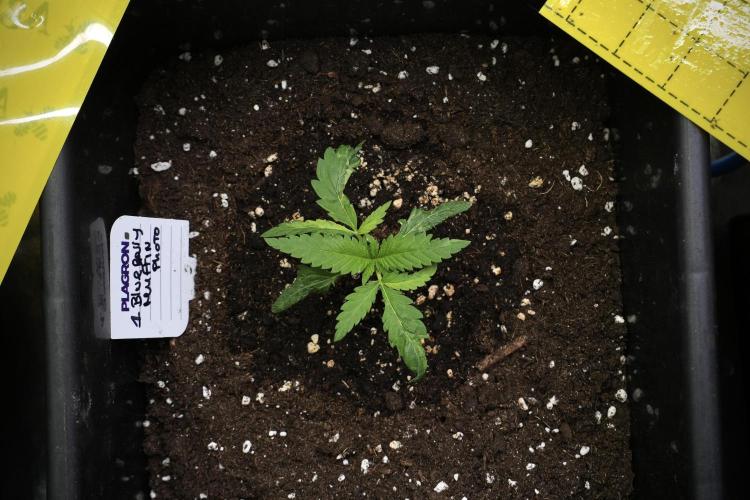
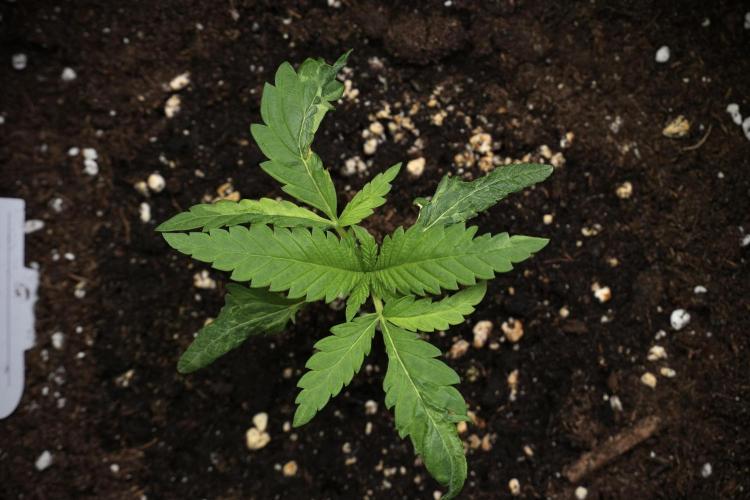
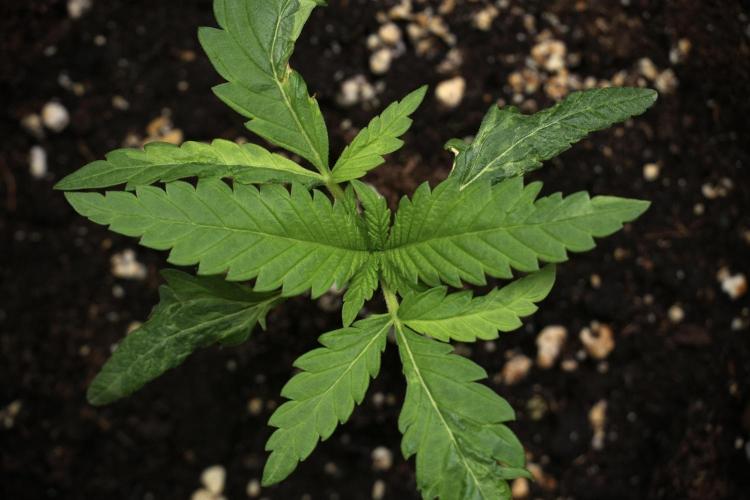
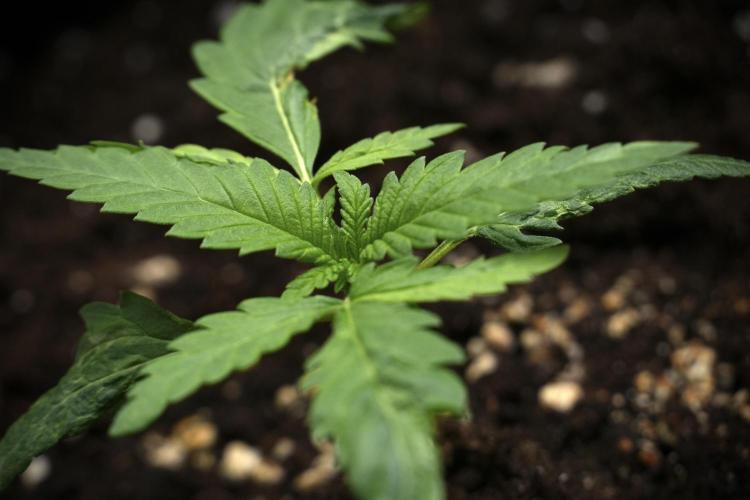
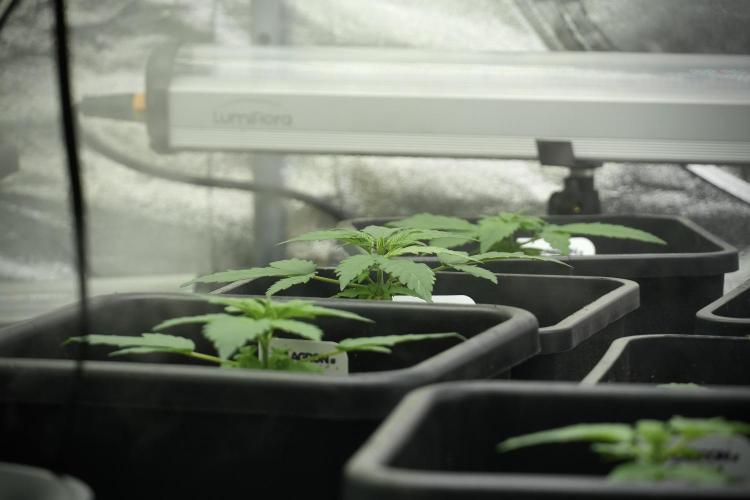
While many of her sisters have followed a more traditional development pattern, this phenotype continues producing unusual leaf shapes and quirky growth traits that immediately catch the eye. Several leaves display irregular morphology, and some of the foliage even carries what can only be described as a camouflage-like appearance, with multiple shades of green appearing across the same leaf surface.
It’s unusual.
It’s a little strange.
And honestly, it’s pretty fascinating.
What makes this phenotype particularly interesting is that despite all of these unusual characteristics, she simply refuses to slow down.
New leaves continue to emerge.
New nodes continue to form.
Growth continues moving forward.
The newest growth remains healthy, vibrant, and full of energy.
This isn’t a plant struggling to survive. This is a plant expressing itself differently while continuing to grow with confidence.
At this stage there is absolutely no reason to give up on her. Quite the opposite.
Phenotype hunting is often about discovering the unexpected, and plants like this are part of what makes growing from seed so rewarding. Sometimes unusual seedlings grow out of their quirks completely. Sometimes they keep those unique characteristics throughout their entire life cycle. And occasionally those odd traits become part of what makes a phenotype truly memorable.
For now, we’re simply observing, learning, and enjoying the journey.
Development Notes
During Week 2, Pheno B continued stacking nodes and expanding her canopy despite her unconventional appearance.
Five-finger leaves have begun appearing, growth remains steady, and the overall color is healthy throughout the plant. The root system continues developing beneath the surface while the plant gradually builds structure above it.
Every day brings something slightly different with this phenotype, and that’s exactly what makes her one of the most interesting plants in the room right now.
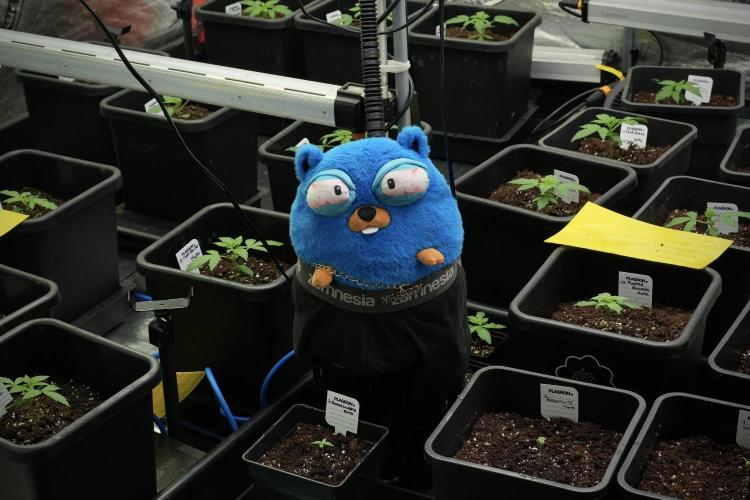
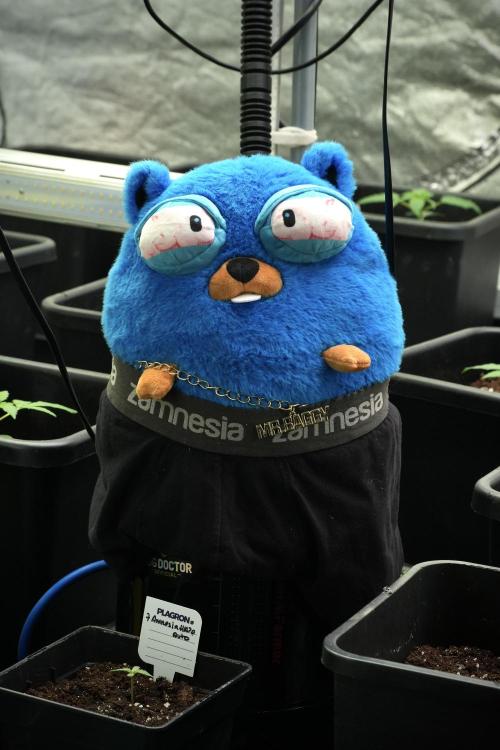
Mr. Baggy Report
Mr. Baggy remains on-site and fully committed to supervisory duties throughout the 8×8 Adventure.
His responsibilities currently include quality control inspections, environmental monitoring, motivational support, and posing for photographs whenever required.
Performance reviews remain ongoing.
Looking Ahead
The coming week should tell us much more about where this phenotype is heading.
Key observations will include:
• Continued leaf development
• Whether newer growth begins normalizing
• Additional branching development
• Stem strengthening
• Overall vigor and growth rate
• Further phenotype-specific traits
Week 3 is often where young plants begin revealing more of their genetic personality, and this Blueberry Muffin is already giving us plenty of reasons to stay curious.
Final Thoughts
Week 2 leaves me feeling very optimistic about this unusual little plant.
Yes, the leaf morphology remains different.
Yes, she continues showing some wonderfully strange characteristics.
But she is healthy.
She is growing.
And she is making this phenotype hunt far more interesting.
Sometimes the plants that stand out the most early on end up becoming the ones you remember long after harvest.
We’ll have to wait and see what story she decides to tell.
A huge thank you to everyone following along, commenting, sharing advice, and supporting the project.
Special thanks to Zamnesia, Plagron, Future of Grow, and everyone helping make this journey possible.
Most importantly, thank you to the entire growing community for continuing to share knowledge, encouragement, and passion for the plant.
Thank you for stopping by, and I’ll see you all next week for another update from the 8×8 Adventure.
Growers Love
DD 🌱💚
5 likes
comments
Share
Used techniques
12-12
Technique
Enjoying this diary? Follow for more updates!

Prefer the old Diary view?
Go back to the old Diary view