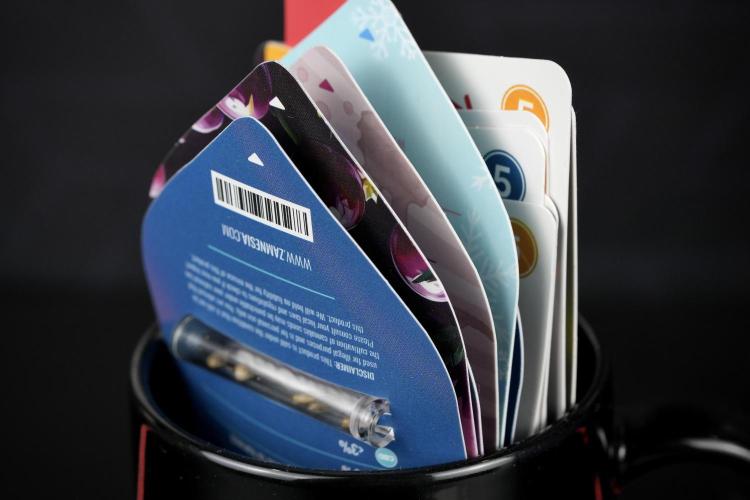
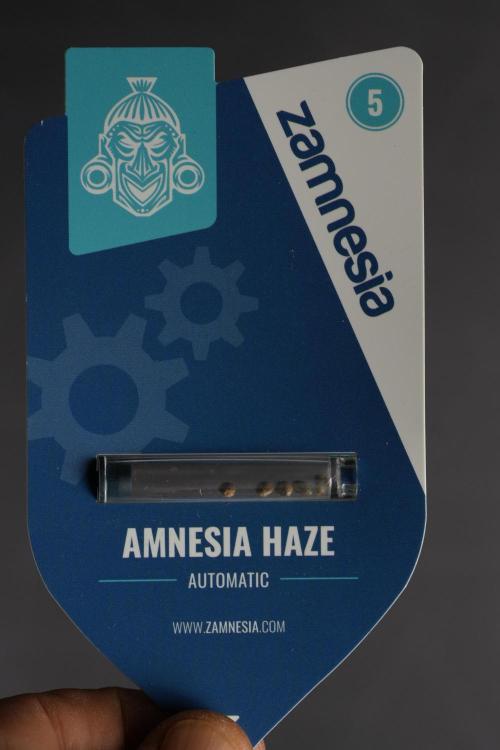
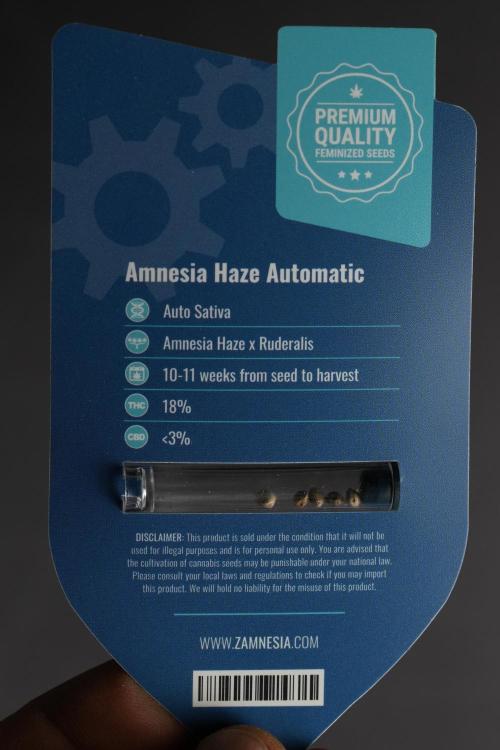
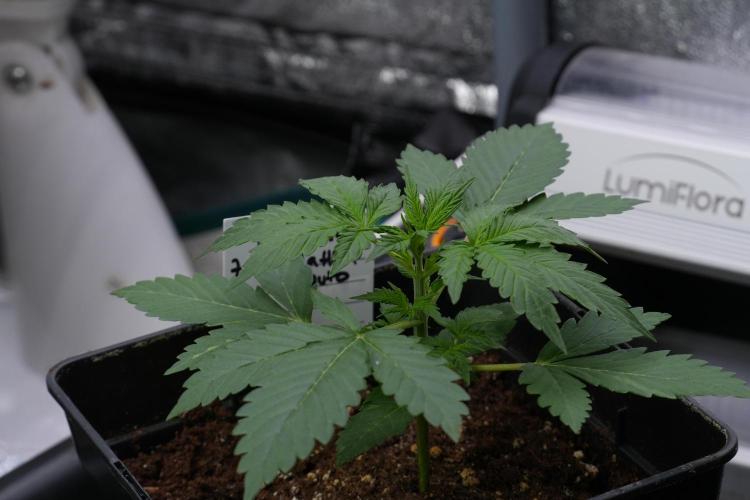
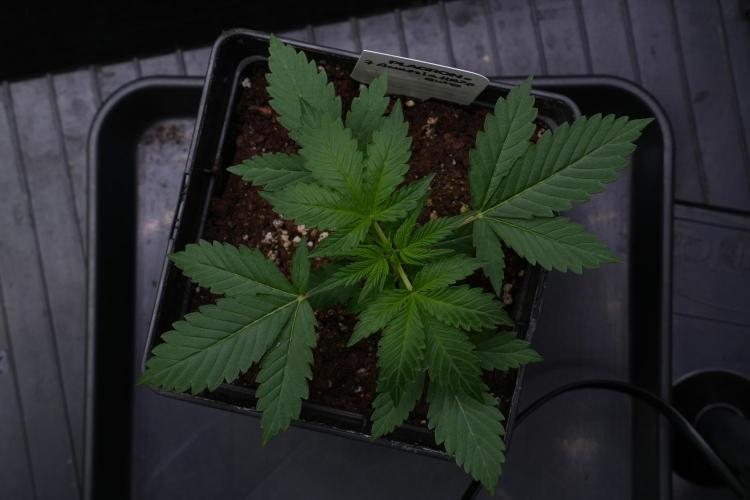
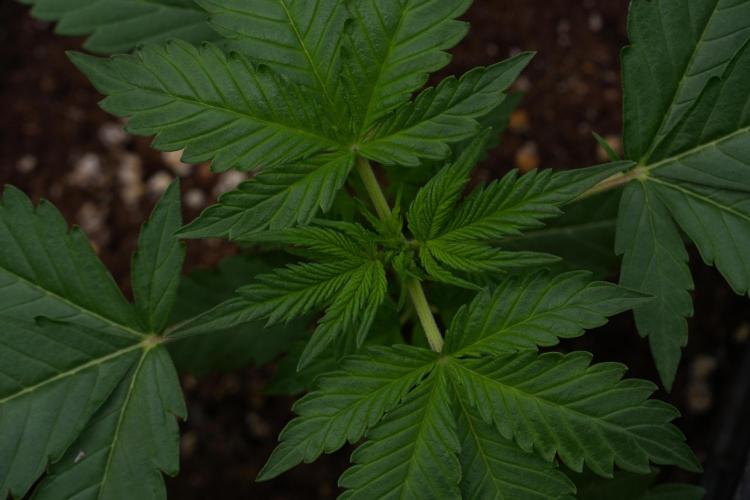
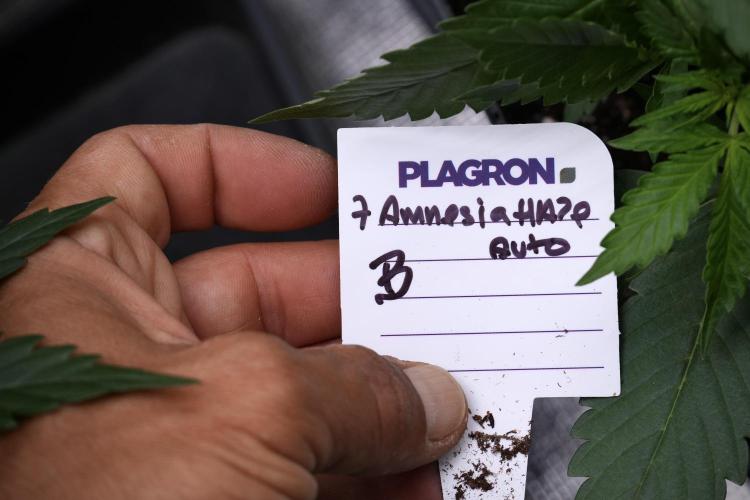
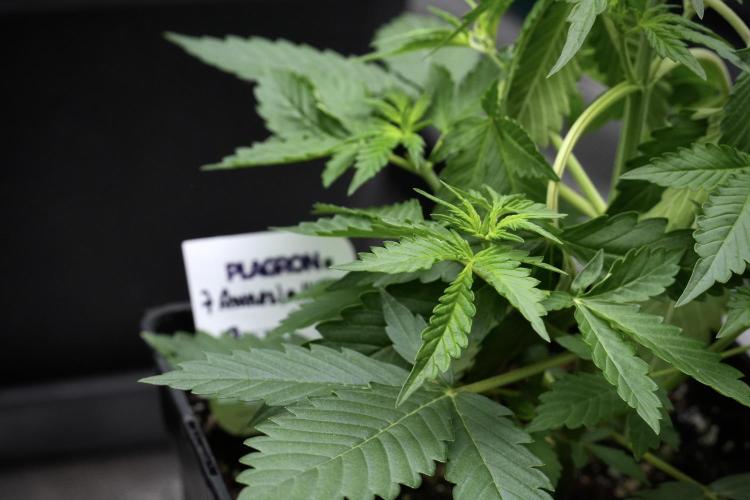
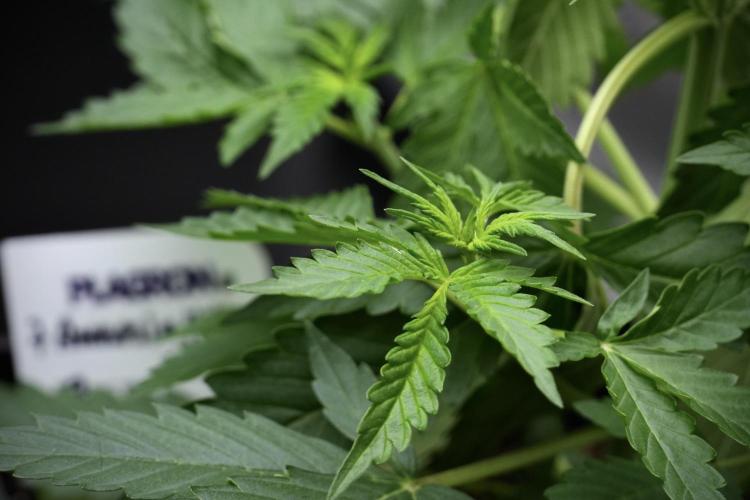
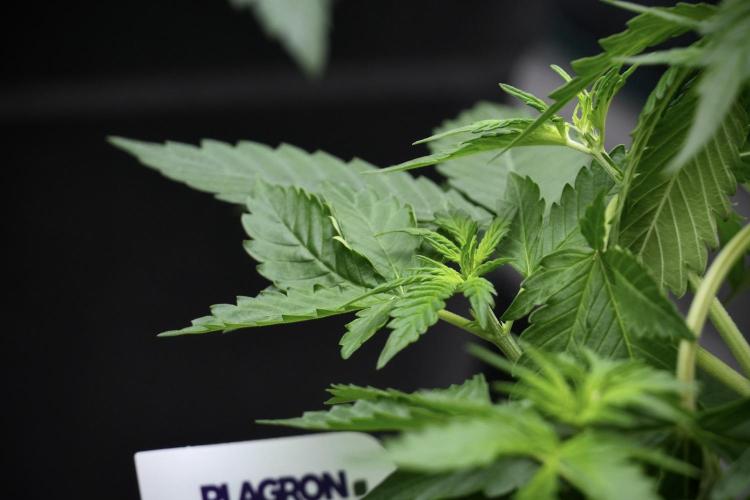
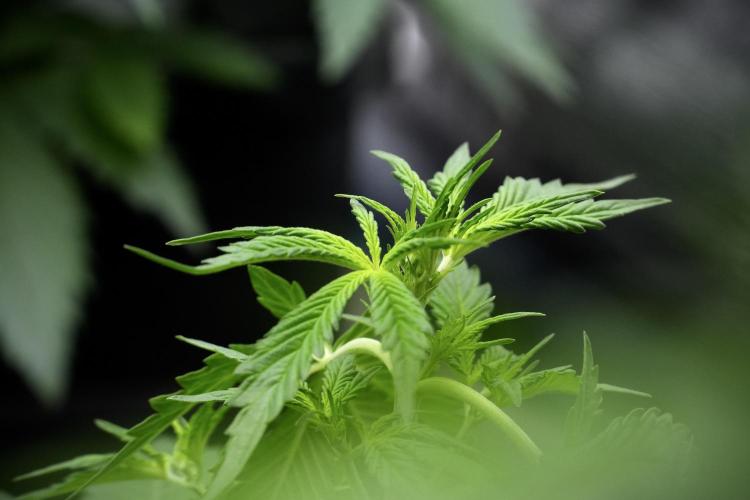
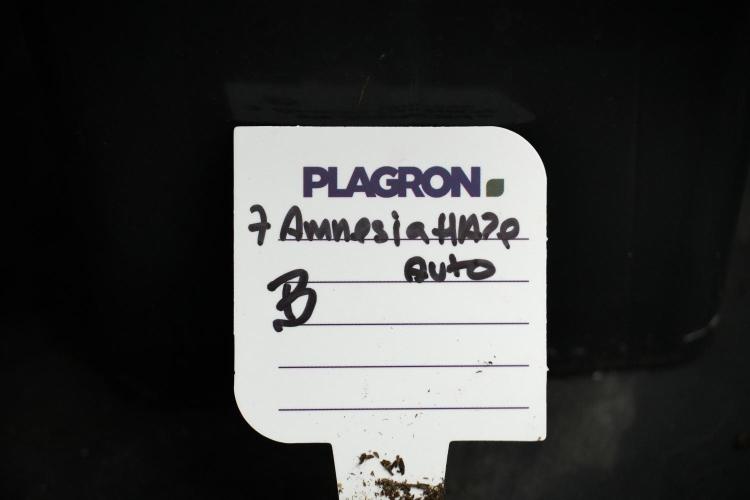
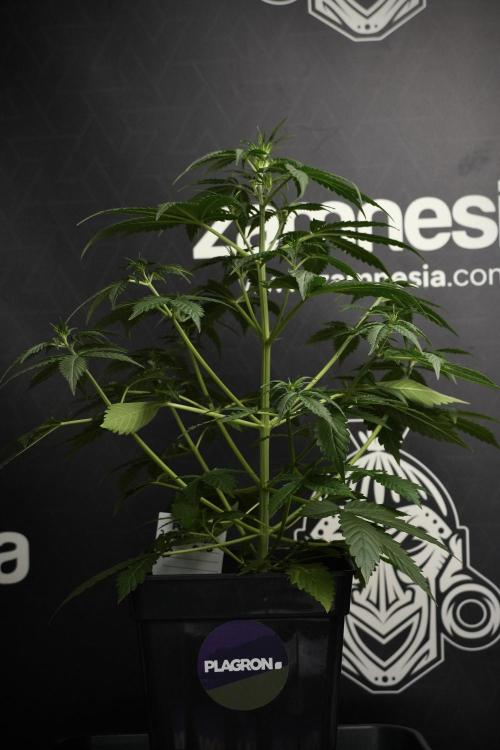
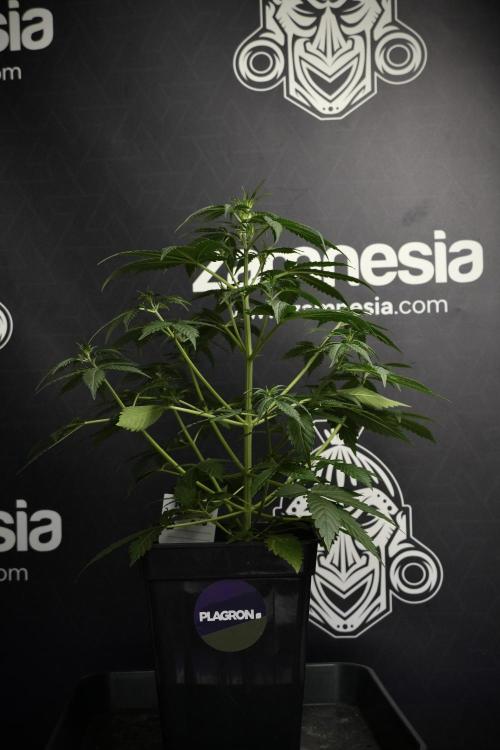
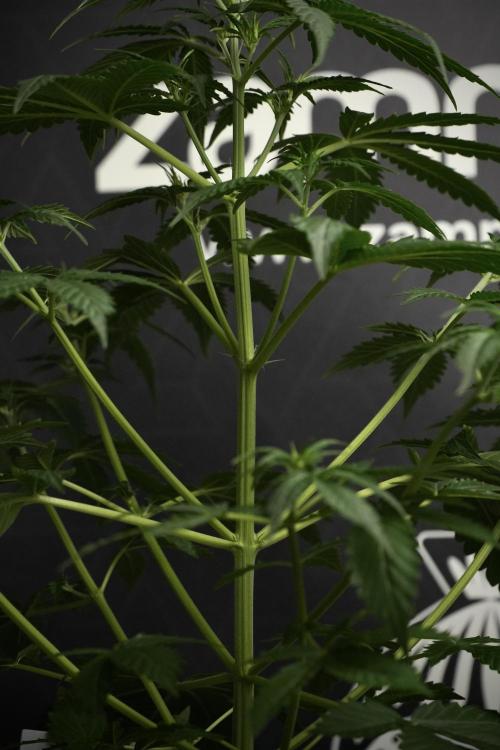
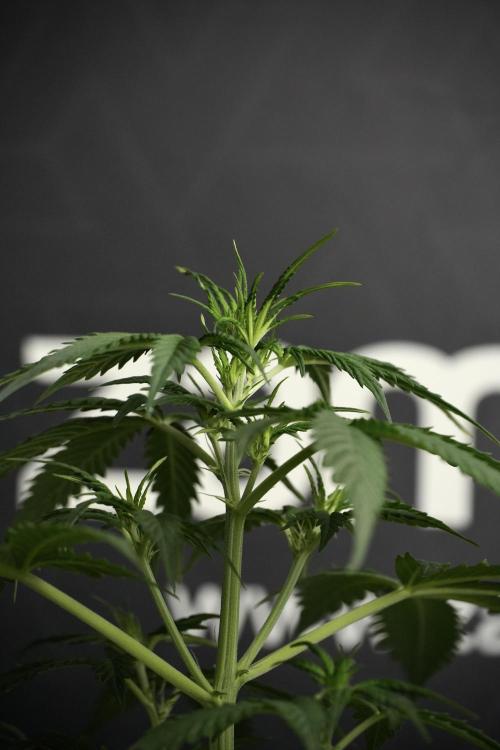
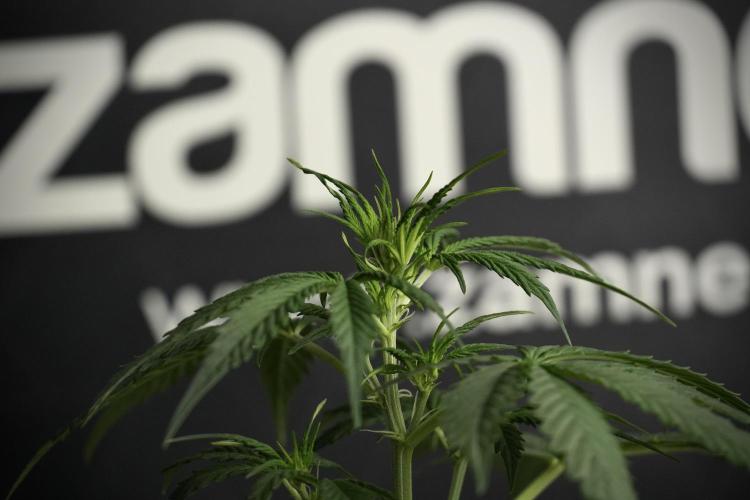
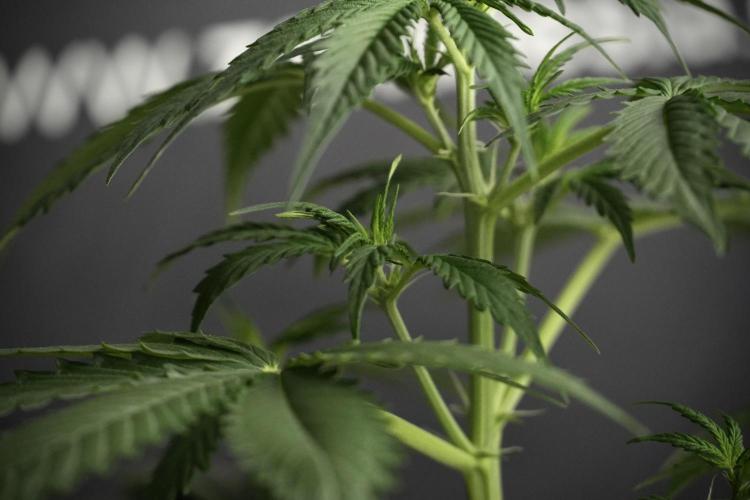
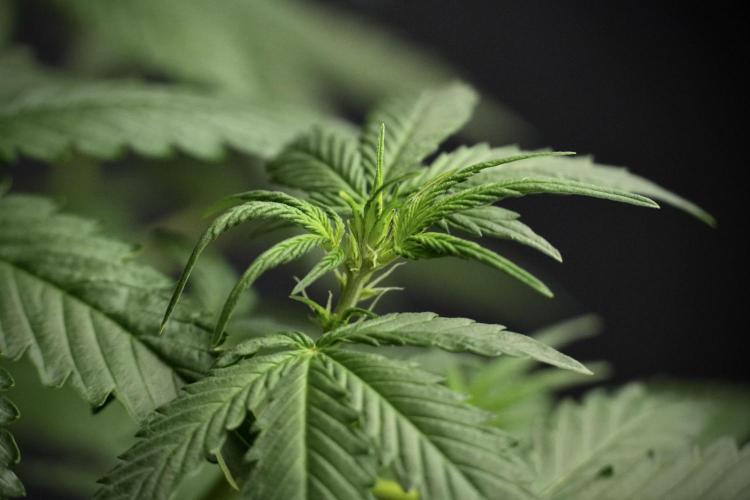
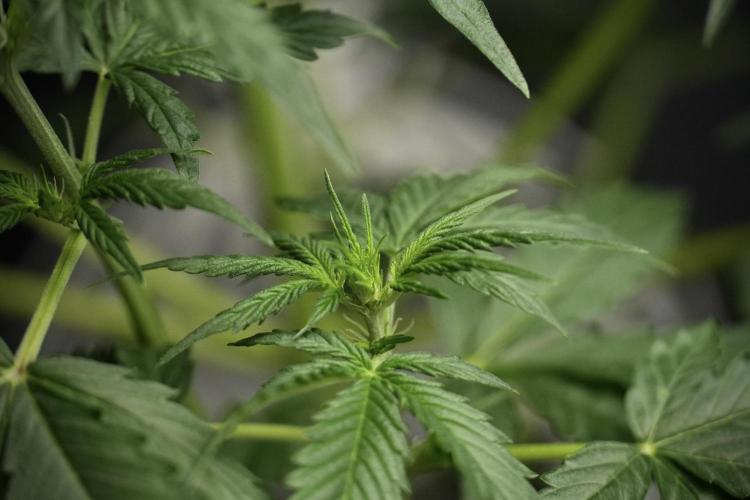
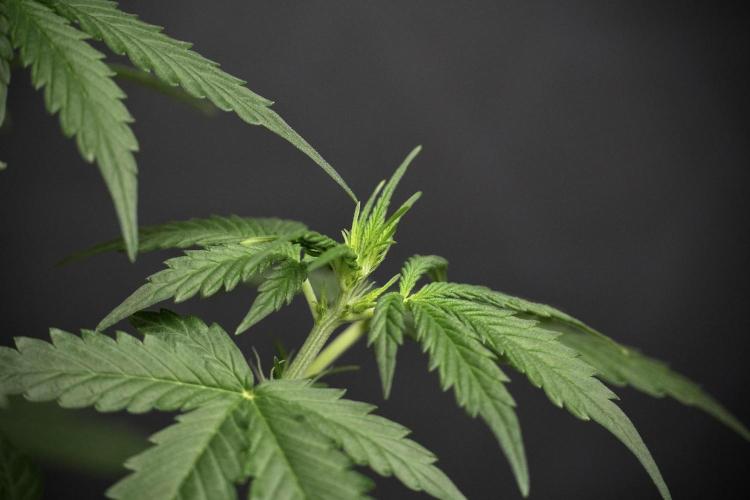
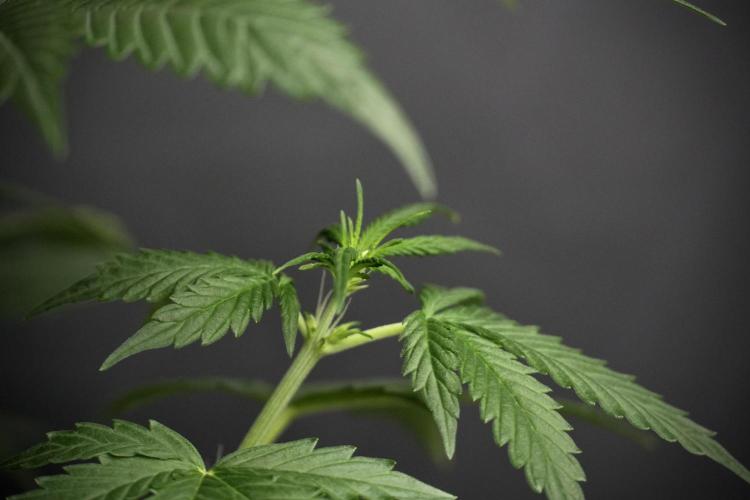
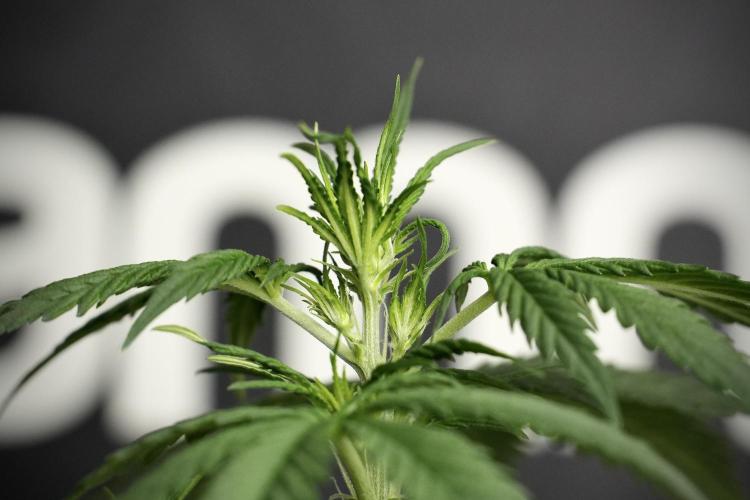
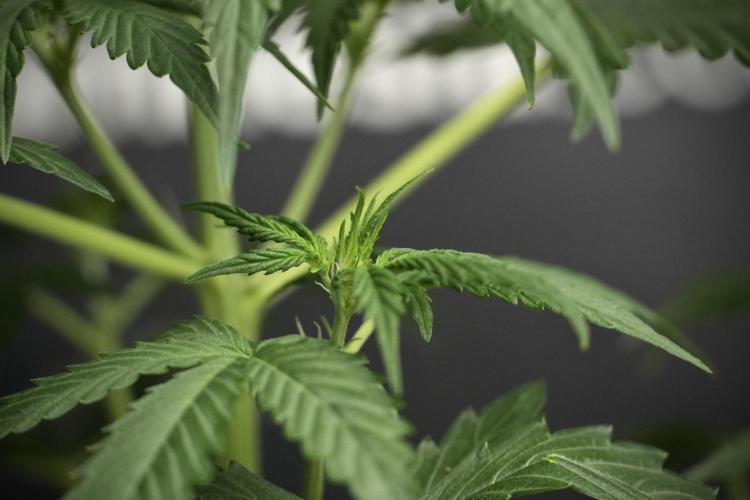
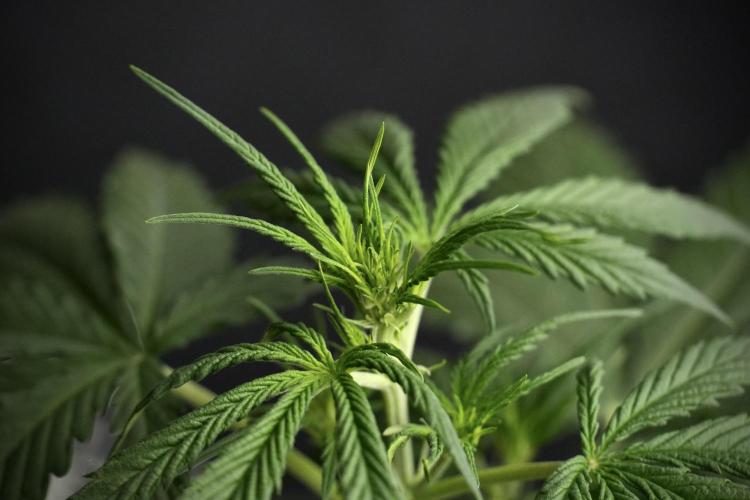
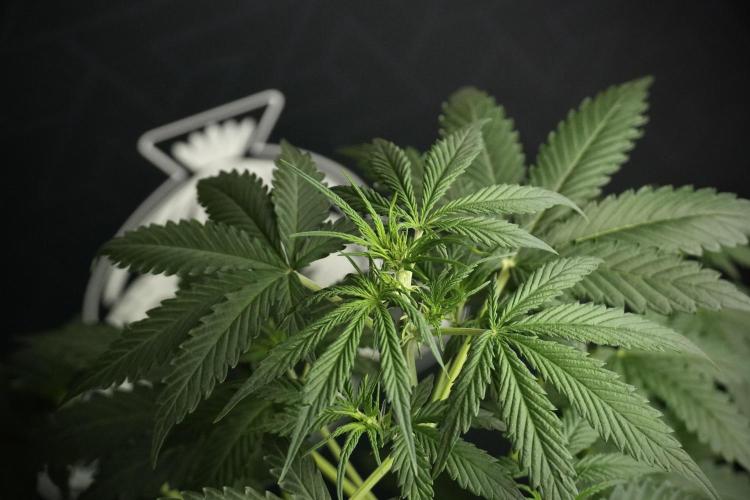
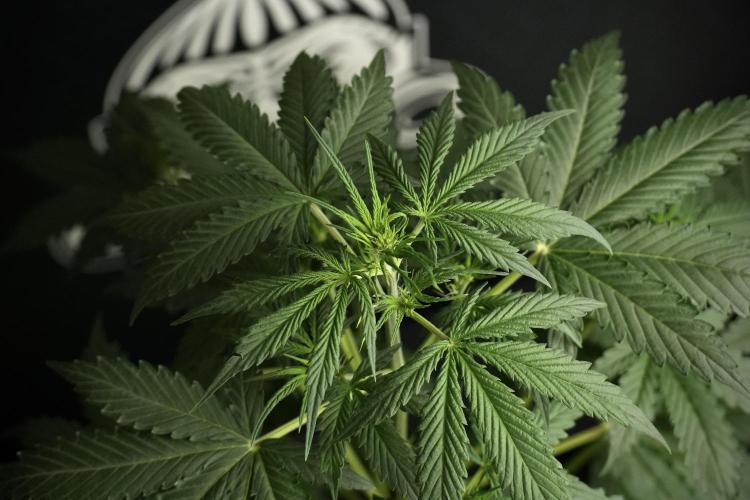
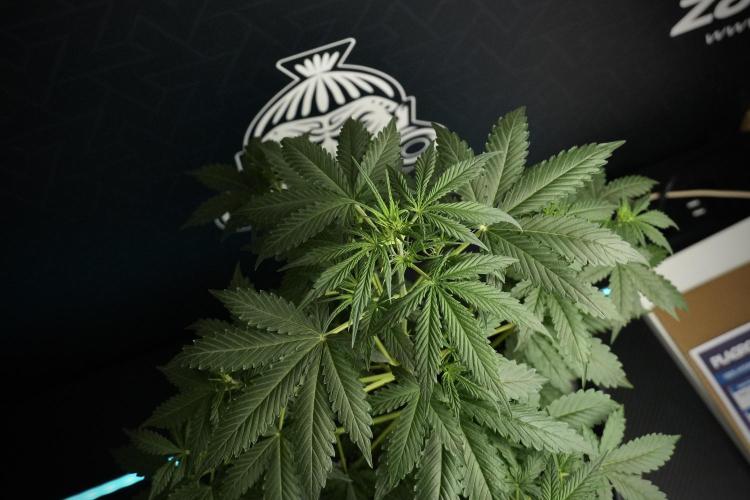
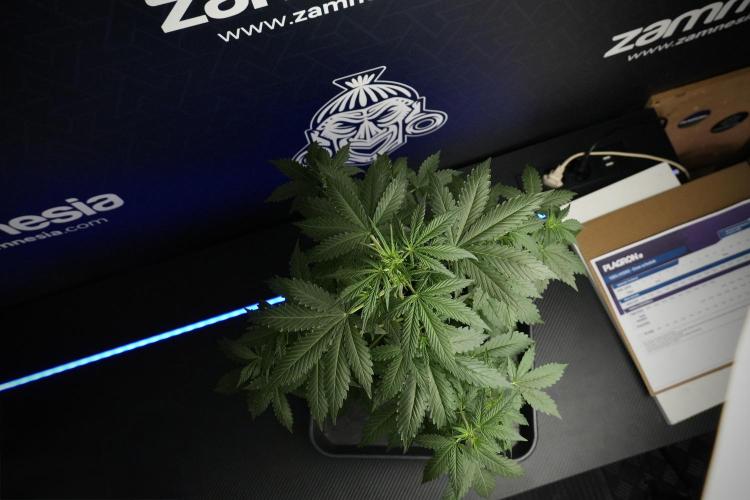
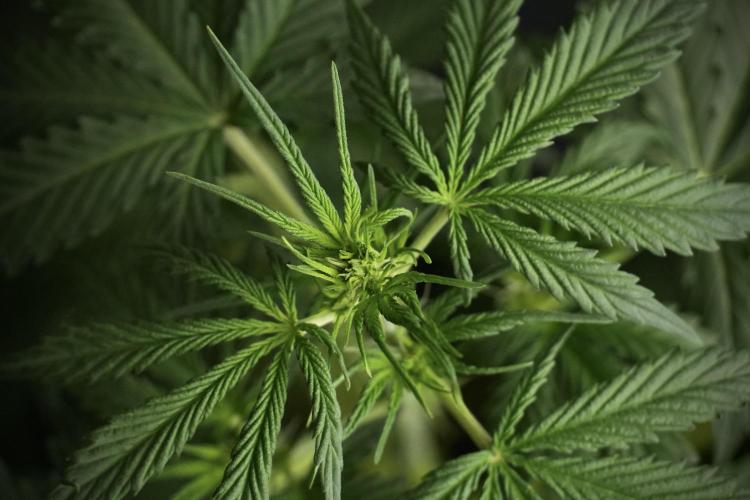
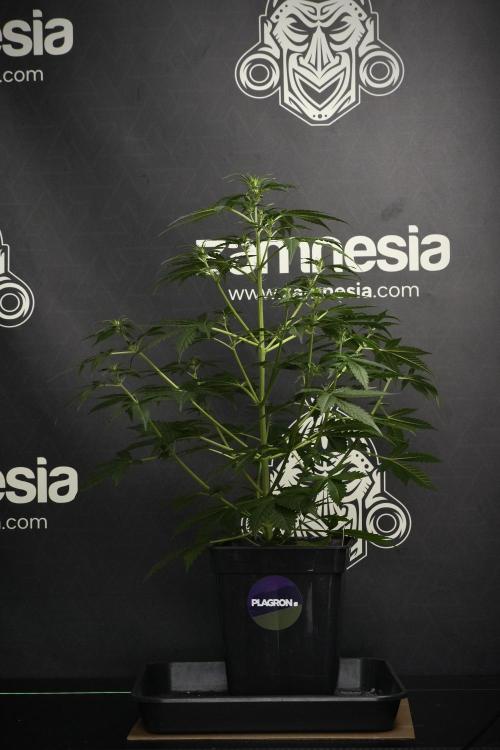
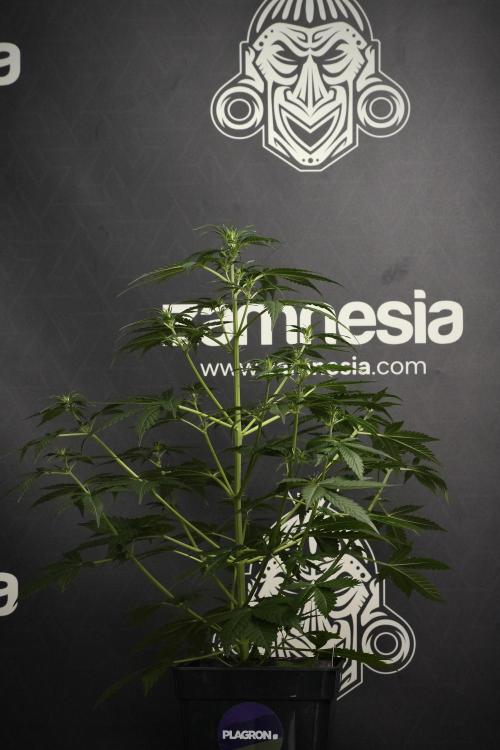
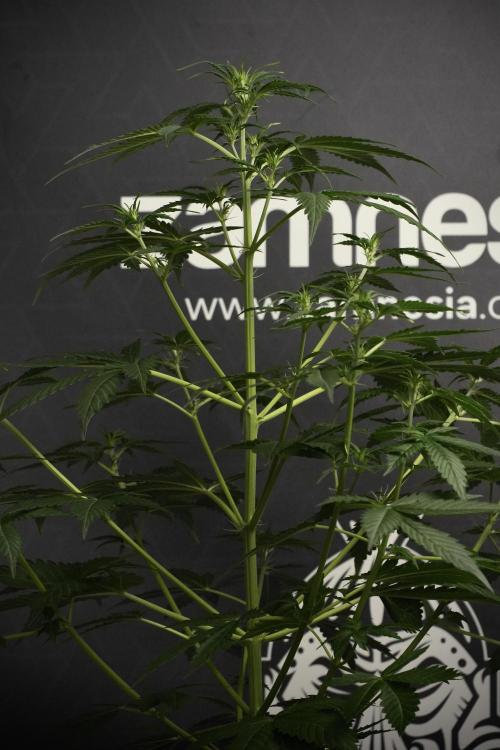
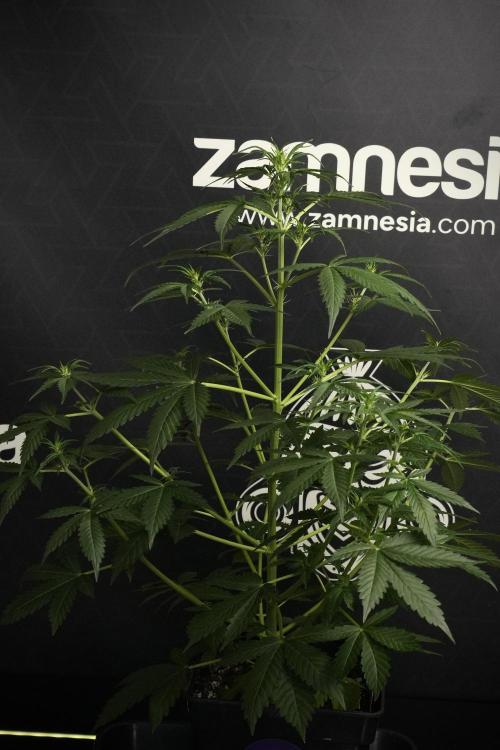
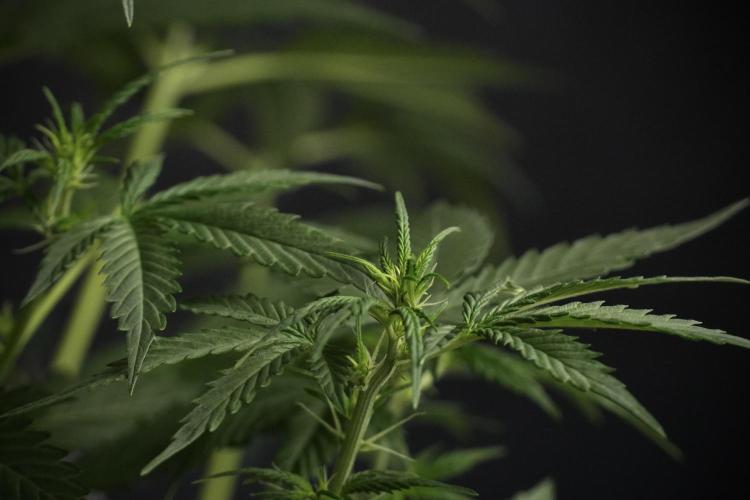
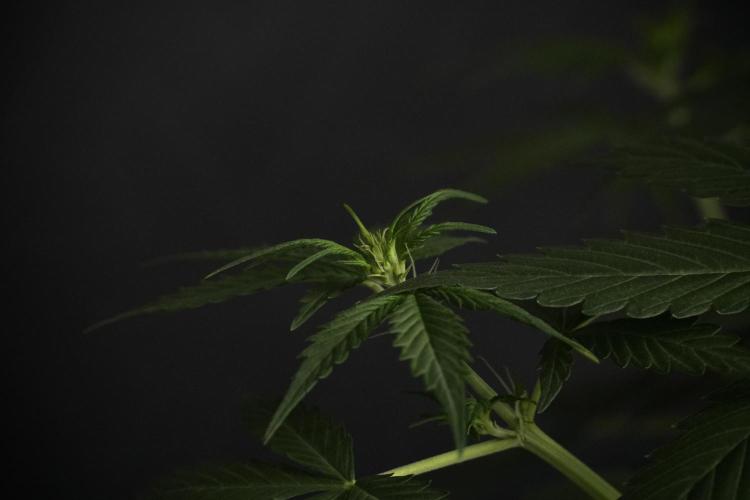
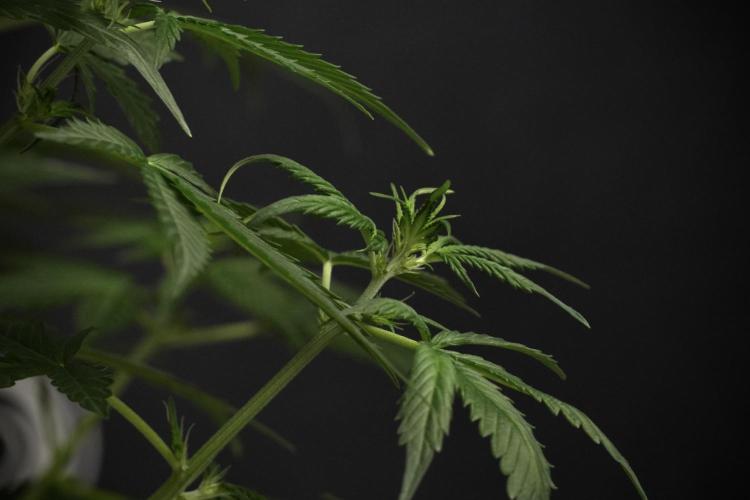
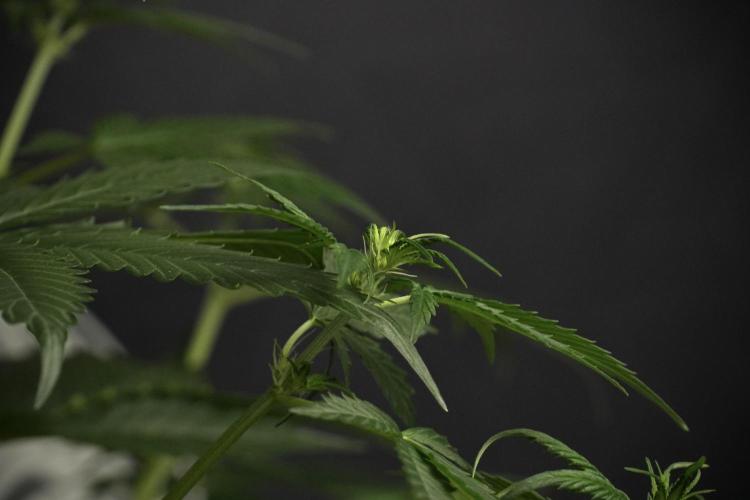
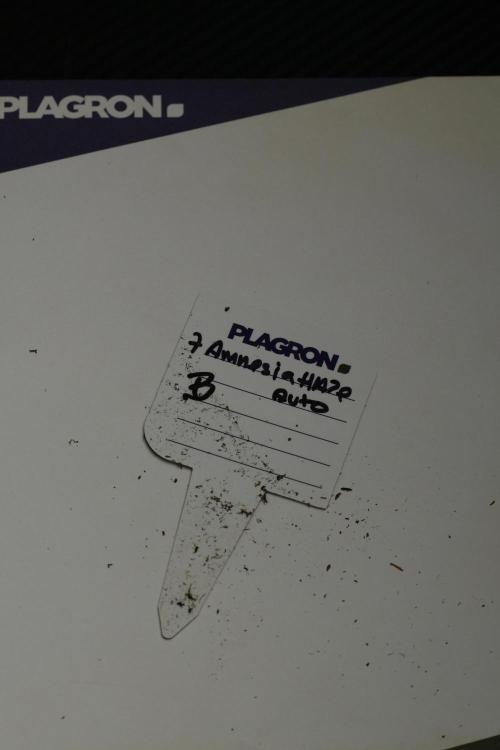
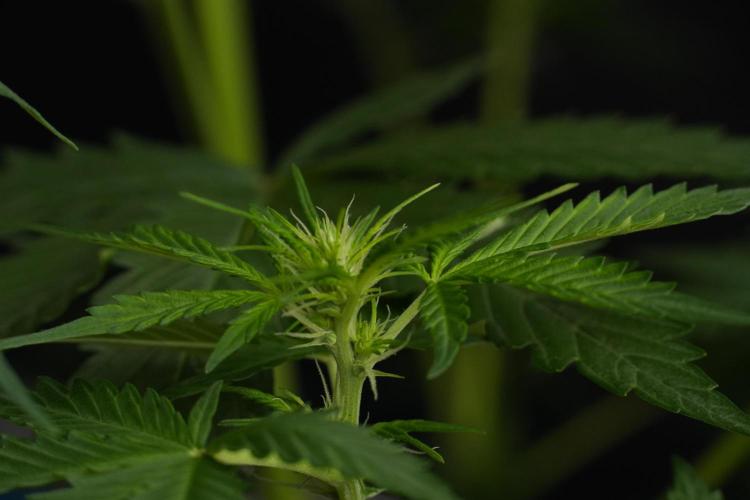
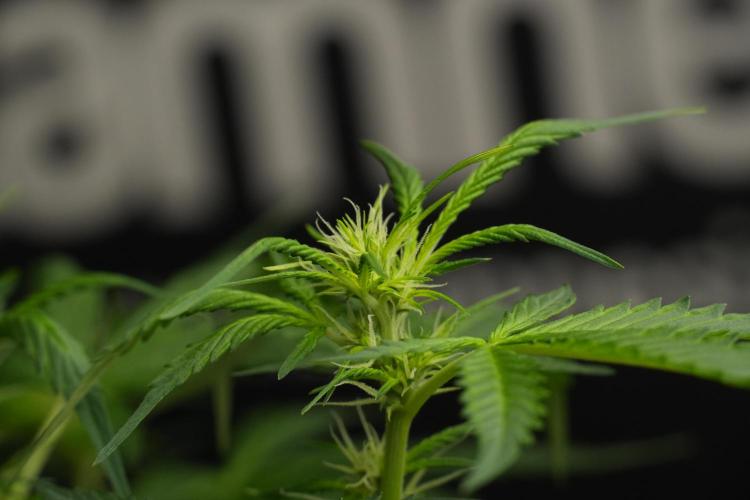
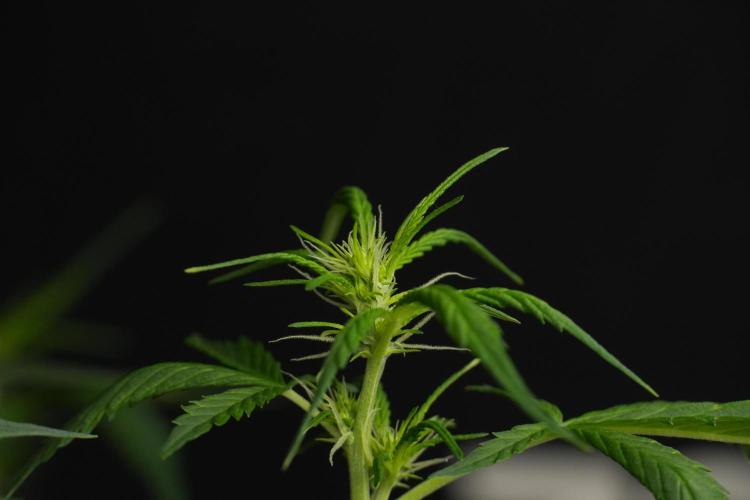
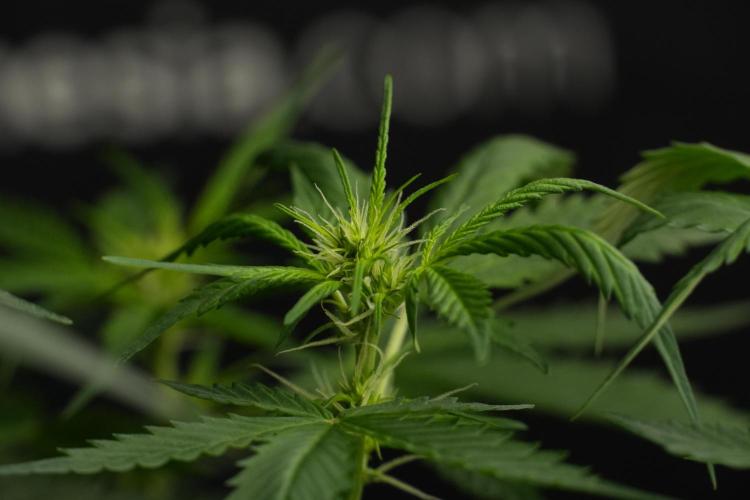
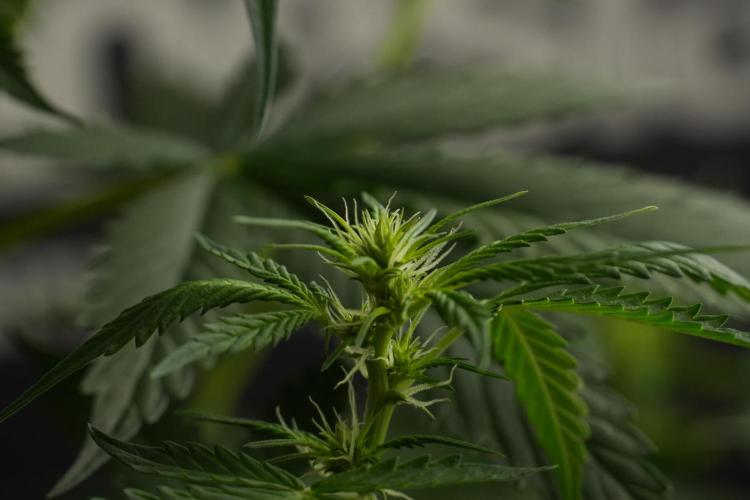
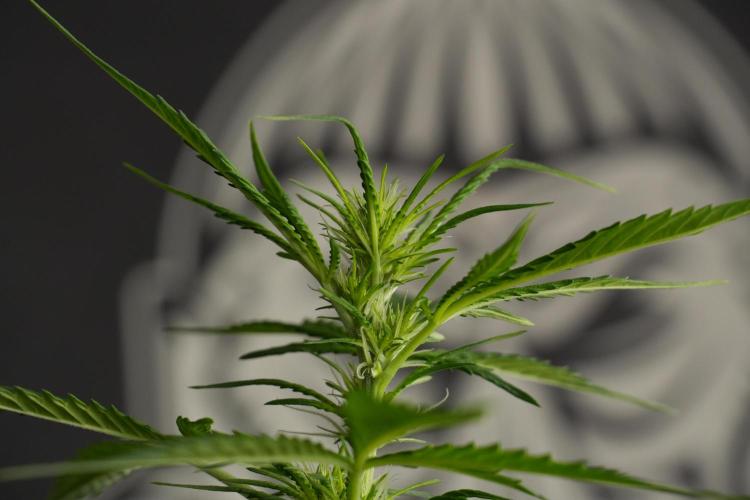
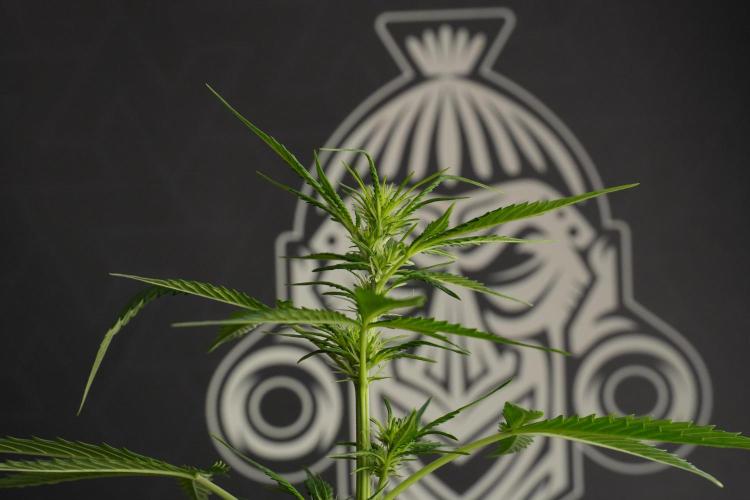
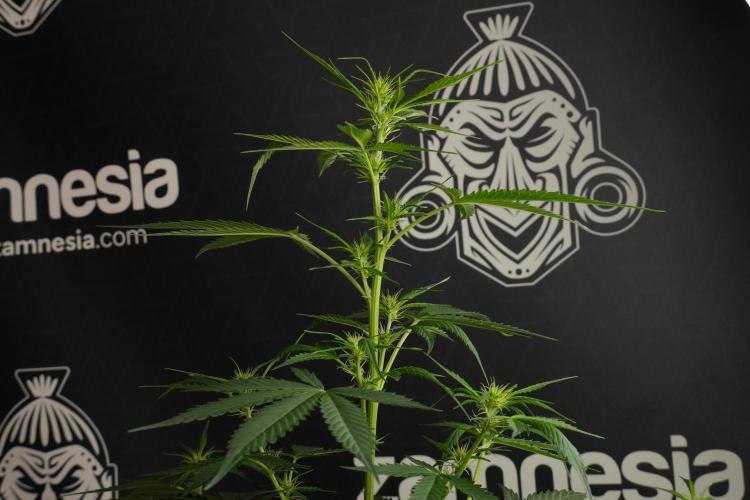
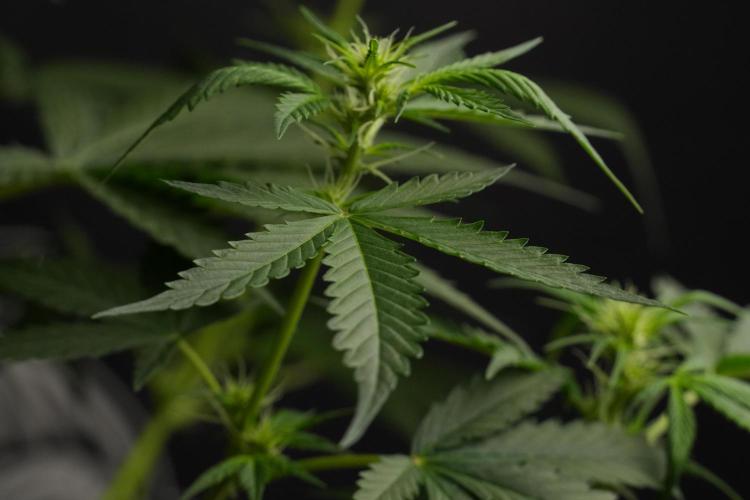
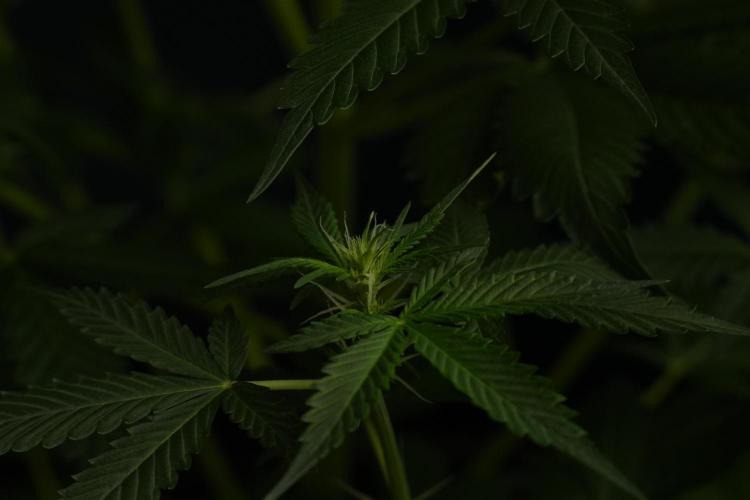
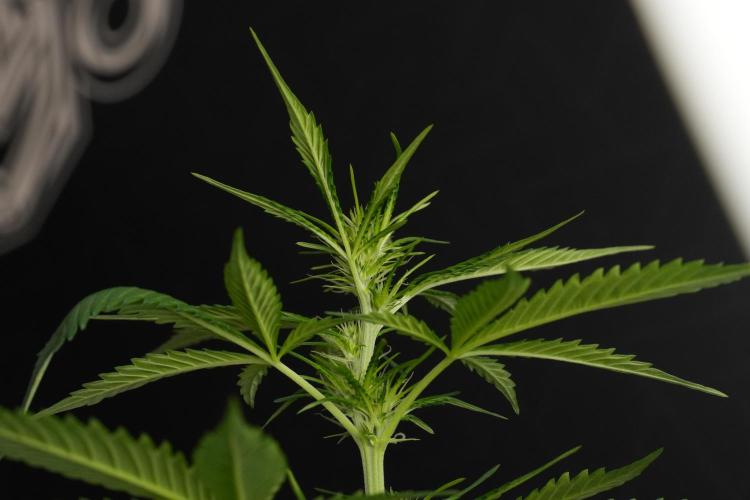
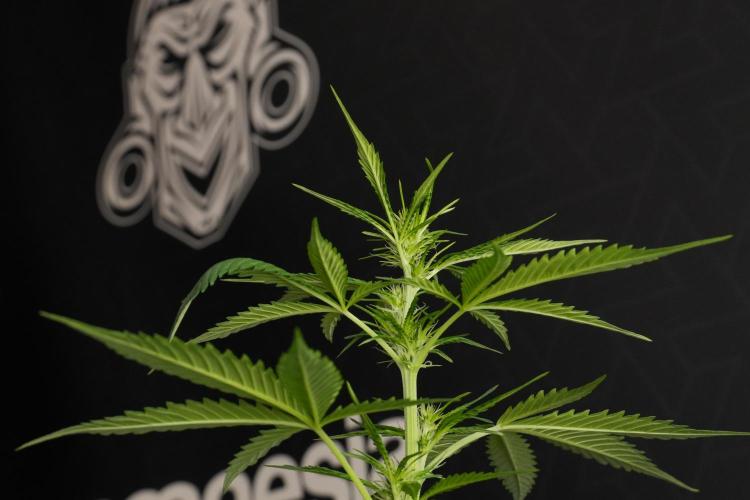
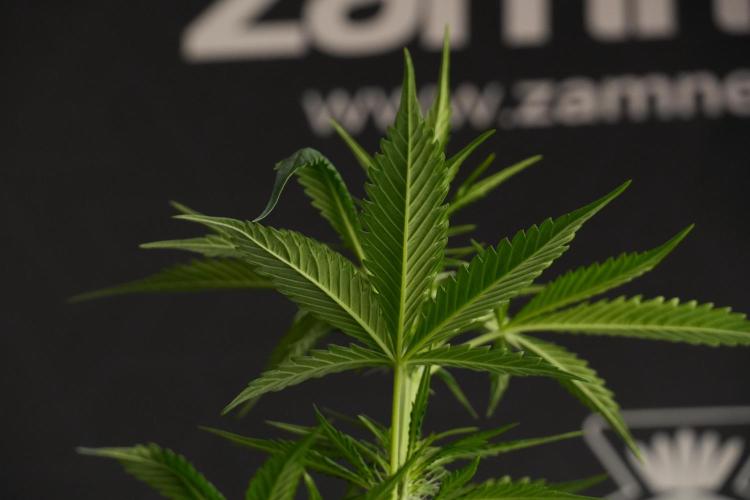
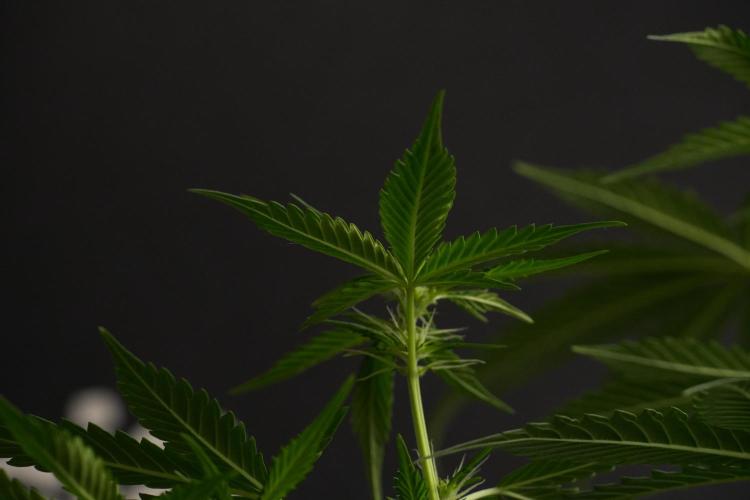
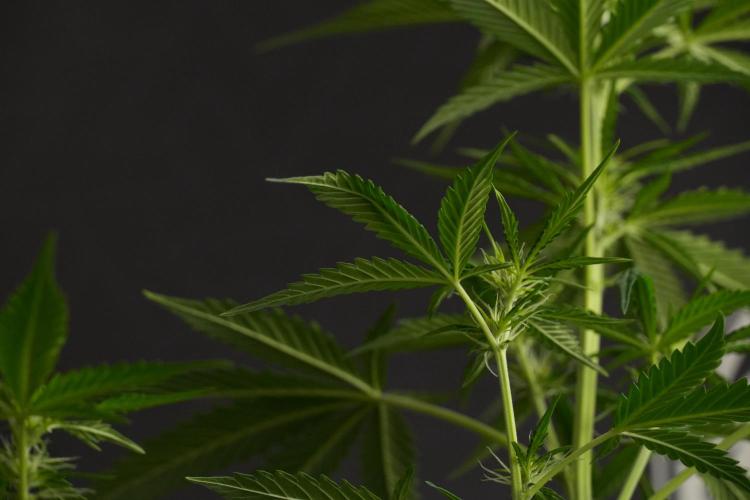
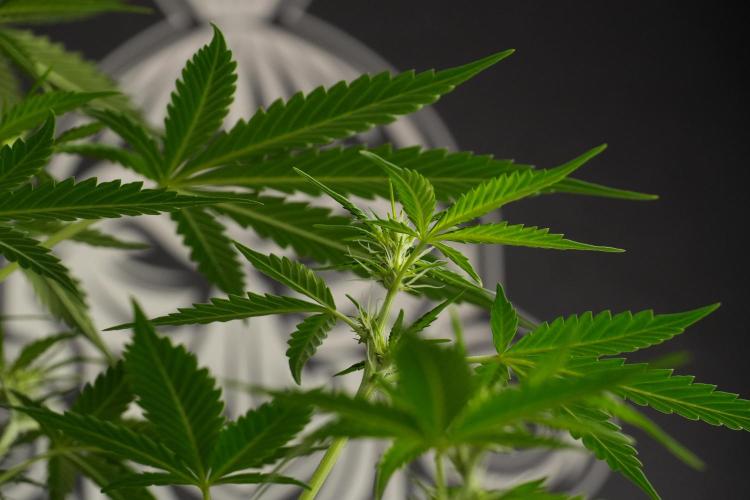
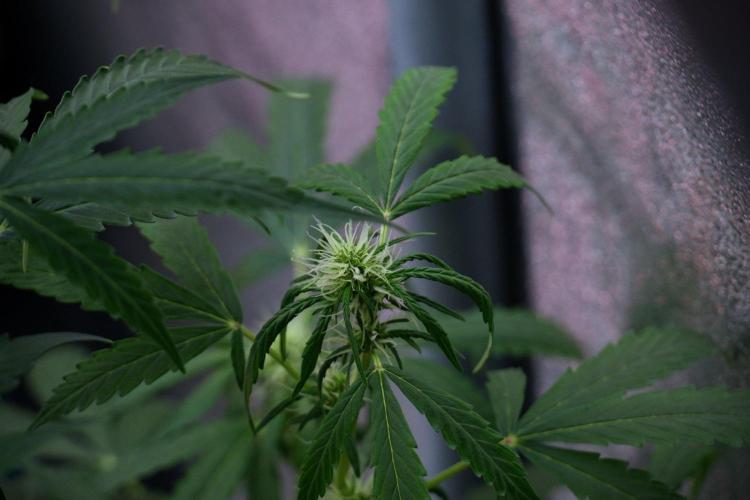
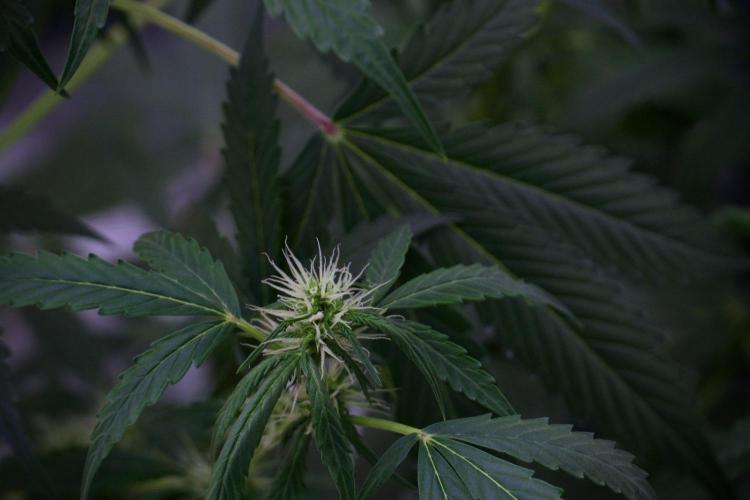
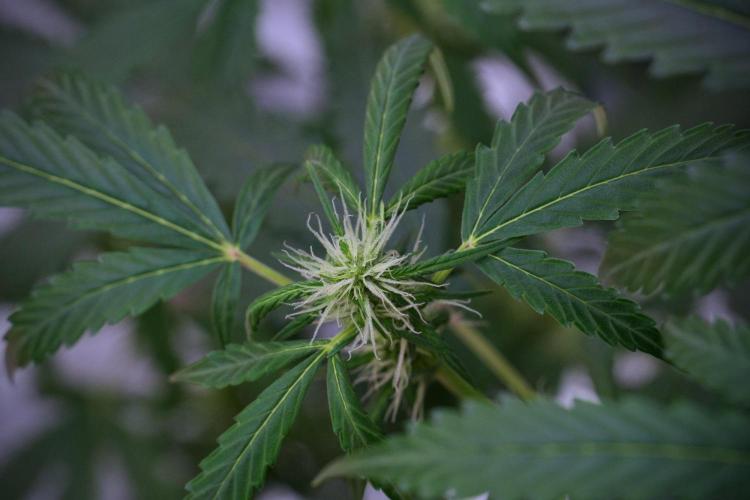
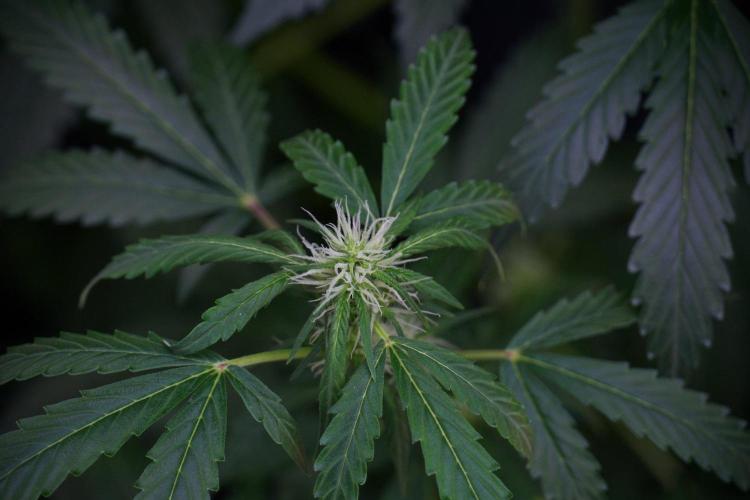
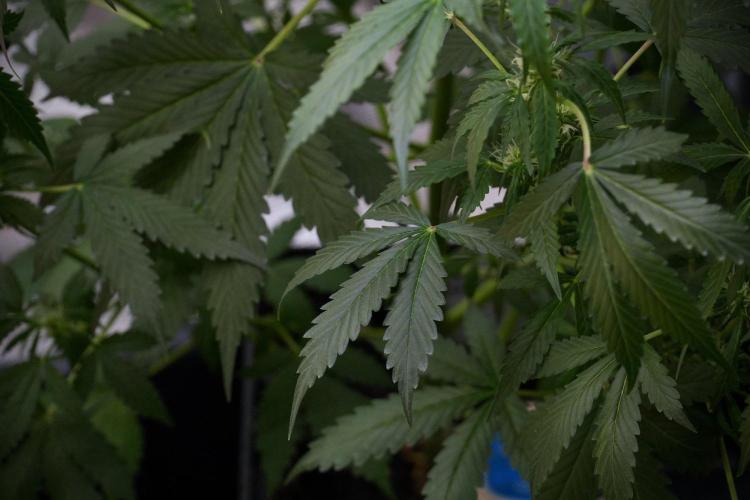
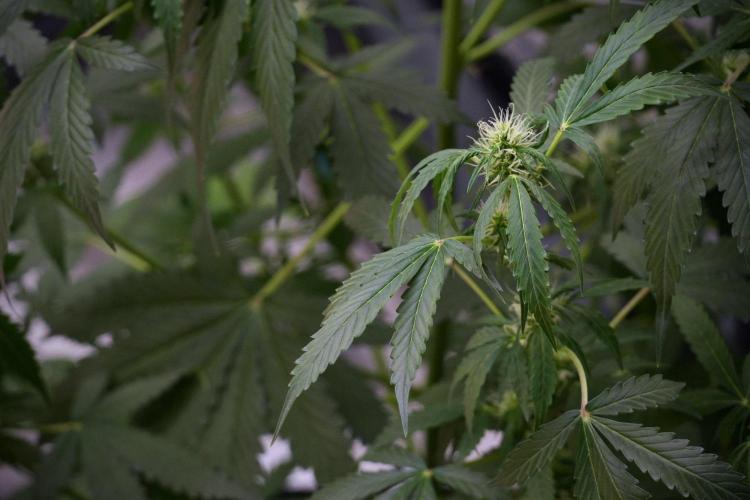
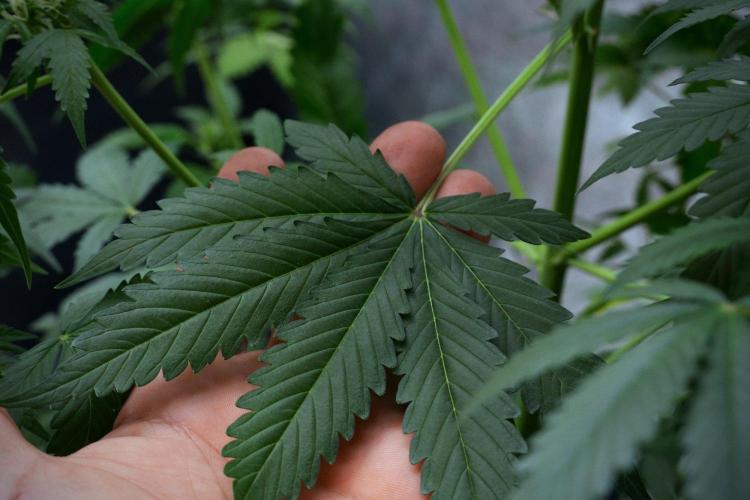
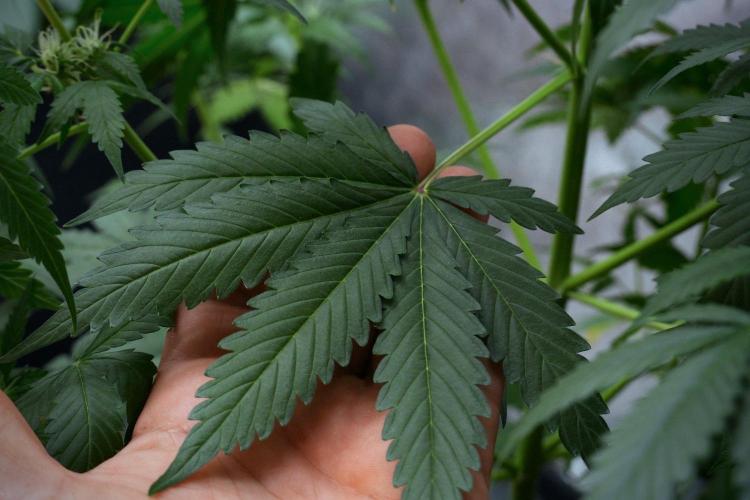
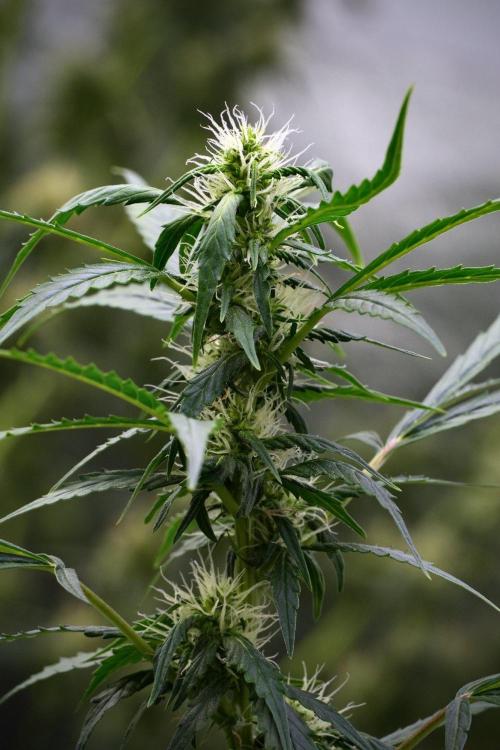
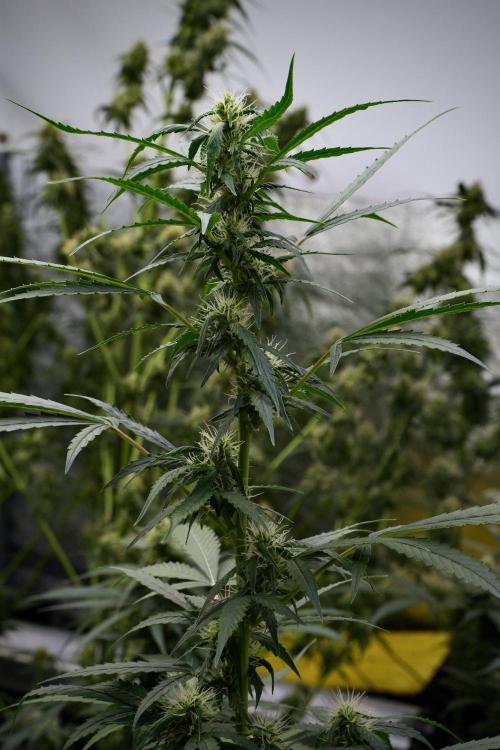
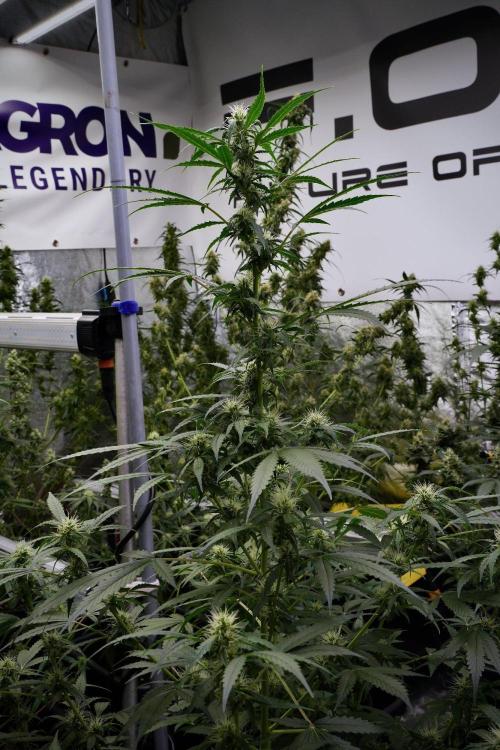
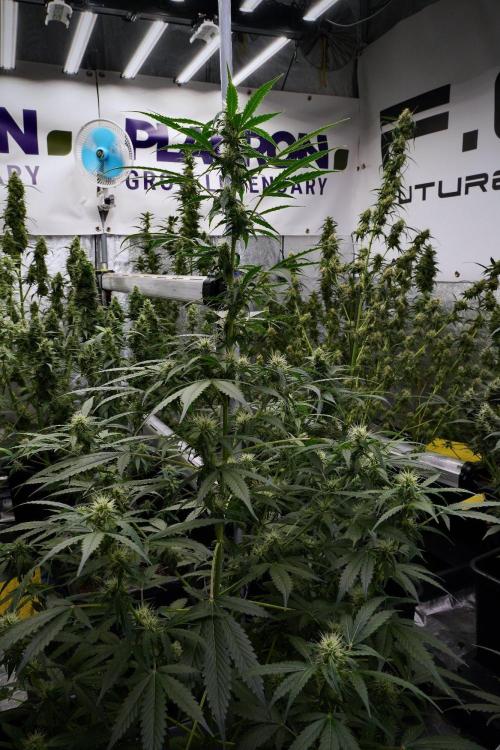
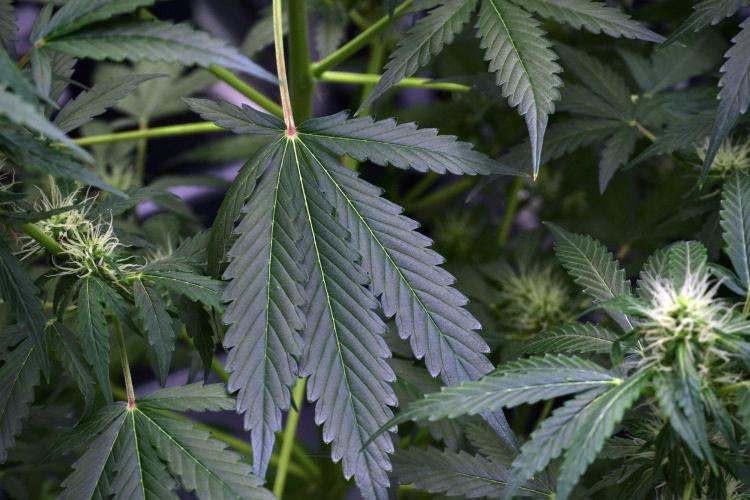
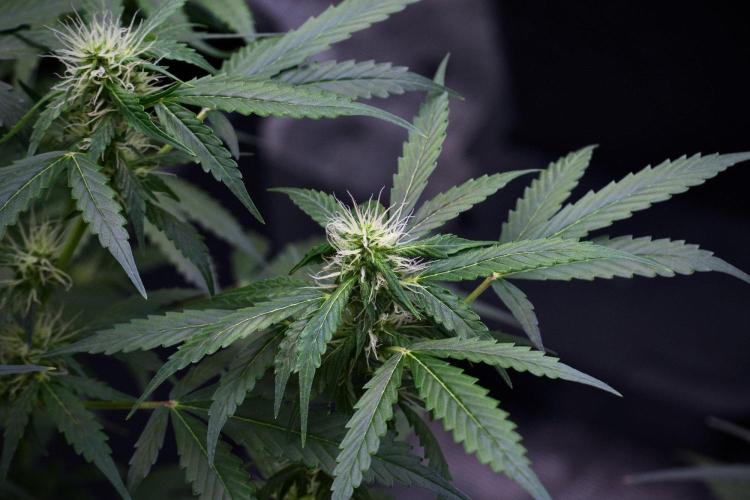
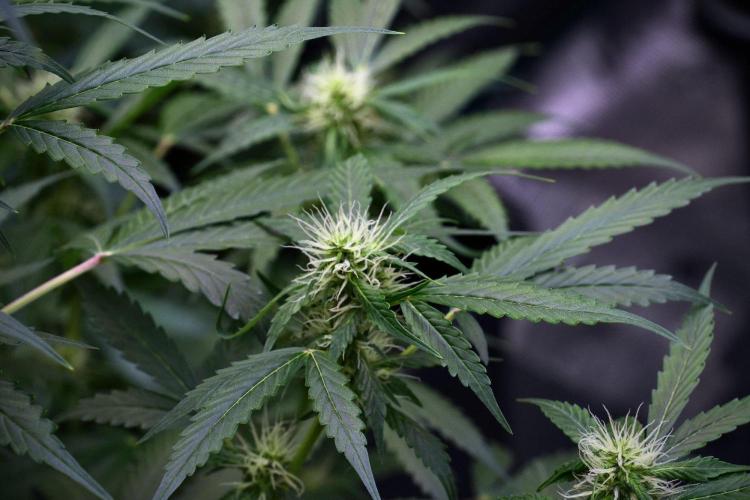
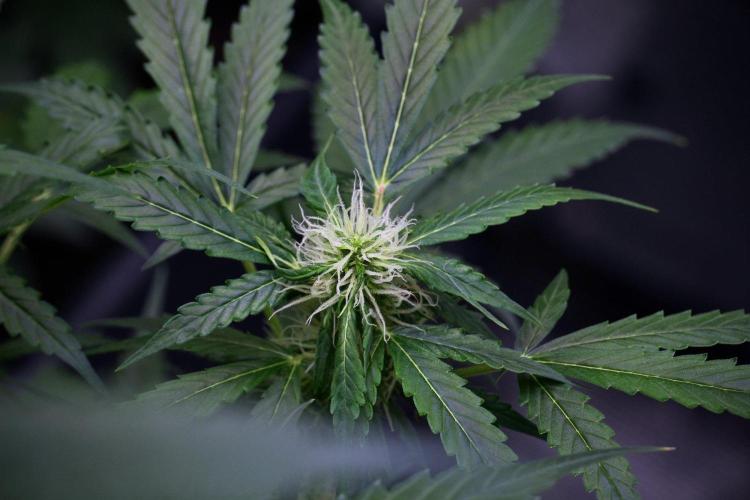
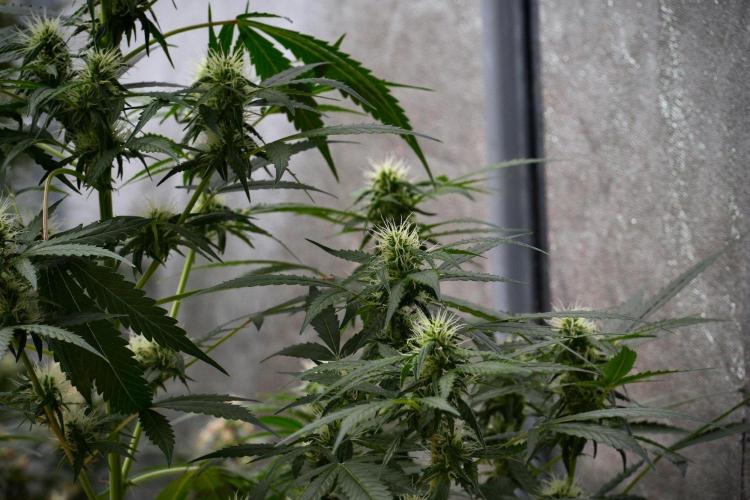
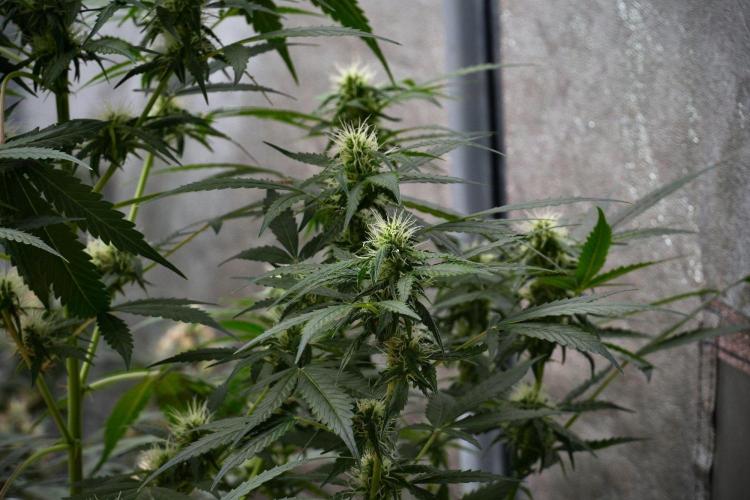
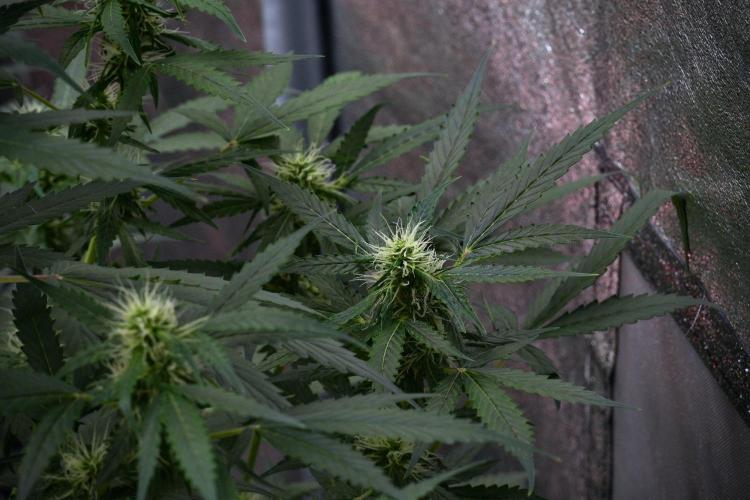
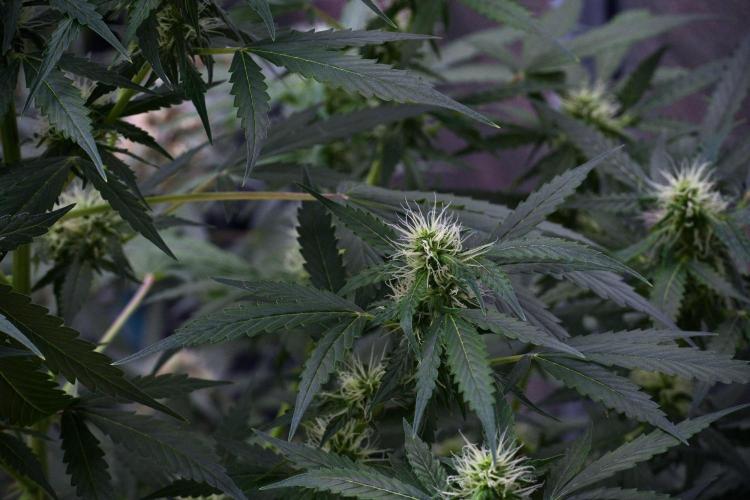
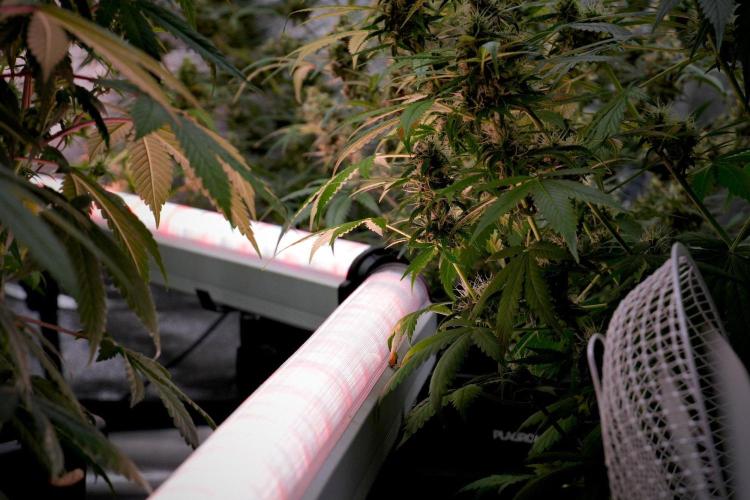
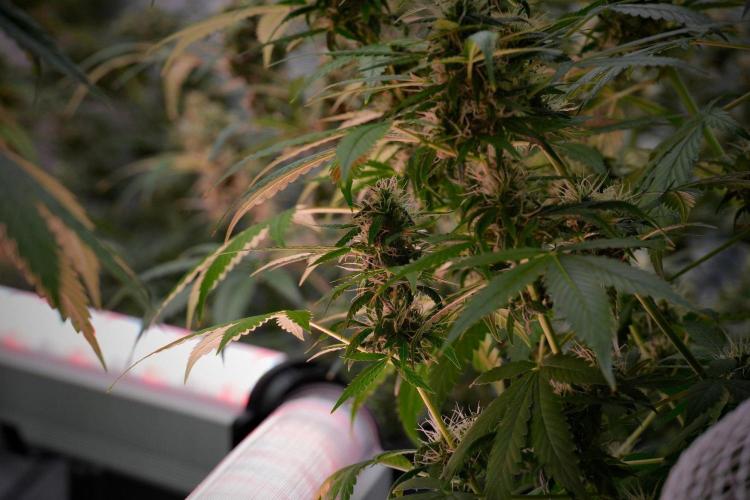
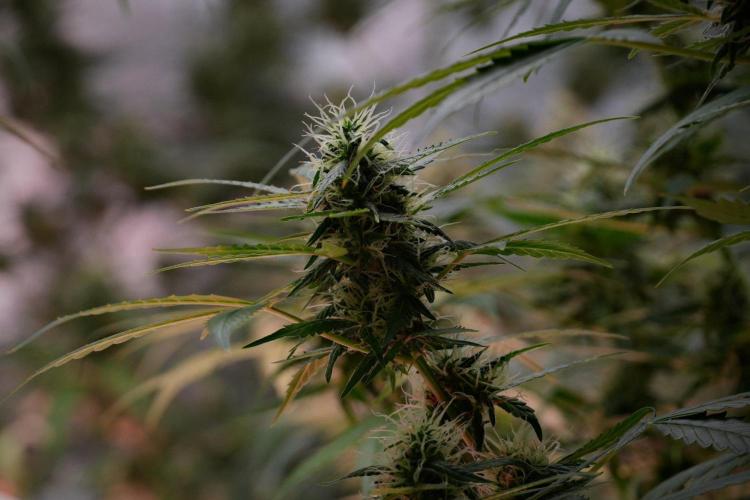
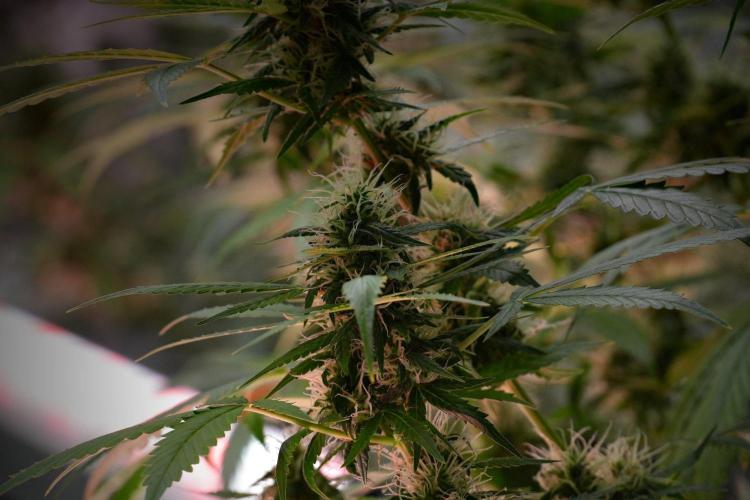
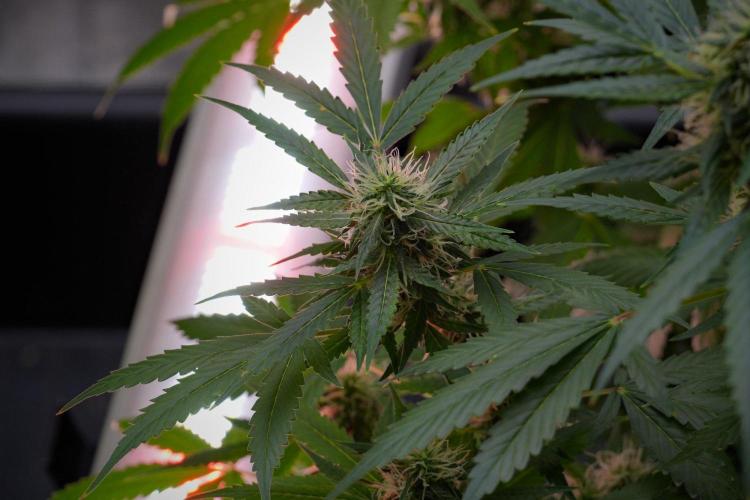
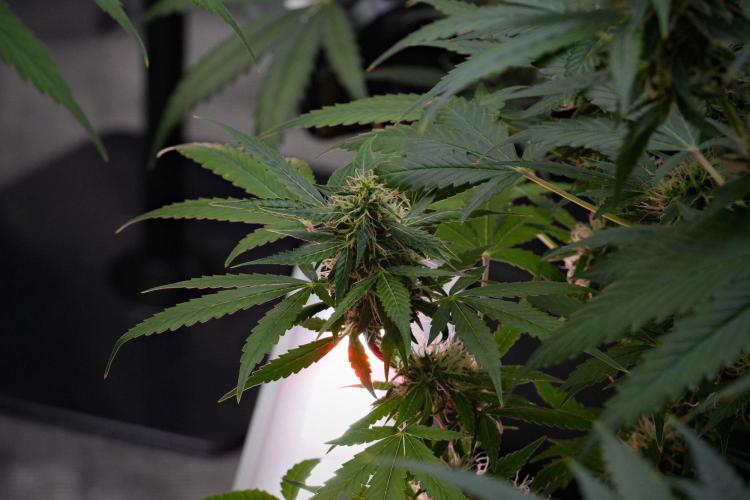
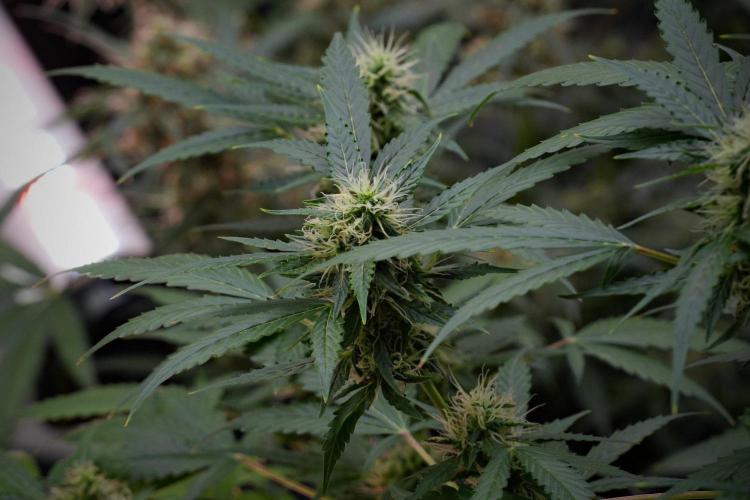
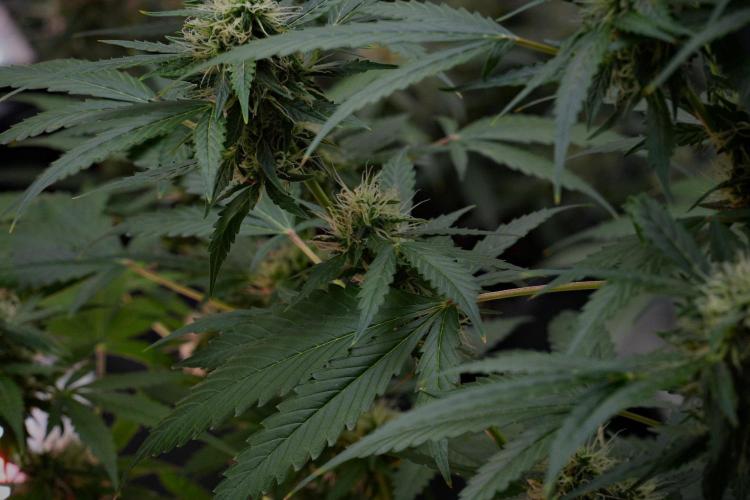
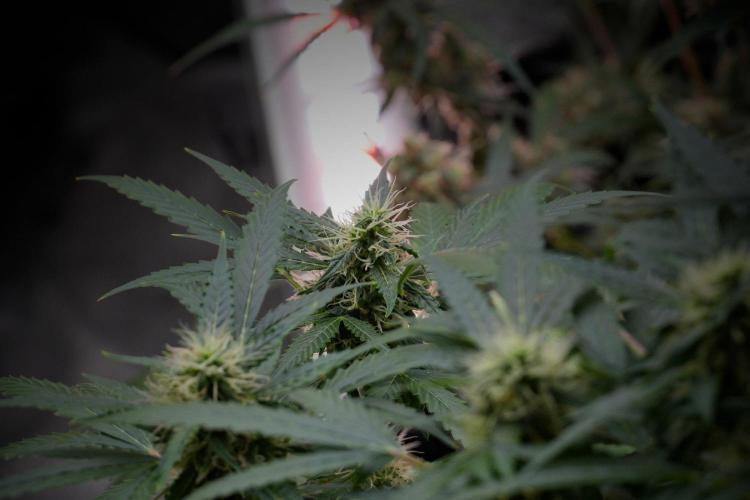
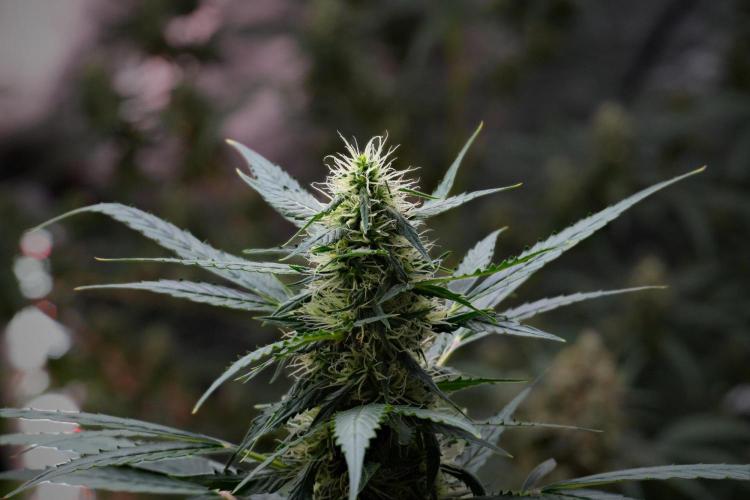
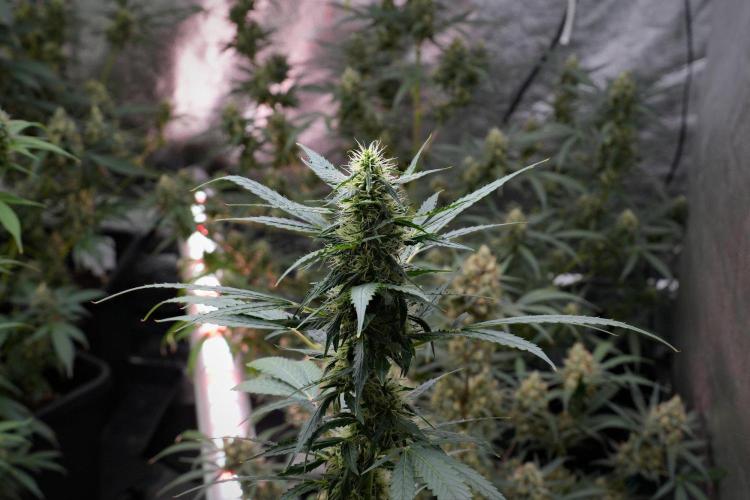
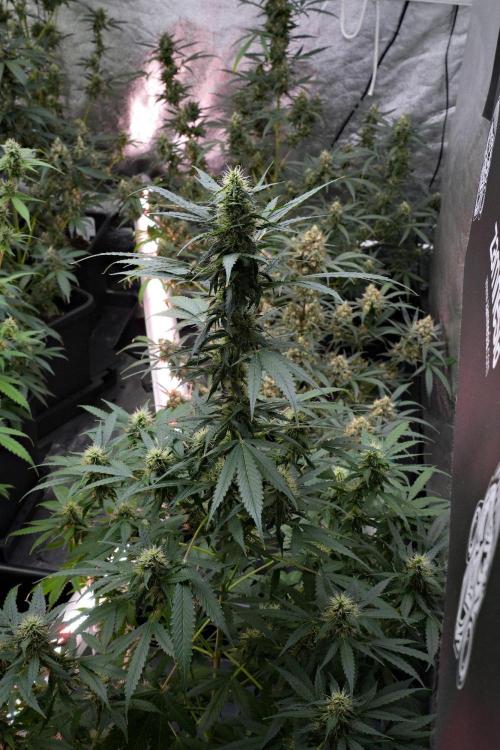
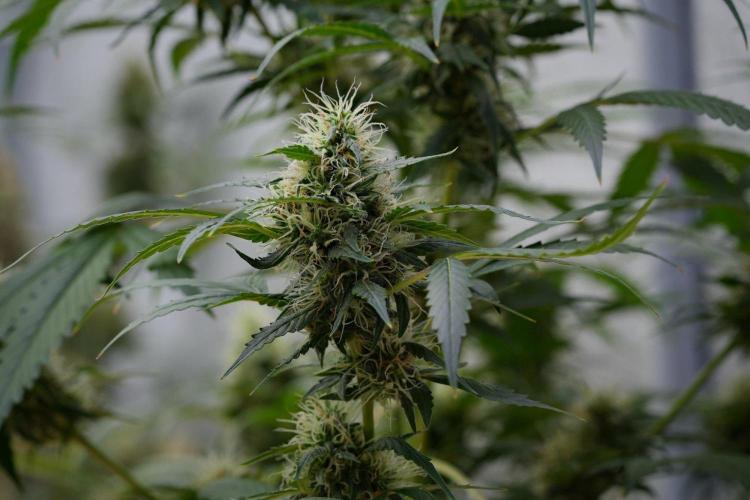
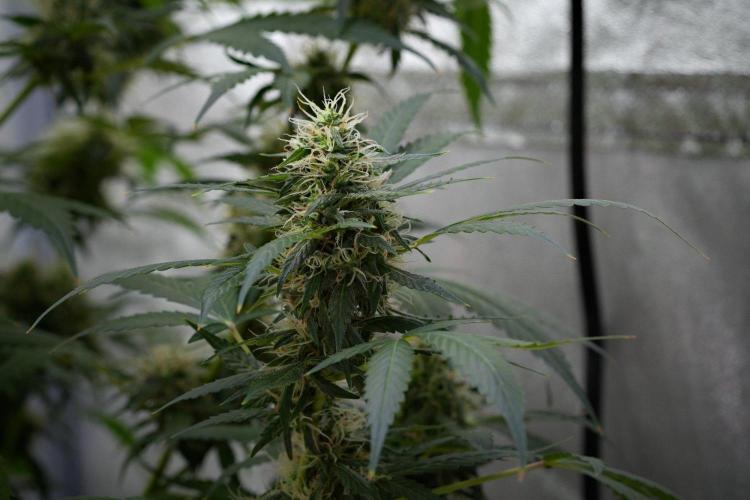
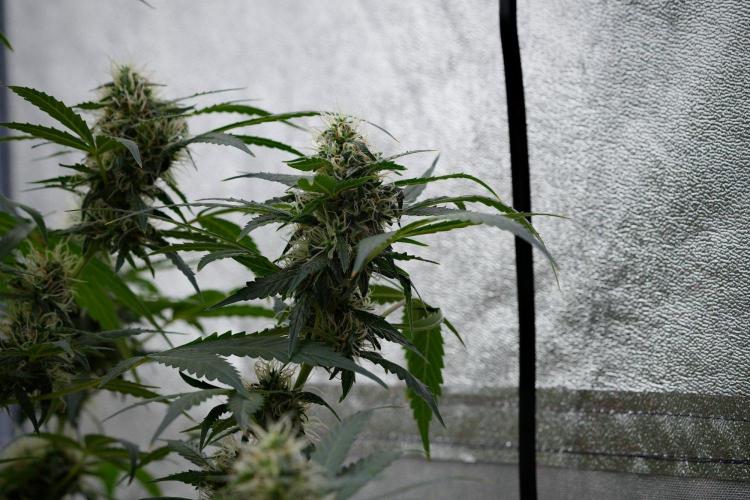
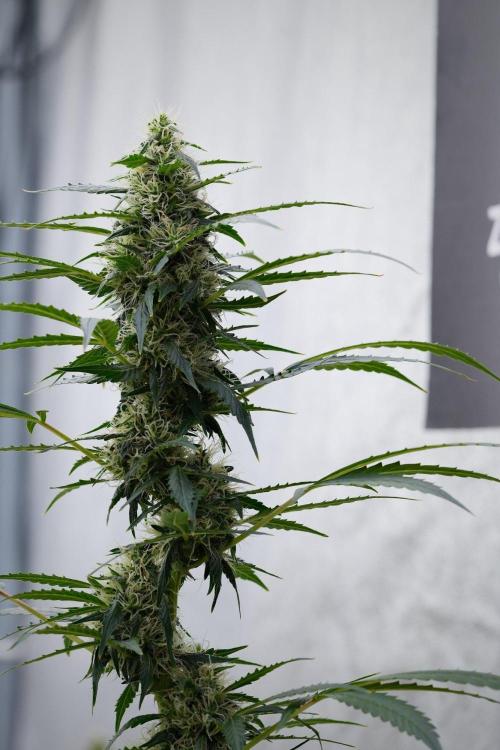
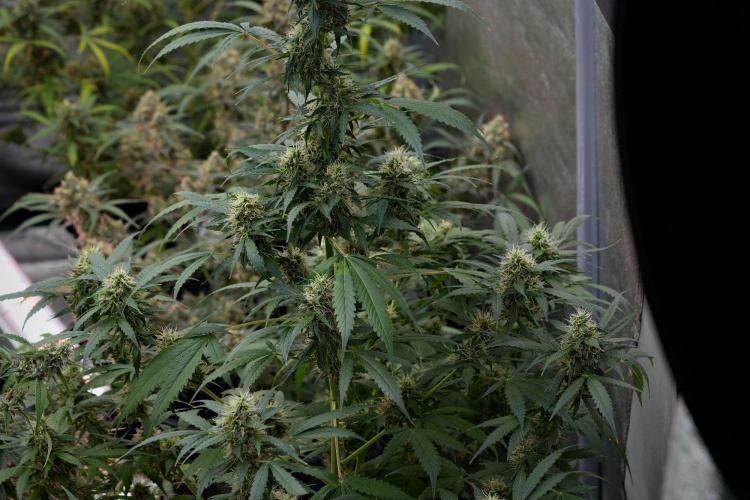
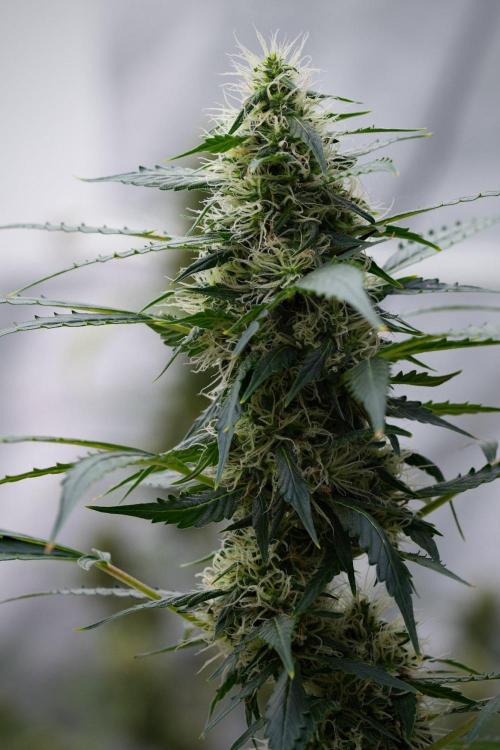
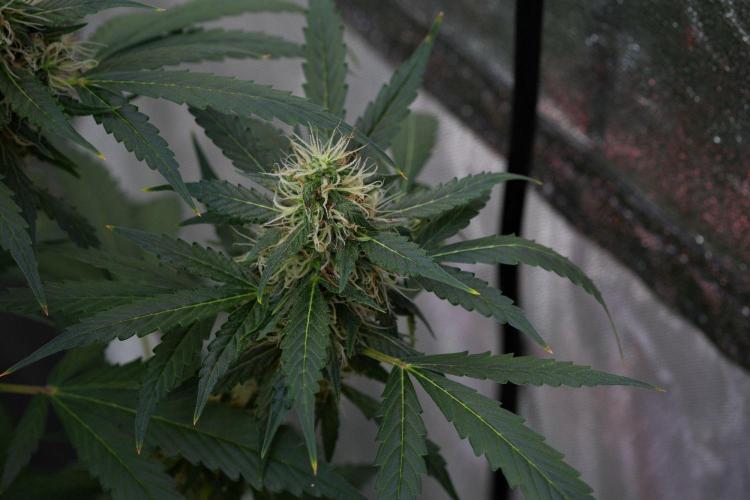
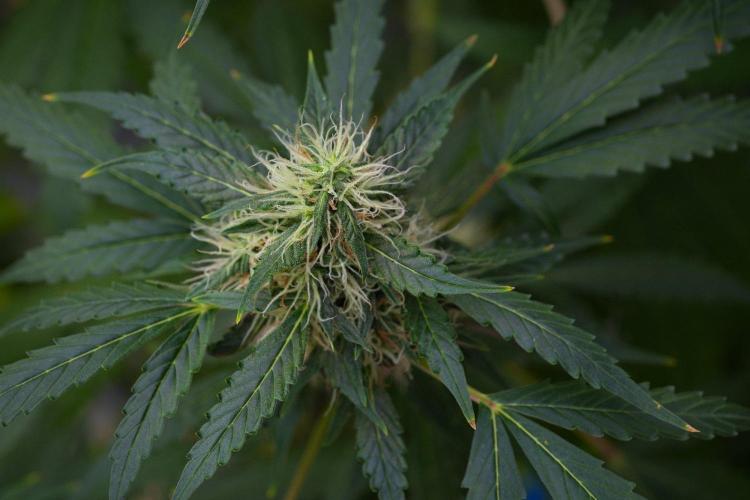
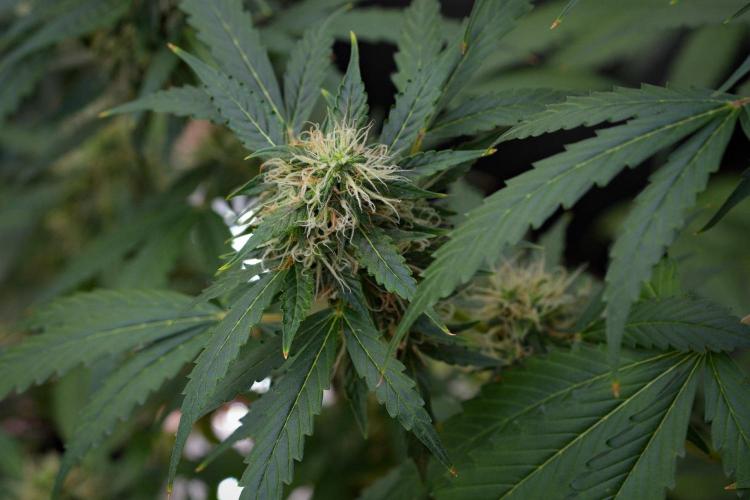
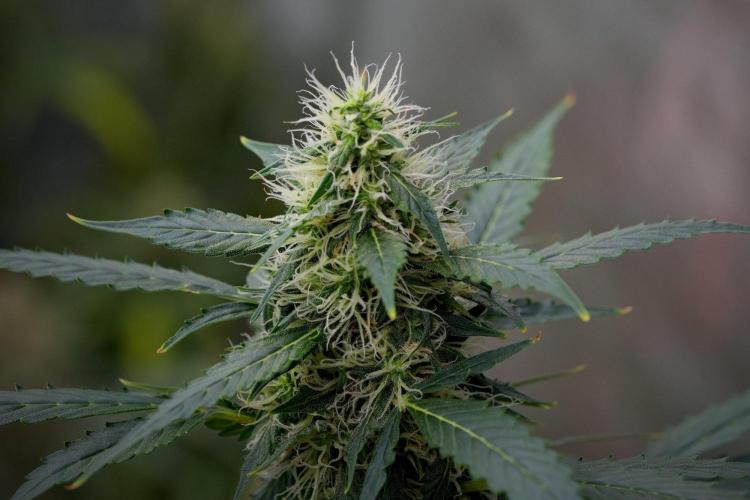
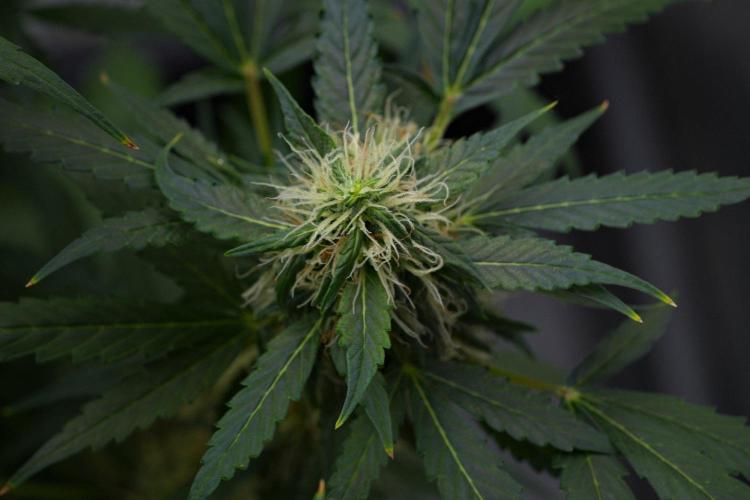
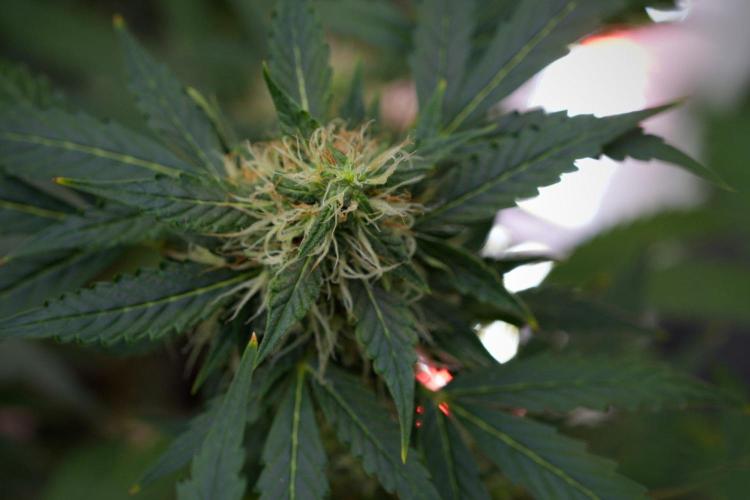
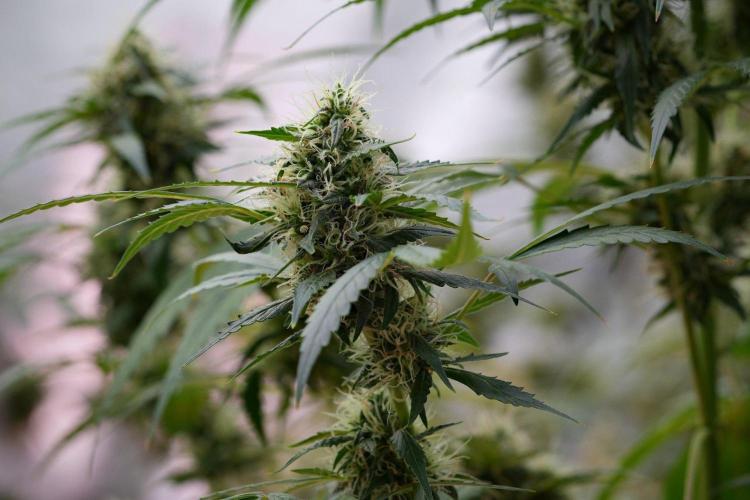
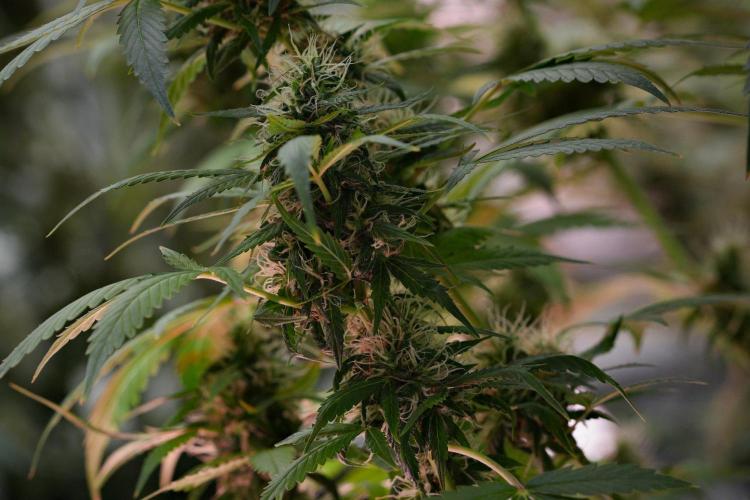
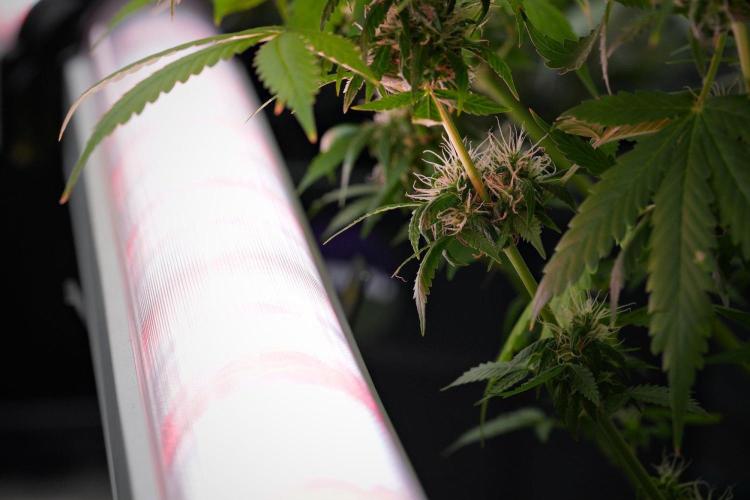
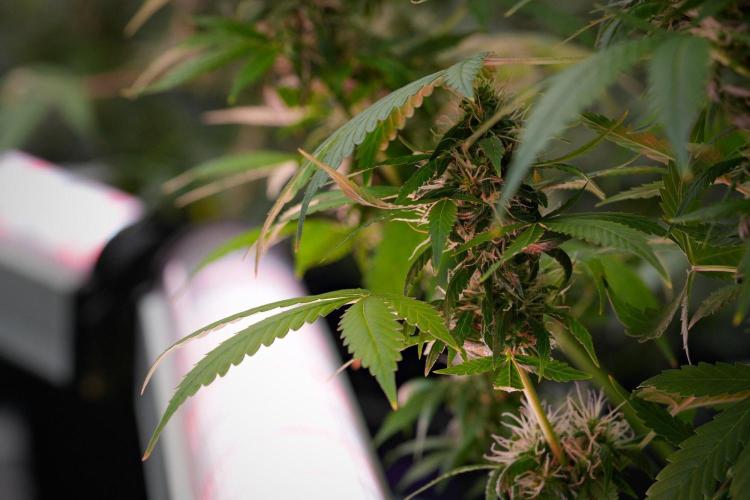
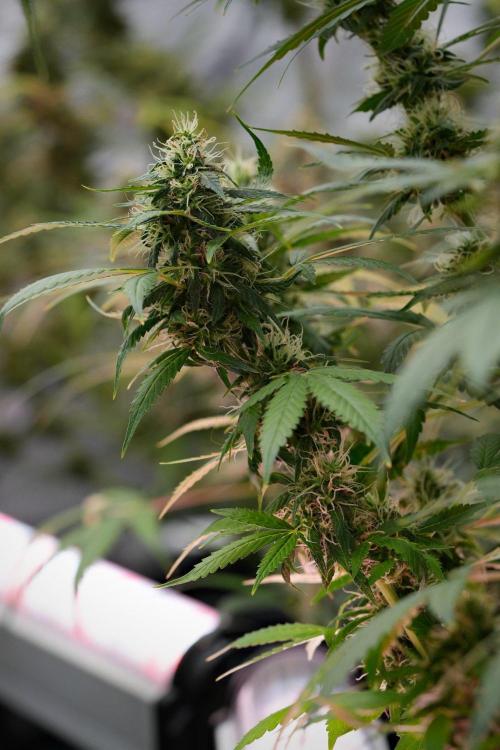
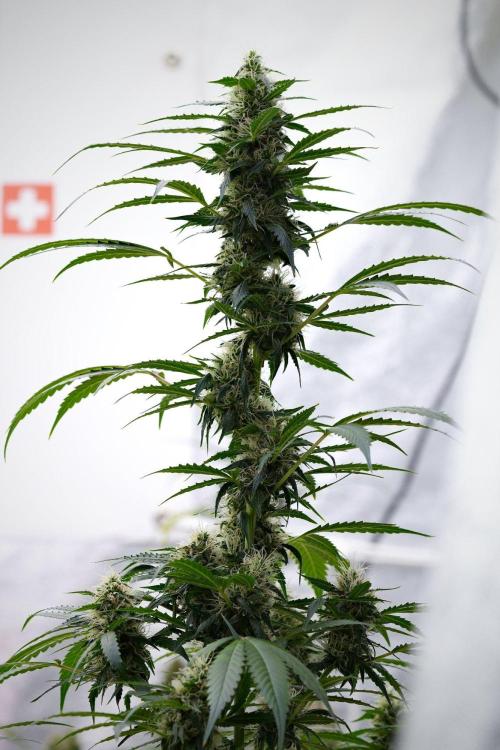
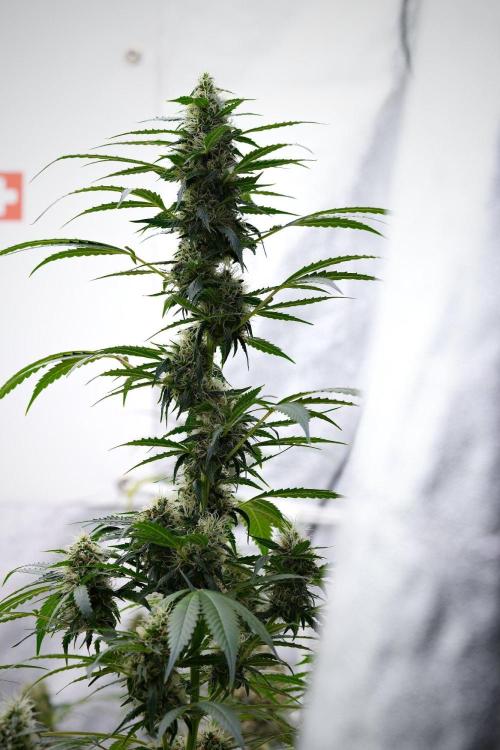
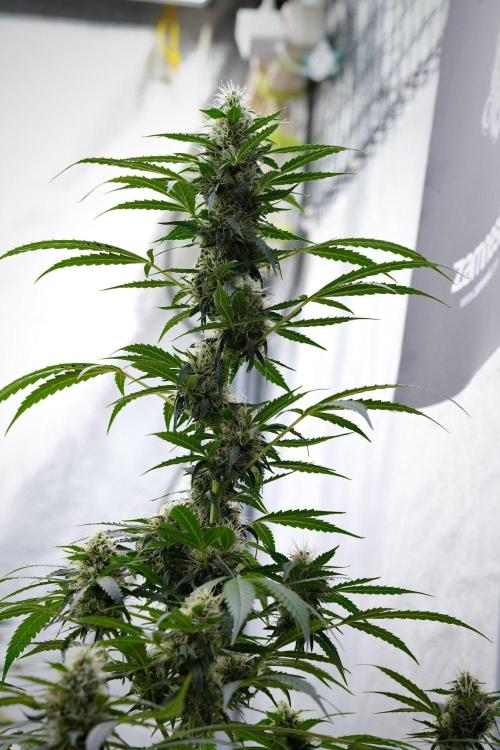
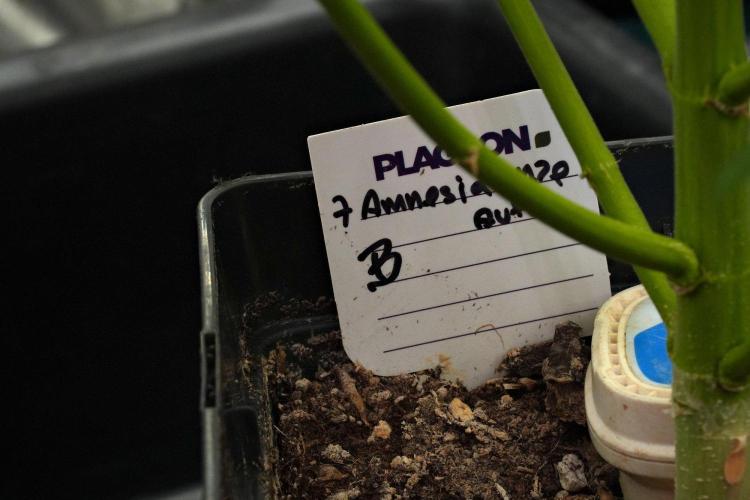
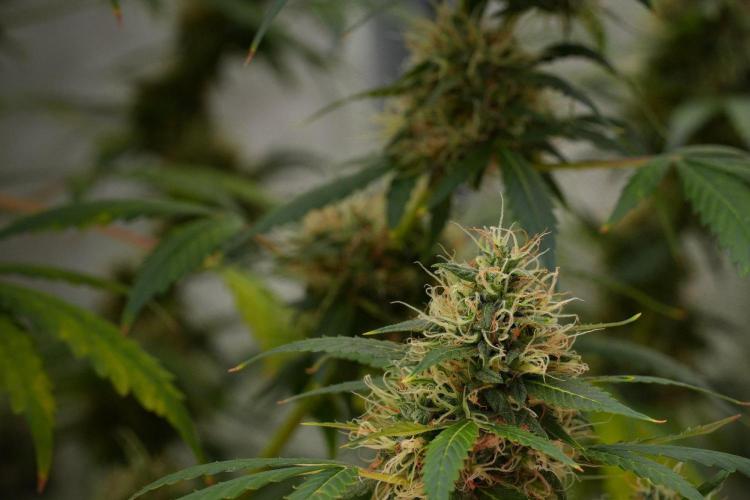
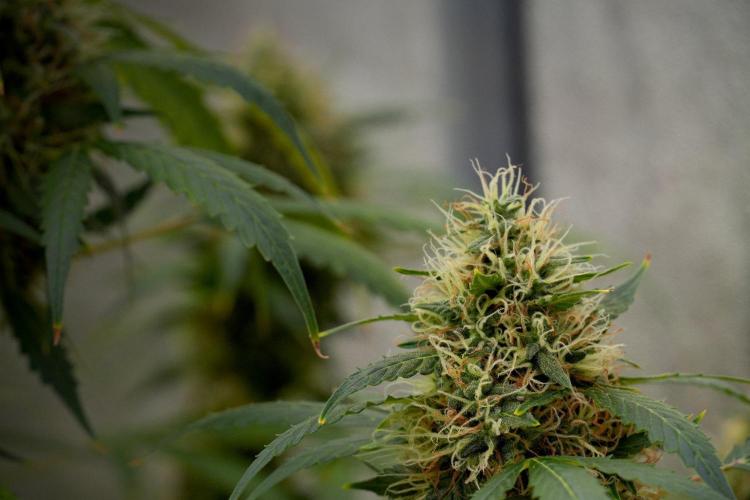
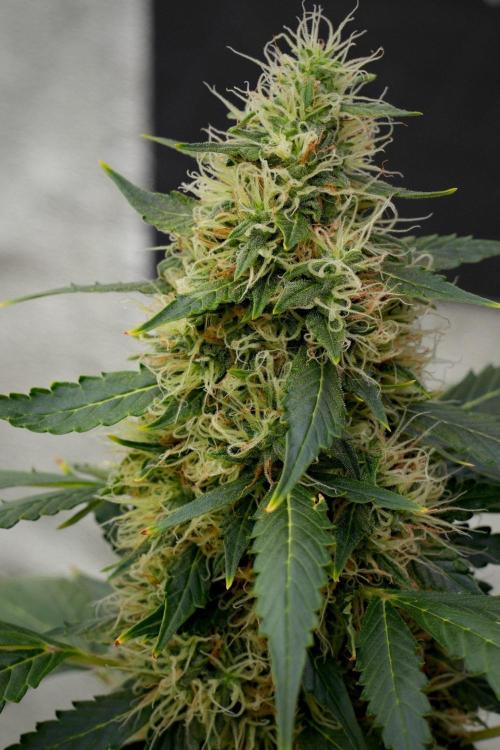
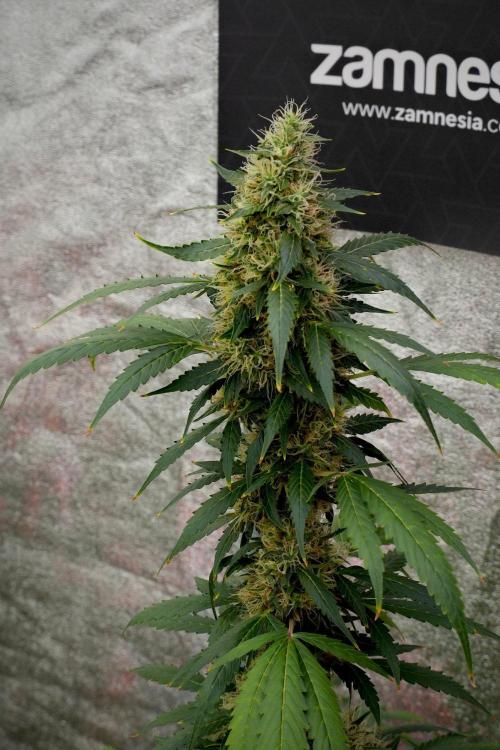
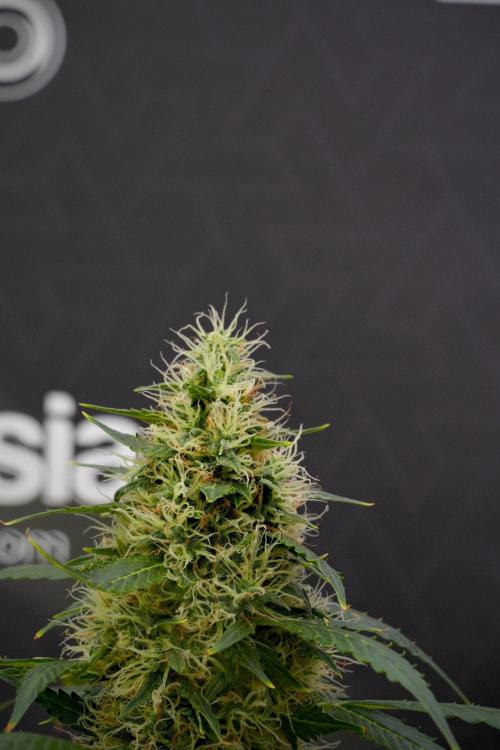
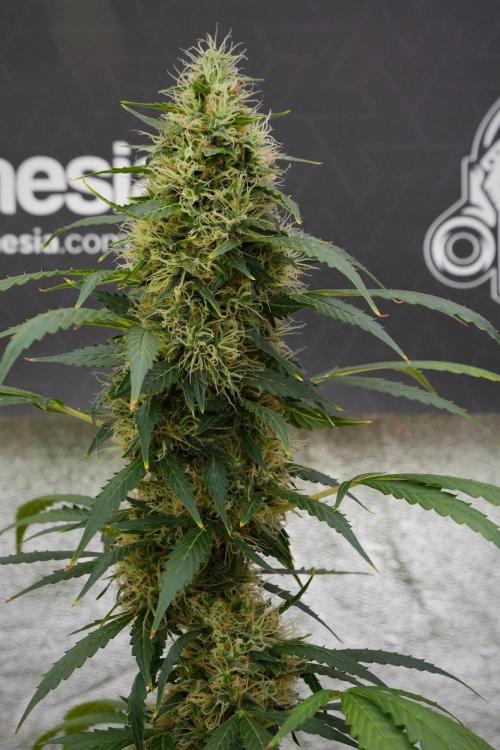
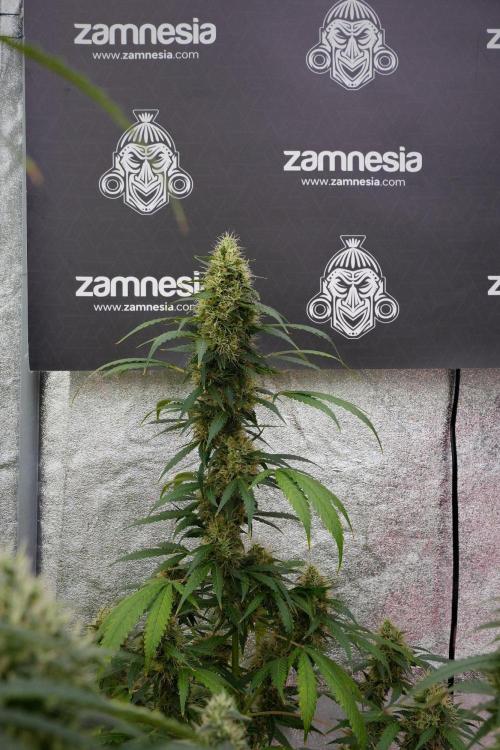
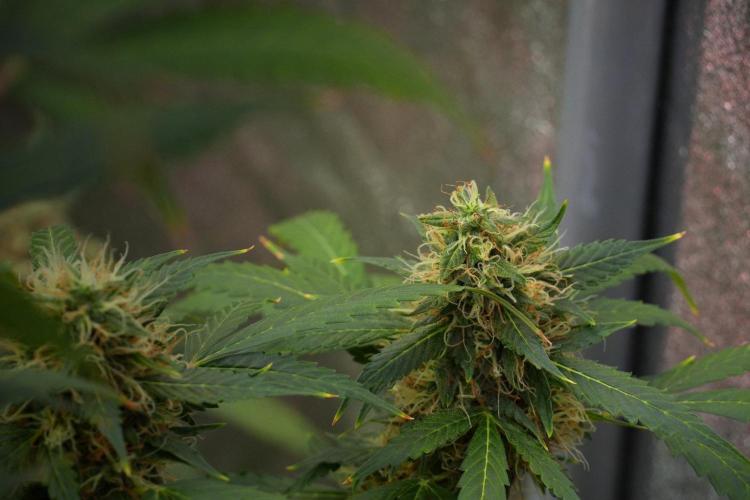
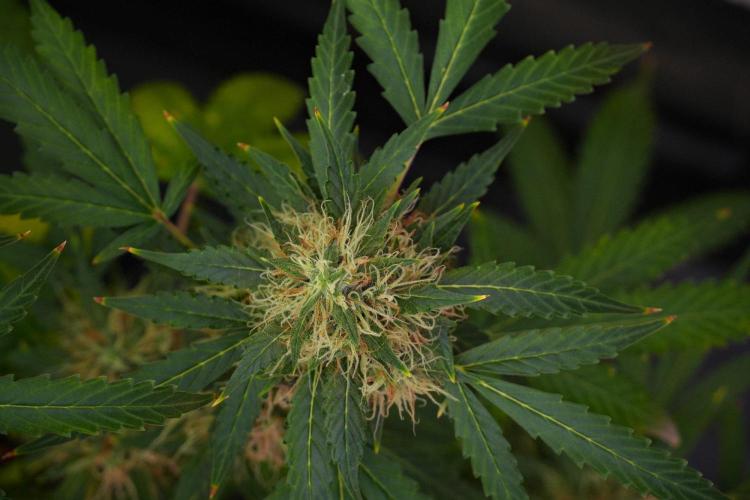
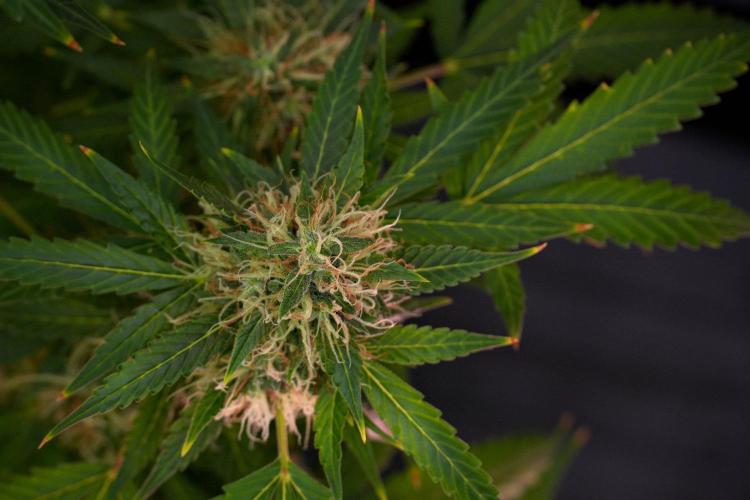
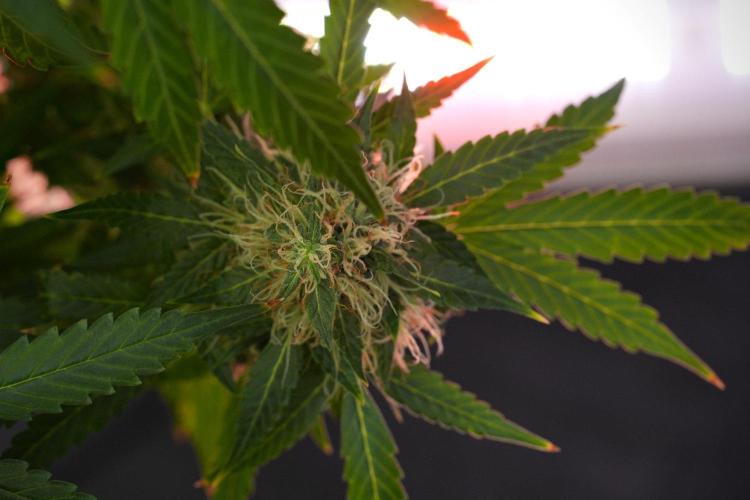
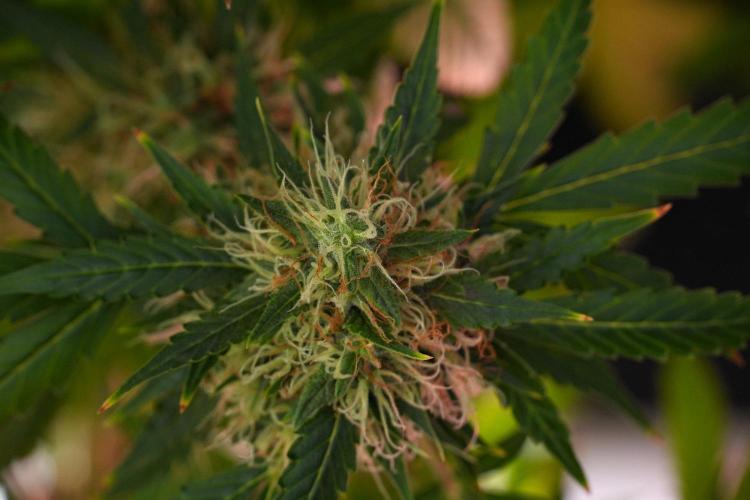
DogDoctorOfficial # Amnesia Haze Auto by Zamnesia | Pheno B 🌱✨
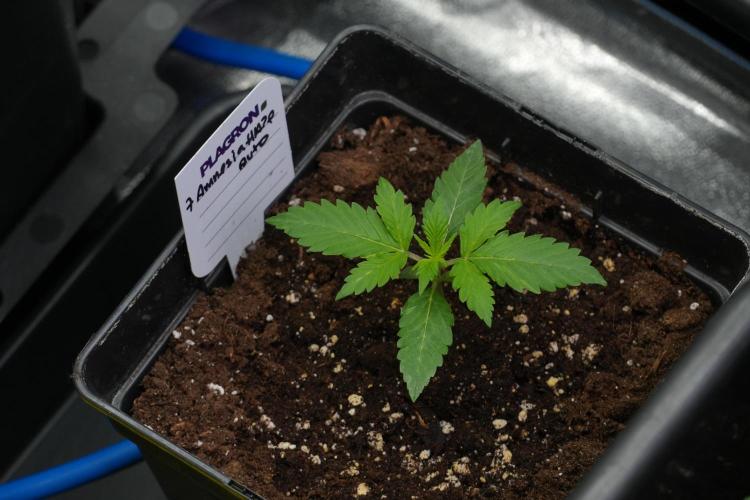
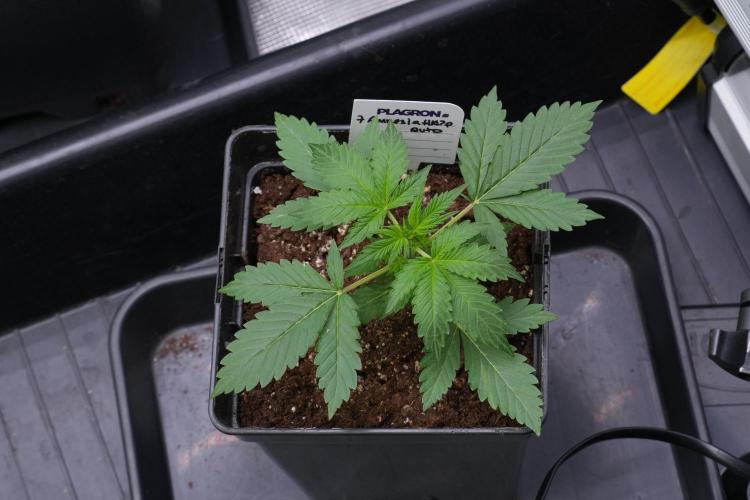
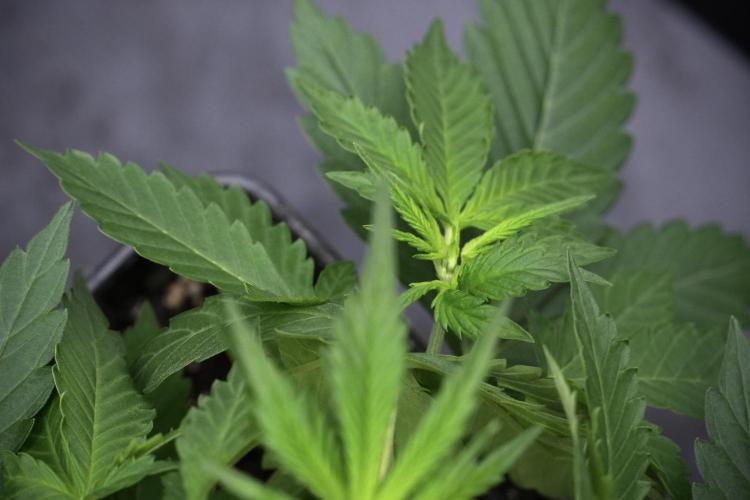
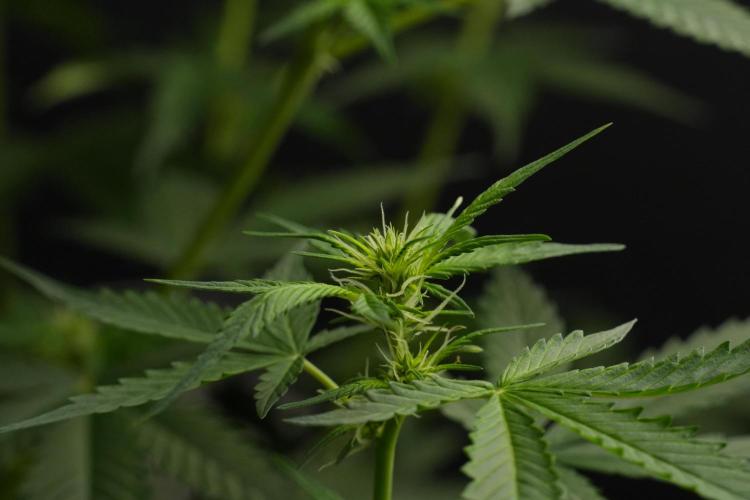
## Germination Week | Second Chances and Strong Starts
Hello GrowDiaries family! 👋🌱
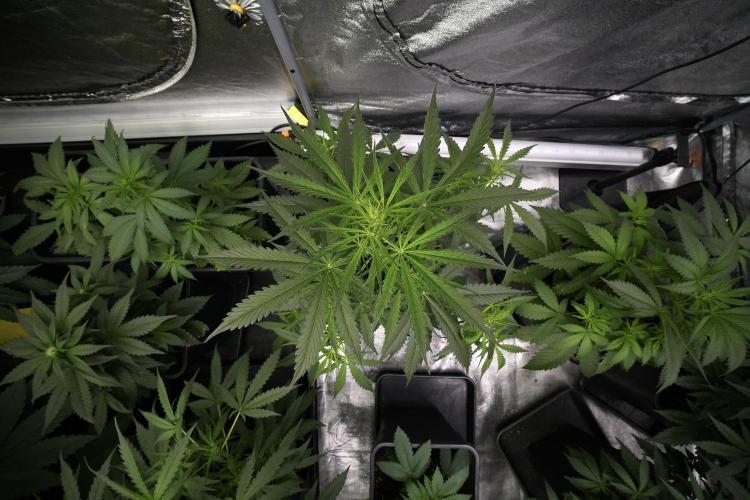
Welcome to another new diary and another new chapter in this project.
As mentioned throughout the previous reports, I've recently adjusted the way I document my grows. With the current photo limitations on GrowDiaries, each phenotype now receives its own dedicated diary, allowing me to continue documenting every stage of development while selecting the best photographs from each week.
The objective remains exactly the same as always:
To create an honest, educational, and complete record from seed to harvest while sharing observations, successes, mistakes, lessons learned, and everything in between.
And today's diary begins with one of those lessons.
---
## Not Every Germination Goes Perfectly
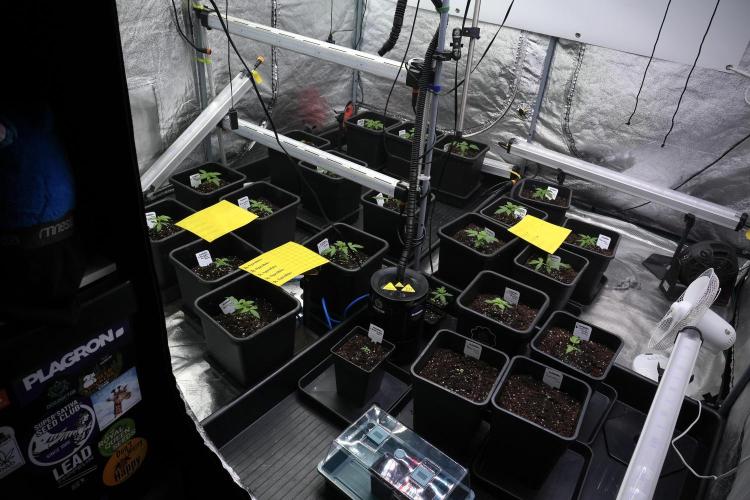
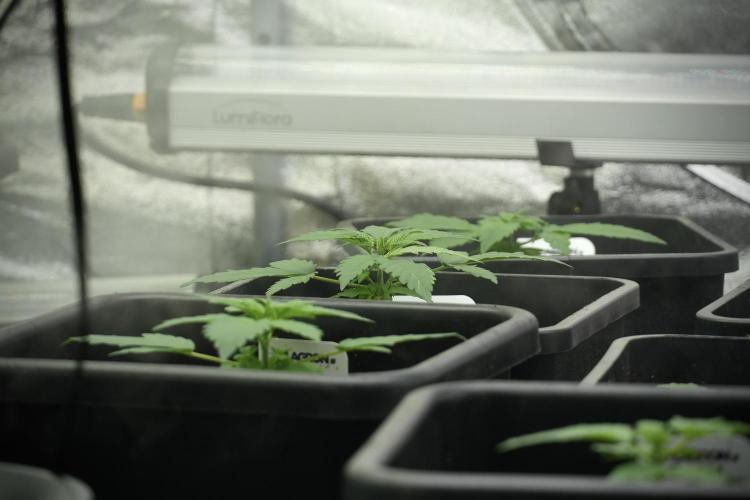
The original plan for Amnesia Haze Auto Pheno B was exactly the same as the rest of the garden.
Same germination method.
Same environment.
Same process.
Same care.
Yet growing has a way of keeping us humble.
The first attempt failed.
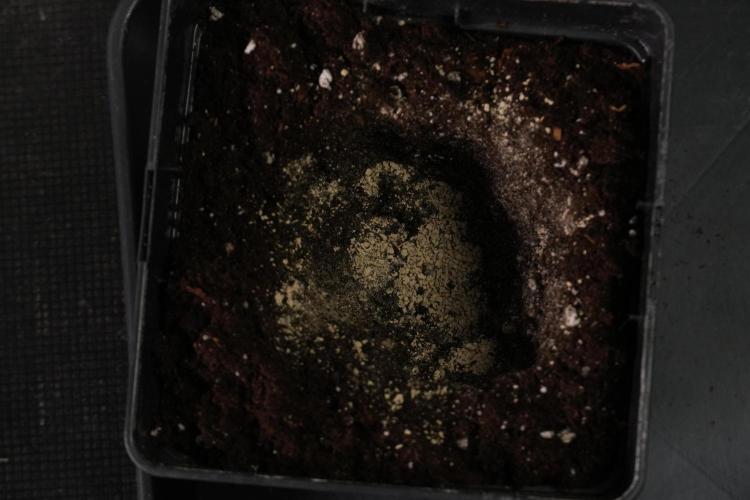
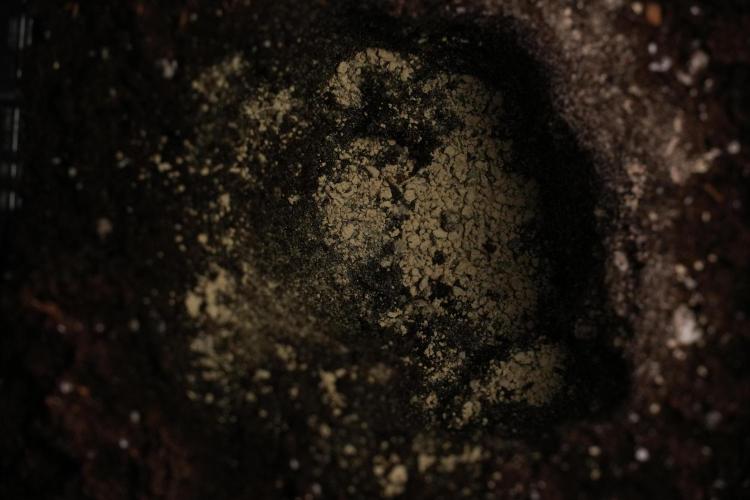
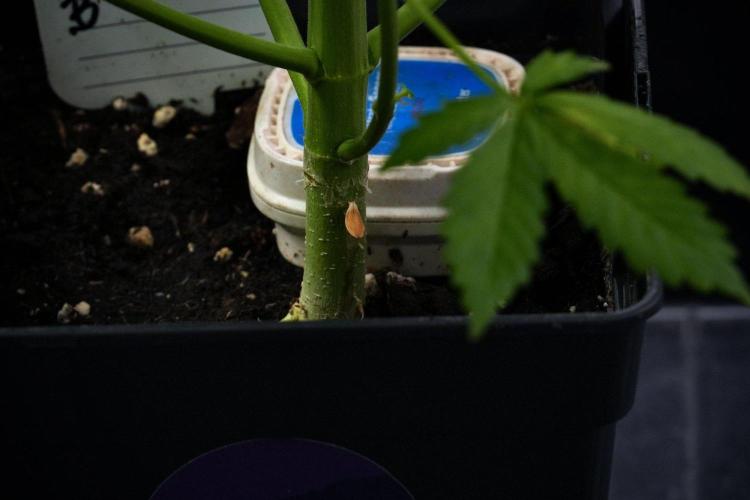
Looking back, I believe I likely overwatered the coco starter plug during the early stages. The seed germinated but never established itself properly, and ultimately failed to continue developing.
Mistakes happen.
Every grower experiences them.
The important part is learning from them and moving forward.
---
## A Second Attempt
Rather than giving up on the genetic, I decided to try again.
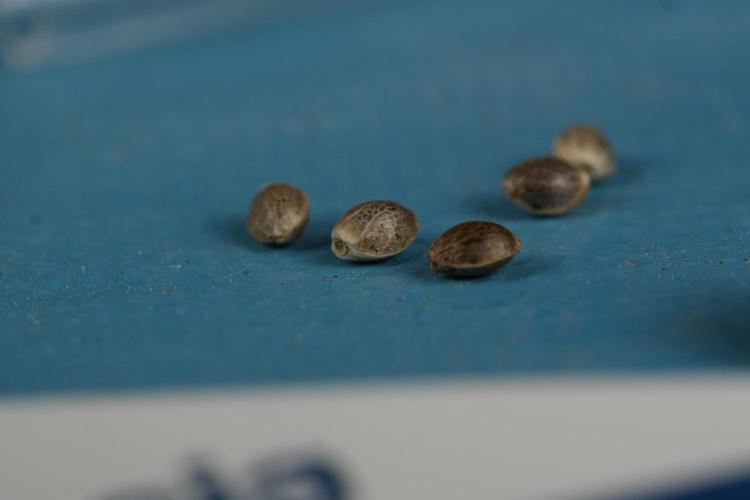
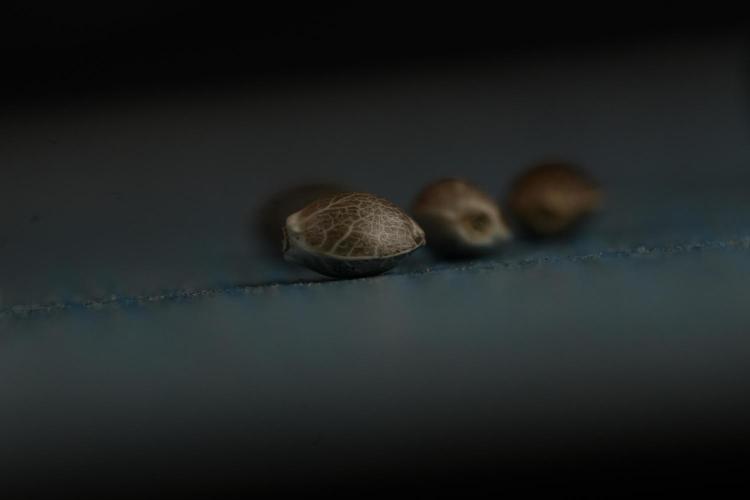
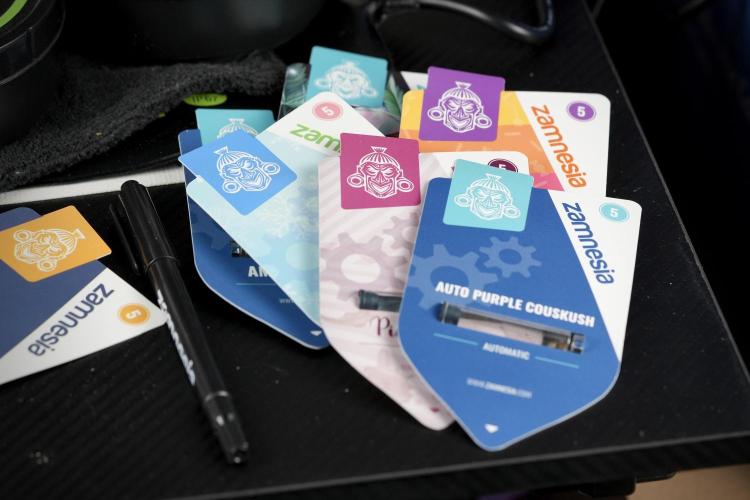
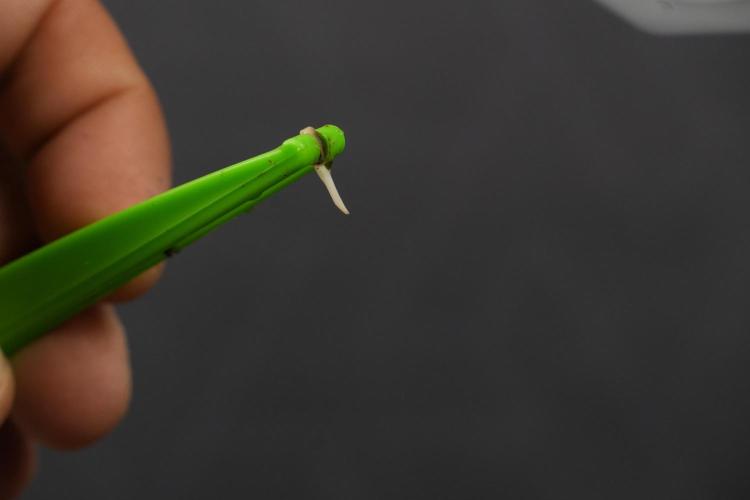
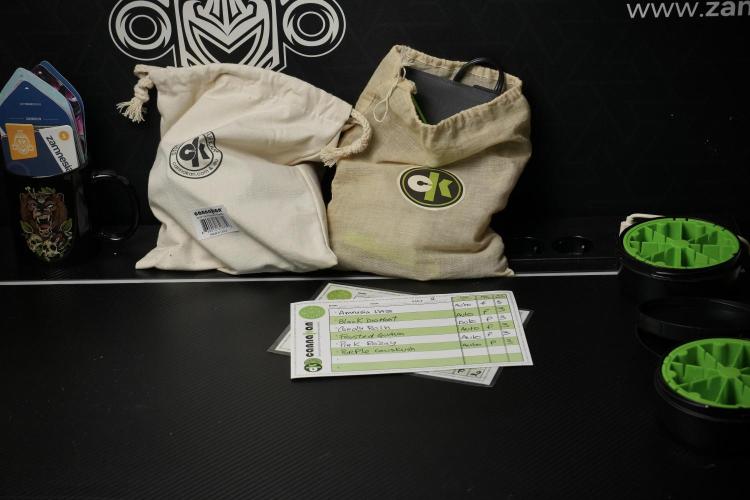
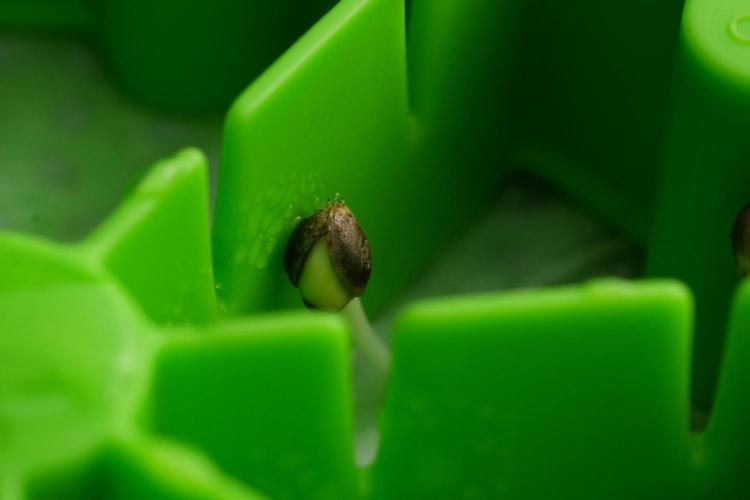
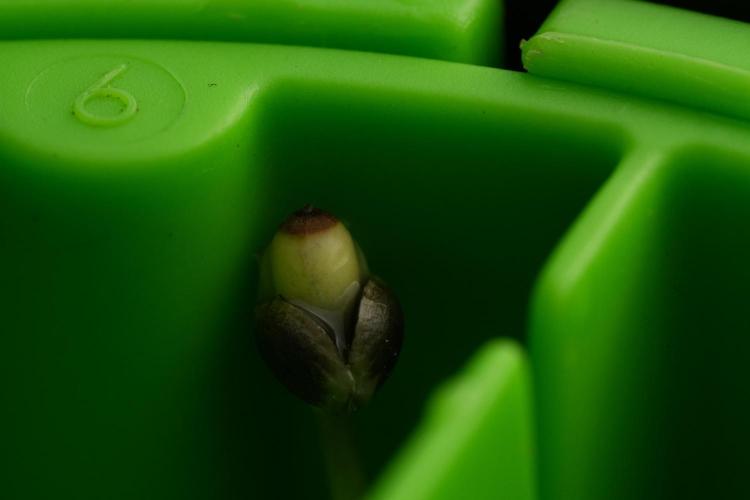
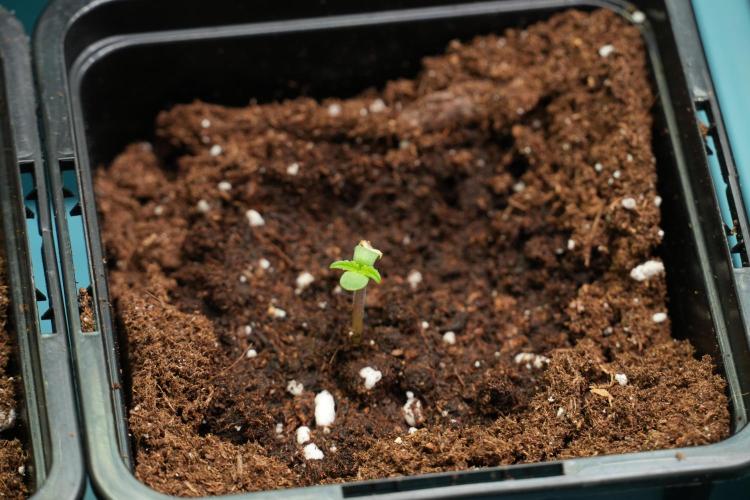
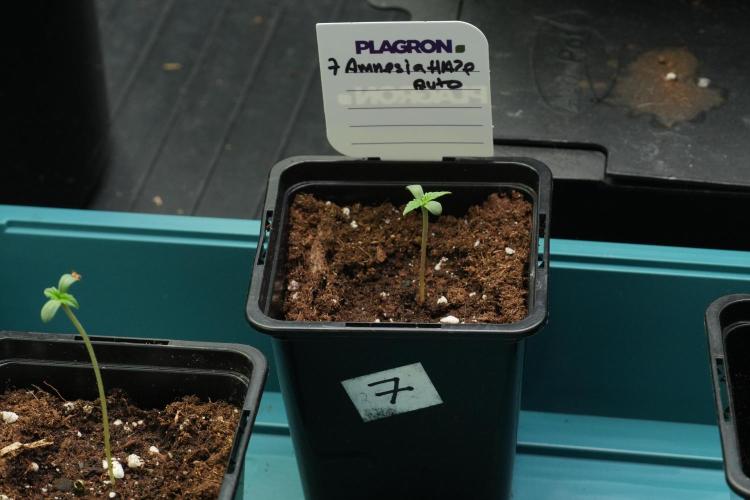
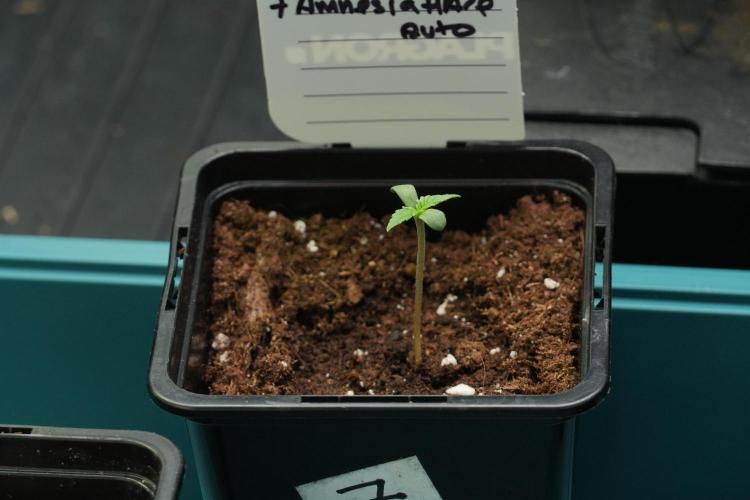
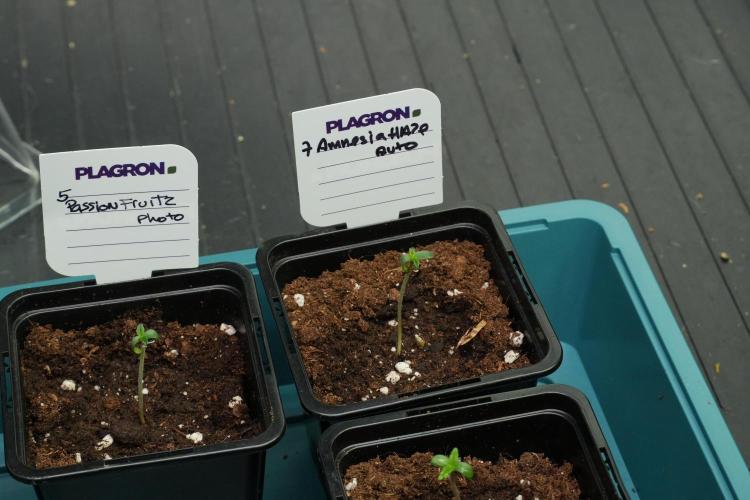
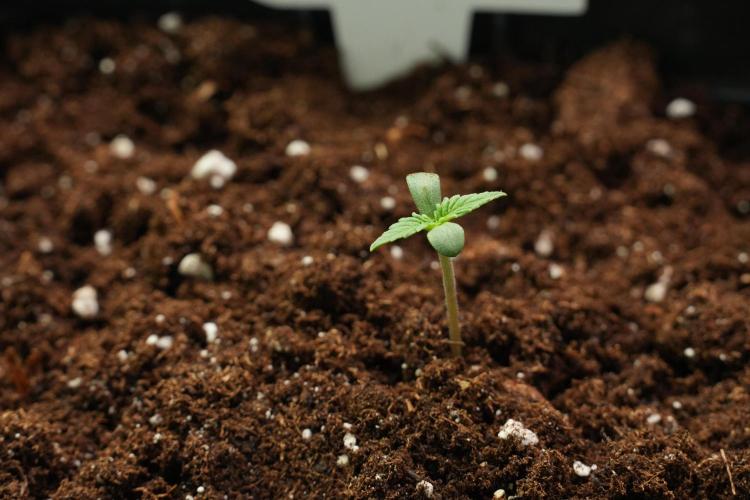
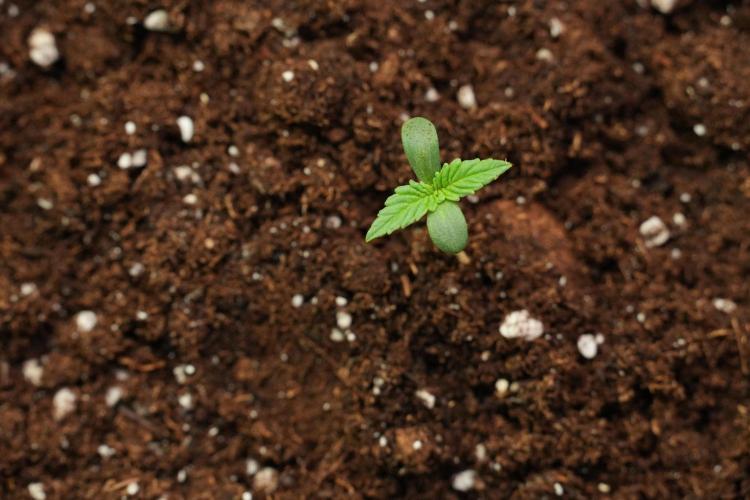
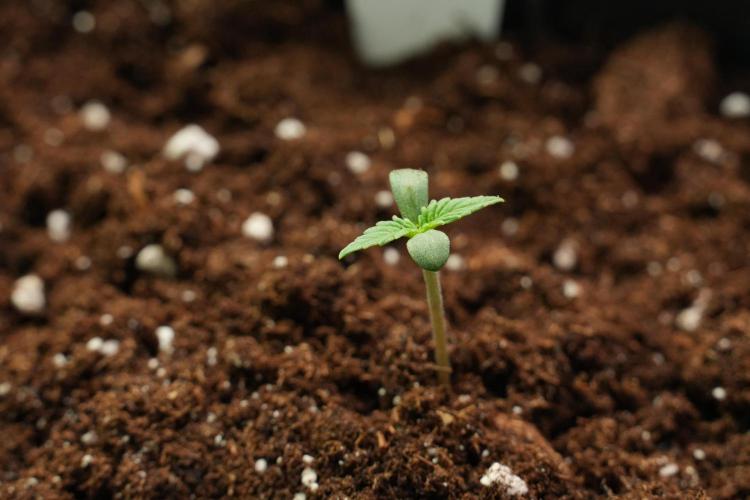
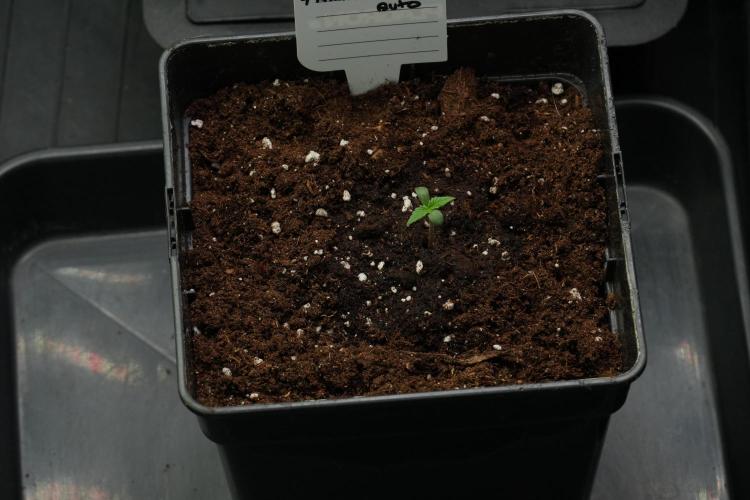
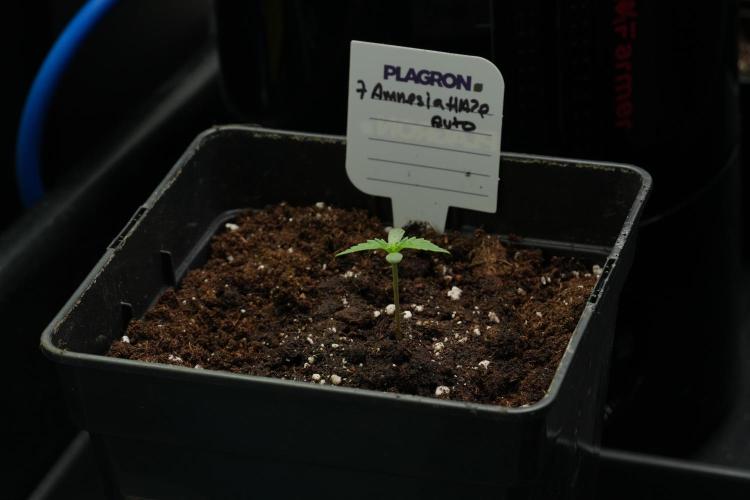
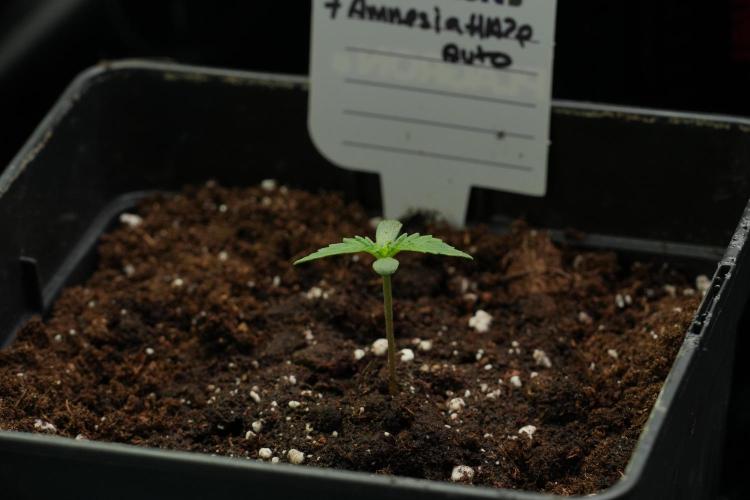
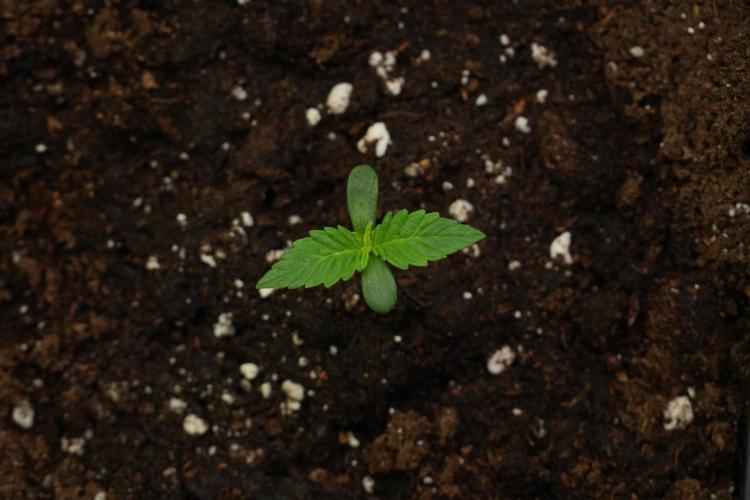
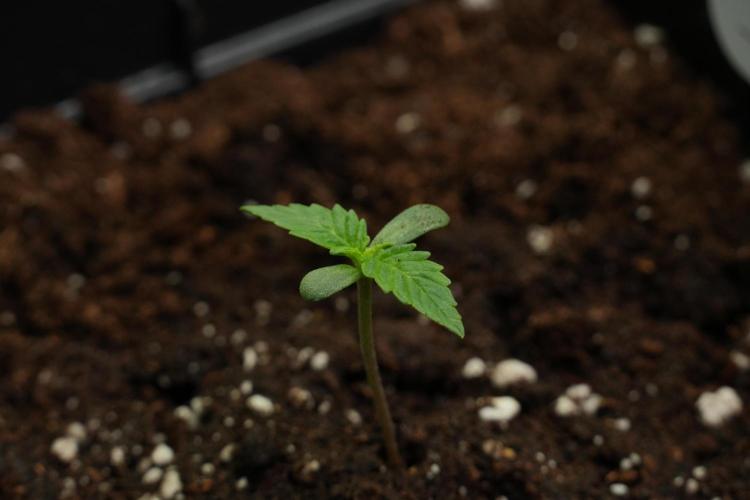
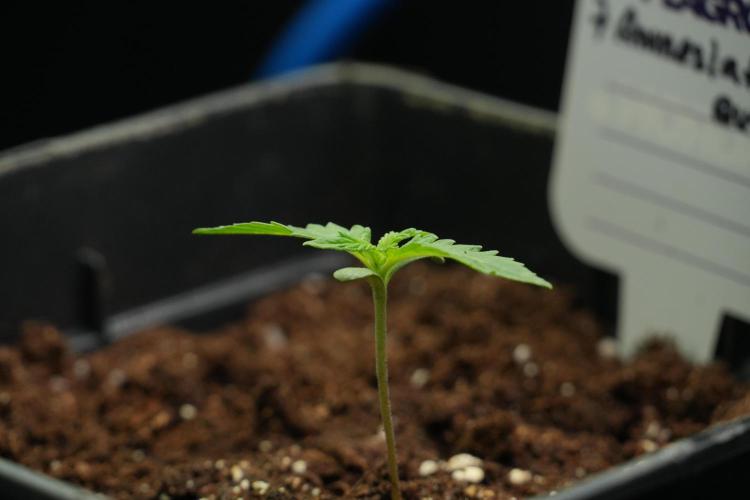
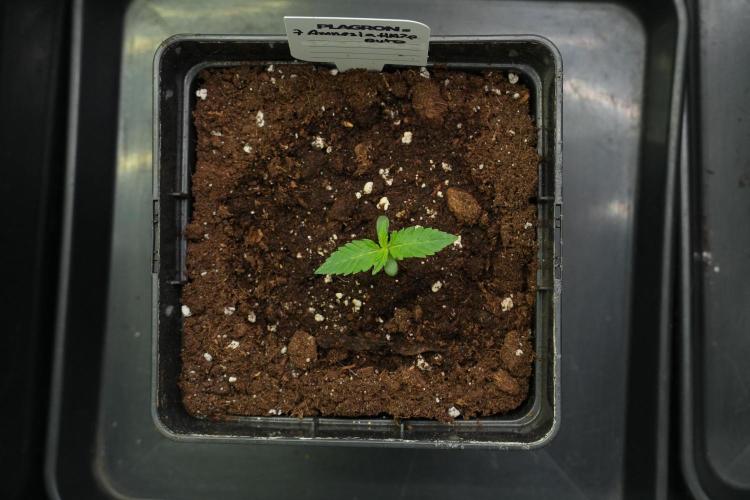
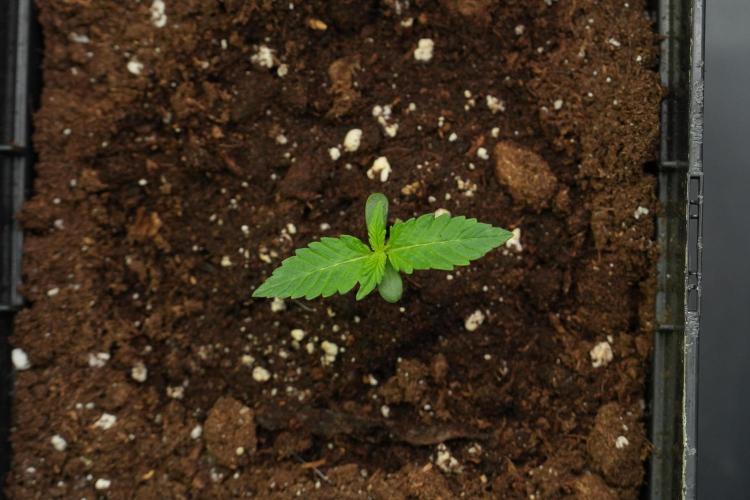
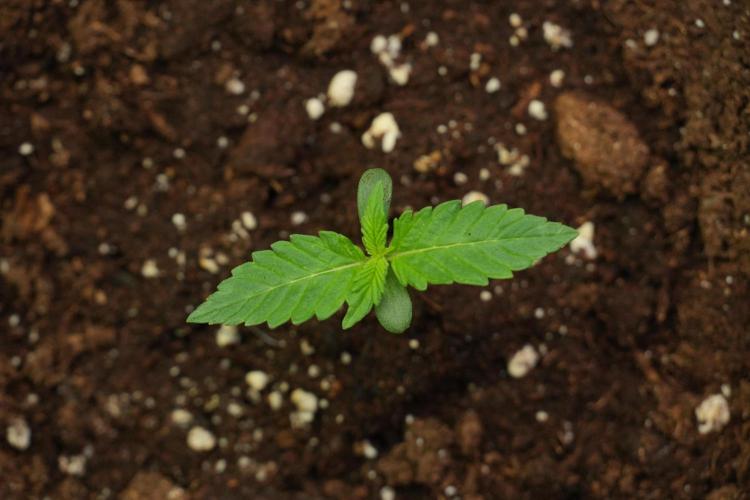
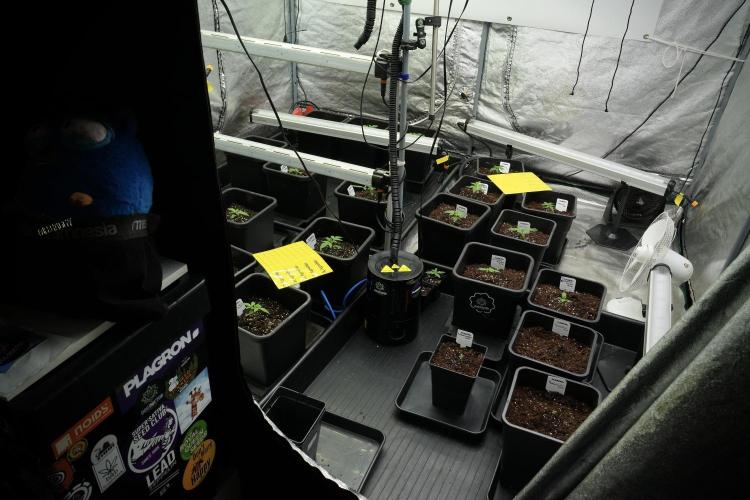
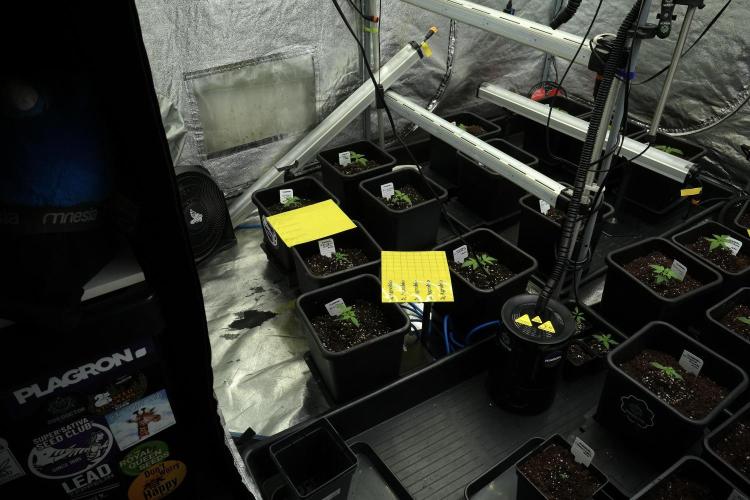
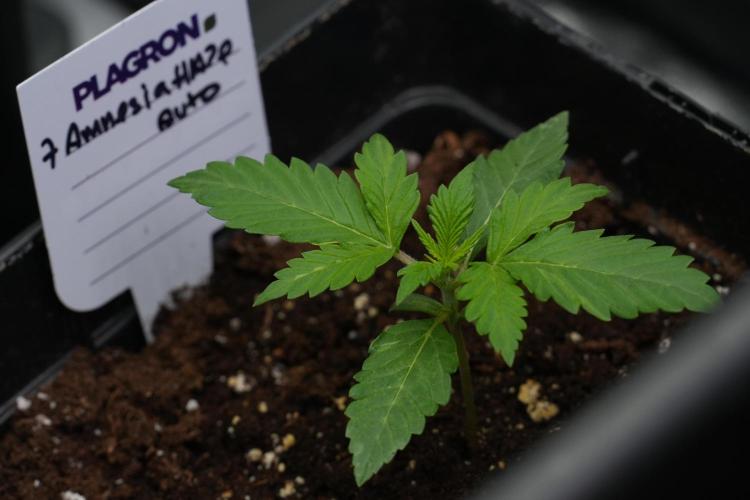
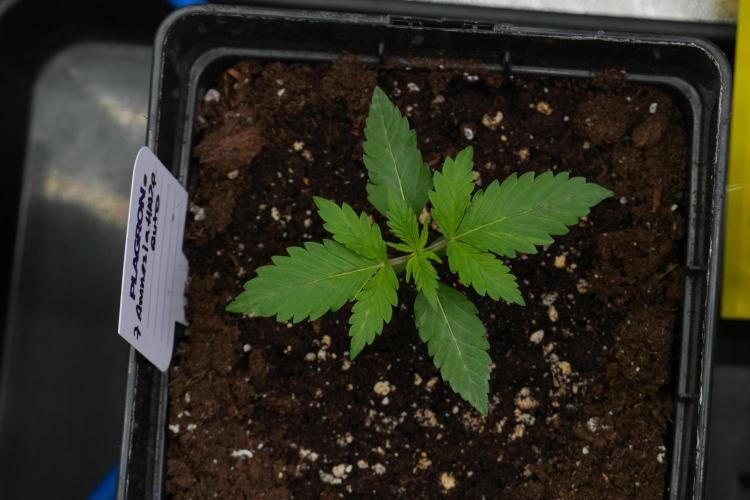
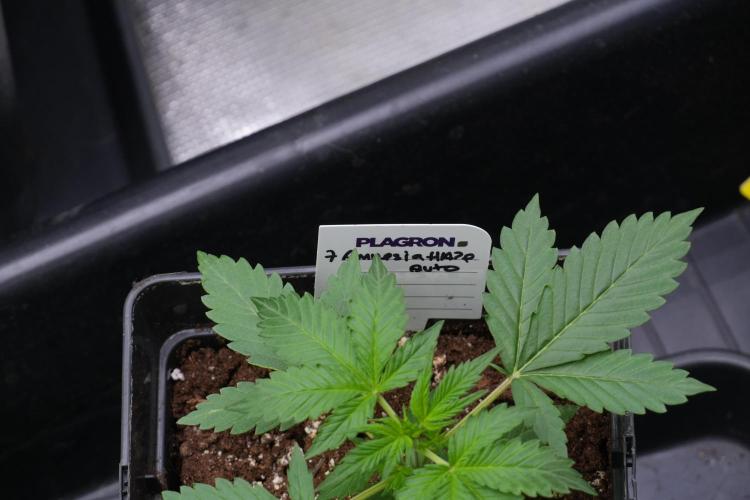
A few days later, two new Amnesia Haze Auto seeds were placed into the Cannakan germination system.
The results were exactly what we hoped to see.
Healthy germination.
Healthy taproots.
Strong vigor.
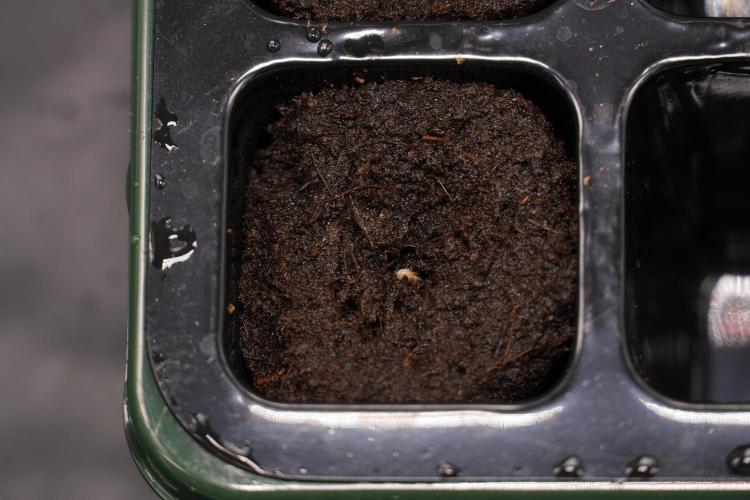
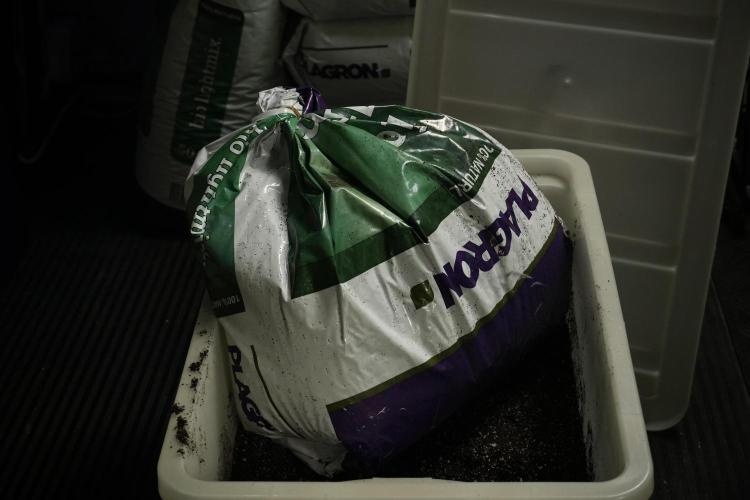
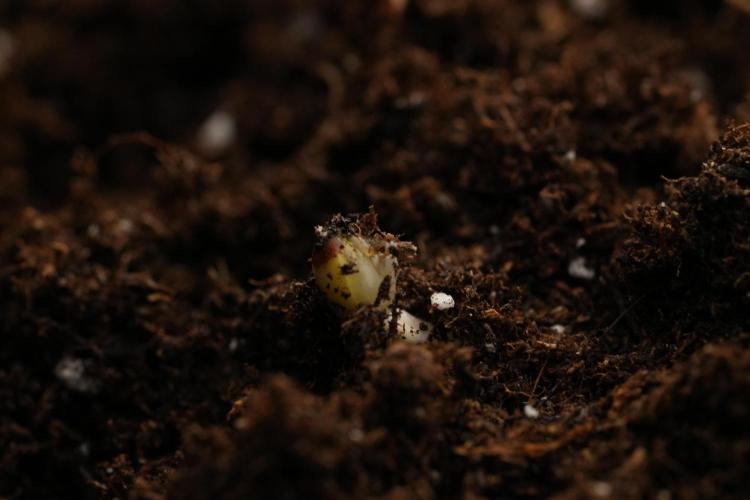
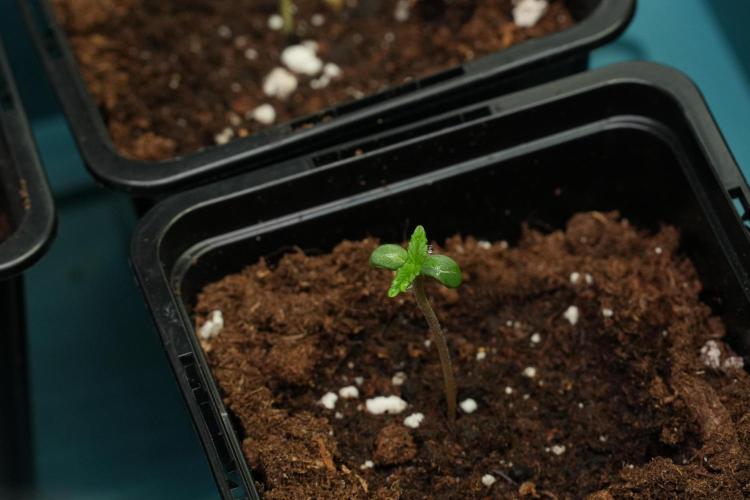
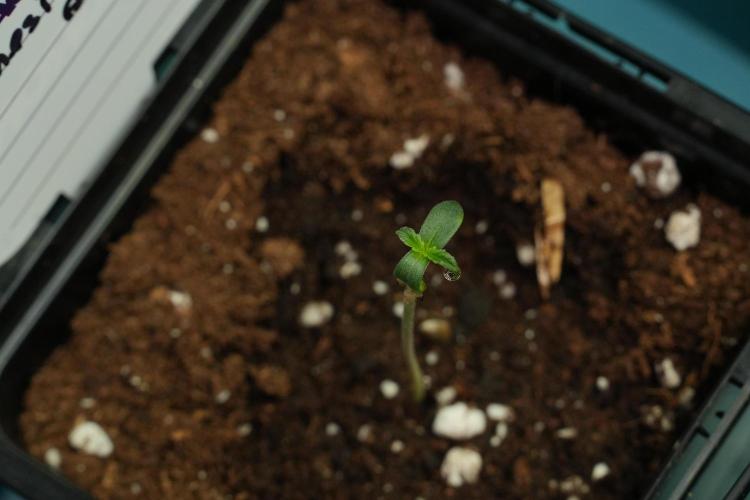
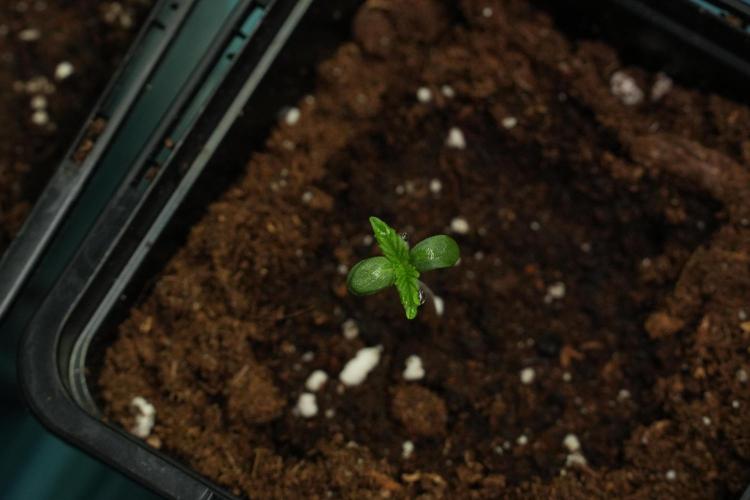
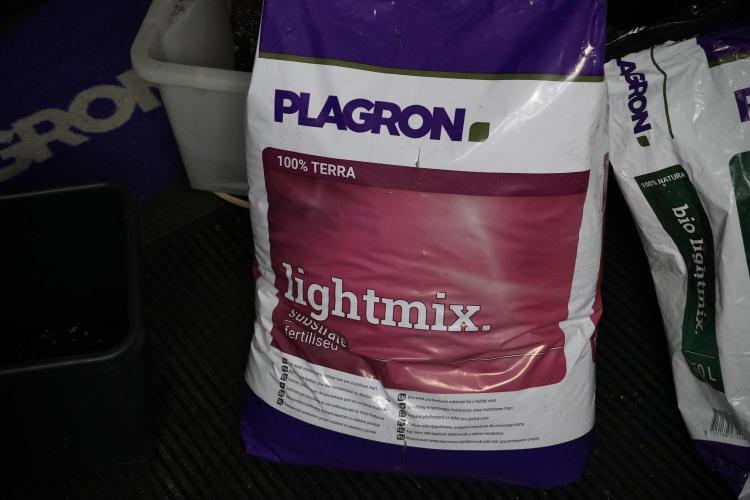
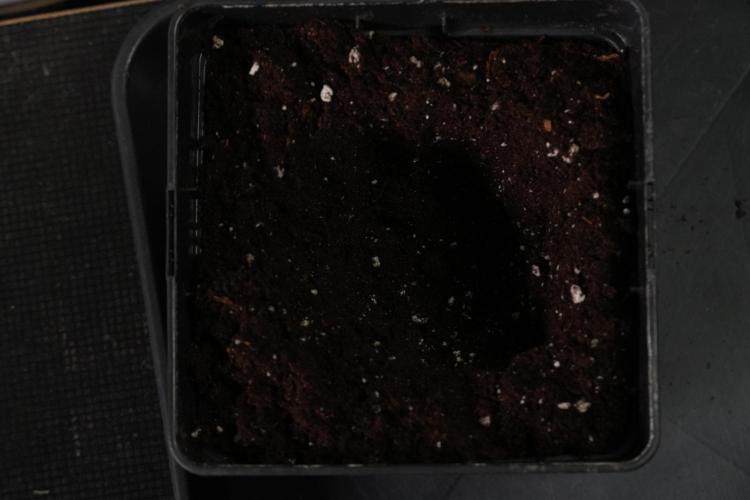
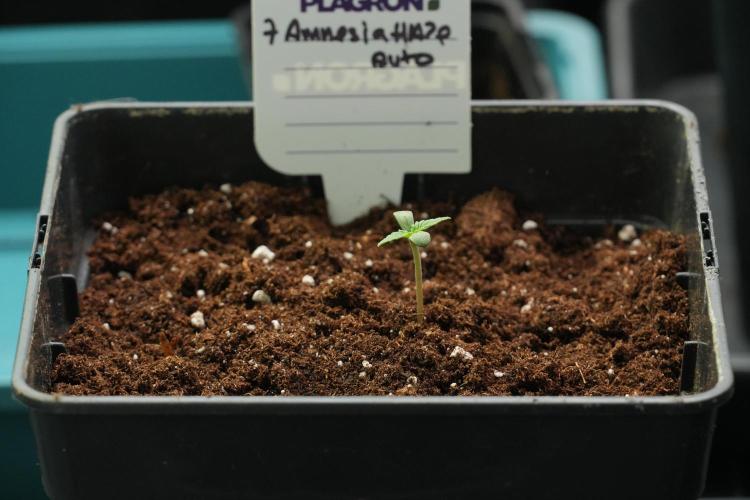
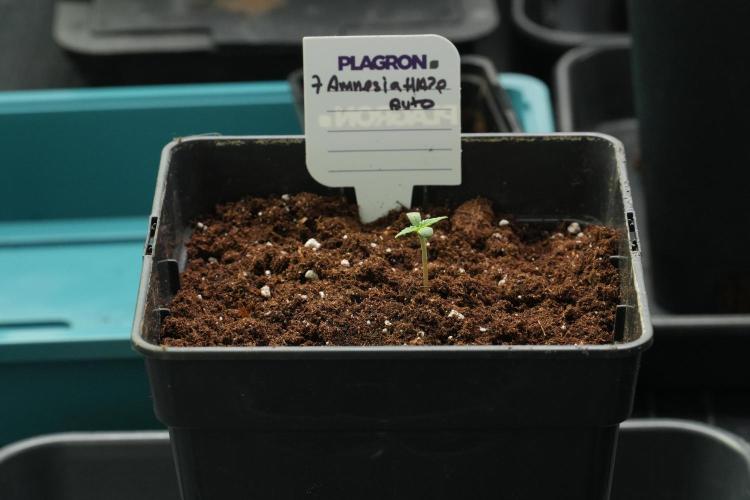
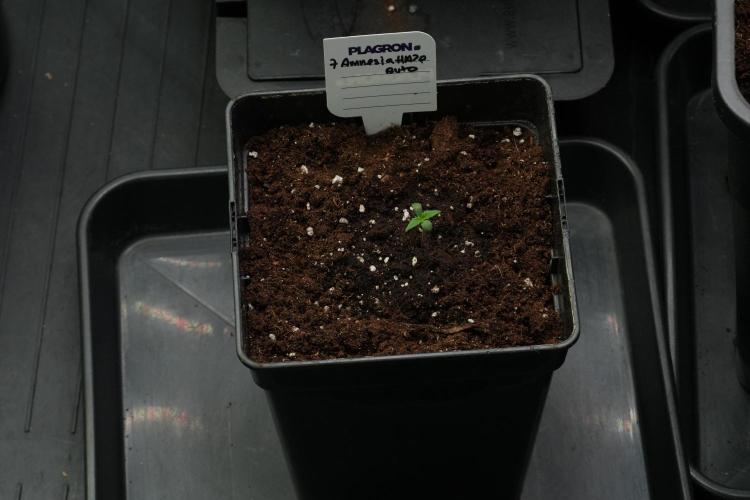
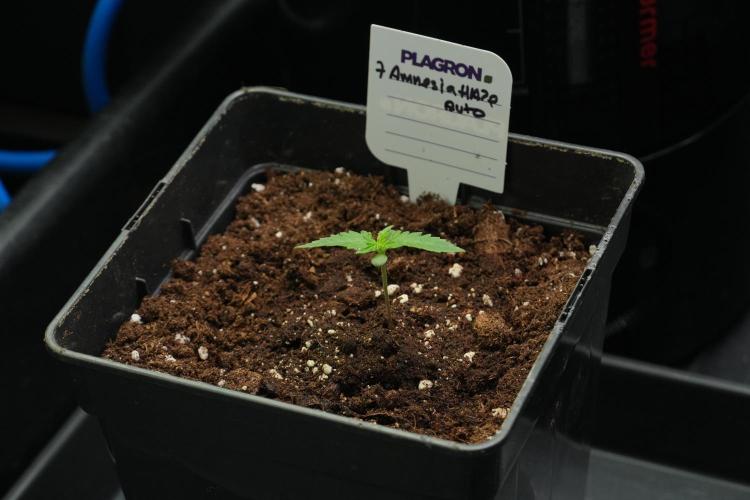
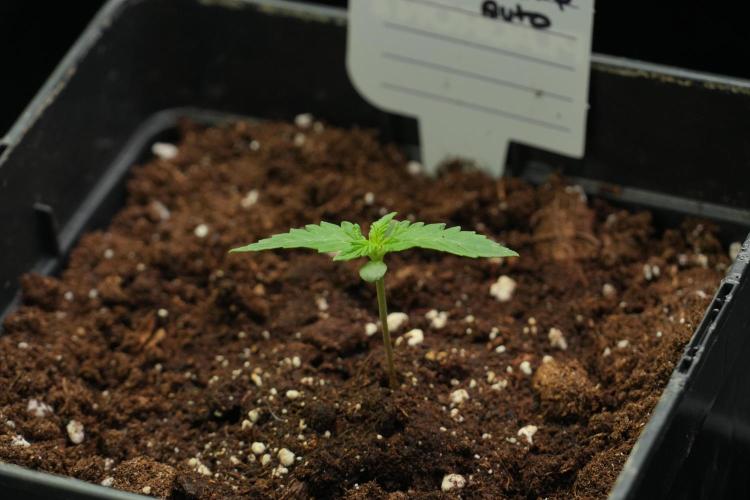
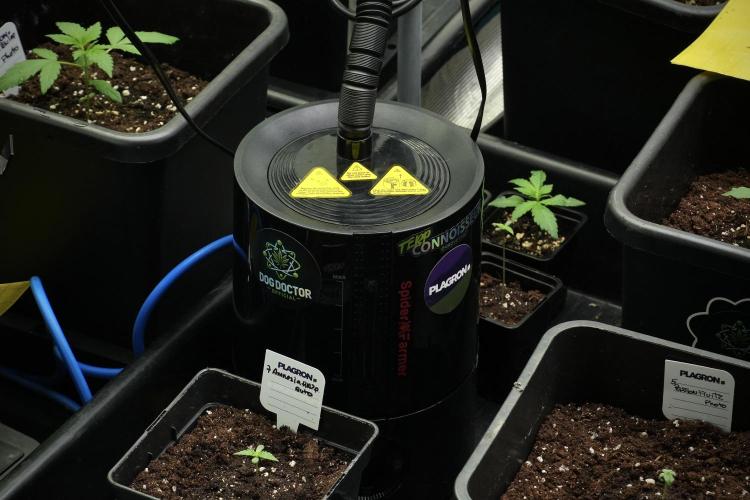
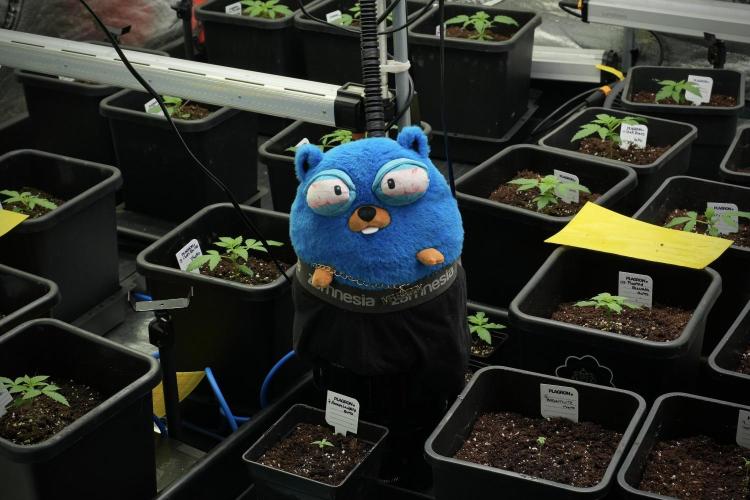
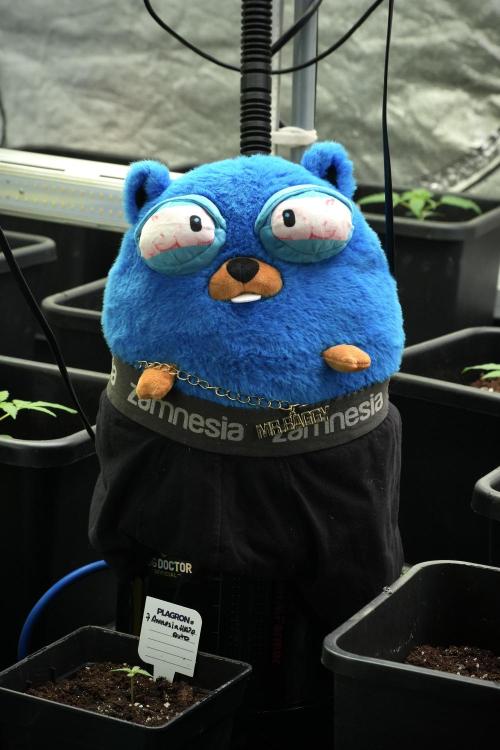
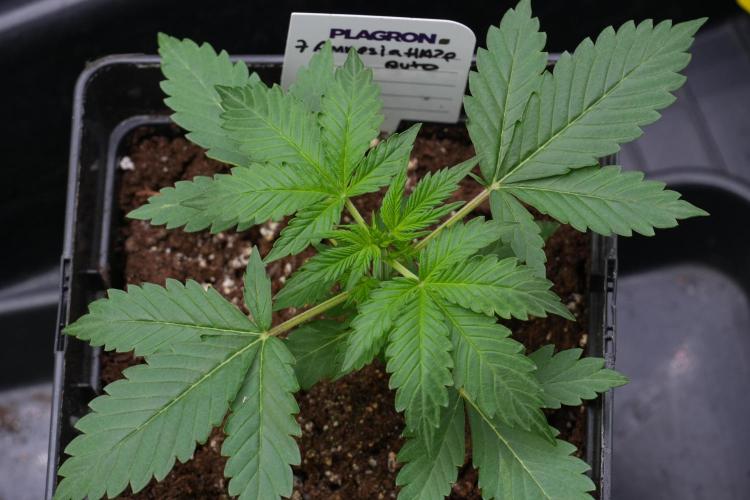
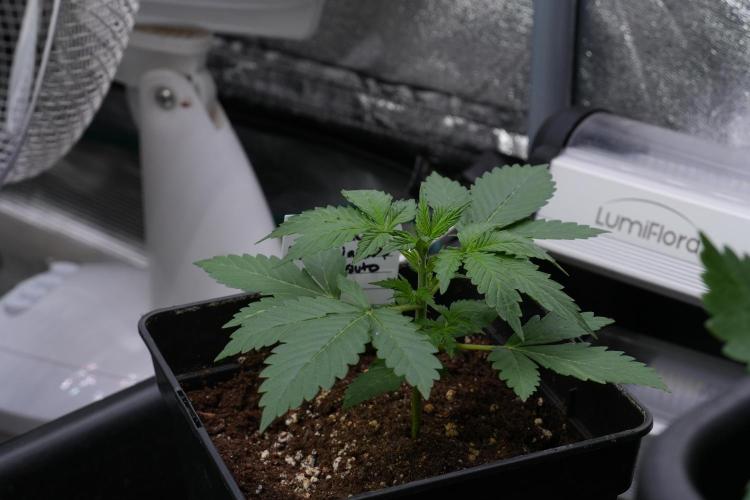
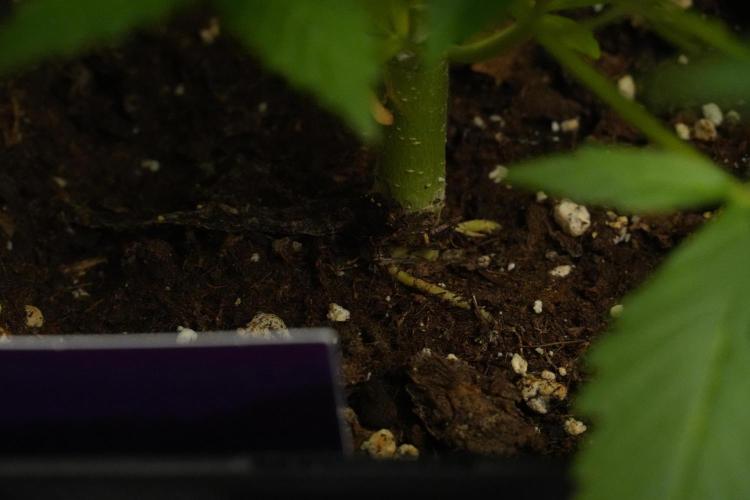
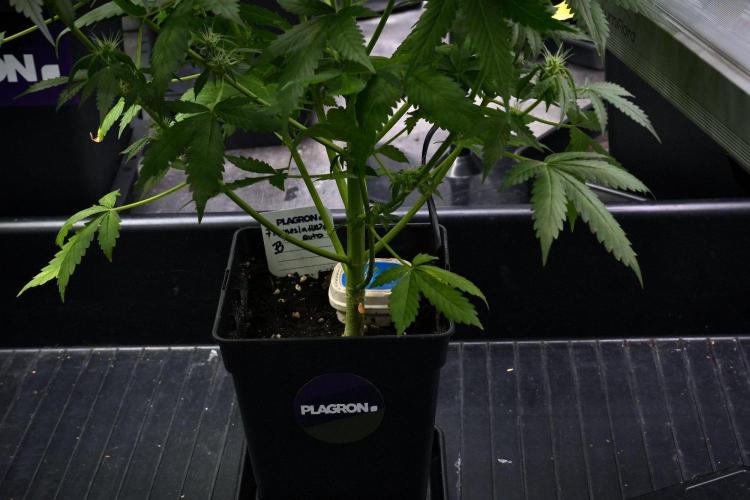
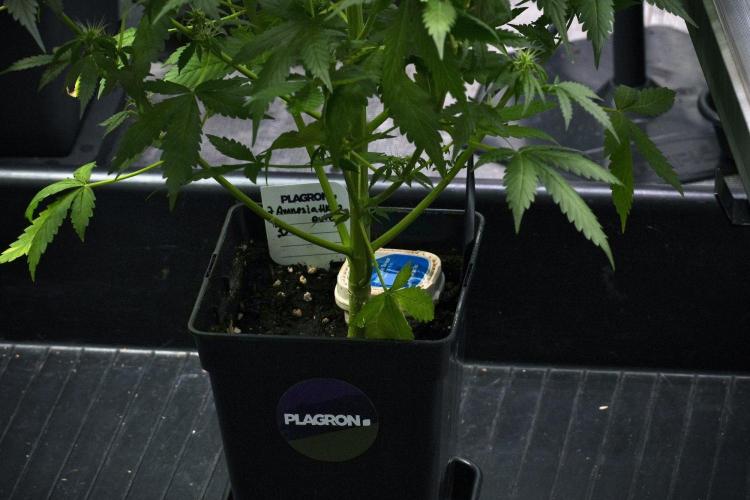
Both seeds emerged successfully and were planted directly into Plagron Lightmix rather than returning to coco starter plugs.
The plan from this point forward was simple:
Allow both seedlings to establish themselves and later select the strongest candidate to continue as Pheno B.
The remaining seedling would eventually return to the compost pile and continue its journey in another form.
Nothing wasted.
Everything remains part of the cycle.
---
## Germination Using the Cannakan System
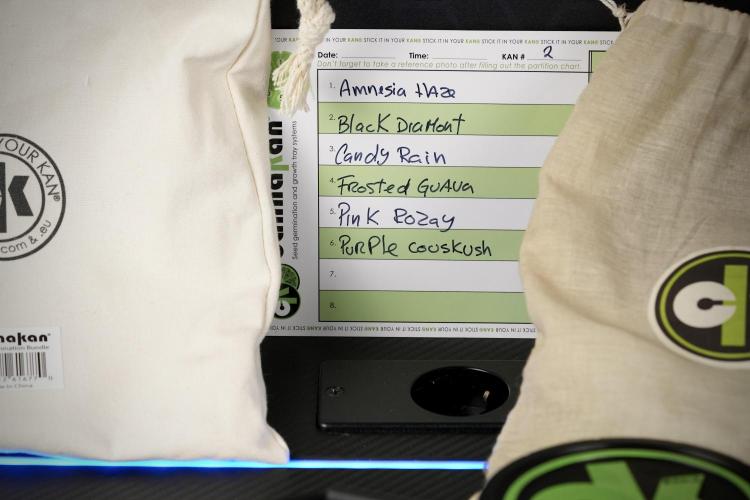
For germination I used the same Cannakan system employed throughout this project.
For organizational purposes, the autoflower section of the run was germinated using a second Cannakan unit, while the photoperiod section used the first.
The methodology itself remained exactly the same.
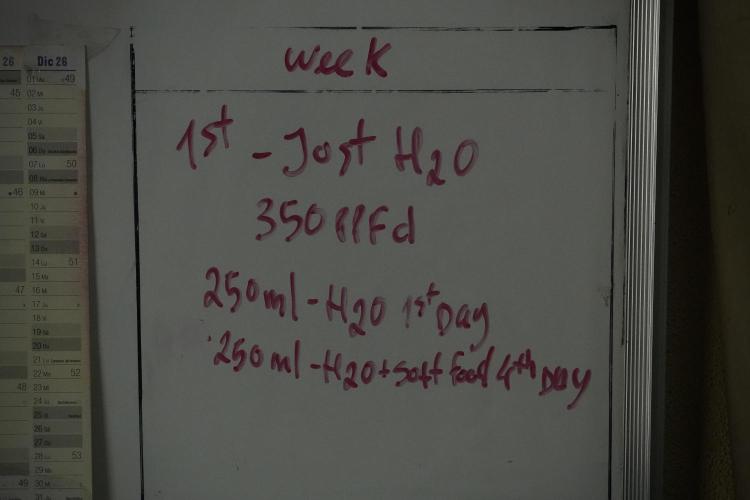
The seeds were placed inside using only plain water.
No nutrients.
No additives.
No stimulants.
Just water.
Within approximately 24 hours healthy taproots had emerged and the seeds were ready for planting.
Simple.
Clean.
Effective.
Exactly what we hope to see.
---
## Why Only Water?
One question that frequently appears during germination is:
"Why not feed the seedlings immediately?"
The answer remains simple.
The seed already contains everything required for its first stage of life.
Inside that shell are the energy reserves necessary to establish roots and begin development.
At this stage, I prefer allowing the seed to use those reserves naturally.
The objective is not to feed the plant.
The objective is simply to wake it up.
Water is enough.
---
## Environmental Conditions
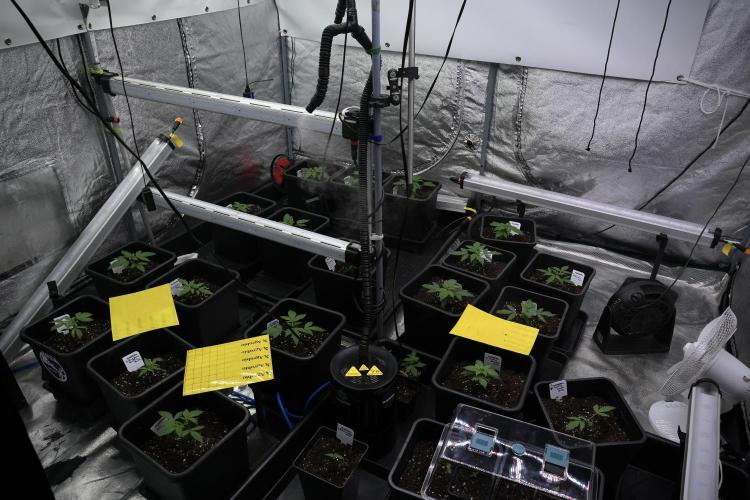
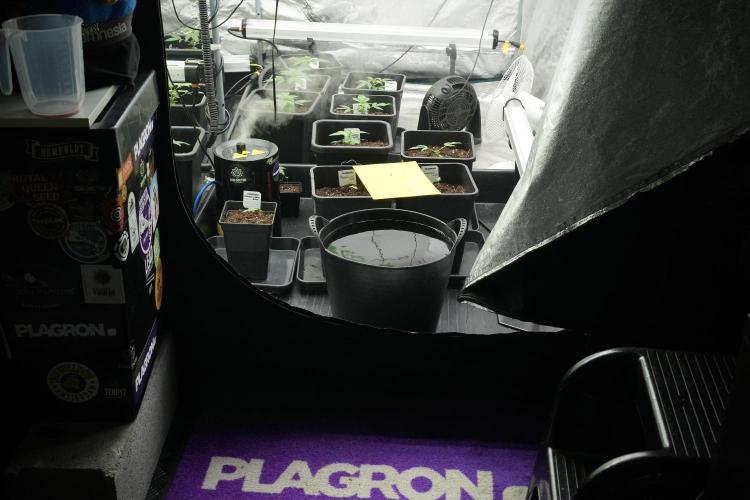
Environmental conditions remained identical to the rest of the project.
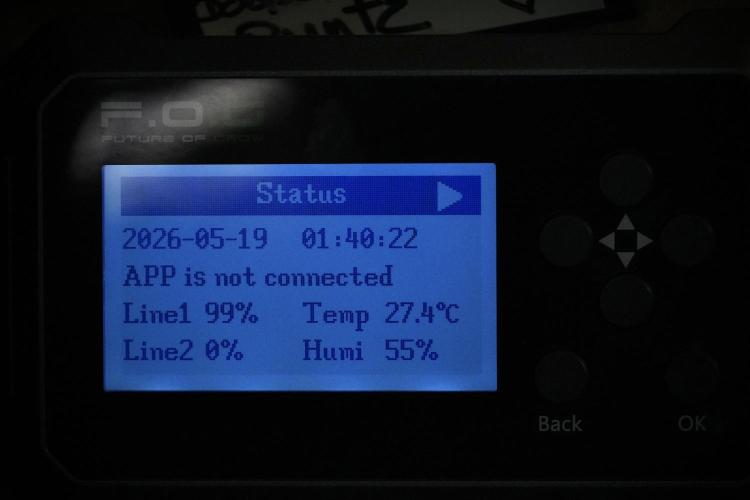
Temperatures remained around 26–27°C.
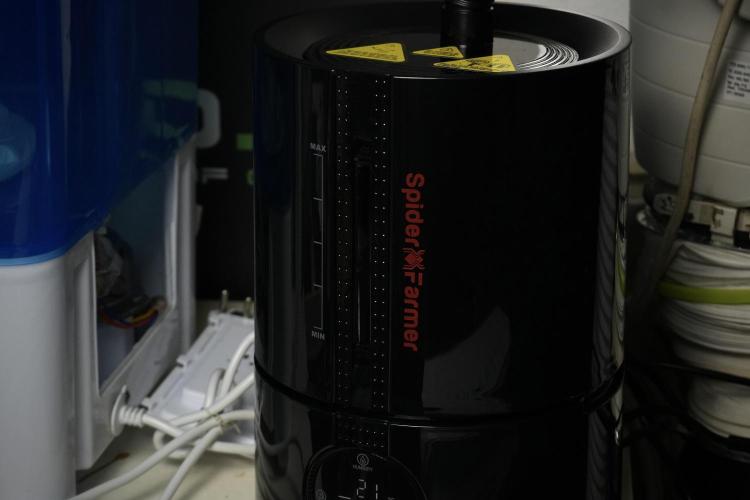
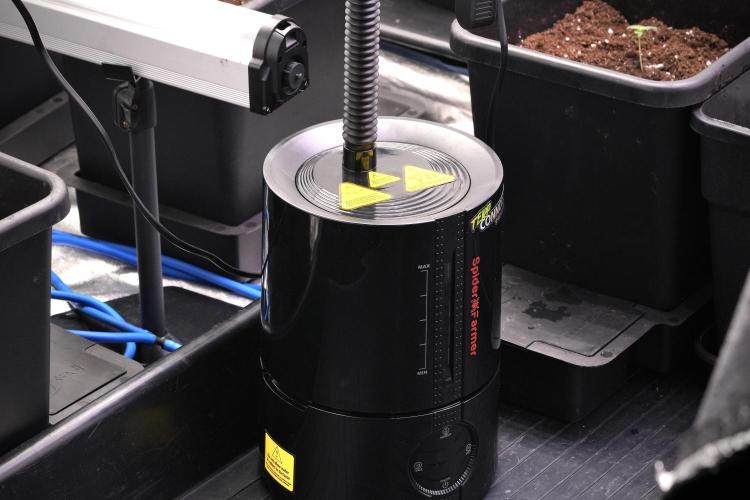
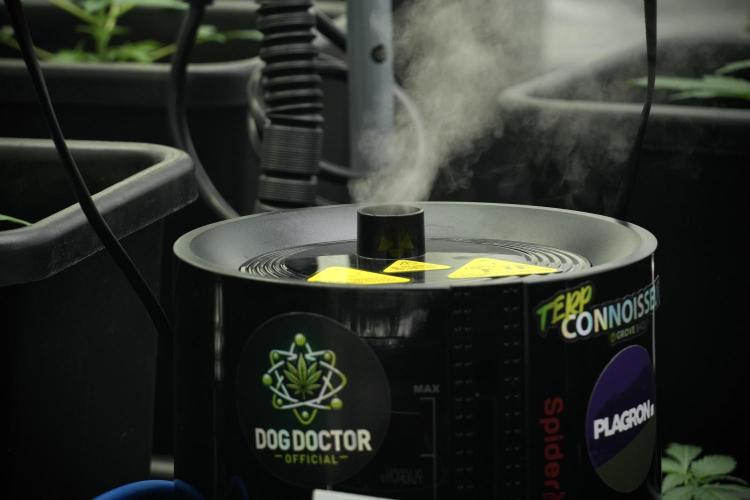
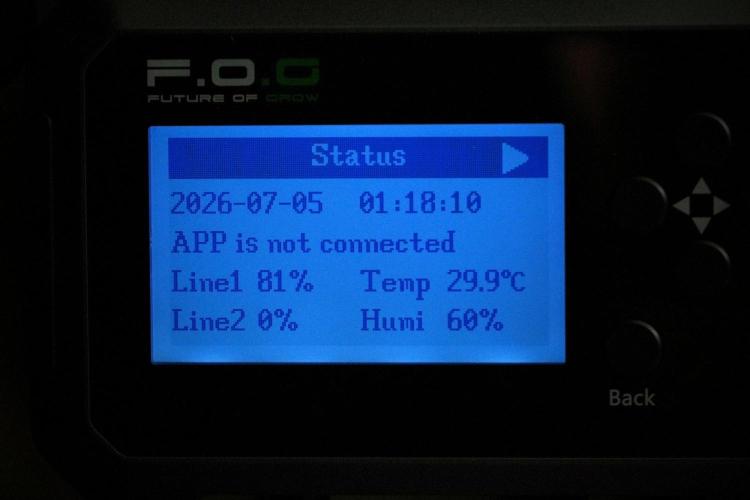
Humidity stayed between approximately 65–70% using a Spider Farmer humidifier.
Airflow remained extremely gentle.
The objective was creating a stable environment where young seedlings could establish themselves without unnecessary stress.
---
## Lighting
Lighting during germination remained intentionally soft.
Young seedlings do not require intense light levels at this stage.
The goal is healthy establishment rather than rapid growth.
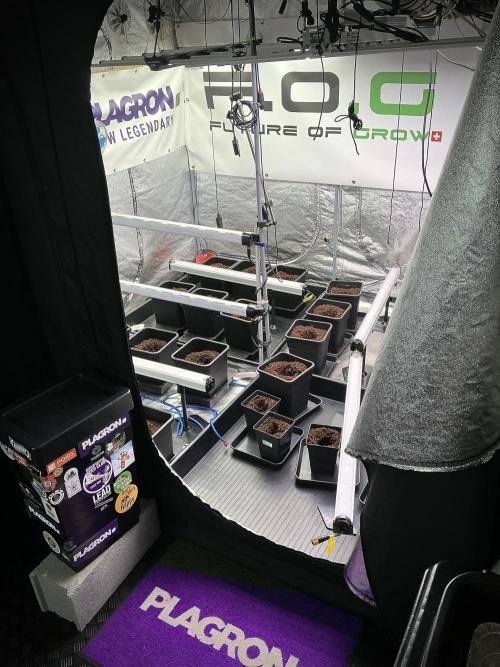
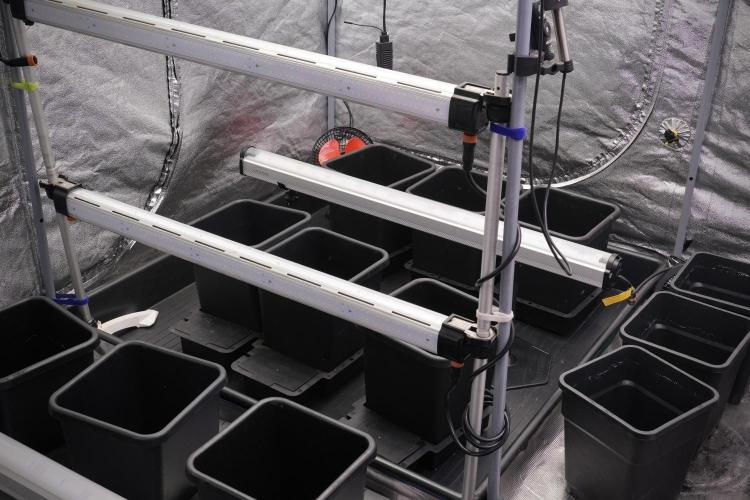
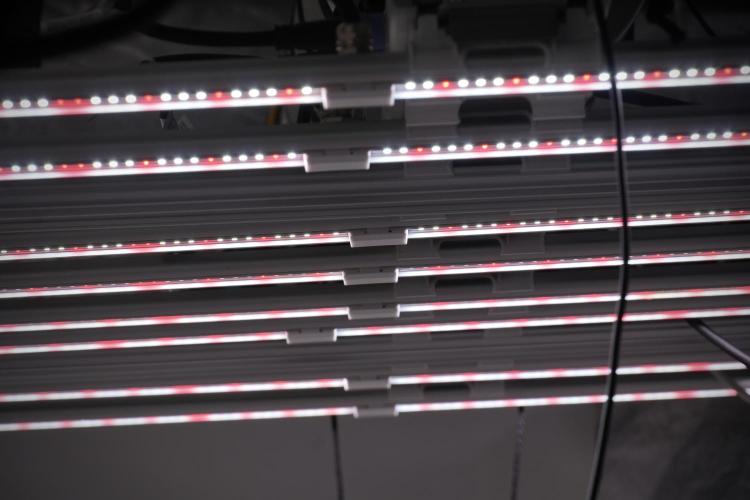
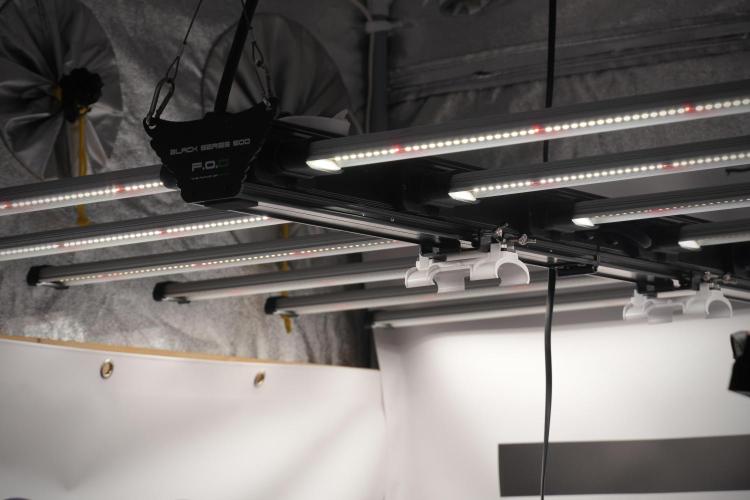
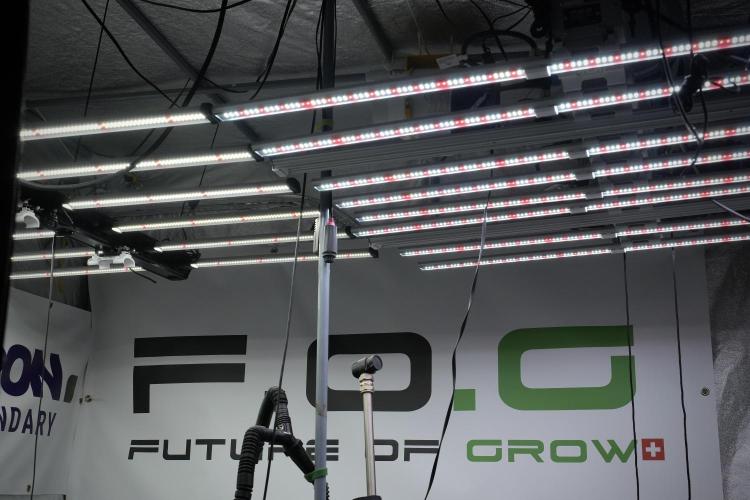
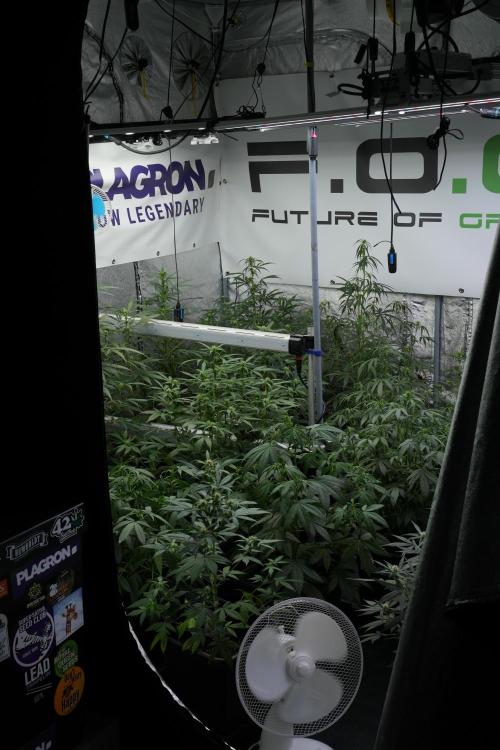
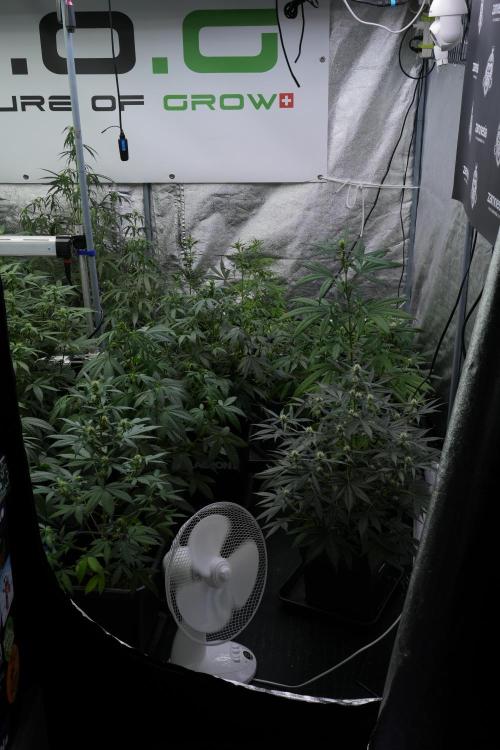
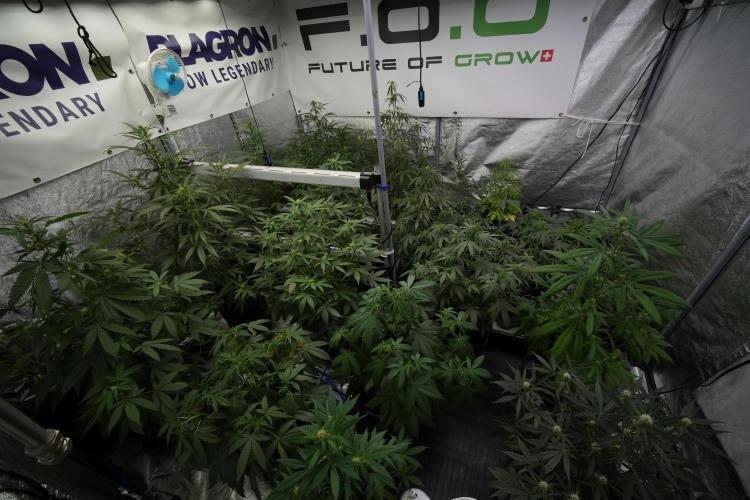
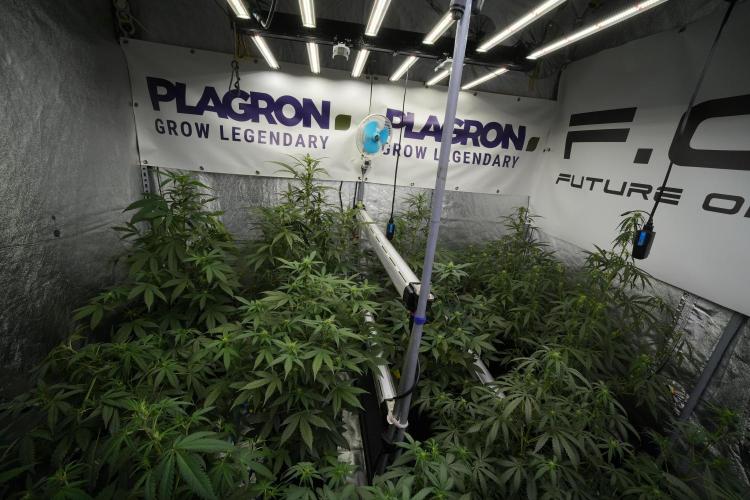
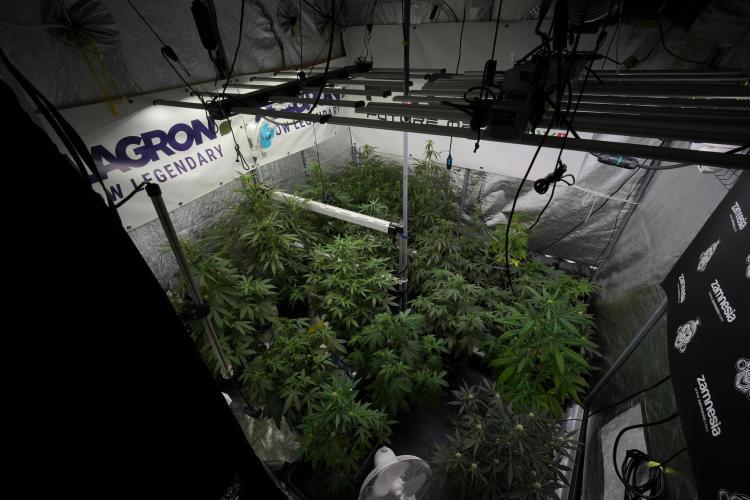
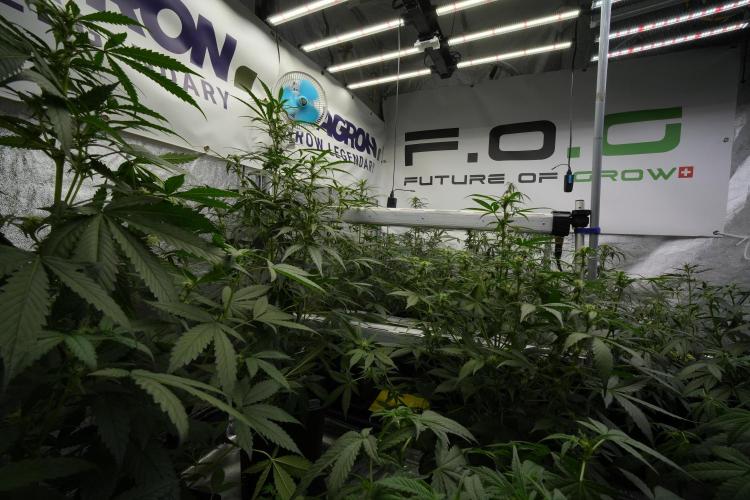
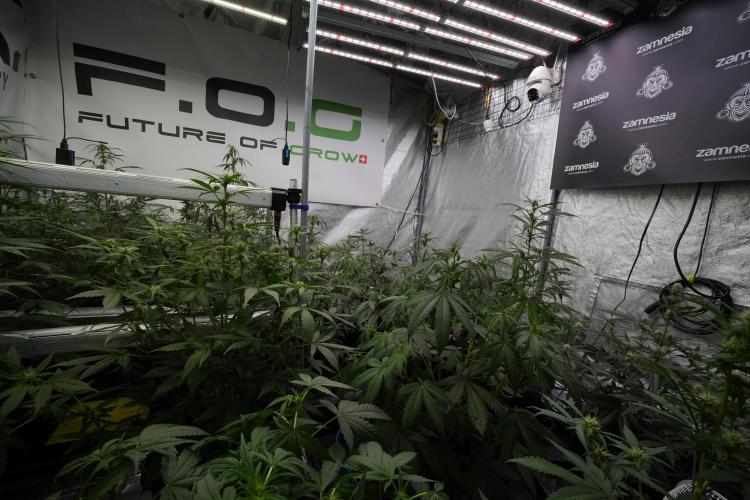
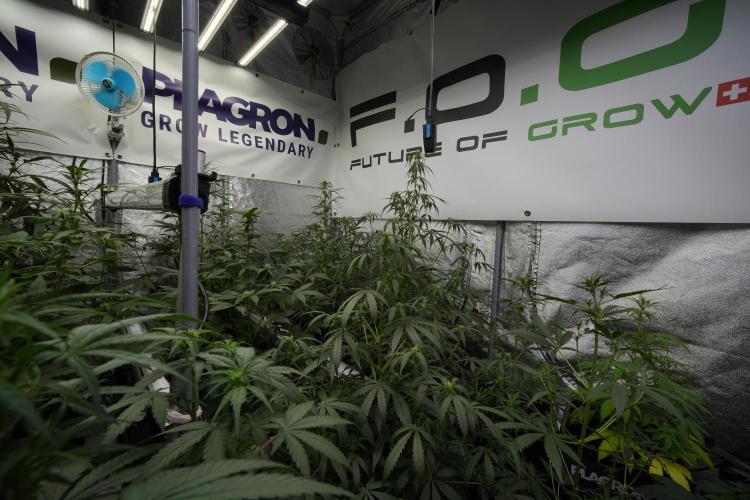
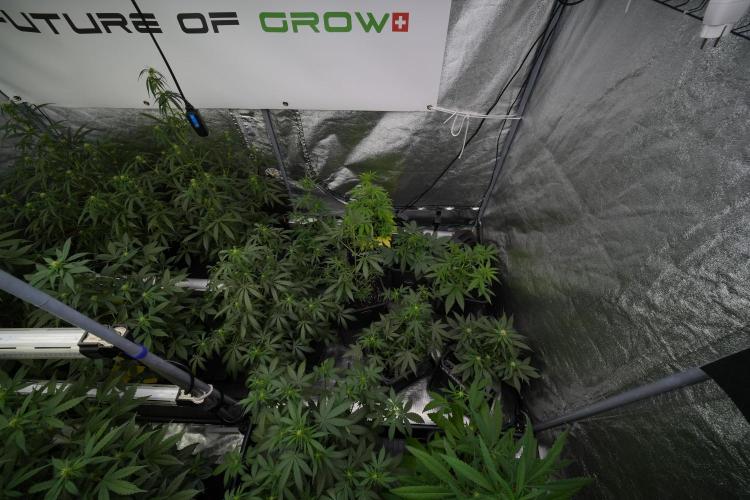
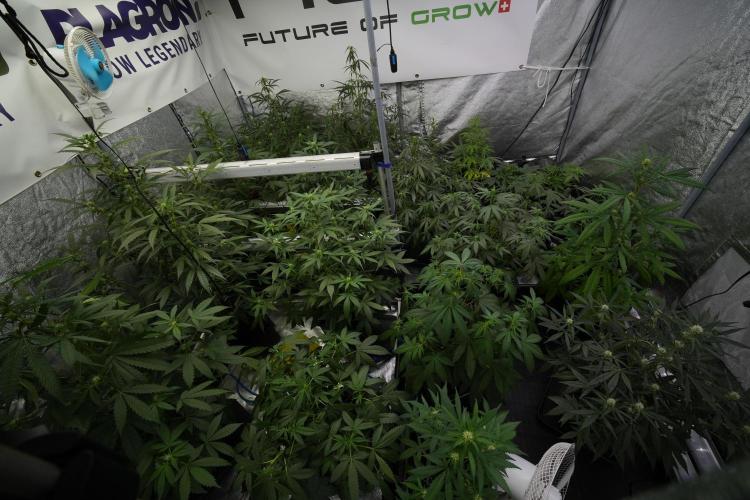
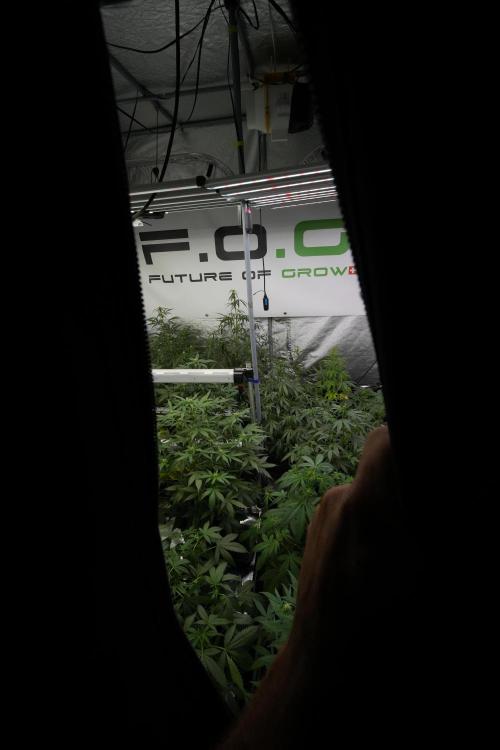
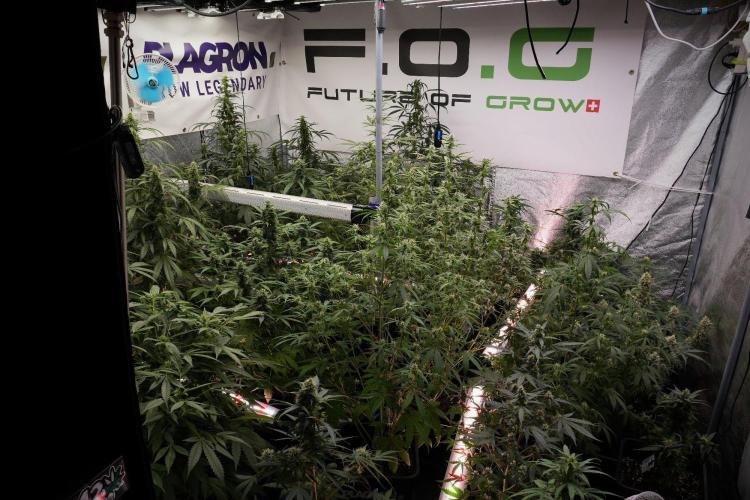
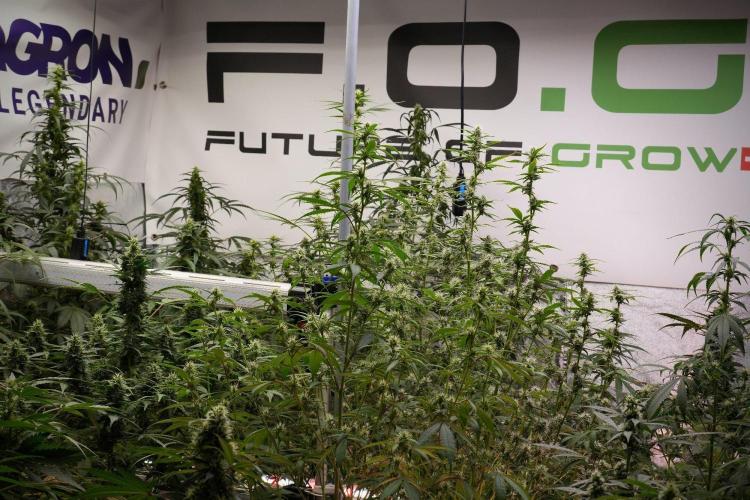
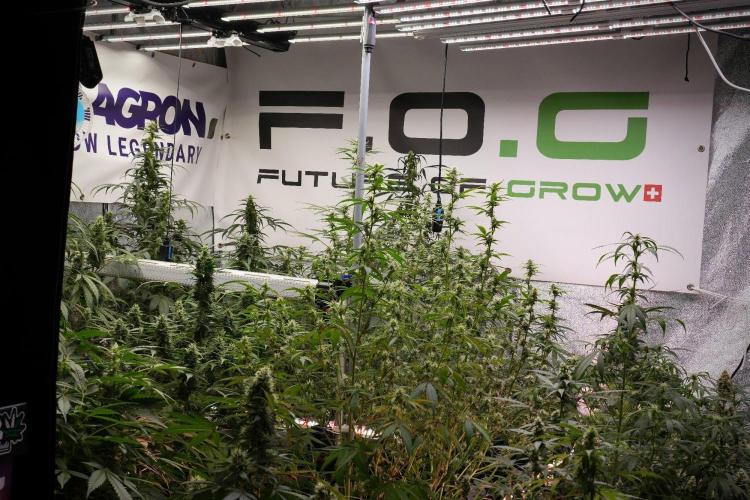
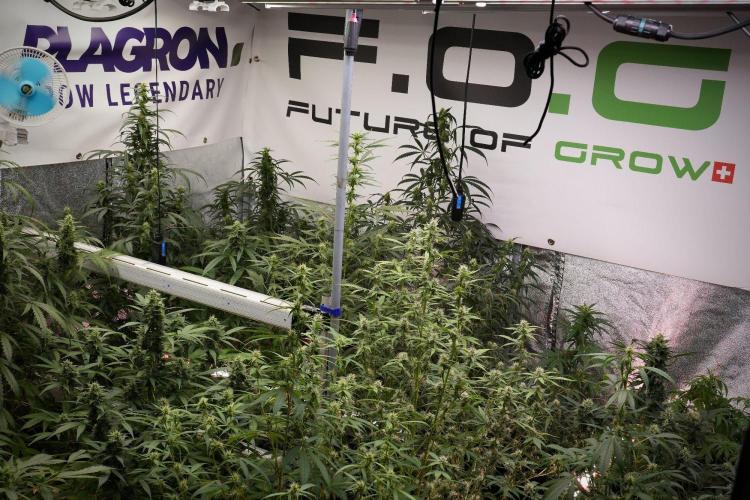
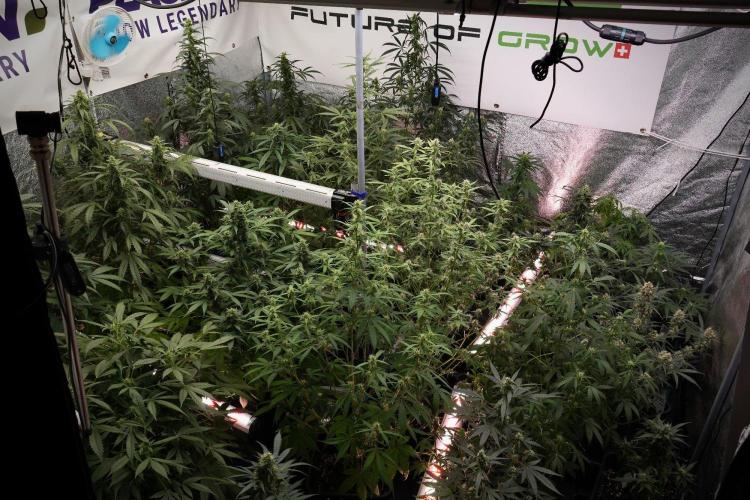
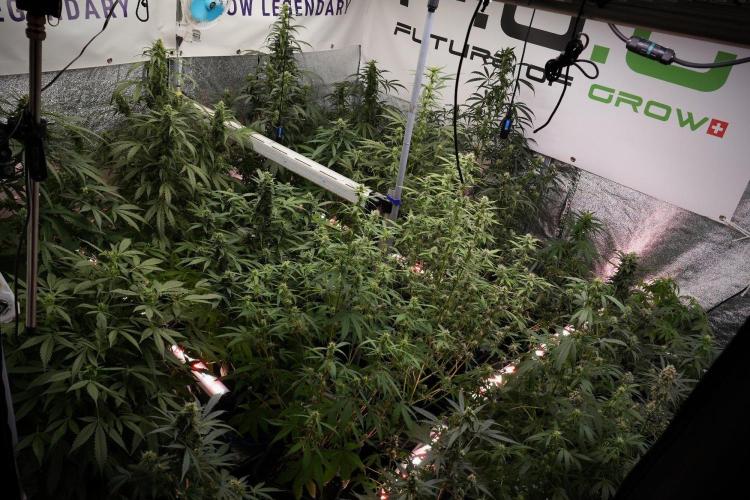
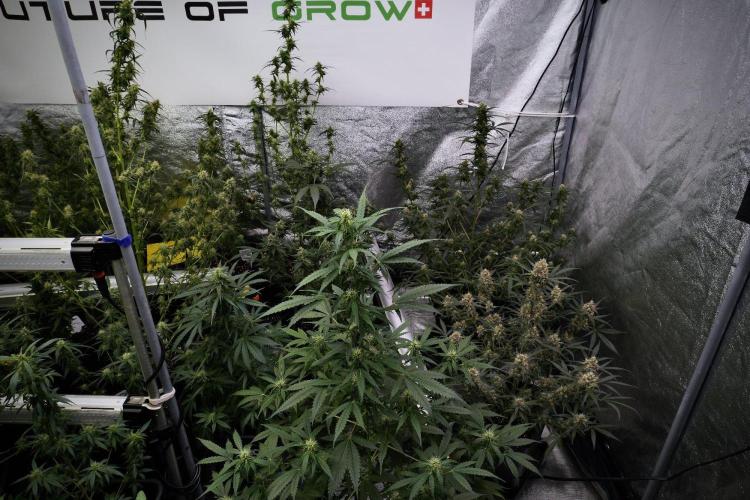
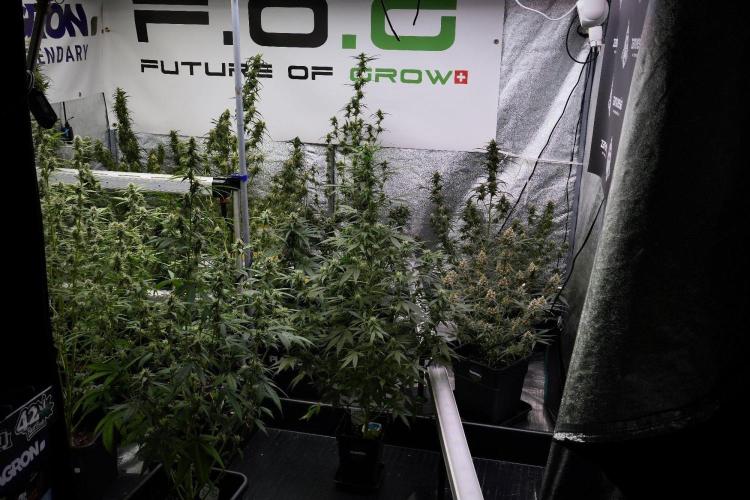
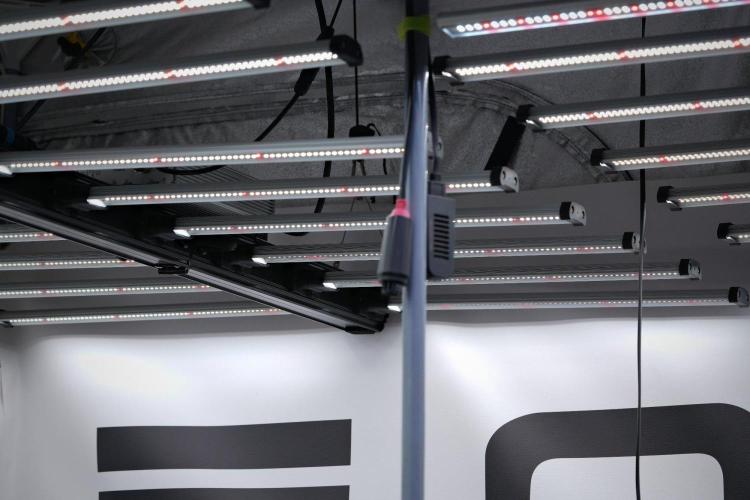
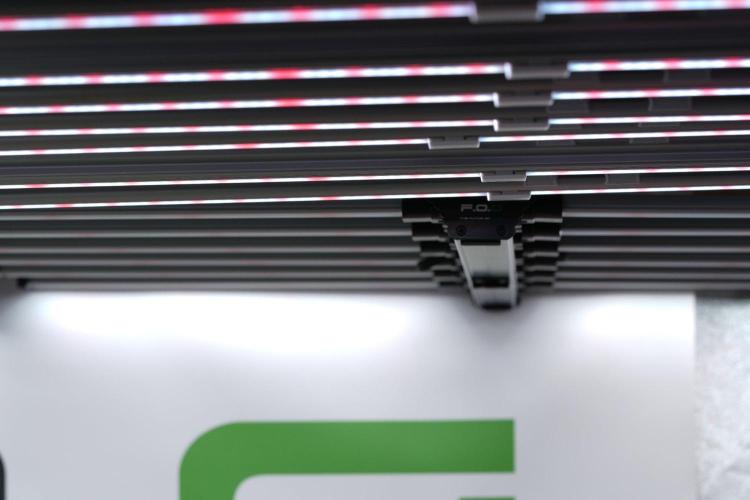
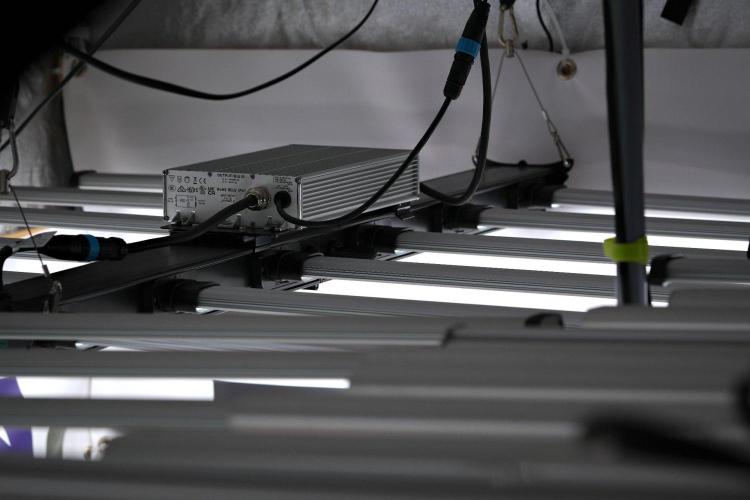
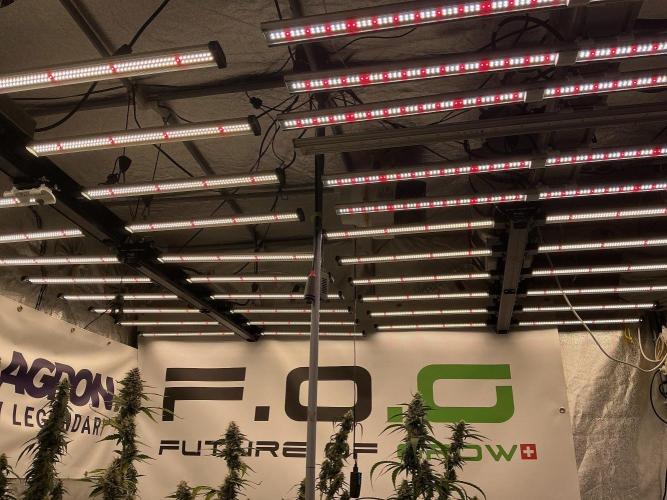
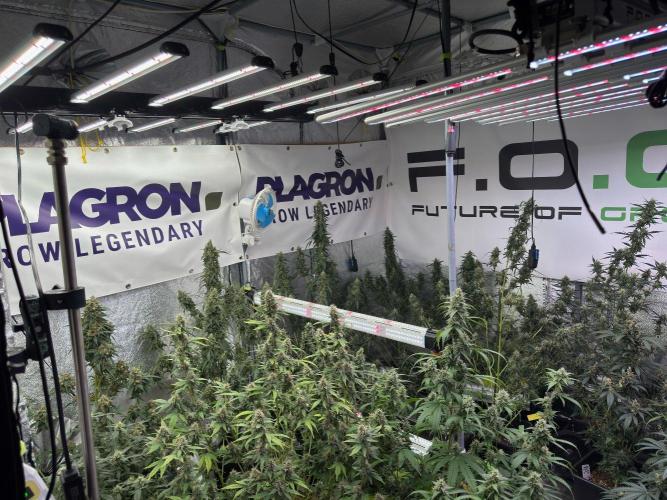
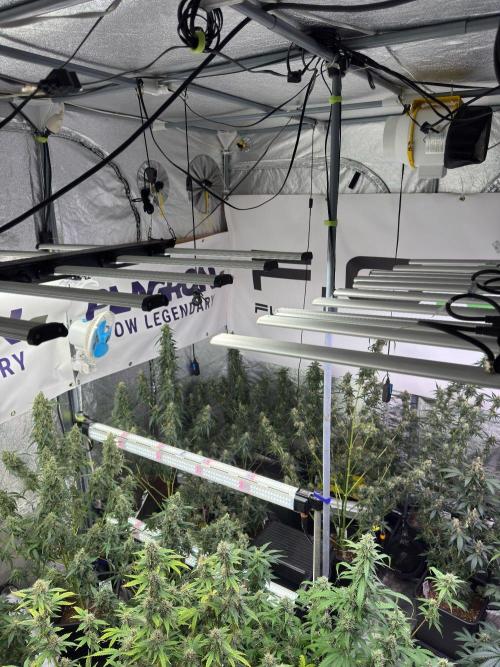
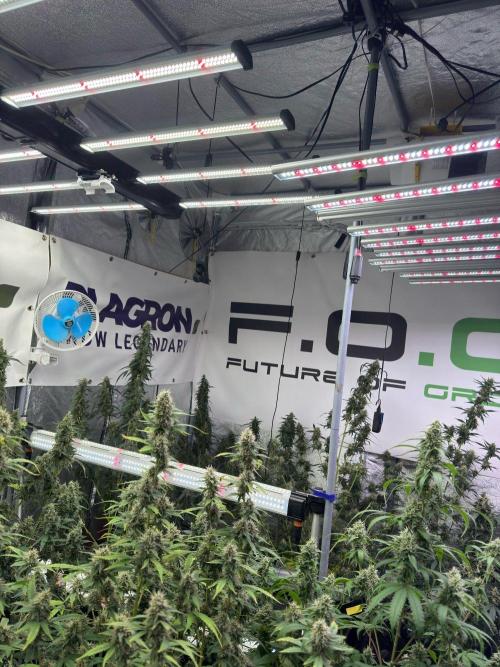
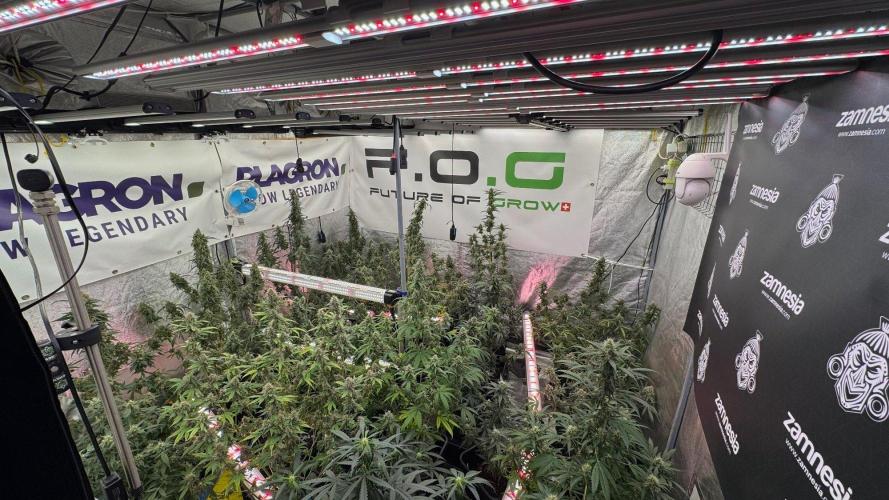
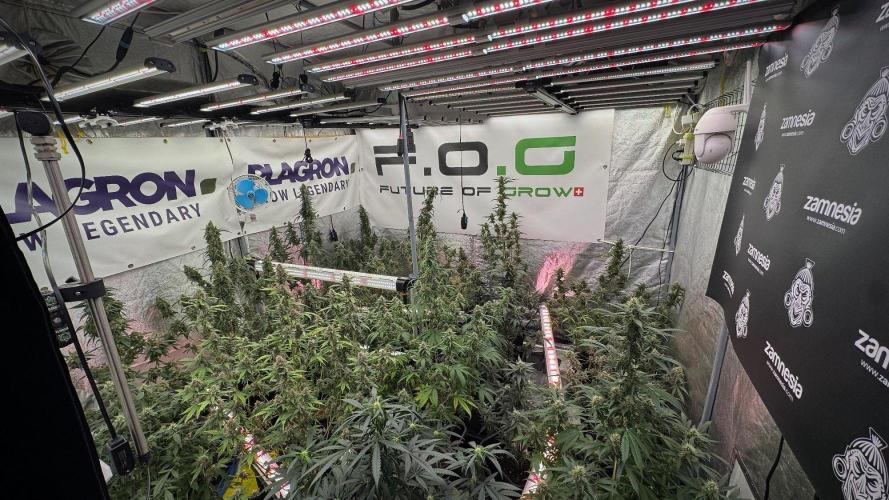
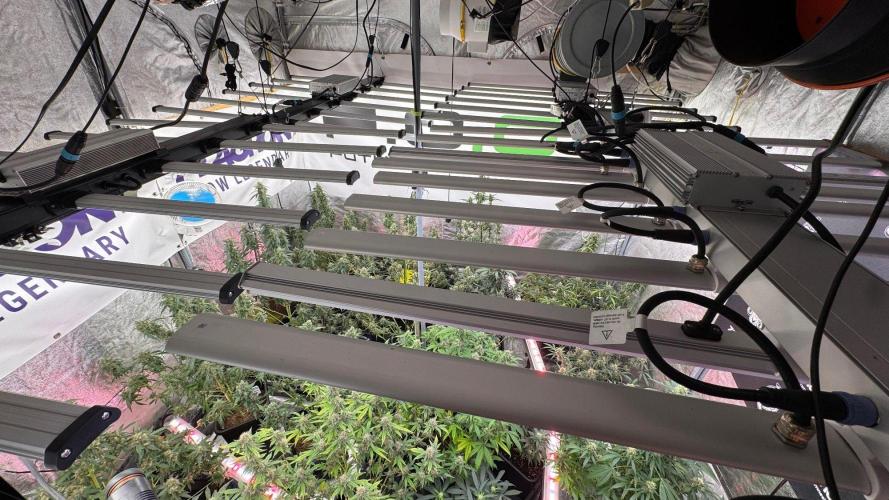
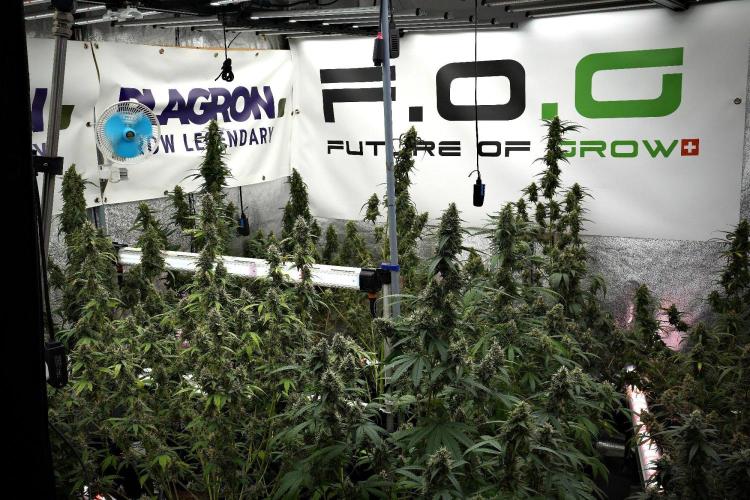
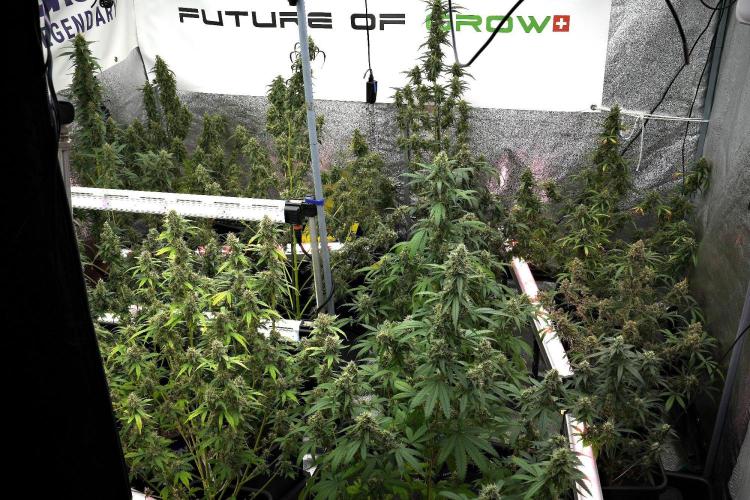
Once properly established, the selected Pheno B would move under the Future Of Grow Black Series 600W full-spectrum LED system alongside the rest of the garden.
---
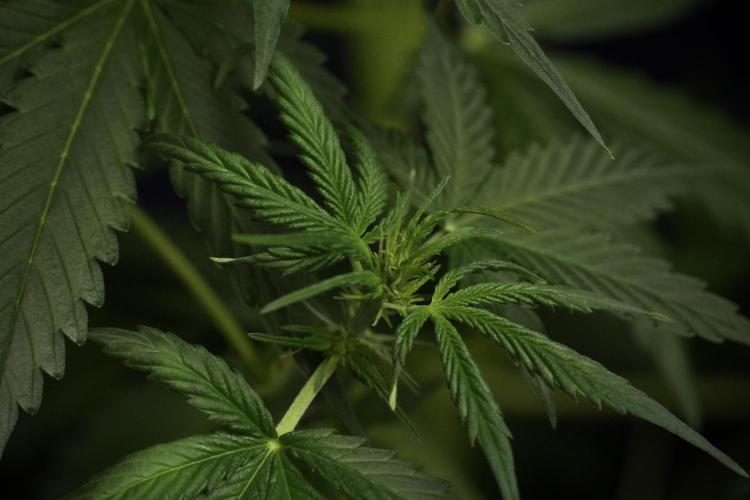
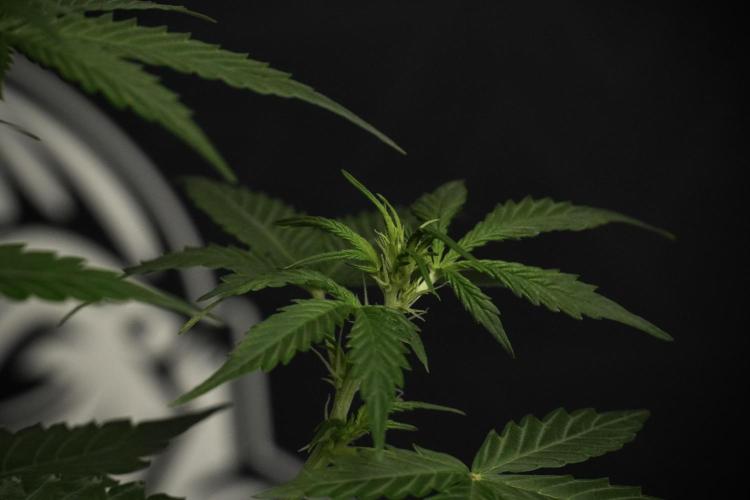
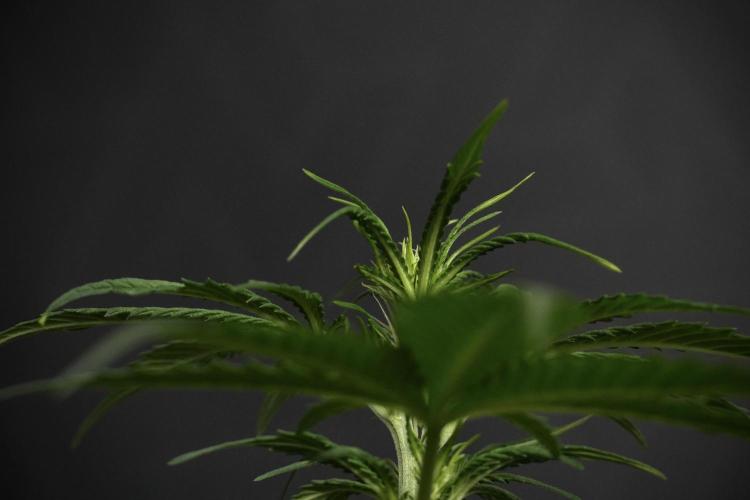
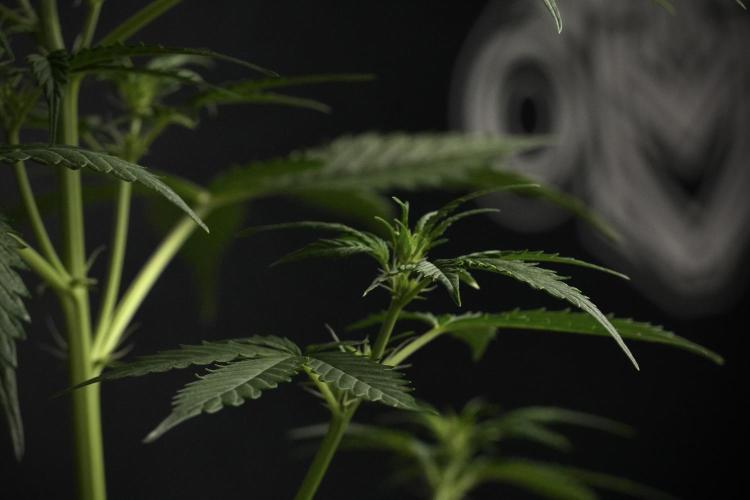
## First Observations
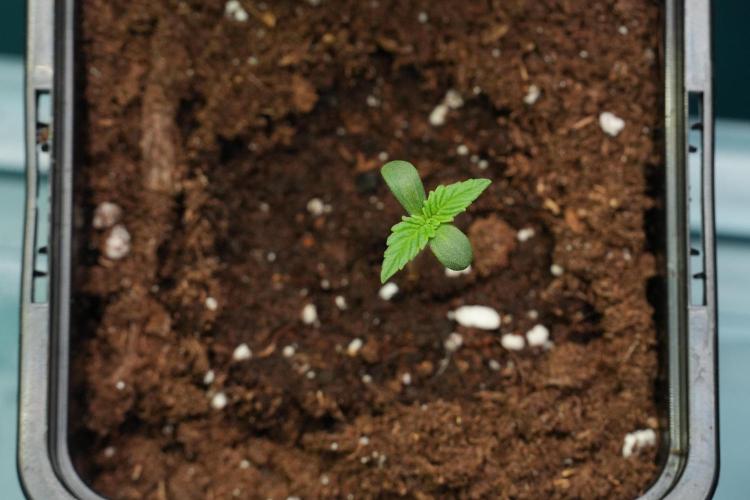
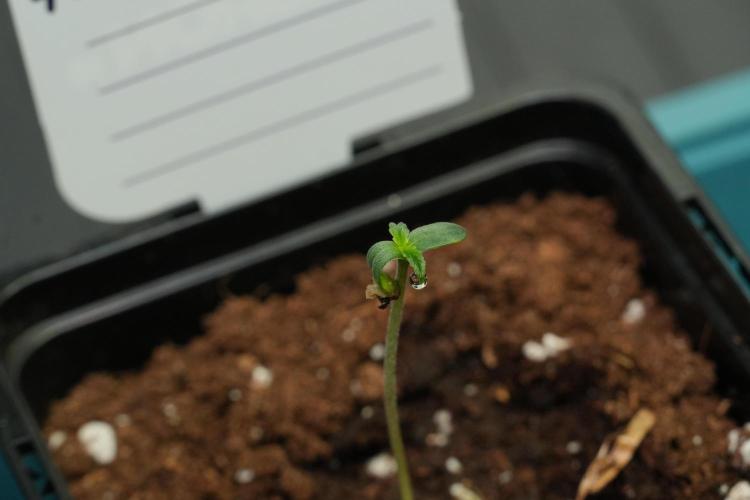
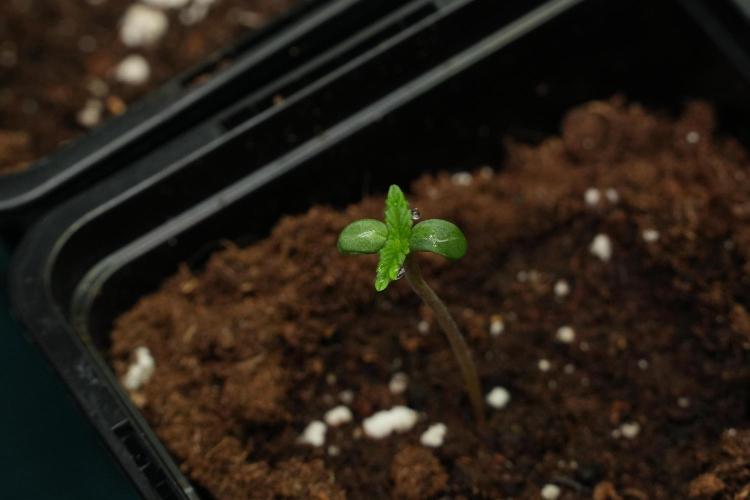
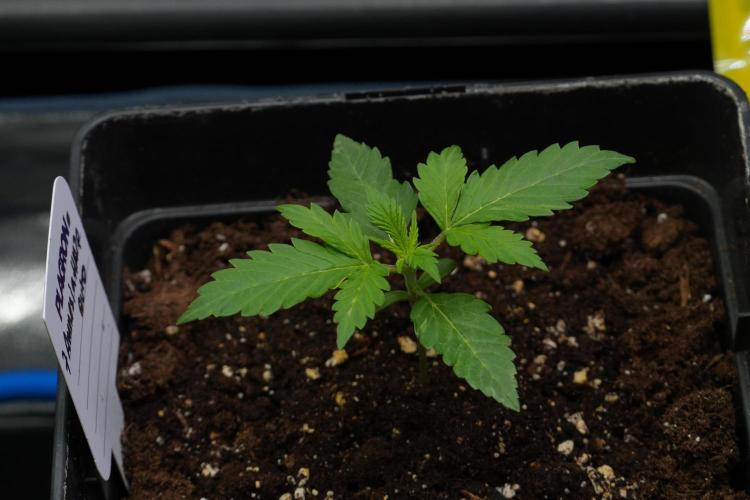
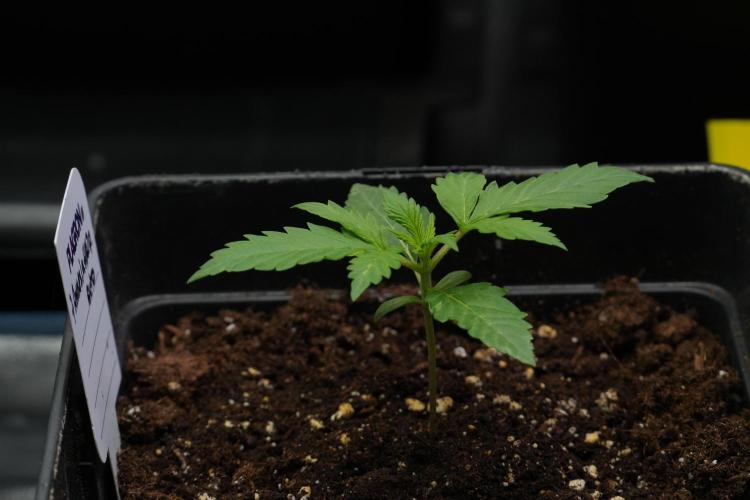
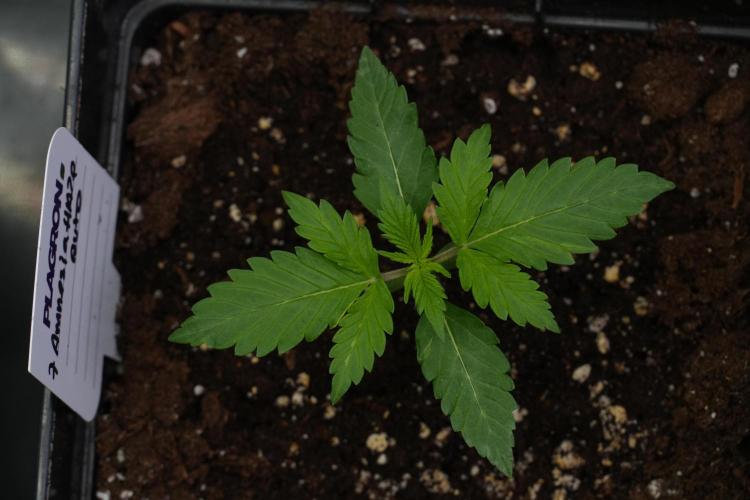
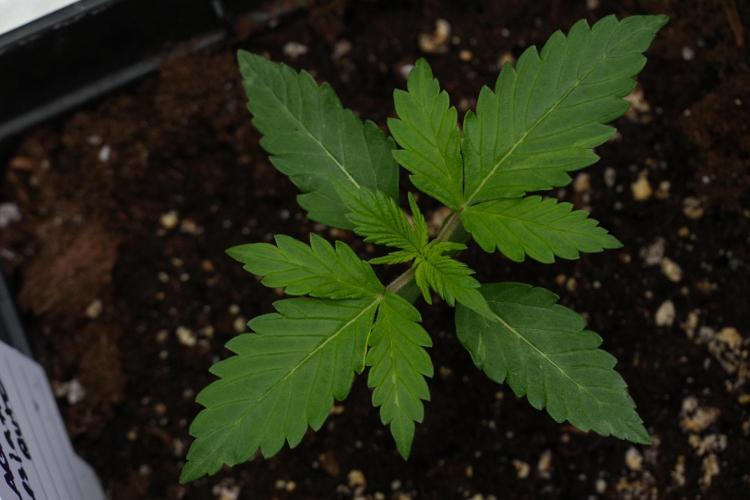
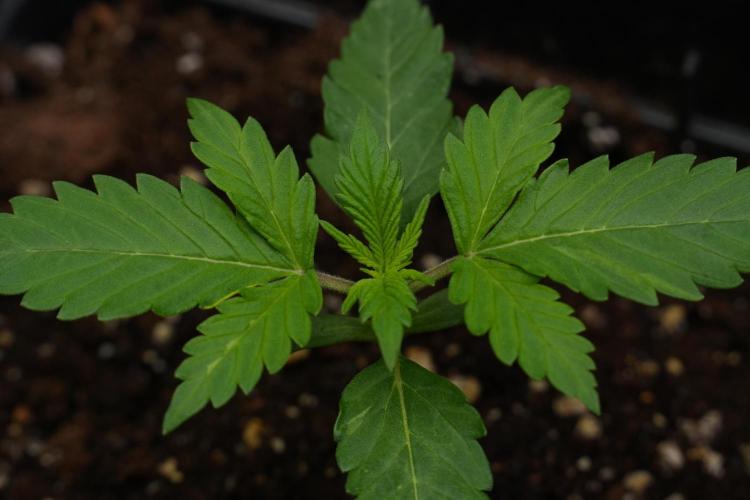
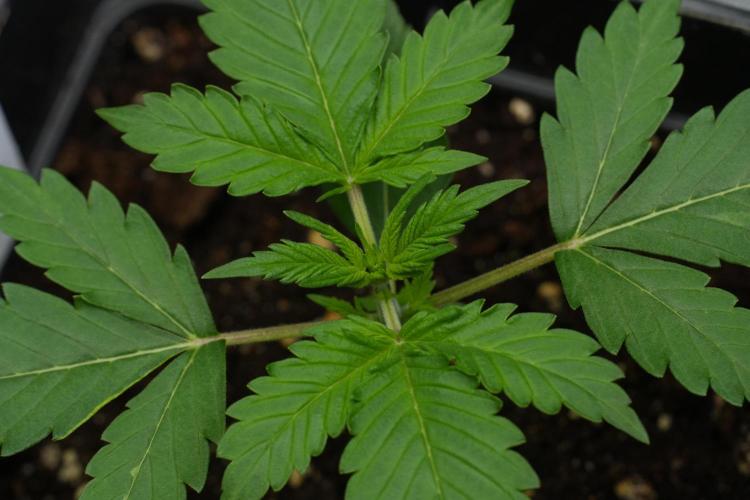
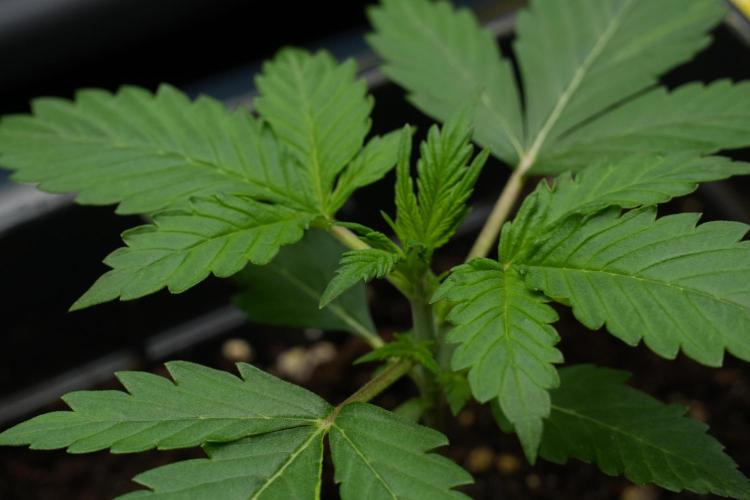
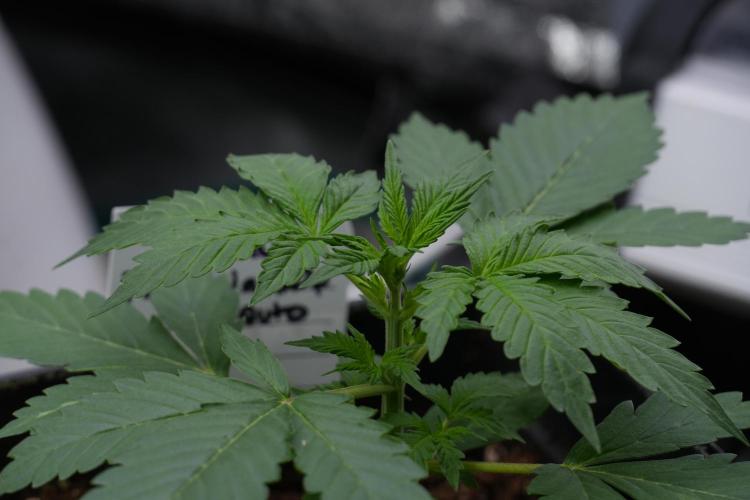
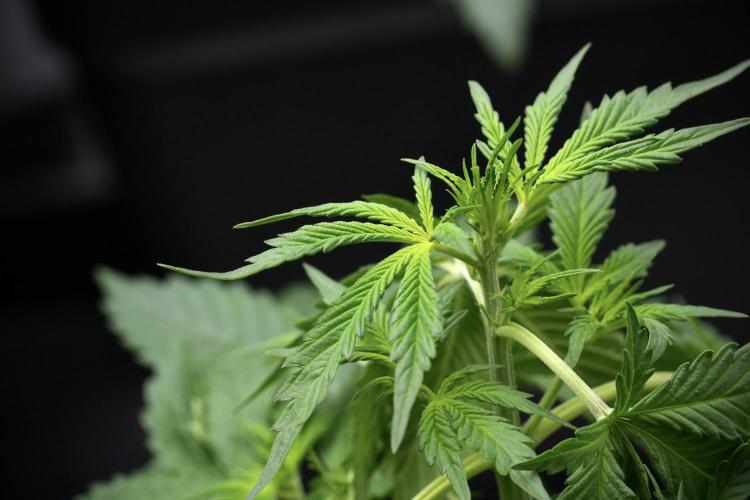
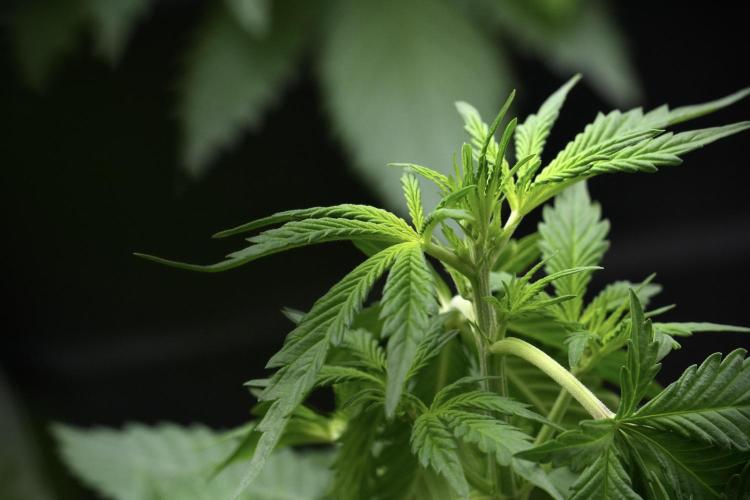
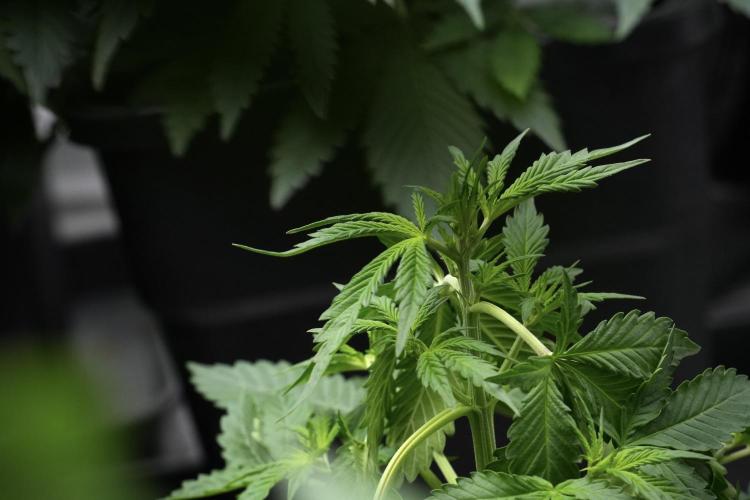
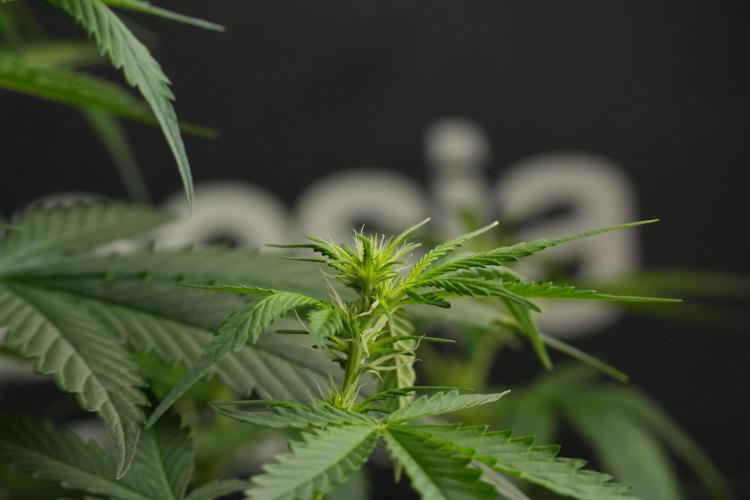
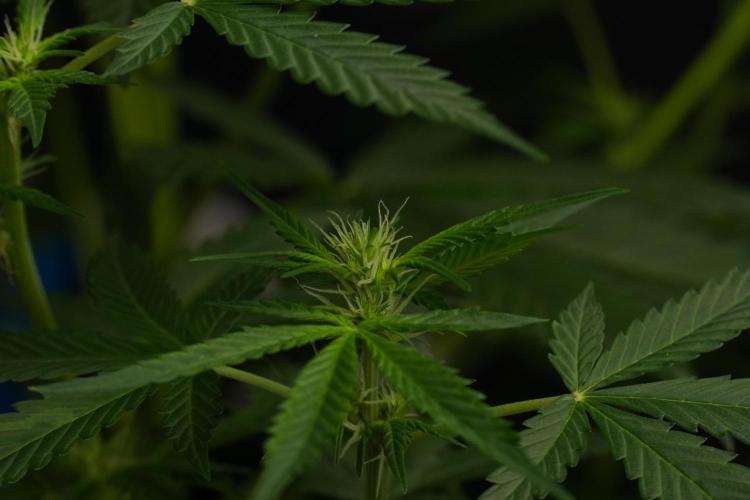
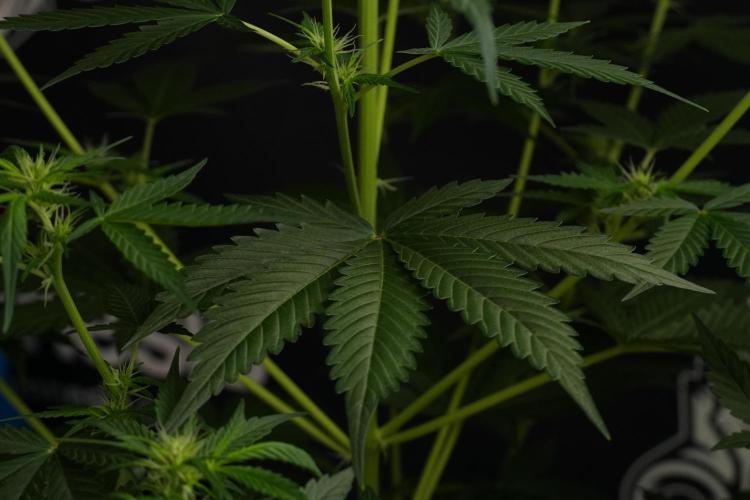
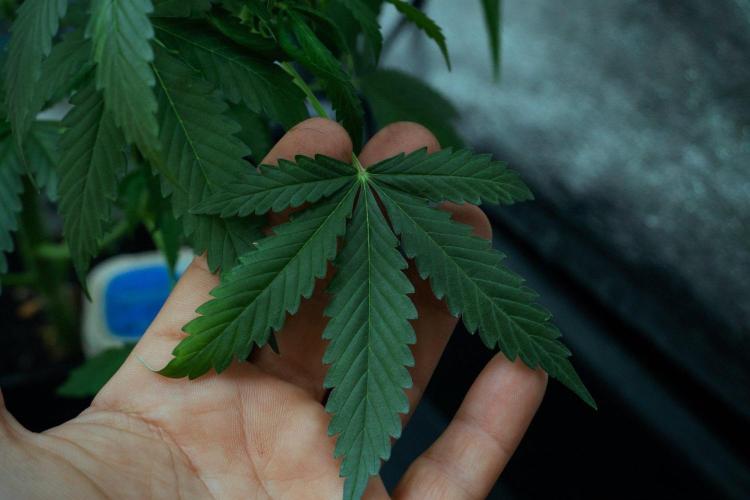
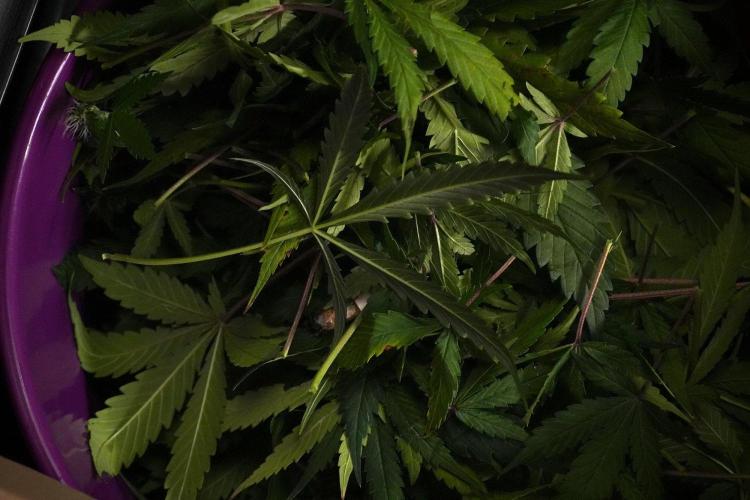
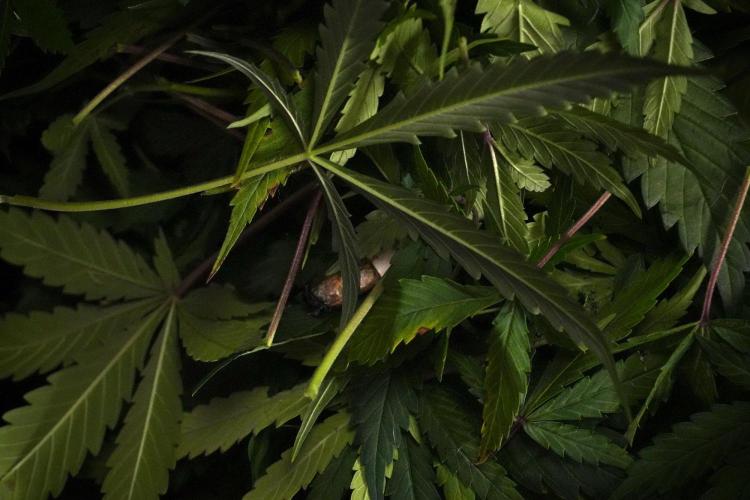
Despite the initial setback, the second attempt progressed beautifully.
Fast germination.
Healthy taproots.
Strong emergence.
Good vigor.
Healthy color.
And perhaps most importantly:
A successful recovery.
Sometimes the most valuable lessons come from the grows that don't go perfectly.
This diary happens to begin with one of those lessons.
---
## Looking Ahead
Over the coming weeks we'll follow the selected Amnesia Haze Auto Pheno B through every stage of development.
We'll document:
- Root establishment
- Early growth
- Environmental management
- Watering practices
- Structural development
- Flowering progression
- And whatever unique characteristics this phenotype chooses to reveal
Because every grow teaches something.
And sometimes second chances become some of the most interesting stories to follow.
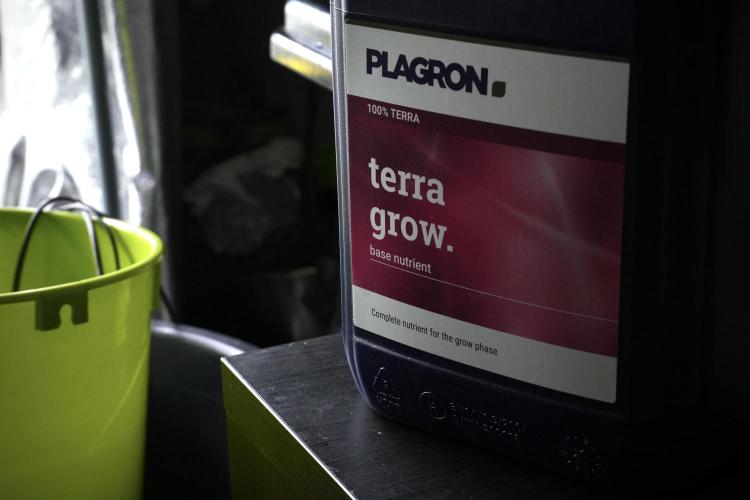
Huge thanks to Zamnesia Seeds for the genetics, Plagron for the substrate and nutrition, Future Of Grow for the lighting, and everyone following along for another seed-to-harvest adventure.
Grower's Love everyone. 🌱💚
9 likes
4 comments
Share
Used method
Other
Germination Method
1
Week 1. Vegetation
5mo ago
1/30
3 cm
Height
12 hrs
Light Schedule
27 °C
Day Air Temp
6.0
pH
No Smell
Smell
245 PPM
TDS
55 %
Air Humidity
21 °C
Solution Temp
21 °C
Substrate Temp
25 °C
Night Air Temp
11 set_lilers
Pot Size
0.75 set_lilers
Watering Volume
600 PPM
CO₂ Level
Nutrients 4
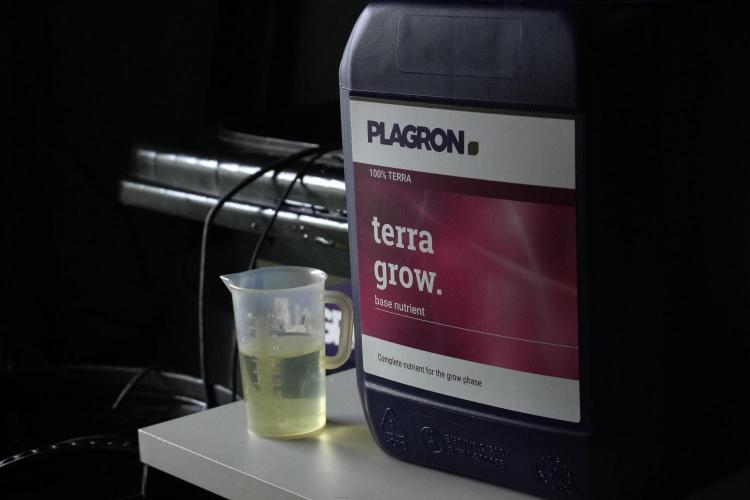
Terra Grow
1 mll
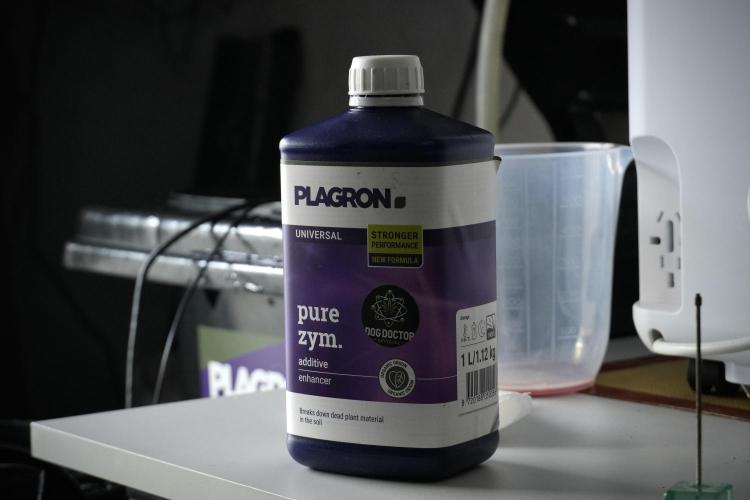
Pure Zym
1 mll
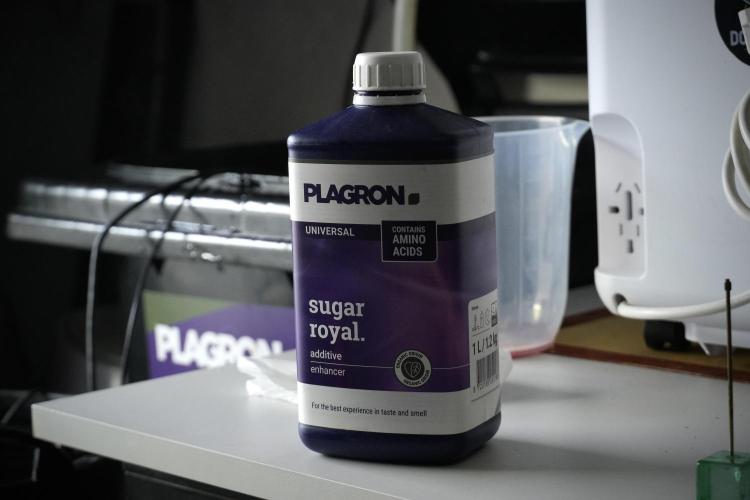
Sugar Royal
1 mll
DogDoctorOfficial # Amnesia Haze Auto Pheno B by Zamnesia 🌱💚
## Week 1 | Small Roots, Big Partnerships
Hello GrowDiaries family! 👋🌱
Welcome back to another update from the 12/12 From Seed project.
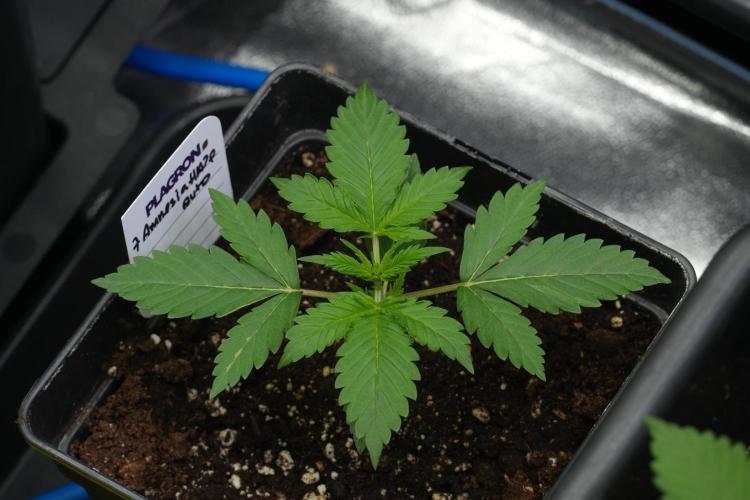
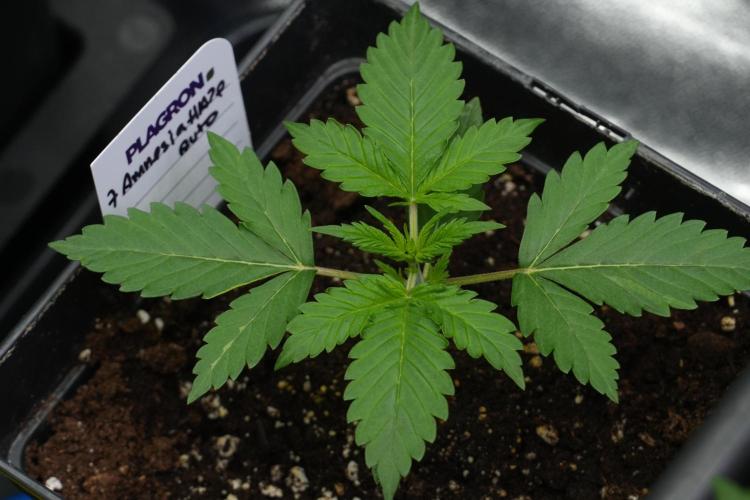
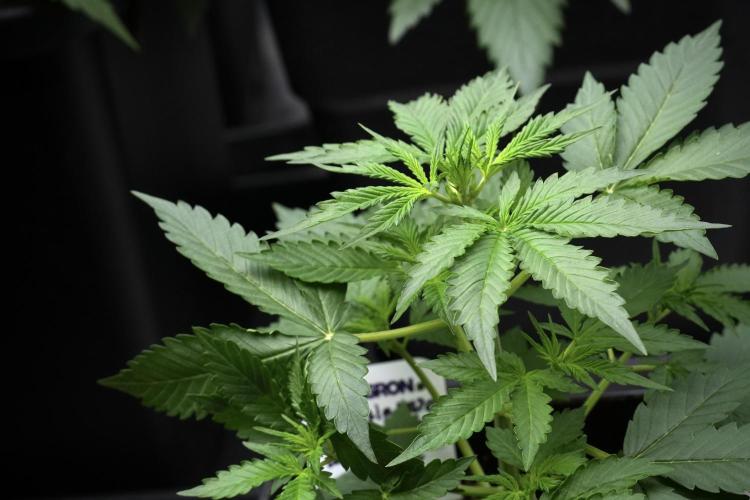
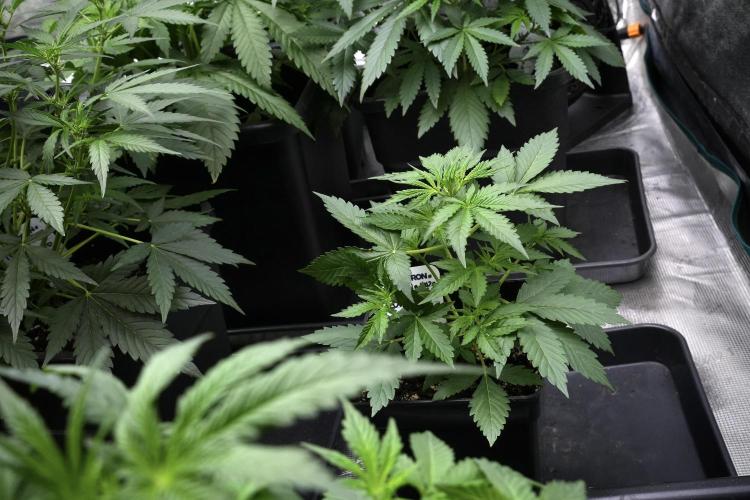
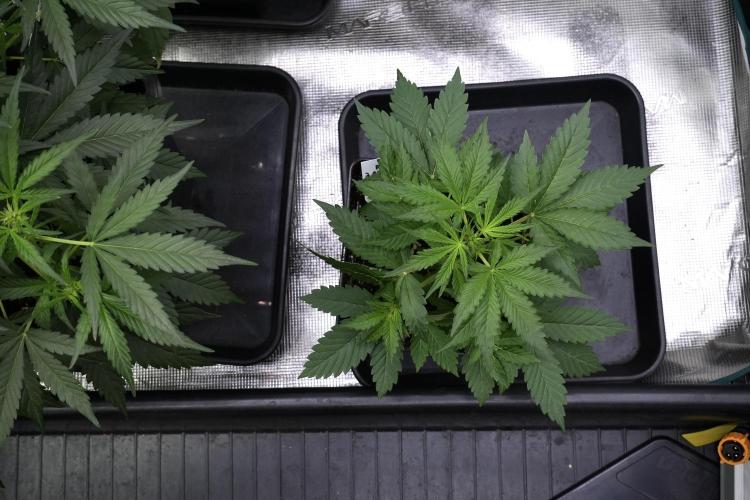
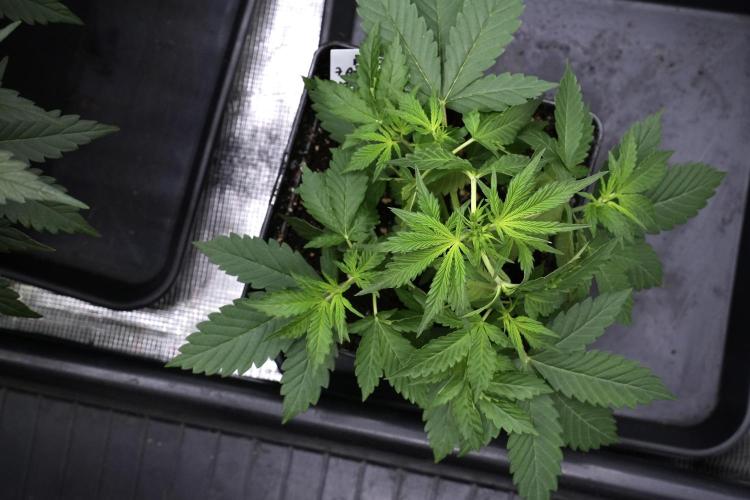
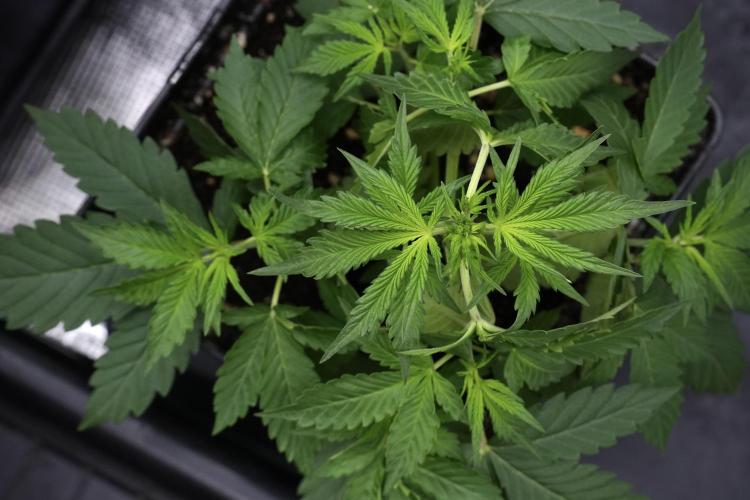
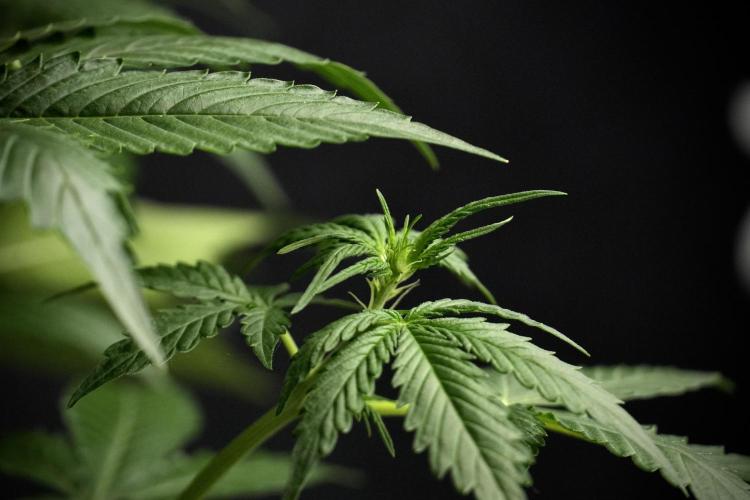
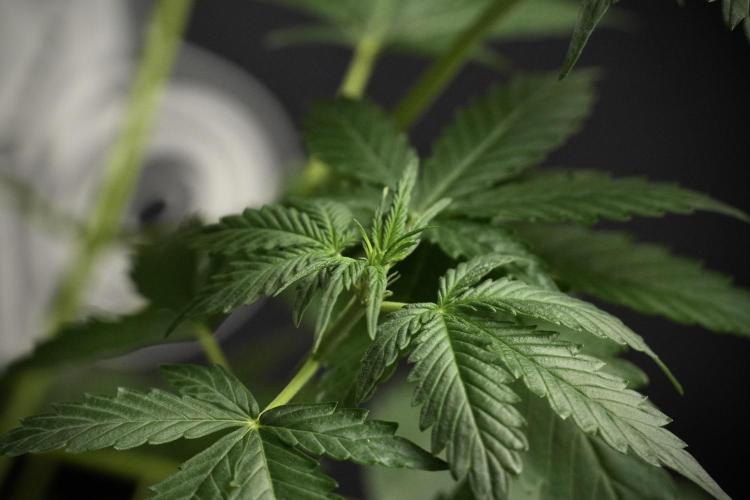
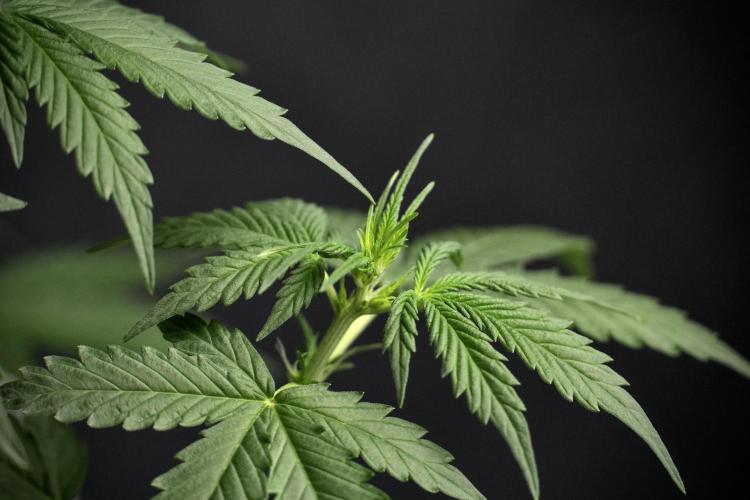
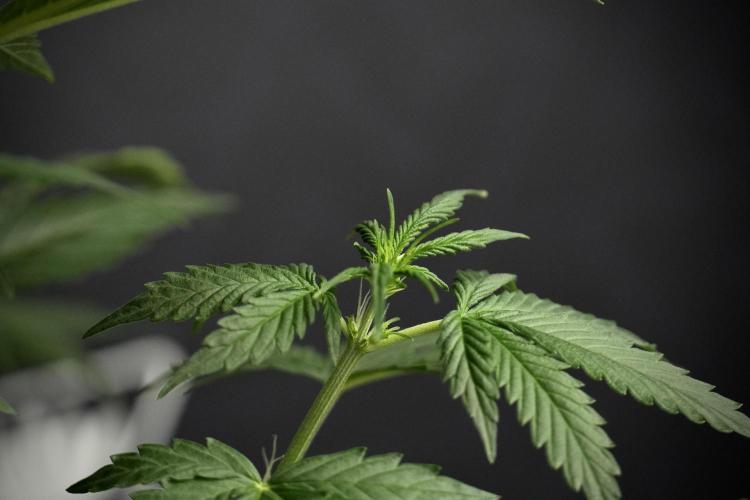
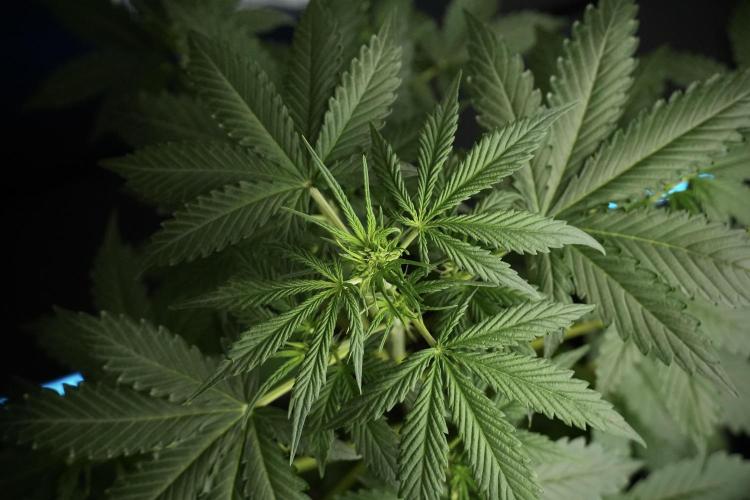
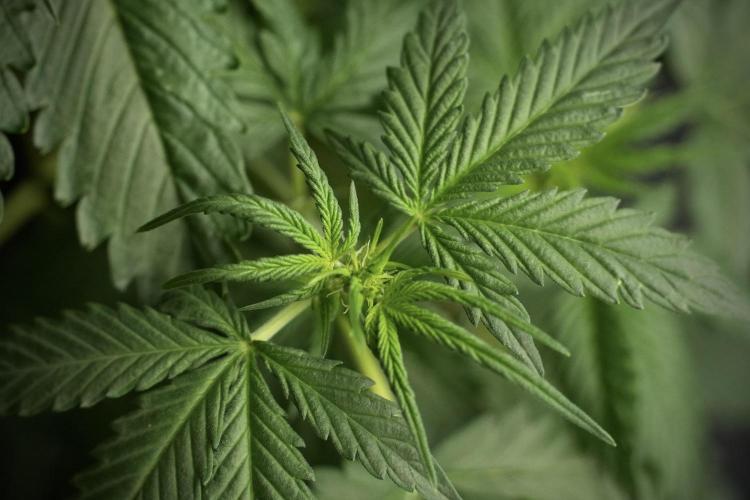
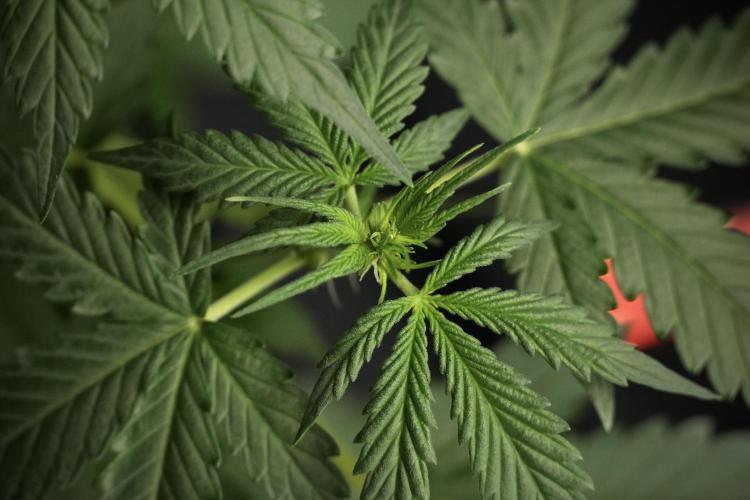
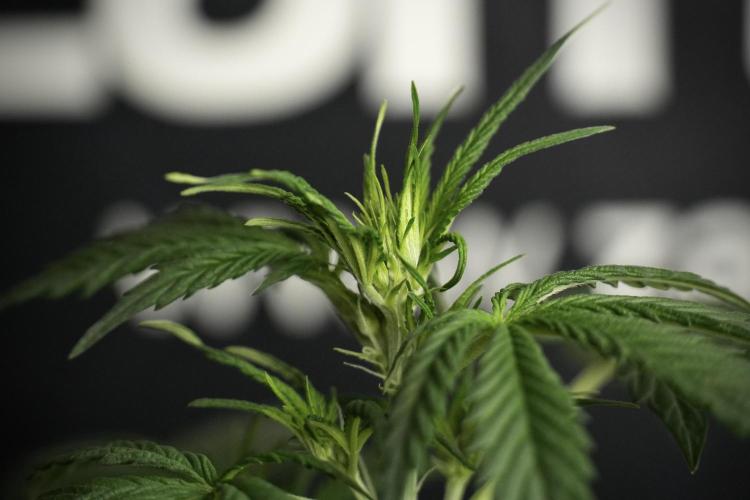
Today we're following Amnesia Haze Auto Pheno B through her first week of life.
At first glance, she may appear smaller than some of her sisters in the room, but one of the most important lessons in cultivation is remembering that plants do not all develop at exactly the same pace.
What matters most during this stage is not size.
What matters is health.
And so far, this little lady is doing exactly what she should be doing.
---
## A Different Pace
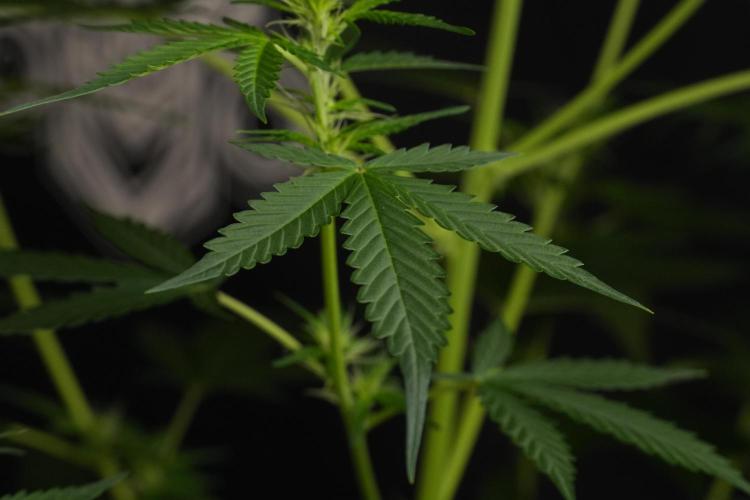
Throughout the week, Amnesia Haze Auto Pheno B remained slightly behind some of the larger seedlings in the room.
This isn't unusual.
Even when plants share the same environment, genetics often express themselves differently during the seedling stage.
Some rush forward immediately.
Others take a more measured approach.
In this particular case, this plant also started a few days behind the rest of the garden after the first germination attempt failed.
That one was entirely on me.
Growing is a continuous learning process, and occasionally mistakes happen. Fortunately, a second seed was started successfully, allowing this beautiful genetic to join the run.
Because of that delayed start, she naturally appears smaller than many of her sisters during this first week.
What impressed me most wasn't her size.
It was her consistency.
Each day brought visible progress.
Each new set of leaves emerged healthy.
And by the end of the week, she was clearly settling into her new environment and beginning to build momentum.
---
## Building the Foundation
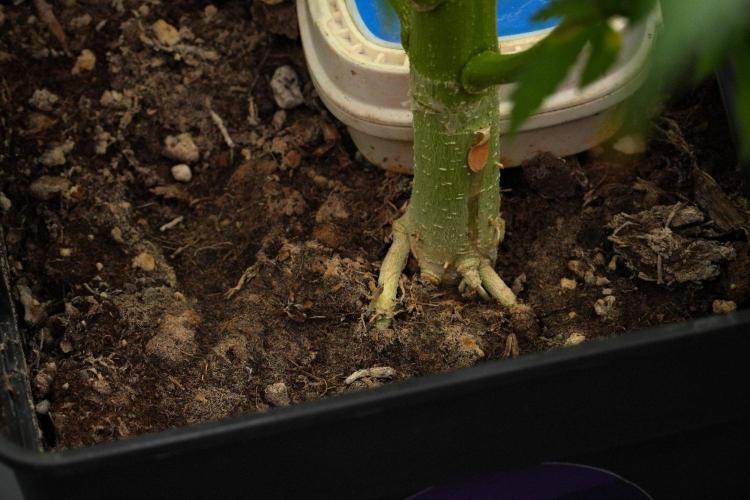
Like the rest of this project, she was transplanted directly into her final container filled with Plagron Lightmix.
The goal remains simple:
Allow the root system to establish itself without the need for additional transplants later in life.
While the visible growth above the soil may seem modest, the majority of the work during this stage is taking place underground.
Every day the root system expands, explores new territory, and begins building the infrastructure that will support the plant throughout the rest of its life cycle.
Healthy roots create healthy plants.
Everything begins there.
---
## A Smaller Container, An Interesting Comparison
One additional detail that makes this phenotype particularly interesting is her container size.
While most plants in this run were transplanted into 15-liter final containers, Amnesia Haze Auto Pheno B was placed into an 11-liter pot.
The decision wasn't made because of any concern about the plant itself, but rather as an opportunity to observe how container volume may influence development throughout the grow.
Root space plays an important role in plant growth.
A larger container provides more room for root expansion, greater water-holding capacity, and a larger nutrient reservoir.
A smaller container, on the other hand, can sometimes encourage slightly different growth patterns, potentially influencing plant size, watering frequency, structure, and overall development.
At this stage, the difference is unlikely to be significant since the root system is still establishing itself.
However, as the weeks progress, it will be fascinating to compare her development against her sisters growing in 15-liter containers.
One of the most enjoyable parts of documenting an entire run is being able to observe these small variables and see how they influence the final result.
For now, she appears perfectly healthy, and this little side experiment may provide some valuable observations later in the season.
---
## The Mycorrhizal Network
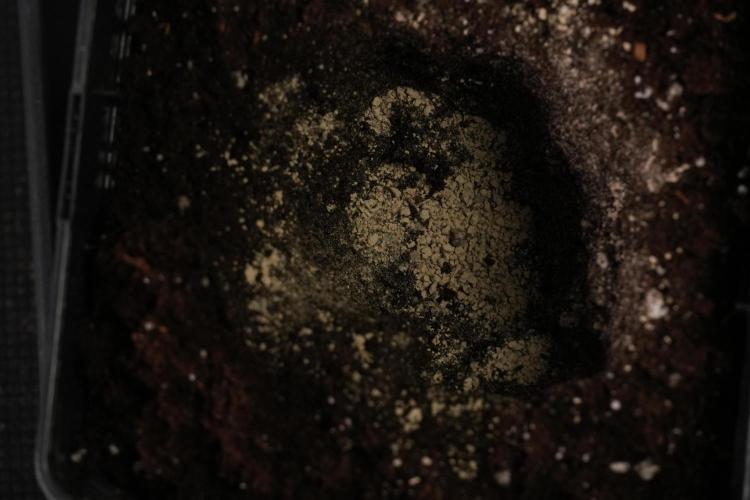
One of the most important additions during transplant was the application of mycorrhizal fungi.
Although often invisible to the eye, these beneficial fungi create one of the most fascinating partnerships found in nature.
Once established, mycorrhizae form a symbiotic relationship with the plant's root system.
The fungi attach themselves to the roots and begin extending microscopic networks throughout the surrounding soil.
Think of it as a natural underground extension of the root system.
The fungal network can access water, minerals, and nutrients that the roots alone may struggle to reach.
In exchange, the plant shares sugars produced through photosynthesis.
Both partners benefit.
The fungi receive energy.
The plant gains access to a much larger exploration network beneath the soil.
Over time, this relationship can improve nutrient uptake, water efficiency, root development, and overall plant resilience.
Nature has been using this system for millions of years.
We're simply learning how to work alongside it.
---
## Environment
Environmental conditions remained stable throughout the week.
Daytime temperatures averaged approximately 27°C while nighttime temperatures remained close to 25°C.
Relative humidity remained around 55%.
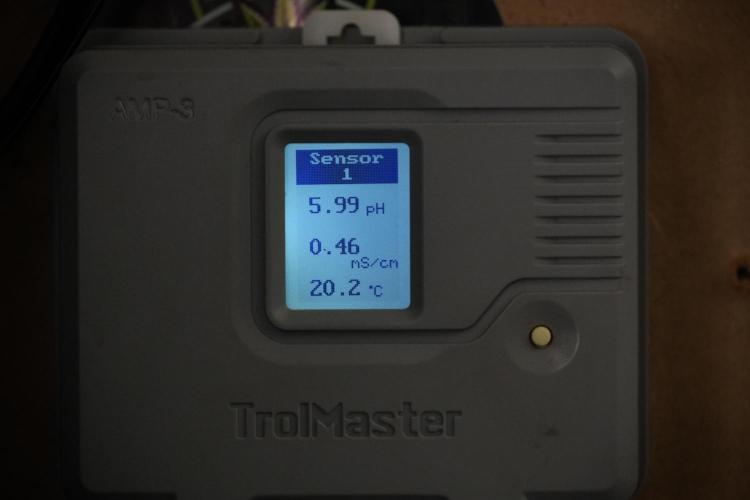
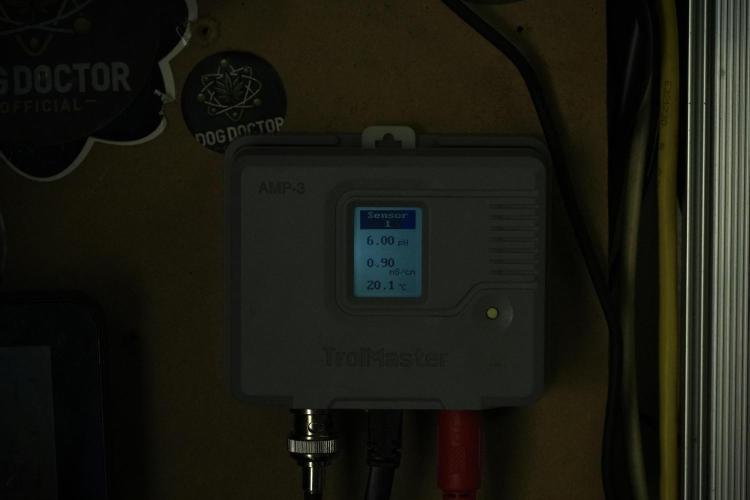
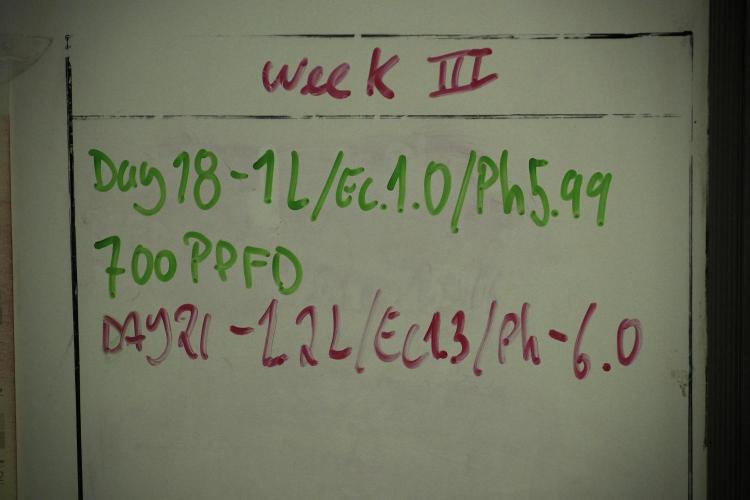
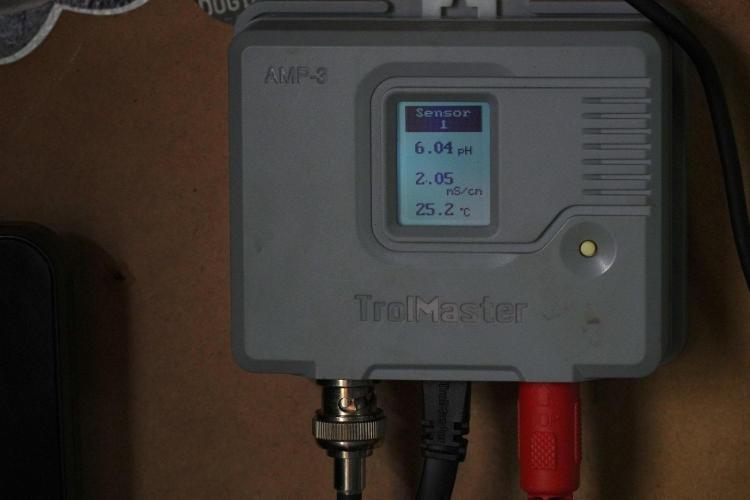
The nutrient solution was maintained at pH 5.99 with an EC of approximately 0.46 mS/cm.
Root zone and solution temperatures remained close to 21°C.
Lighting was provided under the Future Of Grow Black Series LED system operating under the 12/12 From Seed methodology used throughout this project.
As always, consistency remains the objective.
The seedlings are not being pushed aggressively.
They're simply being given a stable environment in which to develop naturally.
---
## First Week Development
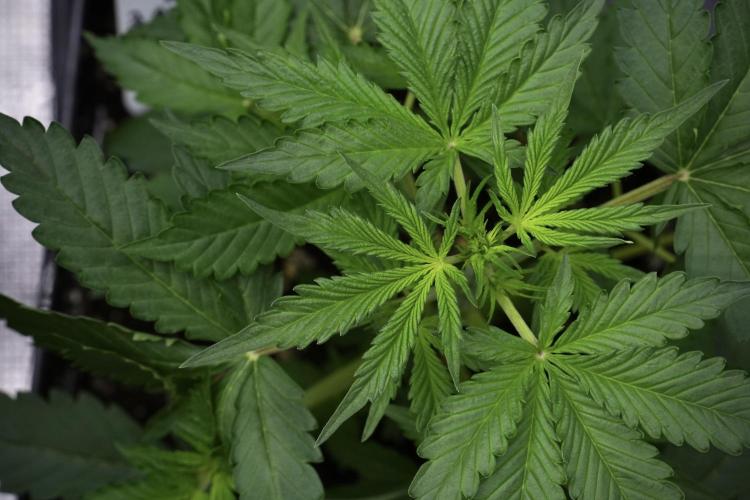
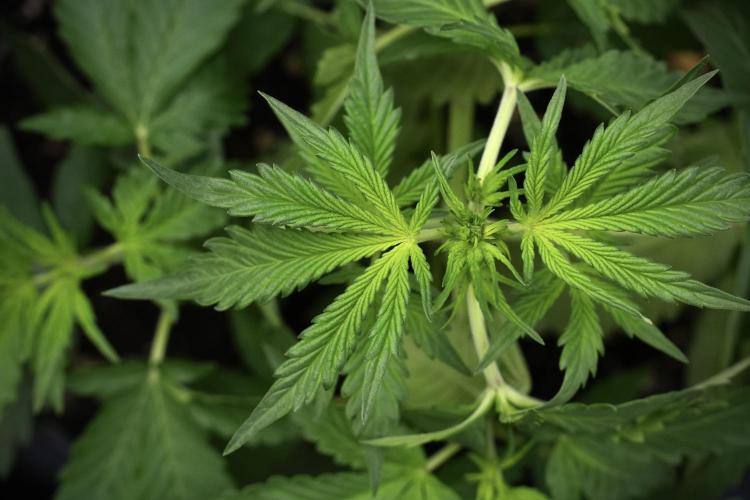
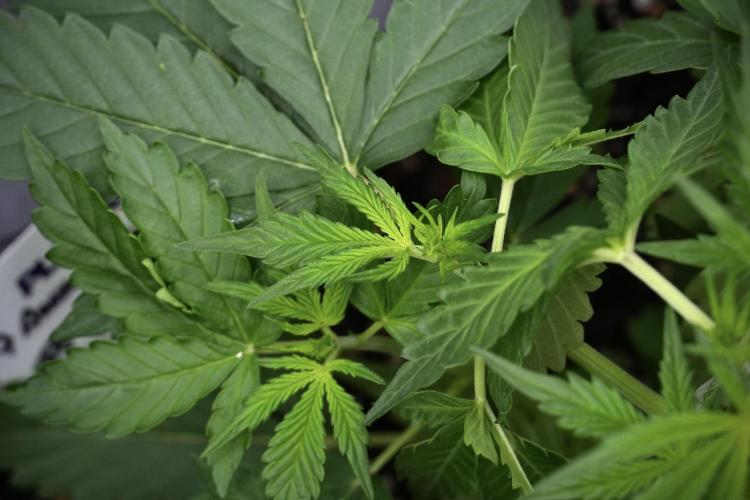
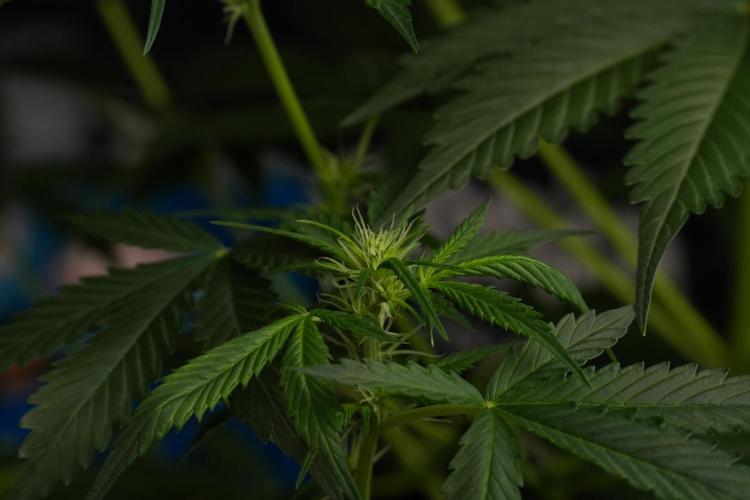
As the week progressed, the plant continued producing healthy new growth.
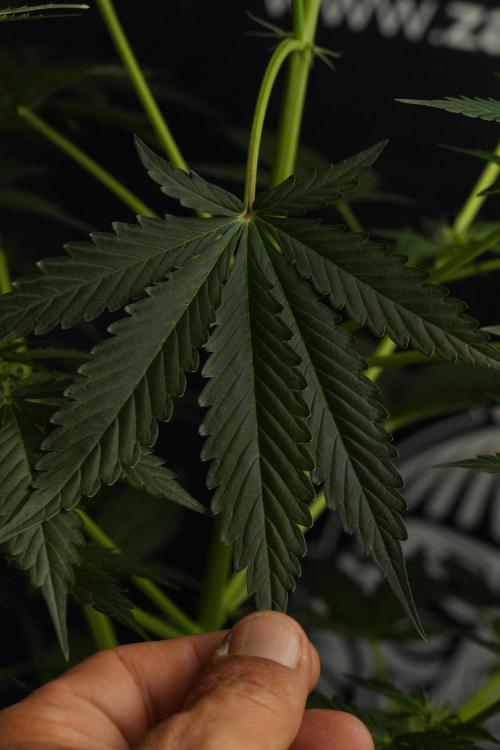
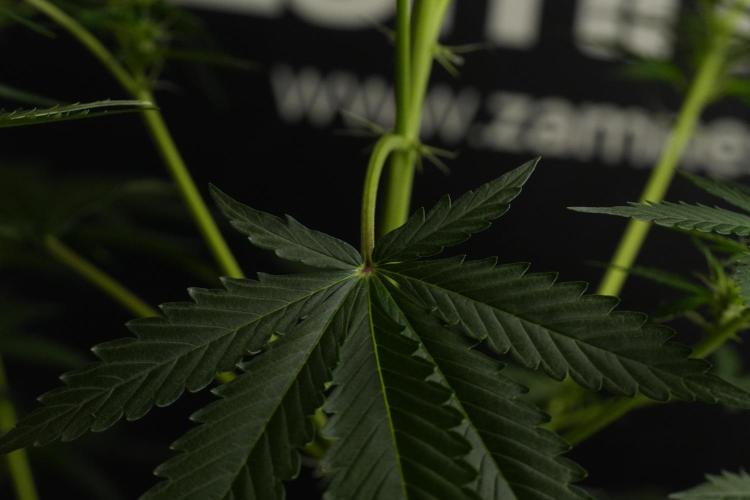
The first true leaves expanded steadily.
Leaf color remained vibrant and uniform.
Structure stayed compact.
Internodal spacing remained tight.
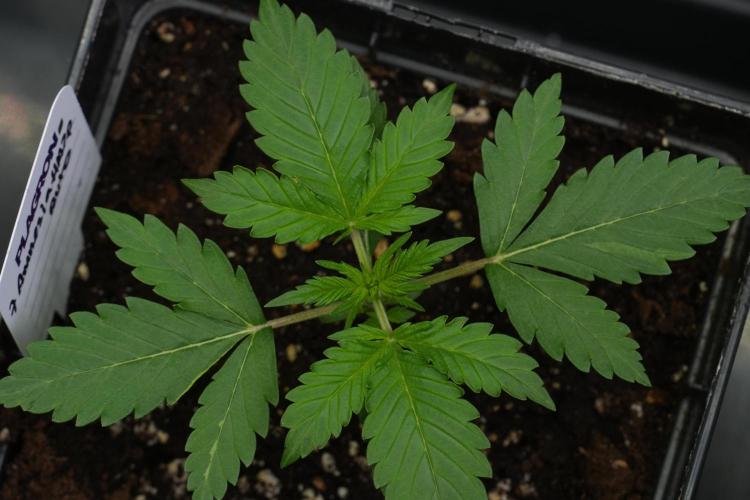
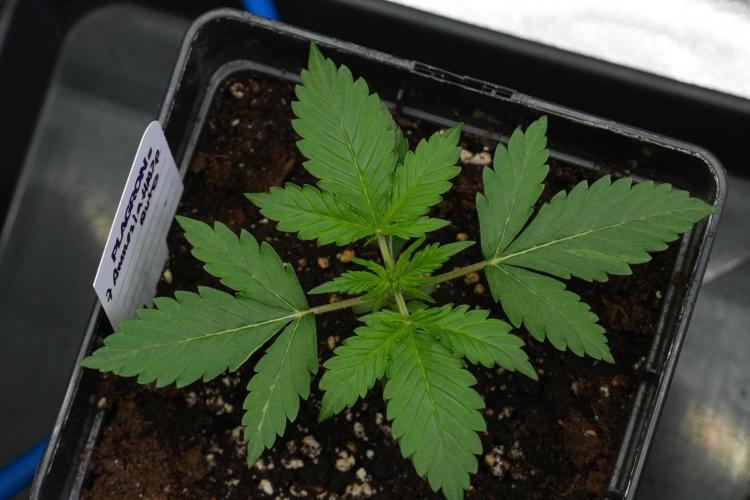
Despite being one of the smaller plants in the room, the overall appearance remained healthy and balanced.
Sometimes the smallest seedlings end up becoming some of the most interesting plants later in the grow.
And that's part of what makes documenting every stage so enjoyable.
Every plant writes its own story.
---
## Looking Ahead
The first week is now complete and the foundation is in place.
Roots are expanding.
The mycorrhizal partnership is beginning to establish itself beneath the soil.
New growth is accelerating.
And this little Amnesia Haze Auto is starting to find her rhythm.
She may be one of the smaller plants in the room today, but there is plenty of time ahead.
For now, the objective remains exactly the same:
Healthy roots.
Healthy growth.
And steady progress one day at a time.
Huge thanks to Zamnesia Seeds for the genetics, Plagron for the substrate and nutrition, Future Of Grow for the lighting, and everyone following along on another seed-to-harvest adventure.
Grower's Love everyone. 🌱💚
6 likes
comments
Share
Used techniques
Transplantation
Technique
12-12
Technique
2
Week 2. Vegetation
4mo ago
1/30
6 cm
Height
12 hrs
Light Schedule
27 °C
Day Air Temp
6.0
pH
No Smell
Smell
450 PPM
TDS
55 %
Air Humidity
21 °C
Solution Temp
21 °C
Substrate Temp
25 °C
Night Air Temp
11 set_lilers
Pot Size
0.75 set_lilers
Watering Volume
600 PPM
CO₂ Level
Nutrients 4
Terra Grow
1.8 mll
Pure Zym
1 mll
Sugar Royal
1 mll
DogDoctorOfficial Week 2 - Vegetation | Purple Haze Pheno B
Hello everyone, and welcome back to another update from the 12/12 From Seed adventure.
This week we turn our attention to Purple Haze Pheno B, the younger sister of the two Purple Haze phenotypes currently growing in the tent.
While Pheno A has begun establishing a noticeable lead in overall development, Pheno B continues progressing steadily and confidently at her own pace. The difference between the two plants is becoming increasingly visible, but it is important to remember that they are not developing under exactly the same circumstances. A small age gap combined with additional time spent in a smaller starter container can make a surprisingly large difference during these early stages of growth.
Despite being slightly behind in overall size, Pheno B is showing all the signs of a healthy and successful start.
This week the plant continued building structure and is now working on her second pair of true leaves. Growth remains steady and consistent, with new development appearing every day. The leaves display a healthy green coloration, and the plant maintains a compact profile with good spacing between growth points.
One of the most enjoyable aspects of documenting multiple phenotypes is seeing how differently each individual expresses itself, even when grown under identical environmental conditions. While Pheno A seems eager to race ahead, Pheno B appears content taking a slightly more measured approach. Neither strategy is necessarily better than the other. At this stage, health and steady progression matter far more than size alone.
The transplant from last week appears to have been accepted successfully, and the plant is now focusing energy on both root establishment and above-ground growth. As the root system continues expanding into the larger volume of substrate, we expect growth rates to increase naturally over the coming weeks.
The overall structure remains neat and symmetrical, and the plant presents itself with healthy posture throughout the day. There are no major concerns at this stage, only the quiet and steady development that often lays the foundation for strong future performance.
One of the most valuable lessons in cultivation is learning not to compare every plant against its neighbors. Sometimes the fastest plant in Week 2 is not the most impressive plant at harvest, and sometimes the quieter, slower starter surprises everyone later in the run. For now, Pheno B is doing exactly what she should be doing—growing healthy, building roots, and preparing for the next phase of development.
Overall, this has been another positive week for Purple Haze Pheno B. She may be the smaller sister for now, but she remains healthy, vibrant, and full of potential.
Thank you to everyone following along, liking, commenting, and sharing your own experiences throughout the journey.
A special thank you as always to Zamnesia for the genetics, Plagron for the nutrition, and to the entire growing community that continues to inspire and support growers around the world.
Until next week, Growers Love and happy growing everyone. 🌱💚
6 likes
comments
Share
Used techniques
12-12
Technique
3
Week 3. Vegetation
4mo ago
1/30
13 cm
Height
12 hrs
Light Schedule
27 °C
Day Air Temp
6.0
pH
No Smell
Smell
650 PPM
TDS
55 %
Air Humidity
21 °C
Solution Temp
21 °C
Substrate Temp
25 °C
Night Air Temp
11 set_lilers
Pot Size
0.75 set_lilers
Watering Volume
666 PPM
CO₂ Level
Nutrients 6
Terra Grow
1.8 mll
Pure Zym
1 mll
Sugar Royal
1 mll
DogDoctorOfficial 🌱 Week 3 | Purple Haze Photo | Folder 7B | Growing at Her Own Pace
Welcome back to another chapter of Project Blue, where every Purple Haze phenotype receives its own dedicated diary. Although every plant shares the same genetics, environment, nutrients, and lighting schedule, each one expresses its own unique growth pattern, making every folder a story of its own.
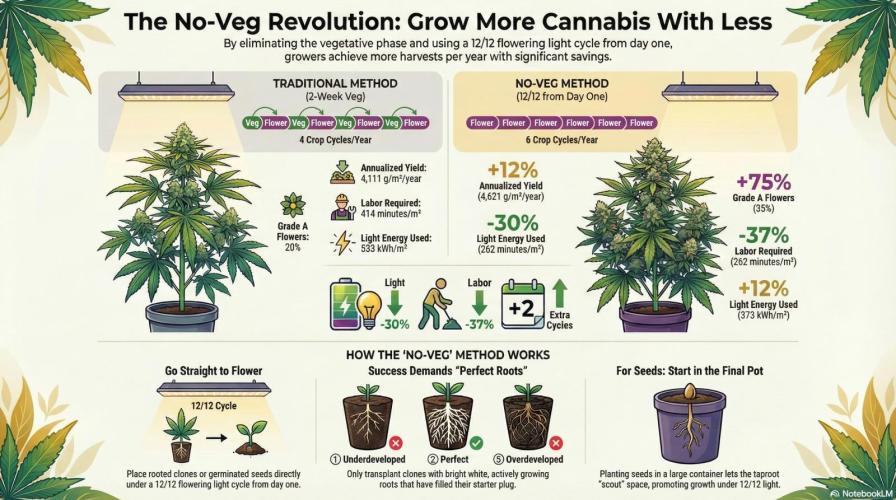
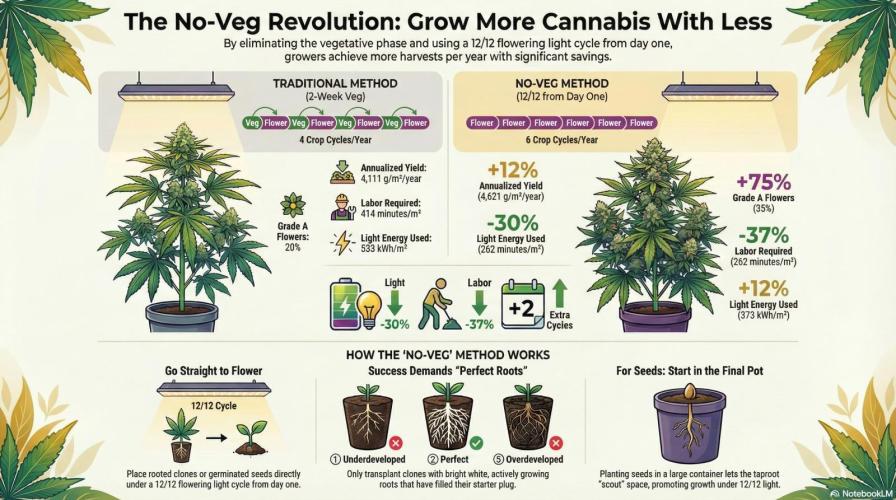
This diary is part of my ongoing exploration of 12/12 From Seed, a cultivation technique that has become one of my favourites. From the day these seeds emerged from the soil, they have grown under a 12-hour light cycle, encouraging compact development, excellent internodal spacing, and allowing every phenotype to reveal its natural structure without excessive vegetative growth.
Purple Haze 7B reminds us of one of the most important lessons in growing:
Not every healthy plant develops at the same speed.
She entered Week 3 slightly behind some of her sisters, but she never showed signs of stress or weakness. Instead, she quietly focused on building a strong foundation. Comparing the first photographs with those taken at the end of the week, the improvement is obvious. New nodes are stacking, the stem has thickened, and the canopy is beginning to take shape beautifully.
Sometimes patience is the best nutrient we can provide.
⸻
🌡️ Week 3 Growing Environment
Every phenotype in Project Blue benefits from the same carefully controlled environment.
During this week the room remained stable with the following conditions:
• 🌡️ Day Temperature: 27°C
• 🌙 Night Temperature: 25°C
• 💧 Relative Humidity: 55%
• 🌱 Root Zone Temperature: 21°C
• 🚰 Nutrient Solution Temperature: 20°C
• ⚖️ pH: 6.0
• ⚡ EC: 1.3
• 🌬️ CO₂: approximately 666 ppm
• 💡 Photoperiod: 12 Hours ON / 12 Hours OFF
• ☀️ Average PPFD: 600–700
Providing identical environmental conditions across every plant allows each phenotype to express its own genetic potential, making differences in growth much easier to observe and document.
⸻
🌿 Feeding Schedule
Purple Haze 7B continues receiving the complete Plagron Terra vegetative feeding program:
• Terra Grow — 1.8 ml/L
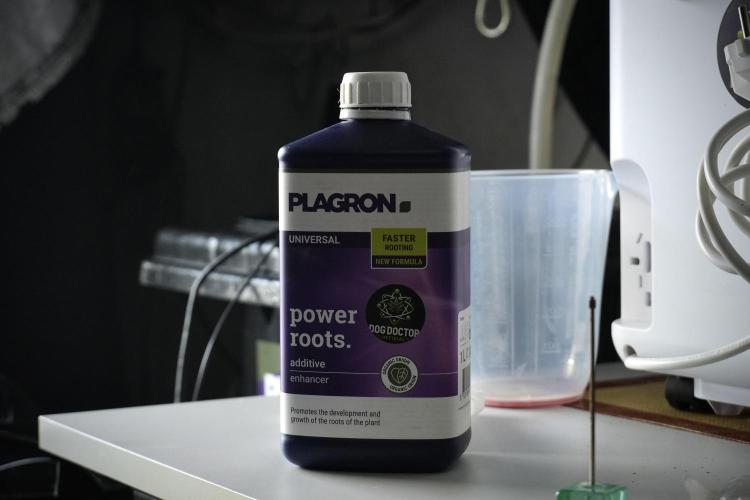
• Power Roots — 1 ml/L
• Pure Zym — 1 ml/L
• Sugar Royal — 1 ml/L
Rather than increasing nutrients simply because another plant grows faster, I prefer feeding according to overall health. She has shown excellent colour, healthy new growth, and no indication that she needs anything beyond a consistent and balanced feeding schedule.
Healthy roots always come before explosive growth.
⸻
🍃 Letting the Plant Set the Tempo
One thing I enjoy about phenotype hunts is learning to respect each plant’s individual pace.
It’s tempting to compare sisters growing side by side, but plants don’t read calendars.
Purple Haze 7B may have started the week slightly behind, yet every day she added another piece to the puzzle. Her leaves gradually became larger, her stem gained strength, and fresh shoots began emerging confidently from each node.
Rather than chasing rapid vertical growth, she invested her energy into creating a sturdy framework for the weeks ahead.
That’s exactly the kind of patience I like to see.
⸻
🌱 Preparing for Future Training
With several healthy nodes now established, this phenotype is approaching the point where gentle canopy management will begin.
For now, the focus remains simple.
Allow every branch to develop naturally.
Maintain strong root growth.
Keep the environment stable.
As the side branches continue to elongate over the coming days, they’ll become excellent candidates for gentle leaf tucking and Low Stress Training (LST), helping open the canopy without interrupting the plant’s natural momentum.
There’s no need to rush the process.
Every training technique works best when the plant tells you she’s ready.
⸻
🌿 Quiet Progress Is Still Progress
One of my favourite things about Purple Haze 7B is her balance.
The leaves remain a beautiful healthy green.
Internodal spacing is nice and compact.
New growth appears vibrant and vigorous.
The stem continues to strengthen with each passing day.
Although she’s one of the smaller ladies in the room, she carries herself with confidence, and every new set of leaves suggests she’s finding her rhythm.
She may not be leading the race today.
But healthy, steady plants often become some of the biggest surprises later in flower.
⸻
🔭 Looking Ahead
Week 3 has given Purple Haze 7B exactly what she needed: time.
Time to establish healthy roots.
Time to strengthen her stem.
Time to build the structural foundation that will support future flowering.
As she enters the coming week, I expect her side branches to accelerate, her canopy to become fuller, and her compact frame to transform into a well-balanced flowering structure. With stable environmental conditions and consistent nutrition, she’s now perfectly positioned to continue catching up naturally.
Some phenotypes sprint.
Others build quietly before showing what they’re truly capable of.
Growers Love and I have a feeling 7B belongs to the second group.
A massive thank you to Plagron for providing the outstanding Terra nutrient line that keeps Project Blue thriving, to Zamnesia for making this incredible journey possible, and to everyone following these individual phenotype diaries. Every comment, question, and bit of encouragement makes this adventure even more rewarding.A massive thank you to Plagron for providing the outstanding Terra nutrient line that keeps Project Blue thriving, to Zamnesia for making this incredible journey possible, and to everyone following these individual phenotype diaries. Every comment, question, and bit of encouragement makes this adventure even more rewarding.
9 likes
comments
Share
Used techniques
12-12
Technique
4
Week 4. Vegetation
4mo ago
1/30
25 cm
Height
12 hrs
Light Schedule
33 °C
Day Air Temp
6.1
pH
No Smell
Smell
650 PPM
TDS
3 %
Air Humidity
25 °C
Solution Temp
21 °C
Substrate Temp
25 °C
Night Air Temp
11 set_lilers
Pot Size
0.75 set_lilers
Watering Volume
639 PPM
CO₂ Level
Nutrients 6
Terra Grow
1.9 mll
Pure Zym
1 mll
Sugar Royal
1 mll
DogDoctorOfficial 🌿 Amnesia Haze Auto – Pheno B | Week 4
Same Room, Same Love… Different Story.
One of my favorite things about growing from seed is watching every plant write its own story.
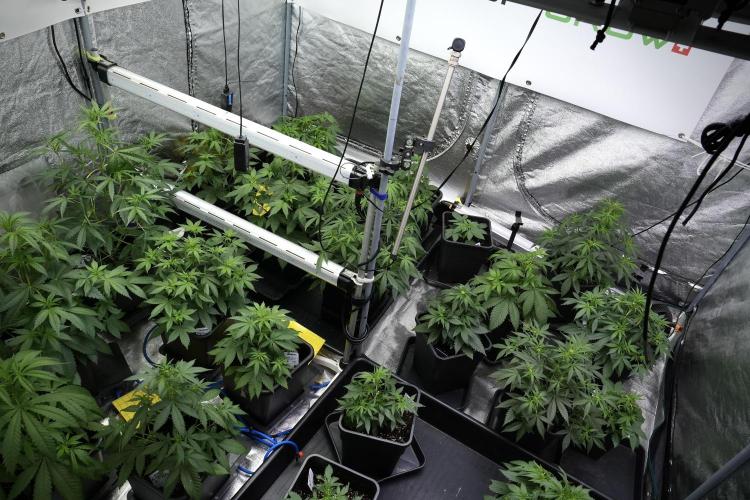
This is Amnesia Haze Auto – Pheno B, growing alongside her sister under exactly the same environment. Same tent. Same lights. Same nutrient solution. Same temperatures. Same humidity. Same grower.
Yet… she’s taking her own path.
While Pheno A decided to race ahead into early flowering, Pheno B is taking her time, focusing on building structure before committing her energy to reproduction. It’s one of the reasons I love documenting individual phenotypes—genetics always have something to teach us.
This project is also another chapter in my ongoing 12/12 From Seed Adventure, proving that every seed expresses itself differently, even when every environmental factor remains almost identical.
Sometimes nature simply decides to surprise us.
⸻
🌱 Environment
Just like her sister, Pheno B is enjoying a very stable environment.
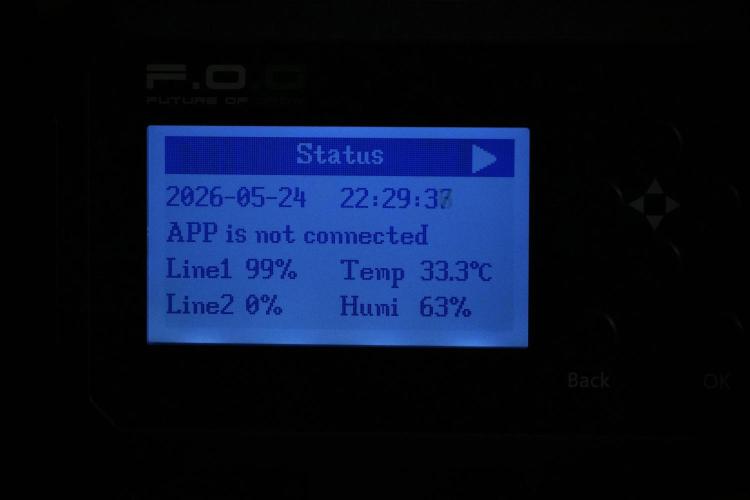
• Day Temperature: 33°C
• Night Temperature: 25°C
• Relative Humidity: 63%
• CO₂: 639 ppm
• Solution Temperature: 26°C
• Root Zone Temperature: 21°C
• Light Schedule: 12/12
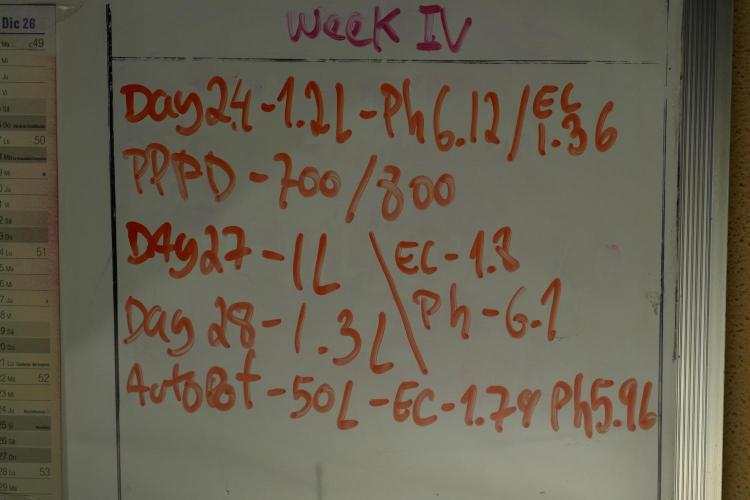
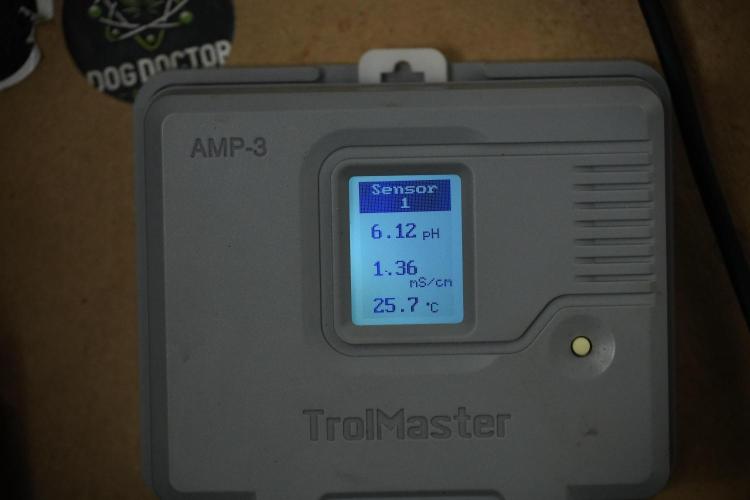
• pH: 6.1
• EC: 1.35 mS/cm
Keeping the environment stable allows the plants—not environmental fluctuations—to reveal their genetic differences.
⸻
? Different Pot, Different Pace
One noticeable difference between both sisters is the container size.
Unlike Pheno A, which is growing in a 15-liter pot, Pheno B is currently rooted inside an 11-liter container.
Will that influence her final development?
Possibly.
A slightly smaller root zone can influence overall vigor and stretch, especially once flowering begins. Whether that’s the main reason she’s developing a little slower—or whether it’s simply genetics—remains to be seen.
That’s exactly why I love these side-by-side comparisons.
Every week adds another piece to the puzzle.
⸻
💧 Feeding & Hand Watering
Unlike many of my larger projects, this run isn’t using AutoPots.
Every watering is done by hand.
That allows me to inspect every plant individually, monitor moisture levels closely, and adapt watering volume to each phenotype’s needs.
Current nutrient mix:
• Terra Grow — 1.8 ml/L
• Power Roots — 1 ml/L
• Pure Zym — 1 ml/L
• Sugar Royal — 1 ml/L
• pH Plus — as required
• Lemon Kick — as required
Current irrigation:
💧 Approximately 1.1 L per plant every 24 hours, adjusted according to pot weight and substrate moisture.
Sometimes growing slowly simply means drinking a little less while building a stronger foundation.
⸻
🌿 Training
Training remains intentionally gentle.
Only Low Stress Training (LST) is being used.
The goal isn’t forcing the plant into shape—it’s helping light reach more growing tips while keeping the canopy open and even.
Looking closely, Pheno B is responding beautifully.
Her internodal spacing remains compact, secondary branches are catching up nicely, and the structure is developing into a very balanced little bush.
She’s simply choosing to invest a bit more time in vegetative growth before flowering really takes over.
⸻
🌼 Early Development
One thing I find fascinating is how differently these sisters are behaving.
Pheno A already showed obvious pre-flower development.
Pheno B, however, is still mostly focused on vegetative growth.
The tops are stacking new leaves quickly, side branches continue to push outward, and while the first signs of maturity are beginning to appear, she’s clearly taking a slower, steadier approach.
Neither approach is better.
Just different.
And that’s the beauty of growing from seed.
⸻
📷 Photography Notes
Photographing these early stages is always rewarding.
The fresh lime-green growth against the darker mature leaves makes every new shoot stand out beautifully.
The architecture is becoming more defined every day, and documenting these subtle differences now will make the flowering comparison even more interesting later on.
Sometimes the smallest changes become the biggest stories once harvest arrives.
⸻
💚 Final Thoughts
Pheno B may not be in a hurry…
…but she’s healthy.
Strong.
Balanced.
Growing exactly at her own pace.
Every plant deserves to be judged by its own rhythm, not by the speed of the one growing beside it.
That’s one of the greatest lessons this hobby keeps teaching me.
I’m excited to see where this phenotype decides to take us over the coming weeks.
⸻
🙏 Thank You
A huge thank you to everyone following this adventure from the very beginning.
Whether you’re here to learn, compare phenotypes, or simply enjoy watching another grow unfold, I’m grateful you’ve decided to spend a little of your time here.
Special thanks toZamnesia and Plagron for the genetics, nutrients and growing media that keep this project thriving, and to everyone supporting this journey with comments, advice, encouragement, and curiosity.
See you all next week.
Growers Love ad let’s see what story Pheno B decides to write next. 🌱💚
8 likes
comments
Share
Used techniques
12-12
Technique
LST
Technique
5
Week 5. Flowering
4mo ago
1/38
55 cm
Height
12 hrs
Light Schedule
31 °C
Day Air Temp
6.1
pH
No Smell
Smell
940 PPM
TDS
72 %
Air Humidity
22 °C
Solution Temp
21 °C
Substrate Temp
25 °C
Night Air Temp
11 set_lilers
Pot Size
0.9 set_lilers
Watering Volume
639 PPM
CO₂ Level
Nutrients 8
Terra Grow
1.8 mll
Pure Zym
1 mll
Sugar Royal
1 mll
DogDoctorOfficial 🌿 Amnesia Haze Auto by Zamnesia – Pheno B | Week 1 Flower | Every Phenotype Tells Its Own Story
The beauty of running multiple phenotypes from the same genetic line is seeing how each plant writes its own story. While her sister has already embraced the flowering stretch with a tall, elegant frame, Pheno B has chosen a different path. She has remained compact, sturdy, and methodical, investing her energy into building a strong structure before fully committing to flower.
Although both plants germinated together, share the same environment, receive exactly the same feeding schedule, and have been trained using the same techniques, nature reminds us that every seed carries its own personality. This slight delay isn’t a disadvantage—it’s simply another expression of the genetics, and one that I’m excited to follow over the coming weeks.
As always, this grow continues under my favourite challenge: 12/12 From Seed. Instead of giving the plants an extended vegetative period, they are flowered from the very beginning, allowing each phenotype to naturally reveal how efficiently it can grow, stretch, and produce within a shorter lifecycle. It’s an amazing way to discover unique expressions while making excellent use of indoor space.
⸻
🌱 Environment
Since both Amnesia Haze phenotypes share the same flowering room, Pheno B has enjoyed exactly the same stable environmental conditions throughout the week.
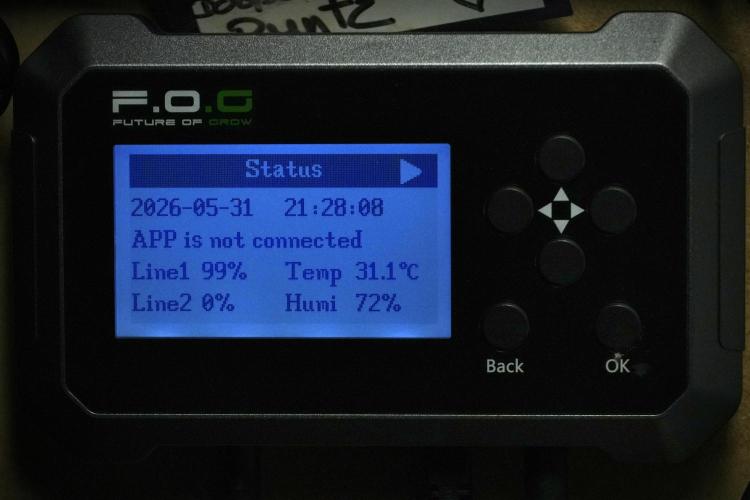
🌡️ Day Temperature: 31.1°C
🌙 Night Temperature: 25°C
💧 Relative Humidity: 72%
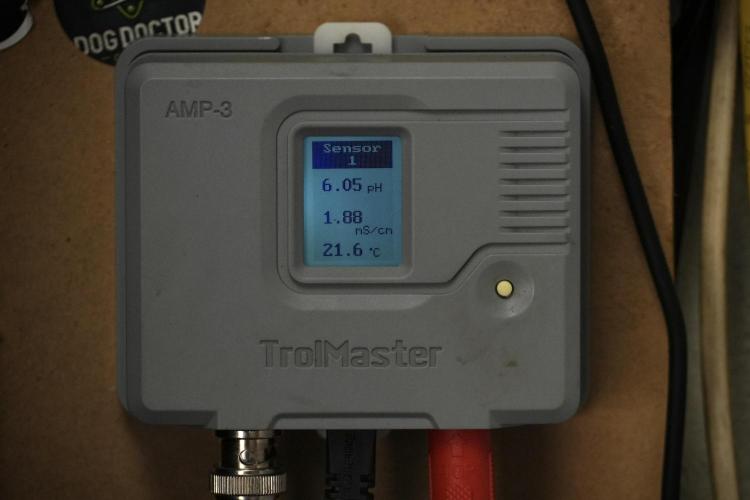
🥤 Nutrient Solution Temperature: 21.6°C
? Root Zone Temperature: 21°C
☀️ Light Schedule: 12/12
🌬️ CO₂: ~639 ppm
Maintaining stable environmental conditions is one of the biggest factors behind healthy plant development. Rather than constantly chasing numbers, I prefer creating consistency. Healthy roots, stable temperatures, proper humidity and good airflow allow the plants to focus entirely on growth instead of adapting to environmental swings.
⸻
🌿 Training & Canopy Management
Just like her sister, Pheno B continues receiving only gentle Low Stress Training together with regular leaf tucking.
No heavy defoliation has been necessary. Instead, large fan leaves are simply repositioned whenever needed to expose developing flowering sites underneath. This approach improves light penetration and airflow while allowing the plant to keep nearly all of her solar panels working at full capacity.
Because she’s naturally shorter and more compact, her canopy already has excellent structure. The goal now is simply encouraging every future cola to receive as much light as possible while allowing her to complete her stretch naturally.
Sometimes the best training is knowing when not to over-train.
⸻
🌾 Feeding Program
This week represents that interesting transition where the plant isn’t fully vegetating anymore, but hasn’t completely entered flower either.
For that reason I’m currently combining both vegetative and flowering nutrients, allowing the plant to transition smoothly without experiencing unnecessary stress.
Current feeding:
• Plagron Terra Grow — supporting continued structural growth during stretch.
• Plagron Terra Bloom — gradually introducing the phosphorus and potassium needed for flower initiation.
• Plagron Power Roots — encouraging continuous root expansion while the plant transitions.
• Plagron Sugar Royal — supporting terpene and flavour production from the very beginning.
• Plagron Pure Zym — improving nutrient availability by breaking down old root material.
• Plagron Power Buds — stimulating the natural transition into flowering and encouraging additional flower site formation.
This balanced approach ensures the plant still receives enough nitrogen to fuel stretch while slowly shifting nutritional priorities toward flower production.
⸻
🌿 Phenotype Spotlight
Pheno B is quickly becoming the “compact powerhouse” of the pair.
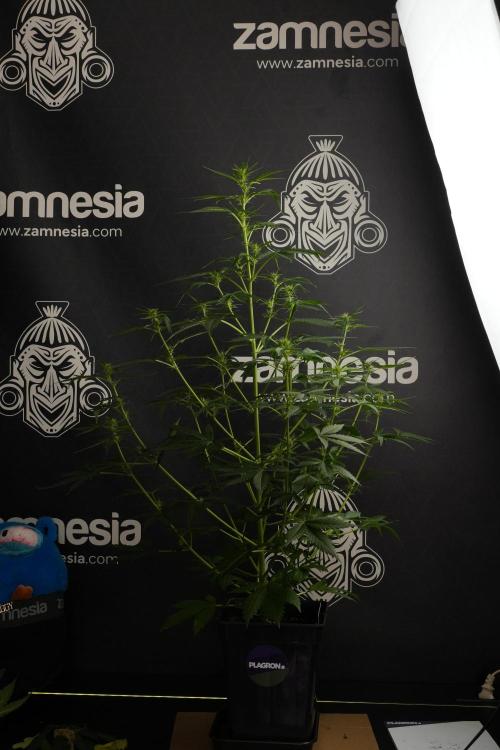
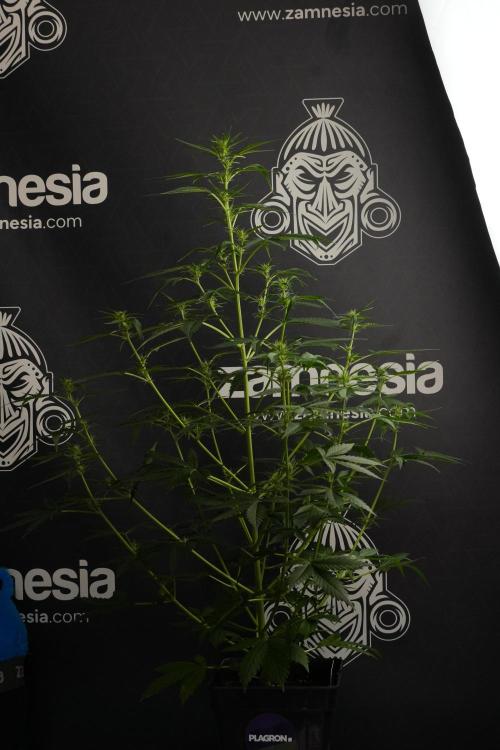
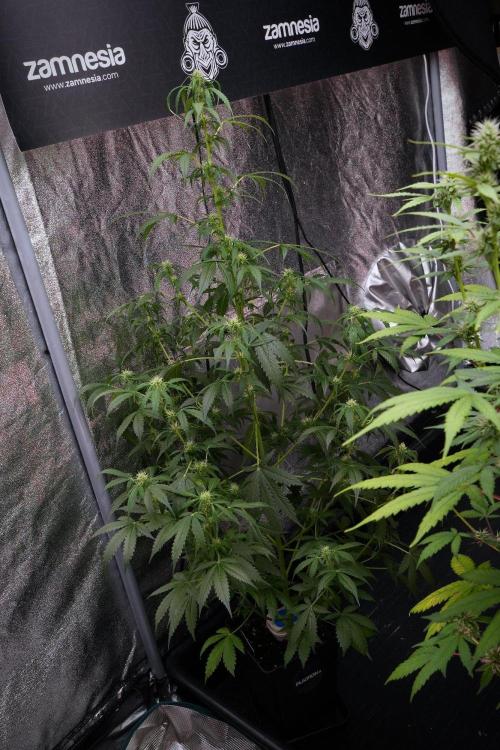
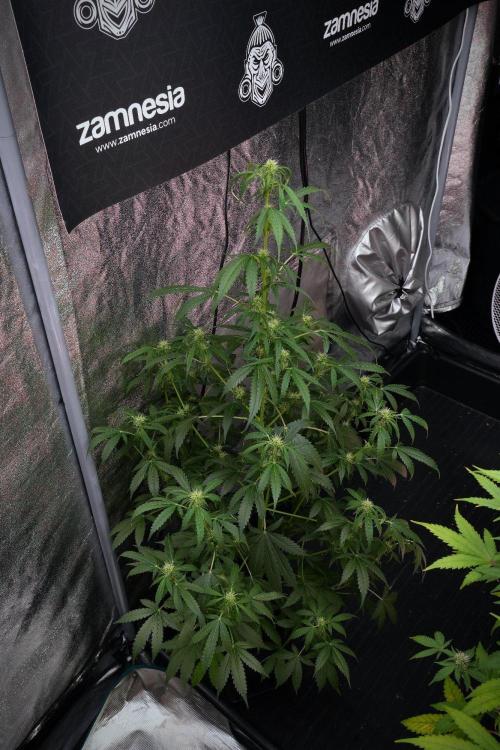
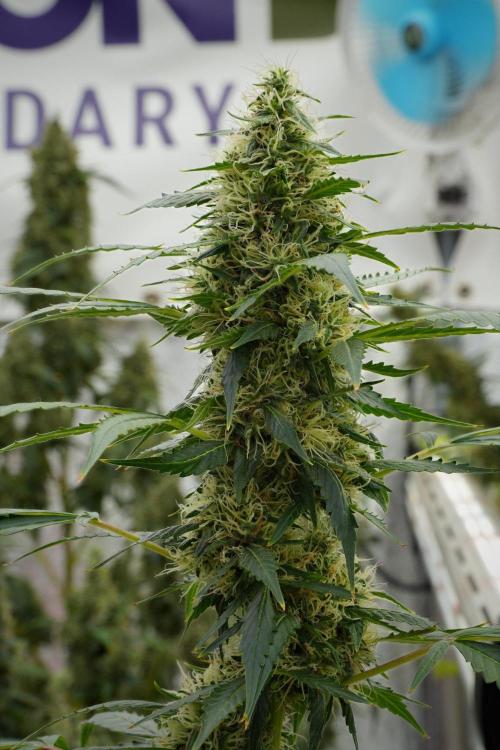
Standing at approximately 55 cm, she’s significantly shorter than her sister but carries noticeably tighter internodal spacing and a much denser canopy. Every branch feels sturdy, every node is closely stacked, and the overall structure suggests she may eventually produce a very compact field of dense flowers.
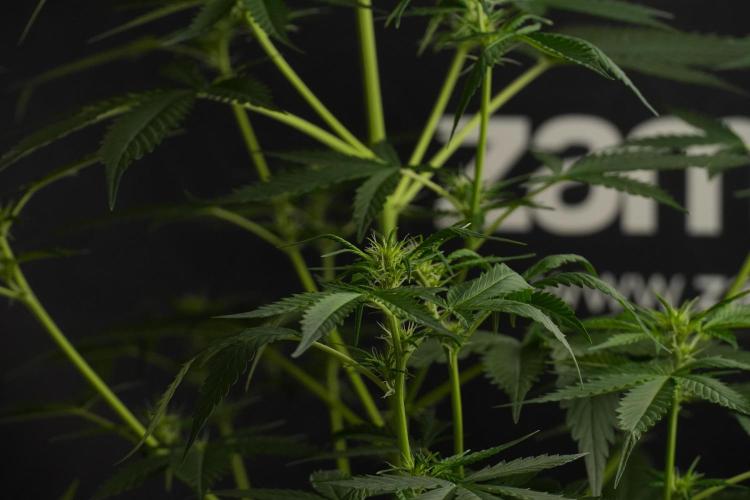
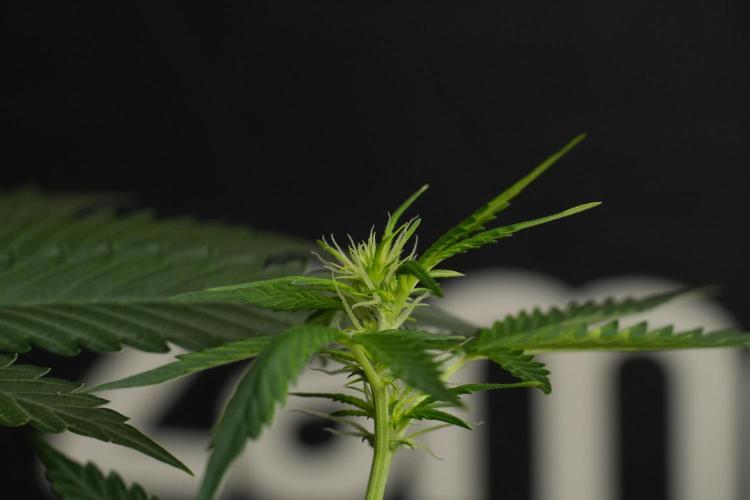
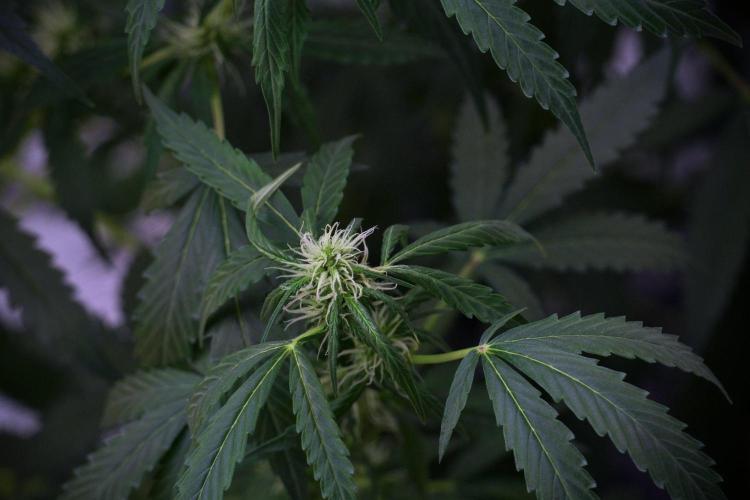
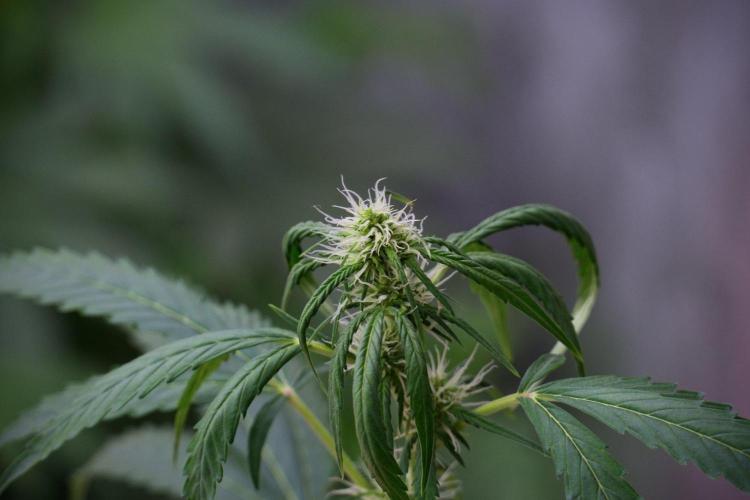
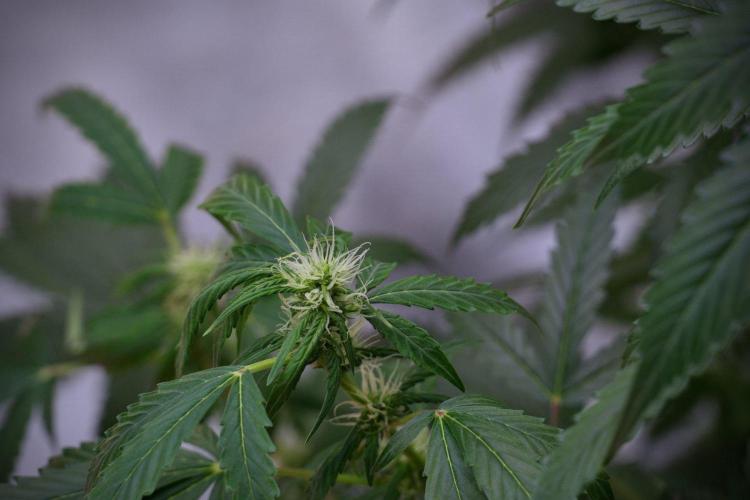
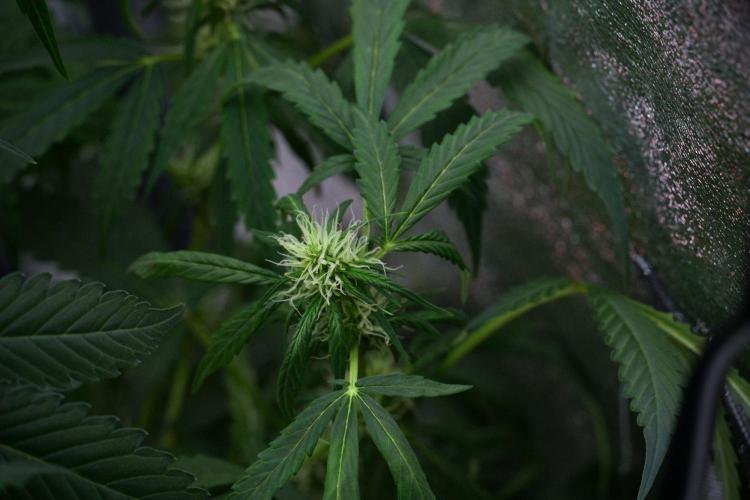
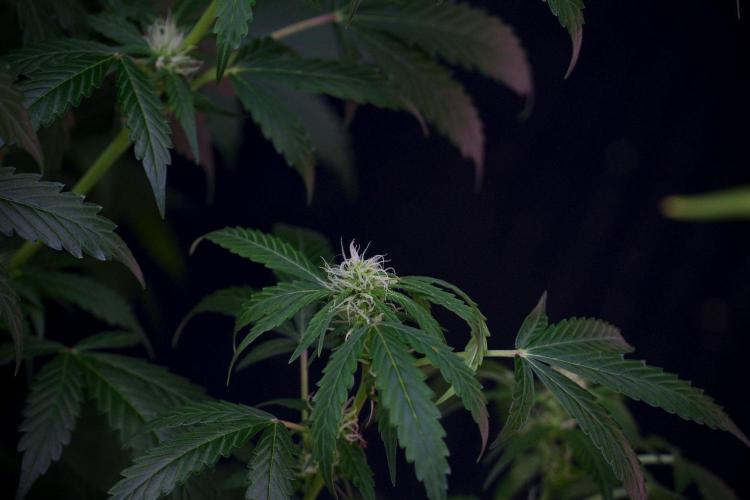
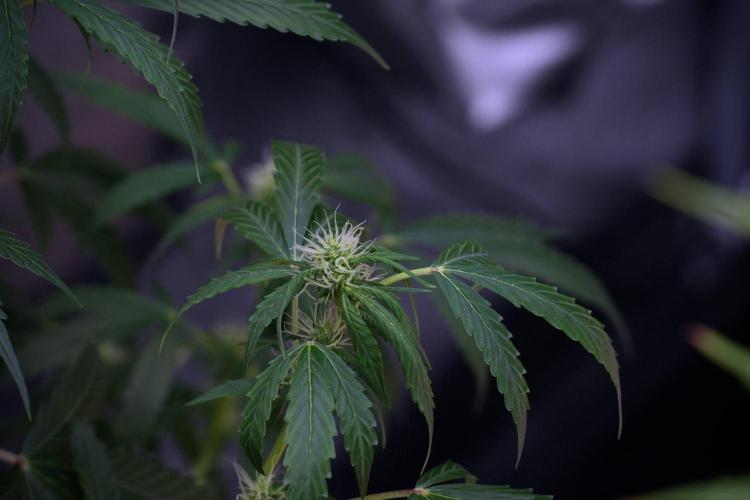
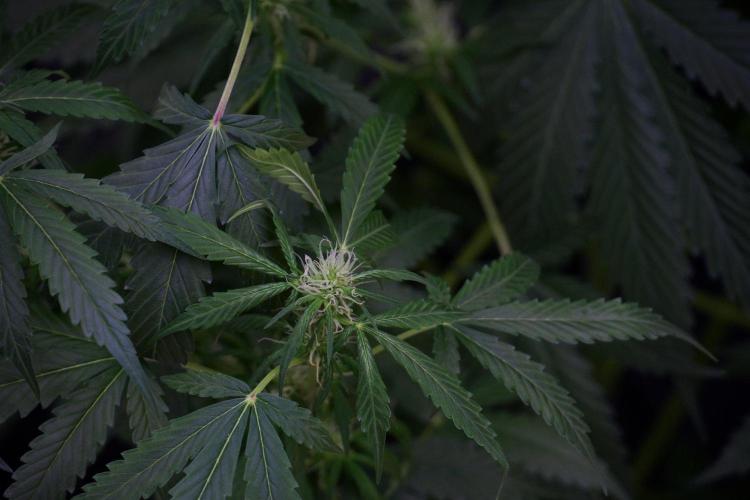
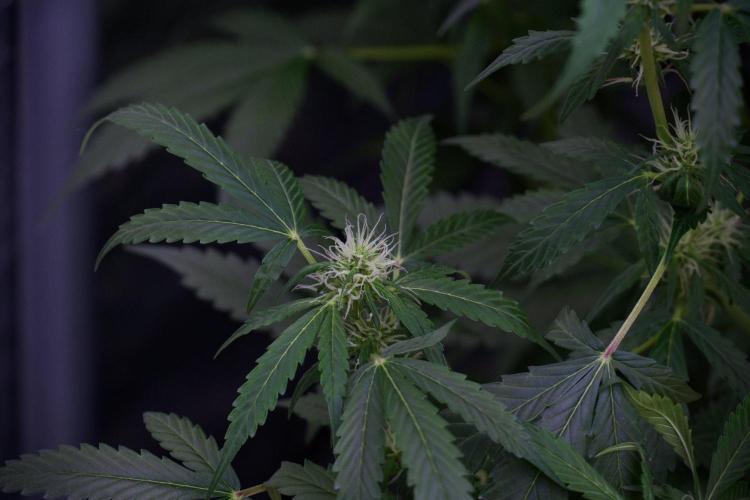
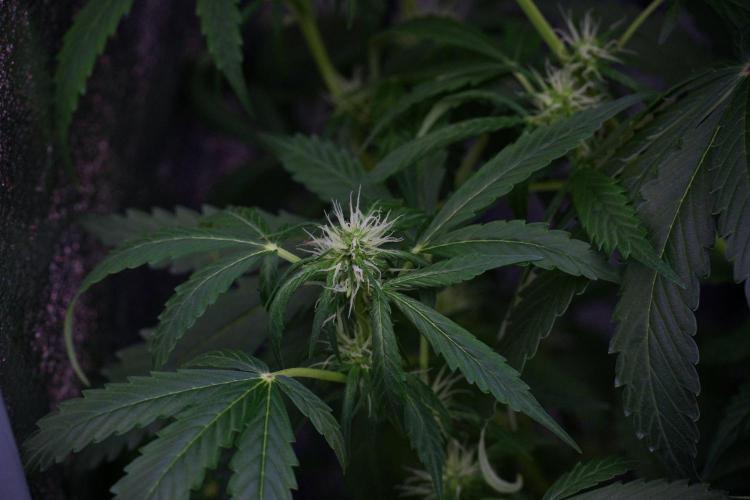
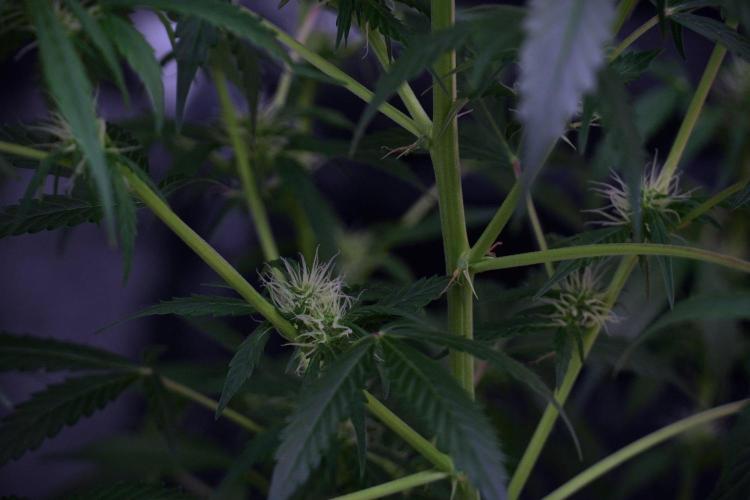
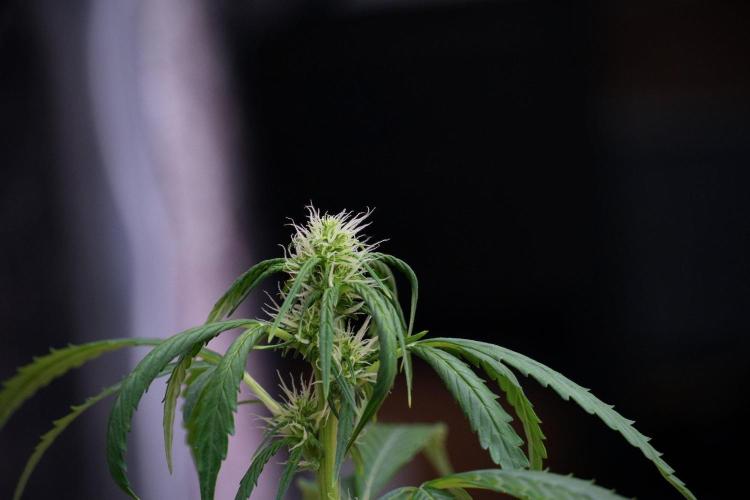
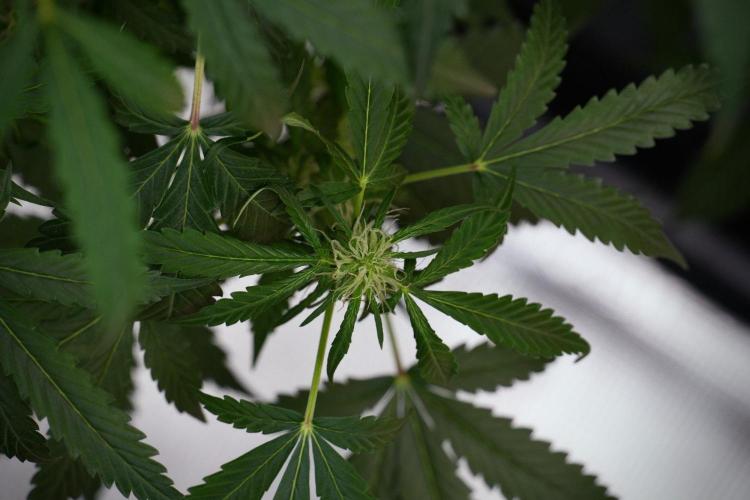
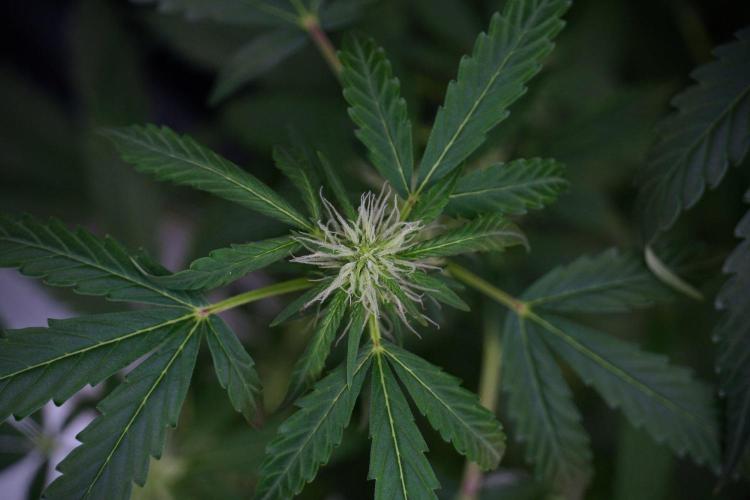
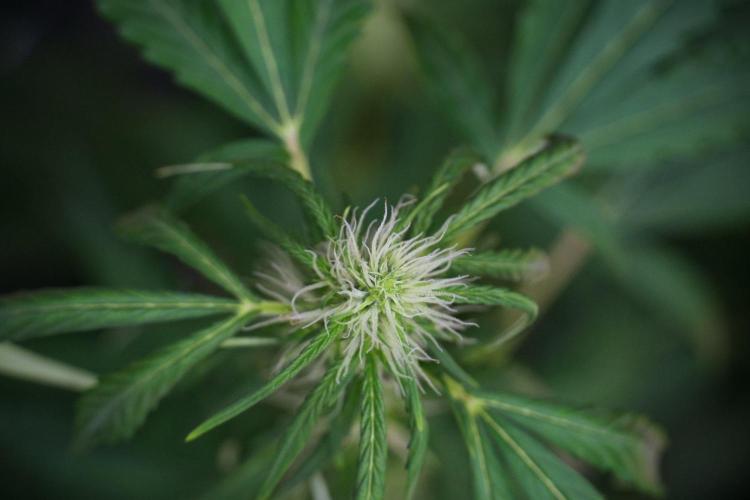
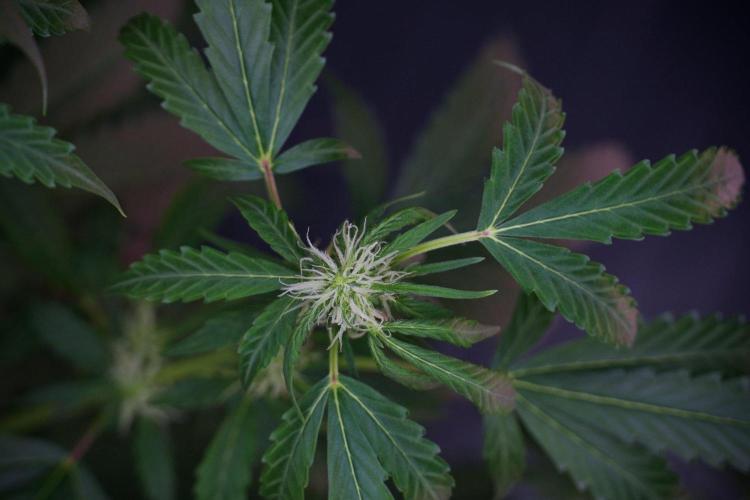
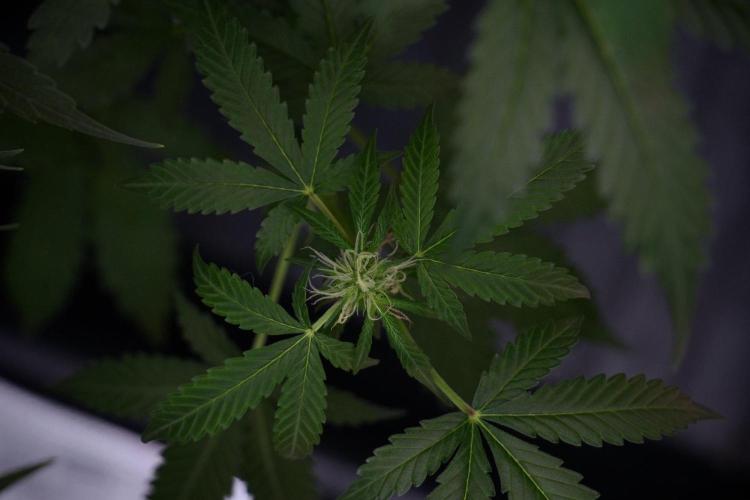
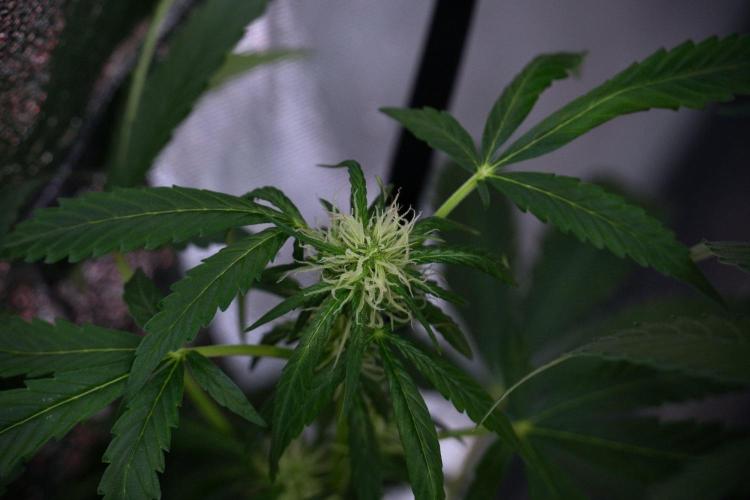
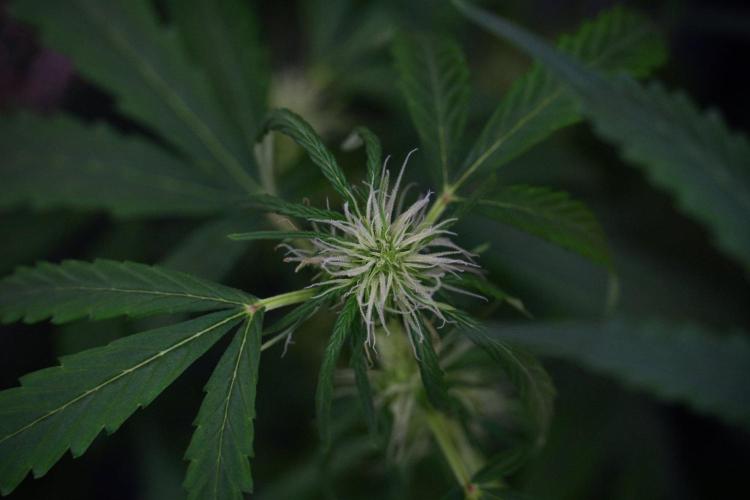
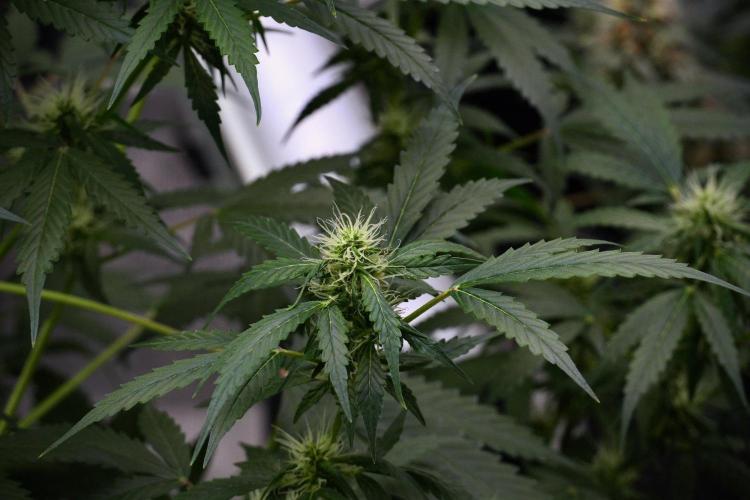
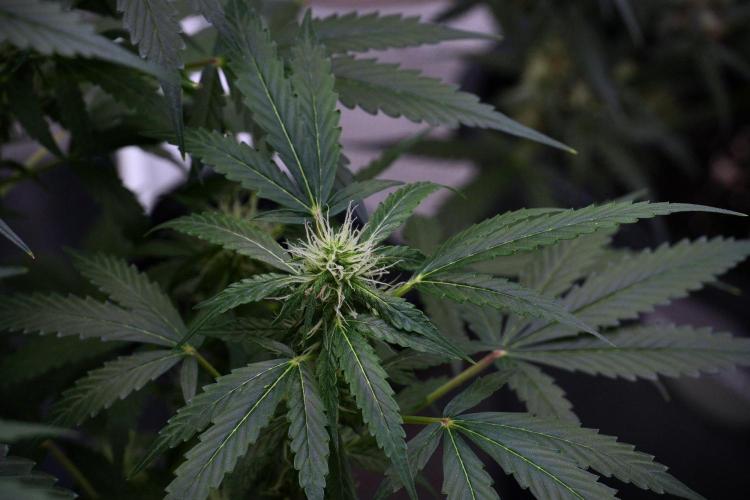
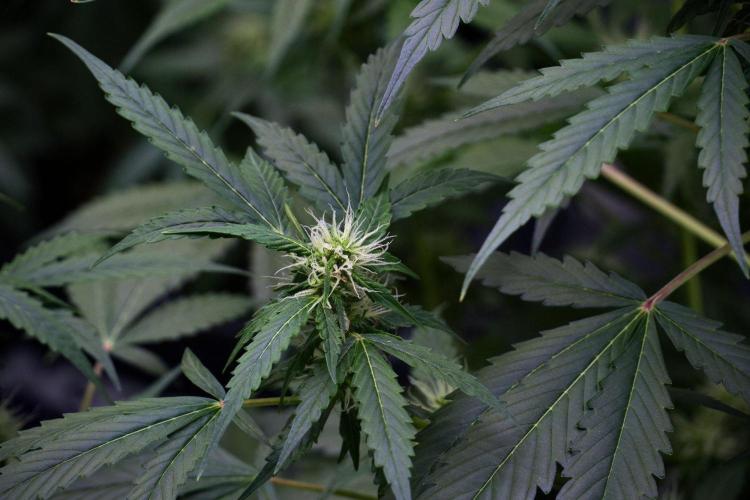
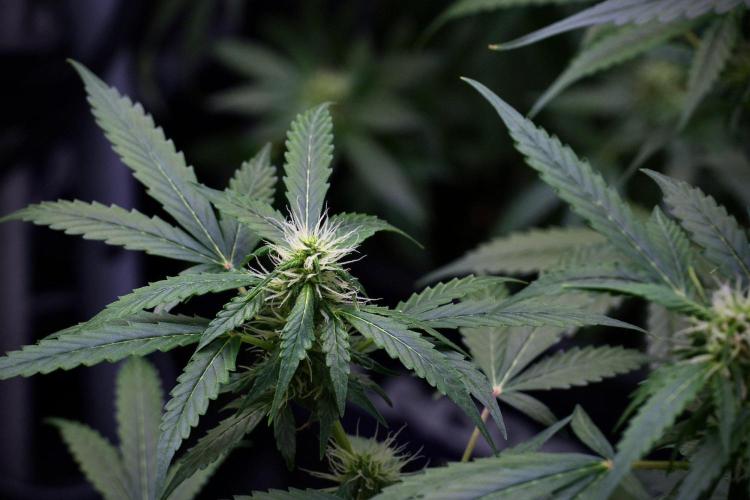
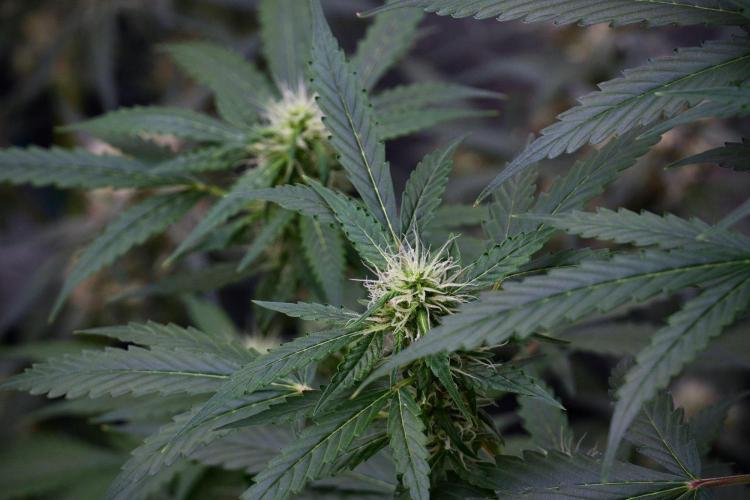
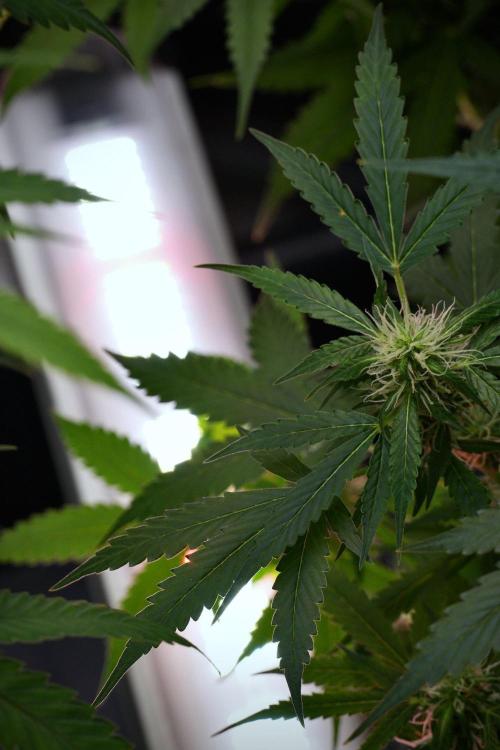
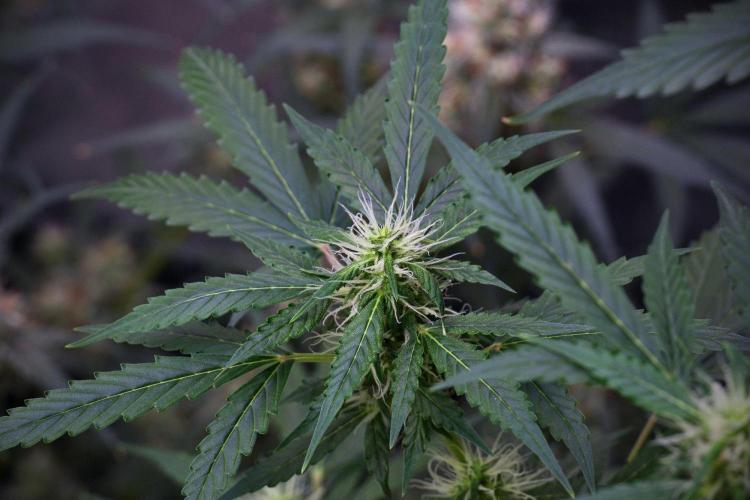
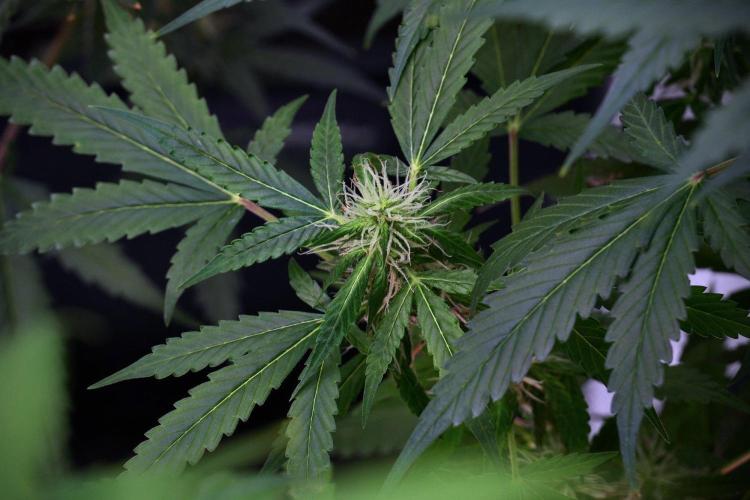
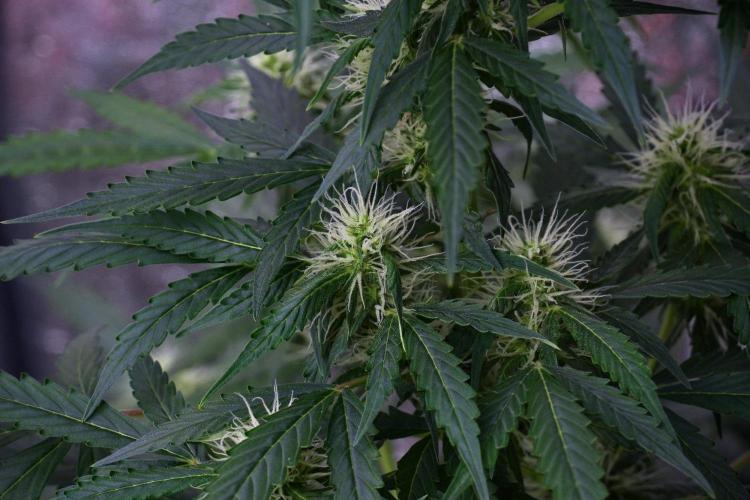
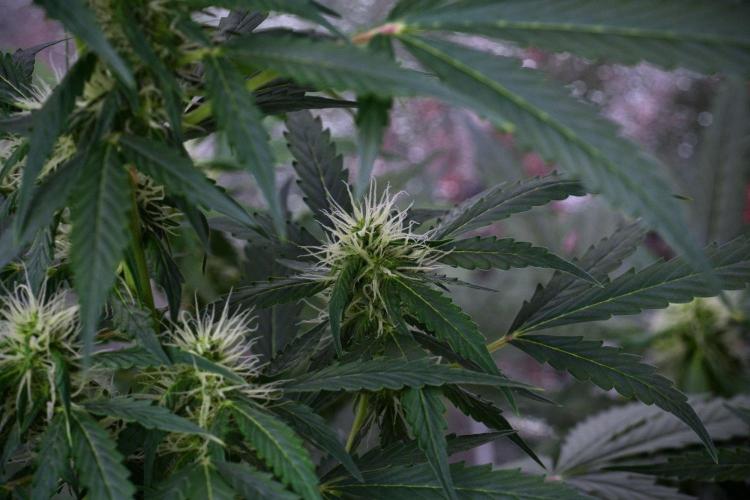
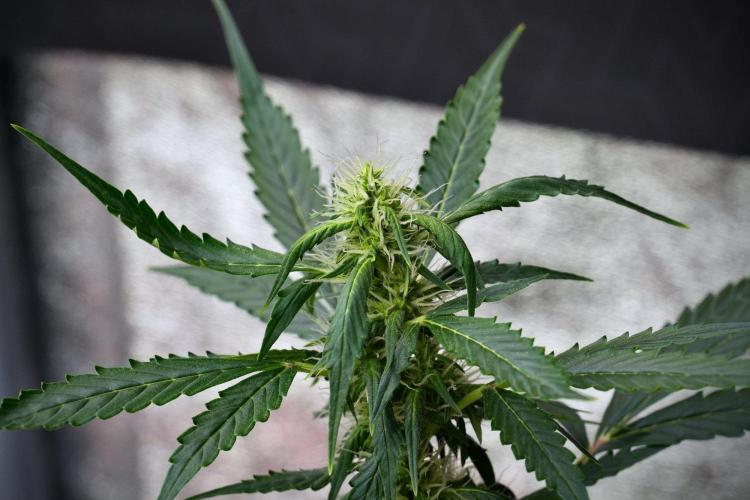
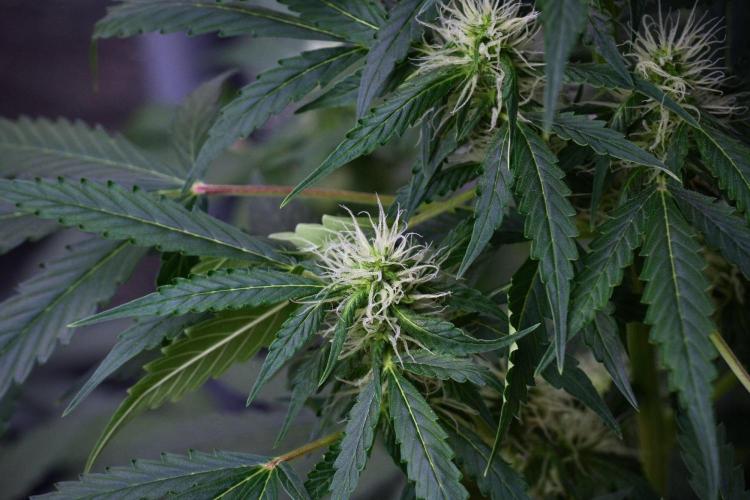
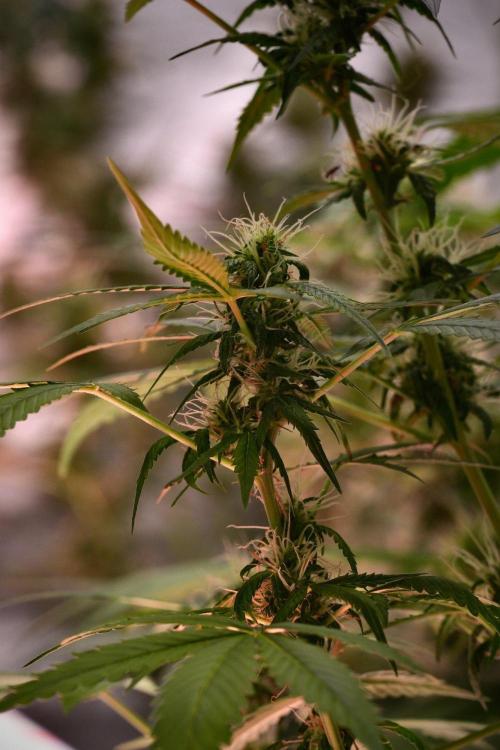
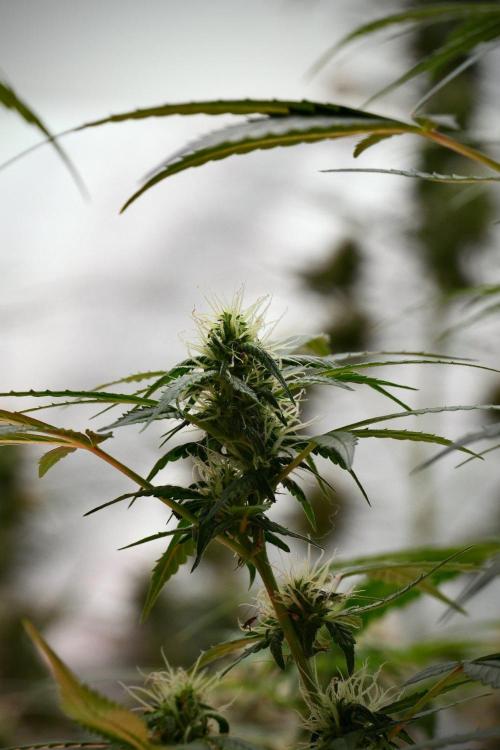
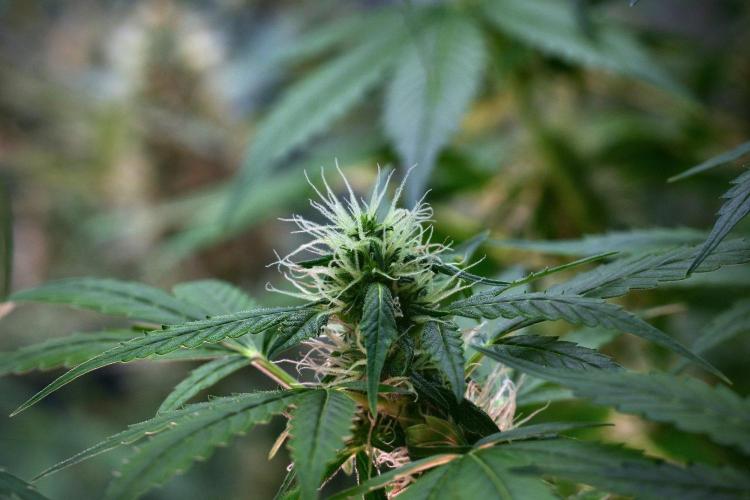
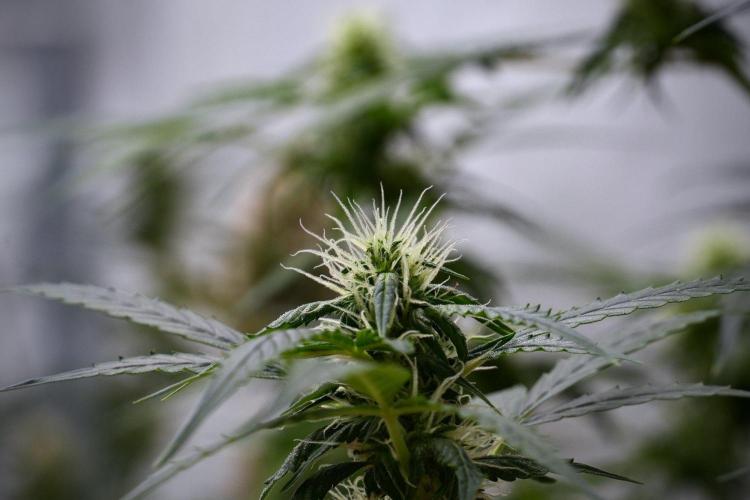
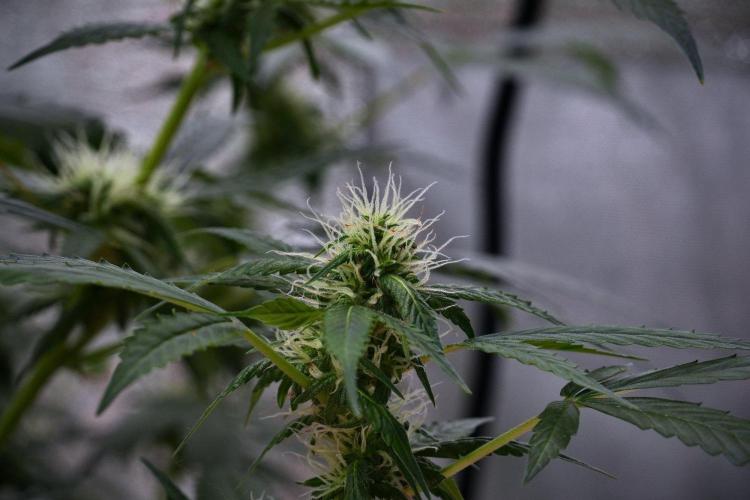
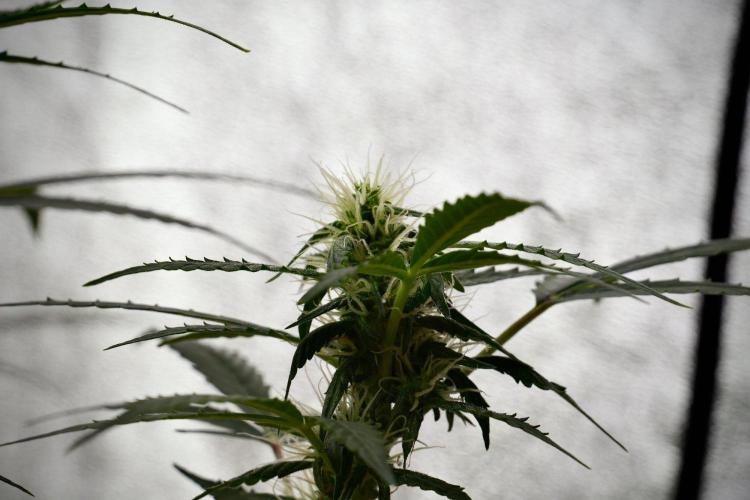
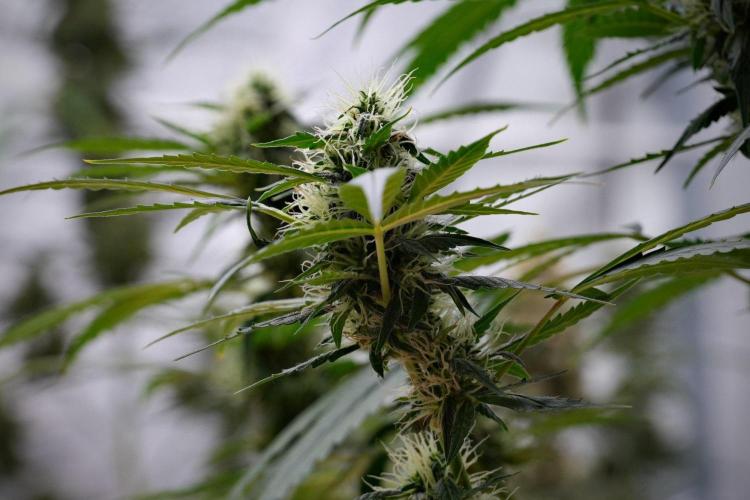
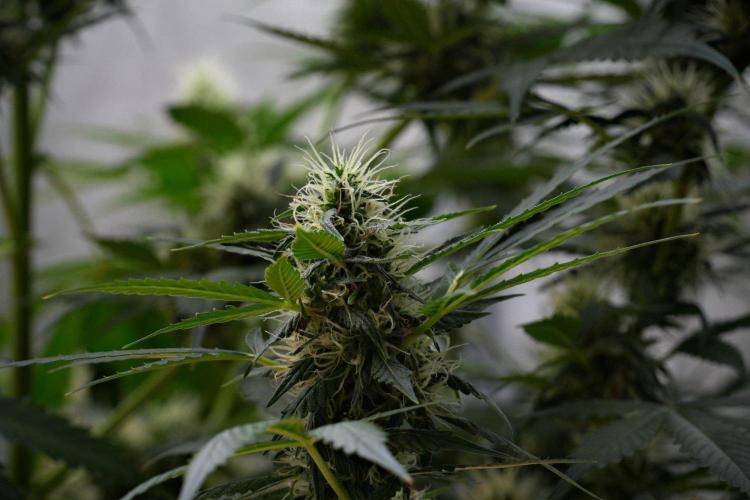
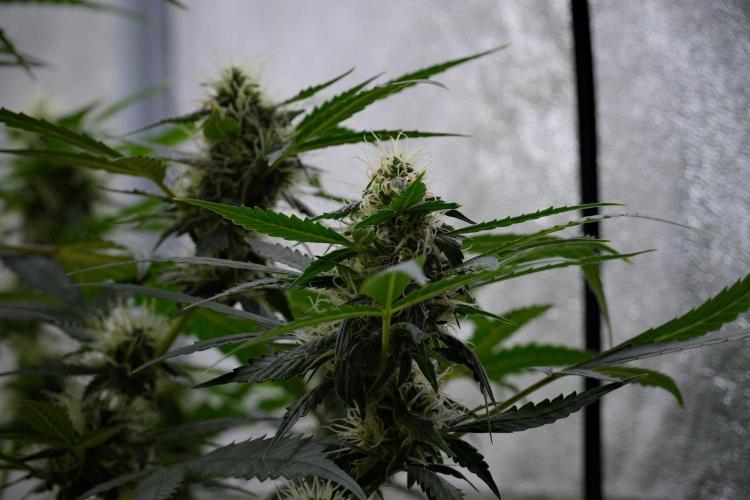
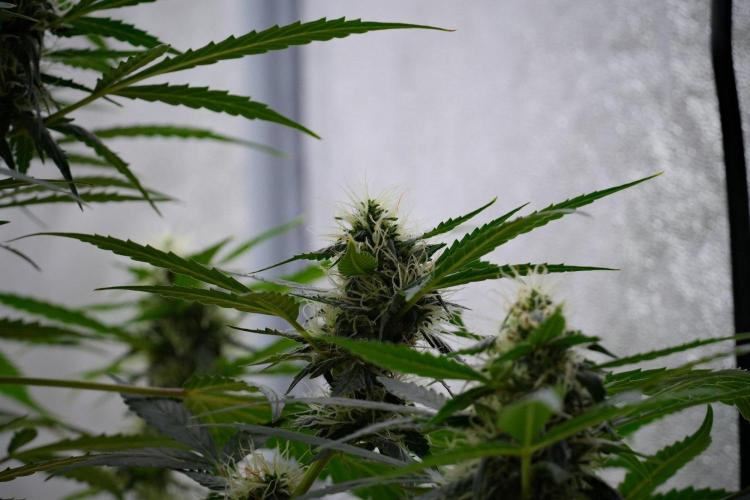
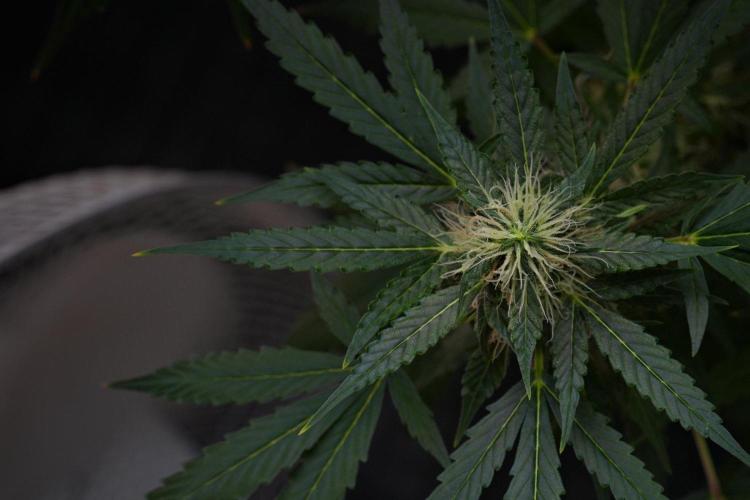
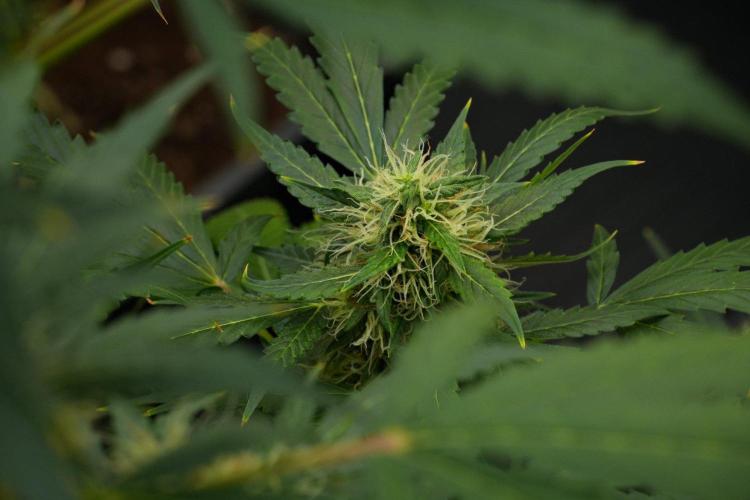
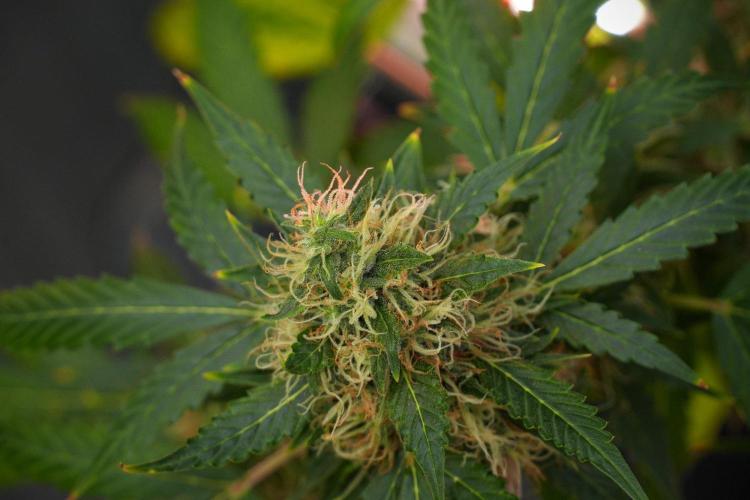
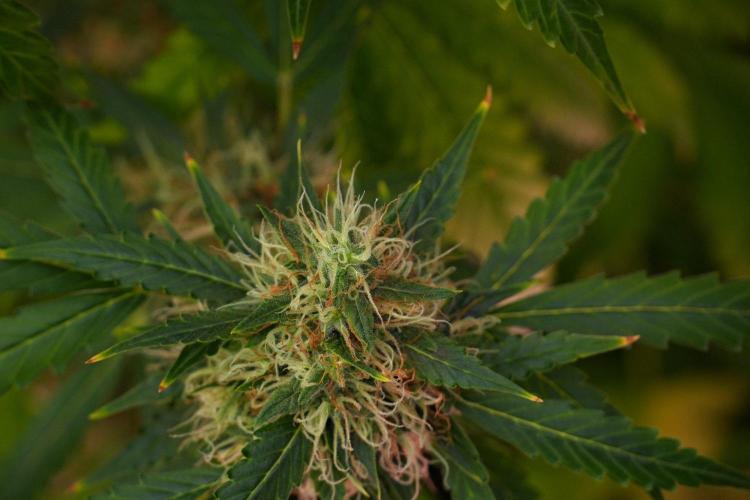
Flower initiation is just beginning. Fresh white pistils are appearing across every growing tip, and the stretch is only starting to gain momentum. Rather than racing upward, she’s carefully building each level before moving on to the next.
One thing that immediately stands out is how balanced her architecture already is. Even with very minimal intervention, multiple future flowering sites are receiving excellent exposure, and her natural symmetry should make canopy management straightforward over the coming weeks.
Sometimes slower simply means stronger.
If this structure carries through to harvest, she has every opportunity to become one of those incredibly satisfying plants that stays manageable in size while producing remarkably dense, resin-rich colas.
⸻
🔭 Looking Ahead
Over the next week I expect Pheno B to fully commit to flowering as the stretch accelerates and the first true bud sites begin to stack along every branch.
Training will remain minimal, with continued leaf tucking and occasional adjustments to maintain an open canopy. Feeding will continue following this gradual transition toward a full flowering program while carefully monitoring her response as nutrient demand increases.
Her sister may have taken the lead in flowering, but Pheno B is quietly building something very promising.
Sometimes the plants that start slower end up delivering the biggest surprises.
⸻
Thank you once again to Zamnesia for providing the genetics that make projects like this possible, and to Plagron for keeping these ladies thriving with an outstanding nutrient line throughout every stage of growth.
Finally, thank you to the incredible GrowDiaries community for following along, sharing your knowledge, offering encouragement, and making this hobby even more enjoyable. Every comment, question, and bit of support motivates me to keep documenting the journey one week at a time.
Until next week, growers love and …
Happy Growing! 🌱💚
8 likes
2 comments
Share
Used techniques
12-12
Technique
LST
Technique
6
Week 6. Flowering
3mo ago
1/36
69 cm
Height
12 hrs
Light Schedule
29 °C
Day Air Temp
6.0
pH
No Smell
Smell
890 PPM
TDS
60 %
Air Humidity
21 °C
Solution Temp
21 °C
Substrate Temp
25 °C
Night Air Temp
11 set_lilers
Pot Size
1 set_lilers
Watering Volume
639 PPM
CO₂ Level
Nutrients 7
Pure Zym
1 mll
Sugar Royal
1 mll
Ph Plus
0.03 mll
DogDoctorOfficial 💚 Amnesia Haze Auto by Zamnesia – Pheno B
Week 6 | Quiet Confidence Begins to Bloom
Welcome back to another chapter of the 8×8 Adventure!
Growing multiple phenotypes side by side is one of my favourite parts of this project because every week nature reminds us that there is no such thing as a "correct" way for a plant to grow.
Pheno B has chosen a completely different rhythm from her sister.
While Pheno A stretches toward the ceiling with long internodes and a very expressive narrow-leaf structure, this lady prefers patience. She's shorter, more compact, and slightly behind in her overall flowering development, yet she's thriving under exactly the same conditions.
Same room.
Same lighting.
Same nutrients.
Same watering.
Same training.
The only thing that's different is the genetics expressing themselves in their own unique way.
And that's exactly why phenotype hunting is so fascinating.
🌱 The 12/12 From Seed Journey
For anyone joining this diary for the first time, welcome!
Every plant in this project has been grown under a 12 hours on / 12 hours off light schedule from the day the seeds germinated.
Rather than extending the vegetative stage, this method allows every phenotype to reveal its natural growth habits much earlier, making it easier to compare structure, stretch, flowering speed, and overall efficiency.
Watching sisters grow into completely different plants while sharing the exact same environment is one of the biggest rewards of this experiment.
Pheno B is proving that slower doesn't mean weaker—it simply means different.
🌿 A Compact Personality
Standing at around 69 cm, she's noticeably shorter than her sister, but she's beginning to develop a personality all her own.
Her internodes remain tighter.
Her branching is beautifully balanced.
The canopy is naturally organised, giving every future flower plenty of access to light without requiring much intervention.
The overall impression is of a plant that's taking her time, investing in structure before committing fully to flower production.
The first pistils are now multiplying across every growing tip, and although she's still stretching slightly, it's clear that flowering has become her main priority.
Sometimes genetics prefer to build slowly before rewarding us later.
This may very well be one of those plants.
🌸 Flower Production Is Taking Over
This week marks an important shift.
The explosive vegetative growth is beginning to slow, while clusters of fresh white pistils continue appearing across every branch.
Instead of producing dramatic vertical growth, she's now directing more of her energy toward building the framework that will eventually support her flowers.
Watching this transition happen is always exciting because it's the point where each phenotype begins revealing how it intends to build its harvest.
Every week, her own personality becomes a little clearer.
🍃 Gentle Training, Natural Development
Training continues to be intentionally minimal.
Low Stress Training performed earlier in the grow has already created a balanced structure, so this week only occasional leaf tucking was needed to keep developing flower sites exposed.
Rather than removing healthy leaves, I prefer allowing them to continue acting as efficient solar panels while simply repositioning them whenever necessary.
Healthy leaves mean more energy.
More energy means stronger flowers.
Sometimes the best decision is knowing when to leave the plant alone.
💧 Feeding the Transition Into Bloom
As with the rest of the room, Pheno B is now receiving a flowering-focused feeding program while still supporting the final stages of stretch.
This week's nutrient schedule includes:
• Plagron Terra Bloom
• Plagron Power Buds
• Plagron Sugar Royal
• Plagron Pure Zym
• Plagron Green Sensation
• pH adjustment using pH Plus and Lemon Kick
This week also introduces one of my favourite bloom additives: Green Sensation.
Rather than simply boosting phosphorus and potassium, Green Sensation is designed as a complete flowering enhancer, supporting flower development, nutrient efficiency, resin production, and overall plant vitality during the final weeks of bloom.
I like introducing it gradually as the plants begin committing fully to flowering, allowing them to transition naturally while preparing for the heavier bud-building phase that's still to come.
So far, she's responding beautifully.
🌡️ A Stable Environment
Every phenotype in this room continues sharing the exact same environmental conditions, allowing genetics—not environmental fluctuations—to tell the story.
Current conditions include:
• Day temperature: 29°C
• Night temperature: 25°C
• Relative humidity: 60%
• pH: 6.0
• EC: 1.78 mS/cm
• Root zone temperature: 21°C
• Nutrient solution temperature: 21°C
• CO₂ concentration: 639 ppm
Consistency remains one of the most valuable tools in any grow room.
When the environment stays stable, the plants can dedicate their energy to growing instead of constantly adapting.
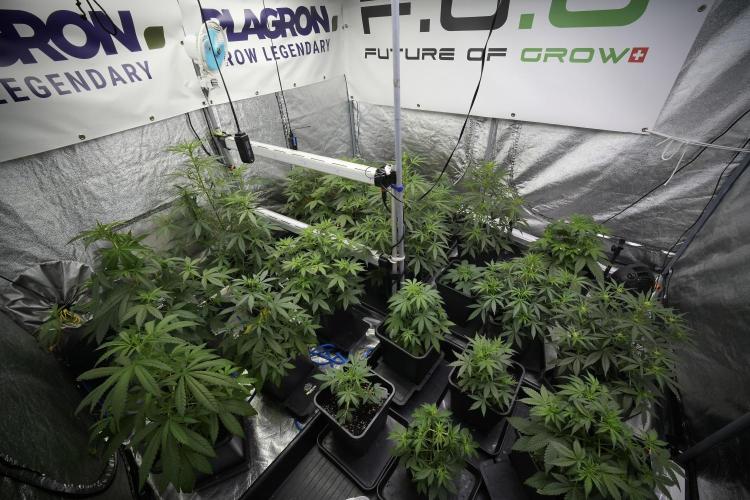
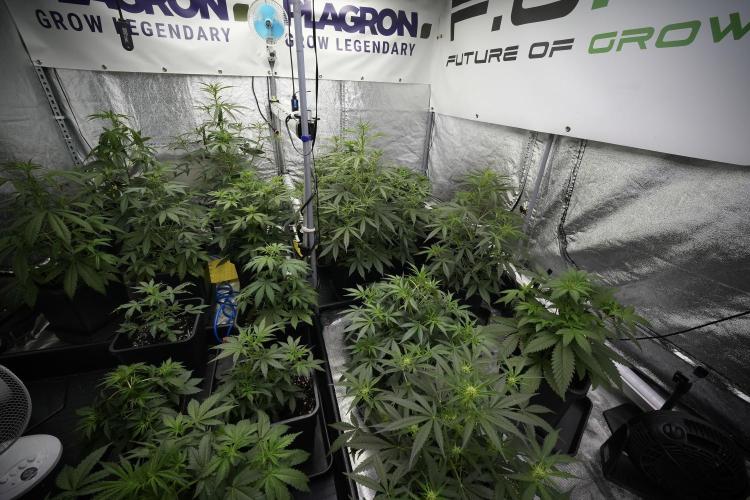
📸 This Week's Gallery
This week's photographs perfectly capture the personality that's beginning to emerge.
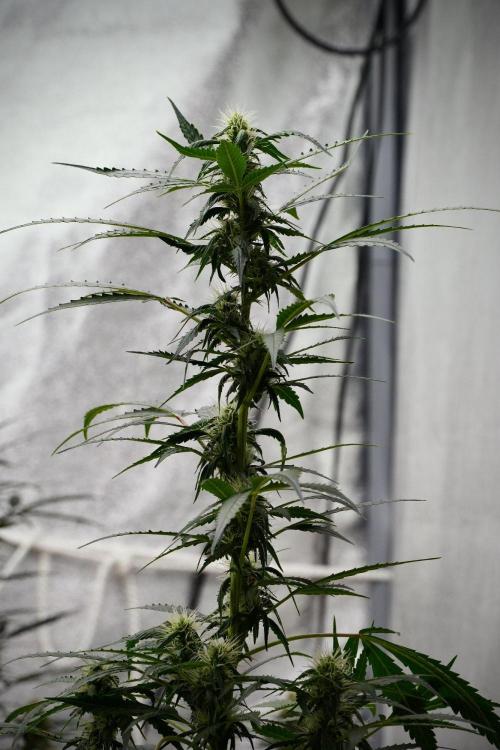
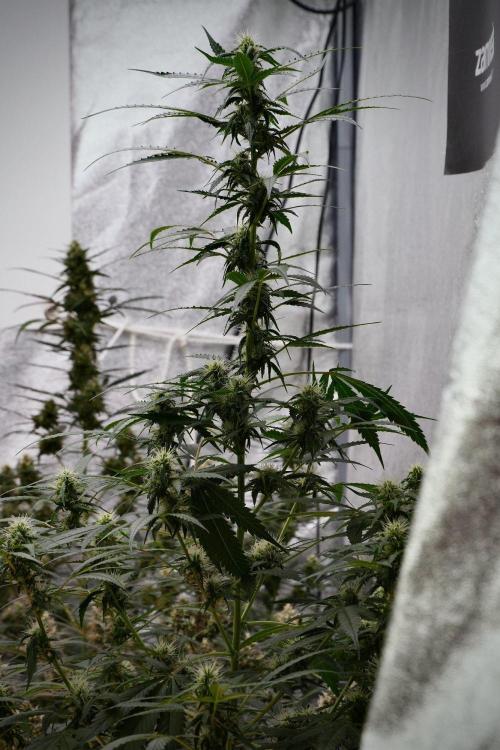
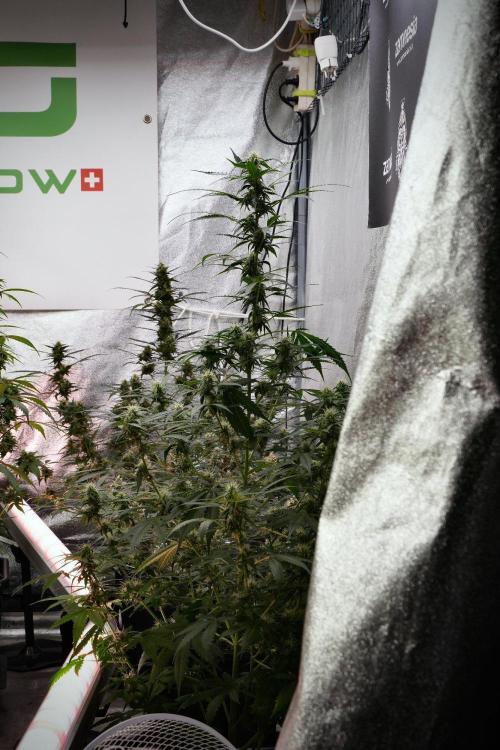
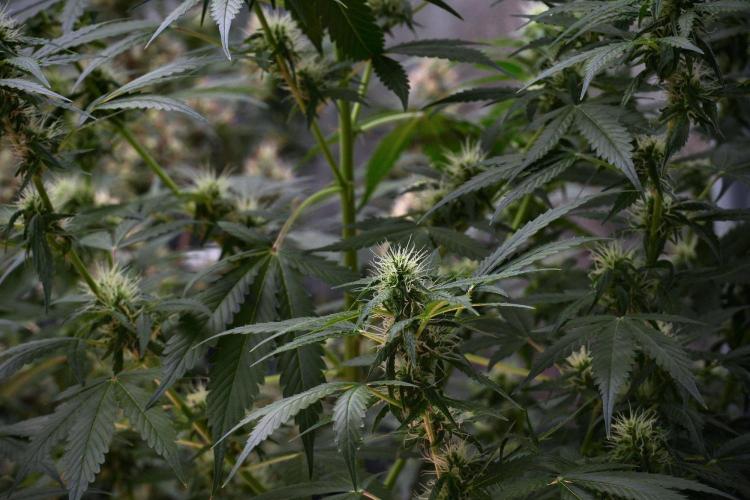
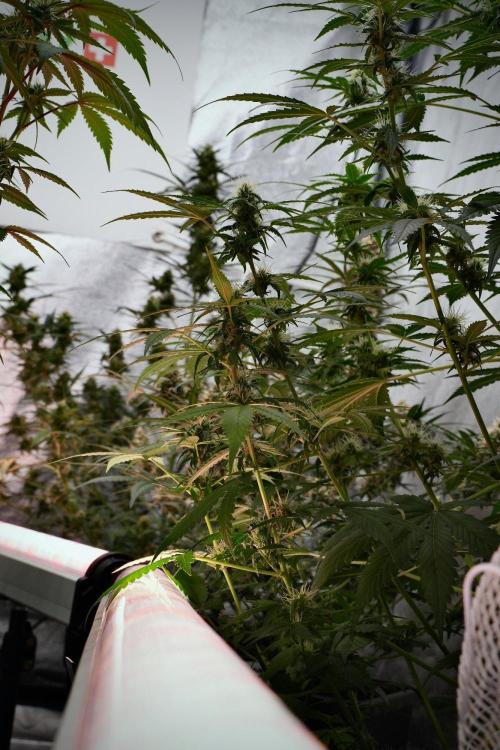
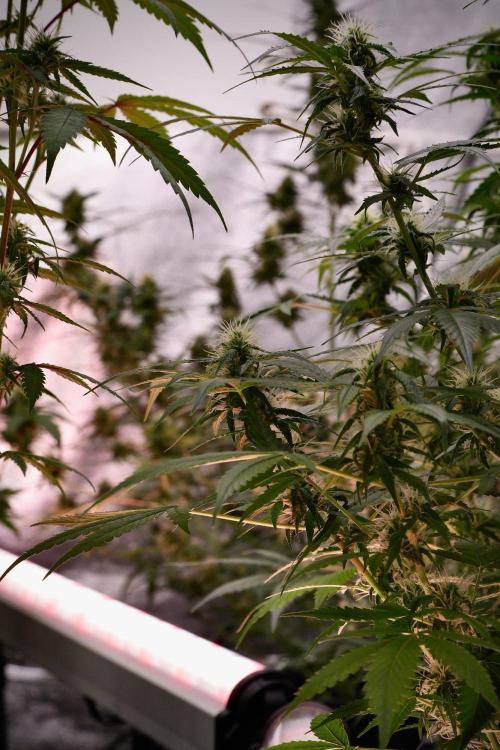
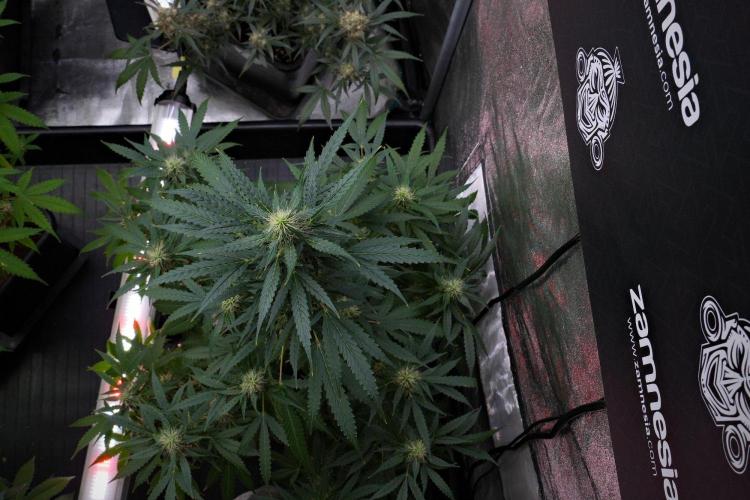
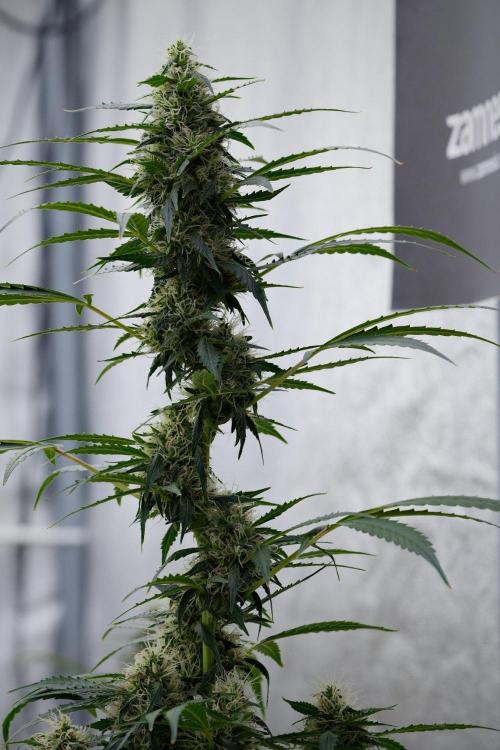
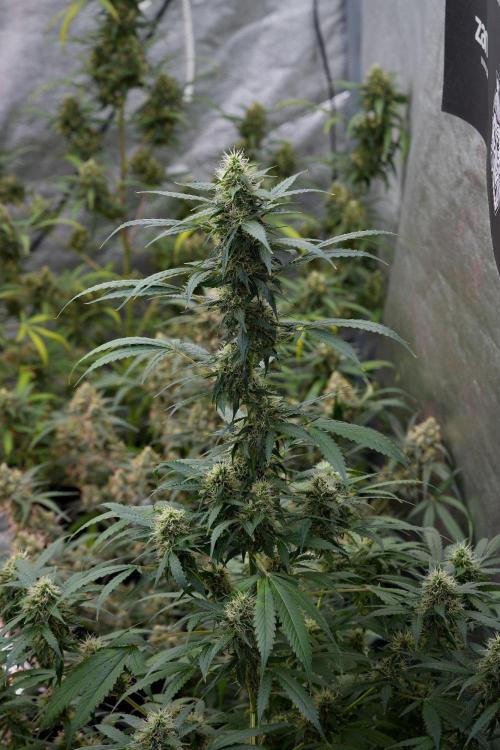
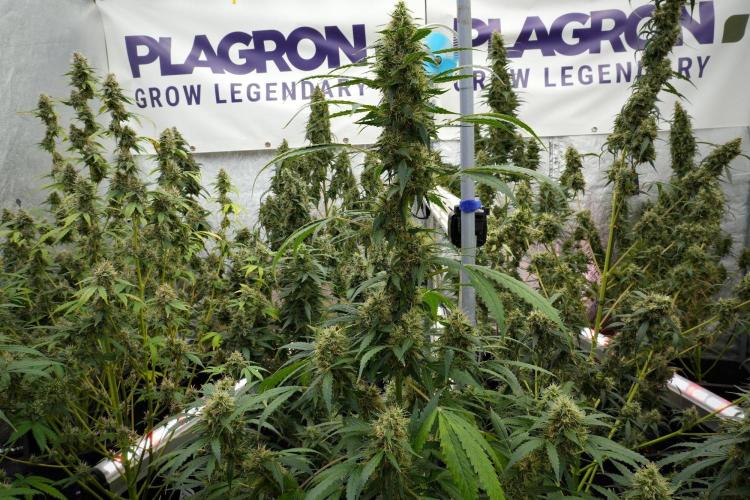
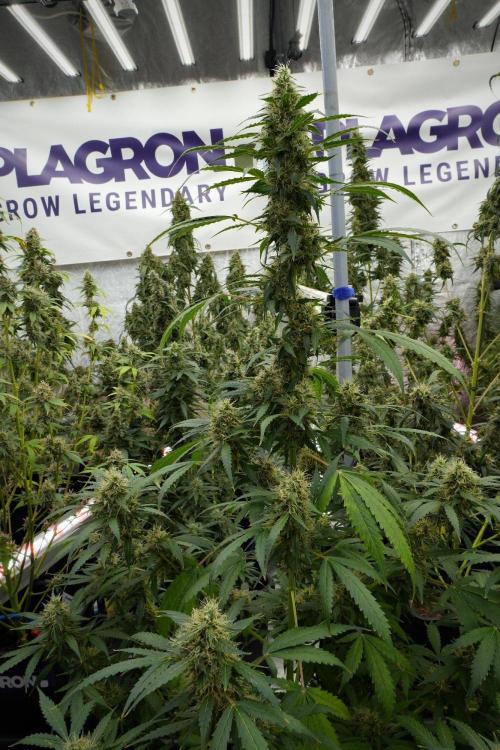
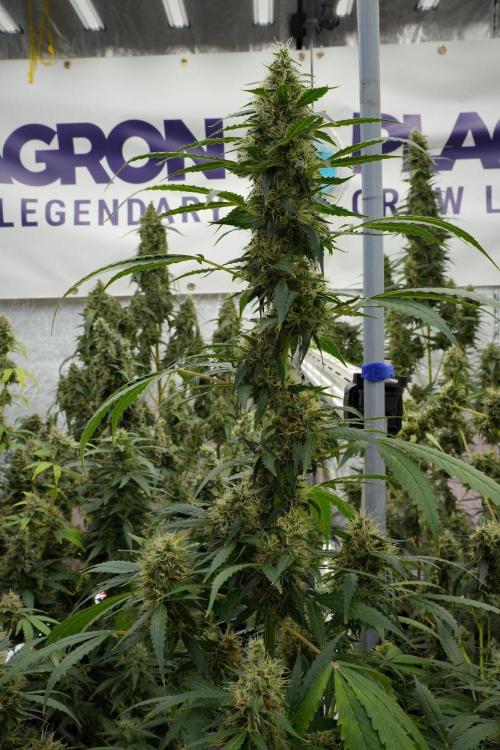
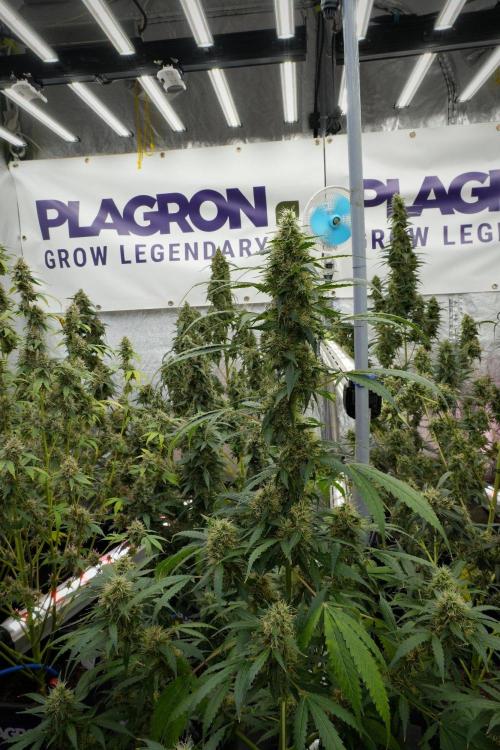
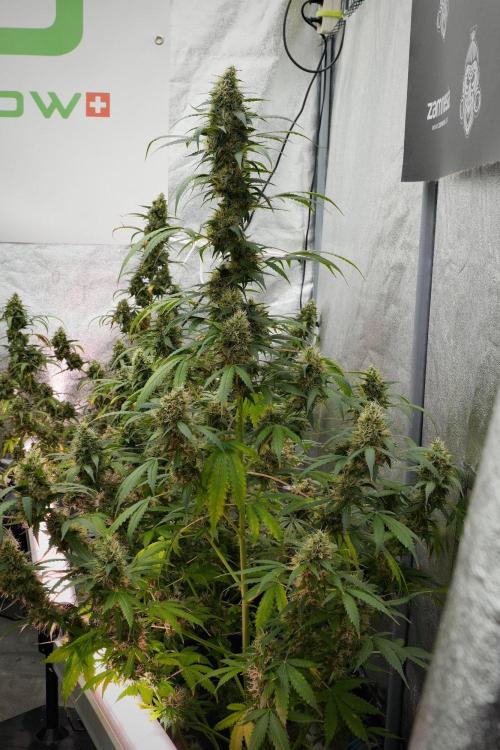
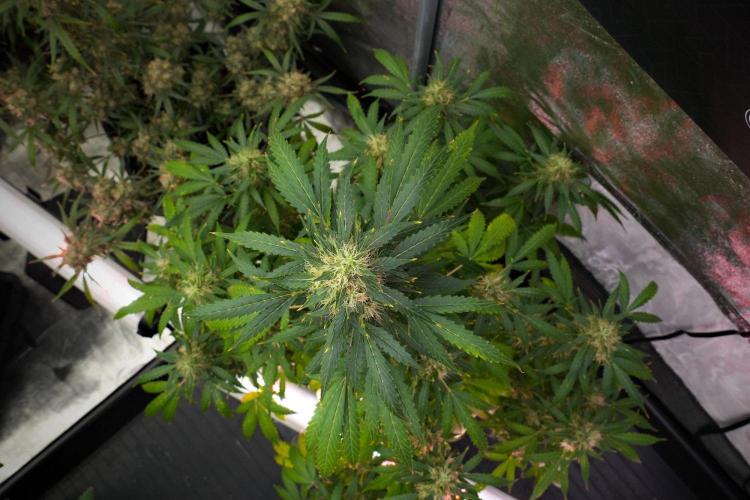
The full-plant portraits showcase a compact, balanced structure with excellent branch spacing and a strong central leader that's quietly taking command of the canopy.
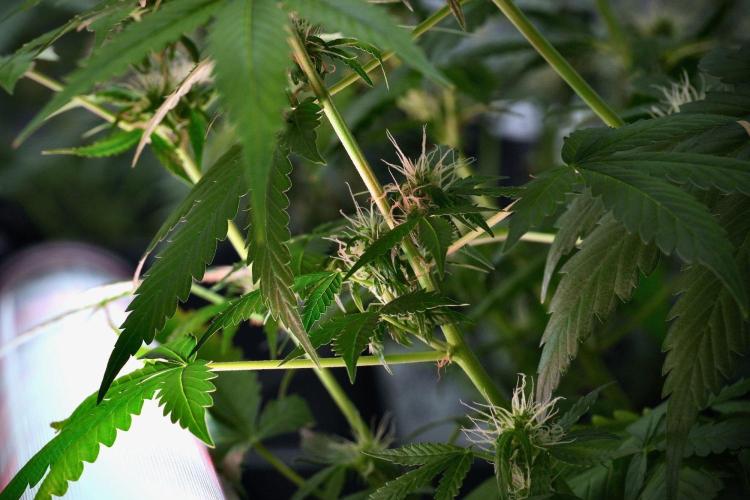
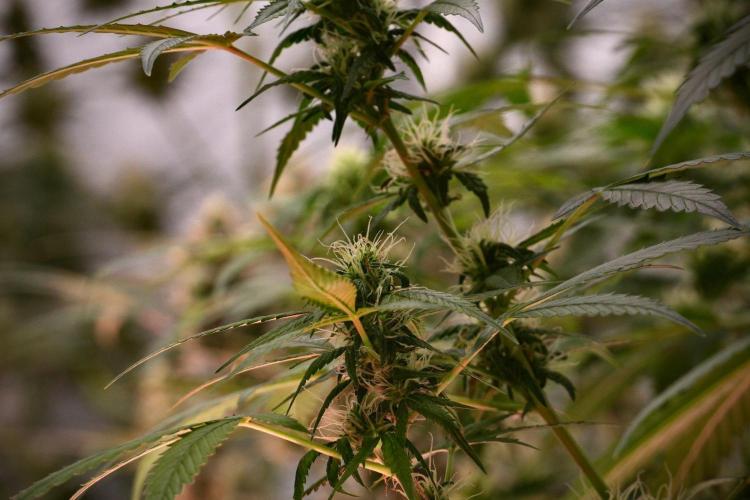
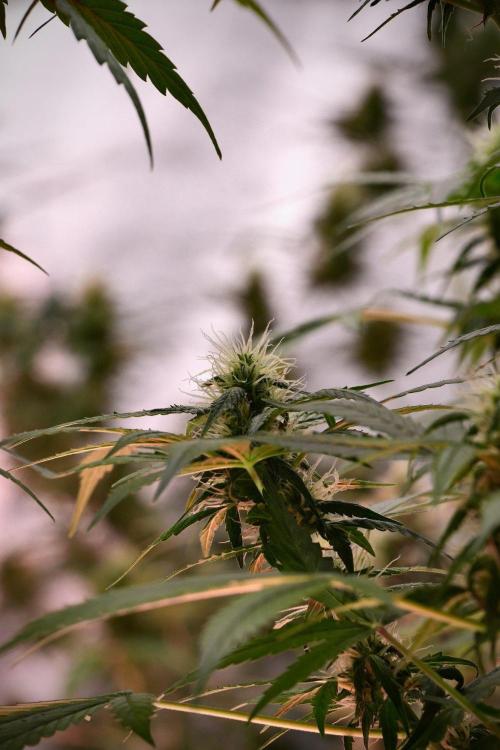
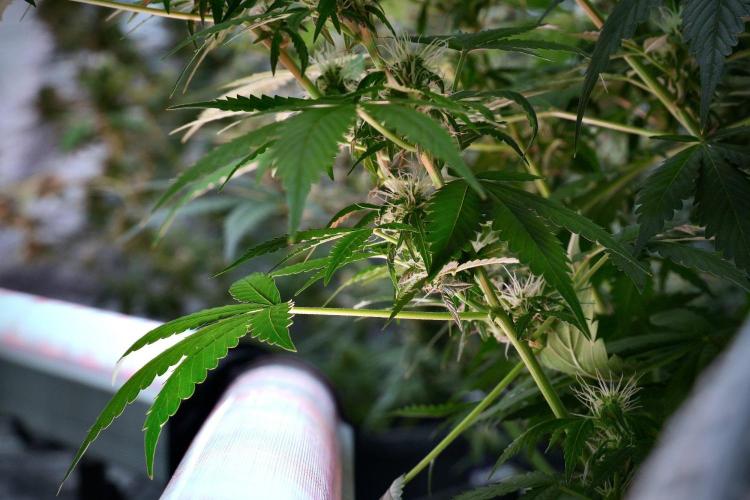
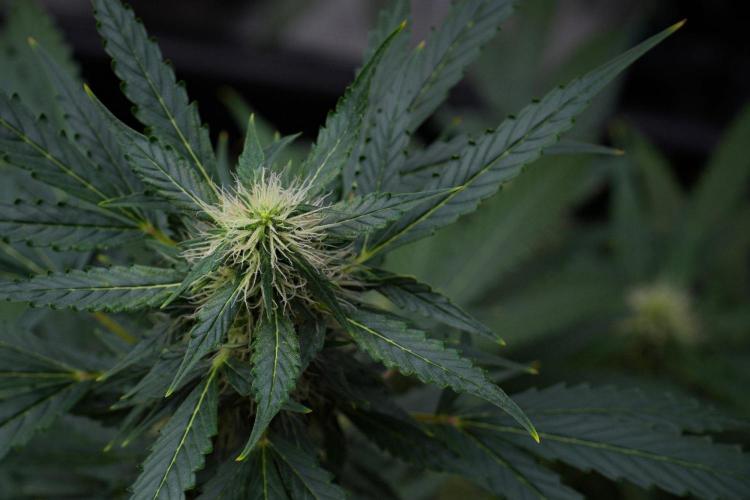
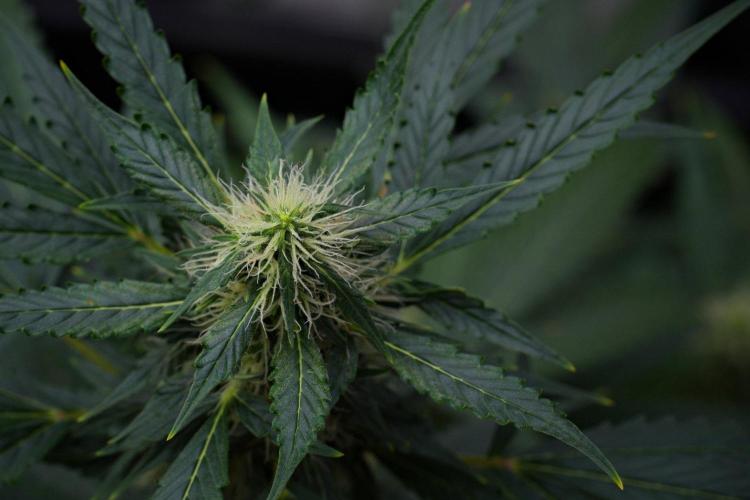
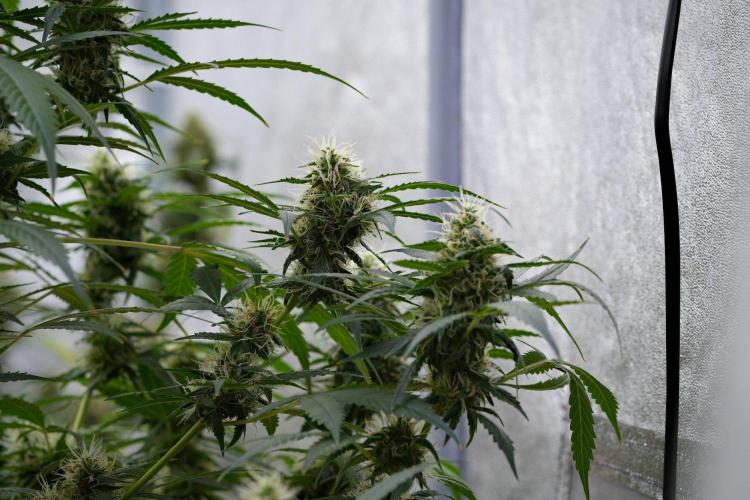
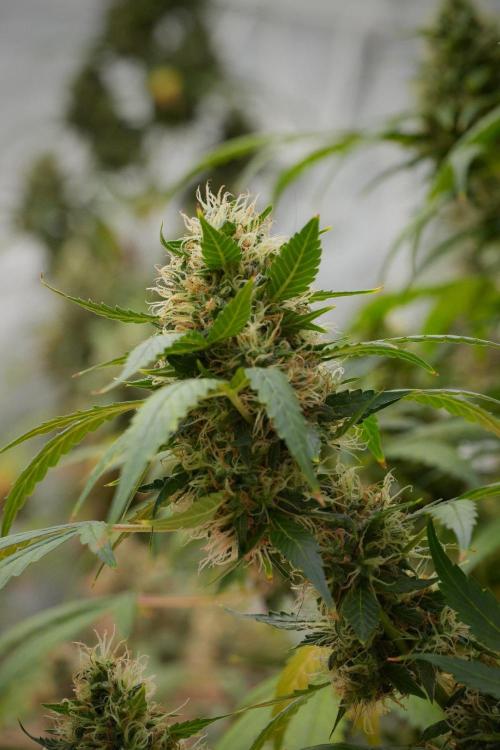
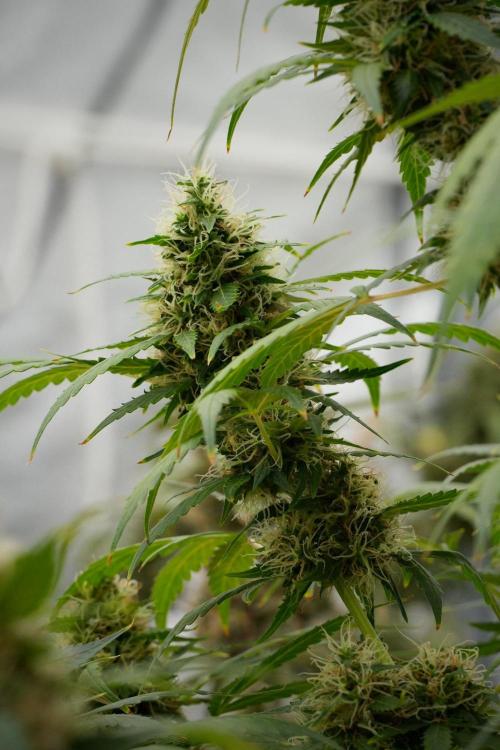
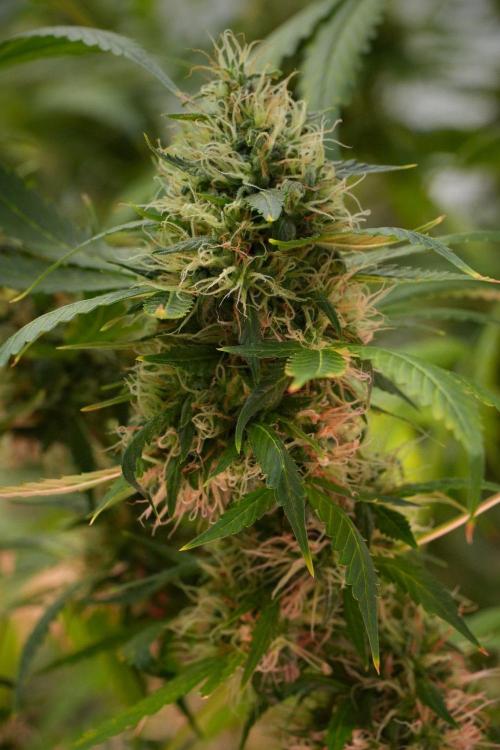
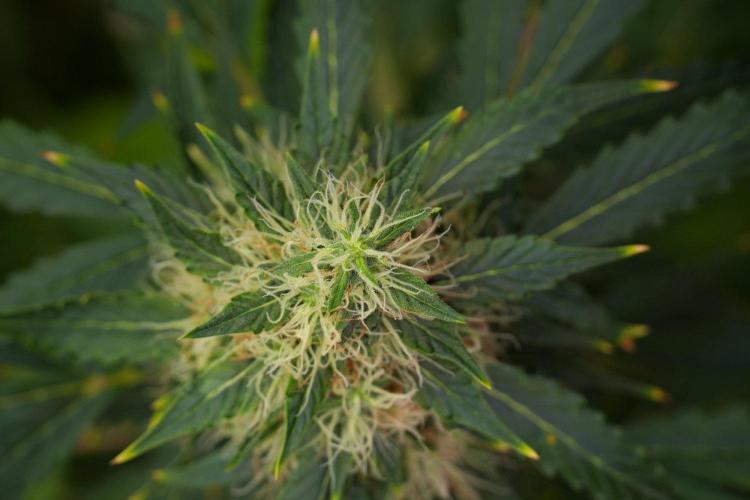
The close-ups reveal fresh clusters of white pistils forming at nearly every growing tip, signalling that flowering is now well underway.
One detail I particularly enjoy is how organised her architecture feels.
Nothing appears forced.
Every branch has found its place naturally, creating a canopy that's both easy to manage and full of future potential.
She's not trying to compete with her sister.
She's simply becoming herself.
And that's exactly what makes phenotype hunting so rewarding.
🔮 Looking Ahead
Over the coming weeks I expect Pheno B to continue slowing her vertical growth while shifting more and more energy into flower production.
If her current structure is any indication, she could develop into one of those wonderfully manageable plants that quietly surprises everyone at harvest with dense, beautifully stacked colas.
Every week her confidence grows a little more.
Now it's time to watch those flowers do the same.
💚 Thank You
Thank you so much for following another chapter of this 8×8 Adventure.
Watching two sisters grow side by side, sharing the exact same environment while expressing completely different personalities, continues to remind me why growing from seed never stops being exciting.
A huge thank you to:
💚 GrowDiaries for providing an incredible platform where growers from around the world can learn, inspire one another, and document every stage of their journeys.
🌱 Zamnesia for providing the outstanding genetics that make this phenotype hunt possible.
💜 Plagron for supplying the nutrition supporting these ladies from seed to harvest.
💡 Future of Grow LED for delivering the consistent light powering every day of this grow.
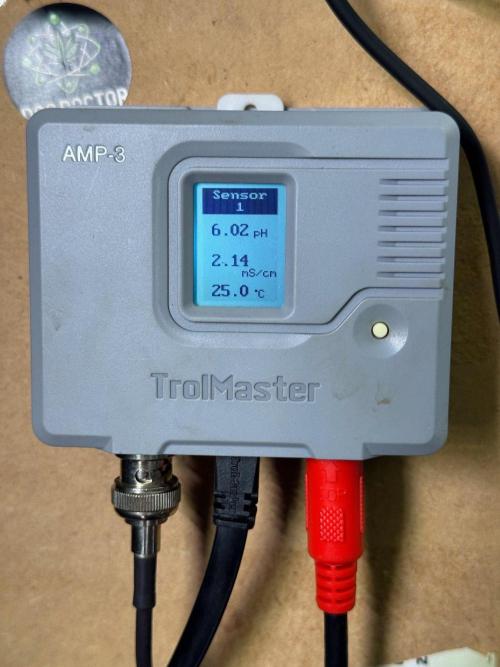
🌿 TrolMaster for helping maintain a stable environment where each phenotype can express its full genetic potential.
And finally, growers love to everyone following these diaries, leaving comments, sharing knowledge, and joining me on this adventure.
Every phenotype has its own story.
Pheno B may be telling hers a little more quietly...
...but she's making sure it's worth listening to. Growers Love 💚🌿
12 likes
comments
Share
Used techniques
12-12
Technique
LST
Technique
7
Week 7. Flowering
3mo ago
1/42
130 cm
Height
12 hrs
Light Schedule
29 °C
Day Air Temp
5.8
pH
Weak
Smell
975 PPM
TDS
60 %
Air Humidity
21 °C
Solution Temp
21 °C
Substrate Temp
25 °C
Night Air Temp
11 set_lilers
Pot Size
1.2 set_lilers
Watering Volume
639 PPM
CO₂ Level
Nutrients 7
Pure Zym
1 mll
Sugar Royal
1 mll
Ph Plus
0.03 mll
DogDoctorOfficial 💚 Amnesia Haze Auto by Zamnesia – Pheno B
Week 7 | Small Pot, Big Dreams
Welcome back to another chapter of the 8×8 Adventure!
One of the reasons I love growing multiple phenotypes is because every now and then a plant completely rewrites the expectations we had for her.
Pheno B is doing exactly that.
From the beginning she has been the more compact sister. Shorter. Slightly slower to flower. More reserved in the way she expressed her genetics.
But this week...
She's making a statement.
Looking at her today, it's becoming increasingly difficult to believe she's growing in just 11 litres of soil.
Sometimes the plants teach us lessons we weren't planning to learn.
And I think this lady is about to teach me one.
🌱 The 12/12 From Seed Adventure
If you're joining this diary for the first time, welcome!
Every plant in this room has been grown under a 12 hours on / 12 hours off light schedule from the day the seeds germinated.
There is no traditional vegetative period.
Instead, each phenotype is allowed to express its natural architecture almost immediately, making it much easier to compare stretch, flowering speed, branch development, internodal spacing and overall efficiency.
The goal isn't simply producing flowers.
It's learning how genetics behave when every environmental variable remains identical.
Same room.
Same lights.
Same nutrients.
Same watering.
Same environmental conditions.
Only the genetics are telling the story.
And every week they continue proving just how different sisters can become.
🌿 Why Only an 11 Litre Pot?
This run also includes another little experiment.
Normally, I prefer giving plants considerably more root volume when growing in soil.
So naturally...
My curiosity got the better of me.
I decided to grow this phenotype in an 11 litre pot, fully expecting the smaller root zone to become the limiting factor later in flower.
Instead...
She's proving me wrong.
The entire plant looks vigorous.
Healthy.
Balanced.
Strong.
Which reminds us of something very important.
When we're feeding with bottled nutrients, even in soil, we're essentially supplying everything the plant needs directly through the irrigation.
The roots still matter enormously.
But bigger roots don't automatically guarantee bigger flowers.
Genetics.
Nutrition.
Environment.
Root health.
Everything works together.
This little experiment is becoming a perfect reminder that sometimes there are more variables involved than simple pot size.
And honestly...
I couldn't be happier about being proven wrong.
🌸 Flower Development Begins Accelerating
This week the transition is unmistakable.
Stretch is beginning to slow while flower production accelerates across the entire plant.
Every growing tip is now producing clusters of bright white pistils.
The calyxes are beginning to stack.
The future colas are becoming easy to identify.
Instead of long empty stems, the branches are now filling with flowering sites that promise to connect beautifully over the coming weeks.
One thing I particularly enjoy is how symmetrical everything feels.
The branches are evenly spaced.
The internodes are short without becoming overcrowded.
The central cola remains dominant while every side branch receives plenty of light.
It's the kind of structure growers hope for because it naturally lends itself to dense, uniform flower production.
Nature really did most of the work here.
🍃 Healthy Leaves Tell Their Own Story
One of the easiest ways to judge how comfortable a plant feels is simply by looking at her leaves.
This week they're saying everything I hoped to see.
Rich green colour.
Excellent turgor.
No deficiencies.
No toxicity.
No unnecessary curling.
No signs of stress despite the warmer summer temperatures.
They're acting exactly as they should:
Tiny solar panels converting light into the energy that will eventually become flowers.
Sometimes growers become too eager to remove healthy foliage.
Personally, I prefer letting the plant decide what she still needs.
A little leaf tucking whenever necessary has been more than enough to keep every developing bud site exposed while allowing the canopy to remain full of energy-producing leaves.
Sometimes patience is still the best form of training.
💧 Feeding for the Bulking Phase
With flowering now fully underway, nutrition continues shifting toward supporting heavy flower production while maintaining healthy metabolism throughout the canopy.
This week's feeding program includes:
• Plagron Terra Bloom — 2 ml/L
• Plagron Power Buds — 1 ml/L
• Plagron Sugar Royal — 1 ml/L
• Plagron Pure Zym — 1 ml/L
• Plagron Green Sensation — 1 ml/L
• pH adjustment using Plagron pH Plus and Lemon Kick
The EC has now increased to 1.95, providing plenty of available nutrition while still allowing the plant to feed comfortably.
Green Sensation continues playing an increasingly important role.
Rather than acting as a simple PK booster, it supports nutrient uptake, flower development, resin production and overall plant vitality during the weeks when the plant's energy demands increase dramatically.
So far...
She's absolutely loving it.
💡 Welcoming Lumiflora Under-Canopy Lighting
This week also marks another exciting milestone.
I've introduced Lumiflora under-canopy lighting into the room.
Most growers focus almost exclusively on illuminating the top of the canopy.
But once plants begin developing dense flower sites, the lower and inner branches often receive significantly less usable light.
That's where under-canopy lighting becomes incredibly interesting.
Rather than replacing the main fixture, it complements it.
By delivering additional light underneath the canopy, the goal is to improve photosynthesis in areas that would normally spend most of the day in shadow.
What am I expecting?
• Better lower flower development.
• More consistent bud density throughout the plant.
• Improved light penetration into the middle of the canopy.
• More efficient use of every flowering site.
Will it perform miracles?
Of course not.
Good genetics, healthy roots and proper nutrition will always remain the foundation of a successful grow.
But if Lumiflora helps those lower flowers mature closer to the quality of the top colas, it'll become another valuable tool in the garden.
I'm genuinely excited to watch the results unfold over the coming weeks.
🌡️ Environmental Conditions
Once again, consistency continues doing the heavy lifting.
Current grow room conditions:
• Week 7 Flower
• Height: 130 cm
• Light schedule: 12/12
• Day temperature: 29°C
• Night temperature: 25°C
• Relative humidity: 60%
• pH: 5.8
• EC: 1.95 mS/cm
• Root zone temperature: 21°C
• Nutrient solution temperature: 21°C
• CO₂ concentration: 639 ppm
Stable environments allow genetics to express themselves without constantly fighting environmental stress.
That's exactly the kind of consistency every grower should aim for.
📸 This Week's Gallery
Looking through this week's photographs, it's hard not to smile.
The full-plant portraits show a beautifully proportioned structure with impressive symmetry from top to bottom.
The macro shots reveal fresh calyxes stacking around every flowering site, while countless bright white pistils continue reaching toward the light.
One image that really stands out is the central cola.
She's beginning to establish herself with confidence, surrounded by perfectly spaced secondary branches that already hint at a very satisfying canopy later in flower.
The foliage remains vibrant and healthy, creating a beautiful contrast against the dark Zamnesia backdrop.
Sometimes photographs capture more than appearance.
They capture momentum.
And that's exactly what these pictures show.
This plant has found her rhythm.
🔮 Looking Ahead
The coming weeks should become incredibly exciting.
Stretch will gradually come to an end.
The calyxes will begin swelling.
Flower stacking should accelerate across every branch.
Resin production will slowly begin increasing.
And with the addition of the Lumiflora under-canopy lighting, it'll be fascinating to compare how the lower flowers develop alongside the upper canopy.
The little 11 litre pot that initially felt like a questionable decision...
May end up becoming one of the biggest surprises of this entire project.
She's certainly giving me plenty of reasons to believe it.
💚 Thank You
Thank you so much for following another chapter of this 8×8 Adventure.
Projects like this remind me that growing is never just about harvesting flowers.
It's about learning.
Experimenting.
Questioning our own assumptions.
And sometimes laughing at ourselves when the plants prove us wrong.
A huge thank you to:
💚 GrowDiaries for providing an incredible platform where growers from around the world can learn, share experiences, and document every step of their journey.
🌱 Zamnesia for providing the outstanding genetics making this phenotype hunt possible.
💜 Plagron for supplying the nutrition supporting these ladies from seed to harvest.
💡 Future of Grow LED for delivering the consistent light driving healthy growth every single day.
🌿 Lumiflora for joining the project with innovative under-canopy lighting that I'm excited to evaluate throughout the remainder of this grow.
🌡️ TrolMaster for helping maintain the stable environment that allows every phenotype to express its true genetic potential.
And finally...
A huge thank you to everyone following these diaries, leaving comments, asking questions and sharing your own experiences.
This little lady may have started as the quieter sister...
But week after week, she's proving that you don't need the biggest pot...
...to dream big.
Growers Love. 💚🌿
13 likes
comments
Share
Used techniques
12-12
Technique
8
Week 8. Flowering
2mo ago
1/62
135 cm
Height
12 hrs
Light Schedule
29 °C
Day Air Temp
6.0
pH
Normal
Smell
1000 PPM
TDS
60 %
Air Humidity
21 °C
Solution Temp
21 °C
Substrate Temp
25 °C
Night Air Temp
11 set_lilers
Pot Size
1.2 set_lilers
Watering Volume
639 PPM
CO₂ Level
Nutrients 7
Pure Zym
1 mll
Sugar Royal
1 mll
Ph Plus
0.03 mll
DogDoctorOfficial 💚 Amnesia Haze Auto by Zamnesia – Pheno B
Week 8 | Small Pot, Big Appetite
Welcome back to another chapter of the 8×8 Adventure!
Sometimes a phenotype doesn't need to be the biggest plant in the room to become one of the most interesting.
And this little lady is becoming exactly that.
Last week I was already talking about how difficult it was becoming to believe that this plant was growing in only 11 litres of soil.
Well...
This week she's making that even harder to believe.
She is lush.
She is vigorous.
She is flowering beautifully.
And she's drinking and feeding like she has absolutely no idea that she's supposed to be the girl living in the smallest pot in the room. 😂
So this week, I think Pheno B deserves the spotlight.
Let's talk about her.
🌱 The 12/12 From Seed Adventure
If you're joining this diary for the first time, welcome to the 8×8 Adventure.
Every plant in this room has been grown under a 12 hours on / 12 hours off light schedule from seed germination.
There is no traditional vegetative period.
Instead, every phenotype has been given the same environment and allowed to reveal its natural architecture from the beginning.
That makes comparisons incredibly interesting.
Same room.
Same light schedule.
Same environmental conditions.
Same general feeding strategy.
Same grower.
But completely different personalities.
And Pheno B has developed into one of the most fascinating examples of that genetic individuality.
? The Smallest Pot in the Room
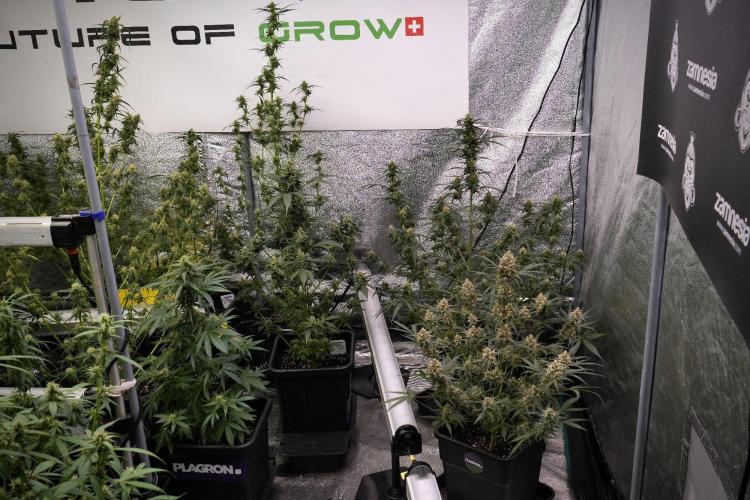
There are 12 different genetics growing together in this room.
Almost all of them are sitting comfortably in 15-litre pots.
Pheno B?
She's the exception.
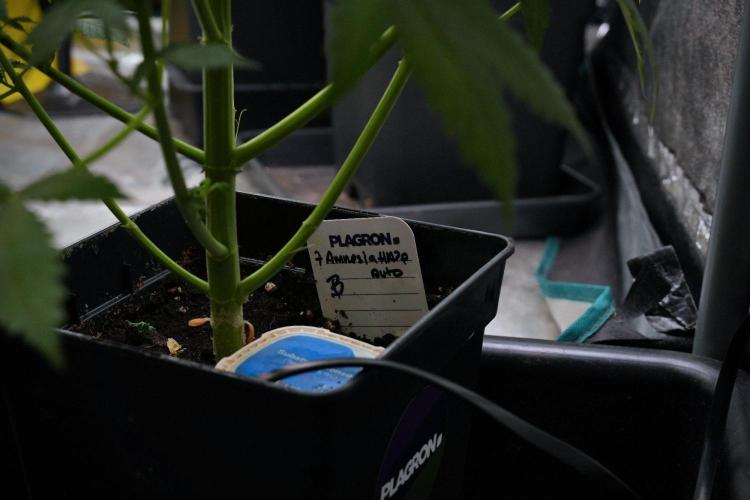
She's growing in only 11 litres of soil.
Originally, this was simply another little experiment.
I wanted to see how far I could push a smaller root volume while maintaining proper nutrition and environmental control.
And honestly...
She's making me rethink some assumptions.
Because the limitation I'm seeing isn't that she's struggling.
It's actually the opposite.
She's drinking like crazy.
Her smaller substrate volume means I have to pay much closer attention to moisture levels and irrigation frequency. There are times when she needs watering twice in the same day because she's drying back so quickly.
That tells me something important.
She's not behaving like a plant sitting in a small container waiting for the next irrigation.
She's behaving more like a plant with a very active root system that is continuously demanding water and nutrients.
And that's exactly why having proper substrate monitoring becomes so valuable.
📡 Watching the Root Zone in Real Time
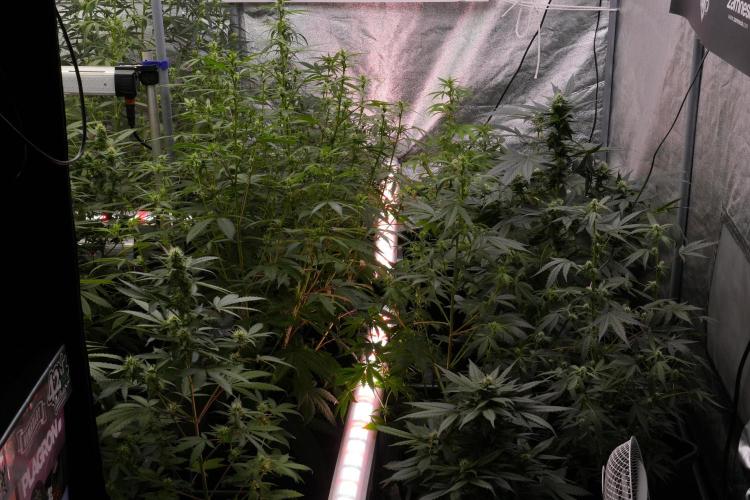
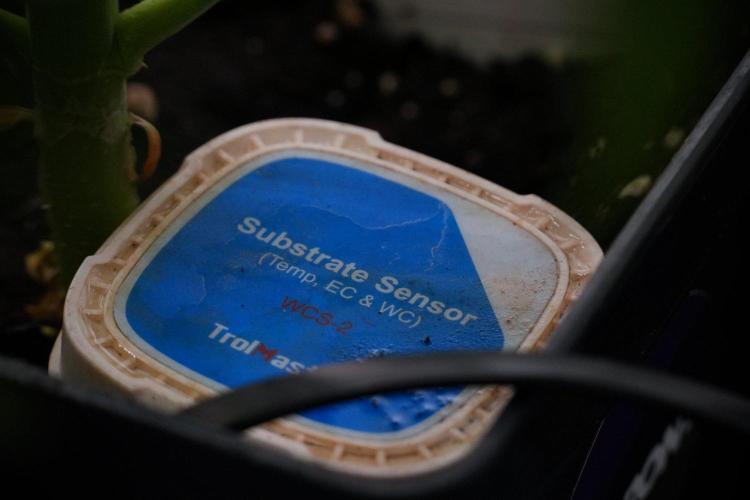
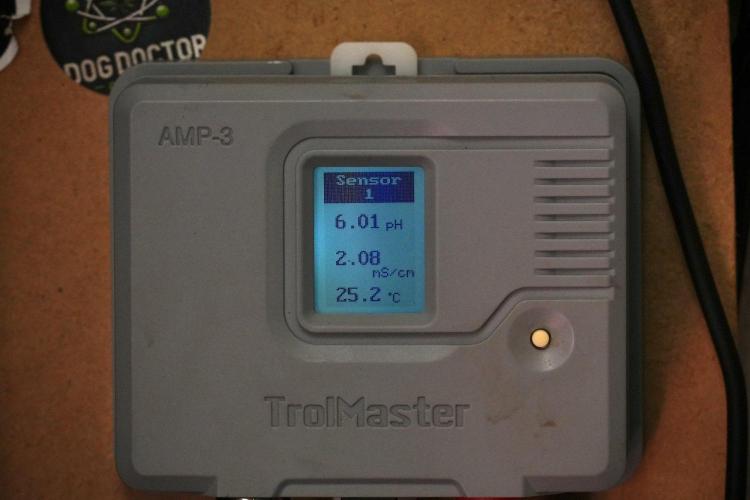
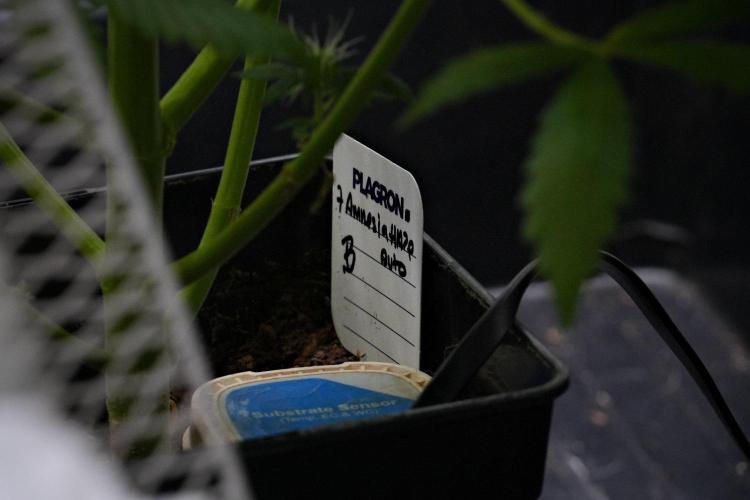
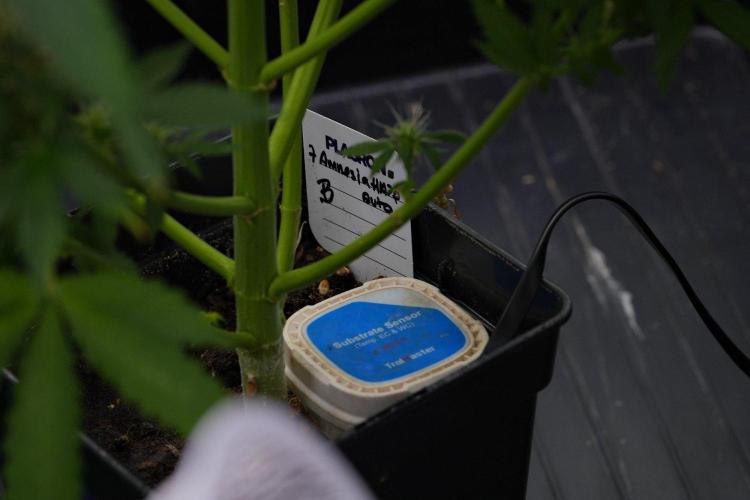
This is where the TrolMaster WCS-2 substrate sensor has become one of my favourite tools for this particular experiment.
Instead of guessing what's happening inside the pot, I can actually monitor the root-zone conditions.
Moisture.
Temperature.
And substrate EC.
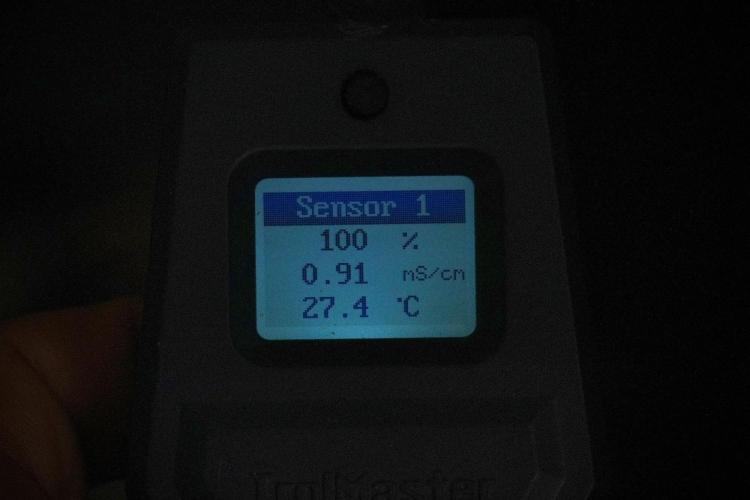
At the moment, the substrate EC is reading approximately:
0.91 mS/cm
And that number is fascinating considering the strength of the irrigation.
I'm feeding around 2.0 EC, yet the substrate is sitting considerably lower.
To me, that's a very interesting indication of how actively this plant is taking up what I'm giving her.
She's not simply sitting there accumulating nutrients.
She's using them.
And when I look at the plant itself...
It makes perfect sense.
🌿 A Plant With a Big Appetite
This phenotype is absolutely lush.
The foliage is vibrant and vigorous, the structure remains beautifully balanced, and the plant continues pushing new flowering growth throughout the canopy.
There is no obvious sign that the smaller container is holding her back.
In fact, one of the biggest challenges I'm having with this plant is simply keeping up with her demand for water.
That's quite a funny problem to have when your experiment was supposed to test whether a smaller pot might become the limiting factor.
Instead, Pheno B seems to be saying:
"Give me more."
😂
And I'm listening.
🌸 Flower Development Is Moving Forward
The flowering sites are continuing to develop beautifully.
The white pistils remain abundant across the plant, and the developing flowers are becoming increasingly defined.
The structure is particularly pleasing to look at.
She has enough spacing between the branches to maintain airflow and light penetration, while still producing a very respectable number of flowering sites.
The central growth remains strong, but the secondary branches aren't being left behind.
That's something I really appreciate about this phenotype.
She doesn't look like she's trying to become one giant cola.
Instead, she's building a balanced architecture where the entire plant contributes.
And now that we're moving deeper into flower, that structure should become increasingly interesting as the flowers begin to swell.
✂️ Still No Defoliation
And yes...
I still haven't defoliated her.
And I'm completely comfortable with that decision.
Looking at the plant, I simply don't feel she needs it yet.
The foliage is healthy.
The plant is actively flowering.
The canopy isn't showing signs that demand an aggressive intervention.
And perhaps most importantly, I don't want to remove healthy leaves simply because we're accustomed to seeing defoliation performed at a particular stage of flower.
Every plant gets evaluated individually.
Pheno B is telling me that she still wants those leaves.
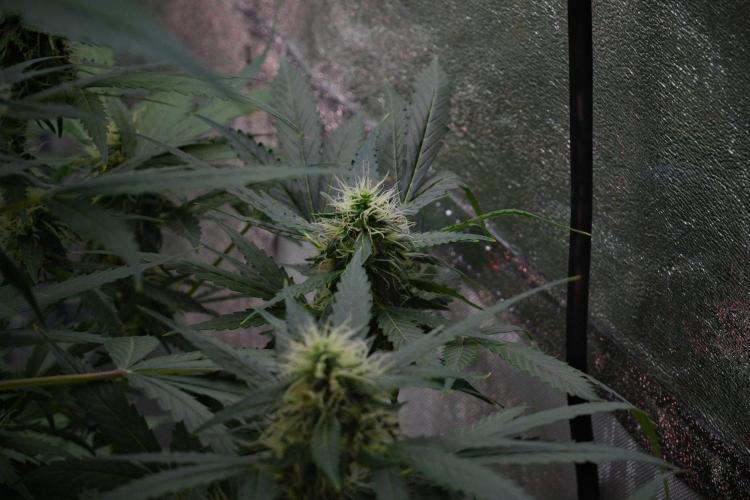
So for now...
She keeps them.
A little leaf positioning when necessary is enough.
I'm much more interested in watching how she naturally manages her canopy than forcing her into a particular shape.
Sometimes the best training technique is knowing when not to train.
💧 Feeding Strategy
The nutritional program continues supporting this extremely hungry phenotype.
Current feeding includes:
Plagron Terra Bloom — 2.2 ml/L
Plagron Power Buds — 1 ml/L
Plagron Green Sensation — 1 ml/L
Plagron Sugar Royal — 1 ml/L
Plagron pH Plus / Lemon Kick — as required for pH adjustment
The irrigation is running at approximately 2.0 EC, while the substrate sensor is currently showing around 0.91 mS/cm.
And once again...
She's eating.
A lot.
That's probably one of the most interesting characteristics of this phenotype so far.
She may be the smallest pot in the room, but she's certainly not the smallest appetite.
💡 Light, Environment & Root Zone
The environmental conditions remain stable, which is exactly what I want at this stage.
Current conditions:
🌱 Flowering: Week 8
📏 Height: 135 cm
💡 Light schedule: 12/12
🌡️ Day temperature: 29°C
🌙 Night temperature: 25°C
💧 Relative humidity: 60%
⚗️ pH: 6.0
⚡ Substrate EC: 0.91 mS/cm
🌡️ Root-zone temperature: 21°C
💧 Solution temperature: 21°C
🌫️ CO₂: 639 ppm
? Pot size: 11 L
💦 Watering: approximately 1.2 L per plant per 24h, with frequency adjusted according to substrate demand
💡 Under-canopy lighting: Lumiflora
📡 Substrate monitoring: TrolMaster WCS-2
The most important part of this week's environmental story isn't necessarily a single number.
It's consistency.
And that consistency gives the plant the freedom to express what she's capable of genetically.
🌿 The Personality of Pheno B
Every phenotype eventually develops a personality.
And I think I finally know how I would describe this one.
She's the quiet overachiever.
She wasn't the phenotype that immediately demanded attention.
She wasn't the biggest.
She wasn't the fastest to announce herself.
She simply kept growing.
Kept building.
Kept flowering.
And now we're reaching the point where she's becoming impossible to ignore.
The funny thing is that her biggest disadvantage on paper — the 11-litre pot — has actually become one of the most interesting things about her.
Because instead of showing weakness...
She's showing efficiency.
📸 This Week's Gallery
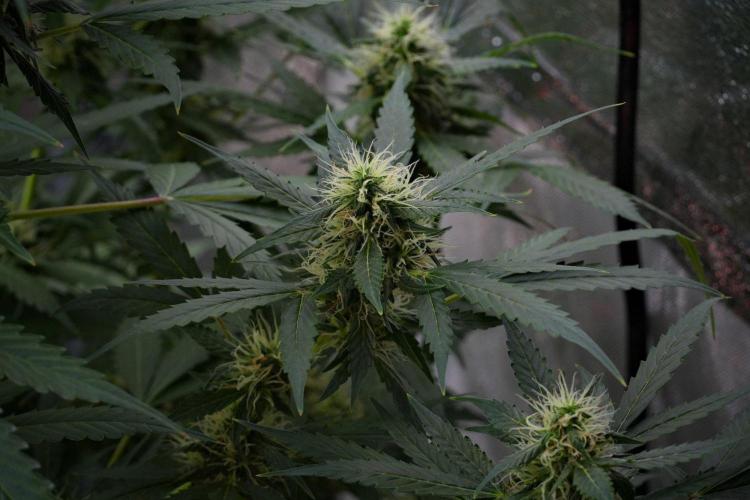
Looking through this week's photographs, the first thing that stands out is just how healthy the plant looks.
The leaves are beautifully developed, with strong colour and excellent structure.
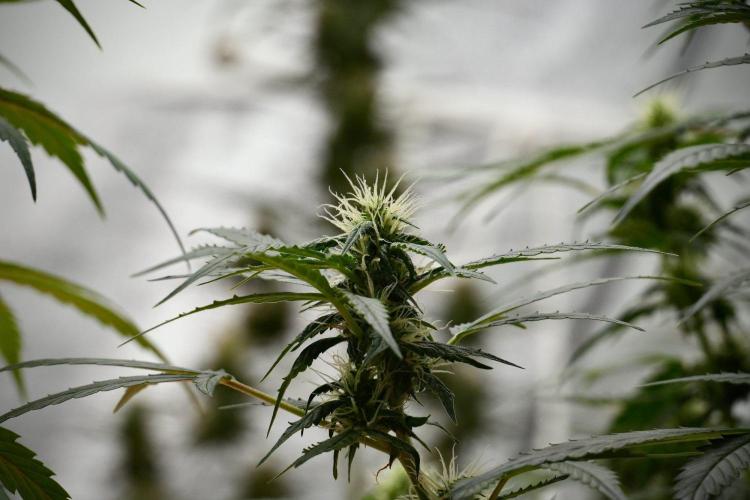
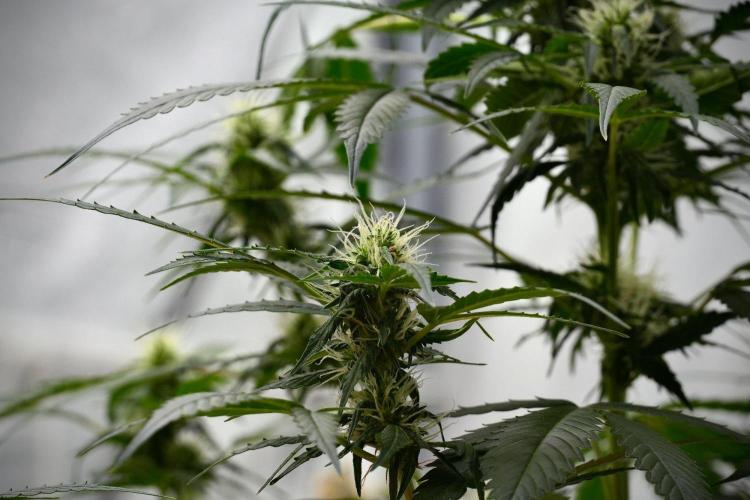
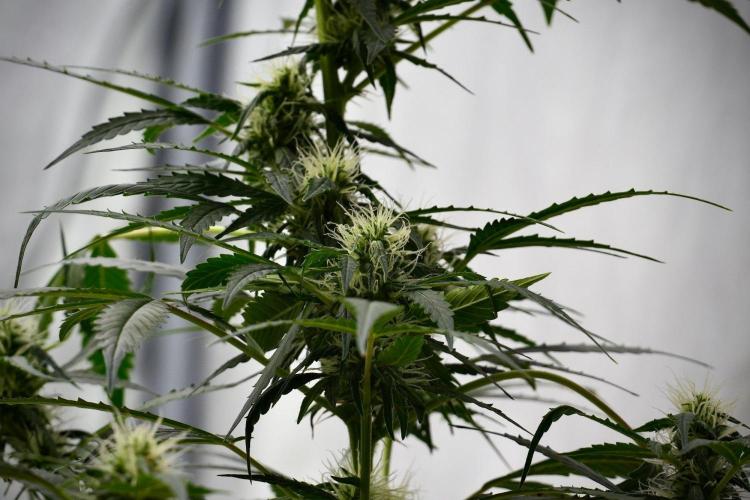
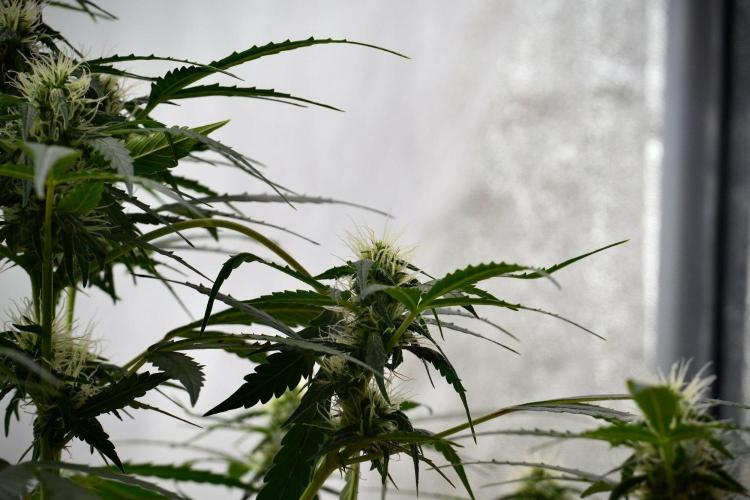
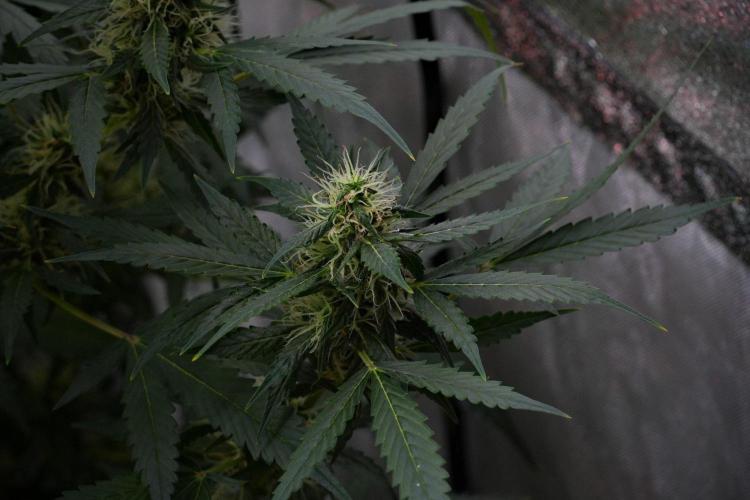
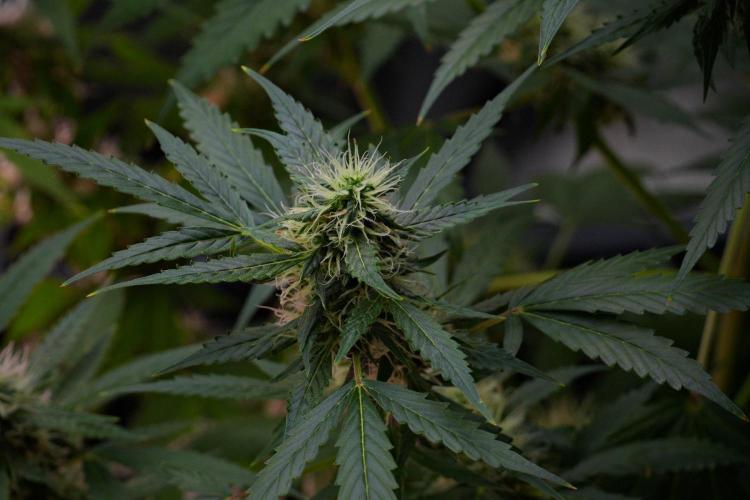
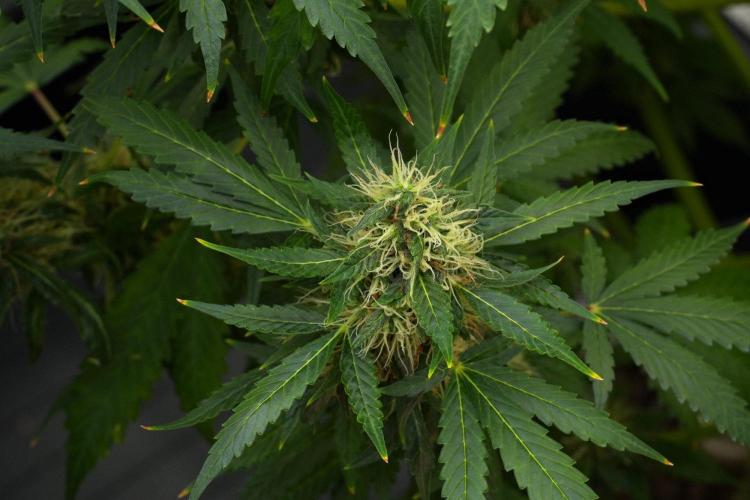
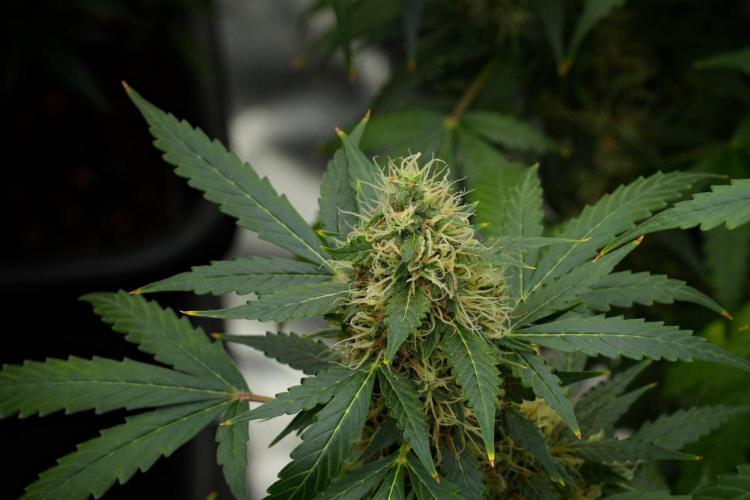
The macro photographs reveal flowering sites covered in fresh white pistils, with the developing flowers beginning to take shape.
The full-plant photograph tells another part of the story.
She's tall.
She's balanced.
She's branching beautifully.
And when you remember that this plant is growing in only 11 litres while her sisters are sitting in 15-litre containers...
It's genuinely impressive.
The close-up photographs also show why I haven't felt the need to defoliate her.
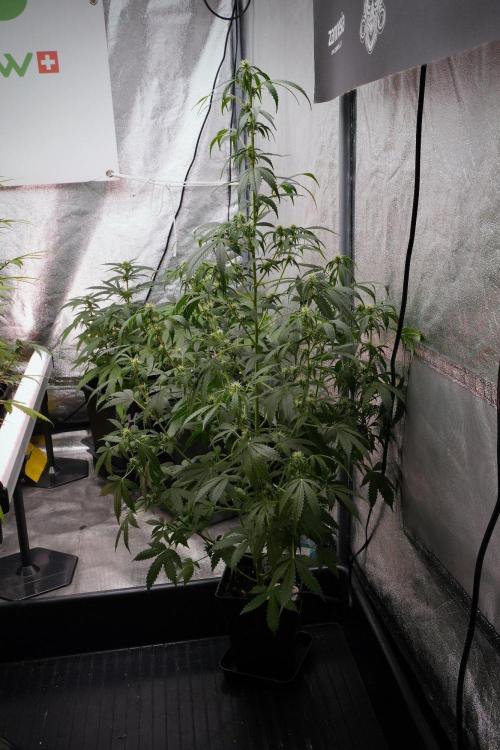
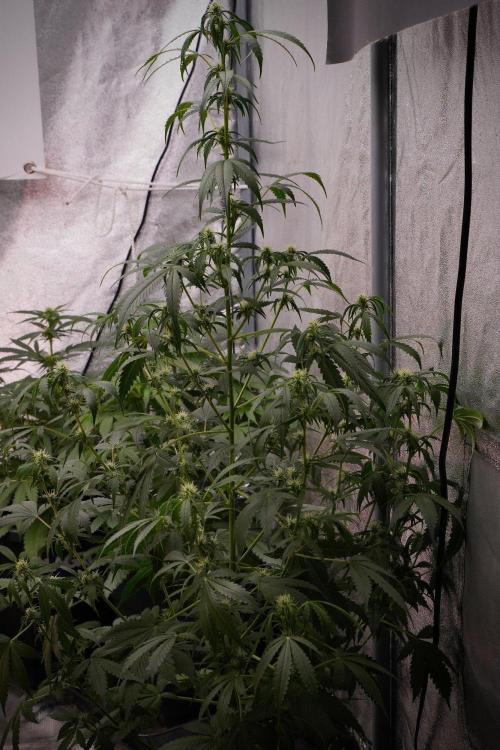
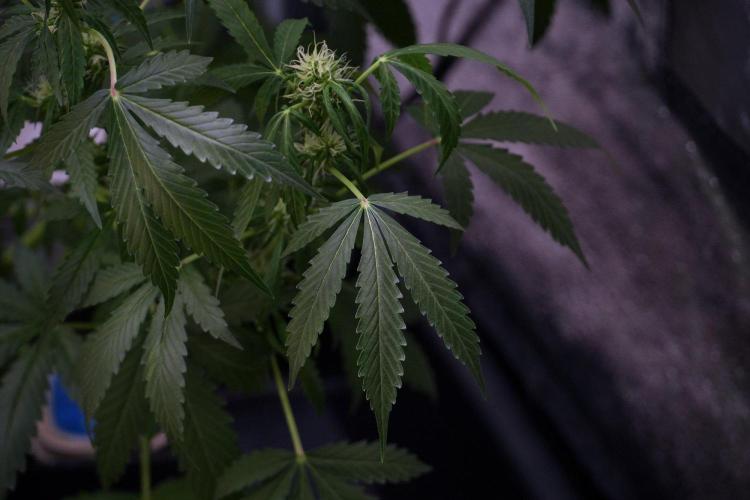
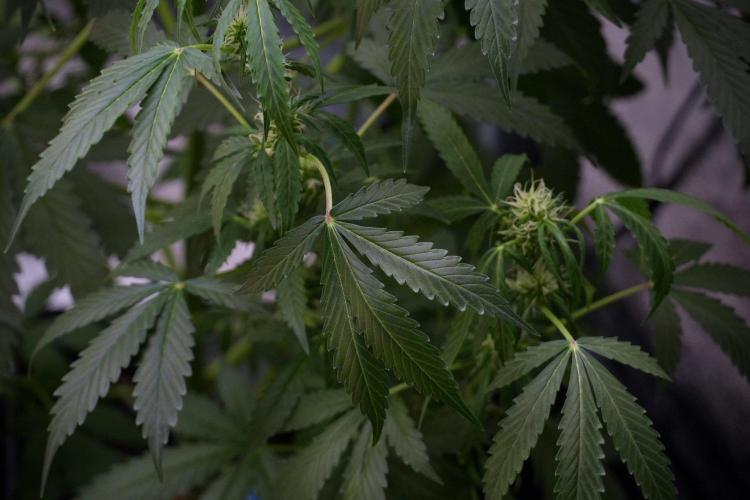
There is still plenty of healthy foliage contributing to the plant's energy production.
For now, I'm happy to let her keep doing what she's doing.
🔬 One Small Pot, One Interesting Experiment
This is becoming one of those experiments that I didn't expect to become so educational.
We often associate larger containers with greater potential.
And there's certainly good reason for that.
More root volume can provide more buffering capacity, more available water and more room for root development.
But this plant is reminding me that container size is only one part of the equation.
Genetics matter.
Root health matters.
Irrigation strategy matters.
Nutrition matters.
Environment matters.
And perhaps most importantly...
The plant itself matters.
A phenotype with an efficient, highly active root system can behave very differently from another plant sitting beside it in the exact same room.
That's why I love phenotype hunting.
You think you're running an experiment on one thing...
And the plants teach you about five other things along the way.
🔮 Looking Ahead
The next few weeks should be very exciting.
We're entering the part of the cycle where the structure we've been watching develop should begin transforming into much more substantial flowers.
I'll continue monitoring the substrate closely because this little 11-litre container is clearly demanding more attention than her sisters.
The WCS-2 will remain an important part of that process.
I'm particularly interested in continuing to watch the relationship between:
irrigation EC → substrate EC → moisture depletion → plant response.
And of course...
I'm still not planning to defoliate simply because the calendar says I should.
If she continues looking this good, I'll continue letting her tell me what she needs.
💚 Final Thoughts
Pheno B started this adventure as the smaller sister.
The quieter one.
The phenotype living in the pot that was supposed to become the limiting factor.
Eight weeks later...
She's standing 135 cm tall, flowering beautifully, drinking aggressively, consuming nutrients at a serious rate, and maintaining a canopy that is still lush and healthy.
She's making me water more.
She's making me monitor more.
She's making me pay attention.
And she's making this experiment much more interesting than I expected.
Sometimes the plant you expect the least from becomes the one that teaches you the most.
And this little lady?
She's definitely teaching me.
Small pot.
Big appetite.
Beautiful structure.
And absolutely no intention of playing small.
Let's see where she takes us next.
💚 Thank You
Thank you so much for following another chapter of the 8×8 Adventure.
A huge thank you to:
🌱 Zamnesia — for providing the genetics and making this phenotype hunt possible.
💜 Plagron — for the nutrition supporting these plants throughout the run.
💡 Future of Grow LED — for providing the lighting driving this garden.
🌿 Lumiflora — for bringing under-canopy lighting into the experiment and giving me another variable to evaluate.
🌡️ TrolMaster — for helping me monitor and maintain the environment, and especially for giving me the tools to look deeper into what is happening inside the root zone.
🌱 GrowDiaries — for providing the platform where growers can document, compare, learn and share these experiments with one another.
And finally, thank you for following, commenting, asking questions and growing alongside me.
This little lady may have the smallest pot in the room...
But she's proving that size isn't everything.
Growers Love. 💚🌿
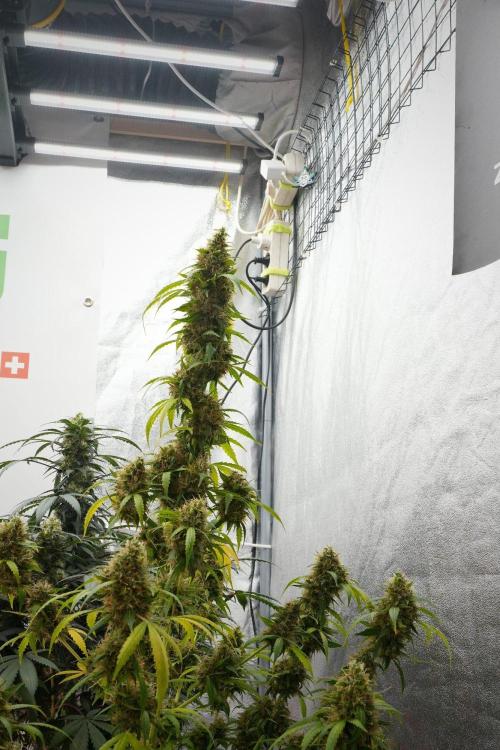
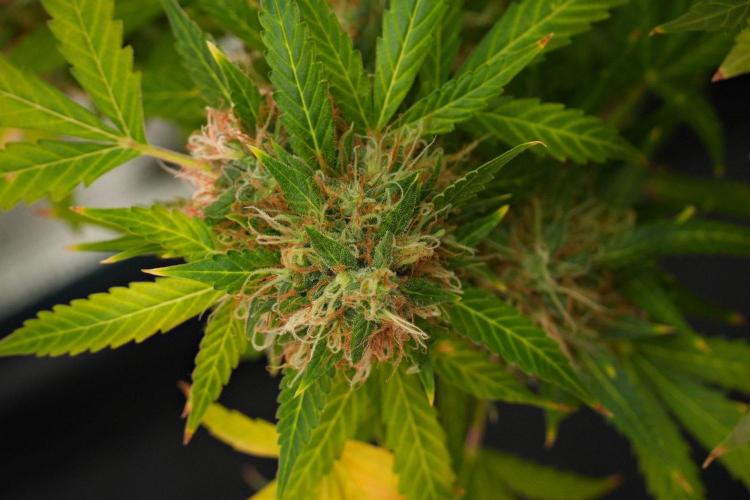
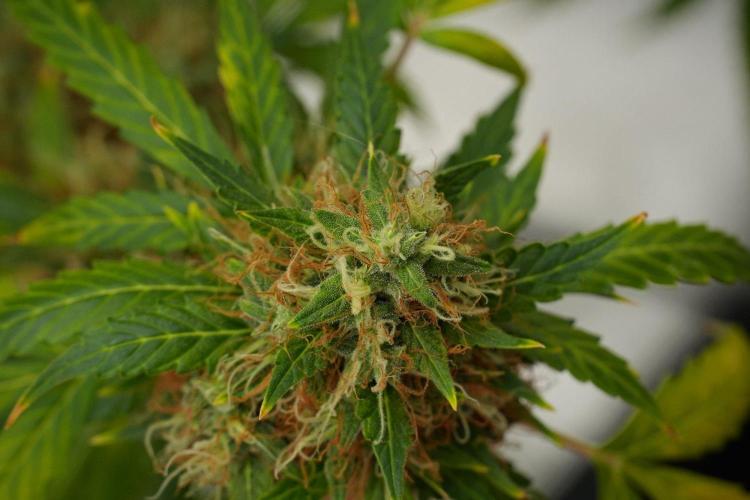
11 likes
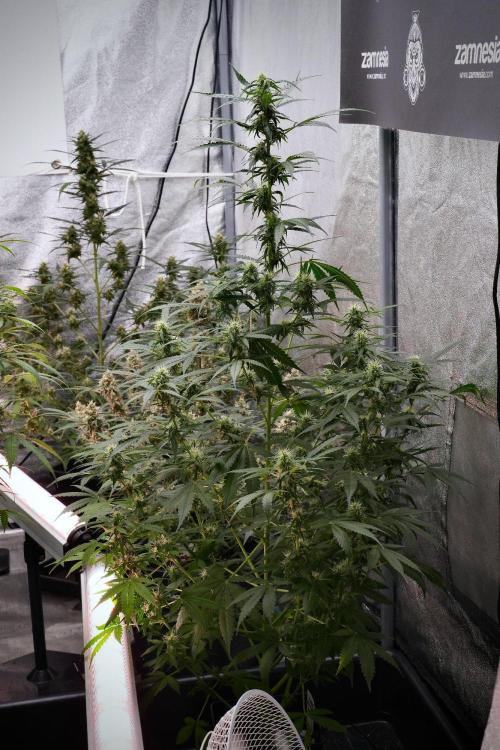
comments
Share
Used techniques
12-12
Technique
9
Week 9. Flowering
2mo ago
1/82
135 cm
Height
12 hrs
Light Schedule
29 °C
Day Air Temp
6.0
pH
Normal
Smell
1000 PPM
TDS
60 %
Air Humidity
25 °C
Solution Temp
26 °C
Substrate Temp
25 °C
Night Air Temp
11 set_lilers
Pot Size
1.2 set_lilers
Watering Volume
639 PPM
CO₂ Level
Nutrients 7
Pure Zym
1 mll
Sugar Royal
1 mll
Ph Plus
0.03 mll
DogDoctorOfficial 💚 Amnesia Haze Auto by Zamnesia – Pheno B
Week 9 | The Tiny Pot That Refuses to Be Tiny 🌱💚
Welcome back to another chapter of the 8×8 Adventure!
I think we have reached the point where I have to officially admit something.
This girl is ridiculous. 😂
Not the plant.
The pot.
She's standing there, proud and tall, at around 135 cm, carrying herself like a perfectly respectable flowering plant...
while sitting in only 11 litres of soil.
Eleven.
Litres.
At this point, every time I look at her container, I honestly wonder:
Where the hell are all those roots? 😂
Because whatever is happening inside that little pot...
it's working.
And working hard.
🌱 The Smallest Pot Is Still the Biggest Surprise
When we started this experiment, the 11-litre container was something I was genuinely curious about.
Most of the other plants in this room are sitting in larger containers.
Pheno B got the little one.
And I wanted to see what would happen.
Well...
Now I know.
Apparently, what happens is:
The plant doesn't care. 😂
She's not behaving like a plant restricted by a tiny container.
She's not behaving like a plant struggling to support a large canopy.
She's not behaving like a little plant at all.
She's behaving like a plant that has decided:
"That's my pot. That's enough. Now give me water."
And then asks again.
And again.
💧 The Thirsty Girl
This is probably the characteristic that has fascinated me the most.
This little pot is demanding attention.
As she continues growing and flowering, her water consumption has become something I simply can't ignore.
I'm having to irrigate her twice a day to keep up with what she's demanding.
Think about that for a second.
An 11-litre pot.
A plant around 135 cm tall.
And she's drinking as if she's sitting in a much larger root zone.
That's what makes this phenotype so interesting.
The container is small.
The plant isn't.
And the appetite certainly isn't.
😂💚
🔬 What Is Happening Down There?
Of course, I can only speculate about what is happening inside the substrate.
But looking at the plant's behaviour, one thing seems very clear:
That little container is being used.
The plant is maintaining a large canopy.
She's continuing to flower.
She's maintaining strong, healthy foliage.
And she's demanding frequent irrigation.
That makes me wonder just how extensively that small volume of substrate has been colonized by roots.
I can almost picture it down there:
No empty seats.
No vacancy.
Fully booked.
Roots everywhere. 😂🌱
And that's probably one of the most valuable lessons this phenotype has given me.
Container volume is important...
but it isn't the only story.
🌿 Small Pot. Big Plant.
This is the part that still makes me smile.
If you showed me the plant without showing me the pot, I would never guess she was growing in only 11 litres.
She's tall.
She's beautifully structured.
She's carrying plenty of healthy foliage.
And the flowering sites continue developing throughout the plant.
She doesn't look like a plant that is apologizing for her root volume.
Quite the opposite.
She looks confident.
She looks established.
She looks like she owns the place.
And then you look down...
11 L.
😂
It's almost like growing a clone in a Solo Cup...
except somebody forgot to tell the plant that she's supposed to stay small.
🌸 Flowering Continues
While the container story is hilarious, the flowers are the real reason we're watching her.
And she's continuing to progress beautifully.
The flowering sites are becoming more established, the structure is becoming increasingly defined, and the plant is moving deeper into the flowering cycle with plenty of healthy green still supporting the development.
The photographs this week show that progression nicely.
There is a beautiful contrast between the mature foliage and the developing flowers.
The pistils remain prominent.
The flowers continue building.
And the plant still has that characteristic balance that made me interested in this phenotype from the beginning.
She's not trying to be her sister.
She's doing her own thing.
And she's doing it very well.
🍃 Still Lush. Still Proud.
One of the things I really appreciate about this girl is that the small pot hasn't stopped her from looking like a proper, healthy plant.
She's still lush.
She's still green.
She's still vigorous.
She's still producing.
And she's still standing proud.
There are no apologies here.
No:
"Sorry, I'm in the small pot."
No.
She's more like:
"Yes, I'm in the small pot. And?" 😂
That's the personality of Pheno B.
✂️ No Need to Turn Her Into Someone Else
I'm continuing to look at her as an individual phenotype rather than comparing her to what another plant might be doing.
That's been one of the biggest lessons of this entire 8×8 Adventure.
The plants don't read the manual.
They don't care what the other phenotypes are doing.
And they certainly don't care what we think they should look like.
Pheno B has created her own balance.
She's developed her own architecture.
She's found her own rhythm.
So my job is simply to observe, document and respond to what she actually shows me.
And right now...
she's showing me a very healthy, very hungry little giant.
💧 The Root-Zone Lesson
This girl has also changed the way I think about small containers.
Not because I suddenly believe that small pots are better.
Quite the opposite.
If anything, this experiment has shown me how much more attention a small root volume can demand.
A smaller container gives you less buffering capacity.
Less room for water.
Less room for nutrients.
Less margin for error.
And that means you have to pay attention.
With Pheno B, that attention has become particularly obvious because the plant is consuming what is available so quickly.
She's basically turned the 11-litre container into a full-time job. 😂
And that's an enormous lesson.
🧠 The Lesson: I'm Not Doing This Again
And now we arrive at my conclusion.
After watching this girl grow...
After watching her reach approximately 135 cm...
After watching her flower...
After watching her demand irrigation twice a day...
After watching that tiny container apparently become a completely packed root zone...
I have learned something very important.
I'm not doing small pots in soil again. 😂
At least...
not voluntarily.
Because this is ridiculous.
The plant keeps growing.
The plant keeps drinking.
The plant keeps demanding.
And I'm standing there looking at this tiny pot thinking:
"How are you possibly fitting all of that in there?"
😂🌱
But that's precisely why I'm glad I did the experiment.
Because now I know.
💡 Same Room. Same Adventure. Different Lesson.
And once again, this is exactly what makes the 8×8 Adventure so much fun.
Twelve plants.
One room.
One general growing philosophy.
One 12/12-from-seed experiment.
And every phenotype finds a different way to teach me something.
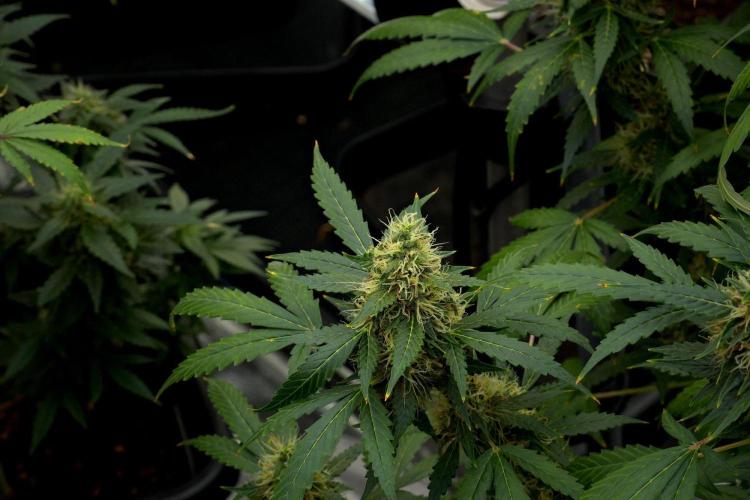
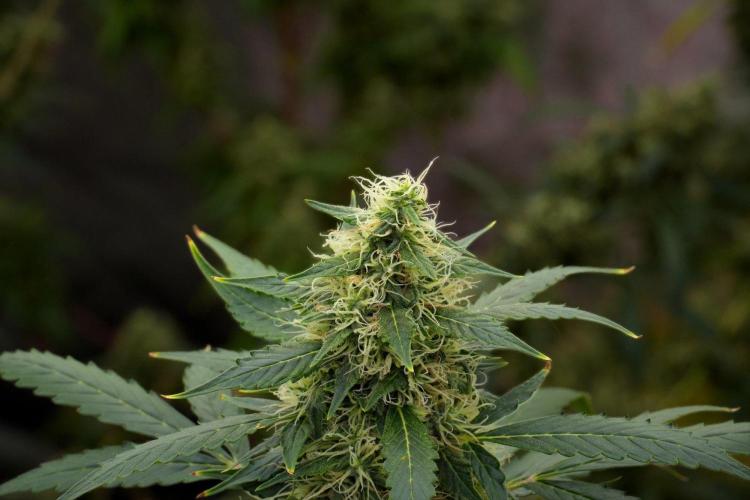
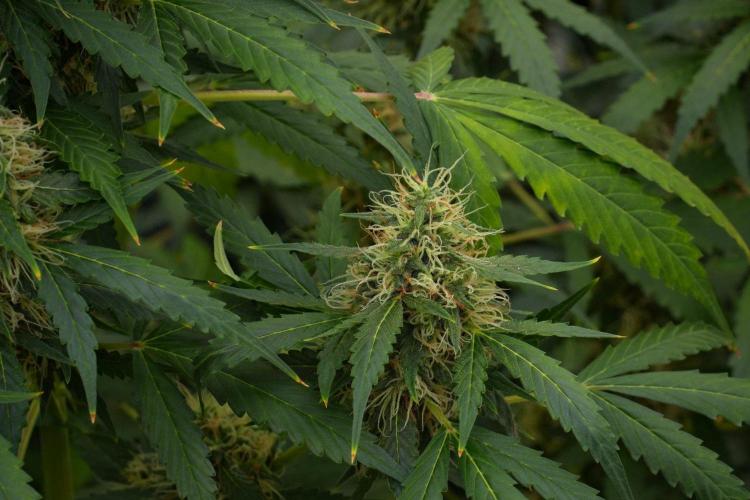
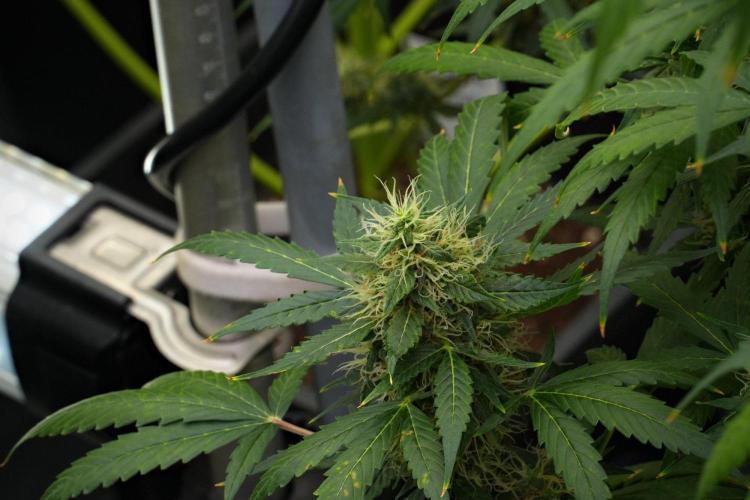
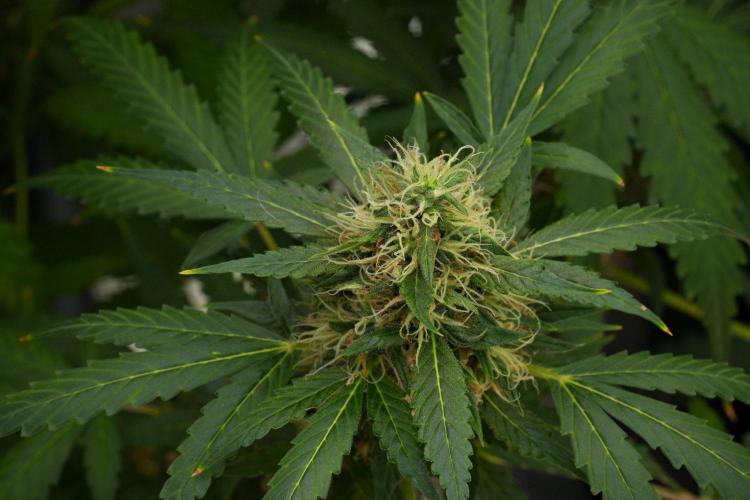
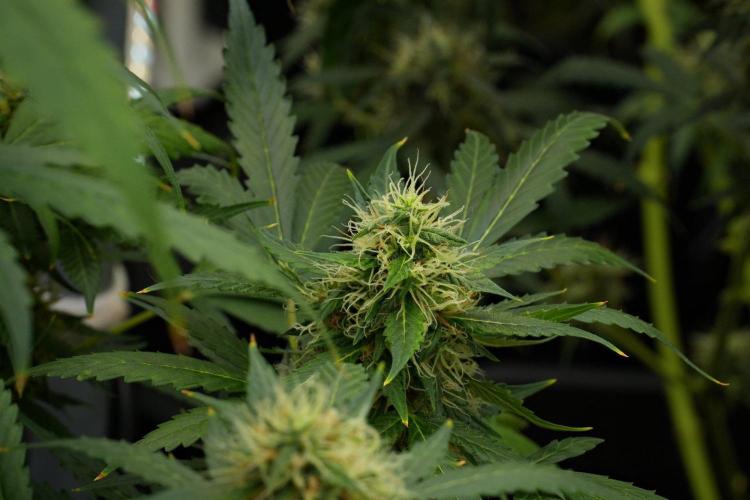
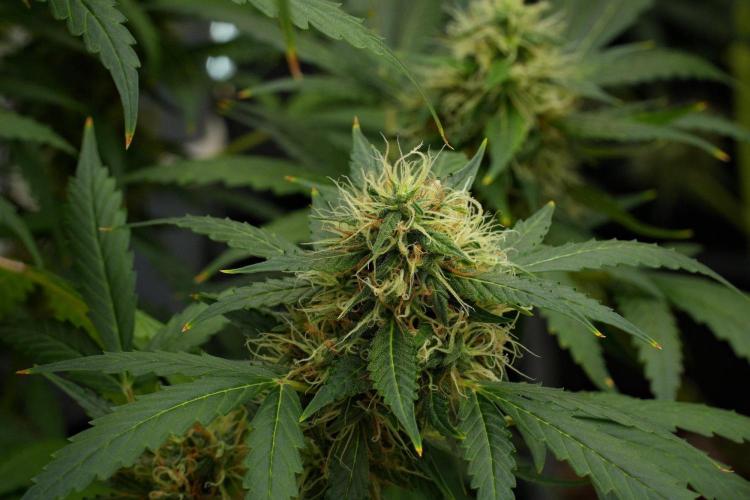
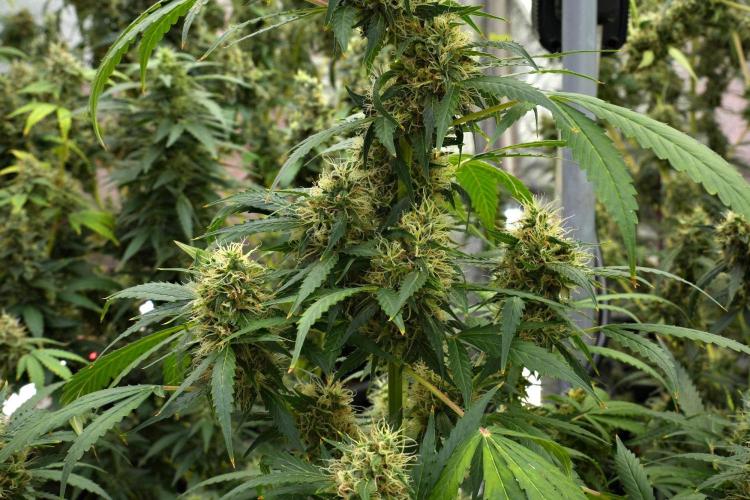
Pheno B decided hers would be:
"Never underestimate a small root zone."
She's been teaching me about plant size versus container size.
About irrigation demand.
About root-zone management.
About genetic differences.
And about the fact that sometimes the plant completely ignores what you thought the experiment was going to show you.
I thought I was testing a small pot.
Instead, the plant tested me.
😂💚
🌡️ Current Conditions
The current GrowDiaries data shows:
🌸 Flowering: Week 9
📏 Height: 135 cm
💡 Light schedule: 12/12
🌡️ Day temperature: 29°C
🌙 Night temperature: 25°C
💧 Relative humidity: 60%
⚗️ pH: 6.0
⚡ EC: approximately 2.0 mS/cm
🌡️ Solution temperature: 25°C
🌱 Substrate temperature: 26°C
🌬️ CO₂: 639 ppm
? Pot size: 11 L
💧 Watering: approximately 1.2 L per plant / 24h in the current log, with irrigation frequency requiring two watering events
The environment remains consistent.
And that consistency makes the behaviour of this phenotype even more interesting.
Same room.
Same conditions.
Tiny pot.
Big plant.
📸 This Week's Gallery
I took another good look at this girl through the camera this week, and I think the photographs capture her personality perfectly.
The full-plant photographs show that she's absolutely not a small plant.
The closer shots show the developing flowers and healthy foliage.
And then there are those photographs where you can see the relationship between her size and her container.
That's the photograph that tells the whole story.
135 cm of plant.
11 litres of soil.
😂
It's almost comical.
But it's also fascinating.
Because this isn't a little plant surviving in a tiny container.
This is a substantial flowering plant that has somehow made that little root zone work incredibly hard for her.
🌱 The Little Pot That Could
If I had to rename this phenotype today, I think I'd call her:
The Little Pot That Could.
Because she keeps proving that she can.
She can grow.
She can flower.
She can build.
She can drink.
She can demand.
And she can apparently turn a tiny container into a very busy underground city.
😂🌱
She's one of the most educational plants in this entire run.
Not necessarily because she's the biggest.
Not because she's the fastest.
But because she's making me question assumptions I thought I already understood.
And that's exactly what a good experiment should do.
🔮 Looking Ahead
We're now entering another interesting stage of the flowering cycle.
I'll continue watching her flower development closely.
I'll continue paying attention to the root-zone behaviour.
And, most importantly...
I'll continue trying to keep up with this girl's thirst. 😂
Because apparently, 11 litres is enough for her.
I just need to keep convincing myself of that.
Every.
Single.
Day.
💚 Small Pot. Big Lesson.
Pheno B started this adventure as the plant with the smaller container.
Today, she's standing around 135 cm tall, flowering beautifully and demanding irrigation with the appetite of a plant that apparently believes she's growing in the ground.
And I absolutely love it.
Because this is why we experiment.
Sometimes the result confirms what you expected.
Sometimes it surprises you.
And sometimes it looks you straight in the face and says:
"You thought this little pot was going to stop me?"
😂💚
Well...
No.
Apparently not.
She keeps standing.
She keeps growing.
She keeps flowering.
She keeps drinking.
And she keeps teaching me.
One thing is certain:
The pot may be tiny.
The plant is definitely not.
And after this experience...
I have a feeling my future soil containers are going to be considerably bigger. 😂🌱
🙏 Thank You
Thank you so much for following another chapter of the 8×8 Adventure.
A huge thank you to:
💚 GrowDiaries — for providing the platform where we can document these experiments, compare phenotypes and learn together.
🌱 Zamnesia — for providing the genetics behind this fascinating Amnesia Haze Auto phenotype.
💜 Plagron — for the nutrition supporting this adventure.
💡 Future of Grow LED — for powering the room and keeping the light side of this experiment moving.
🌿 TrolMaster — for helping maintain and monitor the environment and giving me another window into what is happening around these plants.
✨ Lumiflora — for bringing the under-canopy lighting into the experiment and adding another fascinating variable to observe.
And thank you to everyone following along, commenting, asking questions and sharing this journey with me.
This girl has given me one of the biggest lessons of the entire 8×8 Adventure.
Don't judge the plant by the size of the pot.
Because sometimes...
the little pot contains a freaking jungle. 😂🌱💚
She may be living in only 11 litres...
but she's certainly not living small.
Growers Love, my friends! 💚🌱
12 likes
comments
Share
Used techniques
12-12
Technique
10
Week 10. Flowering
2mo ago
1/43
135 cm
Height
12 hrs
Light Schedule
30 °C
Day Air Temp
6.0
pH
Normal
Smell
1000 PPM
TDS
60 %
Air Humidity
25 °C
Solution Temp
26 °C
Substrate Temp
25 °C
Night Air Temp
11 set_lilers
Pot Size
1.3 set_lilers
Watering Volume
639 PPM
CO₂ Level
Nutrients 7
Pure Zym
1 mll
Sugar Royal
1 mll
Ph Plus
0.03 mll
DogDoctorOfficial 💚 Amnesia Haze Auto by Zamnesia – Pheno B
Week 10 | The Little Pot Is Trying to Steal the Spotlight 😂🌱👑
Welcome back to another chapter of the 8×8 Adventure! 🌱💚
Well...
She's doing it again.
😂
Every week I look at this girl and think:
"Okay, surely this is where the little pot finally becomes the limiting factor."
And every week she looks back at me like:
"You were saying?" 😂
Amnesia Haze Auto Pheno B continues to impress me.
In a very positive way.
And at the same time...
she continues giving me work.
A lot of work.
😂💚
I'm standing there with a big smile on my face, looking at this beautiful, tall, flower-loaded plant sitting in only 11 litres, wondering how the hell she continues doing this.
She's growing beautifully.
Her structure is beautiful.
The bud formation is amazing.
The frost is coming along beautifully.
She's becoming heavier.
And somehow...
she's still standing.
Well...
mostly because we're helping her stand. 😂
🌱 The Little Pot Is Still Fighting the Big Plant
I know I'm repeating myself.
I've said it before.
I'll probably say it again.
But...
I'm not doing small pots again anytime soon. 😂
And let me be very clear:
I'm not saying I'll never do it again.
I don't say "never" about anything.
Life has a funny habit of proving us wrong. 😂
Maybe somewhere down the road I'll decide:
"Hey, remember that ridiculous 11-litre experiment? Let's do it again!"
But for the foreseeable future?
Nope.
I'm very happy with what this experiment has taught me.
And one of the biggest lessons is simply this:
When the plant keeps growing and keeps demanding water, a small container can turn into a lot of work.
The plant isn't complaining.
I'm the one doing the complaining.
😂
And I'm doing it while smiling.
Because look at her.
How could I complain too much?
💚 She's Growing Like She Has Something to Prove
Pheno B isn't behaving like a little plant.
That's still the funniest part.
She's sitting there in that relatively small root volume, yet she's tall, beautifully structured and carrying a serious amount of flowering development.
She isn't shrinking herself to fit the container.
She's growing.
She's building.
She's flowering.
She's putting on weight.
And she's basically telling us:
"I'll decide how big I'm going to be."
😂🌱
And apparently...
she decided 135 cm was a reasonable answer.
🌸 The Buds Are Becoming the Main Event
This week, the flowers are really starting to steal my attention.
The formation is looking beautiful.
The individual flowers are becoming more substantial.
The structure is becoming easier to see.
And the plant is starting to look increasingly like what we've been waiting for all these weeks.
We're moving beyond simply seeing flowering sites.
We're watching those sites develop into proper, substantial flowers.
And this girl has them everywhere.
High.
Low.
Inside.
Outside.
All across that beautiful structure.
She may have started this adventure with the smallest pot...
but she certainly isn't trying to produce the smallest harvest of flowers. 😂
❄️ And the Frost...
Oh...
the frost.
😍❄️
This is another part of Pheno B that continues to make me stop and look twice.
The resin development is becoming increasingly visible.
The flowers are getting that beautiful crystalline appearance.
The sugar leaves are joining the party.
And the closer I look...
the more I find.
It's one of those things that photographs can sometimes struggle to communicate properly.
You look at the plant from across the room and think:
"Beautiful."
Then you get the camera closer.
And suddenly:
"Ohhhhhh..."
😂📸❄️
There is so much detail happening inside these flowers.
And Pheno B is making sure we have plenty to photograph.
👑 She's Trying to Steal the Spotlight
And I think this girl has developed another objective.
She's trying to steal the spotlight from her sisters.
😂👑
The 8×8 Adventure has plenty of characters.
We've got different structures.
Different sizes.
Different expressions.
Different personalities.
And Pheno B seems to have decided:
"Okay, enough about them. Look at me."
And honestly?
It's getting difficult not to.
She's tall.
She's beautiful.
She's flowering beautifully.
She's getting frosty.
She's becoming heavy.
And she's doing all of that while sitting in the smallest container in the room.
That's a pretty good way to get attention.
😂💚
? The 11-Litre Challenge Continues
But here's where the experiment becomes interesting again.
The little pot isn't stopping her.
It is, however, making my life more complicated. 😂
There's simply less substrate volume holding this increasingly substantial plant.
As the flowers gain weight, that becomes more noticeable.
The plant has built the structure.
The plant has built the flowers.
Now we have to help support what she's created.
And that's where the yo-yos, supports and general attention come into play.
We're not trying to turn her into something else.
We're simply helping her remain standing.
Because she has already done the hard part.
She's built herself into this beautiful plant.
Now we're basically standing beside her saying:
"Don't worry, girl. We've got you." 💚
😂 The Watering Department Would Like a Word
If Pheno B had a human job, I think she'd be the person who creates paperwork for everyone else.
😂
The plant keeps demanding water.
The container is small.
The plant is not.
And that combination means I have to pay considerably more attention than I would prefer.
That's probably the biggest downside of this particular experiment.
Not the plant.
Not the flowers.
Not the growth.
Not the quality.
The workload.
And that's exactly why I keep laughing when I say I'm not rushing back into small soil containers.
The plant is doing an amazing job.
She's just making me work for the privilege of watching her do it. 😂
Fair enough.
🌿 Still Beautifully Healthy
And despite all the jokes about the pot...
the plant itself is looking fantastic.
Beautiful green foliage.
Strong structure.
Excellent flowering development.
Increasing resin production.
And a really interesting overall balance.
She's not showing me a reason to complain about what she's producing.
Quite the opposite.
She's giving me plenty to admire.
That's why this is such a funny situation.
If she were struggling, I'd be frustrated.
But she's not.
She's thriving.
So every time I complain about the watering and the small container, I'm doing it with a massive smile on my face.
😂💚
Because the plant is basically answering every complaint with another beautiful flower.
💡 Same Room. Completely Different Story.
And once again, Pheno B reminds me why I love this project.
She's sharing the same overall room with her sisters.
Same general environmental philosophy.
Same lighting ecosystem.
Same flowering strategy.
Same overall nutrition approach.
Yet she has created her own story.
She's the smaller-container experiment.
She's the 135 cm surprise.
She's the plant that refuses to behave like her pot should dictate.
And she's becoming increasingly impressive as flowering progresses.
This is exactly what I wanted from the 8×8 Adventure.
Not twelve identical plants.
Twelve individual stories.
And Pheno B is definitely writing hers in capital letters. 😂
📸 The Camera Keeps Finding More
This girl is becoming a fantastic photographic subject.
The wider photographs show her overall structure.
The closer photographs reveal the individual flowers.
And the macro perspective?
That's where the frost really starts becoming ridiculous.
❄️🌸
You can see the pistils.
The developing calyxes.
The resin-covered surfaces.
The textures.
The little details that disappear completely when you're simply looking at the whole plant.
And I think that's one of the most beautiful parts of documenting this project.
We're not just watching plants grow.
We're watching an entire microscopic world develop.
And Pheno B is giving the camera plenty to discover.
🌱 The Plant Is Bigger Than the Pot
At this point, I think we can officially say that.
😂
135 cm plant.
11-litre pot.
Beautiful flowers.
Increasing weight.
Increasing frost.
Constant demand for attention.
The mathematics of this girl simply don't make sense to me anymore.
😂
But maybe that's exactly the lesson.
A container is one part of the growing environment.
The plant itself is another.
And genetics can produce some seriously unexpected combinations.
Pheno B is certainly one of them.
🌸 Flowering Is Getting Serious
We're now at Week 10, and the flowers are looking increasingly mature in their structure.
They're getting bigger.
They're getting denser.
They're becoming more defined.
And the resin development is becoming increasingly obvious.
There's still more time ahead, of course.
I'm not calling the finish line yet.
But when I look back at the earlier photographs and compare them with what I'm seeing now...
the difference is huge.
This girl has come a long way.
And she's still moving.
That's the exciting part.
💚 Nothing to Complain About
So...
what do I actually have to complain about this week?
The pot.
😂
That's about it.
The plant?
Beautiful.
The structure?
Beautiful.
The flowers?
Amazing.
The frost?
Amazing.
The colour?
Beautiful.
The development?
Exactly what I want to see.
The weight?
Well...
that's becoming a little problem.
But it's a good problem.
The watering?
Let's not talk about that. 😂
So once again, I'm standing there laughing.
Because the experiment is giving me exactly what experiments are supposed to give us:
information.
And sometimes that information comes with a watering can in your hand twice a day.
😂💚
👑 She's Coming for the Crown
I said it last week.
She's trying to steal the spotlight.
This week?
I'm becoming a little concerned that she might actually succeed. 😂👑
She's not necessarily the biggest plant.
She's not sitting in the biggest container.
But she's making a very strong argument with what she's producing.
The flowers are beautiful.
The structure is beautiful.
The frost is developing beautifully.
And her overall presence is getting harder to ignore.
She's basically standing there saying:
"Remember me."
Don't worry, girl.
We haven't forgotten.
💚👑
🔮 Looking Ahead
There's still plenty of road ahead.
And that's what makes this so enjoyable.
We're going to keep watching the flowers develop.
We're going to keep watching the resin.
We're going to keep watching the weight.
We're going to keep helping her support that weight.
And yes...
we're going to keep dealing with that tiny pot.
😂?
I'm not going to pretend I know exactly where she'll finish.
That's part of the fun.
The plant will tell us.
We'll watch.
We'll document.
We'll photograph.
And we'll see what Pheno B decides to become.
So far...
she's becoming something I really like.
💚 The Little Pot That Keeps Winning
Pheno B started this experiment with a disadvantage.
Or at least...
that's what I thought.
😂
Eleven litres.
A relatively small root volume.
And yet here she is.
135 cm.
Beautifully structured.
Flower-loaded.
Frosty.
Heavy.
And increasingly impressive.
She didn't let the pot define her.
She simply grew.
And now the pot is the thing struggling to keep up with the plant.
😂🌱
That's probably my favourite part of her story.
The plant never got the memo that she was supposed to stay small.
👑 Let Her Steal the Spotlight
So this week, I'm giving Pheno B the stage.
Go ahead, girl.
Take the spotlight.
You've earned it.
💚
Show them the flowers.
Show them the frost.
Show them the structure.
Show them what an 11-litre pot apparently can produce when the plant decides not to cooperate with our expectations. 😂
You're small where it doesn't matter.
You're big where it counts.
And you're becoming one hell of a beautiful plant.
🌱💚👑
The little pot may be giving me work...
but the girl inside it is giving me nothing to complain about.
And that's a pretty fantastic trade.
🌡️ The Environment
The current recorded conditions are:
🌸 Flower Week: 10
📏 Height: 135 cm
💡 Light schedule: 12/12
🌡️ Day temperature: 29.9°C
🌙 Night temperature: 25°C
💧 Relative humidity: 60%
⚗️ pH: 6.0
⚡ EC: approximately 2.0 mS/cm
💦 Solution temperature: 25°C
🌱 Substrate temperature: 26°C
🌬️ CO₂: 639 ppm
? Pot size: 11 L
💧 Watering: approximately 1.3 L/plant/24h
The environment remains consistent, while Pheno B continues showing us her own interpretation of it.
🙏 Thank You
Another week.
Another chapter.
Another reminder that the plants don't always follow the plan we imagined for them.
A huge thank you to GrowDiaries for giving us the platform to document, share, learn and compare these different expressions.
Thank you to Zamnesia for the genetics behind this fascinating Amnesia Haze Auto phenotype.
Thank you to Plagron for supporting the nutrition throughout this adventure.
Thank you to Future of Grow LED for the lighting powering the room.
Thank you to TrolMaster for helping maintain the environment behind the scenes.
And thank you to LumiFlora for adding another dimension to the lighting experiment throughout the canopy.
And, of course, thank you to everyone following the 8×8 Adventure.
Every comment.
Every question.
Every observation.
Every person stopping by to see what these girls are doing.
It makes this whole experiment even more enjoyable.
And Pheno B?
She's still here.
Still standing.
Still growing.
Still flowering.
Still getting frostier.
Still getting heavier.
And still making me work for every litre of water I give her. 😂
But honestly...
I'm looking at her with a huge smile.
Because she's beautiful.
She's impressive.
And she's definitely trying to steal the spotlight from her sisters.
And you know what, girl?
This week...
you can have it. 👑💚🌸❄️
The little pot that refused to stay little.
The plant that refused to stay small.
The girl that refuses to stop impressing me.
Let's keep watching.
Let's keep documenting.
And let's see just how much more this little giant has left to show us.
Growers Love, my friends, and happy growing! 🌱💚👑
9 likes
2 comments
Share
Used techniques
12-12
Technique
11
Week 11. Flowering
1mo ago
1/48
135 cm
Height
12 hrs
Light Schedule
27 °C
Day Air Temp
6.0
pH
Strong
Smell
1070 PPM
TDS
60 %
Air Humidity
25 °C
Solution Temp
26 °C
Substrate Temp
25 °C
Night Air Temp
11 set_lilers
Pot Size
1.4 set_lilers
Watering Volume
639 PPM
CO₂ Level
Nutrients 7
Pure Zym
1 mll
Sugar Royal
1 mll
Ph Plus
0.03 mll
DogDoctorOfficial 💚 Amnesia Haze Auto by Zamnesia – Pheno B
Week 11 | She Does What She Wants 😂👑🔥
Welcome back to another chapter of the 8×8 Adventure! 🌱💚
And this girl...
😂
Honestly...
She's doing whatever the fuck she wants.
And I love it.
😂👑🌿
She's growing tall.
She's growing beautifully.
She's stacking.
She's building those flowers exactly the way she wants to build them.
And we're basically standing here watching her work while occasionally saying:
"Okay, girl... do your thing."
😂
Because that's really what it feels like with this phenotype now.
She's found her rhythm.
She's moving.
She's developing.
She's getting heavier.
And she's doing it without asking for permission.
And honestly?
That's exactly what I want to see.
So let's give this beautiful girl the spotlight again.
Because there are only good things to talk about this week.
🌸🔥👑
────────────────────────
🌱 WEEK 11 – SHE'S MOVING
────────────────────────
Last week we talked about this girl being the little plant that refused to stay little.
Well...
I think we've officially moved past that conversation.
😂
She's tall.
She's substantial.
She's carrying a beautiful amount of flowering structure.
And she's moving at a really nice pace.
Not the fastest plant in the room.
Not the slowest.
She's right there in the middle of the rhythm we've created.
Some girls are moving a little faster.
Some are taking a little more time.
And Pheno B?
She's somewhere comfortably in the middle.
And honestly...
she looks fantastic.
That's something I really appreciate about this stage of the 8×8 Adventure.
The plants aren't all moving at exactly the same speed.
But they're all moving.
They're all developing.
They're all expressing themselves.
And this girl is doing it beautifully.
────────────────────────
👑 DOING WHAT THE FUCK SHE WANTS
────────────────────────
I'm going to keep the language this week because honestly...
there's no better description.
😂
She's doing what the fuck she wants.
The branches are growing where they want.
The flowers are developing where they want.
The structure is becoming what she wants it to become.
And we're not trying to force her into some perfect shape.
We're assisting.
That's it.
The plant is doing the work.
We're providing the environment.
We're providing the support when she needs it.
We're keeping the system running.
We're observing.
And when she tells us:
"Okay, I need a little help here..."
we help.
But we're not trying to tell her how to be Amnesia Haze Pheno B.
She already knows.
😂🌿
────────────────────────
🌸 THE FLOWERS ARE THE STORY
────────────────────────
And honestly...
this is what I love most about her right now.
The flower structure.
😍🌸
Look at the way those flowers are developing throughout the plant.
They're not just sitting there as individual little flowering points anymore.
They're becoming structures.
They're stacking.
They're gaining volume.
They're creating those beautiful vertical lines of development that make this girl so enjoyable to look at.
And the more she develops...
the more obvious her architecture becomes.
You can see the plant's rhythm in the flowers.
You can see where she's decided to build.
You can see how the branches are carrying those developing structures.
And I really like what she's doing.
Very much.
She's creating her own design.
We're simply lucky enough to document it.
📸🌸💚
────────────────────────
🔥 THE STACKING IS BEAUTIFUL
────────────────────────
This is probably my favourite part of her this week.
The stacking.
🔥🌸🔥
There is something incredibly satisfying about watching flowers begin to build on top of one another along the branches.
Week by week...
you start seeing more structure.
More definition.
More density.
More presence.
And with Pheno B, I really like the way the flowers are developing along her architecture.
She's not trying to make one giant statement.
She's building a whole series of beautiful flowering structures throughout the plant.
And that gives her a really interesting appearance.
You can follow a branch with your eyes...
and discover flower after flower after flower.
It's beautiful.
It's becoming substantial.
And she's still got plenty of story left to write.
────────────────────────
🌿 TALL, BEAUTIFUL & COMPLETELY HERSELF
────────────────────────
One of the things I really enjoy about this girl is that she doesn't feel like she's trying to imitate anybody else.
She's tall.
She's around 135 cm.
She's got her own architecture.
She's got her own branching pattern.
She's got her own way of stacking.
And she's completely comfortable being herself.
That's what I want to see.
Because if every plant in this room looked identical...
we'd lose half the fun.
😂
Instead...
we have different heights.
Different structures.
Different flower shapes.
Different rates of development.
Different personalities.
And Amnesia Haze Pheno B has definitely established hers.
She's the girl who looked at an 11-litre pot and apparently decided:
"Yeah, that's plenty."
😂🌱
Then proceeded to grow into a beautiful, tall flowering plant anyway.
────────────────────────
? THE LITTLE POT THAT NEVER GOT THE MEMO
────────────────────────
And yes...
the 11-litre pot is still there.
😂
I still look at it sometimes and think:
"How are you doing all of this in there?"
Because the plant doesn't look like she's trying to fit into a small container.
She looks like she simply decided the container was irrelevant.
😂🌿
She's built herself above it.
She's filled the space.
She's created substantial flowering structure.
And she's continuing to move.
The pot may have been one of the experiments...
but the plant is clearly writing the results.
And her result so far is:
"I'll be fine."
😂👑
────────────────────────
💡 SAME ROOM. SAME PHOTONS. HER OWN STORY.
────────────────────────
And once again, this is where the 8×8 Adventure becomes so interesting.
We're treating the room as one ecosystem.
The same general environment.
The same lighting philosophy.
The same irrigation system.
The same nutritional foundation.
The same 12/12 schedule.
And yet...
every plant interprets it differently.
Pheno B is receiving the same photons as her neighbours.
But she's building her own architecture with them.
She's taking that light...
and turning it into leaves.
Branches.
Flowers.
Structure.
And eventually...
hopefully...
a beautiful finished plant.
That's the experiment.
Same stage.
Different performers.
😂🌿💡
────────────────────────
☀️ THE NEW LIGHTING SETUP
────────────────────────
The upgraded lighting setup remains one of the big changes in the room.
We now have two additional Future of Grow Black Series 600W fixtures helping expand the lighting capability.
Rather than running everything at maximum output, we're controlling the intensity.
Approximately:
💡 ~59% power from the plug
giving us around:
☀️ ~1,500 PPFD across the upper canopy
with the actual intensity naturally varying according to plant height and position.
And this girl is clearly making use of that environment.
She's developing.
She's stacking.
She's filling her structure.
She's catching photons...
and apparently turning them into more flowers.
😂💡🌸
────────────────────────
🌿 THE PLANT DOES THE WORK
────────────────────────
I think this is something I've really learned through this project.
Sometimes we growers get too focused on what we're doing.
We changed this.
We adjusted that.
We moved this.
We added that.
We trained here.
We trimmed there.
But eventually...
there comes a point where the plant takes over.
And that's where I feel we are with Pheno B.
The major structural work has already been done.
The framework is there.
The branches are there.
The flowers are there.
Now she's building.
And our job is mostly to keep the system around her stable.
Good environment.
Consistent irrigation.
Appropriate nutrition.
Light.
Air movement.
Observation.
And support when necessary.
The plant does the rest.
🌱💚
────────────────────────
💨 LET HER GROW
────────────────────────
That's why I don't feel the need to constantly intervene with this girl.
She's doing beautifully.
She's not asking us to reinvent the room.
She's not asking us to change everything.
She's simply growing.
And honestly?
Sometimes the best thing you can do is get out of the way.
😂
Let her grow.
Let her stack.
Let her build.
Let her decide where those flowers are going.
We're here to assist.
Not to micromanage every millimetre of the plant.
And Pheno B seems perfectly happy with that arrangement.
────────────────────────
❄️ AND THE FROST IS STILL COMING
────────────────────────
Of course...
we can't forget the frost.
😂❄️
She's continuing to develop beautiful resin coverage throughout the flowering structures.
And as those flowers build, the frost becomes increasingly noticeable.
This is another characteristic I really enjoy watching on her.
The structure is beautiful.
The stacking is beautiful.
But then you get closer...
and suddenly the flowers have another layer of detail.
Tiny crystalline structures.
Resin-covered surfaces.
Frost catching the light.
And that's when the camera starts becoming dangerous again.
😂📸
Because one photograph becomes ten.
Ten becomes thirty.
And suddenly you're standing there photographing one flower from every possible angle.
────────────────────────
📸 THE CAMERA IS FOLLOWING THE DEVELOPMENT
────────────────────────
And that's exactly why I love having these weekly reports.
Because if you only looked at her today, you'd say:
"Beautiful plant."
But when you compare her with the earlier weeks...
you see the journey.
The structure is more developed.
The flowers are larger.
The stacking is clearer.
The plant has more presence.
The whole thing feels more substantial.
Photography gives us the snapshots.
The diary connects those snapshots.
And together...
we get the story.
That's what makes this project so enjoyable.
We're not simply looking at the finished plant.
We're watching her become it.
────────────────────────
⚗️ NUTRITION – SAME ROOM, SAME UPDATE
────────────────────────
As with the rest of the room, we've increased the nutrition this week.
🌱 Plagron Terra Bloom – 2.3 ml/L
🌱 Power Buds – 1 ml/L
🌱 Green Sensation – 1 ml/L
🌱 Sugar Royal – 1 ml/L
⚗️ pH adjustment as required
Current solution values are around:
⚗️ pH – ~6.02
⚡ EC – ~2.14 mS/cm
And again...
we're not creating a completely separate world for her.
She's part of the same room.
Same overall feeding strategy.
Same environmental foundation.
And she's responding beautifully.
No complaints.
No drama.
Just growth.
────────────────────────
🌡️ WEEK 11 ROOM CONDITIONS
────────────────────────
The room continues around:
🌡️ Day temperature: ~26.5°C
🌙 Night temperature: ~26°C
💧 RH: ~61%
⚗️ pH: ~6.02
⚡ EC: ~2.14 mS/cm
💦 Nutrient solution: ~25°C
🌱 Substrate temperature: ~25°C
💨 CO₂: ~693 ppm
💡 Light schedule: 12/12
? Pot size: 11 L
💧 Irrigation: ~1.45 L/plant/24h
Same room.
Same conditions.
Different plant.
And that's exactly what we're watching.
────────────────────────
🌸 A BEAUTIFUL RHYTHM
────────────────────────
I think the best word for her this week is:
Rhythm.
She's moving at a very comfortable pace.
Some girls are moving faster.
Some are moving slower.
And Pheno B?
She's right there.
Doing her thing.
Growing.
Stacking.
Developing.
Getting heavier.
Getting frostier.
And doing it without making the room complicated.
She's simply following her own rhythm.
And I really like the rhythm she's chosen.
────────────────────────
👑 SHE DOESN'T NEED TO BE THE FASTEST
────────────────────────
This is another thing I appreciate about this project.
We don't need every plant to be the fastest.
We don't need every plant to be the tallest.
We don't need every plant to produce the biggest flowers.
We need them to show us who they are.
And Pheno B has done exactly that.
She's not necessarily trying to win the race.
She's simply running her own race.
And right now...
she's running it beautifully.
😂🌿👑
────────────────────────
🔬 ANOTHER PHENOTYPE REVEAL
────────────────────────
Every week, I feel like we're getting a little more information about who she really is.
At first:
"Small pot."
Then:
"Wait... she's getting tall."
Then:
"Okay... she's really flowering."
Then:
"Look at that stacking."
And now:
"Wow... this is a beautiful plant."
😂💚
That's the journey.
The phenotype gradually reveals itself.
And I think Pheno B is becoming increasingly easy to recognize.
Beautiful structure.
Beautiful flowers.
Strong vertical development.
A really nice stacking pattern.
And an overall appearance that makes you want to stop and look.
────────────────────────
🔮 WHAT AM I WATCHING NOW?
────────────────────────
At this point...
I'm simply watching.
😂
I'm watching those flowers build.
I'm watching the stacking.
I'm watching the resin.
I'm watching the plant handle its increasing weight.
I'm watching the branches.
And I'm watching what she decides to do next.
Because honestly...
she's already shown us that she's perfectly capable of surprising us.
So I'm not going to try to predict every step.
Let's just see what she does.
She's been making good decisions so far.
😂👑🌿
────────────────────────
💭 FINAL THOUGHTS – LET HER DO HER THING
────────────────────────
Week 11.
Amnesia Haze Auto Pheno B.
And honestly...
I love this girl.
💚🌿👑
She's tall.
She's beautiful.
She's moving.
She's stacking.
She's building.
She's getting heavier.
She's getting frostier.
And she's doing all of it at her own rhythm.
She's not the fastest girl in the room.
She's not the slowest.
She's right there in the middle...
and she's doing beautifully.
And perhaps the thing I like most is that we're not really telling her what to do anymore.
We're assisting.
We're supporting.
We're keeping the environment stable.
We're providing the photons.
We're providing the nutrition.
And then...
she does the rest.
She's growing where she wants.
She's stacking where she wants.
She's building flowers the way she wants.
She's doing what the fuck she wants.
😂🌿🔥
And I wouldn't have it any other way.
Because that's the beauty of growing.
You can create the environment.
You can provide the tools.
You can observe.
You can support.
But ultimately...
the plant is going to be the plant.
And Pheno B?
She's being a beautiful one.
💚👑🌸🔥
So let's give her the spotlight.
Let's let her shine.
Let's keep those photons flying.
Let's keep watching those flowers stack.
And let's see what this beautiful girl decides to do next.
Because if the last few weeks have taught us anything...
it's that she's going to do exactly what she wants.
😂👑
────────────────────────
🙏 THANK YOU
────────────────────────
As always, thank you so much to everyone following the 8×8 Adventure. 💚🌱
Thank you to GrowDiaries for giving us the space to document these individual journeys and share them with growers around the world.
Thank you to Zamnesia for the Amnesia Haze genetics and for giving us this beautiful phenotype to follow.
Thank you to Plagron for the growing media and nutrition supporting the room.
A huge thank you to Future of Grow for supplying the additional Black Series 600W fixtures and allowing us to explore this expanded lighting setup. 💡☀️🌿
Thank you to Lumiflora for helping bring additional light into the deeper and lower areas of the canopy.
Thank you to TrolMaster for helping keep the environment stable behind the scenes.
And finally...
thank you to everyone following along.
Every comment.
Every question.
Every message.
Every person stopping by to see what the girls are doing.
It genuinely means a lot. 💚
This 8×8 Adventure continues to remind me that plants don't need us to write their entire story.
We create the stage.
They perform.
😂🌿🎭
And Amnesia Haze Pheno B?
She's putting on a beautiful show.
Tall.
Beautiful.
Flower-loaded.
Frosty.
Stacking.
Growing.
And completely comfortable doing things her own way.
So this week...
the spotlight belongs to her.
👑💚🌸🔥
Let her shine.
Let her stack.
Let her grow.
And let her do whatever the fuck she wants.
😂🌿👑
Growers Love, my friends. 💚🌱
See you next week in the 8×8 jungle...
where the plants make the decisions,
we provide the stage,
and somehow...
everything keeps getting more beautiful. 🌿💚👑🔥
6 likes
comments
Share
Used techniques
12-12
Technique
12
Week 12. Flowering
1mo ago
1/26
135 cm
Height
12 hrs
Light Schedule
27 °C
Day Air Temp
6.1
pH
Strong
Smell
1025 PPM
TDS
60 %
Air Humidity
25 °C
Solution Temp
26 °C
Substrate Temp
25 °C
Night Air Temp
11 set_lilers
Pot Size
1.4 set_lilers
Watering Volume
639 PPM
CO₂ Level
Nutrients 7
Pure Zym
1 mll
Sugar Royal
1 mll
Ph Plus
0.03 mll
DogDoctorOfficial 🌿 Amnesia Haze Auto by Zamnesia – Pheno B
Week 12 | The Tiny Pot That Somehow Grew a Giant 😂👑🔥
Welcome back to another chapter of the 8×8 Adventure! 🌱💚
Okay...
I need to start this week's report with a confession.
😂
I had an idea.
A small-pot idea.
An 11-litre pot.
And at the time...
I thought:
"Yeah, this could be interesting."
😂
Well...
Let me tell you something.
WHAT A FUCKING DUMBASS IDEA.
😂😂😂
Because this girl apparently received the memo...
and decided to completely ignore the size of the pot.
👑🌿🔥
Look at her.
Seriously.
LOOK AT HER.
She's growing.
She's bulking.
She's stacking.
She's building a main cola that makes me question my original life choices.
And then she's doing the same thing with the side branches.
And the side branches have side branches.
And those branches have flowers.
And suddenly I'm standing there looking at this beautiful monster thinking:
"Why the hell did I put you in such a small pot?"
😂😂😂
But...
it is what it is.
And that's actually part of the adventure.
We learn.
We evolve.
We adapt.
We document our decisions.
Sometimes we make brilliant decisions.
Sometimes...
we make decisions that make us look at ourselves twelve weeks later and say:
"Mate...
what were you thinking?"
😂🌱
But the plant doesn't care.
She doesn't care that I chose a tiny pot.
She simply said:
"Okay.
I'll grow anyway."
And grow she did.
👑🔥🌸
So this week...
let's give this absolutely ridiculous little-pot Queen the spotlight.
Because she has earned every bit of it.
────────────────────────
🌱 WEEK 12 – THE LITTLE POT THAT COULDN'T STOP HER
────────────────────────
Last week we talked about how this girl was doing whatever the fuck she wanted.
Well...
that hasn't changed.
😂
If anything...
she's doubled down.
She's still in that 11-litre pot.
She's still growing.
She's still developing.
She's still stacking.
And she's still becoming a plant that I honestly didn't expect to see coming from such a relatively small container.
That's probably the biggest surprise of this entire phenotype for me.
I knew she could grow.
I knew she could flower.
I knew she could become beautiful.
But this?
😂
This is beyond what I had pictured when I put that little pot under her.
She's not behaving like a girl who received the memo saying:
"You have limited space."
She's behaving like:
"That's your problem."
😂👑🌿
And honestly...
I respect it.
────────────────────────
😂 THE 11-LITRE POT REGRET CLUB
────────────────────────
Let's officially establish the problem.
The 11-litre pot.
😂?
When the idea was born, it seemed like an interesting experiment.
Could she do it?
How would she develop?
How would the plant express herself?
And now...
twelve weeks later...
I'm looking at her thinking:
"Yes.
She can do it.
She REALLY can do it."
😂😂😂
The problem is that the plant didn't stay small.
She didn't politely remain proportional to the container.
She grew tall.
She developed a beautiful structure.
She created a serious main cola.
She developed side branches carrying their own substantial flowers.
And now she's basically turned my experimental little-pot idea into a weekly reminder that plants don't always read the plan.
😂🌱
But that's okay.
Because that's also what growing is about.
We make decisions.
We observe the results.
We learn.
We adapt.
And then we do better next time.
No shame.
Just experience.
And in this case...
a beautiful fucking plant.
😂👑🔥
────────────────────────
👑 LOOK AT THAT MAIN COLA
────────────────────────
Now...
THIS deserves some attention.
Because look at that main cola.
🔥🌸🔥
Seriously.
Look at it.
The structure.
The length.
The flower development.
The way it's stacking along the main stem.
The way the individual flower clusters are becoming more substantial.
It's beautiful.
And it's especially impressive when you remember where this plant is growing from.
An 11-litre pot.
😂?
This is the kind of thing that makes you stop and stare.
Because you can look at the plant as a whole and think:
"Okay, she's beautiful."
But then you isolate the main cola...
and suddenly you realize just how much she's actually building.
It's not just one pretty top.
It's a complete flowering structure.
And she's still developing.
That's the part that gets me.
She's not finished.
She's still building.
She's still bulking.
She's still changing.
And I'm sitting here thinking:
"Girl...
where are you getting all this from?"
😂👑🌿
────────────────────────
🌸 AND THEN THERE ARE THE SIDE COLAS...
────────────────────────
And just when you think:
"Okay, that main cola is impressive."
You look around.
😂
And the side branches start talking.
"Hello."
🌸🌸🌸
There are beautiful flowering structures developing throughout the plant.
Side branches carrying their own substantial colas.
Different levels.
Different angles.
Different expressions.
And together they're creating a really impressive overall architecture.
This is something I particularly love about her.
She's not relying entirely on that main cola.
She's built an entire network of flowering branches.
The main cola gets the spotlight.
But the side branches are absolutely not supporting actors.
😂👑🌿
They're part of the show.
And they're putting on one hell of a performance.
────────────────────────
🌿 SHE'S BULKING
────────────────────────
This is probably the biggest change I'm noticing now.
She's bulking.
🌸➡️🌸➡️🌸
The flowers are gaining more presence.
The structures are becoming fuller.
The branches are carrying more visual weight.
And the entire plant feels more substantial than it did just a few weeks ago.
That's what makes the weekly photographs so valuable.
Because if you only saw her today, you might simply say:
"Beautiful."
But we've been watching her develop.
We've watched her go from:
"Interesting little plant."
to:
"Okay, she's getting tall."
to:
"Wait...
she's actually building some serious flowers."
to:
"WHAT THE HELL DID I PUT IN THAT 11-LITRE POT?"
😂😂😂
And now we're here.
Week 12.
And she's still going.
────────────────────────
💚 SMALL POT – BIG PLANT
────────────────────────
I think this might officially become her nickname.
Small pot.
Big plant.
😂👑?
Because that's exactly what she is.
She's not small.
The pot is.
😂
There's a difference.
And I think that's what makes this phenotype so fascinating.
She has completely exceeded my expectations.
I didn't expect this kind of size.
I didn't expect this kind of structure.
I didn't expect this kind of flowering development.
And I definitely didn't expect to spend this much time thinking about how to manage a plant that I intentionally put into a small container.
😂?🌿
But that's the reality now.
She's big.
She's beautiful.
And she's doing incredibly well.
────────────────────────
SHE'S TEACHING ME SOMETHING
────────────────────────
This is one of those moments where the plant teaches the grower.
And that's one of the things I love about growing.
You can have a plan.
You can have an idea.
You can have expectations.
And then the plant comes along and says:
"No."
😂🌱
Or:
"Yes, but..."
Or, in this girl's case:
"Sure, I'll do your small-pot experiment...
and then I'm going to grow much bigger than you expected anyway."
😂👑
And that's valuable.
Because now I know something about this phenotype that I didn't know before.
She's capable of becoming a substantial plant even in this particular setup.
And instead of being annoyed with the original decision...
I'm actually fascinated by the result.
The mistake became part of the experiment.
And the experiment became part of the story.
That's the beauty of documenting everything.
────────────────────────
💡 SAME PHOTONS – DIFFERENT RESULT
────────────────────────
And of course...
she's still sharing the same room with everybody else.
Same 8×8.
Same general environment.
Same lighting philosophy.
Same 12/12 schedule.
Same nutritional foundation.
Same irrigation system.
Same overall approach.
And yet...
look at what she has become.
That's genetics.
The room gives the plants a common stage.
But every plant interprets that stage differently.
The same photons arrive.
One plant stretches.
Another stays compact.
One develops unusual structures.
Another builds huge flowers.
One moves quickly.
Another takes her time.
And this girl?
She's apparently decided to use those photons to build a giant flowering plant from a tiny pot.
😂☀️🌿
Fair enough.
────────────────────────
☀️ THE LIGHTING UPGRADE IS STILL PART OF THE STORY
────────────────────────
The room continues with the expanded Future of Grow lighting setup.
We added two additional Black Series 600W fixtures, giving us considerably more lighting capacity across the 8×8.
Rather than simply running everything at maximum output, we've brought the fixtures down to approximately:
💡 ~59% power from the plug
giving us around:
☀️ ~1,500 PPFD across the upper canopy
with the actual intensity naturally varying depending on plant height and position.
And this girl has certainly found a way to use that light.
😂🌿☀️
She's got a tall, three-dimensional structure.
Leaves at different levels.
Branches reaching into different areas.
Flowers developing throughout the canopy.
And those photons are interacting with all of it.
That's what I love about this room.
It's not just about putting light on the top.
It's about creating a three-dimensional environment where all these different plants can express themselves.
And Amnesia Haze Pheno B is definitely expressing herself.
────────────────────────
🌸 THE STRUCTURE IS BEAUTIFUL
────────────────────────
When I look at the photographs this week, what really stands out is the structure.
The main cola is impressive.
But then you look around it...
and there's another flower.
Another branch.
Another flowering structure.
Another cola developing below.
It's almost like she decided:
"Since I'm already here...
I might as well fill the whole damn plant."
😂🌿🌸
And I love it.
She's not just tall.
She's becoming substantial.
The plant has developed a clear vertical architecture.
And those side branches are contributing to the overall structure instead of simply disappearing underneath the main stem.
That's what makes the whole plant look so impressive.
It's balanced.
It's layered.
It's three-dimensional.
And it's absolutely beautiful.
────────────────────────
👑 SHE'S PERFECTLY HERSELF
────────────────────────
I've said this throughout the diary...
but it becomes even more obvious now.
She doesn't need to be her sister.
She doesn't need to be the fastest plant in the room.
She doesn't need to have the biggest pot.
She doesn't need to follow anybody else's rhythm.
She's Amnesia Haze Pheno B.
And she's doing her thing.
She's growing.
She's bulking.
She's stacking.
She's developing those beautiful colas.
And she's doing it in a way that has completely surprised me.
That's what makes a phenotype memorable.
Not necessarily that it follows expectations...
but that it breaks them.
And this girl has definitely broken mine.
😂👑🌿
────────────────────────
🌿 THE GROWER'S JOB CHANGES
────────────────────────
At this stage, I'm also finding myself doing less.
And that's intentional.
The big structural decisions have already happened.
The plant has built herself.
Now we're entering that phase where the grower becomes more of a caretaker and observer.
We look.
We inspect.
We support where needed.
We adjust when something actually needs adjusting.
And otherwise...
we let the plant work.
That's exactly what I'm doing with this girl.
I'm not trying to reinvent her.
I'm not trying to force her into another shape.
I'm simply watching her develop.
And when she needs help...
she gets help.
That's it.
Sometimes the best thing we can do is leave a beautiful plant the hell alone.
😂🌿
────────────────────────
? THE SUPPORT STORY CONTINUES
────────────────────────
And of course...
with a plant like this...
support remains part of the story.
😂?👑
She's carrying a lot of flower.
She's got substantial branches.
She's got a serious main cola.
She's got side colas everywhere.
And gravity remains undefeated.
😂🌍
So we continue to support the plant where necessary.
Not because something is wrong.
Because she's built enough structure that the physical weight becomes part of the equation.
The support isn't changing her.
It's helping her carry what she has already created.
And honestly...
there's something satisfying about that.
The plant did the work.
We just give her a little helping hand.
────────────────────────
📸 THESE PHOTOGRAPHS TELL THE STORY
────────────────────────
And these photographs?
They're fantastic for showing exactly what I'm talking about.
The close view gives us the main cola.
You can see the flower structure.
You can see the stacking.
You can see the leaves surrounding the flowers.
And then the wider view puts everything into context.
Suddenly you see:
"Oh..."
She's not just got one beautiful cola.
She's got a whole plant full of them.
😂🌸🌸🌸
And that's the part I really wanted to highlight this week.
Not just the size of one flower.
The entire architecture.
Main cola.
Side colas.
Branches.
Flowers everywhere.
A small pot supporting a plant that somehow decided to become much larger than expected.
It's a beautiful contradiction.
😂👑?
────────────────────────
⚗️ SAME ROOM – SAME NUTRITIONAL FOUNDATION
────────────────────────
The nutritional approach remains consistent with the rest of the room.
🌱 Plagron Terra Bloom – 2.3 ml/L
🌱 Power Buds – 1 ml/L
🌱 Green Sensation – 1 ml/L
🌱 Sugar Royal – 1 ml/L
⚗️ pH adjusted as required
Current solution values remain around:
⚗️ pH – ~6.02
⚡ EC – ~2.14 mS/cm
And again...
we're not chasing the plant.
We're observing her.
She's developing.
She's bulking.
She's building.
And she's looking beautiful.
So the approach remains:
Consistency.
Observation.
Adjustment when necessary.
And otherwise...
let her work.
────────────────────────
🌡️ WEEK 12 ROOM CONDITIONS
────────────────────────
The room remains broadly around:
🌡️ Day temperature: ~26.5°C
🌙 Night temperature: ~26°C
💧 RH: ~61%
🌱 Substrate temperature: ~25°C
💦 Nutrient solution: ~25°C
⚗️ pH: ~6.02
⚡ EC: ~2.14 mS/cm
💨 CO₂: ~693 ppm
💡 Light schedule: 12/12
? Pot size: 11 L
💧 Irrigation: ~1.45 L/plant/24h
Same room.
Same general conditions.
Same approach.
And yet...
one hell of a different plant.
That's the 8×8 Adventure.
────────────────────────
😂 THE "WHAT WAS I THINKING?" MOMENT
────────────────────────
I'm going to leave this section here for future me.
😂
Dear future DogDoctor:
Remember the 11-litre pot idea?
Yes.
This one.
The beautiful Amnesia Haze Pheno B.
Look at her.
Now remember how you thought:
"Let's try the smaller pot."
😂😂😂
Well...
you learned something.
And that's the important part.
We don't need to pretend every decision we make is perfect.
Growing is experimentation.
Sometimes the experiment works exactly as intended.
Sometimes it works completely differently.
Sometimes it gives you a result you didn't expect...
and that result becomes more interesting than the original plan.
That's where I am with this girl.
Was the tiny-pot idea perhaps a dumbass idea?
Absolutely.
😂
Did the plant care?
Apparently not.
😂👑🌿
And that's what makes this so much fun.
────────────────────────
🧠 WE LEARN. WE EVOLVE. WE ADAPT.
────────────────────────
That's really the lesson I want to carry forward.
We learn.
We evolve.
We adapt.
Every grow teaches us something.
Every phenotype teaches us something.
Every decision gives us another piece of information.
And sometimes the lesson comes from something as simple as:
"Maybe don't put such a big-growing plant in such a small pot."
😂?
Lesson received.
But until this beautiful girl tells me otherwise...
I'm just going to admire what she's done.
Because she has absolutely smashed my expectations.
And she's still going.
────────────────────────
🔮 WHAT COMES NEXT?
────────────────────────
Honestly?
More observation.
More bulking.
More flower development.
More support when needed.
More photographs.
And probably...
more moments where I stand in front of her thinking:
"Seriously?"
😂👑🌿
We're going to keep watching the main cola.
We're going to keep watching those side branches.
We're going to watch how the flowers continue to develop.
And we're going to let her decide how much more she wants to build.
I'm not going to put a deadline on her.
I'm not going to predict the finish.
She's still writing the story.
And right now...
the story is damn beautiful.
────────────────────────
💭 FINAL THOUGHTS – THE LITTLE POT, THE BIG GIRL
────────────────────────
Week 12.
Amnesia Haze Auto Pheno B.
And what can I say?
She's fucking beautiful.
😂👑🌿🔥
She's growing.
She's bulking.
She's stacking.
She's building an impressive main cola.
She's developing beautiful side colas.
She's filling her structure.
She's becoming heavier.
And she's doing all of this from an 11-litre pot.
😂?
I genuinely did not expect her to become this big.
I didn't expect her to become this beautiful.
And I definitely didn't expect to be standing here twelve weeks later looking at this plant and thinking:
"How the hell did you do all that in there?"
😂
But she did.
And that's the beauty of the experiment.
Sometimes the plant gives you exactly what you expected.
Sometimes it gives you something completely different.
And sometimes...
it gives you a beautiful surprise that makes you question your own decisions while simultaneously making you incredibly proud.
That's this girl.
She's a surprise.
She's a lesson.
She's a beautiful phenotype.
And she's absolutely doing her thing.
👑🌿🌸🔥
So let's give her the spotlight.
Let's look at that main cola.
Let's appreciate those side branches.
Let's admire the stacking.
Let's enjoy the flowers.
Let's keep supporting her when she needs it.
And most importantly...
let's let her shine.
Because this little-pot girl?
She's anything but little.
😂👑?🔥
And honestly...
I couldn't be happier to be wrong about what she was going to become.
────────────────────────
🙏 THANK YOU
────────────────────────
As always, thank you so much to everyone following the 8×8 Adventure. 💚🌱
Thank you to GrowDiaries for giving us the space to document these individual journeys and share the experience with growers around the world.
Thank you to Zamnesia for the Amnesia Haze genetics and for giving us this incredible phenotype to follow.
Thank you to Plagron for the growing media and nutrition supporting the room.
A huge thank you to Future of Grow for supplying the additional Black Series 600W fixtures and allowing us to explore this expanded lighting setup. 💡☀️🌿
Thank you to Lumiflora for helping bring additional light into the deeper and lower areas of the canopy.
Thank you to TrolMaster for helping keep the environment stable behind the scenes.
And finally...
thank you to everyone following along.
Every comment.
Every question.
Every message.
Every person stopping by to watch these girls develop.
It genuinely means a lot. 💚
This 8×8 Adventure keeps teaching us something new.
Twelve different plants.
One shared environment.
Different genetics.
Different expressions.
Different rhythms.
And Amnesia Haze Pheno B?
She's teaching me something very specific:
Maybe don't put a plant like this in an 11-litre pot.
😂😂😂
But...
we learn.
We evolve.
We adapt.
And we keep going.
Because despite my questionable pot-size decision...
look at what she has become.
A beautiful, substantial plant.
A serious main cola.
Beautiful side branching.
Flowers everywhere.
Bulking.
Stacking.
Growing.
Shining.
👑🌿🌸🔥
So let's give this girl the spotlight she deserves.
Let's let her shine.
Let's keep watching that main cola.
Let's watch those side colas continue to develop.
Let's support her when she asks.
And let's see just how far this little-pot experiment can go.
Because apparently...
the 11-litre pot was merely a suggestion.
😂?👑
She had other plans.
Growers Love, my friends. 💚🌱
See you next week in the 8×8 jungle...
where we learn from our mistakes,
adapt to our surprises,
and occasionally discover that the "small pot" plant...
isn't small at all. 😂👑🌿🔥
10 likes
comments
Share
Used techniques
12-12
Technique
13
Week 13. Flowering
21d ago
1/39
135 cm
Height
12 hrs
Light Schedule
27 °C
Day Air Temp
6.1
pH
Strong
Smell
1025 PPM
TDS
60 %
Air Humidity
25 °C
Solution Temp
26 °C
Substrate Temp
25 °C
Night Air Temp
11 set_lilers
Pot Size
1.4 set_lilers
Watering Volume
639 PPM
CO₂ Level
Nutrients 7
Pure Zym
1 mll
Sugar Royal
1 mll
Ph Plus
0.03 mll
DogDoctorOfficial 🌿 8×8 Adventure – Week 13
Amnesia Haze Auto by Zamnesia – Pheno B
The Small-Pot Experiment That Keeps Proving Me Wrong 😂👑🔥🌸
Welcome back to another chapter of the 8×8 Adventure! 🌱💚
And...
Guess what?
😂😂😂
MY INCREDIBLY STUPID IDEA IS STILL STUPID.
Yes.
The small-pot experiment.
The brilliant idea that somehow went through my head:
"Let's put her in a smaller pot. Maybe she'll stay smaller."
😂😂😂😂😂
Well...
NO.
Apparently not.
This girl looked at my 11-litre pot and basically said:
"That's cute."
😂👑🌿
And then she continued growing.
And growing.
And growing.
And growing.
Until here we are...
Week 13...
and I'm still doing significantly more work with this girl than with most of the room.
Not because she's difficult.
Not because she's unhealthy.
Not because something is wrong.
Quite the opposite.
She's thriving.
She's cruising.
She's growing beautifully.
She's shining.
She's bulking.
She's developing.
She's doing absolutely fucking fantastic.
The problem?
She's demanding.
VERY demanding.
😂💦😂
She wants water.
Then she wants more water.
Then she apparently looks at me and says:
"Are we done?"
"No."
😂
"More."
😂😂😂
So here I am...
trying to keep up with this little-pot monster while the rest of the room is basically cruising along.
And honestly?
I don't mind the work.
I LOVE the work.
But this?
This is unnecessary work.
😂😂😂
Because apparently putting a big-growing plant into a small pot does not make the plant small.
It simply makes the grower work harder.
Lesson learned.
😂🌱📚
So let's give this beautiful, demanding, absolutely ridiculous girl the spotlight.
Because she deserves it.
👑🌿🔥🌸
────────────────────────
🌱 WEEK 13 – THE SMALL POT THAT REFUSES TO MAKE HER SMALL
At this point, I think we've officially proven the theory.
😂
Small pot does not automatically equal small plant.
At least not with this girl.
She's still growing.
She's still getting bigger.
She's still developing.
She's still building.
And somehow...
she continues to look like she would happily occupy a 25-litre pot.
Or maybe even the ground.
😂😂😂
Honestly?
I have no idea where she would stop.
Maybe she'd just keep going.
Maybe she'd eventually ask me for a greenhouse.
😂👑🌿
Because the 11-litre pot clearly isn't convincing her that she should be small.
She's simply using what space she has and making the absolute most of it.
And now I'm paying the price for my experiment every time I have to keep up with her water demand.
😂💦
But looking at her?
I can't even be annoyed.
She's beautiful.
────────────────────────
💦 THE THIRSTY LITTLE MONSTER
Let's talk about the real story of this week.
Water.
😂💦😂💦😂
This girl is demanding.
Demanding.
Demanding.
And then...
demanding some more.
The rest of the room?
Cruising.
This girl?
Also cruising.
But apparently she's cruising with the accelerator pressed down.
😂👑
She's using what she's given.
She's continuing to grow.
She's continuing to build.
She's continuing to develop.
And because she's doing so much from such a relatively small container, I'm constantly having to keep an eye on her and keep up with what she's asking for.
It's almost like she's looking at that 11-litre pot and thinking:
"You gave me limited space.
Fine.
I'll just drink more."
😂😂😂
Honestly...
I respect the attitude.
────────────────────────
😂 THE 11-LITRE POT REGRET CONTINUES
Let's revisit my decision.
Because apparently I haven't suffered enough yet.
😂
The idea was simple:
Small pot.
Smaller plant.
Less work.
Right?
WRONG.
😂😂😂
The reality:
Small pot.
Big plant.
More frequent attention.
More water demand.
More support.
More work.
More standing in front of her asking:
"Why the hell are you still getting bigger?"
😂👑🌿
So if anyone is keeping notes from this adventure...
please write this down:
**DogDoctor's Small Pot Theory**
❌ Small pot = small plant
Apparently not.
Instead:
❌ Small pot = less work
Also apparently not.
What I actually got was:
🌱 Big plant
💦 Big thirst
🌸 Big flowers
👑 Big personality
😂 Big workload
And honestly?
It's fucking hilarious.
────────────────────────
🌿 SHE'S GROWING LIKE SHE'S IN NATIVE SOIL
This is the part that really gets me.
Look at her.
Seriously.
Look at her.
😂
If I didn't know she was sitting in an 11-litre pot, I wouldn't necessarily guess that from looking at the plant.
She keeps growing as if she's been given a much larger root zone.
Sometimes I look at her and think:
"What if I had put you in 25 litres?"
😂
And then another thought:
"What if I had just put you in the ground?"
😂😂😂
I genuinely don't know what would have happened.
Maybe she'd still be asking for more water.
Maybe I'd be standing outside with a hosepipe thinking:
"Okay girl, that's enough now."
😂🌿💦
But that's the fascinating part.
She's showing us what this phenotype wants to do.
And apparently...
what she wants to do is GROW.
────────────────────────
👑 THE PLANT IS IN CHARGE
At this point, I have officially accepted my role.
😂
I'm not the boss.
I'm the provider.
I'm the hands.
I'm the guy standing there making sure she gets what she needs when she asks for it.
😂🌿
She's basically the boss of the operation.
And I'm just here like:
"Yes, Your Majesty."
👑
"More water?"
"Yes, Your Majesty."
💦
"More support?"
"Yes, Your Majesty."
😂
"More space?"
"Sorry, Your Majesty. That's where we fucked up."
😂😂😂
The plant doesn't care about my original plan.
She doesn't care about my small-pot theory.
She doesn't care that the rest of the room is cruising.
She's doing what she wants.
And my job is simply to support that.
And honestly?
That's one of the beautiful things about growing.
You can make the plan.
But the plant gets the final vote.
────────────────────────
🌸 STILL BUILDING – STILL SHINING
And despite all the jokes...
she really is beautiful.
She's still growing.
She's still developing her flowers.
She's still building.
She's still showing that dense, substantial structure we've been following.
And she's becoming more impressive week after week.
She's not simply sitting there waiting for the end.
She's still actively doing her thing.
And that's why I'm not worried about the few leaves beginning to yellow.
There are some minor yellowing leaves appearing.
And yes...
we're getting closer to the later stages.
But I'm looking at the whole plant.
I'm looking at the flowers.
I'm looking at her development.
I'm looking at her overall appearance.
And I'm not seeing something that makes me panic.
She's moving toward where she needs to go.
Naturally.
Gradually.
In her own way.
And that's perfectly fine.
────────────────────────
🍃 A FEW YELLOWING LEAVES – AND I'M NOT PANICKING
This deserves a little mention because I know somebody will notice it.
😂
Yes.
There are a few leaves starting to yellow.
And honestly?
I'm not worried.
We're getting further into the flowering cycle.
The plant is changing.
Some foliage is beginning to show signs of aging.
And that's part of the journey.
I'm watching it.
I'm not ignoring it.
But I'm also not inventing a crisis where there isn't one.
The plant overall looks beautiful.
She's developing.
She's building.
She's getting closer to the later stages.
So I'm simply observing.
No panic.
No unnecessary intervention.
No dramatic:
"OH MY GOD, A YELLOW LEAF!"
😂😂😂
One yellowing leaf doesn't get to cancel the entire beautiful plant.
We're watching the whole picture.
And the whole picture looks damn good.
────────────────────────
🌸 DENSE, COMPACT AND STILL GETTING BIGGER
One of the things I really love about this girl is that she's not simply growing tall for the sake of being tall.
She's becoming substantial.
The flowers are dense.
The structures are compact.
The plant is filling itself out.
And she's doing it while continuing to increase in size.
It's almost like she's found the cheat code:
"Why choose between size and density?"
😂👑🌿
I'll just have both.
And that's exactly what we're seeing.
A plant that's substantial in overall structure...
with dense, compact flowering sites...
and enough growth to keep the grower permanently occupied.
😂💦
She's definitely one of those plants where the photographs don't always tell the whole story until you step back and look at the entire structure.
Then you realize:
"Oh..."
She's actually fucking big.
😂👑
────────────────────────
📸 THE CAMERA STILL LOVES HER
And honestly, I love photographing this girl.
Because every week there's something new to see.
The overall plant.
The main structures.
The side branches.
The flowers.
The leaves.
The details.
The architecture.
And now...
the yellowing leaves beginning to appear here and there as she moves toward the later stages.
All of those little details become part of the story.
That's why I love keeping these weekly diaries.
We're not simply trying to produce a final photograph of a finished plant.
We're documenting the journey.
And this girl's journey has been hilarious.
😂
From:
"Let's put her in a small pot."
To:
"Why the fuck is she still getting bigger?"
😂😂😂
And now:
"Please, girl... just finish when you're ready because I'm getting tired of watering you."
😂💦👑
────────────────────────
💡 SAME ROOM – SAME PHOTONS – HER OWN RESPONSE
And once again...
she's sharing the exact same room as everybody else.
Same 8×8.
Same general environment.
Same lighting philosophy.
Same 12/12 schedule.
Same nutritional foundation.
Same overall care.
And yet...
look at her.
This is another beautiful example of why the 8×8 Adventure is so interesting.
The environment provides the common stage.
The genetics decide what happens on that stage.
The same photons hit the canopy.
Different plants respond differently.
Different structures.
Different speeds.
Different flower formation.
Different water demand.
Different personalities.
And this girl?
She's basically saying:
"Give me the photons.
I'll take care of the rest."
😂☀️🌿👑
────────────────────────
☀️ THE FUTURE OF GROW LIGHTING UPGRADE
The expanded lighting setup remains part of the room.
Two additional Future of Grow Black Series 600W fixtures are still giving us additional lighting capability.
We're not simply running everything at maximum output.
We're controlling the setup around:
🔌 ~59% power from the plug
With approximately:
☀️ ~1,500 PPFD across the upper canopy
naturally varying according to canopy position and height.
And this girl is certainly making use of it.
She's growing.
She's developing.
She's building.
She's shining.
And she's giving us another example of how different genetics can respond to the same lighting environment.
A huge thank you again to Future of Grow for supplying those additional fixtures and allowing us to test them here in the 8×8 Adventure.
More capability.
More control.
More photons.
And twelve different stories.
────────────────────────
🌿 I'M NOT FIGHTING HER ANYMORE
I've officially surrendered.
😂
She wins.
The small-pot experiment?
She won.
My theory?
Destroyed.
😂😂😂
So now I'm simply accepting reality.
She's going to grow.
She's going to demand water.
She's going to keep developing.
And I'm going to keep providing what she needs.
That's the relationship.
😂🌱
I'm not trying to make her smaller.
I'm not trying to force her into a shape.
I'm not trying to punish her for ignoring my original plan.
I'm simply letting her be herself.
And honestly?
That's much more enjoyable.
Because when you stop trying to make the plant fit your expectations...
you can actually appreciate what the plant is showing you.
And this girl is showing us something beautiful.
────────────────────────
💦 THE WORKLOAD IS RIDICULOUS – BUT I LOVE IT
Now...
I want to make one thing very clear.
I'm complaining.
😂
But I'm not really complaining.
I love the work.
I love taking care of the plants.
I love being in the room.
I love checking them.
I love watering them.
I love watching them change.
I love documenting them.
So this isn't:
"OH GOD, I HAVE TO WORK."
😂
It's more:
"WHY DID I CREATE UNNECESSARY WORK FOR MYSELF?"
😂😂😂
There's a difference.
I don't mind the work.
I just don't necessarily understand why I voluntarily made the workload harder by putting a plant like this into a small pot.
😂👑
But that's part of learning.
And I'll gladly take the lesson.
────────────────────────
🧠 THE 8×8 ADVENTURE KEEPS TEACHING
This is exactly why I love this project.
Every plant teaches something.
Every phenotype gives us another observation.
Every decision has consequences.
Sometimes those consequences are exactly what we expected.
Sometimes they're not.
And sometimes...
you end up with an 11-litre pot containing a plant that behaves like she belongs in 25 litres or native soil.
😂🌿
That's the fun.
We're not pretending everything is perfect.
We're documenting reality.
The good decisions.
The questionable decisions.
The surprises.
The lessons.
The successes.
The mistakes.
And everything in between.
And this girl?
She's one of the funniest lessons in the entire room.
────────────────────────
👑 SHE DESERVES THE SPOTLIGHT
Because despite all my complaining...
look at her.
She's beautiful.
She's healthy-looking.
She's growing.
She's shining.
She's developing.
She's getting bigger.
She's still building.
And she's absolutely doing what she wants.
😂👑🌿
So yes...
the spotlight belongs to her.
Not because she's the biggest plant in the room.
Not because she's the fastest.
Not because she's the easiest.
Actually...
definitely NOT because she's the easiest.
😂😂😂
She deserves it because she's one of the most entertaining plants in this entire adventure.
She surprised me.
She challenged my assumptions.
She made me work.
And she's still giving me beautiful results in return.
That's a pretty good relationship.
────────────────────────
🔮 WHAT COMES NEXT?
Hopefully...
the finish line.
😂😂😂
I'm not going to put a deadline on her.
I'm not going to pretend I know exactly how long she'll take.
But I will say this:
Girl...
whenever you're ready...
please consider finishing.
😂💦👑
Because you're giving me work.
A LOT of work.
And while I love the work...
this particular workload was entirely self-inflicted.
😂😂😂
So we'll continue watching.
We'll continue supporting.
We'll continue providing what she needs.
We'll continue observing the flowers.
We'll continue watching those few yellowing leaves.
And we'll let her decide when she's ready to move into the final chapter.
No rushing.
No forcing.
Just observation.
────────────────────────
💭 FINAL THOUGHTS – THE PLANT THAT REFUSED TO BE SMALL
Week 13.
Amnesia Haze Auto Pheno B.
And I think we can officially say:
The small-pot experiment failed.
😂😂😂
Not because the plant failed.
Because the plant completely ignored the premise.
😂👑🌿
I thought:
Small pot = smaller plant.
She said:
"Watch me."
😂
And now she's here.
Big.
Beautiful.
Dense.
Compact.
Demanding.
Thirsty.
Still growing.
Still shining.
Still developing.
Still making me work.
😂💦
She's drinking.
She's asking for more.
She's using everything available to her.
And she's continuing to grow as if the 11-litre pot is merely a suggestion.
Maybe 25 litres would have been more appropriate.
Maybe native soil.
Maybe I should have just given her a field.
😂😂😂
Who knows?
What I do know is this:
She's beautiful.
And I'm incredibly happy with what she's showing us.
The few yellowing leaves don't scare me.
She's moving toward the later stages.
She's beginning to transition naturally.
She's still building.
She's still doing her thing.
And we're simply here to provide what she needs.
I'm her provider.
Her caretaker.
Her hands.
Her water delivery service.
😂💦👑
Whatever you want to call it.
She's the one running the show.
And I'm perfectly happy with that.
So let's give this beautiful, demanding, ridiculous little-pot Queen the spotlight.
Let's let her shine.
Let's keep watching her.
Let's keep supporting her.
Let's keep watering her when she asks.
And let's see if she finally decides to finish before I have to start charging her rent.
😂😂😂👑🌿
She's not little.
She never was.
She's simply living in a small pot.
And apparently...
she has absolutely no intention of letting that stop her.
👑🌿🌸💎☀️🔥
────────────────────────
🙏 THANK YOU
As always, a massive thank you to everyone following the 8×8 Adventure. 💚🌱
Thank you to GrowDiaries for giving us the platform to document these individual journeys and share everything from the beautiful moments to the completely questionable decisions. 😂
Thank you to Zamnesia for the Amnesia Haze genetics and for giving us this incredible phenotype to follow.
Thank you to Plagron for supporting the room with the growing media and nutrition throughout this adventure.
A huge thank you to Future of Grow for supplying the additional Black Series 600W fixtures and allowing us to explore this expanded lighting setup in the 8×8. 💡☀️🌿
Thank you to Lumiflora for helping bring additional light into the deeper areas of the canopy.
Thank you to TrolMaster for helping us monitor and manage the environment behind the scenes.
And finally...
thank you to everyone following along.
Every comment.
Every question.
Every message.
Every person stopping by to watch these girls develop.
It genuinely means a lot. 💚
And thank you to this girl too...
for teaching me that apparently an 11-litre pot is not a reliable way to convince Amnesia Haze Pheno B to stay small.
😂😂😂👑
We learn.
We evolve.
We adapt.
And we keep growing.
This 8×8 Adventure continues to show us twelve plants...
one room...
one shared environment...
and twelve completely different stories.
And this girl's story?
It's one of the funniest.
One of the most demanding.
One of the most surprising.
And one of the most beautiful.
She keeps growing.
She keeps shining.
She keeps asking for water.
And I keep showing up.
😂💦🌿
That's the deal.
So let's give her the spotlight.
Let's let her shine.
Let's keep watching those beautiful flowers.
Let's keep supporting her.
And let's see when this demanding little Queen finally decides:
"Okay...
I'm done."
😂👑🌸
Until then...
I'll be here.
Watering.
Watching.
Documenting.
Learning.
And wondering why the hell I thought a smaller pot would make my life easier.
😂😂😂
Growers Love, my friends. 💚🌱
Happy growing, take care everyone...
and I'll see you next week in the 8×8 jungle.
Where some girls are cruising...
some girls are taking the scenic route...
and Amnesia Haze Pheno B?
She's cruising too...
but apparently she's cruising directly through my water reservoir.
😂💦👑🌿🔥
See you next week! 🌱📸💚
9 likes
comments
Share
Used techniques
12-12
Technique
14
Week 14. Flowering
9d ago
1/35
135 cm
Height
12 hrs
Light Schedule
27 °C
Day Air Temp
6.1
pH
Strong
Smell
1025 PPM
TDS
60 %
Air Humidity
25 °C
Solution Temp
26 °C
Substrate Temp
25 °C
Night Air Temp
11 set_lilers
Pot Size
1.4 set_lilers
Watering Volume
639 PPM
CO₂ Level
Nutrients 7
Pure Zym
1 mll
Sugar Royal
1 mll
Ph Plus
0.03 mll
DogDoctorOfficial 🌿 8×8 Adventure – Week 14
Amnesia Haze Auto by Zamnesia – Pheno B
👑 The Small-Pot Experiment Has Become a Full-Time Watering Job 😂💦🌸
Hello everyone, and welcome back to another chapter of the 8×8 Adventure! 🌱💚
Well, my friends...
Our little experiment is still our little experiment.
😂😂😂
And by "little experiment," I mean the decision that seemed like a good idea at the time:
"Let's put her in a smaller pot. Maybe she'll stay smaller, and maybe we'll make our lives a little easier."
HAHAHAHAHAHA!
😂😂😂💦
No.
Absolutely not.
This girl apparently received a completely different set of instructions.
She looked at her 11-litre pot and thought:
"Okay, so where's the automated irrigation system?"
And then she looked at me.
"YOU'RE THE AUTOMATED IRRIGATION SYSTEM."
😂😂😂👑💦
And here we are.
Week 14.
She's still drinking like there's no tomorrow.
She's finishing fast.
She's fading beautifully.
She's looking absolutely amazing.
And I'm still standing there, watering her by hand, wondering how I managed to create more work for myself with one supposedly clever little experiment.
😂🌿💚
Honestly, I think we've established something important.
The small-pot experiment was fun.
It taught us something.
It gave us a beautiful plant to follow.
But repeating this exact setup?
Let's just say it's probably not going on my list of things to do again anytime soon.
😂😂😂
And that's perfectly fine!
Not every experiment needs to become a permanent part of the garden.
Sometimes you try something, observe what happens, learn from it, have a good laugh, and move on.
And this girl?
She's given us plenty to laugh about.
So let's put the watering can down for a moment, give her the spotlight, and appreciate this beautiful Amnesia Haze Auto Pheno B.
👑🌿🌸💚
────────────────────────
🌱 WEEK 14 – SHE'S FINISHING, BUT SHE'S STILL THIRSTY!
Let's start with the main story this week.
She's finishing.
She's fading.
She's changing.
And she's doing it beautifully.
But apparently, the fact that she's moving into the later stages of her journey hasn't convinced her to stop drinking like an absolute maniac.
😂💦👑
The small pot remains the small pot.
The plant remains the plant.
And the watering workload remains...
well...
ridiculous.
😂😂😂
It's genuinely funny how things have worked out.
The idea was to try a smaller pot and see what happened.
Instead, we've ended up with a plant that continues to demand regular attention while moving through the final part of her journey.
And I have to admit, I love the irony.
I wanted to make things easier.
She had other plans.
😂🌿
But jokes aside, she's beautiful.
She's changing.
She's fading.
She's continuing to develop her own character right to the end.
And that's what matters now.
We're not trying to force her into another stage or make her follow somebody else's timeline.
We're watching the plant in front of us.
And this week, she's giving us a beautiful view of that transition.
────────────────────────
💦 THE AUTOMATED IRRIGATION SYSTEM IS CALLED DOGDOCTOR 😂
Let's be honest.
This is probably my favourite part of the entire experiment.
😂😂😂
Some growers install automated irrigation systems.
Some growers set up pumps, timers, valves, and controllers.
Some growers enjoy the convenience of having everything scheduled.
And then there's me.
I put an Amnesia Haze Auto into an 11-litre pot and apparently became the irrigation system myself.
😂💦👑
The plant is behaving like she's sitting in a much larger container with a perfectly automated watering system delivering everything whenever she wants it.
Except...
she isn't.
There's no magical reservoir hidden underneath the tent.
There's no invisible irrigation system working around the clock.
There's just me.
A watering can.
And a girl who apparently thinks I'm on permanent duty.
😂😂😂
I can almost imagine the conversation.
Me: "You know you're in an 11-litre pot, right?"
Her: "Yes."
Me: "You know you're not connected to an automated irrigation system, right?"
Her: "Yes."
Me: "Then why are you acting like this?"
Her: "Because you're the automated irrigation system."
😂😂😂💦👑
Fair enough, girl.
Fair enough.
Message received.
────────────────────────
😂 THE SMALL-POT EXPERIMENT — LESSON LEARNED!
I think we can officially close the theoretical part of this experiment.
The idea sounded simple.
Smaller pot.
Potentially smaller plant.
Potentially less work.
But the reality has been rather different.
We've ended up with a plant that still requires plenty of attention, especially when it comes to keeping up with her water demand.
And that has been one of the most interesting lessons of this run.
A smaller container doesn't automatically guarantee a smaller plant, nor does it automatically mean less work.
The actual outcome depends on the plant, its development, the environment, and how the whole system behaves.
In our case?
The experiment has been entertaining, educational, and occasionally a little annoying.
😂💦
But that's why we experiment.
If every decision worked exactly as expected, we wouldn't learn very much.
Sometimes the best lessons come from the things that don't go according to plan.
And sometimes those lessons arrive with a watering can in one hand and a big smile on your face.
😂🌱💚
Would I repeat this exact experiment?
Probably not.
Am I happy I tried it?
Absolutely.
Because now I know what this particular setup has meant in practice.
And I have a beautiful Amnesia Haze Auto to show for it.
────────────────────────
🍃 A BEAUTIFUL FADE — LETTING THE PLANT TELL HER STORY
One of the things I really enjoy about this week's update is the way she's fading.
She's changing beautifully as she moves through the later stages of her journey.
And for me, that's an important part of documenting a plant from beginning to end.
We spend so much time looking at vigorous growth, green foliage, expanding branches, and developing flowers that it's easy to forget the final stages have their own character.
The plant doesn't remain visually identical throughout the entire cycle.
As it matures, its appearance changes.
Foliage can fade.
Colours can shift.
The overall character of the plant evolves.
And watching those changes happen week after week is part of what makes the diary worthwhile.
With this girl, I'm enjoying the transition.
She's beautiful.
She's changing.
She's approaching the end of her journey.
And she's doing it in her own way.
💚🌿🌸
Of course, fading alone doesn't tell us everything about maturity or readiness, so we're not using colour as the only indicator of where she stands.
We're looking at the overall picture and allowing the next observations to guide the story.
No panic.
No forcing.
Just watching her develop.
────────────────────────
🌸 SHE'S STILL BEAUTIFUL — EVEN AS THE STORY CHANGES
I want to make this clear.
The fact that she's fading doesn't make her any less beautiful.
If anything, it gives us another side of her personality to appreciate.
Earlier in the run, we were following her growth, her structure, and the way she continued to surprise us despite the smaller pot.
Now we're seeing another chapter.
The plant is changing.
The flowers remain the focus.
And the overall appearance is evolving as she moves further into the later stages.
This is why I love photographing the same plant throughout the entire journey.
A single photograph can show us a beautiful moment.
A series of photographs shows us how that moment came to be.
And this girl has given us quite a story.
From the small-pot experiment...
to the never-ending watering...
to the beautiful fade we're seeing now.
😂💦🌿
She's been a character from the beginning.
And she's still one now.
────────────────────────
👑 SMALL POT, BIG PERSONALITY
Let's not forget who we're dealing with here.
😂👑
Amnesia Haze Auto Pheno B has been doing things her own way throughout this adventure.
The smaller pot was supposed to be part of the experiment.
It wasn't supposed to become the main character of the diary.
But apparently, nobody told her that.
😂😂😂
She's made the pot size part of the story.
She's made the watering workload part of the story.
And now, as she moves toward the later stages, she's giving us another beautiful chapter to document.
That's what makes individual phenotype diaries so much fun.
Every plant has its own expression.
Every plant develops its own character.
And sometimes, the things we remember most aren't simply the flower photographs.
They're the unexpected moments.
The decisions that didn't go as planned.
The observations that made us reconsider our assumptions.
And the plants that made us laugh along the way.
This girl has managed all of that.
She's not just Amnesia Haze Auto Pheno B.
She's the girl who convinced me that a small pot could still create a full-time hand-watering job.
😂💦👑
────────────────────────
📸 THE PHOTOGRAPHS — DOCUMENTING THE TRANSITION
This week's photographs give us another opportunity to follow her changing appearance.
The wider shots show the overall plant and its structure.
The closer photographs let us appreciate the flowers and the smaller details.
And together, they help us document this transition rather than simply jumping from one stage of the journey to another.
That's one of the things I value most about GrowDiaries.
We can look back at the earlier weeks and compare them with what we're seeing now.
We can revisit our assumptions.
We can remember what we tried.
And we can see how the plant responded over time.
With this phenotype, that comparison is particularly entertaining.
😂
At the beginning, we had an idea about the smaller pot.
Now, we have the actual experience.
And I think the photographs, combined with the weekly notes, make the story much more interesting than simply saying:
"She's doing well."
Because she is doing well.
But there's a whole story behind that sentence.
────────────────────────
💡 SAME ROOM — SAME PHOTONS — HER OWN JOURNEY
The 8×8 environment remains the shared stage for all twelve plants.
We're continuing with the expanded Future of Grow Black Series lighting setup, including the two additional 600W fixtures.
Our established lighting reference has been approximately:
🔌 59% power from the plug.
☀️ Around 1,500 PPFD across the upper canopy.
Those figures are the established room references from previous updates, rather than fresh measurements taken at every point of this plant this week.
The canopy is three-dimensional, and light exposure varies with plant height, position, and the surrounding structure.
But the broader point remains the same.
This girl is sharing the same general lighting environment as the rest of the room.
She's not receiving a special lighting schedule simply because she's in a smaller pot.
She's developing under the same overall lighting philosophy, and she's showing us her own individual progression.
The lighting is one part of the shared environment.
The genetics, the plant's structure, and the way the whole setup interacts are all part of the story.
Same room.
Same artificial sun.
Different plants.
Different responses.
And one very demanding Amnesia Haze Auto who apparently thinks she has a personal irrigation department.
😂☀️💦👑
────────────────────────
☀️ FUTURE OF GROW — MORE CAPABILITY, MORE CONTROL
The expanded lighting setup remains one of the important developments in this run.
The two additional Future of Grow Black Series 600W fixtures have given us more available lighting capability and flexibility.
But more capability doesn't mean automatically running everything at maximum.
The idea is to have greater control over the lighting environment and observe how the different plants respond under the same general conditions.
And that's exactly what makes this project interesting.
Twelve plants.
One shared environment.
Different architectures.
Different development patterns.
Different individual stories.
A huge thank you to Future of Grow for supplying the additional fixtures and allowing us to explore this expanded setup inside the 8×8.
More capability.
More control.
More photons.
And plenty of lessons along the way.
💚☀️🌿
────────────────────────
🔴 RED LIGHT, PHYTOCHROME & THE EMERSON EFFECT
We're also continuing to document the additional 15-minute red-light period after the main lighting period.
Red and far-red wavelengths interact with the plant's phytochrome system, which helps plants interpret their light environment.
The response depends on several factors, including wavelength, intensity, timing, duration, and the rest of the lighting conditions.
The Emerson effect is a separate but related concept in photosynthesis: under suitable experimental conditions, combining light that supports Photosystem I and Photosystem II can produce a greater photosynthetic response than expected from either wavelength region alone.
It's fascinating science, but we should keep the distinction clear.
The Emerson effect doesn't mean that every red-light treatment produces a predictable improvement, and it doesn't establish that a particular 15-minute routine will speed up flowering or determine when a plant is ready.
For this run, we're documenting the routine as part of the overall lighting setup and observing the plants as they progress.
With Pheno B, we're seeing a beautiful transition into the later stages.
But we can't attribute that transition to the red-light period alone.
We're keeping the observations honest, looking at the full environment, and avoiding conclusions that go beyond what we've actually established.
That's the approach I want to keep throughout this adventure.
🔴🌿🔬
────────────────────────
⚗️ NUTRITION — KEEPING THE BIG PICTURE IN VIEW
The room continues under the established flowering nutrition approach, with the programme adjusted progressively as the plants move through their individual timelines.
The nutritional foundation for this run includes the relevant Plagron Terra flowering products and additives.
Our previous room references were around:
⚗️ pH — approximately 6.0.
⚡ EC — approximately 2.05 mS/cm during the previous stage.
These are continuity references from earlier updates, not fresh measurements confirmed specifically for this week's report.
And with this girl, there's one detail that keeps making me smile.
For all the attention we give to the lighting, nutrition, environment, and other parts of the setup...
the thing that keeps demanding the most attention from me is still the watering.
😂💦
The small pot has made this experiment particularly hands-on.
So while the wider nutritional programme remains part of the shared room approach, I'm not going to pretend that every aspect of the plant's development can be explained by one number.
We're observing the whole plant.
We're watching the fade.
We're documenting the flowers.
And we're keeping an eye on how the final stages unfold.
────────────────────────
🌡️ THE 8×8 ROOM — OUR ESTABLISHED REFERENCE
The previously established room references remain approximately:
🌸 Flowering — Week 14.
💡 Light schedule — 12/12.
☀️ Upper-canopy PPFD reference — around 1,500.
🔌 Future of Grow output — around 59% from the plug.
🌡️ Day temperature — around 26.5–27°C.
🌙 Night temperature — around 25–26°C.
💧 Relative humidity — around 60–61%.
🌱 Substrate temperature — around 25–26°C.
💦 Nutrient solution temperature — around 25°C.
⚗️ pH — around 6.0.
⚡ EC — previously around 2.05 mS/cm.
💨 CO₂ — around 693 ppm.
💡 Lighting schedule — 12/12.
🌱 Pot size — 11 L.
These are the established room references from previous reports, not a claim that every measurement was retaken this week.
The smaller pot is the defining variable of this particular experiment.
The room remains broadly shared with the other plants, but this phenotype's water demand has made the practical workload very different.
And that's exactly the kind of detail worth documenting.
────────────────────────
💦 THE REAL LESSON — THE PLANT DOESN'T READ YOUR PLAN
I think this is my favourite lesson from this entire experience.
😂🌱
We make plans.
We choose pots.
We decide how we want to structure a run.
We imagine what might happen.
And then the plants grow.
Sometimes they follow our expectations.
Sometimes they don't.
And sometimes they look at our carefully considered plan and respond with:
"That's nice. Anyway..."
😂😂😂
This girl is a perfect example.
The smaller pot was supposed to be part of a fun comparison.
Instead, it became a reminder that container size alone doesn't tell the whole story of plant size or workload.
The outcome depends on the individual plant and the wider growing conditions.
And the practical experience matters just as much as the original idea.
In this case, I've learned that this exact setup asks more of me than I wanted it to.
That's useful information.
Would I repeat it in exactly the same way?
Probably not.
Was it worth trying?
Yes.
Because now I have real experience to compare with future runs, rather than simply guessing what might happen.
And I have a beautiful plant that has made the lesson unforgettable.
😂💚
────────────────────────
🌿 WE'RE NOT DOING MUCH — AND THAT'S THE POINT
Apart from keeping up with her watering needs, we're not doing a lot physically to this girl right now.
She's progressing through the later stages of her journey, and our attention is focused on observation rather than unnecessary intervention.
We're watching her development.
We're documenting the fade.
We're looking at the flowers.
We're keeping an eye on the wider environment.
And we're allowing the plant to continue its journey without trying to force every detail.
The watering remains the funny exception.
😂💦
Because apparently our Queen has decided that hand watering is a full-time service.
But otherwise, there's no need to invent work just to feel busy.
Sometimes the best thing a grower can do is recognize what's happening, keep an eye on it, and allow the plant to show us what comes next.
────────────────────────
🔮 WHAT COMES NEXT? WE'LL LET TIME TELL US
We're getting further into the later stages.
She's fading beautifully.
She's looking amazing.
And she's still drinking far more enthusiastically than I expected from this small-pot experiment.
😂💦👑
But we're not going to put an exact finish date on her just for the sake of having one.
We'll continue observing the whole plant and documenting how her appearance changes.
We'll keep watching the flowers.
We'll keep following the fade.
And we'll see what the next update brings.
For now, the watering can remains in service.
The small pot remains small.
And the plant remains completely convinced that she has a personal automated irrigation system.
😂😂😂
Which, unfortunately for me...
she does.
It's called DogDoctor.
And it operates manually.
💦👑🌿
────────────────────────
💭 FINAL THOUGHTS — A BEAUTIFUL PLANT AND A VERY FUNNY EXPERIMENT
Week 14.
Amnesia Haze Auto by Zamnesia — Pheno B.
And I think we can officially say that the small-pot experiment has delivered its lesson.
😂🌱
She's still drinking like there's no tomorrow.
She's moving beautifully through the later stages.
She's fading.
She's changing.
She's looking absolutely amazing.
And she's made one thing very clear:
The small pot didn't automatically mean less work.
If anything, it made me the automated irrigation system.
😂😂😂💦
But honestly, I wouldn't change the way I feel about this experience.
It was a fun experiment.
It gave us something to observe.
It challenged an assumption.
And it reminded me that growing is as much about learning from the unexpected as it is about following a plan.
Would I repeat this exact setup?
Probably not.
Did I enjoy the experience?
Absolutely.
And am I happy with this beautiful girl?
You bet.
💚🌿🌸
She's finishing beautifully, she's fading in her own way, and she's giving us another chapter worth documenting.
So keep doing your thing, Pheno B.
Keep showing us your beautiful colours.
Keep moving through your journey.
And please...
at some point, consider releasing your personal irrigation technician from permanent duty.
😂😂😂👑💦
Until then, I'll be here with the watering can and a big smile.
Because sometimes the best stories come from the experiments that don't go quite the way we planned.
Let's keep the photons flying.
Let's keep documenting.
Let's keep learning.
And most importantly...
let's let this beautiful girl shine.
🌿🌸💎☀️💚
────────────────────────
🙏 THANK YOU
As always, a massive thank you to everyone following the 8×8 Adventure on GrowDiaries. 💚🌱
Thank you to Zamnesia for the Amnesia Haze Auto genetics and for giving us this fantastic phenotype to follow.
Thank you to Plagron for supporting the garden with the growing media and nutrition throughout the run.
A huge thank you to Future of Grow for supplying the additional Black Series 600W fixtures and allowing us to explore the expanded lighting setup inside the 8×8.
Thank you to Lumiflora for helping bring additional light deeper into the canopy.
And thank you to TrolMaster for helping monitor and manage the room behind the scenes.
And of course, thank you to everyone who follows these individual diaries, leaves a comment, asks a question, or shares their own experience.
Every bit of support means a lot. 💚
And finally...
a special thank you to Amnesia Haze Auto Pheno B for teaching me that an 11-litre pot can apparently come with an unlimited subscription to hand watering.
😂😂😂💦👑
Twelve plants.
One room.
One shared environment.
And twelve different stories.
This girl's story has been about unexpected growth, a small-pot experiment, a lot of watering, and a beautiful transition into the later stages.
And that's exactly what makes it worth sharing.
So let's keep the camera ready.
Let's keep observing.
Let's keep learning.
And let's see how her next chapter unfolds.
Growers Love, my friends! 💚🌱
Happy growing, take care everyone...
And don't forget to join the Dog Doctor community on Discord:
https://discord.gg/dogdoctorofficial
Come say hello, share your experiences, and join the conversation!
And if you see me carrying a watering can...
please don't ask me if I'm installing an automated irrigation system.
I already am one.
😂😂😂💦👑
See you next week in the 8×8 jungle! 🌿📸💚