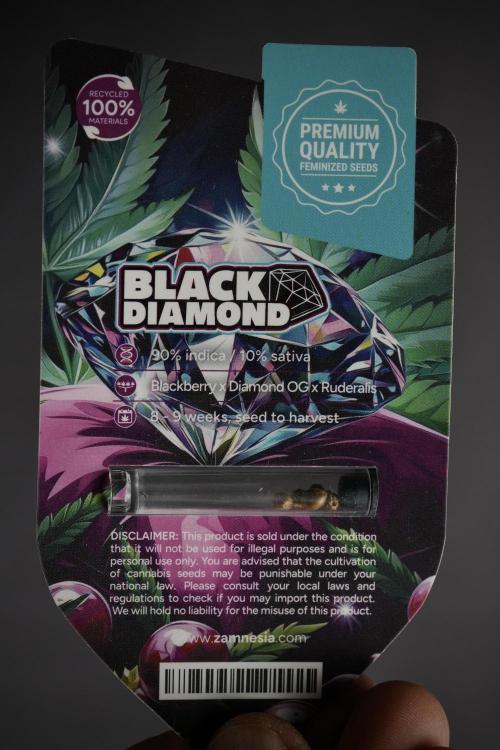
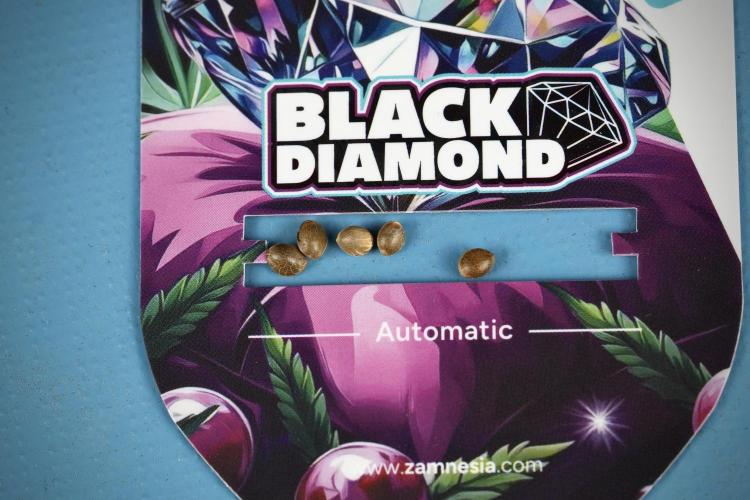
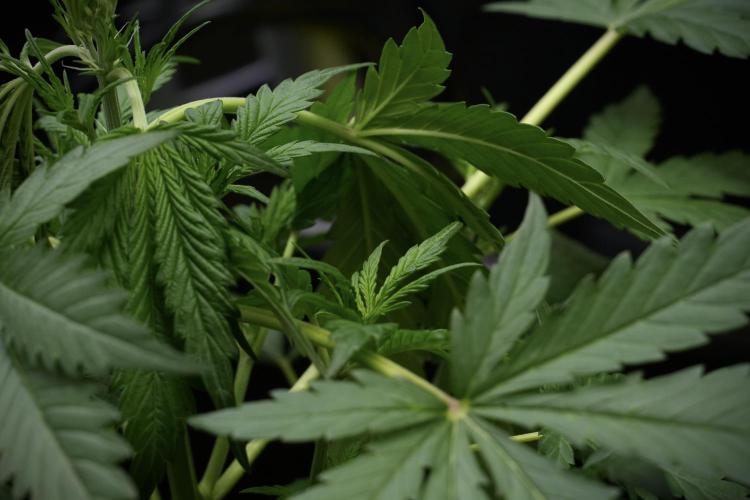
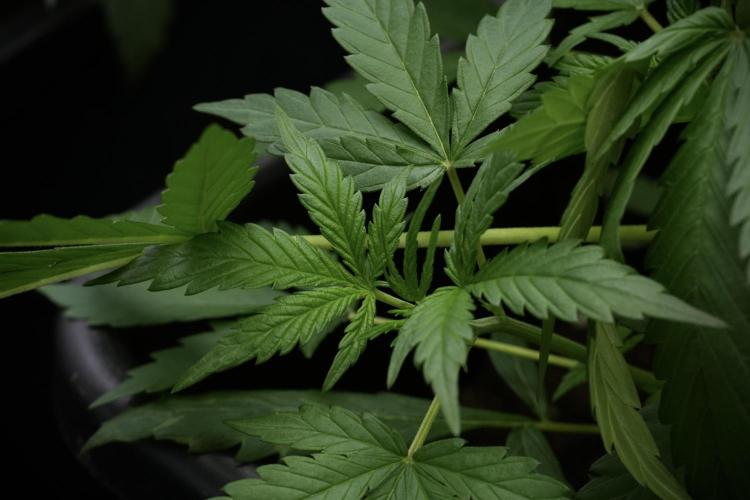
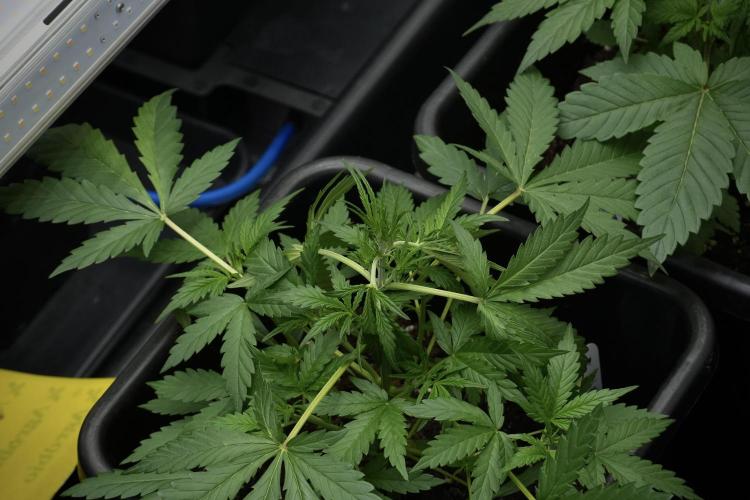
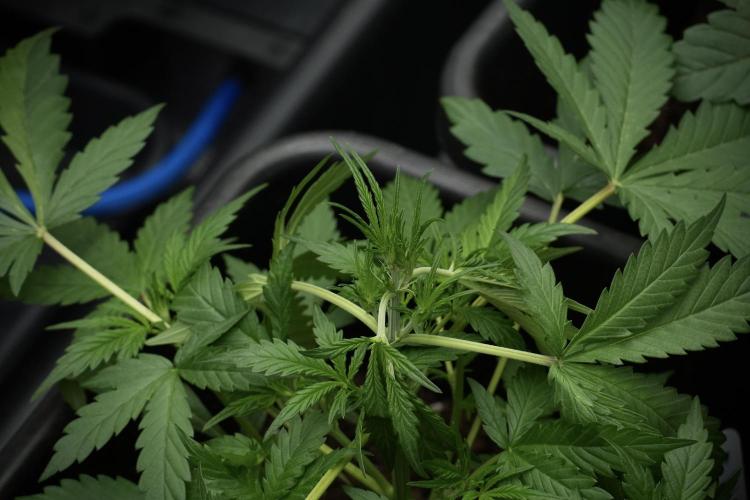
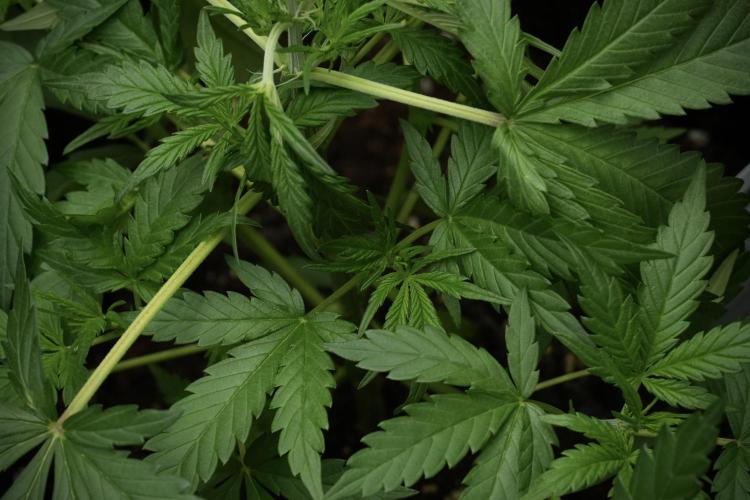
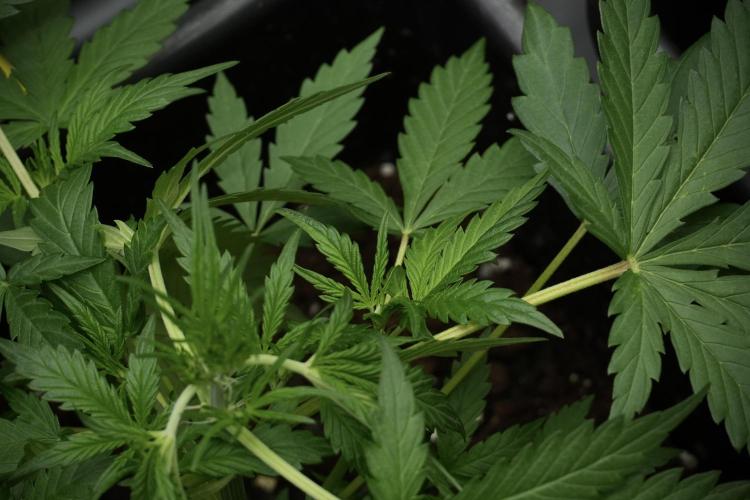
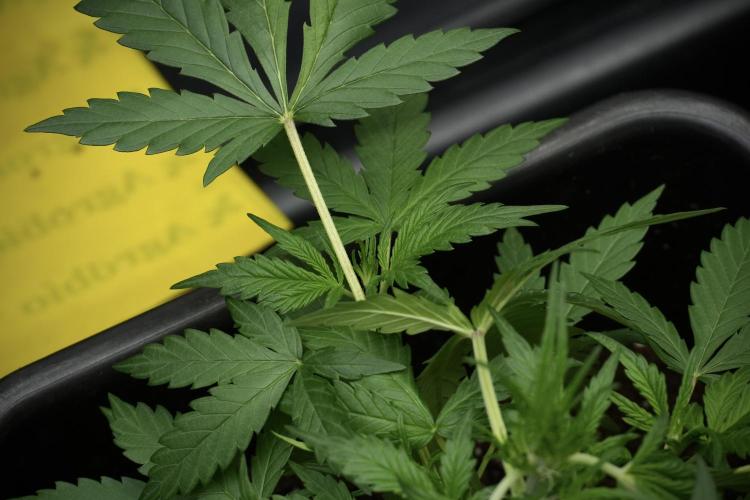
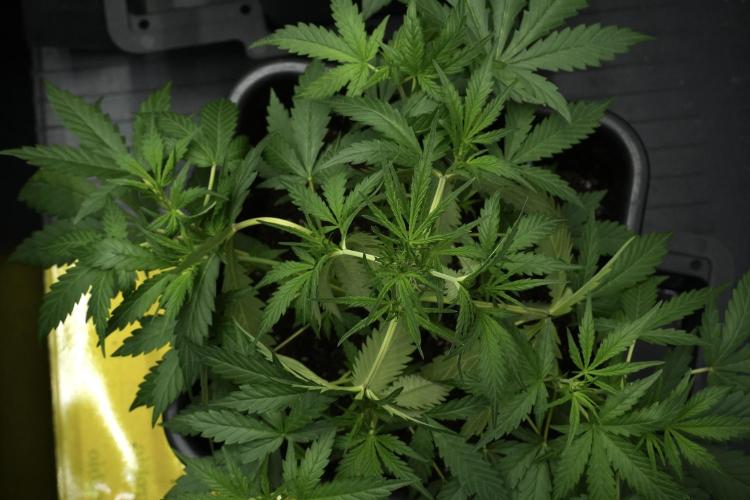
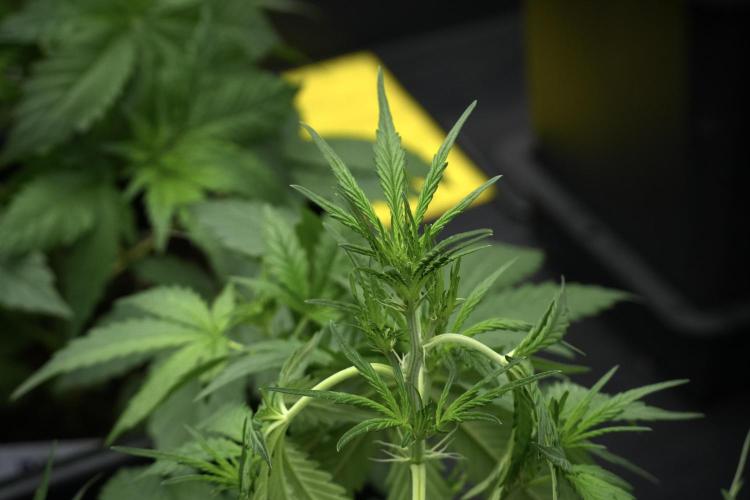
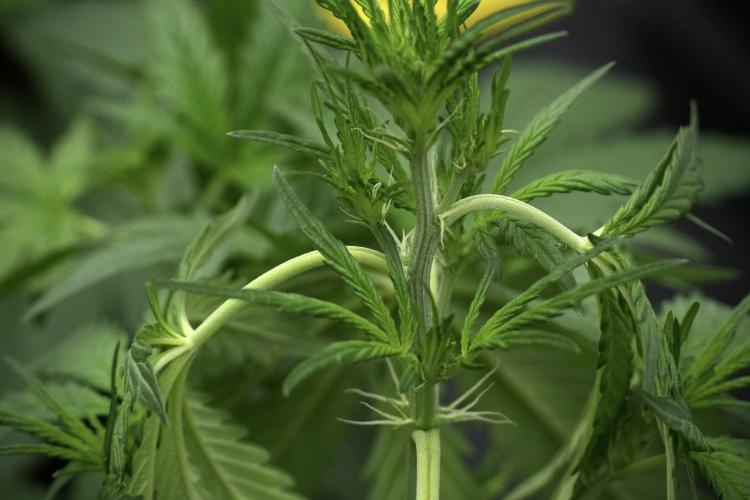
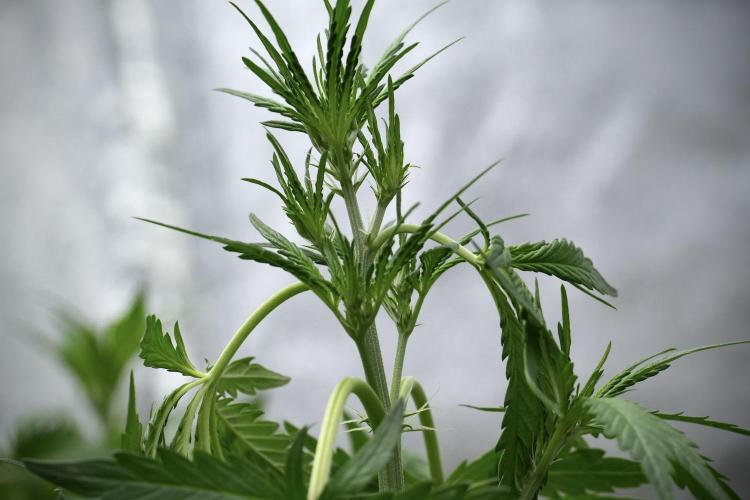
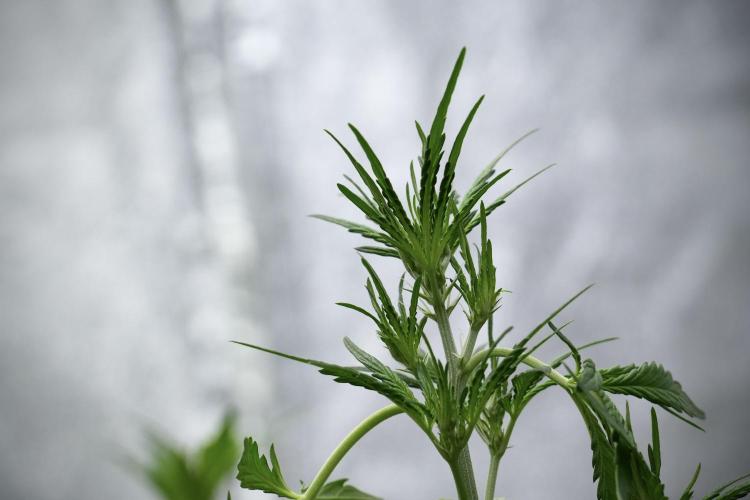
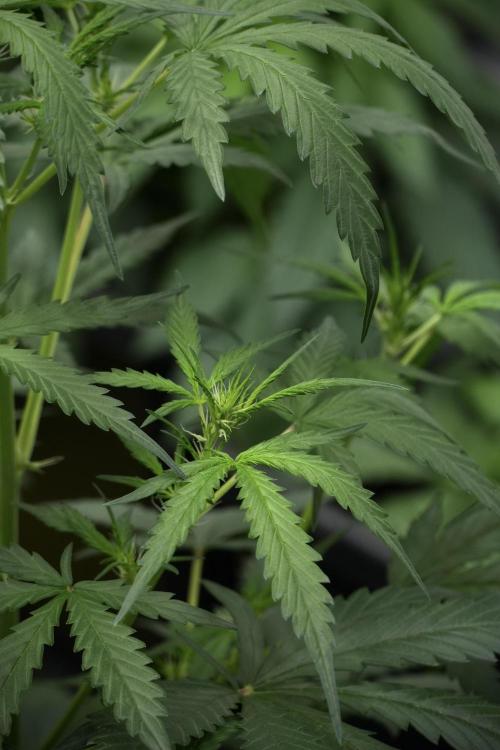
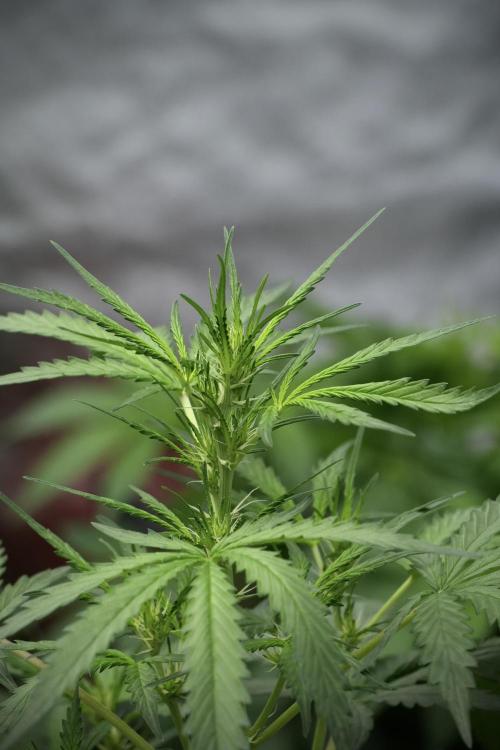
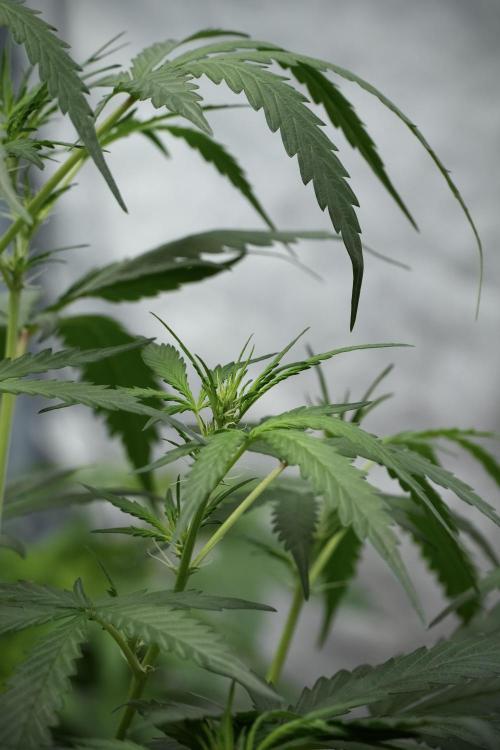
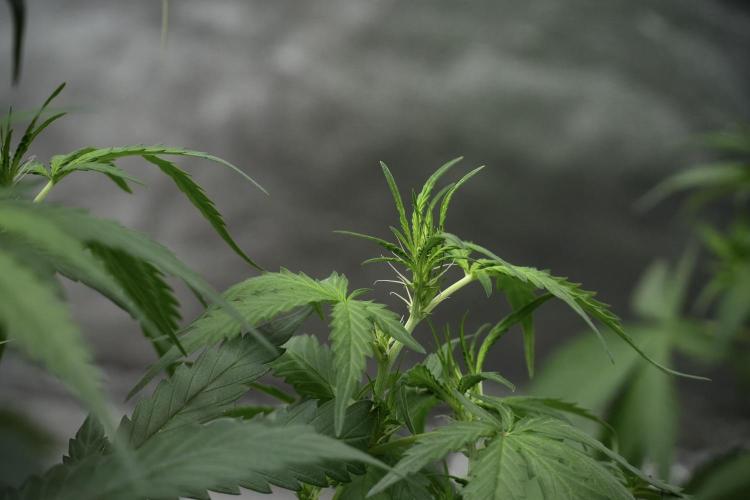
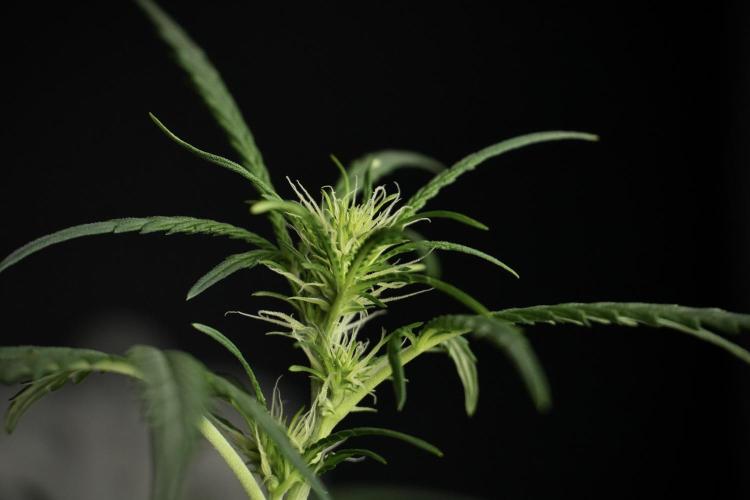
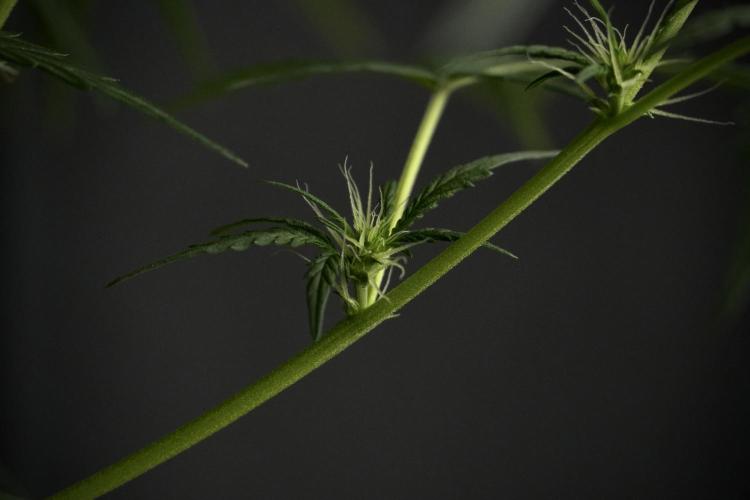
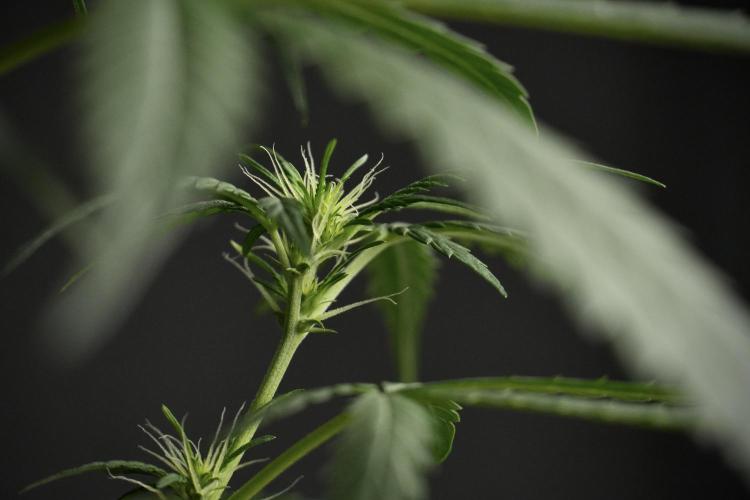
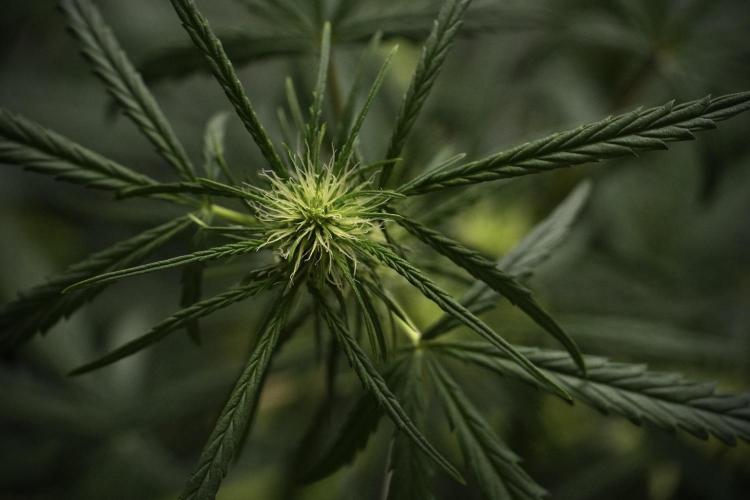
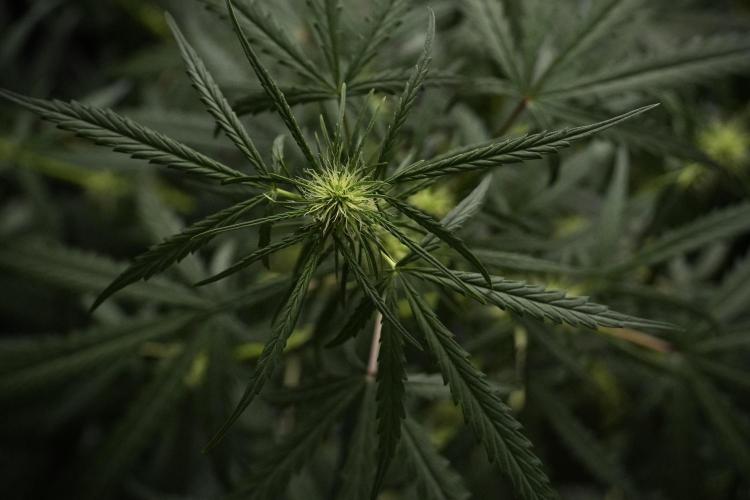
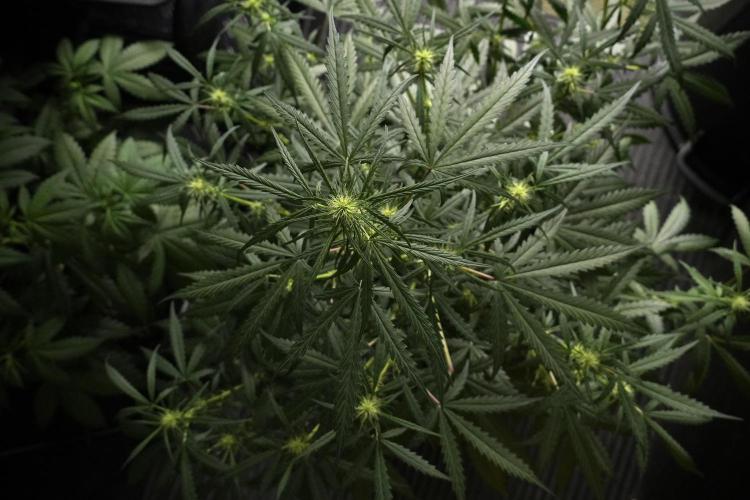
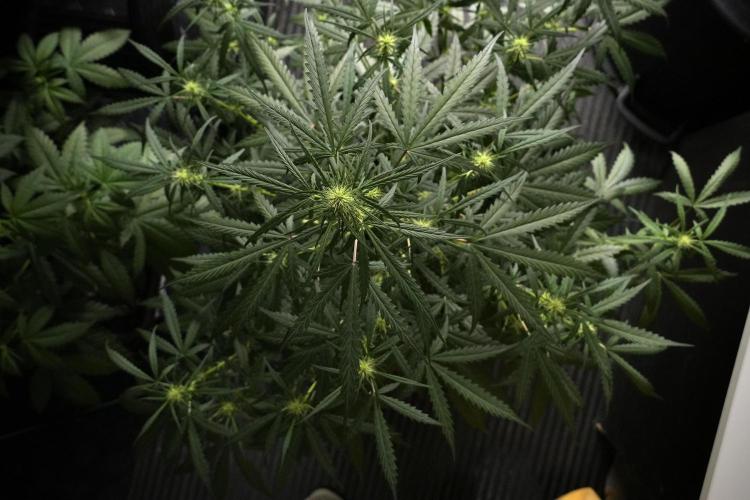
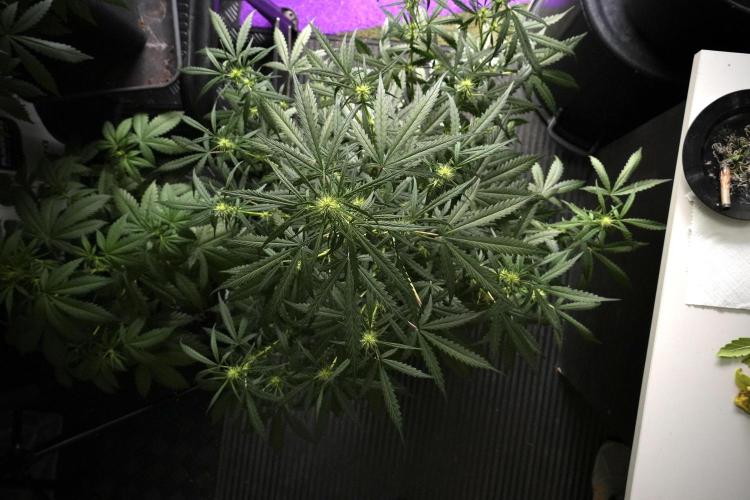
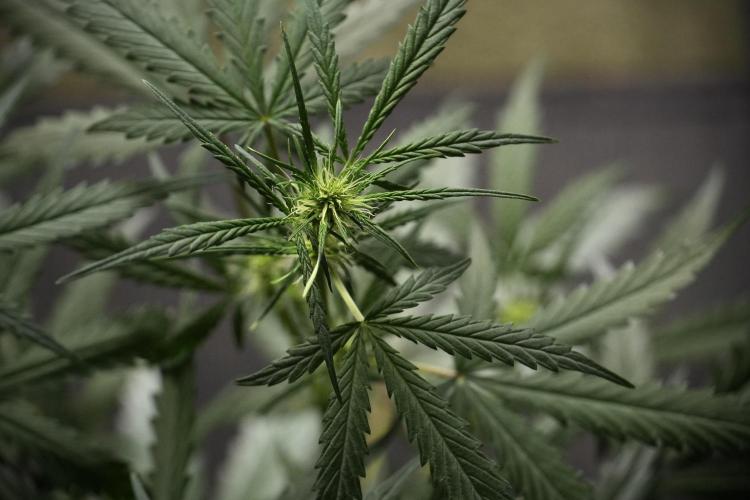
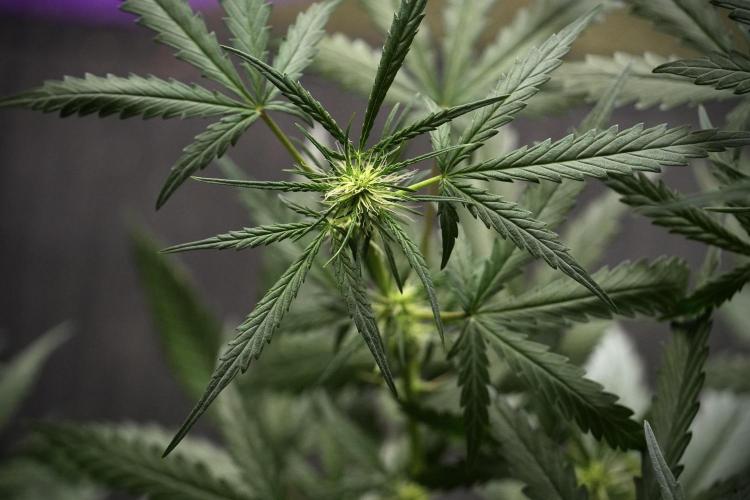
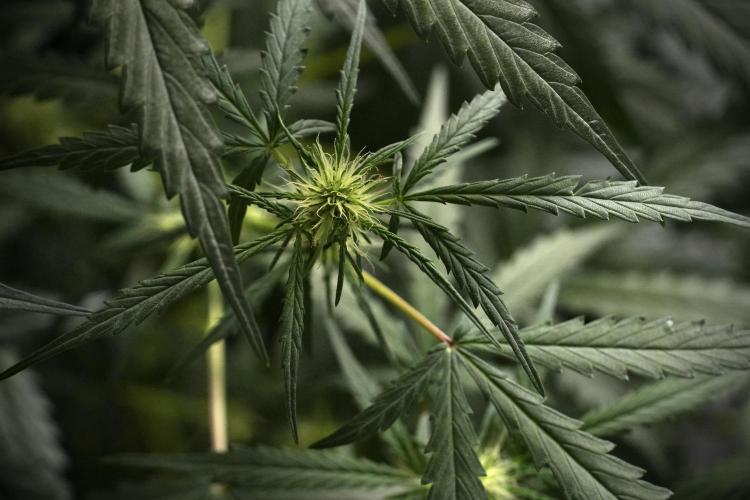
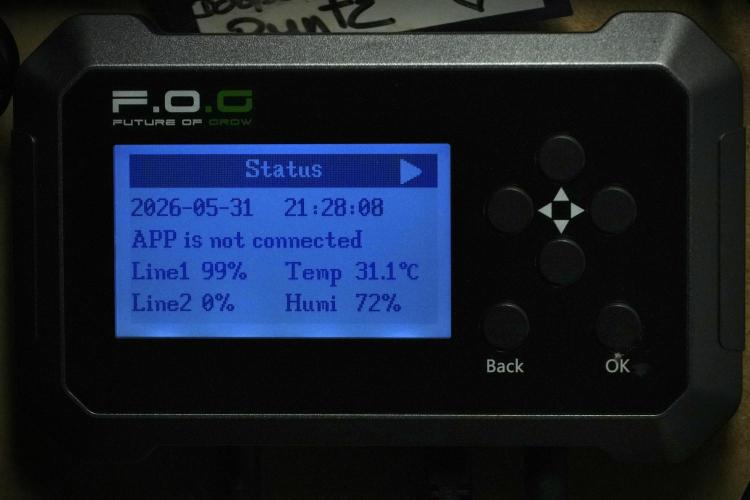
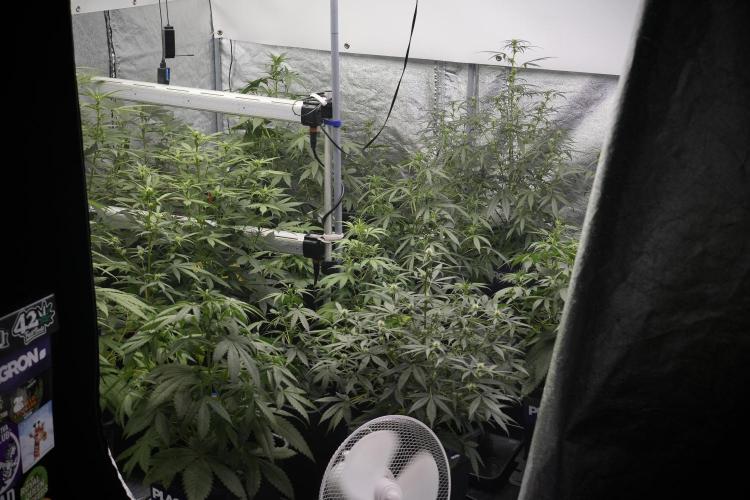
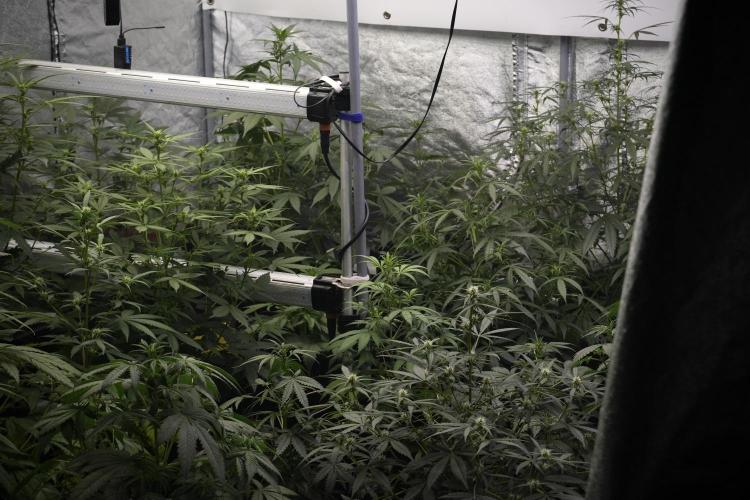
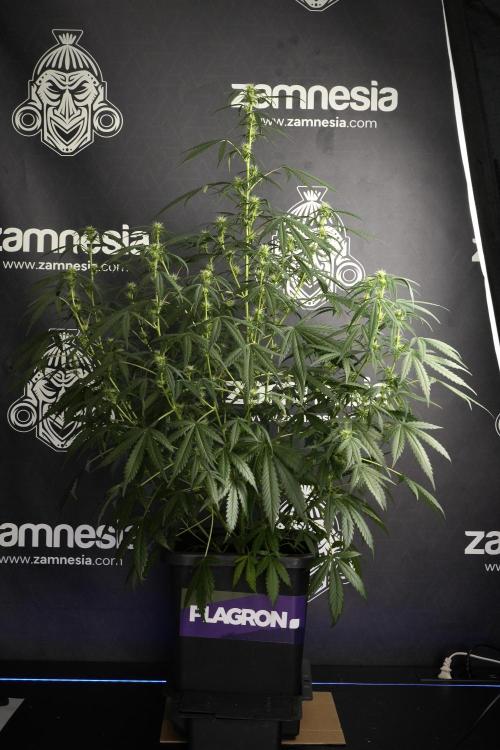
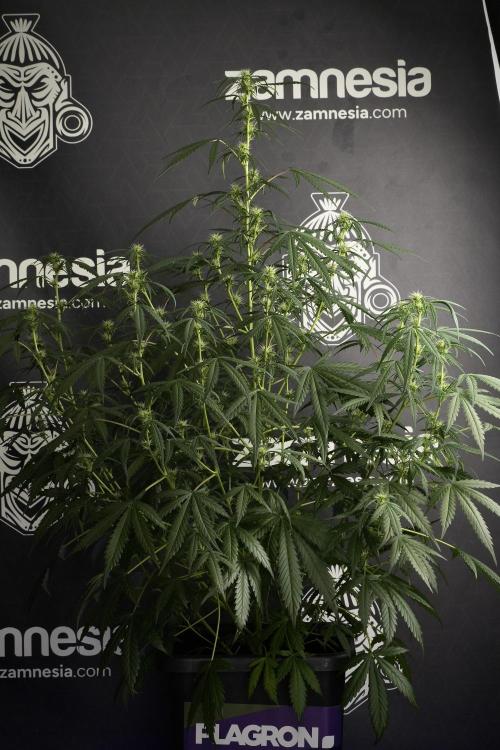
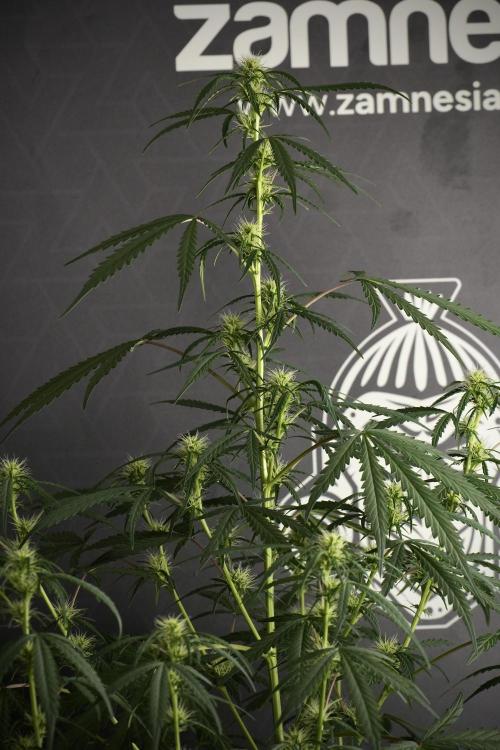
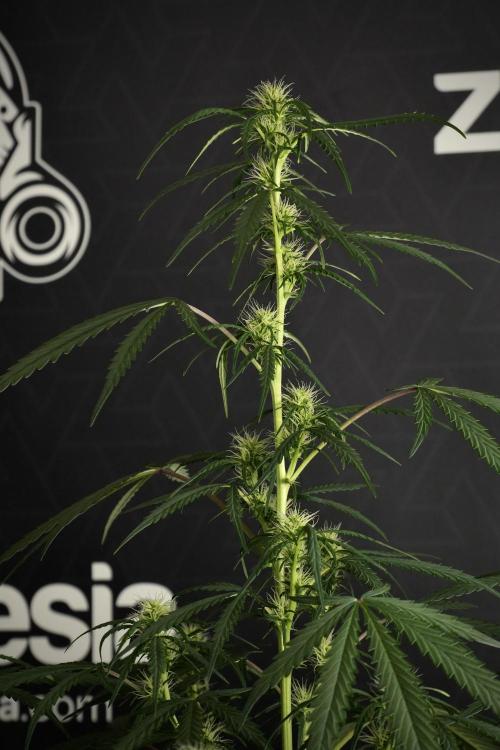
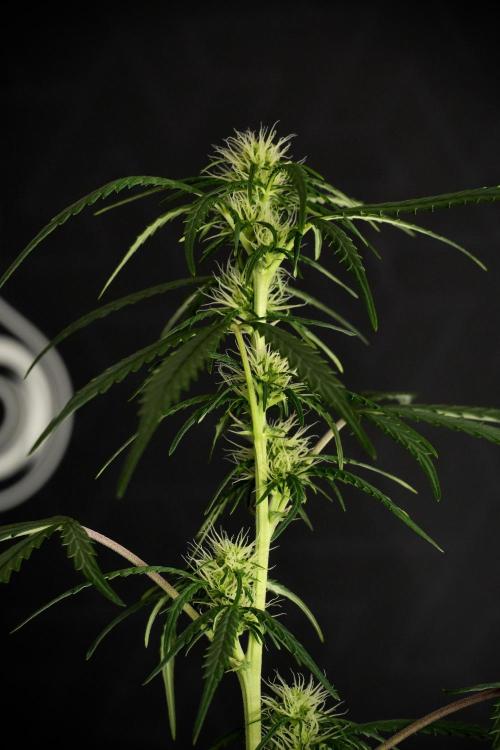
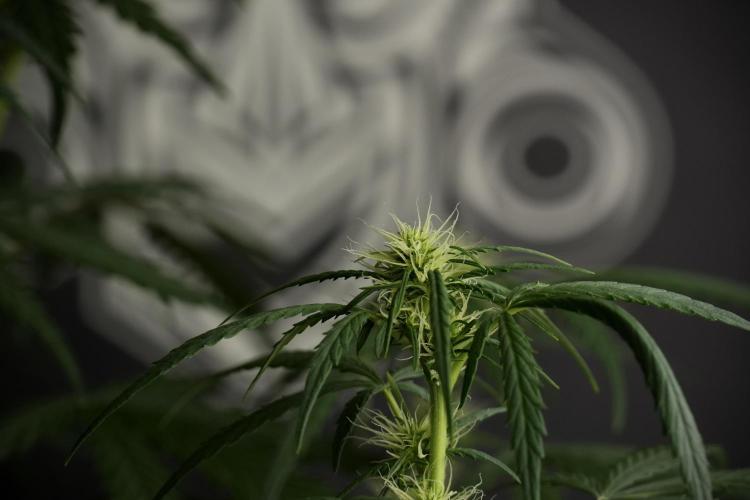
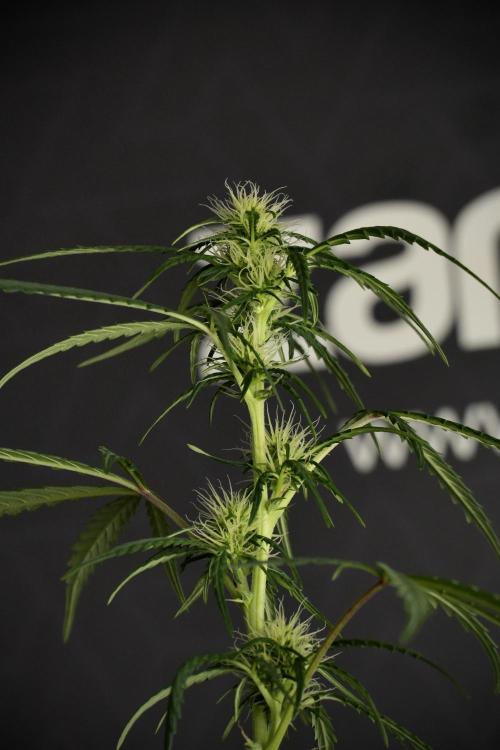
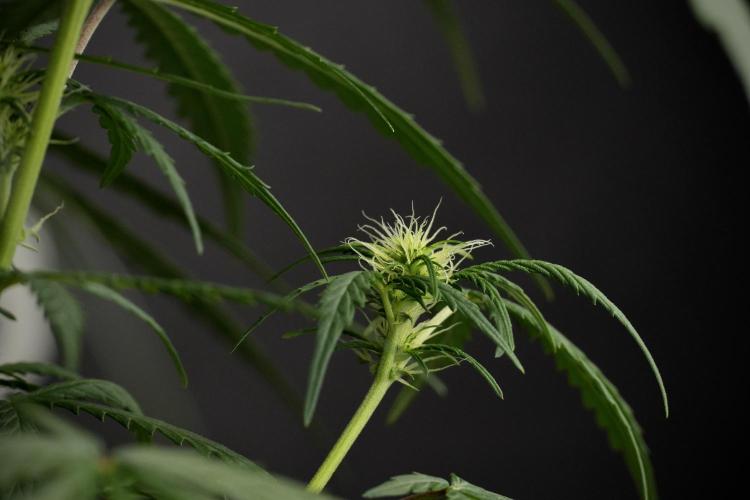
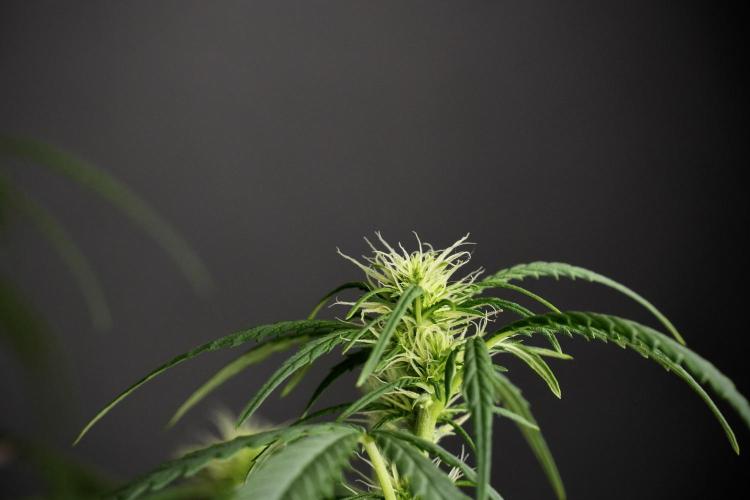
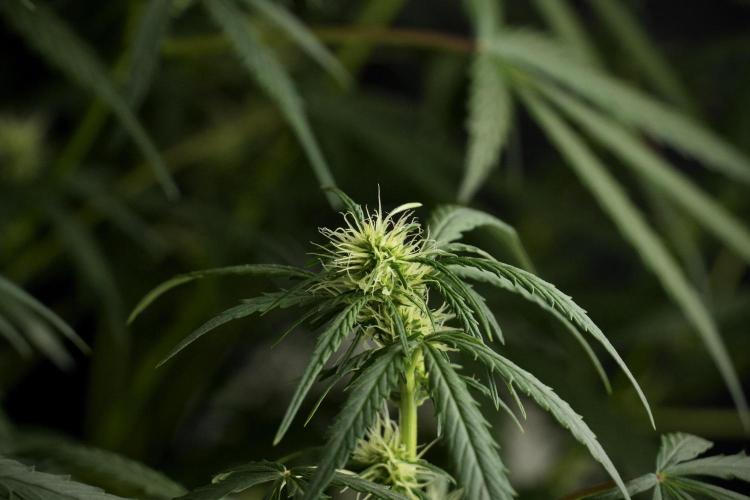
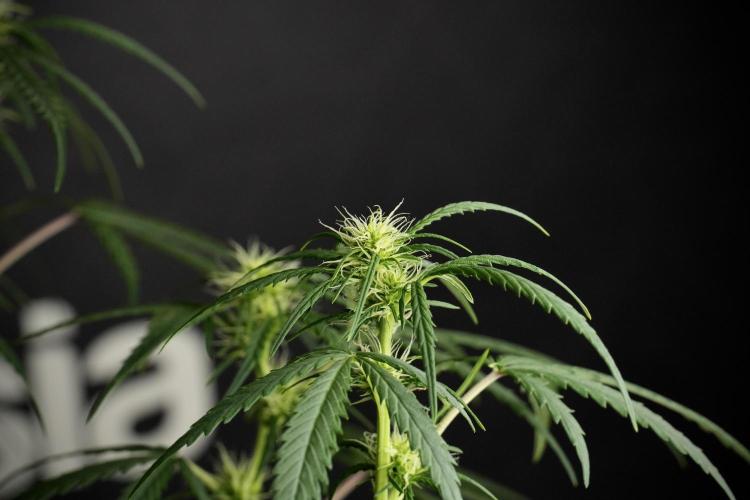
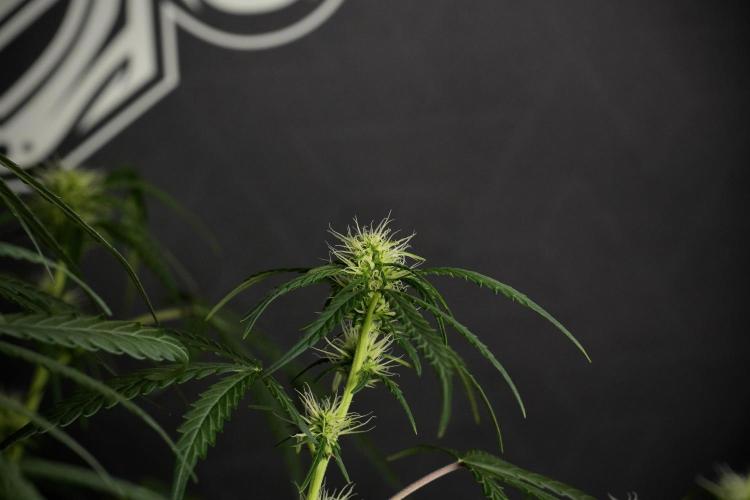
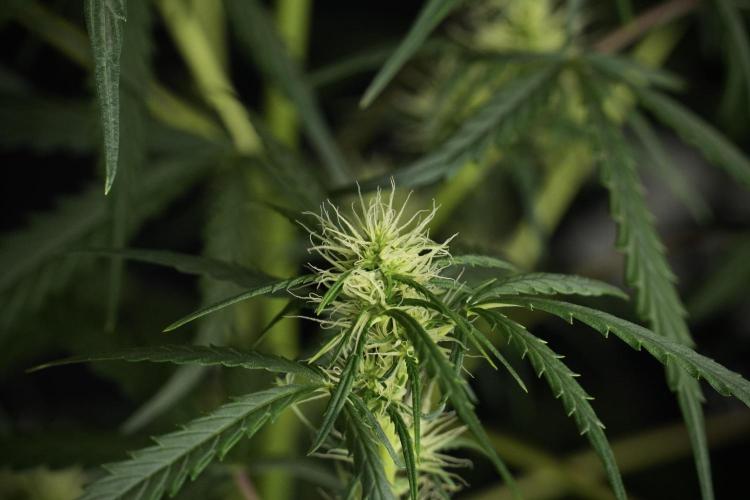
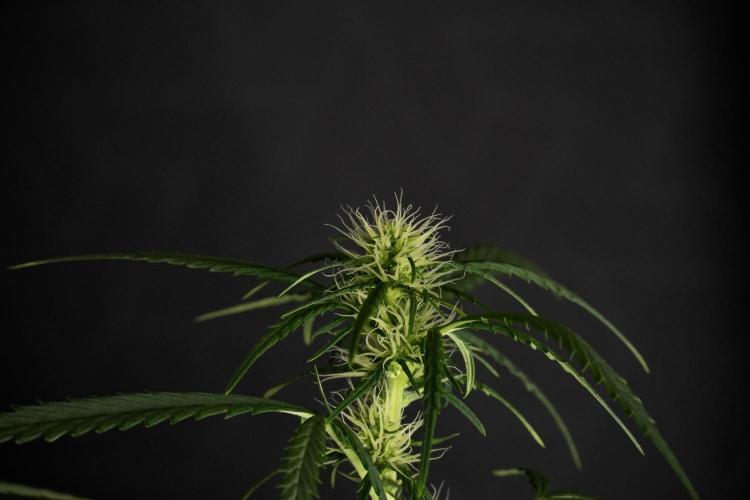
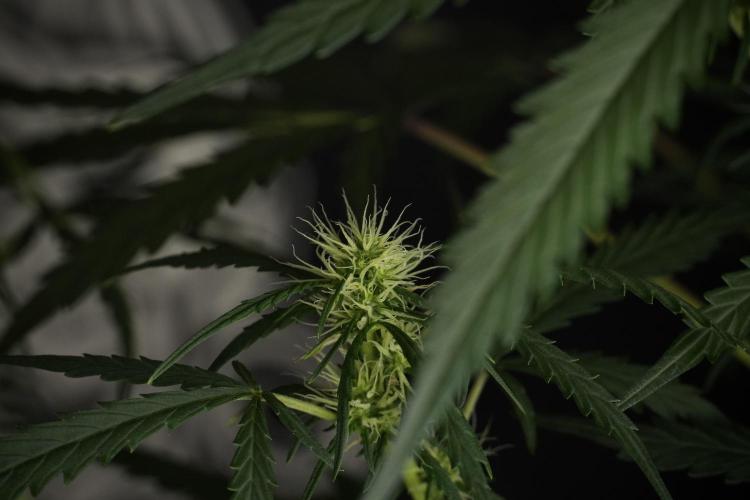
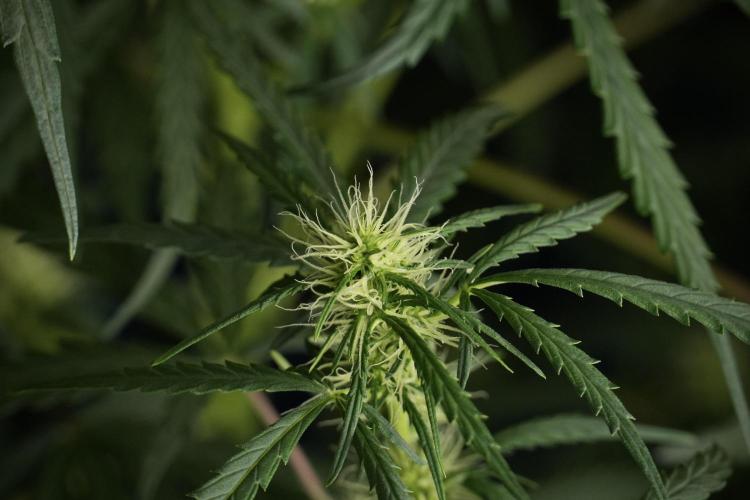
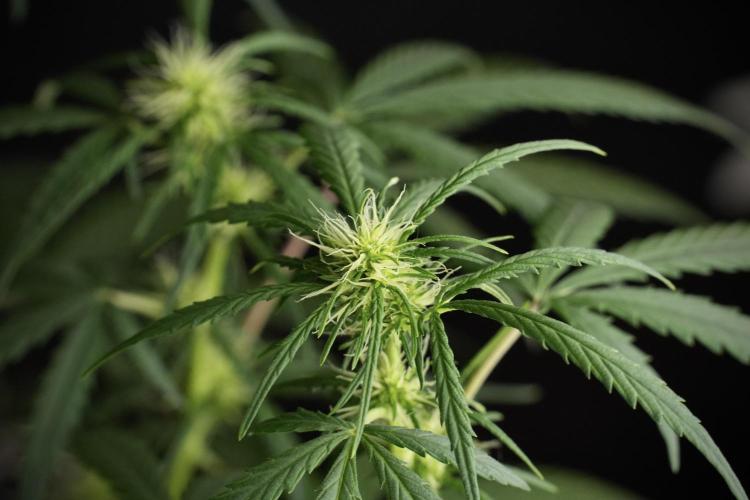
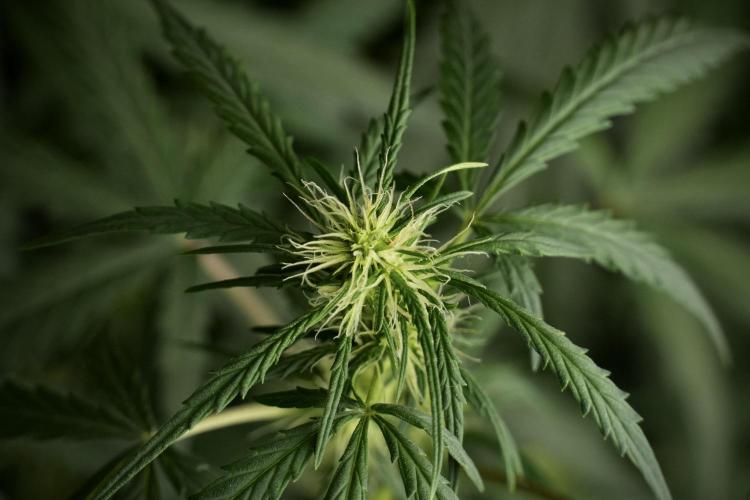
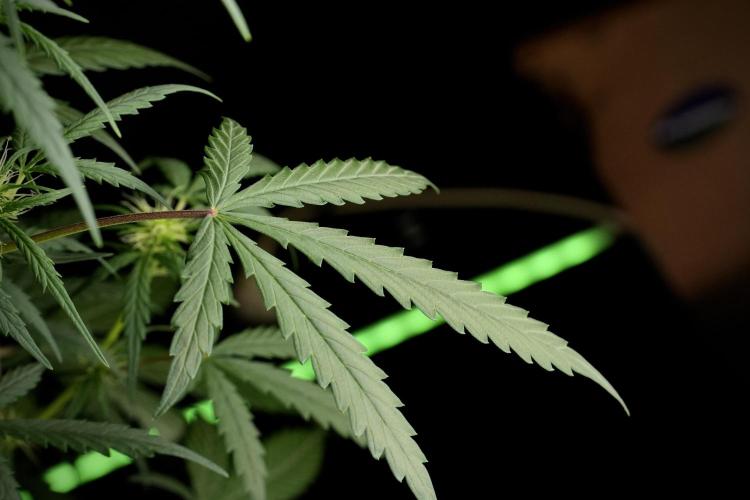
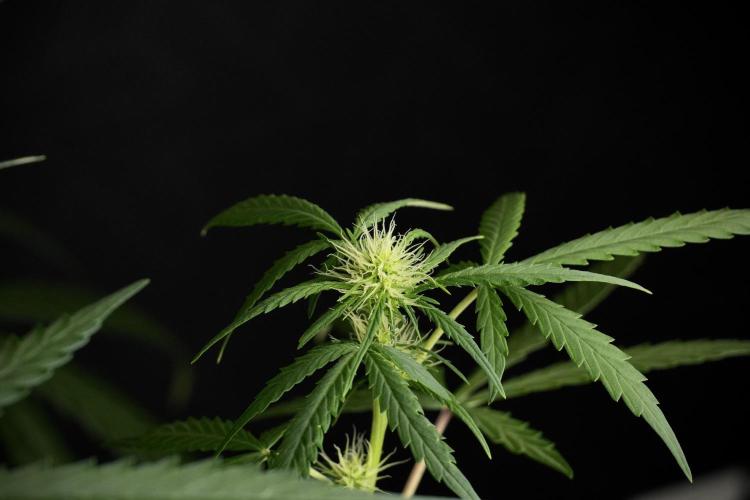
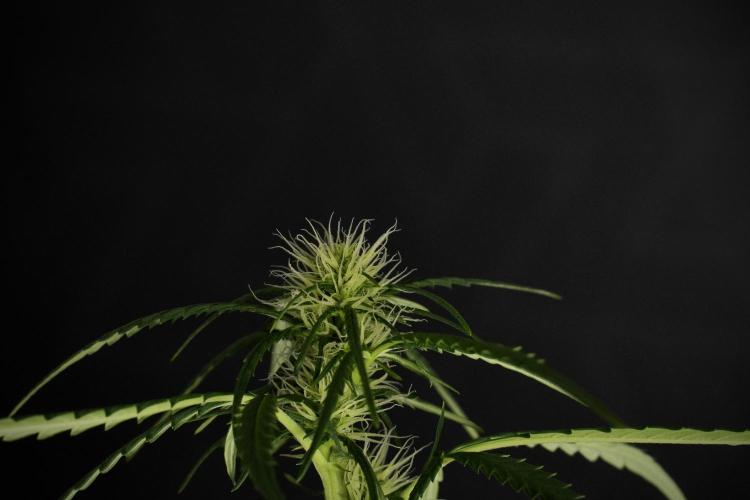
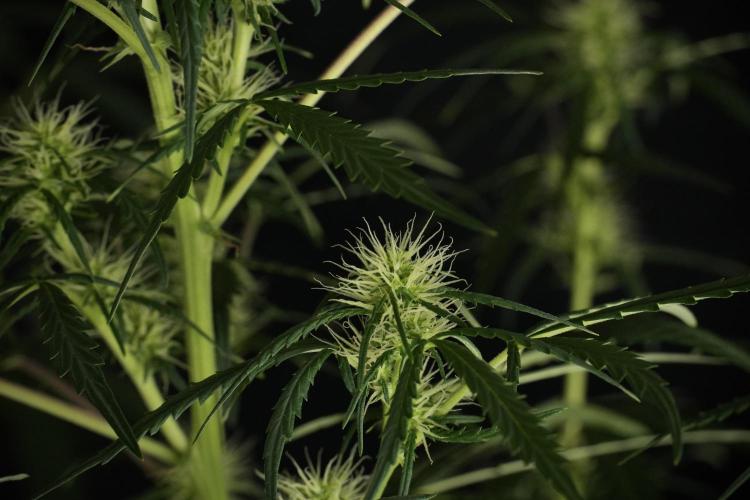
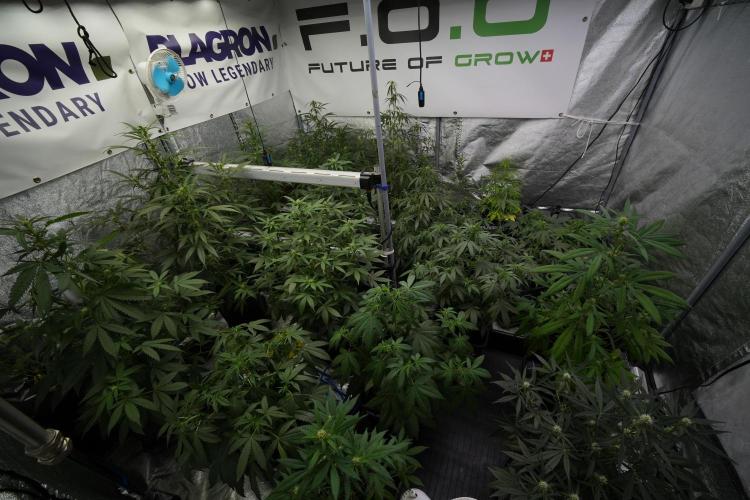
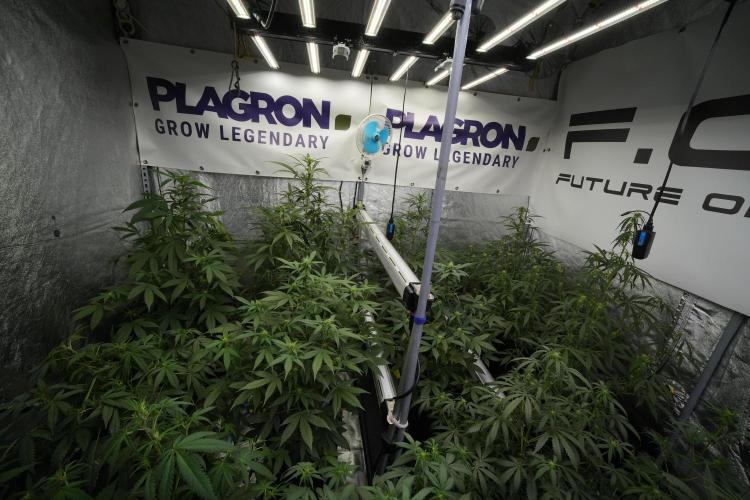
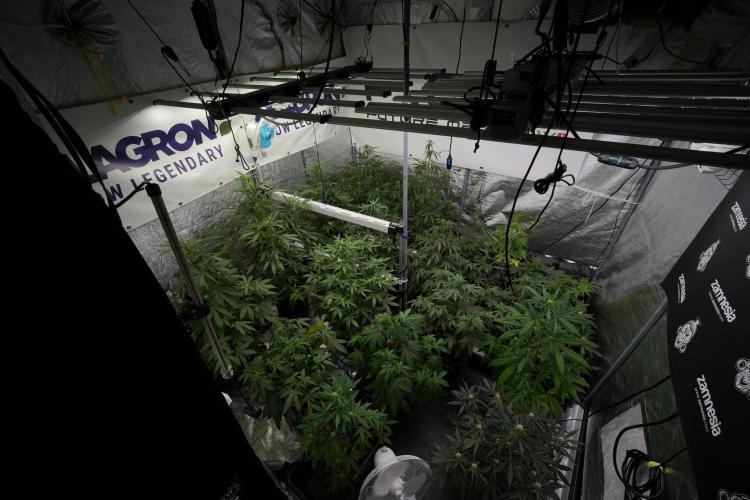
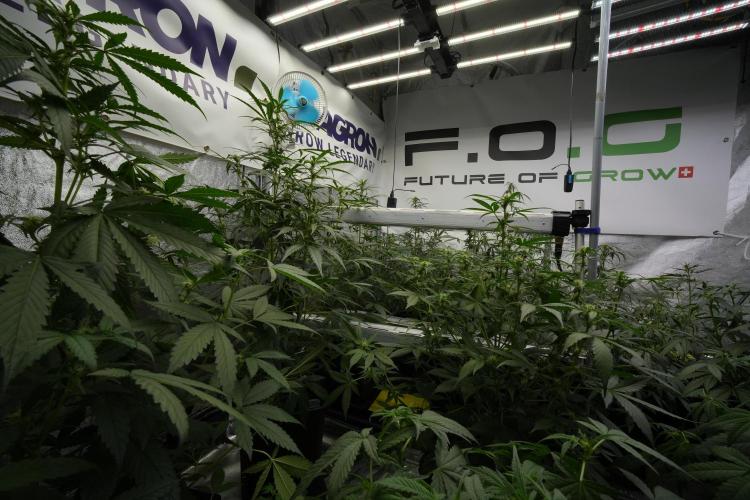
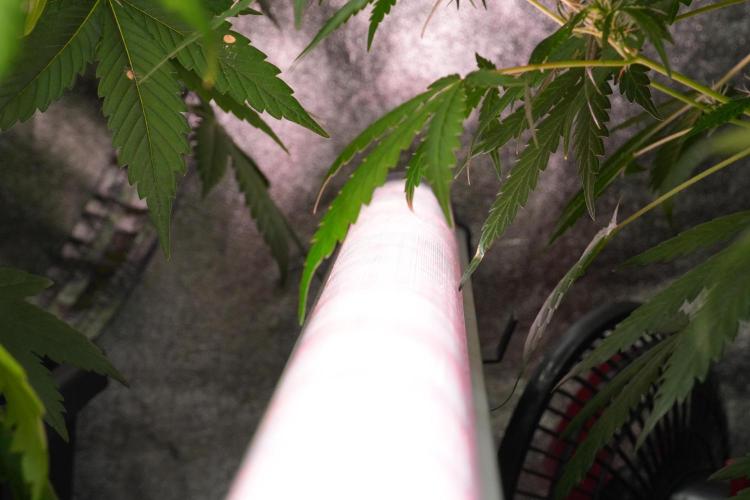
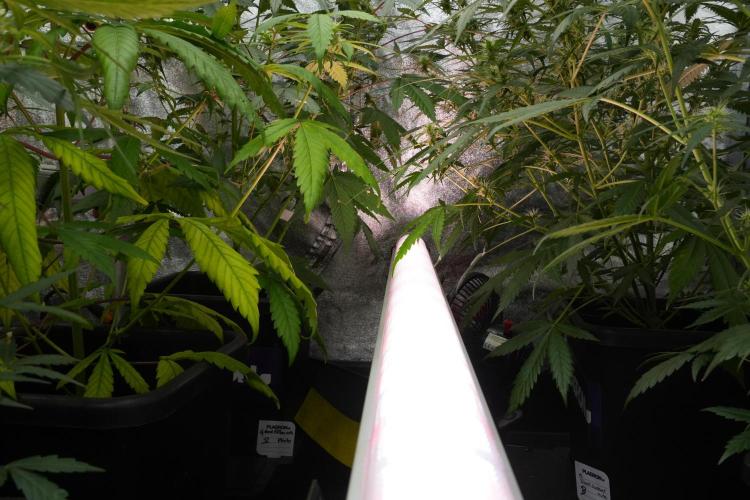
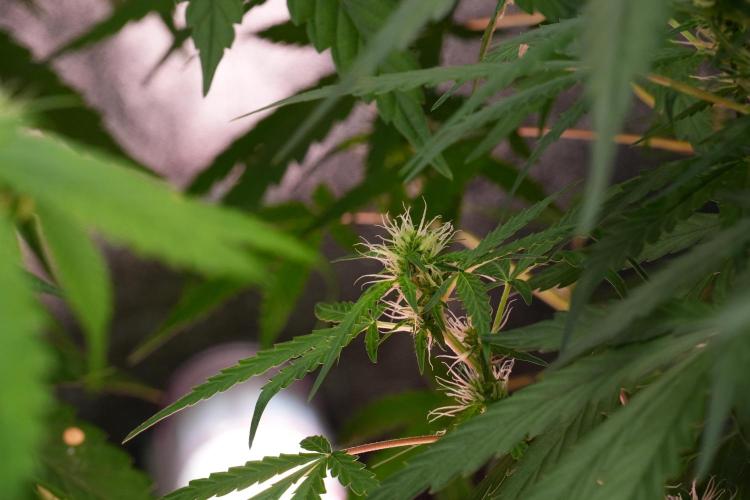
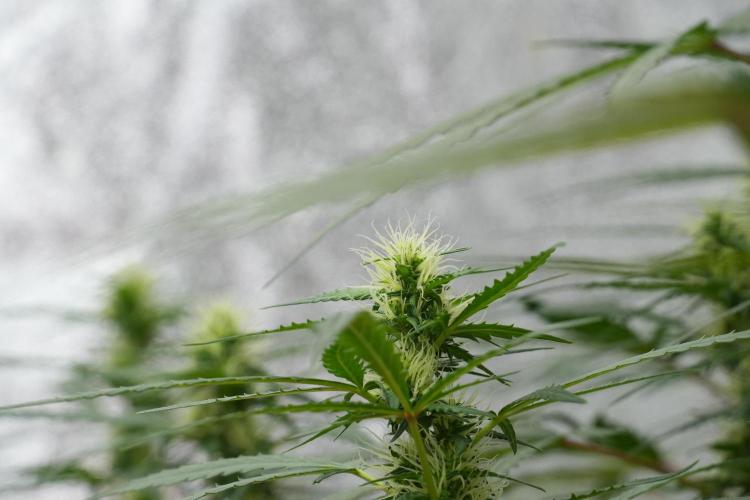
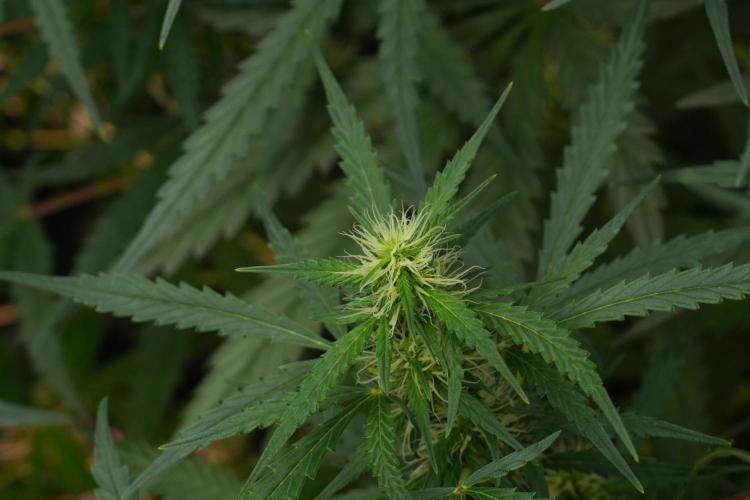
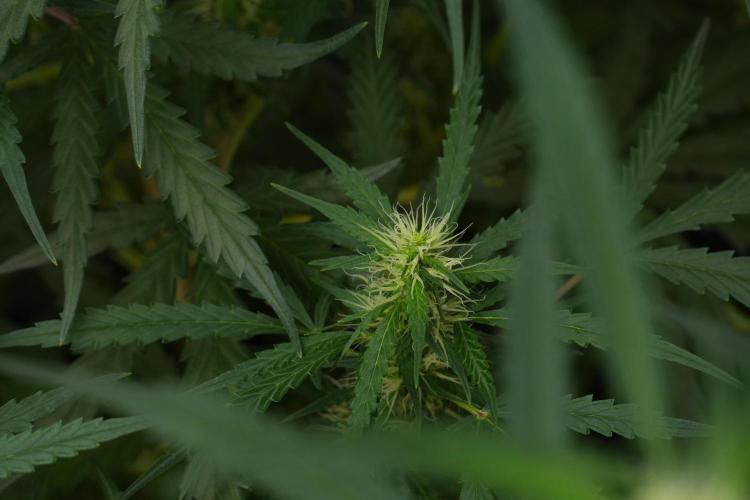
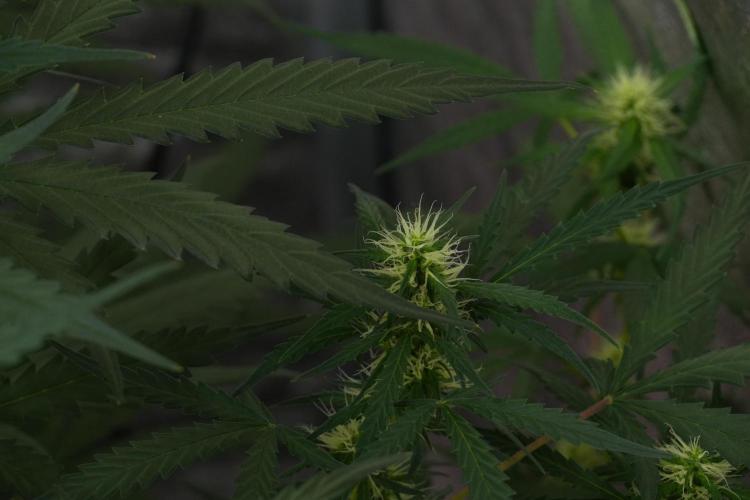
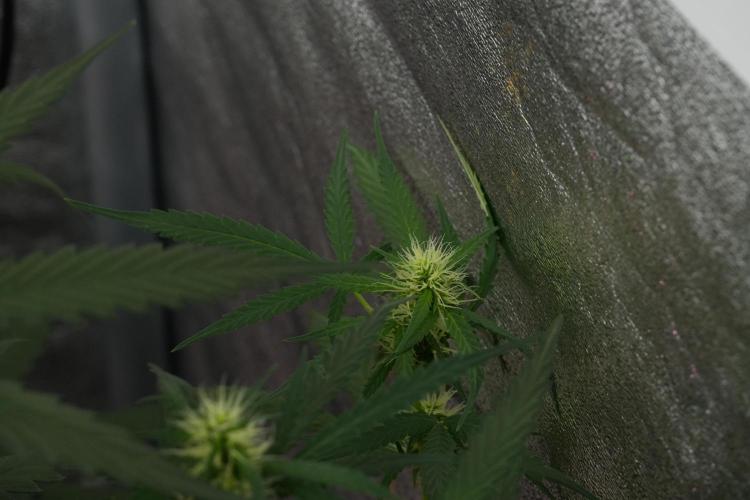
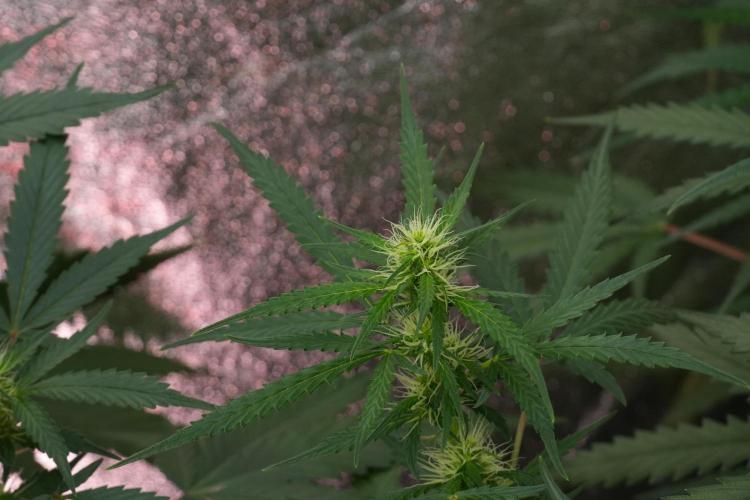
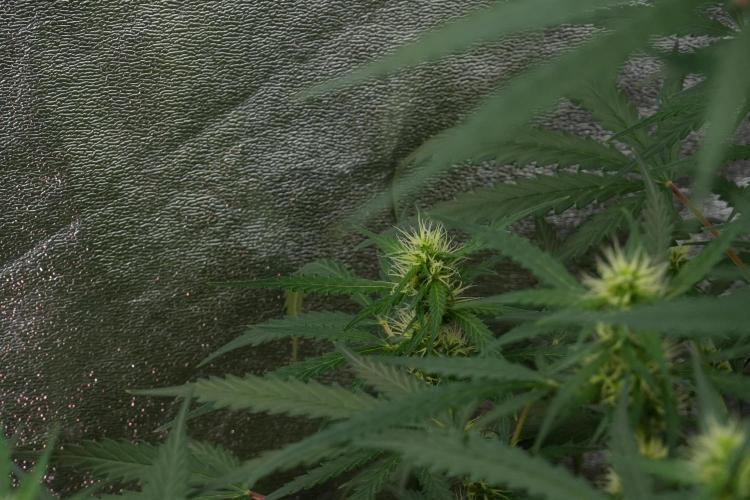
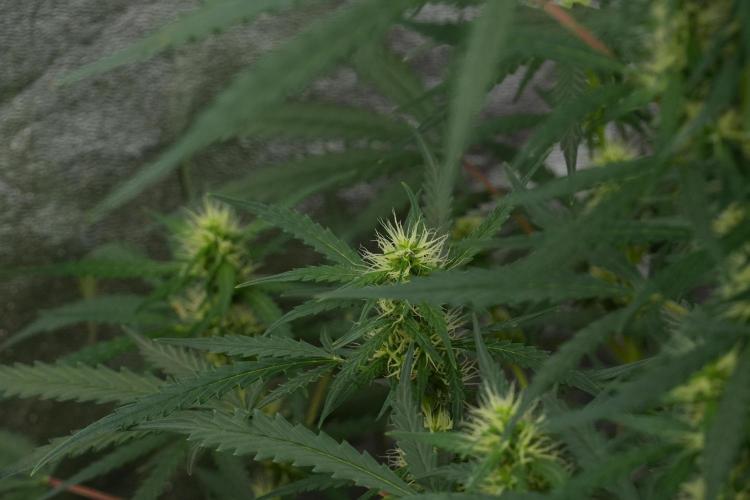
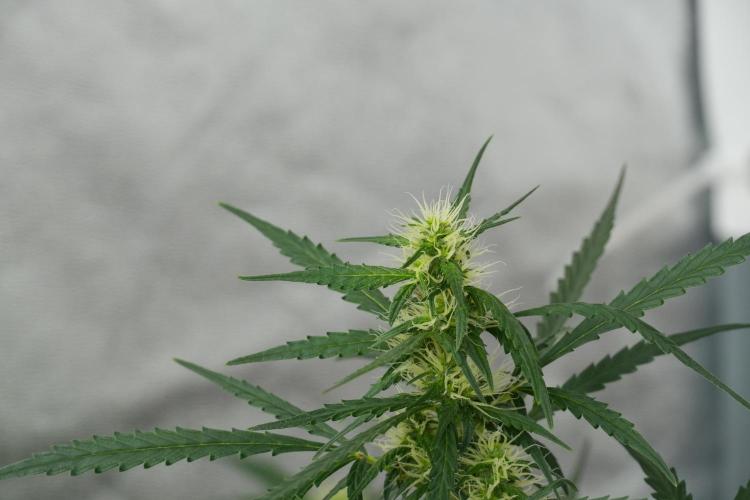
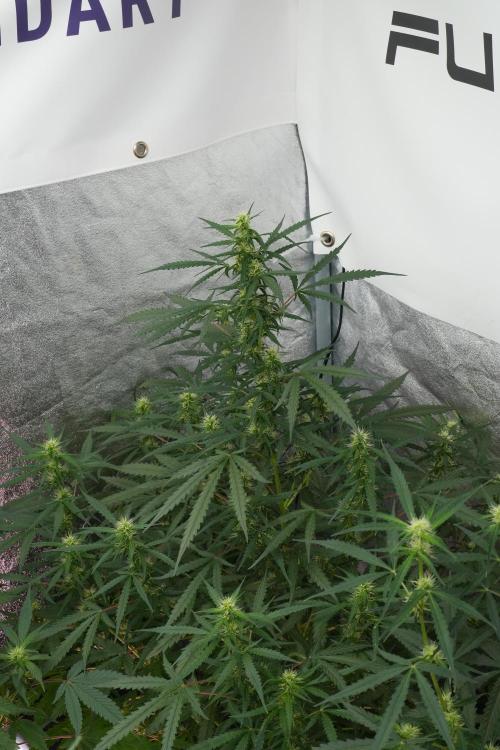
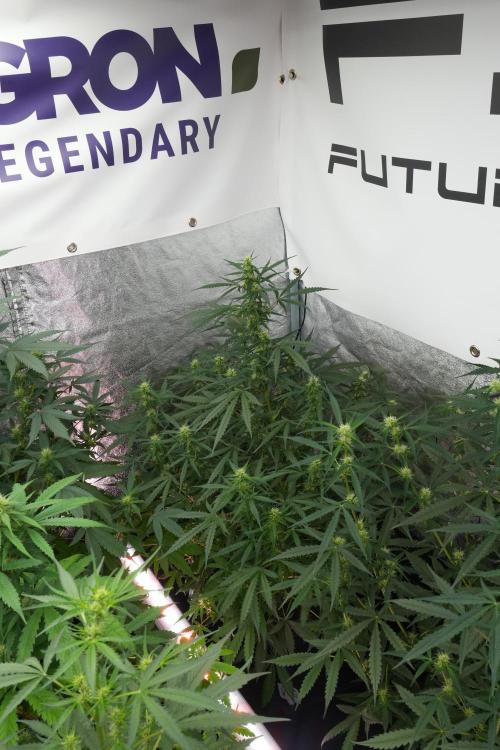
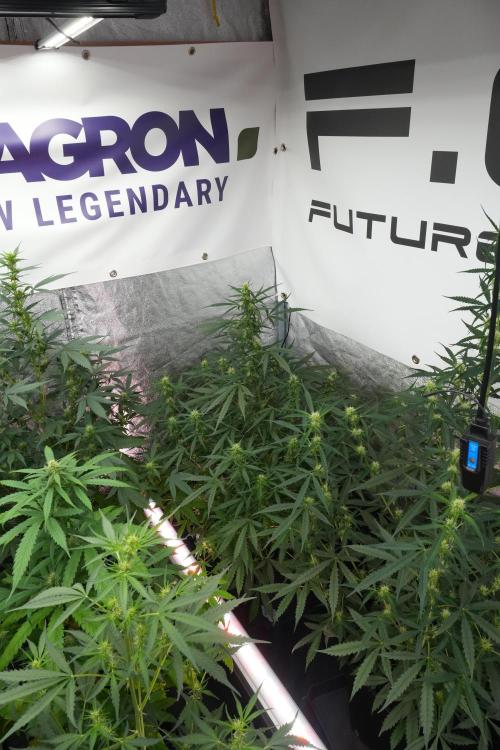
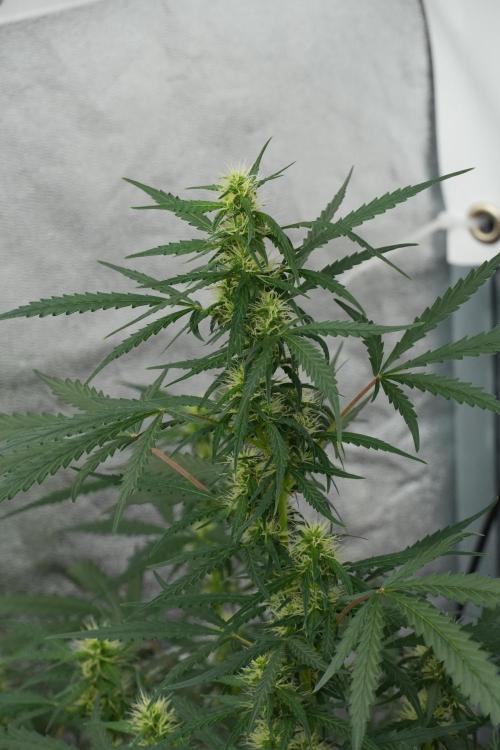
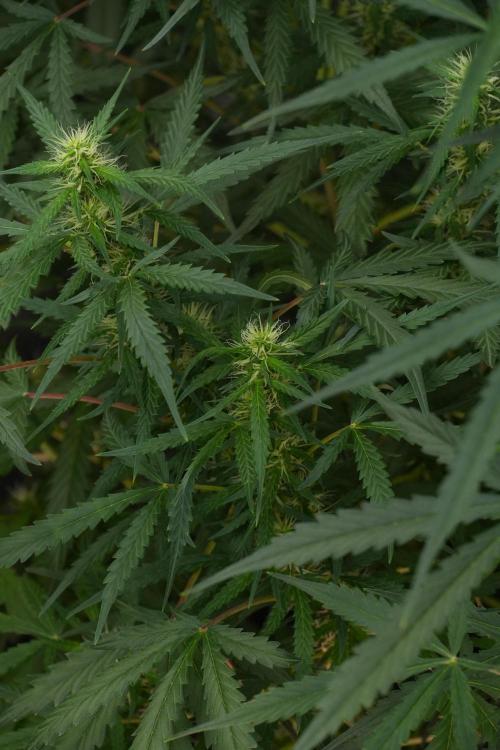
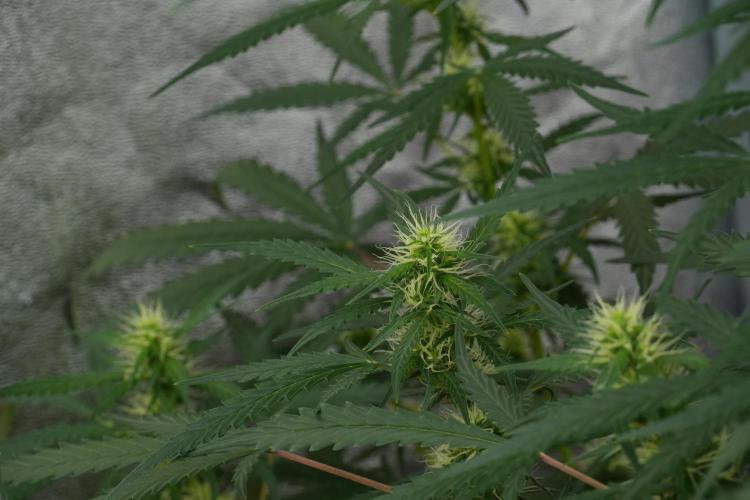
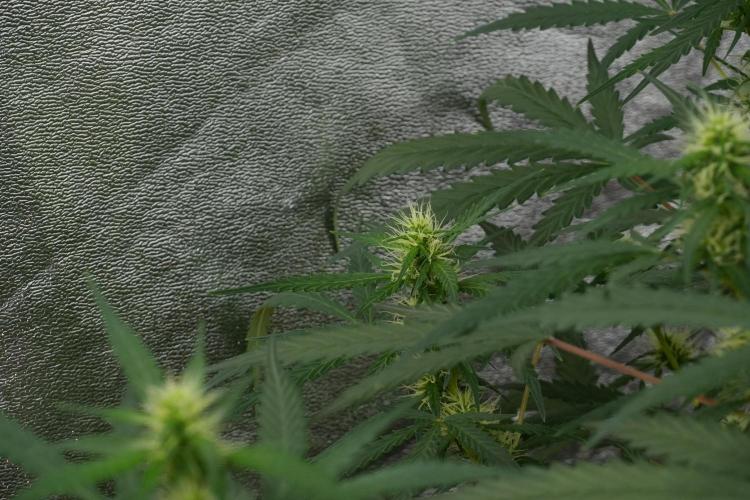
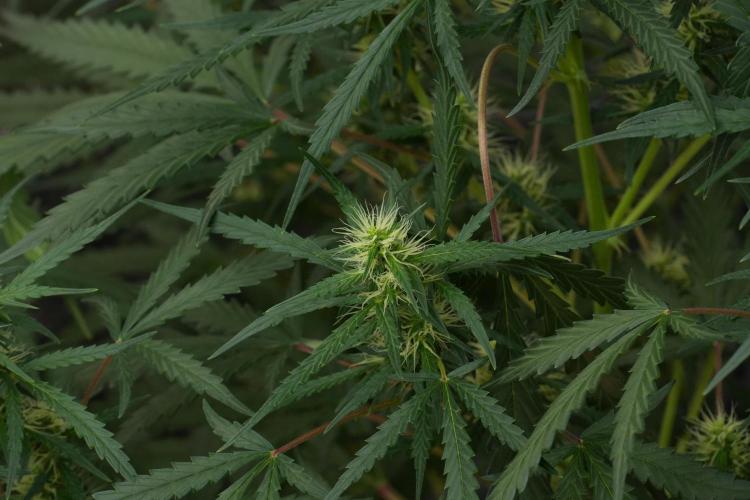
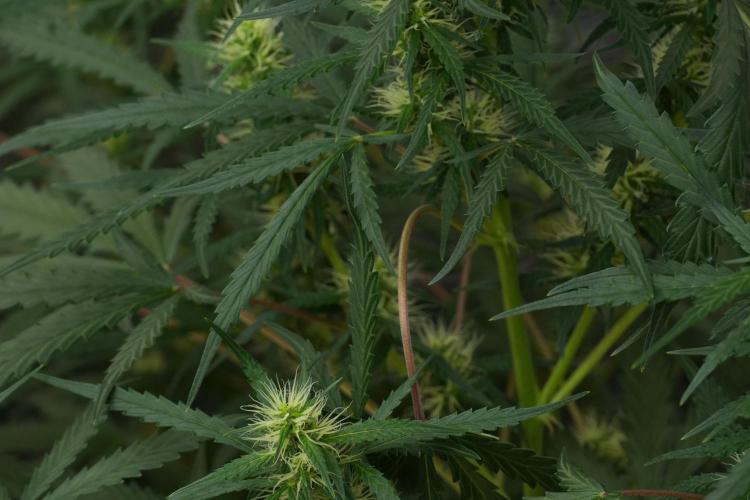
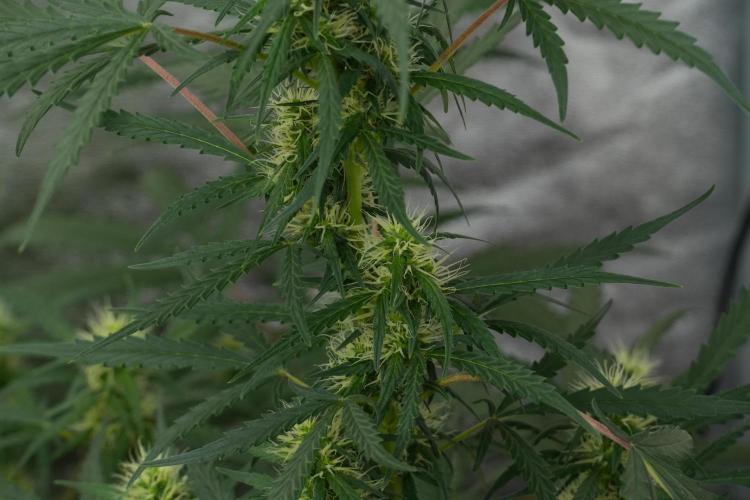
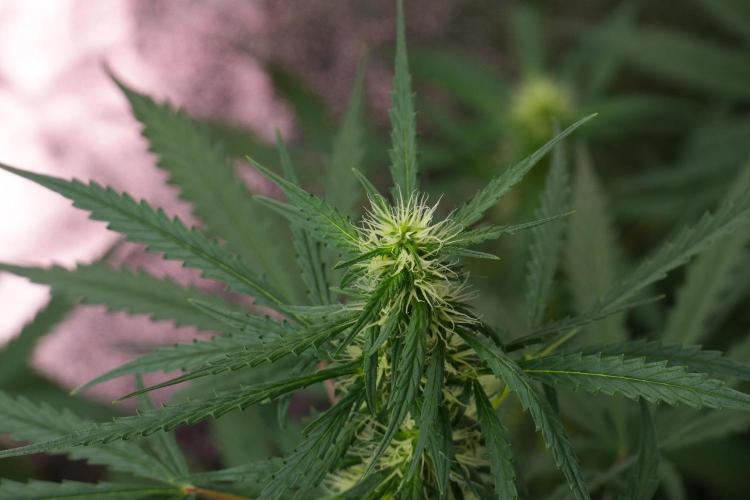
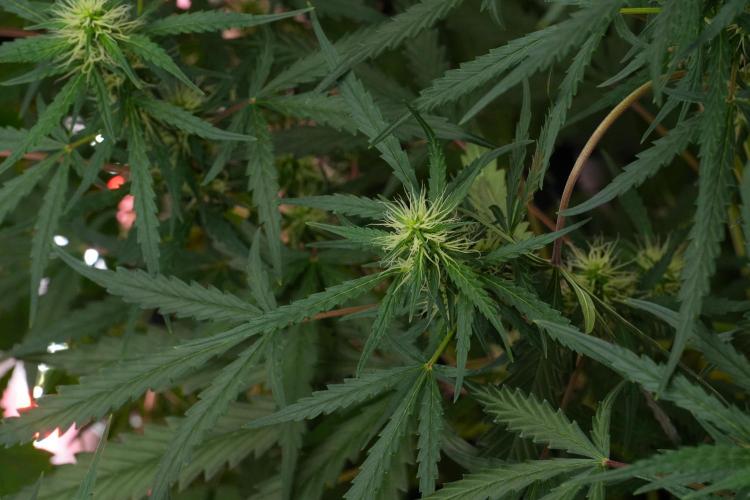
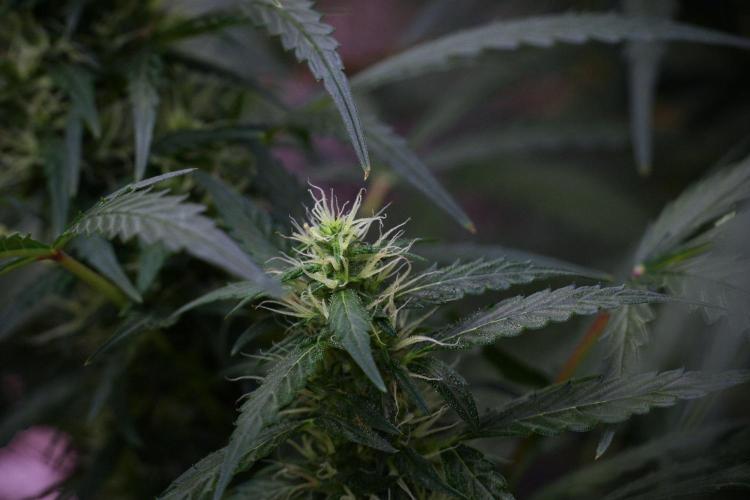
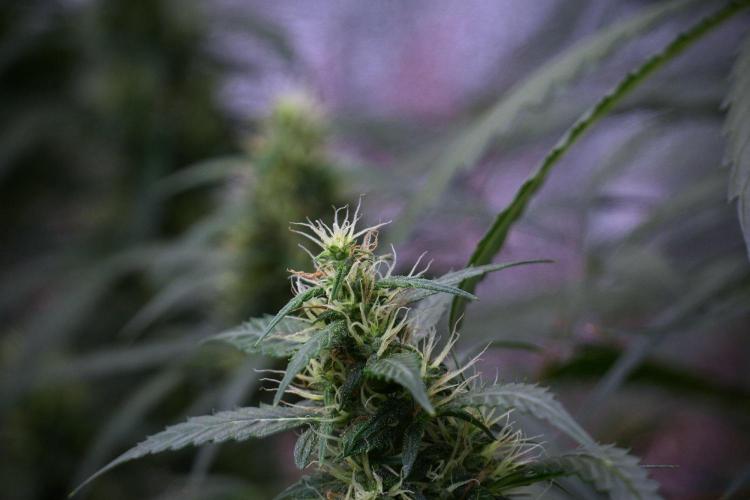
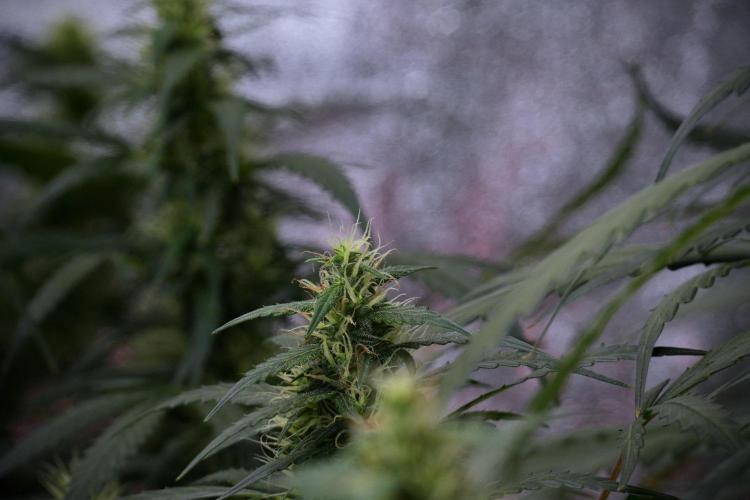
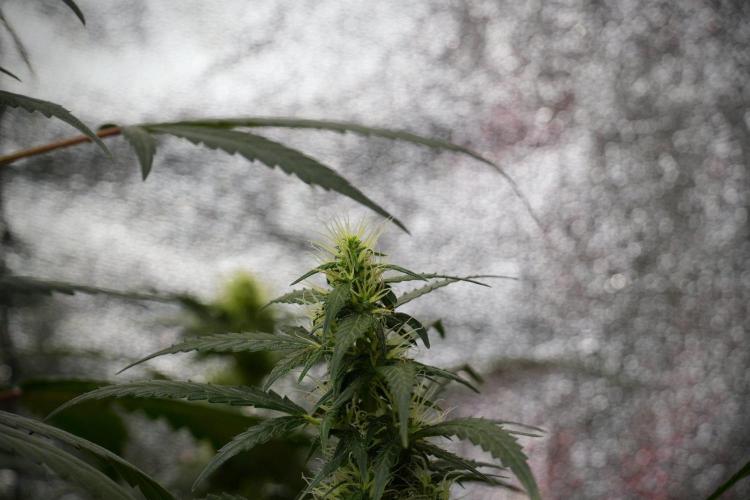
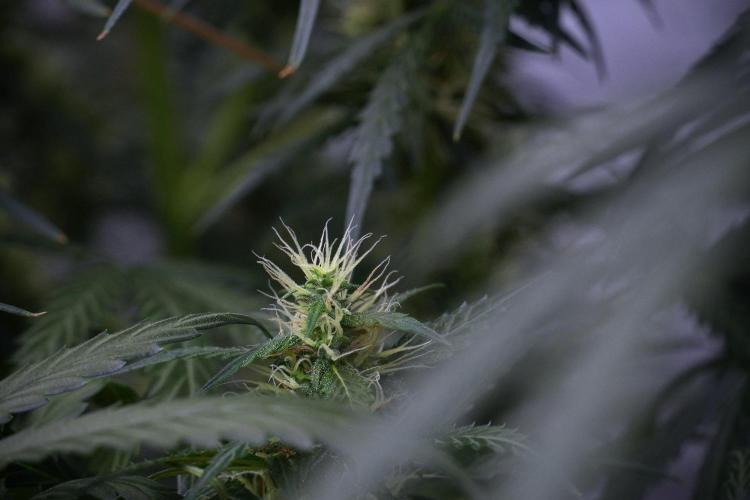
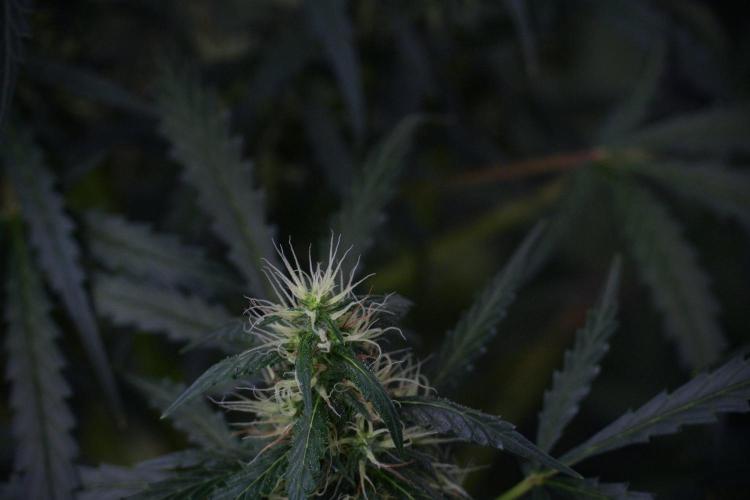
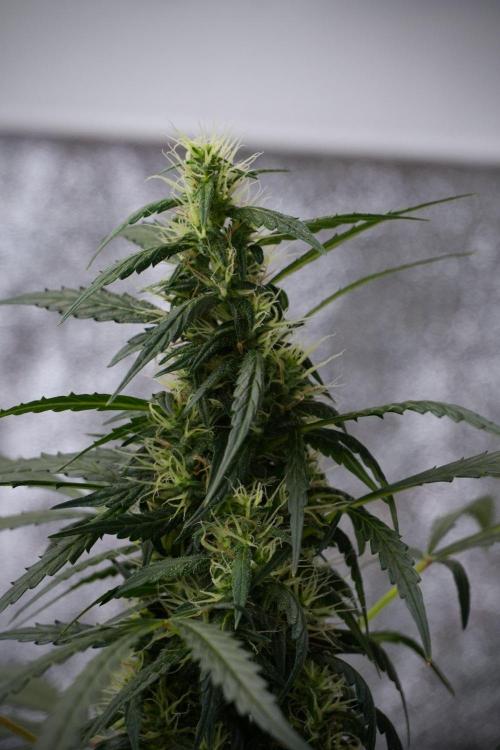
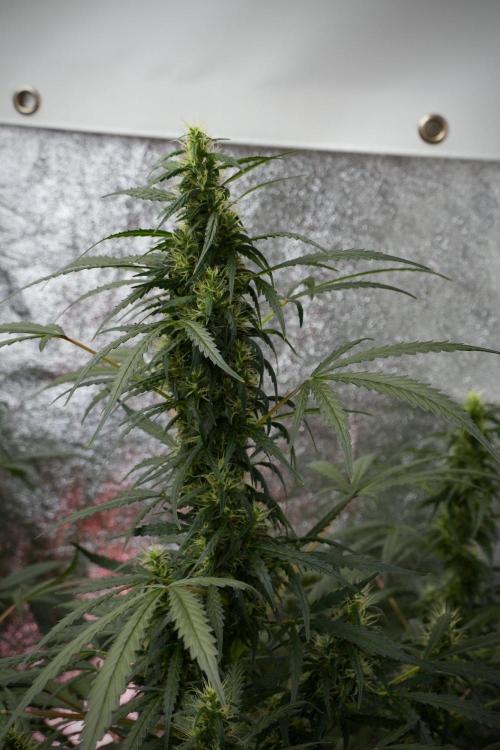
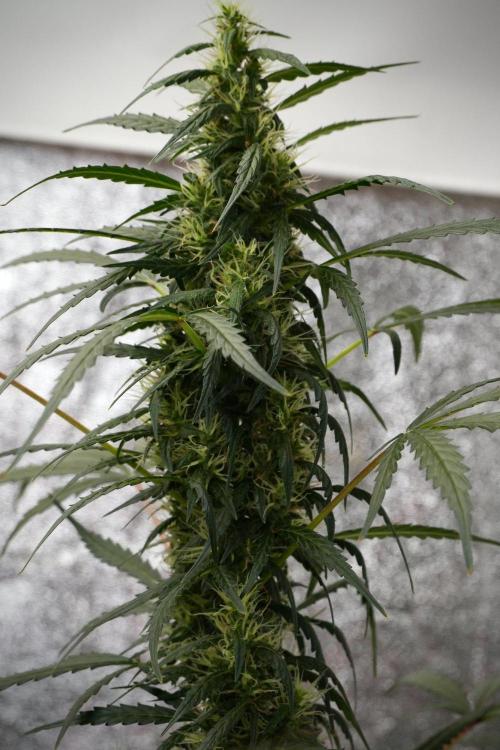
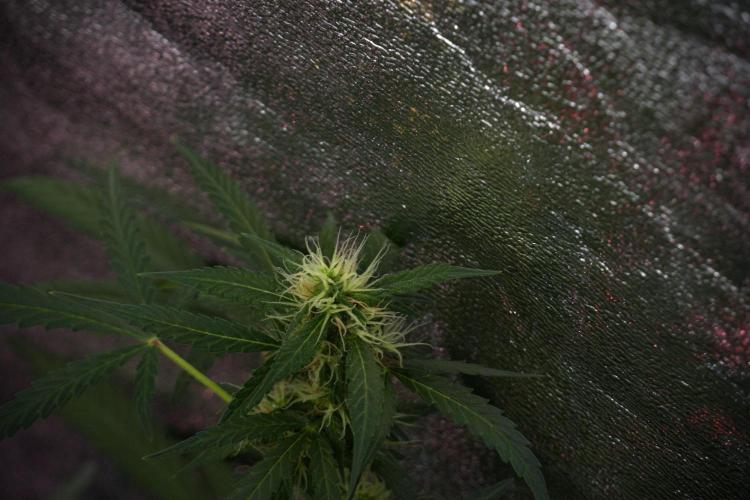
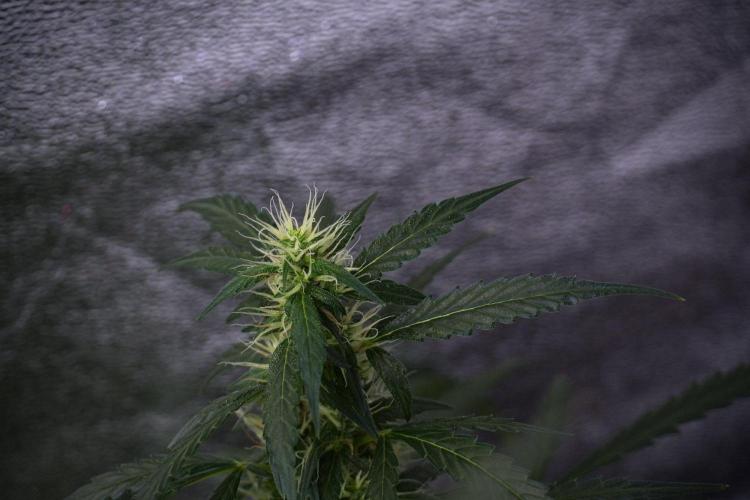
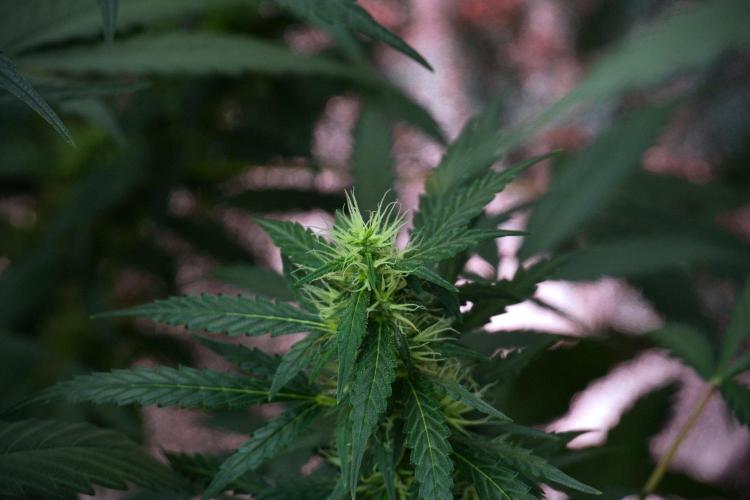
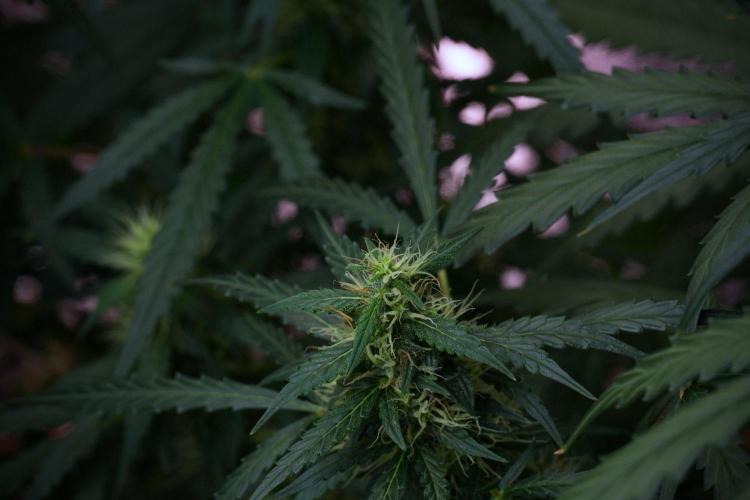
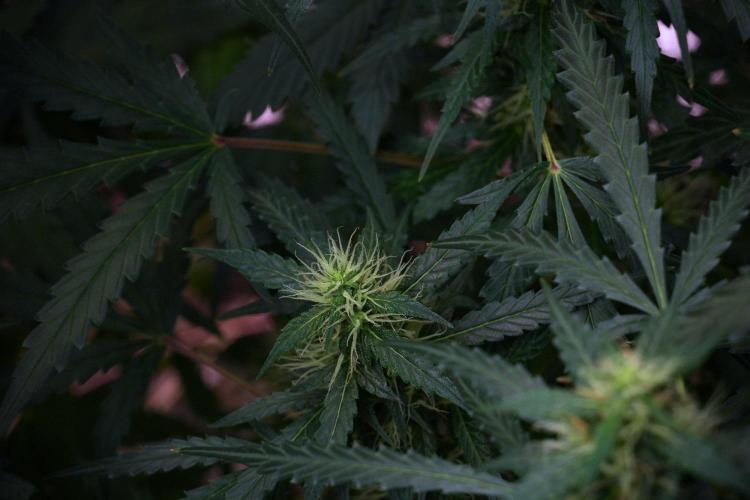
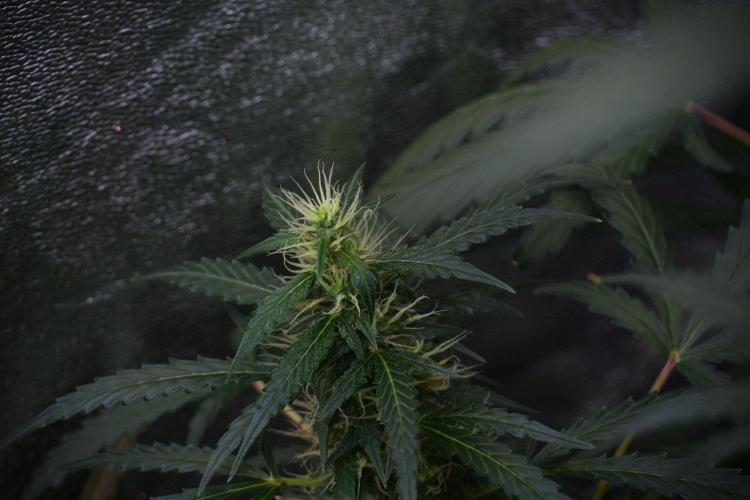
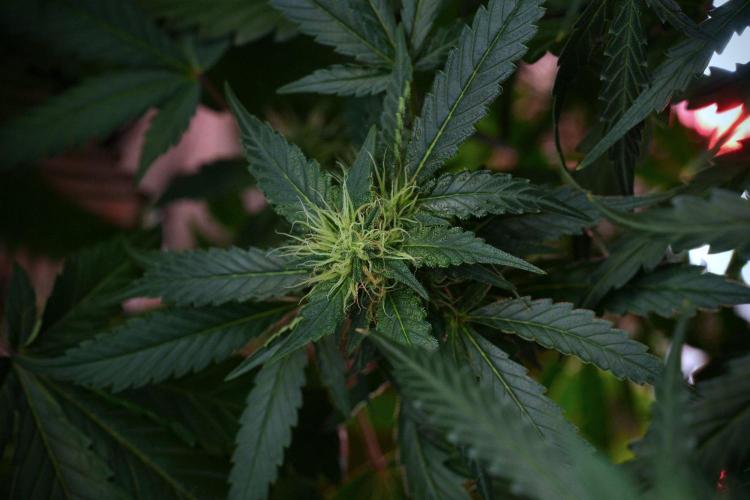
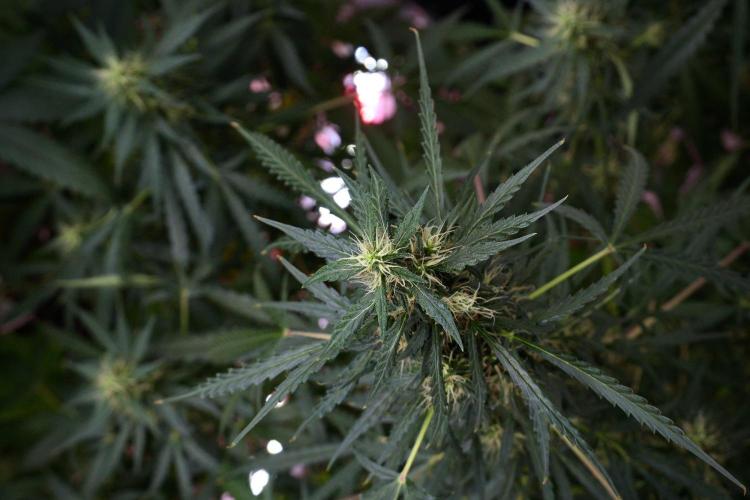
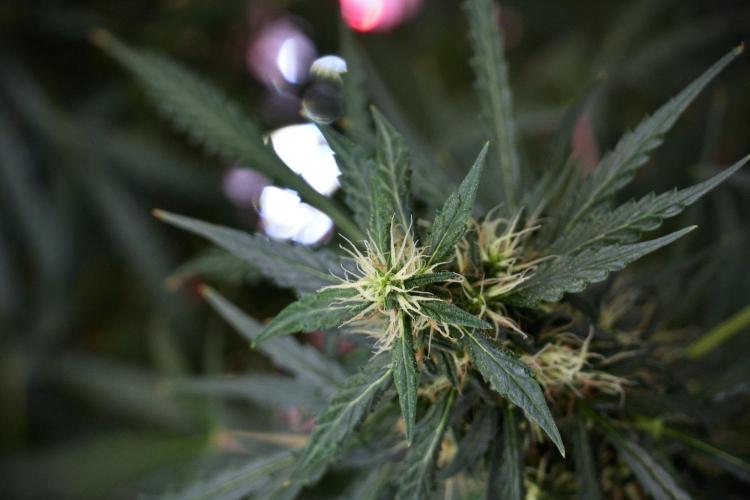
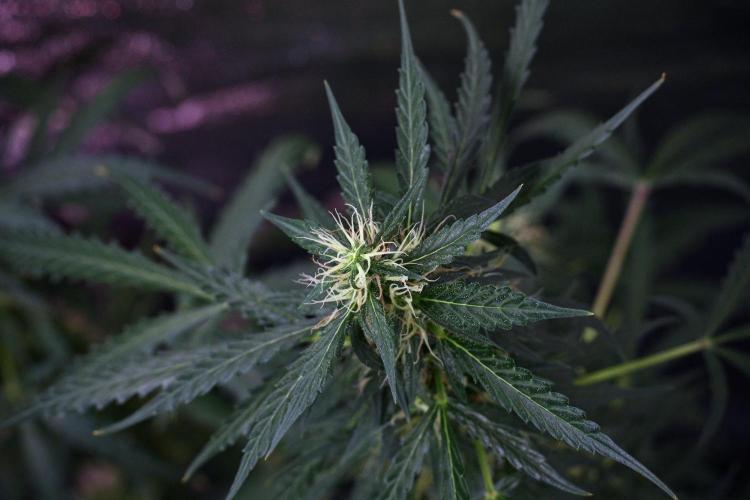
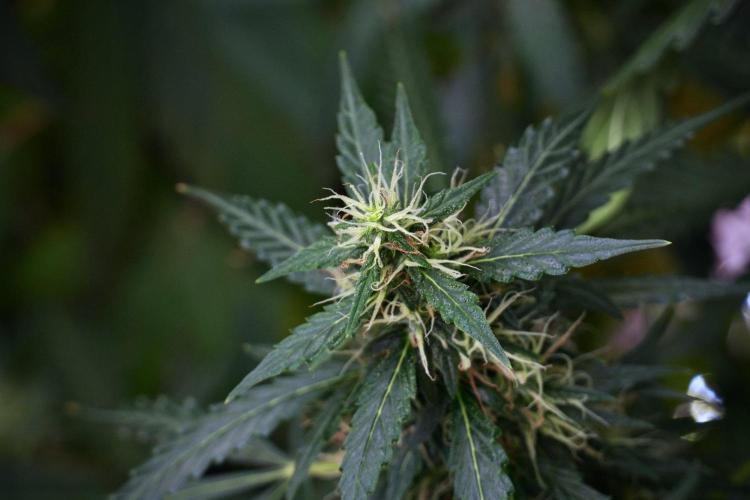
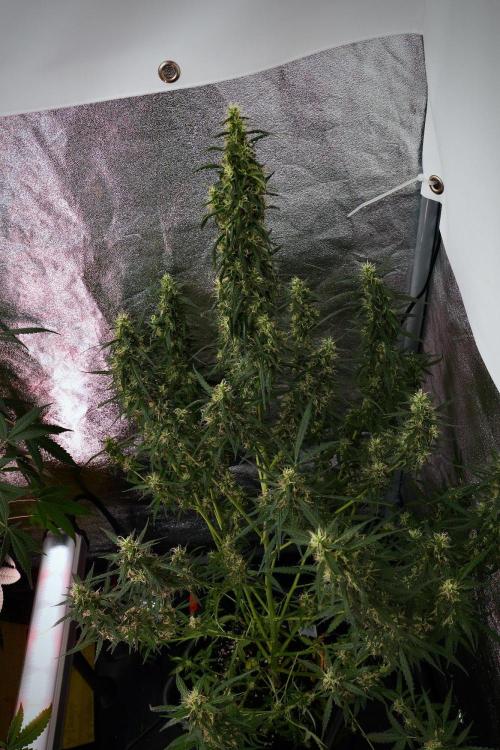
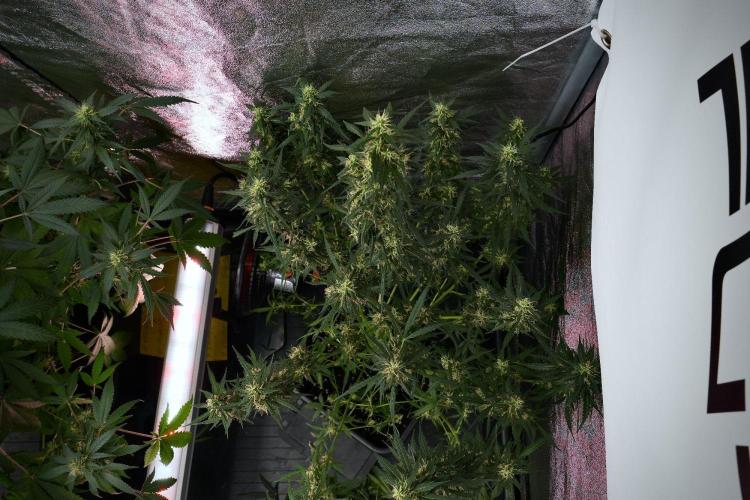
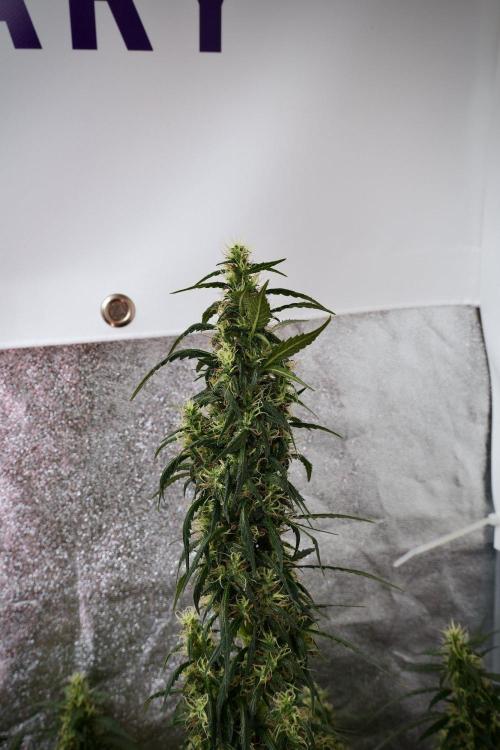
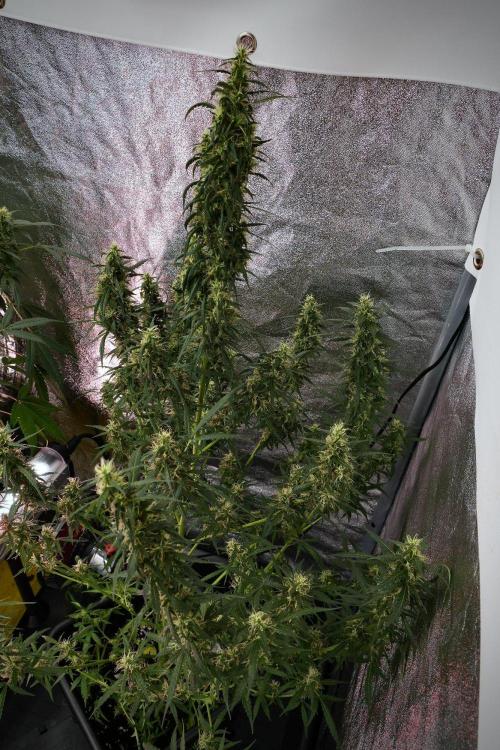
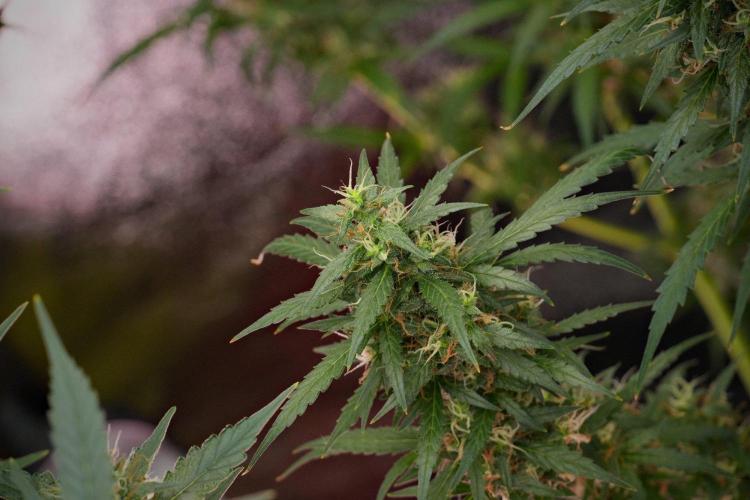
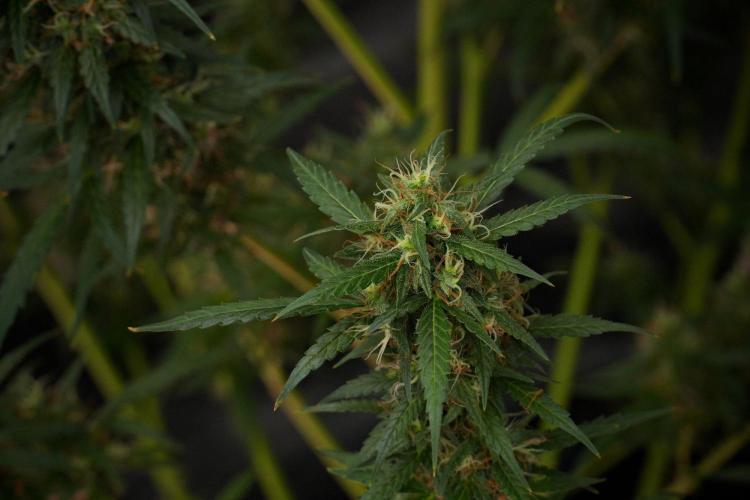
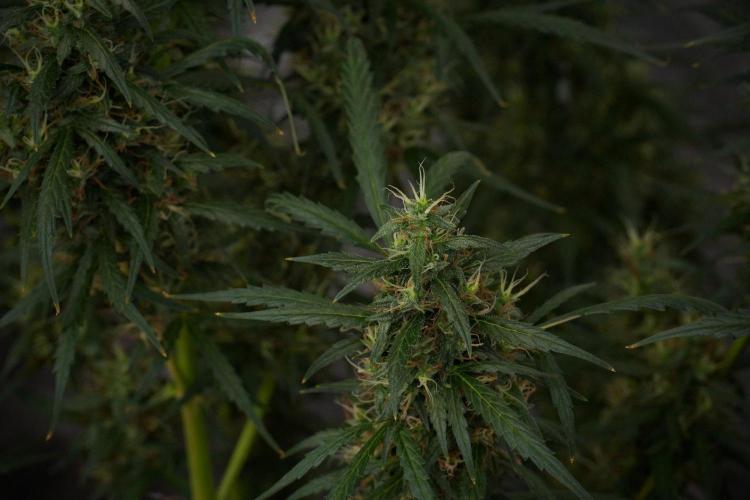
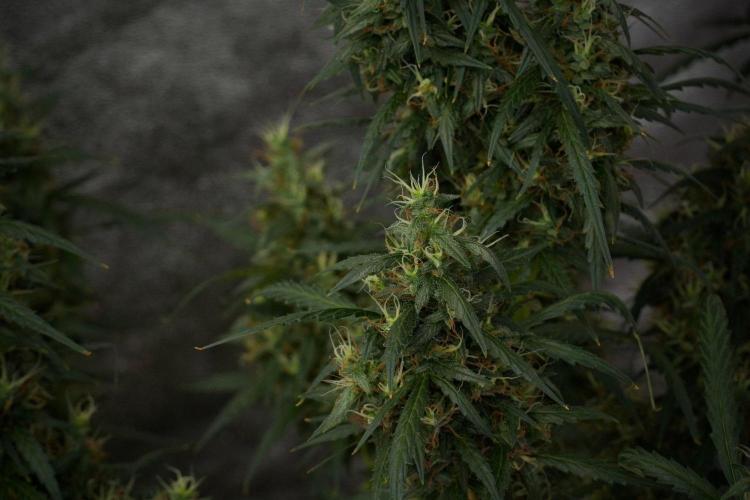
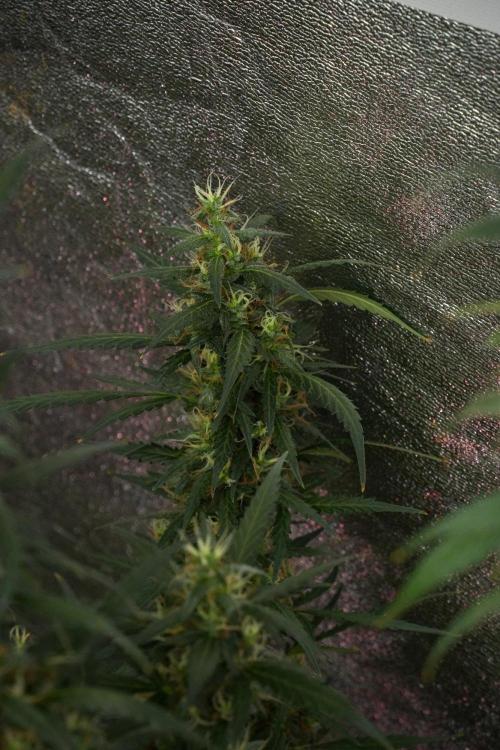
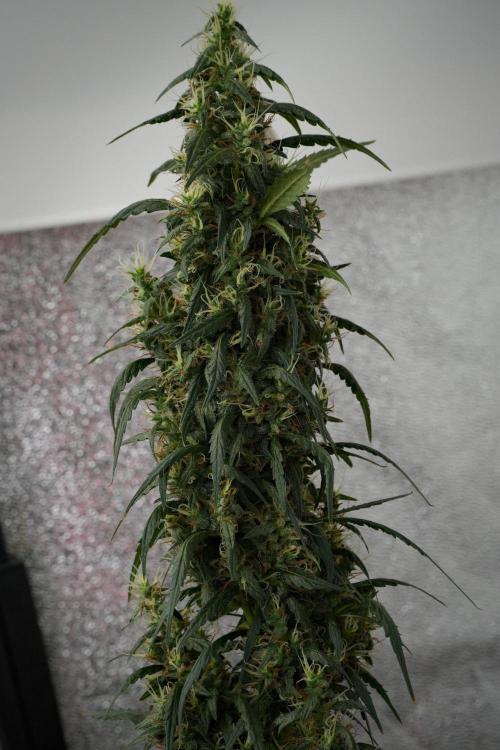
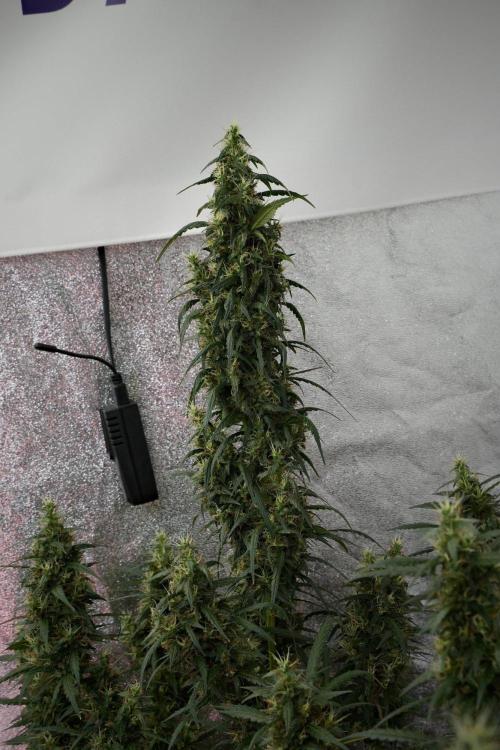
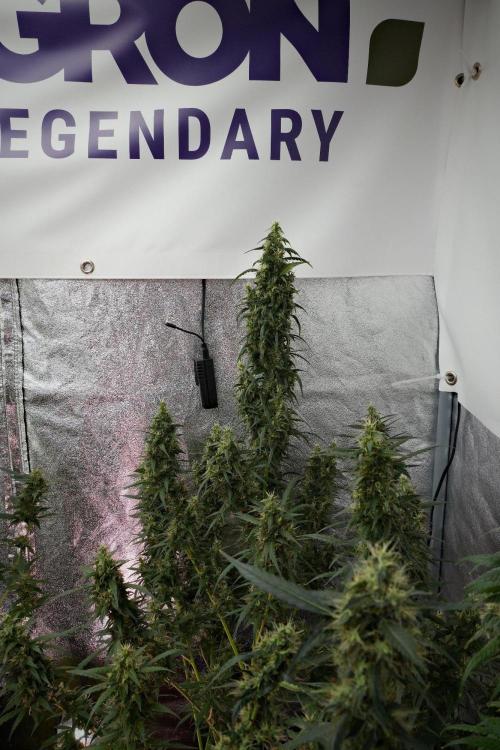
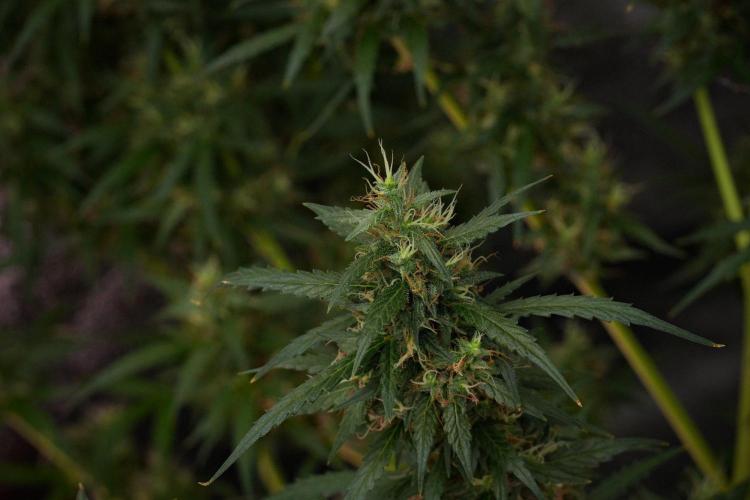
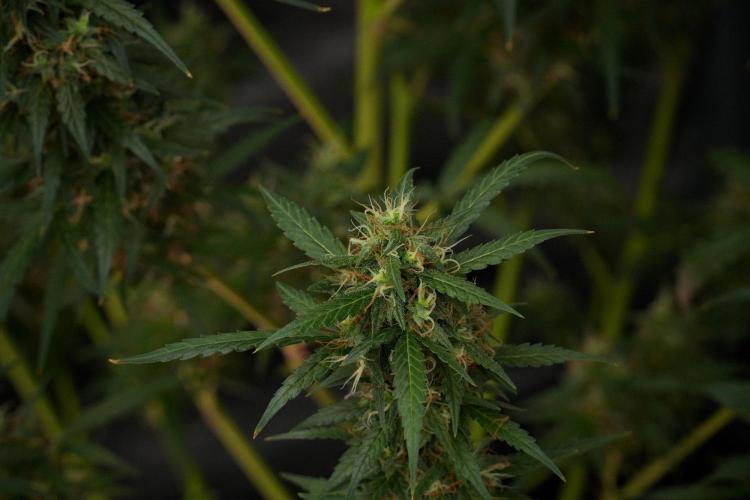
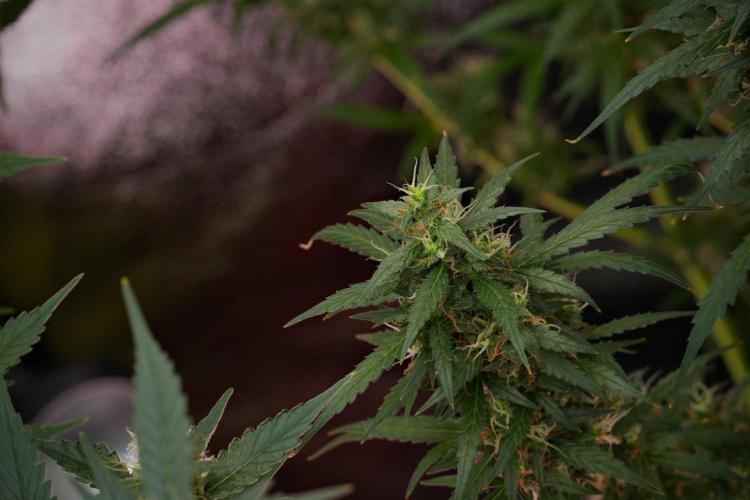
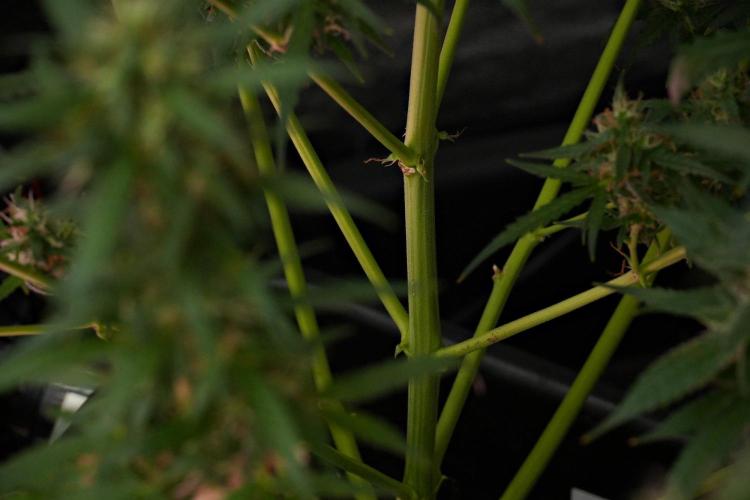
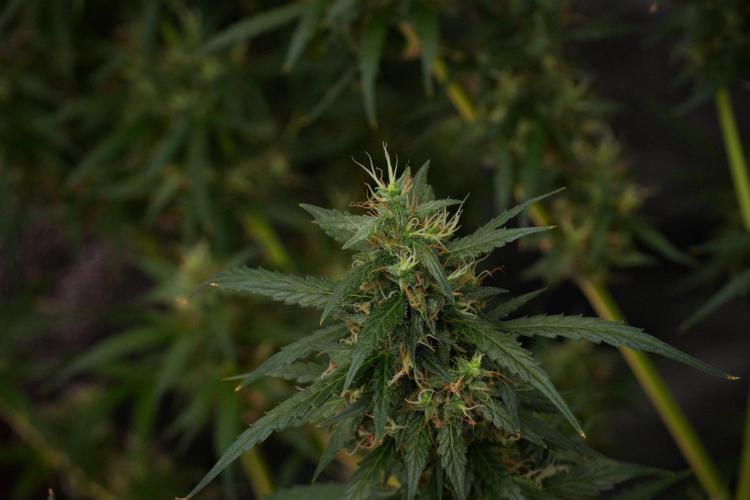
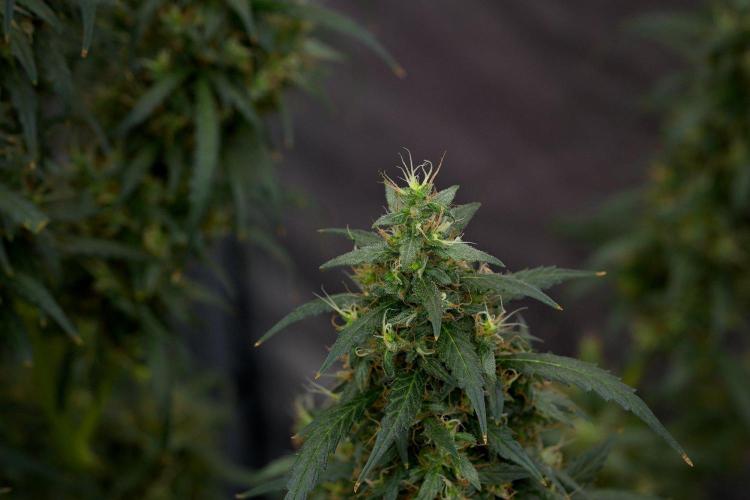
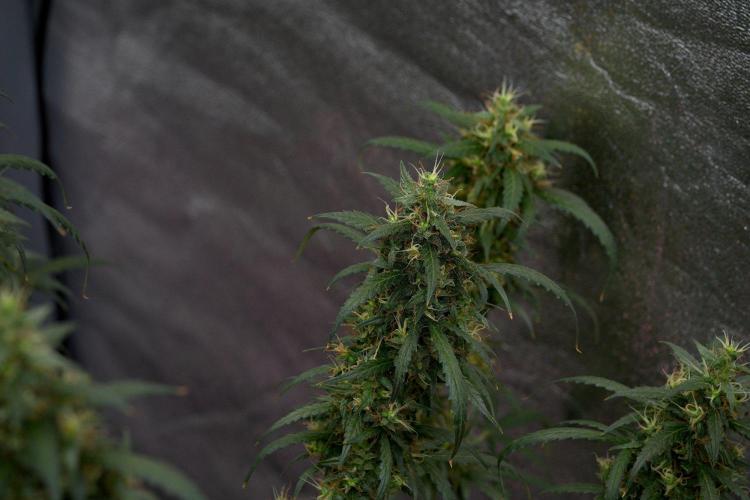
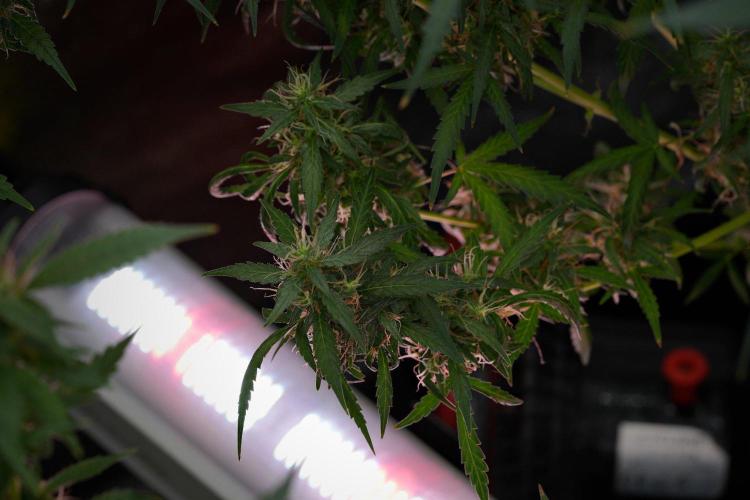
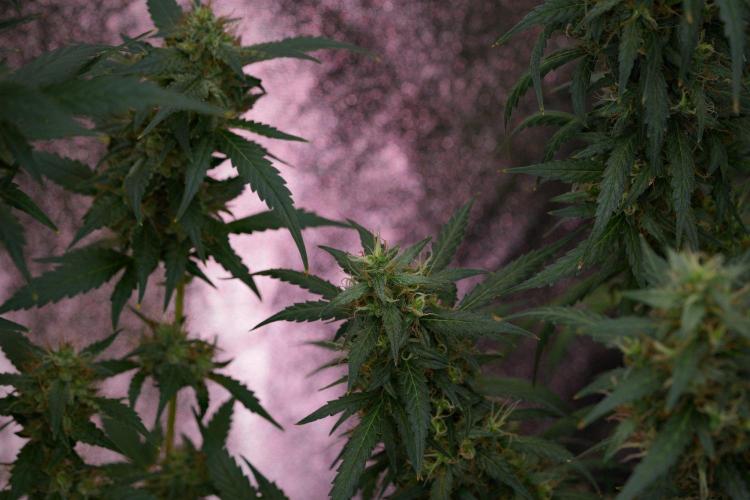
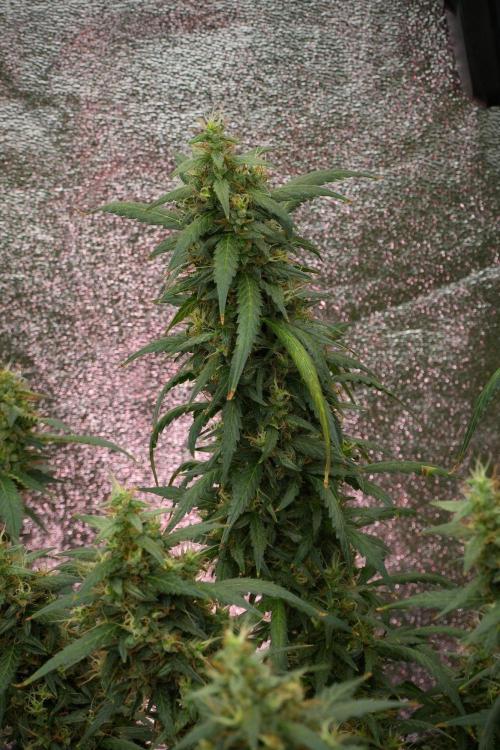
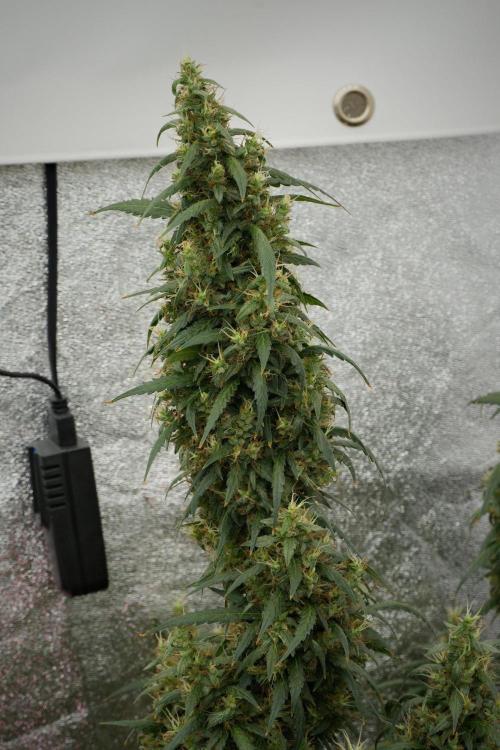
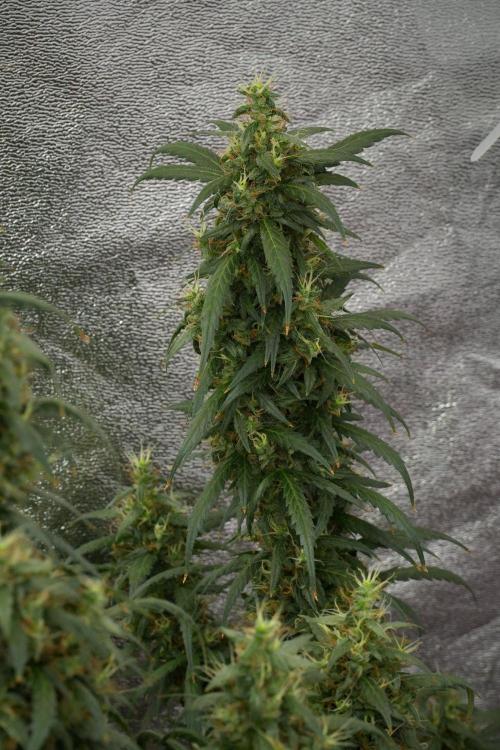
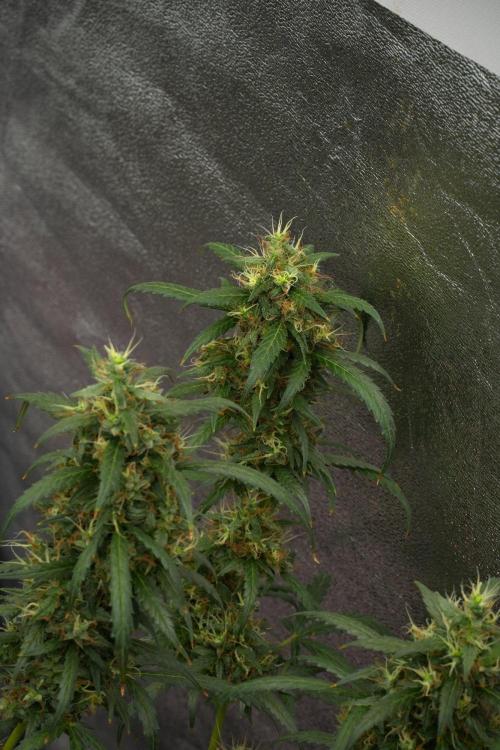
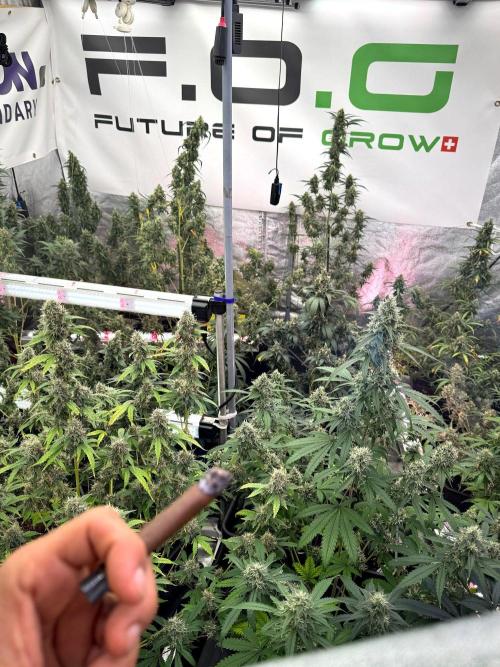
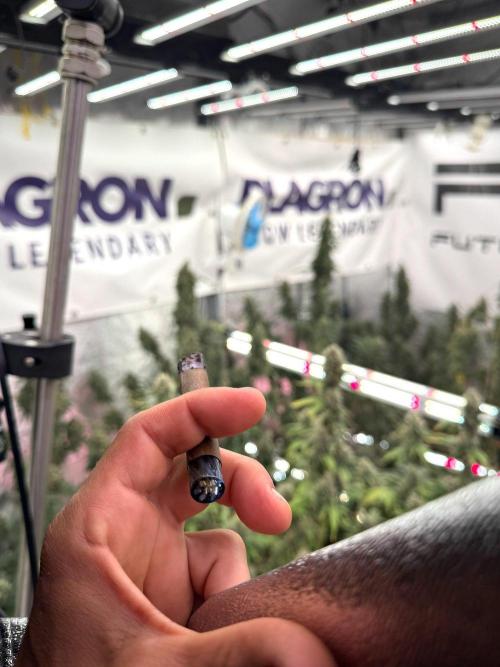
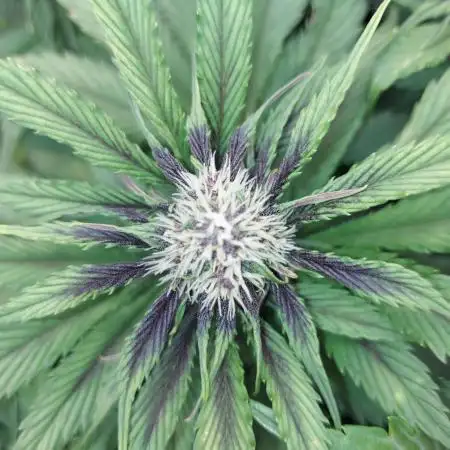
DogDoctorOfficial Black Diamond Auto by Zamnesia | Pheno B 🌱💎
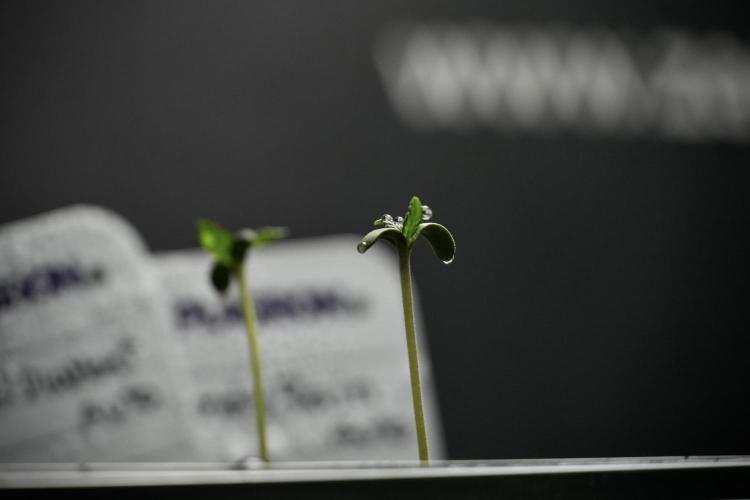
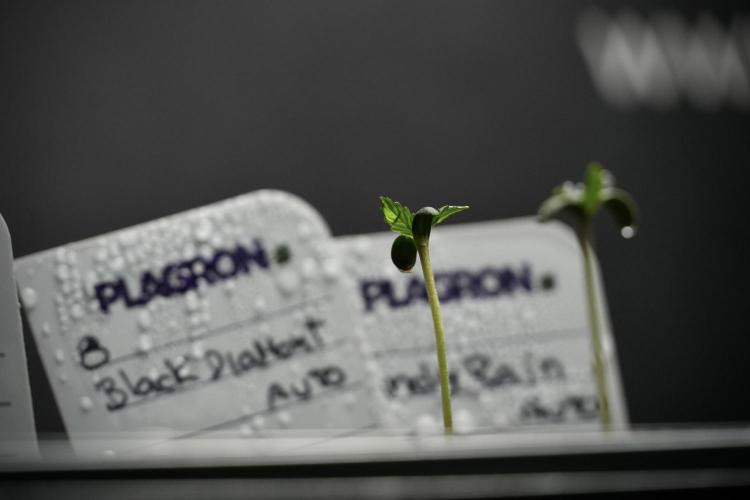
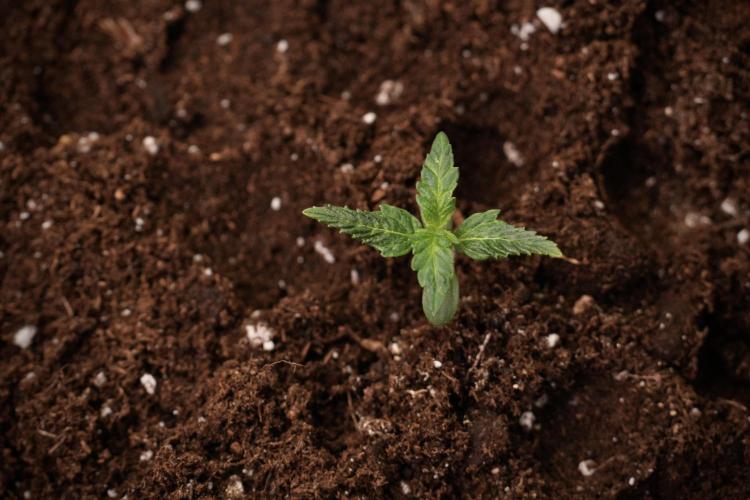
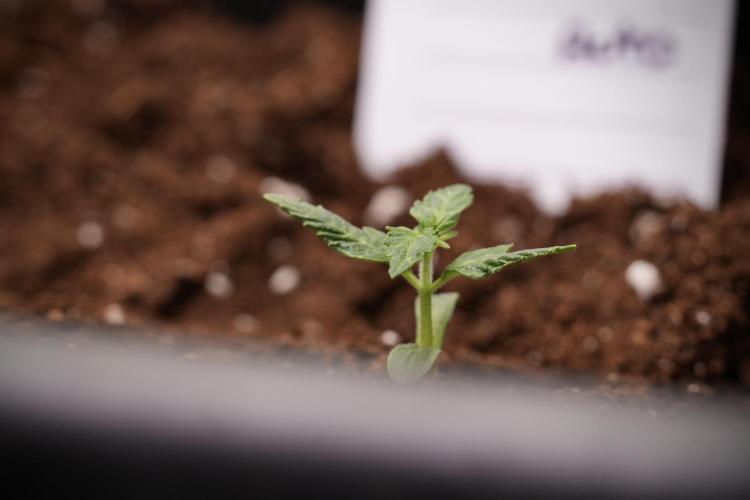
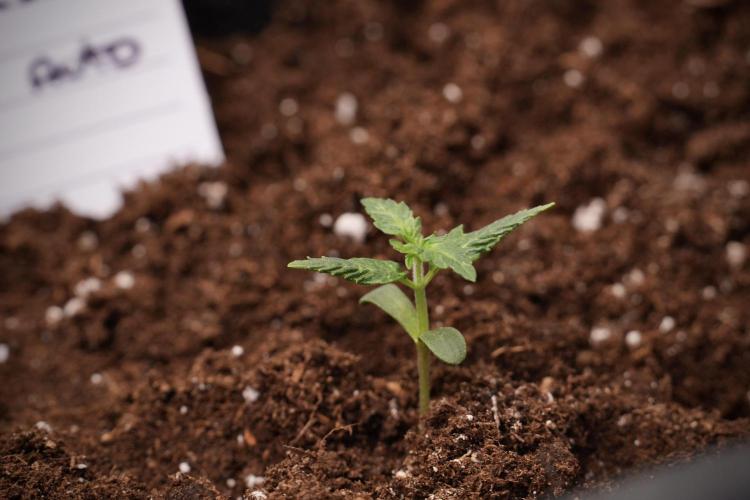
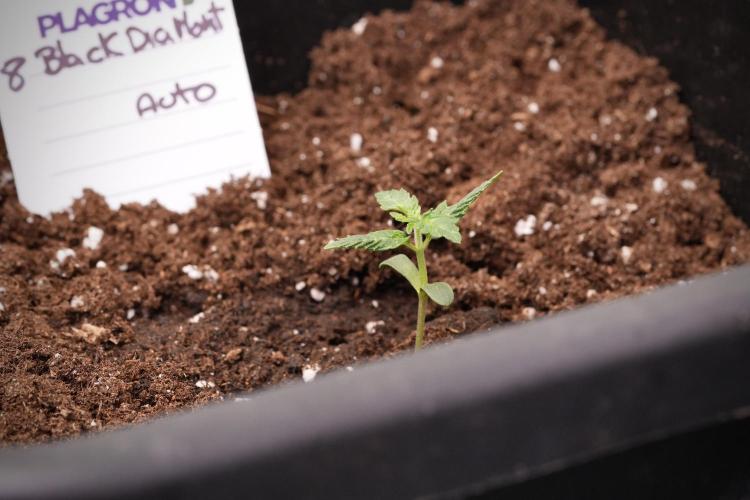
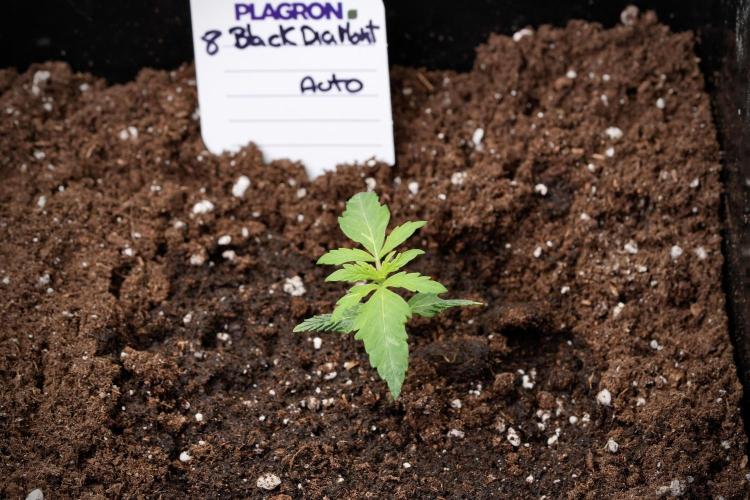
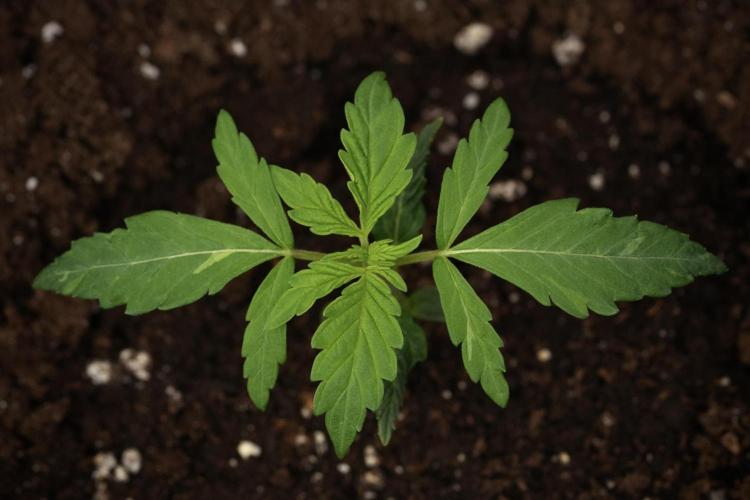
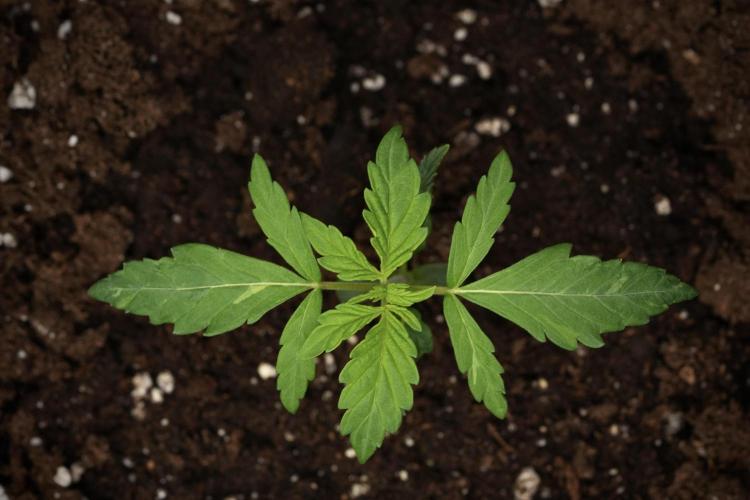
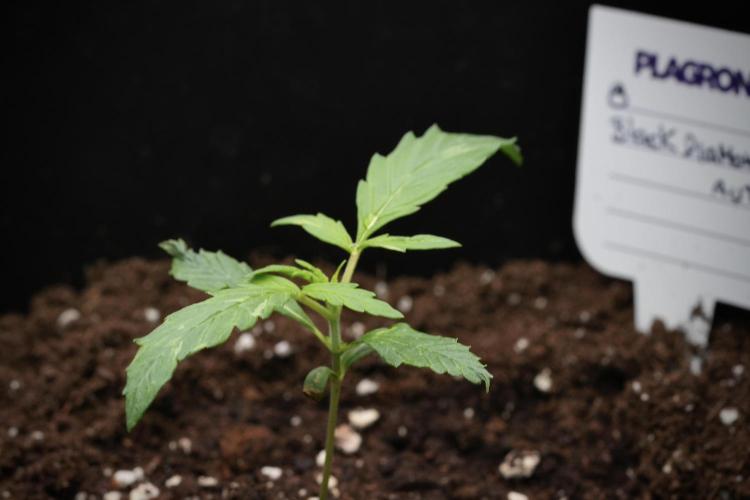
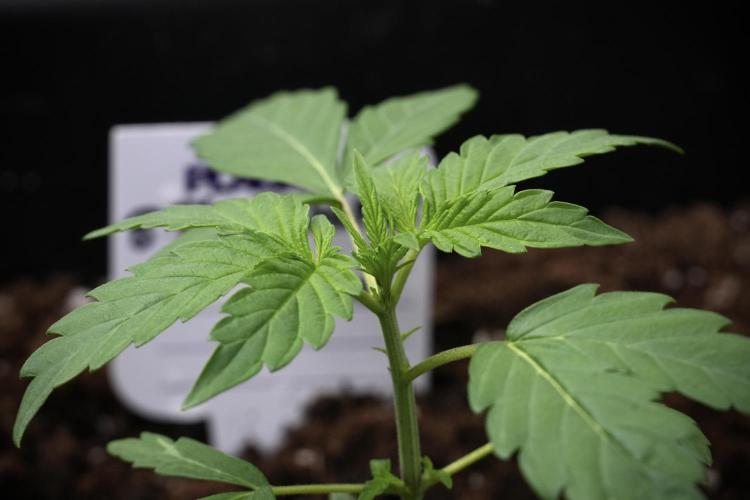
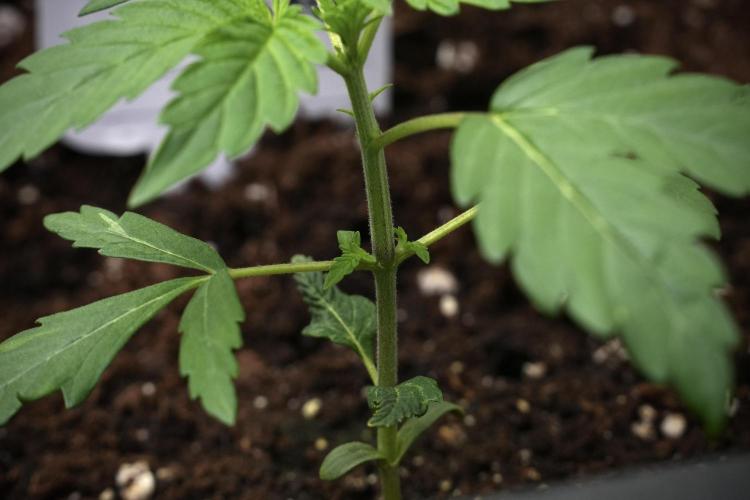
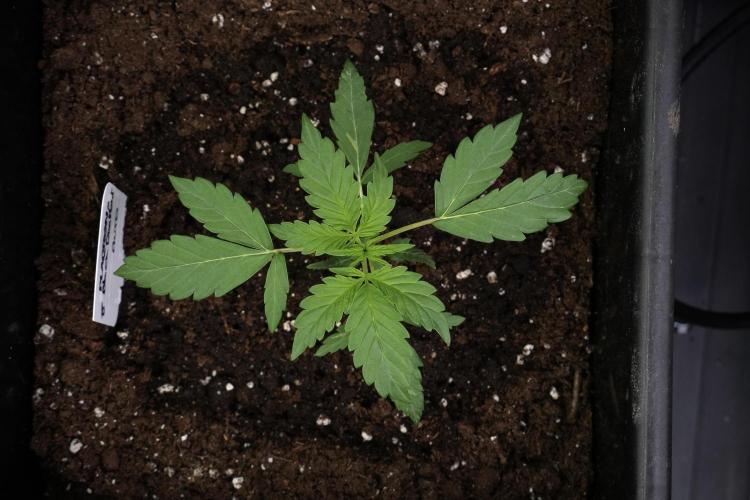
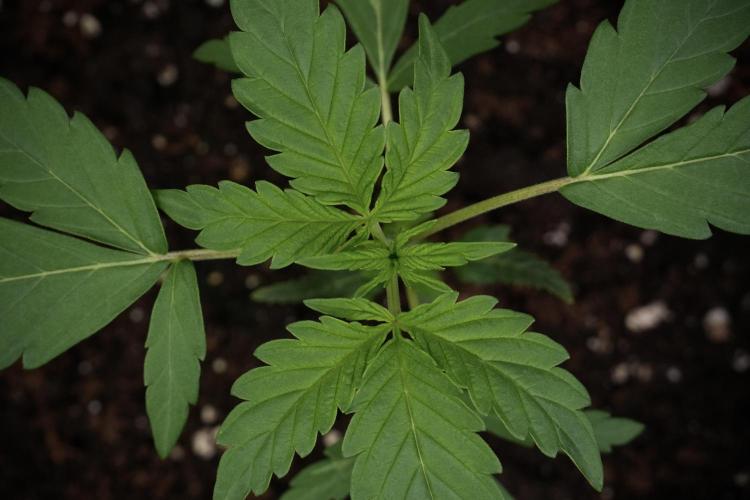
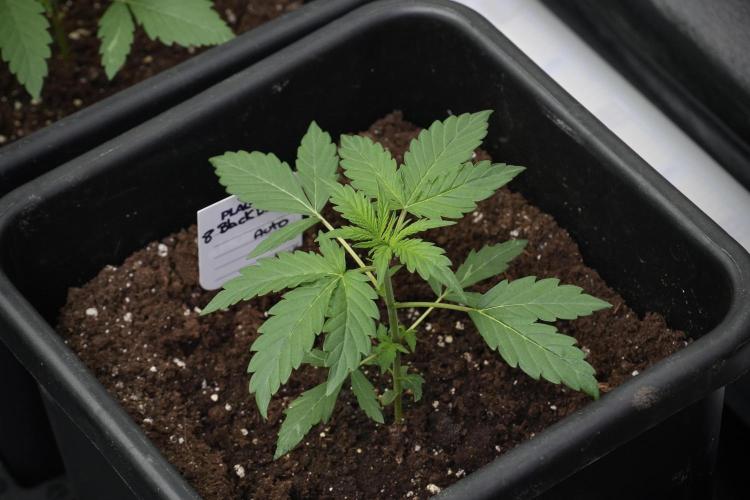
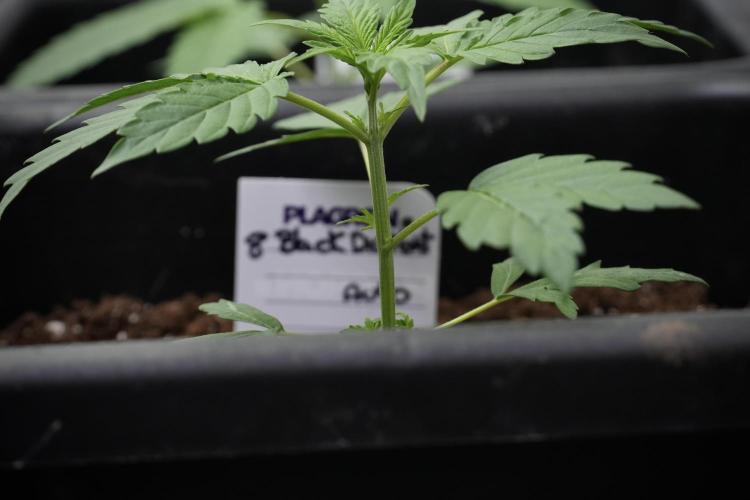
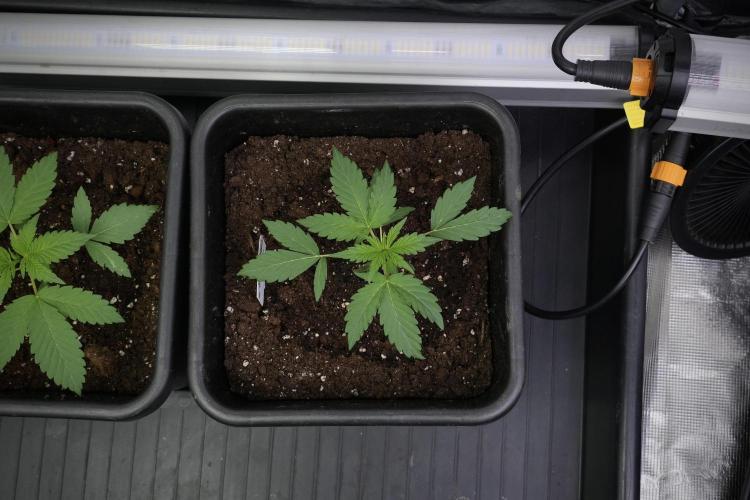
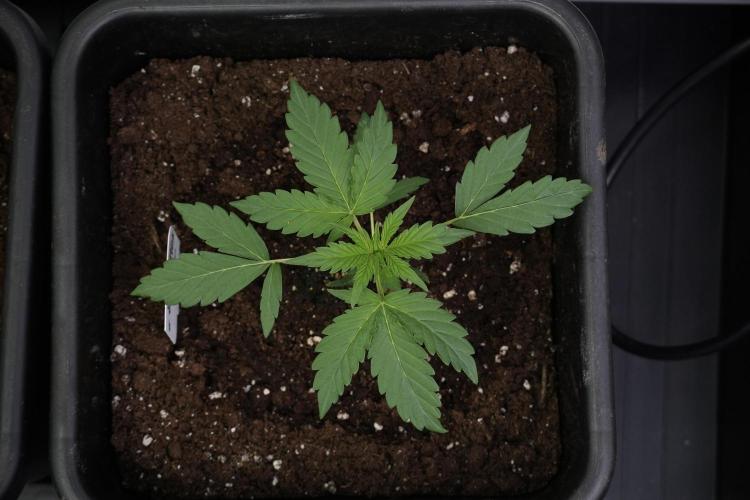
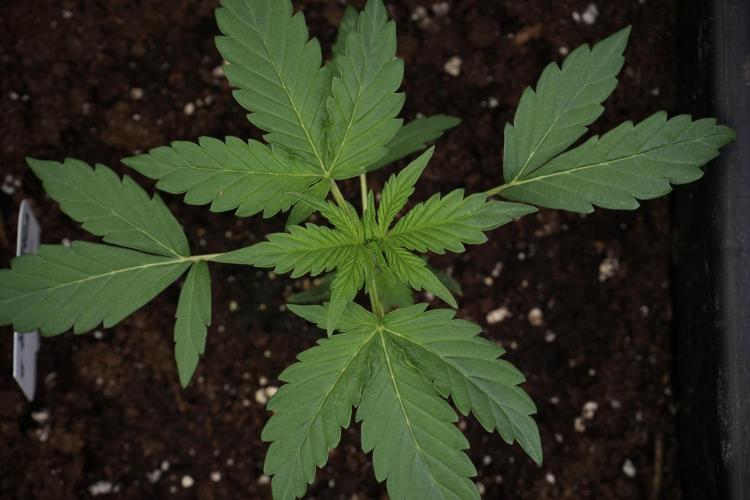
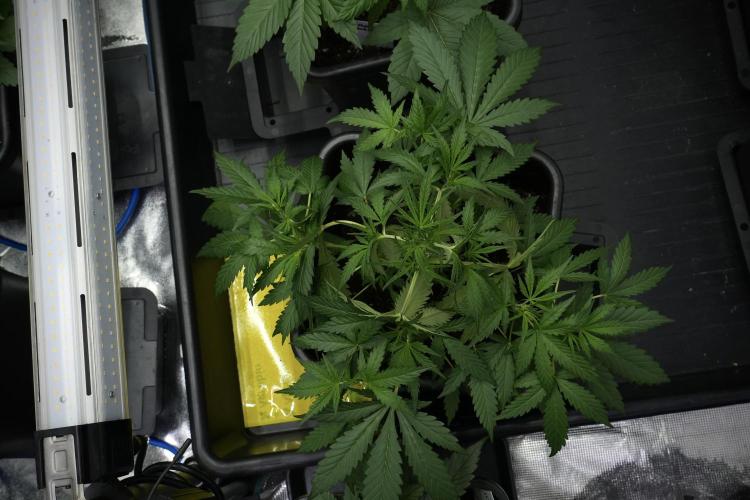
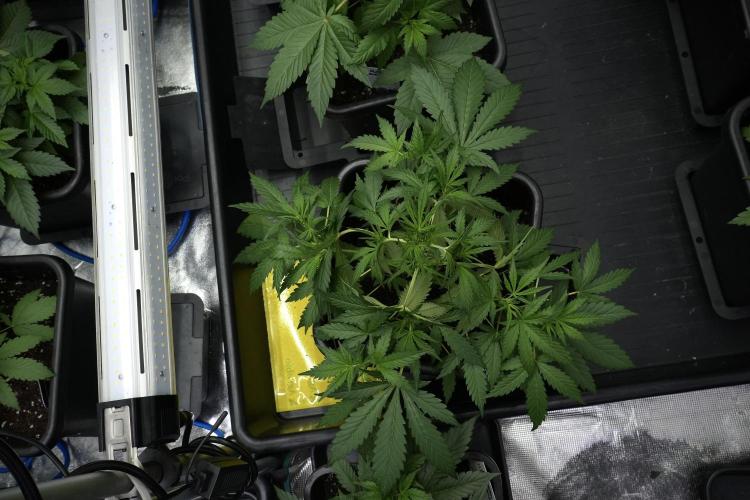
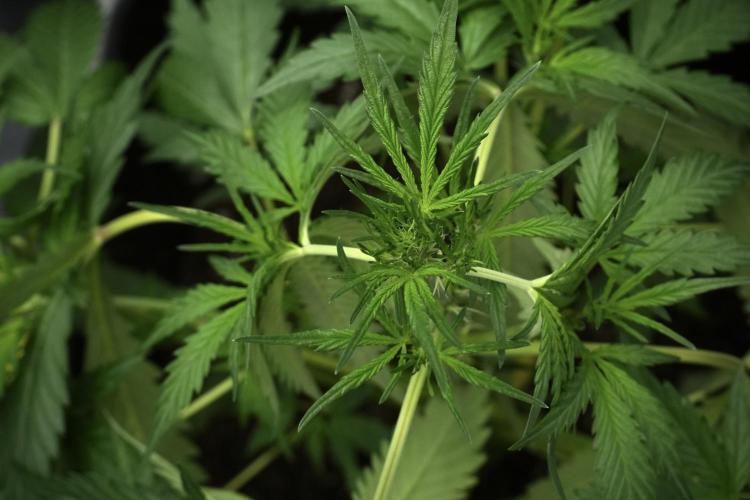
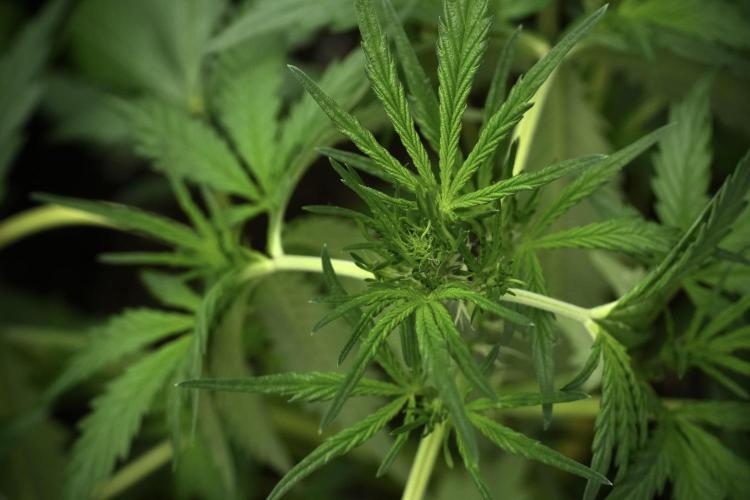
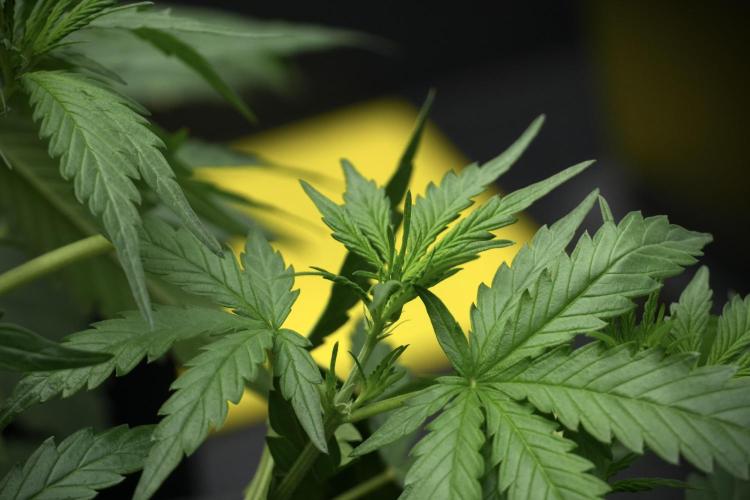
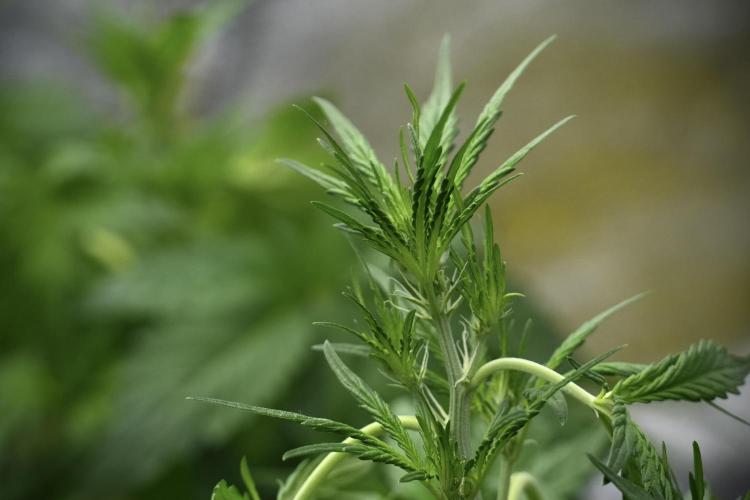
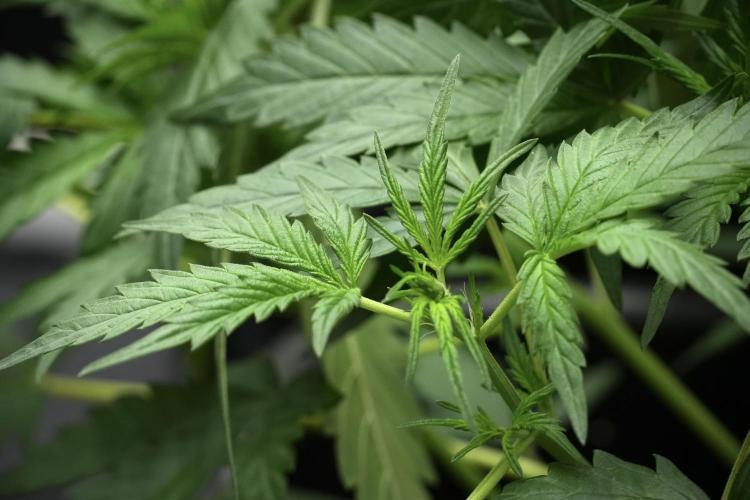
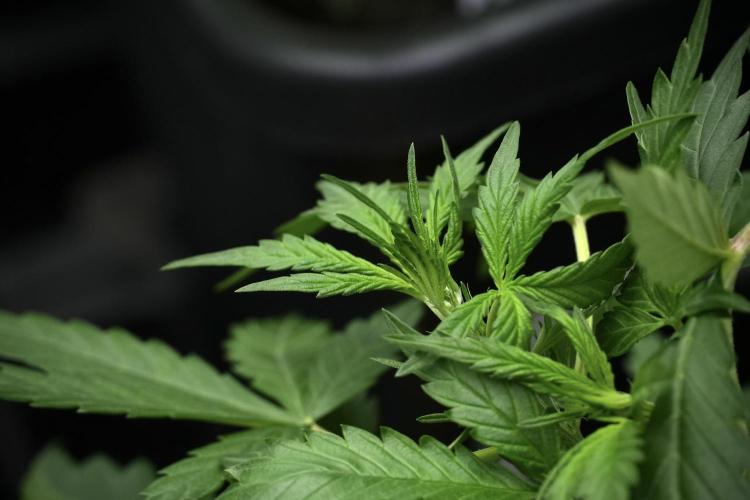
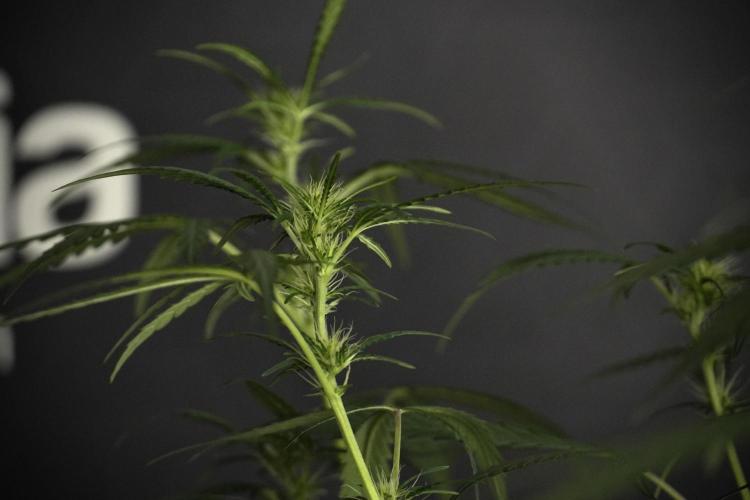
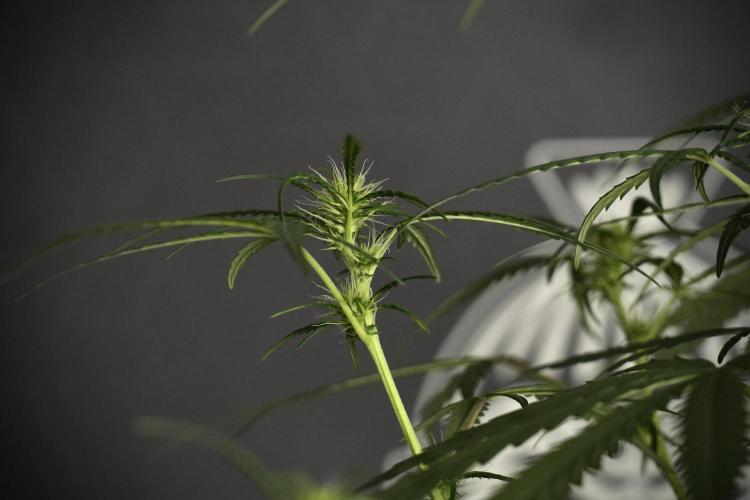
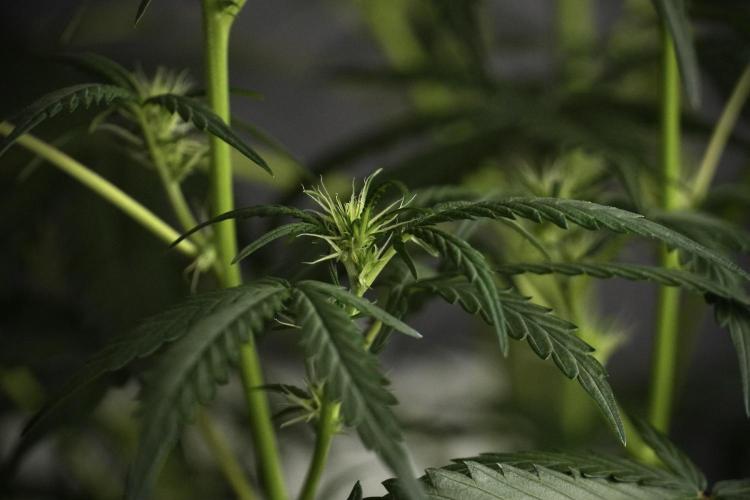
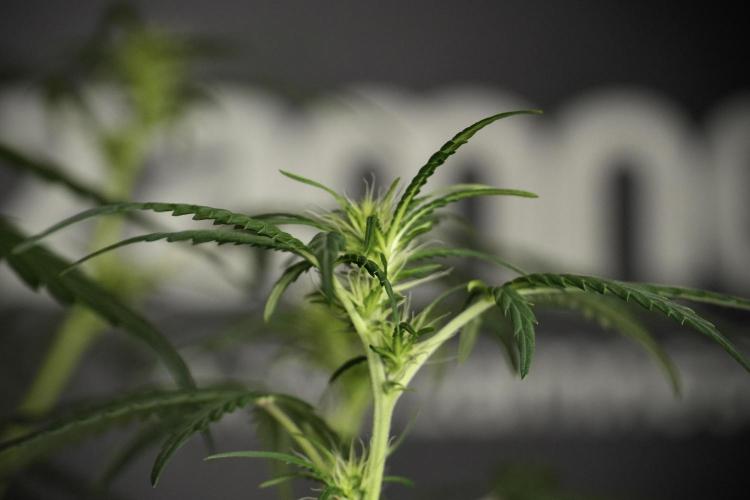
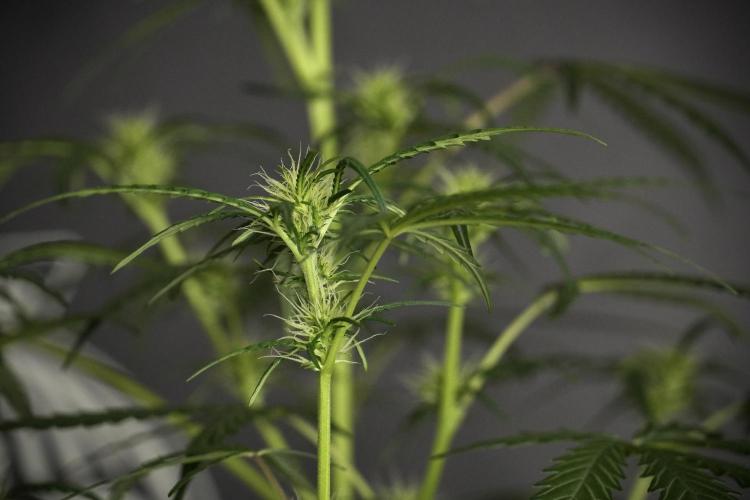
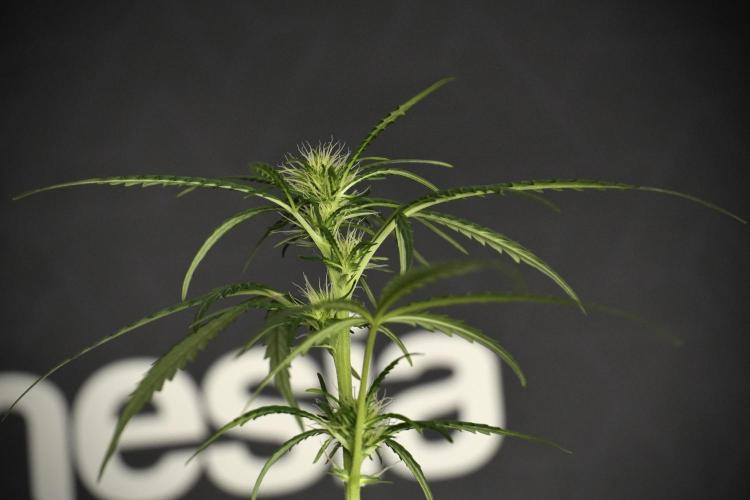
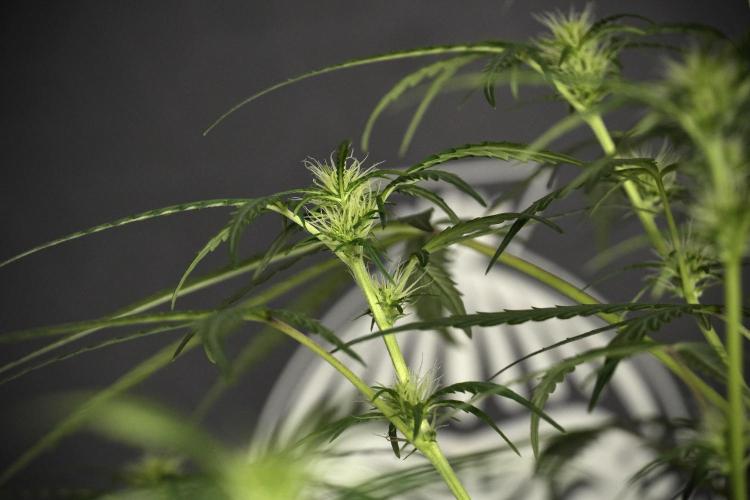
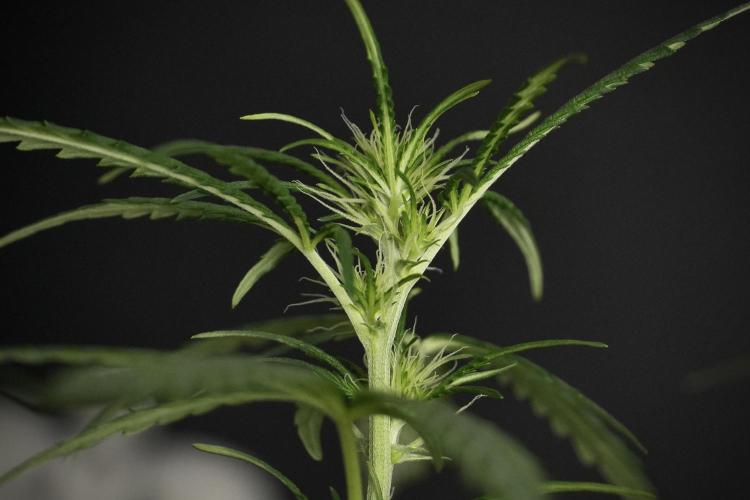
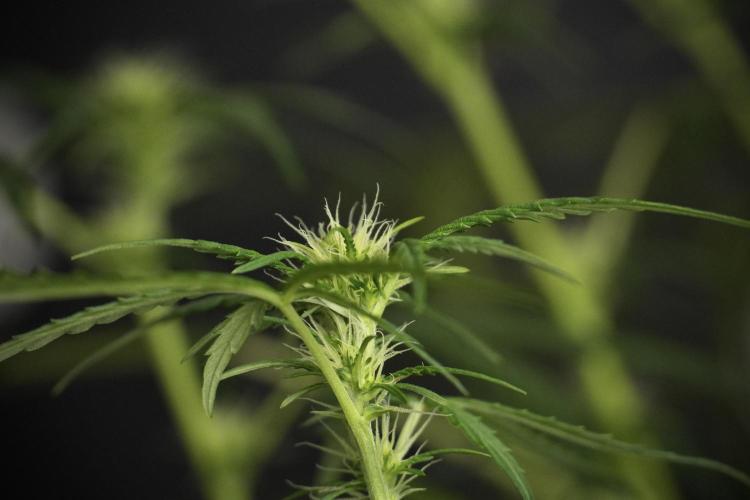
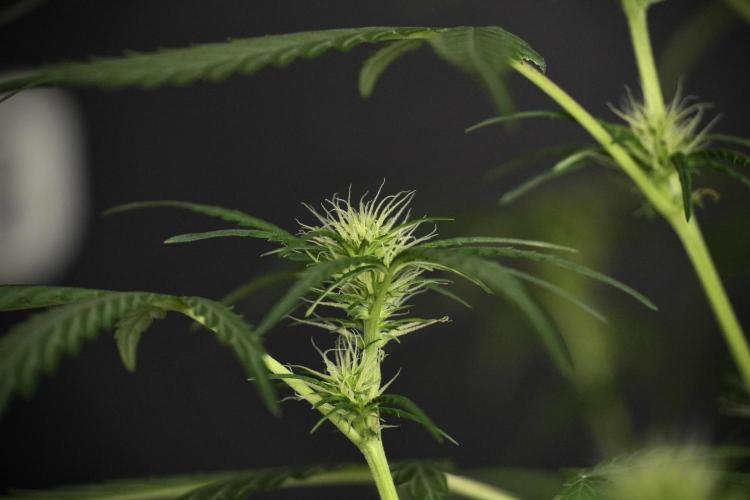
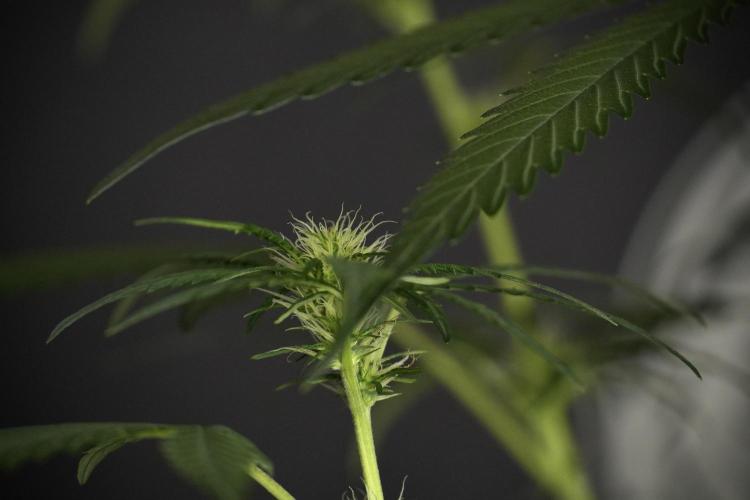
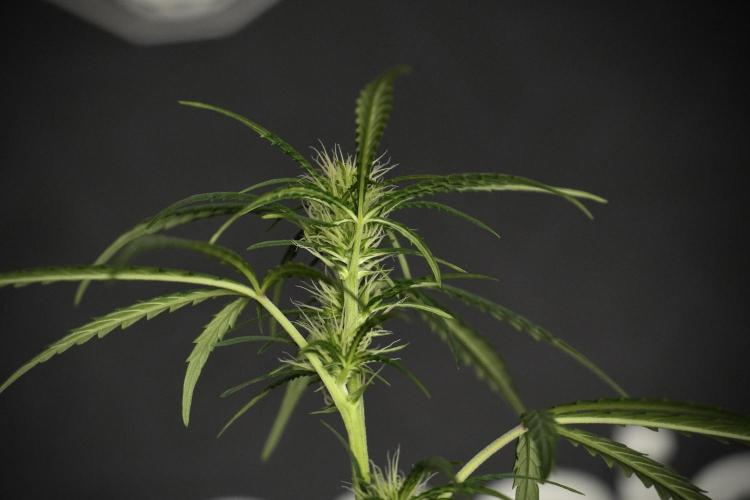
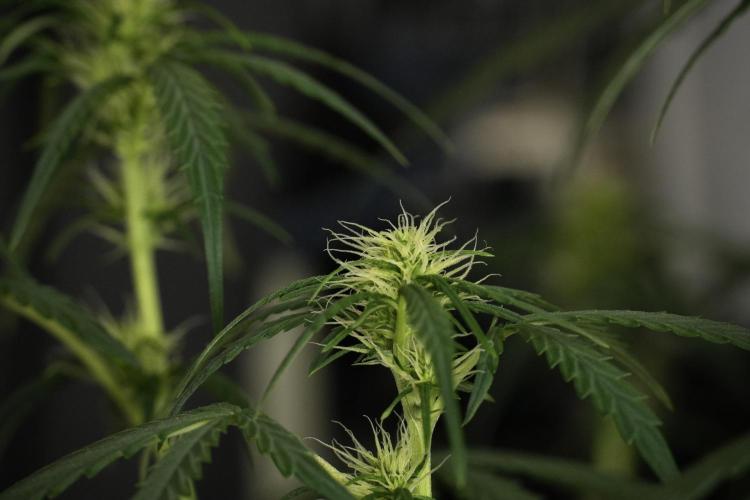
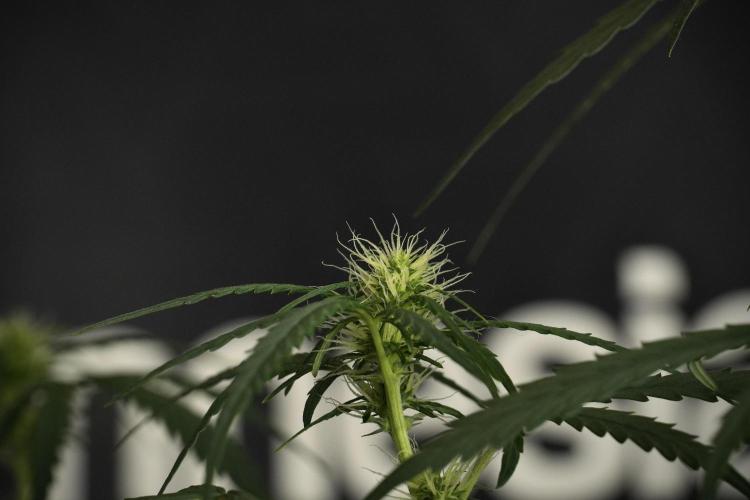
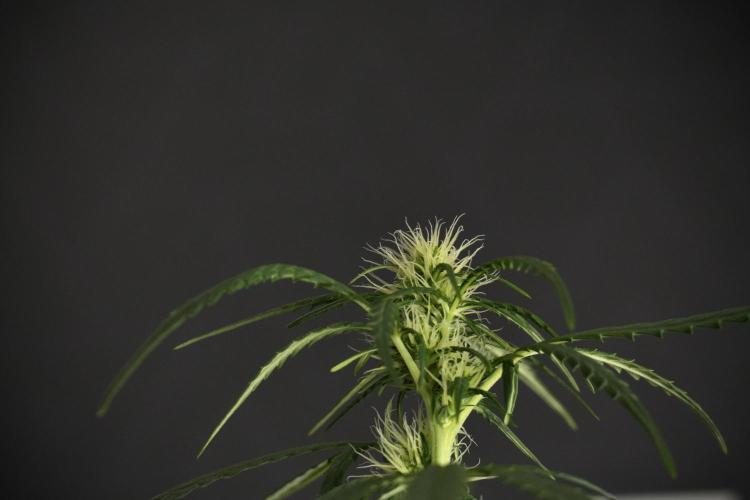
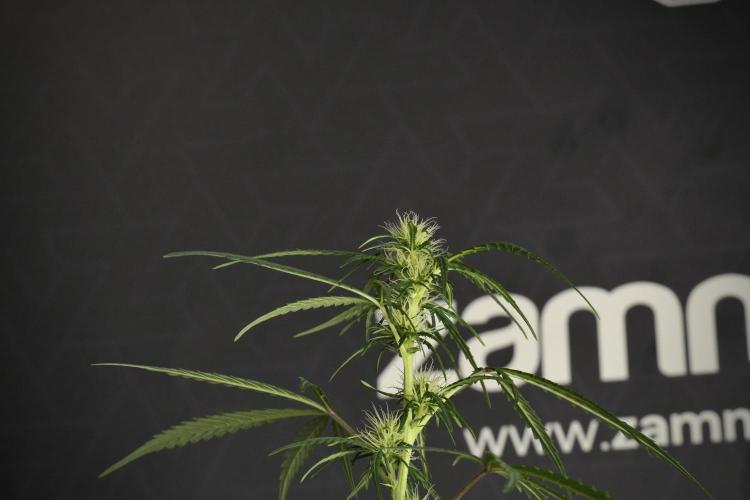
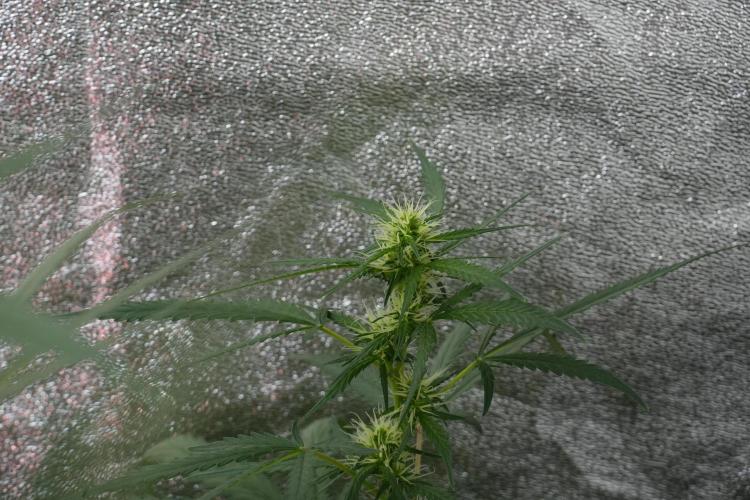
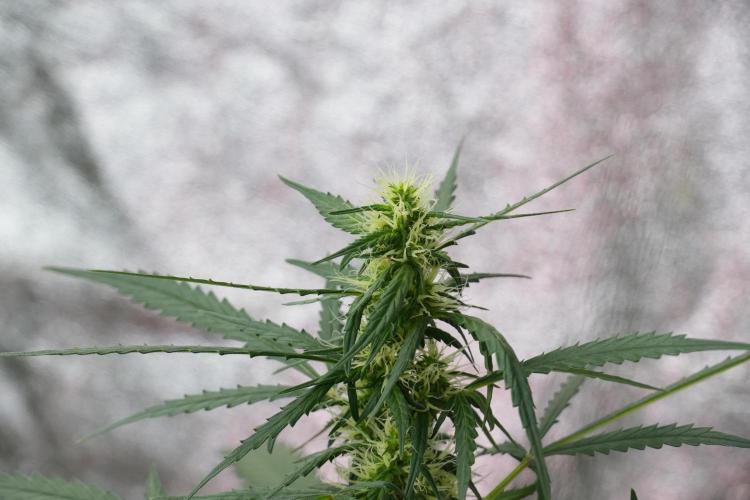
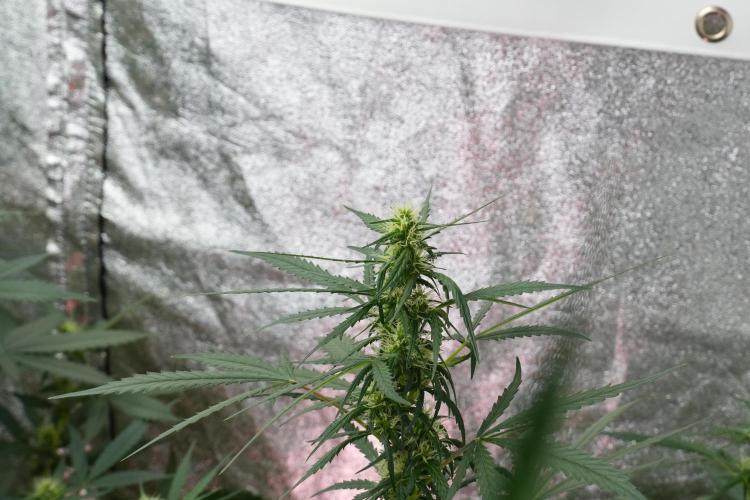
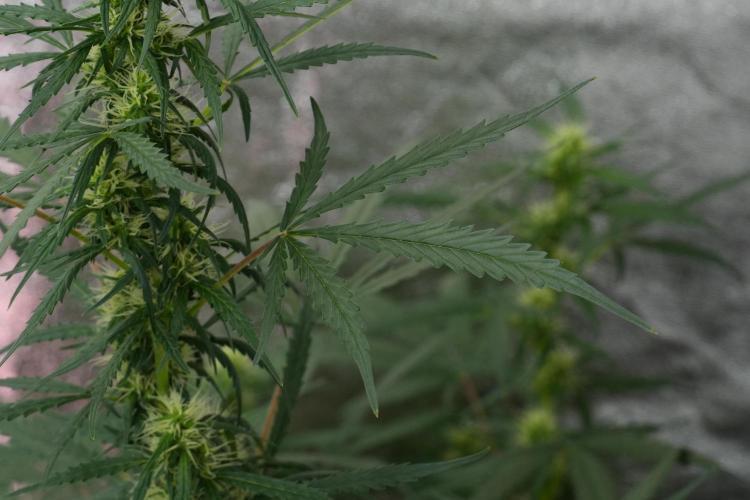
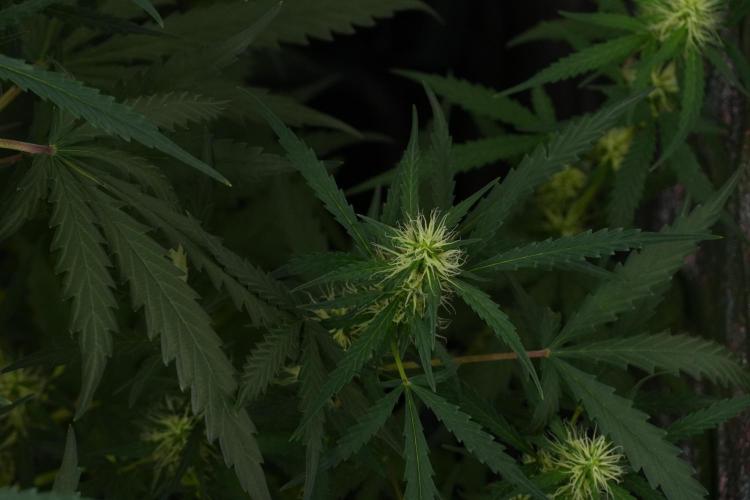
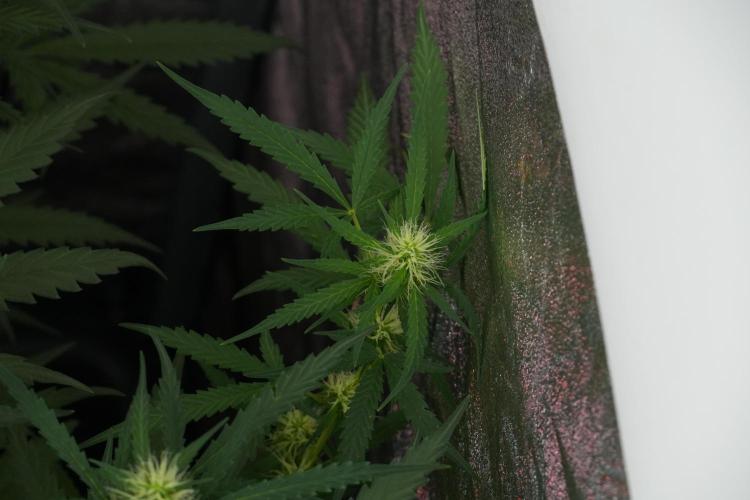
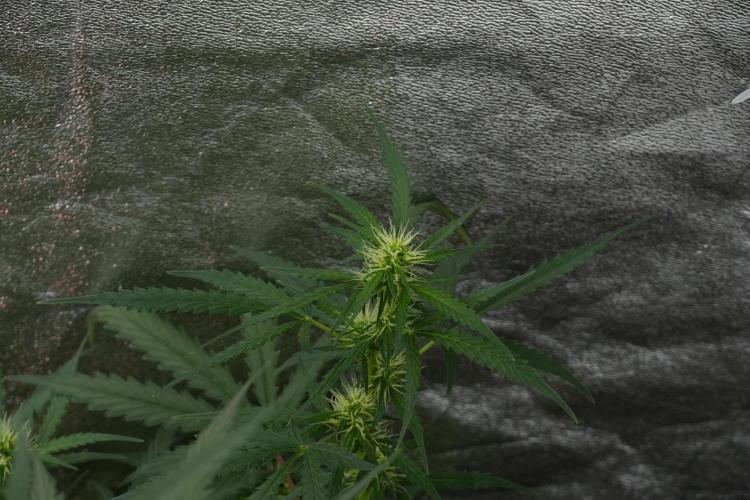
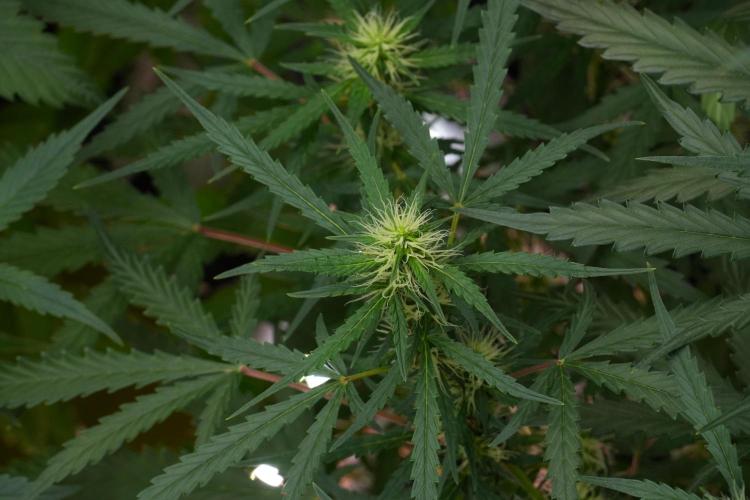
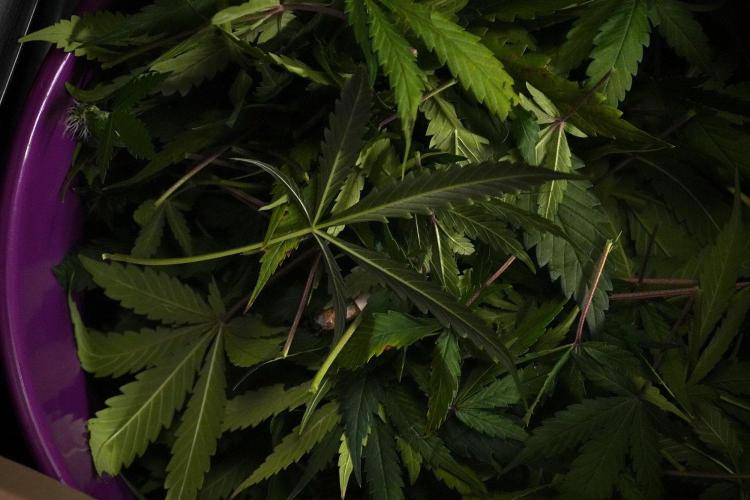
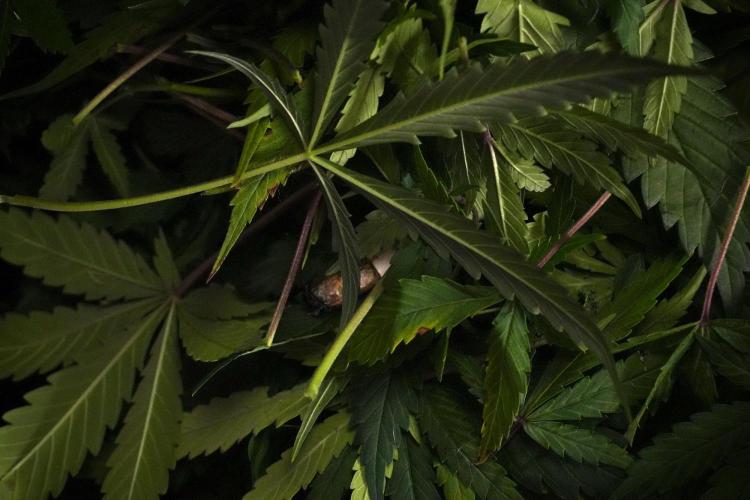
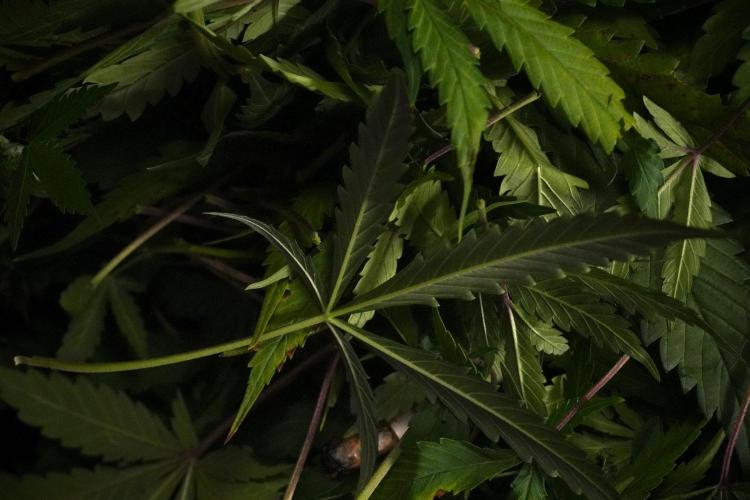
Germination Week | Another Diamond Enters the Garden
Hello GrowDiaries family! 👋🌱
Welcome to another new journey.
As some of you may have noticed, I’ve recently adjusted the way I document my grows. With the current photo limitations on GrowDiaries, each phenotype now receives its own dedicated diary rather than sharing a single journal with its sisters.
This allows me to continue documenting every stage of development while selecting the best photographs from each week and keeping everything organized from seed to harvest.
The goal remains exactly the same as always:
To create an honest, educational, and complete record while sharing observations, successes, lessons learned, and everything in between.
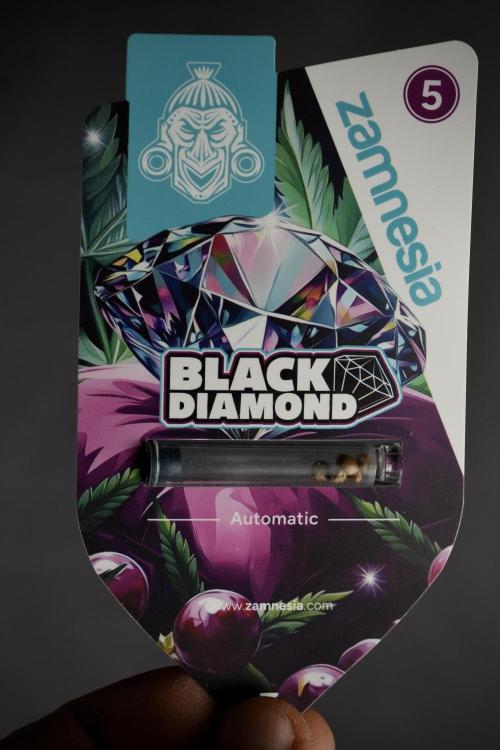
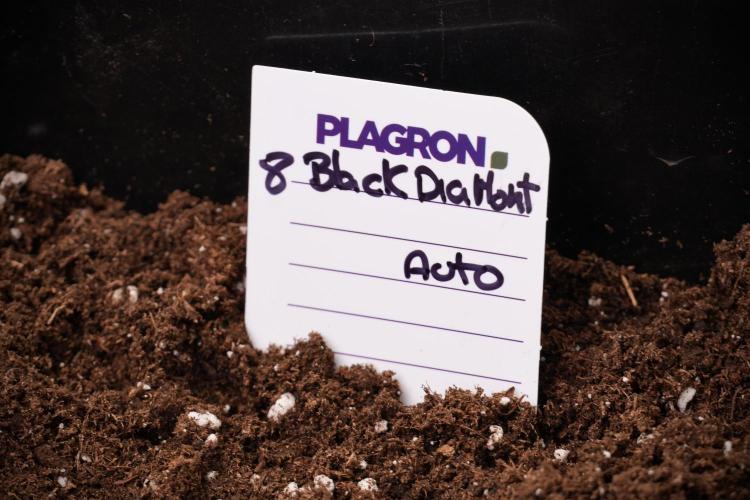
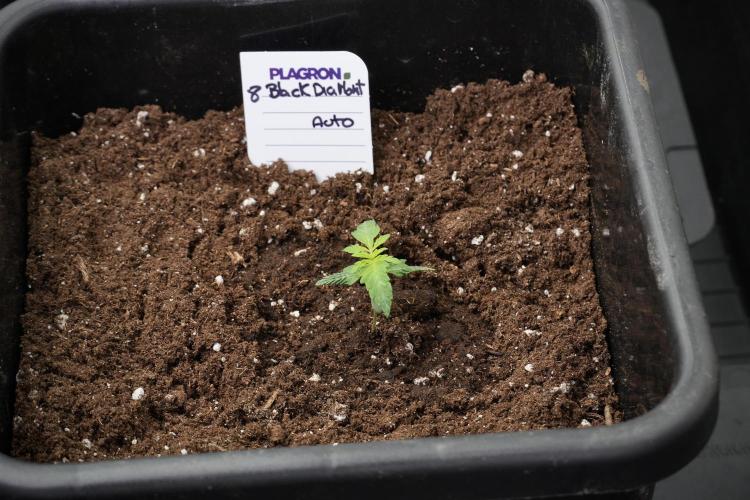
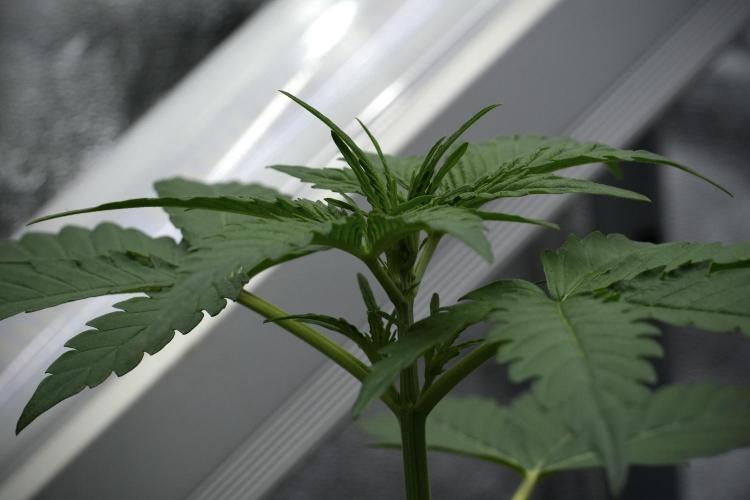
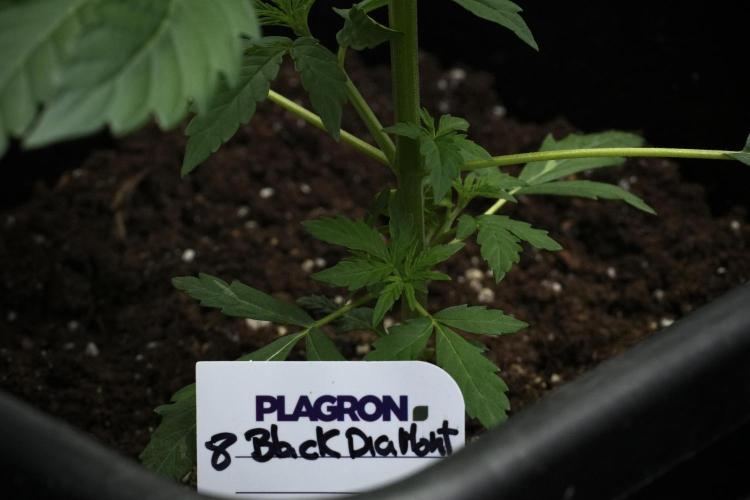
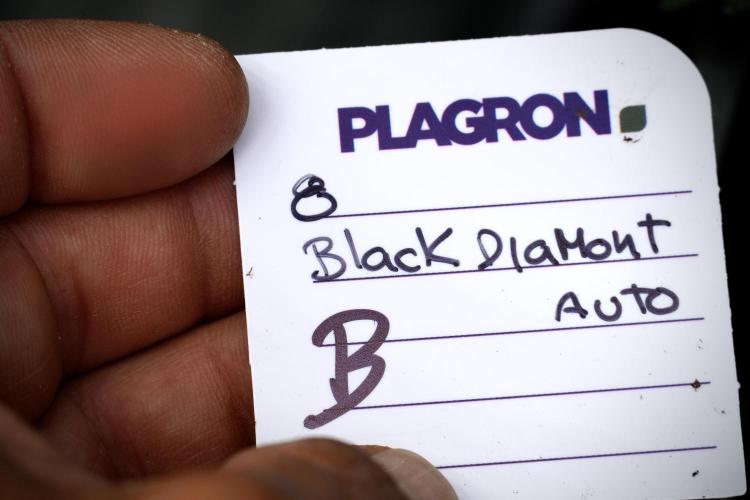
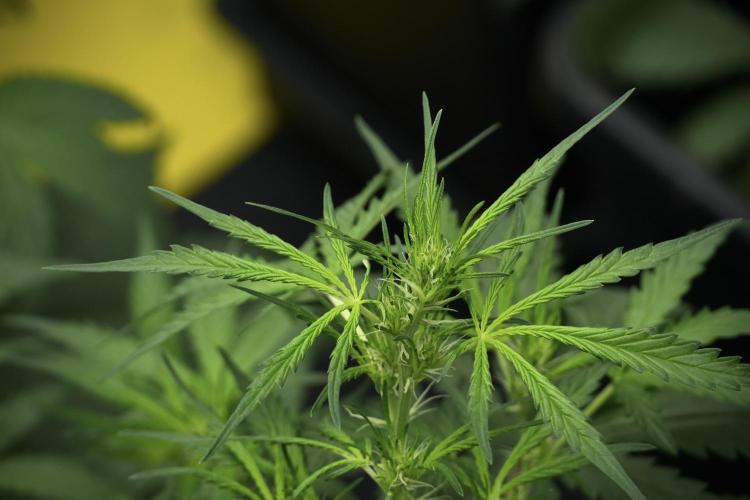
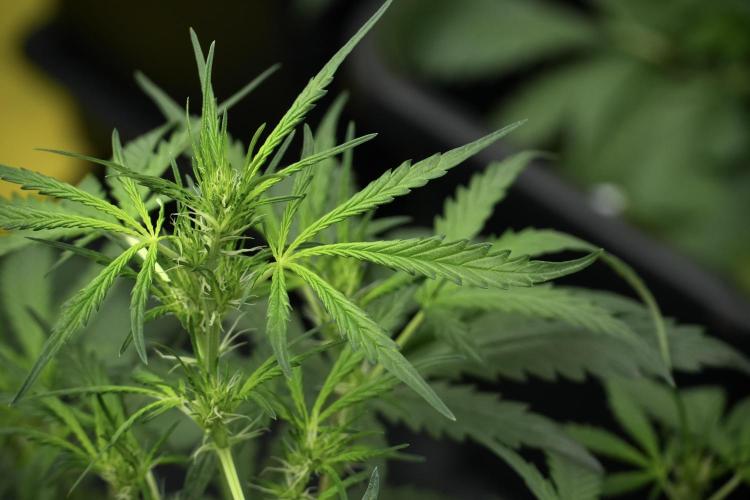
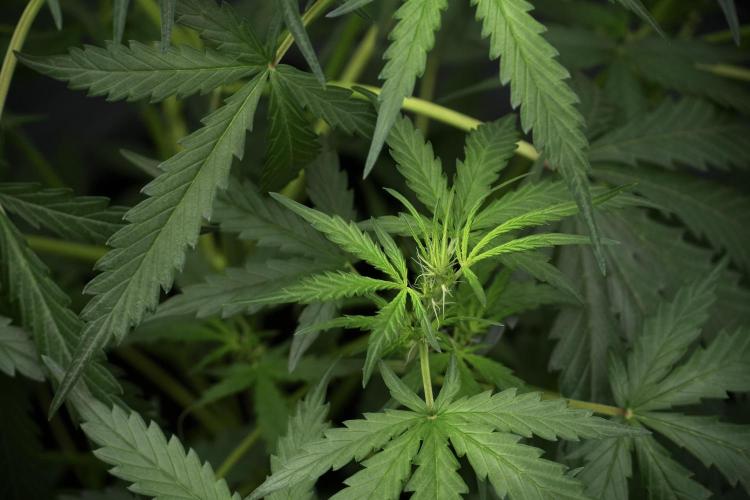
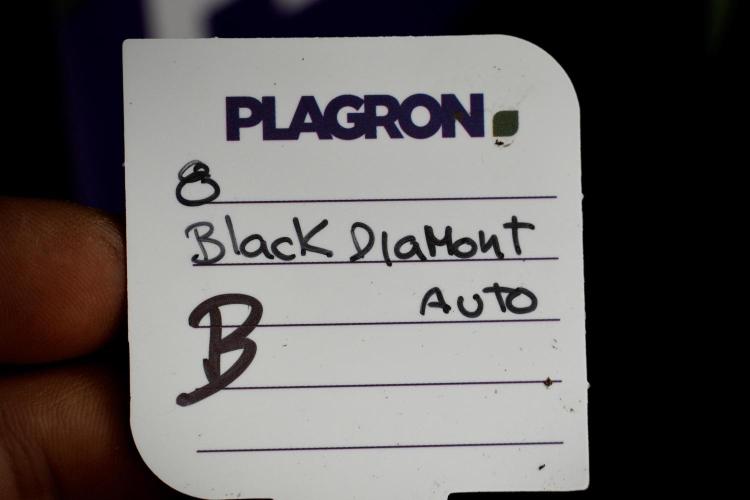
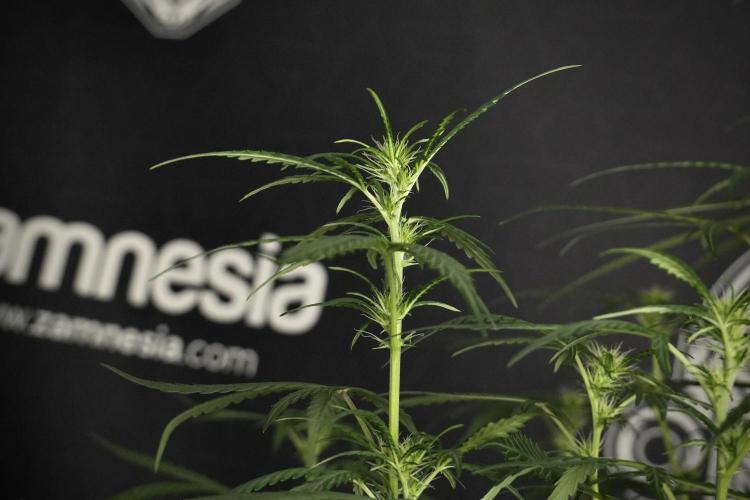
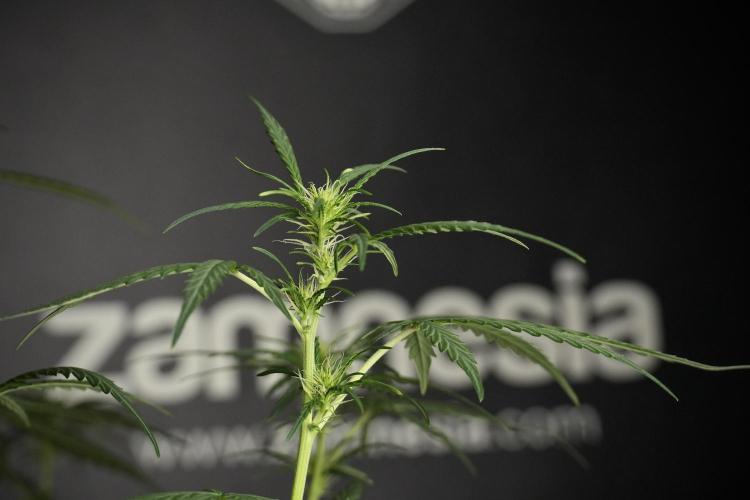
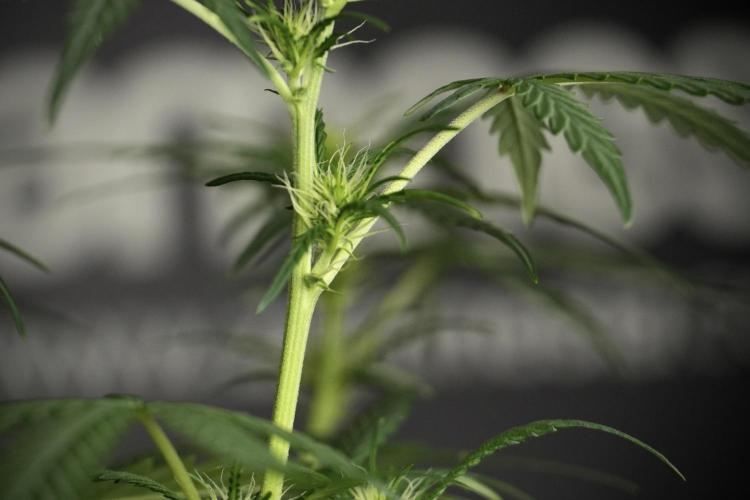
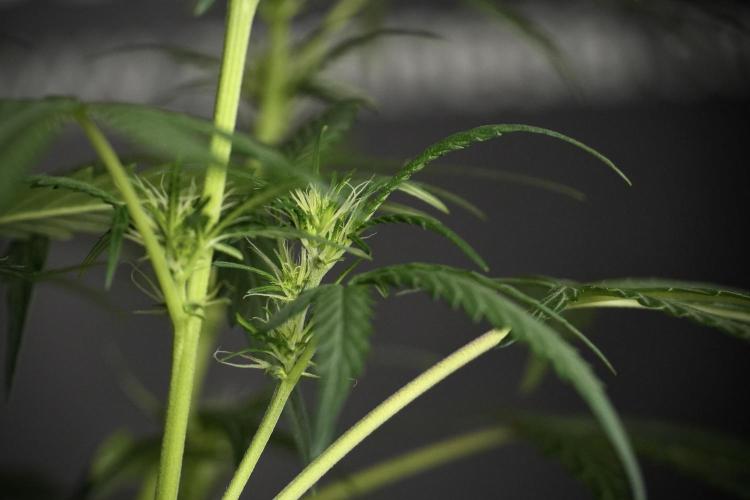
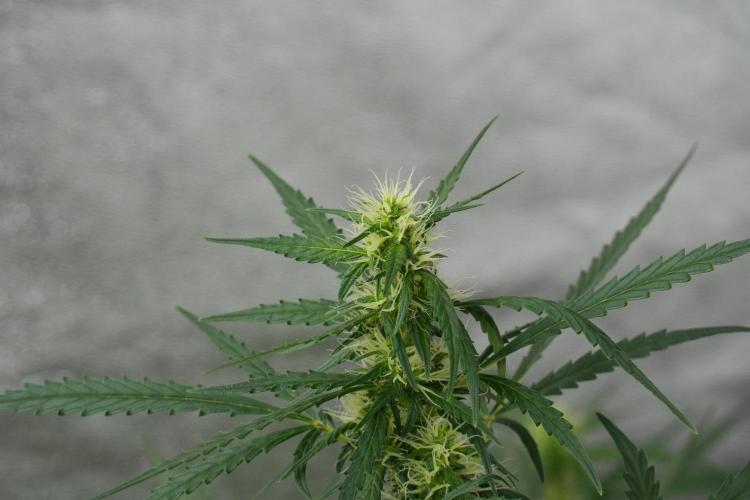
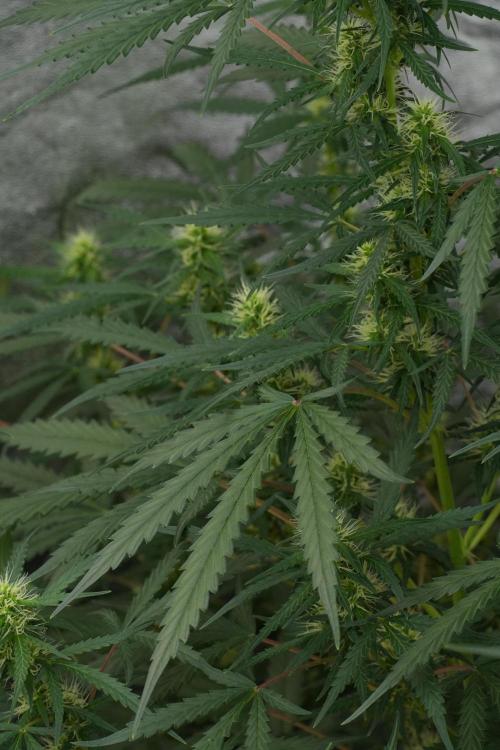
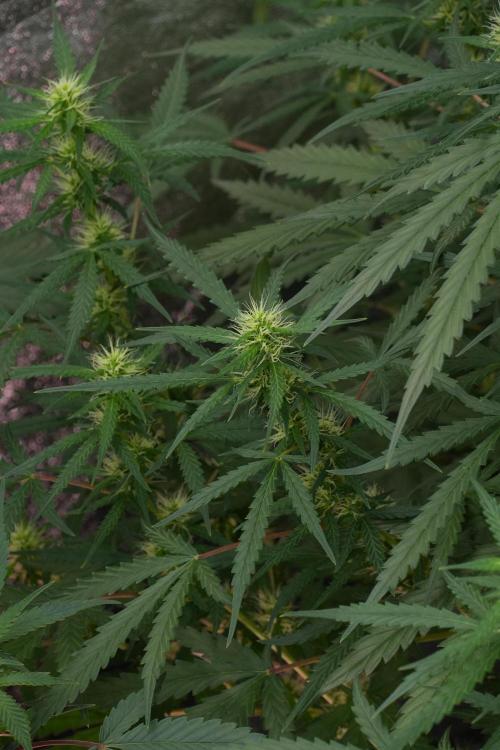
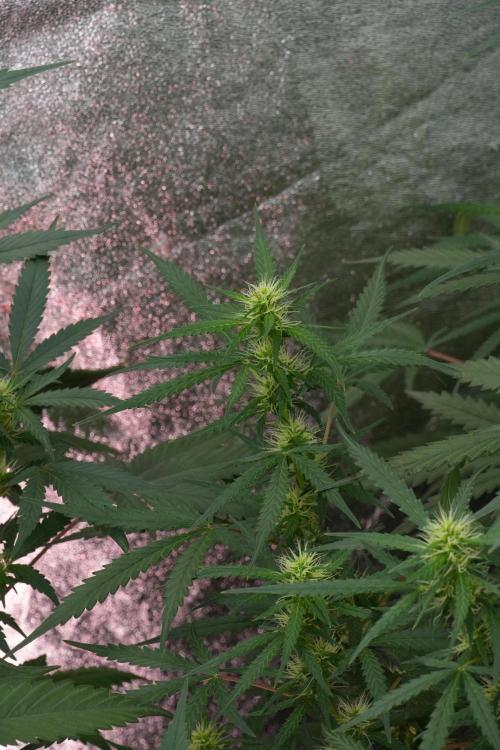
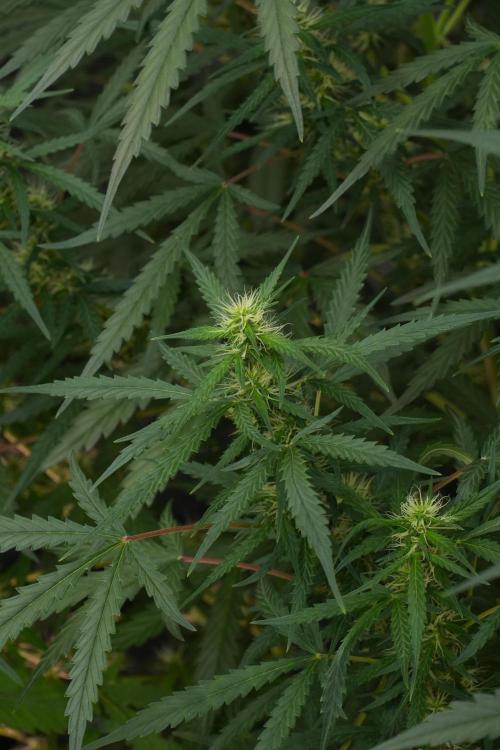
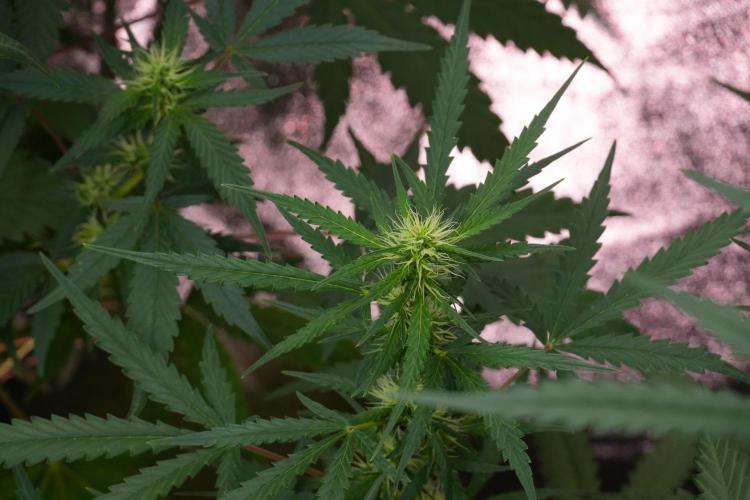
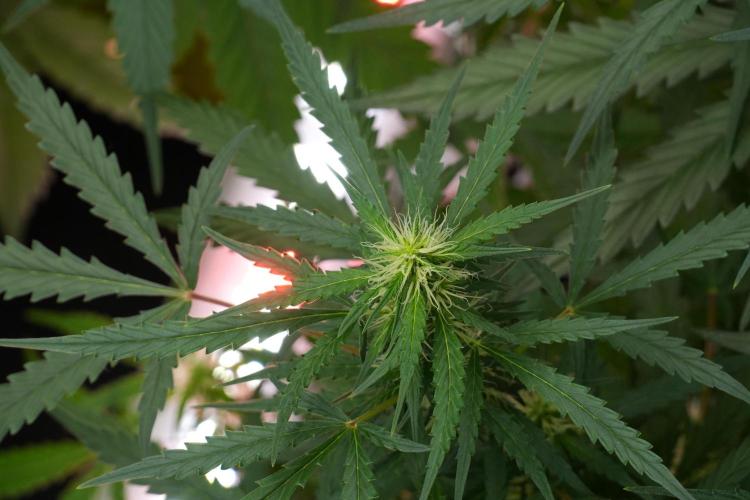
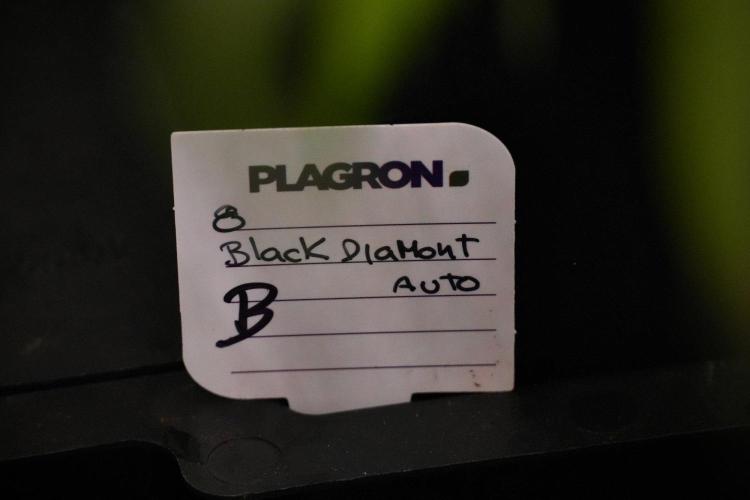
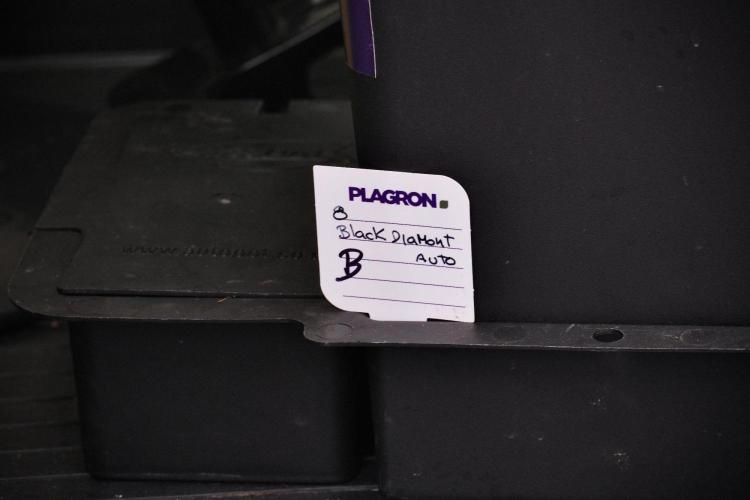
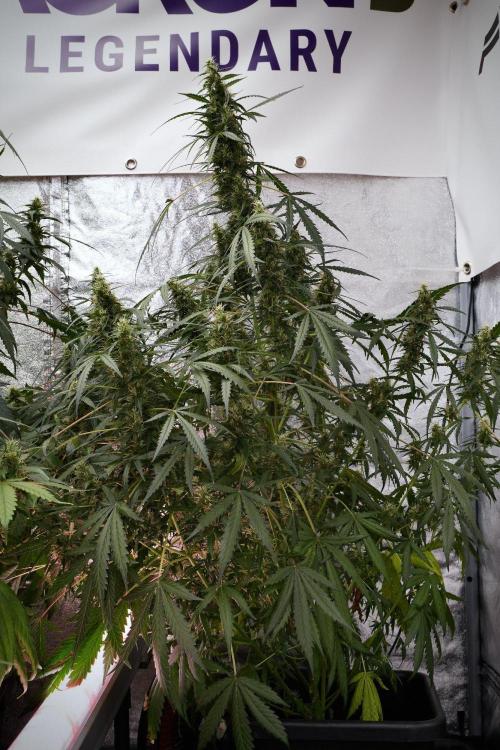
Today, we begin following Black Diamond Auto Pheno B.
A sister to the previous phenotype, sharing the same genetic foundation, but still carrying her own unique potential.
⸻
Two Seeds, Two Stories
One of the things I enjoy most about running multiple phenotypes is the opportunity to observe similarities and differences from the very beginning.
At this stage, both sisters are nearly identical.
Healthy.
Vigorous.
Fast to germinate.
Strong from the start.
But experience has taught me that even closely related plants often reveal their own personalities as they mature.
That is part of the fun.
The seed may come from the same pack.
The journey rarely unfolds exactly the same way.
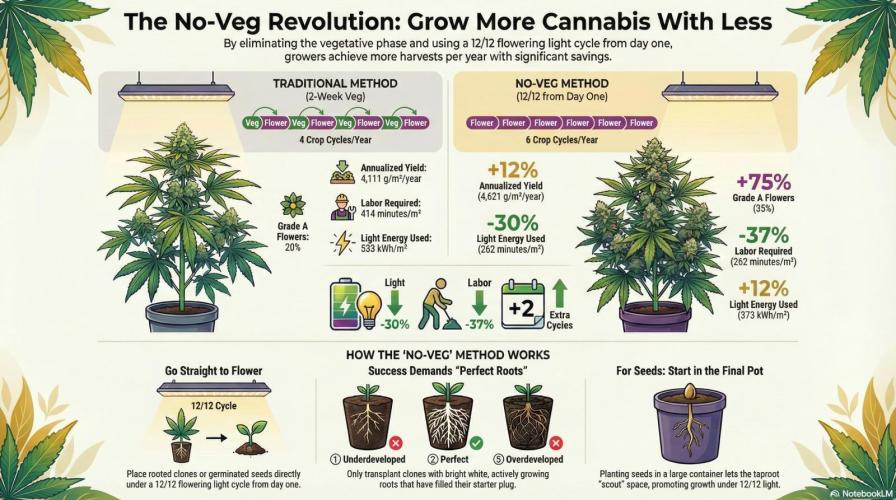
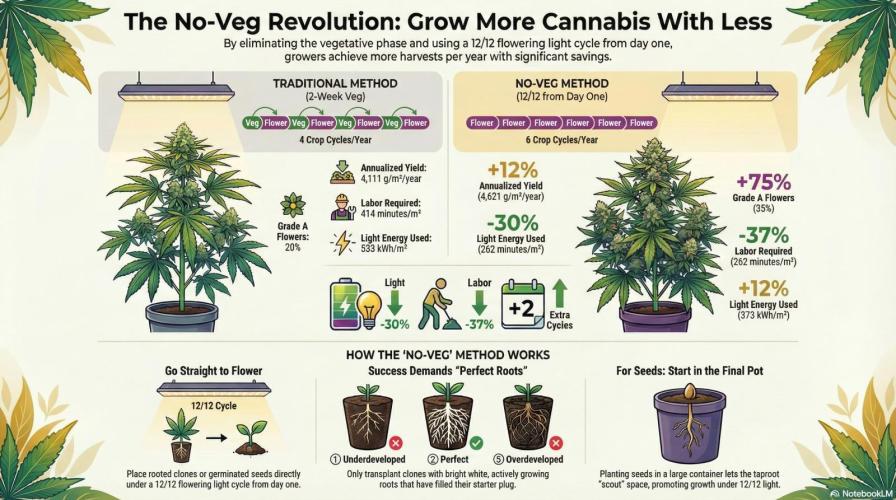
For this run, we’re following Black Diamond Auto from Zamnesia Seeds, cultivated under a 12/12 from seed schedule from the very first day of life.
A method that is a little different from what most growers choose, but one that has become part of my own cultivation style over time.
Throughout this diary, I’ll explain not only what I’m doing, but also why I’m doing it, allowing anyone interested to follow the process from beginning to end.
⸻
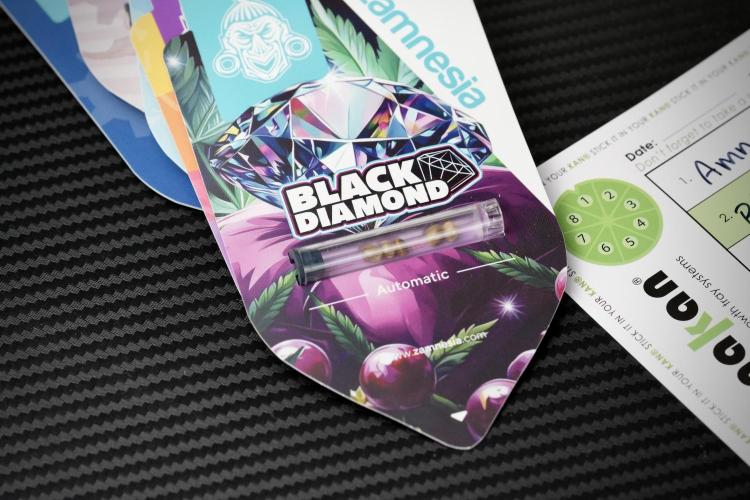
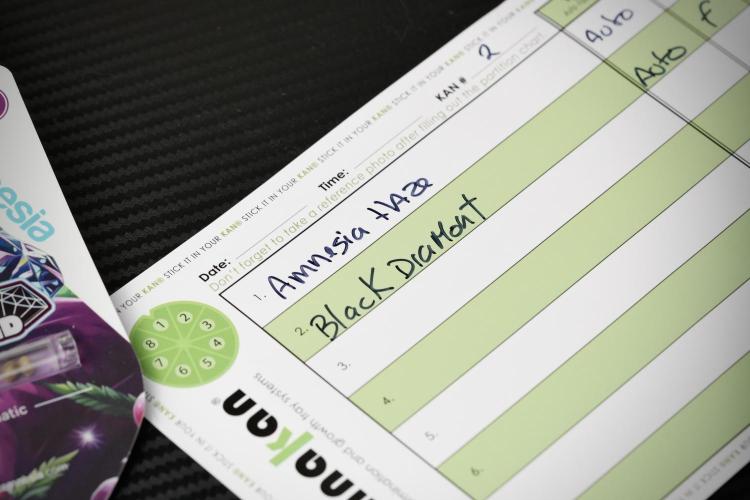
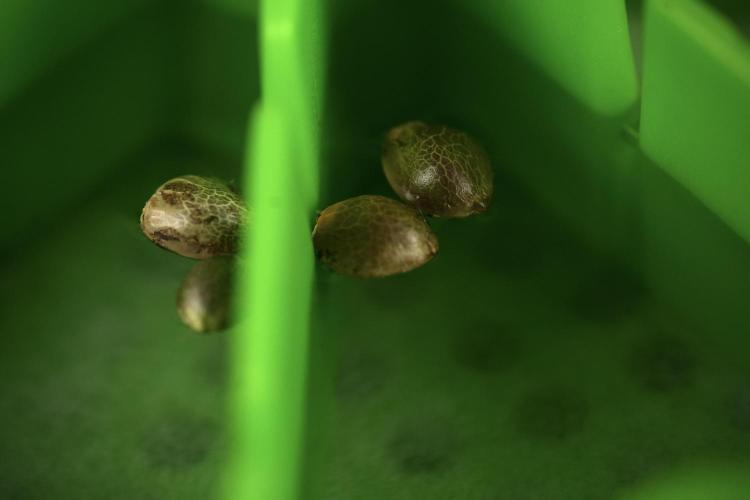
Germination Using the Cannakan System
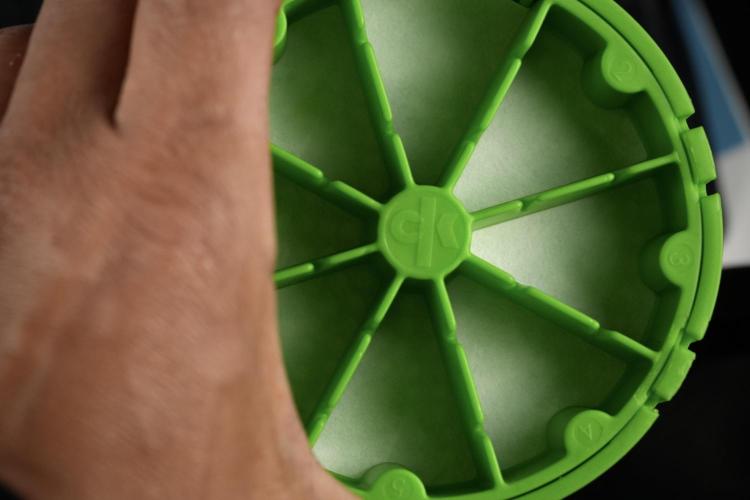
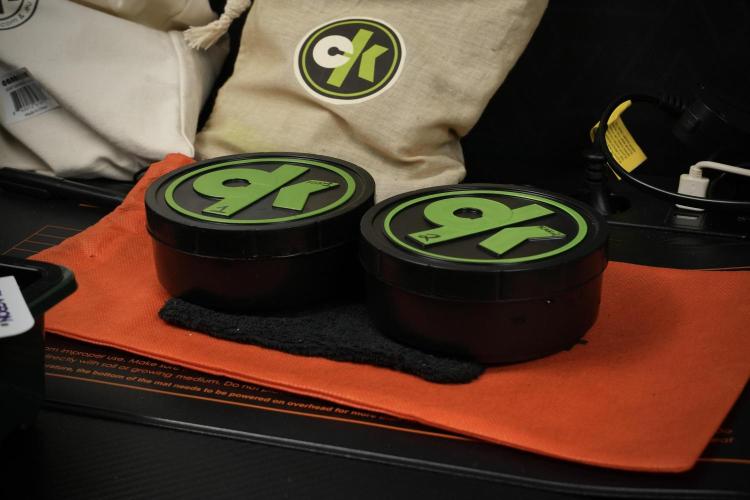
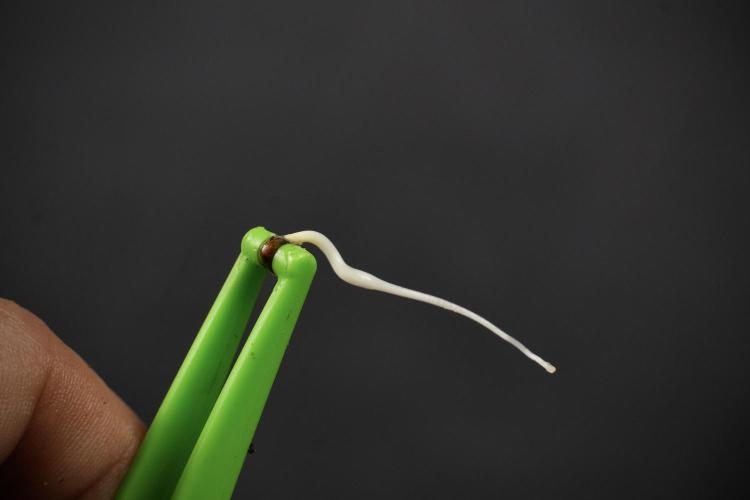
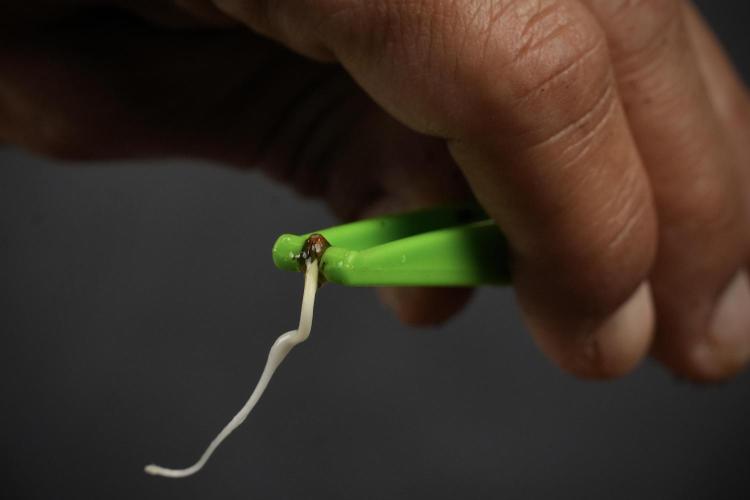
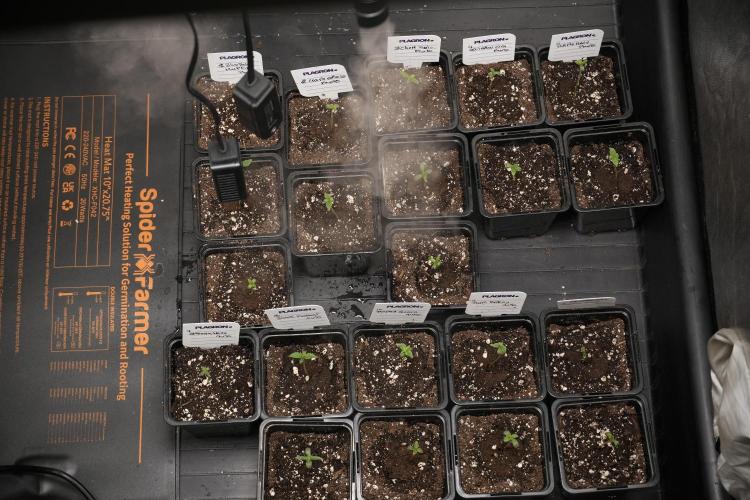
To begin this run, I once again used the Cannakan germination system.
For organizational purposes, the autoflower section of the project was germinated using my second Cannakan unit, while the photoperiod section used the first.
The methodology itself remained exactly the same.
Simple.
Organized.
Reliable.
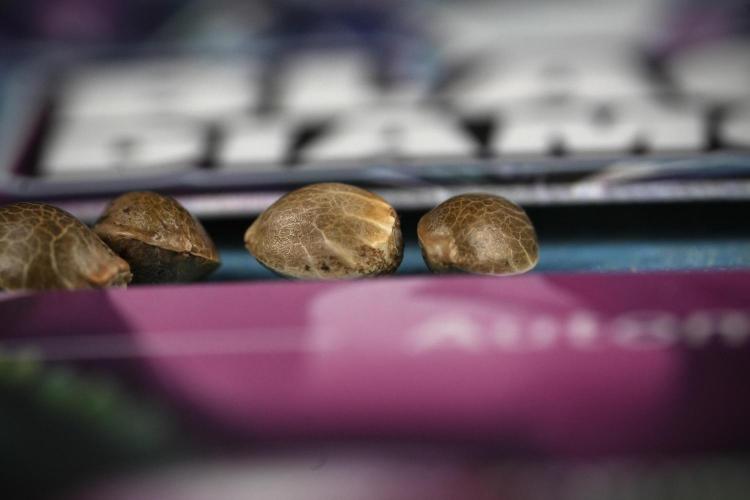
The seed was placed inside using only plain water.
No nutrients.
No additives.
No stimulants.
Just water.
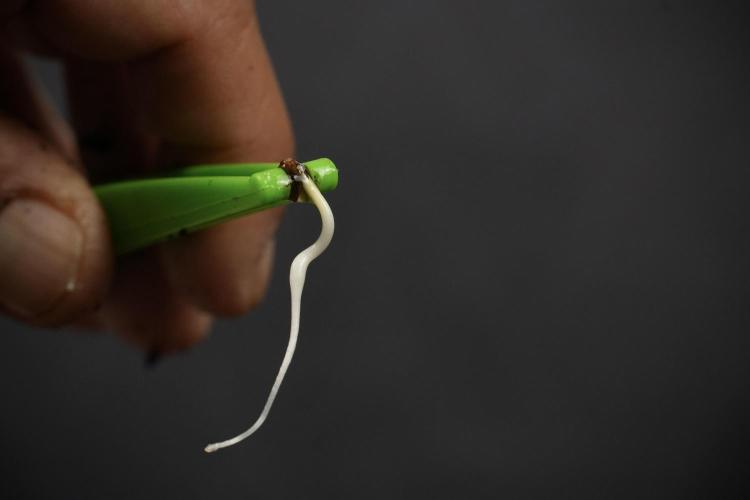
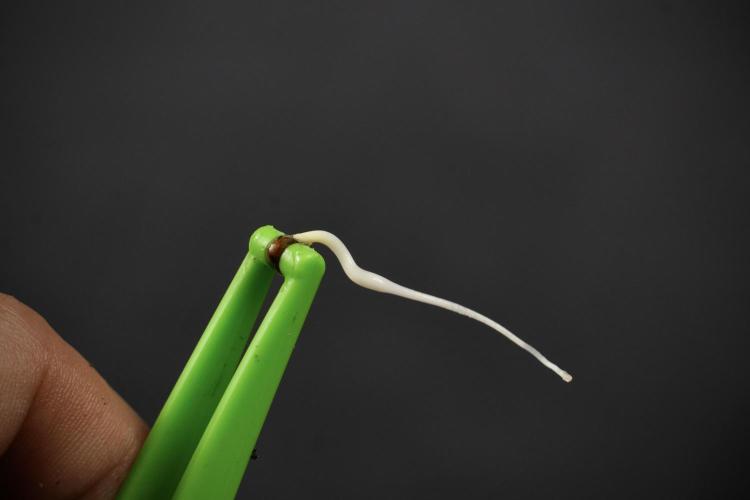
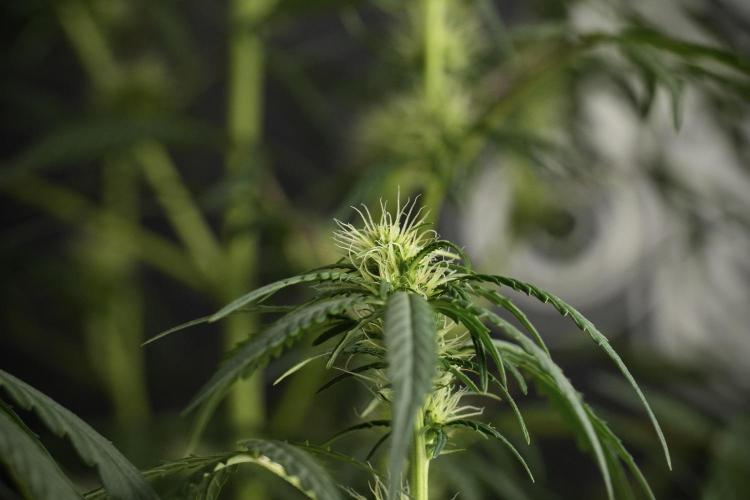
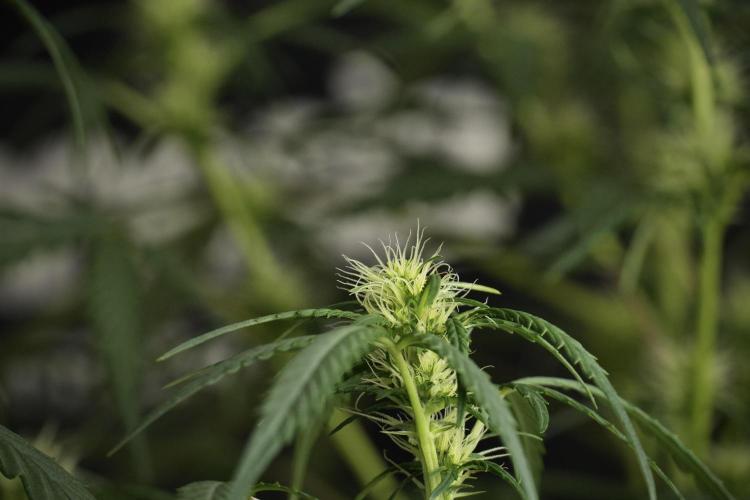
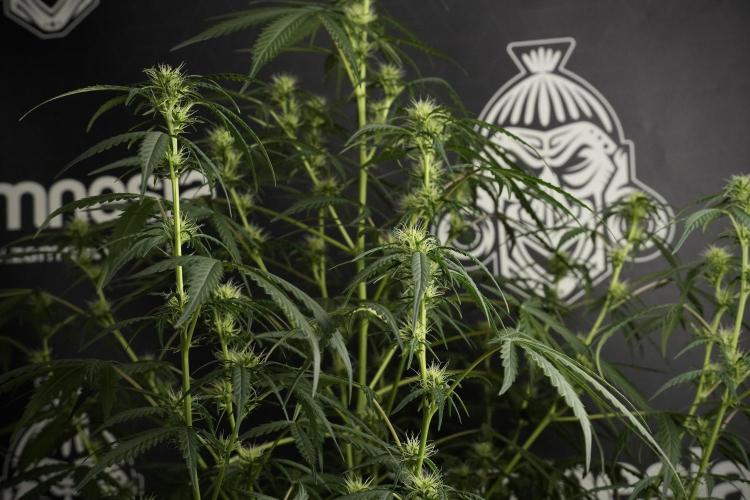
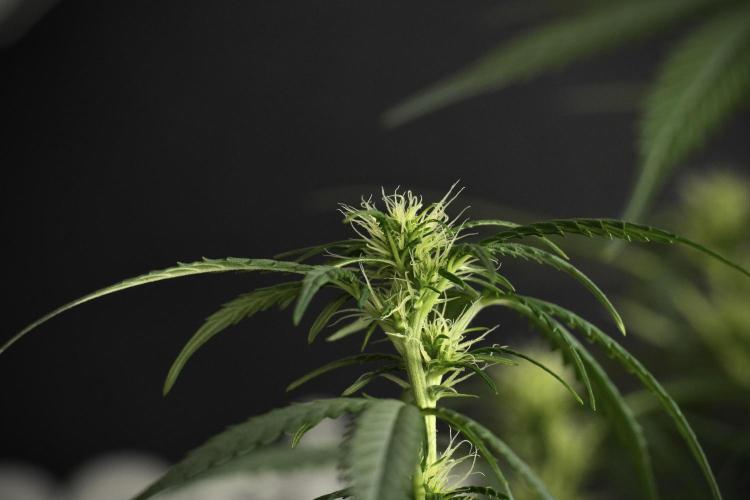
Within approximately 24 hours a healthy taproot had emerged and the seed was ready for planting.
Exactly what we hope to see from healthy genetics.
⸻
Why Only Water?
One question that often appears during germination is:
“Why not feed the seed immediately?”
The answer remains simple.
The seed already contains everything required for its first stage of life.
Inside that shell are the energy reserves needed to establish roots and begin development.
At this stage, I prefer allowing the seed to use those natural reserves exactly as intended.
The objective is not to feed the plant.
The objective is simply to wake it up.
Water is enough.
Nature already prepared the rest.
⸻
Coco Starter Plugs
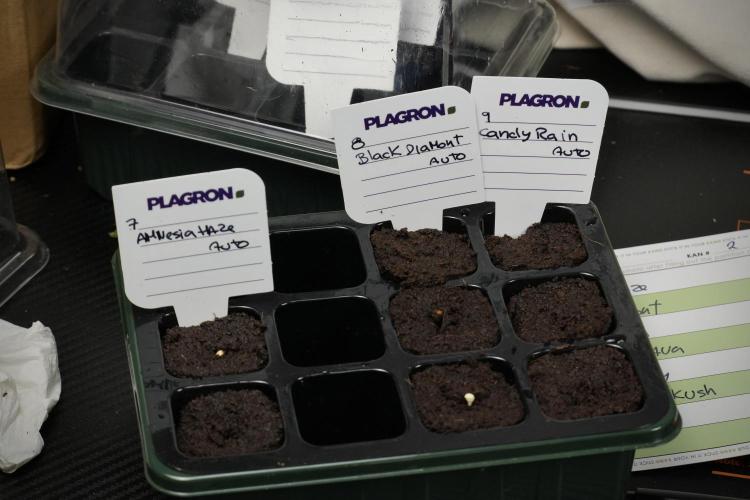
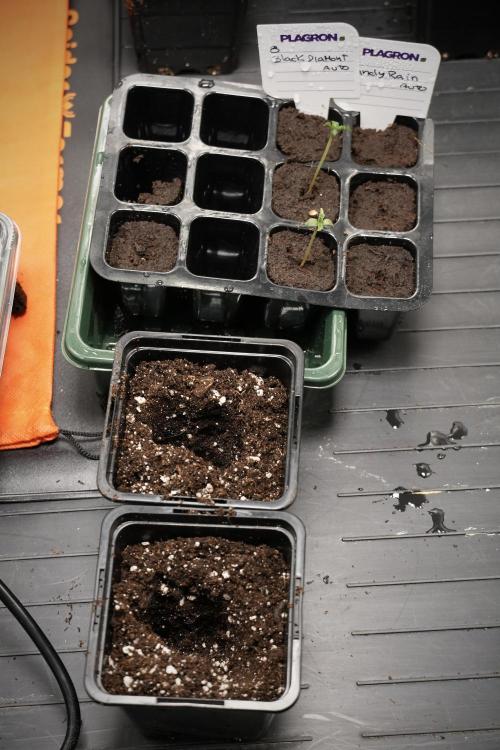
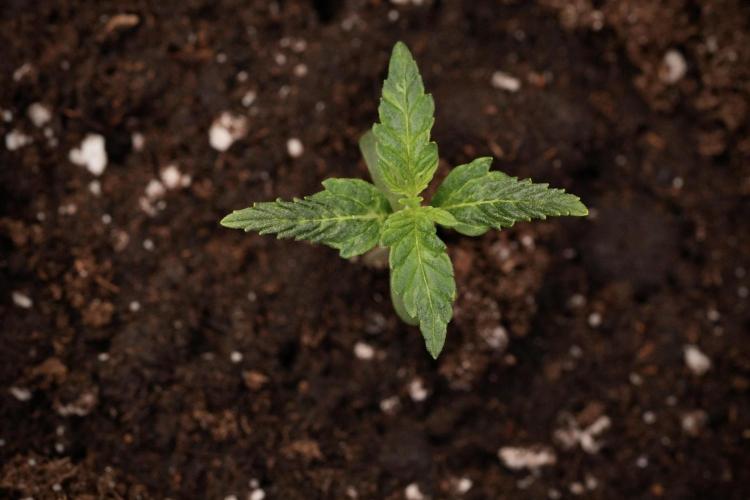
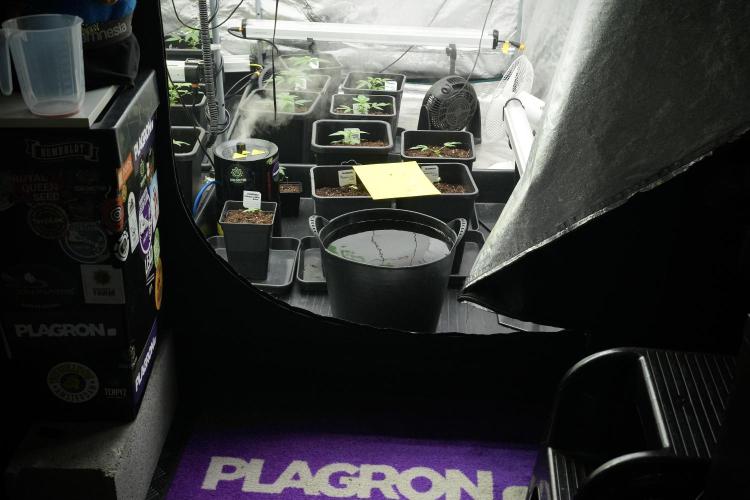
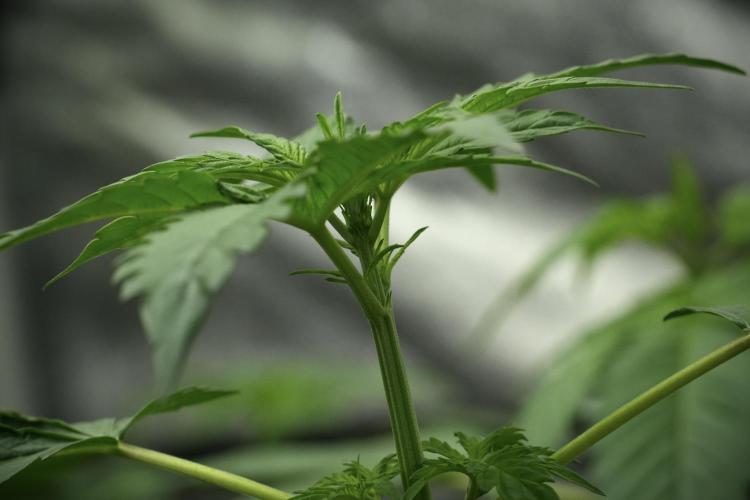
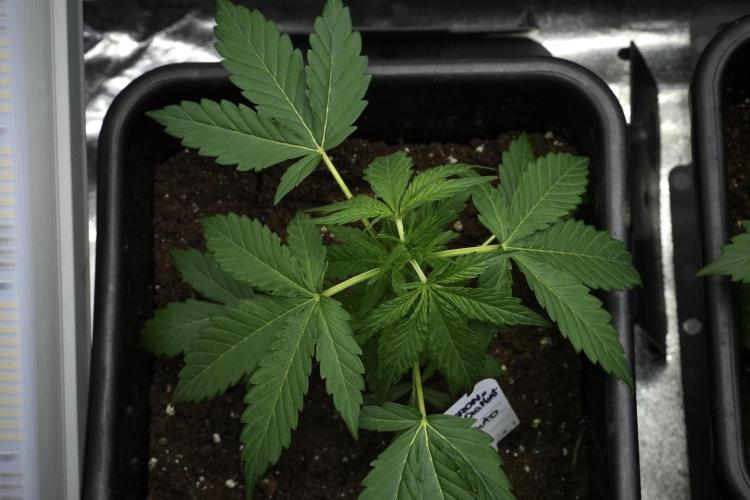
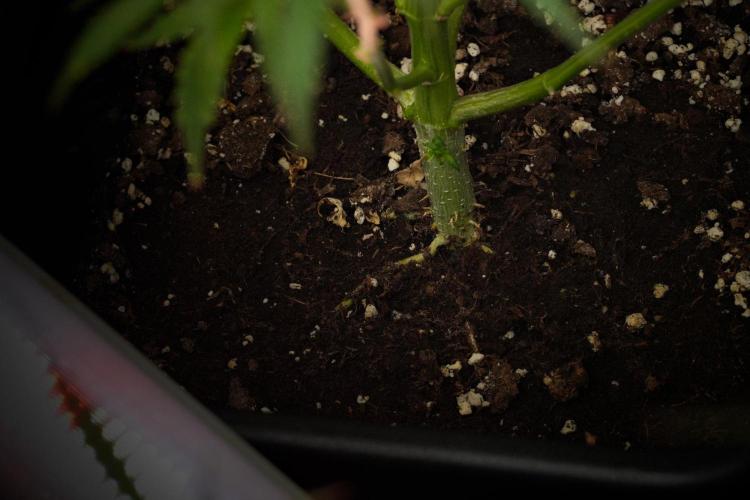
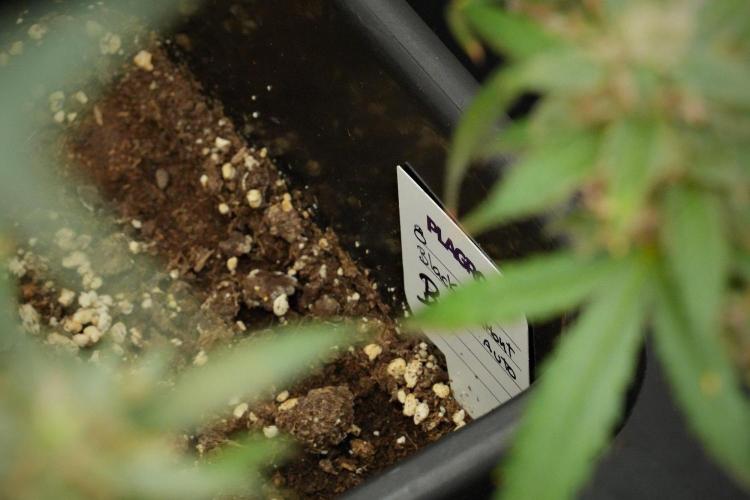
Like the rest of the garden, this seed began life inside a coco starter plug.
The plug was fully hydrated and then gently squeezed to remove excess moisture while maintaining a healthy balance between water retention and oxygen availability.
Once germinated, the seed was carefully inserted into the plug and placed inside a humidity dome.
The dome remained useful for only a short period.
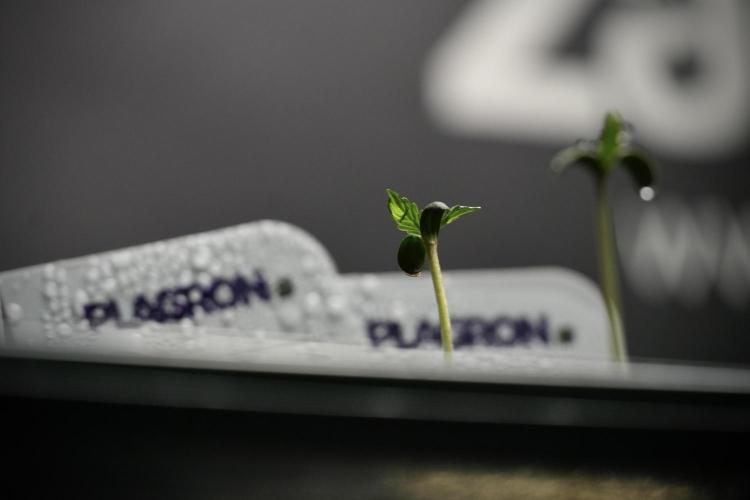
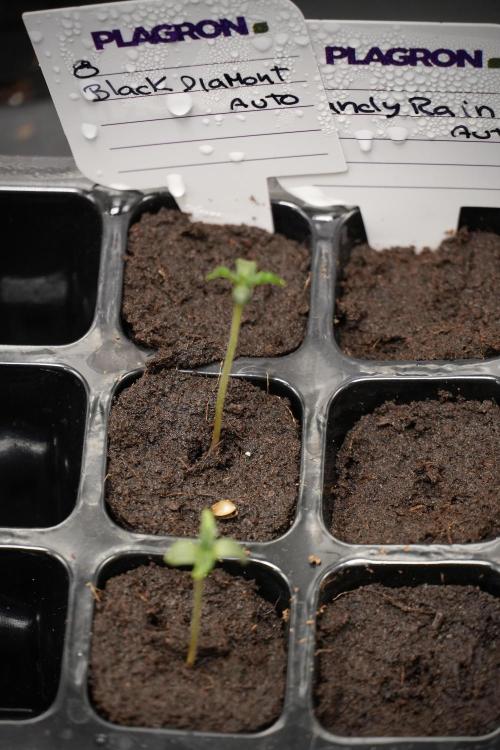
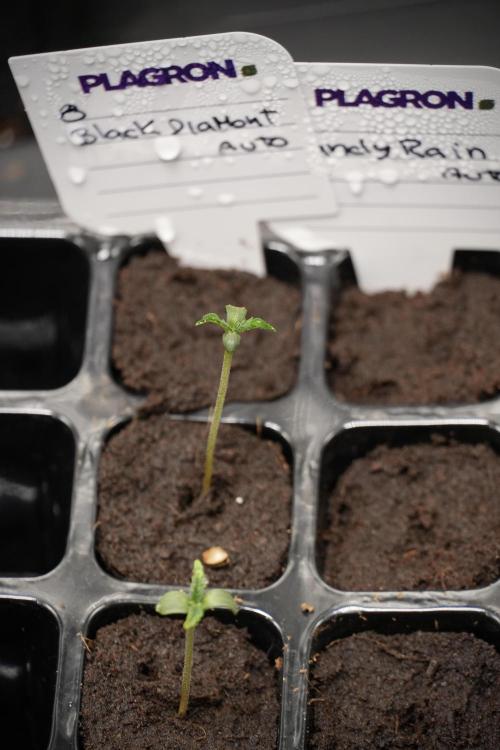
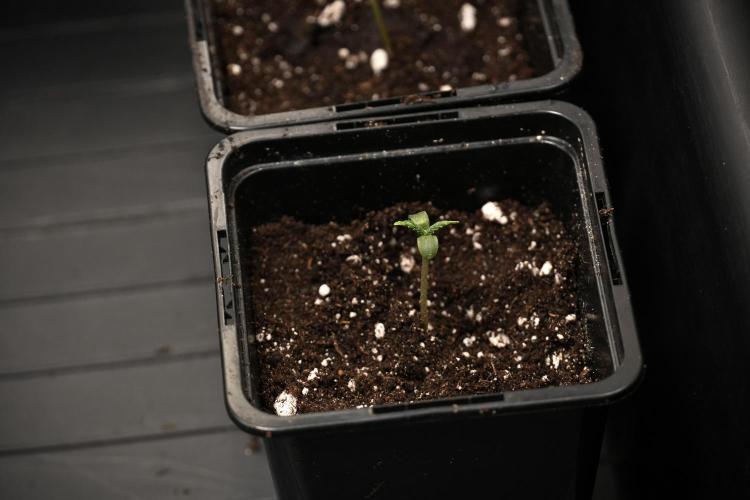
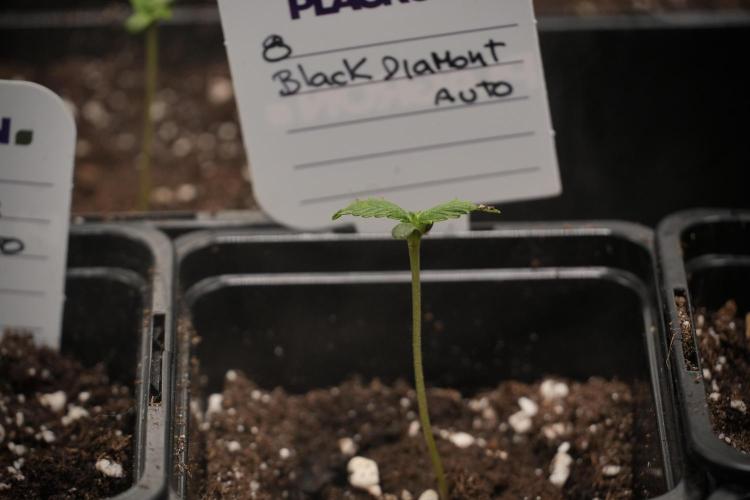
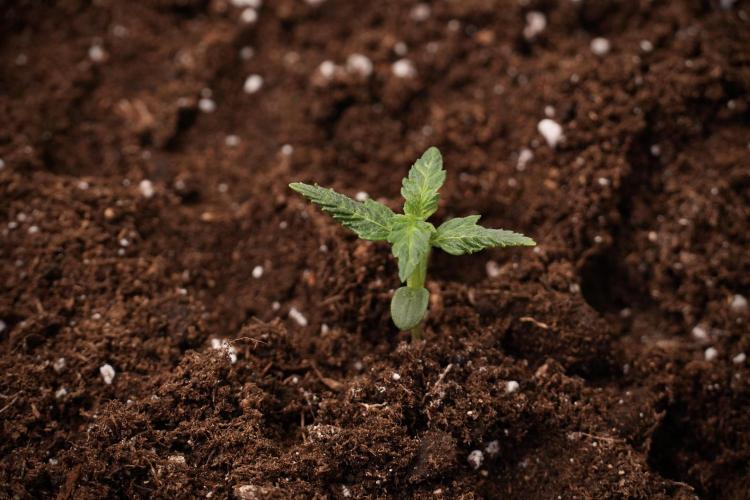
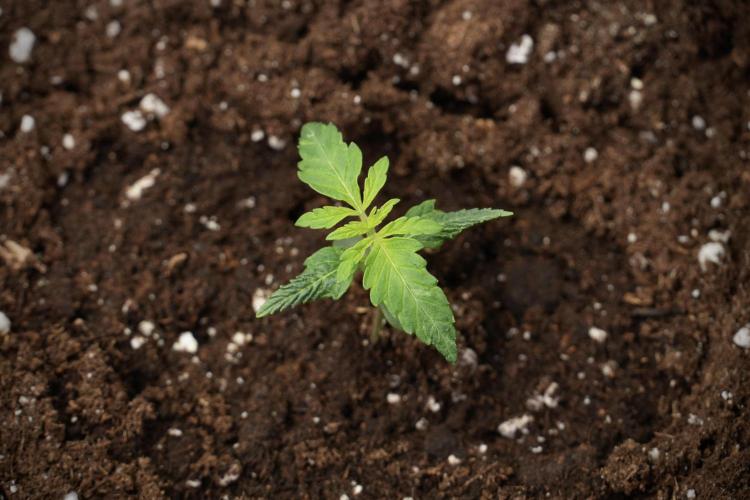
Within less than 24 hours the seedling had already emerged and was ready for the next step.
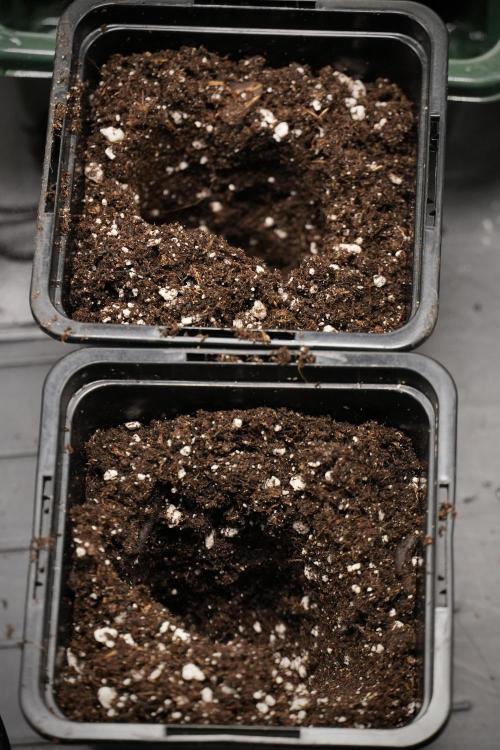
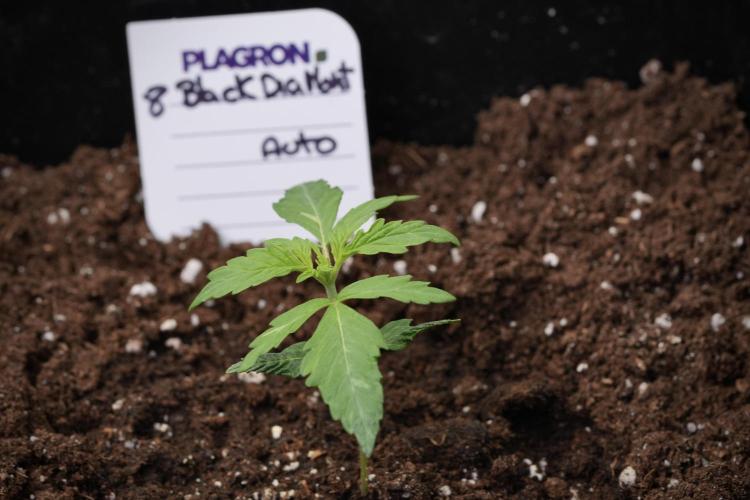
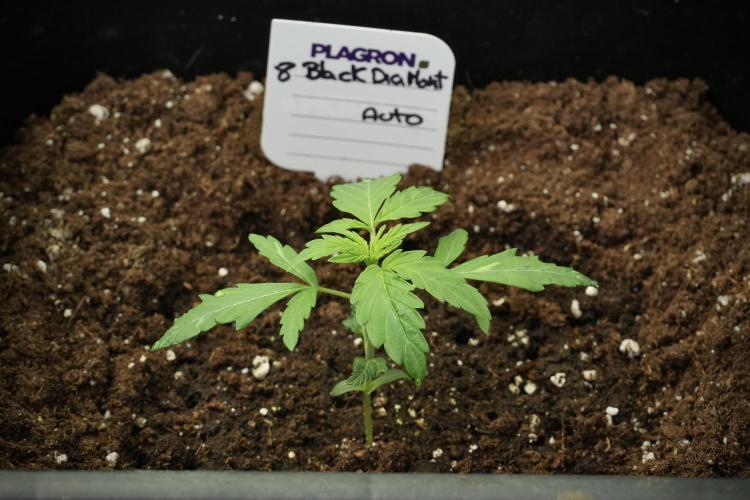
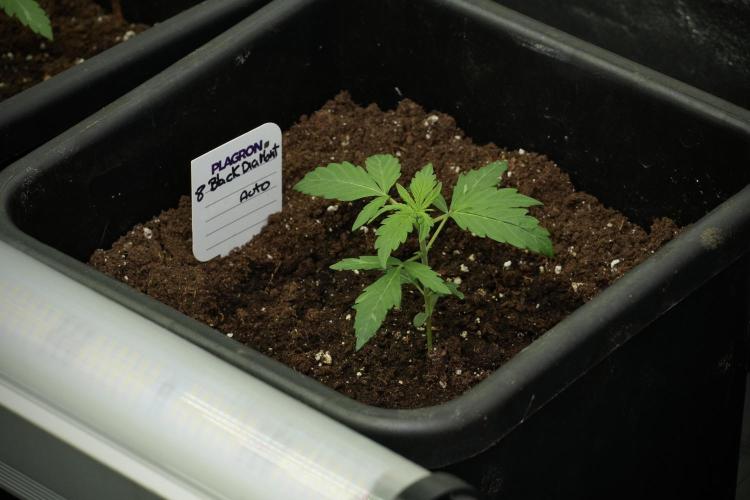
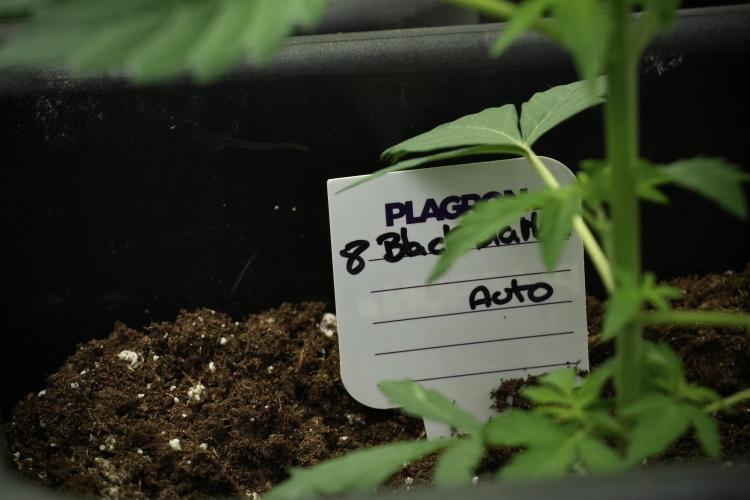
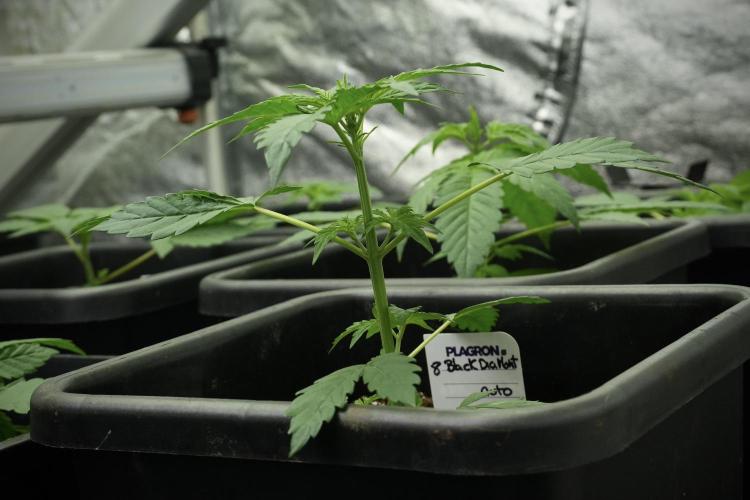
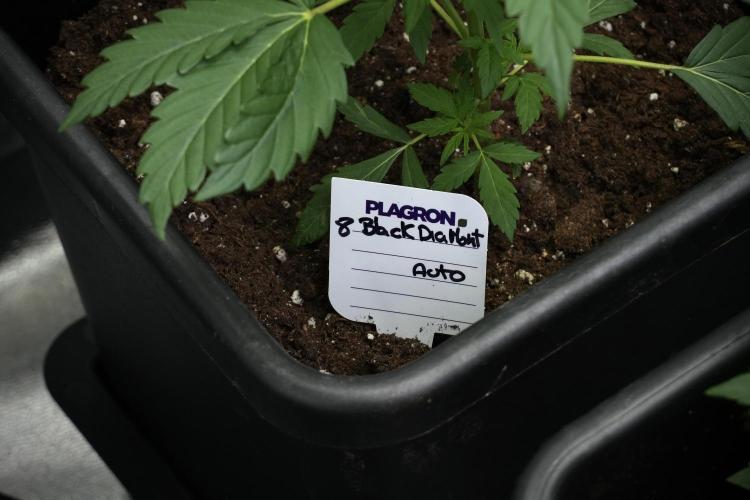
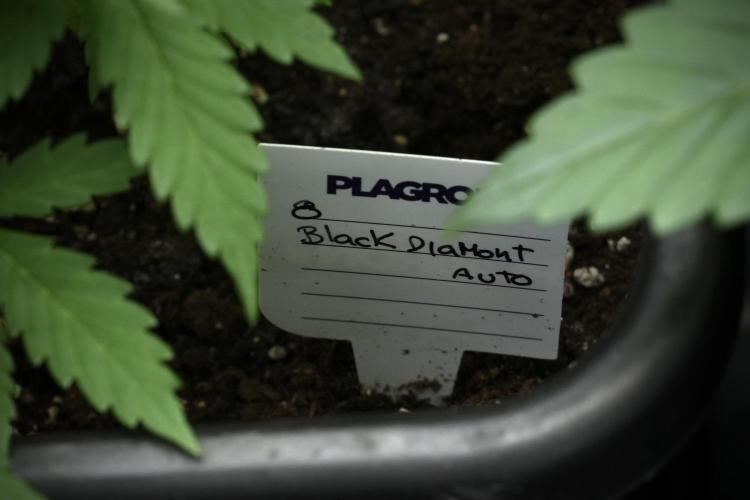
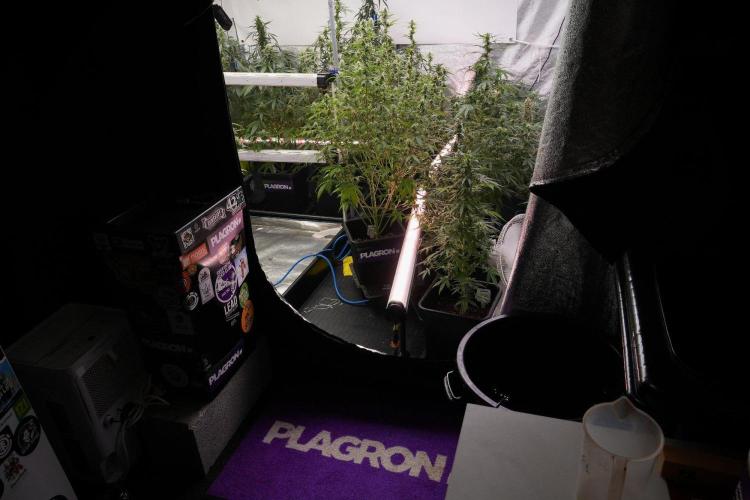
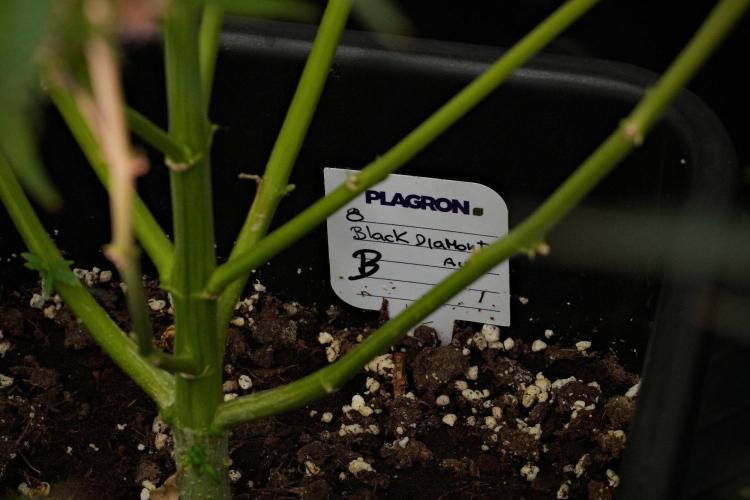
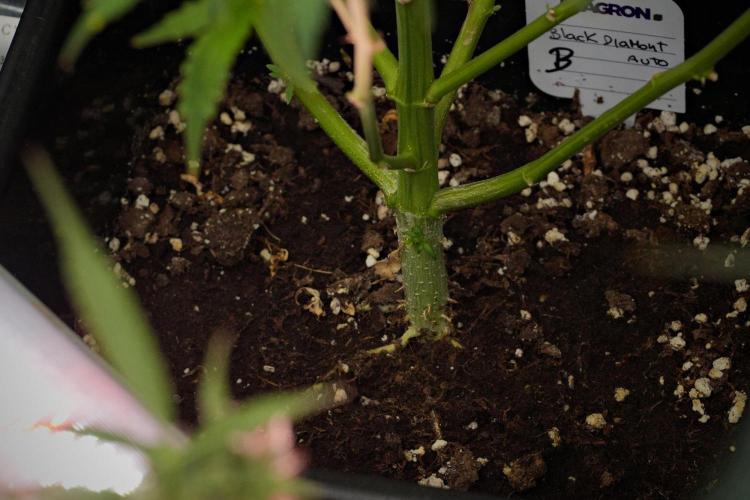
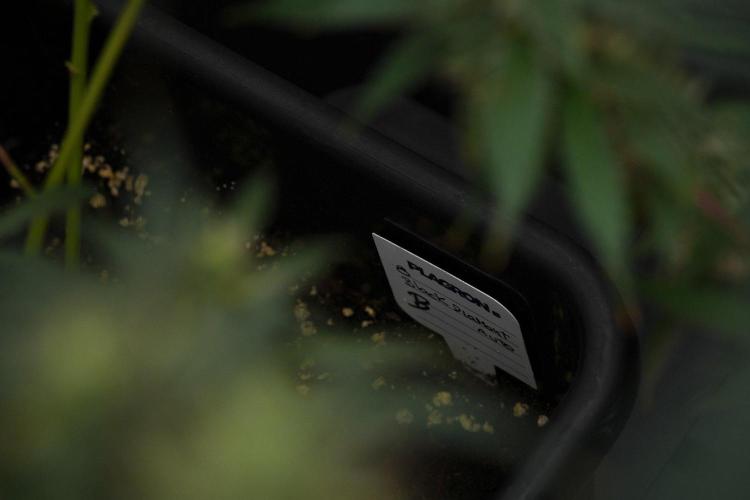
At that point, she was transplanted directly into a small container filled with Plagron Lightmix.
⸻
Environmental Conditions
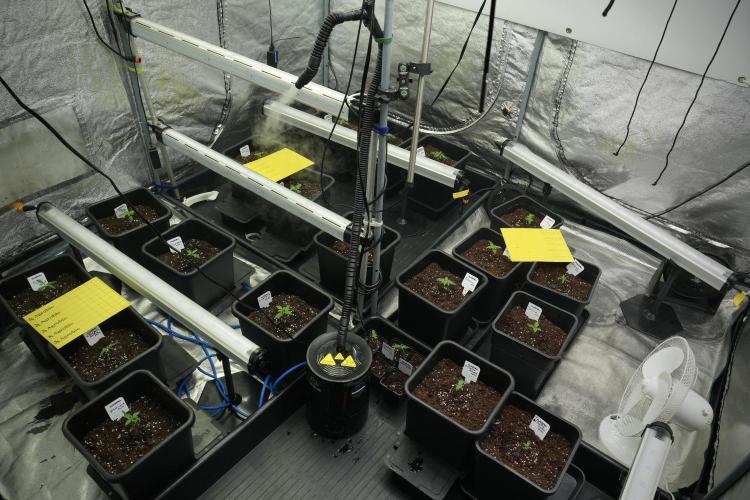
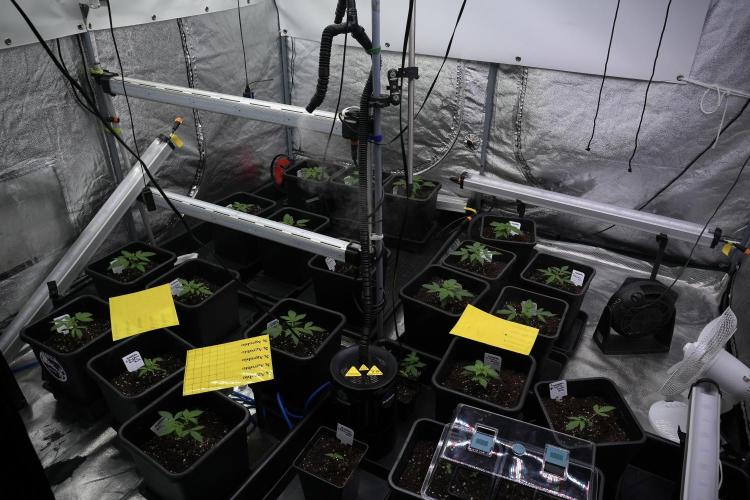
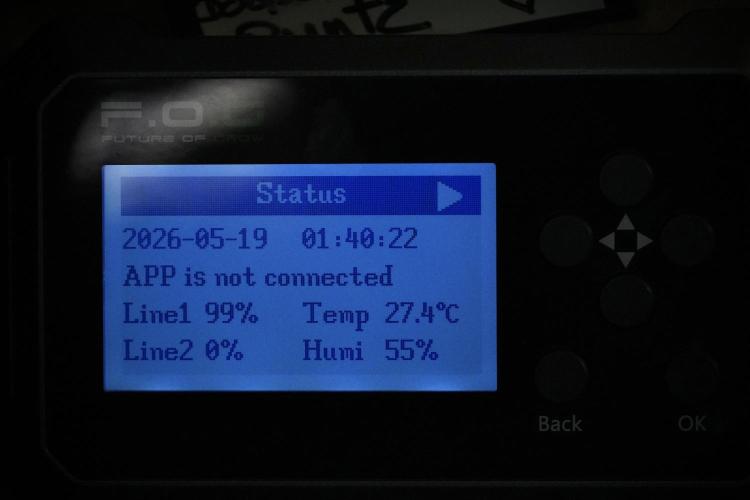
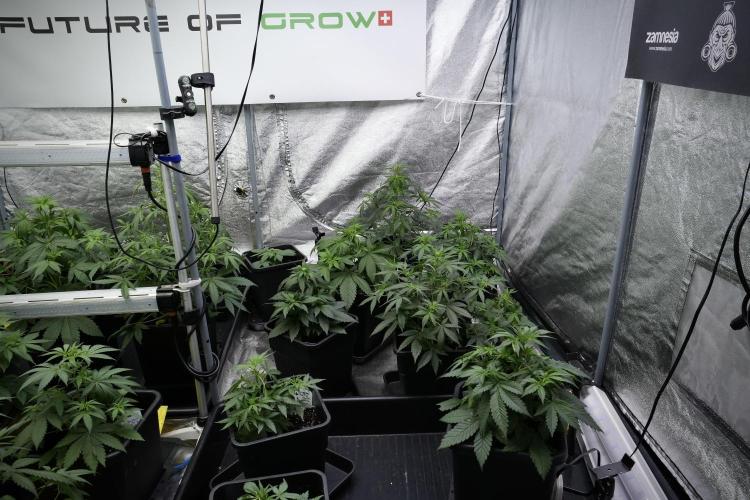
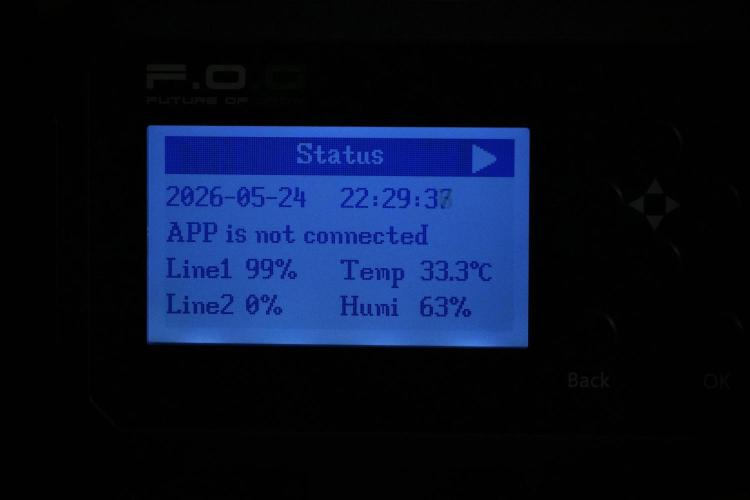
Environmental conditions remained intentionally simple and stable.
Temperatures stayed around 26–27°C.
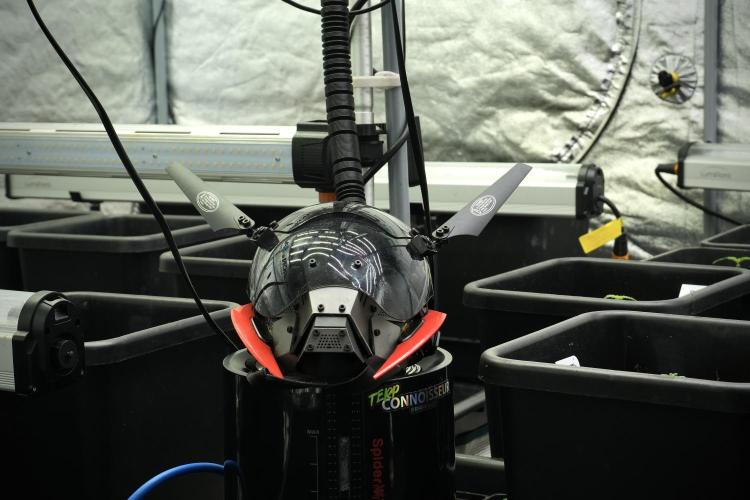
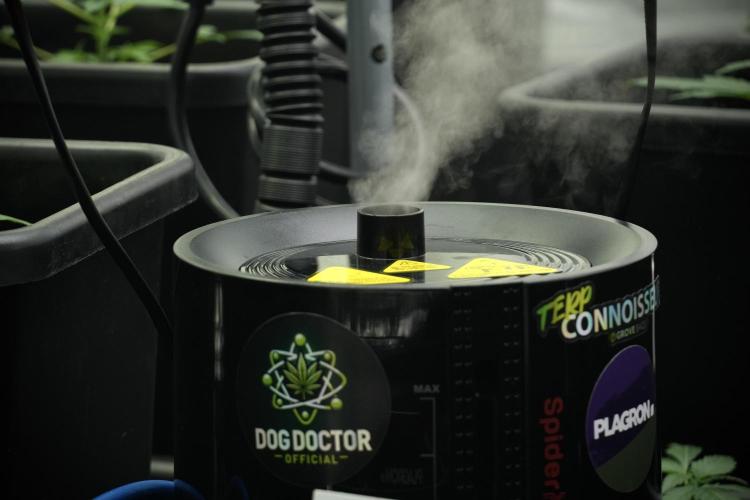
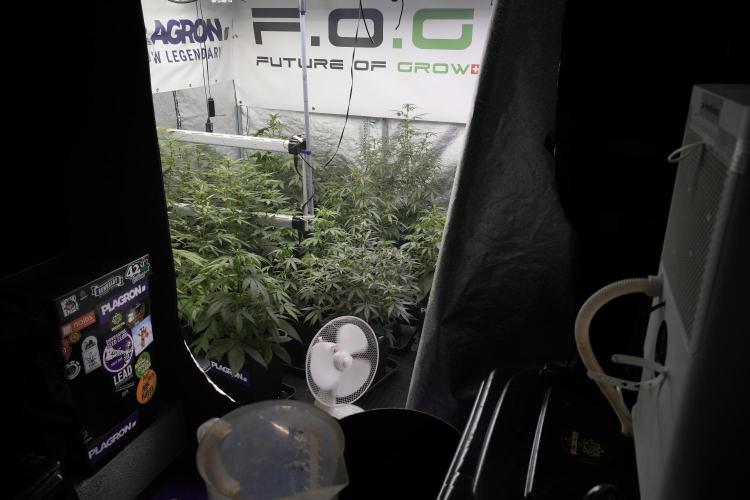
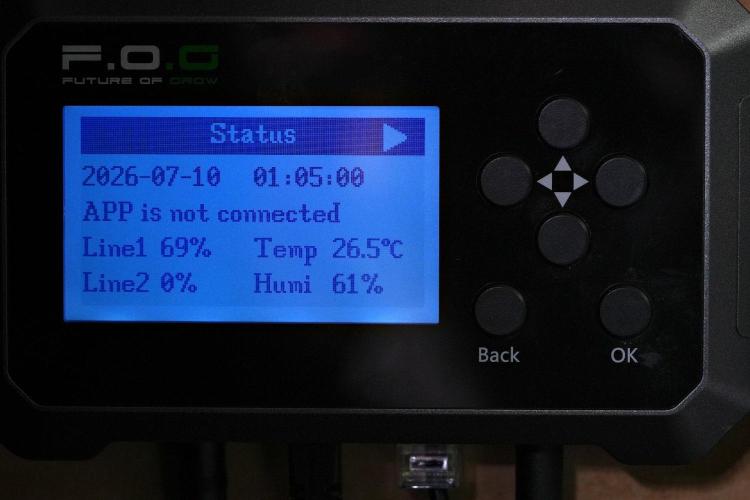
Humidity was maintained between approximately 65–70% using a Spider Farmer humidifier.
Rather than keeping seedlings inside extremely humid conditions for extended periods, I prefer introducing them relatively early to the environment they will actually experience throughout their life cycle.
The objective is adaptation.
Not dependence.
Airflow remained extremely gentle.
Just enough movement to keep fresh air circulating without creating unnecessary stress.
⸻
Lighting
Lighting during germination remained intentionally soft.
Young seedlings simply do not require intense light levels at this stage.
The goal is healthy establishment rather than rapid growth.
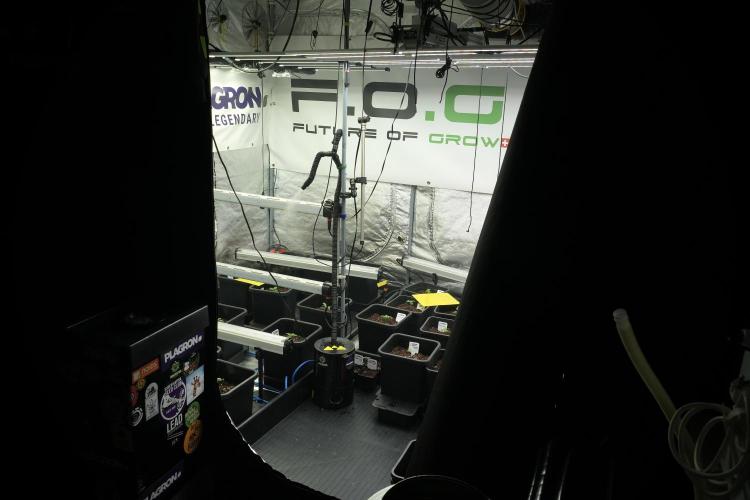
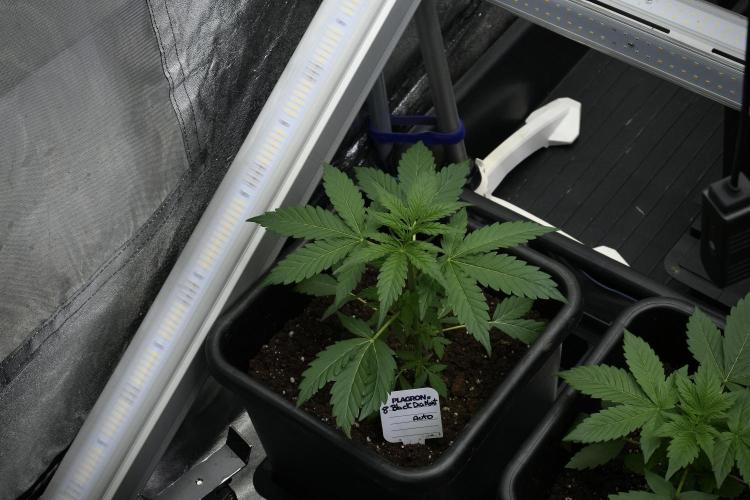
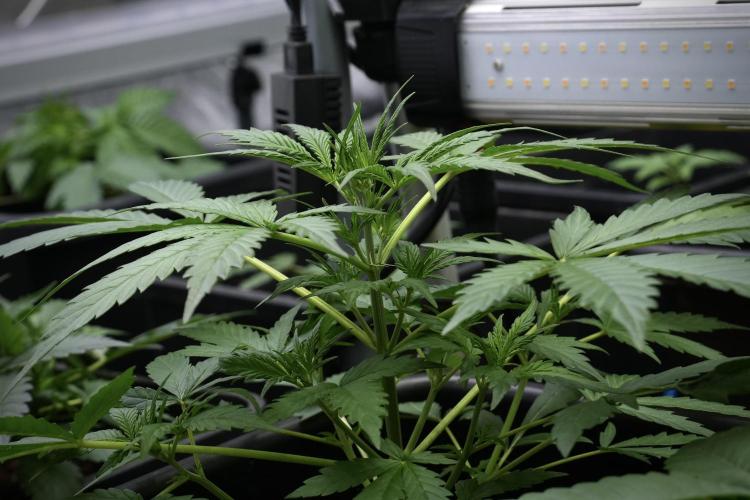
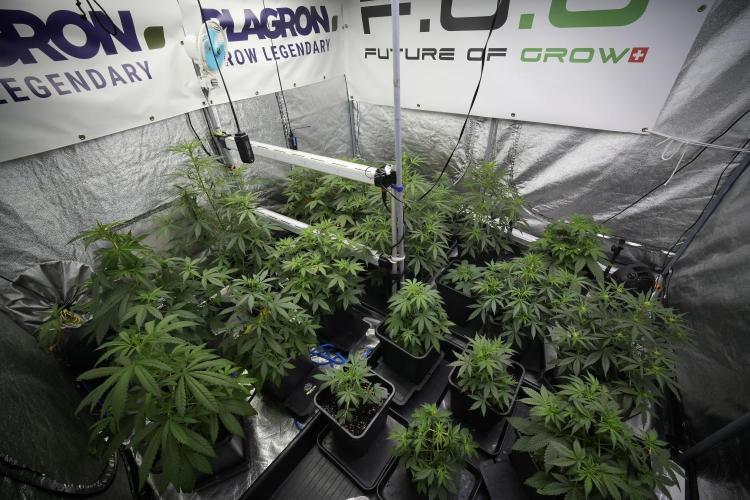
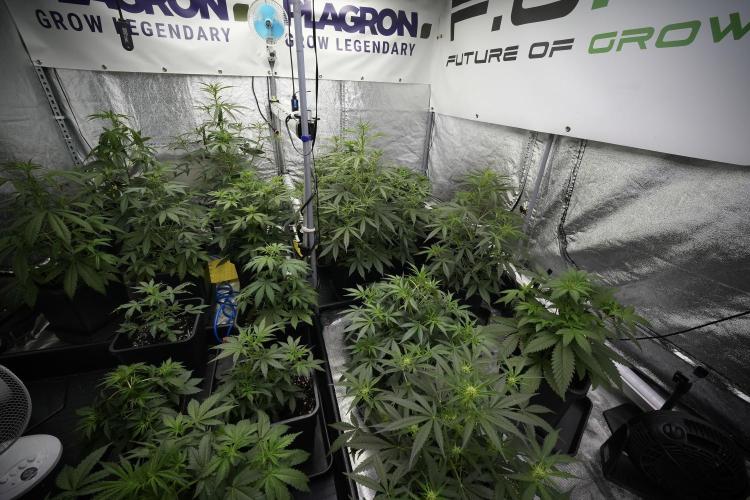
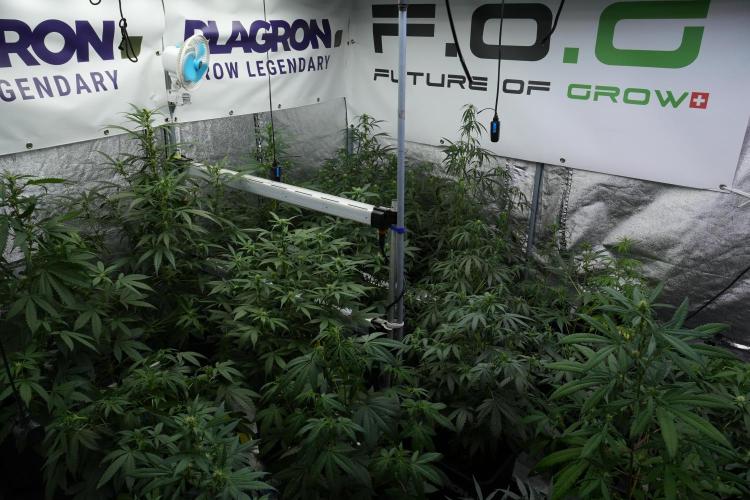
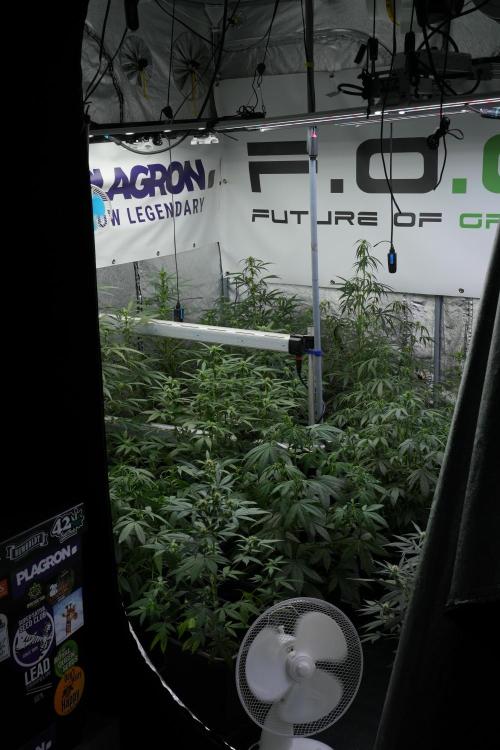
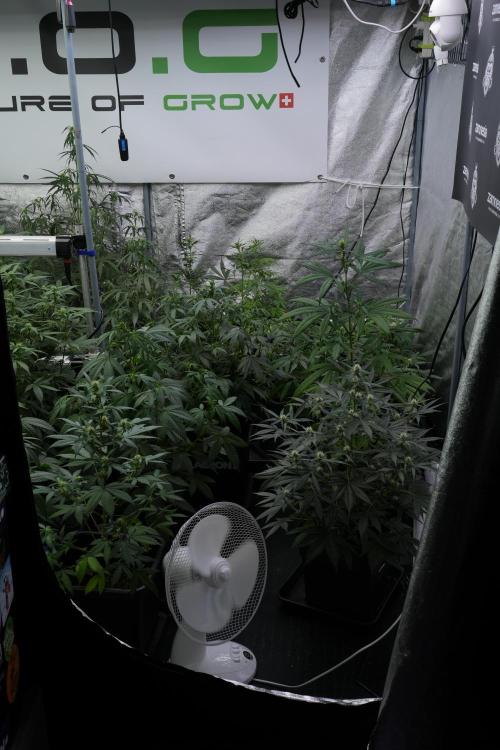
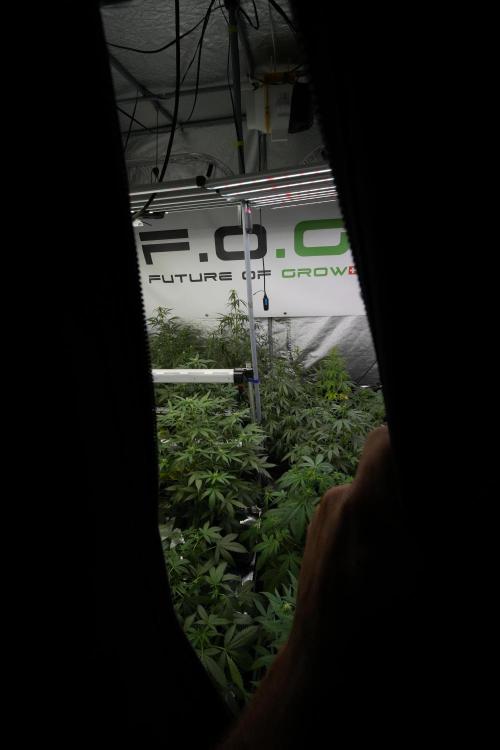
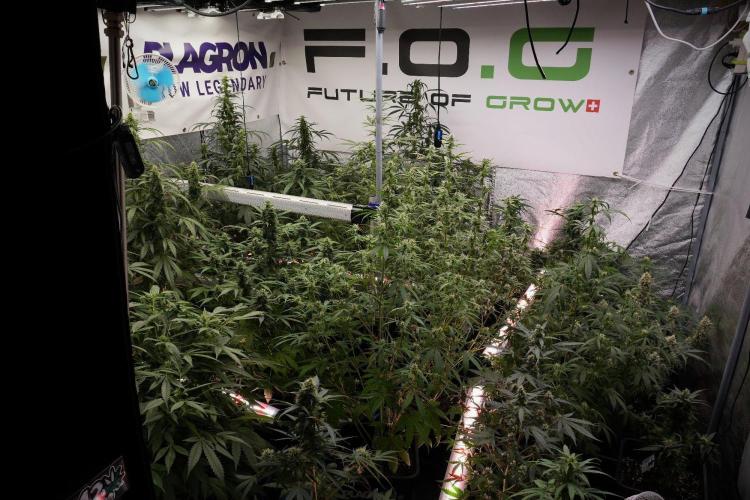
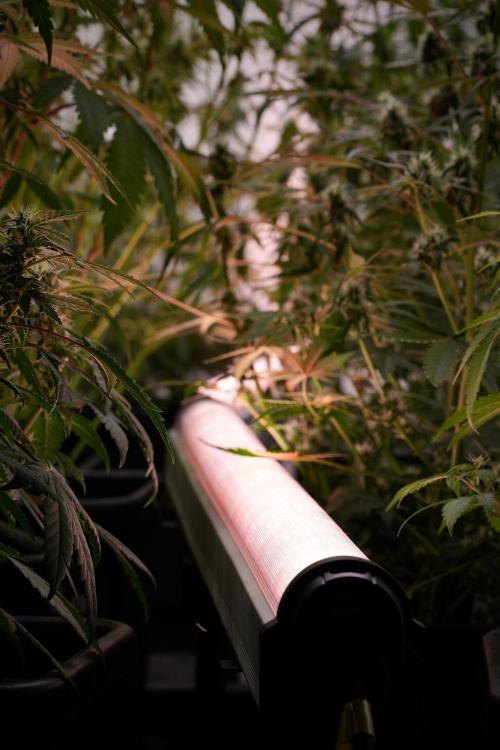
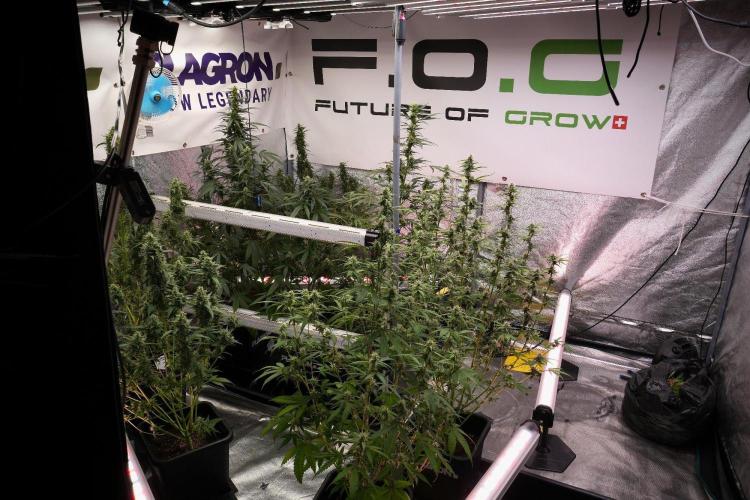
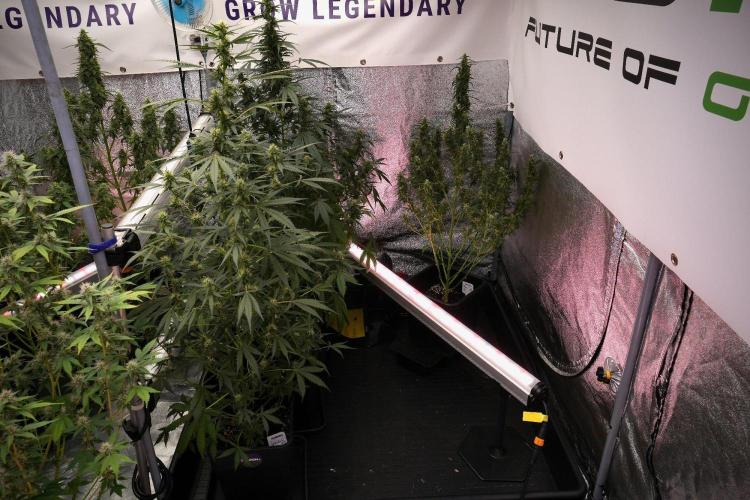
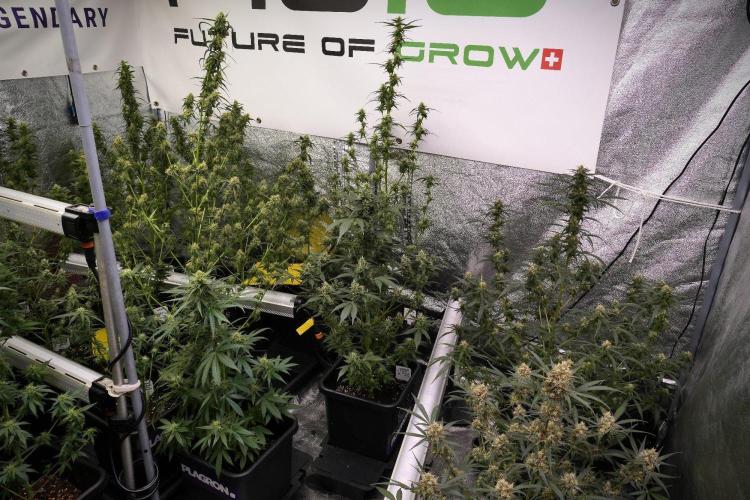
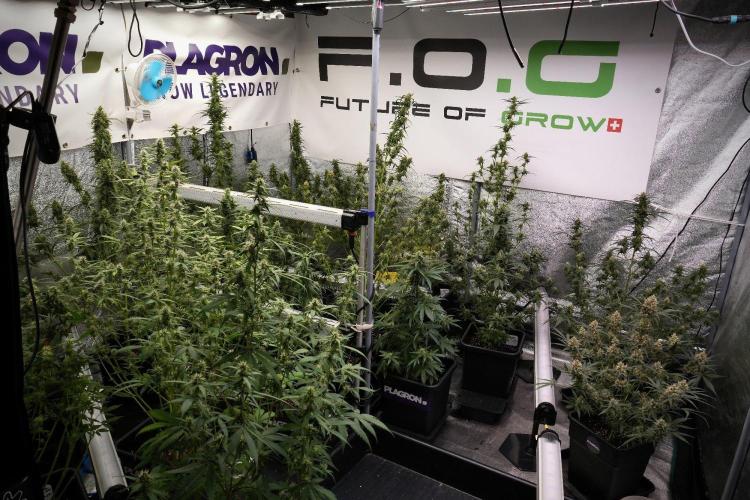
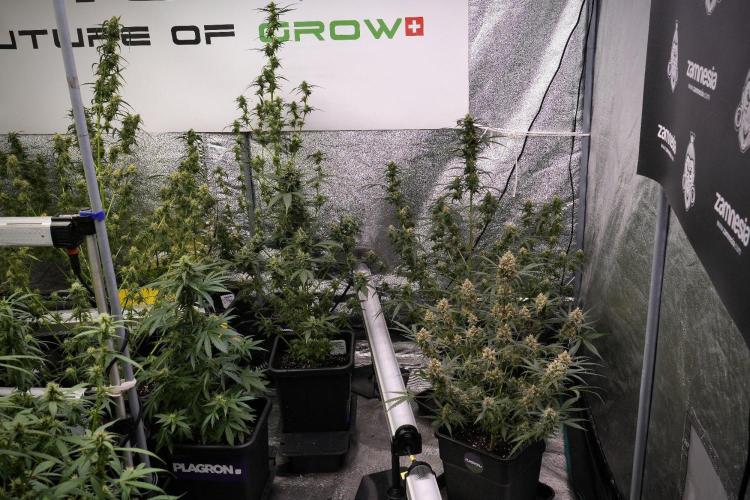
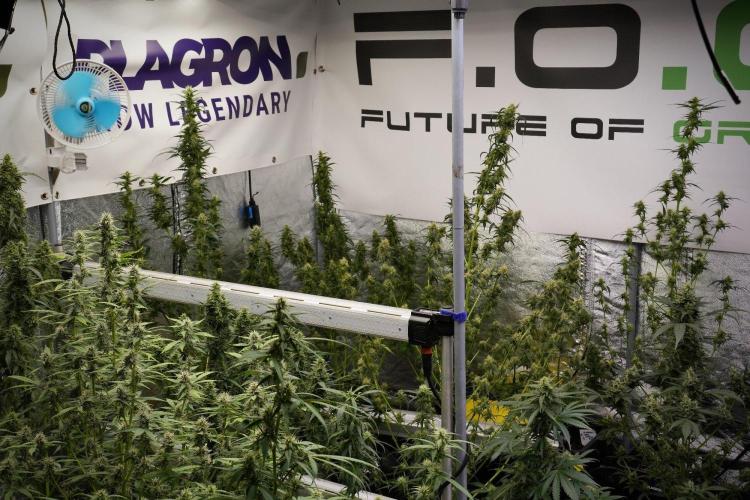
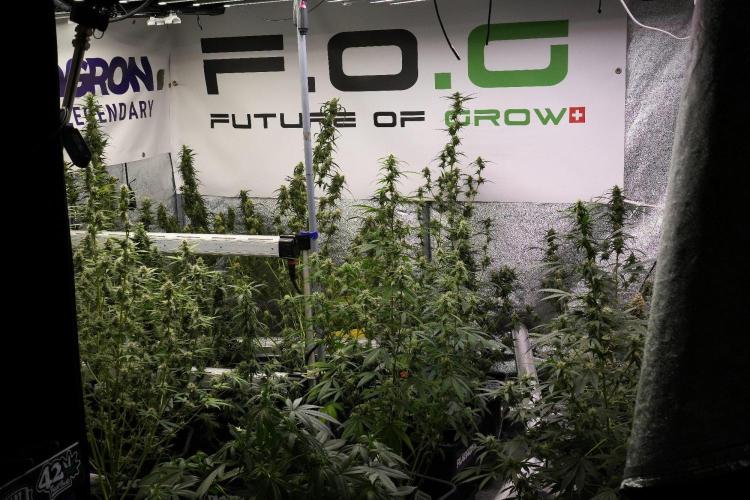
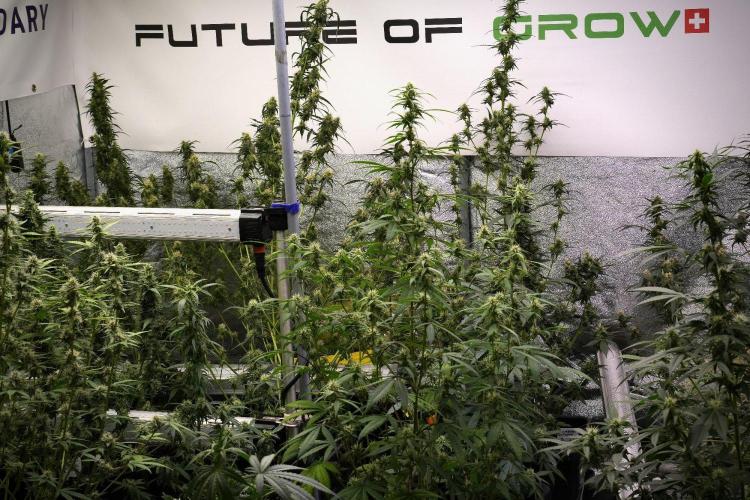
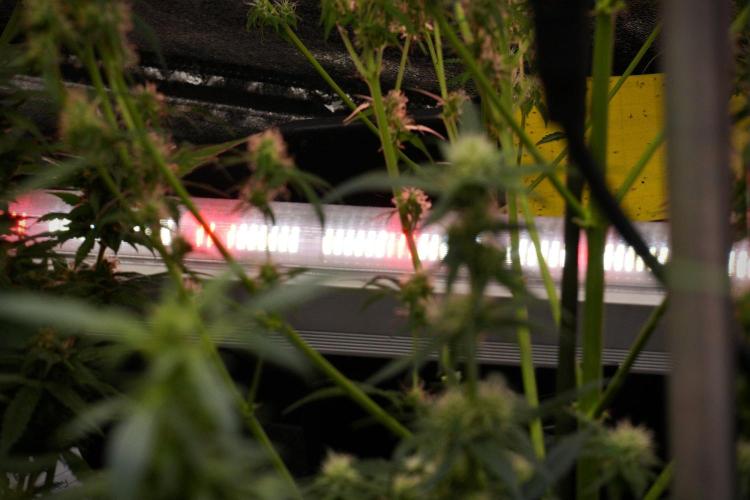
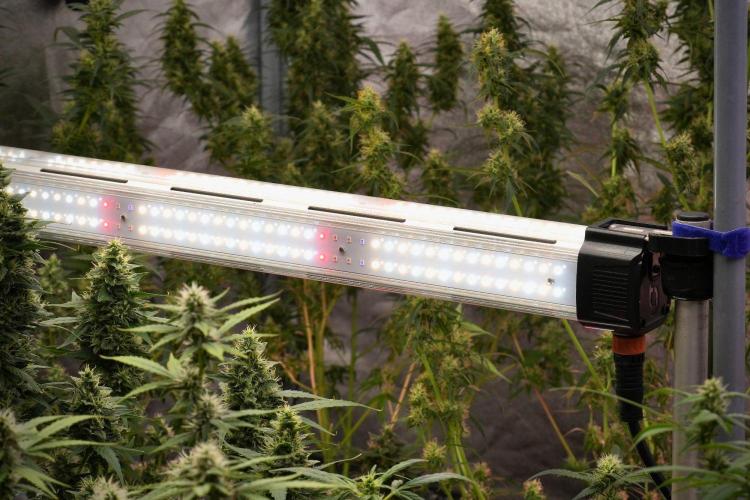
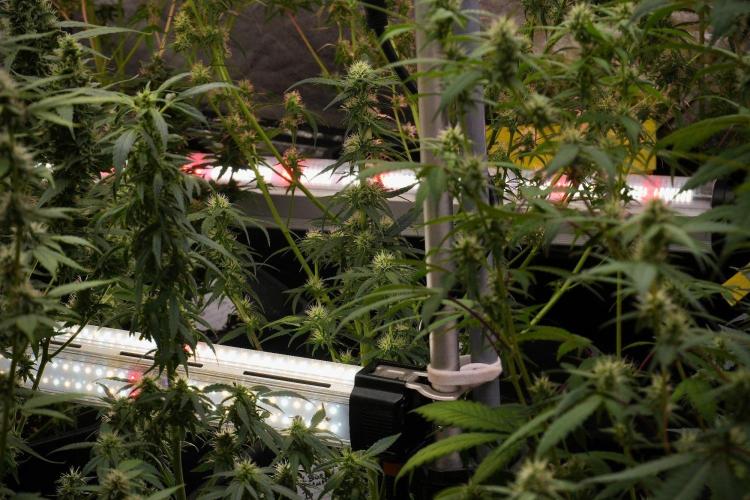
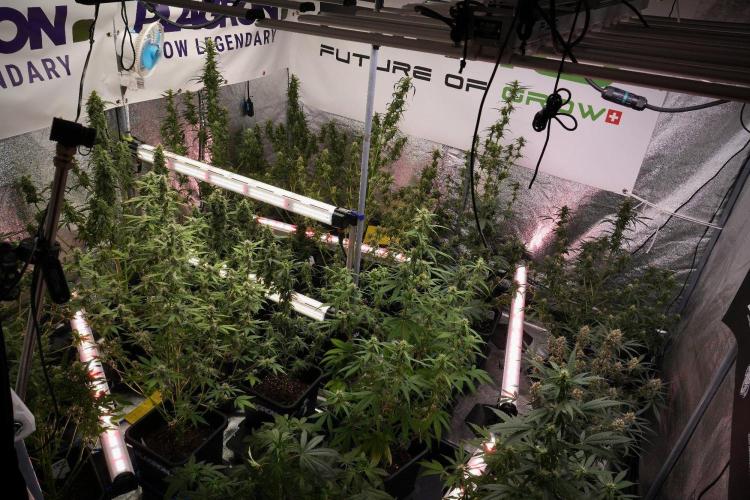
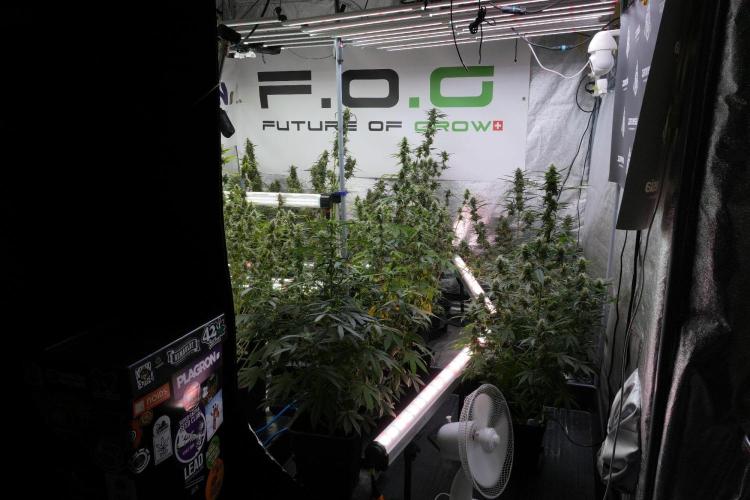
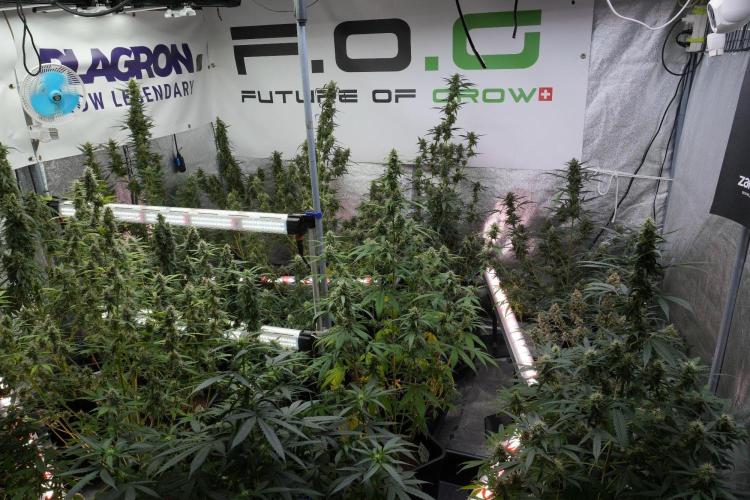
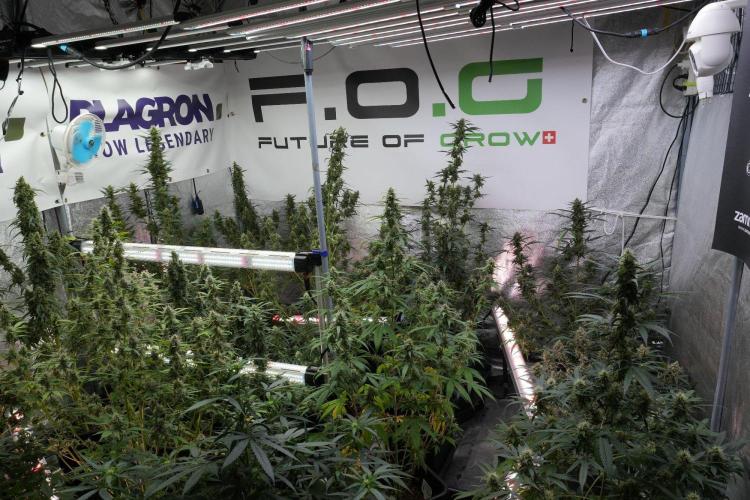
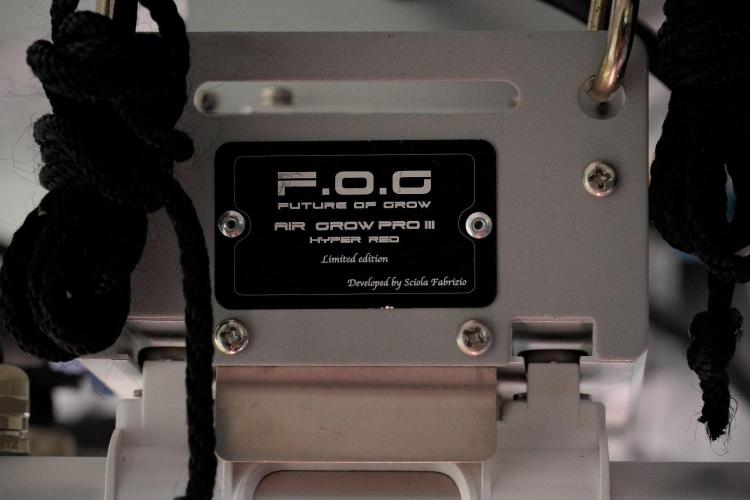
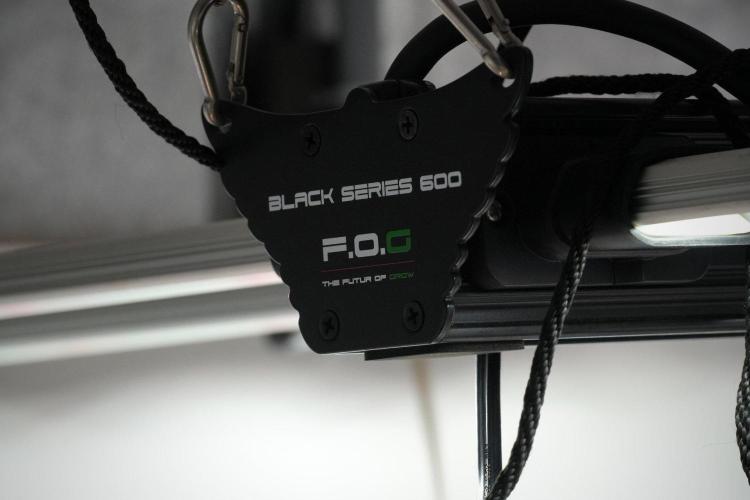
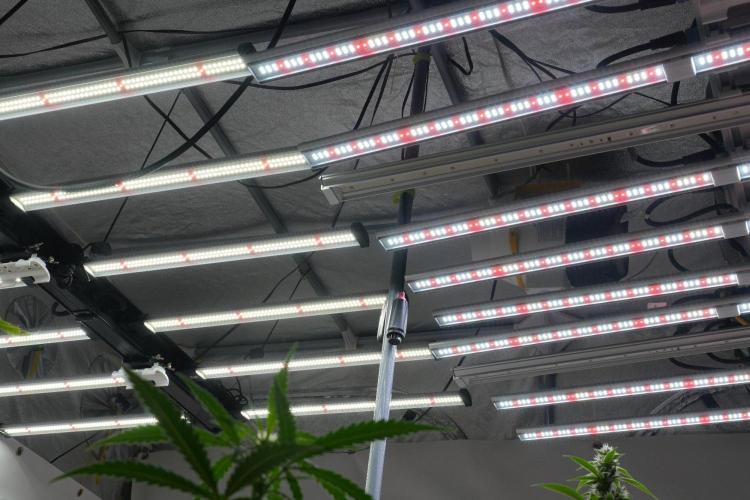
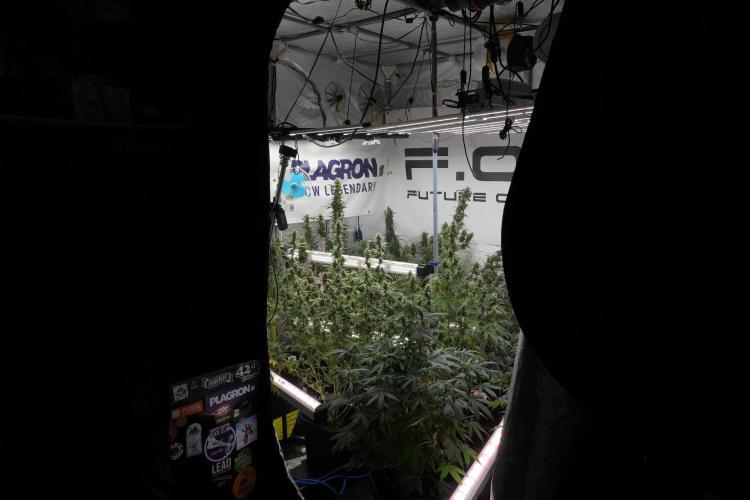
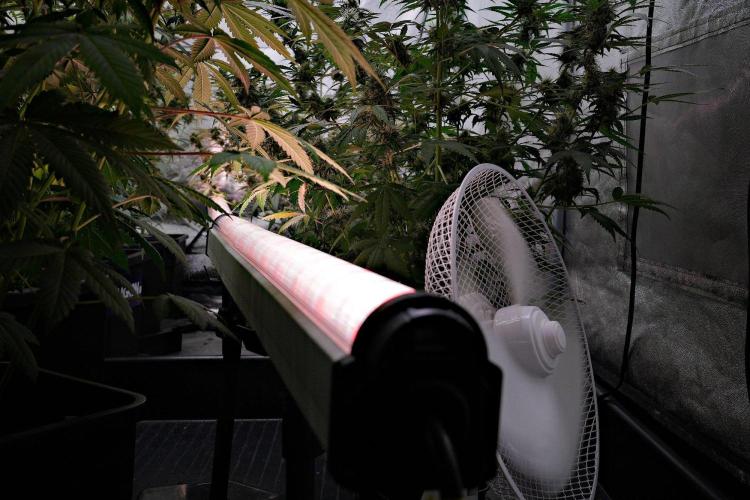
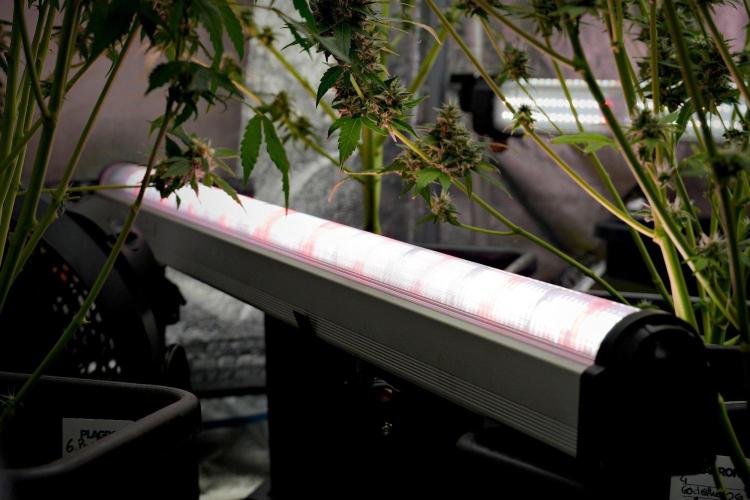
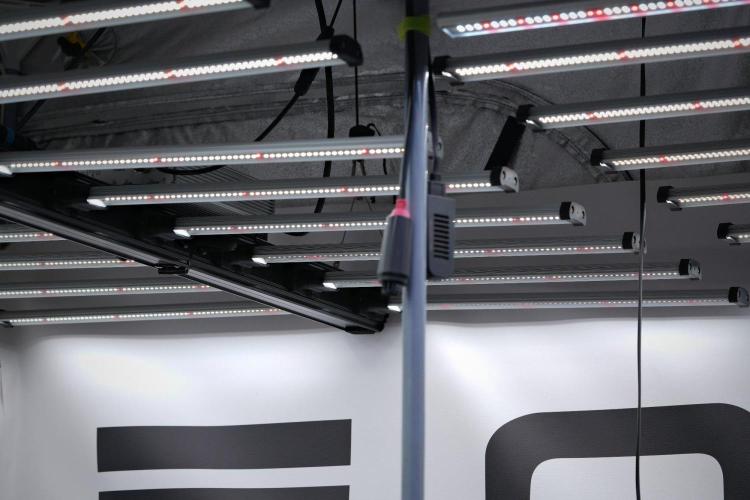
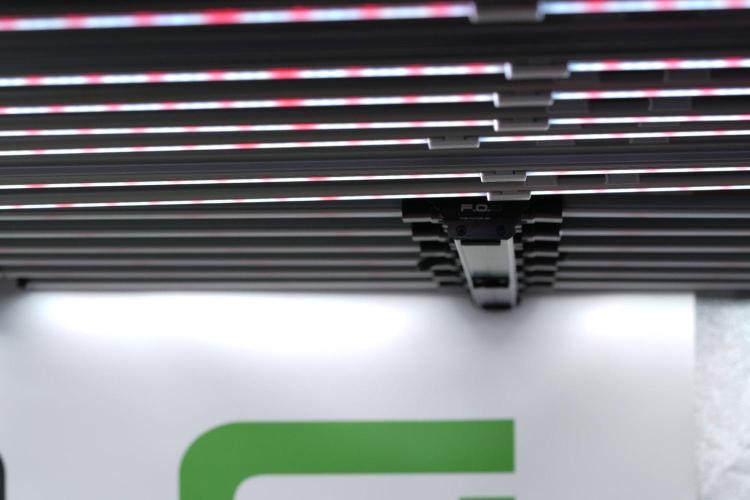
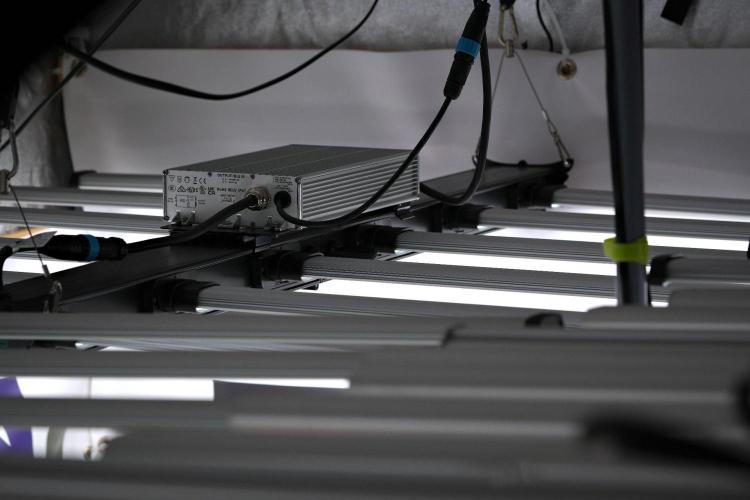
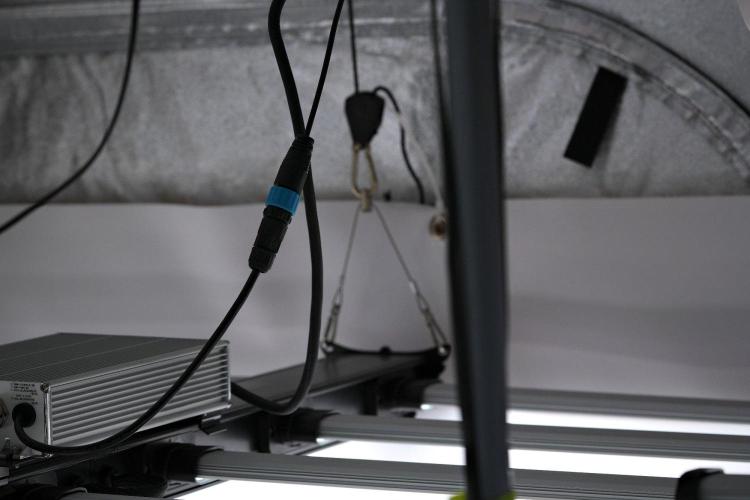
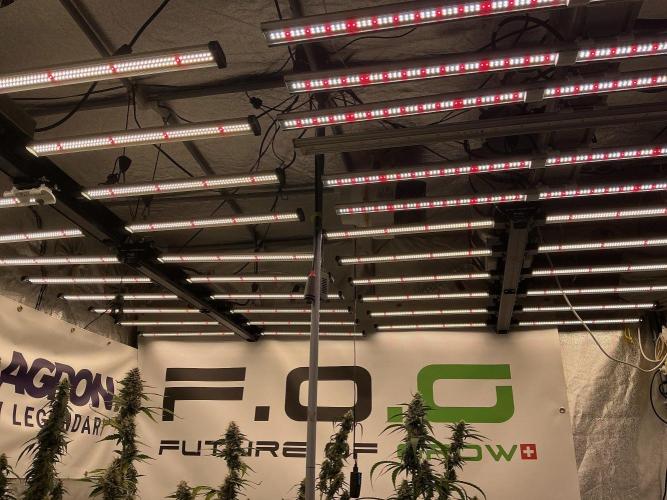
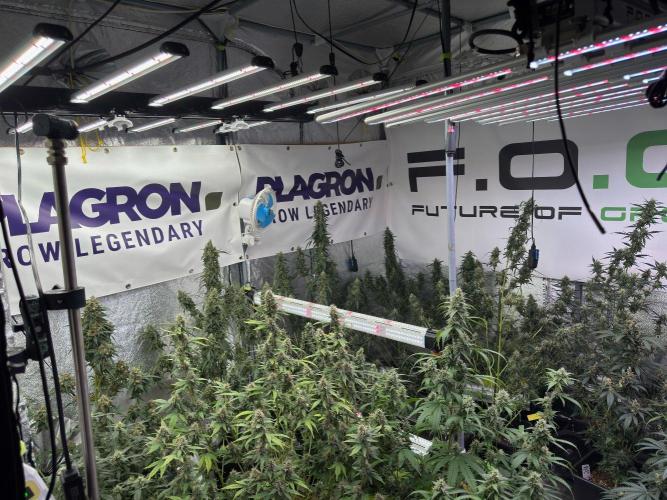
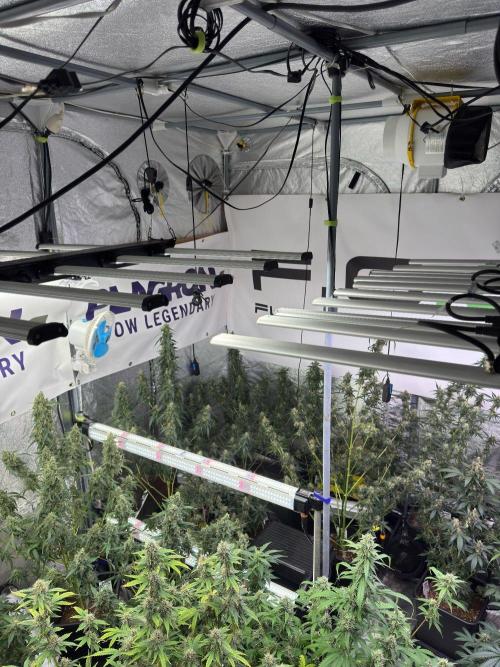
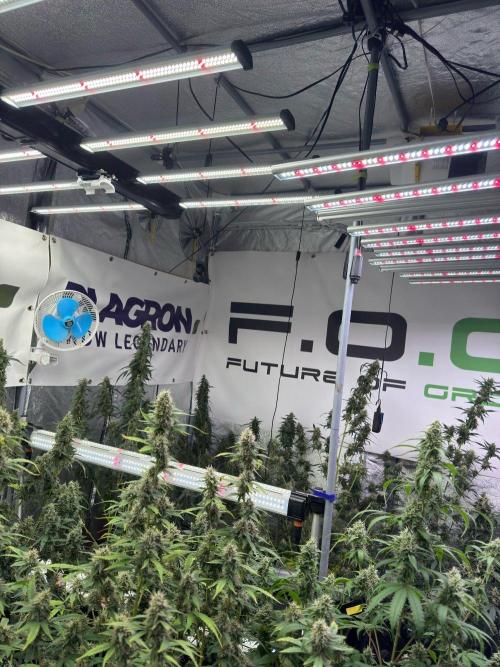
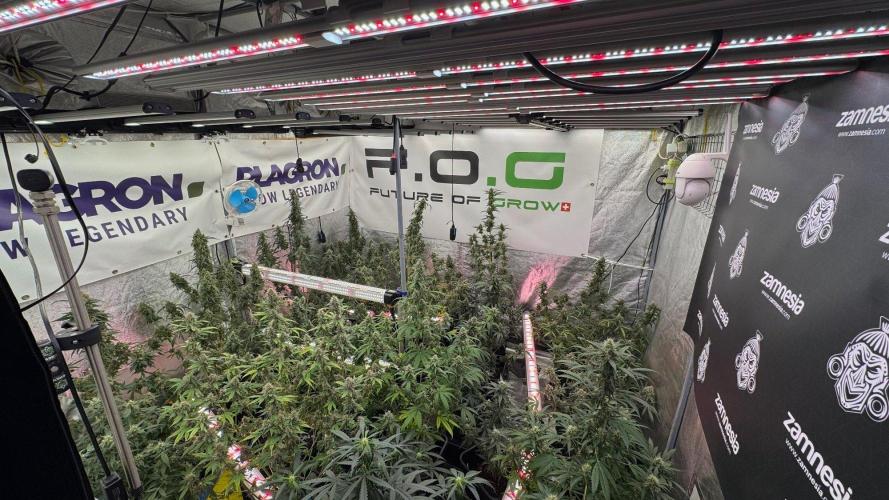
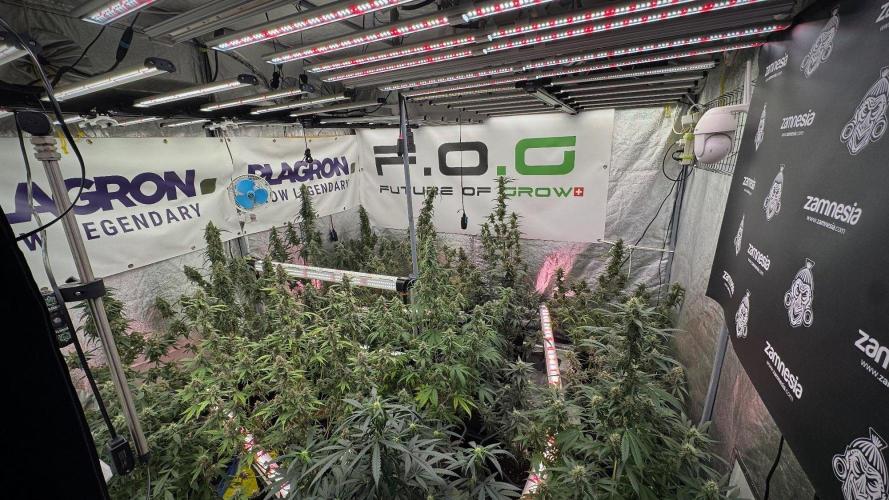
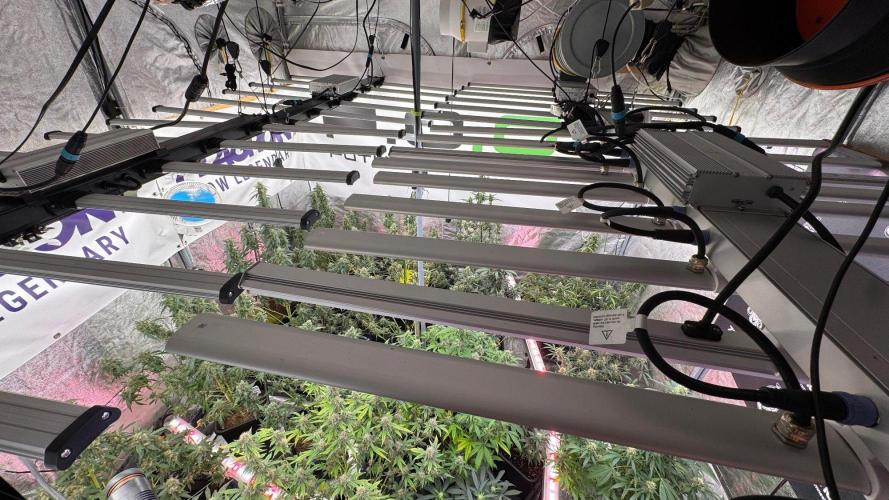
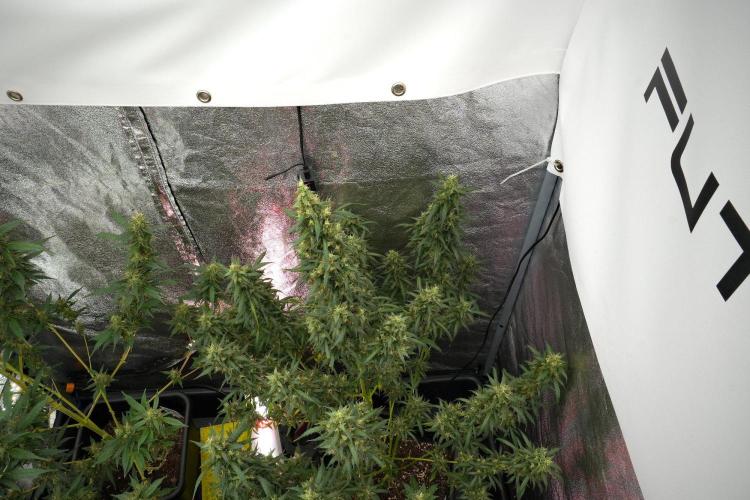
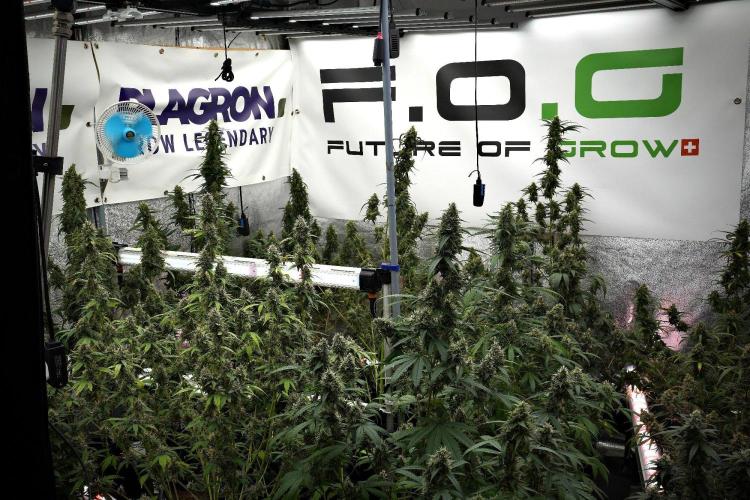
Once properly established, this girl will move under the Future Of Grow Black Series 600W full-spectrum LED system where the next stage of development begins.
For now, healthy roots and healthy growth remain the priorities.
⸻
First Observations
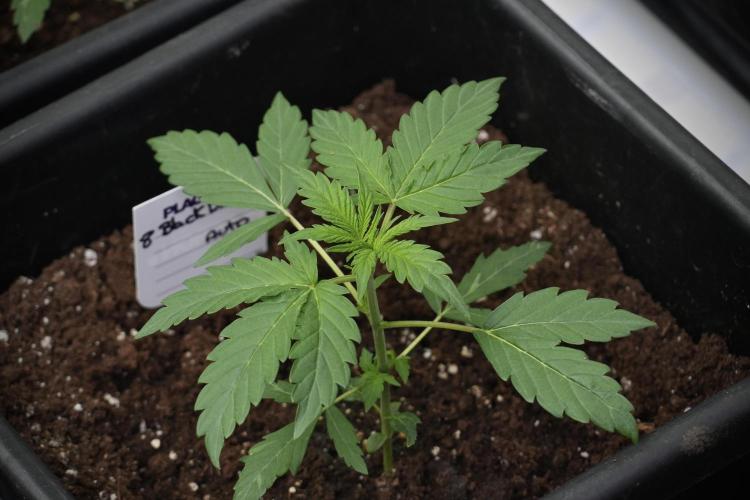
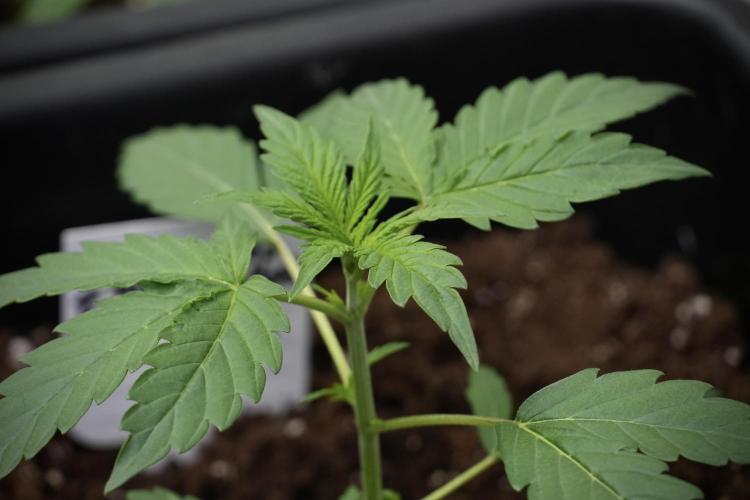
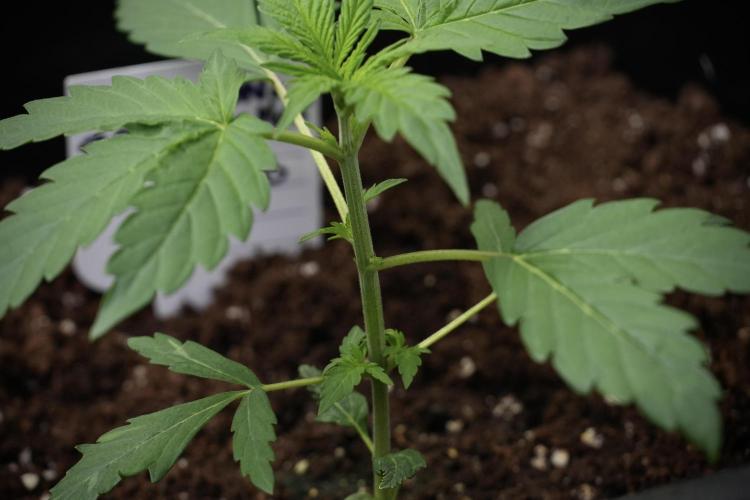
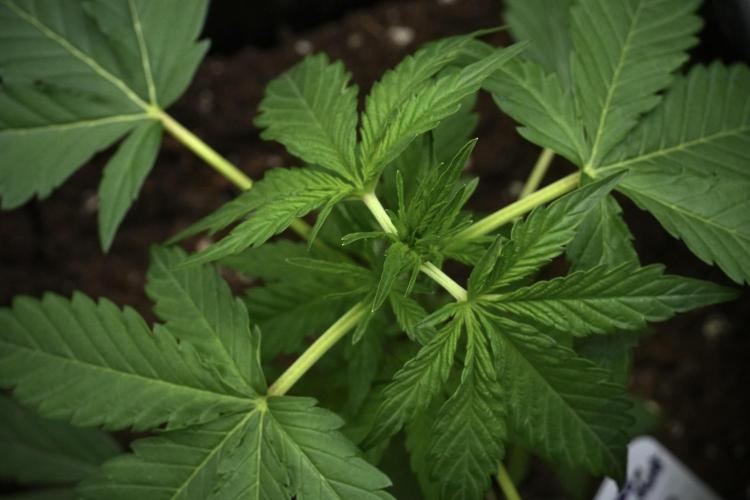
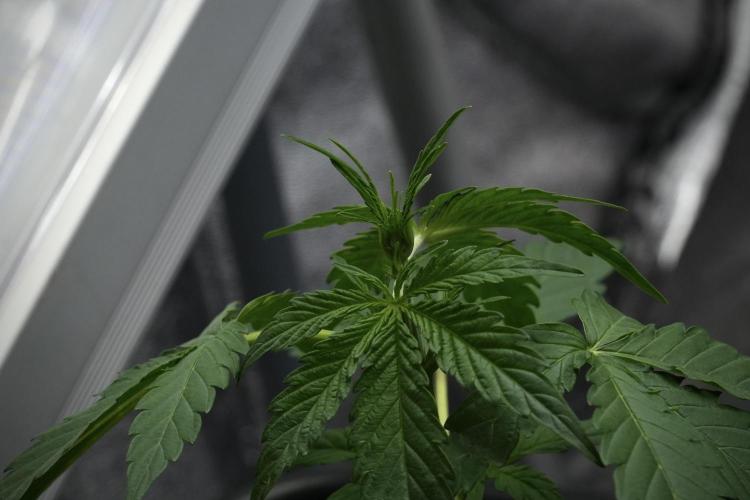
Everything has progressed exactly as hoped so far.
Fast germination.
Healthy taproot.
Strong emergence.
Healthy color.
Good vigor.
And perhaps most importantly:
A healthy beginning.
At this stage every seedling is still an unwritten story.
A tiny plant carrying months of possibilities inside it.
And honestly, that’s one of the reasons germination never gets old.
Every run starts with potential.
Every seed begins with curiosity.
⸻
Looking Ahead
Over the coming weeks we’ll follow Black Diamond Auto Pheno B through every stage of development.
We’ll document:
* Root establishment
* Early growth
* Environmental management
* Watering practices
* Structural development
* Flowering progression
* And whatever unique characteristics this phenotype chooses to reveal
Because every seed deserves the opportunity to tell its own story.
Huge thanks to Zamnesia Seeds for the genetics, Plagron for the substrate and nutrition, Future Of Grow for the lighting, and everyone following along for another seed-to-harvest adventure.
Grower’s Love everyone. 🌱💚
9 likes
comments
Share
Used method
Other
Germination Method
1
Week 1. Vegetation
5mo ago
1/30
4.3 cm
Height
12 hrs
Light Schedule
27 °C
Day Air Temp
6.0
pH
No Smell
Smell
230 PPM
TDS
55 %
Air Humidity
21 °C
Solution Temp
21 °C
Substrate Temp
25 °C
Night Air Temp
15 set_lilers
Pot Size
0.75 set_lilers
Watering Volume
600 PPM
CO₂ Level
Nutrients 4
Terra Grow
1 mll
Pure Zym
1 mll
Sugar Royal
1 mll
DogDoctorOfficial Black Diamond Auto — Pheno B 🌱💎
Week 1 Vegetation | Another Plant That Refuses to Wait
Hello GrowDiaries family! 👋🌱
Welcome back to the second phenotype of Black Diamond Auto.
After documenting Pheno A, I was curious to see whether her sister would follow a similar path or begin revealing a completely different personality.
By the end of Week 1, the answer was becoming quite clear.
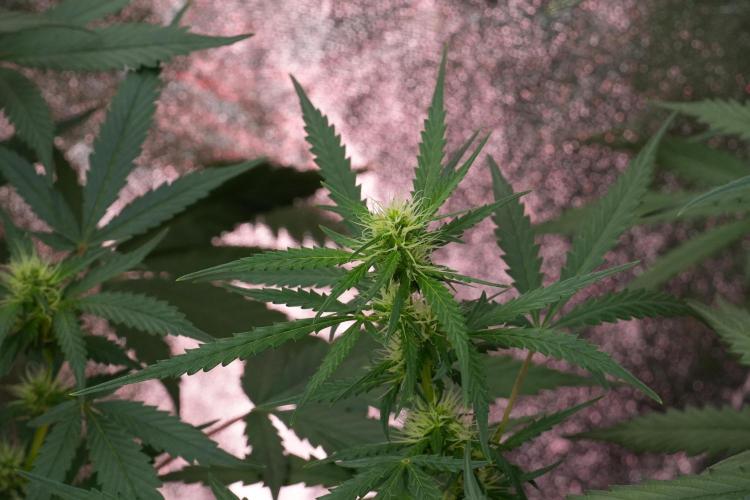
While every plant develops at its own pace, this girl appears just as eager to get moving as her sister.
In fact, looking through the week’s progression, Black Diamond Auto Pheno B showed some of the fastest early development in the entire garden.
And for a plant growing under a 12/12-from-seed schedule, that’s always fun to watch.
⸻
The Start of the Journey
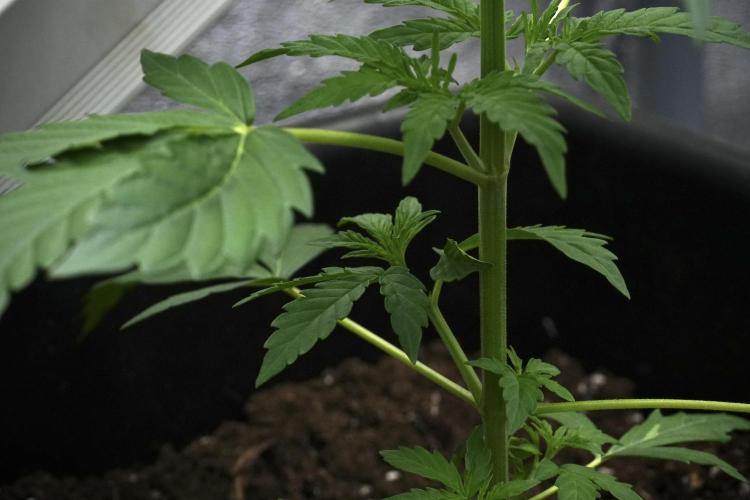
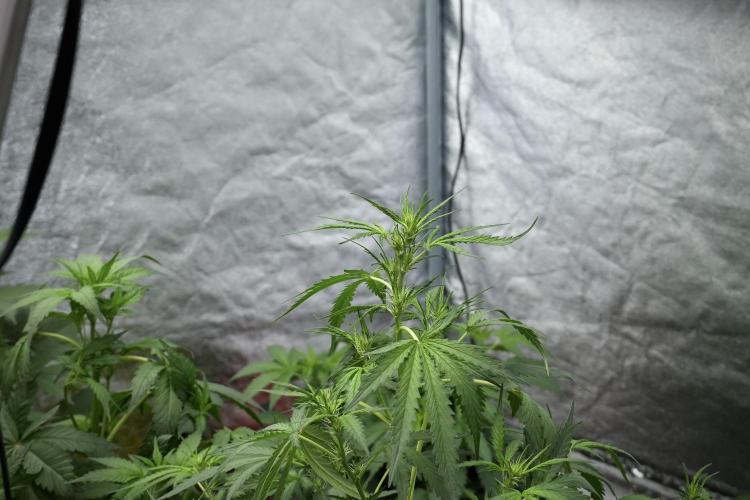
Like the rest of this project, this phenotype was transplanted directly into her final container from the very beginning.
The objective remains simple:
Allow the root system to establish itself without requiring additional transplants later in life.
By minimizing root disturbance during the earliest stages, the plant can focus entirely on growth and development rather than recovering from unnecessary stress.
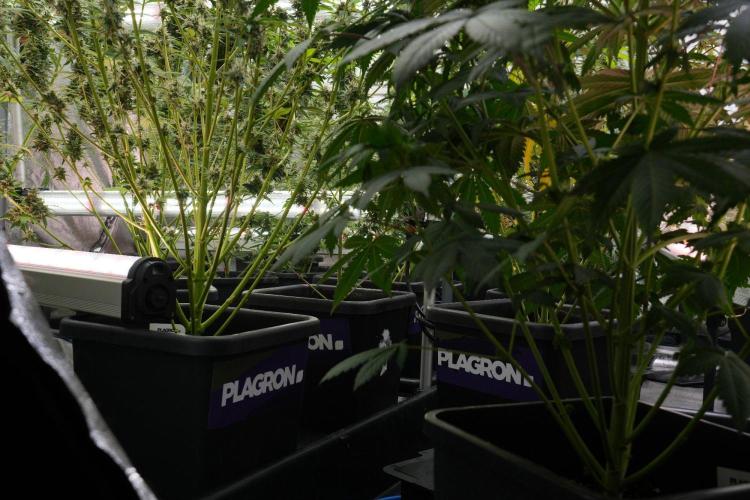
As always, the substrate used was Plagron Lightmix, chosen for its gentle nutrient charge and excellent structure for young plants.
⸻
Environmental Conditions
Environmental conditions remained identical to the rest of the garden:
🌡️ Day temperature: 27°C
🌙 Night temperature: 25°C
💧 Relative humidity: 55%
⚡ Light schedule: 12/12 from seed
💨 Gentle airflow
🌱 Plagron nutrient program
💡 Future Of Grow Black Series LED lighting
The objective remains creating a stable environment where genetics can express themselves naturally without environmental stress influencing development.
⸻
Early Development
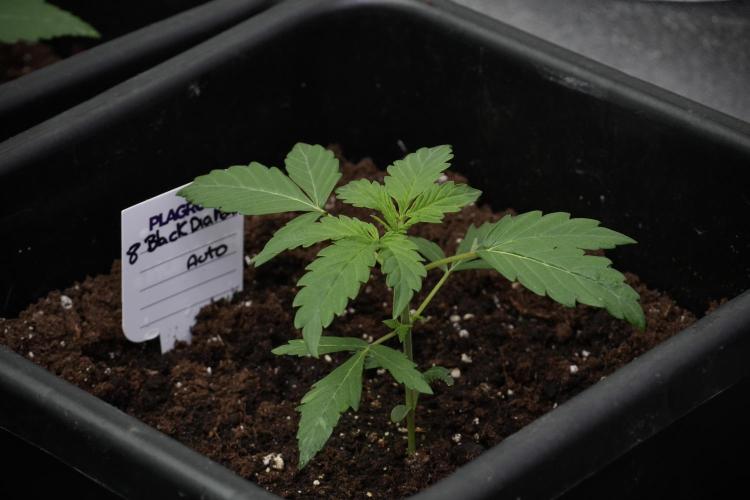
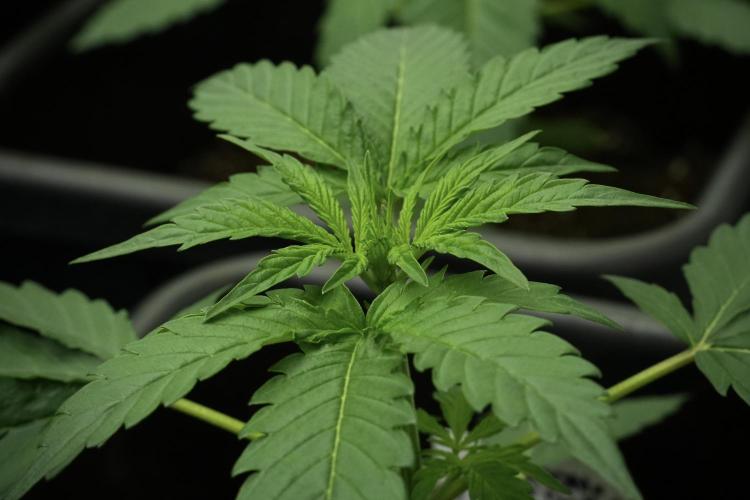
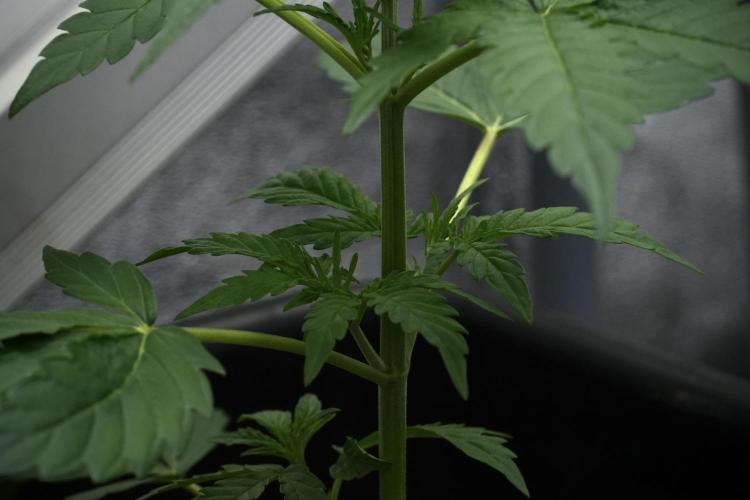
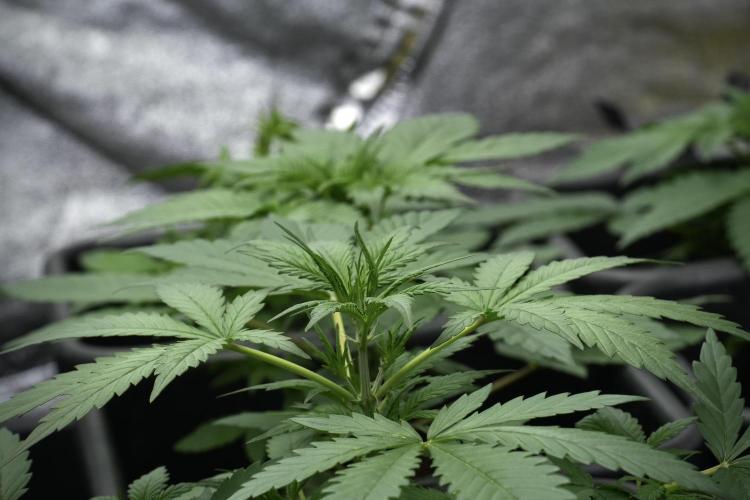
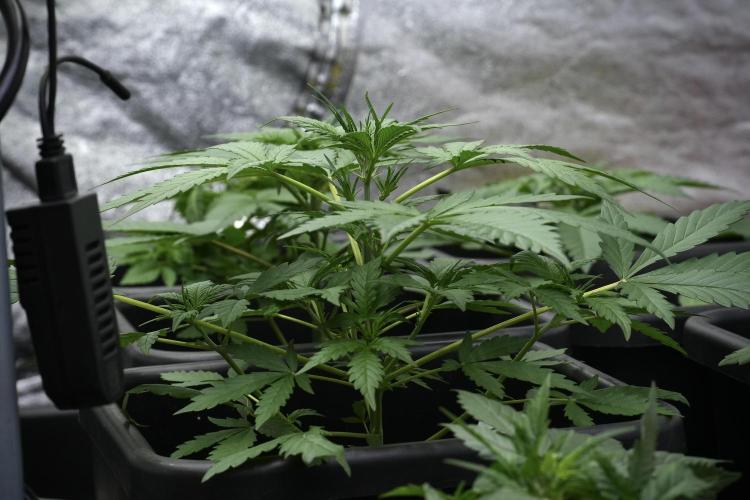
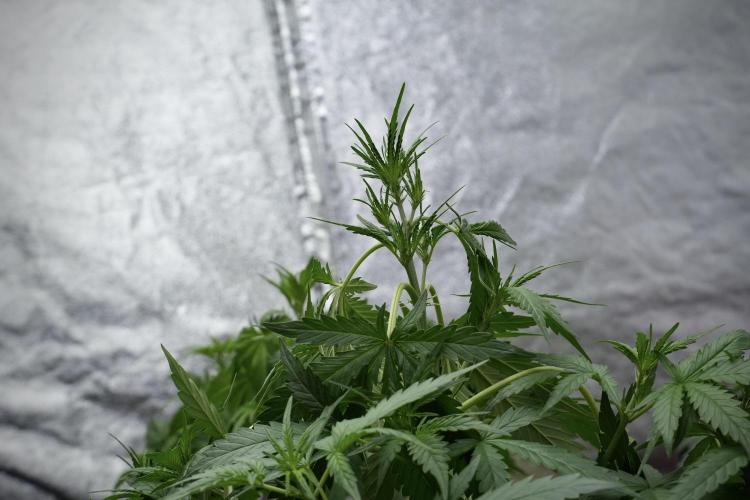
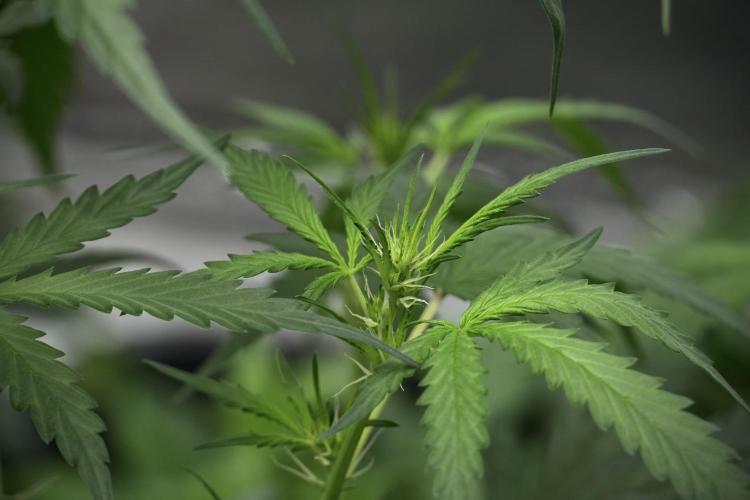
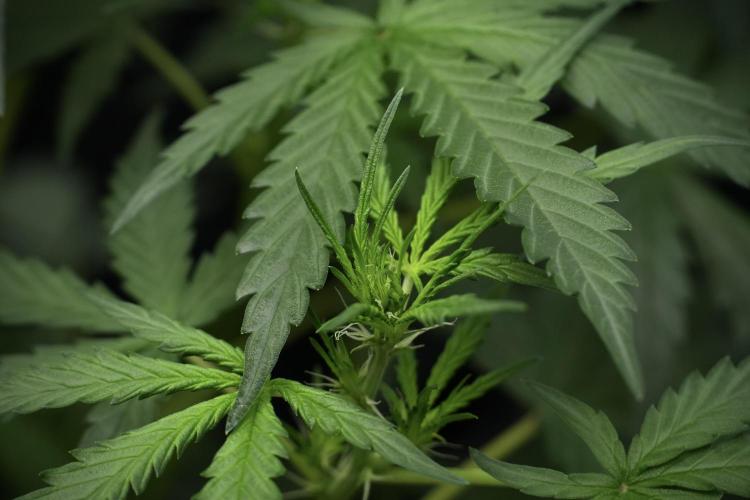
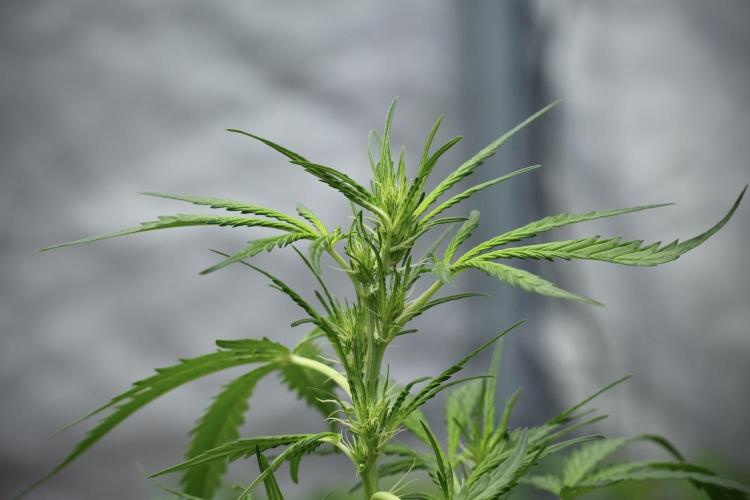
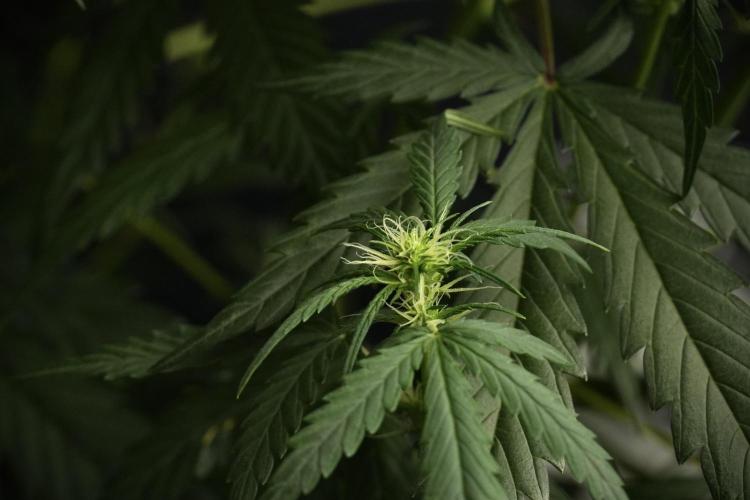
From the first photographs onward, Pheno B displayed excellent vigor.
The seedling emerged cleanly, established itself quickly, and immediately began building leaf surface.
Throughout the week, growth remained steady and consistent.
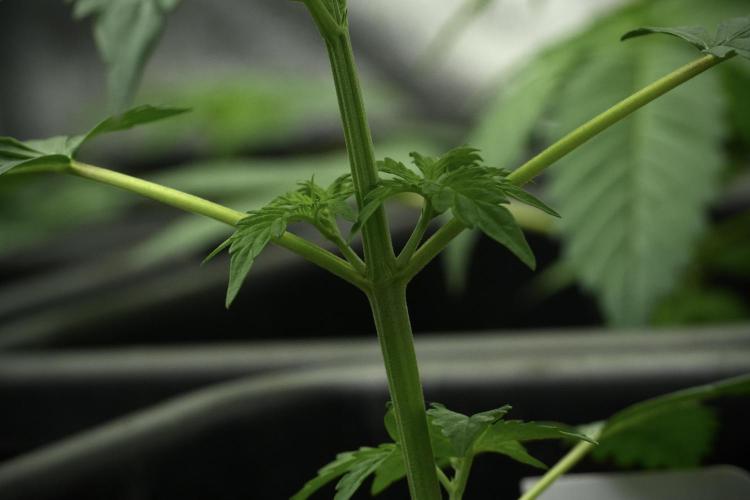
Internodal spacing stayed compact.
Leaf color remained healthy.
Stem development looked strong.
And perhaps most noticeably, this plant wasted very little time transitioning from seedling growth into active vegetative development.
Every new set of photographs showed visible progress.
⸻
A Plant in a Hurry
One of the most interesting observations this week was the speed at which new growth appeared.
Just like her sister, this phenotype seems determined to move quickly.
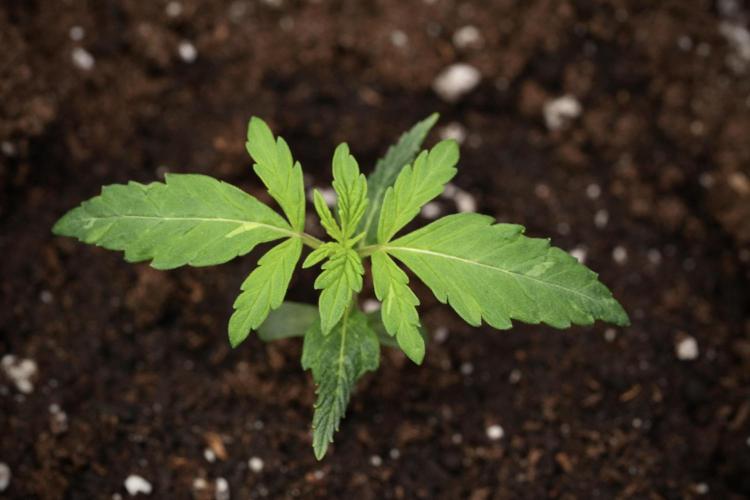
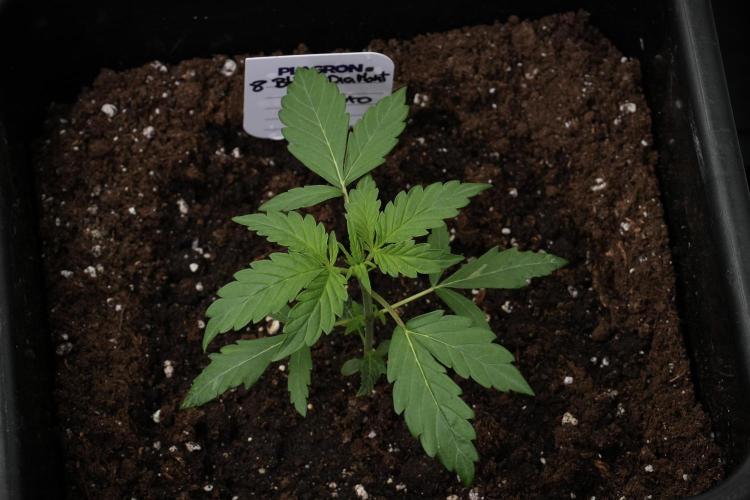
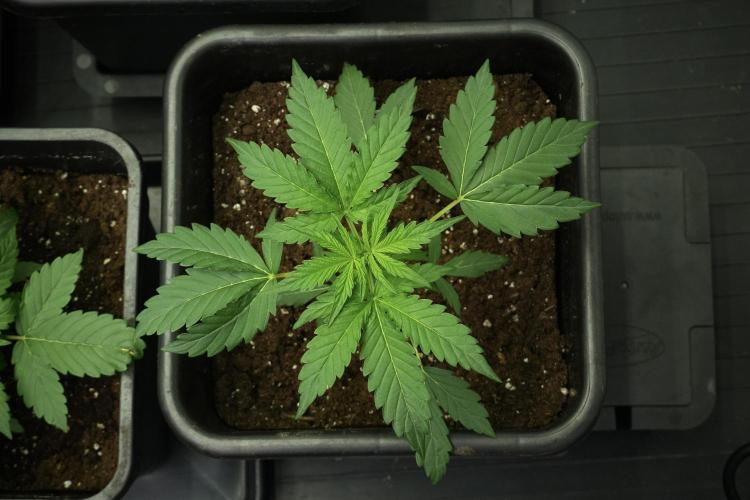
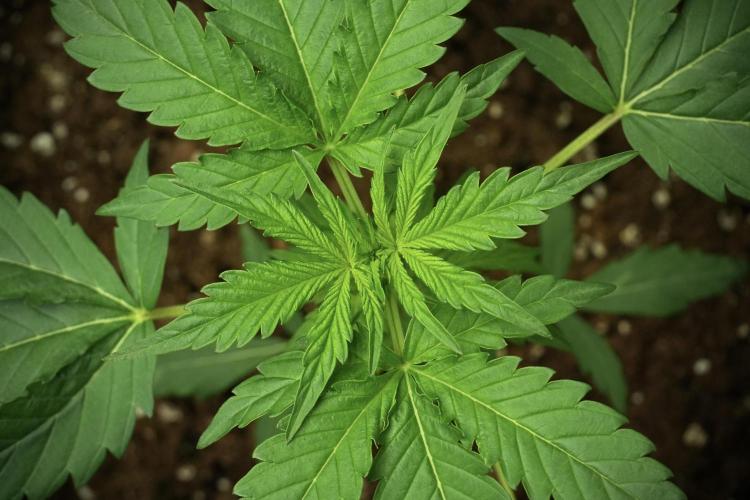
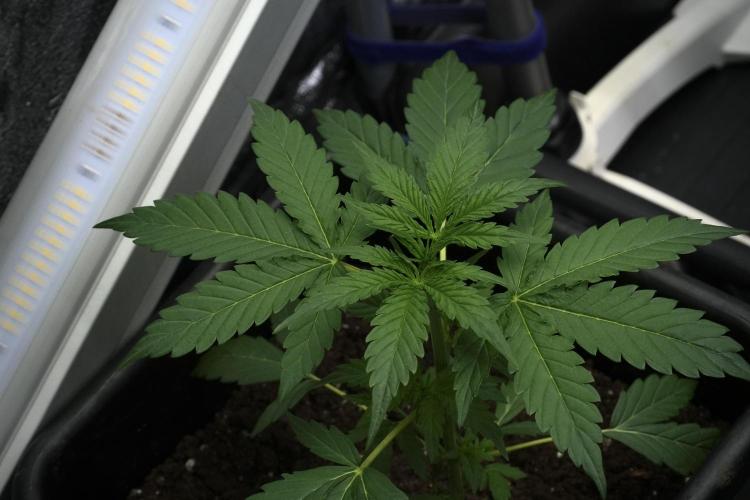
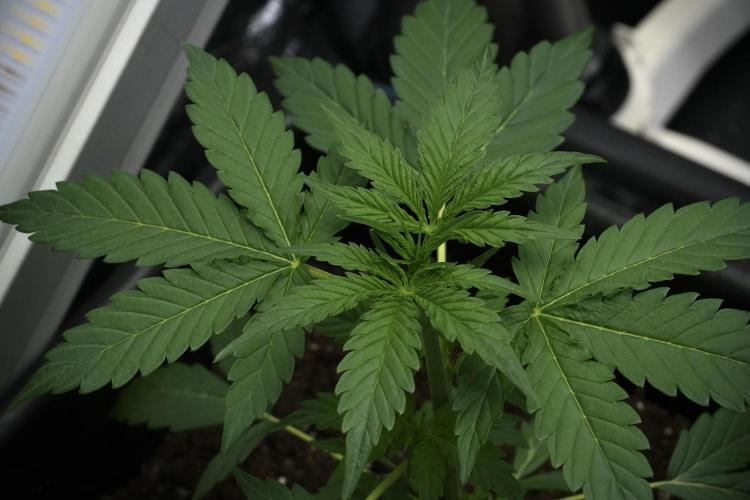
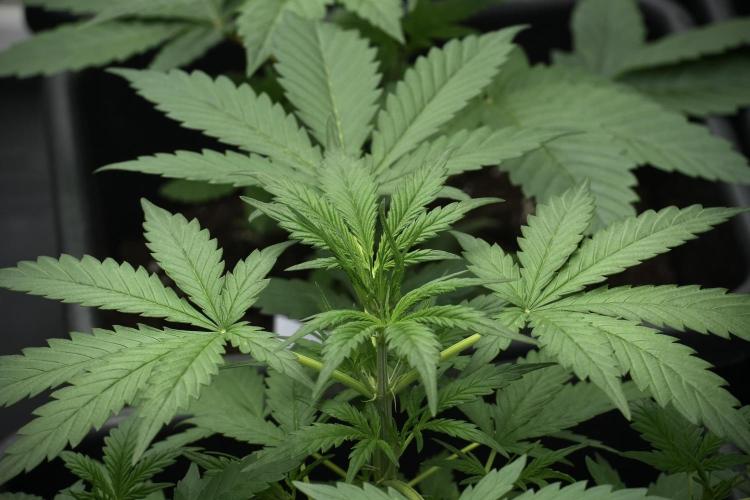
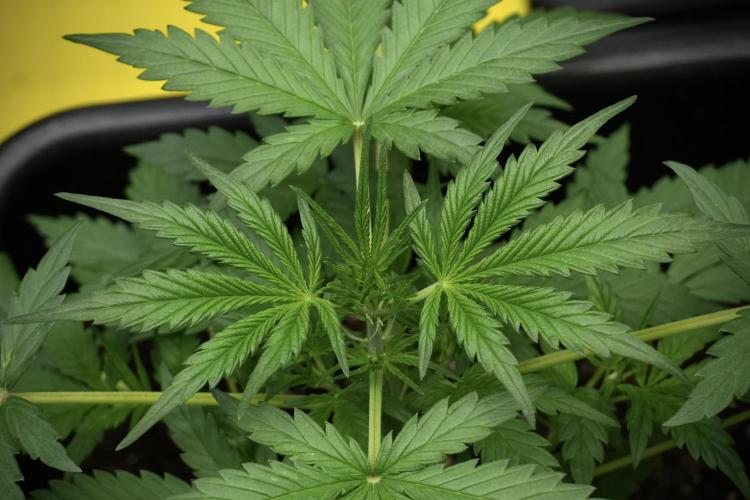
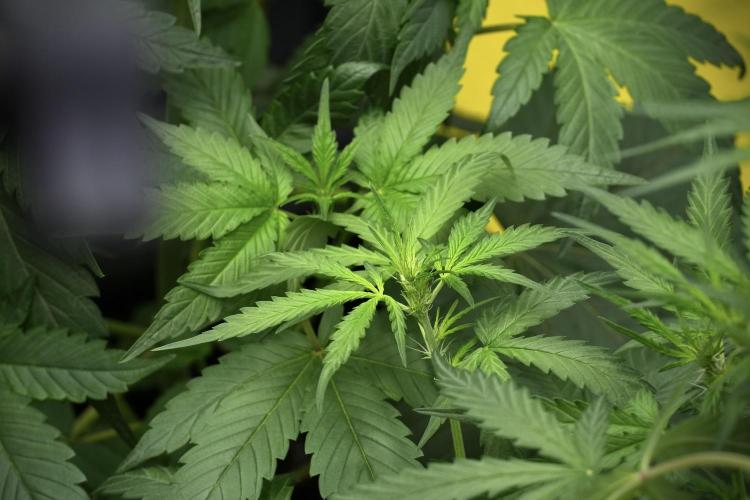
By the end of the week, the plant had already developed impressively large leaves relative to its age.
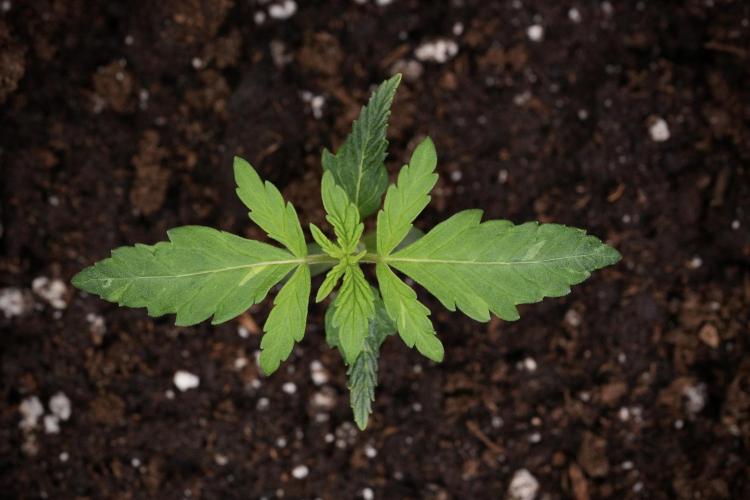
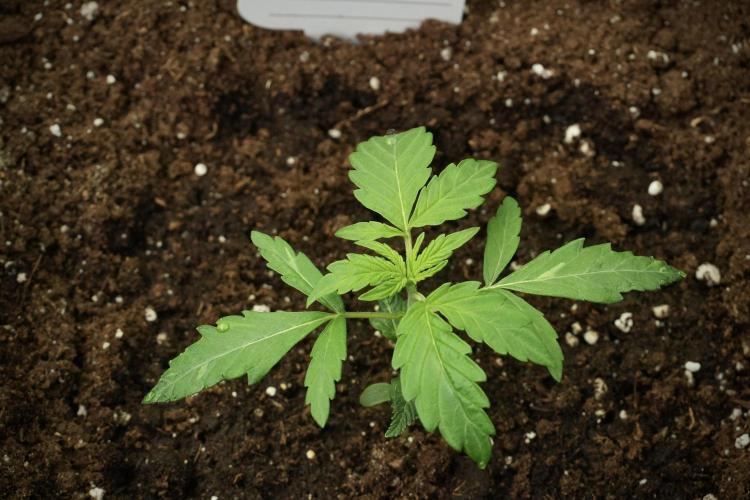
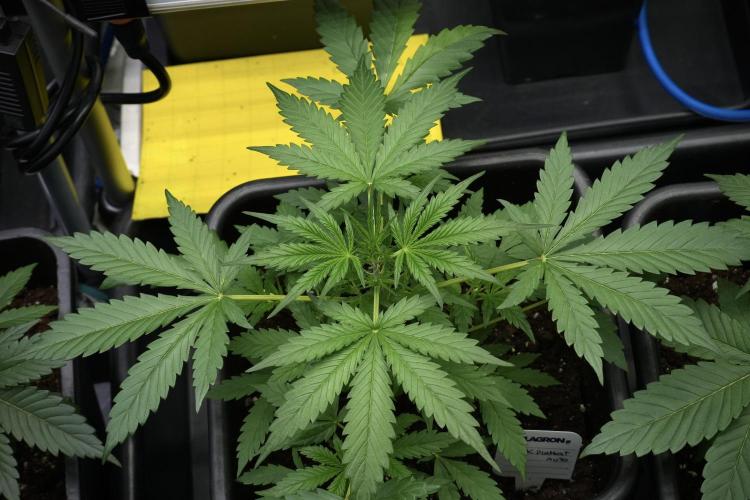
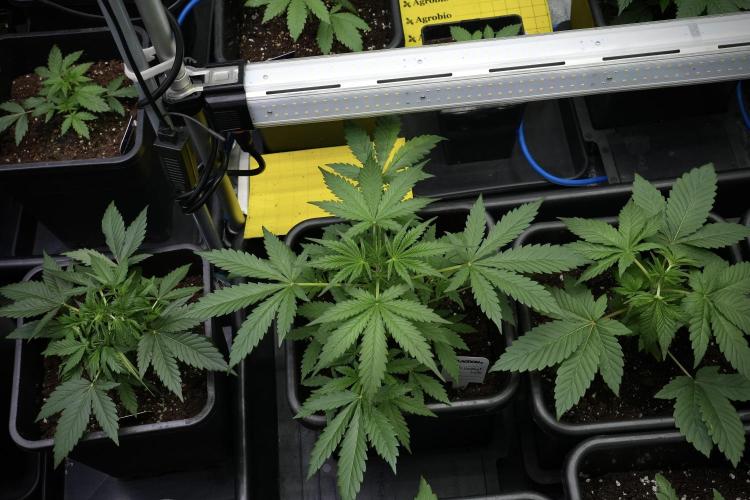
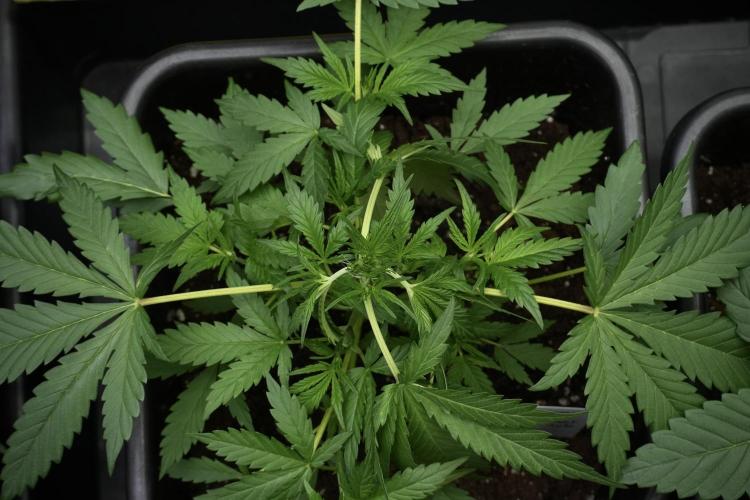
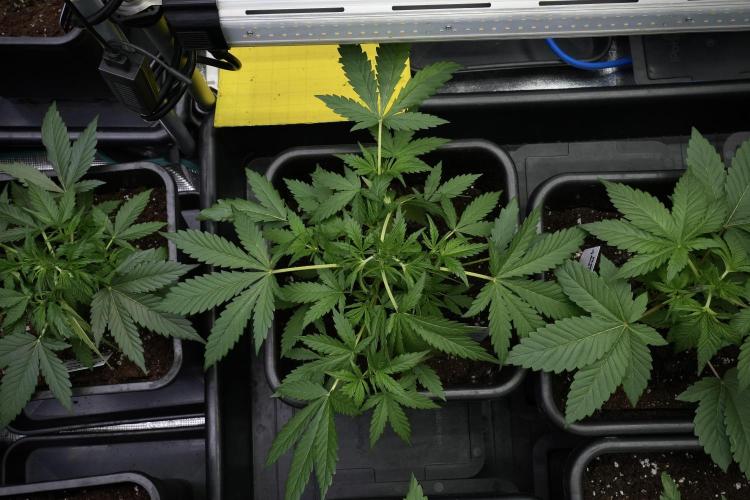
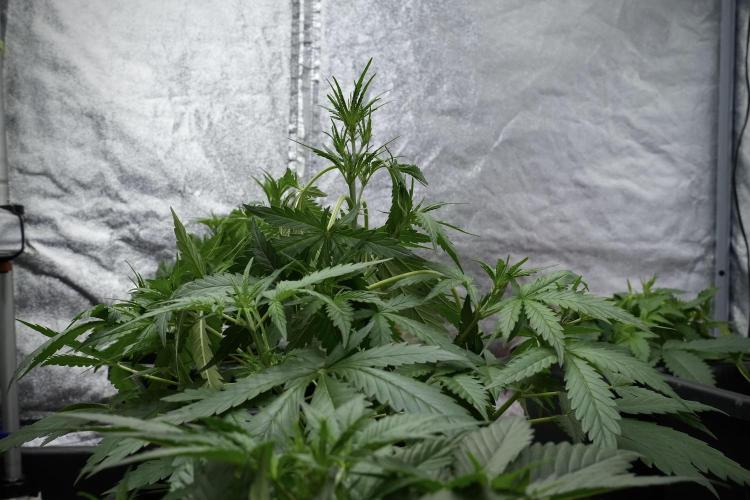
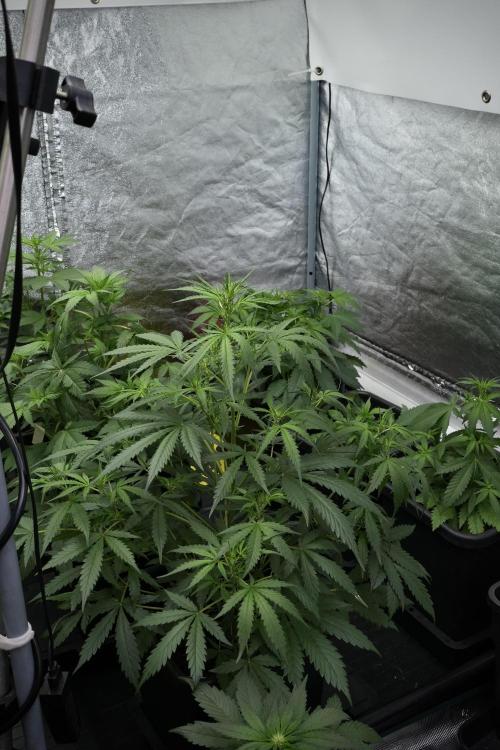
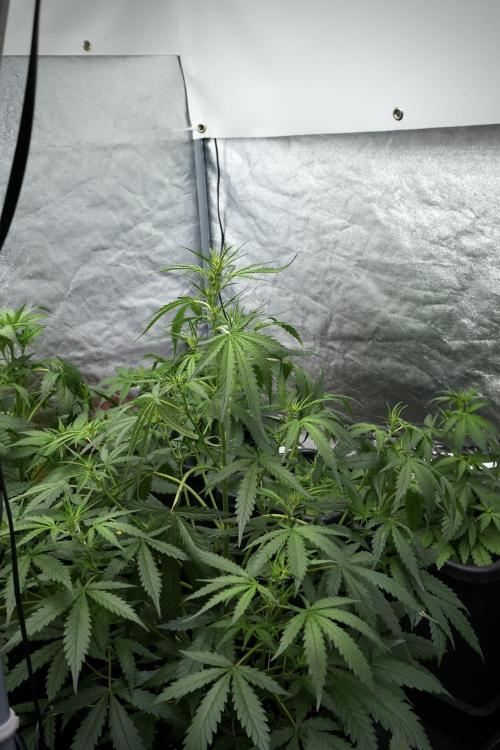
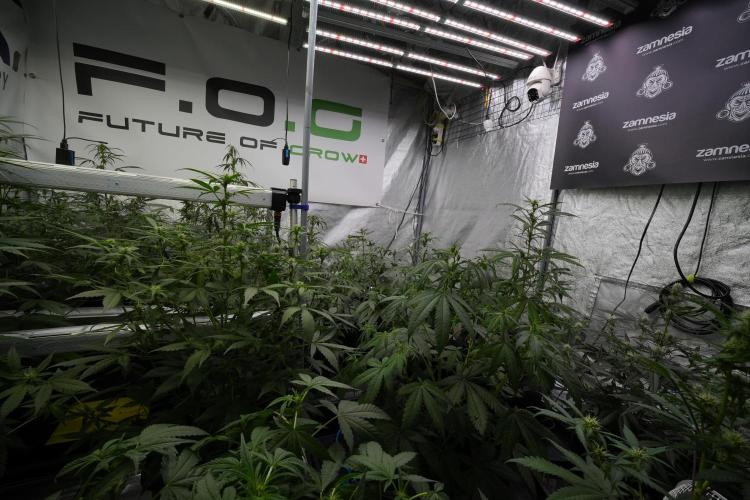
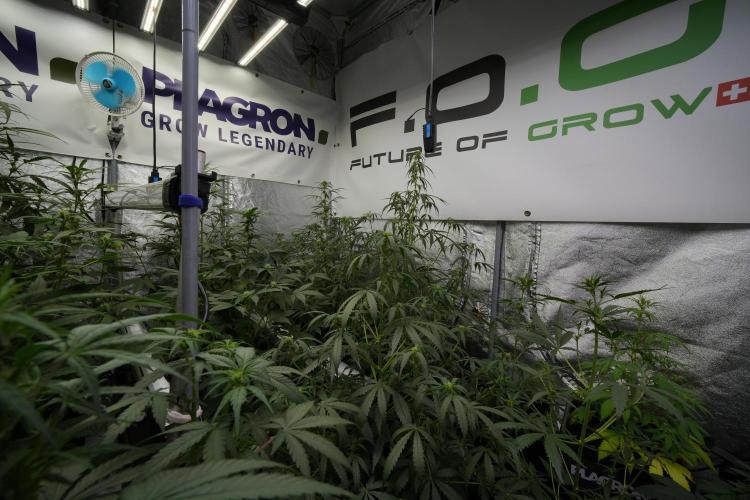
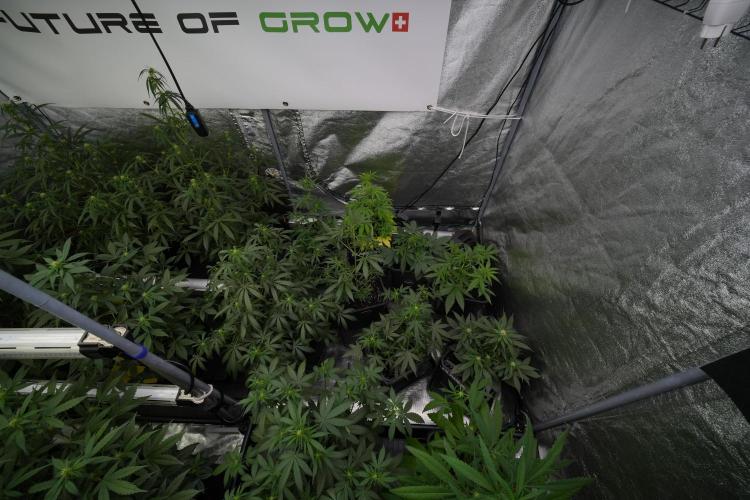
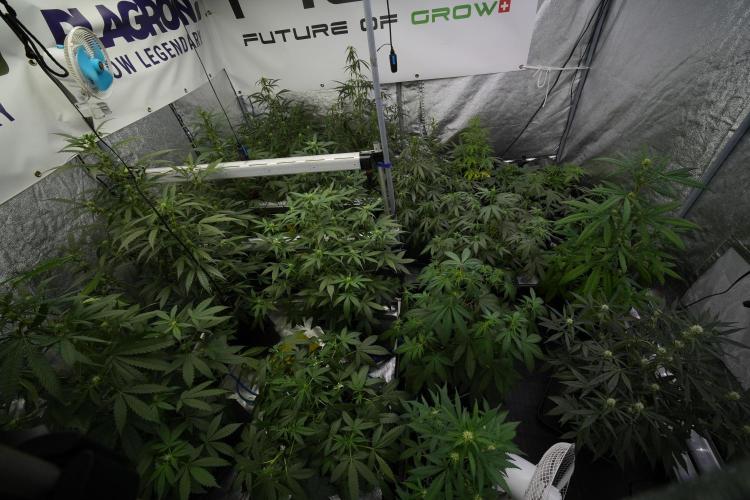
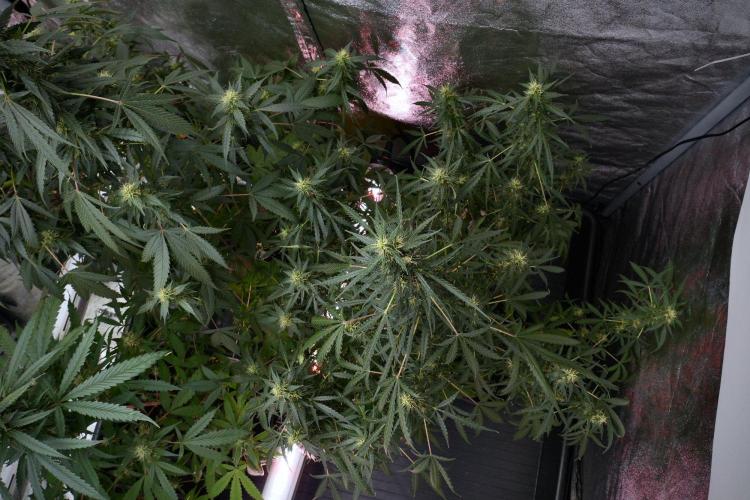
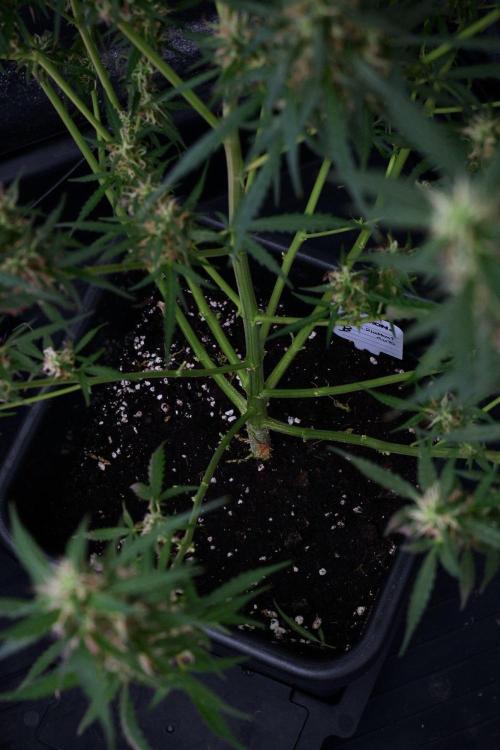
Looking at the overhead photographs, the structure is beginning to spread outward while simultaneously pushing new growth from the center.
The overall appearance is vigorous, energetic, and highly efficient.
For a plant only one week into vegetation, she already looks eager to start building her future canopy.
⸻
Comparing the Two Phenotypes
Although both Black Diamond phenotypes appear vigorous, subtle differences are already becoming visible.
Pheno A showed slightly more unusual early leaf development before rapidly accelerating.
Pheno B appears a little more symmetrical and organized in her structure while maintaining the same impressive pace of growth.
At this stage, both phenotypes are performing extremely well.
Whether these small differences remain or disappear over time is something we’ll continue monitoring throughout the run.
⸻
Why Autos Often Move Faster
One interesting observation throughout this project has been the difference between some of the autoflowers and the photoperiod cultivars.
Several of the autos, including this Black Diamond phenotype, appear to be developing slightly faster during these earliest stages.
This isn’t unusual.
Autoflowers have evolved with a relatively short life cycle and often prioritize rapid early establishment.
Because they do not depend on a photoperiod change to begin flowering, many autos spend very little time deciding what to do.
They simply start growing.
And this phenotype seems determined to prove that point.
⸻
First Impressions
So far, Black Diamond Auto Pheno B has been a pleasure to watch.
Healthy color.
Strong structure.
Excellent vigor.
Large leaf development for her age.
And a growth rate that places her among the most energetic young plants in the room.
At only one week into vegetation, she’s already showing the kind of momentum that makes future updates exciting.
⸻
Looking Ahead
The first week has provided a strong foundation.
Now the real fun begins.
Over the coming weeks we’ll continue following both Black Diamond phenotypes as they develop under the 12/12-from-seed project, documenting structure, growth patterns, and any unique characteristics they choose to reveal.
For now, Pheno B appears to have one message:
“No time to waste.”
Huge thanks to Zamnesia Seeds for the genetics, Plagron for the substrate and nutrition, Future Of Grow for the lighting, and everyone following along on another seed-to-harvest adventure.
Grower’s Love everyone. 🌱💚
7 likes
comments
Share
Used techniques
12-12
Technique
Transplantation
Technique
2
Week 2. Vegetation
4mo ago
1/30
8 cm
Height
12 hrs
Light Schedule
27 °C
Day Air Temp
6.0
pH
No Smell
Smell
450 PPM
TDS
55 %
Air Humidity
21 °C
Solution Temp
21 °C
Substrate Temp
25 °C
Night Air Temp
15 set_lilers
Pot Size
0.8 set_lilers
Watering Volume
600 PPM
CO₂ Level
Nutrients 4
Terra Grow
1.8 mll
Pure Zym
1 mll
Sugar Royal
1 mll
DogDoctorOfficial Week 2 - Vegetation | Black Diamond Auto Pheno B
Hello everyone, and welcome back to another update from the 12/12 From Seed adventure.
Today we’re checking in on Black Diamond Auto Pheno B as she continues her journey through the early vegetative stage.
For anyone joining the diary for the first time, this project follows a 12/12 From Seed cultivation approach, documenting each phenotype individually from germination through harvest. One of the most enjoyable parts of this process is watching how different plants express themselves, even when growing side by side under the exact same environmental conditions.
Black Diamond Auto Pheno B has certainly started developing a personality of her own.
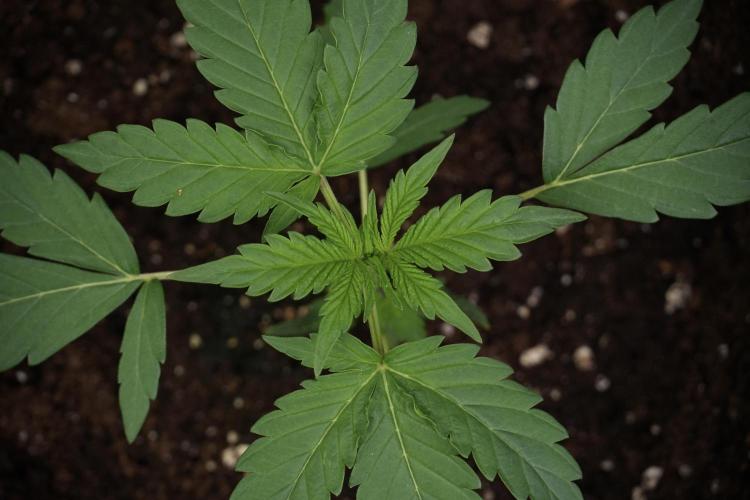
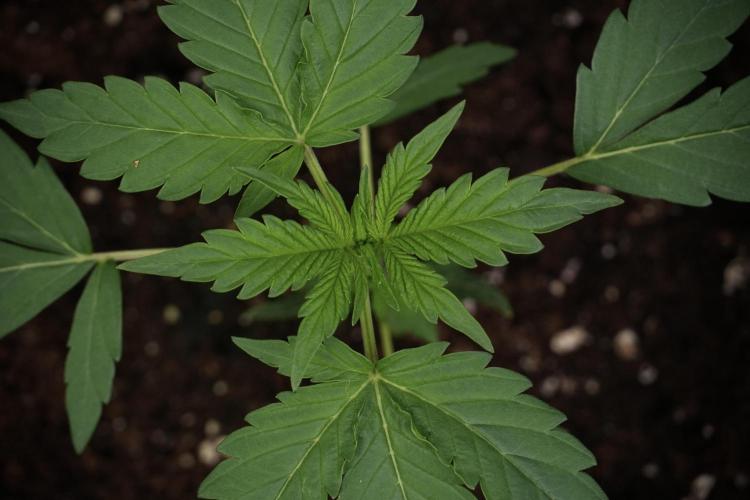
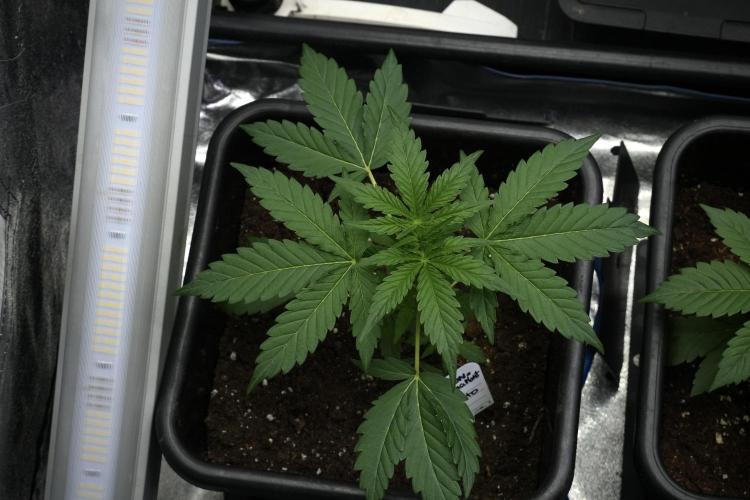
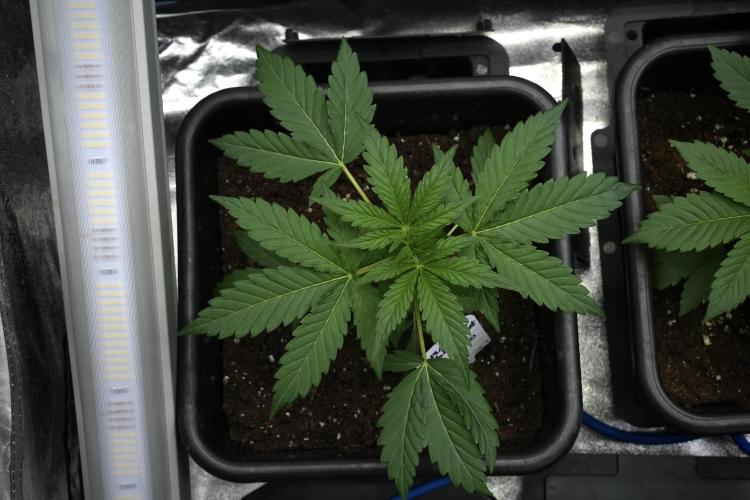
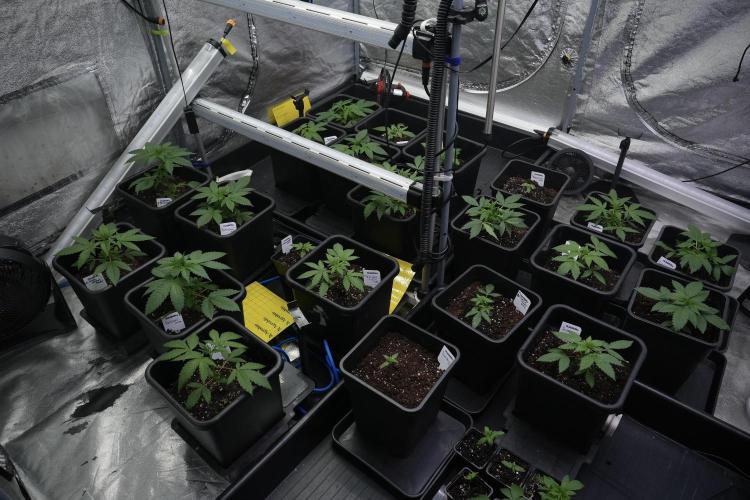
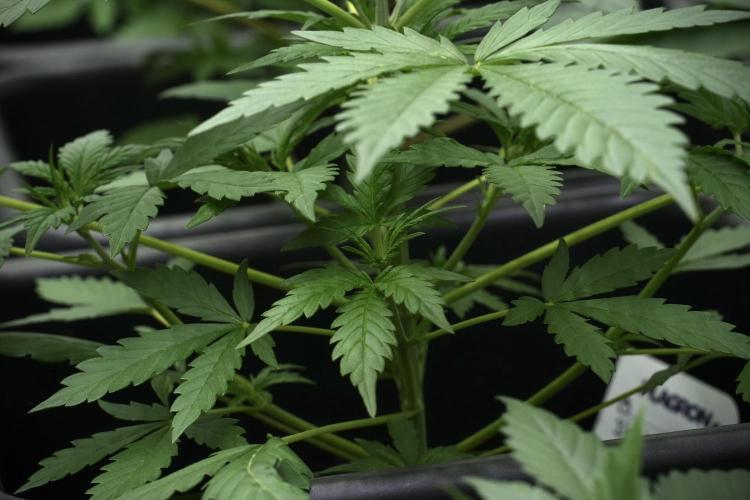
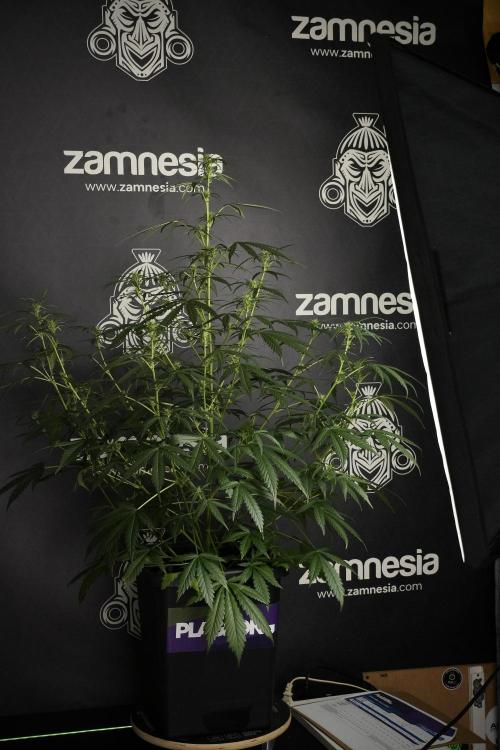
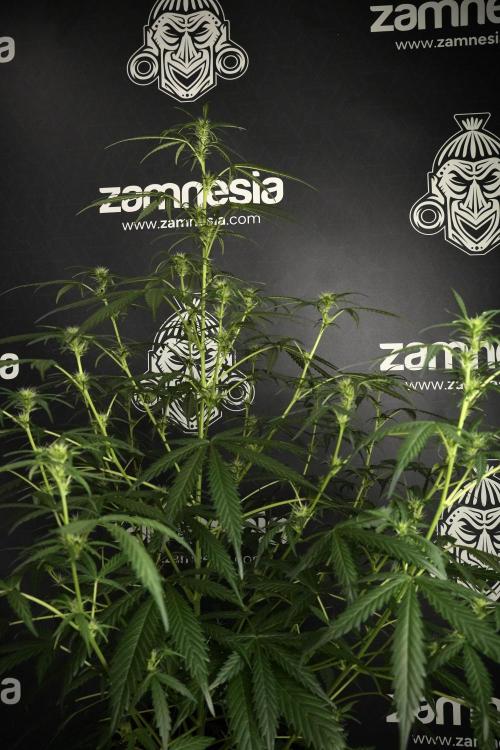
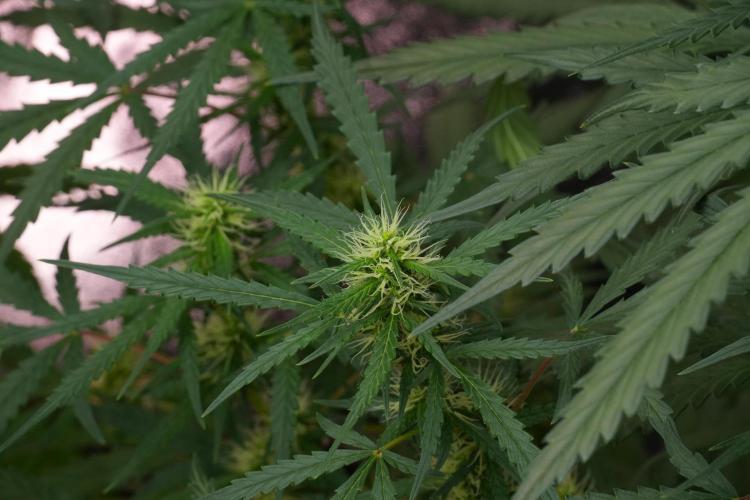
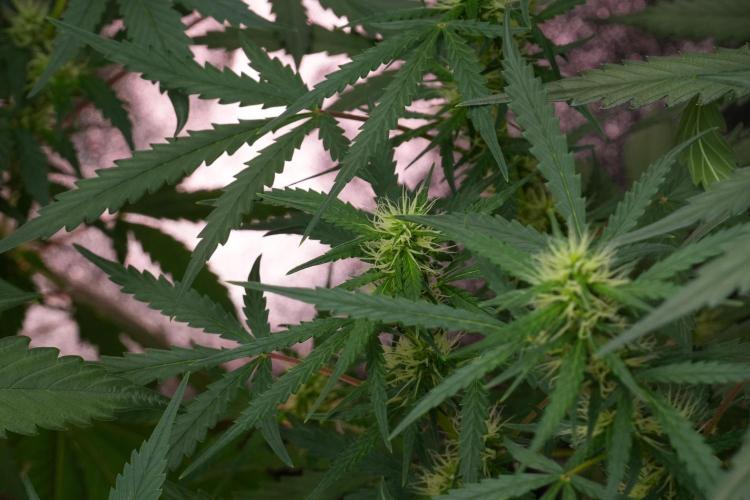
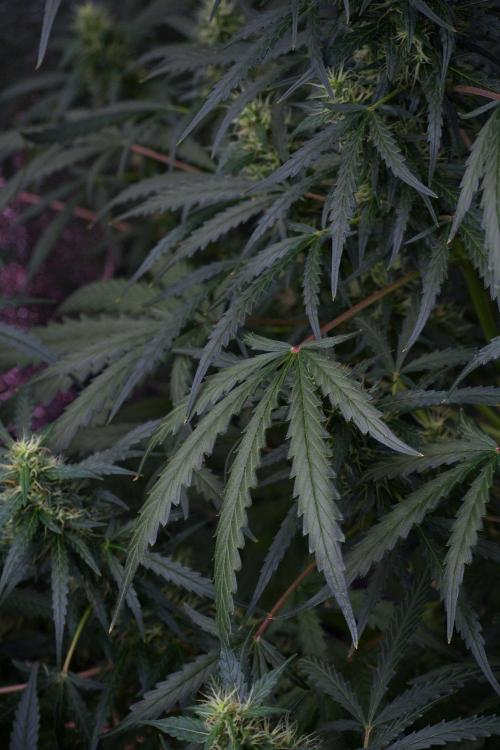
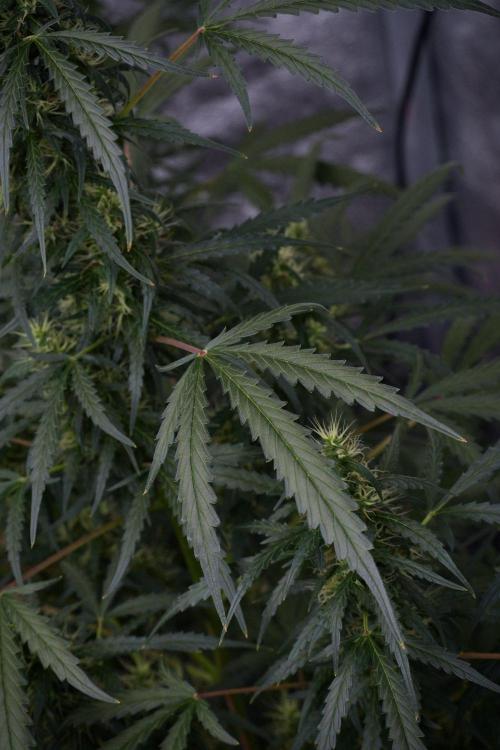
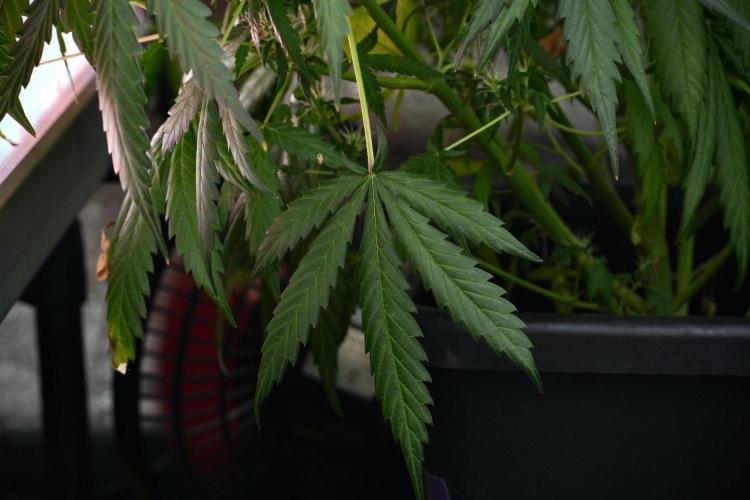
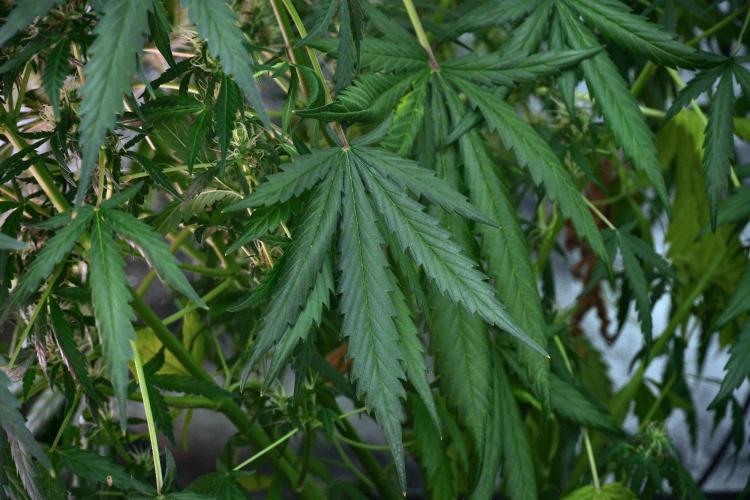
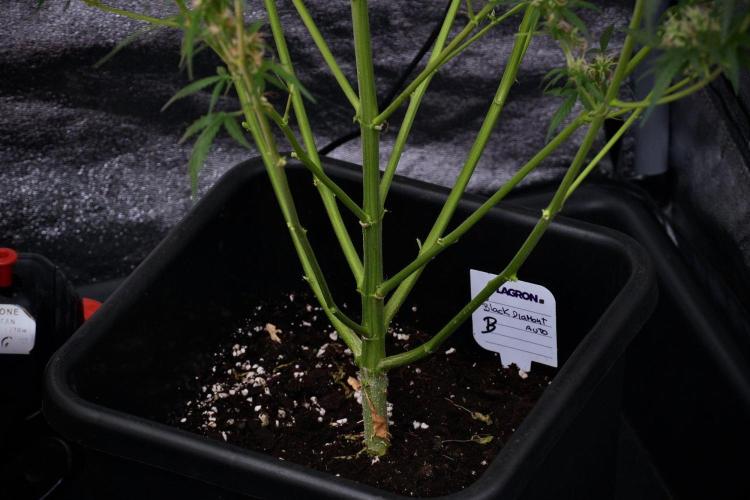
Throughout Week 2, growth remained strong and consistent, with the plant finishing the week around the sixth to seventh node while continuing to build a compact and balanced structure. The canopy is developing beautifully, and when viewed from above, the symmetry is immediately noticeable. Every new growth point is stacking neatly, creating the kind of shape that growers love seeing during the early stages of development.
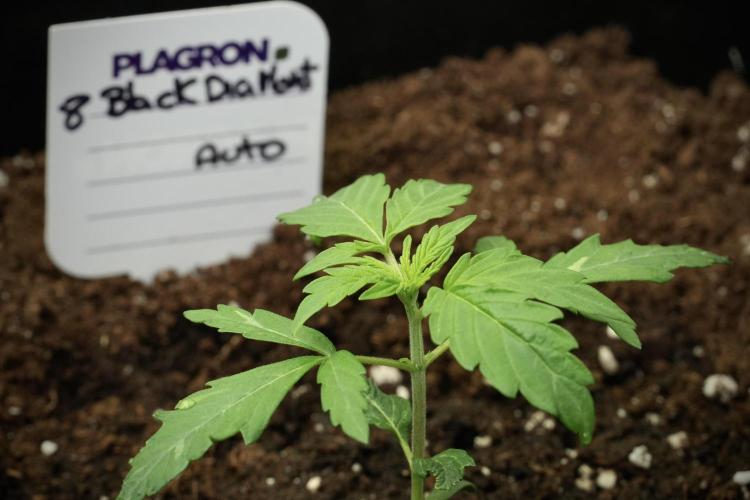
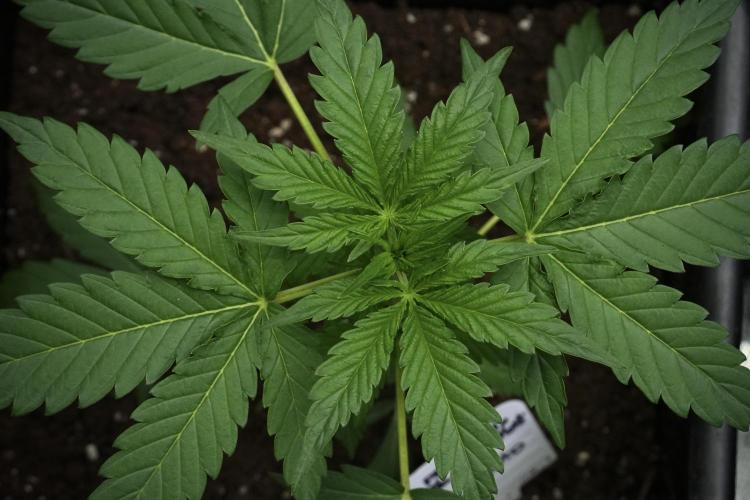
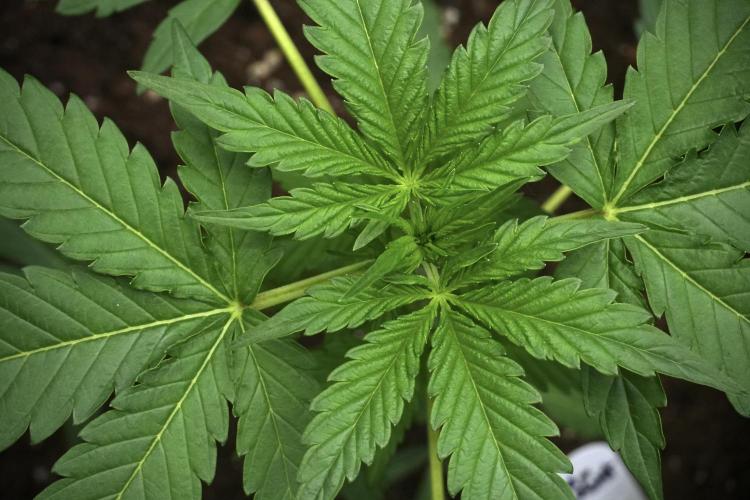
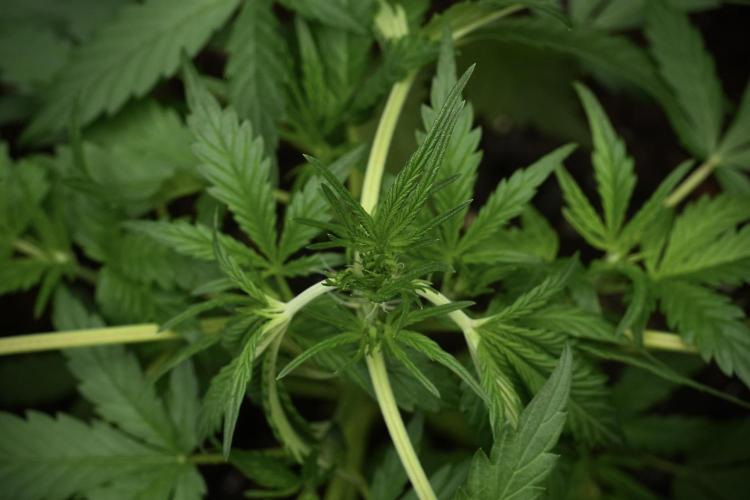
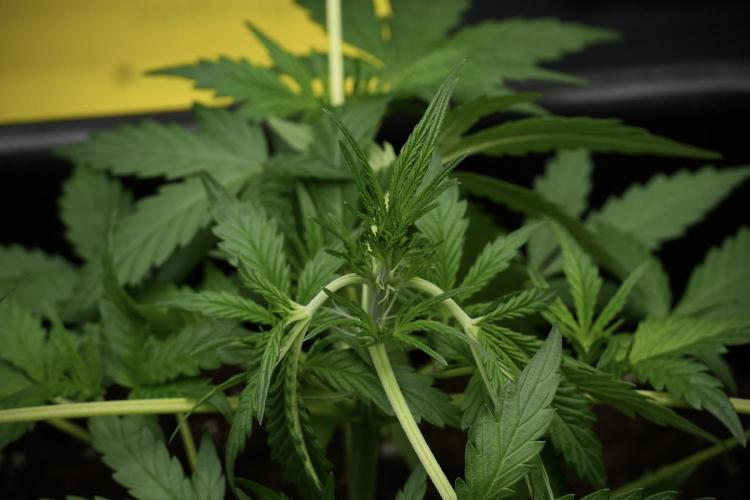
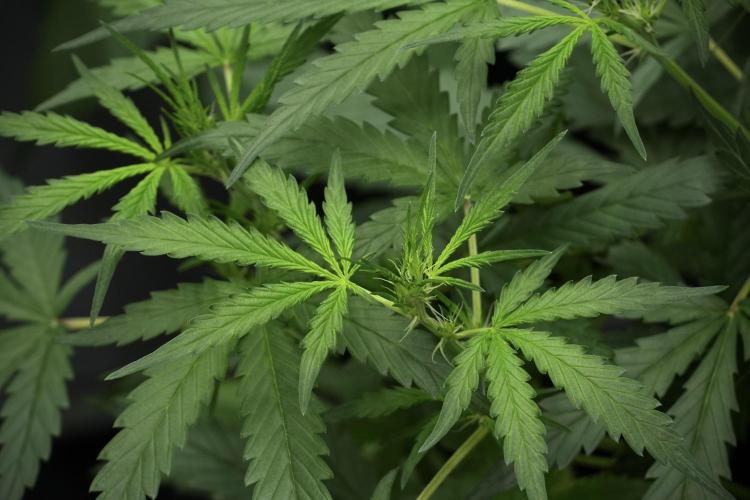
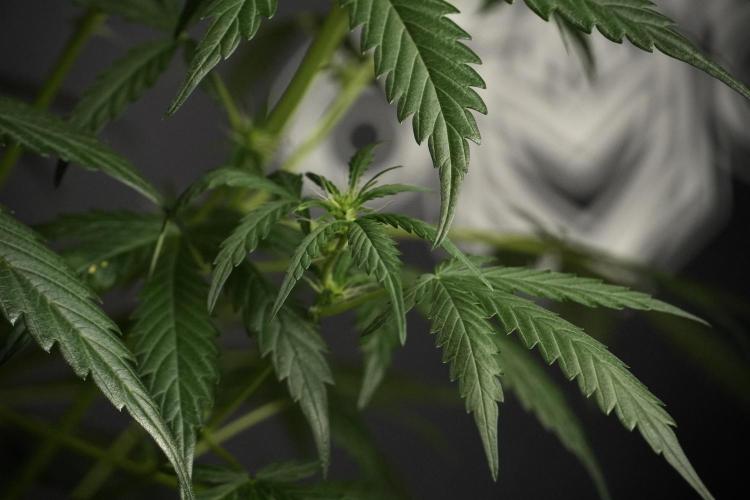
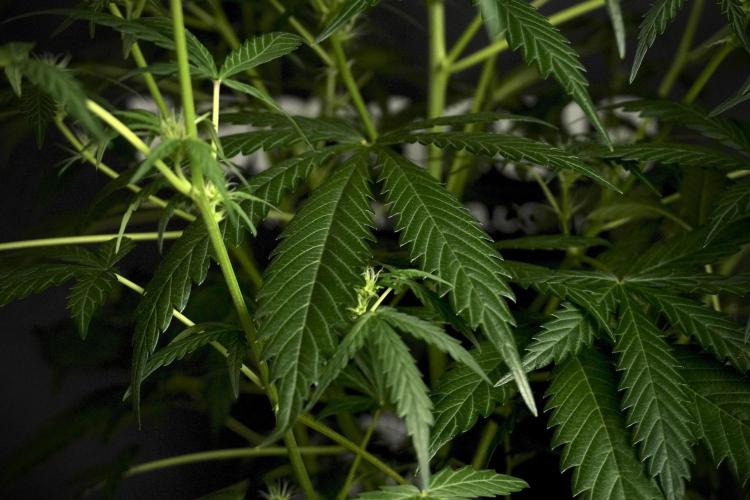
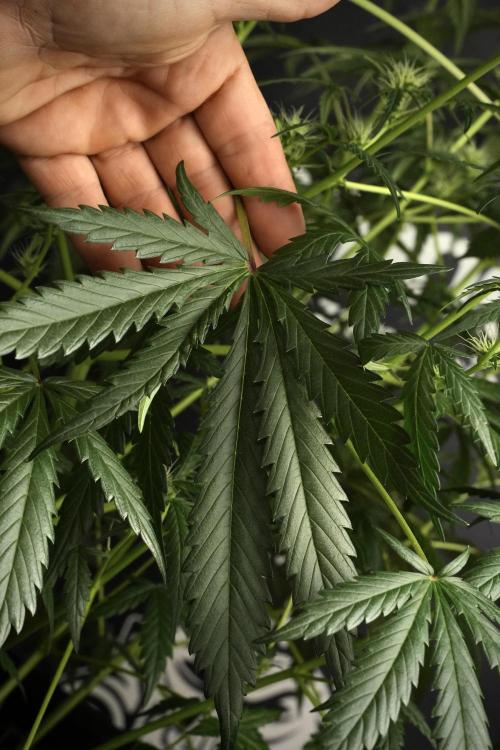
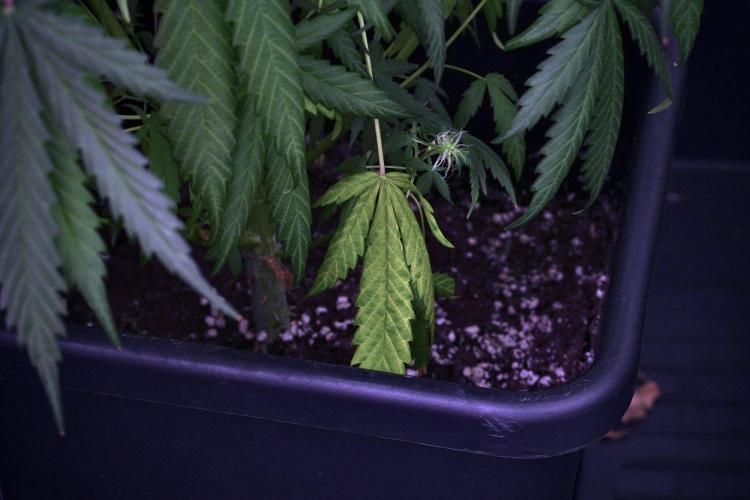
One of the most interesting observations this week comes from a small quirk found in one of the earlier leaves. Rather than forming completely separate leaflets, two fingers appear partially fused together, creating a unique shape that immediately catches the eye. Fortunately, this has remained purely cosmetic. New growth emerging from the center of the plant is developing normally, showing healthy leaf formation and excellent vigor.
These small genetic curiosities are one of the reasons documenting phenotypes individually is so rewarding. While Pheno A introduced us to a beautiful camouflage-like leaf pattern, Pheno B decided to express herself through a slightly unusual leaflet structure. Neither trait has affected health or performance, but both contribute to the unique story of each individual plant.
Beyond that little piece of personality, everything else continues moving in the right direction.
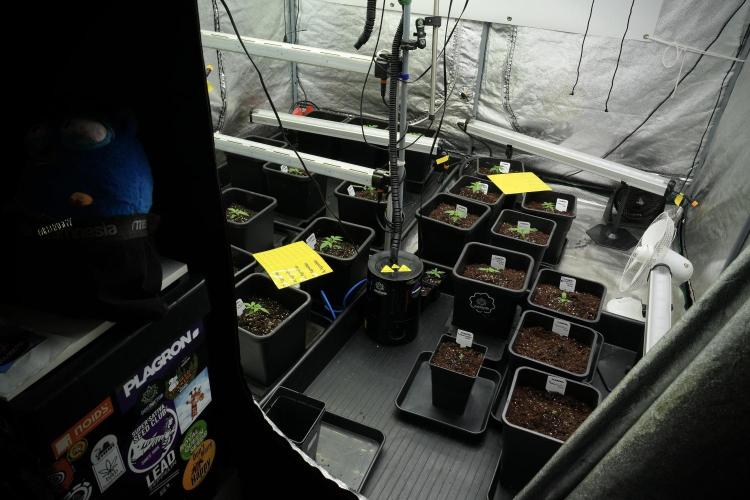
The transplant completed previously appears to have been accepted without issue. Root development is clearly supporting vigorous above-ground growth, and the plant continues expanding steadily with each passing day. Stem development is strong, leaf size is increasing, and the center growth is becoming increasingly active as the week progresses.
Coloration remains excellent throughout the canopy. The foliage displays a healthy, vibrant green tone from top to bottom, while leaf posture remains upright and confident throughout the photoperiod. The plant shows no signs of stress and continues responding positively to the stable environment provided inside the tent.
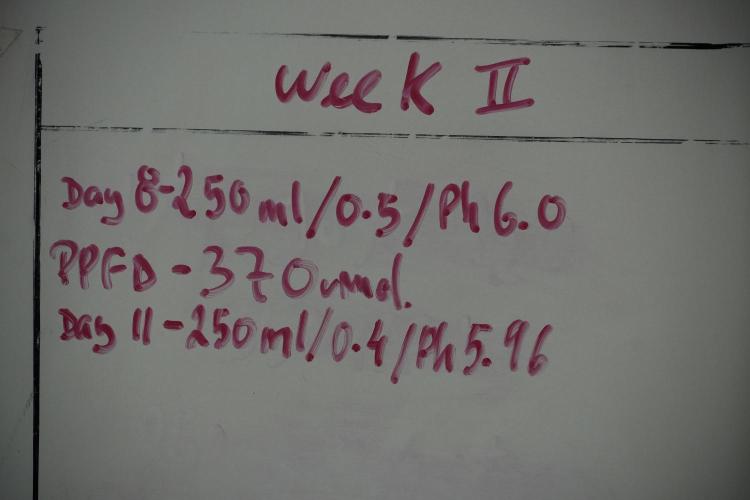
Nutritionally, the feeding program remains simple and focused on establishing a strong foundation for future growth. Plagron Terra Grow provides the primary vegetative nutrition, while Power Roots supports continued root development following transplant. Pure Zym assists in maintaining a healthy root zone by helping break down organic matter within the substrate, and Sugar Royal continues as part of the overall cultivation strategy for supporting healthy plant metabolism throughout the cycle.
Sometimes the most successful weeks are the quiet ones. No major interventions, no major corrections—just healthy growth, stable conditions, and the plant doing exactly what nature designed it to do.
Overall, Week 2 has been another excellent week for Black Diamond Auto Pheno B. The structure is beautiful, the growth rate remains impressive, and the plant continues proving that a little early quirkiness can coexist perfectly with outstanding health and vigor.
Thank you to everyone following along, supporting the diary, sharing advice, and contributing to the incredible growing community that makes projects like these so enjoyable to document.
A special thank you as always to Zamnesia for the genetics, Plagron for the nutrition, and to all growers around the world who continue sharing their knowledge, successes, and lessons learned.
Until next week, growers love and happy growing everyone. 🌱💚
9 likes
comments
Share
Used techniques
12-12
Technique
3
Week 3. Vegetation
4mo ago
1/30
15 cm
Height
12 hrs
Light Schedule
27 °C
Day Air Temp
6.0
pH
No Smell
Smell
650 PPM
TDS
55 %
Air Humidity
21 °C
Solution Temp
21 °C
Substrate Temp
25 °C
Night Air Temp
15 set_lilers
Pot Size
0.9 set_lilers
Watering Volume
666 PPM
CO₂ Level
Nutrients 6
Terra Grow
1.8 mll
Pure Zym
1 mll
Sugar Royal
1 mll
DogDoctorOfficial ? Black Diamond – Plant B
Week 3 | Vegetation
8×8 Adventure – 12/12 From Seed
Another exciting week in the 8×8 Adventure! Every plant in this project is being grown using the 12/12 From Seed technique, allowing each phenotype to express its natural structure while remaining compact and efficient. Plant B of Black Diamond is beginning to reveal its own personality, showing strong apical dominance, excellent vigor, and beautiful structural symmetry.
The goal of this project continues to be documenting every phenotype individually, following its complete journey from seed to harvest while using the Plagron nutrient line throughout the entire grow.
⸻
🌱 Grow Conditions
• Week: 3 (Vegetation)
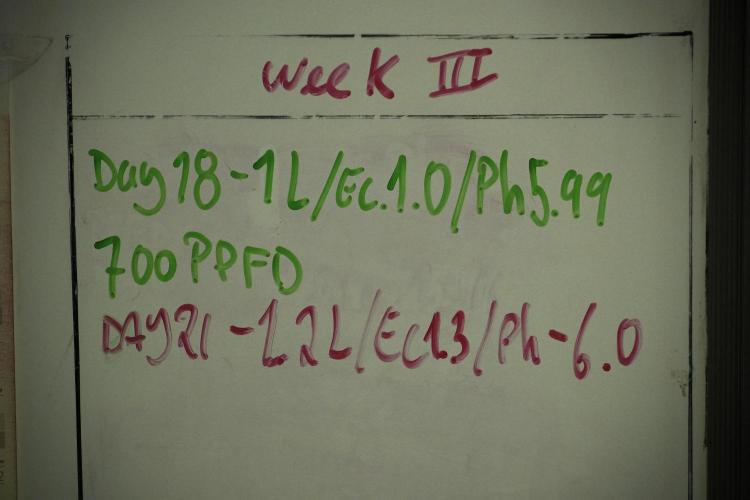
• Height: 17 cm
• Light Schedule: 12/12
• Day Temperature: 27°C
• Night Temperature: 25°C
• Relative Humidity: 55%
• CO₂: 666 ppm
• pH: 6.0
• EC: 1.3
• Solution Temperature: 20°C
• Root Zone Temperature: 21°C
• Pot Size: 15 L
• Daily Water: 1 L
Feeding
* Terra Grow – 1.8 ml/L
* Power Roots – 1 ml/L
* Pure Zym – 1 ml/L
* Sugar Royal – 1 ml/L
* pH Plus / Lemon Kick as required
⸻
🌿 Weekly Development
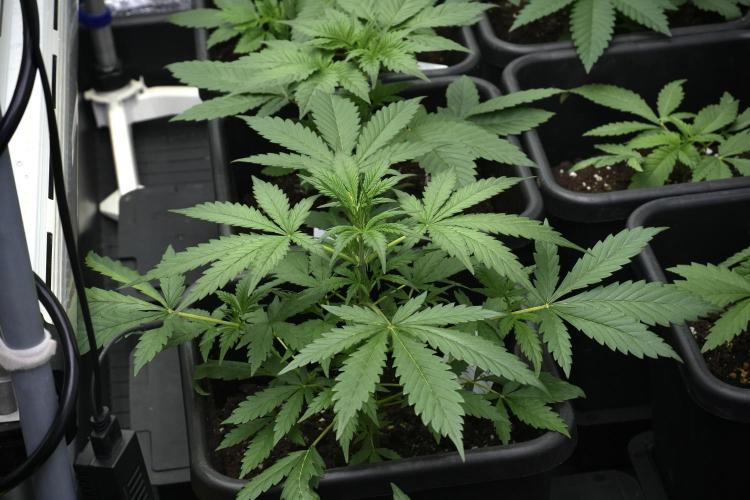
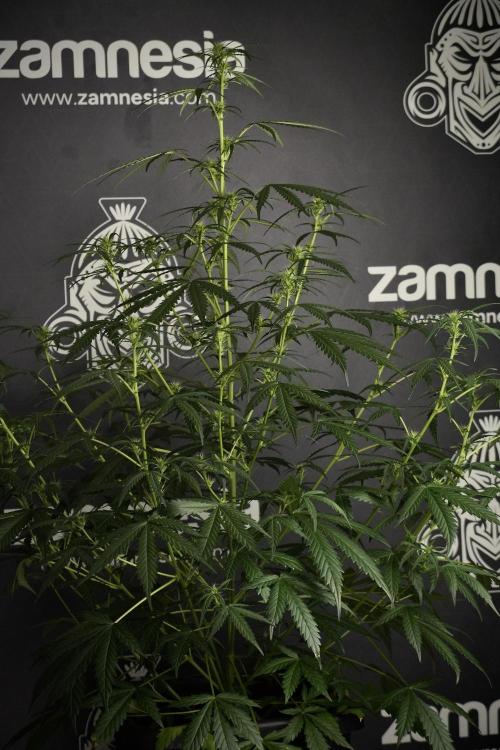
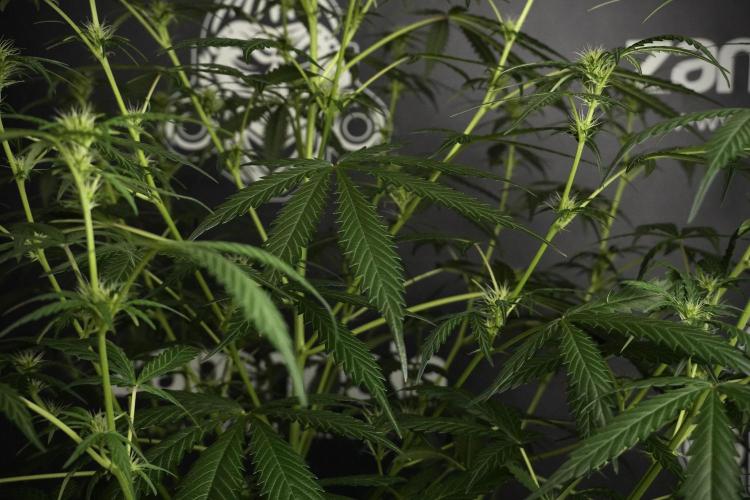
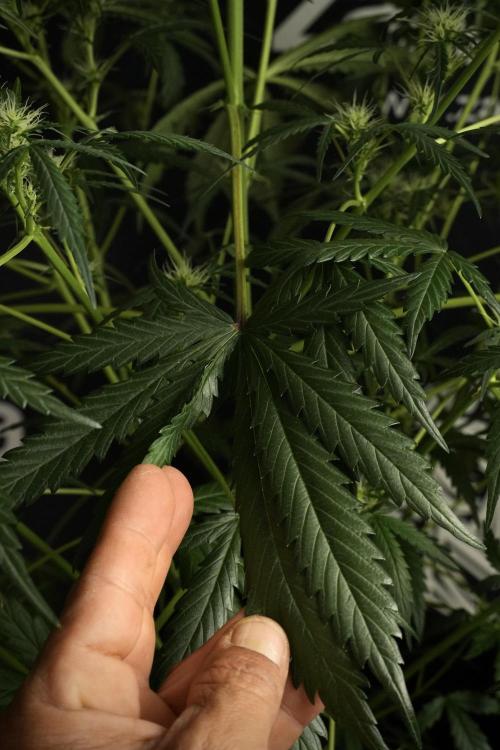
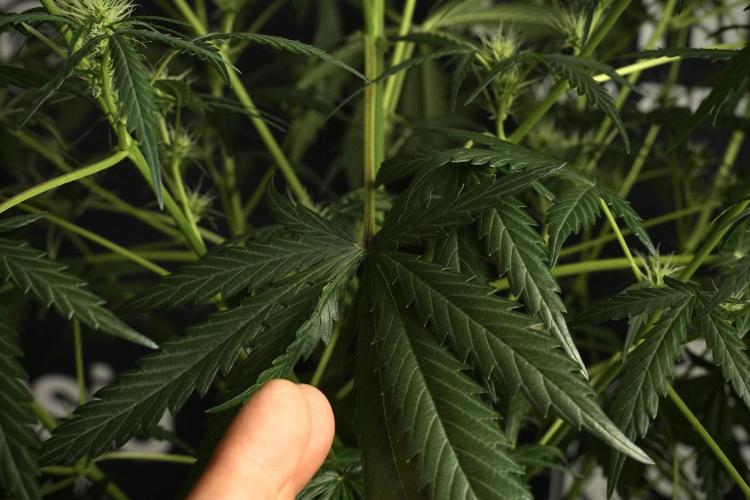
Plant B continues to impress with its vigorous and balanced development. During this third week, vertical growth accelerated while maintaining short internodal spacing, creating a compact but well-structured plant that looks perfectly suited for the 12/12 method.
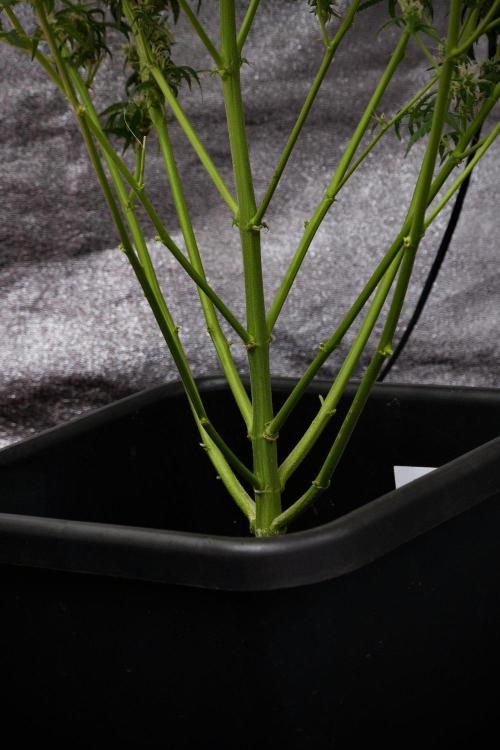
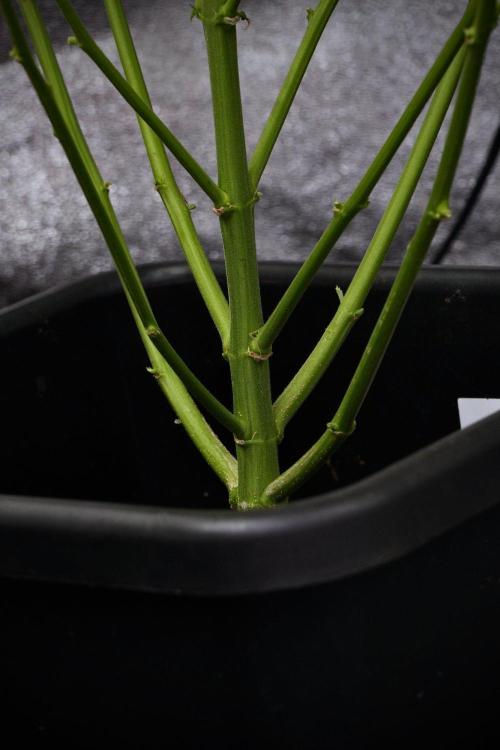
The main stem has thickened noticeably and is already showing excellent strength. Side branches are emerging evenly from every node, indicating that this phenotype should build a very uniform flowering structure over the coming weeks.
The newest growth is vibrant lime green, gradually darkening as the leaves mature, while the larger fan leaves remain a rich healthy green with no visible signs of nutrient stress or deficiencies.
⸻
👀 Structural Observations
One characteristic that immediately stands out on Plant B is its strong central leader. Unlike some phenotypes that naturally spread laterally early on, this individual seems determined to build a dominant main cola while simultaneously producing vigorous secondary branches.
Node spacing remains pleasantly tight, giving the plant a compact architecture without becoming overcrowded. As more side shoots develop, the canopy is beginning to fill naturally while maintaining excellent airflow through the interior.
Stem diameter has increased considerably compared to last week, suggesting the root system is becoming well established inside the 15-liter container.
⸻
🍃 Plant Health
Health this week has been excellent.
The leaves remain flat, fully expanded and symmetrical, with strong petioles supporting each fan leaf. New shoots are developing quickly from every node and there are no signs of nutrient burn, deficiencies or environmental stress.
The feeding schedule appears to be matching the plant’s demand very well, supporting vigorous growth while keeping the foliage clean and healthy.
⸻
📸 Photo Notes
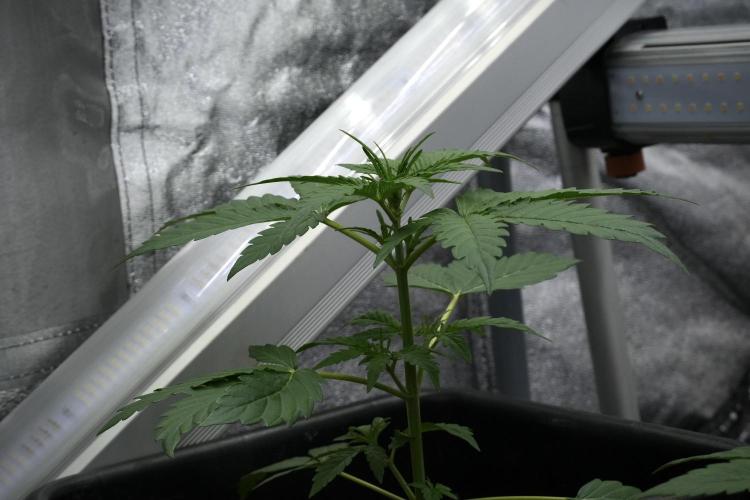
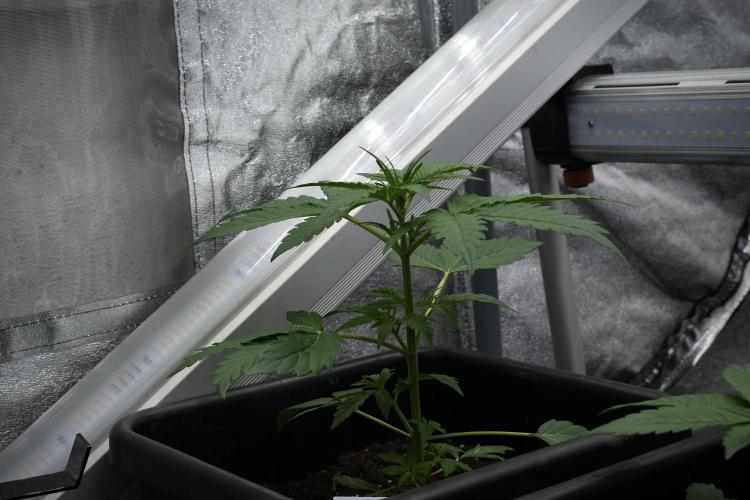
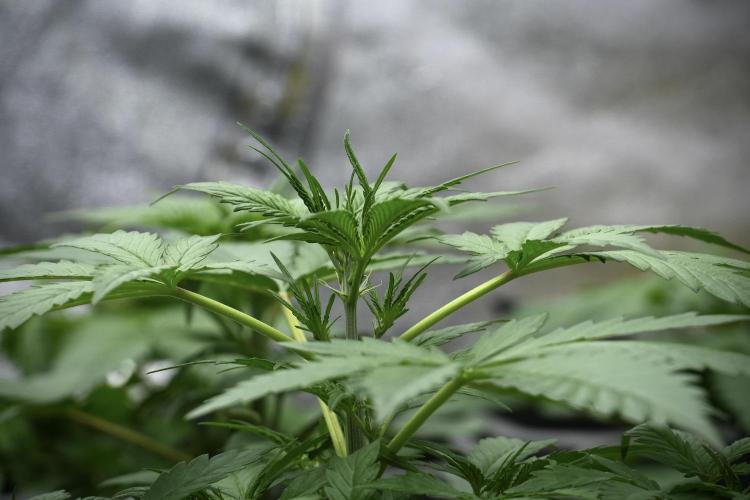
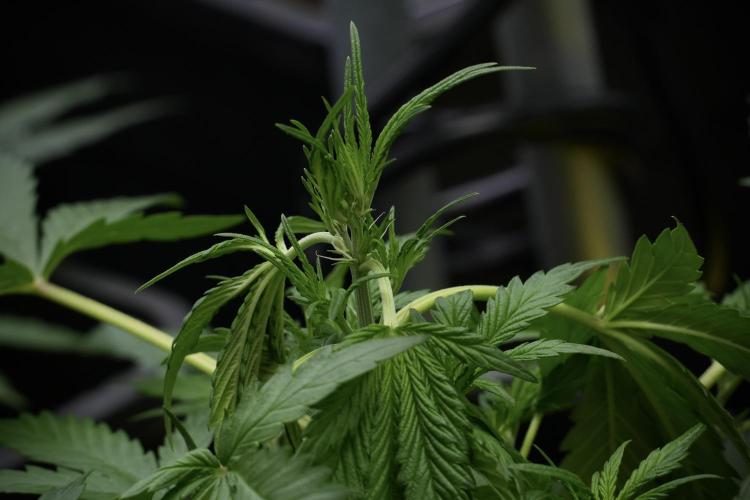
This week’s photographs clearly highlight the symmetrical canopy developing from above, while the side profile showcases the increasing stem thickness and vigorous branching beginning at every internode.
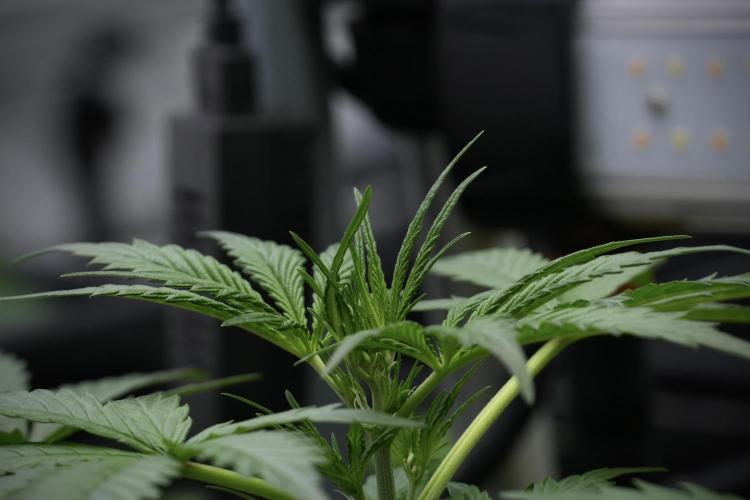
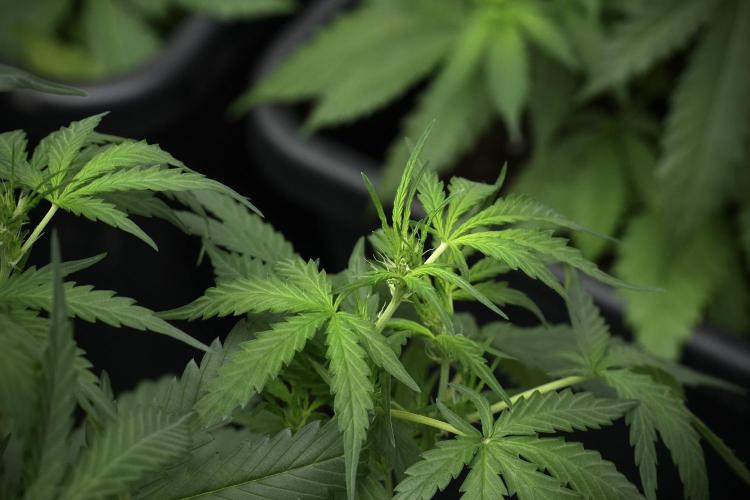
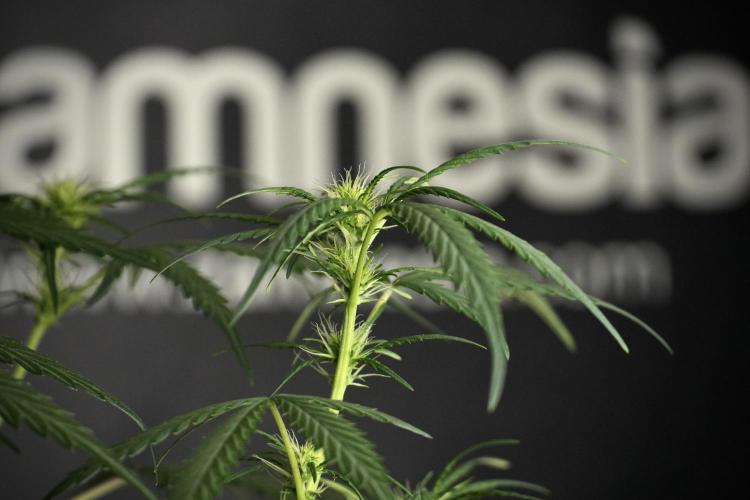
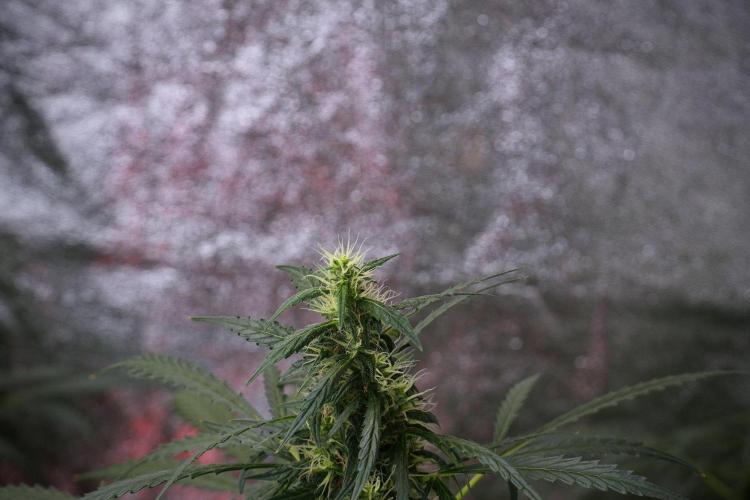
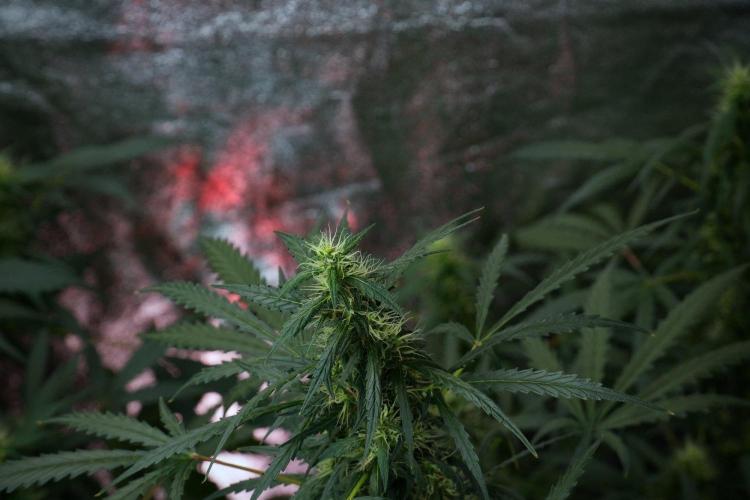
Close-up images of the growth tip reveal rapid vegetative expansion and healthy leaf formation, confirming that Plant B is transitioning smoothly toward the next stage of development.
⸻
🔜 Looking Ahead
With the root system now well established and the structural framework taking shape, the coming week should bring a noticeable increase in both vertical growth and lateral branch development.
As flowering approaches under the continuous 12/12 schedule, it will be fascinating to see how Black Diamond Plant B balances stretch with bud site formation. Based on its current architecture, this phenotype has the potential to produce a well-organized canopy with multiple productive flowering sites.
Growers Love and see you all ext week 🙏
12 likes
1 comment
Share
Used techniques
12-12
Technique
LST
Technique
4
Week 4. Flowering
4mo ago
1/67
30 cm
Height
12 hrs
Light Schedule
33 °C
Day Air Temp
6.1
pH
No Smell
Smell
675 PPM
TDS
63 %
Air Humidity
25 °C
Solution Temp
21 °C
Substrate Temp
25 °C
Night Air Temp
15 set_lilers
Pot Size
0.9 set_lilers
Watering Volume
636 PPM
CO₂ Level
Nutrients 6
Terra Grow
1.9 mll
Pure Zym
1 mll
Sugar Royal
1 mll
DogDoctorOfficial 🌱 Black Diamond Auto – Plant B | Week 4 | 12/12 From Seed
Another Diamond Begins to Show Its Shape 💎
Welcome back to another update from my 8×8 Adventure, where every plant gets the opportunity to tell its own story.
This is Black Diamond Auto – Plant B, the sister of Plant A. While they share the same genetics, the same environment, the same feeding schedule and the same light, it’s already fascinating to watch how differently they choose to grow.
Plant B has developed into a much more compact structure. She isn’t chasing height like her sister—instead she’s building a dense, symmetrical framework with tight internodal spacing and a very healthy canopy. Sometimes the smallest plants surprise us the most once flowering really begins.
Both plants are being grown under my favorite challenge: 12/12 from seed.
For those joining the diary for the first time, this means the plants have been under a 12 hours on / 12 hours off light schedule from the day they germinated. Instead of spending weeks in vegetative growth under 18 or 20 hours of light, they naturally transition into flowering much sooner, creating unique plant structures while allowing more harvests throughout the year.
Every run teaches something new, and this comparison between two sisters should be another interesting chapter.
⸻
🌱 Environment
This week the room remained very stable despite the summer temperatures.
• Day temperature: 33°C
• Night temperature: 25°C
• Relative humidity: 63%
• pH: 6.1
• EC: 1.35 mS/cm
• CO₂: 639 ppm
The plants continue growing inside 15 L pots, receiving approximately 1.1 L of nutrient solution per day.
⸻
💧 Hand-Watering vs AutoPot
Unlike her sister, Plant B is still being hand-watered.
Both plants receive exactly the same nutrient recipe, but the irrigation method is different. This should make for an interesting comparison later in the grow.
Hand-watering gives me complete control over when and how much solution she receives, allowing the substrate to go through gentle wet and dry cycles before each irrigation.
Her sister, meanwhile, is growing inside an AutoPot system.
The AutoPot uses an AquaValve, a clever mechanical valve that automatically opens and closes depending on the water level inside the tray. As the plant drinks, the valve refills the tray without pumps, electricity or timers, allowing the roots to take exactly what they need whenever they need it.
Will continuous bottom feeding produce faster growth than traditional hand-watering?
That’s one of the questions this grow hopes to answer.
⸻
🌿 Training
No topping.
No supercropping.
No heavy stress.
This week has been all about Low Stress Training (LST).
Branches continue being gently bent outward to improve light penetration across the canopy while maintaining an even structure. Every day I spend a few minutes adjusting stems, leaf tucking large fan leaves and opening small windows of light for the developing side branches.
It’s amazing how much a few careful adjustments can change the architecture of a plant without causing any significant stress.
The goal is simple:
* create an even canopy
* expose future flowering sites
* maximize airflow
* let every branch earn its place under the LEDs
Plant B has responded beautifully, staying compact while becoming wider with every passing day.
⸻
🌸 The First Signs of Flower
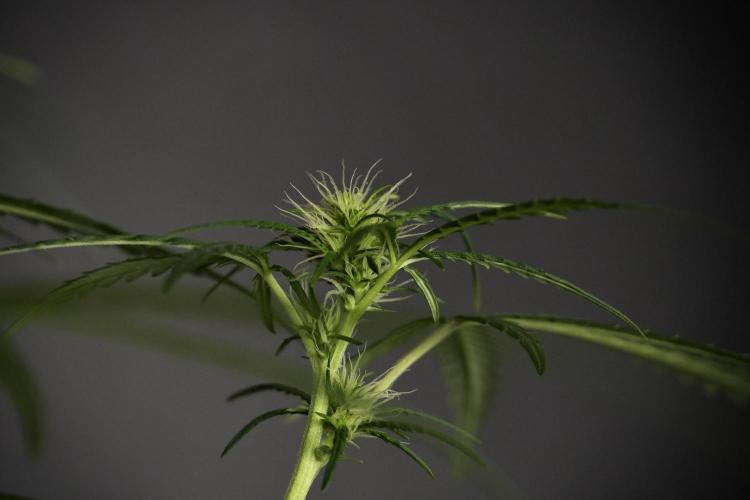
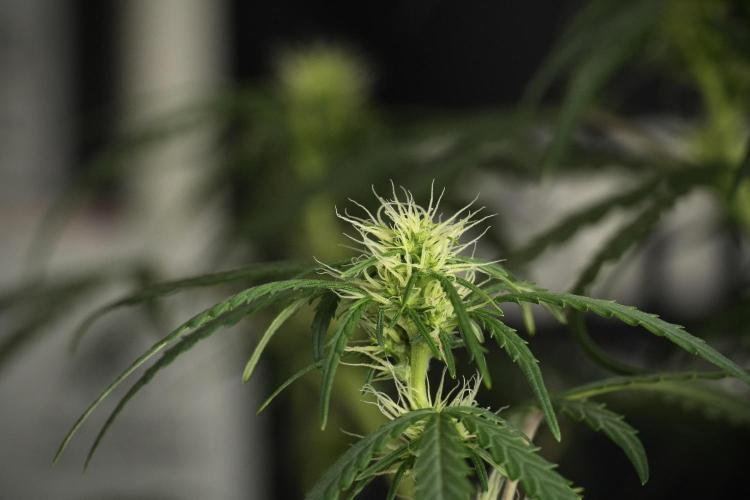
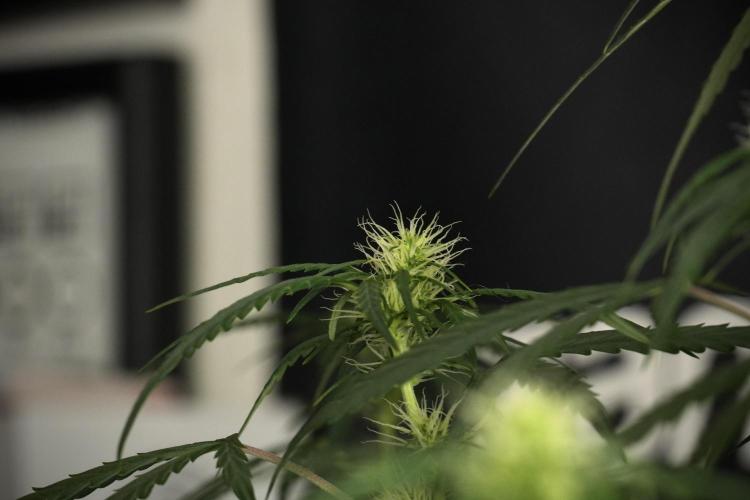
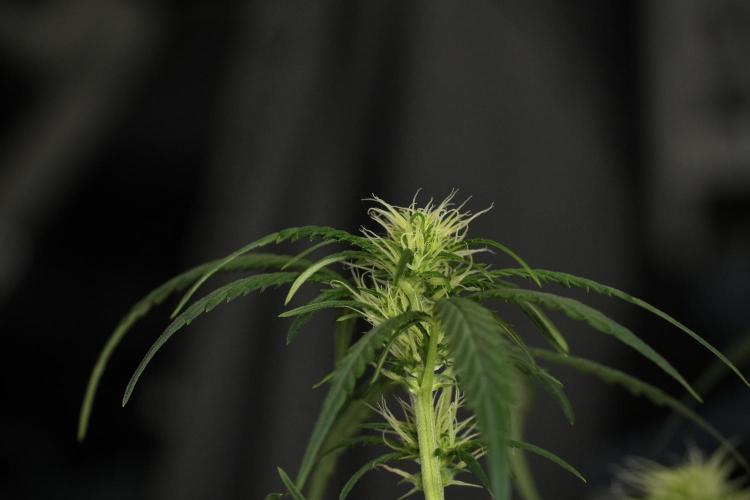
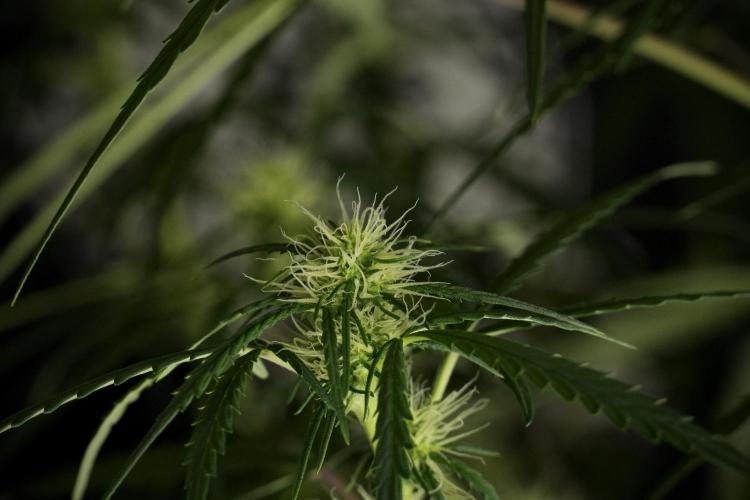
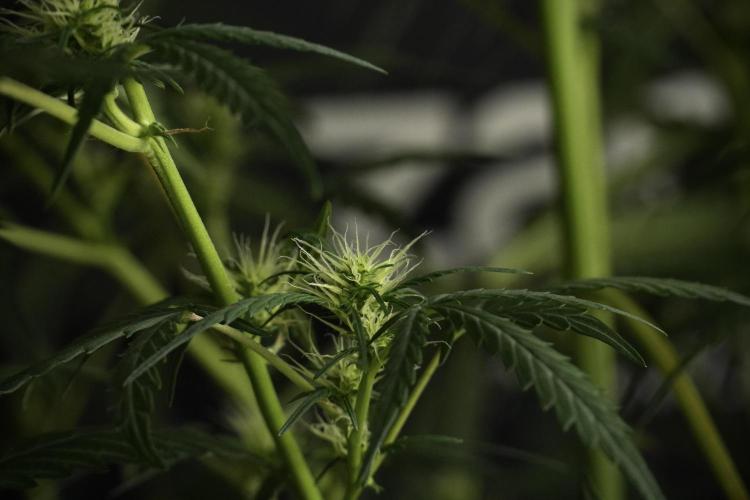
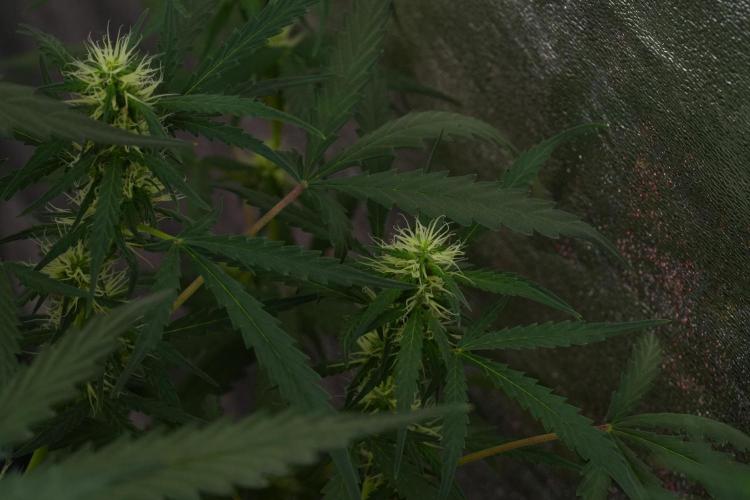
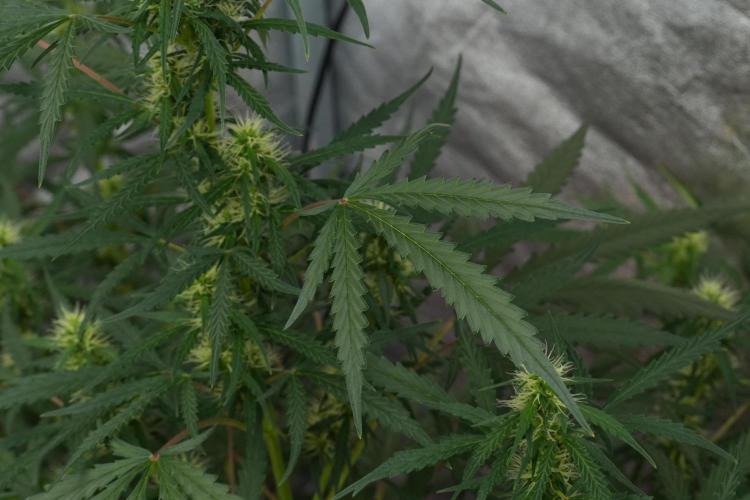
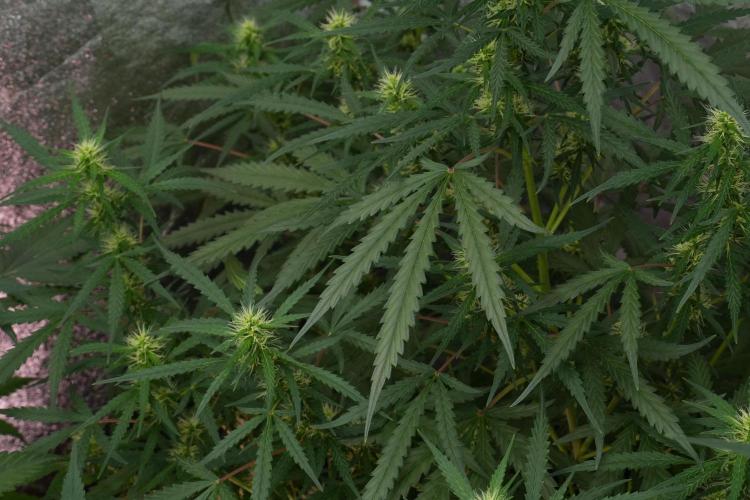
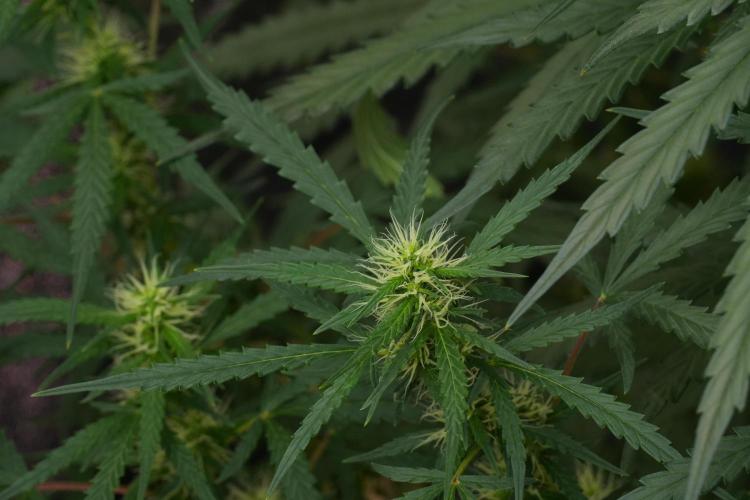
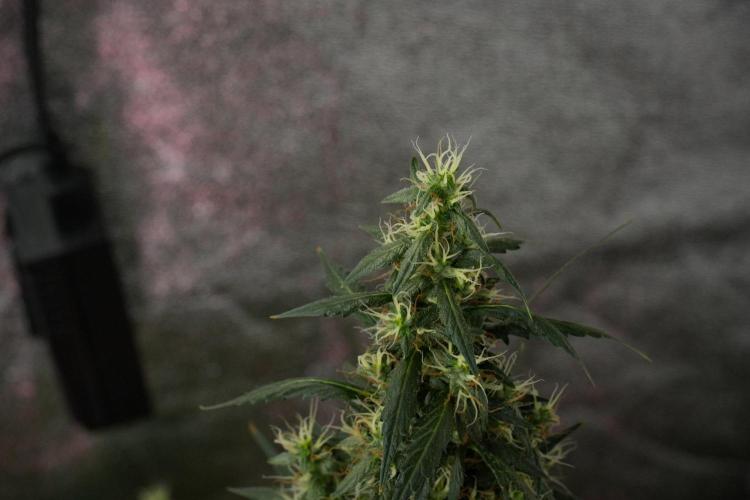
By the end of Week 4 the first pistils are finally appearing.
This is always one of my favorite moments in a 12/12 from seed project. The transition happens naturally, almost quietly, until one morning those first white hairs appear and you know the next chapter has officially begun.
Stretch is only beginning, but her structure suggests she’ll remain shorter and bushier than Plant A.
Two sisters.
Same genetics.
Same room.
Same nutrients.
Yet completely different personalities.
That’s exactly why I love documenting every individual plant.
⸻
🍽️ Feeding
This week’s recipe remained simple and consistent:
• Terra Grow — 1.8 ml/L
• Power Roots — 1 ml/L
• Pure Zym — 1 ml/L
• Sugar Royal — 1 ml/L
EC remained at 1.35, with pH adjusted to 6.1 before every watering.
She continues responding with vigorous growth, healthy color and strong new shoots throughout the canopy.
⸻
📸 Final Thoughts
Watching siblings develop side by side is one of the most rewarding parts of growing.
Plant A seems determined to become the taller, more vigorous sister.
Plant B is taking a different path—shorter, denser and incredibly well balanced.
Neither is better.
They’re simply expressing different sides of the same genetics, and that’s exactly what makes these side-by-side diaries so enjoyable.
The stretch has only just begun, flowering is officially underway, and I’m excited to see whether hand-watering can keep pace with the AutoPot system over the coming weeks.
Only time—and plenty of photos—will tell.
⸻
🙏 Thank You
As always, thank you to everyone following this adventure from around the world.
To GrowDiaries for providing a platform where growers can learn from one another.
To Plagron for the nutrients that continue feeding this project.
To the incredible breeders behind Black Diamond Auto.
To the teams behind the LEDs, the equipment and every tool helping make this grow possible.
And finally, thank you to every person who stops by these diaries.
Whether you’ve been here since day one, discovered the journey this week, leave comments, ask questions, share advice, quietly read along, or even challenge my methods—you all contribute to making this project better.
Every interaction is another opportunity to learn, improve and keep growing together.
Growers Love and see you all next week.
Happy growing. 🌱💚
9 likes
1 comment
Share
Used techniques
12-12
Technique
LST
Technique
5
Week 5. Flowering
4mo ago
1/47
100 cm
Height
12 hrs
Light Schedule
31 °C
Day Air Temp
6.1
pH
Weak
Smell
940 PPM
TDS
72 %
Air Humidity
22 °C
Solution Temp
21 °C
Substrate Temp
25 °C
Night Air Temp
15 set_lilers
Pot Size
1.1 set_lilers
Watering Volume
636 PPM
CO₂ Level
Nutrients 8
Terra Grow
1.8 mll
Pure Zym
1 mll
Sugar Royal
1 mll
DogDoctorOfficial Black Diamond Auto by Zamnesia – Pheno B | Week 5 (Flower)
💎 Black Diamond Auto – The Elegant Sister Finds Her Rhythm
Every grow has its own personalities, and while Pheno A charges ahead with raw vigor, her sister is writing a completely different story. Black Diamond Auto Pheno B is elegance in motion. She has embraced the 12/12 From Seed challenge with a graceful structure, long internodes, and a beautifully open architecture that allows every flowering site to receive excellent light penetration.
This project continues to explore how autoflowers behave under a true 12/12 photoperiod from germination—a technique many growers believe limits development. Week after week these plants continue proving that, with a healthy root system, stable environment, and careful nutrition, autoflowers remain capable of producing vigorous growth while transitioning naturally into bloom.
Growing inside the Zamnesia-sponsored 8×8 Adventure, under the Future of Grow Black Series LED and supported by the complete Plagron nutrient line, this phenotype continues to demonstrate that every plant follows its own blueprint. Rather than comparing sisters, this project celebrates those differences.
⸻
🌱 Week 5 – Stretch with Purpose
The flowering stretch is still underway, but unlike many plants that stretch without direction, Pheno B is building a remarkably balanced framework.
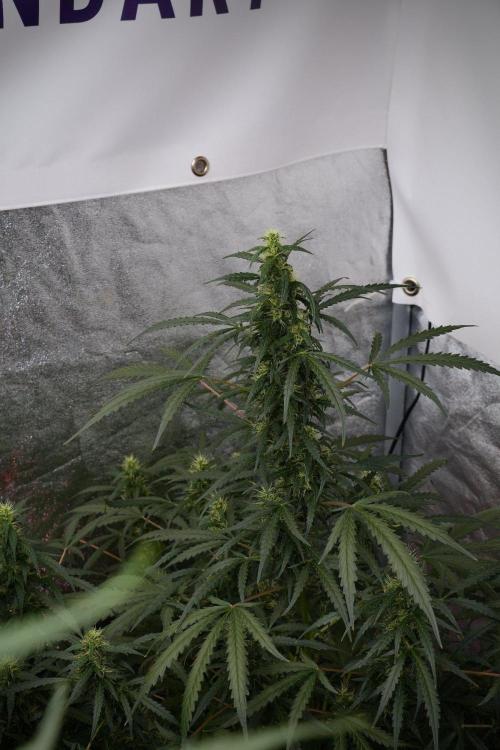
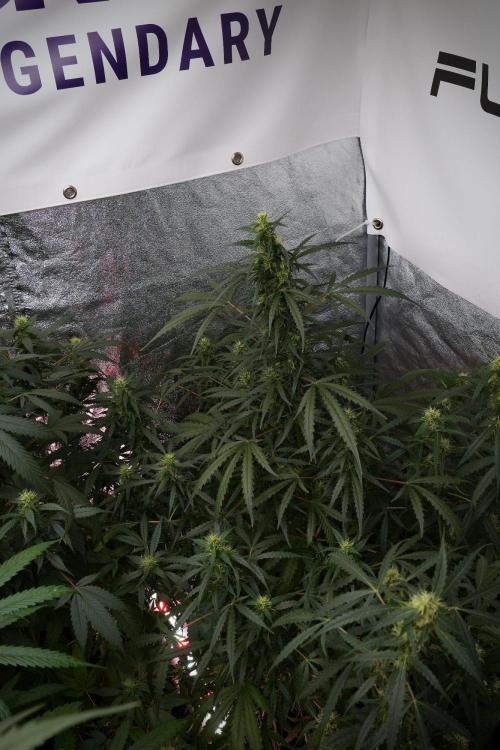
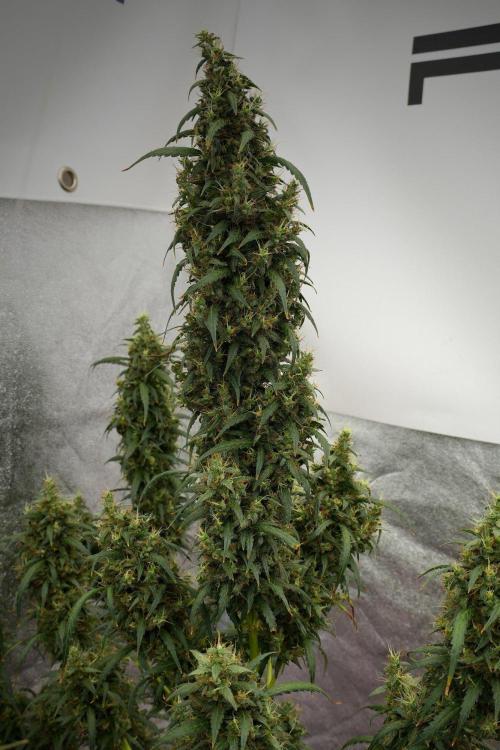
Standing around 100 cm, she is among the taller ladies in the tent, yet her stem remains impressively thick and capable of supporting future flower weight. The internodal spacing is wider than her sister’s, giving the plant an airy appearance that should become an advantage later in flowering by improving airflow and allowing light to penetrate deep into the canopy.
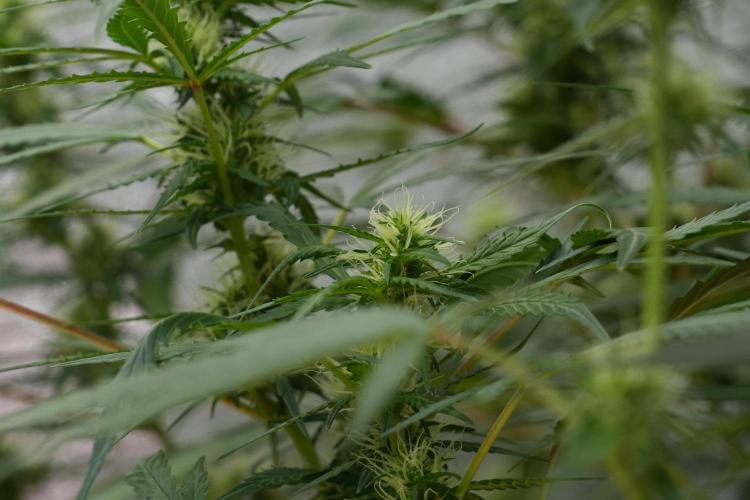
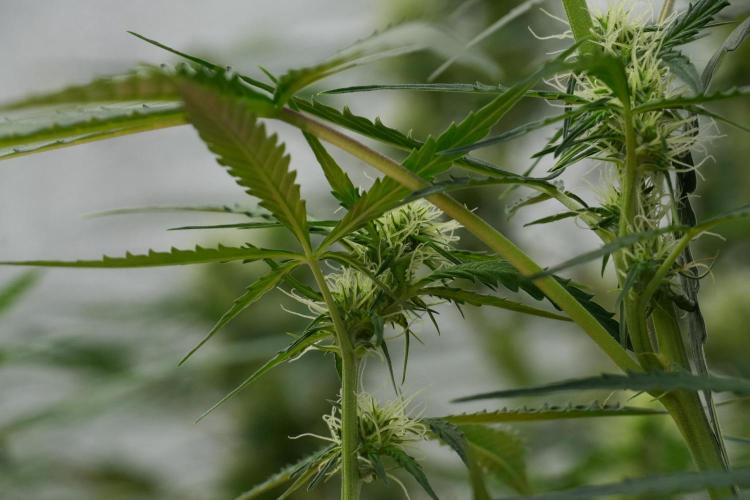
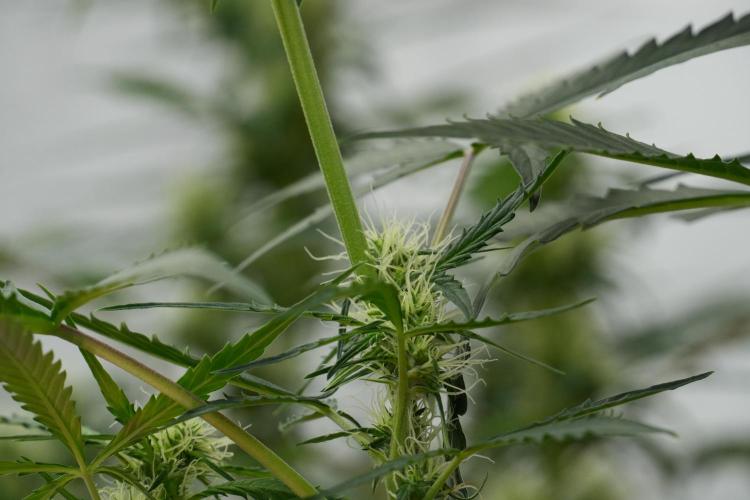
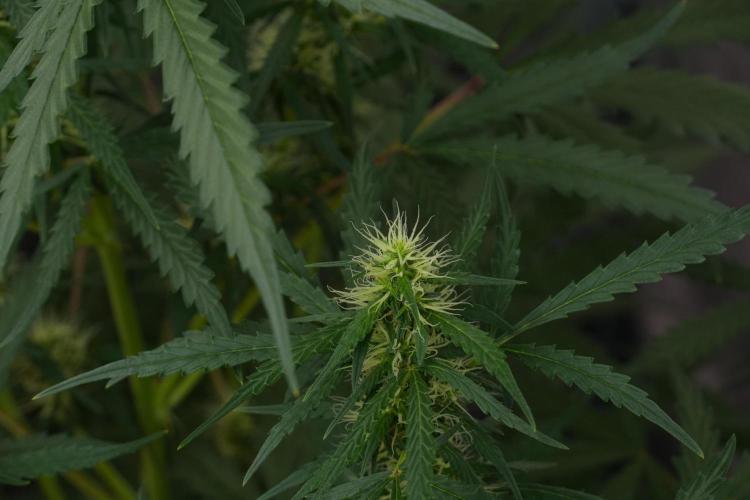
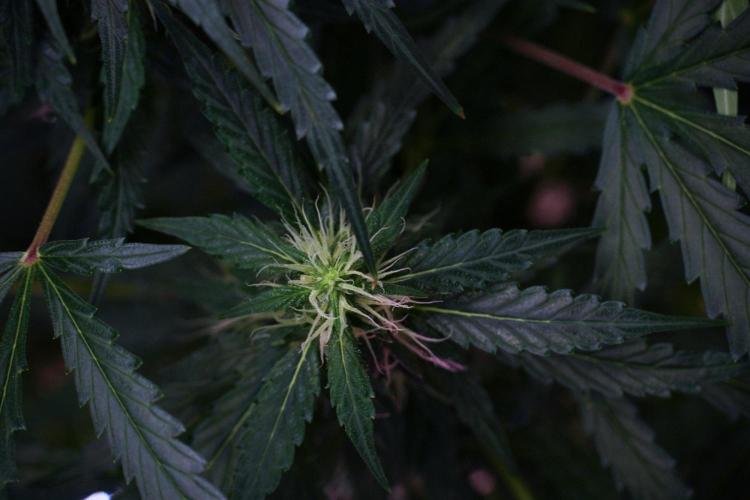
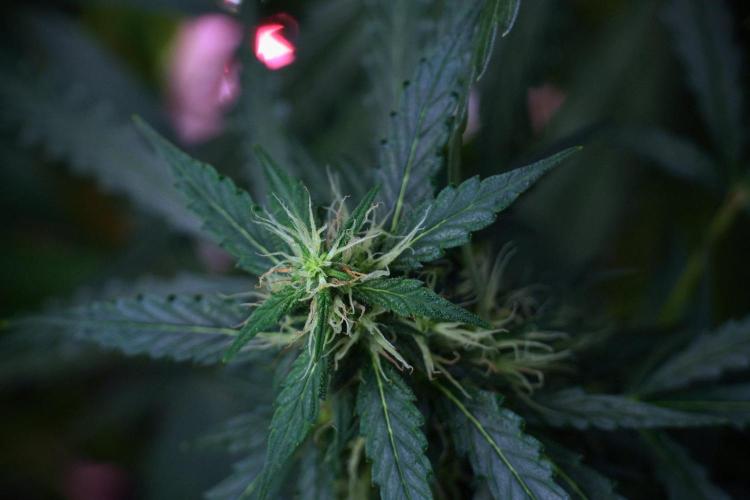
Fresh white pistils continue appearing at every node, and the first flower clusters are beginning to stack along each branch. Rather than producing compact golf-ball buds immediately, she seems focused on building a long flowering structure that could eventually form impressive spear-shaped colas.
At this stage she isn’t trying to impress with density yet—she’s building the foundation for it.
⸻
🌿 Training Without Stress
Like the rest of the project, Pheno B continues proving how effective gentle training can be.
Instead of removing leaves through defoliation, I simply keep repositioning larger fan leaves behind developing flowering sites whenever necessary. This small daily adjustment maintains excellent light exposure while allowing every healthy leaf to continue producing energy for the plant.
No unnecessary stress has been introduced.
The combination of:
* 12/12 From Seed
* Early Low Stress Training (LST)
* Strategic leaf tucking
* No defoliation
has created a naturally open structure where light reaches multiple flowering sites without sacrificing photosynthetic capacity.
Every leaf is still working for the plant.
⸻
💧 Nutrition & Irrigation
This week she continued receiving the same stable Plagron feeding program that has been driving the entire room.
Current feeding:
• Terra Grow — 1.9 ml/L
• Terra Bloom — 1.9 ml/L
• Pure Zym — 1 ml/L
• Sugar Royal — 1 ml/L
• Power Roots — 1 ml/L
• Power Buds — 1 ml/L
The nutrient transition into flowering has been exceptionally smooth.
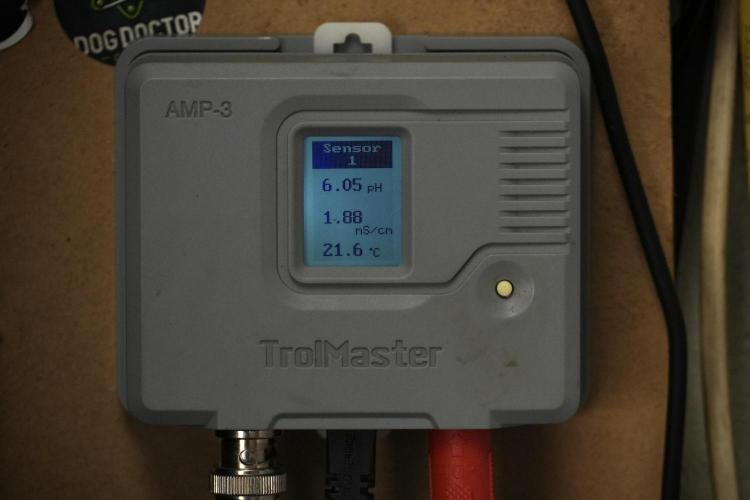
With an EC around 1.88, pH maintained at 6.05, the plant continues showing deep green foliage with no signs of nutrient excess or deficiency.
Her leaves remain relaxed, healthy, and vibrant, confirming that the current feeding strategy is matching her needs perfectly.
Sometimes the best sign of success is that nothing dramatic happens.
⸻
🌡️ Environment
The flowering room continues providing very stable environmental conditions:
• Day temperature: 31.1°C
• Night temperature: 25°C
• Relative humidity: 72%
• Solution temperature: 21.6°C
• Root zone temperature: 21°C
• CO₂: approximately 636 ppm
Despite the relatively warm temperatures, the healthy root zone, consistent irrigation, and vigorous airflow are allowing the plants to remain highly productive.
The entire ecosystem continues operating exactly as intended.
⸻
👀 Looking Ahead
Next week should be particularly exciting for this phenotype.
The stretch appears to be slowing, meaning more energy will soon shift toward flower production. The small clusters developing along every node should begin connecting together as calyx production accelerates, revealing the true architecture of this plant.
Because of her open structure, I’m especially curious to see whether she develops long, elegant spears or surprises me with unexpected stacking later in bloom.
Either way, she’s showing every sign of becoming a beautiful and productive Black Diamond.
Sometimes the quieter plants become the biggest surprises by harvest.
⸻
🙏 Final Thoughts
One of my favourite parts of running phenotype hunts is watching sisters express the same genetics in completely different ways.
Pheno B reminds us that beauty isn’t always about being the biggest or the fastest. Sometimes it’s about balance, structure, and letting the plant tell its own story without forcing it into someone else’s expectations.
So far, she’s doing exactly that.
A huge thank you to Zamnesia for making this grow possible, Plagron for consistently providing outstanding nutrition, Future of Grow for keeping the canopy thriving under incredible lighting, and to everyone following this journey here on GrowDiaries.
Your support, comments, and shared passion make documenting every week an absolute pleasure.
Until next week…
Growers Love and happy growing! 🌱💚
12 likes
4 comments
Share
Used techniques
12-12
Technique
LST
Technique
6
Week 6. Flowering
3mo ago
1/52
120 cm
Height
12 hrs
Light Schedule
29 °C
Day Air Temp
6.0
pH
Weak
Smell
890 PPM
TDS
60 %
Air Humidity
21 °C
Solution Temp
21 °C
Substrate Temp
25 °C
Night Air Temp
15 set_lilers
Pot Size
1.3 set_lilers
Watering Volume
636 PPM
CO₂ Level
Nutrients 7
Pure Zym
1 mll
Sugar Royal
1 mll
Ph Plus
0.03 mll
DogDoctorOfficial 💎 Black Diamond Auto by Zamnesia – Pheno B | Week 1 Flower | Grace in Every Stretch
Some phenotypes command attention through explosive growth. Others quietly impress by doing everything right.
Black Diamond Auto Pheno B belongs firmly in the second category.
As she enters her first week of flowering, she continues to display remarkable balance, combining vigorous vertical growth with an elegant, open structure that allows every developing flower site to breathe and receive excellent light. While her sister has become one of the stars of the room, Pheno B is proving that consistency can be just as exciting.
One of the greatest joys of growing multiple phenotypes is watching identical genetics express themselves in unique ways. Every plant in this project shares the same environment, nutrition, lighting, and training techniques, yet each develops its own architecture and personality.
This grow also continues my favourite challenge: 12/12 From Seed. From the moment each seedling emerged, they have grown under a flowering light cycle, allowing every phenotype to reveal its natural strategy for stretch, structure, and flower production without an extended vegetative period.
Week by week, Black Diamond Pheno B is proving just how well this technique can work.
🌱 Environment
Another stable week inside the flowering room has allowed the plant to focus entirely on healthy development.
🌡️ Day Temperature: 29°C
🌙 Night Temperature: 25°C
💧 Relative Humidity: 60%
🥤 Nutrient Solution Temperature: 21°C
🌱 Root Zone Temperature: 21°C
☀️ Light Schedule: 12/12
🌬️ CO₂: 636 ppm
I've always believed that consistency wins over perfection. Stable temperatures, healthy root conditions, reliable irrigation, and continuous airflow allow the plant to dedicate its energy to growth rather than constantly adapting to changing environmental conditions.
That stability continues to pay dividends.
🌿 Training & Canopy Management
The training philosophy remains exactly the same.
Gentle Low Stress Training continues shaping the canopy while regular leaf tucking helps expose developing flowering sites without removing healthy foliage.
No defoliation has been necessary.
Instead of taking leaves away, I simply reposition the larger fan leaves whenever they begin shading future bud sites. This keeps the canopy open while allowing every healthy leaf to continue acting as a solar panel, producing the energy the plant will soon need for building flowers.
Sometimes the smallest adjustments create the biggest long-term results.
🌾 Feeding Program
As flowering becomes established, the nutrition program continues supporting both the final stretch and the beginning of flower development.
Current feeding includes:
• Plagron Terra Bloom — supplying phosphorus and potassium as flower production accelerates.
• Plagron Power Buds — supporting the hormonal transition into flowering and encouraging the formation of additional bud sites.
• Plagron Sugar Royal — promoting terpene and resin development from the earliest flowering stages.
• Plagron Pure Zym — improving nutrient availability by breaking down old organic material around the root zone.
• Plagron Green Sensation — introducing a balanced flowering stimulant to support early bud formation while preparing the plant for the weeks ahead.
The feeding program remains well balanced, with healthy dark-green foliage, vigorous growth, and no visible signs of nutrient stress.
When a plant looks this comfortable, there's little reason to change what's already working.
💎 Phenotype Spotlight
Black Diamond Pheno B has developed into one of the most elegant plants in the entire room.
Now standing around 120 cm, she has become one of the tallest phenotypes in the project, stretching confidently while maintaining excellent structural balance. Her internodal spacing is slightly more open than some of the other plants, creating a naturally airy canopy that should become a real advantage later in flowering by improving both airflow and light penetration.
Fresh white pistils are appearing across every branch, and flower sites are forming consistently from the lower nodes all the way to the main apex. Rather than rushing to produce dense flowers immediately, she seems focused on building a long, evenly spaced framework that promises multiple productive colas over the coming weeks.
What stands out most is how effortless her growth appears. Despite her height, the stem remains thick and sturdy, the branches are well positioned, and every part of the plant feels balanced. She has responded beautifully to gentle LST, opening naturally without ever showing signs of stress.
One thing has become increasingly clear throughout this project: Zamnesia's Black Diamond genetics are proving remarkably stable. Standing beside her sister, the similarities are impossible to ignore. Both phenotypes share outstanding vigor, beautiful structure, and excellent health, while still expressing enough individuality to make documenting each one worthwhile.
Sometimes the best genetics don't create identical plants—they create consistently exceptional ones.
🔭 Looking Ahead
Over the coming week I expect the flowering stretch to begin slowing as more energy shifts toward flower production.
The small clusters already forming along every branch should start connecting together, gradually transforming this elegant framework into long, well-defined colas. Gentle leaf tucking will continue helping maintain an even canopy while preserving every healthy fan leaf that contributes to photosynthesis.
If she continues developing at this pace, she's well on her way to becoming one of the standout performers in the room.
The framework is complete.
The roots are thriving.
Now it's time for the flowers to take over.
A huge thank you once again to Zamnesia for providing these fantastic Black Diamond genetics, and to Plagron for the nutrient line that continues supporting every stage of this journey.
I'd also like to thank the incredible GrowDiaries community for following these phenotype journals week after week. Your encouragement, questions, and shared passion are what make documenting each individual plant such a rewarding experience. Watching sisters grow side by side while expressing their own unique personalities is one of the greatest pleasures of every grow.
Until next week...
Growers love and Happy Growing! 🌱💚
13 likes
comments
Share
Used techniques
12-12
Technique
LST
Technique
7
Week 7. Flowering
3mo ago
1/55
160 cm
Height
12 hrs
Light Schedule
29 °C
Day Air Temp
5.8
pH
Normal
Smell
975 PPM
TDS
60 %
Air Humidity
21 °C
Solution Temp
21 °C
Substrate Temp
25 °C
Night Air Temp
15 set_lilers
Pot Size
1.3 set_lilers
Watering Volume
636 PPM
CO₂ Level
Nutrients 7
Pure Zym
1 mll
Sugar Royal
1 mll
Ph Plus
0.03 mll
DogDoctorOfficial 💎 Black Diamond Auto by Zamnesia – Pheno B | Week 2 Flower | Hidden Elegance Begins to Shine
Not every exceptional plant demands the spotlight.
Some quietly earn it.
Black Diamond Auto Pheno B has continued doing exactly that throughout her second week of flowering. While her sister naturally catches the eye with her explosive presence, Pheno B keeps impressing through balance, structure, and effortless development.
Watching these two sisters grow side by side has become one of the highlights of this project. They share the same genetics, the same environment, identical nutrition, lighting, irrigation, and gentle training, yet each expresses her own unique personality.
That, to me, is where the magic of phenotype hunting truly begins.
Like every plant in this project, she has been grown using my favourite method: 12/12 From Seed.
From the very first day above the soil she has lived entirely under a flowering light schedule, allowing her genetics to dictate her natural architecture without an extended vegetative period. There has been no topping, no high-stress techniques and no aggressive manipulation.
Only patience, observation, and gentle guidance.
Low Stress Training has simply encouraged the branches to open naturally while allowing the plant to grow toward the light exactly as she wanted.
Week after week she continues proving just how capable this technique can be.
🌱 Environment
Another stable week has allowed every bit of energy to be invested into flower production rather than environmental adaptation.
🌡️ Day Temperature: 29°C
🌙 Night Temperature: 25°C
💧 Relative Humidity: 60%
🥤 Nutrient Solution Temperature: 21°C
🌱 Root Zone Temperature: 21°C
☀️ Light Schedule: 12/12
🌬️ CO₂: 636 ppm
Consistency remains one of the greatest advantages inside this flowering room.
Healthy roots, stable temperatures, continuous fresh air and reliable irrigation create an environment where the plants never need to recover—they simply continue growing.
When the environment stays predictable, the genetics can truly express themselves.
🌿 Training & Canopy Management
The philosophy hasn't changed because the plants haven't given me any reason to change it.
Gentle Low Stress Training continues guiding the canopy while regular leaf tucking keeps developing flower sites exposed without sacrificing valuable foliage.
There has still been no defoliation.
Healthy fan leaves remain the plant's solar panels, converting light into the energy required to build flowers over the coming weeks. Rather than removing them, I simply reposition them whenever necessary, allowing light to reach lower bud sites while preserving as much photosynthetic capacity as possible.
Sometimes restraint is the best form of training.
🌾 Feeding Program
Flower production is now accelerating, and the nutrition program continues supporting both continued stretch and increasingly active bud formation.
Current feeding includes:
• Plagron Terra Bloom
• Plagron Power Buds
• Plagron Sugar Royal
• Plagron Pure Zym
• Plagron Green Sensation
Everything remains beautifully balanced.
The foliage stays deep green without becoming overly dark, growth remains vigorous, and there are no visible signs of nutrient deficiencies or excesses. She's clearly comfortable with the current feeding schedule, and when a plant tells you she's happy, the smartest decision is often to simply stay the course.
💎 Phenotype Spotlight
This week Pheno B continues showing exactly why documenting individual phenotypes is so rewarding.
Standing at roughly 160 cm, she's keeping pace with her sister, only fractionally smaller, while maintaining the same elegant, upright structure. Her branches remain evenly spaced, giving every developing flower site excellent airflow and light penetration.
One characteristic has become increasingly noticeable.
Although Black Diamond Auto is heavily indica dominant thanks to its Blackberry × Diamond OG lineage, this particular phenotype is expressing surprisingly slender, elongated leaf fingers. It's a subtle reminder that even in highly indica cultivars, recessive traits from the genetic background can occasionally step forward.
She may be genetically around ninety percent indica, but those beautiful leaves seem determined to celebrate the remaining ten percent.
And honestly...
I absolutely love that.
The flowering sites themselves are developing beautifully.
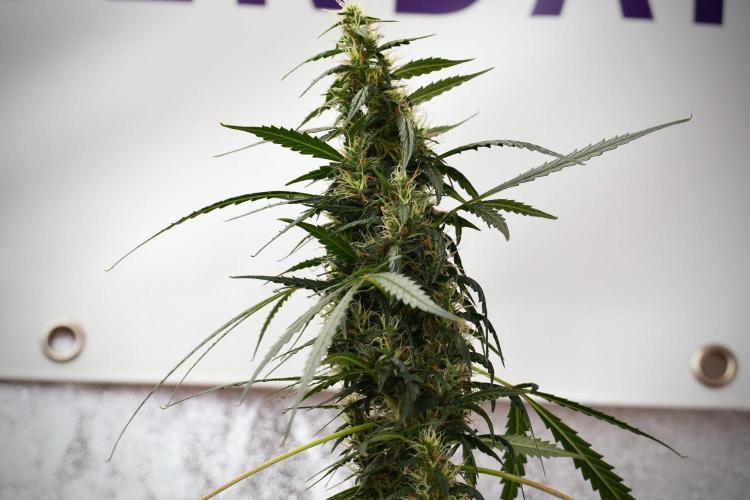
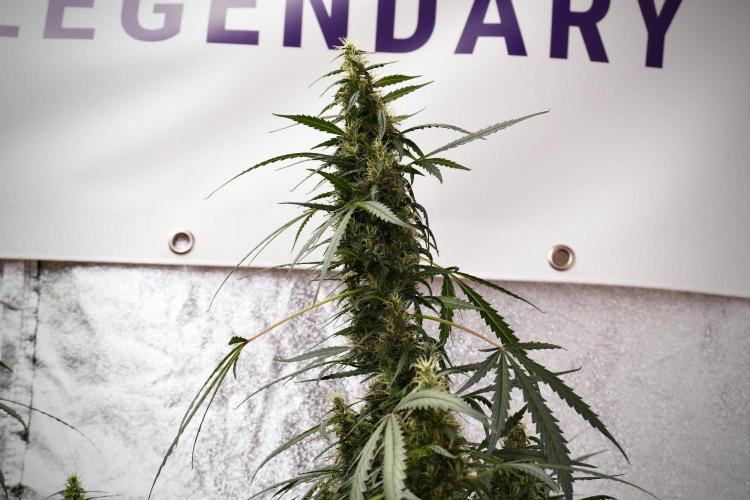
Fresh white pistils continue emerging along every branch, while the calyxes are beginning to stack one above another, slowly creating the framework that will become long, continuous colas over the coming weeks. Every internode is now actively producing flowers, creating excellent spacing that should allow impressive bud development as flowering progresses.
Even more exciting is the very first appearance of resin.
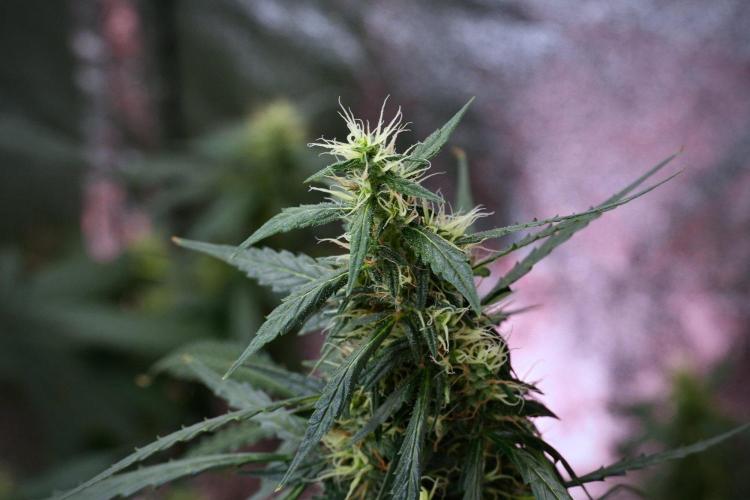
It's still far too early to judge aroma or trichome production, and I certainly won't pretend otherwise, but a light sparkle is already beginning to appear across parts of the flowers and surrounding sugar leaves. It's only the opening chapter of what I hope will become a wonderfully frosty finish.
Sometimes the earliest frost is simply a promise of what's still to come.
💡 Welcoming Lumiflora
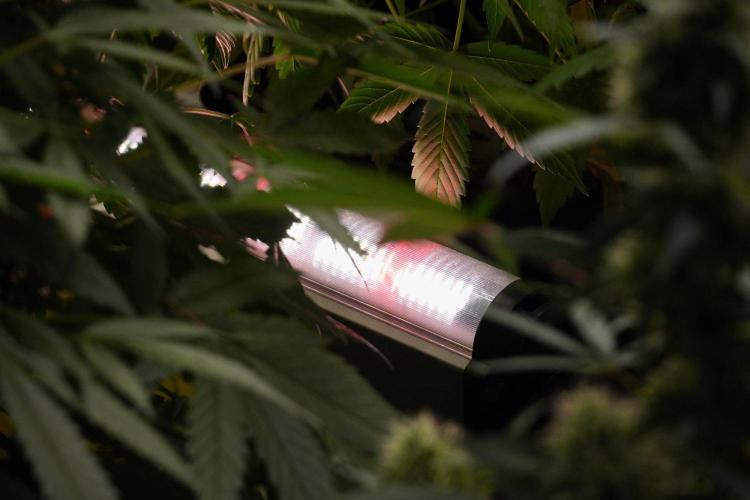
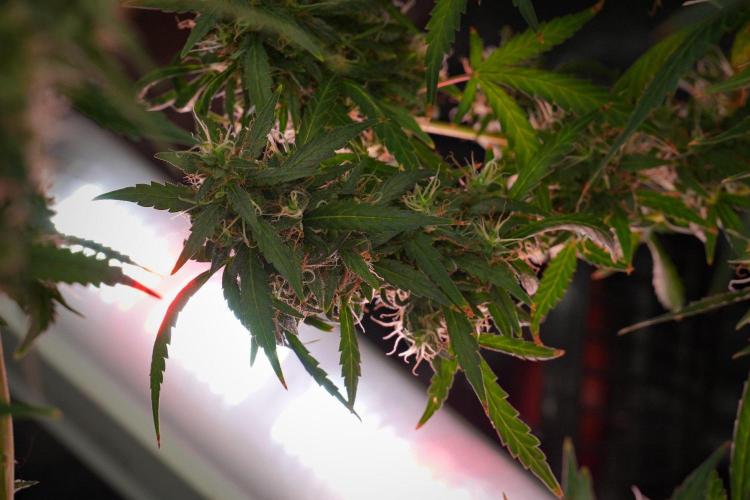
This week also marks another exciting step for the flowering room with the introduction of the Lumiflora under-canopy lighting system.
The goal isn't to replace the main lighting overhead, but to complement it by delivering additional light into areas that naturally receive less intensity beneath the canopy.
I'm looking forward to seeing how the extra light influences lower flower development, bud density, and overall canopy uniformity during the coming weeks.
As always, I prefer to let the plants tell the story.
Rather than making bold claims before the harvest, I'll simply continue documenting the results honestly and allow the final flowers to speak for themselves.
🔭 Looking Ahead
Over the next week I expect vertical stretch to begin slowing as the plant redirects more energy into flower production.
Those individual clusters of white pistils should continue connecting together as the calyxes swell, gradually transforming the elegant framework she's built into long, well-defined colas. Resin production should become increasingly visible, while the Lumiflora under-canopy lighting begins revealing whether additional light below the canopy can further improve lower flower development.
I'll continue with gentle leaf tucking whenever needed, keeping the canopy open while allowing every healthy fan leaf to keep powering the plant naturally.
If she maintains this steady pace, I think she's going to reward patience in a very big way.
She's never tried to be the loudest plant in the room.
She's simply focused on becoming one of the best.
A huge thank you once again to Zamnesia for providing these fantastic Black Diamond Auto genetics, to Plagron for continuing to support every stage of this journey with an incredibly reliable nutrient line, and now also to Lumiflora for joining the project with their under-canopy lighting system. I'm genuinely excited to document how this additional layer of lighting influences flower development over the remainder of the grow.
Finally, my sincere thanks goes to the amazing GrowDiaries community. Your encouragement, thoughtful comments, and shared passion for growing are what make these weekly phenotype journals such a pleasure to write. Following two sisters side by side, watching them reveal different expressions of the very same genetics, is one of the greatest reminders that every seed has its own story waiting to be told.
Until next week...
Growers love and Happy Growing! 🌱💚
12 likes
comments
Share
Used techniques
12-12
Technique
8
Week 8. Flowering
2mo ago
1/54
160 cm
Height
12 hrs
Light Schedule
29 °C
Day Air Temp
6.0
pH
Normal
Smell
1000 PPM
TDS
60 %
Air Humidity
21 °C
Solution Temp
21 °C
Substrate Temp
25 °C
Night Air Temp
15 set_lilers
Pot Size
1.3 set_lilers
Watering Volume
636 PPM
CO₂ Level
Nutrients 7
Pure Zym
1 mll
Sugar Royal
1 mll
Ph Plus
0.03 mll
DogDoctorOfficial 💎 Black Diamond Auto by Zamnesia – Pheno B | Week 3 Flower
The Quiet Sister Is Starting to Shine
Not every plant needs to be the biggest in the room to deserve attention.
Sometimes the more interesting story belongs to the one quietly developing in the background, steadily building her structure while her sister is busy taking every photon she can find.
That is exactly where Black Diamond Auto Pheno B finds herself this week.
Her sister, Pheno A, continues to be the more explosive phenotype of the two, pushing larger and more dominant flower clusters and naturally demanding attention whenever I open the tent.
Pheno B?
Well...
She's a little more shy. 😄
But I'm pretty sure she's still walking around the room looking for those extra photons.
Unfortunately for her, Pheno A seems to have already collected most of them.
And yet, when I stop and actually look at Pheno B, there is a lot to admire.
She may not be producing the same oversized colas as her sister, but she is developing into a beautiful, balanced plant with exceptionally healthy foliage, excellent flower distribution, and a very elegant structure.
This is exactly why I love documenting individual phenotypes.
Same genetics.
Same environment.
Same nutrition.
Same lighting.
Same irrigation.
Same training philosophy.
Two completely different personalities.
And Pheno B is beginning to show us hers.
🌱 12/12 From Seed
Like every plant in this project, Pheno B has been grown using my favourite technique:
12/12 From Seed.
From the moment she emerged from the soil, she has lived under a flowering light schedule without an extended vegetative period.
No topping.
No high-stress training.
No aggressive manipulation.
Just gentle Low Stress Training, leaf tucking, observation, and allowing the genetics to decide how the plant wants to develop.
And this phenotype is making a very convincing argument for that approach.
Her architecture has remained upright and elegant, with flower sites developing progressively along the branches rather than forming one massive dominant structure.
She isn't trying to become the biggest girl in the room.
She's simply becoming her own girl.
And I really like that.
🌿 Environment
Another week of stability inside the flowering room gives these plants exactly what they need: consistency.
🌡️ Day Temperature: 29°C
🌙 Night Temperature: 25°C
💧 Relative Humidity: 60%
🥤 Nutrient Solution Temperature: 21°C
🌱 Root Zone Temperature: 21°C
☀️ Light Schedule: 12/12
🌬️ CO₂: 636 ppm
💦 Watering: 1.3 L per plant / 24h
? Pot Size: 15 L
📏 Plant Height: approximately 160 cm
The root zone remains stable at 21°C, while the nutrient solution is also maintained around 21°C.
This kind of environmental consistency is something I value enormously.
The plants don't need to spend their energy adapting to constant changes.
They can simply grow.
And that's exactly what Pheno B is doing.
🌿 Training & Canopy Management
The training philosophy remains unchanged.
Gentle LST continues to guide the branches outward, while leaf tucking is used whenever necessary to open developing flower sites.
There is still no defoliation.
The fan leaves remain healthy, green, and highly active, so I see no reason to remove them simply for the sake of creating a cleaner-looking plant.
Those leaves are working.
They're capturing light.
They're producing energy.
And Pheno B still has plenty of flowering ahead of her.
So for now, I prefer to let her keep every healthy solar panel she has.
Sometimes the best training decision is knowing when not to interfere.
🌾 Feeding Program
The flowering nutrition program continues supporting the transition from stretch into increasingly active flower production.
Current feeding includes:
• Plagron Terra Bloom – 2.2 ml/L
• Plagron Power Buds – 1 ml/L
• Plagron Green Sensation – 1 ml/L
• Plagron Sugar Royal – 1 ml/L
• Plagron pH Plus – 0.03 ml/L
• Plagron Lemon Kick – 0.03 ml/L
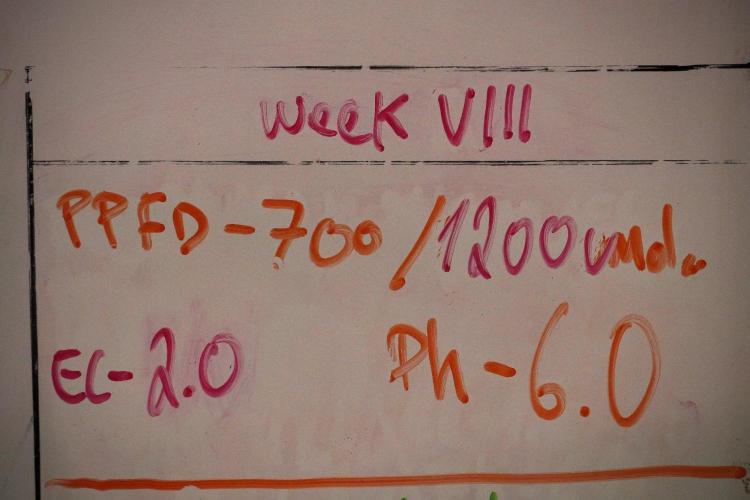
Current solution strength is around 2 mS/cm, with the irrigation maintained at approximately 1.3 litres per plant per 24 hours.
And visually?
She's loving it.
The foliage remains a beautiful, deep green without showing obvious signs of excess or deficiency.
No dramatic corrections are necessary.
No reason to chase numbers simply because we can.
The plant is telling us that she's comfortable.
So once again, the best decision is simply to stay the course.
💎 Phenotype Spotlight – The Quiet Sister
This is where Pheno B really deserves her moment.
At approximately 160 cm, she has developed into a tall, elegant plant with a very different expression from her sister.
The colas may not be quite as large or aggressive as Pheno A's, but there is something incredibly attractive about the way Pheno B is building her flowers.
The plant is covered in developing sites.
The branches remain nicely spaced.
The flowers are stacking progressively along the internodes.
And the entire plant has that beautiful, healthy green appearance that makes you stop and look twice.
Her slender leaf fingers continue to stand out as one of her most interesting characteristics.
For a heavily indica-dominant Black Diamond Auto, this particular phenotype continues expressing a surprisingly elegant, narrow-leaf appearance.
It's another reminder that genetics are never quite as simple as a percentage written on a seed description.
You can grow two plants from the same genetic line, place them in the exact same environment, and still watch them tell completely different stories.
Pheno A is the loud sister.
Pheno B is the quiet one.
But quiet doesn't mean uninteresting.
Far from it.
🌸 Flower Development
This is probably the most exciting part of this week's update.
The flowers are becoming much more defined now.
The early framework of individual pistil clusters is beginning to transform into recognizable buds, and the calyxes are progressively stacking along the flowering branches.
The pistils are still predominantly fresh and white, although a few are already beginning to change.
The flowers are also carrying an increasingly visible layer of resin, especially around the sugar leaves and developing calyxes.
It's still far too early to make any serious predictions about the final level of frost or aroma.
But the first signs are definitely there.
And sometimes that's all you need.
A little sparkle.
A little promise.
A hint of what might be waiting several weeks from now.
💡 The Photon Hunt Continues
One of the funniest differences between these two sisters is how they seem to approach the light.
Pheno A?
She simply takes it.
Pheno B?
She looks like she's still searching for more.
😂
With her more open and elongated structure, she seems almost determined to explore every available pocket of light inside the room.
But there is a problem.
Her sister is already standing there.
Taking it all.
Pheno A continues producing those larger, more dominant colas, while Pheno B is developing a greater number of beautifully distributed flowering sites.
And honestly, I don't think that's a bad thing at all.
Different architecture.
Different flower distribution.
Different potential.
That's exactly what makes a phenotype hunt interesting.
🌿 Welcoming Lumiflora
The introduction of the Lumiflora under-canopy lighting system is also becoming increasingly interesting as flowering progresses.
The goal is simple:
Complement the overhead lighting by bringing additional usable light into areas of the canopy that naturally receive less intensity.
Pheno B's more open structure makes her particularly interesting to watch under this setup.
Rather than trying to predict exactly what the additional light will accomplish, I'm choosing the approach I always prefer:
Document it. Observe it. Compare it.
Then let the harvest tell us the truth.
🔭 Looking Ahead
Over the coming week, I expect the transition toward heavier flower production to become increasingly obvious.
The remaining stretch should continue slowing down, while the developing flowers begin putting more emphasis on calyx expansion and stacking.
Pheno B may never produce the same massive cola structure as her sister.
And that's perfectly fine.
Because she's building something different.
She's becoming a tall, elegant plant covered in beautifully distributed flowers, with healthy dark-green foliage and an increasingly visible resin presence.
Maybe Pheno A is the sister everyone notices first.
But Pheno B?
She's the one who makes you stop when you finally take the time to look.
And I think she's going to surprise us.
💚 Final Thoughts
There is something incredibly rewarding about watching two sisters grow side by side.
One is more explosive.
One is more reserved.
One seems determined to conquer the entire tent.
The other appears to be quietly wandering around asking where all the photons went.
😂💎
But both are expressing the same genetics in completely different ways.
And that's the beauty of phenotype hunting.
Pheno B doesn't need to beat her sister.
She simply needs to become the best version of herself.
Right now, she's on a beautiful path to doing exactly that.
Her foliage is lush.
Her structure is elegant.
Her flowers are developing beautifully.
Her resin production is beginning to announce itself.
And she's slowly transforming from the quieter sister into a plant that deserves her own spotlight.
So this week, the spotlight belongs to her.
Black Diamond Auto Pheno B.
The quiet sister.
The photon hunter.
And maybe...
just maybe...
the one hiding a beautiful surprise underneath all that green.
A huge thank you once again to Zamnesia for providing these Black Diamond Auto genetics, to Plagron for supporting this journey with their nutrient line, and to Lumiflora for joining the project with their under-canopy lighting system.
And, as always, thank you to the amazing GrowDiaries community for following along, sharing your knowledge, and enjoying this journey with me.
Two sisters.
One genetic line.
Two completely different stories.
And we're still only getting started.
Until next week...
Growers love and Happy Growing! 🌱💚
13 likes
4 comments
Share
Used techniques
12-12
Technique
9
Week 9. Flowering
2mo ago
1/72
160 cm
Height
12 hrs
Light Schedule
29 °C
Day Air Temp
6.0
pH
Normal
Smell
1000 PPM
TDS
60 %
Air Humidity
25 °C
Solution Temp
26 °C
Substrate Temp
25 °C
Night Air Temp
15 set_lilers
Pot Size
1.3 set_lilers
Watering Volume
636 PPM
CO₂ Level
Nutrients 7
Pure Zym
1 mll
Sugar Royal
1 mll
Ph Plus
0.03 mll
DogDoctorOfficial 💎 Black Diamond Auto by Zamnesia – Pheno B
Week 9 | The Other Beast 💎🔥
Welcome back to another chapter of the 8×8 Adventure!
Well...
Her sister is doing her thing.
And if you've been following this adventure, you already know what that means.
Pheno A is in full beast mode. 😂💎
She's massive.
She's loaded.
She's throwing flowers everywhere.
And she's making sure nobody forgets she's in the room.
But then I look at her sister...
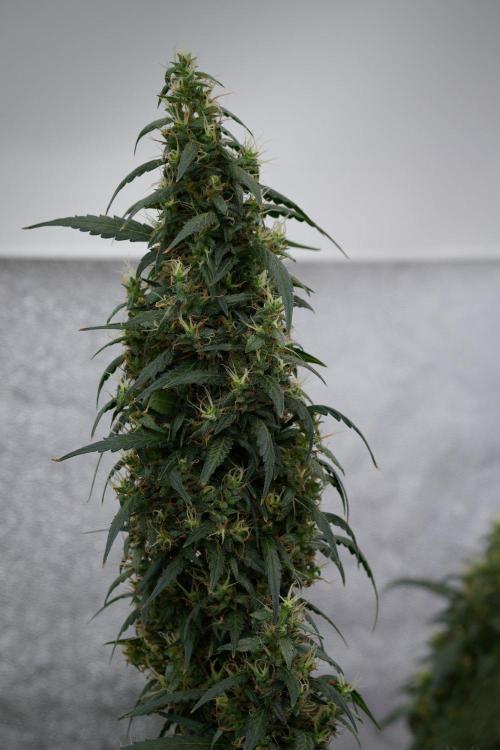
And I have to smile.
Because Pheno B is also a beast.
Just a different kind.
And that's exactly what makes these two so fascinating.
Same genetics.
Same room.
Same light.
Same nutrition.
Same irrigation.
Same environmental conditions.
Both beautiful.
Both vigorous.
Both now cleaned up with some selective defoliation.
Both entering this increasingly exciting stage of flowering.
And yet...
very, very different.
That's phenotype hunting.
And I absolutely love it.
🌱 One Room. Two Black Diamond Stories.
The 8×8 Adventure was never about making twelve plants look identical.
Quite the opposite.
The whole point was to give different genetics and phenotypes the same ecosystem and then watch what they decide to do with it.
Twelve plants.
One room.
12/12 from seed.
One general nutritional strategy.
One environmental strategy.
One lighting ecosystem.
And then...
genetics take over.
Black Diamond Pheno A has developed one expression.
Black Diamond Pheno B has developed another.
They're sisters.
But they're definitely not twins.
😂💎
And at Week 9, that difference is becoming impossible to miss.
💎 The Other Beast
Last week, I was talking about Pheno B as the quieter sister.
The more reserved phenotype.
The one that wasn't necessarily trying to dominate the room.
Well...
I may need to revise that description slightly.
😂
Because this girl has been steadily building.
And now?
She's a beast too.
Standing around 160 cm, she's developed into a beautiful, substantial flowering plant.
But her strength isn't expressed exactly like her sister's.
Where Pheno A seems to throw herself into flower production with almost reckless enthusiasm, Pheno B has that more controlled, elegant architecture.
She's still tall.
She's still heavily branched.
She's still carrying flowers throughout her structure.
She's still becoming increasingly frosty.
She's just doing it in her own way.
And that's what I want to document.
Not which sister is “better.”
But how differently two phenotypes can express themselves when everything around them is kept so similar.
✂️ The Beast Got a Little Grooming
This week, just like her sister, Pheno B received some selective defoliation.
Again...
Nothing extreme.
We're not trying to strip the plant down.
We're simply opening some space where the canopy has become crowded.
A few leaves needed to come out.
Some areas benefited from additional breathing room.
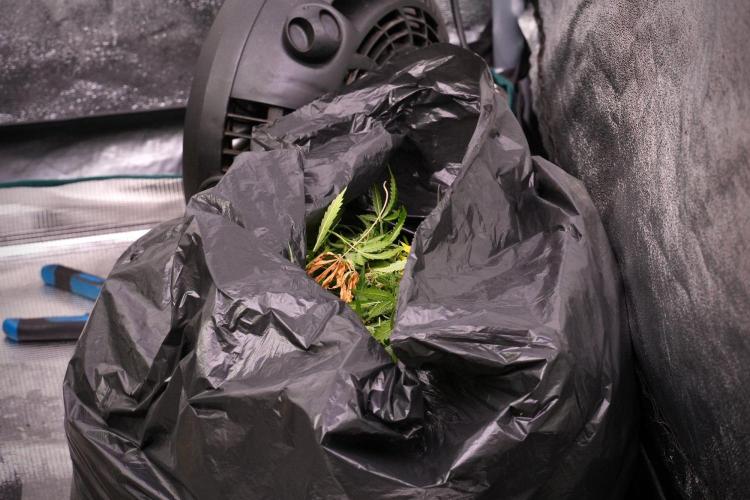
And as flowering progresses, maintaining a sensible balance between foliage, airflow and flower visibility becomes increasingly important in a room containing this many plants.
The goal isn't to change her personality.
It's to reveal it.
And I think that's exactly what happened.
After the cleanup, you can appreciate the structure much more clearly.
The flowering sites become easier to see.
The branches become easier to follow.
And suddenly you realize just how much she's actually carrying.
🌿 Similar Sisters. Very Different Personalities.
This is probably my favourite part of this week's update.
Put Pheno A and Pheno B next to each other and you immediately know they're related.
There are similarities.
The overall flower development.
The vigorous growth.
The healthy foliage.
The general Black Diamond character.
But then you start looking closer...
And the differences appear.
Their architecture isn't the same.
Their flower distribution isn't exactly the same.
Their proportions aren't the same.
Their way of occupying the room isn't the same.
Their personalities aren't the same.
And that's the magic.
Same family. Different handwriting.
One sister says:
"Give me the whole tent."
The other says:
"I'll take my space, thank you very much."
😂💎
And somehow...
both are absolutely beautiful.
🌸 Flower Development Is Getting Serious
At this point in the flowering cycle, the flowers are becoming increasingly defined.
The calyxes are stacking.
The pistils remain abundant.
The developing buds are gaining structure and volume.
And the resin is becoming much more obvious.
Looking through this week's photographs, that's one of the first things that catches my eye.
She's getting frostier.
The sugar leaves are beginning to disappear underneath the resin.
The developing flowers are becoming increasingly coated.
And we're still watching that transformation happen week by week.
This is where the earlier weeks of growth start paying off.
The branches we watched develop.
The flowering sites we watched appear.
The structure we watched form.
Now they're all becoming flowers.
And that is incredibly satisfying to watch.
❄️ The Frost Is Arriving
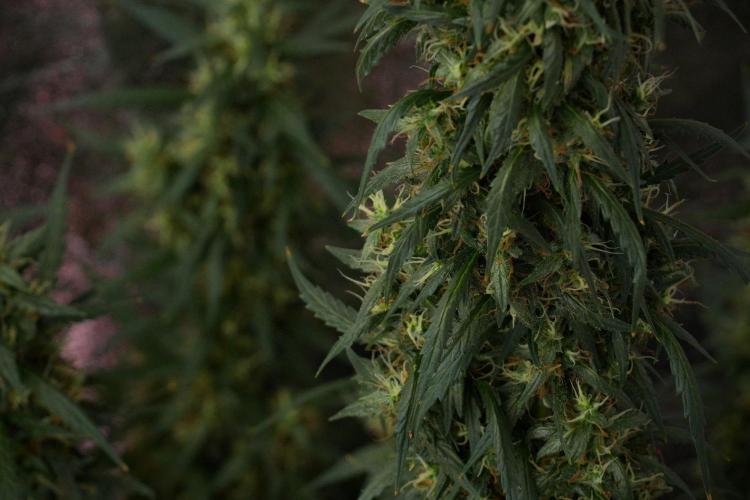
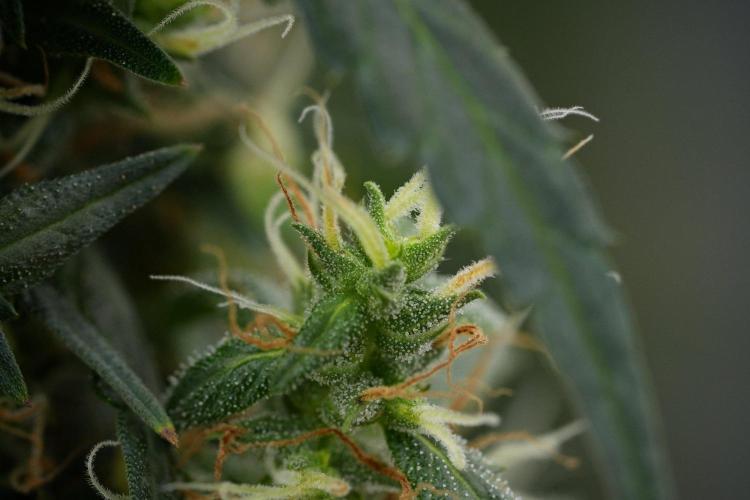
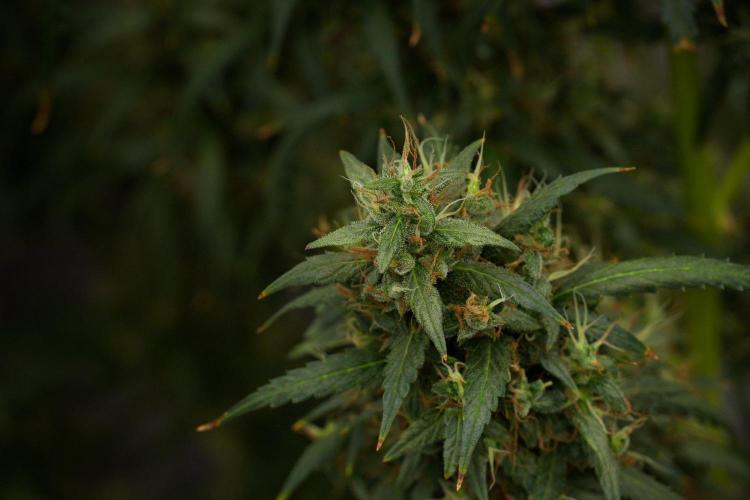
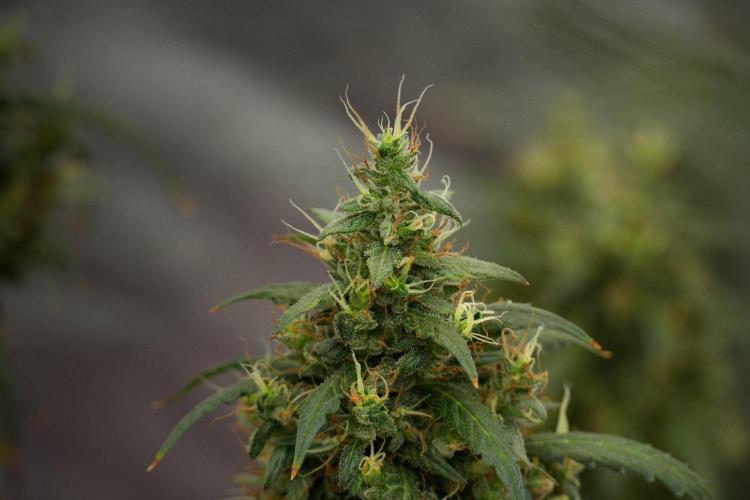
I particularly like the close-ups this week.
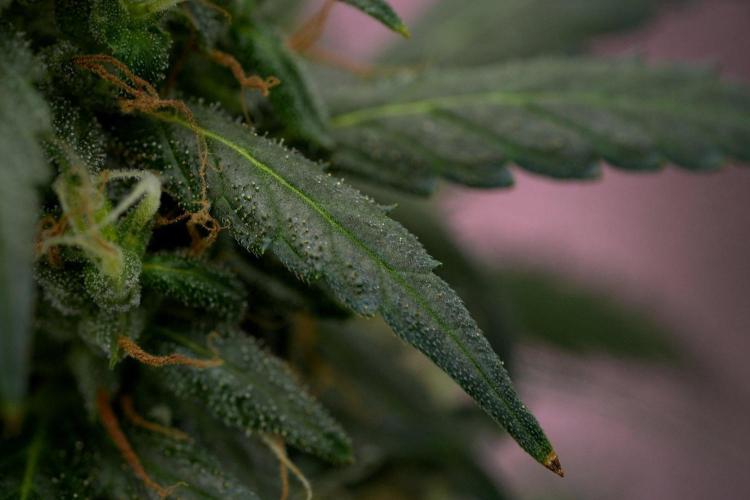
You can see that the resin coverage is becoming much more apparent across the developing flowers and sugar leaves.
She's not finished.
We're not at the end of the story.
But the direction is very clear.
She's getting frosty.
And I have a feeling that the coming weeks are going to make these photographs even more interesting.
This is one of those moments where the plant starts changing visually in a way that's immediately noticeable.
Every update seems to bring another layer.
More structure.
More resin.
More density.
More personality.
🍃 Healthy Green, Beautiful Structure
One of the things I continue to appreciate about Pheno B is her overall appearance.
She's maintaining that rich, healthy green.
The foliage remains vigorous.
The plant has enough leaves to support continued flower development while still responding well to the selective cleanup we've given her.
And this is important.
Defoliation isn't the objective.
A healthy, functional plant is the objective.
If a leaf is doing its job, that's valuable.
If removing a leaf improves the overall structure of a crowded canopy, that can also be valuable.
It's always a balance.
And with this girl, I think we've found a nice middle ground.
She's still lush.
She's still green.
She's still unmistakably herself.
But now there's a little more room to appreciate what she's building underneath.
💡 Light From Above and Below
The lighting experiment continues to be particularly interesting with these two sisters.
The main Future of Grow lighting provides the primary overhead illumination.
The Lumiflora under-canopy lighting adds another layer of usable light lower within the plant.
And with Pheno B's architecture, there's plenty to observe.
She's tall enough that different parts of the plant naturally experience different light levels.
At the same time, her structure isn't identical to Pheno A's.
So once again, the same lighting system is interacting with a different phenotype.
That's exactly what I want from this experiment.
Not assumptions.
Observation.
We give them the same opportunity.
Then we watch how differently they use it.
💧 Feeding the Black Diamond
The flowering nutrition continues according to the same general program used throughout the room.
🌸 Terra Bloom — 2.2 ml/L
🌱 Power Buds — 1 ml/L
✨ Green Sensation — 1 ml/L
🍯 Sugar Royal — 1 ml/L
⚗️ pH Plus — 0.03 ml/L
🍋 Lemon Kick — 0.03 ml/L
Current solution is around pH 6.0 with an EC of approximately 2.0 mS/cm.
Watering is around 1.3 L per plant / 24h.
And once again, the important part is consistency.
Pheno B isn't receiving some secret recipe that her sister doesn't get.
She's living in the same ecosystem.
And yet...
she is expressing herself differently.
That's the information I'm interested in.
🌡️ Current Conditions
Current conditions for Week 9:
🌸 Flowering: Week 9
📏 Height: 160 cm
💡 Light schedule: 12/12
🌡️ Day temperature: 29°C
🌙 Night temperature: 25°C
💧 Relative humidity: 60%
⚗️ pH: 6.0
⚡ EC: ~2.0 mS/cm
💧 Solution temperature: 25°C
🌱 Substrate temperature: 26°C
🌬️ CO₂: 636 ppm
? Pot size: 15 L
💦 Watering: ~1.3 L per plant / 24h
The environment remains stable.
And that's exactly what allows the comparison between phenotypes to become so interesting.
The environment stays relatively constant.
The plants write the differences.
📸 This Week's Gallery
The photographs this week really show why this girl deserves her own spotlight.
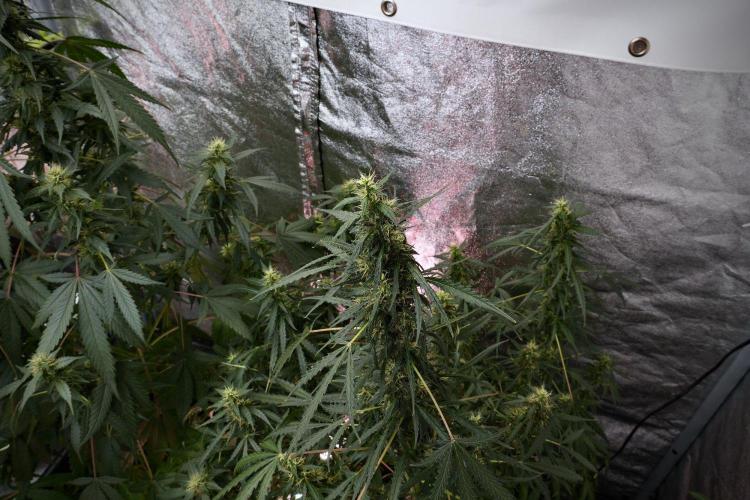
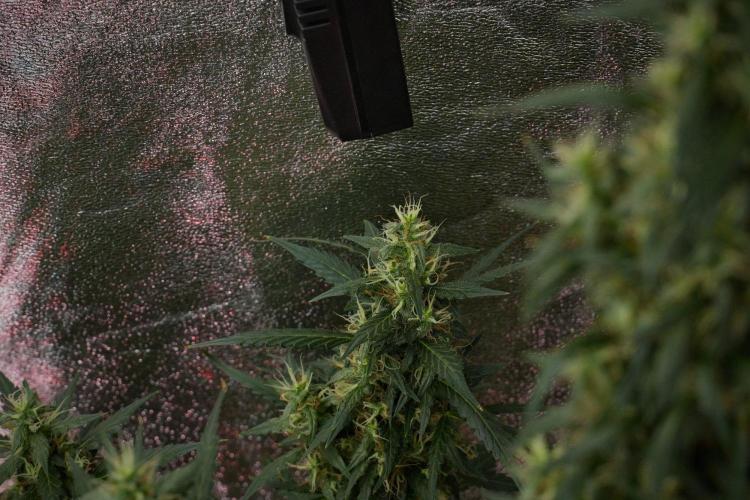
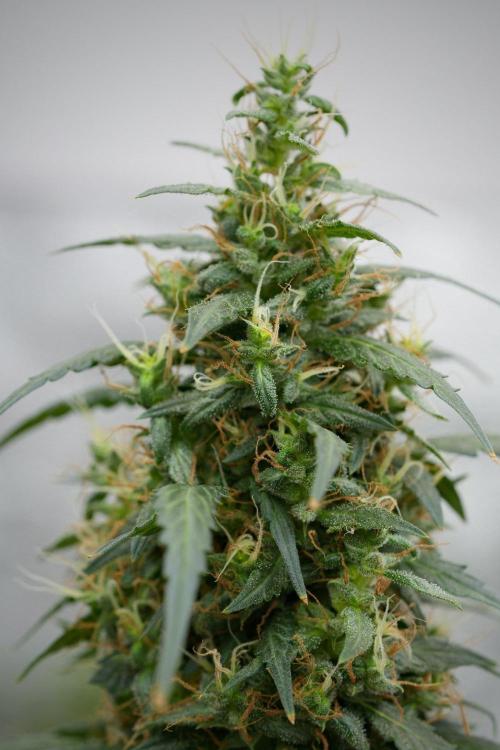
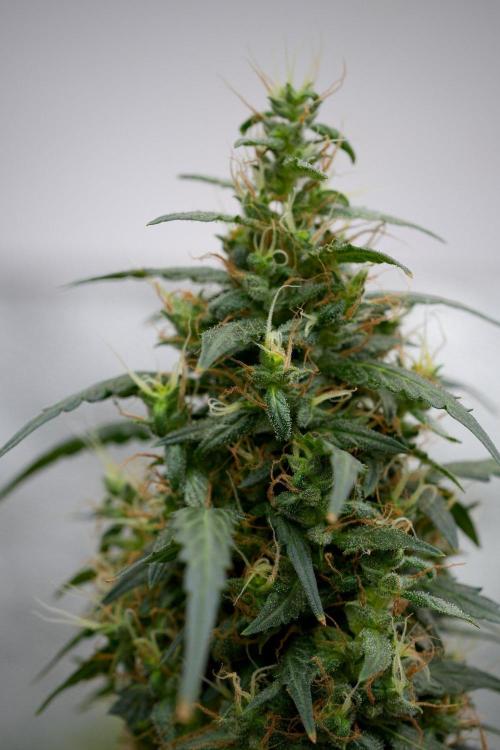
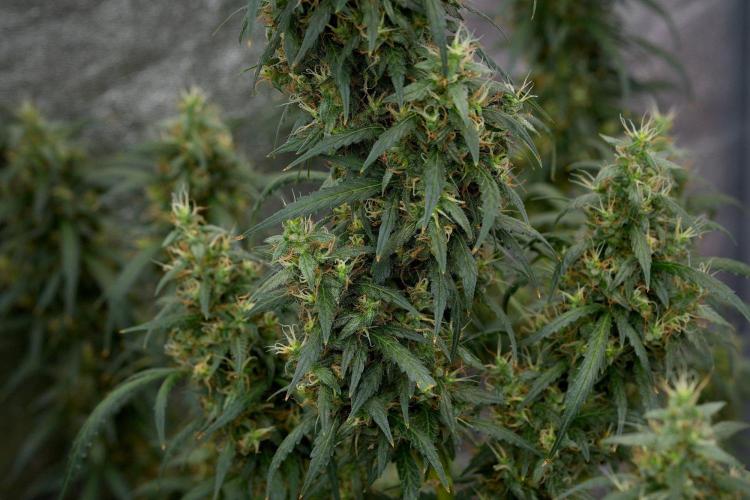
The wider shots show her overall architecture.
She's tall.
She's developed.
She's carrying flowers throughout her structure.
And after the cleanup, those flowers are much easier to appreciate.
The close-ups tell the other part of the story.
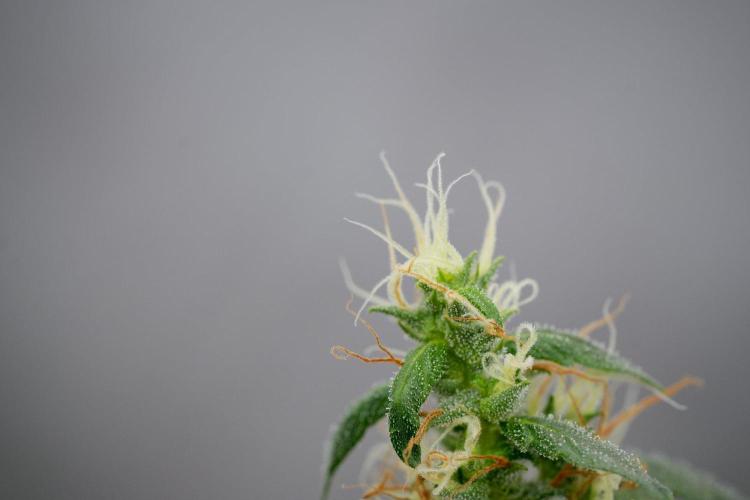
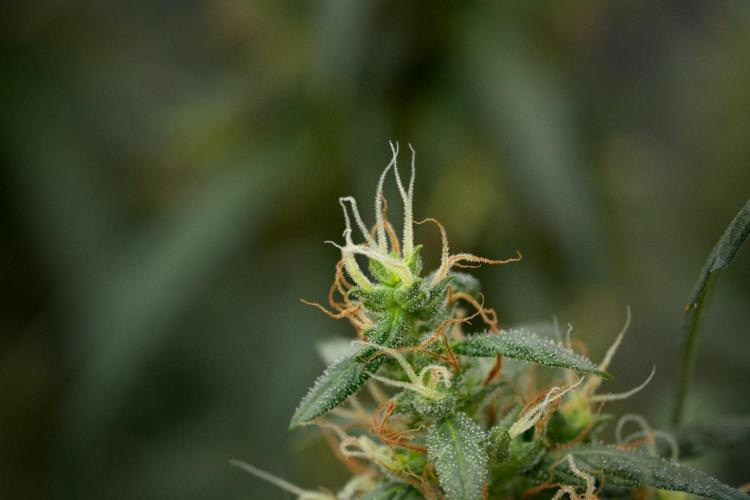
Fresh pistils.
Developing calyxes.
Increasing resin.
More defined flower structure.
More frost.
And then you look at her sister...
And you realize:
These two really are very different.
Similar enough that you immediately know they're related.
Different enough that you could never confuse one personality for the other.
And honestly?
That's exactly what I hoped this experiment would show.
💎 The Sisterhood of the Beast
I think we can officially say it now.
Both Black Diamond sisters are beasts.
Pheno A is doing her thing.
Pheno B is doing hers.
Both have been cleaned up.
Both are carrying serious flowers.
Both are getting increasingly frosty.
Both are looking beautiful.
But they are absolutely not the same plant wearing different labels.
😂💎
And that's the beauty of it.
You can give two sisters the same room, the same treatment and the same opportunity...
and they'll still find their own way.
🔮 Looking Ahead
Now I'm watching for the same things I've been watching across the rest of the room:
🌸 Flower swelling
❄️ Increasing resin production
🌿 Continued canopy health
💎 Development of the lower flowers
🍃 Response to the selective defoliation
🔬 Overall maturation
And, of course...
I'm watching the sisters.
Because now that both are entering this heavier flowering stage, the comparison is becoming even more fascinating.
Will Pheno B continue building at her own steady rhythm?
Will the differences between them become even more pronounced?
Will the flowers develop differently as they mature?
That's what we're here to find out.
💚 Let This Girl Shine
I think this girl has earned her own moment.
She's not Pheno A.
And she doesn't need to be.
She's Black Diamond Pheno B.
She's developed her own architecture.
Her own rhythm.
Her own flower distribution.
Her own personality.
And now she's showing us another version of what this genetic line can produce.
Her sister may be running around the room in full beast mode...
but this girl?
She's right there with her.
Just in her own style.
😂💎🌿
So we cleaned her up.
We opened some space.
We gave her a little room to breathe.
And now...
let's watch her shine.
Because she's earned it.
💎 Final Thoughts
Week 9 is another reminder of why I love this 8×8 Adventure so much.
Two Black Diamond plants.
Same genetics.
Same room.
Same environment.
Same general feeding.
Same lighting.
Same irrigation.
And still...
two completely different stories.
Pheno A is explosive.
Pheno B is more composed.
Pheno A seems determined to turn everything into a cola.
Pheno B has her own way of building.
But both are beautiful.
Both are vigorous.
Both are becoming increasingly frosty.
Both needed a little cleanup.
And both are showing us just how much personality can exist inside the same genetic line.
That's phenotype hunting.
You don't tell the plant what story to tell.
You create the conditions...
and listen.
And this girl is speaking very clearly now.
"I'm not my sister."
"I'm my own beast."
And you know what?
I absolutely love that.
Let's make her shine. 💎💚🌿
🙏 Thank You
A huge thank you to everyone following the 8×8 Adventure and coming back every week to watch these personalities develop.
Thank you to GrowDiaries for giving growers a place to document, compare, learn and share these journeys.
Thank you to Zamnesia for providing the Black Diamond genetics that gave us these two fascinating sisters.
Thank you to Plagron for supporting the plants throughout this adventure.
Thank you to Future of Grow LED for the main lighting driving the room.
Thank you to Lumiflora for bringing the under-canopy lighting into the experiment and giving us another dimension to observe.
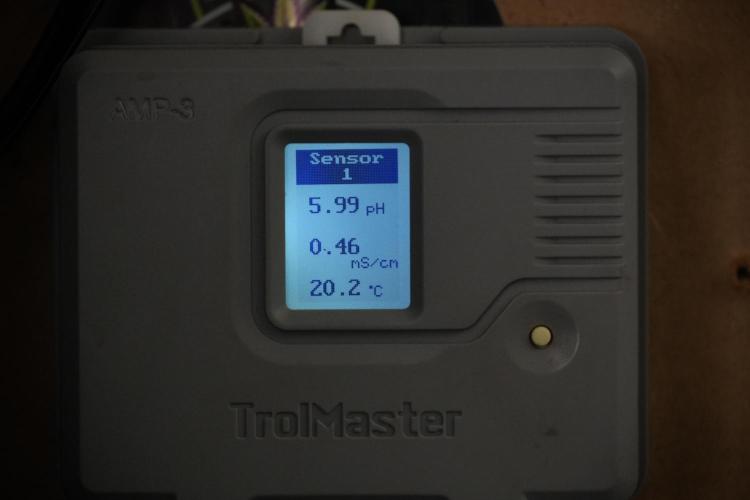
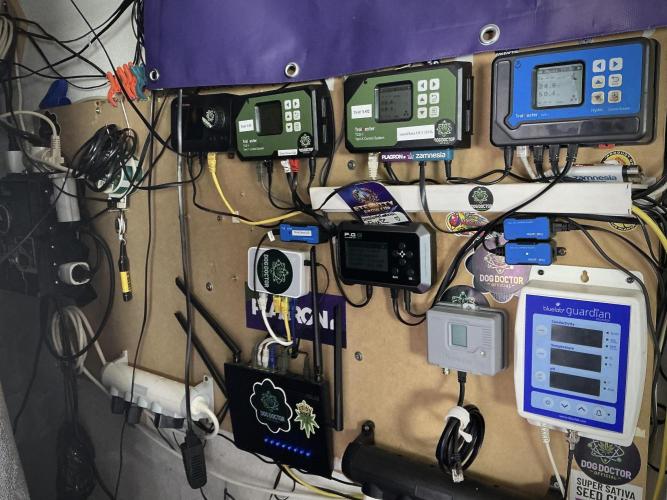
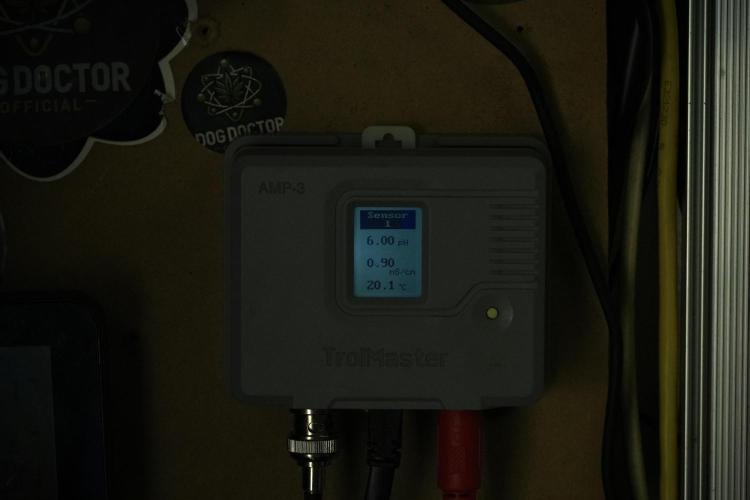
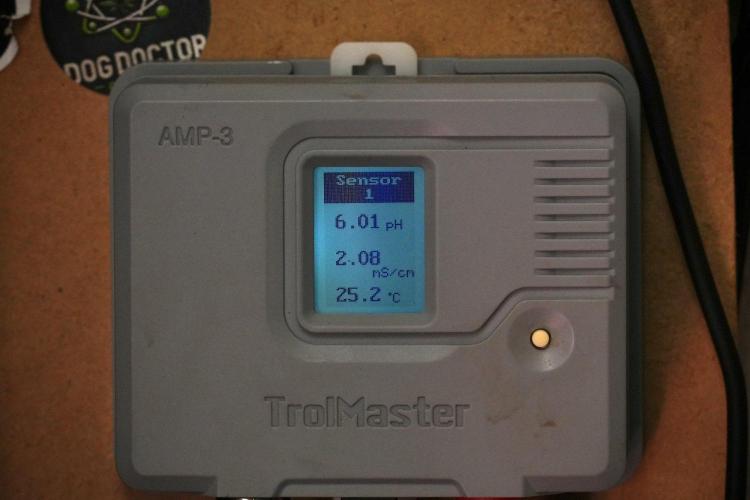
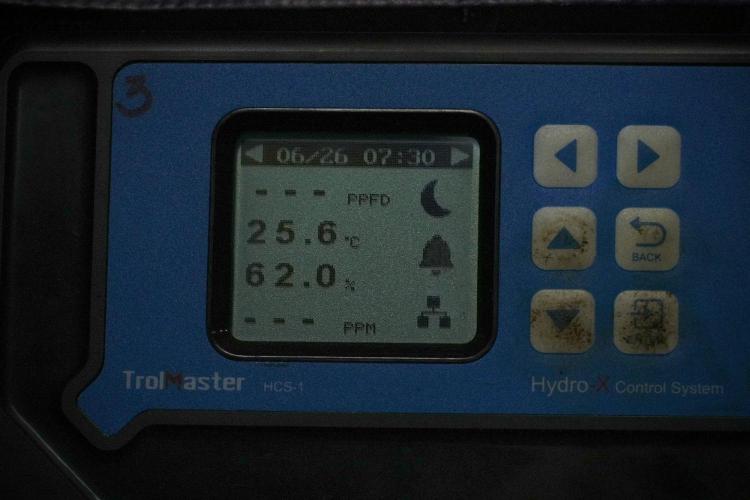
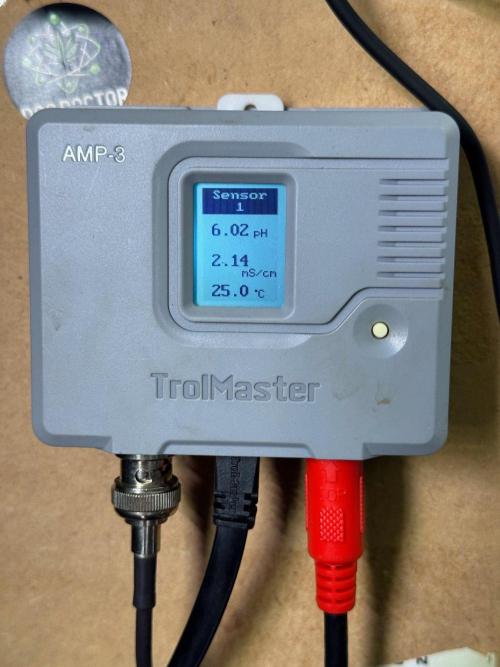
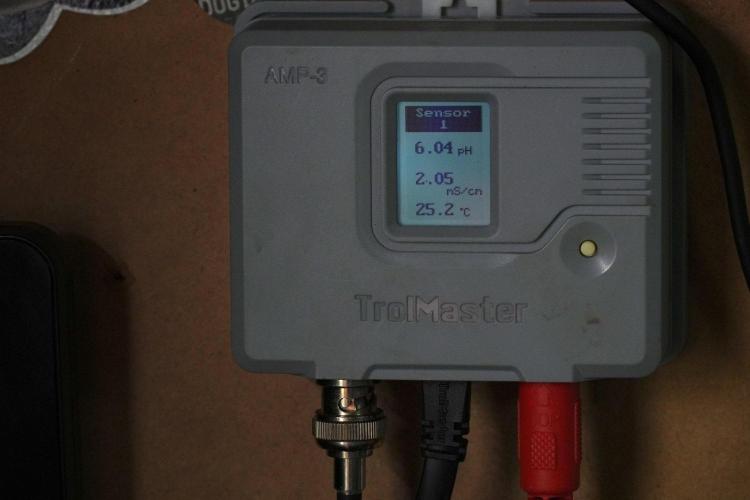
And thank you to TrolMaster for helping keep the environment stable behind the scenes.
And finally...
thank you to everyone reading, commenting, asking questions and following these girls week after week.
Two sisters.
One genetic line.
One room.
One experiment.
Very similar.
Very, very different.
And now...
two beautiful beasts. 💎🔥
Let's make this one shine.
Growers Love! 💚🌿💎
13 likes
comments
Share
Used techniques
12-12
Technique
Defoliation
Technique
10
Week 10. Flowering
2mo ago
1/54
160 cm
Height
12 hrs
Light Schedule
30 °C
Day Air Temp
6.0
pH
Strong
Smell
1000 PPM
TDS
60 %
Air Humidity
25 °C
Solution Temp
26 °C
Substrate Temp
25 °C
Night Air Temp
15 set_lilers
Pot Size
1.3 set_lilers
Watering Volume
636 PPM
CO₂ Level
Nutrients 7
Pure Zym
1 mll
Sugar Royal
1 mll
Ph Plus
0.03 mll
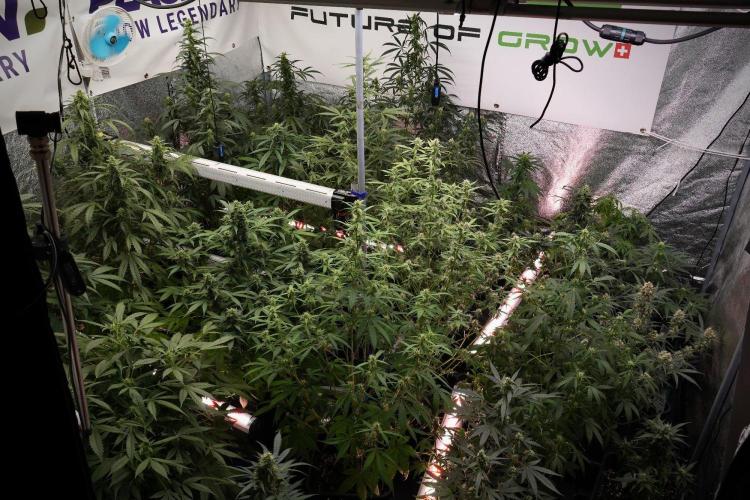
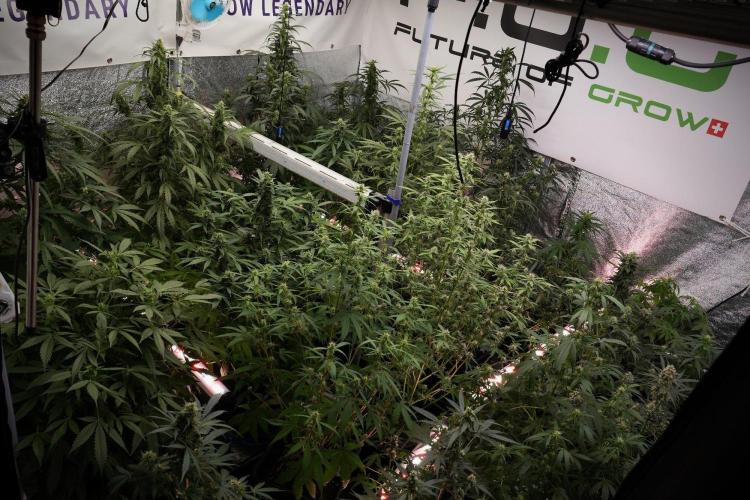
DogDoctorOfficial 💎 Black Diamond Auto by Zamnesia – Pheno B
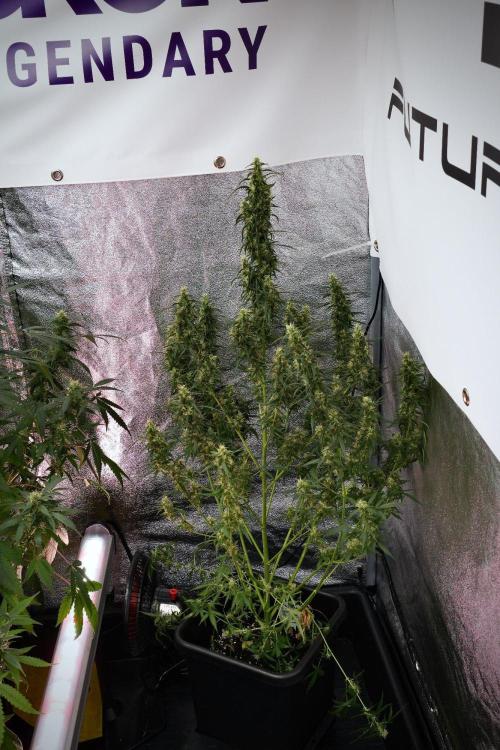
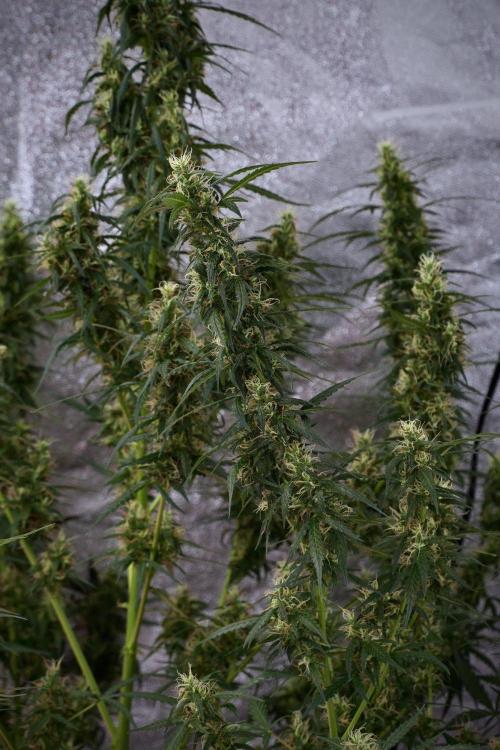
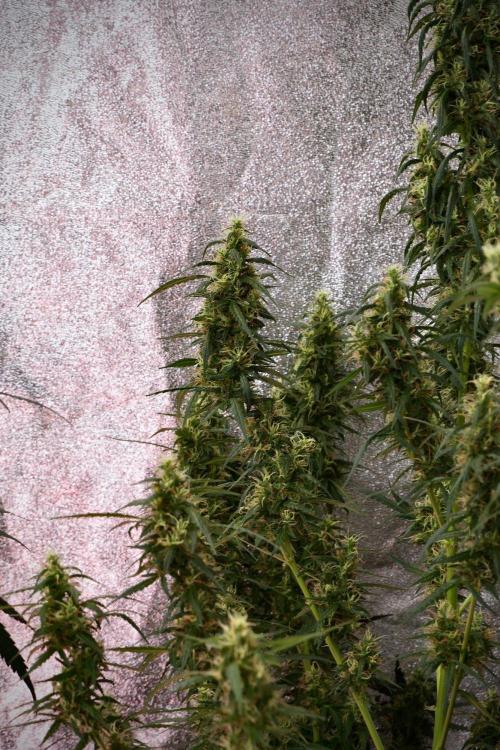
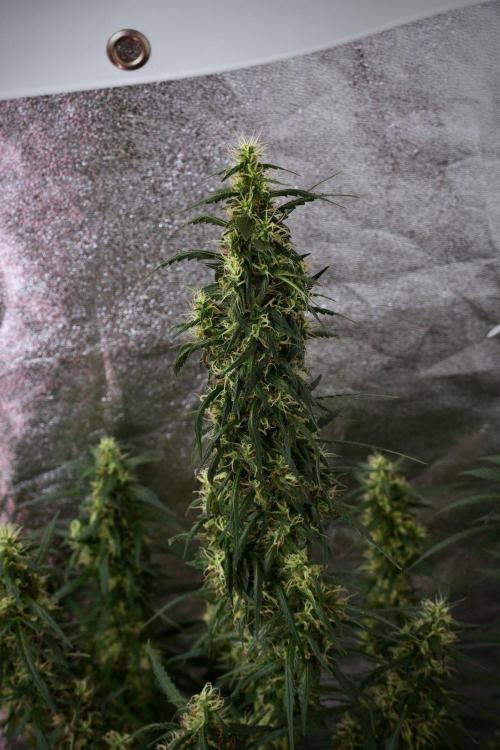
Week 10 | Quietly Shining in Her Own Way 💎🌿
Welcome back to another chapter of the 8×8 Adventure! 🌱💚
Sometimes a plant doesn't need to make a lot of noise to get your attention.
Sometimes she doesn't demand.
She doesn't stretch dramatically.
She doesn't create another problem for the grower to solve.
She simply...
keeps moving.
And that's exactly where Black Diamond Pheno B is right now.
She's not moving as fast as her sister.
She's definitely more leafy.
She's a little more relaxed in the way she approaches flowering.
But she's still beautiful.
She's still developing.
She's still shining.
And honestly?
I really like that about her.
Because in a room full of different personalities, not everybody needs to be the loudest one.
Pheno B has her own way of doing things.
And she's doing it beautifully.
💎 The Quiet Sister Keeps Shining
If you've been following this adventure, you already know that Black Diamond Pheno A and Pheno B have become one of my favourite comparisons in the entire room.
Same genetics.
Same environment.
Same lighting.
Same general nutrition.
Same irrigation philosophy.
Same grower.
And yet...
completely different expressions.
Pheno A has been giving us the "LOOK AT ME!" version of Black Diamond. 😂💎
Pheno B?
She's more like:
"I'm right here. You'll notice me eventually."
And you absolutely do.
Because although she's moving at a calmer pace, she's developing beautifully.
She's not asking for much attention.
She's asking for what every plant asks for:
Water.
Nutrition.
A good environment.
And time.
We're providing all of that.
And she's doing the rest.
🌿 More Leafy, More Relaxed
One of the clearest differences this week is the amount of foliage she's carrying.
Compared with her sister, Pheno B is definitely the more leafy expression.
She's maintaining a fuller, greener appearance, and her structure has that slightly more relaxed character we've been seeing throughout the run.
And I like it.
I don't want every phenotype to look identical.
Actually, that would completely defeat the purpose of this adventure.
We're giving these girls the same opportunity and letting genetics show us what they want to do.
Pheno B has decided that she wants to keep a little more foliage around herself while she continues developing her flowers.
Fine by me.
She's healthy.
She's moving.
She's shining.
So why would I try to make her something else?
🌸 The Flowers Are Still Moving
The fact that she's progressing more slowly than her sister doesn't mean she's standing still.
Far from it.
The flowers continue developing.
The structures are becoming increasingly established.
The pistils remain prominent.
And the overall flowering picture continues to move forward.
She's simply taking her time.
And honestly...
that's something I appreciate more and more as this project continues.
There isn't a single correct speed.
There isn't a single correct structure.
There isn't a single correct expression.
There are twelve plants in this room, and every one of them is writing a slightly different story.
Pheno B's story is a little quieter.
But it's still a very beautiful one.
❄️ The Frost Is Still There
And let's not forget the resin.
Because even though this girl isn't trying to steal the spotlight with explosive growth, she's still giving the camera plenty to look at.
The flowers continue developing their frosty appearance.
The trichomes are becoming increasingly noticeable.
And those close-up photographs really show the contrast between her green foliage and the developing resin-covered flowers.
She's not finished.
We're still watching the flowers mature.
But she's clearly heading in the right direction.
And every week, there's another little detail that catches my eye.
That's what makes photographing these girls so addictive.
You think you've seen everything...
then you get closer.
📸💎
💚 She Doesn't Ask for Much
This might actually be my favourite thing about Pheno B this week.
She's easy.
Not because she's doing nothing.
Because she's simply not demanding much beyond the basics.
Give her water.
Give her nutrition.
Keep the environment consistent.
And let her work.
That's it.
She's not asking me to constantly intervene.
She's not trying to run away from the canopy.
She's not creating some new emergency every other day.
She's just...
growing.
And sometimes that's exactly what a grower wants.
😂🌿
Especially when you have other girls in the room making sure you never get bored.
👭 Very Different Sisters
The comparison between the two Black Diamond phenotypes is becoming even more interesting now.
Pheno A:
💎 Bigger presence
🔥 More aggressive development
🌸 Heavy flower production
❄️ Rapidly increasing frost
👑 Constantly demanding the spotlight
Pheno B:
🌿 More leafy
💚 More relaxed
🌸 Developing at her own pace
❄️ Still becoming increasingly frosty
😌 Asking for very little attention
And yet...
both are beautiful.
That's the important part.
I'm not looking at Pheno B and thinking:
"Why aren't you doing what your sister is doing?"
I'm looking at her and thinking:
"Show me what YOU become."
That's the experiment.
🌱 Same Room. Different Expression.
This is something I want to keep repeating because it's really the heart of the entire 8×8 Adventure.
For anyone discovering this diary for the first time:
We're running twelve different plants together in the same room under the same general conditions.
The plants share the same environmental strategy.
They share the same lighting ecosystem.
They follow the same general nutritional approach.
They receive the same grower's attention.
And yet...
they don't behave the same.
That's genetics.
And when two plants from the same genetic line behave differently?
That's even more fascinating.
Black Diamond Pheno A and Pheno B are giving us a beautiful example of exactly that.
Same name.
Same genetic origin.
Different personalities.
💡 The Lighting Ecosystem Continues
The lighting setup remains another interesting part of this experiment.
The main Future of Grow LED lighting provides the primary overhead illumination, while the additional lighting within the canopy continues adding another layer to the environment.
And Pheno B's more leafy structure makes her particularly interesting to watch.
More foliage means a different canopy structure.
Different architecture means different ways for light to interact with the plant.
I'm not going to pretend that every difference we see can be attributed to one specific variable.
That's not the point.
The point is to observe.
And when the environment stays consistent while the plants continue expressing themselves differently...
that's where things become really interesting.
💧 Give Her What She Wants
There isn't much drama in the feeding department this week.
And that's a good thing.
Pheno B continues receiving the same general flowering nutrition strategy as the room.
🌸 Terra Bloom — 2.2 ml/L
🌱 Power Buds — 1 ml/L
✨ Green Sensation — 1 ml/L
🍯 Sugar Royal — 1 ml/L
⚗️ pH adjustment products — as required
The recorded solution remains around pH 6.0, with an EC of approximately 2.0 mS/cm.
Watering remains around 1.3 L per plant / 24h.
She's not asking for anything special.
She's simply receiving what she needs...
and getting on with the job.
💚🌱
🌡️ Current Conditions
The current recorded conditions for Week 10 are:
🌸 Flowering: Week 10
📏 Height: 160 cm
💡 Light schedule: 12/12
🌡️ Day temperature: 29.9°C
🌙 Night temperature: 25°C
💧 Relative humidity: 60%
⚗️ pH: 6.0
⚡ EC: approximately 2.0 mS/cm
💦 Solution temperature: 25°C
🌱 Substrate temperature: 26°C
🌬️ CO₂: 636 ppm
? Pot size: 15 L
💧 Watering: approximately 1.3 L per plant / 24h
The room remains remarkably consistent.
And once again, that consistency makes the differences between the plants even more interesting.
The room provides the stage.
The genetics write the performance.
📸 A Beautiful Plant Doesn't Need to Be the Fastest
Looking through this week's photographs, I think Pheno B makes an important point.
You don't have to be the fastest plant in the room to be impressive.
You don't have to be the biggest.
You don't have to demand attention.
You don't have to constantly change.
Sometimes you just need to keep progressing.
And she is.
The structure is beautiful.
The foliage is healthy.
The flowers continue developing.
The resin is appearing.
The plant is moving toward maturity.
She's doing exactly what she needs to do.
And that deserves recognition.
💎 The Other Black Diamond
I think that's probably the best way to describe her now.
Not the smaller Black Diamond.
Not the slower Black Diamond.
Not the less impressive Black Diamond.
Just...
the other Black Diamond.
Her sister has her personality.
She has hers.
And honestly, I wouldn't change that.
Because if these two were identical, we'd lose one of the most fascinating comparisons in the entire run.
Instead, we have two different expressions of the same genetics growing side by side.
And every week the contrast becomes clearer.
🌿 Let Her Take Her Time
I'm not going to push this girl to become something she's not.
She's moving.
She's developing.
She's shining.
That's enough.
If she wants to take a little longer to build her flowers, we'll watch.
If she wants to keep more foliage, we'll observe.
If she wants to remain the quieter sister, that's perfectly fine.
The plant doesn't need to impress me every single day.
Although...
she does anyway. 😂💚
🔮 Looking Ahead
As we move further into this flowering stage, I'm going to keep watching:
🌸 Flower development
❄️ Resin progression
🌿 Overall foliage health
💎 Flower density
🎨 Any further colour development
⚖️ Structural stability
🔬 Overall maturation
And, of course...
I'm going to keep watching her sister too.
Because the comparison between these two is becoming more interesting every week.
Will Pheno B continue developing at her own slower rhythm?
Will the difference in flower development become more pronounced?
Will her more leafy structure remain part of her final expression?
We'll find out.
No rush.
No forcing.
Just observation.
💎 She Deserves the Spotlight Too
Pheno A may be trying very hard to steal the spotlight.
😂💎👑
But Pheno B deserves a little time under it too.
Because she's beautiful.
She's tall.
She's leafy.
She's green.
She's developing flowers.
She's building frost.
She's moving forward.
And she's doing all of it without demanding much from me.
That's a pretty good combination.
So this week, I'm giving the spotlight to the quieter sister.
Not because she's trying to take it.
But because sometimes the plants that don't shout the loudest deserve to be noticed too.
💚🌿💎
💎 Final Thoughts
Week 10 brings us another beautiful chapter in the Black Diamond story.
Pheno B continues to show just how different two phenotypes from the same genetic line can become.
She's not moving as quickly as Pheno A.
She's more leafy.
She's more relaxed.
She's less demanding.
But she's absolutely not falling behind in the sense that matters most:
she's developing.
She's healthy.
She's flowering.
She's becoming frostier.
She's getting closer to maturity.
And she's doing it in her own way.
That's what I love about this adventure.
We don't need every plant to be the same.
We don't even need every plant to be spectacular in the same way.
We just need to give them the opportunity to express themselves.
And Black Diamond Pheno B is doing exactly that.
She's not screaming:
"LOOK AT ME!"
She's quietly saying:
"I'm still here."
And yes, girl...
we see you. 💎💚
Let's make her shine.
🙏 Thank You
Another week.
Another chapter.
Another beautiful example of why the 8×8 Adventure continues to be so fascinating.
Twelve plants.
One room.
One shared environment.
One general growing philosophy.
And twelve completely different personalities.
A huge thank you to:
💚 GrowDiaries — for providing the platform where growers can document, compare, learn and share these journeys.
🌱 Zamnesia — for providing the genetics behind this fascinating Black Diamond line.
💜 Plagron — for supporting the nutritional side of this adventure.
💡 Future of Grow LED — for powering the main lighting environment.
🌿 TrolMaster — for helping maintain the stable environment behind the scenes.
✨ LumiFlora — for bringing the additional canopy lighting into the experiment and giving us another fascinating variable to observe.
And thank you to everyone following along week after week.
Thank you for the comments.
Thank you for the questions.
Thank you for sharing the adventure.
And thank you for taking the time to look at these girls as they develop.
Pheno A may be the loud sister.
Pheno B may be the quieter one.
But both are beautiful.
Both are fascinating.
And both are showing us something different.
This girl doesn't need to demand attention.
She just needs a little time.
Water.
Nutrition.
A stable environment.
And the freedom to be herself.
She's moving.
She's shining.
She's developing.
And she's quietly making her own case for the spotlight.
So let's give it to her.
Black Diamond Pheno B — Week 10.
Still growing.
Still flowering.
Still shining.
Still completely herself. 💎🌿💚
Growers Love, my friends, and happy growing! 💚🌱💎
8 likes
comments
Share
Used techniques
12-12
Technique
11
Week 11. Flowering
1mo ago
1/35
160 cm
Height
12 hrs
Light Schedule
26 °C
Day Air Temp
6.0
pH
Strong
Smell
1070 PPM
TDS
60 %
Air Humidity
25 °C
Solution Temp
26 °C
Substrate Temp
25 °C
Night Air Temp
15 set_lilers
Pot Size
1.4 set_lilers
Watering Volume
636 PPM
CO₂ Level
Nutrients 7
Pure Zym
1 mll
Sugar Royal
1 mll
Ph Plus
0.03 mll
DogDoctorOfficial 💎 Black Diamond Auto by Zamnesia – Pheno B
Week 11 | The Girl I Forgot to Photograph 😂💎🌿
Welcome back to another chapter of the 8×8 Adventure! 🌱💚
Okay...
I'm going to start this week's report with a confession.
😂
I forgot to photograph her.
Yep.
Somehow...
somewhere between photographing the rest of the room, checking the girls, looking at flowers, chasing photons, moving around the 8×8 jungle and doing all the usual madness...
I completely missed Black Diamond Pheno B.
😂💎📸
And honestly?
I'm sitting here with a smile on my face because I find it absolutely hilarious.
I photographed the rest of the room.
I documented everybody else.
I probably took far too many photographs of some of the girls.
And this beautiful girl was standing there in her corner like:
"Excuse me?"
😂
So...
Black Diamond Pheno B...
I owe you a proper photoshoot next week.
But here's the funny part.
Even without this week's photographs...
she's still doing exactly what she should be doing.
She's growing.
She's developing.
She's shining.
She's filling her space.
And she's continuing to be this beautiful, slightly quieter Black Diamond that we've been following throughout the adventure.
So this week...
we're going to let her shine with words instead.
💎🌿👑
────────────────────────
😂 THE GIRL THE CAMERA FORGOT
────────────────────────
I genuinely don't know how this happened.
I've got photographs from the room.
I've been documenting the plants.
I've been looking at the flowers.
I've been checking structures.
And somehow...
Black Diamond Pheno B slipped through the photographic net.
😂📸
Maybe she was standing there thinking:
"Don't worry. I'll give you a break this week."
😂
Or perhaps she simply decided that she didn't need the camera.
Because she already knows she's beautiful.
And honestly?
She's not wrong.
💎
She's doing her thing.
She's growing beautifully.
She's continuing to develop.
She's looking strong.
And she's making herself very comfortable in her corner of the room.
So while the photographer may have failed this week...
the plant certainly didn't.
────────────────────────
🌿 SHE'S STILL DOING HER THING
────────────────────────
And that's actually the most important part.
The absence of photographs doesn't mean the plant stopped being part of the story.
Quite the opposite.
She's still right there.
Still growing.
Still developing.
Still becoming more herself.
And that's something I've really enjoyed about Pheno B throughout this entire run.
She has never felt like she needed to compete with her sister.
She didn't try to become Pheno A.
She didn't try to copy anybody else in the room.
She simply established her own rhythm.
More foliage.
A more relaxed flowering progression.
A beautiful structure.
A substantial presence.
And now...
she's continuing that same story.
She's not rushing.
She's not complaining.
She's not creating drama.
She's just growing.
And I love her for it.
💚🌿💎
────────────────────────
💎 BIG IN HER CORNER
────────────────────────
There's another thing I don't want to lose sight of this week.
This girl is not small.
😂
She's around 160 cm from our last recorded measurement, and she has developed into a substantial plant.
She's not hiding in the room.
She's not disappearing behind the other girls.
She's got her own space...
and she's filling it.
Beautifully.
That's something that has become increasingly obvious as the run has progressed.
When we first started following her, the story was:
"She's the quieter Black Diamond."
Now?
She's a big, beautiful plant that simply happens to have a quieter personality than her sister.
And I think that's an important distinction.
Quiet doesn't mean insignificant.
Relaxed doesn't mean slow forever.
Different doesn't mean less.
She's just...
Pheno B.
💎🌿
────────────────────────
🌸 THE FLOWERS KEEP MOVING
────────────────────────
Even without photographs this week, I can still see the progression.
The flowering structures are continuing to develop.
The flowers are becoming more established.
The plant is moving deeper into her flowering story.
And that's what matters.
We're not trying to make her match somebody else's timeline.
We're watching her timeline.
Some girls move faster.
Some move a little slower.
Some suddenly accelerate.
Some take their time and then surprise you.
And Pheno B has consistently been one of the girls who says:
"Relax. I'm getting there."
😂🌸
And she is.
She's getting there.
Week by week.
Flower by flower.
And she's doing it beautifully.
────────────────────────
❄️ STILL A BLACK DIAMOND
────────────────────────
The frost hasn't disappeared just because I forgot the camera.
😂❄️💎
She's still carrying that beautiful resin-covered character we've been watching develop.
And this is another reason I'm actually a little annoyed with myself for missing the photographs.
Because I know there are details there that deserved to be captured.
The flowers.
The trichomes.
The texture.
The little changes from one week to the next.
That's exactly why we document this project.
But...
sometimes the grower is human.
😂
And apparently this week, the photographer's brain decided:
"Everybody except her."
😂📸
Next week...
we fix that.
────────────────────────
👭 THE OTHER BLACK DIAMOND
────────────────────────
The comparison with Pheno A remains one of my favourite parts of this diary.
Same genetics.
Same room.
Same grower.
Same general environmental conditions.
Same lighting ecosystem.
Same nutritional philosophy.
And yet...
two completely different expressions.
Pheno A has been more aggressive.
More demanding.
More obviously dramatic.
Pheno B has been calmer.
More leafy.
More relaxed.
More patient.
And I think that's beautiful.
Because the whole purpose of this adventure isn't to force every plant into the same shape.
It's to give them the same general stage...
and then watch genetics write the story.
Pheno B has written hers differently.
And honestly?
I wouldn't change a thing.
────────────────────────
💡 THE ROOM HAS CHANGED — SHE'S STILL HERSELF
────────────────────────
The room has continued evolving around all of them.
We've added the two additional Future of Grow Black Series 600W fixtures.
We initially saw the PPFD climb higher than we wanted.
So we adjusted.
The fixtures are now running around:
💡 ~59% power from the plug
with approximately:
☀️ ~1,500 PPFD across the upper canopy
and naturally decreasing depending on plant height and position.
The goal isn't simply:
"MORE LIGHT!"
😂
It's about having more capability and controlling it intelligently.
More available photons.
Better distribution.
More flexibility.
And then...
let the plants decide what to do with them.
Black Diamond Pheno B has her own answer.
She's growing.
She's developing.
She's shining.
She's filling her space.
And she's doing it in her own way.
💡🌿💎
────────────────────────
☀️ SAME PHOTONS. DIFFERENT STORY.
────────────────────────
This is probably one of the biggest themes running through the entire 8×8 Adventure.
We can put the plants under the same artificial sun.
We can provide the same general environment.
We can provide the same nutrition.
We can give them the same irrigation philosophy.
And still...
they interpret it differently.
That's genetics.
The photons are the same.
The room is the same.
But the plants don't read the same instruction manual.
😂🌿
Black Diamond Pheno B is one of those beautiful examples.
She receives the same opportunity as everybody else.
And then she turns that opportunity into her own expression.
That's what we're here to watch.
────────────────────────
⚗️ NUTRITION – SAME ROOM, SAME ADJUSTMENT
────────────────────────
The flowering nutrition has also moved forward with the rest of the room.
🌱 Plagron Terra Bloom – 2.3 ml/L
🌱 Power Buds – 1 ml/L
🌱 Green Sensation – 1 ml/L
🌱 Sugar Royal – 1 ml/L
⚗️ pH adjustment as required
Current solution parameters are around:
⚗️ pH – ~6.02
⚡ EC – ~2.14 mS/cm
Nothing special just for Pheno B.
No secret recipe.
No special treatment.
She's part of the same room-wide strategy.
And she's responding beautifully.
Which is exactly what I want to see.
────────────────────────
🌡️ WEEK 11 – CURRENT ROOM CONDITIONS
────────────────────────
The room continues around:
🌡️ Day temperature: ~26.5°C
🌙 Night temperature: ~26°C
💧 Relative humidity: ~61%
⚗️ pH: ~6.02
⚡ EC: ~2.14 mS/cm
💦 Nutrient solution: ~25°C
🌱 Substrate temperature: ~25°C
💨 CO₂: ~693 ppm
💡 Light schedule: 12/12
? Pot size: 15 L
💧 Irrigation: ~1.45 L/plant/24h
The environment remains consistent.
The lighting has been upgraded.
The nutrition has been adjusted.
And the girls are continuing to do what they do.
Pheno B included.
🌿💎
────────────────────────
😂 SOMETIMES THE PLANT ISN'T THE PROBLEM
────────────────────────
This week is actually a funny reminder of something else.
We're always looking for plant problems.
Too much.
Too little.
Too fast.
Too slow.
Too tall.
Too short.
Too leafy.
Not leafy enough.
😂
And then sometimes...
the plant is perfectly fine.
The only problem is the guy holding the camera.
😂📸
Black Diamond Pheno B didn't forget to grow.
I forgot to photograph her.
There is a difference.
😂💎
And honestly...
I'll take that kind of problem every week.
────────────────────────
🌿 SHE'S STILL SHINING BRIGHT
────────────────────────
Even without the photographs, the visual impression of this girl remains very clear to me.
She's big.
She's beautiful.
She's green.
She's developing.
She's carrying herself well.
She's filling her corner.
And she's continuing to mature at her own pace.
There's something very satisfying about that.
She doesn't need to suddenly explode.
She doesn't need to become the fastest plant in the room.
She doesn't need to outperform her sister.
She's already doing exactly what she needs to do.
And that's enough.
💚
────────────────────────
📸 NEXT WEEK, I OWE HER
────────────────────────
I think we need to officially put this in the diary.
😂
Black Diamond Pheno B...
Next week, the camera is yours.
No excuses.
No disappearing.
No:
"Oops, I photographed everybody except you."
😂📸💎
I'm going to make sure we give her the attention she deserves.
Because after following her this far, I don't want to miss the visual progression of this stage.
The diary is about the story...
but the photographs are part of the story too.
And this girl deserves her chapter in pictures.
────────────────────────
SAME ROOM. DIFFERENT PERSONALITIES.
────────────────────────
And that's where I keep coming back.
Twelve different genetic stories.
One shared environment.
One room.
One lighting ecosystem.
One general nutritional approach.
And then...
twelve different interpretations.
Some girls are loud.
Some are quiet.
Some stretch.
Some stay compact.
Some demand.
Some simply grow.
Some develop quickly.
Some take their time.
And Black Diamond Pheno B?
She's the girl who quietly keeps moving forward...
while somehow becoming more and more impressive.
She's not trying to steal the spotlight.
But somehow...
she keeps ending up underneath it anyway.
😂💎👑
────────────────────────
🔍 WHAT AM I WATCHING NOW?
────────────────────────
At this stage, I'm simply watching the progression.
🌸 Flower development.
❄️ Resin development.
🌿 Foliage health.
💎 Structure.
⚖️ Stability.
📸 And next week...
THE PHOTOS.
😂
There is still plenty of story left.
We're not finished.
We're not calling the final chapter.
We're simply watching her continue to mature.
And I really like where she's going.
────────────────────────
💎 SHE DOESN'T NEED TO SHOUT
────────────────────────
That's probably the best description of Pheno B.
She doesn't need to shout.
She doesn't need to demand attention.
She doesn't need to be the fastest.
She doesn't need to be the biggest girl in the room.
She simply exists in her own space...
and grows beautifully.
That's enough.
And sometimes...
those are the plants you end up becoming particularly attached to.
Because you're not constantly solving problems.
You're just watching them become themselves.
And I love watching this girl become herself.
💎🌿💚
────────────────────────
👑 LET HER SHINE
────────────────────────
So yes...
this week the camera failed her.
😂📸
But the girl?
The girl didn't fail anybody.
She's doing great.
She's growing.
She's developing.
She's shining.
She's filling her corner.
She's continuing her flowering journey.
And she's doing all of it under the same conditions as the rest of the room.
Same upgrades.
Same photons.
Same nutrition adjustments.
Same environment.
Different expression.
That's Black Diamond Pheno B.
And I love her.
💎🌿👑
────────────────────────
💭 FINAL THOUGHTS – EVEN WITHOUT THE PHOTOS
────────────────────────
Week 11.
Black Diamond Auto Pheno B.
And somehow...
this week's story is partly about what we didn't photograph.
😂
But maybe that's okay.
Because the important part is still there.
She's growing.
She's beautiful.
She's substantial.
She's developing.
She's shining.
She's moving at her own rhythm.
And she's continuing to show us exactly why having multiple phenotypes in the same room is so fascinating.
Her sister may be louder.
Her sister may demand more attention.
But Pheno B has her own presence.
And when I look at her standing there in her corner...
I smile.
She's beautiful.
She's doing exactly what she wants.
And honestly...
that's all I could ask for.
Next week?
Camera ready.
😂📸💎
Let's see what this beautiful girl has been hiding from us while I was apparently photographing everybody else.
────────────────────────
🙏 THANK YOU
────────────────────────
Another week.
Another chapter.
And apparently...
another reminder that even after all these years, the grower can still forget to take a photograph of one of the girls.
😂📸
A huge thank you to GrowDiaries for giving us this place to document the journey, share experiences and learn together.
Thank you to Zamnesia for the Black Diamond genetics and for giving us these fascinating phenotypes to follow.
Thank you to Plagron for the nutrition supporting the garden.
A huge thank you to Future of Grow for supplying the additional Black Series 600W fixtures and giving us the opportunity to explore the expanded lighting setup. 💡💚
Thank you to LumiFlora for helping illuminate the deeper areas of the canopy.
Thank you to TrolMaster for helping keep the environment stable behind the scenes.
And, of course...
thank you to everyone following the 8×8 Adventure.
Every comment.
Every question.
Every observation.
Every person who takes the time to follow these girls week after week.
It genuinely means a lot.
And Black Diamond Pheno B?
I'm sorry, girl...
😂💎📸
You were the one I forgot this week.
But don't worry.
You're not forgotten.
Not even close.
You're still standing there.
Still growing.
Still shining.
Still filling your corner.
Still becoming more beautiful.
Still completely yourself.
And next week...
the camera is yours.
💎👑📸
So let's keep watching.
Let's keep documenting.
Let's keep learning.
And let's give this beautiful girl the spotlight she deserves.
Even if this week...
we have to imagine the photographs. 😂
Growers Love, my friends, and happy growing! 💚🌱💎
See you next week in the 8×8 jungle...
where the plants keep growing,
the genetics keep surprising us,
the crowns remain temporary,
and apparently...
the photographer occasionally forgets one of the queens. 😂👑📸
P.S.- Found them 😂👑📸
7 likes
comments
Share
Used techniques
12-12
Technique
12
Week 12. Flowering
1mo ago
1/22
160 cm
Height
12 hrs
Light Schedule
26 °C
Day Air Temp
6.1
pH
Strong
Smell
1025 PPM
TDS
60 %
Air Humidity
25 °C
Solution Temp
26 °C
Substrate Temp
25 °C
Night Air Temp
15 set_lilers
Pot Size
1.4 set_lilers
Watering Volume
636 PPM
CO₂ Level
Nutrients 7
Pure Zym
1 mll
Sugar Royal
1 mll
Ph Plus
0.03 mll
DogDoctorOfficial 💎 Black Diamond Auto by Zamnesia – Pheno B
Week 12 | Big Mama Has Entered the Room 💎👑🌿
Welcome back to another chapter of the 8×8 Adventure! 🌱💚
And...
LOOK WHO FINALLY GOT HER PHOTOS.
😂📸💎
After last week's little photographic disaster...
"I forgot her."
Then...
"WAIT! I FOUND THE PHOTOS!"
😂😂😂
...we are officially back on track.
And honestly?
I'm very happy we found them.
Because Black Diamond Pheno B deserves to be seen.
She's impressive.
Very impressive.
She's not necessarily the most glamorous girl in the room.
She's not the one that immediately screams for attention with every single flower.
She's not trying to compete with her sister.
But there's something about this girl that keeps making me stop and look.
She's BIG.
She's substantial.
She's powerful.
She's filled her space.
And at this point...
I've started calling her:
Big Mama.
😂💎👑
And honestly?
It fits.
She's Big Mama in her own way.
She's got that presence.
That "I'm here, and I'm not going anywhere" kind of presence.
She's standing there...
beautifully doing her thing...
and becoming more impressive every week.
So this week...
let's finally give Big Mama the spotlight she deserves.
💎👑🌿🔥
────────────────────────
💎 WEEK 12 – BIG MAMA IS SHOWING HERSELF
────────────────────────
Last week we were talking about the girl the camera forgot.
This week?
No such problem.
😂📸
The camera found her.
And I'm very happy it did.
Because when you actually look at the photographs...
you can see how much plant we're dealing with here.
She's big.
She's tall.
She's developed.
She's carrying a substantial amount of flowering structure.
And she's got a presence that's becoming increasingly difficult to ignore.
She's not necessarily the prettiest girl in the room.
And I'm perfectly happy saying that.
Because beauty isn't the only way a plant can impress you.
Some plants are delicate.
Some are elegant.
Some are frosty little jewels.
And some...
are Big Mama.
😂💎👑
She's impressive.
That's her thing.
────────────────────────
👑 BIG MAMA HAS HER OWN PERSONALITY
────────────────────────
I think we've finally found the right nickname for her.
Big Mama.
😂💎
Because she's not trying to be flashy.
She's not trying to steal the spotlight.
She just keeps getting bigger...
and bigger...
and more substantial...
and somehow every time I look at her I think:
"Okay, Mama..."
😂
She's got her own personality.
Her own structure.
Her own pace.
Her own way of developing.
And that's exactly what we've been trying to document throughout the 8×8 Adventure.
Not every plant needs to be spectacular in the same way.
Sometimes the character is in the structure.
Sometimes it's in the size.
Sometimes it's in the flowers.
Sometimes it's simply in the presence of the plant.
And Black Diamond Pheno B?
She's got presence.
────────────────────────
🌿 SHE'S A BIG GIRL
────────────────────────
Looking at these photographs...
I think the word "substantial" is probably the safest description.
She's filled her space.
She's developed vertically.
She's carrying flowers throughout her structure.
And when you step back and look at the entire plant...
you realize just how much she's actually built.
She's not a tiny plant hiding somewhere underneath the canopy.
She's right there.
Standing tall.
Doing her thing.
And honestly...
I'm still impressed by her.
Especially when I remember how differently she started compared with her sister.
Pheno A became the obvious star with those ridiculous "every cola is a main cola" structures.
Pheno B?
She took a different route.
And now...
she's become Big Mama.
😂💎👑
Different story.
Same genetic family.
────────────────────────
🌸 THE FLOWERS ARE STILL DEVELOPING
────────────────────────
The flowers continue to develop throughout the plant.
And this is something I really like about her.
She's not just one impressive top surrounded by empty space.
There are flowering structures distributed throughout her architecture.
Upper areas.
Side branches.
Lower sections.
Different levels.
Different angles.
And together...
they create the overall presence of this girl.
She's becoming more substantial by the week.
And that's really what I want to watch now.
Not some dramatic change.
Not some sudden transformation.
Just...
continued development.
More flower.
More structure.
More density.
More personality.
Week by week.
🌸💎🌿
────────────────────────
💎 SHE MAY NOT BE THE PRETTIEST – BUT SHE'S IMPRESSIVE
────────────────────────
I'm going to say something that I think is actually important.
She isn't necessarily the most beautiful plant in the room.
😂
And that's okay.
Because if we only judged plants by which one looks prettiest in a photograph...
we'd miss so much.
Black Diamond Pheno B has something else.
Presence.
She's impressive.
She's substantial.
She's got a very different visual character from many of the other girls.
She's not delicate.
She's not trying to look perfect.
She's just...
a big fucking plant.
😂💎🌿
And I love that.
She's got personality.
She's got character.
She's got her own way of filling the room.
And that's worth documenting just as much as the frosty little princesses.
────────────────────────
👭 PHENO A & PHENO B – TWO DIFFERENT BLACK DIAMONDS
────────────────────────
And of course...
we can't talk about Pheno B without remembering her sister.
Black Diamond Pheno A.
The girl who seems determined to turn every branch into another main cola.
😂💎👑
The difference between the two is fascinating.
Same genetic family.
Same room.
Same general environment.
Same grower.
Same lighting.
Same nutritional foundation.
And yet...
look at them.
Two completely different expressions.
Pheno A:
💎 Dense.
🌸 Cola-heavy.
🔥 Extremely dominant flowering structures.
👑 Every branch wants to be the main cola.
Pheno B:
🌿 Big.
💚 Substantial.
👑 More relaxed in her expression.
🌸 Lots of flowering structure.
💎 Her own completely different personality.
Neither one needs to become the other.
And that's exactly why I love having both of them in this project.
The room stays relatively consistent.
The genetics tell the different stories.
────────────────────────
☀️ SAME PHOTONS – DIFFERENT INTERPRETATION
────────────────────────
And once again...
here come the photons.
😂☀️
Black Diamond Pheno B is receiving the same general lighting environment as everybody else.
The two additional Future of Grow Black Series 600W fixtures remain part of the room.
We've reduced the output to approximately:
💡 ~59% power from the plug
giving us around:
☀️ ~1,500 PPFD across the upper canopy
with intensity naturally changing according to plant height and position.
And I really like seeing what different plants do with the same basic opportunity.
The photons don't know which phenotype they're hitting.
They arrive.
The leaves intercept them.
The plant processes them.
And then...
genetics start writing the story.
Black Diamond Pheno B has written:
"Okay.
I'll become Big Mama."
😂💎👑
Fair enough.
────────────────────────
🌿 MORE CAPABILITY – CONTROLLED OUTPUT
────────────────────────
The lighting upgrade continues to be one of the most interesting changes in this run.
We added the additional Future of Grow fixtures to give the room more capability.
But we're not simply running everything at maximum because the switches are there.
😂
We're controlling the output.
Around 59% from the plug.
Approximately 1,500 PPFD across the upper canopy.
And then allowing the plants to respond.
That's what I like about this setup.
More capability.
More flexibility.
But still control.
And Big Mama is certainly taking advantage of the environment.
💡🌿💎
────────────────────────
🌸 THE STRUCTURE IS WHAT IMPRESSES ME
────────────────────────
When I look at these photographs, it's the overall structure that catches my attention.
She's built.
She's established.
She's developed.
The flowers are distributed throughout her architecture.
And there's a clear sense that this is no longer a small plant trying to figure out what she wants to become.
She knows.
😂
She's already there.
She's Big Mama.
And now we're simply watching her continue to develop.
That's a very enjoyable stage to be in.
The grower doesn't need to constantly invent something.
The plant is already doing the interesting part.
────────────────────────
👀 I'M JUST WATCHING HER NOW
────────────────────────
And honestly...
that's probably the biggest theme of this week.
I'm not doing much.
I'm observing.
That's it.
I'm looking at her.
I'm checking her.
I'm watching the flowers.
I'm watching the structure.
I'm making sure she has what she needs.
And otherwise...
I'm letting her be.
Because sometimes the best thing we can do is stop trying to improve something that is already doing beautifully.
😂🌿
The major structural work is already behind us.
Now she's developing.
And I'm perfectly happy to watch.
If she needs something...
we respond.
If something changes...
we adjust.
But if she's happy?
Let Big Mama be Big Mama.
💎👑
────────────────────────
💪 BIG DOESN'T ALWAYS MEAN HIGH MAINTENANCE
────────────────────────
That's another thing I appreciate about her.
She's big.
She's substantial.
She's carrying a lot of flower.
But she's not constantly demanding attention.
She's just...
there.
Growing.
Developing.
Doing her thing.
And that's actually one of the more enjoyable kinds of plants to have in a room.
The ones that don't need you to constantly invent a problem.
😂
You look.
Everything looks good.
You smile.
You walk away.
And then you come back five minutes later because you wanted to look again.
😂💎
That's Big Mama.
────────────────────────
📸 THE CAMERA FINALLY GOT HER
────────────────────────
And I'm really happy with the photographs this week.
Because they give us something we missed last week.
Context.
Scale.
Structure.
Presence.
You can actually see her.
You can see how she's positioned in the room.
You can see the height.
You can see the flowering structures.
And you can see why I've started calling her Big Mama.
😂👑💎
Sometimes photographs don't need to be perfect portraits.
Sometimes they simply need to document what the plant actually looks like.
And these do exactly that.
They show us this week's version of Black Diamond Pheno B.
And this version?
She's impressive.
────────────────────────
❄️ THE FROST IS STILL THERE
────────────────────────
And of course...
she hasn't forgotten the frost.
😂💎❄️
There is still plenty of resin throughout the developing flowers.
But I think what's interesting about her is that the frost isn't the only thing defining her.
She's not relying on sparkle.
Her identity is much more about the whole plant.
The structure.
The size.
The flower distribution.
The overall presence.
And then...
you look closer...
and there's the resin.
Another layer.
Another detail.
Another little reminder that she's still developing beautifully.
────────────────────────
GENETICS ARE SPEAKING LOUDLY
────────────────────────
This is one of those moments where I really appreciate the whole purpose of the 8×8 Adventure.
Because if I had only one Black Diamond plant...
I might look at her and think:
"This is what Black Diamond does."
But because we have Pheno A and Pheno B...
we know that's not the whole story.
We have two expressions.
Two personalities.
Two structures.
Two flowering patterns.
Two different interpretations of the same genetic family.
And that's fascinating.
The environment provides the stage.
The genetics provide the personality.
And the plant does the rest.
Black Diamond Pheno B has certainly developed a personality of her own.
Big Mama.
😂💎👑
────────────────────────
⚗️ NUTRITION – SAME ROOM, SAME FOUNDATION
────────────────────────
The nutritional foundation remains consistent with the rest of the room.
🌱 Plagron Terra Bloom – 2.3 ml/L
🌱 Power Buds – 1 ml/L
🌱 Green Sensation – 1 ml/L
🌱 Sugar Royal – 1 ml/L
⚗️ pH adjusted as required
Current solution values remain around:
⚗️ pH – ~6.02
⚡ EC – ~2.14 mS/cm
Again...
nothing special just because she's Black Diamond.
Same general room strategy.
Same foundation.
Same environment.
And then...
we watch.
She's responding beautifully.
────────────────────────
🌡️ WEEK 12 ROOM CONDITIONS
────────────────────────
The room remains broadly around:
🌡️ Day temperature: ~26.5°C
🌙 Night temperature: ~26°C
💧 RH: ~61%
🌱 Substrate temperature: ~25°C
💦 Nutrient solution: ~25°C
⚗️ pH: ~6.02
⚡ EC: ~2.14 mS/cm
💨 CO₂: ~693 ppm
💡 Light schedule: 12/12
? Pot size: 15 L
💧 Irrigation: ~1.45 L/plant/24h
Same room.
Same general conditions.
Same lighting philosophy.
Same nutrition.
Different plant.
Different story.
💎🌿
────────────────────────
👑 BIG MAMA DOESN'T NEED TO COMPETE
────────────────────────
And maybe that's what I like most about her.
She doesn't need to compete.
She's not trying to be Pheno A.
She's not trying to be the prettiest girl.
She's not trying to be the frostiest.
She's simply being herself.
And that's enough.
Because when you stand back and look at her...
she makes an impression.
She's big.
She's established.
She's carrying beautiful flowers.
She's occupying her space.
And she's doing it comfortably.
That's her personality.
That's her story.
And that's exactly what I want to document.
────────────────────────
🌸 BULKING AND BECOMING
────────────────────────
The flowers are continuing to build.
And that's where my attention is now.
I'm watching the structures become more substantial.
I'm watching the flowers gain volume.
I'm watching the overall plant continue to mature.
Nothing needs to happen overnight.
Nothing needs to be forced.
We're simply watching the progression.
And honestly...
that's one of the most satisfying parts of the entire run.
Because when you stop trying to make something happen...
you start noticing what is already happening.
And with Big Mama?
A lot is happening.
😂💎🌸
────────────────────────
🔍 WHAT I'M WATCHING NOW
────────────────────────
At this point, I'm watching:
🌸 Flower development.
💎 Resin development.
🌿 Overall structure.
💪 Branch strength.
👑 How the plant continues to carry herself.
📸 And, most importantly...
I'm making sure I DON'T FORGET THE CAMERA AGAIN.
😂😂😂
Lesson learned.
Big Mama gets photographed.
────────────────────────
💭 FINAL THOUGHTS – BIG MAMA
────────────────────────
Week 12.
Black Diamond Auto Pheno B.
And I think we've finally found her nickname.
Big Mama.
😂💎👑
She's not necessarily the most beautiful plant in the room.
And honestly...
that's okay.
Because she's impressive.
Very impressive.
She's big.
She's substantial.
She's beautiful in her own way.
She's carrying flowers throughout her structure.
She's developing beautifully.
She's standing there with a presence that makes you stop and look.
And she's doing all of it without needing to be the loudest girl in the room.
That's what I love about her.
She's not trying to prove anything.
She's just becoming herself.
And what she's becoming...
is one hell of an impressive plant.
💎🌿👑🔥
So let's give Big Mama the spotlight.
Let's let her shine.
Let's appreciate the structure.
Let's appreciate the flowers.
Let's appreciate the size.
Let's appreciate the genetics.
And let's simply watch.
Because we're reaching that beautiful stage where the plant is doing the work...
and we're just lucky enough to be here documenting it.
😂🌱
Big Mama...
keep doing your thing.
Keep growing.
Keep building.
Keep shining.
And let's see where this beautiful girl takes us next.
💎👑🌸🔥
────────────────────────
🙏 THANK YOU
────────────────────────
As always, thank you so much to everyone following the 8×8 Adventure. 💚🌱
Thank you to GrowDiaries for giving us the space to document these individual journeys and share the experience with growers around the world.
Thank you to Zamnesia for the Black Diamond genetics and for giving us the opportunity to discover these two very different expressions.
Thank you to Plagron for the growing media and nutrition supporting the room.
A huge thank you to Future of Grow for supplying the additional Black Series 600W fixtures and giving us the opportunity to explore this expanded lighting setup. 💡☀️🌿
Thank you to Lumiflora for helping bring additional light into the deeper areas of the canopy.
Thank you to TrolMaster for helping keep the environment stable behind the scenes.
And finally...
thank you to everyone following the 8×8 Adventure.
Every comment.
Every question.
Every message.
Every person stopping by to see what these girls are doing.
It genuinely means a lot. 💚
And Black Diamond Pheno B?
Last week, we lost your photographs.
This week...
we found them.
😂📸💎
And I'm very happy we did.
Because Big Mama deserves to be seen.
She's impressive.
She's substantial.
She's beautiful in her own way.
She's growing.
She's developing.
She's building.
And she's becoming more and more herself every week.
💎👑🌿
The 8×8 continues to remind us that there isn't one definition of a beautiful plant.
Sometimes beauty is frost.
Sometimes it's colour.
Sometimes it's structure.
Sometimes it's flowers.
And sometimes...
it's simply standing in the room and making everybody say:
"God damn, she's big."
😂😂😂
That's Big Mama.
And I absolutely love her for it.
So let's give her the spotlight.
Let's let her shine.
Let's keep watching.
Let's keep documenting.
And let's see what this impressive Black Diamond decides to show us next.
💎👑🌸🔥
Growers Love, my friends. 💚🌱
See you next week in the 8×8 jungle...
where some girls are queens,
some are princesses,
some are little frosty monsters,
and Black Diamond Pheno B?
She's Big Mama.
😂💎👑🌿
Let her shine. 💚
12 likes
comments
Share
Used techniques
12-12
Technique
13
Week 13. Flowering
21d ago
1/19
160 cm
Height
12 hrs
Light Schedule
26 °C
Day Air Temp
6.1
pH
Strong
Smell
1025 PPM
TDS
60 %
Air Humidity
25 °C
Solution Temp
26 °C
Substrate Temp
25 °C
Night Air Temp
15 set_lilers
Pot Size
1.4 set_lilers
Watering Volume
636 PPM
CO₂ Level
Nutrients 7
Pure Zym
1 mll
Sugar Royal
1 mll
Ph Plus
0.03 mll
DogDoctorOfficial 💎 Black Diamond Auto by Zamnesia – Pheno B
Week 13 | The Heavyweight Diamond Has Entered Her Own Era 💎👑🔥
Welcome back to another chapter of the 8×8 Adventure! 🌱💚
And this week...
I think we've finally found this girl's own song.
😂💎🎶
Because yes...
Her sister may have claimed:
"Shining bright like a diamond..."
But this girl?
She's got a different soundtrack.
She's heavy.
She's powerful.
She's a beast.
She's using yo-yos to hold herself up.
She's big.
She's substantial.
And she's standing there like:
"Yeah... I'm the other Black Diamond."
😂👑💎
So maybe her song isn't the soft, sparkling diamond song.
Maybe her theme is something with a little more weight behind it.
Something that walks into the room with a bit of bass.
Something that says:
"MAKE SOME SPACE. MAMA IS COMING THROUGH."
😂😂😂
Because that's her.
She's Big Mama.
And Big Mama deserves her own soundtrack.
She deserves her own spotlight.
She deserves her own story.
And most importantly...
she doesn't need to be compared to her sister to be amazing.
💎🌿👑
Because here's the truth:
To my humble eyes, I personally find her sister a little more beautiful.
There.
I said it.
😂
But beauty is subjective.
And that's exactly what makes the world interesting.
What would red be if everybody loved yellow?
What would green be if everybody loved purple?
What would blue be if everybody preferred orange?
I personally love greens.
I love purples.
I love blues.
I love different structures.
Different colours.
Different expressions.
Different personalities.
And that's the whole point of this 8×8 Adventure.
Different plants don't have to compete to be beautiful.
They just have to be themselves.
And Black Diamond Pheno B?
She's herself.
And she's fucking incredible.
💎👑🌿🔥
So let's give this girl the spotlight.
Not because she's her sister's equal.
Not because she needs to beat anybody.
But because she deserves to shine exactly as she is.
────────────────────────
💎 WEEK 13 – THE HEAVYWEIGHT DIAMOND
Last week we officially gave her the name:
Big Mama.
😂👑
And honestly...
I think the name has stuck.
Because she's getting heavier.
She's carrying serious flower.
She's using yo-yos.
She's becoming increasingly substantial.
And every time I look at her, I think:
"Yep... that's Big Mama."
😂😂😂
She's not the delicate little princess of the room.
She's not trying to be.
She's a beast.
And I mean that in the best possible way.
🌿💎🔥
She's got presence.
She's got structure.
She's got weight.
She's got flowers.
And she's continuing to develop beautifully.
She's not trying to steal her sister's identity.
She's building her own.
And I really like that.
────────────────────────
👑 BIG MAMA NEEDS SUPPORT
Let's talk about the yo-yos.
😂😂😂
Because yes...
they're still here.
And they're needed.
She's getting heavy enough that we're having to support parts of the structure to help her carry everything she's built.
And honestly?
I love seeing that.
Not because I want plants to need support...
but because it tells a story.
The weight we're supporting didn't come from nowhere.
She built it.
Every flower.
Every branch.
Every bit of structure.
She created it.
And now gravity has entered the conversation.
😂🌍
So what do we do?
We help.
Simple.
The yo-yos are there.
Big Mama gets the support she needs.
And she keeps doing what she does best.
Growing.
Building.
Shining.
💎🌿👑
At this point, the yo-yo department of the 8×8 may need its own employee badge.
😂😂😂
────────────────────────
🎶 BIG MAMA NEEDS HER OWN SONG
I can't keep giving her sister the diamond soundtrack.
😂💎🎶
That's unfair.
Big Mama needs her own music.
And honestly, I think she needs something with a little more weight.
Something powerful.
Something with attitude.
Something that walks into the room and doesn't ask permission.
😂👑🔥
Because look at her.
She's not saying:
"Hello, I'm here."
She's saying:
"YES.
I'M HERE."
😂😂😂
And I love that.
Her sister can have the sparkling diamond soundtrack.
Big Mama?
Big Mama gets the heavy version.
The beast mode version.
The soundtrack that comes with a bass line.
💎🔊👑
Because she's not just shining.
She's carrying.
😂
────────────────────────
💎 TWO BLACK DIAMONDS – TWO COMPLETELY DIFFERENT STORIES
And this is where I think this project becomes really interesting.
Because we have two Black Diamond phenotypes.
Same genetic family.
Same room.
Same general environment.
Same lighting.
Same nutritional foundation.
Same irrigation.
Same grower.
And yet...
completely different personalities.
Pheno A?
💎 Dense.
🌸 Cola-heavy.
❄️ Extremely frosty.
👑 Every branch seems to want to become a main cola.
✨ Very visually striking.
Pheno B?
💎 Big.
🌿 Substantial.
👑 Heavy.
🌸 Beautiful flowering structures.
💪 Strong presence.
😂 And apparently a serious customer for the yo-yo department.
Neither one is wrong.
Neither one is better.
They're simply different.
And that's exactly what I want from this experiment.
────────────────────────
🌈 BEAUTY IS IN THE EYE OF THE GROWER
I want to make something clear because I actually think this is one of the nicest parts of growing.
I personally think her sister is a little more beautiful.
That's MY opinion.
😂💚
And I'm perfectly comfortable saying that.
But somebody else might look at these two plants and completely disagree with me.
And that's fantastic.
Because imagine if everybody liked exactly the same plant.
Imagine if everyone wanted the same colour.
The same structure.
The same shape.
The same flower.
The same expression.
It would be incredibly boring.
What would red be if everyone liked yellow?
What would purple be if everyone preferred green?
What would blue be if nobody appreciated it?
Exactly.
I personally love greens.
I love purples.
I love blues.
I love unusual structures.
I love plants that surprise me.
And Big Mama?
She definitely surprises me.
Maybe she isn't my favourite visually.
But does that make her less impressive?
Absolutely fucking not.
😂💎👑
She's incredible.
And that's why she's getting her own spotlight.
────────────────────────
🌿 SHE'S A BEAST
If I had to describe this girl in one word this week...
Beast.
😂🔥
She's a beast.
She's big.
She's heavy.
She's carrying serious flower.
She's developing.
She's filling her structure.
She's using support.
And she's doing it all with that very particular Black Diamond Pheno B personality.
She's not delicate.
She's not trying to be delicate.
She's a powerhouse.
And I love that.
💪🌿💎
There's something extremely satisfying about seeing a plant that simply looks like it means business.
And that's her.
Big Mama means business.
────────────────────────
🌸 THE FLOWERS KEEP DEVELOPING
And underneath all that size...
there are beautiful flowers.
That's important.
Because this isn't simply a story about a big plant.
It's a story about a big plant that's actually developing beautiful flowering structures throughout her architecture.
Upper sections.
Side branches.
Different levels.
Different angles.
Flowers everywhere.
And the more I look...
the more I appreciate how much she's actually built.
She's not just taking up space.
She's filling it.
🌸🌿💎
And that's a big difference.
She's become a substantial flowering plant.
And she's still writing the story.
────────────────────────
❄️ YES, SHE'S STILL GOT THE FROST
And of course...
we can't forget the sparkle.
😂💎❄️
Because underneath Big Mama's size and strength...
there's still plenty of frost.
You get closer to the flowers...
and suddenly the personality changes.
From:
"Big plant."
to:
"Big flowers."
to:
"Wait..."
😂🔬💎
There it is.
The resin.
The detail.
The texture.
The sparkle.
That's another layer of this girl.
She may not have the exact same visual character as her sister...
but she absolutely has her own beauty.
And the closer you look...
the more you find.
────────────────────────
☀️ SAME PHOTONS – HER OWN WAY OF USING THEM
And once again...
here's the part I never get tired of.
Same room.
Same photons.
Different plant.
☀️🌿💎
The two additional Future of Grow Black Series 600W fixtures remain part of the room.
We're still using the expanded lighting capability with controlled output.
Approximately:
💡 ~59% power from the plug
With around:
☀️ ~1,500 PPFD across the upper canopy
with intensity naturally varying depending on plant height and position.
And Big Mama is doing what Big Mama does.
She's taking that environment...
and turning it into her own expression.
The photons don't know she's Pheno B.
They don't know her sister exists.
They simply arrive.
The plant receives them.
And genetics decide what happens next.
That's one of my favourite parts of this whole experiment.
The environment gives them the opportunity.
The genetics write the story.
And Black Diamond Pheno B has written:
"Make me BIG."
😂😂😂
Message received.
────────────────────────
💡 FUTURE OF GROW – MORE CAPABILITY, MORE CONTROL
The lighting upgrade continues to be one of the most interesting additions to this room.
The two additional Black Series 600W fixtures gave us more capability.
But we're not simply running everything flat out.
More power doesn't mean maximum power all the time.
It means flexibility.
It means having more available capacity.
It means being able to control the output.
And right now...
~59% from the plug is giving us the lighting environment we're targeting.
That's exactly the kind of control I like.
More capability.
Controlled output.
And then...
we watch what the plants do.
Huge thank you again to Future of Grow for supplying those additional fixtures and allowing us to explore this expanded setup.
💡☀️🌿💎
────────────────────────
📸 BIG MAMA DESERVES HER PHOTOS
And unlike that unfortunate photographic incident from a few weeks ago...
we are NOT forgetting Big Mama.
😂📸👑
She gets her camera time.
She gets her close-ups.
She gets her wide shots.
She gets her flowers photographed.
She gets her structure documented.
Because every phenotype deserves its own visual record.
And especially a phenotype like this.
She's changing.
She's developing.
She's becoming heavier.
She's getting more substantial.
And these photographs allow us to look back later and say:
"Look how she changed."
That's what these diaries are about.
Not just showing the prettiest photograph.
Showing the journey.
────────────────────────
👭 NO JEALOUSY ALLOWED
And I want to make one thing very clear.
Big Mama...
DO NOT GET JEALOUS OF YOUR SISTER.
😂😂😂💎
Your sister may be a little prettier to my eyes.
Fine.
But look at you.
LOOK AT YOU.
You're a beast.
You're heavy.
You're substantial.
You're beautiful.
You're covered in flowers.
You're developing frost.
You're filling your space.
You're using yo-yos because you're carrying so much weight.
And you're doing it your way.
👑🌿💎
You don't need to be her.
She doesn't need to be you.
That's the beauty of having both of you in the room.
Different expressions.
Different personalities.
Different stories.
And I wouldn't change that.
────────────────────────
👀 MY JOB IS STILL MOSTLY WATCHING
We're at that beautiful stage where I'm mostly observing.
The major structural decisions are already behind us.
The plants have established themselves.
Now we're watching them develop.
So I look.
I inspect.
I photograph.
I support where necessary.
I monitor.
And if nothing needs changing...
I leave them alone.
😂🌿
There's no prize for touching your plants the most.
Sometimes the best thing you can do is simply give them the environment...
and let them work.
Big Mama is working.
She's building.
She's carrying.
She's shining.
So I'm happy to watch.
────────────────────────
⚗️ SAME NUTRITION – SAME FOUNDATION
The nutritional foundation remains consistent with the room.
🌱 Plagron Terra Bloom – 2.3 ml/L
🌱 Power Buds – 1 ml/L
🌱 Green Sensation – 1 ml/L
🌱 Sugar Royal – 1 ml/L
⚗️ pH adjusted as required
Current solution values remain around:
⚗️ pH – ~6.02
⚡ EC – ~2.14 mS/cm
Again...
nothing special because she's Big Mama.
She's receiving the same general room approach.
Same environment.
Same foundation.
And she's responding in her own way.
That's the whole point.
────────────────────────
🌡️ WEEK 13 – ROOM CONDITIONS
The room remains broadly around:
🌡️ Day temperature: ~26.5°C
🌙 Night temperature: ~26°C
💧 RH: ~61%
🌱 Substrate temperature: ~25°C
💦 Nutrient solution: ~25°C
⚗️ pH: ~6.02
⚡ EC: ~2.14 mS/cm
💨 CO₂: ~693 ppm
💡 Light schedule: 12/12
💧 Irrigation: ~1.45 L/plant/24h
? Pot size: 15 L
Same room.
Same framework.
Same general conditions.
And yet...
another completely different expression.
That's the 8×8 Adventure.
🌿💎
────────────────────────
💪 HEAVY ENOUGH TO NEED THE YO-YOS
I think this deserves another mention.
😂
Because support has become part of her identity.
The yo-yos aren't there because something went wrong.
They're there because she's carrying weight.
A lot of it.
She's built flowers.
She's built branches.
She's built structure.
And now she's asking for a little assistance.
So we give it to her.
Simple.
No drama.
No panic.
Just:
"Okay, Big Mama...
I've got you."
😂👑🌿
And that's honestly one of the most satisfying parts of growing.
The plant does the work.
The grower helps when necessary.
That's it.
────────────────────────
💎 SHE DOESN'T NEED TO BE THE PRETTIEST DIAMOND
This is probably the most important thought I have about her this week.
A diamond doesn't have to look exactly like another diamond.
Different cuts.
Different shapes.
Different colours.
Different characteristics.
Different beauty.
And that's exactly what we're seeing here.
Two Black Diamonds.
Two different expressions.
Two different stories.
And both beautiful.
💎💎
Her sister might catch my eye first.
Big Mama might make me stop because of her size.
Somebody else might prefer Big Mama.
Another grower might prefer Pheno A.
Another person might love both.
Another might prefer something completely different.
And that's fantastic.
Because beauty isn't a competition.
It's perception.
And Big Mama?
She has absolutely earned my respect.
────────────────────────
🎶 HER SONG – BIG MAMA'S THEME
So...
we need a soundtrack.
😂🎶
Her sister has:
"Shining bright like a diamond..."
Big Mama needs something different.
Something heavier.
Something with attitude.
Something that sounds like a plant walking into the room carrying enough flower to need yo-yos.
😂😂😂
So I'm officially declaring her theme:
🎶 "WELCOME TO THE JUNGLE" MODE 🎶
😂🌿🔥
Not because she's scary.
Not because she's aggressive.
But because when you walk into the 8×8 and see this beast standing there...
you know you're in the jungle.
😂👑🌿
Big Mama doesn't sparkle quietly in the corner.
She occupies space.
She carries weight.
She has presence.
And she makes herself known.
That's her soundtrack.
That's her personality.
That's Big Mama.
💎👑🔥
────────────────────────
🔬 THIS IS WHY PHENOTYPES ARE SO INTERESTING
Starting with seeds...
we never know exactly what personality will emerge.
We can have expectations.
We can know the genetics.
We can have experience.
But the plant eventually tells us who she is.
Pheno A told us:
"I'm going to make everything look like a main cola."
😂
Pheno B told us:
"I'm going to become Big Mama."
😂👑💎
And honestly?
I love both stories.
Because they teach us something different.
That's why I'm so happy we documented them separately.
If you only saw one Black Diamond, you might assume that's what the whole genetic line looks like.
But put two phenotypes side by side...
and suddenly you see the diversity.
That's the magic.
────────────────────────
🔮 WHAT COMES NEXT?
More watching.
More flowers.
More development.
More photographs.
More support when Big Mama asks for it.
And hopefully...
more reasons for me to stand there and say:
"Jesus Christ, she's heavy."
😂😂😂
I'm not going to rush her.
I'm not going to compare her to her sister.
I'm not going to force her into somebody else's definition of beauty.
I'm simply going to keep watching.
She's writing her own story.
And right now...
it's a damn good one.
────────────────────────
💭 FINAL THOUGHTS – LET BIG MAMA SHINE
Week 13.
Black Diamond Auto Pheno B.
Big Mama.
💎👑🌿🔥
She's heavy.
She's substantial.
She's a beast.
She's using yo-yos.
She's carrying beautiful flowers.
She's developing frost.
She's getting bigger.
She's getting more impressive.
And she's becoming more and more herself.
Is she as beautiful as her sister?
To my humble eyes...
maybe not.
😂
But you know what?
Who cares?
That's my opinion.
Someone else might look at her and say:
"Are you fucking kidding me?
THIS is the beautiful one."
😂💎
And that's exactly how it should be.
Beauty isn't a mathematical equation.
It's not something we can measure with a ruler.
It's personal.
It's emotional.
It's subjective.
And that's what makes growing so interesting.
I love green.
I love purple.
I love blue.
I love strange structures.
I love unusual expressions.
And I love plants that surprise me.
Big Mama has definitely surprised me.
She's not my favourite Black Diamond visually...
but she's absolutely one of the most interesting.
And she's certainly one of the strongest personalities in this room.
She's a beast.
She's incredible.
She's heavy.
She's beautiful.
And she deserves the spotlight.
So no jealousy, Big Mama.
😂👑
Your sister can have her diamond song.
You have your own soundtrack.
You have your own personality.
You have your own story.
And you have your own place in this 8×8 jungle.
💎🌿🔥
So let's give her the spotlight.
Let's let her shine.
Let's appreciate that heavy structure.
Let's appreciate those beautiful flowers.
Let's appreciate the frost.
Let's appreciate the genetics.
Let's appreciate the yo-yos.
😂
And let's watch this incredible girl continue to become exactly what she wants to become.
Big Mama...
shine bright like the diamond you are.
💎👑✨
You don't need to be your sister.
You don't need to compete.
You don't need to be anybody else.
You just need to be you.
And honestly?
You're doing a fucking amazing job.
────────────────────────
🙏 THANK YOU
As always, thank you so much to everyone following the 8×8 Adventure. 💚🌱
Thank you to GrowDiaries for giving us the space to document these individual journeys and share these experiments with growers around the world.
Thank you to Zamnesia for the Black Diamond genetics and for giving us the opportunity to discover these two completely different expressions.
Thank you to Plagron for the growing media and nutrition supporting the room throughout this adventure.
A huge thank you to Future of Grow for supplying the additional Black Series 600W fixtures and allowing us to explore this expanded lighting setup. 💡☀️🌿
Thank you to Lumiflora for helping bring additional light into the deeper areas of the canopy.
Thank you to TrolMaster for helping keep the environment stable behind the scenes.
And finally...
thank you to everyone following along.
Every comment.
Every question.
Every message.
Every person stopping by to watch these girls develop.
It genuinely means a lot. 💚
This 8×8 Adventure keeps reminding me that there is no single definition of beauty.
There is no single perfect structure.
There is no single perfect phenotype.
There is no single way for a plant to express herself.
And Black Diamond Pheno B is a perfect example.
Her sister shines in one way.
Big Mama shines in another.
💎💎
One is a diamond.
The other is also a diamond...
but perhaps one that's been put through the gym.
😂😂😂💪💎
She's heavy.
She's strong.
She's substantial.
She's beautiful.
She's frosty.
She's a beast.
And she absolutely deserves her moment.
So let's give Big Mama the spotlight.
Let's let her shine.
Let's keep watching those flowers develop.
Let's keep those yo-yos ready.
😂👑
And let's see what this beautiful beast decides to show us next.
Because she isn't finished writing her story.
Not even close.
💎🌿👑🔥
Growers Love, my friends. 💚🌱
See you next week in the 8×8 jungle...
where every plant has her own personality,
every phenotype has her own story,
every colour has someone who loves it,
and apparently...
every Big Mama needs her own soundtrack.
😂🎶👑
Big Mama...
the spotlight is yours.
Shine bright like the diamond you are.
💎✨🌿🔥
Let her shine. 💚
10 likes
comments
Share
Used techniques
12-12
Technique
14
Week 14. Flowering
8d ago
1/25
160 cm
Height
-14 °C
Day Air Temp
Strong
Smell
60 %
Air Humidity
-14 °C
Solution Temp
-14 °C
Substrate Temp
-14 °C
Night Air Temp
636 PPM
CO₂ Level
Nutrients 1
frozen
1 mll
DogDoctorOfficial 💎🌿 8×8 Adventure – Week 14
Black Diamond Auto by Zamnesia – Pheno B
👑 Big Mama's Next Chapter: From Beast to Frozen Treasure! ?💎🌸
Welcome back to another chapter of the 8×8 Adventure! 🌱💚
And today, my friends…
We need to talk about Big Mama.
😂😂😂💎👑
Our other Black Diamond.
Our heavyweight.
Our beautiful beast.
The girl who never really needed to be the tallest, the prettiest, or the most delicate plant in the room to make herself noticed.
She simply showed up, built herself into a magnificent plant, and made sure we knew she was there.
And now…
Her time in the tent is over.
💎🌿✂️
Just like her sister, Black Diamond Auto Pheno A, Big Mama reached the point where it was time to move into the next chapter.
Two sisters.
Two different seeds.
Two different expressions.
One genetic family.
And, in the end…
TWO ABSOLUTE BEASTS.
😂😂😂👑💎
But although their stories are similar, they haven't been identical.
And that's exactly why I wanted to document them separately.
Today, we're looking back at Big Mama's journey, explaining what happened after harvest, showing some of the photographs and statistics we managed to capture, and introducing the next stage of her adventure.
Because this girl hasn't disappeared.
She's simply moving into a different chapter.
And this time, we're taking a little detour into the world of ice, water, and bubble hash.
?💎🌿
But before anybody gets too excited…
Let's start at the beginning.
────────────────────────
📢 FIRST, A LITTLE EXPLANATION ABOUT THIS REPORT
You might notice that this update is still being published under a flowering week rather than as a dedicated harvest report.
And you might also notice something else…
There aren't as many photographs of Big Mama as there were of her sister.
😂📸
Both things have an explanation.
First, GrowDiaries has a limit of 30 photographs per update, and our harvest documentation can quickly go beyond that limit when we include the final plant photographs, trimming, drying, weighing, and smoke review.
Second, GrowDiaries doesn't provide a dedicated section specifically for documenting the extraction process we're planning to follow with Big Mama.
So, rather than trying to squeeze everything into one update or leave out important parts of the story, we're using the available diary structure to keep documenting the journey.
Depending on how many photographs and details we have to share, we may continue this story in the current week or create another update to give the next stage enough room.
The goal is simple:
Keep the documentation clear.
Keep the photographs.
Keep the story together.
And don't leave out the interesting bits just because the platform's categories don't perfectly match what we're doing.
💚🌱
As for the smaller collection of photographs…
Well, I have a confession.
😂😂😂
It was late.
Actually, it was almost morning by the time I got around to her sister's harvest work, and by the time I reached Big Mama, the photographic energy was not quite what it had been earlier.
The girl still got her attention.
The work still got done.
But the camera didn't get quite as much attention as it did with Pheno A.
So yes, we have fewer photographs.
That's the honest explanation.
Sometimes the grower has a plan, the plants have their own schedule, and the clock decides to join the experiment.
😂📸🌙
But fewer photographs don't mean a less important story.
Big Mama deserves her own report, her own explanation, and her own spotlight.
And that's exactly what we're doing.
────────────────────────
💎 TWO SISTERS, TWO SEEDS, TWO BEASTS
Let's take a moment to look back at how we got here.
Black Diamond Auto Pheno B was part of our 8×8 Adventure, where twelve plants shared the same general environment, lighting schedule, and overall approach to care.
She grew under a 12/12 light schedule from seed, just like the other plants in this experiment.
And throughout the journey, she developed her own personality.
Her sister, Pheno A, had that striking appearance that kept making me stop and take another photograph.
Big Mama?
She brought her own kind of presence.
😂👑💎
She became a substantial plant, carrying beautiful flowers throughout her structure and eventually requiring support to help manage the weight.
The yo-yos became part of the story.
The flowers continued to develop.
The plant kept making herself noticed.
And week after week, she showed us that she wasn't simply going to be a copy of her sister.
They may share the same genetic name, but they have their own individual expressions.
And that's one of the things I love most about following individual phenotypes.
You start with seeds.
You provide a shared environment.
You document the journey.
And then you watch the plants show you who they are.
Pheno A gave us one beautiful story.
Pheno B gave us another.
And now both girls have reached the end of their time in the tent.
💎💎🌿
Two Black Diamonds.
Two different personalities.
Two beautiful plants.
And two harvest stories worth documenting.
────────────────────────
👑 GOODBYE, BIG MAMA — THE TENT CHAPTER IS OVER
If you've been following her diary, you'll know that Big Mama wasn't exactly a shy girl.
😂😂😂
She had presence.
She had structure.
She had beautiful flowers.
And she had enough weight to keep the yo-yo department employed.
Her story was never just about how tall she grew or how much space she occupied.
It was about how she developed, how her flowers formed, and how differently she expressed herself compared with her sister.
That's what made her interesting.
And when it was time to harvest, we moved into the next stage.
We took her down, broke her down, and prepared the material for the direction we wanted to take with this particular harvest.
But unlike her sister's report, which focused heavily on the studio photography and photo stacking, Big Mama's next chapter is going to explore something different.
We're preparing her material for a planned bubble hash project.
?🌿💎
And that's where things get interesting.
────────────────────────
✂️ WHAT HAPPENED AFTER HARVEST?
Once Big Mama was harvested, I broke the plant down and removed the unwanted leaves.
The aim was to separate the material we wanted to keep from the leaves and other parts we didn't want included in the next stage.
I then bagged the prepared material, vacuum-sealed it, and placed it in the freezer.
Yes…
Big Mama is currently enjoying a little holiday in the freezer.
😂?👑
Not quite the luxurious spa treatment she might have imagined, but that's where she is while we prepare for the next chapter.
The material is frozen and waiting for the colder days ahead, when we'll continue with the planned ice-water extraction project.
This is a different direction from simply following the traditional dried-flower route, and I'm looking forward to documenting the process properly.
For now, the preparation has been done.
The material has been bagged.
It's vacuum-sealed.
It's frozen.
And we're waiting for the next stage.
?💎🌿
We haven't completed the extraction yet, so this report isn't going to pretend that we have a final result.
Instead, we're showing what we've done so far and explaining what comes next.
That's how I like to document these projects.
One step at a time.
────────────────────────
? WHAT IS BUBBLE HASH, AND WHY ARE WE GOING THIS ROUTE?
For anyone unfamiliar with the term, bubble hash is a type of cannabis concentrate made by separating resin-rich trichome material from plant material using ice water and filtration.
The name comes from the way well-made material can bubble when exposed to heat, although the quality and behaviour depend on the starting material and the final product.
The basic concept is that trichomes are separated from the plant material, and the resulting material is collected through filtration.
It isn't the same thing as simply drying and trimming flowers.
It isn't the same thing as collecting resin from a glove.
And it isn't automatically the same thing as charas.
These are different materials made through different processes, even though they all relate to the resin produced by the plant.
💎🌿
In Big Mama's case, the next stage we're planning is an ice-water extraction using water, ice, and a washing setup.
We'll document the actual process in the next report, including the equipment, what we observe, the collected material, and how the results look.
We'll also show how we handle the drying stage for the collected hash and discuss what happens afterwards.
For now, we're introducing the project rather than jumping ahead to results we haven't produced yet.
And honestly, I think that's the best way to do it.
You get to follow the story from the preparation through to the final outcome.
────────────────────────
🌿 BUBBLE HASH IS NOT JUST ANOTHER NAME FOR RESIN
I want to make this distinction clear because the terminology can sometimes get mixed together.
The sticky resin we saw on the glove during Big Mama's breakdown was a visible reminder of the resin on the freshly harvested plant.
That doesn't automatically make the material on the glove finished bubble hash, nor does it mean that every kind of collected resin is the same product.
Bubble hash refers to a specific type of concentrate produced through ice-water separation and filtration.
The material we have frozen right now is the prepared starting material for the project.
The washing and filtration have not happened yet.
So we're not calling it finished bubble hash at this stage.
We're simply preparing for that next chapter.
?💎🌱
And when we get there, we'll show you what happened rather than asking you to take our word for it.
That's the whole point of documenting the process.
────────────────────────
📸 FEWER PHOTOS, BUT STILL A STORY WORTH TELLING
I know there aren't as many photographs of Big Mama's harvest as there were of her sister.
And yes, I would have loved to capture more.
But sometimes the timing simply doesn't work out the way we planned.
By the time I got to Big Mama, it was almost morning.
😂🌙
The important thing is that we still have photographs showing parts of the process, including the prepared material, the vacuum-sealed bags, and the weighing.
Those images help us document what happened rather than simply writing that we did it.
We also have photographs from earlier in her journey that show the beautiful plant she became.
Together, they tell the story.
The flowering photographs show the plant.
The harvest photographs show the transition.
The bagging and weighing photographs document the preparation.
And the next set will show what happens when we move into the ice-water extraction project.
📸🌿💎
Not every chapter needs the same number of photographs.
What matters is that we capture the details that help explain the journey.
And Big Mama's story is still very much worth telling.
────────────────────────
⚖️ THE NUMBERS MATTER TOO
Alongside the photographs, we've included some of the measurements and weighing information we managed to capture during this stage.
Those details are useful because they help us keep a record of what happened rather than relying entirely on memory.
The photographs give us the visual story.
The numbers add another piece of the record.
And as the project continues, we'll have more information to add.
For now, I don't want to invent or estimate figures that aren't clearly established in the available documentation.
We'll use the recorded values where they're available and keep the next report focused on the actual results of the process.
That's how I want these diaries to work.
Show what happened.
Share what we observed.
Keep the record honest.
And let the results speak for themselves.
💚📸⚖️
────────────────────────
? THE FREEZER IS JUST THE BEGINNING
At the moment, Big Mama's prepared material is vacuum-sealed and frozen.
The next planned chapter is the ice-water washing process, where we'll document the separation and collection stage.
After that, we'll have the collected material to assess and the drying stage to document.
And later, we'll discuss what happens with the finished result.
So there's still plenty to come.
This isn't a finished extraction report.
It isn't a final yield report.
And it certainly isn't the smoke review.
😂💎
We're at the preparation stage.
The next chapter will cover the actual washing project, and we'll explain the process as it happens, including the filtration, the collected material, and the drying.
We'll also share what we learn along the way.
Because that's what makes these experiments interesting.
We don't need to pretend we know the result before we begin.
We can prepare, document, observe, and report what actually happens.
And that's exactly what we're going to do with Big Mama.
────────────────────────
💡 A QUICK LOOK BACK AT THE 8×8 ENVIRONMENT
Before we move on, let's remember the environment in which Big Mama grew.
She was part of the 8×8 Adventure, where the plants shared the same general room conditions and the 12/12 schedule from seed.
The expanded lighting setup included the two additional Future of Grow Black Series 600W fixtures, with the output controlled rather than simply running everything at maximum.
We were targeting approximately 1,500 PPFD across the upper canopy, with actual intensity varying according to canopy position and plant height.
Lumiflora provided additional lighting deeper in the canopy, while TrolMaster helped us monitor and manage the room environment.
The room's general conditions during the recent flowering updates were around:
🌡️ Day temperature: approximately 26.5°C
🌙 Night temperature: approximately 26°C
💧 Relative humidity: approximately 61%
🌱 Substrate temperature: approximately 25°C
⚗️ Nutrient solution pH: approximately 6.02
⚡ Nutrient solution EC: approximately 2.14 mS/cm
💨 CO₂: approximately 693 ppm
💡 Light schedule: 12/12
These are the recent room references from the flowering stage, not the conditions of the separate drying space.
Big Mama has now moved out of that room, and her next stage is being documented separately.
The rest of the 8×8 is still going.
The other plants are continuing their own journeys.
And we're not changing their stories just because Big Mama has reached harvest.
🌿💎
────────────────────────
🌱 SAME GENETIC FAMILY, DIFFERENT EXPRESSIONS
This is another reason I wanted to give Big Mama her own report.
If you followed Pheno A, you saw one expression of Black Diamond Auto.
If you follow Pheno B, you see another.
They shared the same general growing environment, but they didn't become identical plants.
One caught my eye more visually.
The other became Big Mama, with her own substantial structure and personality.
And that's perfectly fine.
I don't need every plant to look the same.
I don't need every phenotype to be my favourite.
I want to see the differences.
I want to document them.
I want to learn from them.
And I want to be honest about what I see.
😂💎👑
Two seeds.
Two sisters.
Two beasts.
Two different stories.
And now, two different harvest journeys.
Pheno A has her own harvest and photography story.
Pheno B has her own preparation and planned bubble hash project.
Both deserve to be documented properly.
────────────────────────
💚 THE REST OF THE ROOM IS STILL GROWING
One more important point before we close this update.
Big Mama has been harvested, but the rest of the room has not.
The other plants are still growing, developing, and following their own timelines.
The 8×8 Adventure continues.
We'll keep sharing their individual updates, their differences, their progress, and their own milestones.
That's the beauty of this project.
We don't force every plant into the same schedule just because they're sharing a room.
Each plant gets to show us what she does.
And when she's ready for the next stage, we document that too.
Big Mama has reached her moment.
Now we'll follow her through the next part of the journey while the others continue to shine in the tent.
🌿💎🌱
────────────────────────
🔮 WHAT COMES NEXT FOR BIG MAMA?
The next chapter is all about the ice-water extraction project.
We'll be documenting the washing process, the separation and filtration, the collected material, and the drying stage.
We'll also discuss the results and what we decide to do with the finished material afterwards.
The actual outcome will determine what we can honestly report.
For now, the material is bagged, vacuum-sealed, and waiting in the freezer.
The next stage hasn't happened yet.
And I'm looking forward to showing you how it unfolds.
?💎🌿
This is another side of the growing journey that I enjoy documenting.
The plant doesn't stop being interesting when it leaves the tent.
There are still decisions to make, things to observe, and plenty to learn.
So stay tuned.
Big Mama's story has moved beyond flowering, but it isn't finished.
Not even close.
😂👑💎
────────────────────────
💭 FINAL THOUGHTS — BIG MAMA HAS LEFT THE TENT, BUT SHE'S NOT DONE WITH US
Black Diamond Auto by Zamnesia – Pheno B.
Our Big Mama.
Our heavyweight.
Our beautiful beast.
💎👑🌿
I must confess that I would have liked to take more photographs during her harvest.
It was late.
Almost morning, actually.
And by the time I got to her, the photographic session wasn't quite as extensive as the one I had done with her sister.
But the work was done.
The material was prepared.
The unwanted leaves were removed.
Everything was bagged, vacuum-sealed, and placed in the freezer, ready for the next stage.
And now we're preparing to document a different part of her journey.
The planned ice-water washing process.
The filtration.
The collected material.
The drying.
And eventually, what comes after.
?💎
We still have plenty to share.
So please don't consider this the end of Big Mama's story.
It's simply the end of her time in the flowering tent.
Two Black Diamond sisters.
Two different seeds.
Two completely different expressions.
And two beasts that have given us plenty to talk about.
😂😂😂👑💎
Her sister might have received more photographs.
Her sister might have stolen a little more of my photographic attention.
But Big Mama?
She has her own story.
And she's getting her own spotlight.
We're going to keep documenting the process, share the results honestly, and make sure her journey doesn't disappear simply because she's no longer standing in the tent.
Thank you for following along.
And stay tuned, because the next chapter is going to be a little different from our usual flowering updates.
Big Mama is ready for her next adventure.
?🌿💎
────────────────────────
🙏 THANK YOU — AND COME JOIN OUR COMMUNITY!
As always, a massive thank you to everyone following the 8×8 Adventure. 💚🌱
Thank you to GrowDiaries for giving us a place to document the journey, share the photographs, and keep these individual plant stories alive.
Thank you to Zamnesia for the Black Diamond genetics and for giving us the opportunity to discover and follow these two beautiful phenotypes.
Thank you to Plagron for supporting the garden with the growing media and nutrition used throughout this run.
A huge thank you to Future of Grow for supplying the additional Black Series 600W fixtures and allowing us to explore the expanded lighting setup in the 8×8.
Thank you to Lumiflora for helping bring additional light into the deeper areas of the canopy.
Thank you to TrolMaster for helping us monitor and manage the flowering room behind the scenes.
And a shoutout to SmallRig for the LED lighting equipment that helps me create the studio setup for my photography.
💡📸💚
But I also want to give a special invitation to everyone reading this.
Come and join us on Discord!
💚🌱🤝
https://discord.gg/dogdoctorofficial
We're building a beautiful community there, and everyone is welcome.
We have growers with different levels of experience, different setups, different interests, and different ways of approaching this plant.
And that's exactly how we like it.
You don't need to be an expert.
You don't need to have the biggest garden.
You don't need to know every technical term.
You don't even need to be the person who talks the most.
😂💚
You can ask questions.
You can share your experiences.
You can show your projects.
You can learn from other people.
Or you can simply join, listen, and enjoy being part of the community.
There's no experience level you need to reach before you're welcome.
You just need to be respectful and be yourself.
We love talking about this plant, sharing knowledge, comparing experiences, and learning from one another.
And above all, we want this to feel like a community.
Almost like family.
🌱💚🤝
We also have discount codes available for the community, competitions where members can win prizes, and giveaways along the way.
But honestly, the best part isn't a discount or a prize.
It's the people.
The conversations.
The laughs.
The questions.
The willingness to help one another.
And the feeling that you can join in without needing to prove anything.
Everyone is more than welcome.
So if you're looking for a friendly place to talk about growing, learn something new, share your own experiences, or simply hang out with people who understand why we can spend hours talking about plants…
Come say hello!
💚🌿
👉 Join the DogDoctorOfficial Discord community:
https://discord.gg/dogdoctorofficial
We'd love to see you there.
────────────────────────
💎 TWO SISTERS. TWO BEASTS. ONE CONTINUING ADVENTURE.
Big Mama has left the tent.
Her material is prepared and frozen.
The next chapter will take us into the planned ice-water washing project, with the process and results documented as they happen.
Meanwhile, the rest of the 8×8 Adventure continues.
Different plants.
Different timelines.
Different stories.
And plenty more to learn.
Thank you for being here, my friends.
Thank you for following the journey.
Thank you for supporting the diaries and the community.
Let's keep growing, learning, sharing, and having fun along the way.
Growers Love, my friends. 💚🌱
Big Mama…
you may have left the tent, but we're not finished telling your story yet.
😂👑💎?
See you in the next chapter! 🌿📸💚
@bkickstand, Thank you so much, seriously , sharing is caring to my believe 🙏 not the most expert in the world but what i do and know i share with love and pleasure , makes me super happy you enjoy it 💚💚💚 thank you seriously 💚💚💚 growers love and wishes of a great Sunday 💚💚💚