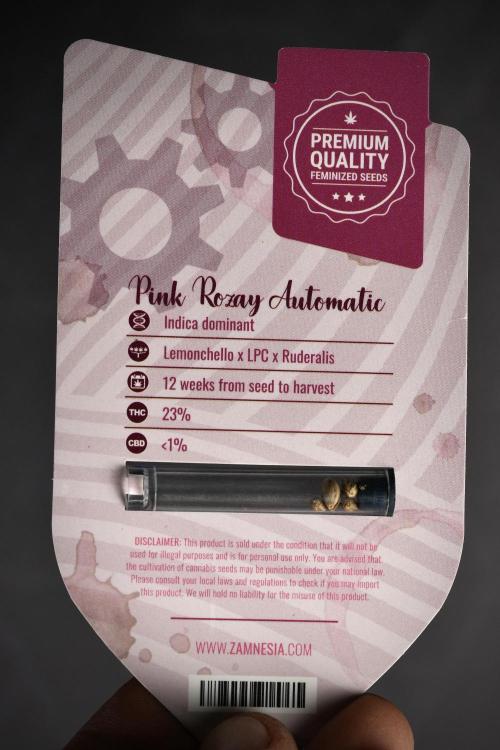
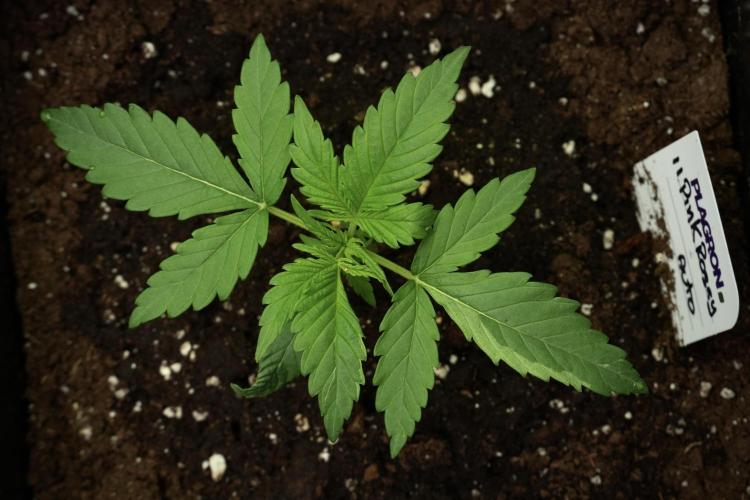
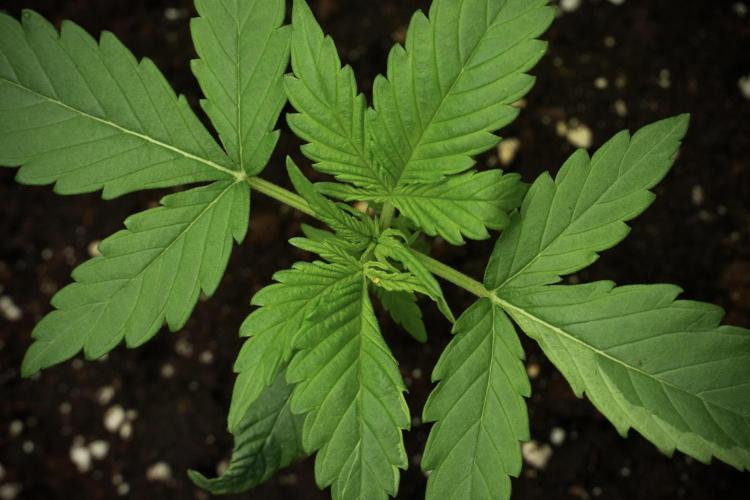
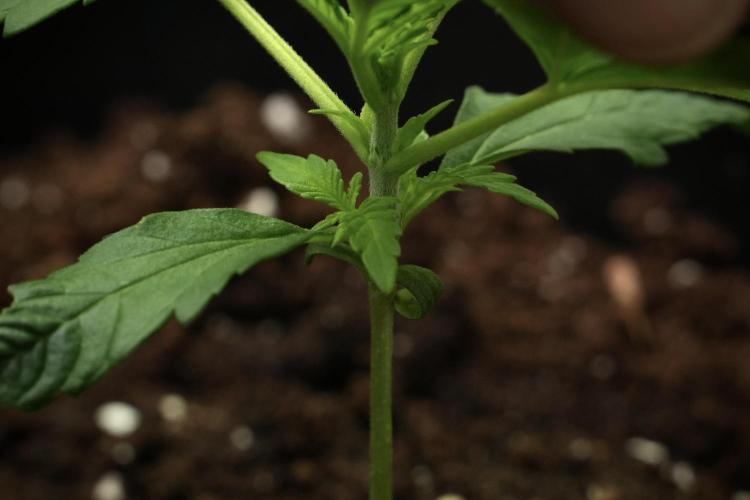
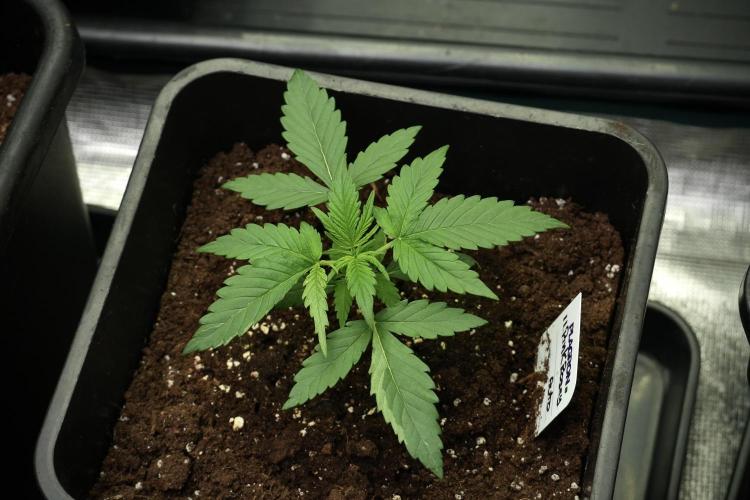
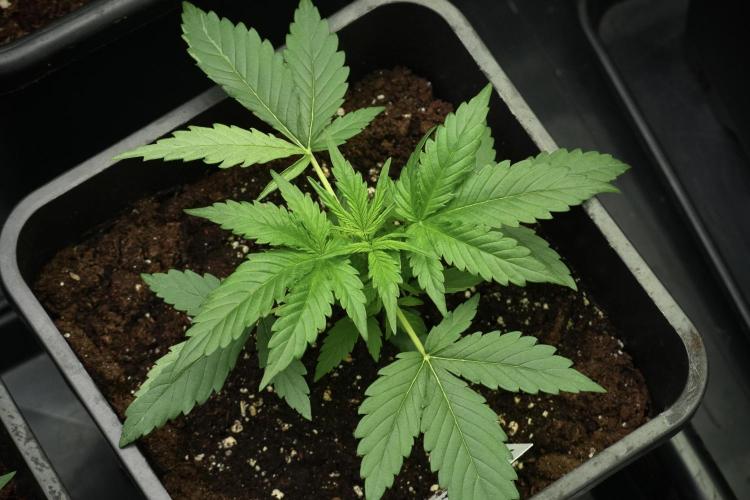
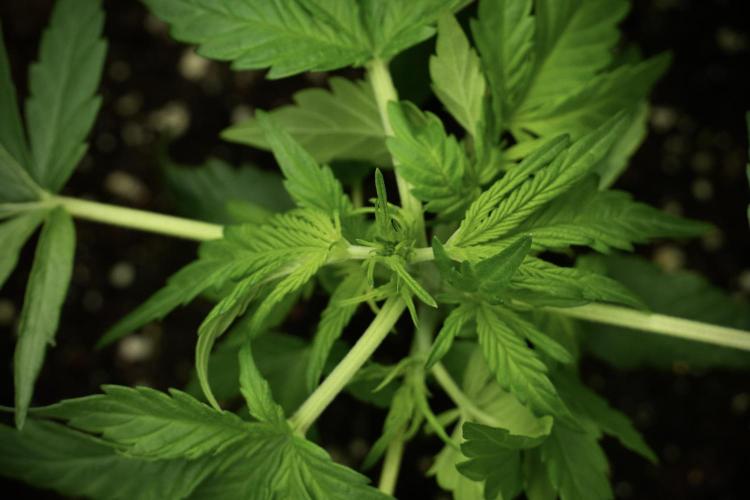
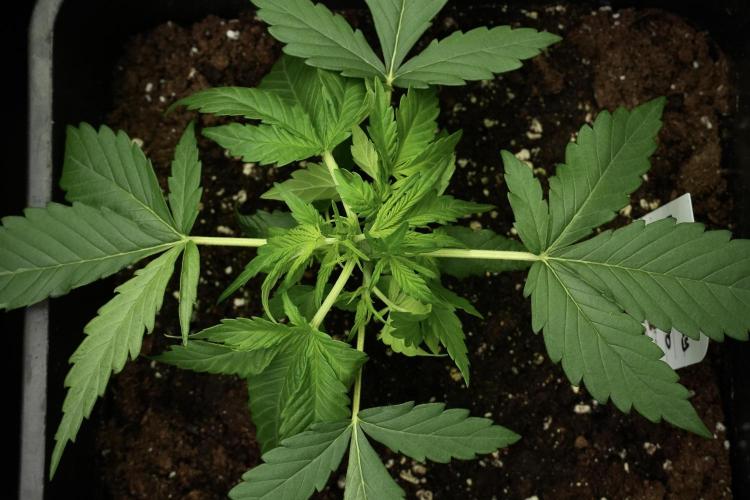
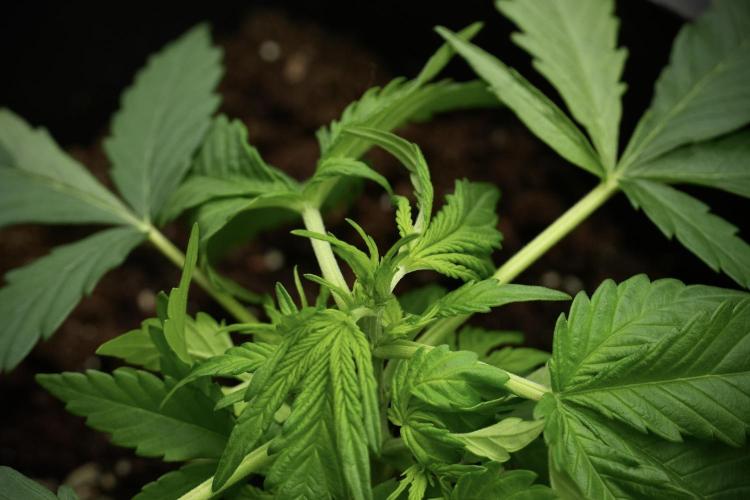
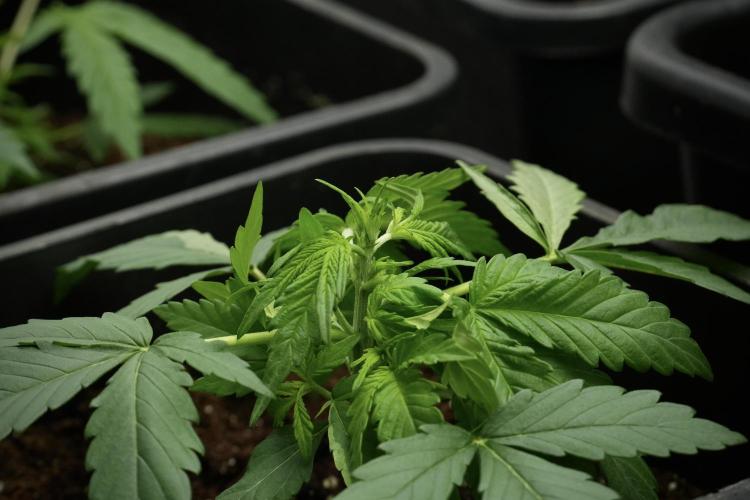
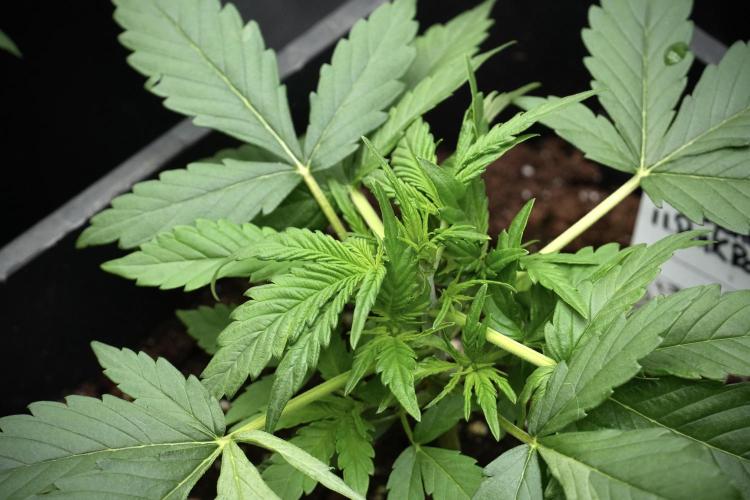
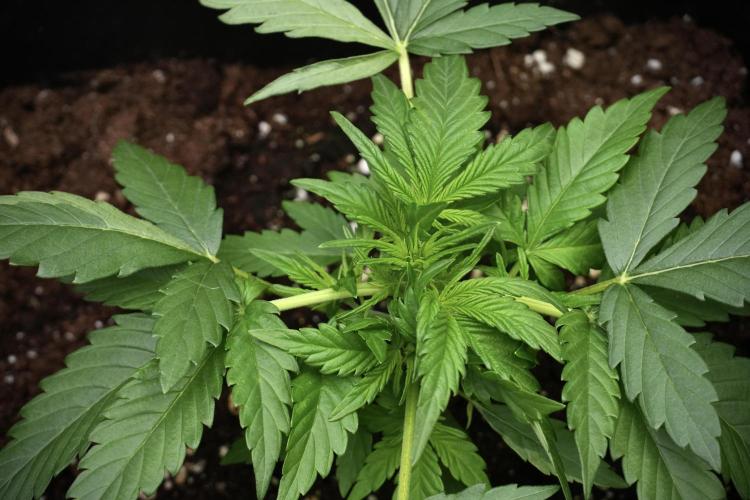
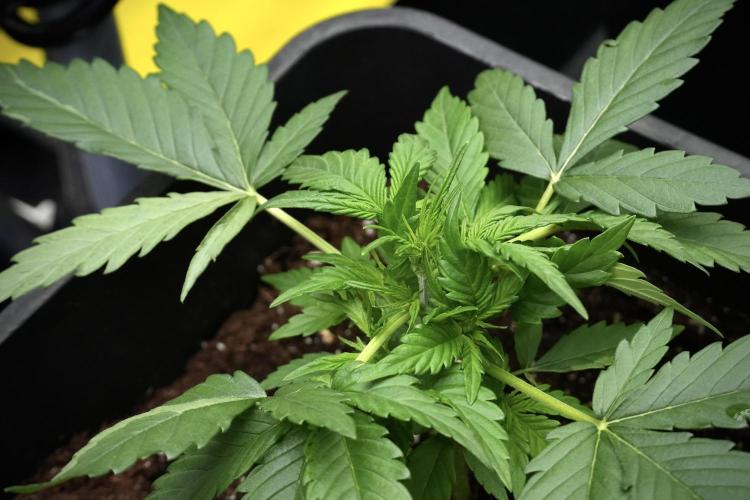
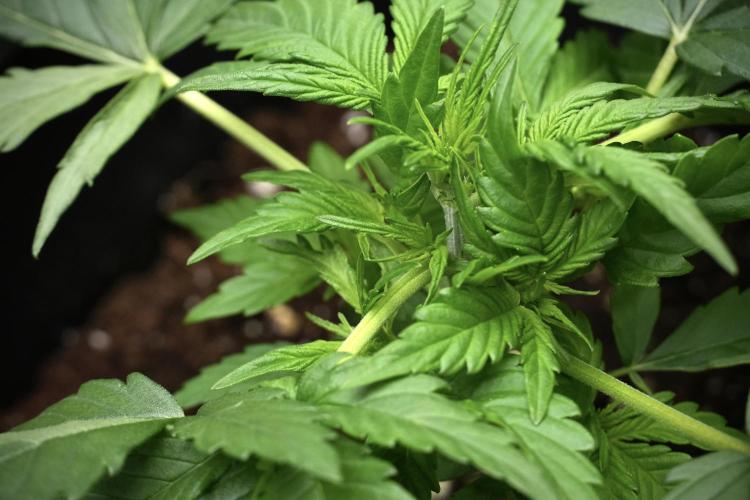
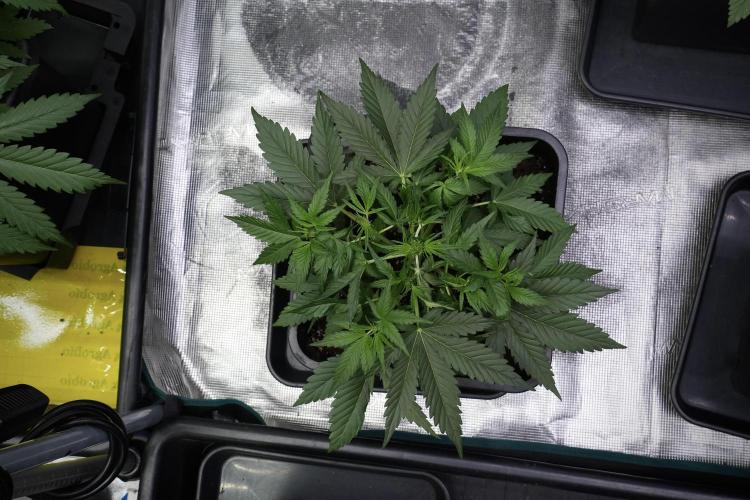
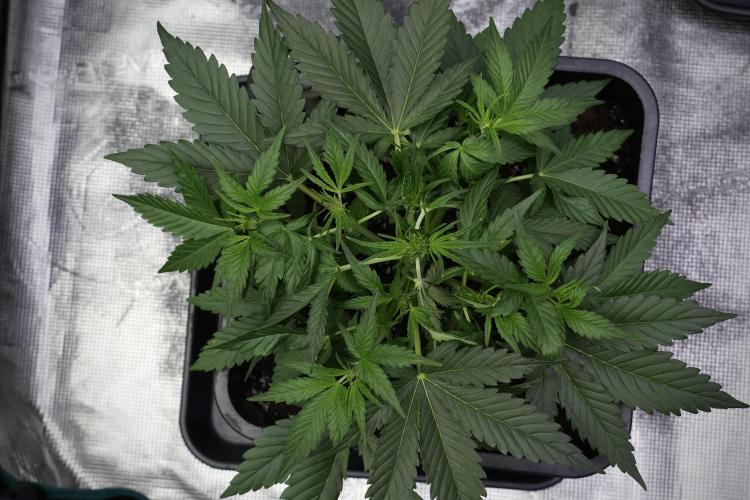
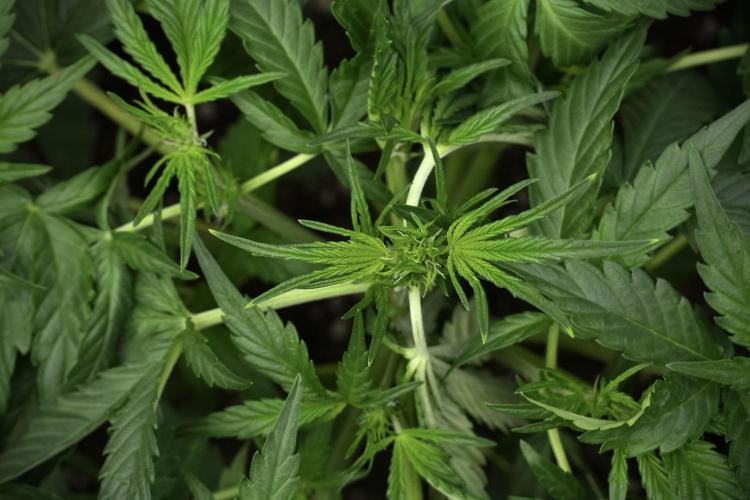
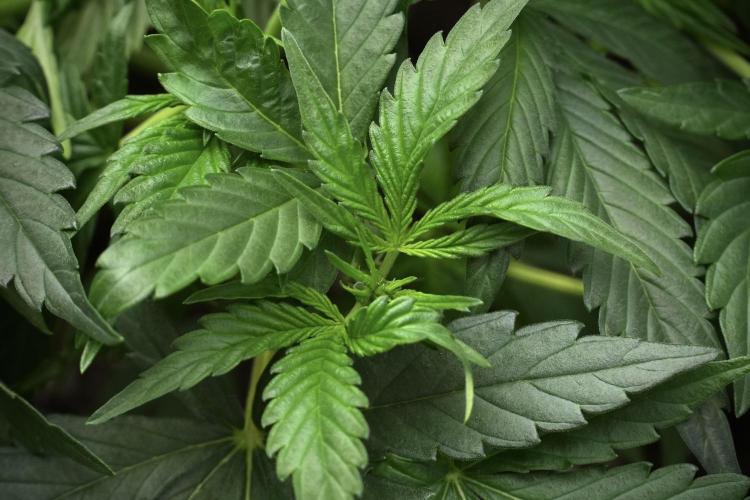
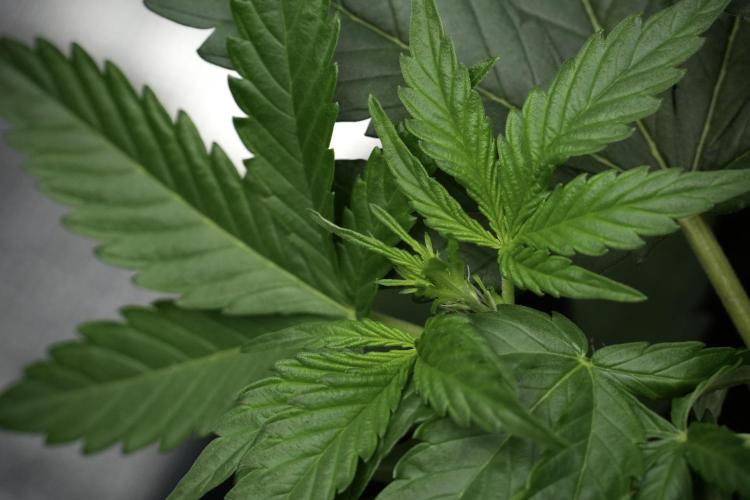
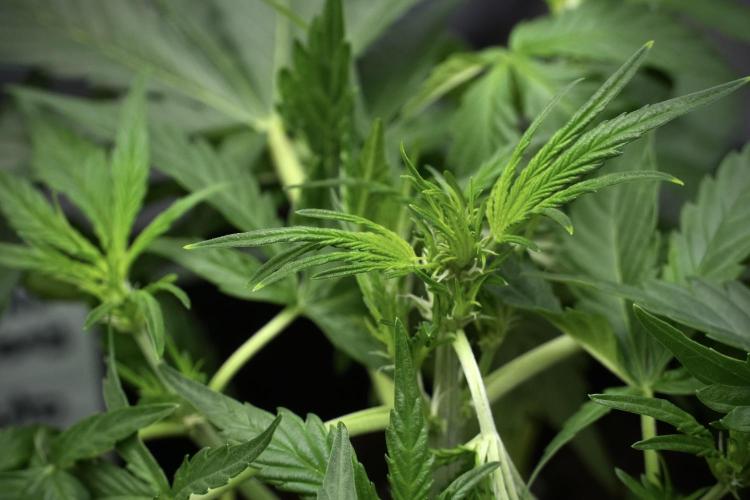
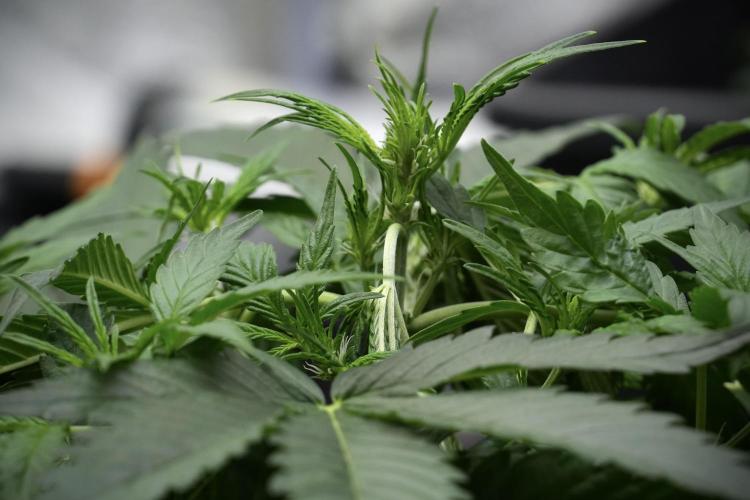
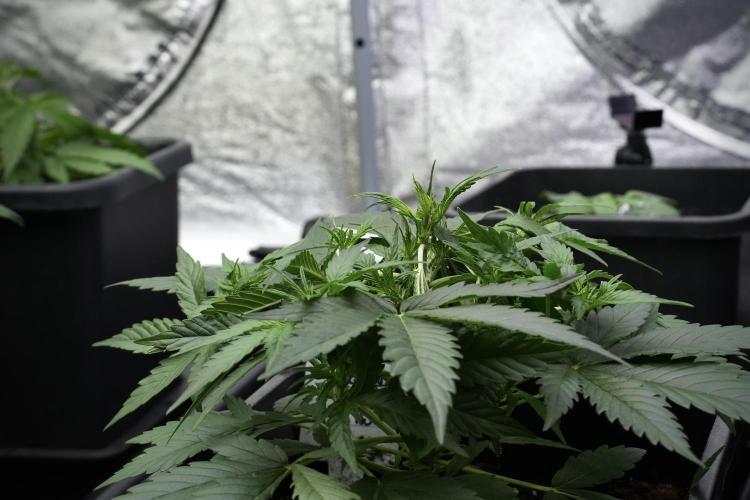
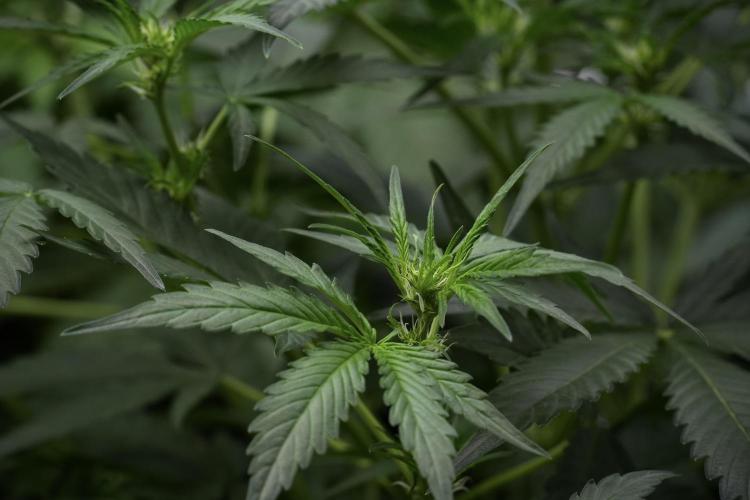
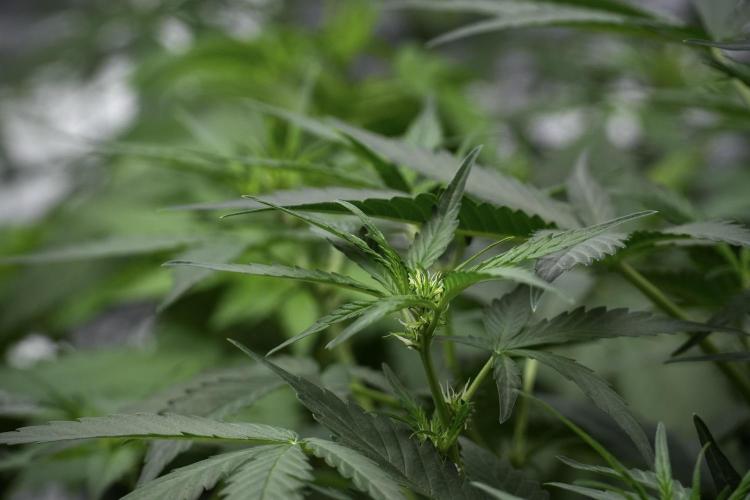
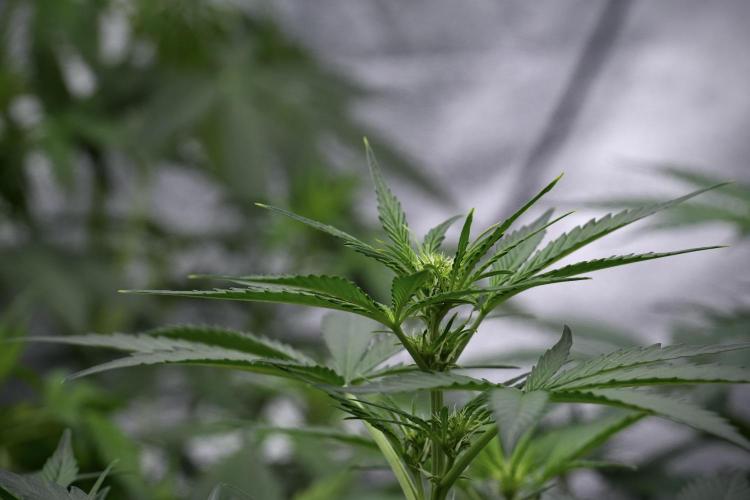
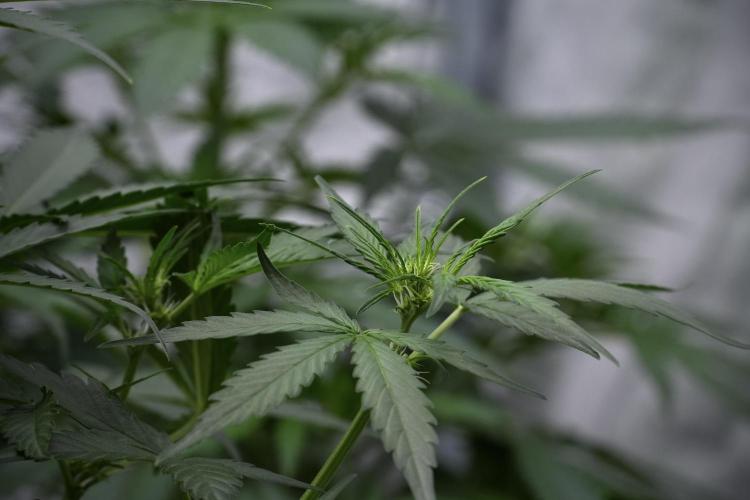
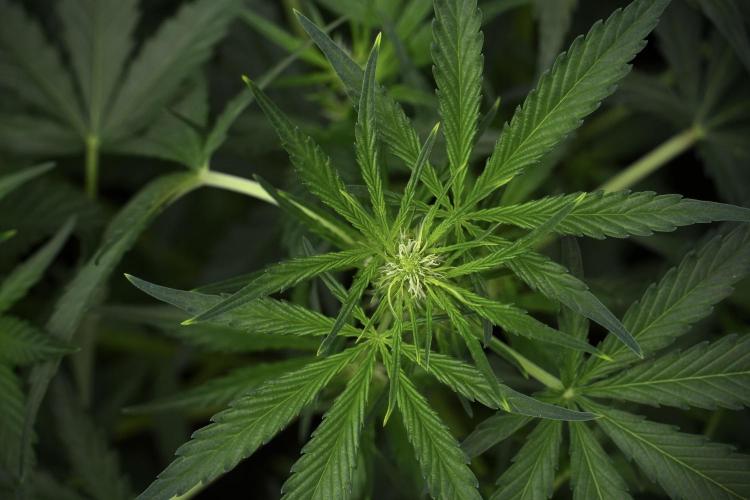
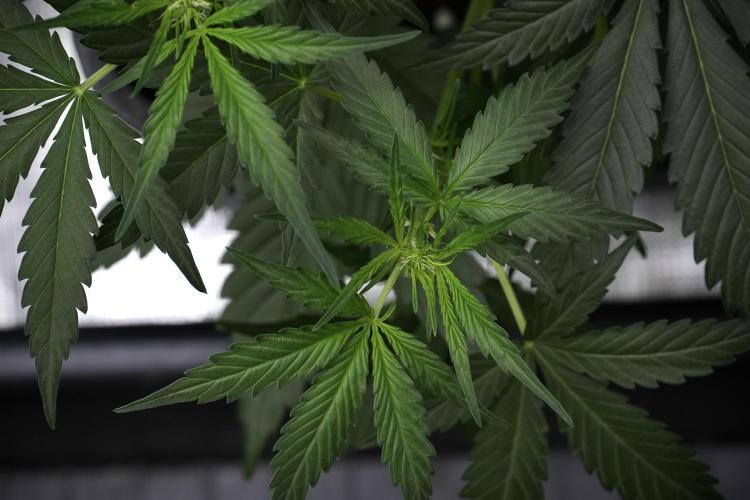
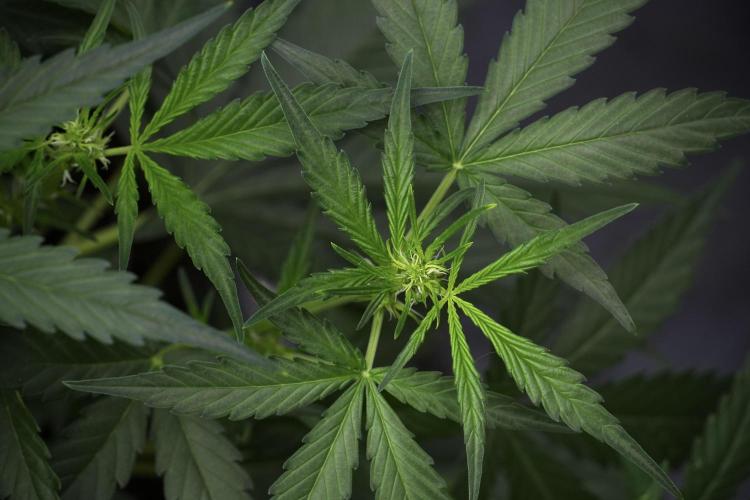
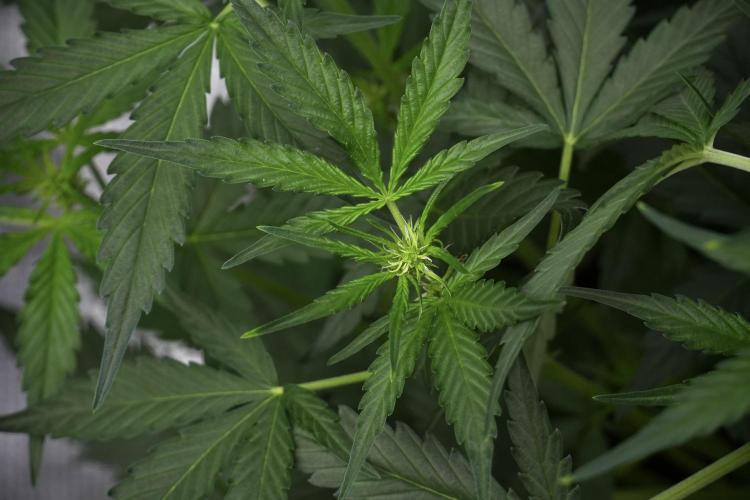
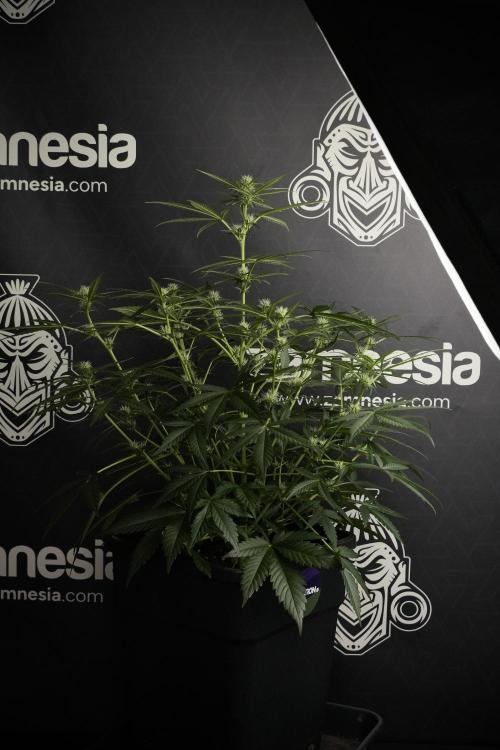
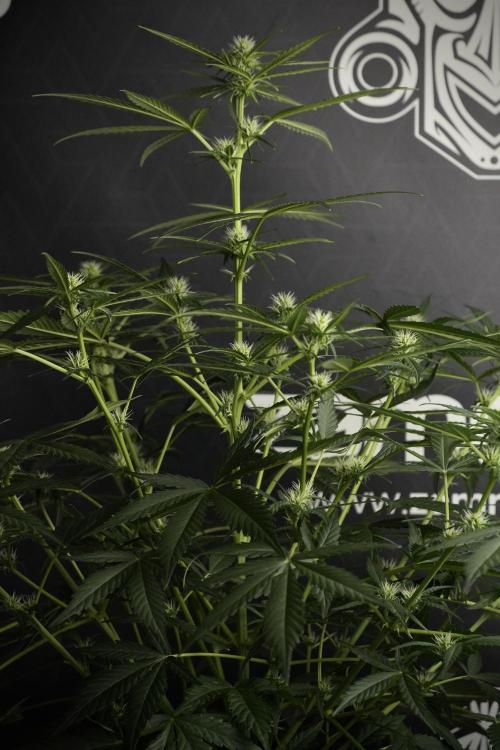
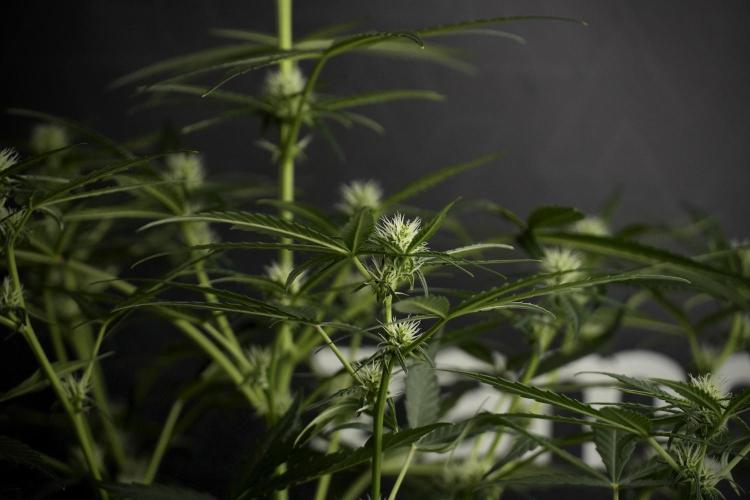
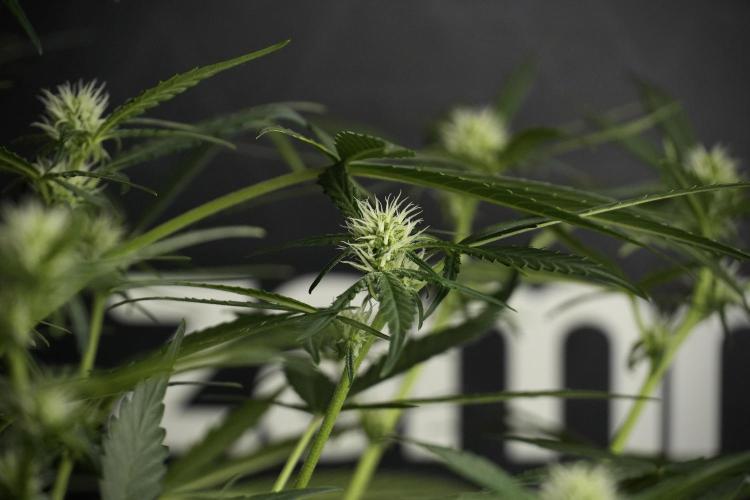
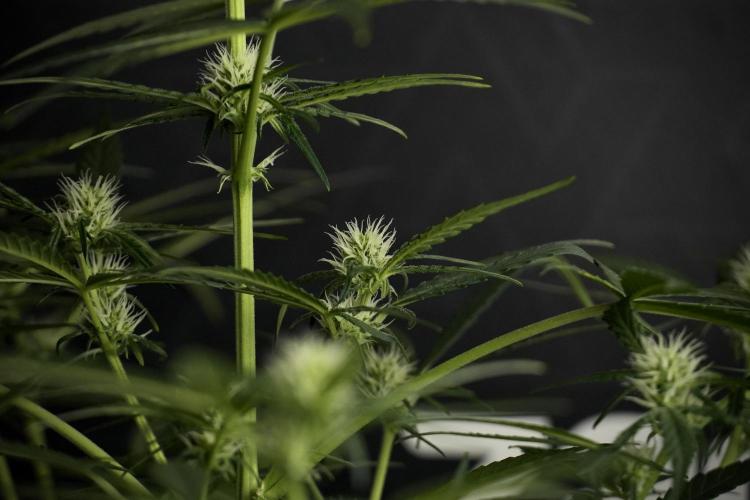
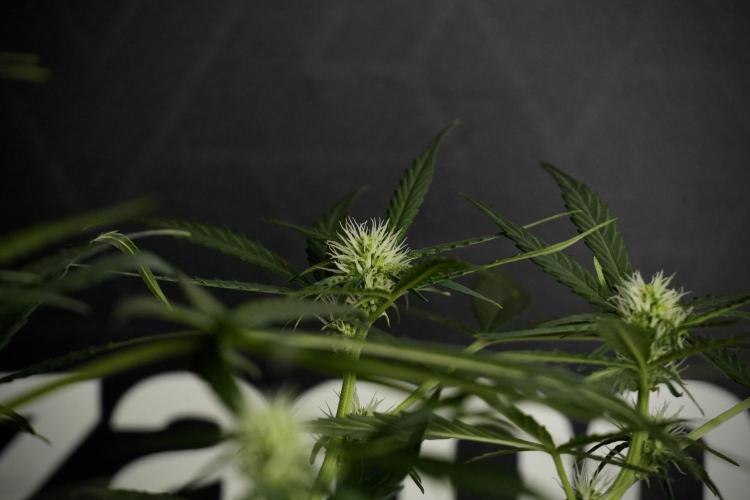
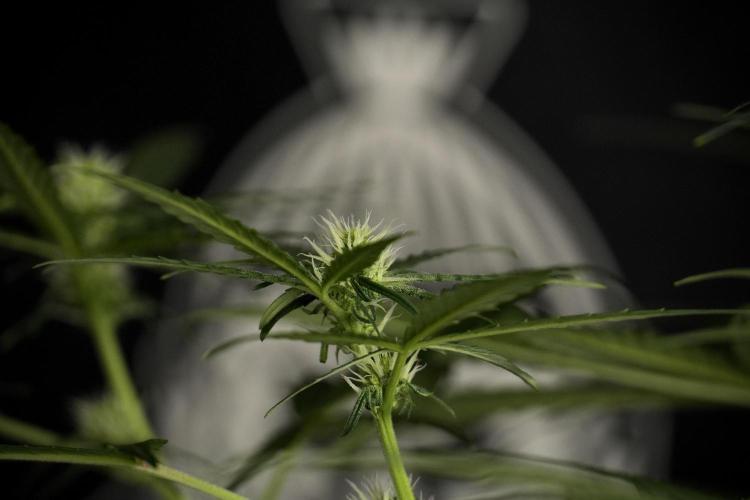
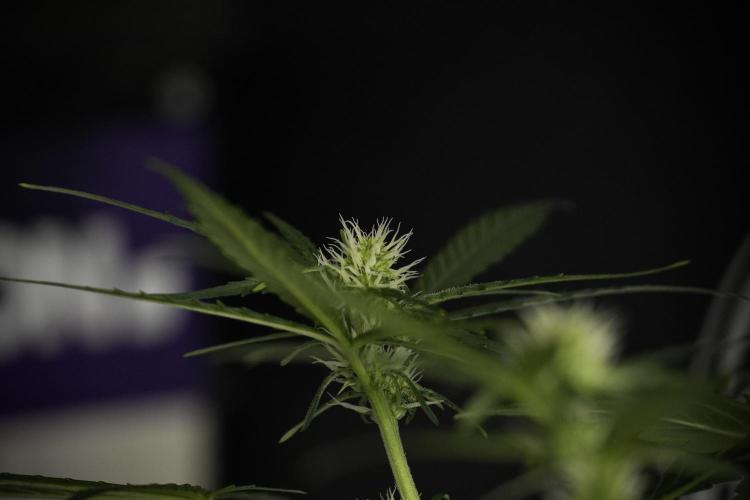
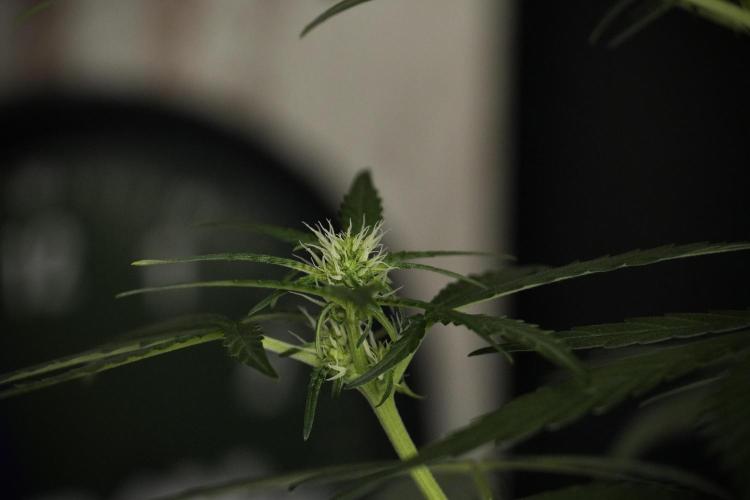
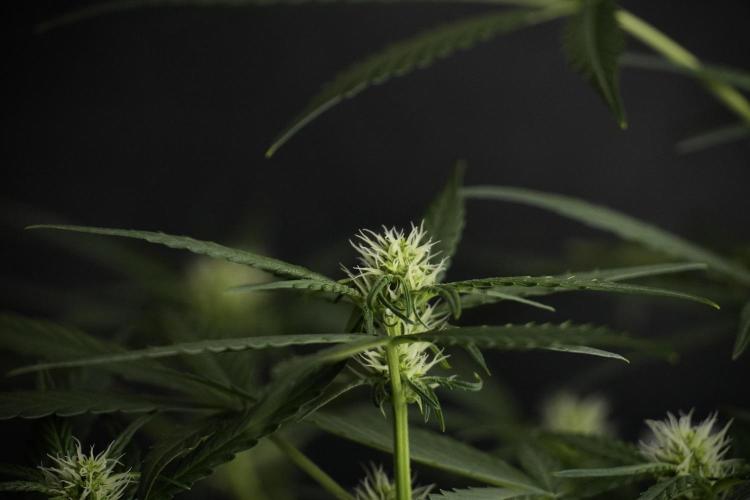
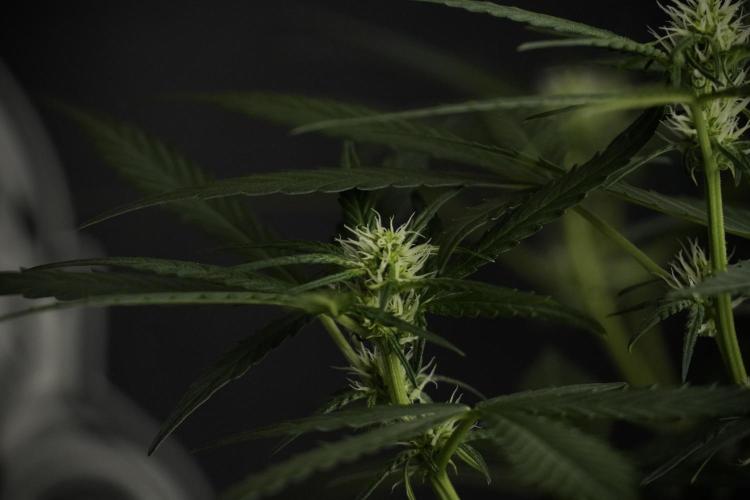
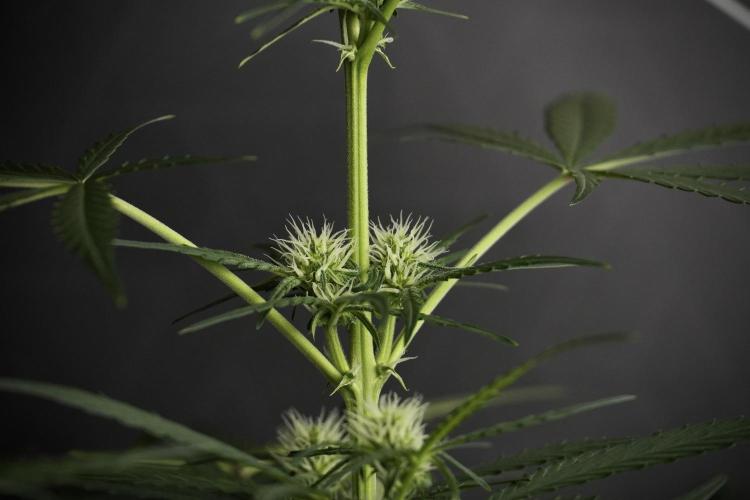
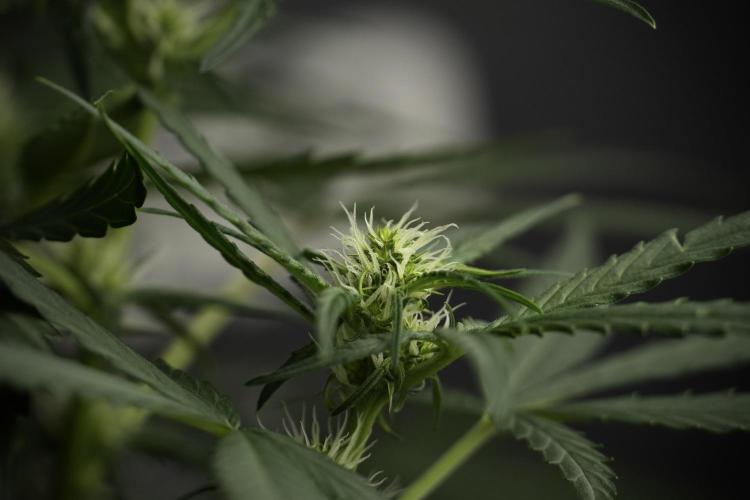
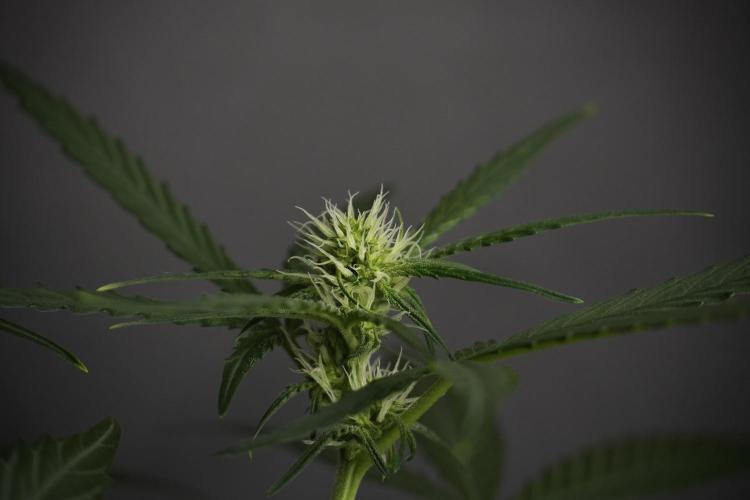
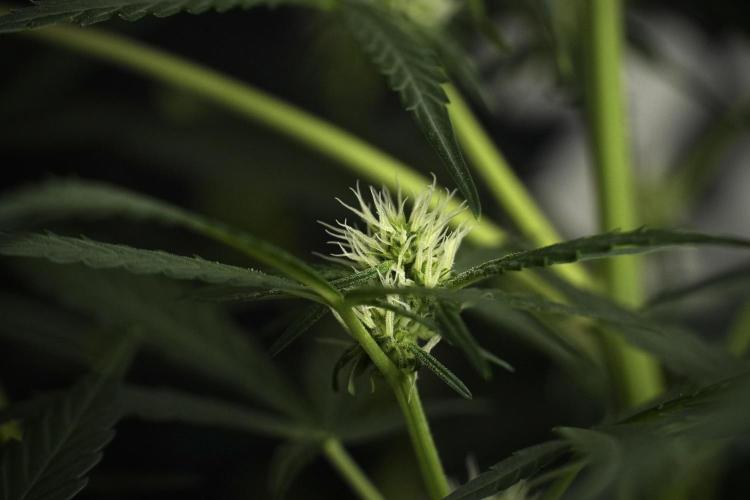
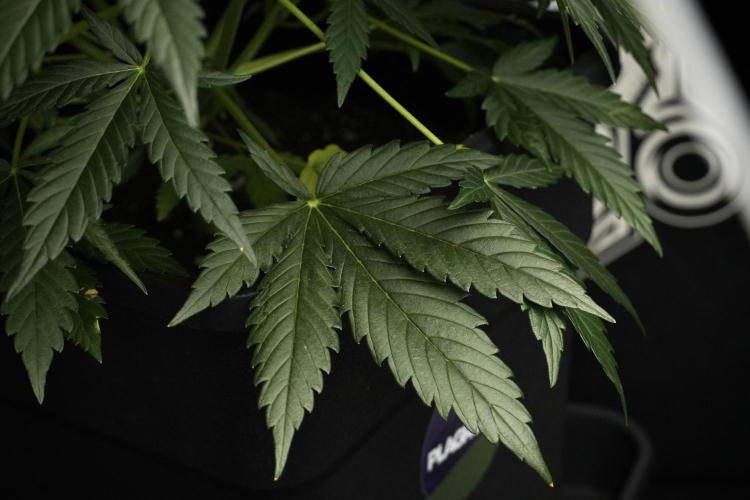
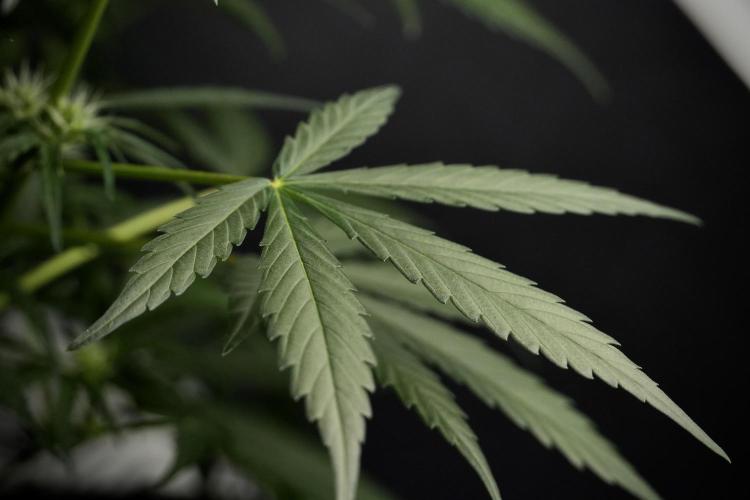
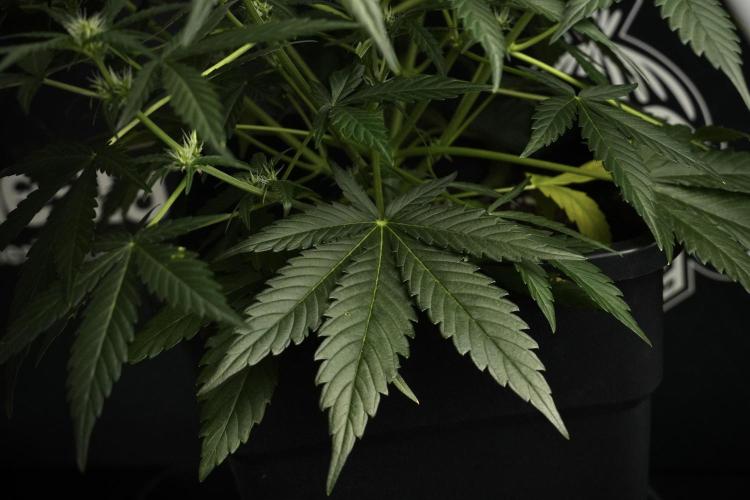
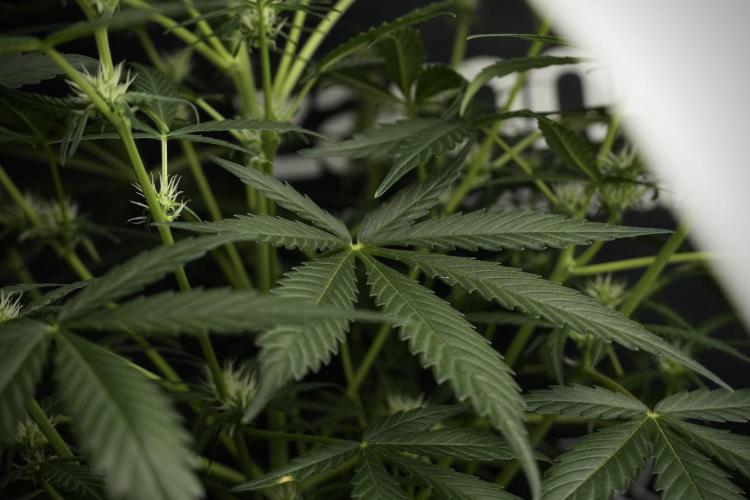
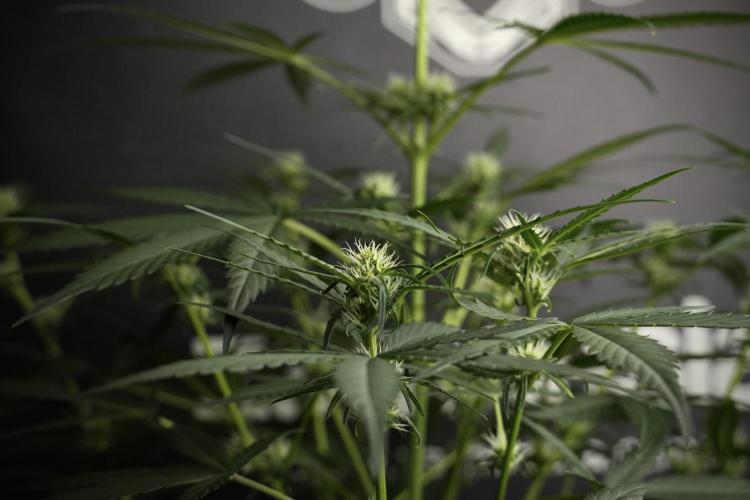
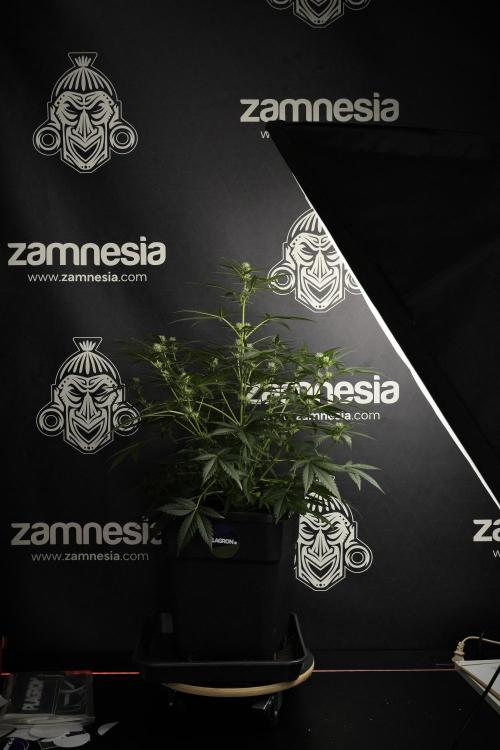
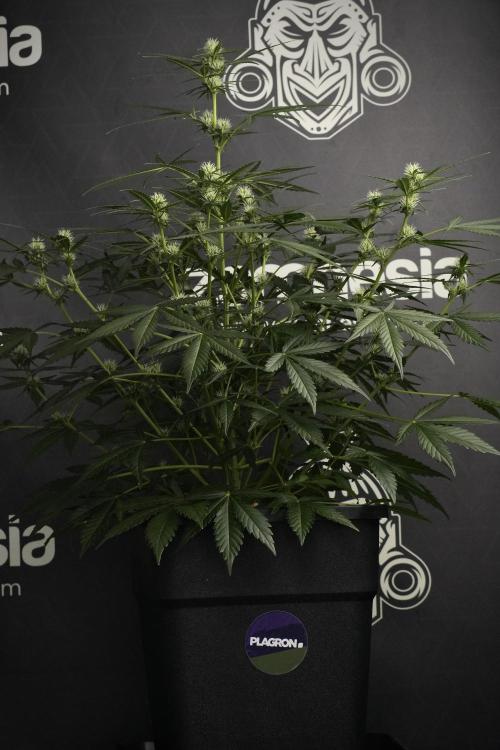
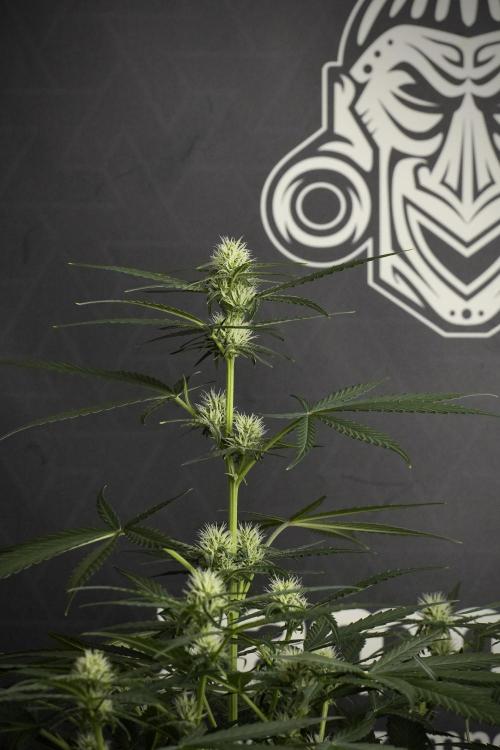
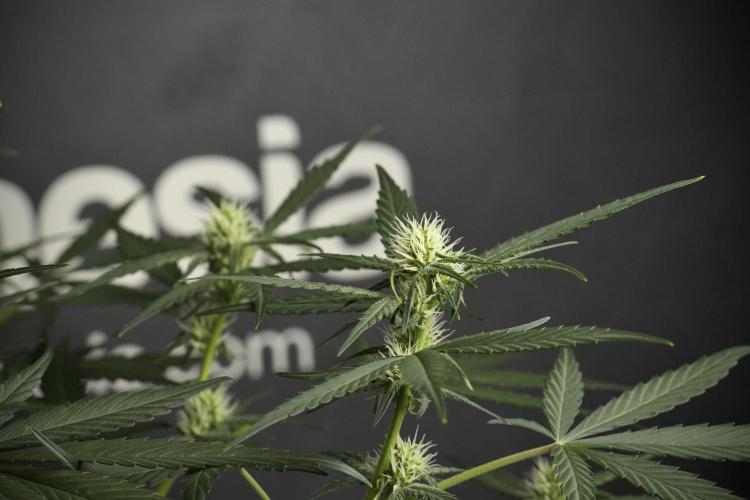
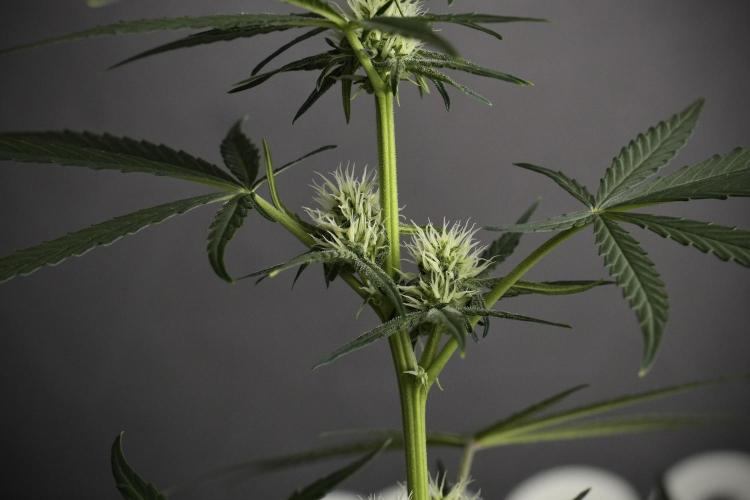
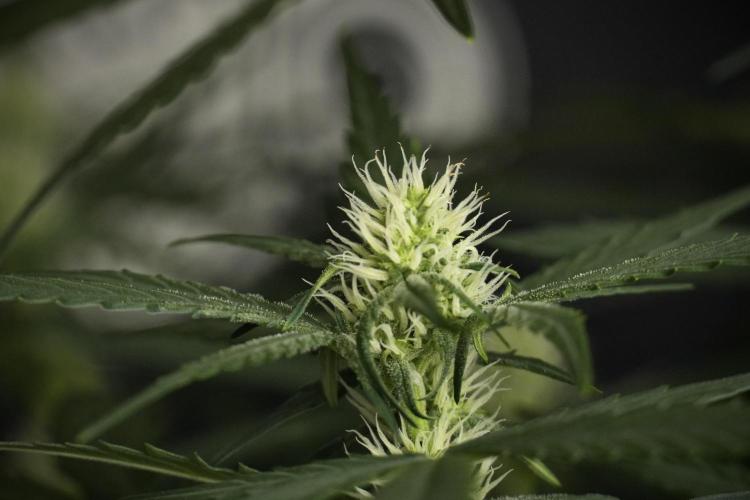
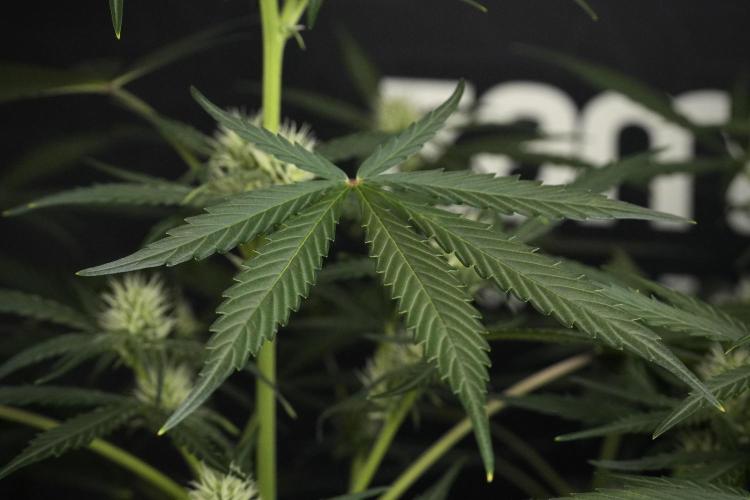
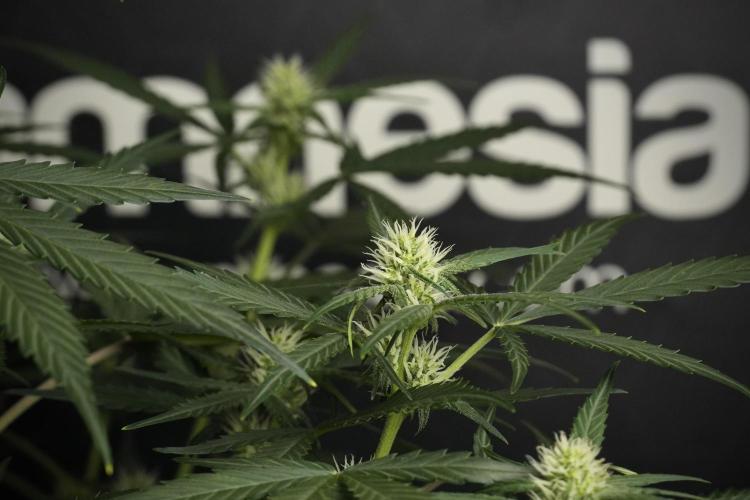
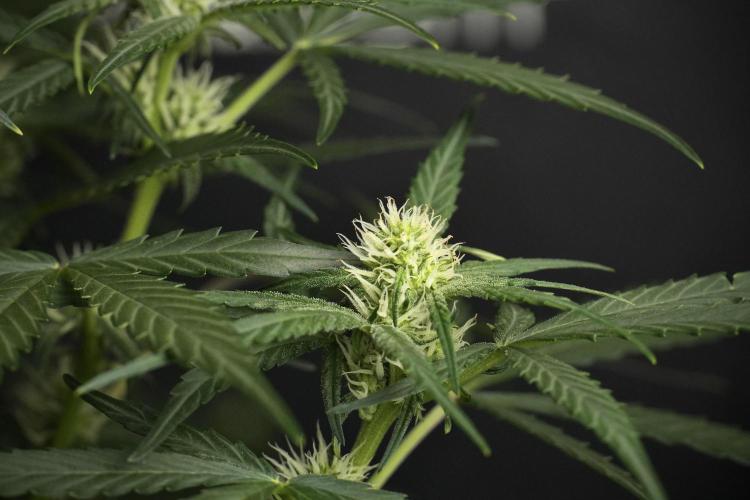
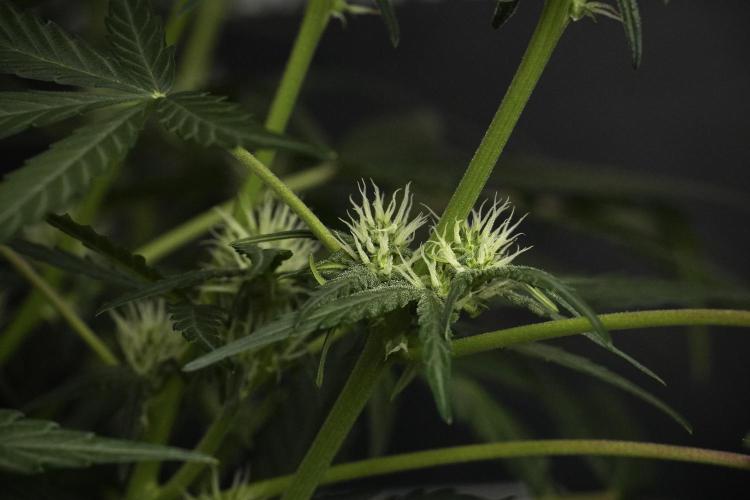
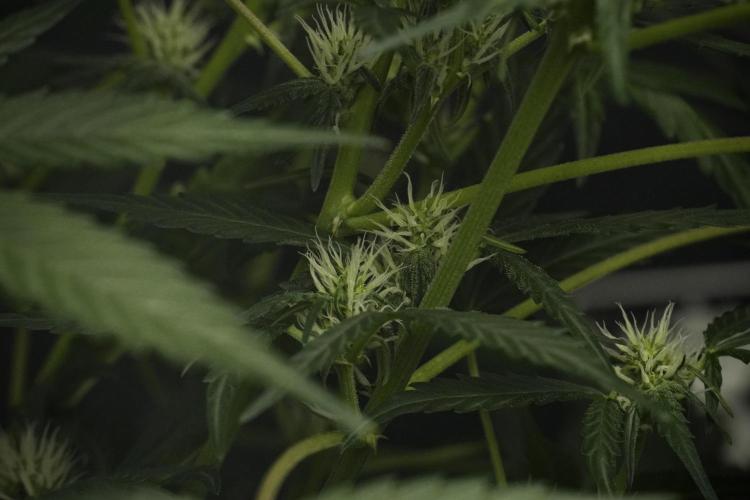
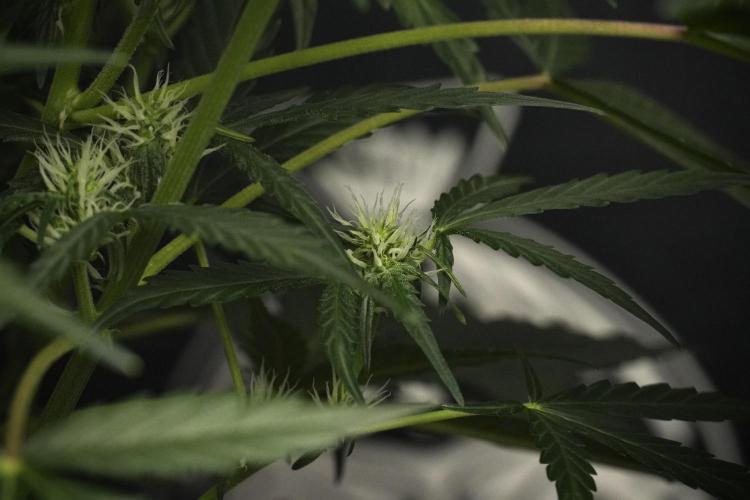
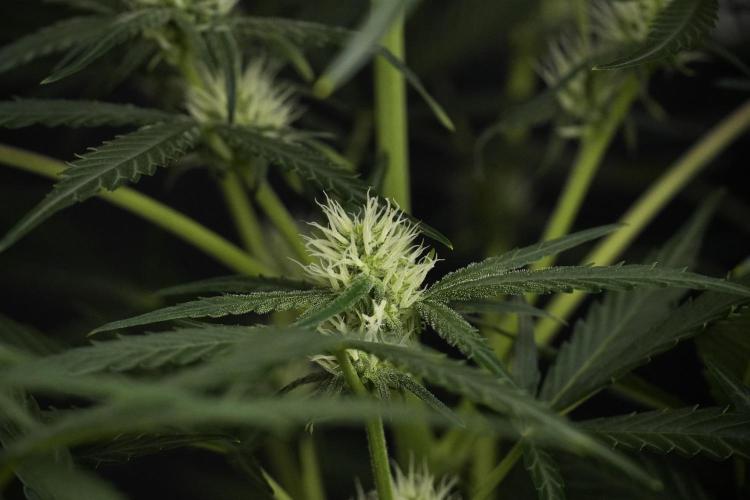
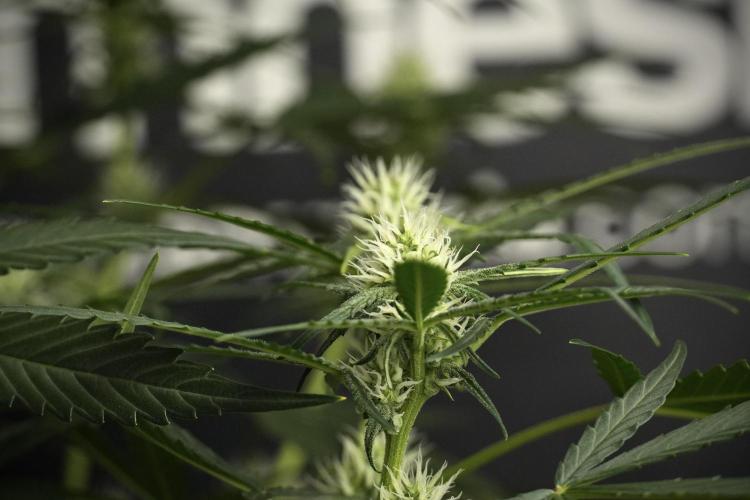
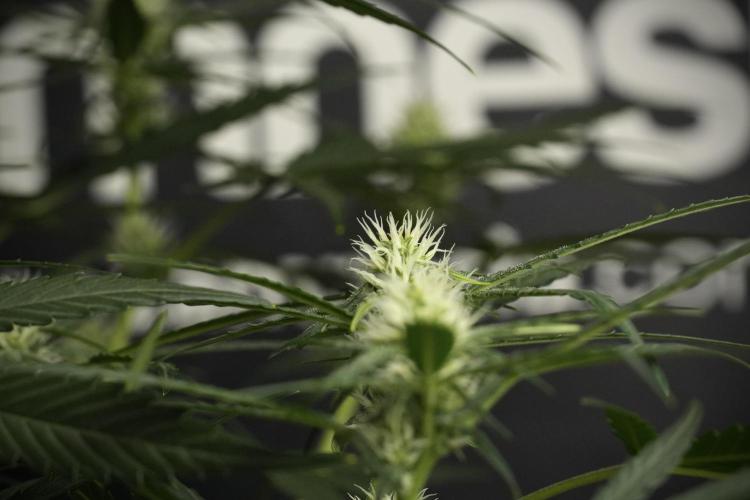
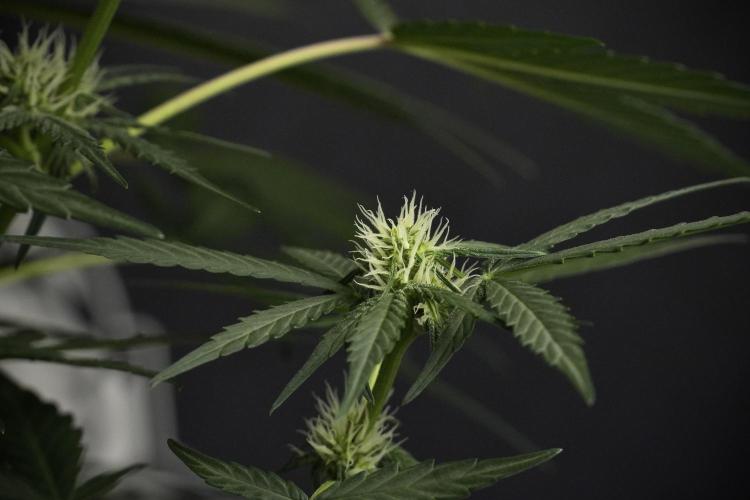
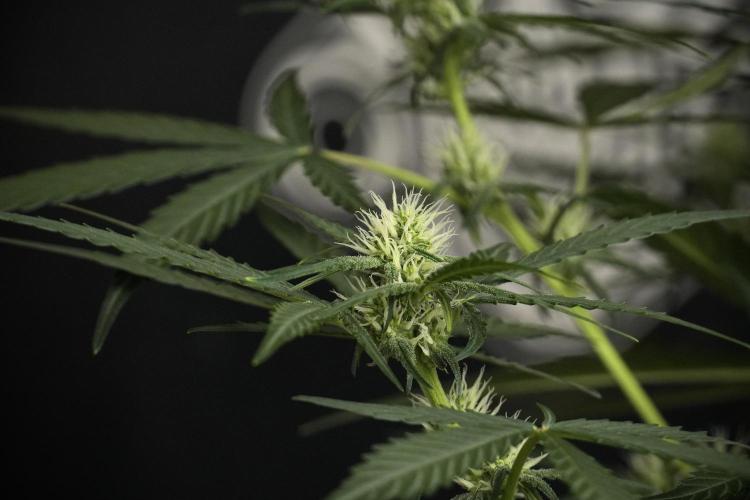
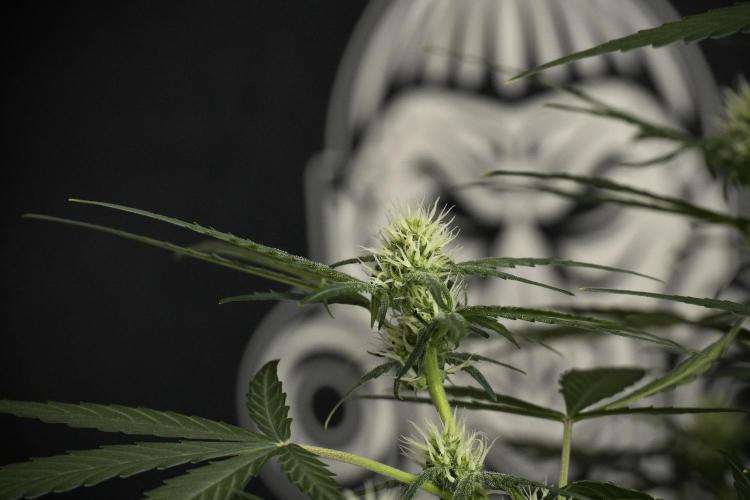
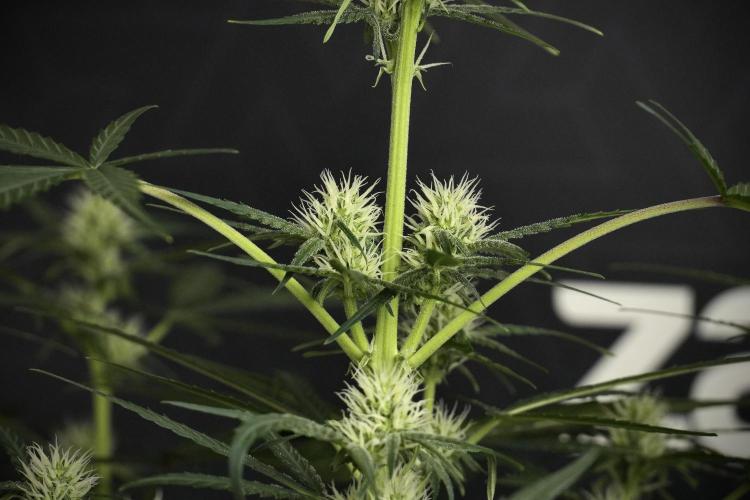
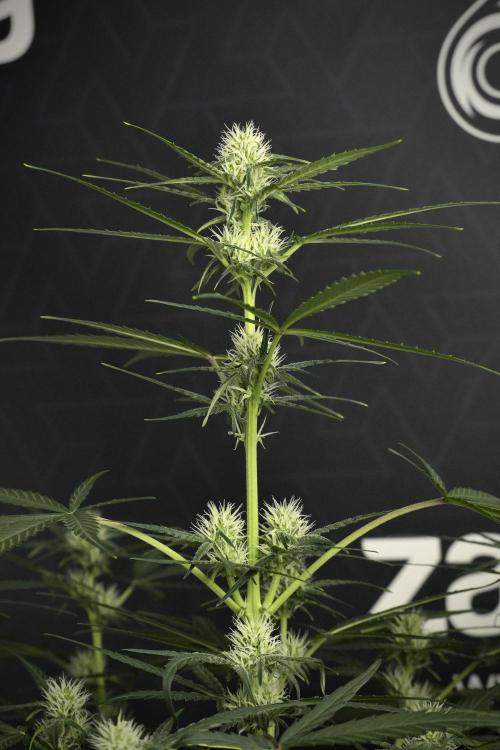
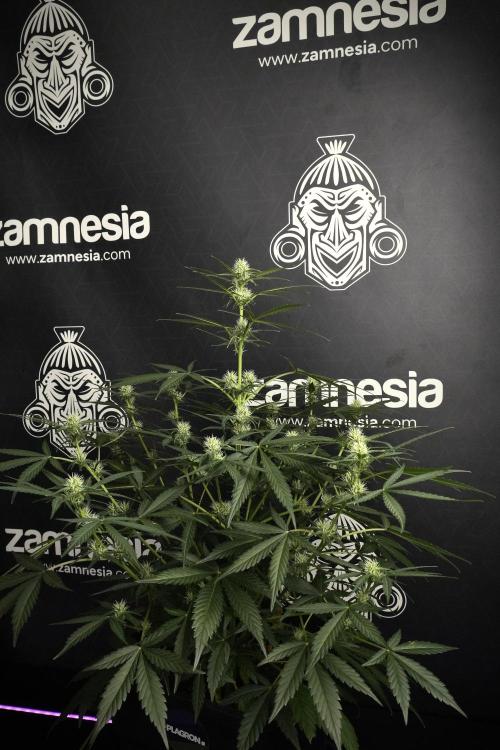
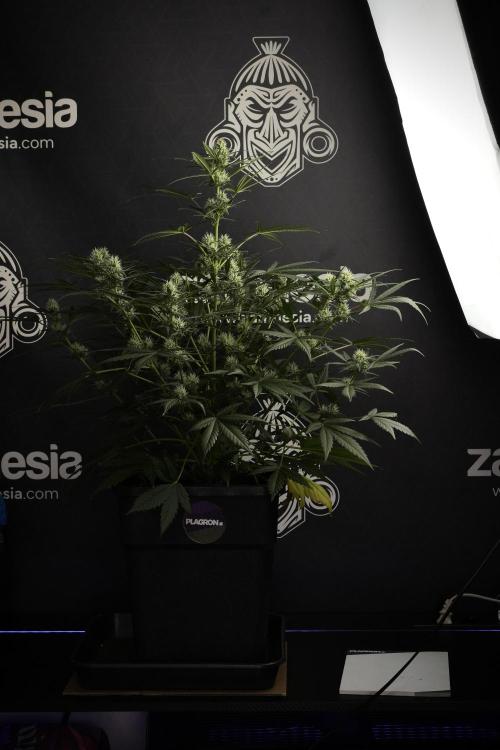
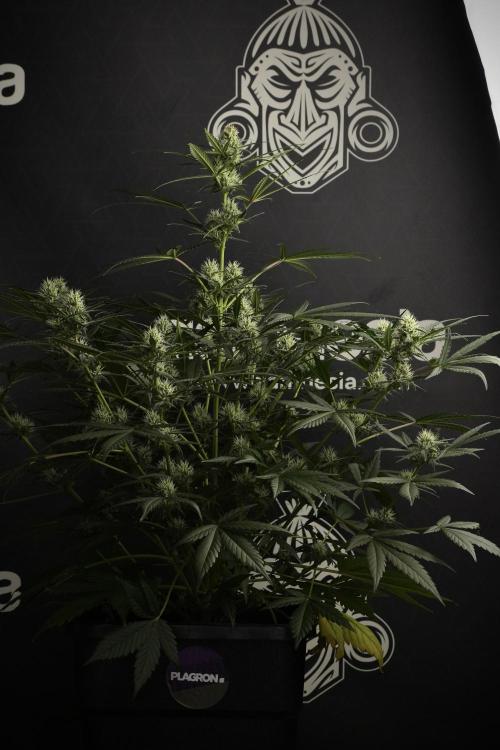
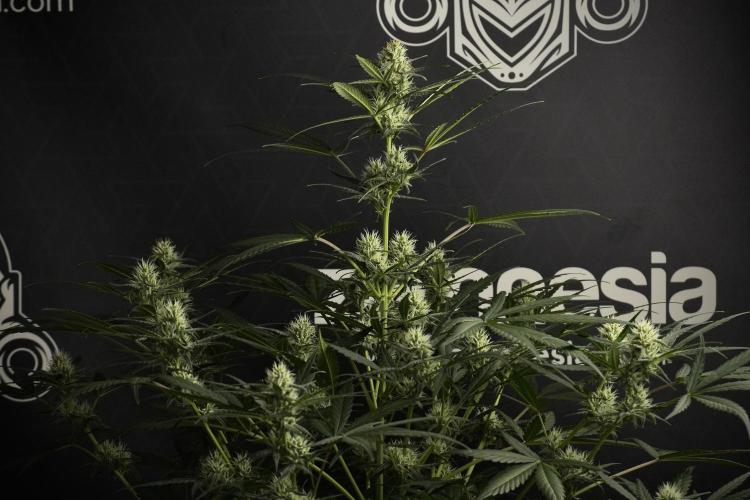
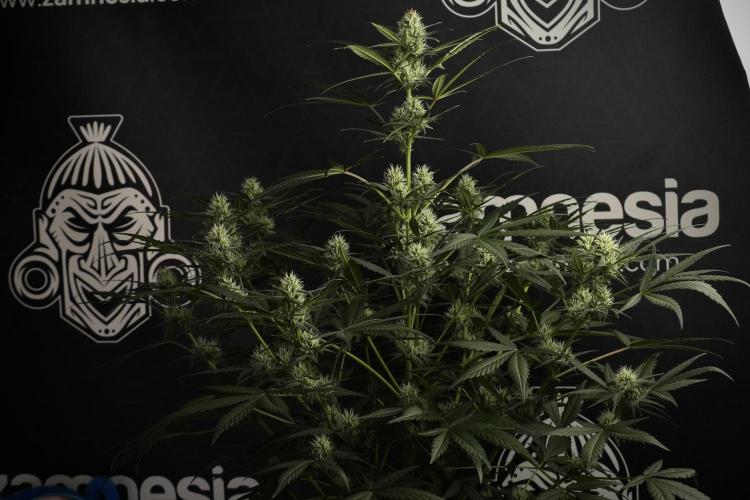
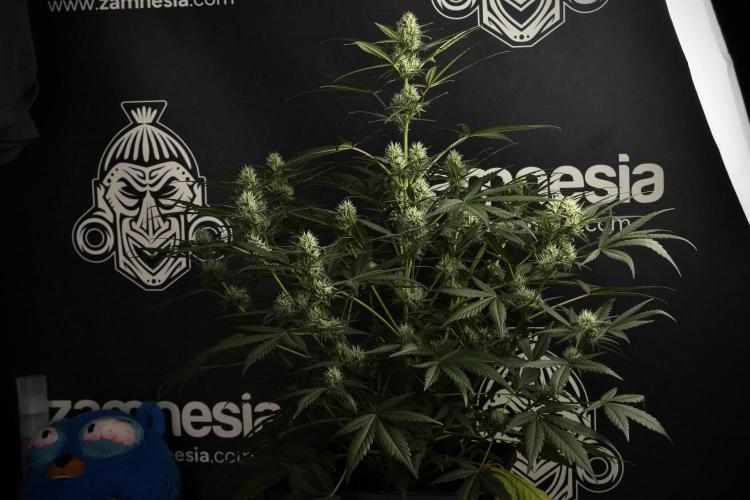
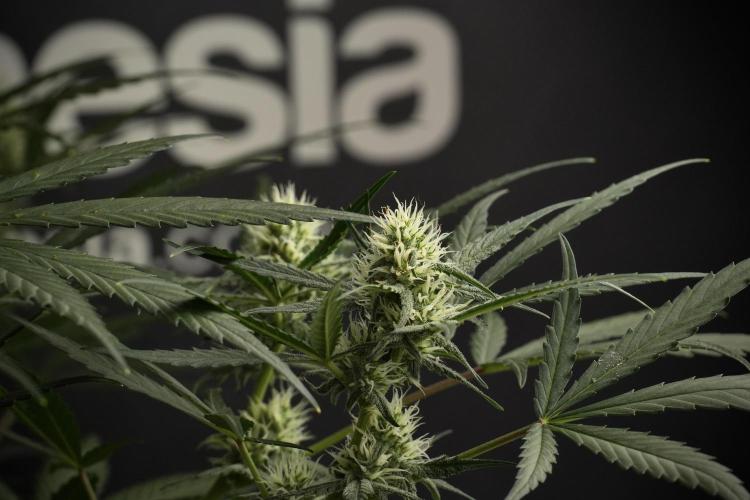
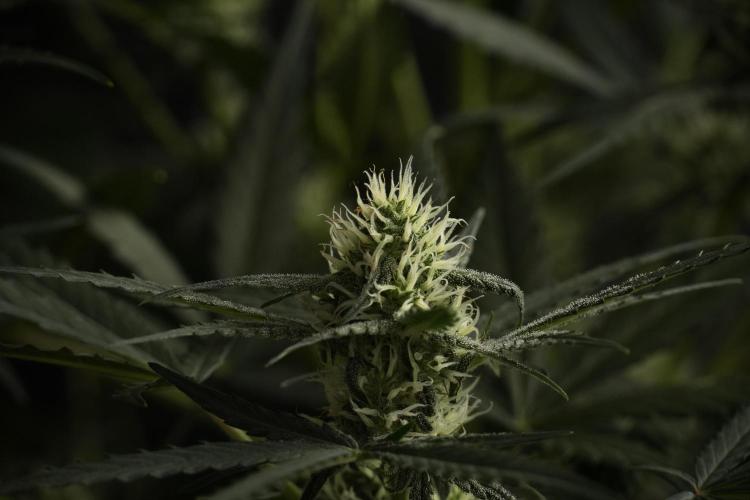
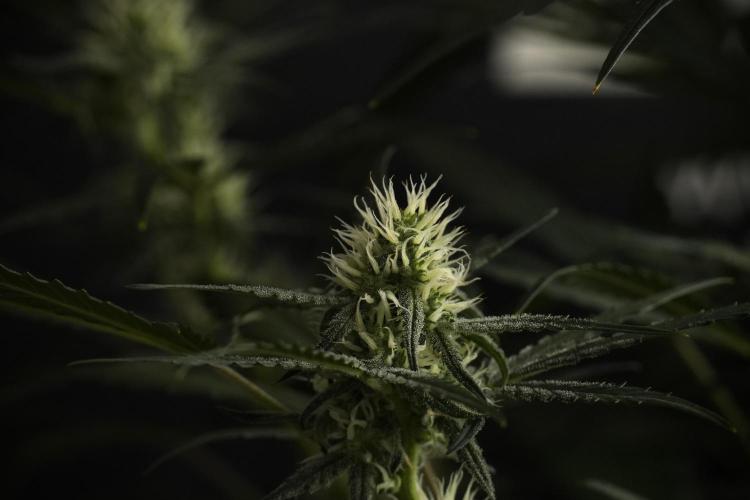
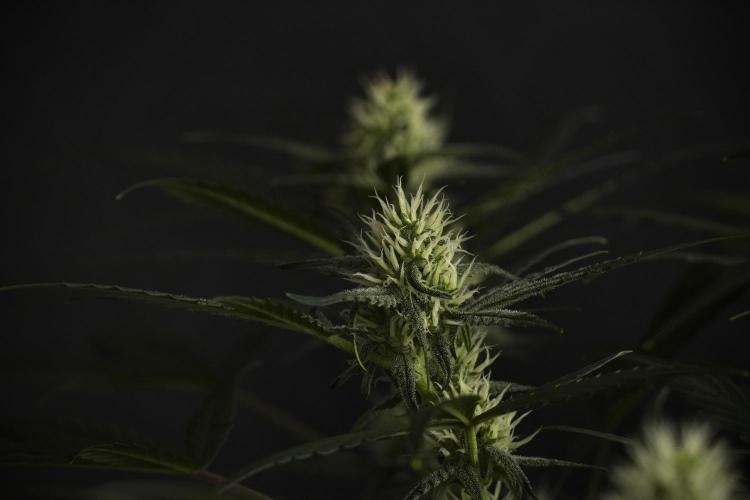
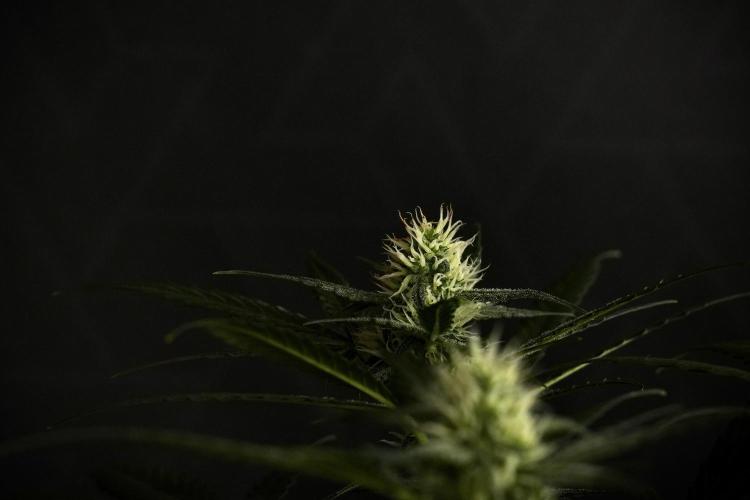
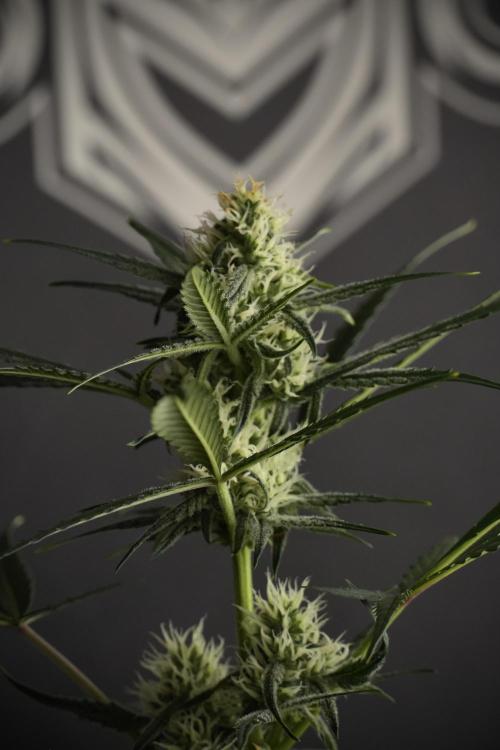
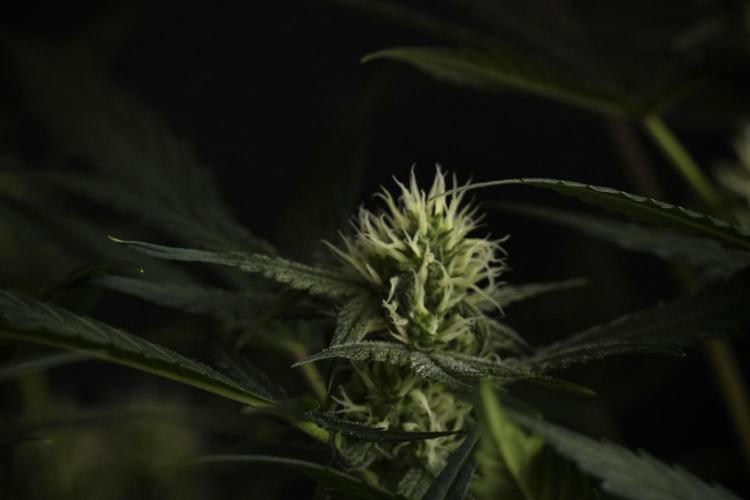
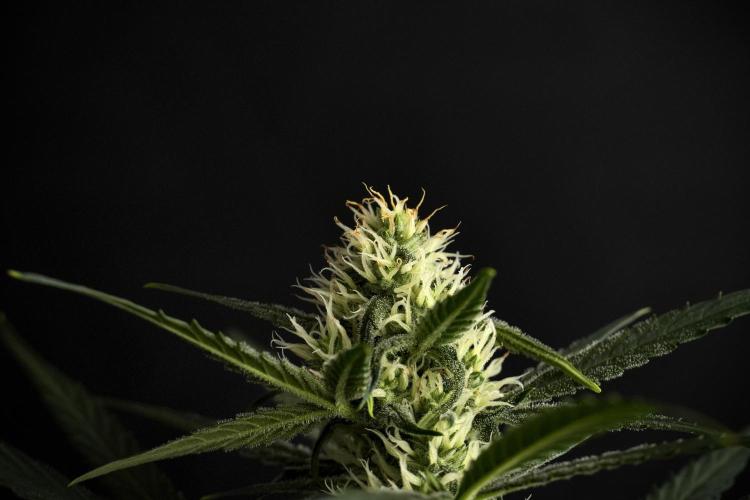
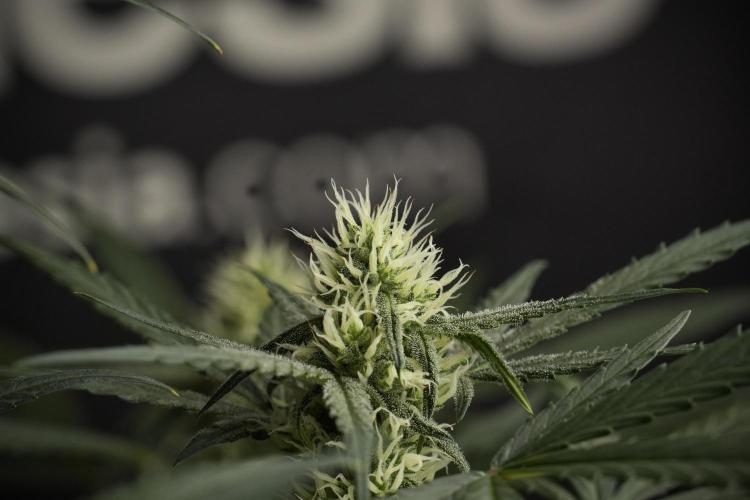
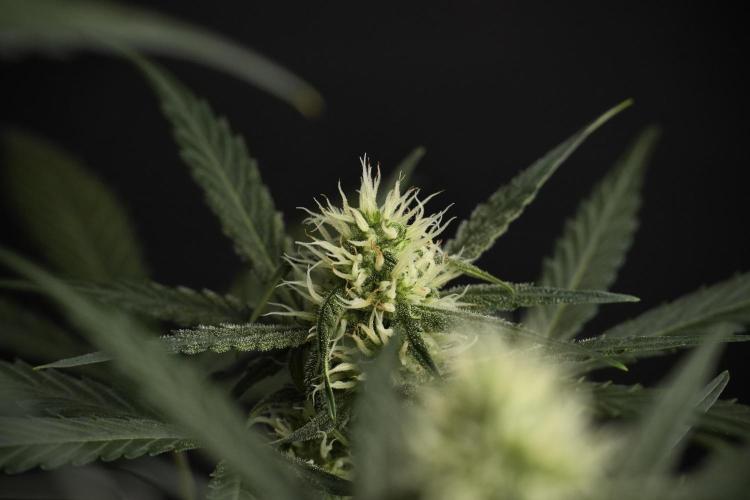
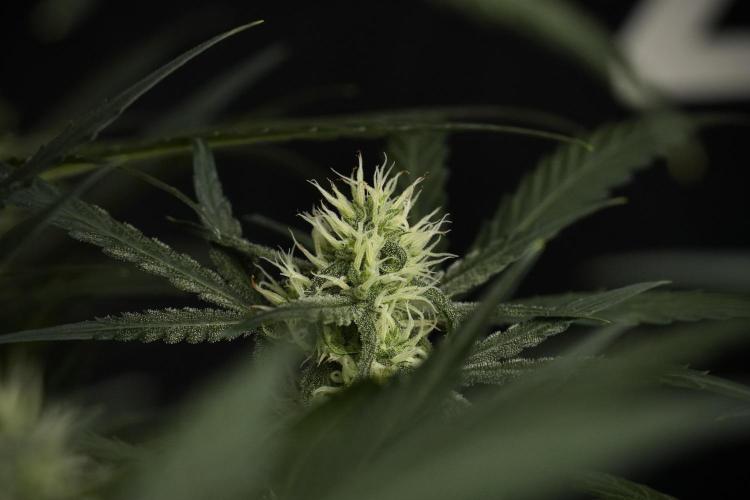
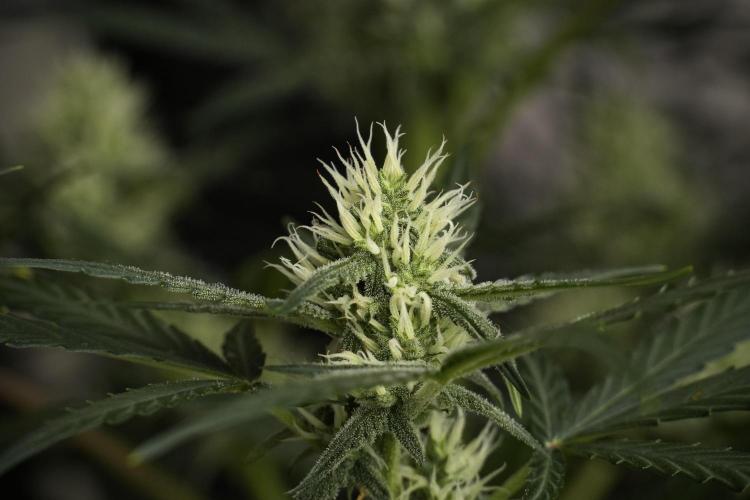
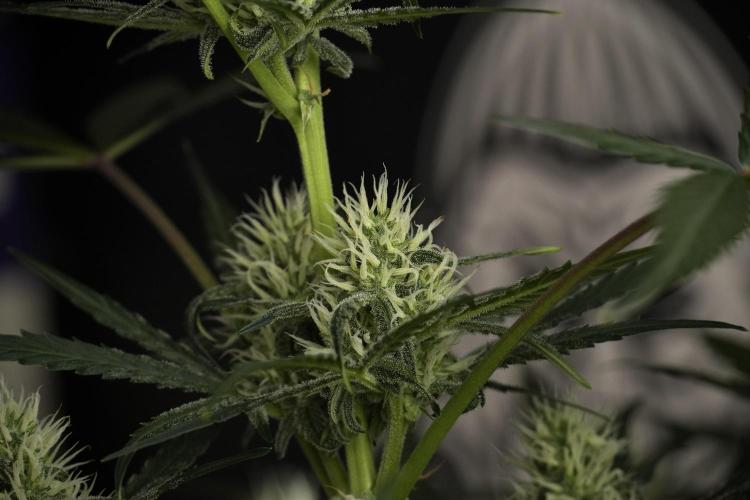
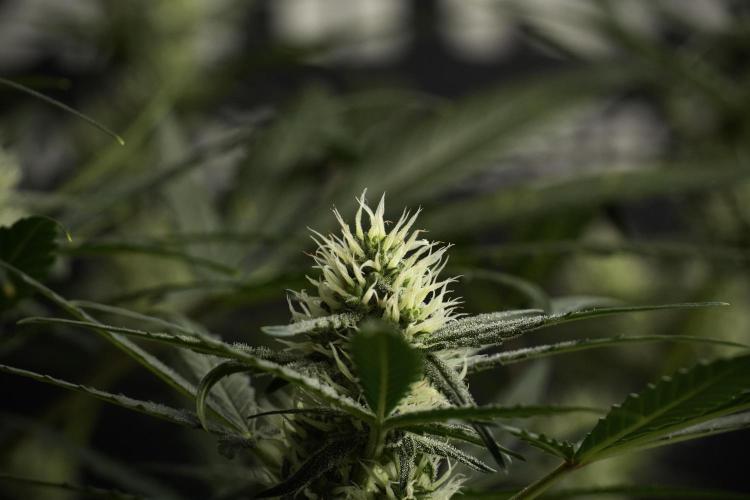
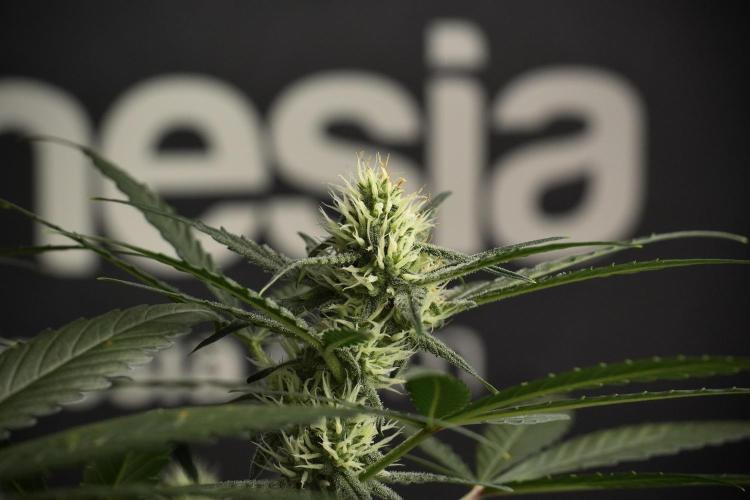
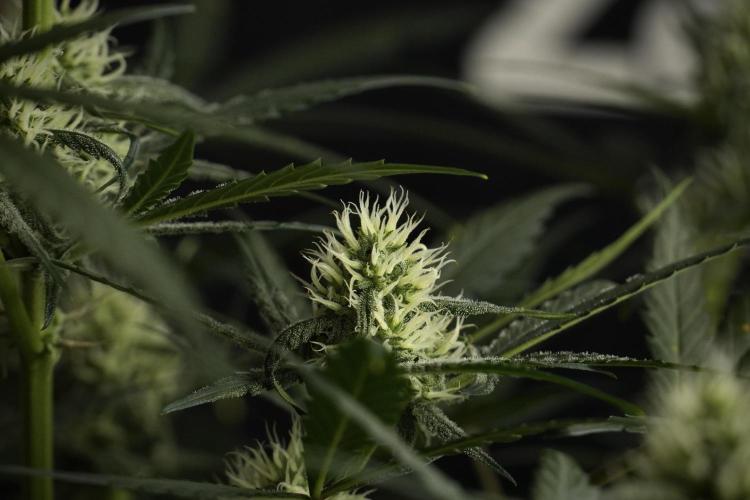
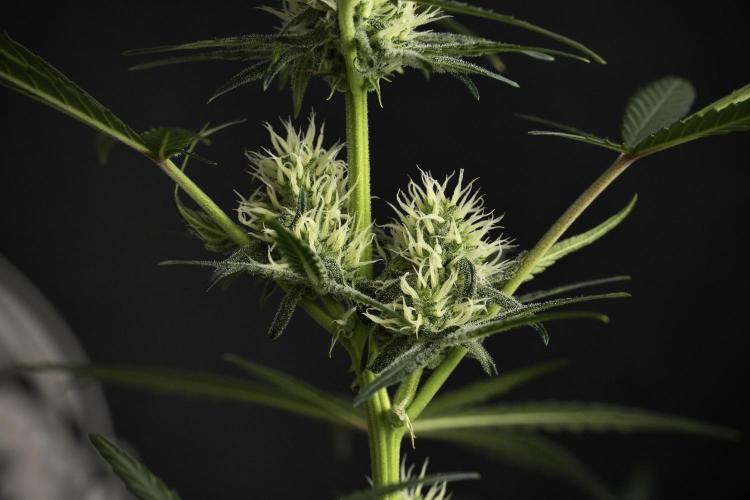
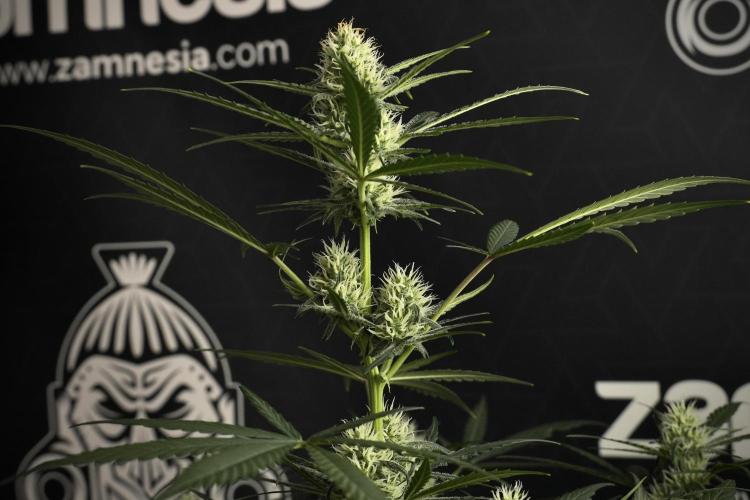
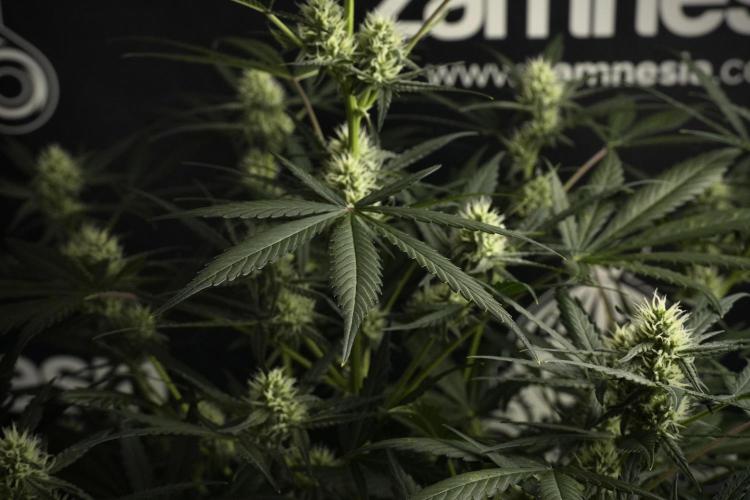
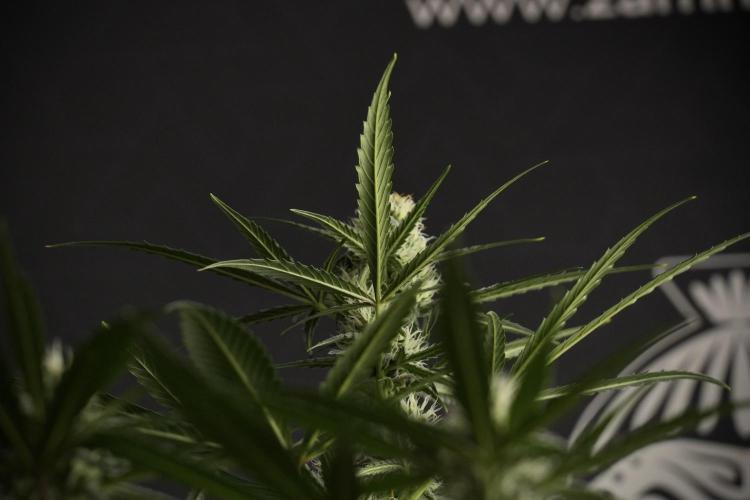
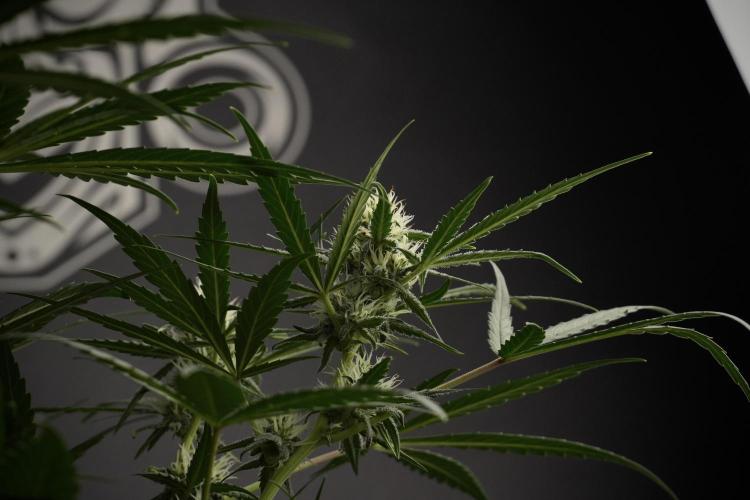
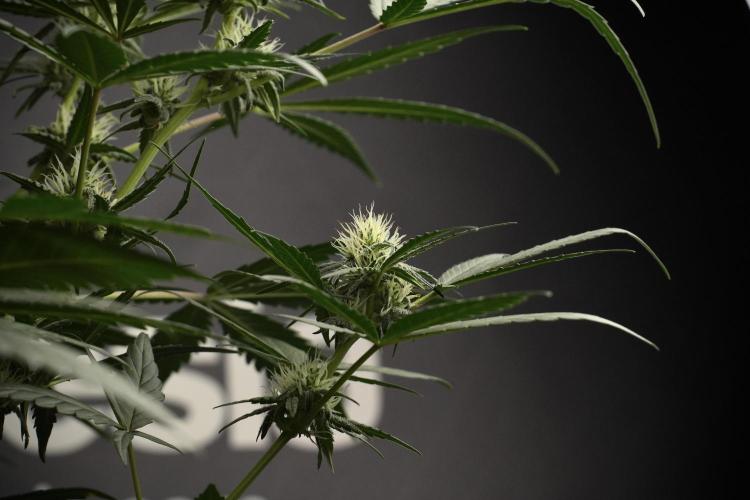
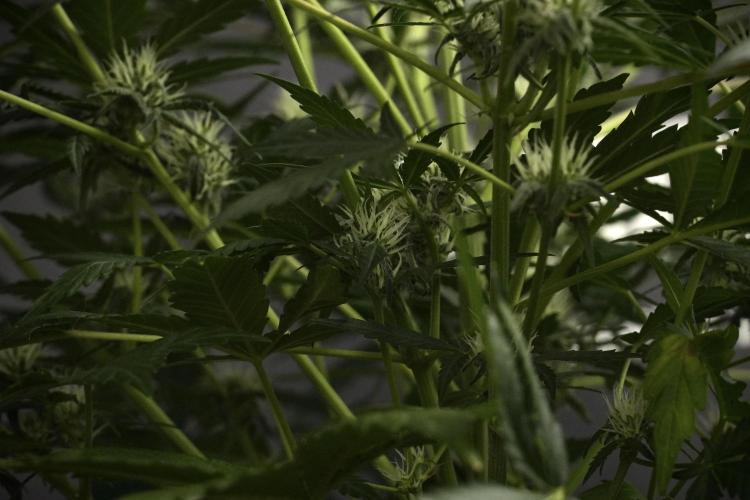
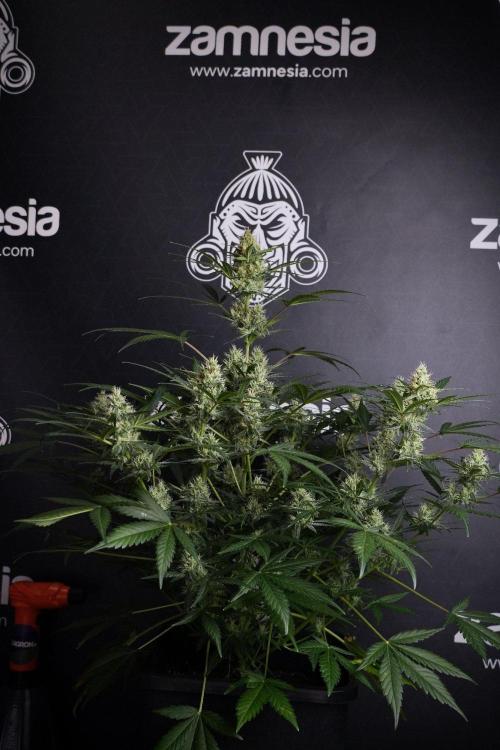
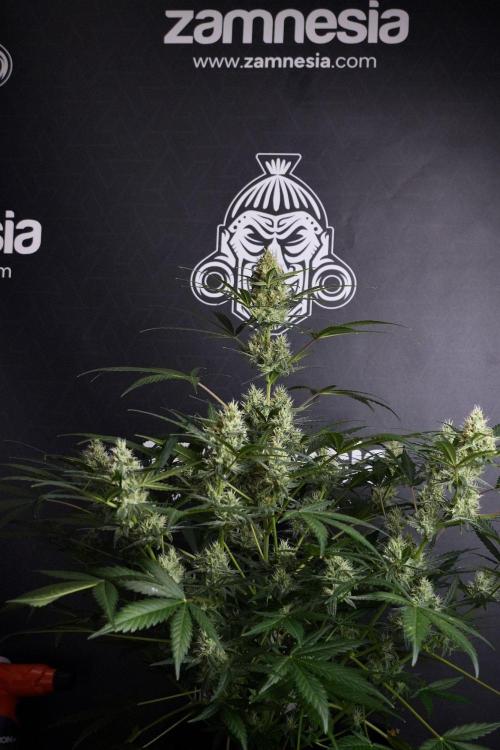
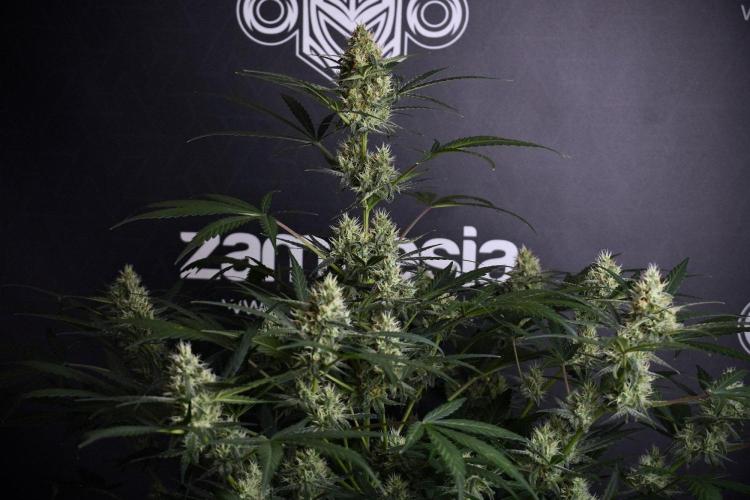
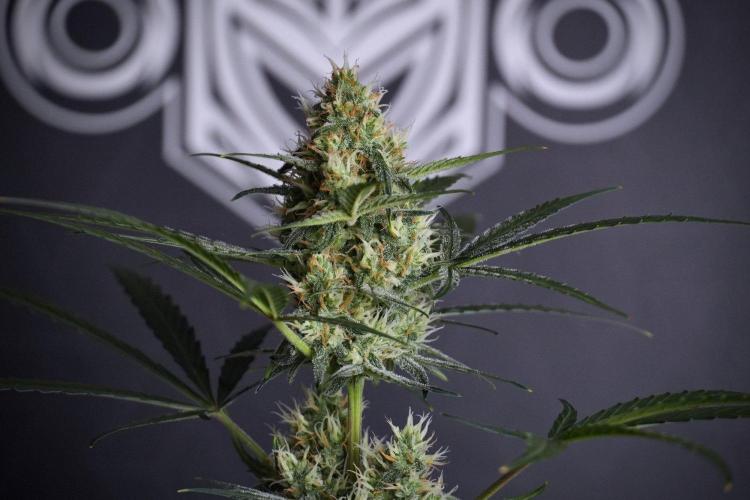
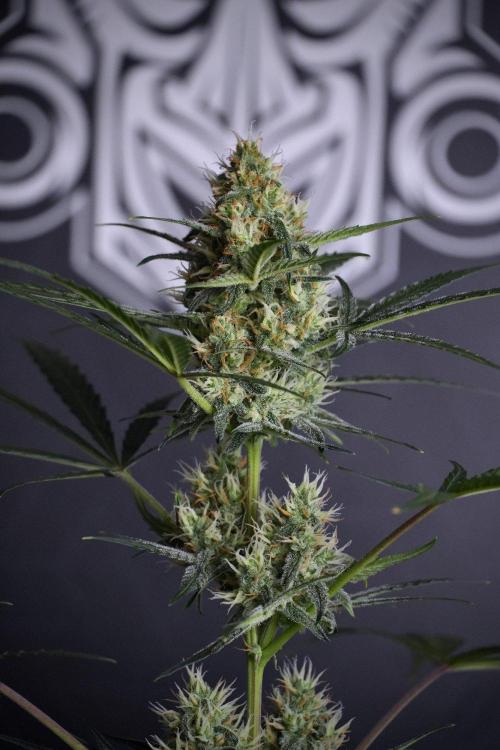
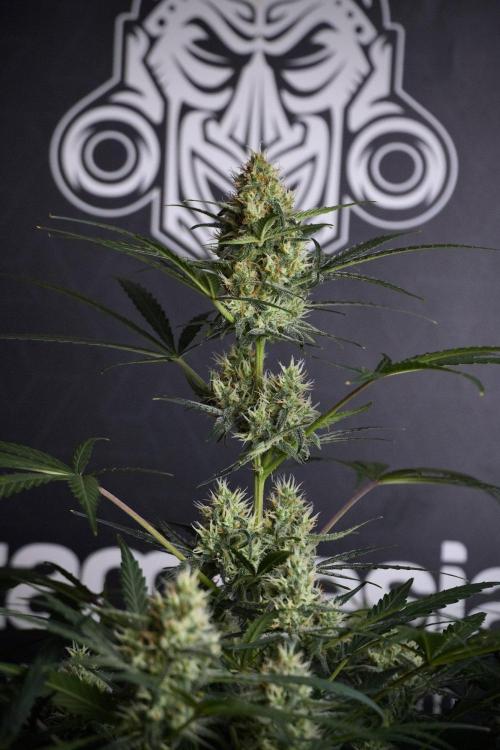
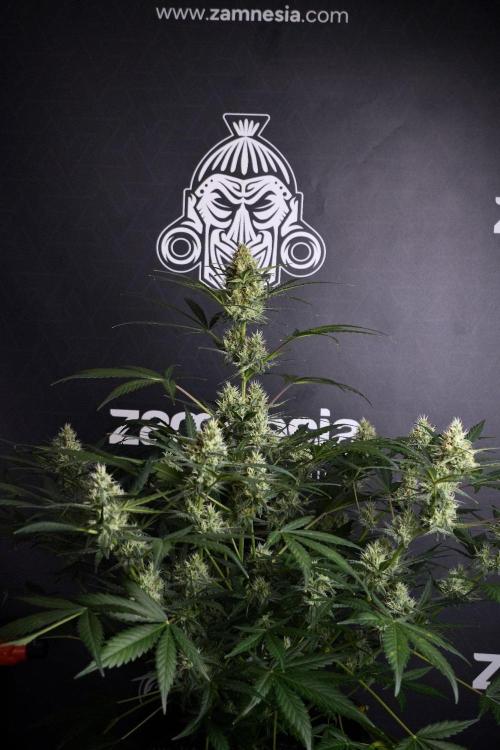
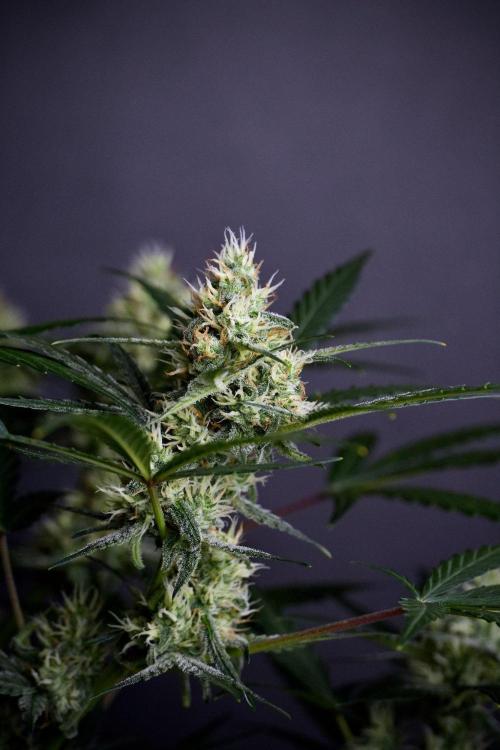
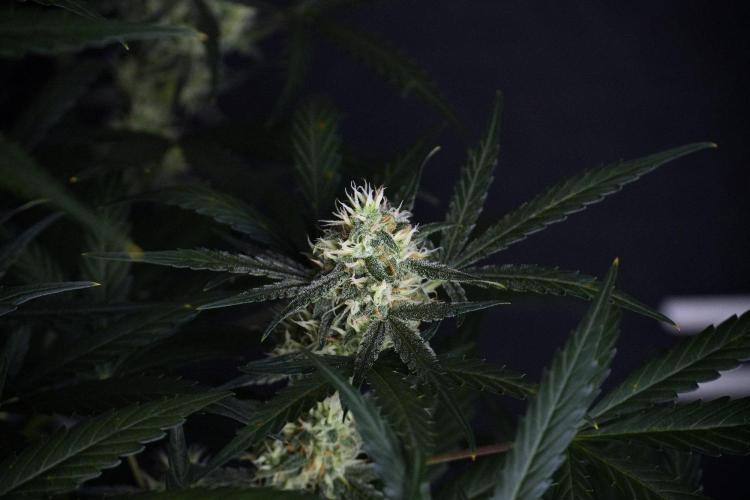
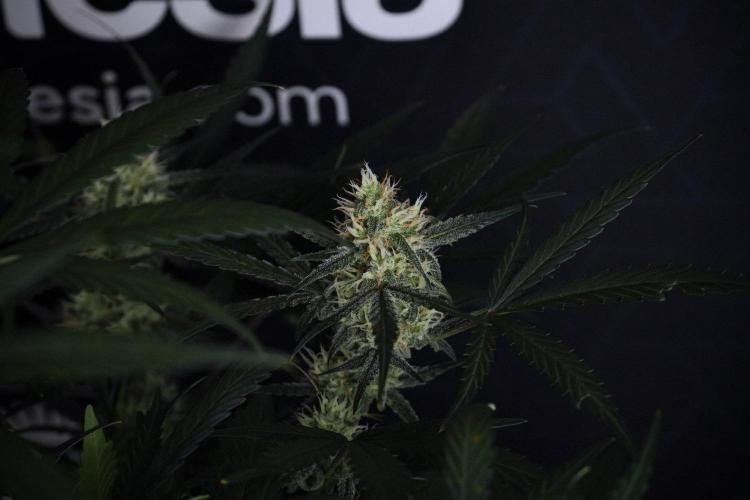
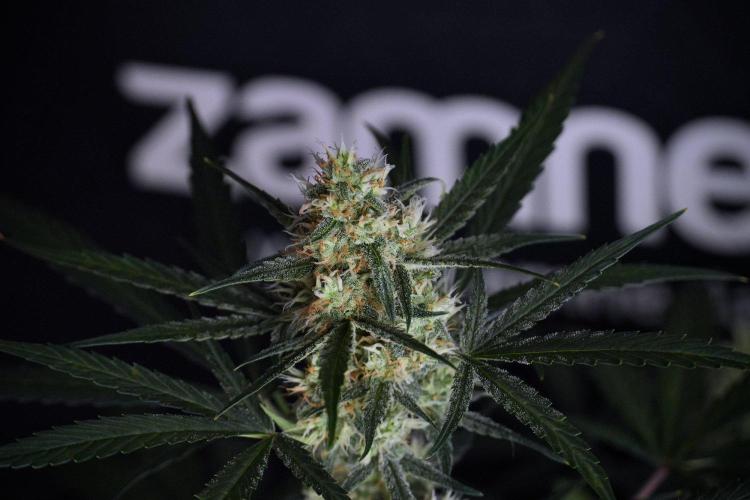
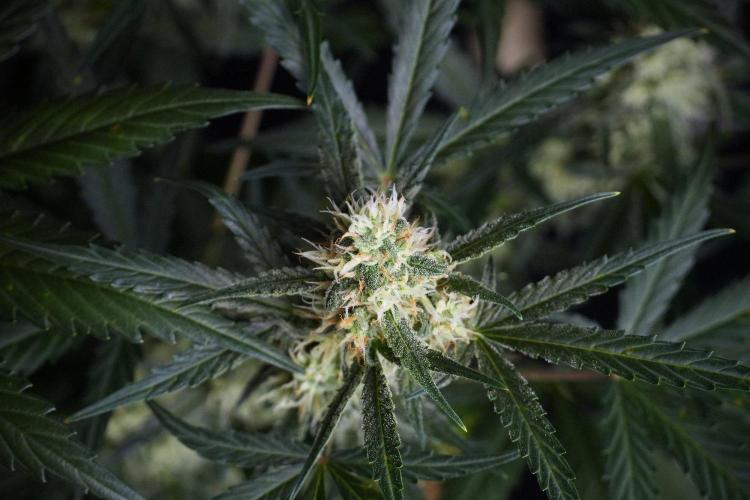
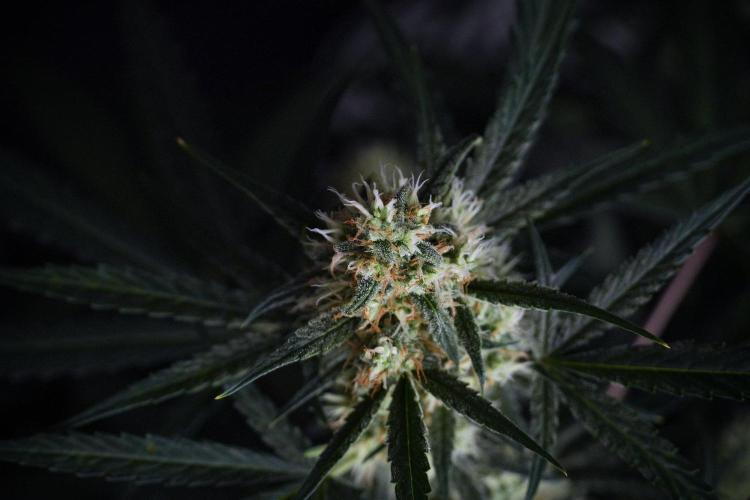
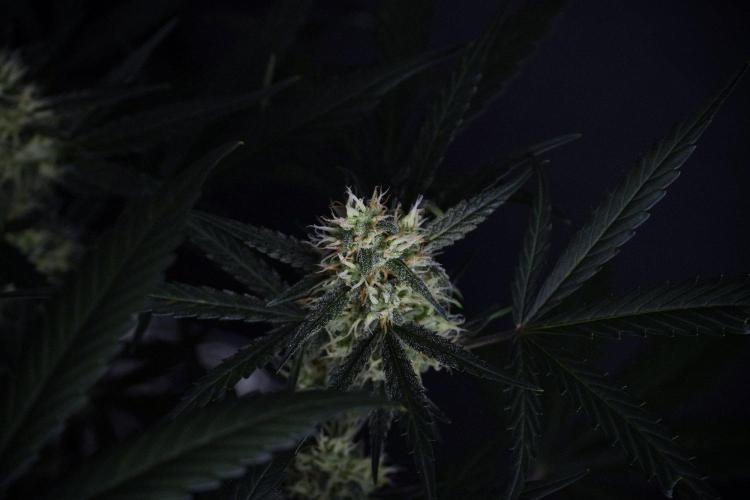
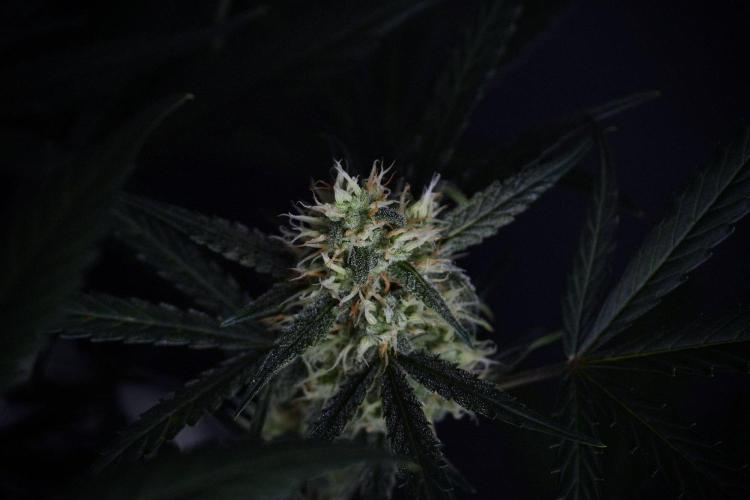
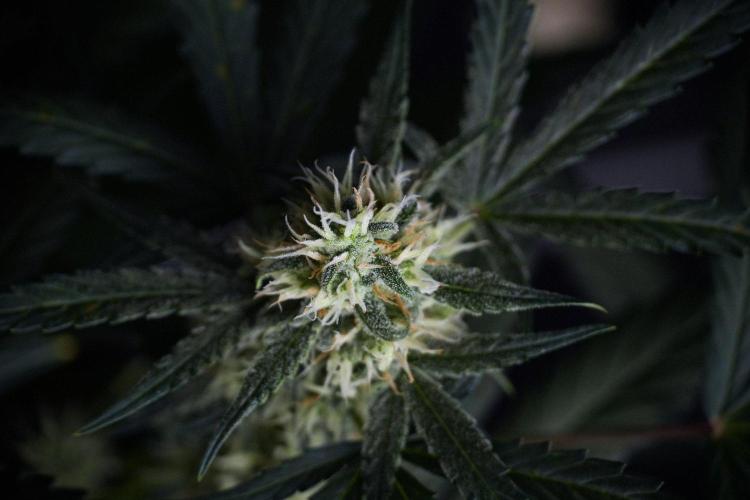
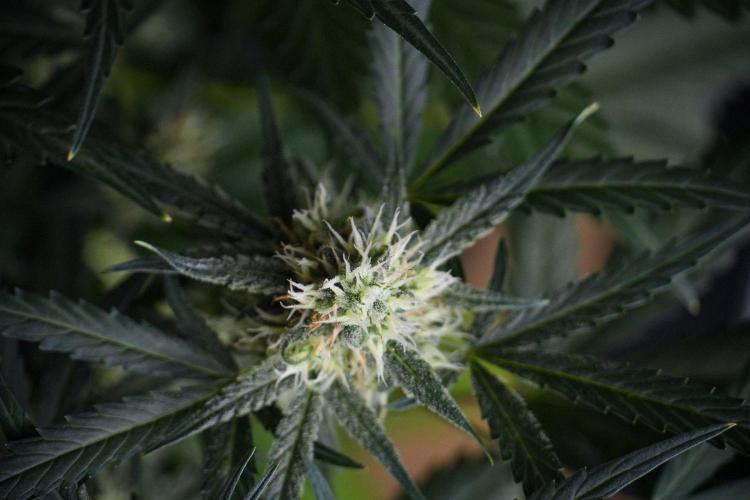
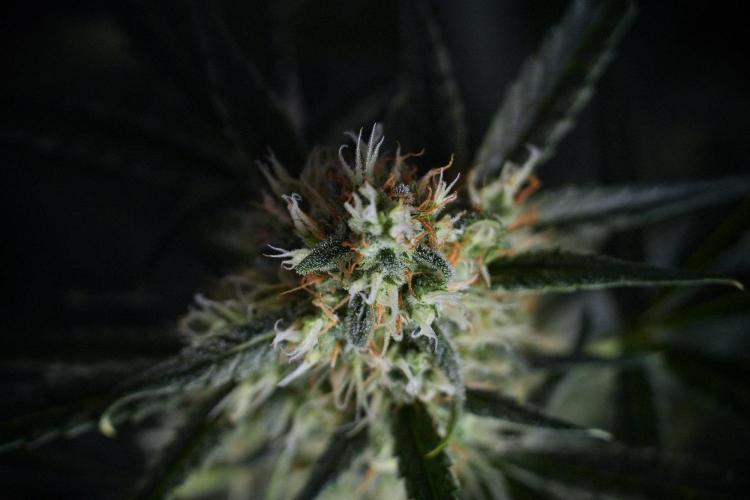
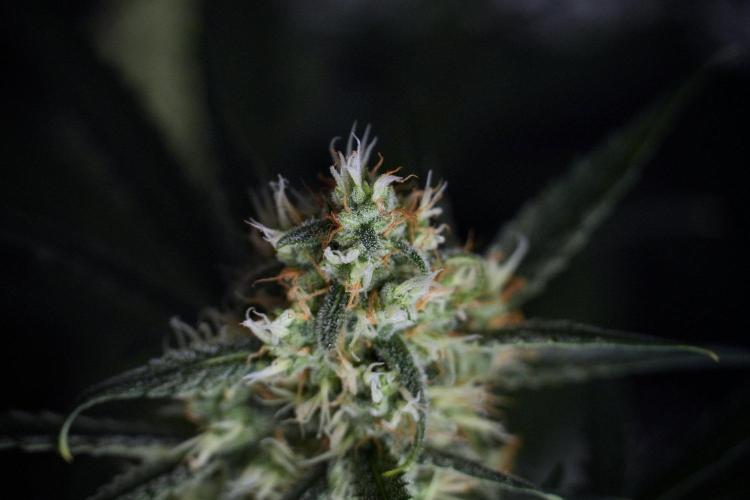
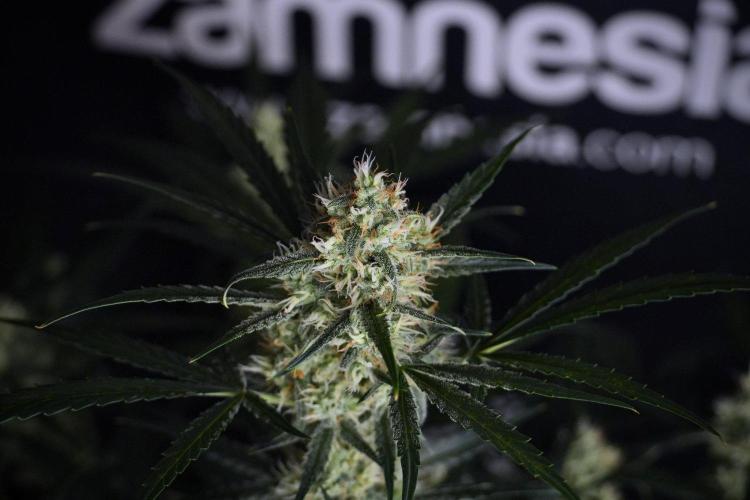
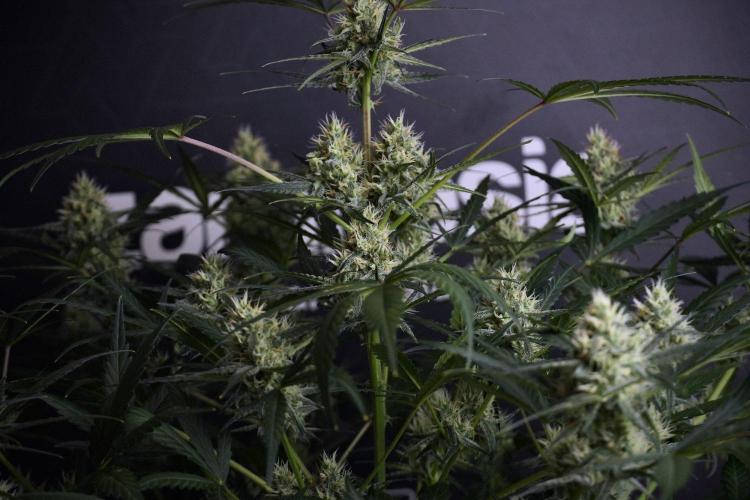
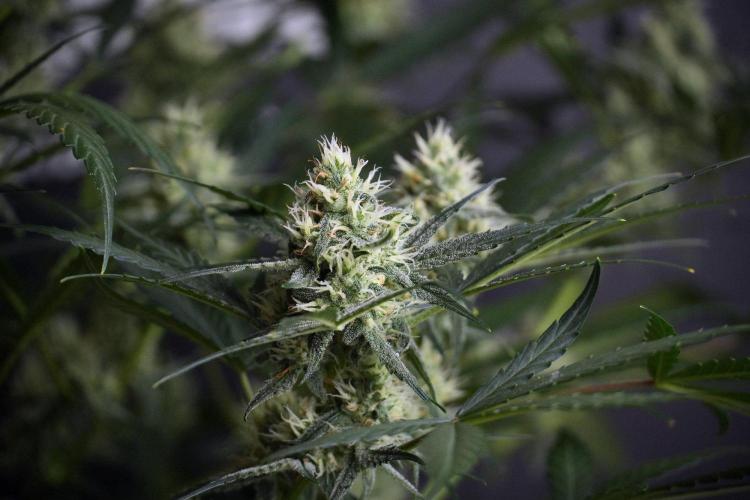
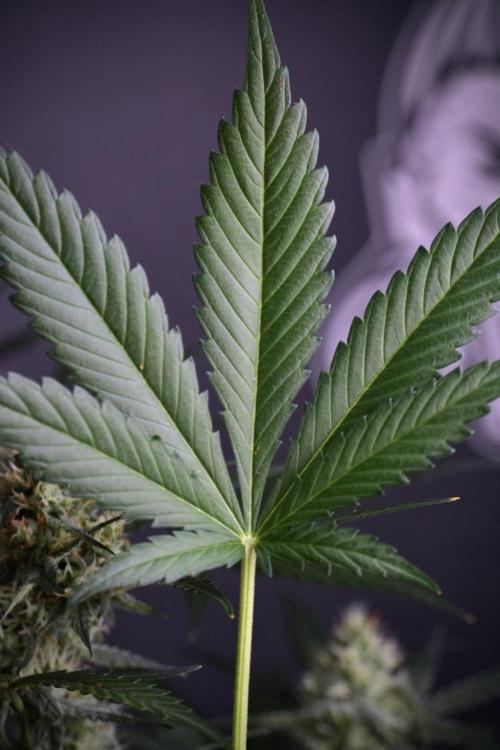
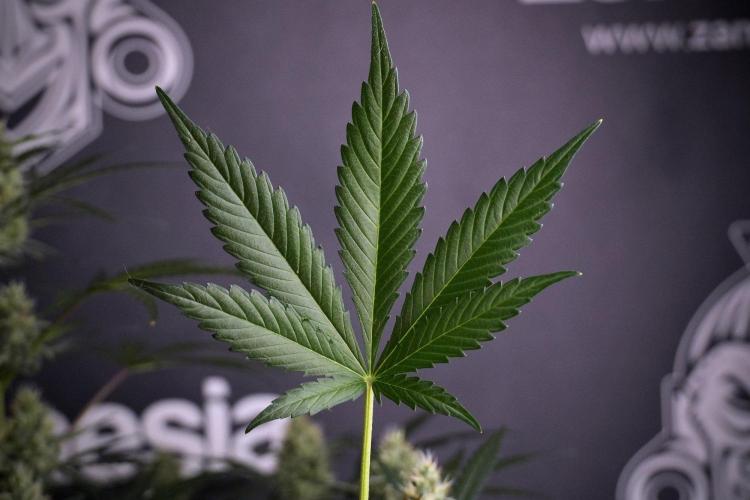
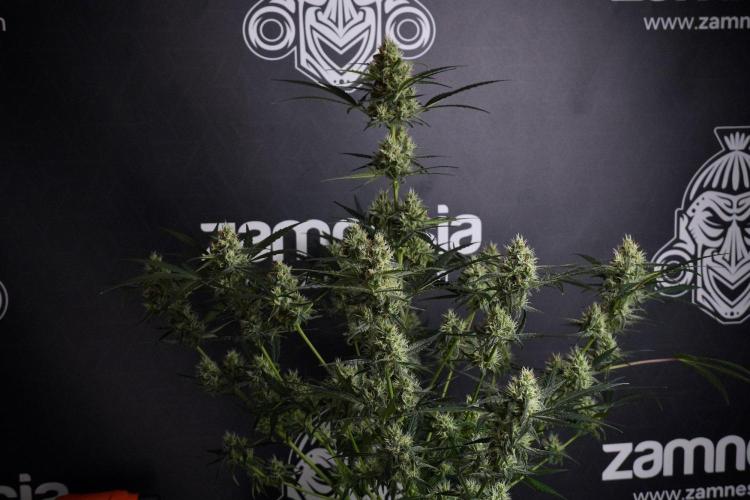
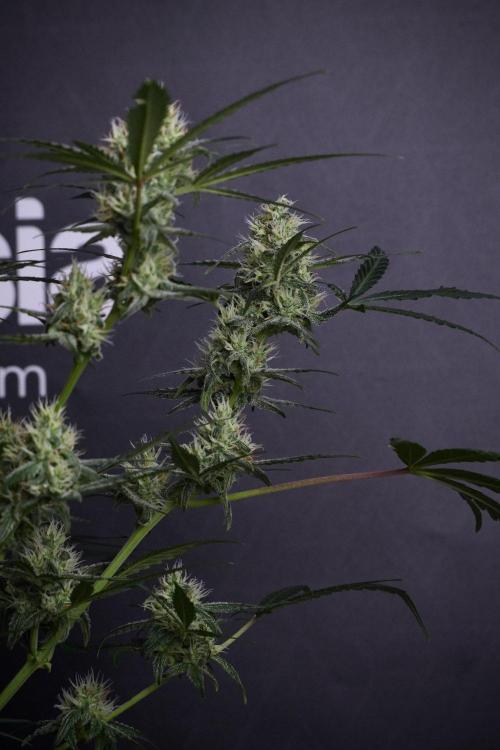
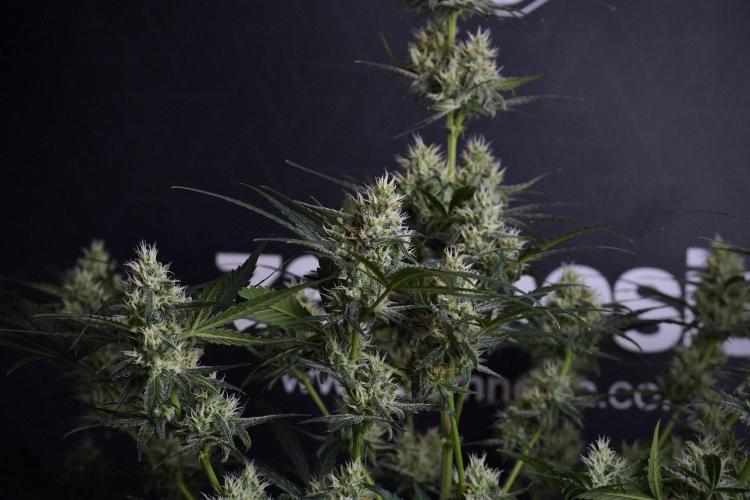
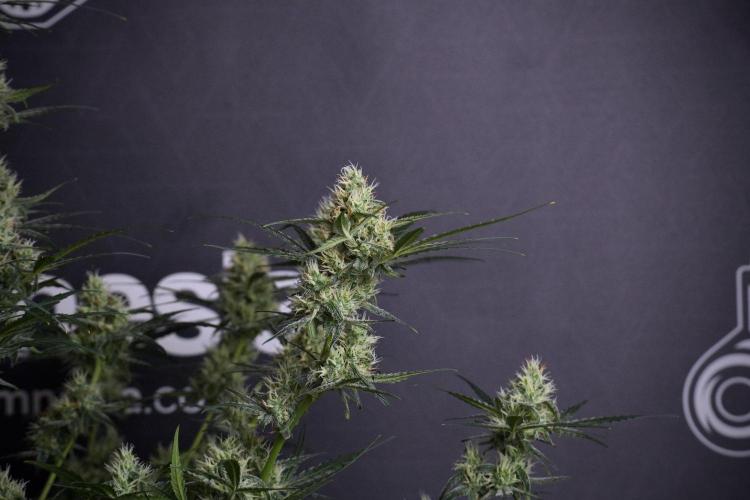
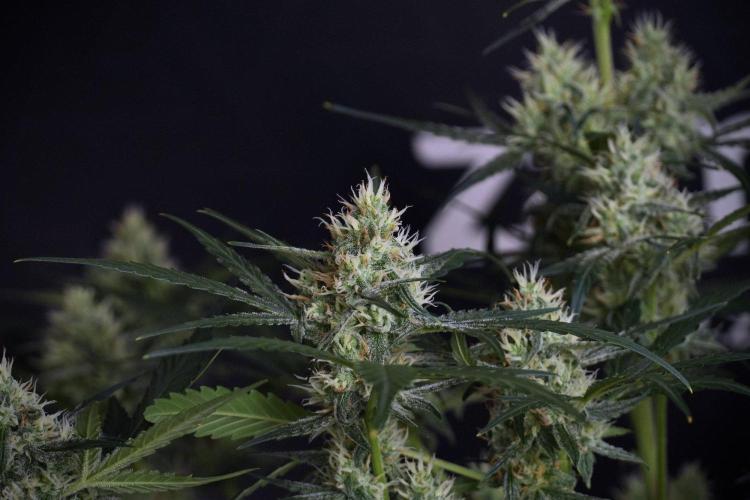
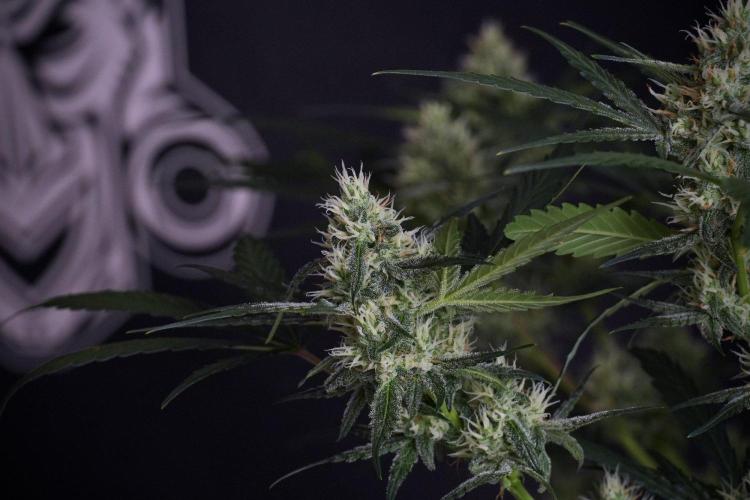
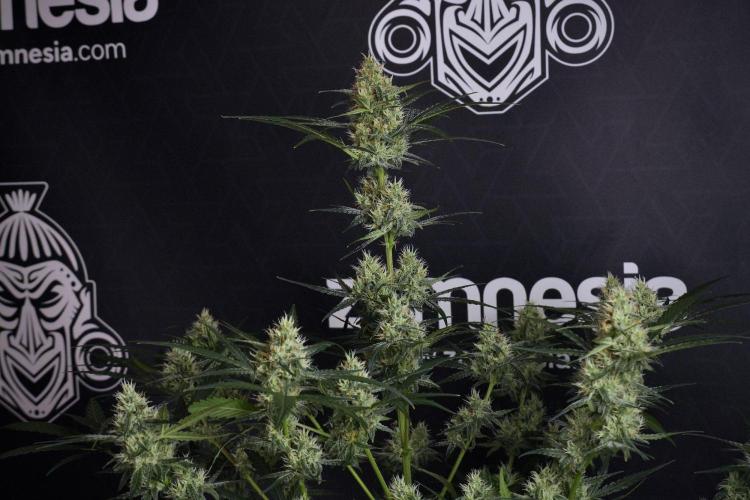
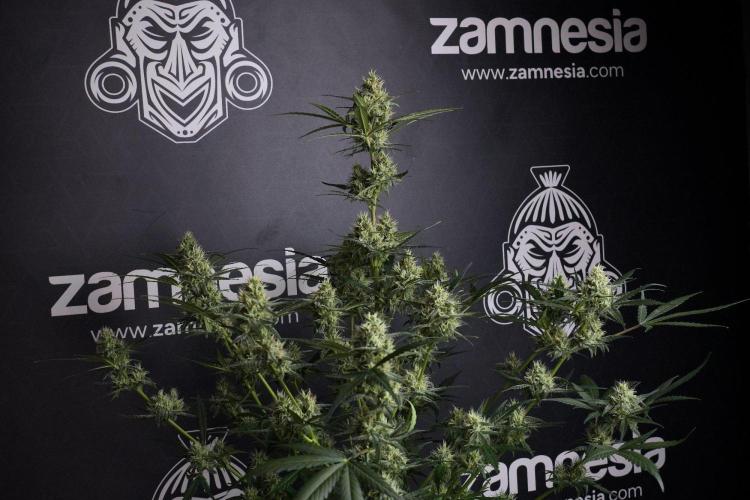
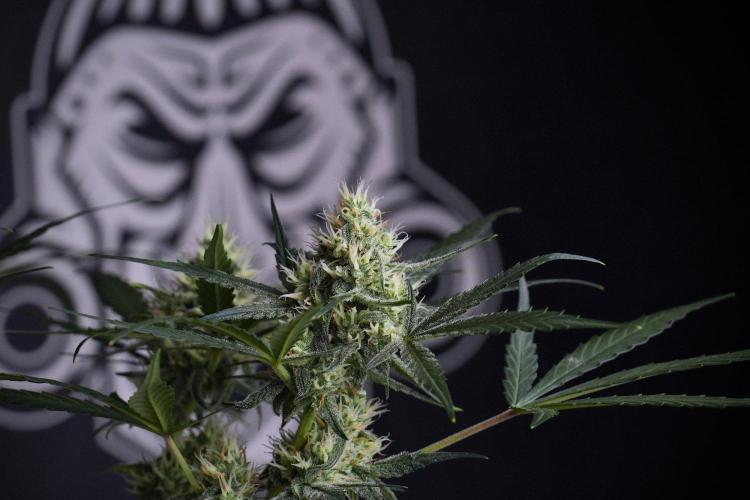
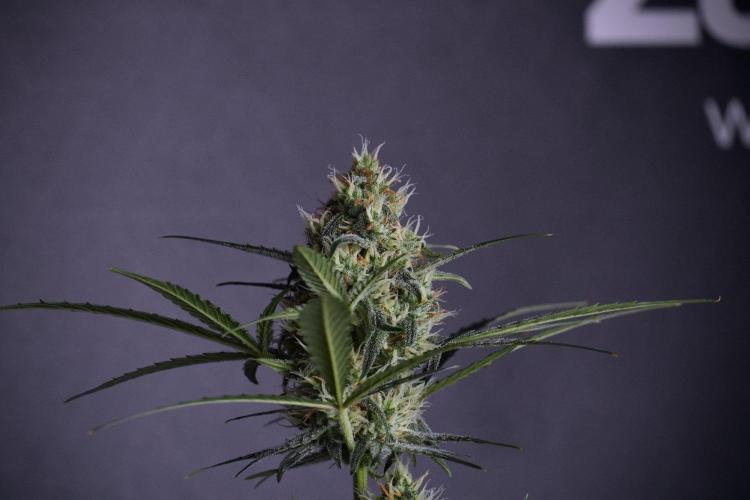
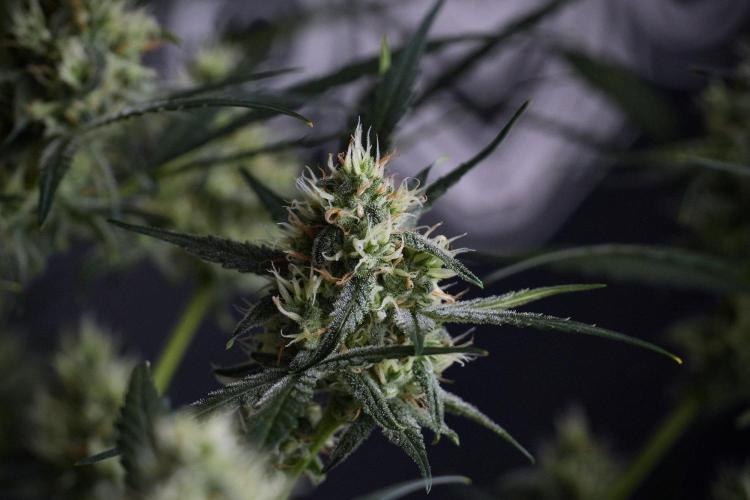
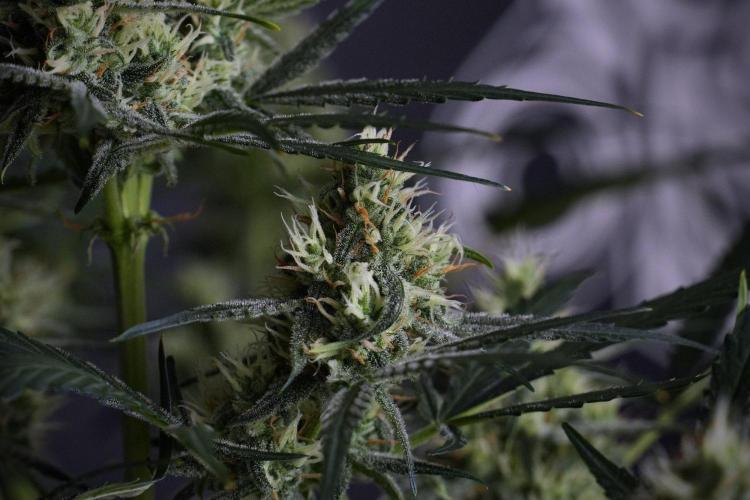
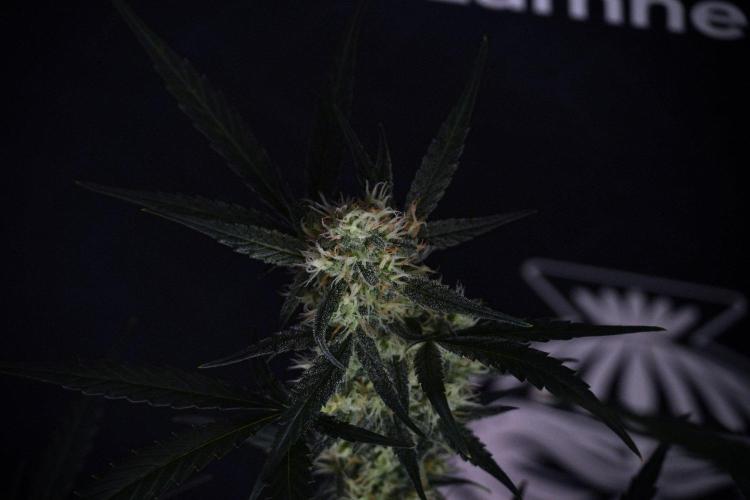
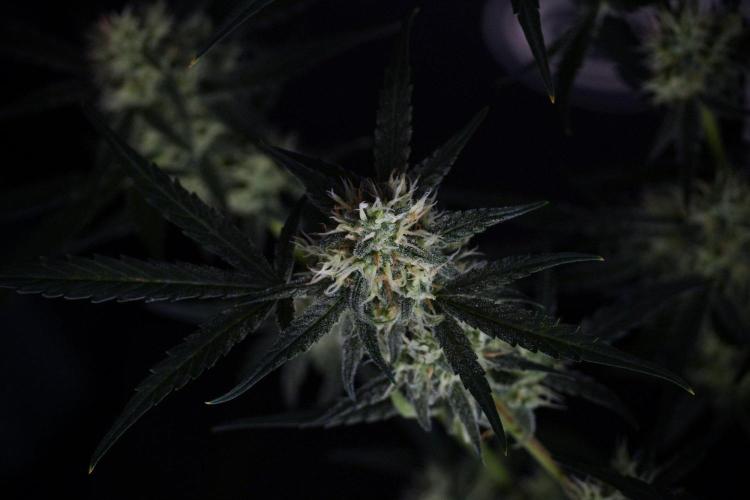
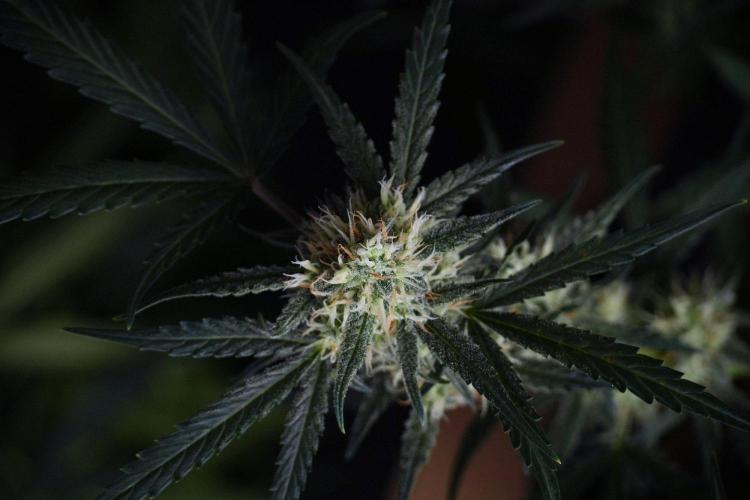
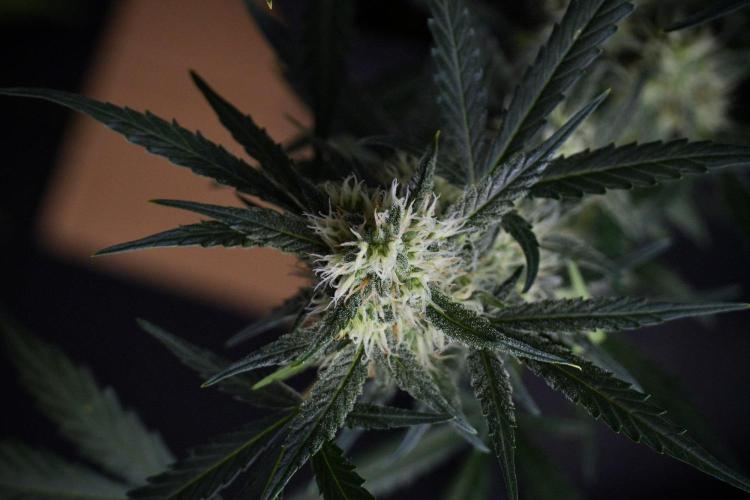
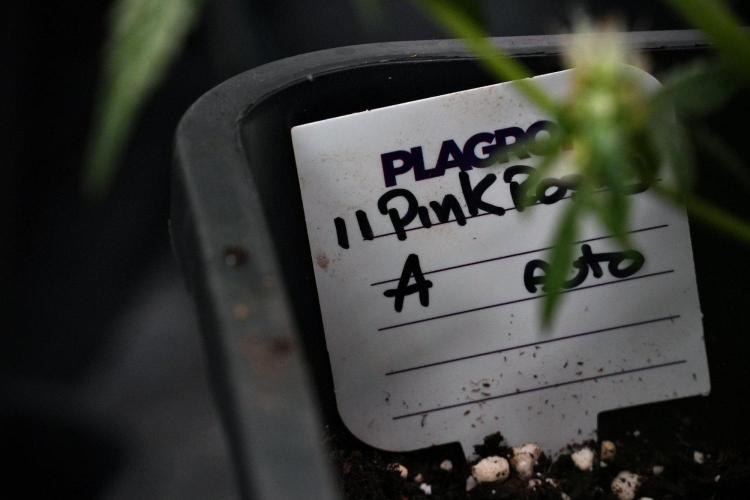
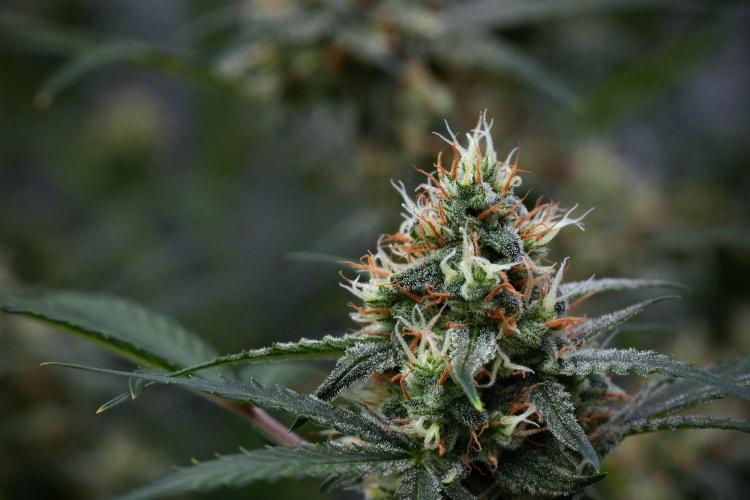
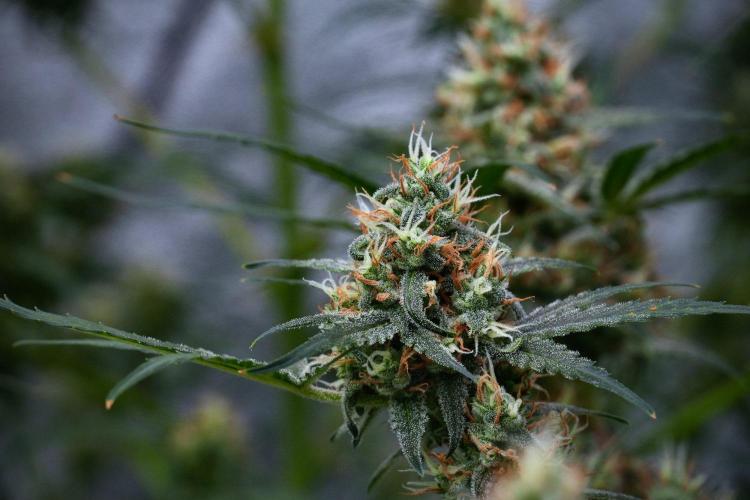
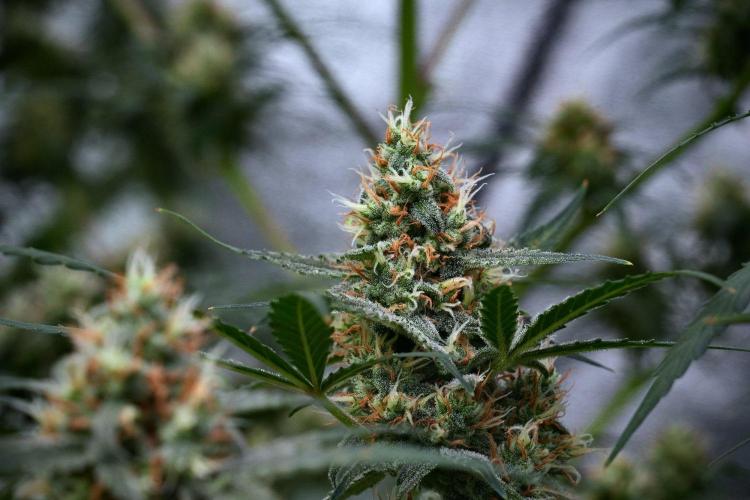
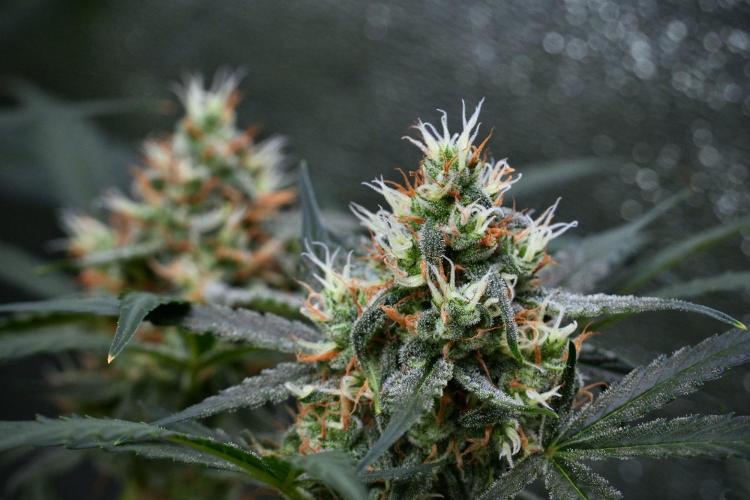
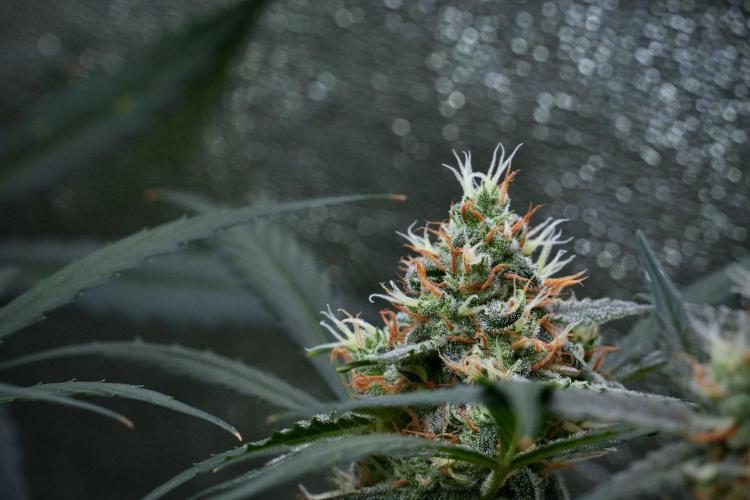
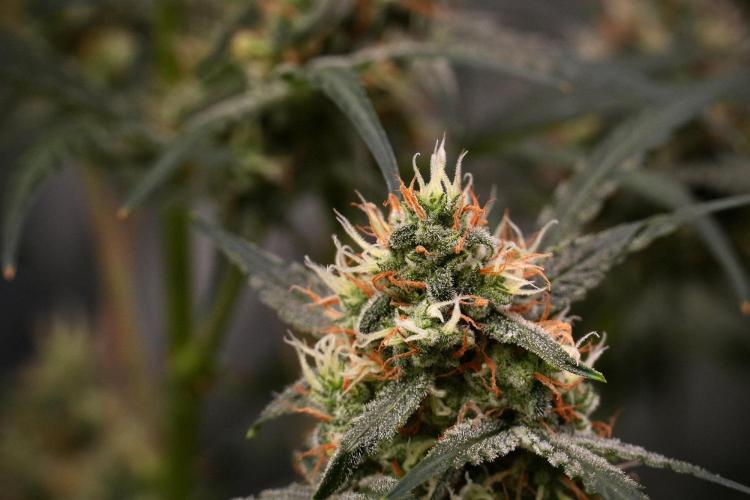
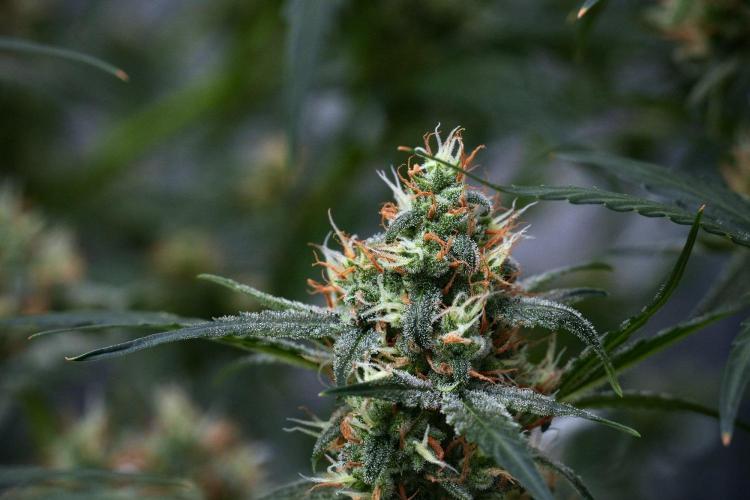
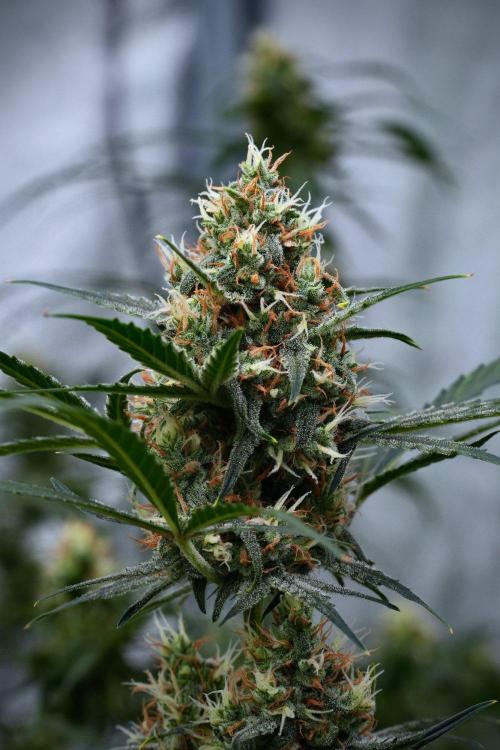
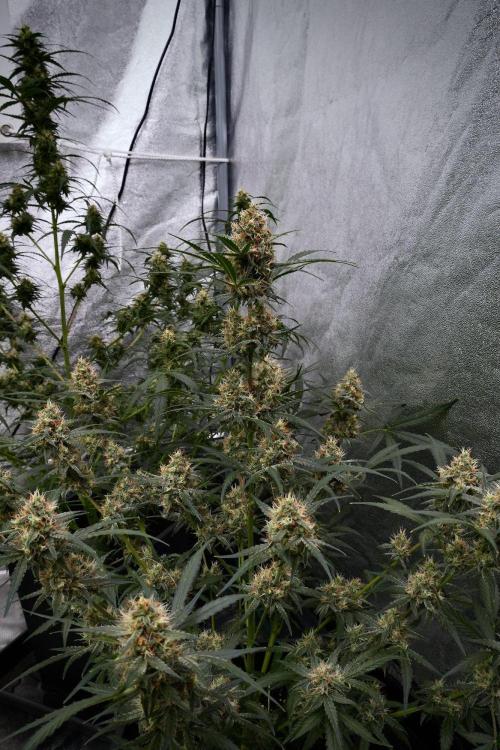
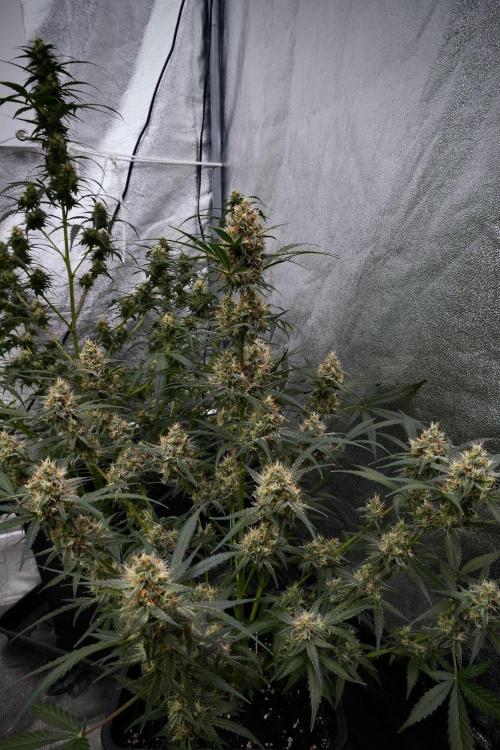
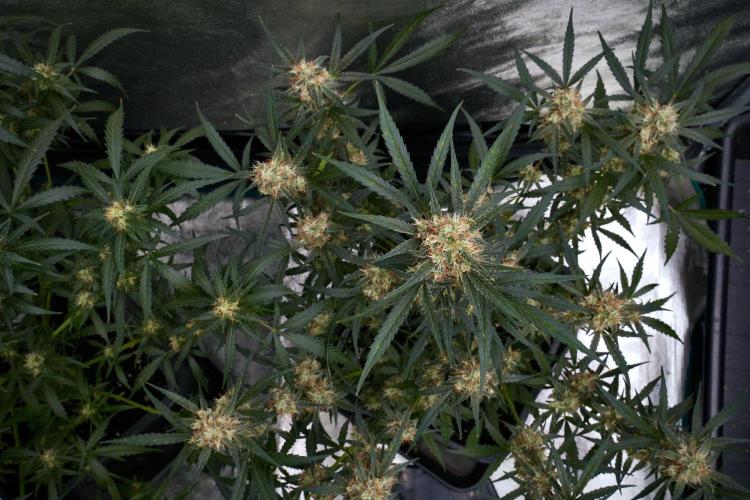
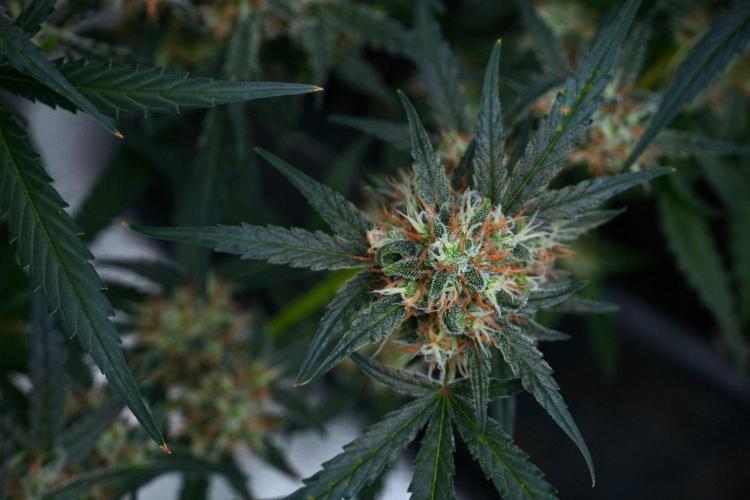
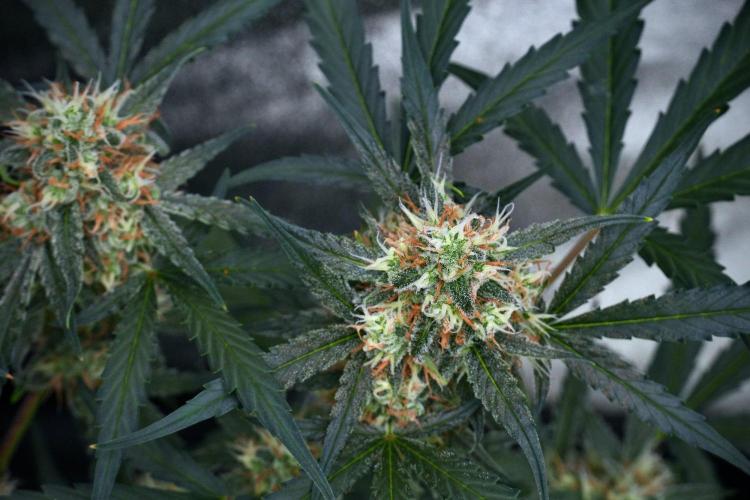
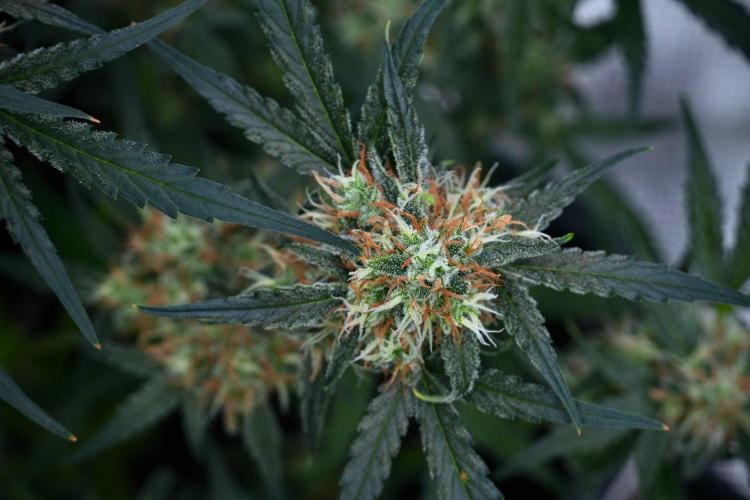
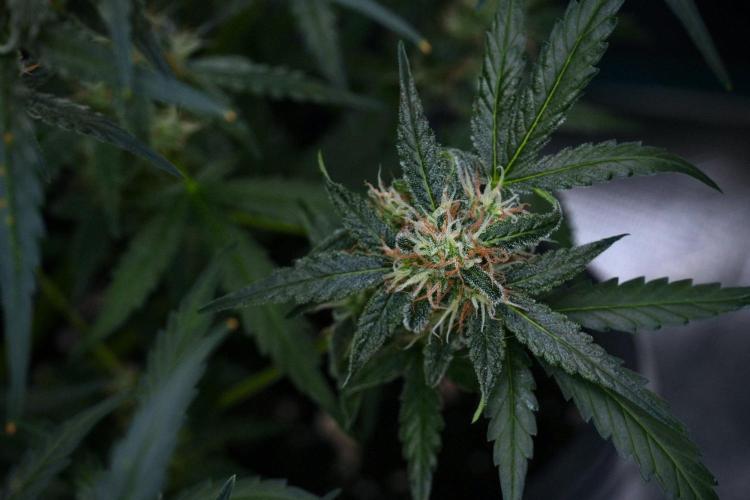
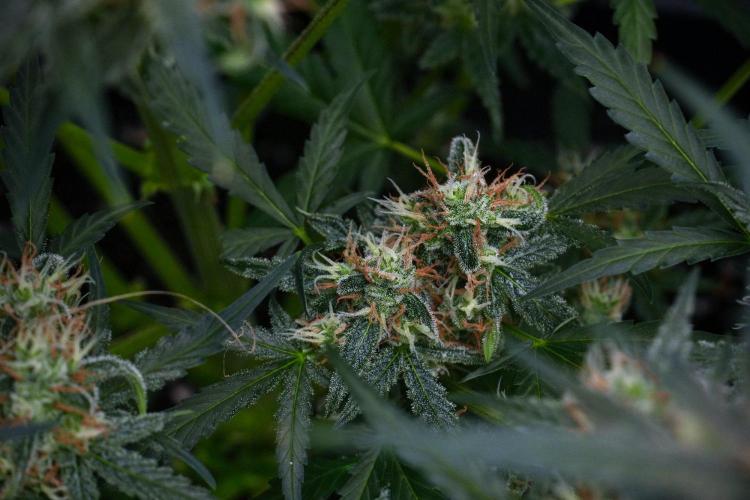
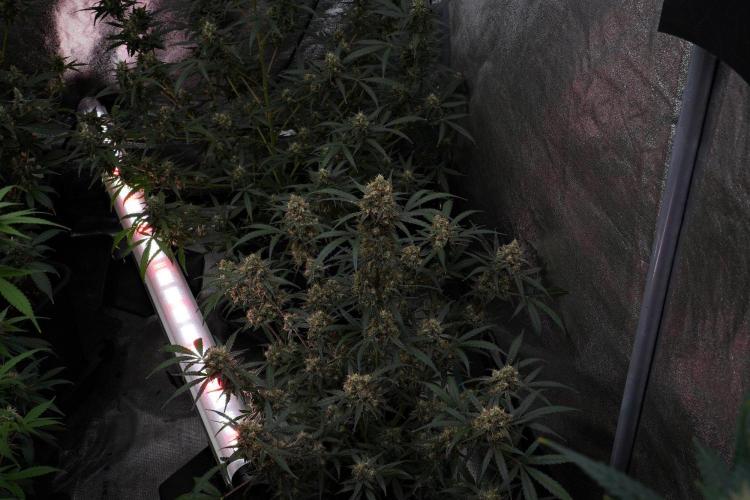
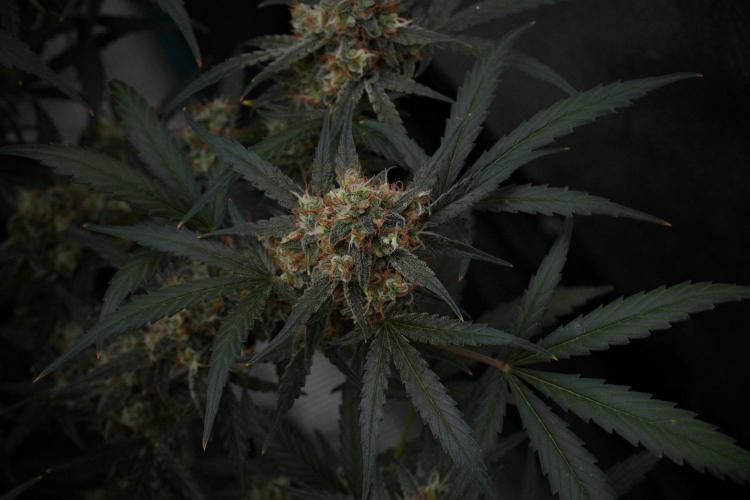
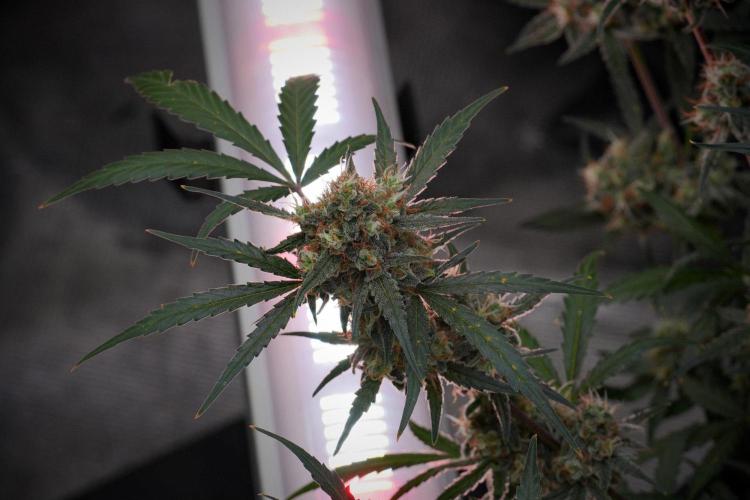
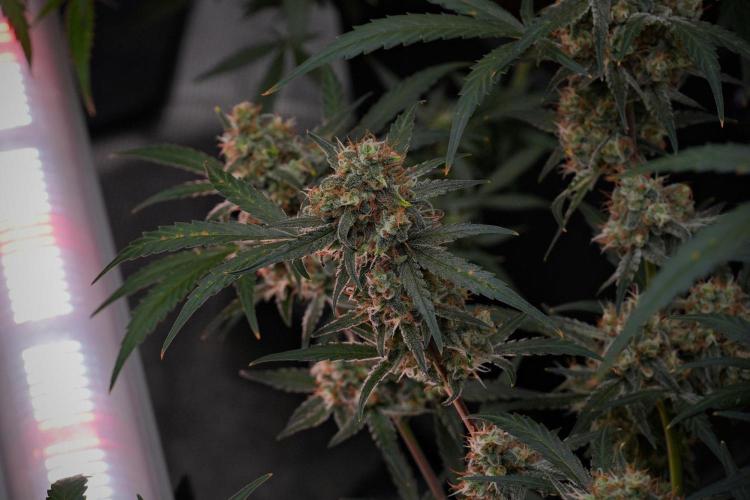
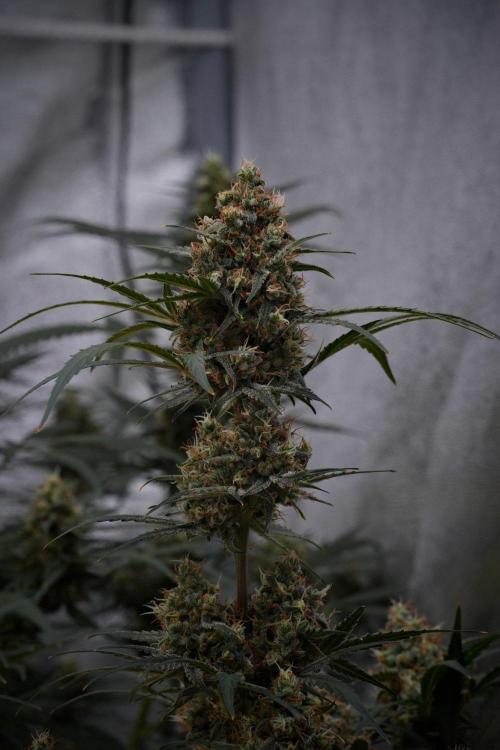
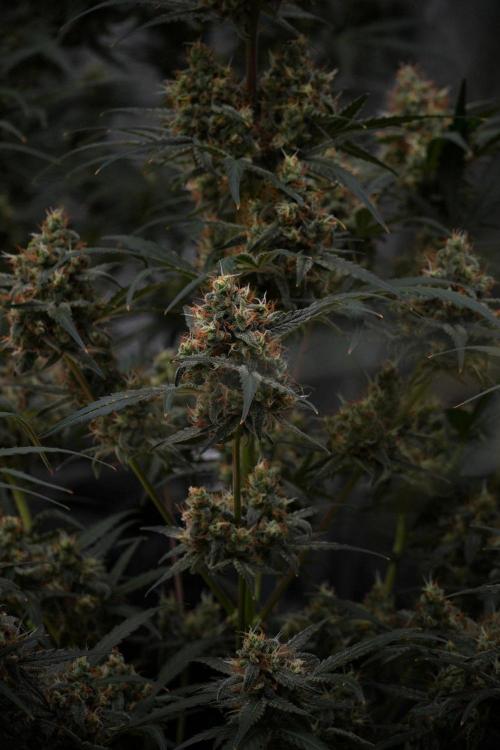
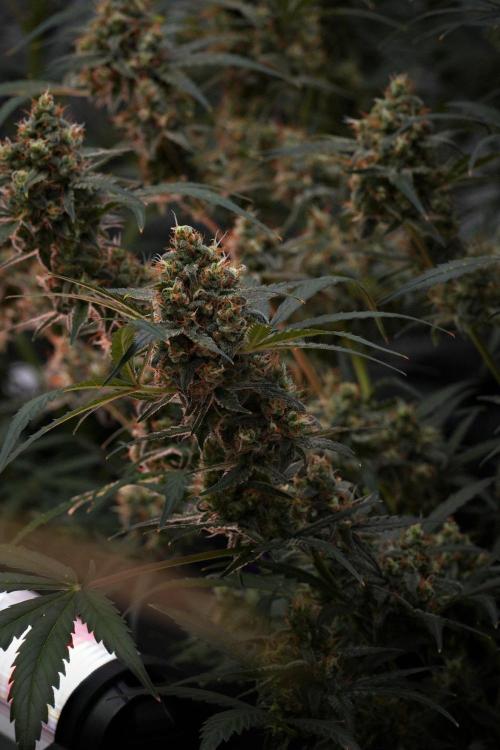
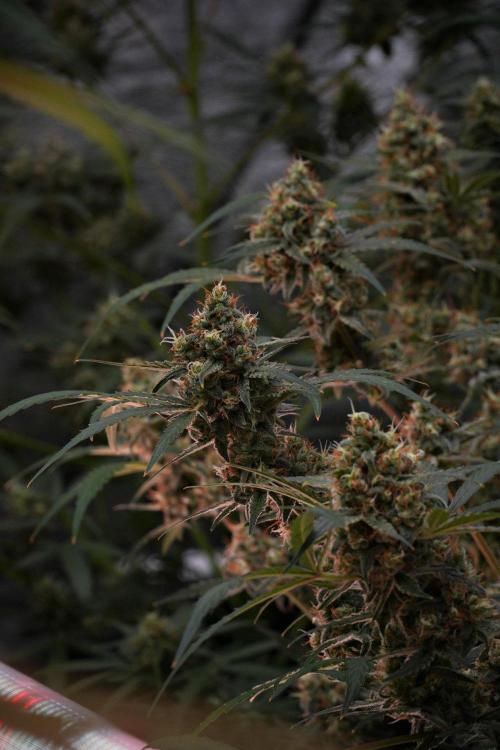
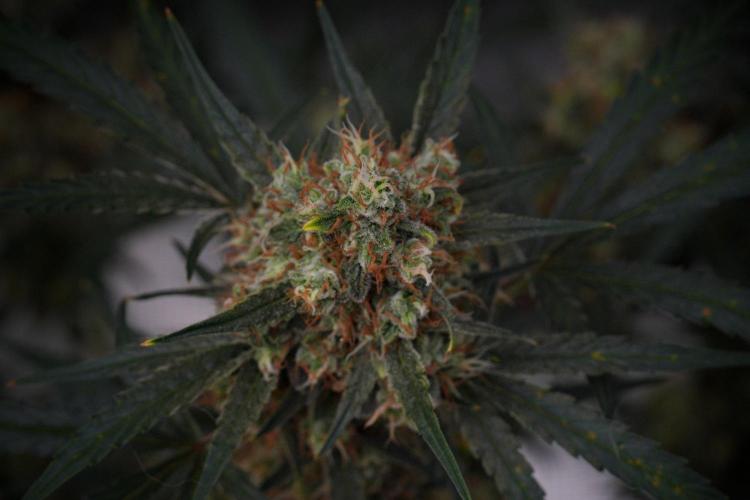
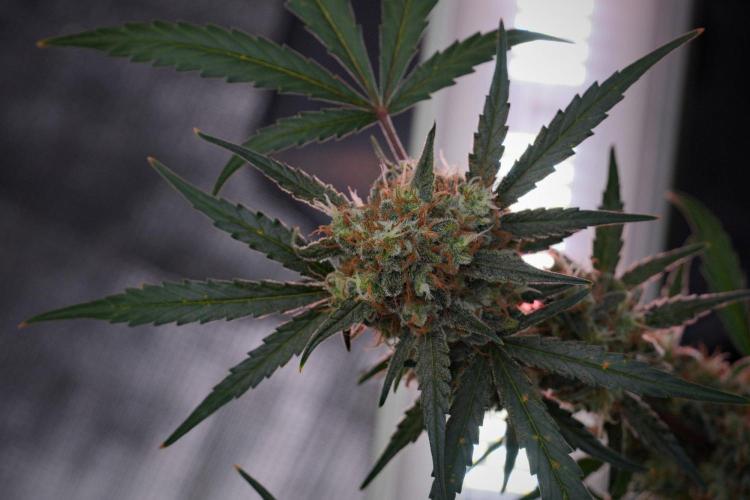
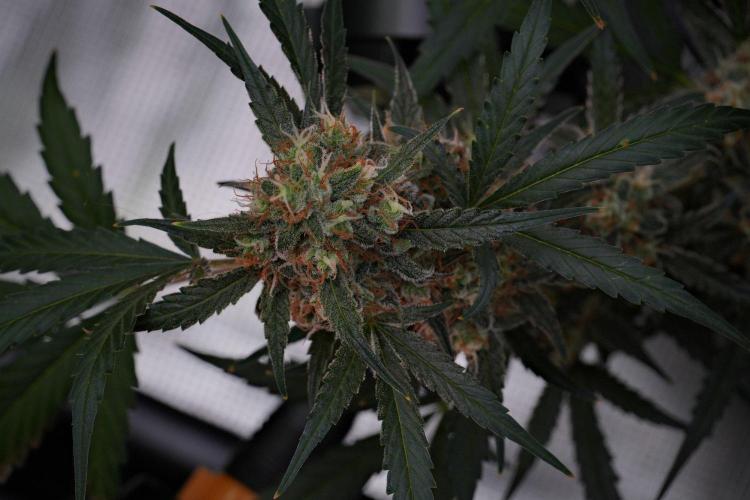
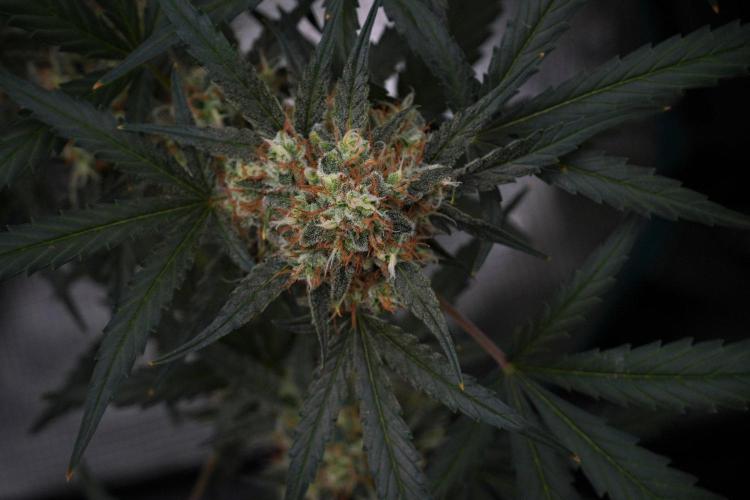
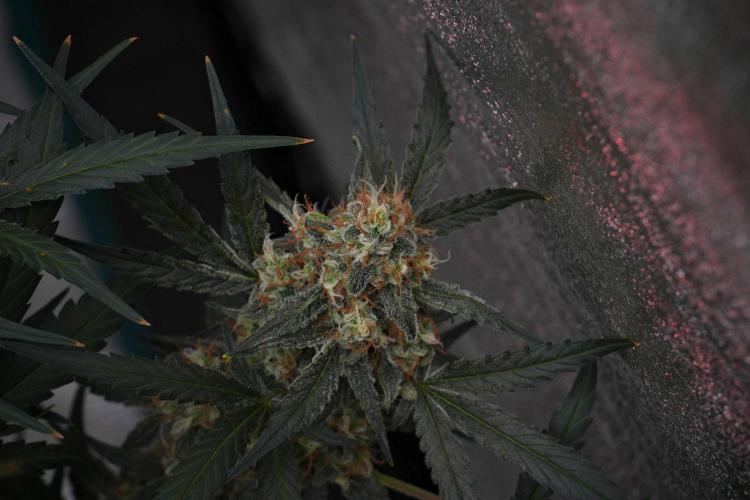
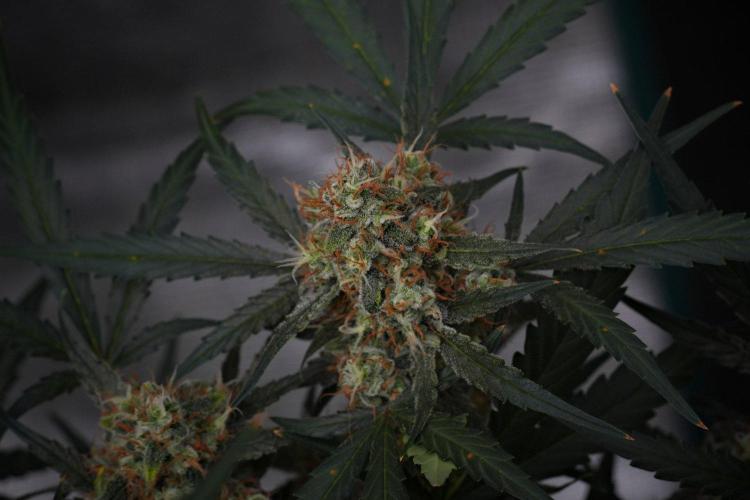
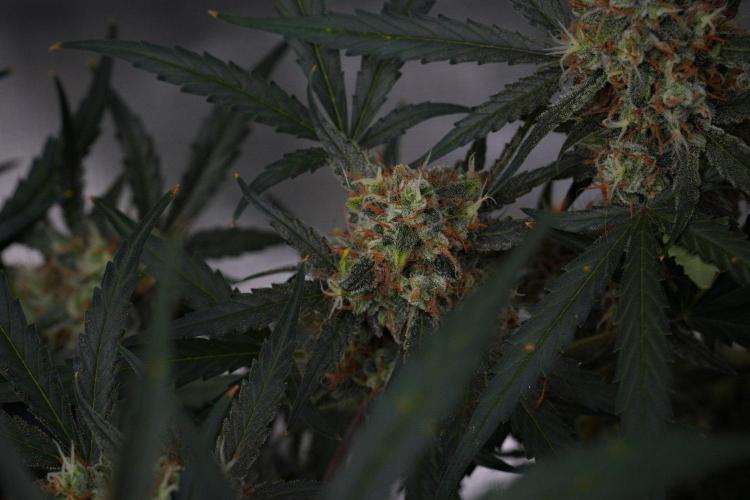
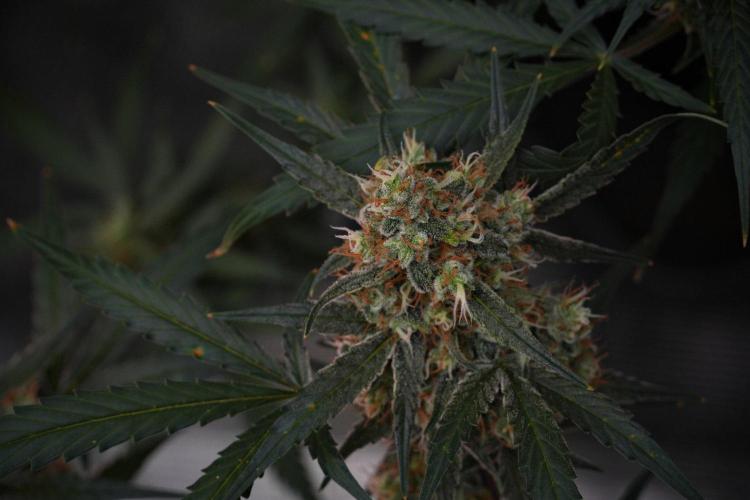
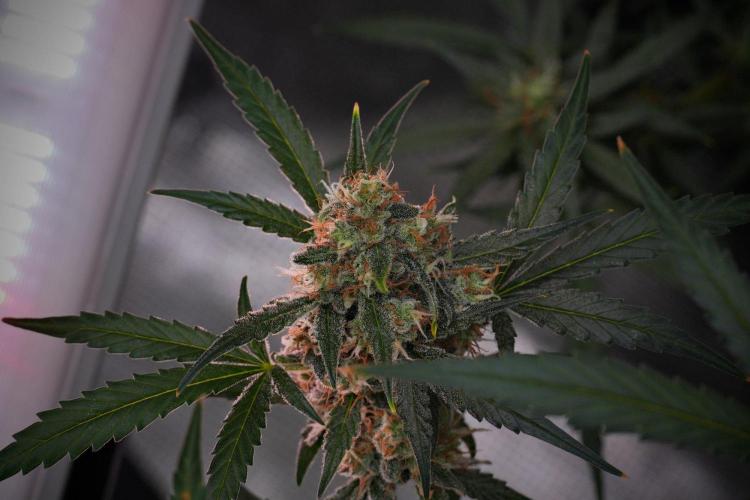
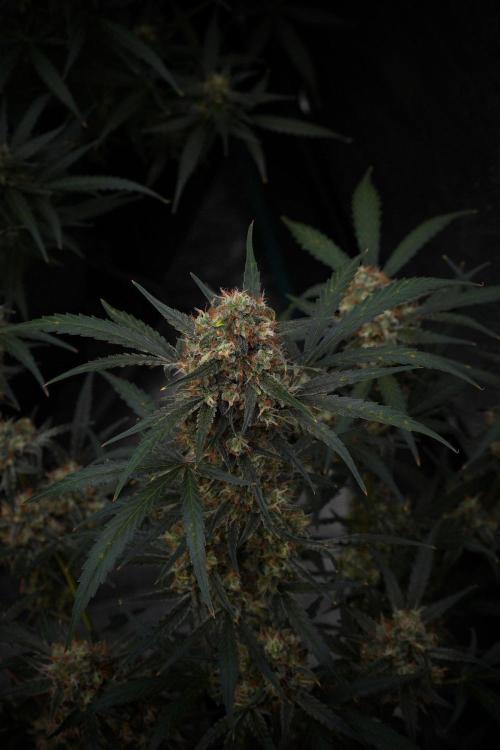
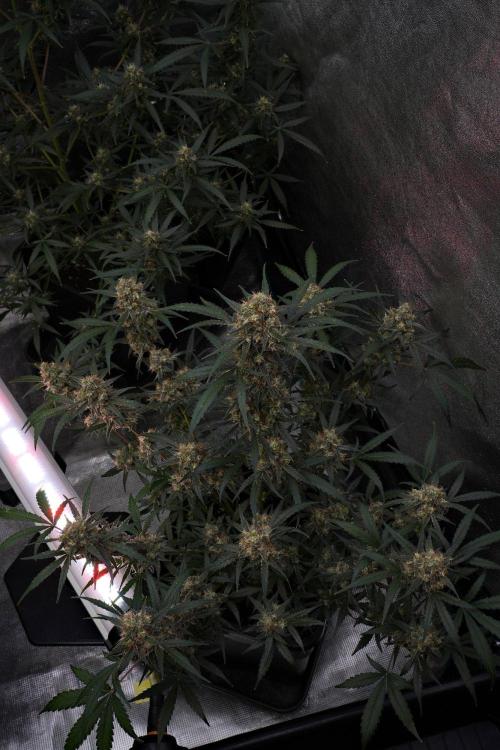
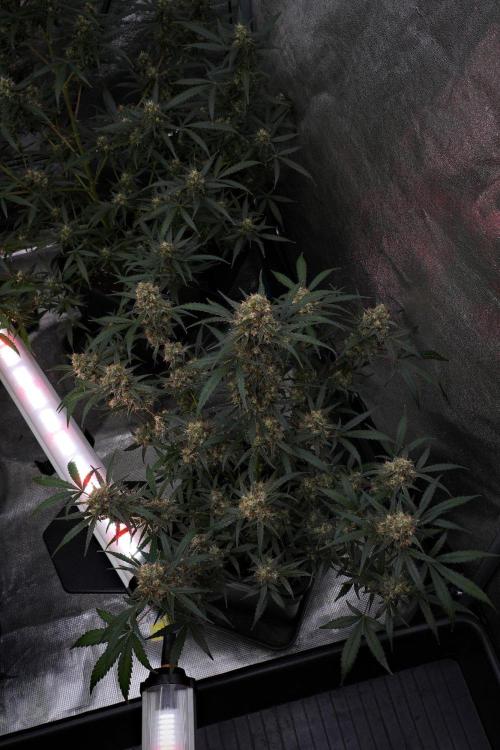
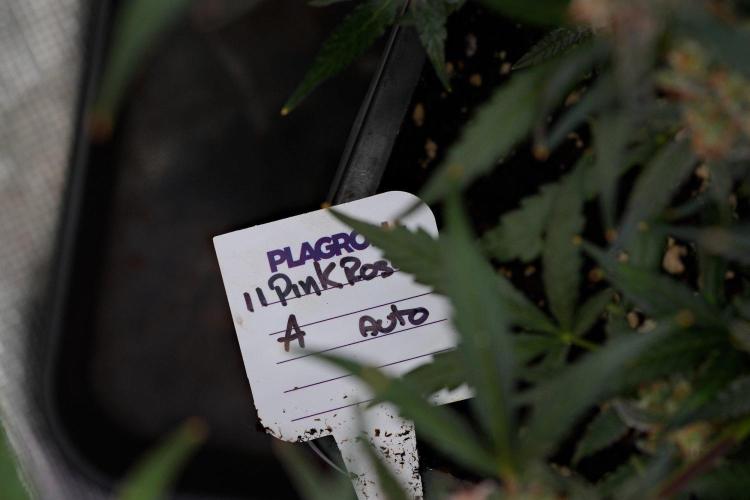
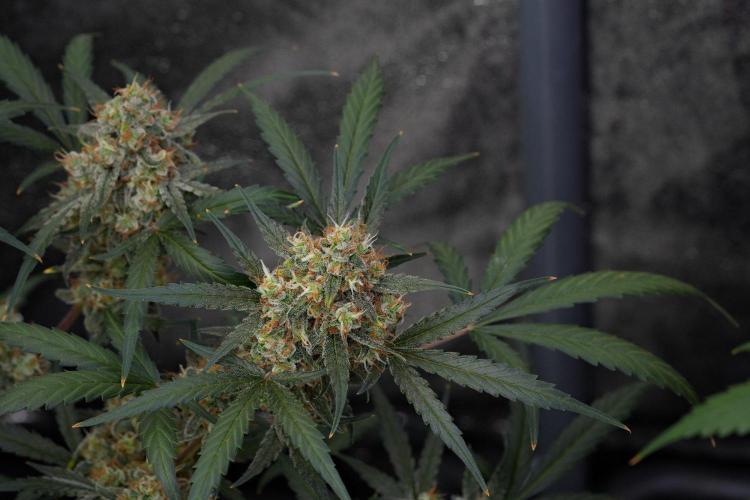
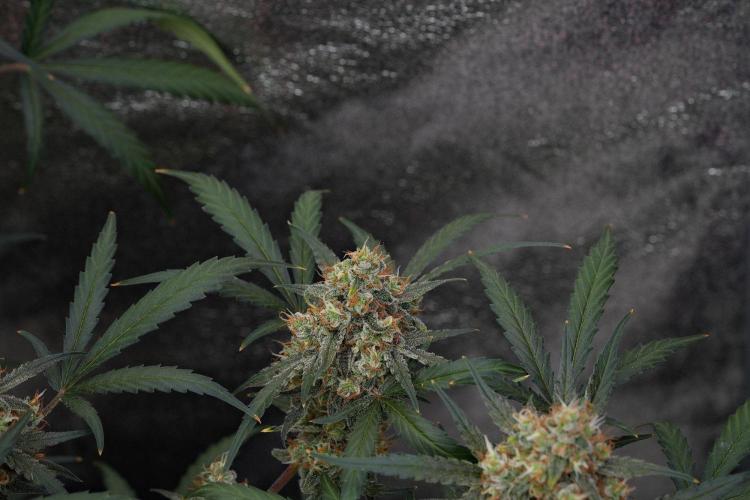
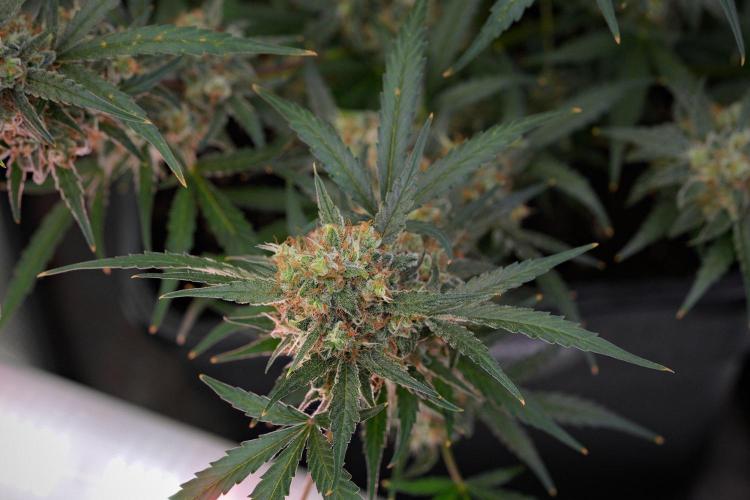
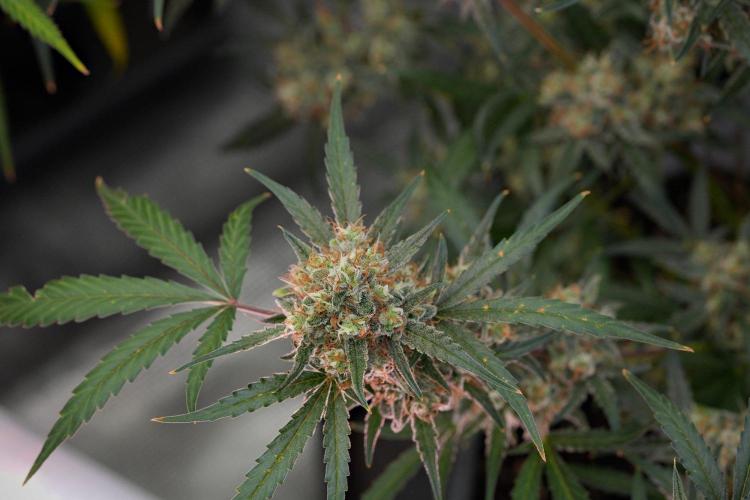
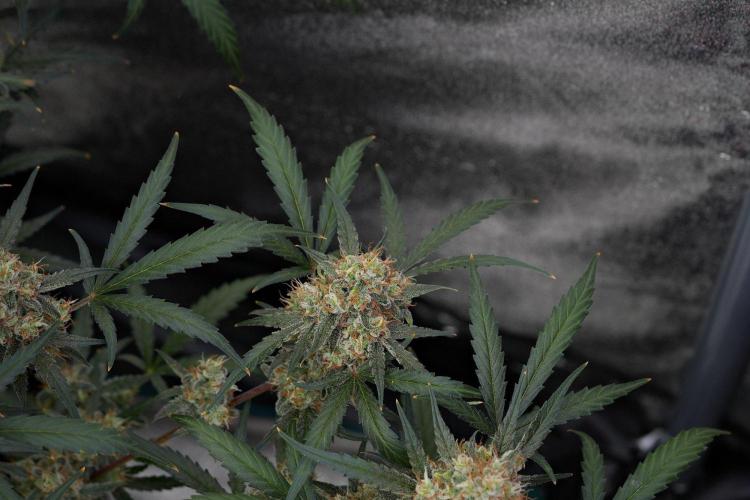
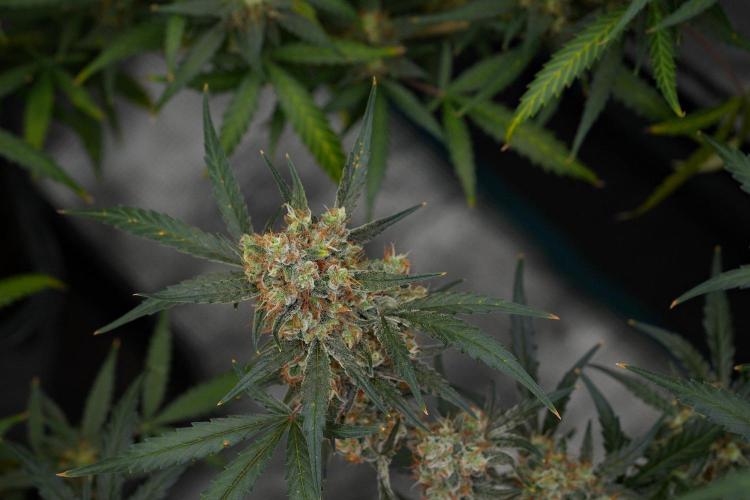
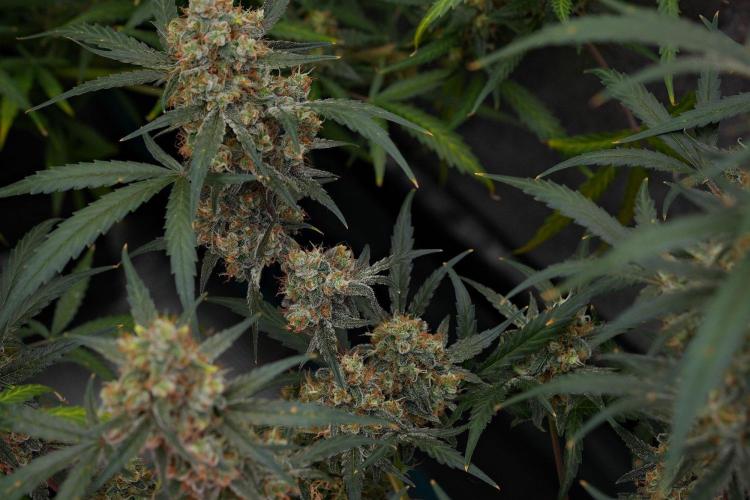
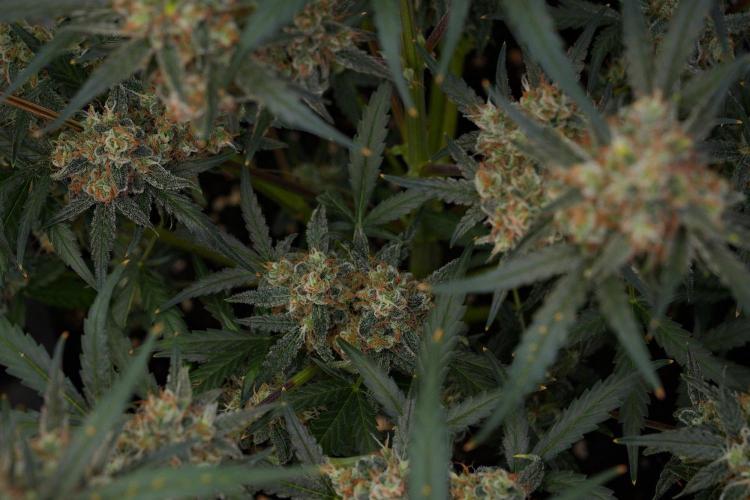
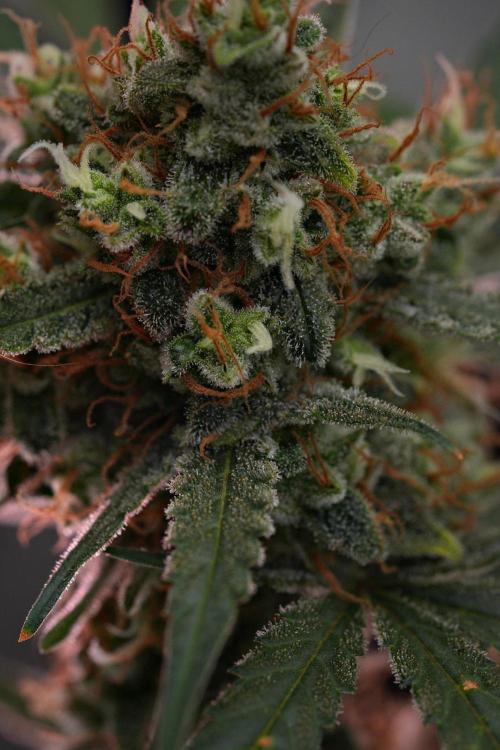
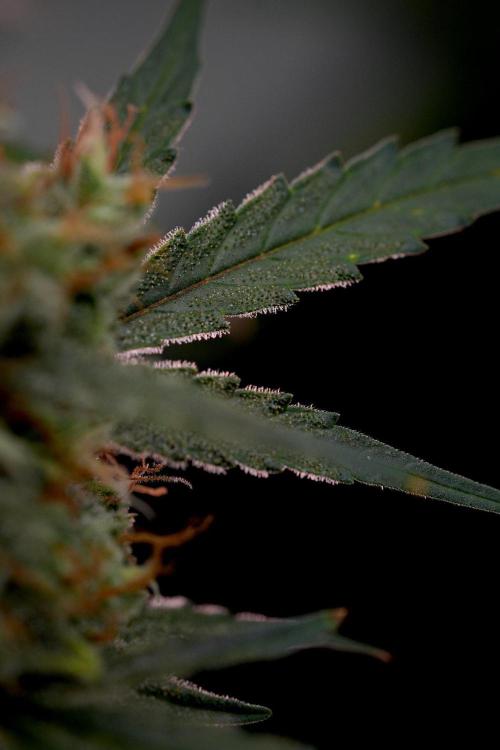
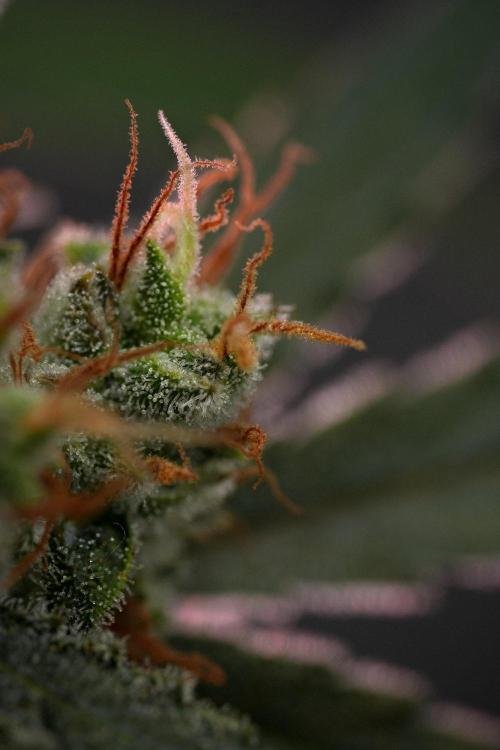
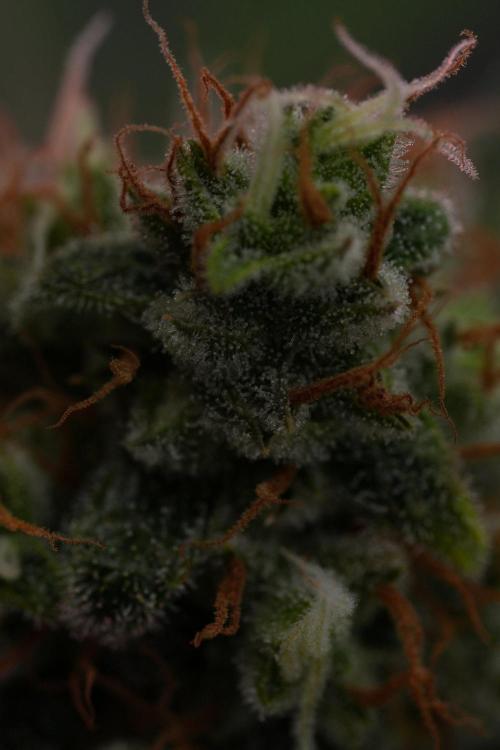
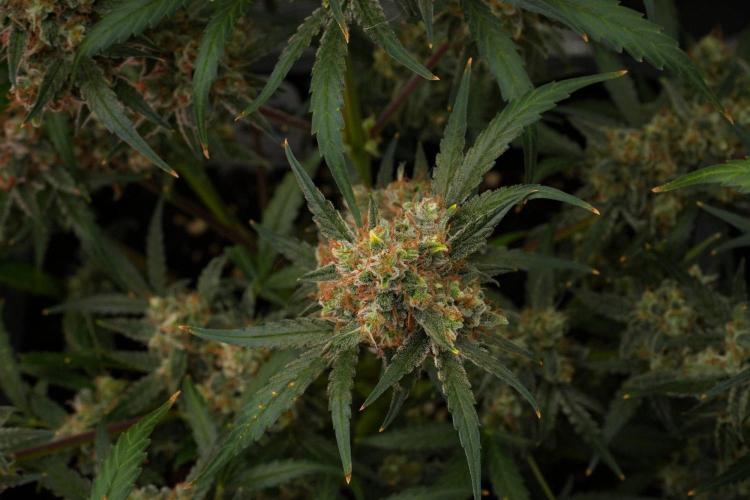
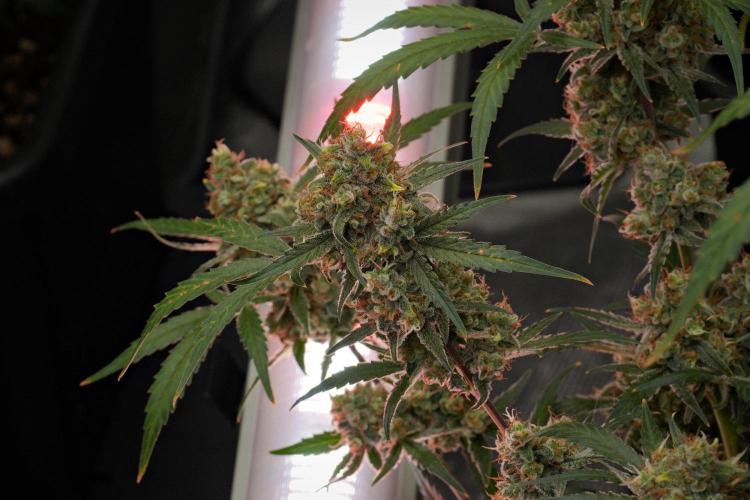
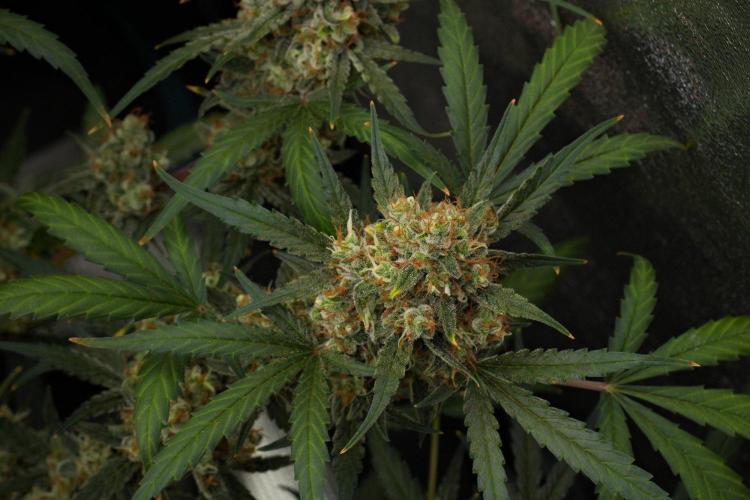
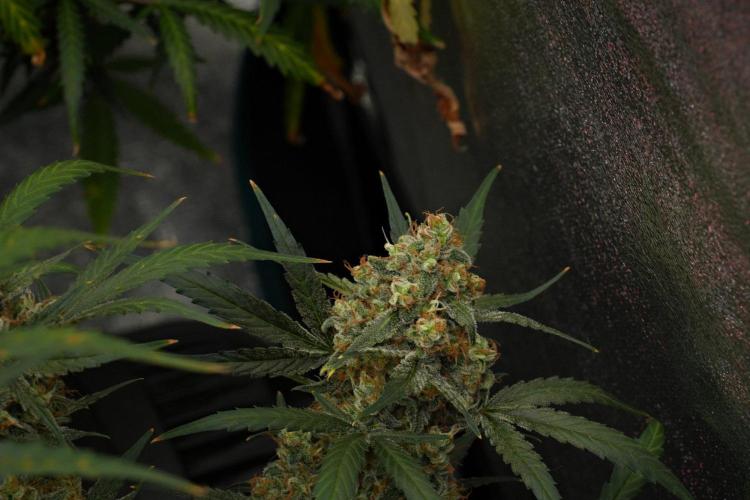
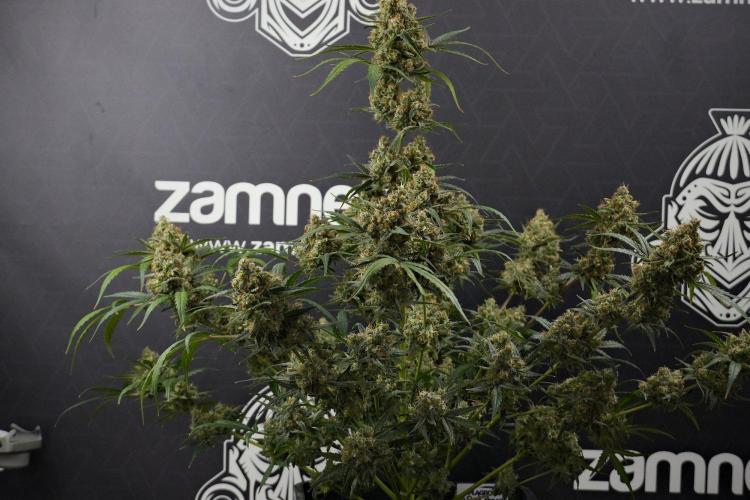
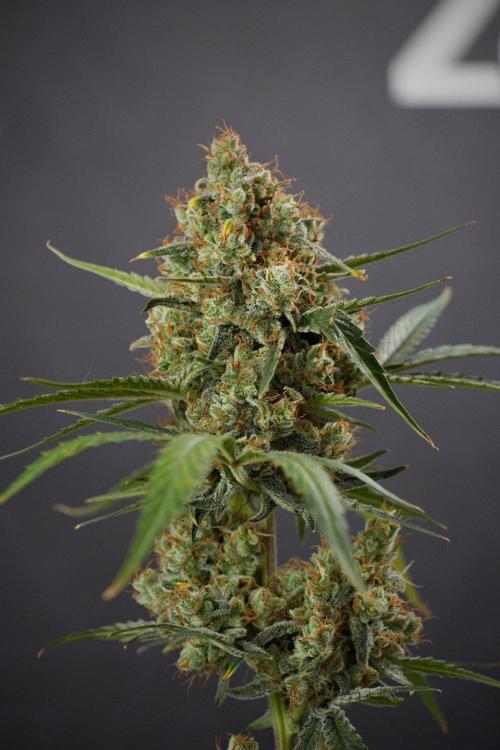
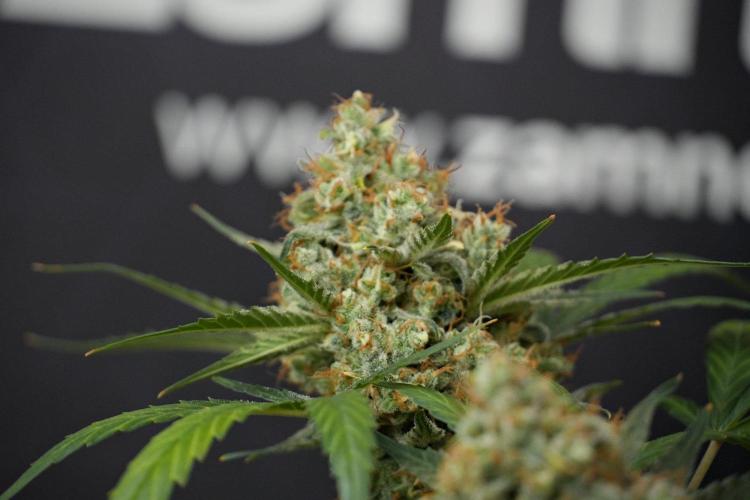
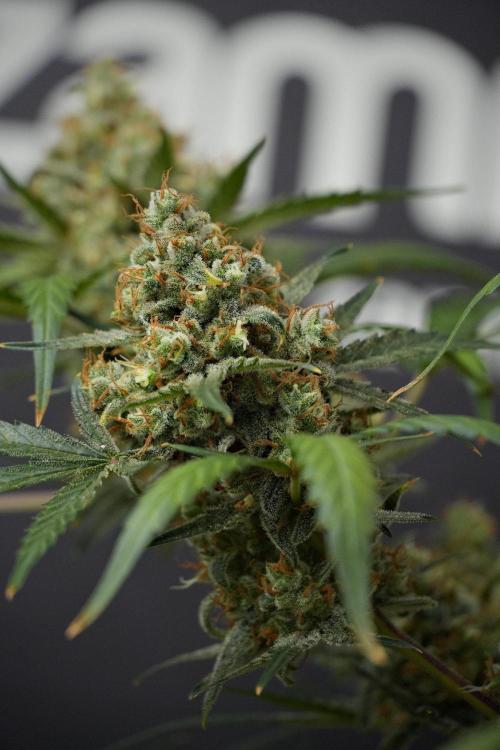
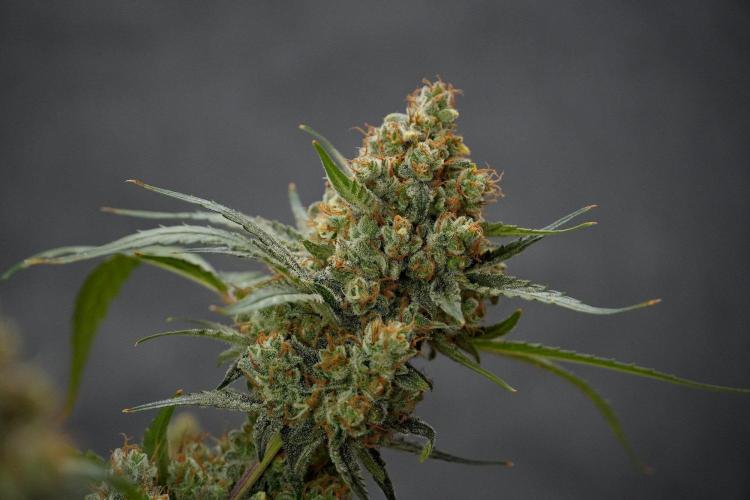
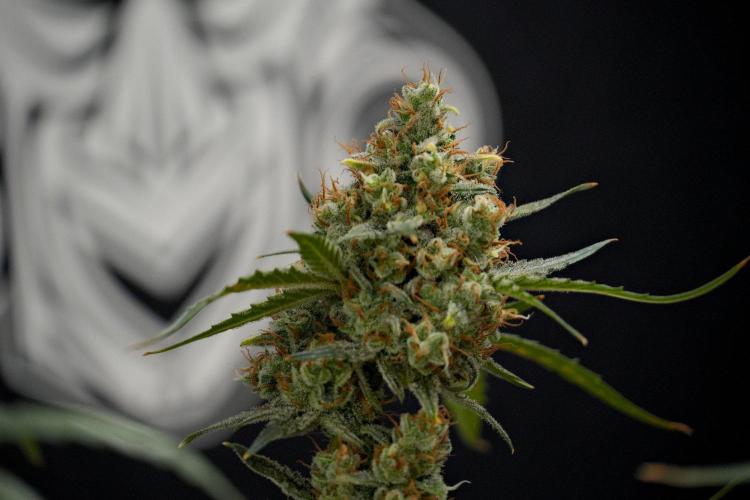
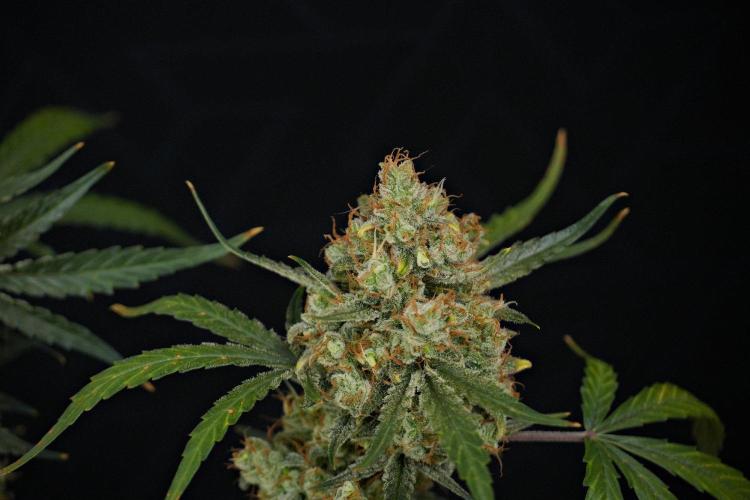
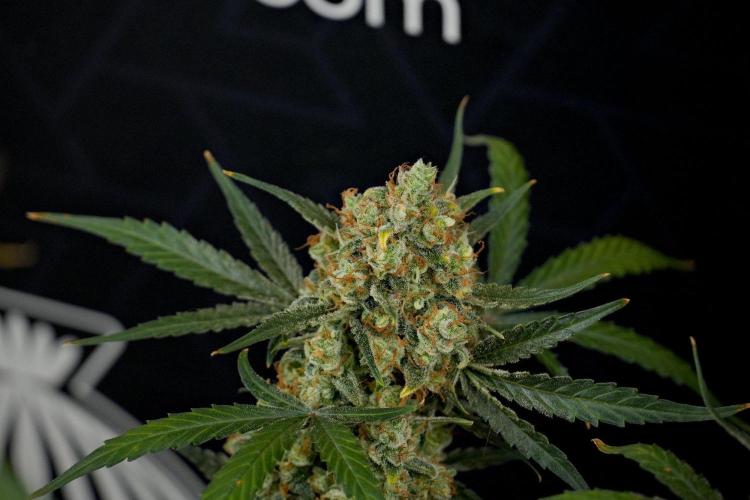
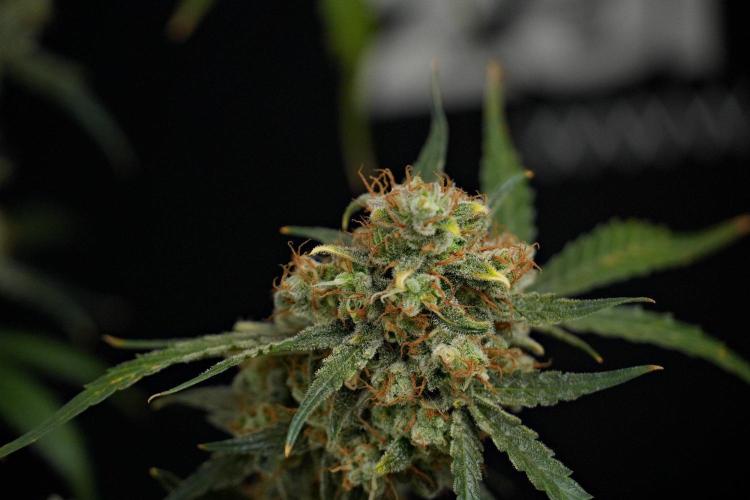
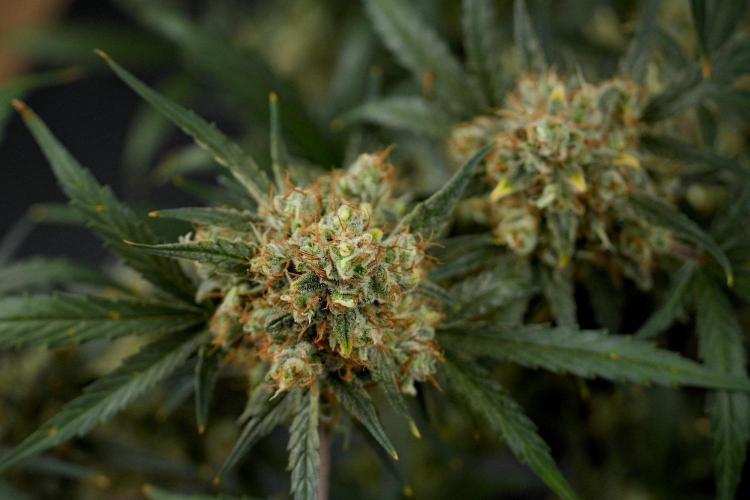
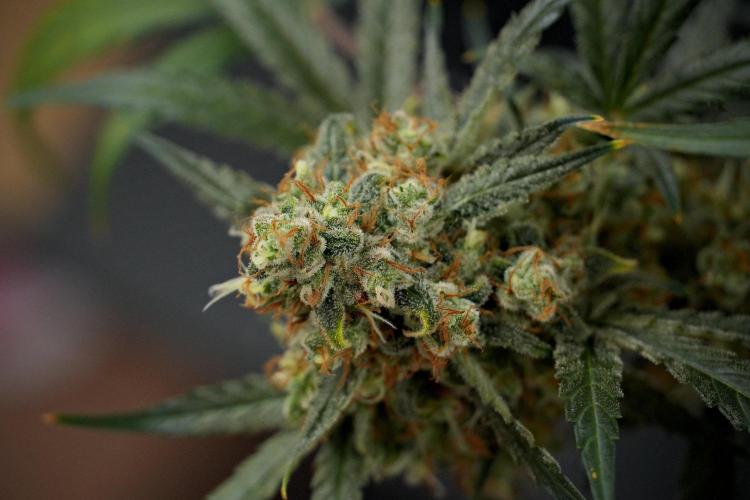
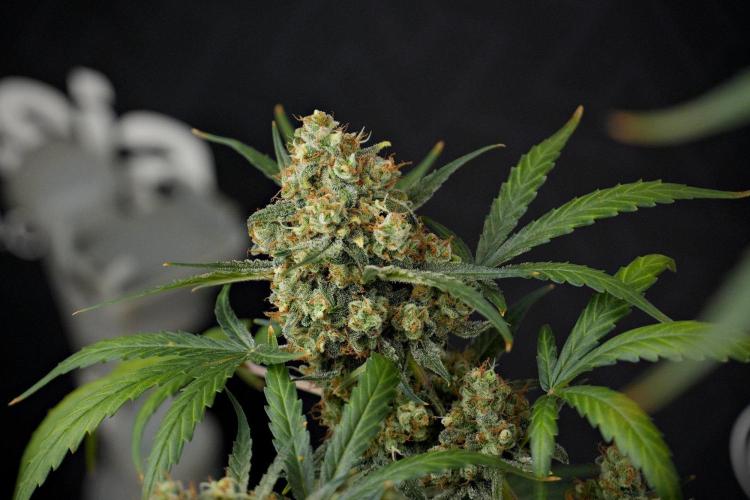
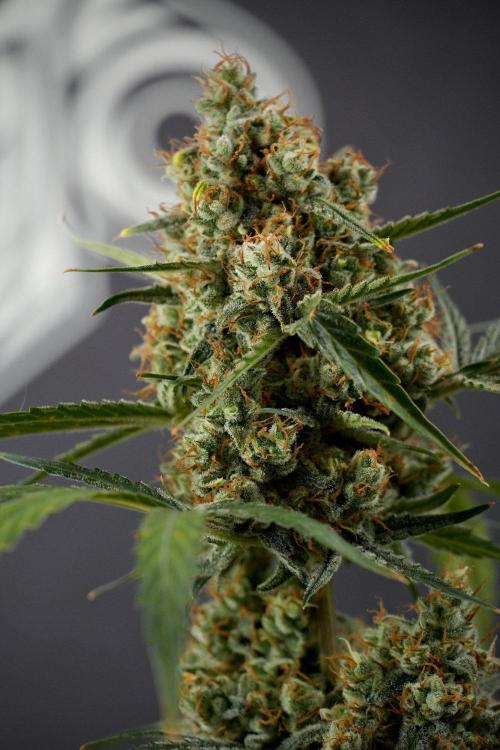
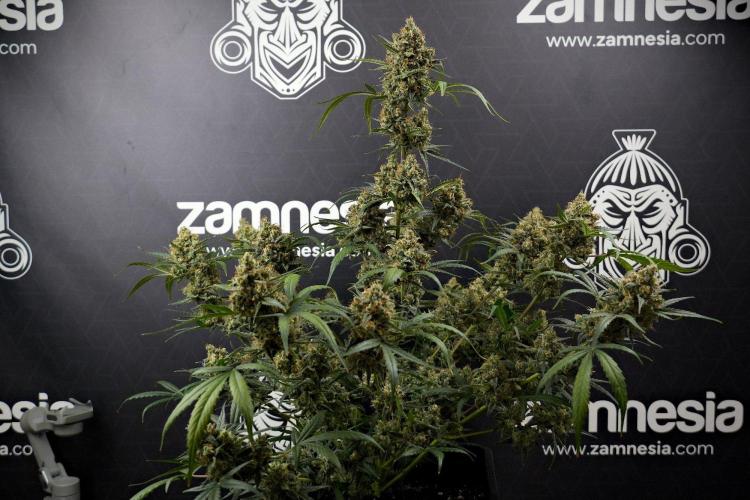
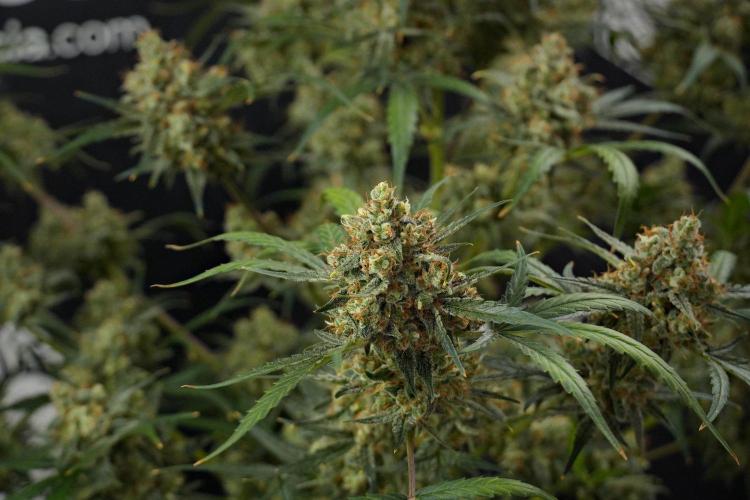
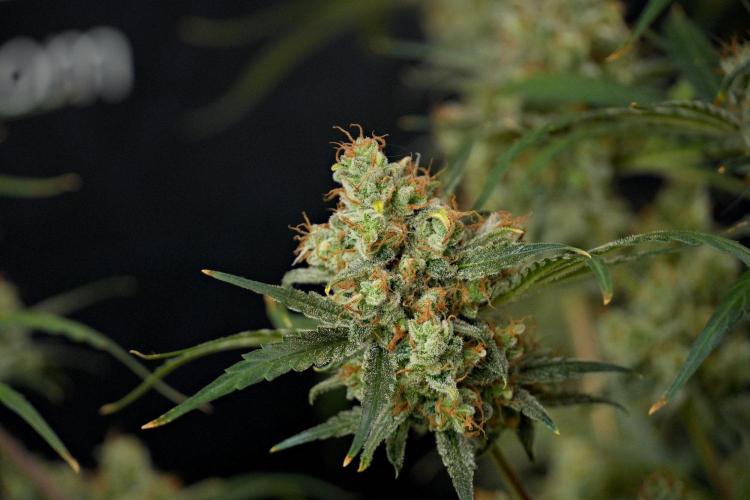
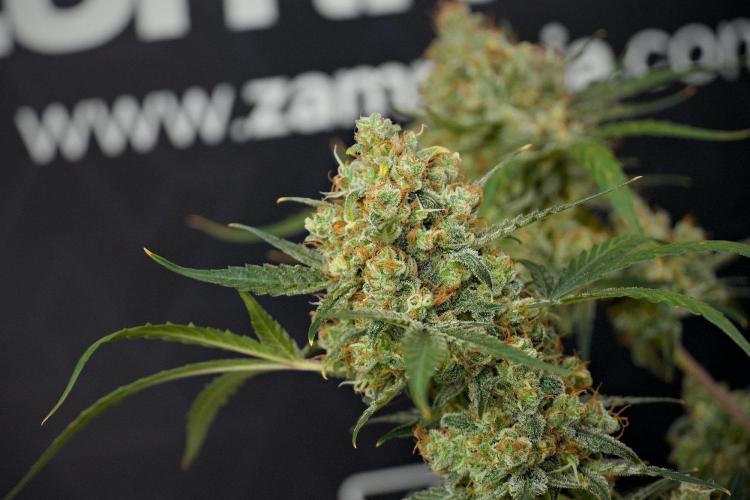
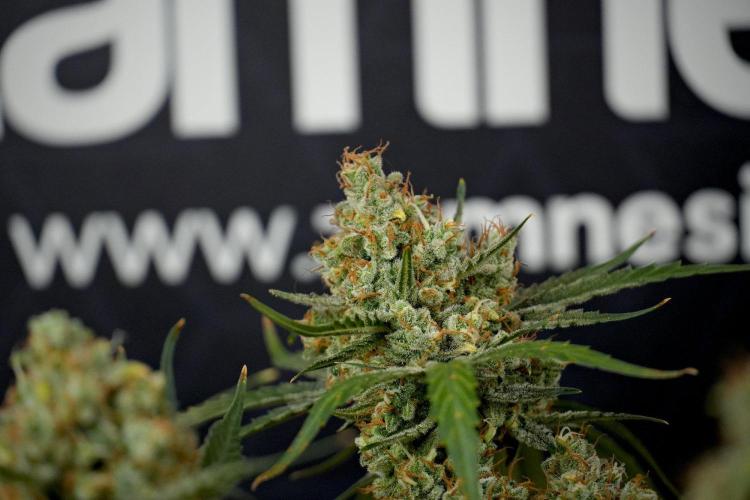
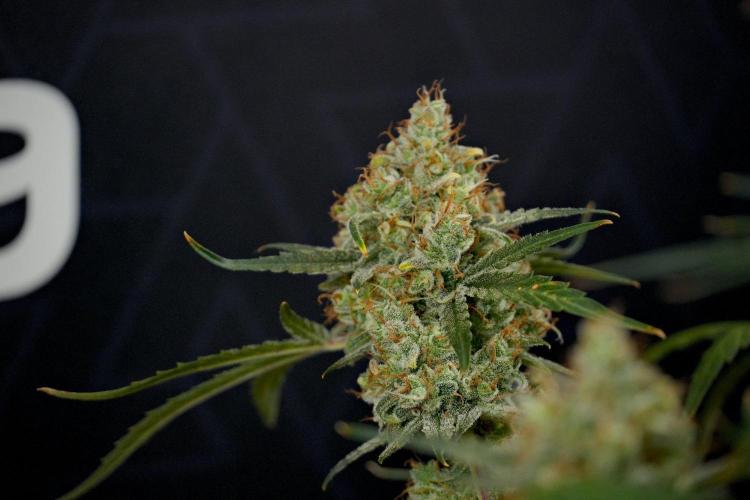
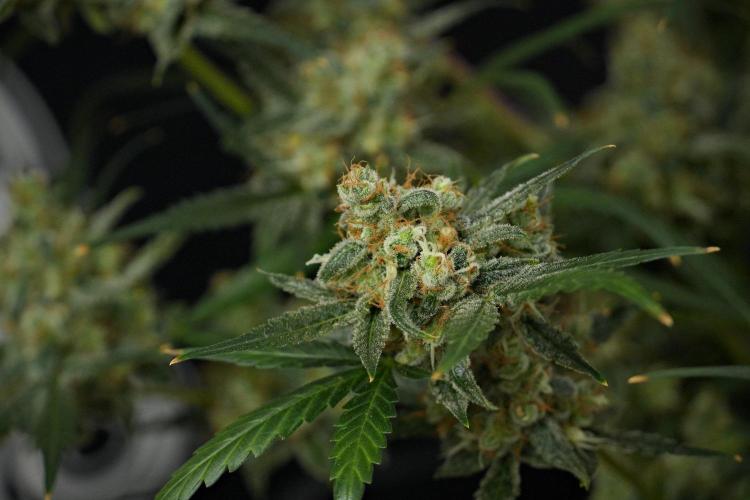
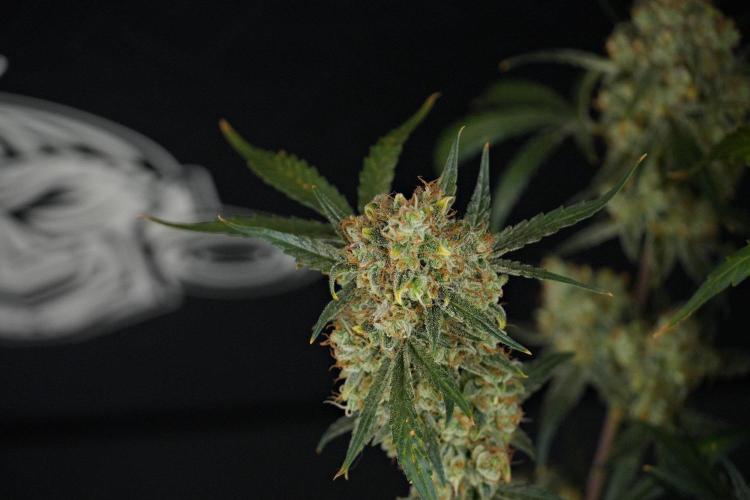
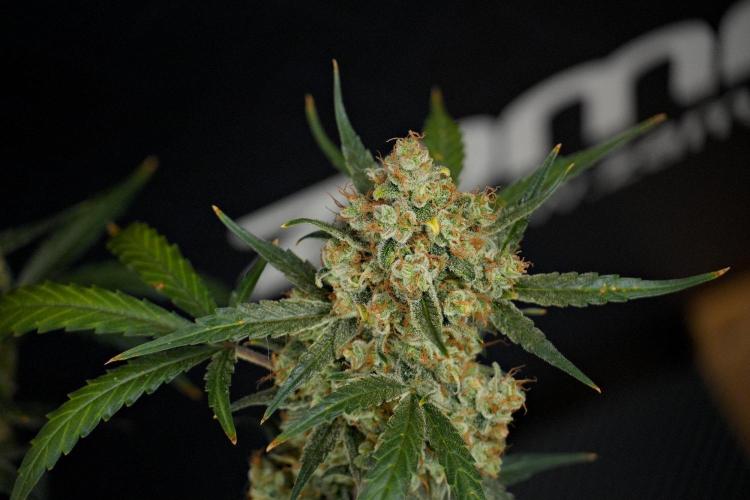
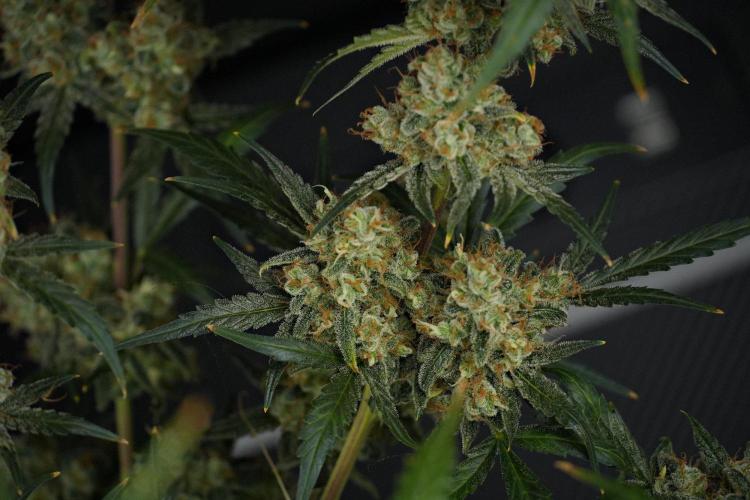
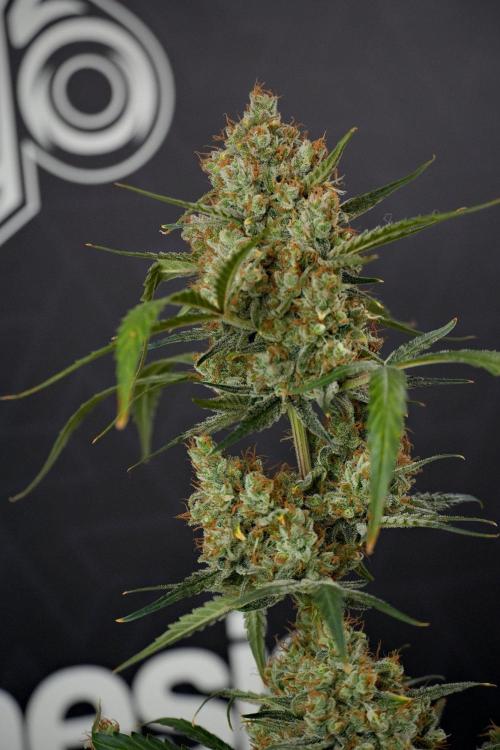
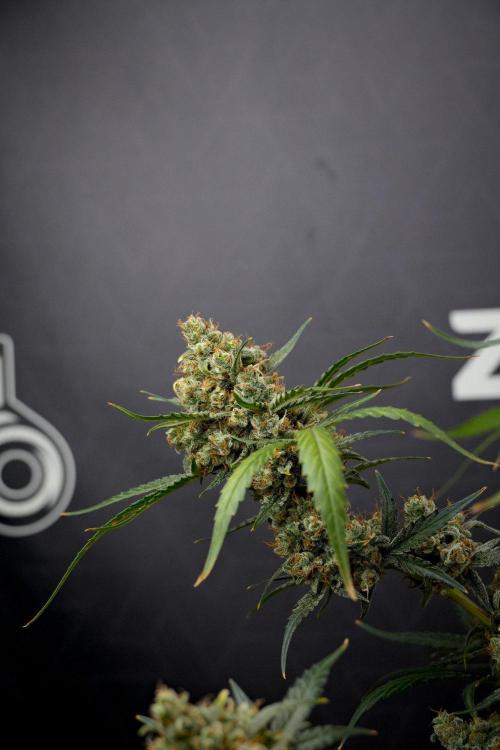
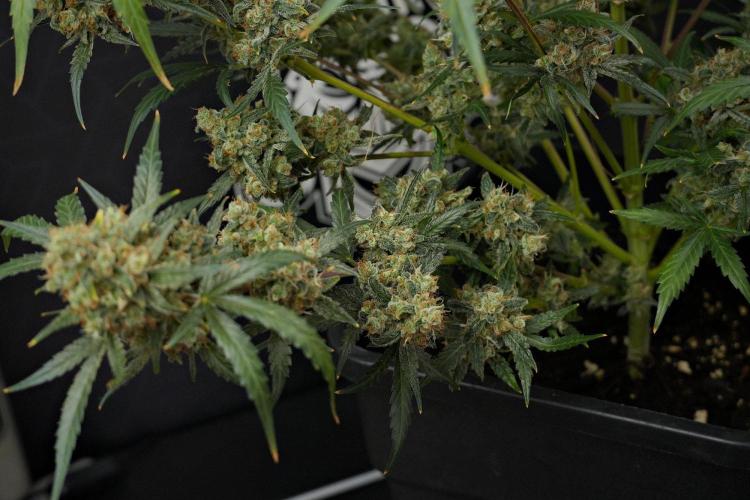
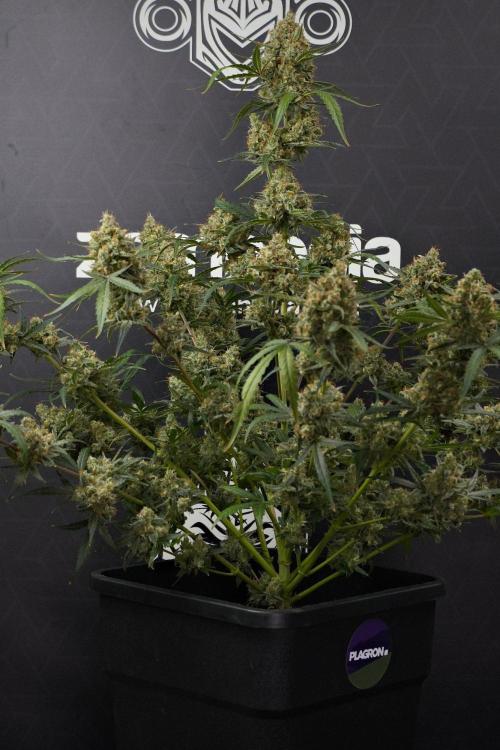
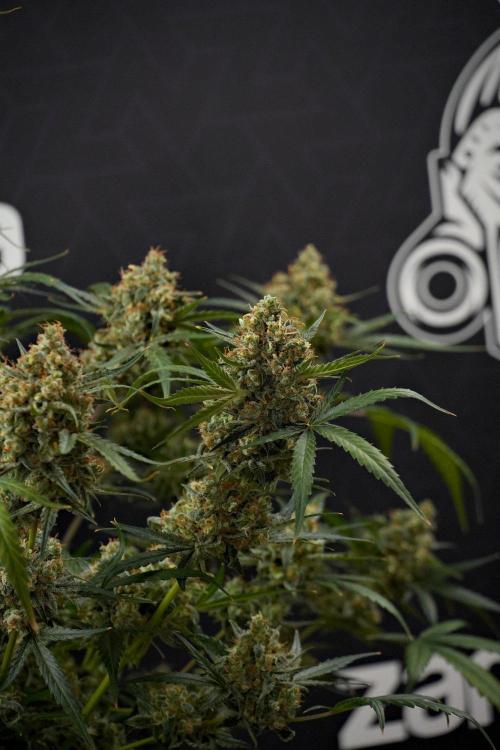
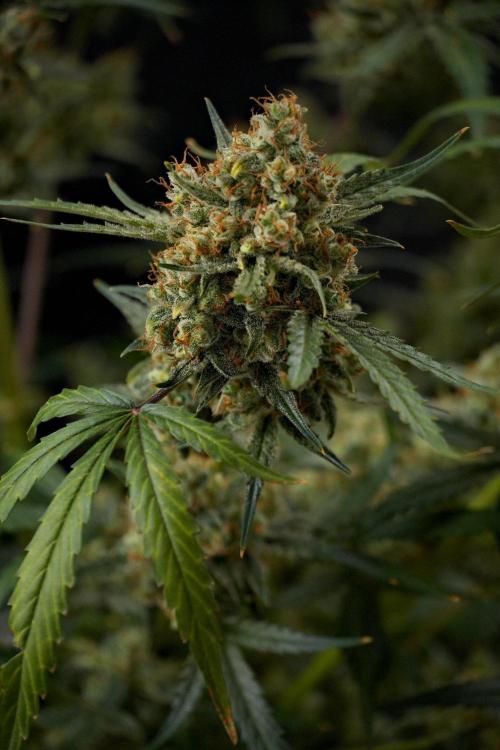
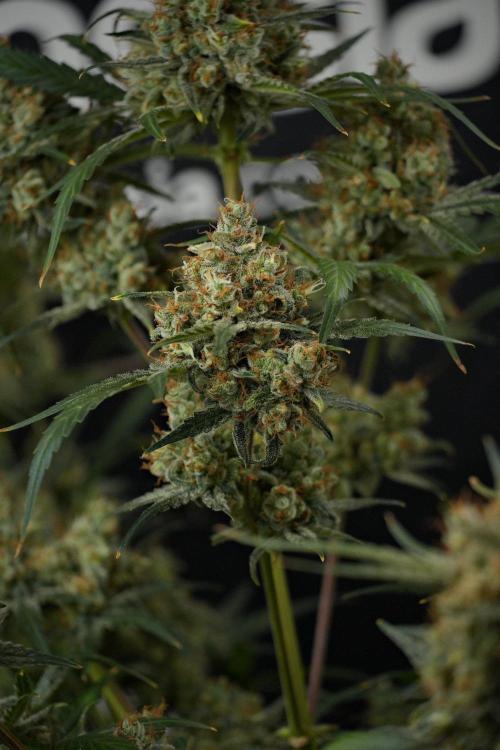
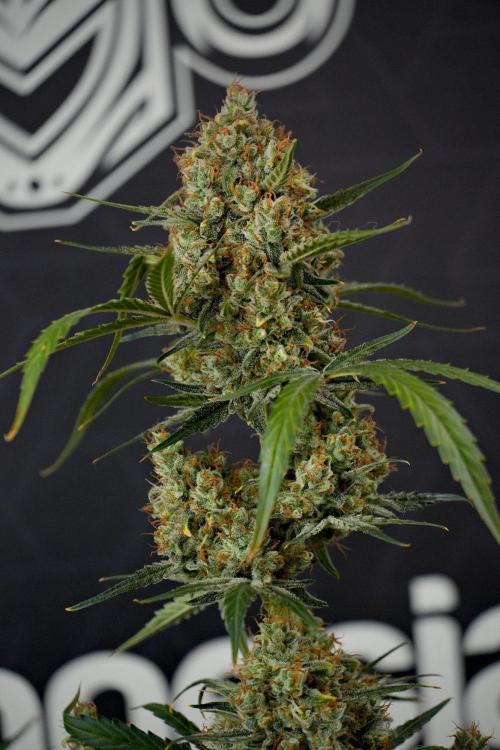
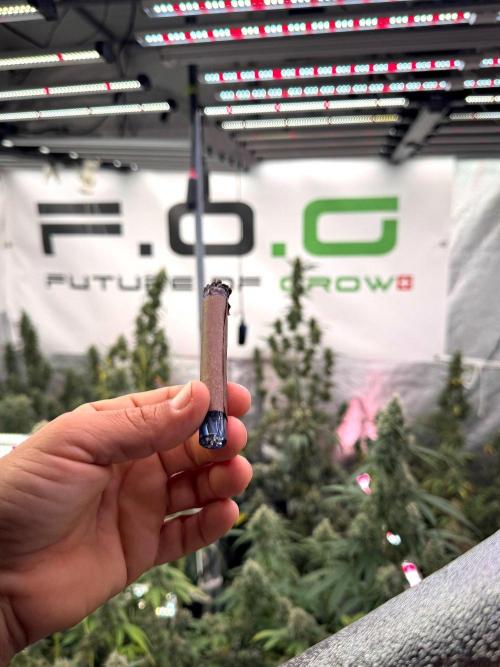
DogDoctorOfficial # Pink Rosay Auto by Zamnesia | Pheno A 🌱🌸🍷
## Germination Week | The First Sip of a New Journey
Hello GrowDiaries family! 👋🌱
Welcome to another new journey.
As some of you may have noticed, I've recently adjusted the way I document my grows. With the current photo limitations on GrowDiaries, each phenotype now receives its own dedicated diary rather than sharing a single journal with its sisters.
This allows me to continue documenting every stage of development while selecting the best photographs from each week and keeping everything organized from seed to harvest.
The goal remains exactly the same as always:
To create an honest, educational, and complete record while sharing observations, successes, lessons learned, and everything in between.
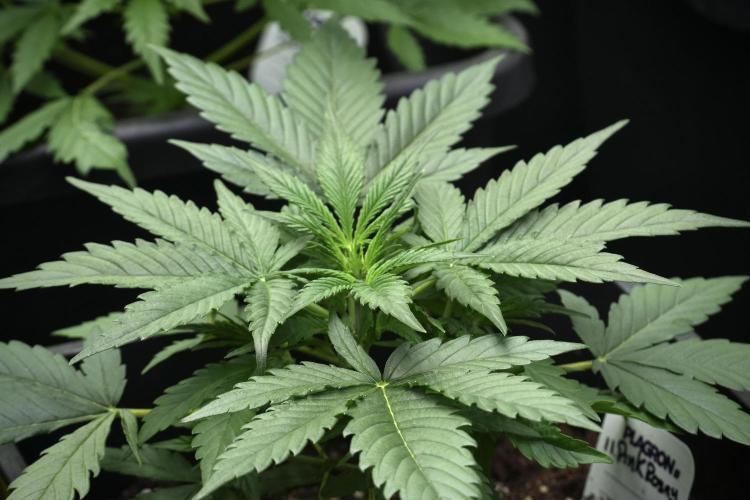
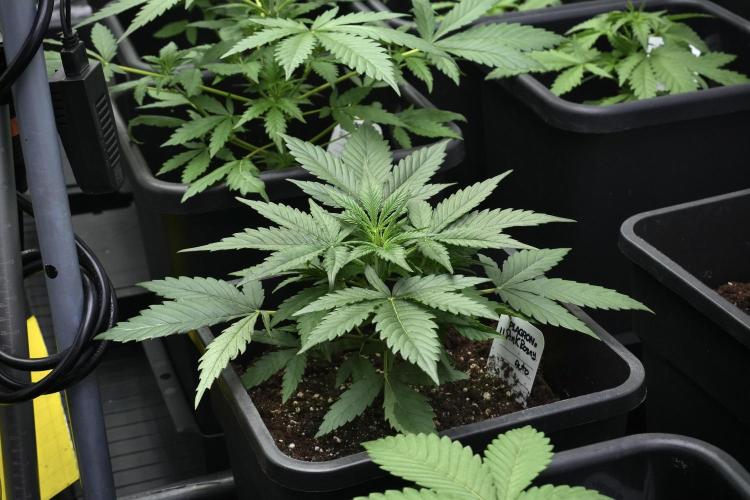
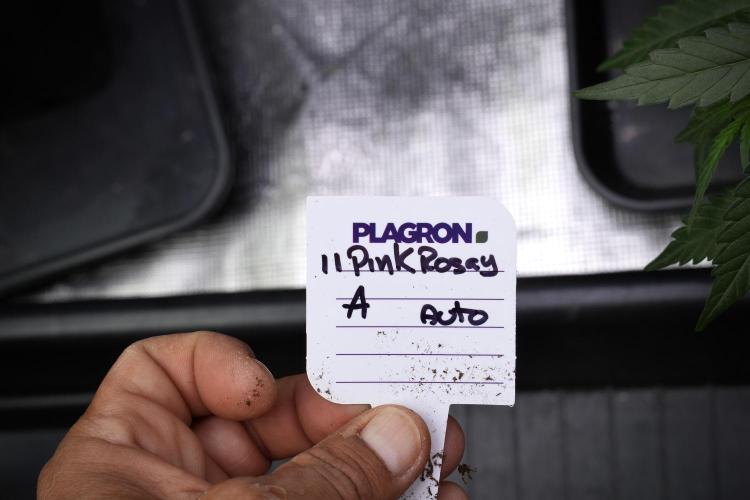
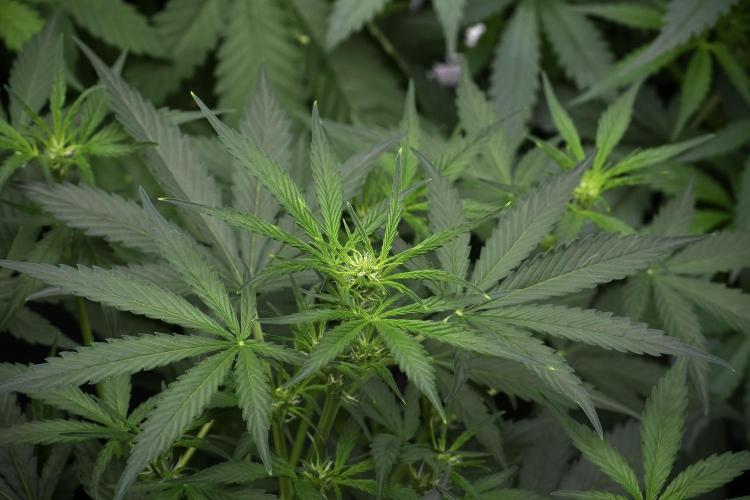
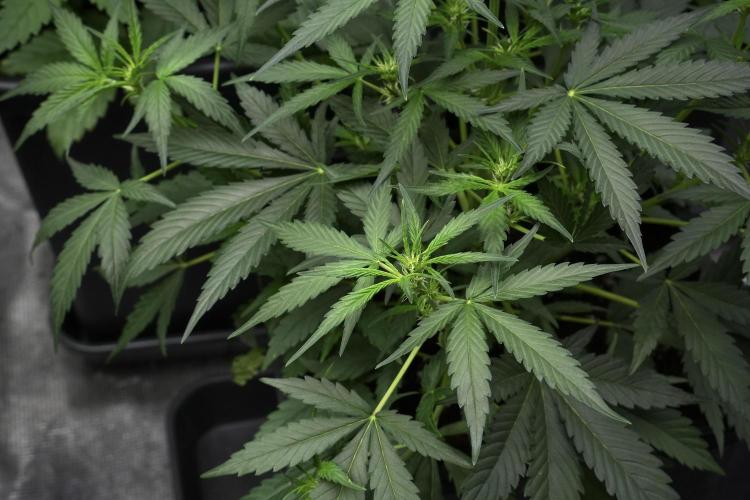
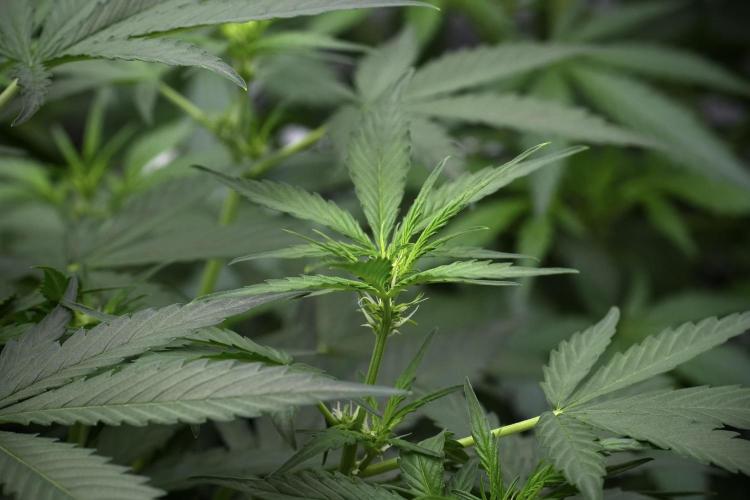
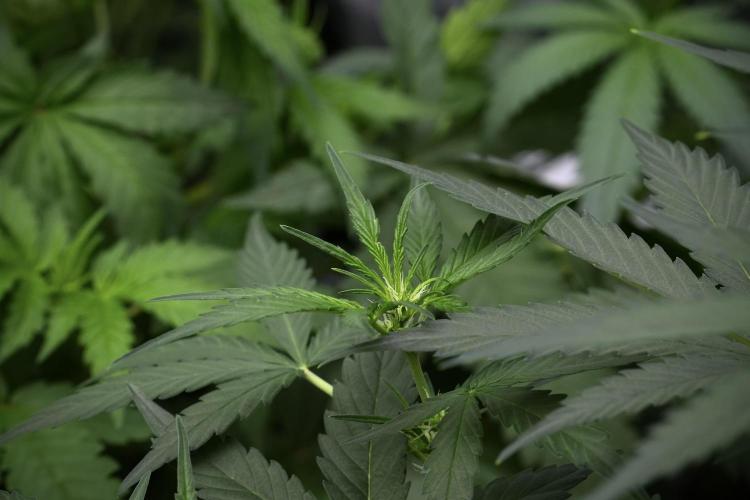
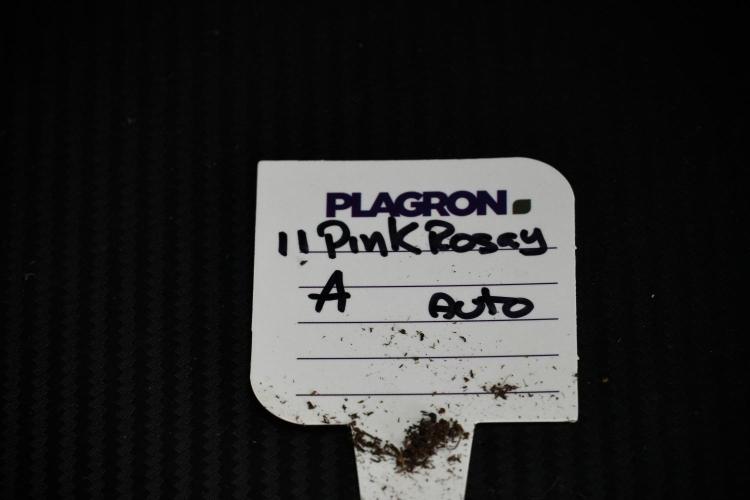
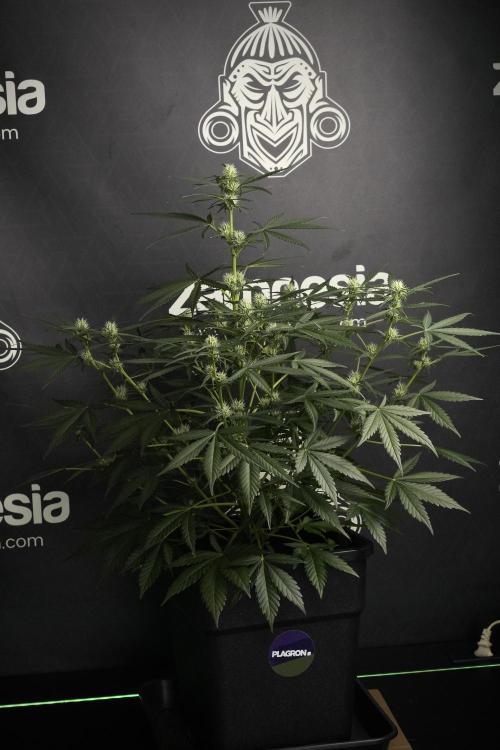
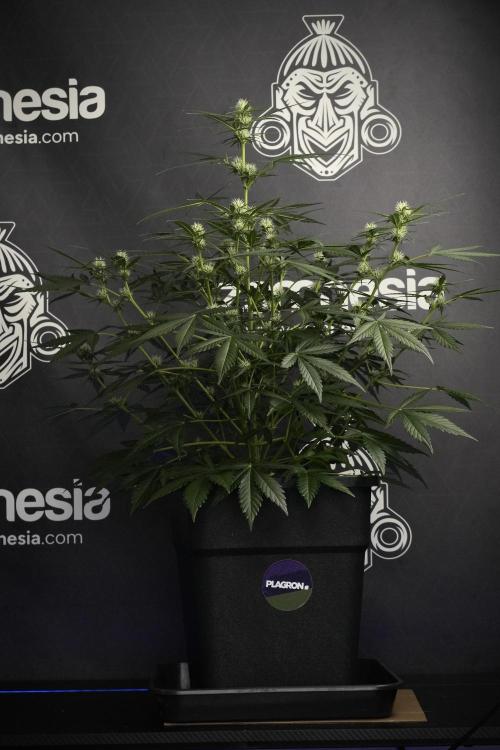
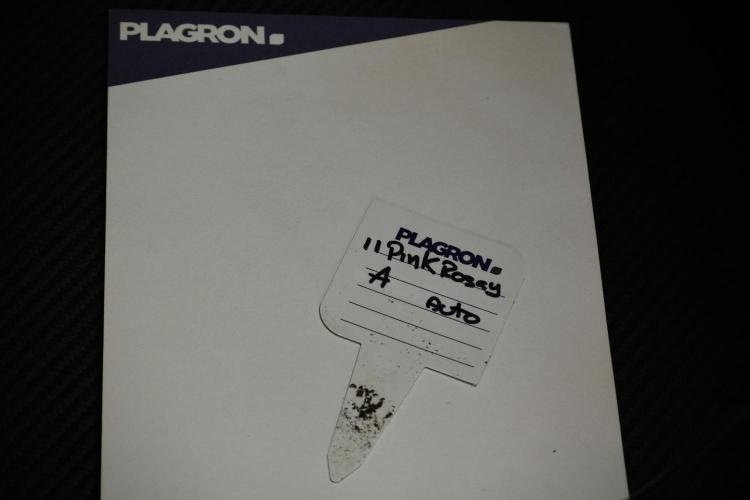
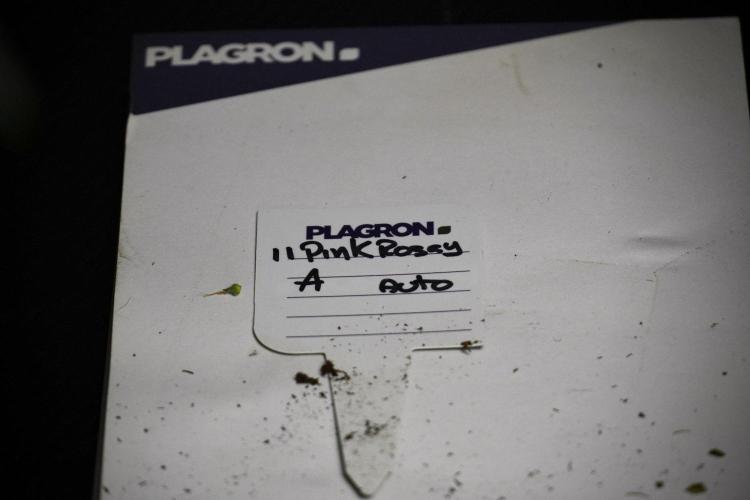
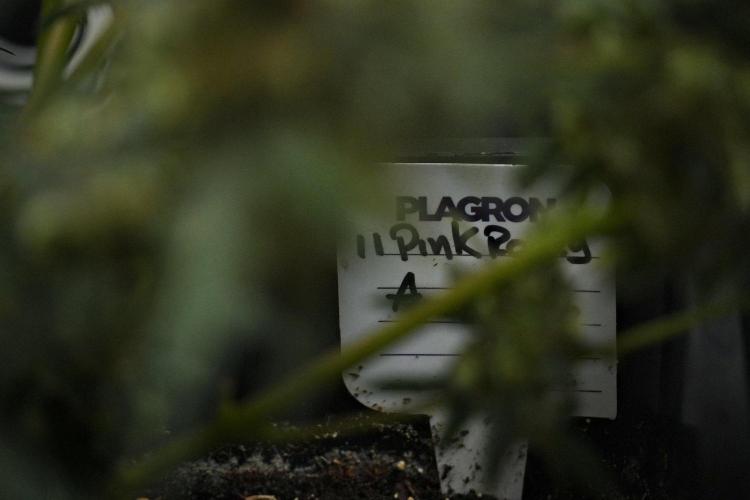
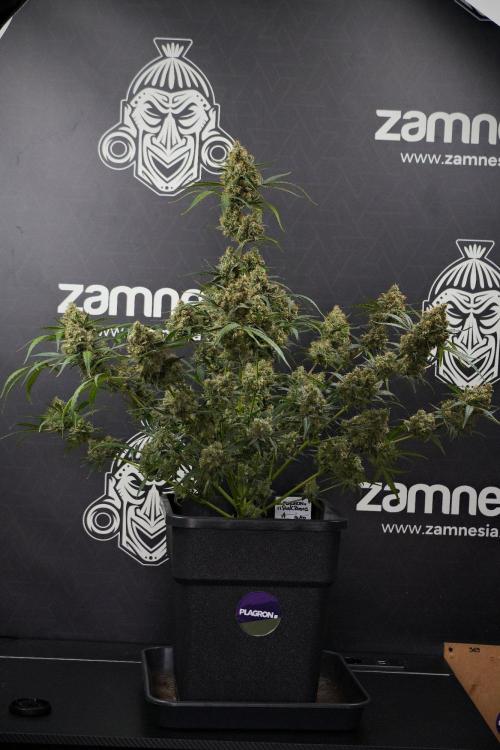
Today, we begin following Pink Rosay Auto Pheno A.
Another seed.
Another story.
Another opportunity to learn.
---
## Beginning the Journey
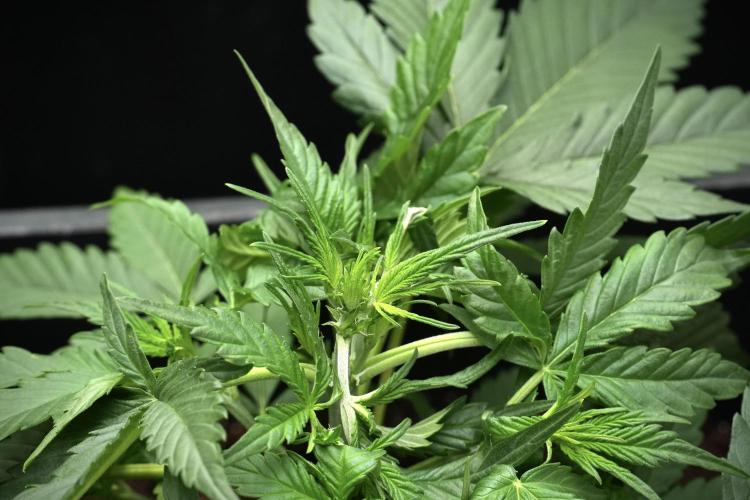
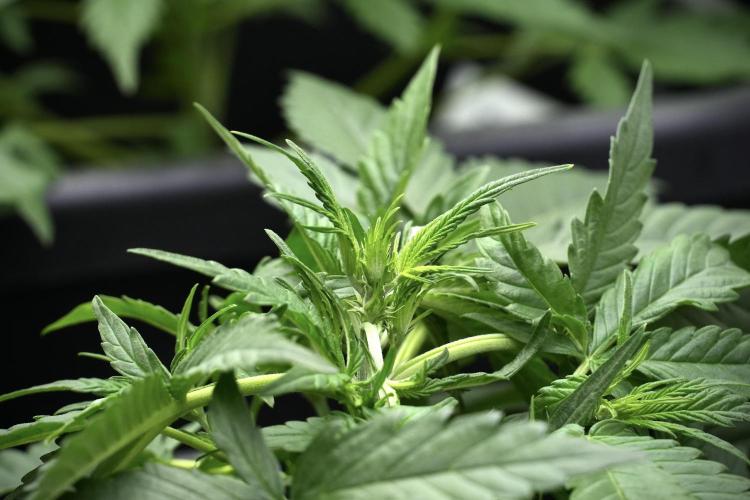
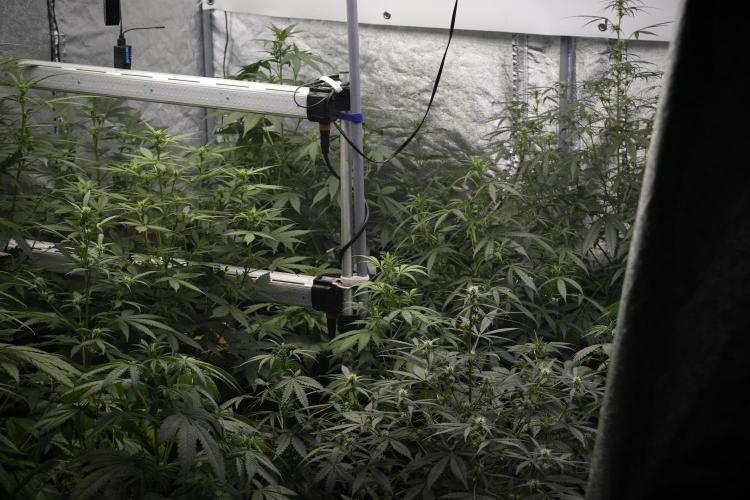
The autoflower section of this project continues growing one cultivar at a time.
One of the things I enjoy most about running multiple genetics simultaneously is watching how each cultivar starts from the same simple beginning:
A seed.
A little water.
A little patience.
And a lot of potential.
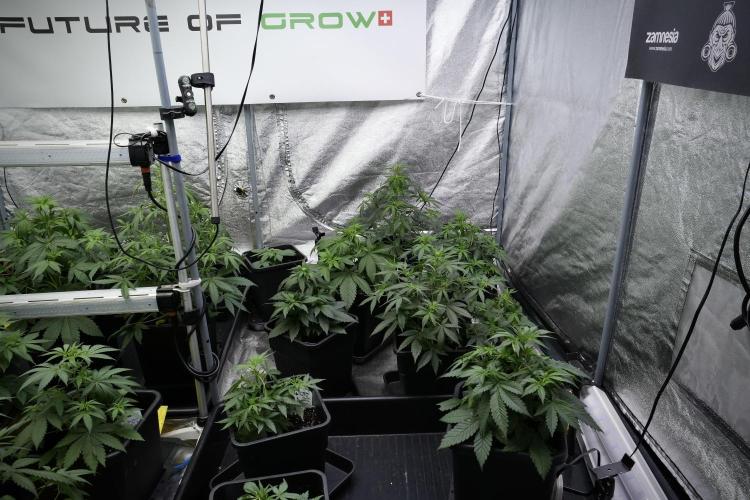
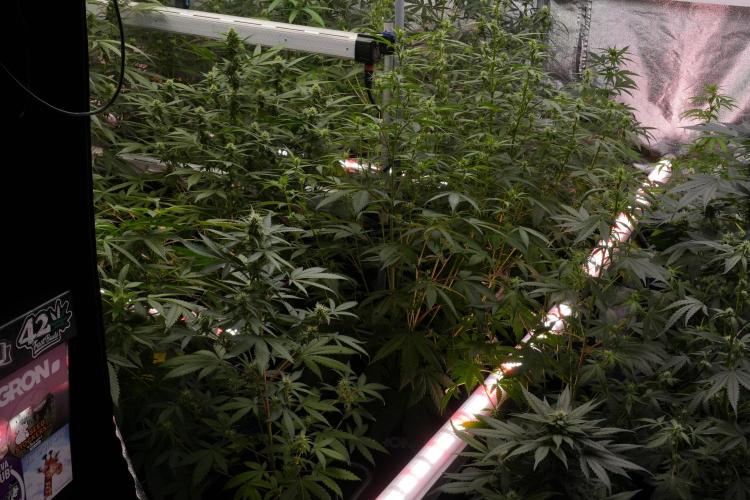
For this run, we're following Pink Rosay Auto from Zamnesia Seeds, cultivated under a 12/12 from seed schedule from the very first day of life.
A method that is a little different from what most growers choose, but one that has become part of my own cultivation style over time.
Throughout this diary, I'll explain not only what I'm doing, but also why I'm doing it, allowing anyone interested to follow the process from beginning to end.
---
## Germination Using the Cannakan System
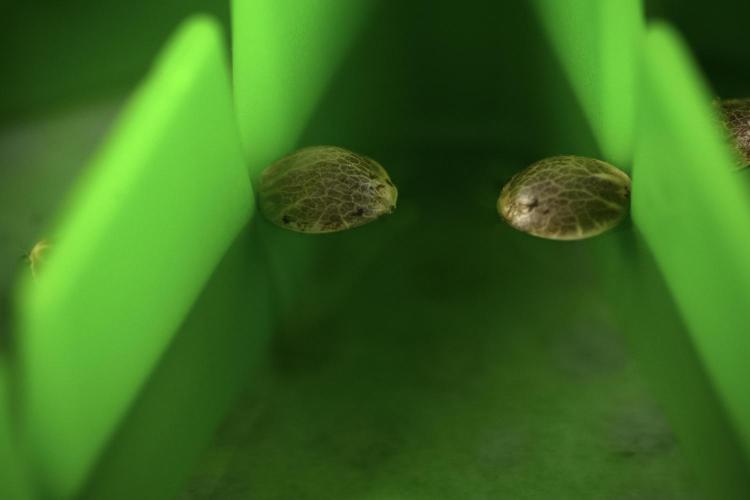
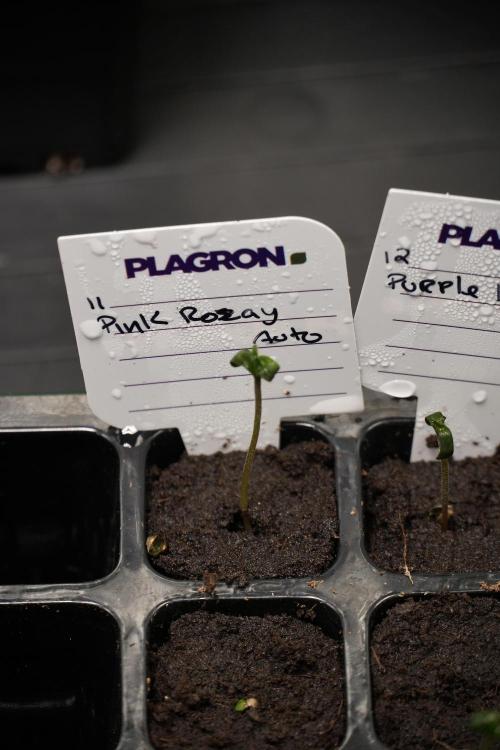
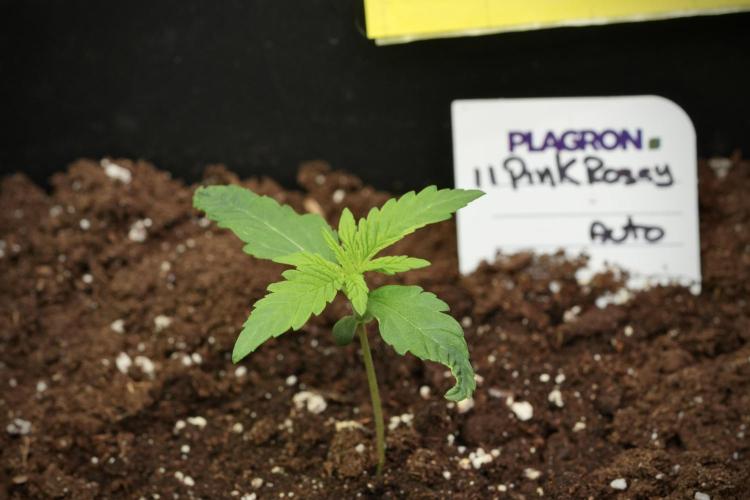
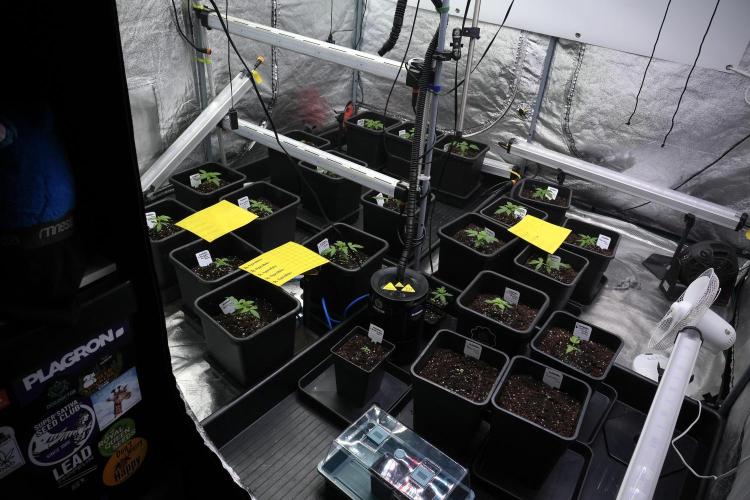
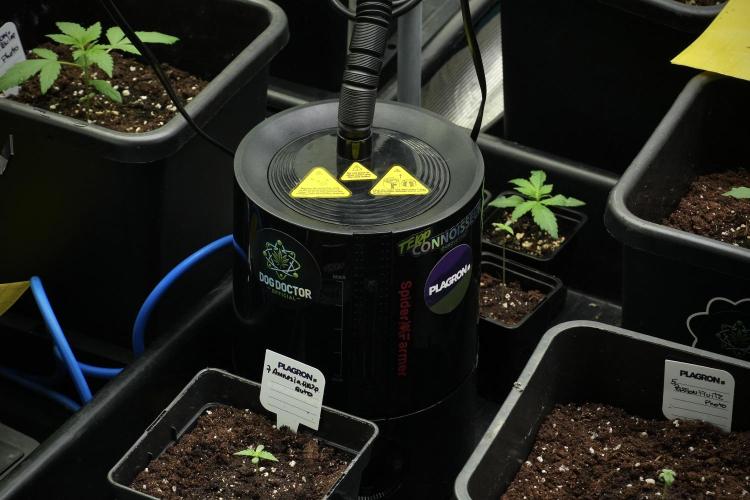
To begin this run, I used the Cannakan germination system.
For organizational purposes, the autoflower section was germinated using my second Cannakan unit, while the photoperiod section used the first.
The methodology itself remained exactly the same.
Simple.
Organized.
Reliable.
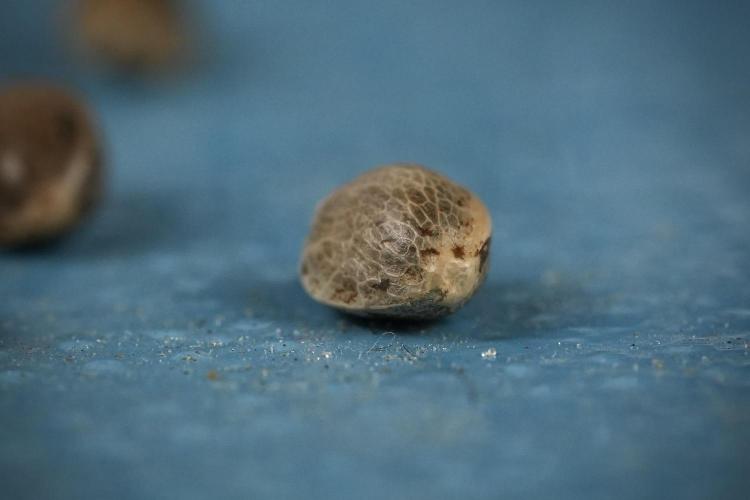
The seed was placed inside using only plain water.
No nutrients.
No additives.
No stimulants.
Just water.
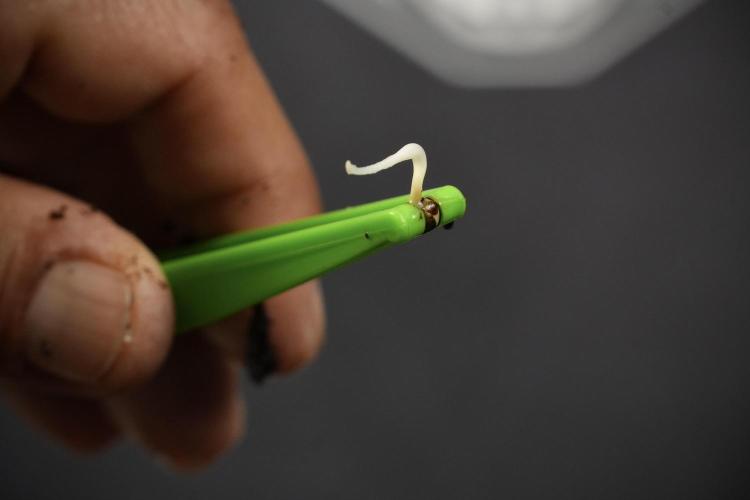
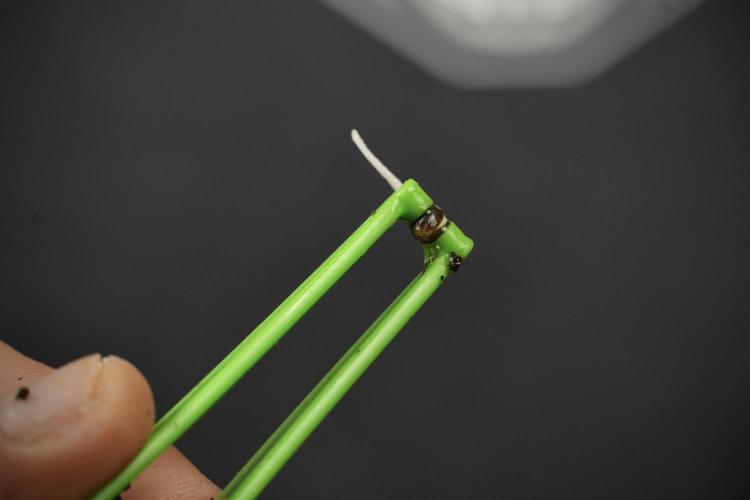
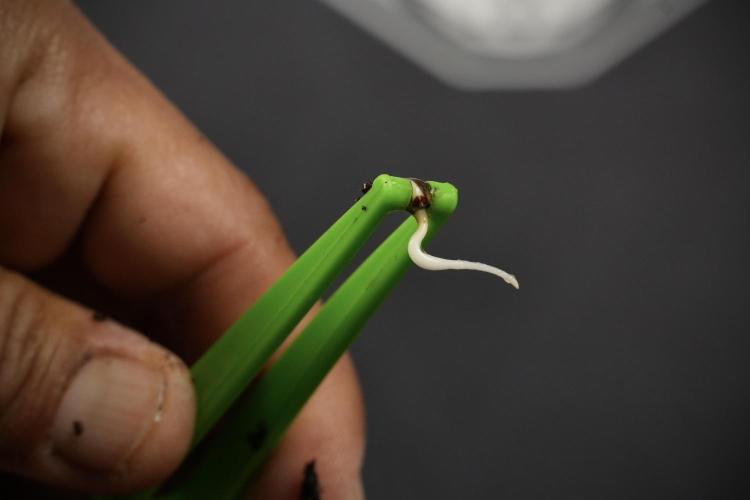
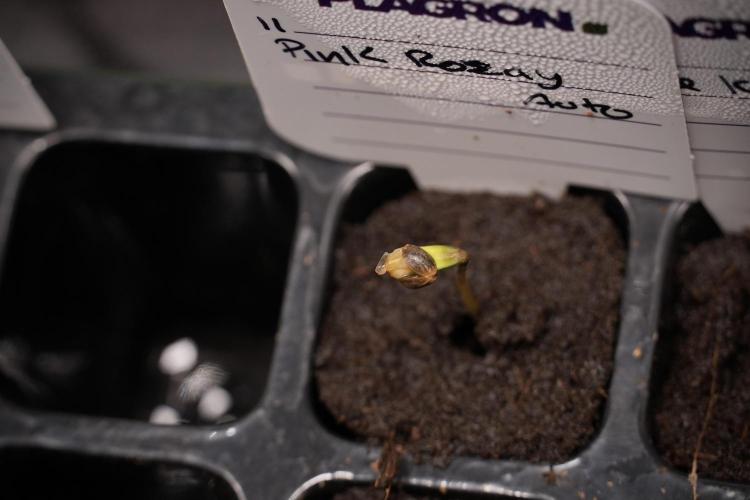
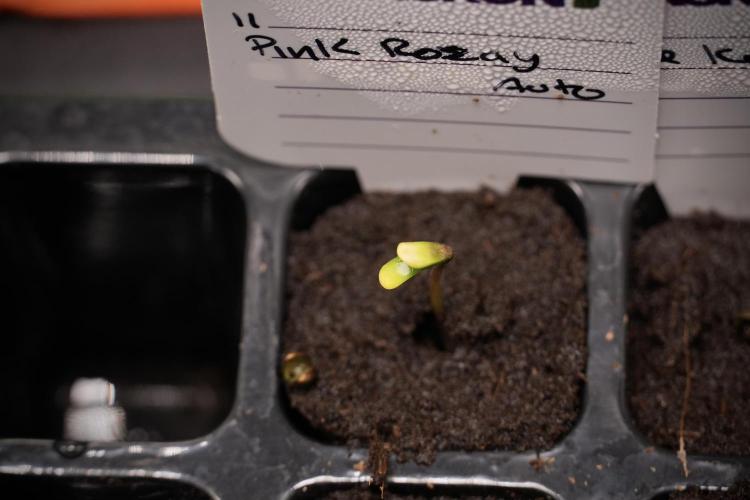
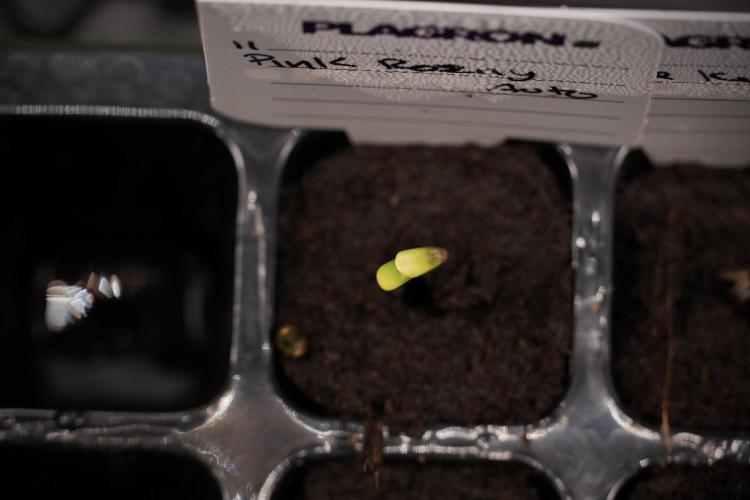
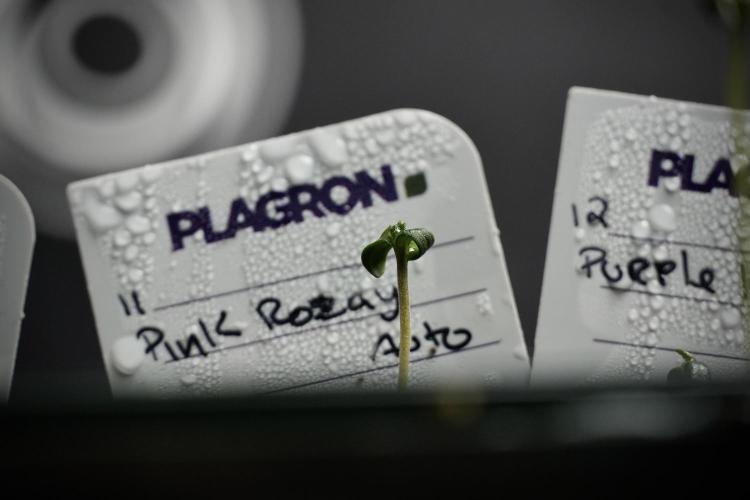
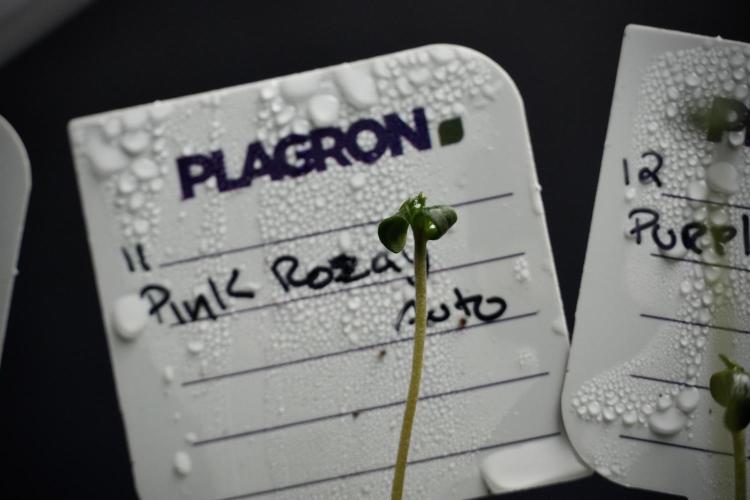
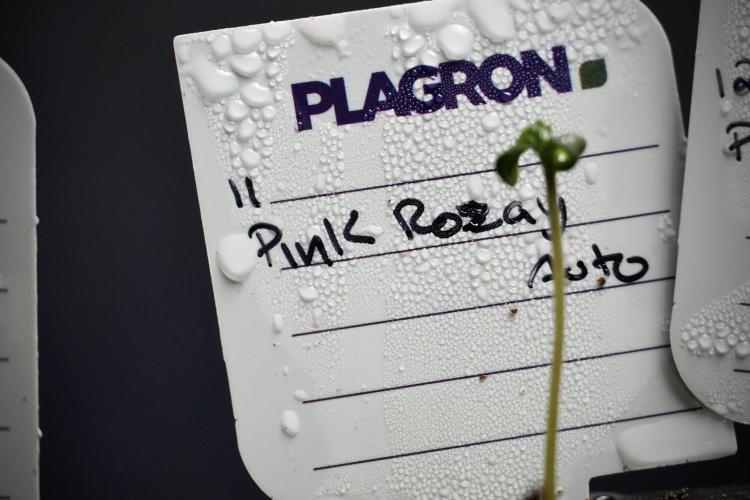
Within approximately 24 hours a healthy taproot had emerged and the seed was ready for planting.
Exactly what we hope to see from healthy, vigorous genetics.
---
## Why Only Water?
One question that often appears during germination is:
"Why not feed the seed immediately?"
The answer remains simple.
The seed already contains everything required for its first stage of life.
Inside that shell are the energy reserves needed to establish roots and begin development.
At this stage, I prefer allowing the seed to use those reserves naturally.
The objective is not to feed the plant.
The objective is simply to wake it up.
Water is enough.
Nature has already prepared the rest.
---
## Coco Starter Plugs
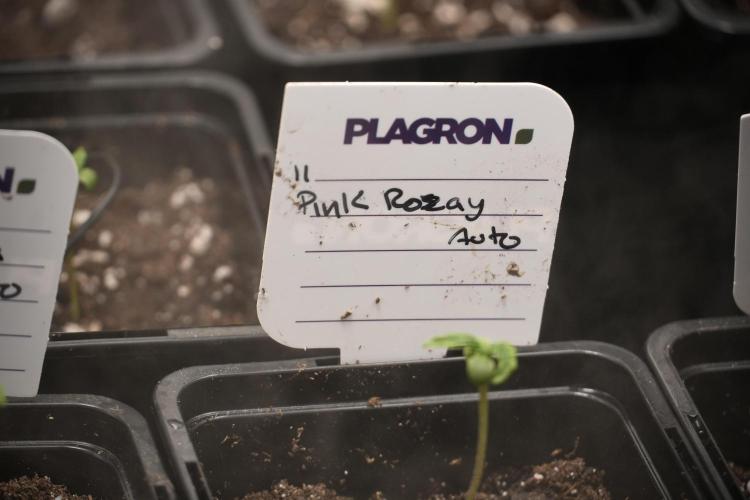
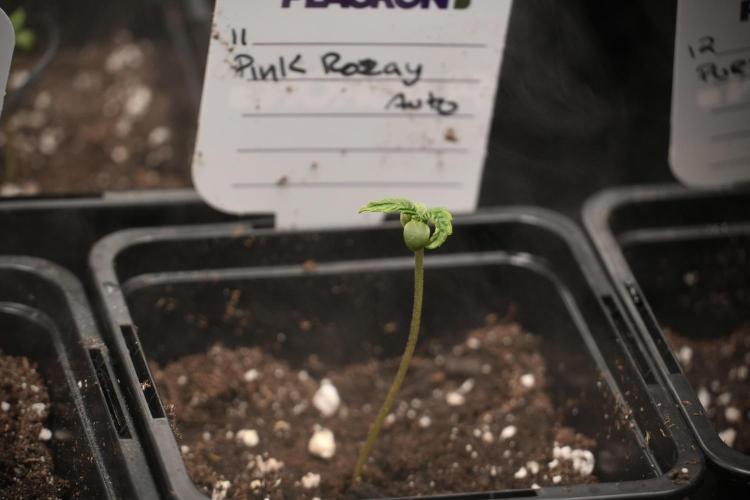
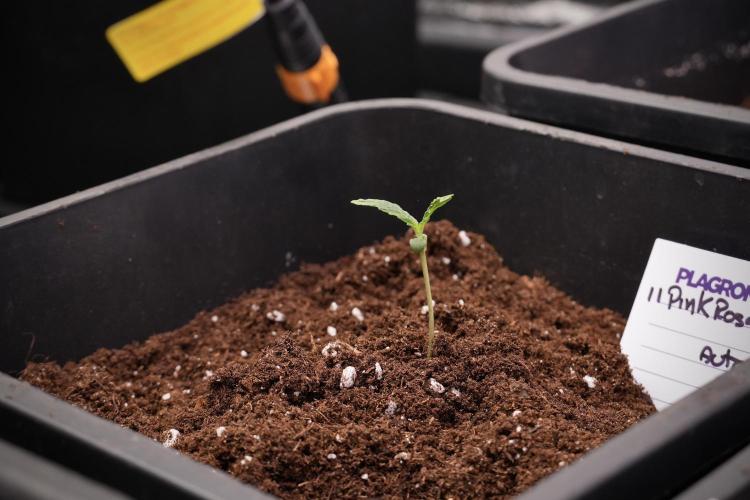
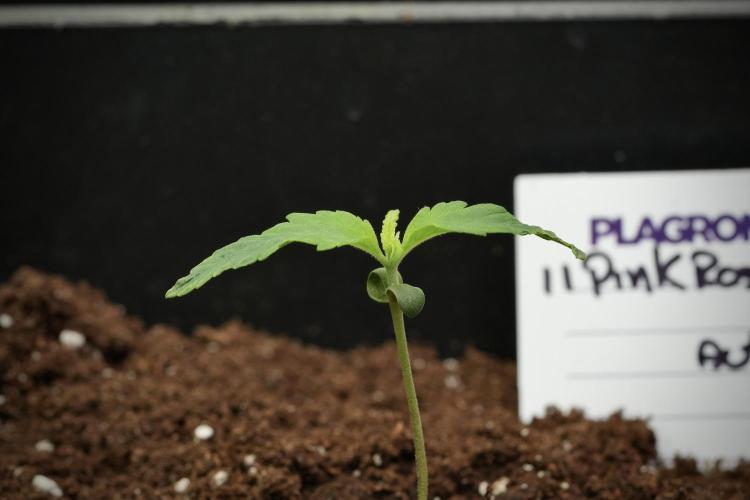
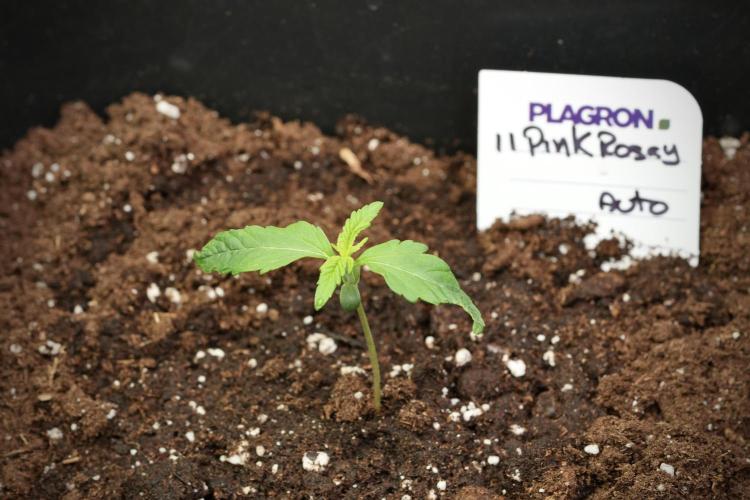
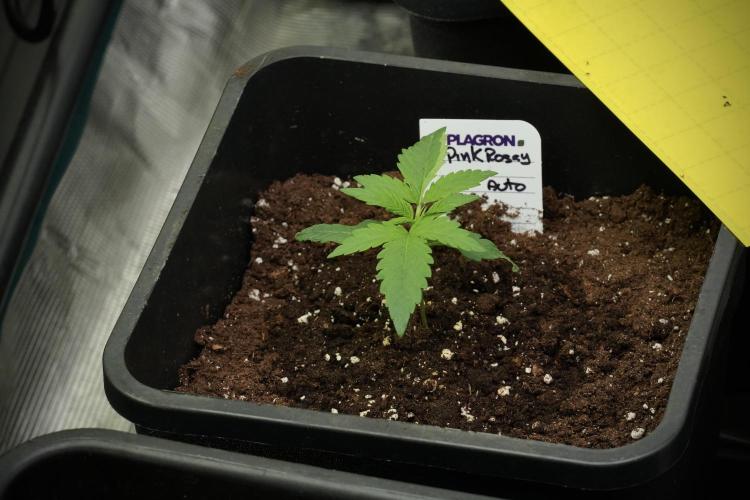
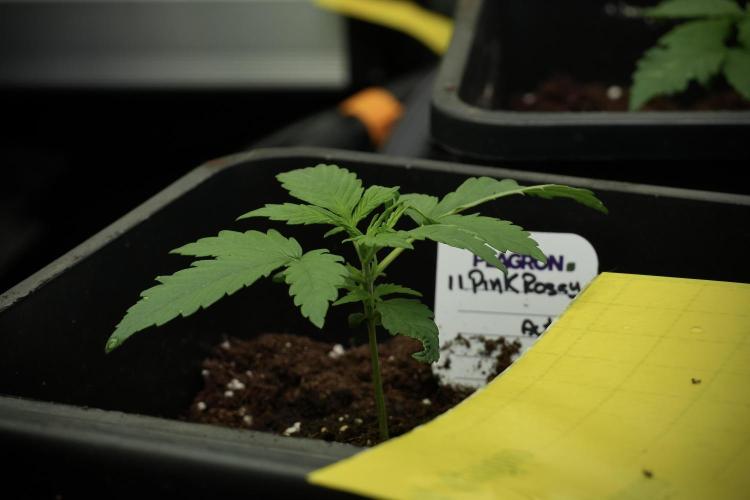
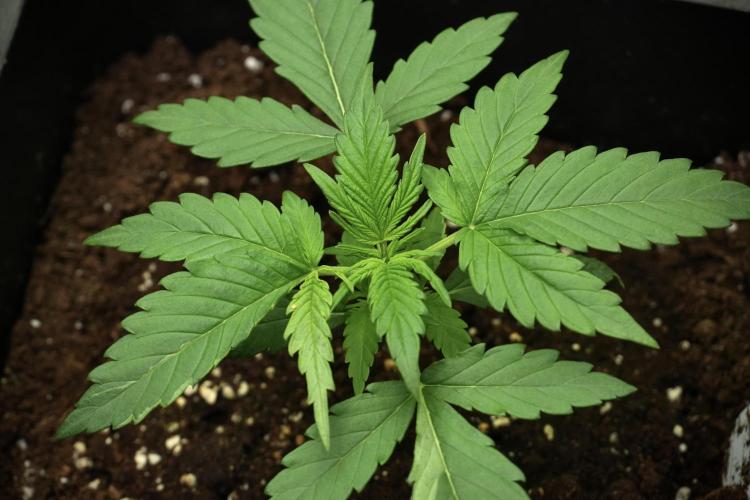
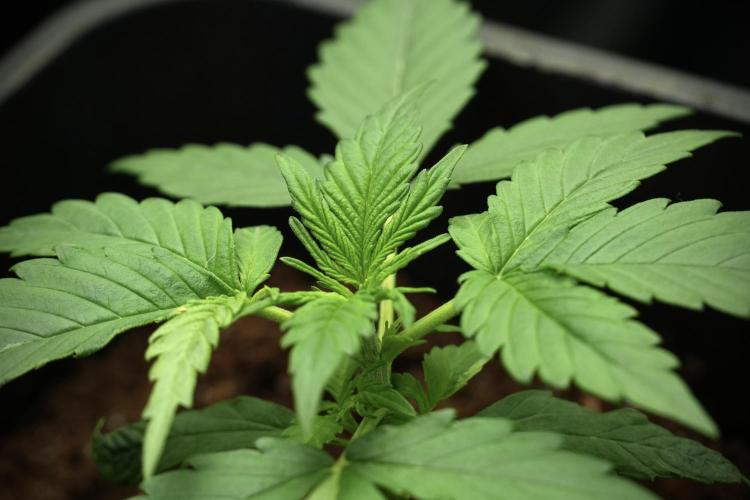
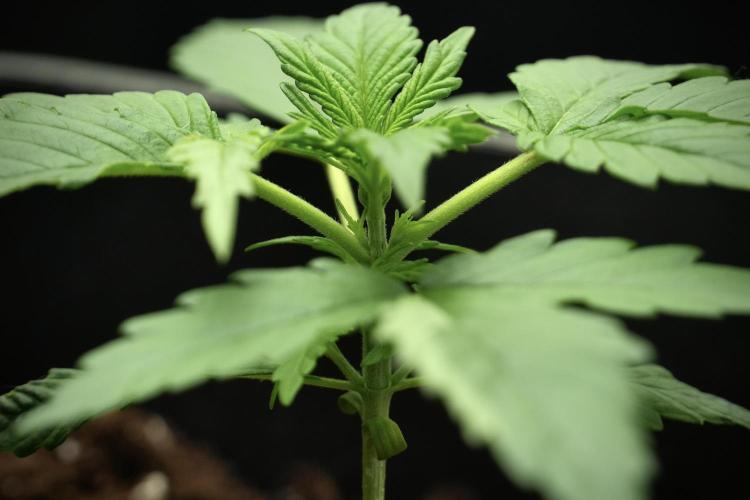
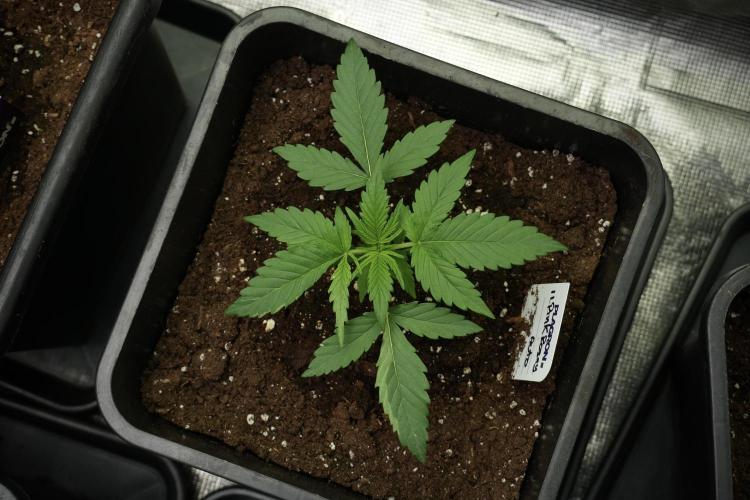
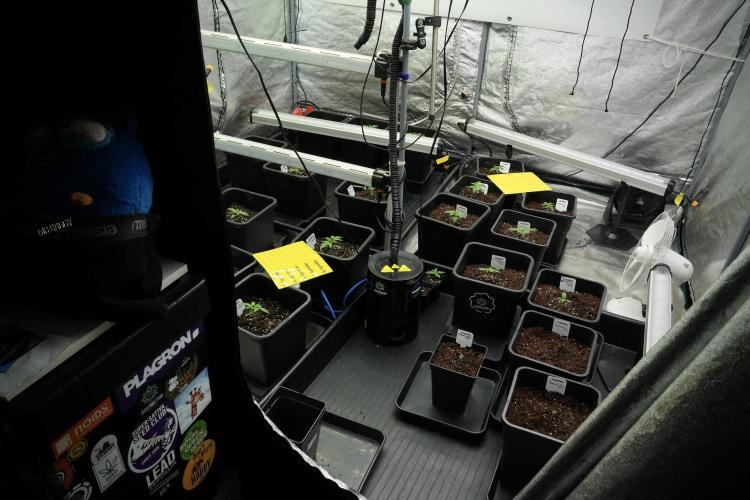
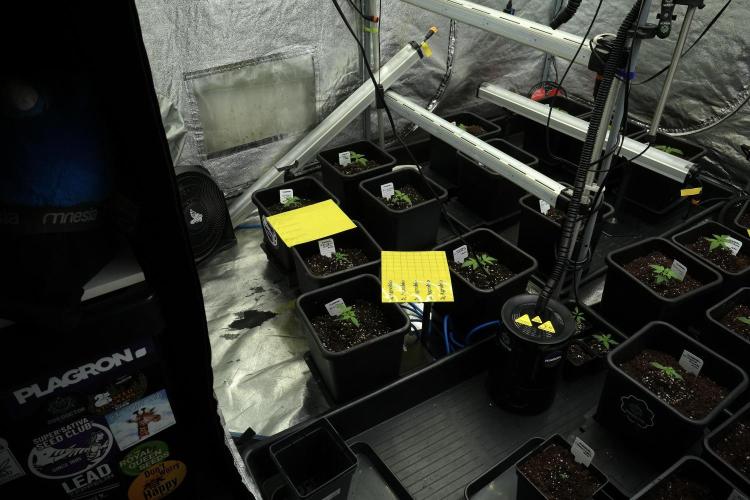
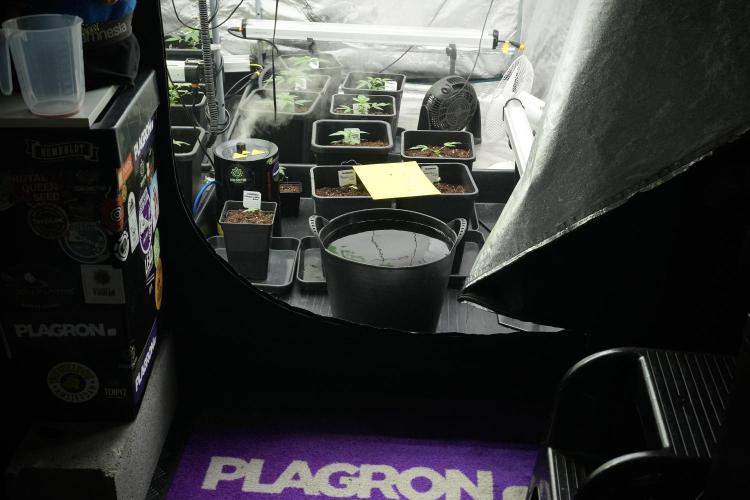
Like many of the other plants in this project, this seed began life inside a coco starter plug.
The plug was fully hydrated and then gently squeezed to remove excess moisture while maintaining a healthy balance between water retention and oxygen availability.
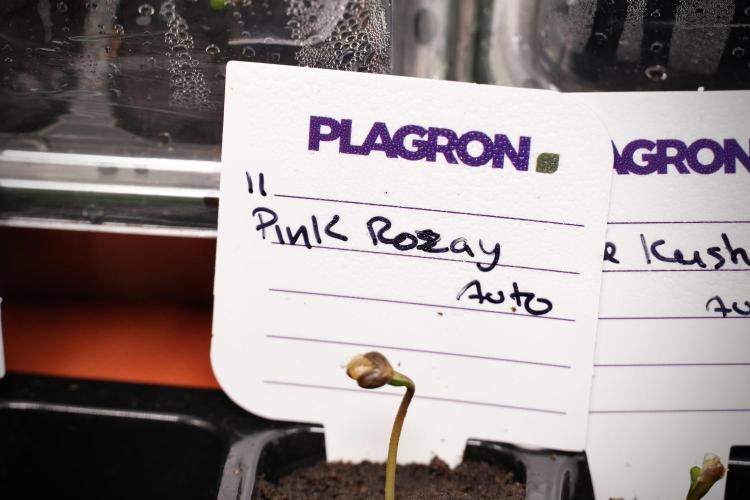
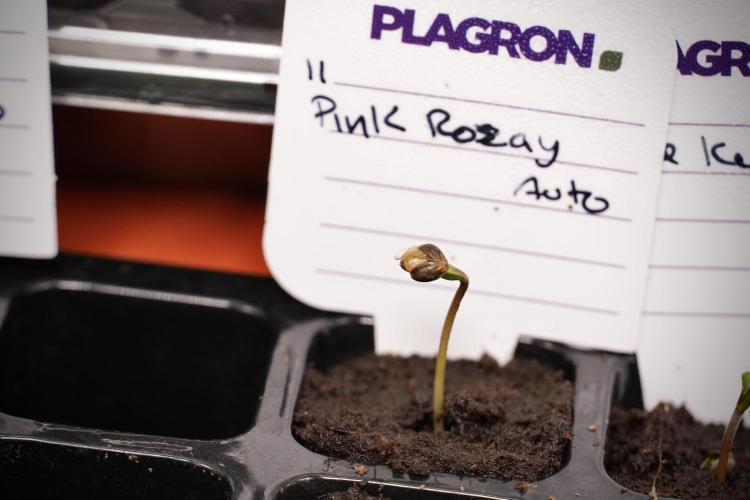
Once germinated, the seed was carefully inserted into the plug and placed inside a humidity dome.
The dome remained useful for only a short period.
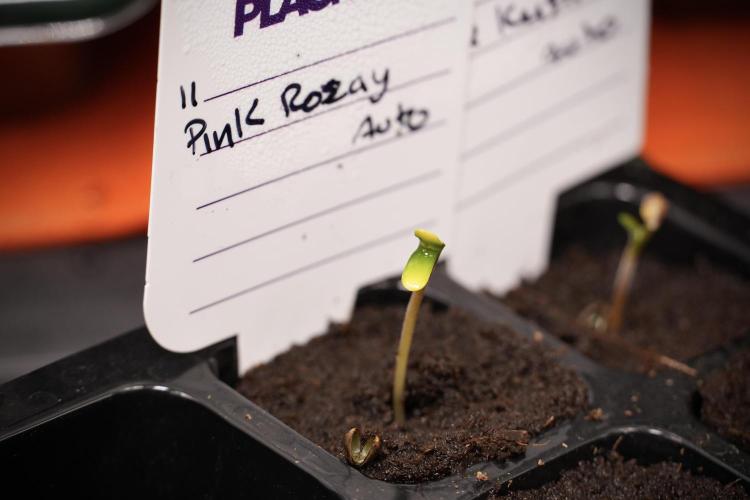
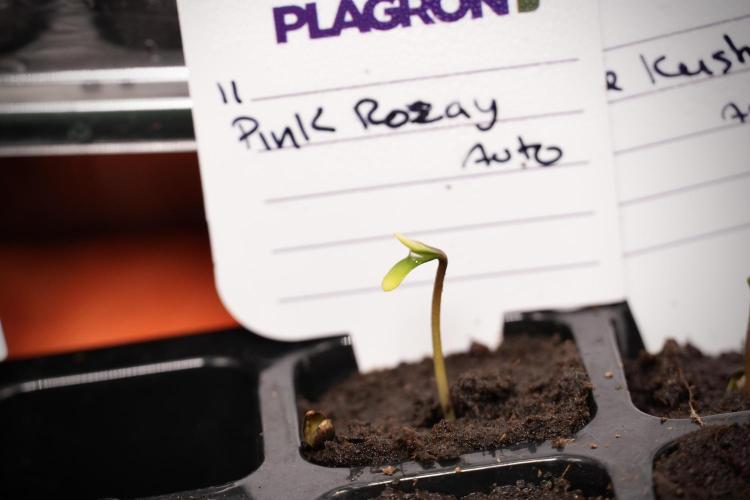
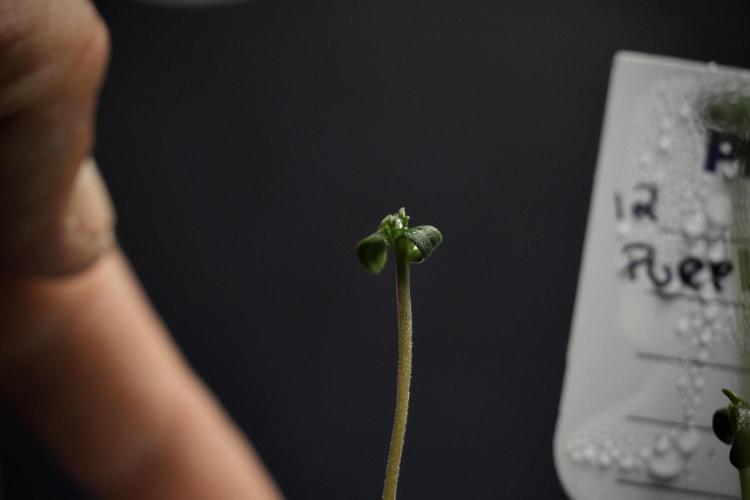
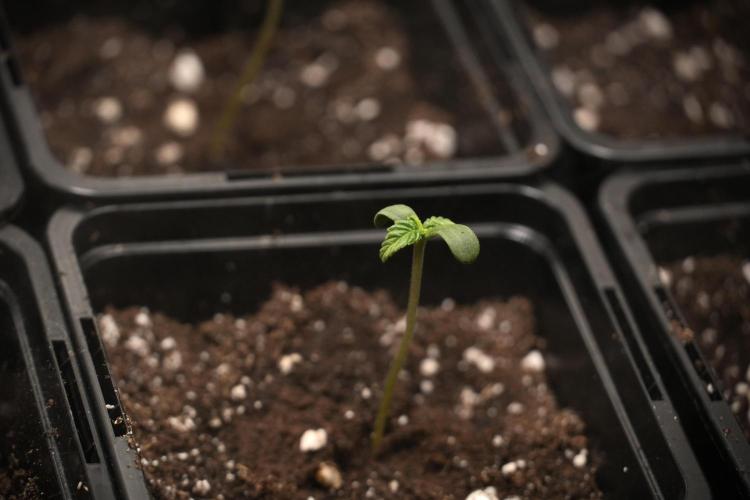
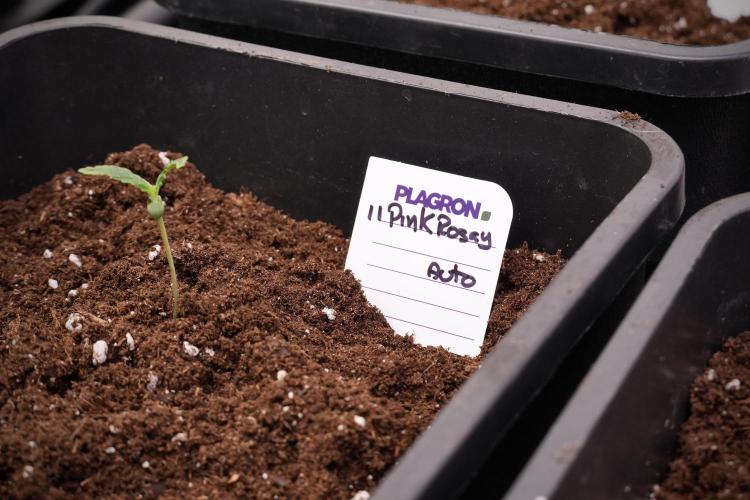
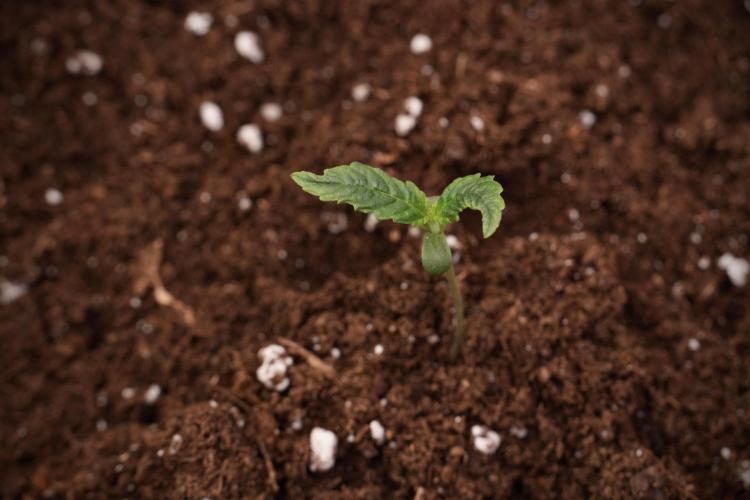
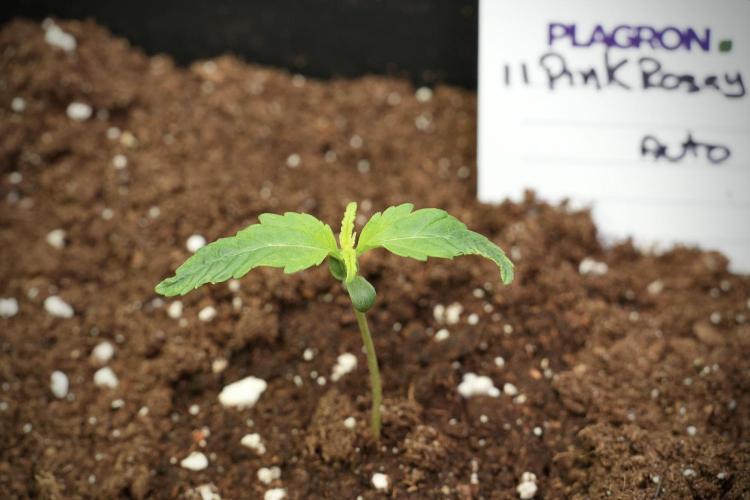
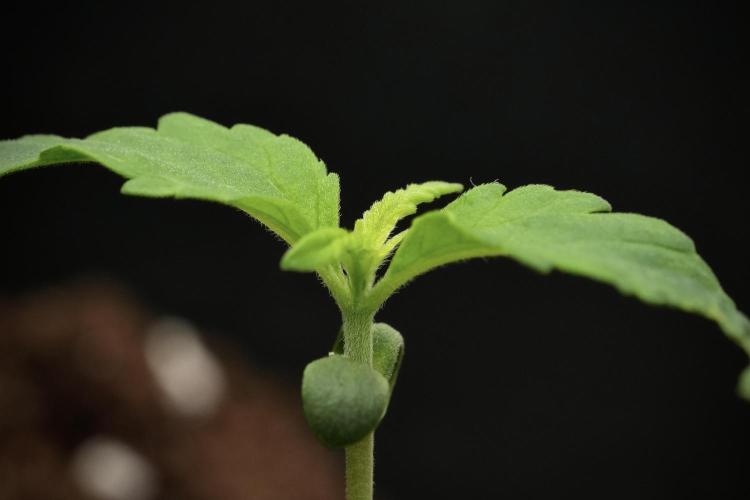
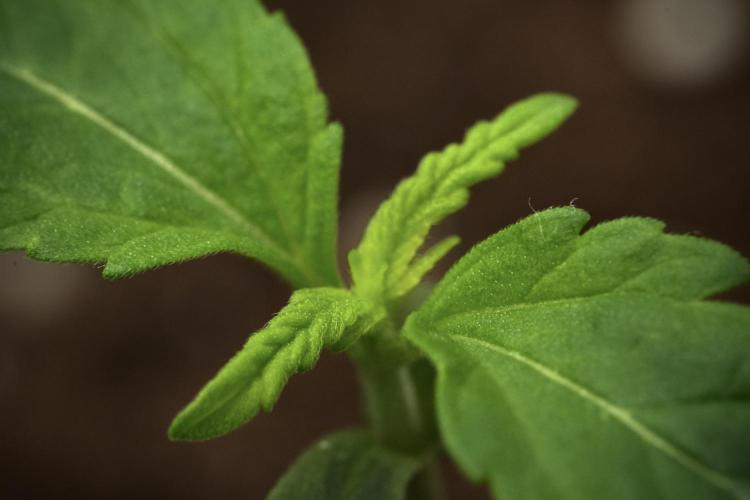
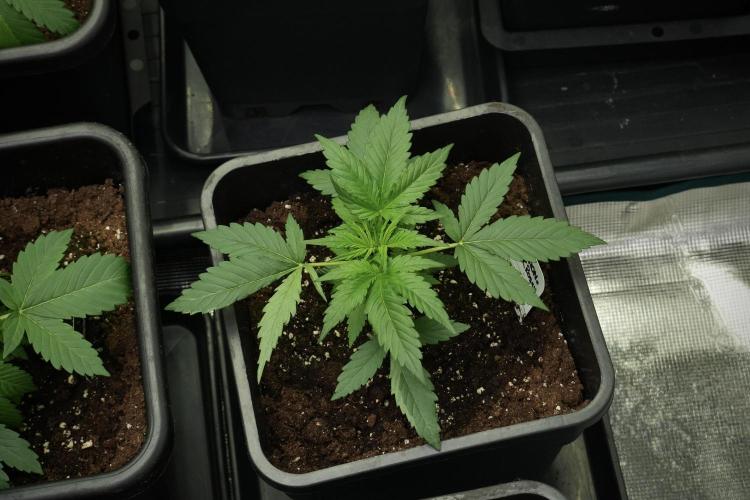
Within less than 24 hours the seedling had already emerged and was ready for the next step.
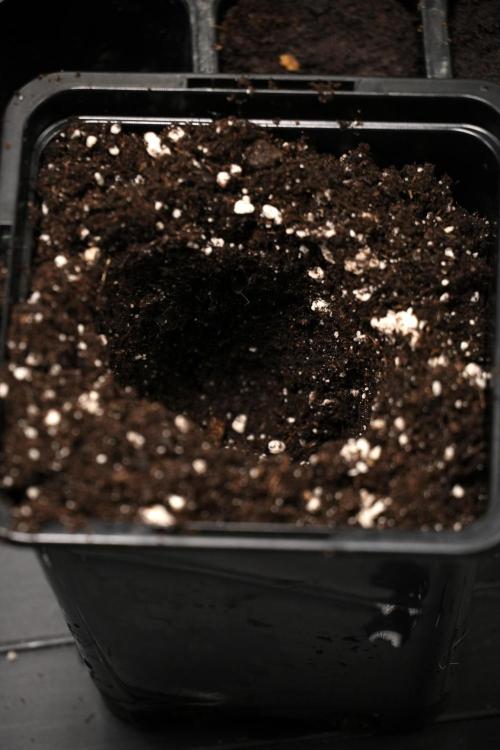
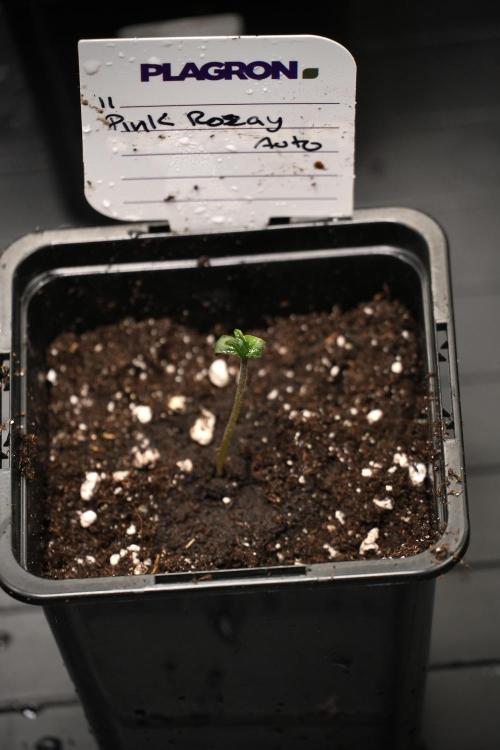
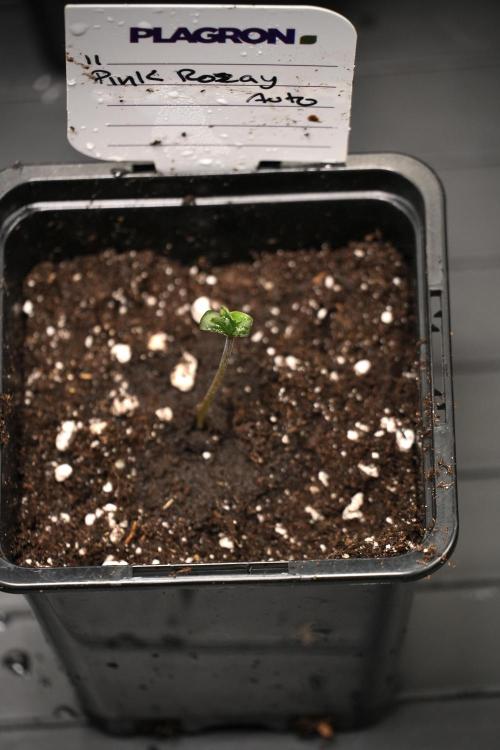
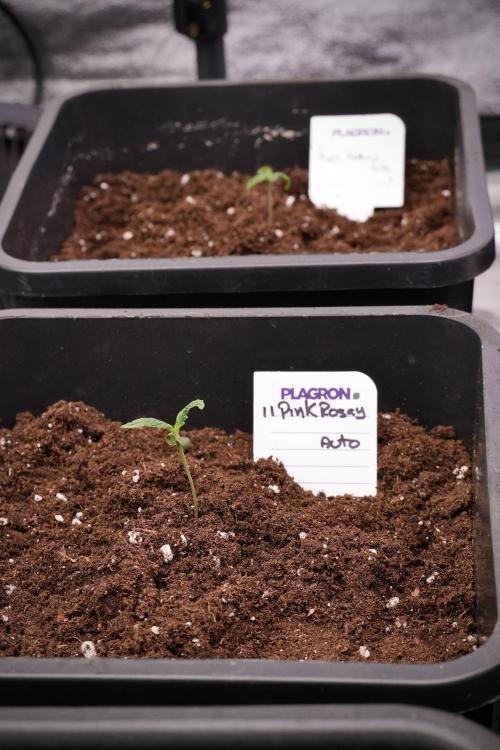
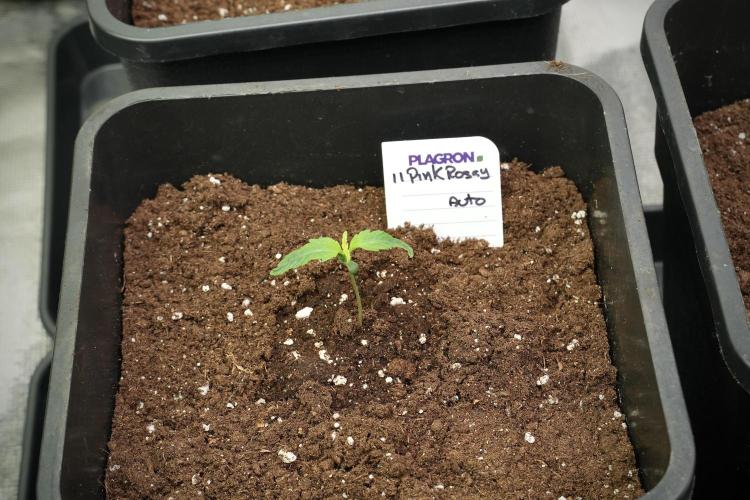
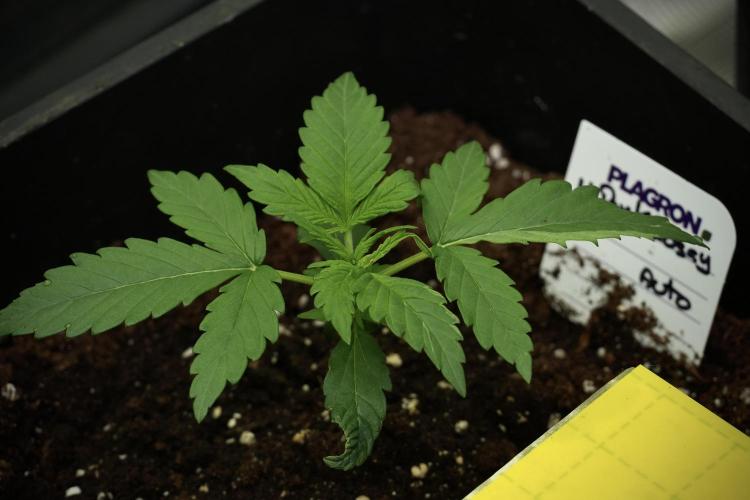
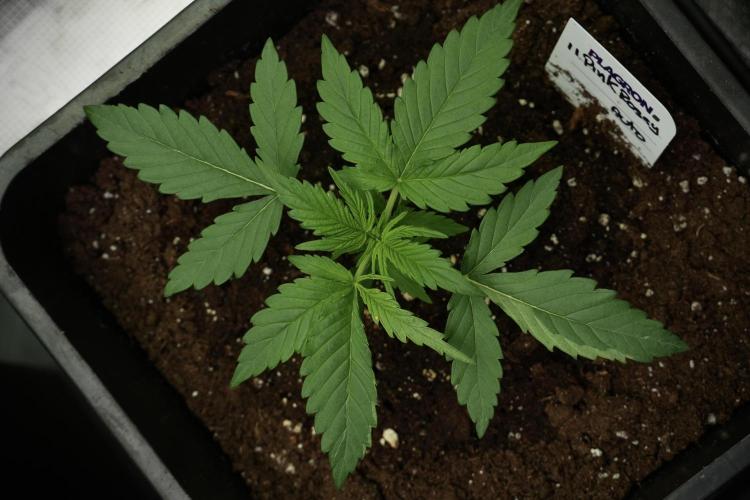
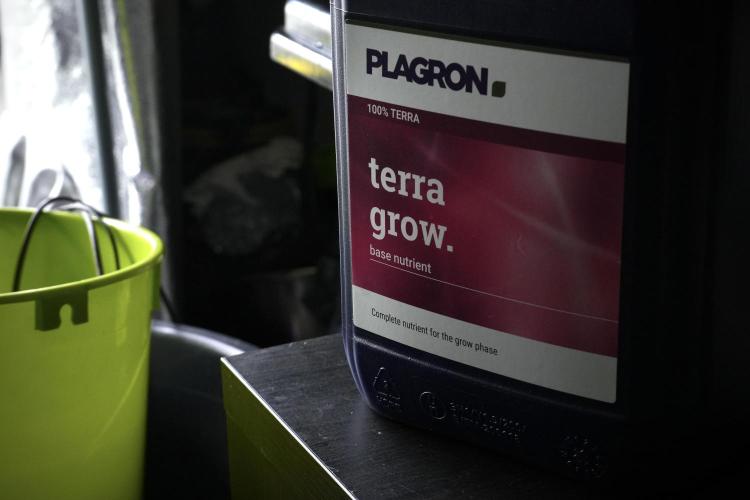
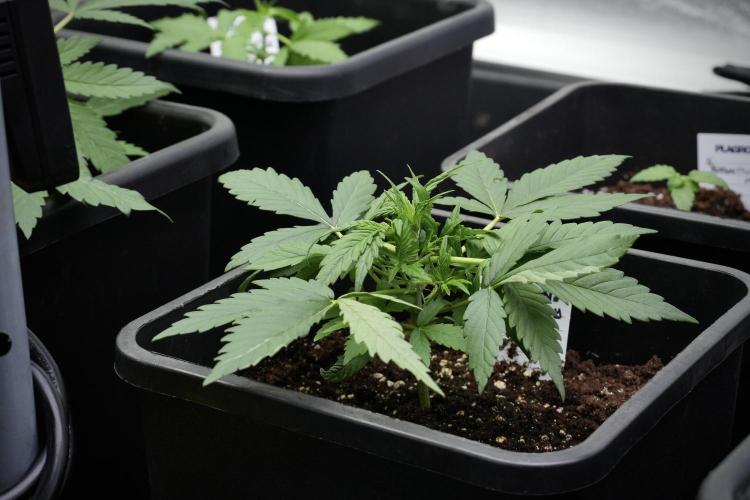
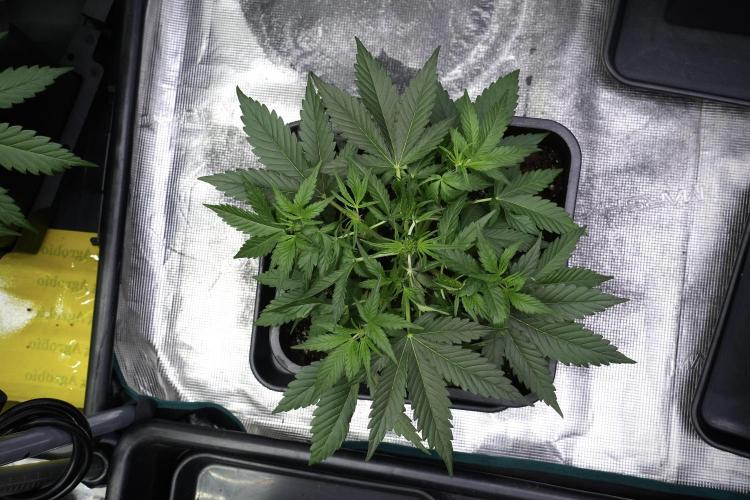
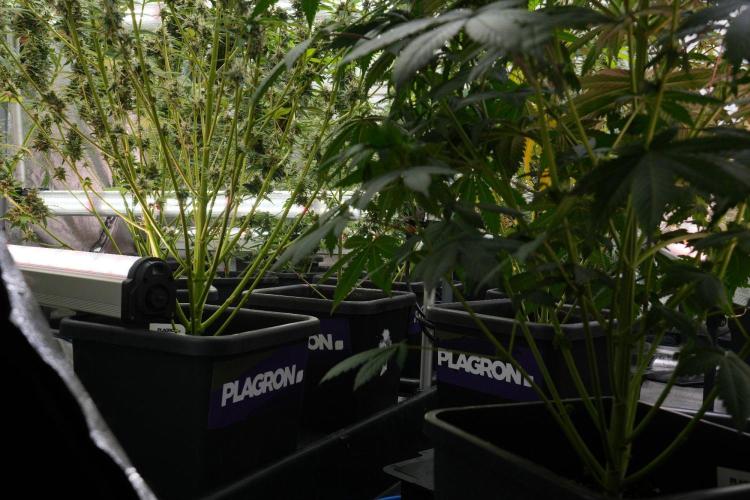
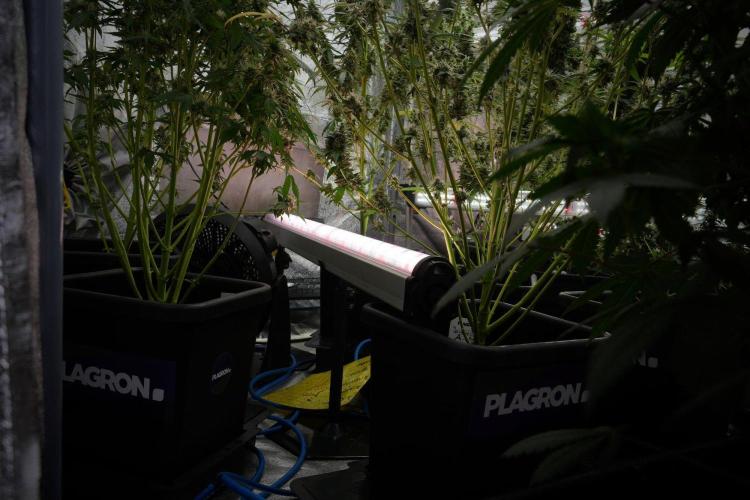
At that point, she was transplanted directly into a small container filled with Plagron Lightmix.
---
## Environmental Conditions
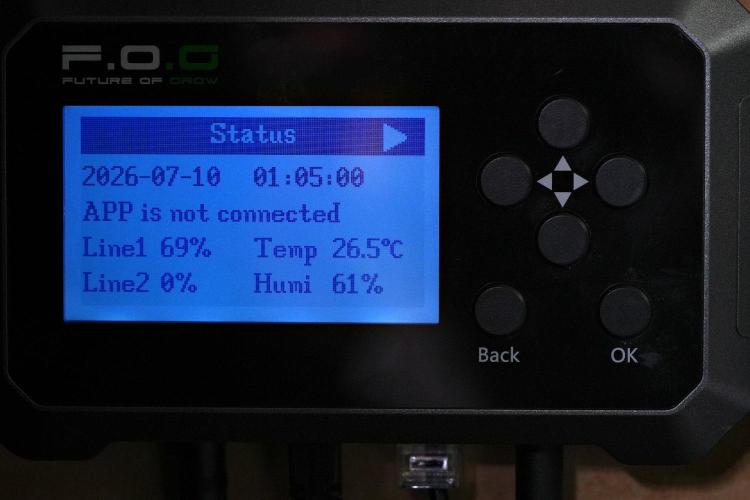
Environmental conditions remained intentionally simple and stable.
Temperatures stayed around 26–27°C.
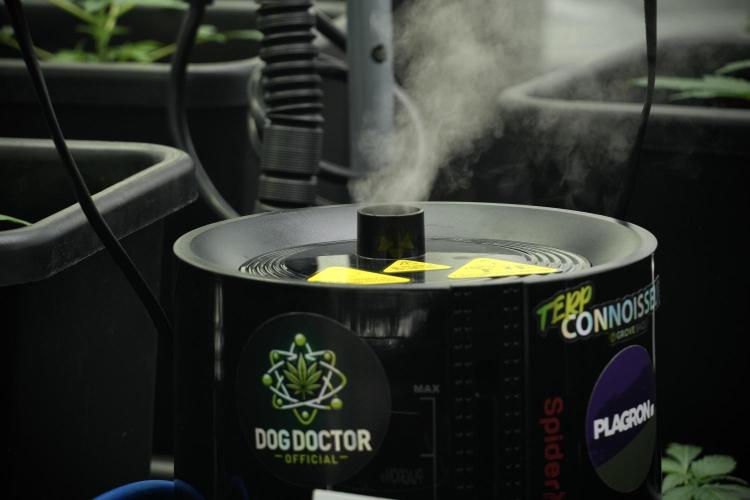
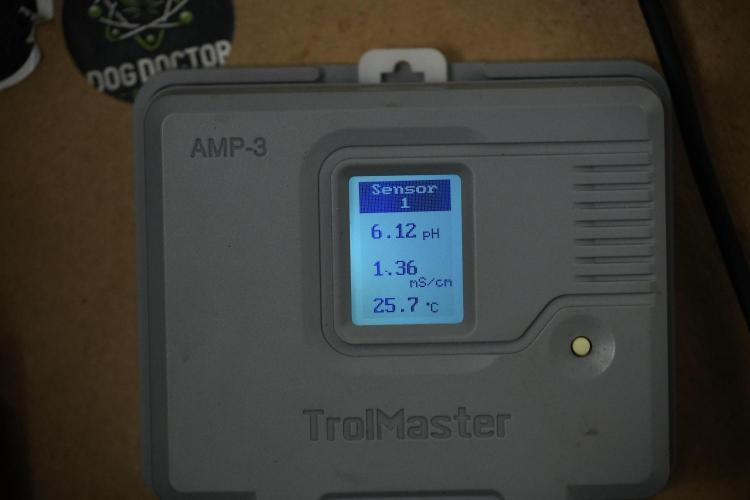
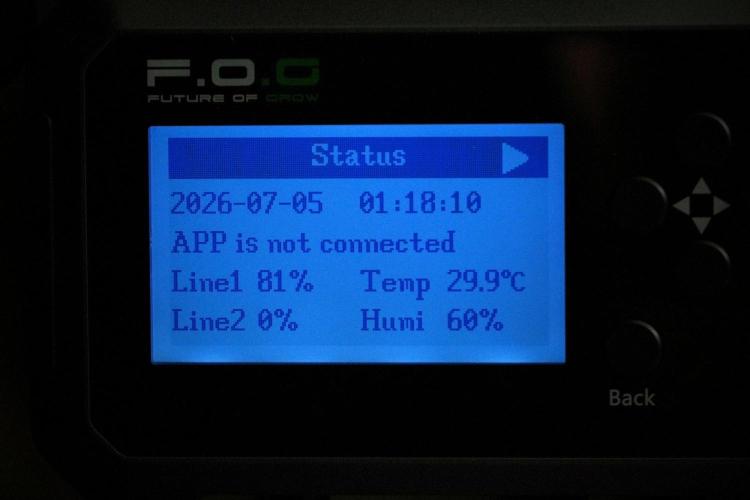
Humidity was maintained between approximately 65–70% using a Spider Farmer humidifier.
Rather than keeping seedlings inside extremely humid conditions for extended periods, I prefer introducing them relatively early to the environment they will actually experience throughout their life cycle.
The objective is adaptation.
Not dependence.
Airflow remained extremely gentle.
Just enough movement to keep fresh air circulating without creating unnecessary stress.
---
## Lighting
Lighting during germination remained intentionally soft.
Young seedlings simply do not require intense light levels at this stage.
The goal is healthy establishment rather than rapid growth.
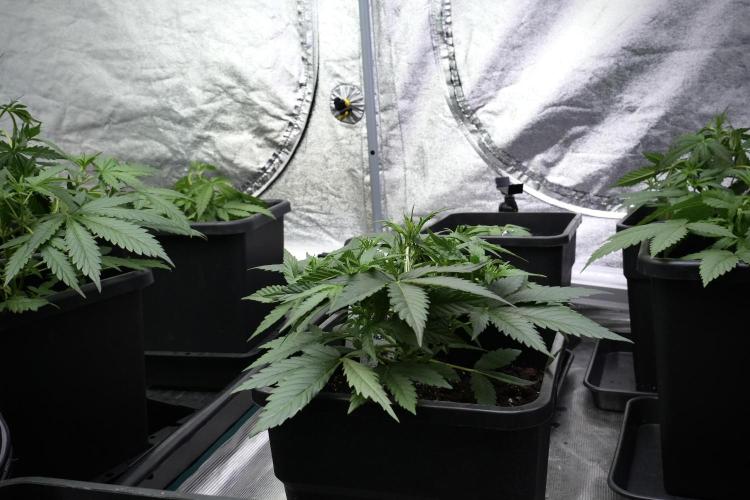
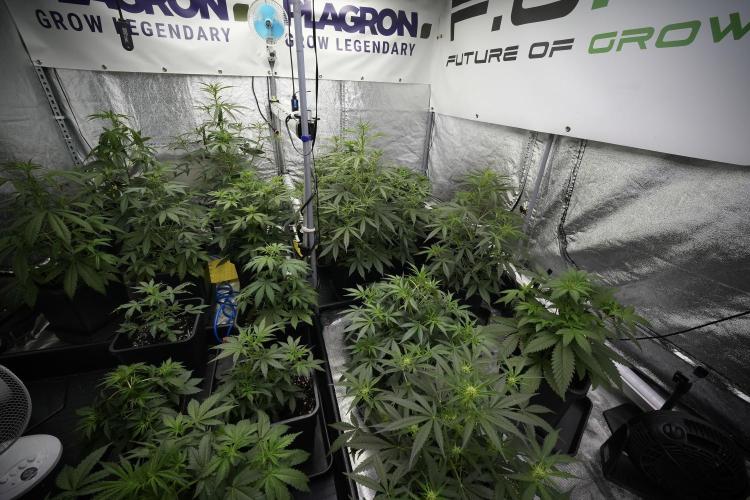
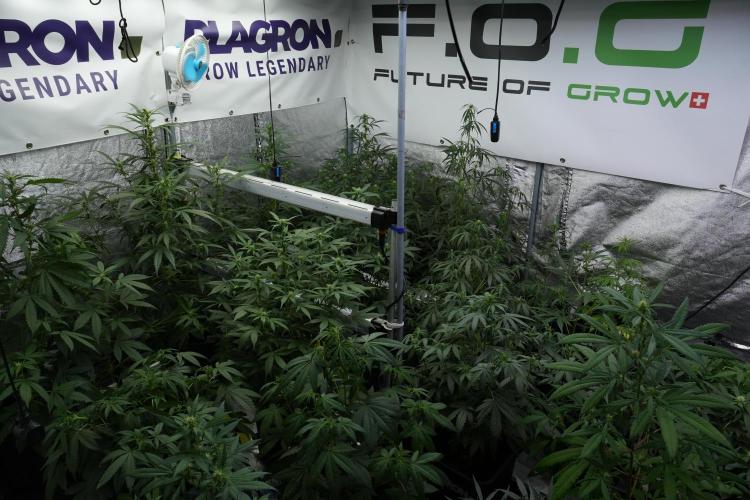
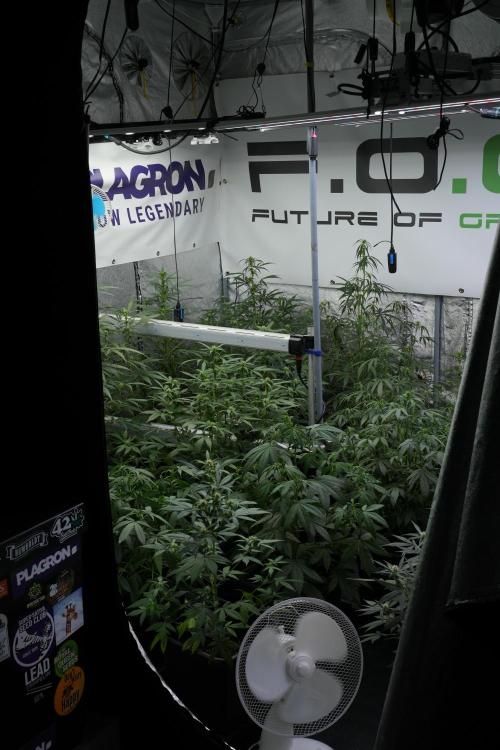
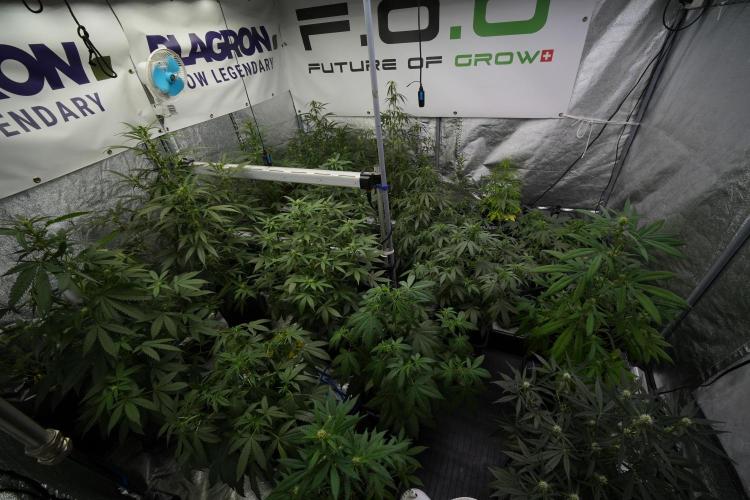
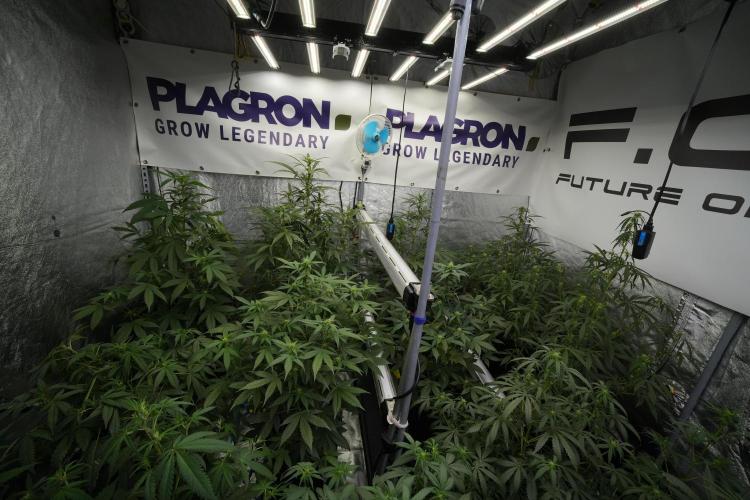
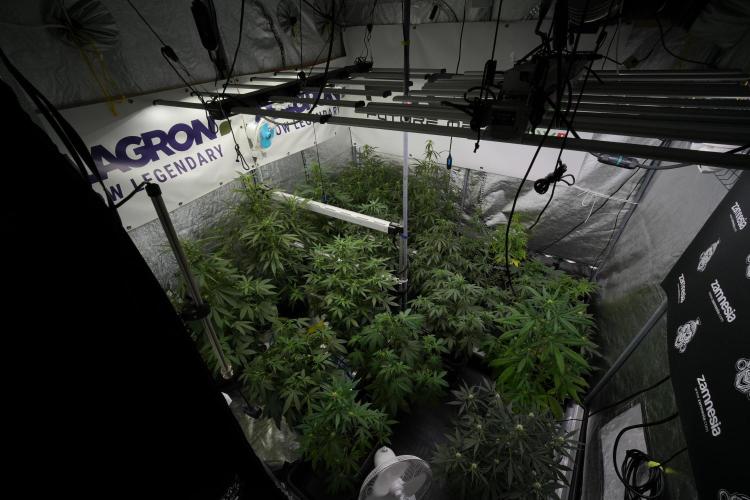
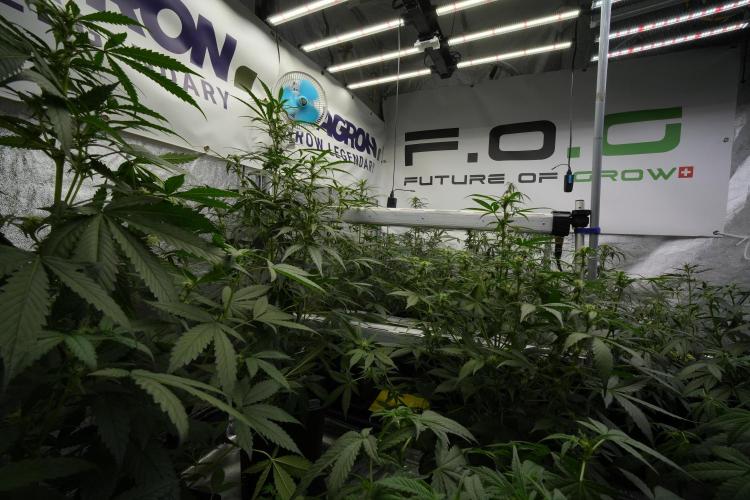
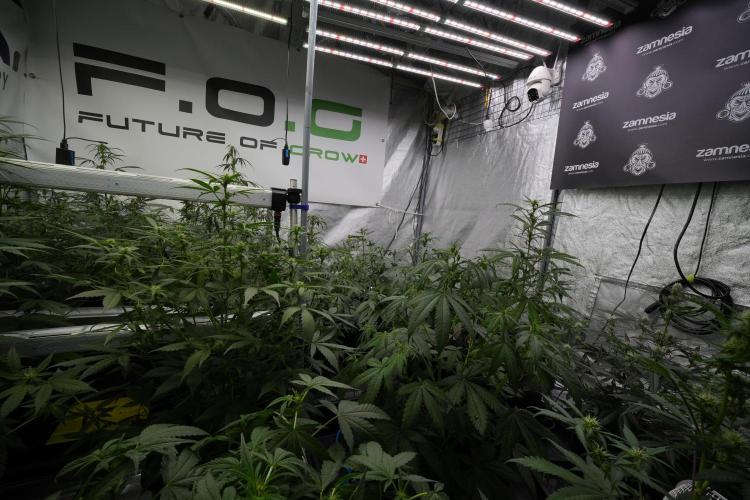
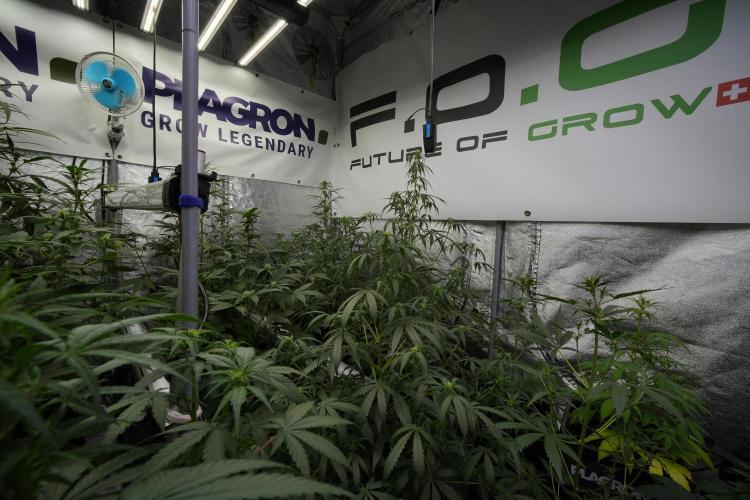
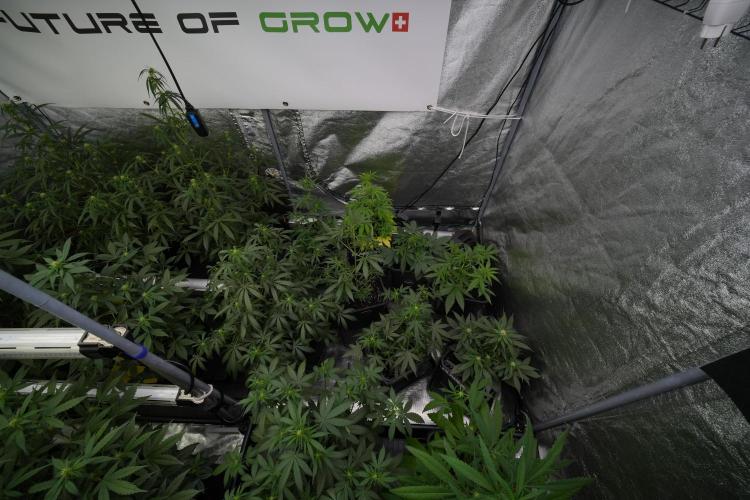
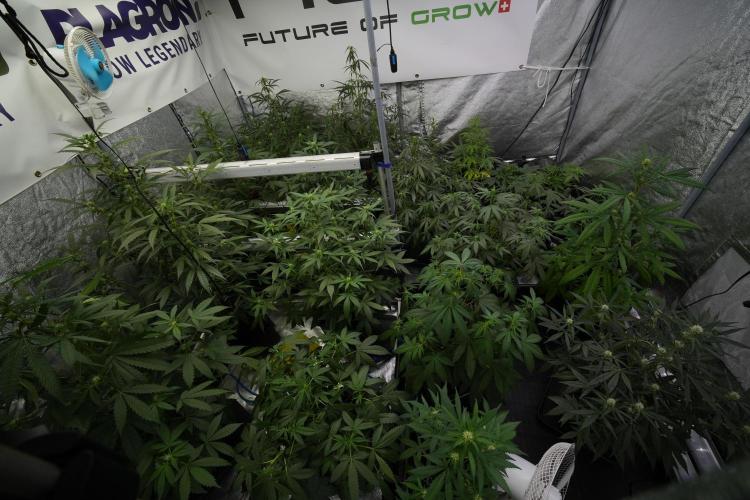
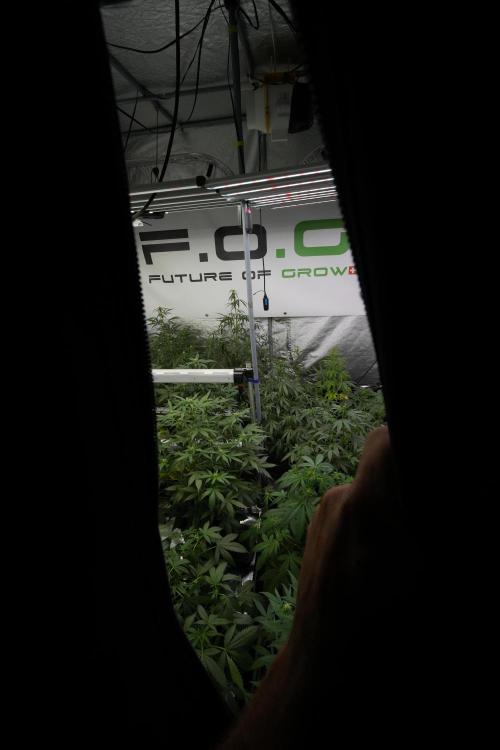
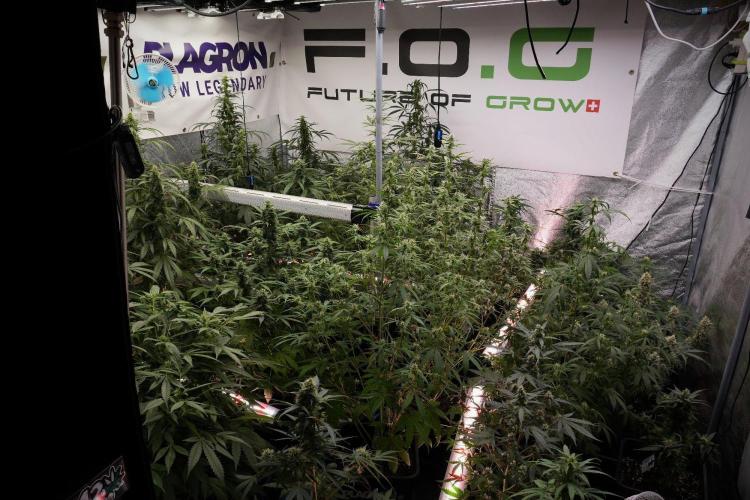
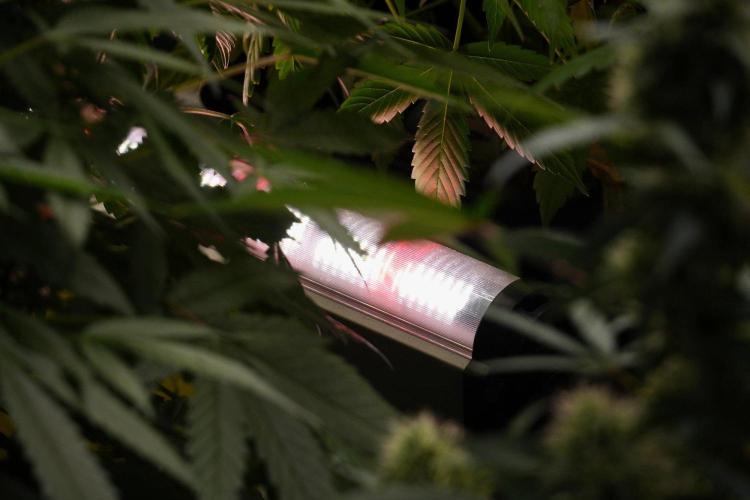
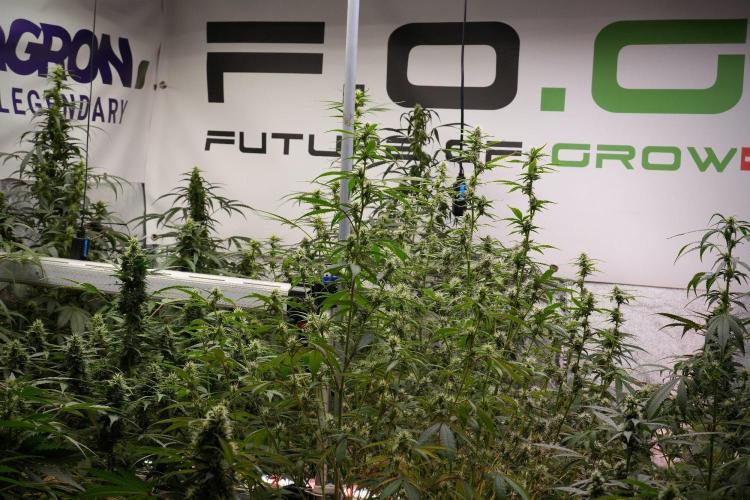
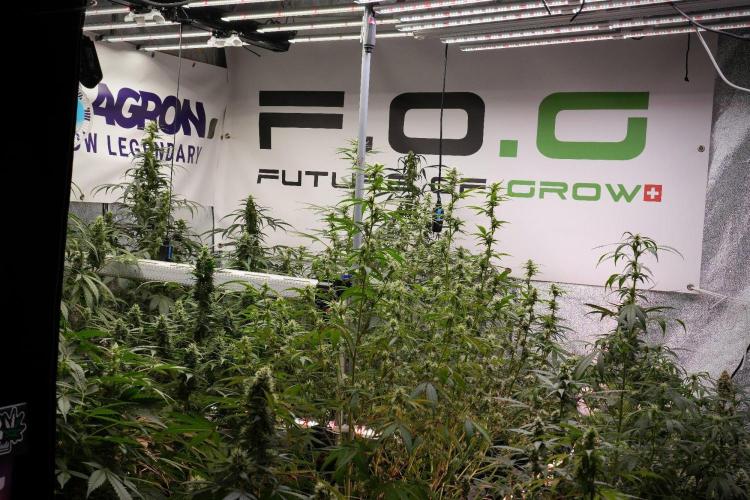
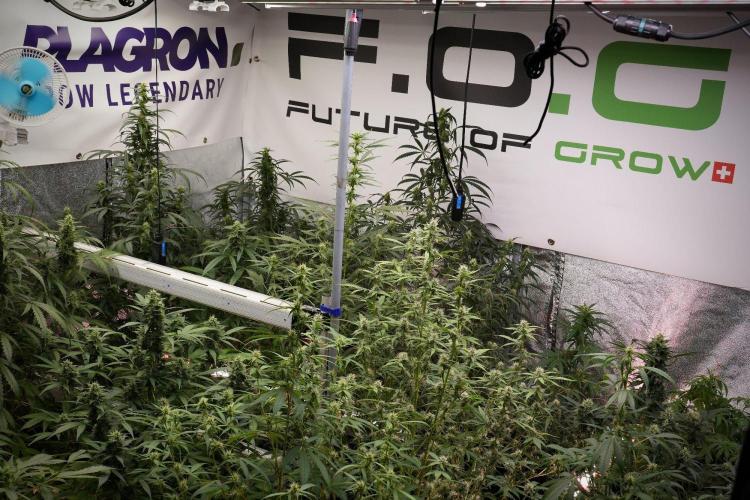
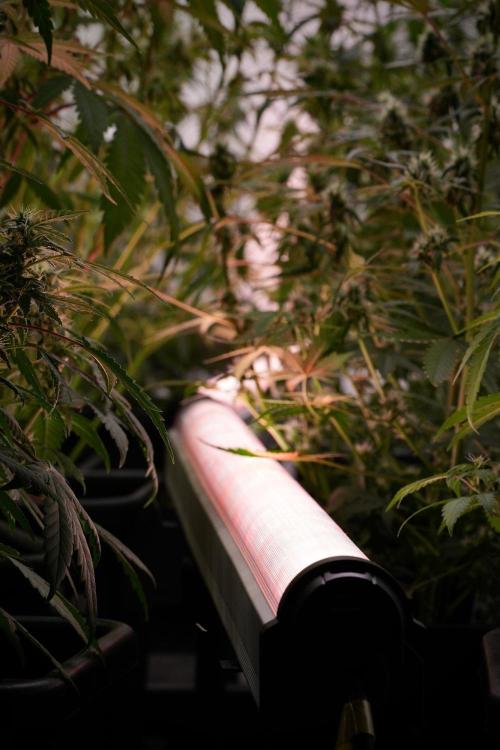
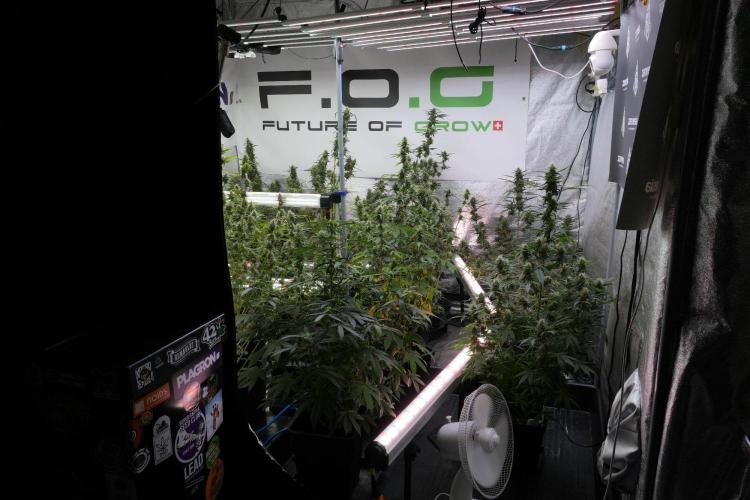
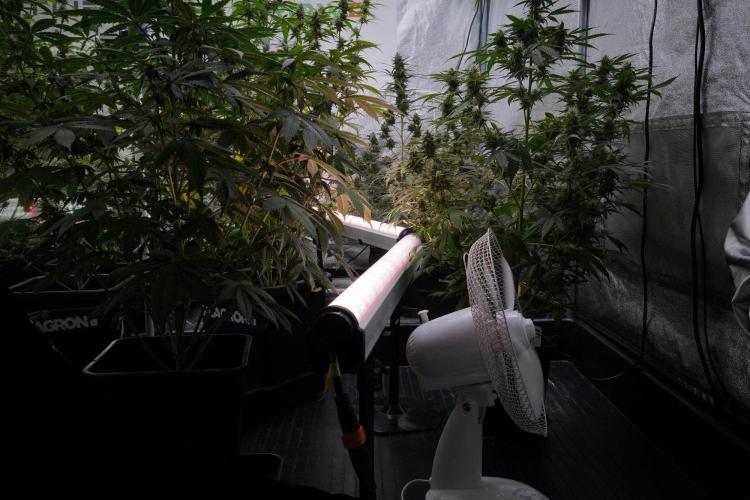
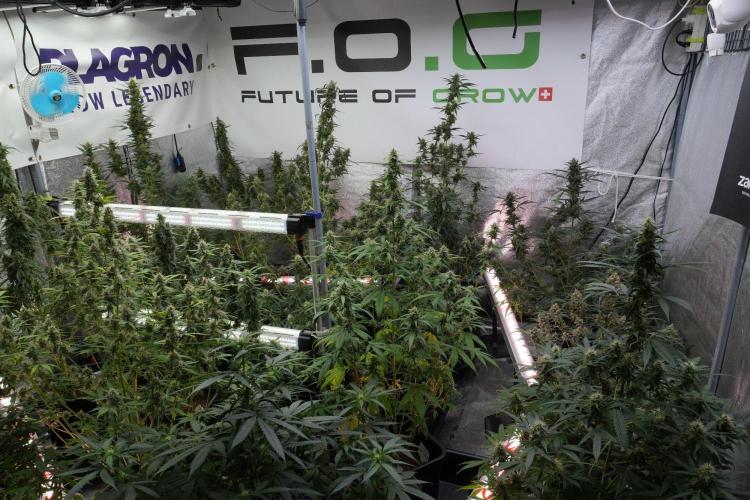
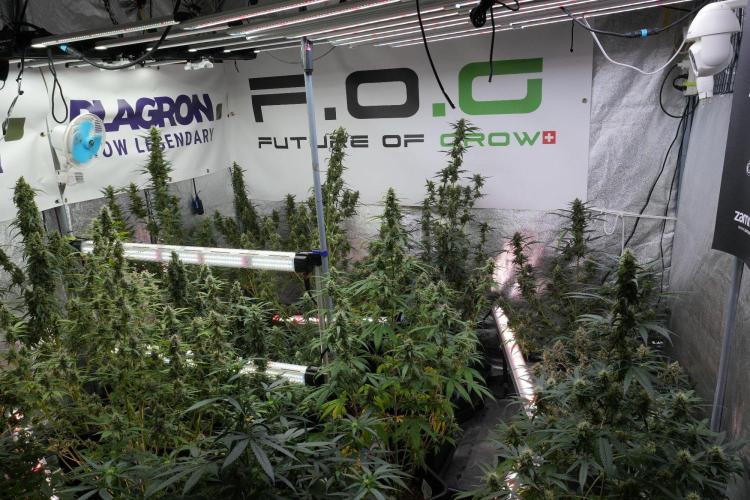
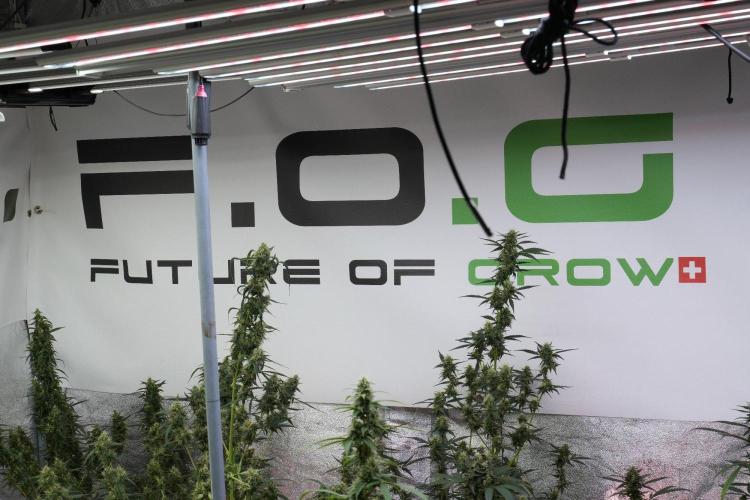
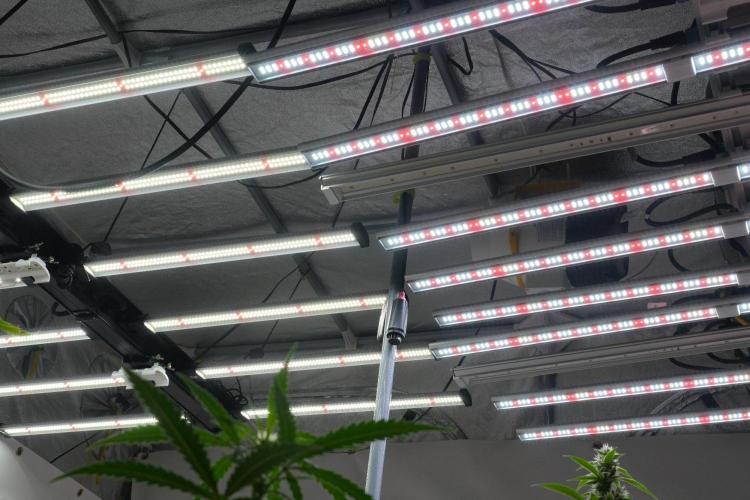
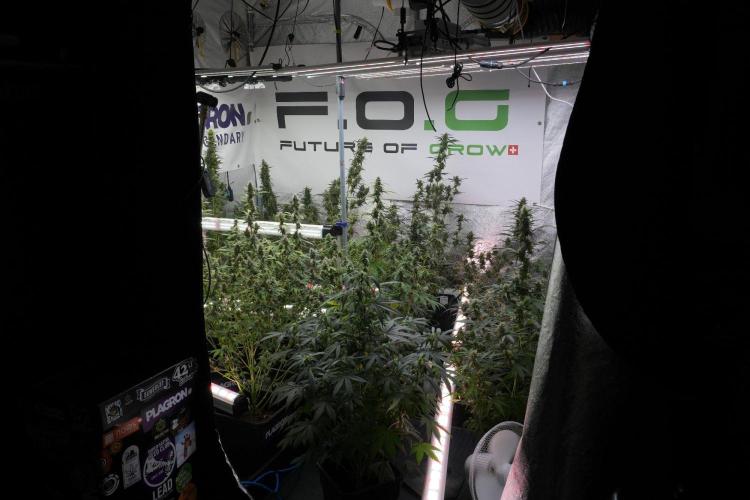
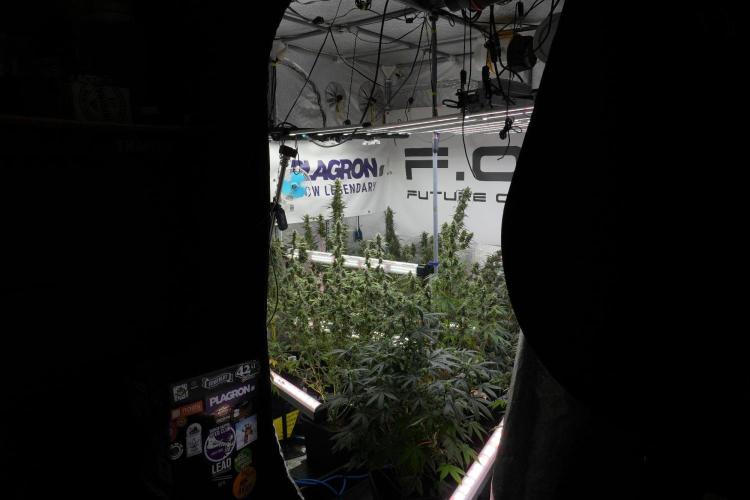
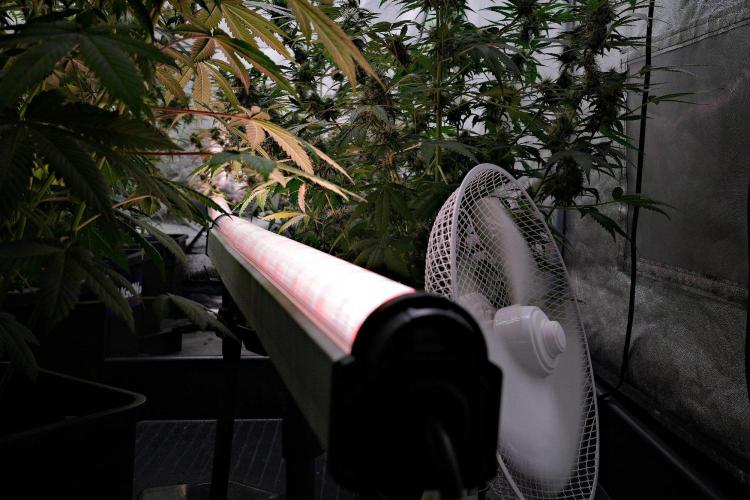
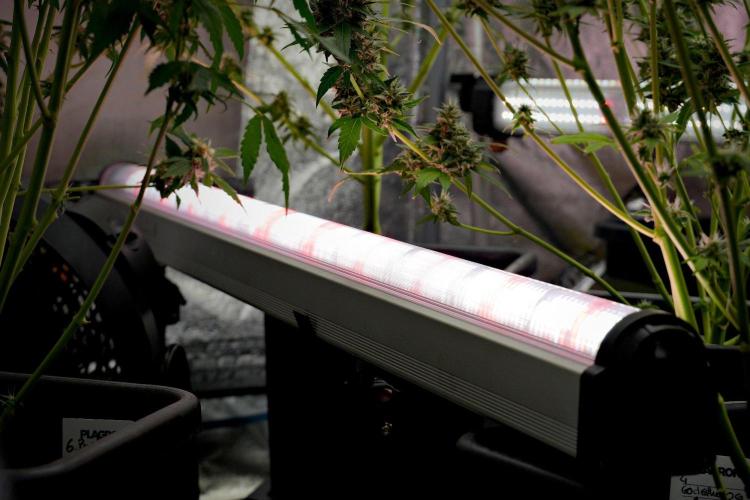
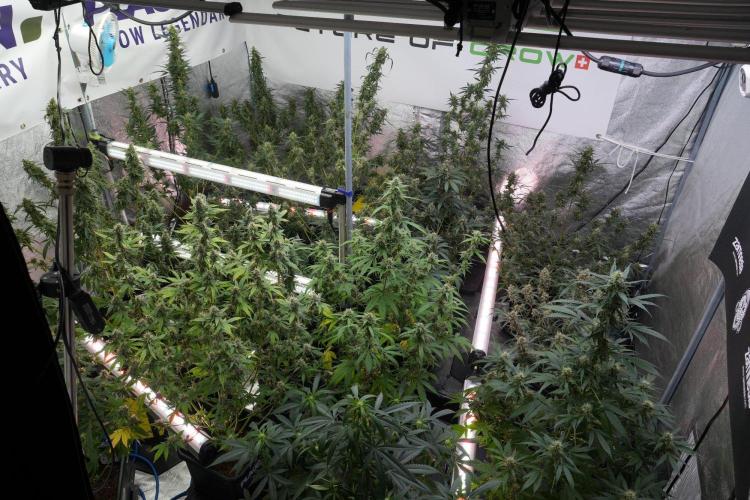
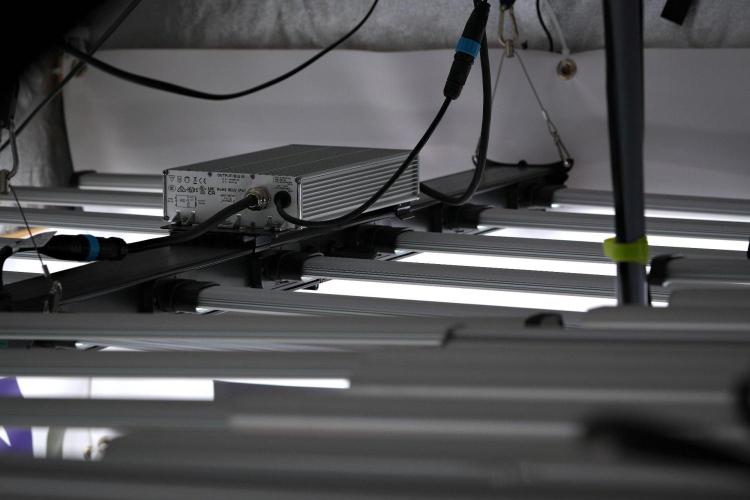
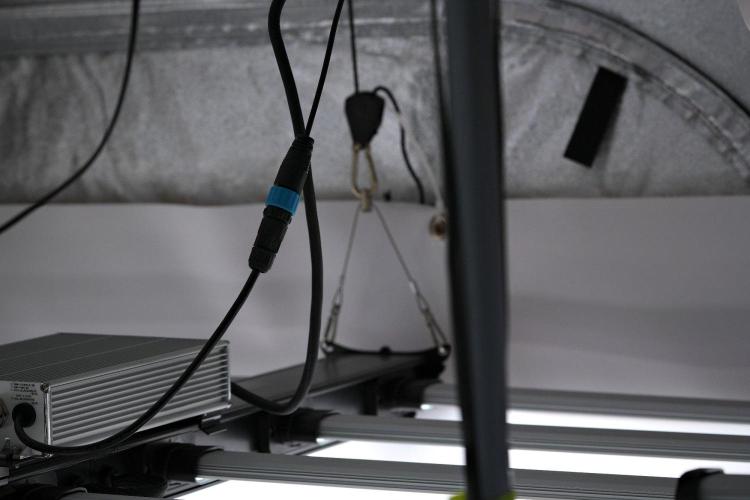
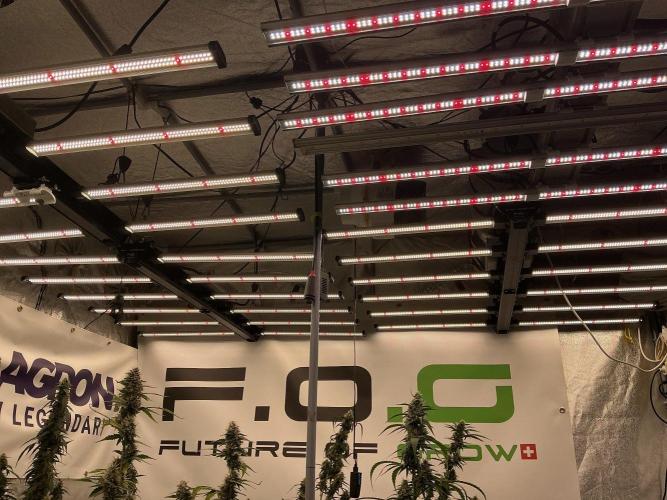
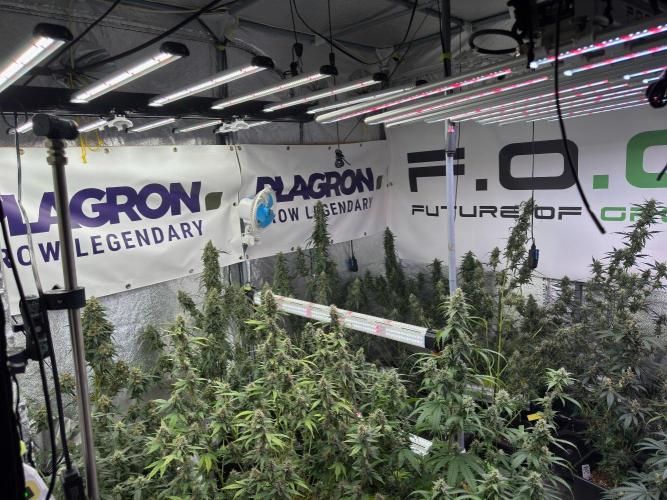
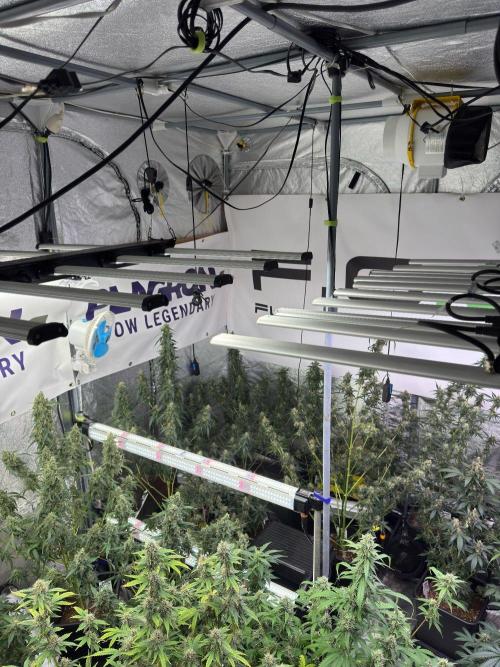
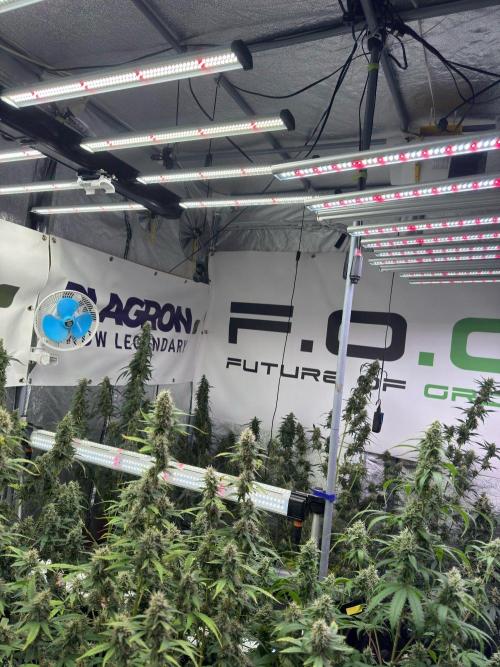
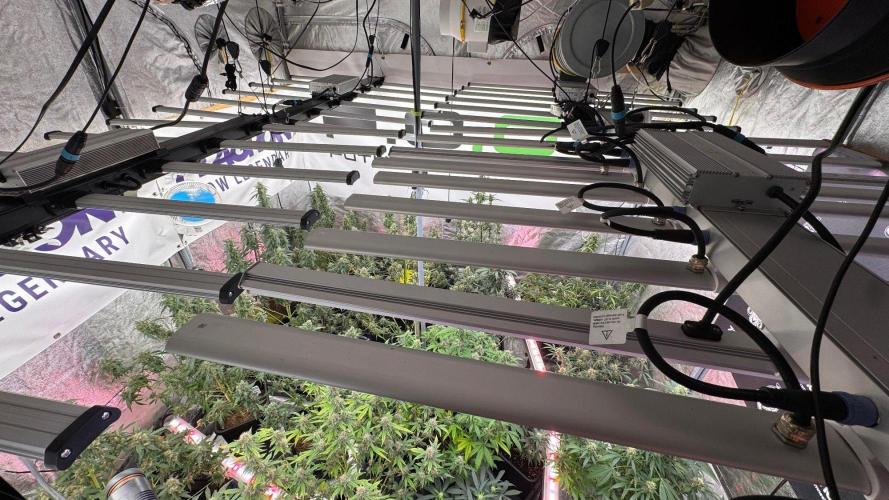
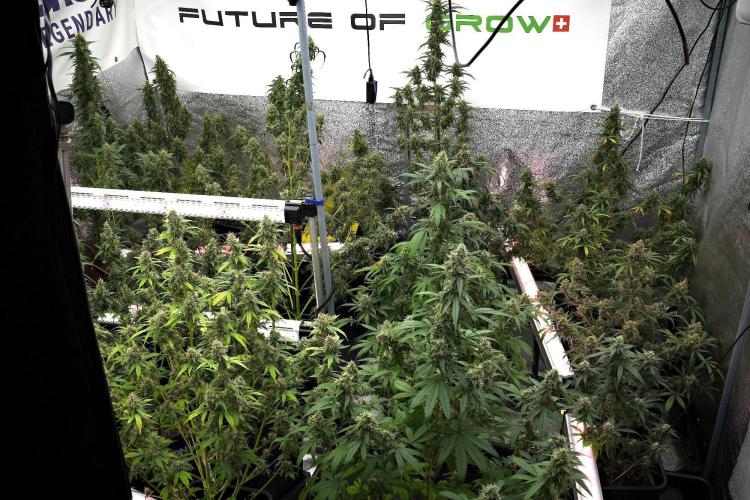
Once properly established, this girl will move under the Future Of Grow Black Series 600W full-spectrum LED system where the next stage of development begins.
For now, healthy roots and healthy growth remain the priorities.
---
## First Observations
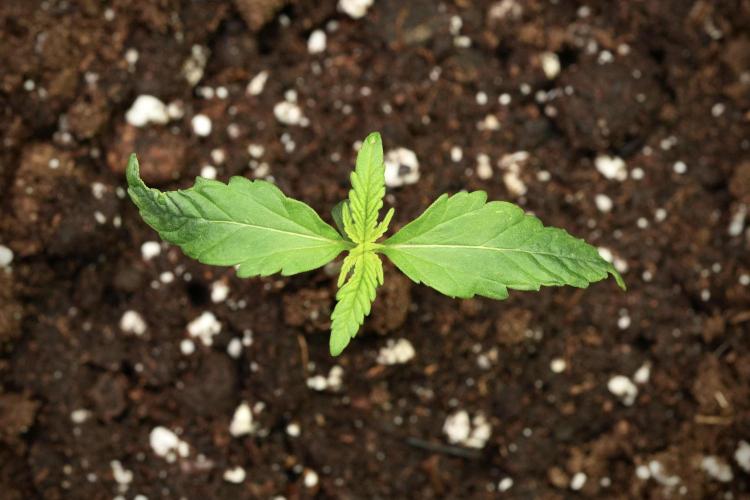
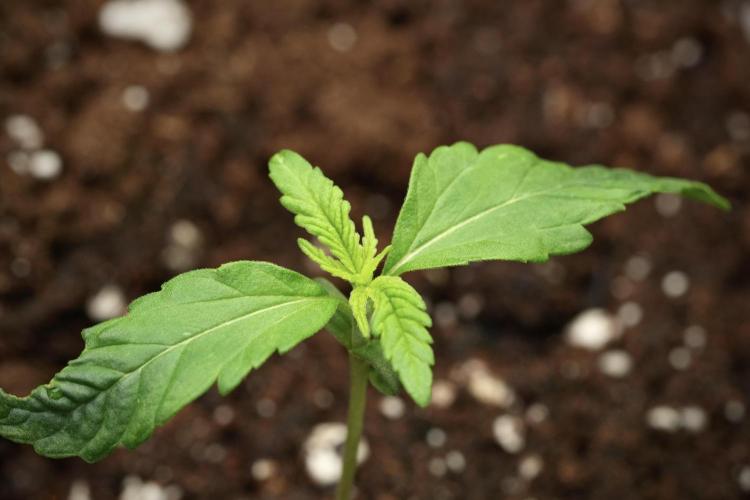
Everything has progressed exactly as hoped so far.
Fast germination.
Healthy taproot.
Strong emergence.
Healthy color.
Good vigor.
And perhaps most importantly:
A healthy beginning.
At this stage every seedling is still a mystery waiting to reveal itself.
A tiny plant carrying months of possibilities inside it.
That mystery is one of the reasons growing never becomes boring.
---
## Looking Ahead
Over the coming weeks we'll follow Pink Rosay Auto Pheno A through every stage of development.
We'll document:
- Root establishment
- Early growth
- Environmental management
- Watering practices
- Structural development
- Flowering progression
- And whatever unique characteristics this phenotype chooses to reveal
Because every seed deserves the opportunity to tell its story.
Huge thanks to Zamnesia Seeds for the genetics, Plagron for the substrate and nutrition, Future Of Grow for the lighting, and everyone following along for another seed-to-harvest adventure.
Grower's Love everyone. 🌱💚
6 likes
comments
Share
Used method
Other
Germination Method
1
Week 1. Vegetation
4mo ago
1/30
3.5 cm
Height
12 hrs
Light Schedule
27 °C
Day Air Temp
6.0
pH
No Smell
Smell
230 PPM
TDS
55 %
Air Humidity
21 °C
Solution Temp
21 °C
Substrate Temp
25 °C
Night Air Temp
15 liters
Pot Size
0.75 liters
Watering Volume
600 PPM
CO₂ Level
Nutrients 4
Terra Grow
1 mll
Pure Zym
1 mll
Sugar Royal
1 mll
DogDoctorOfficial Pink Rozay Auto — Pheno A 🌱🌸
Week 1 Vegetation | A Little Mystery in the Leaves
Hello GrowDiaries family! 👋🌱
Welcome back for another Week 1 update.
This time we’re following Pink Rozay Auto Pheno A, a young plant that delivered a very interesting first week.
At first glance, everything appears straightforward:
Healthy emergence.
Good vigor.
Steady development.
Strong progression from day one through the end of the week.
Yet as often happens during early growth, nature decided to add a small question mark into the story.
Nothing dramatic.
Nothing concerning.
Just one of those little observations that make growing endlessly fascinating.
⸻
A Strong Start
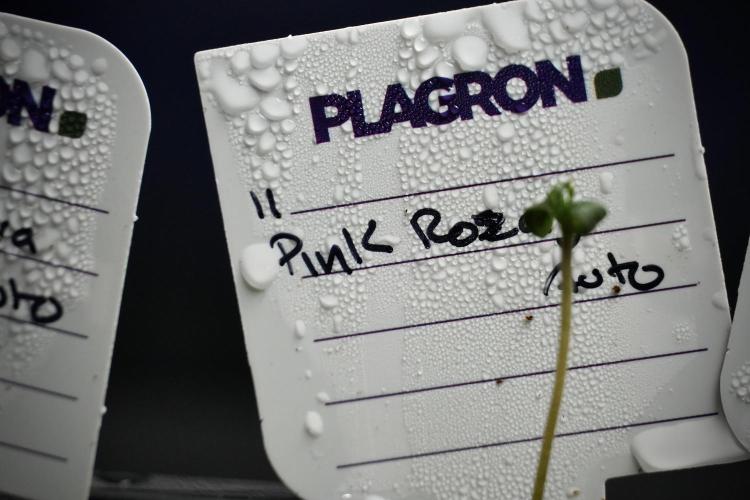
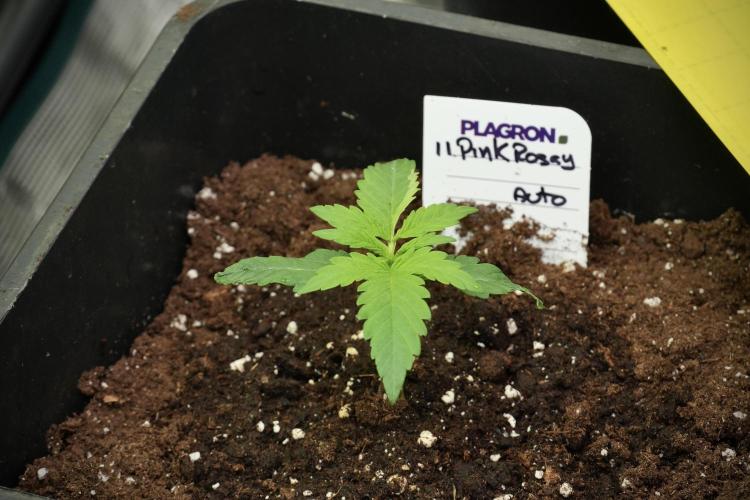
Like the rest of this project, Pink Rozay Auto was transplanted directly into her final container filled with Plagron Lightmix.
The goal remains simple:
Allow uninterrupted root development while avoiding future transplant stress.
Environmental conditions remained stable throughout the week:
🌡️ Day temperature: 27°C
🌙 Night temperature: 25°C
💧 Relative humidity: 55%
⚡ 12/12 from seed
🌱 Plagron nutrient program
💡 Future Of Grow Black Series LED lighting
💨 Gentle airflow and stable environmental control
The environment remained consistent.
The plant responded exactly as hoped.
⸻
Building Momentum
Throughout the week, Pink Rozay displayed steady and reliable development.
Each day brought visible progress.
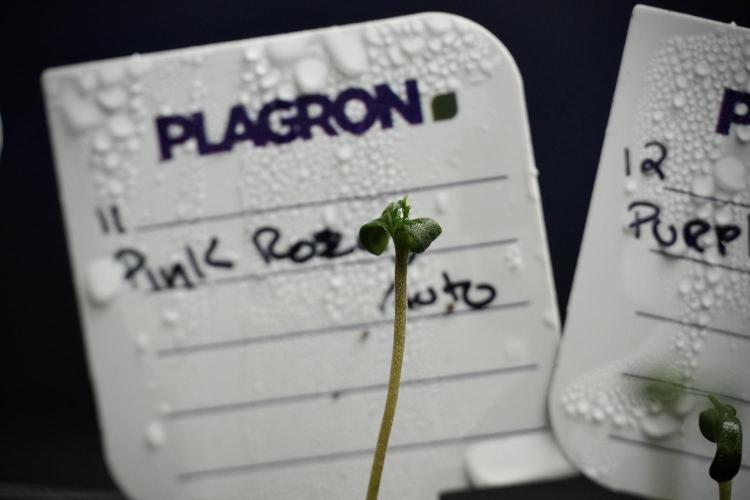
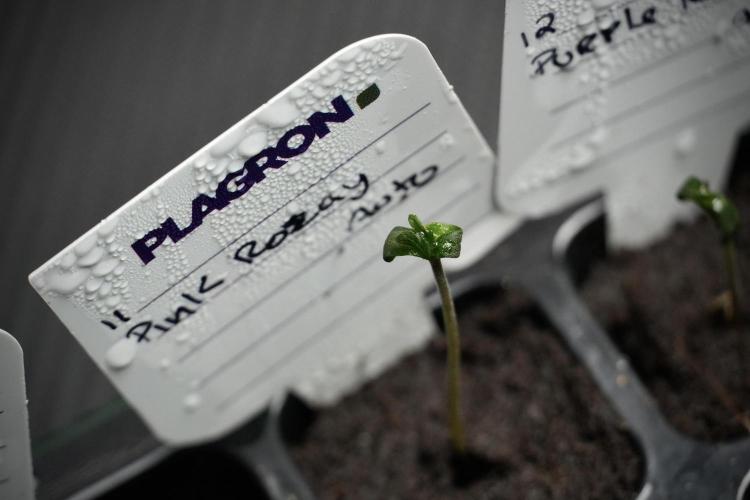
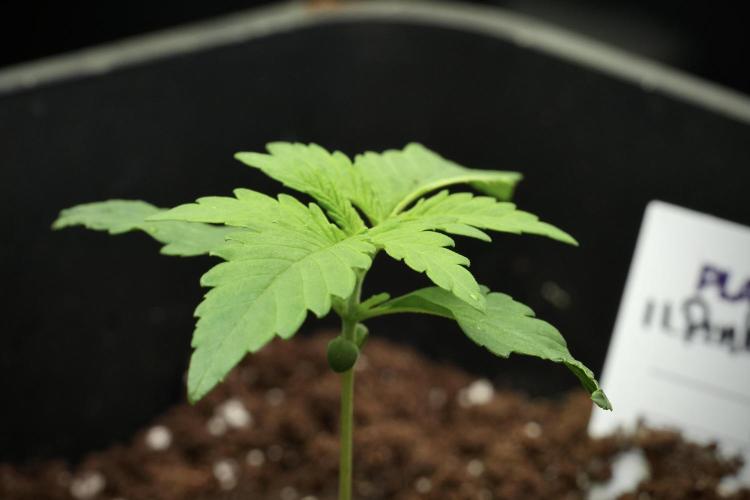
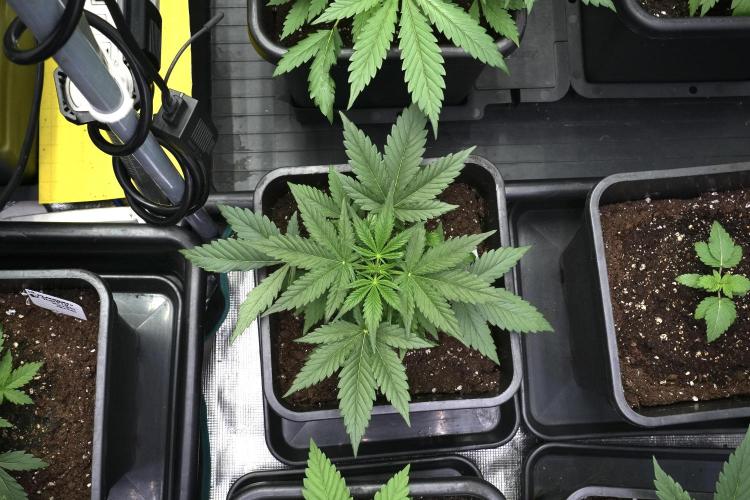
The first true leaves expanded nicely.
New growth emerged from the center.
The stem strengthened.
The canopy widened.
And by the end of the week she had already developed a surprisingly mature appearance for such a young plant.
Looking at the progression photographs, there is a very clear sense of momentum.
This plant never stalled.
Never hesitated.
She simply kept moving forward.
⸻
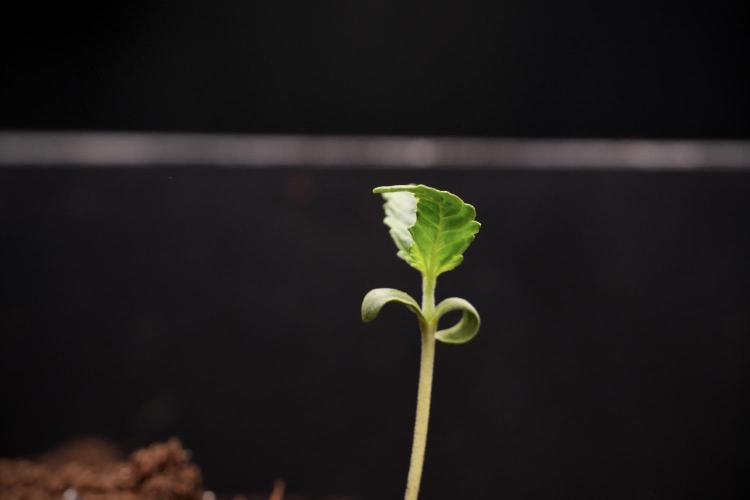
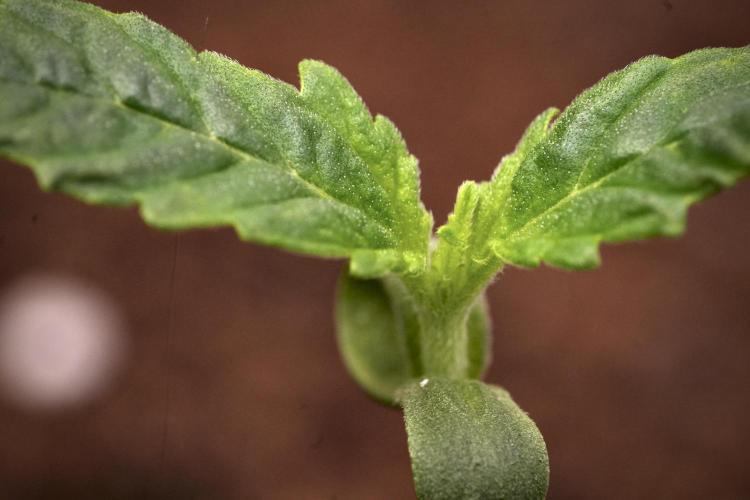
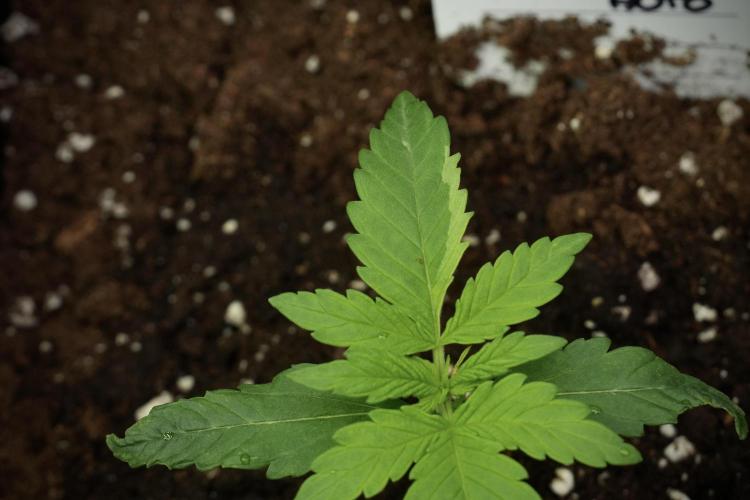
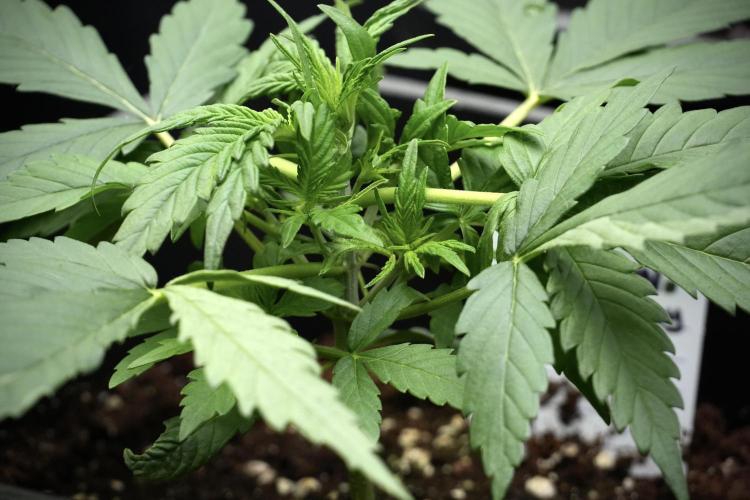
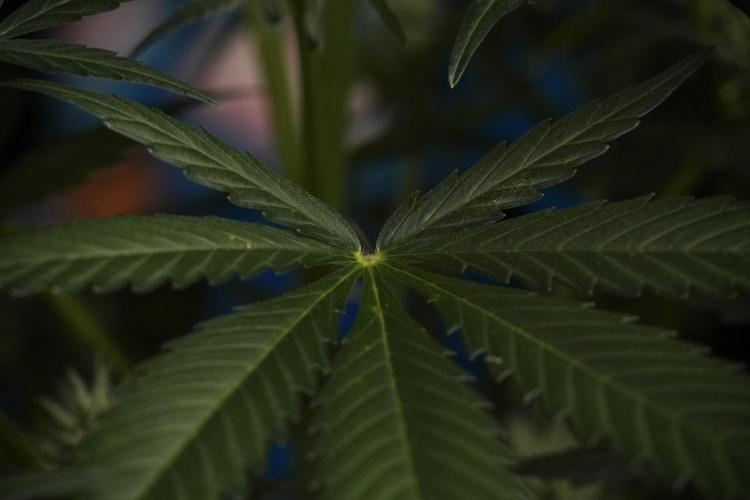
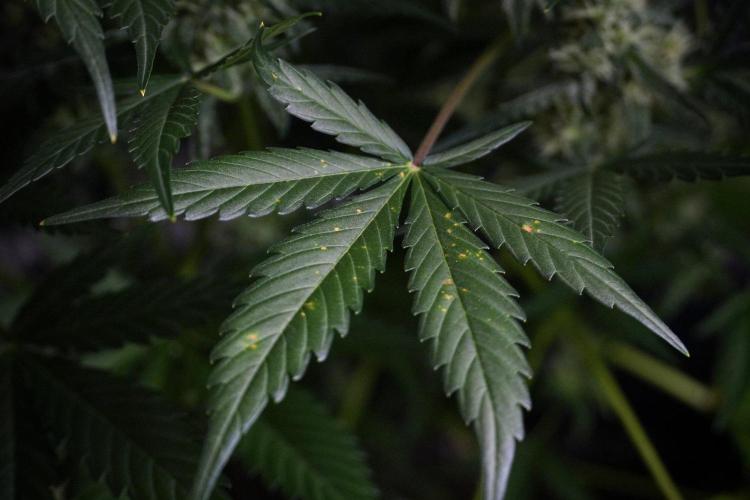
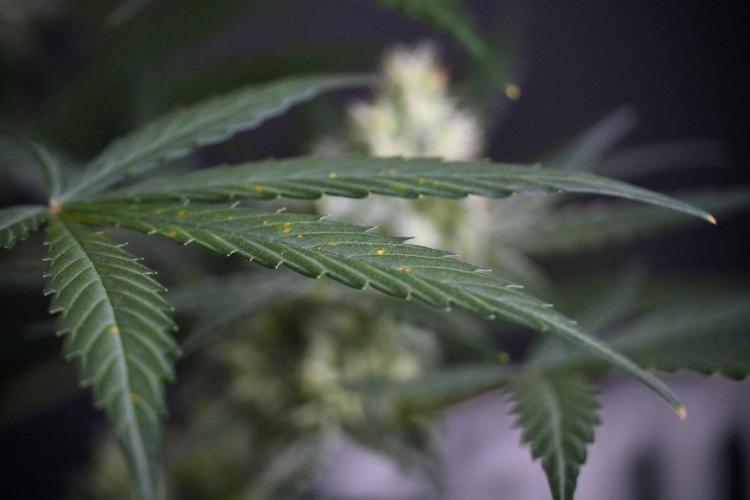
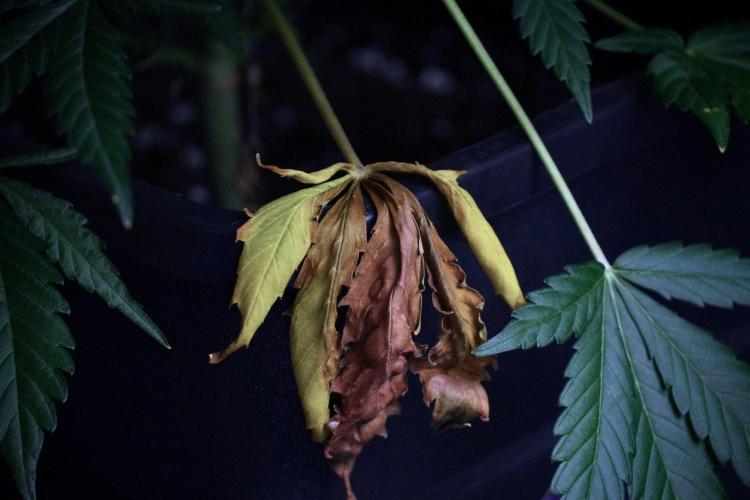
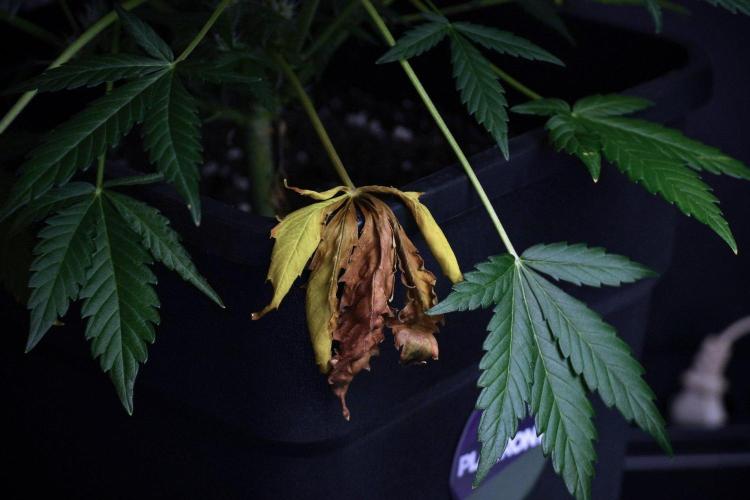
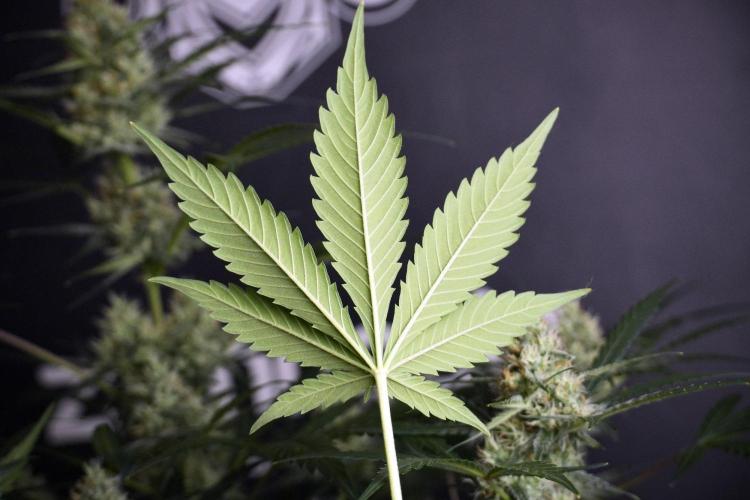
The Curious Leaf
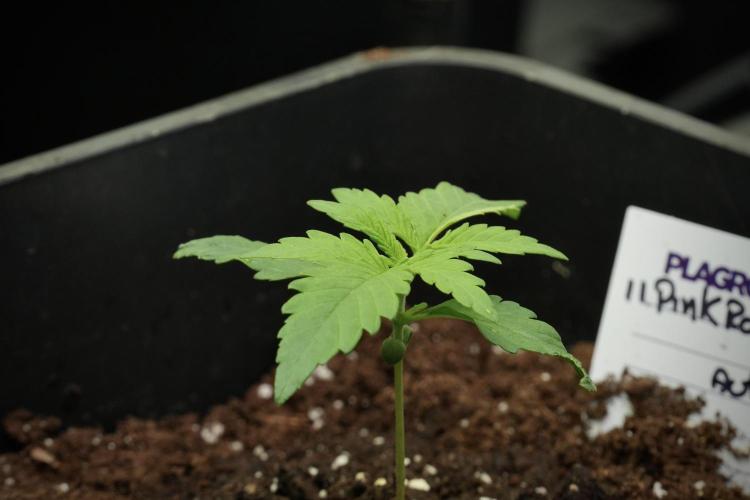
One of the most interesting observations from this week appears on one of the developing leaves.
A small area of discoloration became visible early in development.
At this stage, it is far too early to draw conclusions.
Young seedlings occasionally produce minor cosmetic irregularities for countless reasons:
* Natural genetic variation
* Slight environmental fluctuations
* Minor mechanical stress during emergence
* Temporary developmental quirks
The important detail is what happened afterward.
The plant continued growing normally.
New growth remained healthy.
Color remained strong.
Structure remained balanced.
And the issue never appeared to slow her down.
For now, it remains an interesting observation rather than a concern.
One of those little notes worth documenting and revisiting later.
Sometimes these early oddities disappear completely.
Sometimes they become part of a phenotype’s unique personality.
Only time will tell.
⸻
Beautiful Structure
Beyond that small curiosity, the overall structure is becoming increasingly impressive.
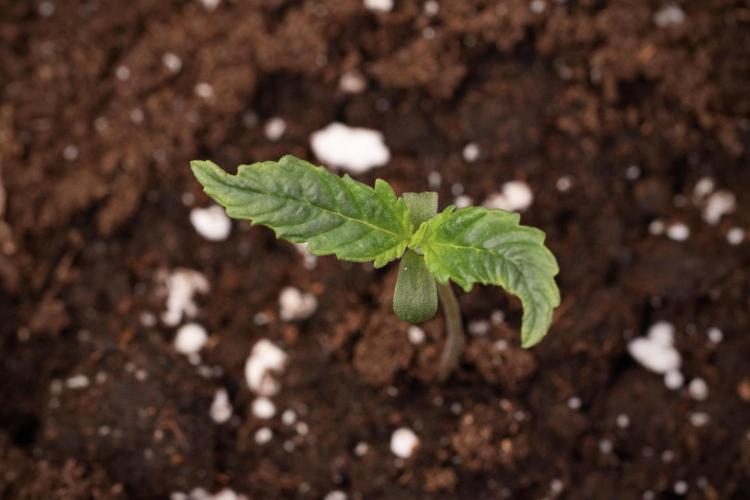
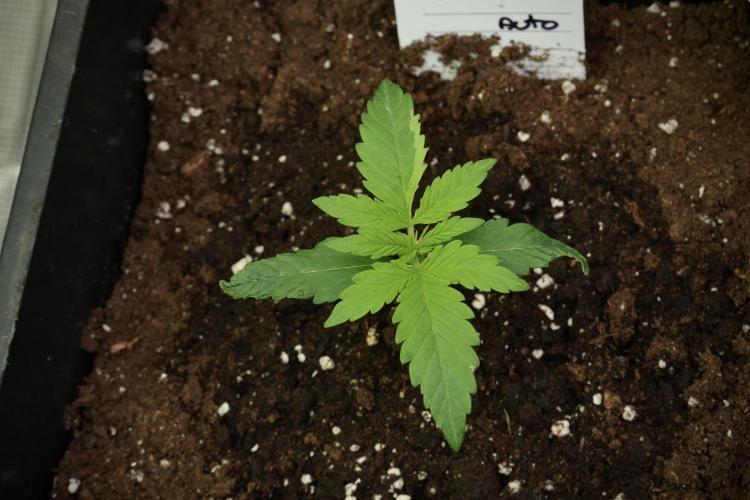
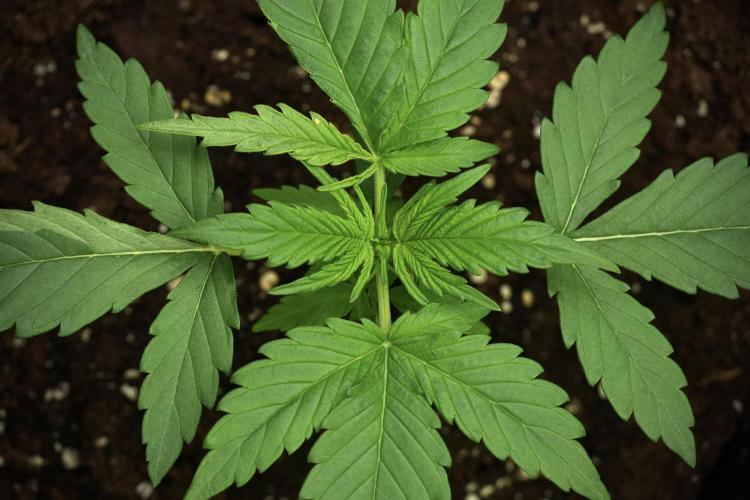
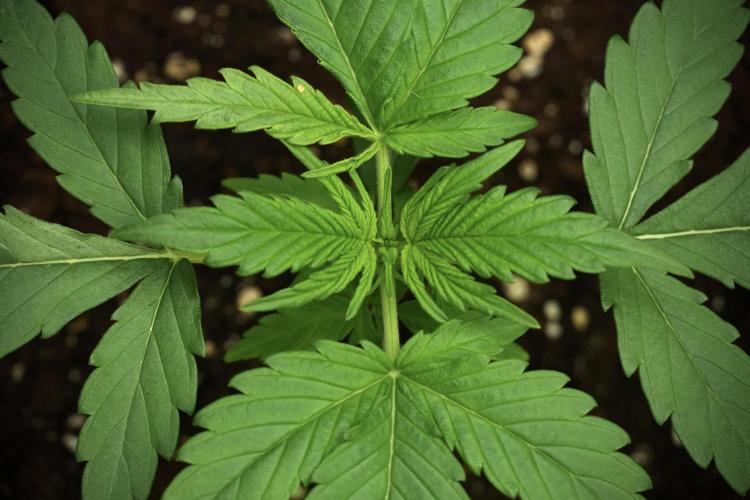
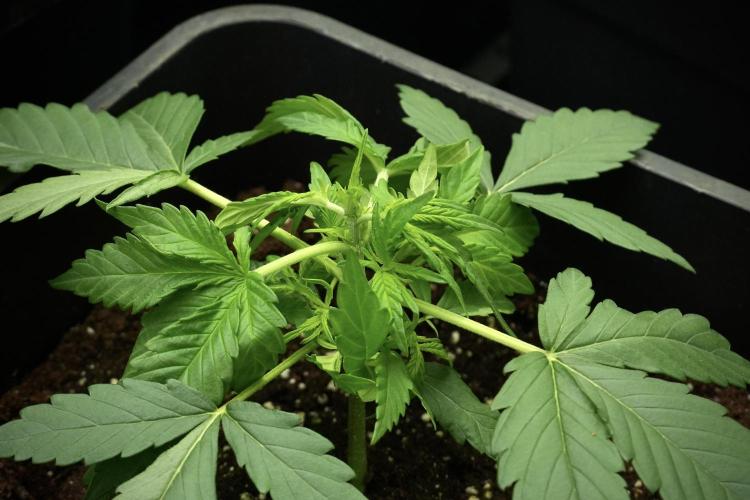
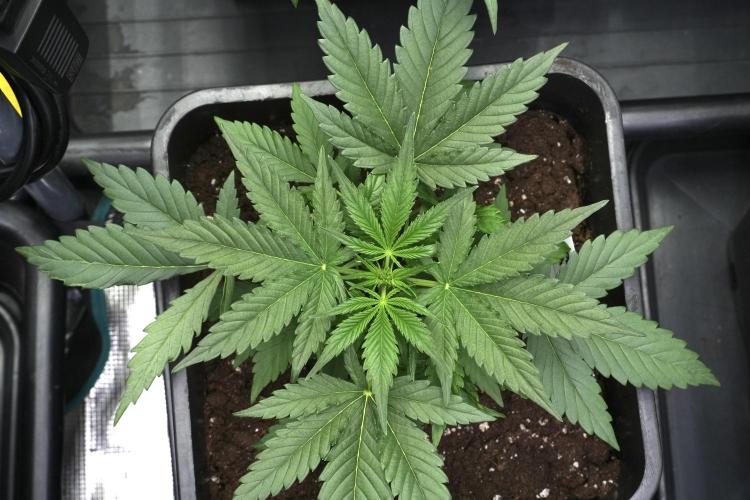
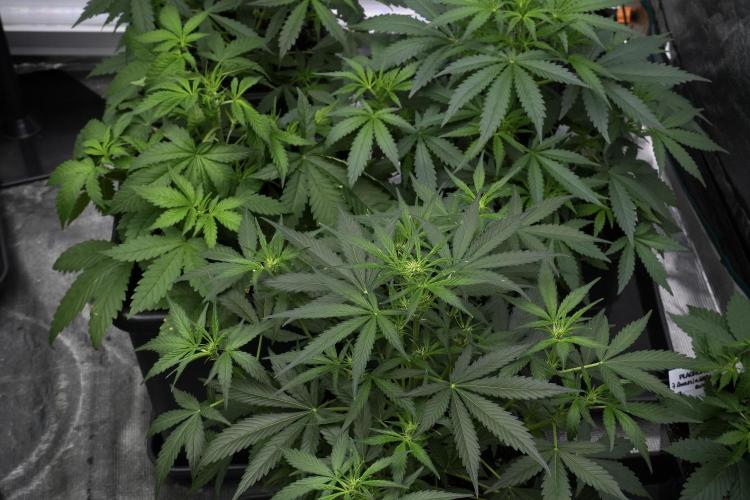
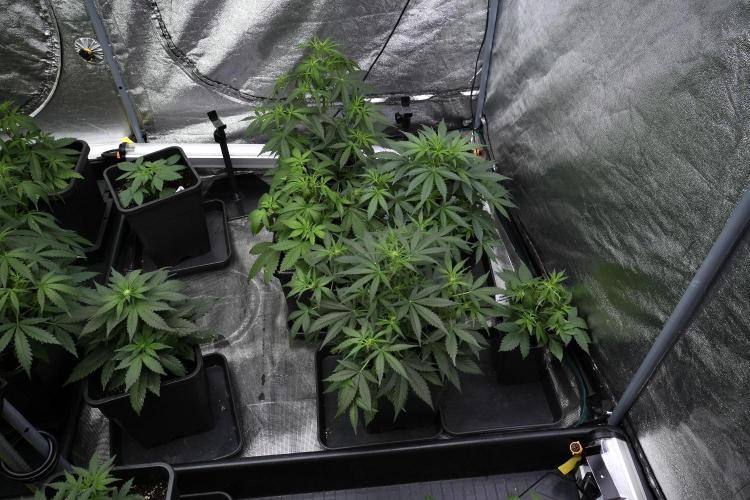
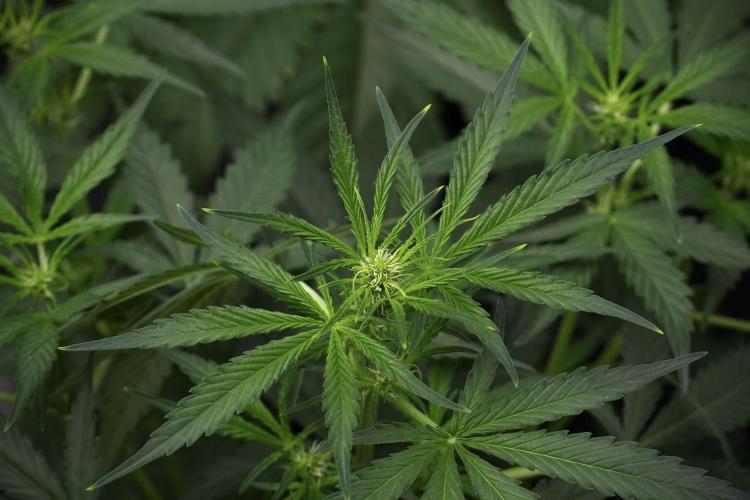
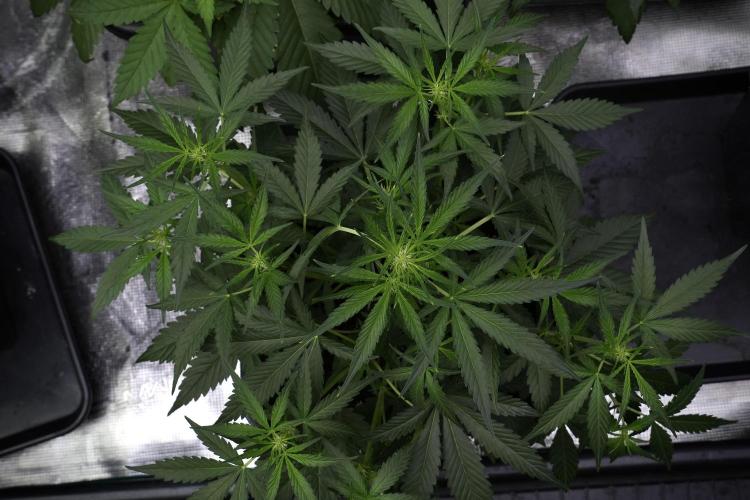
The overhead photographs reveal excellent symmetry and balanced growth.
The leaves are broad and well positioned.
The internodal spacing remains compact.
The center growth is active and vigorous.
And by the end of the week the plant is already beginning to build the foundation for what could become a very attractive canopy.
The final photographs are particularly encouraging.
Everything appears organized, healthy, and full of potential.
⸻
Watching the New Growth
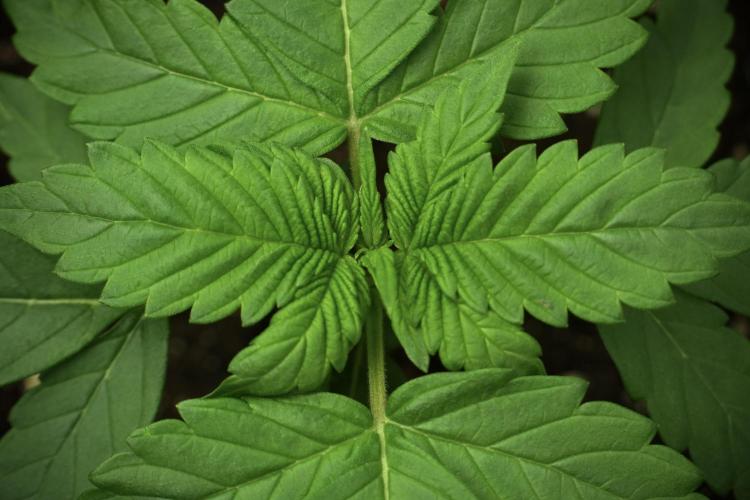
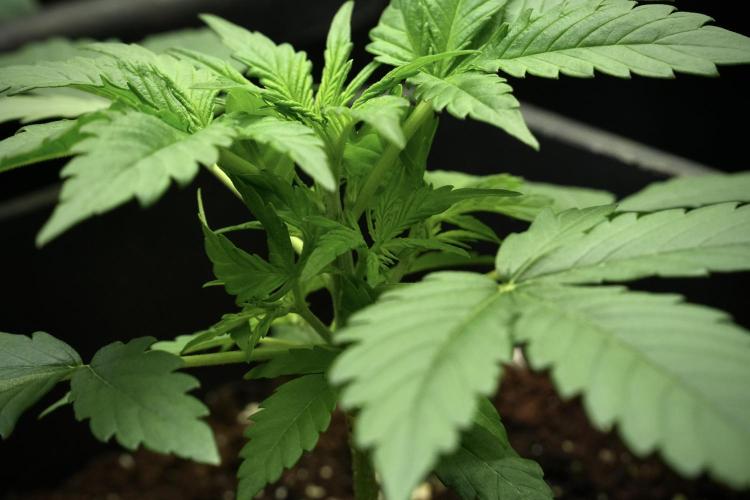
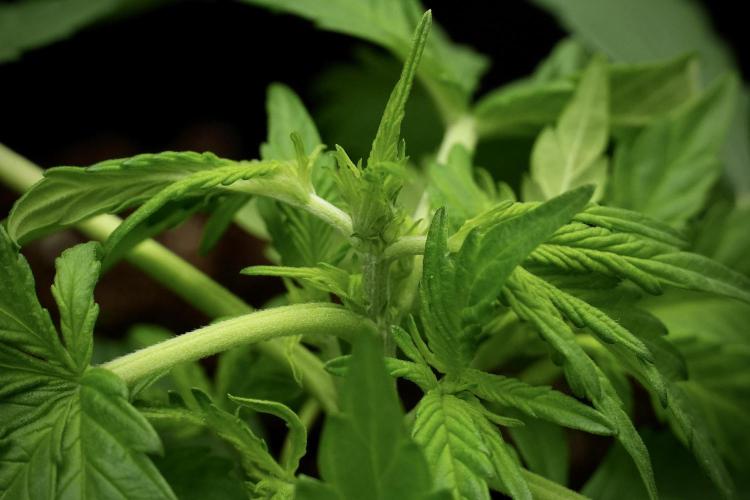
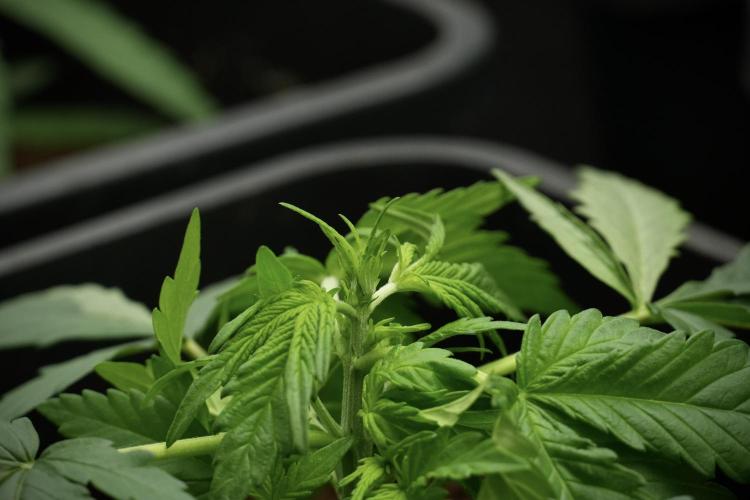
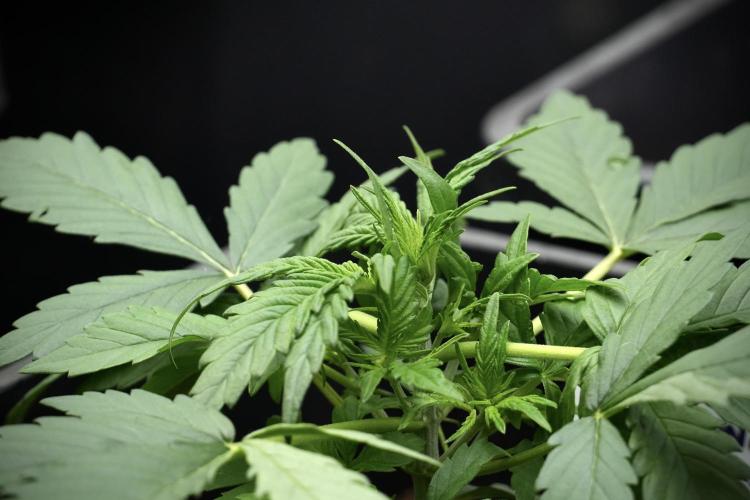
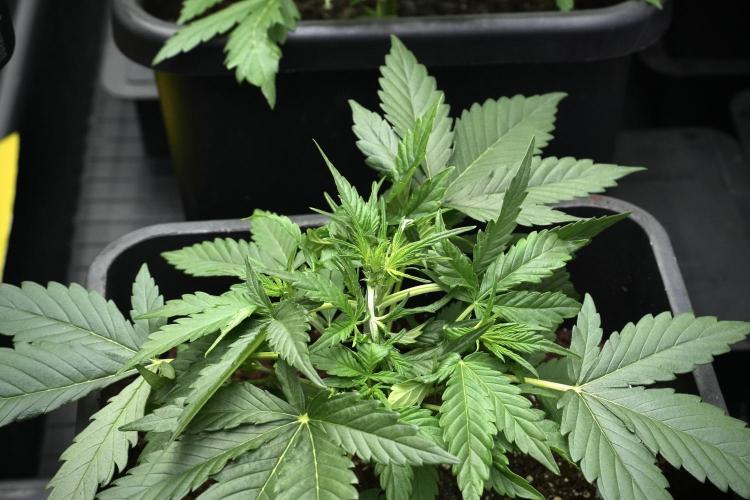
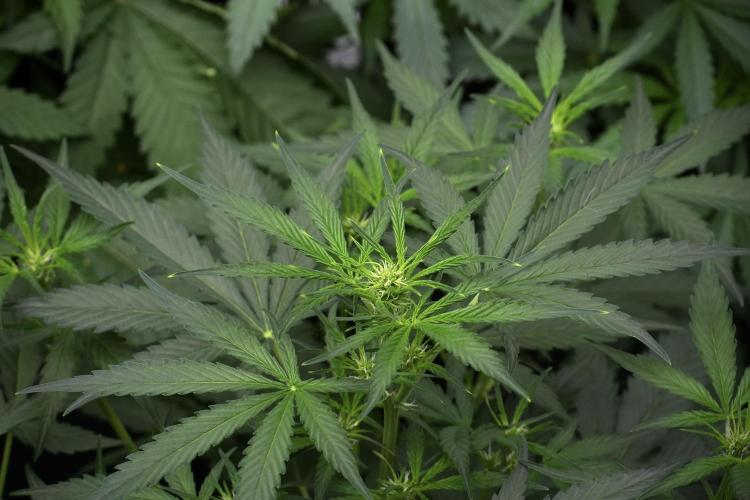
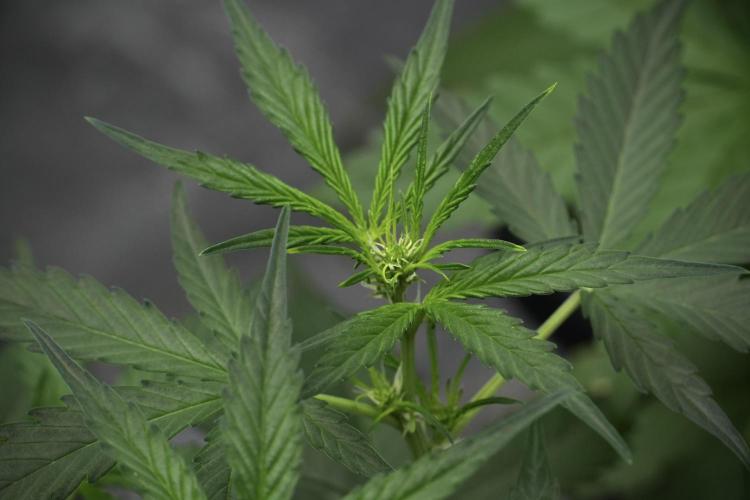
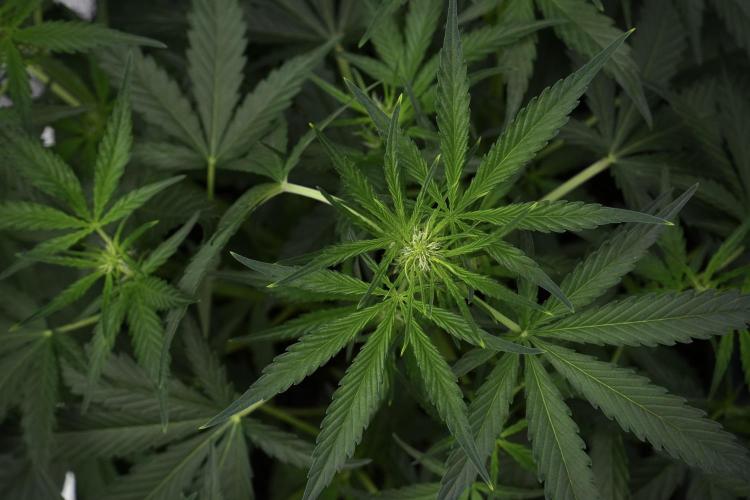
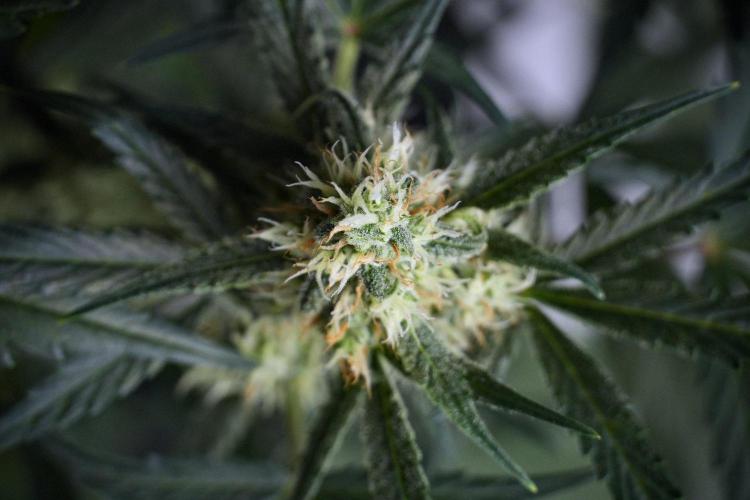
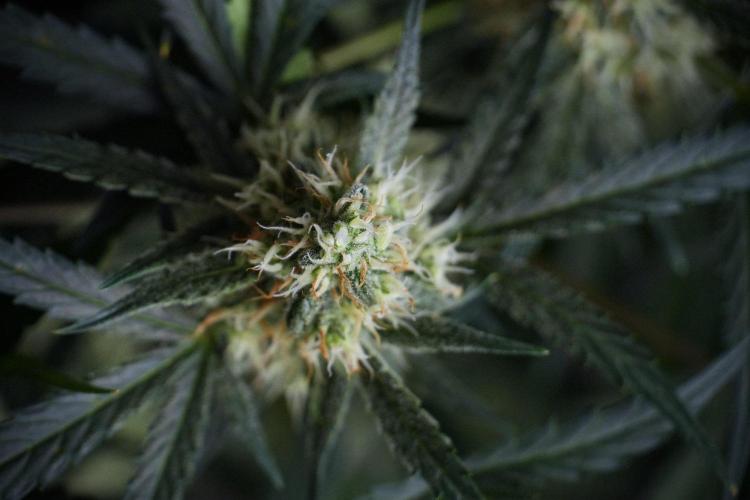
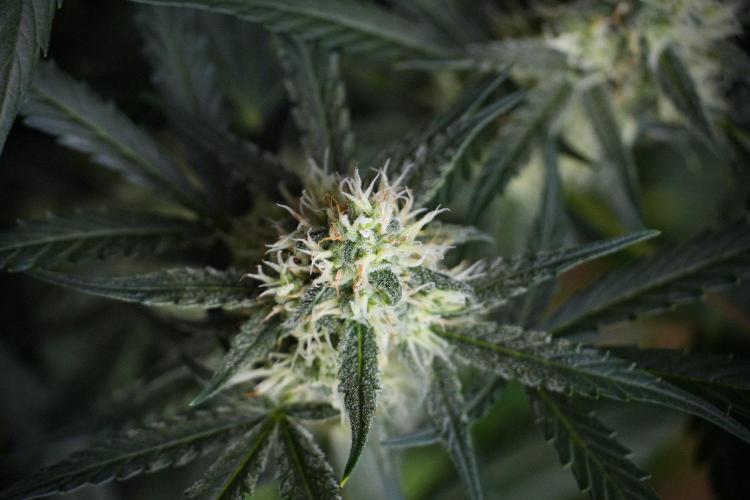
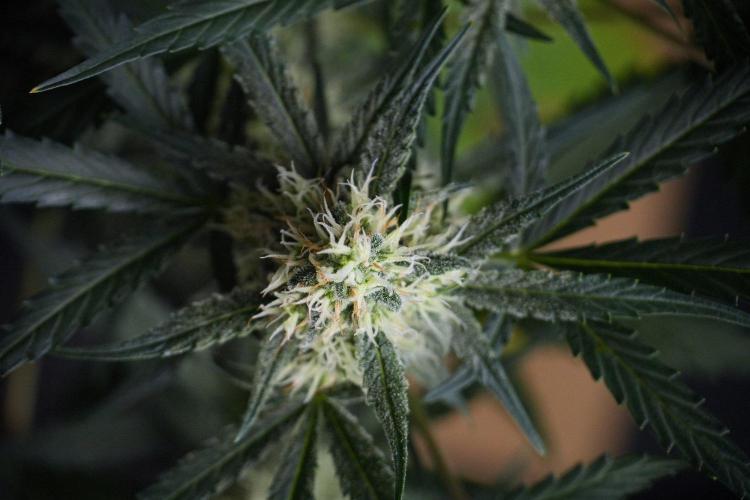
One of my favorite details this week is visible in the close-up photographs.
The newest growth emerging from the center looks energetic and determined.
Those tiny developing leaves already hint at the next stage of expansion.
Every day brings a little more size.
A little more complexity.
And a little more insight into the plant’s eventual structure.
Week 1 is often about potential.
Pink Rozay is already showing plenty of it.
⸻
A Healthy First Week
Looking back through the full progression, the overall verdict is very positive.
Healthy emergence.
Strong root establishment.
Consistent development.
Good vigor.
Balanced structure.
And a small mystery leaf that gives us something interesting to keep an eye on moving forward.
Not bad for seven days of life.
⸻
Looking Ahead
As we move into the next stage of growth, I’ll be watching several things closely:
🌱 Continued structural development
🌱 Overall vigor
🌱 Expansion of the canopy
🌱 Whether the slight leaf discoloration persists or disappears
🌱 The unique characteristics that Pink Rozay may reveal as she matures
Because some phenotypes introduce themselves immediately.
Others take their time.
And sometimes those small early quirks end up becoming the most interesting part of the story.
For now, Pink Rozay Auto Pheno A looks healthy, happy, and ready for the next chapter.
And that’s exactly what we like to see.
Huge thanks to Zamnesia Seeds for the genetics, Plagron for the substrate and nutrition, Future Of Grow for the lighting, and everyone following along on another seed-to-harvest adventure.
Grower’s Love everyone. 🌱💚🌸🍷
7 likes
comments
Share
Used techniques
12-12
Technique
Transplantation
Technique
2
Week 2. Vegetation
4mo ago
1/30
9 cm
Height
12 hrs
Light Schedule
27 °C
Day Air Temp
6.0
pH
No Smell
Smell
450 PPM
TDS
55 %
Air Humidity
21 °C
Solution Temp
21 °C
Substrate Temp
25 °C
Night Air Temp
15 liters
Pot Size
0.9 liters
Watering Volume
600 PPM
CO₂ Level
Nutrients 4
Terra Grow
1.8 mll
Pure Zym
1 mll
Sugar Royal
1 mll
DogDoctorOfficial Pink Rosay Auto – Pheno A | Week 2 Vegetation
Hello everyone, and welcome back to another update from the 12/12 From Seed adventure.
Today we’re taking a closer look at Pink Rosay Auto Pheno A as she completes another week of healthy vegetative growth and continues building a strong foundation for the weeks ahead.
One of the most enjoyable aspects of documenting individual phenotypes is watching their personalities emerge. Some plants announce themselves through explosive growth, some through unusual structure, and others through small visual characteristics that make them instantly recognizable.
Pink Rosay Auto Pheno A has already developed one of those memorable traits.
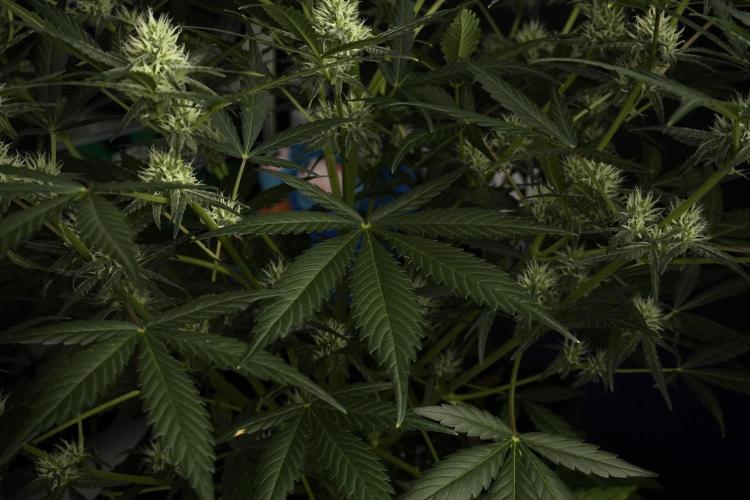
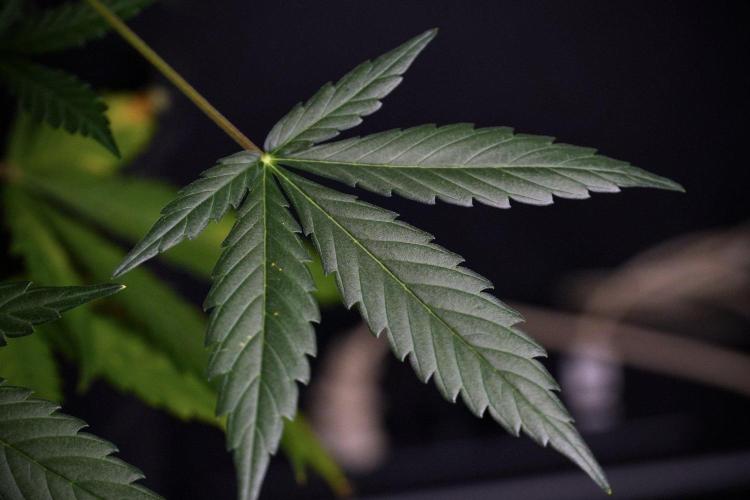
A small variegated patch on one of her leaves gives her a unique appearance among the group. Rather than being a concern, it appears to be simply part of her individual expression. The rest of the plant shows excellent vigor, healthy coloration, and strong developmental momentum.
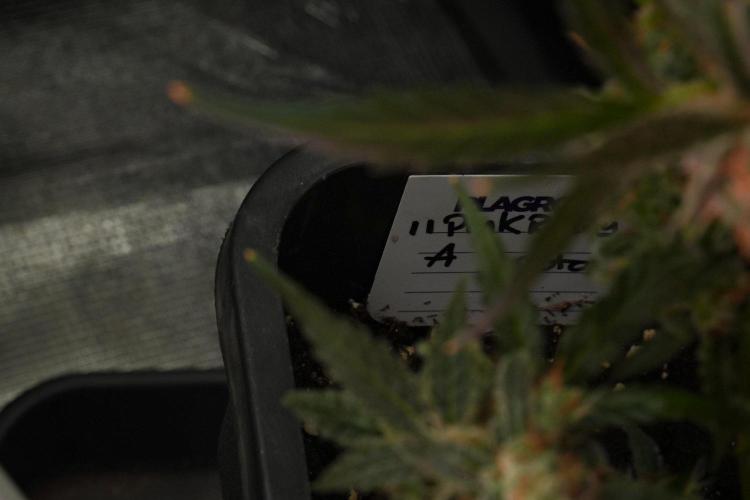
In fact, if the label disappeared tomorrow, that little camouflage marking would probably be enough to identify her immediately.
Beyond that visual signature, the overall structure is developing beautifully.
Looking from above, the canopy displays impressive symmetry with leaves extending evenly around the central growth point. Internodal spacing remains compact without becoming crowded, creating the ideal balance between airflow, light penetration, and future branch development.
This is exactly the kind of architecture many growers hope to see during early vegetative growth.
The plant is neither stretching nor remaining excessively compressed.
Instead, she is stacking nodes efficiently while continuing to expand outward with each new set of leaves.
The top growth is particularly encouraging.
Fresh leaves are emerging rapidly from the center of the canopy with that vibrant lime-green coloration typical of actively dividing tissue. Every day the growth tip appears to gain more momentum, signaling that the plant has fully settled into her environment and is now focused on accelerating development.
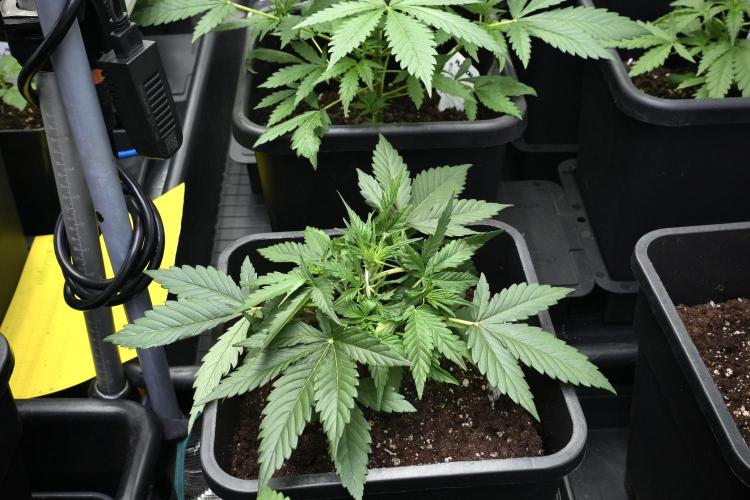
From the side profile, another positive characteristic becomes apparent.
The stem is beginning to thicken noticeably.
This is often overlooked at this stage, but stem development is one of the clearest indicators of overall plant health. A strong stem serves as the structural backbone that will later support branching, flowers, and increased biomass production.
Pink Rosay Auto Pheno A appears to be investing energy both above and below the substrate, creating a solid foundation for future growth.
Current nutrition remains consistent throughout the project:
• Plagron Terra Grow – 1.8 ml/L
• Plagron Pure Zym – 1 ml/L
• Plagron Sugar Royal – 1 ml/L
• Plagron Power Roots – 1 ml/L
Each product contributes to a different aspect of development.
Terra Grow supplies the primary nutrients required for vigorous vegetative expansion, particularly supporting the production of new leaves, stems, and chlorophyll.
Power Roots encourages continued root-zone development, helping the plant establish the underground infrastructure required to sustain increasingly rapid growth.
Pure Zym supports microbial activity and assists in breaking down organic material within the substrate, making nutrients more accessible to the plant.
Sugar Royal complements the overall feeding strategy by supporting metabolic activity while helping prepare the plant for the stages that lie ahead.
The response to this feeding program has been excellent.
Leaf color remains uniform.
Growth remains steady.
No signs of nutrient stress are visible.
And perhaps most importantly, the plant continues producing new growth at a consistent pace.
Environmental conditions remained stable throughout the week:
• 12/12 lighting schedule from seed
• Day temperatures around 27°C
• Night temperatures around 25°C
• Relative humidity around 55%
• CO₂ approximately 600 ppm
• Solution temperature around 21°C
• Substrate temperature around 21°C
These stable conditions allow the plant to dedicate energy toward growth rather than environmental adaptation, and Pink Rosay Auto Pheno A is clearly taking full advantage of that consistency.
One of the most promising observations this week is the rate at which new nodes are forming.
Every new layer of growth brings additional branch sites and future flower potential. Looking closely at the node development, it becomes clear that the plant is already preparing the framework that will support later stages of the cycle.
For a plant at this age, the balance between vigor, structure, and overall health is impressive.
The canopy is expanding.
The stem is strengthening.
The root zone is likely developing rapidly beneath the surface.
And the newest growth remains active and vibrant.
All signs point toward a plant that is happy exactly where she is.
For now, the objective remains simple:
Maintain stability.
Continue encouraging root expansion.
Allow the canopy to develop naturally.
And keep documenting the unique personality that makes this phenotype instantly recognizable.
Week 2 closes with Pink Rosay Auto Pheno A looking healthy, balanced, and full of potential for the weeks ahead.
Thank you to everyone following along with the journey, sharing knowledge, and supporting growers around the world.
A special thank you to Zamnesia for the genetics, Plagron for the nutrition, and to every member of this incredible growing community.
Until next week, growers Love and happy growing everyone. 🌱💚
9 likes
comments
Share
Used techniques
12-12
Technique
3
Week 3. Vegetation
3mo ago
1/30
15 cm
Height
12 hrs
Light Schedule
27 °C
Day Air Temp
6.0
pH
No Smell
Smell
1150 PPM
TDS
55 %
Air Humidity
21 °C
Solution Temp
21 °C
Substrate Temp
25 °C
Night Air Temp
15 liters
Pot Size
0.9 liters
Watering Volume
666 PPM
CO₂ Level
Nutrients 6
Terra Grow
1.8 mll
Pure Zym
1 mll
Sugar Royal
1 mll
DogDoctorOfficial 🌸 Folder 09A | Pink Rosay Auto
Week 2 – Building the Foundation of Something Special
Welcome back to another week of the 8×8 Adventure, where every phenotype earns its own diary and every plant is allowed to tell its own story.
This week belongs to Pink Rosay Auto 09A.
From the moment she settled into her new home, she has done little else but impress.
Strong growth.
Excellent vigor.
Beautiful symmetry.
And perhaps most exciting of all…
An incredible willingness to respond to every bit of training she’s received.
Some plants fight you.
Others work with you.
Pink Rosay A already feels like she’s becoming a true partner in this grow.
⸻
🌿 Growing Conditions
Every plant in the project continues growing under identical environmental conditions, allowing each phenotype to express its own unique characteristics without external variables influencing the comparison.
Environmental Conditions
* 🌡️ Day Temperature: 27°C
* 🌙 Night Temperature: 25°C
* 💧 Relative Humidity: 55%
* 🌱 Root Zone Temperature: 21°C
* 💦 Nutrient Solution Temperature: 20°C
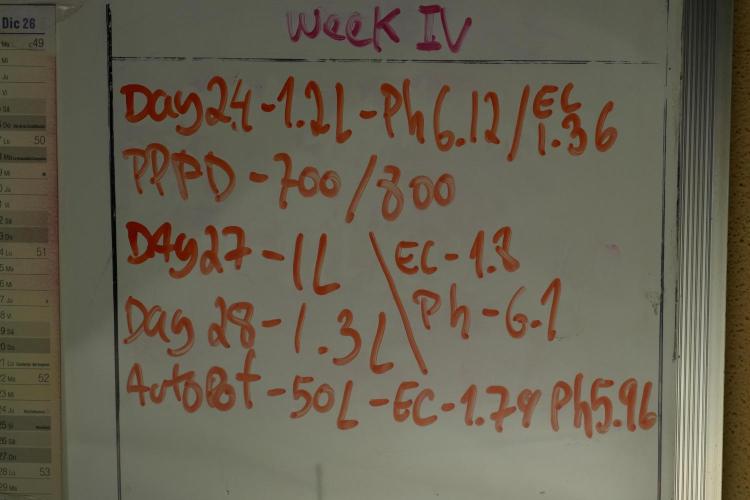
* ⚡ EC: 1.3
* pH: 6.0
* 💨 CO₂: 666 ppm
* 💡 Light Schedule: 12/12 From Seed
* ? Pot Size: 15 Litres
The room continues to remain exceptionally stable, providing the perfect environment for healthy root development and vigorous vegetative growth.
⸻
🌿 Feeding Program
Pink Rosay A continued following the complete Plagron Terra nutrition schedule throughout the week.
Weekly Feeding
* Terra Grow — 1.8 ml/L
* Power Roots — 1 ml/L
* Pure Zym — 1 ml/L
* Sugar Royal — 1 ml/L
* pH Plus — when required
* Lemon Kick — when required
The feeding remains intentionally balanced, encouraging explosive root expansion while supplying everything needed for strong structural growth before flowering accelerates.
⸻
🌱 Plant Development
This week has been nothing short of impressive.
Every few days she seemed noticeably larger than before.
Her central stem has thickened considerably while producing a wonderfully even distribution of side branches that are already beginning to compete with the main leader.
The internodal spacing remains tight without becoming overcrowded, creating a compact yet highly productive structure.
One of the most enjoyable aspects of watching this phenotype has been the speed at which she responds.
Almost overnight, new shoots emerge from every node, eager to occupy every bit of available light.
Her leaves display excellent colour, healthy turgor and outstanding vigor, all clear signs that the root system is developing exactly as hoped.
She simply looks happy.
⸻
🌿 Training Progress
This week focused on gentle canopy management and encouraging an even distribution of future flowering sites.
Daily leaf tucking exposed developing secondary branches while maintaining excellent airflow through the centre of the plant.
Gentle low-stress training helped guide the main branches outward, opening the canopy without slowing her impressive rate of development.
What stands out most is how naturally she responds.
Every adjustment seems to trigger another burst of growth.
Rather than showing signs of stress, she appears to embrace the extra light reaching the lower branches, rewarding each training session with even more vigorous development.
It’s exactly the kind of response every grower hopes to see.
⸻
📸 Behind This Week’s Photos
This week’s photographs tell the story beautifully.
Early overhead shots reveal a compact young plant already displaying remarkable symmetry.
As the week progresses, that symmetry evolves into a broad, balanced canopy with fan leaves stretching confidently toward the edges of the pot.
The macro images highlight vigorous new shoots emerging from every node, each one already preparing to become a future flowering branch.
Side profile photographs showcase the increasingly thick central stem supporting a canopy that is becoming wider rather than taller—a fantastic trait for maximizing light distribution under the LED.
By the final images of the week, she has transformed from a promising seedling into a confident young plant full of potential.
It’s one of those weeks where the camera truly captures the speed of healthy development.
⸻
🌸 Looking Ahead
The coming week promises to be an exciting one.
With her vigorous response to training and naturally balanced architecture, I expect the canopy to continue widening as secondary branches rapidly catch up with the main stem.
As flowering begins to approach, the structure already being established should provide an excellent framework capable of supporting numerous evenly developed bud sites.
If she continues growing with this level of consistency, Pink Rosé A has every opportunity to become one of the stars of the entire 8×8 Adventure.
She isn’t simply growing.
She’s building something.
⸻
💚 Thank You
Thank you for following another chapter of this incredible journey.
Every week reinforces one simple truth: when genetics, environment and careful cultivation come together, each plant reveals a personality entirely its own.
A heartfelt thank you to GrowDiaries for providing a home where growers from around the world can document their successes, learn from one another and celebrate this amazing passion together.
A huge thank you to Plagron for supplying the Terra nutrient line that continues to deliver vigorous, healthy growth with remarkable consistency throughout every stage of this project.
To the breeders behind these beautiful genetics—thank you for the dedication, patience and years of work that make adventures like this possible.
And finally, thank you to everyone following these diaries.
Your encouragement, your questions, your advice and your shared enthusiasm are what make this community so special.
The 8×8 Adventure continues…
One phenotype.
One lesson.
One beautiful surprise at a time.
Growers Love 🌱💚
10 likes
1 comment
Share
Used techniques
12-12
Technique
LST
Technique
4
Week 4. Flowering
3mo ago
1/41
20 cm
Height
12 hrs
Light Schedule
33 °C
Day Air Temp
6.1
pH
No Smell
Smell
675 PPM
TDS
63 %
Air Humidity
21 °C
Solution Temp
21 °C
Substrate Temp
25 °C
Night Air Temp
15 liters
Pot Size
0.9 liters
Watering Volume
529 PPM
CO₂ Level
Nutrients 6
Terra Grow
1.9 mll
Pure Zym
1 mll
Sugar Royal
1 mll
DogDoctorOfficial Folder 11A – Pink Rozay Auto
Week 4 | The Early Bloomer
Welcome back to The 8×8 Adventure, where twelve unique cultivars are sharing the same environment, the same feeding schedule and the same lighting, allowing each genetic to reveal its own personality under identical conditions.
One of the reasons I decided to document every plant individually is because genetics rarely follow the same script. Even sisters growing side by side can surprise us with different growth patterns, different structures and different flowering speeds.
Pink Rozay Auto A is becoming a perfect example of that.
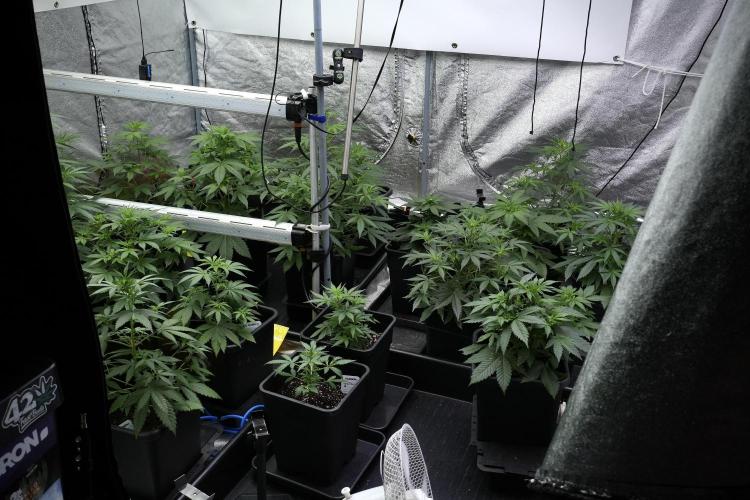
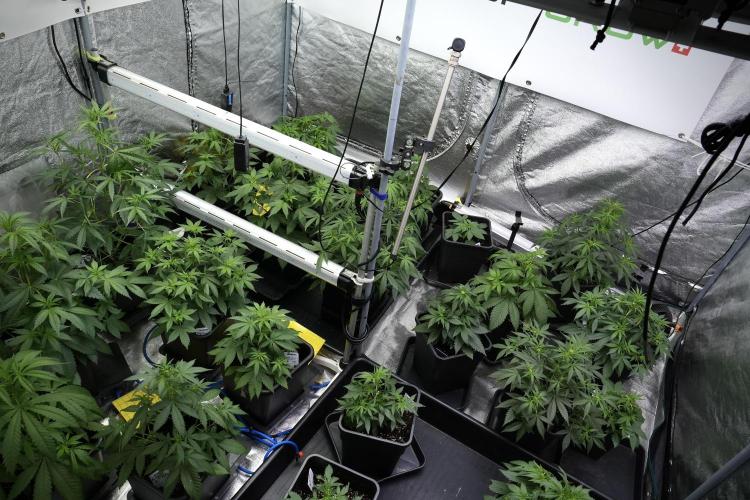
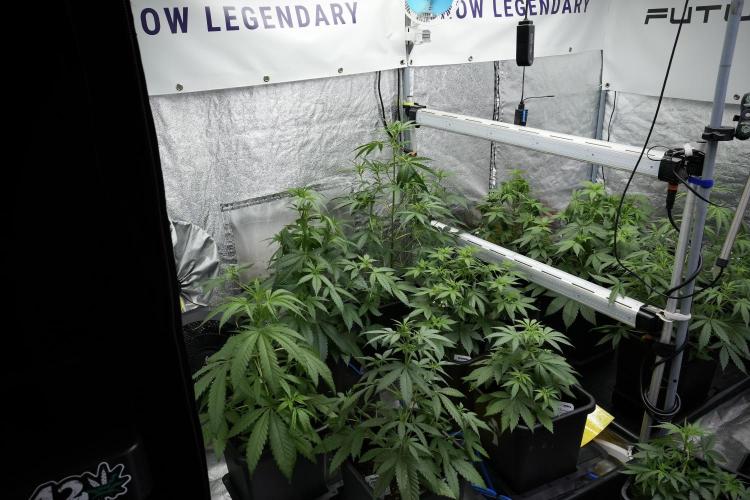
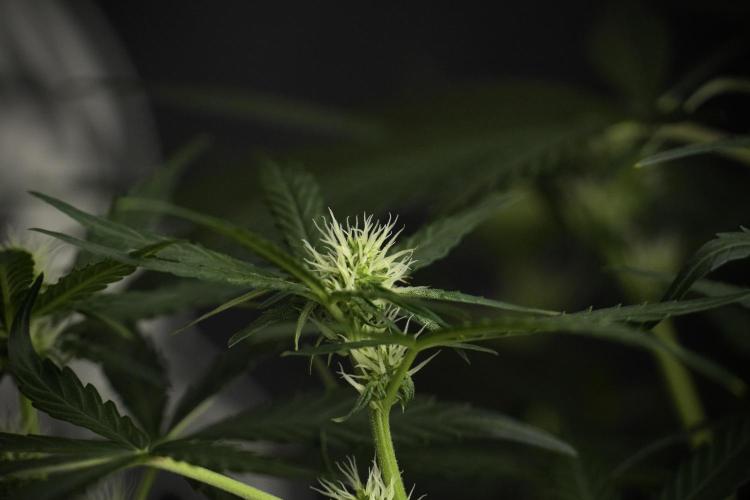
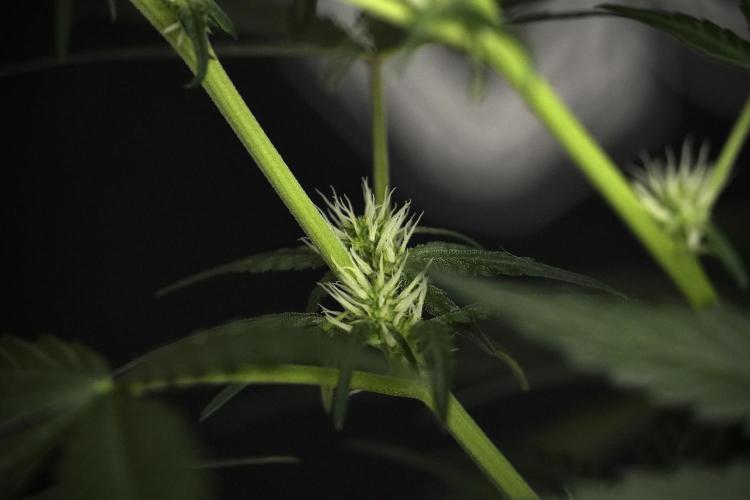
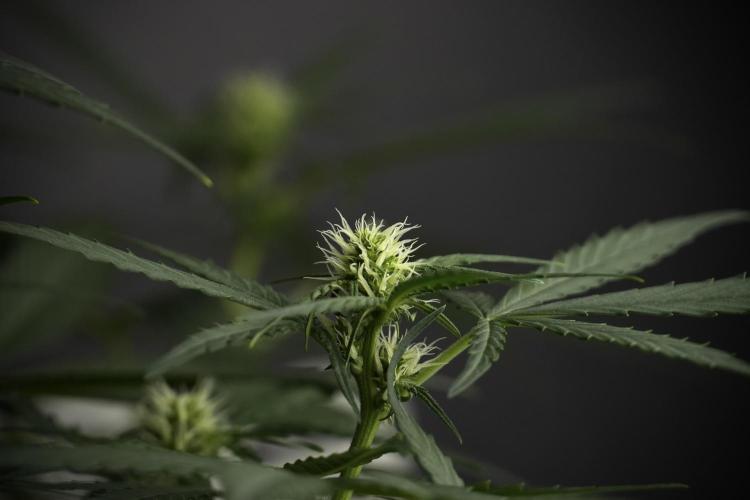
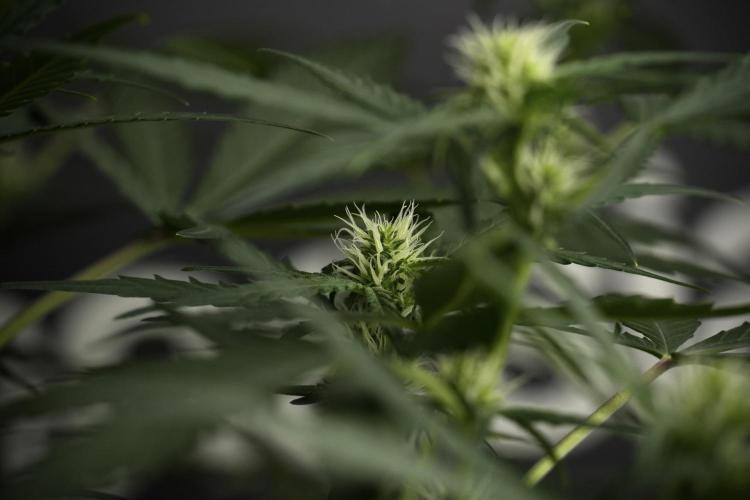
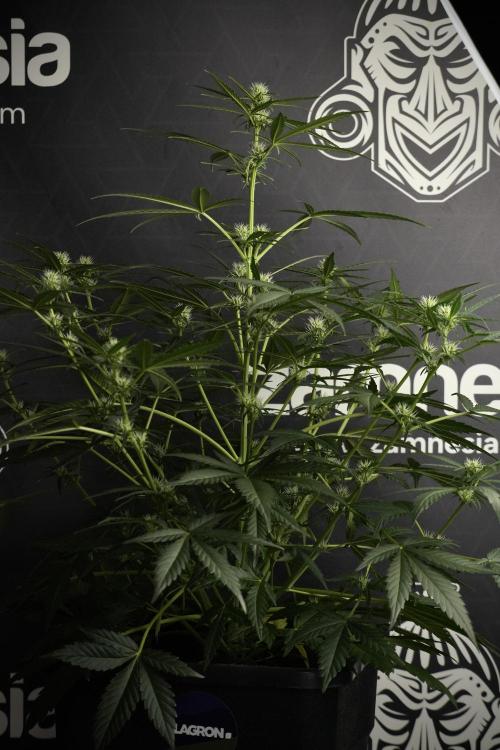
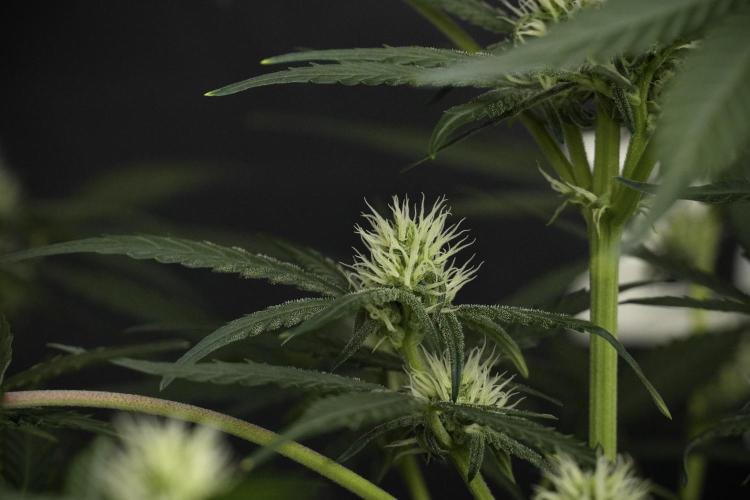
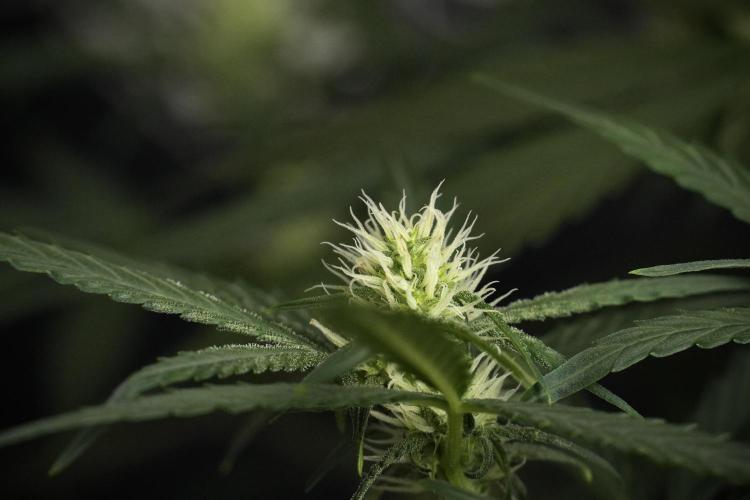
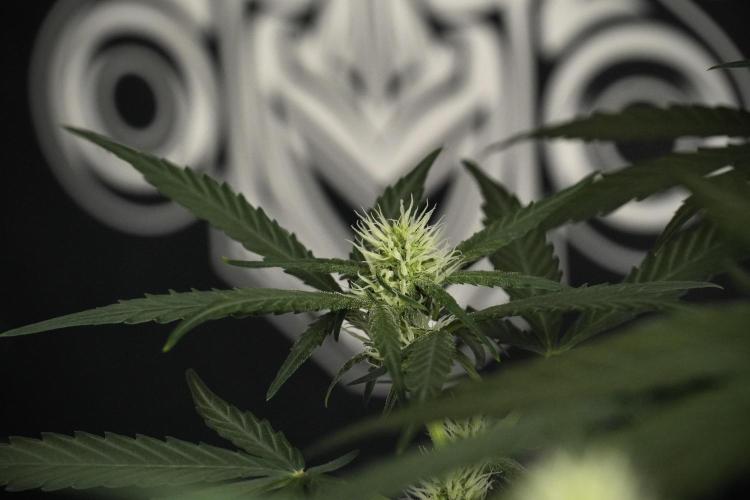
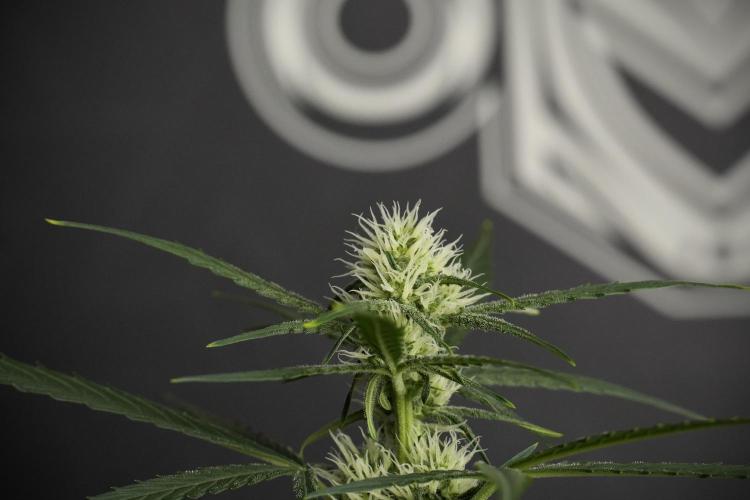
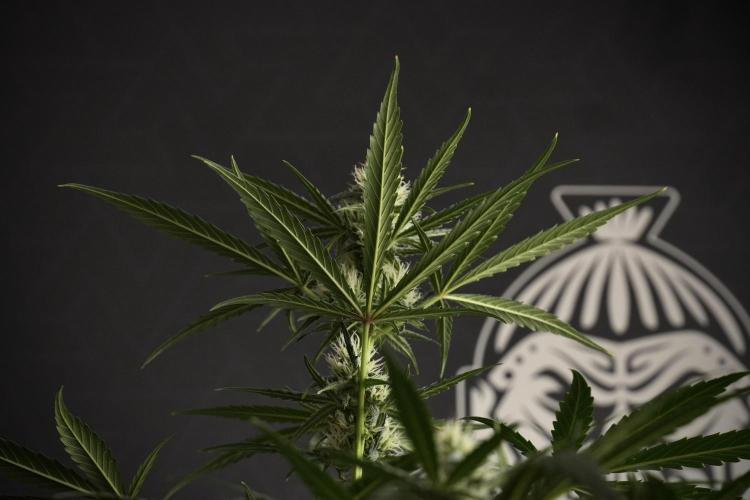
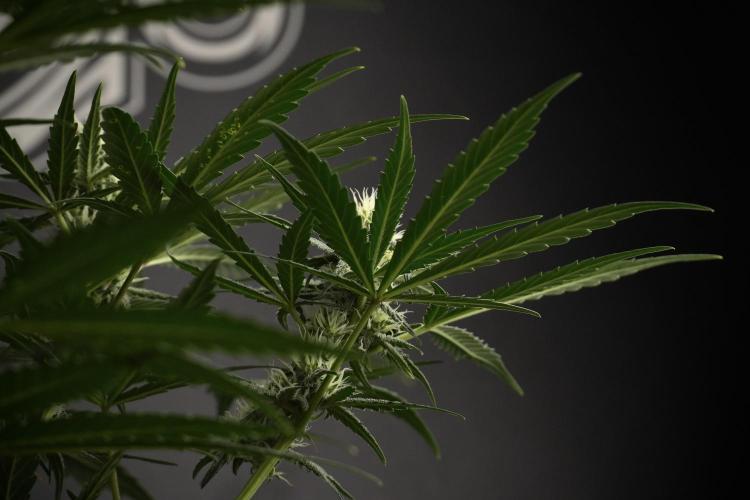
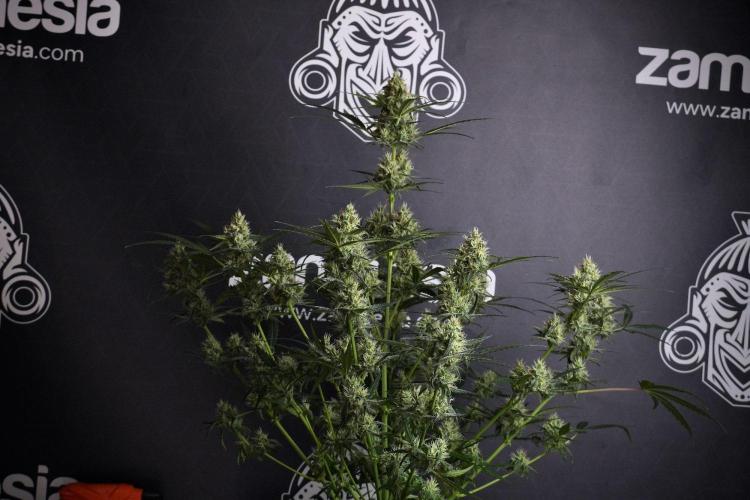
While most of the room is only beginning to transition into bloom, she has already decided it’s time to get to work. White pistils are appearing across the entire canopy, flower sites are multiplying every day and she’s beginning to separate herself from the rest of the garden.
Whether she’ll stay ahead until harvest or simply had an early start… only time will tell.
⸻
🌱 A Compact Plant With Big Ambitions
Pink Rozay Auto A isn’t the largest lady inside the 8×8 room, but she doesn’t seem interested in competing for height.
Instead, she’s investing her energy into building a wide, balanced canopy with excellent branch development. Every branch has its own place, creating an open structure that should allow plenty of light to reach future flowering sites.
Sometimes a plant doesn’t need to be the tallest to become one of the most productive.
Looking from above, the architecture is becoming increasingly symmetrical, giving every developing cola plenty of space to breathe and grow.
⸻
🌿 Low Stress Training Doing Exactly What It Should
Throughout her vegetative stage I’ve continued working with gentle Low Stress Training, carefully guiding branches outward rather than forcing dramatic bends.
Large fan leaves have been tucked away whenever necessary, opening windows for light to reach lower shoots without removing valuable foliage too early.
The goal has never been to fight the plant’s natural growth.
Instead, it’s simply to encourage a flatter, wider canopy where every branch has an opportunity to become a productive flowering site.
So far, Pink Rozay has responded beautifully, maintaining excellent vigour while opening up more every day.
⸻
🌸 Leading the Race Into Flower
This week’s biggest surprise is how quickly she’s embracing the flowering transition.
While several plants throughout the room are only beginning to show their first pistils, Pink Rozay Auto A already displays clusters of fresh white hairs across nearly every growing tip.
She seems eager to leave vegetation behind and begin building flowers.
Whether this means she’ll ultimately finish ahead of the others or whether the rest of the room will soon catch up is one of the questions I’m most excited to answer over the coming weeks.
That’s one of my favourite parts of growing multiple cultivars together—every plant writes its own story.
⸻
🌡️ Environment
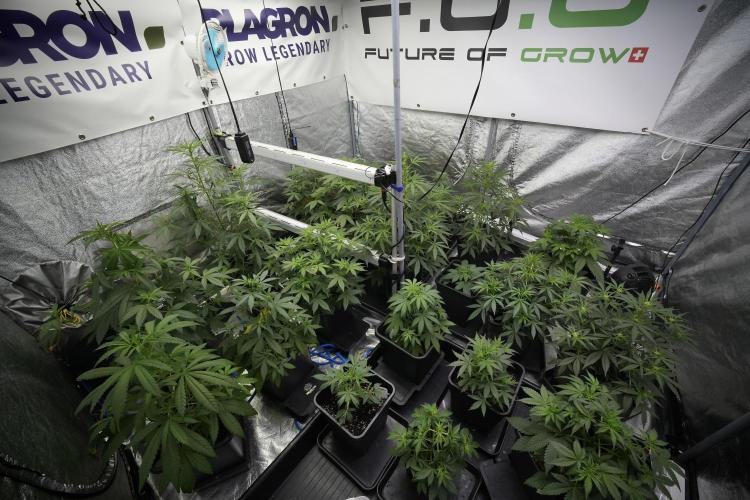
Despite the warmer summer weather outside, the room continues providing stable conditions for all twelve cultivars.
Environment
• 🌡️ Day Temperature: 33°C
• 🌙 Night Temperature: 25°C
• 💧 Relative Humidity: 63%
• ? Substrate Temperature: 21°C
• 💦 Nutrient Solution Temperature: 26°C
• ⚗️ pH: 6.1
• ⚡ EC: 1.35 mS/cm
• ☁️ CO₂: 639 ppm
• 💧 Water Consumption: 1.1 litres per plant per day
Even under these warm daytime temperatures, Pink Rozay continues producing healthy foliage, vibrant new growth and excellent flower initiation without showing signs of stress.
⸻
Feeding Programme
As the plant begins transitioning into bloom, the feeding programme remains focused on maintaining healthy vegetative growth while supporting the first stages of flower production.
Per litre
• Terra Grow — 1.8 ml
• Power Roots — 1 ml
• Pure Zym — 1 ml
• Sugar Royal — 1 ml
Adjusted with:
• pH Plus — 0.03 ml
• Lemon Kick — 0.03 ml
The Plagron programme continues delivering a stable root zone, vigorous growth and healthy development while allowing the plant to naturally progress into the flowering phase.
⸻
💡 Lighting
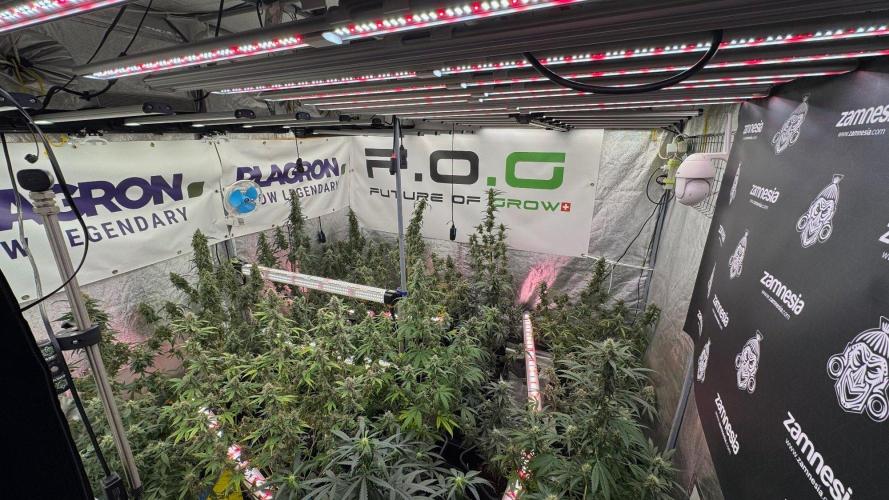
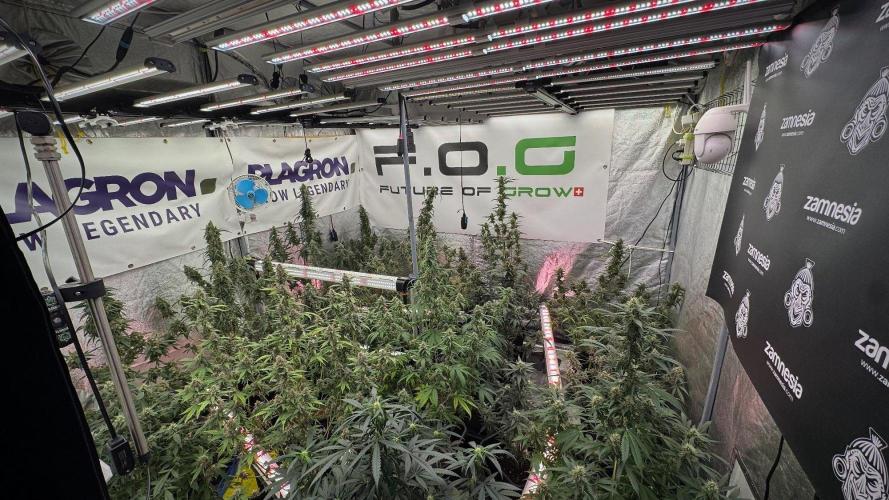
The entire 8×8 Adventure continues thriving beneath the incredible Future of Grow LED fixtures.
Uniform light distribution across the room allows every cultivar to receive the same opportunity to perform, making it fascinating to watch how different genetics express themselves under identical conditions.
Pink Rozay Auto A is already showing that genetics often dictate timing just as much as environment.
⸻
👀 Looking Ahead
Week four closes with Pink Rozay Auto A looking healthy, balanced and full of promise.
She’s still a relatively compact plant, but her canopy has opened beautifully through gentle training, and her early flowering response suggests she may become one of the first cultivars in the room to fully enter bloom.
I’m especially curious to see whether she’ll continue leading the race or whether the rest of the garden will soon catch up.
Either way, she’s earned the spotlight this week, and I can’t wait to watch the next chapter unfold.
⸻
🙏 Thank You
Thank you, as always, to everyone following The 8×8 Adventure. Your support, comments and shared experiences make this project even more rewarding, and I hope these individual plant diaries help demonstrate just how unique every cultivar can be, even when they’re grown side by side under identical conditions.
A huge thank you to Zamnesia for providing the Pink Rozay Auto genetics, to Plagron for the trusted nutrient line and substrates that continue delivering healthy, vigorous growth, and to Future of Grow LED for providing the consistent lighting that allows every phenotype to express its full potential.
Finally, thank you to GrowDiaries for creating a community where growers from around the world can learn, inspire one another and celebrate this incredible hobby together.
Until next week… Growers Love and let’s see if Pink Rozay keeps wearing the yellow jersey of the 8×8 Adventure. 🌿💚
10 likes
2 comments
Share
Used techniques
12-12
Technique
LST
Technique
5
Week 5. Flowering
3mo ago
1/49
90 cm
Height
12 hrs
Light Schedule
31 °C
Day Air Temp
6.1
pH
No Smell
Smell
940 PPM
TDS
72 %
Air Humidity
21 °C
Solution Temp
21 °C
Substrate Temp
25 °C
Night Air Temp
15 liters
Pot Size
1 liters
Watering Volume
529 PPM
CO₂ Level
Nutrients 8
Terra Grow
1.8 mll
Pure Zym
1 mll
Sugar Royal
1 mll
DogDoctorOfficial 🌸 Pink Rosay Auto by Zamnesia | Pheno A | Week 5 (Early Flower)
🌱 An Auto That Refused to Waste a Single Day
Some plants take their time deciding what they want to become.
Pink Rosay had other plans.
From the very beginning, she grew with purpose, and this week she truly showed just how quickly an autoflower can move when everything comes together. Running under my 12/12 From Seed experiment, she seems to have compressed multiple stages of development into a single week.
Stretch.
Pre-flower.
Flower initiation.
Bud formation.
It almost feels like she completed an entire chapter of her life in just a few days.
At only Week 5, she’s already carrying herself like a plant several weeks further into bloom, and watching that transformation has been nothing short of incredible.
⸻
🌸 Week 5 – Full Speed Into Flower
There is no questioning where this plant is heading now.
Flowering has completely taken over.
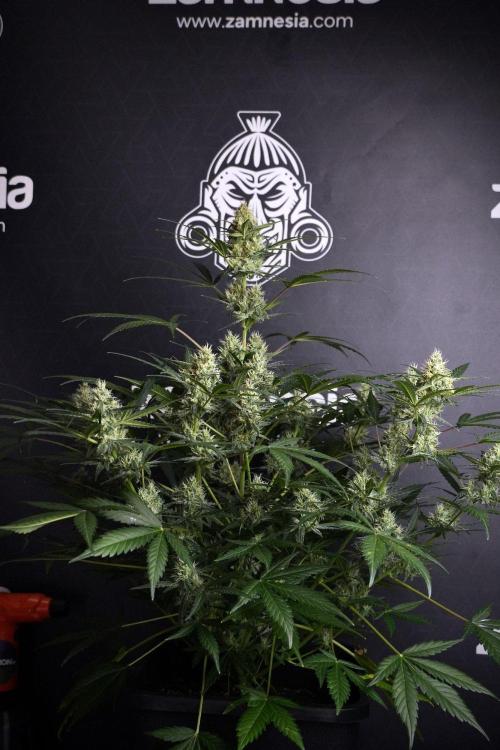
Every branch has erupted with fresh clusters of brilliant white pistils, and the main stem is already beginning to stack into what promises to become an impressive central cola.
Instead of isolated flowering sites, the entire canopy now feels connected, with every branch contributing to the final structure.
This is no longer simply a plant preparing to flower.
She’s fully committed.
And she’s doing it at remarkable speed.
⸻
🌿 Structure & Training
Pink Rosay has developed a wonderfully balanced architecture.
Standing 90 cm tall, she combines a strong central leader with evenly distributed secondary branches that have responded beautifully to gentle Low Stress Training.
Nothing about her feels forced.
The branches naturally reached toward the light, creating an open canopy with excellent airflow and light penetration throughout the plant.
The spacing between internodes is ideal, giving every future cola enough room to develop without competing for space.
She has that elegant look where every branch seems to know exactly where it belongs.
⸻
🌼 Flower Development
This is probably my favorite part of this week’s update.
The flowers are forming incredibly fast.
Every day seems to bring noticeably larger clusters of pistils, and what were tiny flower sites only a few days ago are already beginning to resemble proper buds.
The main cola is taking shape beautifully, while the side branches are keeping pace surprisingly well.
There is already a sense of rhythm across the canopy.
One top after another.
One flower after another.
It’s becoming obvious that Pink Rosay intends to make every branch count.
⸻
🍃 Plant Health
Health remains outstanding from top to bottom.
The foliage carries a rich, healthy green color with excellent leaf posture, while the stems continue thickening enough to support what is likely to become a substantial amount of flower weight later on.
New growth remains vigorous, leaf spacing is clean, and there are no signs of stress despite the rapid pace of development.
For a plant progressing this quickly, maintaining this level of balance is something I’m genuinely happy to see.
Sometimes fast growth comes with compromises.
This one simply looks comfortable.
⸻
💧 Hand Watering & Nutrition
Like her Frosted Guava sister, Pink Rosay isn’t connected to the AutoPot system.
She has been hand-watered throughout the grow, allowing me to stay closely connected with her daily development while providing exactly the nutrition she needs.
Current feeding:
• Terra Grow — 1.8 ml/L
• Terra Bloom — 1.9 ml/L
• Pure Zym — 1 ml/L
• Sugar Royal — 1 ml/L
• Power Roots — 1 ml/L
• Power Buds — 1 ml/L
Maintaining:
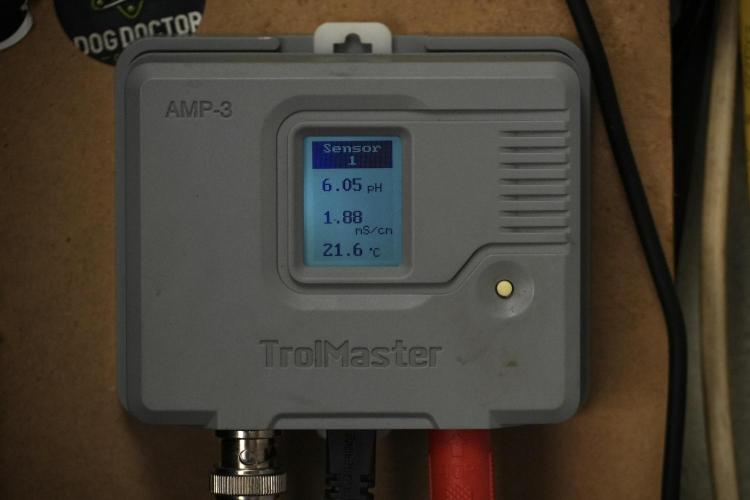
* EC: 1.88 mS/cm
* pH: 6.05
The transition into bloom has been exceptionally smooth, and she’s responding beautifully to the current feeding schedule.
The balance between vegetative support and flowering nutrition seems to be right where she wants it.
⸻
🌡️ Environment
Stable environmental conditions continue allowing the genetics to express themselves without unnecessary stress.
Current conditions:
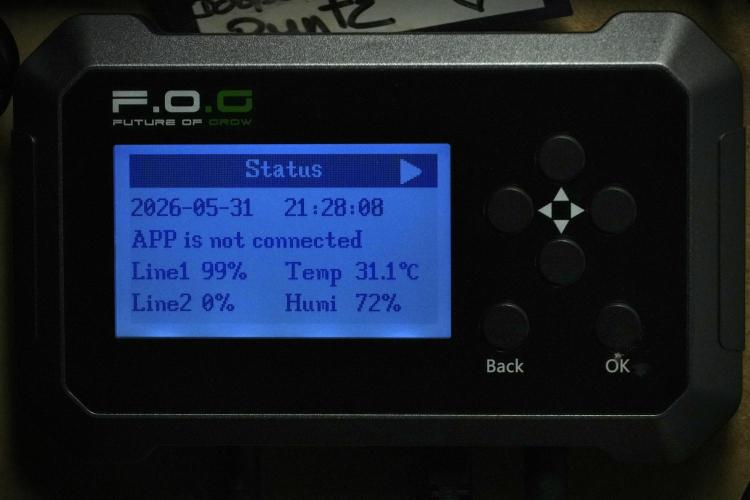
* Day temperature: 31.1°C
* Night temperature: 25°C
* Relative humidity: 72%
* Solution temperature: 21°C
* Root zone temperature: 21°C
* CO₂: approximately 529 ppm
Despite the warm summer temperatures, the room remains remarkably consistent, giving every plant the opportunity to perform at its best.
Consistency really is one of the most underrated nutrients in any grow room.
⸻
👀 Looking Ahead
If Pink Rosay continues at this pace, the coming weeks are going to be incredibly exciting.
The stretch is beginning to settle, meaning more of her energy will soon shift into flower production and bud density.
The framework is already built.
Now it’s time to start filling it.
I’m especially curious to see how these early flower clusters evolve because she’s showing all the signs of becoming a heavy producer with excellent flower distribution from top to bottom.
This feels like one of those plants that surprises you every single week.
⸻
🙏 Final Thoughts
Pink Rosay has quickly become one of the standout plants inside this project.
Not because she’s the biggest.
Not because she’s the tallest.
But because of the incredible pace at which she’s developing while never sacrificing her overall health or structure.
Watching her transition from vigorous vegetative growth into full flowering almost overnight has been one of the highlights of this grow so far.
It’s another reminder that every seed carries its own personality, and sometimes that personality is simply to move forward without ever looking back.
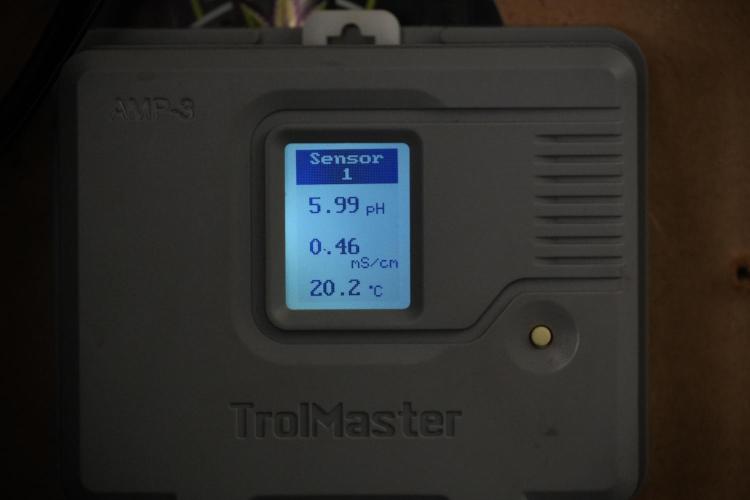
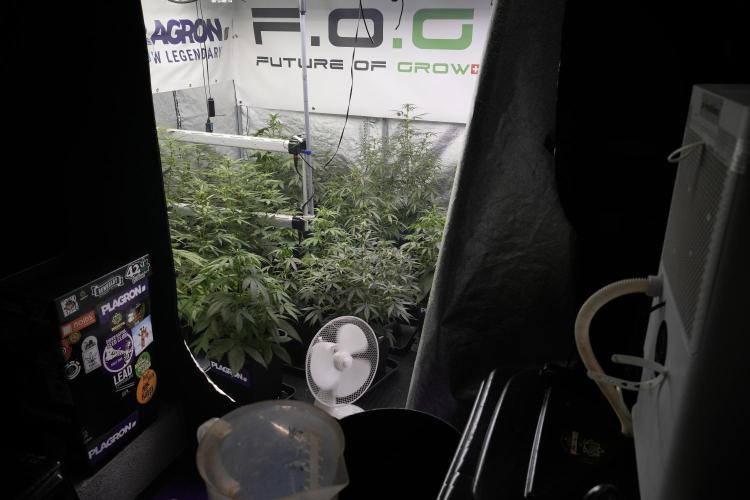
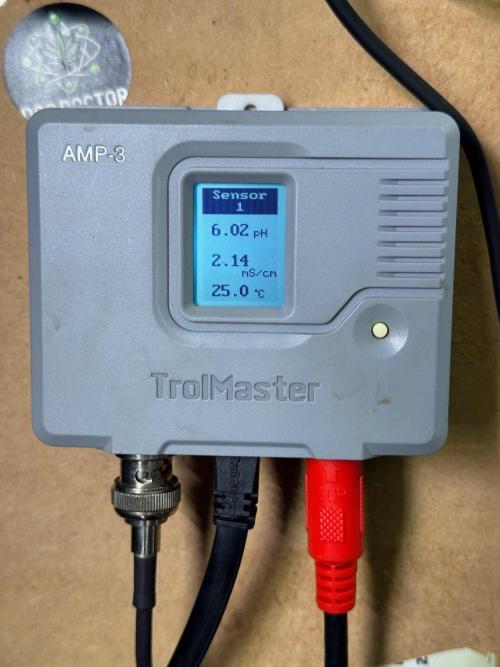
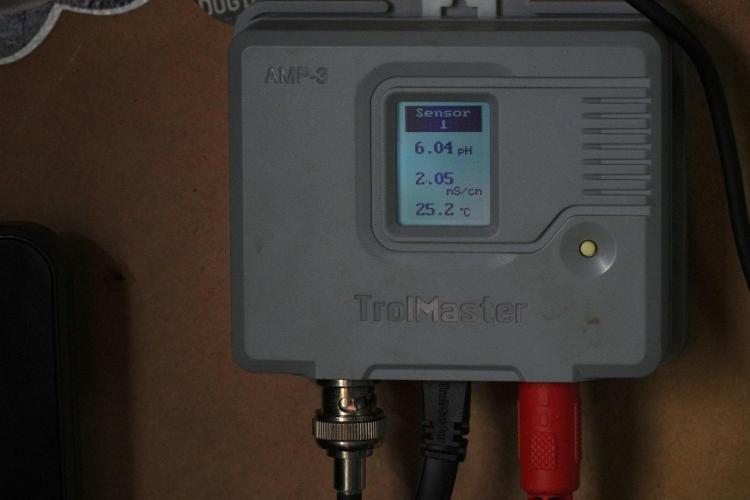
A huge thank you to Zamnesia for these fantastic genetics, Plagron for providing the nutrition that keeps these plants thriving, Future of Grow for the outstanding lighting, TrolMaster for maintaining such a stable environment, and to everyone following this journey here on GrowDiaries.
Your support, encouragement, questions, and shared passion for growing continue to make this adventure even more rewarding.
The flowers have arrived.
Now the real magic begins.
Growers Love and happy growing! 🌱💚
8 likes
comments
Share
6
Week 6. Flowering
3mo ago
1/47
96 cm
Height
12 hrs
Light Schedule
29 °C
Day Air Temp
6.0
pH
No Smell
Smell
890 PPM
TDS
60 %
Air Humidity
21 °C
Solution Temp
21 °C
Substrate Temp
25 °C
Night Air Temp
15 liters
Pot Size
1.1 liters
Watering Volume
529 PPM
CO₂ Level
Nutrients 7
Pure Zym
1 mll
Sugar Royal
1 mll
Ph Plus
0.03 mll
DogDoctorOfficial 🌸 Pink Rosay Auto by Zamnesia | Pheno A | Week 6 (Flowering)
🌱 Elegance Never Needs to Be Loud
Some plants impress with sheer size.
Others with explosive growth.
Pink Rosay has chosen a different path.
She impresses through elegance.
Growing under the same 12/12 From Seed experiment as the rest of the 8×8 Adventure, she continues to prove that a plant doesn't need to be the tallest or widest to command attention. Standing at 96 cm, she has developed into a beautifully proportioned autoflower with a naturally balanced structure, excellent symmetry, and a calm confidence that becomes more obvious every week.
There isn't a single branch that feels out of place.
Everything seems perfectly positioned, as though nature designed her with precision from the very beginning.
Sometimes beauty isn't about being dramatic.
Sometimes it's simply about getting everything right.
⸻
🌸 Week 6 – Flowers Taking the Lead
This week marks a noticeable change in the plant's priorities.
The vertical stretch has begun slowing, allowing more energy to be invested where it matters most—building flowers.
Every branch is now crowned with bright white pistils, and the individual flower sites that appeared last week have already started connecting together, giving each branch the first hints of what will eventually become full colas.
The canopy feels alive.
Every day brings a little more volume, a little more stacking, and a little more character.
This is the stage where the plant quietly shifts from growing upward to growing outward, filling every flowering site with new life.
And Pink Rosay seems perfectly comfortable making that transition.
⸻
🌿 Structure & Natural Balance
One of my favorite qualities about this phenotype is just how naturally balanced she has become.
The gentle Low Stress Training performed during the previous weeks continues paying dividends, creating an open canopy where every branch receives excellent light without feeling overcrowded.
Her internodal spacing remains ideal, allowing light and airflow to reach deep into the plant while giving each future cola plenty of room to develop.
The central leader remains dominant, but the secondary branches are doing an excellent job keeping pace, creating a wonderfully uniform canopy that should translate into a very satisfying harvest later on.
She doesn't need correcting.
She simply needs time.
⸻
? The Language of White Pistils
One of the most beautiful sights in any flowering room is the explosion of fresh white pistils.
They're delicate.
They're bright.
And they're the plant's first true declaration that flower production is fully underway.
This week, Pink Rosay is absolutely covered in them.
Every flowering site seems to wear its own little crown of brilliant white hairs, reaching outward as the calyxes slowly begin stacking beneath them.
It's one of those moments every grower enjoys because those tiny white pistils are much more than beautiful—they're the blueprint of the harvest to come.
Today they're soft, fresh, and full of energy.
Over the coming weeks they'll guide the formation of every cola as the flowers swell, mature, and gradually begin revealing the frosty character hidden inside these genetics.
Watching that transformation never gets old.
⸻
🍃 Plant Health
Health continues to be outstanding throughout the entire plant.
The foliage maintains a rich, healthy green without excess or deficiency, while the leaves display excellent posture and remain perfectly relaxed under the current environmental conditions.
The stems have thickened nicely during the stretch and now provide a solid framework for the flowers that continue developing across the canopy.
There are no signs of stress.
No unnecessary stretching.
No wasted energy.
Just a healthy autoflower confidently following her own schedule.
⸻
💧 Hand Watering & Nutrition
Pink Rosay continues to be hand-watered, allowing close observation of both substrate moisture and daily plant response.
Current feeding:
• Terra Grow — 1.9 ml/L
• Terra Bloom — 1.9 ml/L
• Pure Zym — 1 ml/L
• Sugar Royal — 1 ml/L
• Power Buds — 1 ml/L
• Green Sensation — 1 ml/L
Maintaining:
• EC: 1.78 mS/cm
• pH: 6.0
The nutrient balance remains right where the plant wants it, supporting the transition from vigorous growth into full flower production while keeping the foliage healthy and vibrant.
⸻
🌡️ Environment
The environment continues providing exactly the consistency these genetics deserve.
Current conditions:
• Day temperature: 29°C
• Night temperature: 25°C
• Relative humidity: 60%
• Solution temperature: 21°C
• Root zone temperature: 21°C
• CO₂: approximately 529 ppm
Maintaining a stable environment allows each phenotype to express its genetics naturally, and Pink Rosay is taking full advantage of those conditions.
Healthy roots.
Stable climate.
Happy plants.
⸻
👀 Looking Ahead
The coming week should be where the flowers truly begin to gain substance.
The framework has been built.
Now it's time for the calyxes to start swelling, for the pistils to multiply even further, and for each flowering site to slowly merge into the colas that have been quietly preparing since the stretch began.
If she continues on this path, I expect a canopy filled with beautifully shaped, evenly developed flowers from top to bottom.
Everything about her suggests she's only just beginning to reveal what she's capable of.
⸻
🙏 Final Thoughts
Pink Rosay continues to remind me that perfection isn't always measured in size.
Sometimes it's found in balance.
In symmetry.
In healthy growth.
In the quiet confidence of a plant that simply does everything well.
Week after week, she has developed without drama, without setbacks, and with a grace that's difficult to ignore.
Watching those brilliant white pistils multiply across such a beautifully structured canopy has easily been one of this week's highlights, and I'm incredibly excited to see how these early flowers transform over the coming weeks.
A huge thank you to Zamnesia for these fantastic genetics, Plagron for providing the nutrition that keeps this project thriving, Future of Grow for the incredible lighting, TrolMaster for maintaining such a stable environment, and to everyone following this journey here on GrowDiaries.
Your encouragement, questions, and shared passion for growing make this 8×8 Adventure even more rewarding.
Until next week...
Growers Love and happy growing! 🌱💚
12 likes
3 comments
Share
Used techniques
12-12
Technique
LST
Technique
7
Week 7. Flowering
2mo ago
1/40
111 cm
Height
12 hrs
Light Schedule
29 °C
Day Air Temp
5.8
pH
Normal
Smell
975 PPM
TDS
60 %
Air Humidity
21 °C
Solution Temp
21 °C
Substrate Temp
25 °C
Night Air Temp
15 liters
Pot Size
1.2 liters
Watering Volume
529 PPM
CO₂ Level
Nutrients 7
Pure Zym
1 mll
Sugar Royal
1 mll
Ph Plus
0.03 mll
DogDoctorOfficial 🌸 Pink Rosay Auto by Zamnesia | Pheno A | Week 7 (Flowering)
🌱 Sometimes the Quiet Ones Steal the Show
One of the things I love most about growing is that plants don't compete with one another.
They simply become the best version of themselves.
Pink Rosay has never been the biggest lady in the room.
She hasn't stretched toward the ceiling.
She hasn't demanded constant attention.
Instead, she's quietly transformed into one of the most elegant and captivating plants in this entire 8×8 Adventure.
Standing at approximately 111 cm, she remains beautifully compact while filling her own little corner of the tent with an incredible number of perfectly formed flowering sites.
She's one of those plants that makes you stop for a second every time you walk into the room.
Not because she's loud.
Because she's beautiful.
🌸 Week 7 – Finding Her Spotlight
This week she's truly beginning to shine.
The stretch is now almost completely behind her, allowing nearly all of her energy to be redirected toward flower production.
Every branch seems alive.
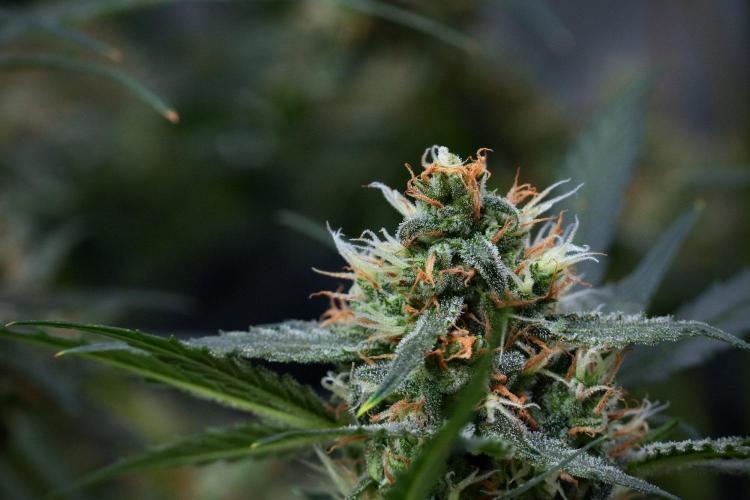
The flowers are stacking rapidly, calyxes continue swelling, and every cola is crowned with an explosion of brilliant white pistils that make the entire canopy glow beneath the lights.
There is something incredibly clean about her appearance.
Every branch is organised.
Every flower seems perfectly positioned.
Every day brings noticeably more substance.
She's developing with confidence.
And she's moving surprisingly fast.
✨ Already Frosty Before Her Time
One detail that's impossible to ignore this week is just how quickly resin production has begun.
For this stage of flowering, she's already wearing an impressive coating of trichomes.
The sugar leaves are becoming increasingly dusted with sparkling resin glands, surrounding each developing flower with that unmistakable frosted appearance that every grower loves to see.
It's still very early.
These aren't finished flowers.
They're only just getting started.
Yet the genetics are already hinting at the incredible resin production waiting later in bloom.
It's like watching winter slowly arrive, one crystal at a time.
🌼 The Language of White Pistils
Everywhere you look...
White.
Fresh.
Healthy pistils.
One of the most rewarding parts of early flowering is watching these bright white hairs emerge across every flowering site.
For newer growers, it's worth remembering that these aren't the flowers themselves.
They're part of the female reproductive structure, growing from each calyx as the plant continues building her buds.
They're essentially the roadmap of flower development.
Today they're long, soft and brilliantly white.
Over the coming weeks they'll slowly mature, change colour and retreat back into the swelling calyxes as each bud becomes larger, denser and more mature.
For now, they're telling us exactly what we want to hear.
"This plant is building flowers."
And she's doing it beautifully.
🍃 Healthy Leaves, Vibrant Colour & Perfect Balance
The foliage continues looking absolutely outstanding.
The leaves display a rich, healthy green from top to bottom, maintaining excellent posture throughout the day without signs of stress or nutrient imbalance.
Everything feels incredibly balanced.
The stems have become thick enough to support future flower weight, while the internodal spacing remains open enough to allow excellent airflow throughout the canopy.
Nothing feels crowded.
Nothing feels wasted.
The plant simply looks comfortable.
Comfortable with her feeding.
Comfortable with her environment.
Comfortable becoming exactly what her genetics intended.
💡 Lighting From Every Angle
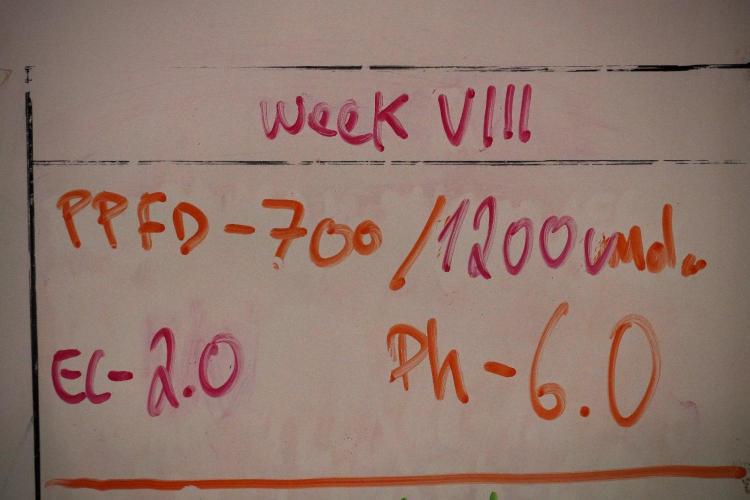
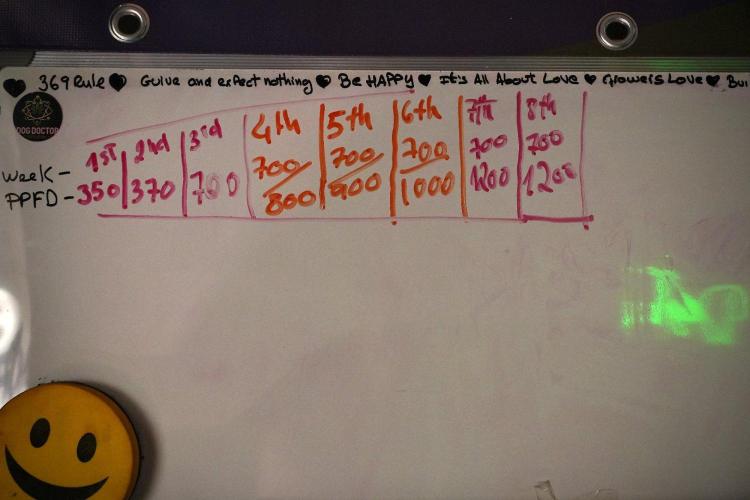
Although Pink Rosay isn't the tallest plant in the room, she's receiving approximately 1,000 PPFD across the canopy from the Future of Grow Black Series LED.
That level of light provides more than enough energy to support vigorous flower production while allowing this compact phenotype to maximise every square centimetre of her canopy.
Below the canopy, the Lumiflora under-canopy lighting continues adding another layer to the lighting strategy.
As the flowers become larger and the canopy naturally thickens, those lower branches often receive significantly less light.
The additional illumination helps maintain energy deeper into the plant, giving secondary flowering sites the opportunity to continue developing alongside the upper canopy.
The true difference will reveal itself at harvest.
But watching the room evolve under this combination of top and under-canopy lighting has been incredibly exciting.
💧 Hand Watering – Every Plant, Every Day
Like the rest of the garden, Pink Rosay is now completely hand watered.
It certainly takes more time.
Every plant needs individual attention.
Every watering means preparing nutrients, checking EC, adjusting pH and carefully delivering exactly what each lady needs.
It's more work than automation.
But it's also one of my favourite parts of the day.
It forces me to slow down.
To observe.
To notice small changes before they become big ones.
And honestly...
I wouldn't have it any other way.
Current feeding:
• Terra Grow — 2 ml/L
• Pure Zym — 1 ml/L
• Sugar Royal — 1 ml/L
• Power Buds — 1 ml/L
• Green Sensation — 1 ml/L
Maintaining:
• EC: 1.95 mS/cm
• pH: 5.8
Consistency continues to be one of the biggest reasons this garden keeps performing so well.
🌡️ Environment
The environment remains stable, allowing Pink Rosay to focus entirely on producing flowers.
Current conditions:
• Day temperature: 29°C
• Night temperature: 25°C
• Relative humidity: 60%
• Solution temperature: 21°C
• Root zone temperature: 21°C
• CO₂: Approximately 529 ppm
Healthy roots, stable temperatures and consistent environmental control continue allowing these genetics to express themselves naturally without unnecessary stress.
👀 Looking Ahead
Over the next week I expect the pace of flower development to accelerate even further.
The calyxes should begin stacking much more aggressively, individual flowers will gradually merge together into larger colas, and resin production should spread rapidly across the sugar leaves surrounding every bud site.
The pistils will continue multiplying before eventually beginning their slow journey toward maturity later in flower.
She's still far from finished.
But every single day she's becoming more impressive.
If she continues evolving like this, I genuinely believe she'll become one of the standout plants of this entire project.
🙏 Final Thoughts
Pink Rosay continues proving that elegance doesn't need to shout.
She has grown with remarkable balance from the very beginning, requiring very little intervention while rewarding that trust with beautiful structure, exceptional health and flowers that seem to become more attractive every single day.
Her compact frame, brilliant white pistils and rapidly increasing layer of resin make her one of those plants that's impossible to walk past without stopping for another look.
Some plants ask for attention.
Others simply earn it.
Pink Rosay has definitely earned hers.
A huge thank you once again to Zamnesia for these incredible genetics, Plagron for providing outstanding nutrition throughout the grow, Future of Grow for powering the garden with exceptional lighting, Lumiflora for bringing additional energy beneath the canopy, TrolMaster for maintaining precise environmental control, and to everyone following this journey here on GrowDiaries.
Your support, encouragement and shared passion continue making this 8×8 Adventure something truly special.
Until next week...
Growers Love and happy growing! 🌱💚
12 likes
comments
Share
Used techniques
12-12
Technique
8
Week 8. Flowering
2mo ago
1/101
111 cm
Height
12 hrs
Light Schedule
29 °C
Day Air Temp
6.0
pH
Normal
Smell
1000 PPM
TDS
60 %
Air Humidity
21 °C
Solution Temp
21 °C
Substrate Temp
25 °C
Night Air Temp
15 liters
Pot Size
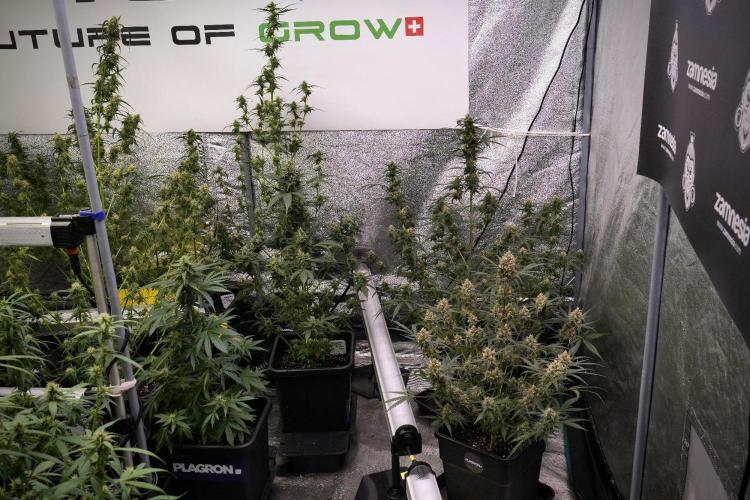
1.4 liters
Watering Volume
529 PPM
CO₂ Level
Nutrients 7
Pure Zym
1 mll
Sugar Royal
1 mll
Ph Plus
0.03 mll
DogDoctorOfficial 🌸 Pink Rosay Auto by Zamnesia | Pheno A | Week 8 (Flower Week 5) 🌱
Small Frame. Big Flowers. An Absolute Beauty.
Some plants need space to become impressive.
Pink Rosay doesn't.
Standing at approximately 111 cm, she remains one of the most compact plants in the entire 8×8 Adventure.
But somehow, when you look at her, she doesn't feel small.
She feels complete.
Dense.
Elegant.
Full.
Every centimetre of her structure seems occupied by flowers, leaves and developing potential.
She's one of those plants that reminds me that size and presence are two completely different things.
And Pink Rosay has presence.
This week, she also joined the group receiving a selective flowering defoliation.
Again, not because there was anything wrong.
Not because she was struggling.
And not because I believe every plant needs to be stripped at a particular point in flower.
She was actually looking fantastic.
But she's a little more advanced than some of the plants around her, and when I looked closely at her structure, I felt that opening her up would benefit both her and the room.
So we made some space.
And now we're going to watch what she does with it.
🌸 Week 5 Flower – Compact Doesn't Mean Small
Pink Rosay has always had her own way of doing things.
She never chased the ceiling.
She never tried to become the biggest plant in the tent.
Instead, she's packed an incredible amount of flowering structure into a remarkably compact frame.
At approximately 111 cm, she's still relatively short for this room.
But look closer.
The branches are carrying substantial flowering sites.
The flowers are stacking.
The calyxes are beginning to swell.
The pistils remain beautifully bright.
And the resin continues becoming more apparent.
This is where I think the word "compact" can sometimes be misleading.
She's compact in height.
She certainly isn't compact in personality.
And she definitely isn't compact in what she's building.
There's a lot happening inside this little plant.
✂️ Defoliation – Making Space, Not Removing Beauty
This week I decided to selectively defoliate Pink Rosay.
And I want to explain the reasoning because defoliation is one of those subjects where growers can have very different approaches.
For me, this wasn't about looking at the plant and thinking:
"There are too many leaves."
Healthy leaves are valuable.
They're photosynthetic machinery, and I don't remove them simply because they're large or because I want the plant to look cleaner.
Instead, I look at the relationship between the leaves, flowers, light and airflow.
Pink Rosay has become quite dense.
Her compact structure means that a lot of foliage and flowering sites are occupying a relatively small vertical space.
As flowering progresses, that density can create areas where leaves overlap heavily, airflow becomes less direct and light has difficulty travelling deeper into the canopy.
So this time, I selectively removed foliage that was contributing to unnecessary congestion.
Not everything.
Not aggressively.
Just enough to open the architecture.
💡 Let The Photons Travel
One of the reasons I like selective defoliation at this stage is that we're not necessarily trying to make every flower receive direct light.
That's not the objective.
We're trying to improve the distribution of the available light through the canopy.
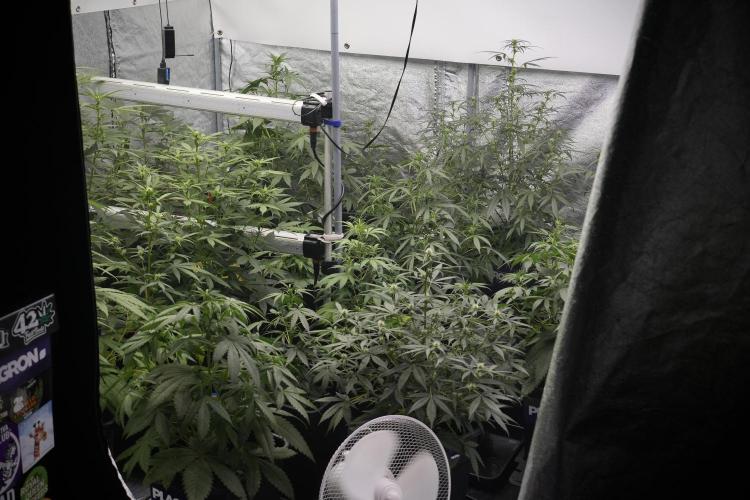
The Future of Grow Black Series is already delivering around 1,000 PPFD across the upper canopy.
There are plenty of photons available.
The question becomes:
How efficiently can the plant's architecture use them?
When several large leaves overlap one another, some of that light is intercepted before it can reach deeper areas.
By selectively removing leaves from congested sections, we can allow more light to penetrate into the canopy and reach leaves and flowering sites that were previously more heavily shaded.
We're not creating more light.
We're simply changing the path it takes through the plant.
And with Pink Rosay being such a compact and dense phenotype, that can be particularly interesting.
🌬️ And Then There's Airflow
Light isn't the only reason for opening a dense canopy.
Air needs space too.
As the plant becomes more compact and the flowers continue developing, airflow through the interior becomes increasingly important.
Removing selected leaves creates little channels through the plant where air can move more freely.
That helps reduce stagnant pockets inside dense foliage and makes the entire canopy easier to manage as flowering progresses.
Again, this isn't about removing leaves because leaves are bad.
It's about managing density.
Sometimes the best thing you can do for a plant isn't giving her something.
It's simply getting out of the way of what she's already doing.
🌿 A Plant With Serious Density
And this is probably what impresses me most about Pink Rosay right now.
She is dense.
Not just in foliage.
The flowering structure itself is becoming increasingly substantial.
The individual flowers are beginning to look less like isolated flowering sites and more like components of developing colas.
The calyxes are swelling.
The pistils are still predominantly white.
And the resin continues building across the flowers and sugar leaves.
She's entering that beautiful transition where you can start seeing the architecture of the eventual harvest forming in front of you.
I don't want to call it "bulking" just yet.
I prefer thinking of it as stacking, swelling and building flower mass.
But whatever word we choose...
She's definitely building.
And she's doing it beautifully.
❄️ Frost Is Becoming Part Of Her Personality
The resin production continues to impress me.
Looking closely at the flowers, there's already a visible layer of trichomes developing across the calyxes and surrounding sugar leaves.
And this is still only Week 5 of flowering.
The bright white pistils make everything even more dramatic.
Against the deep green foliage, those flowers almost look illuminated from within.
It's one of those combinations that makes photography incredibly rewarding.
Dark green.
Bright white pistils.
Developing frost.
And flowers that become more substantial every time I look at them.
Pink Rosay is definitely starting to look like she knows exactly where she's going.
🌱 Why I Didn't Defoliate Everything
This is important.
After a defoliation, it's easy to look at a plant and think:
"Why didn't you remove this leaf too?"
Because more isn't necessarily better.
I want Pink Rosay to retain enough healthy foliage to continue powering photosynthesis and supporting flower development.
The objective was never to expose every flower.
It was to improve the relationship between:
foliage → flowers → light → airflow.
Some leaves are still doing excellent work.
Some flowers are still perfectly positioned beneath them.
And some shading is completely natural.
A plant doesn't need to look like a perfectly arranged artificial canopy.
She's alive.
She's dynamic.
And I'm much more interested in creating a healthy, functional environment than achieving a perfectly clean photograph.
Although...
I have to admit...
She does look pretty damn good after the cleanup. 😍
💡 Lighting From Above & Below
The primary lighting remains the Future of Grow Black Series LED, providing approximately 1,000 PPFD across the upper canopy.
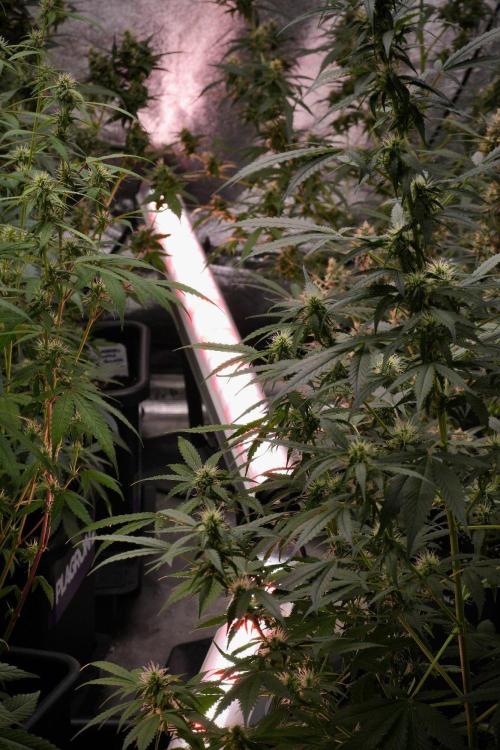
Below, the Lumiflora under-canopy lighting continues adding another dimension to the system.
This combination is particularly interesting with a plant like Pink Rosay.
Her compact structure means that the lower portions of the plant are physically much closer to the upper canopy than they would be on a tall, stretched plant.
At the same time, her density can create additional shading.
The under-canopy lighting gives those lower areas another source of photons while the defoliation helps improve the movement of light through the plant from above.
It's another experiment within the larger experiment.
And, as always...
Harvest will be the judge.
💧 Hand Watering – One Plant At A Time
Pink Rosay continues receiving individual attention through hand watering.
There's something especially useful about hand watering at this stage.
Every time I approach the plant, I have an opportunity to look.
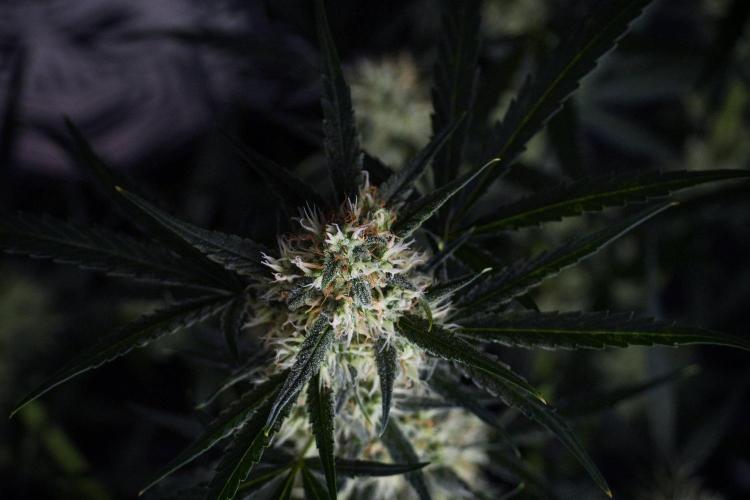
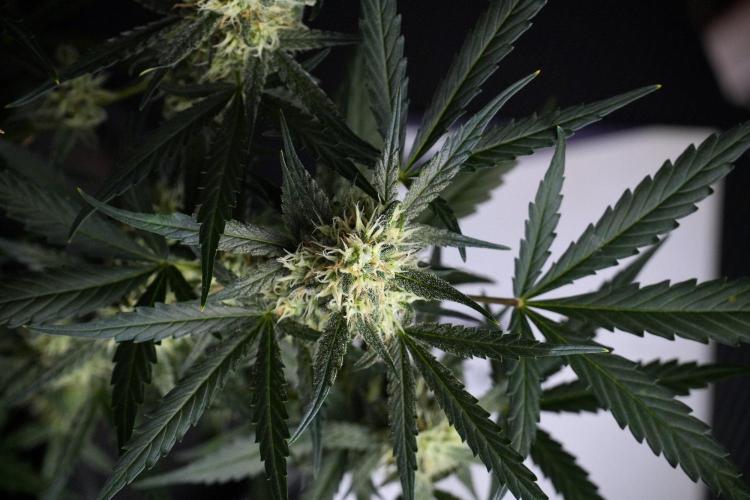
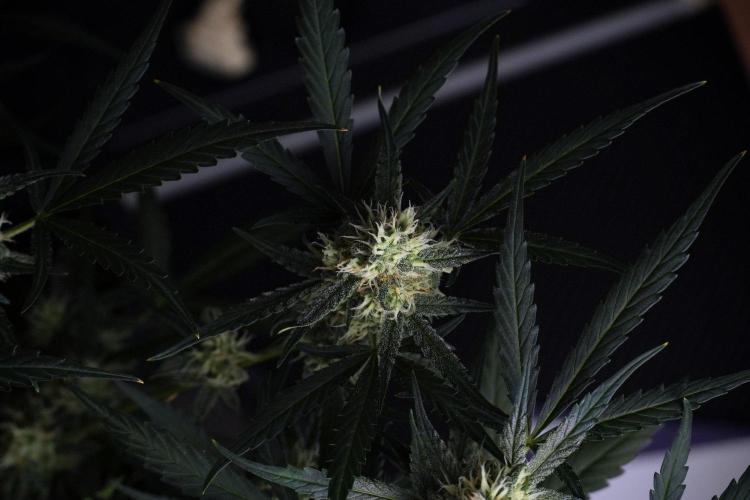
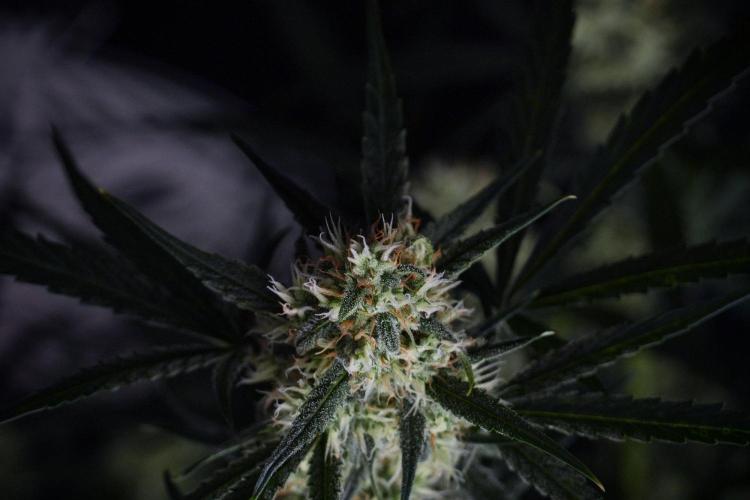
To inspect the flowers.
To check the leaves.
To feel how the plant is progressing.
To notice changes that might otherwise disappear into the background of an automated system.
Current feeding remains:
Terra Bloom — 2.2 ml/L
Power Buds — 1 ml/L
Sugar Royal — 1 ml/L
Green Sensation — 1 ml/L
Lemon Kick — 0.03 ml/L
Current readings:
pH — approximately 6.0
EC — approximately 2.0 mS/cm
Solution temperature — 21°C
Root-zone temperature — 21°C
Watering — approximately 1.4 L per 24 hours
No unnecessary changes.
The plant is responding well.
So we keep giving her consistency.
🌡️ Environment
The environment continues providing the stability this garden has been built around.
Day temperature: 29°C
Night temperature: 25°C
Relative humidity: 60%
Root-zone temperature: 21°C
Solution temperature: 21°C
CO₂: approximately 529 ppm
The room continues relying on natural CO₂ replenishment through ventilation rather than bottled supplementation.
The important thing isn't chasing one individual number.
It's the interaction between temperature, humidity, airflow, irrigation, root-zone conditions and light.
When those pieces work together, the plant gets to concentrate on what she does best.
Growing.
👀 Looking Ahead – Is Something Special Building Here?
I'm becoming increasingly curious about Pink Rosay's final outcome.
Not because I want to predict a number.
Not because I want to call the harvest before she's finished.
But because the structure is promising.
She's compact.
She's healthy.
She's carrying a remarkable number of flowering sites for her size.
She's producing resin.
She's stacking flowers.
And now we've opened the canopy slightly to give her more room to breathe and allow light to travel more effectively through her architecture.
If she continues at this pace, I have a feeling she could surprise us at harvest.
Sometimes the plants that look modest from a distance are the ones that make you raise your eyebrows when the final numbers come in.
And Pink Rosay has exactly that feeling.
❤️ Final Thoughts – Let Her Shine
Pink Rosay Pheno A continues telling one of my favourite stories in this entire 8×8 Adventure.
She reminds me that you don't need to be the tallest plant in the room to make an impression.
You don't need to stretch toward the ceiling.
You don't need to occupy the most space.
Sometimes you can simply take your little corner...
And make it extraordinary.
This week, we gave her a little more room.
A little more airflow.
A little more opportunity for photons to move through her canopy.
And now we're stepping back again.
Because after making a cultivation decision, the most important thing is knowing when to stop touching the plant and let her respond.
That's where the real lesson begins.
Pink Rosay is compact.
She is dense.
She is elegant.
She is increasingly frosty.
And there is an enormous amount of flower packed into that small frame.
I have a feeling this little lady may have something very interesting waiting for us at harvest.
But for now...
We're going to let her keep building.
Keep stacking.
Keep swelling.
Keep shining.
A huge thank you once again to Zamnesia for these beautiful genetics, Plagron for the nutrition, Future of Grow for the incredible Black Series lighting, Lumiflora for bringing light beneath the canopy, TrolMaster for environmental control, and to everyone following this 8×8 Adventure here on GrowDiaries.
Every phenotype has a different story.
Pink Rosay's story is becoming one of elegance, density and quiet strength.
And I absolutely love where she's going.
Until next week...
Small frame. Big personality. Let her shine. 🌸✨
Growers love and happy growing! 🌱💚
12 likes
comments
Share
Used techniques
12-12
Technique
Defoliation
Technique
9
Week 9. Flowering
1mo ago
1/36
111 cm
Height
12 hrs
Light Schedule
29 °C
Day Air Temp
6.0
pH
Normal
Smell
1000 PPM
TDS
60 %
Air Humidity
25 °C
Solution Temp
26 °C
Substrate Temp
25 °C
Night Air Temp
15 liters
Pot Size
1.4 liters
Watering Volume
529 PPM
CO₂ Level
Nutrients 7
Pure Zym
1 mll
Sugar Royal
1 mll
Ph Plus
0.03 mll
DogDoctorOfficial 🌸 Pink Rosay Auto by Zamnesia | Pheno A | Week 9
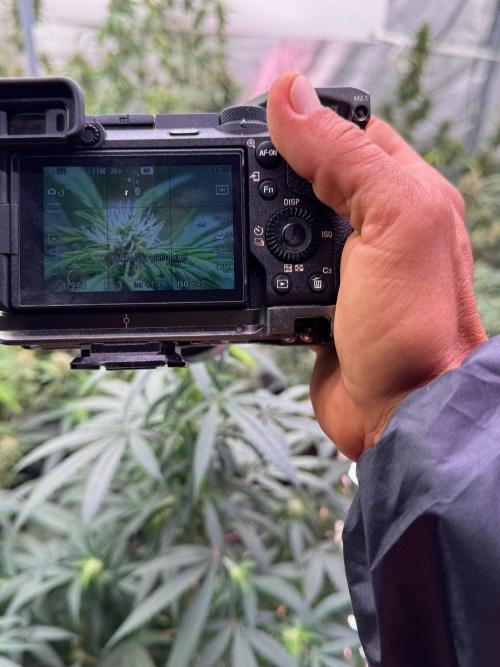
💗 Small Plant. Massive Presence. An Absolute Beauty.
There are plants that are big.
There are plants that are tall.
There are plants that fill every available centimetre of a tent.
And then...
there are plants like Pink Rosay Pheno A.
She's something different.
She's small.
She's compact.
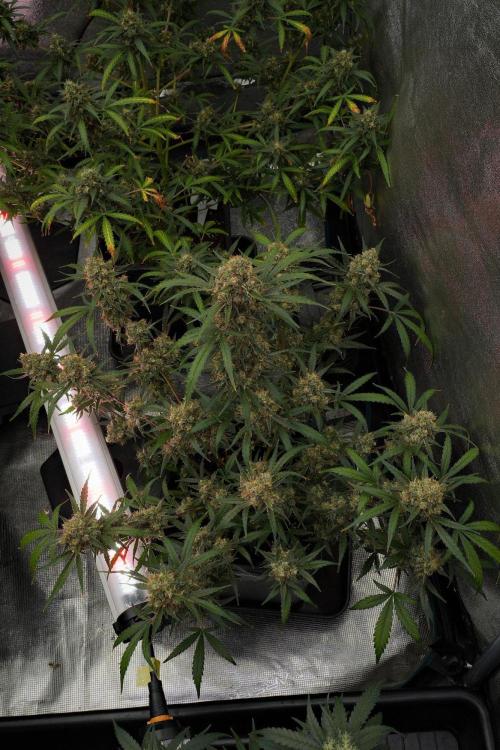
She's incredibly dense.
And somehow, she manages to carry an absolutely ridiculous amount of flower for a plant of her size.
Every time I look at her, I find myself thinking the same thing:
How did all of that fit into this little plant? 😂💗
This girl continues to impress me.
Not because she's trying to compete with the giants around her.
Not because she's stretching toward the ceiling.
But because she has taken her relatively small frame and turned almost every available centimetre into productive flowering structure.
And honestly...
few plants are like this.
At least, few plants I've had the pleasure of growing.
She's compact in size.
But she is absolutely not compact in personality.
🌸 Week 9 – She's Still Radiant
Pink Rosay continues moving beautifully through flowering.
The plant remains around 111 cm, but that number really doesn't tell the story.
Height is only one measurement.
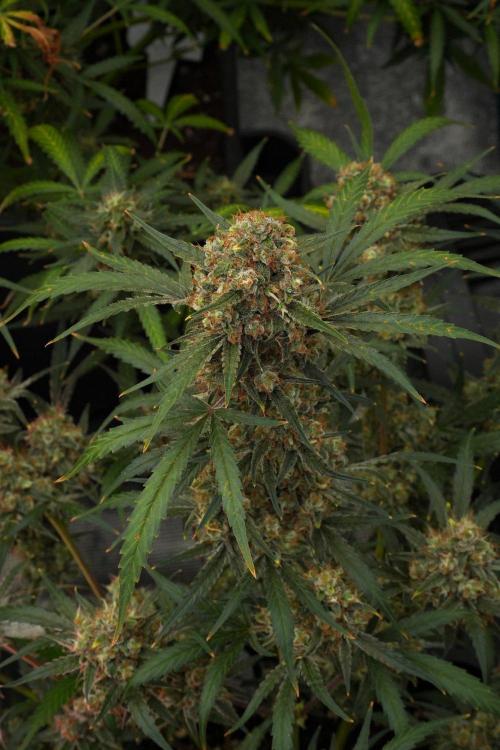
Look at the flowers.
Look at the density.
Look at the way the buds occupy the structure.
Look at the proportion between the plant itself and the amount of flower she's carrying.
That's where this girl becomes special.
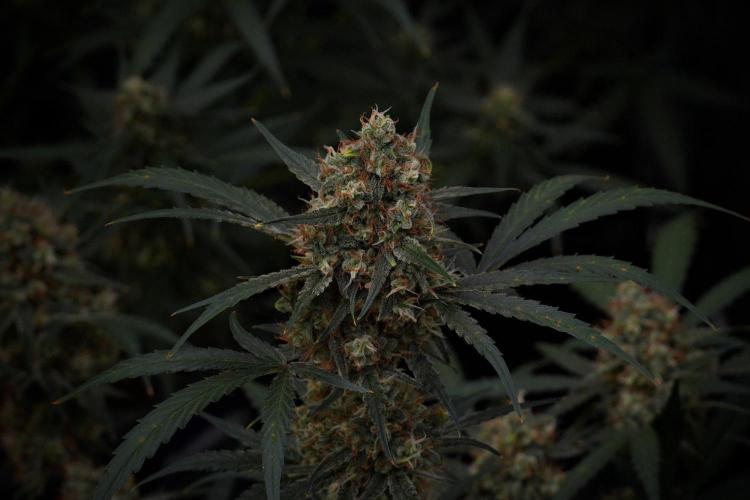
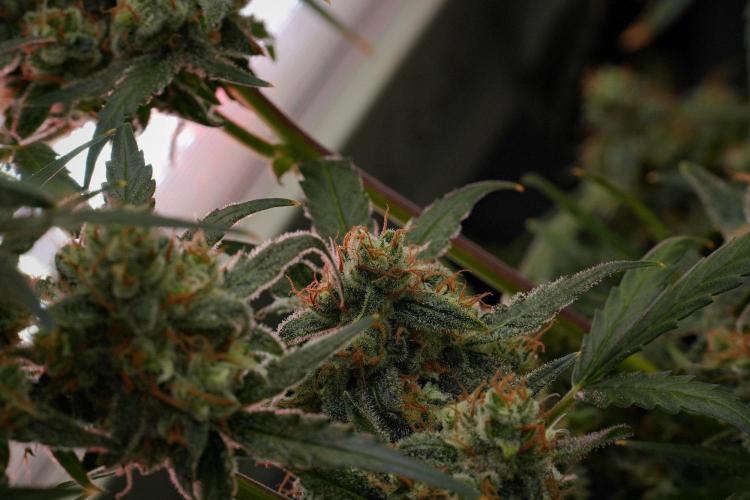
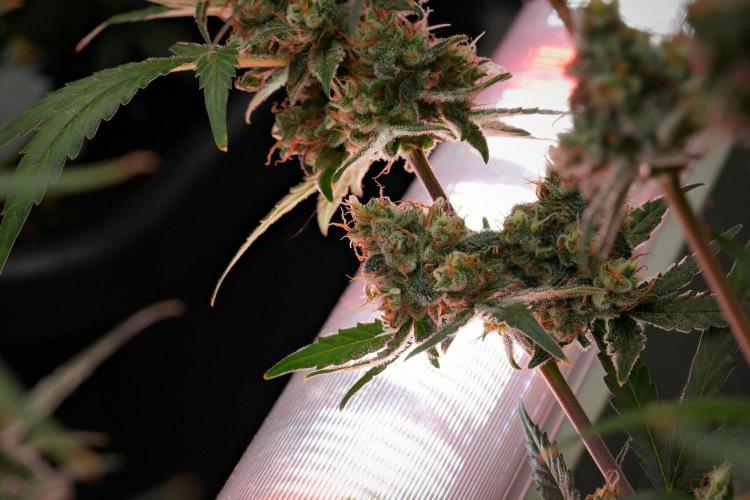
The flowering sites have developed into substantial, clearly defined flowers, with impressive structure and increasingly mature-looking resin coverage.
The calyxes continue swelling.
The pistils are changing as the flowers progress.
And the overall appearance is becoming increasingly impressive.
She's not simply producing flowers.
She's packing them in.
And she's doing it beautifully.
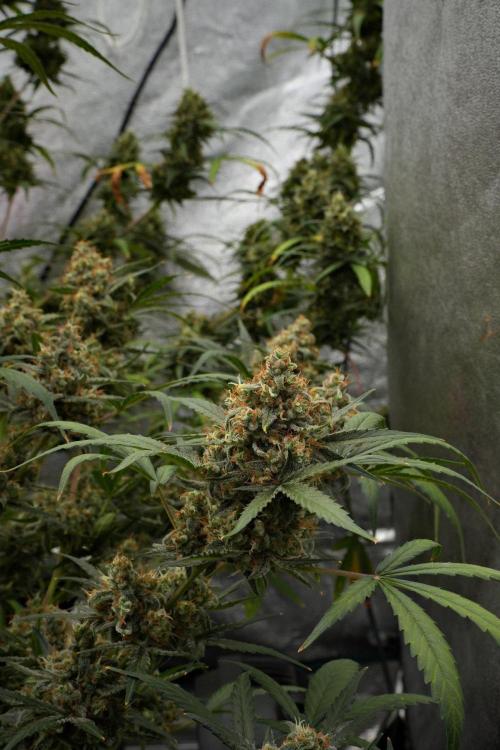
💗 Small Frame. Huge Flower-to-Plant Ratio.
This is probably the characteristic I appreciate most about her right now.
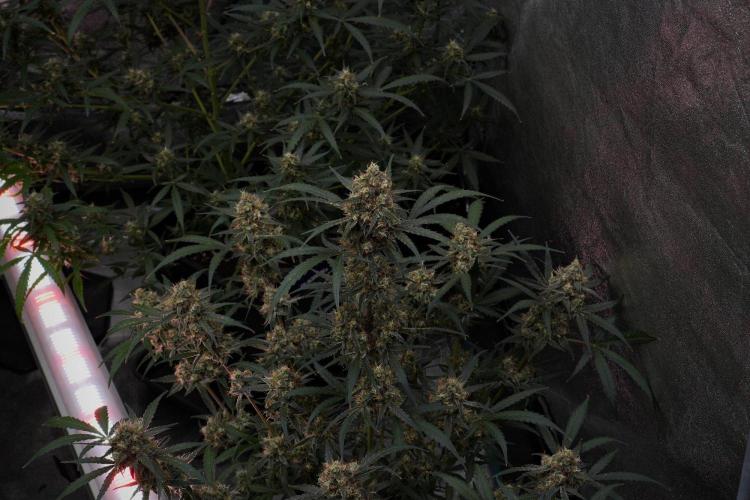
Pink Rosay has one of those structures where you can immediately see how much of the plant is dedicated to flowering.
She's compact.
But the flowers are large relative to the plant.
The branches aren't disappearing into endless stretches of empty space.
Instead, they're carrying substantial flowering structures throughout the canopy.
The result is something I find incredibly satisfying to look at:
a small plant with an enormous flowering presence.
It's almost like someone took a much larger plant and compressed it.
😂
And that's exactly why I keep calling her special.
You can find tall plants.
You can find massive plants.
But finding a plant that remains this compact while developing this much flower relative to her overall size?
That's something I really appreciate.
🌿 The Beauty Is in the Structure
The structure is another thing that continues catching my attention.
She's dense, but she doesn't look chaotic.
The flowers have their places.
The branches support them.
The foliage surrounds the developing buds.
And the whole plant has that feeling of everything working together.
There's a real sense of balance here.
That's important.
Because density by itself isn't necessarily impressive.
A plant can be dense simply because everything is crowded together.
Pink Rosay is different.
She has organized density.
Her compact structure has become a framework for the flowers rather than simply a mass of foliage.
And after the selective defoliation we performed previously, the plant has continued developing beautifully.
We didn't strip her.
We didn't try to expose every single flower.
We simply opened areas where necessary and then stepped back.
And now...
we let her do what she does best.
Build flowers.
✂️ After the Defoliation – Now We Watch
The selective flowering defoliation from the previous week has now become part of the story.
Some foliage was removed where it was contributing to unnecessary congestion, while plenty of healthy leaves were deliberately left behind.
That distinction remains important to me.
I'm not interested in making a plant look naked.
I'm interested in making the canopy functional.
And Pink Rosay still has plenty of green.
The remaining leaves are working.
They're capturing light.
They're supporting photosynthesis.
They're feeding the developing flowers.
And the plant is responding exactly how I hoped she would.
So this week?
No need to reach for the scissors again.
She's beautiful.
She's balanced.
She's developing.
Leave her alone.
Sometimes cultivation is knowing when to intervene.
Sometimes it's knowing when to stop.
Right now, I think Pink Rosay is telling me very clearly:
"I've got this."
😂💗
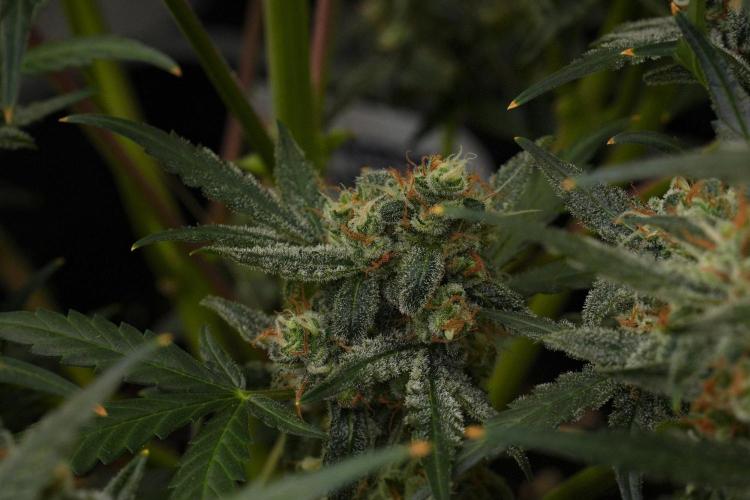
❄️ The Flowers Are Becoming Serious
The flowers are now entering a really exciting stage.
They're no longer just developing structures.
They're becoming proper flowers.
The calyxes are becoming more pronounced.
The pistils are beginning to change.
The buds are gaining density and volume.
And the resin continues to become increasingly visible.
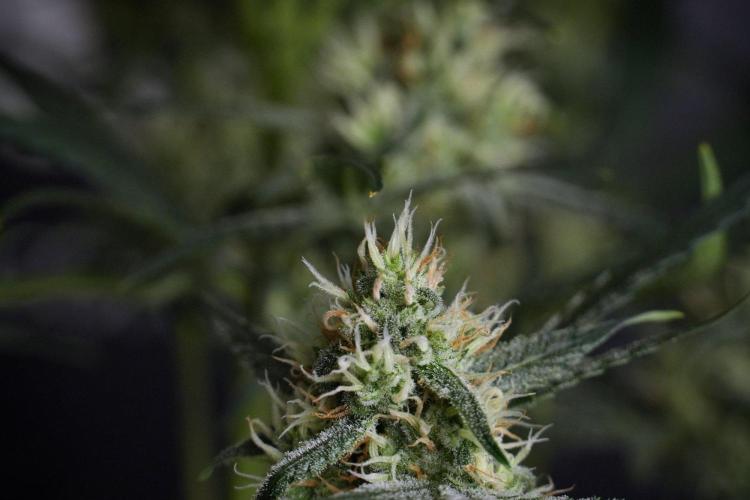
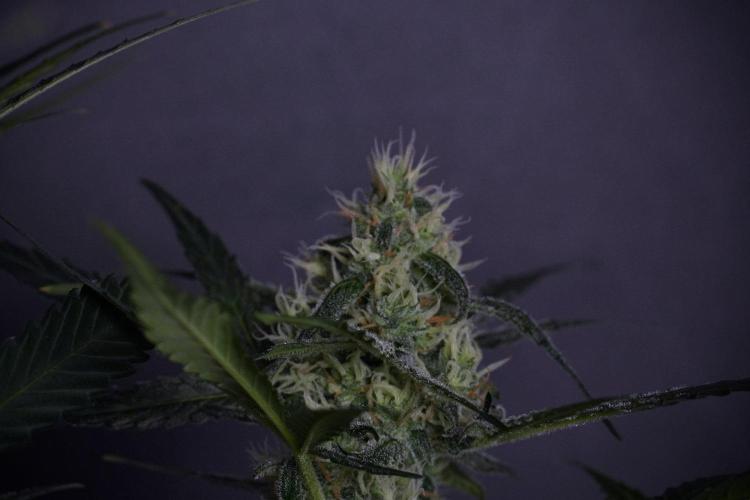
When you look closely at the photographs, there is so much happening.
Every flower has layers.
Pistils crossing through the developing structures.
Calyxes stacking around one another.
Sugar leaves emerging through the flowers.
And resin covering the surfaces.
This is where the plant starts becoming more than just a green plant under a light.
The architecture you spent weeks watching develop is finally turning into the thing you've been waiting for.
Flowers.
And Pink Rosay is producing some beautiful ones.
📸 A Photographer's Dream
This girl is also becoming incredibly enjoyable to photograph.
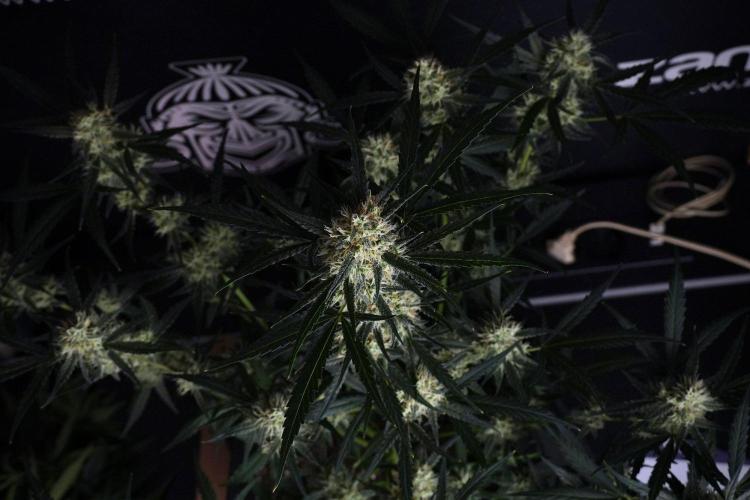
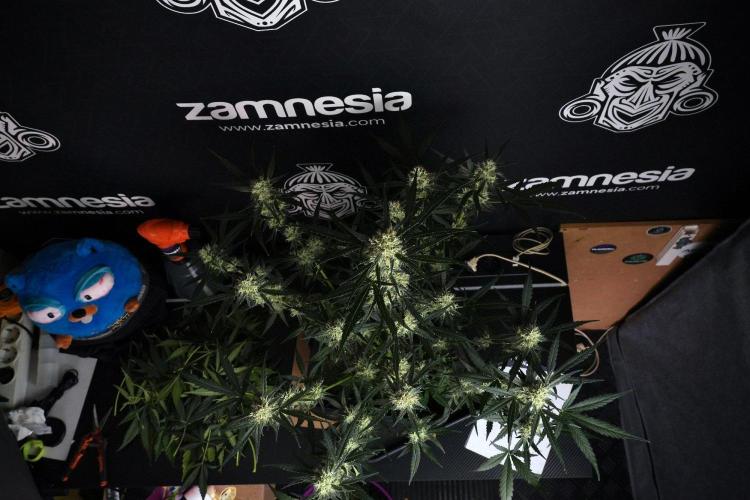
Her structure gives you the wide shots.
Her compact frame tells the story.
But then you move closer...
And suddenly the entire image changes.
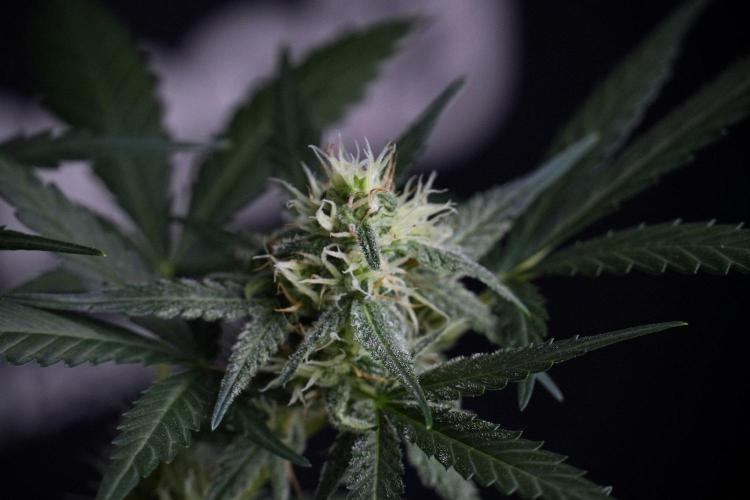
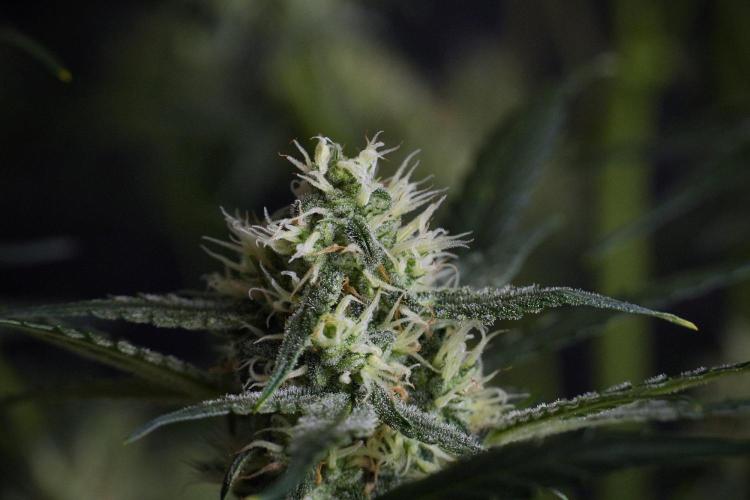
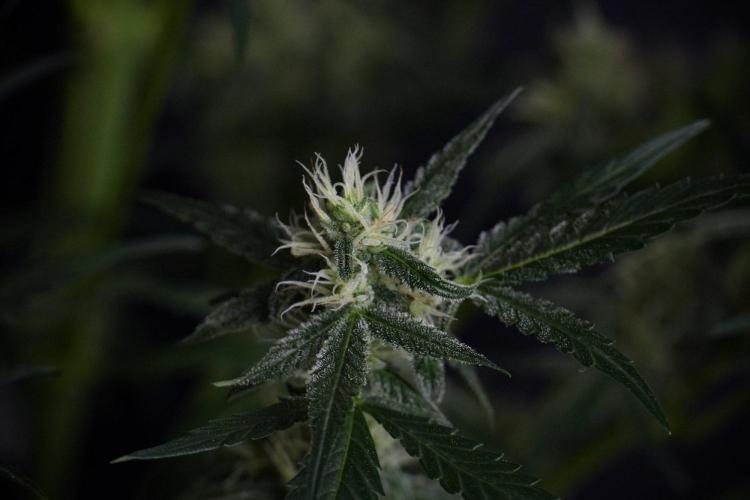
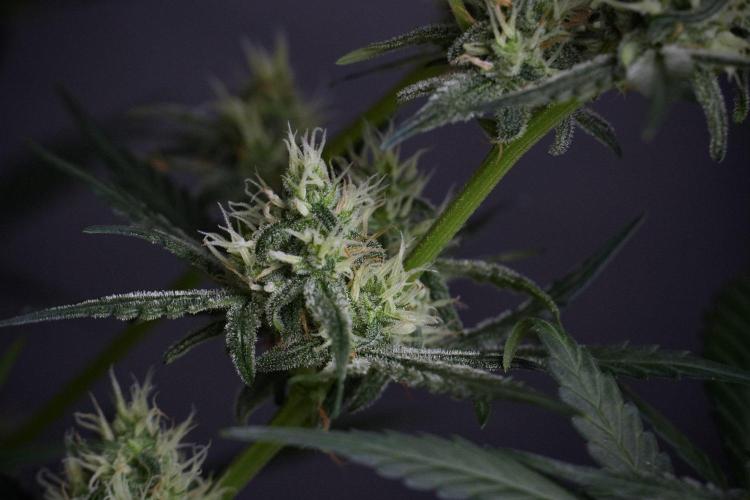
The flowers are full of texture.
The pistils create those beautiful fine lines.
The calyxes create layers.
The resin catches the light.
And the surrounding leaves provide that deep green background.
It's one of those plants where I can understand why macro photography and growing became so connected for me.
You can photograph the whole plant...
and then spend another hour looking at one flower.
There's always another detail.
Another texture.
Another little piece of biology happening right in front of the lens.
And Pink Rosay is giving me plenty to photograph.
💡 Eating Photons
The lighting system remains unchanged.
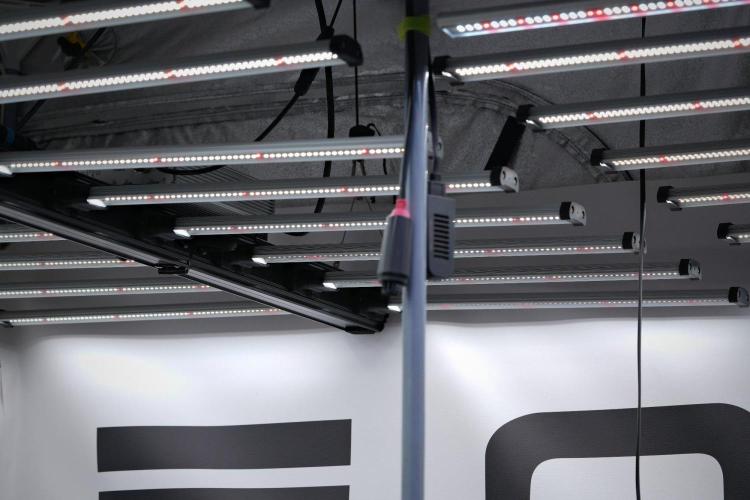
The Future of Grow Black Series LED continues providing the primary overhead illumination, with the Lumiflora under-canopy lighting adding another layer of light into the lower portions of the garden.
And Pink Rosay is clearly making use of the available energy.
The plant has plenty of flower structure.
The foliage remains strong.
And the flowers continue progressing.
This is another reason I like having different phenotypes growing together.
The environment gives them the opportunity.
But their genetics decide what they do with it.
Some plants turn that opportunity into height.
Some into branches.
Some into enormous individual flowers.
Pink Rosay seems to have chosen:
"I'll just make everything count."
And I love that.
🌿 The 8×8 Perspective
When I step back and look at the entire 8×8 Adventure, Pink Rosay becomes even more interesting.
There are plants around her that are significantly taller.
There are plants that occupy much more physical space.
There are plants that look enormous from across the room.
And then there's this little powerhouse.
Standing there at around 111 cm...
covered in flowers.
It's a perfect reminder that comparing plants purely by height doesn't make much sense.
A plant's potential isn't measured by the ruler alone.
It's in the architecture.
The density.
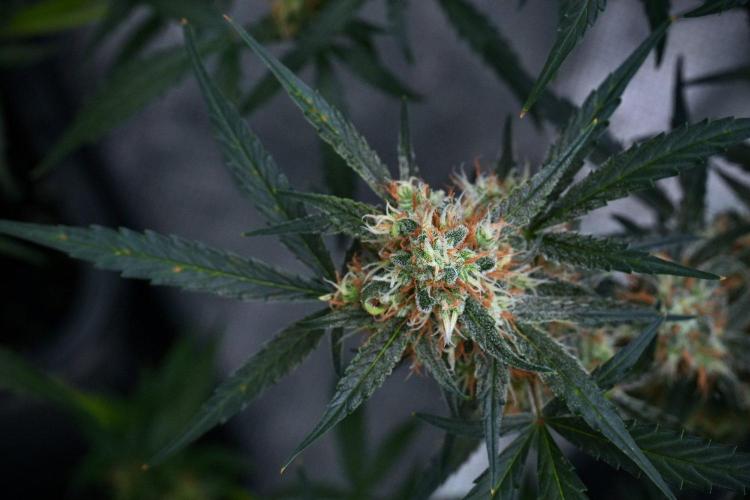
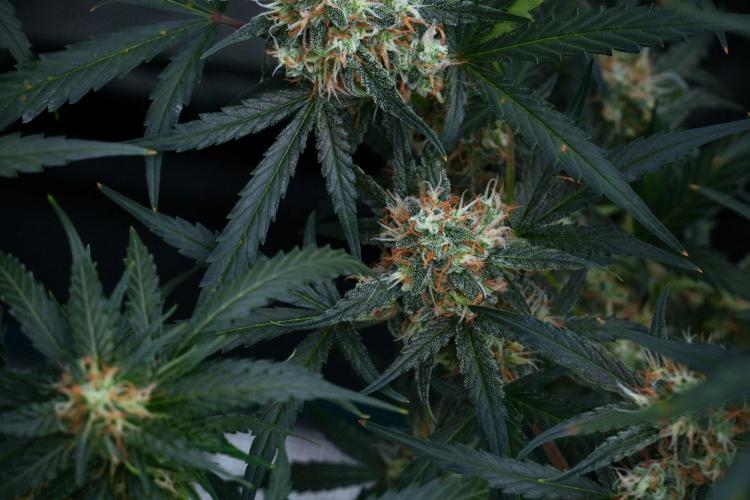
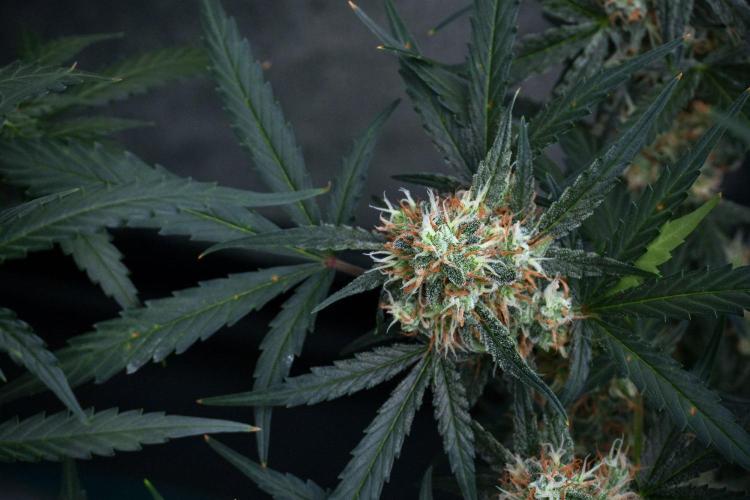
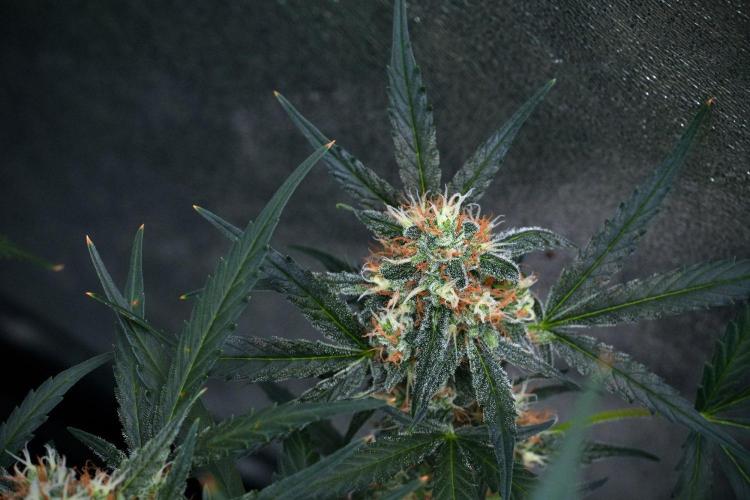
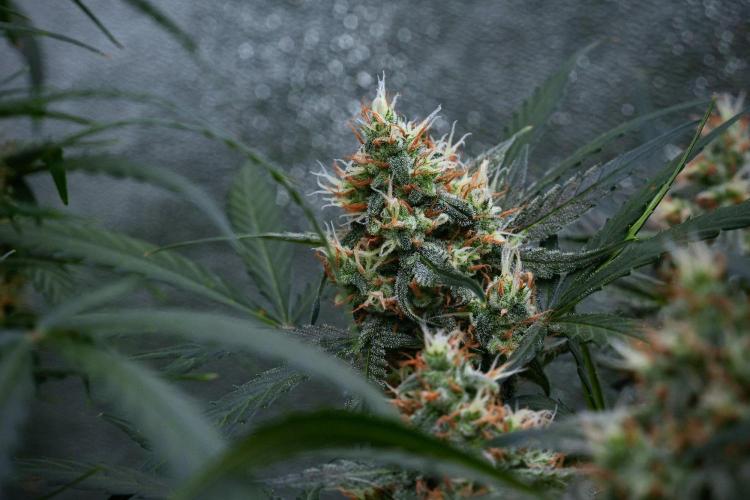
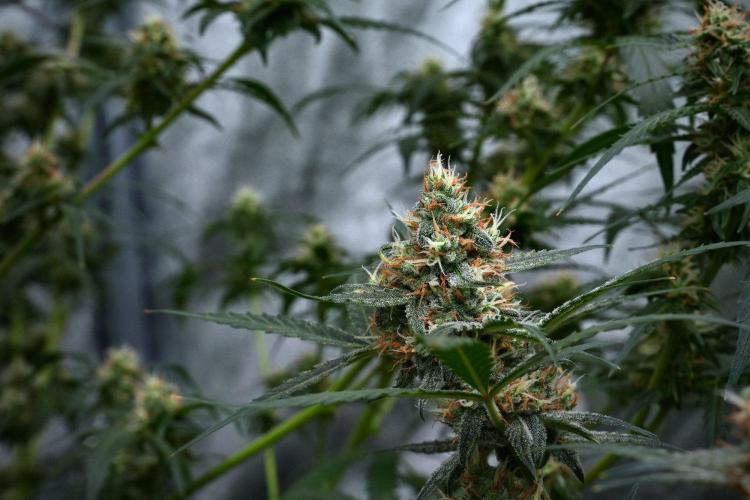
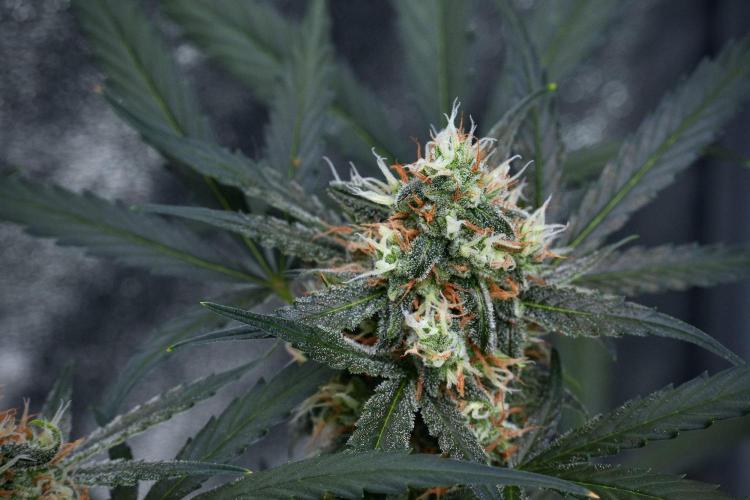
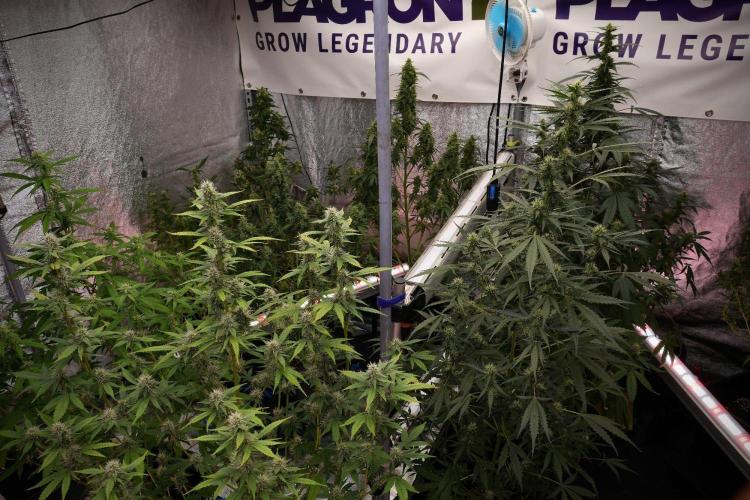
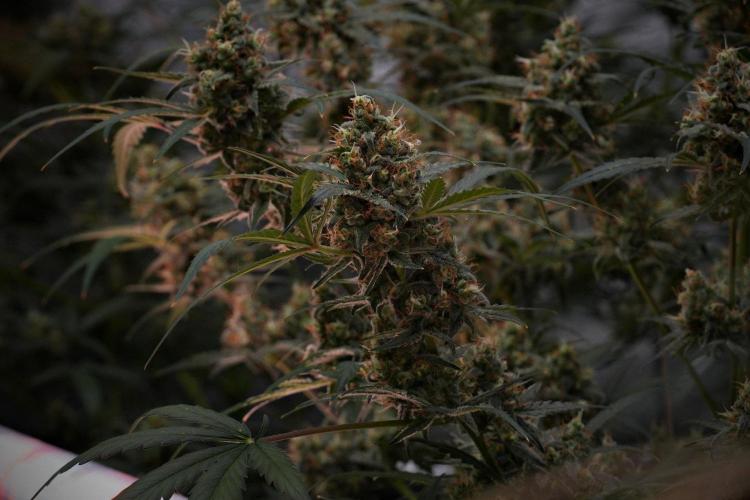
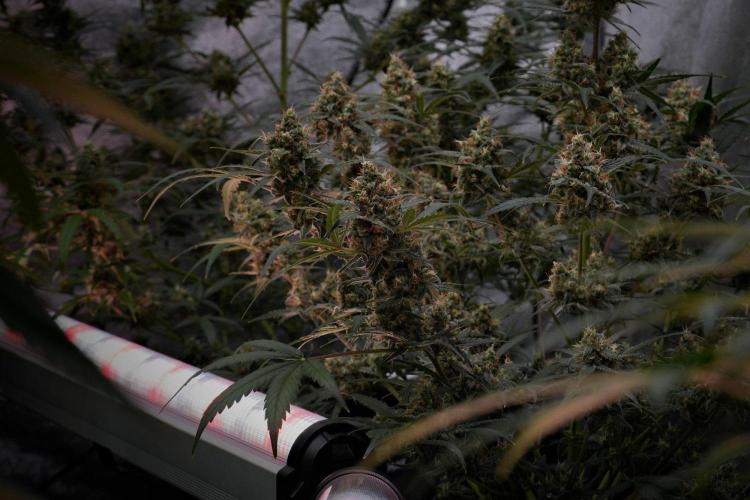
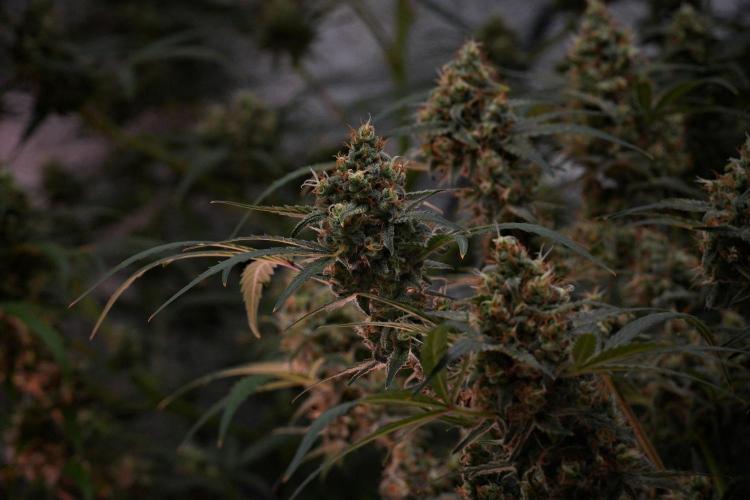
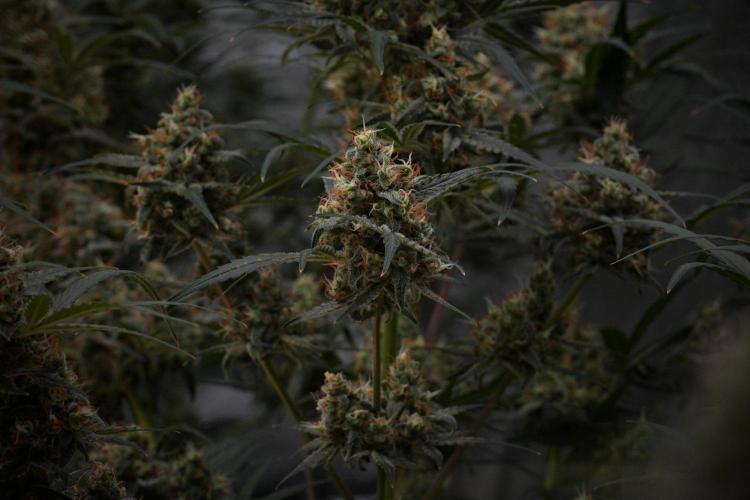
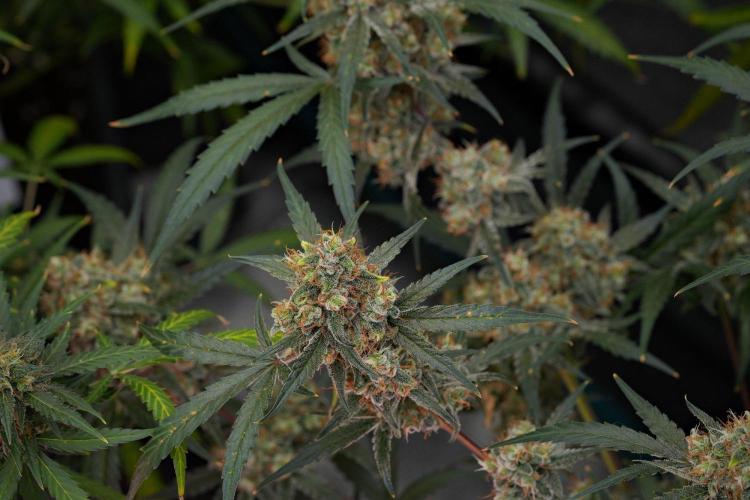
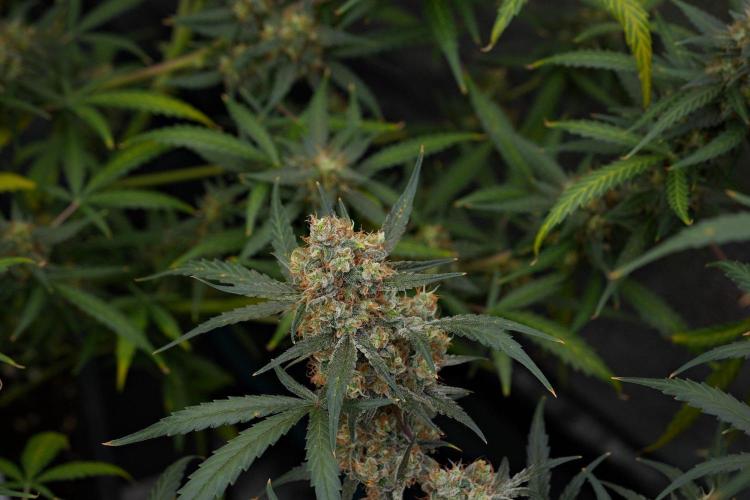
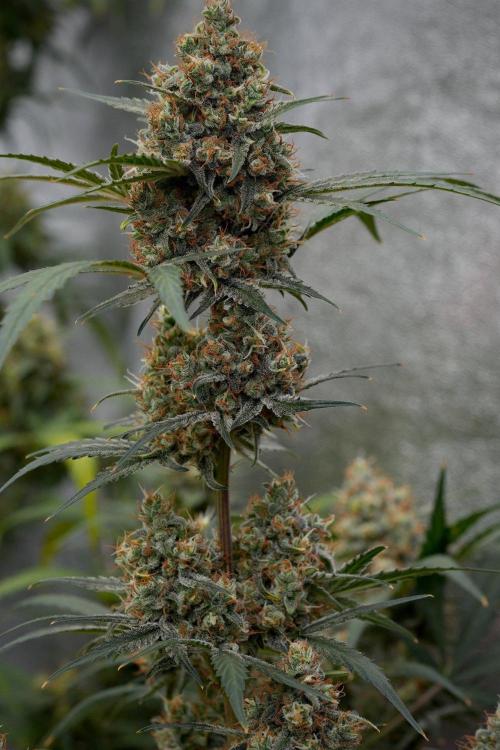
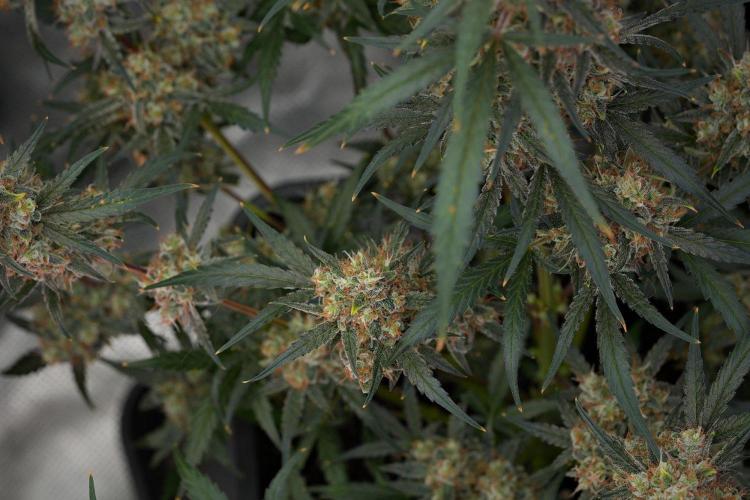
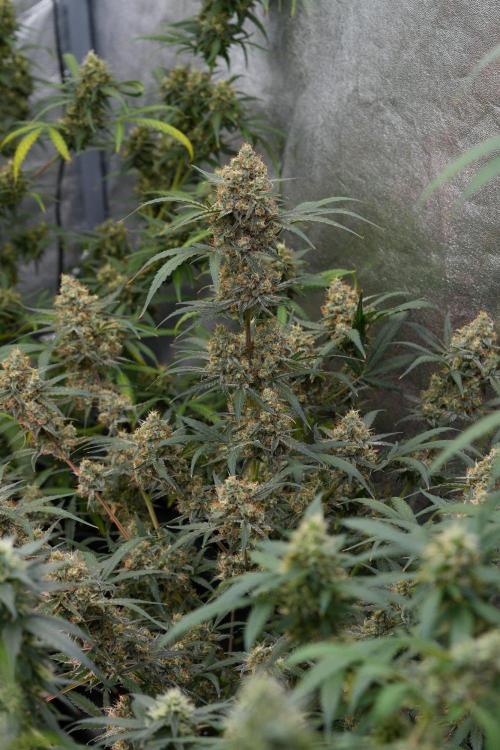
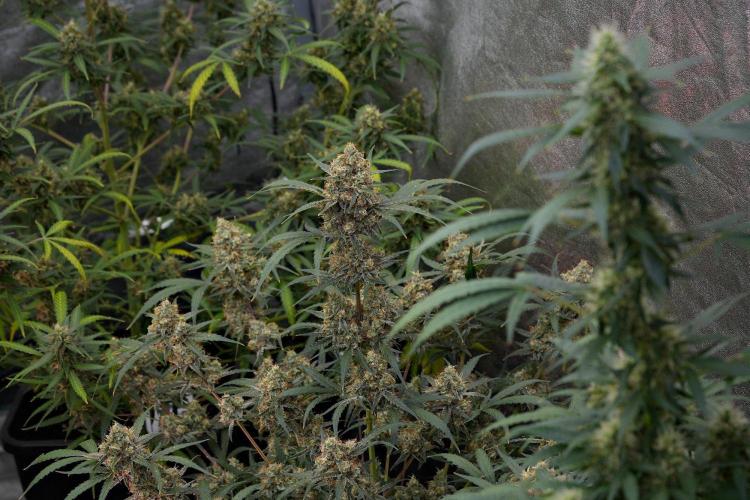
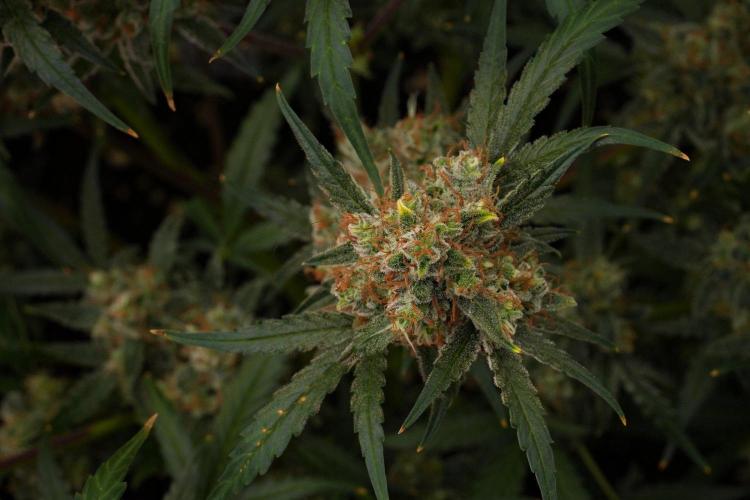
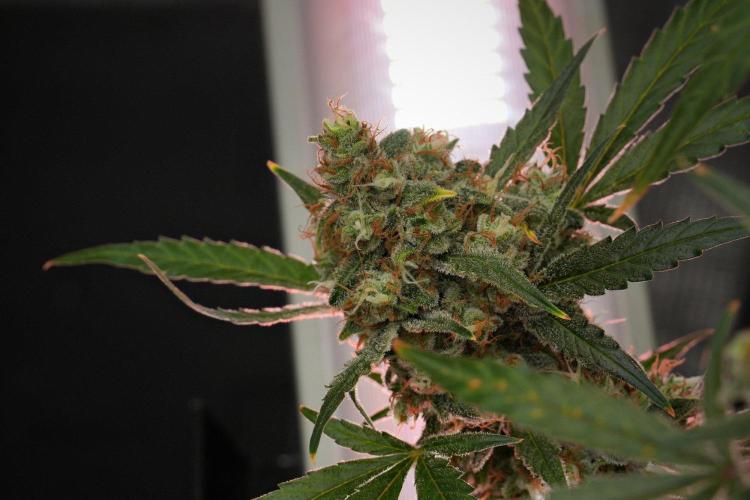
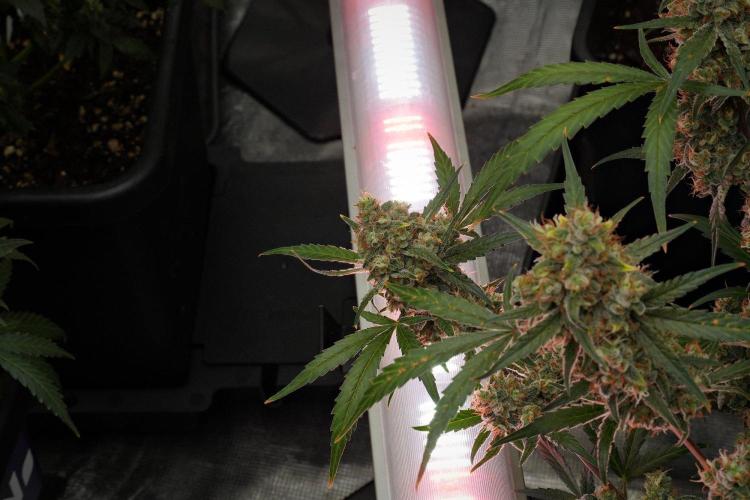
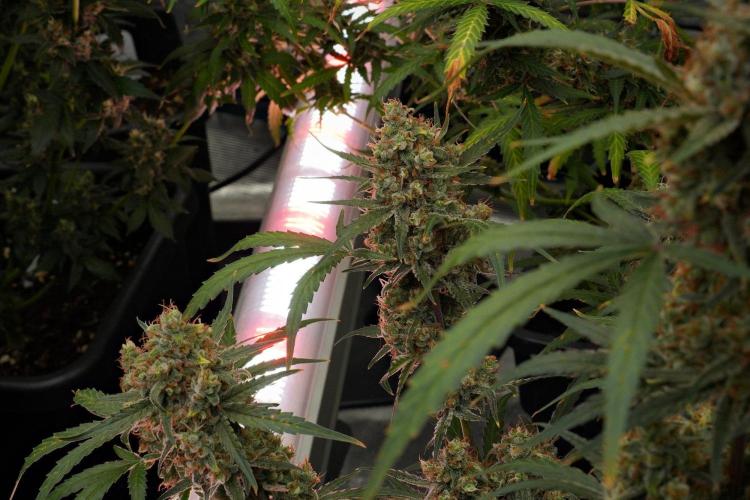
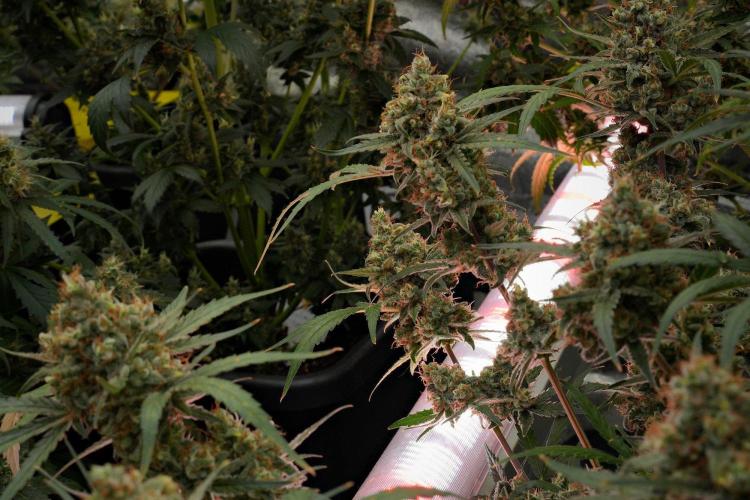
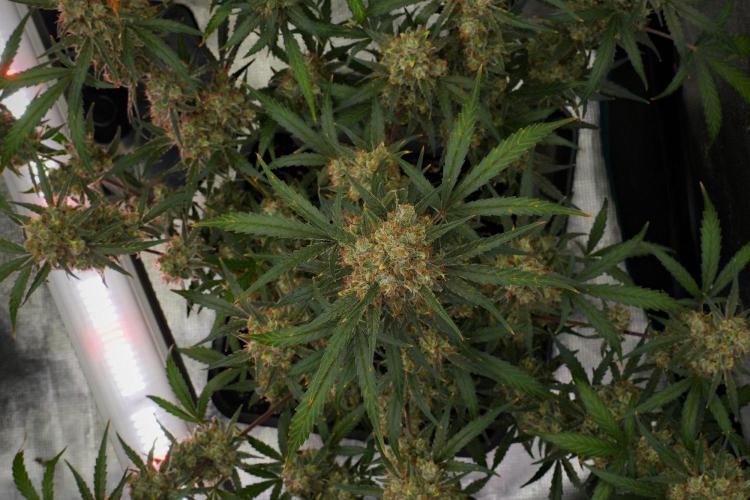
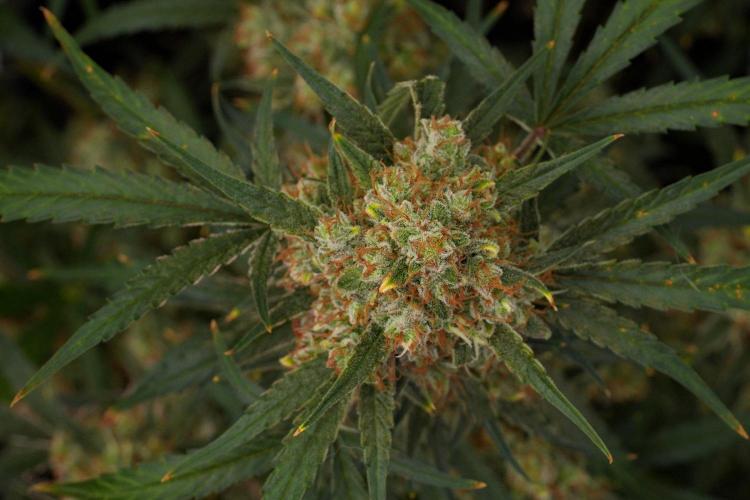
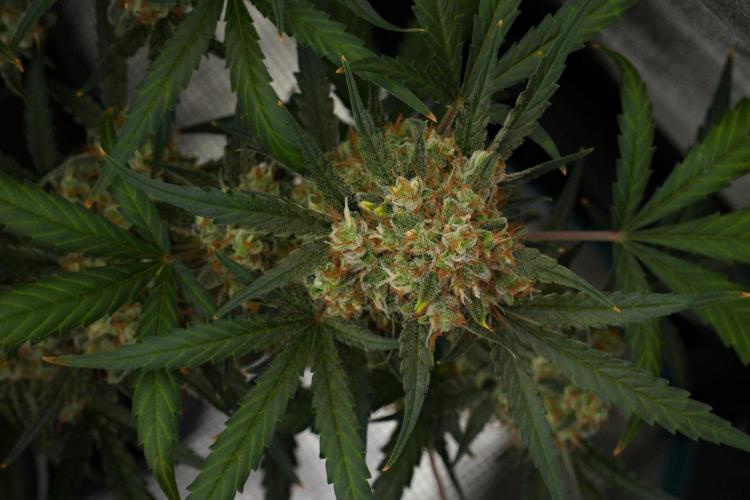
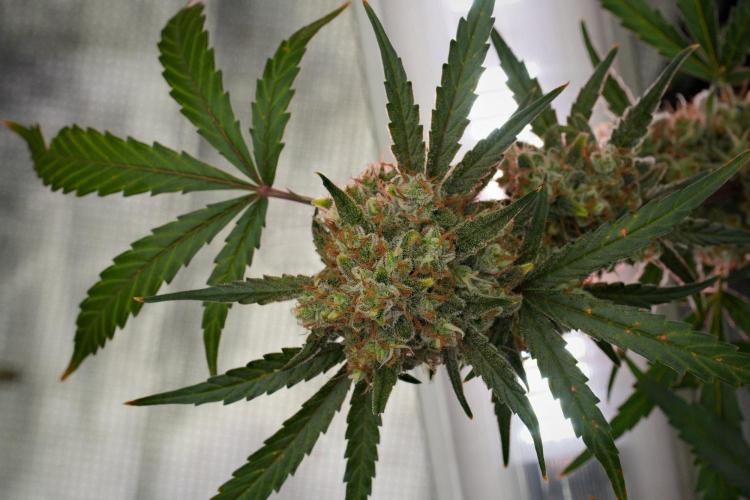
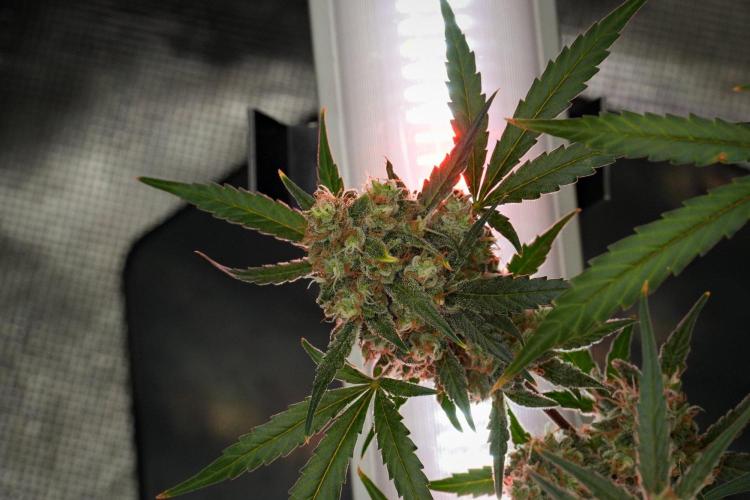
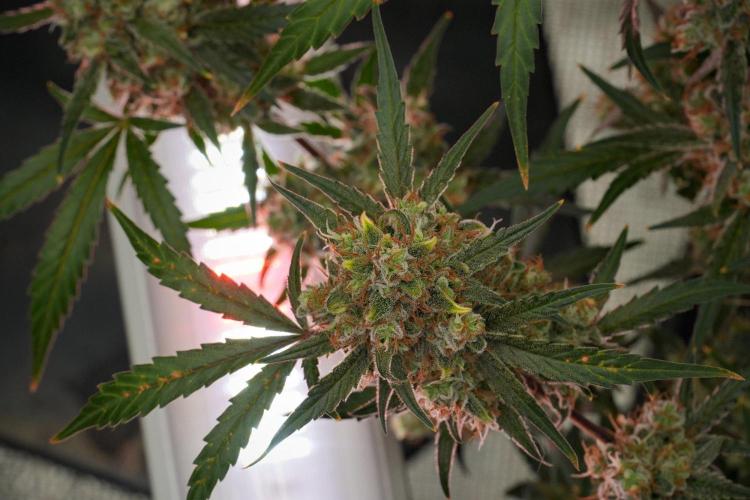
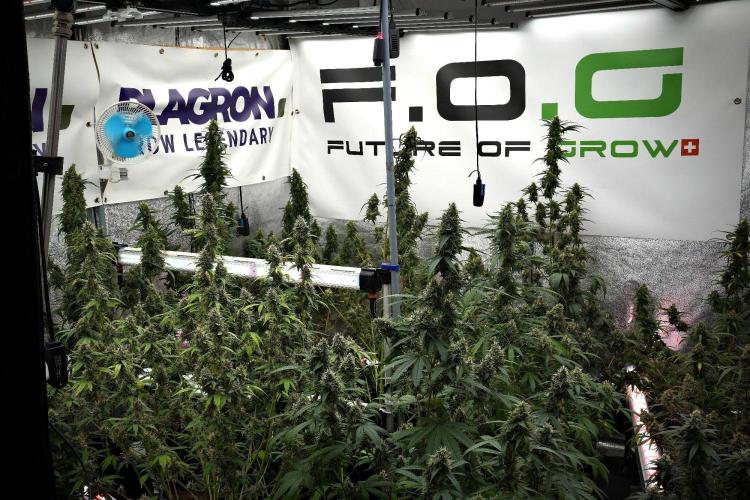
The flower distribution.
The health.
The efficiency of the canopy.
And ultimately...
what she gives you at the end.
And Pink Rosay is giving me plenty of reasons to be excited.
💧 Feeding & Environment
The current program continues consistently:
🌱 Plagron Terra Bloom — 2.2 ml/L
🌿 Plagron Power Buds — 1 ml/L
✨ Plagron Green Sensation — 1 ml/L
🍯 Plagron Sugar Royal — 1 ml/L
⚗️ Lemon Kick / pH adjustment as required
Current recorded conditions:
🌸 Flowering: Week 9
📏 Height: 111 cm
💡 Light schedule: 12/12
🌡️ Day temperature: 29°C
🌙 Night temperature: 25°C
💧 Relative humidity: 60%
⚗️ pH: 6.0
⚡ EC: approximately 2.0 mS/cm
🌡️ Solution temperature: 25°C
🌱 Substrate temperature: 26°C
🌬️ CO₂: 529 ppm
? Pot size: 15 L
💦 Watering: approximately 1.4 L per plant / 24h
Nothing dramatic needs changing.
The plant is progressing.
The environment remains stable.
The flowers are developing.
So we stay consistent and let the biology continue doing the work.
🌬️ Density Means Attention
Because Pink Rosay is so compact and flower-dense, environmental management remains something I pay close attention to.
The more compact the flowering structure becomes, the more important airflow and general cleanliness become.
That's not unique to Pink Rosay.
It's simply part of managing a dense flowering canopy.
And this is also why the work we did previously wasn't simply cosmetic.
Opening selected areas can give light and air better pathways through the structure.
But again...
there is a balance.
I don't want to destroy the very thing that makes this phenotype special.
Her density is part of her identity.
So we're managing it rather than fighting it.
💗 Phenotype Spotlight – One of the Special Ones
I think I'm finally comfortable saying this:
Pink Rosay Pheno A is one of those plants that doesn't come around every day.
Maybe I'm biased.
Of course I am. 😂
I've been watching her develop for weeks.
I've photographed her.
I've watered her.
I've watched her change.
I've watched the flowers develop from tiny early structures into what we're seeing now.
So yes...
I'm attached.
But even objectively looking at her structure, there's something unusual about the relationship between her size and her flowers.
She's small.
She's compact.
She's balanced.
And yet she's carrying an enormous amount of flowering structure for that frame.
That's what makes her interesting.
Not simply that she's beautiful.
It's how she's beautiful.
And that's the difference.
🔭 Where Is She Going?
This is the question now.
And honestly...
I don't know.
That's what makes it exciting.
She's progressing quickly.
The flowers are developing beautifully.
The pistils are changing.
The calyxes are swelling.
The resin is becoming increasingly apparent.
And the structure is already impressive.
But there's still a story left to write.
How much more will those flowers swell?
How much more density will they gain?
How will the resin develop?
How will those compact colas finish?
And ultimately...
what will this little powerhouse look like when she decides she's finished?
I'm very curious.
Because if she continues on this trajectory...
she could be something really special.
❤️ Final Thoughts – Let Her Shine
Pink Rosay Pheno A has officially reached the point where I don't think I can call her simply "the small plant" anymore.
She's small.
Yes.
But that's almost irrelevant now.
Because look at what she's carrying.
Look at the flower-to-plant ratio.
Look at the structure.
Look at the density.
Look at the development.
Look at those flowers.
This is one of those plants where the ruler tells one story...
and the camera tells another.
The ruler says:
111 cm.
The plant says:
"And?" 😂
Because she doesn't need another 50 centimetres.
She has already done an incredible job with the centimetres she has.
She's compact.
She's dense.
She's balanced.
She's beautiful.
She's developing some seriously impressive flowers.
And every week, I find myself liking her more.
So this week, I'm not going to ask whether Pink Rosay might surprise us.
I'm going to say something much simpler:
She already has.
And now I'm just curious to see how far she can take it.
This little lady has earned her spotlight.
Not because she's the biggest.
Not because she's the tallest.
But because she has managed to turn a small frame into something that feels absolutely enormous.
Pink Rosay Pheno A.
Small plant.
Huge flowers.
Beautiful structure.
Exceptional presence.
And one hell of a personality.
💗🌸❄️
🙏 Thank You
A huge thank you once again to Zamnesia for these beautiful Pink Rosay genetics.
Thank you to Plagron for supporting the nutrition throughout the journey.
Thank you to Future of Grow for the Black Series lighting.
Thank you to Lumiflora for bringing the under-canopy lighting into this experiment.
Thank you to TrolMaster for the environmental control.
And, of course, thank you to everyone following the 8×8 Adventure on GrowDiaries.
Every phenotype has something different to teach us.
Every plant writes a different story.
And Pink Rosay Pheno A?
She's writing one of my favourites.
She's small.
She's compact.
She's absolutely packed with flowers.
And she's becoming more beautiful every single week.
So let's keep watching.
Let's keep photographing.
Let's keep learning.
And let's give this little powerhouse exactly what she deserves:
the spotlight. 💗✨
Until next week...
Small frame. Huge flowers. Let her shine.
Growers love and happy growing! 🌱💚🌸
12 likes
4 comments
Share
Used techniques
12-12
Technique
10
Week 10. Flowering
1mo ago
1/59
111 cm
Height
12 hrs
Light Schedule
30 °C
Day Air Temp
6.0
pH
Strong
Smell
1000 PPM
TDS
60 %
Air Humidity
25 °C
Solution Temp
26 °C
Substrate Temp
25 °C
Night Air Temp
15 liters
Pot Size
1.4 liters
Watering Volume
529 PPM
CO₂ Level
Nutrients 7
Pure Zym
1 mll
Sugar Royal
1 mll
Ph Plus
0.03 mll
DogDoctorOfficial 🌸 Pink Rosay Auto by Zamnesia | Pheno A | Week 10
💗 Small Frame. Massive Flower Power. Still Absolutely Beautiful.
Welcome back to another chapter of the 8×8 Adventure! 🌱💚
And this girl...
She's still shining.
Actually, I think I'm becoming a little bit obsessed with her. 😂💗
Because every time I look at Pink Rosay Pheno A, I have the same thought:
"I wish they were all this easy."
Not because the other girls aren't beautiful.
They are.
I love every single one of them for different reasons.
But this girl?
She's just...
easy.
Easy to manage.
Easy to move.
Easy to photograph.
Easy to inspect.
Easy to care for.
She doesn't take up much space.
She doesn't demand much attention.
She doesn't try to take over the room.
And yet somehow...
she's carrying an absolutely ridiculous amount of flower for the space she occupies.
Small frame.
Big personality.
Lots of buds.
Lots of density.
Lots of beauty.
And at Week 10?
She's still doing exactly what she's been doing from the beginning.
Shining. 💗✨
🌱 The 8×8 Adventure — Same Room, Different Stories
For anyone finding this diary for the first time, welcome to the 8×8 Adventure.
The concept is simple:
Give twelve different plants essentially the same opportunity...
and let them show us what they're capable of.
Same room.
Same general environmental strategy.
Same 12/12 lighting schedule.
Same irrigation philosophy.
Same nutritional program.
Same lighting ecosystem.
Same grower.
But different genetics.
Different phenotypes.
Different architectures.
Different personalities.
And Pink Rosay Pheno A has definitely developed one of my favourite personalities in the room.
She's compact.
She's dense.
She's productive.
She's beautiful.
And she doesn't seem interested in making my life difficult.
😂💗
Honestly...
I'll take that.
💗 I Really Love This Plant
I think it's time to admit it.
I really love this plant.
There.
I said it. 😂
There's something incredibly satisfying about a plant like this.
You don't have to constantly work around her.
You don't have to fight for access.
You don't have to figure out how to move a giant structure without bumping into everything around it.
You can simply pick her up, move her where you need her, inspect her, photograph her and put her back.
And then you look at what she's carrying...
and suddenly you realize:
This little girl is not playing around.
She's compact, yes.
But she's carrying a lot.
A lot of flowers.
A lot of density.
A lot of developing weight.
And a lot of personality.
That's a combination I absolutely appreciate.
🌸 Small Plant. Huge Flower Presence.
The height hasn't changed dramatically.
She's still around 111 cm.
And honestly?
That's perfect.
I don't need her to become taller.
I don't need another metre of plant.
I don't need her reaching for the ceiling.
Because she's already using her available space incredibly well.
Look at the flowering structure.
Look at how much of her frame is dedicated to flowers.
Look at the density.
This is what makes her so interesting.
She's not producing a huge amount of empty architecture around the flowers.
She's compact.
She's efficient with her space.
And she's filling that space with beautiful developing flowers.
It's almost like someone took a much larger plant and compressed it.
😂
And I absolutely love it.
🌿 Peculiar Is Beautiful
One word keeps coming back to me with this girl:
peculiar.
And I mean that as a compliment.
She's not generic.
She doesn't look like every other plant in the room.
She has her own proportions.
Her own flower distribution.
Her own architecture.
Her own way of occupying space.
And that's exactly the sort of thing I enjoy finding during an experiment like this.
I like unique.
I like unusual.
I like plants that make me stop and look twice.
Pink Rosay does that.
And the more I watch her develop, the more I appreciate just how special her expression is.
❄️ The Density Keeps Building
At Week 10, the flowers are becoming increasingly substantial.
The developing buds have that wonderful compact appearance that has become one of her defining characteristics.
The calyxes are stacking.
The flowers are gaining density.
The pistils are continuing their progression.
And the resin is becoming increasingly apparent across the flowering structures.
There is something particularly satisfying about seeing these flowers photographed at this stage.
From a distance, you see a compact flowering plant.
Get closer...
and the story changes completely.
Suddenly you're looking at layers of calyxes.
Pistils.
Sugar leaves.
Resin.
Textures.
Tiny details everywhere.
And because this plant is so compact, I can actually get around her easily enough to photograph all of those different angles.
That's another little advantage of having a plant like this.
She's basically a photographer's dream.
😂📸💗
📸 She Makes My Job Easy
I think this deserves its own section.
Because growing isn't only about what the plant produces.
It's also about the relationship you develop with the plant while you're growing it.
And Pink Rosay is simply...
convenient.
She's easy to reach.
Easy to move.
Easy to inspect.
Easy to photograph.
Easy to work around.
She doesn't turn every little task into an engineering project.
😂
And when you're managing an entire 8×8 room full of different plants, those little things matter.
Space matters.
Accessibility matters.
Being able to see what you're doing matters.
Being able to get a camera into the right position matters.
And this girl makes all of that incredibly straightforward.
Then she rewards you with beautiful flowers.
That's a pretty good deal.
✂️ No Need to Keep Touching Her
The selective defoliation from the previous weeks has done its job.
The plant has plenty of healthy foliage remaining.
The flowering structure is visible.
The canopy is manageable.
And I'm not looking for reasons to take more leaves simply because we're now at Week 10.
There's no prize for using the scissors more often.
😂
The goal is a healthy, functional plant.
And Pink Rosay looks exactly like that.
So we're letting her keep doing her thing.
The leaves she has are working.
The flowers are developing.
The plant is progressing.
There's no reason to manufacture intervention where none is needed.
Sometimes the best cultivation decision is simply:
leave her alone.
And that's exactly what we're doing.
💡 Still Eating Photons
The lighting environment remains consistent with the rest of the adventure.
The Future of Grow Black Series LED continues providing the primary overhead lighting, while Lumiflora contributes additional light into the lower canopy.
And Pink Rosay continues converting all of that available energy into exactly what we want to see:
plant.
Leaves.
Branches.
Flowers.
Resin.
Density.
Development.
It's another beautiful example of how twelve plants can share essentially the same environment while expressing themselves completely differently.
Some turn that opportunity into height.
Some into enormous branches.
Some into sprawling canopies.
Pink Rosay seems to have decided:
"I'll just make every centimetre count."
And honestly?
I love that strategy.
💧 Feeding the Little Powerhouse
The nutrition remains consistent with the flowering program used throughout the room:
🌸 Plagron Terra Bloom — 2.2 ml/L
🌱 Plagron Power Buds — 1 ml/L
✨ Plagron Green Sensation — 1 ml/L
🍯 Plagron Sugar Royal — 1 ml/L
⚗️ pH adjustment as required
The current recorded solution strength remains around:
EC: ~2.0 mS/cm
with:
pH: 6.0
Watering has increased slightly to approximately:
💧 1.4 L per plant / 24h
And visually?
She's happy.
That's the important part.
No need to complicate something that's working.
We provide the water.
We provide the nutrients.
We provide the environment.
And she does the rest.
🌡️ Week 10 Conditions
Current recorded conditions:
🌸 Flowering: Week 10
📏 Height: 111 cm
💡 Light schedule: 12/12
🌡️ Day temperature: 29.9°C
🌙 Night temperature: 25°C
💧 Relative humidity: 60%
⚗️ pH: 6.0
⚡ EC/TDS: ~2.0 mS/cm
🌡️ Solution temperature: 25°C
🌱 Substrate temperature: 26°C
🌬️ CO₂: 529 ppm
? Pot size: 15 L
💦 Watering: ~1.4 L per plant / 24h
The environment remains stable.
And stability is exactly what I want while this girl continues finishing her story.
🌸 A Lot of Flower in a Small Package
This is probably the best way I can describe her right now.
A lot of flower in a small package.
😂💗
She doesn't need a huge footprint.
She doesn't need an enormous canopy.
She doesn't need to stretch another fifty centimetres.
She's already doing an excellent job with what she's got.
And when I compare her to some of the enormous plants in the room, the difference is almost funny.
There are girls that require two people to properly navigate around.
Then there's Pink Rosay.
"Excuse me, little lady."
Pick her up.
Move her.
Photograph her.
Inspect her.
Done.
😂
And then you look again...
How the hell are you carrying all of that?
🔬 This Is Exactly Why Phenotypes Are Fun
Pink Rosay is another reminder that size isn't everything.
If I judged plants only by height, I'd miss so much.
Height doesn't tell me how efficiently the plant uses its space.
It doesn't tell me how flowers are distributed.
It doesn't tell me how dense those flowers become.
It doesn't tell me how easy the plant is to manage.
And it certainly doesn't tell me how much I might enjoy growing it.
Pink Rosay has checked a lot of those boxes.
She's compact.
She's manageable.
She's productive-looking.
She's beautiful.
She's peculiar.
And she's fascinating.
That's a pretty damn good phenotype.
📸 This Week's Gallery
And of course...
the camera loves her.
The wider photographs show the compact architecture.
The closer photographs reveal the flower density.
Then you get into the really close shots...
and it's just layers of detail.
Flowers packed together.
Pistils.
Calyxes.
Resin.
Sugar leaves.
Textures.
And that unmistakable Pink Rosay structure.
This is exactly why I enjoy macro photography so much.
The plant can look completely different depending on how close you get.
From across the room:
small plant.
From five centimetres away:
holy shit, look at that flower. 😂💗
💗 One of My Favourites in the Room
I know I've said it before.
And I'll probably say it again.
I love all these plants.
Every single phenotype has something that makes me want to keep watching.
But Pink Rosay Pheno A?
She's definitely one of the girls I have developed a soft spot for.
Maybe it's the compactness.
Maybe it's the flower-to-plant ratio.
Maybe it's how easy she is to work with.
Maybe it's simply because she looks so damn good.
Probably all of the above.
And that's okay.
Sometimes you grow a plant and somewhere along the way you realize:
"Yeah... you're one of my favourites."
That's this girl.
🔭 Looking Ahead
And now I'm very curious to see what the next stage brings.
She's already carrying substantial flower.
She's already dense.
She's already beautiful.
But we're not writing the ending yet.
There is still development ahead.
More maturation.
More resin.
More density.
More changes in the flowers.
And eventually...
the final version of Pink Rosay Pheno A will reveal herself.
That's the part I love.
You can look at a plant and think you already know what you're going to get.
Then she spends another week surprising you.
So let's not rush.
Let's keep providing.
Let's keep observing.
Let's keep photographing.
And let's see what this little powerhouse decides to do next.
✨ Final Thoughts — Let the Little Lady Shine
Week 10.
And I'm still looking at Pink Rosay thinking:
"I wish every plant was this easy."
😂💗
Not because I want every plant to be the same.
Absolutely not.
The differences are the whole reason we're doing this adventure.
But from a grower's perspective?
A compact plant that doesn't demand much space...
doesn't make every task complicated...
is easy to move...
easy to inspect...
easy to photograph...
easy to care for...
and then carries a huge amount of beautiful flower?
Yes please.
I'll take more of those.
😂
She's small.
But she's carrying a lot.
A lot of buds.
A lot of density.
A lot of developing weight.
A lot of resin.
And an enormous amount of personality.
She's peculiar.
She's beautiful.
She's manageable.
She's productive.
And she's become one of those plants that I genuinely enjoy spending time with.
The ruler says:
111 cm.
The plant says:
"That's all I need."
😂💗
And you know what?
She's right.
She doesn't need to be bigger.
She doesn't need to be taller.
She doesn't need to occupy more space.
She has already shown us that sometimes...
less plant can mean more plant.
And Pink Rosay Pheno A?
She's proving that beautifully.
So let's keep giving her what she needs.
Water.
Nutrition.
Light.
A stable environment.
And a little bit of love.
Then we'll step back...
and let her do what she does best.
Shine.
💗🌸❄️✨
🙏 Thank You
A huge thank you to GrowDiaries for giving us a place to document this 8×8 Adventure and share these different expressions week after week.
Thank you to Zamnesia for the Pink Rosay genetics behind this beautiful little powerhouse.
Thank you to Plagron for supporting the nutritional side of the journey.
Thank you to Future of Grow LED for providing the main lighting driving the room.
Thank you to Lumiflora for bringing the under-canopy lighting dimension into the experiment.
Thank you to TrolMaster for helping maintain the environment behind the scenes.
And, of course, thank you to everyone following along.
Every comment.
Every question.
Every observation.
Every photograph.
Every week.
It all becomes part of the story.
And Pink Rosay Pheno A has certainly written one of my favourite chapters.
She's not the tallest.
She's not the biggest.
She doesn't take up much space.
She doesn't demand much attention.
But look at her.
Look at what she's carrying.
A compact frame absolutely loaded with flowers.
Dense.
Beautiful.
Peculiar.
Easy to manage.
Easy to love.
And somehow becoming more impressive every single week.
This little lady has absolutely earned her spotlight.
So let's give it to her.
💗🌸✨
Small frame. Massive flower power.
Keep shining, Pink Rosay.
Growers Love & Happy Growing! 🌱💚🌸
6 likes
comments
Share
Used techniques
12-12
Technique
11
Week 11. Flowering
20d ago
1/45
111 cm
Height
12 hrs
Light Schedule
27 °C
Day Air Temp
6.0
pH
Strong
Smell
1070 PPM
TDS
60 %
Air Humidity
25 °C
Solution Temp
26 °C
Substrate Temp
25 °C
Night Air Temp
15 liters
Pot Size
1.4 liters
Watering Volume
529 PPM
CO₂ Level
Nutrients 7
Pure Zym
1 mll
Sugar Royal
1 mll
Ph Plus
0.03 mll
DogDoctorOfficial 🌸 Pink Rosay Auto by Zamnesia | Pheno A | Week 11
💗 Compact. Charming. Frosty. And Still One of My Absolute Favourites.
Welcome back to another chapter of the 8×8 Adventure! 🌱💚
And honestly...
I don't think I'm going to get tired of saying this.
I wish I had more plants like this one. 😂💗
Because every time I look at Pink Rosay Pheno A, I have exactly the same thought:
"Why can't they all be this easy?"
😂
She's in full auto mode now.
She's growing.
She's developing.
She's doing exactly what she wants to do.
But she's doing it in the most beautifully compact way possible.
She's not trying to take over the room.
She's not reaching for the ceiling.
She's not creating some enormous structure that requires an engineering degree to navigate.
She's simply...
growing.
Beautifully.
Compactly.
Efficiently.
And carrying some absolutely gorgeous flowers.
This girl has charm.
And the more I watch her develop, the more I appreciate it.
💗🌸✨
────────────────────────
🌱 The 8×8 Adventure — Same Room, Different Stories
For anyone discovering this diary for the first time, welcome to the 8×8 Adventure.
The idea behind this project is simple:
Give twelve different plants essentially the same opportunity...
and let them show us what they can do.
Same room.
Same general environment.
Same 12/12 lighting schedule.
Same irrigation philosophy.
Same nutritional program.
Same lighting ecosystem.
Same grower.
But different genetics.
Different phenotypes.
Different structures.
Different personalities.
And Pink Rosay Pheno A continues to be one of the clearest examples of why this experiment is so much fun.
Because while some plants use the same environment to become enormous...
this girl seems to have decided:
"Thank you for all the photons.
I'll just make every centimetre count." 😂💗
And I absolutely love that.
────────────────────────
💗 I Still Wish They Were All Like Her
I said it last week.
I'm saying it again.
And I'll probably say it again next week.
I wish I had more plants like this one.
😂
Not because I don't love the big girls.
I absolutely do.
There is something incredible about seeing a huge plant filling a space with enormous branches and massive flowering structures.
Those plants are spectacular.
But...
they can also be a pain in the ass to manage.
😂
Moving them.
Reaching around them.
Getting the camera into the right position.
Checking everything.
Making space.
Working around branches.
Trying not to knock something over.
And then there's Pink Rosay.
"Hello, little lady."
Pick her up.
Move her.
Inspect her.
Photograph her.
Put her back.
Done.
😂💗
And somehow...
she's carrying flowers that look like they belong on a much larger plant.
That's what gets me.
────────────────────────
🌸 Compact Frame. Huge Flower Presence.
This girl is still proving that size doesn't tell the whole story.
She's compact.
She's manageable.
She's easy to work with.
But look at those flowers.
The formation is beautiful.
The buds are developing into substantial, impressive structures.
The density is becoming one of her defining characteristics.
And the frost?
Absolutely on point.
❄️❄️❄️
This is one of those plants where you can look at the overall structure and think:
"That's a small plant."
Then you look closer...
and suddenly:
"Wait a minute..."
😂
Because the flowers completely change the perspective.
She's not wasting much of her available space.
She's putting her energy into building beautiful flowering structures.
And I think that's part of the charm of this phenotype.
She doesn't need to be enormous to make an impression.
She just needs to be herself.
And she's doing that extremely well.
────────────────────────
✨ The Charm of Pink Rosay
I used the word "charm" earlier.
And I think that's exactly what it is.
There's something about this phenotype that makes me smile.
Maybe it's the proportions.
Maybe it's the compact architecture.
Maybe it's those beautiful flowers.
Maybe it's the way the buds are developing.
Maybe it's the frost.
Maybe it's simply the fact that she's so damn easy to love.
😂💗
She's not dramatic.
She's not demanding.
She's not trying to prove anything.
She's just quietly getting on with the job.
And somehow...
she keeps getting more beautiful.
That's a pretty wonderful personality to have in a room full of twelve very different plants.
────────────────────────
❄️ Frost Is Definitely Showing Up
The resin development is another part of this girl that I really enjoy watching.
As the flowers continue developing, the frost becomes increasingly obvious.
Those little sparkling details start showing themselves everywhere.
From a distance, you see the flowers.
Get closer...
and suddenly the whole thing becomes a completely different world.
Trichomes.
Resin.
Pistils.
Calyxes.
Sugar leaves.
Tiny textures everywhere.
This is one of those stages where macro photography becomes especially addictive.
😂📸
Because every time you zoom in, there's another little detail waiting to be discovered.
And Pink Rosay gives the camera plenty to work with.
────────────────────────
📸 A Photographer's Dream
I've said this before...
but it remains true.
Pink Rosay is incredibly easy to photograph.
And that's not a small thing when you're documenting twelve different plants.
Some plants make you work for the shot.
You have to move around them.
Find an opening.
Move a branch.
Change the camera position.
Try not to bump into something.
😂
Pink Rosay?
She basically cooperates.
She's compact enough that I can get around her.
Her flowers are accessible.
Her structure is easy to understand.
And once the camera gets close...
she starts telling her own story.
Wide shot:
"Nice little plant."
Closer shot:
"Okay..."
Macro:
"Holy shit, look at that frost." 😂💗❄️
That's exactly what I love about photographing plants.
The closer you get, the more complicated and beautiful the story becomes.
────────────────────────
💡 Still Eating Photons
The room continues operating under the same upgraded lighting setup.
The Future of Grow Black Series LEDs are providing the main overhead lighting, with the additional fixtures now part of the room's lighting ecosystem.
After adding the two extra Black Series 600W fixtures, the initial output was higher than we wanted, so we reduced the power to approximately 59% from the plug.
The result?
Around 1,500 PPFD across the upper canopy, with the intensity naturally decreasing depending on plant height and position.
And Pink Rosay?
She's using those photons in her own way.
Some plants respond to the same environment with enormous vertical growth.
Some create wider structures.
Some build huge canopies.
And this little lady seems to say:
"I don't need to be tall.
Just give me the photons and watch what I do with them." 😂💗
And honestly...
I'm impressed.
────────────────────────
💡 More Capability Without Chasing Maximum Power
One thing I really like about this lighting upgrade is that we don't need to run everything at full power simply because the fixtures are capable of it.
Having more lighting capacity gives us flexibility.
We can distribute the photons across the room.
We can reach the canopy properly.
And we can dial the output back to where we actually want it.
That's a very different thing from simply turning everything to 100% and calling it a day.
The goal is not maximum power.
The goal is providing the room with the right lighting environment.
And right now, Pink Rosay seems very happy with what she's receiving.
A huge thank you again to Future of Grow for supplying the additional Black Series fixtures for us to test in this adventure. 🙏💡
They've added another dimension to the room, and it's fascinating watching all these different phenotypes respond to the same photons in completely different ways.
────────────────────────
🌱 Nutrition — Another Small Step Forward
The nutrition program has also been updated across the room.
Terra Bloom has been increased from:
🌸 Plagron Terra Bloom — 2.3 ml/L
Alongside:
🌱 Plagron Power Buds — 1 ml/L
✨ Plagron Green Sensation — 1 ml/L
🍯 Plagron Sugar Royal — 1 ml/L
⚗️ pH adjustment as required
The increased Terra Bloom has brought the solution strength slightly higher, currently around:
⚡ EC: ~2.14 mS/cm
And Pink Rosay continues looking happy with the program.
Again...
we're not trying to reinvent the wheel.
The environment is stable.
The nutrition is consistent.
The lighting has been upgraded.
The plant is developing beautifully.
So our job is mostly to provide the conditions...
and let her do the rest.
────────────────────────
✂️ No Need to Overcomplicate a Good Thing
One of the things I appreciate most about Pink Rosay is that she doesn't constantly ask for intervention.
The major structural work was already done earlier.
She's healthy.
She's accessible.
Her flowers are visible.
Her canopy is manageable.
And now?
We're mostly observing.
There is absolutely no prize for using scissors just because you have scissors.
😂✂️
Sometimes the best thing you can do for a plant is stop trying to find something to do to it.
Healthy leaves are still working.
Flowers are developing.
The structure is functioning.
So we let her continue.
Water.
Nutrition.
Light.
Environment.
Observation.
And a little bit of love.
That's enough.
────────────────────────
💧 Week 11 — Same Room, Same Girl, More Flower
The room remains stable and the overall strategy is unchanged.
Current conditions:
🌸 Flowering: Week 11
💡 Light schedule: 12/12
💡 Future of Grow Black Series LEDs: upgraded setup
💡 Approx. power after adjustment: ~59% from the plug
☀️ Upper-canopy PPFD: ~1,500
🌡️ Day temperature: ~26.5°C
🌙 Night temperature: ~26°C
💧 Relative humidity: ~61%
⚗️ pH: ~6.02
⚡ EC: ~2.14 mS/cm
🌡️ Solution temperature: ~25°C
🌱 Substrate temperature: ~25°C
🌬️ CO₂: ~693 ppm
🌱 Pot size: 15 L
💦 Irrigation: ~1.45 L per plant / 24h
Same room.
Same environment.
Same general care.
Same upgrades.
Different plant.
And Pink Rosay continues proving exactly why phenotype variation is so fascinating.
────────────────────────
🌸 She's Doing Her Own Thing
There's something almost funny about watching this girl.
She's clearly in auto mode.
She's developing at her own rhythm.
She's progressing.
She's building flowers.
She's getting frosty.
She's becoming more substantial.
But she isn't doing any of it in a dramatic way.
She's just...
doing it.
😂💗
No giant stretch.
No enormous footprint.
No "move me or I will take over the tent" attitude.
Just:
"Here are my flowers.
They're getting bigger.
They're getting prettier.
And yes, I'm going to keep doing this."
😂
I can respect that.
────────────────────────
🔬 Same Environment. Completely Different Expression.
This is one of the parts of the 8×8 Adventure that I never get tired of.
We can provide essentially the same environment to all twelve plants...
and they interpret it completely differently.
Same photons.
Same room.
Same schedule.
Same nutrition.
Same irrigation philosophy.
And yet one plant stretches.
Another stays compact.
One builds long branches.
Another builds dense clusters.
One demands space.
Another makes every centimetre count.
And Pink Rosay?
She's showing us what her particular genetics want to do.
Compact.
Beautiful.
Dense.
Frosty.
Manageable.
Charming.
That's her story.
────────────────────────
💗 One of the Plants I Really Don't Want to End
I'm going to be honest...
these are the plants that make me wish the diary didn't eventually have to end.
😂
Because she's just so enjoyable to watch.
Every week I look at her and think:
"Yep.
Still love this one."
She's not necessarily the biggest plant.
She's not trying to win a height competition.
She's not trying to dominate the room.
But she keeps catching my attention.
And maybe that's the most important thing.
Because sometimes a plant doesn't need to be spectacular from across the room.
Sometimes you get closer...
and that's when the magic happens.
Pink Rosay is one of those plants.
────────────────────────
🔭 Looking Ahead
And now I'm genuinely curious to see where this little powerhouse takes us.
The flower formation is beautiful.
The buds are substantial.
The frost is impressive.
The plant remains compact.
And she's continuing to develop in her own unmistakable way.
So I'm not going to try to predict the ending.
I'm just going to keep watching.
Keep photographing.
Keep documenting.
Keep providing the environment.
And let Pink Rosay reveal the final version of herself when she's ready.
That's the fun part.
We don't need to rush the story.
We just need to let her finish writing it.
────────────────────────
✨ Final Thoughts — Give This Girl Her Spotlight
Week 11.
And once again...
I wish I had more plants like this one.
😂💗
She's compact.
She's beautiful.
She's easy to manage.
She's easy to move.
She's easy to photograph.
She's developing impressive flowers.
Her bud formation is absolutely beautiful.
Her frost is on point.
And she carries herself with this quiet little charm that I genuinely love.
Meanwhile, somewhere else in the room, there are plants that require a navigation system just to walk around them.
😂🌳
And Pink Rosay is sitting there like:
"I don't know what their problem is."
😂💗
She's proof that bigger isn't automatically better.
Sometimes a smaller plant can be incredibly impressive when she knows exactly how to use the space she's given.
And this girl?
She knows.
She doesn't need another metre of height.
She doesn't need a massive footprint.
She doesn't need to fill every corner.
She just needs to keep doing what she's already doing.
Growing.
Stacking.
Frosting.
Building.
Shining.
And being completely, unapologetically Pink Rosay.
💗🌸❄️✨
So yes...
I'll say it again.
I wish I had more plants like her.
But then again...
if every plant behaved like Pink Rosay, we'd lose some of the madness that makes the 8×8 Adventure so much fun.
😂
So I'll keep the giants.
I'll keep the wild ones.
I'll keep the difficult ones.
I'll keep the plants that make me work for every photograph.
Because they're all part of the experiment.
But this little lady?
She's getting a very special place in my heart.
Compact frame.
Massive flower presence.
Beautiful formation.
Serious frost.
And an enormous amount of charm.
Pink Rosay Pheno A...
you've absolutely earned your spotlight.
💗🌸✨
Keep shining, little lady.
────────────────────────
🙏 Thank You
A huge thank you to GrowDiaries for giving us the space to document the 8×8 Adventure and share these individual stories week after week.
Thank you to Zamnesia for the Pink Rosay genetics behind this beautiful phenotype. 💗🌸
Thank you to Plagron for supporting the nutritional side of the journey. 🌱
Thank you to Future of Grow for the incredible Black Series lighting and for supplying the additional fixtures we're now testing in the 8×8 Adventure. 💡🙏
Thank you to Lumiflora for adding another lighting dimension deeper into the canopy.
Thank you to TrolMaster for helping us keep the environment under control behind the scenes.
And of course...
thank you to everyone following along.
Every comment.
Every question.
Every observation.
Every photograph.
Every week spent following these girls.
It all becomes part of the story.
And Pink Rosay Pheno A?
She's certainly writing one of my favourite chapters.
Small.
Compact.
Frosty.
Beautiful.
Easy to manage.
And carrying flowers that make her look anything but small.
💗🌸❄️✨
Let's keep giving her what she needs...
and let her do what she does best.
Shine.
Growers Love & Happy Growing! 🌱💚🌸
6 likes
comments
Share
Used techniques
12-12
Technique
12
Week 12. Flowering
12d ago
1/29
111 cm
Height
12 hrs
Light Schedule
27 °C
Day Air Temp
6.1
pH
Strong
Smell
1025 PPM
TDS
60 %
Air Humidity
25 °C
Solution Temp
26 °C
Substrate Temp
25 °C
Night Air Temp
15 liters
Pot Size
1.4 liters
Watering Volume
529 PPM
CO₂ Level
Nutrients 7
Pure Zym
1 mll
Sugar Royal
1 mll
Ph Plus
0.03 mll
DogDoctorOfficial 🌸 Pink Rosay Auto by Zamnesia | Pheno A | Week 12
💗 The Compact Princess Is Getting LOUD 👑🍇🌿
Welcome back to another chapter of the 8×8 Adventure! 🌱💚
Okay...
I have to admit something.
I'm still completely in love with this girl.
😂💗
I know.
I know.
I've said it before.
I've said it last week.
And I'm probably going to say it again next week.
But...
what can I do?
She's still my favourite plant in the room.
There.
I said it again.
😂💗👑
And the funny thing is...
she isn't even the biggest.
She's not the smallest either.
She's not some tiny little plant hiding in the corner.
She's simply...
herself.
She's compact without being tiny.
She's substantial without being enormous.
She's got presence without taking over the room.
And somehow...
this beautiful little princess is becoming LOUD.
And when I say loud...
I mean...
LOUD.
😂😂😂
I walk into the room...
and I can smell her.
I get closer...
and it gets stronger.
Closer again...
and suddenly I'm wondering:
"How the hell is THAT much aroma coming out of THIS plant?"
😂🍇💗
And the smell?
This is where I'm struggling to describe it.
It's fruity.
It's sweet.
There's something grape-like.
Something that reminds me of walking through a vineyard...
but not the vineyard during harvest.
No.
It's more like...
walking through a vineyard surrounded by mature, ripe grapes.
🍇🍇🍇
That's the closest I can get.
And honestly?
It's beautiful.
So...
our compact princess is still my favourite.
She's still beautiful.
She's still doing her thing.
And now...
she's becoming one of the loudest girls in the room.
Let's give her the spotlight.
💗👑🌸
────────────────────────
👑 THE COMPACT PRINCESS
────────────────────────
I've officially stopped trying to find a better name for her.
She's the Compact Princess.
😂💗👑
Because that's exactly what she feels like.
She's not huge.
She's not tiny.
She's not trying to become the biggest plant in the room.
She's simply sitting there...
looking beautiful...
building flowers...
and apparently producing enough aroma to announce her presence to the entire tent.
😂
And I absolutely love that combination.
There's something very satisfying about a plant that doesn't need enormous physical size to make itself noticed.
She doesn't have to reach the ceiling.
She doesn't have to fill every available centimetre.
She doesn't have to push everybody else out of the way.
She simply exists...
and you notice her.
Especially with your nose.
😂🍇
────────────────────────
💗 STILL MY FAVOURITE
────────────────────────
I'm going to be completely honest.
Out of all the girls in this room...
she's still my favourite.
And that's not because she's necessarily the most impressive plant from a purely visual or structural point of view.
There are bigger plants.
There are more dramatic plants.
There are girls with enormous structures.
There are girls that absolutely dominate their corners.
There are girls that make you stop and say:
"Jesus Christ..."
😂🌿
But Pink Rosay?
She makes me smile.
That's different.
There's something about her proportions.
Her personality.
Her flowers.
Her compact nature.
Her ease.
Her smell.
Her overall appearance.
Everything together just works for me.
She's one of those plants where I walk into the room...
find her...
and immediately think:
"Yep.
That's my girl."
😂💗👑
And honestly?
I wouldn't change her.
────────────────────────
🍇 WHAT THE HELL IS THAT SMELL?
────────────────────────
Now let's talk about the elephant in the room.
Or perhaps...
the grape vineyard in the room.
😂🍇
Because this girl is LOUD.
Really loud.
The aroma is becoming impossible to ignore.
And I'm having a hard time putting my finger on exactly what I'm smelling.
It's fruity.
It's sweet.
There's something almost grape-like.
There's a richness to it.
A mature sweetness.
And the weirdest part is that my brain keeps giving me the same image:
A vineyard.
🍇🌿
Not freshly picked grapes.
Not grape candy.
Not artificial grape flavour.
More like...
mature grapes hanging on the vine.
That sweet, fruity, almost heavy aroma you get when you walk through a vineyard when the fruit is fully developed.
That's what she keeps reminding me of.
And I absolutely love it.
😂💗🍇
Maybe next week I'll finally figure out exactly what she's trying to tell me.
Or maybe she simply smells like Pink Rosay.
And that's the answer.
────────────────────────
🌸 SMALLER FRAME — BIGGER PERSONALITY
────────────────────────
This is one of the things I find so fascinating about her.
You look at the plant...
and she's not enormous.
She's not one of the giants.
But then you get close.
And suddenly...
there's flower everywhere.
The structures are developing beautifully.
The buds have presence.
The resin is becoming more obvious.
The plant is carrying herself beautifully.
And now...
that aroma.
😂🍇
It's almost like she's compensating for every centimetre she doesn't occupy with another level of personality.
"I'm not going to take over your room.
I'll just make sure you know I'm here."
😂💗
Fair enough.
Message received.
────────────────────────
❄️ THE FROSTY LITTLE PRINCESS
────────────────────────
And visually?
She's still absolutely beautiful.
The flowers continue to develop that gorgeous frosty appearance.
The resin is becoming increasingly obvious.
The camera gets closer...
and suddenly you see another layer.
Trichomes.
Pistils.
Flower structure.
Sugar leaves.
Texture.
All those little details that disappear when you're standing across the room.
That's another reason I love photographing her.
She's easy to photograph from the outside...
but she's even more interesting when you get closer.
And that's exactly what these photographs are showing.
The plant may have a manageable footprint...
but there's a lot happening inside that footprint.
💗❄️🌸
────────────────────────
📸 SHE MAKES MY JOB EASY
────────────────────────
I have to admit...
Pink Rosay is one of those plants that makes the photographer's life easy.
😂📸
She's accessible.
Her structure is easy to understand.
Her flowers are visible.
And now that they're becoming more developed...
there's something interesting everywhere you point the camera.
A wider shot gives you the whole personality.
A closer shot gives you the flower structure.
And then you go macro...
and suddenly you're lost in a world of frost.
😂❄️📸
That's one of the reasons I enjoy documenting this stage.
Every week adds another layer.
The plant doesn't suddenly become completely different.
She simply becomes more herself.
And Pink Rosay's "herself" is looking pretty damn good.
────────────────────────
🌿 THE 8×8 ADVENTURE — SAME ROOM, DIFFERENT STORY
────────────────────────
For anyone joining this diary now...
welcome to the madness.
😂🌿
The 8×8 Adventure is about putting twelve different genetic expressions into the same general environment and watching what happens.
Same room.
Same lighting ecosystem.
Same general environmental strategy.
Same 12/12 schedule.
Same grower.
Same overall nutritional philosophy.
And yet...
completely different plants.
Some are enormous.
Some are compact.
Some stretch.
Some barely seem interested in stretching.
Some are loud.
Some are quiet.
Some smell fruity.
Some smell completely different.
Some build huge flowers.
Some build dense little structures.
And Pink Rosay?
She's showing us that a plant doesn't need to be enormous to become unforgettable.
💗🌿
She's her own story.
And that's exactly what we came here to document.
────────────────────────
💡 SAME PHOTONS. DIFFERENT INTERPRETATION.
────────────────────────
The lighting environment remains part of the same upgraded setup we've been running across the room.
The additional Future of Grow Black Series 600W fixtures have given us more lighting capability and more flexibility across the canopy.
But the important part isn't simply having more power.
It's having control.
We don't need to run everything flat out just because we can.
We adjust.
We observe.
We let the plants respond.
And Pink Rosay is receiving the same general lighting environment as everybody else.
Yet look at her.
She's interpreting those photons in her own way.
She's not trying to become a giant.
She's simply using what she's receiving to keep building.
And honestly...
she seems pretty happy with the arrangement.
💡☀️💗
────────────────────────
☀️ THE ARTIFICIAL SUN KEEPS SHINING
────────────────────────
This is still one of my favourite parts of this whole experiment.
We create one artificial sun.
We put all these different plants underneath it.
And then...
they tell us what they want to become.
😂
We don't get twelve identical answers.
We get twelve different interpretations.
Pink Rosay's answer seems to be:
"Give me light.
I'll give you flowers.
And I'll give you enough smell to make sure you don't forget where I am."
😂🍇💗
I can live with that.
────────────────────────
⚗️ THE ROOM IS STARTING TO SLOW DOWN
────────────────────────
We're also moving into that transition period across the room where the nutritional program begins to step down.
And this is where the grower's role becomes even more about observation.
The major work?
Done.
The plants have built their structures.
They've developed their flowers.
They've established themselves.
Now we're watching them mature.
We're not trying to force another giant growth phase.
We're not trying to reinvent the plants.
We're simply continuing to provide what they need while watching the story unfold.
And Pink Rosay?
She's doing exactly what Pink Rosay does.
😂💗
Growing.
Developing.
Smelling absolutely fantastic.
And making me wonder where she's going next.
────────────────────────
✂️ THE WORK IS MOSTLY DONE
────────────────────────
This is probably the biggest thing I feel at this point in the adventure.
The heavy lifting is behind us.
Earlier in the grow, there was plenty to do.
Structure.
Training.
Tucking.
Adjustments.
Canopy work.
Watching the stretch.
Making decisions.
Solving little problems.
Now?
Not so much.
😂
And that's okay.
Because the plants are doing the work.
Our job now is to provide.
Observe.
Maintain.
Adjust when necessary.
And wait.
Eventually, of course...
the harvest work will come.
And then the gloves come off.
😂✂️
But we're not there yet.
For now...
we're watching.
And Pink Rosay is putting on quite a show.
────────────────────────
🍇 THE AROMA IS BECOMING PART OF THE DIARY
────────────────────────
I think this deserves another mention because it's genuinely becoming one of the defining characteristics of this girl.
The aroma.
It's no longer something I have to search for.
It's there.
She's announcing herself.
😂🍇
And I keep coming back to that vineyard comparison.
It's strange.
But it's the closest description my brain can find.
Fruity.
Sweet.
Grape-like.
Rich.
Mature.
Almost as if you're standing between rows of grapevines with the fruit hanging there fully developed.
That's the impression.
And the crazy part?
She's not some massive plant filling the entire room.
She's relatively compact.
Yet somehow...
she's one of the girls making sure the whole room knows she's here.
😂💗🍇
I absolutely love that.
────────────────────────
💗 HOW CAN SOMETHING THIS COMPACT BE THIS LOUD?
────────────────────────
Seriously.
How?
😂
This is the question of the week.
How can a plant with this kind of footprint produce this kind of presence?
It's almost unfair.
She's not physically dominating the room.
She's not towering over everybody.
But between the flowers...
the frost...
the structure...
and now the aroma...
she has absolutely no problem making herself noticed.
She's basically saying:
"You may not see me first...
but you'll smell me."
😂🍇👑
Okay, princess.
Message received.
────────────────────────
🌸 THE FLOWERS KEEP GETTING MORE INTERESTING
────────────────────────
And underneath all the aroma...
the flowers are still progressing beautifully.
They're becoming more substantial.
The structures are becoming increasingly mature.
The resin remains one of the visual highlights.
The pistils continue to give the flowers their own character.
And when you look at the plant as a whole...
she has that beautiful combination of compact structure and serious flower presence.
That's what I keep coming back to.
She's not huge.
She's not tiny.
She's simply...
Pink Rosay.
And somehow that's enough to make her stand out.
────────────────────────
👑 MY COMPACT PRINCESS
────────────────────────
I think the nickname is officially permanent.
😂💗👑
My Compact Princess.
Not because she's the smallest.
Not because she's the biggest.
But because she's got this little combination of elegance, structure, beauty and personality that keeps pulling my attention back to her.
She's one of the plants where I don't need to invent a reason to be excited.
I just walk in...
look at her...
and smile.
And now I walk in...
smell her...
and smile even more.
😂🍇💗
That's a pretty good plant.
────────────────────────
🔍 WHAT AM I WATCHING NOW?
────────────────────────
At this stage, my questions are becoming very simple.
🌸 How much more will the flowers develop?
❄️ How much more frost will she show?
🍇 Where is this aroma going?
🌿 How will her colours continue to evolve?
💗 How much more character will she reveal?
And perhaps the biggest question:
What the hell is this girl going to smell like when she decides she's completely finished?
😂🍇
I genuinely don't know.
And I'm very curious.
We're still watching.
Still documenting.
Still enjoying.
No predictions.
No forcing.
Just letting Pink Rosay tell us where she's going.
────────────────────────
😂 SOMETIMES THE PLANT DOESN'T NEED OUR HELP
────────────────────────
This is another thing I've really learned from this run.
Sometimes...
you just have to get out of the way.
😂
The plant doesn't need another intervention.
She doesn't need me trying to make her bigger.
She doesn't need me trying to make her taller.
She doesn't need me trying to change her personality.
She's already doing beautifully.
So what am I going to do?
I'm going to give her what she needs.
I'm going to keep an eye on her.
I'm going to make the adjustments that actually matter.
And then...
I'm going to let her do her thing.
Because apparently...
she's pretty good at it.
💗🌿
────────────────────────
🌸 SHE'S STILL MOVING
────────────────────────
Even though we're getting into the quieter part of the grow...
she's still moving.
She's still developing.
She's still changing.
She's still becoming more fragrant.
She's still building.
And that's what makes these weekly reports worthwhile.
Because every week gives us another little piece of the puzzle.
Sometimes the change is dramatic.
Sometimes it's subtle.
And sometimes...
it's simply:
"She's even louder this week."
😂🍇
I'll take that.
────────────────────────
💭 FINAL THOUGHTS — I STILL LOVE THIS GIRL
────────────────────────
Week 12.
Pink Rosay Auto.
Pheno A.
My Compact Princess.
And yes...
I'm still completely in love with her.
😂💗👑
She's not the biggest.
She's not the smallest.
She's not trying to be either.
She's simply herself.
Beautiful.
Compact.
Substantial.
Frosty.
Flower-loaded.
Easy to appreciate.
And now...
ridiculously aromatic.
🍇🍇🍇
The fruity sweetness.
The grape-like character.
That mature vineyard feeling.
It's becoming one of the most memorable parts of her story.
And I'm genuinely curious to see where it goes from here.
Because if she's already this loud...
what happens next?
😂
I don't know.
And that's exactly why I'm watching.
The big work is mostly behind us.
The plants have done the structural work.
Now they're writing the final chapters of their flowering stories.
Eventually we'll enter the harvest chapters.
Eventually we'll get the scissors.
Eventually we'll trim.
Eventually we'll dry.
Eventually we'll cure.
But for now?
No rush.
We're still here.
Watching the flowers.
Smelling the room.
Taking photographs.
And enjoying every little change.
And Pink Rosay?
She's standing there like the little princess she is...
quietly looking beautiful...
while absolutely screaming her presence through the entire room.
😂💗🍇👑
How can something this compact be this loud?
I have no idea.
But I absolutely love it.
So let's give her the spotlight.
Let's let her shine.
Let's appreciate the flowers.
Let's appreciate the frost.
Let's appreciate the structure.
Let's appreciate the aroma.
And let's see where this beautiful girl decides to take us next.
Pink Rosay Pheno A...
still my favourite.
Still my Compact Princess.
Still absolutely beautiful.
And now...
officially one of the loudest girls in the room.
💗🍇🌸❄️👑
────────────────────────
🙏 THANK YOU
────────────────────────
Another week.
Another chapter.
And another reminder that sometimes the plants you fall in love with aren't necessarily the biggest ones.
They're simply the ones that speak to you.
And Pink Rosay?
She speaks loudly.
😂🍇💗
A huge thank you to GrowDiaries for giving us the space to document the 8×8 Adventure and share these individual stories week after week.
Thank you to Zamnesia for the Pink Rosay genetics and for giving us this beautiful little princess to follow. 🌸💗
Thank you to Plagron for supporting the nutritional side of the journey. 🌱
A huge thank you to Future of Grow for the Black Series lighting and especially for supplying the additional fixtures that have allowed us to expand the lighting capability of the room. 💡💚
Thank you to LumiFlora for helping illuminate the deeper areas of the canopy.
Thank you to TrolMaster for helping keep the environment stable behind the scenes.
And of course...
thank you to everyone following the 8×8 Adventure.
Every comment.
Every question.
Every observation.
Every person who stops by each week to see what these girls are doing.
It genuinely means a lot.
And Pink Rosay?
You're still my favourite.
😂💗👑
Not because you're the biggest.
Not because you're the smallest.
Not because you're trying to be anything other than yourself.
But because you're simply...
you.
Beautiful.
Compact.
Frosty.
Flower-loaded.
Sweet.
Fruity.
Grape-like.
And LOUD.
Very, very loud.
😂🍇🍇🍇
So let's keep watching.
Let's keep documenting.
Let's keep enjoying the ride.
The big work is mostly done.
Now we watch the plants write the final parts of this chapter.
And this Compact Princess?
She's definitely got more to say.
💗🌸🍇❄️👑
Growers Love, my friends, and happy growing! 🌱💚
See you next week in the 8×8 jungle...
where the giants keep getting bigger,
the flowers keep getting heavier,
the photographer keeps chasing the perfect shot,
and apparently...
our Compact Princess has decided she needs the entire room to know exactly where she is.
😂🍇👑
Let her shine.
6 likes
comments
Share
Used techniques
12-12
Technique
13
Week 13. Flowering
4d ago
1/46
111 cm
Height
12 hrs
Light Schedule
27 °C
Day Air Temp
6.1
pH
Strong
Smell
1025 PPM
TDS
60 %
Air Humidity
25 °C
Solution Temp
26 °C
Substrate Temp
25 °C
Night Air Temp
15 liters
Pot Size
1.4 liters
Watering Volume
529 PPM
CO₂ Level
Nutrients 7
Pure Zym
1 mll
Sugar Royal
1 mll
Ph Plus
0.03 mll
DogDoctorOfficial 🌸 Pink Rosay Auto by Zamnesia | Pheno A | Week 13 💗👑
The Compact Princess Has Officially Stolen My Heart 🍇🌸✨
Welcome back to another chapter of the 8×8 Adventure! 🌱💚
Okay...
I'm going to say it again.
😂
I know.
I've said it before.
I've probably said it too many times.
And I'm probably going to say it again.
But every time I take this girl out for a little walk into the studio...
I'm reminded why.
Pink Rosay is simply a pleasure.
A genuine pleasure.
💗👑🌸
I love photographing her.
I love looking at her.
I love smelling her.
I love watching her structure.
I love watching her flowers develop.
I love the way she carries herself.
And honestly...
I wish more plants were like her.
😂💗
Not because she's necessarily going to be the biggest producer in the room.
I actually don't think she will be.
And that's perfectly fine.
Because there is so much more to a plant than the final number on a scale.
There is the structure.
The beauty.
The personality.
The aroma.
The way she grows.
The way she photographs.
The way she makes you stop and look.
The way she makes you want to take her into the studio again...
just because you enjoy being around her.
And Pink Rosay does all of that.
Beautifully.
🍇💗👑
So this week...
I don't even feel like I need to invent some dramatic story.
She's still amazing.
She's still doing her thing.
She's still developing.
And I'm still absolutely enjoying the privilege of watching her do it.
Let's give our Compact Princess the spotlight she deserves.
────────────────────────
👑 WEEK 13 – THE COMPACT PRINCESS
There are plants you grow.
There are plants you document.
And then there are plants that become an experience.
Pink Rosay is becoming that kind of plant for me.
😂💗
Every time I bring her into the studio, it feels like I'm taking a little piece of the grow room with me.
And honestly?
It's a pleasure.
A delight.
A privilege.
She's simply beautiful.
Not necessarily huge.
Not necessarily the plant that's going to dominate the final yield chart.
But beautiful.
And sometimes...
that's enough.
Actually...
sometimes that's more than enough.
🌸💗
Because when you have a plant that makes you genuinely enjoy the process of growing...
that's something special.
────────────────────────
🍇 THE AROMA IS STILL PART OF HER PERSONALITY
And then there is the smell.
😂🍇
Of course there is.
Because Pink Rosay doesn't seem to understand the concept of being subtle.
She's compact.
She's elegant.
She's sitting there looking all pretty...
and then the aroma arrives.
😂
That fruity sweetness.
That grape-like character.
That almost mature-vineyard impression I've been trying to describe.
It's become part of her identity.
And I love that.
You can look at her...
you can photograph her...
you can admire her flowers...
but then you get closer and suddenly:
"Hello, Pink Rosay."
😂🍇💗
She reminds you that she's there.
And I honestly wouldn't want it any other way.
────────────────────────
💗 SHE MAKES ME WANT TO TAKE HER FOR A WALK
I know this sounds ridiculous...
but I genuinely enjoy taking this girl into the studio.
😂📸💗
It's one of those little moments in a grow that you don't really plan for.
You simply pick up the plant...
look at her...
and think:
"Come on, girl.
Let's go take some photographs."
😂
And then you get her under the studio lights...
you start looking through the camera...
and suddenly you realize:
there's another flower.
Another angle.
Another detail.
Another beautiful little structure.
Another shot you want to take.
And before you know it...
you've taken way too many photographs.
😂📸
But I don't care.
She's worth it.
────────────────────────
📸 A PHOTOGRAPHER'S DELIGHT
Some plants are difficult to photograph.
Some plants make you work for the shot.
Some have structures where you have to move around constantly just to understand what's happening.
Pink Rosay?
She makes my life easy.
😂💗📸
Her structure has personality.
Her flowers have character.
Her proportions are beautiful.
And the closer you look...
the more detail appears.
The flowers.
The frost.
The pistils.
The texture.
The little differences between the individual flowering sites.
And then you step back...
and suddenly the entire plant makes sense again.
Compact.
Balanced.
Beautiful.
Substantial.
She's one of those plants where the camera doesn't have to exaggerate anything.
It simply has to document what's already there.
────────────────────────
🌸 BEAUTY DOESN'T ALWAYS MEAN BIGGEST
This is probably the biggest thought I have for this week.
I honestly don't think Pink Rosay is going to be the biggest producer in the room.
And you know what?
I'm absolutely okay with that.
😂💗
Because if we're judging a plant only by grams...
we're missing so much.
Look at her.
Look at the work she's giving us.
Look at the structure.
Look at the flowers.
Look at the aroma.
Look at the personality.
Look at the photographs.
Look at the enjoyment she brings to the process.
That's all part of the result.
Yield is one measurement.
It isn't the entire experience.
And Pink Rosay has already given me something that can't really be weighed.
She has given me enjoyment.
💗🌸
And that's valuable.
────────────────────────
👑 MY COMPACT PRINCESS
I think this nickname is officially permanent.
😂💗👑
She's my Compact Princess.
Not because she's tiny.
Not because she's the smallest.
Not because she needs to be protected from the giants around her.
She's simply...
compact.
Elegant.
Substantial.
Beautiful.
And full of personality.
She's got presence without needing to take over the room.
And I think that's one of the things I appreciate most.
She doesn't need to be the biggest girl to be noticed.
She simply walks into the room...
and somehow...
you notice.
😂💗
Especially with your nose.
🍇😂
────────────────────────
🌿 SAME ROOM. SAME WORLD. DIFFERENT EXPERIENCE.
And once again...
we come back to the heart of the 8×8 Adventure.
Twelve plants.
One shared room.
One overall environmental strategy.
One lighting ecosystem.
One nutritional foundation.
One 12/12 schedule.
And then...
twelve individual personalities.
Some plants are huge.
Some are compact.
Some are fast.
Some are slow.
Some are heavy.
Some are elegant.
Some are strange.
Some are incredibly loud.
And some...
are Pink Rosay.
💗👑
That's why I love this experiment.
We're not trying to make every plant behave the same.
We're giving them the same opportunity...
and watching what they decide to do with it.
And Pink Rosay has decided:
"I'm going to be beautiful."
😂
Fair enough.
Mission accomplished.
────────────────────────
💡 SAME PHOTONS – DIFFERENT EXPRESSION
The lighting environment remains part of the same upgraded setup across the 8×8 Adventure.
The additional Future of Grow Black Series 600W fixtures continue giving us more lighting capability and a broader lighting envelope.
We're not simply throwing everything at maximum power.
We're controlling the system.
We're watching the plants.
We're letting the genetics decide how they respond.
And Pink Rosay?
She's clearly happy with the arrangement.
💡☀️💗
The same photons that hit the rest of the room hit her.
But what she does with them...
that's her story.
And this is exactly why I never get tired of looking at these plants side by side.
Same sun.
Different personalities.
Different expressions.
Different results.
────────────────────────
🌸 SHE DOESN'T NEED TO BE THE BIGGEST
I actually think there's something beautiful about knowing she might not be the biggest producer...
and loving her anyway.
😂💗
Because sometimes we become obsessed with numbers.
How tall?
How wide?
How many grams?
How much?
How fast?
And yes...
those things matter.
They're part of growing.
But they're not everything.
Sometimes a plant simply makes you feel something.
You look at her...
and you think:
"Wow."
That's Pink Rosay for me.
And honestly...
I'd rather have a plant that makes me excited to photograph her than a plant that gives me another hundred grams but makes me feel nothing.
That's just my personal way of looking at it.
And this girl?
She makes me smile.
────────────────────────
🌸 THE DANCE OF PINK ROSAY
There is something about the way she carries herself.
I keep calling it her dance.
💗💃🌿
She's not rigid.
She's not trying to prove anything.
She's simply growing.
Branch by branch.
Flower by flower.
Structure by structure.
And when I look at her through the camera...
I see movement.
I see personality.
I see a plant that somehow feels alive beyond simply being alive.
And maybe that's why I enjoy her so much.
She has character.
You can feel it.
You can see it.
You can smell it.
And that's rare.
────────────────────────
❄️ THE FROST IS STILL BEAUTIFUL
Of course...
we can't forget the frost.
😂❄️💗
The flowers continue looking beautifully developed.
The resinous character is still one of the things that catches the camera.
And the closer we get...
the more details appear.
Trichomes.
Pistils.
Flower texture.
Sugar leaves.
All those tiny details that make each flower its own little landscape.
And I love bringing those details into the studio.
Because when you're standing in the grow room...
you see the plant.
When you put a camera close to her...
you discover another world.
📸🌸
And Pink Rosay has plenty of worlds hidden inside her flowers.
────────────────────────
🍇 THE SMELL. THE LOOK. THE FEEL.
This is probably why I keep coming back to her.
It's not one thing.
It's everything.
The look.
The structure.
The flowers.
The frost.
The aroma.
The compactness.
The way she grows.
The way she photographs.
The way she makes me want to spend time with her.
It's the whole package.
And that's why I said earlier:
It's an honor.
It genuinely is.
To have a cultivar like this in my hands...
to be able to grow her...
to document her...
to watch her express herself...
that's something I don't take for granted.
💗🌿👑
────────────────────────
🙏 AN HONOR TO GROW HER
Sometimes you grow a plant and think:
"Let's see what happens."
And sometimes...
you get lucky.
You get something that makes you genuinely appreciate the privilege of growing.
Pink Rosay has become one of those plants for me.
I don't know what her final yield will be.
I don't know exactly how she'll finish.
I don't know what the final aroma will become.
I don't know what the final flower structure will look like.
And I don't need to know yet.
Because I'm enjoying the journey.
And that's the important part.
The final number on the scale will eventually be there.
But this moment?
This experience?
This can't be recreated.
So I'm enjoying it.
Every week.
Every photograph.
Every smell.
Every little change.
Every time I walk her into the studio.
💗📸🍇
────────────────────────
😂 THE GROWER IS STILL MOSTLY WATCHING
And once again...
there isn't some huge intervention to report.
😂
And that's perfectly fine.
At this stage, the major structural work is behind us.
The plant is established.
The flowers are established.
The environment is established.
The system is running.
So my job becomes simpler.
Observe.
Maintain.
Provide.
Support.
And when something actually needs attention...
we respond.
Otherwise?
Get out of the way.
😂🌿
Let Pink Rosay be Pink Rosay.
────────────────────────
🌱 SOMETIMES THE BEST THING YOU CAN DO IS ENJOY THE PLANT
I've said this throughout the later weeks of the 8×8 Adventure...
but I think Pink Rosay makes the point beautifully.
You don't always need to do something.
Sometimes you just need to appreciate what you've created.
Or, more accurately...
what the plant has created.
😂
We can provide the stage.
We can provide the environment.
We can provide the lighting.
We can provide the nutrition.
We can provide the support.
But ultimately...
the plant writes the story.
And Pink Rosay is writing a beautiful one.
💗🌸
────────────────────────
🔍 WHAT I'M WATCHING NOW
At this point, I'm simply enjoying the progression.
🌸 Continued flower development.
❄️ Continued resin development.
🍇 Continued aroma development.
🌿 Overall plant health and maturity.
💗 Her structure and beautiful compact form.
📸 And, of course, every opportunity to photograph her.
I'm not trying to force an ending.
I'm not trying to predict her final production.
I'm not trying to turn her into something she's not.
I'm simply watching.
And enjoying.
And honestly...
that's enough.
────────────────────────
💭 FINAL THOUGHTS – AN HONOR
Week 13.
Pink Rosay Auto.
Pheno A.
My Compact Princess.
💗👑🍇
She's still amazing.
She's still beautiful.
She's still one of my favourites.
And I still genuinely enjoy taking her for a walk into the studio.
😂📸
There is something about this girl that keeps pulling me back.
Maybe it's the structure.
Maybe it's the flowers.
Maybe it's the aroma.
Maybe it's the way she carries herself.
Maybe it's simply the combination of everything.
But whatever it is...
she has it.
And I honestly think that's more important than trying to predict whether she's going to be the biggest producer in the room.
Maybe she won't be.
Maybe another girl will absolutely destroy the scales.
😂⚖️🌿
And that's okay.
Because Pink Rosay is giving us something different.
She's giving us beauty.
She's giving us personality.
She's giving us aroma.
She's giving us photographs.
She's giving us a reason to stop.
She's giving us a reason to smile.
She's giving us a reason to appreciate the plant in front of us instead of simply waiting for the final number.
And honestly...
I think that's pretty damn special.
💗
It's truly an honor to have such a cultivar in my hands.
To grow her.
To watch her.
To photograph her.
To smell her.
To document her.
To learn from her.
And to share her story with all of you.
So yes...
I'm repeating myself.
😂
She's beautiful.
She's amazing.
She's my favourite.
And I love taking her into the studio.
But if a plant keeps giving you reasons to say those things...
why stop saying them?
😂💗👑
Pink Rosay...
keep doing what you're doing.
Keep dancing.
Keep shining.
Keep building.
Keep smelling absolutely ridiculous.
😂🍇
And keep being the beautiful little princess you are.
Because whatever happens with the final numbers...
you've already given me something that can't be measured in grams.
You've given me an experience.
And that's an honor.
💗🌸🍇👑✨
────────────────────────
🙏 THANK YOU
Another week.
Another chapter.
Another beautiful moment with the Compact Princess.
💗👑
A huge thank you to GrowDiaries for giving us the space to document the 8×8 Adventure and share these individual journeys with growers around the world.
Thank you to Zamnesia for the Pink Rosay genetics and for giving me the opportunity to grow and experience this beautiful cultivar. 🌸💗
Thank you to Plagron for supporting the nutritional side of the adventure. 🌱
A huge thank you to Future of Grow for the Black Series lighting and especially for supplying the additional fixtures that have allowed us to expand the lighting capability of the room. 💡☀️🌿
Thank you to LumiFlora for helping illuminate the deeper areas of the canopy.
Thank you to TrolMaster for helping keep the environment stable behind the scenes.
And, of course...
thank you to everyone following the 8×8 Adventure.
Every comment.
Every question.
Every message.
Every person who takes the time to stop by and see what these girls are doing.
It genuinely means a lot. 💚
And Pink Rosay?
You remain one of my absolute favourites.
😂💗👑
Not because you're necessarily the biggest.
Not because you're necessarily going to win the final weight competition.
But because you're you.
Beautiful.
Compact.
Frosty.
Aromatic.
Elegant.
Full of personality.
And genuinely a pleasure to grow.
It's an honor to have you in my hands.
It's an honor to document you.
And it's an honor to share you with everyone following this adventure.
So this week...
the spotlight belongs to you.
Again.
😂💗
Let's make you shine.
Let's enjoy the views.
Let's enjoy the smell.
Let's enjoy the flowers.
Let's enjoy the dance.
And let's simply see where this beautiful girl decides to take us.
No rushing.
No forcing.
No unnecessary interference.
Just observation.
Support.
Appreciation.
And a camera in my hands.
😂📸🌸
Growers Love, my friends. 💚🌱
See you next week in the 8×8 jungle...
where the photons keep flying,
the flowers keep developing,
the aromas keep getting louder,
the scales keep waiting for their turn,
and our Compact Princess keeps reminding me that sometimes...
the most memorable plant isn't necessarily the biggest one.
Sometimes...
she's simply the one you can't stop looking at.
💗👑🍇🌸✨
Pink Rosay...
it is truly an honor.
Keep shining.
@Bread_n_Buds, Brother i am so in love with this one, i wold not mind if all grew like she grows 😇😇😇. Growers love my friend and thank you for everything 💚💚💚
@Wojkers
, 😅😅😅😂😂😂 i am so in love with this one 😇😇😇 thank you so much my friend , super curious to see how will this one finish and how will she taste in the end, hope as good as she looks to me now 😅😅😅 Growers Love my friend and thank you for everything 🙏🙏🙏
@Wojkers, ohhh my friend 💚💚💚thank you so much , seriously , thank you 💚💚💚 Growers Love and wishes of a great Sunday and week ahead for you and yours 💚💚💚
@Wilstang
, Man i am so sorry i am some how only seeing this now, thank you so much my friend , she is incredible, i am super in love with her 😍😍😍💚💚💚 growers love my friend and thank you for stopping by and for everything, once again my apologies for the late reply 💚💚💚