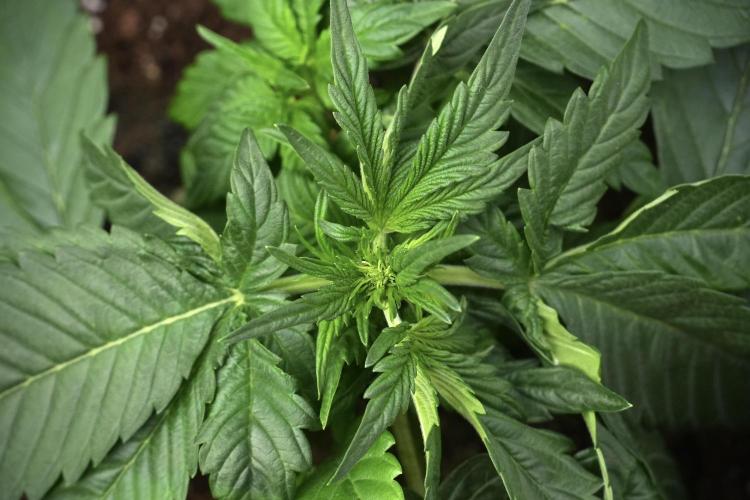
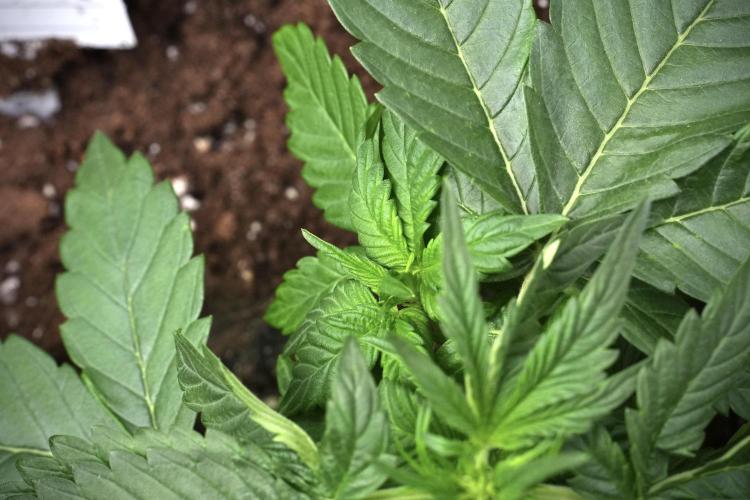
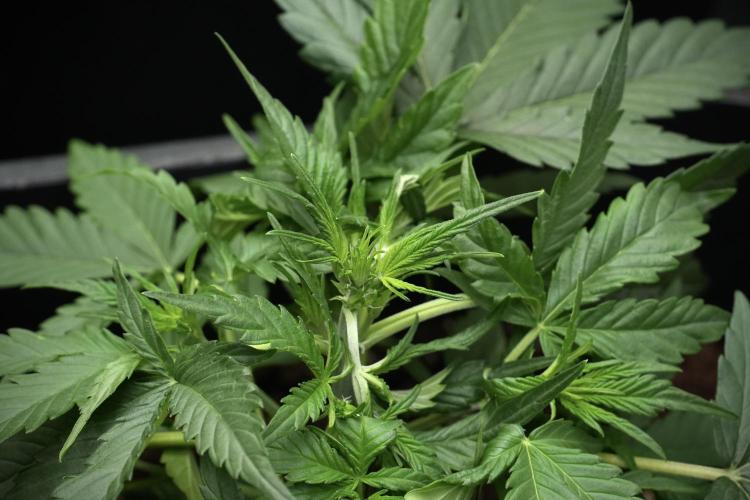
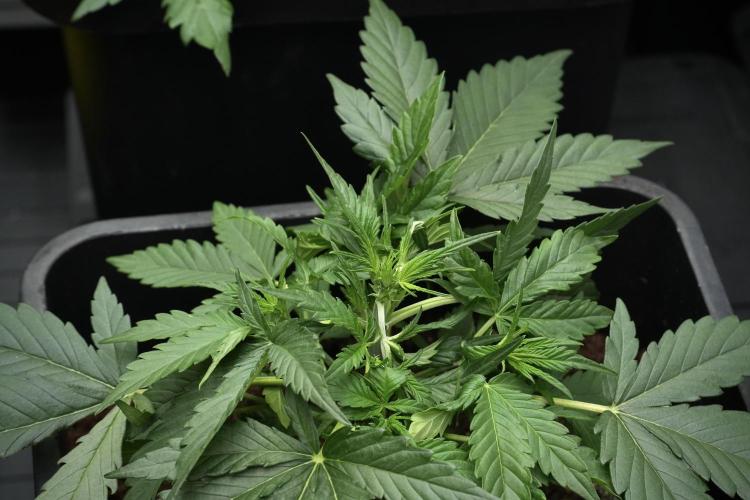
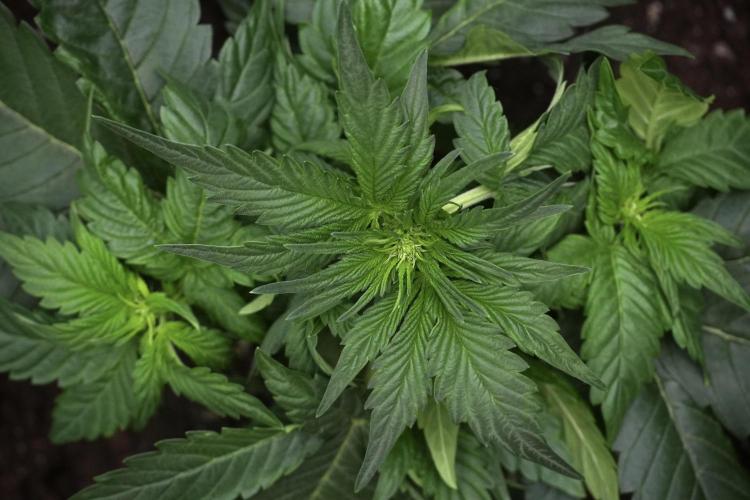
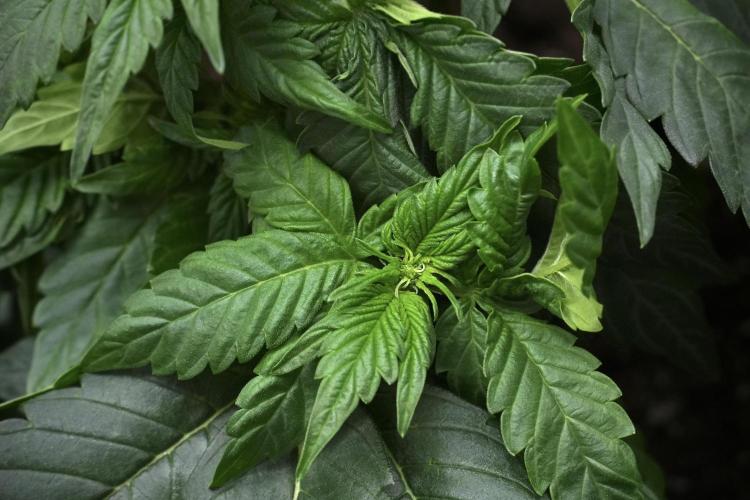
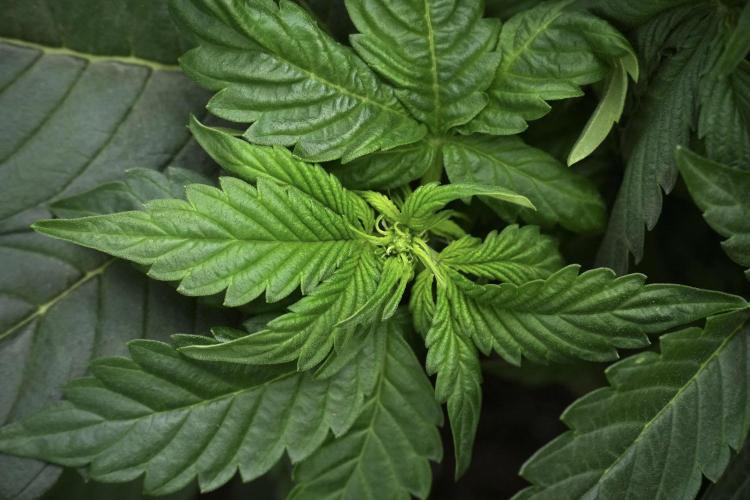
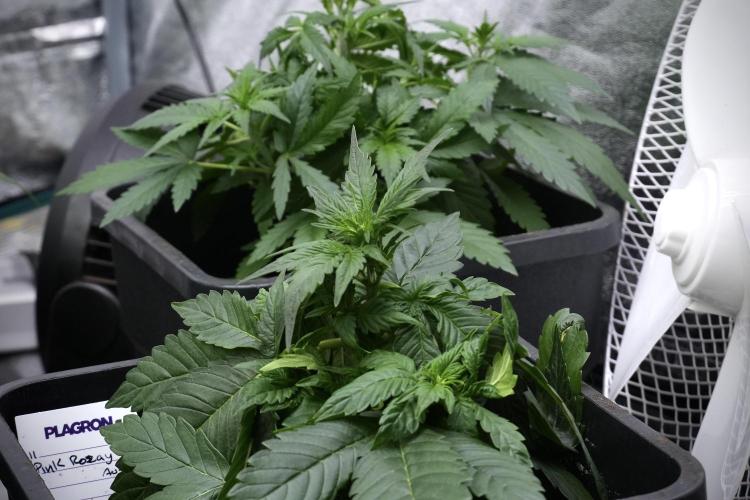
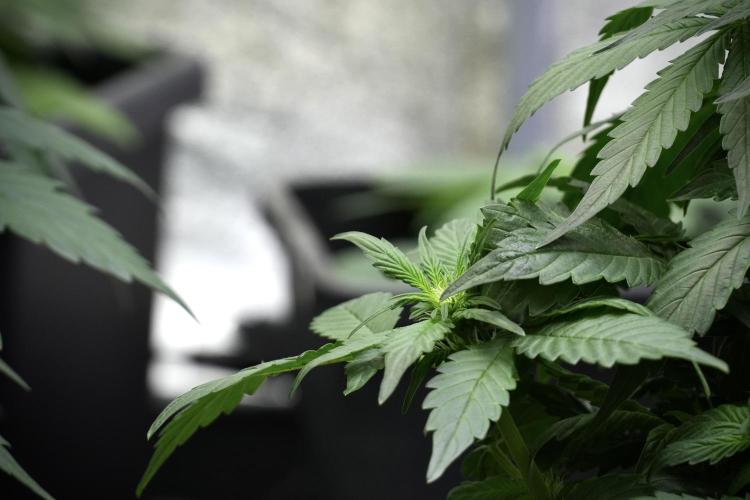
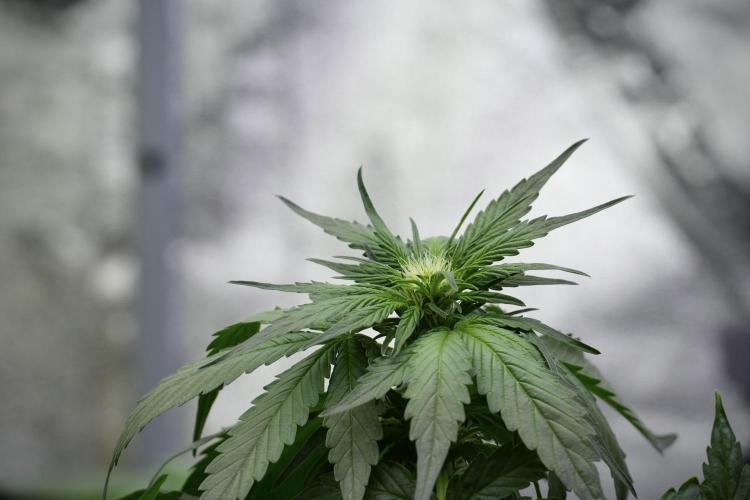
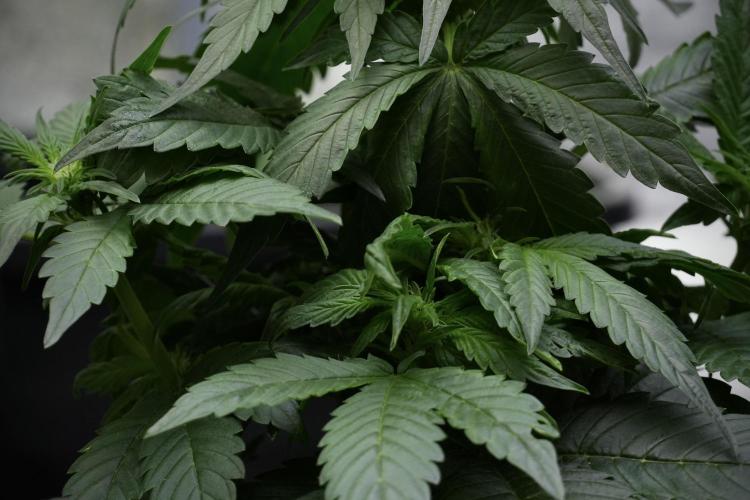
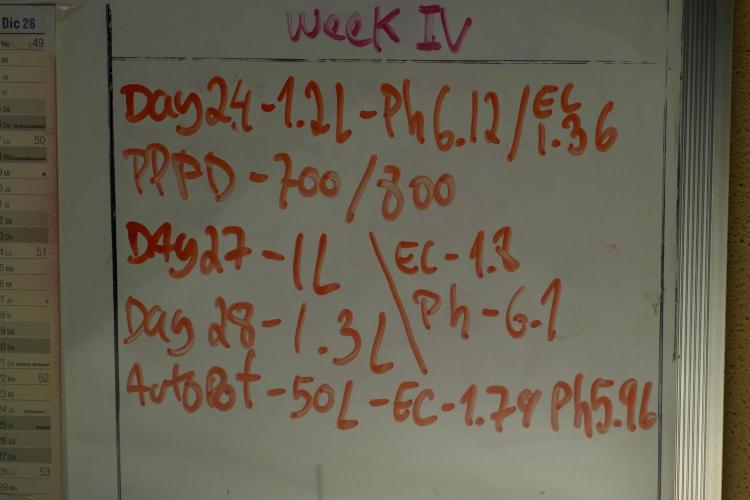
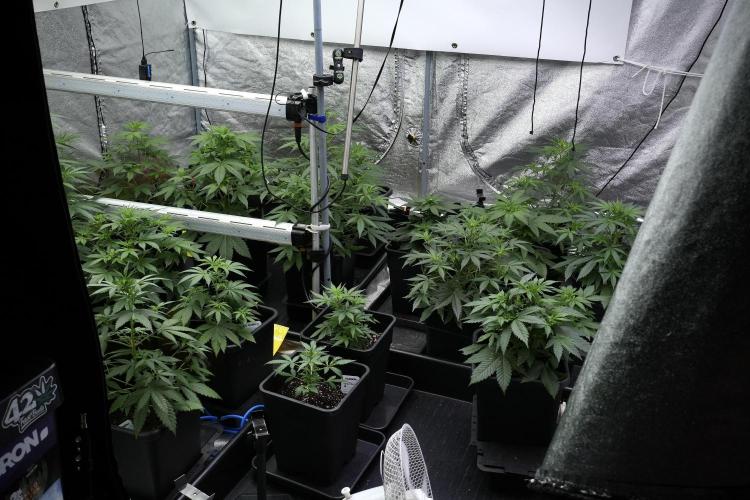
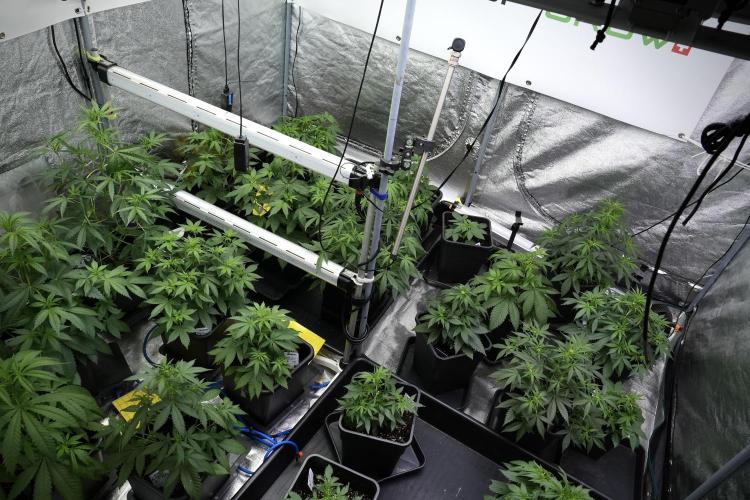
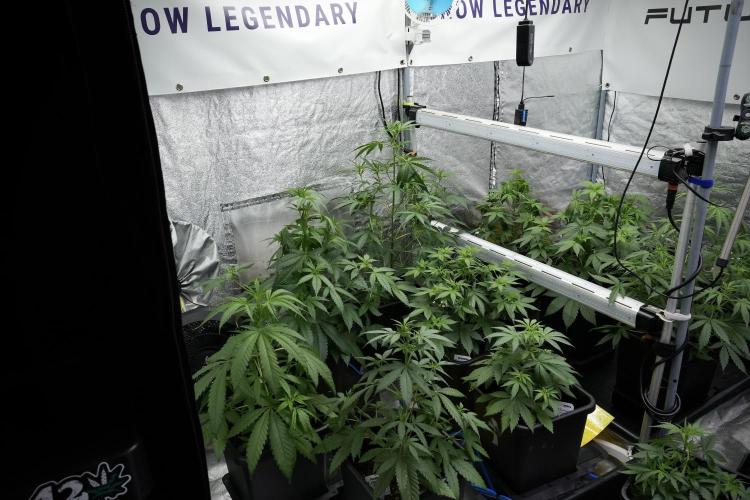
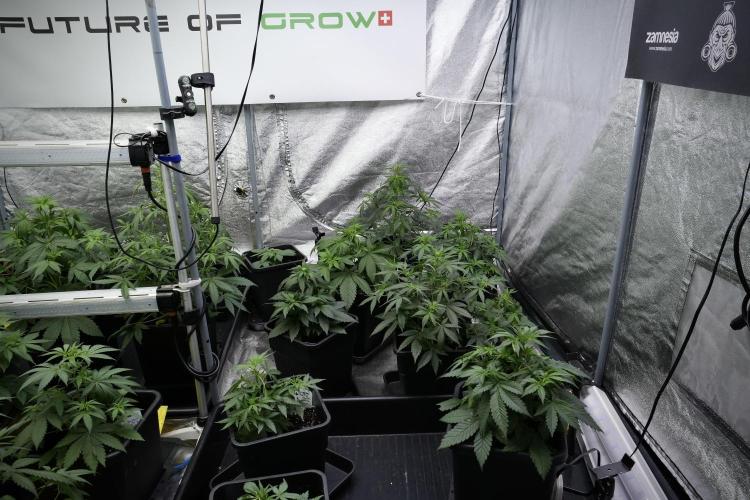
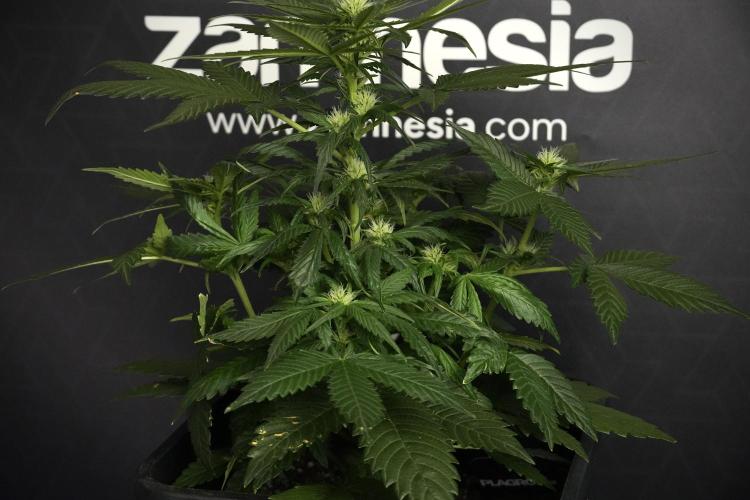
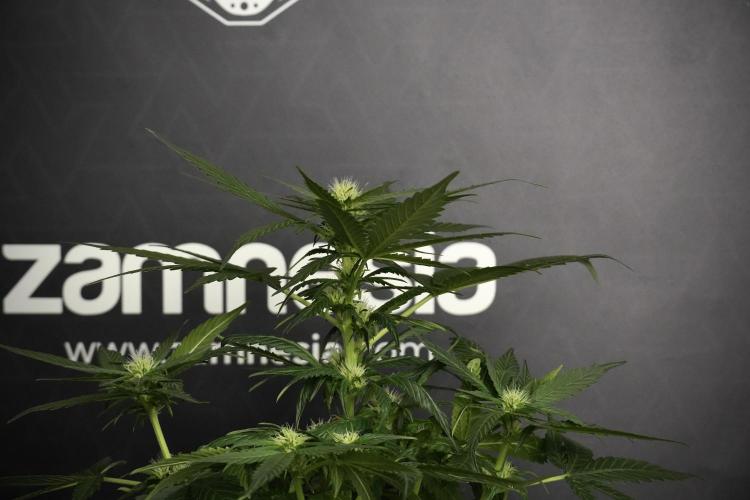
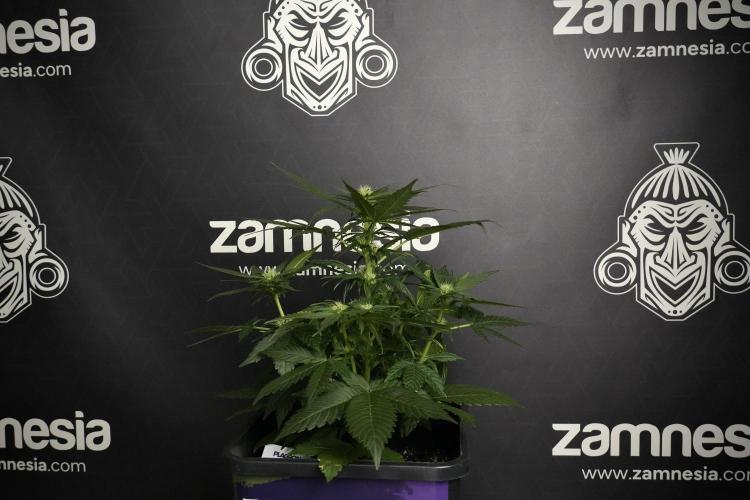
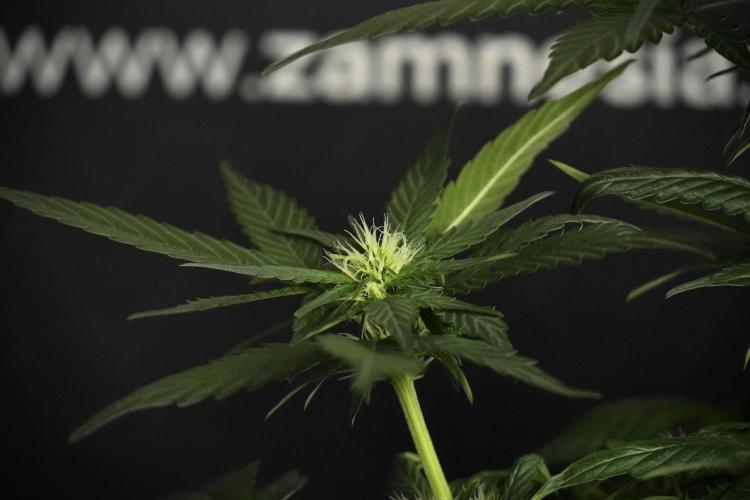
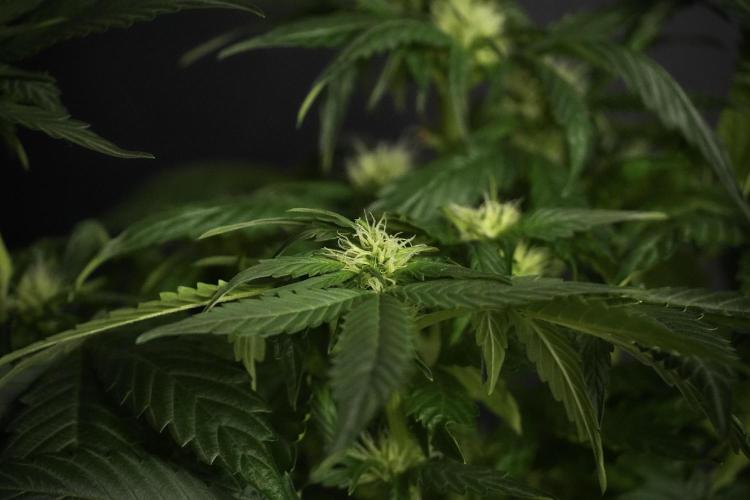
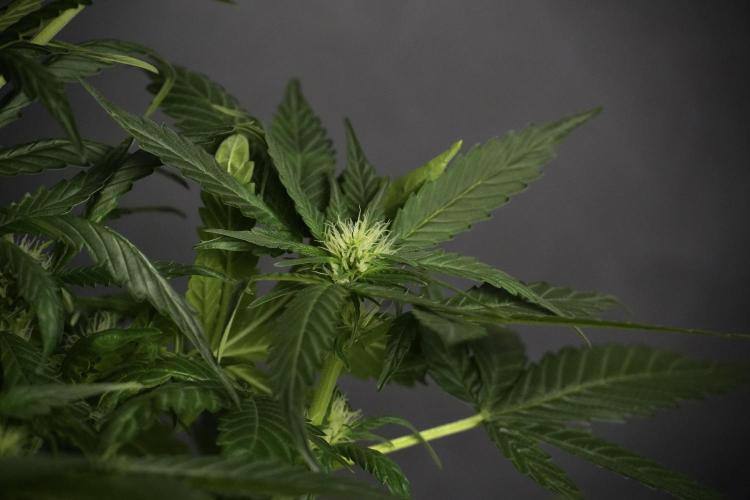
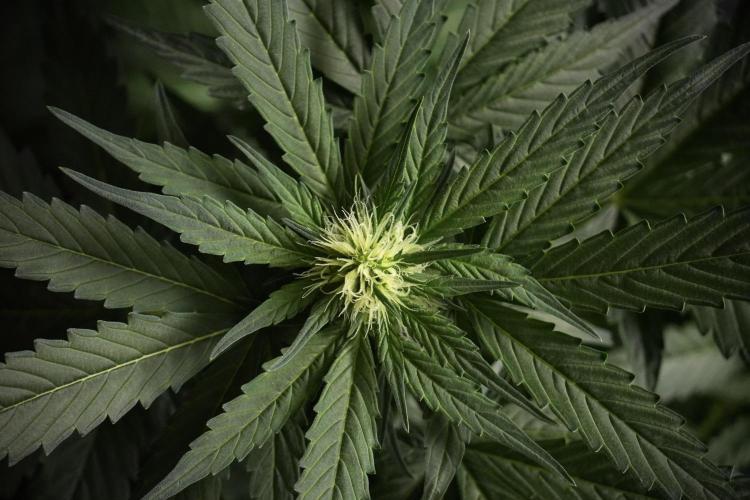
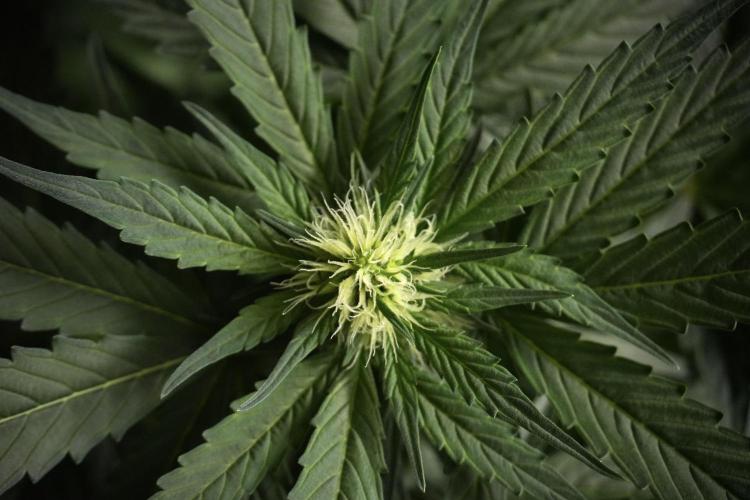
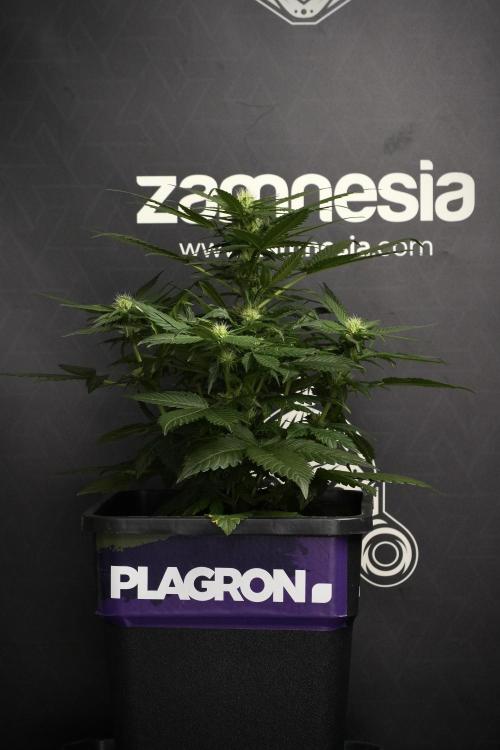
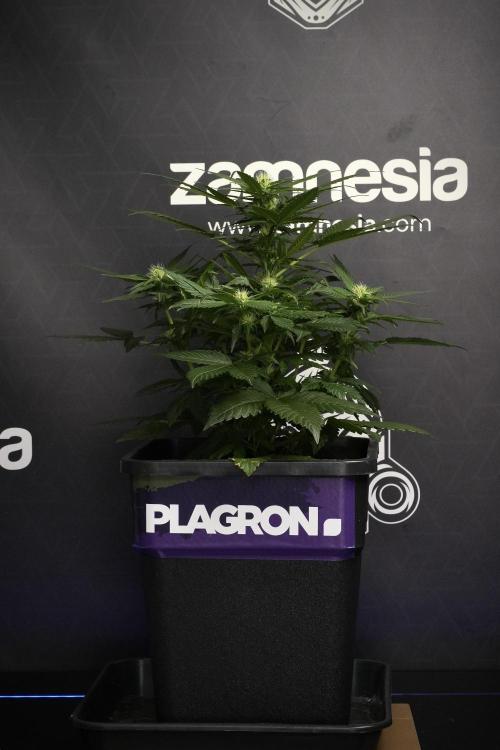
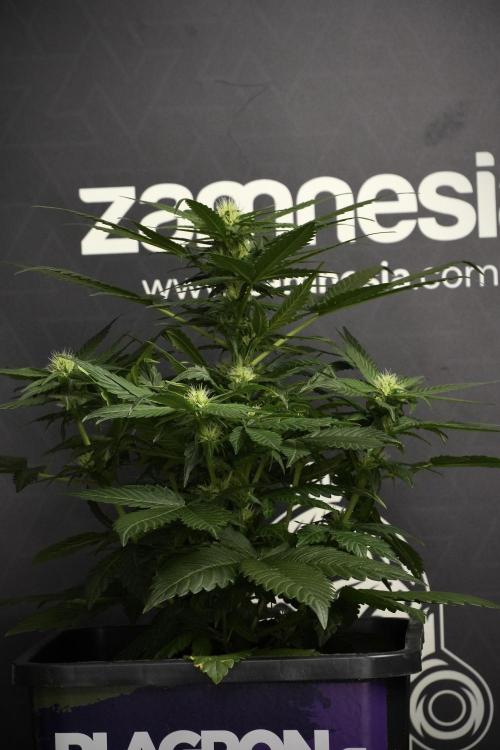
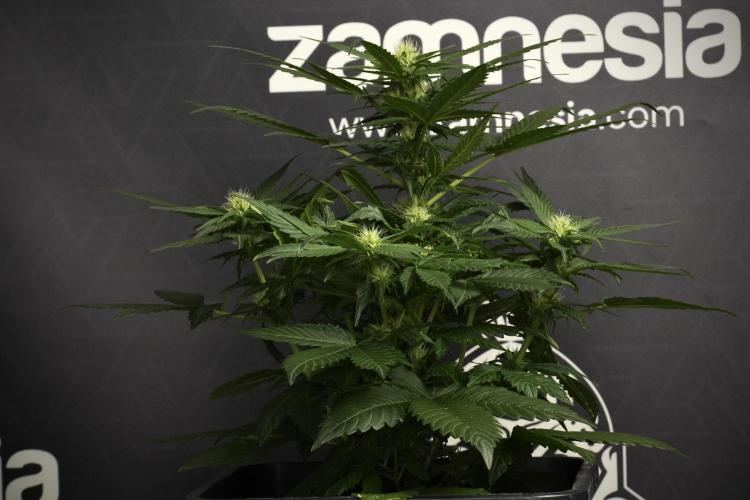
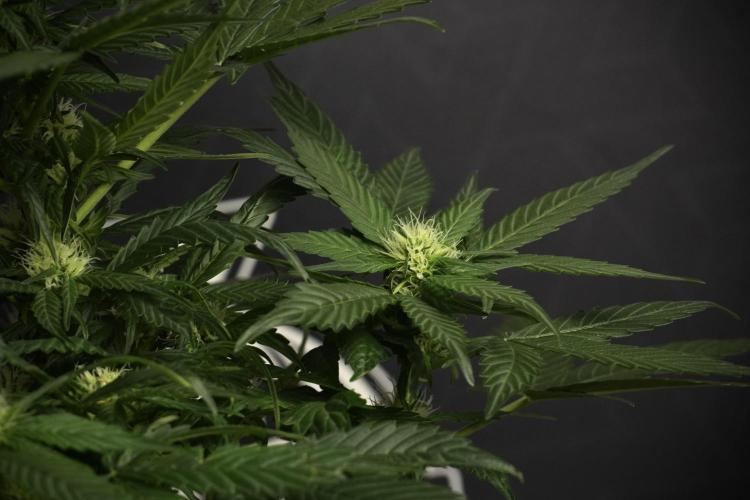
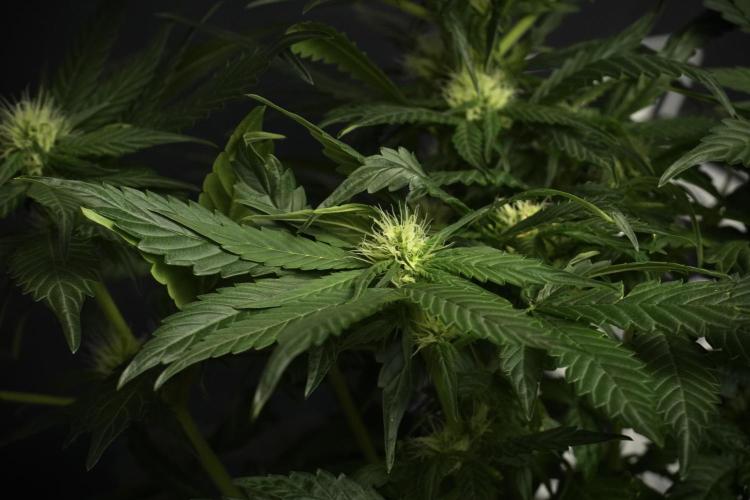
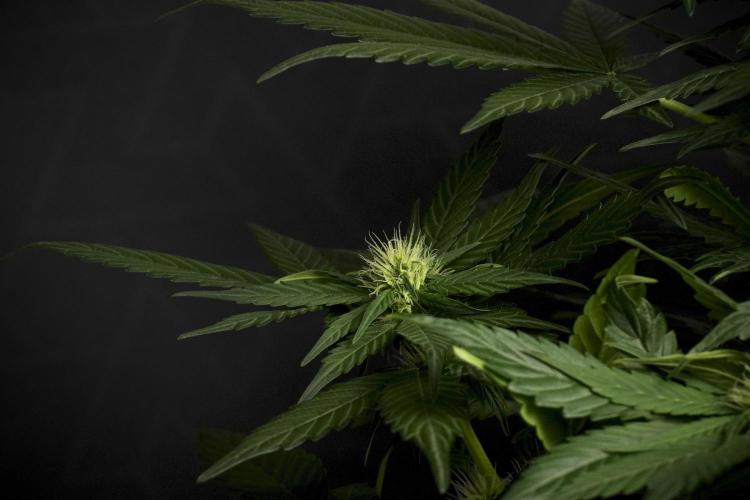
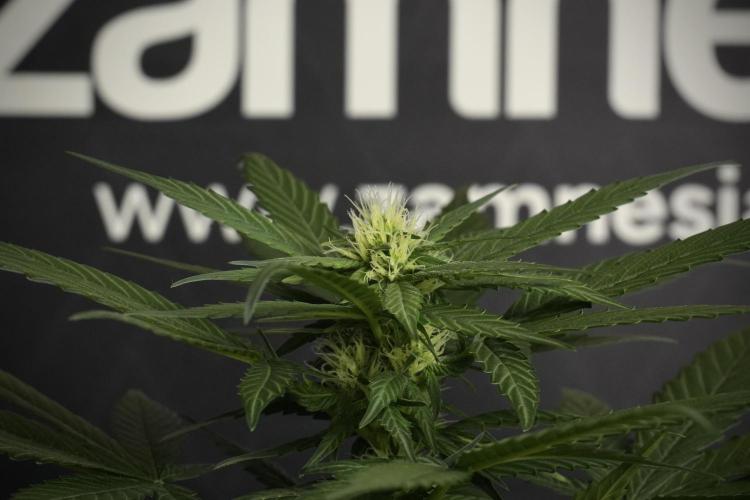
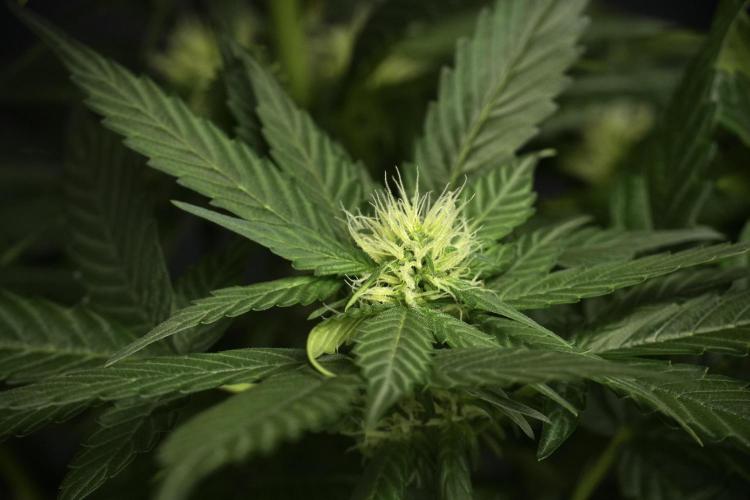
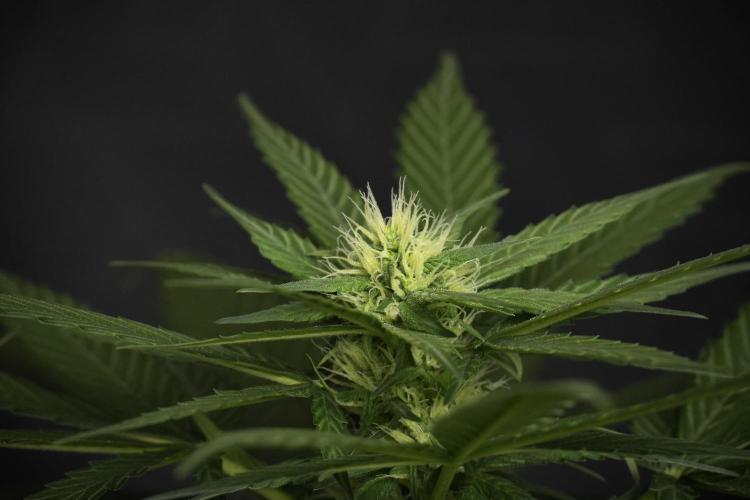
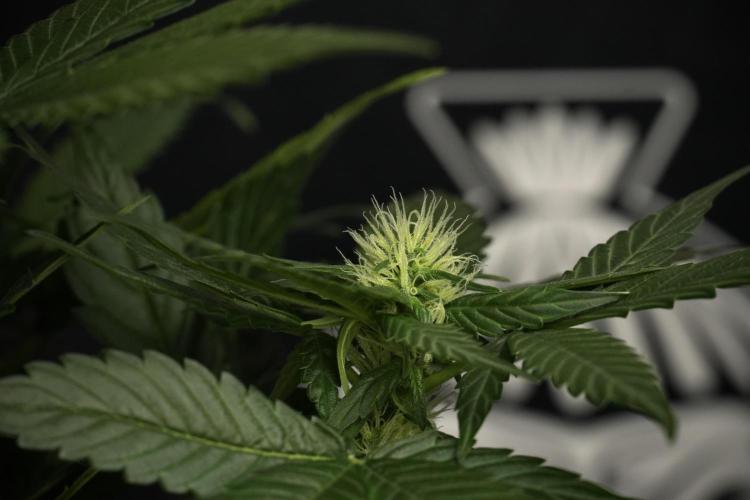
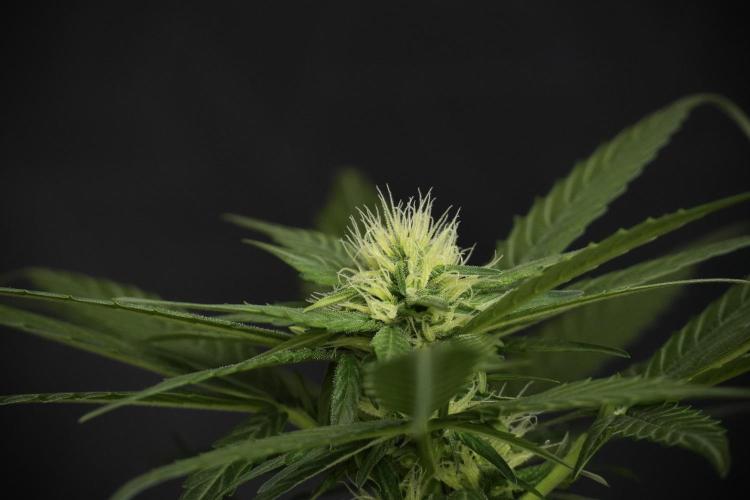
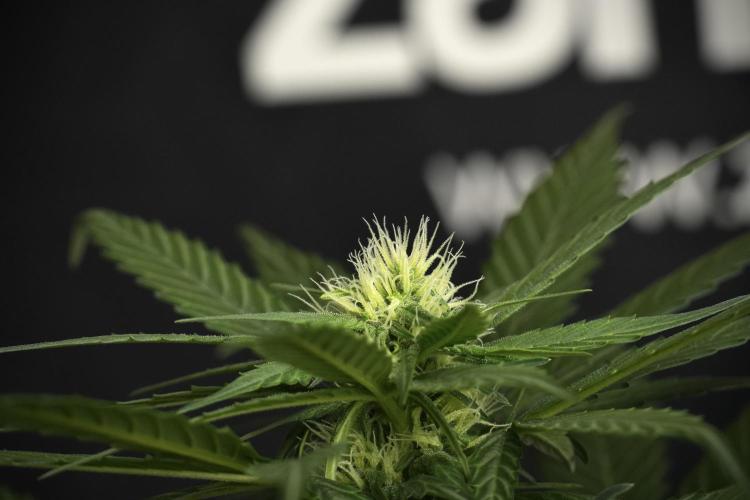
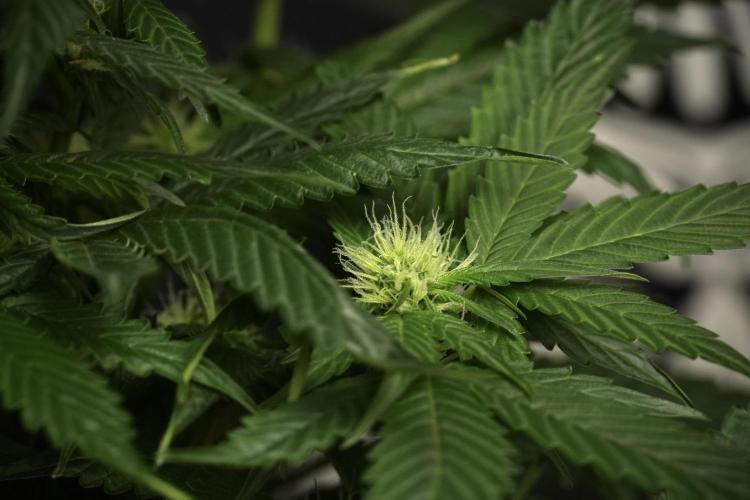
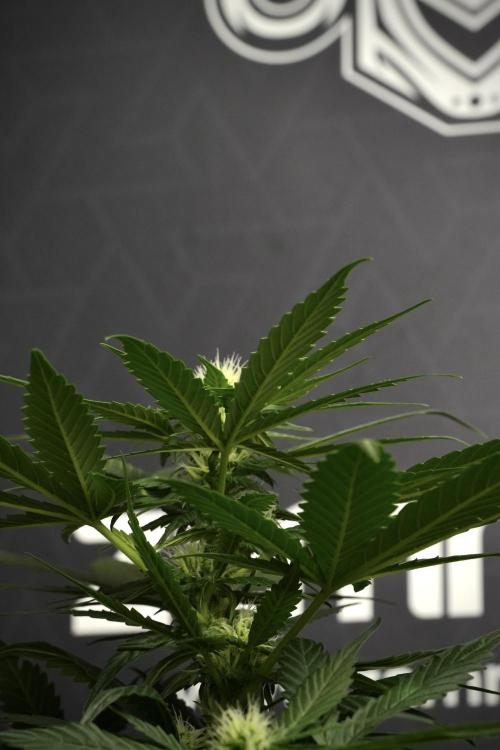
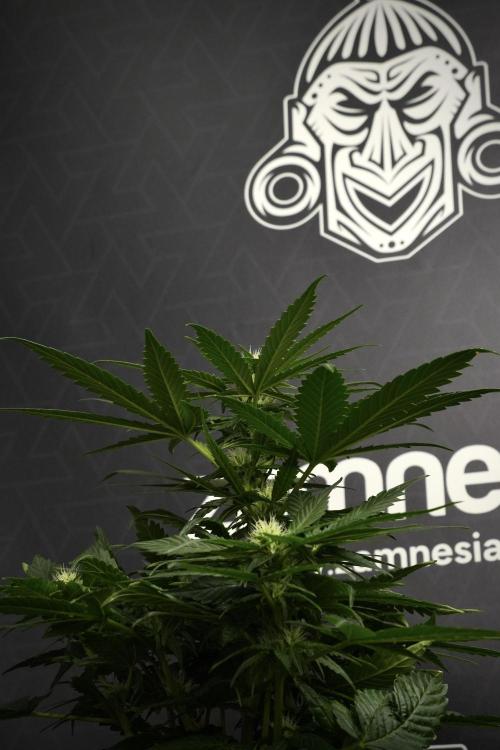
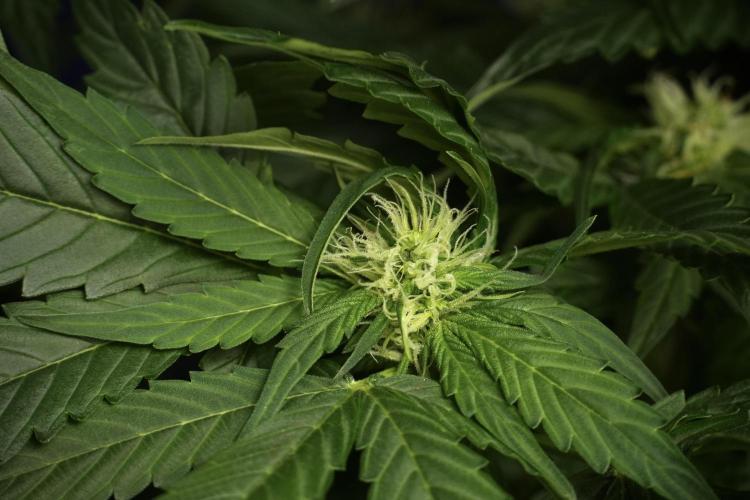
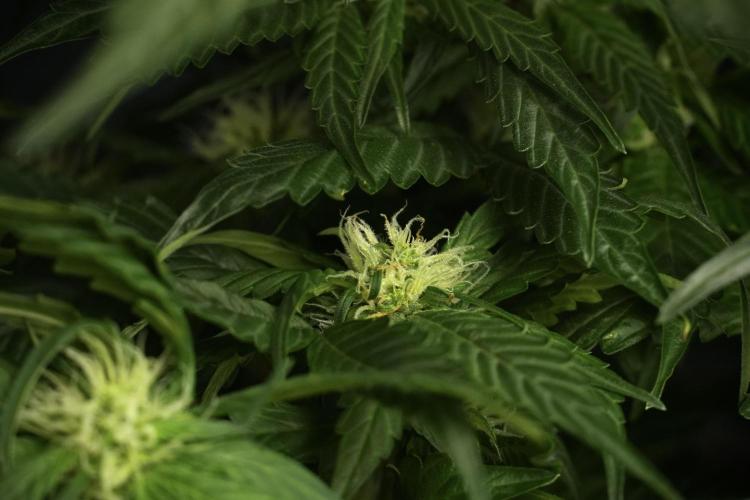
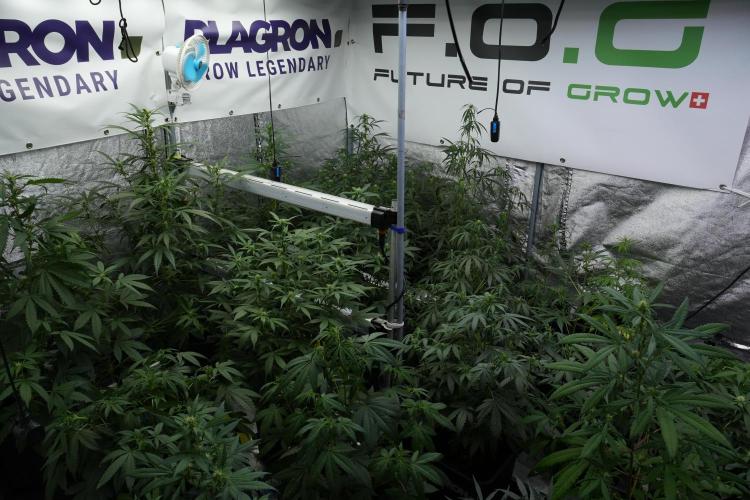
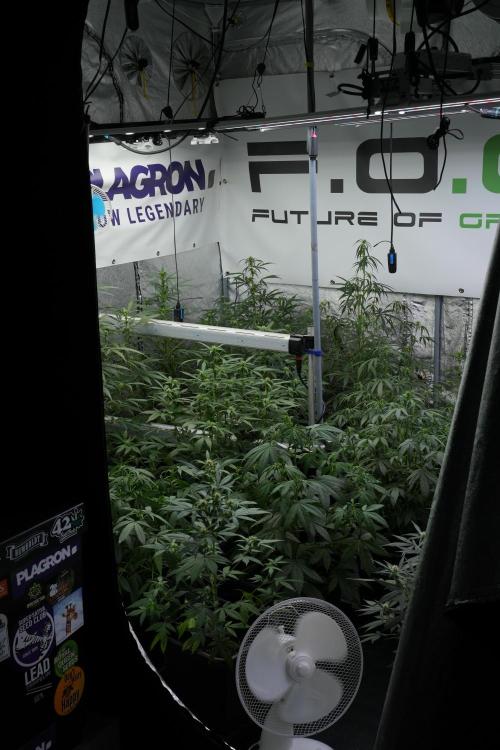
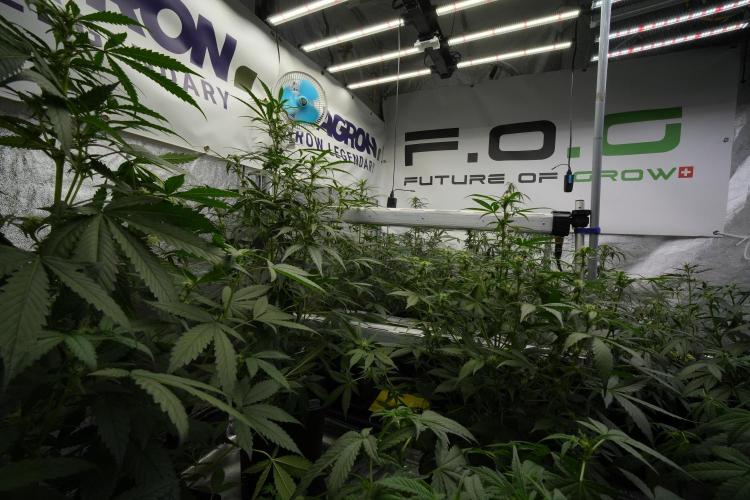
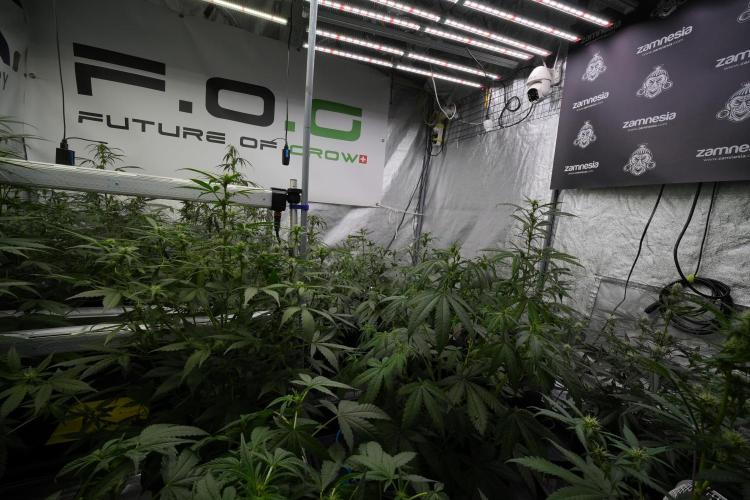
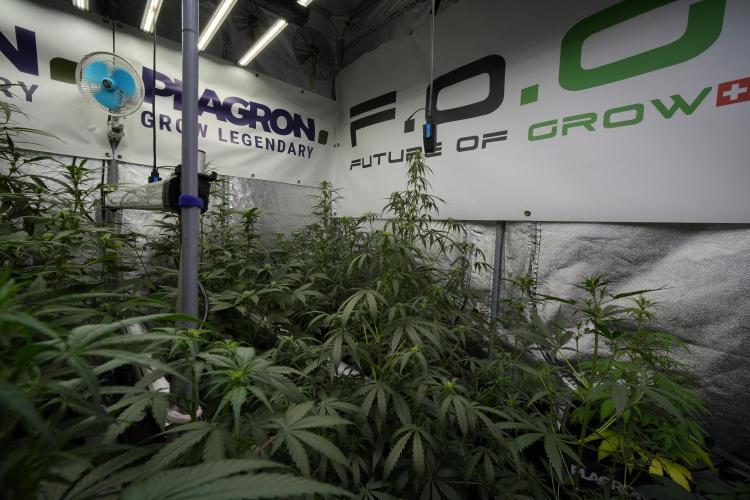
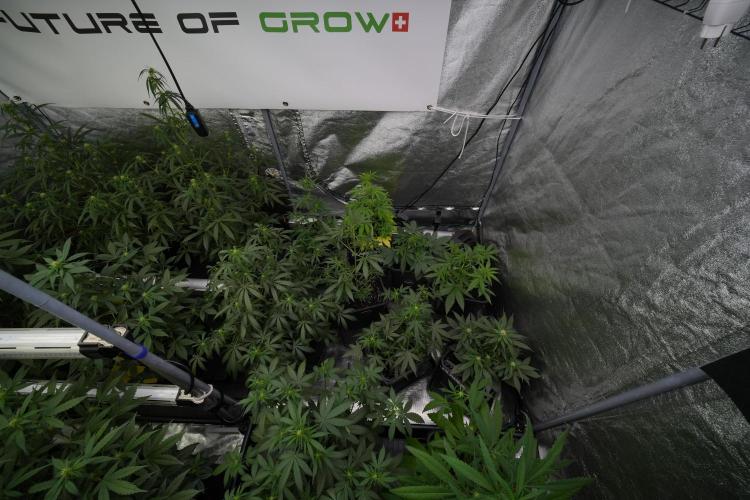
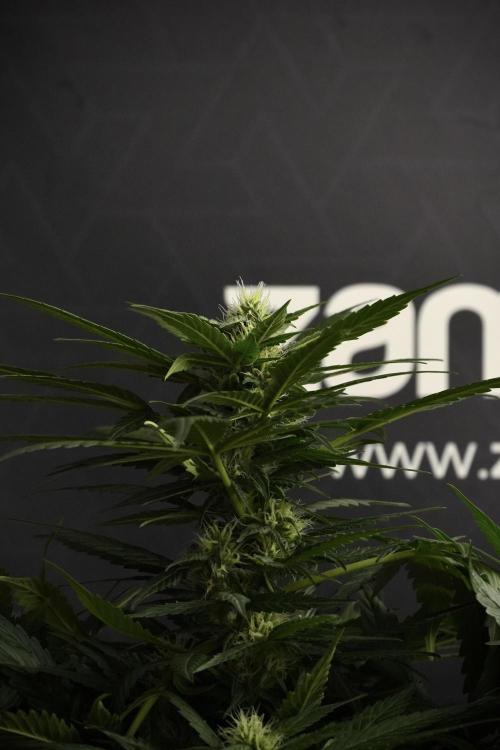
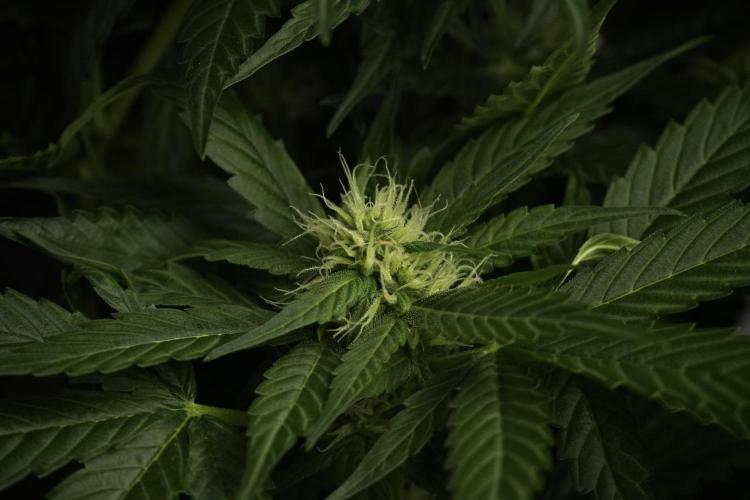
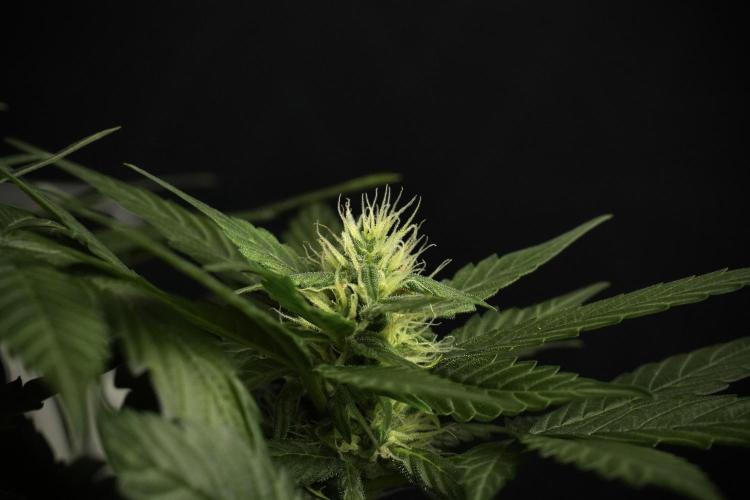
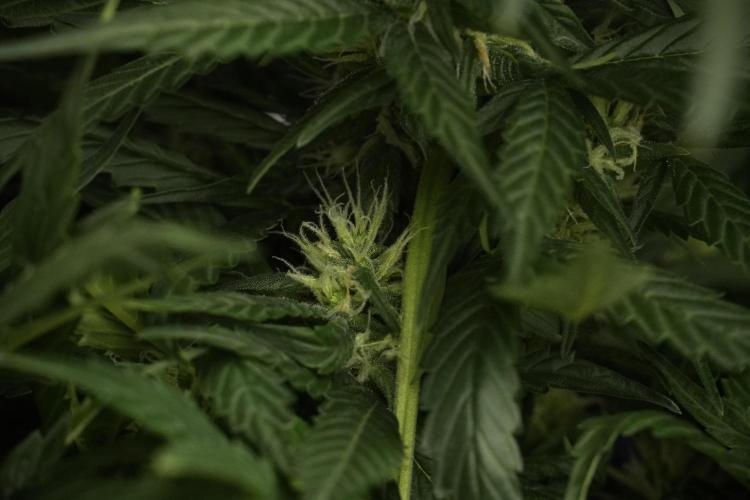
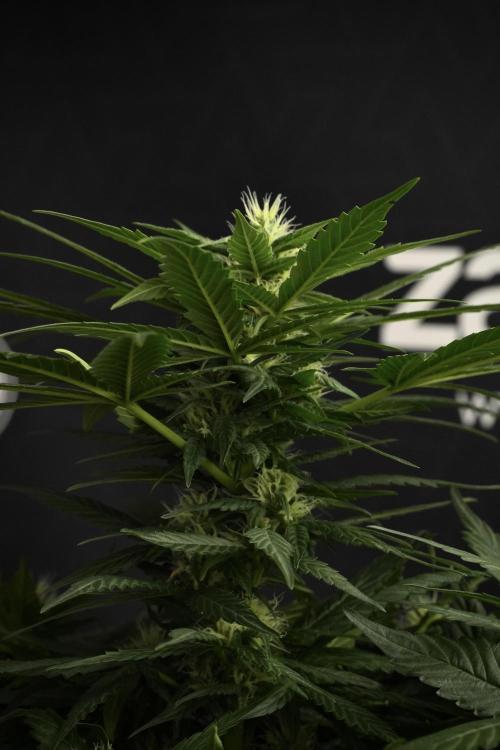
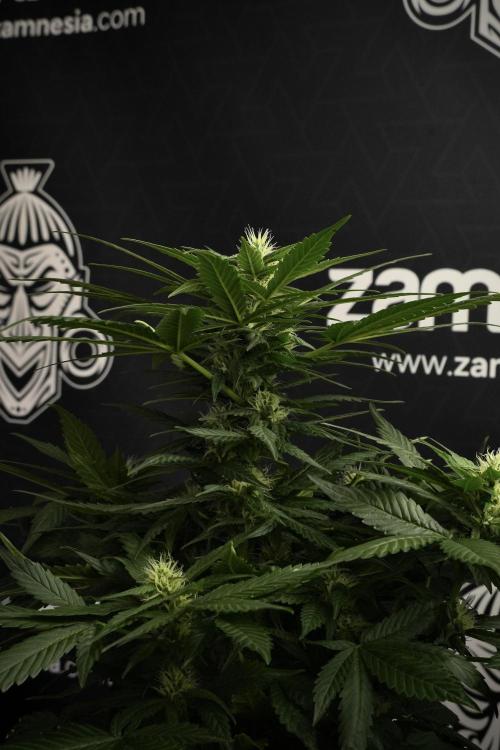
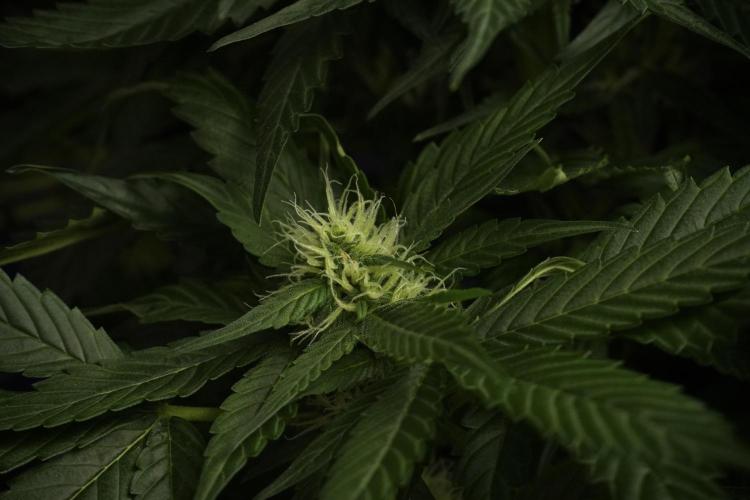
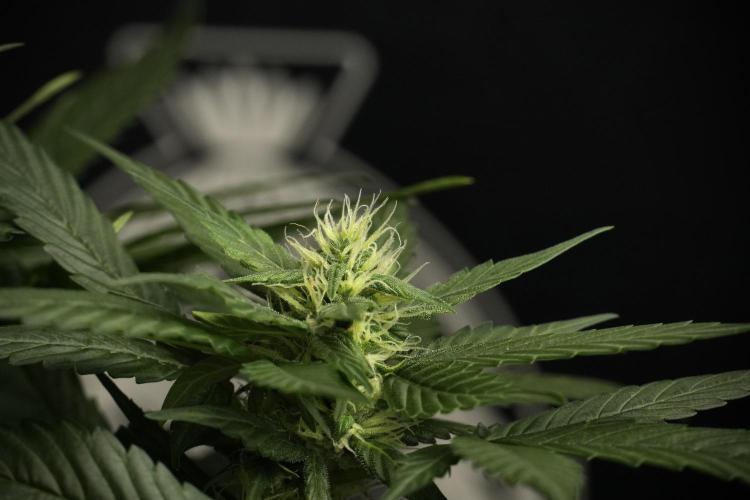
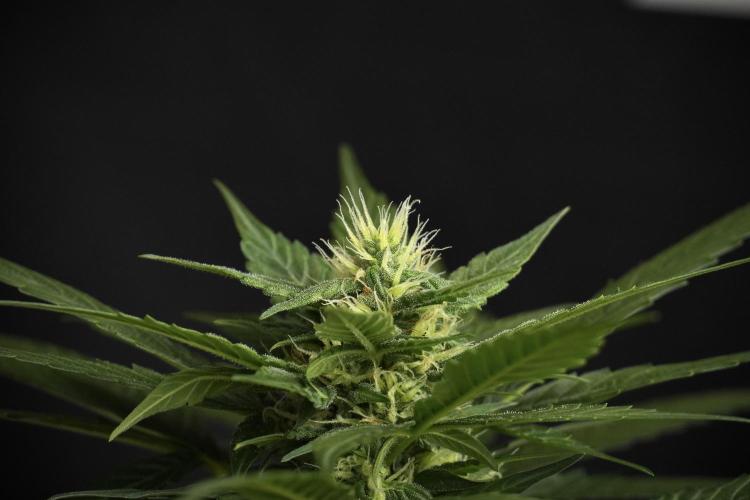
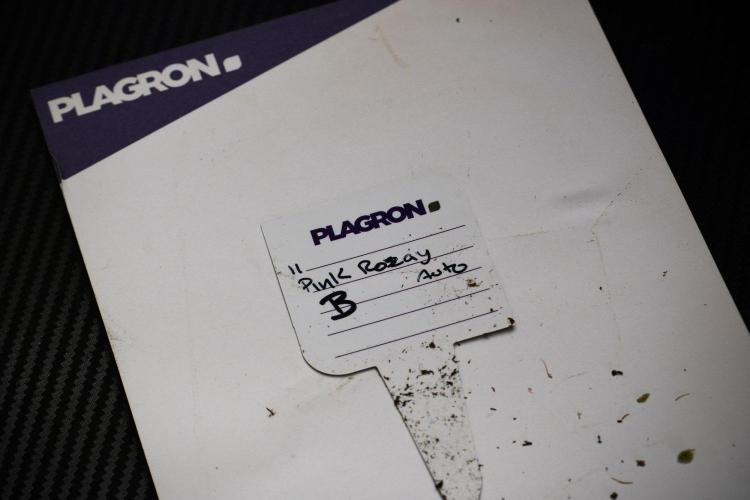
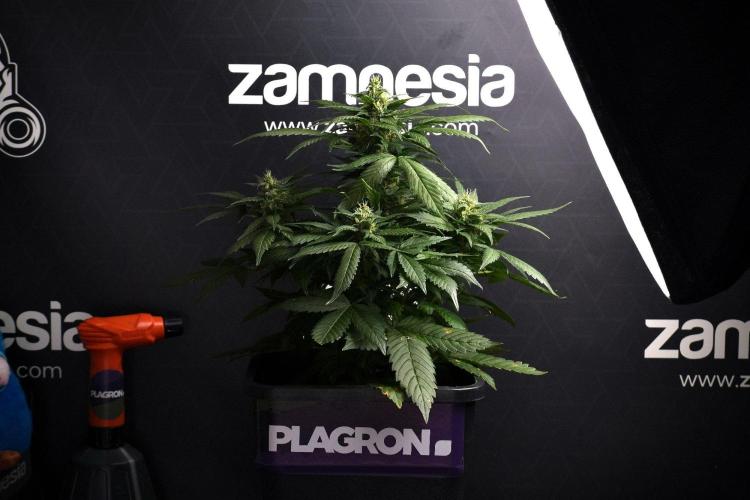
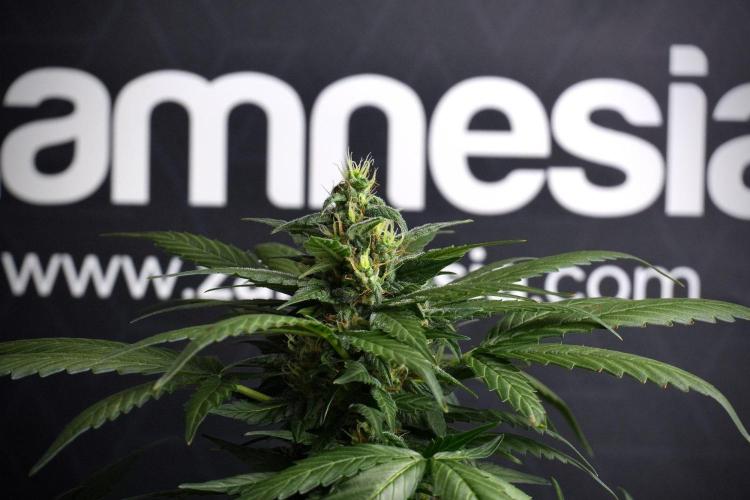
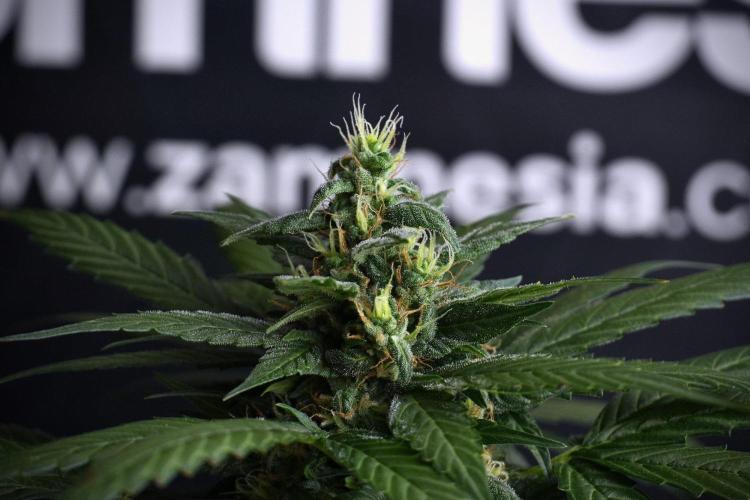
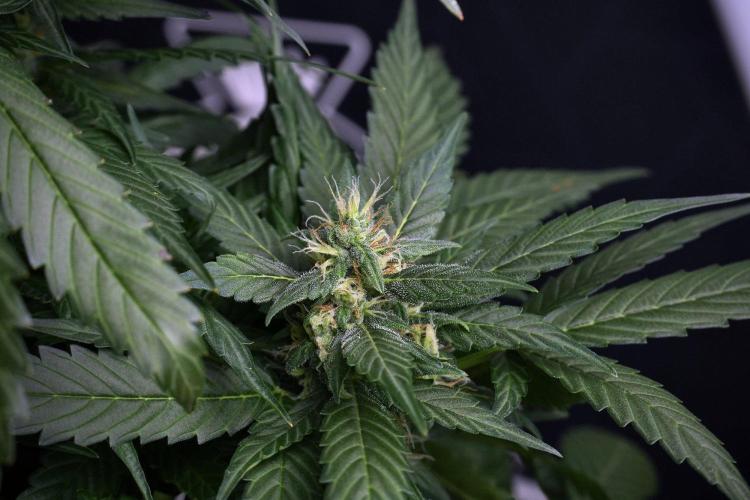
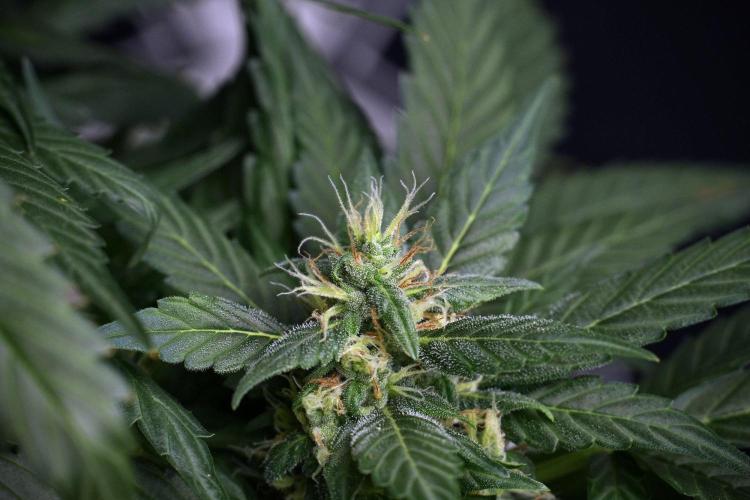
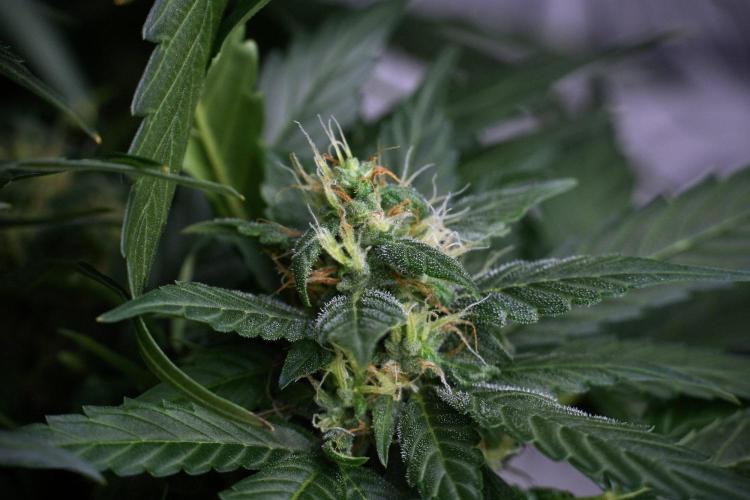
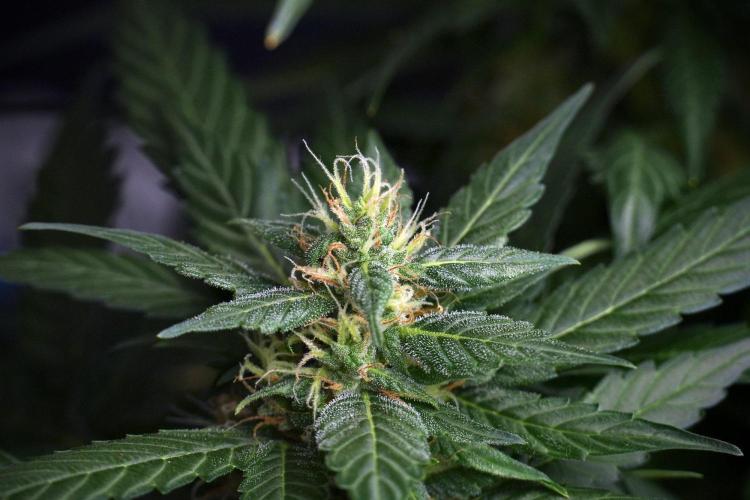
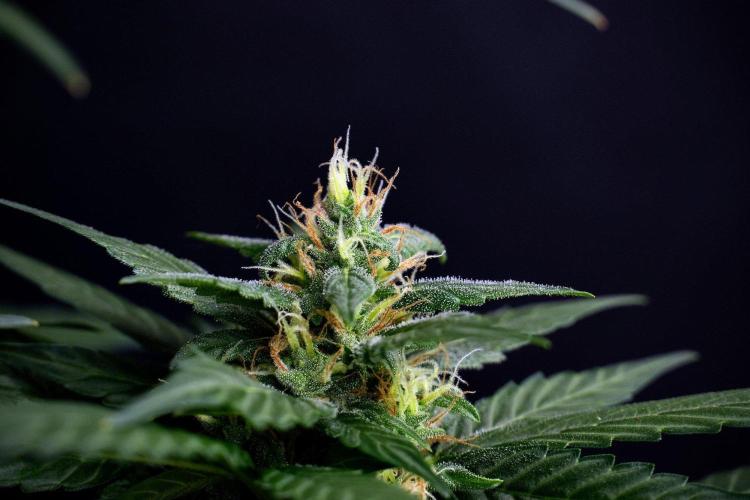
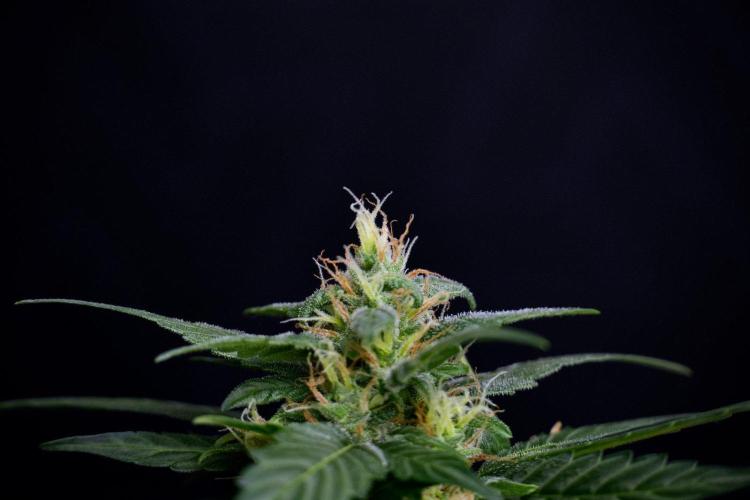
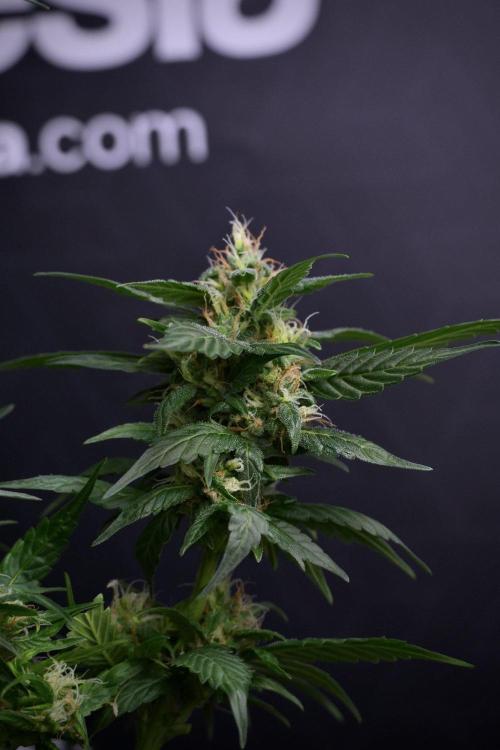
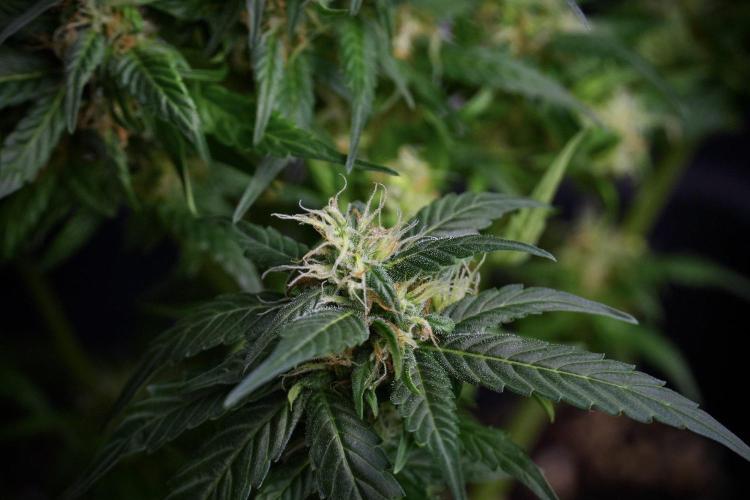
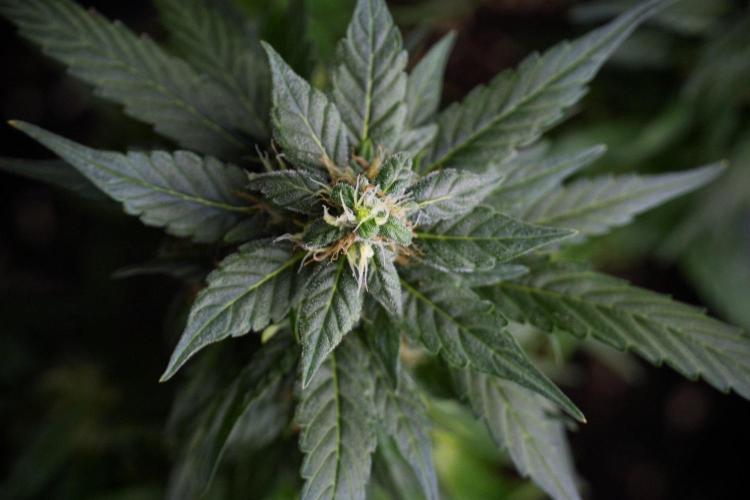
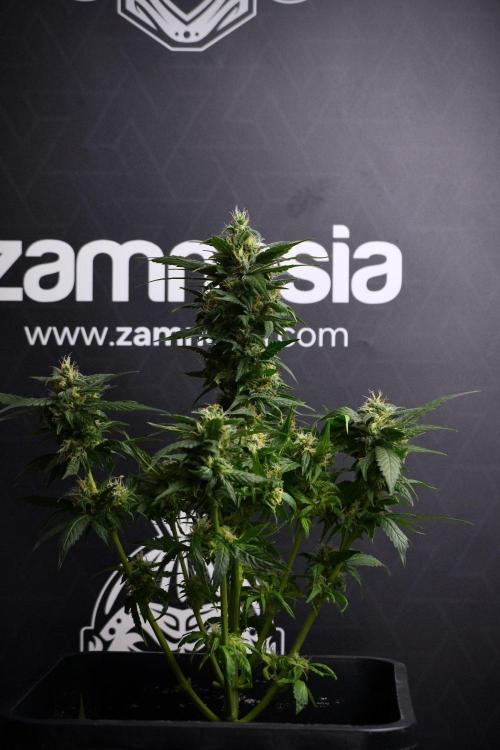
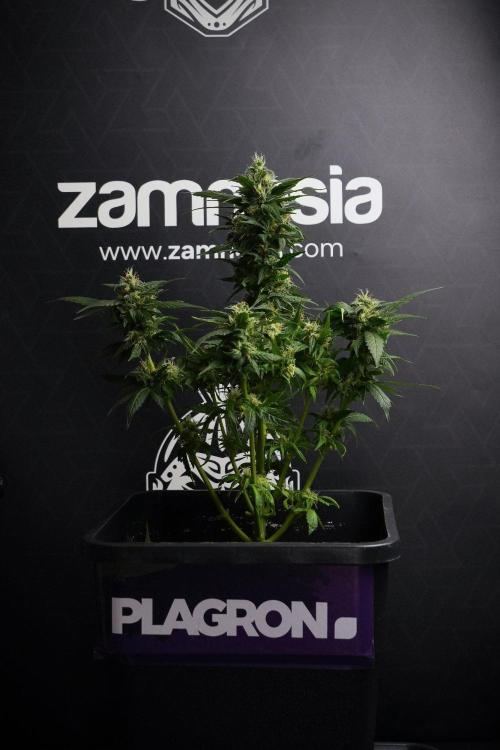
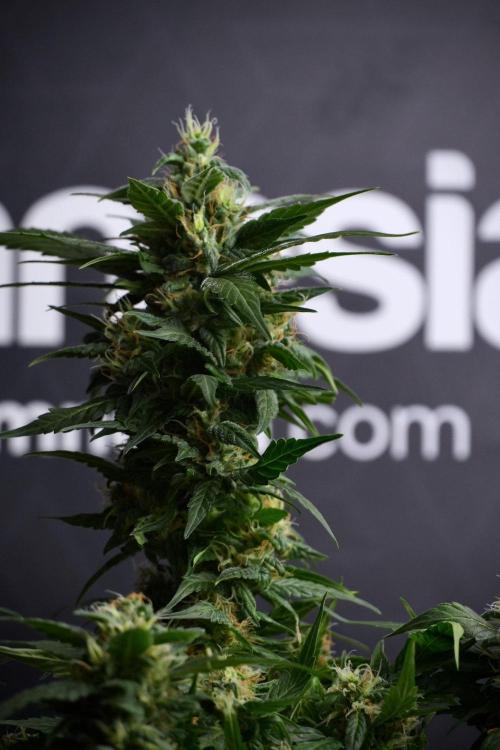
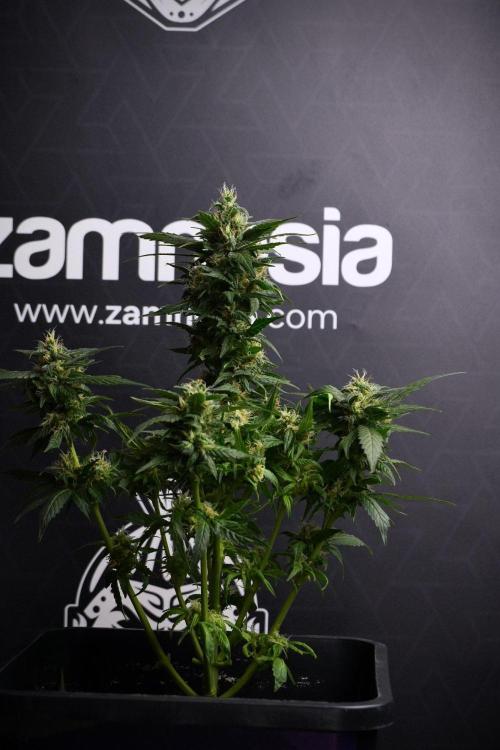
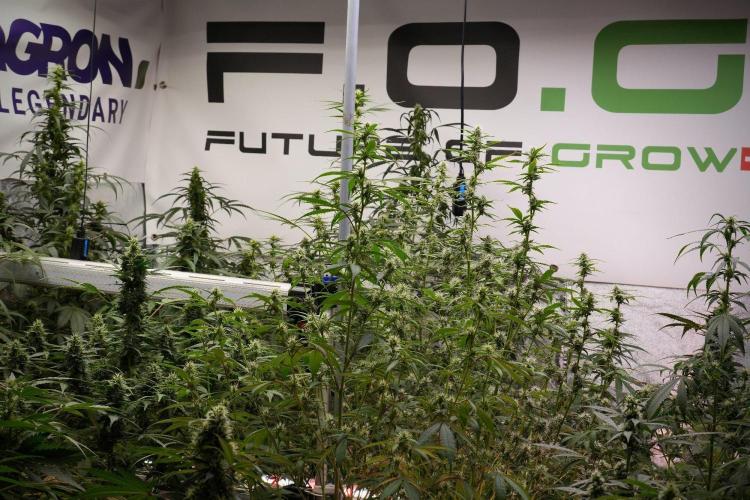
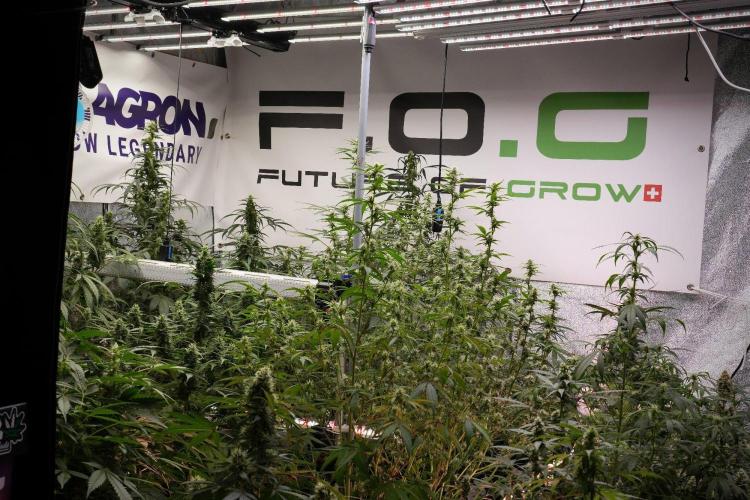
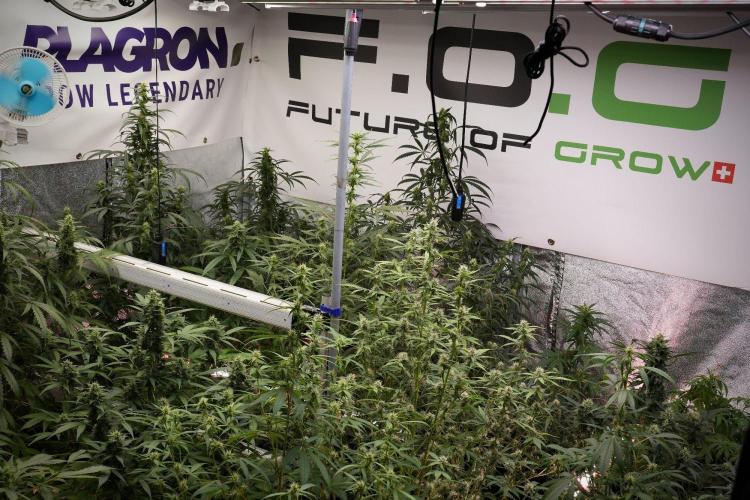
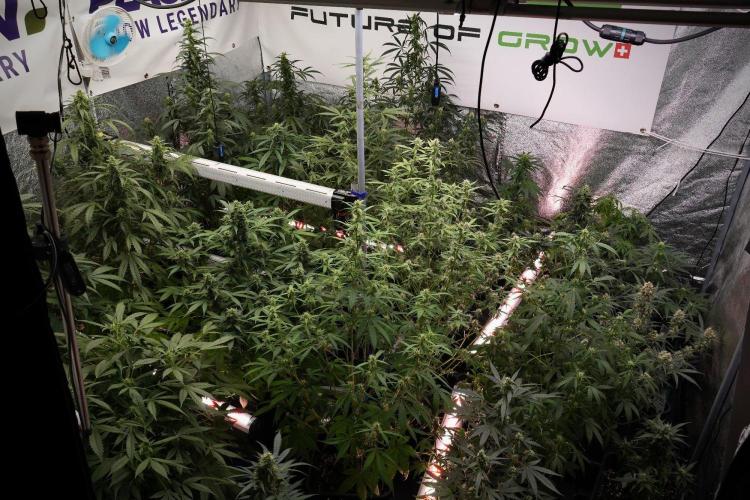
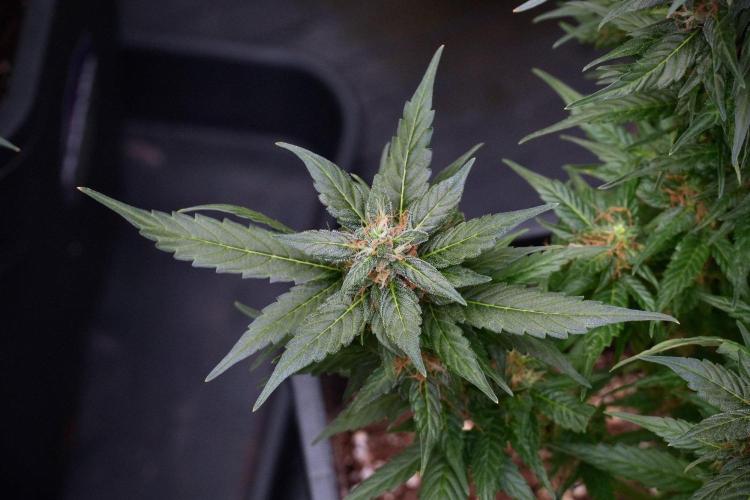
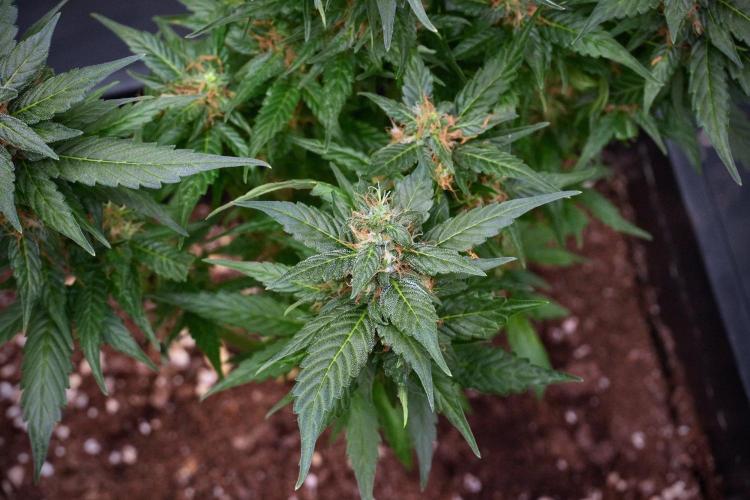
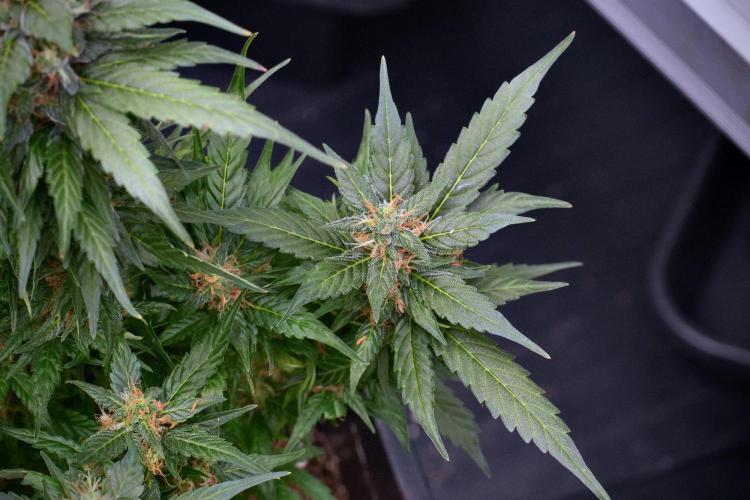
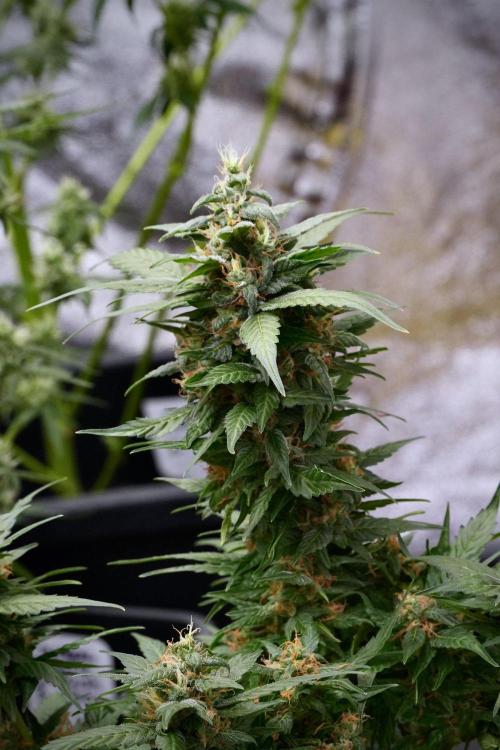
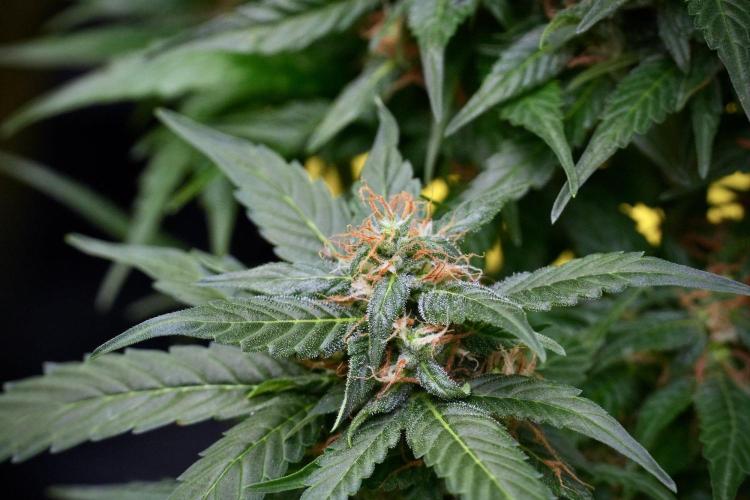
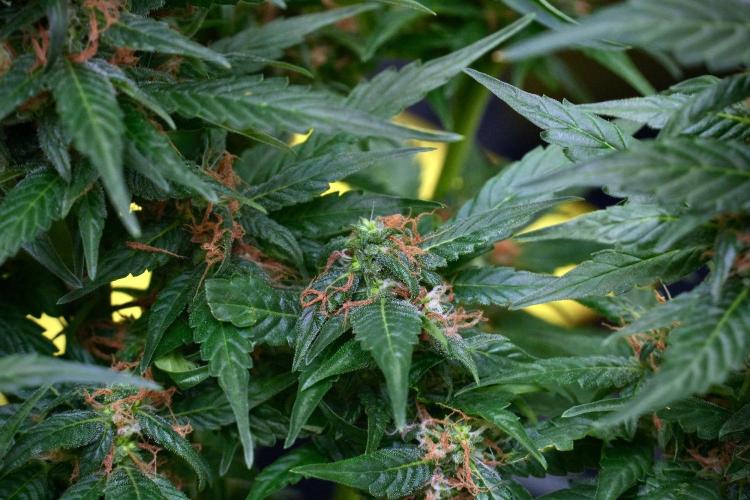
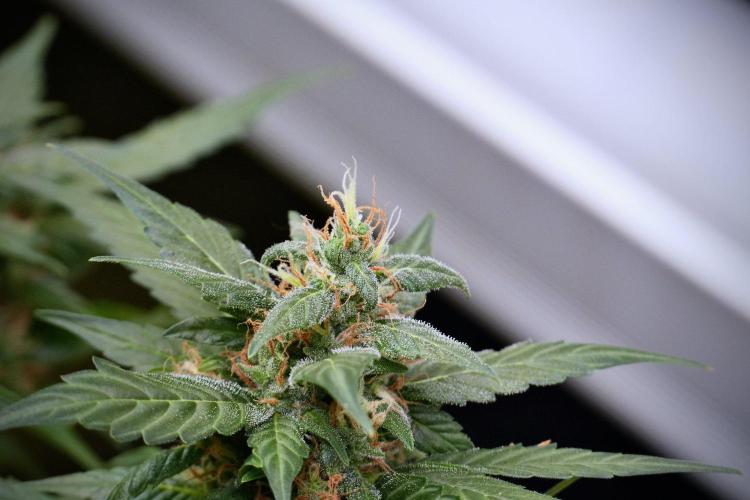
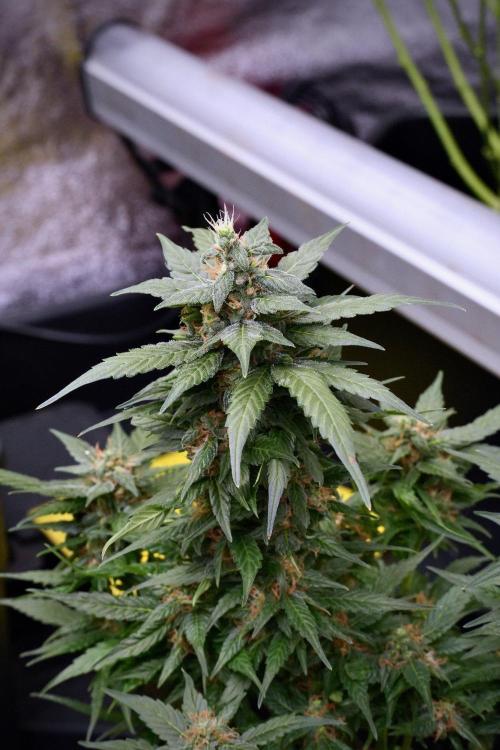
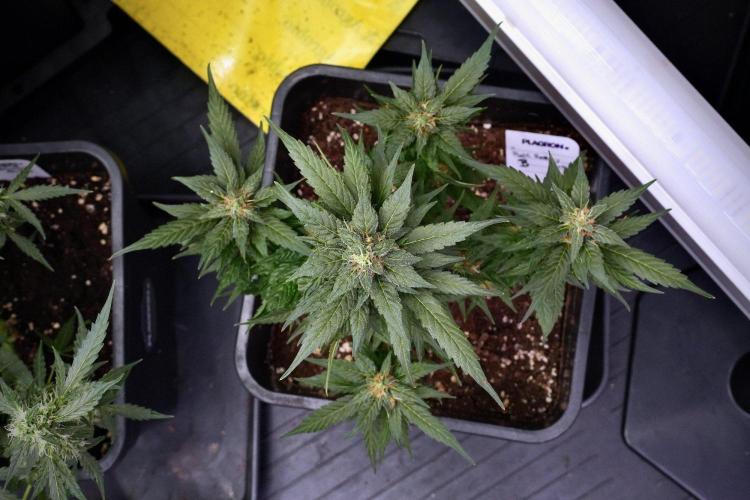
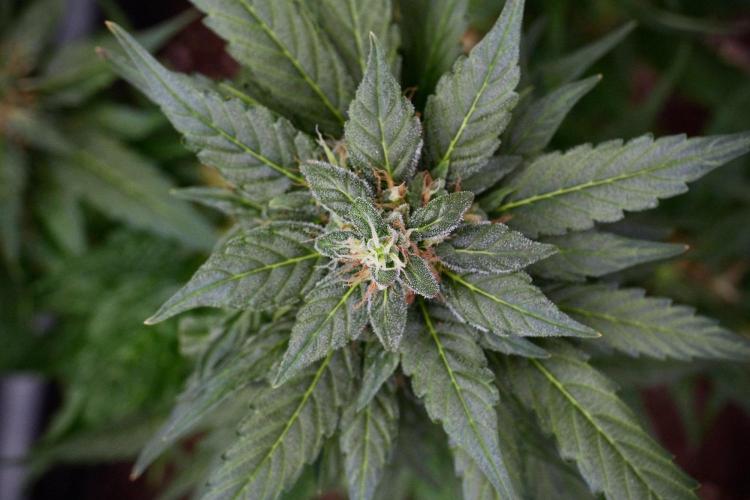
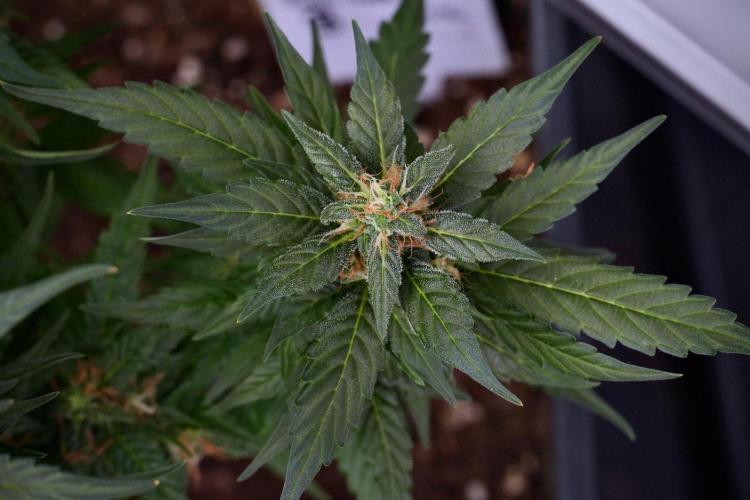
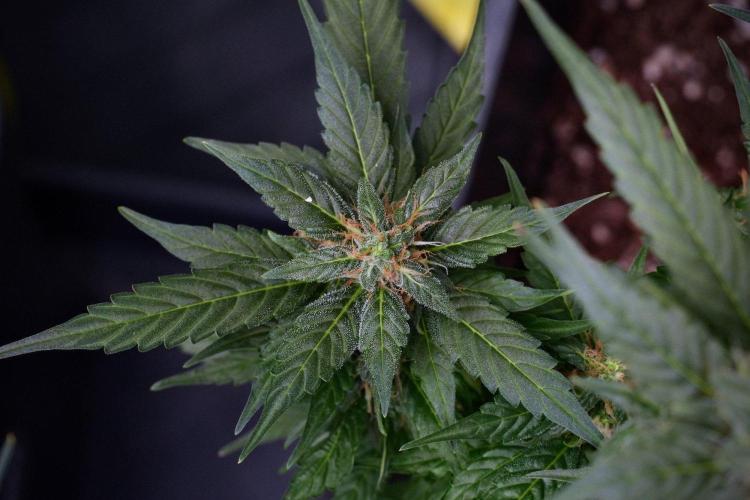
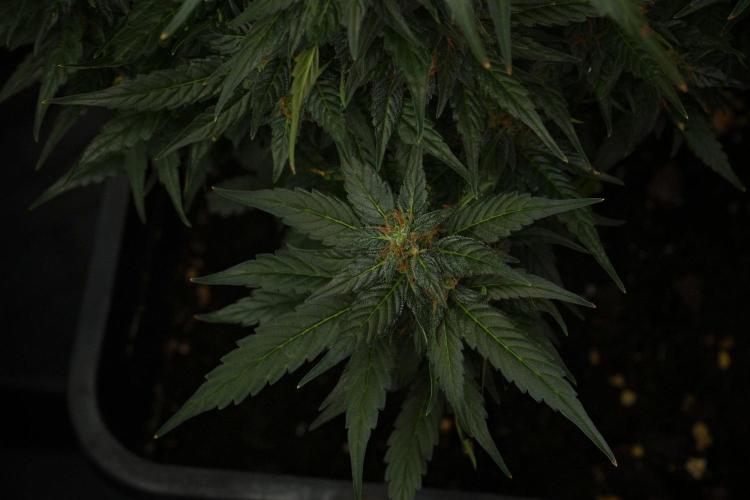
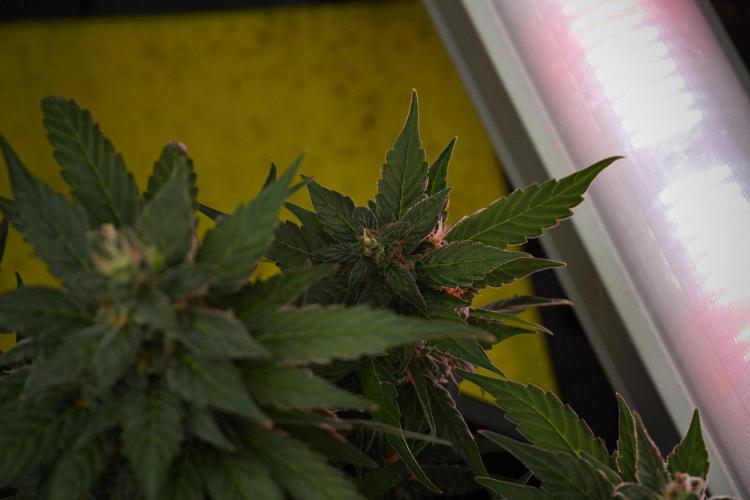
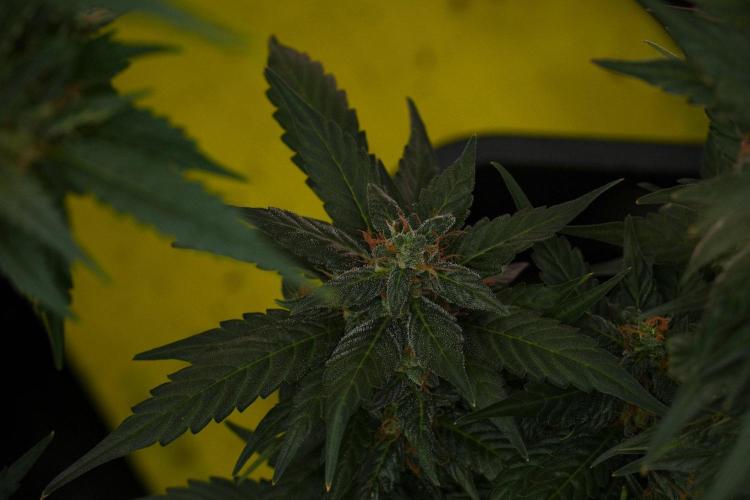
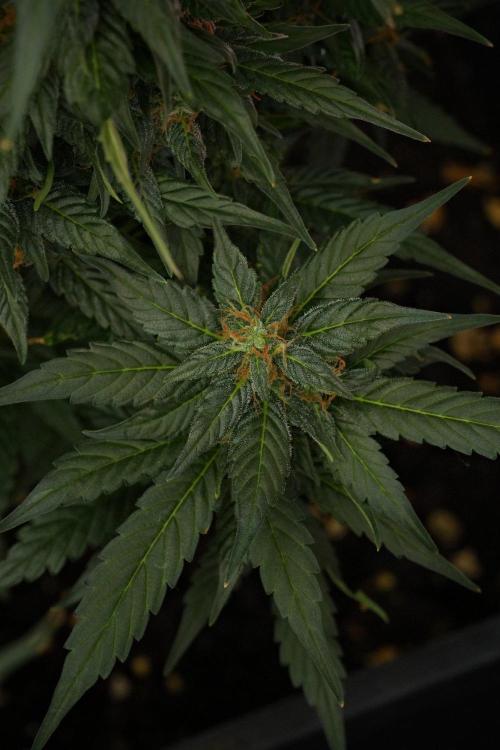
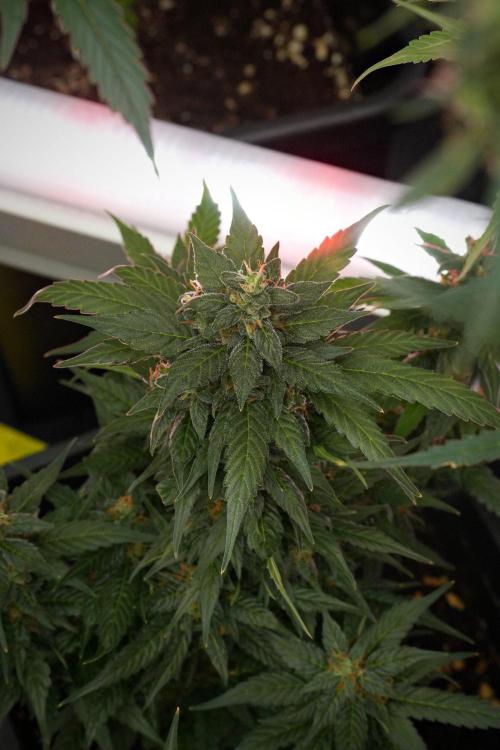
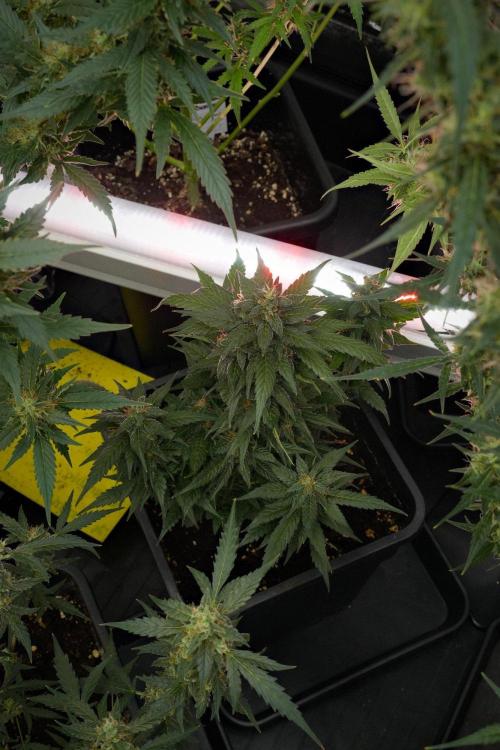
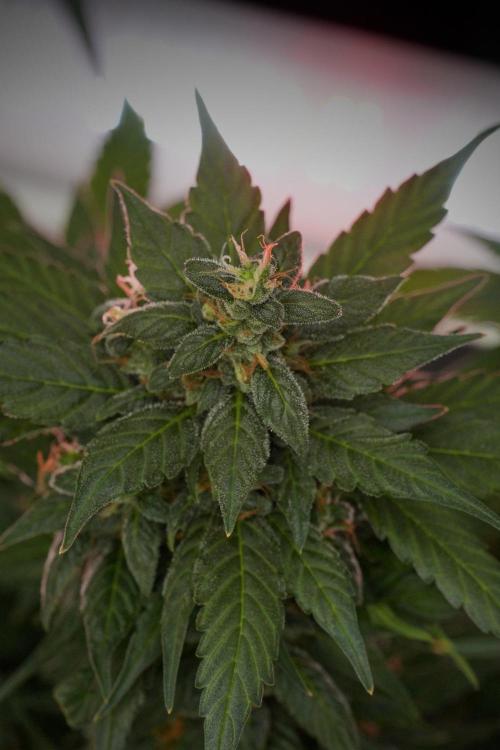
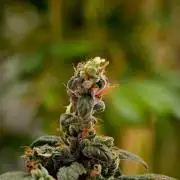
DogDoctorOfficial # Pink Rosay Auto by Zamnesia | Pheno B 🌱🌸🍷
## Germination Week | Another Story Begins
Hello GrowDiaries family! 👋🌱
Welcome to another new journey.
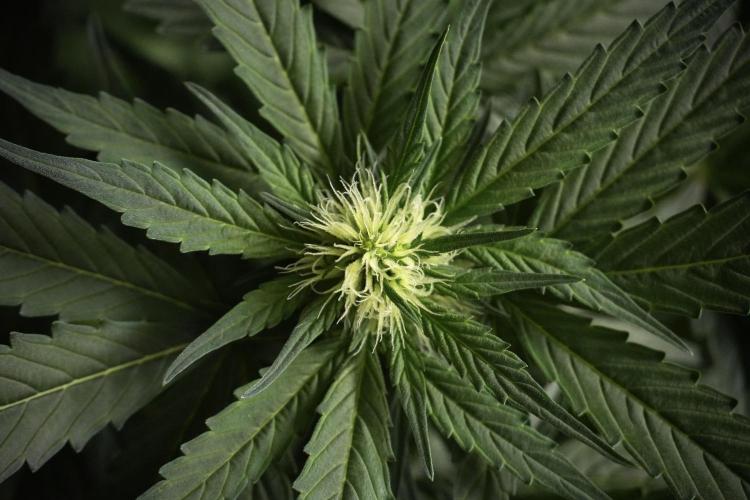
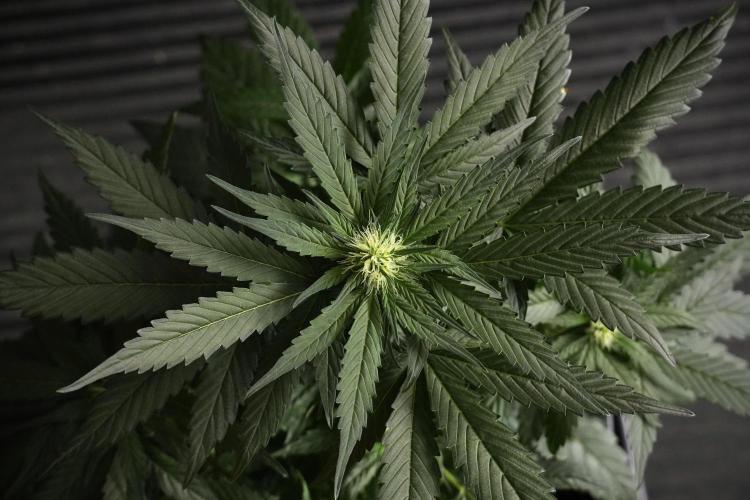
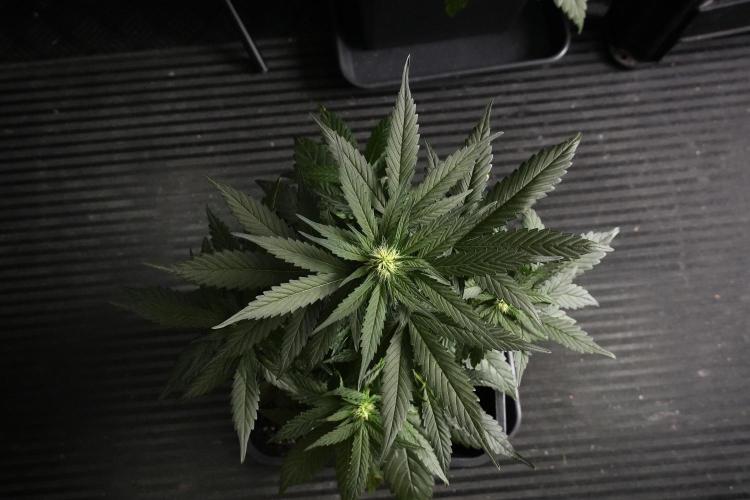
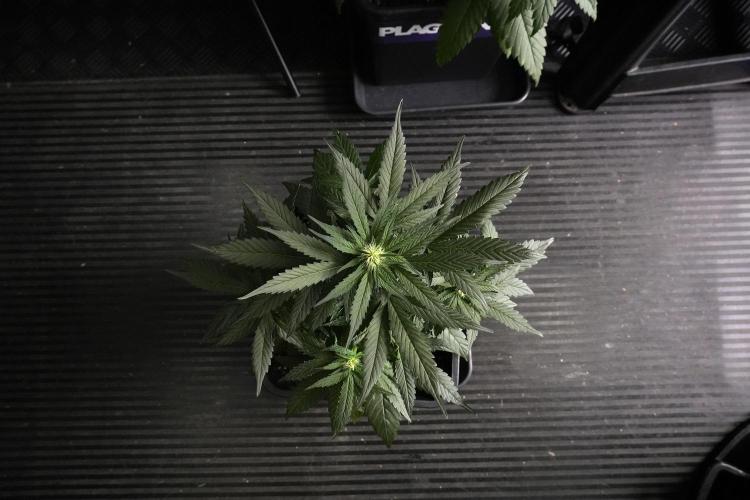
As some of you may have noticed, I've recently adjusted the way I document my grows. With the current photo limitations on GrowDiaries, each phenotype now receives its own dedicated diary rather than sharing a single journal with its sisters.
This allows me to continue documenting every stage of development while selecting the best photographs from each week and keeping everything organized from seed to harvest.
The goal remains exactly the same as always:
To create an honest, educational, and complete record while sharing observations, successes, lessons learned, and everything in between.
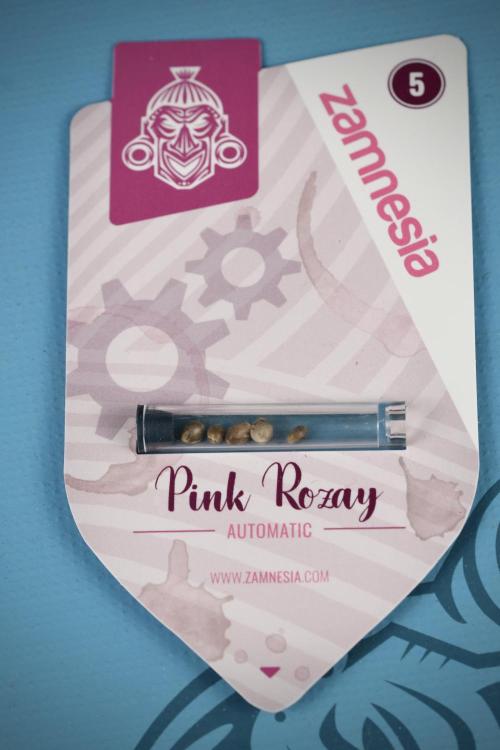
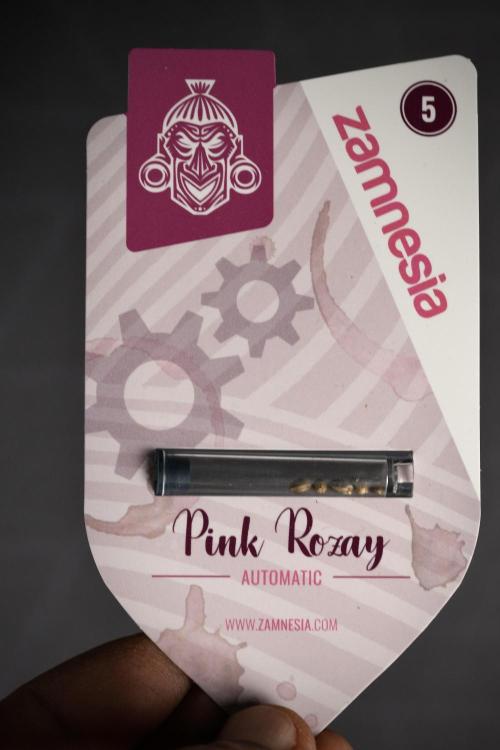
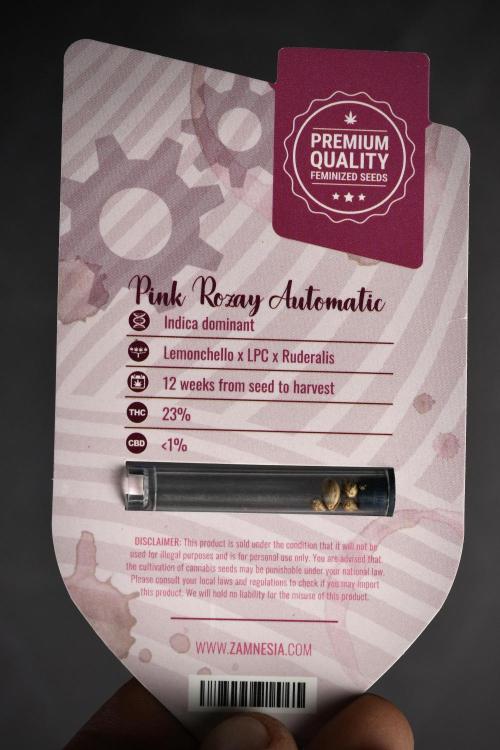
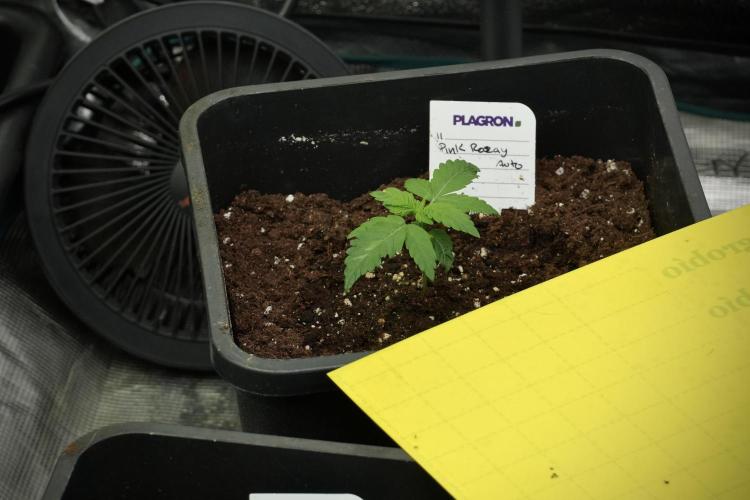
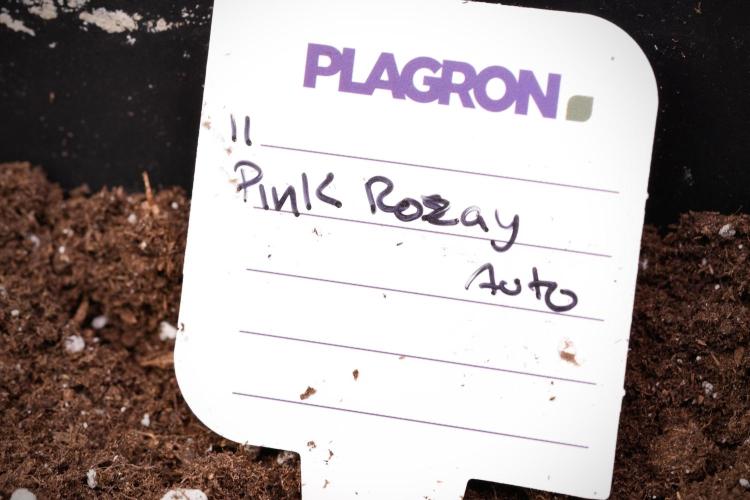
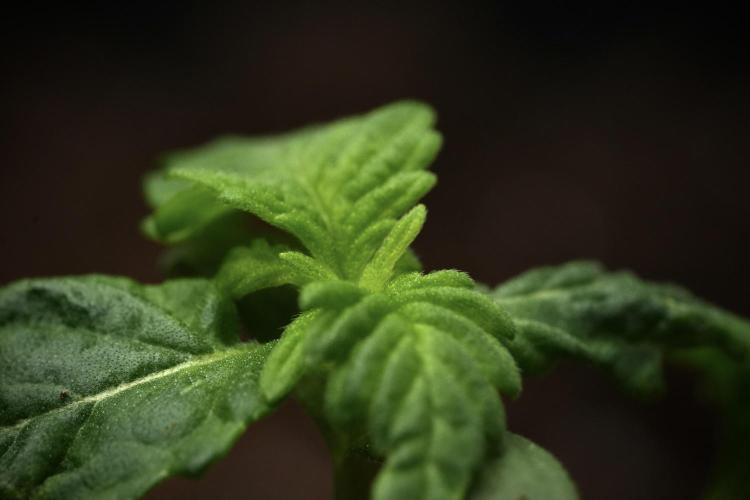
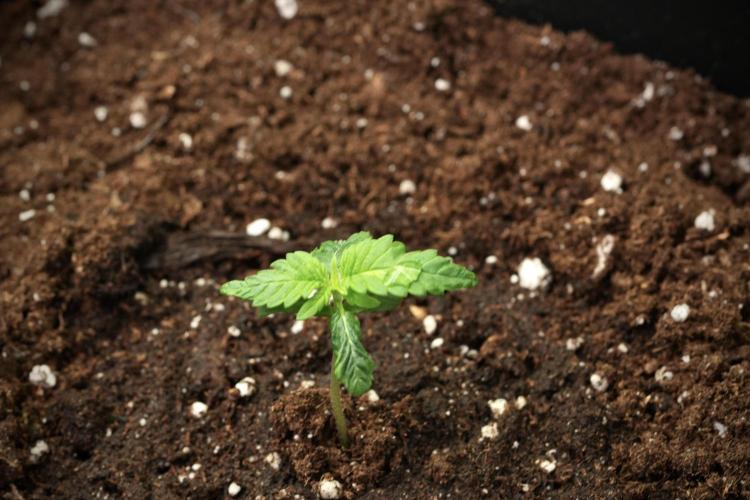
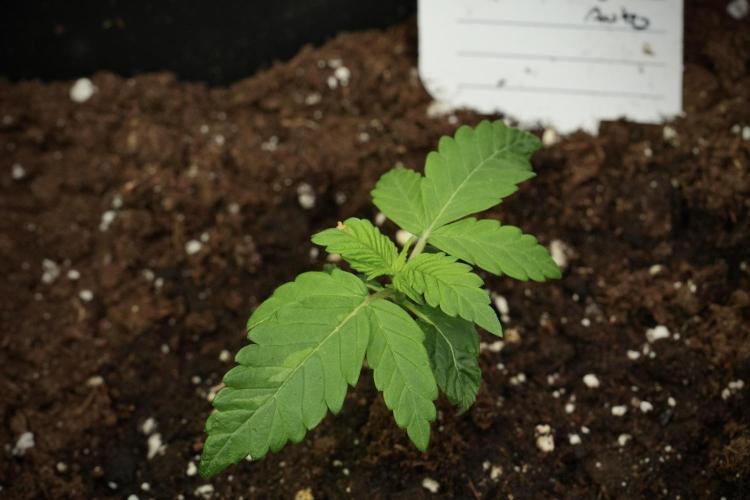
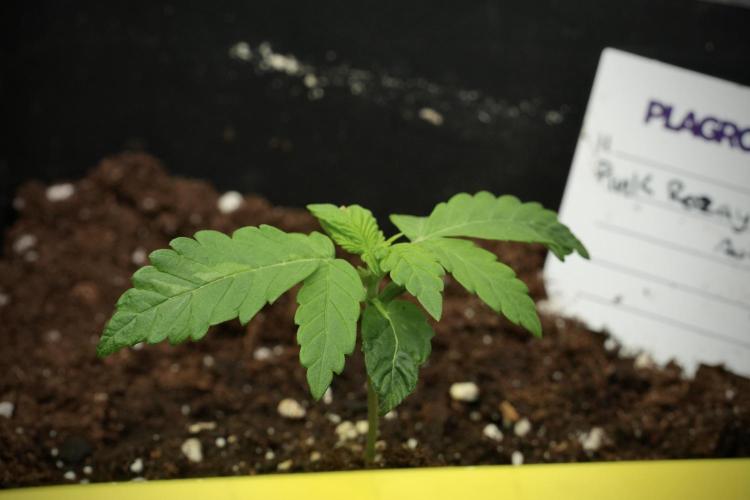
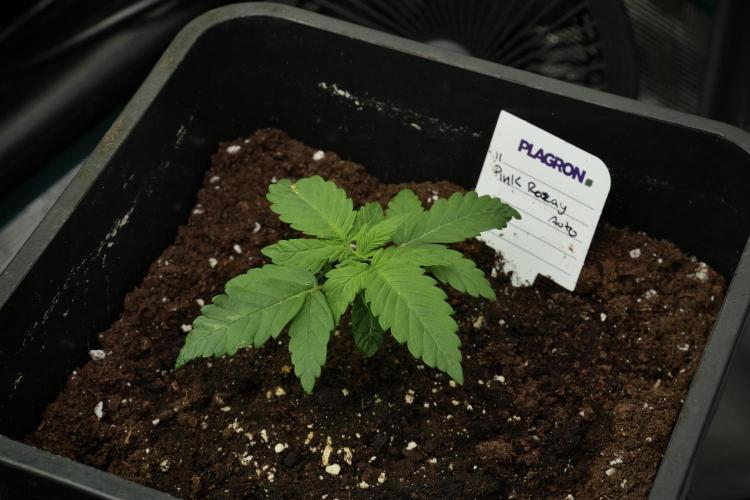
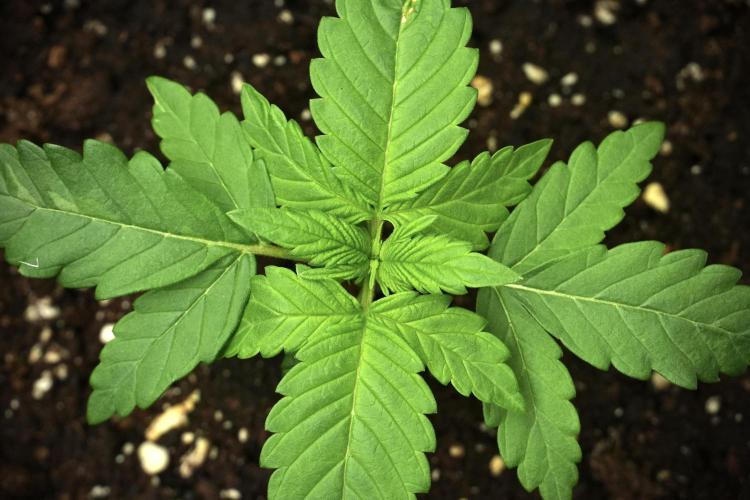
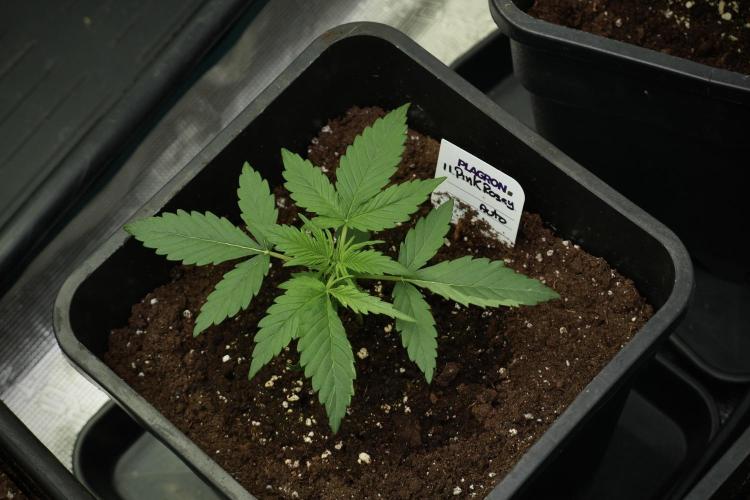
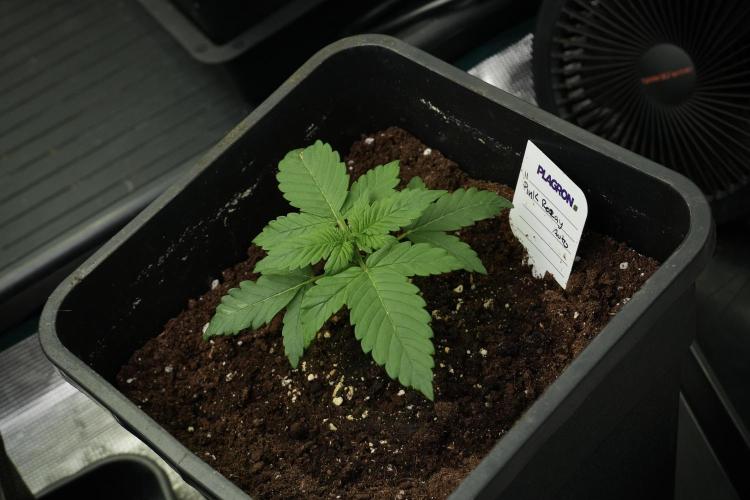
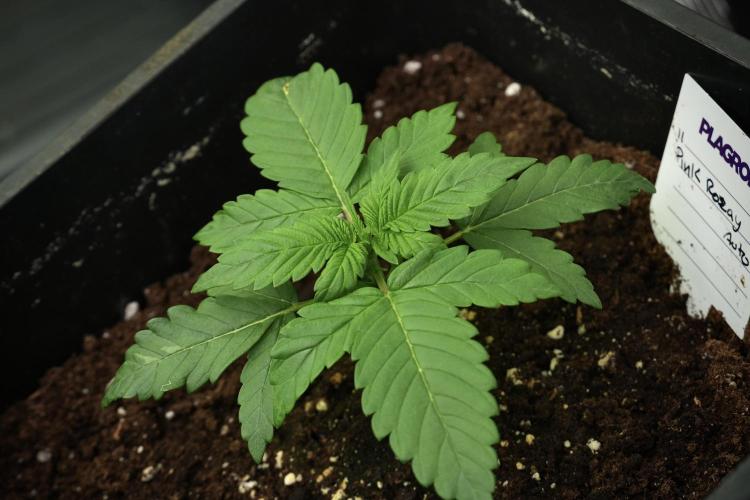
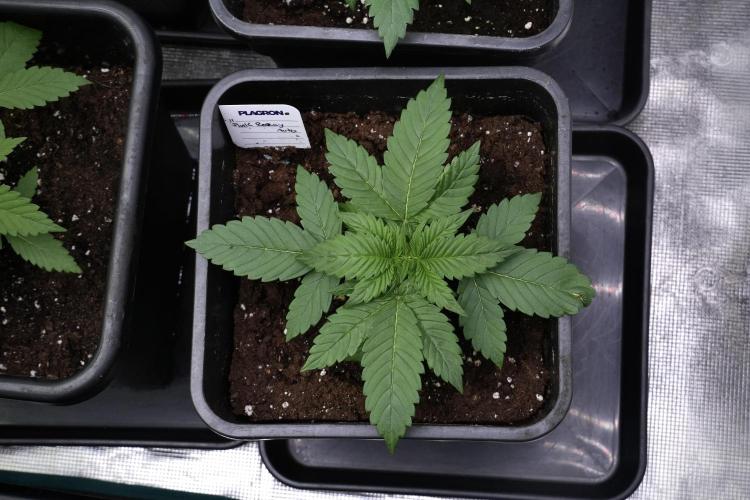
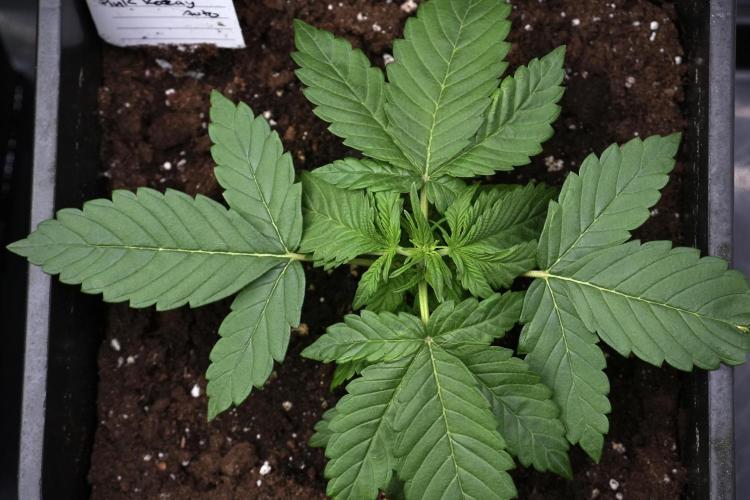
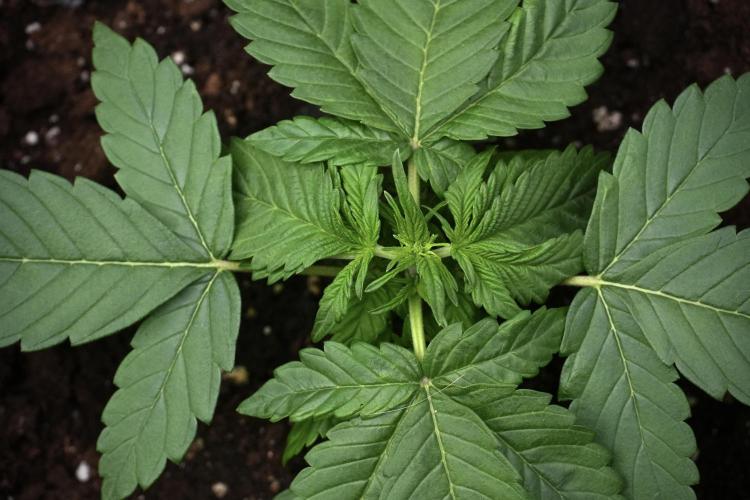
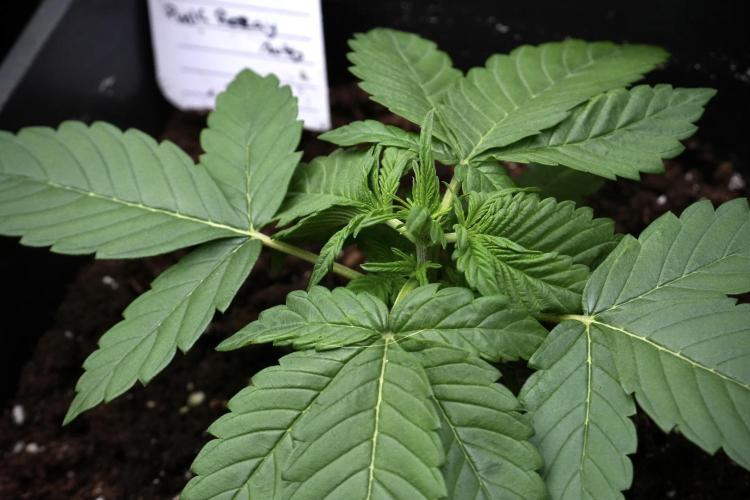
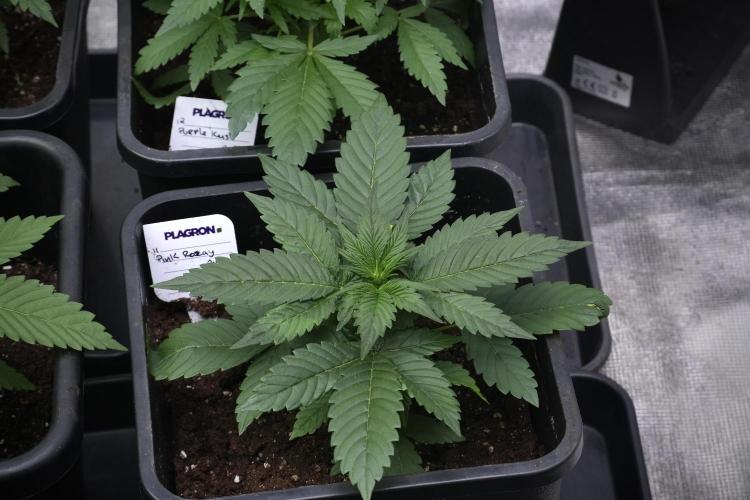
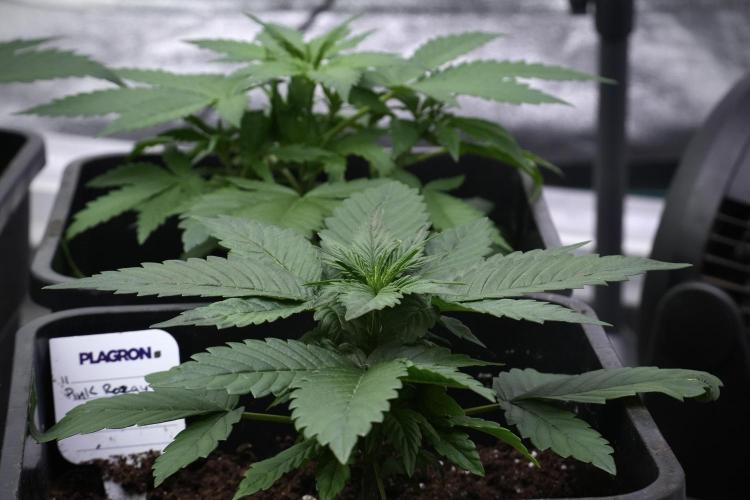
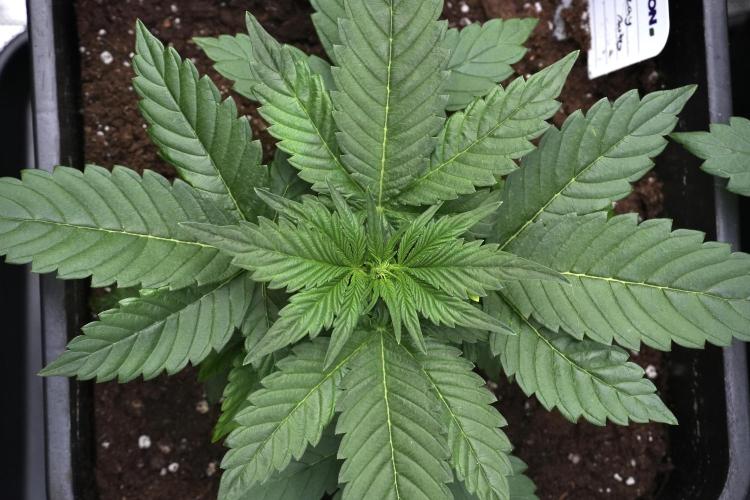
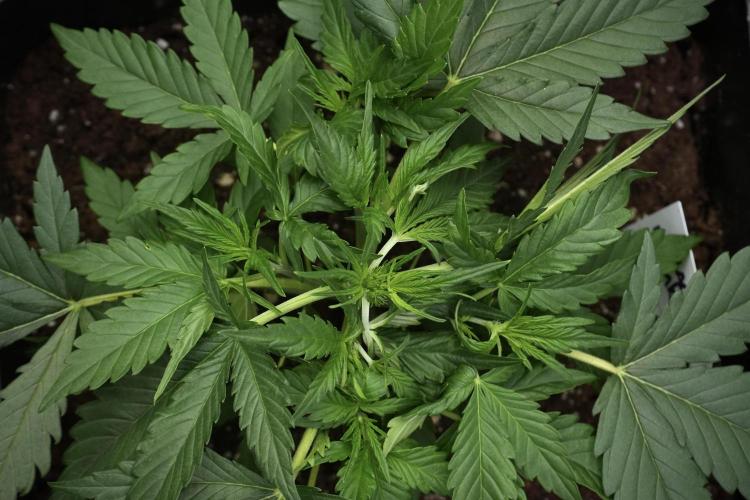
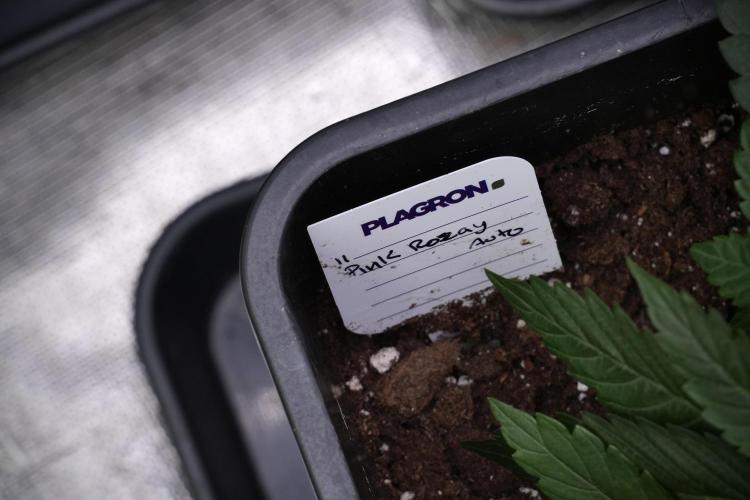
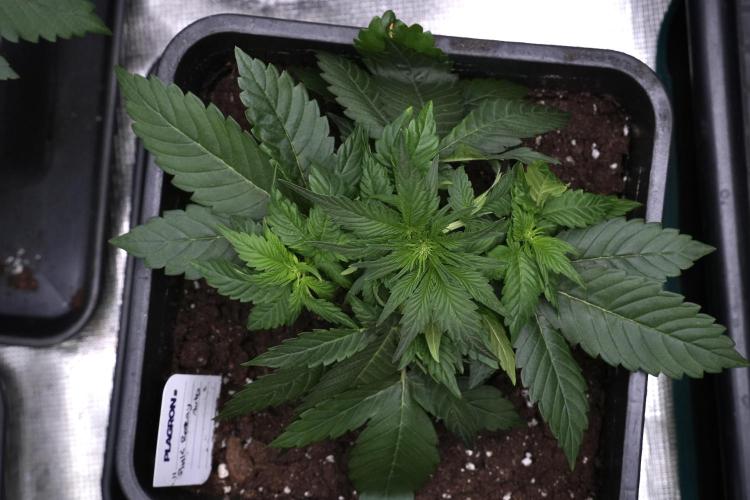
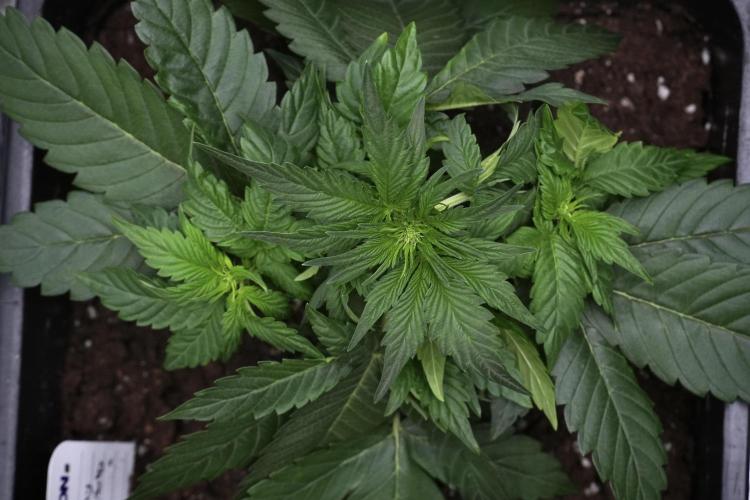
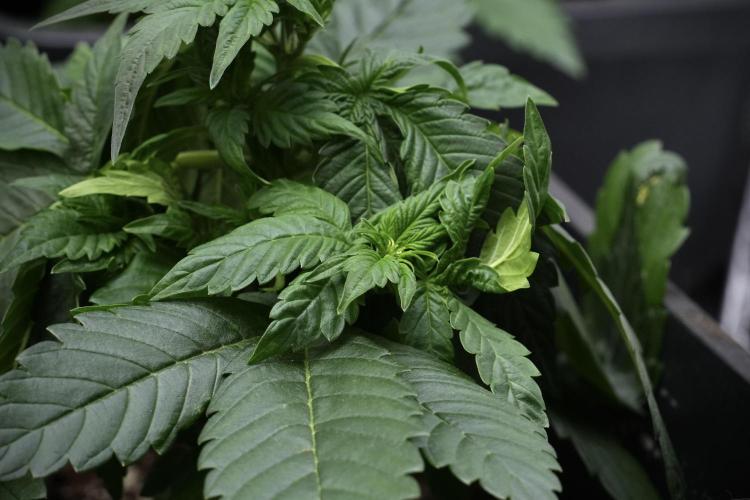
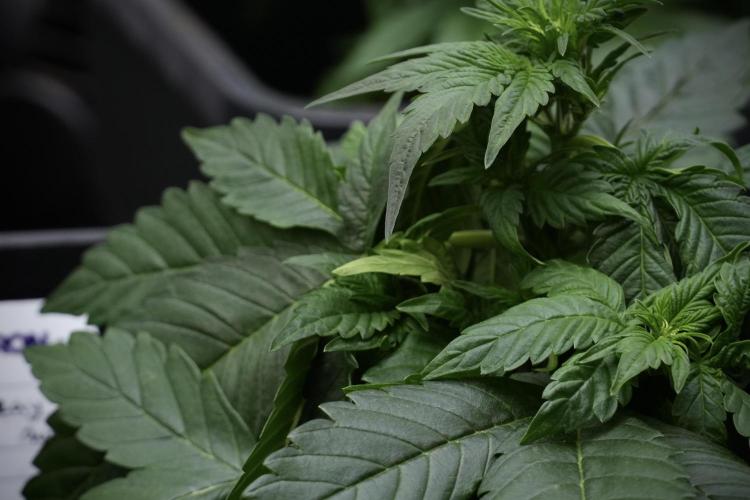
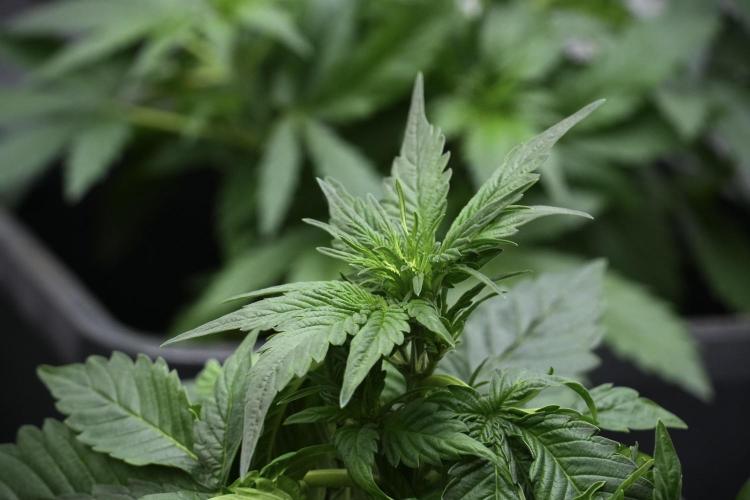
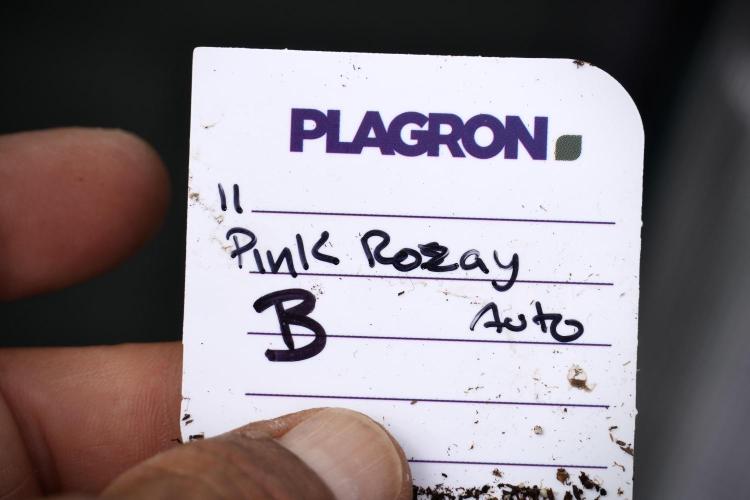
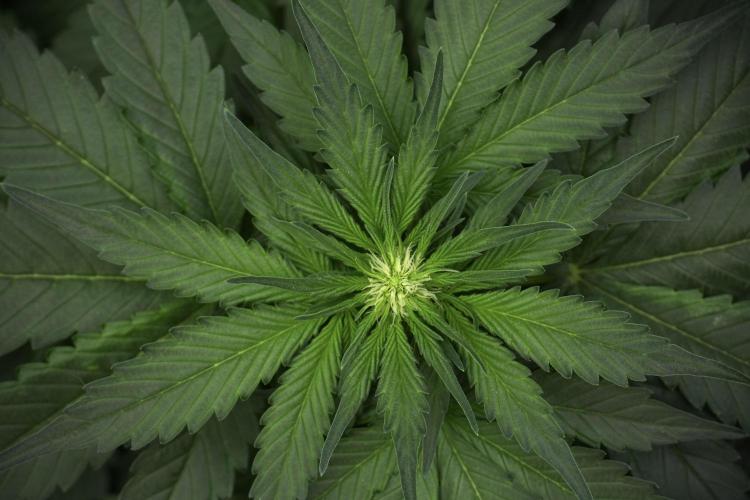
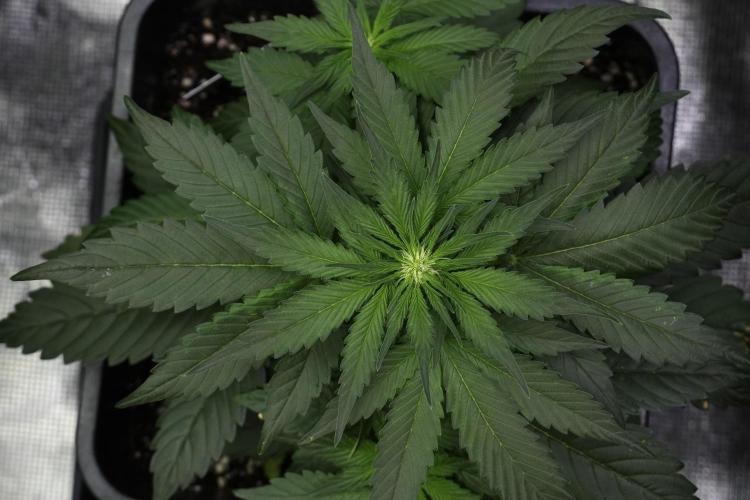
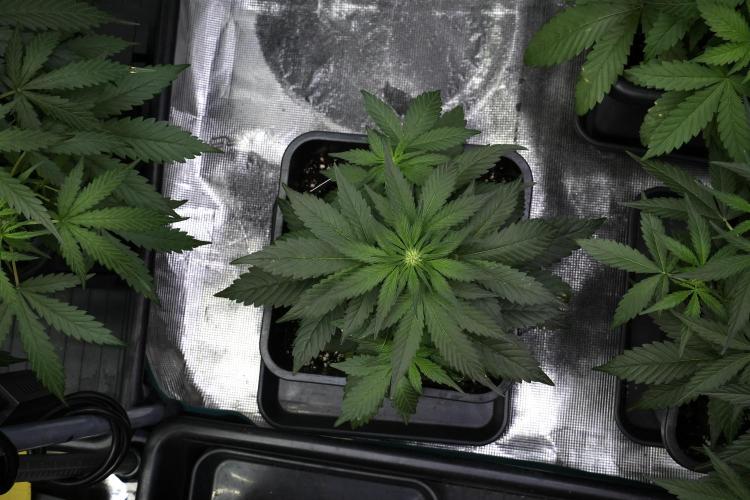
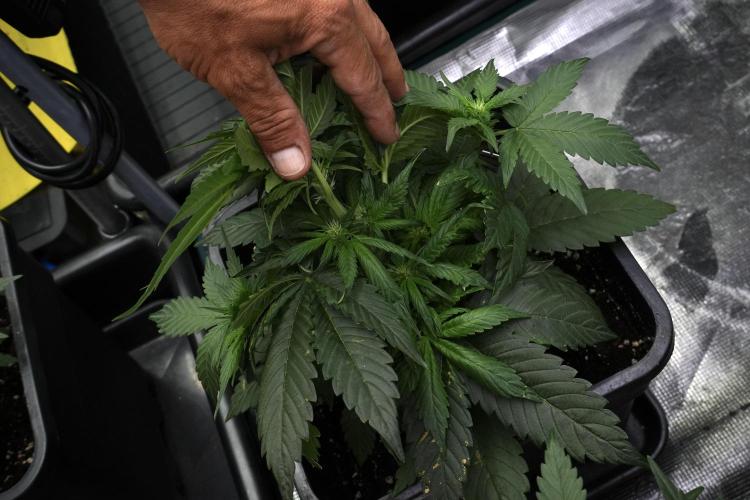
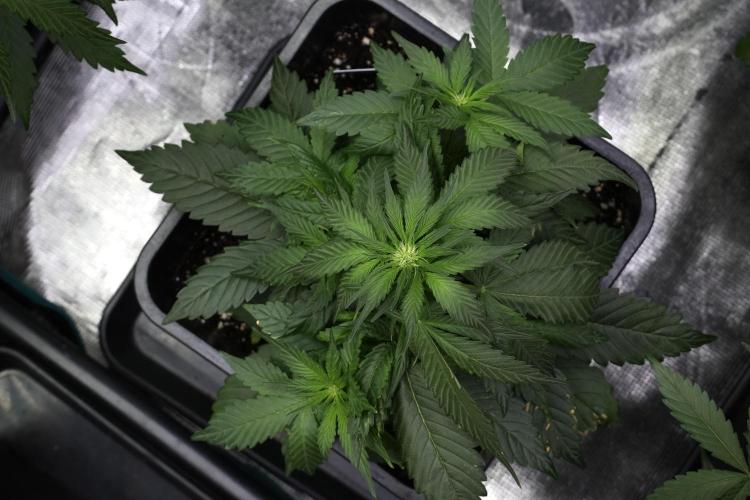
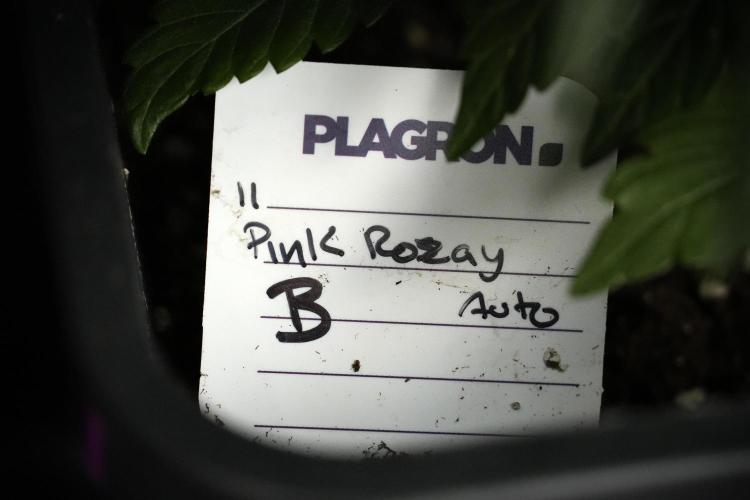
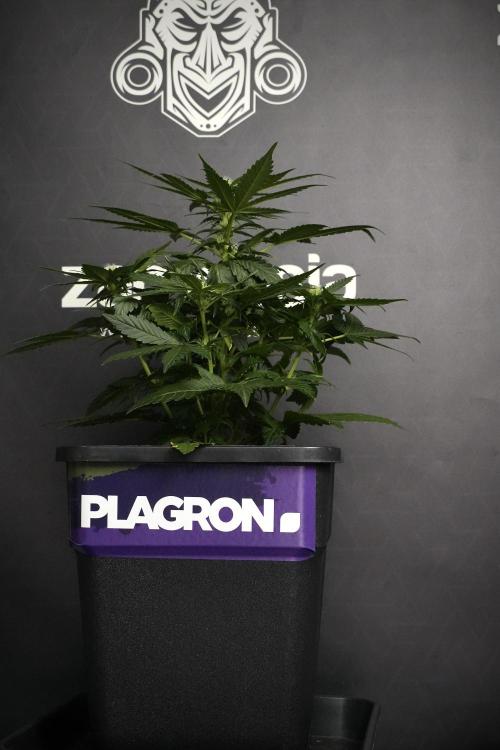
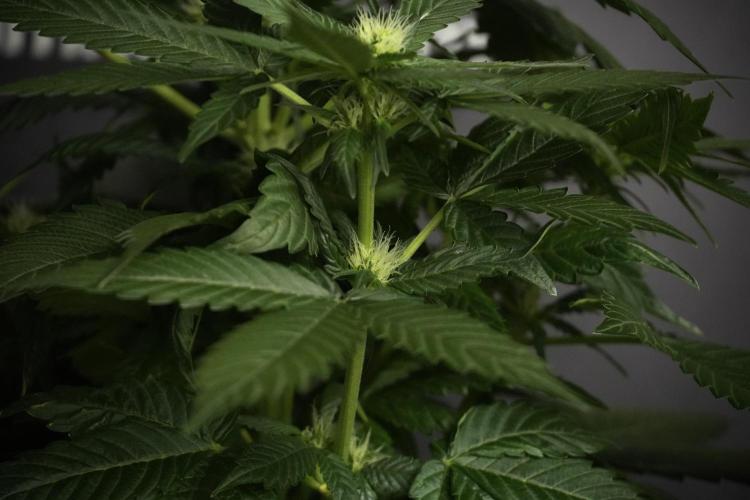
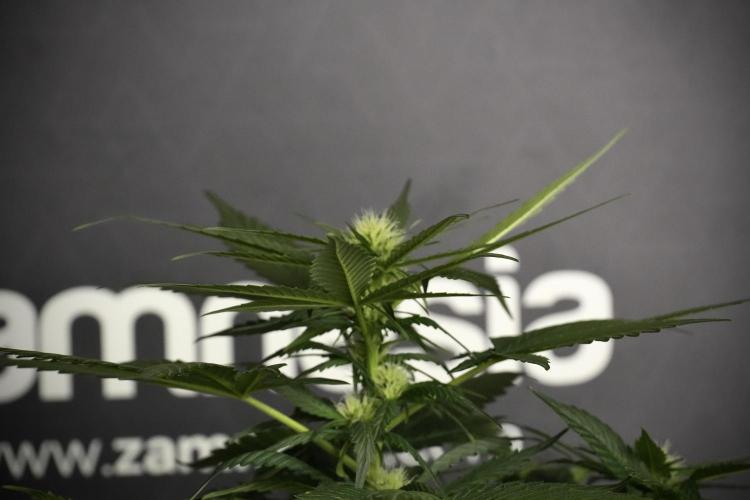
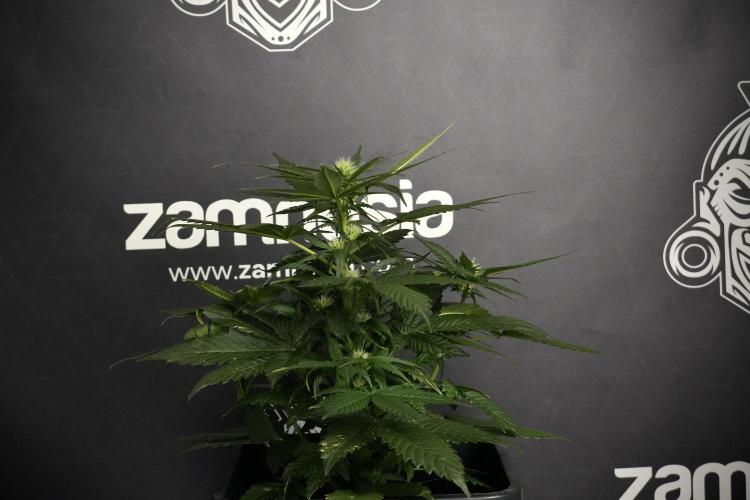
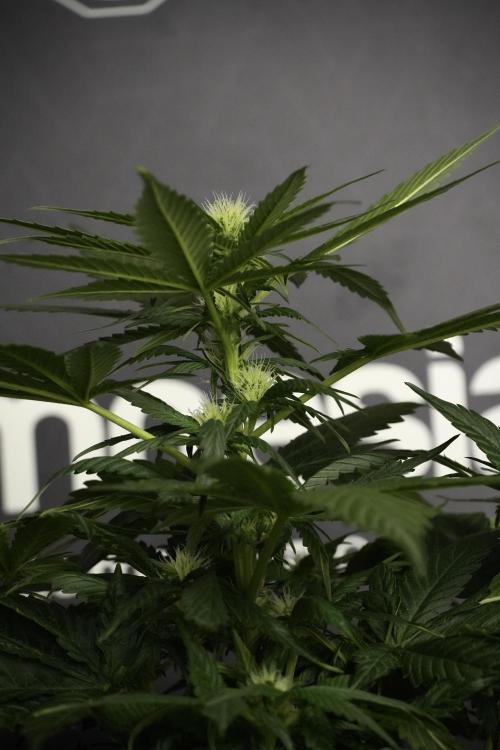
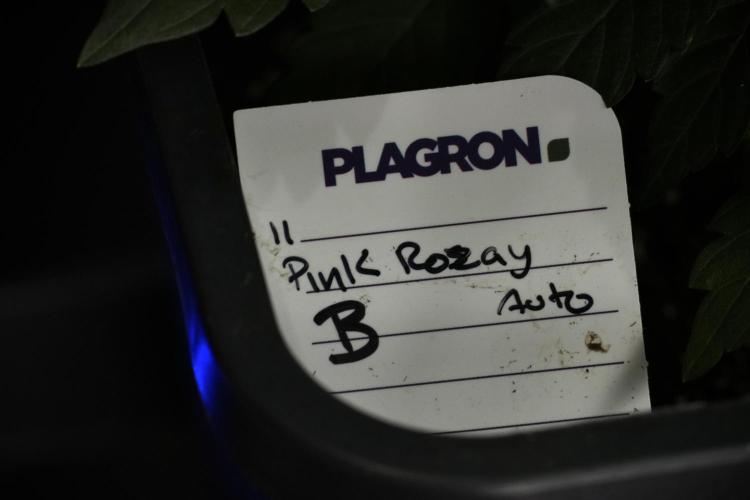
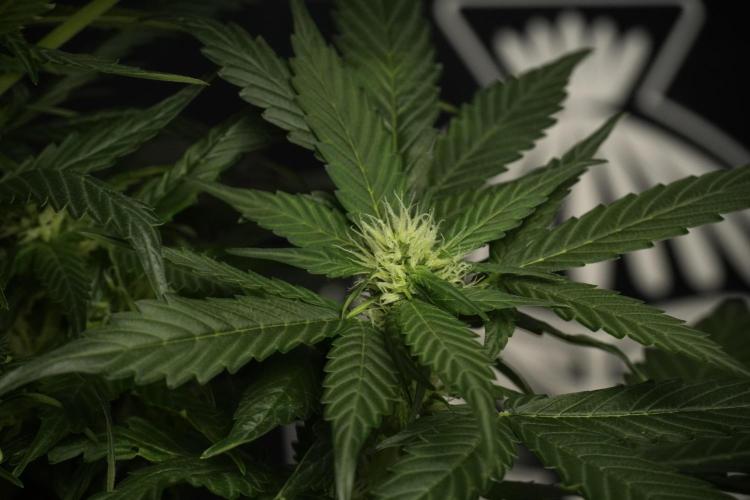
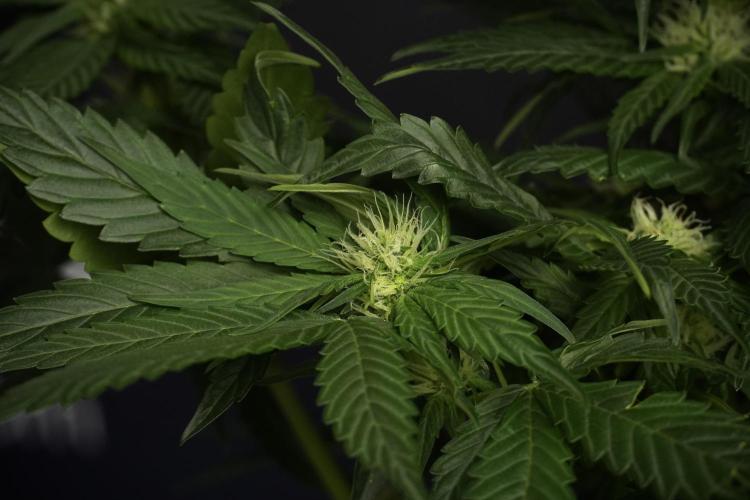
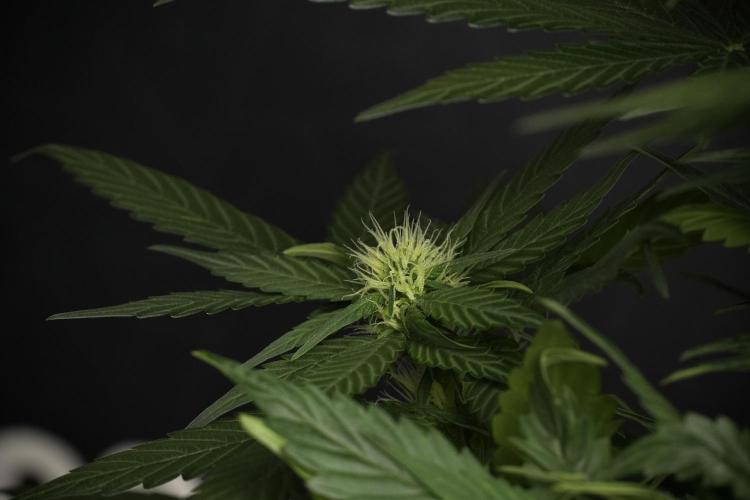
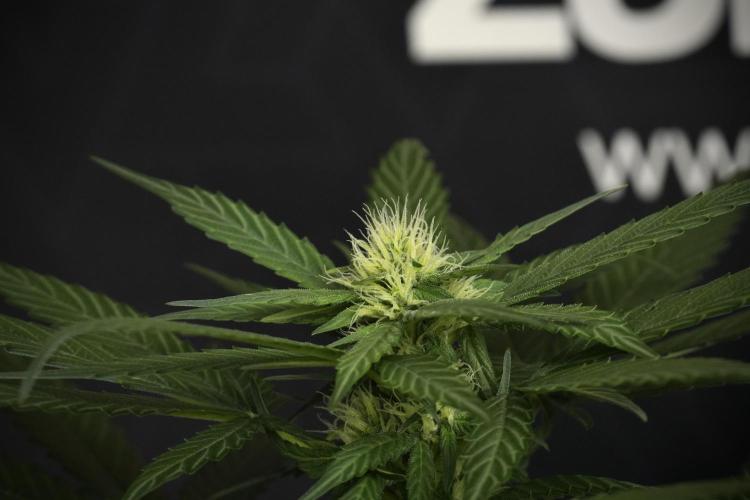
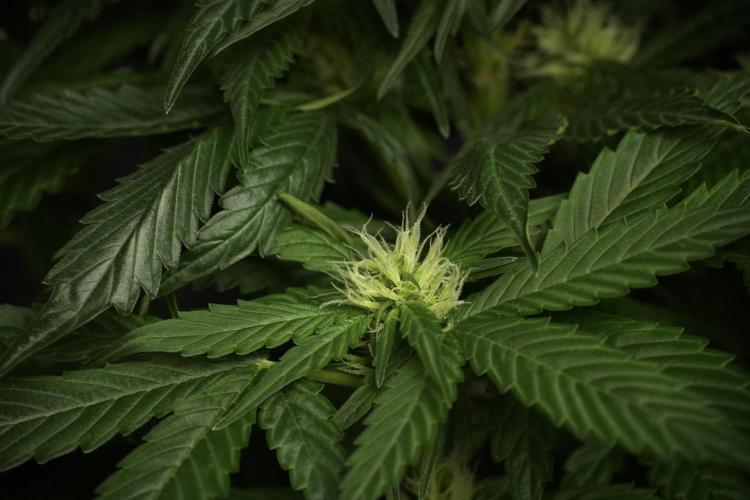
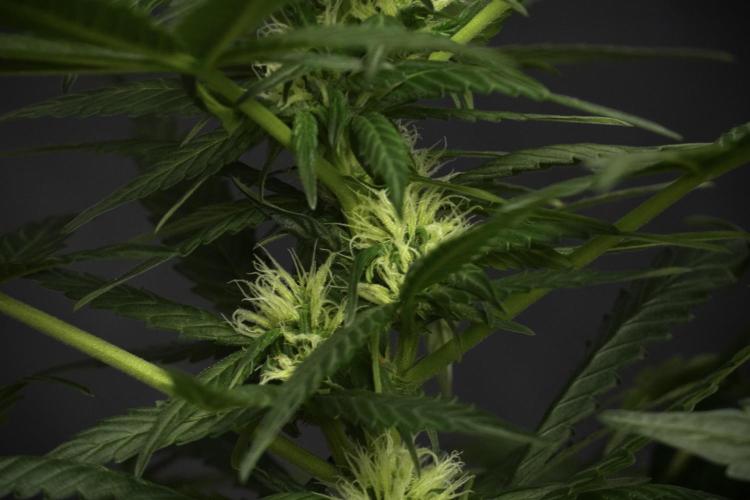
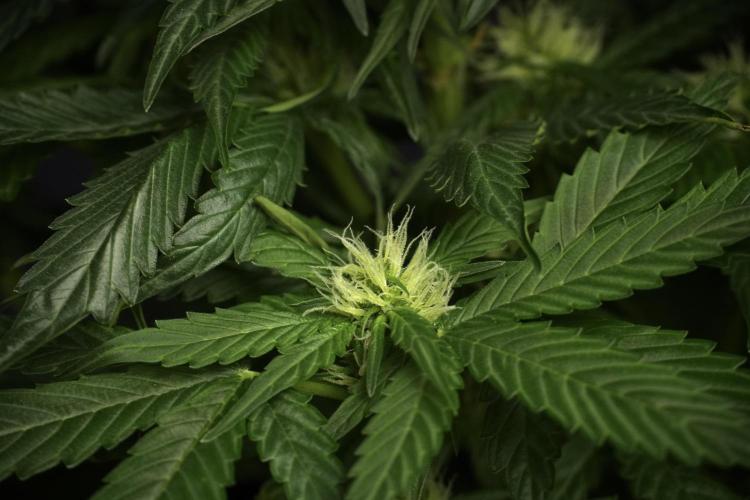
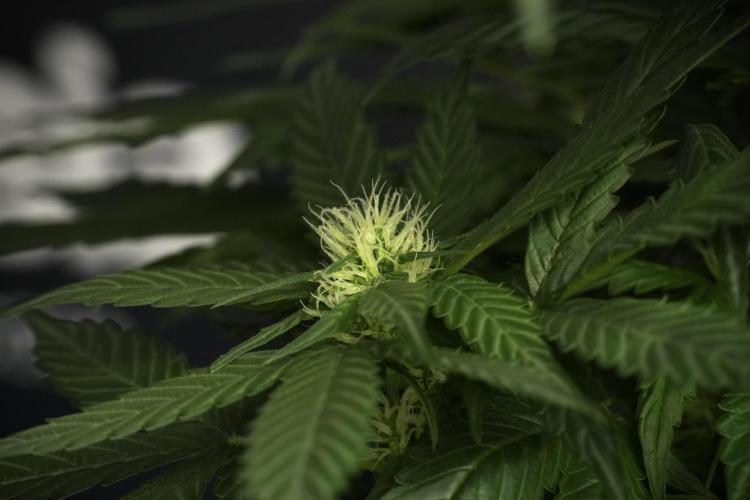
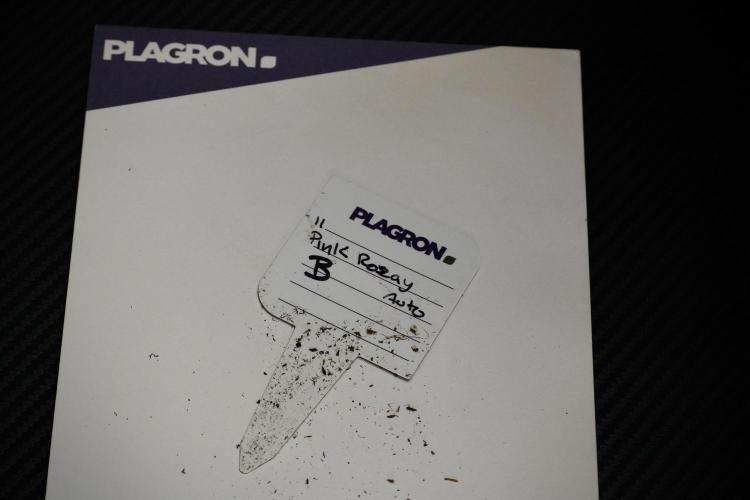
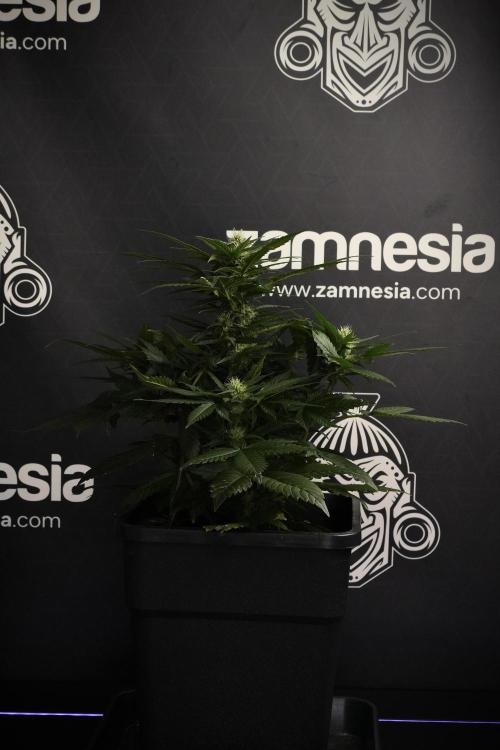
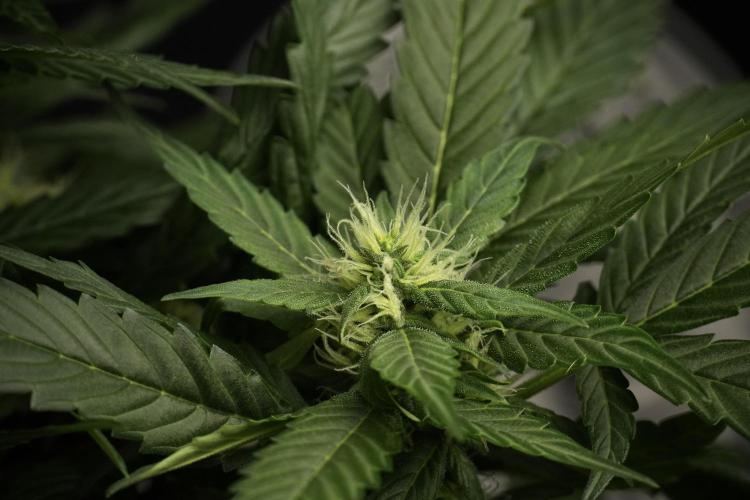
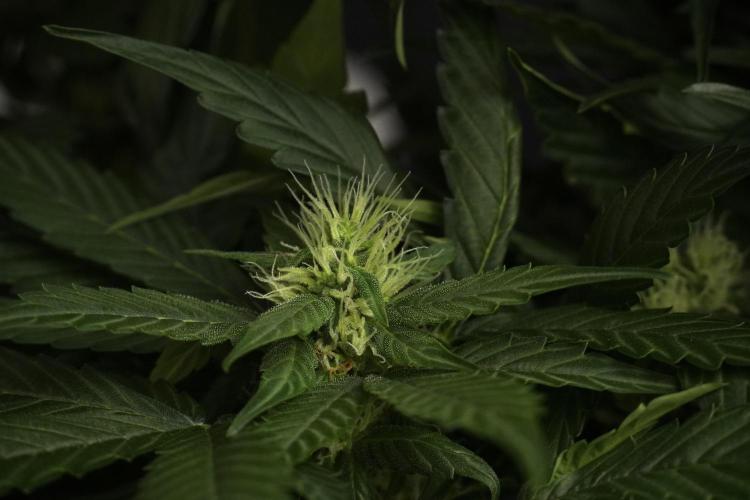
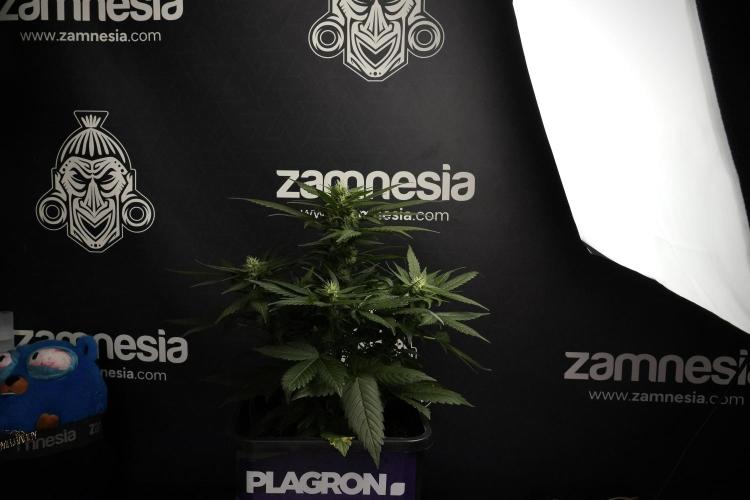
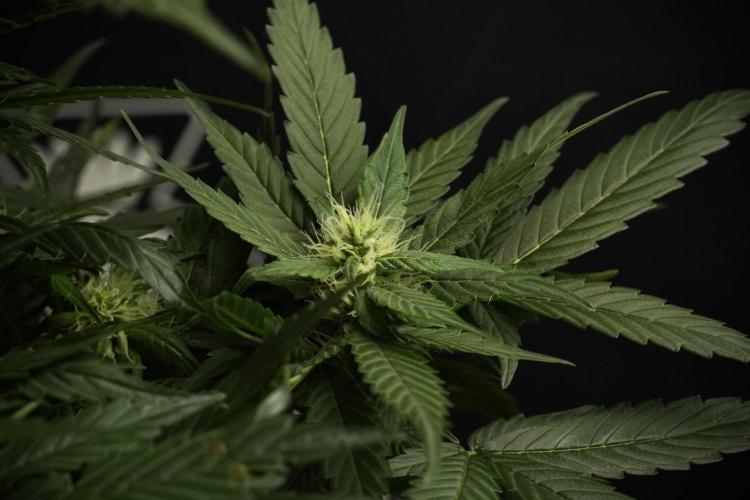
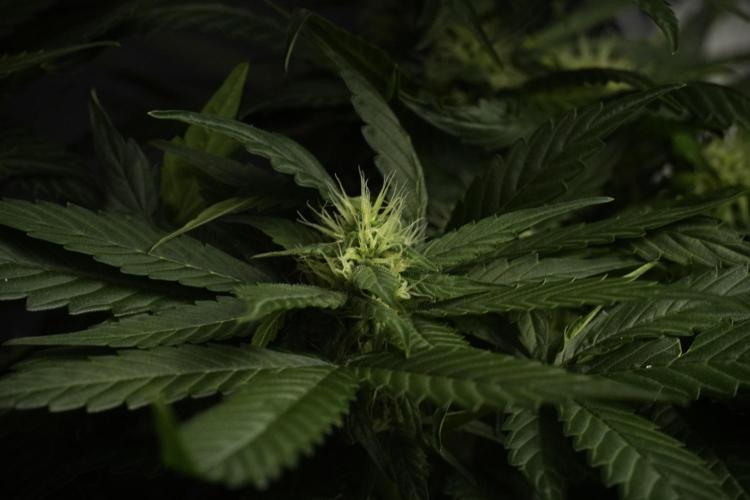
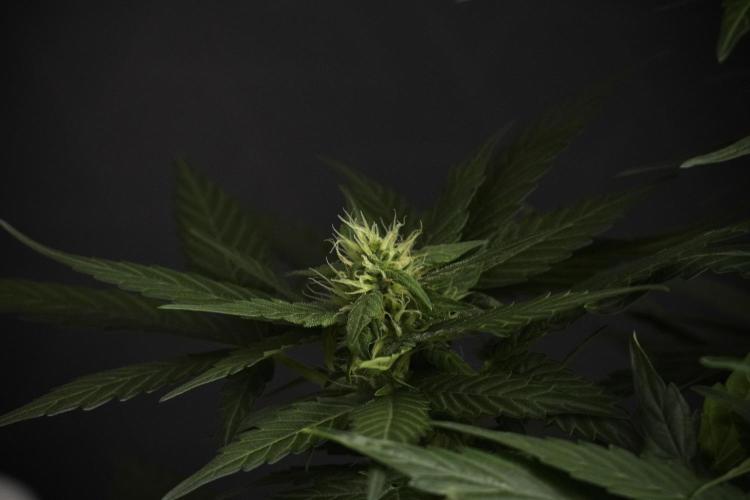
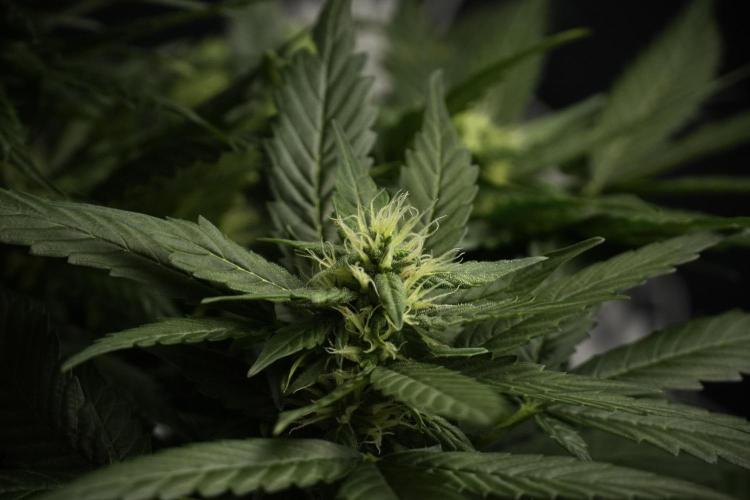
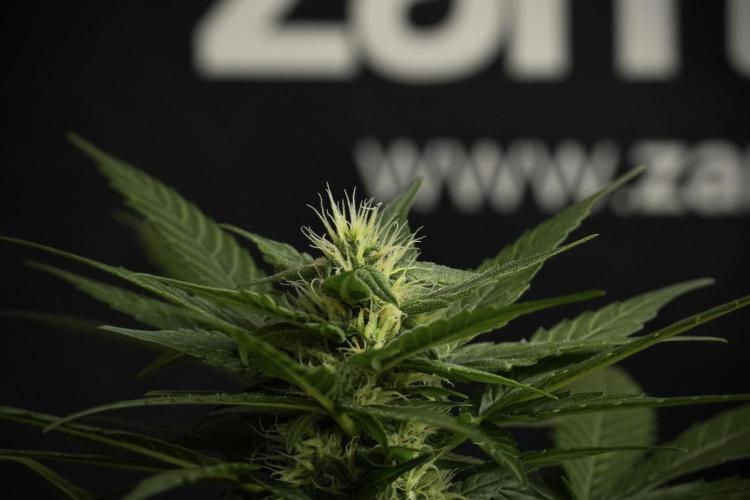
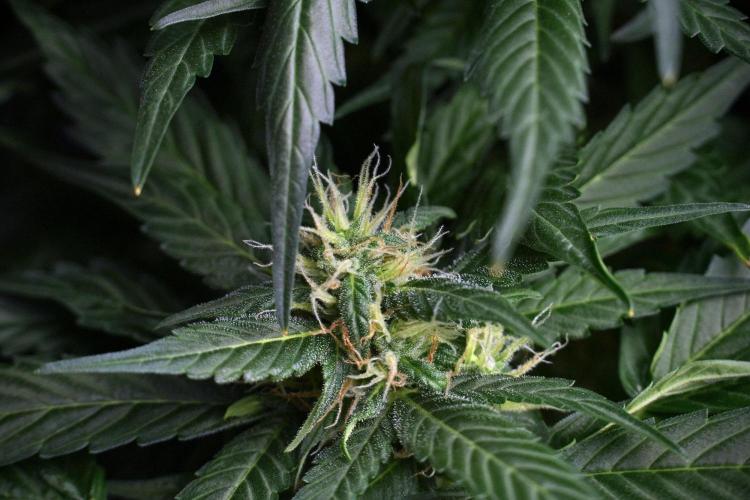
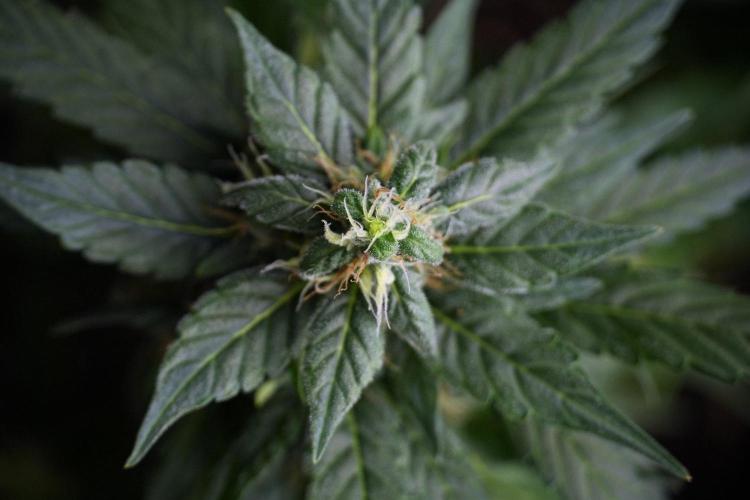
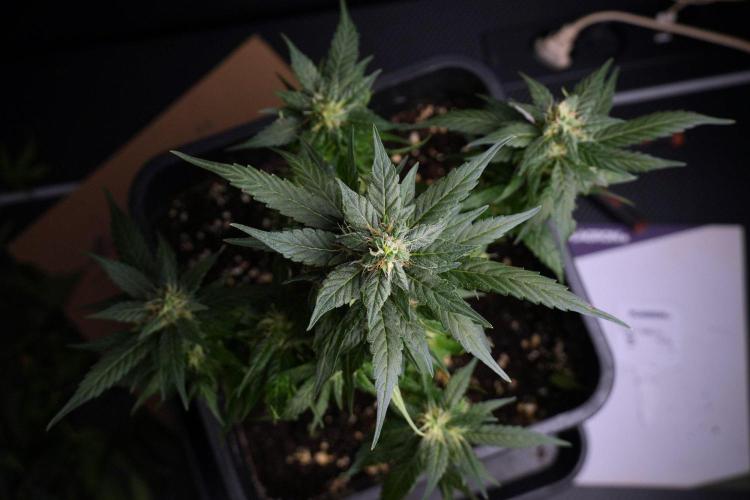
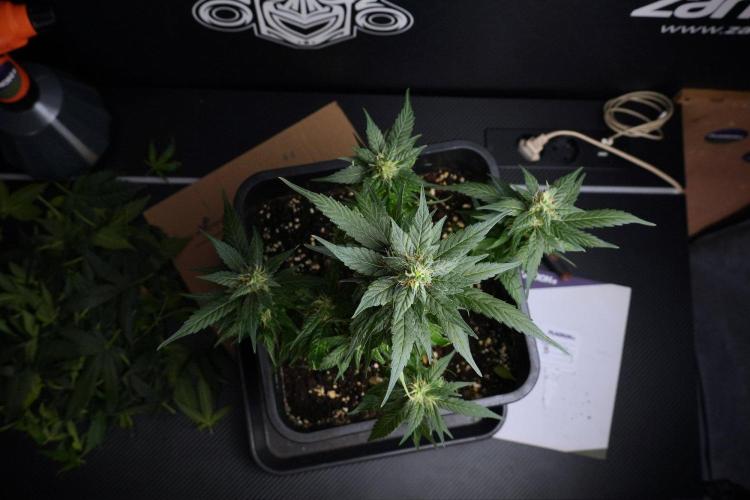
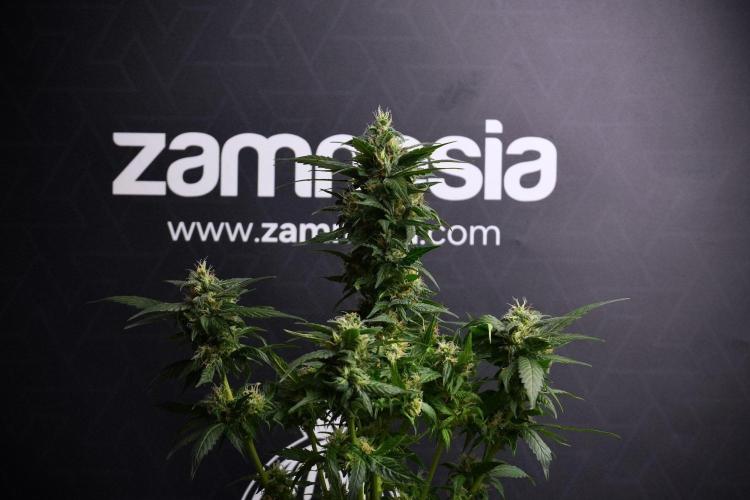
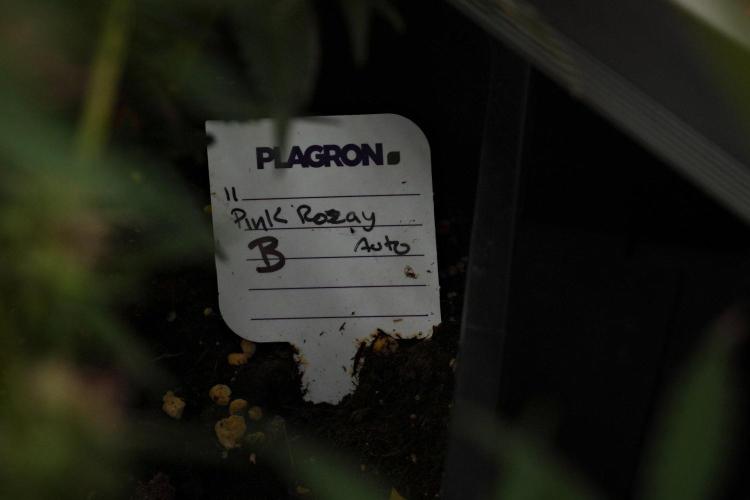
Today, we begin following Pink Rosay Auto Pheno B.
A sister to the previous phenotype, sharing the same genetic foundation while carrying her own unique potential and personality.
---
## Same Genetics, Different Possibilities
One of the reasons I enjoy documenting phenotypes individually is because plants have a remarkable way of surprising us.
Two seeds from the same pack.
The same environment.
The same soil.
The same water.
The same grower.
And yet they often develop into noticeably different individuals.
That is one of the most fascinating parts of cultivation.
At this stage both sisters are beginning life in very similar ways.
Healthy.
Vigorous.
Strong.
But every phenotype eventually starts writing its own story.
And that story is what we're here to document.
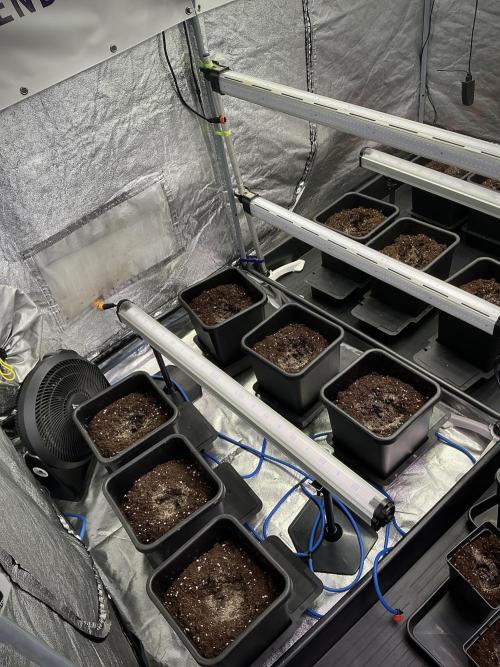
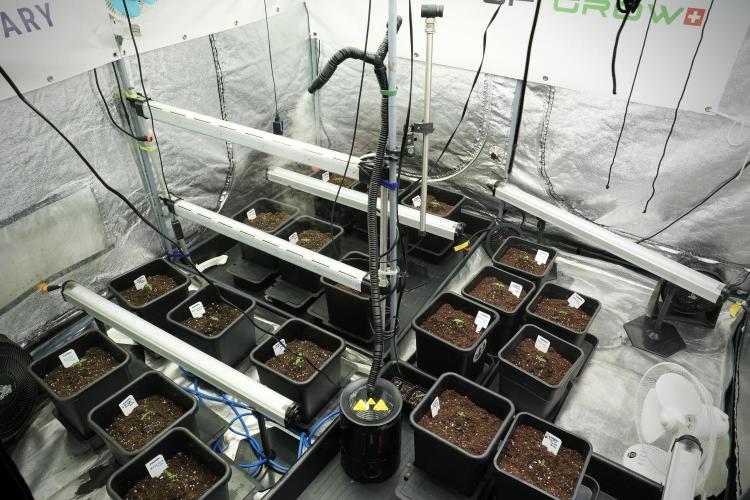
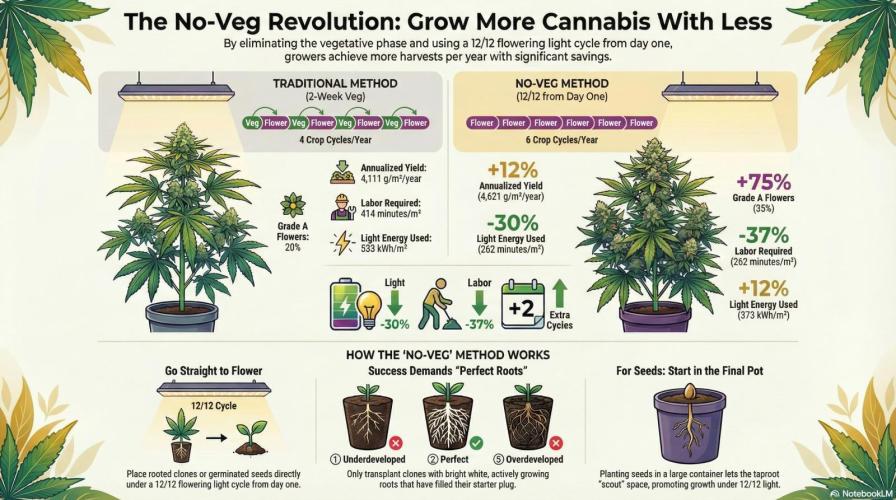
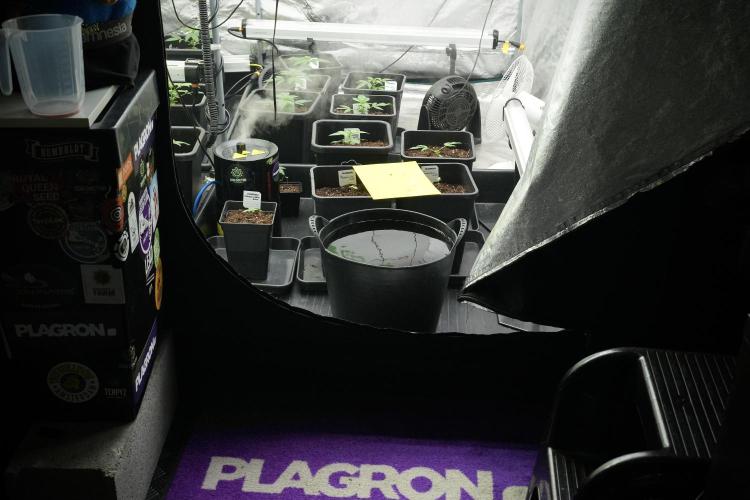
For this run, we're following Pink Rosay Auto from Zamnesia Seeds, cultivated under a 12/12 from seed schedule from the very first day of life.
A method that is a little different from what most growers choose, but one that has become part of my own cultivation style over time.
Throughout this diary, I'll explain not only what I'm doing, but also why I'm doing it, allowing anyone interested to follow the process from beginning to end.
---
## Germination Using the Cannakan System
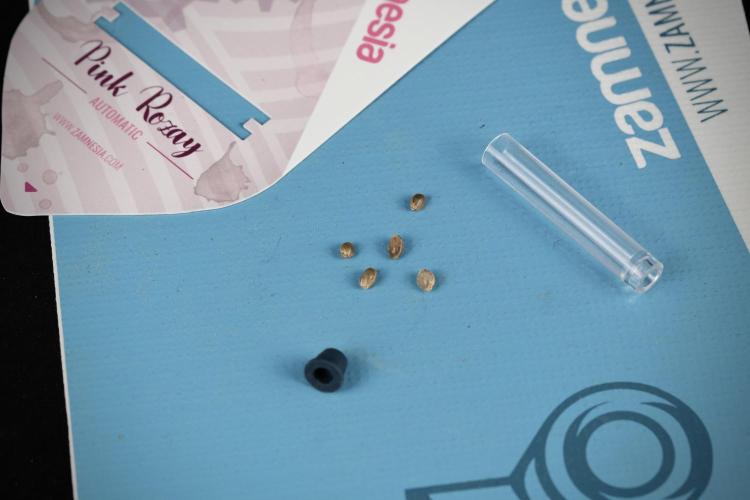
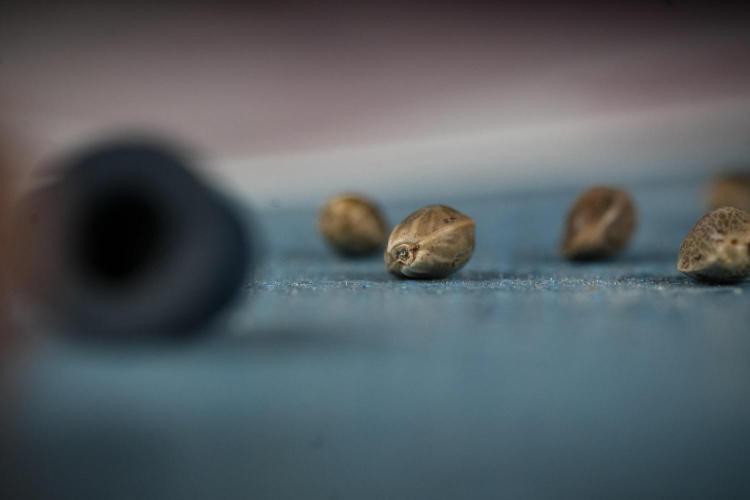
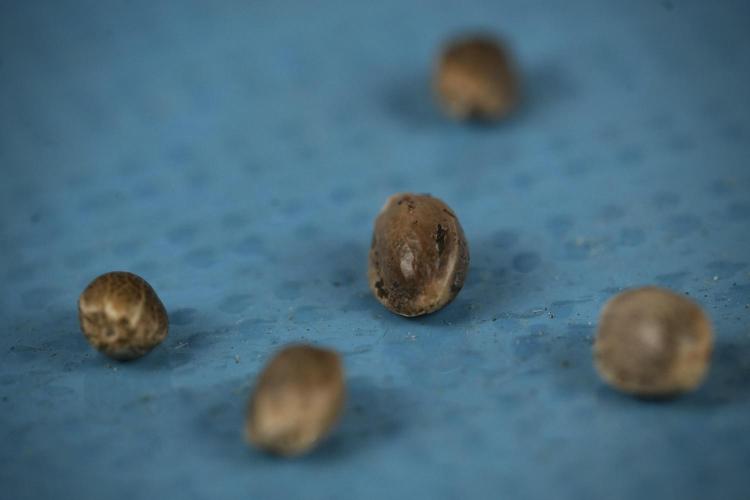
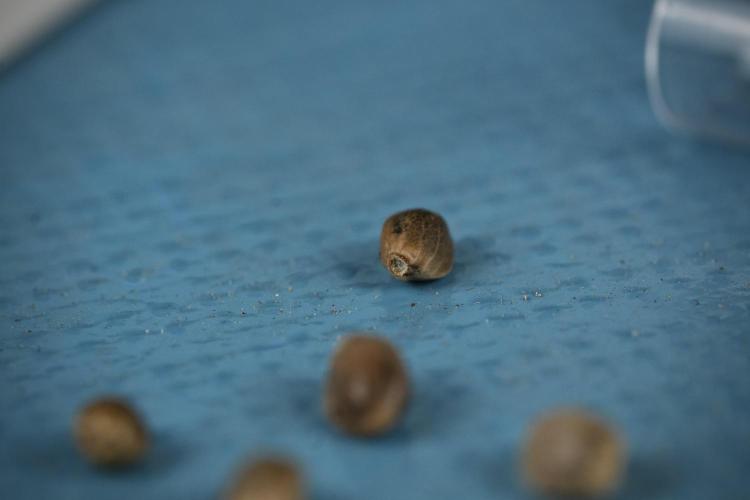
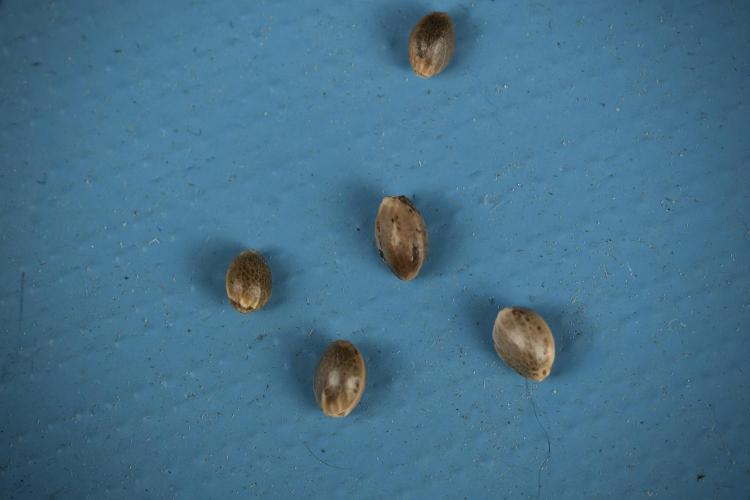
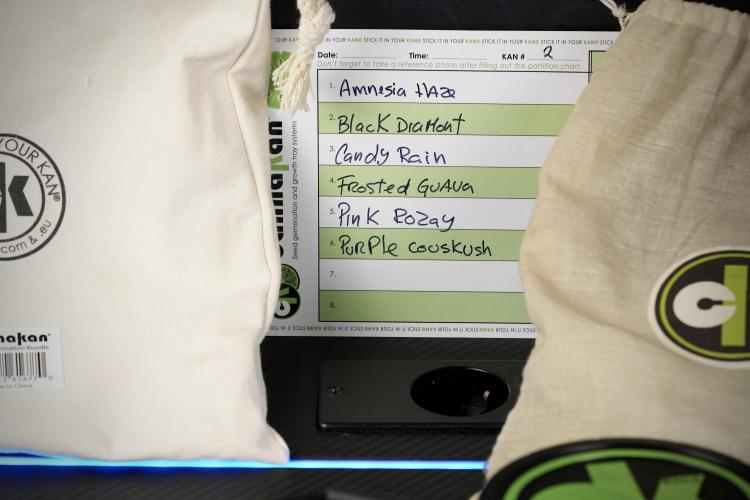
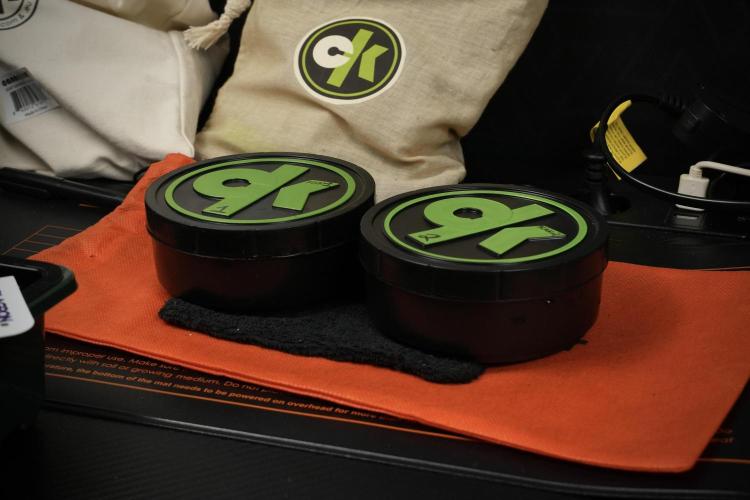
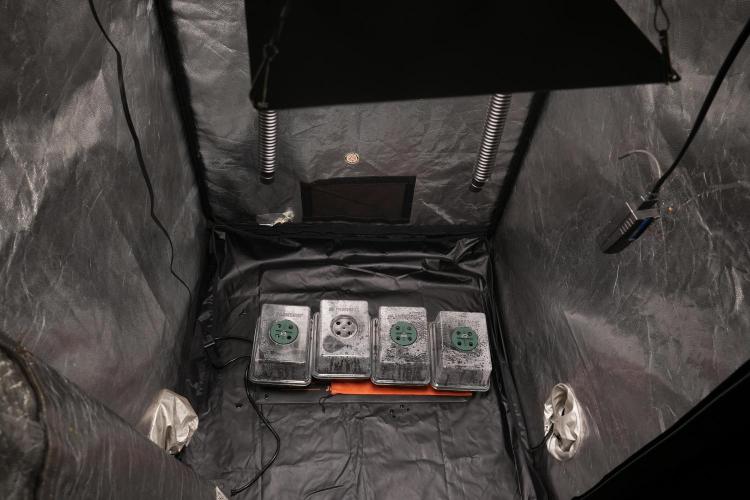
To begin this run, I once again used the Cannakan germination system.
For organizational purposes, the autoflower section of the project was germinated using my second Cannakan unit, while the photoperiod section used the first.
The methodology itself remained exactly the same.
Simple.
Organized.
Reliable.
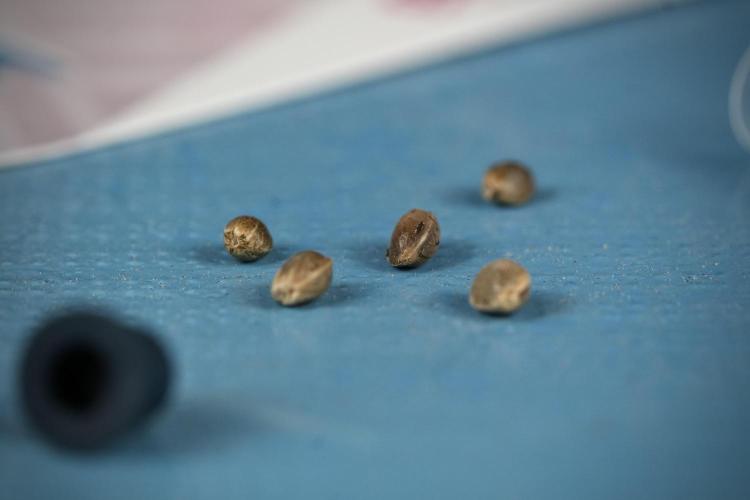
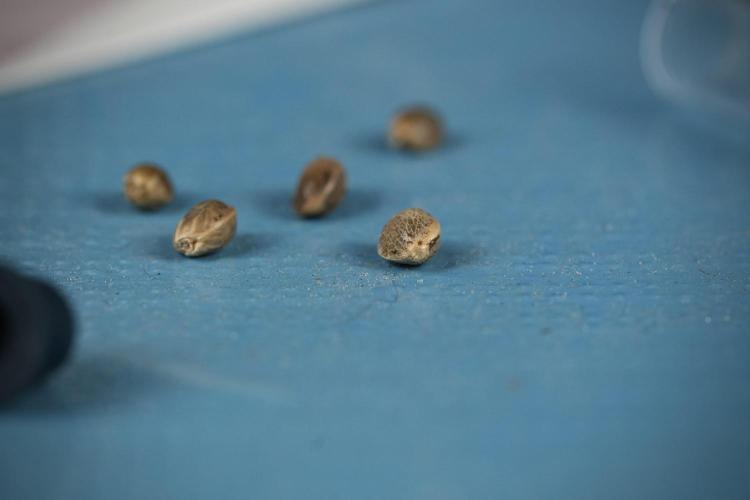
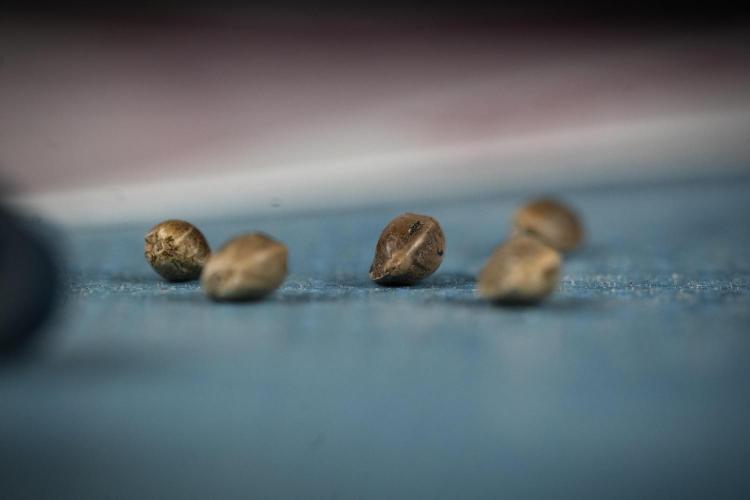
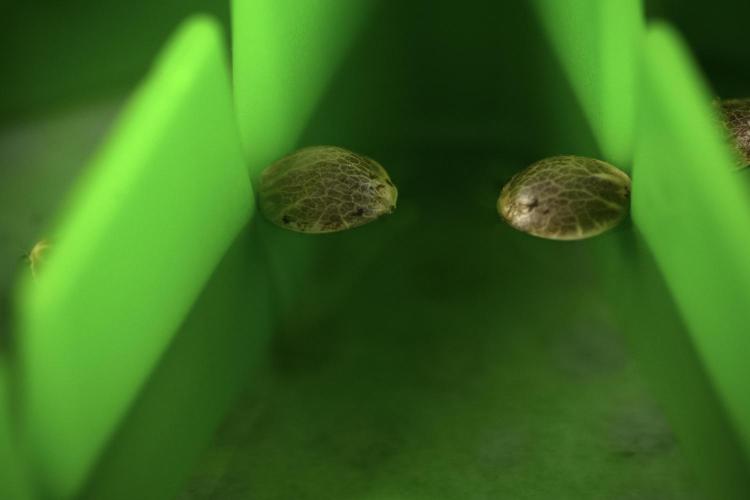
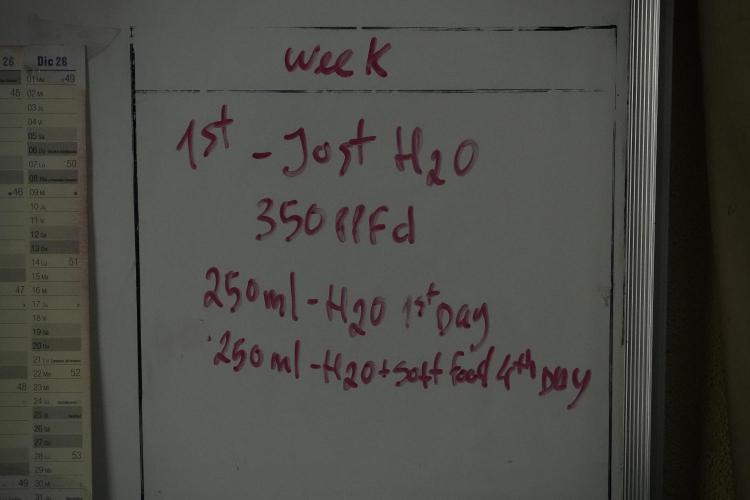
The seed was placed inside using only plain water.
No nutrients.
No additives.
No stimulants.
Just water.
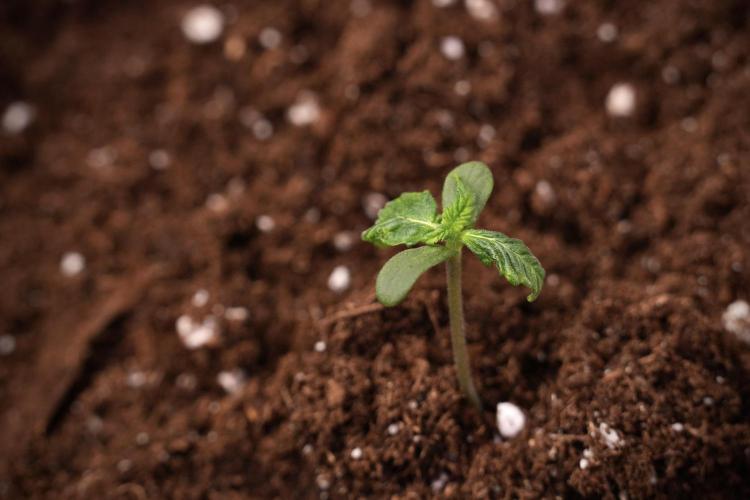
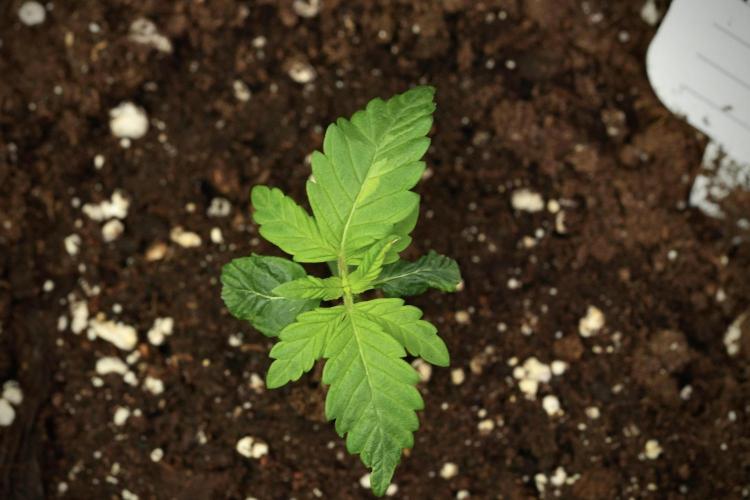
Within approximately 24 hours a healthy taproot had emerged and the seed was ready for planting.
Exactly what we hope to see from healthy genetics.
---
## Why Only Water?
One question that often appears during germination is:
"Why not feed the seed immediately?"
The answer remains simple.
The seed already contains everything required for its first stage of life.
Inside that shell are the energy reserves needed to establish roots and begin development.
At this stage, I prefer allowing the seed to use those natural reserves exactly as intended.
The objective is not to feed the plant.
The objective is simply to wake it up.
Water is enough.
Nature already prepared the rest.
---
## Coco Starter Plugs
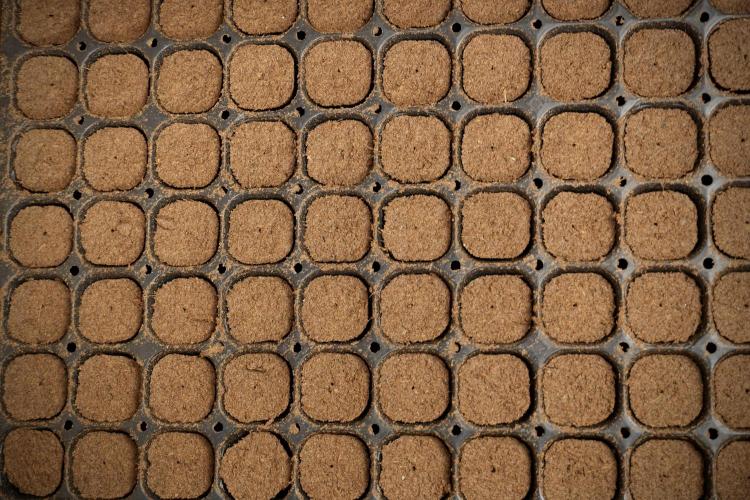
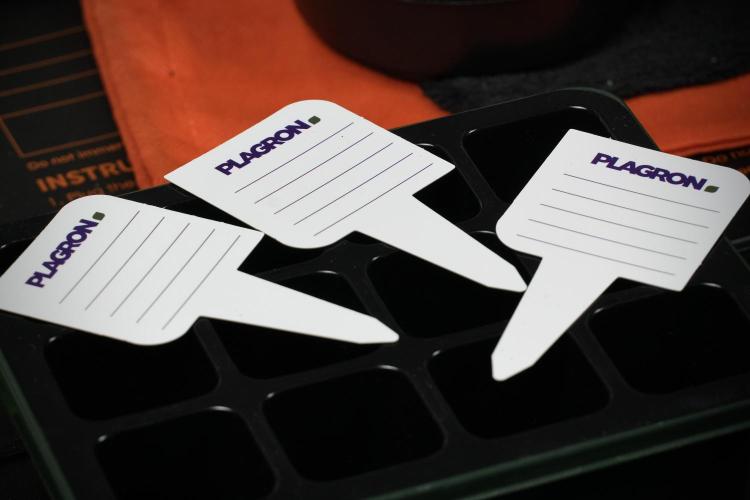
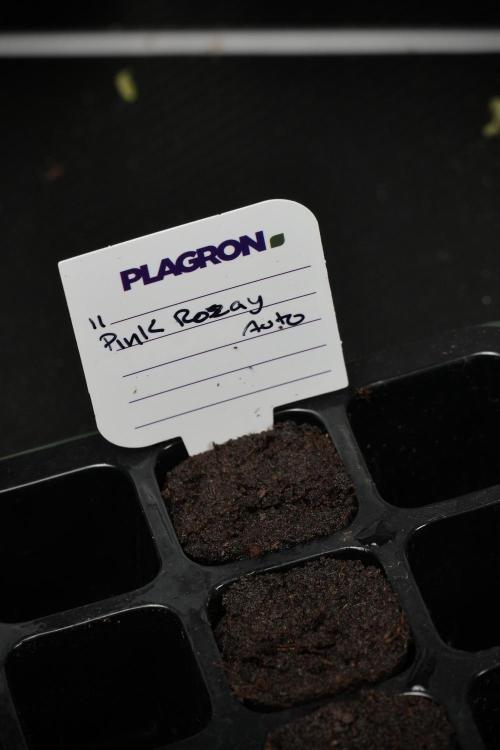
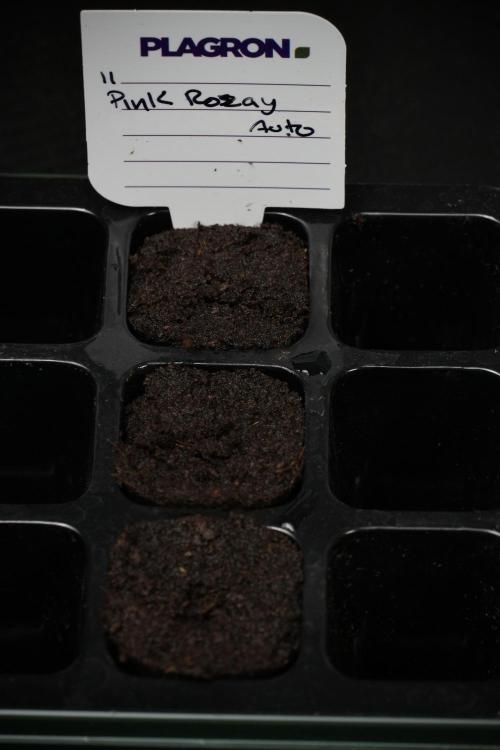
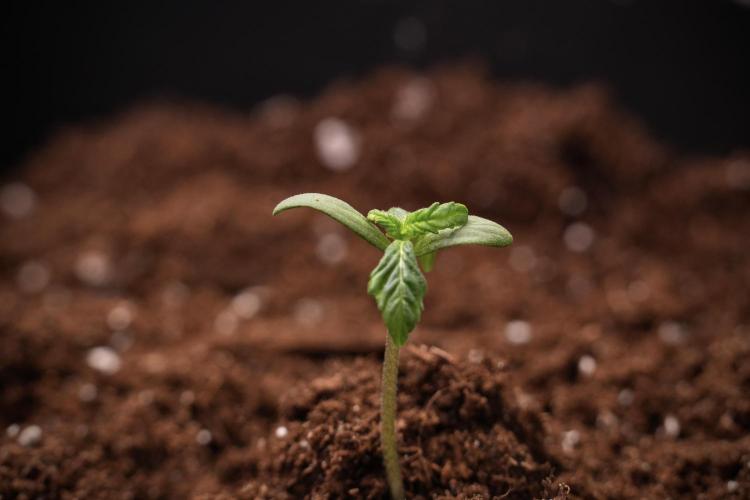
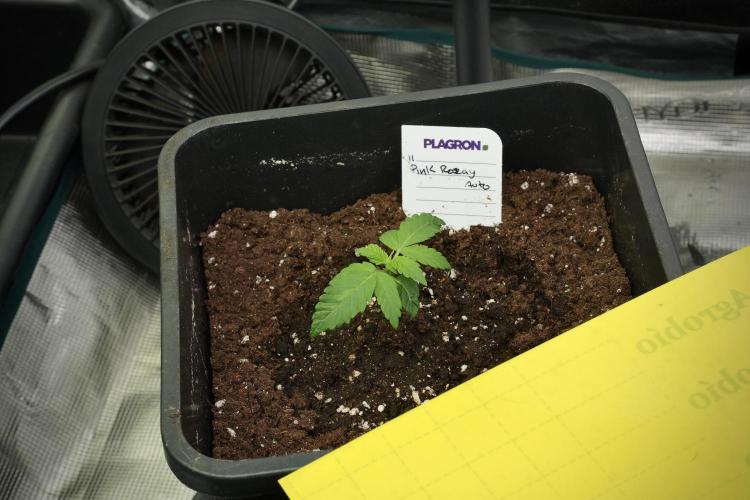
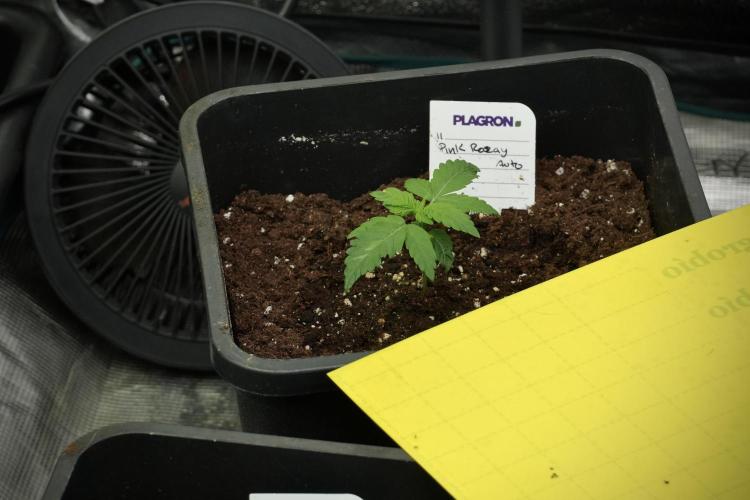
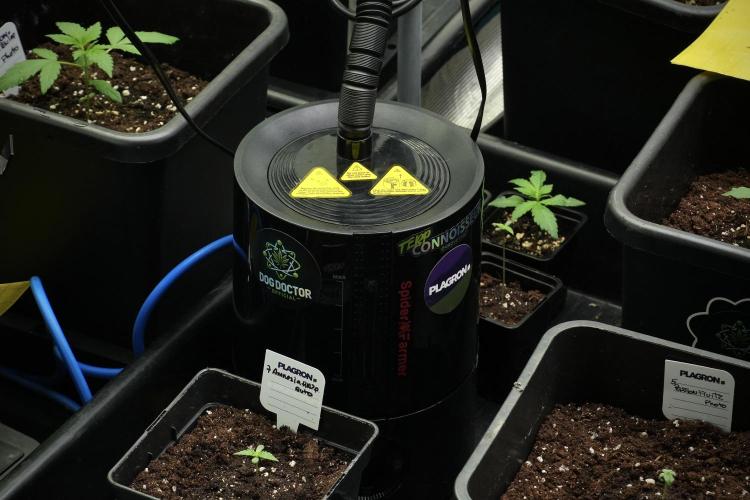
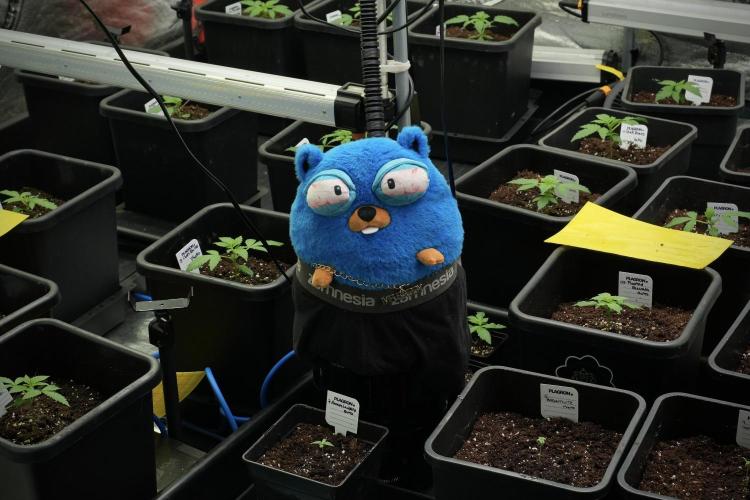
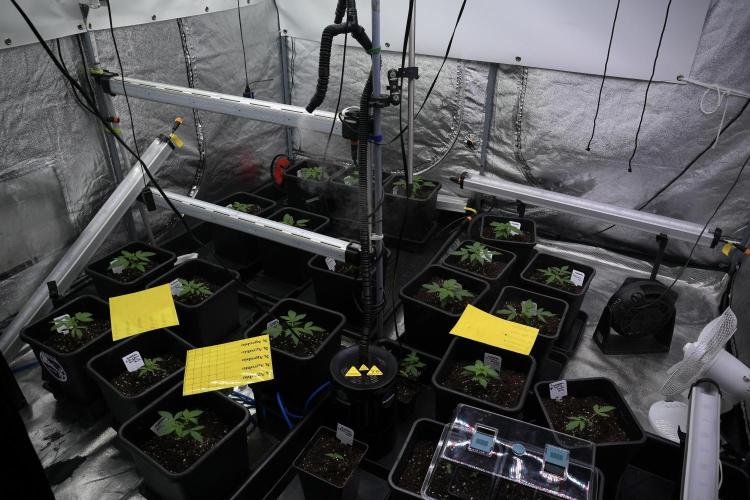
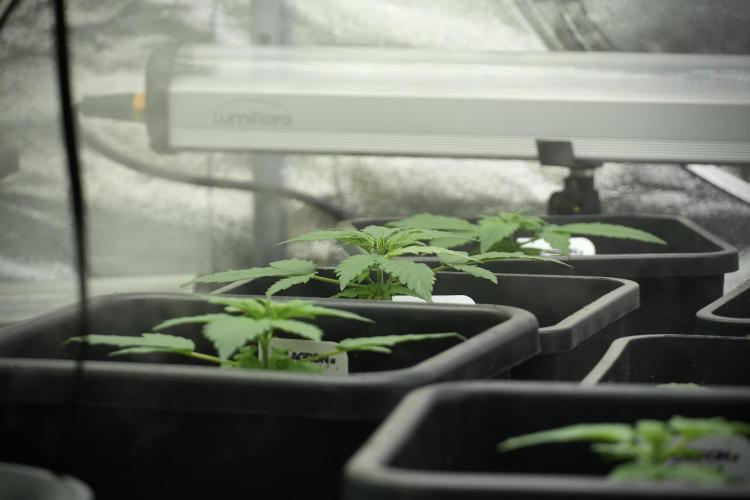
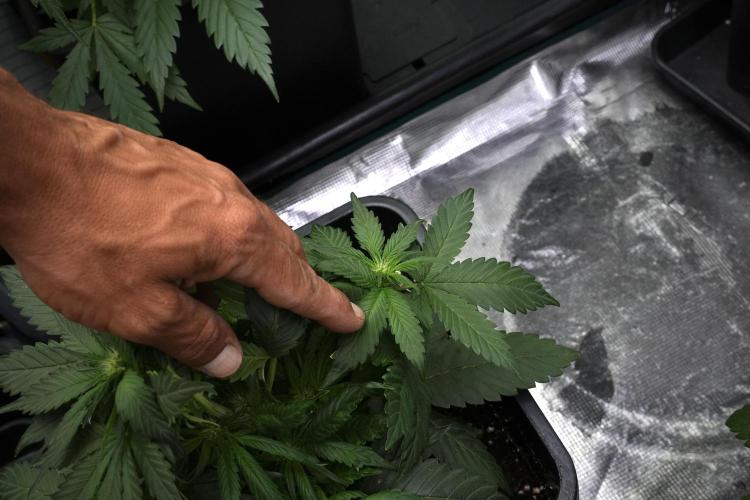
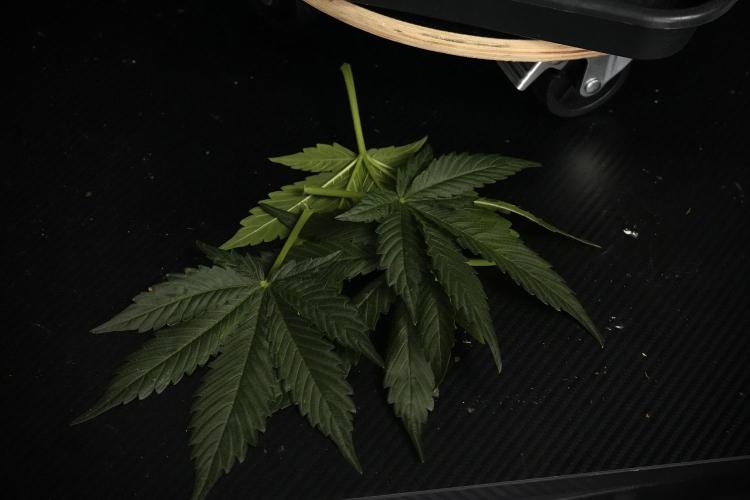
Like the rest of this project, the seed began life inside a coco starter plug.
The plug was fully hydrated and then gently squeezed to remove excess moisture while maintaining a healthy balance between water retention and oxygen availability.
Once germinated, the seed was carefully inserted into the plug and placed inside a humidity dome.
The dome remained useful for only a short period.
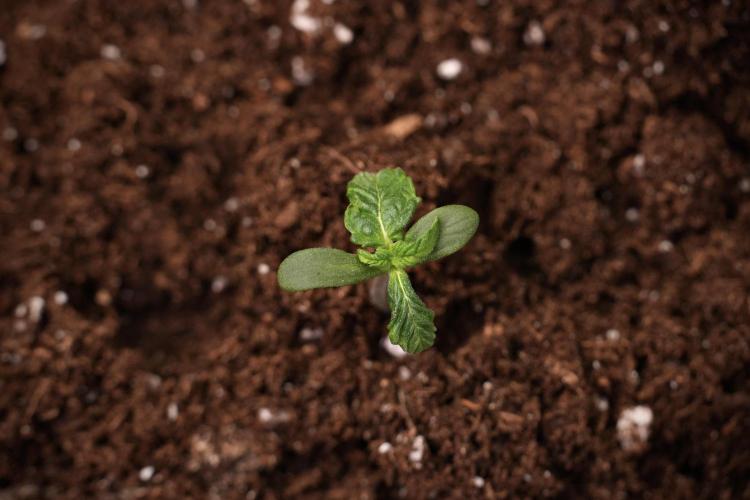
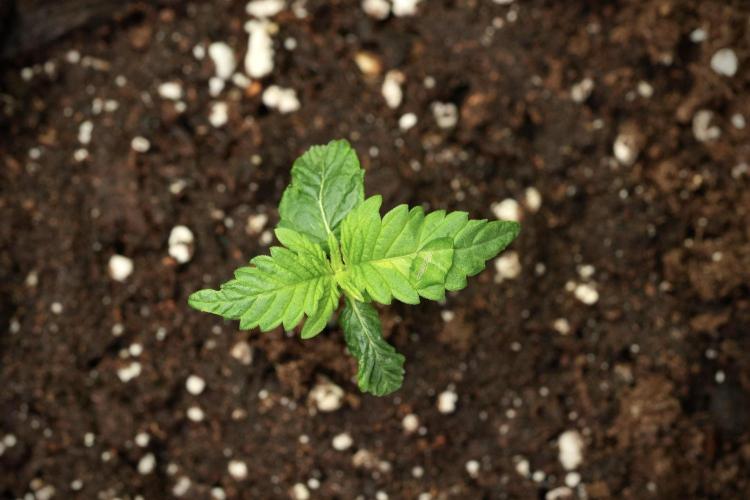
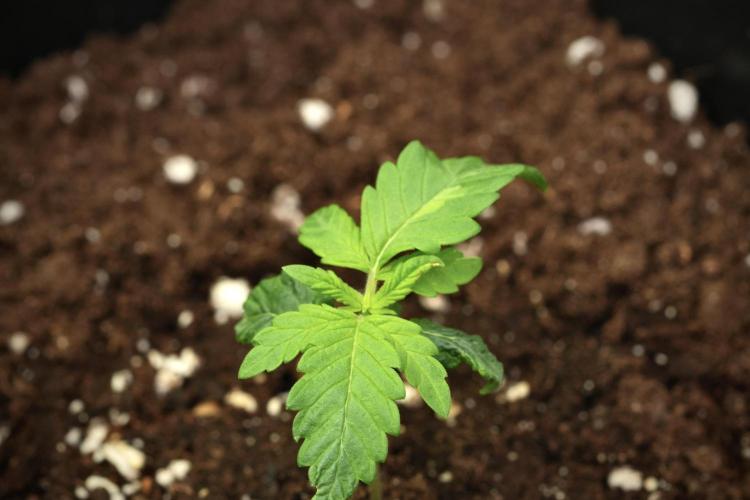
Within less than 24 hours the seedling had already emerged and was ready for the next step.
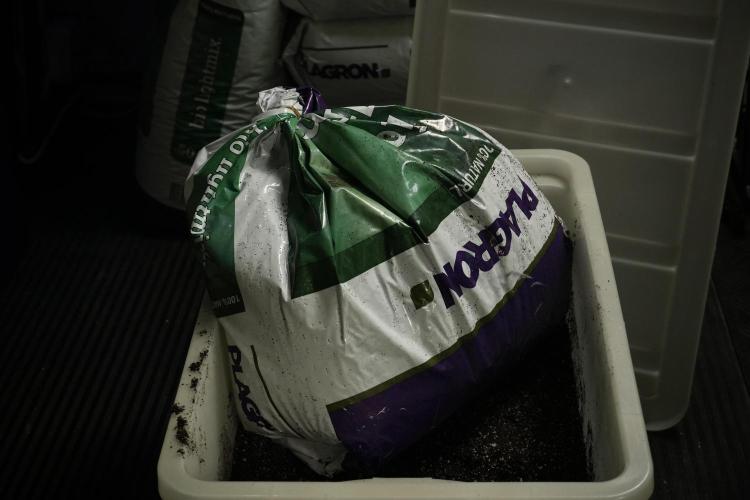
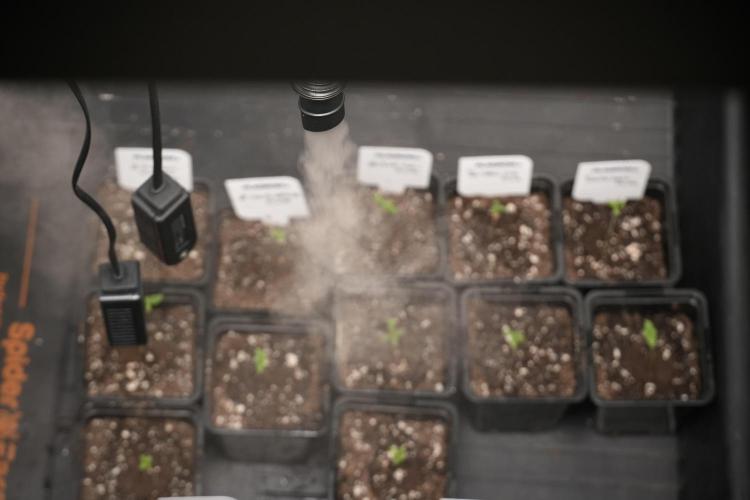
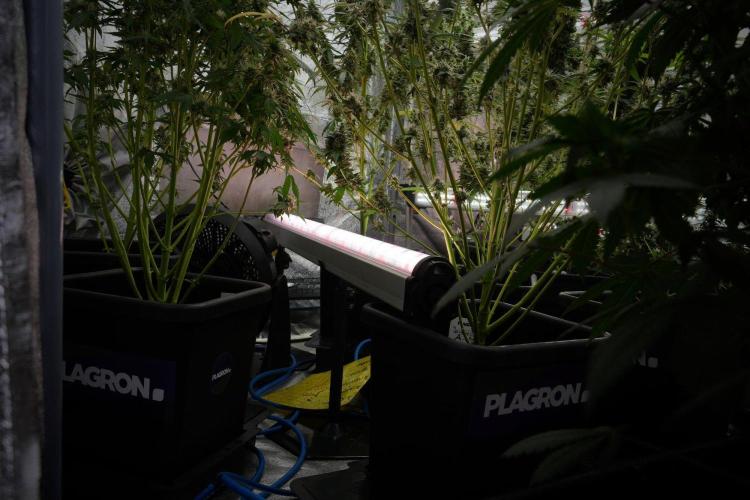
At that point, she was transplanted directly into a small container filled with Plagron Lightmix.
---
## Environmental Conditions
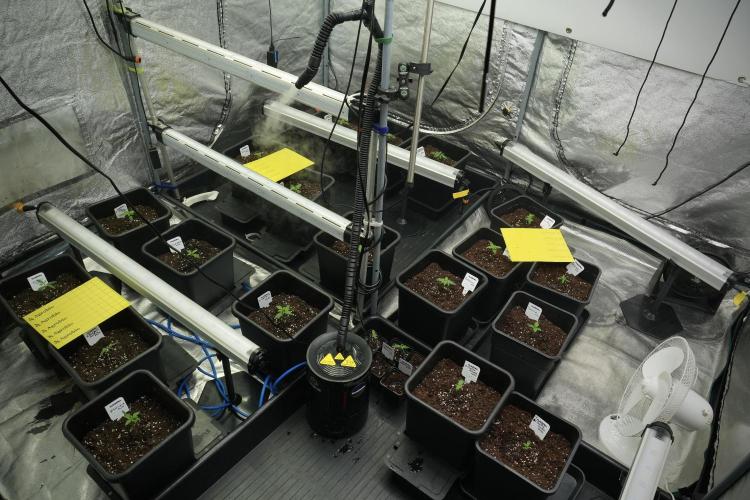
Environmental conditions remained intentionally simple and stable.
Temperatures stayed around 26–27°C.
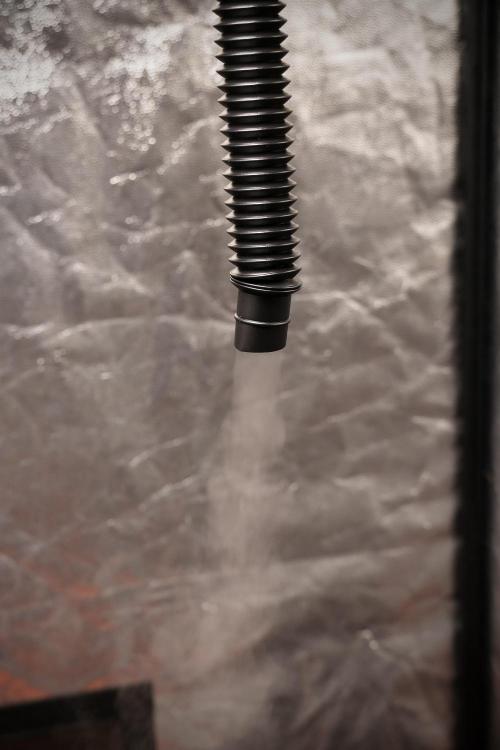
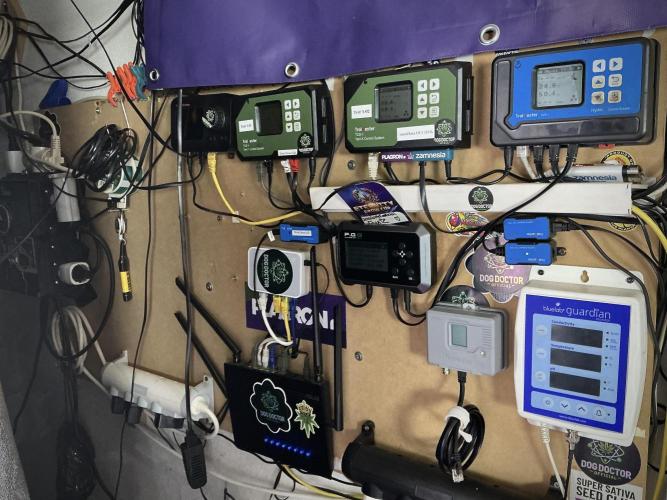
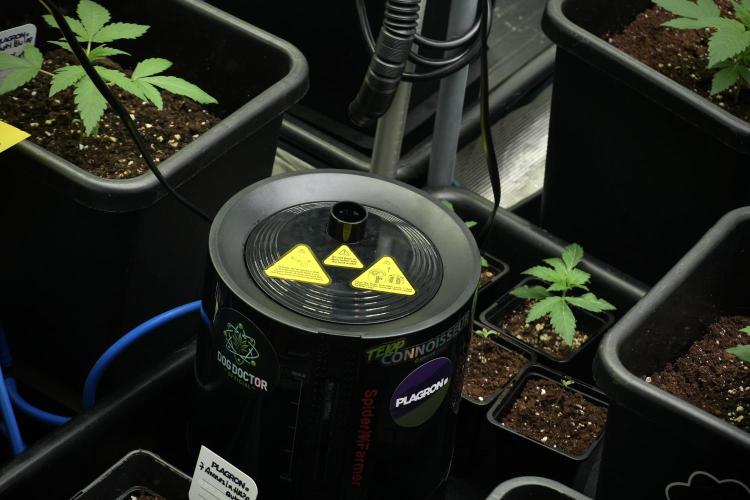
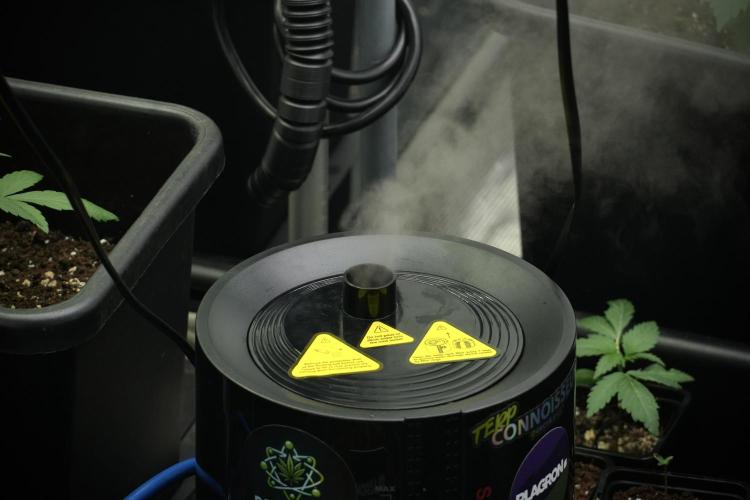
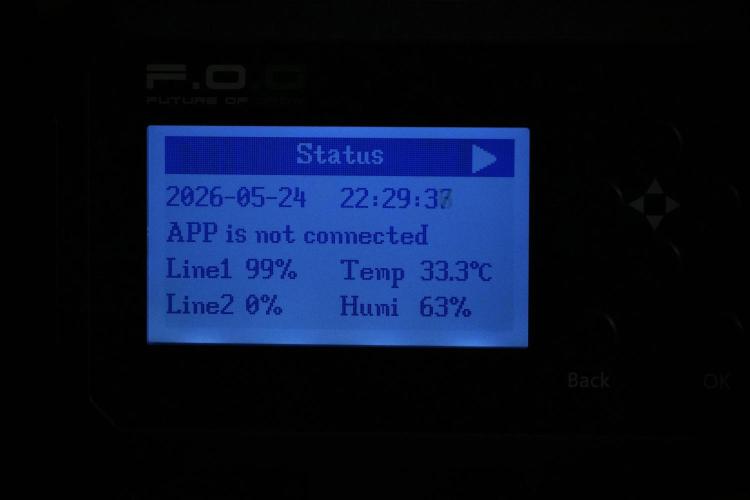
Humidity was maintained between approximately 65–70% using a Spider Farmer humidifier.
Rather than keeping seedlings inside extremely humid conditions for extended periods, I prefer introducing them relatively early to the environment they will actually experience throughout their life cycle.
The objective is adaptation.
Not dependence.
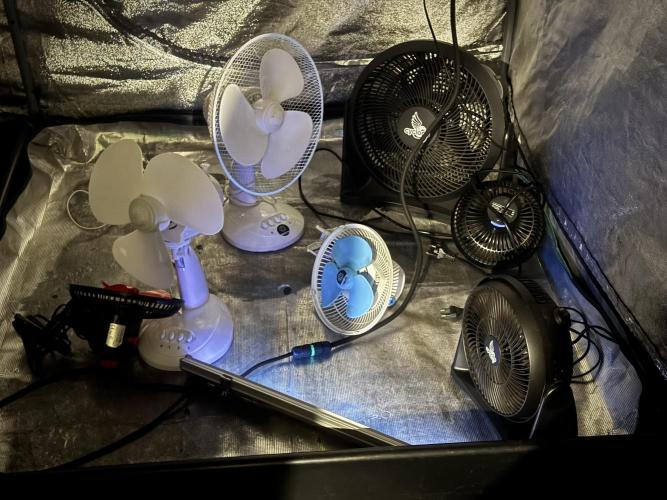
Airflow remained extremely gentle.
Just enough movement to keep fresh air circulating without creating unnecessary stress.
---
## Lighting
Lighting during germination remained intentionally soft.
Young seedlings simply do not require intense light levels at this stage.
The goal is healthy establishment rather than rapid growth.
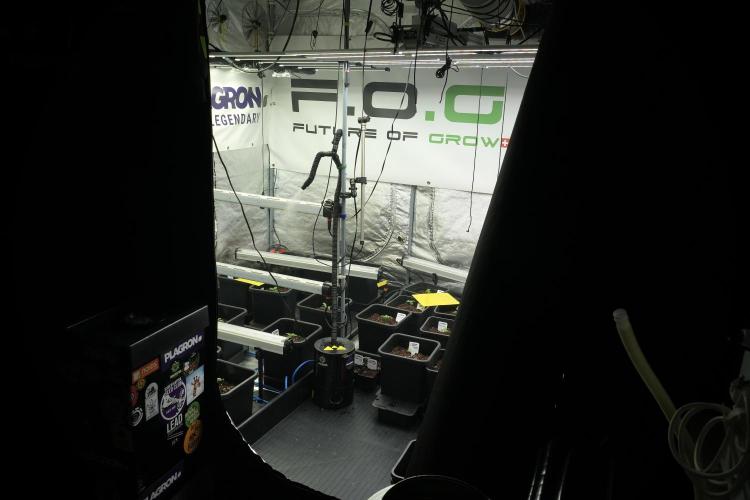
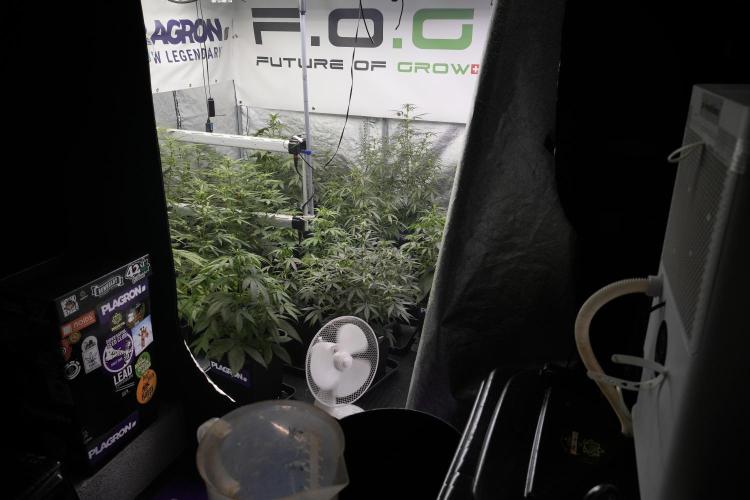
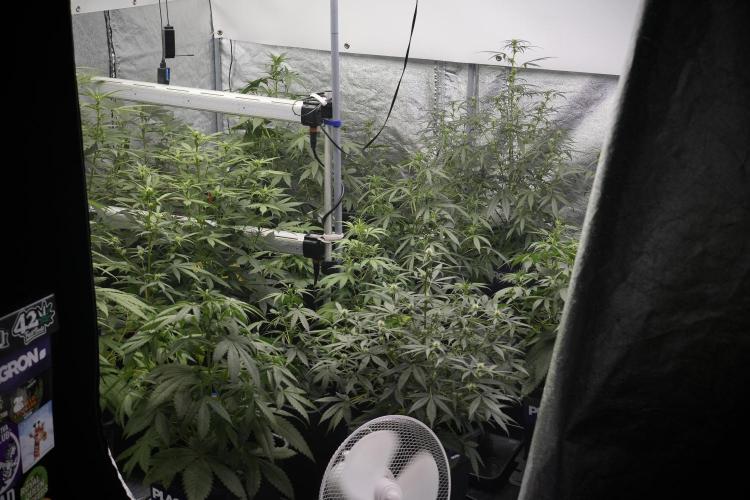
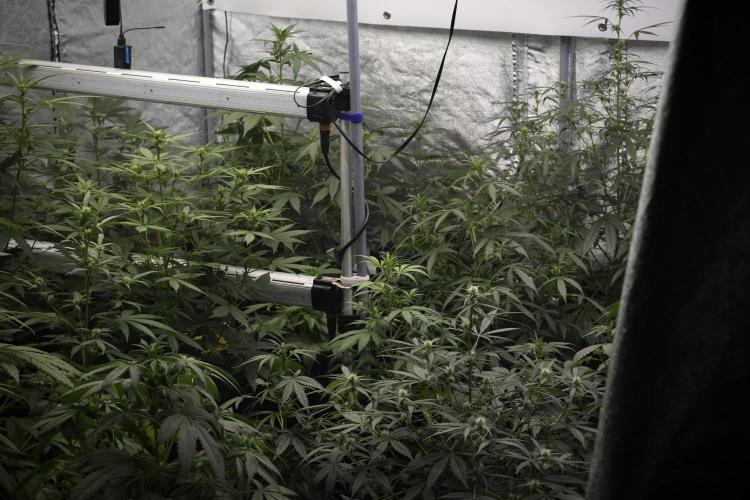
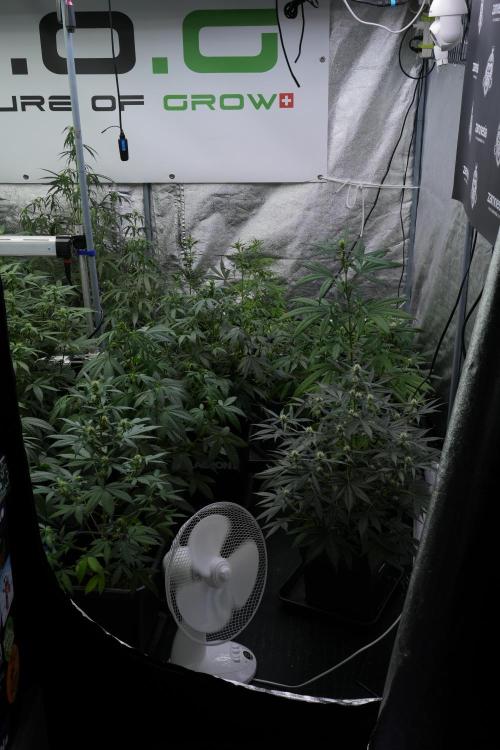
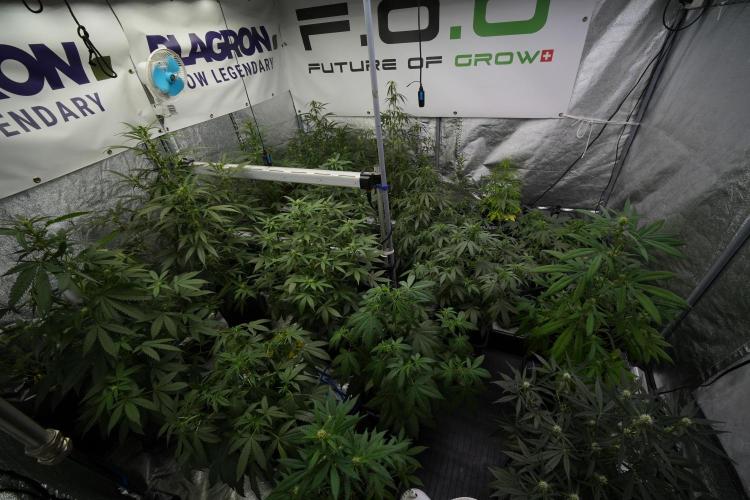
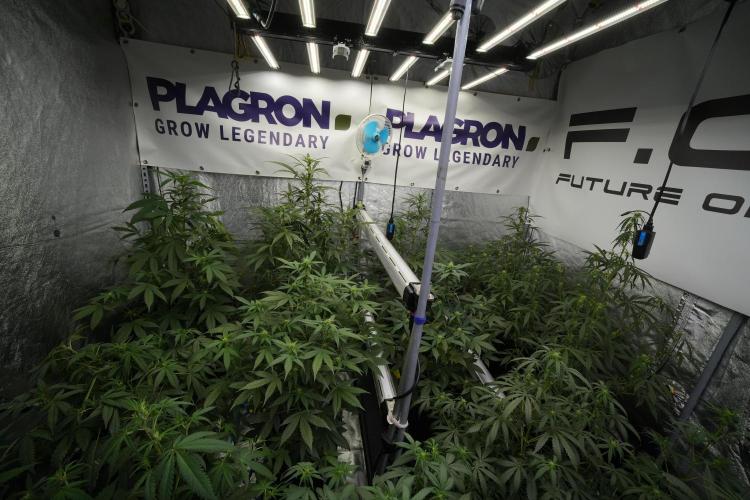
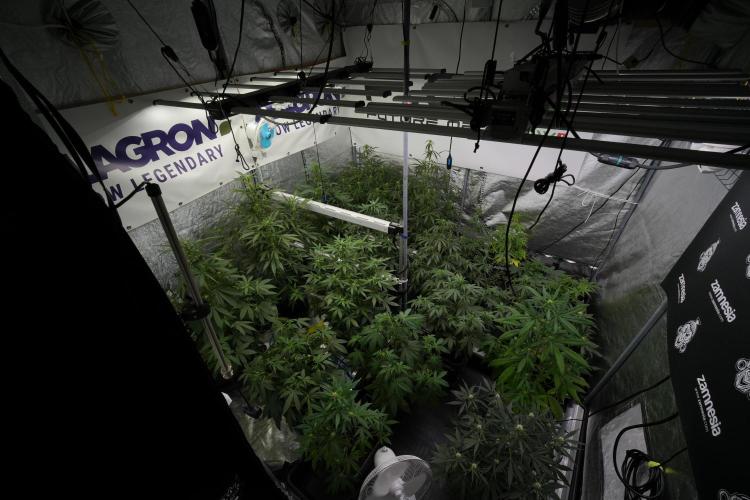
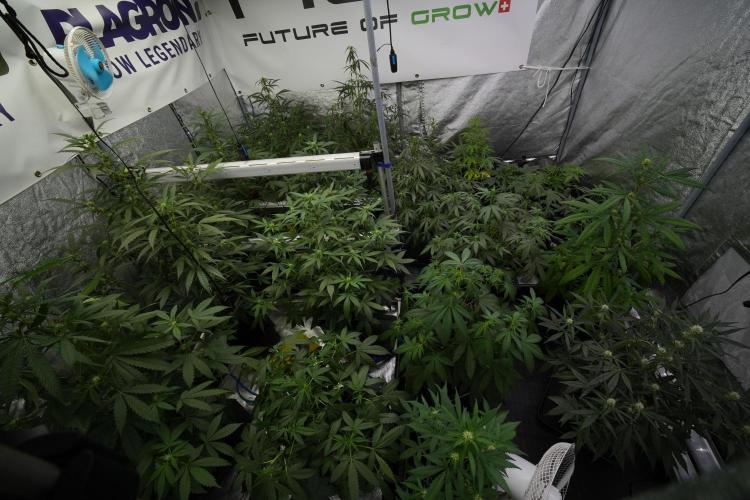
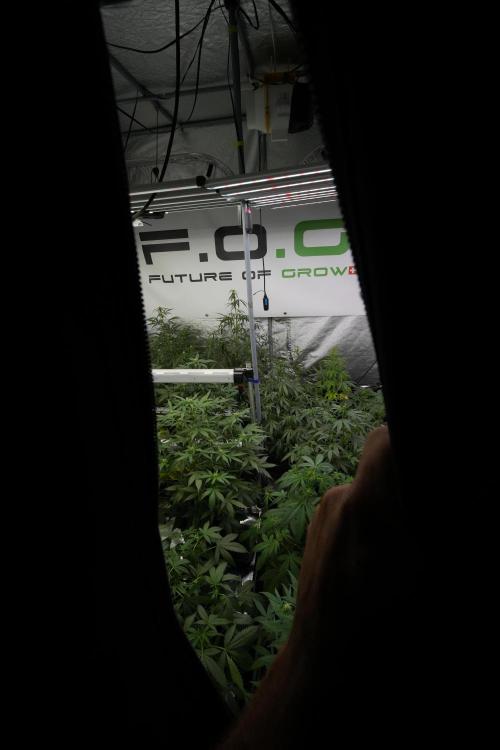
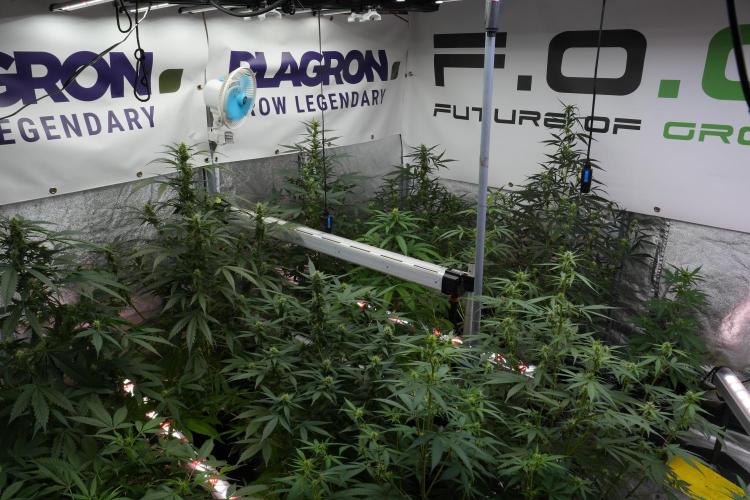
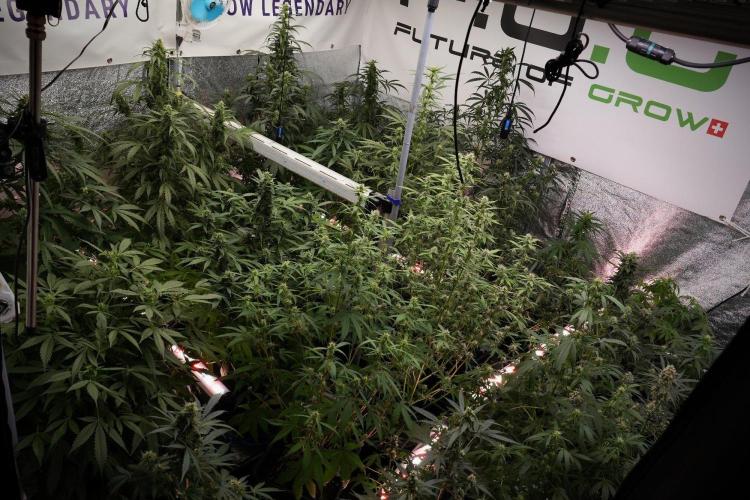
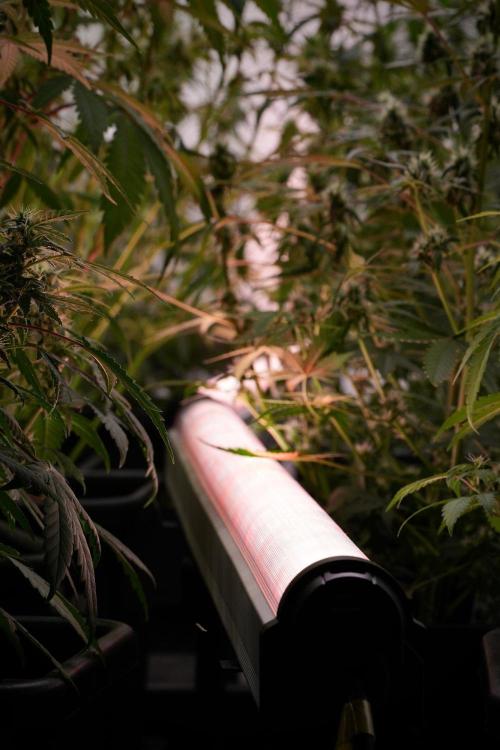
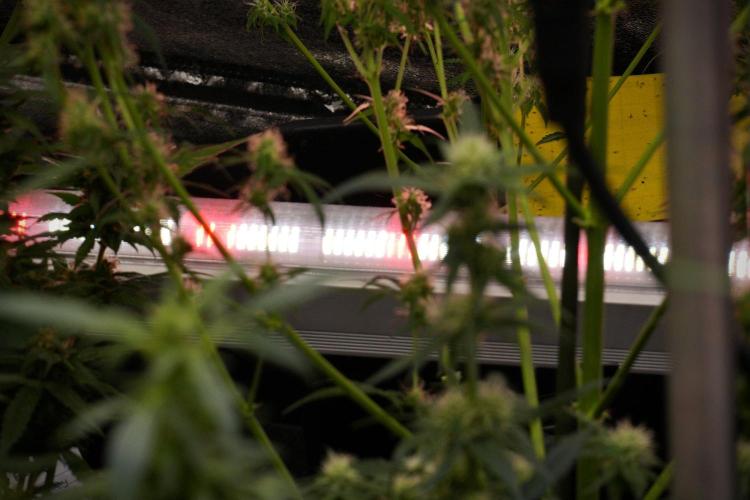
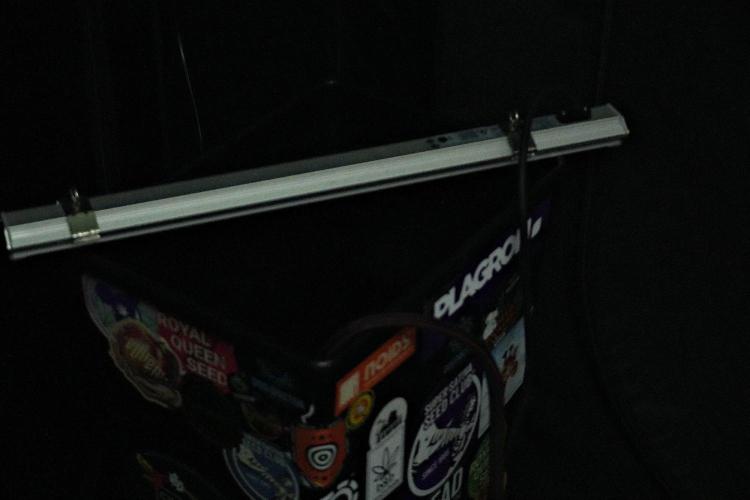
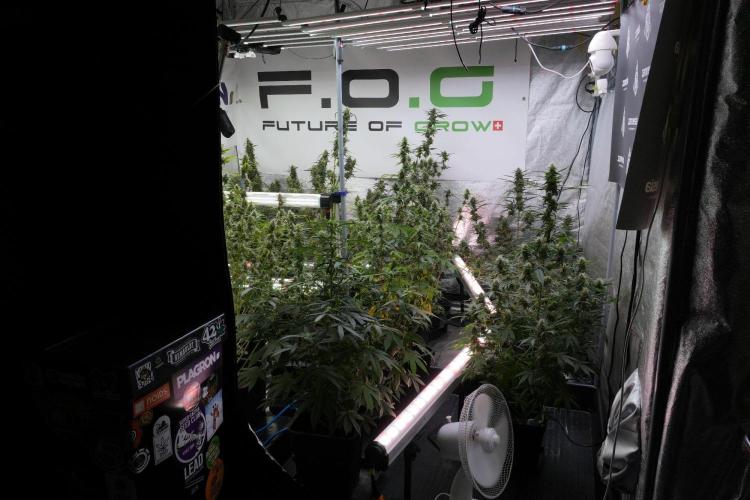
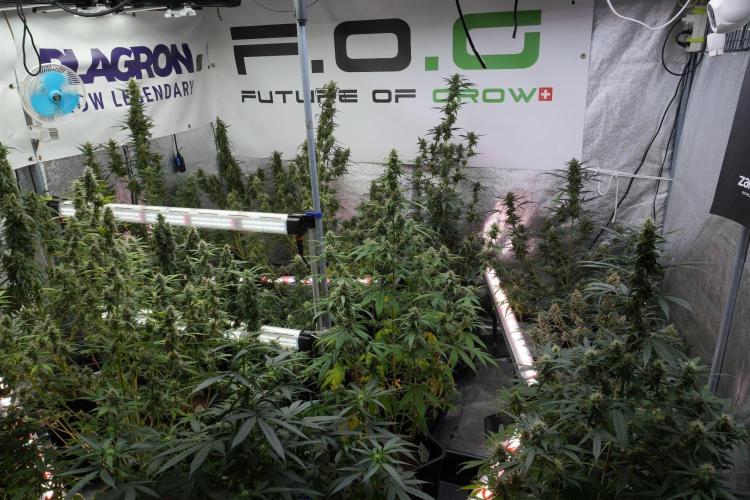
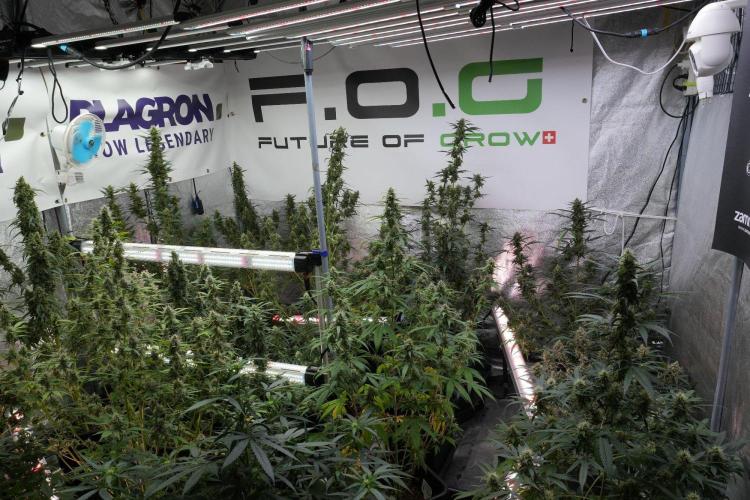
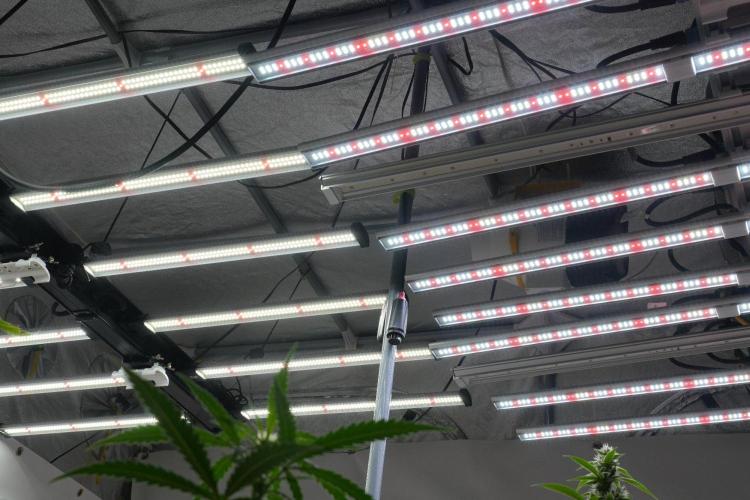
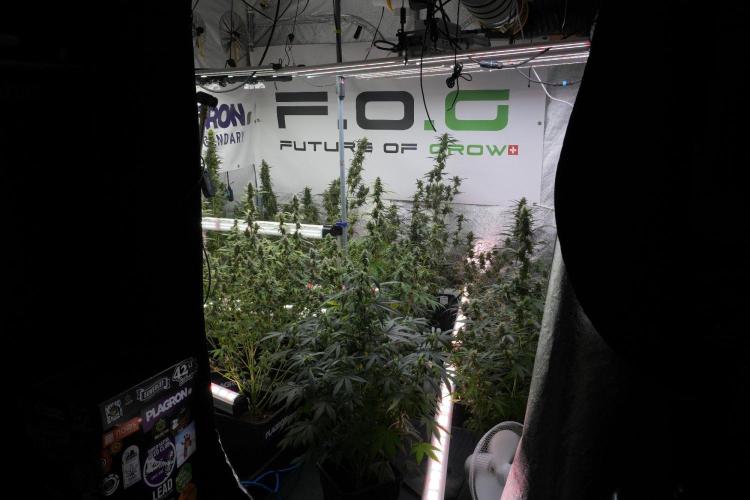
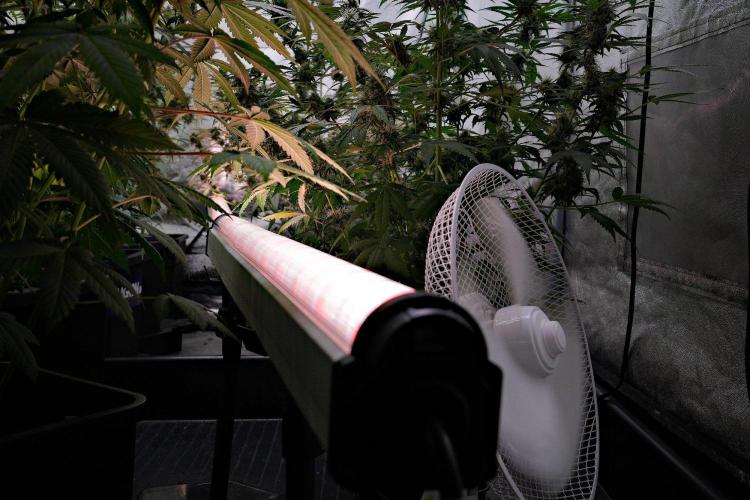
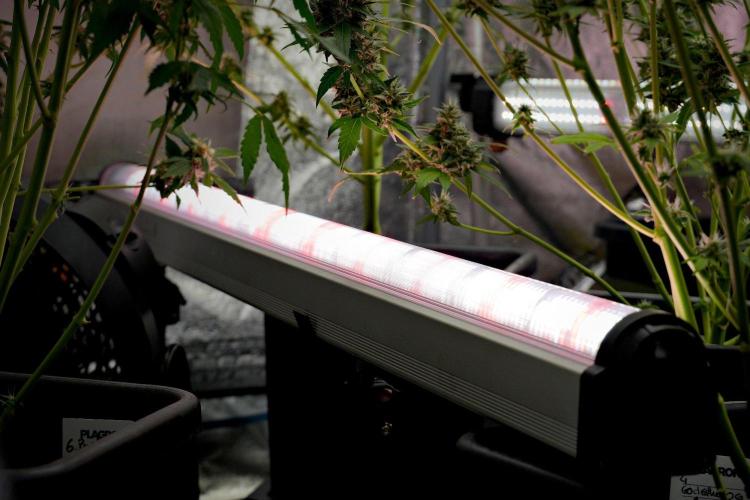
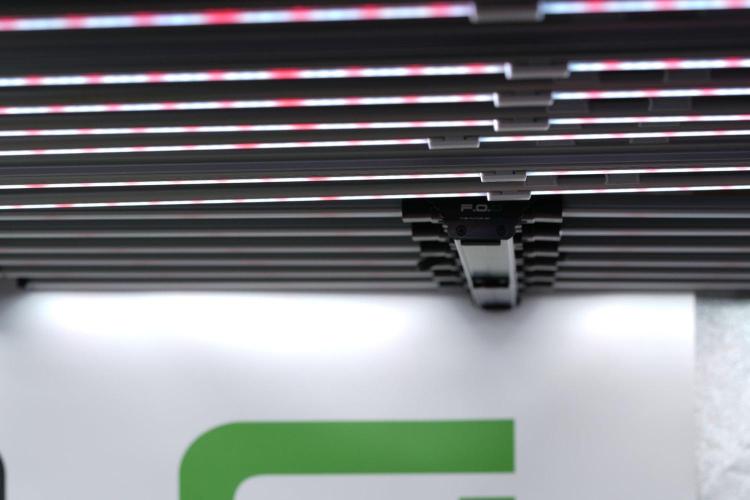
Once properly established, this girl will move under the Future Of Grow Black Series 600W full-spectrum LED system where the next stage of development begins.
For now, healthy roots and healthy growth remain the priorities.
---
## First Observations
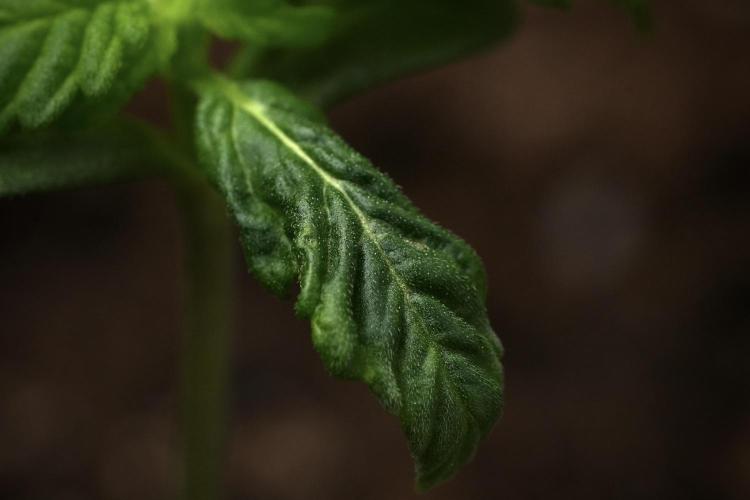
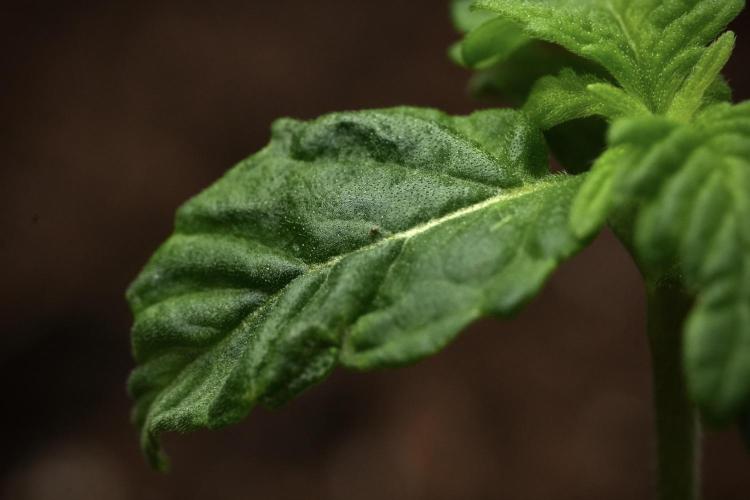
Everything has progressed exactly as hoped so far.
Fast germination.
Healthy taproot.
Strong emergence.
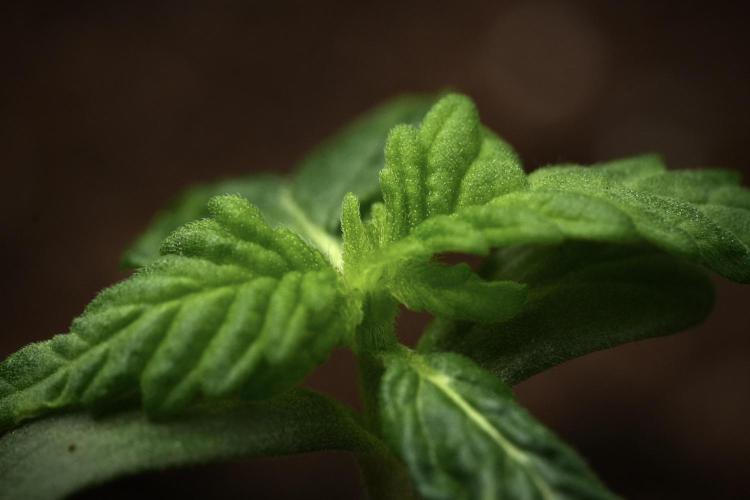
Healthy color.
Good vigor.
And perhaps most importantly:
A healthy beginning.
At this stage every seedling remains an unwritten chapter waiting to reveal itself.
And that mystery is one of the things that keeps cultivation endlessly fascinating.
---
## Looking Ahead
Over the coming weeks we'll follow Pink Rosay Auto Pheno B through every stage of development.
We'll document:
- Root establishment
- Early growth
- Environmental management
- Watering practices
- Structural development
- Flowering progression
- And whatever unique characteristics this phenotype chooses to reveal
Because every seed deserves the opportunity to tell its own story.
Huge thanks to Zamnesia Seeds for the genetics, Plagron for the substrate and nutrition, Future Of Grow for the lighting, and everyone following along for another seed-to-harvest adventure.
Grower's Love everyone. 🌱💚
7 likes
comments
Share
Used method
Other
Germination Method
1
Week 1. Vegetation
5mo ago
1/30
3.8 cm
Height
12 hrs
Light Schedule
27 °C
Day Air Temp
6.0
pH
No Smell
Smell
230 PPM
TDS
55 %
Air Humidity
21 °C
Solution Temp
21 °C
Substrate Temp
25 °C
Night Air Temp
15 liters
Pot Size
0.75 liters
Watering Volume
600 PPM
CO₂ Level
Nutrients 4
Terra Grow
1 mll
Sugar Royal
1 mll
Pure Zym
1 mll
DogDoctorOfficial Pink Rozay Auto — Pheno B 🌱🌸
Week 1 Vegetation | Quiet Confidence
Hello GrowDiaries family! 👋🌱
Welcome back for another Pink Rozay update.
This week we’re following Pheno B, and while her sister attracted attention with a small leaf curiosity, this girl spent the week doing something growers often appreciate even more:
Being consistently healthy.
Sometimes the loudest statement a young plant can make is simply growing exactly as she should.
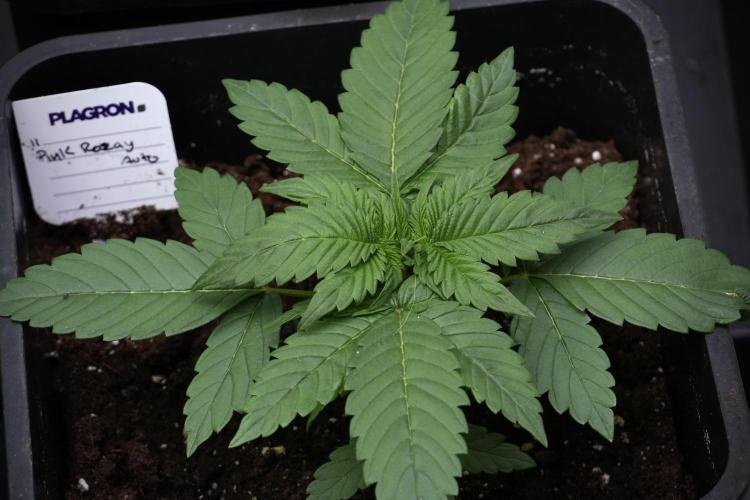
And that’s exactly what Pink Rozay Pheno B delivered throughout her first week of life.
⸻
A Calm and Steady Beginning
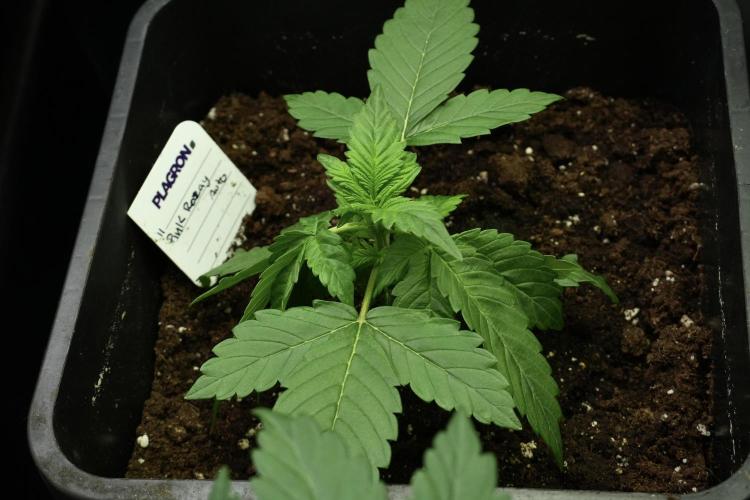
Like the rest of this project, Pink Rozay Pheno B was transplanted directly into her final container filled with Plagron Lightmix.
The objective remains simple:
Allow unrestricted root development from the very beginning while avoiding future transplant stress.
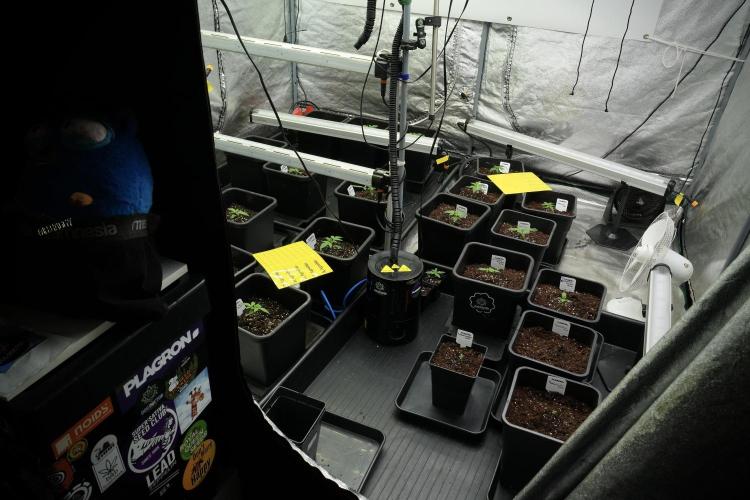
Environmental conditions remained identical across the garden:
🌡️ Day temperature: 27°C
🌙 Night temperature: 25°C
💧 Relative humidity: 55%
⚡ 12/12 from seed
🌱 Plagron nutrient program
💡 Future Of Grow Black Series LED lighting
💨 Gentle airflow and stable environmental control
The result was exactly what we hope to see from a young seedling.
Steady growth.
Healthy color.
Strong development.
⸻
Building Structure Early
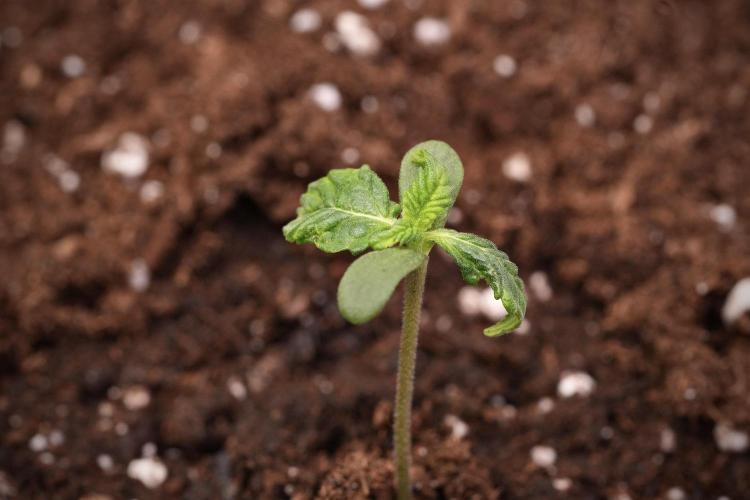
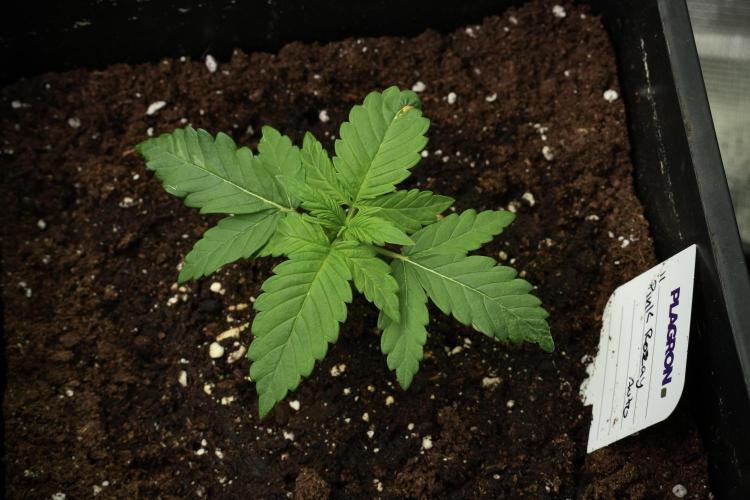
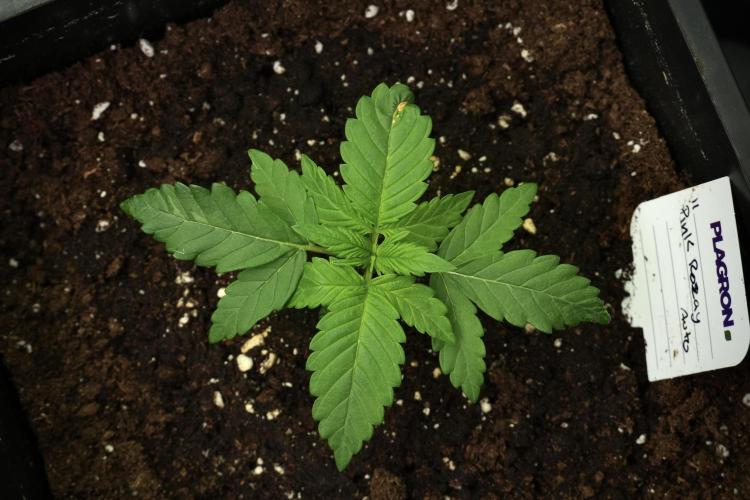
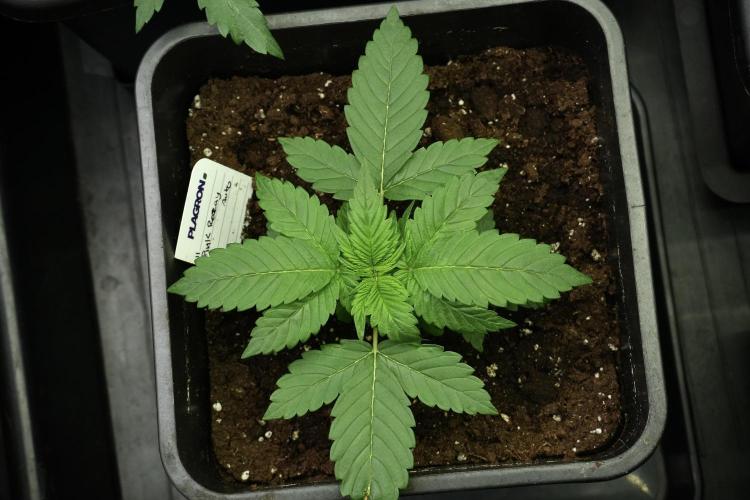
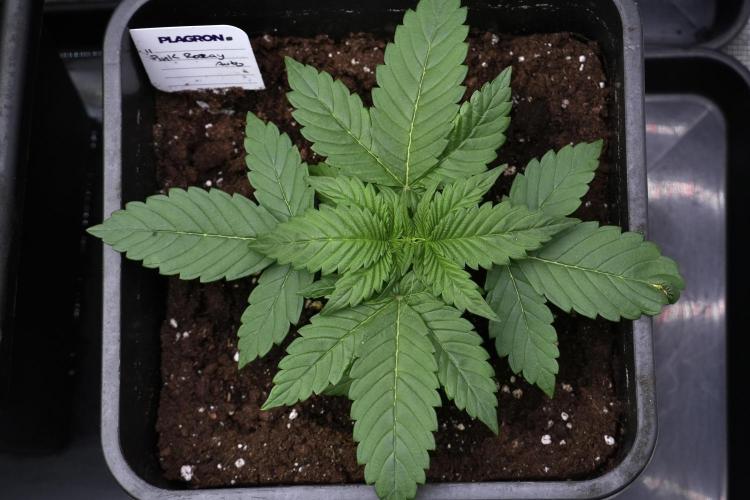
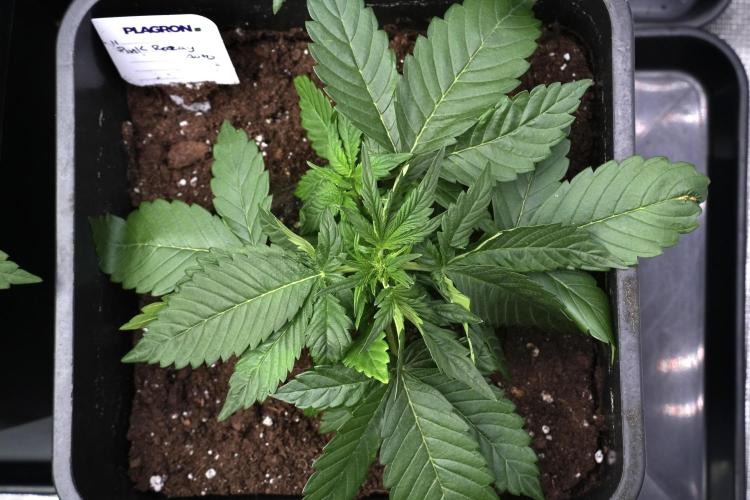
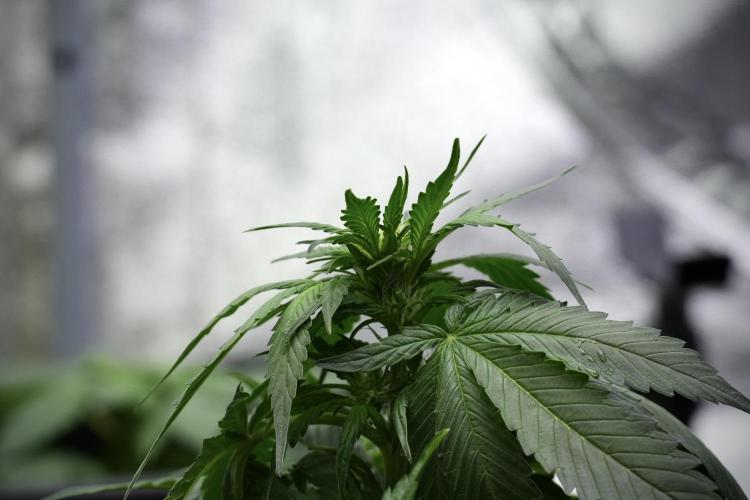
One of the first things that stands out when looking through the progression photos is how quickly this plant began establishing a balanced structure.
From the earliest photographs, the growth pattern appears organized and symmetrical.
The stem remains upright and strong.
The leaves expand evenly.
New growth develops consistently from the center.
And each day brings visible progress.
There are no dramatic swings.
No stalls.
No hesitation.
Just a plant quietly doing everything right.
⸻
Looking Closer
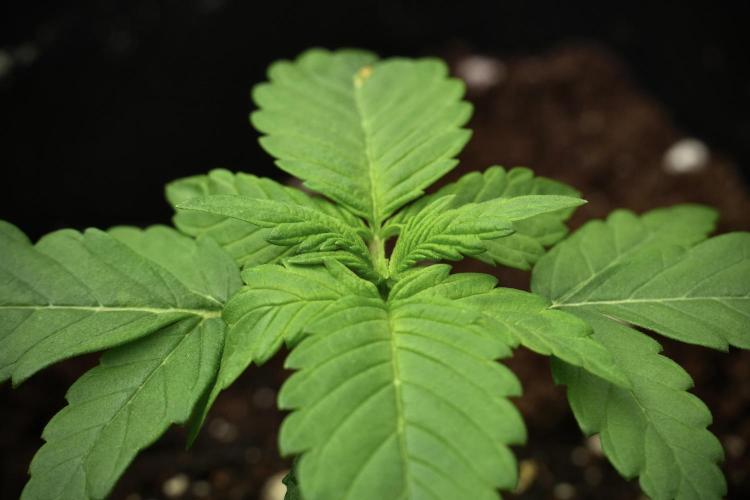
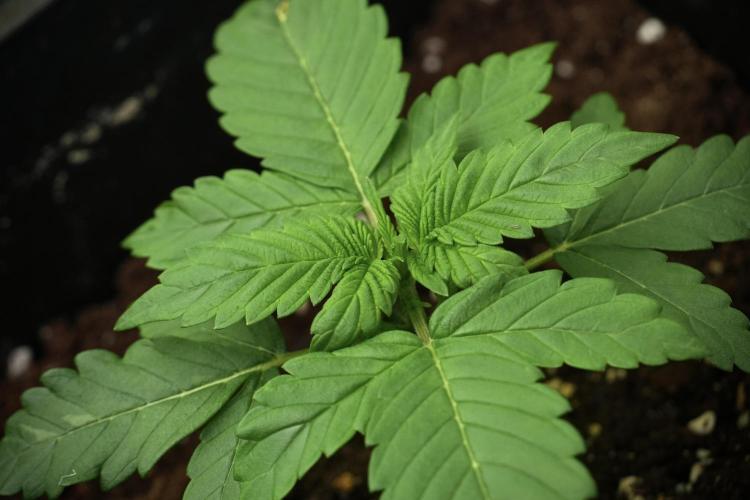
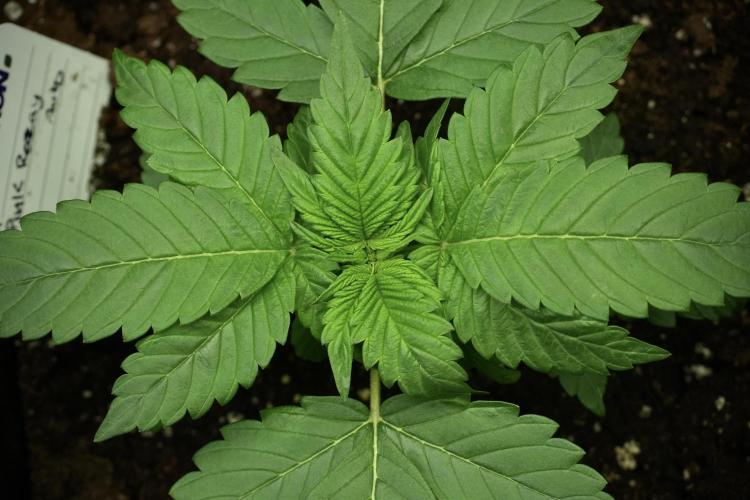
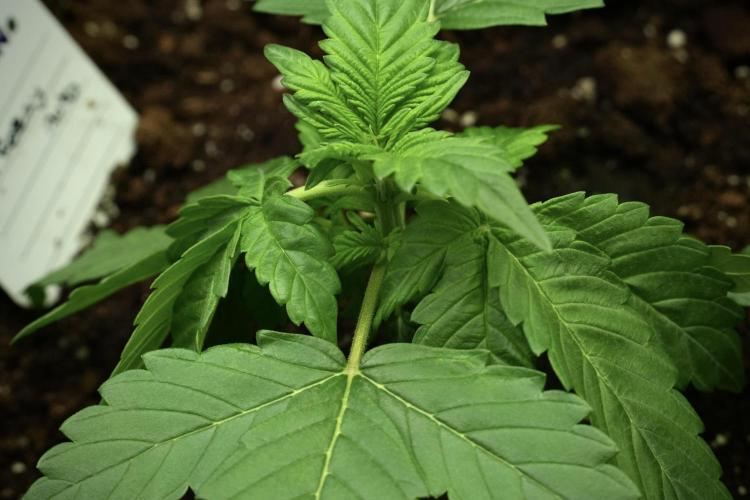
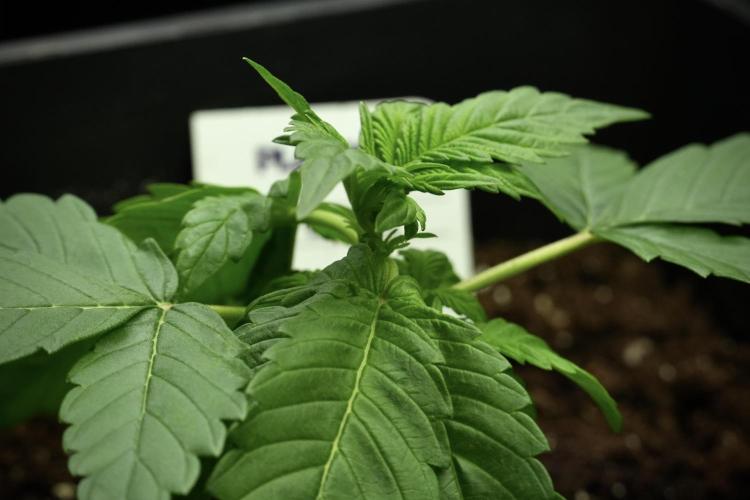
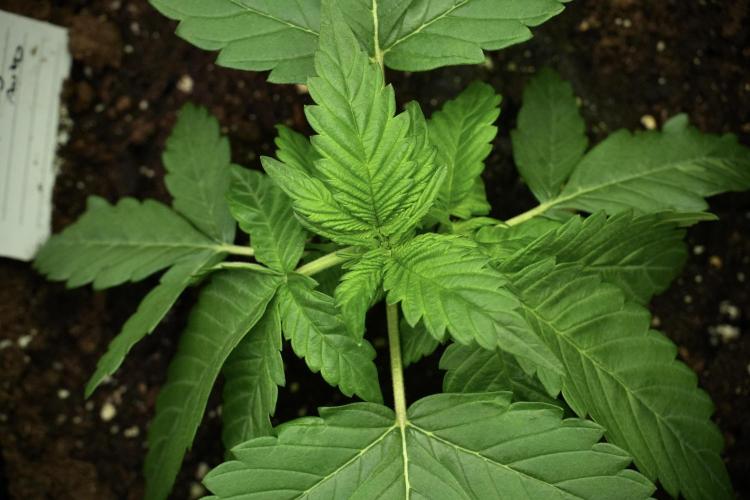
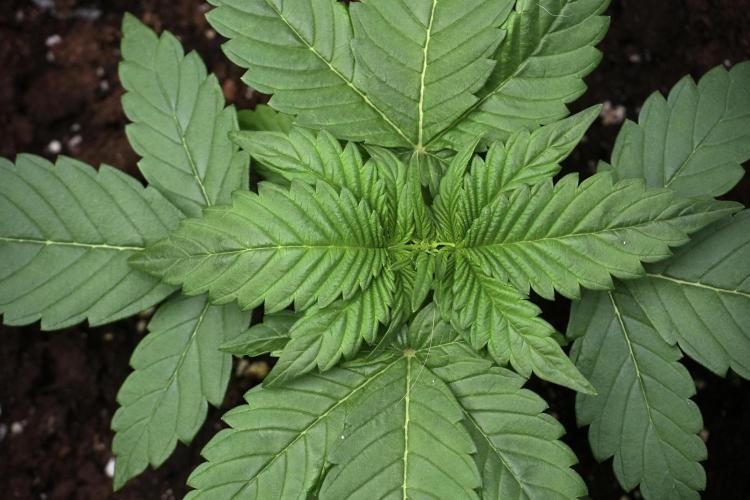
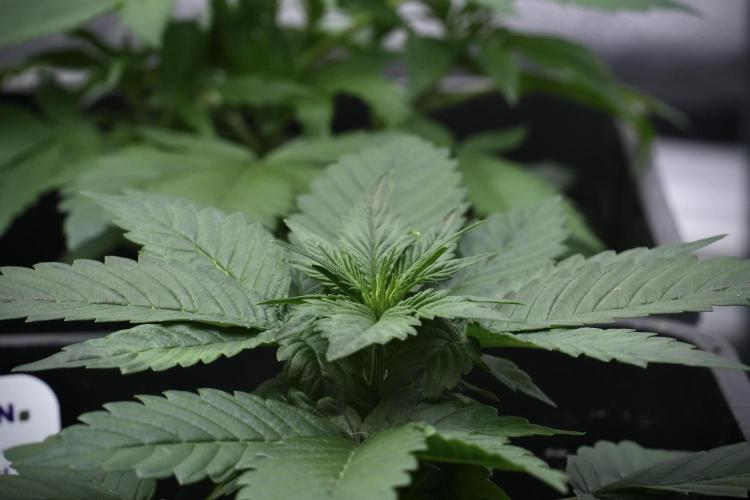
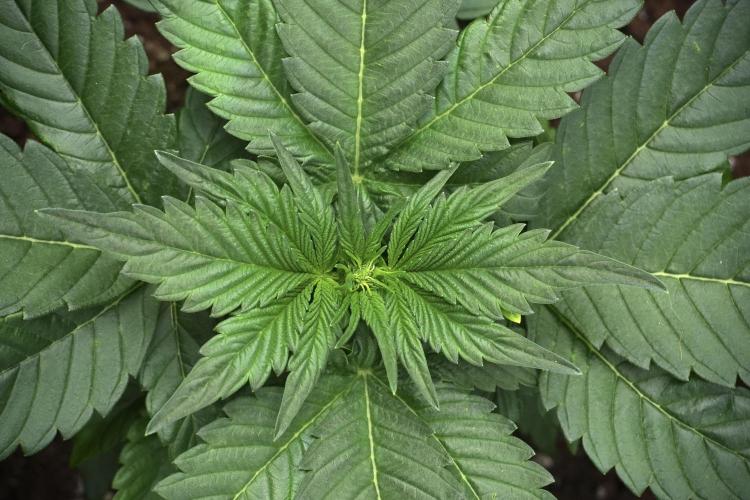
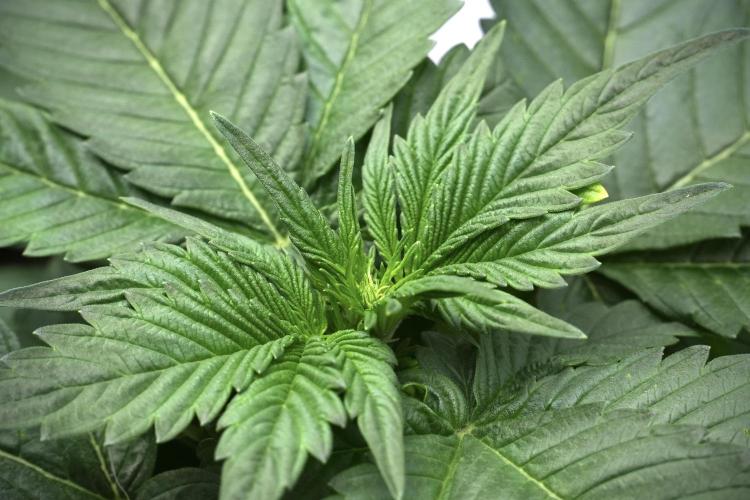
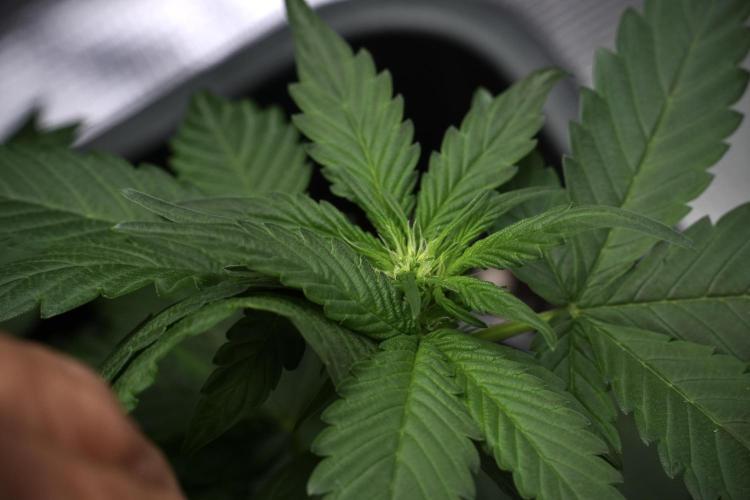
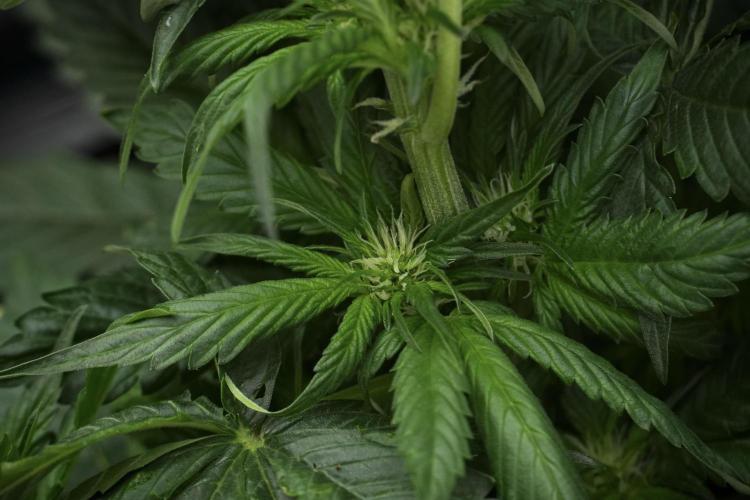
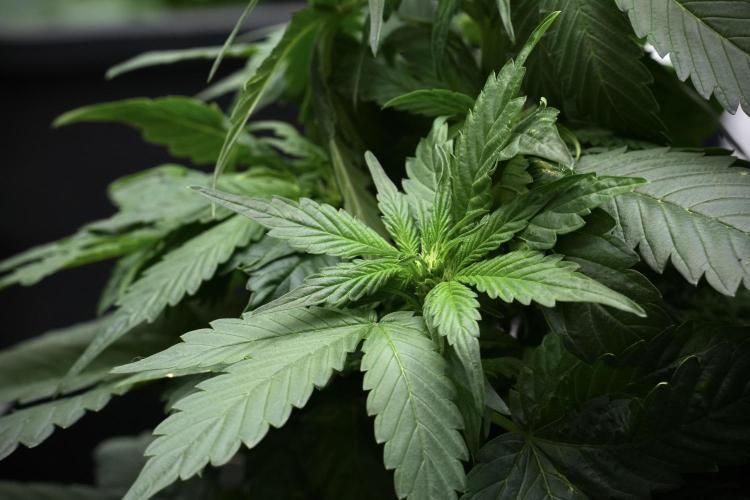
The macro photographs provide one of the most enjoyable parts of this week’s update.
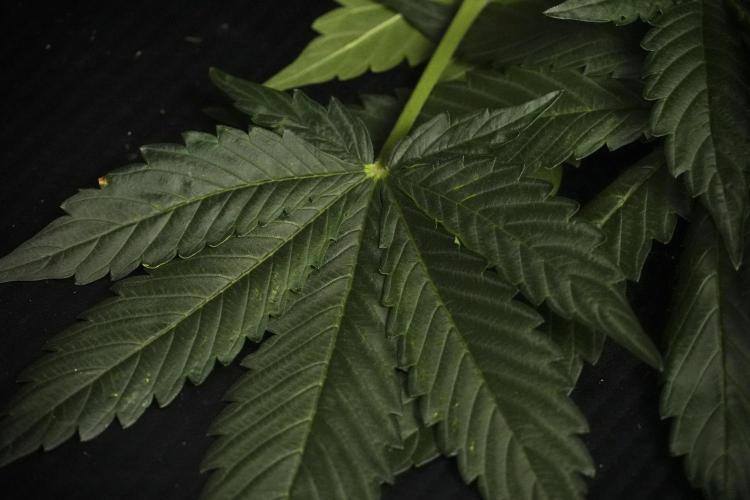
When viewed up close, the newest growth appears incredibly healthy.
The developing leaves show excellent texture and structure.
The emerging growth tip looks vigorous and active.
Every close-up reveals another layer of development that can easily be missed when viewing the plant from above.
These tiny details often tell us more about plant health than overall size ever could.
And everything here points toward a seedling that is establishing itself beautifully.
⸻
A Phenotype in a Hurry
As the week progresses, one thing becomes increasingly obvious:
This girl seems eager to grow.
By the final photographs, she is already producing noticeably larger leaves and a more developed structure than many seedlings would show at the same age.
The canopy is widening.
The leaf size is increasing rapidly.
The growth tip remains active and vigorous.
And the plant appears determined to keep pushing forward.
Much like some of the other autos in this run, there is a sense that the clock is already ticking and she intends to make every day count.
Autos often have that personality.
They know they have limited time.
And they rarely waste it.
⸻
Symmetry and Balance
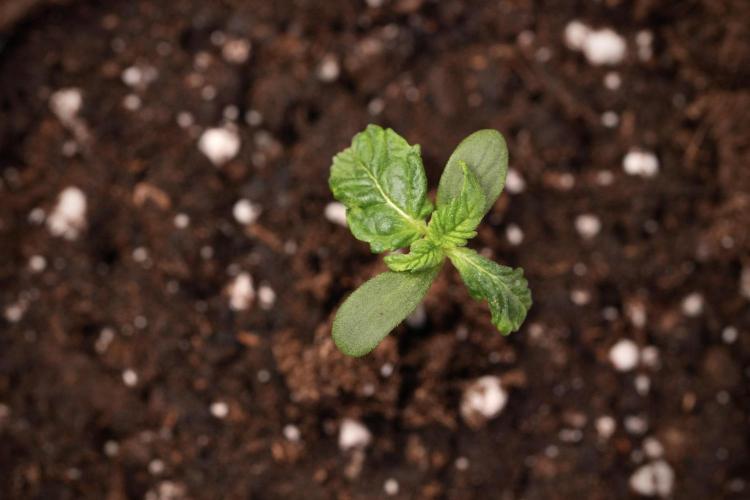
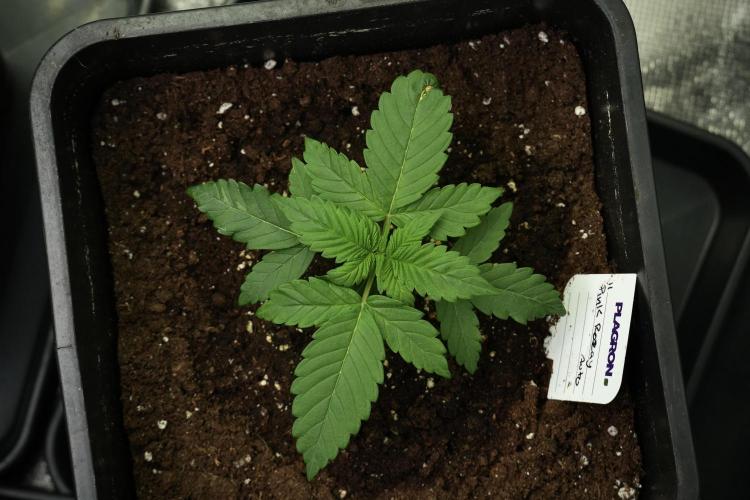
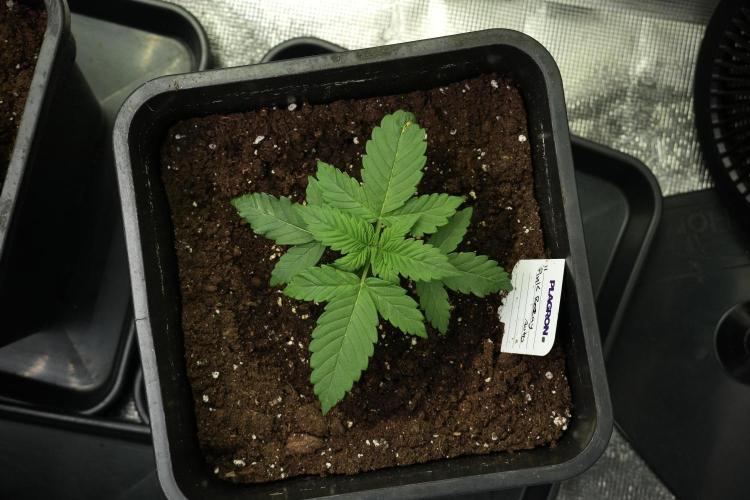
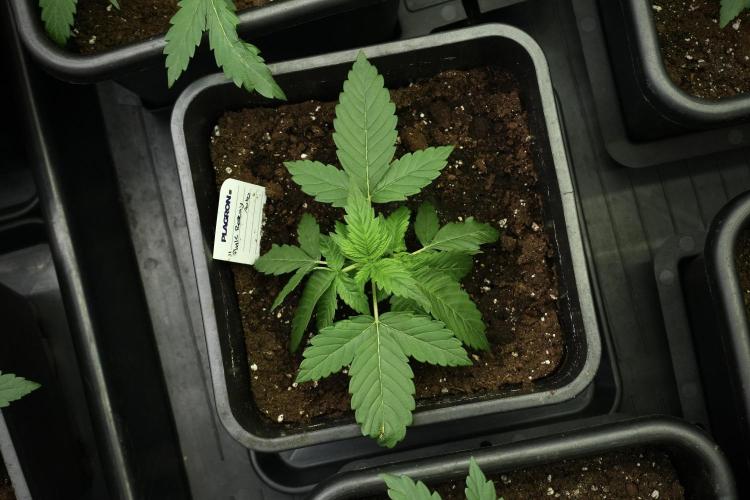
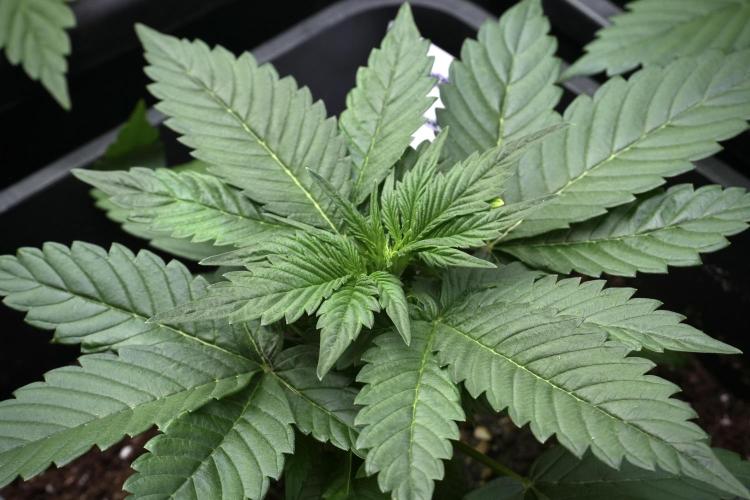
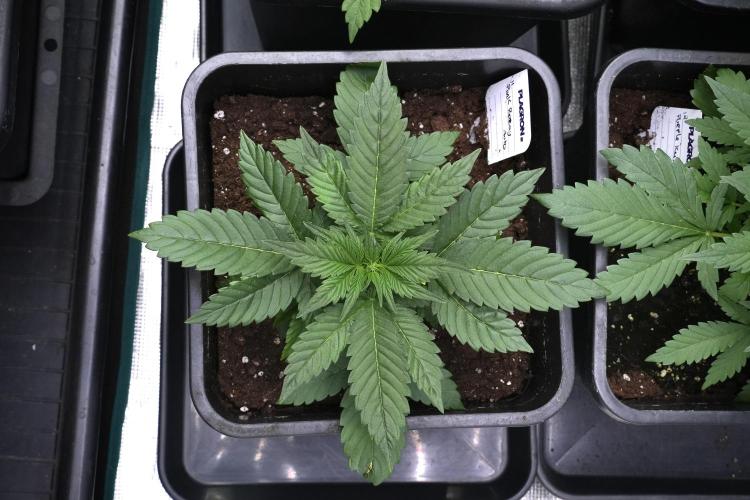
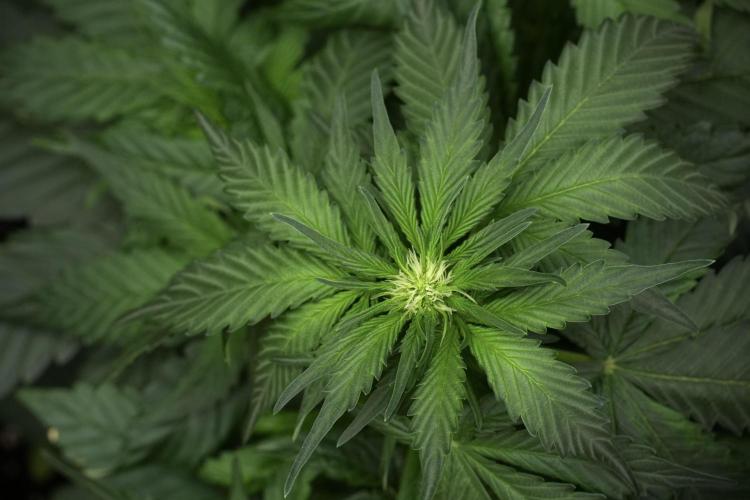
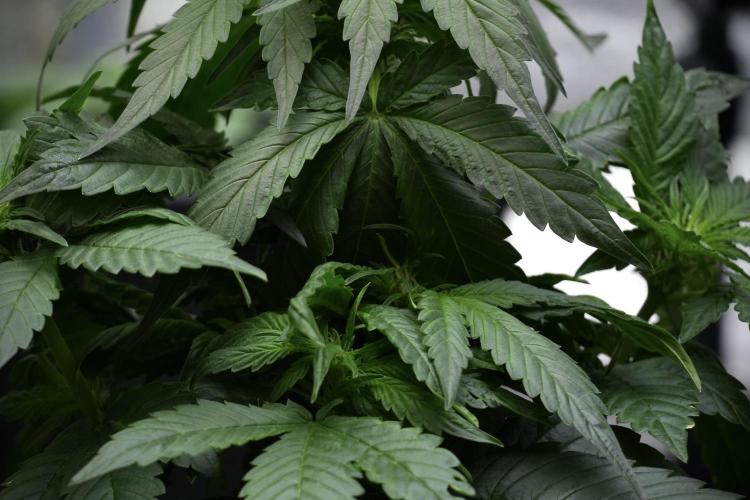
The overhead photographs are particularly satisfying this week.
Leaf spacing remains balanced.
Growth remains symmetrical.
The overall structure appears clean and organized.
These early traits do not guarantee future performance, of course, but they often provide encouraging clues.
At this stage, Pink Rozay Pheno B is displaying many of the characteristics growers like to see in a vigorous young auto.
Healthy roots.
Healthy leaves.
Strong upward growth.
And excellent overall balance.
⸻
A Strong First Week
Looking back through the entire progression, this was simply a very successful start.
Healthy emergence.
Strong vigor.
Excellent color.
Balanced structure.
Beautiful leaf development.
And a plant that appears eager to continue accelerating into the next stage of growth.
Not every update needs a dramatic story.
Sometimes the story is simply that everything is working exactly as intended.
And honestly, those are often the best weeks.
⸻
Looking Ahead
As we move into the coming weeks, I’ll be watching closely for:
🌱 Continued canopy expansion
🌱 Structural development
🌱 Growth rate compared with her sister
🌱 Early signs of phenotype-specific traits
🌱 The overall behavior of this fast-moving auto
Because while Pink Rozay Pheno B has been quietly going about her business so far, she is already showing signs of becoming a very interesting plant.
For now, she looks healthy, balanced, vigorous, and ready for the next stage of the journey.
And that’s exactly what we hope to see at the end of Week 1.
Huge thanks to Zamnesia Seeds for the genetics, Plagron for the substrate and nutrition, Future Of Grow for the lighting, and everyone following along on another seed-to-harvest adventure.
Grower’s Love everyone. 🌱💚🌸🍷
8 likes
comments
Share
Used techniques
Transplantation
Technique
12-12
Technique
2
Week 2. Vegetation
4mo ago
1/30
8.9 cm
Height
12 hrs
Light Schedule
27 °C
Day Air Temp
6.0
pH
No Smell
Smell
450 PPM
TDS
55 %
Air Humidity
21 °C
Solution Temp
21 °C
Substrate Temp
25 °C
Night Air Temp
15 liters
Pot Size
0.9 liters
Watering Volume
600 PPM
CO₂ Level
Nutrients 4
Terra Grow
1.8 mll
Sugar Royal
1 mll
Pure Zym
1 mll
DogDoctorOfficial Pink Rosay Auto – Pheno B | Week 2 Vegetation
Hello everyone, and welcome back to another week of the 12/12 From Seed adventure.
This update belongs to Pink Rosay Auto Pheno B, a plant whose journey has already become one of the most satisfying stories in the tent.
Sometimes the most memorable plants are not the ones that start perfectly.
Sometimes they’re the ones that remind us how resilient cannabis can be when given patience, stability, and time.
Just one week ago, this phenotype was facing a much more uncertain future. Early growth irregularities raised questions about how she would develop and whether she would be able to keep pace with her sisters.
Fast forward to today, and the answer is becoming increasingly clear.
She had absolutely no intention of giving up.
In fact, she seems determined to prove everyone wrong.
⸻
The first thing that stands out this week is the dramatic increase in vigor.
New growth is emerging rapidly from the center of the canopy, creating a compact but energetic structure that appears noticeably stronger than it did only a few days ago.
The growing tip is active.
The leaves are expanding confidently.
And every new node is arriving with more consistency than the last.
The transformation has been remarkable.
What once looked like a struggling seedling now looks like a healthy young plant fully committed to vegetative development.
⸻
Looking from above, the canopy displays excellent symmetry.
Leaf placement is balanced, spacing remains tight, and the plant is stacking growth exactly where you want to see it during this stage of development.
Internodal distance remains compact, creating a sturdy framework that should provide strong support as flowering approaches.
Rather than stretching upward, Pink Rosay Auto Pheno B is focusing on building a dense and efficient structure.
This often becomes a very desirable trait later in the cycle, particularly in a 12/12-from-seed environment where every node matters.
⸻
The foliage itself looks healthy and vibrant.
Coloration remains uniform throughout the plant, with newer growth displaying the bright green tones associated with active development while older leaves maintain a rich and healthy appearance.
Most importantly, the plant is now directing energy toward expansion rather than recovery.
That distinction matters.
Recovery plants survive.
Growing plants thrive.
And this phenotype has clearly crossed that line.
⸻
One of the most encouraging observations this week is the confidence of the new growth.
The newest leaves are emerging cleanly, unfolding properly, and showing increasing vigor with every passing day.
When a plant begins producing strong, healthy growth at the center, it often indicates that the root zone is functioning well and that the plant has adapted successfully to its environment.
Everything visible above the soil suggests that exactly that process is taking place.
⸻
Current nutrition remains unchanged:
• Plagron Terra Grow – 1.8 ml/L
• Plagron Power Roots – 1 ml/L
• Plagron Pure Zym – 1 ml/L
• Plagron Sugar Royal – 1 ml/L
The response has been excellent.
No signs of nutrient stress are visible.
No significant discoloration is present.
Growth remains steady and predictable.
The plant appears comfortable, healthy, and increasingly confident within the feeding program.
⸻
Environmental conditions throughout the week remained stable:
• 12/12 lighting schedule from seed
• Day temperatures around 27°C
• Night temperatures around 25°C
• Relative humidity around 55%
• CO₂ approximately 600 ppm
• Solution temperature around 21°C
• Substrate temperature around 21°C
Consistency is often the most powerful tool a grower has, and Pink Rosay Auto Pheno B serves as a perfect example of why.
The plant wasn’t forced.
She wasn’t pushed.
She was simply given the right conditions and the time needed to respond.
And she did.
⸻
Looking ahead, the goal remains straightforward.
Continue supporting root development.
Maintain stable environmental conditions.
Allow the canopy to expand naturally.
And keep documenting what is quickly becoming one of the most satisfying comeback stories in the project.
Because make no mistake:
This isn’t a plant hanging on.
This is a plant charging forward.
Week 2 closes with Pink Rosay Auto Pheno B looking healthy, vigorous, and increasingly eager to show what she’s capable of.
A huge thank you to Zamnesia for the genetics, Plagron for the nutrition, and to everyone following this journey from seed to harvest.
Until next week, growers love and happy growing everyone. 🌱💚
9 likes
comments
Share
Used techniques
12-12
Technique
3
Week 3. Vegetation
4mo ago
1/30
16 cm
Height
12 hrs
Light Schedule
27 °C
Day Air Temp
6.0
pH
No Smell
Smell
650 PPM
TDS
55 %
Air Humidity
21 °C
Solution Temp
21 °C
Substrate Temp
25 °C
Night Air Temp
15 liters
Pot Size
0.9 liters
Watering Volume
666 PPM
CO₂ Level
Nutrients 6
Terra Grow
1.8 mll
Sugar Royal
1 mll
Pure Zym
1 mll
DogDoctorOfficial 🌸 Folder 11B | Pink Rosay Auto
Week 2 – Small Frame, Big Potential
Welcome back to another chapter of the 8×8 Adventure, where every phenotype tells its own story and every plant has the opportunity to reveal its unique character.
This week we’re following Pink Rosay Auto 09B, and while she shares the same genetics as her sister, she’s already proving that siblings can have completely different personalities.
Where Pheno A immediately stretched her branches outward, Pheno B has chosen another path.
Compact.
Dense.
Strong.
Every day she seems to reinforce her structure before adding more height, creating the impression of a little powerhouse preparing for something much bigger.
Sometimes the quietest plants become the biggest surprises.
⸻
🌿 Growing Conditions
Pink Rosay B continues growing alongside the rest of the project under identical environmental conditions, ensuring each phenotype can express its natural characteristics.
Environmental Conditions
* 🌡️ Day Temperature: 27°C
* 🌙 Night Temperature: 25°C
* 💧 Relative Humidity: 55%
* 🌱 Root Zone Temperature: 21°C
* 💦 Nutrient Solution Temperature: 20°C
* ⚡ EC: 1.3
* pH: 6.0
* 💨 CO₂: 666 ppm
* 💡 Light Schedule: 12/12 From Seed
* ? Pot Size: 15 Litres
The stable environment continues providing excellent conditions for vigorous root expansion and healthy vegetative growth.
⸻
🌿 Feeding Program
Pink Rosay B received the same balanced Plagron Terra feeding schedule throughout the week.
Weekly Feeding
* Terra Grow — 1.8 ml/L
* Power Roots — 1 ml/L
* Pure Zym — 1 ml/L
* Sugar Royal — 1 ml/L
* pH Plus — when required
* Lemon Kick — when required
The focus remains on developing a strong root system while supporting healthy vegetative growth before flowering begins in earnest.
⸻
🌱 Plant Development
This phenotype has been a pleasure to watch.
Rather than racing upward, she has concentrated on building a compact, incredibly symmetrical framework.
The internodal spacing is noticeably tighter than her sister’s, giving the plant a dense appearance with very little wasted space.
Every new node emerges neatly stacked above the last, while the stem continues to gain thickness and strength.
Her fan leaves are broad, beautifully coloured and remain perfectly turgid, indicating that both the roots and overall plant health are progressing exceptionally well.
Despite her more compact stature, growth has been anything but slow.
Each day reveals another layer of healthy new growth hidden beneath the canopy, quietly preparing for the weeks ahead.
She may be smaller today, but she certainly doesn’t feel behind.
She simply has her own strategy.
⸻
🌿 Training Progress
This week focused on gentle canopy management while allowing the plant to maintain its naturally compact structure.
Leaf tucking became increasingly important as the dense foliage began shading the developing secondary branches beneath the canopy.
Small adjustments throughout the week allowed light to penetrate deeper into the plant without causing unnecessary stress.
One particularly encouraging observation has been her response to training.
Although naturally tighter than her sister, every adjustment quickly resulted in fresh vertical growth from the lower branches.
Rather than resisting the training, she appears to be steadily building a beautifully balanced canopy that should become increasingly productive as flowering progresses.
Patience with this phenotype feels like it’s going to pay off.
⸻
📸 Behind This Week’s Photos
The photographs tell the story of a phenotype that prefers quality over speed.
Early overhead shots reveal a compact young plant with outstanding symmetry and broad, healthy fan leaves radiating evenly around the stem.
As the week progresses, the canopy fills in noticeably while maintaining its tight structure.
The close-up images beautifully showcase vigorous new growth emerging from every node, with fresh shoots pushing confidently toward the light despite the naturally dense foliage.
The side profile highlights a thickening main stem supporting an increasingly complex canopy, while the final macro photographs capture the first signs of a plant preparing to transition into its next stage of development.
Every image reinforces the same impression.
Compact.
Healthy.
Confident.
⸻
🌸 Looking Ahead
The next week should be particularly interesting.
As the lower branches continue catching up beneath the canopy, I expect this compact structure to gradually transform into a dense, evenly distributed crown of flowering sites.
Her naturally tight internodes may ultimately become one of her greatest strengths, potentially allowing her to produce an incredibly uniform canopy filled with closely stacked buds.
She’s developing at her own pace.
And right now, that pace looks extremely promising.
⸻
💚 Thank You
Thank you for following another week of this incredible journey.
One of the greatest joys of phenotype hunting is discovering how two sisters can express the same genetics in completely different ways, each with its own strengths and personality.
A heartfelt thank you to GrowDiaries for giving growers around the world a place to document, learn and share their passion.
A huge thank you to Plagron for providing the Terra nutrient line, delivering healthy, vigorous growth and making it possible to let each phenotype express its full potential.
To the breeders behind these beautiful genetics, thank you for creating plants that remind us every grow is an adventure filled with new discoveries.
And finally, thank you to everyone following along.
Your support, curiosity and encouragement continue to make the 8×8 Adventure something truly special.
The journey continues…
One phenotype.
One discovery.
One beautiful plant at a time.
Growers Love 🌱💚
10 likes
comments
Share
Used techniques
12-12
Technique
LST
Technique
4
Week 4. Flowering
4mo ago
1/36
21 cm
Height
12 hrs
Light Schedule
33 °C
Day Air Temp
6.1
pH
No Smell
Smell
680 PPM
TDS
63 %
Air Humidity
25 °C
Solution Temp
21 °C
Substrate Temp
25 °C
Night Air Temp
15 liters
Pot Size
0.9 liters
Watering Volume
639 PPM
CO₂ Level
Nutrients 6
Terra Grow
1.9 mll
Sugar Royal
1 mll
Pure Zym
1 mll
DogDoctorOfficial 🌹 Pink Rozay Auto B - Week 4 | Early Flowers, Big Dreams 🌹
Some plants quietly follow the rhythm of the room.
Others decide to write their own timeline.
Pink Rozay Auto B is proving to be one of those special girls.
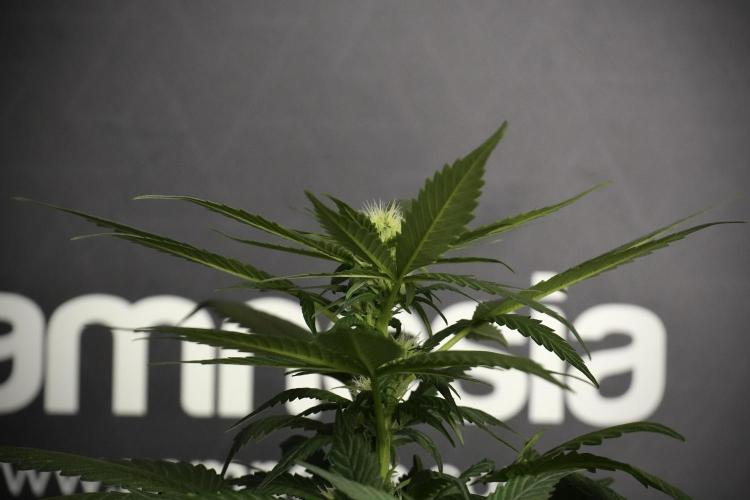
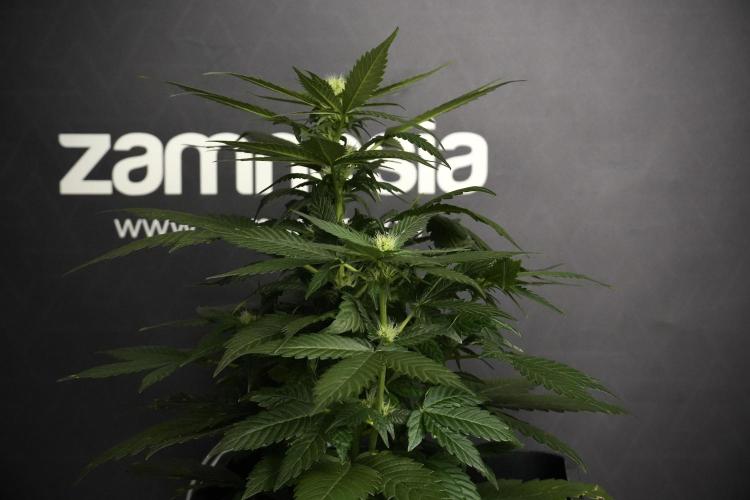
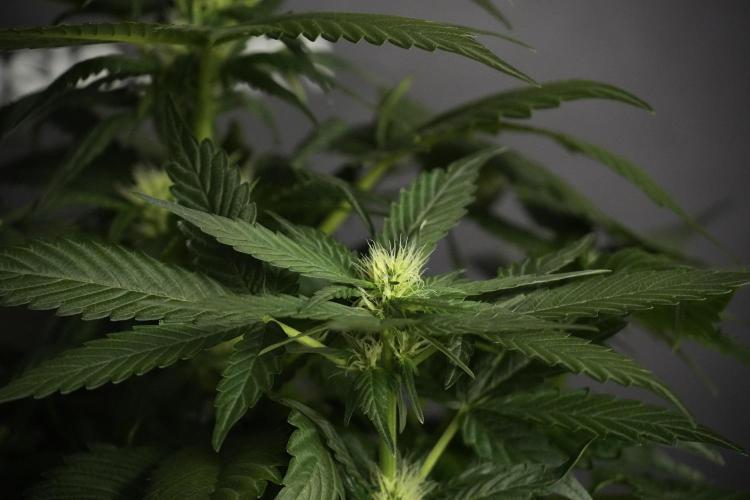
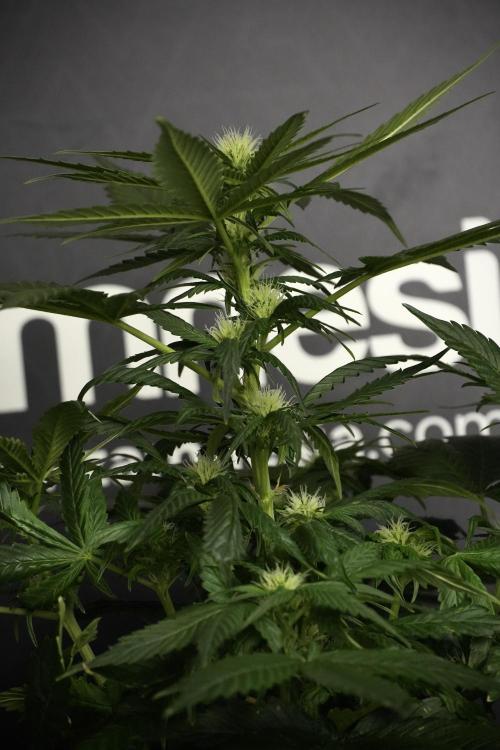
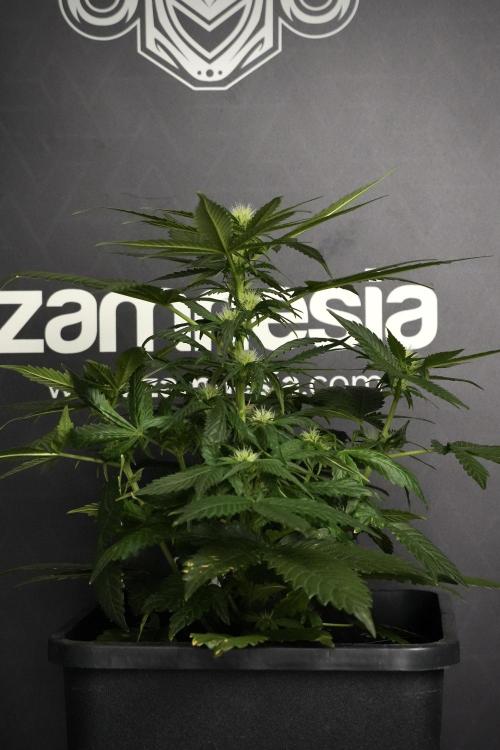
While the entire 8×8 Adventure is progressing beautifully under our 12/12 From Seed experiment, she and her sister have clearly decided they aren’t waiting for anyone. Both have entered flowering noticeably earlier than many of their neighbors, already stacking fresh white pistils and showing that unmistakable transition from vegetative growth into reproductive mode.
Whether they’ll ultimately finish well ahead of the others or simply settle back into the group’s pace remains to be seen—but that’s exactly what makes phenotype hunting so fascinating. Every day brings another lesson.
This diary is another chapter in documenting that unique journey.
⸻
🌱 Life Inside the 8×8 Adventure
The room continues to evolve into exactly what I hoped this experiment would become.
Multiple cultivars…
Multiple phenotypes…
One environment…
…all responding in their own completely unique ways despite receiving identical treatment.
Watching these differences emerge is one of the greatest rewards of this project.
Pink Rozay Auto B isn’t the tallest plant in the room, nor the widest, but she carries herself with incredible confidence. Every day the structure becomes a little more refined, with new flower sites appearing throughout the canopy while maintaining a compact and manageable shape.
She may not demand attention…
…but she certainly earns it.
⸻
🌿 Gentle Training, Better Light
Training continues to be extremely light and intentional.
Rather than forcing the plant into unnatural shapes, I’m simply guiding her architecture little by little.
Low Stress Training continues to spread the branches outward while preserving the natural growth momentum.
Combined with regular leaf tucking, more light now reaches the lower developing shoots without removing healthy foliage unnecessarily.
It’s amazing how much difference simply moving a few leaves can make.
Every exposed node becomes another opportunity for a future flower site, helping create a more balanced canopy while allowing airflow to penetrate deeper into the plant.
Sometimes the smallest adjustments deliver the biggest results.
⸻
🌸 Racing Into Flower
One thing is becoming increasingly obvious.
Pink Rozay Auto B is moving.
Fast.
The top flowers are already producing beautiful clusters of bright white pistils, and several lower branches have joined the race as well.
Compared with many of the surrounding plants, she’s clearly a step ahead in flower initiation.
Whether this means she’ll ultimately finish earlier or simply started blooming sooner is impossible to know at this stage—but that’s part of the excitement of documenting every single week.
Nature always has the final word.
⸻
🌡️ Summer Challenges Continue
Summer growing always keeps us humble.
Even with the air conditioning working around the clock, keeping temperatures under complete control during the hottest days remains one of the biggest daily challenges.
This week the environment averaged:
• 🌡️ Day Temperature: 33°C
• 🌙 Night Temperature: 25°C
• 💧 Relative Humidity: 63%
• 🌱 Root Zone Temperature: 21°C
• 💦 Nutrient Solution: 26°C
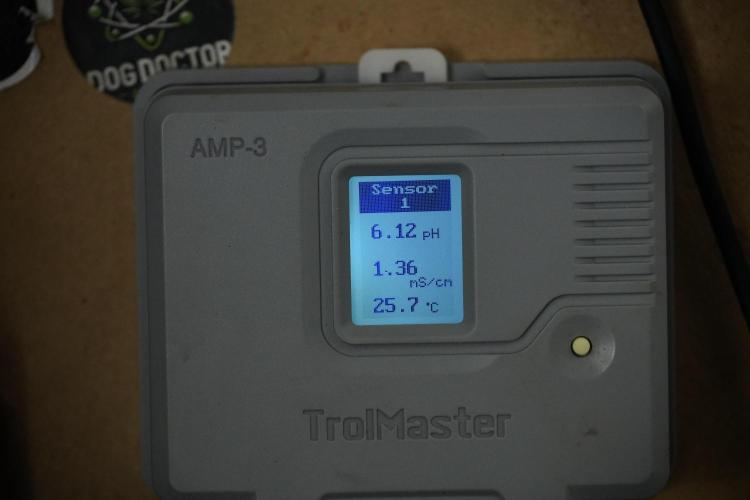
• ⚡ EC: 1.35 mS/cm
• pH: 6.1
• 🌿 CO₂: 639 ppm
Considering the outside temperatures, I’m genuinely pleased with how stable the room has remained.
The plants certainly don’t seem to mind.
Healthy color, vigorous growth and strong turgor continue to suggest they’re adapting very well.
⸻
Feeding Program
This week the feeding schedule remained simple and consistent using the Plagron Terra line:
• Terra Grow — 1.8 ml/L
• Power Roots — 1 ml/L
• Pure Zym — 1 ml/L
• Sugar Royal — 1 ml/L
The combination continues to promote vigorous vegetative growth while providing plenty of support as flowering begins.
No need to complicate things.
Healthy roots continue to build healthy flowers.
⸻
🔬 Looking Forward
Over the coming week I’ll continue monitoring her carefully.
If she keeps flowering at this pace, she could become one of the earliest finishers inside the entire 8×8 Adventure.
Or…
She might simply be an early bloomer before settling into the same finishing window as everyone else.
Either outcome is exciting.
That’s exactly why I love running multiple genetics together—every phenotype tells its own story.
Pink Rozay Auto B has definitely captured my attention.
Now it’s her turn to show us what she’s truly capable of.
⸻
💚 Thank You
As always, thank you to everyone following this adventure.
Every like, every comment, every question and every bit of encouragement makes these journals even more enjoyable to create.
A huge thank you to GrowDiaries for providing a place where growers from all over the world can share knowledge and learn together.
Massive appreciation as well to Plagron for supplying the nutrition driving this entire run, and to Zamnesia for providing the genetics that make this project possible.
Finally…
Thank you to everyone following the entire 8×8 Adventure from seed to harvest.
Every week brings us one step closer, and I can’t wait to see where Pink Rozay Auto B decides to take us next.
Growers Love and happy growing! 🌱💚
8 likes
comments
Share
Used techniques
12-12
Technique
LST
Technique
5
Week 5. Flowering
3mo ago
1/36
50 cm
Height
12 hrs
Light Schedule
31 °C
Day Air Temp
6.1
pH
No Smell
Smell
940 PPM
TDS
72 %
Air Humidity
22 °C
Solution Temp
21 °C
Substrate Temp
25 °C
Night Air Temp
15 liters
Pot Size
0.9 liters
Watering Volume
639 PPM
CO₂ Level
Nutrients 8
Terra Grow
1.8 mll
Sugar Royal
1 mll
Pure Zym
1 mll
DogDoctorOfficial 🌸 Week 5 – Pink Rosay Auto (Pheno B)
Compact by Nature, Beautiful by Choice
Every grow tells a different story.
Although this Pink Rosay shares exactly the same genetics, soil, environment, lighting, feeding schedule, and growing technique as her sister, she has chosen a completely different path. That is one of the most fascinating aspects of growing from seed: every phenotype expresses its own personality.
Just like the rest of this project, she began life under a strict 12/12 light schedule from the very first day. No vegetative period, no transplant delays, and no opportunity to build weeks of structural growth before flowering. Every decision she has made has happened under flowering conditions, making her development a true reflection of her own genetic expression.
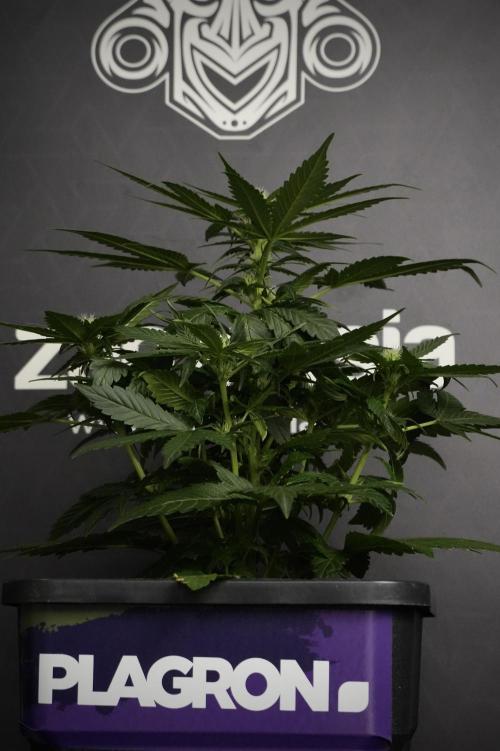
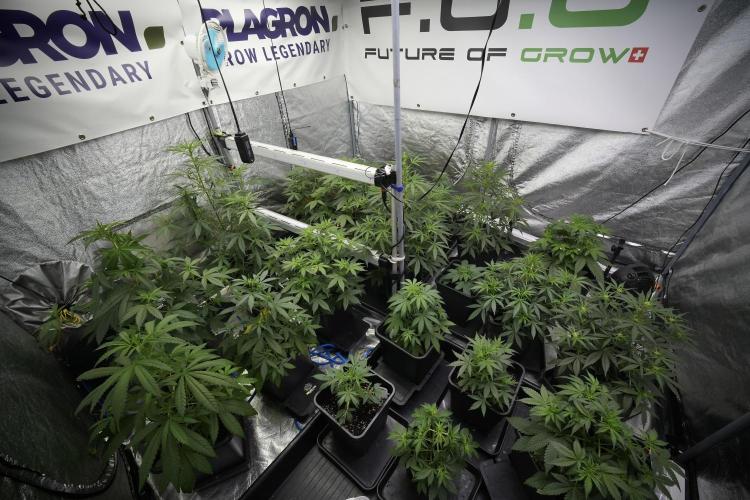
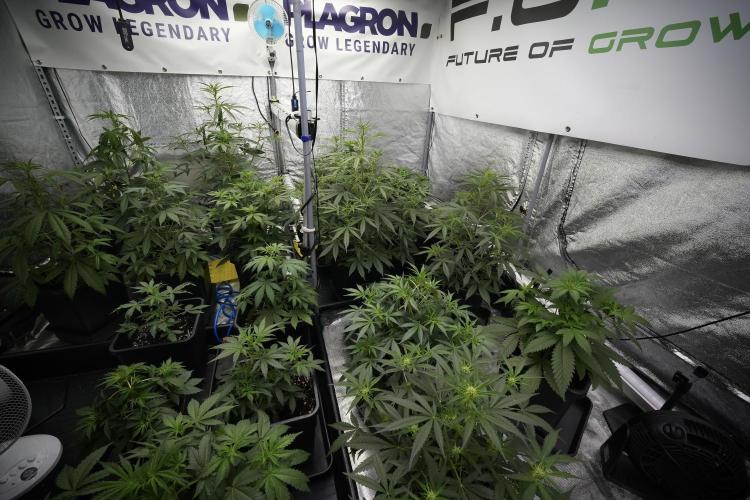
Unlike her taller sister, this little lady has remained incredibly compact from the very beginning. Rather than investing her energy into vertical growth, she has concentrated on building a thick central structure with tight internodal spacing and a dense canopy that looks incredibly healthy.
Sometimes bigger simply isn’t the goal.
⸻
🌱 Plant Development
During the past week she has fully committed herself to flowering.
The stretch has been very modest, reaching only around 50 cm, yet every internode is now producing healthy clusters of fresh white pistils. Bud sites are appearing from top to bottom, and despite her small stature, there are far more flowering points than first impressions might suggest.
Her structure reminds me of a classic compact indica expression—short, sturdy and incredibly efficient.
One thing I enjoy seeing is how uniform the canopy remains. Instead of one dominant leader racing ahead, most of the branches have stayed within a comfortable working height, creating a very balanced plant that should be easy to manage throughout bloom.
She may never become the tallest plant in the room, but she certainly doesn’t look like she intends to waste any energy.
⸻
🌿 Environment & Growing Conditions
The environment remained exactly the same as for the rest of the Project Blue Tent.
* 12/12 light cycle from seed
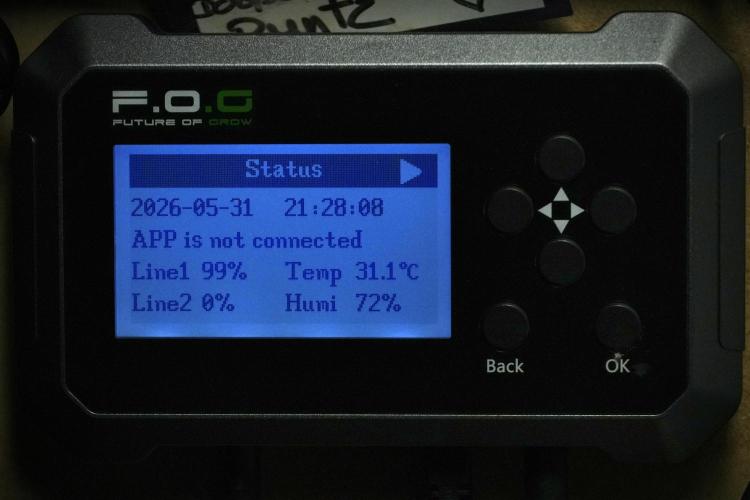
* Future of Grow Black Series LED providing approximately 850 PPFD
* Mammoth Pro tent with excellent airflow
* Temperature around 31°C during lights on
* Relative humidity averaging 72%
* CO₂ around 639 ppm
These warm conditions have encouraged extremely rapid flower initiation across the entire room, and this Pink Rosay is no exception. Even though her stretch has been minimal, she has transitioned into flower without hesitation.
⸻
💧 Feeding Program
Like the other hand-watered plants in this project, she is growing in Plagron Lightmix inside a 15 L container and is not connected to the AutoPot system.
She received approximately 0.9 litres of nutrient solution per watering, allowing complete control over moisture levels while encouraging strong root development.
This week’s feeding consisted of:
• Terra Grow – 1.8 ml/L
• Terra Bloom – 1.9 ml/L
• Pure Zym – 1 ml/L
• Power Roots – 1 ml/L
• Sugar Royal – 1 ml/L
• Power Buds – 1 ml/L
The nutrient balance has kept the foliage beautifully green, healthy and vibrant. Leaf colour remains deep without showing signs of nutrient excess, while new flowering growth continues to appear every day.
⸻
🌸 Phenotype Notes
This phenotype perfectly demonstrates why I enjoy growing multiple plants of the same variety.
If someone only grew this Pink Rosay, they might assume the strain is naturally compact.
If they only grew Pheno A, they might believe it stretches aggressively.
Neither conclusion would be completely accurate.
They’re simply expressing different combinations of the same genetic potential.
That’s one of the reasons I always enjoy documenting every individual plant rather than judging a strain based on a single example. Every phenotype has something unique to teach us.
At the moment, this little lady seems determined to trade size for efficiency, and honestly, I’m perfectly happy to let her do exactly that.
⸻
🔍 Looking Ahead
The coming weeks should reveal her true potential.
Now that flowering has fully begun, I expect most of her remaining energy to shift away from vertical growth and into building flower mass. Her tight internodal spacing could become a real advantage later on, producing dense, well-stacked colas with very little wasted stem.
I’ll continue following the Plagron feeding schedule, monitor her closely, and only make adjustments if she tells me she needs them.
Sometimes the smallest plants surprise us the most once harvest day finally arrives.
⸻
💭 Final Thoughts
This week reminded me that successful growing isn’t about forcing every plant to fit the same mould.
Some plants stretch.
Some stay compact.
Some become giants.
Others remain small but reward us with exceptional quality.
So far, this Pink Rosay has shown excellent health, beautiful leaf colour, vigorous flower development and a calm, balanced growth pattern. She may not dominate the room in size, but she certainly deserves her place in this project.
I’m genuinely excited to see what this compact little phenotype has been quietly preparing behind all those healthy green leaves.
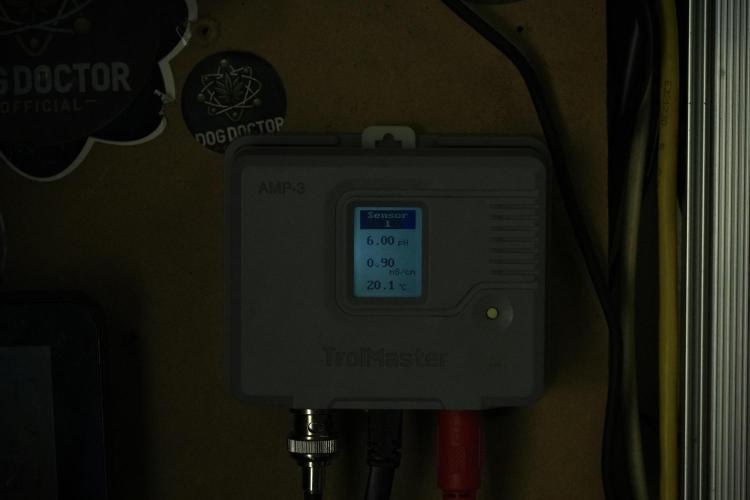
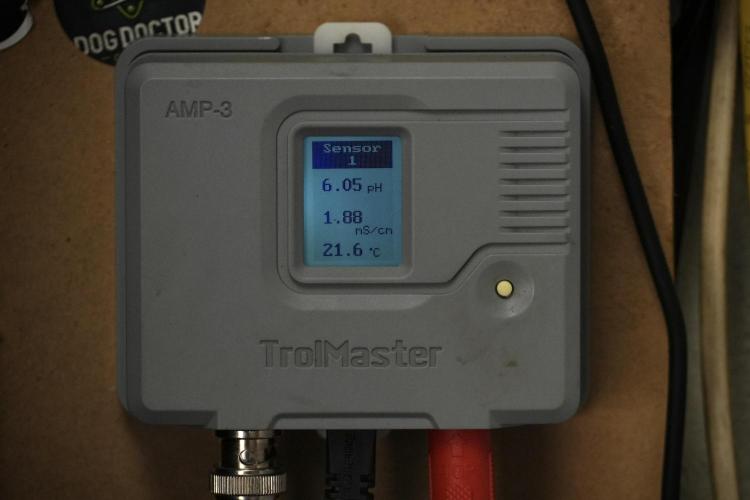
A huge thank you to Zamnesia for these fantastic genetics, Plagron for providing the nutrition that keeps these plants thriving, Future of Grow for the outstanding lighting, TrolMaster for maintaining such a stable environment, and to everyone following this journey here on GrowDiaries.
Your support, encouragement, questions, and shared passion for growing continue to make this adventure even more rewarding.
The flowers have arrived.
Now the real magic begins.
Growers Love and happy growing! 🌱💚
7 likes
comments
Share
Used techniques
12-12
Technique
LST
Technique
6
Week 6. Flowering
3mo ago
1/46
55 cm
Height
12 hrs
Light Schedule
29 °C
Day Air Temp
6.0
pH
No Smell
Smell
890 PPM
TDS
60 %
Air Humidity
21 °C
Solution Temp
21 °C
Substrate Temp
25 °C
Night Air Temp
15 liters
Pot Size
0.9 liters
Watering Volume
639 PPM
CO₂ Level
Nutrients 7
Sugar Royal
1 mll
Pure Zym
1 mll
Ph Plus
0.03 mll
DogDoctorOfficial 🌸 Pink Rosay Auto by Zamnesia | Pheno B | Week 6 (Early Flower)
🌱 Small in Size, Huge in Character
Not every plant dreams of touching the ceiling.
Some choose a different path.
While her sister reached upward with remarkable speed, this little Pink Rosay has quietly remained true to herself, growing into one of the most compact plants inside the entire Project Blue Tent.
At first glance, some growers might overlook her.
I certainly won't.
Sometimes the smallest plant ends up telling the biggest story.
Running under my ongoing 12/12 From Seed experiment, she has spent her entire life making every decision beneath flowering hours. Instead of investing energy into vertical growth, she has poured everything into building a sturdy framework filled with healthy branches, tight internodes, and an abundance of developing flower sites.
She's proof that size has never been the only measure of success.
🌸 Week 6 – Every Flower Has Its Place
This week her flowering really began to shine.
Those brilliant white pistils are everywhere.
Every branch is crowned with fresh clusters that seem to grow larger each day, creating dozens of little stars scattered throughout the canopy. These delicate white hairs are the plant's first invitation to reproduction, reaching outward in search of pollen in nature. Indoors, without pollination, they become the foundation upon which each flower will continue to build.
Watching them emerge is always one of my favourite stages.
It's the moment when potential becomes visible.
The buds are still young, but they already carry that wonderful promise of everything that's still to come.
🌿 Structure & Growth
Standing at approximately 55 cm, Pink Rosay remains the smallest plant in the tent.
Yet nothing about her feels underdeveloped.
Quite the opposite.
Her compact architecture has produced incredibly tight node spacing, allowing flower sites to form almost one above another. Instead of long stretches between branches, nearly every centimetre of stem contributes to future flower production.
Gentle Low Stress Training has opened the canopy just enough for light to reach deep into the plant while maintaining her naturally balanced form.
She isn't trying to become the tallest.
She's simply becoming herself.
🍃 Plant Health
Health continues to be absolutely exceptional.
The foliage displays a rich emerald-green colour from top to bottom, with beautiful leaf posture and excellent turgor throughout the plant.
There are no signs of nutrient stress, deficiencies or excesses.
Everything looks relaxed.
Comfortable.
Balanced.
Even with rapid flower formation underway, she continues producing vigorous new growth while maintaining the kind of healthy appearance every grower hopes to see when opening the tent each morning.
Sometimes perfect health is quiet.
This plant is a wonderful example of that.
💧 Hand Watering & Nutrition
Like her sister, Pink Rosay continues to be hand-watered rather than connected to the AutoPot system, allowing close daily observation and precise control over her feeding.
Current feeding:
• Terra Bloom — 1.9 ml/L
• Pure Zym — 1 ml/L
• Sugar Royal — 1 ml/L
• Power Buds — 1 ml/L
• Green Sensation — 1 ml/L
Maintaining:
• EC: 1.78 mS/cm
• pH: 6.0
She's responding beautifully, maintaining outstanding colour and steady flower development without asking for anything more than consistency.
🌡️ Environment
The environment remains stable, allowing every phenotype to express its own personality without unnecessary stress.
Current conditions:
• Day temperature: 29°C
• Night temperature: 25°C
• Relative humidity: 60%
• Solution temperature: 21°C
• Root zone temperature: 21°C
• CO₂: approximately 639 ppm
Even during the warmer summer days, the room continues providing the consistency that allows healthy genetics to perform at their best.
🌼 A Lesson in Phenotypes
One of my favourite parts of growing multiple plants from the same strain is watching nature write different stories from the same genetic book.
If I had only grown this Pink Rosay, I might describe the variety as naturally compact.
If I had only grown her sister, I might say she stretches enthusiastically.
Both observations would be true.
Neither would tell the whole story.
That's the beauty of phenotypes.
Every seed carries the same family name, but each one develops its own personality, its own rhythm, and its own way of expressing those shared genetics.
This little lady reminds me that sometimes the quietest plants have the most interesting stories to tell.
👀 Looking Ahead
With the stretch now largely behind her, the next few weeks should be all about building flowers.
Her incredibly tight node spacing could become one of her greatest strengths, allowing individual flower sites to merge into dense, beautifully stacked colas.
She may never be the largest harvest in the room.
But I have a feeling she'll produce something very special.
Sometimes the plants that ask for the least attention end up becoming the jars you reach for most often.
🙏 Final Thoughts
This little Pink Rosay has become one of my favourite reminders that gardening isn't about chasing uniformity.
It's about giving every plant the opportunity to become exactly what it was meant to be.
She may be the smallest plant inside the tent, but every day she stands there with remarkable health, vibrant colour, flawless structure and flowers that continue to multiply beneath a crown of brilliant white pistils.
Some growers measure success in height.
Others measure it in yield.
I'm learning, once again, that true success is watching a plant express its own personality while thriving from beginning to end.
A huge thank you to Zamnesia for these wonderful genetics, Plagron for providing the nutrition that keeps these plants thriving, Future of Grow for the outstanding lighting, TrolMaster for maintaining such a stable environment, and to everyone following this journey here on GrowDiaries.
Your support, encouragement, questions, and shared passion for growing continue to make this adventure even more rewarding.
Small in stature.
Beautiful in every detail.
And quietly preparing to surprise us all.
Growers Love and happy growing! 🌱💚
8 likes
comments
Share
Used techniques
12-12
Technique
LST
Technique
7
Week 7. Flowering
3mo ago
1/28
63 cm
Height
12 hrs
Light Schedule
29 °C
Day Air Temp
5.8
pH
Normal
Smell
975 PPM
TDS
60 %
Air Humidity
21 °C
Solution Temp
21 °C
Substrate Temp
25 °C
Night Air Temp
15 liters
Pot Size
0.9 liters
Watering Volume
639 PPM
CO₂ Level
Nutrients 7
Sugar Royal
1 mll
Pure Zym
1 mll
Ph Plus
0.03 mll
DogDoctorOfficial 🌸 Pink Rosay Auto by Zamnesia | Pheno B | Week 7 (Flowering)
🌱 Small Plant. Big Personality.
Some plants demand attention the moment they emerge.
Others earn it quietly.
This little Pink Rosay continues to be the smallest plant inside the entire Project Blue Tent, yet week after week she reminds me that a grower's job isn't to judge a plant by its height, but to help it become the very best version of itself.
Growing under my ongoing 12/12 From Seed experiment, she has followed a completely different path from her sister. While Pheno A reached confidently toward the lights, this compact little lady chose to stay low, building an incredibly tight framework instead of chasing vertical growth.
If I had grown only this phenotype, I might have wondered why she stayed so small.
Instead, growing both sisters side by side has become another beautiful reminder that every seed carries its own personality.
And that's exactly why I love growing from seed.
🌸 Week 7 – A Tiny Plant Filled With Flowers
This week the transformation became impossible to ignore.
Every branch is now carrying clusters of bright white pistils that seem to multiply every single day. What was once a compact green plant is slowly turning into a collection of miniature flower towers, each one stacking neatly above the next.
The flowers are still young, but they are forming with wonderful symmetry, and the bud sites are beginning to connect throughout the entire canopy.
One thing I particularly enjoy about this phenotype is how proportional everything feels.
Nothing is oversized.
Nothing feels stretched.
Every centimetre of growth seems to have been used efficiently.
She may occupy very little space inside the tent, but she's making excellent use of every bit of it.
🌿 Structure & Growth
Standing at approximately 63 cm, she has gained a little more height this week while remaining the most compact plant in the room.
Her internodal spacing continues to be incredibly tight, producing a naturally dense structure that barely required any training to create an even canopy.
The gentle Low Stress Training (LST) performed earlier continues paying dividends by opening the centre of the plant just enough to improve airflow and light penetration without disturbing her natural shape.
One thing I've really noticed this week is how balanced her architecture has become.
Instead of producing one dominant cola with scattered side branches, she's developing numerous evenly sized flowering tops that should mature together over the coming weeks.
She truly feels like a miniature version of her sister.
Smaller in every dimension.
Just as beautiful.
🍃 Plant Health
Health continues to be absolutely outstanding.
The leaves maintain a deep emerald-green colour with excellent turgor from top to bottom, showing no signs of deficiencies, toxicity, or environmental stress.
Leaf posture remains relaxed and confident, while new growth emerges clean and vibrant around every developing flower.
One of the advantages of keeping her under close observation through hand watering is being able to appreciate just how consistently healthy she has remained throughout the entire grow.
She isn't asking for special treatment.
She's simply responding beautifully to consistency.
💡 Lighting – Every Photon Matters
Being the shortest plant in the tent naturally means she spends much of her life beneath a taller canopy.
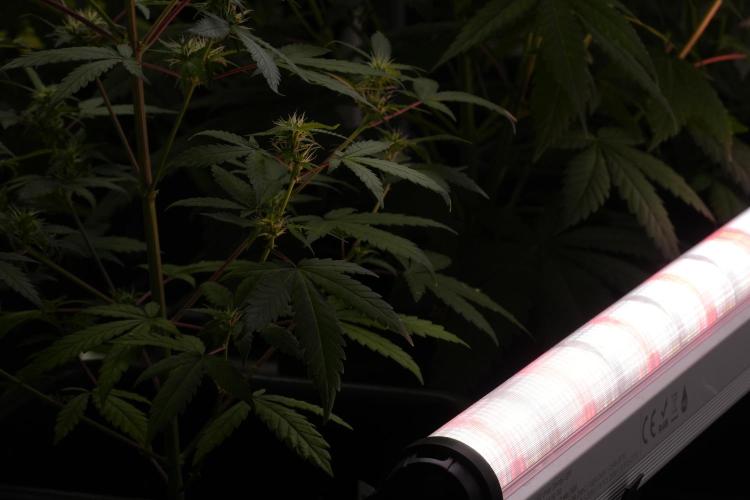
This is exactly where the Lumiflora under-canopy lighting becomes especially valuable.
While the Future of Grow Black Series 600W delivers excellent intensity from above, the Lumiflora bars help illuminate the lower sections of this compact phenotype, allowing light to reach bud sites that would otherwise spend much of the day in shade.
For a plant with such dense internodal spacing, that additional light penetration could make a significant difference as the flowers continue stacking over the next several weeks.
Sometimes the smallest plants benefit the most from thoughtful lighting design.
💧 Hand Watering & Nutrition
She continues to be hand-watered rather than connected to the AutoPot system, allowing me to tailor every feeding while monitoring her progress on a daily basis.
Current feeding:
• Terra Bloom — 2 ml/L
• Pure Zym — 1 ml/L
• Sugar Royal — 1 ml/L
• Power Buds — 1 ml/L
• Green Sensation — 1 ml/L
Maintaining:
• EC: 1.95 mS/cm
• pH: 5.8
Despite her compact size, she's accepting the current feeding schedule extremely well, maintaining excellent colour while continuing to build flowers across the entire plant.
🌡️ Environment
The environmental conditions remain stable, allowing every phenotype inside Project Blue Tent to express its own genetic potential.
Current conditions:
• Day temperature: 29°C
• Night temperature: 25°C
• Relative humidity: 60%
• Solution temperature: 21°C
• Root-zone temperature: 21°C
• CO₂: approximately 639 ppm
Consistency continues to be one of the biggest contributors to healthy growth, particularly during these important early flowering weeks.
🌼 The Beauty of Letting Plants Be Themselves
I think this little Pink Rosay teaches one of the most valuable lessons in growing.
Many growers would have looked at her size several weeks ago and immediately assumed something was wrong.
Some might even have started over.
But plants don't all read the same instruction manual.
Phenotypes exist for a reason.
Some stretch.
Some stay compact.
Some focus on structure before flowers.
Others race toward the lights.
There isn't always a "correct" version.
There are simply different expressions of the same genetics.
By allowing every plant to finish its own journey instead of comparing it to its neighbours, we often discover that the quietest plants become some of the most memorable ones.
Every plant deserves the opportunity to show us what it can become.
👀 Looking Ahead
The stretch now appears to be over, and from this point forward I expect nearly all of her energy to be directed toward flower production.
Those incredibly tight nodes should begin merging together into dense, compact colas as the calyxes continue swelling over the coming weeks.
Will she produce the biggest harvest in the tent?
Probably not.
But I have a feeling she'll reward patience with beautiful, dense flowers that perfectly reflect her compact personality.
Sometimes greatness doesn't come in the biggest package.
🙏 Final Thoughts
This little Pink Rosay continues to remind me why I enjoy documenting every single phenotype.
She isn't trying to compete with her sister.
She isn't trying to become the tallest plant in the room.
She's simply expressing the genetics she was given, and she's doing it with remarkable health, beautiful structure, and flowers that become more impressive every single week.
As growers, it's easy to compare plants.
The real joy comes from appreciating each one for what it is, not for what we expected it to become.
A huge thank you to Zamnesia for these wonderful genetics, Plagron for providing the nutrition that keeps these plants thriving, Future of Grow for the outstanding lighting from above, Lumiflora for helping every lower flower receive the light it deserves, TrolMaster for maintaining such a stable environment, and to everyone following this journey here on GrowDiaries.
Your encouragement, questions, and shared passion for growing continue to make every update even more rewarding.
Small in stature.
Beautiful in structure.
And proving, one week at a time, that every phenotype deserves the chance to shine.
Growers Love and happy growing! 🌱💚
11 likes
comments
Share
Used techniques
12-12
Technique
8
Week 8. Flowering
2mo ago
1/60
63 cm
Height
12 hrs
Light Schedule
29 °C
Day Air Temp
6.0
pH
Normal
Smell
1000 PPM
TDS
60 %
Air Humidity
21 °C
Solution Temp
21 °C
Substrate Temp
25 °C
Night Air Temp
15 liters
Pot Size
1 liters
Watering Volume
639 PPM
CO₂ Level
Nutrients 7
Sugar Royal
1 mll
Pure Zym
1 mll
Ph Plus
0.03 mll
DogDoctorOfficial 🌸 Pink Rosay Auto by Zamnesia | Pheno B | Week 8 (Flower Week 5) 🌱
The Tiny One That Refused To Give Up
If I were growing only two or three plants, I'm going to be completely honest...
I probably wouldn't have kept her.
Pink Rosay Pheno B is tiny.
Not small.
Not compact.
Tiny.
She's easily among the smallest plants I've ever grown.
And that's exactly what makes her so interesting.
Because this is the whole point of the 8×8 Adventure.
I'm growing twelve different genetics side by side, and instead of selecting only the plants that immediately impress me, I'm giving every phenotype the opportunity to tell me who she is.
And this little lady?
She's definitely telling us.
She isn't going to produce the biggest harvest in the tent.
She probably won't even come close.
But she's healthy.
She's flowering.
She's developing beautifully.
And she's still here.
Sometimes that's enough reason to keep watching.
🌸 Week 5 Flower – Tiny, But Still Building
The stretch is essentially behind her now, and her personality couldn't be clearer.
Pink Rosay Pheno B has remained incredibly compact throughout the entire grow.
Her nodes are tightly packed.
Her branches remain short.
Her entire structure feels almost miniature compared with the plants surrounding her.
But when you look closely...
There are flowers everywhere.
Those tiny branches are carrying developing buds, and the white pistils continue appearing across the flowering sites.
She's slowly turning this miniature framework into a miniature flowering plant.
And there's something strangely beautiful about that.
She isn't trying to become something she's not.
She's simply doing what her genetics told her to do.
✂️ Defoliation – Opening The Little Lady Up
Just like her sister, Pink Rosay Pheno B also received a selective defoliation this week.
Again, this wasn't because she was unhealthy.
Quite the opposite.
She's looking beautiful.
The reason was simply that her extremely compact architecture creates a very dense little package of foliage and flowers.
With so much plant compressed into such a small vertical space, selectively removing some unnecessary leaves helps open the structure.
The goal isn't to strip the plant.
It's not about removing healthy leaves just because we can.
And it's certainly not about making the plant look pretty for a photograph.
The idea is to create a little more space between foliage, flowers, light and moving air.
I removed leaves that were contributing to congestion and cleaned up portions of the lower and interior structure where development was unlikely to justify keeping excessive foliage.
But I didn't remove everything.
There are still flowers down there.
And I'm leaving some of them.
Because this is an experiment.
I want to see what this tiny phenotype can actually do.
💡 Let The Photons Move
With a plant this compact, light management becomes particularly interesting.
The Future of Grow Black Series provides the primary light from above, while the Lumiflora under-canopy system adds another source of illumination deeper in the room.
But there's an important distinction here.
Adding light doesn't automatically mean every flower needs to be exposed directly to it.
The plant still has its own architecture.
Leaves overlap.
Flowers sit underneath other leaves.
Some areas naturally receive less light.
By selectively opening the canopy, we're simply allowing more of the available photons to travel through the structure rather than being intercepted immediately by layers of foliage.
It's not about making the plant brighter.
It's about making the light distribution more useful.
And with a plant this tiny and dense, every little opening makes a difference to the way light and air move through her.
🌱 The Smallest Plant With A Big Lesson
This is probably the part of her story I appreciate most.
If you only looked at her height, you could easily conclude that something went wrong.
But nothing went wrong.
She simply expressed herself differently.
That's one of the reasons growing multiple phenotypes is so valuable.
Put two sisters next to each other and suddenly the differences become impossible to ignore.
One can stretch.
One can stay short.
One can develop large branches.
Another can produce a miniature architecture.
Same genetic family.
Completely different personalities.
And instead of asking:
"Why isn't she like her sister?"
I prefer asking:
"What can she show me if I let her finish?"
That's the experiment.
And that's why she's still here.
🌼 Flowers, Pistils & Personality
Despite her size, the flowering development is genuinely beautiful.
The flowers are becoming more defined, with fresh white pistils continuing to emerge from the developing calyxes.
The deep green foliage provides an incredible contrast against those bright white hairs.
And the more I look at her, the more I realise that her size is actually part of her charm.
She's almost like a miniature version of a full-sized flowering plant.
Everything is there.
Just compressed.
Tiny branches.
Tiny leaves.
Tiny flowers.
Tiny structure.
But the same biological process is happening.
She's still capturing light.
She's still producing energy.
She's still moving water and nutrients.
She's still building flowers.
And she's still telling us what her genetics are capable of.
❄️ She's Still Getting Frostier
Another thing that keeps this little plant interesting is the resin development.
She's beginning to show that frosted appearance across the flowers and surrounding sugar leaves, adding another layer to what is already an incredibly attractive little plant.
I don't expect her to suddenly turn into a giant producer.
But I do think she could produce something interesting in terms of flower quality.
And if the final amount ends up being very small?
That's okay too.
I've already been thinking that her eventual harvest may make more sense as a small personal extraction project rather than trying to treat her like a traditional high-yield plant.
Something like an ice-water wash could give those flowers another purpose.
But that's a decision for much later.
For now...
She's growing.
And that's what matters.
💧 Consistency Is Still The Strategy
The beauty of this phenotype is that she hasn't needed special treatment.
She's been receiving the same general cultivation philosophy as the rest of the room while being observed individually.
Hand watering gives me the opportunity to assess her every day and make sure her needs are being met without forcing her into a feeding strategy designed around a larger plant.
The important thing isn't trying to make her bigger at this point.
That chapter is over.
Now the objective is simply to allow her to finish as strongly and naturally as possible.
She's healthy.
She's flowering.
She's producing resin.
So we keep the environment stable and let her do the rest.
🌡️ Environment
The room continues providing a remarkably stable environment for all these different phenotypes.
Current conditions remain around:
Day temperature: 29°C
Night temperature: 25°C
Relative humidity: 60%
Solution temperature: 21°C
Root-zone temperature: 21°C
CO₂: approximately 639 ppm
This is one of the things I love most about this project.
Twelve different plants.
Twelve different personalities.
One environment.
And every phenotype gets to show us how she responds to the same cultivation philosophy.
👀 Looking Ahead – Let's See What She's Got
At this point, I'm not expecting miracles from Pink Rosay Pheno B.
And I don't mean that negatively.
I mean that realistically.
She's tiny.
Her total flower mass will naturally be limited by the amount of plant she's carrying.
But that's okay.
The goal now isn't to turn her into something she's not.
It's to see how beautifully she can finish as herself.
The flowers should continue swelling.
The pistils will eventually begin their transition toward maturity.
Resin production should continue increasing.
And that little compact canopy should slowly transform from a collection of tiny flowers into a finished miniature harvest.
Maybe she'll surprise me.
Maybe she won't.
Either way...
She's already taught me something.
❤️ Final Thoughts – The Little Lady That Stayed
Pink Rosay Pheno B is probably never going to win a competition for plant height.
She isn't going to dominate the canopy.
She isn't going to produce a mountain of flowers.
And honestly?
That's okay.
Because this project was never only about growing the biggest plant.
It's about observing genetics.
It's about giving different phenotypes the room to express themselves.
It's about learning that sometimes the plant you would have removed from the garden is the one that ends up teaching you something you wouldn't have learned otherwise.
If I had only been growing a couple of plants, I might have looked at this tiny Pink Rosay early in the grow and decided that her journey wasn't worth the space.
But I didn't.
I gave her a chance.
And now she's standing there, covered in flowers, getting frostier every week and quietly proving that she still has a story to tell.
She may be the smallest plant in the room.
She may produce the smallest harvest.
She may eventually become a tiny jar of flowers...
Or perhaps an even tinier ice-water experiment.
But before any of that happens, she deserves exactly what every other phenotype in this project receives:
Time.
Time to grow.
Time to flower.
Time to express herself.
And time to show us what she can do.
A huge thank you once again to Zamnesia for these wonderful genetics, Plagron for supporting the nutrition throughout this journey, Future of Grow for the incredible Black Series lighting, Lumiflora for bringing additional light beneath the canopy, TrolMaster for maintaining environmental control and everyone following this crazy 8×8 Adventure here on GrowDiaries.
Every plant doesn't need to be the biggest.
Every phenotype doesn't need to be a winner.
Sometimes...
the smallest ones simply need someone willing to let them finish their story.
And this little lady isn't finished yet. 🌸
Until next week...
Tiny plant. Big personality. Still here. Still shining. 🌱✨
Growers Love and happy growing! 💚
13 likes
comments
Share
Used techniques
12-12
Technique
Defoliation
Technique
9
Week 9. Flowering
2mo ago
1/36
63 cm
Height
12 hrs
Light Schedule
29 °C
Day Air Temp
6.0
pH
Normal
Smell
1000 PPM
TDS
60 %
Air Humidity
25 °C
Solution Temp
26 °C
Substrate Temp
25 °C
Night Air Temp
15 liters
Pot Size
1 liters
Watering Volume
639 PPM
CO₂ Level
Nutrients 7
Sugar Royal
1 mll
Pure Zym
1 mll
Ph Plus
0.03 mll
DogDoctorOfficial 🌸 Pink Rosay Auto by Zamnesia | Pheno B | Week 9
💗 The Little Dwarf That I’m Very Glad I Kept
Some plants make you stop because they're enormous.
Some make you stop because they're covered in huge flowers.
And then there are plants that make you stop because you simply can't believe how much personality they've managed to fit into such a tiny body.
Pink Rosay Pheno B is one of those plants.
She's still a dwarf.
😂
There is no point pretending otherwise.
She's tiny.
She's compact.
She's becoming incredibly dense.
And honestly...
I absolutely love her.
When I look back at the beginning of this grow, I have to admit something.
If I had only been growing a few plants, I probably would never have given a phenotype like this the opportunity to finish.
She's just too small.
There would have been a temptation to look at her, compare her to the others, and think:
"Maybe this one isn't worth the space."
But that's exactly why I love having twelve different genetics in the 8×8 Adventure.
I didn't remove her.
I gave her time.
And now?
She's standing there covered in flowers and frost, looking absolutely adorable.
And I'm very, very happy I kept her.
🌸 Week 9 – Still Tiny. Still Beautiful.
Pink Rosay Pheno B is currently around 63 cm.
Sixty-three.
😂💗
Compared with some of the giants in this garden, she's practically a bonsai.
But here's the funny thing.
When I look at her now, I don't really see the height anymore.
I see the plant.
And the plant is beautiful.
Her structure is extremely compact, the internodes are tightly packed, and the flowers are becoming increasingly dense throughout that little framework.
She's not wasting much space.
She's not reaching endlessly upward.
She's simply putting everything she has into the structure she already built.
And that's becoming her signature.
Tiny frame. Dense flowers. Big personality.
💗 The Dwarf Is Getting Dense
This is probably the biggest change I'm seeing this week.
She's becoming really dense.
The flowers are no longer looking like little isolated flowering sites scattered across a miniature plant.
They're becoming proper little clusters.
The calyxes are becoming more pronounced.
The pistils are progressing.
And the resin is becoming increasingly visible across the flowers and surrounding sugar leaves.
There's a lovely contrast developing between the dark green foliage and the increasingly frosty flowers.
And honestly...
she looks fantastic.
Not fantastic for a dwarf.
Just fantastic.
That's an important distinction.
Because I don't want to judge her by the expectations I'd have for a much larger plant.
I'm judging her for what she is.
And what she is becoming is a beautiful, compact, heavily flowering little plant.
❄️ The Frost Is Starting to Take Over
And this is where things get particularly interesting.
The frost is becoming much more obvious.
The flowers have that increasingly sparkling appearance that makes you want to get closer and look again.
Then closer again.
And then...
"Okay, I need the macro lens." 😂📸
The resin is becoming part of her personality now.
It's no longer something you have to search for.
You can see it.
And I have a feeling she's going to become even more interesting as she continues toward maturity.
I wouldn't be surprised if, toward the end, she becomes one of those little plants where the amount of frost makes you completely forget how small she actually is.
She's certainly heading in that direction.
🌿 A Tiny Plant With Serious Density
One thing I really appreciate about this phenotype is how compressed everything is.
On a large plant, you can have flowers separated by considerable distances.
Here?
Everything is happening within a very small space.
Branches are short.
Nodes are close.
Flowers are packed into the architecture.
And now those flowers are gaining density.
It's almost like watching a miniature version of a full flowering plant.
Everything is there.
Just...
smaller.
😂
And that's what makes photographing her so much fun.
A wide photograph tells you the story:
"Look how tiny she is."
Then you get the camera close.
And suddenly...
"Holy shit, look at those flowers."
That's Pink Rosay Pheno B.
✂️ The Canopy – Now We Let Her Be
We already gave this little lady her selective defoliation when the canopy needed opening.
The objective was never to strip her.
It was to remove unnecessary congestion and give the remaining structure a little more room for light and airflow.
Now?
I'm leaving her alone.
She's doing exactly what I want her to do.
The remaining foliage is healthy.
The flowers are developing.
The structure is becoming denser.
And there is no reason to start interfering just because we have scissors available.
😂
This is another lesson this tiny plant has taught me.
Sometimes cultivation is intervention.
Sometimes cultivation is restraint.
And right now, restraint wins.
Let her finish.
💡 Small Canopy, Big Photon Story
The Future of Grow Black Series lighting continues providing the primary light from above, while the Lumiflora under-canopy system remains part of the overall flowering environment.
With a plant this compact, the relationship between light and structure is fascinating.
There isn't a huge vertical distance between the different parts of the plant.
Instead, everything is compressed into this little flowering package.
And as the flowers become denser, I'm very interested to see how she finishes under the same environmental philosophy as the much larger plants surrounding her.
She's another reminder that light doesn't dictate phenotype.
It gives the plant an opportunity.
The genetics decide what happens with that opportunity.
And Pink Rosay Pheno B decided:
"I'm going to stay tiny."
😂
Fair enough.
I respect the commitment.
🌱 The Experiment Is Working Exactly As Intended
This little plant is one of the best examples of why I wanted to run this 8×8 Adventure the way I did.
If I had selected plants purely based on early size, she probably wouldn't have made the cut.
And I would have missed this.
I would have missed watching an extreme compact phenotype develop.
I would have missed seeing how much flower she can actually carry inside that miniature architecture.
And most importantly...
I would have missed the lesson.
Not every plant needs to be a monster.
Not every phenotype needs to produce enormous numbers.
Sometimes the value of a plant is simply in what it teaches you.
And this little girl has already taught me plenty.
💗 The Sister Comparison Is Fascinating
Her sister is a completely different story.
Same genetic line.
Same room.
Same general cultivation philosophy.
And yet...
look at them.
One is compact.
The other is larger.
One has a very compressed architecture.
The other expresses herself differently.
One looks almost miniature.
The other carries herself like a more conventional flowering plant.
And that's exactly what phenotype hunting is about.
You don't grow two sisters to make them identical.
You grow them to discover how different they can become.
Pink Rosay Pheno B has certainly answered that question.
Very different.
And I'm glad she did.
💧 Feeding & Environment
The current conditions remain stable:
🌸 Flowering: Week 9
📏 Height: approximately 63 cm
💡 Light schedule: 12/12
🌡️ Day temperature: 29°C
🌙 Night temperature: 25°C
💧 Relative humidity: 60%
⚗️ pH: approximately 6.0
⚡ EC: approximately 2.0 mS/cm
🌡️ Solution temperature: 25°C
🌱 Substrate temperature: 26°C
🌬️ CO₂: approximately 639 ppm
? Pot size: 15 L
💦 Watering: approximately 1 L per plant / 24h
The feeding program remains centered around the same flowering nutrition approach used throughout the project.
No unnecessary changes.
No chasing numbers.
She's developing beautifully, so consistency remains the priority.
🌬️ Tiny Doesn't Mean Forgotten
One of the things I really enjoy about hand-watering this plant is that she gets exactly the same attention as the giants.
She may be tiny.
But she's still part of the experiment.
Every time I approach her, I get to look at the flowers.
Check the foliage.
Watch the resin.
Look for changes.
And because she's so compact, it's actually incredibly easy to observe her closely.
There aren't hundreds of centimetres of plant to inspect.
Everything is right there.
She's basically saying:
"Come on. You can't miss me."
😂💗
And I don't.
🔭 Looking Ahead – I Have a Feeling About This One
I'm not expecting a huge producer.
Let's be realistic.
She's 63 cm.
She's a dwarf phenotype.
Her total flowering structure is naturally limited by the amount of plant she has.
But that's not what I'm watching anymore.
I'm watching quality.
I'm watching density.
I'm watching resin development.
I'm watching how those flowers mature.
And I'm very curious to see where she ends up.
Because she has already exceeded what I expected from her.
She survived.
She flowered.
She developed.
She became dense.
And now she's getting increasingly frosty.
That's already a win.
And who knows...
perhaps by the end of this journey, she will become an even more interesting little specimen than I expected.
💗 Maybe I Should Have Kept More Dwarfs
This is something I've been thinking about.
If this had been a smaller garden, I probably wouldn't have grown a phenotype like this.
And that's exactly why having a larger project is so valuable.
You get to see the extremes.
You get to see the weird ones.
The tall ones.
The short ones.
The explosive ones.
The quiet ones.
The strange ones.
The beautiful ones.
And sometimes...
the tiny ones.
Pink Rosay Pheno B belongs firmly in that last category.
She's not here to win the height competition.
She's not here to dominate the tent.
She's here to show us what happens when her genetics decide:
"We're going small."
And honestly?
I'm loving every minute of it.
❤️ Final Thoughts – The Little Dwarf I Almost Didn't Keep
I think this might be my favourite part of Pink Rosay Pheno B's story.
Not how big she is.
Not how much she might produce.
Not whether she can compete with her sister.
It's the fact that she almost wouldn't have had this opportunity.
If I had fewer plants, I might have looked at her and decided she wasn't worth the space.
But because this is the 8×8 Adventure...
she stayed.
And now?
I'm really glad she did.
Because this little dwarf has become one of the plants I genuinely enjoy looking at.
She's cute as fuck.
😂💗
She's tiny.
She's compact.
She's becoming extremely dense.
She's getting frostier.
She's beautifully structured.
And she's completely comfortable being exactly what she is.
I don't need her to become a giant.
I don't need her to suddenly explode in size.
I don't need her to prove anything.
I just want to see her finish.
And I have a feeling that when she does, whatever she gives us is going to be very, very nice.
Perhaps later, when everything is finished and the entire garden has told its story, we'll decide what makes the most sense for this little harvest.
But that's a story for another day.
Right now...
she's still growing.
Still shining.
Still getting frostier.
Still being the tiniest girl in the room.
And still making me smile every time I look at her.
🌸💗❄️
Pink Rosay Pheno B.
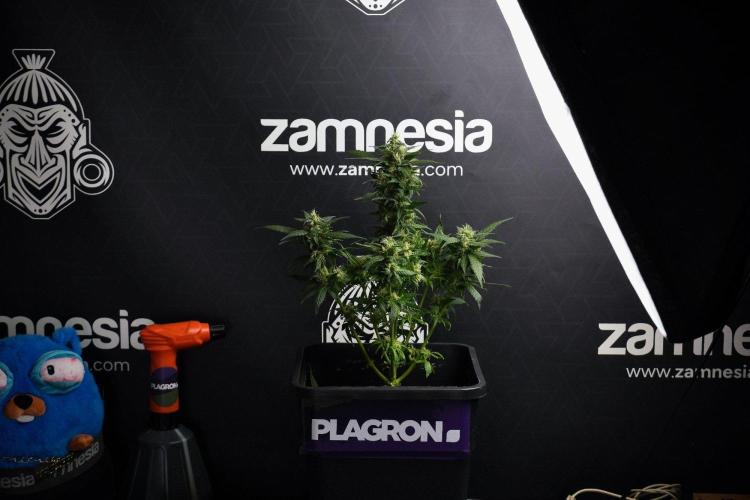
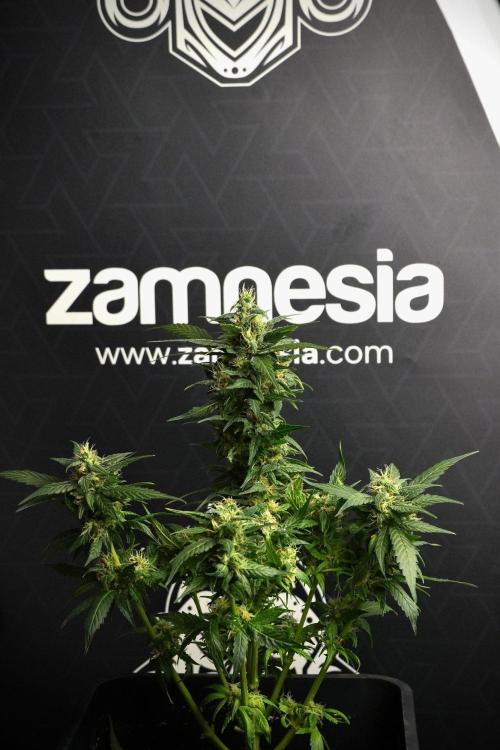
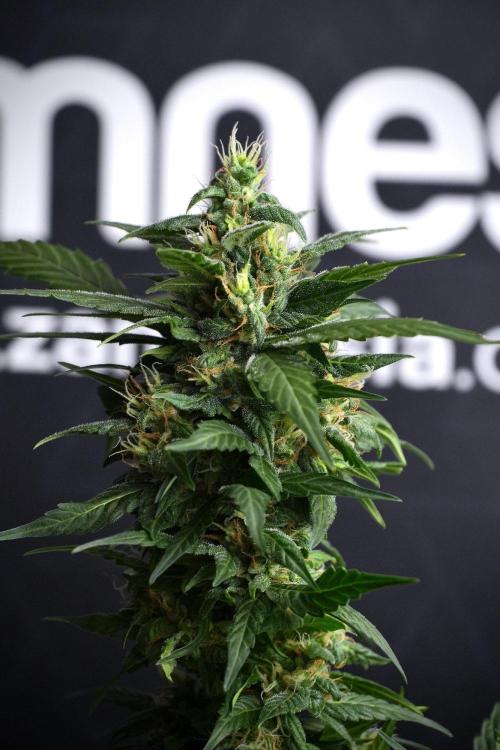
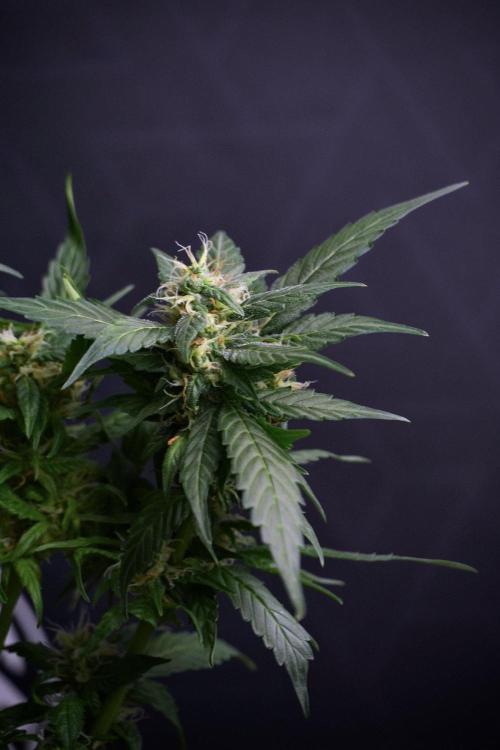
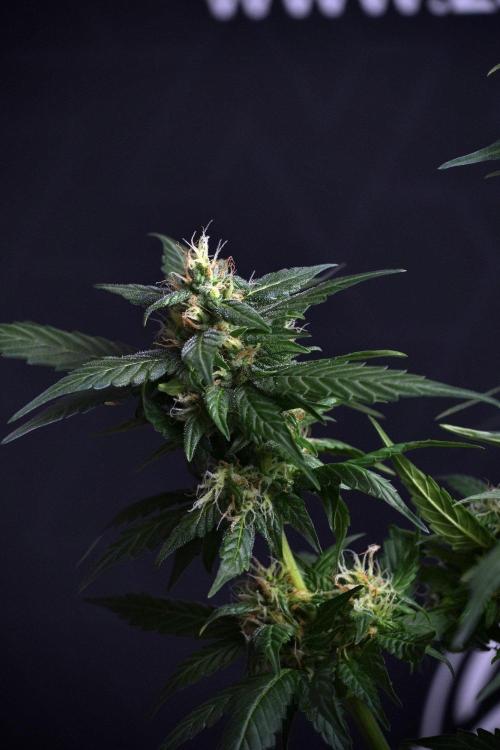
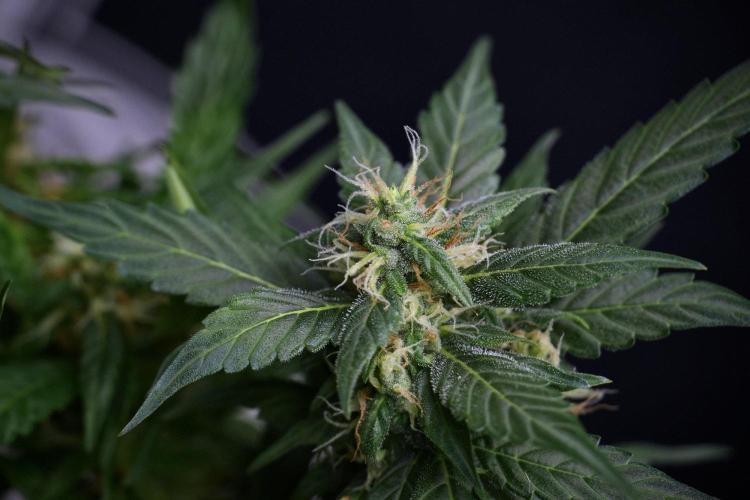
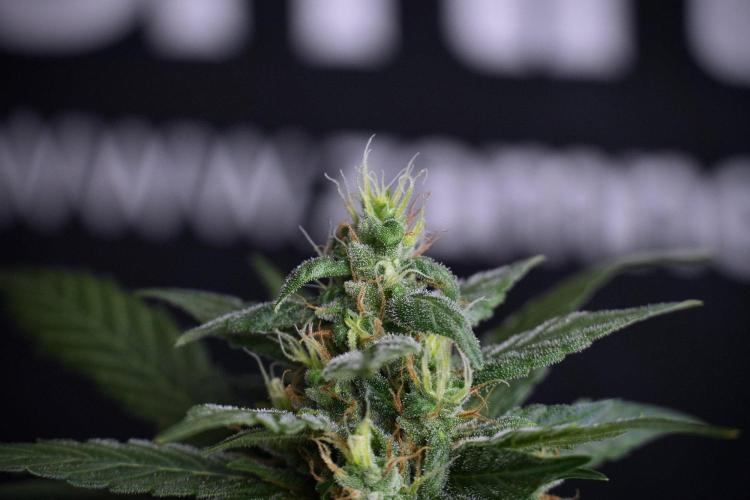
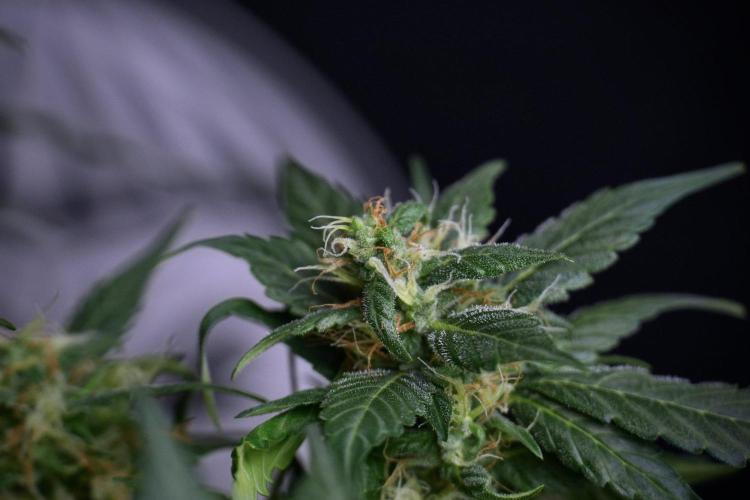
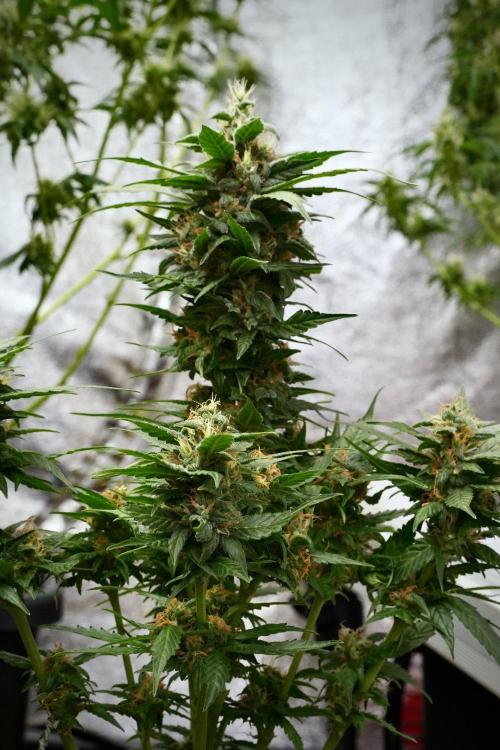
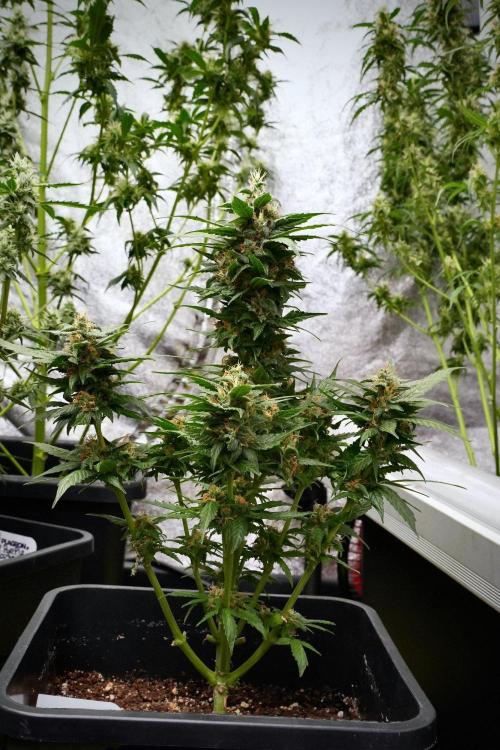
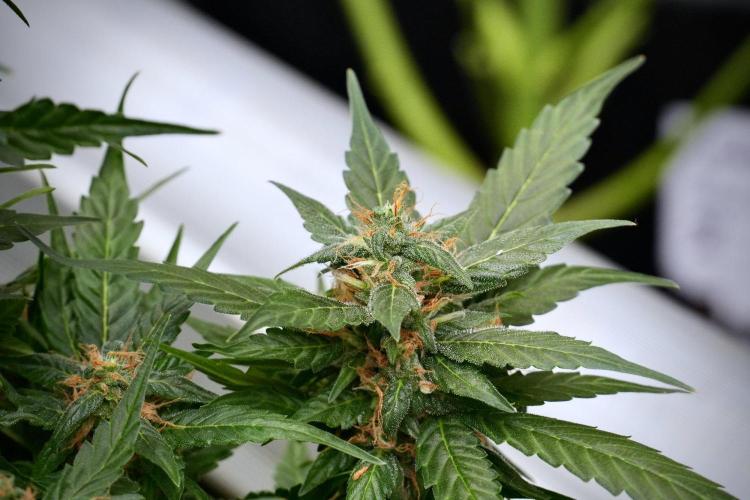
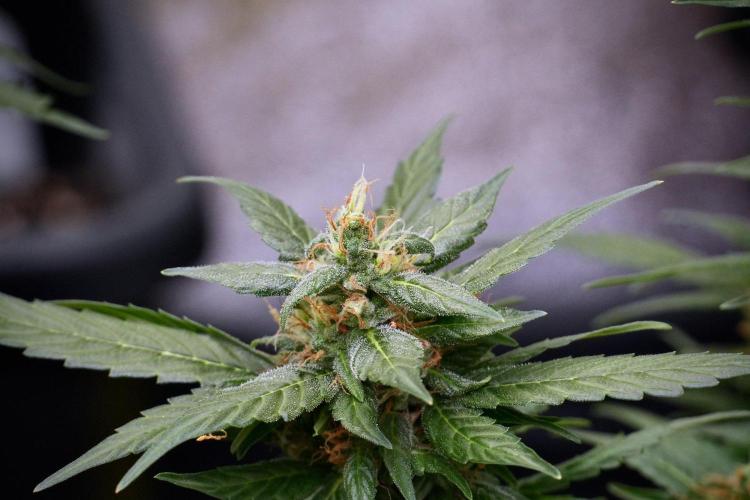
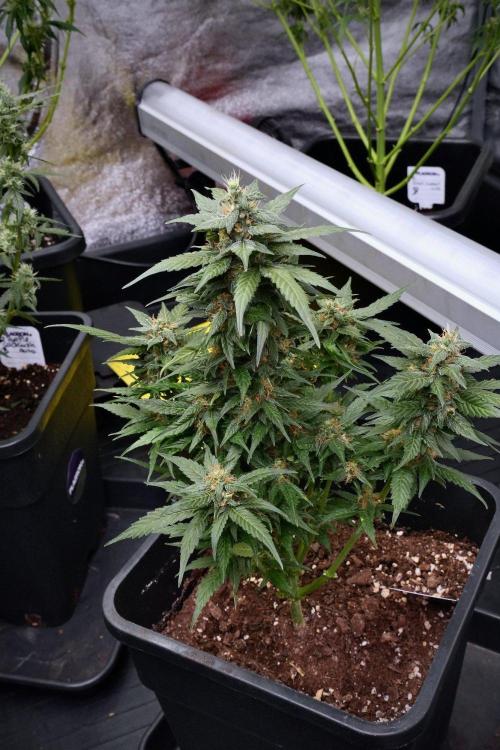
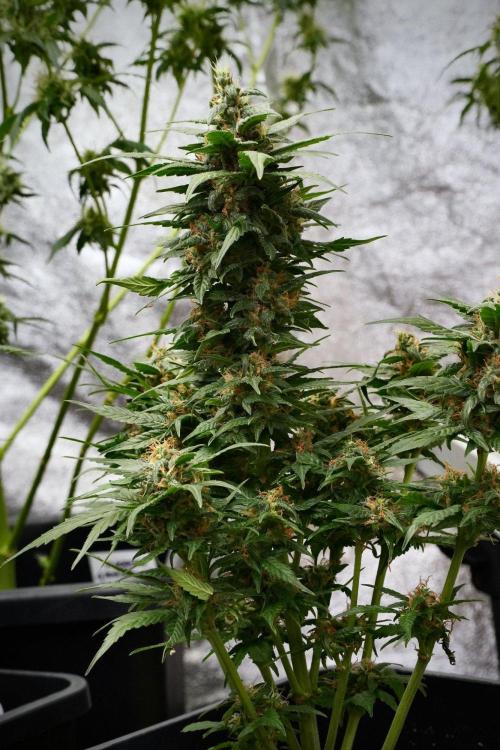
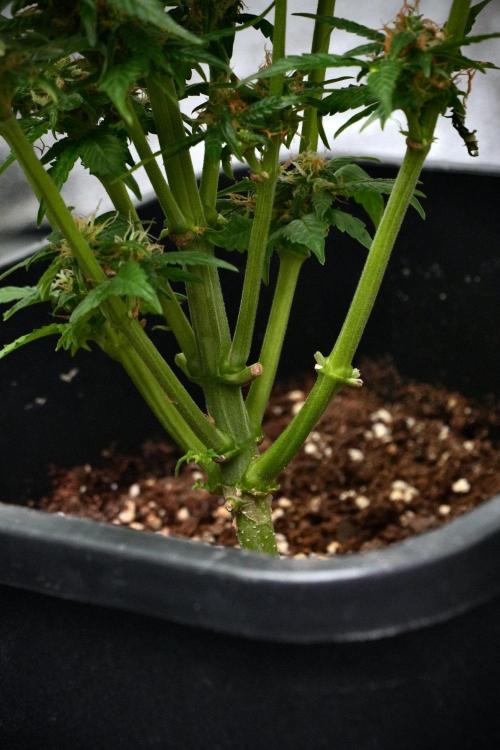
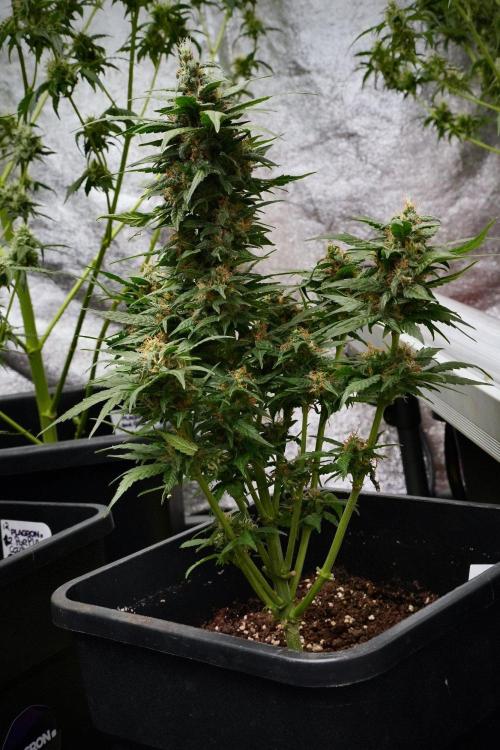
The little dwarf.
The tiny survivor.
The compact beauty.
The one I almost didn't keep...
and the one I'm now very happy I did.
So let's give her the spotlight.
Because she has absolutely earned it.
A huge thank you once again to Zamnesia for these beautiful genetics, Plagron for the nutrition, Future of Grow for the Black Series lighting, Lumiflora for bringing the under-canopy lighting into the project, TrolMaster for the environmental control, and of course to everyone following the 8×8 Adventure on GrowDiaries.
Every phenotype doesn't have to be enormous.
Every plant doesn't have to be a champion.
Sometimes the smallest plant in the room gives you one of the biggest lessons.
And sometimes...
the little dwarf becomes one of your favourites.
This one certainly became one of mine.
Until next week...
Tiny plant. Huge personality. Getting seriously frosty. 💗❄️
Growers love and happy growing! 🌱💚
11 likes
comments
Share
Used techniques
12-12
Technique
10
Week 10. Flowering
2mo ago
1/38
63 cm
Height
12 hrs
Light Schedule
30 °C
Day Air Temp
6.0
pH
Strong
Smell
1000 PPM
TDS
60 %
Air Humidity
25 °C
Solution Temp
26 °C
Substrate Temp
25 °C
Night Air Temp
15 liters
Pot Size
1 liters
Watering Volume
639 PPM
CO₂ Level
Nutrients 7
Sugar Royal
1 mll
Pure Zym
1 mll
Ph Plus
0.03 mll
DogDoctorOfficial 🌸 Pink Rosay Auto by Zamnesia | Pheno B | Week 10
💗 The Little Dwarf Keeps Growing — Slowly, Beautifully & Completely on Her Own Terms
Welcome back to another chapter of the 8×8 Adventure! 🌱💚
And our little Pink Rosay Pheno B...
😂
She's still little.
There's really no point pretending otherwise.
But you know what?
She's beautiful.
So maybe I should stop calling her the little dwarf like I'm making fun of her.
Because the funny thing is...
she's tiny, yes.
She's cute, absolutely.
But she's also becoming a genuinely beautiful little flowering plant.
And she's continuing to evolve.
Continuing to develop.
Continuing to build flowers.
Continuing to get closer to whatever her final form is going to be.
All while asking me for almost nothing.
No drama.
No headaches.
No constant intervention.
No complaints.
Just:
"I'll grow over here, thank you very much." 😂💗
And honestly?
I respect that.
🌱 The 8×8 Adventure — Let Every Phenotype Tell Its Story
For anyone discovering this diary now, welcome to the 8×8 Adventure.
This project is about putting different genetics and phenotypes into the same general environment and allowing them to show us what they naturally want to become.
The plants share:
The same room
The same 12/12 lighting strategy
The same environmental approach
The same irrigation system
The same general nutrition
The same lighting ecosystem
The same grower
And yet...
they couldn't be more different.
Some stretch.
Some stay compact.
Some become enormous.
Some become dense.
Some fill the tent.
And some...
decide that 63 cm is plenty, thank you very much. 😂
That's Pink Rosay Pheno B.
And that's exactly why she stayed.
💗 Still Tiny — Still Growing
She's continuing to grow...
just not in the way some of her sisters do.
She's not suddenly going to turn into a giant.
She's not going to wake up tomorrow and decide she wants to become two metres tall.
And I don't expect her to.
Her size is part of her phenotype.
It's part of her identity.
But what I really like is that she's still evolving within that size.
The plant isn't static.
The flowers continue developing.
The structure continues maturing.
The density continues increasing.
And the whole little plant is gradually becoming more and more complete.
She's growing...
in her own way.
At her own speed.
Inside her own little world.
And I'm perfectly happy to let her.
🌸 Small Doesn't Mean Uninteresting
This is something I think this girl has demonstrated particularly well.
When you first see her beside some of the other plants in the 8×8, the immediate reaction is obviously:
"Wow, she's tiny."
😂
But spend a little time looking at her...
and the conversation changes.
You start noticing the flowers.
The structure.
The compactness.
The little details.
The developing resin.
The way everything is packed into such a small framework.
And suddenly the height becomes almost irrelevant.
She's not impressive because she's large.
She's interesting because she's different.
And that's exactly what I wanted from this project.
❄️ The Little Lady Is Still Getting Frostier
One of the things I really enjoy watching on Pink Rosay Pheno B is the developing frost.
The flowers continue taking on that increasingly resinous appearance.
The closer you get with the camera, the more detail starts appearing.
Calyxes.
Pistils.
Sugar leaves.
Resin.
Tiny structures packed together inside an extremely compact plant.
And this is where the little dwarf becomes particularly fun to photograph.
From a distance:
"Aww... look at the tiny plant." 😂
Get closer:
"Holy shit, look at those flowers."
💗❄️
That's the trick with her.
She doesn't necessarily impress you with scale.
She gets you with detail.
🌿 She Really Doesn't Ask for Much
This might be one of my favourite things about her.
She isn't trouble.
At all.
She's not demanding.
She's not constantly requiring attention.
She's not stretching into places where I don't want her.
She's not making me fight with the canopy.
She's not taking over her neighbours.
She's just...
there.
Growing.
Flowering.
Doing her thing.
And when I come to check her, I can simply look at her and think:
"Yep. You're good."
Then move on.
😂💗
There is something incredibly relaxing about having a plant like this in a room full of much more demanding personalities.
✂️ No Need for More Intervention
We've already performed the selective cleanup that she needed earlier in flower.
Since then, she's been allowed to continue developing naturally.
And that's exactly where I want to keep things.
I'm not going to start taking healthy leaves simply because the calendar says Week 10.
I'm not going to reshape her.
I'm not going to try to make her something she's not.
She has a compact architecture.
The flowers are developing within it.
The plant is healthy-looking.
So...
hands off.
Let her finish.
Sometimes the best thing you can do for a plant is stop trying to improve it.
She's already telling us what she wants to be.
💡 Eating Photons — Just in Miniature
The lighting environment remains consistent with the rest of the room.
The Future of Grow Black Series LED continues providing the primary overhead lighting, with Lumiflora contributing to the under-canopy lighting strategy.
And Pink Rosay is doing her part.
She's taking the available light and turning it into plant.
Into leaves.
Into flowers.
Into resin.
Into density.
Just...
on a miniature scale. 😂
That's perfectly fine.
Not every phenotype has to maximize vertical growth.
Not every phenotype has to fill every available centimetre.
Some genetics simply choose another strategy.
Pink Rosay Pheno B appears to be saying:
"Why grow bigger when I can just make this little space count?"
Fair enough.
🌸 Dense Flowers on a Tiny Framework
This is where I think she really earns her place in the experiment.
Her flowers are developing within a very compact framework.
Everything is close together.
The plant doesn't have enormous distances between flowering sites.
Instead, the whole structure feels compressed.
And that's fascinating to watch.
It's almost like looking at a miniature version of a much larger flowering plant.
Same basic idea.
Different scale.
And the longer she develops, the more interesting that compactness becomes.
She's not going to win a height competition.
But she might win the "how much personality can you fit into one tiny plant?" competition.
😂💗
💧 Feeding & Environment
The current conditions remain stable and consistent with the room:
🌸 Flowering: Week 10
📏 Height: 63 cm
💡 Light schedule: 12/12
🌡️ Day temperature: 29.9°C
🌙 Night temperature: 25°C
💧 Relative humidity: 60%
⚗️ pH: 6.0
⚡ EC/TDS: ~2.0 mS/cm
🌡️ Solution temperature: 25°C
🌱 Substrate temperature: 26°C
🌬️ CO₂: 639 ppm
? Pot size: 15 L
💦 Watering: approximately 1 L per plant / 24h
The flowering nutrition strategy remains consistent with the overall room.
No unnecessary changes.
No chasing numbers.
No special treatment.
The beauty of this experiment is that she gets the same general opportunity as everyone else...
and then shows us what she wants to do with it.
🔬 The Dwarf Phenotype Is Becoming Its Own Story
I think this is the point where I have to stop thinking of Pink Rosay B as simply the small one.
She's certainly the small one.
😂
But that's no longer the whole story.
She's also:
Compact.
Dense.
Easy to manage.
Interesting.
Frosty.
Beautiful.
And increasingly...
distinctive.
That's what happens when you spend enough time with individual phenotypes.
Eventually you stop comparing them.
You stop asking:
"Why isn't she like that one?"
And instead you start asking:
"What is this one telling me?"
Pink Rosay B is telling me:
"I'm staying small. Deal with it."
😂💗
And I'm absolutely dealing with it.
📸 The Photographer's Tiny Friend
She's also incredibly easy to photograph.
And I mean that in the best possible way.
Because she's small enough that I can get around her.
I can move her if necessary.
I can find different angles.
I can get close to the flowers.
I can really examine the structure.
And when I put the macro lens close...
the size of the plant disappears.
Suddenly the photograph is all about the flowers.
The textures.
The resin.
The little details.
That's one of the things I love most about macro photography.
It completely changes your perception of scale.
A plant that's tiny in the tent can become enormous inside the frame.
And Pink Rosay Pheno B gives me plenty of little worlds to explore.
💗 Will She Be a Big Producer?
Honestly?
I don't think so.
And that's okay.
She's 63 cm.
She's compact.
She's got a limited overall framework compared with some of the monsters around her.
So I'm not expecting her to suddenly produce a huge harvest.
But that's not what I'm hoping for anymore.
Now I'm hoping for something much more interesting:
quality.
Give me beautiful flowers.
Give me density.
Give me resin.
Give me aroma.
Give me something tasty.
Give me something memorable.
If this little plant finishes with a modest amount of exceptionally enjoyable flower...
I'll be perfectly happy.
Because the value of a phenotype isn't always measured by kilograms.
Sometimes it's measured by how much you enjoy what it gives you.
And I'm very curious about what this little lady has to say when she finally gets to the finish line.
🌱 The One I Almost Didn't Keep
And this is still one of my favourite parts of her story.
She could easily have been dismissed early in the project.
She's so much smaller than many of the other plants.
If I were growing only a handful of plants and space were extremely limited, the temptation to remove a phenotype like this could have been very real.
But that's not what we're doing.
We're running an experiment.
We're giving these different phenotypes the opportunity to express themselves.
And I'm very glad we did.
Because now I get to look at this little plant and think:
"I'm really glad you stayed."
💗
She's given us another story.
Another phenotype.
Another extreme.
Another reminder that plants don't read the rulebook.
They simply grow.
🔭 Looking Ahead
And now...
I'm curious.
Very curious.
Because she's getting closer.
The flowers are developing.
The density is increasing.
The resin is becoming more visible.
And she's continuing to mature within that tiny frame.
I don't expect a dramatic transformation in size.
That's not coming.
But I do expect the flowers themselves to continue changing.
And that's what I'm watching now.
How dense will they become?
How much will the resin develop?
How will the aroma evolve?
And perhaps most importantly...
how tasty is this tiny little lady going to be?
😂💗
That's the question I really want answered.
Because if she turns out to be delicious...
well...
then the little dwarf might have another trick up her sleeve.
❤️ Final Thoughts — Let's Make Her Shine
Week 10.
And our little Pink Rosay Pheno B is still here.
Still tiny.
Still cute.
Still beautiful.
Still developing.
Still doing her own thing.
And honestly?
I wouldn't change that.
She's not going to be the biggest producer in the room.
I don't think she ever intended to be.
She's simply making the most of the space she has.
And she's doing it beautifully.
She doesn't demand much attention.
She doesn't cause trouble.
She doesn't need constant management.
She just quietly continues becoming more herself.
And I think that's pretty damn cool.
There are plants that shout:
"Look at me!"
Pink Rosay B doesn't need to.
You eventually notice her anyway.
Because once you stop comparing her size...
you start seeing everything else.
The flowers.
The density.
The frost.
The structure.
The personality.
The peculiar little architecture that makes her unmistakably herself.
And that's what I love about her.
She's different.
She's tiny.
She's peculiar.
She's beautiful.
And she's completely comfortable being exactly what she is.
So no...
I don't think she's going to be a massive producer.
But maybe...
just maybe...
she'll give us something far more interesting.
A small harvest with a big personality.
Something beautifully aromatic.
Something tasty.
Something that makes me take a little flower from the jar later and say:
"Damn, I'm glad I kept that little girl."
😂💗❄️
Until then...
we provide.
We watch.
We photograph.
We learn.
And we let her finish on her own terms.
Because Pink Rosay Pheno B doesn't need to become a giant.
She just needs to become the best little Pink Rosay she can be.
And she's doing exactly that.
So...
let's make her shine. 💗✨
🙏 Thank You
A huge thank you to GrowDiaries for giving us the space to document this 8×8 Adventure and follow these very different phenotypes week after week.
Thank you to Zamnesia for these Pink Rosay genetics and for giving us the opportunity to discover expressions like this little beauty.
Thank you to Plagron for supporting the nutritional side of the journey.
Thank you to Future of Grow LED for the Black Series lighting driving the garden.
Thank you to Lumiflora for bringing the under-canopy lighting dimension into the experiment.
Thank you to TrolMaster for helping maintain the environment behind the scenes.
And, of course, thank you to everyone following along.
Every comment.
Every question.
Every observation.
Every photograph.
Every week.
That's what turns a grow into a story.
And Pink Rosay Pheno B?
She's certainly given us a story worth following.
She's the little one.
The dwarf.
The tiny girl surrounded by giants.
The plant I might have overlooked in another situation.
And now?
I'm genuinely happy she's here.
She's not going to take over the room.
She doesn't need to.
She's found her own little corner...
and she's filling it with flowers.
She's peculiar.
She's beautiful.
She's easy.
She's interesting.
And she's still evolving.
So let's give this tiny little lady the attention she deserves.
Not because she's big.
Not because she's going to produce the most.
But because she's herself.
And sometimes...
that's the most interesting phenotype of all.
💗🌸❄️
Stay small, little lady.
Keep getting beautiful.
And let's see just how tasty you can become.
Growers Love & Happy Growing! 🌱💚💗
9 likes
comments
Share
Used techniques
12-12
Technique
11
Week 11. Flowering
1mo ago
1/26
63 cm
Height
12 hrs
Light Schedule
27 °C
Day Air Temp
6.0
pH
Strong
Smell
1070 PPM
TDS
60 %
Air Humidity
25 °C
Solution Temp
26 °C
Substrate Temp
25 °C
Night Air Temp
15 liters
Pot Size
1.4 liters
Watering Volume
639 PPM
CO₂ Level
Nutrients 7
Sugar Royal
1 mll
Pure Zym
1 mll
Ph Plus
0.03 mll
DogDoctorOfficial 🌸 Pink Rosay Auto by Zamnesia | Pheno B | Week 11
💗 The Little Dwarf Keeps Smiling — Small, Beautiful & Completely Herself
Welcome back to another chapter of the 8×8 Adventure! 🌱💚
And our little Pink Rosay Pheno B...
😂💗
She's still little.
Very little.
But you know what?
Every single week, she manages to put a smile on my face.
And this week is no different.
Actually...
I'm starting to think that one of the best decisions I made in this entire adventure was simply...
not giving up on her.
Because look at her now.
She's growing.
She's developing.
She's building flowers.
She's getting prettier.
She's getting frostier.
And she's doing it all while remaining this ridiculously cute little plant tucked away among some absolute monsters.
😂💗
She's small.
She's beautiful.
She's charming.
And she's completely, unapologetically herself.
So yes...
let's give this little lady the spotlight she deserves.
🌸✨
────────────────────────
🌱 The 8×8 Adventure — Same Room, Different Stories
For anyone discovering this diary for the first time, welcome to the 8×8 Adventure.
The idea behind this project is simple:
Take different genetics and phenotypes...
put them into essentially the same environment...
and then step back and watch what they naturally become.
Same room.
Same 12/12 lighting schedule.
Same general environmental strategy.
Same irrigation philosophy.
Same nutritional program.
Same lighting ecosystem.
Same grower.
Different genetics.
Different phenotypes.
Different structures.
Different personalities.
And Pink Rosay Pheno B?
She's one of the most extreme examples of individuality in the entire room.
While some of her neighbours are enormous...
she decided:
"63 cm is enough."
😂
And honestly?
I'm glad she did.
Because if every plant looked the same, this experiment wouldn't be nearly as interesting.
────────────────────────
💗 I'm So Glad I Didn't Give Up on Her
I have to say this again.
I'm genuinely happy I didn't give up on this little girl.
Because early on, it would have been very easy to look at her and think:
"She's tiny."
And leave it at that.
But that's exactly why we do experiments like this.
We don't know the final story at the beginning.
We have to let the plant tell us.
And Pink Rosay B has been slowly telling us:
"I'm small.
So what?
Watch me."
😂💗
And I am watching.
Every week.
She's still developing.
Still changing.
Still putting on flower.
Still becoming more interesting.
And that's incredibly satisfying to see.
There is something special about watching a plant that could easily have been overlooked become something you genuinely care about.
That's exactly what happened with her.
────────────────────────
🌸 The Little Dwarf Keeps Growing
She's not suddenly going to become a giant.
And I don't want her to.
Her compact size is part of her story.
It's part of what makes this phenotype interesting.
But being small doesn't mean she's standing still.
Far from it.
She's continuing to develop within that tiny framework.
The flowers are progressing.
The structure is becoming more defined.
The density continues to build.
And the whole plant is slowly becoming more complete.
She's growing...
just on her own terms.
At her own pace.
In her own little world.
And honestly?
I love watching it.
Because sometimes slow, steady development is just as fascinating as watching a plant explode through the room.
────────────────────────
😊 She Keeps Putting a Smile on My Face
This might actually be my favourite thing about her.
She makes me smile.
😂💗
Every time I look at her, I get that little feeling of:
"Look at you!"
She's not intimidating.
She's not overwhelming.
She's not demanding.
She's just...
cute.
A tiny flowering plant surrounded by much larger personalities.
And somehow she has managed to carve out her own little identity in the room.
She's the little one.
The dwarf.
The compact girl.
The one who doesn't need much space.
The one who doesn't make my life difficult.
And now...
the one I'm genuinely excited to see finishing.
That's quite a transformation from where we started.
────────────────────────
❄️ Small Plant — Serious Frost
And let's not forget what happens when we stop looking at her size...
and start looking at her flowers.
Because that's where things get really interesting.
The frost continues to develop.
The flowers are becoming more substantial.
The structure is getting more defined.
And when the light catches the resin...
she absolutely shines.
❄️✨
This is one of those plants where scale can be misleading.
From across the room:
"Aw, she's tiny."
Get closer:
"Wait..."
Closer again:
"Ohhhhhh."
😂💗❄️
That's Pink Rosay B.
She doesn't need a huge frame to give us something beautiful to look at.
She simply packs her story into a much smaller package.
────────────────────────
🌸 Beautiful in Her Own Little Way
I think I've finally stopped comparing her to the larger plants.
And that's important.
Because when you compare a 63 cm plant to a giant standing beside her, she's always going to look small.
Of course she is.
But that's not the right comparison anymore.
Now I look at her and ask:
"What is Pink Rosay B doing?"
And the answer is:
She's growing.
She's flowering.
She's developing.
She's frosting up.
She's becoming more beautiful.
And she's doing all of that exactly as her genetics seem to want to.
That's what matters.
She's not supposed to be her sister.
She's not supposed to be one of the giants.
She's Pink Rosay Pheno B.
And that's enough.
────────────────────────
💡 Still Eating Photons
The room continues evolving around her, but the overall strategy remains the same.
The Future of Grow Black Series LEDs continue providing the main overhead lighting, with the additional fixtures now part of the upgraded lighting setup.
After adding the two additional Black Series 600W fixtures, we reduced the output to approximately 59% from the plug after seeing that the initial intensity was higher than we wanted.
We're now working around:
☀️ ~1,500 PPFD across the upper canopy
with intensity naturally changing according to plant height and position.
And this little lady?
She's still doing her part.
Taking the available photons...
and turning them into growth.
Leaves.
Flowers.
Resin.
Density.
Development.
Just on a miniature scale.
😂💗
I honestly love that.
It's another beautiful example of how genetics can take the same environmental opportunity and turn it into something completely different.
────────────────────────
🌱 Same Nutrition. Same Opportunity.
The nutrition has also continued evolving with the rest of the room.
Terra Bloom has been increased to:
🌸 Plagron Terra Bloom — 2.3 ml/L
Alongside:
🌱 Plagron Power Buds — 1 ml/L
✨ Plagron Green Sensation — 1 ml/L
🍯 Plagron Sugar Royal — 1 ml/L
⚗️ pH adjustment as required
Current solution strength:
⚡ EC: ~2.14 mS/cm
And again...
no special treatment.
No secret formula just for the little dwarf.
😂
She gets the same general opportunity as everyone else.
Same nutrition.
Same lighting strategy.
Same room.
Same environmental evolution.
And then...
she decides what to do with it.
That's the experiment.
────────────────────────
✂️ Still No Reason to Interfere
And just like her sister, Pink Rosay B doesn't give me many reasons to interfere.
The major work has already been done.
Her structure is established.
The flowering sites are visible.
The plant is healthy-looking.
The flowers are developing.
So why start messing around with her?
Exactly.
There is no reason.
Healthy leaves are still doing their job.
The flowers are developing naturally.
The plant is progressing.
So we're simply allowing her to continue.
Sometimes the grower's job is to do something.
Sometimes the grower's job is to know when not to do something.
Right now?
I'm very happy doing less.
😂💗
Let the little lady grow.
────────────────────────
🌸 Small Doesn't Mean Small Story
This is probably the biggest lesson Pink Rosay B has given me.
A plant doesn't have to dominate a tent to be interesting.
She doesn't need to be two metres tall.
She doesn't need a huge canopy.
She doesn't need massive branches reaching in every direction.
She doesn't need to be the biggest producer.
She just needs to express herself.
And she's doing that beautifully.
Her story is about compactness.
About individuality.
About watching a tiny phenotype continue to develop while surrounded by giants.
And maybe that's why I enjoy her so much.
She reminds me that growing isn't always about chasing the biggest possible plant.
Sometimes it's about discovering the unexpected.
────────────────────────
📸 The Tiny Girl Still Loves the Camera
And once again...
she remains incredibly easy to photograph.
😂📸
That's another thing I genuinely appreciate about this phenotype.
I can get around her.
I can see her structure.
I can reach her flowers.
I can move her if necessary.
And I can get the camera exactly where I want it.
Then macro photography completely changes the scale.
Suddenly...
the little dwarf isn't little anymore.
She's a landscape.
A forest of tiny structures.
Calyxes.
Pistils.
Sugar leaves.
Resin.
Textures.
Details.
And that's one of the reasons I love macro photography so much.
It reminds us that size is relative.
The plant might be tiny in the 8×8...
but inside the frame?
She's enormous.
💗❄️📸
────────────────────────
🌡️ Week 11 Conditions
The environment continues along with the rest of the room:
🌸 Flowering: Week 11
💡 Light schedule: 12/12
💡 Future of Grow Black Series LEDs: upgraded setup
💡 Approx. power after adjustment: ~59% from the plug
☀️ Upper-canopy PPFD: ~1,500
🌡️ Day temperature: ~26.5°C
🌙 Night temperature: ~26°C
💧 Relative humidity: ~61%
⚗️ pH: ~6.02
⚡ EC: ~2.14 mS/cm
🌡️ Solution temperature: ~25°C
🌱 Substrate temperature: ~25°C
🌬️ CO₂: ~693 ppm
🌱 Pot size: 15 L
💦 Irrigation: ~1.45 L per plant / 24h
Same room.
Same evolution.
Same lighting upgrades.
Same nutritional updates.
Same general strategy.
Different expression.
And Pink Rosay B continues doing what Pink Rosay B does best.
Being Pink Rosay B.
😂💗
────────────────────────
🔬 Genetics Keep Writing Their Own Stories
This is where the 8×8 Adventure becomes really fascinating.
You can control many things.
You can provide the same environment.
You can provide the same lighting.
You can provide the same nutrition.
You can keep the irrigation philosophy consistent.
But you cannot tell every phenotype how to behave.
They interpret the opportunity differently.
And Pink Rosay B is a perfect example.
Her sister is compact too, but this girl takes compactness to another level.
She's tiny.
She's dense.
She's developing beautifully.
And she's doing it without becoming a headache.
That's her genetic expression.
And I'm very happy we gave her the opportunity to show it.
────────────────────────
💗 My Little Survivor
There's something almost sentimental about her now.
😂
Because I remember looking at this little plant earlier in the adventure and thinking:
"Are you really going to do anything?"
And now?
I'm standing there smiling at her.
"Look at you!"
😂💗
She's become one of those plants that you develop a relationship with.
Not because she's the biggest.
Not because she's the most impressive from a distance.
But because you've watched her journey.
You've watched her slowly become herself.
And you've watched the little plant that could have been dismissed become a little plant you genuinely don't want to lose.
I'm really glad she stayed.
────────────────────────
🔭 Looking Ahead
And now...
I'm curious to see where she takes us from here.
She's still developing.
Still building.
Still getting prettier.
Still putting on frost.
Still making me smile.
And that's enough for me.
I'm not looking for her to suddenly become something she's not.
I'm not expecting a giant transformation.
I simply want to see the final version of this tiny little Pink Rosay phenotype.
How will the flowers continue to develop?
How much more will she mature?
How will the resin evolve?
What will the final structure look like?
And eventually...
what will she be like when her story is complete?
We'll find out.
One week at a time.
One photograph at a time.
One observation at a time.
────────────────────────
✨ Final Thoughts — Let the Little Lady Shine
Week 11.
And our little dwarf is still here.
Still growing.
Still developing.
Still beautiful.
Still tiny.
😂💗
And somehow...
she keeps becoming more lovable.
I am genuinely so happy I didn't give up on her.
Because now I get to watch this little cutie pie continue developing right in front of me.
She's small.
But she's beautiful.
She's compact.
But she's full of character.
She's not demanding.
She's not difficult.
She's not trying to take over the room.
She's simply doing her thing.
And she's doing it beautifully.
There are giants in this tent.
Absolute monsters.
Plants that make you wonder how you're ever going to move them without requiring a forklift.
😂🌳
And then there's Pink Rosay B.
Just sitting there...
quietly growing.
Quietly flowering.
Quietly getting frostier.
Quietly making me smile.
💗
And maybe that's why she has become so special to me.
She doesn't need to shout.
She doesn't need to be the biggest.
She doesn't need to prove anything.
She just needs to be herself.
And she is.
So let's give her the spotlight.
Let's celebrate the little one.
Let's celebrate the phenotype that could have been overlooked...
but wasn't.
Because now we get to see what happens when you simply give a tiny plant the opportunity to show you what she can do.
And Pink Rosay B?
She's showing us beautifully.
Small frame.
Beautiful flowers.
Increasing frost.
Growing every week.
And an absolutely enormous personality for such a tiny girl.
😂💗🌸❄️
I'm glad you stayed, little lady.
Keep growing.
Keep smiling.
Keep becoming more beautiful.
And most importantly...
keep being exactly who you are.
Because that's what makes you special.
💗✨
────────────────────────
🙏 Thank You
A huge thank you to GrowDiaries for giving us the space to document the 8×8 Adventure and follow these very different phenotypes week after week.
Thank you to Zamnesia for the Pink Rosay genetics and for giving us the opportunity to discover little characters like this one. 🌸💗
Thank you to Plagron for supporting the nutritional side of the journey. 🌱
Thank you to Future of Grow for the Black Series lighting and for supplying the additional fixtures we're now testing in this adventure. 💡🙏
Thank you to Lumiflora for adding the under-canopy lighting dimension.
Thank you to TrolMaster for helping maintain the environment behind the scenes.
And of course...
thank you to everyone following along.
Every comment.
Every question.
Every observation.
Every photograph.
Every week.
It all becomes part of this adventure.
And Pink Rosay Pheno B has certainly given us a story worth following.
She may be the smallest girl in the room.
But she has absolutely earned her place here.
And I'm so damn glad we gave her the chance.
💗🌸❄️✨
So here's to the little dwarf.
The tiny survivor.
The cutie pie.
The plant that keeps growing...
and keeps putting a smile on my face.
Let's keep watching.
Let's keep learning.
And let's let this beautiful little lady finish her story in her own way.
Give her the spotlight.
She deserves it.
Growers Love & Happy Growing! 🌱💚💗
9 likes
comments
Share
Used techniques
12-12
Technique
12
Week 12. Flowering
1mo ago
1/14
63 cm
Height
12 hrs
Light Schedule
27 °C
Day Air Temp
6.1
pH
Strong
Smell
1025 PPM
TDS
60 %
Air Humidity
25 °C
Solution Temp
26 °C
Substrate Temp
25 °C
Night Air Temp
15 liters
Pot Size
1.4 liters
Watering Volume
639 PPM
CO₂ Level
Nutrients 7
Sugar Royal
1 mll
Pure Zym
1 mll
Ph Plus
0.03 mll
DogDoctorOfficial 🌸 Pink Rosay Auto by Zamnesia | Pheno B | Week 12
💗 The Little Dwarf Is Still a Dwarf 😂👑🌿
Welcome back to another chapter of the 8×8 Adventure! 🌱💚
Well...
Here we are again.
And guess what?
😂
She's still a dwarf.
Still small as fuck.
Still sitting there looking like somebody accidentally put a miniature Pink Rosay into the 8×8.
And still...
here.
💗🌿😂
And you know what?
I'm actually really happy about that.
Because in another lifetime...
in another grow...
with another mindset...
this would probably have been the plant where I looked at her early on and thought:
"Yeah...
we're not doing this."
😂
But we did.
We kept her.
We gave her the same opportunity.
We kept caring for her.
We kept watching.
And now?
She's still a dwarf.
But she's OUR dwarf.
😂💗👑
And at this stage of the adventure, there isn't much left for me to do with her anyway.
The big work is done.
The plants have built their structures.
The flowers are there.
The room is moving toward the final part of the journey.
So now?
We watch.
We observe.
We provide what is needed.
And we let the plants finish writing their stories.
And our little Pink Rosay B?
She's still doing her thing.
Still small.
Still funny.
Still beautiful.
Still completely herself.
So let's give this little dwarf the spotlight one more time.
💗🌸👑
────────────────────────
😂 THE DWARF IS STILL A DWARF
────────────────────────
I feel like this needs to be the official opening statement.
😂
She's still a dwarf.
There is no plot twist.
There is no sudden growth spurt.
There is no:
"Surprise! I'm actually 1.8 metres tall!"
No.
😂
She's looking at the rest of the room like:
"Why would I do that?"
And honestly...
fair enough.
She established her personality a long time ago.
Small.
Compact.
Funny.
Beautiful.
And completely uninterested in becoming anything other than herself.
💗🌿
That's actually one of the things I love about her now.
There's no confusion anymore.
We know who she is.
She's Pink Rosay Pheno B.
The little dwarf.
The tiny survivor.
The miniature queen.
And she's still here.
😂👑
────────────────────────
🌱 IN ANOTHER LIFETIME, WE PROBABLY WOULDN'T HAVE GROWN HER
────────────────────────
This is the funny part.
If we had been judging her only by size...
she probably wouldn't have made it this far.
😂
And that's exactly why I'm glad we didn't.
Because sometimes the plants that look least impressive at the beginning end up becoming the plants you remember.
Not necessarily because they're the biggest.
Not because they produce the most.
Not because they dominate the room.
But because they give you a story.
And this little girl absolutely gave us a story.
She started as:
"She's tiny."
Then:
"She's still tiny."
Then:
"Okay... she's flowering."
Then:
"Wait... she's actually getting pretty."
Then:
"Look at the frost."
And now:
"She's still tiny as fuck."
😂💗
Some things never change.
And I love that.
────────────────────────
💗 STILL HERE. STILL CARING.
────────────────────────
This is probably the most important part of this week's report.
She's still here.
And we're still caring for her.
Even though she's small.
Even though she's never going to become one of the giants.
Even though the room is full of much larger plants.
She's still part of the experiment.
She's still part of the story.
And she's still getting the same attention and respect that brought her this far.
That's what I like about this project.
We didn't decide that because she was small, she wasn't worth watching.
We let her show us what she could do.
And she did.
Maybe not in the way we originally imagined.
But that's exactly the point.
Genetics don't always follow our expectations.
😂🌱
Sometimes they just say:
"Nope.
This is what you're getting."
And you learn to appreciate it.
────────────────────────
🌸 SHE'S STILL DEVELOPING
────────────────────────
Even though there isn't a huge amount of structural change happening anymore...
she's still moving.
The flowers are there.
The plant is continuing through the final part of her journey.
She's still carrying herself beautifully.
And that's really all I need to see right now.
We're not trying to turn her into something else.
We're not trying to suddenly make her bigger.
We're not trying to squeeze some completely different story out of her.
She's already told us who she is.
Now we're simply watching her finish.
And honestly?
That's a very enjoyable place to be.
────────────────────────
😂 THE FUNNIEST PLANT IN THE ROOM
────────────────────────
I genuinely think she might be one of the funniest plants in the entire 8×8.
Not because she's doing anything ridiculous.
Just because of the contrast.
You look around the room...
BIG plant.
BIG plant.
Huge plant.
Massive flowers.
Long branches.
Towering structures.
And then...
😂
Pink Rosay B.
"Hello."
💗🌱
She's just there.
Doing her thing.
And somehow she makes the whole room more interesting.
Because she reminds us that this isn't a competition between identical plants.
It's a collection of different genetic expressions.
And sometimes one of those expressions is:
"Let's just stay really fucking small."
😂
Okay.
We respect the decision.
────────────────────────
👑 SHE DOESN'T NEED TO PROVE ANYTHING
────────────────────────
At this point, I don't need anything from her.
She doesn't need to suddenly impress me.
She already did.
She survived.
She developed.
She flowered.
She produced beautiful structures.
She showed frost.
She gave us photographs.
She gave us a story.
And she made me smile every week.
That's enough.
She's already earned her place in this adventure.
Now?
She just gets to finish being Pink Rosay.
💗🌸
No pressure.
No expectations.
No need to become something she isn't.
Just...
finish your story, little lady.
────────────────────────
💡 SAME ROOM — SAME FINAL CHAPTER
────────────────────────
And as the room moves toward the final stages, we're continuing to treat the plants as a room rather than trying to create an entirely separate world for each individual phenotype.
The lighting setup remains the upgraded Future of Grow Black Series ecosystem.
The additional fixtures have given us more capability and flexibility across the room.
And Pink Rosay B?
She's still receiving her share of those photons.
Even if she's using a much smaller piece of real estate than some of her neighbours.
😂💗
That's another funny part of this plant.
Give her the same room...
and she says:
"I'll take this little corner, thank you."
😂👑
Fine.
Have your corner.
You've earned it.
────────────────────────
☀️ SAME PHOTONS. COMPLETELY DIFFERENT PLANT.
────────────────────────
This is one of the things this project has demonstrated over and over again.
Same environment.
Same room.
Same general lighting strategy.
Different genetics.
Different expression.
Different outcome.
Some plants turn that opportunity into huge structures.
Some create enormous canopies.
Some stretch.
Some stack everywhere.
Some become incredibly heavy.
And Pink Rosay B?
She takes the same opportunity and says:
"I'll make a miniature version."
😂🌿💗
And honestly...
that's exactly what phenotype exploration is supposed to show us.
We're not trying to make everybody identical.
We're watching them reveal themselves.
And this little girl has revealed herself very clearly.
────────────────────────
⚗️ THE ROOM IS MOVING TOWARD THE END
────────────────────────
We're also now moving into the quieter nutritional phase of the run.
The nutritional program has started to come down as part of the normal progression of the room.
Nothing dramatic.
Nothing special for this plant.
Just another part of the overall journey as these girls move toward their finishing stages.
And that's another sign that we're entering the final chapters.
The plants have done the hard work.
Now we're watching.
We're maintaining.
We're observing.
We're making the adjustments that are actually necessary.
And we're leaving the rest alone.
That's the stage we're in.
────────────────────────
✂️ THE BIG WORK IS DONE
────────────────────────
This is probably the biggest theme of this week's report.
The work is mostly done.
😂
All the big structural decisions?
Done.
The plants have been shaped.
They've grown.
They've flowered.
They've developed.
Now the remaining part of the adventure will eventually become harvest work.
And believe me...
we'll have plenty to do when that chapter arrives.
😂✂️🌿
But right now?
I'm not going to invent work just so I can say I did something.
Pink Rosay B doesn't need me constantly touching her.
She doesn't need me constantly changing things.
She's doing what she needs to do.
So I'll do what I need to do...
and watch.
────────────────────────
😂 IF SHE'S THE ONLY ONE LEFT...
────────────────────────
And here's where I have to be honest.
If this little dwarf somehow decides:
"Actually, I'm going to take another eternity."
😂
I'm not going to keep the entire room running indefinitely just because she wants an extended vacation.
If the rest of the room is ready to move on and she's the only one still writing her final paragraph...
well...
her paragraph can be finished separately.
😂💗
That's just the reality of running a whole room.
The room has its own journey.
The plants have their individual journeys.
And sometimes those two timelines don't line up perfectly.
But for now?
She's still here.
She's still part of the room.
She's still being cared for.
And we'll see how her story develops alongside everybody else.
────────────────────────
🌸 LITTLE PLANT. BIG PERSONALITY.
────────────────────────
That's probably the best description of her.
She's little.
But her personality is huge.
😂💗
She has become one of those plants where I can walk into the room and immediately find her.
Not because she's the biggest.
Because I know where my little dwarf lives.
😂
And there she is.
Still doing her thing.
Still looking beautiful.
Still developing.
Still completely refusing to become anything other than Pink Rosay B.
And that's honestly adorable.
────────────────────────
📸 STILL FUN TO PHOTOGRAPH
────────────────────────
There's also something really satisfying about photographing her at this stage.
Because when you photograph the whole room...
she can almost disappear between the bigger girls.
But when you give her the camera?
Suddenly...
she becomes the subject.
And that's important.
Because scale changes perspective.
In the room, she's tiny.
Inside the frame?
She's the queen.
👑📸💗
You can see the flowers.
The structure.
The resin.
The little details.
And suddenly you're reminded:
"Ah...
this is why we kept her."
Because she's beautiful.
She's just beautiful on her own scale.
────────────────────────
🔍 WHAT AM I WATCHING NOW?
────────────────────────
Honestly?
Not much.
😂
And I mean that in the best possible way.
I'm watching her finish.
I'm watching the flowers.
I'm watching the overall plant.
I'm watching for changes.
I'm enjoying the final stages.
That's it.
The grower doesn't always need to be doing something.
Sometimes the most valuable thing you can do is observe.
And right now...
observation is exactly what I'm doing.
The show is rolling out.
The plants are doing their thing.
And we're sitting in the audience.
🍿😂🌿
────────────────────────
💗 I'M GLAD WE KEPT HER
────────────────────────
This is probably what I'll remember most about Pink Rosay B.
I'm glad we kept her.
I'm glad we didn't judge her solely by size.
I'm glad we gave her the same chance as everybody else.
Because now...
she's part of the story.
And she's one of the characters I'll remember.
Not because she became huge.
She didn't.
😂
Not because she became the most productive plant.
That's not the story.
Her story is much simpler.
She was tiny.
She stayed tiny.
She kept growing.
She kept flowering.
She stayed beautiful.
And she kept making me smile.
That's her story.
And I wouldn't trade it.
────────────────────────
👑 THE LITTLE DWARF DESERVES HER SPOTLIGHT
────────────────────────
So here we are.
Week 12.
Pink Rosay Auto.
Pheno B.
Still a dwarf.
😂💗🌱
Still small.
Still funny.
Still beautiful.
Still doing her thing.
And still part of the 8×8 Adventure.
She's not trying to become somebody else.
She's not trying to compete.
She's not trying to dominate.
She's simply finishing her journey.
And I'm happy to be here watching it happen.
So let's give her the spotlight.
Let's celebrate the little one.
Let's appreciate the fact that she made it this far.
Let's appreciate the flowers.
Let's appreciate the frost.
Let's appreciate the personality.
And let's appreciate the lesson.
Sometimes...
you don't know what a plant has to offer until you give her the chance to show you.
💗🌸❄️👑
────────────────────────
💭 FINAL THOUGHTS — STILL OUR LITTLE DWARF
────────────────────────
Week 12.
And somehow...
nothing has changed.
😂
She's still a dwarf.
Still small as fuck.
Still funny.
Still beautiful.
Still here.
And honestly?
I love it.
💗
In another lifetime, maybe we wouldn't have grown her.
Maybe we would have looked at her size and moved on.
But we didn't.
We gave her the opportunity.
We cared for her.
We watched her.
We documented her.
And now she gets to finish her story alongside the rest of the room.
That's worth something.
She's a reminder that not every plant needs to be a monster.
Not every phenotype needs to dominate.
Not every plant needs to impress you with size.
Sometimes...
a little plant can simply be a little plant.
And still be worth growing.
Still be worth watching.
Still be worth photographing.
Still be worth caring about.
And Pink Rosay B?
She's absolutely worth it.
😂💗👑
So, little dwarf...
keep doing your thing.
Keep being funny.
Keep being beautiful.
Keep finishing your journey.
We're watching.
We're here.
And we're giving you the spotlight.
Because you've earned it.
💗🌸🌿❄️👑
────────────────────────
🙏 THANK YOU
────────────────────────
Another week.
Another chapter.
And another week where our little dwarf is still refusing to become anything other than exactly what she is.
😂💗
A huge thank you to GrowDiaries for giving us the space to document the 8×8 Adventure and share these very different genetic stories week after week.
Thank you to Zamnesia for the Pink Rosay genetics and for giving us this wonderfully funny little phenotype to follow. 🌸💗
Thank you to Plagron for supporting the nutritional side of the journey. 🌱
Thank you to Future of Grow for the Black Series lighting and for supplying the additional fixtures that have allowed us to expand the lighting capability of the room. 💡🙏
Thank you to LumiFlora for helping illuminate those deeper parts of the canopy.
Thank you to TrolMaster for helping keep the environment stable behind the scenes.
And, of course...
thank you to everyone following the 8×8 Adventure.
Every comment.
Every question.
Every observation.
Every person who stops by to see what these girls are doing.
It genuinely means a lot.
And Pink Rosay Pheno B?
You may still be the little dwarf...
😂💗
But you're our little dwarf.
And I'm really glad you're here.
You were given the opportunity.
You stayed.
You grew.
You flowered.
You developed.
And now...
you're approaching the final chapters.
So let's keep watching.
Let's keep documenting.
Let's keep enjoying the madness.
The big work is behind us.
The harvest work will come when it comes.
For now...
we watch the show.
And our little dwarf?
She's still sitting there...
still small...
still funny...
still beautiful...
and still completely herself.
💗🌸❄️👑
Growers Love, my friends, and happy growing! 🌱💚
See you next week in the 8×8 jungle...
where the giants keep getting closer to the finish line,
the flowers keep developing,
the harvest chapters are waiting in the distance,
and somehow...
our little Pink Rosay dwarf is STILL a dwarf.
😂💗🌱👑
And honestly?
I wouldn't have it any other way.
3 likes
comments
Share
Used techniques
12-12
Technique
13
Week 13. Flowering
18d ago
1/18
63 cm
Height
12 hrs
Light Schedule
27 °C
Day Air Temp
6.1
pH
Strong
Smell
1025 PPM
TDS
60 %
Air Humidity
25 °C
Solution Temp
26 °C
Substrate Temp
25 °C
Night Air Temp
15 liters
Pot Size
1.4 liters
Watering Volume
639 PPM
CO₂ Level
Nutrients 7
Sugar Royal
1 mll
Pure Zym
1 mll
Ph Plus
0.03 mll
DogDoctorOfficial 🌸 Pink Rosay Auto by Zamnesia | Pheno B | Week 13 💗🌱
The Little One Keeps Doing Her Thing 👑✨
Welcome back to another chapter of the 8×8 Adventure! 🌱💚
And this week...
I'm not going to give you another speech about how small she is.
😂
We've done that.
We've established it.
Everybody knows.
Pink Rosay Pheno B is Pink Rosay Pheno B.
She's here.
She's growing.
She's flowering.
She's doing her thing.
And we're letting her.
💗🌿
At this point, I think that's really the most honest way to describe this girl.
There isn't some huge dramatic development to report.
There isn't some crazy transformation.
There isn't some unbelievable story that suddenly appeared this week.
And honestly?
That's perfectly fine.
Because not every plant needs a dramatic weekly chapter.
Some plants simply need to be observed.
Maintained.
Appreciated.
And allowed to finish their story.
And that's exactly what we're doing with this little girl.
────────────────────────
🌸 WEEK 13 – LET HER DO HER THING
Pink Rosay Pheno B continues moving along in her own little world.
😂🌸
She's developing.
She's flowering.
She's maintaining herself.
And she's continuing exactly as she has been.
And that's enough.
At this stage of the 8×8 Adventure, the role of the grower has changed considerably.
Earlier in the run, there was plenty to do.
Structure.
Training.
Tucking.
Adjustments.
Canopy work.
Watching the stretch.
Making decisions.
Now?
Much less.
And honestly...
that's a good thing.
Because when a flowering plant is progressing nicely and doesn't need anything from you, that's usually exactly where you want to be.
If something suddenly demands a lot of attention at this stage...
it's usually because something has gone wrong.
😂
So when I walk into the room and Pink Rosay B doesn't need anything?
Thank you very much.
I'll take that.
🌿💚
────────────────────────
👀 SHE'S HERE — AND THAT'S ENOUGH
I think this week is less about trying to make this girl into something extraordinary...
and more about appreciating her for what she actually is.
She's here.
She's part of the 8×8 Adventure.
She's been given the same general opportunity as everyone else.
She's been cared for.
She's been watched.
She's been documented.
And now she's continuing her journey.
That's it.
No need to create a bigger story than there actually is.
No need to pretend she's suddenly become the star of the room.
She's not.
😂
And that's okay.
Because this project isn't about pretending every plant is spectacular in exactly the same way.
It's about documenting the differences.
Some plants demand hours of photography.
Some make you want to pull out the macro lens.
Some have structures that make you want to photograph every single flower.
And some...
you take a few good photographs...
smile...
and say:
"Yep. That's her."
😂🌸
And that's Pink Rosay Pheno B.
────────────────────────
📸 NOT EVERY PLANT NEEDS A PHOTO CATALOG
This is something I actually want to explain properly this week.
You'll notice that we're not creating an enormous photographic catalog for this girl.
And that's intentional.
Not because she's being ignored.
Not because she doesn't deserve attention.
But because I want the documentation to reflect the plant honestly.
Some plants are so visually complex or unusual that I genuinely enjoy spending hours photographing them.
Macro after macro.
Different angles.
Different lighting.
Close-ups.
Structure shots.
Details upon details.
And that's fantastic.
I love doing it.
📸🔥
But with Pink Rosay Pheno B...
I don't feel the need to turn every flower into a museum exhibition.
😂
She's doing her thing.
She's beautiful in her own way.
She's part of the experiment.
And we're documenting her appropriately.
That's enough.
The diary doesn't need twenty different macro photographs of the same flower just for the sake of having twenty photographs.
I'd rather show you the plant.
Show you the progress.
Show you where she is.
And let her speak for herself.
────────────────────────
🌿 DOCUMENTATION SHOULD TELL THE TRUTH
That's one of the things I really value about the 8×8 Adventure.
We're not trying to make every entry look like a magazine advertisement.
We're documenting plants.
Real plants.
Different phenotypes.
Different expressions.
Different levels of excitement.
Different personalities.
And sometimes the most honest report is:
"She's doing well. Nothing dramatic happened. Let's keep watching."
😂🌱
That's growing.
Not every week is fireworks.
Sometimes it's simply another week of healthy development.
And that's exactly what this week is for Pink Rosay B.
────────────────────────
💗 SHE'S STILL GETTING THE CARE SHE NEEDS
And just because we're not spending hours photographing her doesn't mean she's being neglected.
Absolutely not.
She's still part of the room.
She's still being observed.
She's still receiving what she needs.
She's still included in the overall maintenance.
And if she asks for something...
we respond.
That's the relationship.
We don't need to constantly touch a plant to care for it.
Sometimes caring means knowing when to leave it alone.
And right now?
She's telling me:
"I'm fine."
😂🌿
Okay, little girl.
Then carry on.
────────────────────────
🌸 THE QUIET PART OF THE JOURNEY
This is the part of the grow where things become wonderfully simple.
The major structural work is behind us.
The plants have already built their architecture.
The flowers are established.
The room is stable.
The systems are running.
Now we're mostly watching.
And I actually enjoy this stage.
Because there is something very satisfying about walking into a room and realizing:
Nothing needs fixing.
Nothing needs rescuing.
Nothing needs changing.
Everything is simply moving forward.
And Pink Rosay B is part of that.
She's moving.
She's developing.
She's finishing her own little chapter.
And we're allowing her to do it.
🌿💗
────────────────────────
💡 SAME ROOM. SAME WORLD. HER OWN STORY.
The 8×8 Adventure continues to demonstrate the same thing week after week.
One room.
One general environmental strategy.
One lighting ecosystem.
One overall nutritional approach.
One 12/12 schedule.
And completely different plants.
Different structures.
Different sizes.
Different personalities.
Different expressions.
Pink Rosay B has simply chosen her own version.
😂🌸
And that's exactly what I want to document.
We're not here to force every plant into the same mold.
We're here to see what they become.
And she's already told us quite clearly who she is.
────────────────────────
☀️ THE PHOTONS KEEP FLYING
The lighting environment remains part of the upgraded Future of Grow Black Series setup across the room.
The additional fixtures continue giving us greater capability and flexibility.
But the important part is still control.
We're not simply throwing everything at maximum output.
We're providing the environment...
and letting each plant interpret it.
The photons don't care whether she's big or small.
They arrive.
The leaves receive them.
And the genetics decide what happens next.
😂☀️🌿
Pink Rosay B has her own answer.
And that's all we're here to observe.
────────────────────────
⚗️ MAINTENANCE, OBSERVATION & PATIENCE
At this stage, my job is wonderfully simple.
Maintain.
Observe.
Support.
Respond when necessary.
And otherwise...
leave the plant alone.
😂
It's funny because earlier in a grow, doing nothing can feel like you're not doing enough.
Later in the grow, you realize that doing unnecessary things is actually the bigger mistake.
If she's healthy...
let her be healthy.
If she's developing...
let her develop.
If she's not asking for anything...
don't invent something for her to ask for.
🌿💚
Sometimes the best intervention is no intervention.
────────────────────────
😂 SHE DOESN'T NEED ME TO INVENT A STORY
And that's probably what I want to avoid most this week.
I don't want to invent some dramatic transformation just because it's Week 13.
She's not suddenly a completely different plant.
She's Pink Rosay B.
She's continuing.
She's doing her thing.
And I'm enjoying watching her do it.
That's the story.
And honestly...
I think there's something quite nice about that.
Not every chapter needs a plot twist.
Sometimes the character simply keeps walking.
And we're following her.
😂🌸
────────────────────────
📸 A FEW GOOD PHOTOS ARE ENOUGH
So this week, we're keeping the photography simple.
A few good views.
Enough to show her development.
Enough to document her current state.
Enough to keep the diary complete.
And then...
back to enjoying the room.
Because I don't want the camera to become the reason I'm looking at the plant.
The plant is the reason I'm looking at the plant.
😂📸🌿
And if she gives me a particularly beautiful flower...
I'll photograph it.
If she gives me an interesting angle...
I'll photograph it.
If not?
That's okay too.
She's still part of the story.
────────────────────────
🌸 BEAUTY DOESN'T HAVE TO BE LOUD
There is also something I appreciate about this girl.
She doesn't need to scream for attention.
She doesn't need to be the most spectacular plant in the room.
She doesn't need to produce an endless gallery of macro shots.
She simply exists...
and continues.
And sometimes that's beautiful in itself.
There is beauty in complexity.
There is beauty in size.
There is beauty in frost.
There is beauty in colour.
And there is also beauty in simplicity.
Pink Rosay B gives us that.
💗🌿
────────────────────────
🔍 WHAT I'M WATCHING NOW
At this point, I'm watching the basics.
🌸 Continued flower development.
🌿 Overall plant health.
❄️ Resin development.
💚 General maturity.
👀 Any changes that actually require attention.
And that's about it.
I'm not trying to force anything.
I'm not trying to turn her into another plant.
I'm not trying to create work where there isn't any.
I'm simply watching her finish.
And honestly?
I'm happy.
────────────────────────
💗 LET HER HAVE HER SPOTLIGHT
Even though we're not giving her an enormous photographic catalog...
she still deserves her spotlight.
Because the spotlight doesn't have to mean:
"Look at the most spectacular plant in the room."
Sometimes the spotlight simply means:
"Look at this plant.
This is her.
This is how she grows.
This is what she became.
And this is her story."
💗🌸👑
That's enough.
So yes...
Pink Rosay B gets her spotlight this week.
Not because she's trying to steal it.
Not because she's demanding it.
But because she's part of this adventure.
And because she deserves to be seen.
────────────────────────
💭 FINAL THOUGHTS – JUST LET HER BE
Week 13.
Pink Rosay Auto.
Pheno B.
And this week...
I'm keeping it simple.
😂💗
She's doing her thing.
We're doing ours.
She continues to develop.
We continue to provide.
She continues to flower.
We continue to observe.
She doesn't need an enormous amount of attention.
And that's perfectly okay.
I don't need to spend hours creating a massive macro catalog for every plant in this room.
Some girls make me want to spend an entire afternoon behind the camera.
Some don't.
That's part of the reality of growing twelve different plants.
And I think it's actually important to show that honestly.
Pink Rosay B is here.
She's cared for.
She's respected.
She's documented.
She's part of the experiment.
And now...
we let her finish.
🌸💗🌿
No pressure.
No expectations.
No unnecessary interference.
Just...
let her be.
And honestly?
I'm perfectly happy with that.
Because sometimes the best thing you can say about a plant is simply:
"She's doing well."
😂💚
And Pink Rosay B is.
────────────────────────
🙏 THANK YOU
Another week.
Another chapter.
And another little glimpse into the wonderfully unpredictable world of the 8×8 Adventure.
💚🌱
A huge thank you to GrowDiaries for giving us the space to document these individual genetic journeys and share them with growers around the world.
Thank you to Zamnesia for the Pink Rosay genetics and for giving us the opportunity to experience such different expressions within the same adventure. 🌸💗
Thank you to Plagron for supporting the nutritional side of the journey. 🌱
Thank you to Future of Grow for the Black Series lighting and especially for supplying the additional fixtures that have expanded the lighting capability of the room. 💡☀️🌿
Thank you to LumiFlora for helping illuminate those deeper areas of the canopy.
Thank you to TrolMaster for helping keep the environment stable behind the scenes.
And, of course...
thank you to everyone following the 8×8 Adventure.
Every comment.
Every question.
Every observation.
Every person who takes the time to stop by and see what these girls are doing.
It genuinely means a lot. 💚
And Pink Rosay B?
This week, we're not going to make you into something you're not.
We're not going to create a giant story around you.
We're not going to pretend every flower needs a macro photograph.
We're simply going to appreciate you for what you are.
A little girl.
A unique phenotype.
A part of this crazy experiment.
A plant that's still here.
Still growing.
Still developing.
Still doing her thing.
And that's enough.
💗🌸🌿
So let's give her the spotlight.
Let's let her shine.
Let's let her continue at her own rhythm.
And let's simply enjoy watching the story reach its next chapter.
Growers Love, my friends. 💚🌱
See you next week in the 8×8 jungle...
where some girls demand the camera,
some girls demand the spotlight,
some girls demand hours of studio time...
and some simply sit there quietly and say:
"I'm good."
😂💗🌿
And Pink Rosay Pheno B?
She's good.
Let her shine. 💗✨
9 likes
comments
Share
Used techniques
12-12
Technique
14
Week 14. Flowering
6d ago
1/31
63 cm
Height
-14 °C
Day Air Temp
Strong
Smell
60 %
Air Humidity
-14 °C
Solution Temp
-14 °C
Substrate Temp
-14 °C
Night Air Temp
639 PPM
CO₂ Level
Nutrients 1
freezer
1 mll
DogDoctorOfficial 🌸 Pink Rosay Auto by Zamnesia | Pheno B | Week 14 💗🌱
The Little Dwarf Has Come Down – Small in Size, Big in Heart 👑✨
Welcome back to another chapter of the 8×8 Adventure! 🌱💚
Well, my friends…
Our little dwarf has reached the end of her journey in the tent.
💗🌿
And today, I want to give her the spotlight she deserves.
Because this girl has a story worth telling.
She's not the biggest plant in the room.
She's not the one that dominated the canopy.
She's not the one we would normally look at and immediately think, "Yes, let's keep this one until harvest!"
😂
But we did.
We kept her.
We gave her a place in the experiment.
We allowed her to grow alongside the other girls.
And now, here we are, at the end of her flowering journey.
And honestly?
I'm happy we gave her that chance.
💚👑
Because the 8×8 Adventure was never supposed to be a competition where only the biggest plants deserved to survive.
It was an opportunity to observe different genetics, different phenotypes, and different expressions under the same general conditions.
And sometimes, those differences are exactly what make the journey interesting.
Pink Rosay Pheno B was our little dwarf.
She stayed small.
She grew at her own scale.
And she still made it all the way to harvest.
So today, we're celebrating her small beauty, documenting her final appearance, and explaining what comes next.
Let's give this little girl her moment.
Because she earned it.
💗🌸✨
────────────────────────
📢 FIRST THINGS FIRST – WHY IS THIS A FLOWERING-WEEK REPORT?
Before we get into the harvest, let's explain something for anyone following the individual diaries.
Yes, this is a flowering-week update, even though the plant has now been harvested.
And there's a reason for that.
GrowDiaries has limitations on the number of photographs we can include in an individual update. When we're documenting a plant's final days, harvest, and everything that follows, the photographs can quickly add up.
We want to show you the plant in the tent.
We want to preserve her final photographs.
We want to document the harvest.
And later, we want to share the processing, the results, and our final conclusions.
Trying to fit all of that into one update would mean sacrificing details and photographs that deserve their own space.
So, just as we're doing with the other individual plants, we're using this flowering-week report to document the end of her time in the tent and her harvest.
The next report will cover the next stage of her journey.
This is an individual diary, and each plant deserves her own story, even when several plants reach harvest around the same time.
Thank you for understanding, my friends. 💚
────────────────────────
🌱 A QUICK RECAP – THE 12/12-FROM-SEED ADVENTURE
Let's go back to the beginning of the experiment.
The 8×8 Adventure has been running on a 12/12 light schedule from seed.
That means we didn't follow the conventional approach of giving the plants a separate, extended vegetative period before switching the room to flowering.
From the beginning, the plants had to develop and express themselves within the same overall lighting schedule.
And that has made this project particularly interesting.
We've had different cultivars.
Different phenotypes.
Different plant sizes.
Different structures.
Different flowering behaviours.
And some very different personalities!
😂🌿
Some girls grew tall.
Some became broad and substantial.
Some stayed compact.
And then there was Pink Rosay Pheno B.
Our dwarf.
💗👑
She was the plant that reminded us that not every seed produces the size or structure we might expect.
And instead of pretending that every plant was going to become a giant, we documented what actually happened.
That's the point of this experiment.
We're not trying to make every phenotype look identical.
We're observing the plants as they develop, recording their differences, and learning from the results.
And this little girl has given us another example of just how much variation can exist within the same grow.
────────────────────────
💗 THE DWARF WE DECIDED TO KEEP
Let's be honest for a moment.
In many grows, a plant that remains this small might not be kept until harvest.
Growers have limited space.
They have limited time.
They have their own goals.
And sometimes, a particularly small plant simply doesn't fit the plan.
That's understandable.
But this was the 8×8 Adventure.
And I wanted to see her through.
😂💚
She was small.
She was different.
She wasn't going to compete with the taller girls for space in the canopy.
But she was still a living plant, expressing herself in her own way.
So we kept her.
We gave her the same general opportunity as the rest of the room.
We continued observing her.
We documented her development.
And we allowed her to complete her journey.
I'm genuinely happy we did.
Because now we have a complete record of what happened to this particular phenotype under our conditions.
We didn't remove her simply because she wasn't the biggest.
We didn't pretend she was something she wasn't.
We let her grow, and we recorded the result.
🌱💗
And sometimes, that's worth more than trying to make every plant fit a preconceived idea of what a successful grow should look like.
────────────────────────
👑 SMALL PLANT, REAL STORY
I want to make one thing clear.
Calling her a dwarf isn't an insult.
It's simply how we're describing the plant we observed.
She's much smaller than many of her neighbours, and that difference became part of her identity throughout the diary.
But her size doesn't erase the journey.
She still developed.
She still flowered.
She still became part of the room.
And she still reached harvest.
💗🌿
That's why I wanted to keep her report.
Because if we only document the plants that become enormous, heavily branched, or spectacularly productive, we're leaving out part of the picture.
Real grows aren't always perfectly uniform.
Seeds don't come with a guarantee that every plant will grow to the same size.
Phenotypes can express themselves differently.
And sometimes, the smallest plant in the room becomes one of the most memorable parts of the experiment.
Pink Rosay B may be our dwarf, but she's absolutely part of the story.
And she deserves to be documented just as honestly as her sister.
────────────────────────
📸 A FEW LAST PHOTOGRAPHS FOR OUR LITTLE GIRL
Before we said goodbye to her time in the tent, we took a few photographs to preserve her final appearance.
💗📸
We didn't need to turn this into a massive studio production.
This time, the goal was simple.
Let's remember her.
Let's document the plant we actually grew.
Let's capture those final details before the next stage begins.
And let's give her the same respect we give every plant in this adventure.
Looking back through the photographs, I think that's important.
Because once a plant has been harvested and the next stage begins, the original living structure is gone.
The branches are no longer standing in their familiar positions.
The plant is no longer part of the canopy.
And the journey moves forward.
Those photographs preserve a moment that we can't recreate later.
So even though our little dwarf didn't demand an enormous photographic collection, she still received her final photoshoot.
😂💗
A few photographs.
A little appreciation.
And a proper goodbye to her time in the tent.
────────────────────────
🌸 HER SISTER CAME DOWN, AND SO DID OUR DWARF
As with her sister, Pink Rosay Pheno A, this little girl has now been harvested.
Both sisters have reached the end of their time in the tent, although their individual stories remain separate in GrowDiaries.
And that's exactly why we're continuing to document them individually.
They shared the room.
They shared the general environment.
They were part of the same 12/12-from-seed experiment.
But they were not the same plant.
Pheno A became our Compact Princess, a girl I've loved photographing and admiring throughout the run.
Pheno B became our little dwarf, the smaller sister we decided to keep and follow all the way to harvest.
💗👑🌱
Same cultivar.
Two different expressions.
Two individual stories.
And now, both have moved into the next stage of their journey.
That's one of the things I love about keeping separate phenotype diaries.
We can appreciate the similarities without pretending the differences don't exist.
And we can give each plant the space to tell her own story.
────────────────────────
❄️ FROM THE TENT TO THE FREEZER
Now comes the next part of this little girl's journey.
After harvesting her, we prepared the material and vacuum-bagged it for storage in the freezer.
❄️🌿
She's now resting there, waiting for the next stage of the experiment.
And in this case, we're planning two washes.
I want to be clear about where we are in the process.
We haven't completed those washes yet.
We don't have a final result to report.
We don't know exactly how much material she'll deliver.
And I'm not going to invent a number just to make the report sound more exciting.
😂💚
What we do know is that the material has been prepared, vacuum-bagged, and placed in the freezer while we wait to process it.
The next chapter will be about what happens when we finally get to that stage.
We'll document the process and share the results we actually obtain.
And yes, I'm curious!
Because this girl is small, I'm keeping my expectations realistic.
I'm not expecting a huge result from her.
But that doesn't mean the experiment isn't worth doing.
Whatever she delivers, we'll document it honestly.
If the result is small, we'll say so.
If something surprises us, we'll share that too.
The whole point is to show the journey as it happens, not to promise an outcome before we've even started.
💚❄️
────────────────────────
🫧 TWO WASHES – LET'S SEE WHAT SHE HAS TO OFFER
This is where our dwarf's story becomes a little different from a conventional flower-focused diary.
Her next chapter will focus on the planned washing process and the results that follow.
We're planning two washes, and we'll document what we obtain.
I'm not going into this expecting miracles.
😂
She's a small plant, and it would be unrealistic to pretend otherwise.
But the value of an experiment isn't determined only by the amount of material at the end.
There's also the experience.
The documentation.
The opportunity to compare results.
And the chance to understand what this particular plant contributes to the overall project.
We want to show what happens, not simply what we hope will happen.
So we'll wait until the processing stage, document the results, and share the outcome with you.
No invented yields.
No exaggerated promises.
No pretending we already know the answer.
Just an honest continuation of the story.
🌿🫧💚
────────────────────────
🔬 THE EXPERIMENT DOESN'T END AT HARVEST
One of the reasons I wanted to keep this girl until the end is that the experiment doesn't have to stop when the plant comes down.
Her growing journey is complete, but there's still more to learn from what we've collected.
We've documented her size.
We've documented her development.
We've preserved photographs of her final appearance.
And now, we've kept material for the next stage of the project.
Each part adds another piece to the overall record.
Of course, a single plant cannot answer every question, and we're not going to treat one result as a universal rule.
But every properly documented result gives us something real to discuss.
And that's what I enjoy about these projects.
We observe.
We record.
We compare.
We learn.
And sometimes, the smallest plant gives us a reason to ask just as many questions as the biggest one.
😂🌱
────────────────────────
💚 SAME ROOM, DIFFERENT EXPRESSION
Let's return to the heart of the 8×8 Adventure.
The plants shared the same general environment, the same lighting ecosystem, and the same overall approach to managing the room.
But their expressions were different.
Some became tall.
Some became compact.
Some developed broad structures.
Some stayed smaller.
And Pink Rosay Pheno B remained our little dwarf.
That doesn't automatically tell us why she stayed small.
We shouldn't pretend we can identify the exact cause from appearance alone.
What we can say is that this was her observed expression in this run.
And that is worth recording.
🌿💗
The environment was the shared stage.
The plants were the individual performers.
And this little girl gave us her own performance.
She didn't need to become a giant to have a place in the experiment.
She simply needed to be given the opportunity to show us what she would do.
And we gave her that opportunity.
────────────────────────
😂 THE LITTLE GIRL THAT MADE IT ALL THE WAY
I have to admit, there's something satisfying about this.
We could have removed her early.
We could have decided she wasn't worth keeping.
We could have focused only on the larger plants and left her out of the final record.
But we didn't.
We kept her.
We followed her.
We photographed her.
And now, she's been harvested alongside her sister.
💗🌱
That doesn't mean every small plant must always be kept in every grow.
Different growers have different goals and constraints.
But in this particular experiment, I wanted to see her journey through.
And I'm happy we did.
Because now, rather than wondering what might have happened, we have a complete growing chapter and a new stage to document.
Our little dwarf made it.
And she deserves a little celebration for that.
😂👑💚
────────────────────────
🔍 WHAT HAPPENS NEXT?
The next chapter is already waiting for us.
❄️ Her material is vacuum-bagged and stored in the freezer.
🫧 We're planning two washes.
📸 We'll document the next stage.
⚖️ We'll share the results we actually obtain.
💚 And we'll explain what we learn from the process.
I'm not expecting a large result, and I'm not going to promise one.
But whatever happens, we'll share it honestly.
That's the commitment behind these diaries.
The story doesn't end just because the plant is no longer standing in the tent.
It continues through the next stages, and we'll document them when they happen.
────────────────────────
💭 FINAL THOUGHTS – OUR LITTLE DWARF DESERVES HER SPOTLIGHT
Week 14.
Pink Rosay Auto by Zamnesia.
Pheno B.
Our little dwarf.
💗🌱👑
And today, I want to celebrate her.
Not because she's the biggest plant we've grown.
Not because we're expecting an enormous result.
Not because she's suddenly become something she wasn't.
But because we gave her a chance, followed her journey, and allowed her to reach the end of her flowering stage.
She was small.
She was different.
And she was part of this adventure.
We took a few final photographs to remember her beauty.
We harvested her alongside her sister.
And we've vacuum-bagged her material and placed it in the freezer, where it will wait for the next stage of the experiment.
Two washes are planned.
The results are still to come.
And when they do, we'll share them.
Whatever she delivers, we'll be honest about it.
Because this is what the 8×8 Adventure is about.
Not pretending every plant is a giant.
Not hiding the smaller expressions.
Not measuring the value of the entire experience by one number.
It's about growing, observing, documenting, and learning from what actually happens.
And this little girl has been part of that from beginning to end.
💗🌿
So yes, our dwarf has come down.
Her time in the tent is over.
But her story isn't finished.
The next chapter is waiting in the freezer, and we'll return to it when the time comes.
Until then, let's give her the spotlight she deserves.
Small in size.
Part of the family.
And absolutely worth documenting.
😂💚👑
Thank you, little Pink Rosay.
You grew.
You flowered.
You made it to harvest.
And you became part of a journey we're happy to share.
Let's see what comes next.
────────────────────────
🙏 THANK YOU
A huge thank you to GrowDiaries for giving us the space to document the individual journeys inside the 8×8 Adventure and share our experiences with growers around the world.
Thank you to Zamnesia for the Pink Rosay genetics and for giving us the opportunity to observe these two very different phenotypes. 💗🌸
Thank you to Plagron for supporting the nutritional side of the adventure. 🌱
A massive thank you to Future of Grow for supplying the additional Black Series 600W fixtures and allowing us to explore the expanded lighting setup. 💡☀️
Thank you to LumiFlora for helping illuminate the deeper areas of the canopy.
Thank you to TrolMaster for helping us monitor and manage the environment behind the scenes.
And, of course, thank you to everyone following the 8×8 Adventure.
Every comment.
Every question.
Every bit of feedback.
Every person who takes the time to stop by and follow these girls through their individual journeys.
It genuinely means a lot. 💚
────────────────────────
🌿 COME JOIN OUR DISCORD COMMUNITY!
If you haven't joined us yet, you're more than welcome to come and say hello!
💚 DogDoctorOfficial Community:
https://discord.gg/dogdoctorofficial
We have a growing community where people can share experiences, ask questions, discuss their grows and equipment, and learn from one another.
We also have community discount codes, competitions, giveaways, and other activities along the way.
But above all, we're building a community where people can feel welcome, share what they're working on, and enjoy the journey together.
You don't need to be an expert.
You don't need to have the biggest grow.
And you certainly don't need to prove anything to anybody.
Come say hello, join the conversations, share your experiences, and be part of the family.
We'd love to have you with us! 💚🤝🌱
────────────────────────
💚 SEE YOU IN THE NEXT CHAPTER!
Pink Rosay Auto Pheno B.
Our little dwarf.
Our unexpected member of the adventure.
🌸💗🌱
Her flowering journey is complete.
Her final photographs are taken.
Her material is vacuum-bagged and resting in the freezer.
And her next chapter will begin when we move forward with the two planned washes.
We're not expecting miracles.
We're not promising a huge result.
We're simply going to see what she gives us, document it, and share the experience honestly.
Because she deserves that.
Because the experiment deserves that.
And because even the smallest plant can have a story worth telling.
Growers Love, my friends. 💚🌱
See you next week in the 8×8 jungle…
where the big girls, the small girls, the unusual girls, and every phenotype in between all have their place.
Our dwarf may have been one of the smallest plants in the room…
but she made it all the way to harvest.
And that deserves a little love.
💗👑🌿
Let her shine. 💚✨