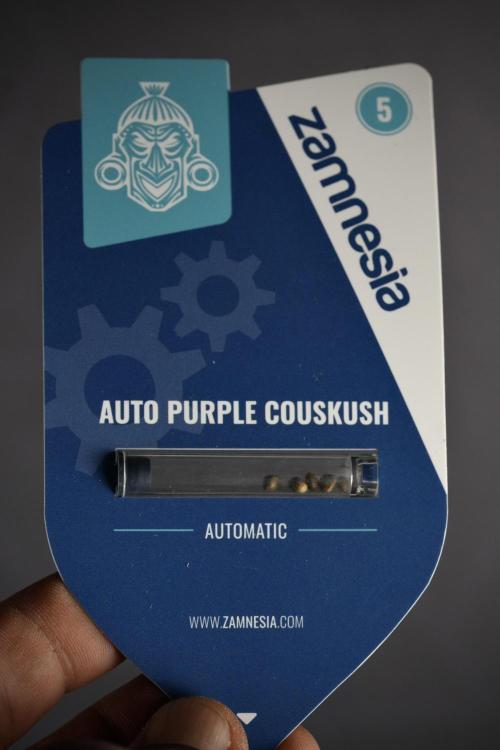
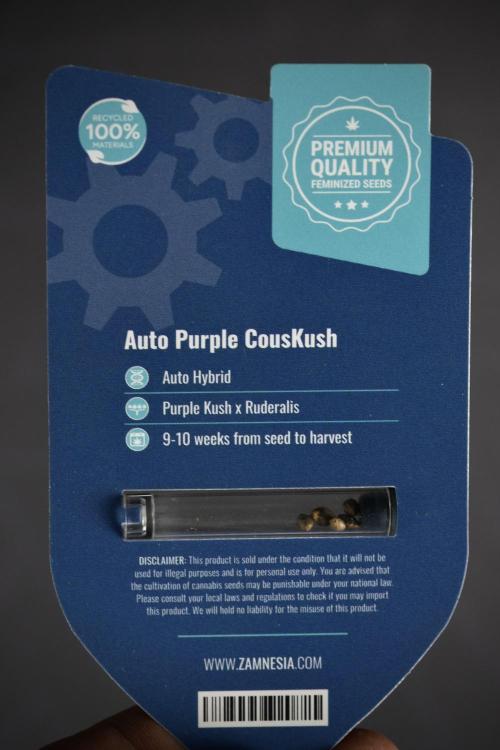
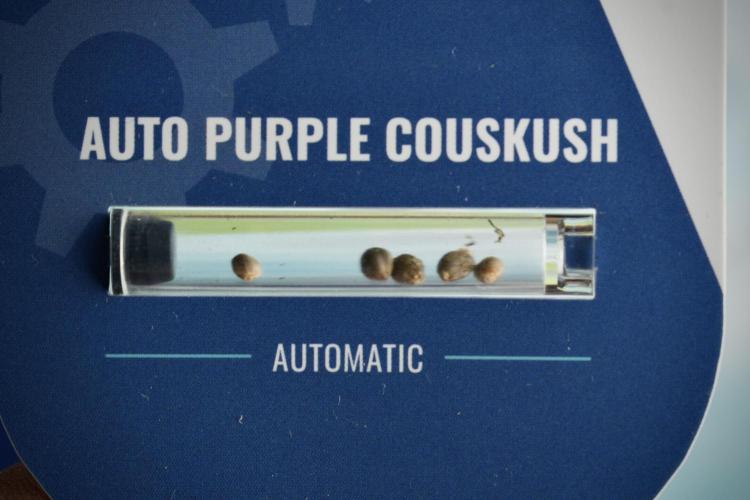
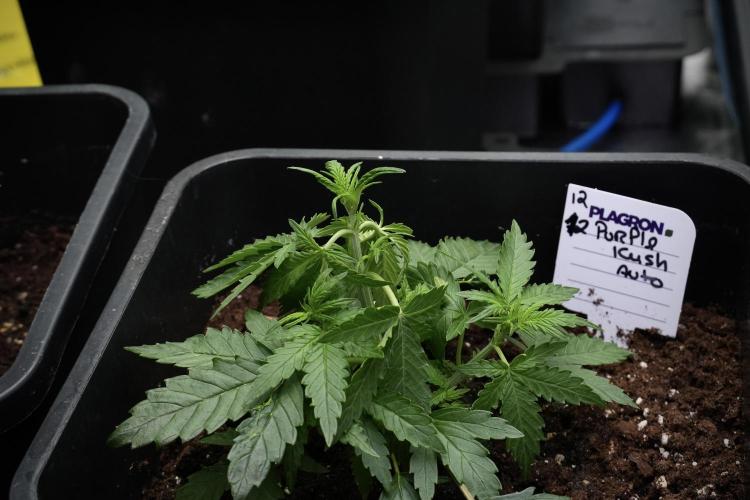
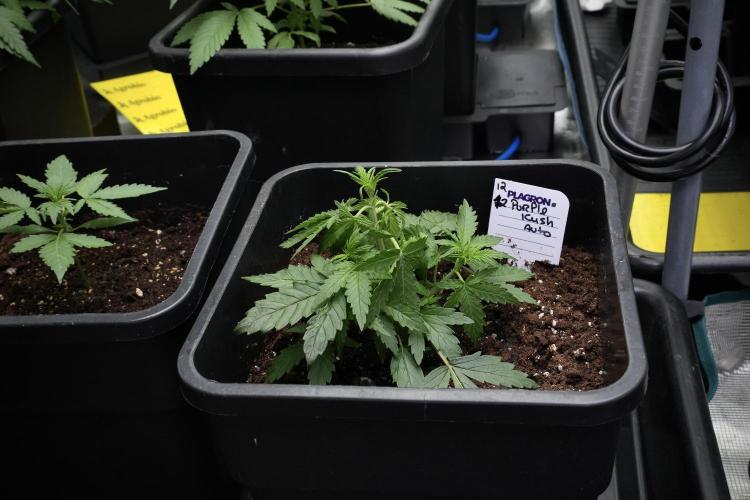
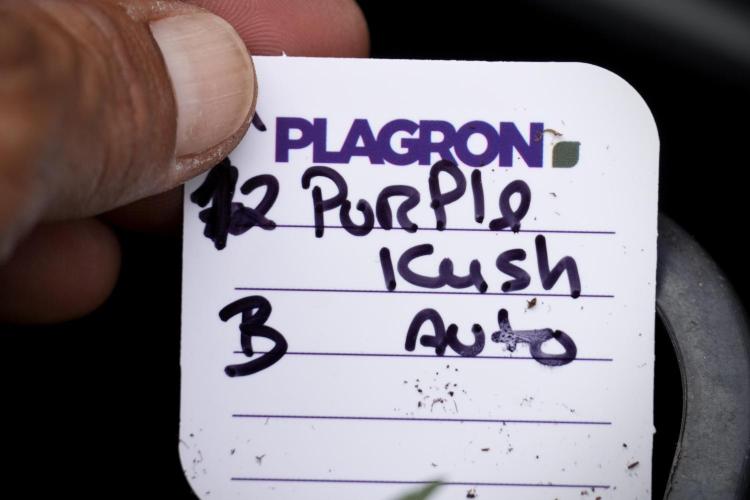
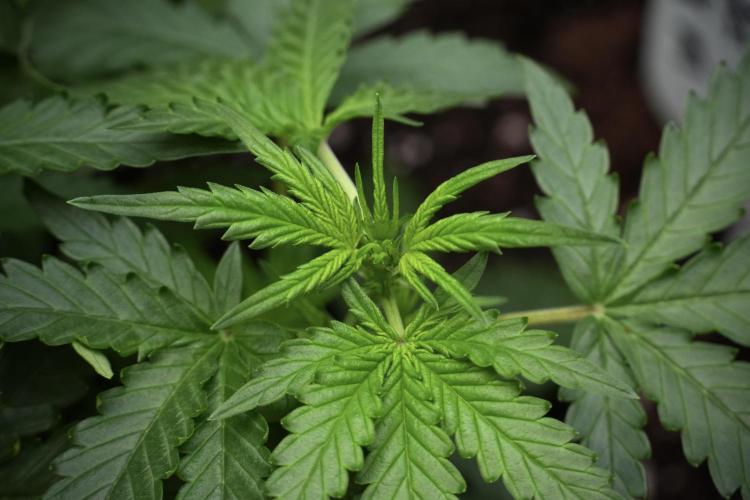
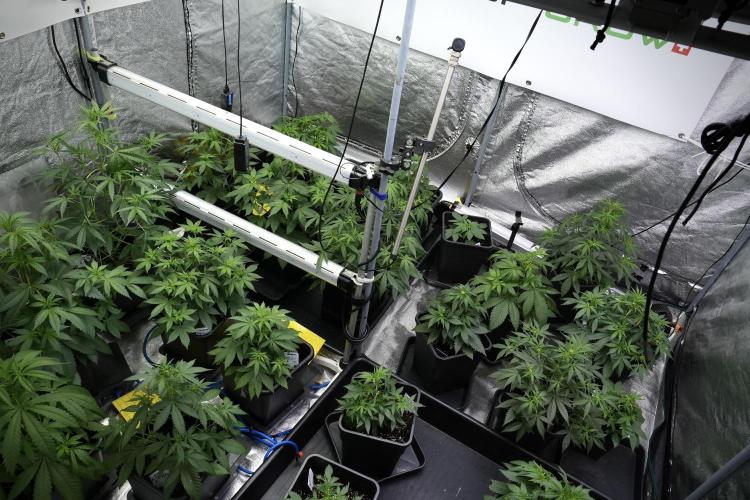
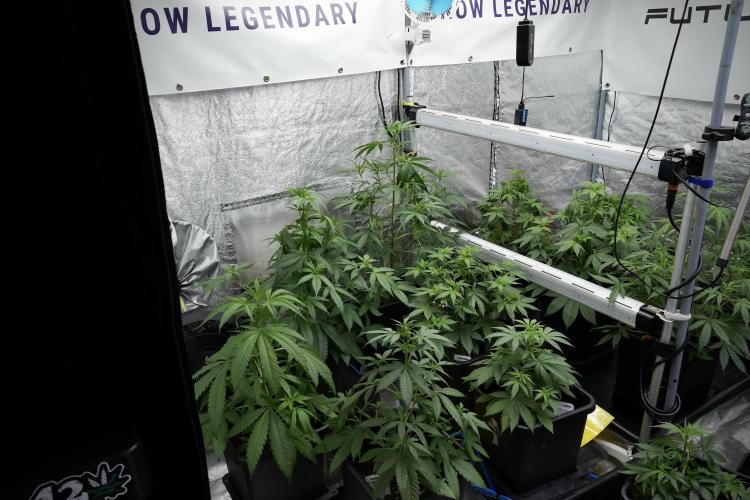
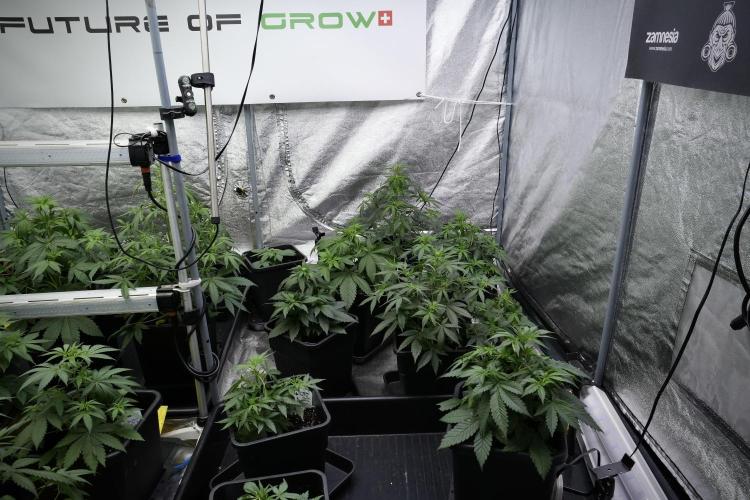
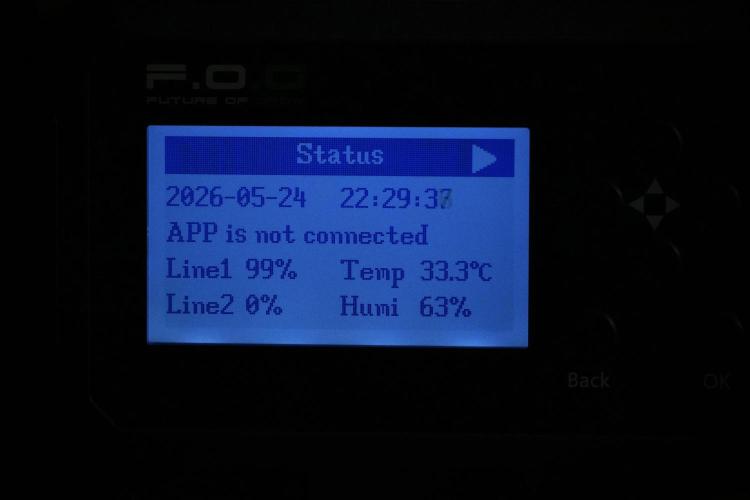
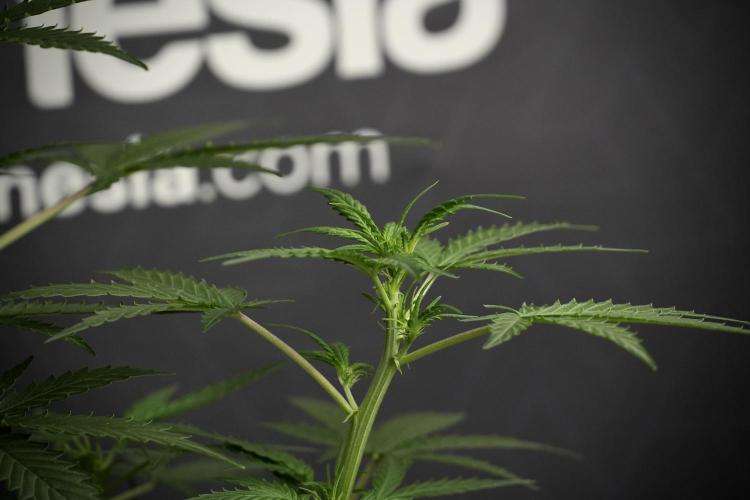
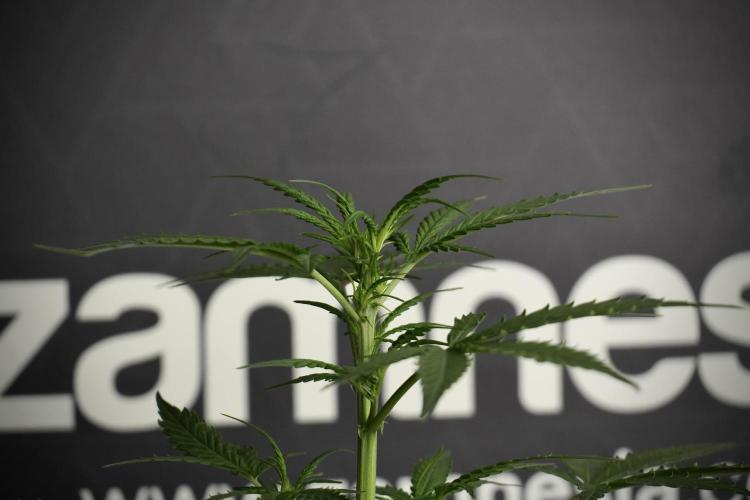
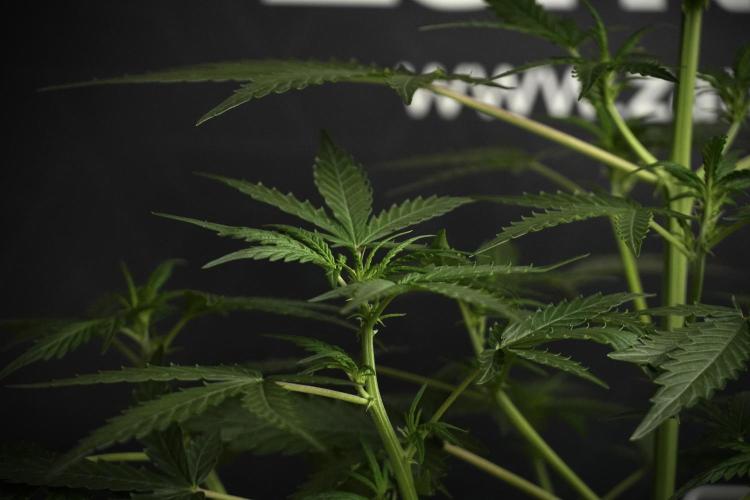
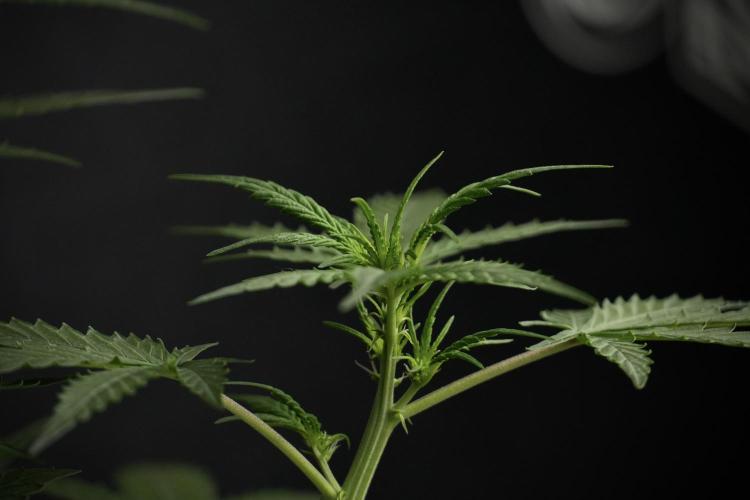
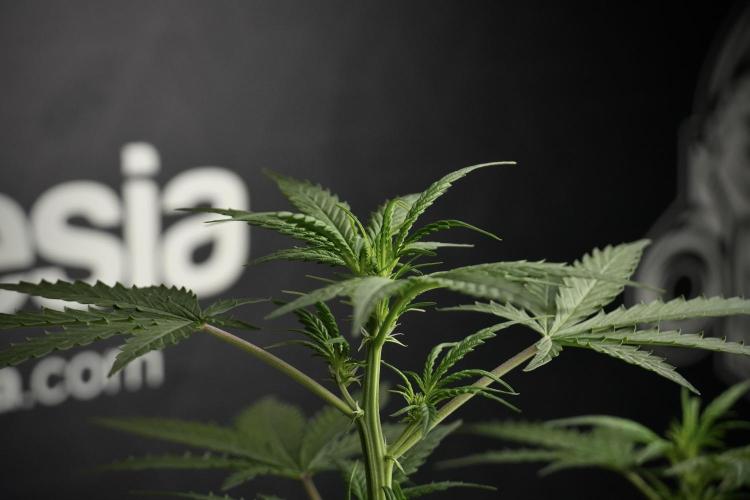
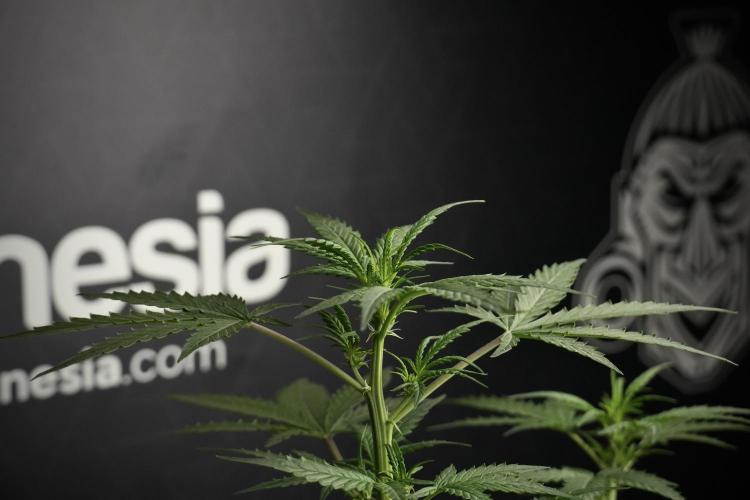
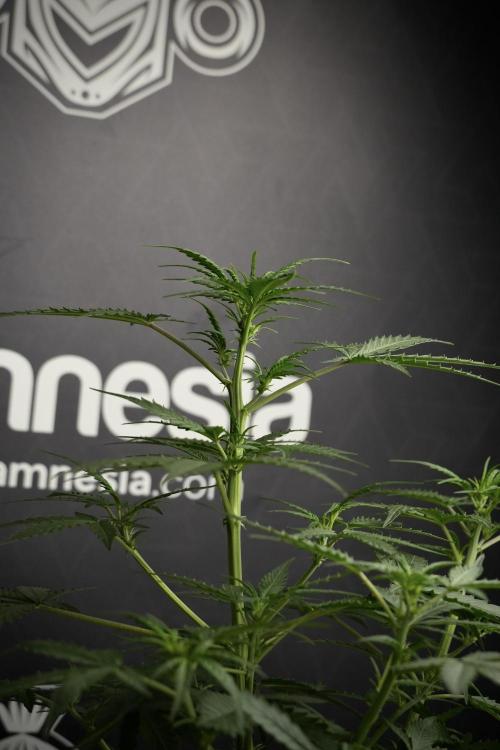
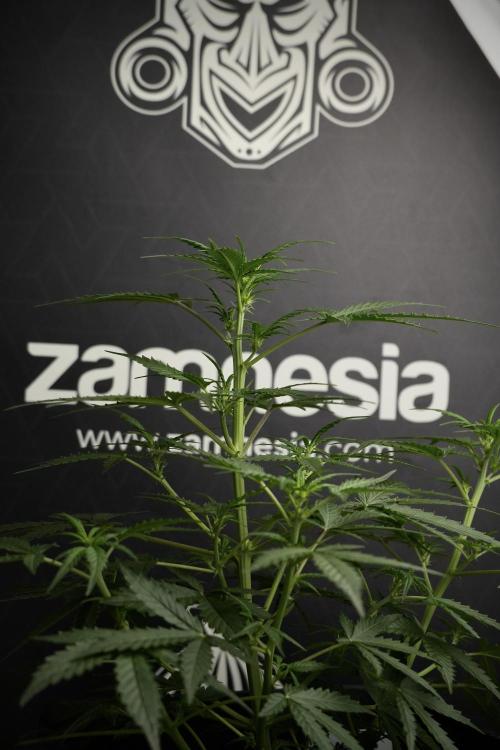
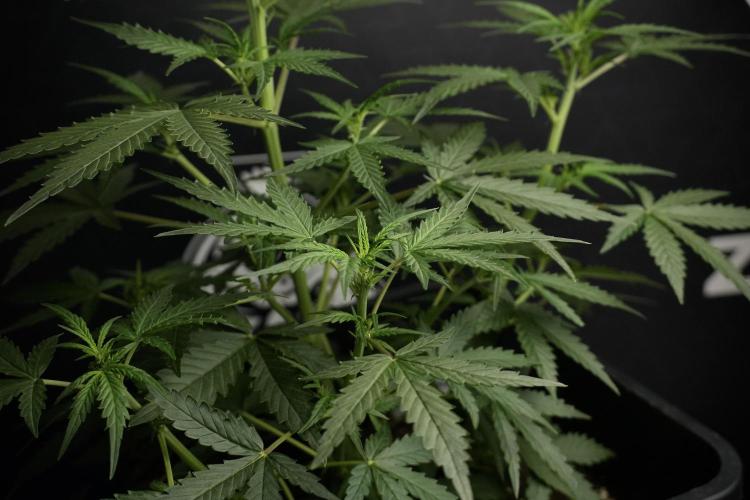
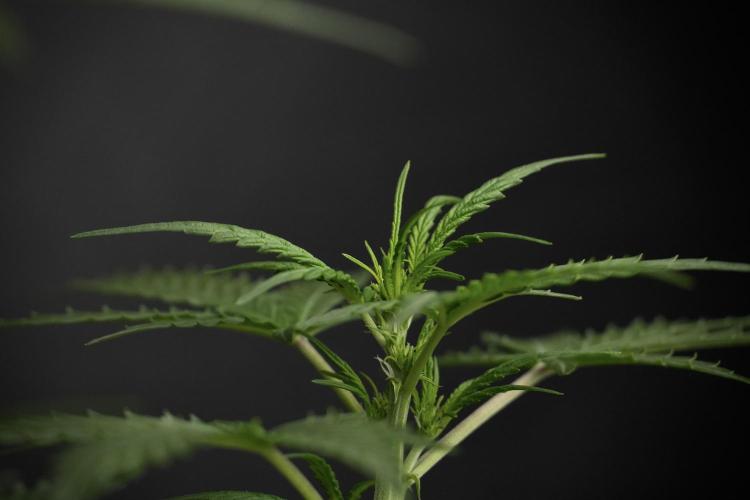
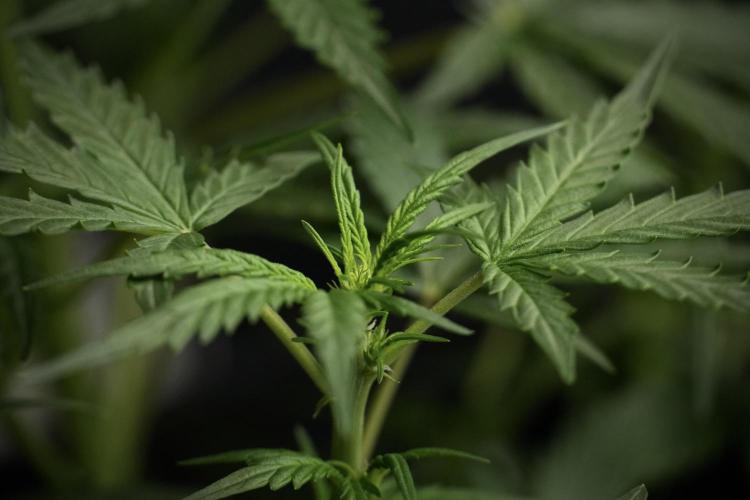
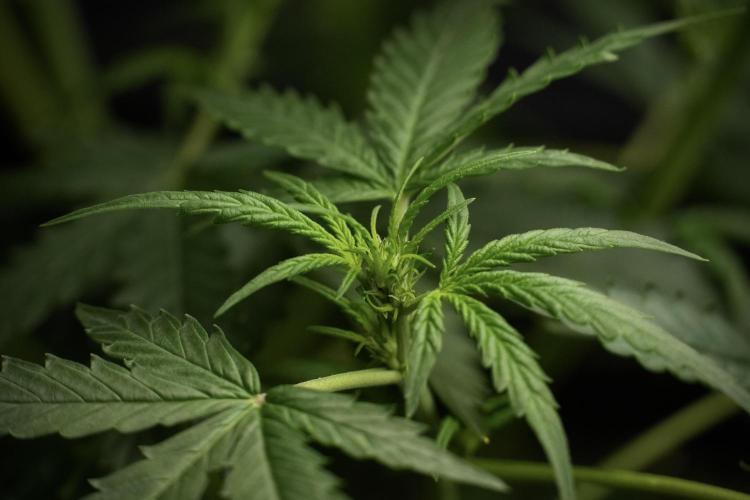
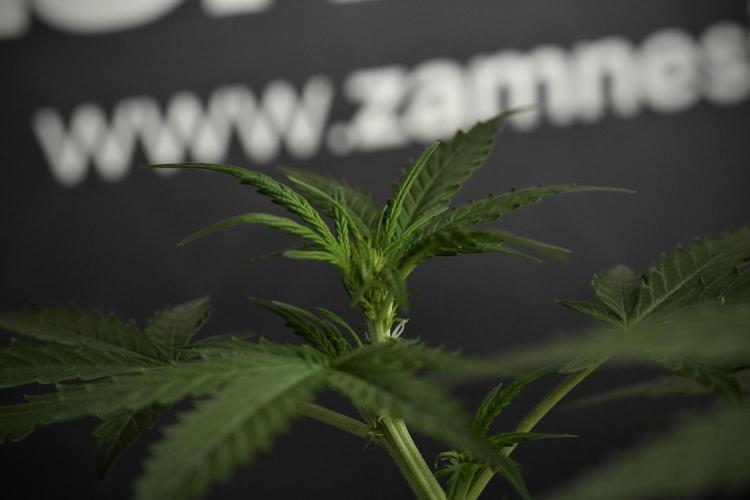
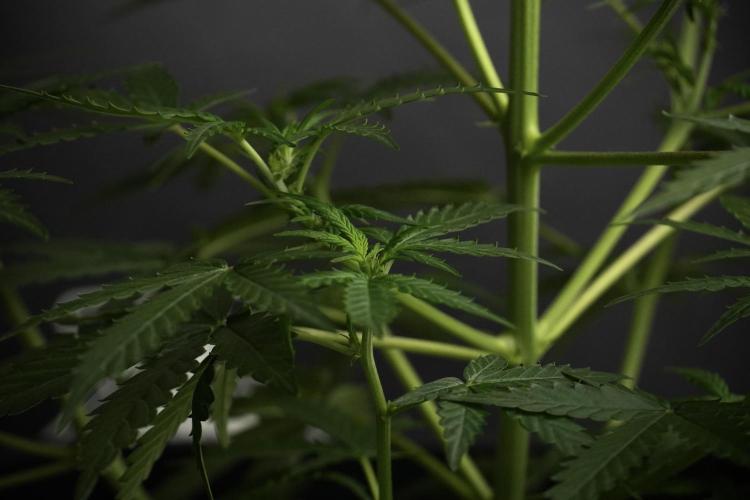
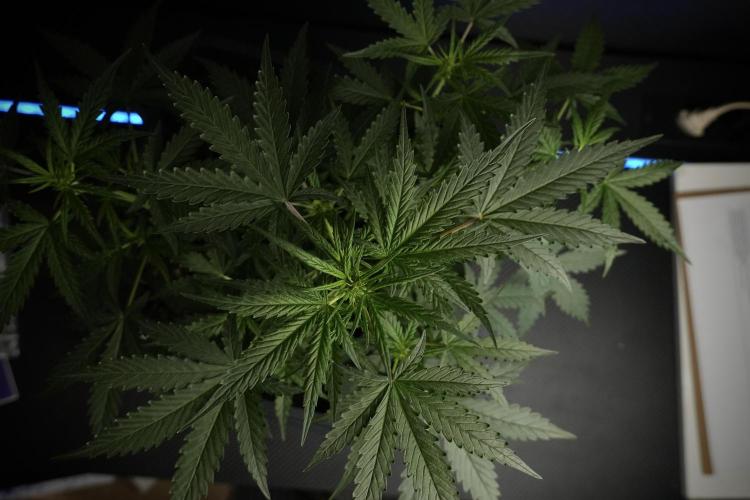
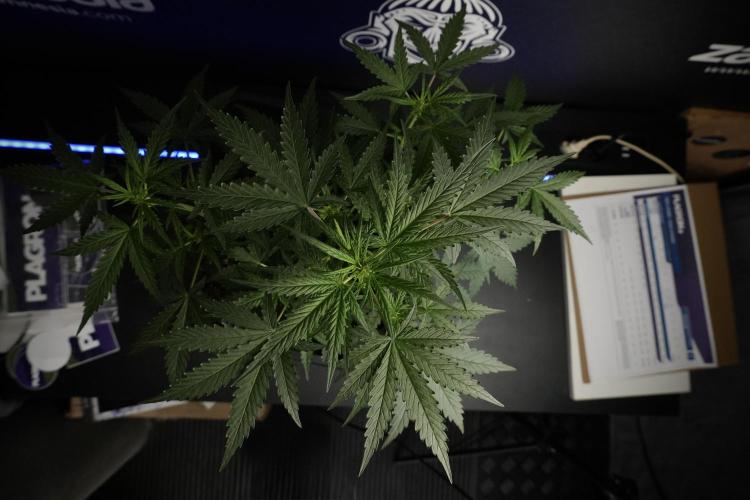
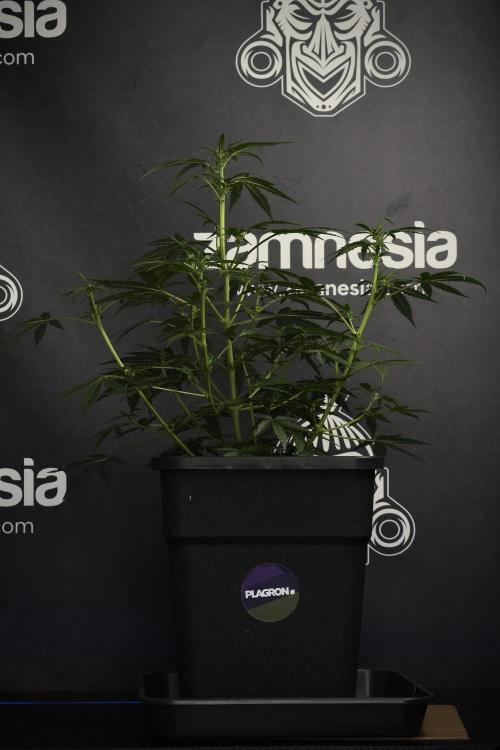
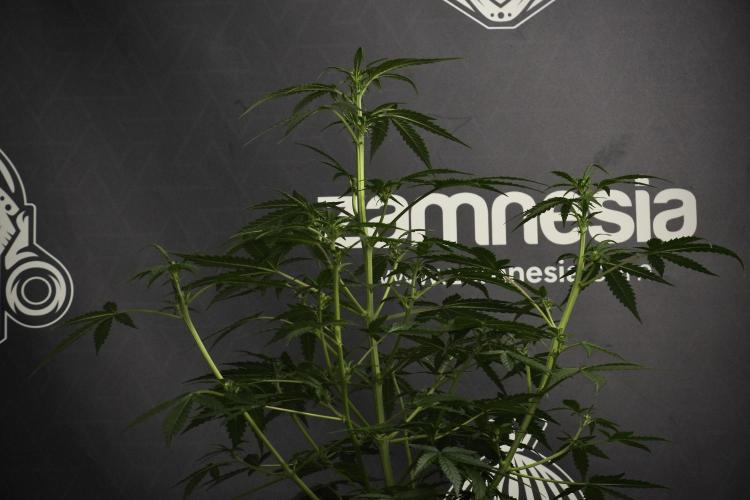
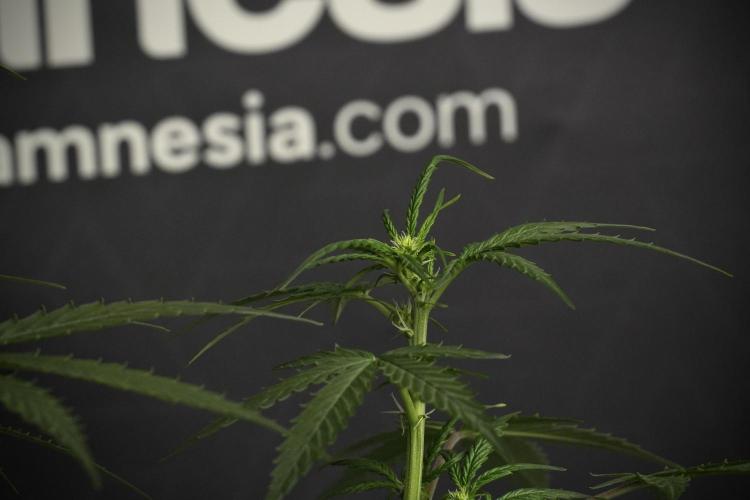
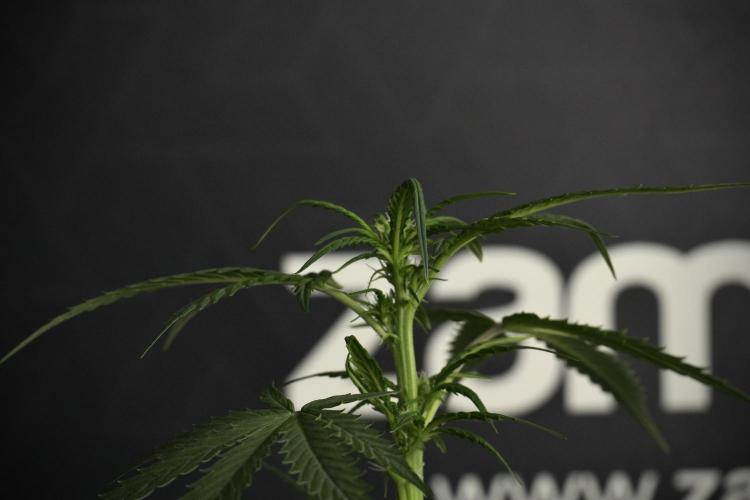
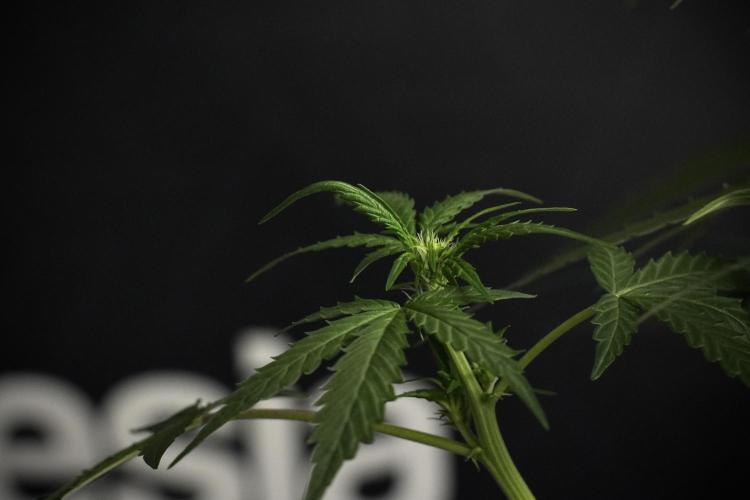
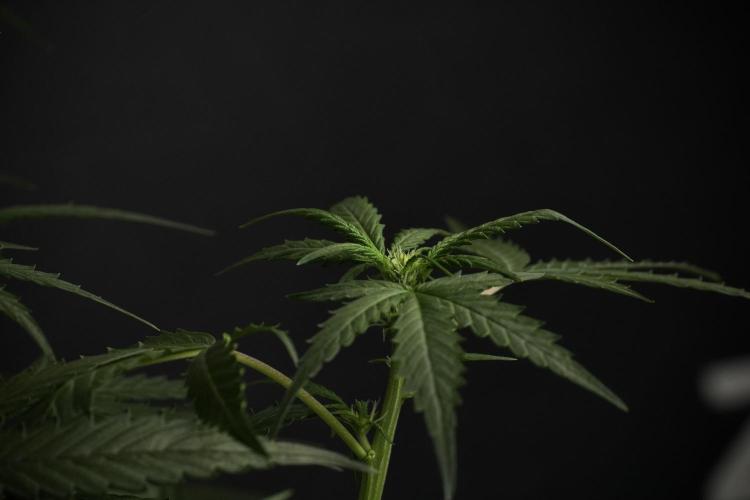
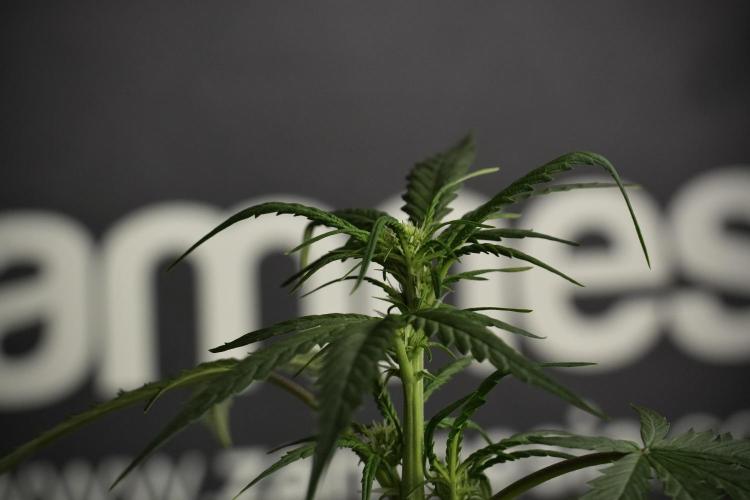
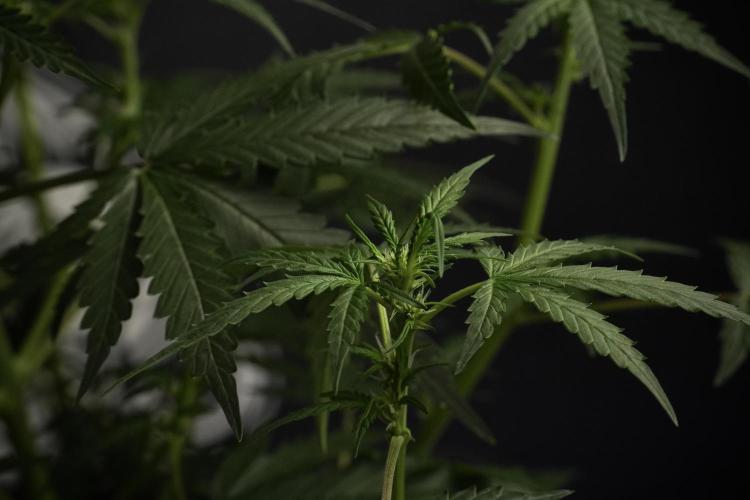
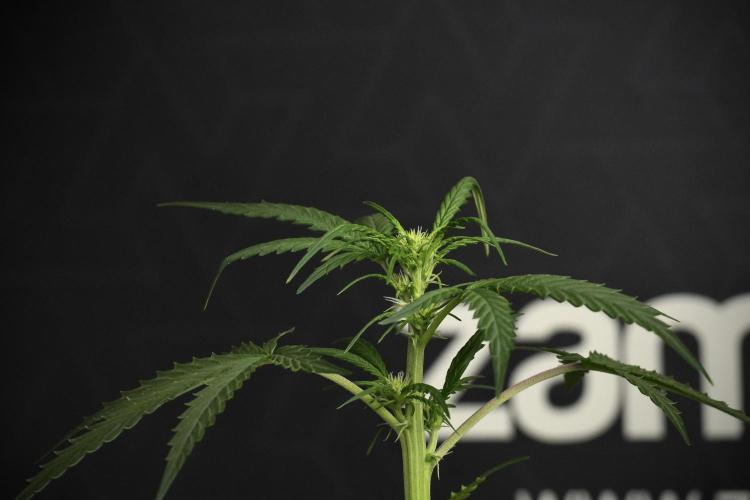
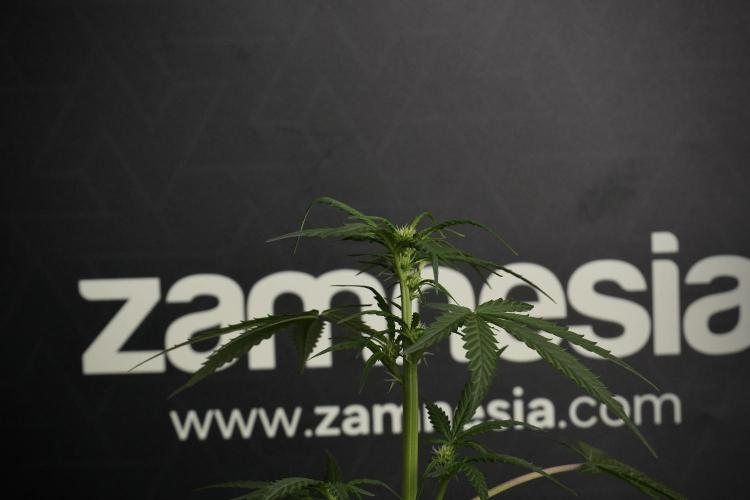
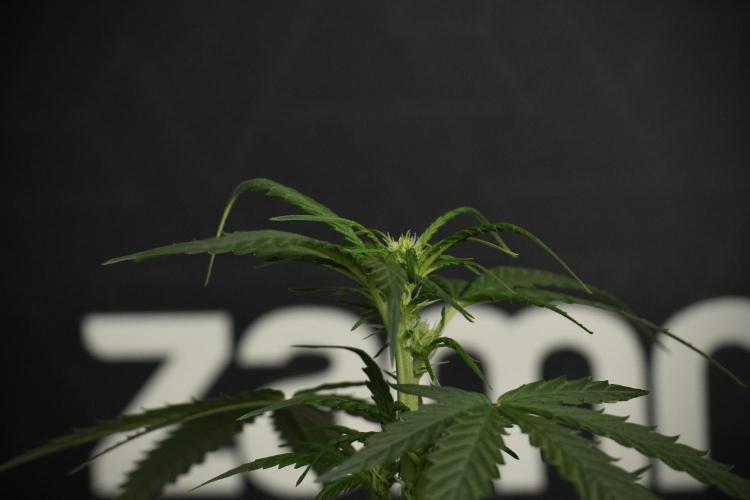
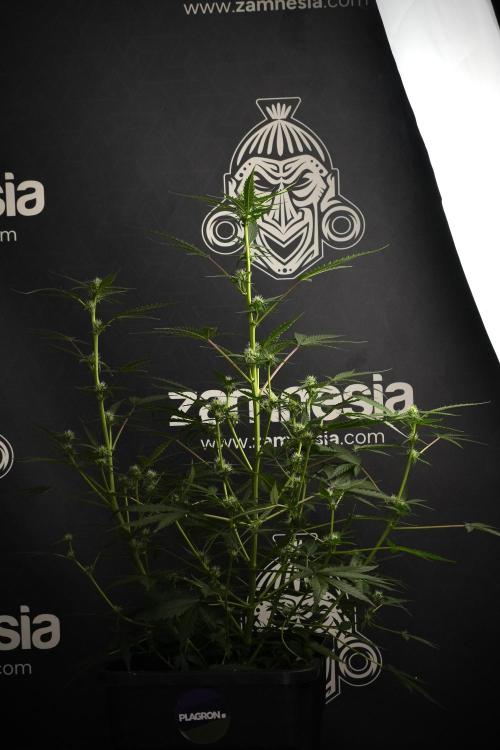
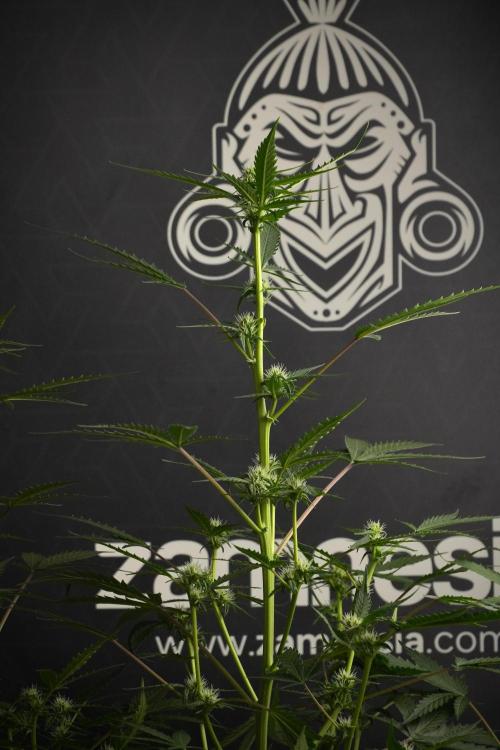
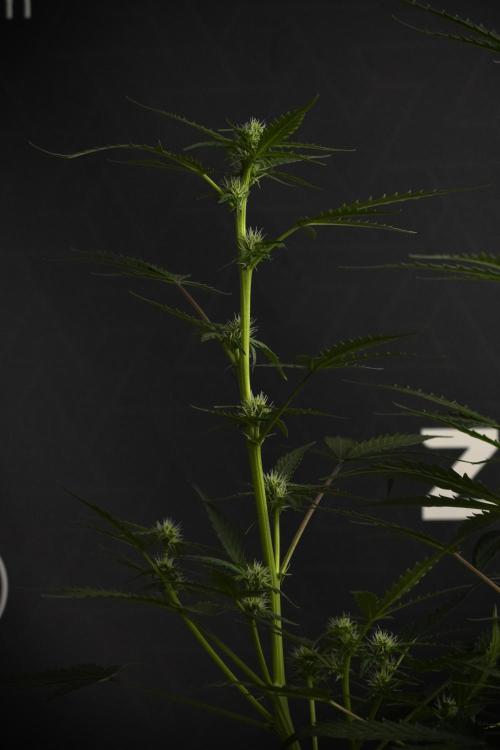
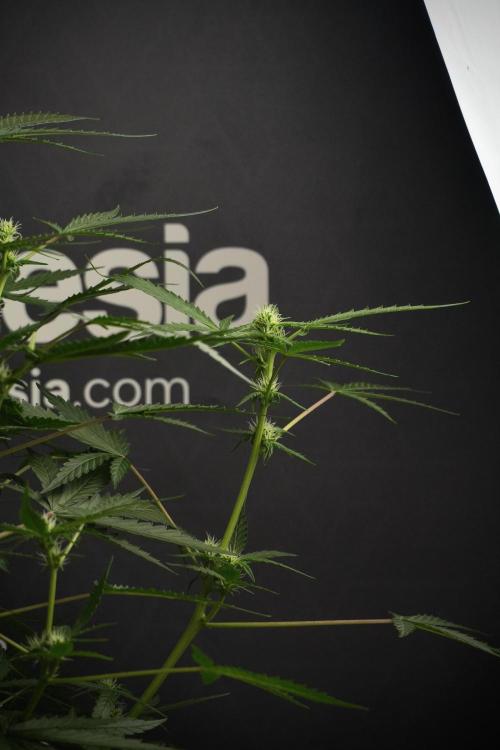
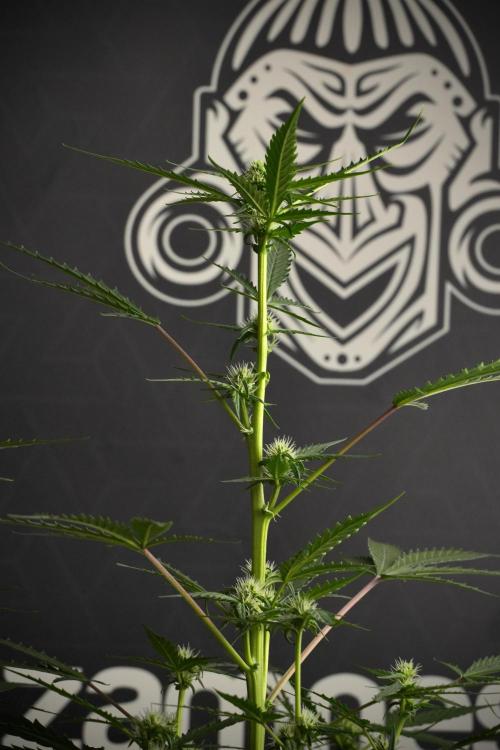
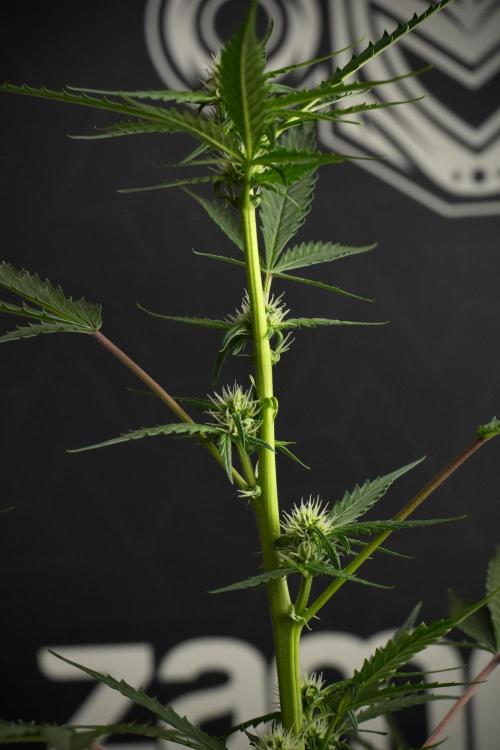
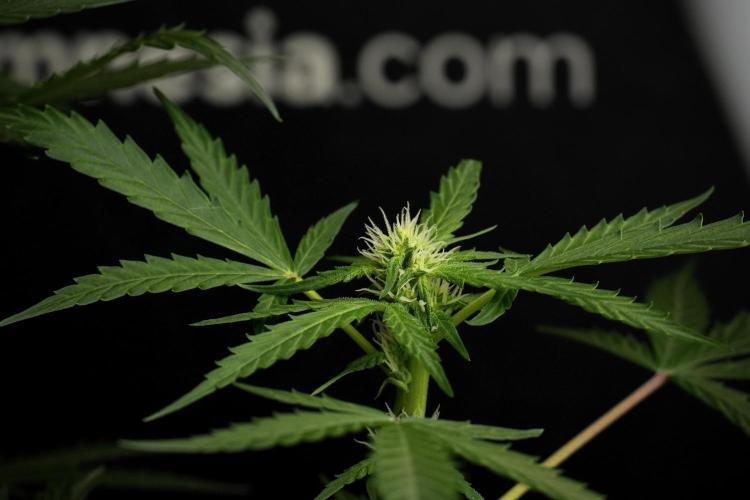
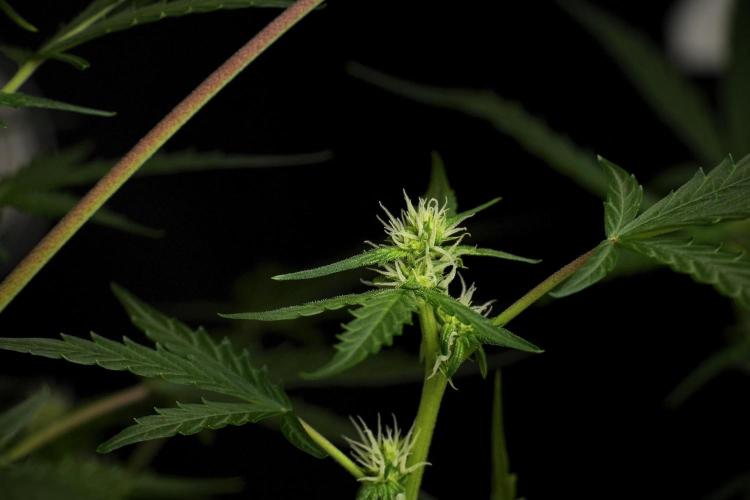
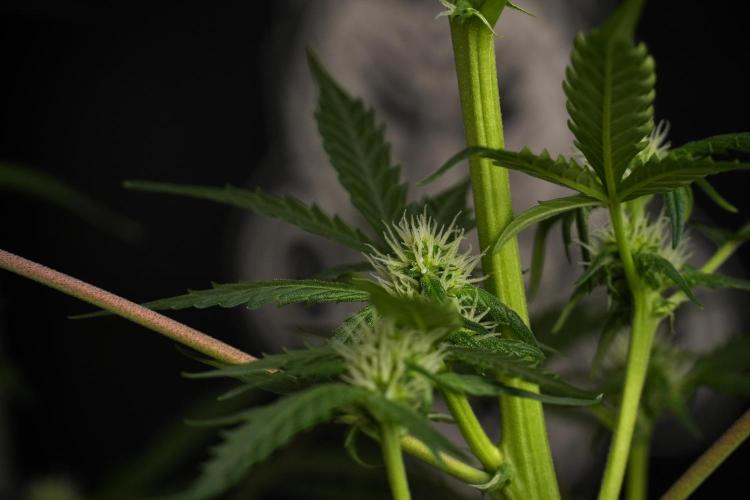
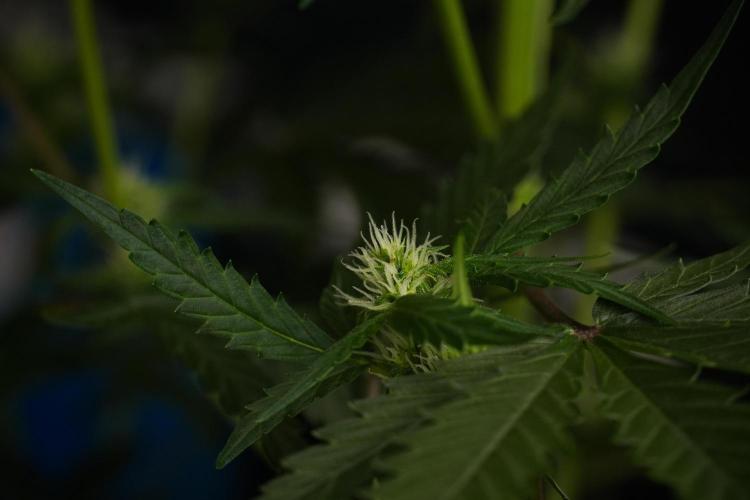
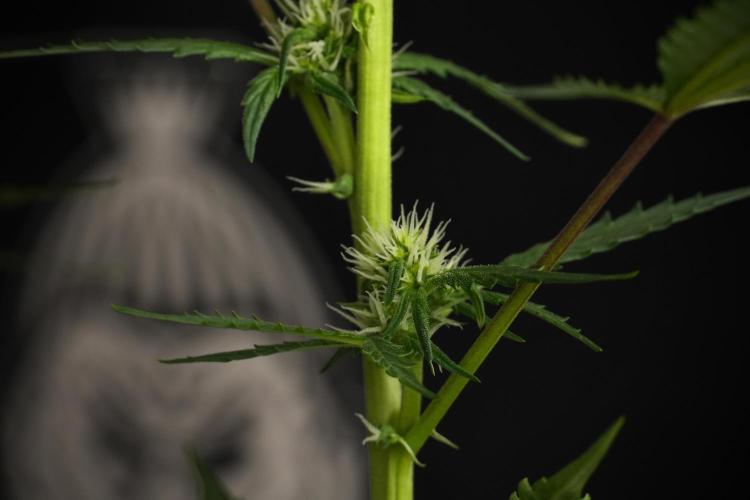
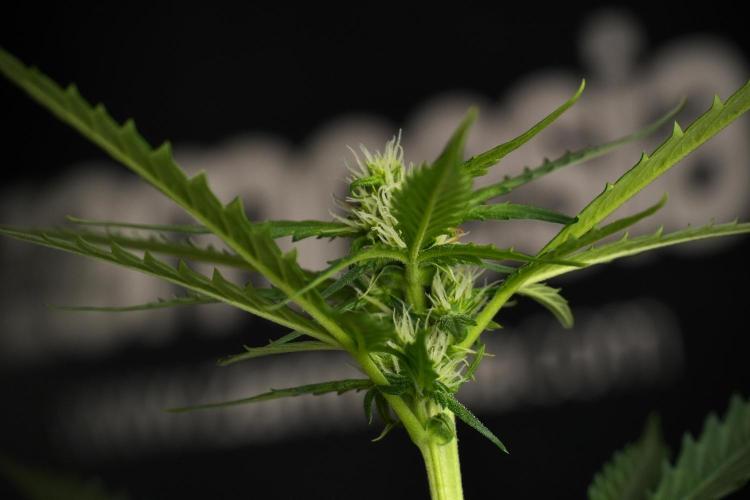
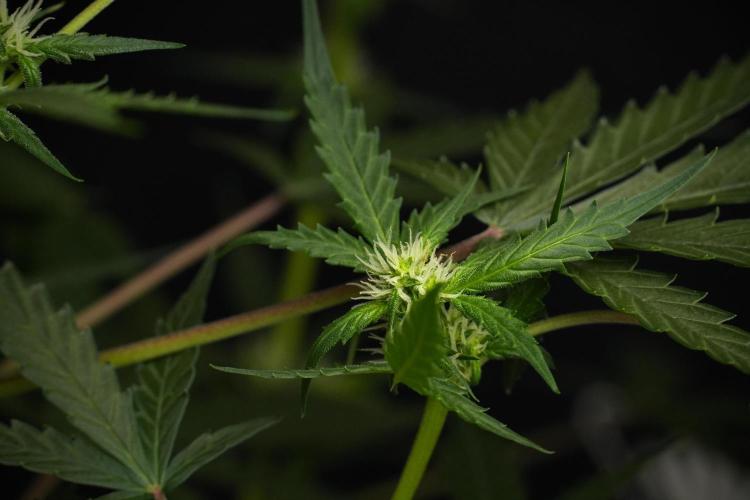
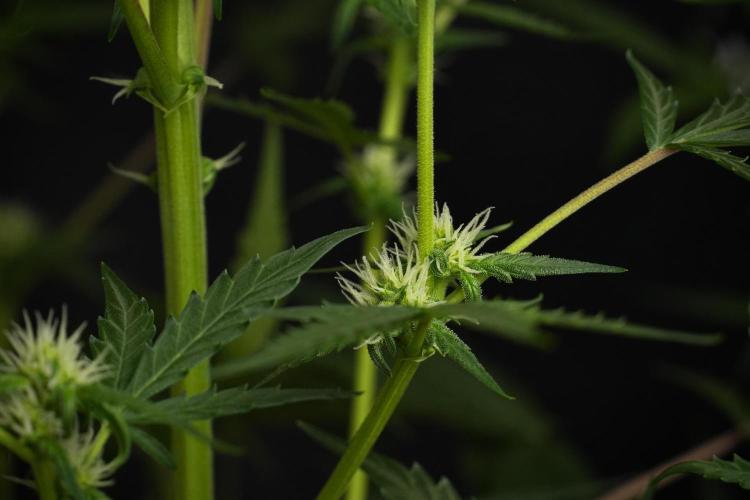
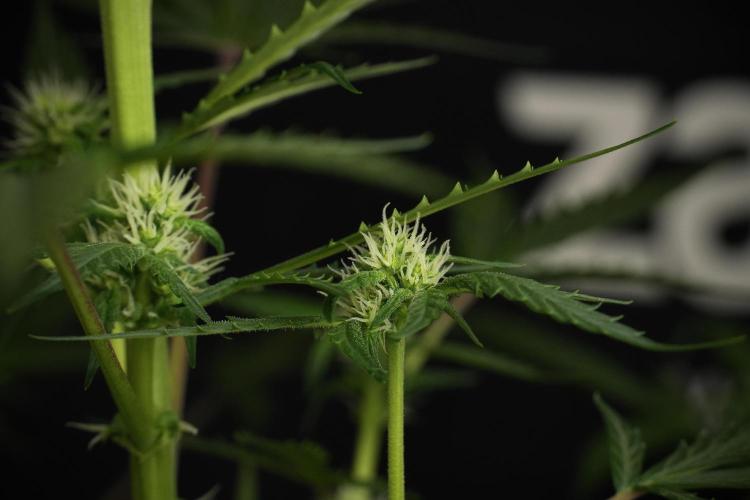
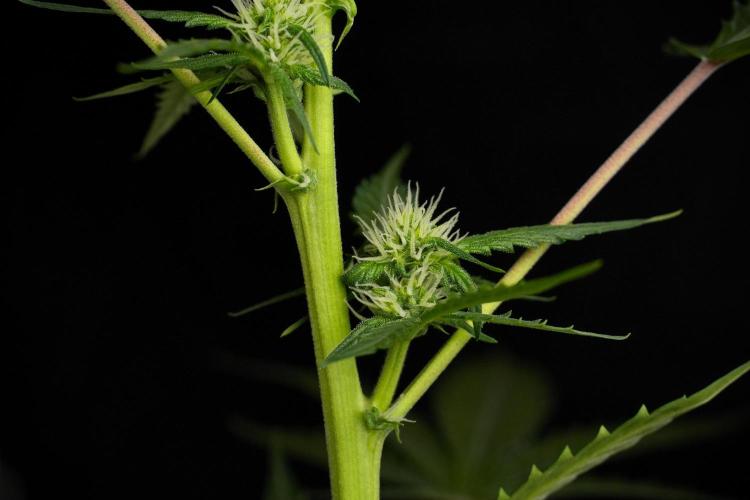
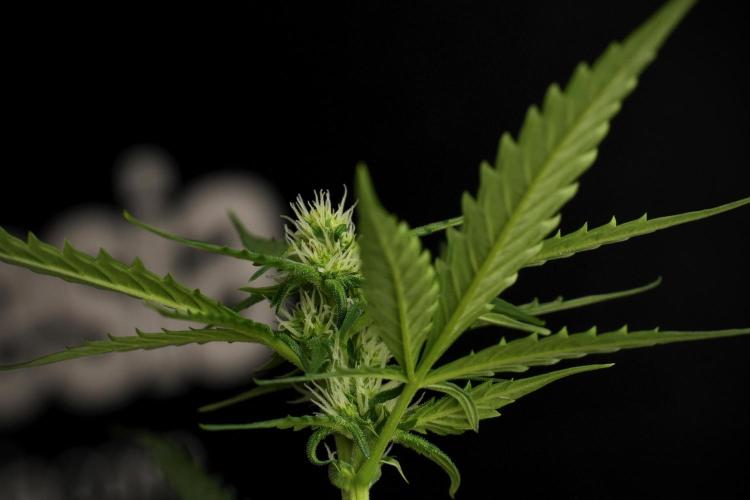
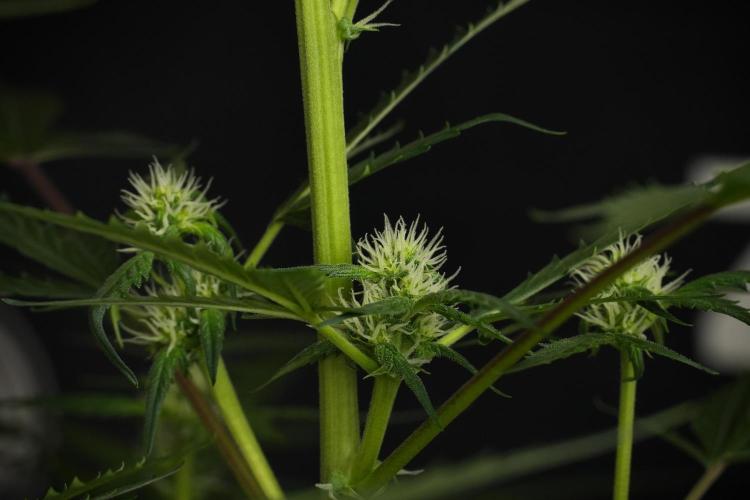
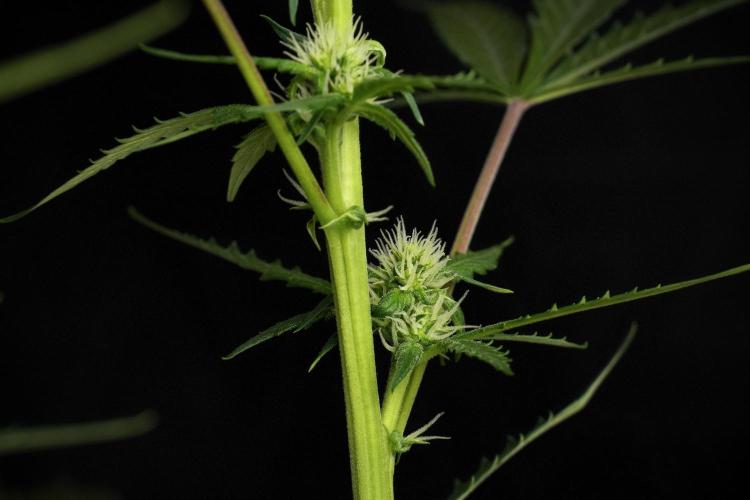
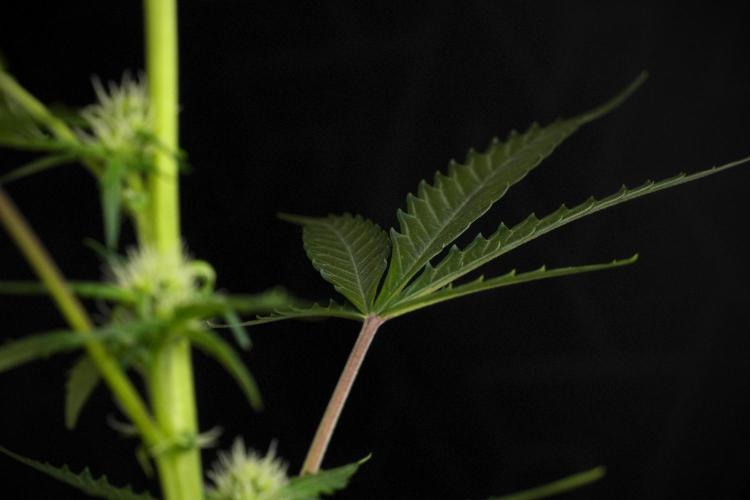
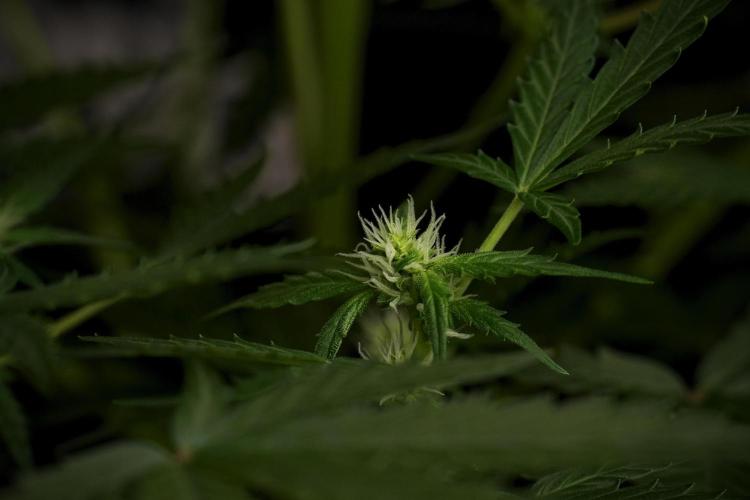
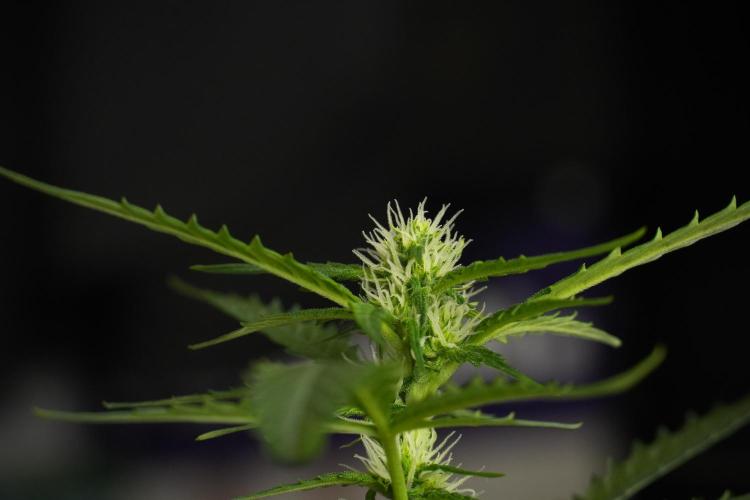
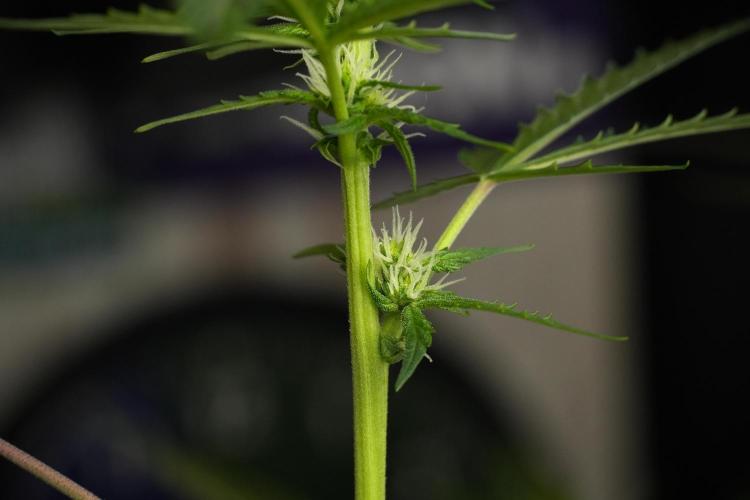
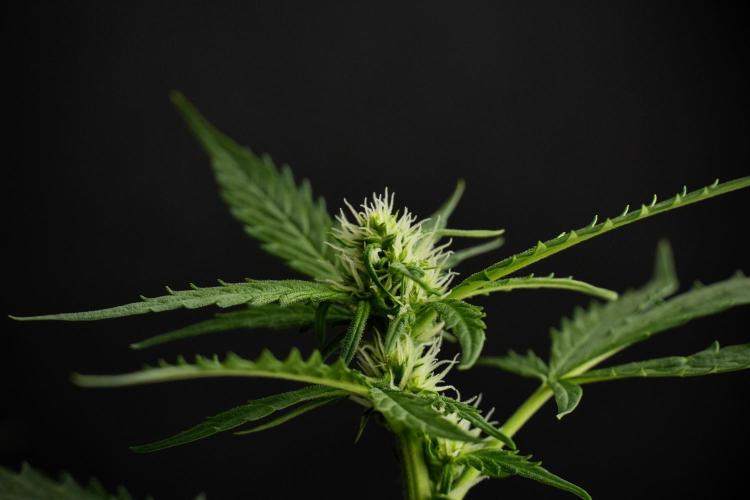
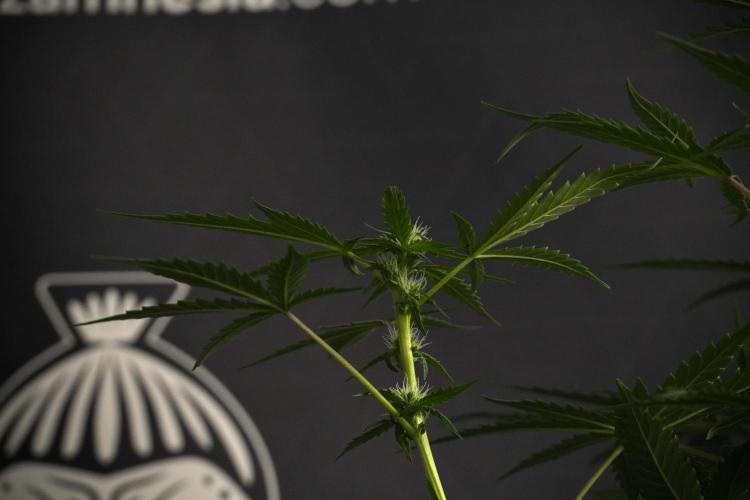
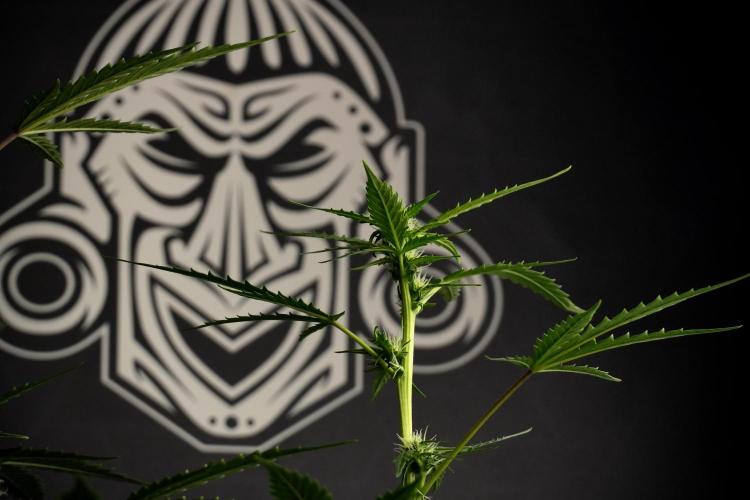
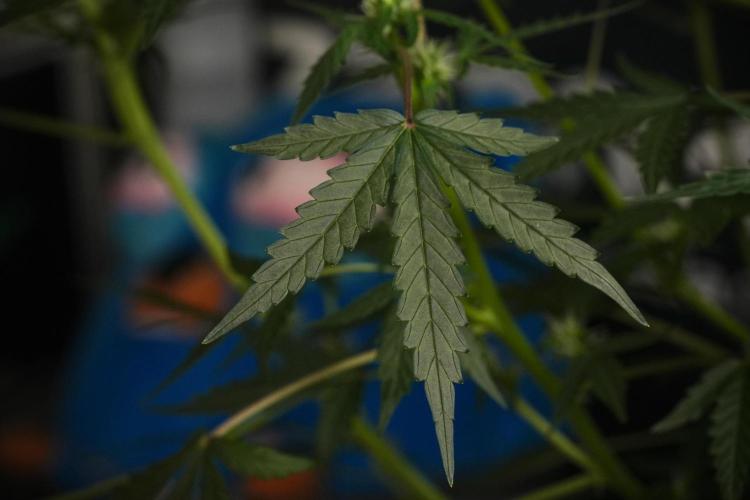
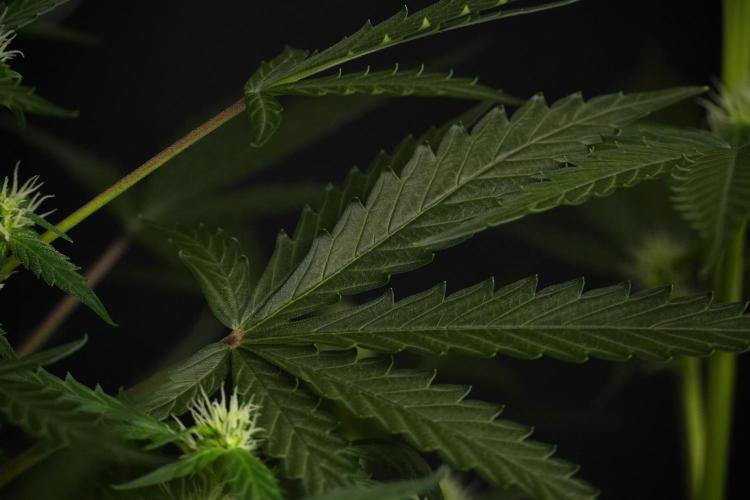
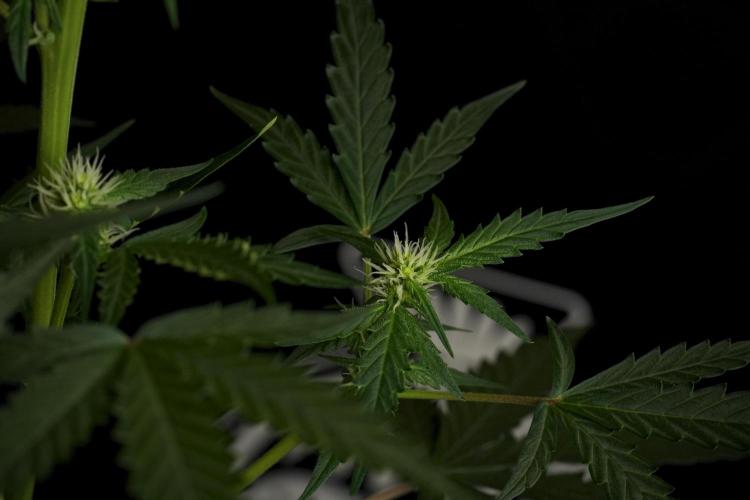
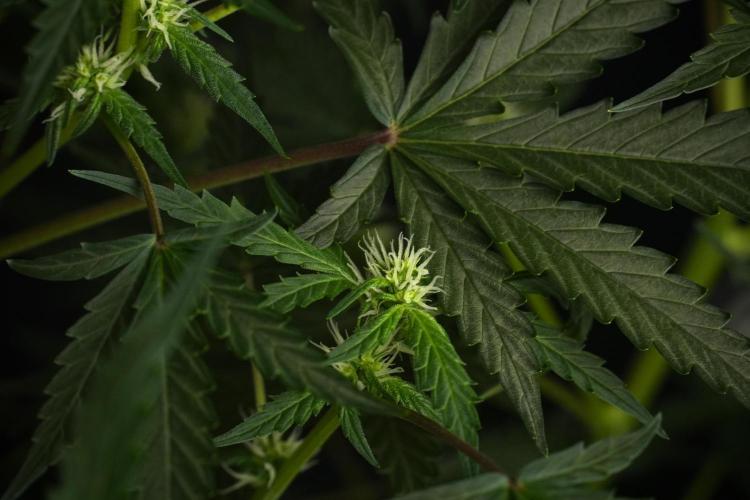
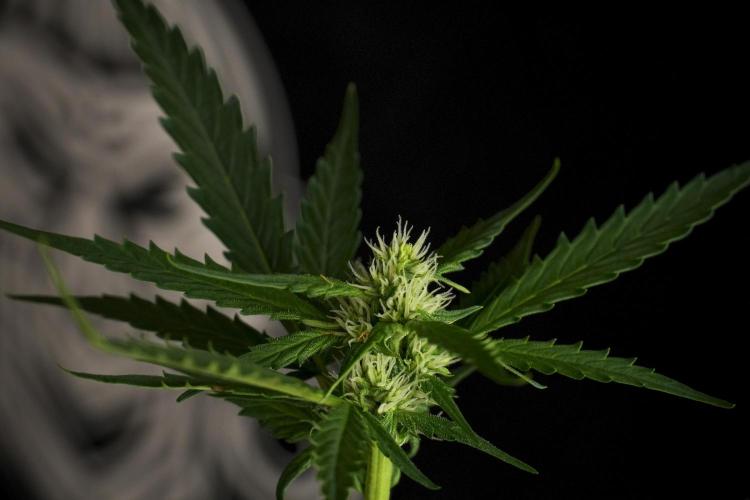
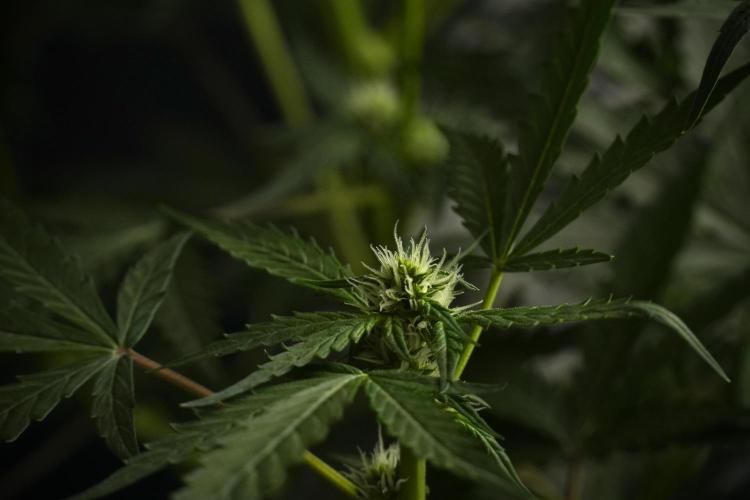
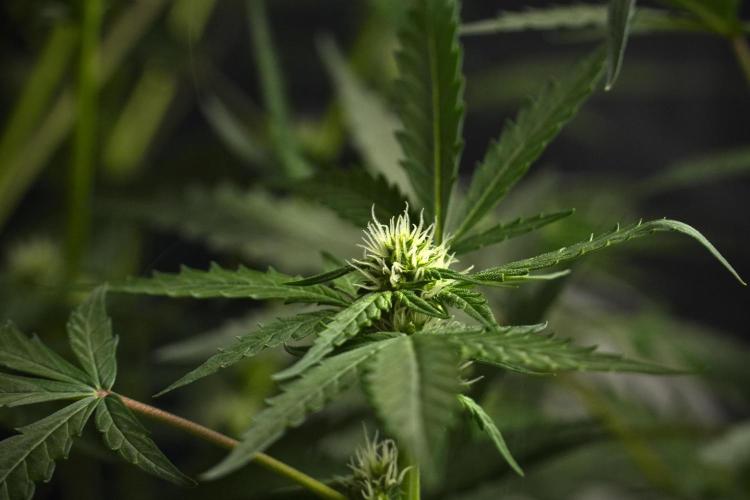
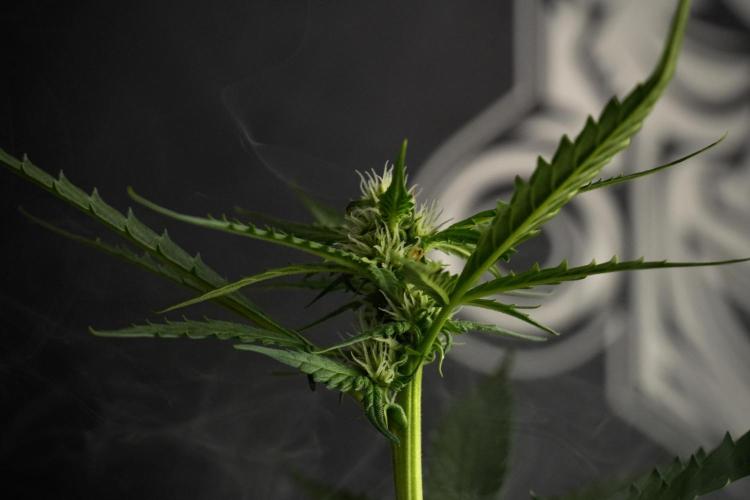
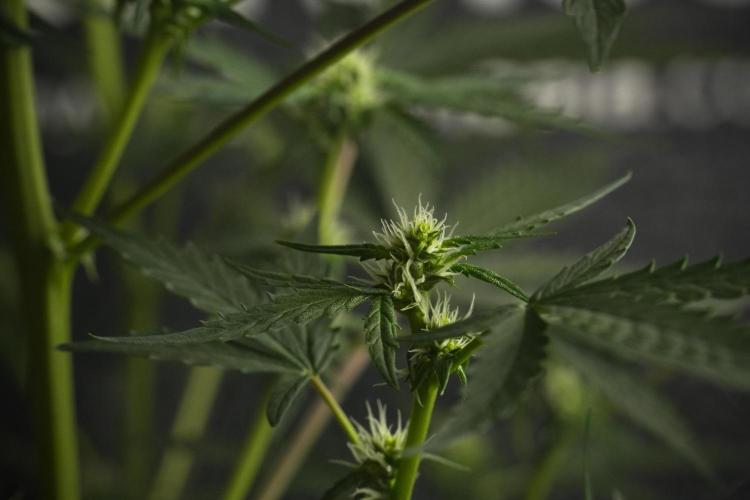
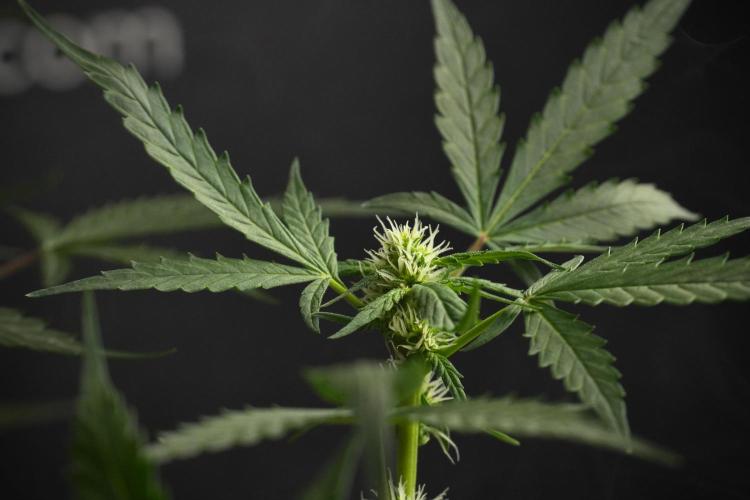
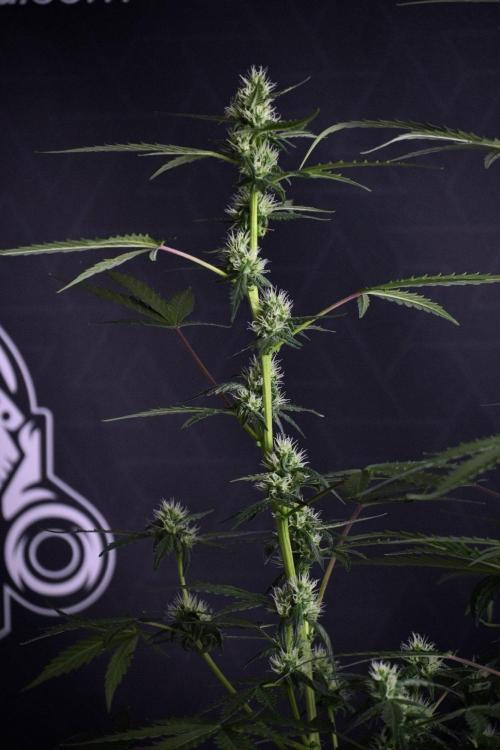
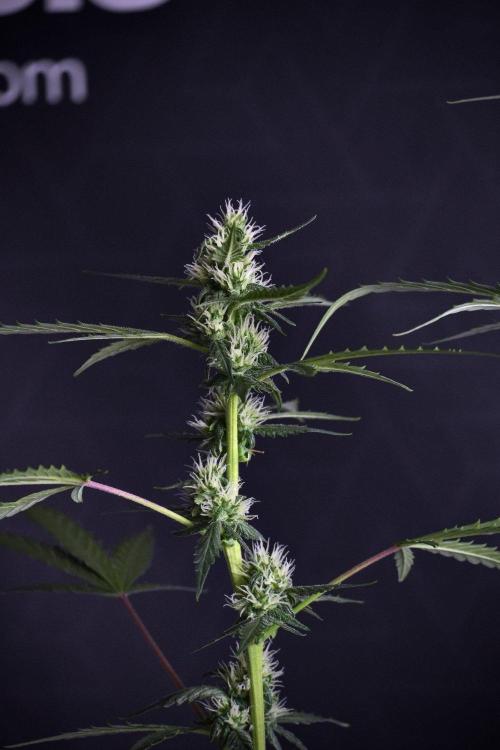
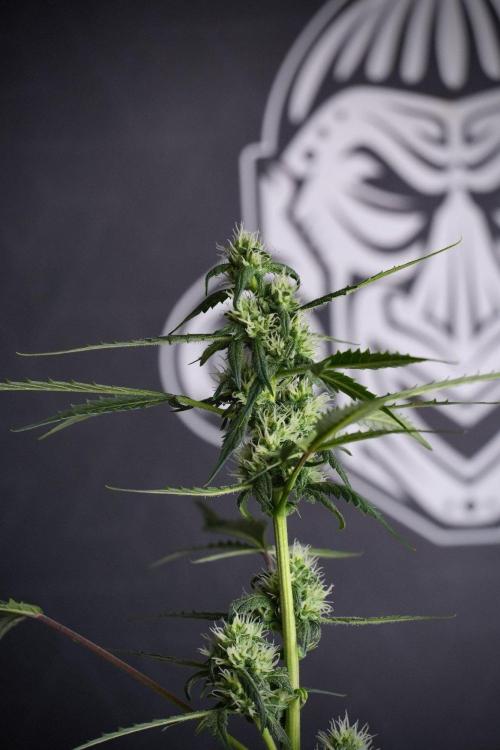
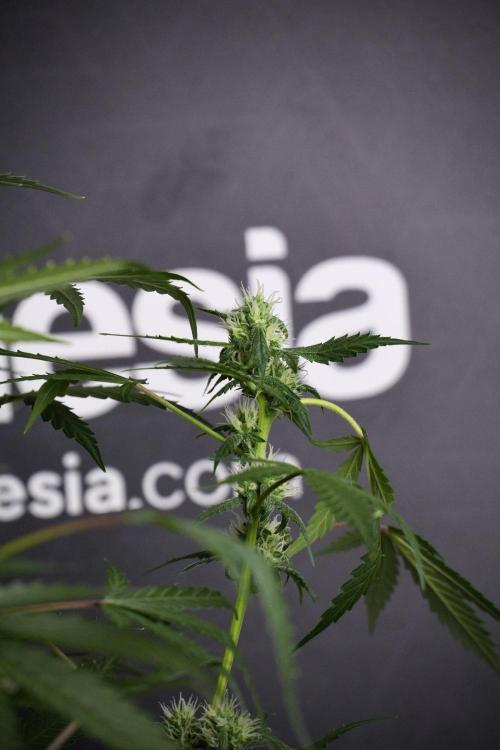
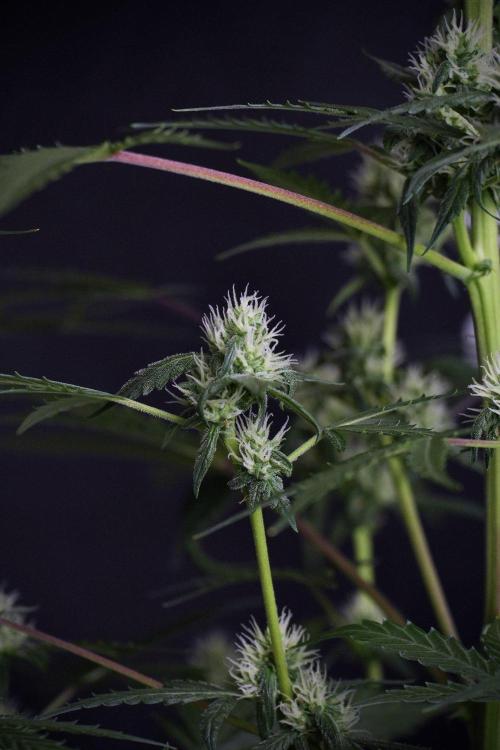
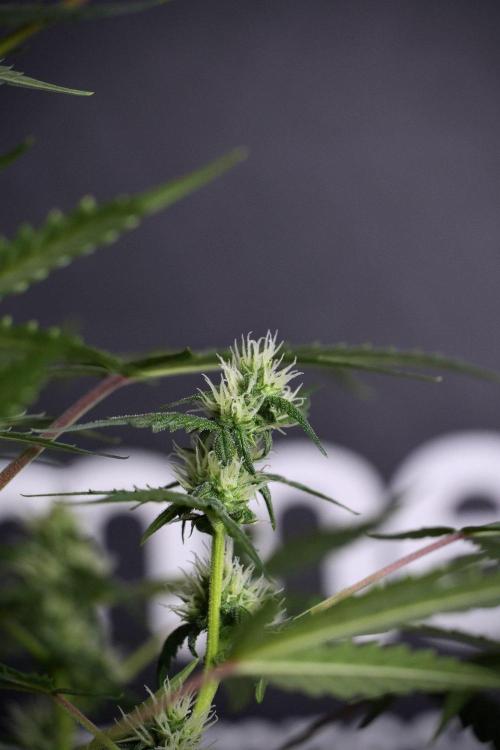
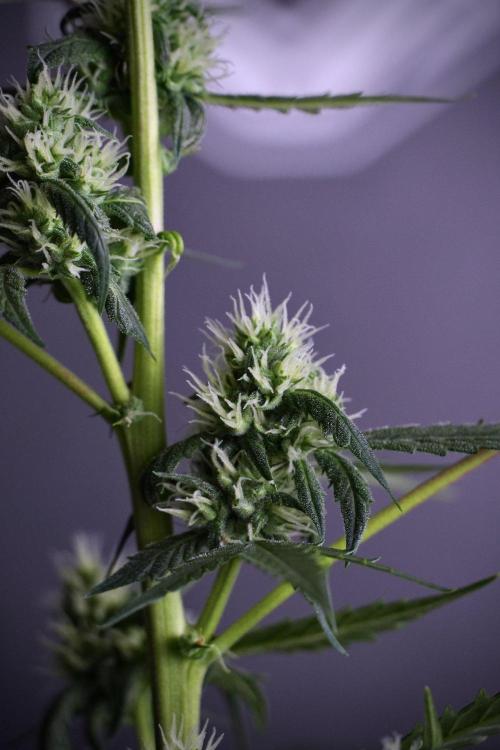
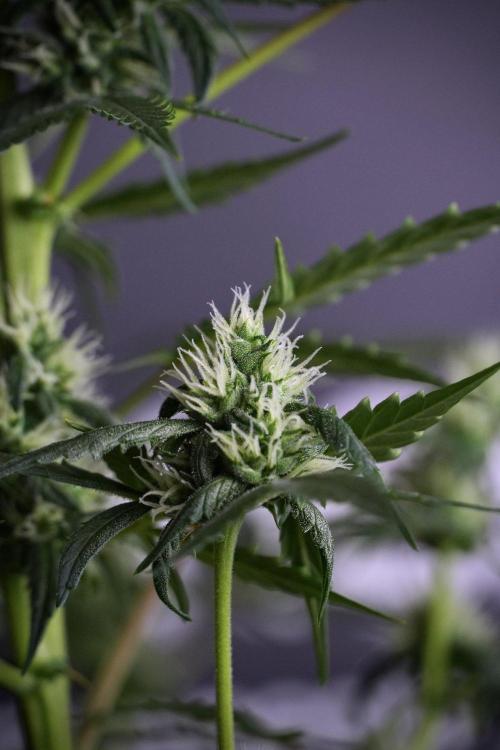
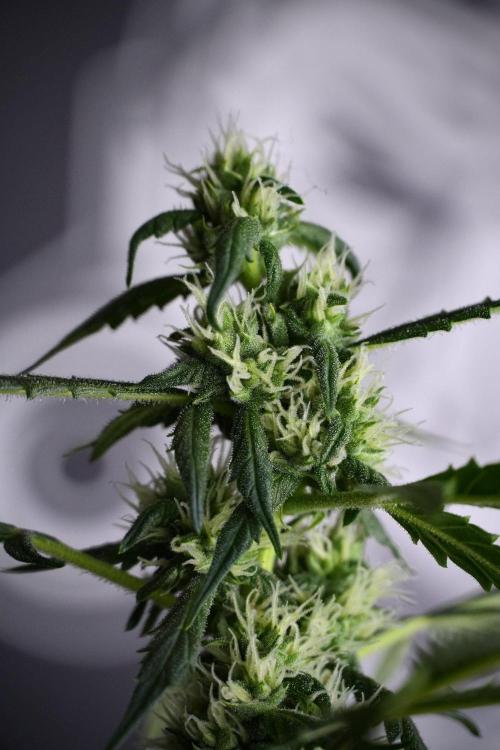
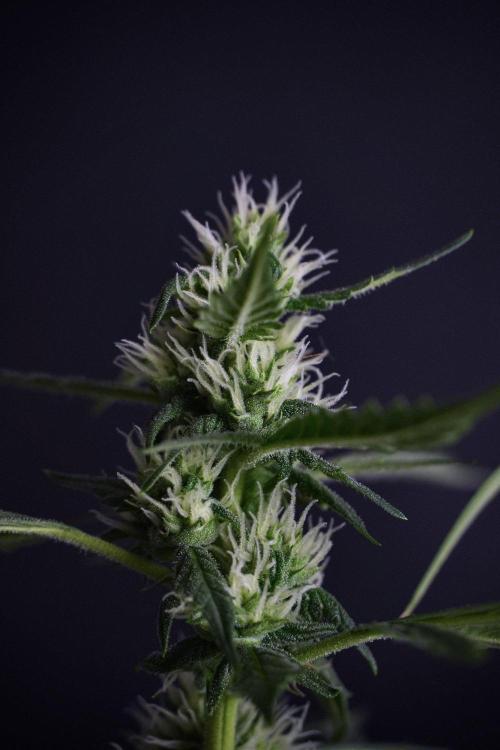
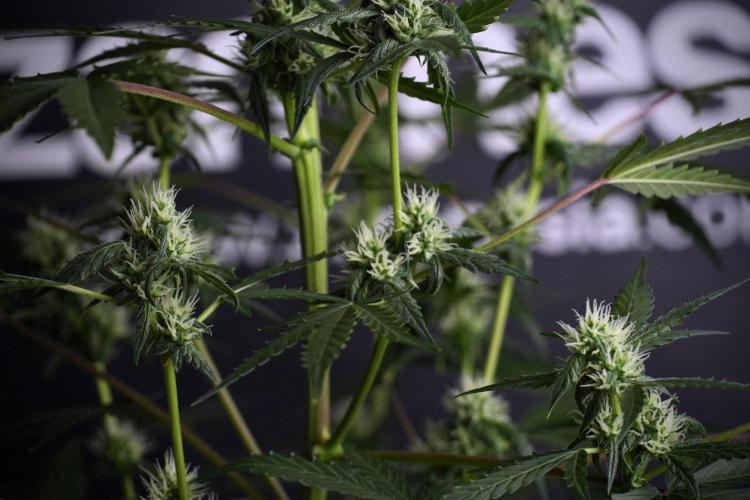
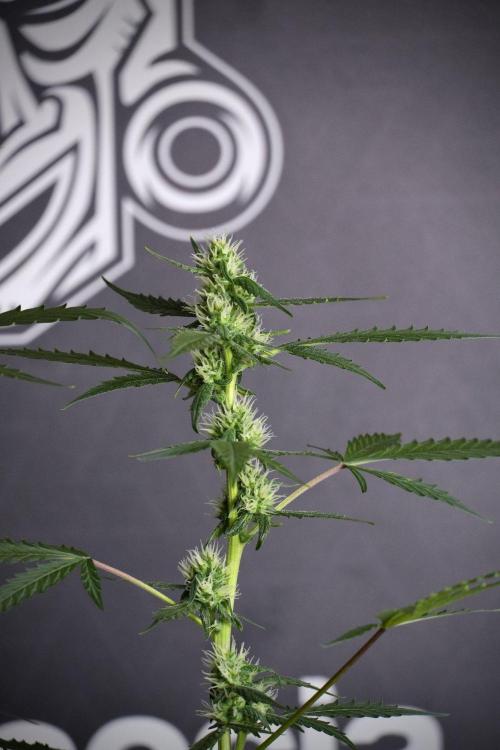
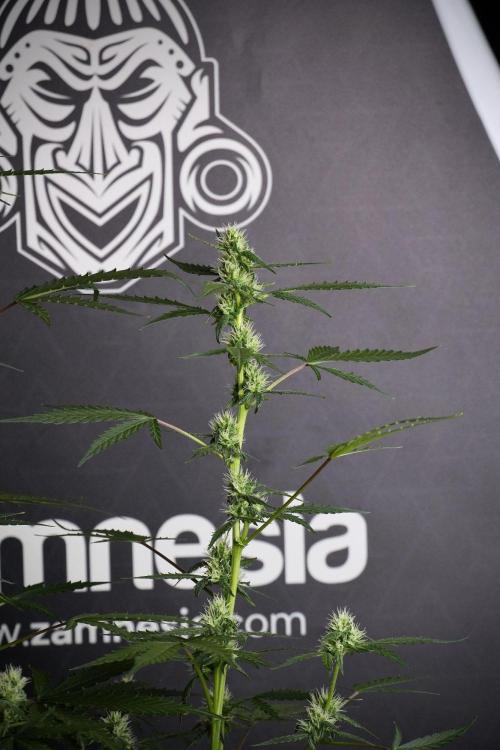
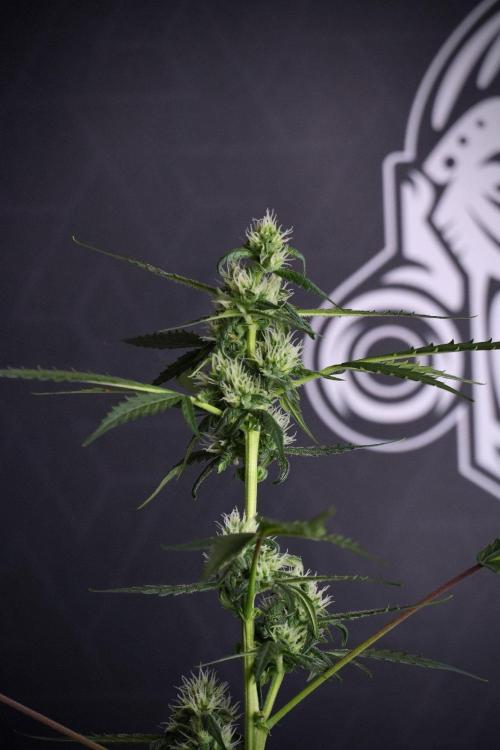
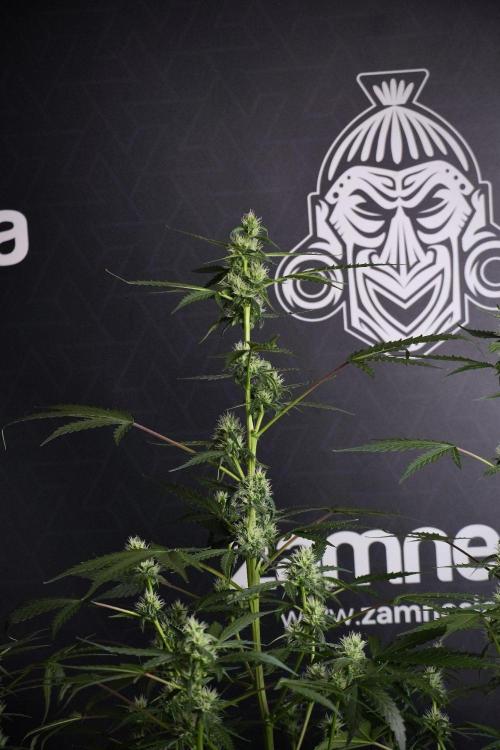
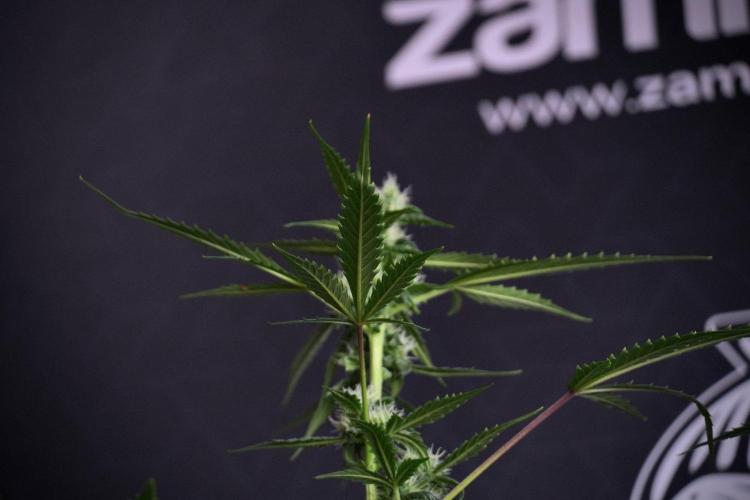
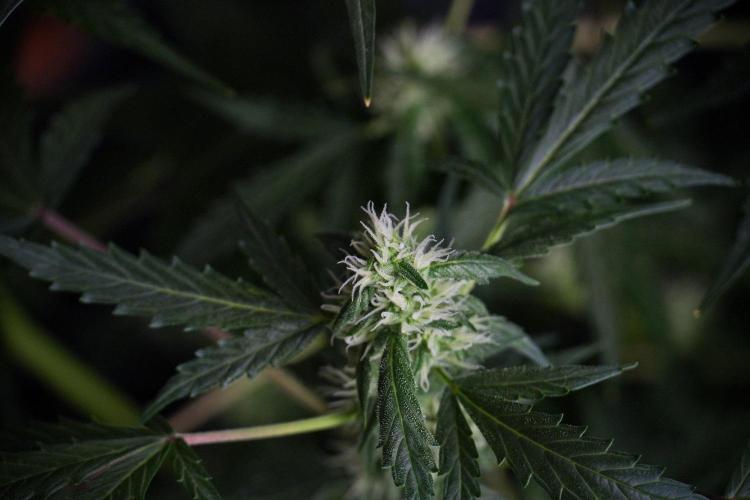
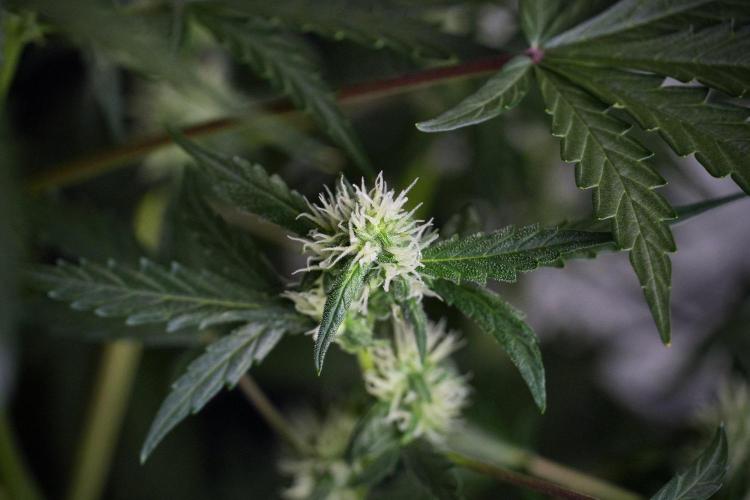
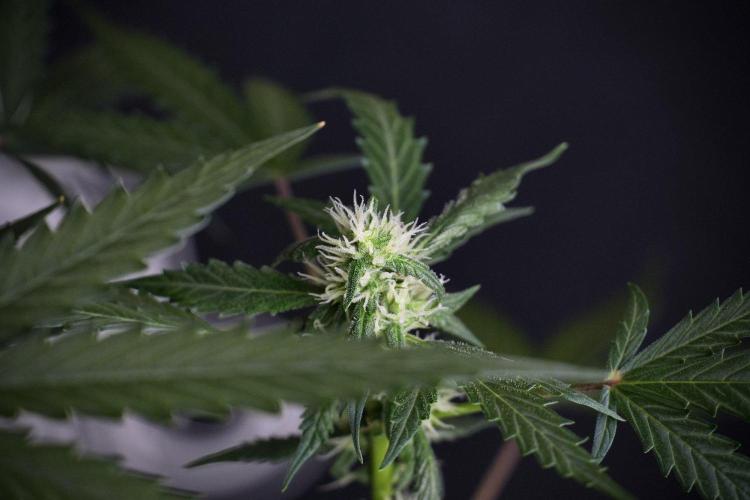
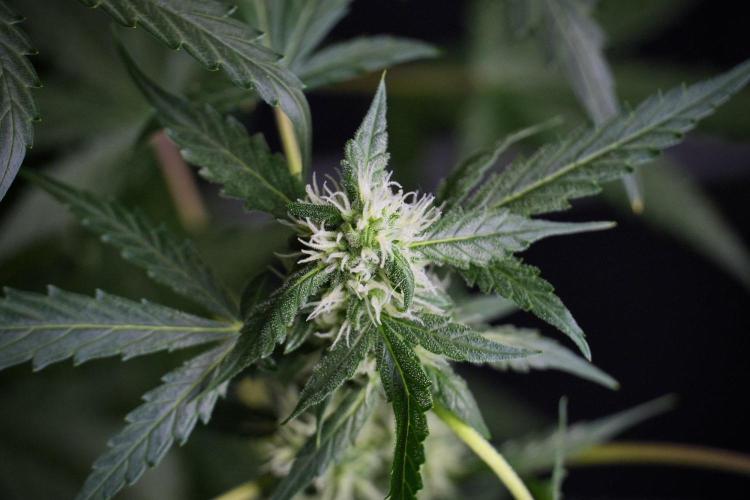
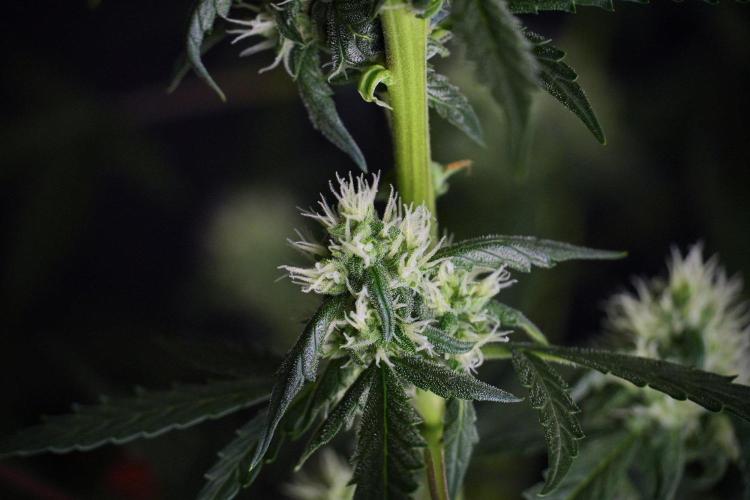
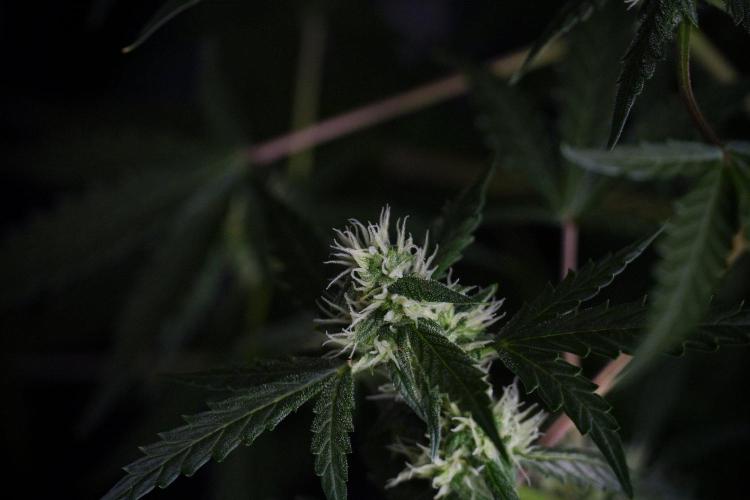
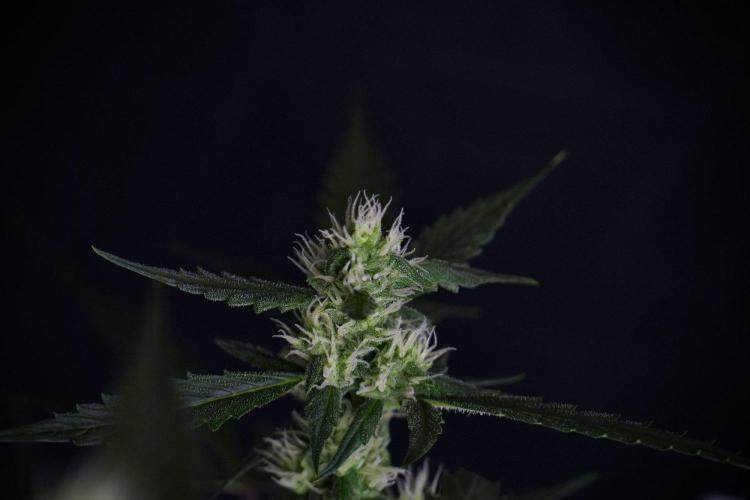
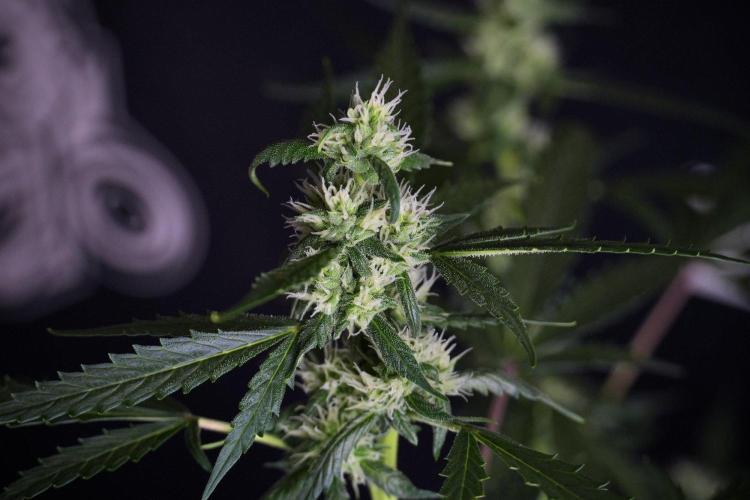
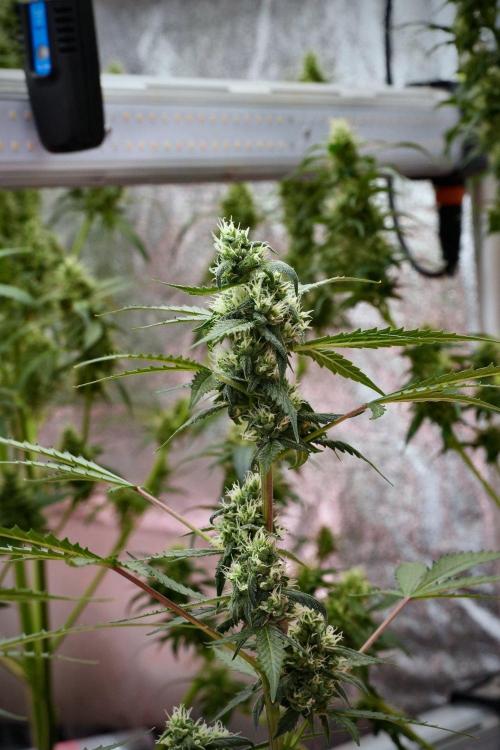
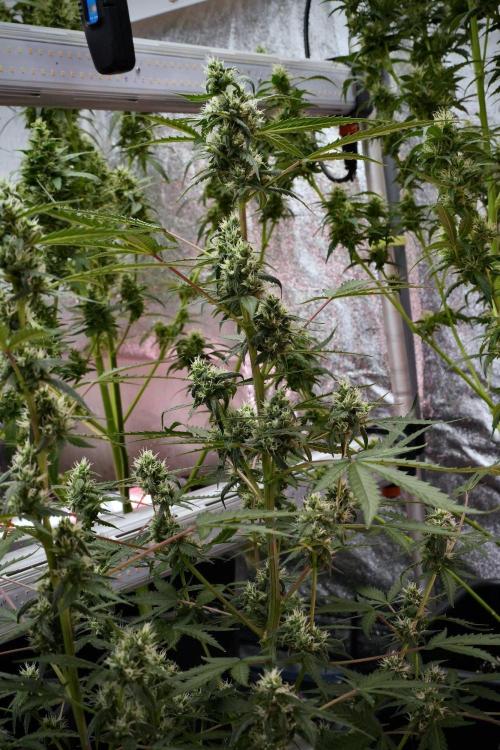
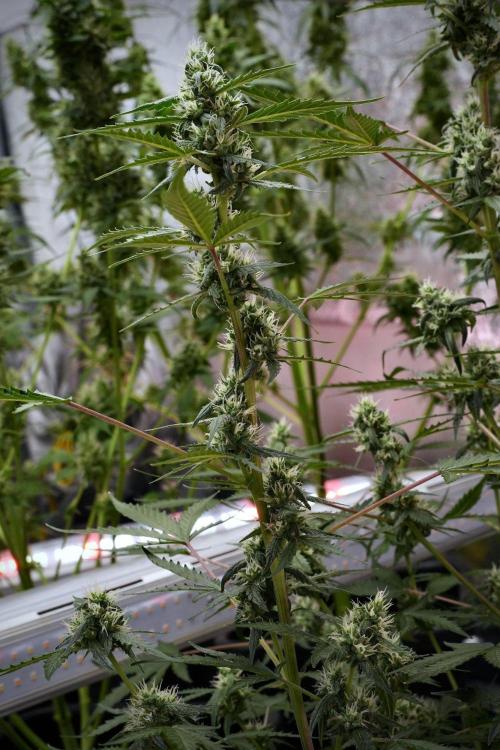
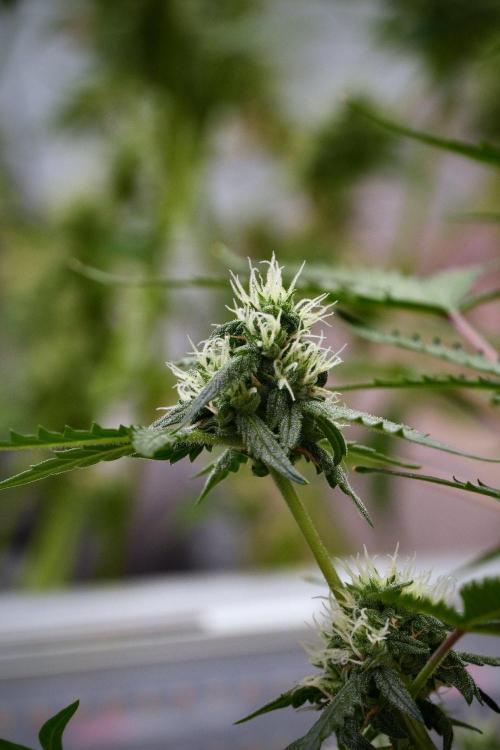
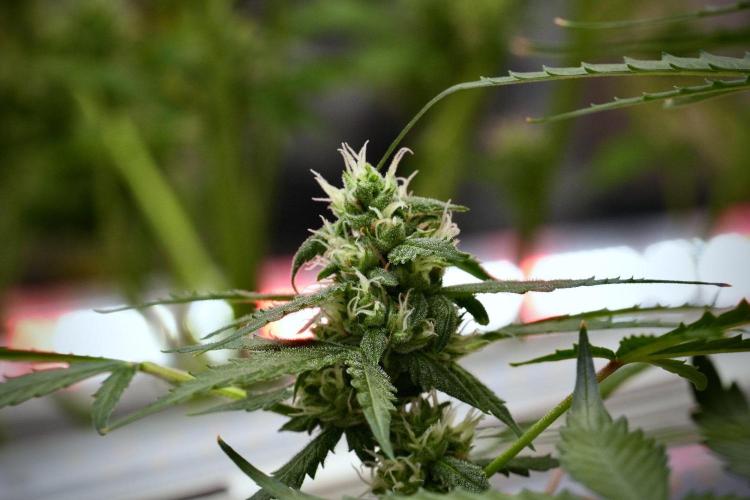
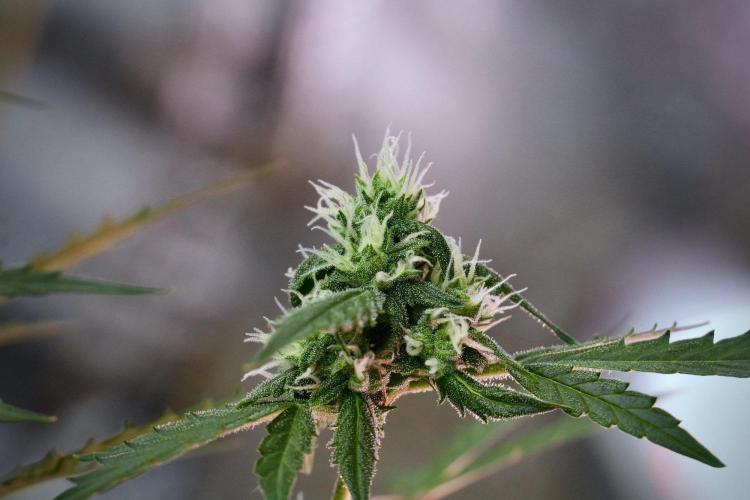
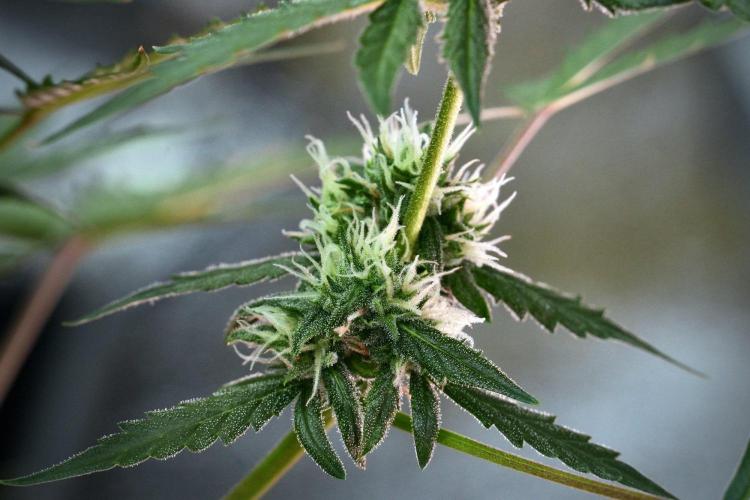
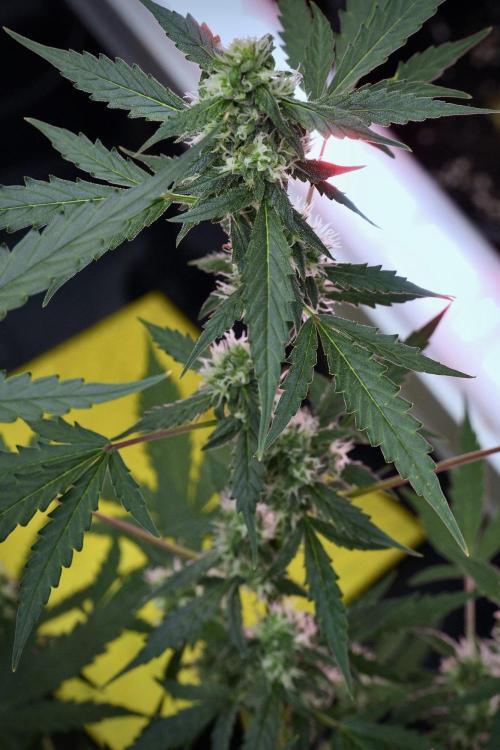
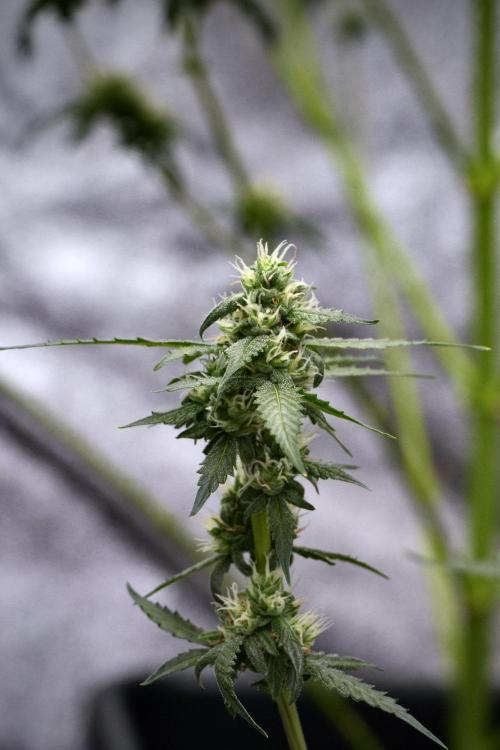
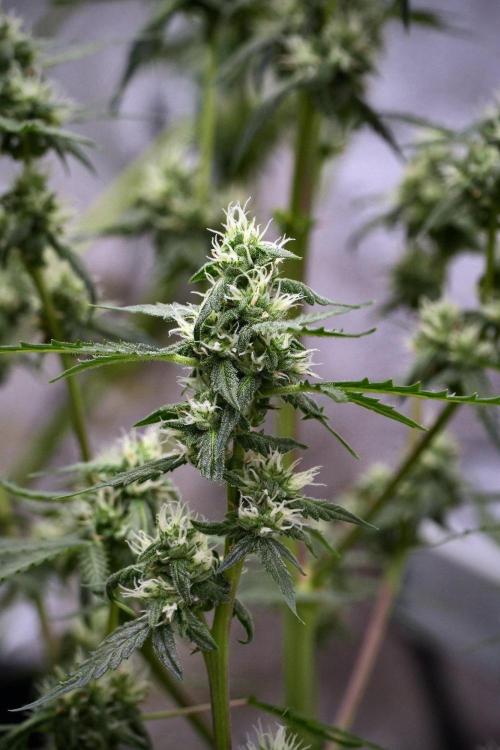
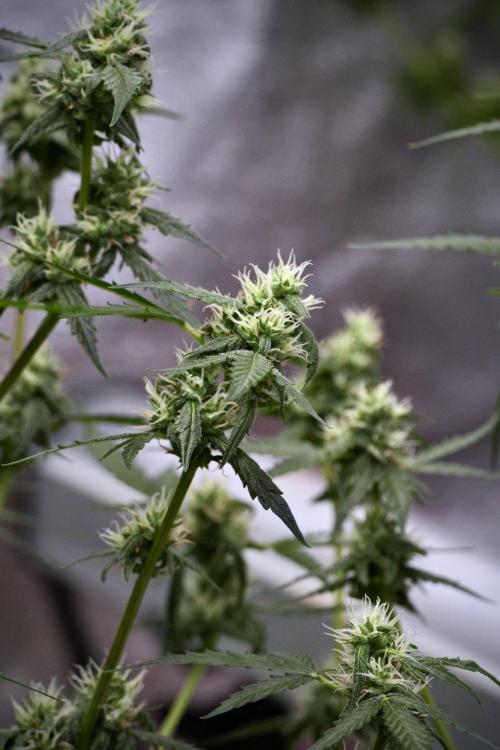
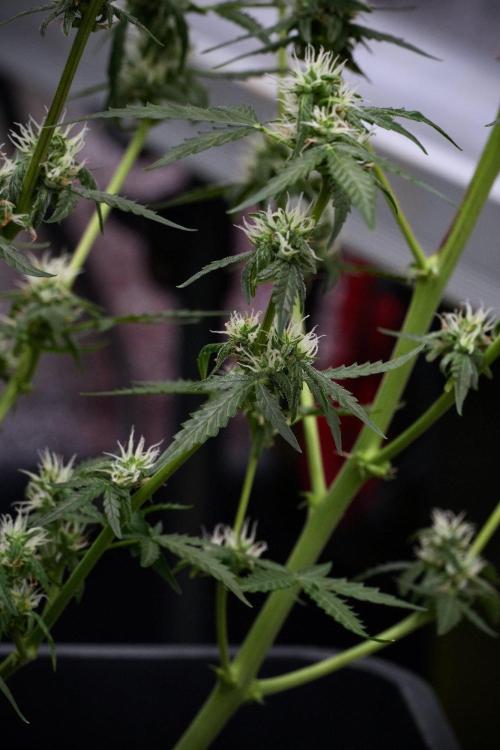
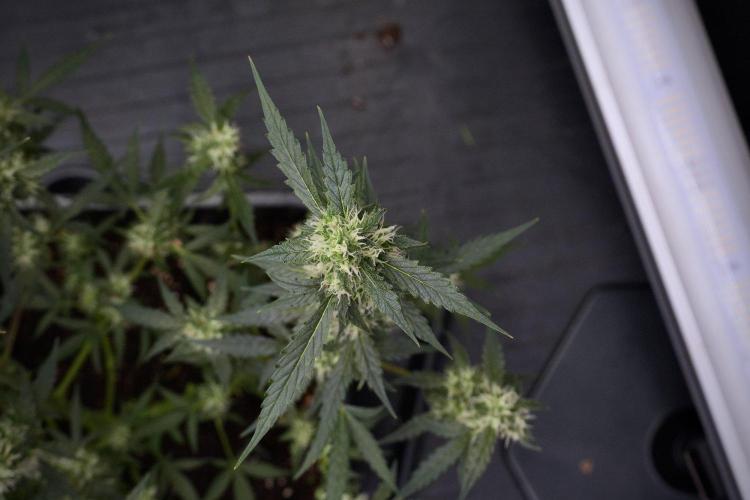
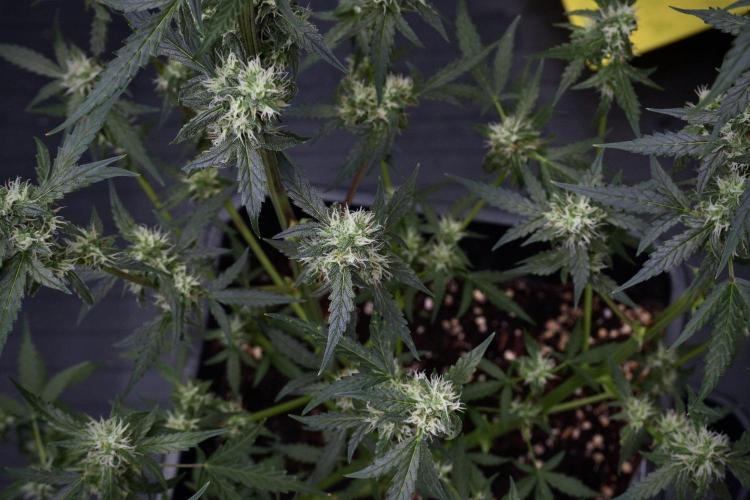
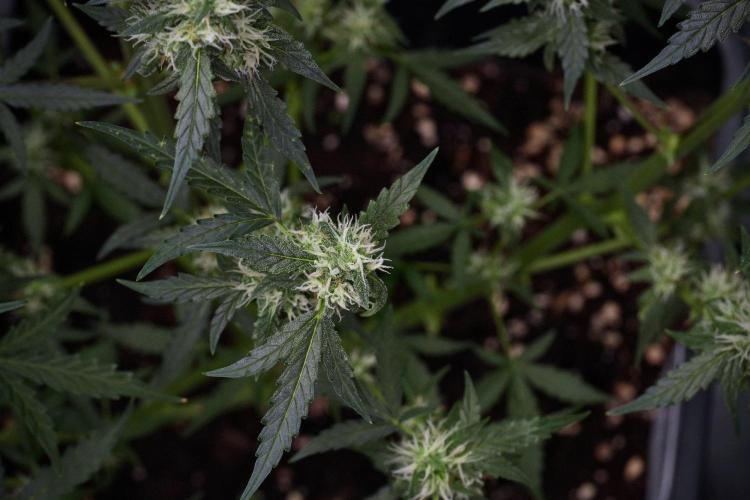
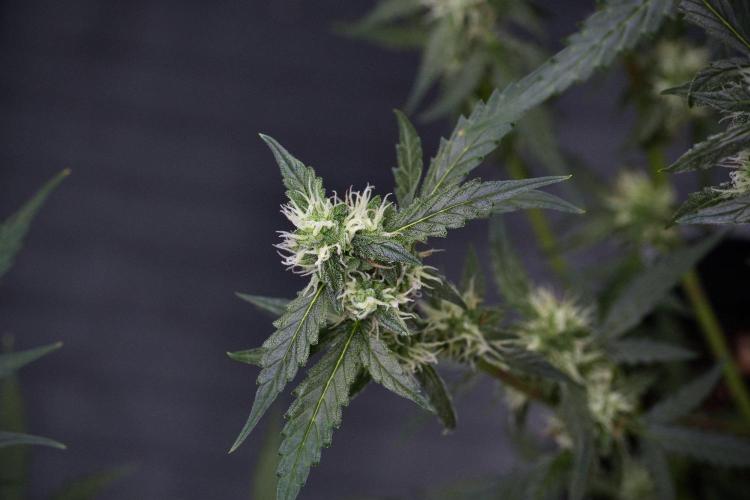
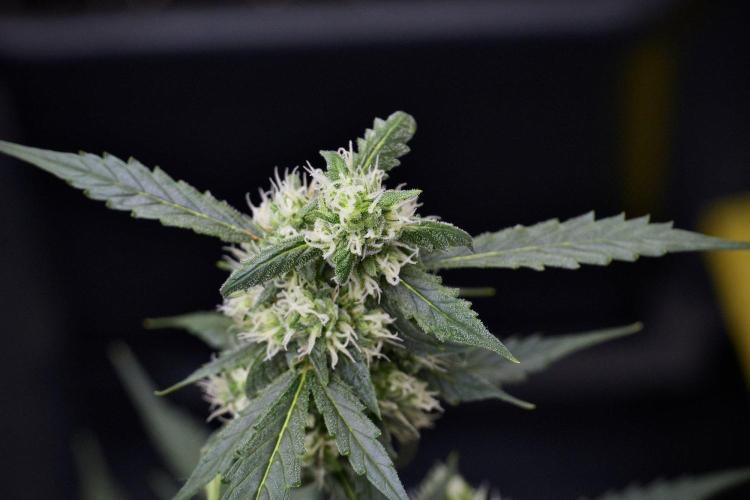
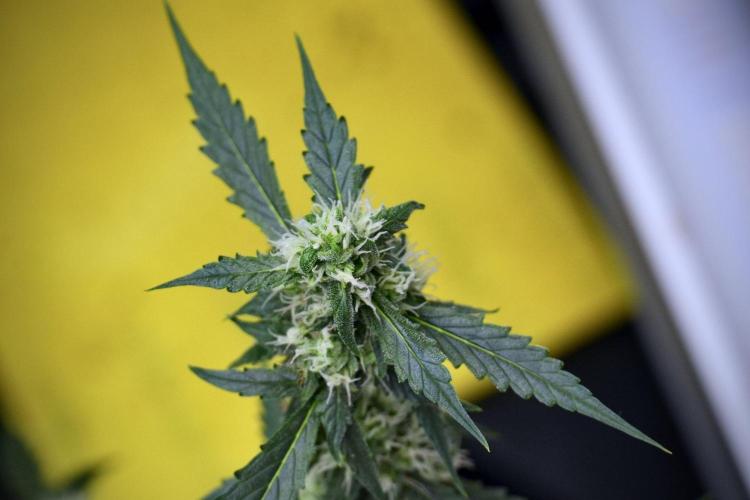
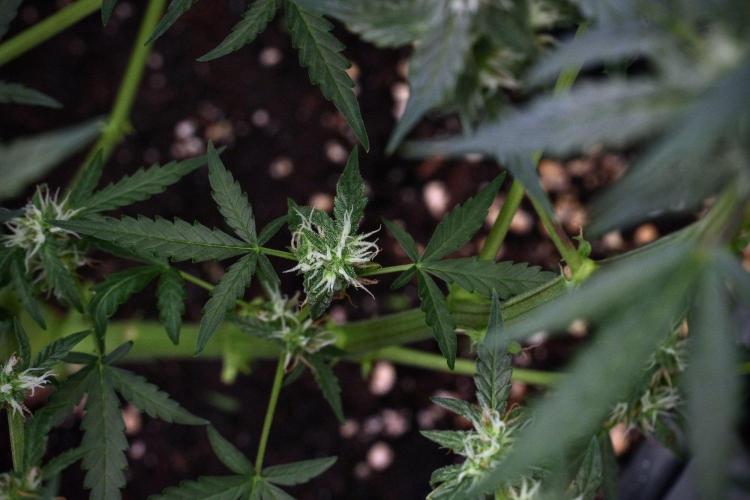
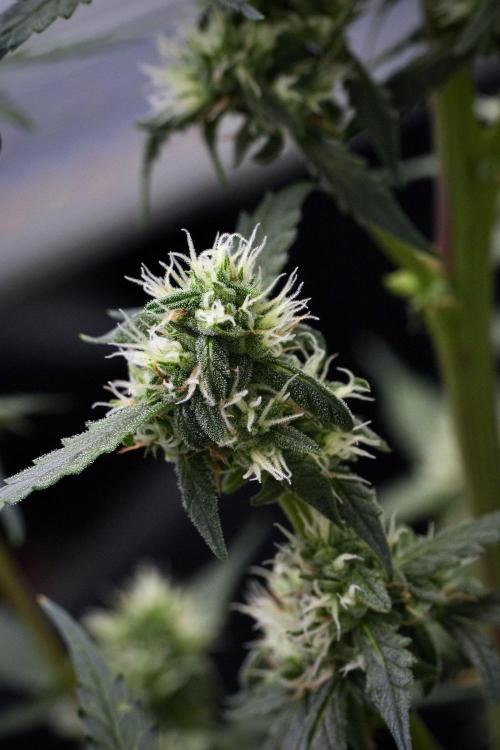
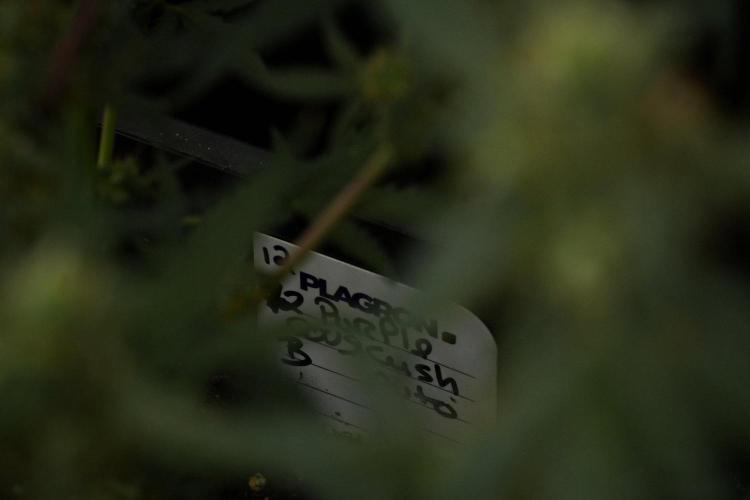
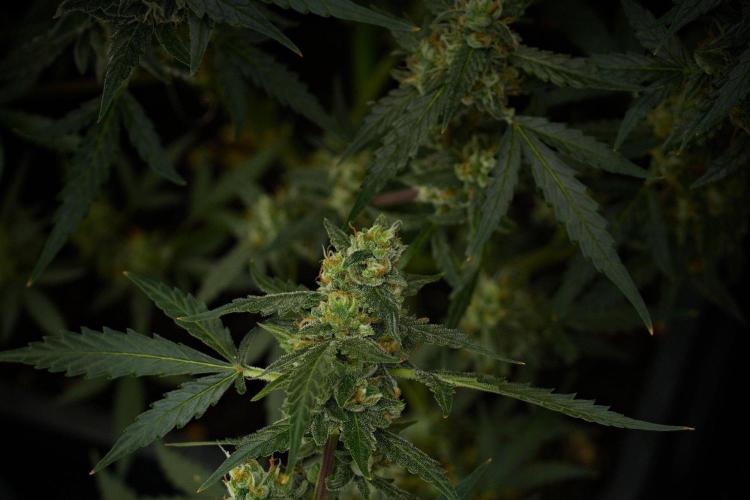
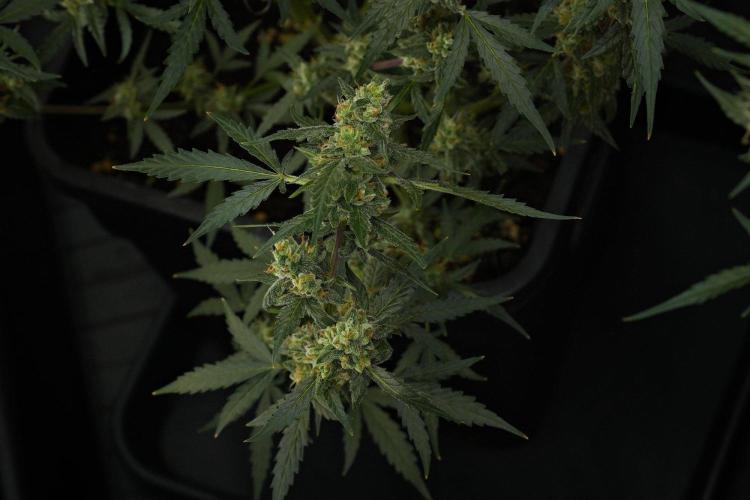
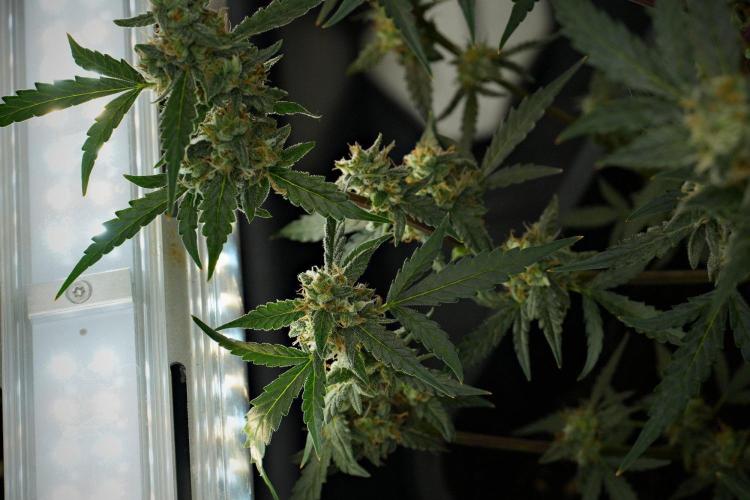
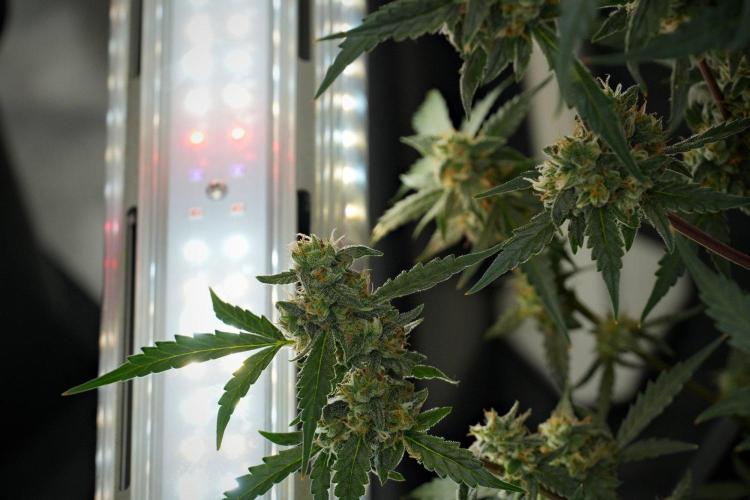
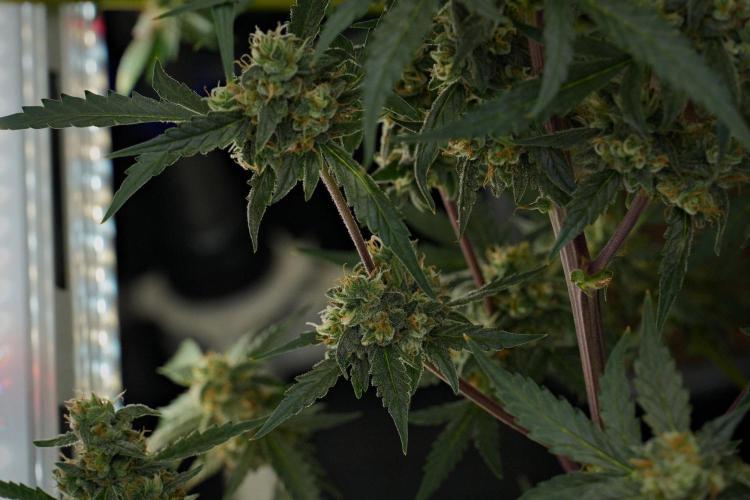
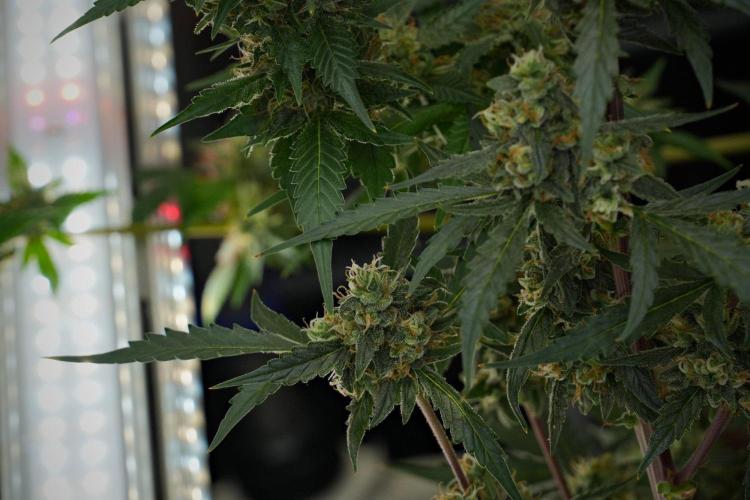
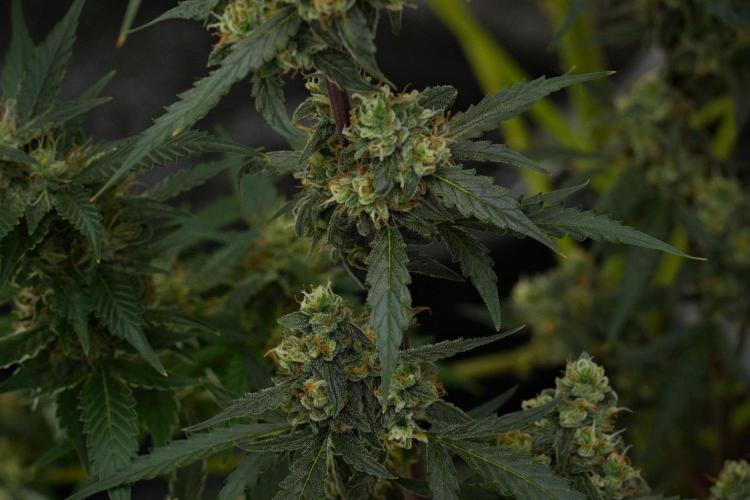
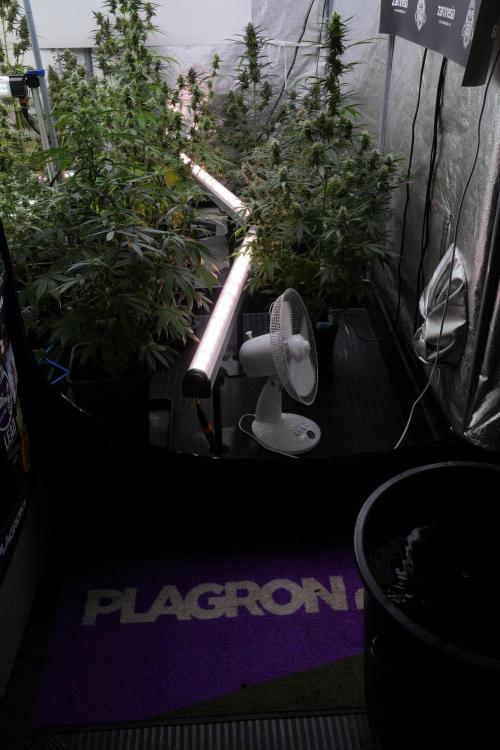
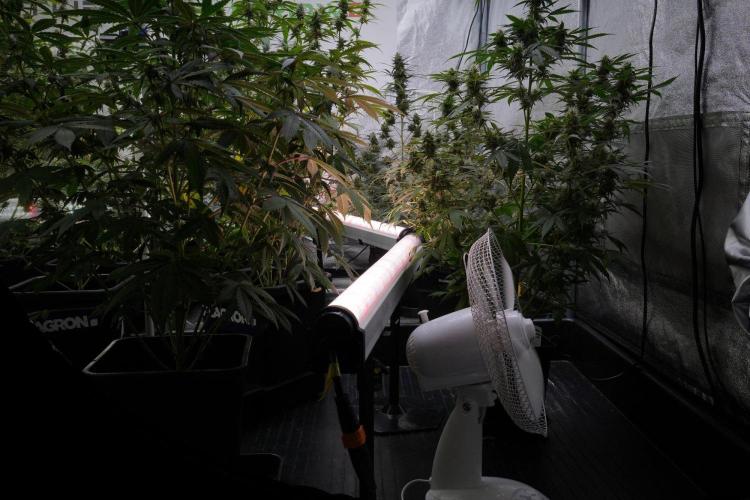
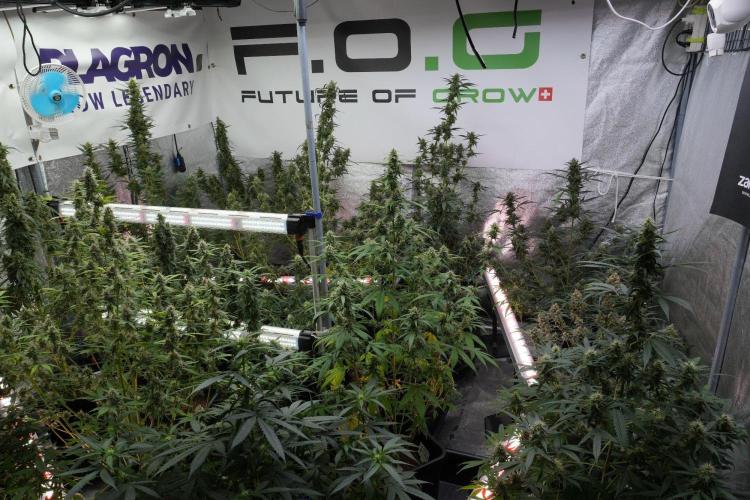
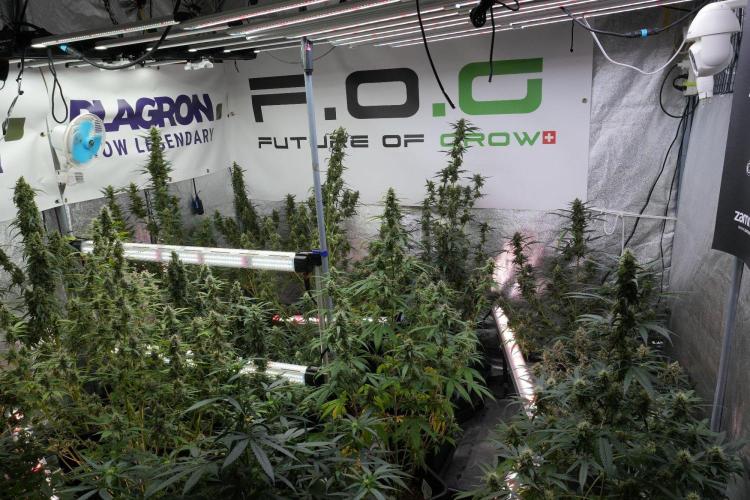
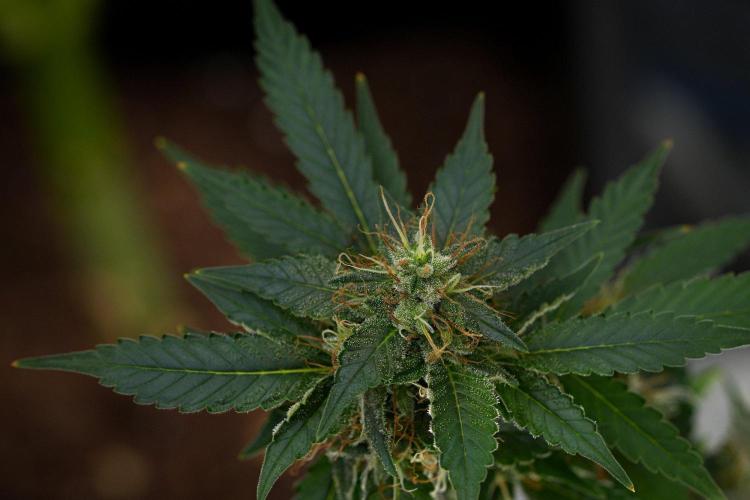
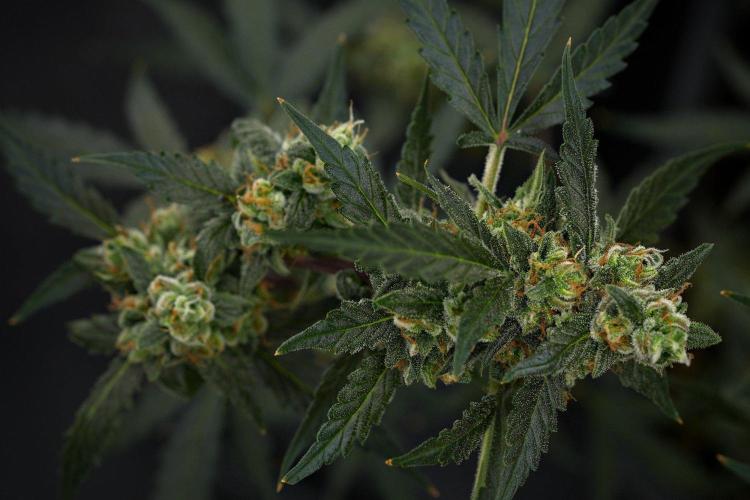
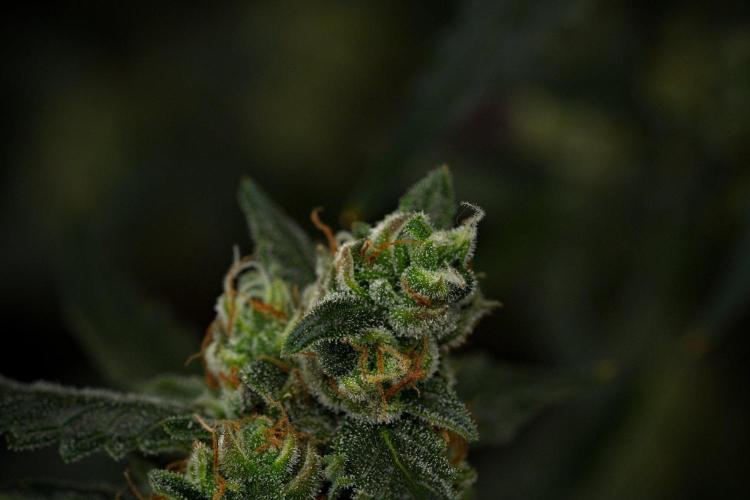
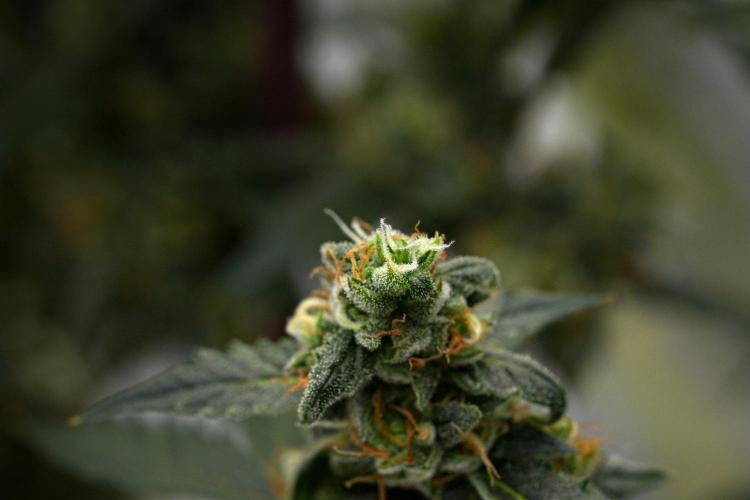
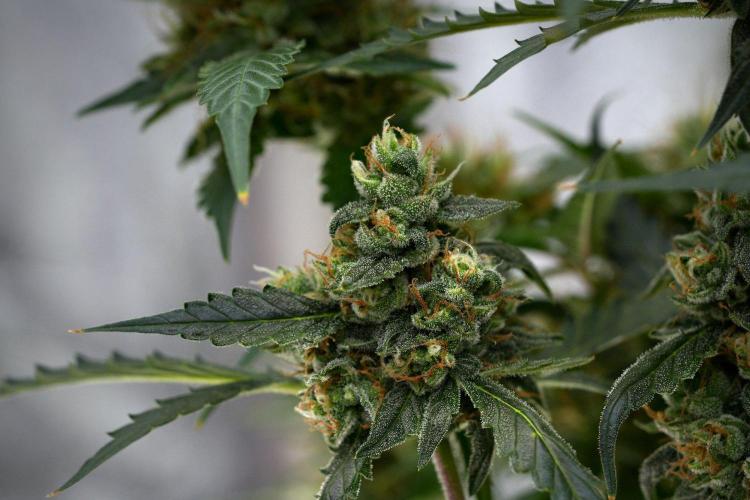
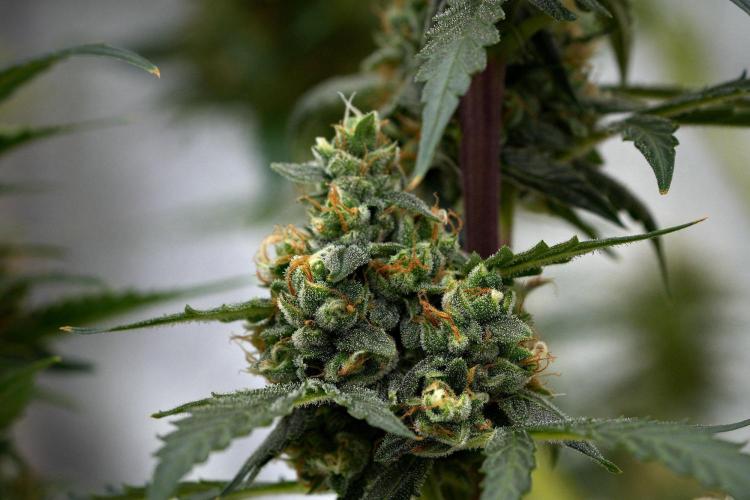
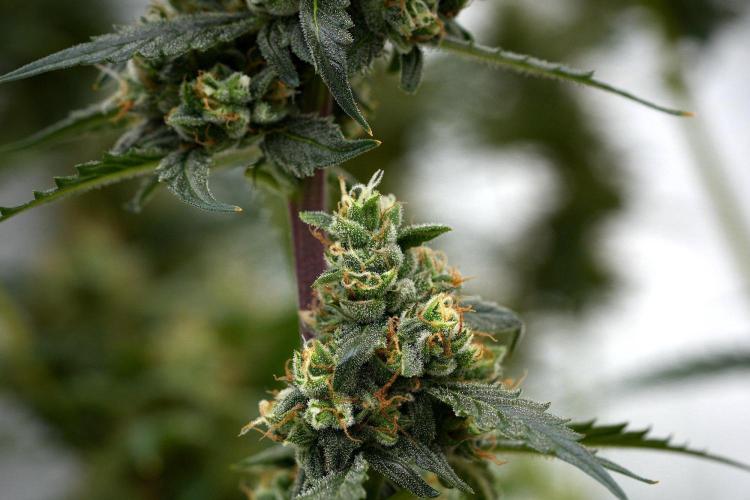
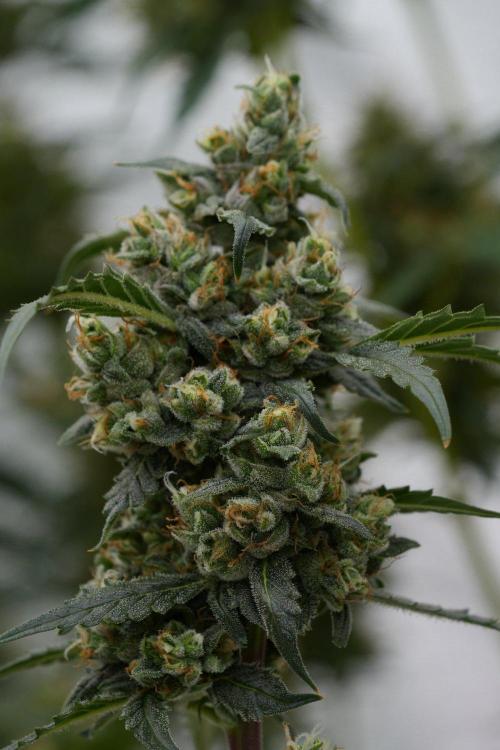
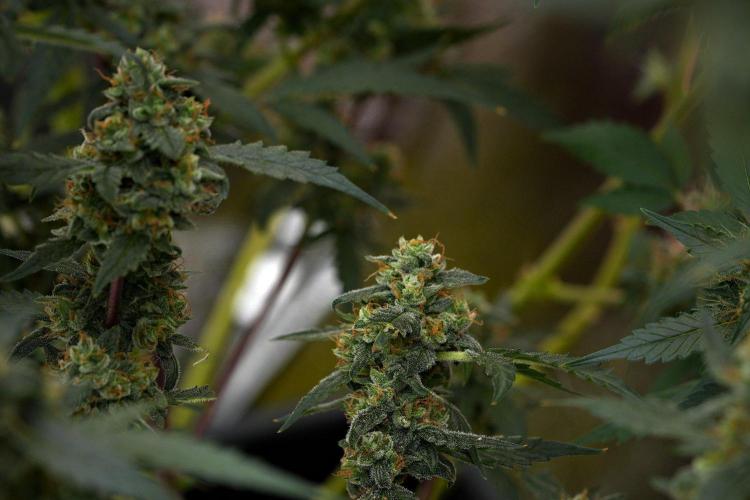
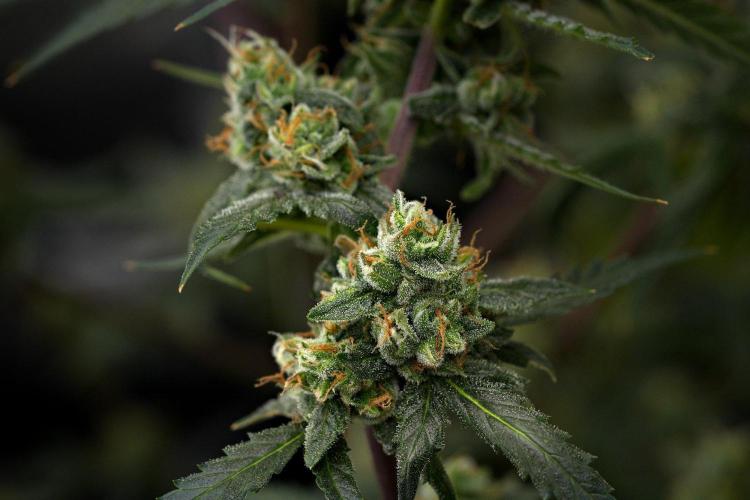
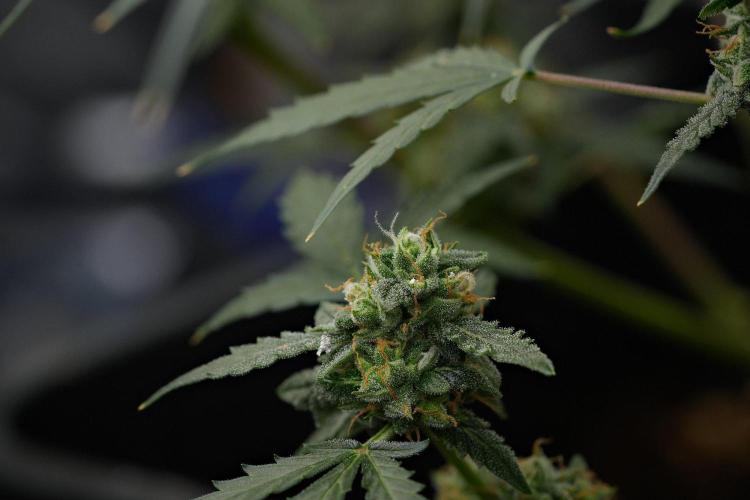
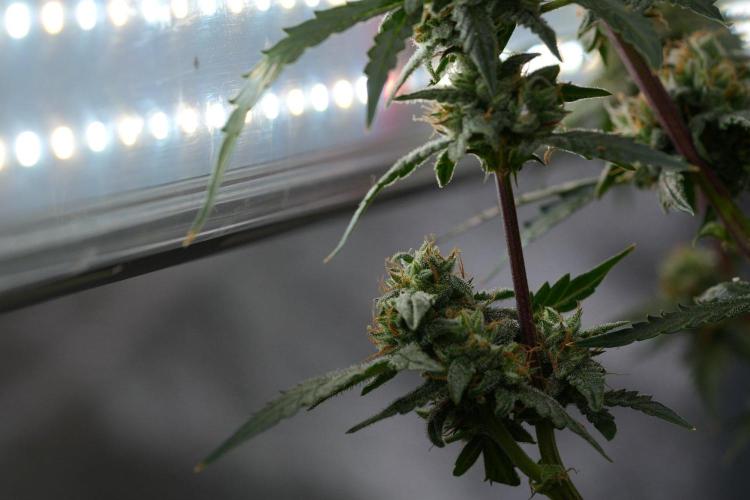
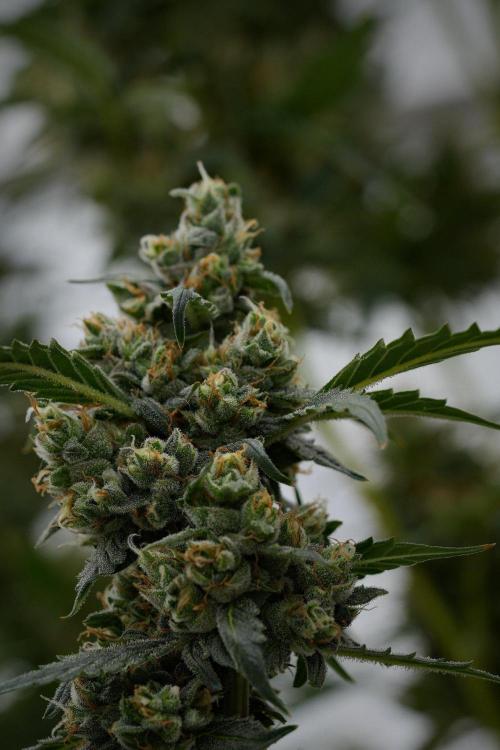
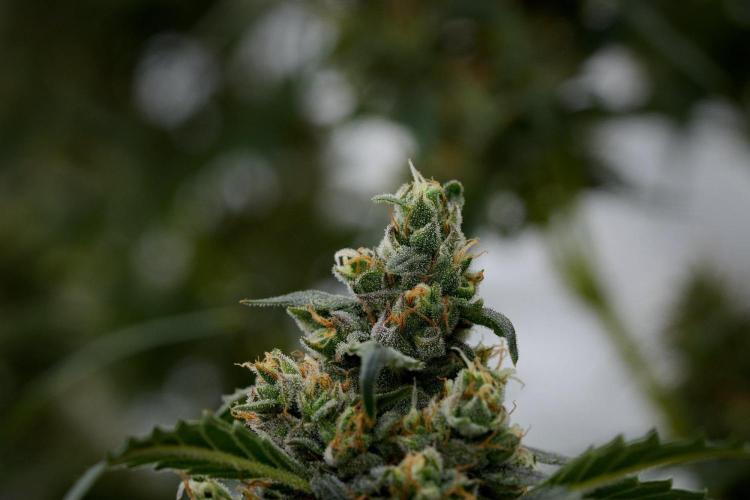
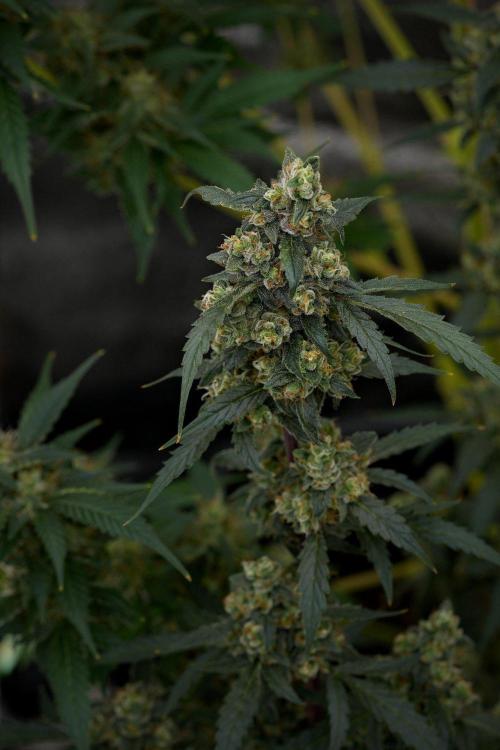
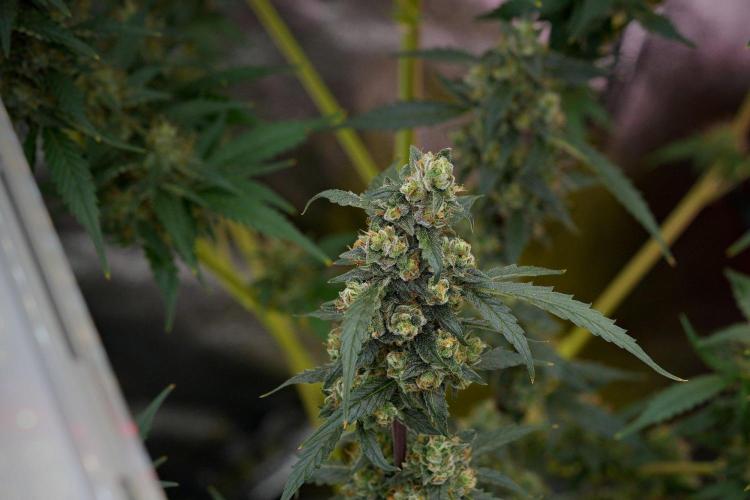
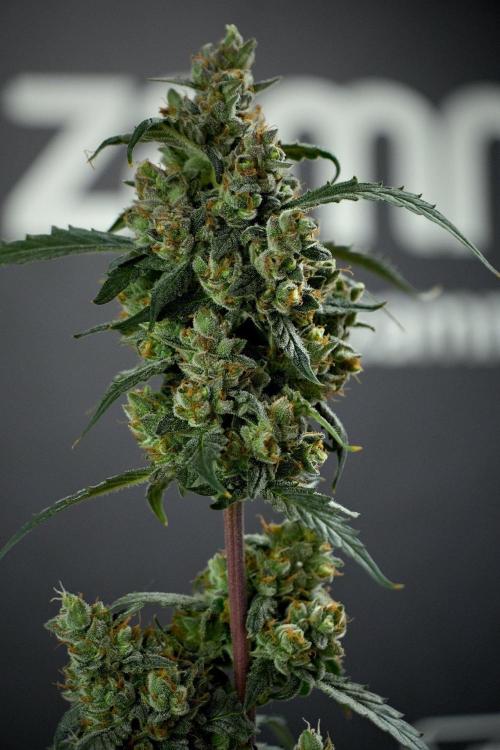
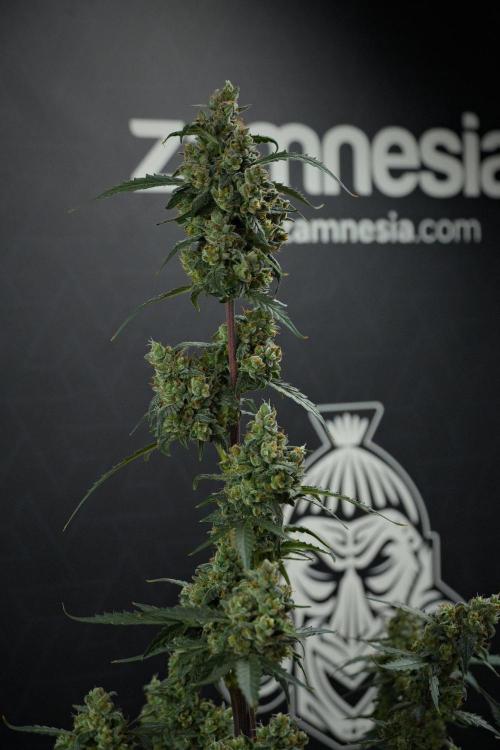
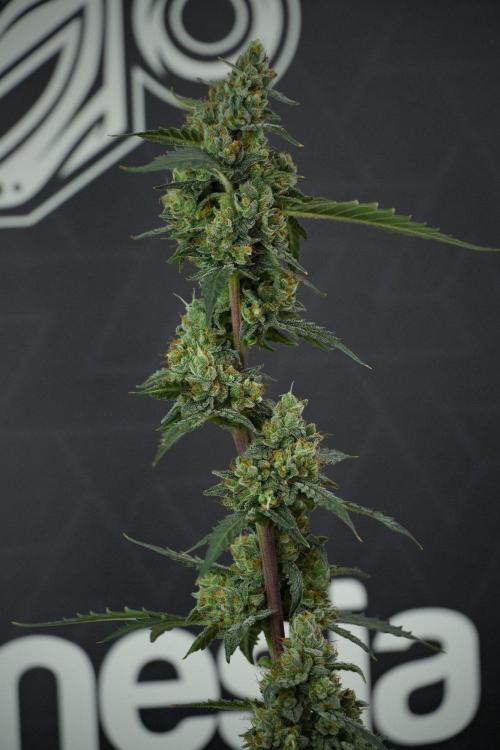
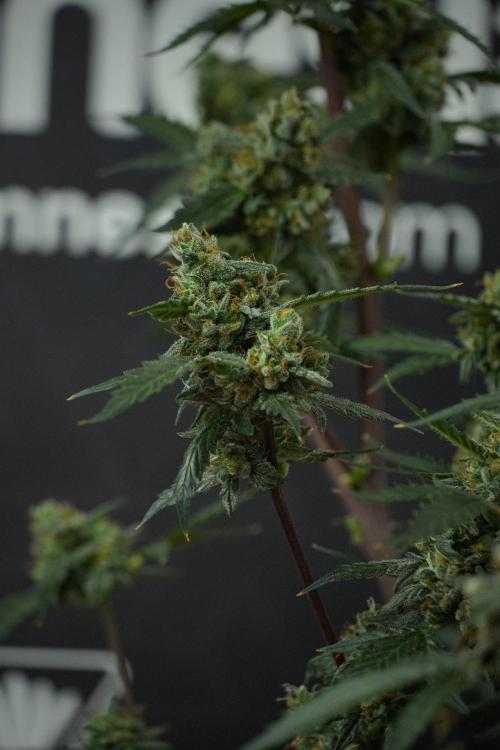
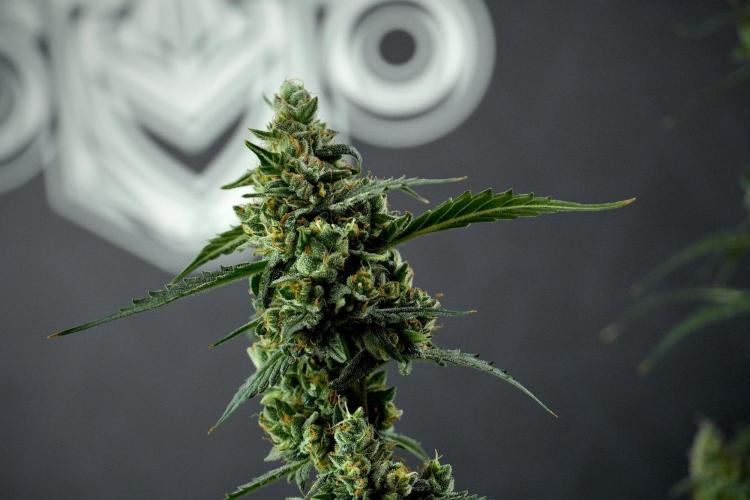
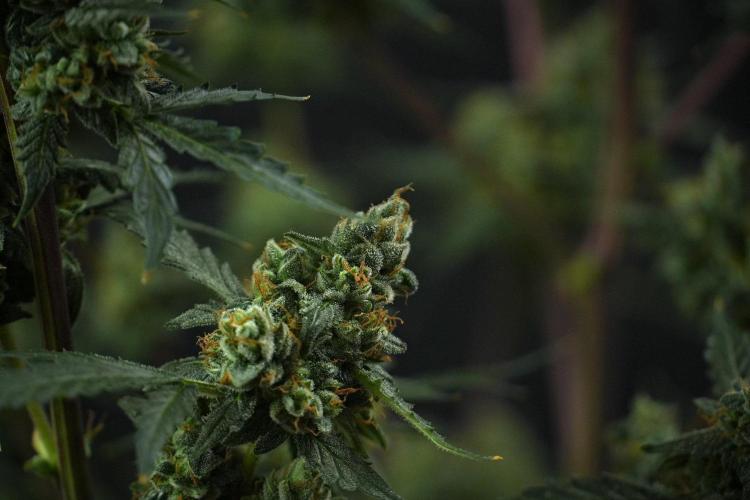
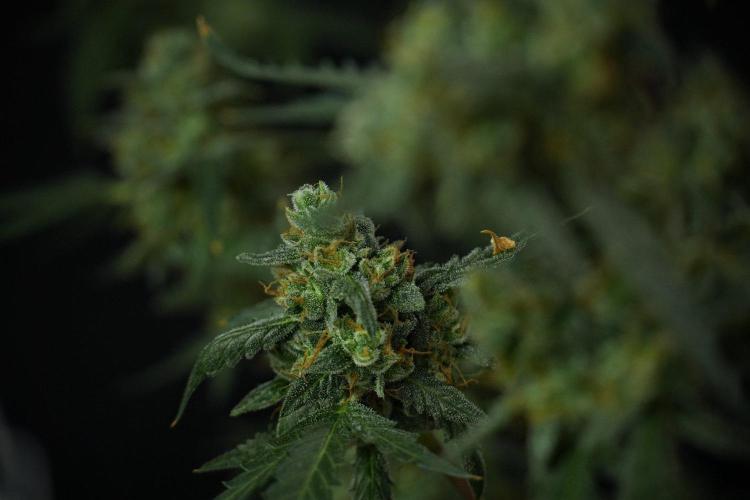
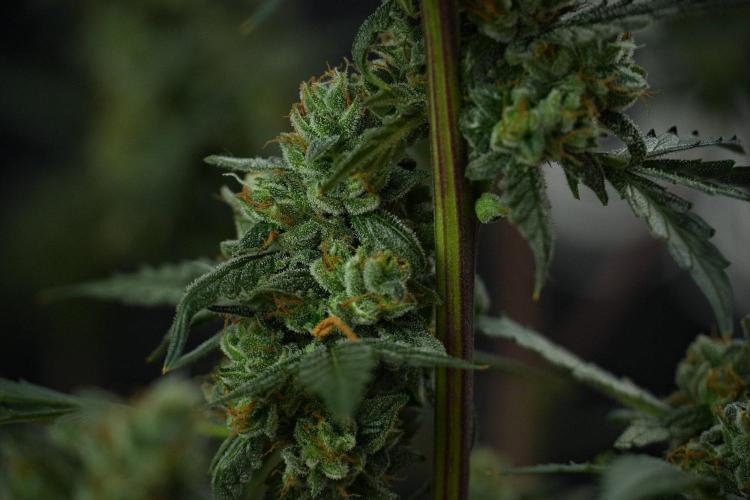
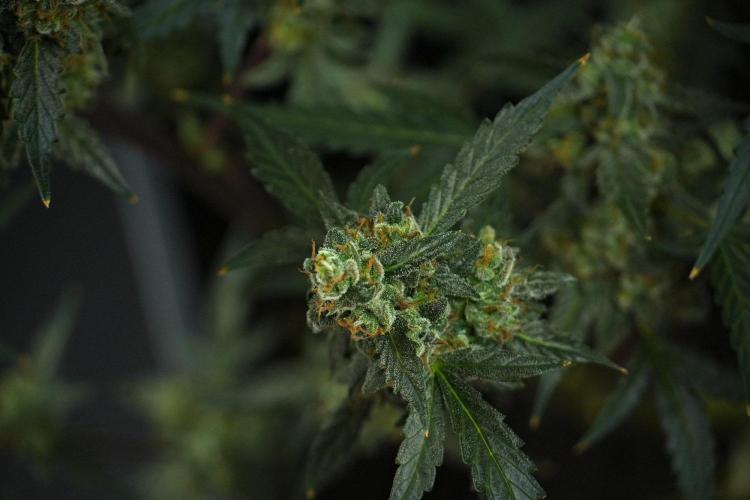
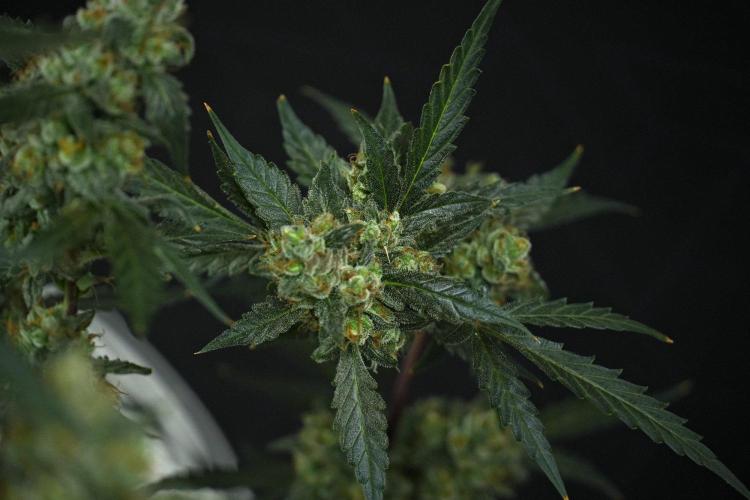
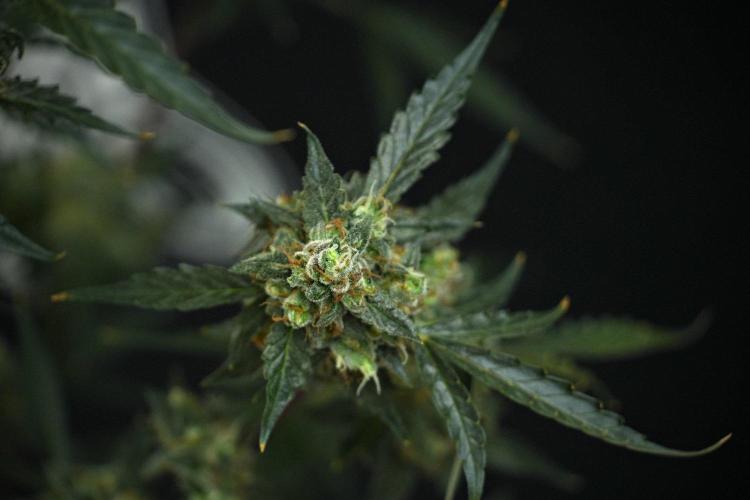
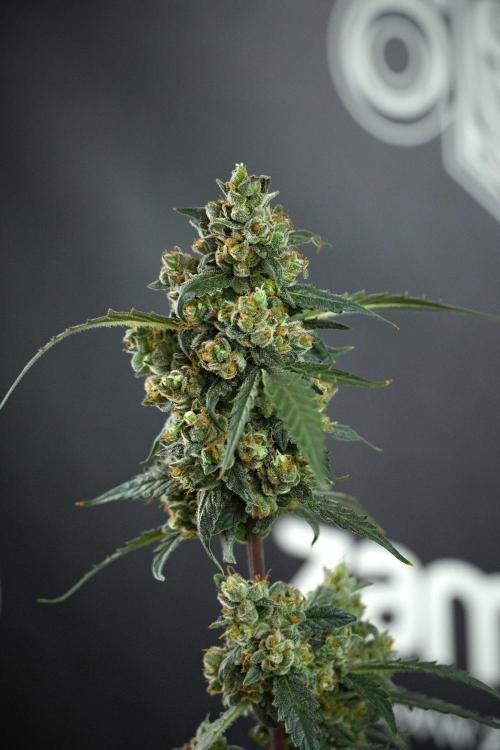
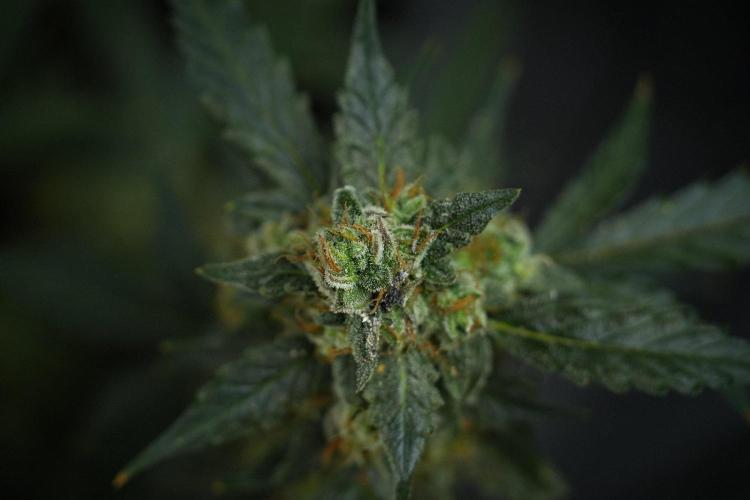
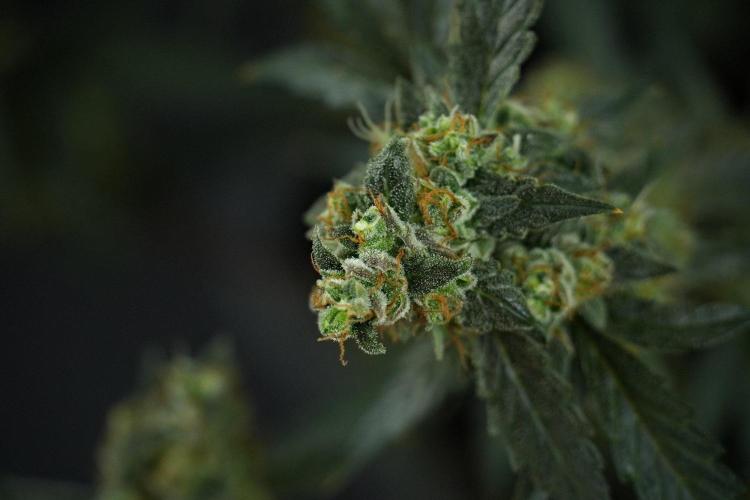
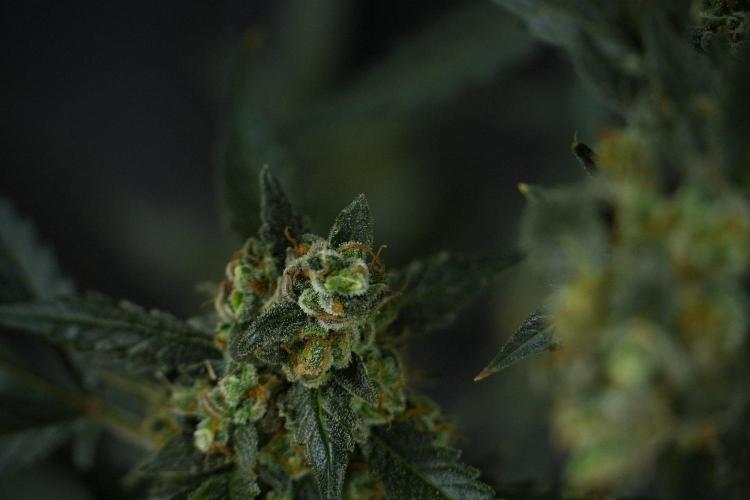
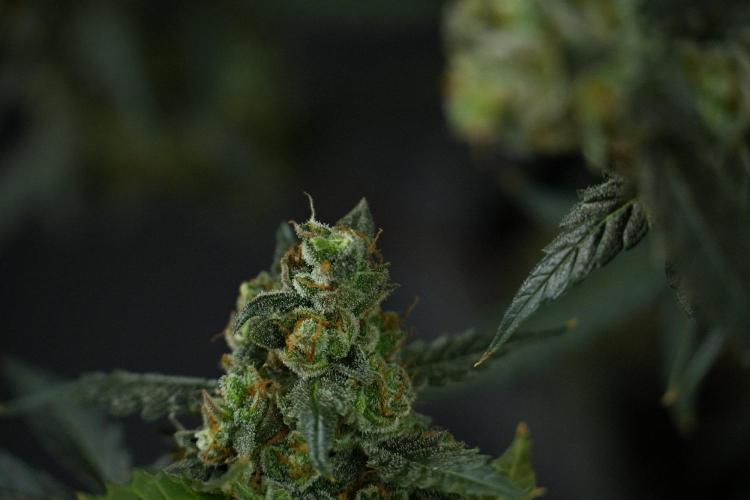
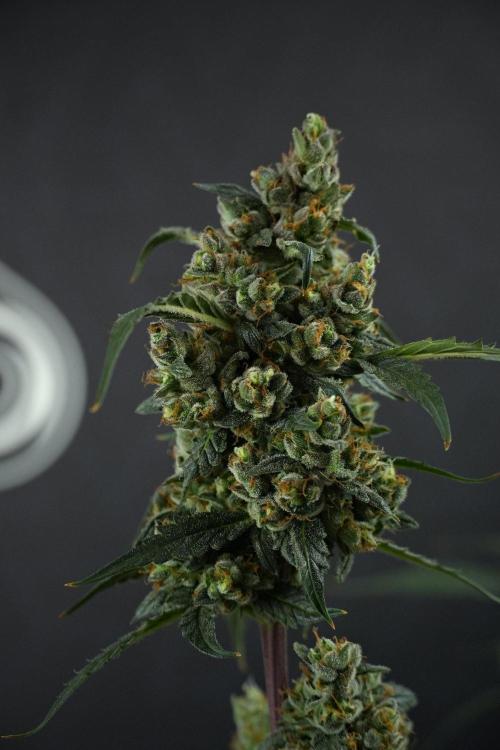
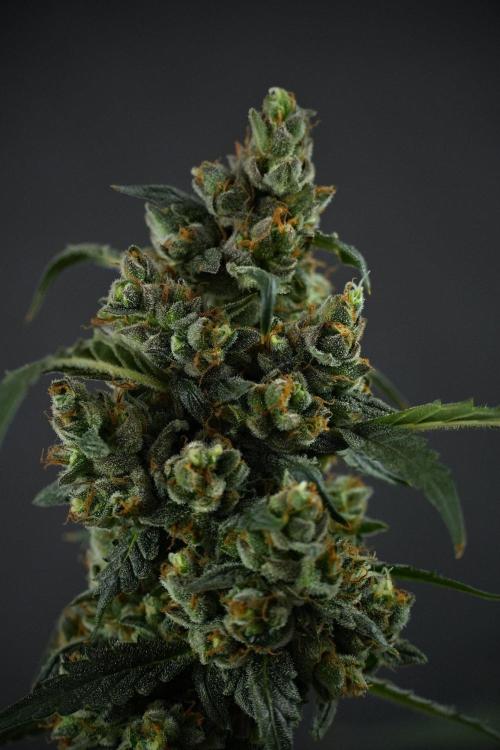
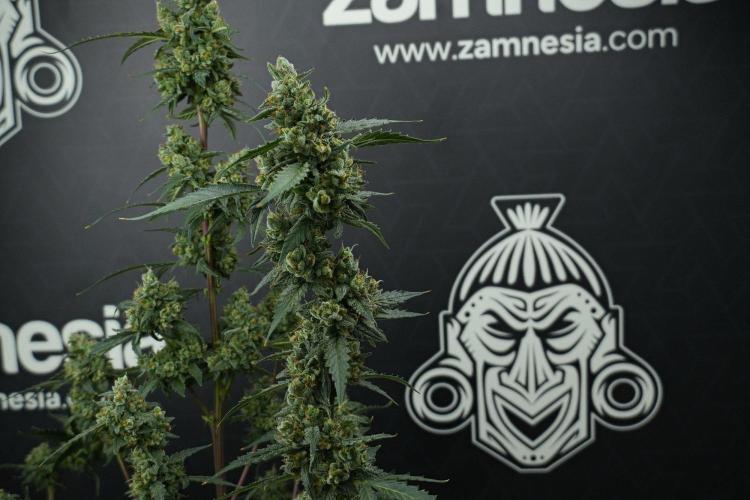
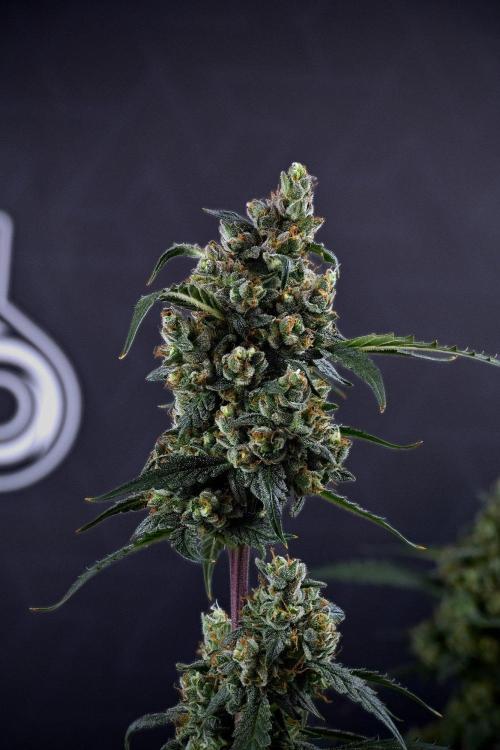
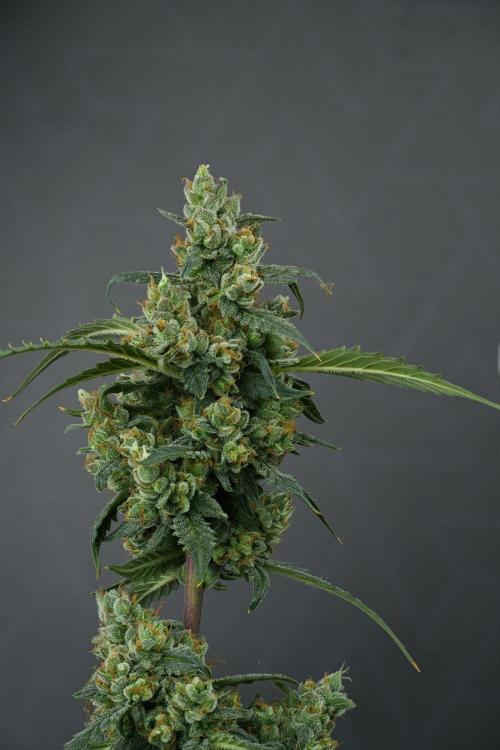
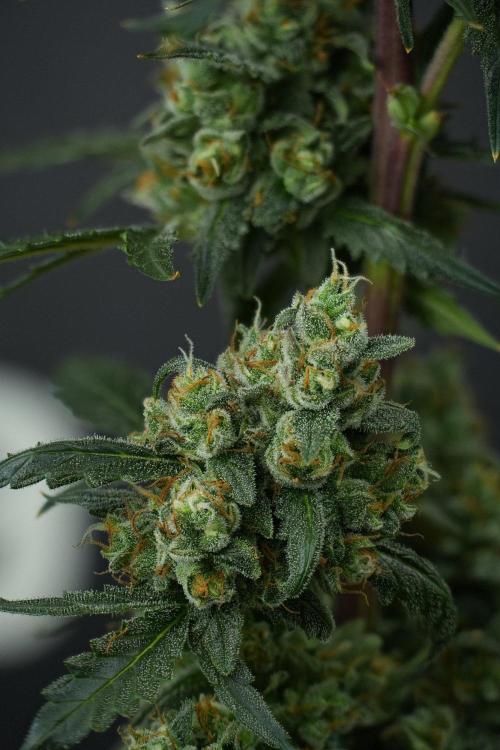
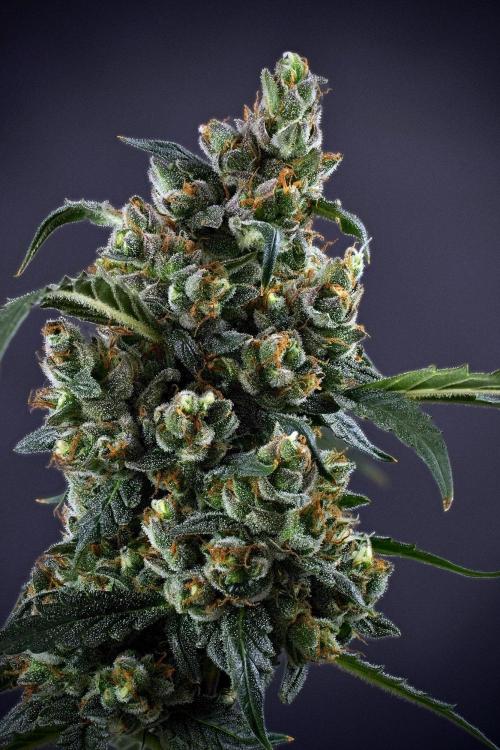
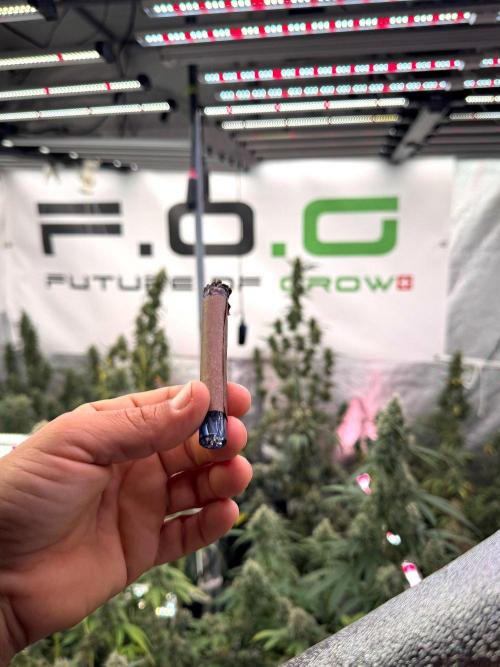
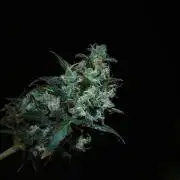
DogDoctorOfficial # Purple CousKush Auto by Zamnesia | Pheno B 🌱💜
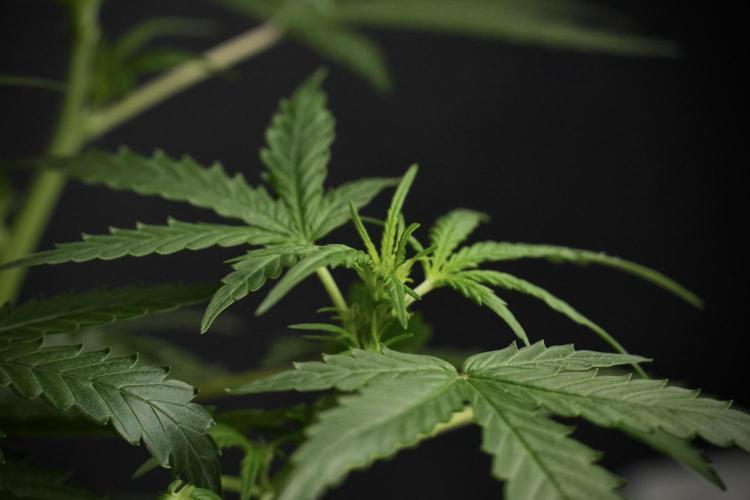
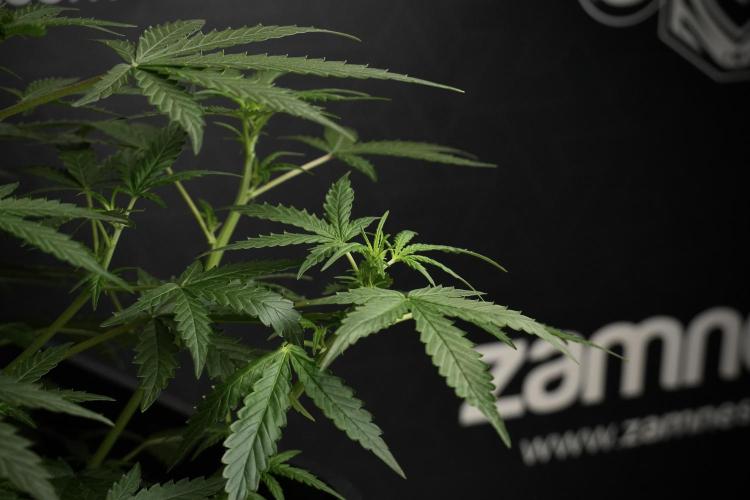
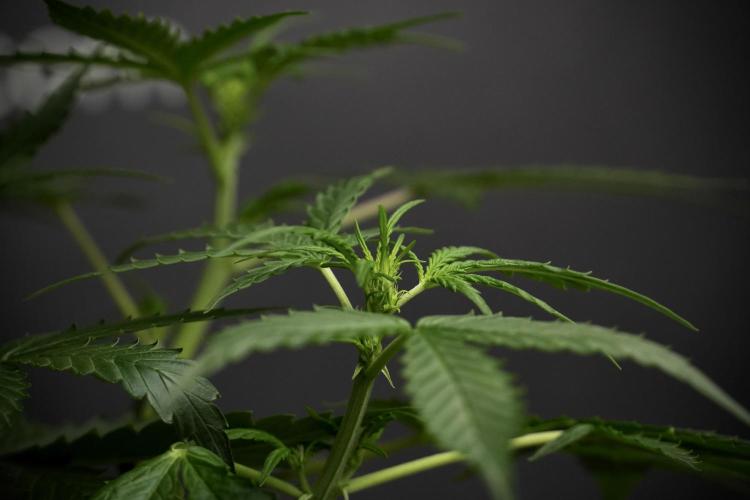
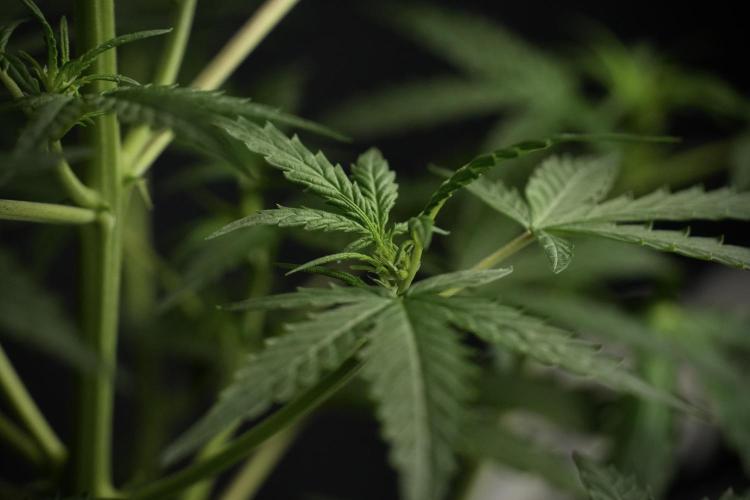
## Germination Week | Every Seed Deserves a Chance
Hello GrowDiaries family! 👋🌱
Welcome to another new journey.
As some of you may have noticed, I've recently adjusted the way I document my grows. With the current photo limitations on GrowDiaries, each phenotype now receives its own dedicated diary rather than sharing a single journal with its sisters.
This allows me to continue documenting every stage of development while selecting the best photographs from each week and keeping everything organized from seed to harvest.
The goal remains exactly the same as always:
To create an honest, educational, and complete record while sharing observations, successes, lessons learned, and everything in between.
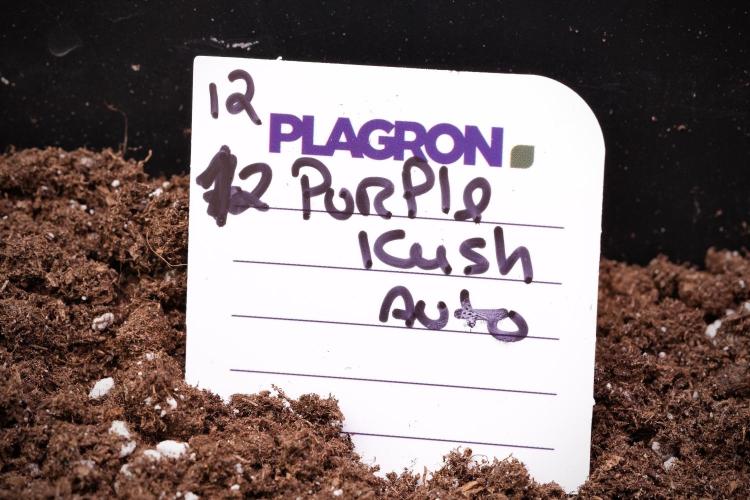
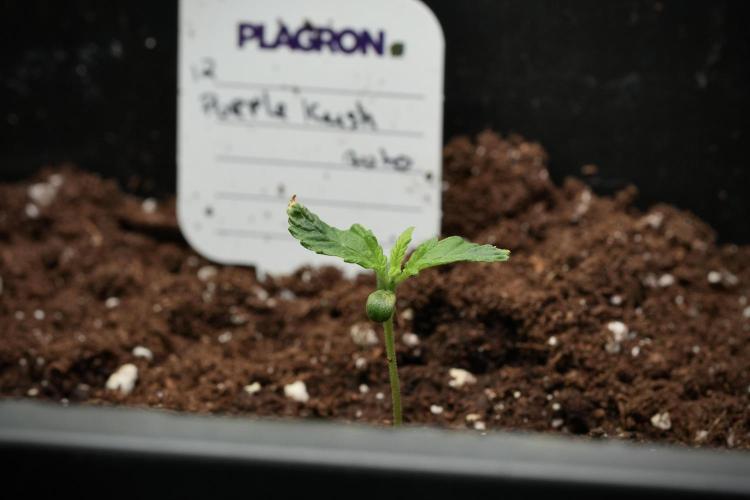
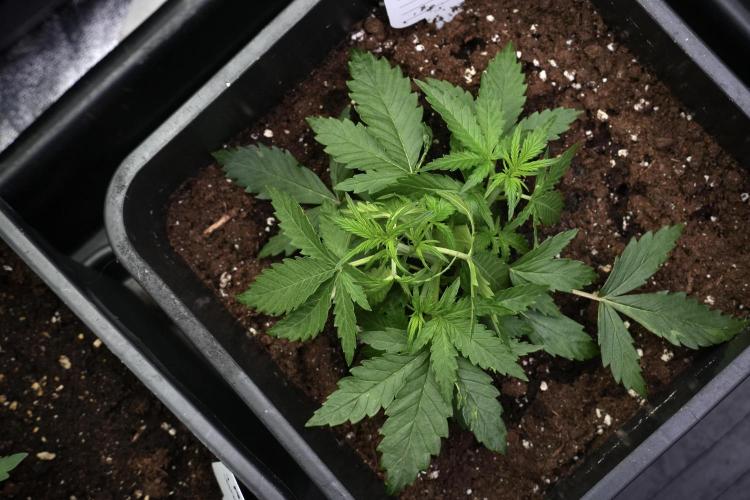
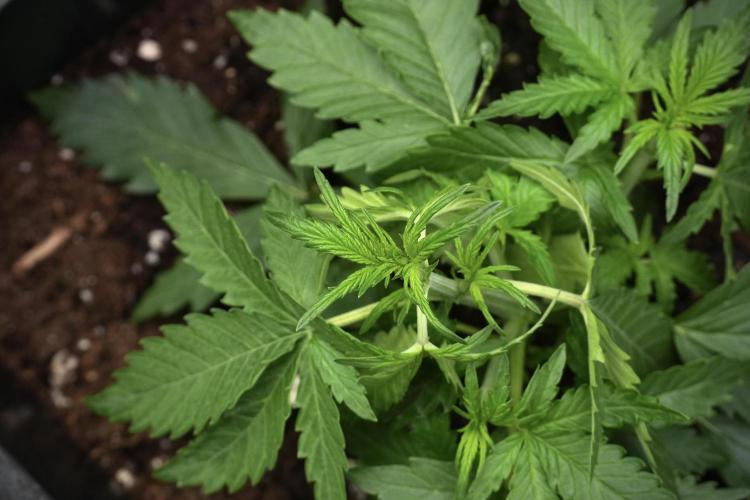
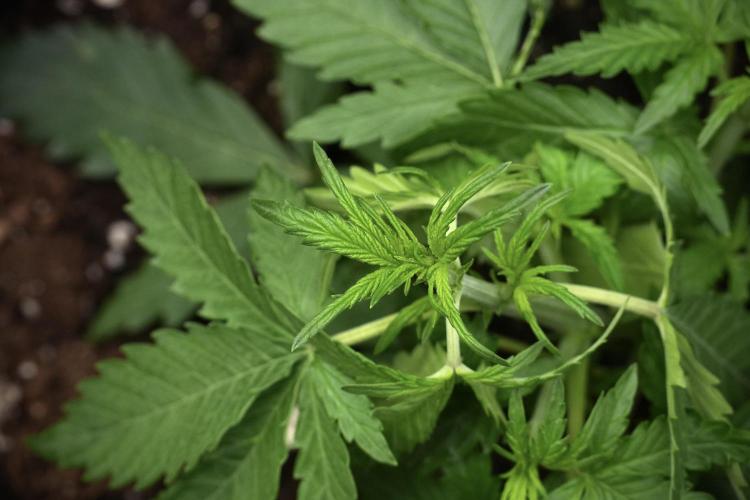
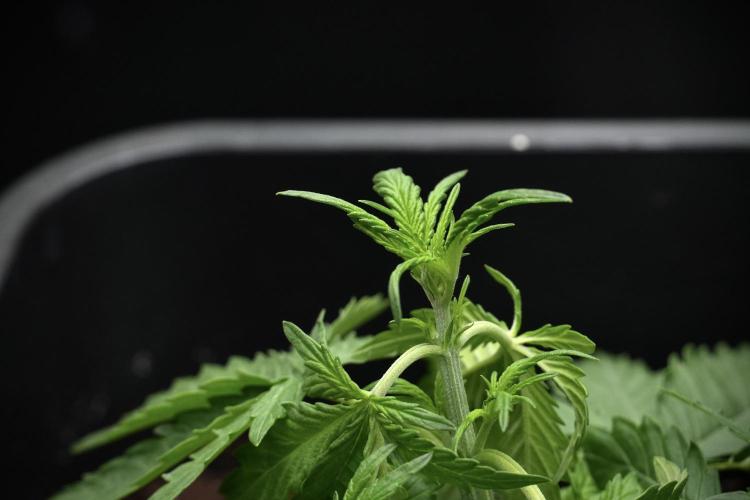
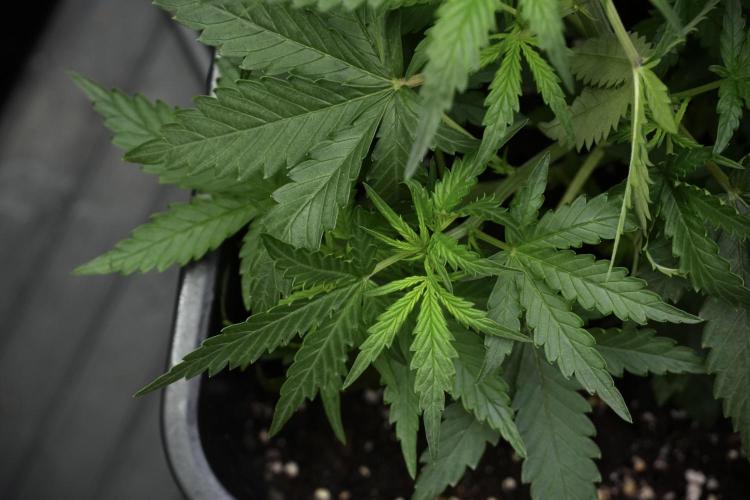
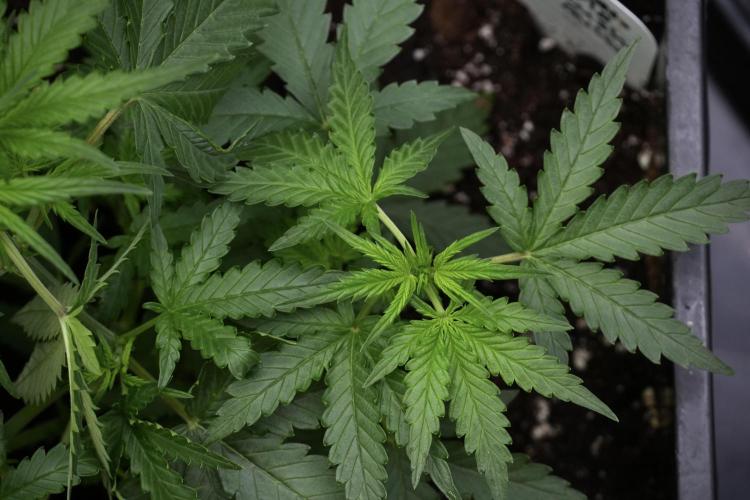
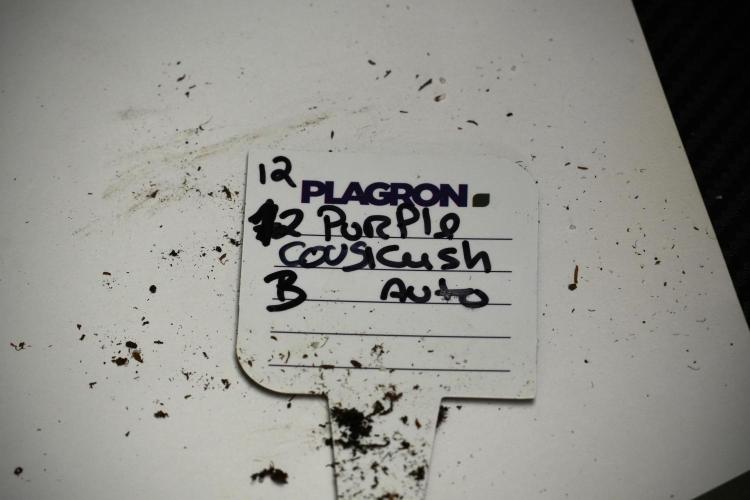
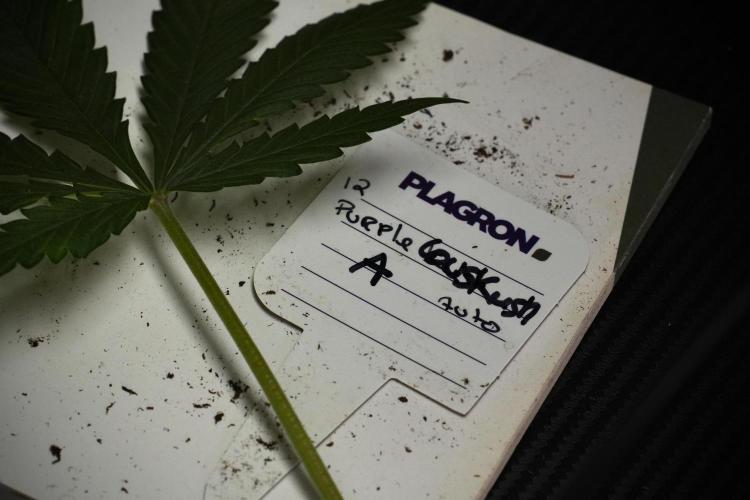
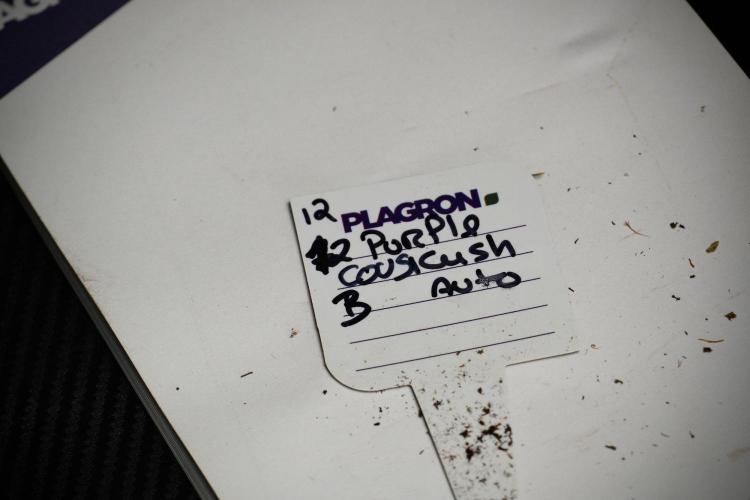
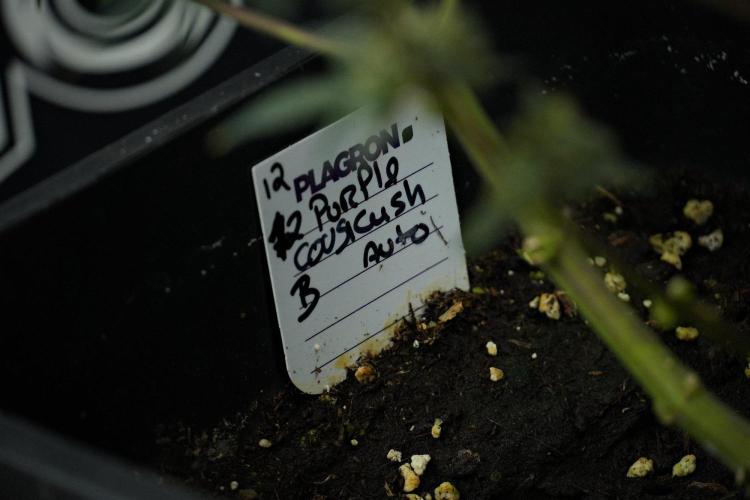
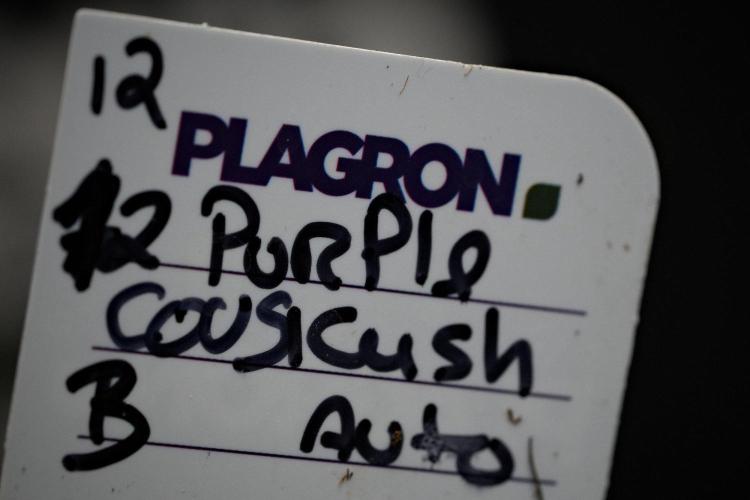
Today, we begin following Purple CousKush Auto Pheno B.
A sister to the previous phenotype, sharing the same genetics while carrying her own unique potential waiting to reveal itself.
---
## Every Journey Starts the Same
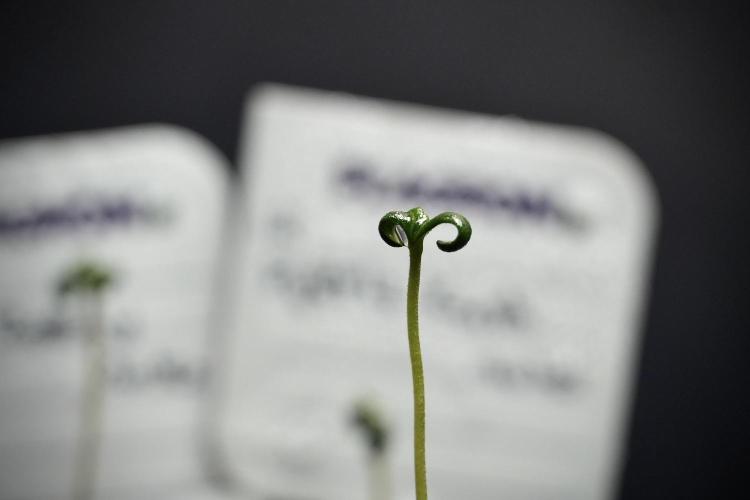
One of the beautiful things about cultivation is that every plant begins with possibility.
A seed does not tell us what kind of plant it will become.
It does not tell us how vigorous it will be.
It does not tell us how it will branch, stretch, flower, or finish.
It simply asks for an opportunity.
That is one of the reasons I enjoy documenting plants from the very beginning.
The story starts long before harvest.
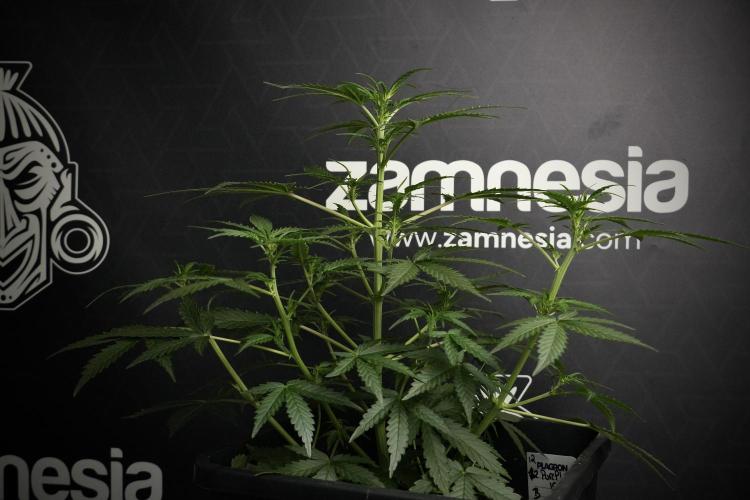
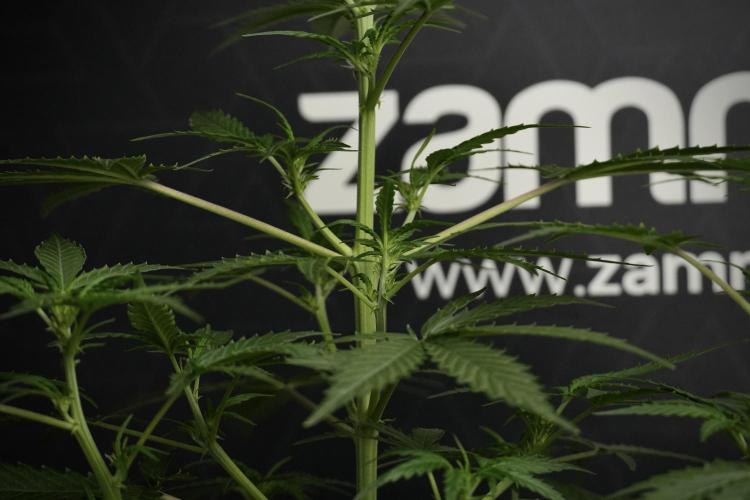
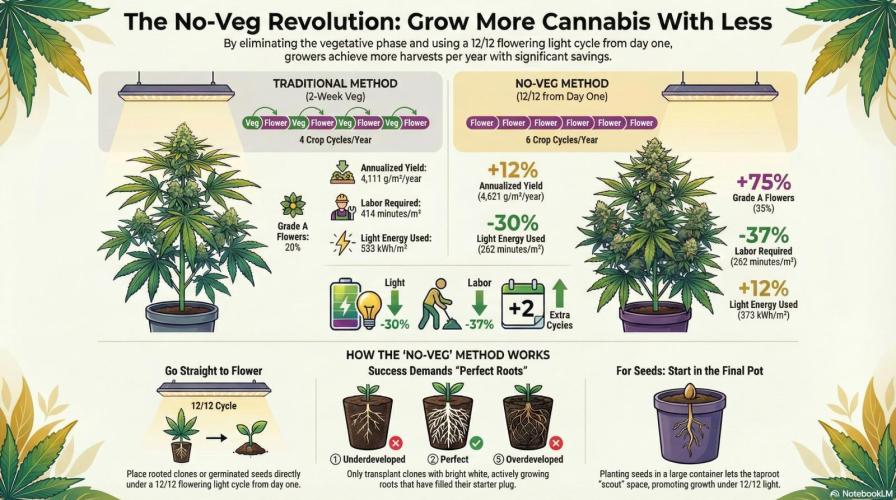
For this run, we're following Purple CousKush Auto from Zamnesia Seeds, cultivated under a 12/12 from seed schedule from the very first day of life.
A method that is a little different from what most growers choose, but one that has become part of my own cultivation style over time.
Throughout this diary, I'll explain not only what I'm doing, but also why I'm doing it, allowing anyone interested to follow the process from beginning to end.
---
## Germination Using the Cannakan System
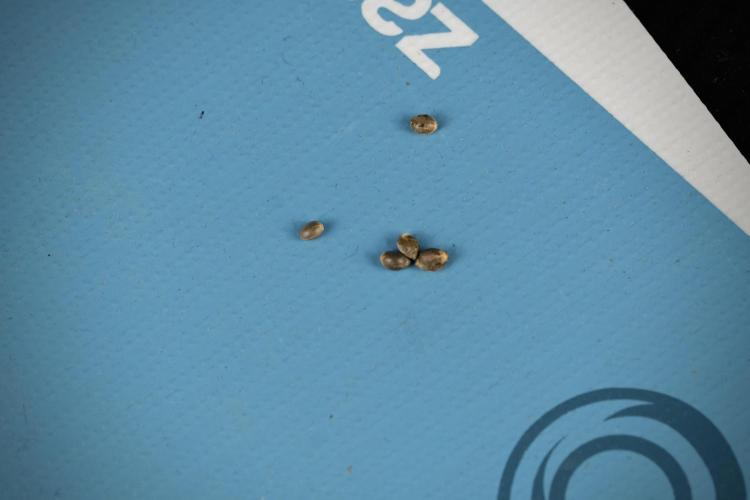
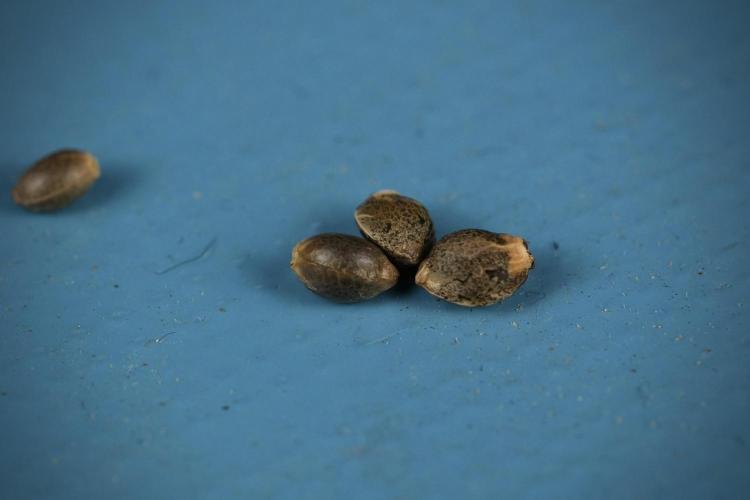
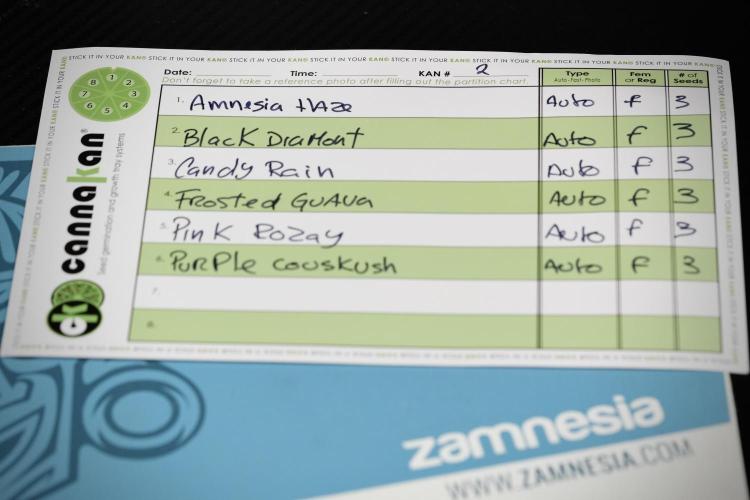
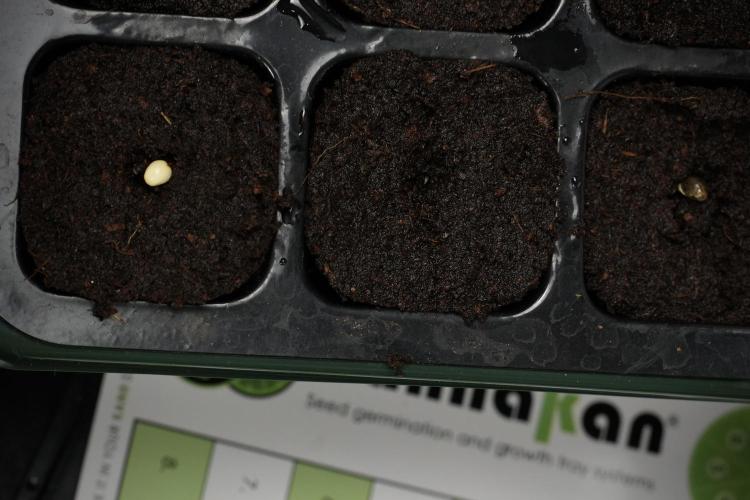
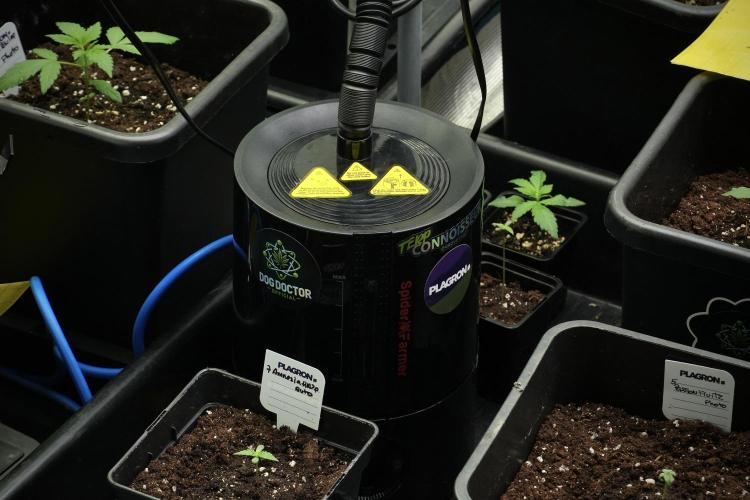
To begin this run, I used the Cannakan germination system.
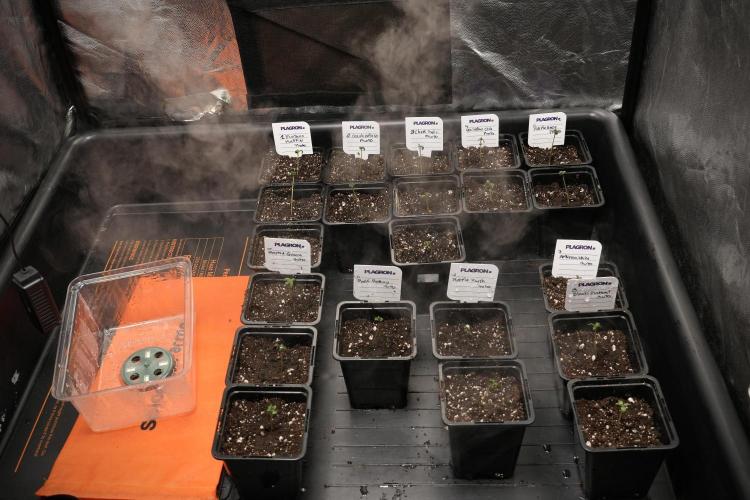
For organizational purposes, the autoflower section was germinated using my second Cannakan unit, while the photoperiod section used the first.
The methodology itself remained exactly the same.
Simple.
Organized.
Reliable.
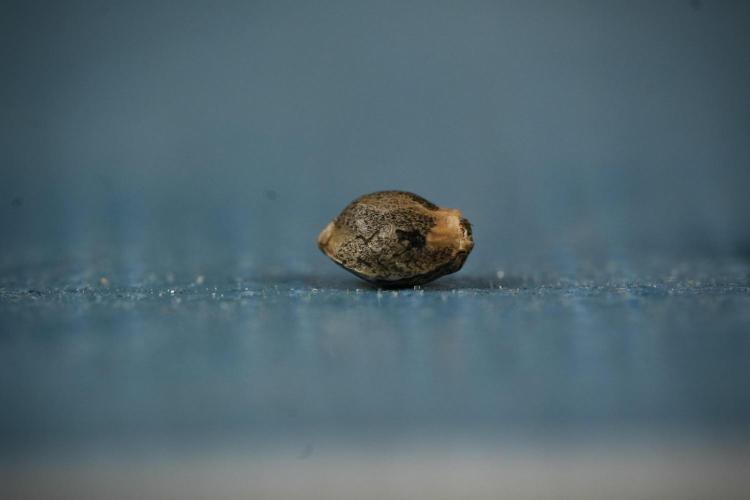
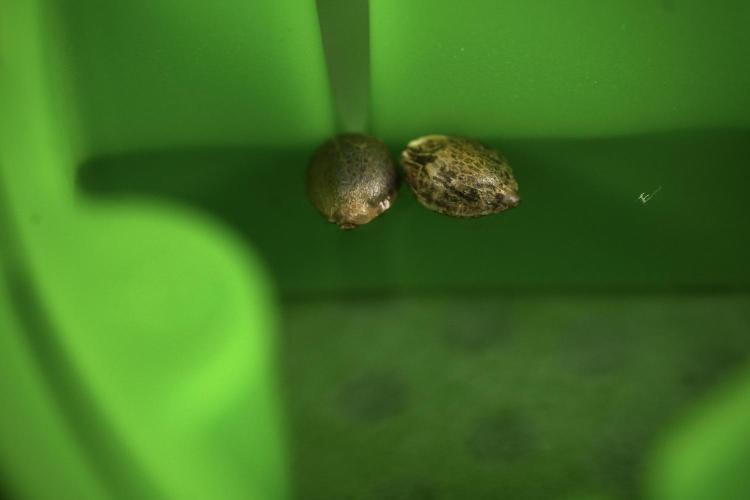
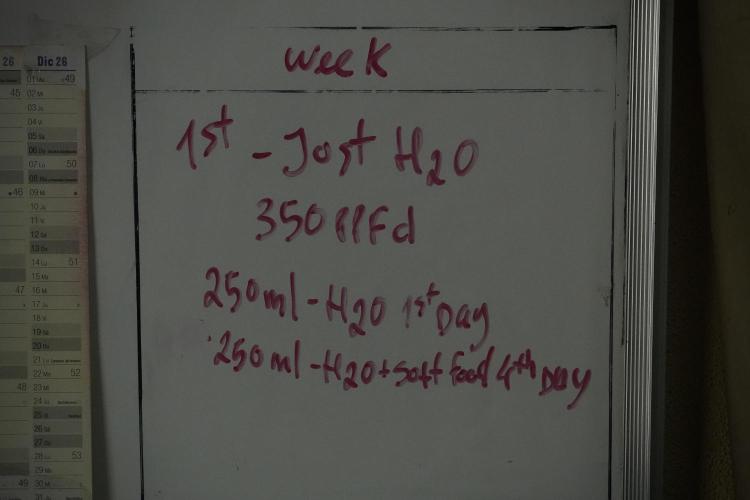
The seed was placed inside using only plain water.
No nutrients.
No additives.
No stimulants.
Just water.
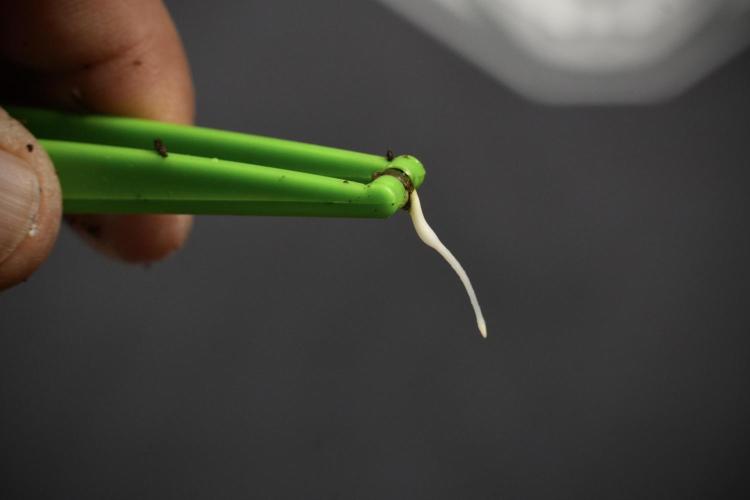
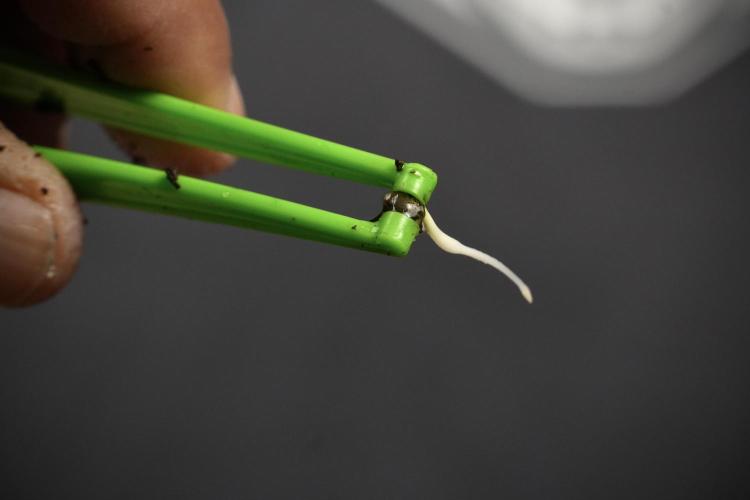
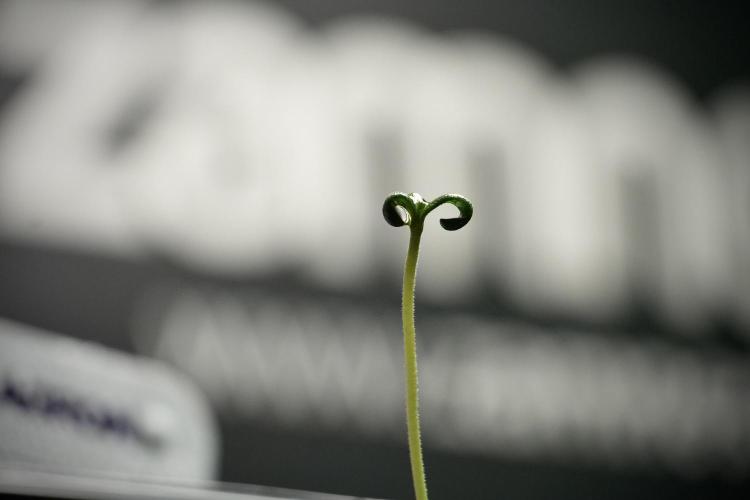
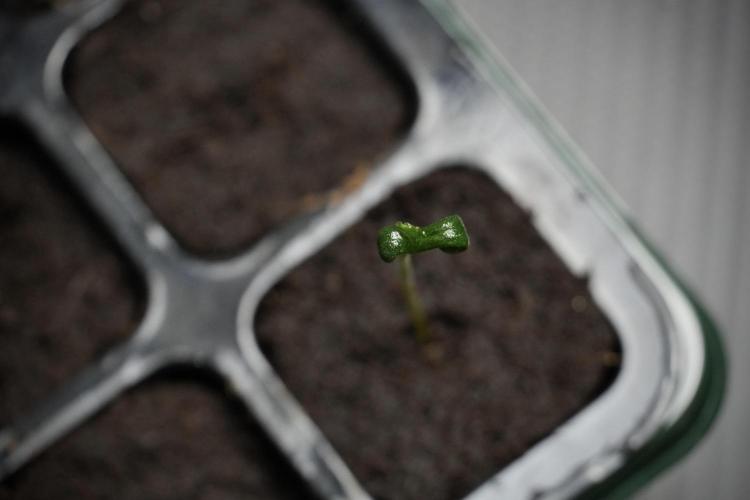
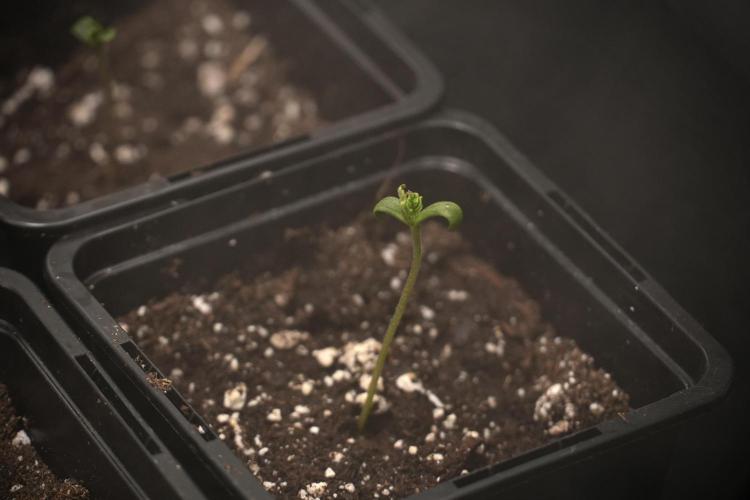
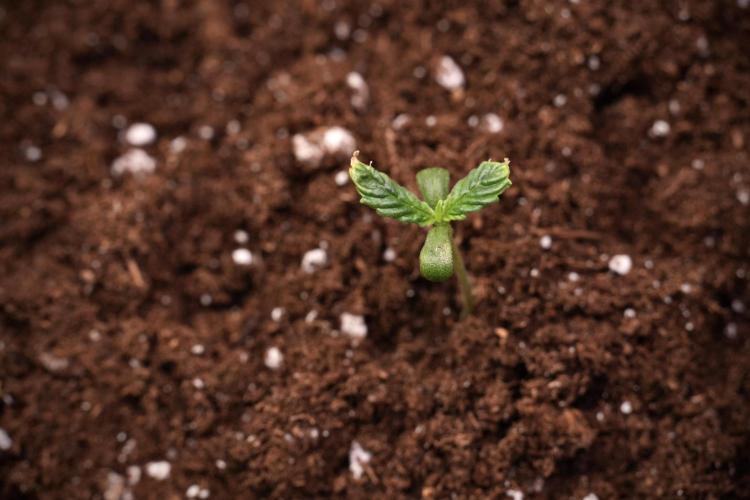
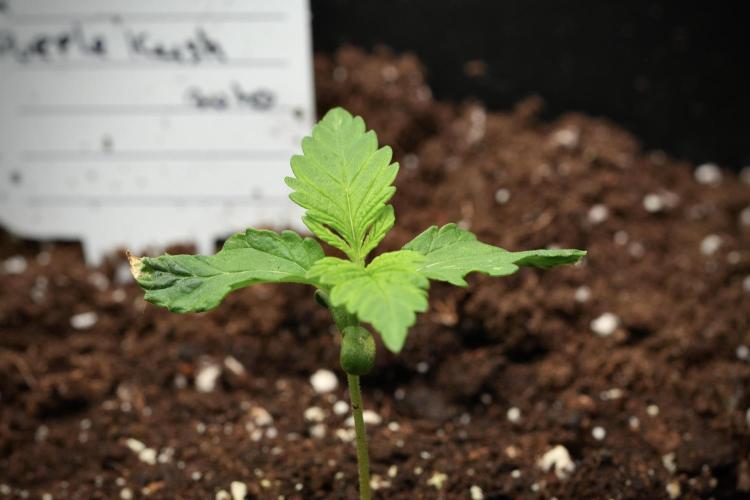
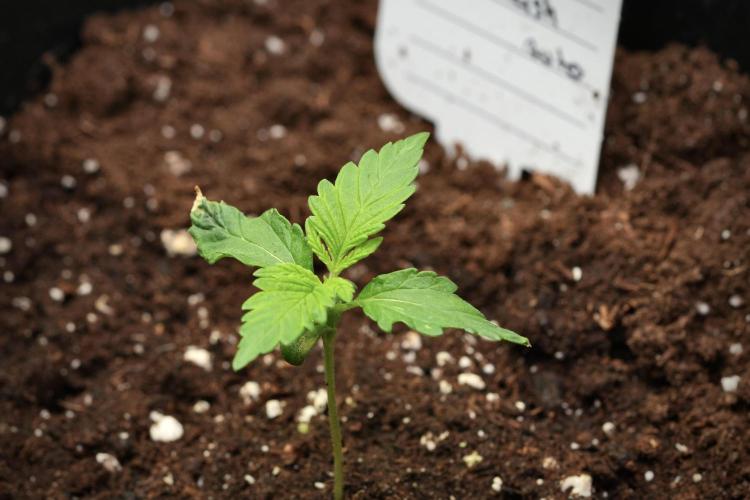
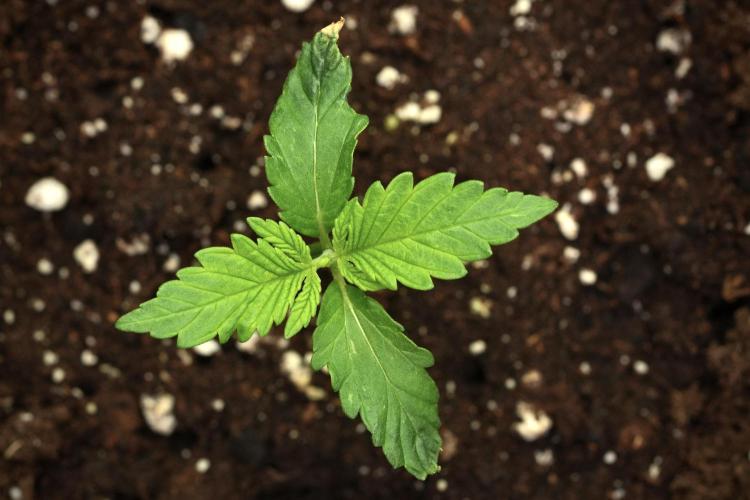
Within approximately 24 hours a healthy taproot had emerged and the seed was ready for planting.
Exactly what we hope to see from healthy genetics.
---
## Why Only Water?
One question that often appears during germination is:
"Why not feed the seed immediately?"
The answer remains simple.
The seed already contains everything required for its first stage of life.
Inside that shell are the energy reserves needed to establish roots and begin development.
At this stage, I prefer allowing the seed to use those natural reserves exactly as intended.
The objective is not to feed the plant.
The objective is simply to wake it up.
Water is enough.
Nature already prepared the rest.
---
## Coco Starter Plugs
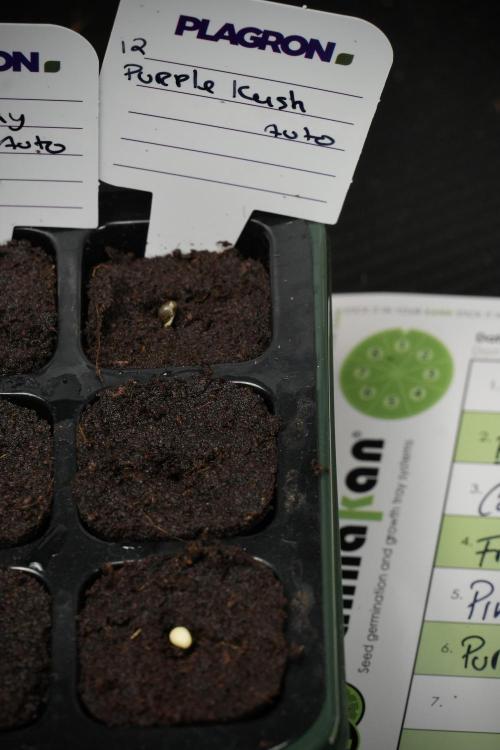
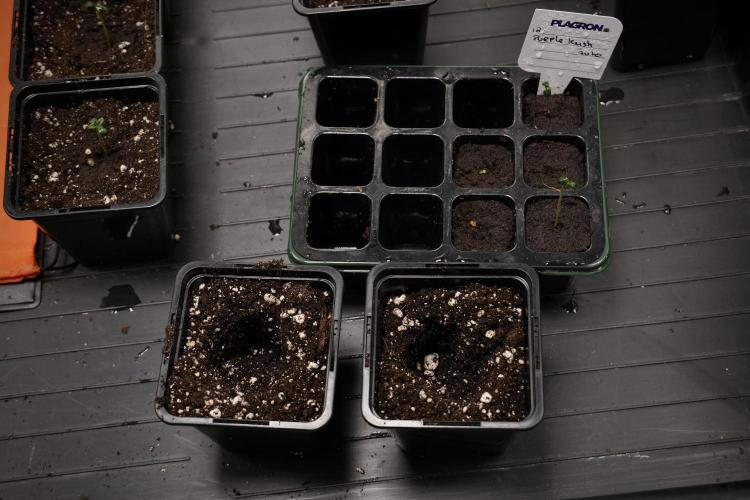
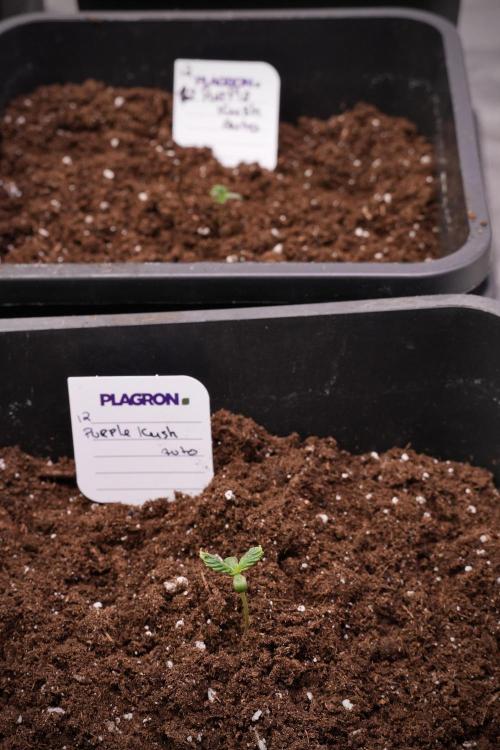
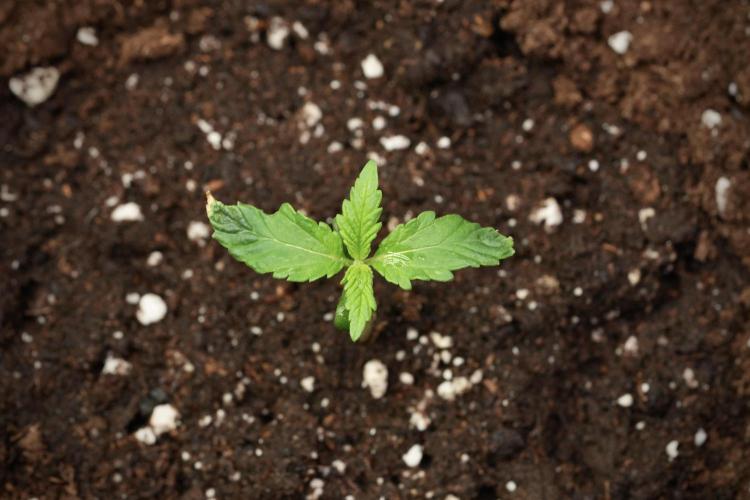
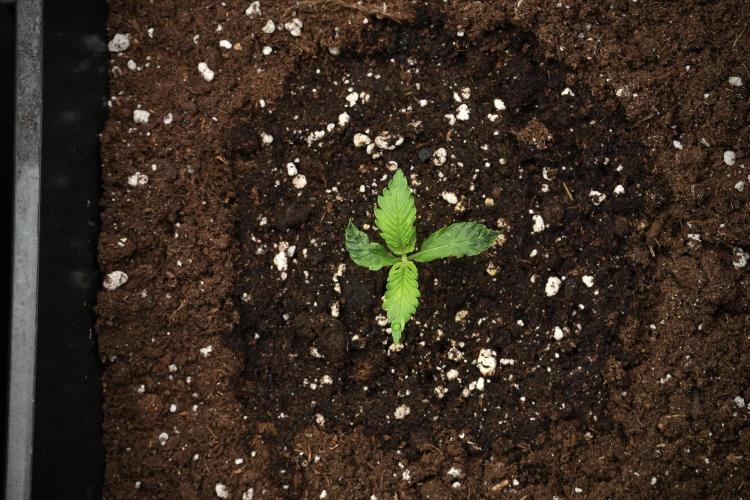
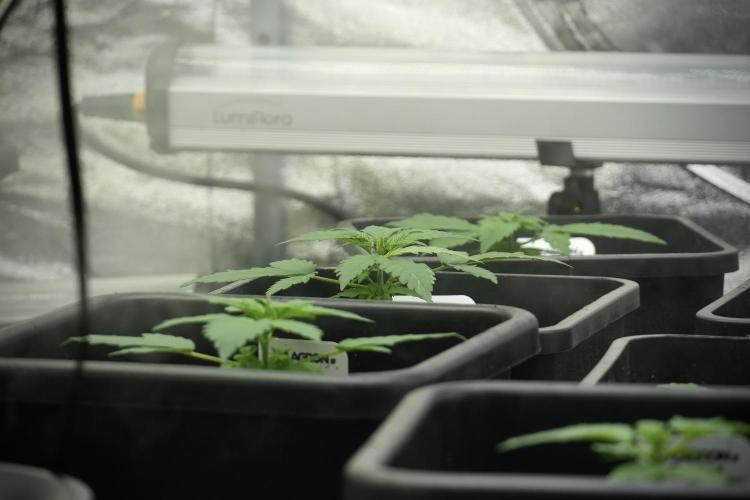
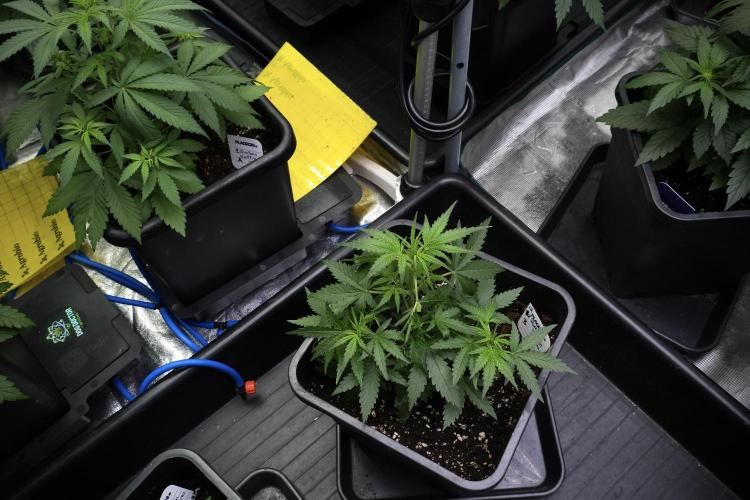
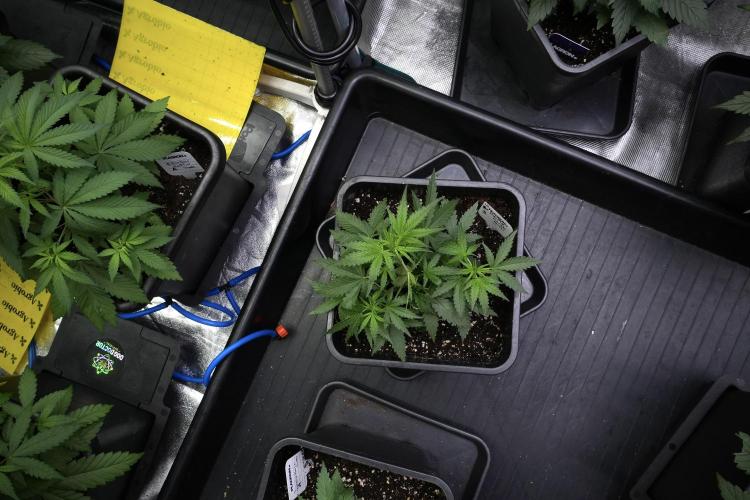
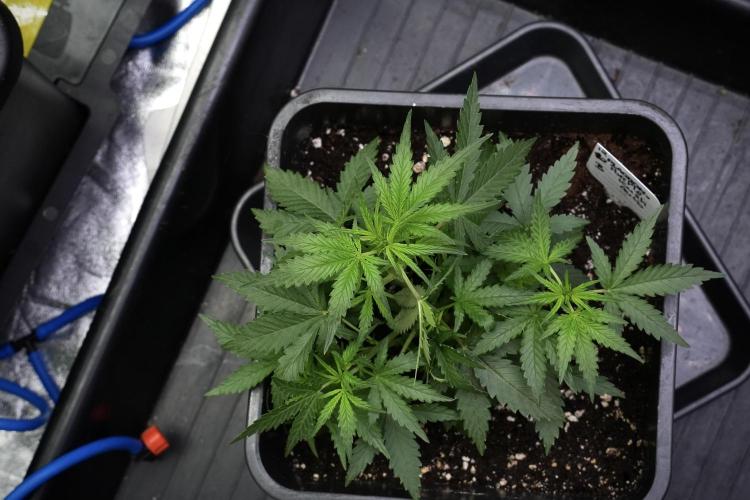
Like many of the other plants in this project, this seed began life inside a coco starter plug.
The plug was fully hydrated and then gently squeezed to remove excess moisture while maintaining a healthy balance between water retention and oxygen availability.
Once germinated, the seed was carefully inserted into the plug and placed inside a humidity dome.
The dome remained useful for only a short period.
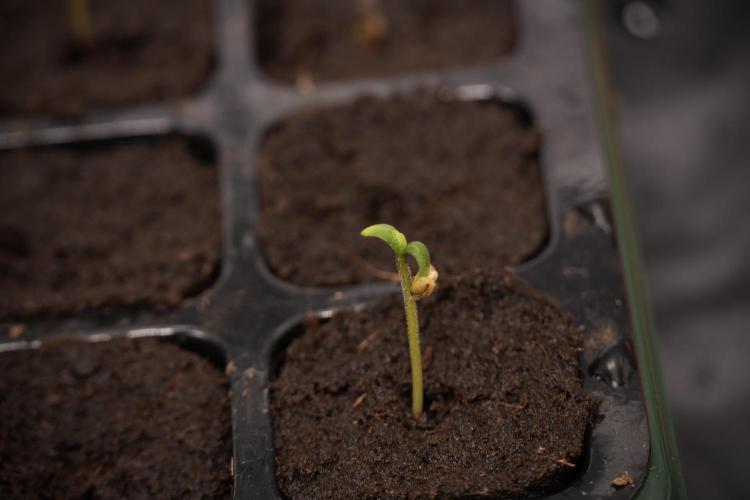
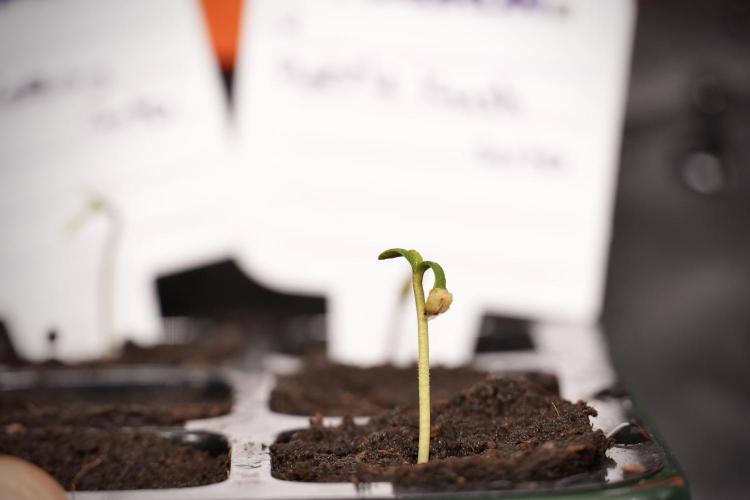
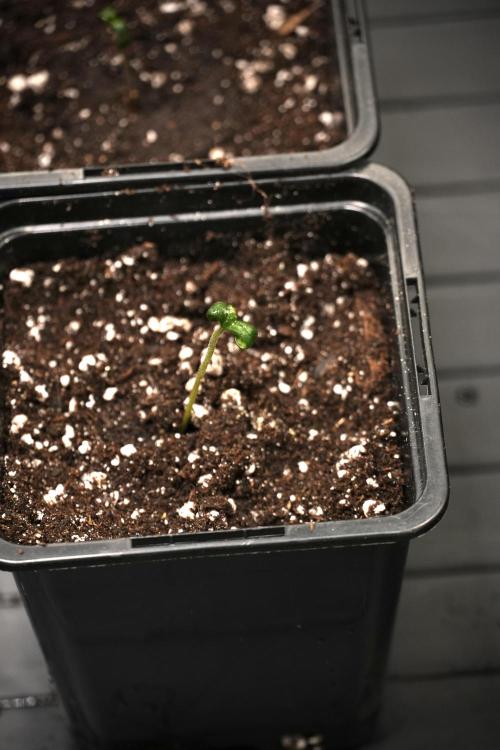
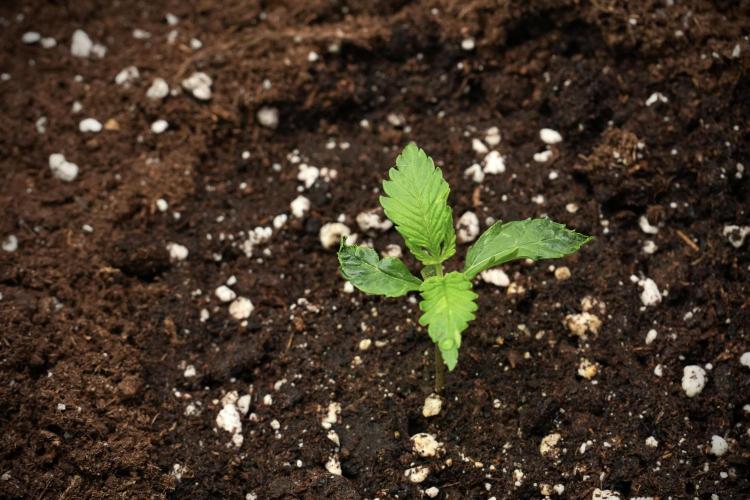
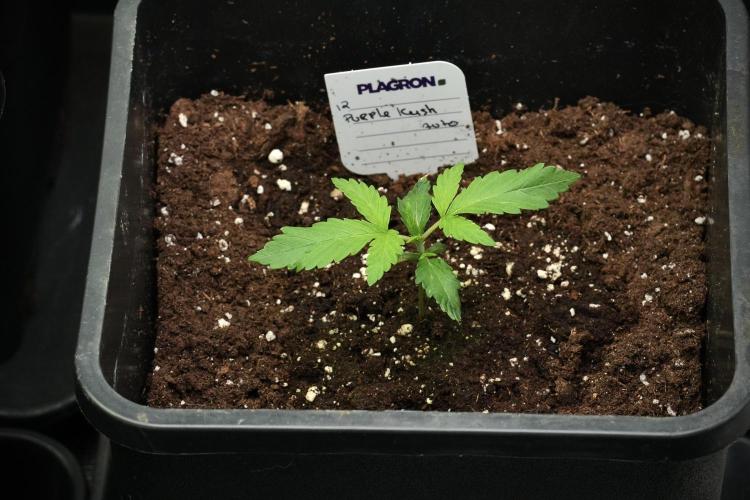
Within less than 24 hours the seedling had already emerged and was ready for the next step.
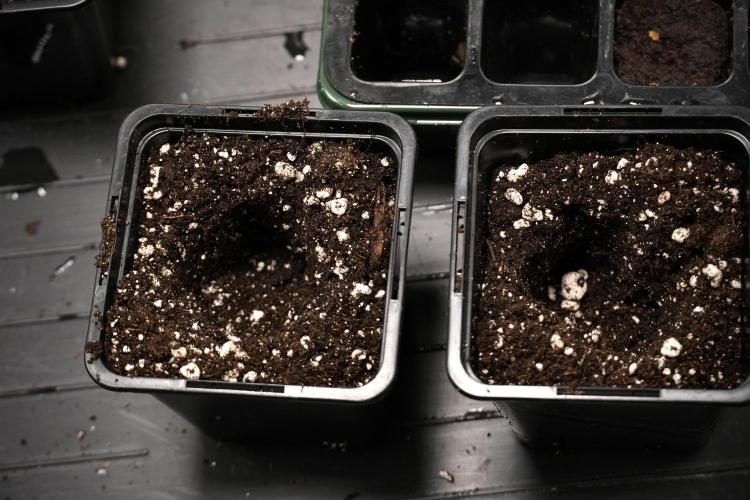
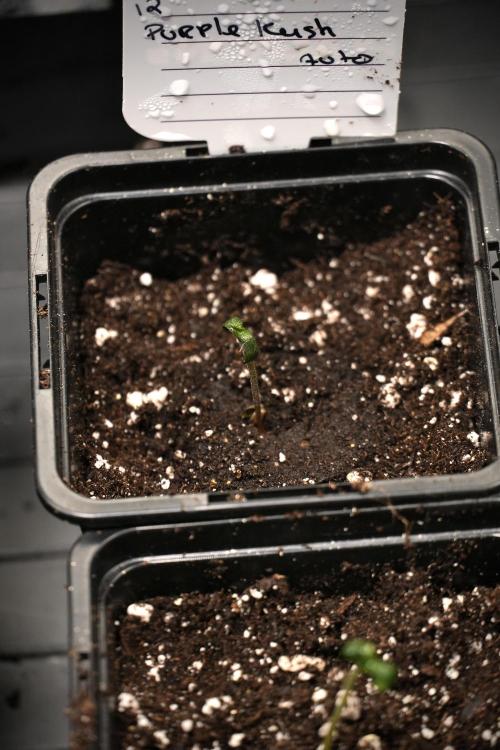
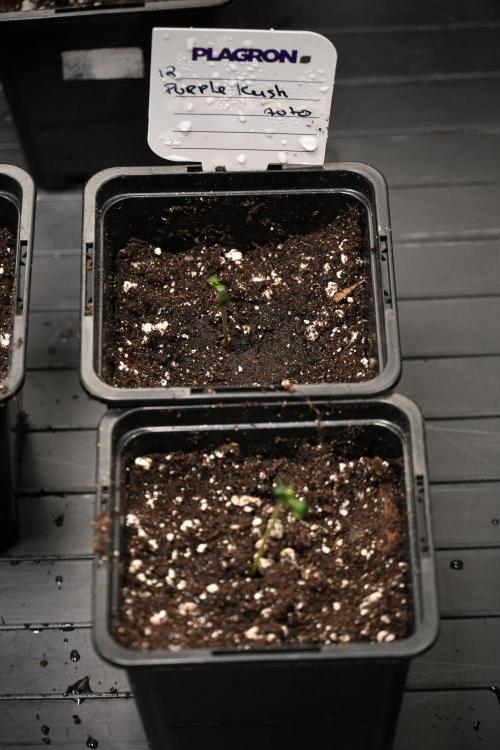
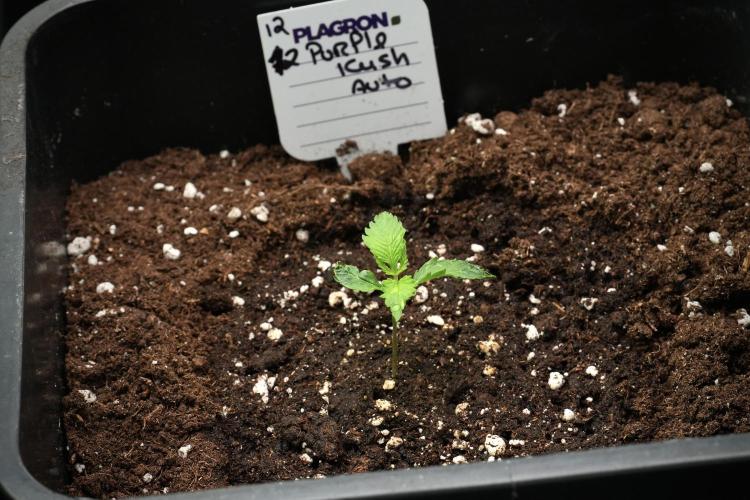
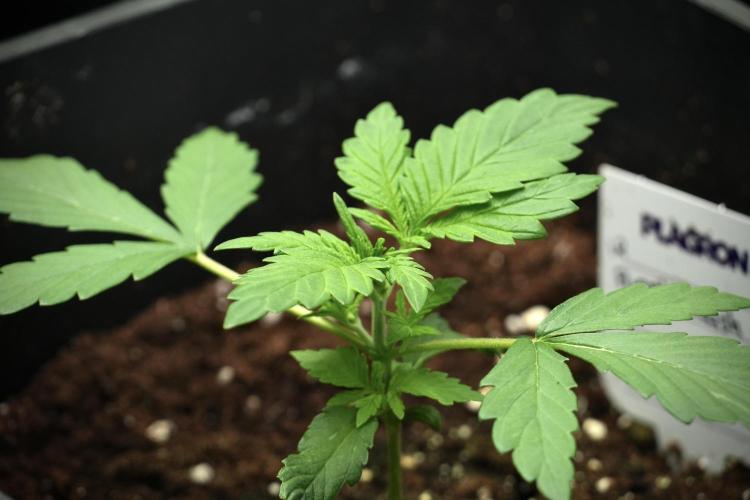
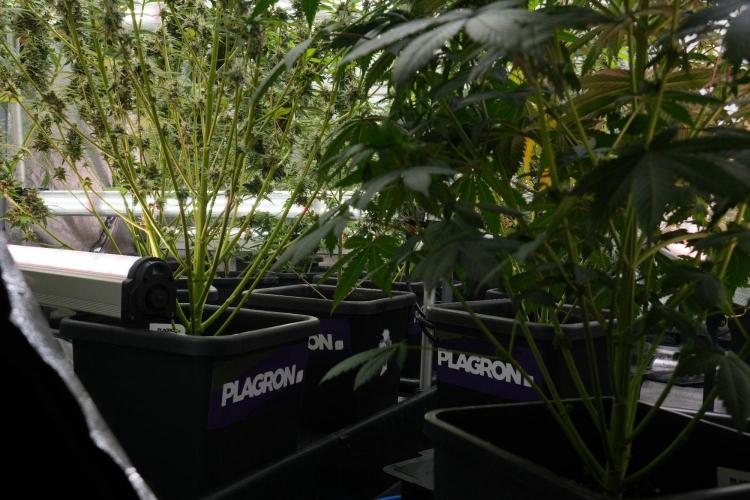
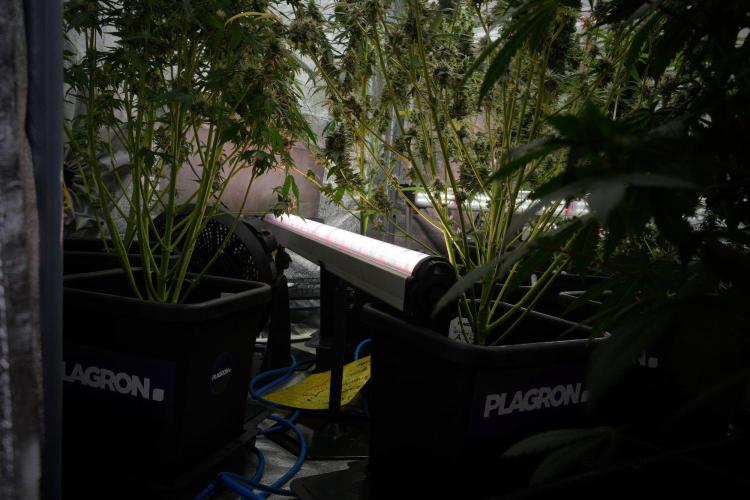
At that point, she was transplanted directly into a small container filled with Plagron Lightmix.
---
## Environmental Conditions
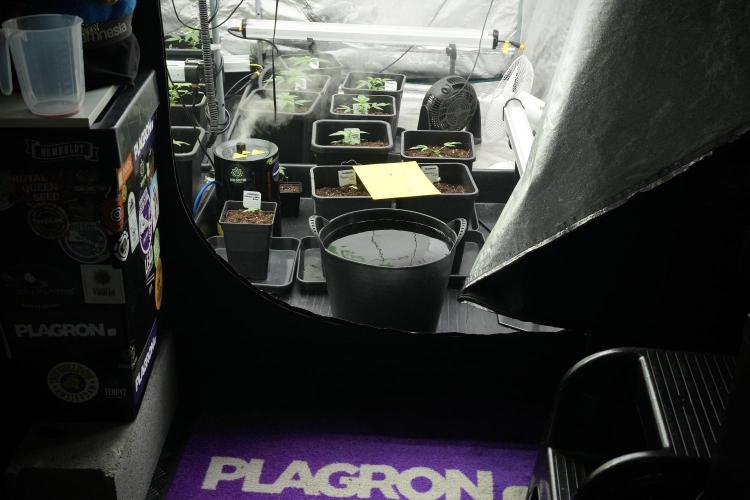
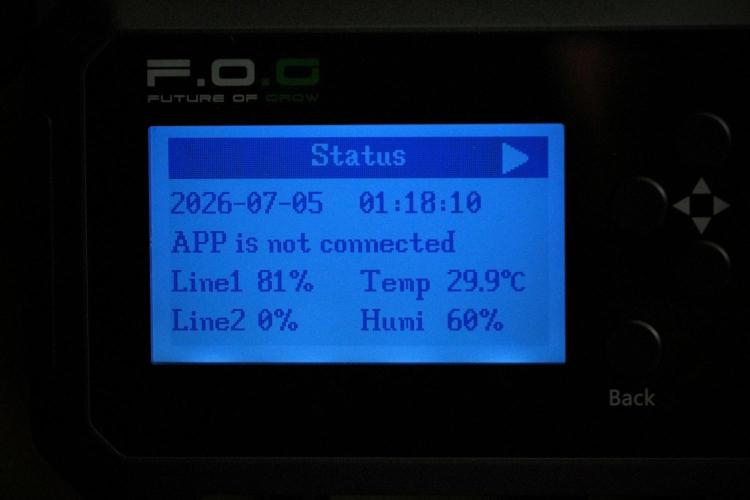
Environmental conditions remained intentionally simple and stable.
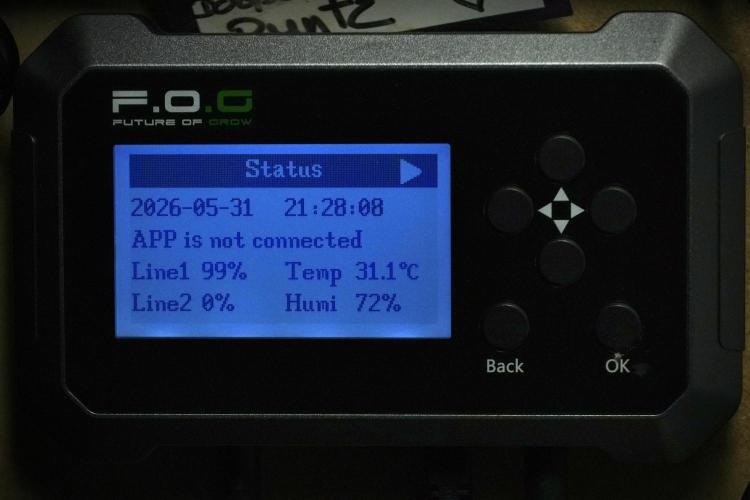
Temperatures stayed around 26–27°C.
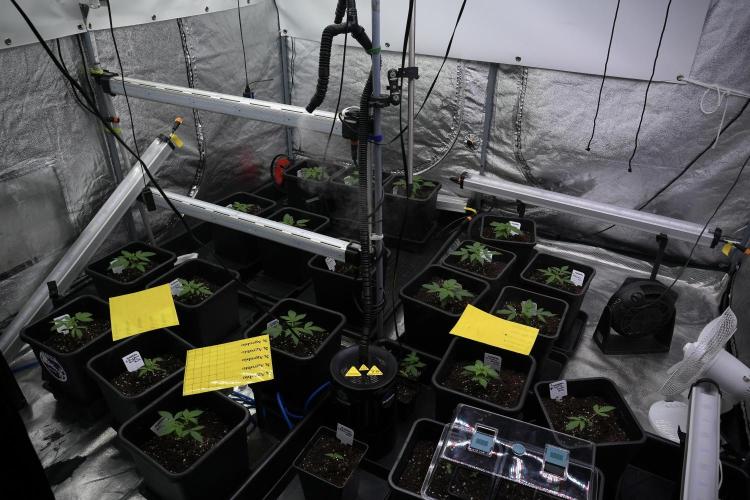
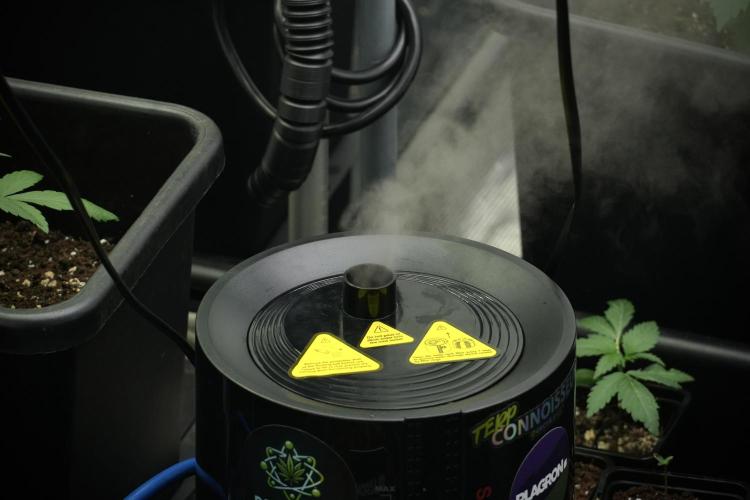
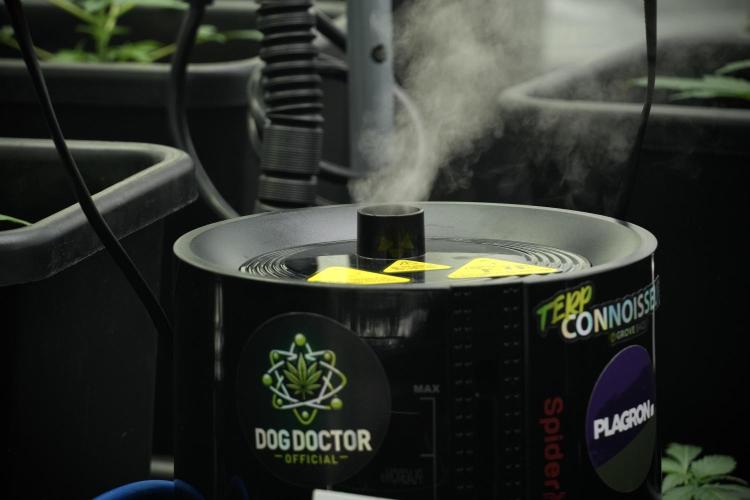
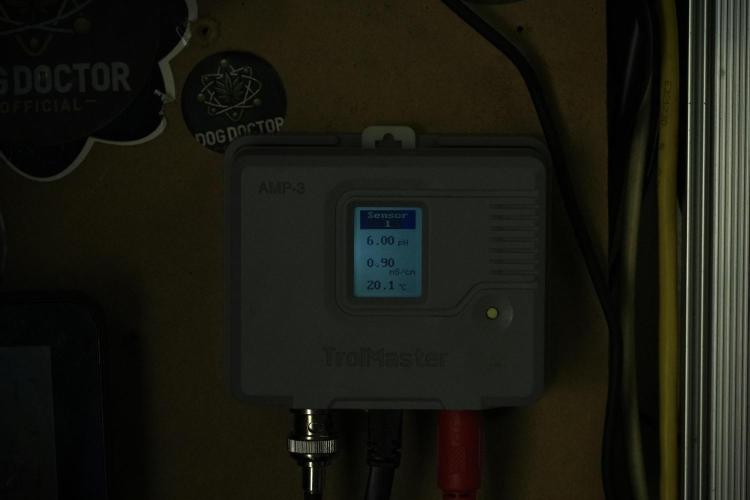
Humidity was maintained between approximately 65–70% using a Spider Farmer humidifier.
Rather than keeping seedlings inside extremely humid conditions for extended periods, I prefer introducing them relatively early to the environment they will actually experience throughout their life cycle.
The objective is adaptation.
Not dependence.
Airflow remained extremely gentle.
Just enough movement to keep fresh air circulating without creating unnecessary stress.
---
## Lighting
Lighting during germination remained intentionally soft.
Young seedlings simply do not require intense light levels at this stage.
The goal is healthy establishment rather than rapid growth.
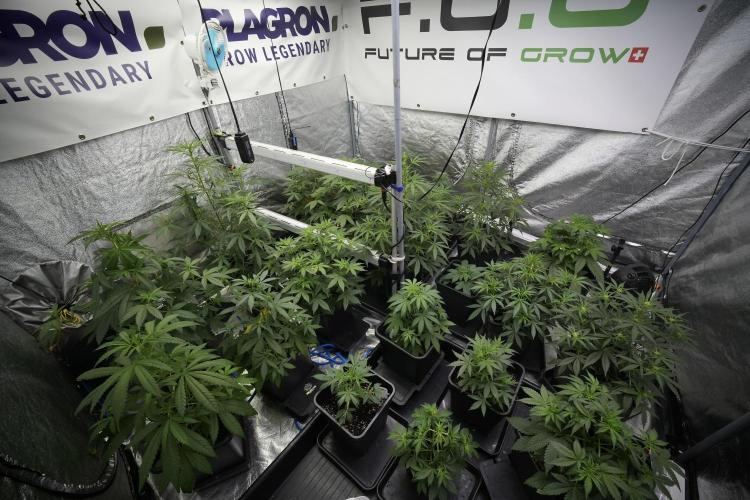
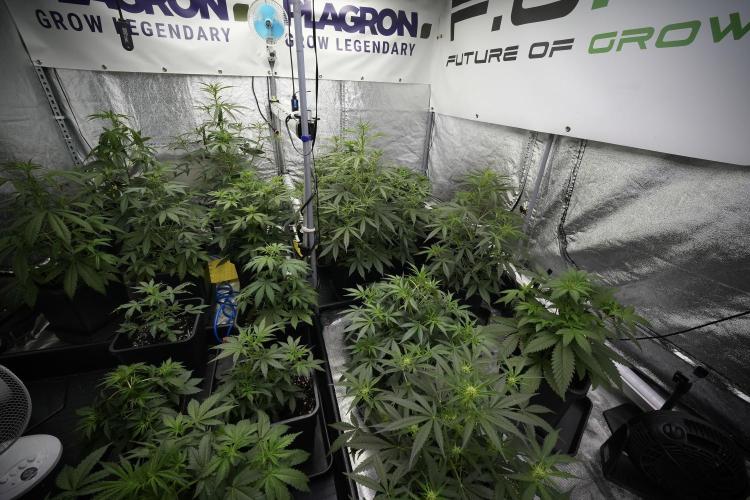
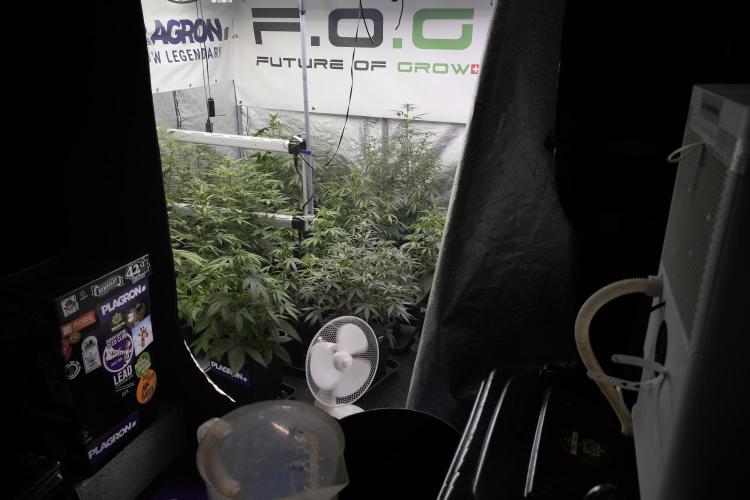
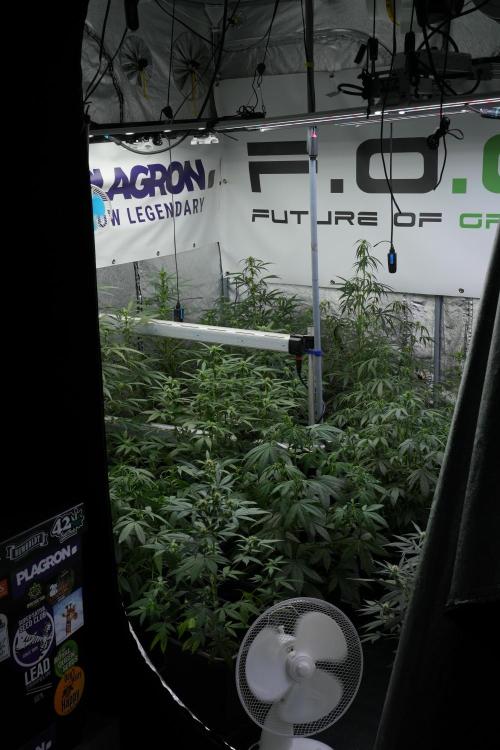
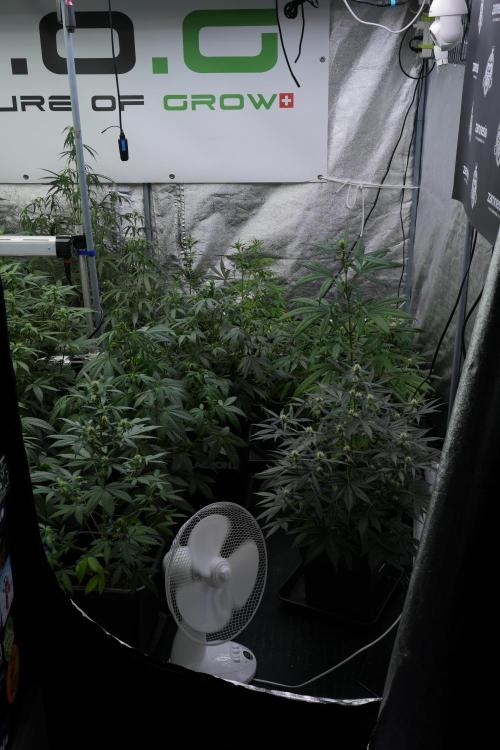
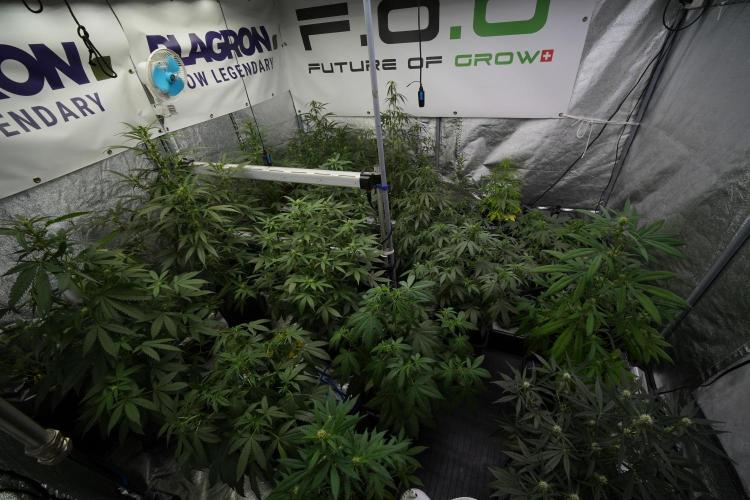
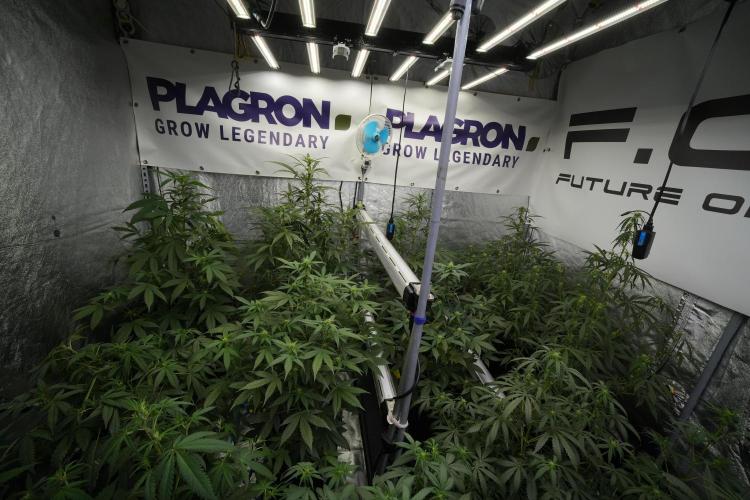
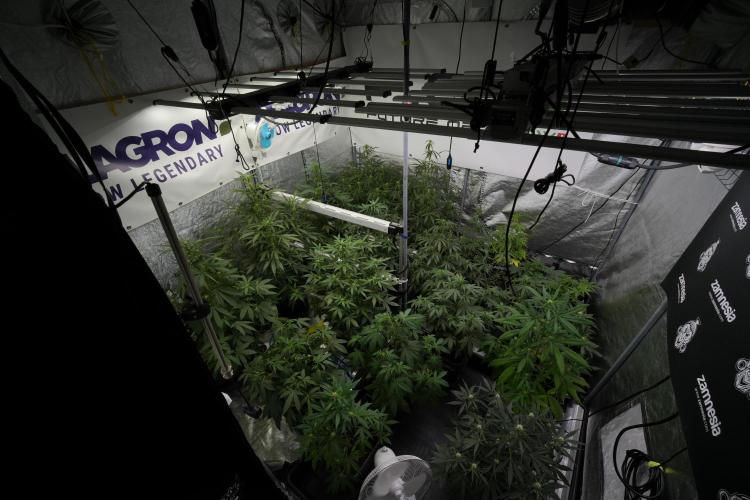
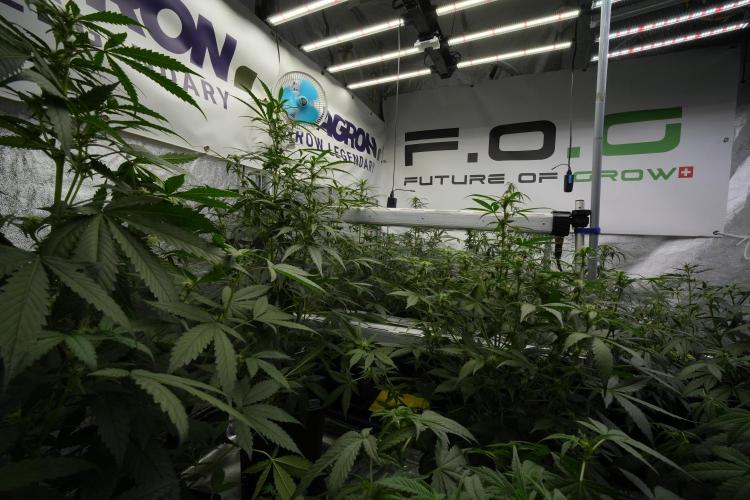
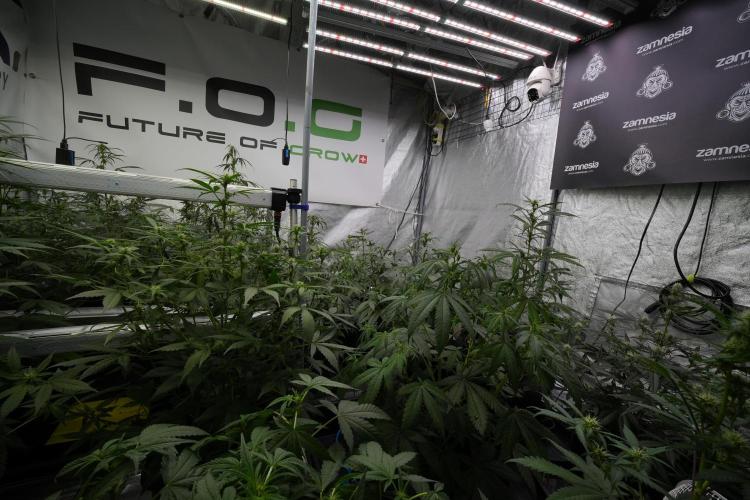
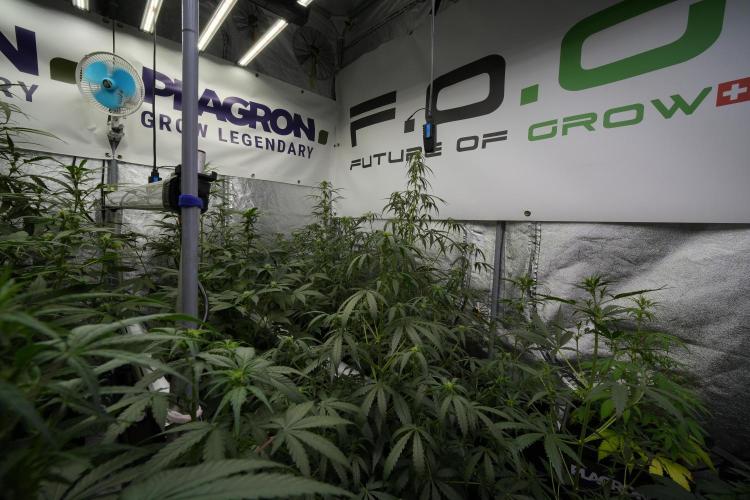
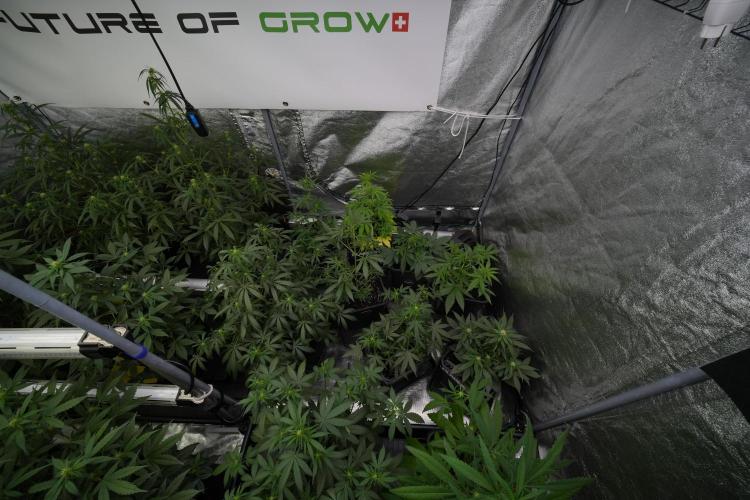
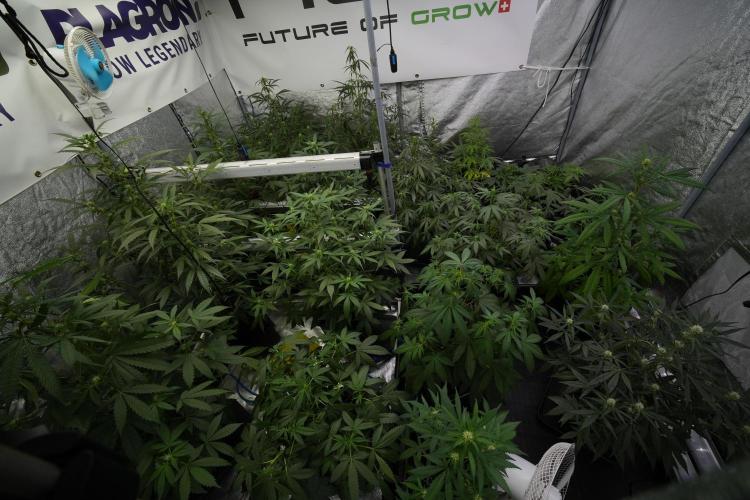
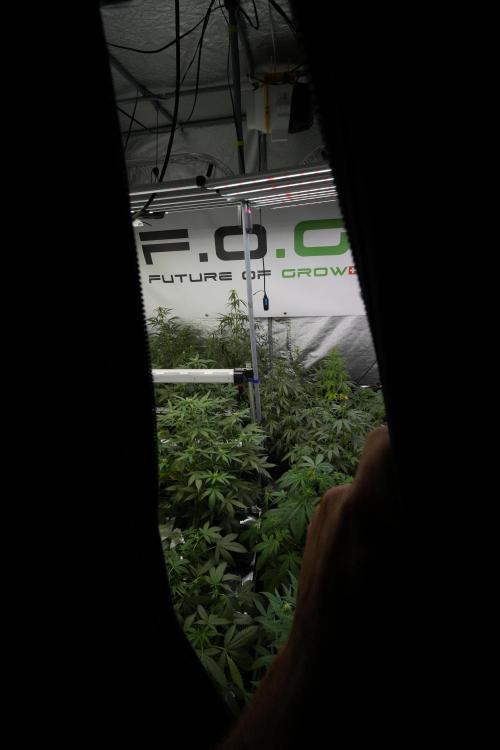
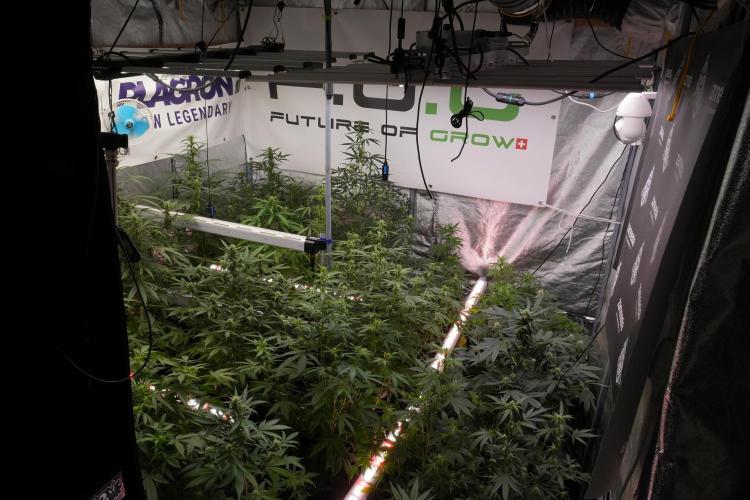
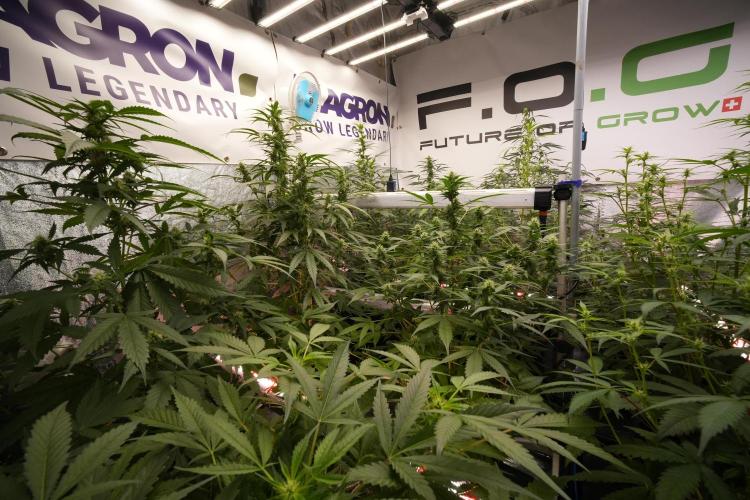
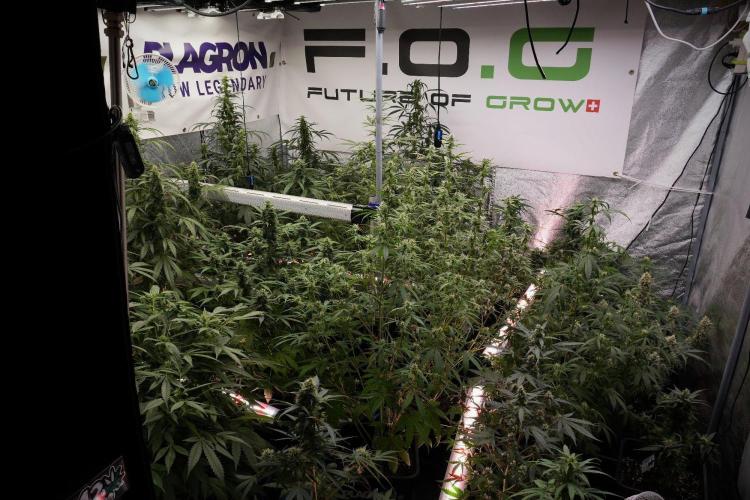
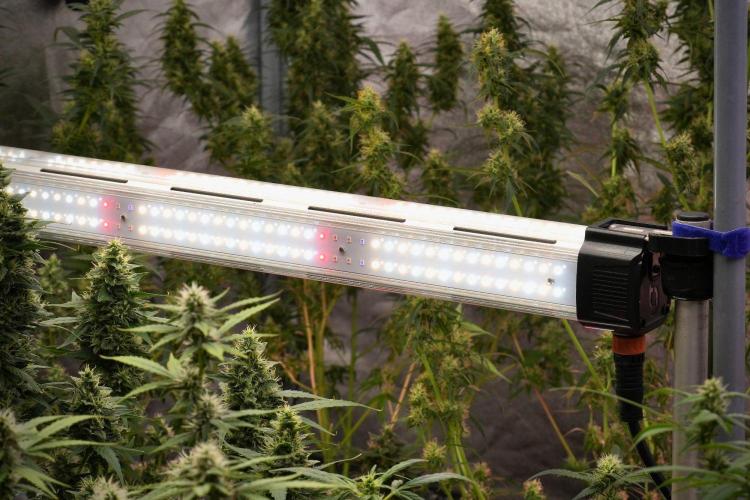
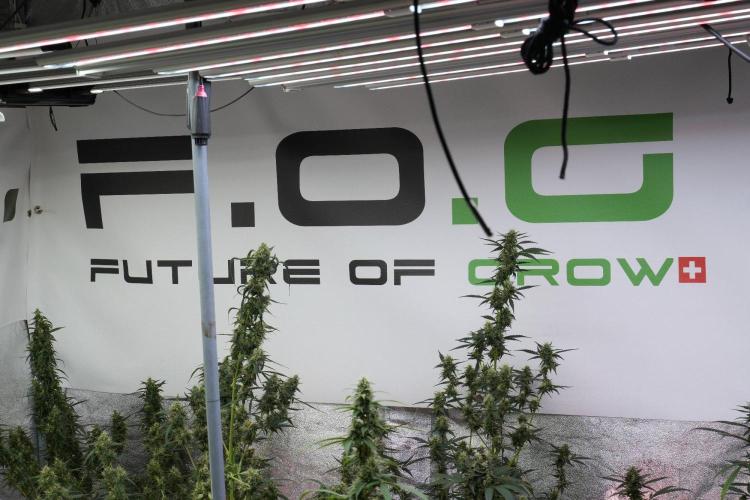
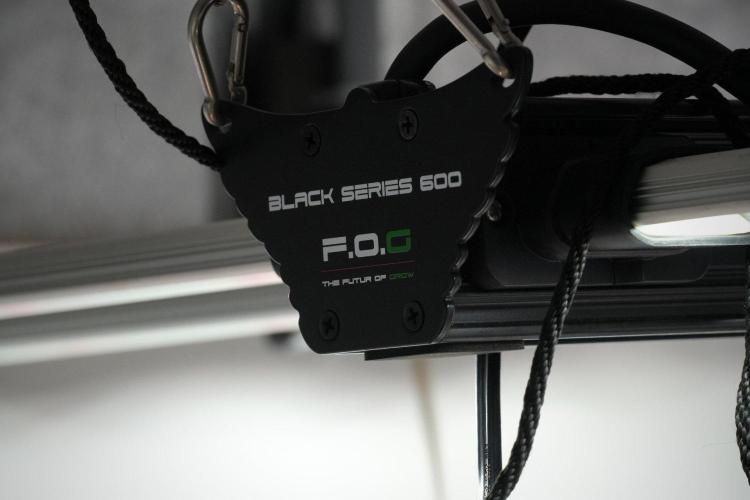
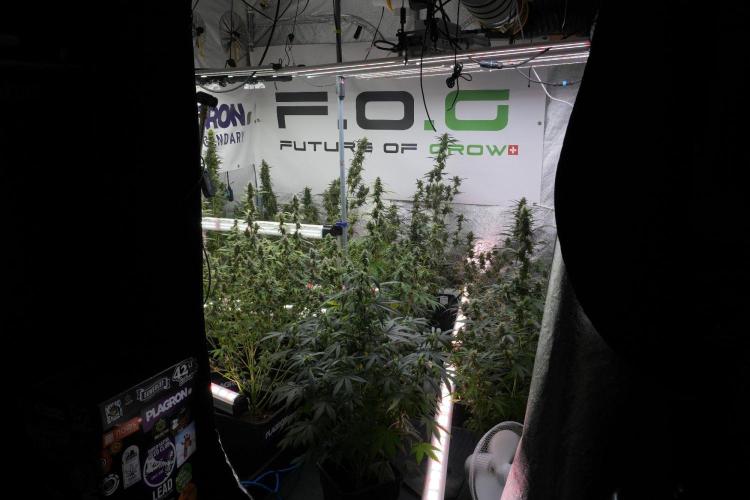
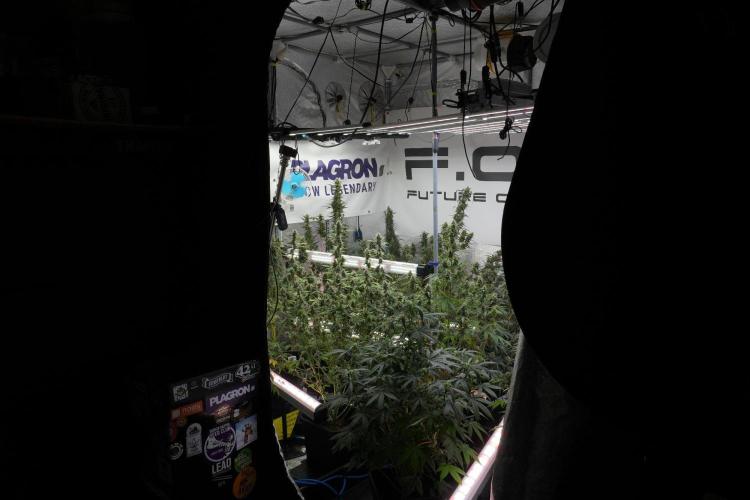
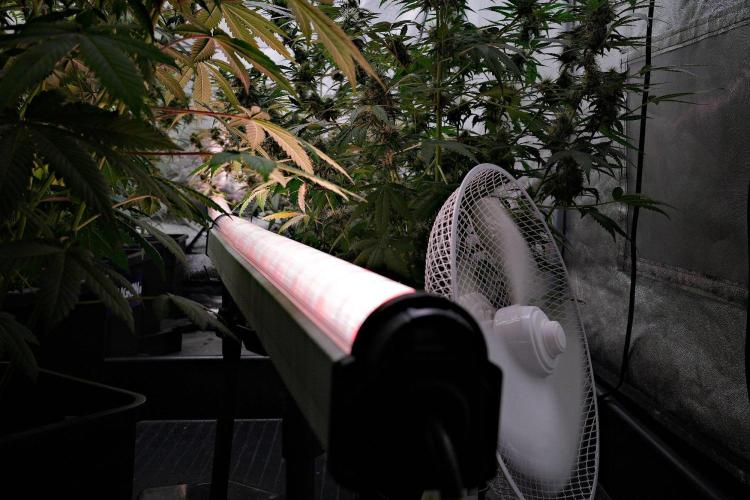
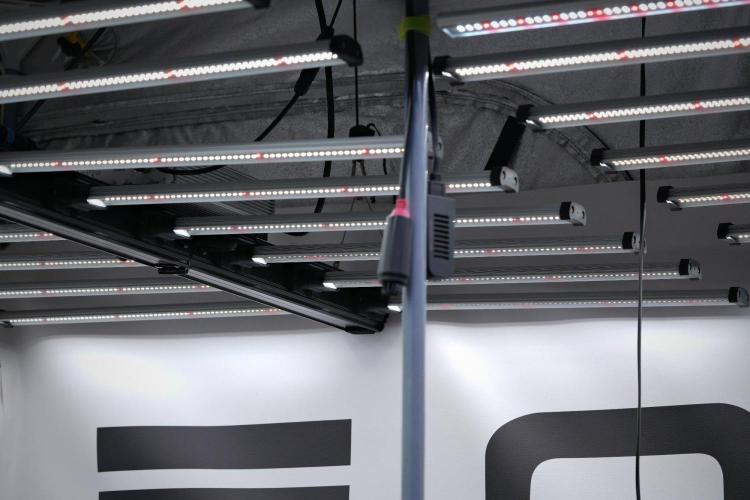
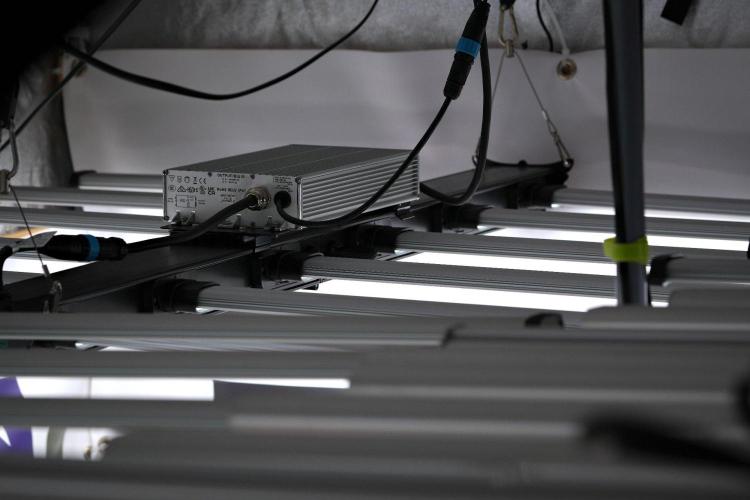
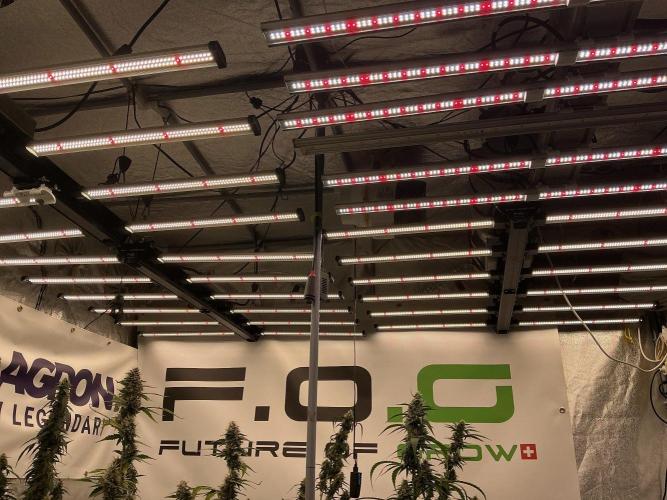
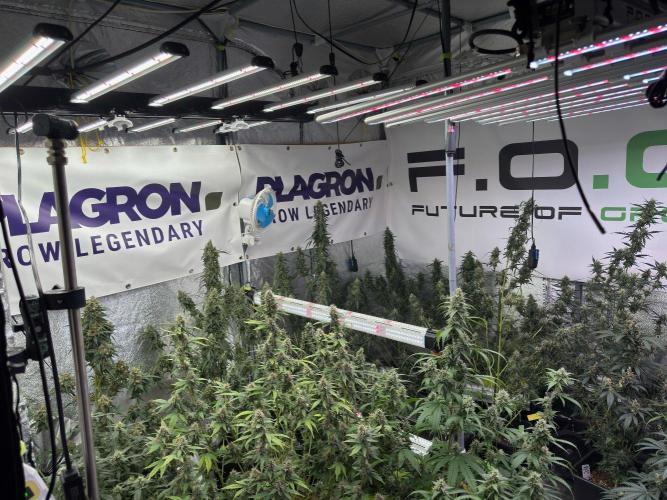
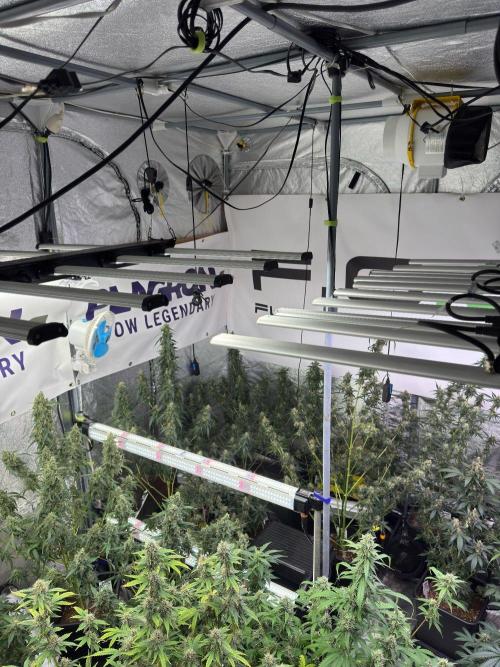
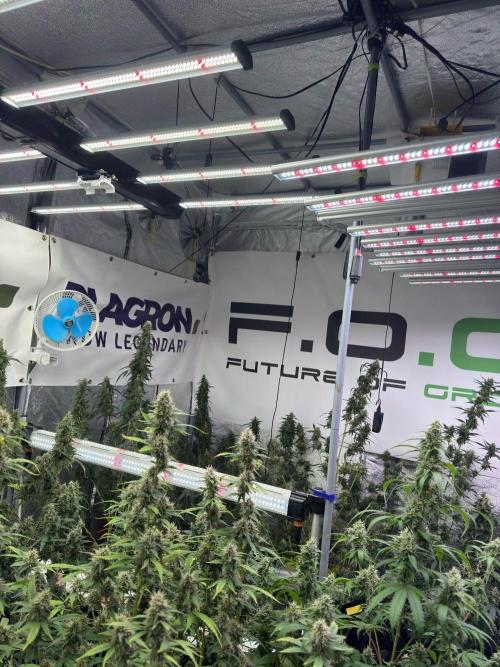
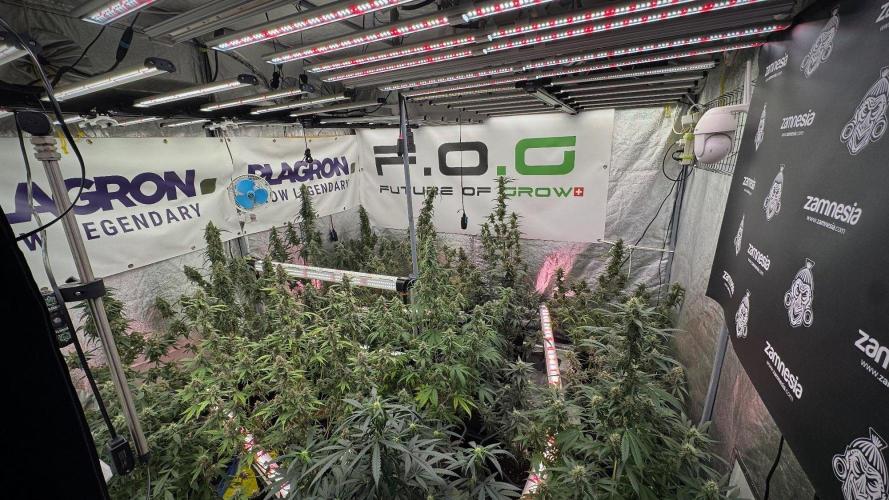
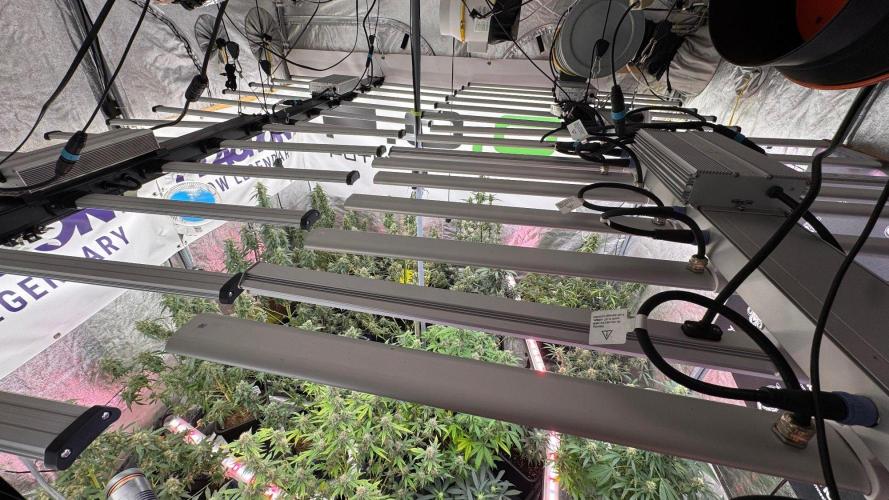
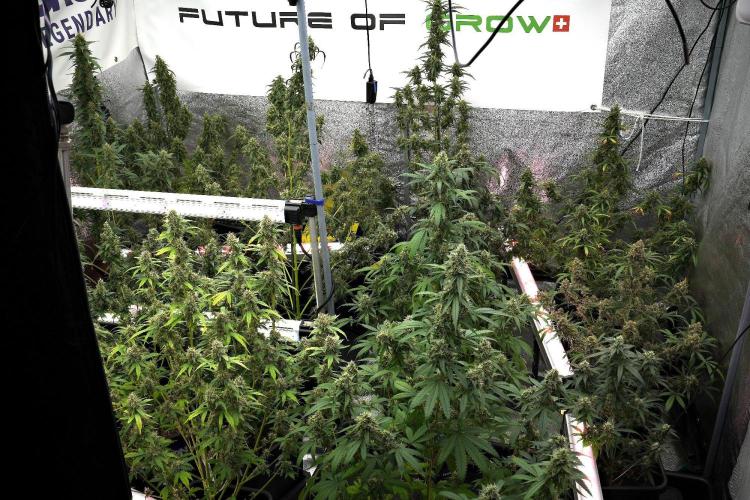
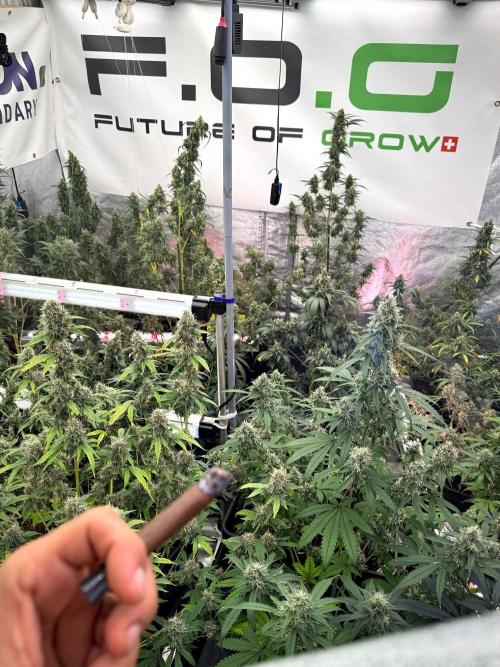
Once properly established, this girl will move under the Future Of Grow Black Series 600W full-spectrum LED system where the next stage of development begins.
For now, healthy roots and healthy growth remain the priorities.
---
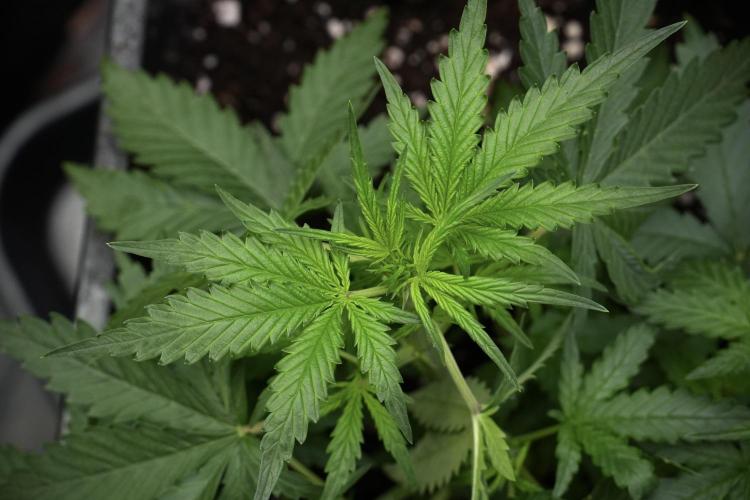
## First Observations
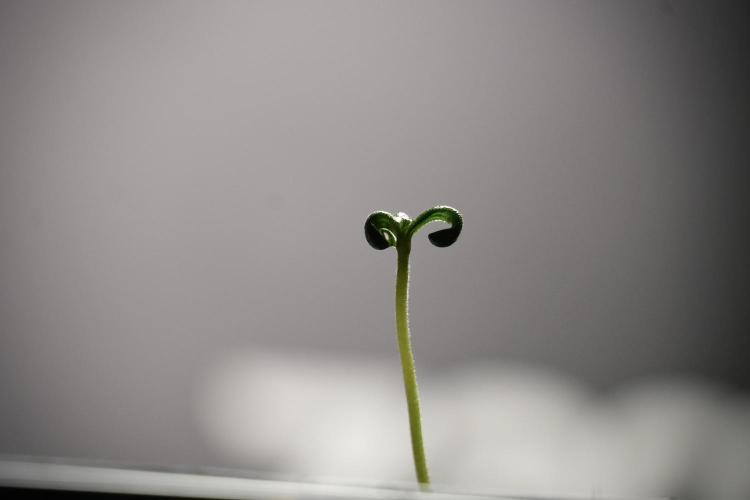
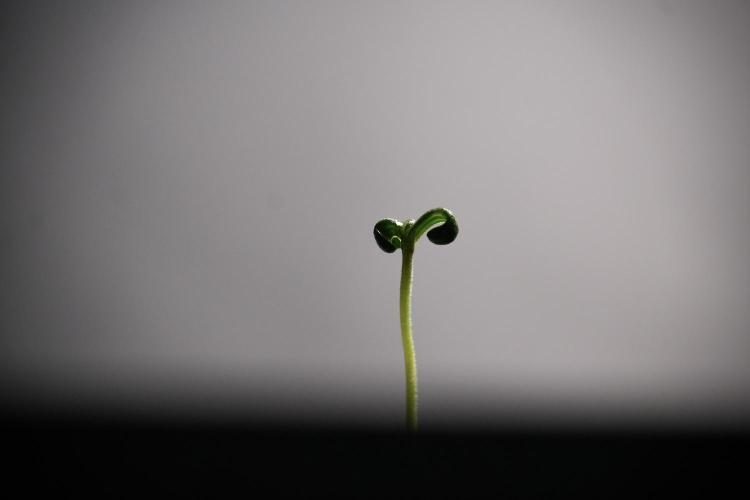
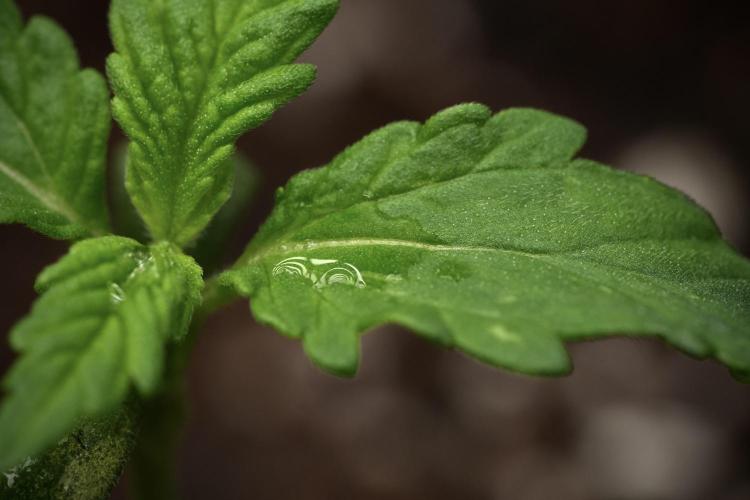
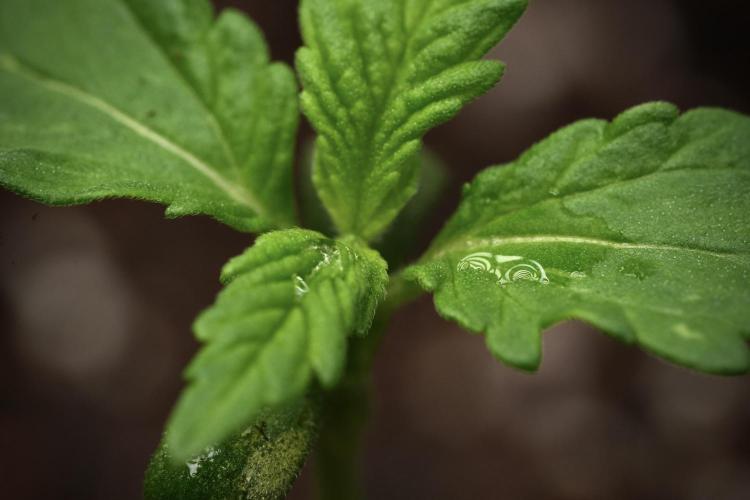
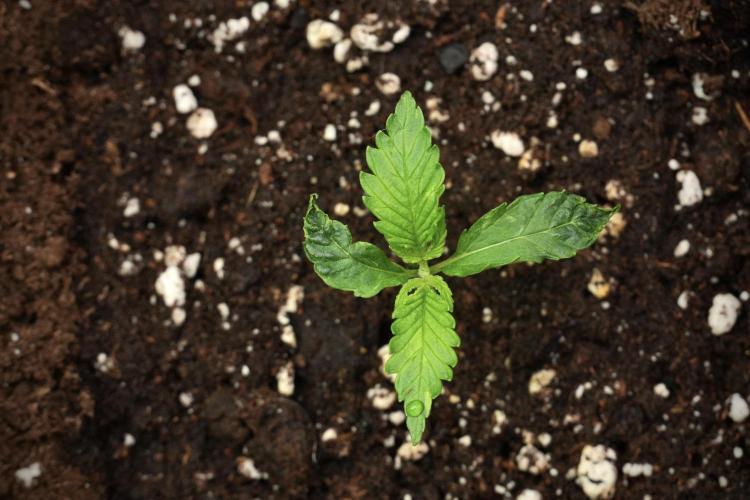
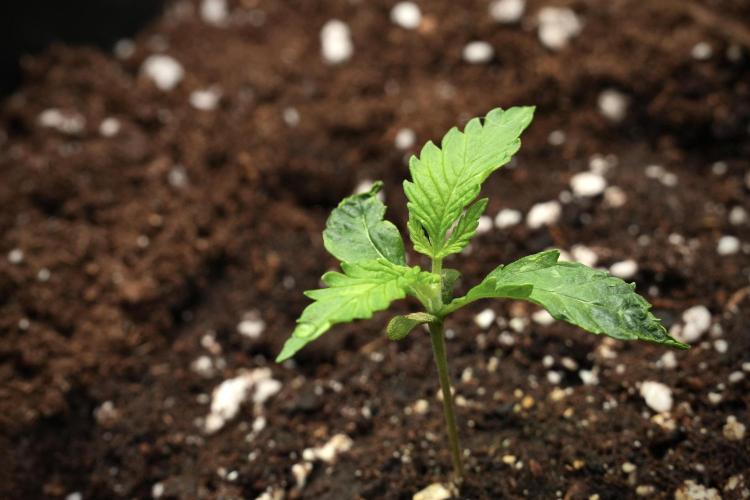
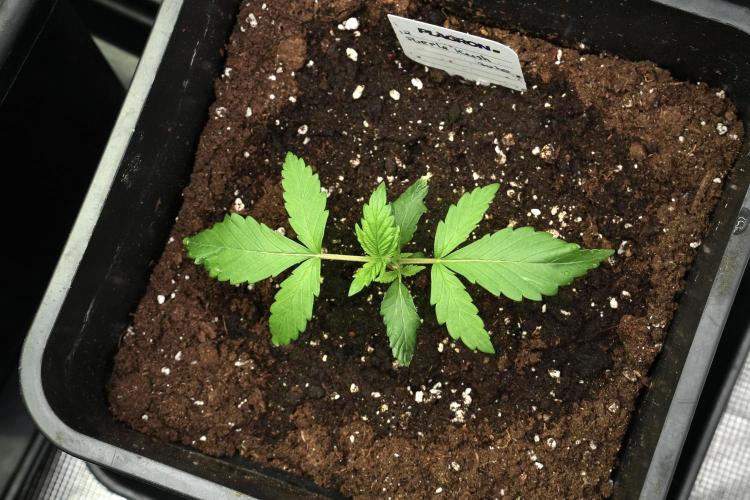
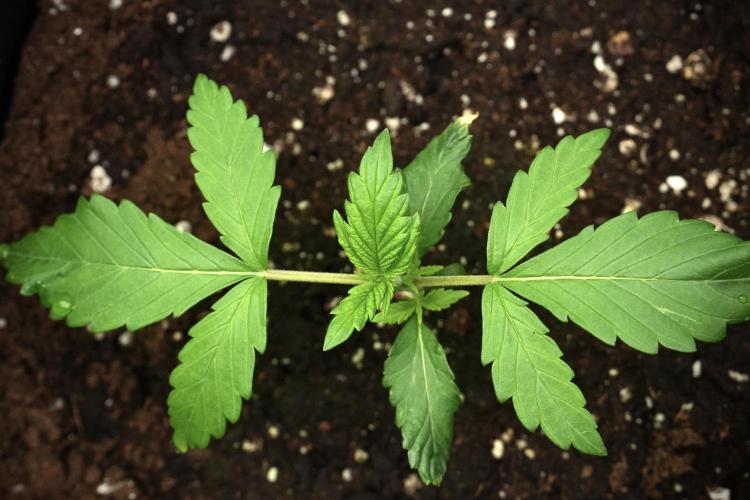
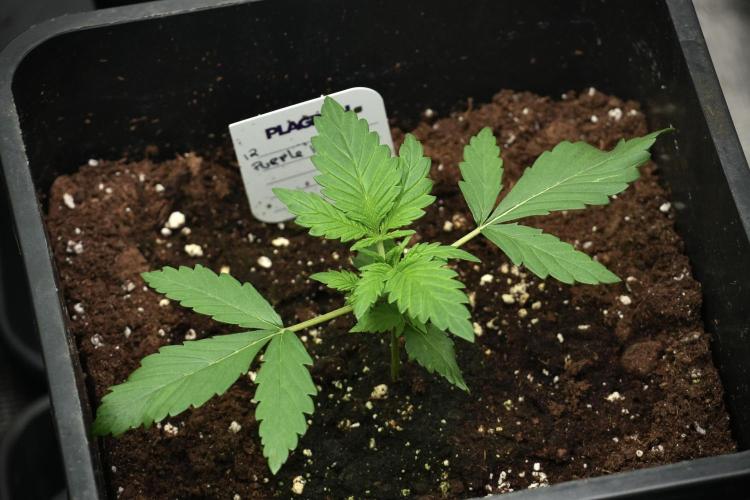
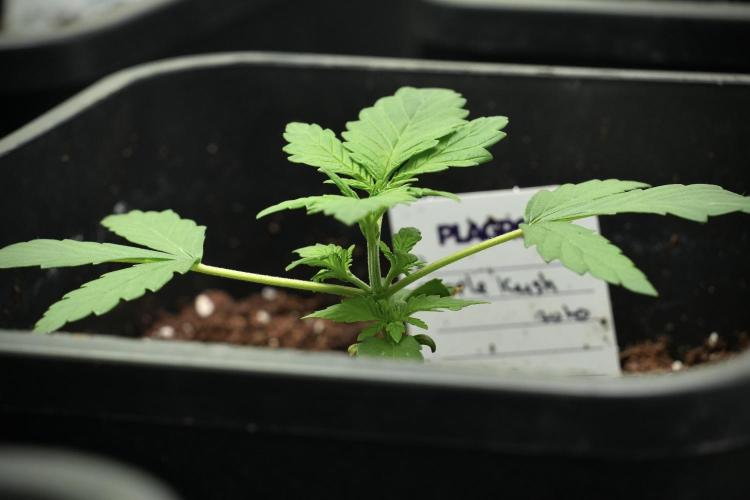
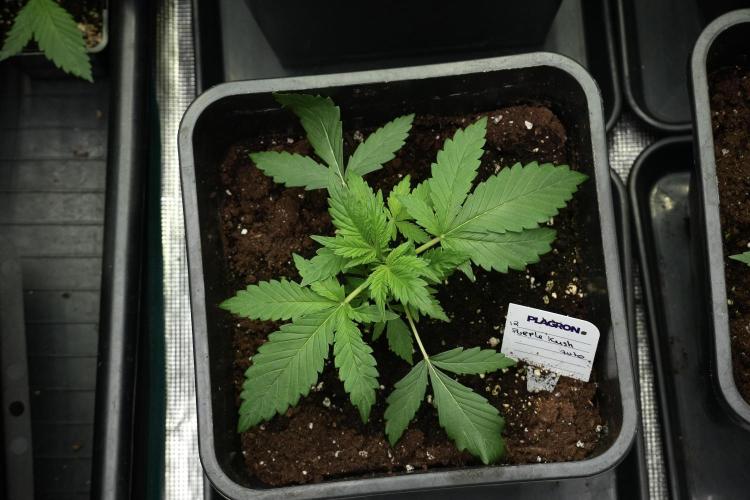
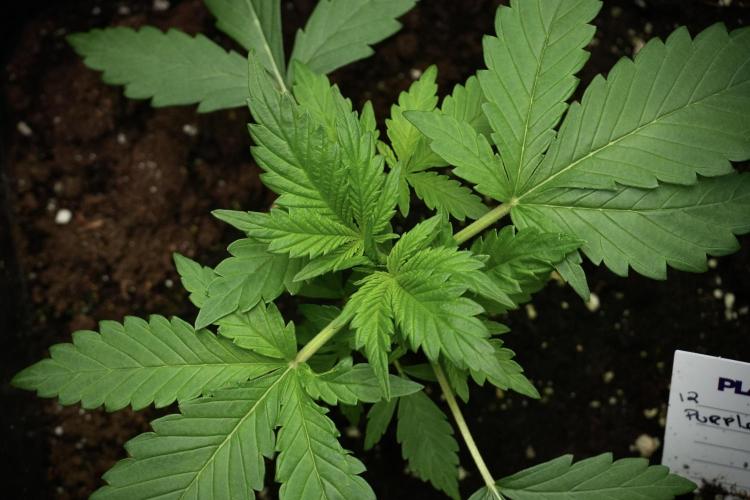
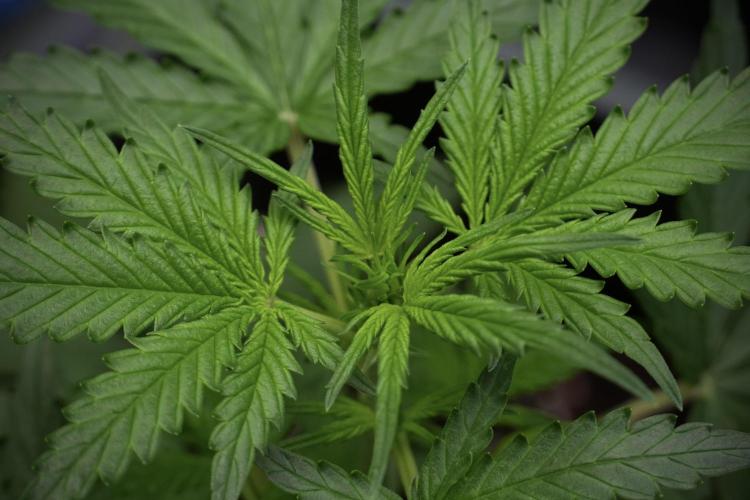
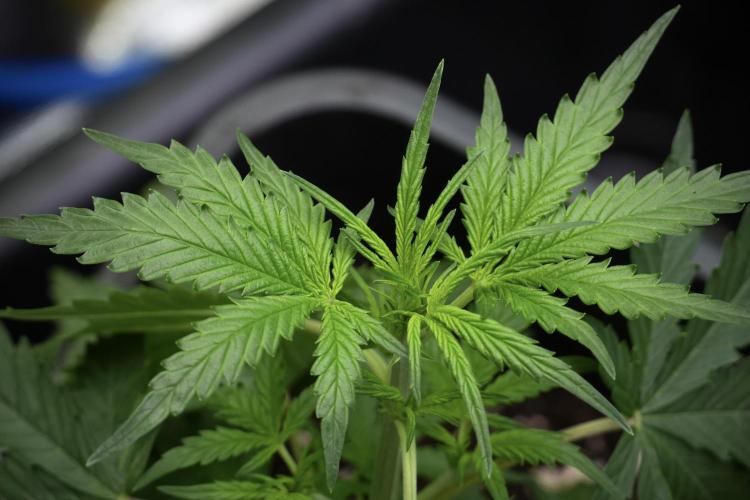
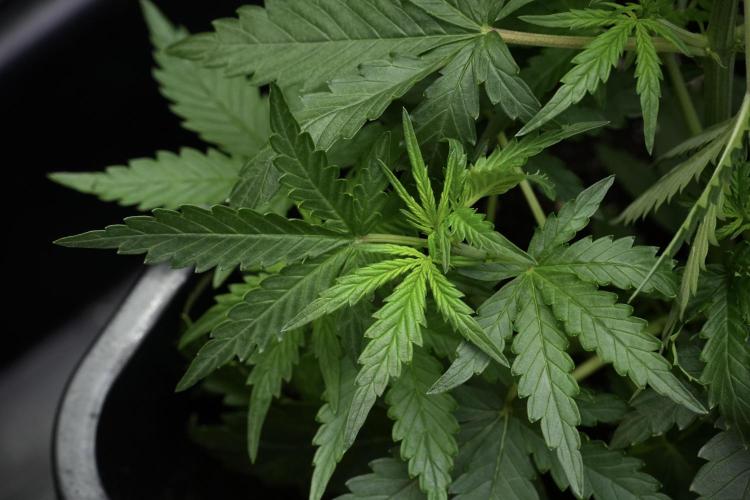
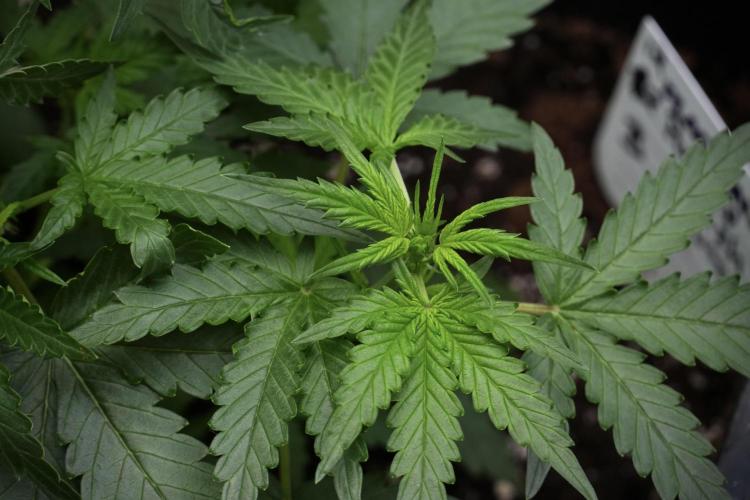
Everything has progressed exactly as hoped so far.
Fast germination.
Healthy taproot.
Strong emergence.
Healthy color.
Good vigor.
And perhaps most importantly:
A healthy beginning.
At this stage every seedling remains a mystery.
A tiny plant carrying months of possibilities inside it.
And sometimes the plants that surprise us the most are the ones that simply ask for a little patience before revealing who they really are.
---
## Looking Ahead
Over the coming weeks we'll follow Purple CousKush Auto Pheno B through every stage of development.
We'll document:
- Root establishment
- Early growth
- Environmental management
- Watering practices
- Structural development
- Flowering progression
- And whatever unique characteristics this phenotype chooses to reveal
Because every seed deserves the opportunity to tell its own story.
Huge thanks to Zamnesia Seeds for the genetics, Plagron for the substrate and nutrition, Future Of Grow for the lighting, and everyone following along for another seed-to-harvest adventure.
Grower's Love everyone. 🌱💚
7 likes
comments
Share
Used method
Other
Germination Method
1
Week 1. Vegetation
5mo ago
1/30
3.5 cm
Height
12 hrs
Light Schedule
27 °C
Day Air Temp
6.0
pH
No Smell
Smell
230 PPM
TDS
55 %
Air Humidity
21 °C
Solution Temp
21 °C
Substrate Temp
25 °C
Night Air Temp
15 liters
Pot Size
0.75 liters
Watering Volume
600 PPM
CO₂ Level
Nutrients 4
Terra Grow
1 mll
Pure Zym
1 mll
Sugar Royal
1 mll
DogDoctorOfficial # Purple CousKush Auto — Pheno B 🌱💜
## Week 1 Vegetation | Every Plant Deserves Its Chance
Hello GrowDiaries family! 👋🌱
Welcome back for another Week 1 update.
This time we're following Purple CousKush Auto Pheno B.
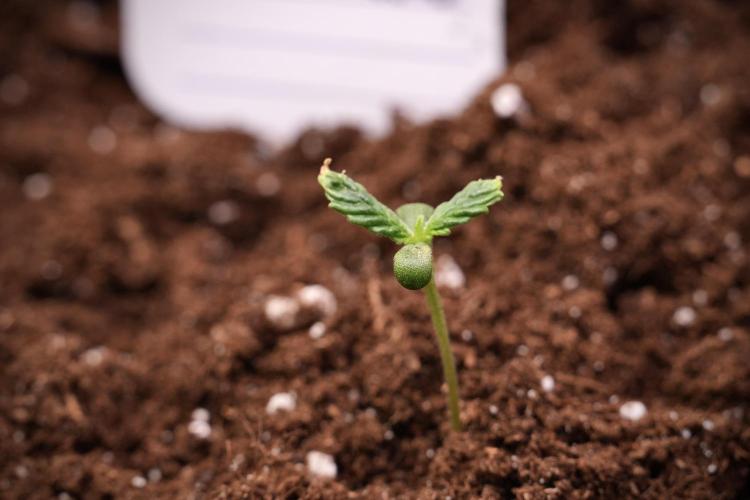
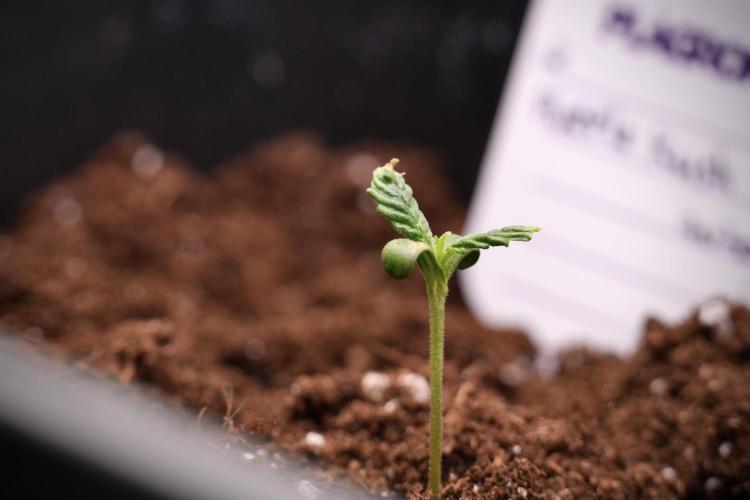
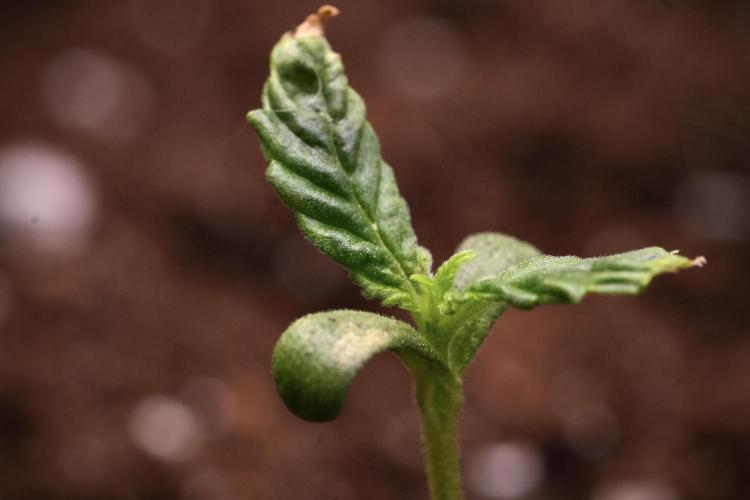
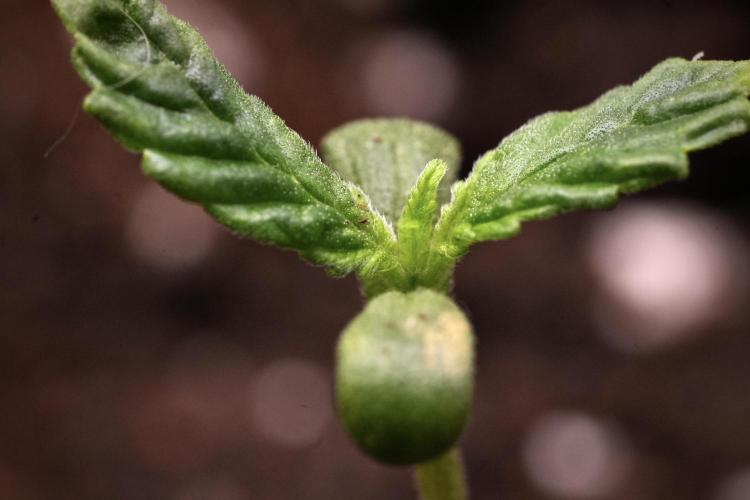
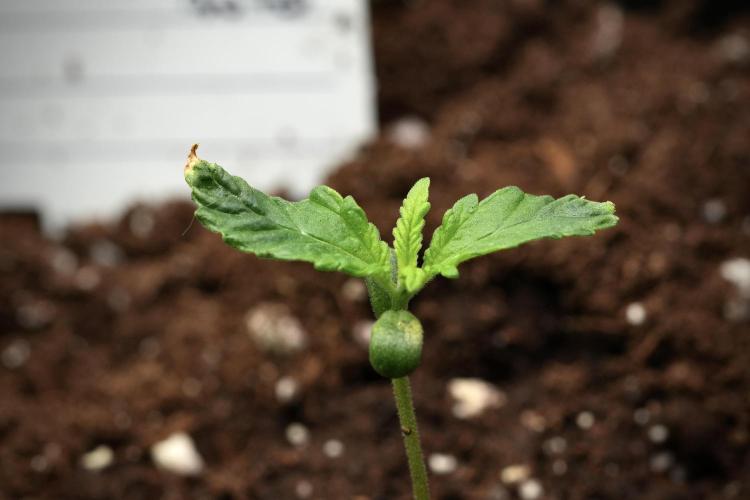
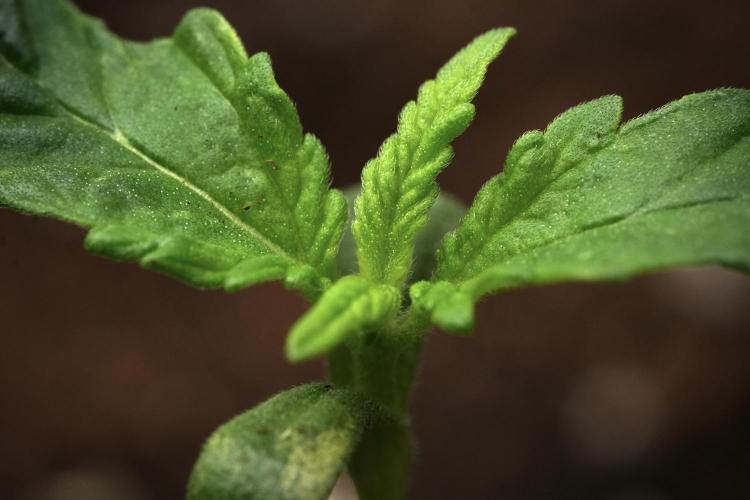
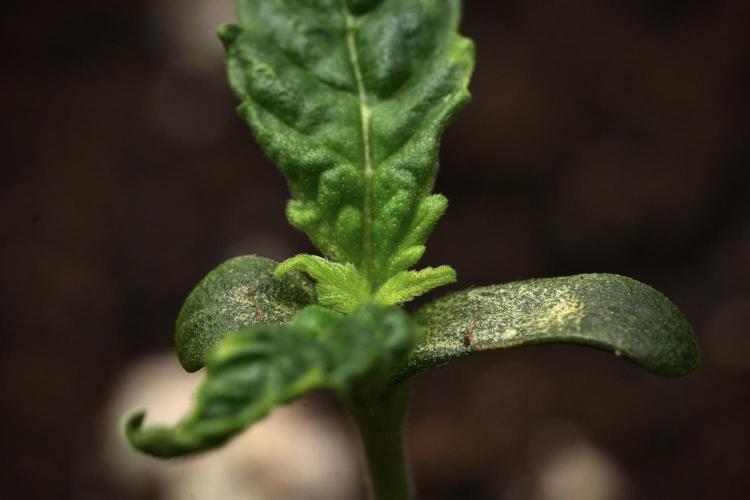
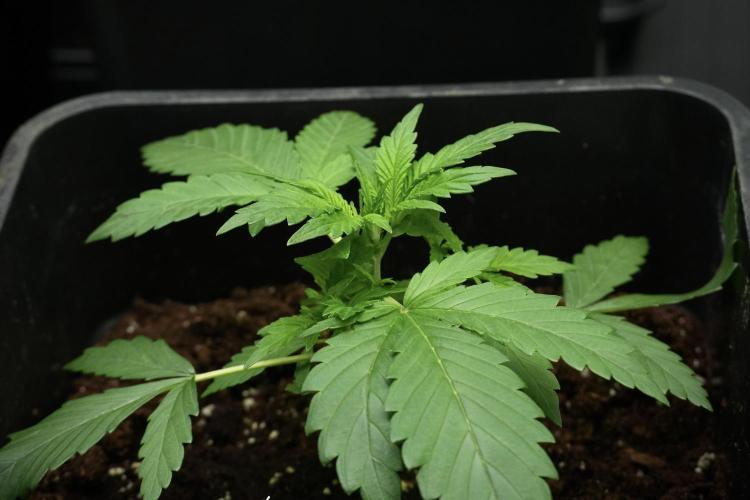
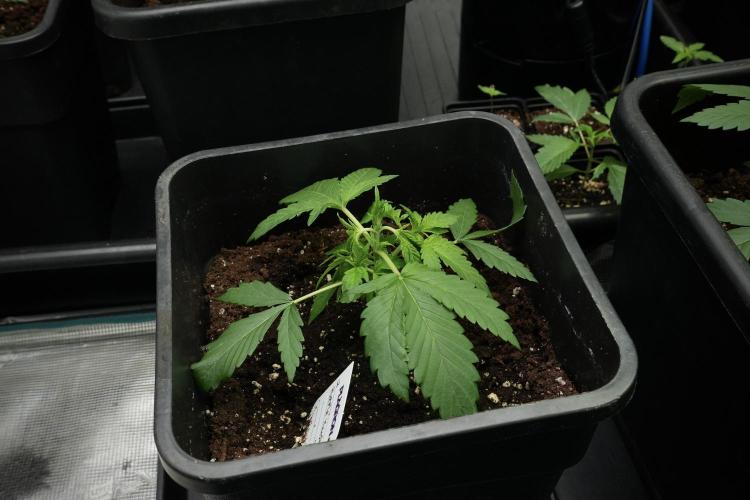
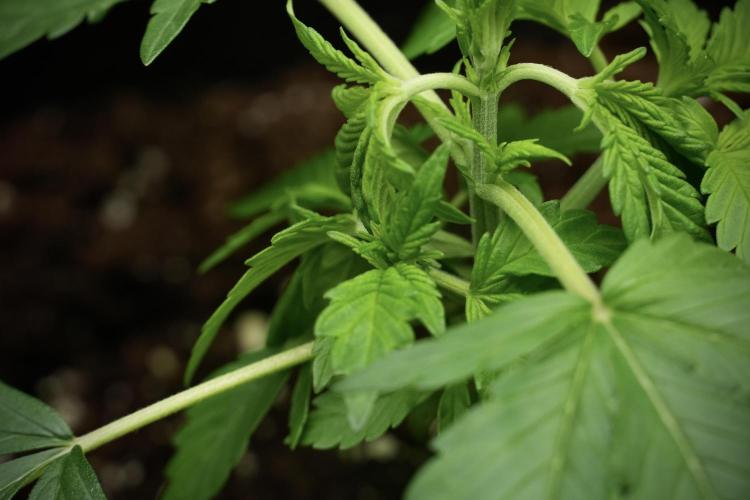
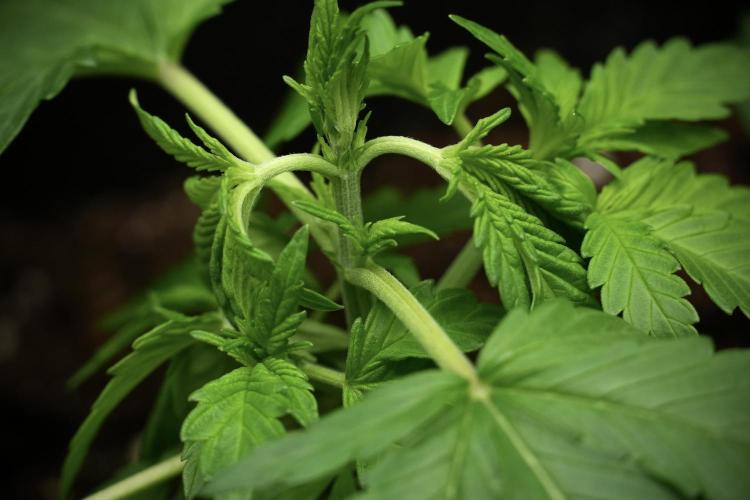
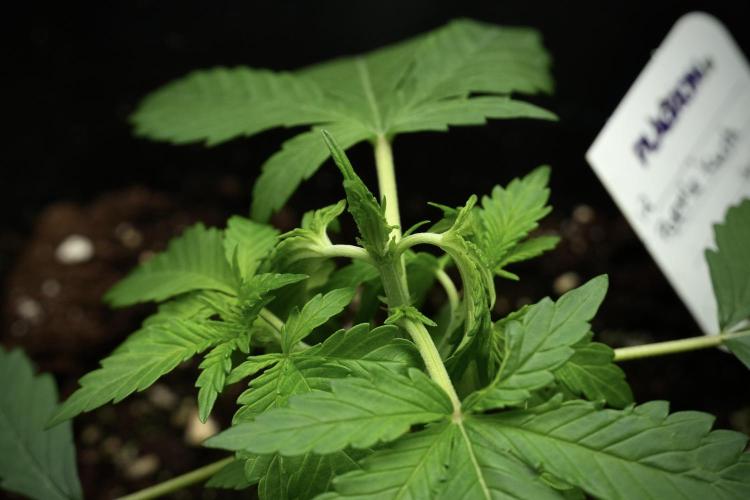
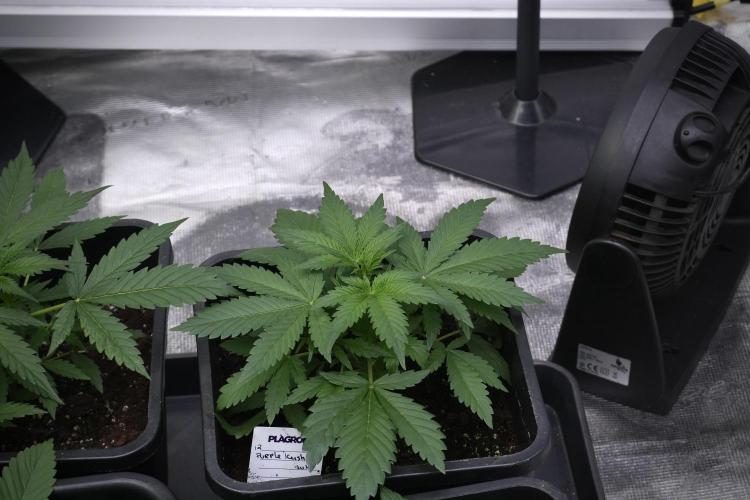
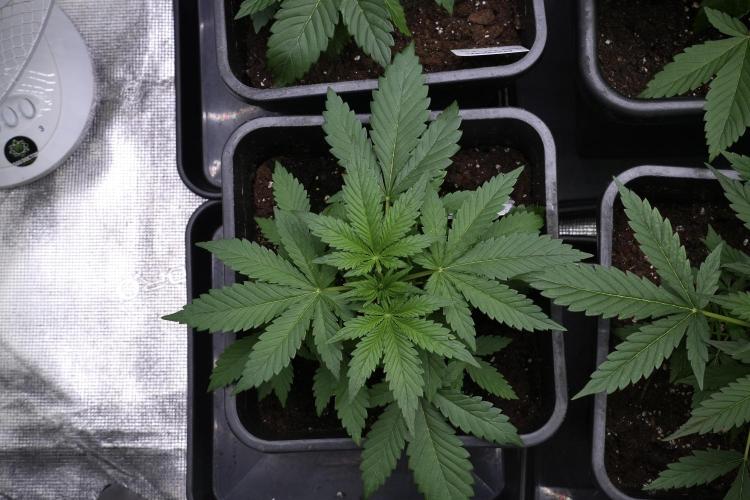
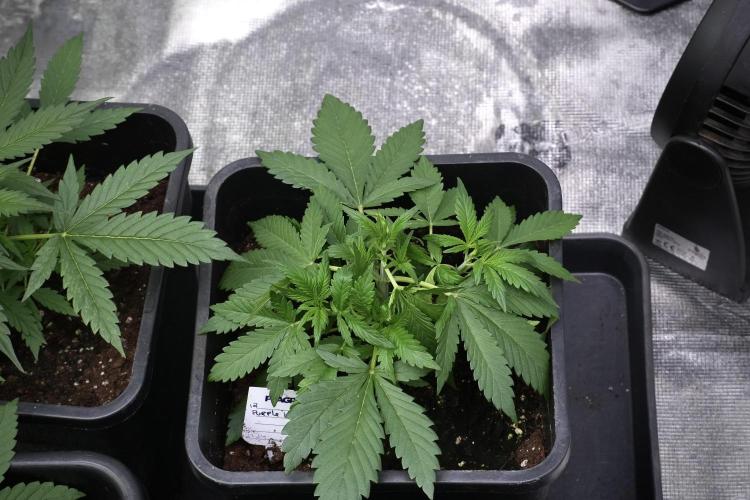
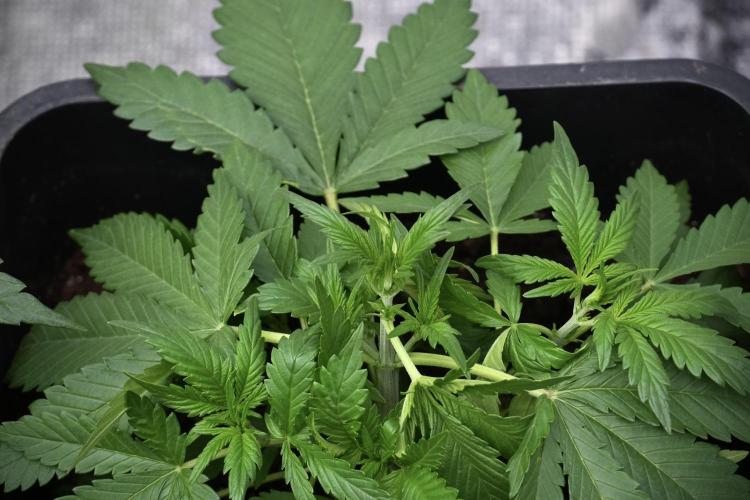
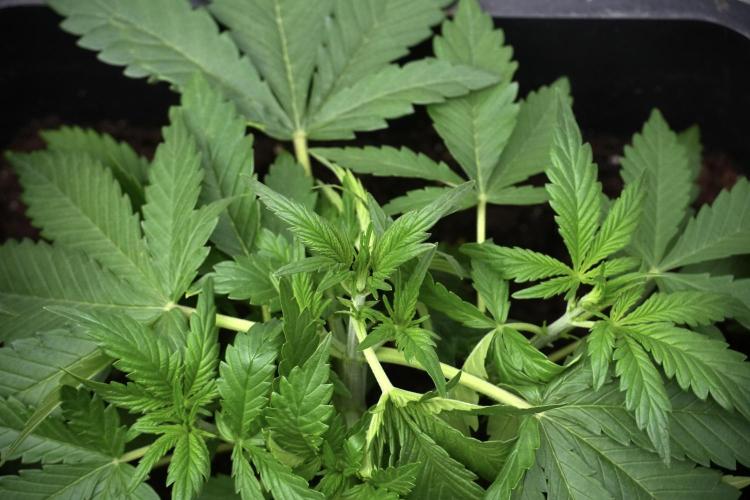
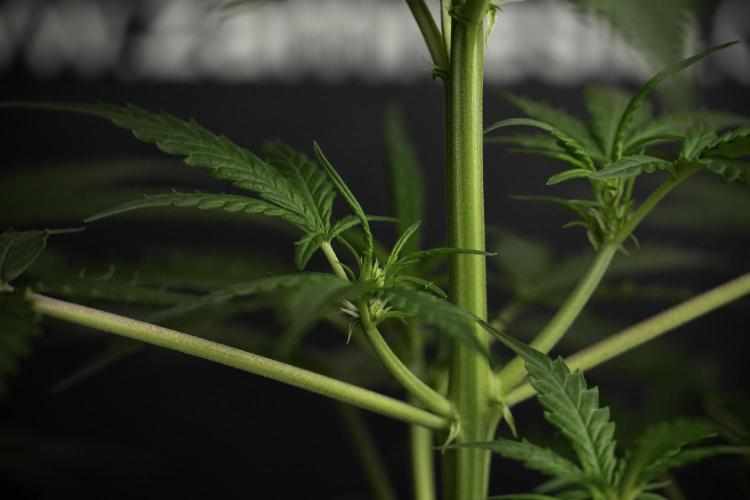
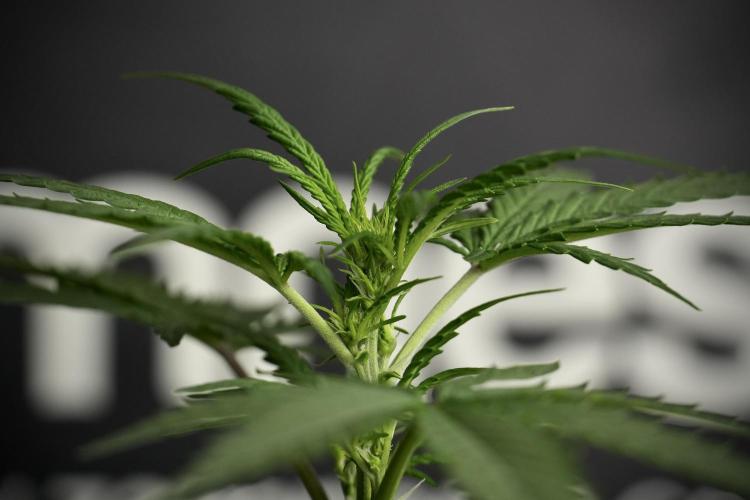
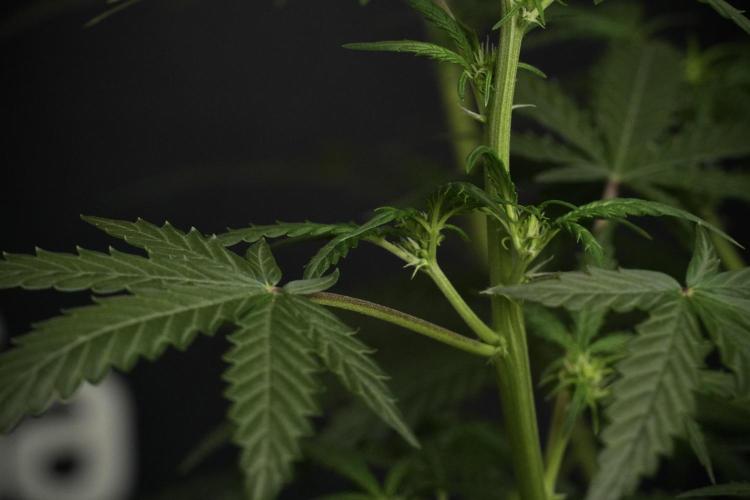
And if I'm being honest, this little lady had a considerably rougher start than her sister.
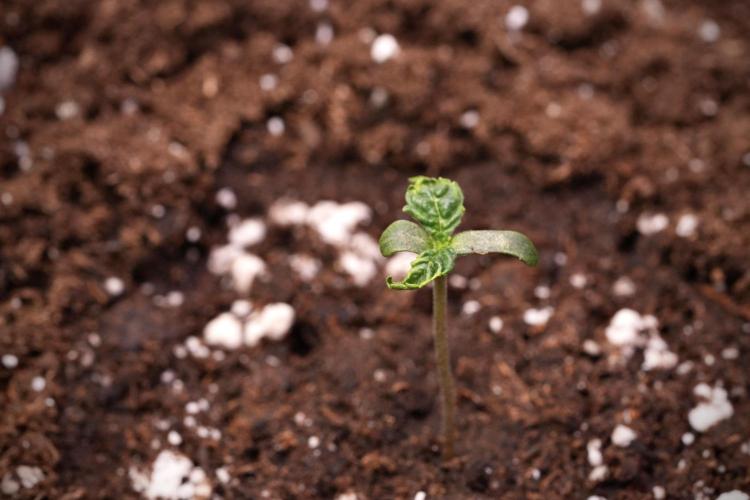
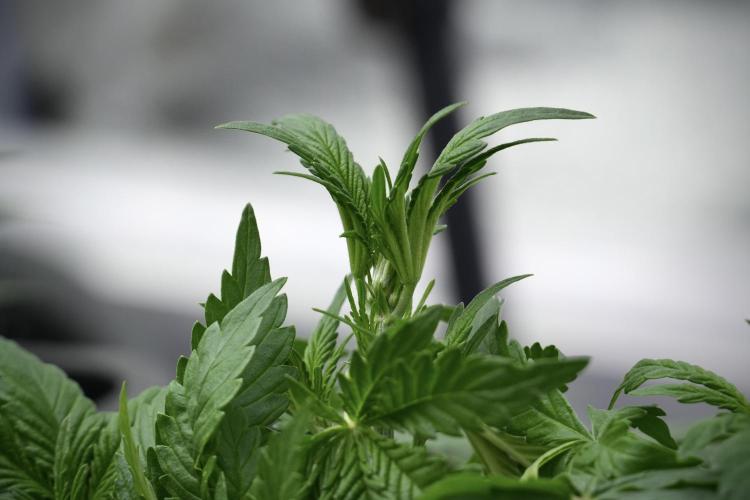
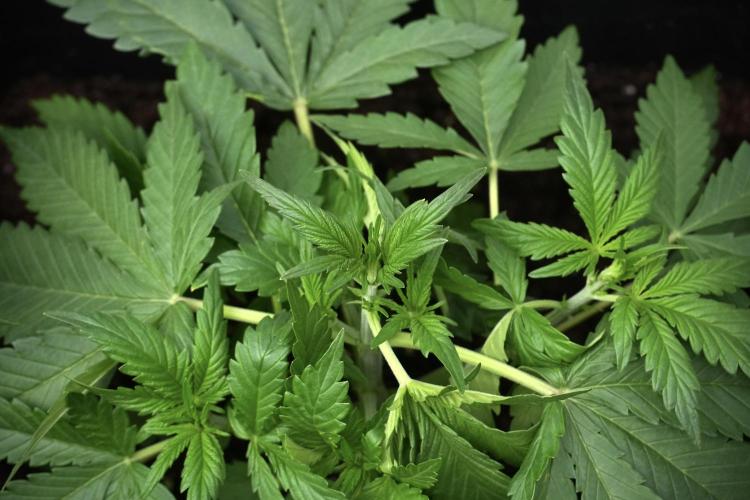
From the very beginning, her growth appeared unusual.
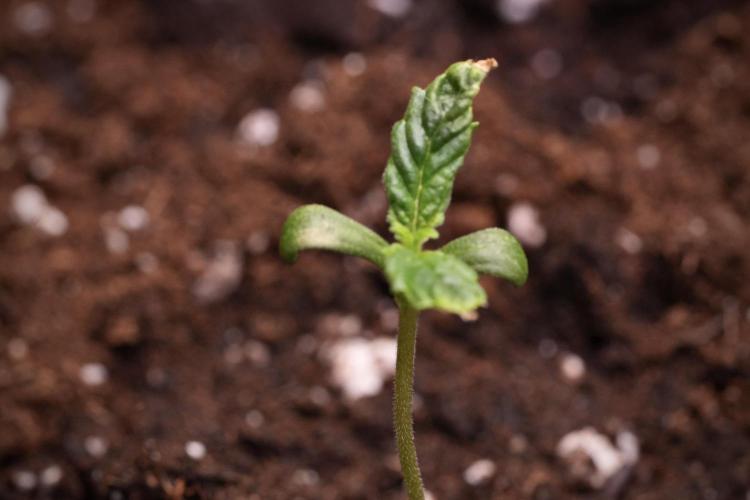
The first leaves emerged twisted and distorted.
Development was slower.
Structure looked irregular.
And more than once during the week she reminded me that seedlings don't always follow the textbook.
But one thing I've learned over the years is that plants deserve patience.
Especially during their earliest days.
Because sometimes the seedlings that struggle the most at the beginning end up teaching us the most by the end.
---
## A Difficult Beginning
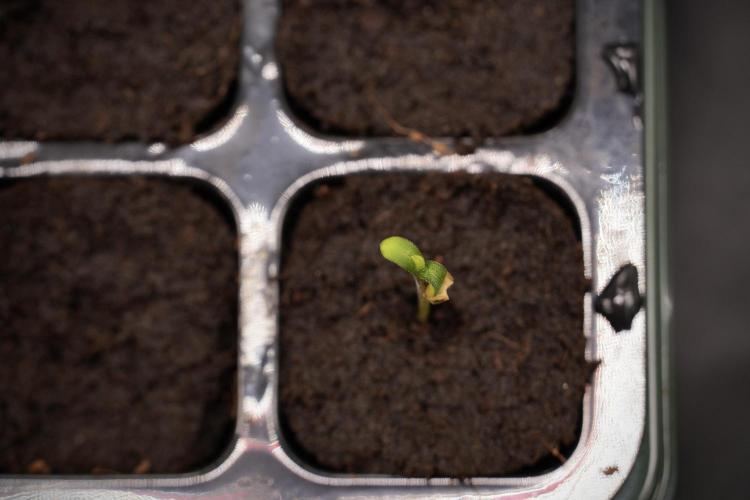
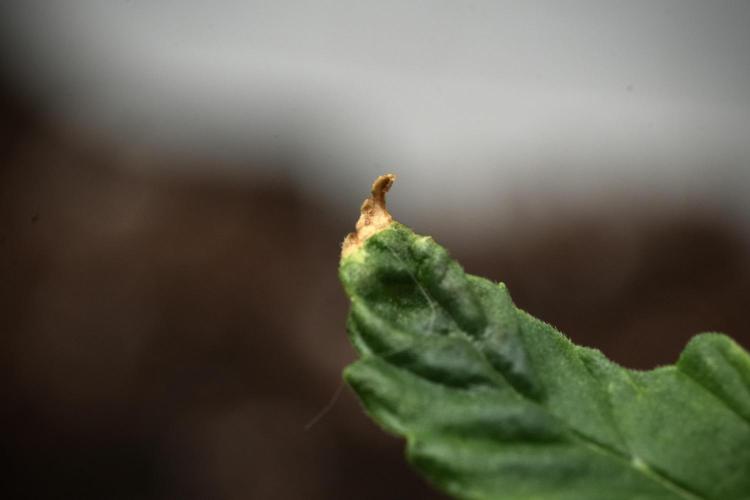
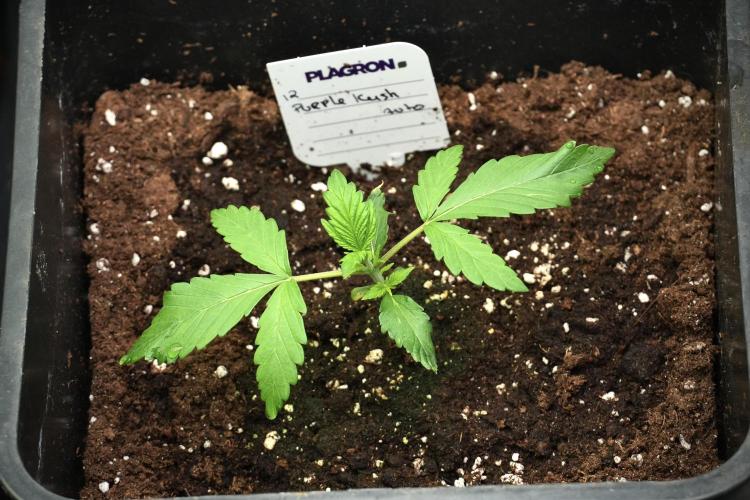
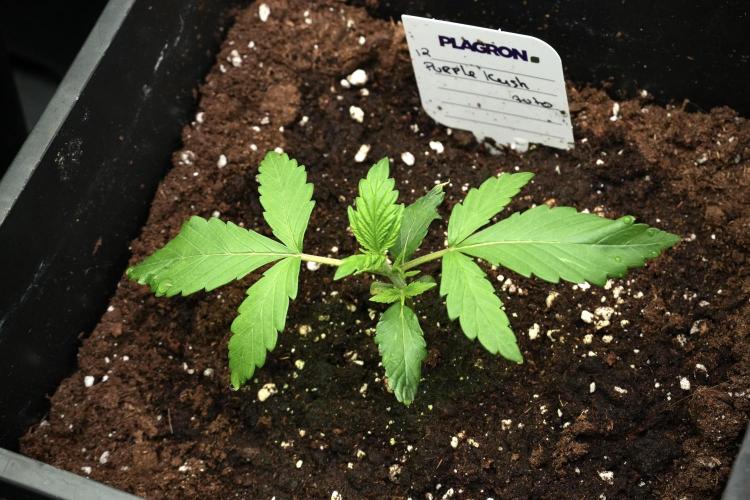
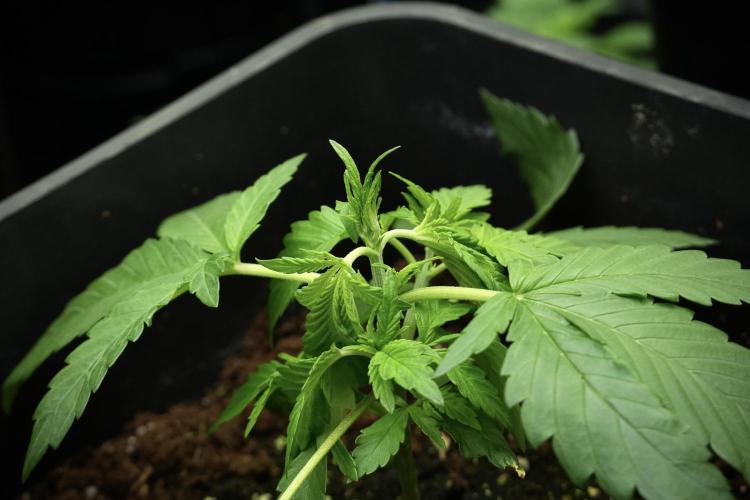
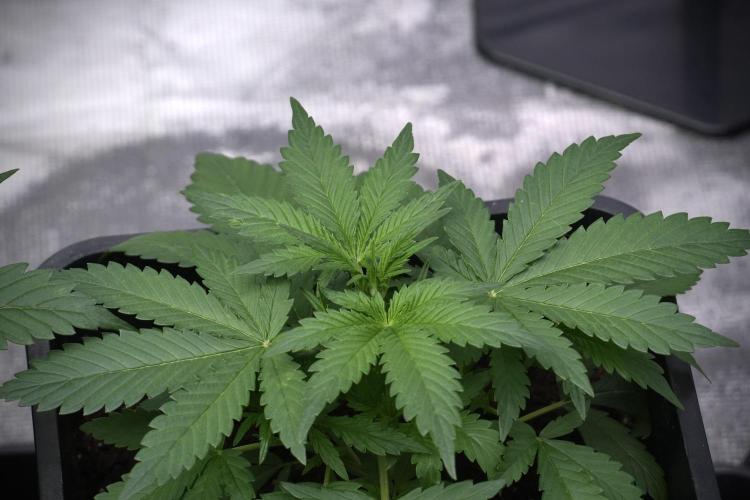
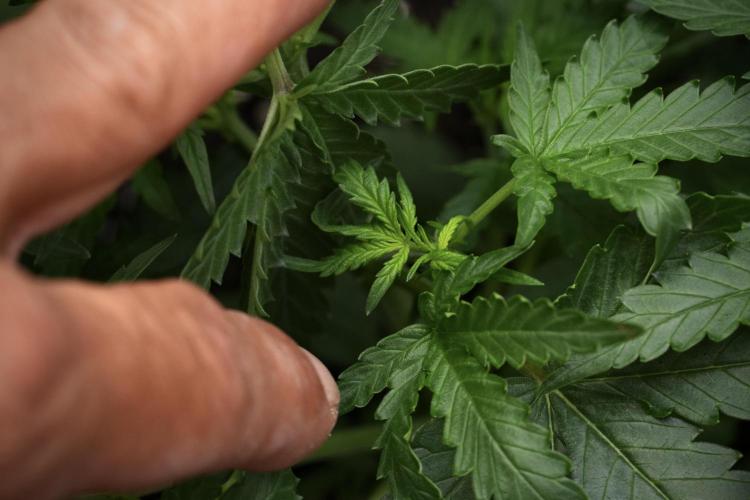
The first photographs reveal a plant that was clearly having a harder time establishing herself.
The earliest leaves emerged with significant deformation.
Some growth appeared folded.
Some appeared twisted.
The structure lacked the symmetry seen in many of her sisters.
At first glance, she looked fragile.
Yet despite those imperfections, she kept growing.
And that detail matters.
Because healthy plants don't always grow perfectly.
Sometimes healthy plants simply keep moving forward despite adversity.
---
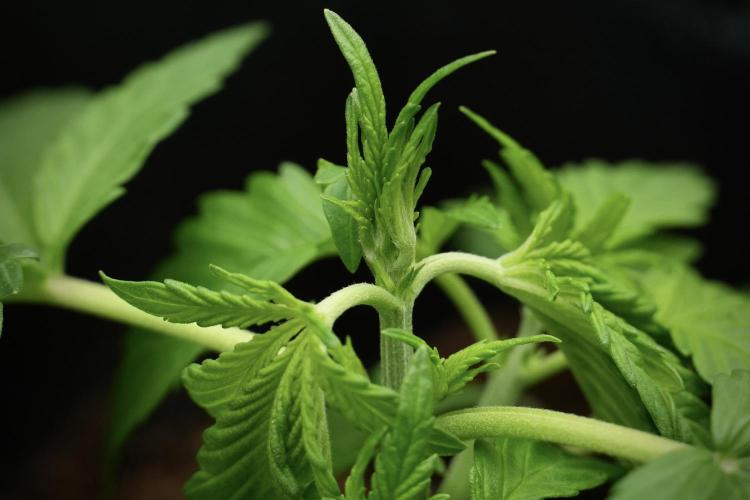
## Watching the New Growth
One of the most important lessons during seedling development is learning where to focus your attention.
The oldest leaves tell us where the plant has been.
The newest growth tells us where the plant is going.
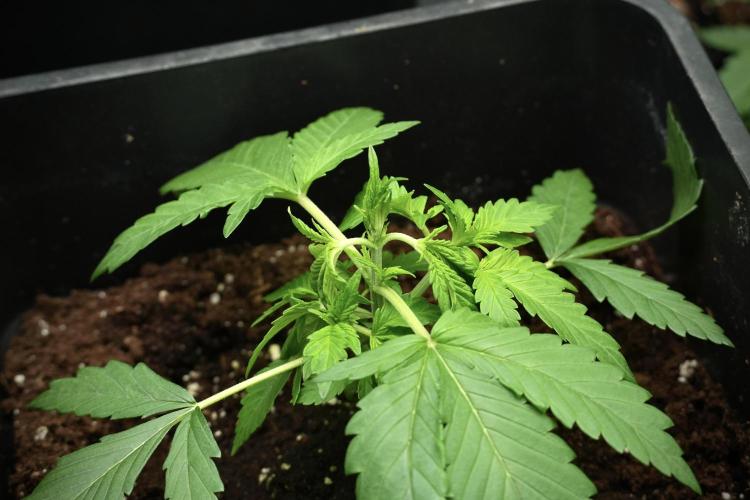
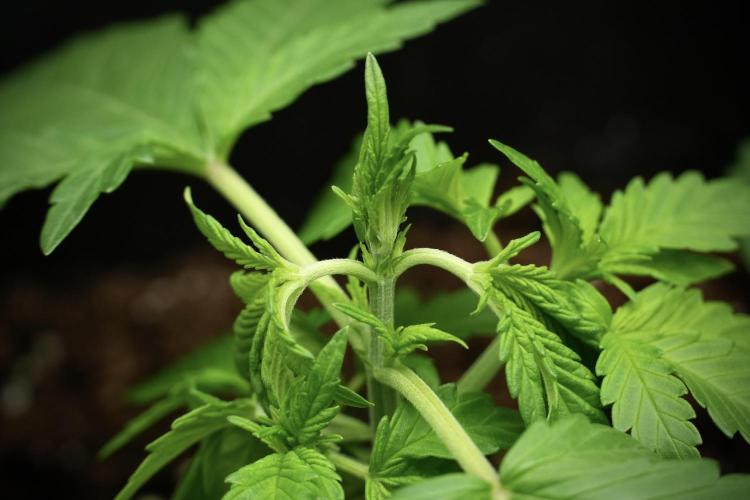
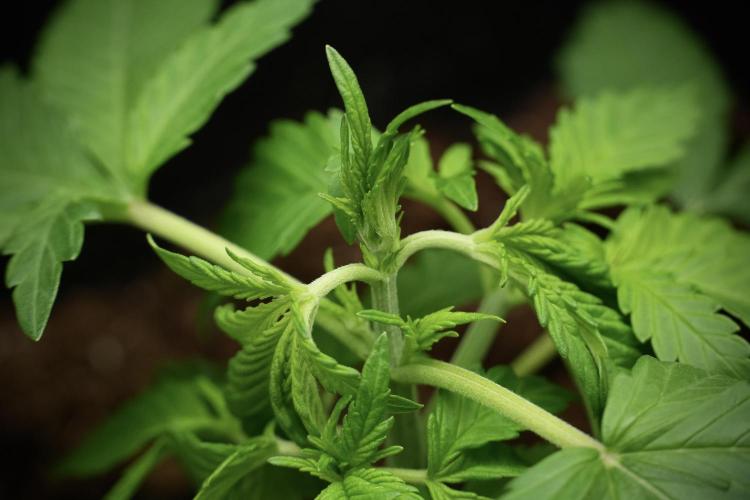
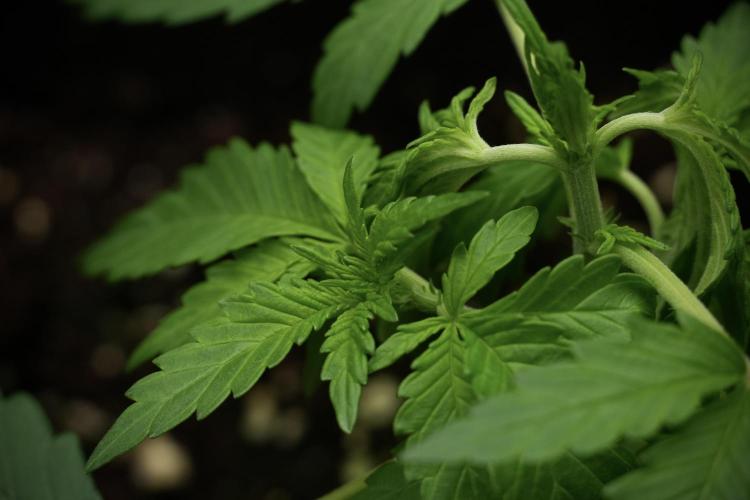
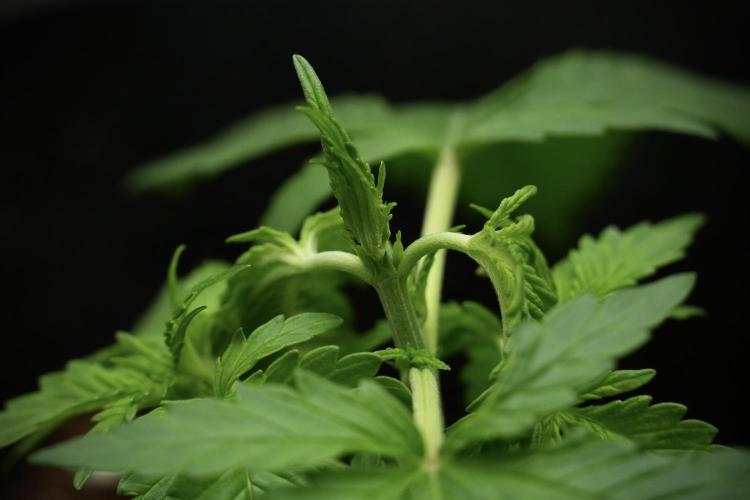
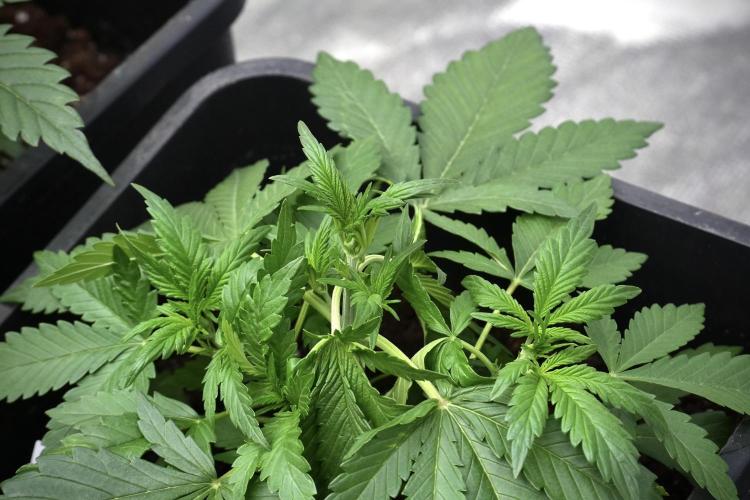
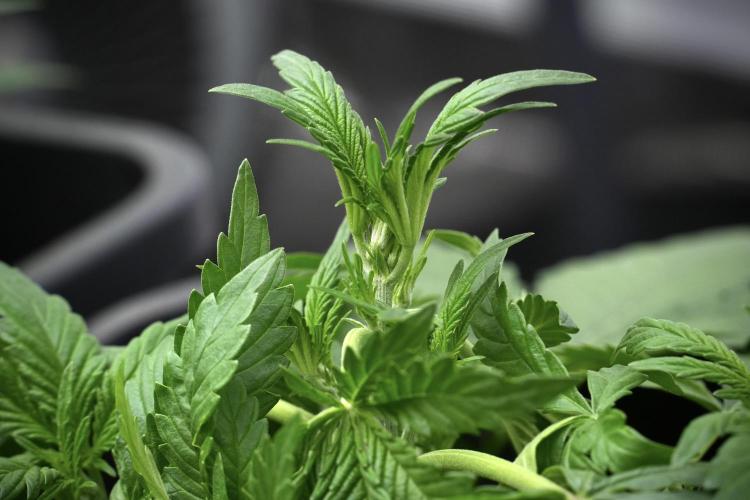
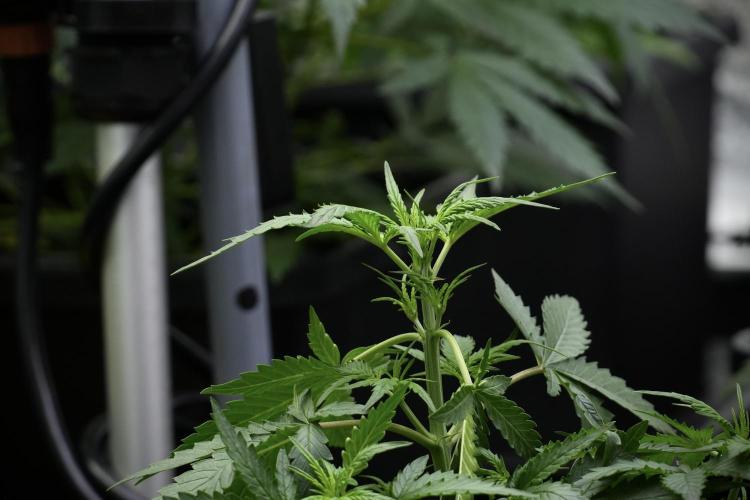
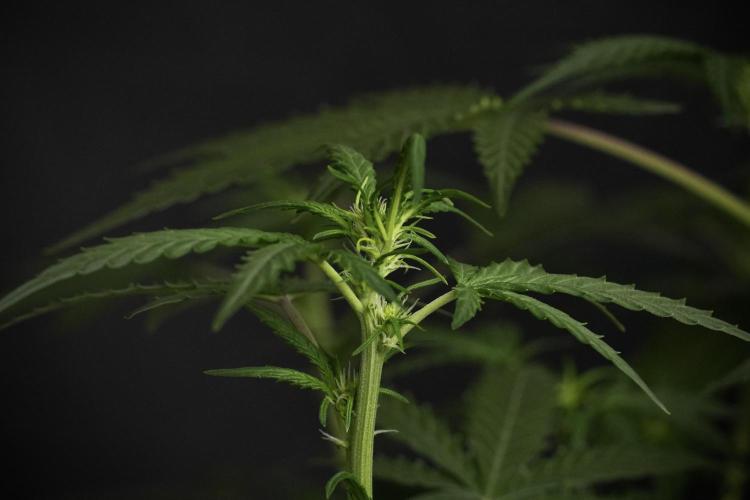
And throughout this week, the newest growth slowly began showing encouraging signs.
The center growth remained active.
New tissue continued forming.
Fresh leaves emerged.
And although the plant still looked unusual compared to the rest of the garden, she never stopped trying to grow.
That's exactly what we want to see.
Progress.
Not perfection.
---
## Finding Her Own Path
By the middle of the week, the differences between Pheno A and Pheno B became increasingly apparent.
While her sister quickly normalized, this phenotype continued expressing a much more unusual structure.
Yet there is something fascinating about that.
Every seed carries its own genetic story.
Some express themselves in predictable ways.
Others choose a more complicated introduction.
Purple CousKush Auto Pheno B appears to belong firmly in the second category.
And honestly?
Those are often the plants I become most curious about.
---
## Signs of Improvement
As the week progressed, small improvements began appearing throughout the plant.
The newest growth looked stronger.
The center growth became more active.
The canopy slowly expanded.
And despite the rough start, the plant never stopped developing.
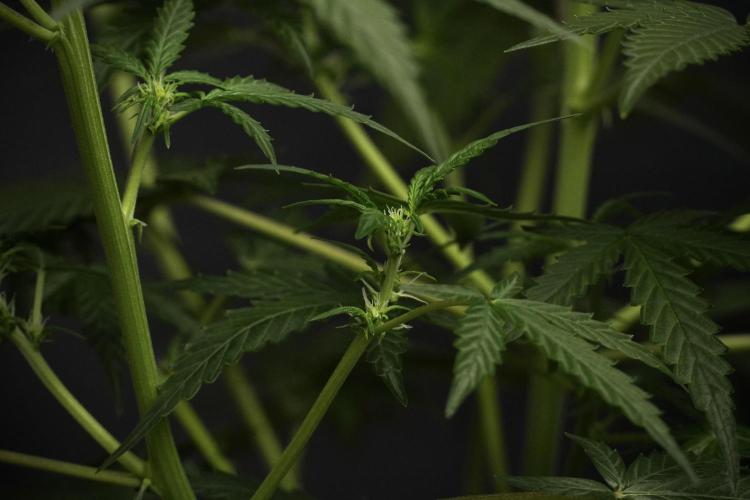
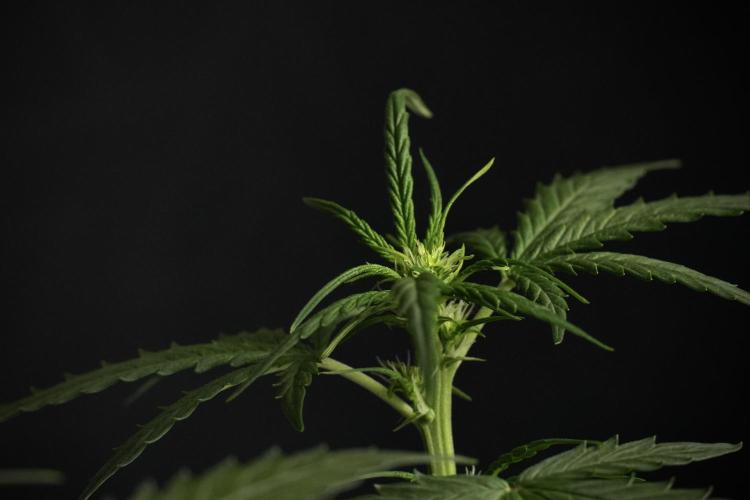
The final photographs show a seedling that is still quirky, still unusual, and still far from textbook perfect.
But they also show something equally important:
A plant that is alive.
Growing.
Adapting.
And continuing to move forward.
---
## Not Every Star Looks the Same
One thing I always try to remember during projects like this is that not every plant is supposed to look identical.
In a room full of vigorous seedlings, it's easy to focus on the strongest performers.
But every phenotype deserves the opportunity to reveal what it can become.
This girl may never be the fastest.
She may never be the prettiest.
Or perhaps she surprises all of us in the weeks ahead.
That's the beauty of growing from seed.
The story is still being written.
And for now, I'm certainly not giving up on her.
She deserves the same chance as every other plant in the room.
Whatever kind of star she decides to become, she'll have the opportunity to become it.
---
## Environmental Conditions
Conditions remained stable throughout the week:
🌡️ Day temperature: 27°C
🌙 Night temperature: 25°C
💧 Relative humidity: 55%
⚡ 12/12 from seed
🌱 Plagron nutrient program
💡 Future Of Grow Black Series LED lighting
💨 Gentle airflow and stable environmental control
With the environment remaining consistent, the focus remained on root establishment and allowing the plant time to develop at her own pace.
---
## Looking Ahead
Moving into Week 2, I'll be paying close attention to:
🌱 New growth quality
🌱 Recovery of the growing tips
🌱 Structural development
🌱 Overall vigor
🌱 Whether the unusual early growth begins to normalize
🌱 The unique personality this phenotype may reveal
Because some plants start fast.
Some start slow.
And some take the scenic route.
Purple CousKush Auto Pheno B is definitely taking the scenic route so far.
And honestly, that's part of what makes her interesting.
For now, she remains in the garden, remains under observation, and remains very much part of the journey.
Let's see what story she decides to tell next.
Huge thanks to Zamnesia Seeds for the genetics, Plagron for the substrate and nutrition, Future Of Grow for the lighting, and everyone following along on another seed-to-harvest adventure.
Grower's Love everyone. 🌱💚💜
"In a room full of stars, every light shines differently. Some just take a little longer to reveal their brightness." 🌱
11 likes
comments
Share
Used techniques
12-12
Technique
Transplantation
Technique
2
Week 2. Vegetation
4mo ago
1/30
9.3 cm
Height
12 hrs
Light Schedule
27 °C
Day Air Temp
6.0
pH
No Smell
Smell
450 PPM
TDS
55 %
Air Humidity
21 °C
Solution Temp
21 °C
Substrate Temp
25 °C
Night Air Temp
15 liters
Pot Size
0.9 liters
Watering Volume
600 PPM
CO₂ Level
Nutrients 6
Terra Grow
1.8 mll
Pure Zym
1 mll
Sugar Royal
1 mll
DogDoctorOfficial Purple CousKush Auto – Pheno B | Week 2 Vegetation
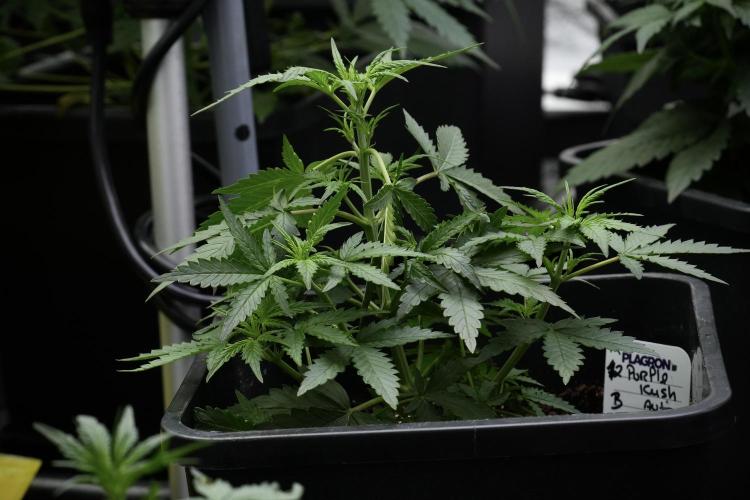
Hello everyone, and welcome back to the 12/12 From Seed adventure.
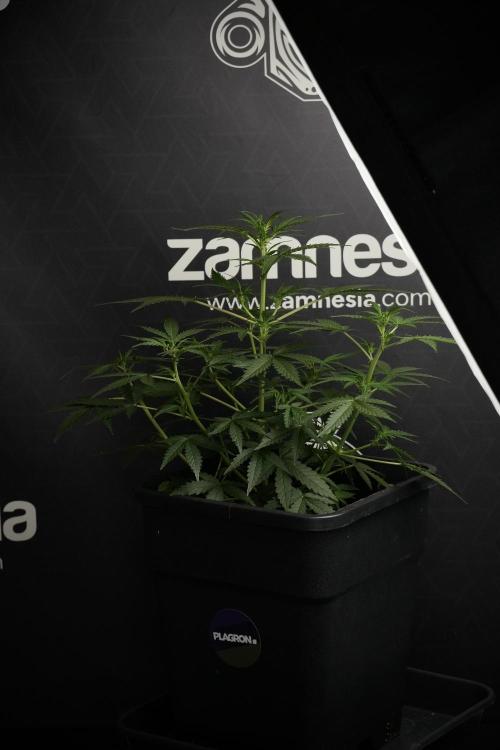
This update follows Purple CousKush Auto Pheno B, the sister plant growing alongside one of the most unusual phenotypes currently in the room.
And that comparison is exactly what makes this update so interesting.
Because where Pheno A is busy experimenting with unconventional architecture and mysterious growth patterns, Pheno B appears determined to demonstrate what classic, balanced development looks like.
Same cultivar.
Same environment.
Same feeding schedule.
Completely different personality.
⸻
One of the most rewarding parts of growing multiple phenotypes side by side is seeing how genetics express themselves under identical conditions.
Purple CousKush Auto Pheno B is becoming a perfect example of that principle.
From the earliest stages she has displayed a calm, orderly, and highly symmetrical growth pattern.
Every new node arrives where expected.
Each leaf pair develops evenly.
Internodal spacing remains compact and controlled.
The overall structure feels organized and purposeful.
If her sister is the experimental artist, Pheno B is the architect.
⸻
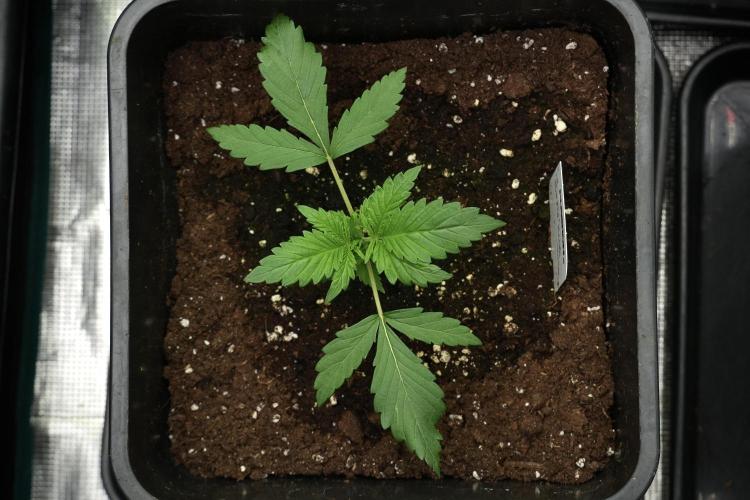
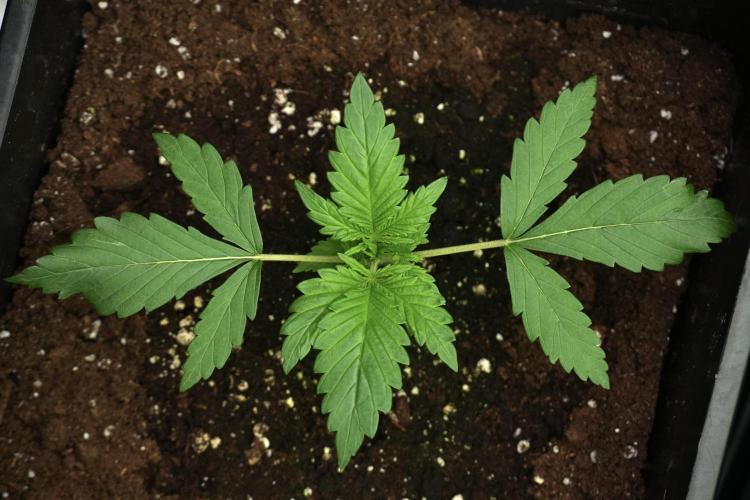
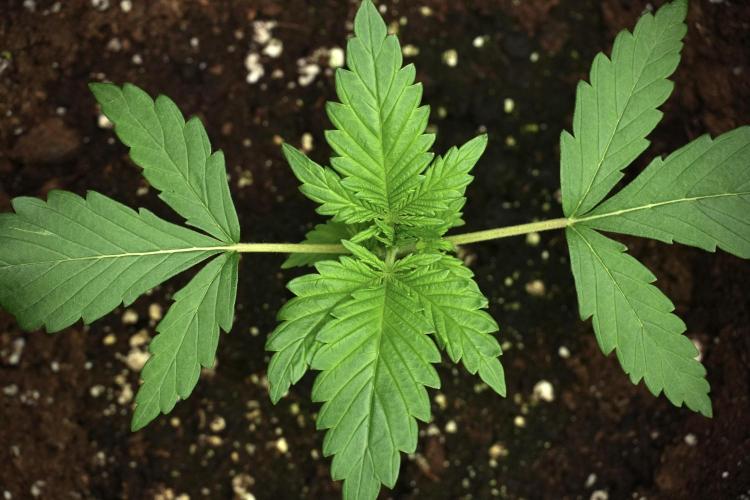
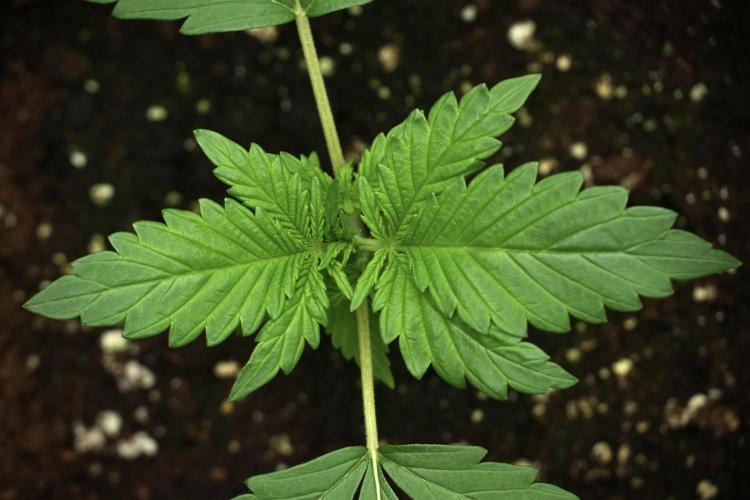
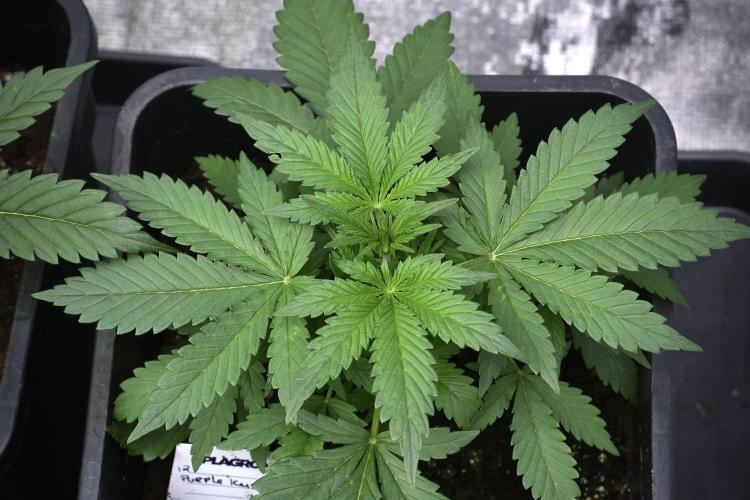
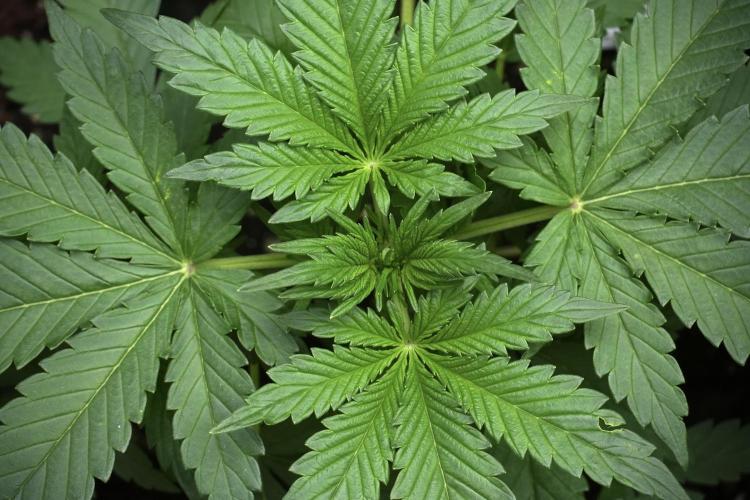
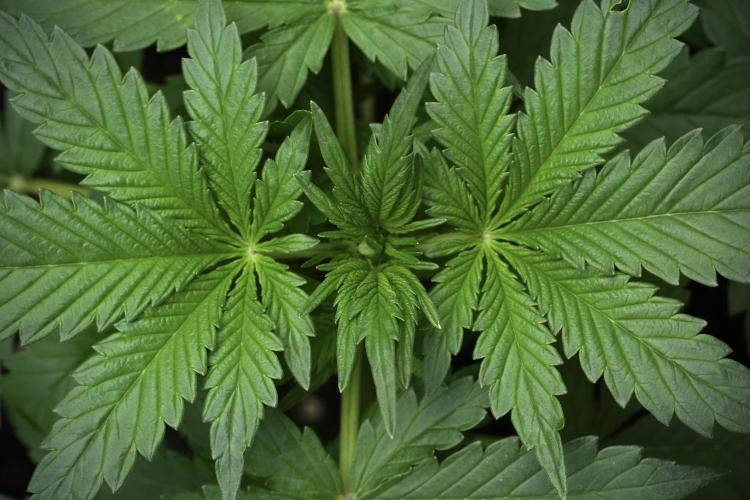
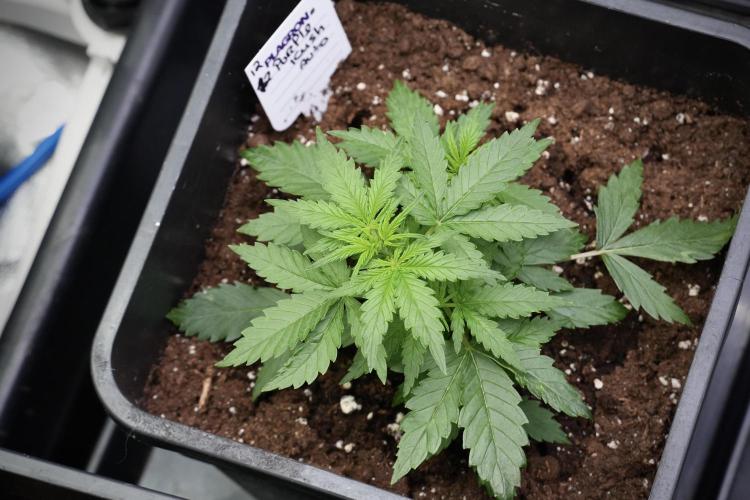
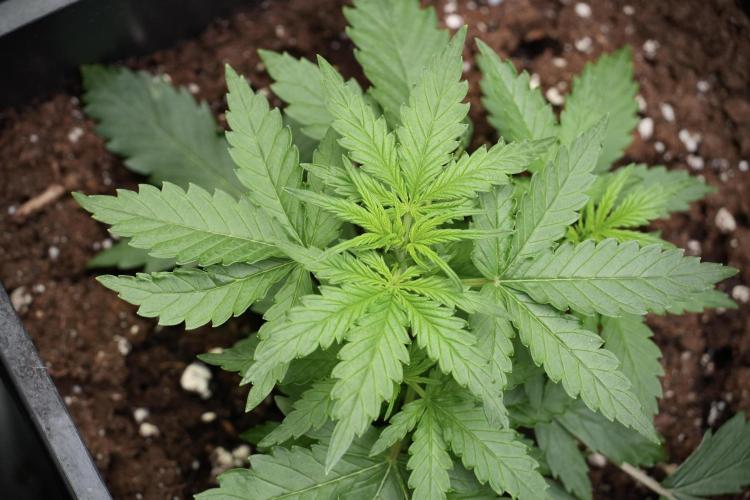
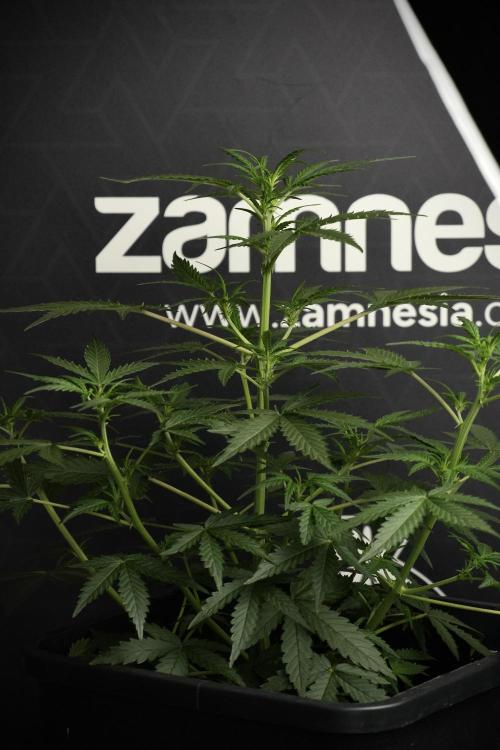
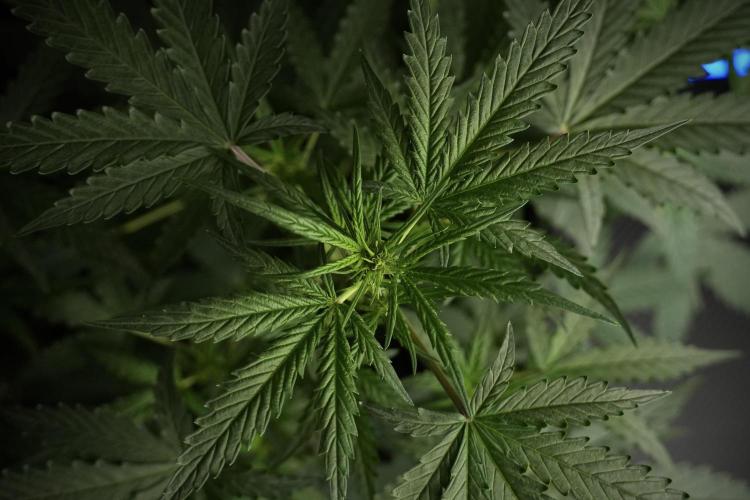
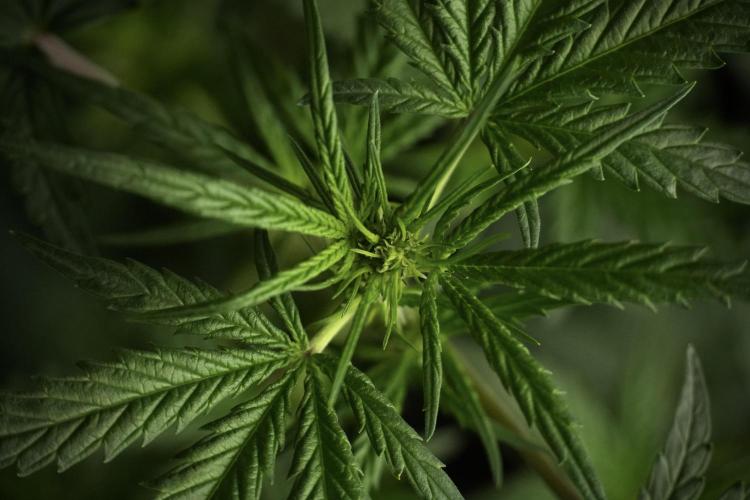
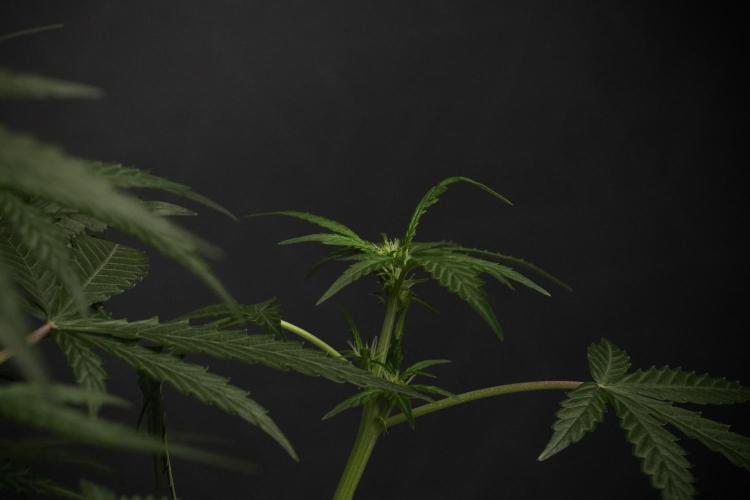
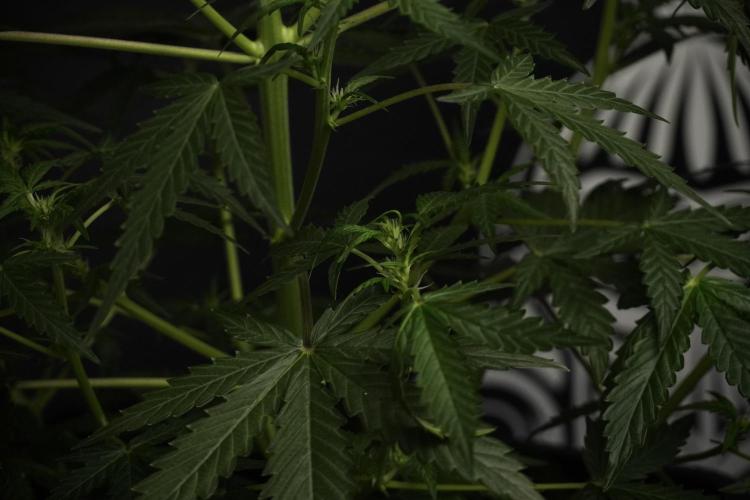
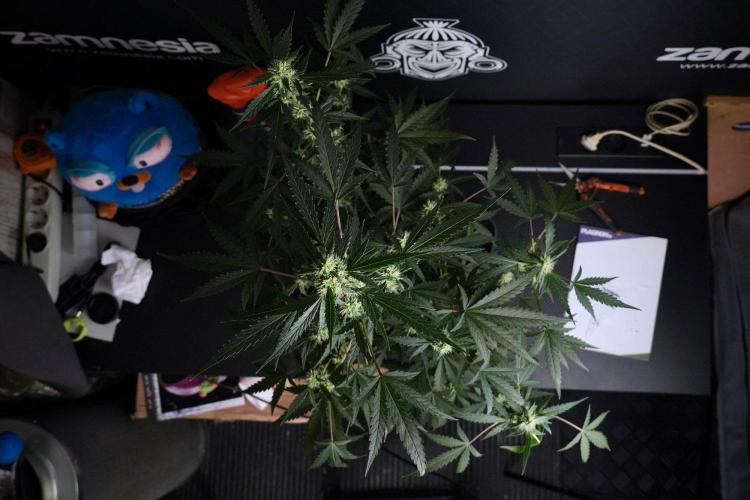
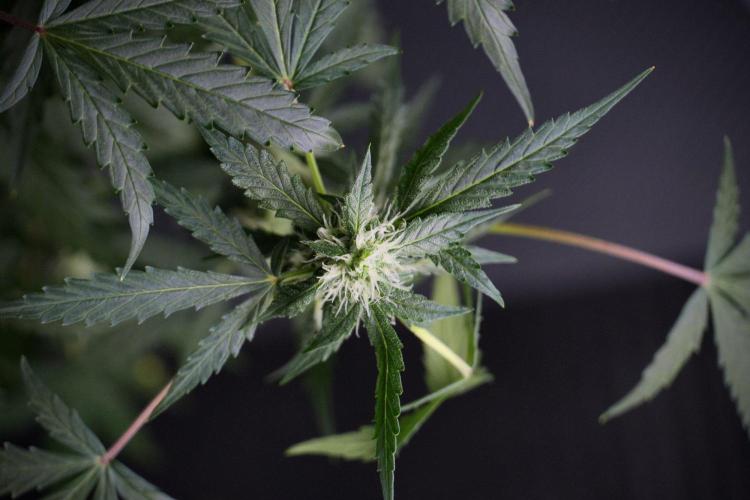
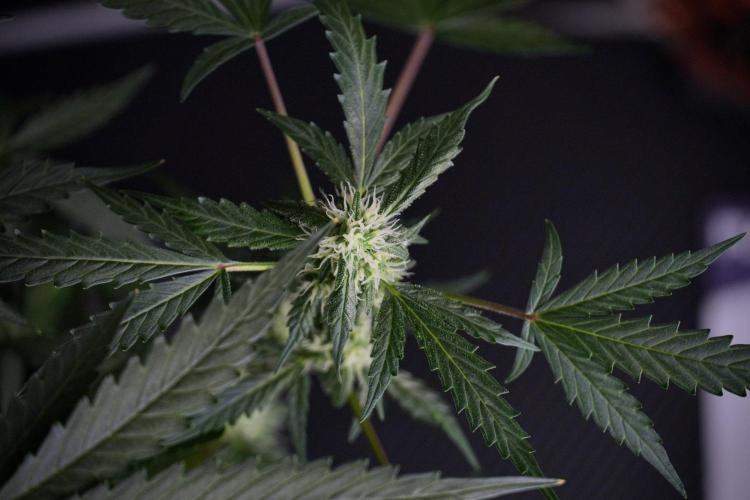
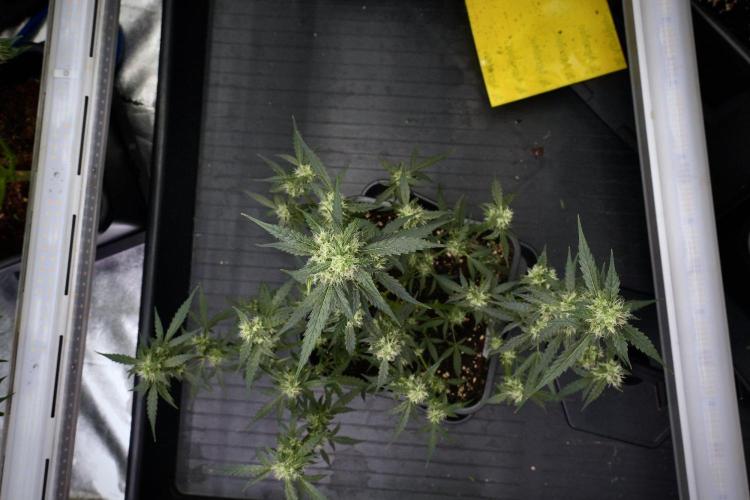
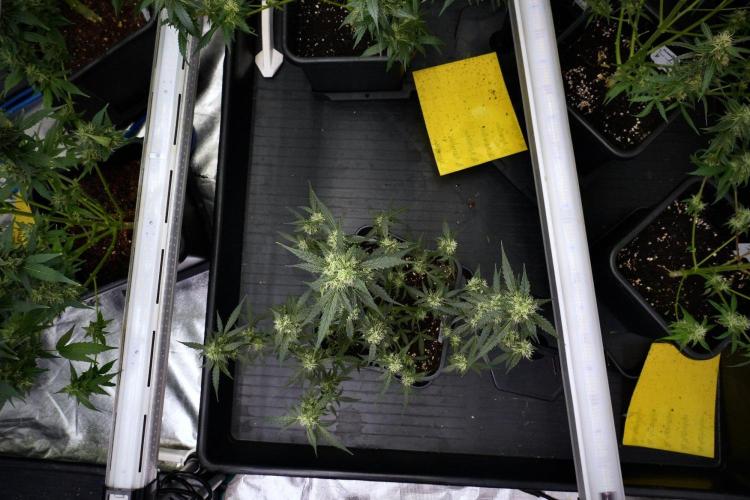
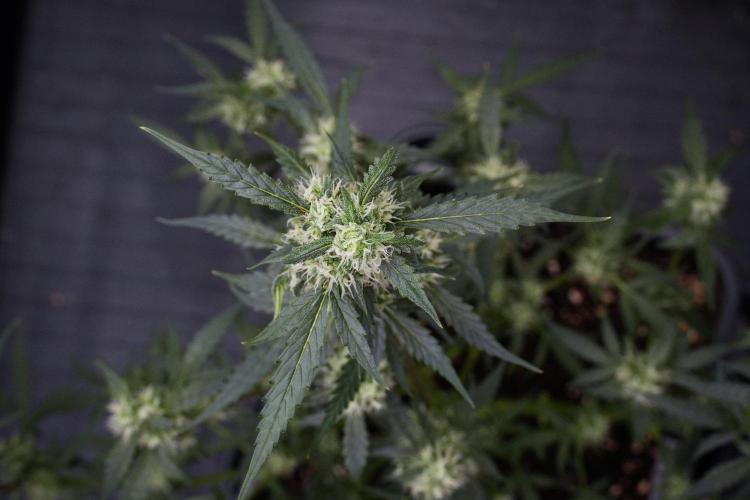
The overhead photographs reveal a plant that is building itself with remarkable symmetry.
The large fan leaves extend evenly from the stem, creating a balanced frame around the developing center.
New growth is stacking tightly while maintaining excellent spacing and light penetration.
Nothing appears rushed.
Nothing appears confused.
Every part of the plant seems to know exactly where it belongs.
⸻
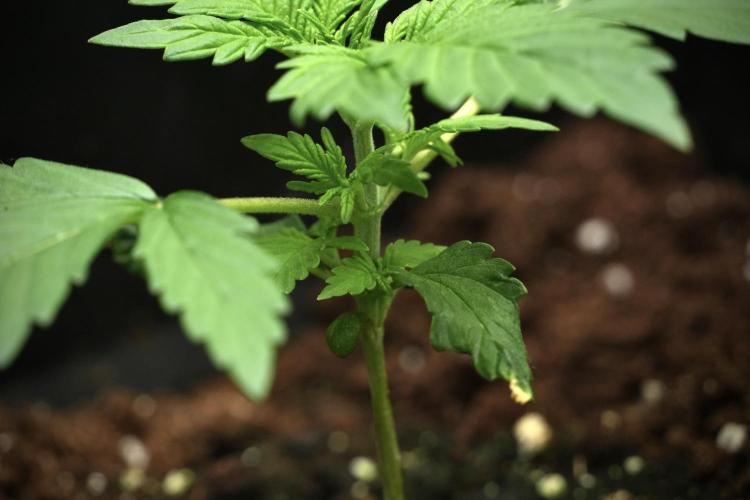
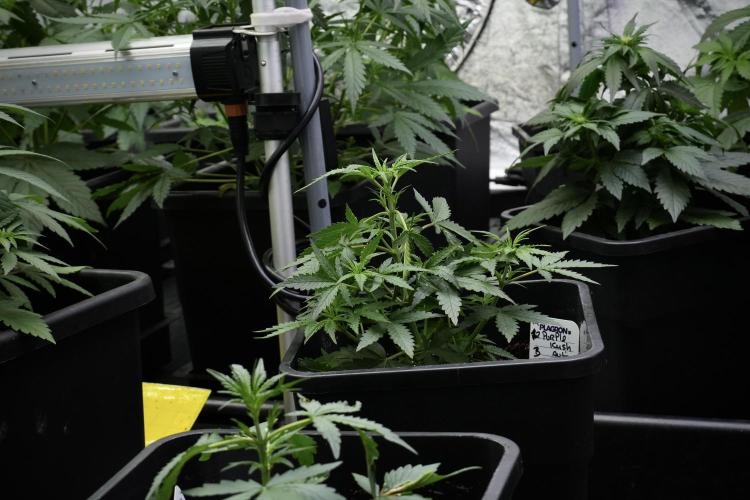
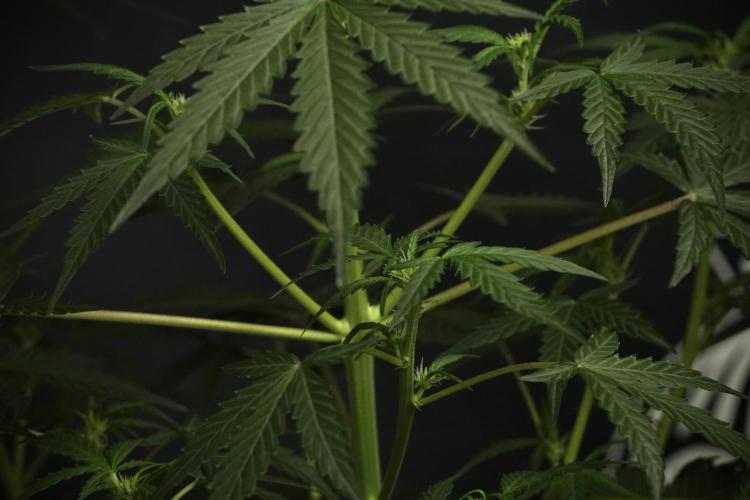
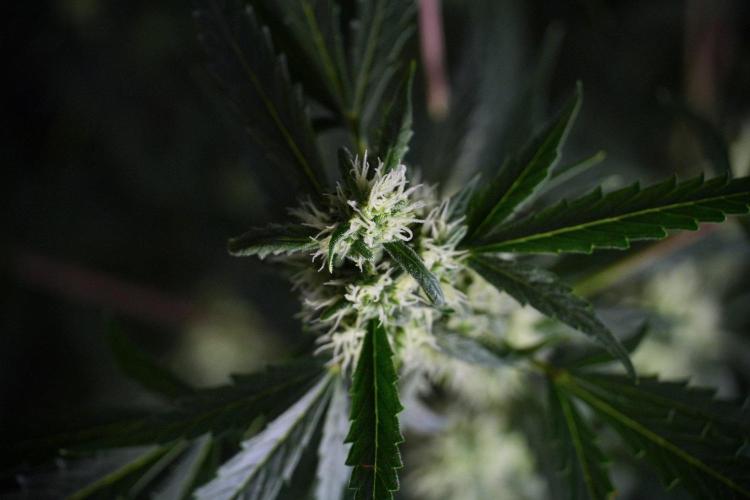
What stands out most this week is the emergence of strong lateral growth.
The lower branches are already becoming clearly visible and are beginning to establish themselves as future contributors to the canopy.
This is often one of the first signs of a plant preparing to create a productive structure later in life.
While still very young, the foundation is already being laid.
And it is being laid well.
⸻
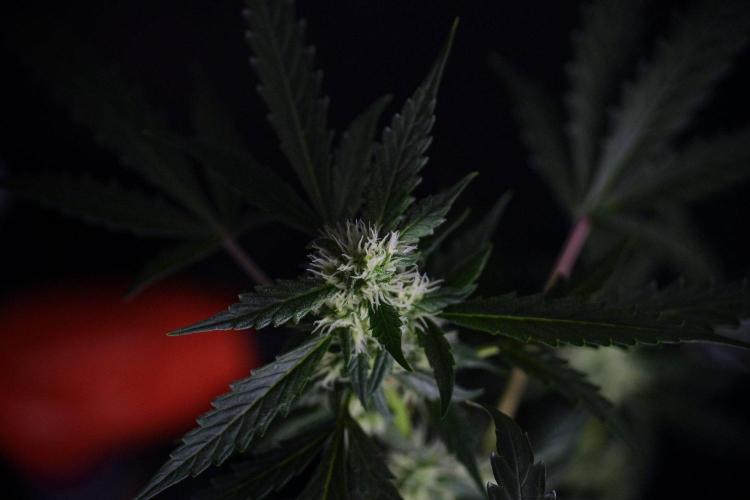
The central growth tip continues to advance vigorously.
Fresh leaves are emerging with excellent color and healthy texture, while the stem steadily thickens beneath them.
The plant has that look growers love to see:
Comfortable.
Confident.
Actively growing.
⸻
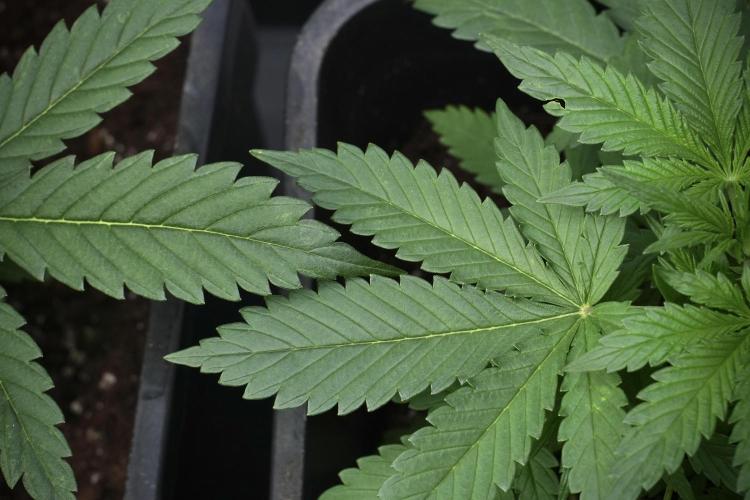
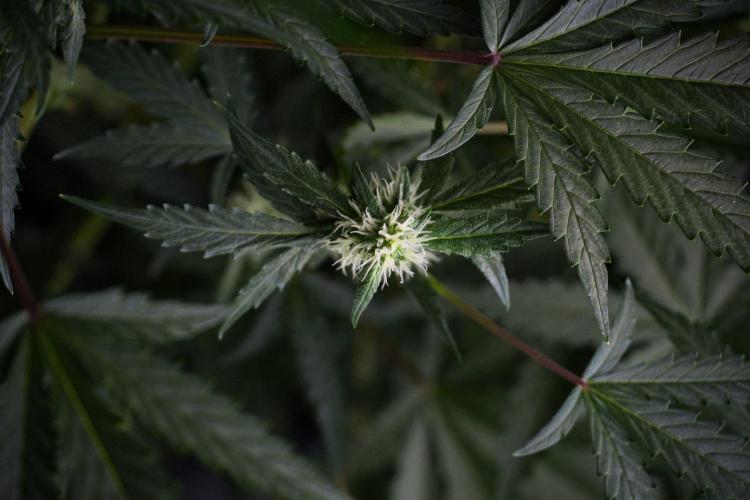
A small amount of cosmetic damage remains visible on one of the older lower leaves.
However, its significance continues to decrease with every passing day.
The damaged tissue is confined to older growth and has not progressed further.
Meanwhile the plant continues producing healthy new foliage above it.
This is a perfect example of why patience is often the best diagnostic tool in the garden.
New growth tells the real story.
And the new growth looks fantastic.
⸻
Comparing the two Purple CousKush sisters side by side creates one of the most educational moments in the entire project so far.
Pheno A asks questions.
Pheno B answers them.
Pheno A challenges expectations.
Pheno B reinforces them.
Pheno A makes us wonder what might happen next.
Pheno B quietly demonstrates what stable, textbook development looks like.
Neither approach is better.
Both are valuable.
And together they tell the story of genetic diversity far better than any explanation ever could.
⸻
Current nutrition remains unchanged:
• Plagron Terra Grow – 1.8 ml/L
• Plagron Power Roots – 1 ml/L
• Plagron Pure Zym – 1 ml/L
• Plagron Sugar Royal – 1 ml/L
The plant continues responding very positively to the feeding program, showing healthy color, strong development, and steady growth throughout the week.
⸻
Environmental conditions remained stable:
• 12/12 lighting schedule from seed
• Day temperatures around 27°C
• Night temperatures around 25°C
• Relative humidity around 55%
• CO₂ approximately 600 ppm
• Solution temperature around 21°C
• Substrate temperature around 21°C
These stable conditions continue providing an excellent platform for each phenotype to express its unique characteristics naturally.
⸻
Looking ahead, the goal remains straightforward.
Continue observing how the canopy develops and how the emerging side branches begin competing for space and light.
If current trends continue, Pheno B appears well on her way toward becoming a compact, balanced, and highly organized plant.
The type of phenotype that rarely demands attention because she spends her time quietly doing everything right.
And sometimes those are the plants that surprise us the most by harvest day.
A huge thank you to Zamnesia for the genetics, Plagron for the nutrition, and everyone following along throughout this journey.
Until next week, growers love and happy growing everyone. 🌱💚
11 likes
comments
Share
Used techniques
12-12
Technique
3
Week 3. Vegetation
4mo ago
1/30
16 cm
Height
12 hrs
Light Schedule
27 °C
Day Air Temp
6.0
pH
No Smell
Smell
650 PPM
TDS
55 %
Air Humidity
21 °C
Solution Temp
21 °C
Substrate Temp
25 °C
Night Air Temp
15 liters
Pot Size
0.9 liters
Watering Volume
666 PPM
CO₂ Level
Nutrients 6
Terra Grow
1.8 mll
Pure Zym
1 mll
Sugar Royal
1 mll
DogDoctorOfficial 🌱 Week 2 – Purple CousKush Auto | Pheno B | Building the Foundation
Hello everyone, and welcome back to another chapter of my 8×8 Adventure, where every seed gets the opportunity to tell its own story.
This diary follows Purple CousKush Auto – Pheno B, and while her sister surprised me with an unusual mutation during the first weeks of life, this lady has chosen a different path. She is developing with beautiful symmetry, strong vigor, and exactly the kind of structure that makes a grower smile every time the tent opens.
Every phenotype teaches something different, and that’s exactly why I enjoy documenting them individually.
⸻
🌿 Week 2 Development
This week has been all about establishing a strong foundation before explosive vegetative growth begins.
From the very beginning, Purple CousKush B has shown excellent vigor. Her internodal spacing remains tight, the stem is becoming noticeably thicker, and every node is producing healthy new shoots with vibrant green growth.
The leaves are broad, healthy, and reaching confidently toward the light, showing no signs of nutrient deficiencies or environmental stress.
Compared to last week, the increase in biomass is obvious. She has transitioned from a small seedling into a young plant that is now preparing for the next stage of development.
Everything looks balanced.
Everything looks happy.
⸻
🌱 Beginning Low Stress Training
This week also marked the beginning of her first Low Stress Training (LST).
Rather than forcing the plant into shape later, I prefer to begin gently while the stems are still flexible.
The main stem has been carefully bent, encouraging the plant to redistribute auxins away from the dominant top and toward the lower branches. This simple technique allows more growing tips to receive equal light while keeping the canopy flatter for the weeks ahead.
One thing I always appreciate about LST is that it works with the plant rather than against it.
There is no cutting.
No high-stress recovery.
Just gentle guidance.
Even after the initial bending, she responded beautifully. The side branches immediately began reaching upward, showing exactly why this training method has become one of my favorites for autos.
Watching a plant adapt within hours never gets old.
⸻
🌿 Plant Health
Overall health continues to impress.
Thick central stem
Strong lateral branching
Excellent leaf color
Tight internodal spacing
Healthy vigorous new growth
The foliage remains lush without appearing overly dark, suggesting that nutrition is right where it should be.
She’s developing into a compact but powerful little bush that should have no problem supporting a heavy canopy later in flower.
⸻
🌍 Environment
The entire room continues to provide an ideal environment for vigorous vegetative growth.
Temperature, humidity and VPD remain within the target range, creating stable conditions that allow each phenotype to express its genetics without unnecessary stress.
Consistent airflow keeps fresh CO₂ moving throughout the canopy while strengthening stems naturally, and the lighting continues delivering an even PPFD across the entire garden.
Healthy roots create healthy plants, and maintaining environmental stability is just as important as choosing the right nutrients.
⸻
🌱 Nutrition
Purple CousKush Auto is growing in Plagron substrate, receiving the same carefully controlled feeding schedule as the rest of the 8×8 project.
This run is built around the Plagron nutrient line, supplying everything needed for healthy root expansion and vigorous vegetative growth while avoiding unnecessary excesses during these early weeks.
Rather than pushing rapid growth, my goal is to establish a strong root system first. Healthy roots become healthy stems, healthy stems support healthy branches, and healthy branches eventually become beautiful flowers.
As always, balance beats excess.
⸻
📸 This Week’s Observations
One of the things I enjoy most is comparing sisters grown under identical conditions.
Same room.
Same lighting.
Same nutrients.
Same environment.
Yet every plant still develops its own personality.
While Pheno A became the little rebel, Pheno B is showing textbook development, responding perfectly to gentle LST and already building the structure that should carry her through flowering.
Both are beautiful.
Just beautifully different.
That’s the magic hidden inside every seed.
⸻
🌿 Looking Ahead
Over the coming week, I’ll continue adjusting the LST little by little, allowing the secondary branches to rise evenly while maintaining a low, open canopy.
The goal isn’t simply to make the plant shorter.
The goal is to create an even platform where every future cola receives equal access to light and airflow.
For now, there is no need to rush.
She’s exactly where she should be.
Healthy.
Strong.
Growing with confidence.
⸻
Thank you to Plagron for providing the foundation for this grow, Zamnesia for helping make this incredible project possible, and Grow Diaries for giving growers around the world a place to share, learn, and inspire one another.
And thank you for following another week of this 8×8 Adventure. Whether a plant follows the textbook or decides to write its own chapter, every phenotype has something to teach us—and that’s what makes this journey so rewarding.
Growers Love and see you all in Week 3. 🌱💚
13 likes
comments
Share
Used techniques
12-12
Technique
LST
Technique
4
Week 4. Flowering
4mo ago
1/34
20 cm
Height
12 hrs
Light Schedule
33 °C
Day Air Temp
6.1
pH
No Smell
Smell
675 PPM
TDS
63 %
Air Humidity
25 °C
Solution Temp
21 °C
Substrate Temp
25 °C
Night Air Temp
15 liters
Pot Size
0.9 liters
Watering Volume
639 PPM
CO₂ Level
Nutrients 6
Terra Grow
1.9 mll
Pure Zym
1 mll
Sugar Royal
1 mll
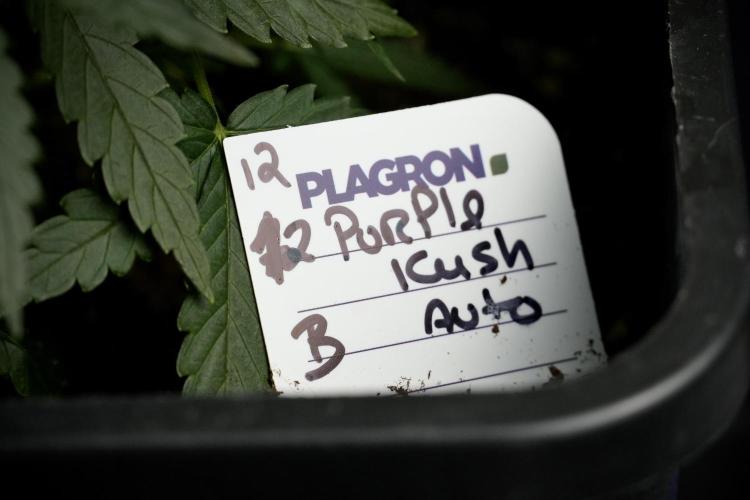
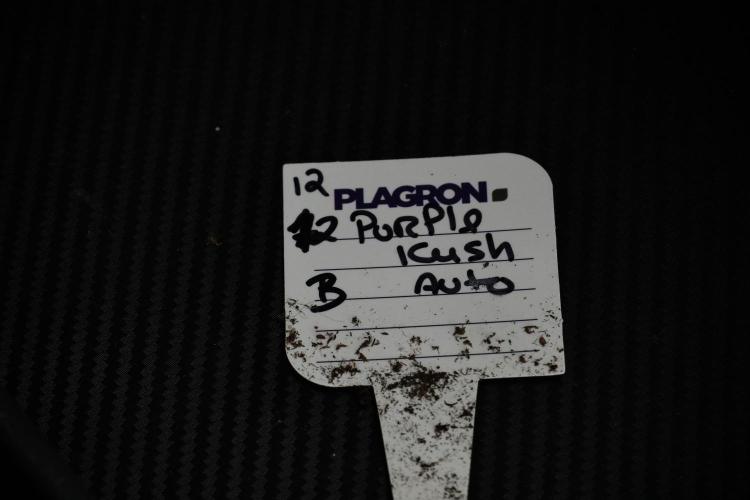
DogDoctorOfficial 🌿 Week 4 – Purple CousKush Auto #12 | Plant B
The Quiet Strategist Begins Her Move | 8×8 Adventure
Every plant has its own story, even when they share the same tent, the same light, the same feeding schedule, and the same care.
That’s one of the reasons I decided to document each phenotype individually throughout this 8×8 Adventure. Every seed carries its own personality, its own pace, and its own way of expressing the genetics hidden inside.
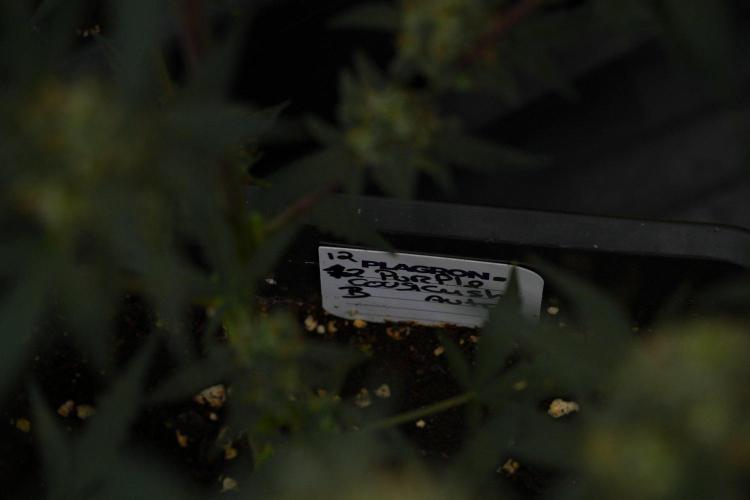
Today the spotlight belongs to Purple CousKush Auto #12 – Plant B.
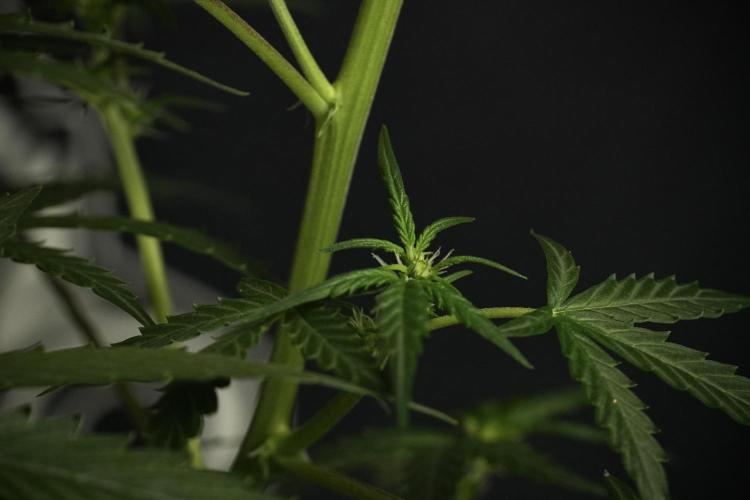
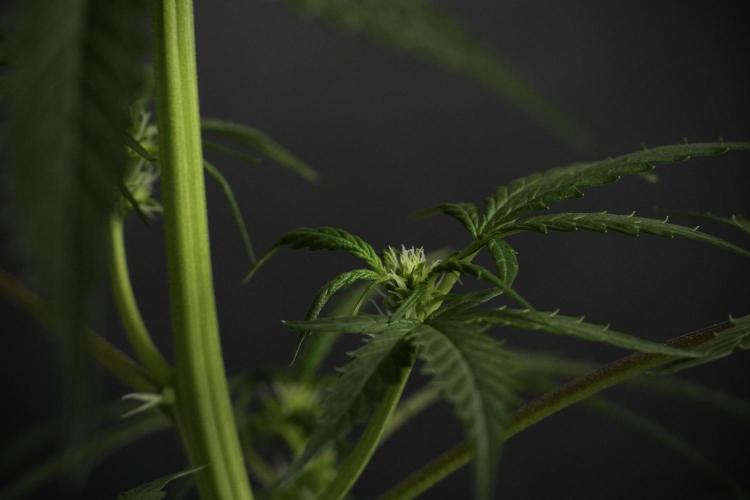
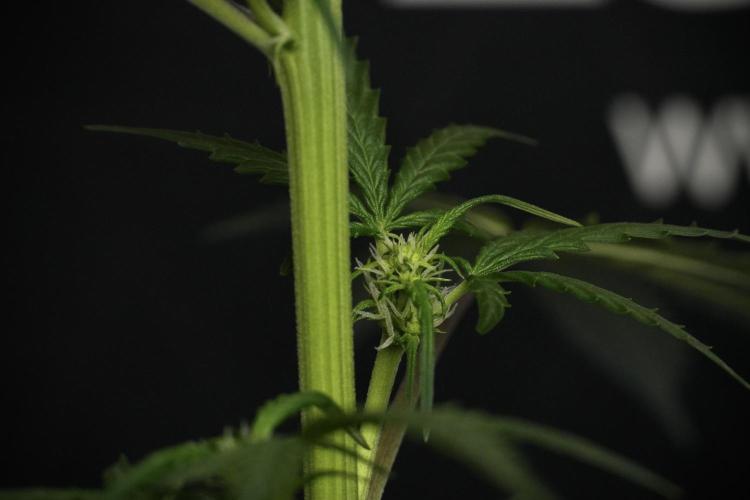
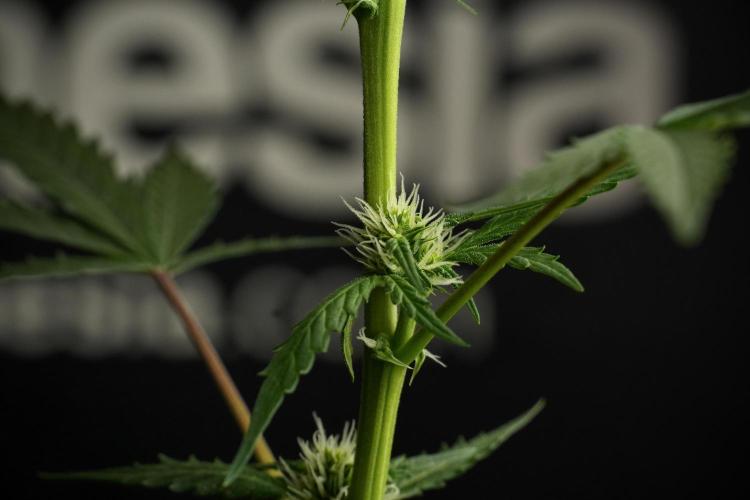
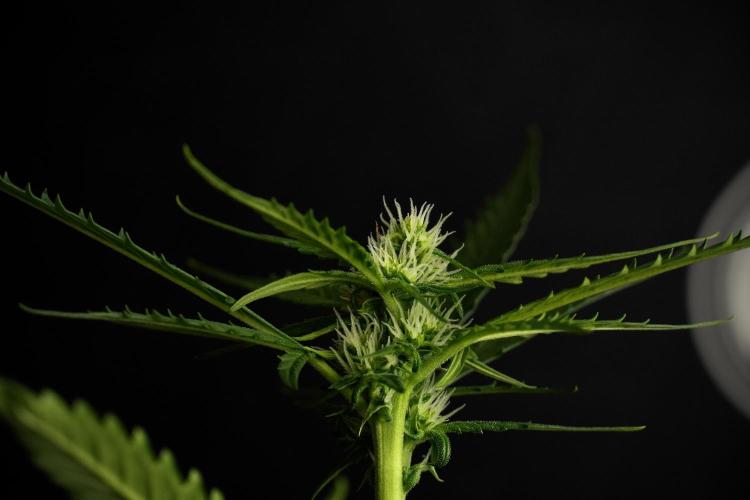
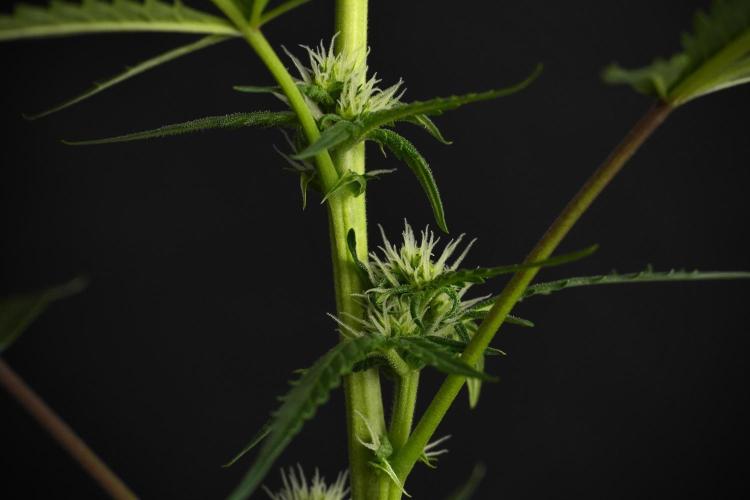
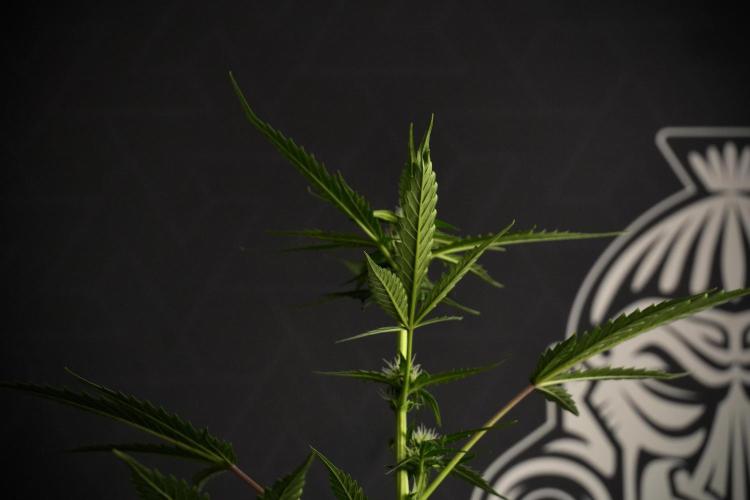
While a couple of her sisters are already sprinting into flower much earlier than expected, this lady is taking a slightly more measured approach. She’s clearly entering pre-flower, showing her first pistils and announcing that the transition has begun, but she’s doing it on her own schedule. There’s no rush here… just steady, confident progress.
And honestly… I like that.
Sometimes the plants that don’t demand attention early become some of the most rewarding later on.
⸻
🌱 Life inside the 8×8 Adventure
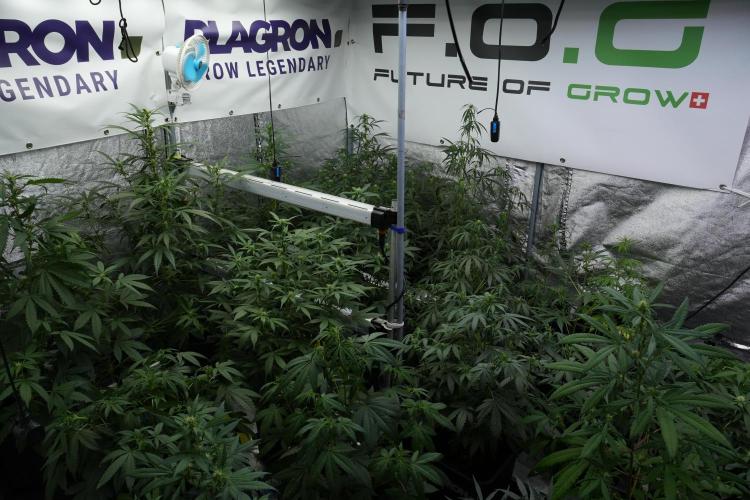
The room continues running under the 12/12 From Seed experiment, a method that constantly surprises me with how differently each cultivar reacts.
Even under identical environmental conditions, every plant interprets that limited photoperiod in its own way. Some immediately focus on reproduction while others continue building structure before committing fully to flowering.
Purple CousKush B seems to belong to the second group.
She continues investing energy into producing new growth while gently stacking pre-flowers across the upper nodes.
Watching these differences unfold is exactly why I enjoy documenting every individual plant instead of only reporting on the room as a whole.
⸻
🌿 Training without forcing nature
This week has mostly been about leaf tucking and a little gentle Low Stress Training.
Rather than removing healthy fan leaves, I’ve simply been moving them out of the way to expose lower growth sites to the LED. It’s amazing how much additional light reaches the interior of the plant with just a few careful adjustments.
LST continues following the same philosophy.
No aggressive bends.
No unnecessary stress.
Just guiding branches into better positions so the canopy can develop naturally while allowing more future flowering sites to receive direct light.
With autoflowers, timing is everything. Every day counts, so I prefer making small corrections instead of major interventions.
Purple CousKush B has responded beautifully, opening her structure while continuing to push healthy new shoots from every direction.
⸻
☀️ Summer is definitely here…
The biggest challenge this week hasn’t been nutrition.
It hasn’t been watering.
It hasn’t been training.
It’s simply been the weather.
Outside temperatures continue climbing, making it surprisingly difficult to keep the grow room perfectly stable—even with the air conditioning working around the clock.
Despite seeing daytime temperatures touching 33°C, humidity has remained reasonably controlled, helping prevent excessive stress while maintaining healthy transpiration.
Considering the conditions, I’m genuinely happy with how all the ladies are responding.
Strong stems.
Healthy green foliage.
Excellent turgor.
No signs of heat damage beyond the normal environmental challenge that summer inevitably brings.
Sometimes growing isn’t about chasing perfect numbers…
It’s about adapting and helping the plants stay comfortable despite Mother Nature trying to make things interesting.
⸻
💧 Week 4 Feeding
The feeding schedule remains simple and consistent:
• Terra Grow — 1.8 ml/L
• Power Roots — 1 ml/L
• Pure Zym — 1 ml/L
• Sugar Royal — 1 ml/L
Solution parameters:
• EC: 1.35 mS/cm
• pH: 6.1
The plants continue responding extremely well, with lush green foliage and vigorous new growth showing that the nutrition remains well balanced.
⸻
🌸 Looking ahead
With pre-flower now clearly underway, I’m expecting Purple CousKush B to begin stretching over the next week.
Unlike some of her faster sisters, she’s building a slightly more open architecture before committing fully to flowering, which could translate into excellent light penetration later in bloom.
Every day brings another surprise inside this tent, and that’s exactly what makes this project so enjoyable.
One room.
One environment.
One feeding program.
Yet every phenotype writes its own story.
I can’t wait to see what chapter Purple CousKush B has planned next.
⸻
As always, a massive thank you to everyone following this adventure, leaving comments, sharing knowledge, and supporting these journals week after week. Your encouragement genuinely makes documenting every phenotype worthwhile.
A huge thank you as well to Plagron for the outstanding nutrition, Zamnesia for the incredible genetics, and everyone helping make this 8×8 Adventure possible.
Growers Love and see you all next week for another chapter. 🌱💚
8 likes
comments
Share
Used techniques
12-12
Technique
LST
Technique
5
Week 5. Flowering
4mo ago
1/44
66 cm
Height
12 hrs
Light Schedule
31 °C
Day Air Temp
6.1
pH
No Smell
Smell
940 PPM
TDS
72 %
Air Humidity
22 °C
Solution Temp
21 °C
Substrate Temp
25 °C
Night Air Temp
15 liters
Pot Size
1 liters
Watering Volume
639 PPM
CO₂ Level
Nutrients 8
Terra Grow
1.8 mll
Pure Zym
1 mll
Sugar Royal
1 mll
DogDoctorOfficial 💜 Week 5 – Purple CousKush Auto (Pheno B)
Same Genetics, A Different Story
One of the greatest reminders that nature always has the final word is watching multiple phenotypes grow side by side.
This Purple CousKush has shared every step of the journey with her sister. The same germination conditions. The same Plagron feeding schedule. The same Future of Grow lighting. The same Mammoth tent. The same 12/12 flowering schedule from seed.
Yet she has decided to tell an entirely different story.
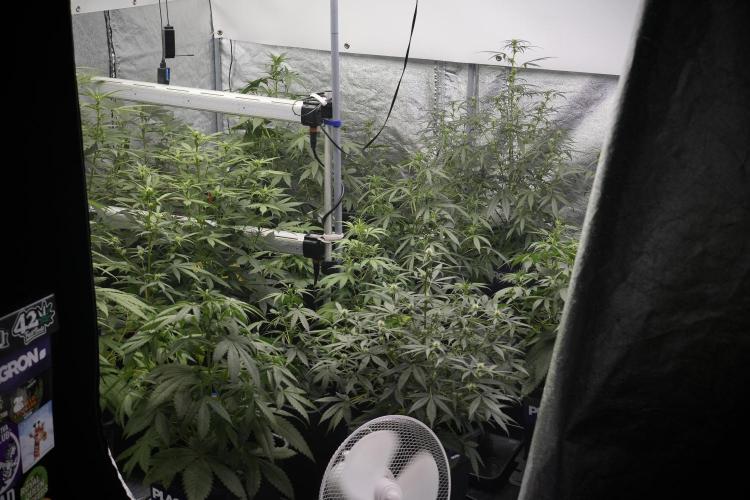
While some plants rush into flower and others focus on stretch, this beautiful lady has invested her energy into building a compact, incredibly healthy structure before fully committing herself to bloom.
She’s taking her time.
And I’m perfectly happy to let her.
⸻
🌱 Plant Development
At 66 cm tall, this phenotype has developed into a wonderfully balanced and compact plant with exceptional vigour.
The first thing that catches my attention every time I walk into the tent is just how lush she looks. Her foliage is thick, rich green and incredibly healthy, giving her a full appearance despite her more restrained vertical growth.
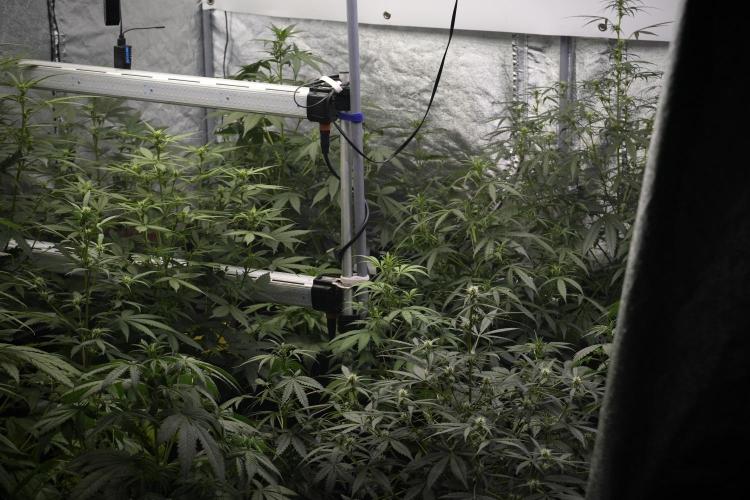
Flowering is now clearly underway. Fresh pistils are appearing at every growing tip and along the internodes, confirming that she’s fully transitioning into bloom. She simply isn’t in any hurry, and that’s perfectly fine.
The spacing between nodes remains excellent, allowing light to penetrate deep into the canopy while creating dozens of promising future flowering sites.
She’s building the foundations first.
The flowers will follow.
⸻
🌿 Environment & Growing Conditions
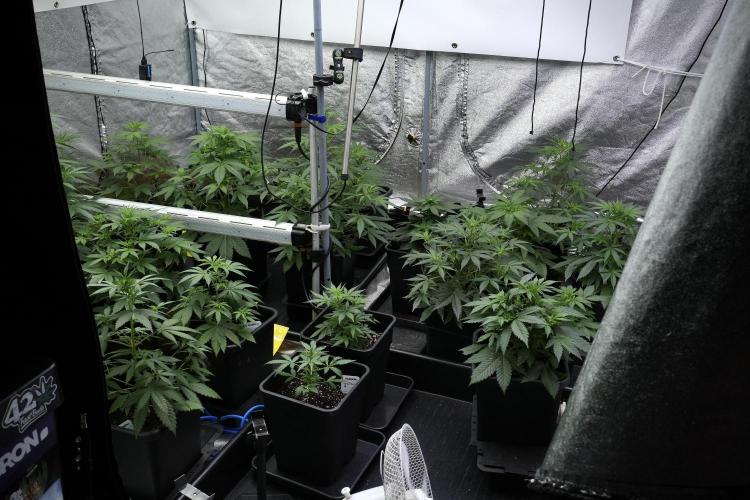
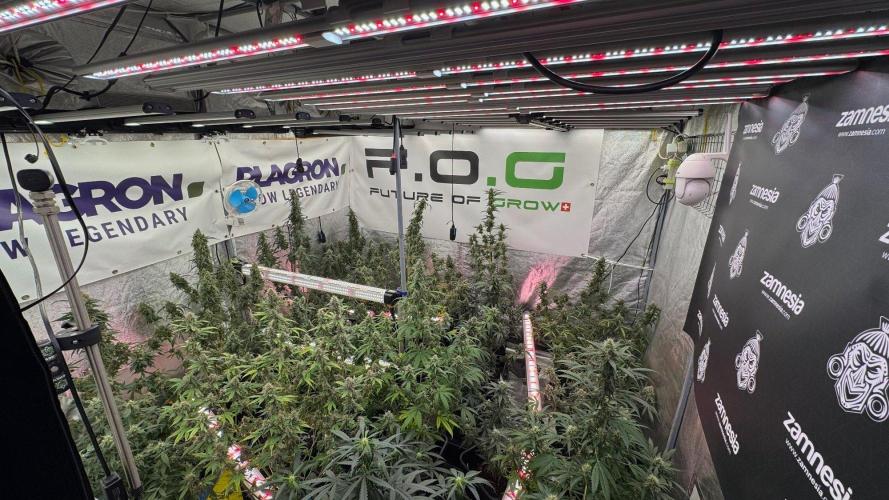
Like the rest of the Project Blue Tent, environmental conditions remained very stable throughout the week.
* 12/12 lighting schedule from seed
* Future of Grow Black Series LED providing approximately 850 PPFD
* Mammoth Pro grow tent
* Day temperatures around 31°C
* Relative humidity averaging 72%
* CO₂ levels around 639 ppm
Despite the warmer summer temperatures, this phenotype has remained calm and vigorous throughout the week. Leaf posture has been excellent, colour remains beautifully uniform, and the plant continues to show absolutely no signs of stress.
Healthy roots create healthy plants, and this girl certainly looks like she’s enjoying life.
⸻
💧 Feeding Program
This Purple CousKush continues to be hand-watered rather than connected to the AutoPot system.
Growing in a 15 L Plagron Lightmix container, she received approximately 1 litre of nutrient solution per watering.
This week’s feeding consisted of:
• Terra Grow – 1.8 ml/L
• Terra Bloom – 1.9 ml/L
• Pure Zym – 1 ml/L
• Power Roots – 1 ml/L
• Sugar Royal – 1 ml/L
• Power Buds – 1 ml/L
The feeding schedule continues to match her needs perfectly. The deep green foliage, steady growth and healthy new shoots all suggest she’s receiving exactly what she requires while gradually shifting her focus from vegetative growth into flowering.
Sometimes consistency really is the best strategy.
⸻
🌸 Phenotype Notes
Comparing this plant with her sister perfectly illustrates why I enjoy documenting individual phenotypes instead of treating every plant as if they were identical.
They come from the same seed pack.
They’ve received the same care.
They’ve experienced the same environment.
Yet they’re expressing themselves in wonderfully different ways.
This phenotype is slightly slower entering flower, but she compensates with an incredibly sturdy frame, beautiful branching and dense, vibrant foliage that gives her a very robust appearance.
She’s not behind.
She’s simply following her own genetic rhythm.
That’s one of the reasons I love growing from seed—every plant has its own personality waiting to be discovered.
⸻
🔍 Looking Ahead
Over the next week I expect flowering to become much more obvious as the pistils continue multiplying across every branch and the first real bud sites begin to establish themselves.
With her compact structure, balanced branching and excellent health, I’m excited to see how she fills out during the coming weeks.
Sometimes the slower starters end up becoming the biggest surprises at harvest.
We’ll simply keep providing a stable environment, consistent nutrition and plenty of patience while she writes the next chapter herself.
⸻
💭 Final Thoughts
Every phenotype teaches something different.
This Purple CousKush reminds me that speed has never been the goal. Health, balance and consistency will always matter far more than racing toward the finish line.
Watching her develop has been incredibly enjoyable because she’s never tried to imitate the other plants in the room. She’s simply growing exactly the way her genetics tell her to.
As growers, sometimes our best decision is simply to observe, trust the process and resist the temptation to interfere.
Nature has been doing this for millions of years.
She knows what she’s doing.
⸻
🙏 Thank You
A huge thank you to everyone following this journey and sharing it with me week after week. Your support, encouragement, advice and conversations are a huge part of what makes GrowDiaries such an incredible community.
A very special thank you to the amazing companies helping bring this project to life:
💜 Zamnesia for the fantastic genetics.
💜 Plagron for the trusted nutrition.
💜 Future of Grow for the incredible Black Series lighting.
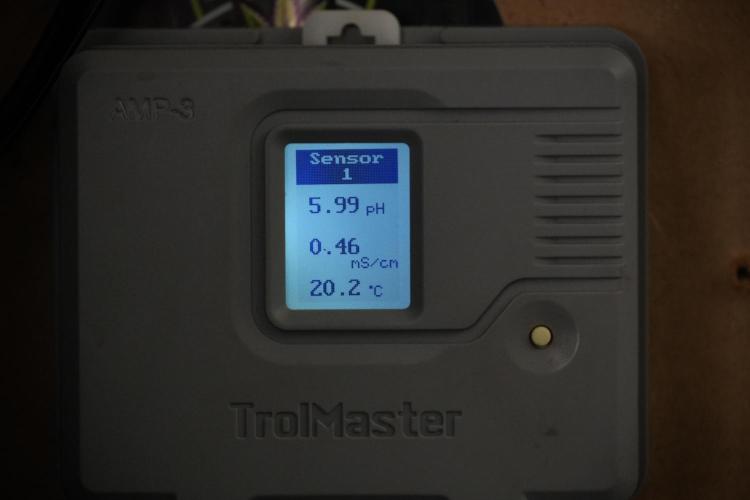
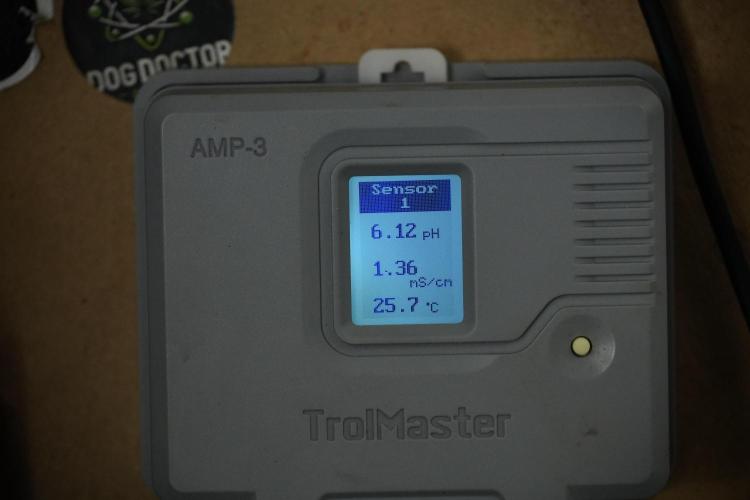
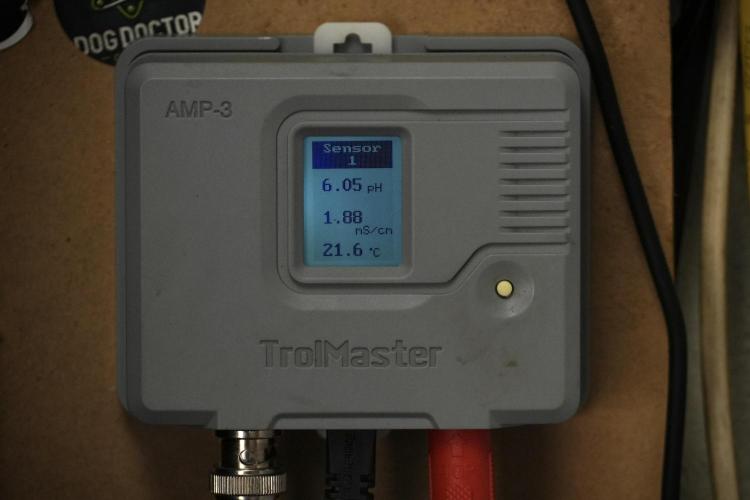
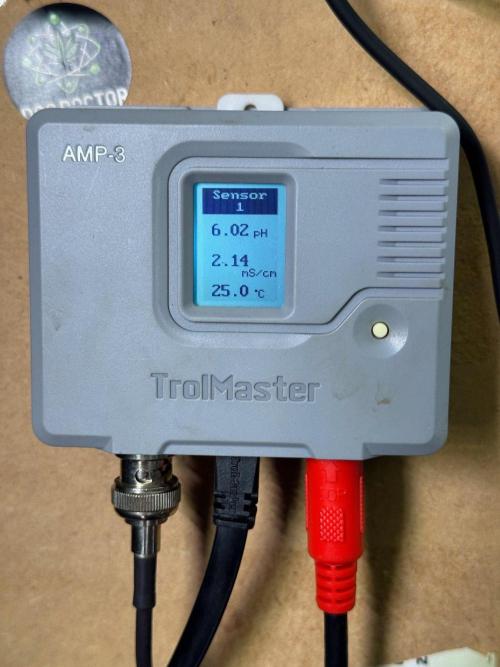
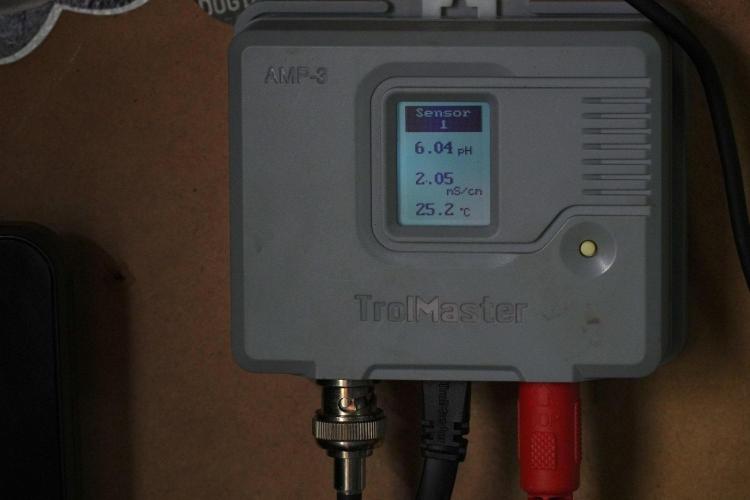
💜 TrolMaster for helping keep every environmental parameter under control.
And finally, thank you to every member of the GrowDiaries family. Whether you’re here to learn, share your own experience or simply enjoy watching these plants develop, I truly appreciate every visit, every comment and every conversation.
Until next week…
Growers Love and happy growing, everyone! 🌱💚
10 likes
comments
Share
Used techniques
12-12
Technique
LST
Technique
6
Week 6. Flowering
3mo ago
1/37
66 cm
Height
12 hrs
Light Schedule
29 °C
Day Air Temp
6.0
pH
Weak
Smell
890 PPM
TDS
60 %
Air Humidity
21 °C
Solution Temp
21 °C
Substrate Temp
25 °C
Night Air Temp
15 liters
Pot Size
1.1 liters
Watering Volume
639 PPM
CO₂ Level
Nutrients 7
Pure Zym
1 mll
Sugar Royal
1 mll
Ph Plus
0.03 mll
DogDoctorOfficial 💜 Week 6 – Purple CousKush Auto (Pheno B)
Growing Without a Hurry
One of my favourite lessons from this entire 8×8 Adventure has been learning not to measure success with a ruler.
Some plants race toward the finish line, stretching with incredible determination. Others quietly settle into themselves, carefully building strength before revealing what they have planned.
This Purple CousKush belongs to the second group.
She's never tried to compete with her sisters. She simply grows at her own pace, never rushed, never stressed, never trying to be anything other than herself.
And honestly...
I wouldn't change a thing.
🌱 Plant Development
Week 6 finds this beautiful lady standing at approximately 66 cm, making her one of the more compact Purple CousKush phenotypes in the room.
While some of the other ladies have focused on vertical growth, she has invested her energy into creating a wonderfully balanced frame with sturdy branches and beautifully healthy foliage.
The flowers are now beginning to establish themselves across every branch. Fresh white pistils continue appearing at every node, and although the buds remain small for now, their formation is wonderfully even throughout the canopy.
One feature that keeps drawing my attention is her foliage.
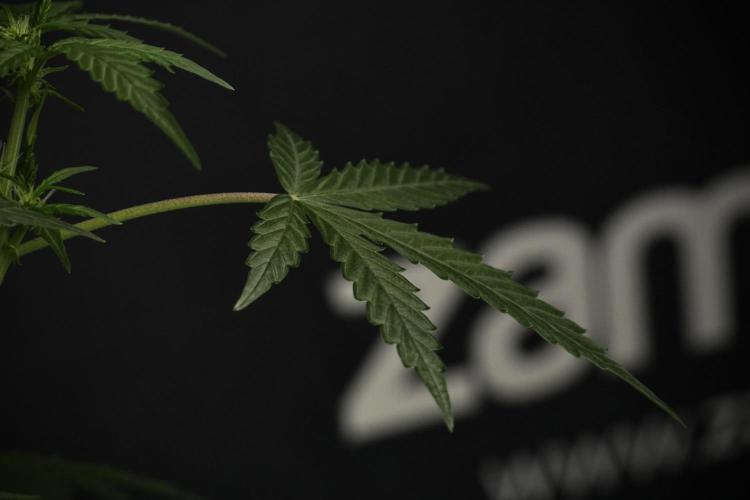
The leaves carry a rich, deep emerald-green colour that immediately speaks of excellent health. Even more interesting are the gentle curves at the tips of several leaves, almost as if they're curling a finger and inviting you to come a little closer.
Every plant has its own little signature.
Those playful leaves have become hers.
🌿 Environment & Growing Conditions
This week brought another period of stable environmental conditions, allowing the plant to continue developing without interruption.
• 12/12 light schedule from seed
• Future of Grow Black Series LED delivering approximately 850 PPFD
• Mammoth Pro grow tent
• Day temperature around 29°C
• Night temperature around 25°C
• Relative humidity averaging 60%
• CO₂ approximately 639 ppm
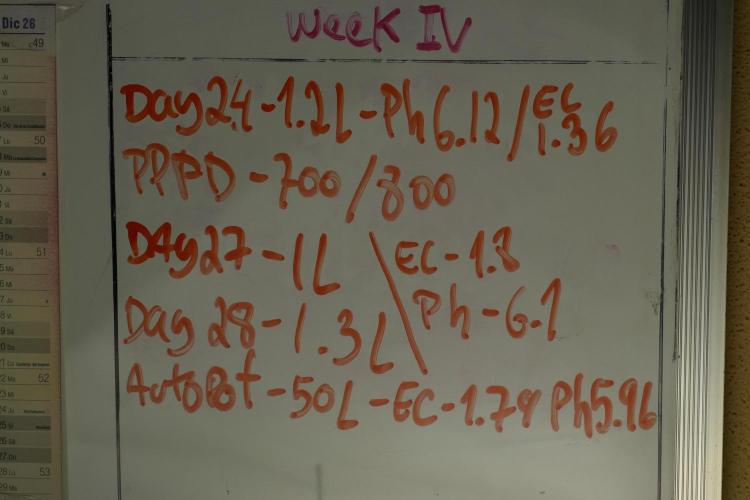
• pH 6.0
• EC 1.78 mS/cm
Despite the warm summer conditions, she continues showing exceptional health. Leaf colour remains vibrant, stems continue strengthening and there isn't a single indication that she's under any environmental stress.
Sometimes quiet progress is still outstanding progress.
💧 Feeding Program
Growing in a 15 L Plagron Lightmix container and hand-watered with approximately 1.1 litres per irrigation, she continues responding beautifully to the current bloom feeding schedule.
This week's nutrient solution consisted of:
• Terra Bloom – 1.9 ml/L
• Pure Zym – 1 ml/L
• Sugar Royal – 1 ml/L
• Power Buds – 1 ml/L
• Green Sensation – 1 ml/L
The balance between nutrition and growth continues to be exactly where I want it. The rich green foliage, healthy new growth and consistent flower development all suggest she's receiving everything she needs without asking for anything more.
No corrections.
No chasing numbers.
Just letting the plant do what she does best.
🌸 Phenotype Notes
This phenotype reminds me that every seed carries its own personality.
She's certainly not the biggest plant in the room, but she's far from the smallest story.
Everything about her feels deliberate. Her internodes remain nicely spaced, the branching is symmetrical, and her compact stature gives the impression of a plant that's quietly preparing for the weeks ahead rather than trying to impress anyone today.
Looking closely at the flowering sites, it's clear she's beginning to shift more energy toward bud production. Every branch carries clusters of fresh pistils, hinting at the shape she's slowly becoming.
She's teaching patience.
And patience has always been one of a grower's greatest tools.
🔍 Looking Ahead
Over the coming week I expect the flowering sites to begin stacking more noticeably as the stretch gradually slows.
The framework is already there.
Now it's simply a matter of allowing time to do its work.
With her healthy root system, vibrant foliage and naturally balanced structure, I'm excited to watch these small flower clusters slowly transform into properly formed colas over the next few weeks.
She may never become the tallest plant in the room.
But she may very well become one of the prettiest.
💭 Final Thoughts
Plants like this remind me why comparisons rarely tell the full story.
It's easy to admire the tallest plant or the fastest flowering phenotype.
But there's something incredibly rewarding about watching a quieter plant confidently follow her own rhythm without ever looking unhealthy or unhappy.
This Purple CousKush doesn't seem interested in racing.
She's simply enjoying the journey.
Healthy.
Balanced.
Elegant.
Confident in her own timing.
Sometimes the most beautiful gardens are built by plants that never felt the need to hurry.
🙏 Thank You
A huge thank you to everyone following this 8×8 Adventure. Every comment, every question and every shared experience makes this journey even more enjoyable.
A special thank you to the amazing companies helping bring this grow to life:
💜 Zamnesia for the incredible Purple CousKush genetics.
💜 Plagron for providing the nutrition that keeps these ladies thriving.
💜 Future of Grow for the outstanding Black Series lighting.
💜 TrolMaster for helping maintain a stable environment from start to finish.
And finally, thank you to the entire GrowDiaries community. Whether you're here to learn, share your own journey or simply enjoy watching these phenotypes develop, I truly appreciate every visit and every conversation.
Until next week...
Growers Love and happy growing! 🌱💚
12 likes
comments
Share
Used techniques
12-12
Technique
LST
Technique
7
Week 7. Flowering
3mo ago
1/46
88 cm
Height
12 hrs
Light Schedule
29 °C
Day Air Temp
5.8
pH
Weak
Smell
975 PPM
TDS
60 %
Air Humidity
21 °C
Solution Temp
21 °C
Substrate Temp
25 °C
Night Air Temp
15 liters
Pot Size
1.1 liters
Watering Volume
639 PPM
CO₂ Level
Nutrients 7
Pure Zym
1 mll
Sugar Royal
1 mll
Ph Plus
0.03 mll
DogDoctorOfficial 💜 Week 7 – Purple CousKush Auto (Pheno B)
Quiet Confidence
One of the things I love most about growing multiple phenotypes side by side is discovering that every plant has its own way of telling a story.
Some demand attention from the very beginning.
Others slowly earn it.
This Purple CousKush has always belonged to the second group.
Since germination she's chosen her own rhythm, never trying to become the tallest plant in the room or the fastest to flower. Instead, she's quietly built herself into an incredibly balanced, healthy and elegant little lady.
For anyone joining this 8×8 Adventure for the first time, this entire project is about growing multiple phenotypes side by side under exactly the same conditions. Every plant receives the same environment, nutrition and care, allowing their unique genetics and personalities to tell the story.
This Purple CousKush is proving that sometimes the quietest phenotype becomes one of the most rewarding to watch.
Week after week she's reminded me that confidence doesn't always need to be loud.
Sometimes it simply grows.
🌱 Plant Development
Week 7 finds this beautiful phenotype standing at approximately 88 cm, adding another impressive stretch since last week's update while maintaining the same wonderfully symmetrical structure she's displayed from the beginning.
Although she still isn't the tallest Purple CousKush in the tent, she's becoming one of those plants that immediately catches your eye for all the right reasons.
Every branch has continued developing evenly, creating a beautifully open canopy where light reaches almost every flowering site. The spacing between nodes has proven to be nearly ideal, giving each future cola plenty of room to develop without feeling crowded.
The flowers themselves have taken a noticeable step forward this week.
Fresh white pistils continue exploding from every bud site, while the individual flowers are beginning to connect into the first recognizable colas. They're still young, but the direction is becoming very clear.
One thing that really stands out is her colour.
The foliage has shifted into an incredibly rich emerald green that almost glows under the lights. Every leaf looks healthy, every stem feels strong, and the entire plant gives the impression of being perfectly comfortable in her environment.
She may not be shouting for attention.
But she's certainly earning it.
🌿 Environment & Growing Conditions
Another week of stable environmental conditions has allowed this phenotype to continue flowering without interruption.
• 12/12 light schedule from seed
• Future of Grow Black Series LED delivering approximately 850 PPFD
• Lumiflora under-canopy lighting now supporting lower flower development
• Mammoth Pro grow tent
• Day temperature around 29°C
• Night temperature around 25°C
• Relative humidity averaging 60%
• CO₂ approximately 639 ppm
• pH 5.8
• EC 1.95 mS/cm
One exciting addition this week has been introducing the Lumiflora under-canopy lighting.
While the main Future of Grow Black Series continues driving the canopy from above, the Lumiflora fixtures now provide additional light beneath the canopy, helping lower flowering sites receive energy that would normally be lost in the shadows.
As the flowers continue stacking over the coming weeks, this extra light should contribute to more uniform bud development throughout the entire plant instead of concentrating production only at the top.
It's another small detail that helps maximize every square centimetre of the grow space.
💧 Feeding Program
Growing in a 15 L Plagron Lightmix container and receiving approximately 1.1 litres of solution per irrigation, she continues responding beautifully to the current bloom programme.
This week's nutrient solution consisted of:
• Terra Bloom – 2 ml/L
• Pure Zym – 1 ml/L
• Sugar Royal – 1 ml/L
• Power Buds – 1 ml/L
• Green Sensation – 1 ml/L
The slightly increased EC has been welcomed without hesitation.
Leaf colour remains beautifully vibrant, new flower growth is accelerating and the plant continues showing absolutely no signs of nutrient excess or deficiency.
Sometimes the best feeding schedule isn't the most complicated one.
It's simply the one the plant happily accepts.
🌸 Phenotype Notes
This Purple CousKush continues reminding me that beauty isn't measured in height.
She's growing with incredible balance.
The main stem has become noticeably thicker, every branch is supporting itself confidently, and each flowering site appears to be developing at almost exactly the same pace.
There's something incredibly satisfying about watching a plant where nothing seems forced.
Everything feels natural.
The rich green foliage frames the developing flowers perfectly, while the bright white pistils almost sparkle against the darker leaves.
She isn't trying to steal the spotlight.
She simply shines in her own quiet way.
Sometimes those become the most memorable plants of the entire run.
🔍 Looking Ahead
The stretch now appears to be slowing, which means the next phase should become increasingly exciting.
Over the coming week I expect the flowers to begin stacking much more aggressively as the plant redirects more of her energy into building density rather than height.
The introduction of the Lumiflora under-canopy lighting should also begin showing its benefits as the lower bud sites receive additional usable light, helping create a more consistent canopy from top to bottom.
The framework has been built.
Now comes the part every grower loves watching.
The swelling.
The stacking.
And slowly, the first hints of the beautiful Purple CousKush she's been promising all along.
💭 Final Thoughts
This week made me smile.
Not because she's suddenly become the biggest plant in the room.
But because she's becoming exactly what she was meant to be.
Healthy.
Balanced.
Elegant.
Every photograph tells the same story.
Deep green leaves.
Strong stems.
Beautiful flower formation.
And a plant that looks completely at peace with herself.
She reminds me that growing isn't always about chasing the biggest harvest or the tallest canopy.
Sometimes it's simply about appreciating a plant that's doing everything right.
And this beautiful lady...
She's doing exactly that.
🙏 Thank You
A huge thank you to everyone following this 8×8 Adventure. Every comment, every question and every shared experience make this journey even more rewarding.
A special thank you to the amazing companies helping bring this grow to life:
💜 Zamnesia for the incredible Purple CousKush genetics.
💜 Plagron for providing the nutrition that keeps these ladies thriving.
💜 Future of Grow for delivering outstanding lighting from above with the Black Series LED.
💜 Lumiflora for helping illuminate the canopy from below, ensuring every flower has the opportunity to reach its full potential.
💜 TrolMaster for maintaining the stable environment that allows these plants to perform at their very best.
And finally, thank you to the entire GrowDiaries community. Whether you're here to learn, share your own journey or simply enjoy watching these phenotypes develop, I truly appreciate every visit, every comment and every conversation.
Until next week...
Growers Love and happy growing! 🌱💚
13 likes
comments
Share
Used techniques
12-12
Technique
8
Week 8. Flowering
2mo ago
1/75
96 cm
Height
12 hrs
Light Schedule
29 °C
Day Air Temp
6.0
pH
Normal
Smell
2500 PPM
TDS
60 %
Air Humidity
21 °C
Solution Temp
21 °C
Substrate Temp
25 °C
Night Air Temp
15 liters
Pot Size
1.2 liters
Watering Volume
639 PPM
CO₂ Level
Nutrients 7
Pure Zym
1 mll
Sugar Royal
1 mll
Ph Plus
0.03 mll
DogDoctorOfficial 💜 Purple CousKush Auto by Zamnesia | Pheno B | Week 8 (Flower Week 5) 🌱
Quiet Confidence Is Becoming Something Beautiful
Every grow has plants that demand your attention.
They stretch.
They fill the room.
They need training.
They need cleaning.
They seem to constantly ask you to do something.
And then there are plants like this Purple CousKush.
She doesn't ask for much.
She simply keeps growing.
Quietly.
Elegantly.
And somehow, every time I look at her, I like her a little more.
Standing at approximately 96 cm, she isn't the tallest plant in the 8×8 Adventure. She isn't trying to become one either.
But the way she's developing is something I genuinely appreciate.
The structure is balanced.
The flowers are forming beautifully.
The canopy has enough space.
The plant looks healthy.
And most importantly...
she looks comfortable.
Sometimes that's all the confirmation a grower needs.
🌸 Week 8 – Beauty Without Force
One of the biggest lessons this entire project continues teaching me is that there isn't one correct way for a plant to grow.
We're running multiple genetics side by side, under the same general environment, the same lighting strategy, the same nutrition and the same cultivation philosophy.
Yet every phenotype interprets that environment differently.
Some stretch.
Some stay compact.
Some build massive central colas.
Some create dozens of smaller flowering towers.
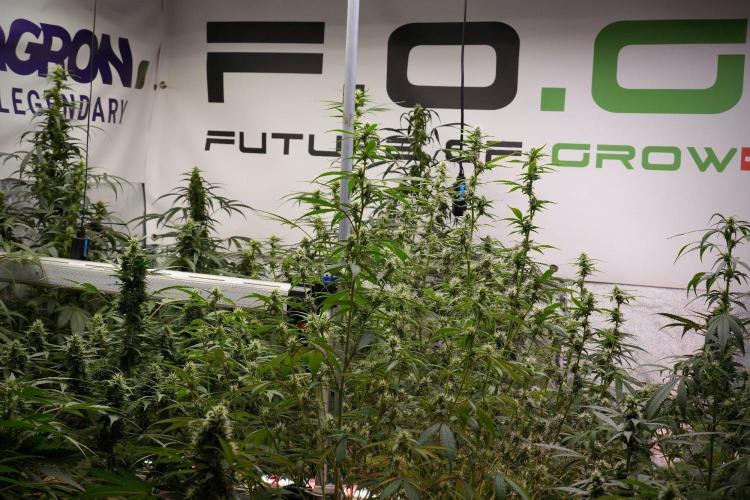
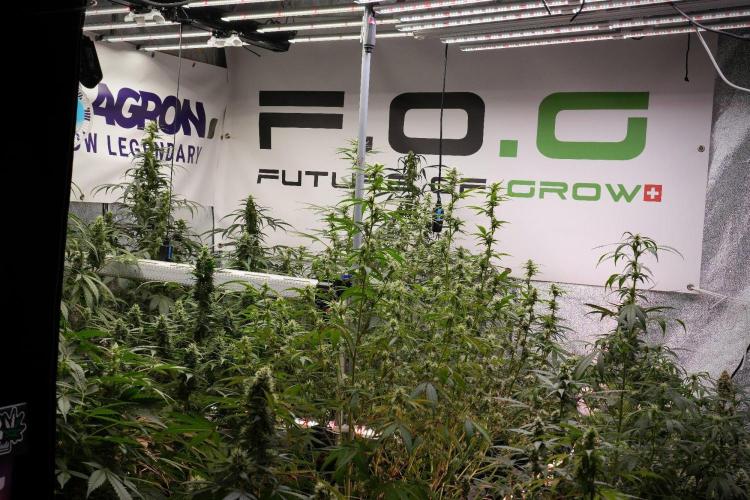
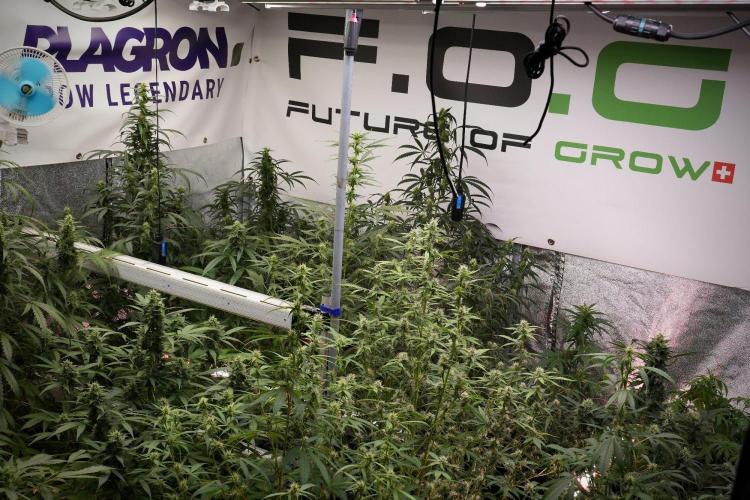
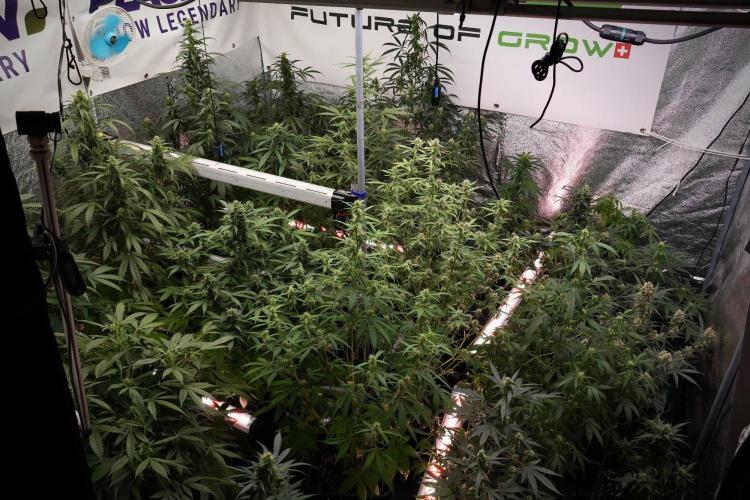
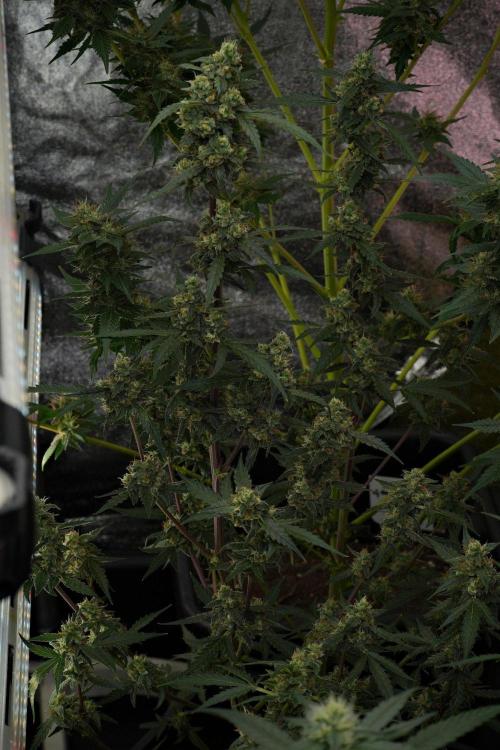
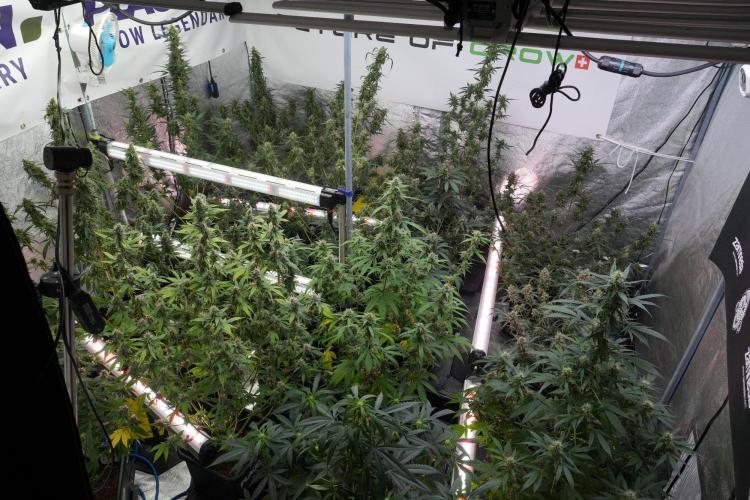
And this Purple CousKush has chosen something in between.
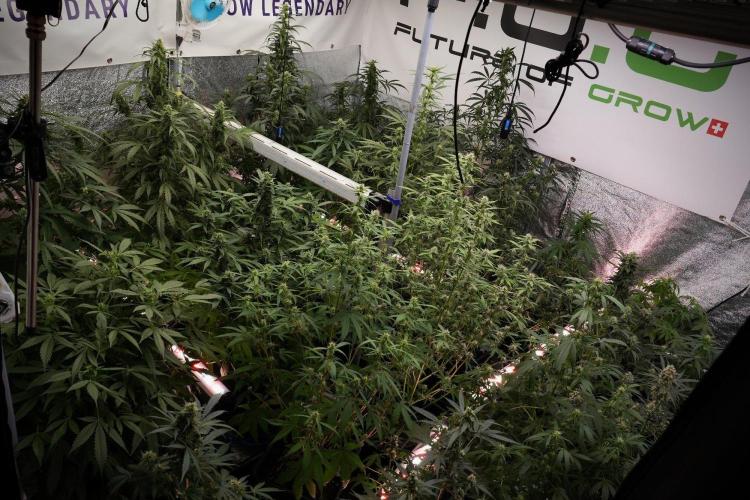
She's building a wonderfully balanced structure where the flowering sites are distributed naturally throughout the plant.
Nothing looks forced.
Nothing looks crowded.
Nothing looks like it needs fixing.
And that last part is important.
Not everything needs fixing.
🌿 No Defoliation This Week
This is one of those weeks where I decided to simply leave her alone.
She was part of the same general flowering period where other plants in the room received a selective defoliation.
But when I looked at her...
I didn't see a compelling reason to do it.
The canopy isn't excessively congested.
The flowering sites are developing nicely.
There is enough space between the branches.
Air can move through the structure.
Light can reach the flowers.
And the leaves that remain are healthy and actively contributing to the plant.
So why remove them?
Just because we can doesn't mean we should.
That's something I've learned more and more throughout this project.
Defoliation is a tool.
It's not a requirement.
If a plant already has a good balance between foliage, airflow, light penetration and flowering sites, sometimes the best intervention is no intervention at all.
And that's exactly what I chose for this lady.
She's doing beautifully.
So I'm letting her continue doing beautifully.
🌸 The Flowers Are Writing Her Story
And this is where she really starts to shine.
The developing flowers are becoming much more defined now.
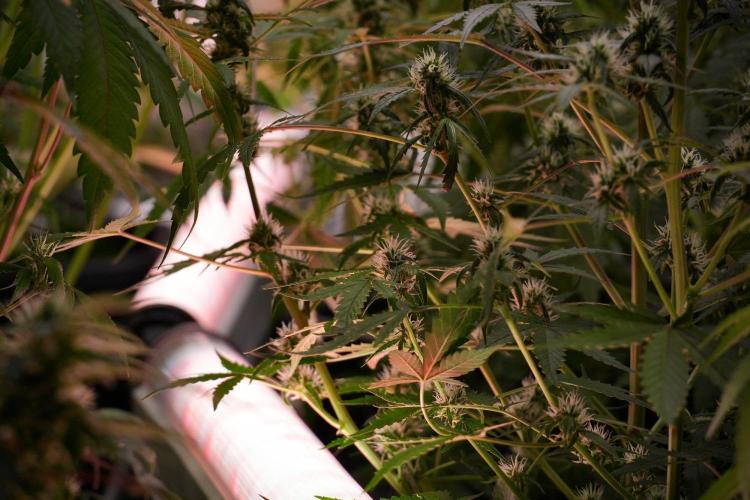
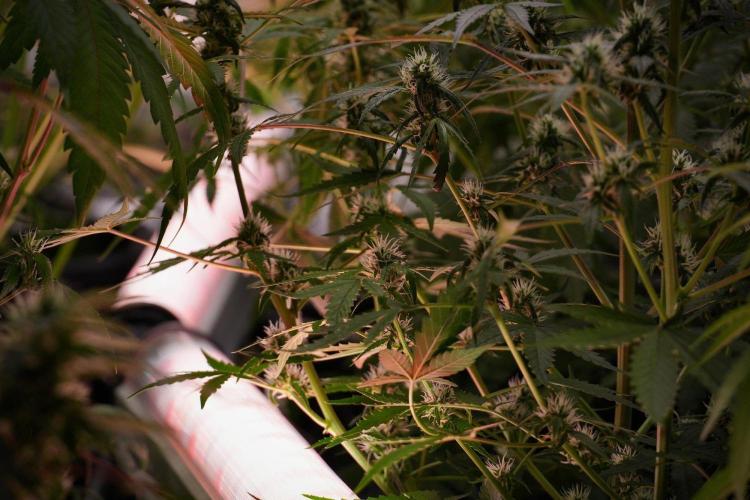
The bright pistils continue emerging across the flowering sites, while the individual buds are beginning to take on more substance.
Looking through the canopy, you can see the plant beginning to transition from early flower formation into proper flower development.
The structure she built earlier is now becoming the framework supporting all of this.
Every branch has a purpose.
Every flowering site has room.
And the overall shape of the plant gives the impression that she knows exactly what she's doing.
I particularly like how the flowers are distributed across the branches.
They're not hidden inside a dense wall of foliage.
They're sitting there in the light, developing naturally.
And that's beautiful to watch.
💜 Small Doesn't Mean Small Potential
This is another thing I've come to appreciate during this 8×8 Adventure.
When we talk about plants being "big" or "small", we're usually talking about height or physical volume.
But those measurements don't necessarily tell the whole story.
A plant can be relatively modest in size and still use its available space extremely efficiently.
This Purple CousKush is a perfect example.
At around 96 cm, she isn't dominating the tent.
But look at what she's doing with those centimetres.
She's building flowering sites throughout her structure.
She's maintaining healthy foliage.
She's keeping good spacing.
She's developing flowers evenly.
And she's doing it without needing constant intervention.
That's efficiency.
And honestly, I really like it.
💡 Letting The Light Work
The lighting strategy remains one of the most interesting parts of this entire project.
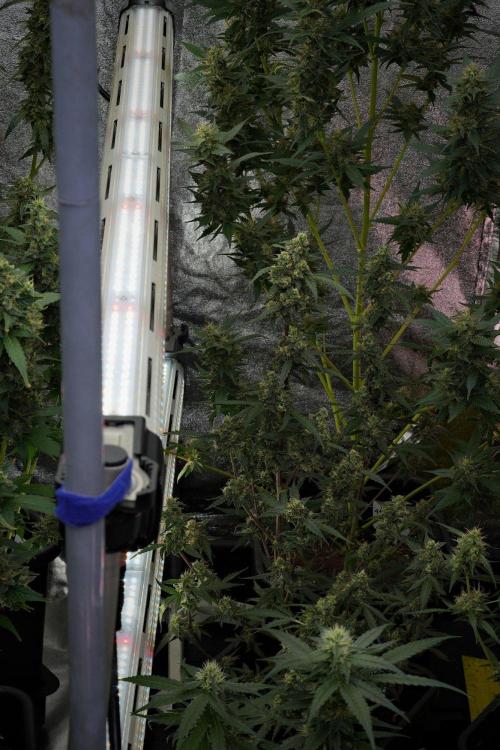
Above the canopy, the Future of Grow Black Series continues providing the main source of intense light.
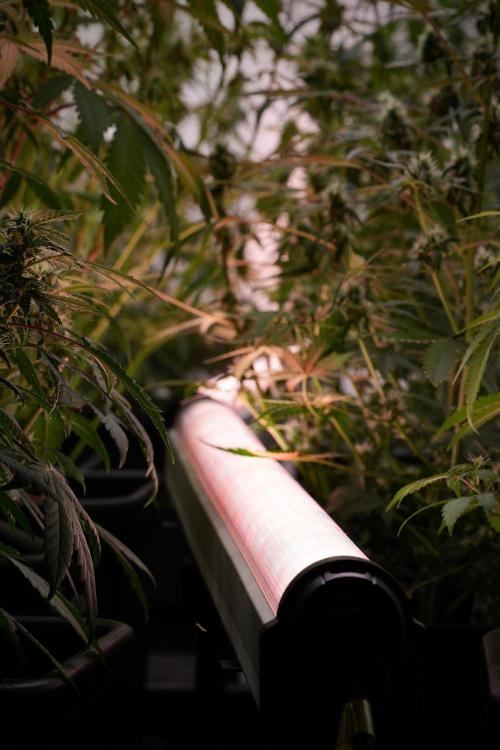
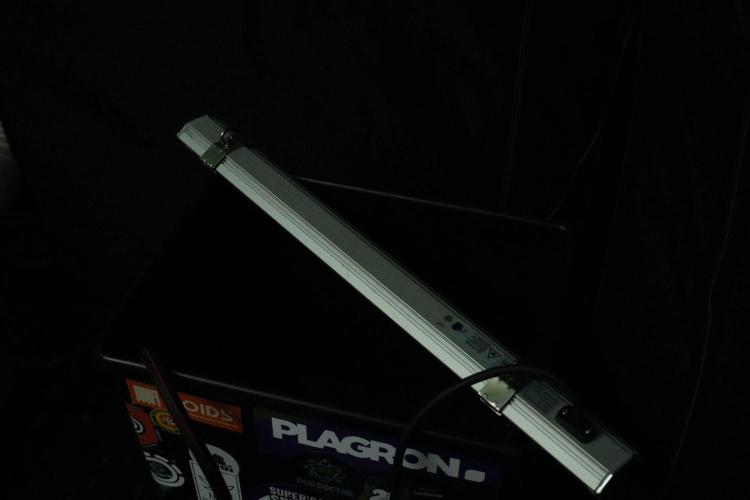
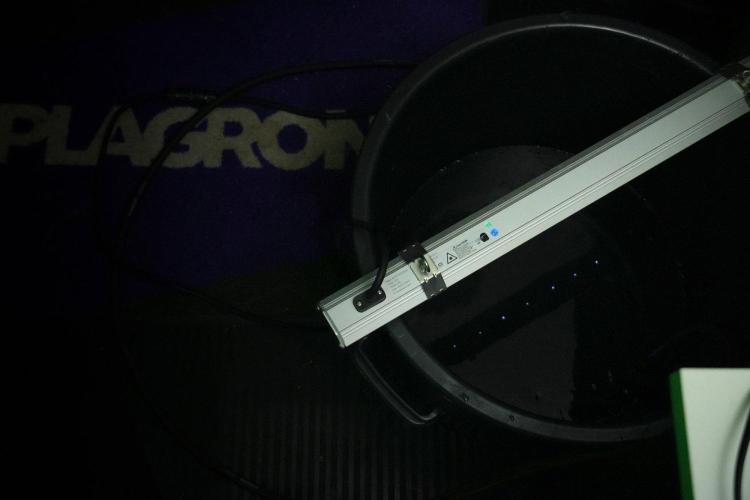
Below, the Lumiflora under-canopy lighting continues helping illuminate areas that would otherwise receive much less direct light.
But there's an important distinction here.
Under-canopy lighting isn't a reason to keep every tiny lower flowering site on the plant.
Light doesn't magically turn every low bud site into a major cola.
The plant still decides where it invests its resources.
And that's another reason I don't feel the need to remove foliage aggressively just to expose every little piece of the plant.
We're watching.
We're observing.
We're allowing the plant to show us what she can actually do.
For now, she's showing us plenty.
🍃 Healthy, Balanced & Comfortable
The foliage remains beautifully healthy.
The rich green colour continues throughout the plant, while the leaves maintain good posture and structure.
The stems are supporting the developing flowers confidently.
The plant isn't showing obvious signs that she's struggling with the current environment or feeding program.
And perhaps the biggest compliment I can give her is this:
She looks relaxed.
There is no visible desperation to her growth.
No excessive stretch.
No overcrowding.
No obvious stress.
She's simply progressing.
Sometimes healthy cultivation looks surprisingly boring.
And that's a compliment.
💧 Feeding Program
Purple CousKush Pheno B continues receiving the same flowering nutrition program:
Terra Bloom — 2.2 ml/L
Pure Zym — 1 ml/L
Sugar Royal — 1 ml/L
Power Buds — 1 ml/L
Green Sensation — 1 ml/L
pH Plus / Lemon Kick — as required
Current targets remain around:
pH: 5.8
EC: approximately 1.95 mS/cm
She's continuing to accept the program very well.
There is no reason to complicate something that's already working.
Consistency remains the name of the game.
🌡️ Environment
The room continues running with stable conditions:
Light schedule: 12/12
Day temperature: 29°C
Night temperature: 25°C
Relative humidity: 60%
Solution temperature: 21°C
Root-zone temperature: 21°C
CO₂: approximately 639 ppm
Pot size: 15 L
Watering: approximately 1.1–1.2 L per 24 hours
The environmental stability continues giving every phenotype the opportunity to express herself without constantly having to adapt to changing conditions.
And that's exactly what we want.
The plant should spend her energy growing flowers...
Not surviving her environment.
🌱 Same Room. Completely Different Story.
This is probably my favourite part of documenting individual phenotypes.
Her sister, Purple CousKush Pheno A, has always been more energetic and vertically ambitious.
Pheno B is different.
She has taken her time.
She has built a more restrained structure.
She doesn't dominate the canopy.
She doesn't demand attention.
But now, when you look at her flowers, you can see exactly why she deserves her own diary.
She's beautiful.
And she's becoming more beautiful every week.
This is why I don't like judging phenotypes too early.
At the beginning, you see a plant.
Then you see a structure.
Then you see flowering sites.
Then suddenly, somewhere in the middle of flower...
you start seeing the phenotype.
And I think that's happening right now.
🔍 Looking Ahead
The next few weeks should become particularly interesting.
The stretch is essentially winding down, which means the plant can increasingly dedicate her resources toward flower development.
The flowering sites should continue swelling.
The pistils will gradually become less dominant visually as the calyxes gain volume.
Resin production should continue increasing.
And those beautiful branches she's built should slowly become heavier with flowers.
I'm also curious to see whether her compact, balanced architecture translates into equally balanced flowers at harvest.
I have a feeling it might.
But we're not going to decide that today.
We're going to let her finish the story.
💭 Final Thoughts – Sometimes The Best Move Is Doing Nothing
This week doesn't have a dramatic lesson.
There was no emergency.
No major training session.
No aggressive cleanup.
No big correction.
And that's exactly what makes this week special.
Sometimes the best thing a grower can do is look at the plant and say:
"You're doing great. Carry on."
That's where Purple CousKush Pheno B is right now.
She's healthy.
She's balanced.
She's developing beautiful flowers.
She's using her space efficiently.
She's maintaining excellent structure.
And she simply doesn't need me to interfere.
So I won't.
I'll keep watching.
I'll keep feeding.
I'll keep watering.
I'll keep documenting.
And I'll let her show me what she has inside her.
Because she may not be the biggest plant in this room.
She may not be the tallest.
She may not be the loudest.
But she's becoming one of the most elegant.
And that's a personality worth celebrating.
🙏 Thank You
A huge thank you once again to Zamnesia for these beautiful Purple CousKush genetics, Plagron for supporting the nutrition throughout this journey, Future of Grow for providing the powerful Black Series lighting above the canopy, Lumiflora for helping bring additional light into the lower canopy, TrolMaster for maintaining such a stable environment, and of course everyone following this crazy 8×8 Adventure here on GrowDiaries.
Every phenotype has her own story.
Some stories are dramatic.
Some are explosive.
Some surprise us.
And some simply become more beautiful every week.
This one?
She's quietly becoming something special. 💜
No defoliation.
No forcing.
No unnecessary intervention.
Just a beautiful plant doing what she knows how to do.
And honestly...
I wouldn't change a thing.
Until next week...
Growers Love and happy growing! 🌱💚
14 likes
comments
Share
Used techniques
12-12
Technique
9
Week 9. Flowering
2mo ago
1/66
96 cm
Height
12 hrs
Light Schedule
29 °C
Day Air Temp
6.0
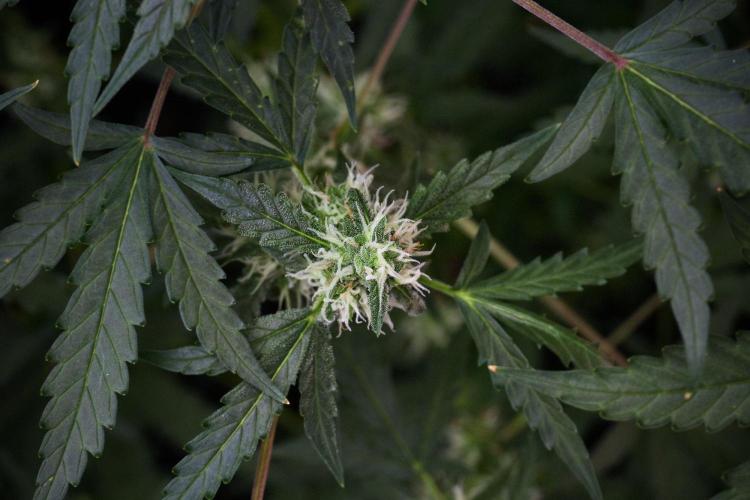
pH
Strong
Smell
2500 PPM
TDS
60 %
Air Humidity
25 °C
Solution Temp
26 °C
Substrate Temp
25 °C
Night Air Temp
15 liters
Pot Size
1.2 liters
Watering Volume
639 PPM
CO₂ Level
Nutrients 7
Pure Zym
1 mll
Sugar Royal
1 mll
Ph Plus
0.03 mll
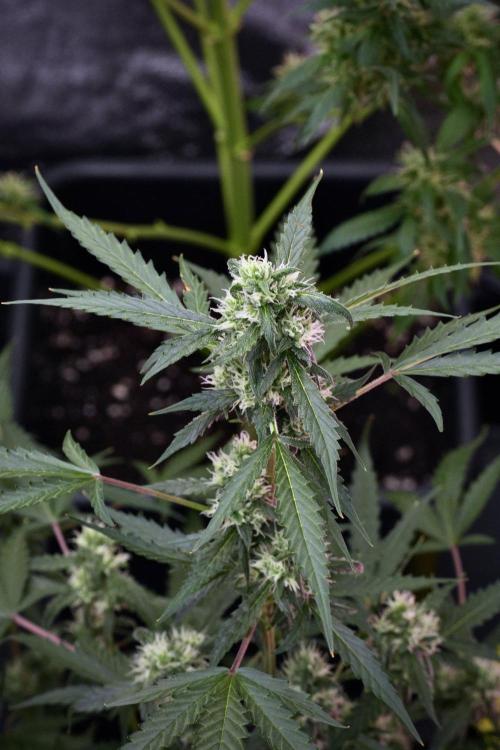
DogDoctorOfficial 💜 Purple CousKush Auto by Zamnesia | Pheno B | Week 9
🌿 Elegant, Green & Right On Point
Some plants make you work for the compliments.
Others simply stand there and make you smile.
Purple CousKush Pheno B is definitely becoming one of those plants.
Week after week, she has maintained the same quiet elegance that made me like her from the beginning.
She isn't trying to dominate the room.
She isn't trying to become the tallest.
She isn't demanding constant intervention.
She's simply growing.
And growing beautifully.
This week, I'm looking at her and seeing something I really love:
consistency.
The plant is healthy.
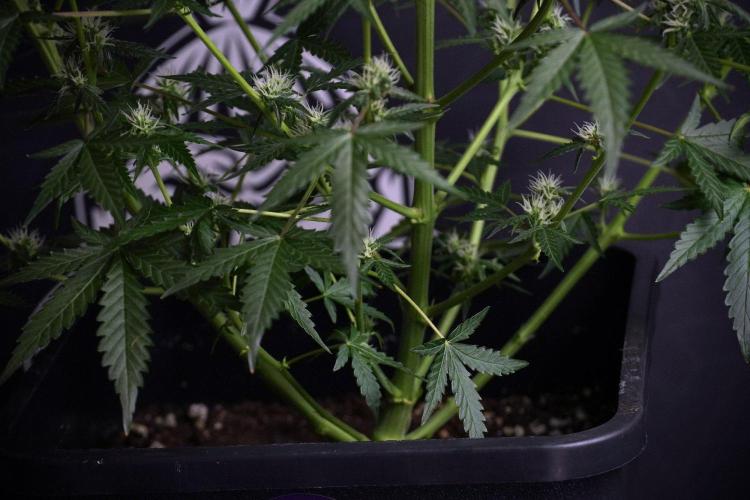
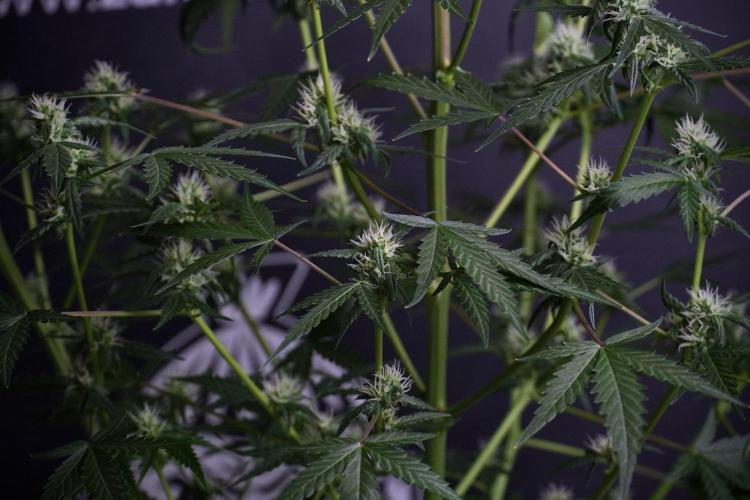
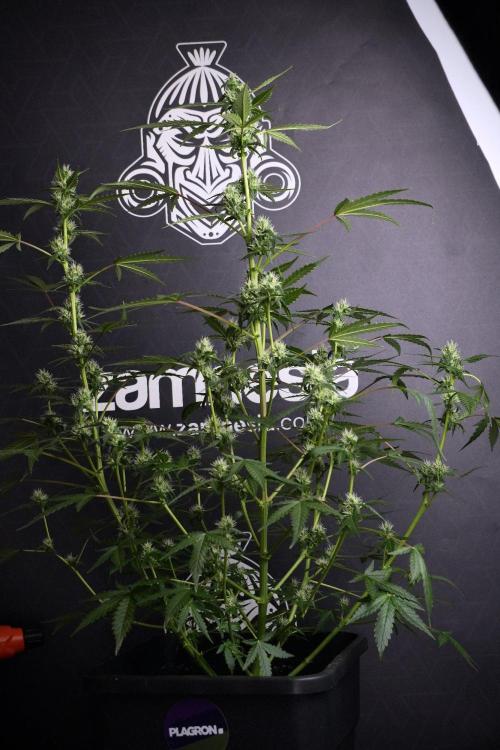
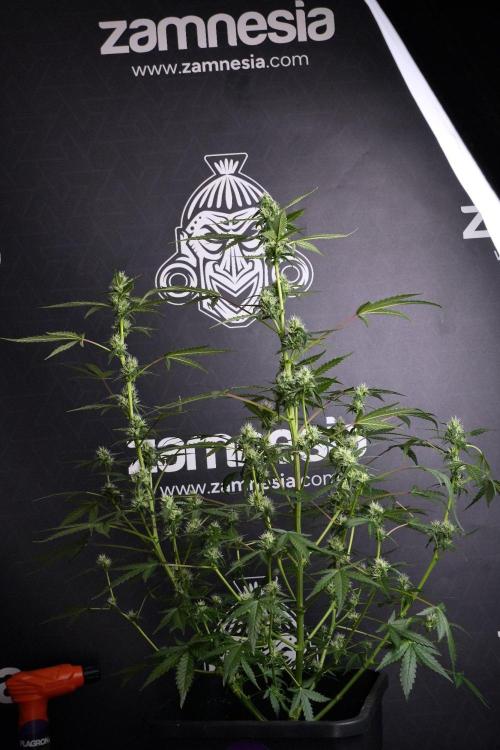
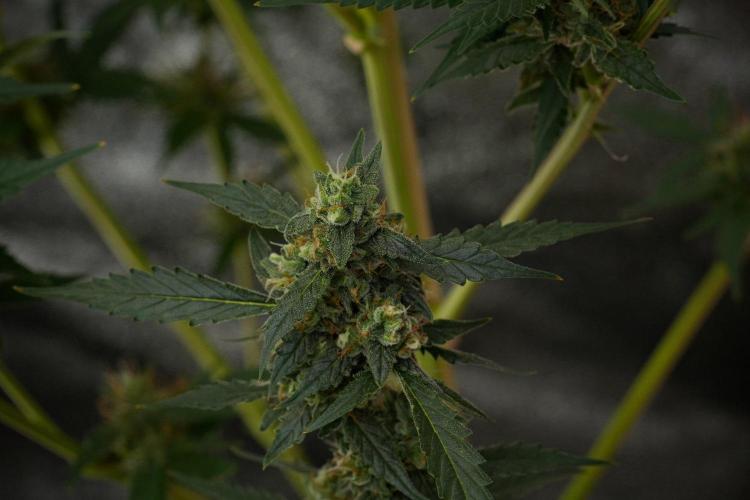
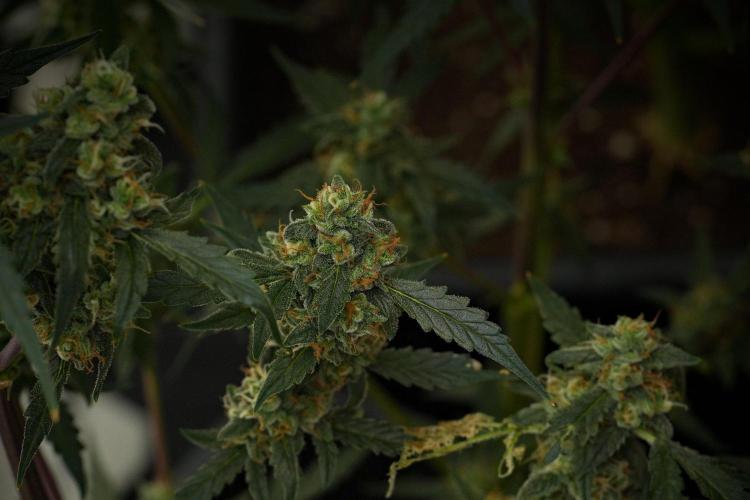
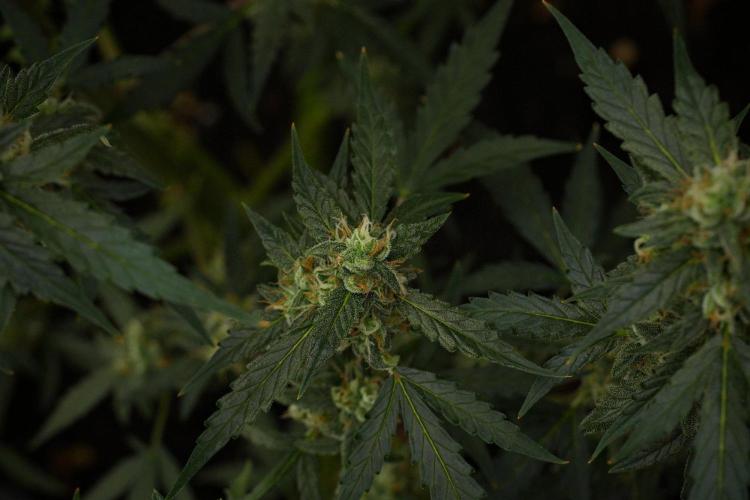
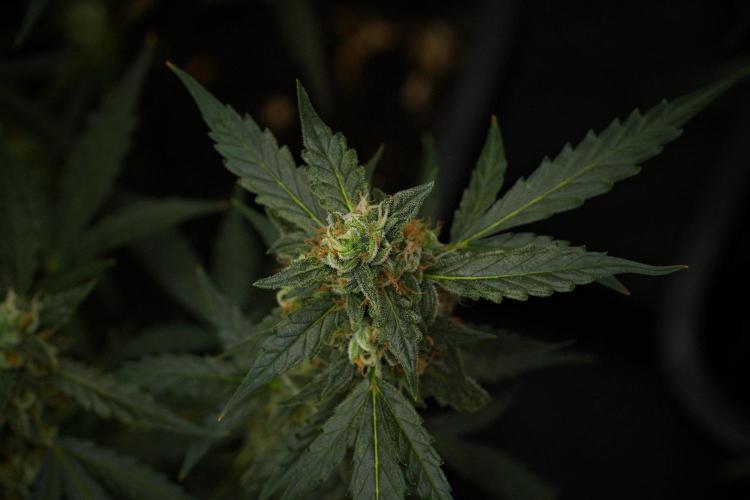
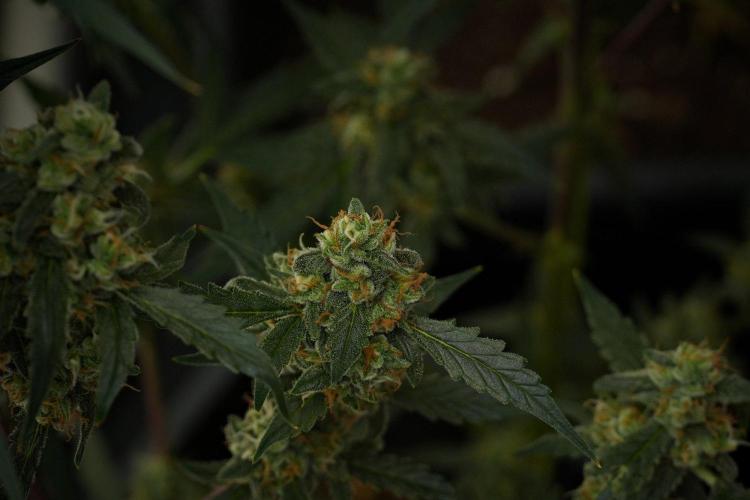
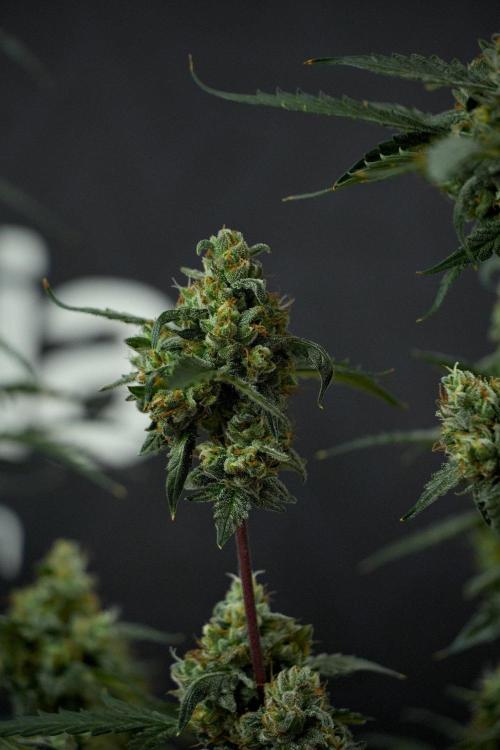
The structure is beautiful.
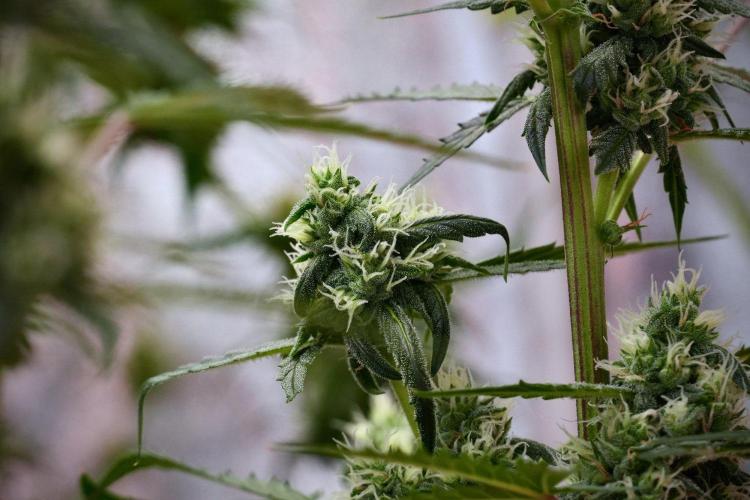
The foliage is incredibly lush and deep green.
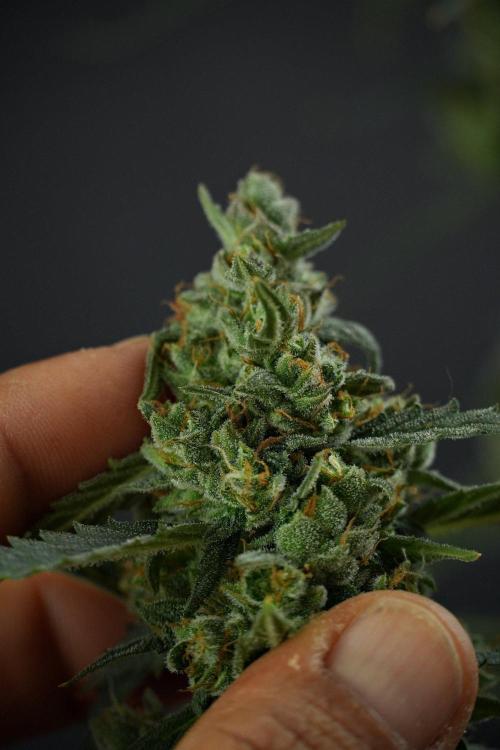
The flowers are developing exactly where I want them to be.
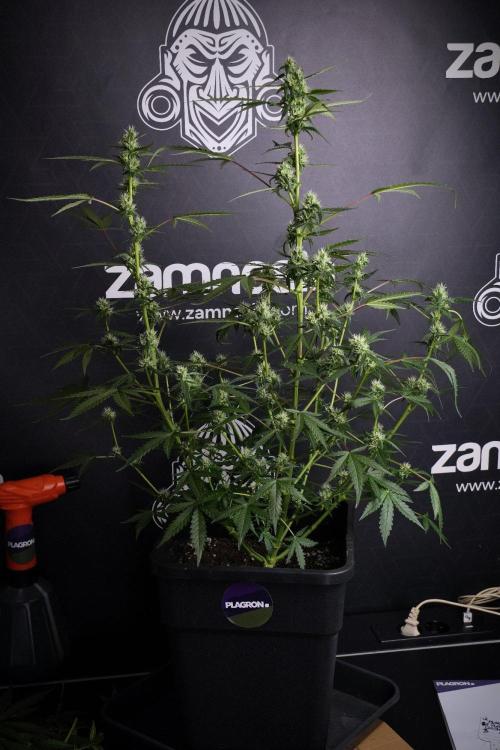
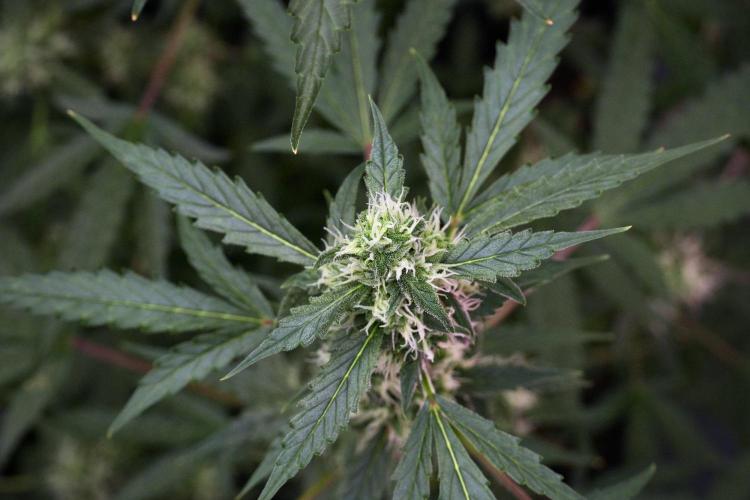
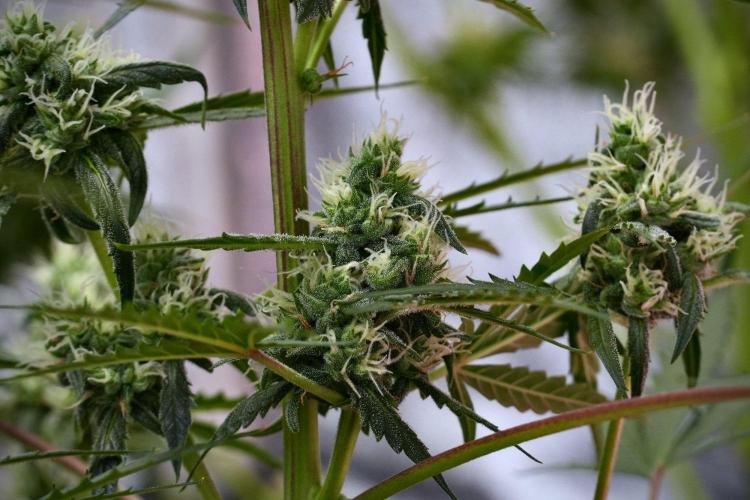
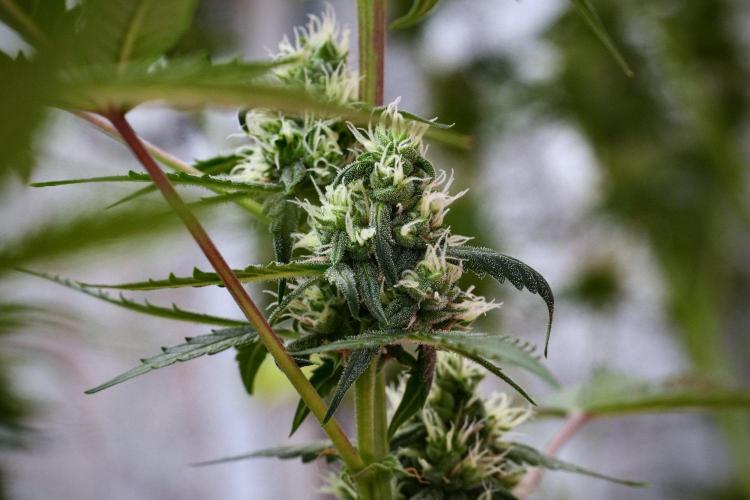
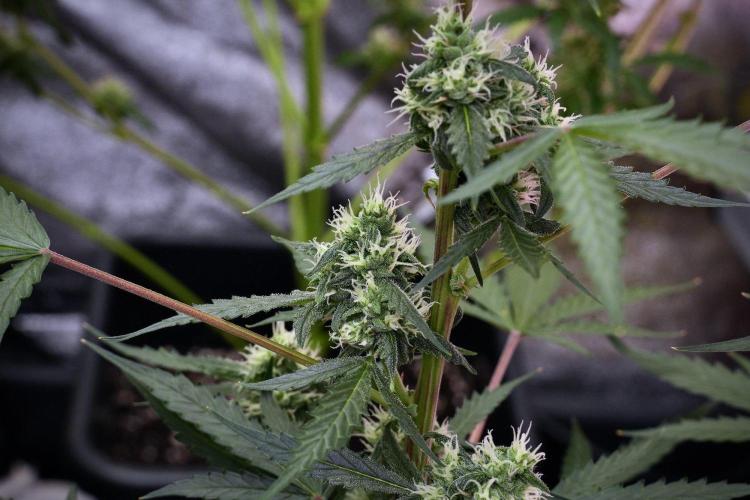
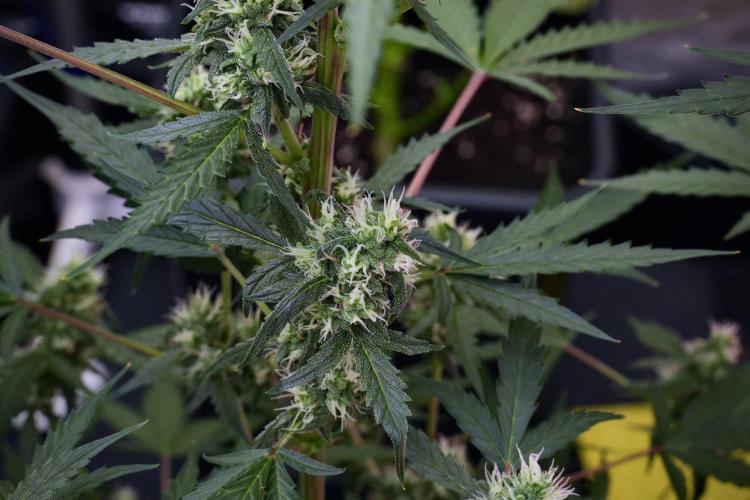
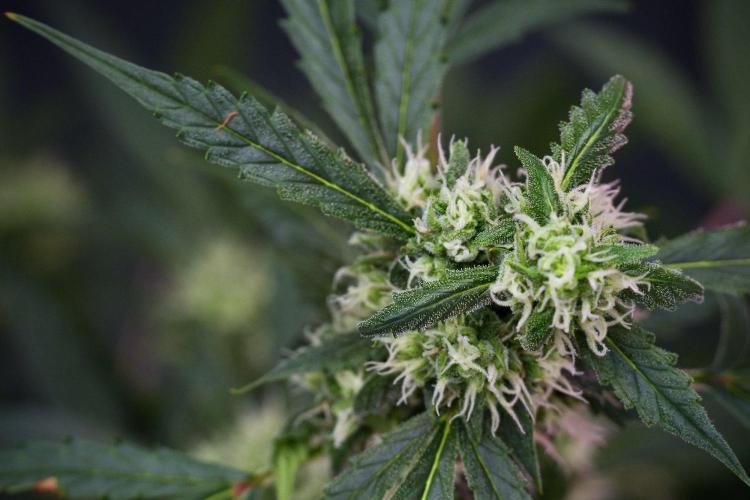
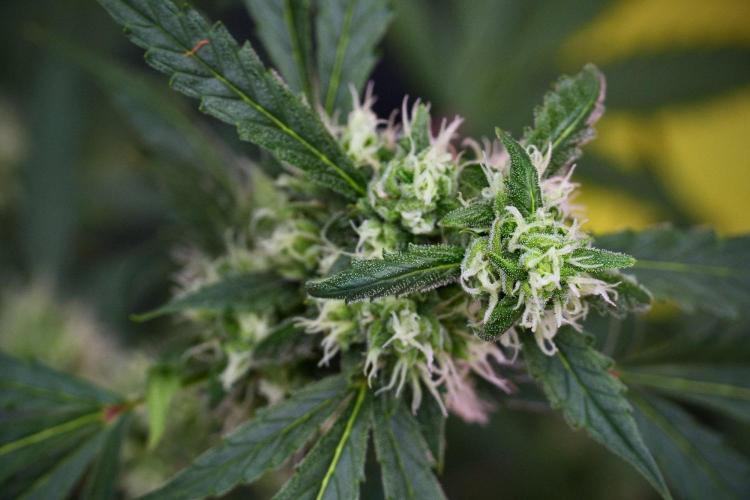
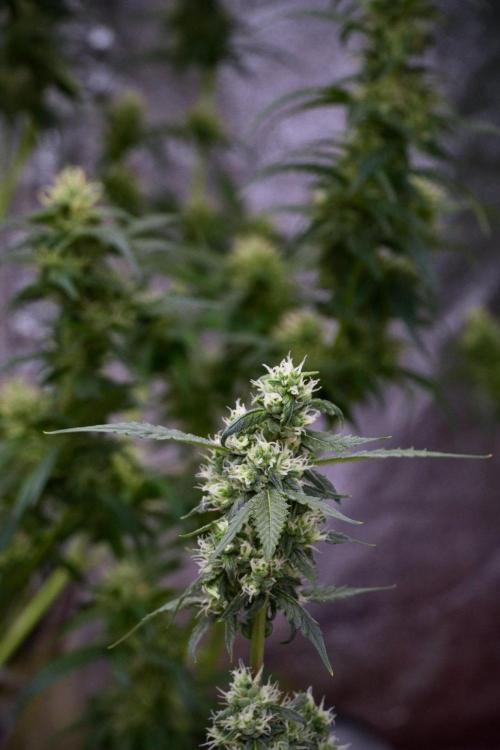
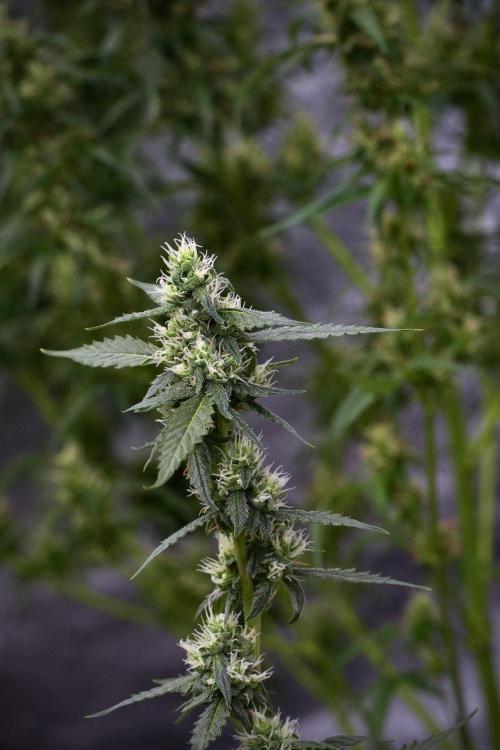
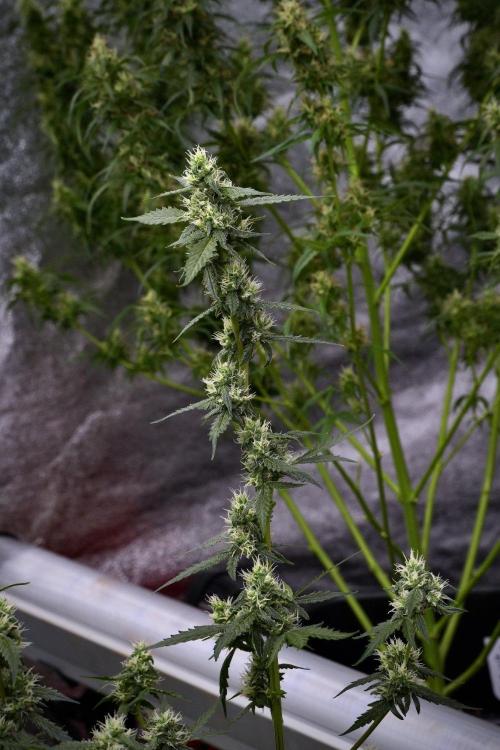
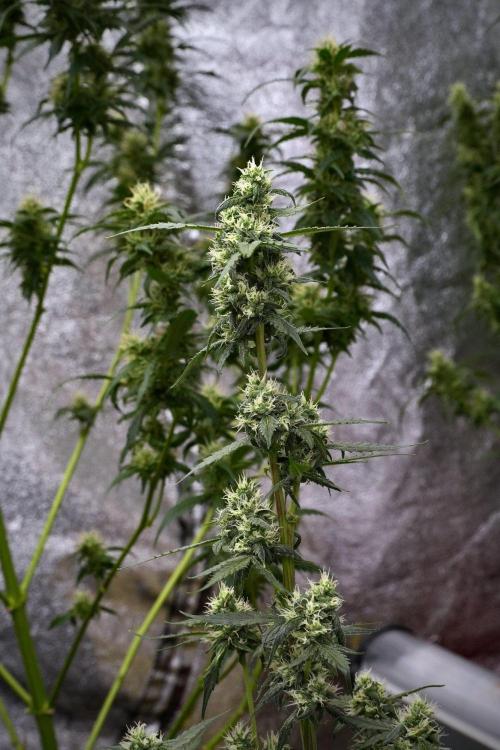
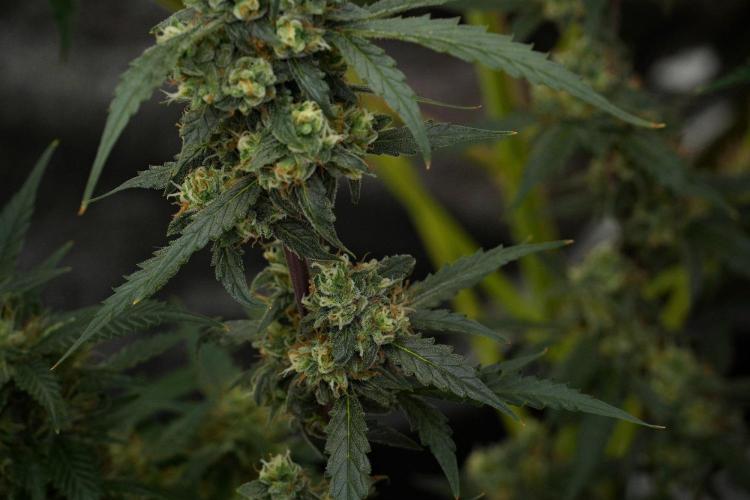
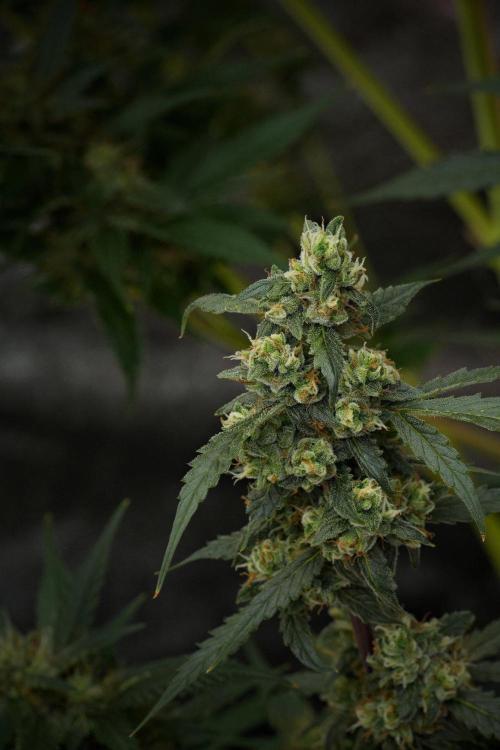
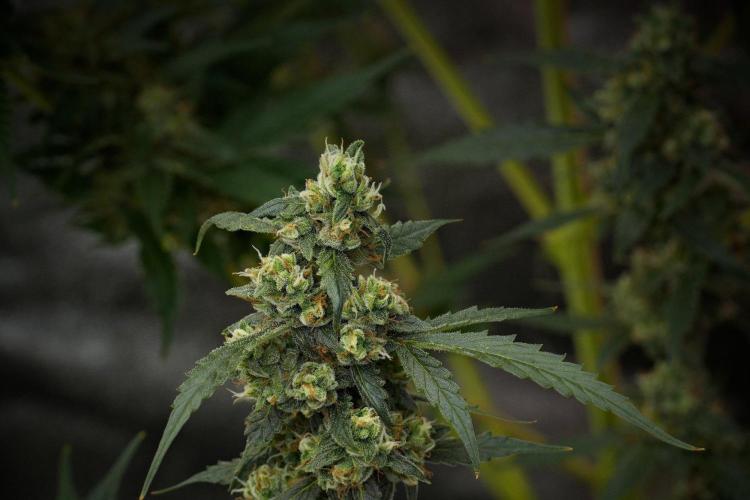
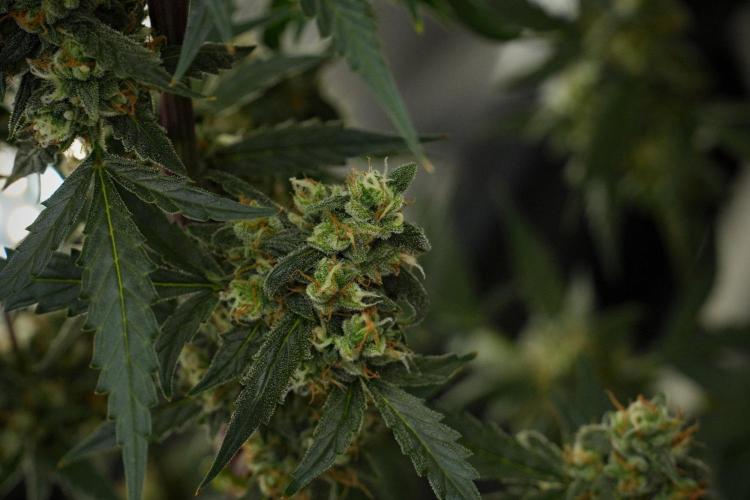
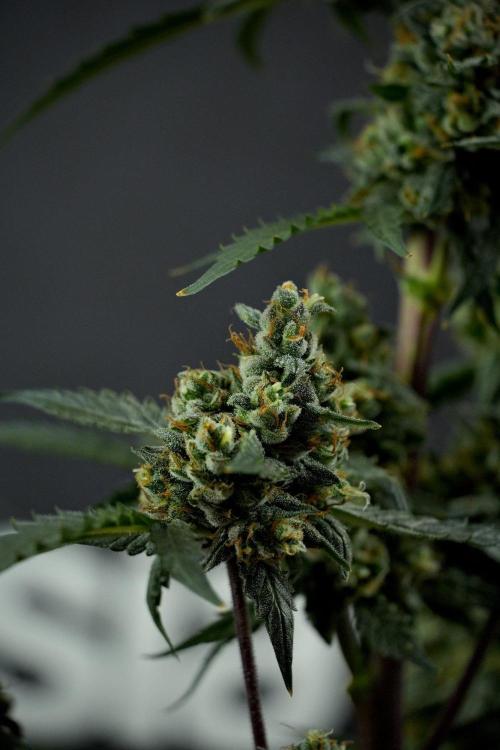
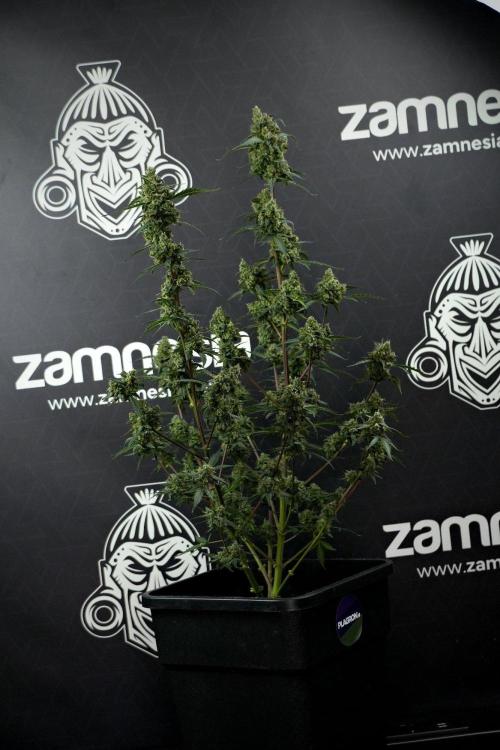
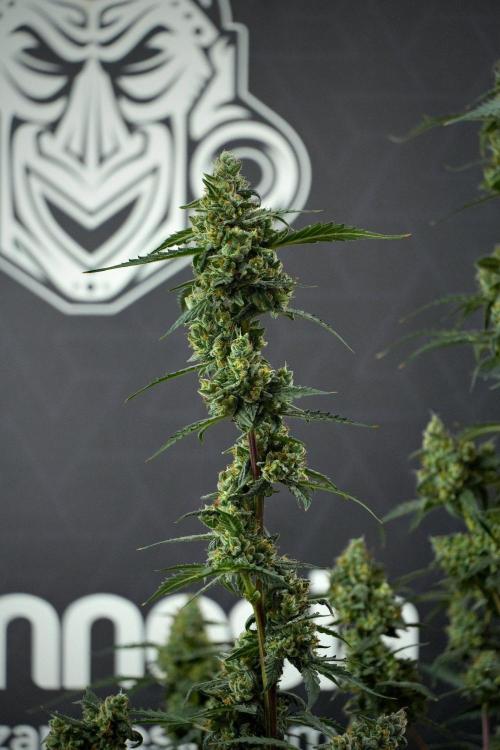
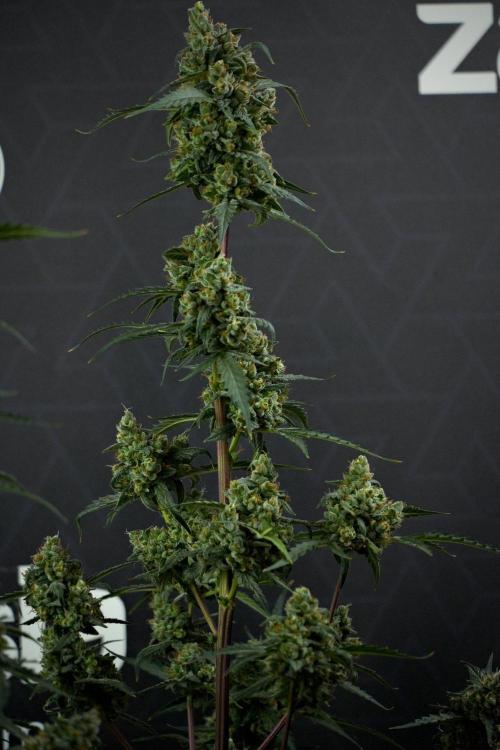
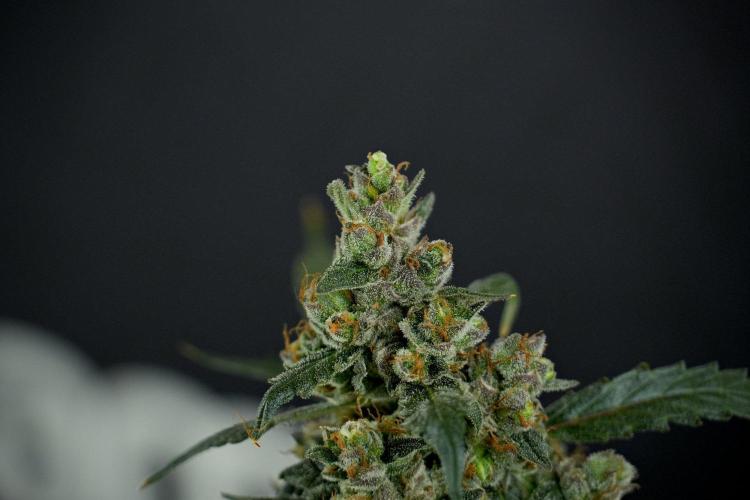
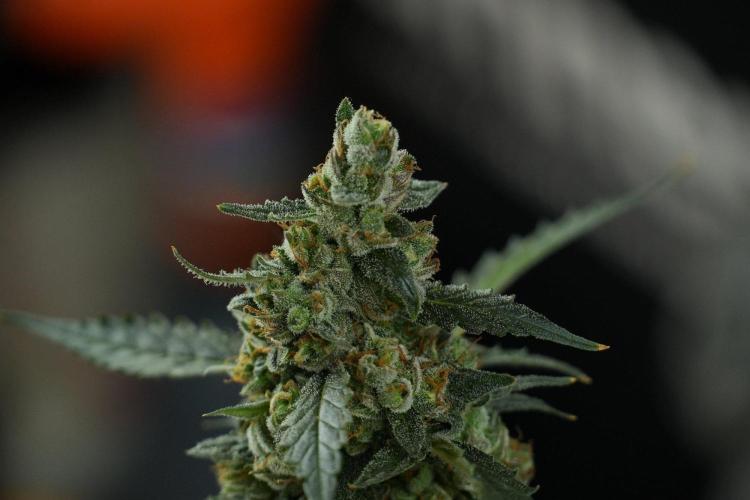
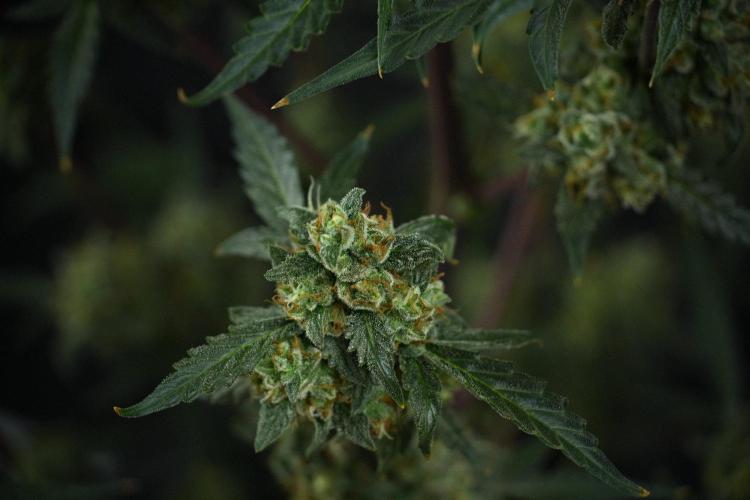
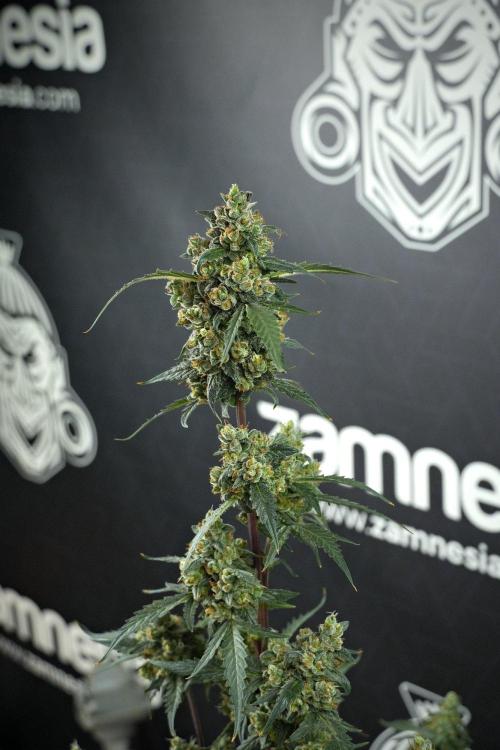
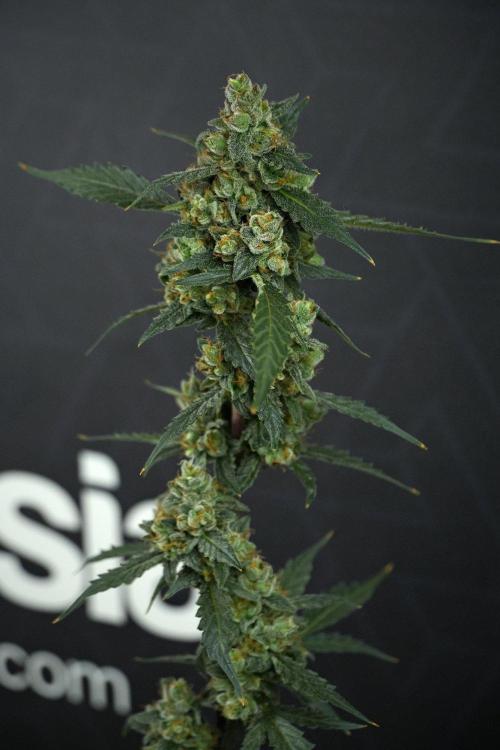
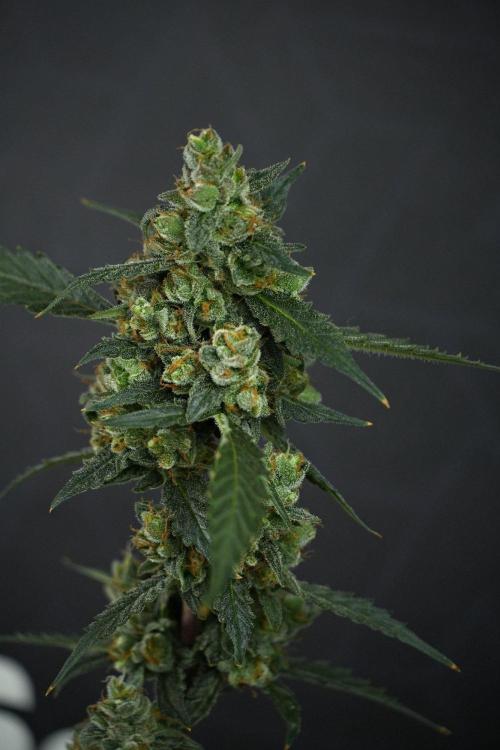
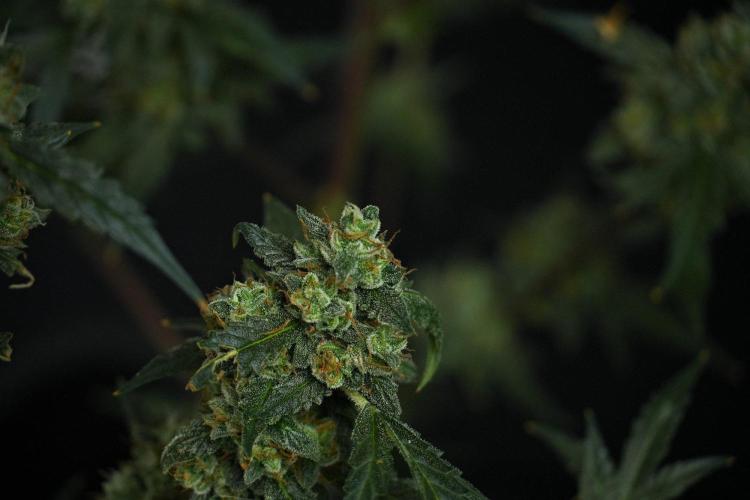
And those little developing buds are starting to take on that beautiful golf-ball-like formation, with the flowers becoming increasingly defined along the branches.
She is simply...
on point.
Exactly where she should be.
And honestly?
She's a delight to grow.
🌸 Week 6 Flower – Right Where She Needs To Be
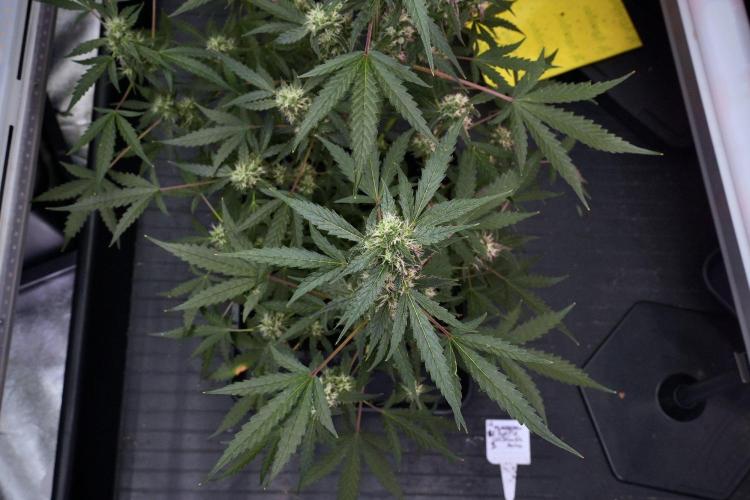
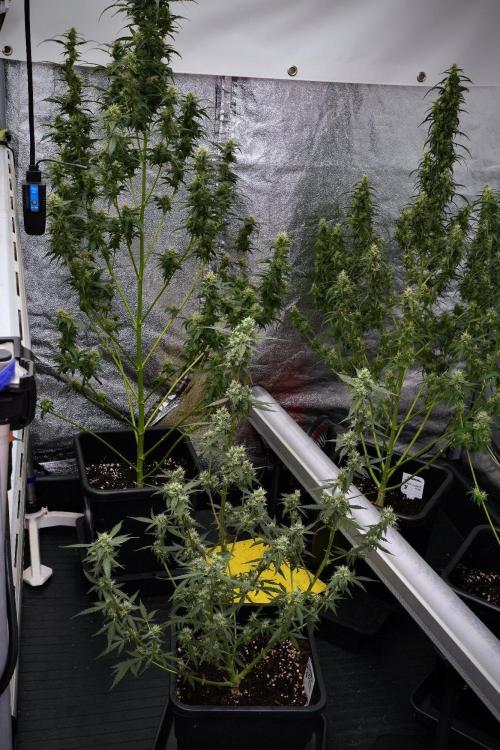
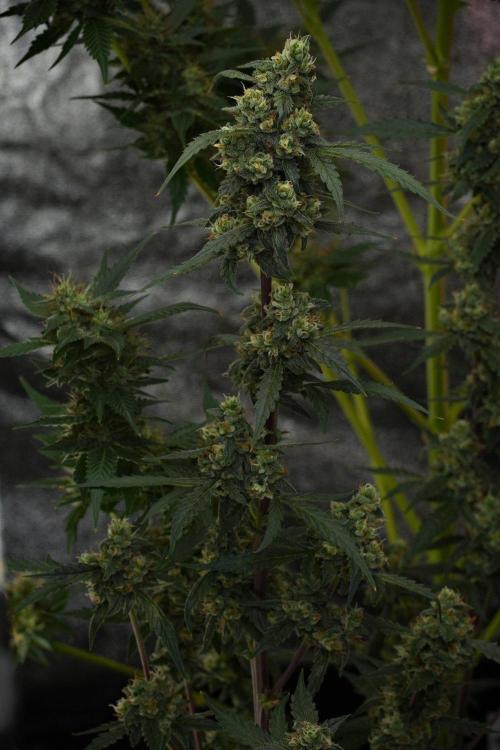
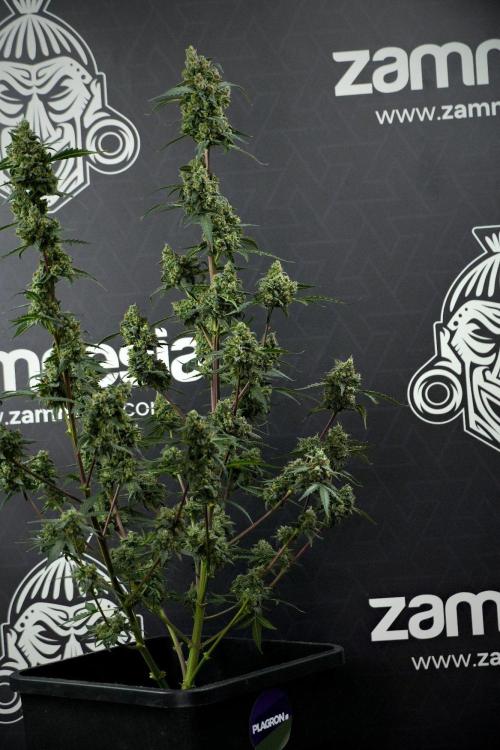
Purple CousKush Pheno B remains around 96 cm, keeping her firmly in the more compact category of the 8×8 Adventure.
But by now, I've stopped looking at her height as a limitation.
It's simply part of who she is.
She's built a compact, balanced architecture and she's using it extremely well.
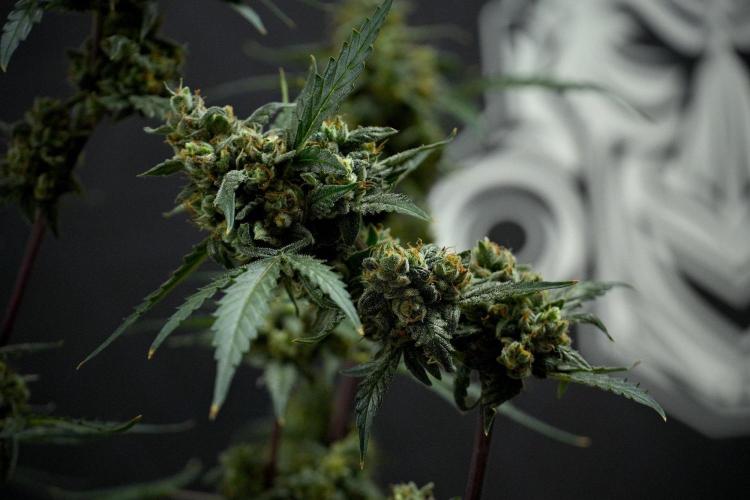
The branches are carrying developing flowers.
The bud sites are becoming more pronounced.
The structure is filling in.
And the entire plant has that beautiful feeling of a flowering plant moving confidently through her cycle.
There is no rush.
No drama.
No obvious need for correction.
She's just progressing.
And at this point in flowering, that's exactly what I want to see.
💚 That Green...
Let's talk about the colour.
Because honestly...
look at her.
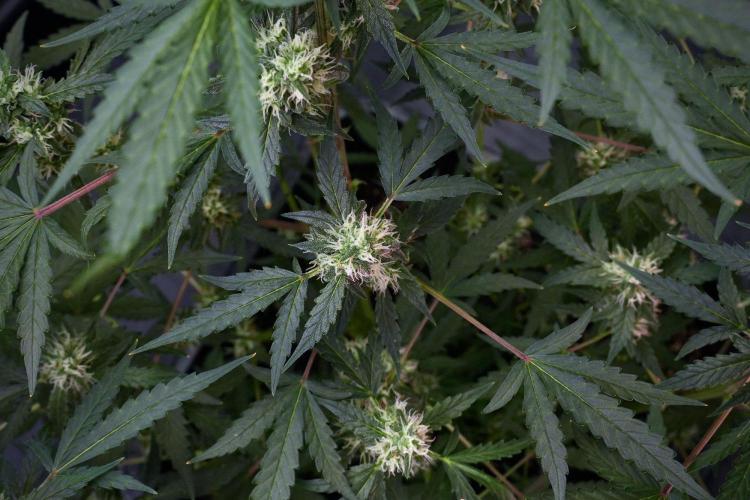
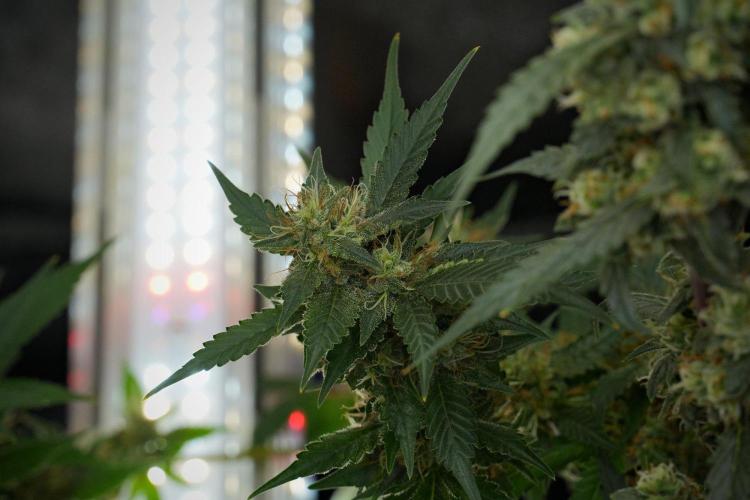
That deep, lush green is one of the first things that catches my eye every time I look at this plant.
The foliage has that rich, healthy appearance that makes the flowers stand out beautifully against it.
And I'm starting to think there's something bigger happening here.
Across this 8×8 Adventure, I'm seeing remarkably lush foliage on a lot of these girls.
And while genetics obviously play an enormous role — enormous — I'm increasingly convinced that the quality and consistency of the nutrition program are also contributing to what we're seeing.
Good genetics give you the potential.
Good nutrition helps the plant express that potential.
And when the two come together under a stable environment...
That's when things get interesting.
So this week, I definitely want to give Plagron some extra love.
Because I'm genuinely impressed by the overall health and colour we're seeing throughout this run.
But let's be very clear:
It starts with genetics.
Without good genetics, there is only so much a grower can do.
You can have the best environment.
The best lights.
The best nutrition.
The best equipment.
But you still need a plant with something worth expressing.
And these Purple CousKush girls are giving us exactly that.
Genetics first.
Then cultivation.
Then environment.
And when those pieces come together...
you get plants like this.
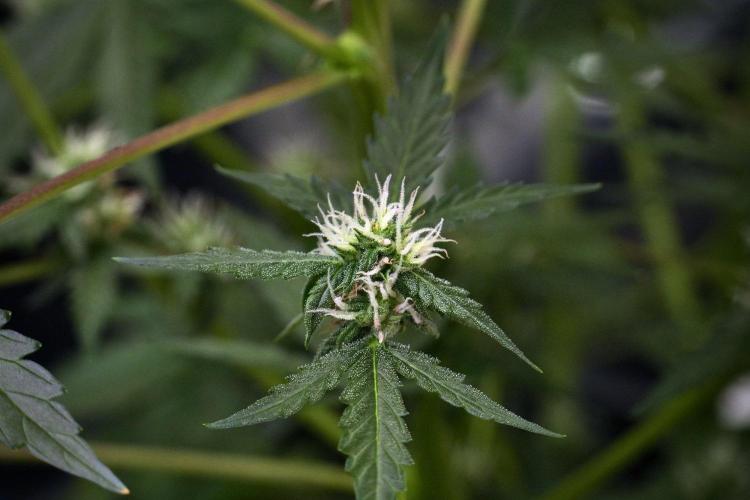
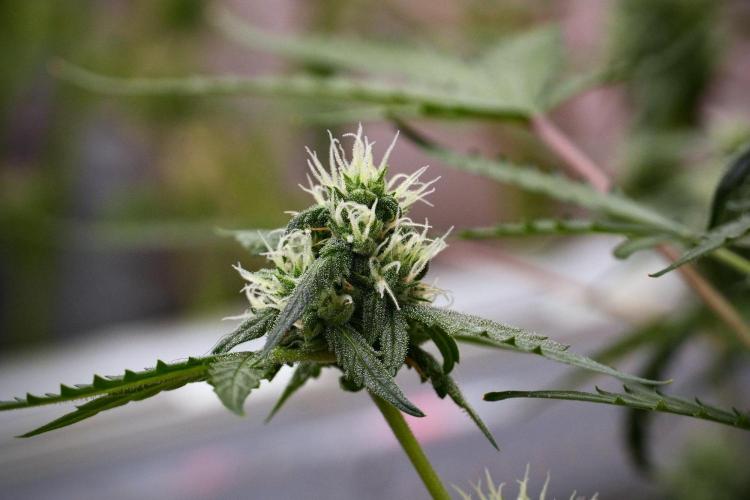
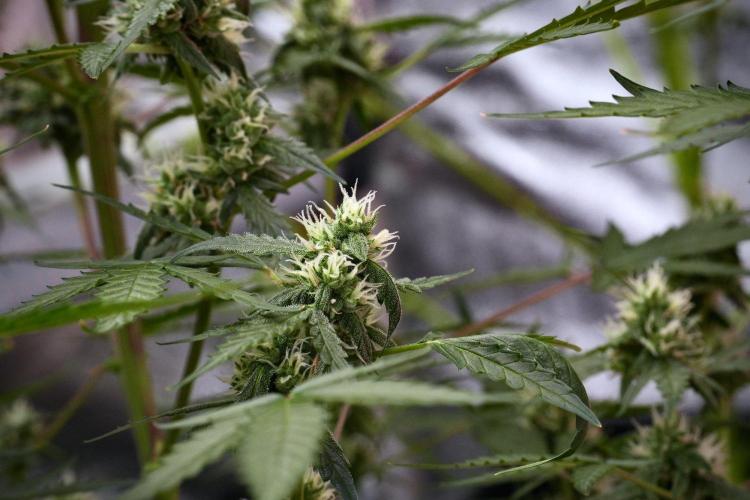
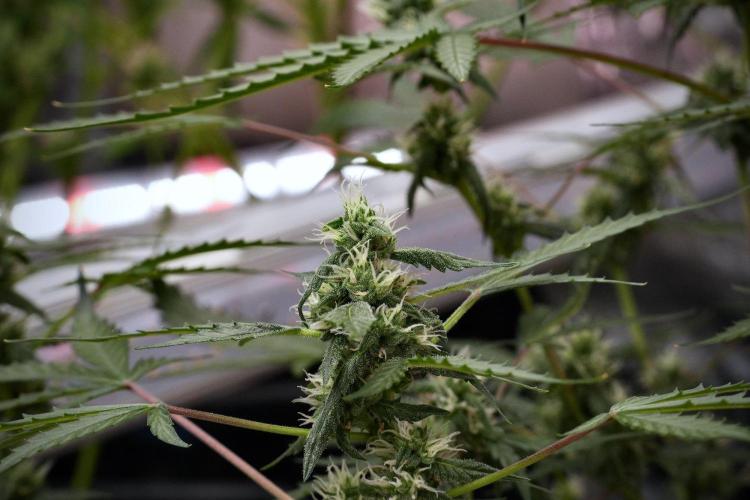
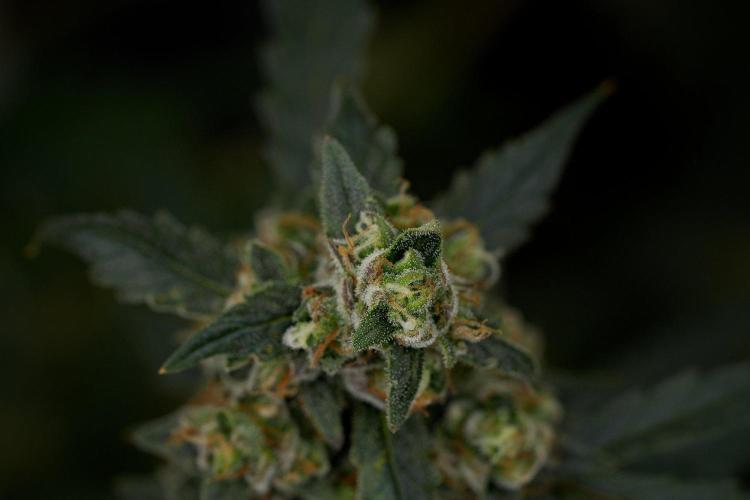
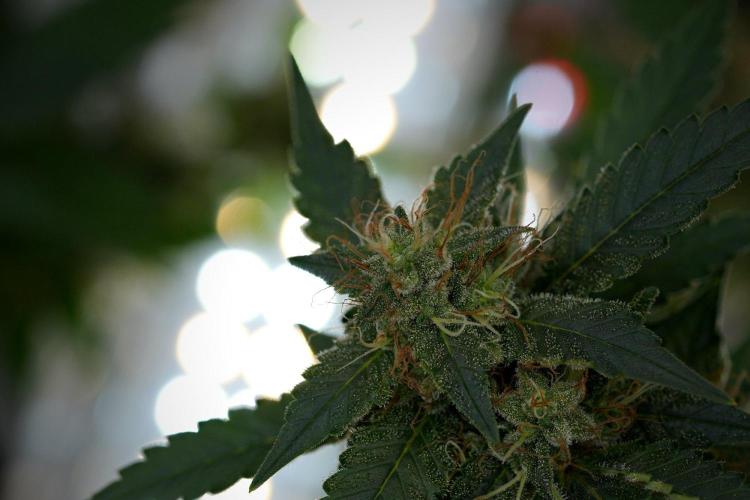
🌸 The Buds Are Starting To Look Like Little Golf Balls
This is probably my favourite visual change this week.
The individual flowering sites are becoming increasingly rounded and substantial.
Those little clusters are beginning to look almost like small golf balls forming along the branches.
Not finished flowers.
Not mature colas yet.
But clearly developing structures that are gaining shape and volume.
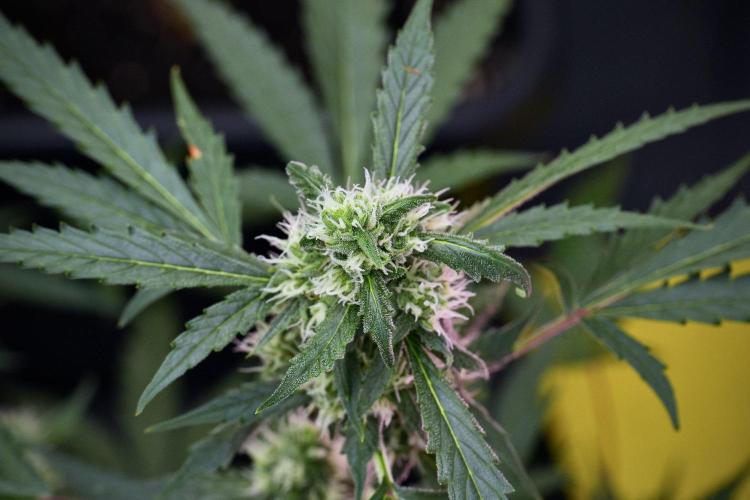
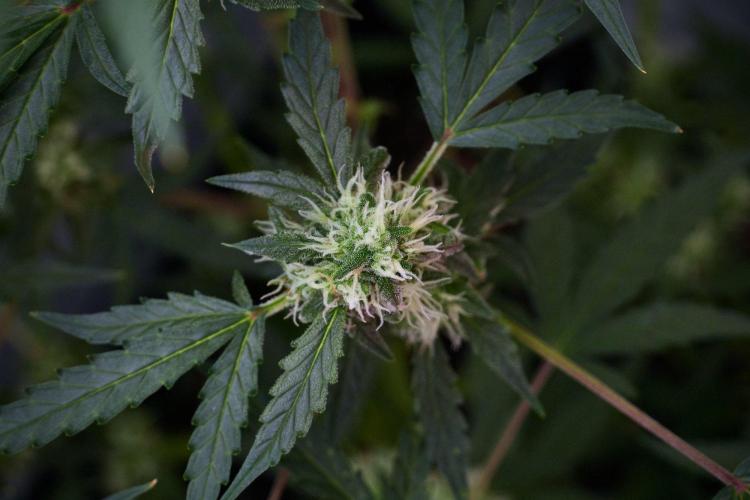
And surrounded by those beautiful white pistils?
Absolutely gorgeous.
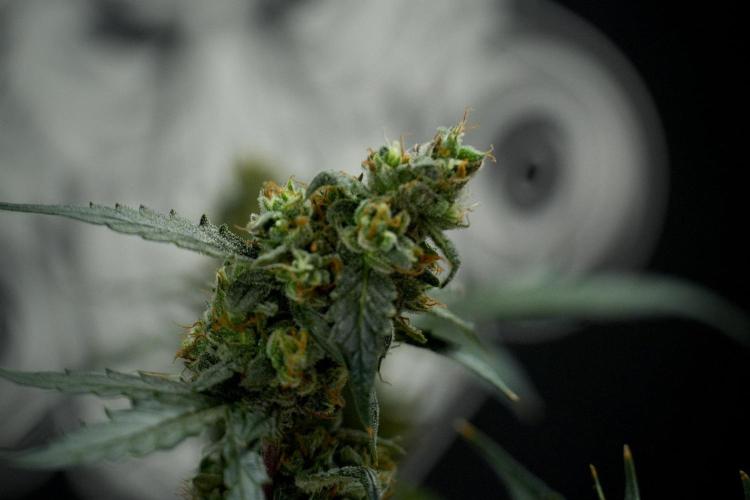
The contrast between the deep green leaves, the developing green flower structures and those bright white hairs is something I could photograph all day.
Every week, the flowers become a little more defined.
A little more substantial.
A little more recognizable.
And that's when you start realizing just how quickly flowering is moving.
She's building.
Quietly...
but she's building.
? Those White Hairs
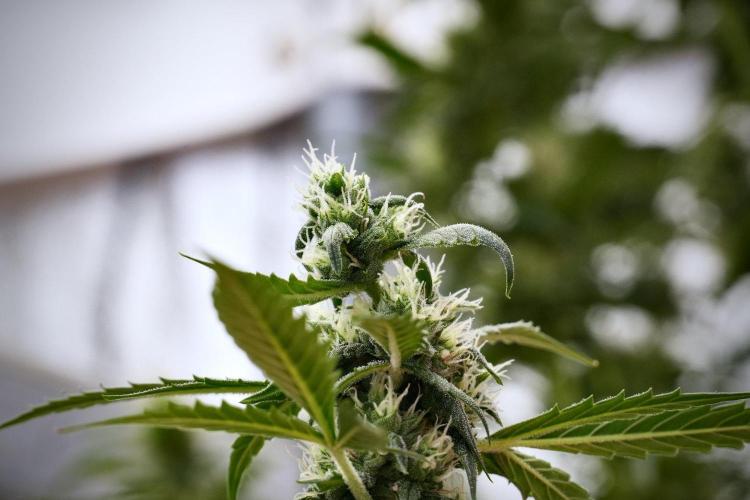
The pistils remain beautifully prominent across the flowers.
Bright.
Fresh.
White.
And reaching outward from the developing calyxes.
They're one of those visual indicators that make the progression of flowering so easy to appreciate when you're documenting the same plant week after week.
You look at a photograph from several weeks ago.
Then you look at her now.
And suddenly you see it.
The flowers have changed.
The structure has changed.
The plant has matured.
She's no longer simply starting to flower.
She's becoming a flowering plant.
And we're getting closer and closer to seeing what this phenotype ultimately wants to become.
🌿 No Need To Touch What Isn't Broken
One thing I particularly appreciate about this phenotype is how little she asks from me.
The canopy doesn't look like it needs another major intervention.
The structure is open enough.
The flowers have space.
The foliage is healthy.
Air can move through the plant.
Light can reach the important areas.
So I'm not going to manufacture work.
There's a temptation in cultivation to always be doing something.
Cut this.
Move that.
Remove another leaf.
Adjust something.
Change something.
But sometimes...
the plant is telling you to leave her alone.
And I'm listening.
She's doing beautifully.
So she gets to keep doing beautifully.
💡 Light, Structure & Flower Development
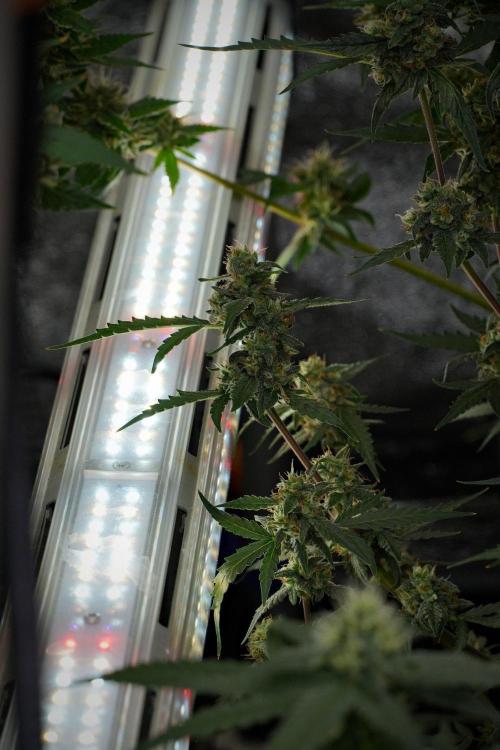
The lighting strategy remains consistent, with the Future of Grow Black Series providing the primary overhead light and the Lumiflora system adding light beneath the canopy.
The interesting part now isn't whether the plant has light.
She does.
The interesting part is how she's using the environment we've created.
Her compact structure gives her a naturally efficient architecture.
The flowering sites are distributed through the plant rather than being buried inside an excessively dense mass.
And with the canopy management we've already done earlier in the run, we're now in the phase where I want to let the plant use the space we've created.
We're not chasing perfection.
We're not trying to expose every flower.
We're simply giving her a good environment and allowing her genetics to do the rest.
And she's doing exactly that.
💜 Same Genetics. Different Personality.
Her sister continues to be one of the great examples of why phenotypes are so fascinating.
Same strain.
Different expression.
Different architecture.
Different personality.
And that's exactly why I love growing multiple phenotypes side by side.
You can read the breeder's description.
You can read the genetics.
You can read what other growers experienced.
But eventually...
you have to grow the plant yourself.
And then she tells you the truth.
Purple CousKush Pheno B has told me that she likes being compact.
She likes building a balanced structure.
She likes staying relatively low.
And apparently...
she really likes making beautiful little flower clusters.
😂💜
I'm perfectly happy with that.
🌱 The 8×8 Adventure Is Showing Its Personality
This is one of my favourite aspects of this entire project.
Twelve different genetic expressions.
One room.
One general cultivation philosophy.
One environment.
And yet...
completely different plants.
Some stretch.
Some stay low.
Some become monsters.
Some become little jewels.
Some need intervention.
Some practically tell you:
"Doctor, please stop touching me. I'm doing fine."
😂
Purple CousKush Pheno B belongs firmly in that last category.
And I respect her wishes.
💧 Feeding & Irrigation
The flowering nutrition program continues with the established Plagron lineup:
Terra Bloom — 2.2 ml/L
Pure Zym — 1 ml/L
Sugar Royal — 1 ml/L
Power Buds — 1 ml/L
Green Sensation — 1 ml/L
pH Plus / Lemon Kick — as required
Current recorded conditions are approximately:
💧 pH: 6.0
⚡ EC: around 2.0 mS/cm
🌡️ Solution temperature: 25°C
🌱 Substrate temperature: 26°C
💦 Watering: approximately 1.2 L / 24h
? Pot size: 15 L
And again, I want to emphasize something I've been noticing throughout this run.
The foliage quality is impressive.
That doesn't come from one magic bottle.
It's the combination.
Genetics + nutrition + environment + light + irrigation + consistency.
Take away any one of those pieces and the picture can change dramatically.
But when they're all working together?
You get this.
A happy, lush, beautifully developing plant.
🌡️ Environment
The room continues running under stable conditions:
☀️ Day temperature: 29°C
🌙 Night temperature: 25°C
💧 Relative humidity: 60%
🌱 Substrate temperature: 26°C
💧 Solution temperature: 25°C
💨 CO₂: approximately 639 ppm
💡 Light schedule: 12/12
That consistency continues being one of the foundations of this entire experiment.
We're not trying to make every plant behave identically.
We're giving every plant a stable environment and letting the genetics show us what they're capable of.
And Purple CousKush Pheno B seems very comfortable inside it.
🔬 Genetics Deserve The First Shout-Out
I want to make this point especially clear because it's easy in a grow diary to give all the credit to the equipment.
The lights matter.
The nutrition matters.
The environment matters.
The grower matters.
But before any of that...
there is a seed.
And that seed carries the genetic potential.
Without good genetics, none of the other pieces can magically create something that simply isn't there.
That's why I'm genuinely happy with what Zamnesia has given me to work with in this run.
Purple CousKush Pheno B is showing us her own interpretation of those genetics.
And I really like what I'm seeing.
Then you add a consistent Plagron nutrition program, stable environmental conditions, strong lighting and careful observation...
and you give that genetic potential a good place to express itself.
That's the recipe I'm interested in.
Not one magic trick.
A complete system.
👀 Looking Ahead
Now my curiosity is really starting to build.
Those little golf-ball-like flower formations should continue developing.
The flowers should continue gaining volume.
The pistils will eventually begin changing as maturity approaches.
Resin production should continue increasing.
And that compact structure should slowly become increasingly dominated by mature flowers.
I don't want to predict the final result yet.
We're not there.
But I can say one thing with confidence:
I really like where she's going.
And that's enough for this week.
💜 Final Thoughts – A Delight Of A Plant
Purple CousKush Pheno B continues being exactly what she has always been.
Elegant.
Compact.
Beautiful.
Quietly impressive.
And this week, she's showing us even more of that personality.
The deep, lush green is absolutely gorgeous.
The bud formation is becoming increasingly pronounced.
Those little flower clusters are starting to look like miniature golf balls developing along the branches.
The white pistils are everywhere.
The structure is beautiful.
The plant is healthy.
And she is exactly where she needs to be.
Honestly...
I have nothing to complain about.
And sometimes that's the best report you can write.
😂💜
I'm also increasingly convinced that what we're seeing across this room is a beautiful combination of genetics and quality nutrition.
The genetics give us the potential.
The nutrition helps support that potential.
The environment allows it to be expressed.
And the rest is simply keeping everything consistent enough for the plant to do what she already knows how to do.
Grow.
Build.
Flower.
And shine.
So this week, Purple CousKush Pheno B doesn't need a dramatic story.
She doesn't need a rescue.
She doesn't need a big intervention.
She just needs her spotlight.
Because she has earned it.
A huge thank you once again to Zamnesia for these beautiful Purple CousKush genetics, Plagron for the nutrition that continues helping these girls maintain such impressive foliage and development, Future of Grow for the Black Series lighting, Lumiflora for bringing additional light beneath the canopy, TrolMaster for environmental control, and of course to everyone following this crazy 8×8 Adventure here on GrowDiaries.
Every phenotype has a personality.
Every plant has a story.
And Purple CousKush Pheno B?
She's writing hers quietly.
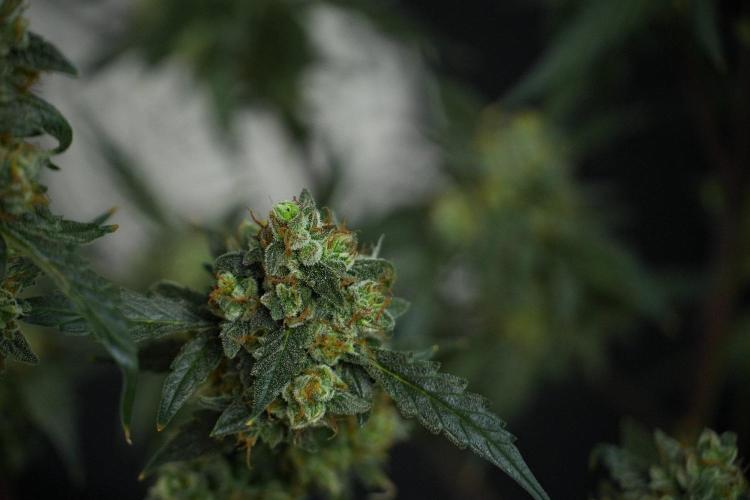
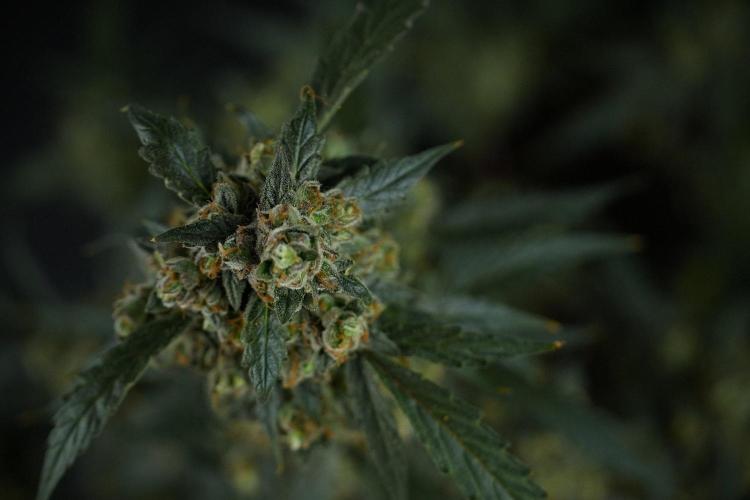
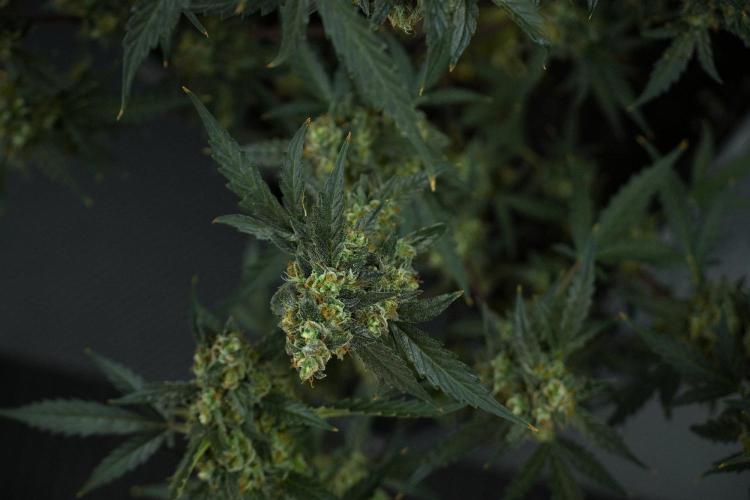
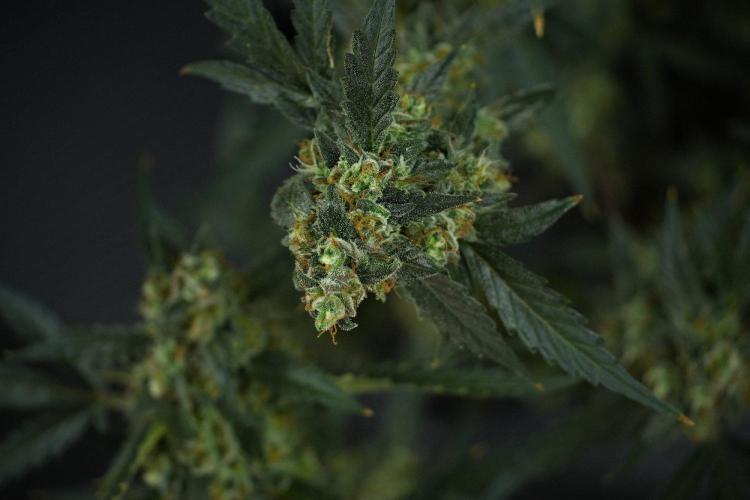
No drama.
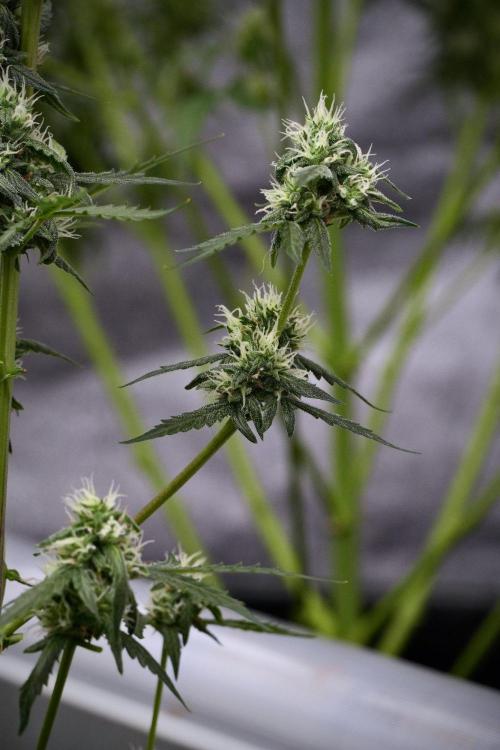
No complaints.
Just deep green foliage, beautiful flower formation, bright white hairs and a plant that's becoming more impressive every single week.
Elegant. Compact. Beautiful. And absolutely on point. 💜🌿
Let's give this girl the spotlight.
She deserves it.
Until next week...
Keep shining, beautiful girl. 💜✨
Growers Love and happy growing! 🌱💚
13 likes
comments
Share
Used techniques
12-12
Technique
10
Week 10. Flowering
2mo ago
1/49
96 cm
Height
12 hrs
Light Schedule
30 °C
Day Air Temp
6.0
pH
Strong
Smell
2500 PPM
TDS
60 %
Air Humidity
25 °C
Solution Temp
26 °C
Substrate Temp
25 °C
Night Air Temp
15 liters
Pot Size
1.2 liters
Watering Volume
639 PPM
CO₂ Level
Nutrients 7
Pure Zym
1 mll
Sugar Royal
1 mll
Ph Plus
0.03 mll
DogDoctorOfficial 💜 Purple CousKush Auto by Zamnesia | Pheno B | Week 10
🌿 No Demands. No Drama. Just Beautiful Flowering.
Welcome back to another chapter of the 8×8 Adventure! 🌱💚
And once again...
Purple CousKush Pheno B isn't asking for much.
She's not complaining.
She's not creating problems.
She's not demanding special treatment.
She's simply growing.
Flowering.
Building.
And looking absolutely beautiful while doing it.
😂💜
At this stage of the adventure, I think that's exactly what I want from her.
We're reaching that part of the cycle where there isn't necessarily a lot left for the grower to do.
We've built the plants.
We've trained them.
We've managed the canopies.
We've provided the environment.
We've given them the nutrition and the light.
Now?
We mostly provide whatever they ask for and stay out of the way.
And Purple CousKush Pheno B isn't asking for much.
She's perfectly happy continuing at her own rhythm.
So...
let's give this girl her spotlight.
🌱 The 8×8 Adventure — Everybody Has Their Own Rhythm
For anyone discovering this diary for the first time, welcome to the 8×8 Adventure.
Twelve different plants.
Different genetics.
Different phenotypes.
One general cultivation environment.
One lighting philosophy.
One nutrition strategy.
One room.
And yet...
twelve different stories.
That's what makes this project so interesting.
Some girls have been more demanding.
Some have needed more attention.
Some are extremely compact.
Some spread themselves out.
Some move faster.
Some take their time.
And some, like this Purple CousKush Pheno B, basically look at me and say:
"I'm fine. Just keep the drinks coming."
😂💜
Fair enough.
That's exactly what we're doing.
💜 Week 10 — She's Still Doing Her Thing
She's sitting around 96 cm, which puts her firmly into the more moderate-sized category of this run.
She's not a giant.
She's not a dwarf.
She's not trying to take over the tent.
But she's also not cramped into a tiny little package.
Instead, she's developed a really nice spread through the available space.
And that's something I'm appreciating more and more.
She's not particularly compact.
Her branches have room to spread.
Her flowering sites occupy the space naturally.
And the plant has developed a nice relationship between height and lateral structure.
She's using the space she's been given.
Not excessively.
Not wastefully.
Just...
nicely.
And honestly, that's a very satisfying phenotype to work with.
🌿 Beautifully Spread Through Her Space
One of the things that catches my attention this week is how nicely she's occupying the space around her.
She's not simply a vertical column of flowers.
She's spreading outward.
The branches have developed into their own little framework, with flowering sites distributed throughout the structure.
That gives her a completely different appearance from some of the more compact girls in the room.
And that's exactly what I love about comparing phenotypes.
Her sister tells a different story.
Other Purple CousKush plants tell different stories.
This one?
She likes a little more room.
And she's using it beautifully.
There's something elegant about seeing a plant naturally occupy the space available to her without becoming excessively stretched.
She's simply finding her own shape.
And I like her shape.
🌸 The Buds Are Getting Serious
Now let's talk about the flowers.
Because...
damn.
😂💜
The buds are becoming seriously beautiful.
They're gaining density.
They're becoming more defined.
They're carrying more visual weight.
And the overall flowering structure is starting to look increasingly mature.
This is the point where you stop looking at little flowering sites and start seeing proper buds developing throughout the plant.
The structures are filling.
The individual flowers are becoming more substantial.
And the whole plant is increasingly dominated by those beautiful flowering formations.
This is what we've been waiting for.
And she's delivering.
❄️ Very, Very Frosty
And then there is the frost.
She's getting seriously frosty.
The resin is becoming increasingly obvious across the flowers and surrounding sugar leaves.
Get the camera close...
and suddenly everything becomes about texture.
Tiny resin-covered surfaces.
Pistils.
Calyxes.
Sugar leaves.
Layers upon layers of detail.
This is exactly where my love of macro photography and growing overlap.
Because you can stand back and see a beautiful plant.
Then you move closer...
and suddenly you're looking at an entire microscopic landscape.
And Purple CousKush Pheno B is giving me plenty to explore.
The name CousKush might be the first thing you read.
But that frost?
That's what makes you stay and look.
😂❄️💜
🌸 The Hairs Are Changing Beautifully
I'm also really enjoying the way the pistils are developing.
They're no longer just those fresh white hairs we see in early flower.
They're beginning to show more character as the flowers progress.
The colour is changing.
The flowers are maturing.
And that contrast between the developing pistils and the green floral structures is beautiful.
It's another little sign that we're moving forward.
Not finished.
Not ready to write the ending.
But definitely progressing.
And this is the stage where every week becomes increasingly interesting.
Because eventually, those little changes start adding up.
🌿 And Those Leaves...
The foliage continues looking beautiful too.
Nice colour.
Nice structure.
Nice overall appearance.
And there's something particularly satisfying about seeing healthy-looking foliage surrounding flowers that are becoming this dense and frosty.
The leaves are still doing their job.
They're still contributing to the plant.
They're still capturing light.
They're still supporting the flowering process.
And I'm not interested in removing healthy foliage just because we're getting deeper into flower.
At this point, if the plant is comfortable and the canopy is functioning...
leave her alone.
😂
She's got this.
✂️ No More Need for the Scissors
We've already done the canopy work earlier in the flowering cycle.
That work served its purpose.
The plant has room.
The structure is functional.
Air can move through it.
Light can reach the important areas.
And now?
I'm not going back in simply because I feel like I should be doing something.
That's one of the biggest lessons of this stage.
Sometimes the best cultivation technique is:
Don't touch it.
😂
At this point, we're not trying to redesign Purple CousKush.
We're watching her finish.
If she doesn't ask for something...
I'm not going to invent a problem.
💡 The Photons Keep Coming
The Future of Grow Black Series LED continues providing the primary overhead lighting, while Lumiflora contributes additional light beneath the canopy.
And this girl is clearly making use of that environment.
She's built plenty of flowering structure.
She's developing dense buds.
She's producing visible resin.
And she's filling her available space naturally.
That's what I want to see.
The light provides the opportunity.
The environment provides the conditions.
The plant's genetics decide what happens with that opportunity.
And Purple CousKush Pheno B has decided to make some beautiful flowers.
I'm perfectly happy with her decision.
💜🌿✨
🔬 This Is Why Phenotypes Are So Interesting
Looking at this girl beside her sister is particularly fun.
Same genetic line.
Same general room.
Same lighting.
Same environmental philosophy.
Same grower.
But completely different expressions.
One phenotype may be more compact.
Another may spread wider.
One may produce a different flower structure.
Another may develop different proportions.
And that's the entire reason I wanted to document these plants individually.
Because if I simply looked at Purple CousKush as one thing, I'd miss all of this.
There isn't one Purple CousKush story.
There are individual stories.
And this one is telling me:
"I'm going to spread out, build beautiful dense flowers, get very frosty, and otherwise leave you alone."
😂💜
I like that story.
🌸 We're Getting Into the "Watch and Wait" Stage
This is where the entire room is becoming especially interesting.
Most of the girls are moving quickly now.
The flowering structures are established.
The plants have largely finished deciding how they're going to occupy their space.
And the grower starts becoming less of a sculptor...
and more of a caretaker.
We provide what they need.
We monitor.
We observe.
We keep the environment stable.
And we wait.
Because from here, the plant has a lot of the work left to do.
Density.
Resin.
Maturity.
Final flower development.
And eventually...
the finish line.
Purple CousKush Pheno B is heading there beautifully.
💧 Feeding & Irrigation
The current recorded conditions remain:
🌸 Flowering: Week 10
📏 Height: 96 cm
💡 Light schedule: 12/12
🌡️ Day temperature: 29.9°C
🌙 Night temperature: 25°C
💧 Relative humidity: 60%
⚗️ pH: 6.0
⚡ EC/TDS: ~2.0 mS/cm
🌡️ Solution temperature: 25°C
🌱 Substrate temperature: 26°C
🌬️ CO₂: 639 ppm
? Pot size: 15 L
💦 Watering: approximately 1.2 L per plant / 24h
The nutrition and irrigation approach remains consistent.
And honestly?
She's not asking for anything different.
That's important.
There's no reason to change something that's working simply because we're getting closer to the finish.
Consistency remains the name of the game.
🌡️ Stable Environment, Happy Plant
The room continues operating under the same general environmental philosophy.
Stable temperatures.
Stable lighting.
Stable nutrition.
Stable irrigation.
And a plant that appears perfectly comfortable inside those conditions.
That's exactly what I want.
The less drama the plant gives me...
the more I can concentrate on observing what her genetics are actually doing.
And this phenotype is giving us plenty to observe.
📸 This Week's Gallery
The photographs this week really show the progression.
The full-plant shots demonstrate how nicely she's spreading through the available space.
The closer photographs reveal the flower density.
And once you get close enough...
the frost becomes impossible to ignore.
There's something very satisfying about photographing her now.
She's developed enough structure that the plant tells a story from a distance.
But there are enough details in the flowers that you can keep getting closer and still find something interesting.
And that's exactly what I want from these late-flowering photographs.
Not just:
"Here's the plant."
But:
"Here's what the plant has become."
💜 She's Not Asking for Much — And That's a Good Thing
I think I've said this several times about this girl now.
But it keeps being true.
She's not demanding.
She's not troublesome.
She's not dramatic.
She's not constantly asking for intervention.
She's just growing beautifully.
And at this stage?
That's almost the perfect plant.
Because we're reaching the point where there's not much I want to do to her anyway.
I want her to finish.
I want her to build.
I want her to mature.
I want her to show me what those flowers can become.
So if she's happy...
I'm happy.
Simple.
😂💜
🔭 Looking Ahead — How Will She Finish?
And now comes the fun part.
We're getting closer.
Not at the finish line yet.
But close enough that the question becomes increasingly interesting:
How is Purple CousKush Pheno B going to finish?
Will those dense flowers continue swelling?
How much more resin will appear?
How will the pistils continue changing?
How much more maturity will we see in the buds?
And what will this beautiful, nicely spread-out plant ultimately look like when she decides she's done?
I genuinely don't know.
And I'm not going to pretend I do.
That's the fun.
We watch.
We document.
We provide.
And we let the plant write the ending.
❤️ Final Thoughts — She's Shining
Purple CousKush Pheno B is another girl in this run who is making my job wonderfully simple.
She's growing.
She's flowering.
She's spreading nicely through her available space.
She's producing dense flowers.
She's getting very frosty.
The pistils are developing beautiful colour.
The foliage looks great.
And she's not asking me for much at all.
Honestly...
what more could I ask for?
😂💜
She's not the smallest plant in the room.
She's not the tallest.
She's not particularly compact.
She's not trying to be anything she's not.
She's simply using the space she's been given and turning it into flowers.
And I really like that.
This whole 8×8 Adventure keeps reminding me that there isn't one correct way for a plant to express itself.
Some plants compress.
Some spread.
Some stretch.
Some stay short.
Some build giant central flowers.
Some create beautiful clusters throughout the branches.
And Purple CousKush Pheno B?
She's found her own way.
A nice spread.
Beautiful structure.
Dense flowers.
Heavy frost.
Beautiful colour.
And absolutely no drama.
💜🌿❄️
We're at that beautiful point now where I don't feel like I need to do much.
I just need to provide whatever she asks for.
And this girl isn't asking for much.
So we'll keep doing exactly that.
Keep the environment stable.
Keep her supplied.
Keep watching.
Keep photographing.
And let her finish in her own time.
Because she's already given me a beautiful plant.
Now I want to see what she does with the time that's left.
And I have to admit...
I'm very curious.
Let's see how this beautiful Purple CousKush finishes.
She's earned the spotlight.
She's earned the attention.
And she's certainly earned another week of simply being allowed to shine.
💜✨🌿
🙏 Thank You
A huge thank you once again to Zamnesia for these beautiful Purple CousKush genetics and for giving us another fascinating phenotype to follow.
Thank you to Plagron for the nutrition supporting these girls throughout the flowering journey.
Thank you to Future of Grow LED for the Black Series lighting driving the garden.
Thank you to Lumiflora for bringing additional light beneath the canopy and adding another dimension to this experiment.
Thank you to TrolMaster for helping maintain the environment behind the scenes.
And, of course, thank you to everyone following this crazy 8×8 Adventure here on GrowDiaries.
We're getting deeper into the journey now.
The plants are becoming themselves.
The differences between phenotypes are becoming clearer.
And the amount of work required from the grower is slowly changing.
We're no longer building.
We're no longer shaping.
We're mostly watching.
Providing.
Maintaining.
And waiting.
And Purple CousKush Pheno B?
She's making that part very easy.
She's not asking for much.
She's not causing trouble.
She's just growing beautiful, dense, frosty flowers in her own beautiful way.
So let's keep watching.
Let's keep photographing.
Let's keep learning.
And most importantly...
let's see how this girl finishes. 💜❄️🌸
Until next week...
Beautiful structure. Dense flowers. Heavy frost. No demands.
Let's let her shine.
Growers Love & Happy Growing! 🌱💚💜
15 likes
comments
Share
Used techniques
12-12
Technique
11
Week 11. Flowering
1mo ago
1/39
96 cm
Height
12 hrs
Light Schedule
27 °C
Day Air Temp
6.0
pH
Strong
Smell
1070 PPM
TDS
60 %
Air Humidity
25 °C
Solution Temp
26 °C
Substrate Temp
25 °C
Night Air Temp
15 liters
Pot Size
1.3 liters
Watering Volume
639 PPM
CO₂ Level
Nutrients 7
Pure Zym
1 mll
Sugar Royal
1 mll
Ph Plus
0.03 mll
DogDoctorOfficial 💜 Purple CousKush Auto by Zamnesia | Pheno B | Week 11
🌸 Dense, Frosty & Getting Seriously Impressive — One Beautiful Way to Close the 8×8 Adventure This Week
And to finish all the reports for this week in the 8×8 tent...
we close with a beautiful plant.
💜🌿✨
Purple CousKush Pheno B.
And honestly?
What better way to finish the week's reports than with a plant like this?
The photograph pretty much says everything.
Look at that flower.
Look at the density.
Look at the structure.
Look at the frost.
Look at those massive little clusters packed together.
❄️💜
This girl is becoming seriously impressive.
She's still moving.
She's still developing.
And unlike her sister, who is already starting to show some signs that she may be thinking about the final chapter...
this one?
She's looking at me like:
"Relax. I've got a few more chapters to write." 😂💜
And I believe her.
Because looking at these flowers, I think she still has some time ahead of her.
A few weeks?
We'll see.
I'm not going to predict it.
The plant will tell us.
But right now?
She's beautiful.
She's dense.
She's compact.
She's frosty.
And she's absolutely worth ending this week's 8×8 reports with.
So...
let's give her the spotlight.
🌸✨
────────────────────────
🌱 The 8×8 Adventure — And What a Way to Finish This Week
For anyone discovering this diary for the first time, welcome to the 8×8 Adventure.
Twelve different plants.
Different genetics.
Different phenotypes.
One shared room.
One general environmental strategy.
One 12/12 lighting schedule.
One irrigation philosophy.
One nutritional program.
One lighting ecosystem.
One grower.
And twelve completely different stories.
That's what this experiment has been about from the beginning.
The environment gives every plant the opportunity.
The genetics decide what each plant does with it.
And Purple CousKush Pheno B has given us a very interesting expression.
She's not a giant.
She's not a dwarf.
She's not trying to take over the tent.
She's simply occupying her space beautifully...
and filling that space with some seriously impressive flowers.
💜🌸
────────────────────────
🌸 Look at That Flower!
I have to start here.
Because...
damn.
😂💜
Just look at the photograph.
That is one of her flowers.
And this is exactly why I love documenting these plants individually.
You can talk about flowering structure all day.
You can describe density.
You can talk about resin.
You can talk about compact buds.
But sometimes one photograph says more than a thousand words.
And this one says:
"Yeah...
she's getting there."
😂❄️💜
The flower is dense.
The individual clusters are stacking together beautifully.
The structure is becoming substantial.
And there is an impressive amount of resin covering the surrounding surfaces.
This isn't just a little flowering site anymore.
This is becoming a proper, chunky flower.
And I absolutely love watching it happen.
────────────────────────
❄️ The Frost Is Getting Serious
And then...
there's the frost.
Wow.
❄️❄️❄️
This girl is seriously frosty.
The sugar leaves are absolutely covered.
The flower surfaces are sparkling.
And when the light catches everything just right, the whole structure almost looks dusted in sugar.
This is one of those plants where the macro lens can become a dangerous addiction.
😂📸
You start with one photograph.
Then you look at it.
Then you think:
"Okay, let's get a little closer."
Then closer again.
And suddenly you're spending twenty minutes looking at trichomes.
😂💜❄️
That's what I love about this stage.
The plant starts becoming a completely different world when you photograph it up close.
And Purple CousKush Pheno B is giving us plenty to explore.
────────────────────────
🌿 Dense. Compact. Massive.
There are three words that keep coming back to me when I look at this girl right now:
Dense.
Compact.
Massive.
And yes...
I know "compact" and "massive" sound like they're fighting each other.
😂
But that's exactly what I'm seeing.
The plant itself isn't enormous.
The individual flowering structures, however?
They're getting big.
They're getting dense.
They're gaining serious visual weight.
She's essentially packing a lot of flower into a relatively controlled framework.
And that's one of the things I really like about this phenotype.
She doesn't need to become a giant plant to produce impressive-looking flowers.
She's doing it with what she has.
And she's doing it beautifully.
────────────────────────
💜 She's Still Moving
The other important thing this week is that she's not looking finished.
Not to me, anyway.
She's still moving.
Still developing.
Still building.
Still changing.
And when I look at the flowers, I don't get the feeling that we've reached the end of the story yet.
There is still development to come.
The flowers can continue maturing.
The density can continue increasing.
The resin can continue developing.
And the overall structure can continue becoming more complete.
So while we're definitely getting deeper into the flowering journey...
I'm not putting a finish date on this girl.
She'll tell us.
And right now she's saying:
"Not yet."
😂💜
Fair enough.
We'll listen.
────────────────────────
🌸 She Has a Few More Chapters to Write
This is one of those plants where I genuinely don't want to rush anything.
Looking at her flowers, I can already see a lot of what I like.
But I also see potential for more development.
And that's exciting.
Because the best part of these late flowering weeks isn't necessarily dramatic growth.
It's watching the existing flowers transform.
More maturity.
More density.
More resin.
More character.
The plant starts becoming increasingly refined.
And that's where I think Purple CousKush Pheno B is heading.
She's already beautiful.
Now let's see what she becomes.
────────────────────────
💡 Same Photons. Same Room. Her Own Expression.
The lighting environment remains exactly where we've brought the room over the last few weeks.
The Future of Grow Black Series LEDs continue providing the main overhead lighting, with the additional fixtures now part of the upgraded lighting ecosystem.
After adding the two extra Black Series 600W fixtures, we reduced the output to approximately 59% from the plug.
We're working around:
☀️ ~1,500 PPFD across the upper canopy
with the actual intensity naturally changing depending on plant height and position.
And this girl is clearly making use of that opportunity.
She's producing flowers.
She's building density.
She's producing serious resin.
And she's continuing to develop.
Same photons.
Different plant.
Different expression.
That's the 8×8 Adventure in one sentence.
💜🌿✨
A huge thank you again to Future of Grow for supplying those additional fixtures for us to test.
It's been fascinating seeing how twelve different plants interpret the same upgraded lighting environment.
────────────────────────
🌱 Same Feeding. Same Environment. Different Story.
The nutrition remains consistent with the rest of the room.
🌸 Plagron Terra Bloom — 2.3 ml/L
🌱 Plagron Power Buds — 1 ml/L
✨ Plagron Green Sensation — 1 ml/L
🍯 Plagron Sugar Royal — 1 ml/L
⚗️ pH adjustment as required
Current solution strength:
⚡ EC: ~2.14 mS/cm
And Purple CousKush Pheno B continues progressing beautifully.
No special treatment.
No secret recipe.
No completely different program.
Same room.
Same general feeding strategy.
Same irrigation philosophy.
And once again...
the plant decides what to do with it.
And she's decided to build some seriously beautiful flowers.
────────────────────────
✂️ No Need to Keep Touching Her
We're well past the stage where I'm looking for excuses to grab the scissors.
😂✂️
The structure is already there.
The canopy has already been managed.
The flowers are established.
And now?
Let her work.
At this stage, I'm much more interested in observing than constantly intervening.
The plant is telling us what she's capable of.
Why interrupt that?
Healthy foliage is still doing its job.
Flowers are developing.
The structure is functional.
The plant looks comfortable.
So...
hands off.
Let her finish.
────────────────────────
🌡️ Week 11 Conditions
The overall environment remains consistent with the current 8×8 setup:
🌸 Flowering: Week 11
💡 Light schedule: 12/12
💡 Future of Grow Black Series LEDs: upgraded setup
💡 Approx. power after adjustment: ~59% from the plug
☀️ Upper-canopy PPFD: ~1,500
🌡️ Day temperature: ~26.5°C
🌙 Night temperature: ~26°C
💧 Relative humidity: ~61%
⚗️ pH: ~6.02
⚡ EC: ~2.14 mS/cm
🌡️ Solution temperature: ~25°C
🌱 Substrate temperature: ~25°C
🌬️ CO₂: ~693 ppm
🌱 Pot size: 15 L
💦 Irrigation: ~1.45 L per plant / 24h
Same room.
Same environment.
Same upgrades.
Same feeding.
Different phenotype.
And Purple CousKush Pheno B is still moving forward.
────────────────────────
🔬 Another Beautiful Example of Phenotype Expression
This is exactly what makes comparing these girls so interesting.
Her sister, Purple CousKush Pheno A, is already starting to show signs of fading and possibly moving toward her final stage.
This girl?
Completely different story.
She's still green.
Still developing.
Still pushing.
Still looking like she has some time left.
Same general genetics.
Same room.
Same grower.
And yet...
different rhythm.
Different timing.
Different expression.
That's exactly what we wanted to see.
The room provides the stage.
The phenotype writes the performance.
And Purple CousKush B is putting on a very nice show.
💜🌸✨
────────────────────────
📸 The Photograph That Says It All
I think the photograph accompanying this update is probably my favourite way to describe where she is right now.
One flower.
One frame.
And you can see so much.
The compact structure.
The dense flower formation.
The frost.
The developing maturity.
The pistils.
The layers of little flowering structures packed together.
It makes me want to get even closer.
😂📸
And that's exactly what a good flower does.
It makes you stop.
It makes you look.
And then it makes you want to look again.
Purple CousKush Pheno B is definitely doing that for me right now.
────────────────────────
💜 I'm Really Liking This One
I have to admit it.
I'm really liking this girl.
😂💜
There's something very satisfying about watching her develop.
She's not demanding.
She's not creating problems.
She's not requiring constant intervention.
She's just quietly becoming more impressive.
And every week, I look at her and see another little improvement.
A little more density.
A little more maturity.
A little more frost.
A little more flower.
Until suddenly...
you look at one of her buds and realize:
"Okay.
This is getting serious."
😂💜❄️
That's exactly where I am with her now.
────────────────────────
🌬️ No Drama. Just Development.
One of the nicest things about this stage of the grow is that we don't need every week to contain some massive event.
Sometimes a good week is simply:
The plant grew.
The flowers developed.
The environment stayed stable.
Nothing went wrong.
The plant looks better than last week.
Done.
😂
That's a successful week.
And Purple CousKush Pheno B has given us exactly that.
She's not asking for drama.
She's not giving me drama.
She's simply getting bigger flowers and more frost.
I'll happily take that.
────────────────────────
🔭 Looking Ahead
And now...
we wait.
Because I really want to see where this girl takes us.
She still looks like she has a few weeks ahead of her.
Exactly how many?
I don't know.
And I'm not going to guess.
The plant will tell us.
For now, I'm watching the flowers.
Watching the density.
Watching the resin.
Watching the overall maturity.
And waiting to see when she starts giving us those unmistakable signs that she's approaching the end.
Until then...
let her build.
Let her mature.
Let her shine.
────────────────────────
✨ Final Thoughts — What a Beautiful Way to Close the Week
And that's it.
The final 8×8 report for this week.
And honestly?
I couldn't ask for a much prettier plant to close with.
💜🌸✨
Purple CousKush Pheno B is looking absolutely beautiful.
Dense.
Compact.
Frosty.
Developing.
And still very much in motion.
That flower in the photograph?
That's just one example of what she's building throughout the plant.
Massive little structures.
Dense clusters.
Beautiful formation.
Serious frost.
And plenty of character.
She's not finished.
Not even close enough for me to pretend I know exactly when she'll be.
She still looks like she has a few weeks ahead of her.
And that's okay.
We're not racing.
We're growing.
We're observing.
We're learning.
And we're letting the plant decide.
That's the beauty of this whole adventure.
Sometimes you think you know where a plant is going...
and then she gives you another week of surprises.
Purple CousKush Pheno B is doing exactly that.
And I'm enjoying every minute of it.
💜❄️🌸
So let's give this beautiful girl the spotlight.
Let's celebrate those dense flowers.
Let's appreciate that ridiculous frost.
Let's enjoy the structure she's building.
And let's see where she goes from here.
Because if this is what she's showing us now...
I'm very curious to see what the next few weeks bring.
Amazing.
Absolutely amazing.
💜🌸❄️✨
────────────────────────
🙏 Thank You
And a huge thank you to everyone who has followed all of these 8×8 reports this week.
Seriously.
Thank you.
We've gone through twelve different plants, twelve different personalities, twelve different expressions...
and every single one has given us something different to talk about.
That's what makes this project so special to me.
Thank you to GrowDiaries for giving us the space to document the entire adventure.
Thank you to Zamnesia for the genetics behind these beautiful girls.
Thank you to Plagron for supporting the nutritional side of the journey.
Thank you to Future of Grow for the Black Series lighting and for supplying the additional fixtures we're now testing in the room. 💡🙏
Thank you to Lumiflora for adding the under-canopy lighting dimension.
Thank you to TrolMaster for helping maintain the environment behind the scenes.
And thank you to everyone who reads these reports, comments, asks questions, shares observations and follows along week after week.
It genuinely means a lot.
And now...
we close this week's 8×8 Adventure with Purple CousKush Pheno B.
A beautiful plant.
Beautiful flowers.
Massive density.
Serious frost.
Still moving.
Still developing.
Still writing her story.
💜🌸❄️✨
And I'm very happy we get to keep watching.
So...
keep doing your thing, beautiful girl.
You've absolutely earned your spotlight.
Let's see what the next few weeks bring.
Growers Love & Happy Growing! 🌱💚💜
9 likes
comments
Share
Used techniques
12-12
Technique
12
Week 12. Flowering
1mo ago
1/6
96 cm
Height
12 hrs
Light Schedule
27 °C
Day Air Temp
6.1
pH
Strong
Smell
1025 PPM
TDS
60 %
Air Humidity
25 °C
Solution Temp
26 °C
Substrate Temp
25 °C
Night Air Temp
15 liters
Pot Size
1.3 liters
Watering Volume
639 PPM
CO₂ Level
Nutrients 7
Pure Zym
1 mll
Sugar Royal
1 mll
Ph Plus
0.03 mll
DogDoctorOfficial 💜 Purple CousKush Auto by Zamnesia | Pheno B | Week 12
🌸 The Beautiful Girl Hidden in the Jungle — And Next Week, She Gets Her Spotlight
Welcome back to another chapter of the 8×8 Adventure! 🌱💚
And...
I have a confession to make.
😂
This week, we didn't manage to take proper photographs of Purple CousKush Pheno B.
Not because she's not beautiful.
Quite the opposite.
She's beautiful.
She's growing amazingly.
She's sitting there in the middle of the jungle, doing exactly what she needs to do...
and somehow, during a very busy week, I simply didn't give her the camera time she deserves.
😂💜
And honestly?
I'm not happy about that.
Because this girl deserves better than a quick look while I'm running around the room.
She deserves to be stopped.
Observed.
Photographed.
Stacked.
Zoomed in on.
And properly exposed for what she really is.
So...
next week?
I'm making time.
I'm going to dedicate some proper attention to this girl.
Some beautiful macro photography.
Some photo stacking.
Some serious close-ups.
Because I already know there's a lot going on underneath all that foliage.
And I want to show her properly.
But even without the photographs this week...
she's doing amazing.
She's alive.
She's growing.
She's developing.
She's sitting there in the jungle and doing her thing.
And honestly?
That's enough for this week.
💜🌸❄️
So let's give this beautiful girl the spotlight anyway.
Because she deserves it.
────────────────────────
🌿 THE GIRL HIDING IN THE JUNGLE
────────────────────────
Purple CousKush Pheno B is still in there.
😂
Somewhere.
Among all the branches.
Among all the flowers.
Among all the other girls.
She's there.
And she's doing her thing.
The room has become a proper jungle at this point.
Twelve different plants.
Twelve different personalities.
Different structures.
Different flower formations.
Different rhythms.
And somewhere inside all of that...
Purple CousKush Pheno B is quietly getting on with her business.
She's not asking for attention.
She's not demanding that I move everything around just to see her.
She's simply growing.
Developing.
Filling out.
And becoming more impressive.
Which makes the fact that I didn't photograph her this week even more annoying.
😂💜
Because I know what I'm missing.
────────────────────────
📸 NEXT WEEK, WE FIX THIS
────────────────────────
I'm making a promise to this girl.
Next week...
I'm going to give her the time she deserves.
Not just a few quick photographs.
Not just:
"Okay, let's grab a couple of shots before moving on."
No.
We're going to stop.
We're going to look.
We're going to find the flowers.
We're going to get the camera in there.
And we're going to do some proper macro photography.
📸🔬💜
And yes...
I'm probably going to stack some photographs too.
Because I already know this girl has the kind of flower structure that deserves to be seen up close.
The frost.
The density.
The little details.
The structures hiding inside the flowers.
The pistils.
The trichomes.
All those tiny things that disappear when you're looking at the plant from across the room.
Next week...
we expose her.
😂💜📸
Properly.
────────────────────────
🌸 SHE'S STILL BUILDING
────────────────────────
Even without this week's photography session, one thing is very clear:
She's still moving.
She's still growing.
She's still developing.
And she's still looking beautiful.
The flowers continue to become more substantial.
The overall plant continues evolving.
And she's maintaining that beautiful dense character we've been following.
She's not suddenly changing into something completely different.
She's simply becoming more of herself.
And I think that's one of the things I like most about this phenotype.
She has a very recognizable personality.
Dense.
Frosty.
Compact enough to be manageable.
But with flowers that give her a much bigger presence than the plant itself would suggest.
She's one of those girls where the more you look...
the more you see.
And next week we're going to look properly.
────────────────────────
❄️ THE FROST IS STILL THERE — I KNOW IT
────────────────────────
I may not have the macro photographs this week...
but believe me...
I know what's hiding in there.
😂❄️💜
This girl has been getting seriously frosty.
And nothing about this week's observations makes me think she's suddenly stopped.
Quite the opposite.
She's continuing to develop.
Continuing to mature.
Continuing to build.
And I'm really curious to see what those flowers are going to look like under the macro lens next week.
Because this is exactly the kind of plant where a normal photograph tells you one story...
and a stacked macro photograph tells you another.
From across the room:
"Beautiful flowering plant."
From close range:
"Oh..."
😂📸❄️
And then the stack:
"Jesus..."
😂💜
That's what I'm looking forward to.
────────────────────────
🌿 THE ROOM IS ALIVE
────────────────────────
This week has been busy.
Very busy.
And that's probably the simplest explanation for why she missed her photography session.
The room has been alive.
Everything is moving.
Everything is developing.
The girls are changing.
Flowers are progressing.
The jungle is getting deeper.
And when you're managing an entire room of individual plants, sometimes one girl doesn't get the camera time she deserves.
But that doesn't mean she's being forgotten.
Far from it.
She's right there.
Growing amazingly.
Doing her thing.
And I know exactly what's waiting for me next week.
A proper visit.
A proper inspection.
And a proper photographic session.
😂💜📸
────────────────────────
💜 SAME ROOM. SAME PHOTONS. SAME GIRL.
────────────────────────
The lighting environment remains the same upgraded setup we've been running through this part of the adventure.
The Future of Grow Black Series LEDs continue providing the main overhead lighting.
The two additional Black Series 600W fixtures remain part of the room's upgraded lighting ecosystem.
After adding the extra fixtures, we reduced their output to approximately 59% from the plug rather than simply running everything at maximum.
We're working around:
☀️ ~1,500 PPFD across the upper canopy
with intensity naturally changing according to plant height and position.
And Purple CousKush Pheno B?
She's right there underneath those photons.
Same artificial sun.
Same room.
Same general environment.
Same lighting strategy.
Different plant.
Different expression.
And she's clearly using the opportunity.
She's growing.
She's flowering.
She's developing.
And she's doing it beautifully.
────────────────────────
⚗️ THE ROOM CONTINUES MOVING
────────────────────────
The nutritional strategy continues progressing with the rest of the room as we move deeper into the later stages.
At this point, I'm not trying to force anything.
We're not trying to make the plants rush.
We're not trying to create artificial timelines.
We're watching them.
Observing them.
And allowing the room to progress naturally.
Purple CousKush Pheno B is still looking like she has plenty to show us.
And that's what I'm interested in.
Not a calendar.
Not an expectation.
The plant.
Her flowers.
Her development.
Her story.
That's what matters.
────────────────────────
✂️ THERE'S STILL NOT MUCH TO DO
────────────────────────
And honestly...
that's another reason this week felt so strange.
There wasn't much physical work to do with her.
😂
She's established.
She's flowering.
She's developing.
She's sitting there looking beautiful.
So I'm not going to invent jobs just because I feel like I should be doing something.
No.
At this stage, we're mostly observing.
The major structural work is behind us.
The plant has its shape.
The flowers have their positions.
And now we're watching what happens when we simply allow her to continue.
Sometimes growing is about doing.
Sometimes growing is about not doing.
And right now?
I'm perfectly happy letting this girl work.
────────────────────────
🌸 SHE'S SOMEWHERE IN THAT JUNGLE, DOING HER THING
────────────────────────
This sentence probably sums up the entire week.
😂💜
She's in there.
Somewhere.
Doing her thing.
And I love that.
There is something incredibly satisfying about looking at a busy room and knowing that every plant is carrying on with its own little story.
Some are faster.
Some are slower.
Some are bigger.
Some are smaller.
Some are louder.
Some are quieter.
And Purple CousKush Pheno B?
She's one of those girls that quietly gets on with it...
until you actually stop and look.
Then you realize:
"Wait a second...
this girl is looking really damn good."
😂💜🌸
────────────────────────
🔬 THE PHENOTYPE STORY CONTINUES
────────────────────────
Her sister has already been giving us a very different story.
And that's another reason I want to photograph this girl properly next week.
Because the contrast between phenotypes is exactly what makes the 8×8 Adventure so interesting.
Same general genetics.
Same room.
Same grower.
Same lighting environment.
Same nutritional strategy.
And yet...
two very different expressions.
That's not something I want to gloss over.
That's the experiment.
That's the reason we're documenting individual plants.
And Purple CousKush Pheno B deserves to have her own visual record.
Not just a mention.
Not just a quick photograph.
A proper look.
And next week...
she's getting it.
────────────────────────
📸 I OWE HER A PROPER MACRO SESSION
────────────────────────
I genuinely feel like I owe her one.
😂💜
Next week, I'm going to dedicate some time specifically to this girl.
No rushing.
No:
"Okay, five more plants to photograph."
No.
Just her.
Her flowers.
Her frost.
Her structure.
Her details.
And hopefully...
some beautiful stacked macro images.
Because if you've followed this diary, you already know how much I love getting close to these flowers.
And Purple CousKush Pheno B has been giving us enough visual detail that I know there's something special waiting inside that jungle.
So...
camera ready.
Tripod ready.
Macro lens ready.
Focus stacking ready.
😂📸🔬
Next week...
we go hunting.
────────────────────────
💜 SHE DESERVES TO BE SEEN
────────────────────────
That's really the heart of this week's update.
She deserves to be seen.
Not because she needs attention.
Not because she's demanding it.
But because she's beautiful.
She's been developing beautifully.
She's been building those dense flowers.
She's been getting increasingly frosty.
And she's continued moving forward while the rest of the room has been doing exactly the same.
She's earned her place in this adventure.
And she deserves her own moment.
So even though the photographs are missing this week...
the spotlight isn't.
💜👑
It's still hers.
────────────────────────
🌡️ WEEK 12 — THE ROOM KEEPS MOVING
────────────────────────
The general room environment continues along the same path:
🌸 Flowering: Week 12
💡 Light schedule: 12/12
💡 Future of Grow Black Series LEDs: upgraded setup
💡 Approx. power after adjustment: ~59% from the plug
☀️ Upper-canopy PPFD: ~1,500
🌡️ Day temperature: ~26.5°C
🌙 Night temperature: ~26°C
💧 Relative humidity: ~61%
⚗️ pH: ~6.02
⚡ EC: ~2.14 mS/cm
🌡️ Solution temperature: ~25°C
🌱 Substrate temperature: ~25°C
🌬️ CO₂: ~693 ppm
🌱 Pot size: 15 L
💦 Irrigation: ~1.45 L per plant / 24h
Same room.
Same ecosystem.
Same lighting evolution.
Same general nutritional progression.
And one beautiful Purple CousKush phenotype quietly continuing her journey.
────────────────────────
🌿 SOMETIMES THE BEST UPDATE IS A QUIET ONE
────────────────────────
Not every week needs a dramatic event.
Sometimes the most important thing you can write is:
She's alive.
She's healthy-looking.
She's developing.
She's beautiful.
Nothing went wrong.
And we're moving forward.
😂💜
That's this week.
There wasn't some massive intervention.
There wasn't some huge change.
There wasn't some dramatic event.
There was simply...
growth.
And honestly?
That's exactly what I want.
The room is alive.
The plants are alive.
The flowers are developing.
The experiment continues.
That's a good week.
────────────────────────
🔭 NEXT WEEK SHOULD BE FUN
────────────────────────
Now...
next week?
That's going to be fun.
😂📸💜
Because I'm making time for her.
I want to see her properly.
I want to get the camera inside that jungle.
I want to find the best flowers.
I want to get close.
Really close.
And I want to see what those flowers look like when we stop looking at them as part of a plant...
and start looking at them as their own little worlds.
So I'm already curious.
How much frost will we see?
How dense have those flowers become?
How much has the structure changed?
What little details have I been missing?
And most importantly...
what is this girl going to show us when we finally give her the attention she deserves?
We'll find out.
────────────────────────
✨ FINAL THOUGHTS — LET HER SHINE
────────────────────────
Week 12.
Purple CousKush Pheno B.
No proper photographs this week.
And yes...
I feel guilty about it.
😂💜
But she's doing amazing.
She's in the jungle.
She's growing.
She's developing.
She's alive.
She's beautiful.
She's still writing her story.
And next week?
I'm going to stop.
I'm going to dedicate some time to her.
I'm going to photograph her properly.
I'm going to stack some macros.
And I'm going to expose this beautiful girl for what she really is.
Because she deserves it.
💜🌸❄️📸
Until then...
she's doing exactly what she needs to do.
No drama.
No unnecessary intervention.
No forcing anything.
Just growth.
Just development.
Just another week of this beautiful girl doing her thing.
And honestly?
That's enough.
The room is alive.
The jungle is alive.
Purple CousKush Pheno B is alive.
And she's looking beautiful.
So let's give her the spotlight anyway.
Let's appreciate the girl hiding somewhere in that jungle.
Let's appreciate the flowers we know are there.
Let's appreciate the frost we know is waiting for the camera.
And let's get ready...
because next week...
I'm coming for those macros. 😂📸💜
────────────────────────
🙏 THANK YOU
────────────────────────
A huge thank you to GrowDiaries for giving us the space to document the 8×8 Adventure and follow these individual phenotypes week after week.
Thank you to Zamnesia for the Purple CousKush genetics and for giving us the opportunity to discover these two very different expressions. 💜🌸
Thank you to Plagron for supporting the nutritional side of the adventure. 🌱
Thank you to Future of Grow for the Black Series lighting and for supplying the additional fixtures that have expanded the lighting capability of this room. 💡🙏
Thank you to LumiFlora for helping illuminate the deeper parts of the canopy.
Thank you to TrolMaster for helping keep the environment stable behind the scenes.
And of course...
thank you to everyone following along.
Every comment.
Every question.
Every observation.
Every photograph.
Every person who takes the time to follow these girls through their journey.
It genuinely means a lot.
And Purple CousKush Pheno B?
This week you didn't get your photographs.
But you definitely got your report.
😂💜
And next week...
I promise...
we're going to give you the camera time you deserve.
We're going to stop.
We're going to look.
We're going to get those macro shots.
We're going to stack them.
And we're going to let everyone see exactly what this beautiful girl has been hiding inside that jungle.
Until then...
keep growing, beautiful girl.
Keep doing your thing.
Keep building those flowers.
Keep shining.
Because even without this week's photographs...
you've absolutely earned your spotlight.
💜🌸❄️📸✨
Growers Love, my friends, and happy growing! 🌱💚💜
9 likes
1 comment
Share
Used techniques
12-12
Technique
13
Week 13. Flowering
18d ago
1/53
96 cm
Height
12 hrs
Light Schedule
27 °C
Day Air Temp
6.1
pH
Strong
Smell
1025 PPM
TDS
60 %
Air Humidity
25 °C
Solution Temp
26 °C
Substrate Temp
25 °C
Night Air Temp
15 liters
Pot Size
1.3 liters
Watering Volume
639 PPM
CO₂ Level
Nutrients 7
Pure Zym
1 mll
Sugar Royal
1 mll
Ph Plus
0.03 mll
DogDoctorOfficial 💜 Purple CousKush Auto by Zamnesia | Pheno B | Week 13
✨ The Beautiful Sister Steps Into the Macro Spotlight 🔬❄️💜
Welcome back to another chapter of the 8×8 Adventure! 🌱💚
And before we get into this beautiful girl...
I owe you all a small apology.
😂💜📸
Last week, when I was going through the stacked photographs, I realized that I had mixed up some of the photo stacks between Purple CousKush Pheno A and Pheno B.
This run, I originally labeled the stacks simply with the cultivar name rather than separating them properly by phenotype.
And well...
You can probably imagine what happened.
😂
Two sisters.
Same cultivar.
Same room.
Same photographer.
A ridiculous number of photographs.
And suddenly...
the stacks started having a little family reunion of their own.
😂📸💜
So, first of all:
Sorry for the confusion!
But there's actually a very easy solution.
👉 If you want to see the other stacked photographs, please jump over to the **Purple CousKush Pheno A report**.
All the additional stacks are already there.
I deliberately didn't upload the same photographs again here because I didn't want to completely overload GrowDiaries with duplicated images.
They're already available.
They're just mixed between the two phenotype reports from this run.
😂💜🔬
From this point forward, though, I've learned my lesson.
The next stacks are already being labeled individually:
**Pheno A.**
**Pheno B.**
No more mysterious CousKush family photo archives.
😂📸
And with that confession out of the way...
let's talk about this girl.
Because honestly?
She's looking AMAZING.
💜🌸❄️
────────────────────────
💜 THE SISTER STEPS INTO THE SPOTLIGHT
Purple CousKush Pheno B is having a beautiful week.
And much like her sister...
she is really showing us what this cultivar can do.
But if I'm completely honest?
I might even like this girl a little more.
😂💜
There is something about her flower formation that really catches my eye.
The way the buds are developing.
The density.
The structure.
The frost.
The overall appearance.
Everything is coming together beautifully.
And when you look at the photographs...
you can see exactly why I wanted to give her her own proper spotlight.
She's not simply sitting there flowering.
She's building some beautiful flowers.
🌸❄️💜
────────────────────────
🔬 THE MACRO WORLD CONTINUES
And after spending so much time looking at her sister's macro photographs...
I couldn't wait to get closer to this girl too.
Because once you enter that macro world...
there is no going back.
😂🔬
From normal distance, she's beautiful.
From close range...
she becomes something else.
The trichomes.
The resin.
The flower structure.
The individual little details.
All those tiny things that disappear when you're looking at the plant from across the room suddenly become the main event.
And that's what I love about these photographs.
You stop looking at the plant as a whole.
You start looking at the flower itself.
And then...
WOW.
💜❄️🔬
────────────────────────
❄️ FROST EVERYWHERE
This girl is seriously frosty.
There is no other way to say it.
😂❄️
The flowers are absolutely covered.
And the closer we get...
the more obvious it becomes.
The frost isn't just something you notice in the full-plant photographs.
It's everywhere.
Across the flowers.
Around the sugar leaves.
Packed into the little structures.
Catching the light.
And creating that beautiful crystalline appearance that makes you want to keep taking photographs.
📸❄️💜
This is exactly why I love macro photography.
You think you've already seen the flower.
Then you zoom in.
And suddenly...
you realize you haven't seen half of it.
────────────────────────
🌸 AMAZING BUD FORMATION
This is probably the thing I want to emphasize most this week.
The bud formation.
WOW.
💜🌸
She's building some seriously beautiful flowers.
The structures are becoming more defined.
The individual flowers are becoming more substantial.
And there's a beautiful density developing throughout the plant.
It's the kind of structure where you can look at one flower...
then another...
then another...
and every time you find another detail.
That's what makes photographing her so enjoyable.
There's always another angle.
Another flower.
Another structure.
Another little pocket of frost.
Another reason to say:
"Okay... one more photograph."
😂📸
And then somehow that becomes twenty more.
────────────────────────
😂 THE CAMERA HAS A PROBLEM
I think the camera might actually be the biggest problem in this room.
😂📸
Because every time I think:
"Okay, enough photographs."
I move the camera slightly.
And then:
"Oh..."
Another flower.
Another angle.
Another macro.
Another stack.
And suddenly I'm still there an hour later.
😂
But honestly?
I don't mind.
This is the fun part.
The plants are doing the growing.
I'm doing the observing.
And the camera is helping me preserve all these little details.
It's a pretty good arrangement.
────────────────────────
💜 PHENO A AND PHENO B — SAME FAMILY, DIFFERENT BEAUTY
This is another reason I love documenting the two sisters separately.
They're the same cultivar.
But they're not identical.
And that's exactly what we want to see.
Same room.
Same general environment.
Same lighting ecosystem.
Same overall nutritional approach.
Same grower.
Same 12/12 schedule.
And yet...
different expressions.
Different structures.
Different flower arrangements.
Different personalities.
And that's where phenotype exploration becomes really interesting.
We're not trying to decide which one is "correct."
We're watching what each individual plant chooses to express.
And Purple CousKush Pheno B is giving us a beautiful expression.
💜🌸❄️
────────────────────────
📸 ABOUT THOSE MIXED-UP STACKS...
One more time, because I don't want anyone wondering what happened.
😂
The previous stacking photographs were labeled simply as:
**Purple CousKush Auto**
rather than:
**Purple CousKush Auto — Pheno A**
or:
**Purple CousKush Auto — Pheno B**
And because both girls were being photographed and stacked around the same time...
some of those files ended up mixed between the two reports.
My mistake.
💜🙏
But rather than upload the same images twice and flood the platform with duplicates, I've kept them where they are.
So if you want to explore the additional macro stacks...
go check the **Pheno A report**.
You'll find them there.
And from now on...
I've learned.
😂
Every stack gets its phenotype label.
No more CousKush stack roulette.
😂📸💜
────────────────────────
🌿 SAME ROOM. SAME PHOTONS. DIFFERENT STORY.
And once again, the 8×8 Adventure is doing exactly what we wanted it to do.
Twelve plants.
One room.
One general environment.
And completely different expressions.
Purple CousKush Pheno B is receiving the same general lighting environment as her sister.
The same artificial sun.
The same room conditions.
The same overall approach.
And yet...
look at her.
She's creating her own version of the story.
That's what makes this project so fascinating.
The environment gives the plants the opportunity.
The genetics decide how they express that opportunity.
And this girl?
She's expressing herself beautifully.
💜☀️🌸
────────────────────────
💡 THE ARTIFICIAL SUN KEEPS SHINING
The upgraded Future of Grow Black Series lighting ecosystem remains part of the room.
The two additional Black Series 600W fixtures continue giving us more lighting capability and flexibility across the canopy.
We aren't simply throwing maximum power at the plants.
The fixtures were adjusted to approximately 59% from the plug after the initial intensity proved higher than what we wanted.
That gives us approximately:
☀️ ~1,500 PPFD across the upper canopy
with intensity naturally varying depending on plant height and position.
And Purple CousKush Pheno B is clearly making good use of the photons she's receiving.
Flowers.
Density.
Frost.
Structure.
Beautiful development.
That's the fun part.
Same photons.
Different interpretation.
💡☀️💜
────────────────────────
⚗️ THE ROOM KEEPS MOVING
The room continues progressing into the later stages of the run.
The plants are established.
The flowers are developed.
The major structural work is behind us.
And now...
we watch.
We observe.
We maintain.
We document.
We make adjustments when they're actually needed.
And otherwise?
We let the plants do their thing.
Purple CousKush Pheno B doesn't need me constantly interfering with her.
She's doing beautifully.
So I'm happy to let her continue.
🌱💜
────────────────────────
✂️ THE GROWER'S JOB IS GETTING QUIETER
This is one of those stages where the grower becomes almost more of an observer than a worker.
Earlier in the adventure, there was plenty to do.
Structure.
Training.
Tucking.
Adjustments.
Canopy management.
Decisions.
Now?
Much quieter.
😂
The plants have done the work.
The flowers are there.
The structures are established.
And now the plants are showing us the result.
That's a beautiful stage to reach.
Because instead of constantly asking:
"What should I do?"
you start asking:
"What is she showing me?"
And Purple CousKush Pheno B is showing us some beautiful flowers.
────────────────────────
🔬 GETTING CLOSER
This girl really rewards getting closer.
From across the room:
Beautiful.
From the plant level:
Very beautiful.
From the flower level:
Oh...
😂💜
And from macro:
"ARE YOU SERIOUS?"
😂❄️🔬
That's my favourite kind of plant photography.
The kind where the plant keeps revealing another layer.
You think you've seen her.
Then you zoom in.
And she gives you something else.
More frost.
More structure.
More detail.
More reasons to keep looking.
────────────────────────
🌸 THE FLOWERS ARE THE STORY NOW
At this stage, I don't really need to invent a story for her.
The flowers are writing it themselves.
They're developing.
They're becoming denser.
They're becoming more detailed.
They're carrying more visual character.
And the trichomes are making sure the camera has plenty to work with.
😂📸❄️
This is where I really enjoy stepping back and allowing the plant to do the talking.
No need to force anything.
No need to make unnecessary changes.
Just watch.
And appreciate.
────────────────────────
💜 I THINK THIS GIRL IS EVEN MORE BEAUTIFUL
And here's the dangerous part.
😂
I looked at Pheno A.
I thought:
"Wow."
Then I started looking at Pheno B.
And now I'm thinking:
"Wait..."
😂💜
This girl might actually be even more beautiful.
The flower formation really catches my eye.
There's something about the way her buds are developing that I absolutely love.
The structure.
The density.
The frost.
The overall balance.
Everything together just works.
And that's why I love having the two reports.
Because I don't want to put them together and lose those little differences.
I want to see them separately.
I want to appreciate each phenotype for what she is.
And Pheno B?
She's giving us plenty to appreciate.
💜🌸❄️
────────────────────────
📸 THIS TIME, SHE GOT HER CAMERA TIME
And after last week's missed opportunity...
I'm glad we made up for it.
😂📸
She deserved the camera.
She deserved the close-ups.
She deserved the flowers being examined properly.
And most importantly...
she deserved her own spotlight.
Because this isn't just about taking photographs for the sake of filling a diary.
These photographs are part of the documentation.
They're timestamps.
They're visual evidence of how the plant is developing.
And when you look back later...
you can actually see the journey.
That's what makes all these photographs worthwhile.
────────────────────────
🌿 THE 8×8 ADVENTURE — WHY WE KEEP SEPARATING THEM
For anyone joining this diary now...
the 8×8 Adventure is about watching individual genetic expressions within the same general environment.
We're not trying to make every plant identical.
We're doing the opposite.
We're giving them the same general stage...
and watching how differently they perform.
That's why each phenotype gets her own diary.
Because even sisters deserve their own stories.
😂💜
Purple CousKush Pheno A has her story.
Purple CousKush Pheno B has hers.
And right now...
both stories are looking damn good.
────────────────────────
🔍 WHAT AM I WATCHING NOW?
Honestly?
The details.
😂
I'm watching the flowers.
I'm watching the density.
I'm watching the frost.
I'm watching the overall development.
And I'm enjoying the fact that this girl is still giving me things to discover.
I'm not trying to force an ending.
I'm not trying to put a precise timeline on her.
I'm simply watching.
And right now...
what I'm seeing is beautiful.
💜🌸❄️
────────────────────────
✨ FINAL THOUGHTS — THIS GIRL DESERVES HER SPOTLIGHT
Week 13.
Purple CousKush Auto.
Pheno B.
And after last week's little photography mix-up...
I'm very happy we gave this girl her proper moment.
😂💜📸
First of all:
Sorry again for the mixed-up stacking photographs.
The additional stacks are already available in the **Pheno A report**, and we didn't want to upload the same images twice and overload GrowDiaries with duplicates.
So if you want to see the rest of those macro stacks...
go visit her sister's report.
They're there.
From this point forward, though...
the stacks are being properly labeled by phenotype.
Lesson learned.
😂📸
And now...
back to this beautiful girl.
Because honestly?
She's amazing.
The bud formation is beautiful.
The flowers are becoming dense.
The frost is ridiculous.
The trichome coverage is exactly the kind of thing that makes me love the macro world.
And when you look closely...
WOW.
💜❄️🔬
I genuinely think she's looking even more beautiful than her sister right now.
And that's the beauty of this adventure.
Two sisters.
Same cultivar.
Same room.
Same environment.
And yet...
two different expressions.
Both beautiful.
Both fascinating.
Both worth documenting.
And this week...
the spotlight belongs to Pheno B.
So let's let her shine.
Let's appreciate those flowers.
Let's appreciate the frost.
Let's appreciate the density.
Let's appreciate the macro world.
And let's see where this beautiful girl takes us next.
💜🌸❄️🔬✨
────────────────────────
🙏 THANK YOU
Another week.
Another chapter.
And another reminder of why I absolutely love this 8×8 Adventure.
A huge thank you to GrowDiaries for giving us the space to document these individual phenotype journeys and share them with the community. 💚🌱
Thank you to Zamnesia for the Purple CousKush genetics and for giving us the opportunity to discover these two beautiful expressions. 💜🌸
Thank you to Plagron for supporting the nutritional side of the adventure. 🌱
A huge thank you to Future of Grow for the Black Series lighting and especially for supplying the additional fixtures that have expanded the lighting capability of the room. 💡🙏
Thank you to LumiFlora for helping illuminate the deeper areas of the canopy.
Thank you to TrolMaster for helping keep the environment stable behind the scenes.
And of course...
thank you to everyone following the 8×8 Adventure.
Every comment.
Every question.
Every observation.
Every person who takes the time to follow these girls week after week.
It genuinely means a lot.
And Purple CousKush Pheno B?
You've officially had your proper spotlight.
😂💜👑
The photographs are here.
The flowers are beautiful.
The macro world is ridiculous.
And I'm very happy we stopped long enough to appreciate you properly.
So let's keep watching.
Let's keep documenting.
Let's keep getting closer.
Let's let the plants tell us when they're ready.
And let's enjoy these final chapters for what they are.
The big work is behind us.
Now the flowers are doing the talking.
And this girl?
She's speaking pretty damn beautifully.
💜🌸❄️🔬
Growers Love, my friends, and happy growing! 🌱💚💜✨
See you next week in the 8×8 jungle...
where the sisters keep getting closer,
the flowers keep getting denser,
the macro lens keeps getting closer,
the photographer keeps learning to label his damn stacks properly...
😂📸
and Purple CousKush Pheno B?
She's standing there looking absolutely beautiful.
So let's give her the spotlight.
Let her shine.
And let's keep watching this beautiful story unfold. 💜👑🌸❄️
13 likes
1 comment
Share
Used techniques
12-12
Technique
14
Week 14. Flowering
6d ago
1/30
96 cm
Height
12 hrs
Light Schedule
20 °C
Day Air Temp
Strong
Smell
60 %
Air Humidity
0 °C
Solution Temp
0 °C
Substrate Temp
20 °C
Night Air Temp
639 PPM
CO₂ Level
DogDoctorOfficial 💜 Purple CousKush Auto by Zamnesia | Pheno B | Week 14 👑❄️
The Compact Queen Has Come Down — Small in Size, Massive in Character 💜🌸✨
Welcome back to another chapter of the 8×8 Adventure! 🌱💚
Well, my friends…
Our second Purple CousKush girl has officially come down.
👑💜✂️
And before anyone starts asking…
Yes, she's compact.
Yes, she's a smaller plant.
And yes, she's absolutely beautiful.
😂💜
Because let's be honest here: not every plant needs to take over the entire tent to deserve our attention.
Some plants are tall.
Some are wide.
Some stretch like they're trying to escape the room.
And then we have girls like Purple CousKush Pheno B.
Compact.
Dense.
Beautiful.
Full of character.
And carrying her own little piece of the 8×8 Adventure with her.
💜🌸❄️
I'm genuinely happy with this girl.
We've watched her develop, photographed her flowers, explored her macro details, and compared her expression with her sister.
And now, her time in the flowering tent is over.
We took her into the studio for some final photographs, and after that, she was hung upside down in the tent to dry.
Now?
We wait.
😂🌿
No rushing the next chapter.
No pretending the whole story is finished.
Her flowering journey has reached its end, but we still have the drying, trimming, final observations, and everything else that belongs to her harvest report ahead of us.
So let's give our compact Queen the spotlight she deserves.
Because she might not be the biggest girl in the room…
but she has absolutely earned her place in this adventure.
💜👑✨
────────────────────────
📢 FIRST, A QUICK EXPLANATION ABOUT THIS FLOWERING REPORT
Some of you might be wondering why we're publishing a flowering-week update when the plant has already been harvested.
Fair question!
💚🌱
As we've explained in the previous individual harvest reports, GrowDiaries has limitations on the number of photographs we can include in a single update.
And when we're reaching the end of a plant's flowering journey, there is simply too much to document properly in one report.
We have the final photographs from the tent.
We have the studio session.
We have the individual flower shots and macro details.
We have the harvest itself.
And then we have the drying, trimming, and final report to come.
Trying to squeeze all of that into one update would mean sacrificing photographs and details that deserve their own space.
So we're keeping the same approach we've used for the other girls.
🌸 **This flowering-week report:** Her final appearance, the studio photographs, and the end of her time in the tent.
✂️ **The harvest report:** The next stage of her journey, with the relevant harvest and trimming details.
That way, each stage gets its own space, and every phenotype keeps her own individual record.
Because this is not a general report about the entire room.
This is Purple CousKush Pheno B's diary.
Her journey.
Her photographs.
Her story.
💜📸
And even though several plants may reach harvest around the same time, I want each one to receive the attention she deserves.
No copy-and-paste endings.
No mixing sisters together.
No forgetting the smaller girls.
😂💜
Every plant gets her own chapter.
And this week, we're celebrating our compact Queen.
────────────────────────
🌱 A QUICK RECAP — HOW DID WE GET HERE?
For anyone joining this diary for the first time, let's quickly revisit the experiment.
The 8×8 Adventure has been running on a **12/12 light schedule from seed**.
That means the plants were grown under a twelve-hours-on, twelve-hours-off schedule from the beginning, rather than being given a separate extended vegetative period before switching the lights.
The idea was to document how different genetics and phenotypes would develop within the same general room environment under that shared schedule.
And what a journey it has been!
🌱 Different plants.
🌿 Different sizes.
🌸 Different structures.
💜 Different flowering expressions.
❄️ Different levels and appearances of frost.
And plenty of surprises along the way.
The room gave the plants a shared environment, but it didn't make them identical.
Some grew taller.
Some remained compact.
Some developed more open structures, while others built denser-looking flowers.
And Purple CousKush Pheno B?
She's been one of our compact girls throughout the journey.
She never needed to be the tallest plant in the room.
She never needed to compete with the giants.
She simply developed in her own way, giving us a beautiful individual expression to document.
And that's precisely why we separate the phenotypes into individual diaries.
Because the differences are the story.
💜🌱
────────────────────────
👑 THE COMPACT QUEEN — SMALL PLANT, BIG PERSONALITY
I want to make something clear this week.
I'm not disappointed that she's a smaller plant.
Not even a little bit.
😂💜
Would a larger plant have occupied more space in the tent?
Of course.
Would she have looked different in the overall canopy?
Absolutely.
But does that make her less interesting?
Not to me.
Purple CousKush Pheno B has her own identity.
She's compact.
She's dense.
She's beautiful.
And when you look at her photographs, you can appreciate the character she developed throughout the run.
There's something satisfying about following a plant from the early stages and seeing how she eventually presents herself at the end.
You remember the earlier updates.
You remember her development.
You remember the differences between her and her sister.
And then you arrive here…
with the plant harvested and the final photographs in front of you.
That's the full journey.
And I'm happy with what this girl has given us.
💜👑🌸
Not every plant needs to win a size competition.
Not every plant needs to dominate the canopy.
And not every plant needs to be judged by a single number.
The important thing is that we document what actually happened.
And this girl deserves to have her story told properly.
────────────────────────
💜 TWO SISTERS, TWO INDIVIDUAL STORIES
Of course, we can't talk about Pheno B without remembering her sister, Purple CousKush Pheno A.
Two plants from the same cultivar.
Two individual diaries.
Two different expressions to observe.
And both have now reached the harvest stage.
💜💜
Throughout the flowering weeks, we were able to appreciate their individual structures, compare their flowers, and explore their appearance through the camera.
We also had a little photographic confusion with some of the macro stacks earlier in the journey.
😂📸
That was a useful reminder that when you're photographing and processing lots of images from two sisters at the same time, proper labelling matters!
But the important thing is that both girls have received their own reports and their own space in the project.
We're not trying to pretend that they're identical.
We're not trying to force them into one combined story.
We're documenting what each one became.
And now, with Pheno B harvested, we can close her flowering chapter and move into the next stage.
Her sister has her story.
Our compact Queen has hers.
And both deserve to be remembered.
💜👑
────────────────────────
📸 ONE LAST STUDIO SESSION
Before saying goodbye to her time in the tent, we took Purple CousKush Pheno B into the studio for some final photographs.
And I'm very glad we did.
💜📸✨
There is something special about taking the time to photograph a plant at the end of her flowering journey.
During the grow, we're constantly looking at the bigger picture.
The tent.
The canopy.
The other plants.
The environment.
The overall development.
But in the studio, the focus changes.
It's just her.
Her structure.
Her flowers.
Her details.
Her individual expression.
And that's exactly what I wanted to preserve.
Because once the plant has been harvested, this particular moment is gone.
We can photograph the dried flowers later.
We can document the trimming.
We can explore the next stages.
But we cannot recreate this exact view of her standing at the end of her flowering journey.
So we took the photographs.
We gave her a little studio time.
And we let our compact Queen have her moment.
😂💜👑
Not every plant needs to be enormous to look beautiful in front of the camera.
Sometimes, all you need is a plant with character and a grower who enjoys documenting her.
And you know me by now…
I always have room for another photograph.
📸😂
────────────────────────
❄️ DENSE FLOWERS, BEAUTIFUL DETAILS
One of the things I enjoy about looking back at Purple CousKush Pheno B is how much there is to appreciate when we stop focusing on size.
The overall plant gives us one perspective.
The individual flowers give us another.
And the closer we look, the more details become visible.
💜🌸❄️
The flower structures.
The textures.
The trichomes.
The pistils.
The individual differences from one flower to another.
These are the details that make plant photography so enjoyable.
You can walk past a plant every day and become familiar with her appearance.
Then you take the time to photograph her properly, and suddenly you're looking at her again with fresh eyes.
That's what I love about documenting the 8×8 Adventure.
We're not just recording that a plant existed.
We're preserving a visual record of what she became.
And Pheno B has given us a beautiful collection of moments to look back on.
She's compact.
She's dense.
She's beautiful.
And she deserves to be remembered exactly as she is.
💜📸✨
────────────────────────
🌿 THE SAME ROOM — BUT NEVER THE SAME STORY
This is still the heart of the 8×8 Adventure.
One shared room.
One general environmental strategy.
One lighting ecosystem.
One overall approach to nutrition and care.
And individual plants expressing themselves in different ways.
The point was never to make every plant look identical.
If that had been the goal, there wouldn't be much of an experiment to document!
😂🌱
Instead, we've watched different genetics and phenotypes develop alongside each other and recorded their individual progress.
Purple CousKush Pheno B has been part of that experiment from the beginning.
Her compact structure is part of her story.
Her flowers are part of her story.
Her differences from Pheno A are part of her story.
And now, her harvest is another milestone in that record.
This is why the individual diaries matter.
When we look back later, we can follow the progression of one plant without losing her identity among all the others.
The room may be shared.
The story isn't.
💜🌿
────────────────────────
💡 THE LIGHTING JOURNEY — SAME PHOTONS, DIFFERENT EXPRESSIONS
The room has been running with the upgraded Future of Grow Black Series lighting setup, including the additional Black Series 600W fixtures that expanded our lighting capability.
LumiFlora has also been part of the lighting ecosystem, helping illuminate deeper areas of the canopy.
One of the interesting things throughout the adventure has been seeing how different plants developed within that shared environment.
The lighting system provided the same general opportunity across the room, but each plant still expressed her own structure and characteristics.
And that's the point.
The equipment helps create the environment.
The genetics contribute to the individual expression.
And the photographs help us document the result.
☀️🌿💜
A massive thank you to Future of Grow for supplying the additional fixtures and giving us the opportunity to explore the expanded setup throughout this run.
────────────────────────
🌬️ SHE'S NOW HANGING — AND THE WAIT BEGINS
After the studio session, Purple CousKush Pheno B was harvested and hung upside down in the tent.
And now…
we wait.
🌿⏳💜
This is where the diary moves into a different phase.
The flowering chapter is complete.
The plant is no longer standing in the canopy.
The studio photographs have been captured.
And now we give the drying stage the time and attention it needs.
There's no need to rush ahead in the story.
We'll document the next steps when it's time to do so.
For this report, I simply want to record where she is now: harvested, photographed, and hanging in the tent.
The next chapter will cover the relevant harvest and trimming details.
And after that, we'll continue building the record of her journey.
Because the end of flowering doesn't mean the end of the diary.
It means the story has moved forward.
💜🌱
────────────────────────
😂 THE GROWER'S JOB CHANGES AGAIN
Throughout a grow, there are different moments when the grower's role changes.
Early on, we're observing the young plants and documenting their development.
As they grow, we watch their structure and how the different phenotypes express themselves.
Later, the focus shifts towards the flowers and the final stages of the flowering journey.
And now, for Pheno B, that flowering chapter has reached its end.
The work changes.
The observations change.
The photographs change.
And the diary changes with it.
For now, she's hanging in the tent, and the next report will cover the following stage.
I'm not going to invent details about the final harvest result before we've documented them.
We'll share what we actually observe, just as we've done throughout this project.
That's the point of keeping a diary.
Real observations.
Real photographs.
One stage at a time.
💚🌿
────────────────────────
🔍 WHAT COMES NEXT?
Our compact Queen's story continues.
📸 **The final flowering photographs:** Captured before she left the tent.
🌬️ **The drying stage:** She's now hanging upside down in the tent.
✂️ **The harvest and trimming report:** Coming in the next chapter, with the details documented at that stage.
📚 **The individual diary:** Her journey remains separate from her sister's so we can follow her development properly.
And, of course, we'll continue sharing the experience with everyone following the 8×8 Adventure.
No need to rush the next chapter.
We'll get there when we get there.
😂💜
────────────────────────
💭 FINAL THOUGHTS — SMALL IN SIZE, BIG IN CHARACTER
Week 14.
Purple CousKush Auto by Zamnesia.
Pheno B.
Our compact Queen. 💜👑
She's been harvested.
She's had her final studio session.
She's now hanging upside down in the tent.
And I'm genuinely happy with her.
She's not a huge plant.
We know that.
But I don't think that should ever stop us from appreciating what she has given us.
She's compact.
She's dense.
She's beautiful.
And she's an individual phenotype with her own place in this adventure.
We grew her under the same 12/12-from-seed approach as the other plants in the room, documented her development week after week, and watched her express herself in her own way.
Now we have the final flowering photographs to look back on, and the next stage of her journey is waiting.
I'm not calling this an ending.
It's a transition.
The flowering chapter is finished.
The drying stage has begun.
The harvest and trimming report will come next.
And we'll keep documenting what happens along the way.
Because that's what this project is about.
Not just showing the biggest plants.
Not just celebrating the most dramatic results.
But giving every phenotype her own space, her own record, and her own moment in the spotlight.
And this girl?
She deserves every bit of it.
💜🌸❄️👑
Thank you, Purple CousKush Pheno B, for being part of this adventure.
You might be compact, but you've never been forgotten.
Now let's give you the spotlight one more time in this flowering chapter.
Let her shine.
💜✨
────────────────────────
🙏 THANK YOU
A huge thank you to GrowDiaries for giving us the space to document the individual journeys of the 8×8 Adventure and share them with growers around the world. 💚🌱
Thank you to Zamnesia for the Purple CousKush genetics and for giving us the opportunity to follow these two sisters throughout the run. 💜🌸
Thank you to Plagron for supporting the nutritional side of the adventure. 🌱
A massive thank you to Future of Grow for the Black Series lighting and especially for supplying the additional fixtures that expanded the lighting capabilities of the room. 💡☀️
Thank you to LumiFlora for helping illuminate the deeper areas of the canopy.
Thank you to TrolMaster for helping us manage and monitor the environment behind the scenes.
And, of course, thank you to everyone following the 8×8 Adventure.
Every comment.
Every question.
Every observation.
Every person who takes the time to follow these individual plant journeys.
It genuinely means a lot. 💚
And to Purple CousKush Pheno B…
thank you for giving us another beautiful story to document.
You have reached the end of your flowering chapter, but your journey isn't finished.
We'll see you again in the next report.
────────────────────────
🌿 COME JOIN OUR DISCORD COMMUNITY!
If you're not already part of the community, come and say hello!
💚 DogDoctorOfficial Discord:
https://discord.gg/dogdoctorofficial
Join us to discuss growing, equipment, photography, experiences, and all the things we learn along the way.
There are community conversations, shared experiences, discount codes, competitions, and giveaways to enjoy.
Whether you're experienced or just starting out, you're welcome to join the conversation.
Come share your journey, ask questions, and meet other growers.
We'd love to see you there! 🤝🌱💚
────────────────────────
💚 GROWERS LOVE, MY FRIENDS!
That's another flowering chapter completed in the 8×8 Adventure.
One more girl has come down.
One more individual story has reached a new milestone.
And one more collection of photographs has been added to the record.
💜👑📸
Our compact Queen is now hanging in the tent, and we'll let the next chapter arrive in its own time.
Thank you for following her journey.
Thank you for appreciating the smaller girls as much as the big ones.
And thank you for being part of this adventure.
Growers Love, my friends. 💚🌱
See you in the next chapter of the 8×8 jungle…
where the photographs keep coming, the individual stories keep unfolding, and every plant gets her chance to shine.
Purple CousKush Pheno B…
small in size, beautiful in her own way, and forever part of the adventure.
💜👑🌸✨
Let her shine.