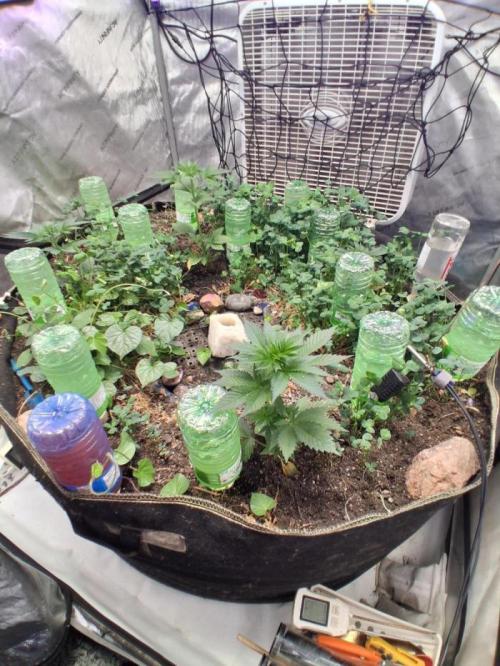
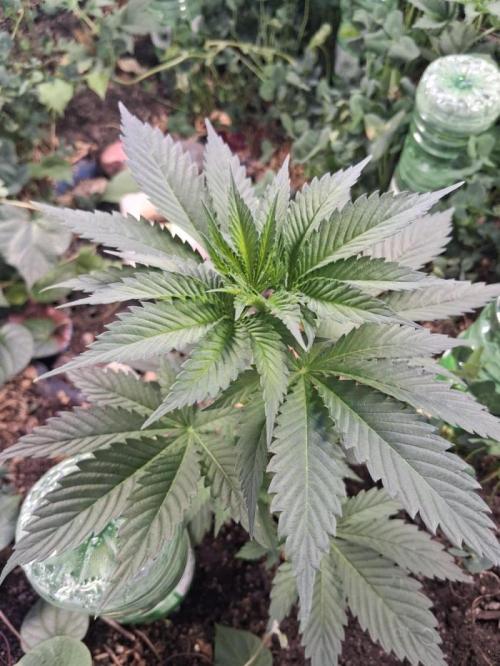
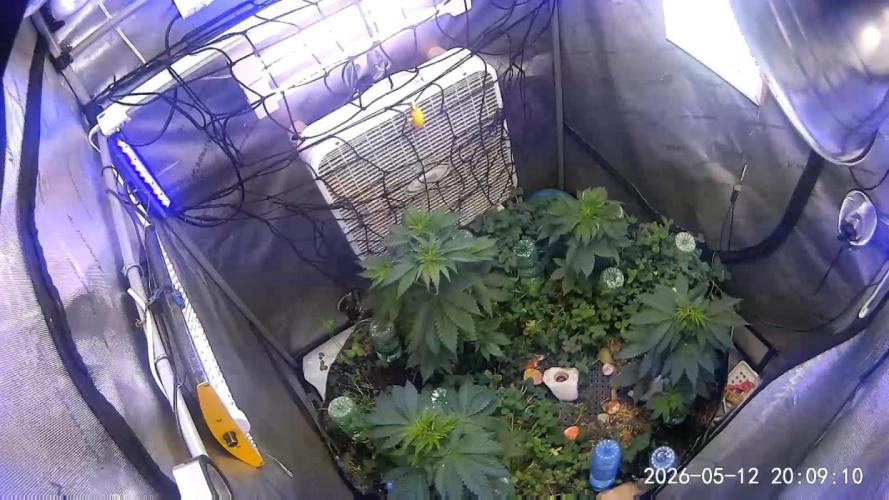
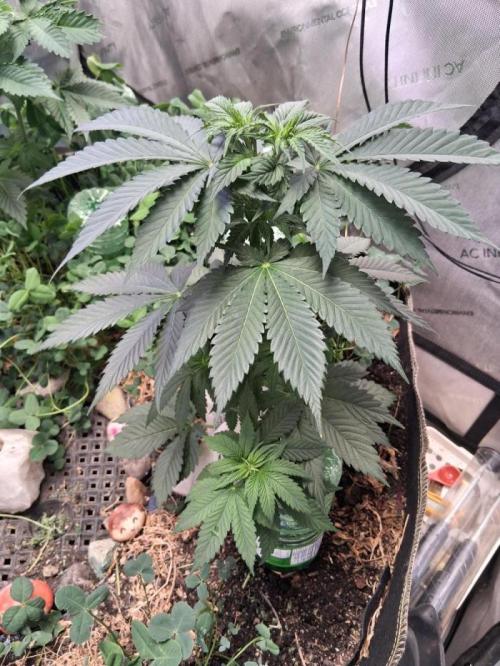
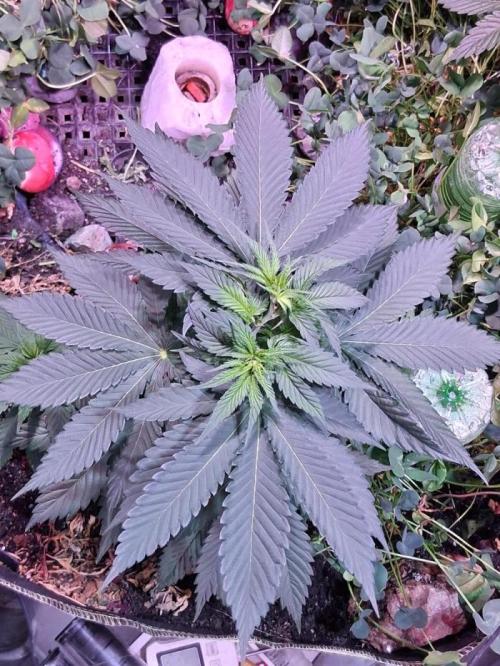
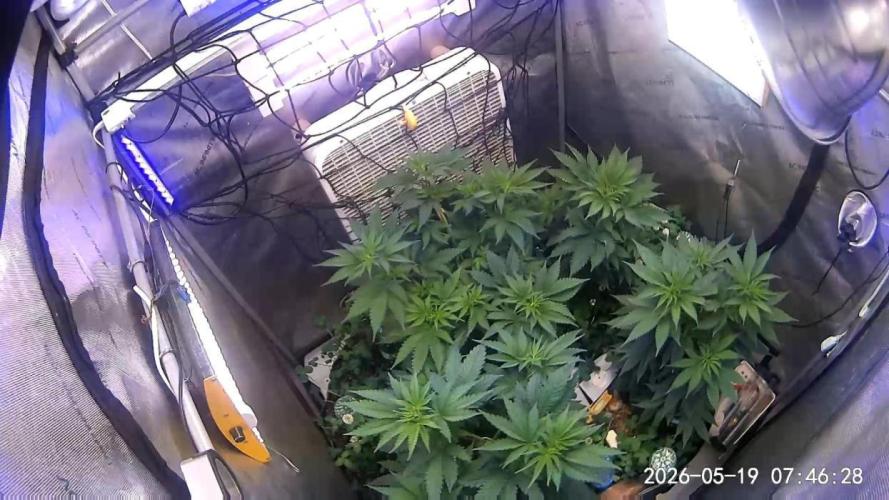
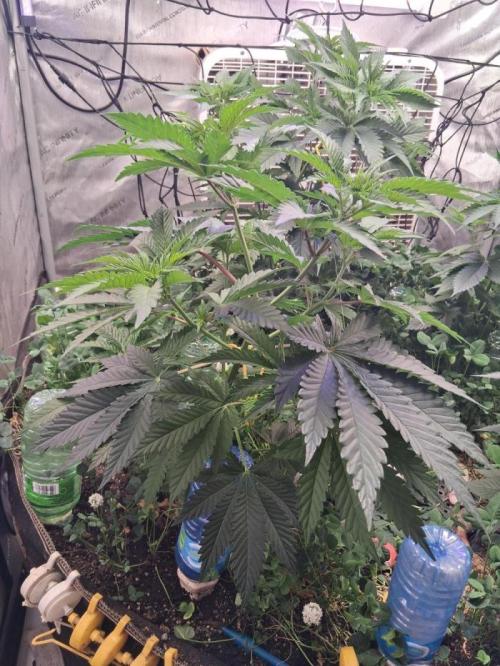
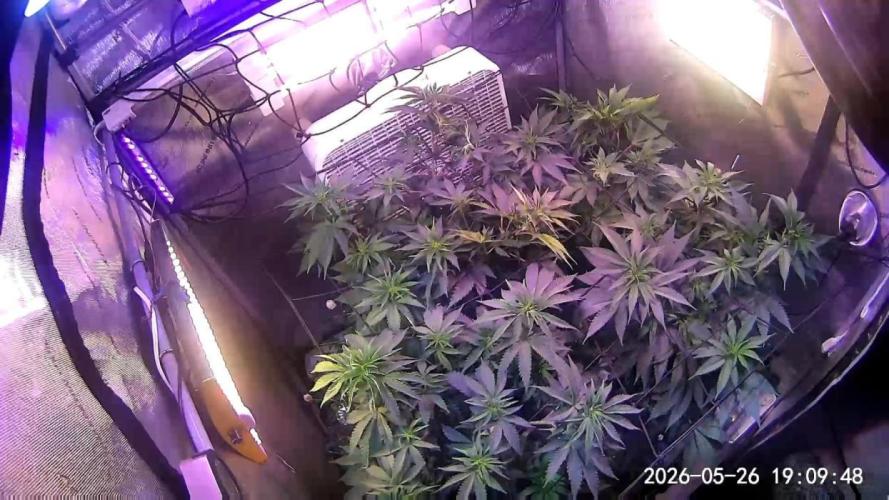
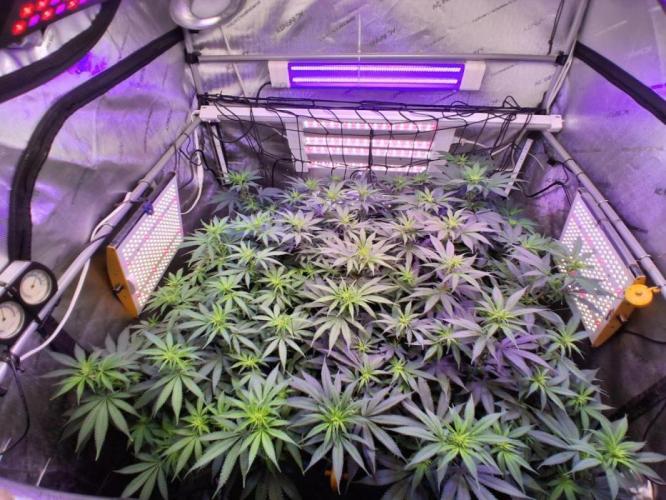
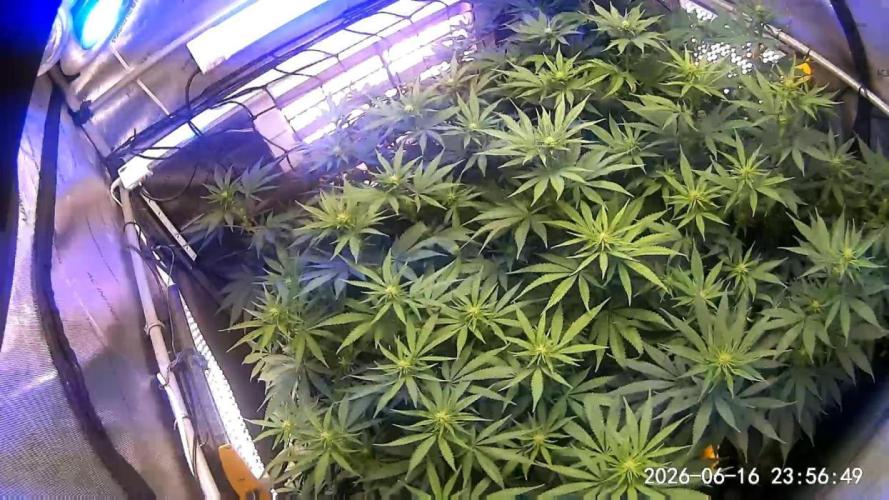
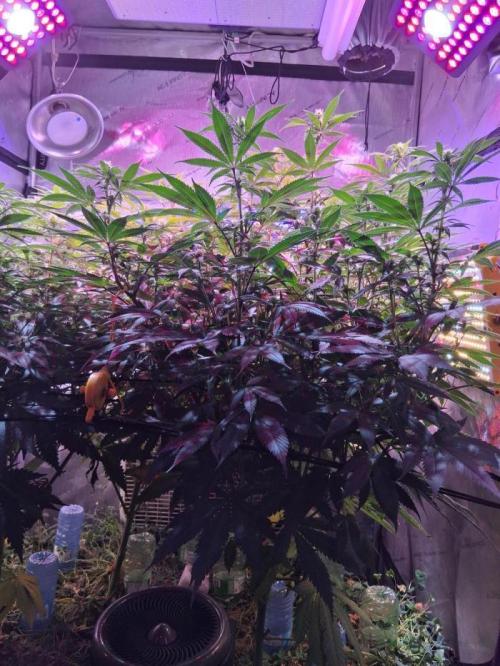
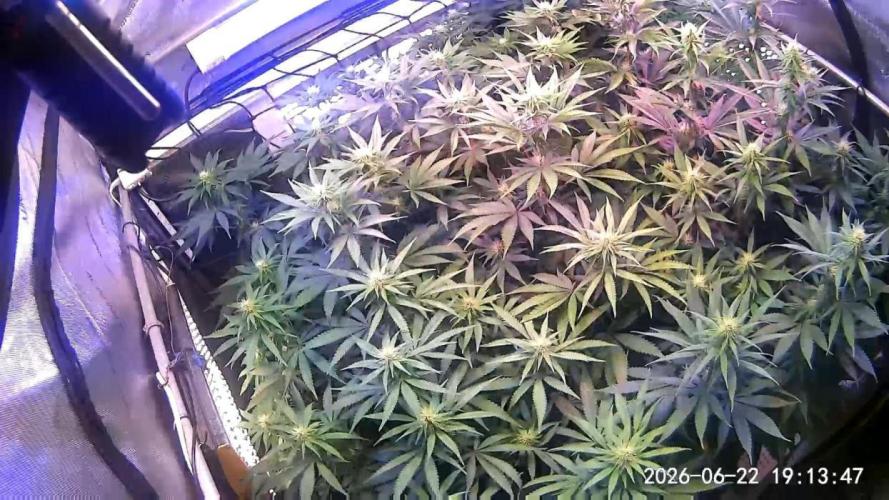
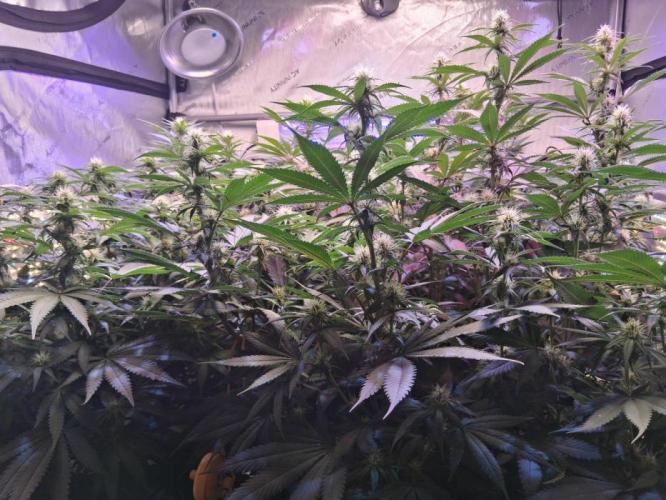
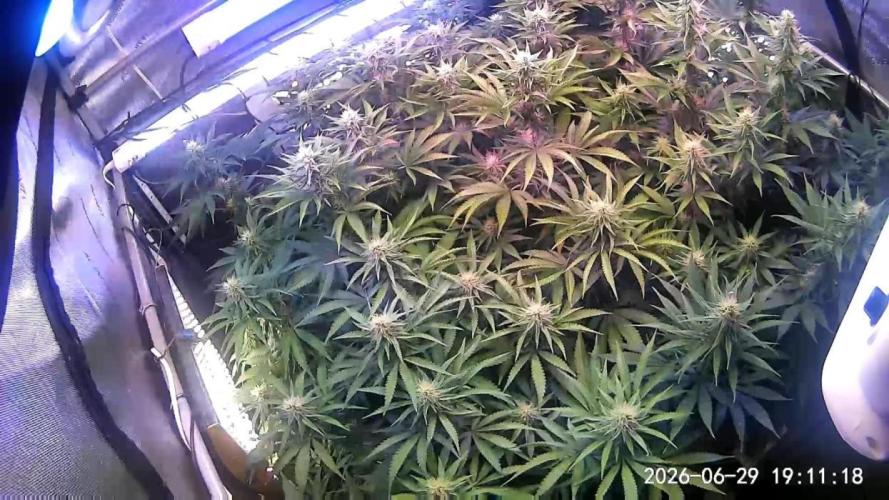
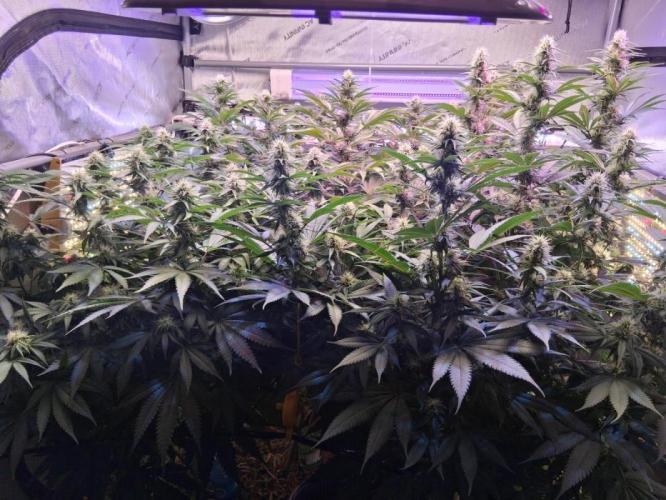
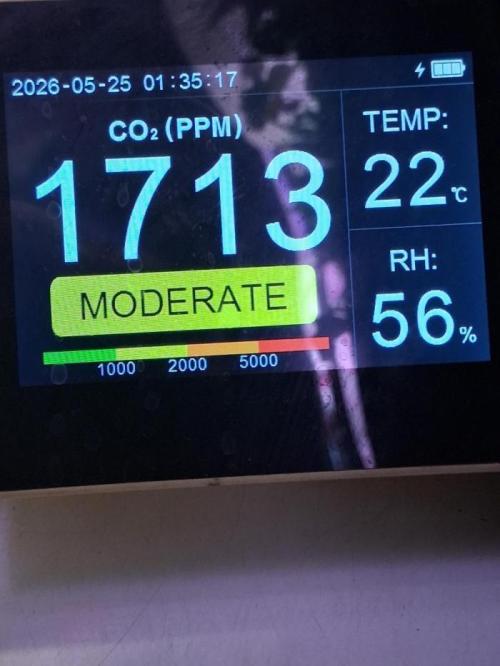
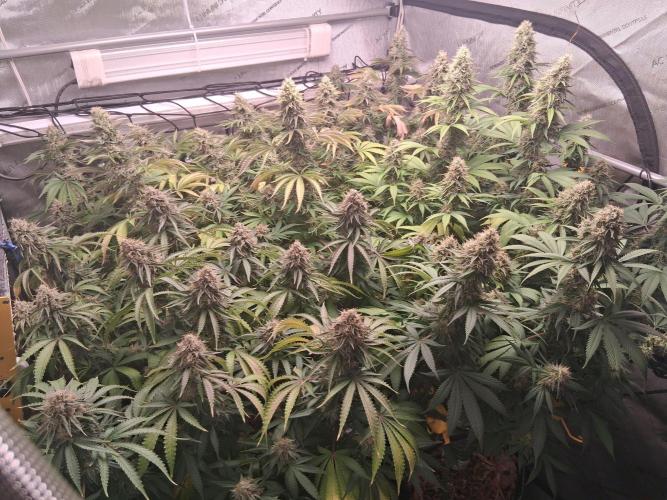
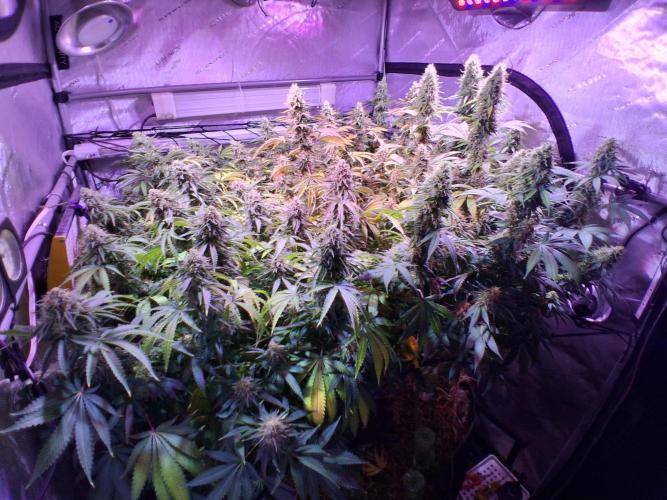
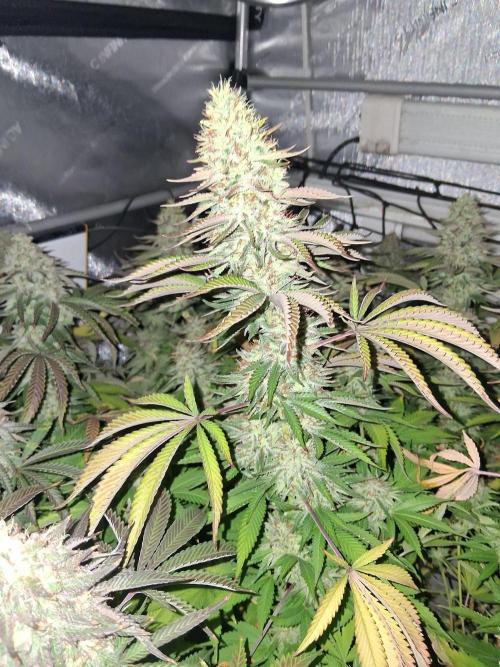
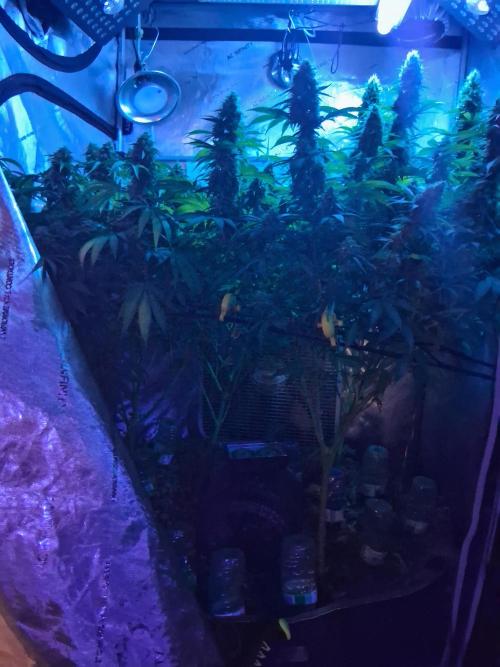
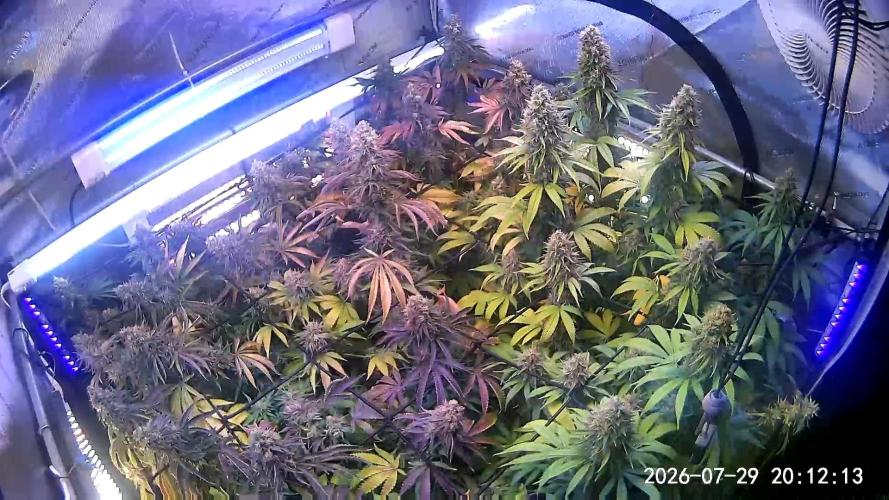
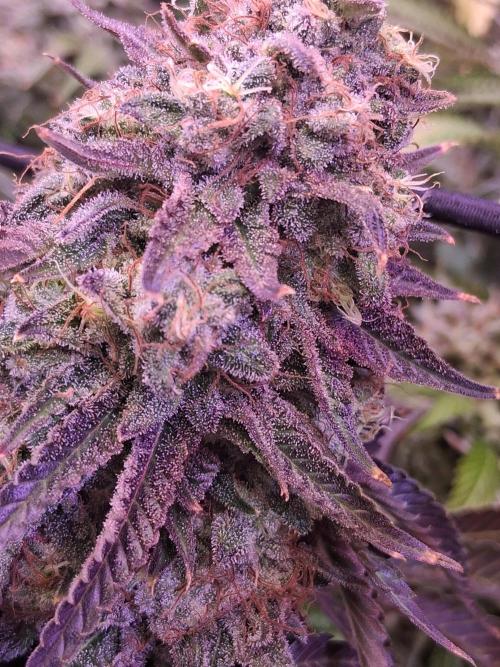
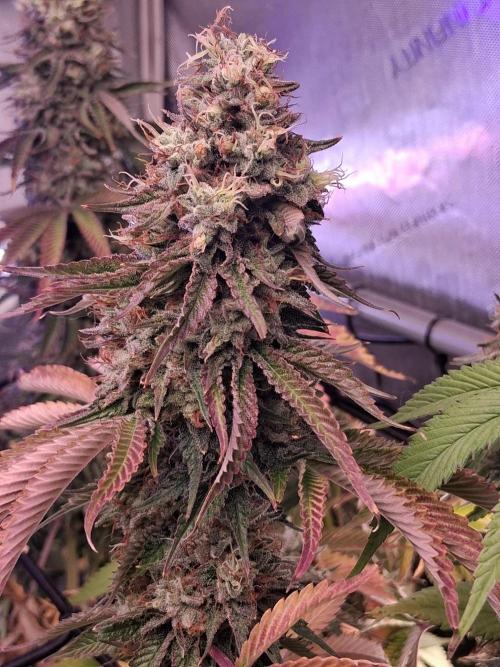
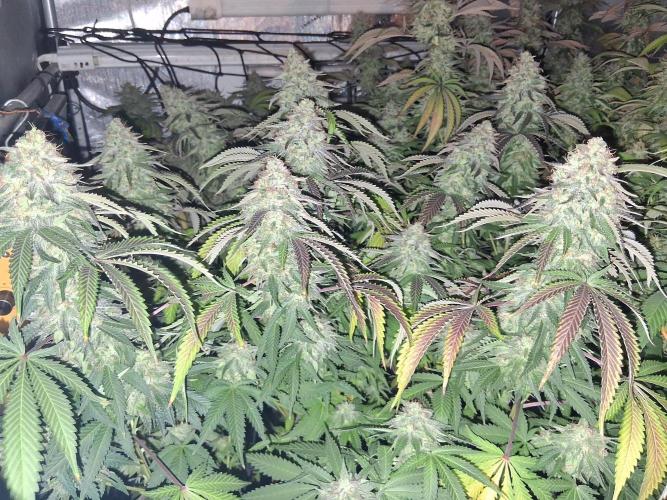
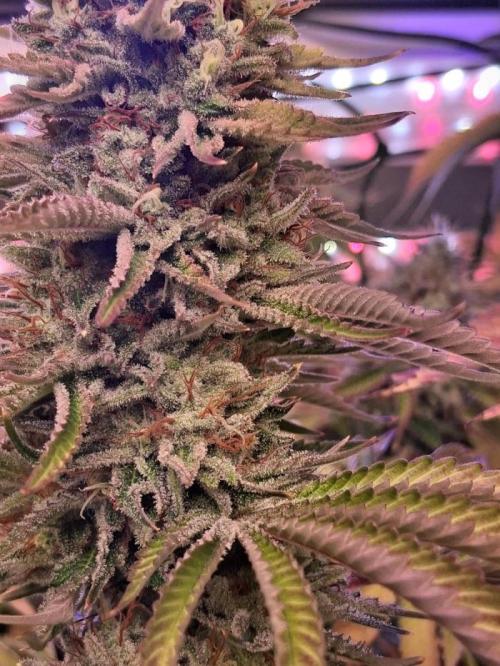
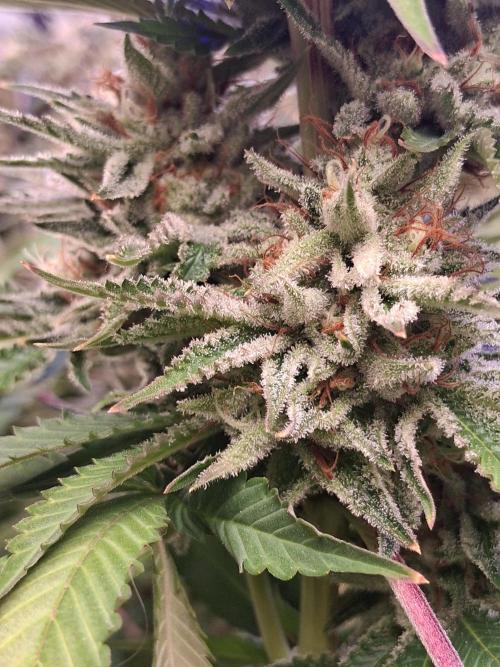
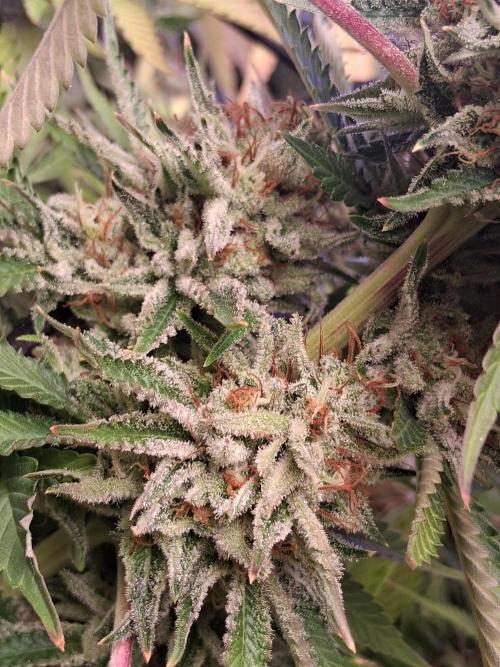
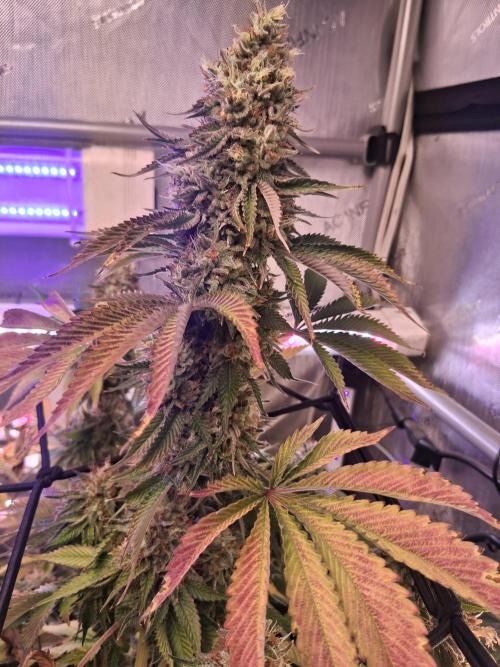
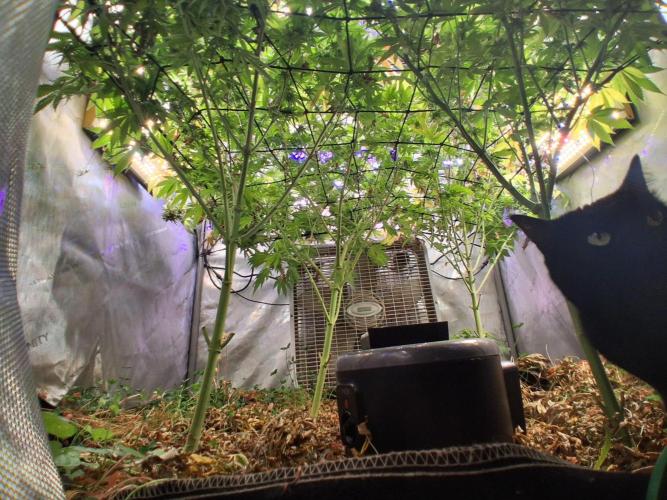
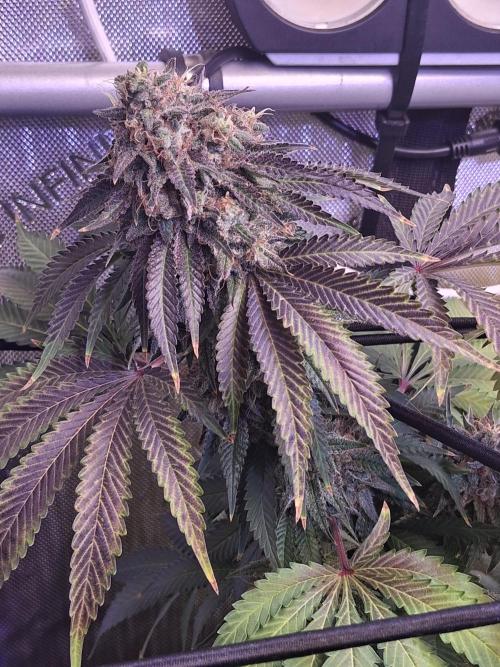
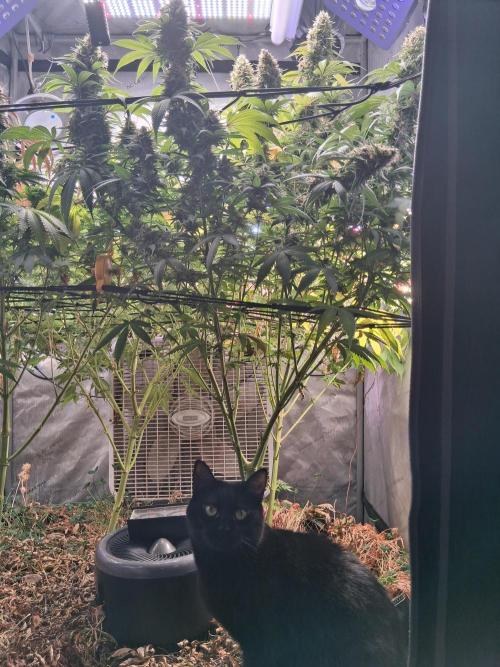
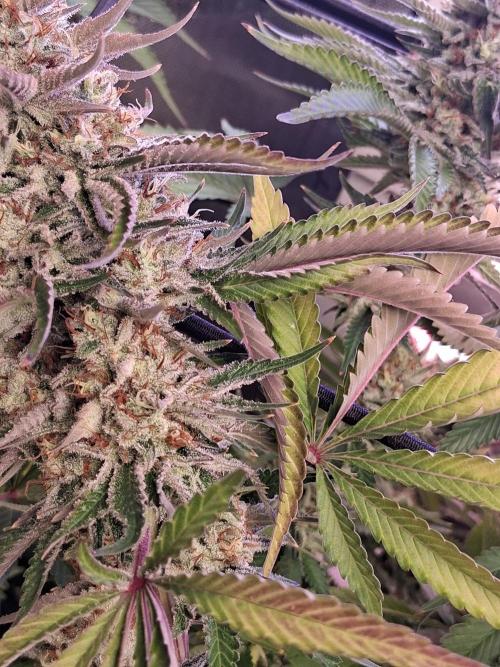
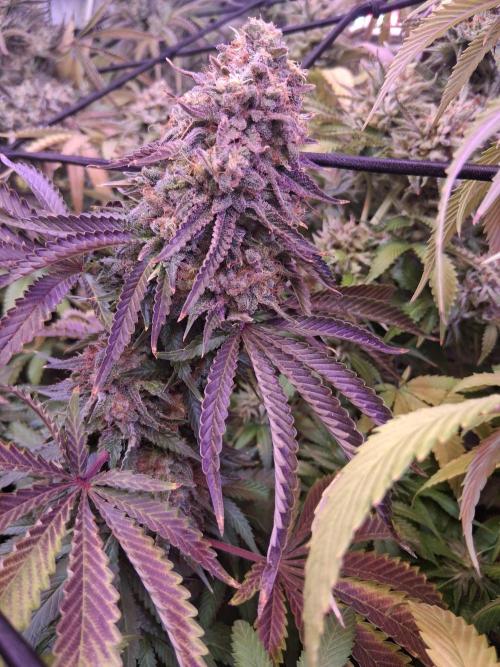
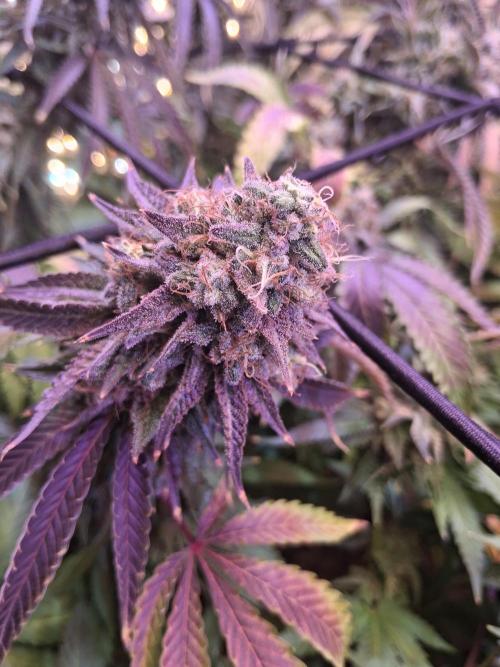
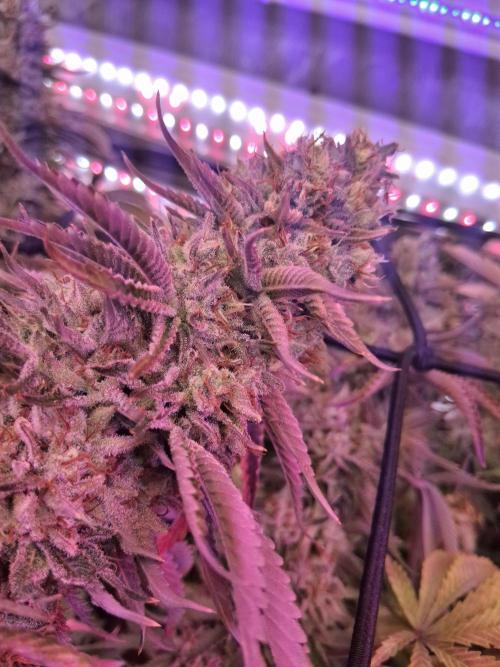
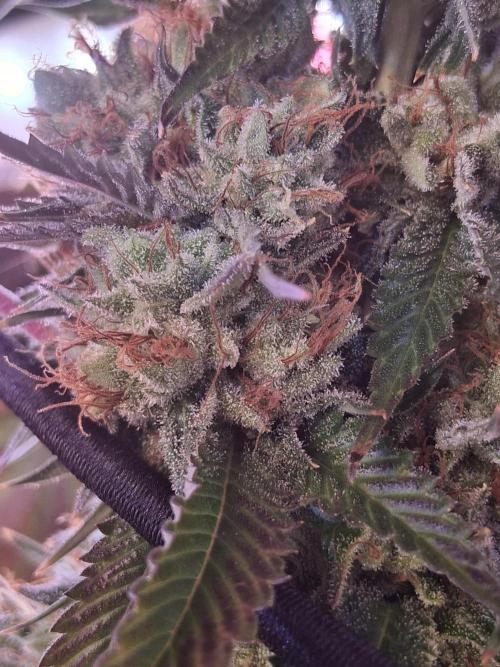
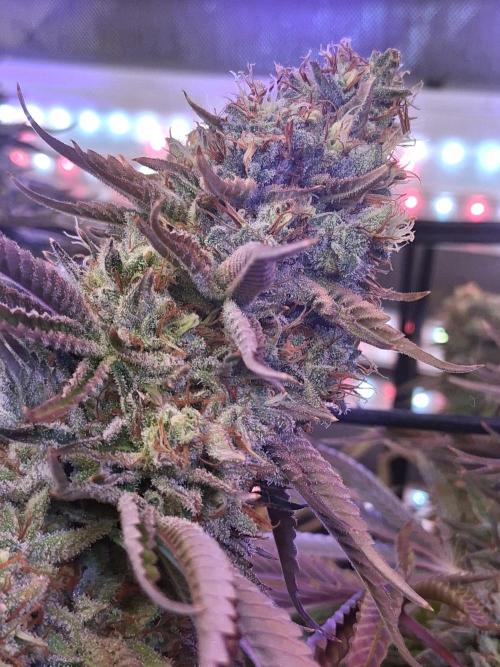
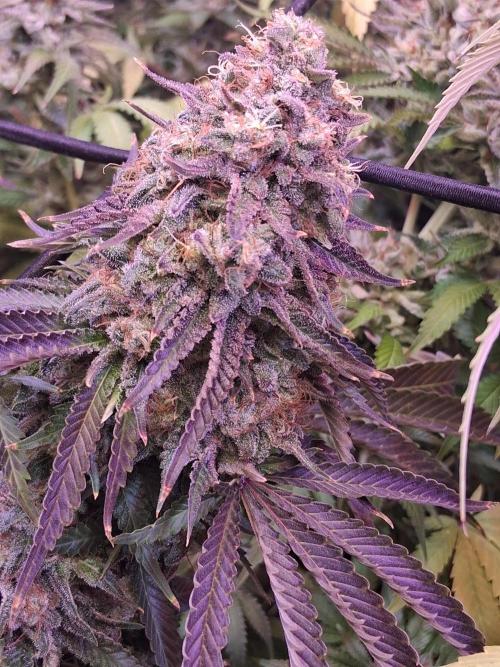
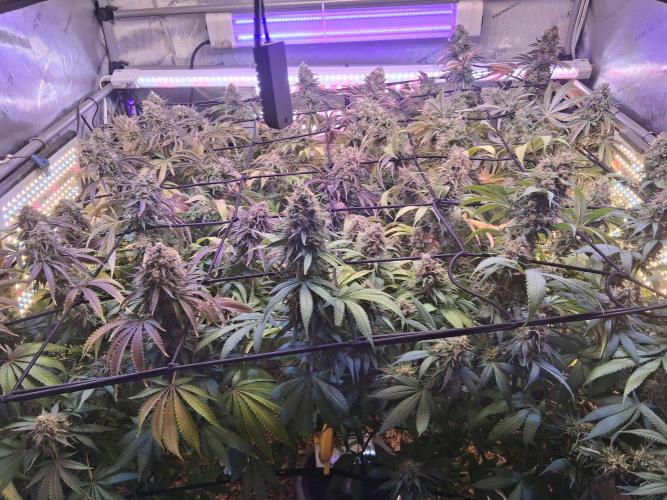
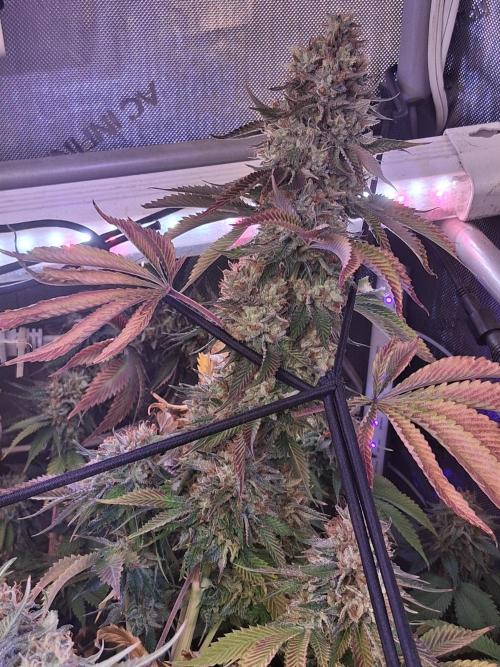
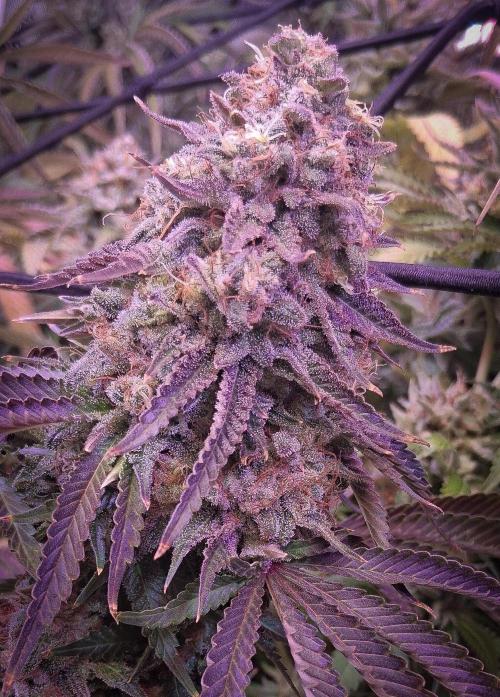
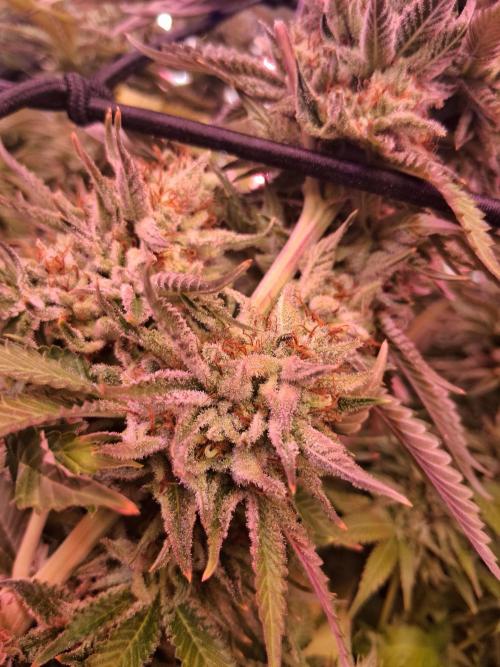
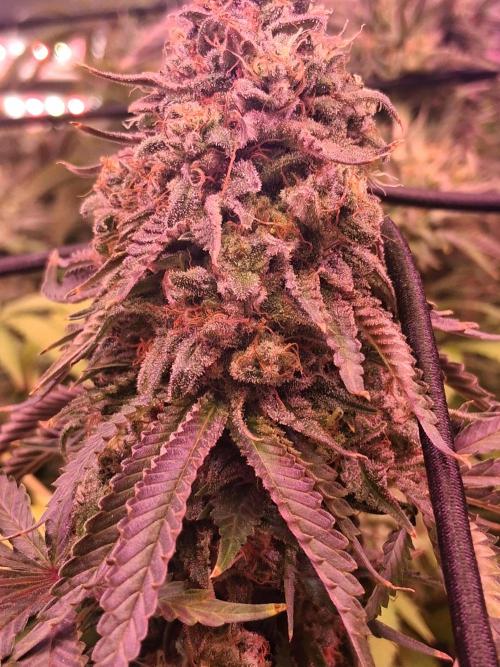
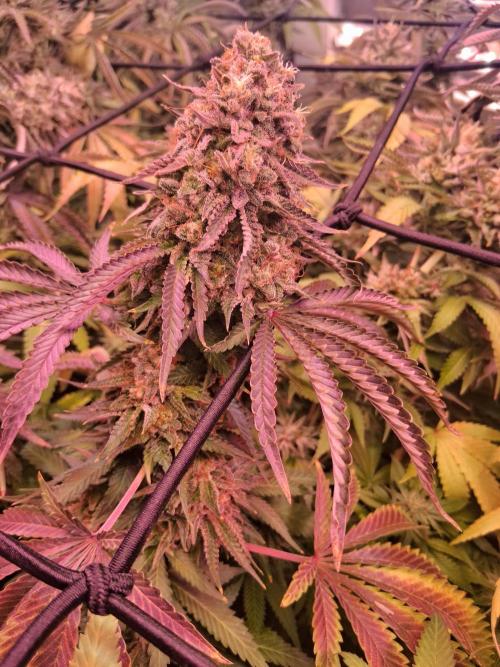
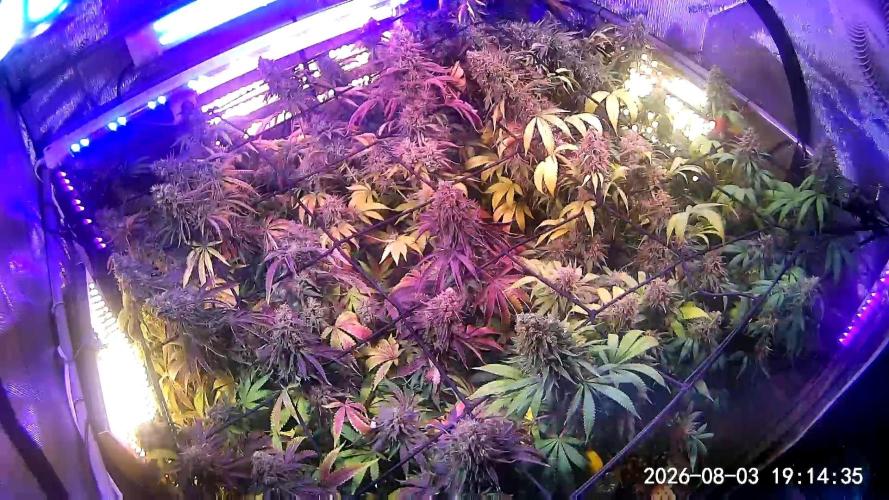
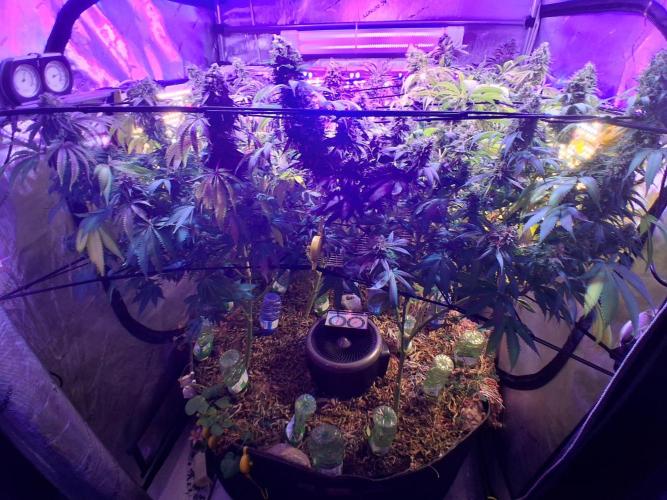
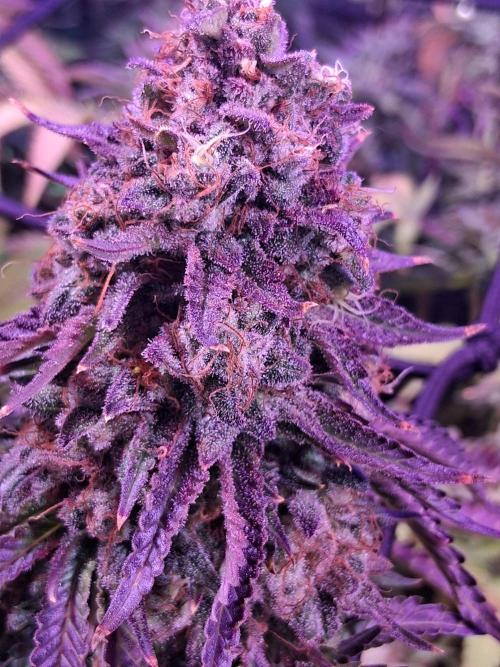
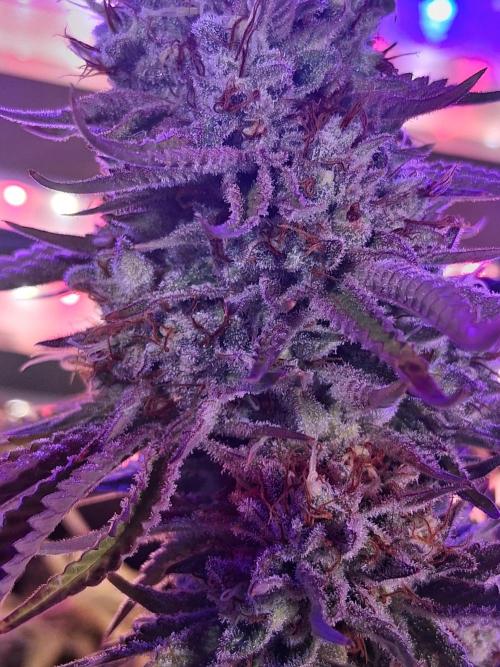
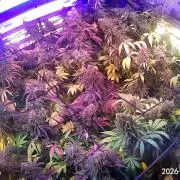
Altitonans_Fulmen Time to grow.
More energy, more blueprint.
Electrical Conductivity refers to how easily a material or solution allows electrons or ions to flow continuously when an electrical potential is applied.
Electrochemical Reactance is the opposition to alternating current (AC) caused specifically by the temporary storage of energy in electric or magnetic fields, rather than energy being lost as heat. Reactance does not directly alter a material's intrinsic electrical conductivity. Instead, it dictates how the system stores and releases energy over time, which creates a temporary barrier to current flow in AC circuits. Together with resistance, reactance makes up total impedance. Electrical impedance (the combination of resistance and reactance) in the rhizosphere dictates how easily ions and water move into plant roots, directly impacting the Electron Transport Rate (ETR). High impedance restricts ion mobility, leading to nutrient deficiencies that decrease ETR and stunt overall plant growth.
Using copper and zinc plates in the plant medium to form a natural earth battery to assist with Electrochemical Reactance. The moist soil acts as an electrolyte, while zinc serves as the anode and copper as the cathode. Zinc is a highly reactive metal and oxidizes, losing electrons into the soil. These electrons travel through an external wire to the copper plate. The moisture and dissolved salts in your plant medium allow charged ions to move freely between the plates, completing the circuit and generating a small direct current (usually between 0.8 and 1.1 volts). This micro-current subtly alters/the Electrical Conductivity (EC), allowing more effective breaking apart of chemical bonds in the soil (electrolysis), making soil nutrients like phosphorus, calcium, and potassium more accessible to roots. Buried the zinc plate on one side of the plant’s root zone and the copper plate on the opposite side. Ran an insulated copper wire above ground to connect the zinc plate to the copper plate, creating a closed loop. Make sure your soil remains moist and contains natural mineral salts; entirely distilled water or bone-dry medium will prevent ion exchange and block the current.
Electrolysis in the rhizosphere can reduce the direct ATP energy cost for a plant by electrochemically altering soil chemistry, changing pH gradients, and splitting or reducing compounds so that nutrients become easier to absorb or break down.
Electrolysis uses an external electrical voltage to drive chemical reactions (like splitting water or reducing ions). This external electricity performs thermodynamic work on the soil solution. Rather than directly fueling plant enzymatic machinery or lowering biological ATP synthesis costs inside root cells, electrochemical reactions alter surrounding nutrient forms (e.g., changing pH, altering redox states, or breaking tight mineral bonds). By electrochemically making mineral ions more mobile or bioavailable, the plant may spend less root exudate carbon or membrane-transport ATP trying to scavenge locked nutrients, though the plant's baseline respiration and ATP costs for active uptake still apply.
6 likes
comments
Share
1
Week 1. Vegetation
25d ago
1/3
20.32 cm
Height
18 hrs
Light Schedule
29 °C
Day Air Temp
6.4
pH
65 %
Air Humidity
20 °C
Solution Temp
21 °C
Substrate Temp
24 °C
Night Air Temp
378.54 l
Pot Size
0.95 l
Watering Volume
550 PPM
CO₂ Level
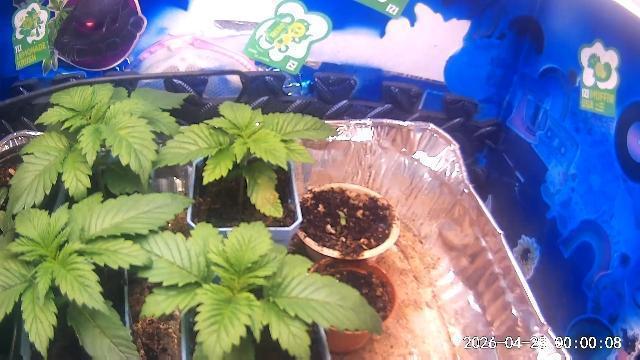
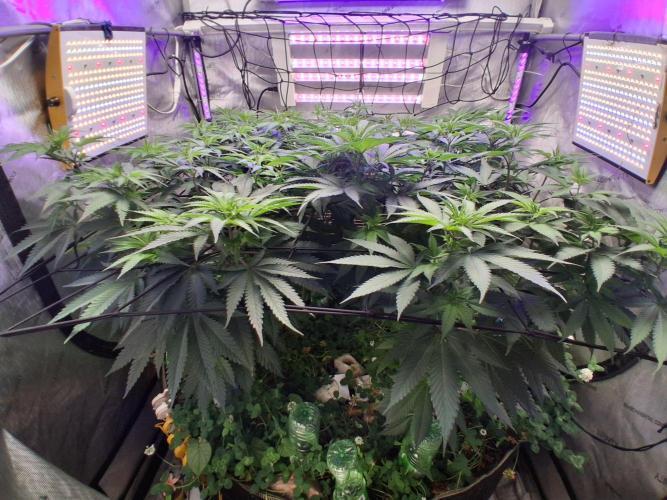
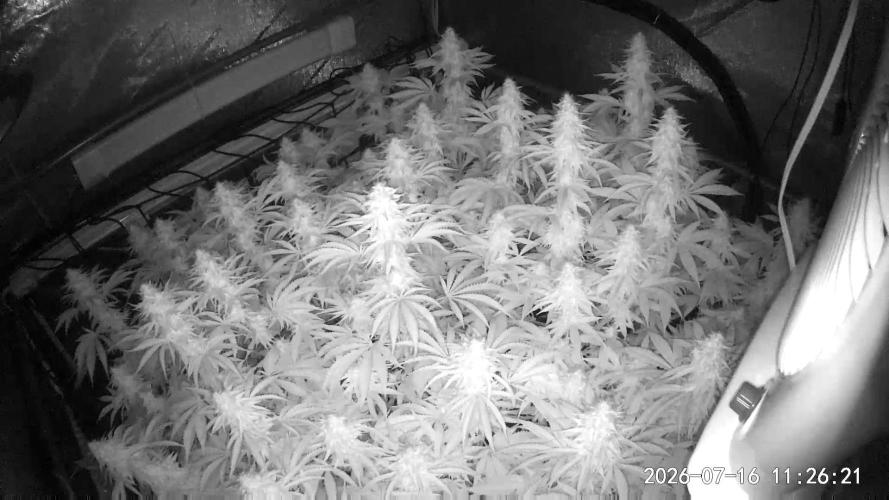
Altitonans_Fulmen The vegetative stage technically begins when a plant transitions out of early sprout development, usually defined by having 3 to 4 sets of true leaves or nodes where growth visibly speeds up.
Biochar contains redox-active functional groups (like quinones/hydroquinones) and heteroatoms that act as natural electrocatalysts. High porosity and electrical conductivity in biochar improve electron transfer within the medium, reducing the activation energy barrier and overpotential needed for reactions. Because biochar improves medium conductivity and stabilizes reactive intermediates, it effectively lowers the total threshold voltage required to split or break apart target molecules compared to an untreated medium.
Biochar as a soil amendment significantly improves the leaf electron transport rate (ETR). Mixing biochar into the soil enhances the efficiency of Photosystem II Φ PSII. This physiological boost leads directly to higher structural and functional leaf ETR values.
Biochar does not directly enter the plant to change its electrical properties; instead, it transforms the root zone, triggering a ripple effect that optimizes the plant’s internal photosynthetic machinery.
Biochar increases soil cation exchange capacity (CEC). This helps plants absorb more nitrogen (N), magnesium, and potassium. Nitrogen is a core component of chlorophyll and vital photosynthetic enzymes, allowing the plant to build a robust electron transport chain.
Under nutrient-deficient or degraded soil conditions, plants suffer from sluggish electron flow. Biochar stabilizes the energy distribution ratio in the reaction centers of the leaves, preventing bottlenecks in light absorption and electron movement.
In drought, saline, or contaminated soils, plants produce harmful reactive oxygen species (ROS) that damage chloroplast membranes. Biochar improves soil water retention and binds toxins, lowering plant oxidative stress. This protects the integrity of thylakoid membranes where electron transport occurs.
Plants grown in biochar-amended soils consistently exhibit higher SPAD index values and chlorophyll concentration. More chlorophyll molecules translate directly to a higher capacity to absorb photons and transfer electrons downstream.
5 likes
comments
Share
2
Week 2. Vegetation
25d ago
25.4 cm
Height
18 hrs
Light Schedule
29 °C
Day Air Temp
6.4
pH
640 PPM
TDS
60 %
Air Humidity
20 °C
Solution Temp
21 °C
Substrate Temp
24 °C
Night Air Temp
378.54 l
Pot Size
1.89 l
Watering Volume
700 PPM
CO₂ Level
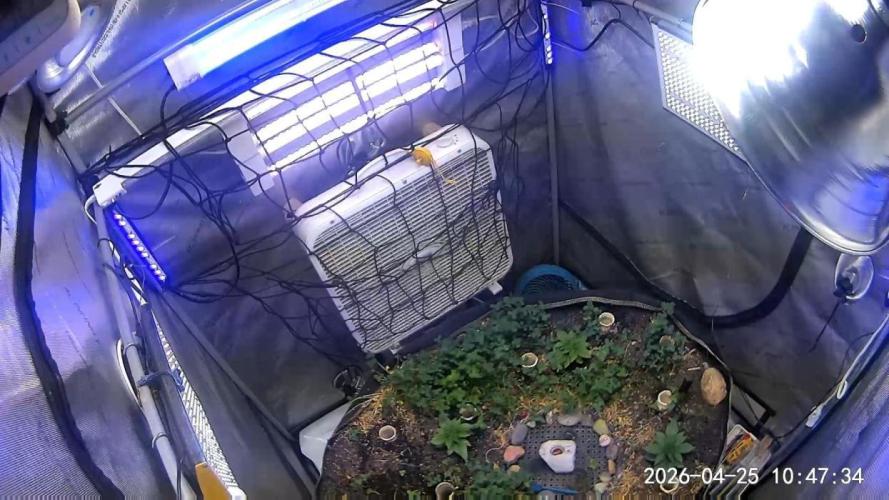
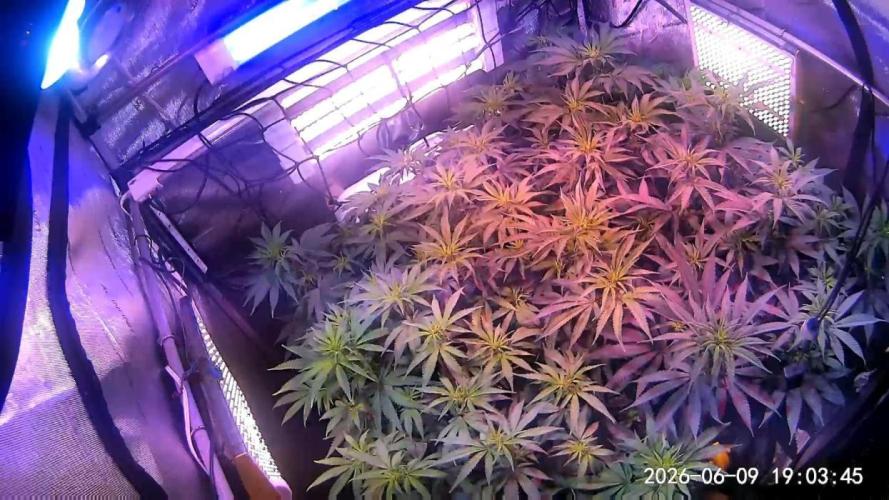
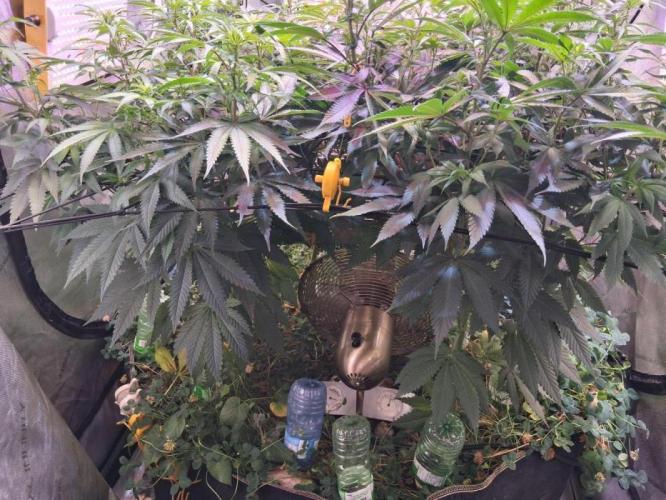
Altitonans_Fulmen Humidity of the air dictates the moisture in the medium, which dictates the rate of pull from the terracotta stakes, 16 in total.
Soil-Plant-Atmosphere Continuum (SPAC): An ecological concept referring to the pathway of water moving from the soil, through the plant, and into the atmosphere.
Osmosis is the natural movement of water molecules through a special barrier called a semipermeable membrane.
Terracotta (unglazed, low-fired clay) is highly porous, acting as a breathable, permeable membrane that transports water based on the moisture gradient between the potting medium (soil) and the surrounding air. White terracotta and brown terracotta often have different pore sizes and overall porosity, primarily driven by differences in clay composition, impurities, and firing temperatures. While both are considered porous, brown terracotta often has higher iron content and impurities that behave as fluxes, affecting how the pores form during firing, while white terracotta is generally derived from more refined clays, with smaller pores making it more suited to pure water.
This mechanism is driven by capillary action and evaporation. When the surrounding soil is dry, the terracotta acts as a wick, pulling water out of the pot and into the soil. If the soil is very saturated, the terracotta absorbs water from the soil and allows it to evaporate from its outer surface, increasing the drying rate of the soil. Terracotta tends to keep the potting mix at an optimal saturation point, wicking up more water when the outside surface evaporates water into the air. The greater the difference in moisture between the soil and the outside air, the faster the water transfers through the ceramic. In low humidity and hot weather, the evaporation rate from the terracotta surface is high, creating a rapid drying effect. Newer terracotta pots often have a denser, lighter-toned structure that is less porous than traditional, red-orange terracotta, slowing down the moisture transfer rate. Over time, dissolved salts from fertilizer or tap water build up and block the pores, reducing the permeability of the clay. Water is all that is used or needed, thanks to the biochar and the massive storage bank of nutrients. Just waiting until something creeps up.
Clay pot irrigation (Ollas), an ancient farming practice, utilizes this property by burying unglazed jars in the soil, allowing water to slowly seep into the surrounding soil only when the soil dries out.
5 likes
comments
Share
3
Week 3. Vegetation
25d ago
1/4
35.56 cm
Height
18 hrs
Light Schedule
29 °C
Day Air Temp
6.4
pH
60 %
Air Humidity
20 °C
Solution Temp
21 °C
Substrate Temp
24 °C
Night Air Temp
378.54 l
Pot Size
1.89 l
Watering Volume
800 PPM
CO₂ Level
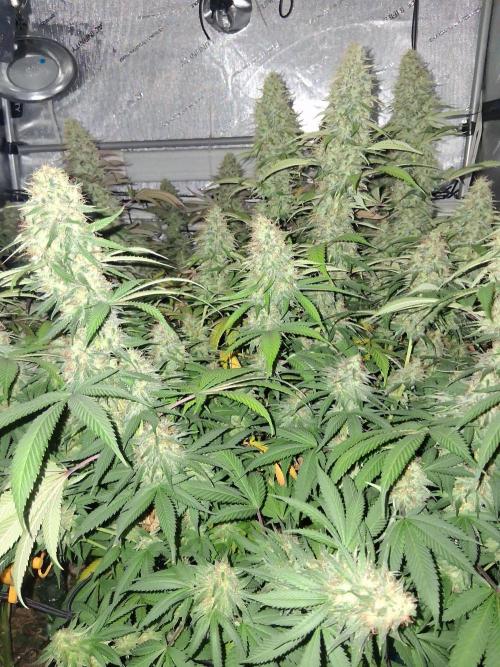
Altitonans_Fulmen Topped once, turned off IR @ nights, slowed vertical growth back down, and took off both of the very lowest internodes on each plant.
6 likes
comments
Share
Used techniques
Topping
Technique
4
Week 4. Vegetation
25d ago
1/3
48.26 cm
Height
18 hrs
Light Schedule
29 °C
Day Air Temp
6.4
pH
60 %
Air Humidity
21 °C
Substrate Temp
24 °C
Night Air Temp
378.54 l
Pot Size
3.79 l
Watering Volume
800 PPM
CO₂ Level
Altitonans_Fulmen Remember that, however you are played, or by whom, your soul is in your keeping alone. Even though those who presume to play you be kings or men of power, when you stand before God, you cannot say, 'But I was told by others to do thus,' or that virtue was not convenient at the time. This will not suffice. Remember that.
Day:18
84°F and 65% RH (VPD) for the vegetative stage. Approximately 1.15kPa(assuming leaf temperature is about 2°F cooler than the air), which falls right into the ideal vegetative sweet spot (0.8kPa to 1.2kPa). At 1.15kPa, plants can draw water and nutrients efficiently without risking stress or wilting. It keeps the leaf pores (stomata) open, allowing for ideal carbon dioxide intake and maximizing vegetative growth. VPD is determined by the leaf's temperature, not just the ambient air. Because leaves usually run 1° to 3°F cooler than room air under bright grow lights, my actual VPD will be slightly lower, closer to the 1.0kPa mark. As she transitions from vegetative growth to flowering, one can gradually lower the humidity (to around 45–60%) and drop temperatures slightly to prevent disease from settling inside dense buds when they appear.
Night:6
At 70°F and 60% relative humidity, Vapor Pressure Deficit (VPD) is 0.86 kPa. This is right on the cusp of whats optimal for the vegetative stage. During the nighttime, plants generally close their stomata and undergo cellular respiration rather than photosynthesis. Transpiration slows to a near stop, making VPD less critical at night than during the day. However, maintaining a nighttime VPD between 0.8 and 1.0 kPa is highly beneficial in that it ensures the air is dry enough to prevent powdery mildew or bud rot, but moist enough to keep the plant from undergoing unnecessary stress. This range keeps the environment comfortable for cellular processes and prevents large atmospheric swings. Keeping it all flowing.
(Not pushing them yet, these are photoperiods)
The optimal soil (root zone) temperature for cellular root respiration and nutrient uptake in cannabis is between 68F & 72F This narrow range balances biological energy production (cellular respiration) with the dissolved oxygen levels in the soil, maximizing plant growth and health. Warmer soils hold significantly less dissolved oxygen. When soil temperature exceeds 74F oxygen depletion occurs, inhibiting cellular respiration almost entirely, At 68-72F root cells generate optimal adenosine triphosphate (ATP) via respiration to power root-tip elongation and the active transport of water and nutrients.
5 likes
comments
Share
5
Week 5. Vegetation
25d ago
1/3
63.5 cm
Height
18 hrs
Light Schedule
29 °C
Day Air Temp
6.4
pH
60 %
Air Humidity
20 °C
Solution Temp
21 °C
Substrate Temp
24 °C
Night Air Temp
378.54 l
Pot Size
3.79 l
Watering Volume
800 PPM
CO₂ Level
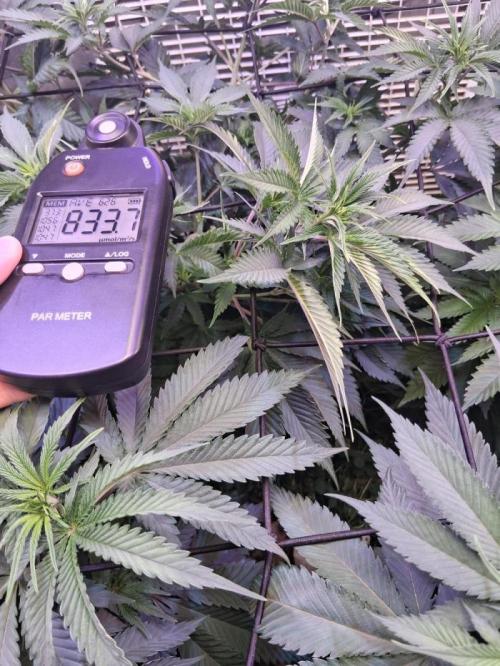
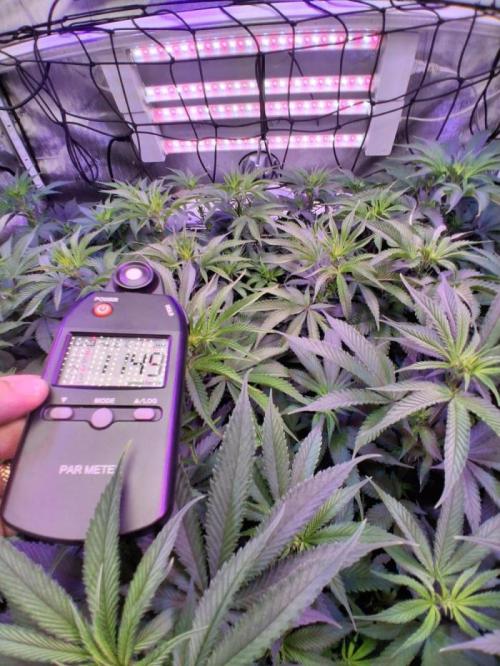
Altitonans_Fulmen 18 hours in seconds, 60x60x18 = 64,800 seconds, now multiply by the 833μMol/s reading off the PAR metre. μMol/s (micromol) is the unit in which P.A.R. is expressed.
64,800x833=53,784,000μMol
53,784,000μMol = 54 Mol
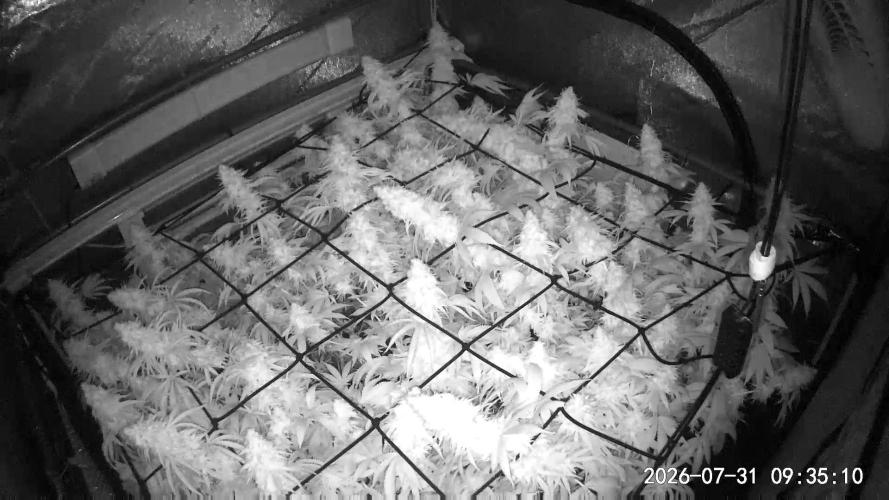
54 DLI @ 800ppm, powerful combination. Pushing photosynthesis to peak capacity, accelerated growth and increased biomass. Applied net, stretching her around for a week. Maintaining a minimum air velocity of 0.3m/s within the inner canopy.
5 likes
comments
Share
Used techniques
LST
Technique
6
Week 6. Vegetation
25d ago
1/3
60.96 cm
Height
18 hrs
Light Schedule
31 °C
Day Air Temp
6.4
pH
60 %
Air Humidity
20 °C
Solution Temp
21 °C
Substrate Temp
24 °C
Night Air Temp
378.54 l
Pot Size
3.79 l
Watering Volume
800 PPM
CO₂ Level
Nutrients 6
Microbes Bloom Stage
2.6 mll
RAW Yucca
0.65 mll
RAW Amino Acids
0.33 mll
Altitonans_Fulmen The nighttime VPD does not need to mirror the daytime VPD. Daytime VPD dictates the pull of water and nutrients, while nighttime VPD acts mostly as a prevention tool. A high nighttime VPD increases the risk of the leaf temperature dropping below the dew point, which can trigger bud rot and powdery mildew. Hydrolyzed fish is a powerful organic tool during the transition from vegetative growth to flowering. It preserves vital amino acids, enzymes, and micronutrients without heat damage, helping plants handle transition stress.
Switched down to 12's hours of light late in the week, changed spectrum, increased light intensity from 840umol up to 1150umol at current height. Overnight from 800ppm to 1500ppm; morning compensation point (microorganisms) 46-47 days from germination; she fills the canopy herself once the apical dominance is broken.
A plant is either genetically expressing "growing" or "recycling" genes based on its nutrient starvation level in the medium. Constantly toggling between "growing" and "recycling" hormonal states creates a futile cycle that wastes valuable metabolic energy. Plants rely on sophisticated biochemical switches to manage this trade-off and prevent rapid fluctuations that disrupt that balance.
This energy inefficiency is a recognised biological challenge. Plants avoid this costly "flip-flopping" by using hierarchical master regulators (like the TOR and SnRK1 protein kinases) that act as strict molecular switches. These networks enforce cellular commitment to either growth or survival, preventing mixed signals.
This is something that was missing from previous grow attempts.
Under nutrient-rich conditions, TOR promotes protein synthesis, cell division, and structural expansion.
Under starvation, TOR is inhibited, and SnRK1 is activated. This triggers autophagy—where the plant breaks down old macromolecules and organelles to scavenge and reallocate essential nutrients to critical sinks.
7 likes
comments
Share
7
Week 7. Flowering
25d ago
1/4
88.9 cm
Height
12 hrs
Light Schedule
31 °C
Day Air Temp
6.4
pH
60 %
Air Humidity
20 °C
Solution Temp
22 °C
Substrate Temp
23 °C
Night Air Temp
378.54 l
Pot Size
3.79 l
Watering Volume
1400 PPM
CO₂ Level
Altitonans_Fulmen Switched the light spectrum and schedule, and kept watering. 8-9 Week flower period.
The count begins the day you flip your lights to a 12/12 photoperiod, not from when the seed sprouts or the first white hairs appear.
Moving from18x60x60 = 64,800 seconds in 18 hours.
64800x860(ppfd) = 55,728,000 umol per daylight.
Into Flower
12x60x60 = 43,200 seconds in 12 hours.
43200x1145(ppfd) = 49,464,000 umol per daylight.
It's asking a lot of Rubisco regeneration to maintain 50 DLI in the 12 instead of 18. Raised the ambient CO2 to 1200 to 1500 ppm to achieve efficient gas exchange.
Not particularly recommended, but adding sugar to an indoor growing medium is a highly effective way to stimulate microbial activity, which rapidly breaks down the sugars and releases CO2 through cellular respiration. You can safely capture this CO2 to fertilize indoor crops and boost photosynthesis. While this process works, the setup requires precise understanding and management to avoid common indoor growing hazards.
The plant Carbon to Nitrogen C:N ratio defines the balance between structural carbon (sugars/cellulose) and nitrogen (proteins/enzymes). It acts as a master regulator of plant health, growth, and metabolism.
Rubisco (Ribulose-1,5-bisphosphate carboxylase/oxygenase) is the engine of photosynthesis responsible for fixing atmospheric CO2 into sugars. It is intimately tied to the C:N ratio for three primary reasons. It is the Plant’s Biggest Nitrogen Sink, Drives the Carbon Side, and it is the Nitrogen Control Knob. Understanding this relationship allows you to predict how plants respond to environmental stress or fertilizer.
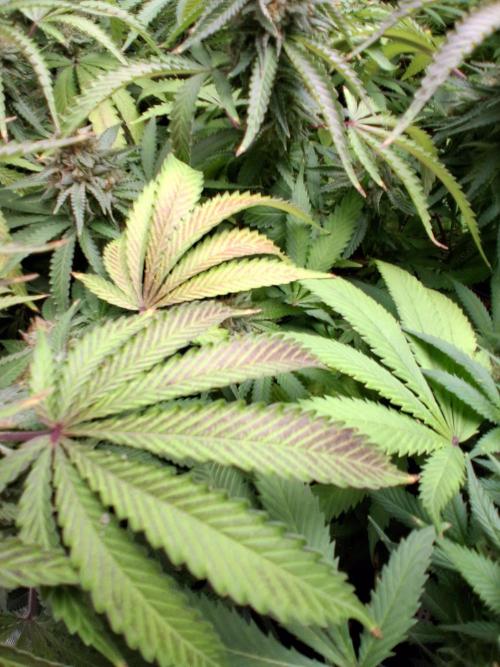
Rubisco acts as the primary storage sink for leaf nitrogen, accounting for up to 30% to 50% of a C3 plant's soluble protein. Deep Green Leaves signal a rich abundance of both chlorophyll and Rubisco proteins. The plant possesses the heavy enzymatic machinery required to handle 1145 PPFD. Pale or yellowing leaves indicate a nitrogen deficiency. The plant is actively breaking down its own Rubisco to salvage nitrogen for newer growth, drastically reducing its light-tolerance threshold. Subtle difference, but understanding is important in order to be able to judge when to dial light intensity up and light intensity down, when to push, and when to back off. An extra dose of magnesium is vital if a plant is going to push through the growing pains of high-intensity lighting.
Foliar application of magnesium is an excellent and rapid way to assist with Rubisco regeneration within a plant, so long as it is applied correctly.
Spray strictly in the early morning or late evening, mixing your magnesium with a little fulvic acid or chelator, but only when she gets a little limey on top.
This, for me, is the experience of growing, akin to "riding the surf" maintaining efficient Rubisco regeneration through visual identification of the shade of green. Surf a razor-thin wave when balancing light intensity, nutrient availability, and transpiration to maximize Rubisco enzyme efficiency. Keeping the Calvin cycle fully charged without tipping into nutrient toxicity, light stress, or the dreaded chlorosis requires paying close attention to the visual cues the plant provides. By monitoring these subtle shifts in color, turgor pressure, and leaf posture, you adjust your environmental controls and surf that exact razor-thin wave.
6 likes
comments
Share
8
Week 8. Flowering
25d ago
1/2
106.68 cm
Height
18 hrs
Light Schedule
29 °C
Day Air Temp
6.4
pH
60 %
Air Humidity
20 °C
Solution Temp
20 °C
Substrate Temp
24 °C
Night Air Temp
378.54 l
Pot Size
7.57 l
Watering Volume
1400 PPM
CO₂ Level
Nutrients 1
RAW Cane Molasses
0.65 mll
Altitonans_Fulmen 1.1 kPa VPD Days, 85°F, 60% RH
0.97 kPa VPD Nights, 75F, 55% RH
The primary purpose of chlorophyll is to absorb light energy to drive photosynthesis. When vegetative growth ceases to be a priority, the plant initiates a controlled senescence program, breaking down chlorophyll to remobilize valuable nitrogen into developing flowers and trichomes. As green pigments degrade, the plant upregulates carotenoids and anthocyanins. Instead of capturing energy for growth, these secondary pigments serve as photoprotective filters and antioxidants, mitigating oxidative stress and shielding trichomes from solar radiation. During this ripening phase, nitrogen demands drop significantly because structural biomass growth is complete. Managing this nutritional transition—shifting the plant's focus from rapid growth to secondary metabolite accumulation—is critical. Strategically tapering nitrogen at the correct time maximizes trichome development and terpene profiles, directly determining the final product's smoothness, flavor, and aroma.
Synthetic nutrients flood your medium with stable nitrate NO3-, forcing the plant to store excess nitrogen. Organic living soil, however, delivers nitrogen dynamically. The microbes feed the plant ammoniacal nitrogen NH4+ and only convert what the biology needs into nitrate. For high-quality smoke, this organic pathway is a game-changer. Come harvest time, a plant can easily process ammoniacal nitrogen into smooth amino acids. Nitrate, on the other hand, is a completely different beast.
A solid dry and cure is essential, but it cannot fix a poor pre-harvest metabolic state. You need a proper senescence sequence—a triggered autophagic sink—to deplete nitrogen before the chop.
The 10% Rule: A proper cure only cleans up the final 5% to 10% of mobile nutrients.
The Nitrate Trap: Nitrates carry a highly stable +5 oxidation state.
The Reality Check: You cannot magically oxidize stable nitrates into a smoother state during a hang dry.If your plant is fully charged with nitrates at harvest, it is going to taste like harsh trash. It does not matter how many decades you have been growing or how much smoke you blow up your own ass. Smoke quality relies on pre-harvest plant physiology, not post-harvest magic. If you chopped a green, over-fed plant, just accept that it is going to be a heavy, throat-burning smoke. Learn the lesson, correct your pre-harvest signalling next time, and move onwards and upwards!
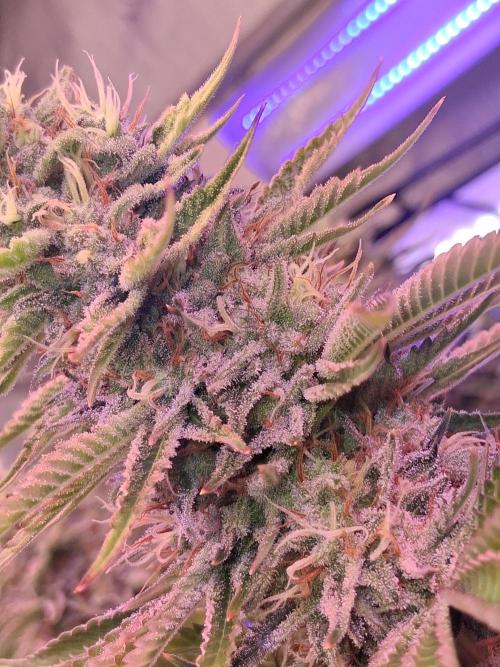
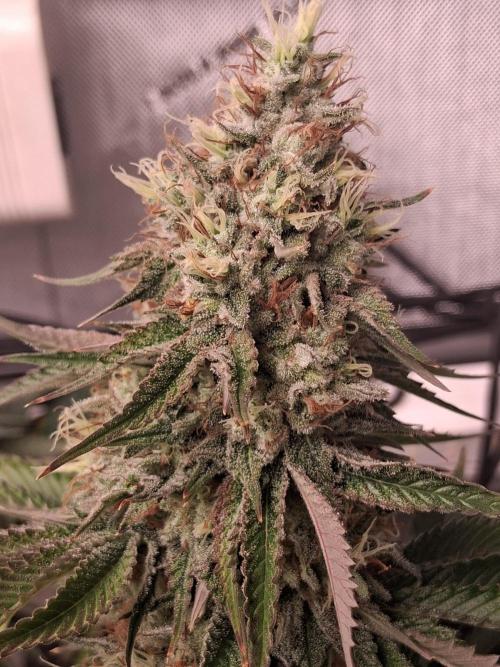
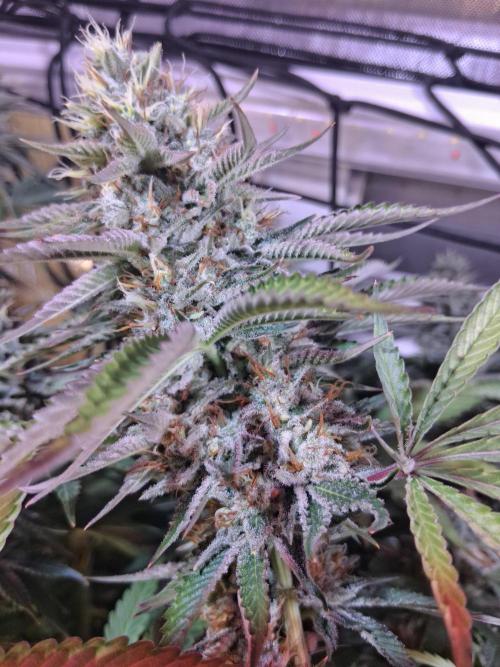
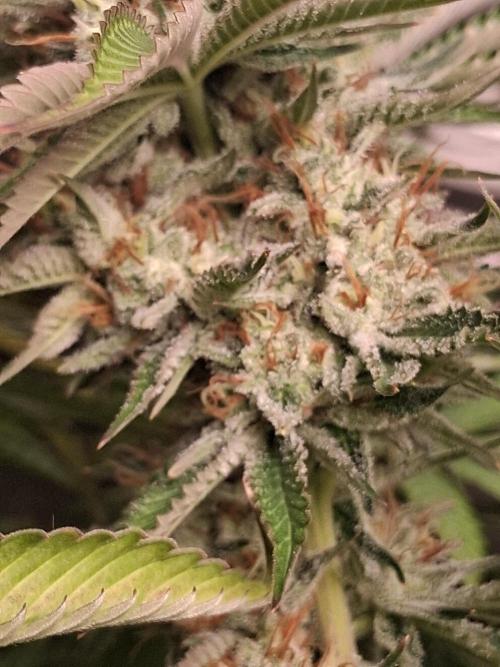
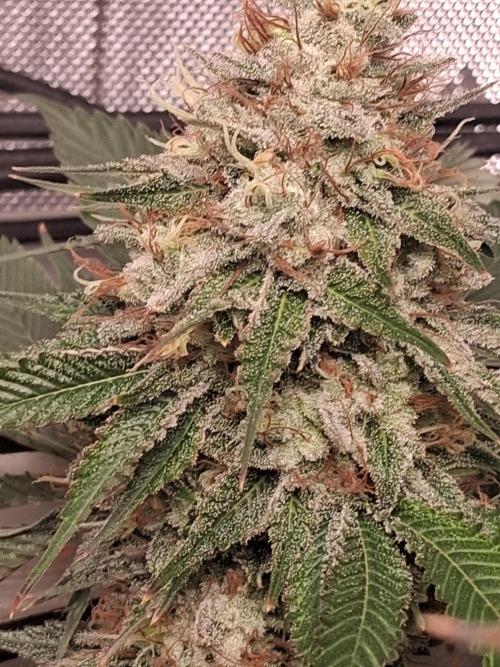
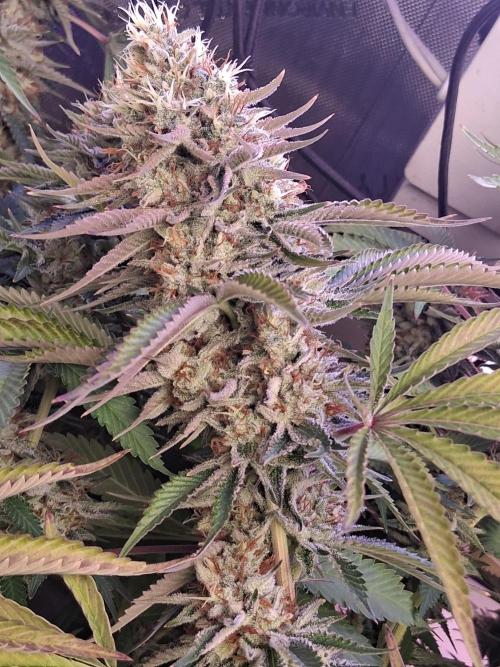
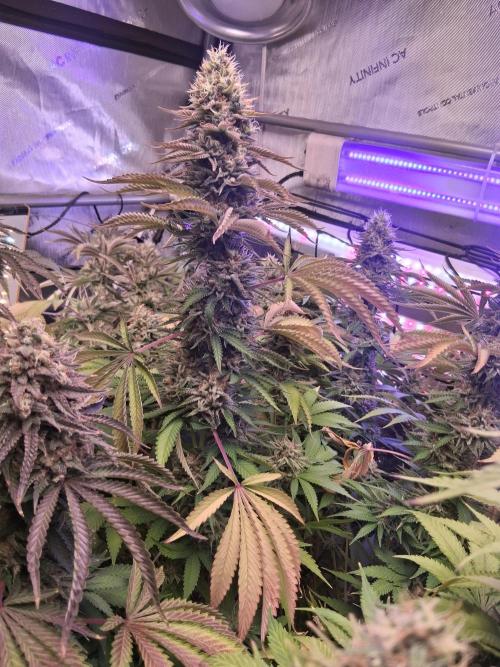
How would you like your cola, sir? Rainbow & arm length, please, no gaps with trichomes as thick as snow.
Floral transition can be affected by a multitude of factors; too much or too little nitrogen can mess up gene expression and signal triggers. Nitrogen acts not just as a building block, but as a direct signalling molecule. It intricately intertwines to control when a plant transitions from vegetative to flowering. The Florigen gene and its rate of expression are highly sensitive to immediate levels. Nitrogen directly fuels cytokinin and auxin production, which dictate whether a plant allocates its energy to leafy vegetative growth or axillary bud and flower development(bud leaf ratio).
The ratio of ammoniacal nitrogen NH4+ to nitrate NO3- is also a critical determinant of a plant's developmental timeline. Controlling this ratio alters internal signalling—nitrate promotes structural growth and can act as a floral signalling molecule, while ammonium pushes vegetative energy and affects cellular pH. As the photoperiod or environmental cues trigger flowering, most crops perform optimally by shifting to a highly nitrate-dominated diet. Keeping ammonium very low (around 5% to 10% of total nitrogen) in late flower prevents toxicity, stabilizes the rhizosphere pH, and ensures the plant directs its remaining energy toward floral ripening rather than green growth.
Similar to "stress tolerance" in that it invokes a response, or it doesn't. Too strong/many of the wrong signals tip some over the edge into "indecision", and can take forever to transition. Remember, plant genetics are not entirely dictated; they are complex combinations of genes 50% and environmental expression 50%, meaning the direct availability of nutrients/spectral composition dictates the developmental structure/ratio and phytohormone balance. Incorrect signals can strain development.
Sucrose (carbon sugars) in a medium is much more than a simple energy source; it acts as a core long-term signalling molecule that harmonizes carbon status with cues to initiate flowering. (Be warned of using sugars tho, very strong oxygen scavenger that will cause direct competition between microorganisms and plants for oxygen if it's scarce. Sucrose is far more a signalling molecule for plants than glucose, so it's important to distinguish and not just feed "sugars" to a medium unwittingly.
An increased ratio of reds at 660nm strongly promotes flowering. Add 15-30 min of 730nm at sunset for maximal signal induction of florigen using the Emerson effect.
4 likes
comments
Share
9
Week 9. Flowering
25d ago
1/2
114.3 cm
Height
12 hrs
Light Schedule
31 °C
Day Air Temp
6.4
pH
55 %
Air Humidity
20 °C
Solution Temp
20 °C
Substrate Temp
24 °C
Night Air Temp
378.54 l
Pot Size
7.57 l
Watering Volume
1400 PPM
CO₂ Level
Nutrients 1
Bud Factor X
1.321 mll
Altitonans_Fulmen Measuring a plant's overnight CO2 emissions provides an accurate estimate of its dark respiration rate. Because photosynthesis stops in the dark, you are isolating the respiration process, which allows you to gauge how much stored energy (glucose) the plant has consumed and estimate the scale of oxidative phosphorylation. Oxidative phosphorylation is the final stage of respiration that generates the bulk of the plant's ATP (90%) and relies directly on the oxidation of these respiratory substrates NADH and FADH2 along with the consumption of oxygen.
From a thermodynamic standpoint. Growth is an energy-capturing process, and the rate of that growth is bound by the available free energy (Gibbs free energy) and the First Law of Thermodynamics. While the ceiling or upper limit is dictated by free energy (such as photosynthetically active radiation), the actual amount of growth relies on how the plant balances that energy with other limiting factors. These are often described as the nine cardinal parameters of plant growth. 4 Above, 5 Below. If any one of the 9 becomes bottlenecked, the entire plant's cycle is restricted.
Operating an 80F+ environment at night to force rapid carbon conversion comes with major drawbacks, as the biochemical processes work differently than the deductive logic suggests. While raising nighttime temperatures to 80F indeed accelerates respiration and speeds up the conversion of captured sugars (sink activity), doing so also radically increases the plant's overall metabolic baseline. If the plant's metabolic rate is artificially forced too high via heat, it can actually "burn" through more energy than it managed to assimilate during the day. This leads to carbohydrate starvation, stretching, and a net loss in final biomass yield.
400 ppm is near the standard ambient level; the plant's stomatal intake is the primary limiting factor, not the dark-reaction enzymes. To push 45 DLI without burning out the plant. Trying to force the conversion of a massive daylight DLI in a compressed time frame (12 hours) becomes highly inefficient because the Rubisco enzyme simply hits a saturation limit. To successfully convert a 45 DLI into dense, productive mass, the ambient CO2 generally needs to be elevated to the 1000 to 1200ppm range. This creates a steeper concentration gradient, driving the stomata to inhale CO2 fast enough to match the high photon energy
The biomass potential of a plant is linked to root mass. Generally, when a plant reaches its maximum biomass, you can help to chop off parts of the plant that are in less-than-efficient areas of the plant (low light) so that it can create new biomass growing towards the light. This is a very similar concept to nutrient recycling and plant autophagy itself.
Strength is the maximum potential, and power is the rate of conversion. You can have the biggest veg period of 18 weeks, and it means nothing; as soon as you start flowering, the chronological clock starts ticking. The only metric that matters to bud size is how much energy you convert each cycle, not by how long it took you to build the framework; it helps a lot nonetheless.
Not saying anyone should not defoliate for a reason, only that you should have one, and at the right time. Don't defoliate 30+% on autoflowers or 4 weeks into the flower period and expect an increase in yields; it doesn't work like that. There is room for dictating growth patterns and clearing out overcrowded nodes, but it needs to be done in veg because once that timer starts and buds start growing, it's all just energy conversion. One barely needs to defoliate at all in a 4x4 because with side lighting, turning a 2d canopy penetration into a 3d, even lower buds are 90% the quality and density of top ones. The rate of photosynthesis and the ultimate density of lower buds aren't just about the sheer number of photons PPFD. The specific ratio of R:G:B dictates canopy penetration and drives different photochemical reactions. The Electron Transport Rate (ETR) measures the speed at which electrons are driven through Photosystem II (PSII) during photosynthesis. The ratio of Red, Green, and Blue (RGB) light heavily dictates this rate.
Plant leaves respire 24/7. They constantly use oxygen and stored sugars to power basic survival. If you strip away too many leaves, the remaining canopy won't produce enough energy during the day to cover the plant's baseline metabolic costs. You have to balance light capture with energy processing. There is no benefit to hitting a high 45 DLI if the plant lacks the cellular machinery to actually convert that energy into growth.
Because flower buds contain less chlorophyll, they don’t suffer from the same photosynthetic shutdown that strikes over-exposed, light-stressed leaves. Instead, they can soak up direct light energy to swell in both density and size. While a bud's tolerance to intense light is strictly limited by temperature and humidity, if you can keep your environment dialed in and prevent bud rot, the flowers themselves can handle much higher light intensities than the leaves can. This makes it highly beneficial to hammer the canopy with intense light before trichomes begin to appear. The real trick is balancing this intense lighting with trichome maturity to protect rich terpene and flavonoid profiles. You want to hit a sweet spot right in the middle—not too much light to burn off the aromatics, but not too little to stunt growth. Interestingly, cannabis plants can actually defoliate themselves as harvest approaches, provided they receive the right autophagic signals. Through this process of senescence, the plant dynamically recycles every last ounce of its remaining energy and mobile nutrients directly into the buds.
Get the canopy @ optimal PPFD range, 45-55DLI, then let the plant "stretch" the stems into a "PPFD range much higher, one that leaves don't like to grow in, but buds can. What a bud can handle is different from a leaf. Genes provide the blueprint, but the environment dictates how, when, and if those genes are expressed. Environment first signals the condition to increase expression through stress, and the plant responds based on genetics. A well-buffered CEC medium prevents extreme nutrient swings, allowing plants to maximise their dedicated genetic expression. When it is time, the plant will nutrient recycle upon receiving a 32:1 C: N ratio in the medium, and the plant will cannibalize itself; you just need to know how to give it the correct signal.
4 likes
comments
Share
10
Week 10. Flowering
25d ago
1/3
119.38 cm
Height
12 hrs
Light Schedule
33 °C
Day Air Temp
6.4
pH
50 %
Air Humidity
22 °C
Substrate Temp
23 °C
Night Air Temp
378.54 l
Pot Size
11.36 l
Watering Volume
1700 PPM
CO₂ Level
Nutrients 4
RAW Amino Acids
0.26 mll
RAW Enzymes
0.053 mll
RAW Phosphorus
0.33 mll
Altitonans_Fulmen Watered, applied PK boost to the immediate EC.
When cannabis leaves start to fade, most growers think of senescence. But there is a much deeper, more fascinating process happening under the microscope. At their roots, senescence and autophagy are two completely different survival strategies that share the same cleanup crew: the vacuole.
Natural Senescence: This is the plant's internal biological clock at work. It is a genetically programmed stage of life where the plant intentionally cannibalizes itself to redirect vital nutrients to the developing buds.
Triggered Autophagy: This is an emergency survival mode. When the plant faces sudden environmental stress (like drought, extreme heat, or nutrient lockouts), it triggers rapid autophagy to break down non-essential parts just to stay alive.
Cannabis senescence isn't just a sign of old age; it is a highly coordinated nutrient recycling protocol. The plant isn't simply dying—it is actively moving its liquid gold (stored nutrients) from the fan leaves directly into the flowers. Autophagy is the master switch that executes this transfer. If your leaves are fading, it isn't always standard senescence. Often, it is directly linked to Rubisco regeneration. Rubisco is a massive protein responsible for photosynthesis, and it holds a huge chunk of the leaf's nitrogen. When the plant needs to rebuild or optimize this protein elsewhere, it breaks down old Rubisco, causing the leaf to lose its green color and fade
Takes about 24 to 48 hours to notice visible changes once the signals have initiated the autophagic response. Not too late at all. A little bit of fade from senescence 2 weeks from harvest is normal and genetically expected. Send the C:N 32:1 signal 1 week from harvest for the best effect in your organic grow.
Nitrogen is nitrogen; whether the plant converts it or not isn't up for debate. If the plant hasn't fully metabolized its stored nutrients before harvest, you will end up smoking those compounds, regardless of your personal theories on flushing. Senescence is a critical phase. It is the natural end-of-life stage where the plant stops focusing on growth and redirects its remaining energy toward ripening the flowers. When properly managed, this process naturally breaks down harsh chlorophyll, allowing the terpenes—which give the buds their distinct taste and aroma—to reach their peak profile. Harvesting outside of this specific window results in an unripe or degraded flavor, meaning all your hard work up to that point goes to waste.
You can trigger this response in a few different ways. In synthetic grows, it's usually brought on by nutrient starvation—specifically when you flush the medium. It’s not about starving the plant of everything, though; it’s driven mostly by nitrogen (N) starvation. This is exactly how PK boosters work. By maxing out phosphorus and potassium, they force nitrogen starvation, which really only works in synthetic setups.
Normally, a medium only holds 10-30% of its nitrogen as ammoniacal, boosting this to 50% as it triggers the "ripen" signal, but you don't want to keep ammoniacal above 30% for more than 7-10 days if you can help it. It's a trigger mechanism no more.
PK BOOST with 50% ammoniacal N signals floral maturation.(ripen)
PK BOOST with N starvation signals nutrient recycling/sinking.
Since organic growing relies 99% on the rhizosphere, keeping that root zone healthy is everything. To do this, I add carbon using powdered molasses. The challenge with organics is that you can't easily strip the medium. Microorganisms constantly pump nutrients right into the root zone, which keeps the electrical conductivity (EC) up. On top of that, if you have ammoniacal nitrogen in the mix, triggering a starvation response is incredibly difficult. Instead of trying to flush the pots clean, the real trick is manipulating the carbon-to-nitrogen (C:N) ratio. By overriding the nitrogen with carbon in the final days, you force an autophagic response. This triggers the plant to recycle its own internal nutrients, giving you a perfect fade without ever washing out your medium.
The plant can at most handle 10-15% of nitrogen reserve conversion (dry/cure); after that, you are smoking what's left. No matter how many years you have been "growing", no matter how much ego boost you give yourself.
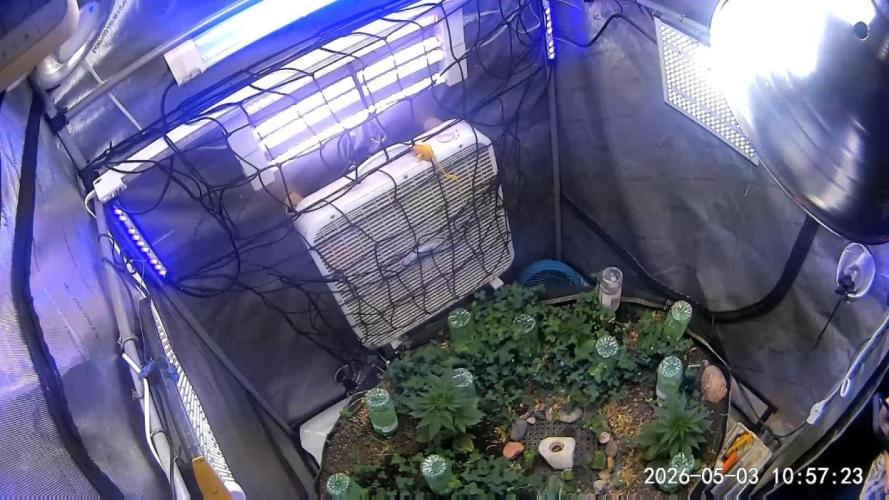
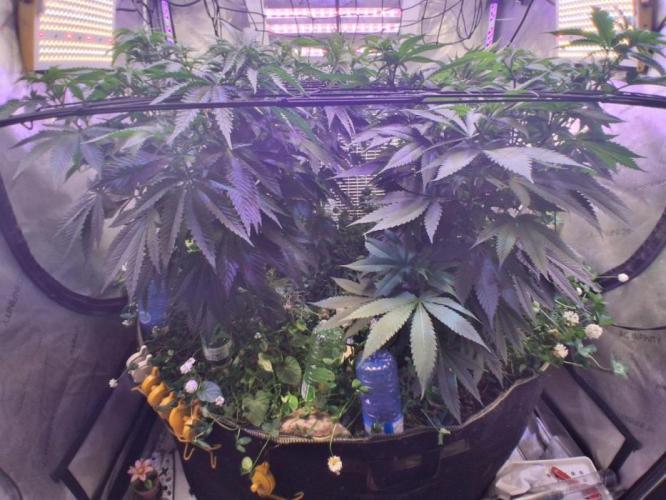
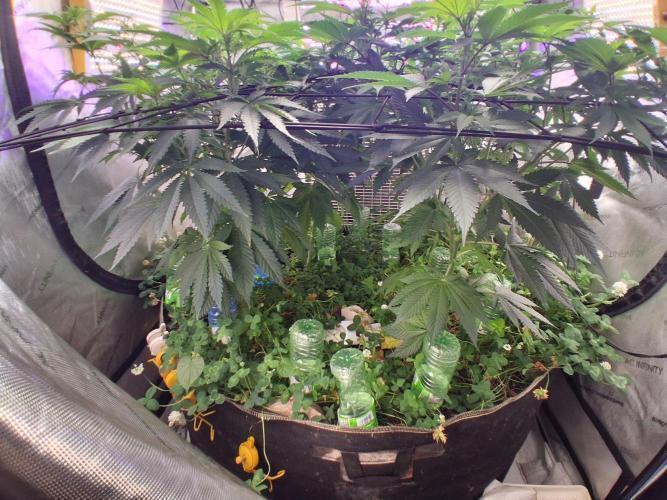
Crop and drop the clover come flipping to flower; its benefit comes from creating an airy and porous root zone. I don't need to crop and drop once the plant fills the canopy; she blots out the light, and the clovers die. This is the nitrogen the microorganisms use to convert carbon for respiration throughout the flowering stage, other than the hydrolyzed fish.
4 likes
comments
Share
11
Week 11. Flowering
25d ago
1/2
124.46 cm
Height
12 hrs
Light Schedule
29 °C
Day Air Temp
6.4
pH
50 %
Air Humidity
20 °C
Solution Temp
21 °C
Substrate Temp
24 °C
Night Air Temp
378.54 l
Pot Size
7.57 l
Watering Volume
1500 PPM
CO₂ Level
Nutrients 4
Agave Nectar
1.3 mll
Phycocyanin
0.33 mll
Bud Factor X
1.321 mll
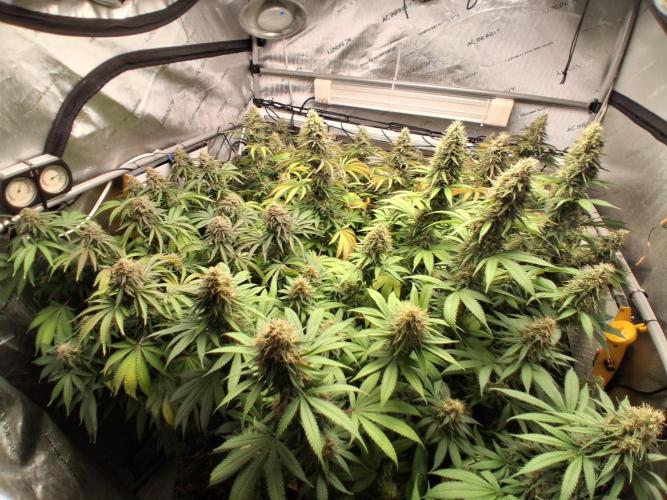
Altitonans_Fulmen Watered more all week. No need to defoliate. Added Mollases.
Very difficult to initiate a response when organic nutes are doing their thing. It takes 4x5x more water significantly to leach or wash ammonia out than it does nitrates. This can prevent triggering N starvation from having its normal impact.
Manipulating the C:N ratio in the medium. One autophagic response has multiple potential signal triggers. Nutrient starvation is not an option.
7 likes
comments
Share
12
Week 12. Flowering
21d ago
1/7
132.08 cm
Height
12 hrs
Light Schedule
26 °C
Day Air Temp
6.4
pH
45 %
Air Humidity
20 °C
Solution Temp
21 °C
Substrate Temp
24 °C
Night Air Temp
378.54 l
Pot Size
5.68 l
Watering Volume
900 PPM
CO₂ Level
Altitonans_Fulmen Bud factor X triggers Induced Systemic Resistance (ISR) to trick the plant into thinking it is being attacked by insects. To do this, it uses a specialized blend of bioactive compounds (including chitosan oligosaccharide) and amino acid precursors like phenylalanine.
10 likes
2 comments
Share
13
Week 13. Flowering
14d ago
1/27
142.24 cm
Height
12 hrs
Light Schedule
25 °C
Day Air Temp
6.4
pH
45 %
Air Humidity
20 °C
Solution Temp
21 °C
Substrate Temp
24 °C
Night Air Temp
3.79 l
Pot Size
900 PPM
CO₂ Level
Nutrients 1
RAW Cane Molasses
1.3 mll
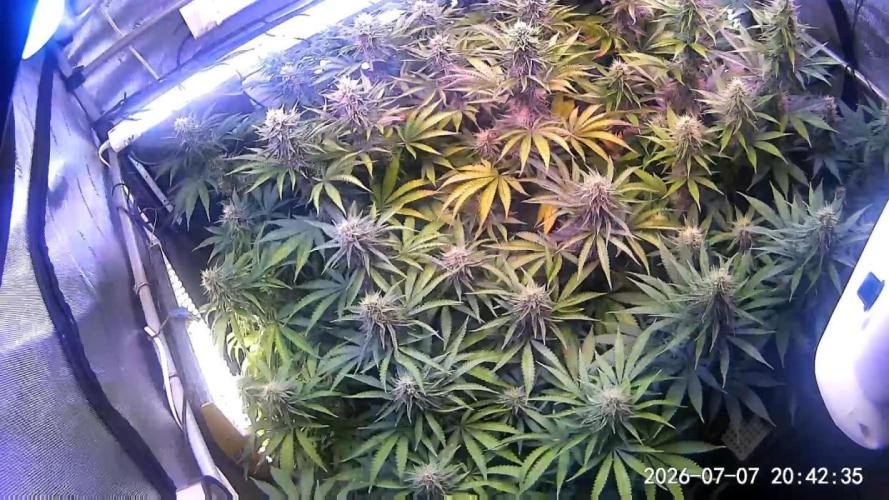
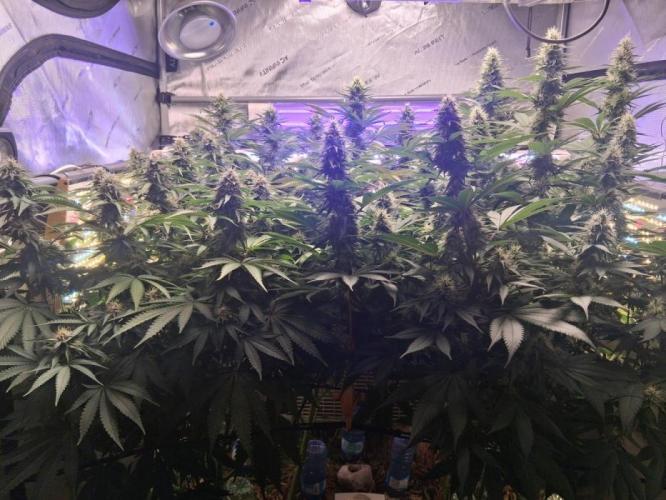
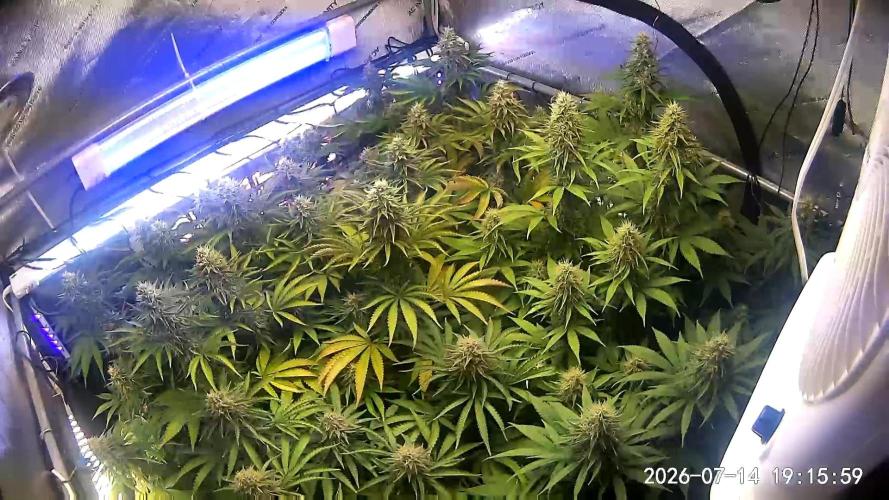
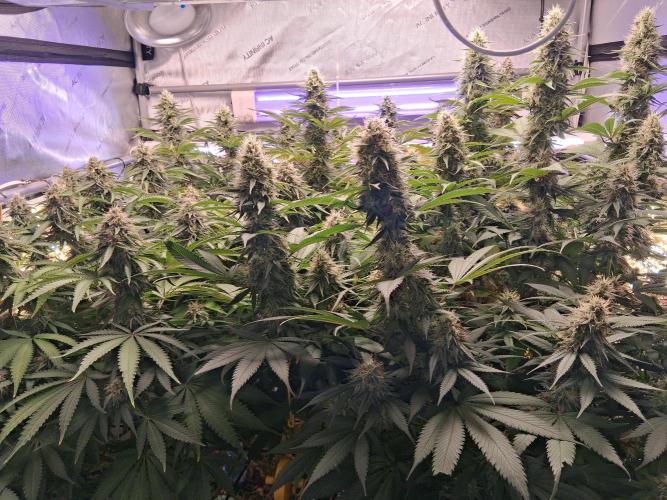
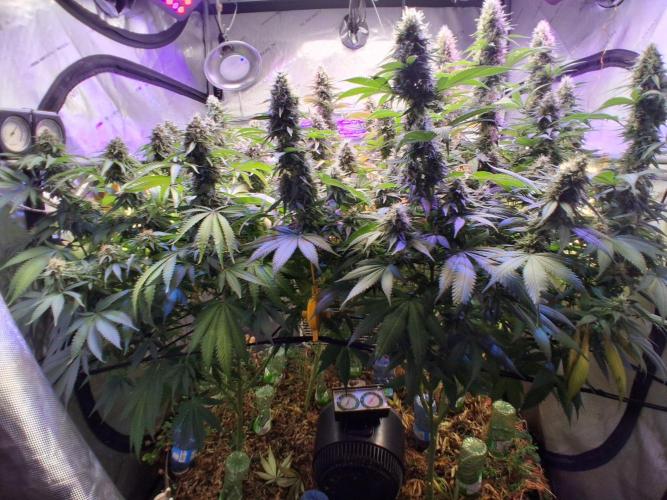
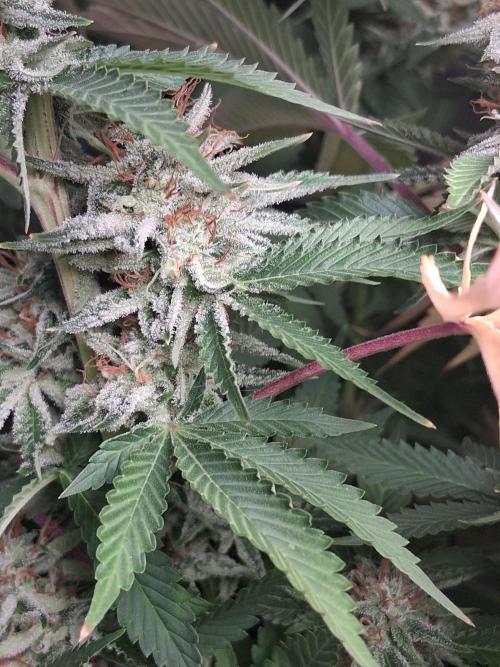
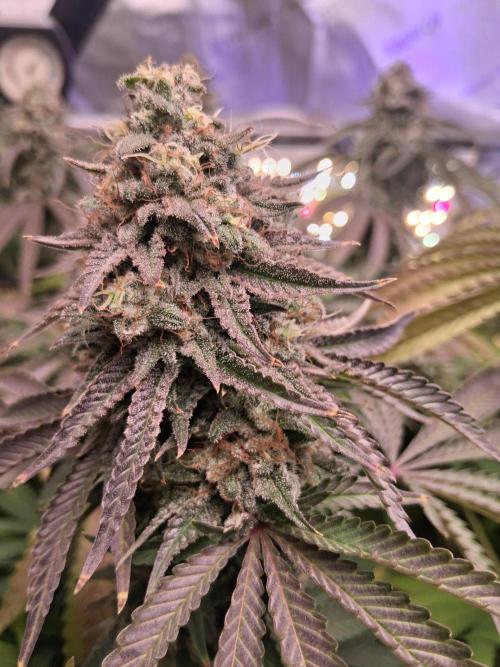
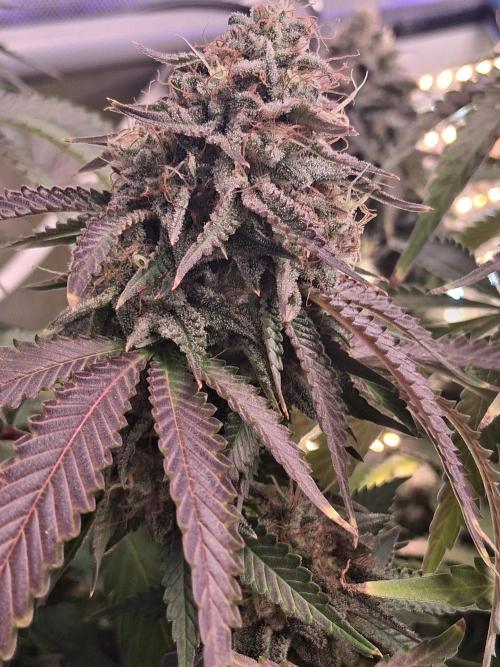
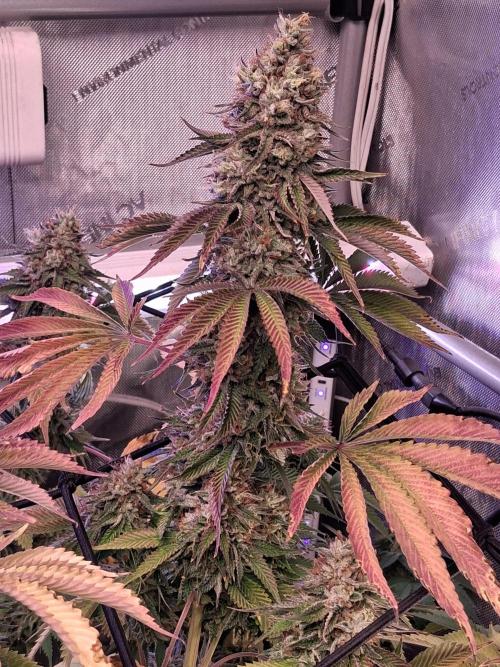
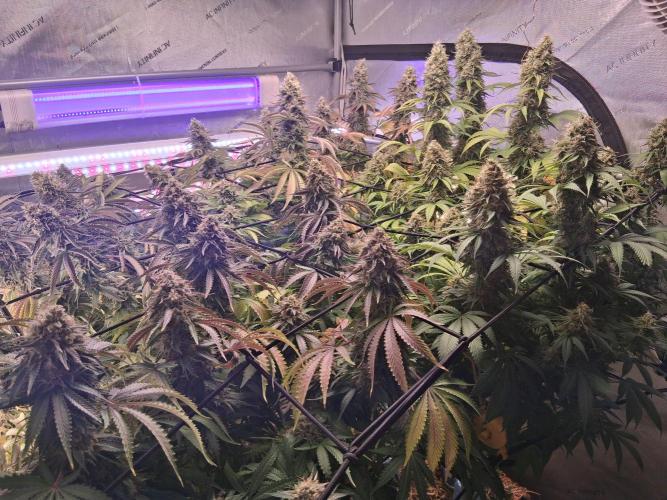
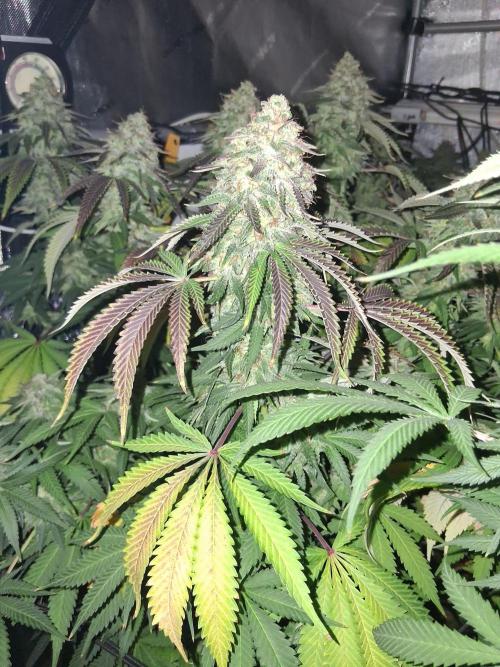
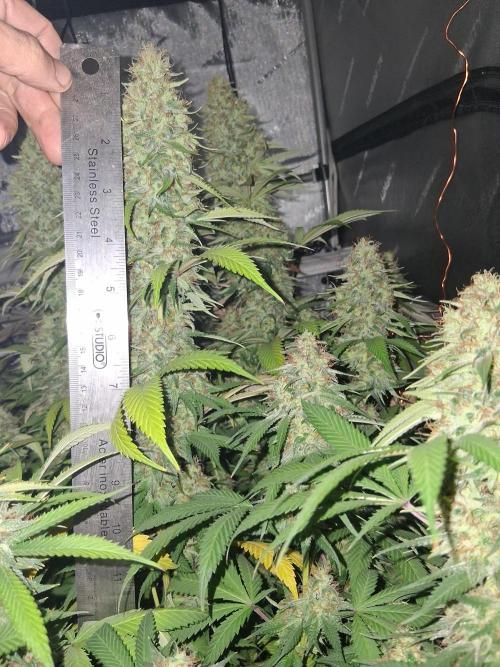
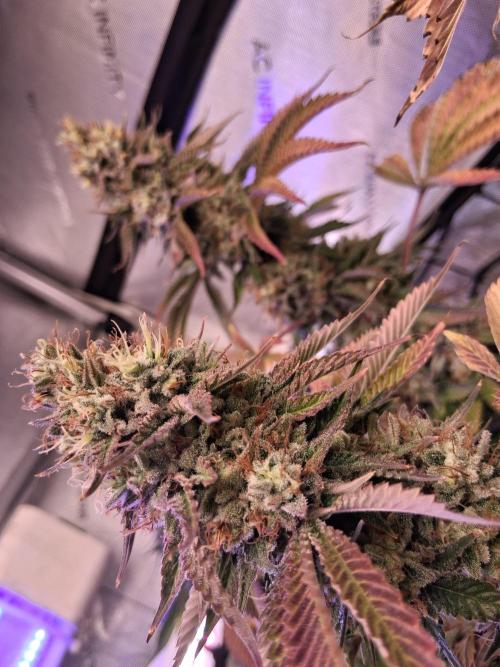
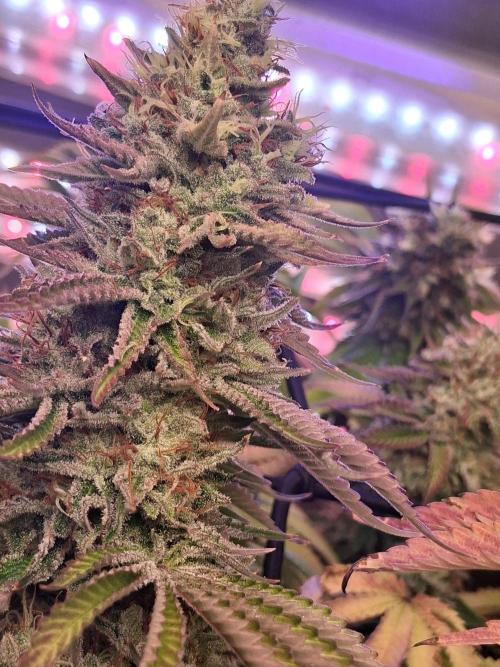
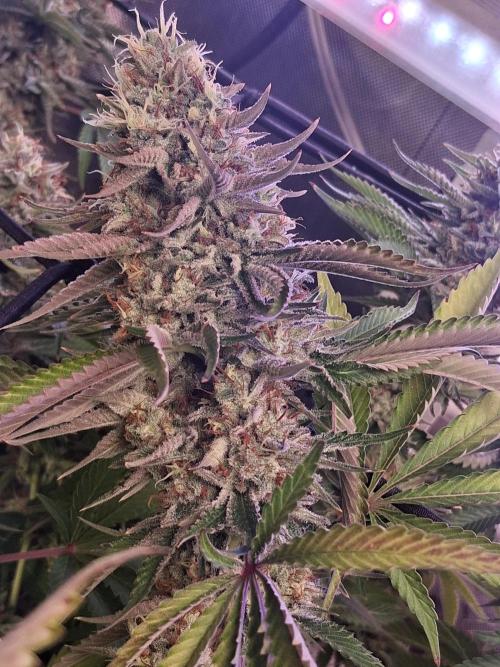
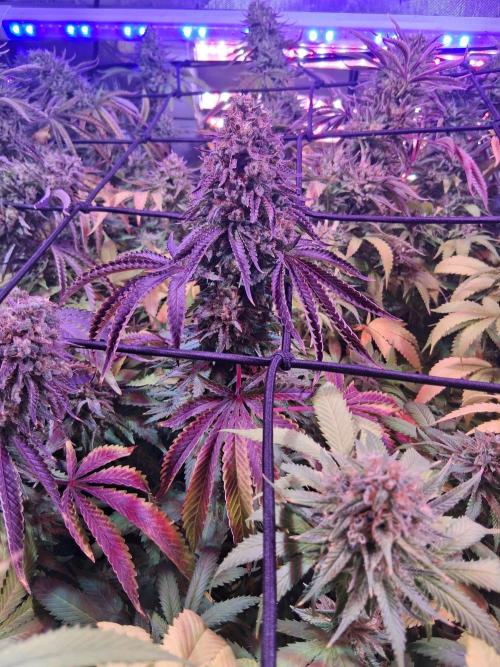
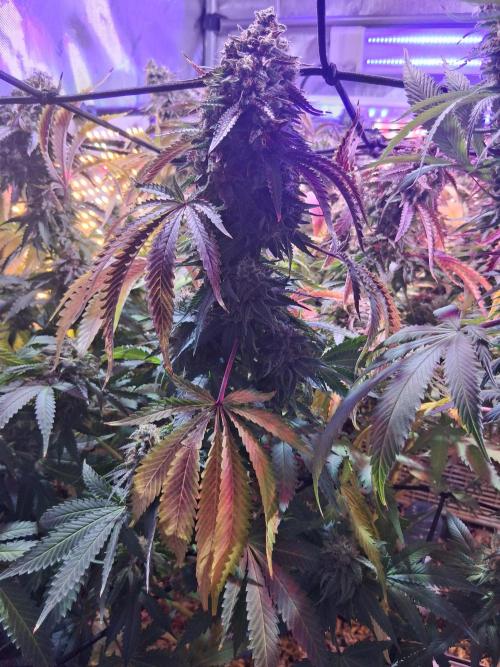
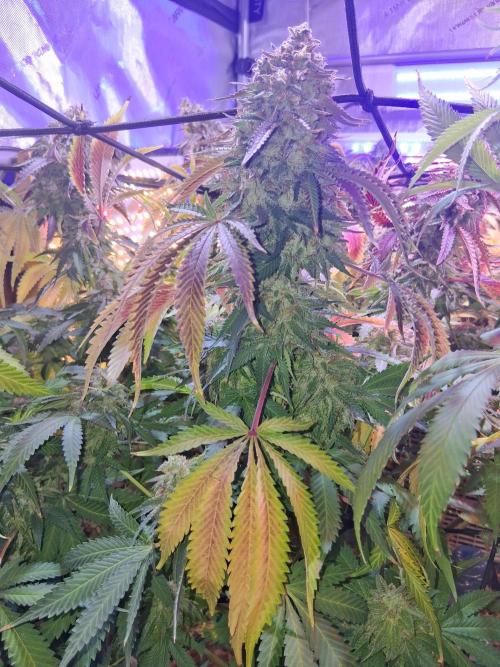
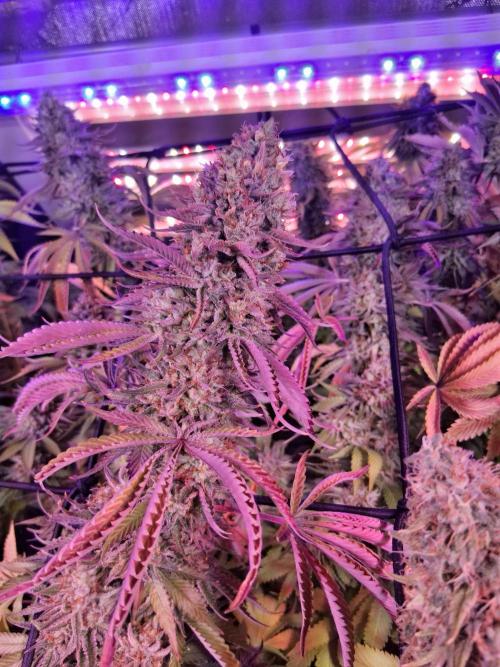
Altitonans_Fulmen *twiddles thumbs* Starting to cannabalize every last ounce of nitrogen, opening up lower budsites by eating her own top nitrogen. That's OK there is lots of chlorophyll ready to go underneath.
The pH affects which form is dominant at any given moment, but it does not change the basic, permanent molecular "blueprint" that distinguishes one type of anthocyanin (e.g., cyanidin-3-glucoside) from another (e.g., malvidin-3-glucoside).
There are hundreds of different anthocyanins, with over 600 to 700 identified, varying by sugar attachments and modifications, but they are all derived from about 17 core anthocyanidin structures, with just six (cyanidin, delphinidin, pelargonidin, peonidin, petunidin, malvidin) making up most of the common pigments in foods like berries and grapes.
Variety of sugar attachments (agave, molasses)
Pelargonidin Orange-red or brick red
Cyanidin Magenta, crimson, or reddish-purple
Peonidin Magenta or purplish-red
Delphinidin Blue-reddish, purple, or blue-violet
Petunidin Dark-red or purple
Malvidin Bluish-purple or blue-red
The type of anthocyanin (e.g., cyanidin, delphinidin, pelargonidin) produced by a plant is fundamentally determined by its genetics. However, the environment can significantly influence the amount of anthocyanin produced and can affect factors like pH that subtly change the resulting color (hue).
The specific chemical structure of the anthocyanidin backbone—which determines if it is cyanidin, delphinidin, pelargonidin, etc.—is controlled by the plant's DNA. The synthesis pathway involves a series of enzymes, such as flavonoid 3'-hydroxylase (F3'H) and flavonoid 3',5'-hydroxylase (F3',5'H), which determine the hydroxylation pattern of the B-ring of the anthocyanidin molecule. A plant's genetic makeup dictates which of these enzymes it produces and their activity levels. For example, plants that produce delphinidin-based anthocyanins (which appear violet/blue) have an active F3',5'H enzyme, while those that produce pelargonidin (orange/red) may lack this gene or have a non-functional version. Key regulatory genes (transcription factors, especially MYB proteins) act as switches, turning the structural genes for anthocyanin production on or off, or determining which specific branch of the pathway is activated. Mutations in these genetic regulators are a primary reason for color differences between plant varieties (e.g., a white vs. purple flower).
Environmental conditions do not change the fundamental type of anthocyanidin the plant is genetically capable of making, but they dramatically affect whether, when, and how much is produced.
Light: High light intensity, particularly UV and blue light, often promotes anthocyanin accumulation, acting as a protective mechanism for the plant against excessive light and oxidative stress.
Low temperatures generally enhance anthocyanin accumulation.
High temperatures often inhibit synthesis or accelerate the degradation of anthocyanins.
Deficiencies in mineral nutrients like nitrogen or phosphorus can induce anthocyanin production.
While the plant's genetics determine the primary pigment structure, the actual color (hue) displayed in the plant's vacuole is highly sensitive to the internal pH. Anthocyanins tend to be red under acidic conditions and shift to blue or purple as the pH becomes more alkaline. To "turn on" MYB regulatory genes for anthocyanin production through generational breeding, you need to selectively breed plants that naturally express high levels of the positive activator MYB alleles or lack negative repressor MYB alleles. This involves identifying and isolating individuals in each generation that exhibit the desired high-pigmentation trait and using them as parent stock for the next cycle. Selective Breeding and Hybridization: The fundamental method involves crossing individuals that naturally exhibit high anthocyanin levels. Repeated cycles of selecting the most pigmented offspring will concentrate the desired genes over generations. For greater efficiency, breeders can use molecular markers (specific DNA sequences linked to the desired MYB genes) to screen seedlings at an early stage. This allows for the precise selection of genotypes that possess the correct MYB activator or repressor alleles without having to wait for the plant to mature and display the physical trait (phenotype). Backcrossing is used to transfer a specific, highly desired anthocyanin gene (e.g., a strong MYB activator allele like SlAN2like in tomato or MdMYB10 in apple) from a donor plant into an elite cultivar that is otherwise superior but lacks the color trait. Repeated backcrossing to the elite parent, while selecting for the presence of the MYB gene using MAS, gradually replaces the rest of the genome with the elite parent's background, resulting in a high-quality, high-anthocyanin variety. Selection targets plants where natural variations in the promoter regions of the MYB activator genes lead to their high expression (e.g., in some purple tomato varieties, a structural change in the Kala4 promoter of black rice causes the trait). Some plants have high anthocyanin levels because a naturally occurring mutation has rendered a negative regulator MYB (repressor) gene non-functional (e.g., SlMYBATV in the 'Indigo Rose' tomato). Breeding can select for individuals that carry these loss-of-function repressor alleles. High anthocyanin production is linked to the formation of a protein complex involving MYB, bHLH, and WD40 proteins. Breeding selects for MYB variants that efficiently interact with the generally constitutive bHLH and WD40 partners to form a stable and highly active complex.
By consistently selecting individuals with these favorable genetic characteristics across generations, breeders can effectively "turn on" and maximize the expression of the anthocyanin pathway genes. A plant that is genetically capable of producing anthocyanidins can still appear 100% green. The production of anthocyanins is a secondary metabolic process highly regulated by complex interactions between genetic, environmental, and developmental factors. Having the genetic potential for a trait is different from that trait being actively expressed or visible. The plant needs the right internal and external environment for the genes to be switched on and the pigment to accumulate and remain stable.
7 likes
comments
Share
14
Week 14. Flowering
8d ago
1/33
149.86 cm
Height
12 hrs
Light Schedule
25 °C
Day Air Temp
6.4
pH
45 %
Air Humidity
21 °C
Substrate Temp
24 °C
Night Air Temp
378.54 l
Pot Size
3.79 l
Watering Volume
800 PPM
CO₂ Level
Altitonans_Fulmen Stress is a powerful driver of gene expression. It alters how cells read DNA through epigenetic mechanisms without changing the actual genetic code.
9 likes
2 comments
Share
Used techniques
PTB
Technique
15
Week 15. Flowering
1d ago
1/16
149.86 cm
Height
12 hrs
Light Schedule
23 °C
Day Air Temp
6.4
pH
Strong
Smell
20 %
Air Humidity
20 °C
Solution Temp
21 °C
Substrate Temp
19 °C
Night Air Temp
378.54 l
Pot Size
3.79 l
Watering Volume
700 PPM
CO₂ Level
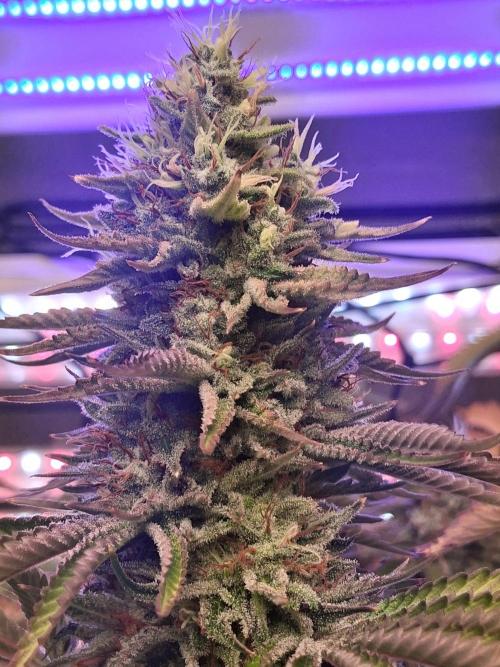
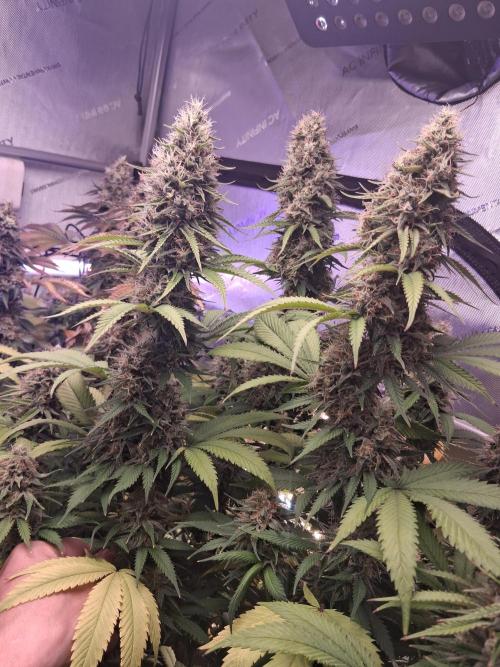
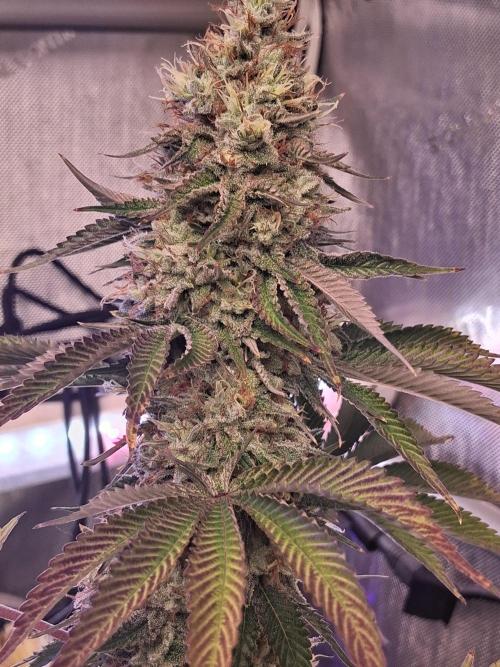
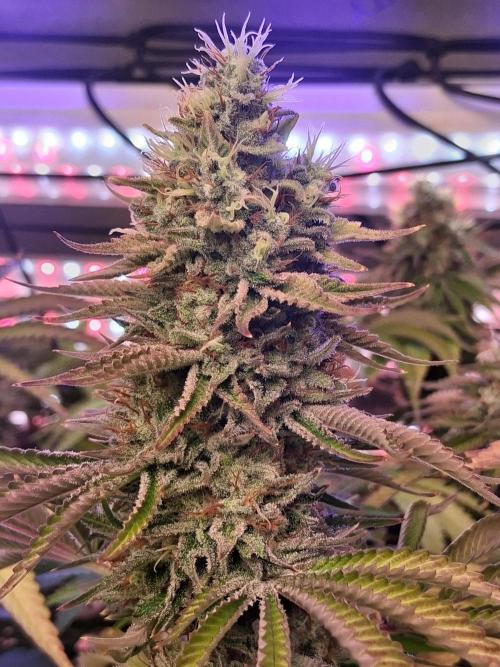
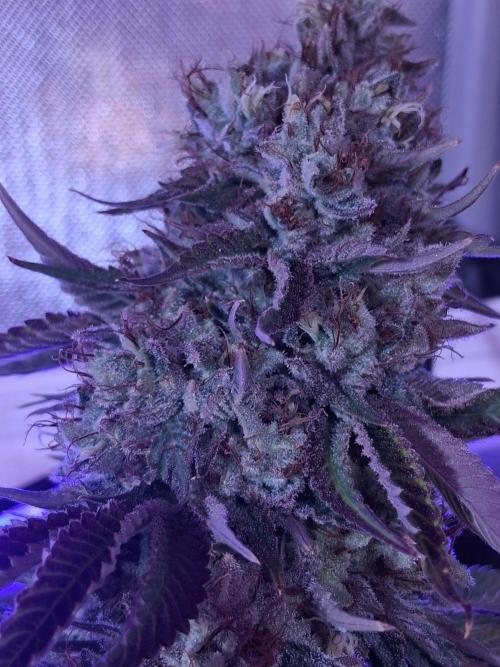
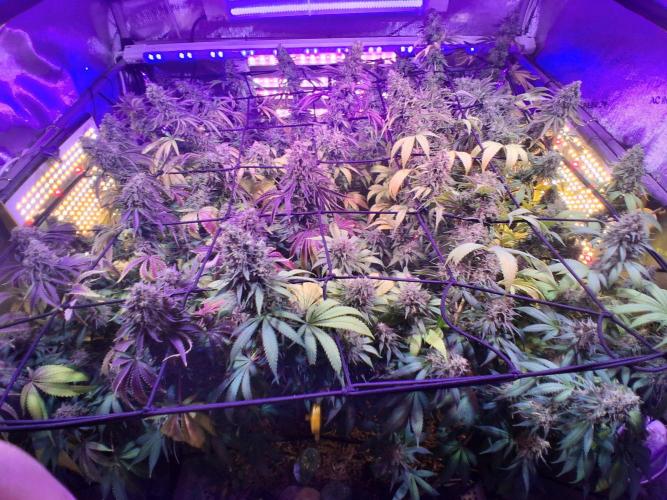
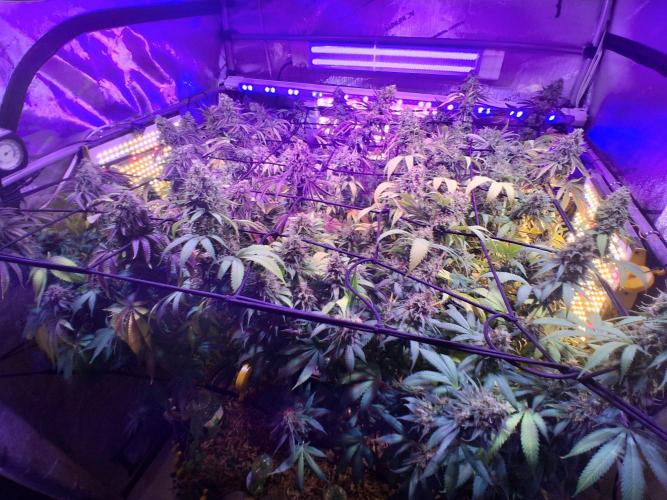
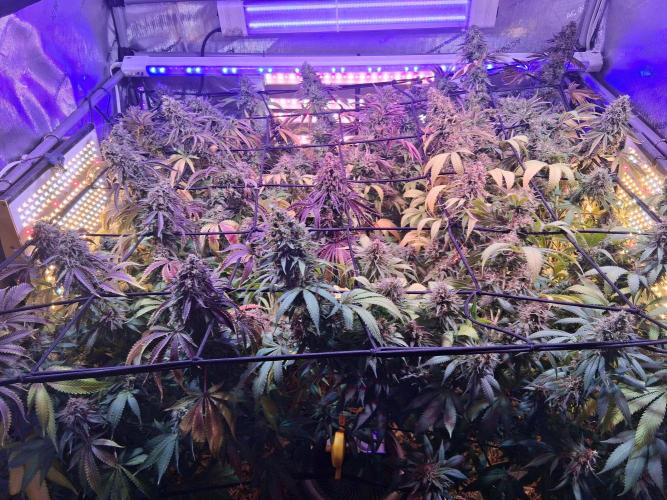
Altitonans_Fulmen I know one dude who is not going to be smoking nitrate.
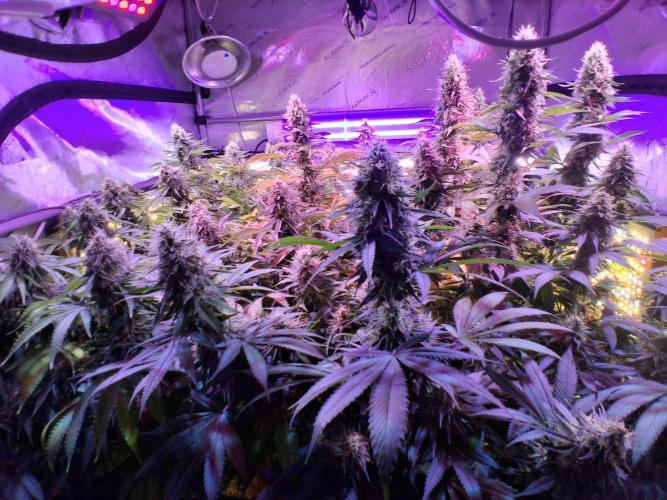
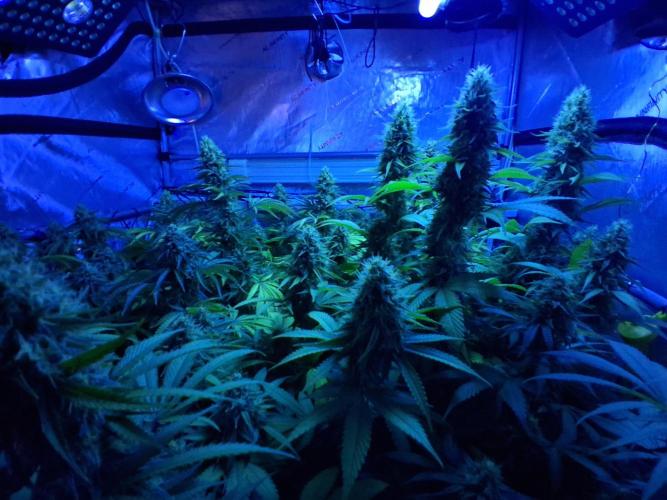
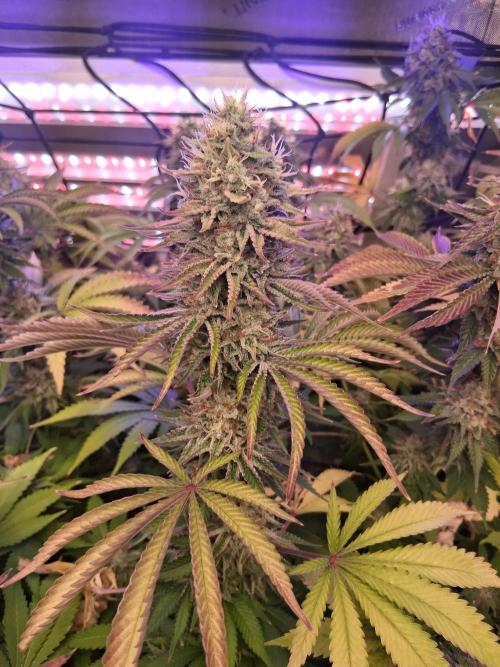
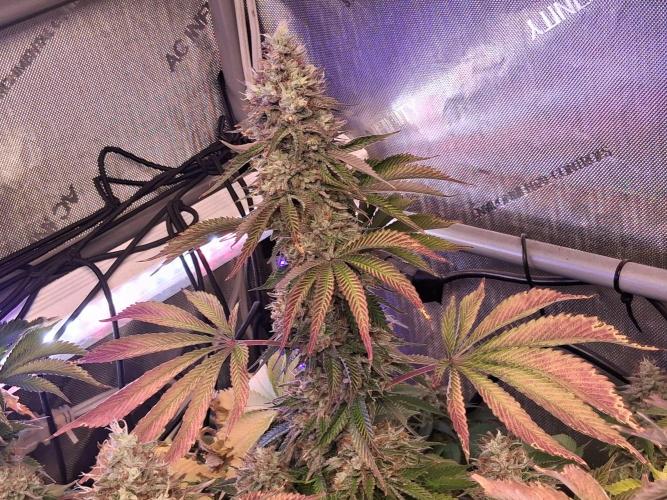
Dropped temps, changed spectral composition, lowered DLI significantly.
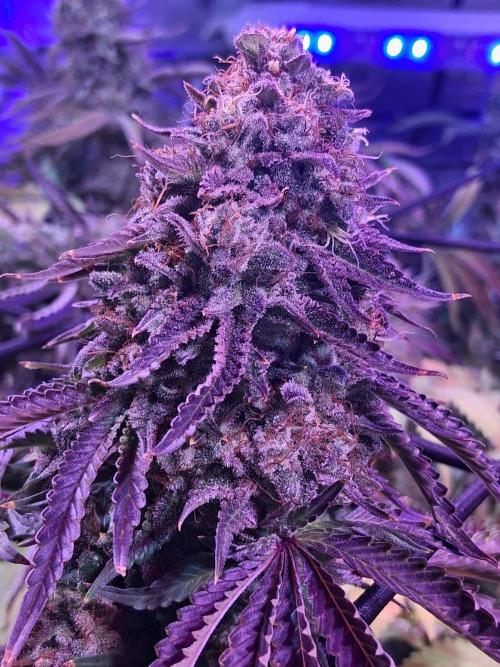
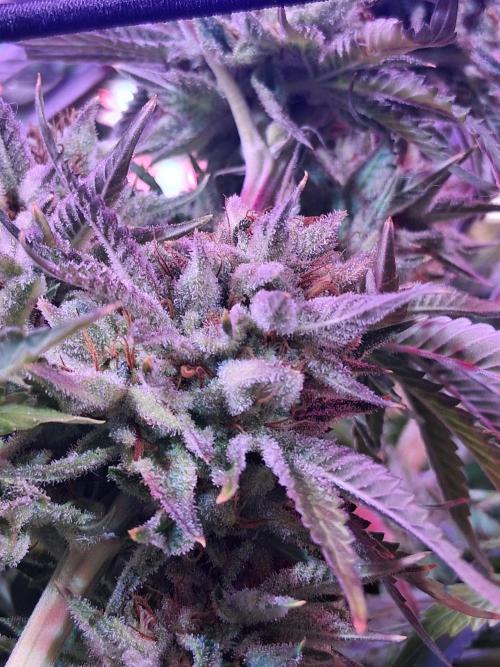
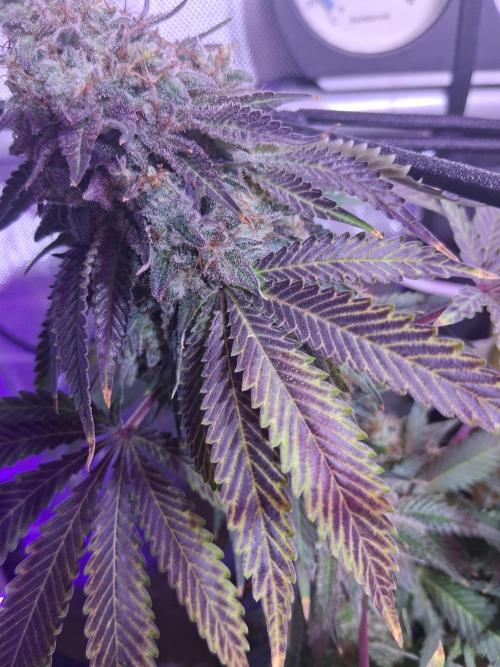
(ROS), which generally triggers (increases) anthocyanin levels in plants as a protective response, because anthocyanins are powerful antioxidants that help neutralize harmful ROS, preventing cell damage and maintaining plant health during stress. It's a key part of a feedback loop: ROS signals stress, leading to anthocyanin production, and then anthocyanins reduce ROS levels. It is important to note that while ascorbic acid can increase ABA levels, higher concentrations of abscisic acid generally have negative effects on plant growth parameters. The primary role of exogenous ascorbic acid application is typically to mitigate the adverse effects of environmental stress (like drought or salinity) by enhancing the plant's antioxidant system and general growth, rather than deliberately inducing high ABA levels.
Using pure blue light, particularly at high intensity or for prolonged periods, will increase the production of reactive oxygen species (ROS) in plant tissue. This increase is a key part of the plant's stress response and signaling mechanisms.
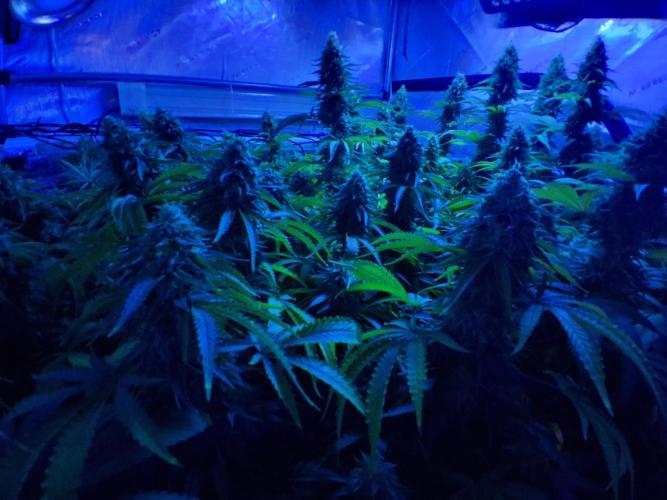
Using a very high ratio of blue for 4 days, then pure blue light(Zero Red) for 3 days prior to harvest to really ramp up ROS, really go after the anthocyanin. Zero red light treatment will trigger terpene accumulation. By reducing or eliminating red light and using a blue-dominant spectrum, the plant's photosynthetic focus is shifted from biomass production to the accumulation of terpenes within the buds, without significantly affecting final yield mass. Hopefully, the production of anthocyanins, too.
@Altitonans_Fulmen Exceptional work fine sir, hats off. You can definitely understand that you have a bit of experience;) Love if from the very beginning with those beautiful greenery you created for them. And results are incredible! Thank you for sharing it, one day i will try to make some similar setup;)