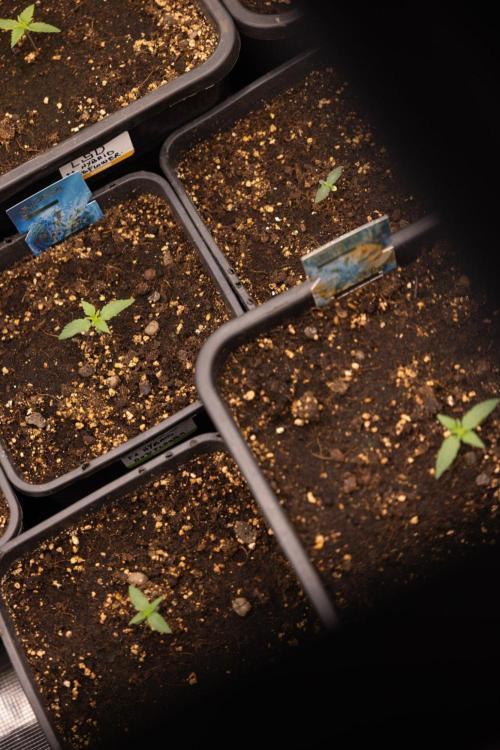
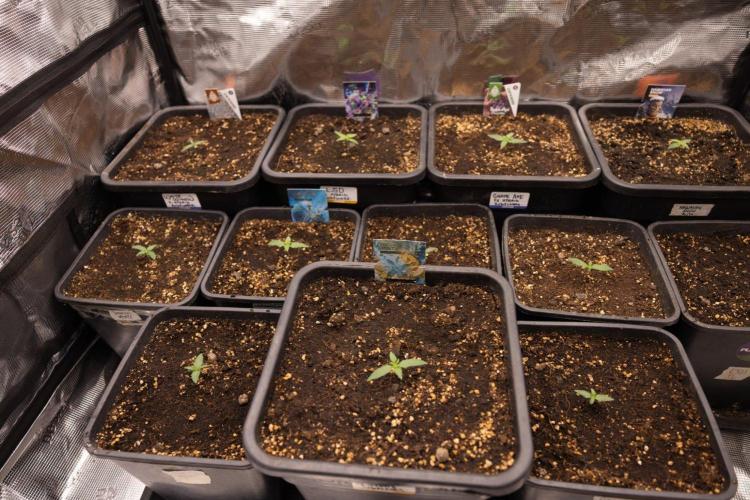
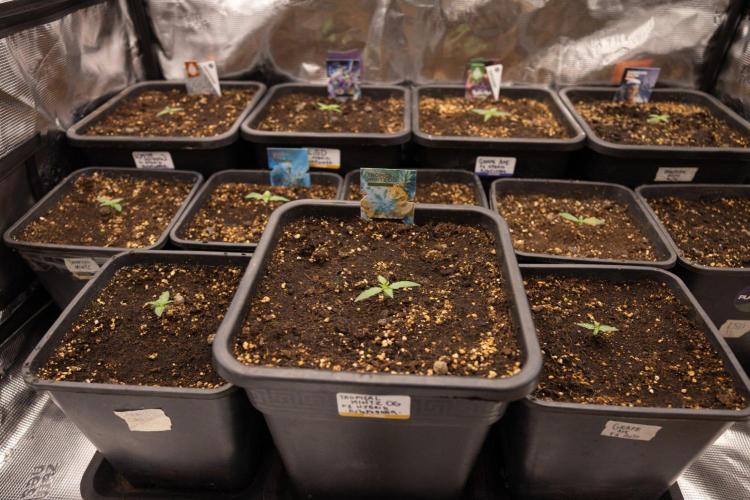
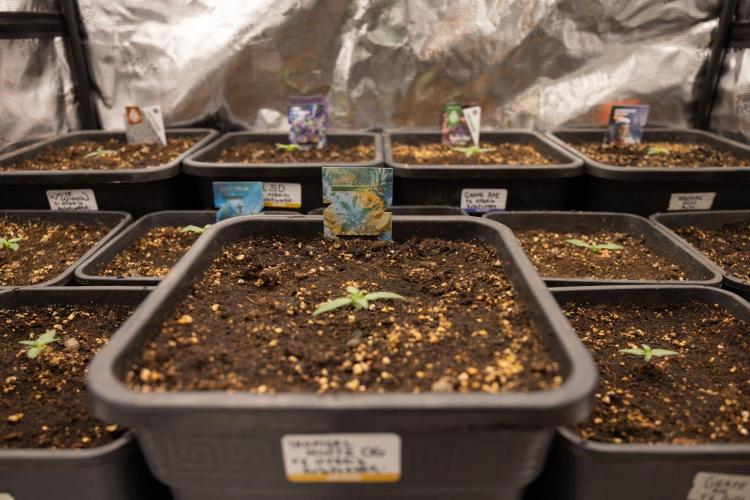
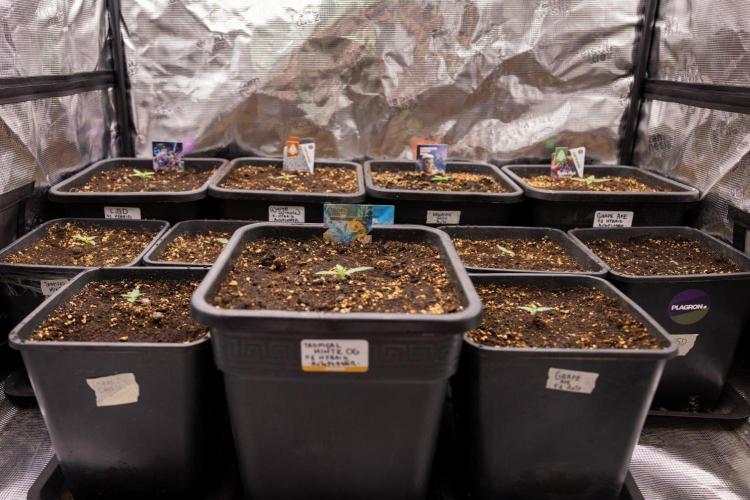
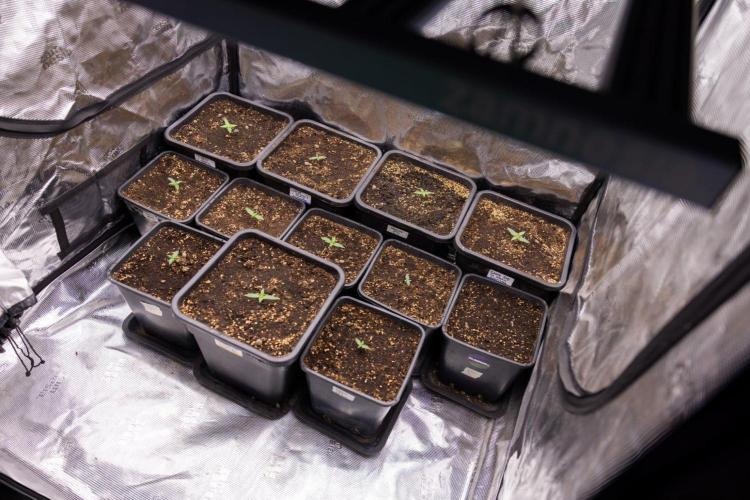
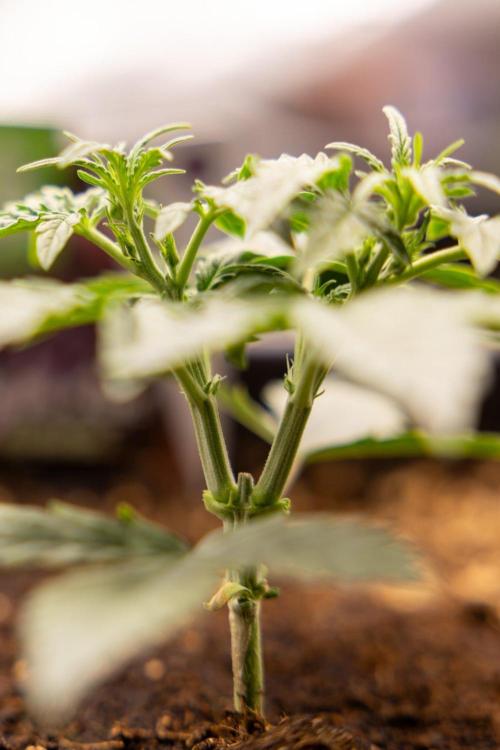
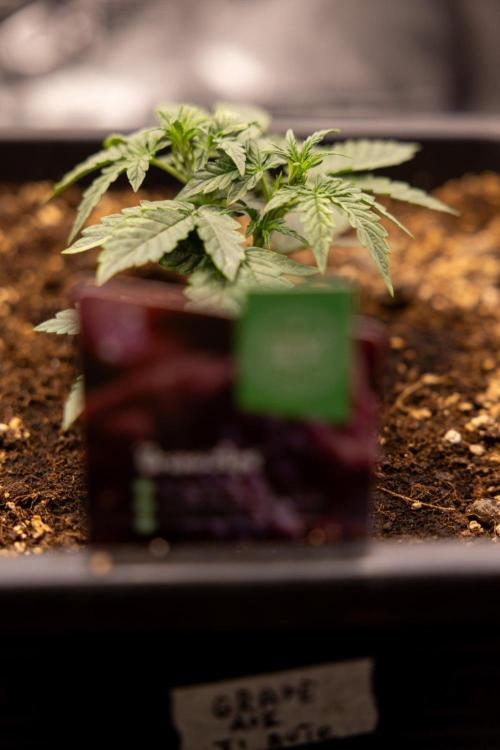
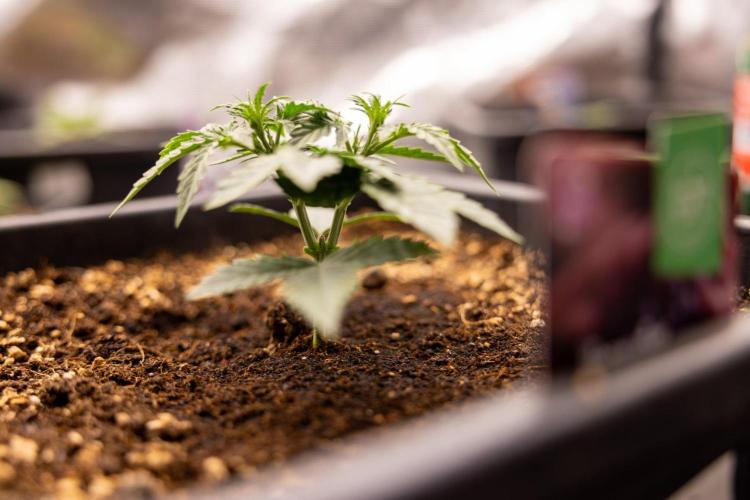
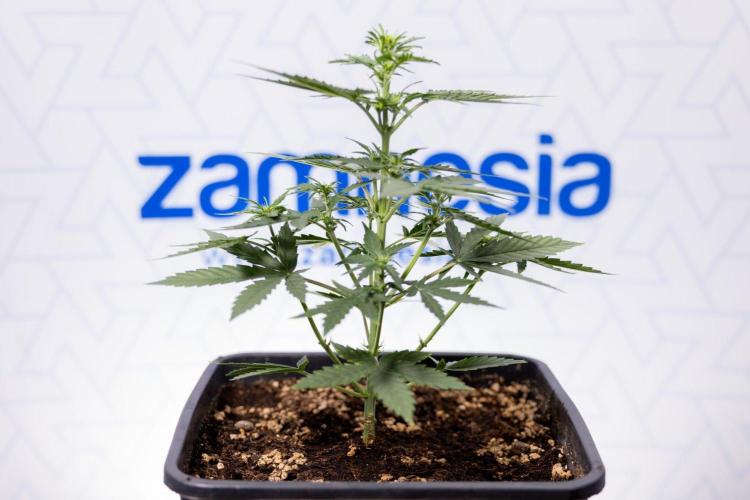
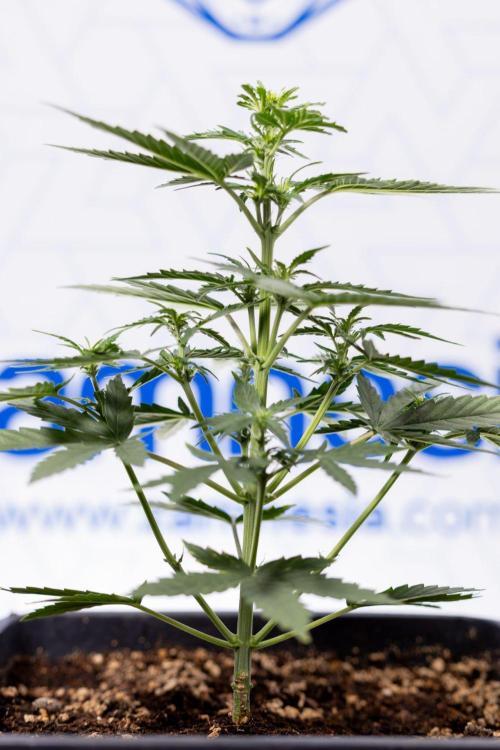
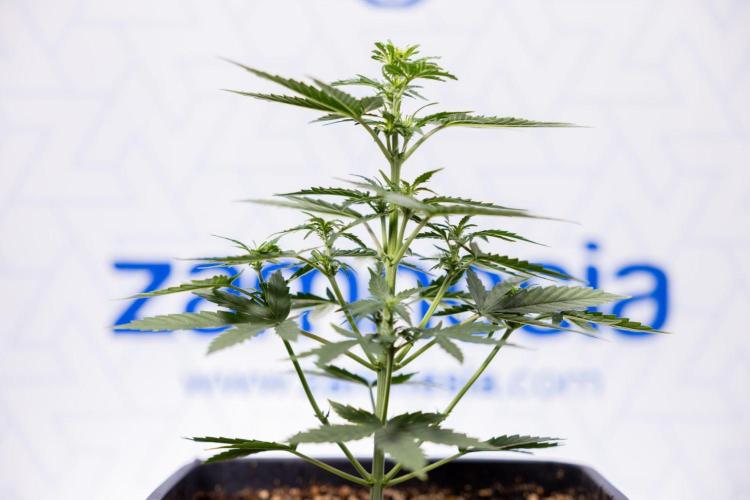
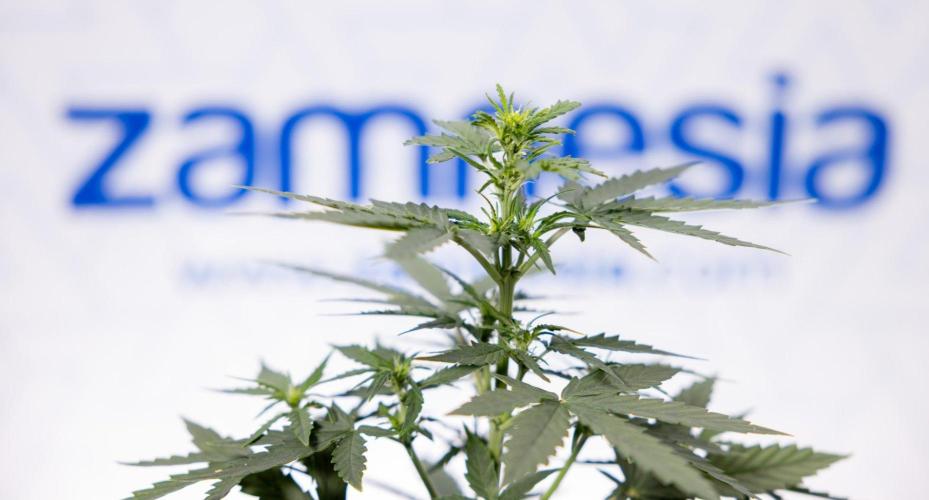
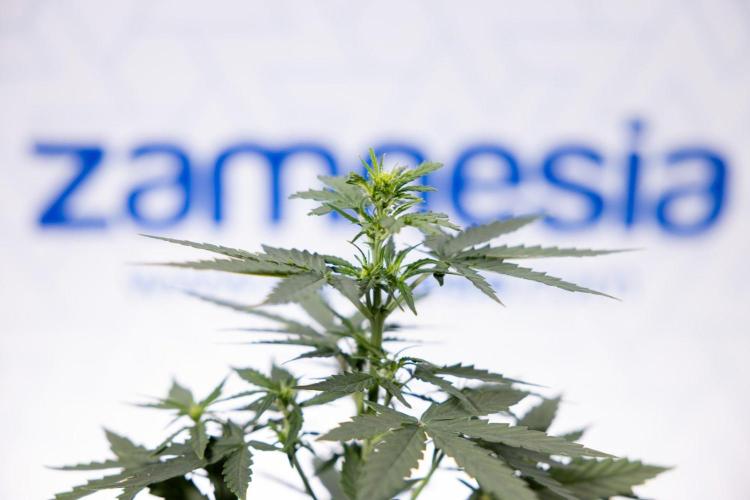
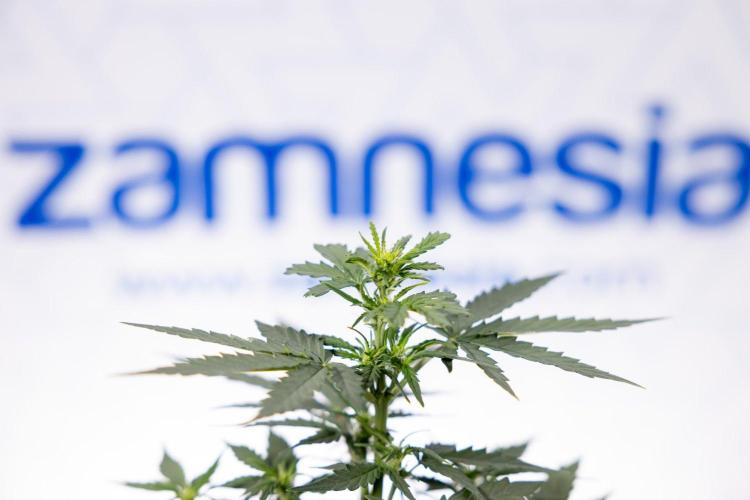
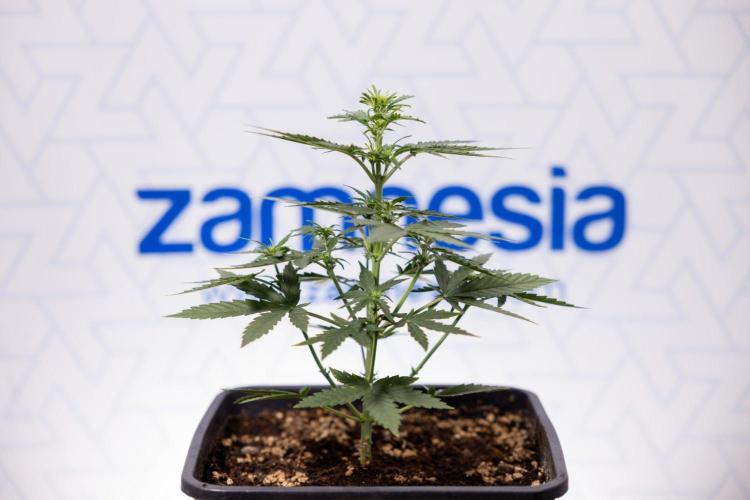
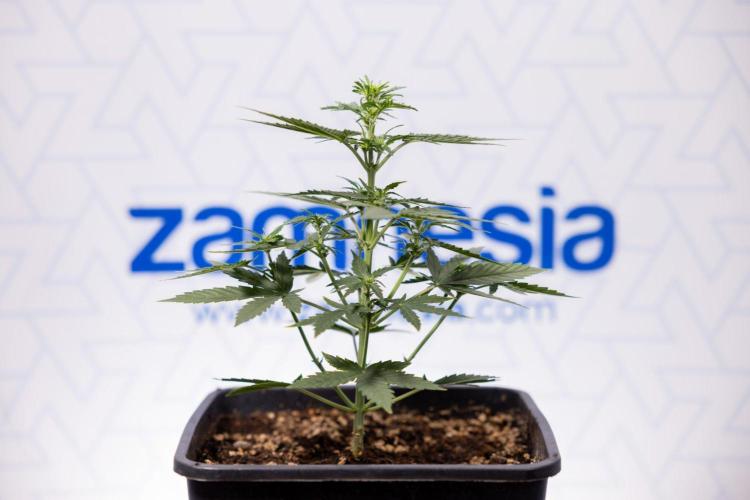
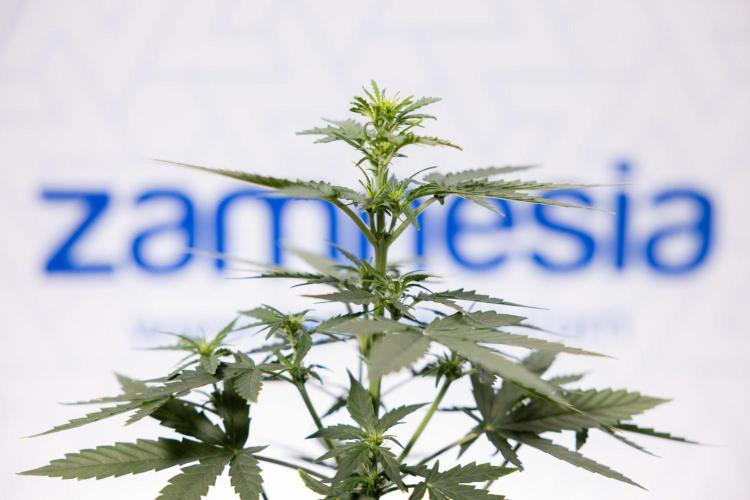
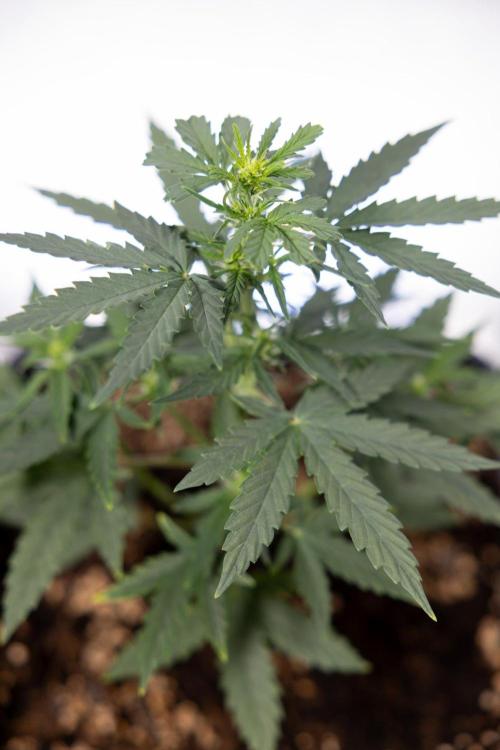
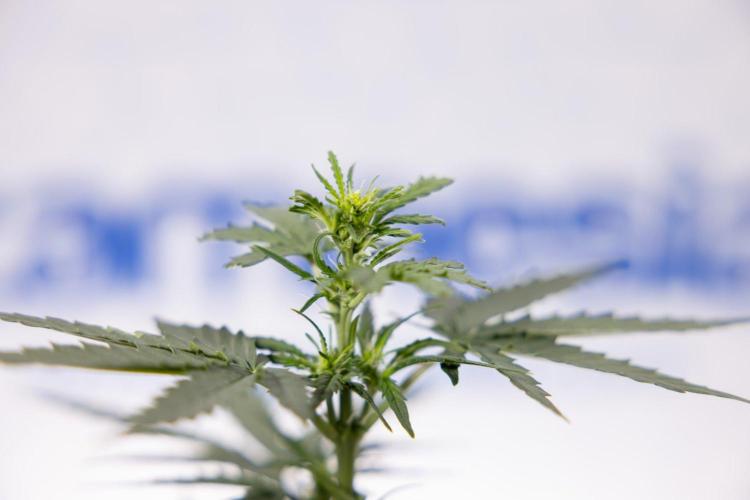
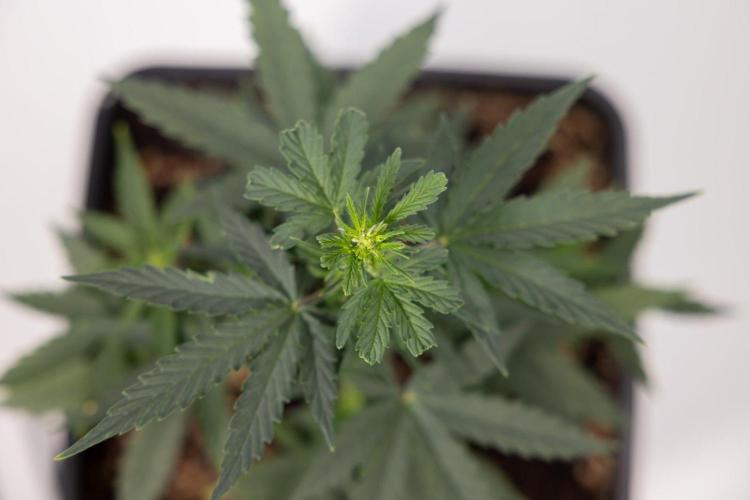
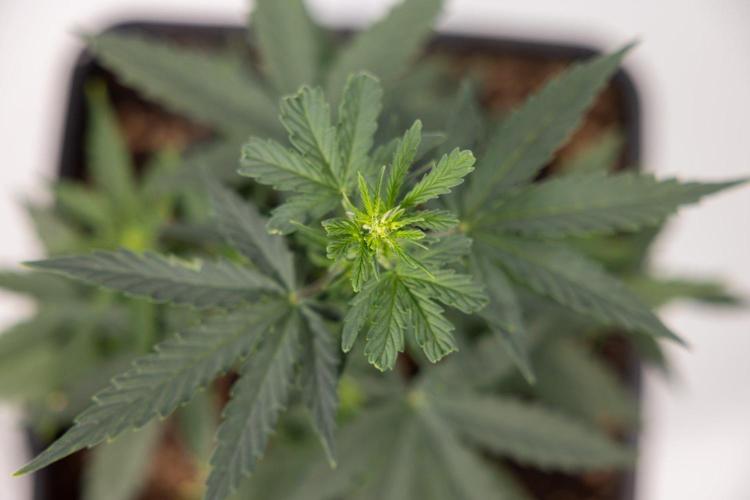
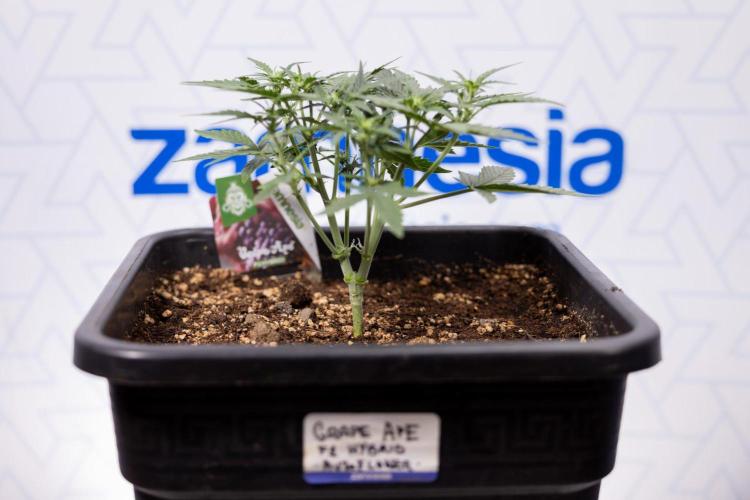
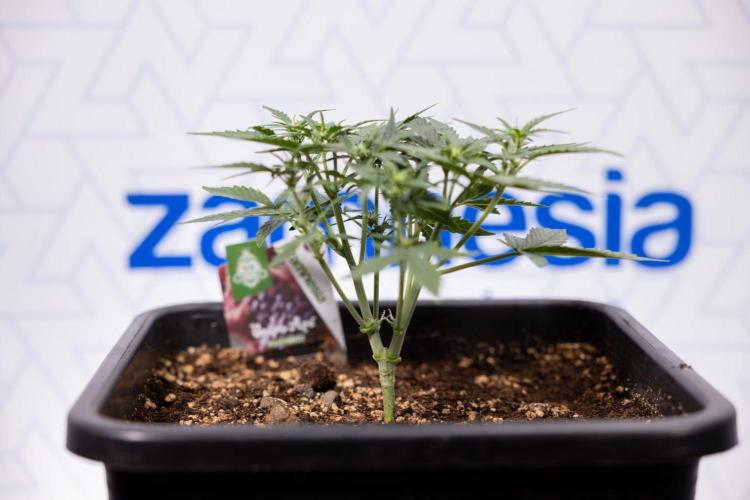
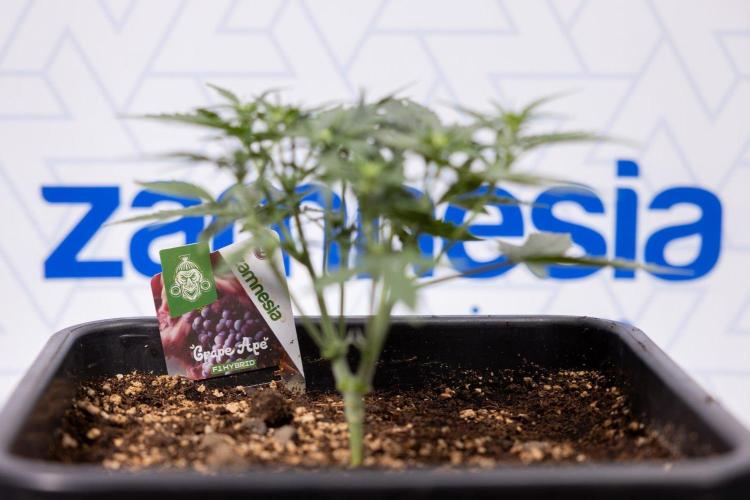
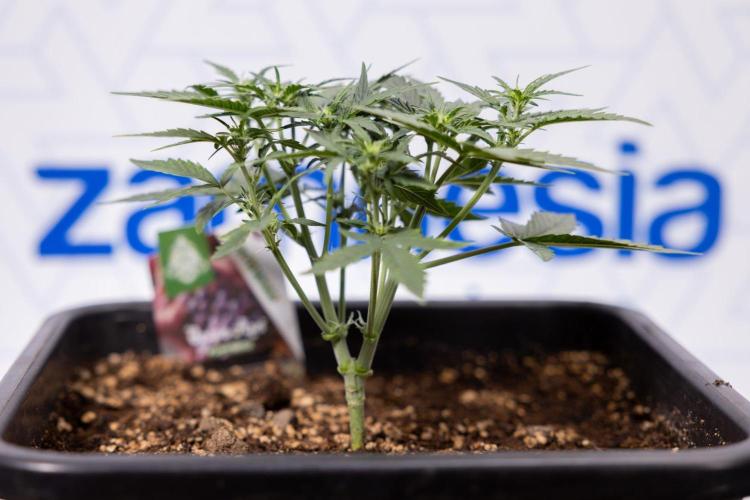
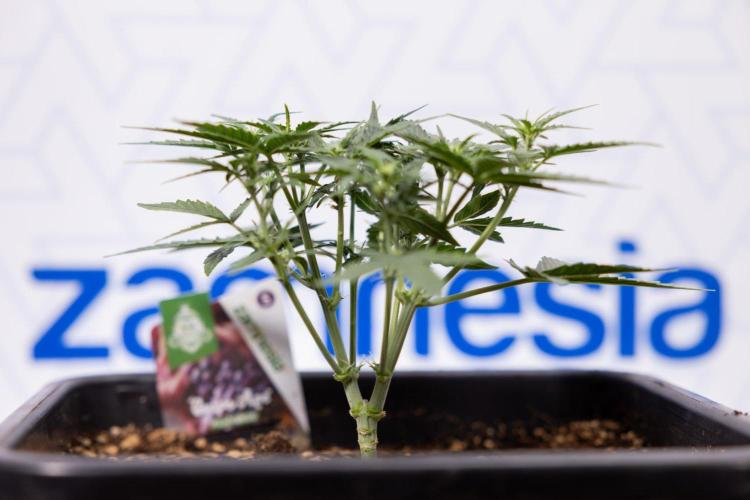
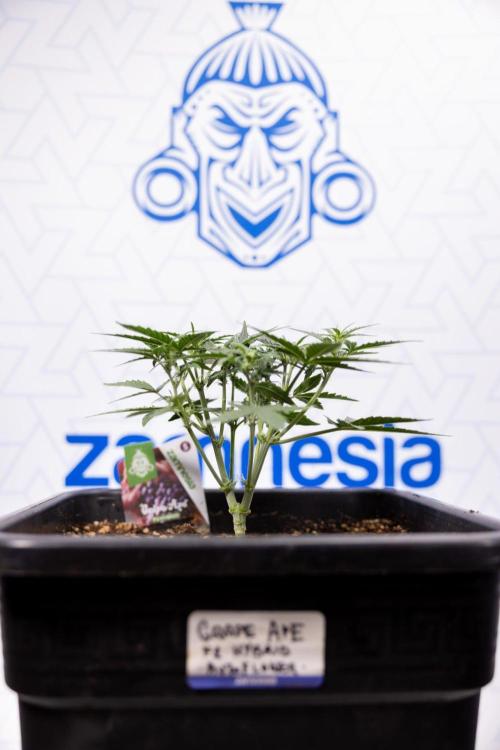
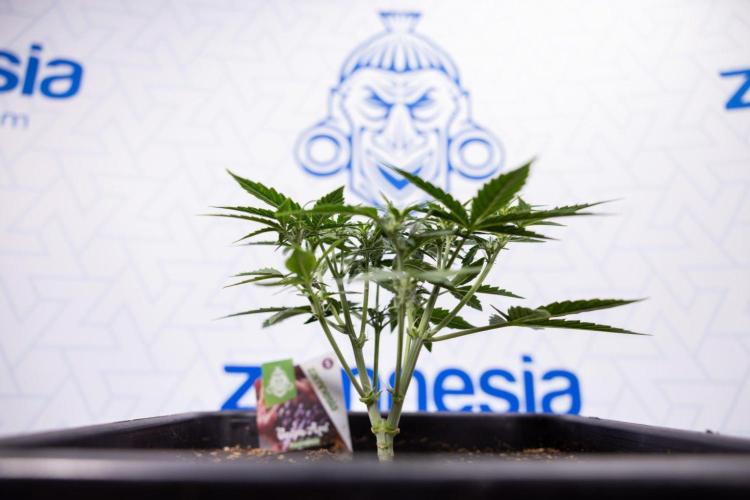
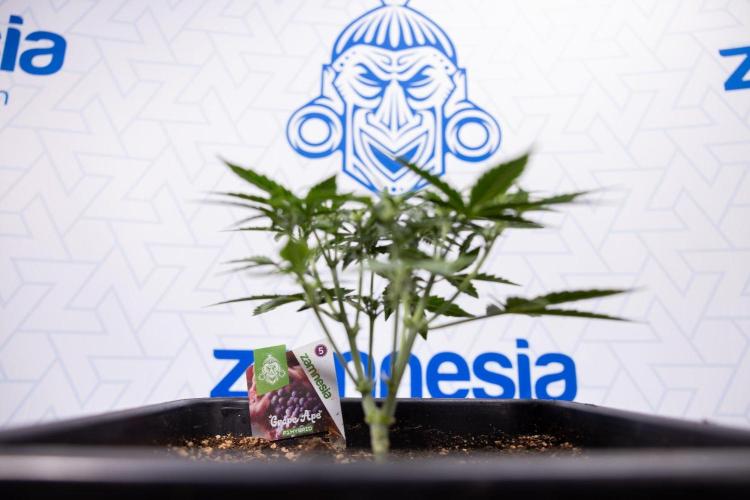
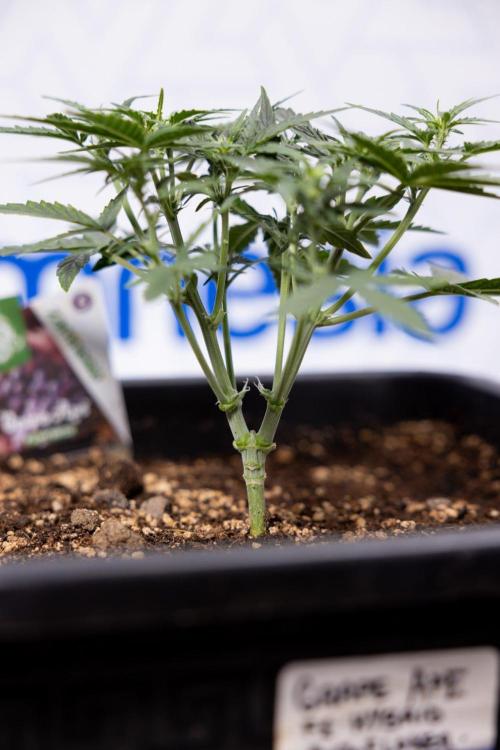
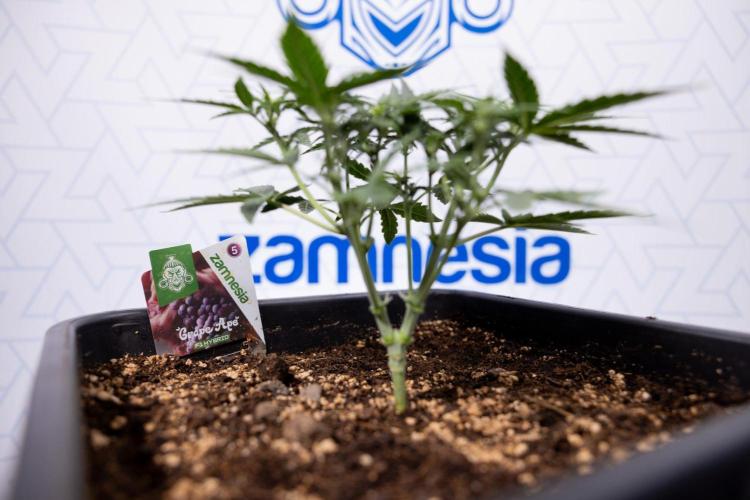
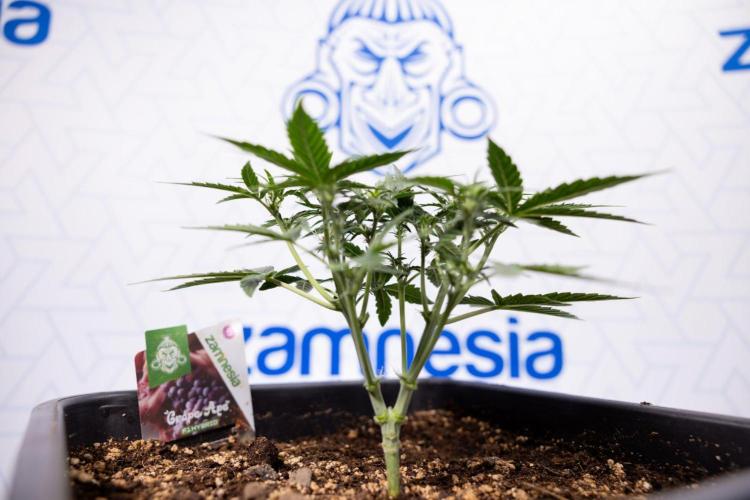
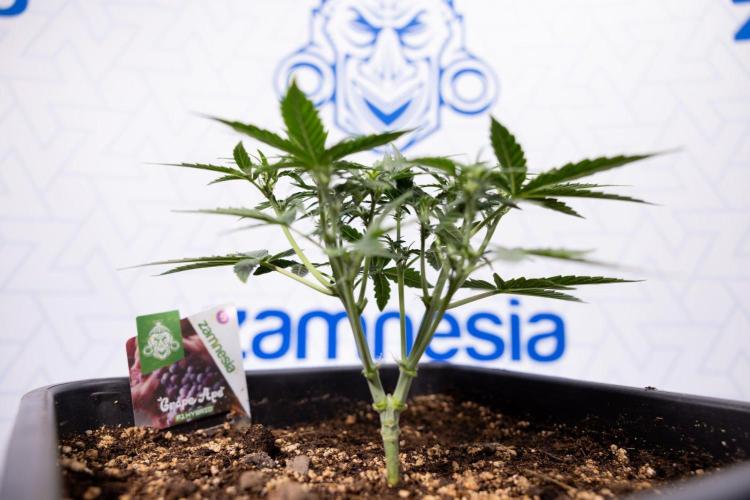
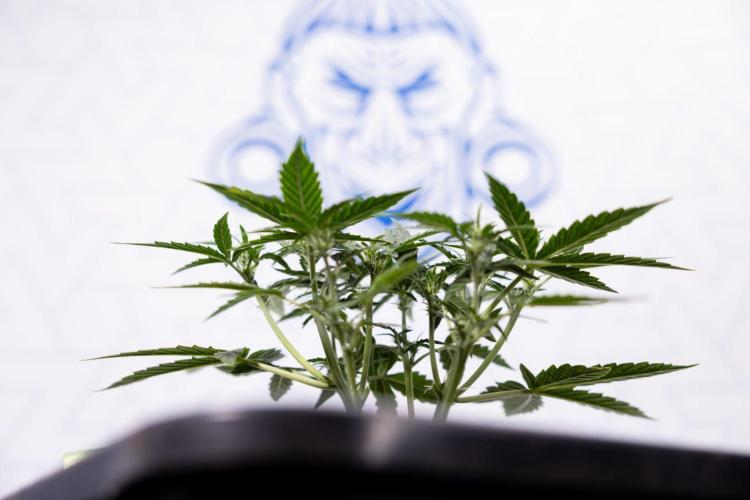
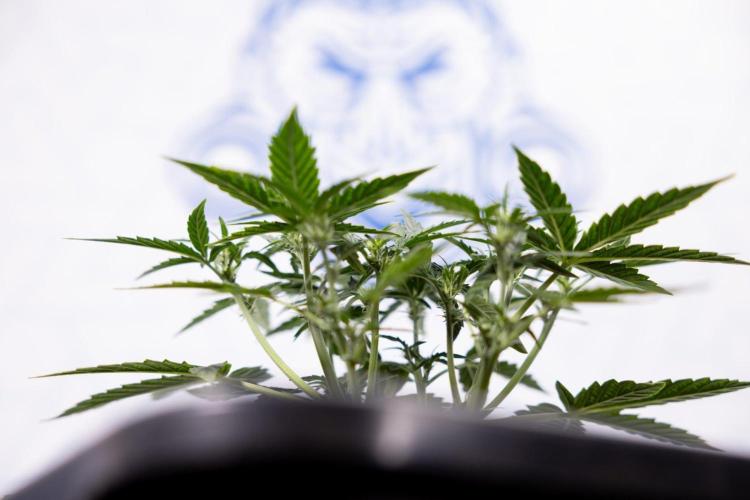
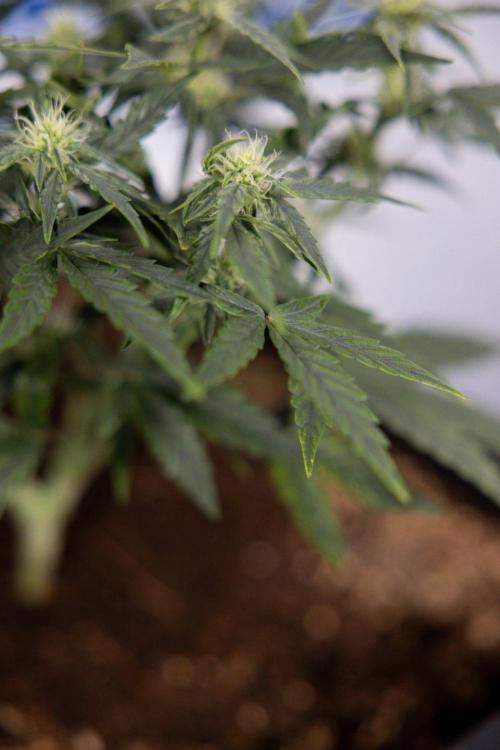
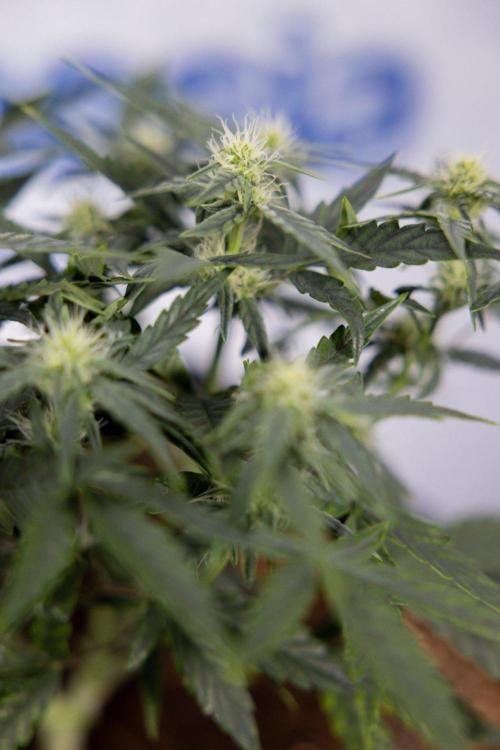
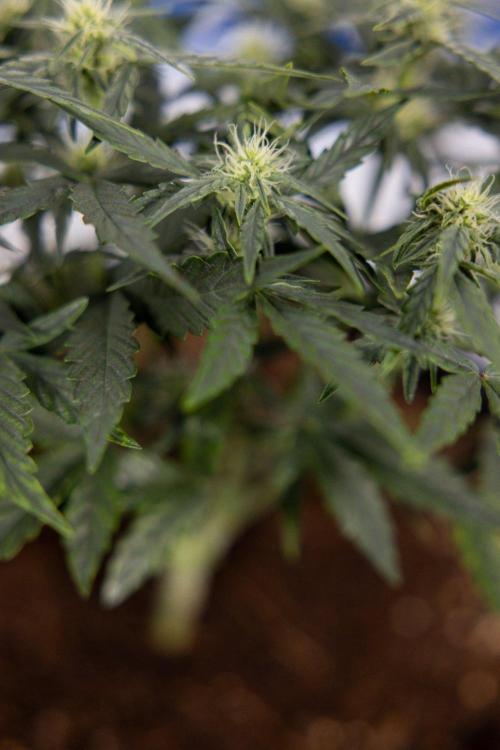
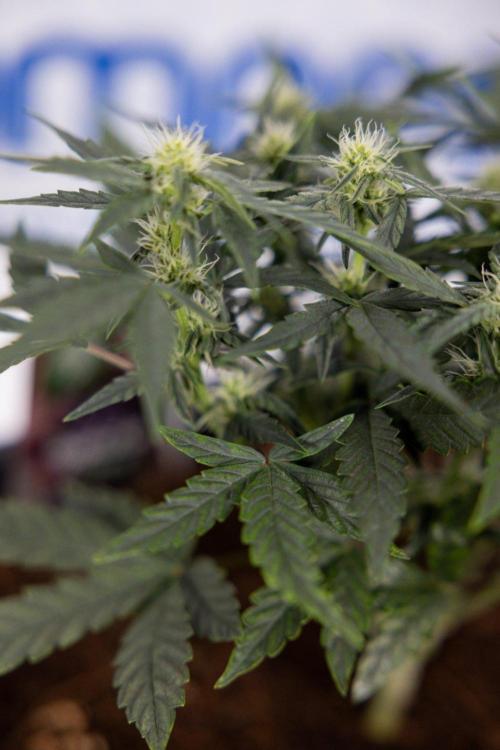
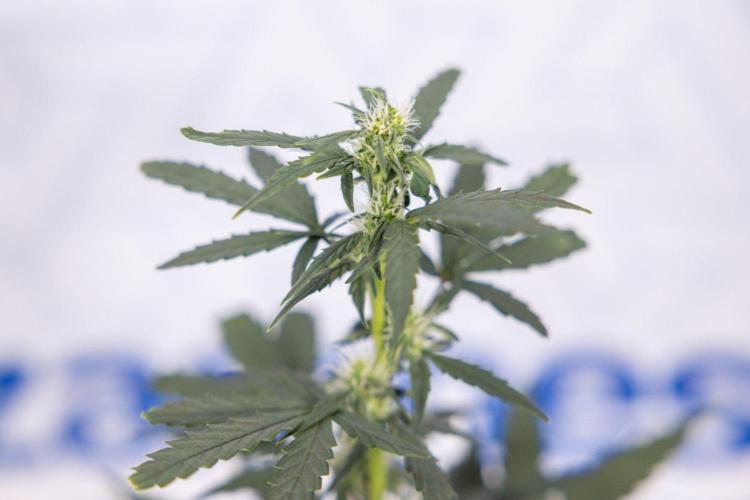
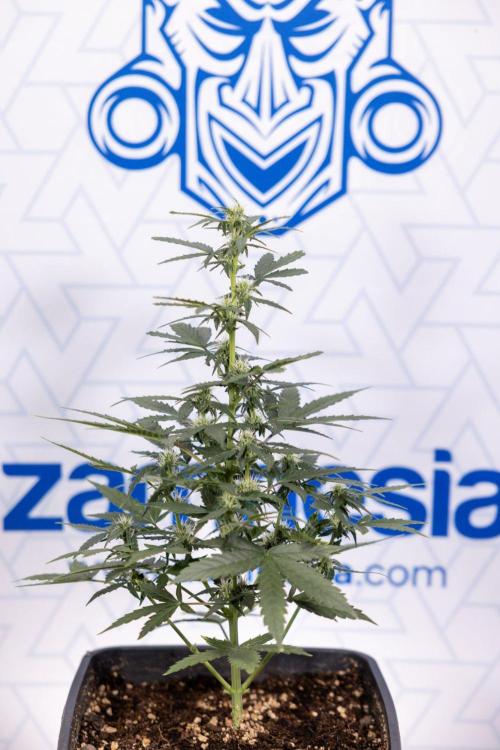
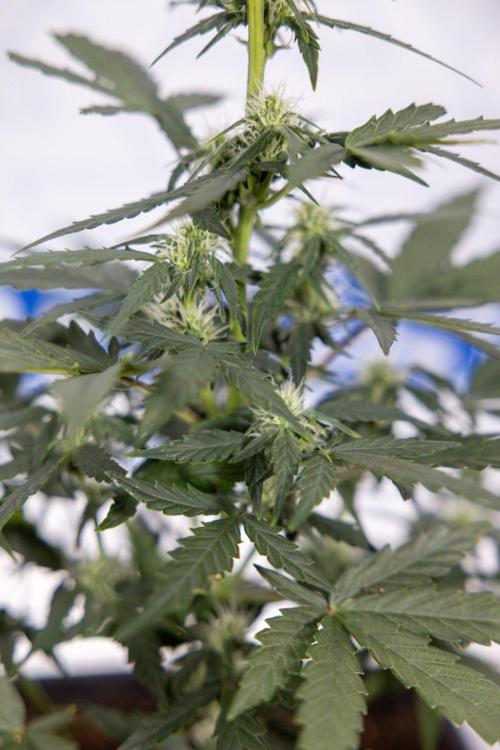
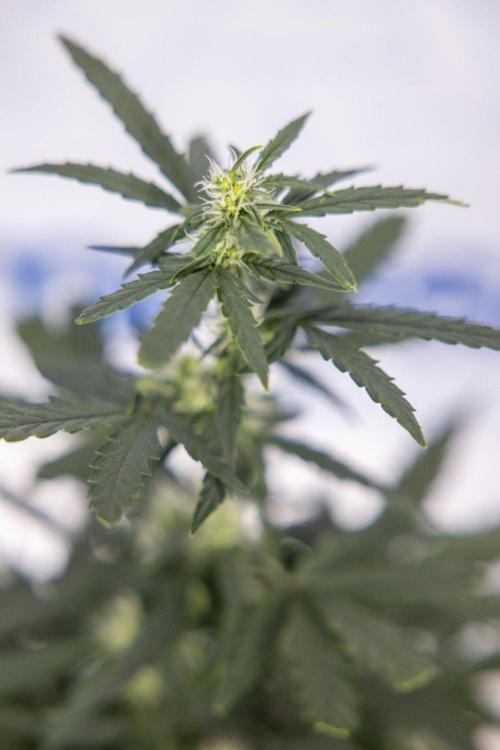
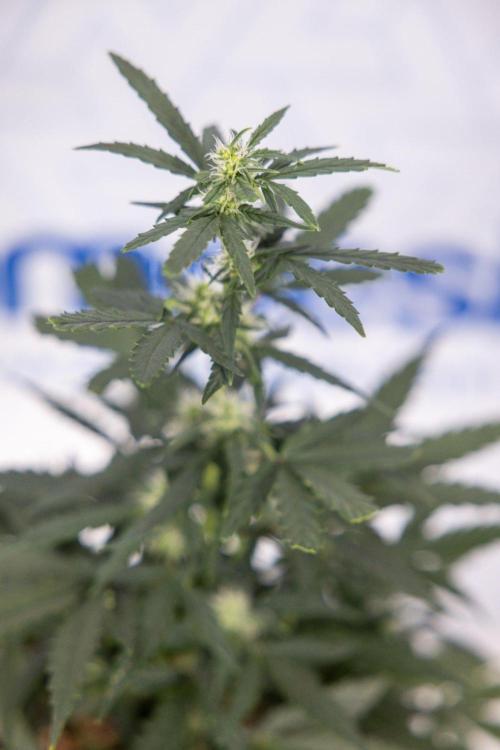
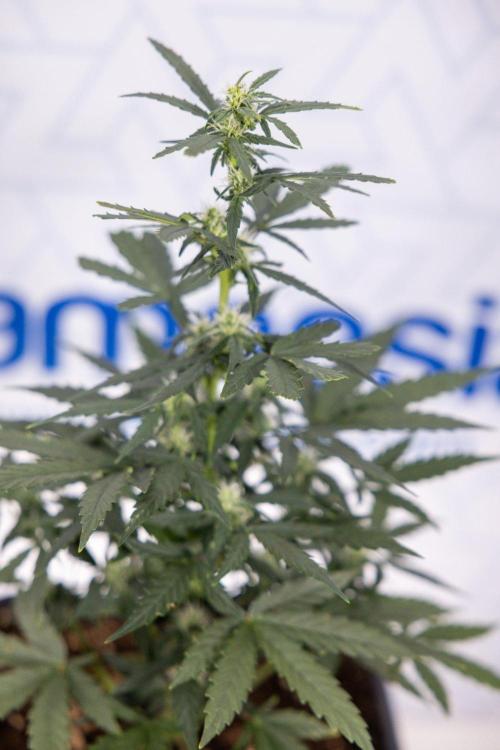
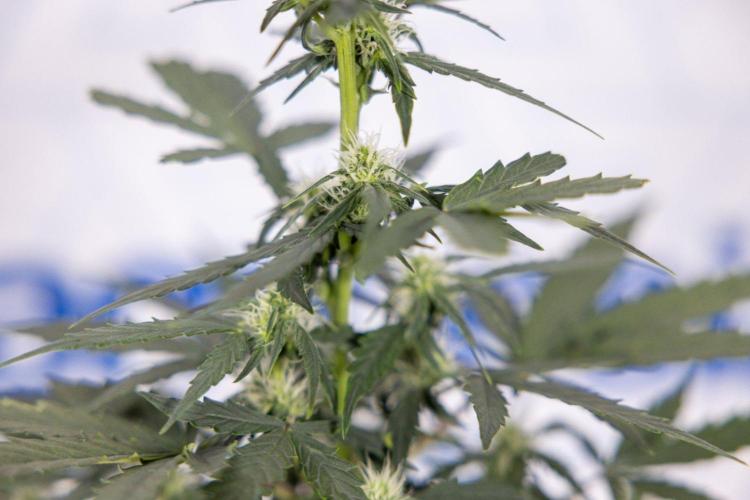
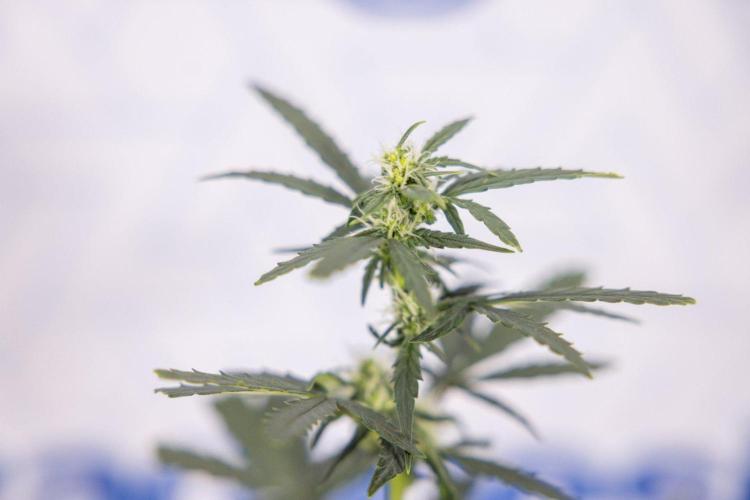
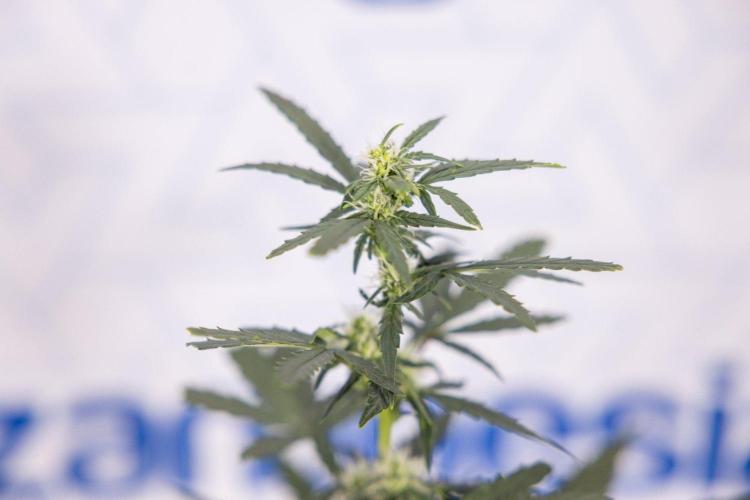
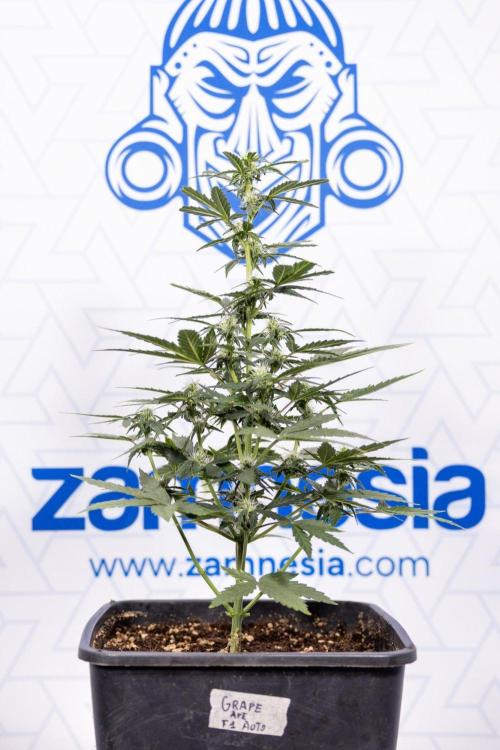
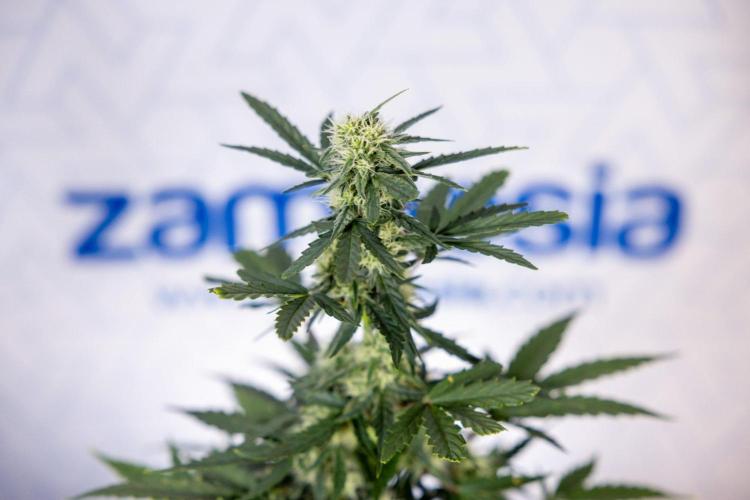
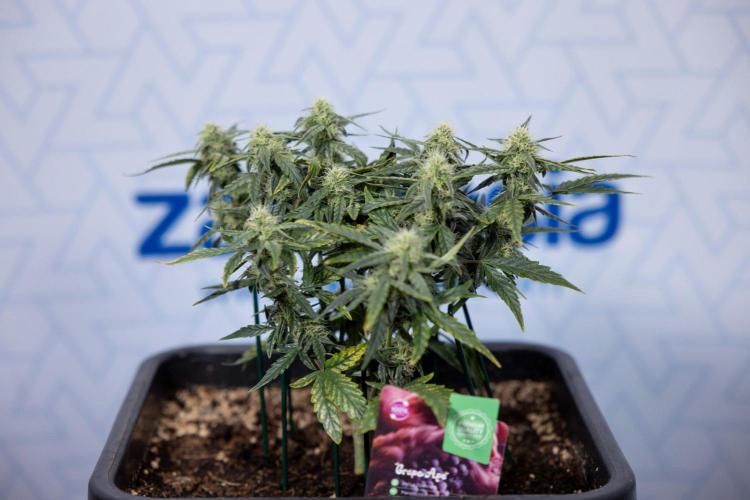
Bread_n_Buds We are ready for our favorite time of the year, which will culminate in a harvest during the ideal autumn/winter window—keeping in mind that autumn lasts a long time in southern Spain.
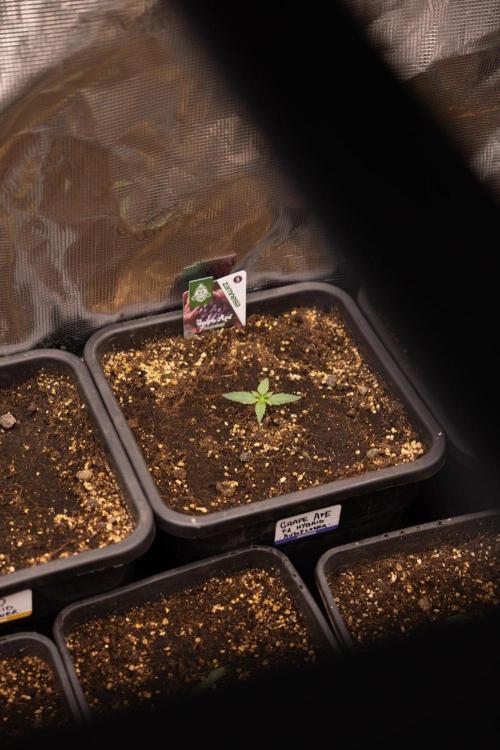
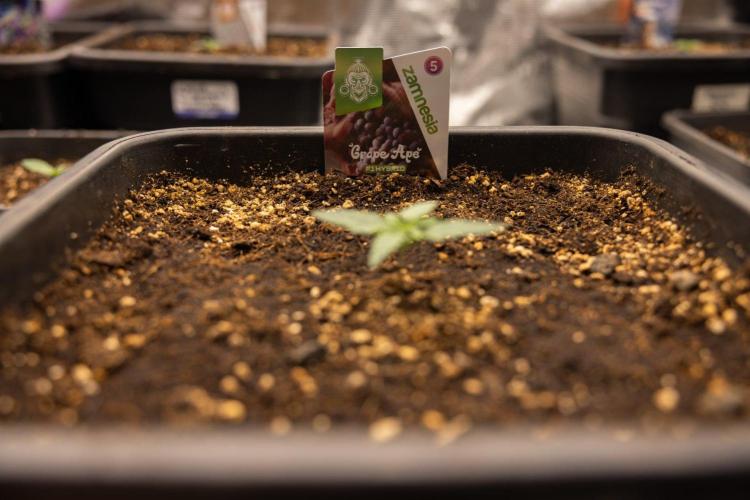
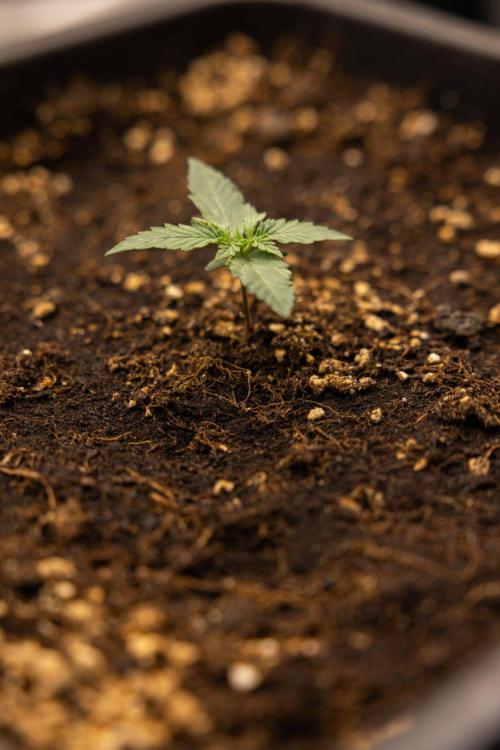
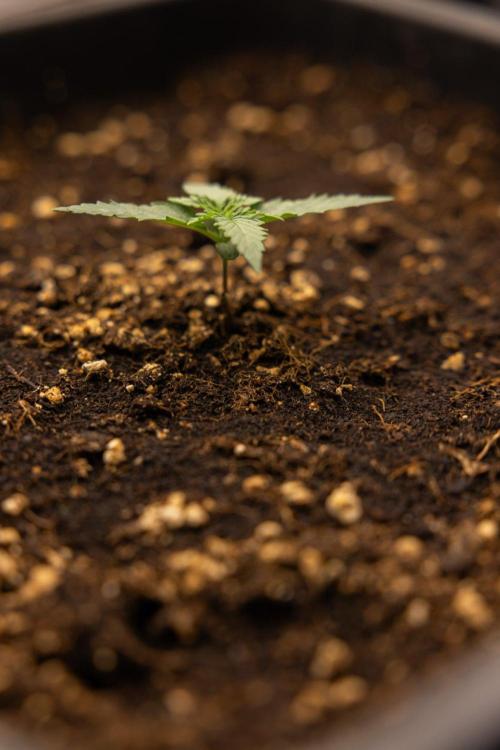
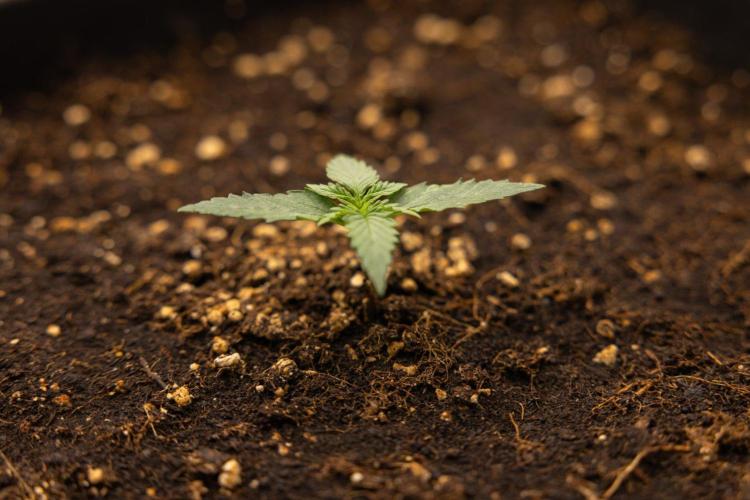
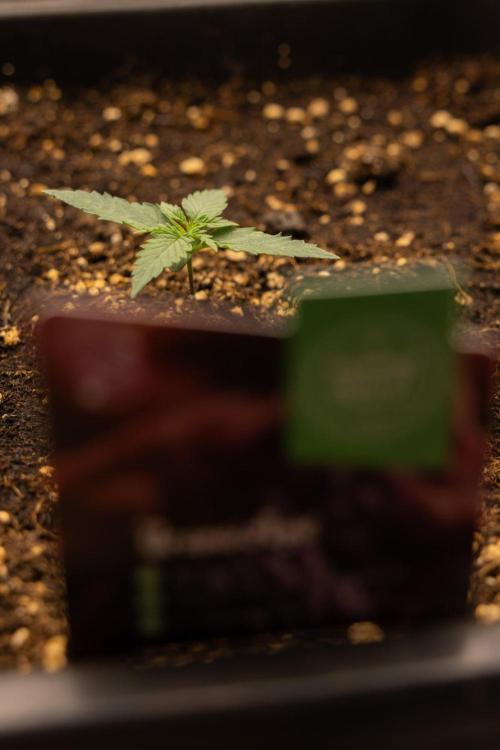
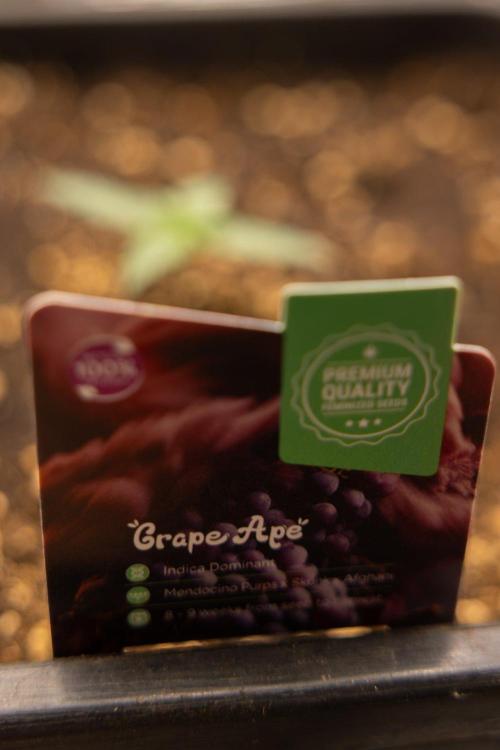
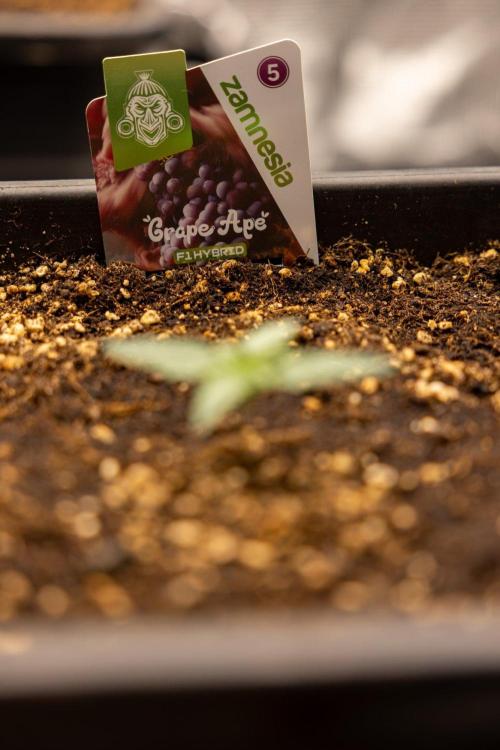
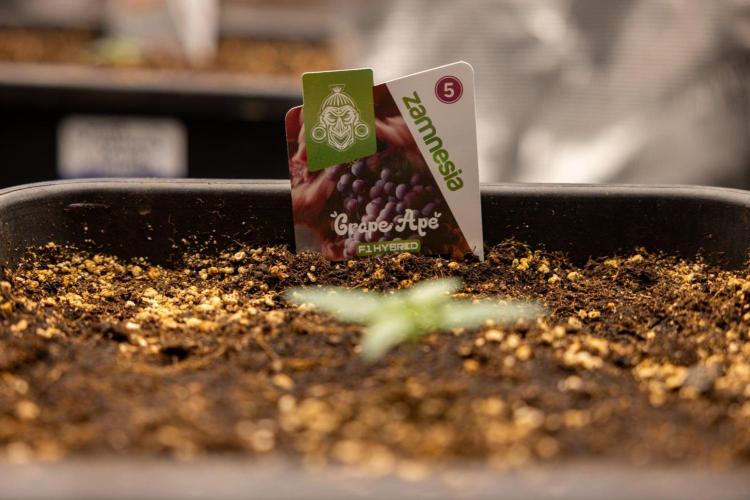
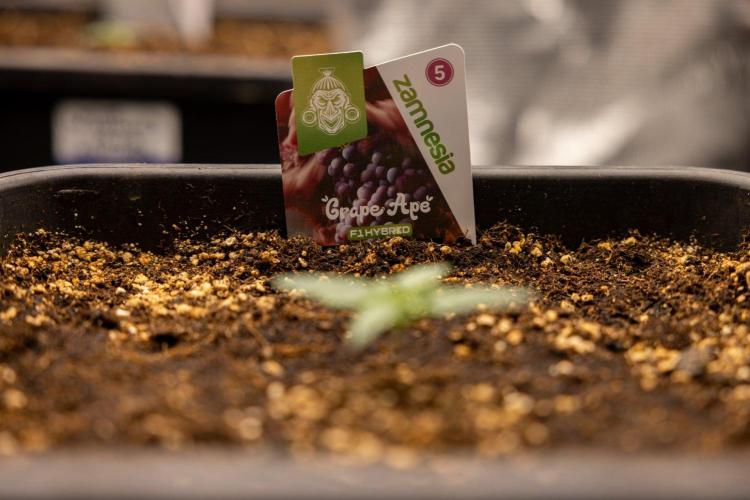
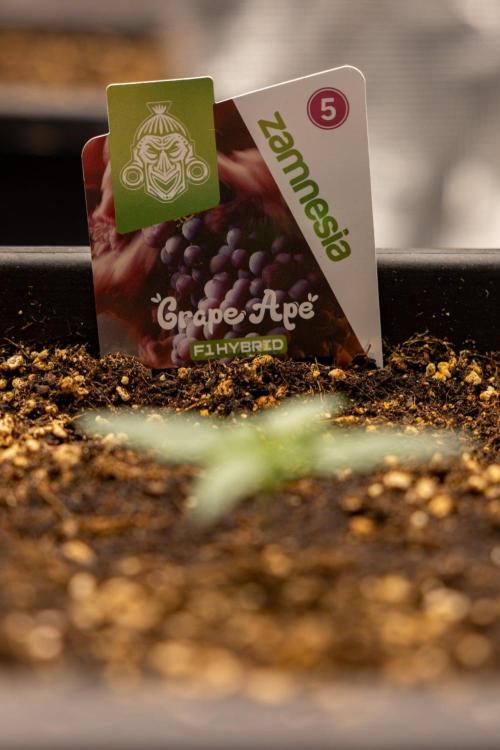
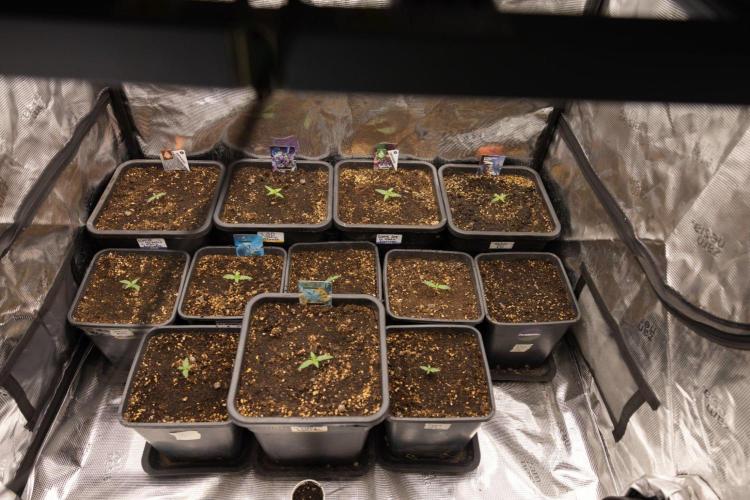
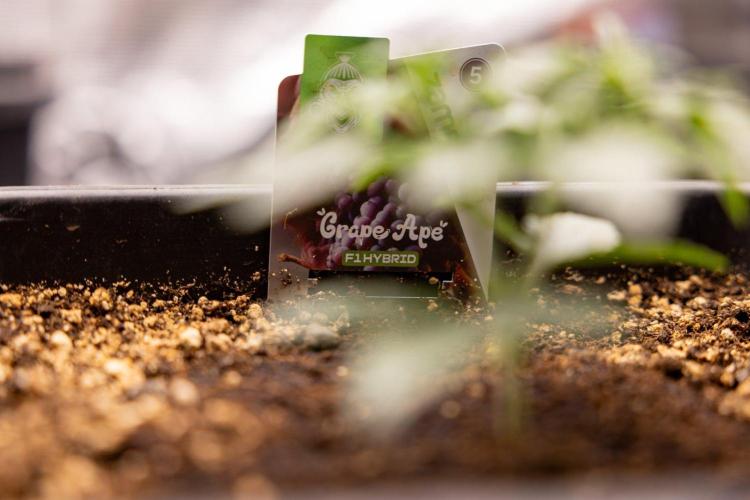
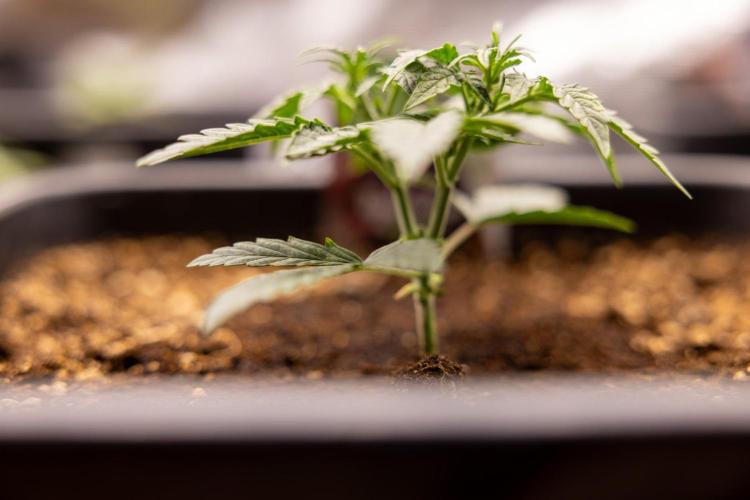
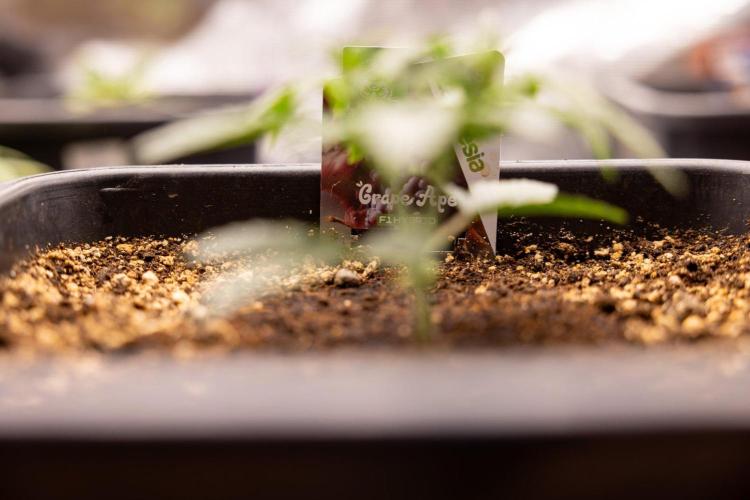
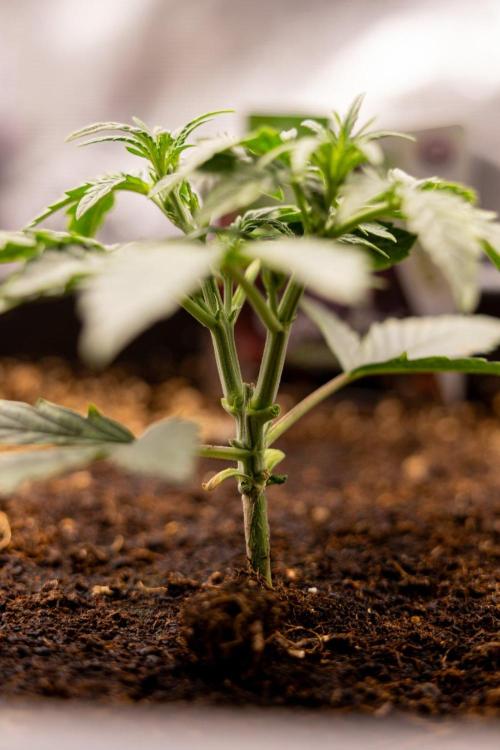
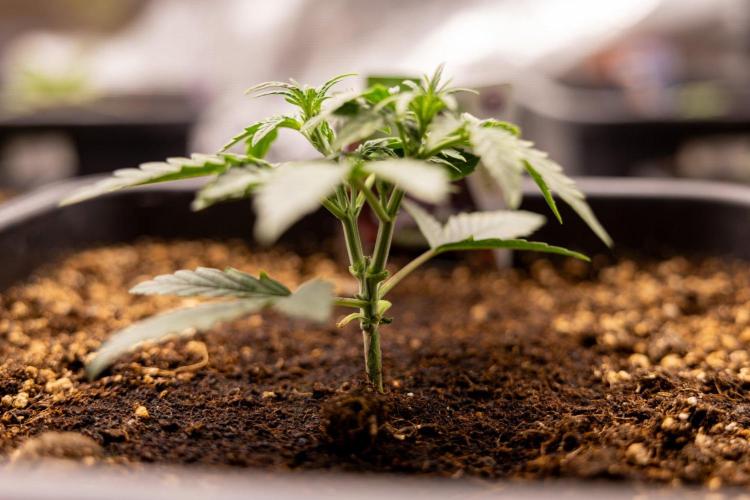
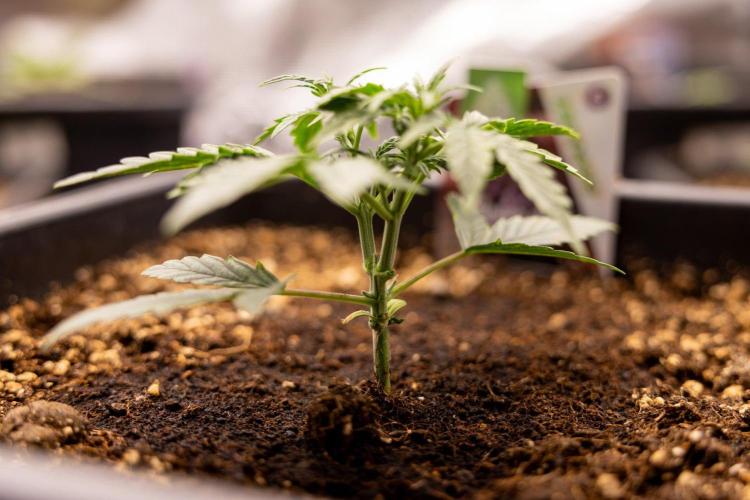
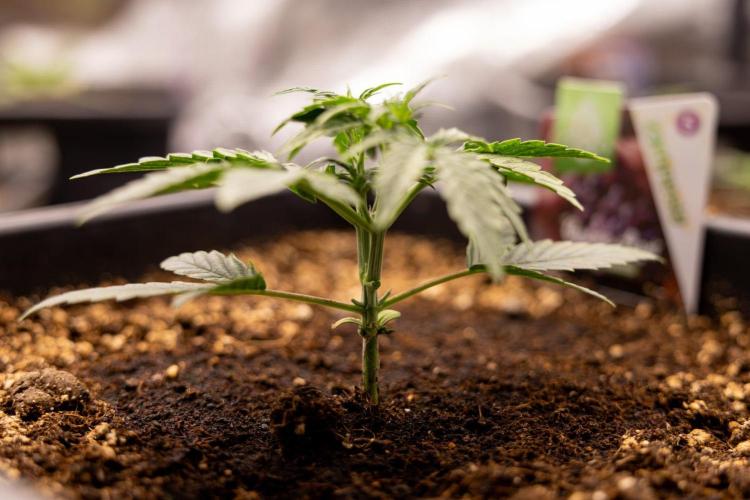
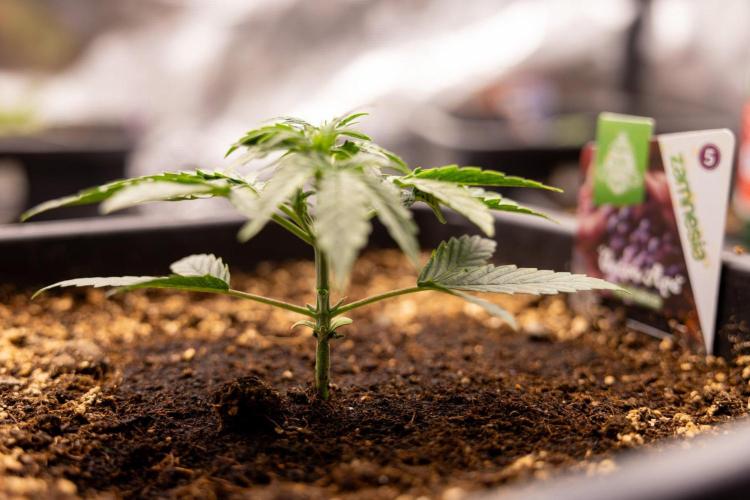
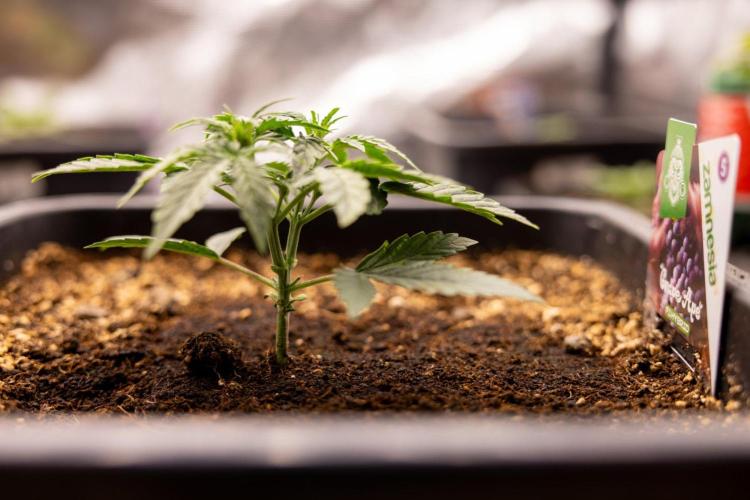
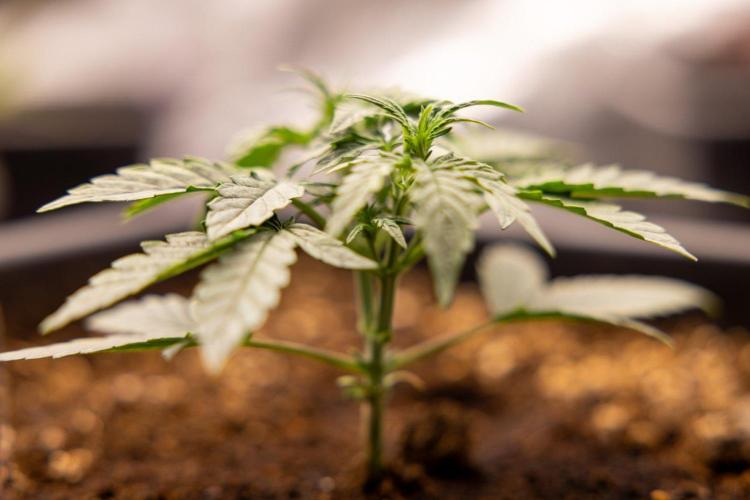
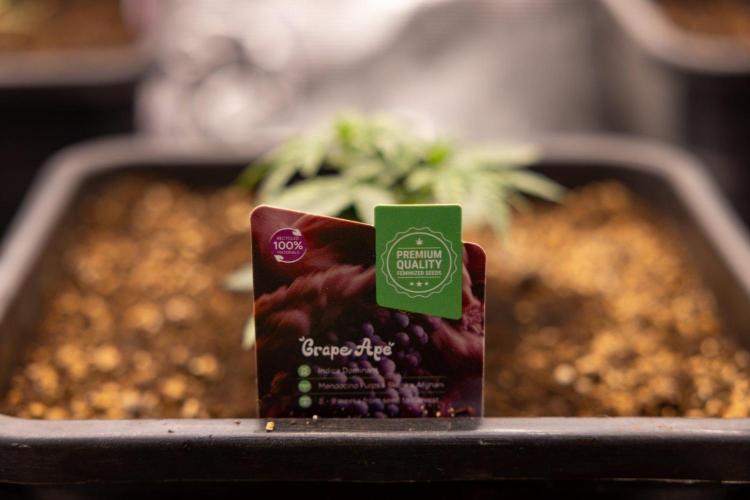
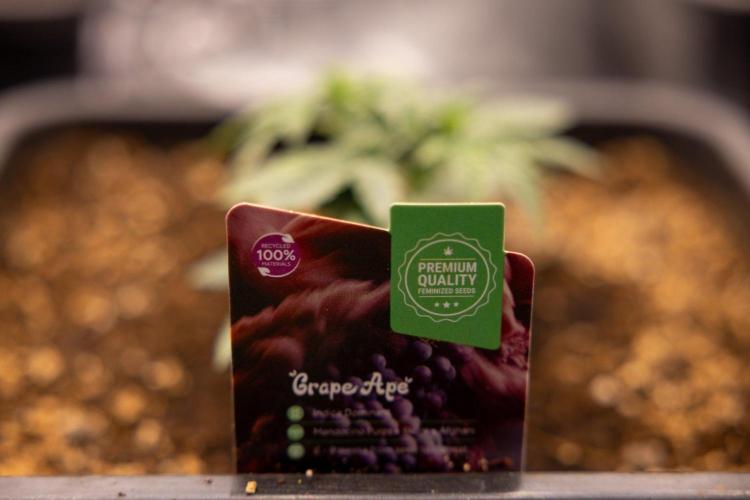
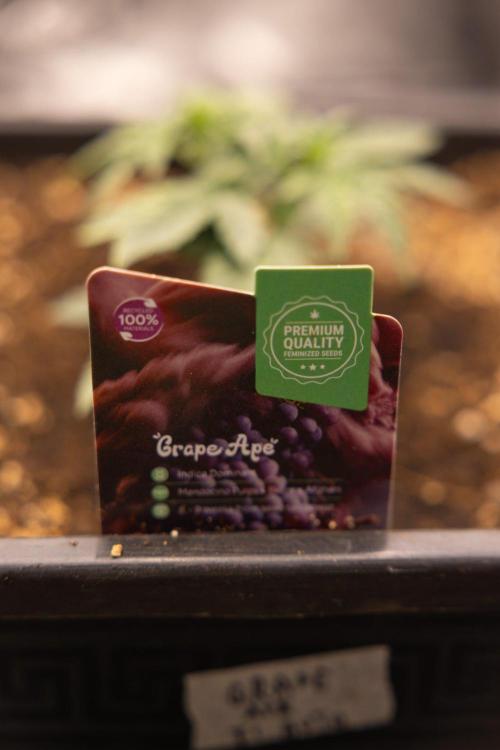
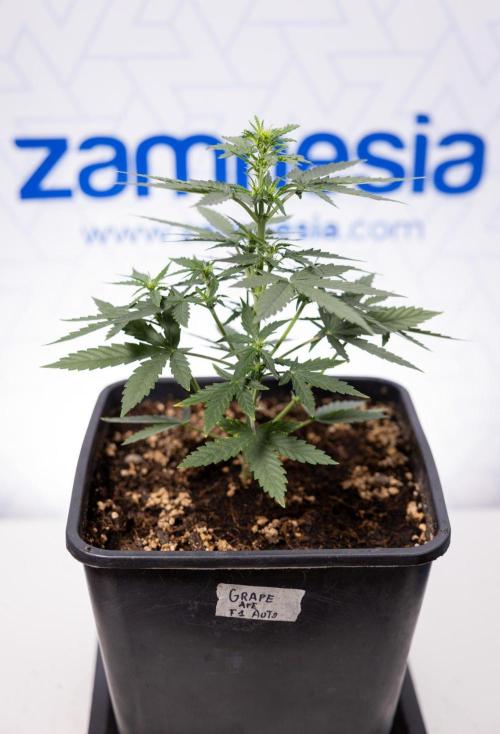
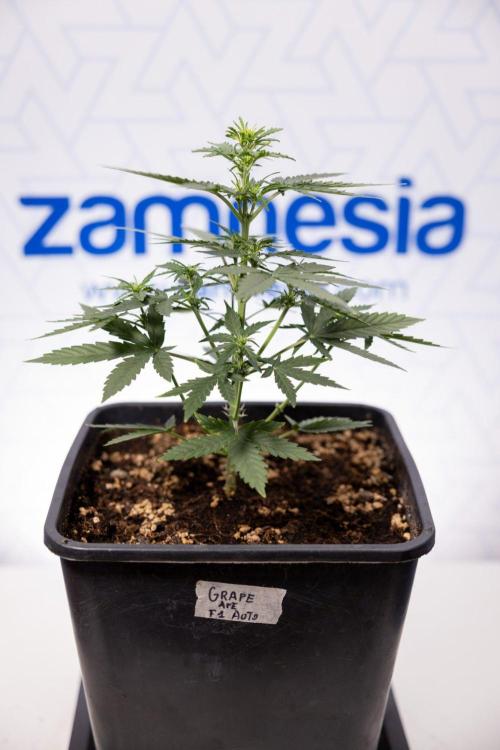
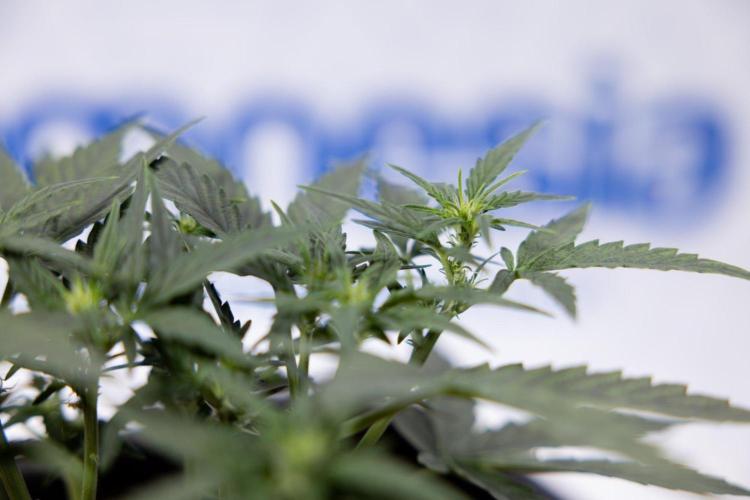
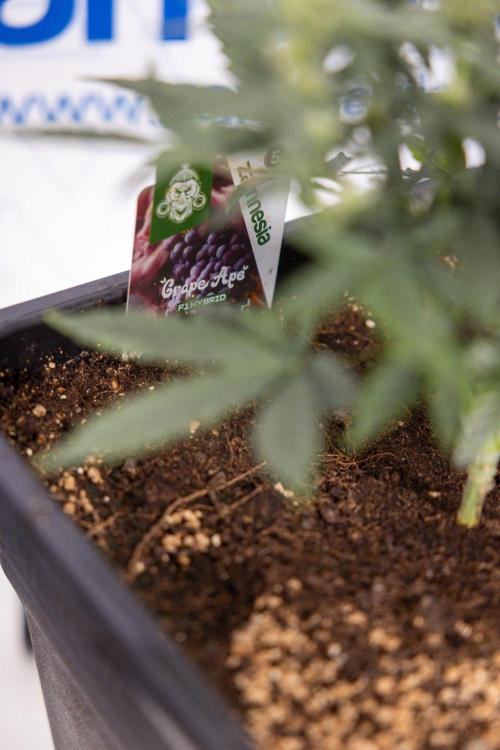
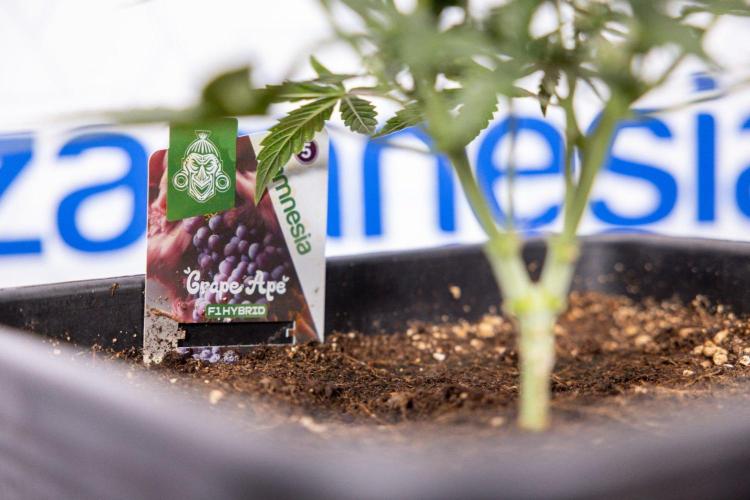
Starting at Day 6: the first week kicked off with the germination of Zamnesia Seeds Grape Ape F1 Auto.
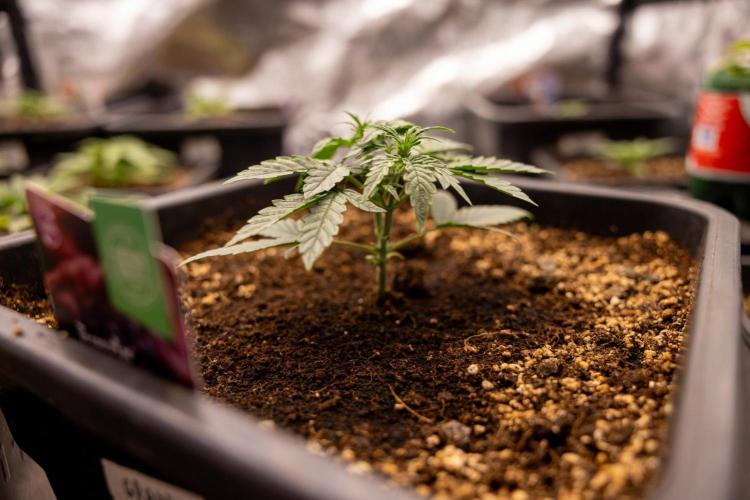
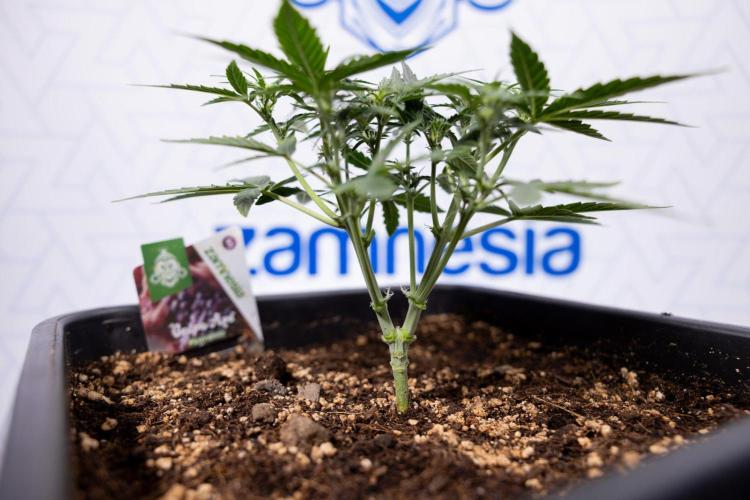
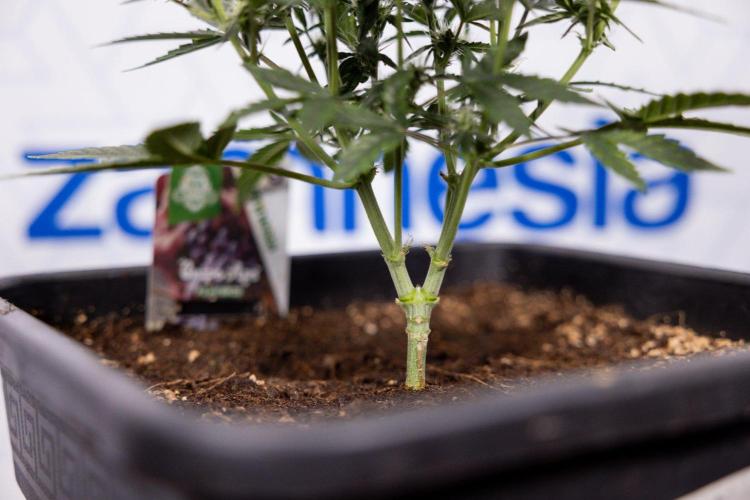
Both seeds germinated quite rapidly; after soaking in water for about 24 hours, they were ready to go straight into the soil. We planted them directly into their final pots to avoid the stress of transplanting, giving the young plants plenty of room to develop their root systems right from the start.
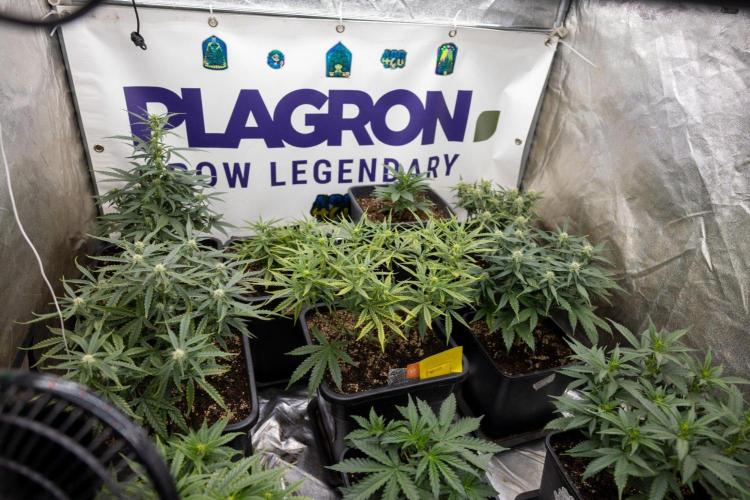
For the growing medium, we are using Plagron ProMix—specifically, a recycled substrate reactivated with Florea’s *Myko+* and a secret ingredient we’re keeping under wraps (just like grandmas do with their recipes). The goal is to start with a well-structured soil while fostering beneficial microorganisms and robust root development.
Regarding nutrition, we’ve opted for Plagron fertilizers, currently using *Power Roots*, *Pure Zym*, and *Alga Grow* to support the plants during their early growth stages.
Soil & Nutrients – www.plagron.com
Myko+ – https://www.florea.bio/
As for the light cycle, we’re starting aggressively with 23/1; this gives the plants a brief rest period and allows us to apply foliar sprays without exposing them to full-intensity light once the first week has passed.
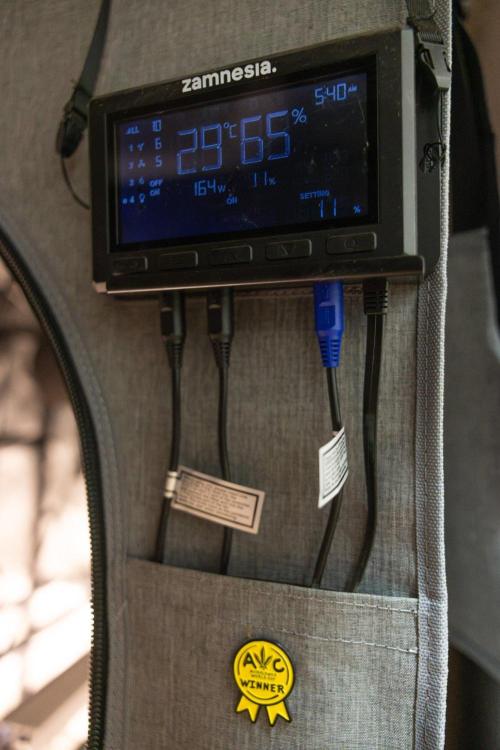
For the grow setup, we’re using the Zamnesia Ecosystem 120x120, which is proving to be a durable, well-constructed, and high-performing grow tent. Another major plus is the comprehensive accessory kit, which ensures a well-organized growing environment right from the get-go. Lighting is provided by a 480W Phytonaut LED, while a clip-on fan handles air circulation. Extraction is managed by a powerful 150mm exhaust fan paired with a matching filtration system. A branded filter cover completes the setup—a detail that helps keep the filter clean and extends its lifespan.
PPFD levels are controlled to ensure the right amount of light at every stage, starting around 300 μmol/m²/s; as the vegetative phase progresses, I am gradually increasing this to 600 μmol/m²/s, and eventually up to 1200 μmol/m²/s during flowering with CO2 supplementation—all professionally monitored using a Phantom Photobio photon flux meter.
https://photobio.com/
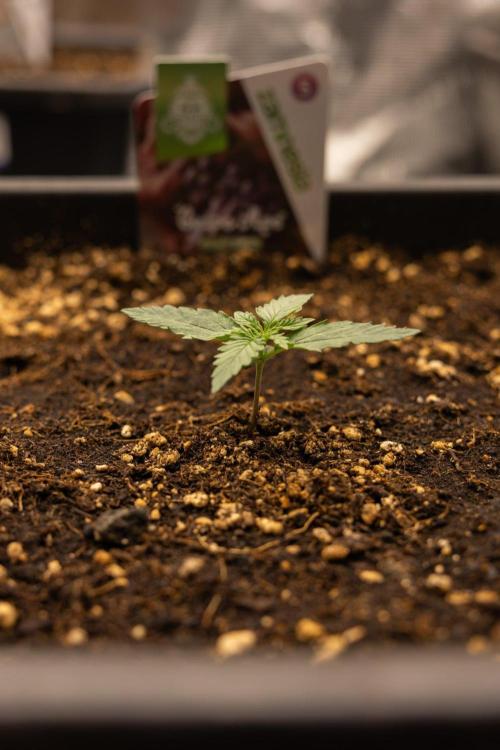
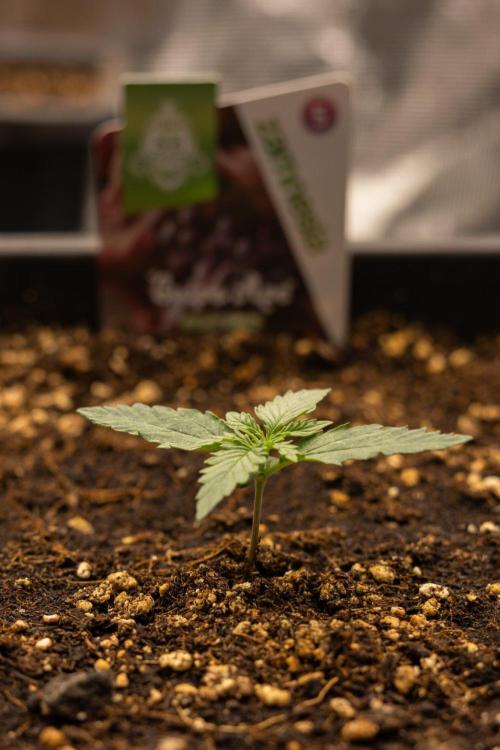
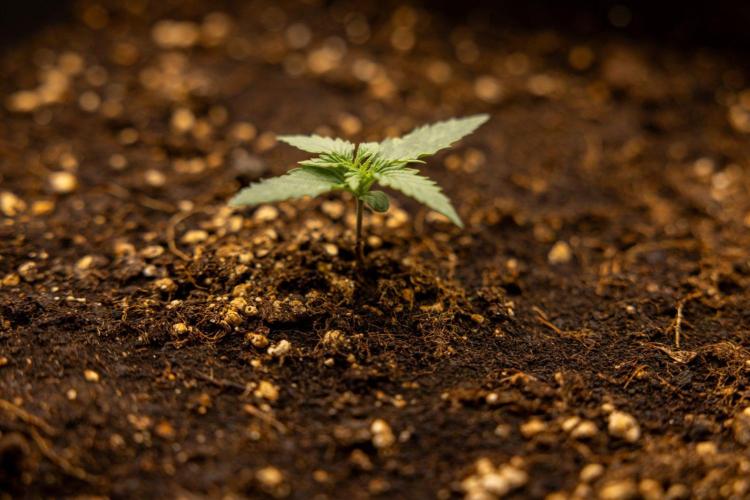
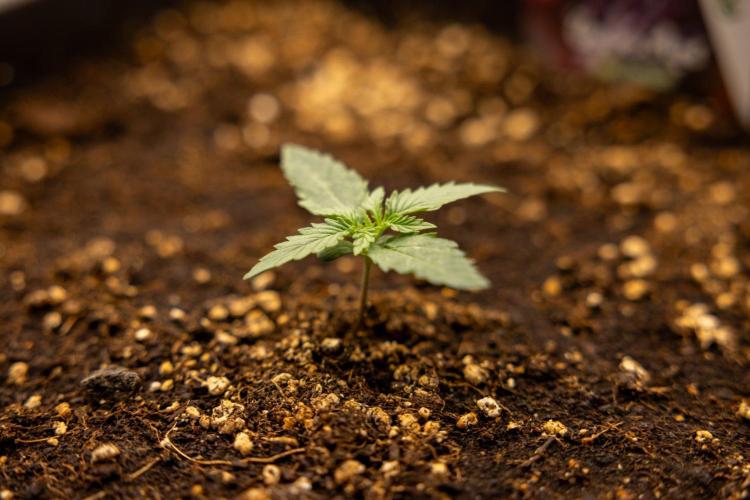
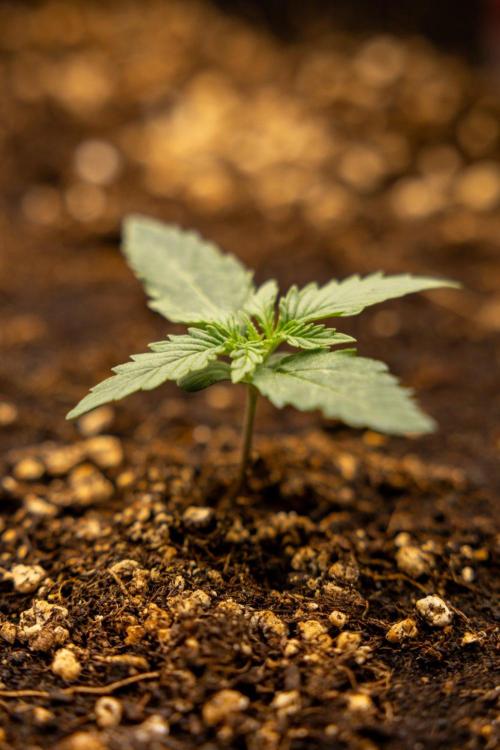
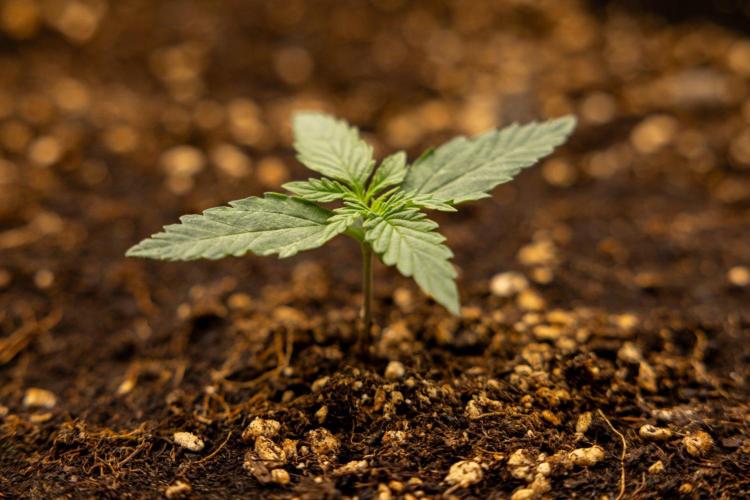
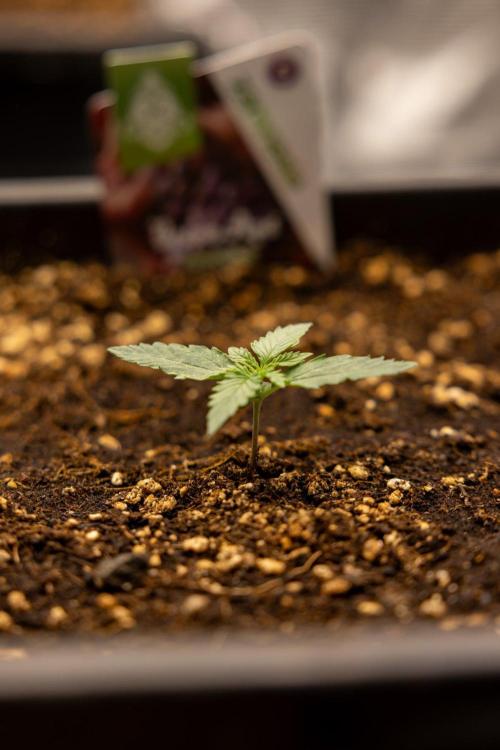
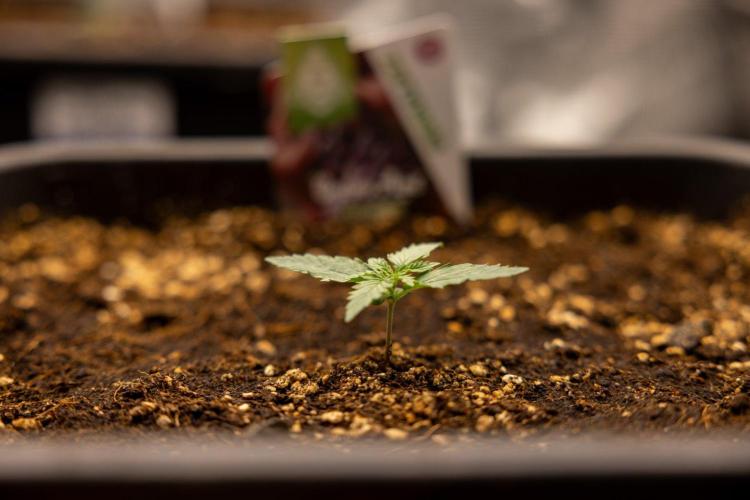
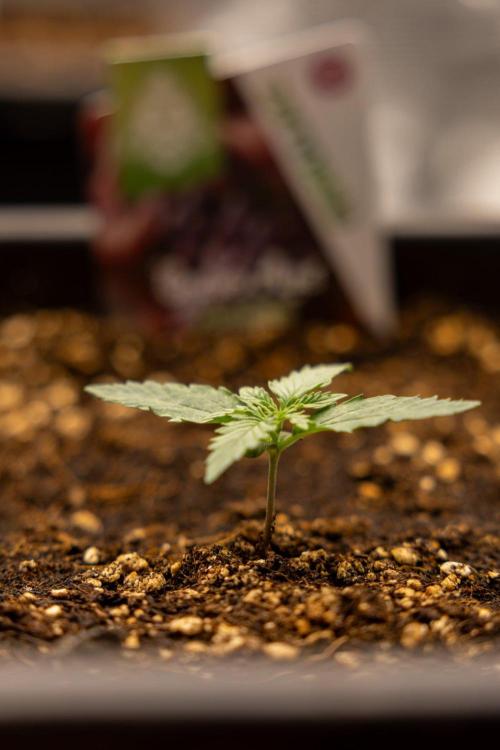
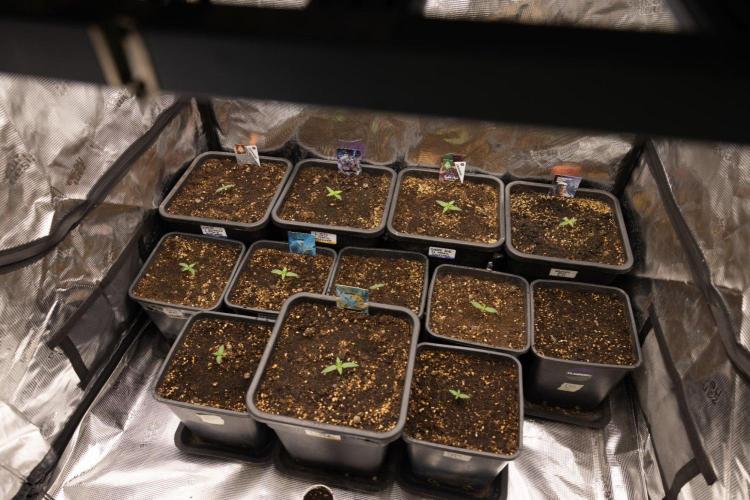
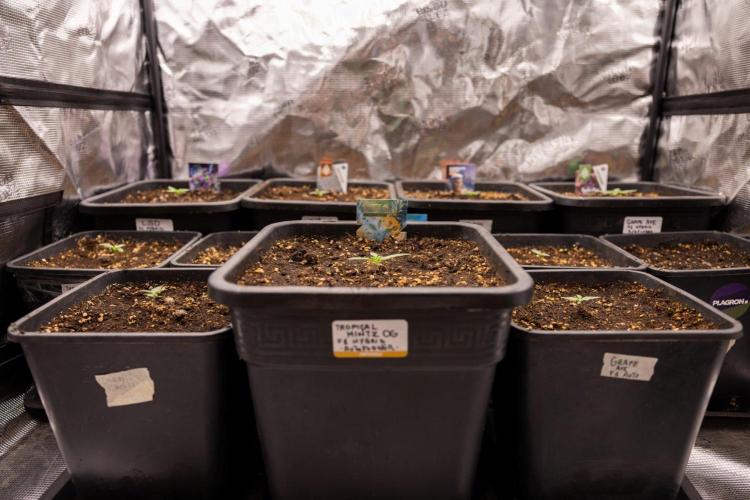
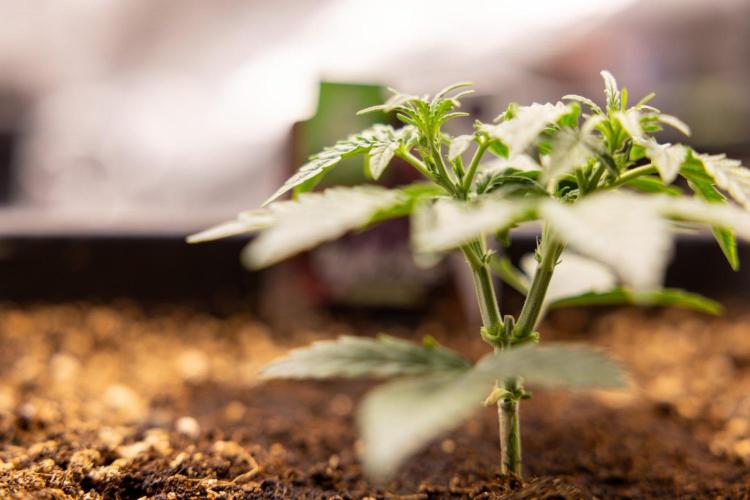
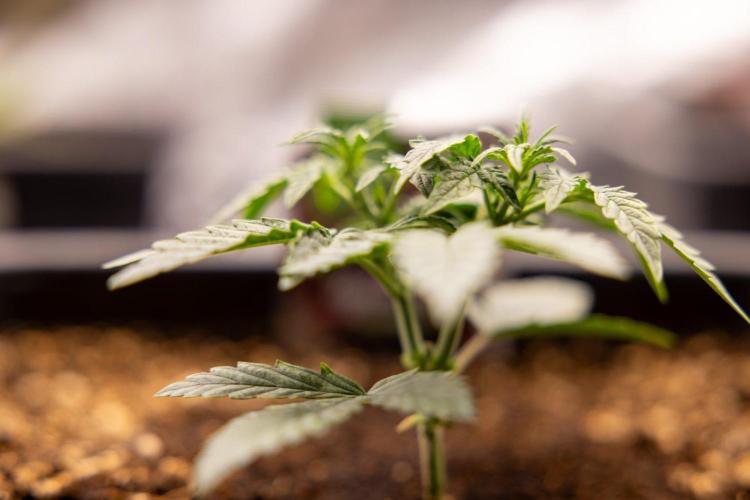
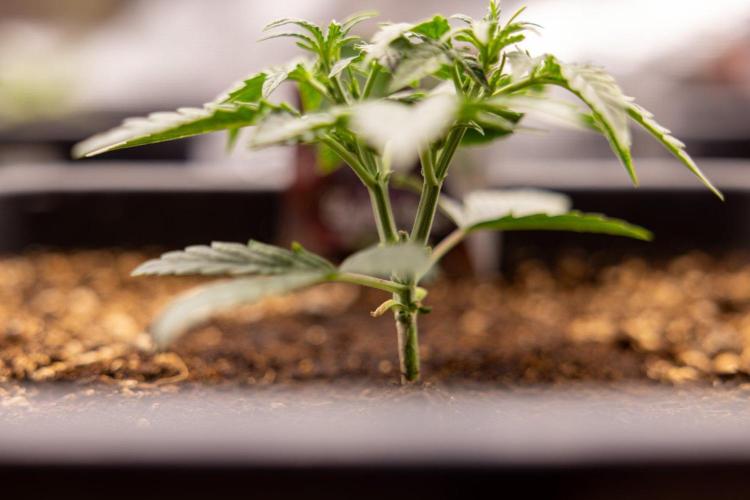
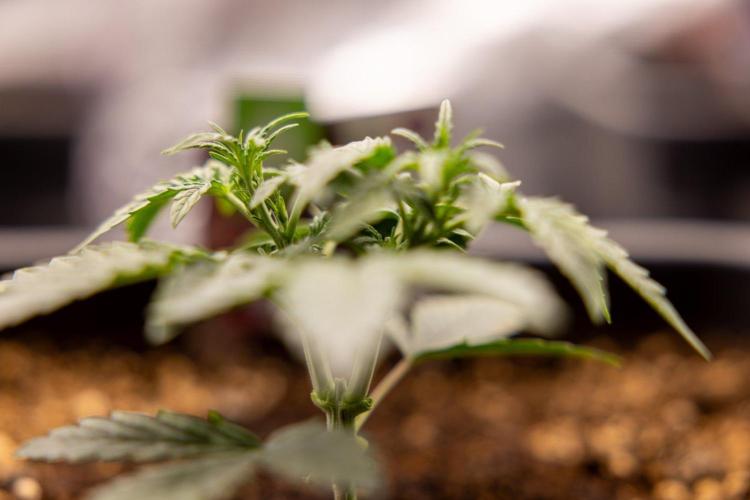
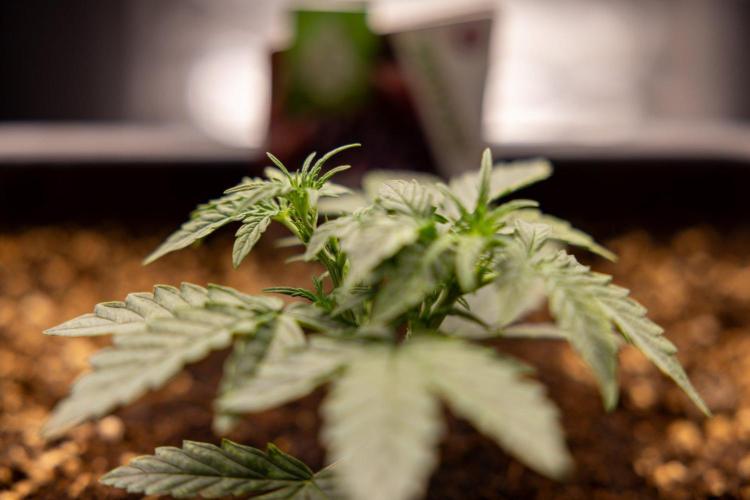
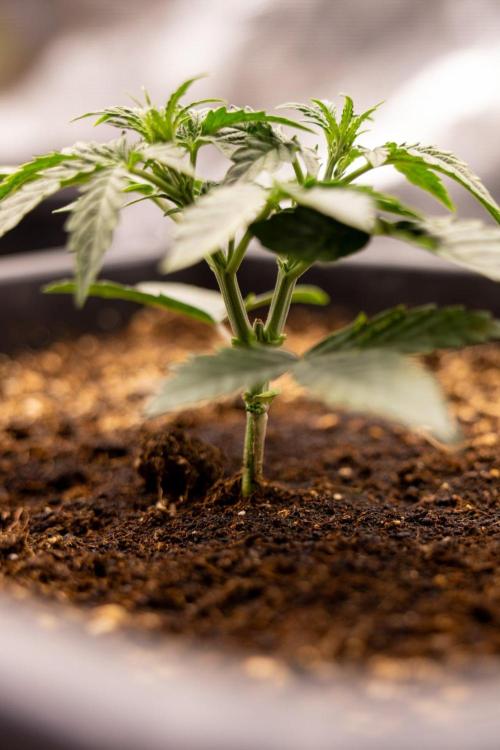
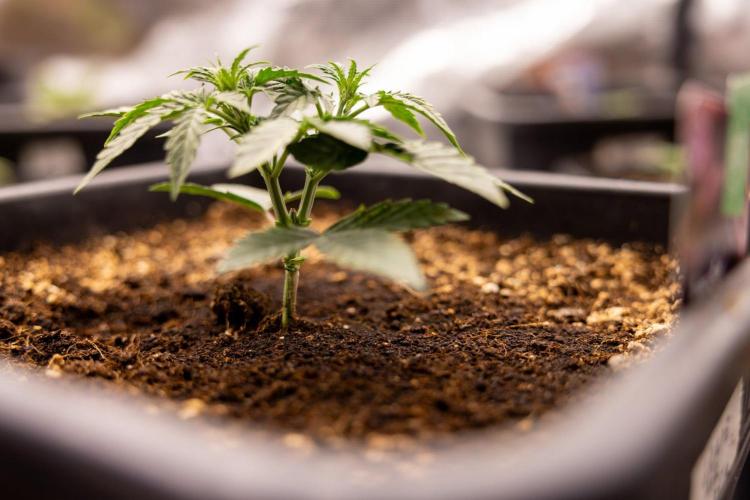
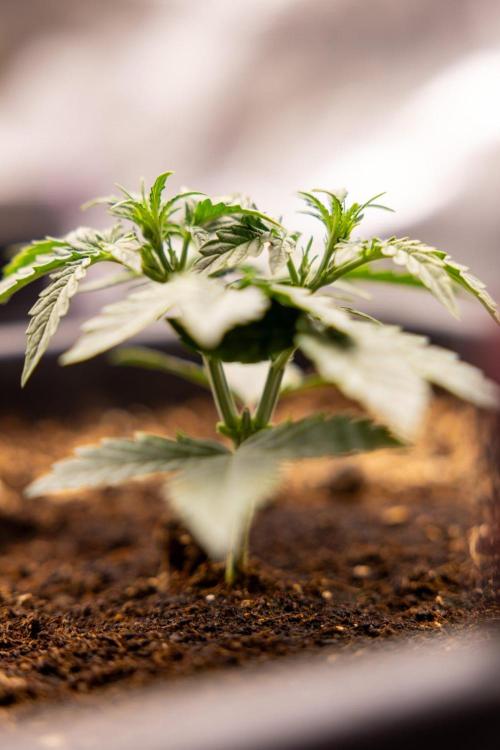
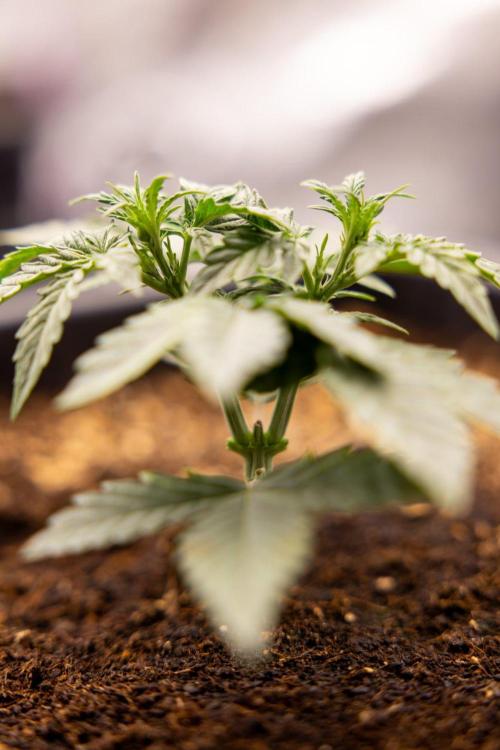
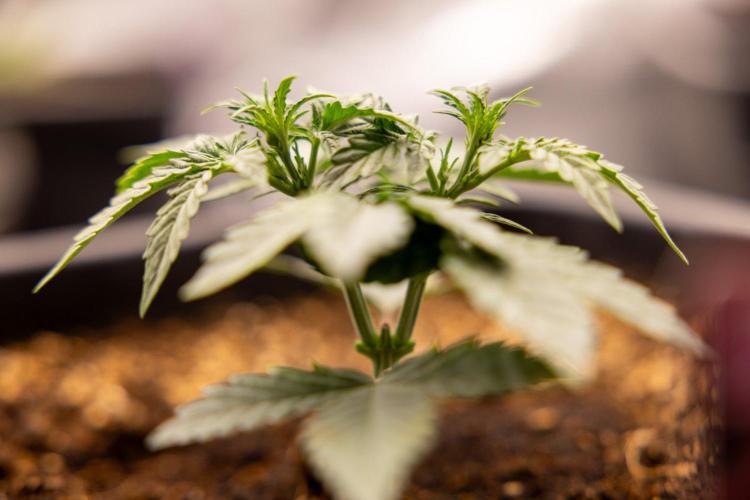
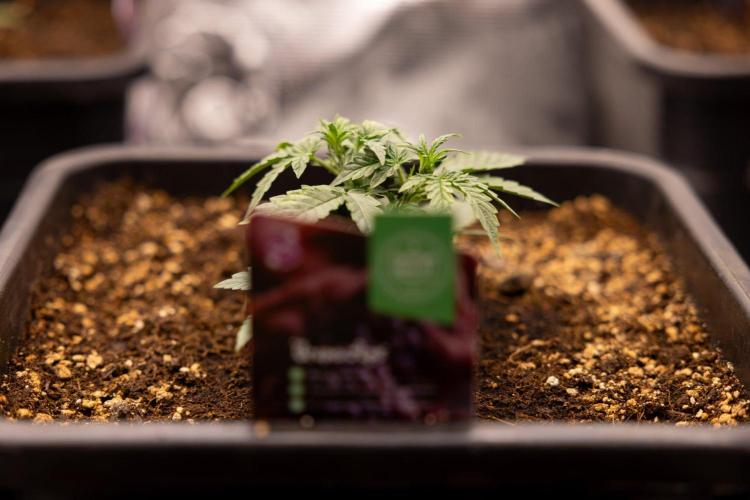
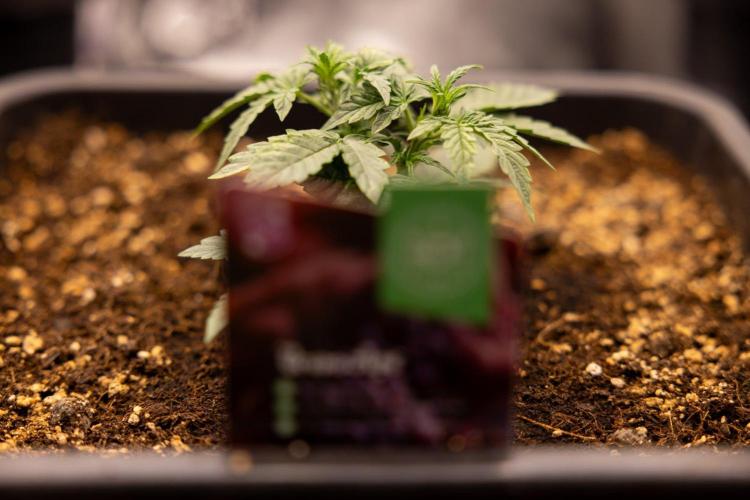
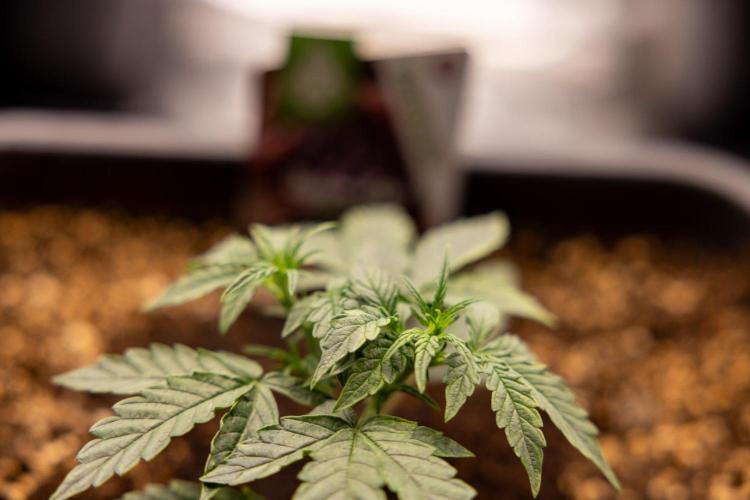
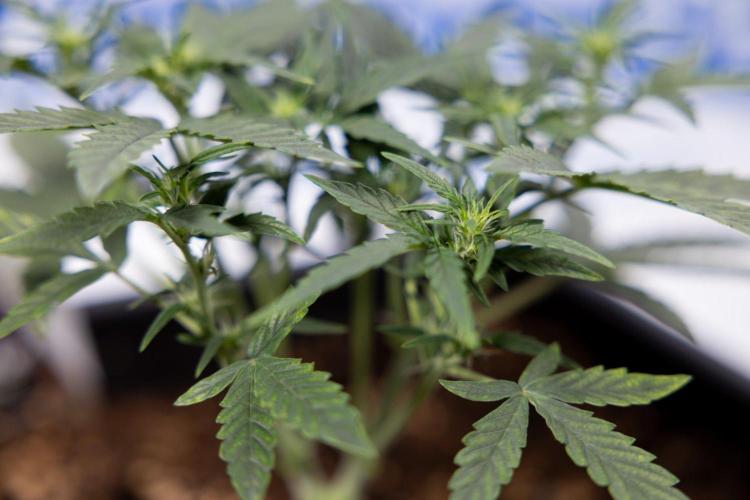
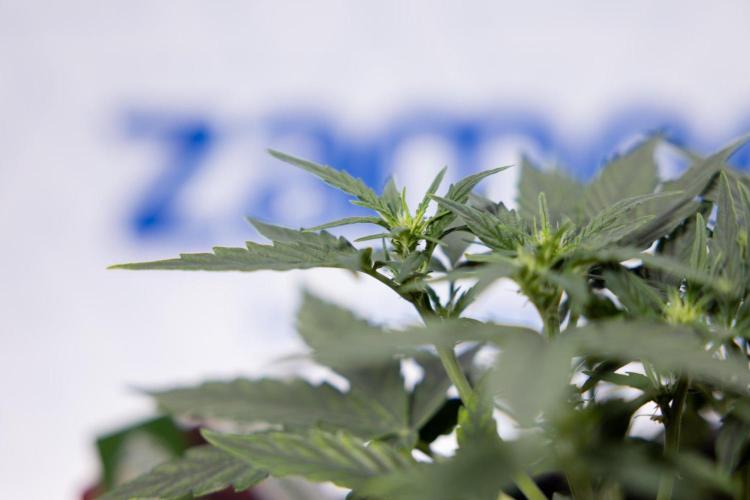
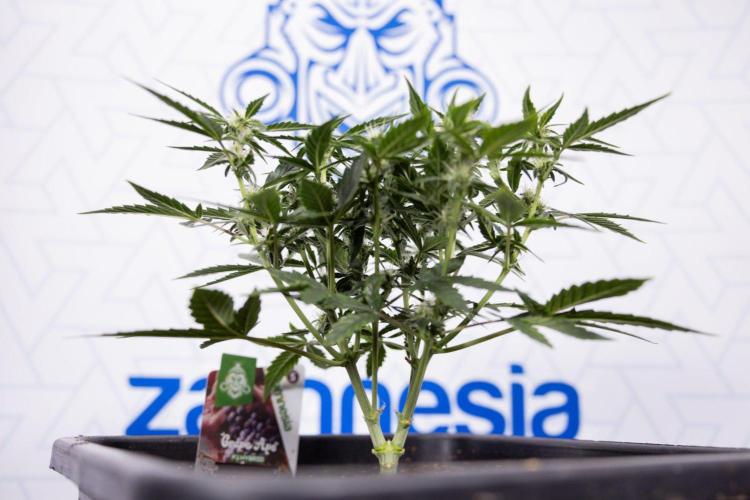
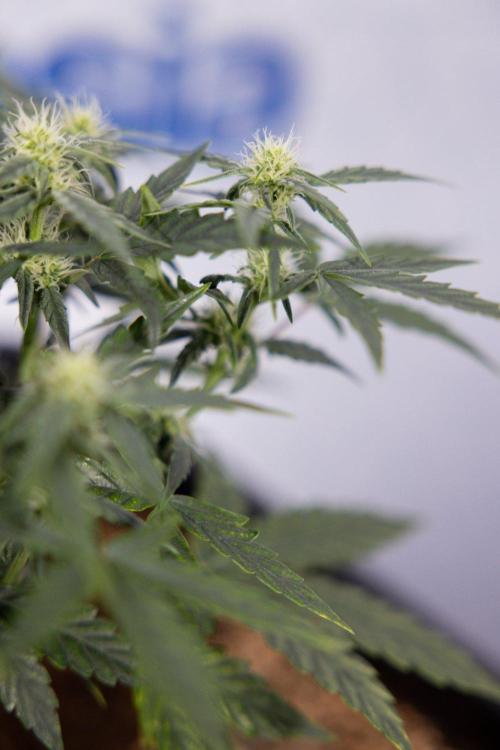
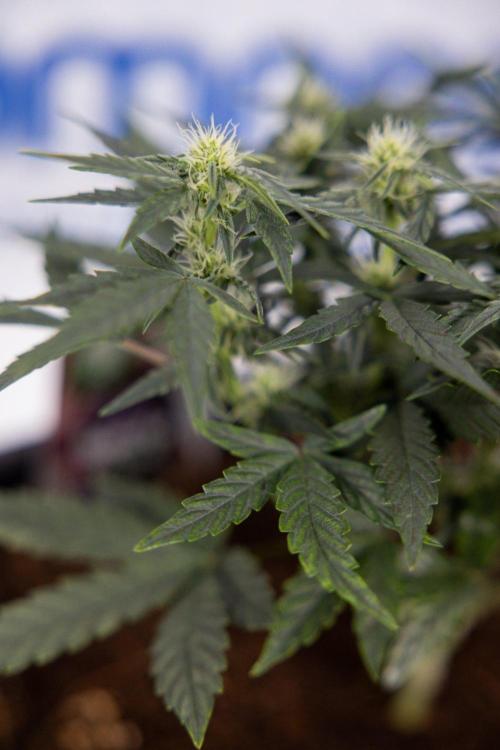
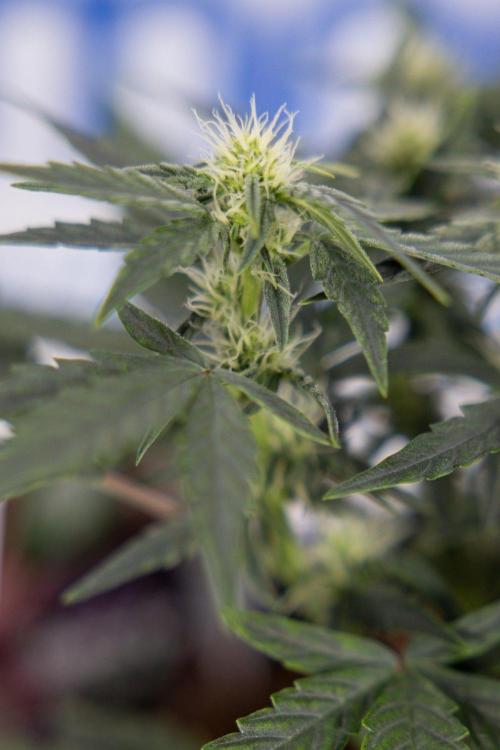
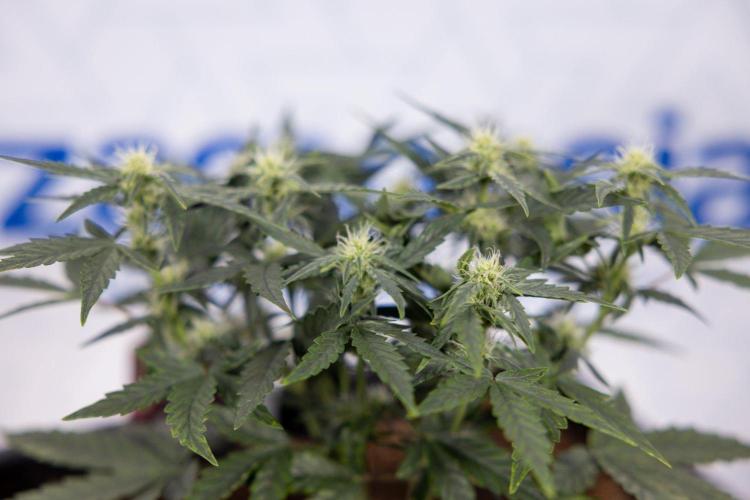
Over the following days, both seedlings emerged. Being in their very first days of life, they are naturally small, and their development has only just begun. Nevertheless, both appear healthy and in good shape, looking uniform and showing no particular signs of stress.
This first week was therefore dedicated primarily to germination and the start of growth. The two seedlings seem to have adapted well to their environment and are progressing without any issues so far. The combination of the new grow environment, the reactivated substrate, and the nutrient program gives us a solid foundation to start from.
The coming days will be interesting as we watch the first true leaves unfold and vegetative development begin.
You can find this fantastic strain, the fertilizers, and an incredible range of products at:
www.zamnesia.com
13 likes
comments
Share
2
Week 2. Vegetation
1mo ago
1/30
500 cm
Height
23 hrs
Light Schedule
26 °C
Day Air Temp
6.3
pH
No Smell
Smell
65 %
Air Humidity
22 °C
Solution Temp
21 °C
Substrate Temp
25 °C
Night Air Temp
11 set_lilers
Pot Size
0.5 set_lilers
Watering Volume
60 cm
Lamp Distance
Nutrients 6
Alga Grow
5 mll
Pure Zym
1 mll
Power Roots
1 mll
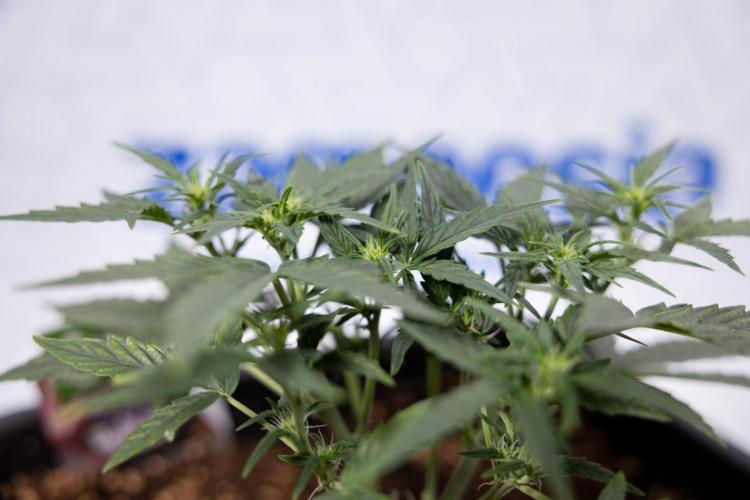
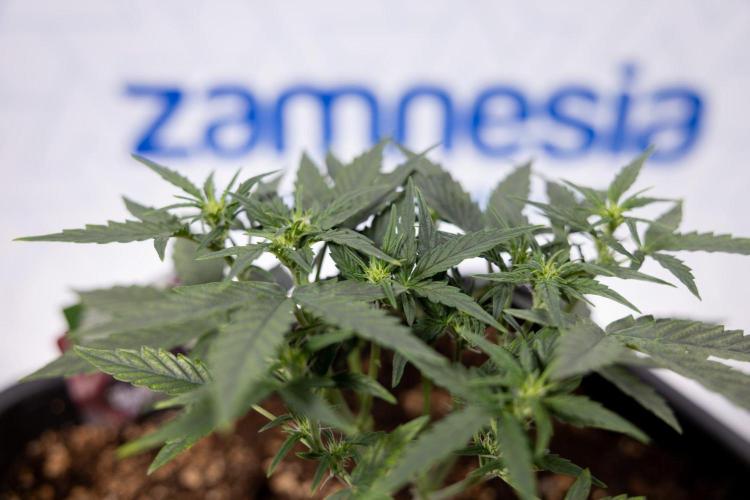
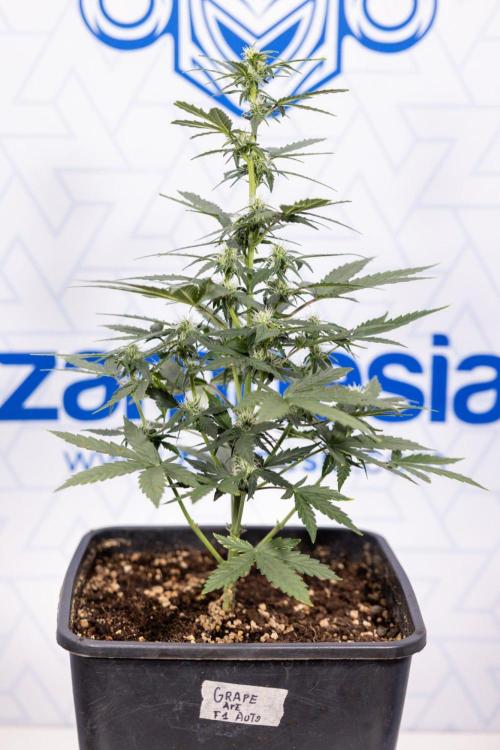
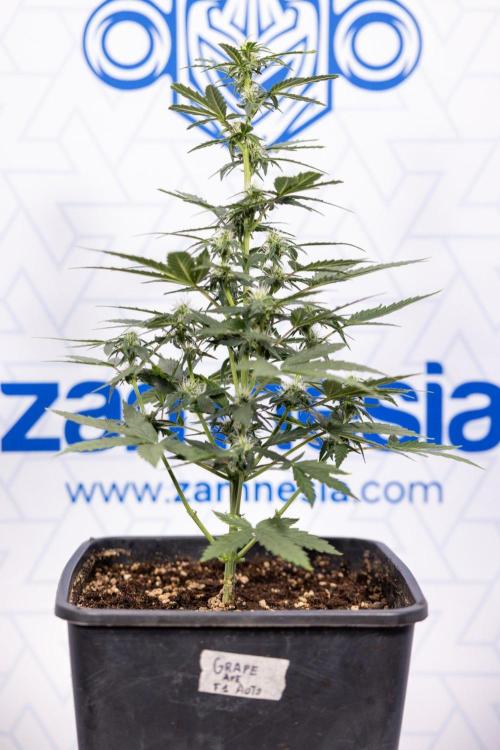
Bread_n_Buds We’re into week two, and our Zamnesia Grape Ape F1 Hybrid Automatics look absolutely killer from every angle.
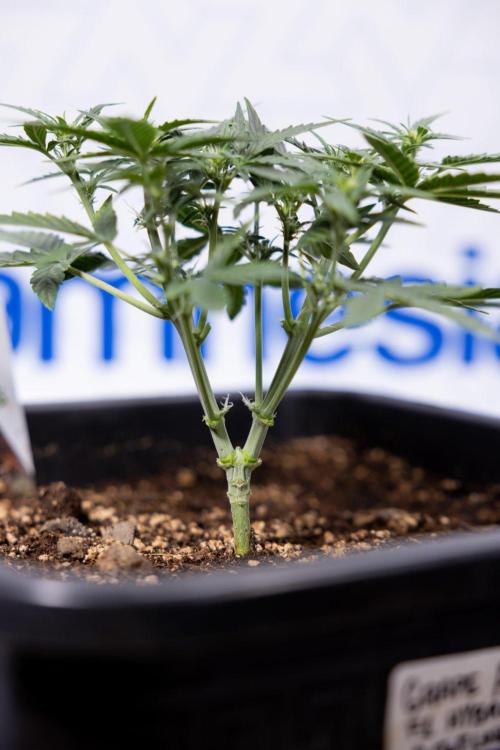
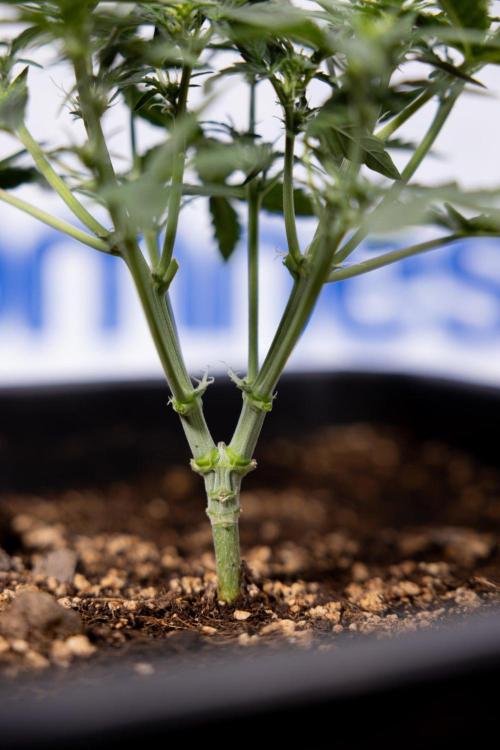
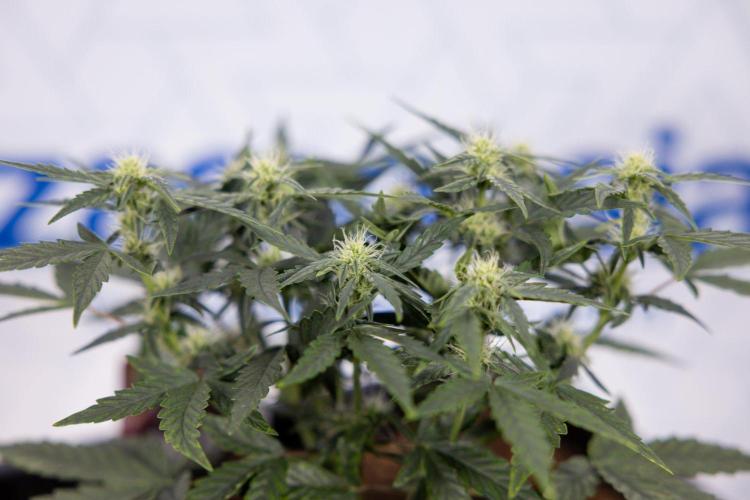
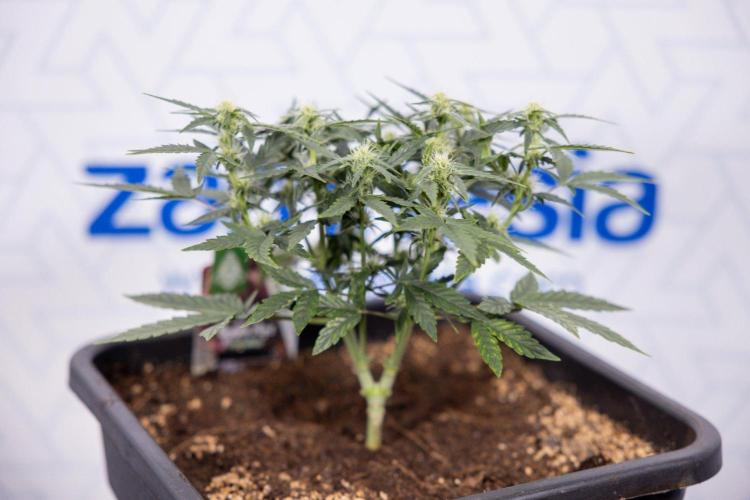
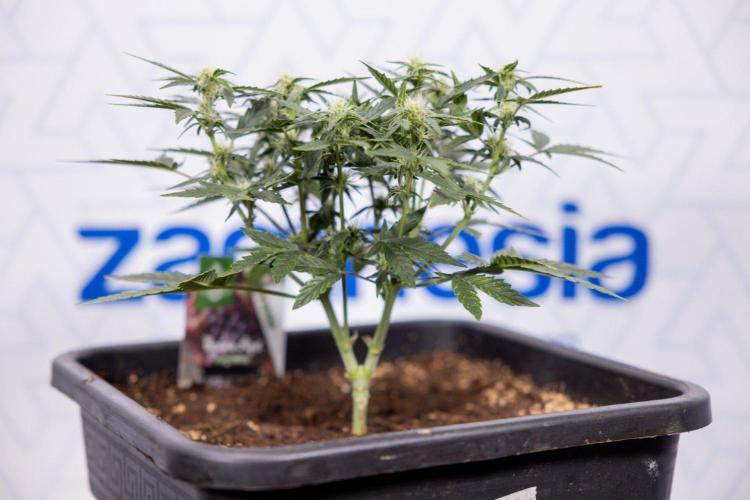
We have two plants: one left to grow naturally—with just a bit of cleanup on the lower branches—and another trained using the "main-lining" technique (but without LST). We chose this approach to better utilize the grow box's vertical space and fit in more plants.
Main-lining on the second plant got off to a successful start; we made the initial cut at the third node and are now in the growth phase. We plan to top it again at the third node and will then decide which branches to keep based on the height it reaches. The plant is responding incredibly well and is perfectly suited for this technique—even more so than others (it works best on plants that don't stay naturally short; naturally, you shouldn't top at the first or second node).
We’re using 11-liter pots (for the naturally grown plant) and 18-liter pots (for the main-lined plant without LST), filled with Plagron ProMix. Specifically, the substrate this time is recycled and reactivated with a mix of one-third fresh substrate, Florea’s Myko+, and a secret ingredient we guard jealously—just like grandmas do with their recipes. The goal is to start with a well-structured soil while fostering beneficial microorganisms and robust root development.
As for nutrition, we’ve opted for Plagron fertilizers:
- Power Roots: 1 ml/L
- Pure Zym: 1 ml/L
- Cal Mag Pro: 1 ml/L
- Silic Rock: 1 ml/L
- Sugar Royal: 1 ml/L
- Alga Grow: 5 ml/L – We’re running slightly above the recommended dosage for the base fertilizer; I started lower, but the plants showed signs of under-fertilization. Soil and nutrients - www.plagron.com
Myko+ - https://www.florea.bio/
As for the light cycle, we are kicking things off with a 23/1 schedule—just enough time to allow for a brief rest and to carry out foliar treatments without exposing the plants to peak light intensity. Once the first week is over, however, BE AWARE: a 24-hour light cycle requires more fertilizer.
For the grow environment, we are using the Zamnesia Ecosystem 120x120; it is proving to be a durable, well-built, and high-performance grow tent. Another strong point is the complete accessory kit, which ensures a well-organized setup right from the start.
Lighting is provided by a 480W Phytonaut LED, while air circulation is handled by a clip-on fan. Air extraction is managed by a particularly powerful 150mm exhaust fan, paired with the corresponding filtration system. The setup is rounded off with a branded filter cover—a detail that helps keep the filter clean and extends its lifespan.
PPFD levels are managed to deliver the right amount of light at every stage, starting at around 300 μmol/m²/s. As the vegetative phase progresses, I gradually increase the intensity to 600 μmol/m²/s for full vegetative growth and, finally, to 1200 μmol/m²/s during flowering with CO2 supplementation. Everything is professionally monitored using a Phantom Photobio photon flux meter.
https://photobio.com/
The seedlings are doing well, and we are confident they have a bright future ahead.
You can find this fantastic strain, the fertilizers, and an incredible range of products at:
www.zamnesia.com
18 likes
comments
Share
Used techniques
Main-Lining
Technique
Topping
Technique
Manifolding
Technique
3
Week 3. Flowering
25d ago
1/37
35 cm
Height
23 hrs
Light Schedule
26 °C
Day Air Temp
6.3
pH
Weak
Smell
60 %
Air Humidity
22 °C
Solution Temp
21 °C
Substrate Temp
25 °C
Night Air Temp
11 set_lilers
Pot Size
0.5 set_lilers
Watering Volume
60 cm
Lamp Distance
Nutrients 7
Alga Grow
2 mll
Pure Zym
1 mll
Power Roots
1 mll
Bread_n_Buds The latest generation of autoflowers truly works wonders, and Zamnesia is excelling in this field—seeing is believing.
Strain – Boasting reliable, resilient genetics, Grape Ape F1 Auto is a versatile and accessible variety. This autoflowering strain takes just 8–9 weeks from seed to harvest and remains very compact throughout its lifecycle. It requires minimal maintenance, rewarding growers with delicious, berry-flavored buds that offer soothing, relaxing effects.
Techniques – As is our standard practice, we’ll be growing two plants: one using training techniques (initial topping at the 5th or 6th node and transplanting) and one left to grow straight up.
Pots – For now, they are in tiny germination pots, but we’ll soon move them to 11L pots (for the "no-technique" plant) and 15–18L pots (for the trained plant).
Plant 1 – Plant 1 sprouted just over three weeks ago and is growing beautifully; it has wide internodal spacing and responded incredibly fast to main-lining—so much so that it’s already starting to flower ahead of the others.
Plant 2 – This one is growing straight up nicely; we only performed a "fimming" cut to keep everything as aligned as possible—though given the strain's 70cm genetic height, we might have been able to skip it for the lower branches.
Fertilizer – The fertilizer we use for our autoflowers comes from our favorite brand, Plagron, specifically their 100% organic line (the green packaging). This brand offers an impressive range of additives that perfectly complement their already excellent base fertilizers. We are using:
- Alga Grow: 4 ml/L (plants in vegetative stage), 2 ml/L (plants in transition)
- Alga Bloom: 2 ml/L (ONLY for plants in transition – 50/50 mix)
- Power Roots: 1 ml/L
- Sugar Royal: 1 ml/L
- Pure Zym: 1 ml/L
- Silic Rock: 1 ml/L
- Cal Mag Pro: 1 ml/L
Soil: Plagron Bio Light Mix (85%), Plagron Perlite (10%), Plagron Euro Pebbles (at the bottom of the pot, 5%)
Fertilizer info: www.plagron.com; available at www.zamnesia.com
Light: We are providing a controlled light intensity of around 600 µmol/m²/s in the center and 520–550 µmol/m²/s at the sides, monitored using a Phantom Photobio meter (https://photobio.com/). The light used is the Zamnesia Phytonaut LED 480W, designed specifically for growers.
Light available at www.zamnesia.com -
https://www.zamnesia.io/it/14526-lampada-led-per-coltivazione-phytonaut-480.html (search on Google for your local link)
Strain available at www.zamnesia.com -
https://www.zamnesia.io/it/10678-zamnesia-seeds-grape-ape-f1-automatic.html
Z - From the Zamnesia Seeds team comes Grape Ape F1 Automatic Hybrid. This autoflowering strain is derived from genetics including Mendocino Purps, Skunk, and Afghani. Growers can count on its simplicity and high yields, but above all on the extraordinary flavors, aromas, and effects of its buds—qualities sure to surprise even the most seasoned stoners. As an autoflowering variety, Grape Ape F1 Hybrid Automatic is straightforward to grow for beginners and a breeze for experienced cultivators. It thrives in a wide range of environments and can easily be grown outdoors, indoors, or in a greenhouse. The plants reach heights of 50–70cm and require no special attention or maintenance. With a turnaround of just 8–9 weeks from germination to harvest, you won't have to wait long for excellent yields.
Terpenes - Ocimene, Humulene
Grow Difficulty - Easy
Parents - Mendocino Purps x Skunk x Afghani
Genetics - Indica-dominant Auto
THC - 21%
CBD - Low
Flowering Time - 8–9 weeks from seed to harvest
Indoor Height - 70cm
Outdoor Height - 70cm
Taste / Aroma - Sweet, Citrusy, Herbal, Grape
Effect - Relaxing, Munchies
- Music of the Week -
Album - Erykah Badu & The Alchemist
"Before The World Blows"
+ 528 Hz Frequencies
+ www.radionula.com
All the best that nature has to offer
www.zamnesia.com
10 likes
comments
Share
Used techniques
Main-Lining
Technique
Topping
Technique
4
Week 4. Flowering
19d ago
1/28
45 cm
Height
23 hrs
Light Schedule
26 °C
Day Air Temp
6.3
pH
Normal
Smell
60 %
Air Humidity
22 °C
Solution Temp
21 °C
Substrate Temp
23 °C
Night Air Temp
11 set_lilers
Pot Size
0.75 set_lilers
Watering Volume
60 cm
Lamp Distance
Nutrients 7
Pure Zym
1 mll
Power Roots
1 mll
Sugar Royal
1 mll
Bread_n_Buds The latest generation of autoflowering strains works wonders, and Zamnesia excels in this field; F1 Hybrid Automatics are particularly special—they sometimes stay quite short (Zamnesia states a maximum of 70 cm) but begin flowering incredibly fast, finishing in just 8–9 weeks.
Strain – Backed by reliable, resilient genetics, Grape Ape F1 Auto is a versatile and accessible strain. This autoflower goes from seed to harvest in just 8–9 weeks and remains very compact throughout its life cycle. It requires minimal maintenance and rewards growers with delicious, berry-flavored buds, offering relaxing and soothing effects.
Techniques – As is our standard practice, we will grow two plants: one subjected to training techniques (initial topping at the fifth or sixth node and transplanting) and one left to grow freely and vertically. I decided to top this one anyway for the sake of experimentation, though I wouldn't recommend it in this specific case: if the breeder says the plant stays short, don't top it—unless you love tiny, stunted plants. LST (Low-Stress Training) is a better choice to make the most of the plant's growth phase. So, for a short plant, my verdict is: NO TOPPING, NO MAIN-LINING, NO MAIN-FOLDING, AND NO FIMMING.
Pots – We are using final pots of 18 liters and 11 liters.
Plant 1 – The first plant sprouted just over three weeks ago and is growing very well; however, it started flowering extremely early, so it won't get very tall after the main-lining. As I mentioned earlier, it's best to avoid "cutting techniques" on plants that the breeder describes as short. Plant 2 – This plant grows well vertically, and I actually regret using the Fimming technique; I had read the spec sheet but didn't focus enough on the height—which was a mistake, as the spec sheet gives a good idea of what to expect.
Fertilizers – The fertilizers we use for our autoflowers come from our favorite brand, Plagron—specifically their 100% organic line (the one with green packaging). This brand offers an impressive range of additives that integrate perfectly with their already excellent base fertilizers. We use:
- Alga Grow: 2 ml/L (plants in vegetative stage), 2 ml/L (plants in transition)
- Alga Bloom: 2 ml/L (ONLY for plants in transition – 50/50 mix)
- Power Roots: 1 ml/L
- Sugar Royal: 1 ml/L
- Pure Zym: 1 ml/L
- Silic Rock: 1 ml/L
- Cal Mag Pro: 1 ml/L
- Power Buds: 1 ml/L
Soil: Plagron Bio Light Mix (85%), Plagron Perlite (10%), Plagron Euro Pebbles (at the bottom of the pot, 5%)
+ Mycko+ Mycorrhizae www.florea.bio
Fertilizer information: www.plagron.com; available at www.zamnesia.com
Lighting: We provide a controlled light intensity of approximately 600 µmol/m²/s in the center and 520–550 µmol/m²/s at the sides, monitored using a Phantom Photobio meter (https://photobio.com/). The lamp used is the Zamnesia Phytonaut LED 480W, designed specifically for growers. Lamp available at www.zamnesia.com -
https://www.zamnesia.io/it/14526-lampada-led-per-coltivazione-phytonaut-480.html (search Google for the link for your region)
Strain available at www.zamnesia.com -
https://www.zamnesia.io/en/10678-zamnesia-seeds-grape-ape-f1-automatic.html
Z – From the Zamnesia Seeds team comes the Grape Ape F1 Automatic hybrid. This autoflowering strain stems from genetics that include Mendocino Purps, Skunk, and Afghani. Growers can count on its ease of cultivation and high yields, but above all on the extraordinary flavors, aromas, and effects of its buds—qualities capable of surprising even the most seasoned smokers. As an autoflowering strain, Grape Ape F1 Hybrid Automatic is simple for beginners to grow and a breeze for experienced cultivators. It thrives in various environments and can easily be grown outdoors, indoors, or in a greenhouse. The plants reach a height of 50–70 cm and require no special care or maintenance. With a cycle of just 8–9 weeks from germination to harvest, you won't have to wait long to achieve excellent yields. Terpenes - Ocimene, Humulene
Cultivation difficulty - Easy
Parents - Mendocino Purps x Skunk x Afghani
Genetics - Indica-dominant autoflower
THC - 21%
CBD - Low
Flowering time - 8–9 weeks from seed to harvest
Indoor height - 70 cm
Outdoor height - 70 cm
Flavor / Aroma - Sweet, Citrusy, Herbal, Grape
Effect - Relaxing, Stimulates appetite
- Music of the week -
Album - Busta Rhymes & J Dilla
"Dillagence 2"
+ 528 Hz frequencies
+ www.radionula.com
The best nature has to offer
www.zamnesia.com
12 likes
2 comments
Share
Used techniques
Main-Lining
Technique
5
Week 5. Flowering
11d ago
1/27
45 cm
Height
20 hrs
Light Schedule
25 °C
Day Air Temp
6.3
pH
Normal
Smell
60 %
Air Humidity
22 °C
Solution Temp
21 °C
Substrate Temp
18 °C
Night Air Temp
11 set_lilers
Pot Size
0.75 set_lilers
Watering Volume
60 cm
Lamp Distance
Nutrients 6
Sugar Royal
1 mll
Silic Rock
1 mll
CalMag Pro
1 mll
Bread_n_Buds Grape Ape retains many of the characteristics of F1 autoflowering hybrids: it is super stable, fast, and consistent, with plants that look very much alike. In this case, it is incredibly quick—by the fifth week, the flowers are already starting to develop color. This plant has the shortest transition period I have ever seen. On the flip side, it stays short and won’t yield a massive amount, but then again, it begins flowering very early and is extremely fast. Born on 5 September shoot on 15 October.
Variety – Based on reliable and resilient genetics, Grape Ape F1 Auto is a versatile and accessible strain. This autoflower goes from seed to harvest in just 8–9 weeks and remains very compact throughout its entire life cycle. It requires minimal maintenance and rewards growers with delicious, berry-flavored buds, offering relaxing and soothing effects.
Techniques – We are growing 3 plants: Plant 1 uses "main-lining" without LST; Plant 2 received only a "fim" (fimming); and Plant 3 was left to grow straight, without any techniques applied (keeping it short—likely the most sensible choice).
Pots – We will be using 18-liter and 11-liter final containers.
Plant 1 – This plant was extremely fast. I performed the first topping at the third internode; it looked like it might grow quite large, but it began flowering immediately and remained very small. However, it produced beautiful, fragrant flowers that are now developing color. Always check the strain profile—in this case, I would advise against main-lining or other pruning techniques, given the plant's short stature and brief transition period, which inevitably result in a very small plant. It also shows some signs of nutrient deficiency, likely due to its exceptionally rapid flowering pace. Plant 2 – This plant underwent a single "fimming" technique during the vegetative stage. Unlike "topping"—where the central stem is completely removed—fimming involves cutting away about 3/4 of the foliage on the main growing shoot. This slows down apical growth and encourages the development of lateral branches. In this case, since the goal was to keep the plant short, I could have even skipped this step and just let the plant grow naturally.
Plant 3 – Until a few days ago, I wasn't sure whether this was a Hawaiian Snow or a Grape Ape due to a labeling error. Given that it began flowering very quickly and looks quite similar to the plant that was fimmed, I’ve concluded that it is a Grape Ape—left to grow naturally, which seems to be the best approach. It’s about a week behind the others because of this uncertainty, but I’m now confident it won’t grow too tall and will finish very quickly. It might even be the best of the three.
We are using the 100% organic line from Plagron, specifically:
- Alga Bloom: 4 ml/L
- Sugar Royal: 1 ml/L
- Silic Rock: 1 ml/L
- Cal Mag Pro: 1 ml/L
- Power Buds: 1 ml/L
- Green Sensation: 1 ml/L
Soil: Plagron Bio Light Mix (85%), Plagron perlite (10%), and Plagron Euro Pebbles expanded clay (at the bottom of the pot, 5%).
+ Mycko+ mycorrhizae (www.florea.bio)
Information on fertilizers: www.plagron.com; available at www.zamnesia.com
Lighting: We maintain a controlled light intensity of approximately 1200 µmol/m²/s in the center and 900 µmol/m²/s at the sides, monitored using a Phantom Photobio meter (https://photobio.com/). The lighting system used is the 480W Zamnesia Phytonaut LED, designed specifically for growers. Includes CO2 supplementation (which increases tolerance to high light intensity and heat).
Available at www.zamnesia.com -
https://www.zamnesia.io/it/14526-lampada-led-per-coltivazione-phytonaut-480.html (search Google for the specific link for your region)
Strain available at www.zamnesia.com -
https://www.zamnesia.io/en/10678-zamnesia-seeds-grape-ape-f1-automatic.html
Terpenes - Ocimene, Humulene
Growing difficulty - Easy
Parent strains - Mendocino Purps x Skunk x Afghani
Genetics - Indica-dominant autoflowering
THC - 21%
CBD - Low
Flowering time - 8–9 weeks from seed to harvest
Indoor height - 70 cm
Outdoor height - 70 cm
Flavor / Aroma - Sweet, citrusy, herbal, grape
Effect - Relaxing, stimulates appetite
- Music of the week -
Album - Curtis Mayfield
"Curtis!" 1970
+ 528 Hz frequencies
+ www.radionula.com
9 likes
comments
Share
Used techniques
Main-Lining
Technique
6
Week 6. Flowering
3d ago
1/28
55 cm
Height
20 hrs
Light Schedule
25 °C
Day Air Temp
6.3
pH
Strong
Smell
60 %
Air Humidity
22 °C
Solution Temp
21 °C
Substrate Temp
18 °C
Night Air Temp
11 set_lilers
Pot Size
0.75 set_lilers
Watering Volume
60 cm
Lamp Distance
Nutrients 6
Sugar Royal
1 mll
Silic Rock
1 mll
CalMag Pro
1 mll
Bread_n_Buds Grape Ape has proven to be an excellent foundation for an F1 strain—it is incredibly stable and remarkably fast. It began flowering very early, with a very short pre-flowering phase, followed by a rapid, intense swelling of the buds—perhaps the most impressive I’ve ever seen. The two most advanced plants sprouted on September 5th and will be ready by November 5th at the latest—likely even a few days sooner—making for a total cycle of 7.5 to 8 weeks. It’s truly lightning-fast! Naturally, don’t expect tall plants; they stay quite short, but they are highly effective.
Variety – Based on reliable, resilient genetics, Grape Ape F1 Auto is a versatile and easy-to-grow strain. This autoflowering hybrid completes its full cycle—from seed to harvest—in just 8–9 weeks, remaining very compact throughout its entire life. It requires minimal maintenance and rewards the grower with delicious, berry-flavored buds that offer a relaxing, soothing effect.
Techniques – We are growing three specimens: Plant 1 was subjected to "main-lining" without the use of LST (Low-Stress Training); Plant 2 received only a "fim" (fimming) cut; and Plant 3 was left to grow naturally, without any training techniques (which resulted in a small stature—likely the most sensible approach).
Pots – We are using 18-liter and 11-liter final containers.
Plant 1 – This plant was extremely fast. I performed the first topping at the third internode, but I have to admit I regret it; given how short the plant is and how quickly it began to flower—details I could have anticipated by checking the strain profile—I should have opted for LST instead, which wouldn't have slowed down the vegetative phase the way topping at the third internode did. That said, the plant trained using "main-lining" is quite short, yet it is packed with succulent, fragrant, beautiful, and resinous flowers. It is currently being flushed and will soon need to be removed from the grow box.
Plant 2 – Trained using the "fimming" technique (though I could have skipped this step), it grew to about 45–50 cm. It has very beautiful, compact flowers that have been developing color for a few days now. It is also being flushed and must be taken out to make room for the photoperiod plants.
Plant 3 – Very similar to the plant trained with fimming—aside from the lack of fimming and perhaps a slightly more tapered main cola—with a structure and size virtually identical to Plant 2.
As mentioned, the two most advanced plants are being flushed. For the third plant, we are using a reduced amount of base fertilizer—since it is still too green—along with all the additives, specifically:
- Alga Bloom: 2 ml/L
- Sugar Royal: 1 ml/L
- Silic Rock: 1 ml/L
- Cal Mag Pro: 1 ml/L
- Power Buds: 1 ml/L
- Green Sensation: 1 ml/L
Substrate: Plagron Bio Light Mix (85%), Plagron perlite (10%), and Plagron Euro Pebbles expanded clay (at the bottom of the pot, 5%).
+ Mycko+ mycorrhizae (www.florea.bio)
Fertilizer information: www.plagron.com; available at www.zamnesia.com
Lighting: We maintain a controlled light intensity of approximately 1200 µmol/m²/s in the center and 900 µmol/m²/s at the sides, monitored using a Phantom Photobio meter (https://photobio.com/). The lighting system used is the 480W Zamnesia Phytonaut LED, designed specifically for growers. It includes CO2 integration (which increases tolerance to high light intensity and heat). Available at www.zamnesia.com -
https://www.zamnesia.io/it/14526-lampada-led-per-coltivazione-phytonaut-480.html (search Google for the specific link for your region)
Strain available at www.zamnesia.com -
https://www.zamnesia.io/en/10678-zamnesia-seeds-grape-ape-f1-automatic.html
Terpenes - Ocimene, Humulene
Growing difficulty - Easy
Parent strains - Mendocino Purps x Skunk x Afghani
Genetics - Indica-dominant autoflowering
THC - 21%
CBD - Low
Flowering time - 8–9 weeks from seed to harvest
Indoor height - 70 cm
Outdoor height - 70 cm
Flavor / Aroma - Sweet, citrusy, herbal, grape
Effect - Relaxing, stimulates appetite
- Music of the week -
Commodores - Album: Natural High (1978)
+ 528 Hz frequencies
+ www.radionula.com











 commentedweek 415d ago