


Grape Ape 🍇 F1 Auto - Xamnesia x B&B







Cond
Aryal
Olimpia Splendid


Indoor
Room Type
Manifolding
weeks 2
Topping
weeks 2
Main-Lining
weeks 2
11 liters
Pot Size
0.5 liters
Watering
Start at 2 Week
1
Week 1. Vegetation11d ago
8 cm
Height
23 hrs
Light Schedule
26 °C
Day Air Temp
6.3
pH
No Smell
Smell
65 %
Air Humidity
22 °C
Solution Temp
21 °C
Substrate Temp
25 °C
Night Air Temp
11 liters
Pot Size
0.5 liters
Watering Volume
60 cm
Lamp Distance
Nutrients 3

Alga Grow
2.5 mll

Pure Zym
1 mll

Power Roots
1 mll
Bread_n_Buds We are ready for our favorite time of the year, which will culminate in a harvest during the ideal autumn/winter window—keeping in mind that autumn lasts a long time in southern Spain.
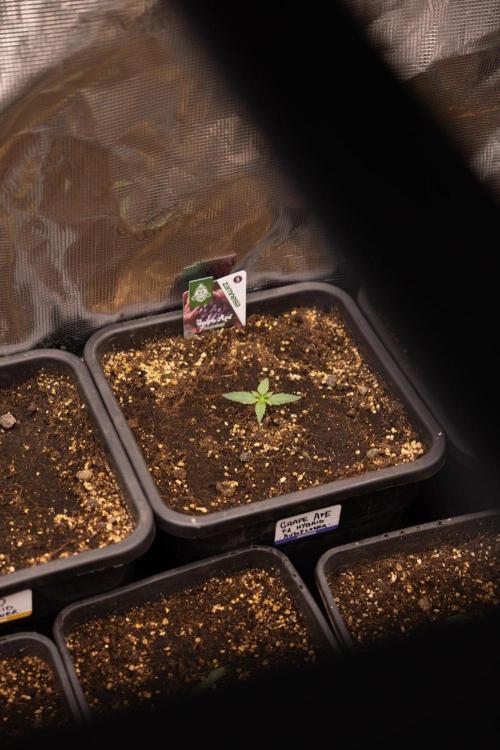
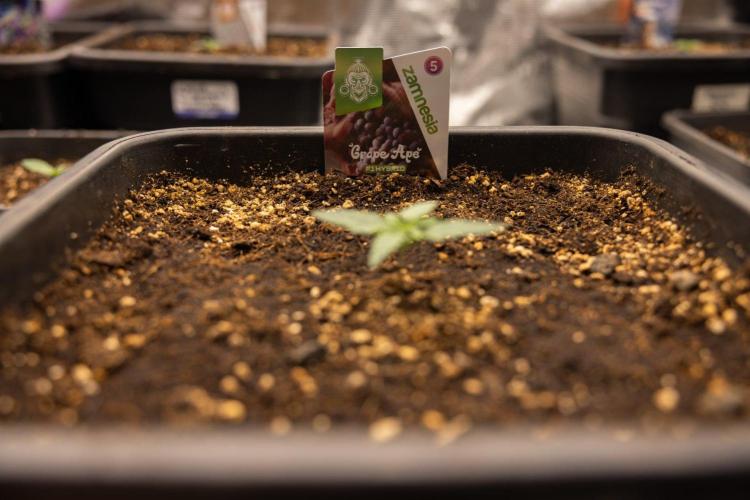
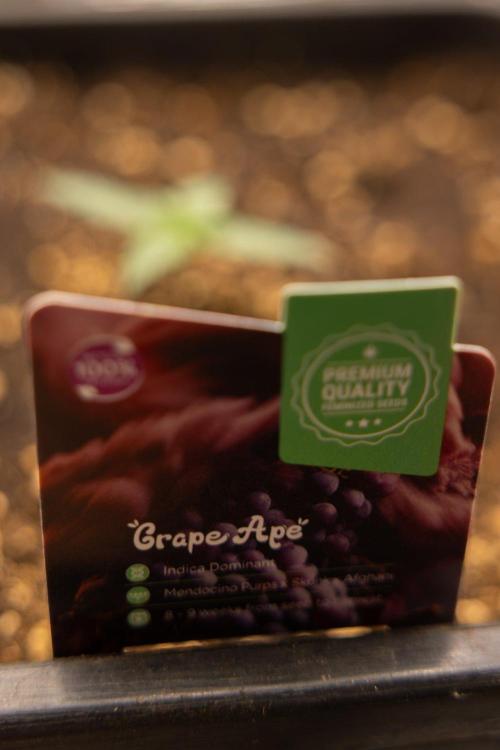
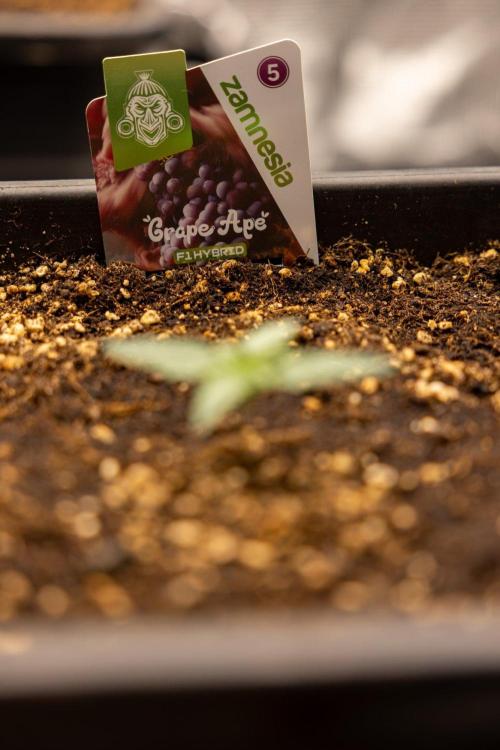
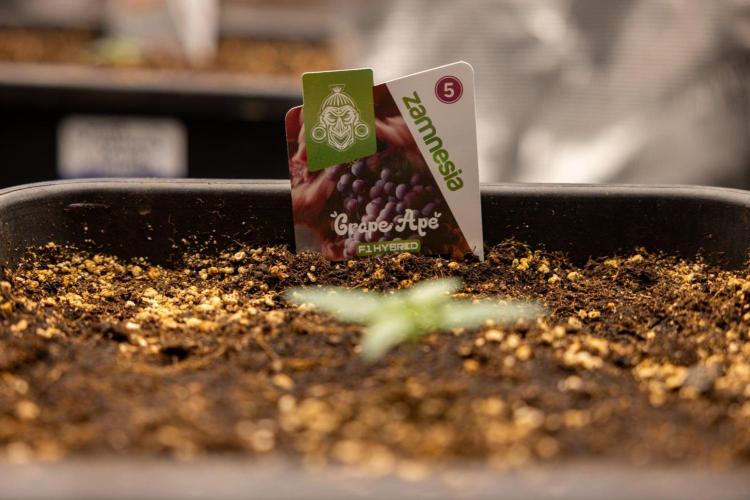
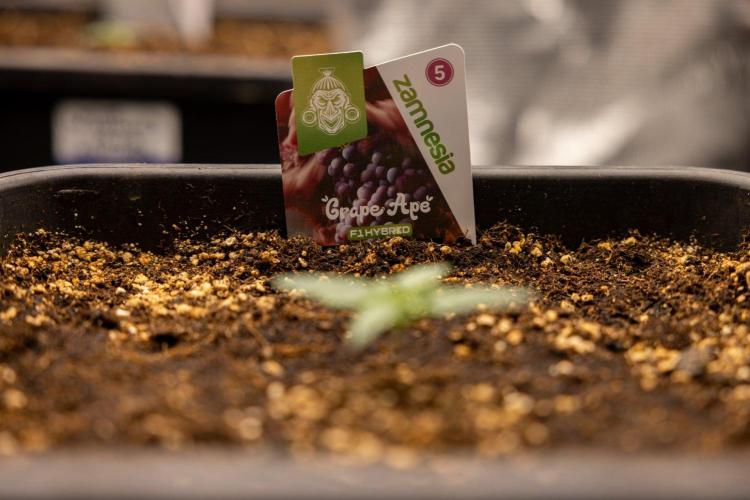
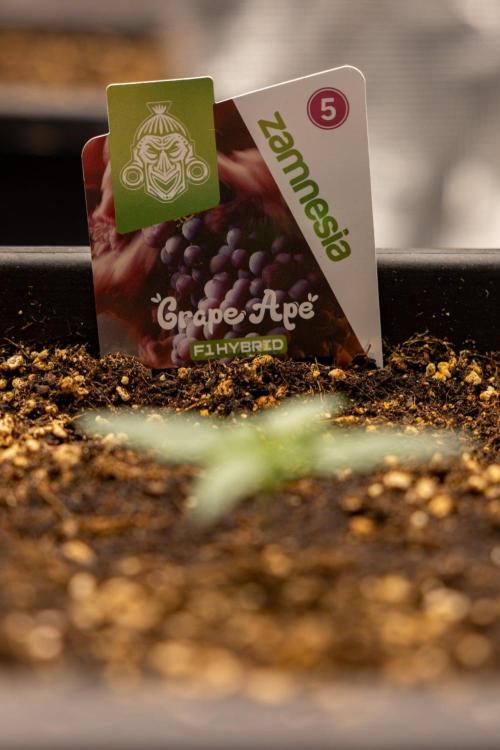
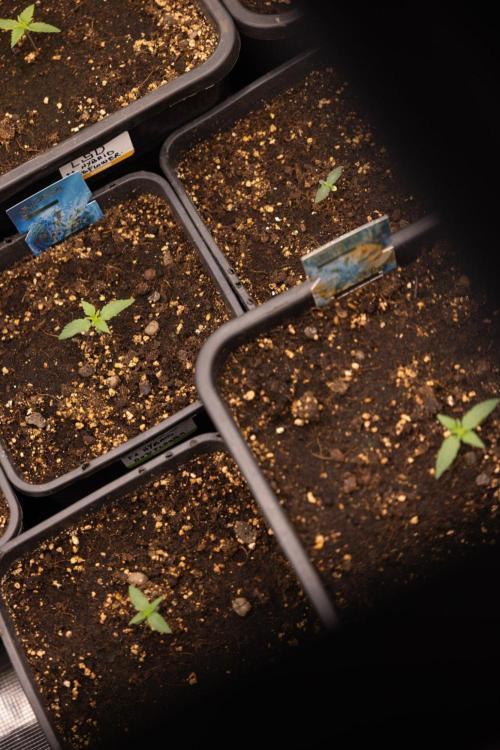
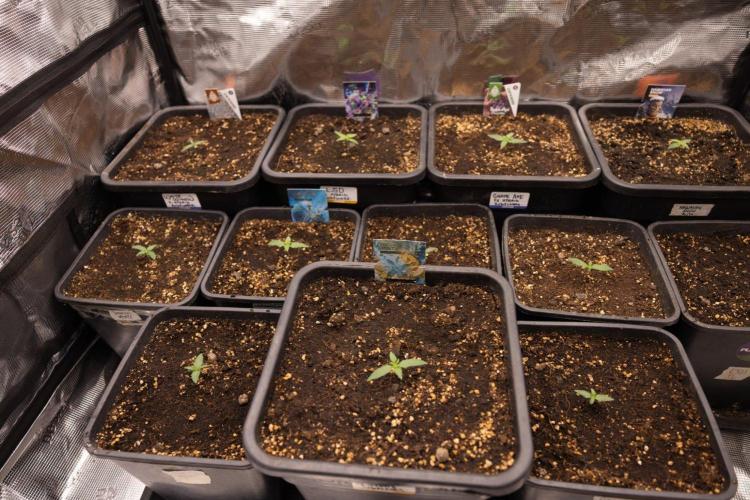
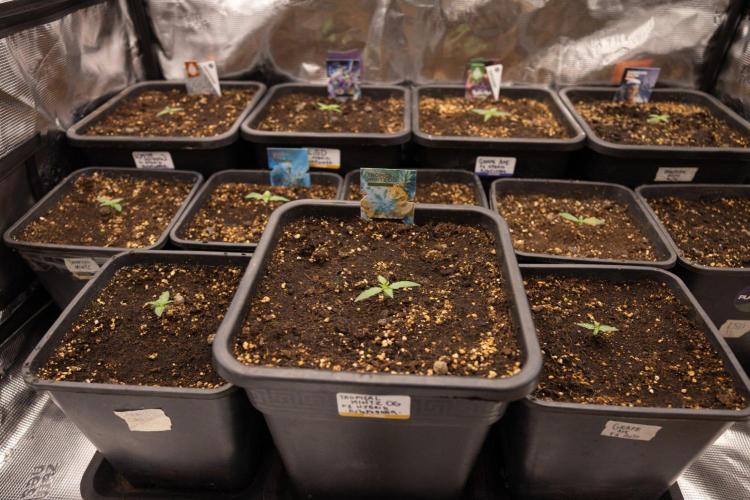
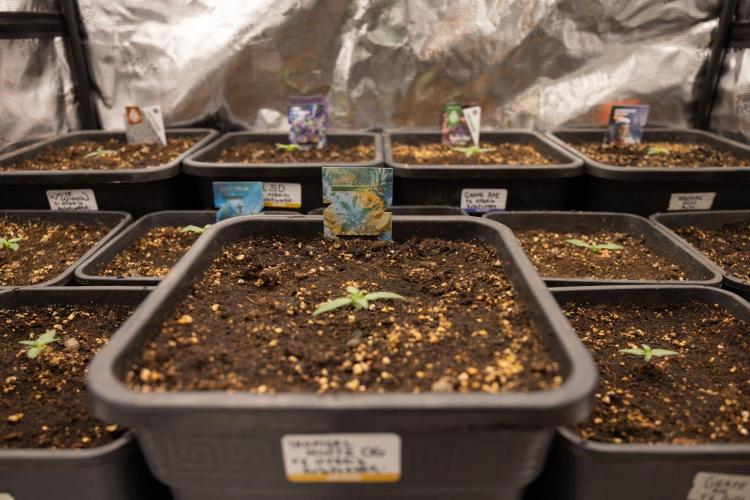
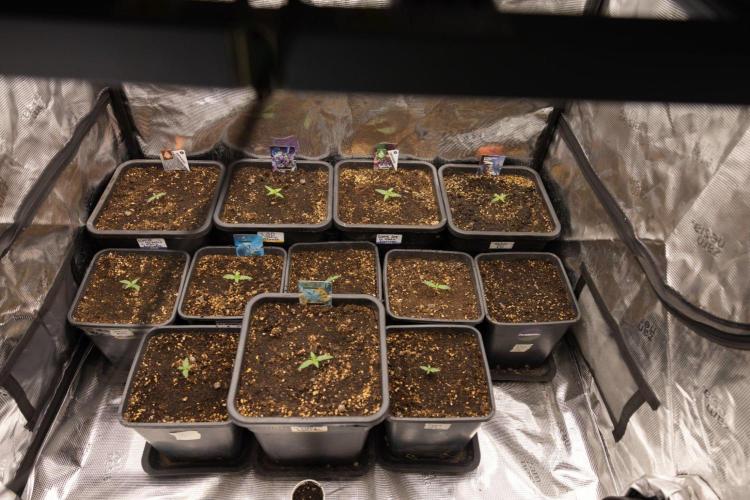
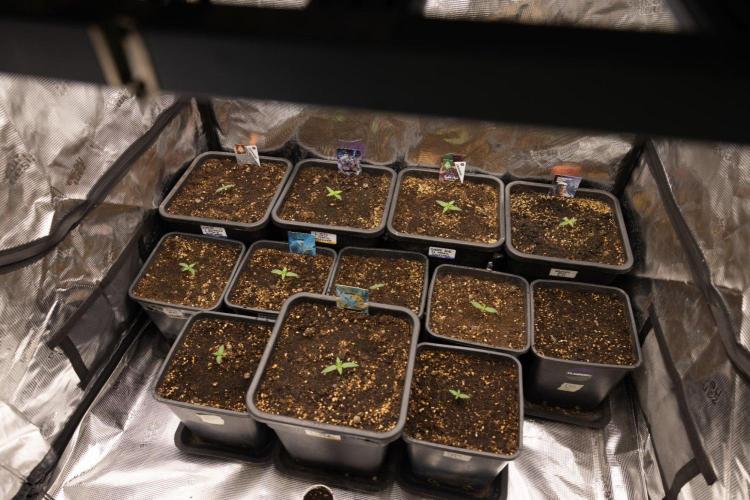
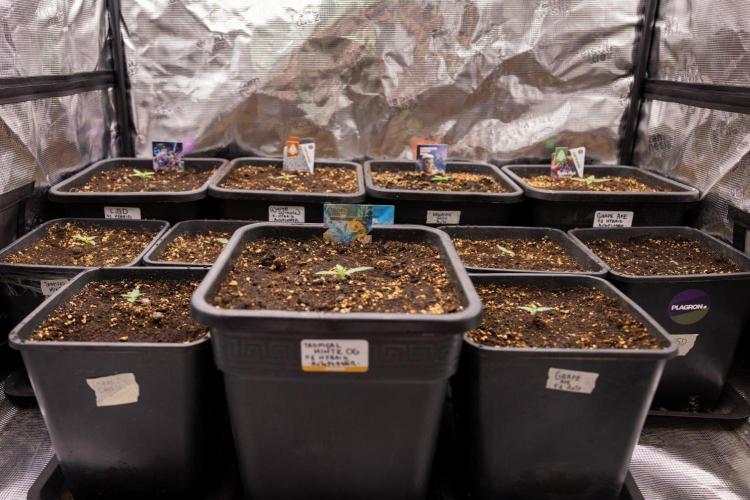
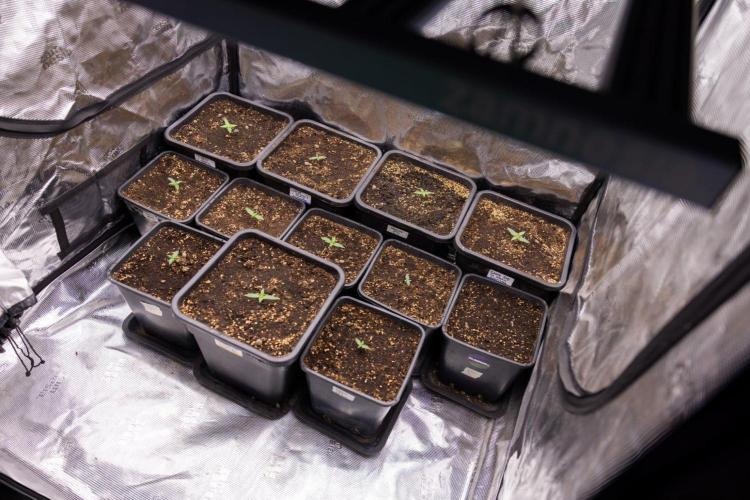
Starting at Day 6: the first week kicked off with the germination of Zamnesia Seeds Grape Ape F1 Auto.
Both seeds germinated quite rapidly; after soaking in water for about 24 hours, they were ready to go straight into the soil. We planted them directly into their final pots to avoid the stress of transplanting, giving the young plants plenty of room to develop their root systems right from the start.
For the growing medium, we are using Plagron ProMix—specifically, a recycled substrate reactivated with Florea’s *Myko+* and a secret ingredient we’re keeping under wraps (just like grandmas do with their recipes). The goal is to start with a well-structured soil while fostering beneficial microorganisms and robust root development.
Regarding nutrition, we’ve opted for Plagron fertilizers, currently using *Power Roots*, *Pure Zym*, and *Alga Grow* to support the plants during their early growth stages.
Soil & Nutrients – www.plagron.com
Myko+ – https://www.florea.bio/
As for the light cycle, we’re starting aggressively with 23/1; this gives the plants a brief rest period and allows us to apply foliar sprays without exposing them to full-intensity light once the first week has passed.
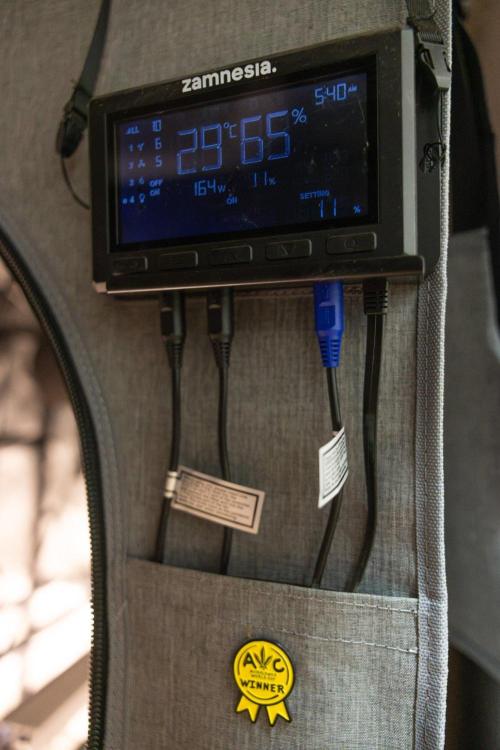
For the grow setup, we’re using the Zamnesia Ecosystem 120x120, which is proving to be a durable, well-constructed, and high-performing grow tent. Another major plus is the comprehensive accessory kit, which ensures a well-organized growing environment right from the get-go. Lighting is provided by a 480W Phytonaut LED, while a clip-on fan handles air circulation. Extraction is managed by a powerful 150mm exhaust fan paired with a matching filtration system. A branded filter cover completes the setup—a detail that helps keep the filter clean and extends its lifespan.
PPFD levels are controlled to ensure the right amount of light at every stage, starting around 300 μmol/m²/s; as the vegetative phase progresses, I am gradually increasing this to 600 μmol/m²/s, and eventually up to 1200 μmol/m²/s during flowering with CO2 supplementation—all professionally monitored using a Phantom Photobio photon flux meter.
https://photobio.com/
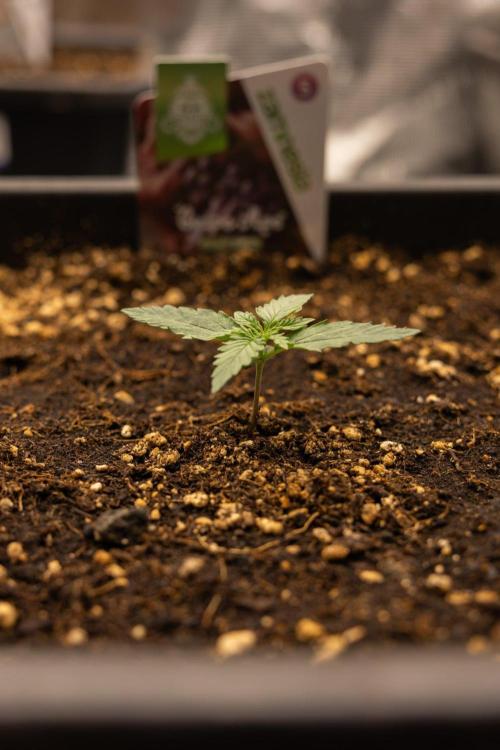
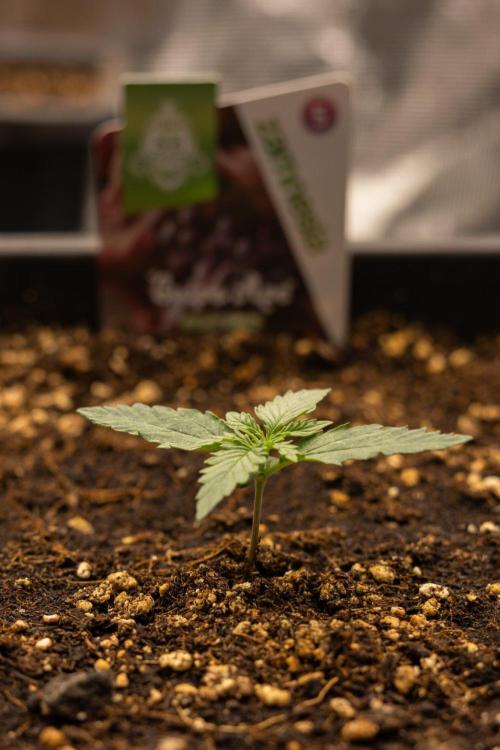
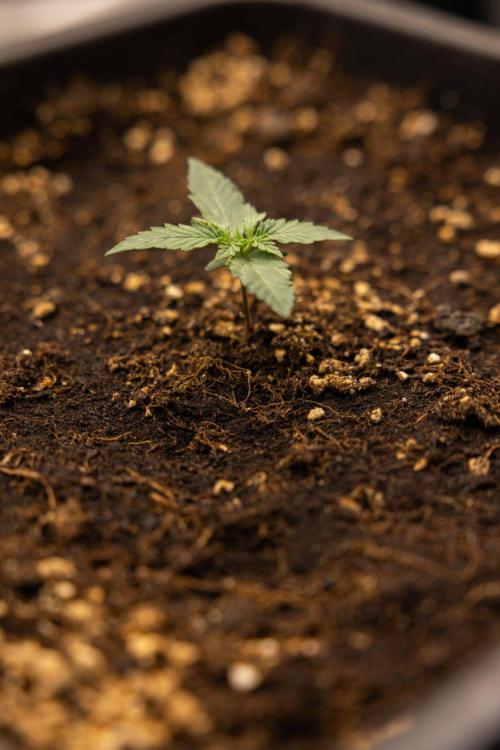
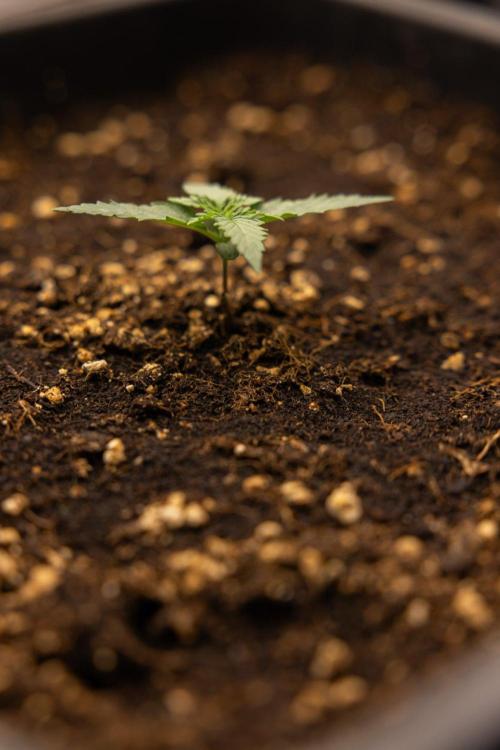
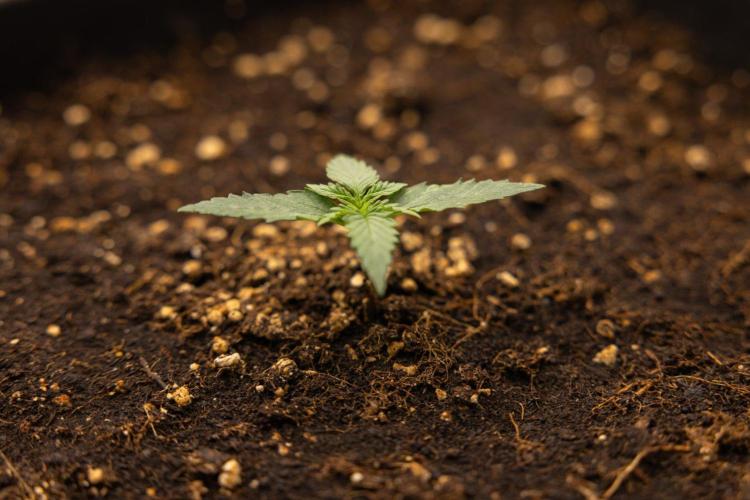
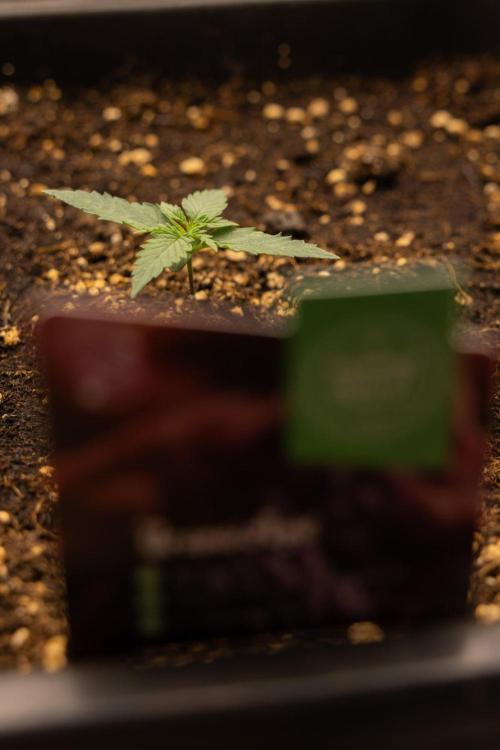
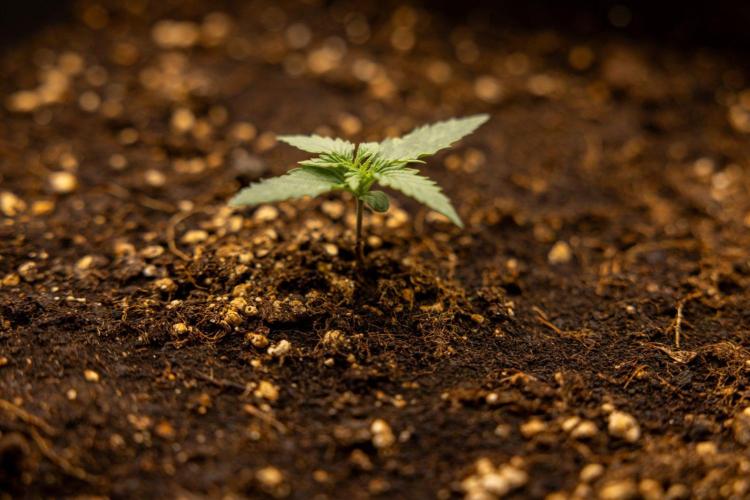
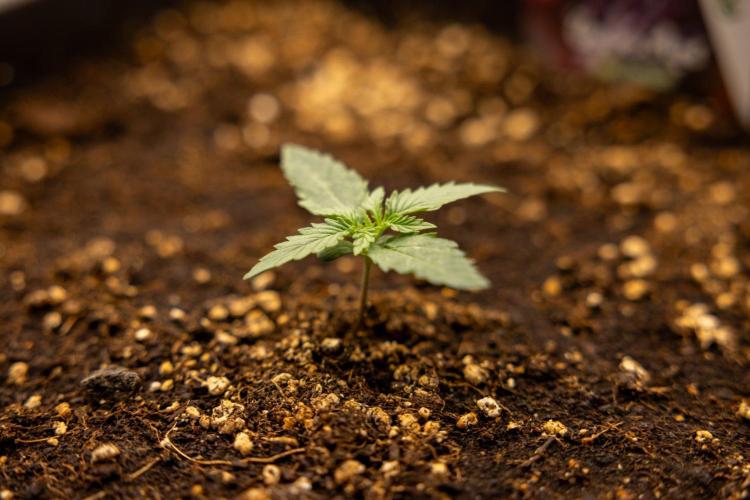
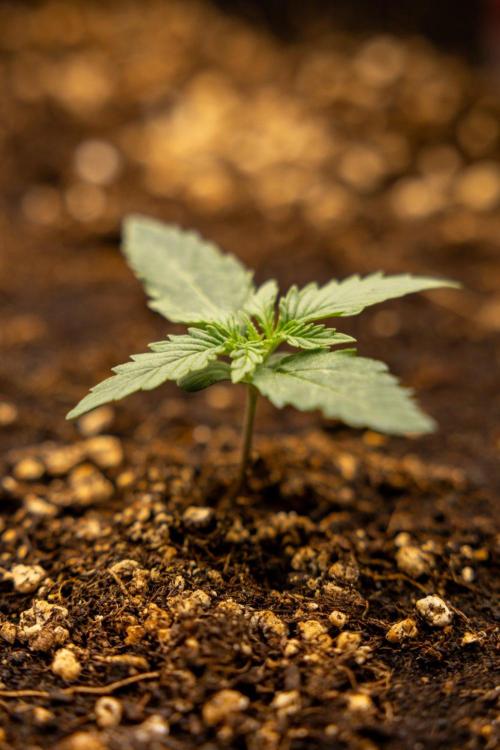
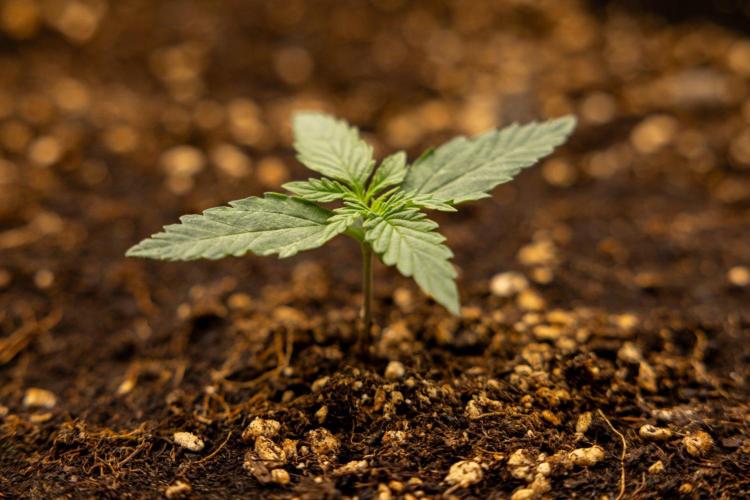
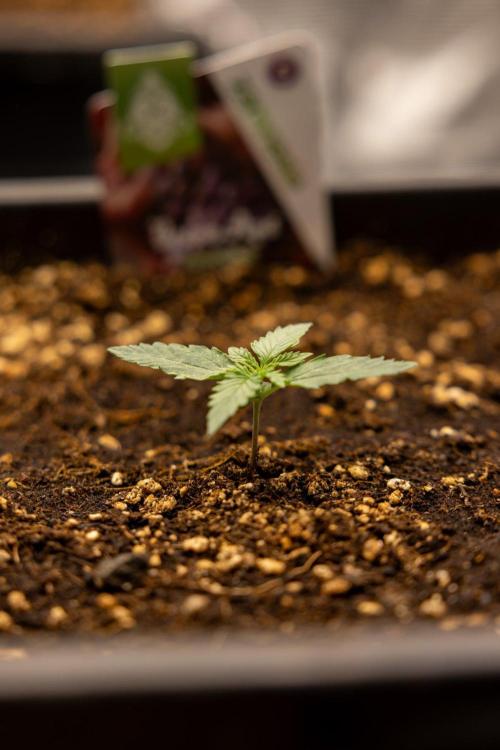
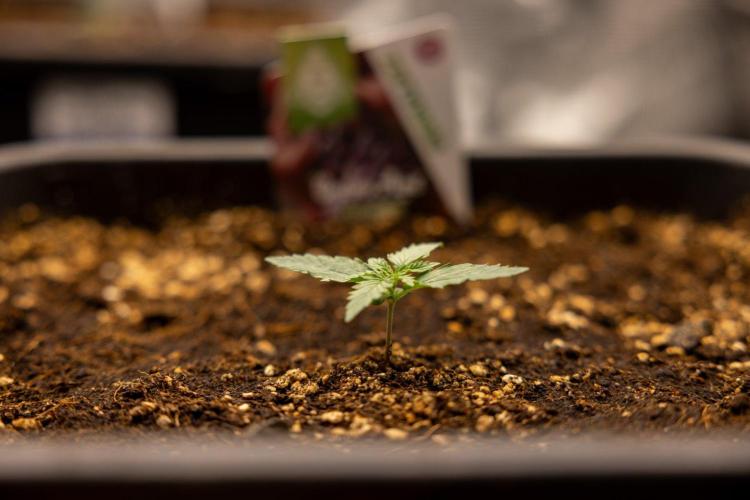
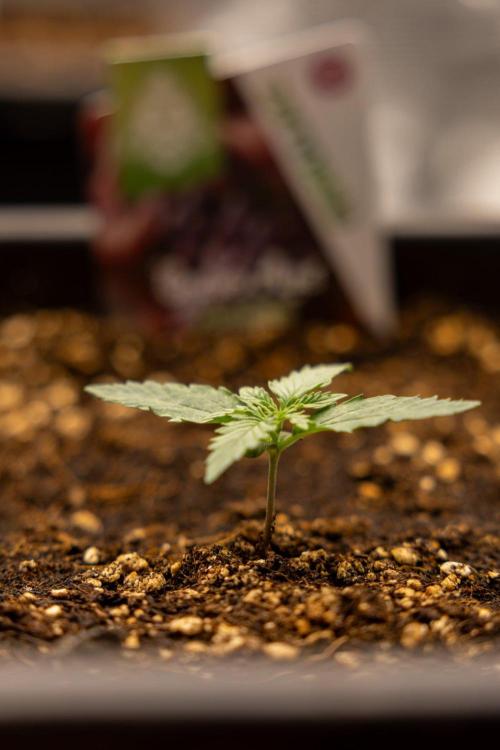
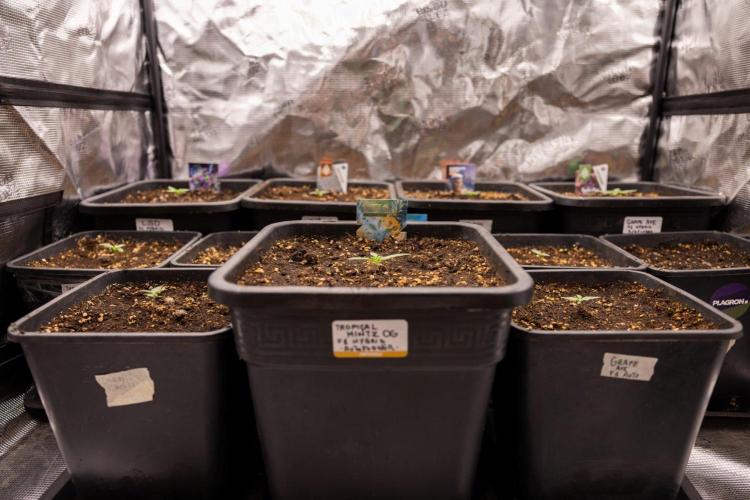
Over the following days, both seedlings emerged. Being in their very first days of life, they are naturally small, and their development has only just begun. Nevertheless, both appear healthy and in good shape, looking uniform and showing no particular signs of stress.
This first week was therefore dedicated primarily to germination and the start of growth. The two seedlings seem to have adapted well to their environment and are progressing without any issues so far. The combination of the new grow environment, the reactivated substrate, and the nutrient program gives us a solid foundation to start from.
The coming days will be interesting as we watch the first true leaves unfold and vegetative development begin.
You can find this fantastic strain, the fertilizers, and an incredible range of products at:
www.zamnesia.com
11 likes
comments
Share
2
Week 2. Vegetation1d ago
500 cm
Height
23 hrs
Light Schedule
26 °C
Day Air Temp
6.3
pH
No Smell
Smell
65 %
Air Humidity
22 °C
Solution Temp
21 °C
Substrate Temp
25 °C
Night Air Temp
11 liters
Pot Size
0.5 liters
Watering Volume
60 cm
Lamp Distance
Nutrients 6
Alga Grow
5 mll
Pure Zym
1 mll
Power Roots
1 mll
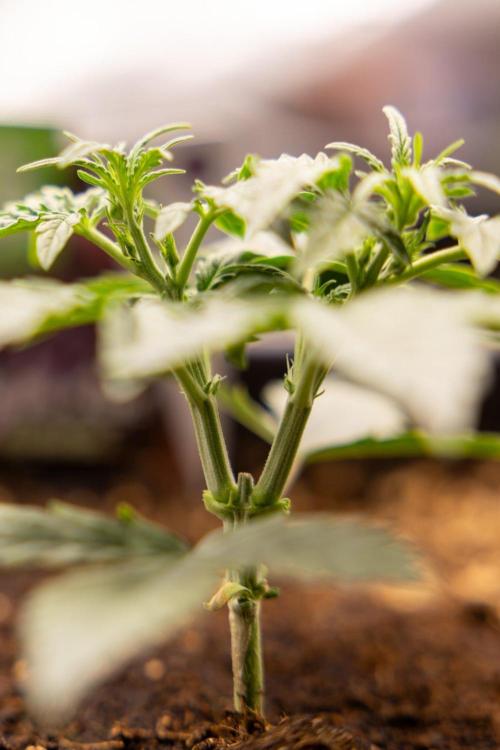
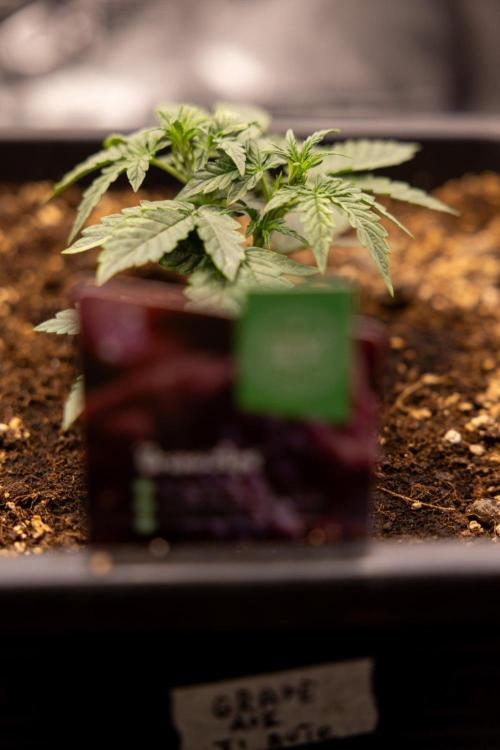
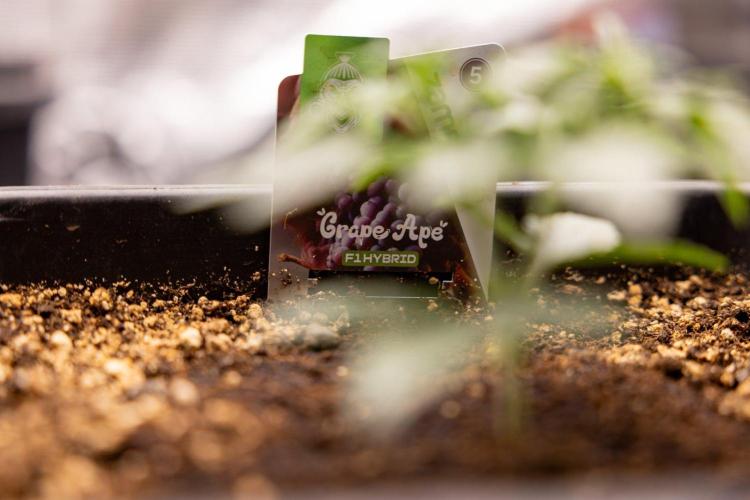
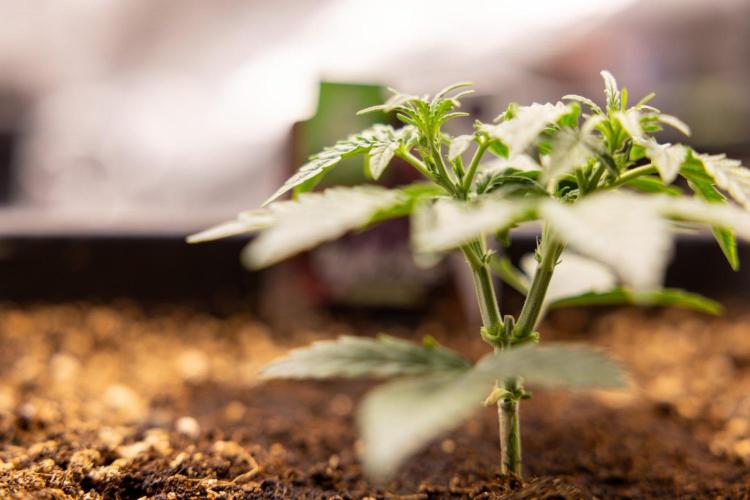
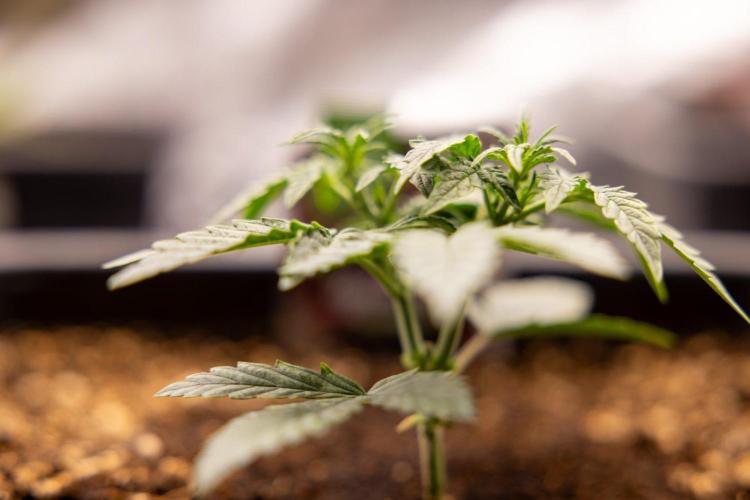
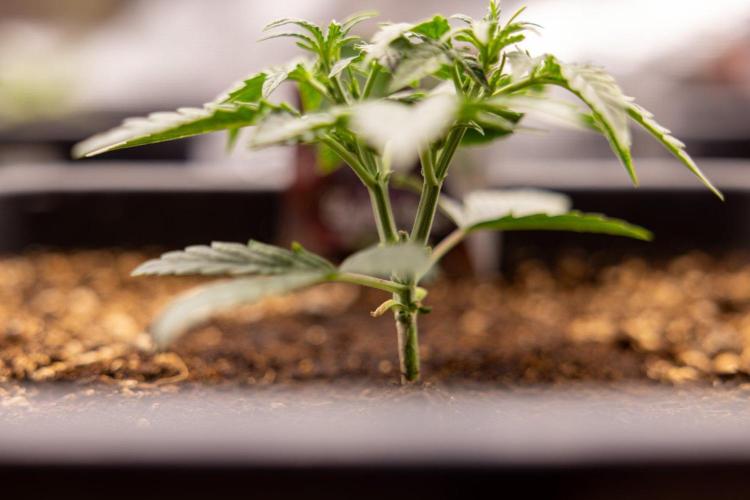
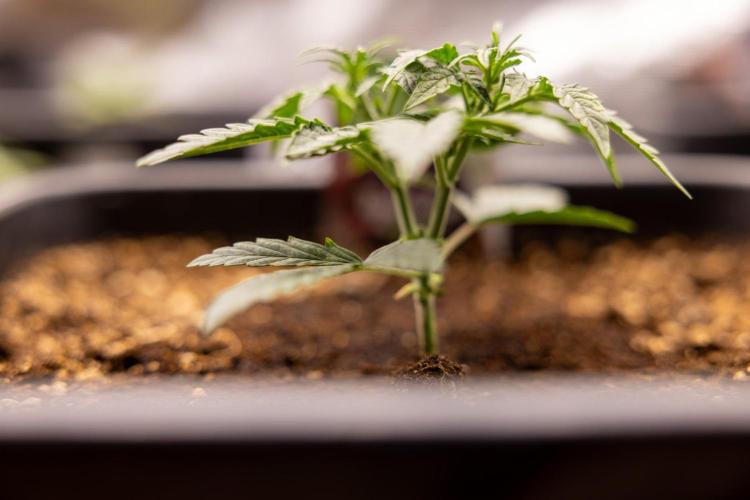
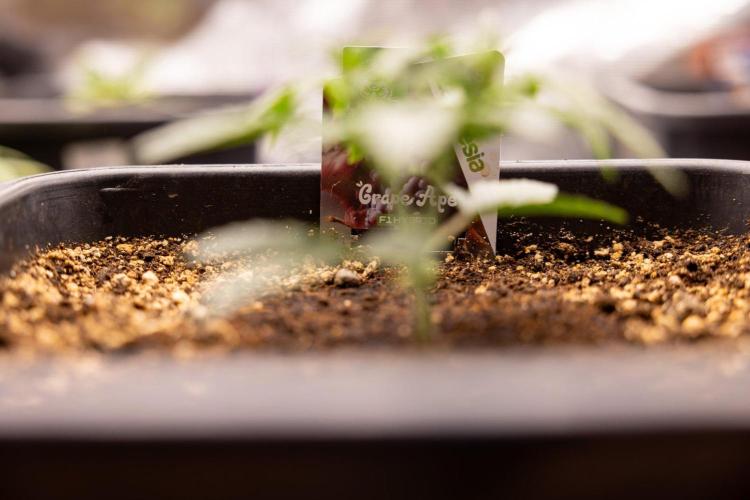
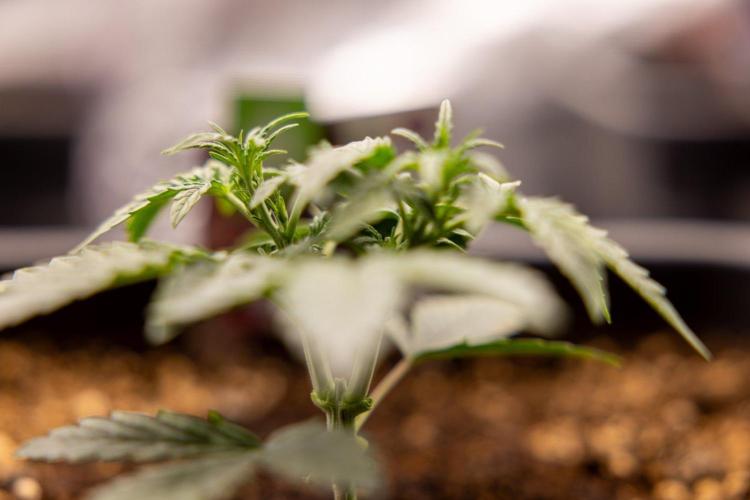
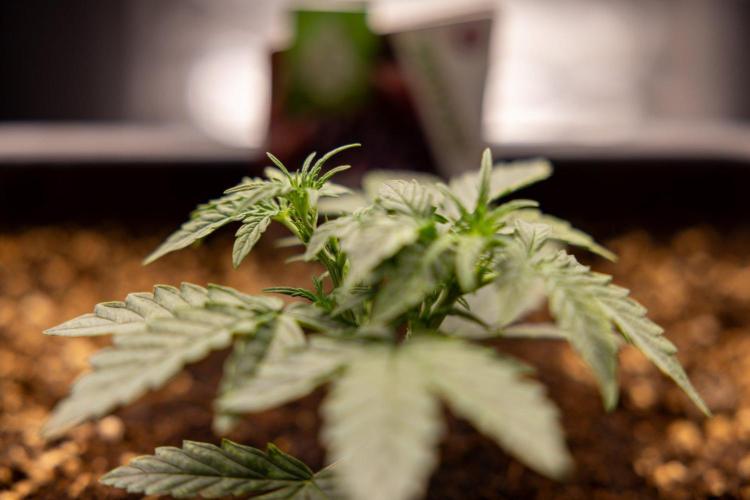
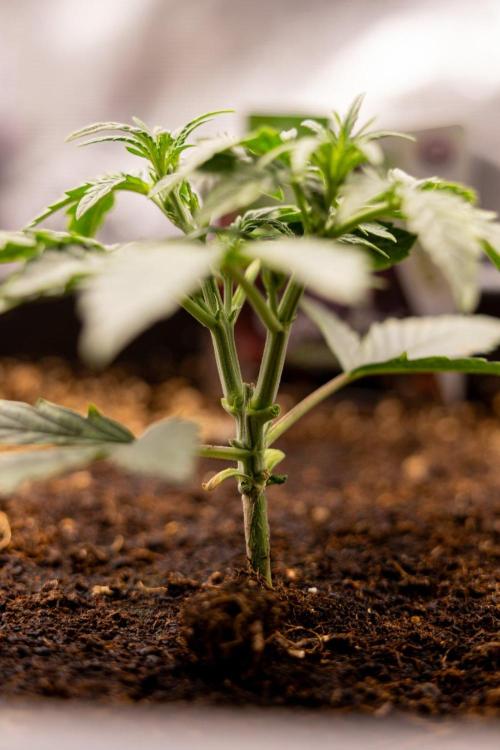
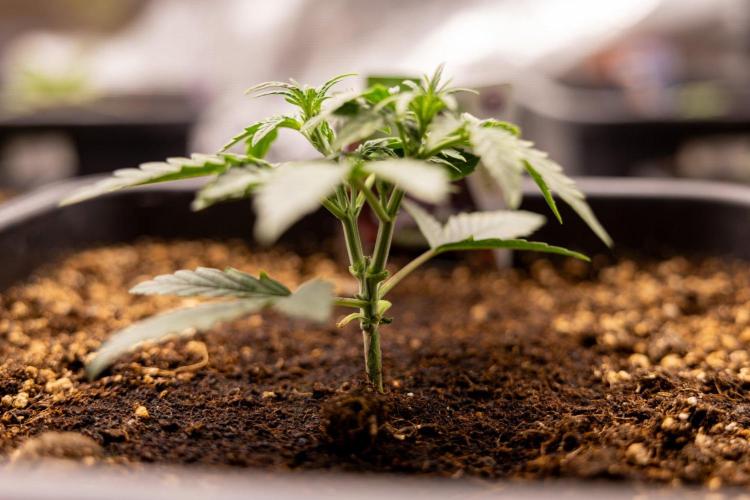
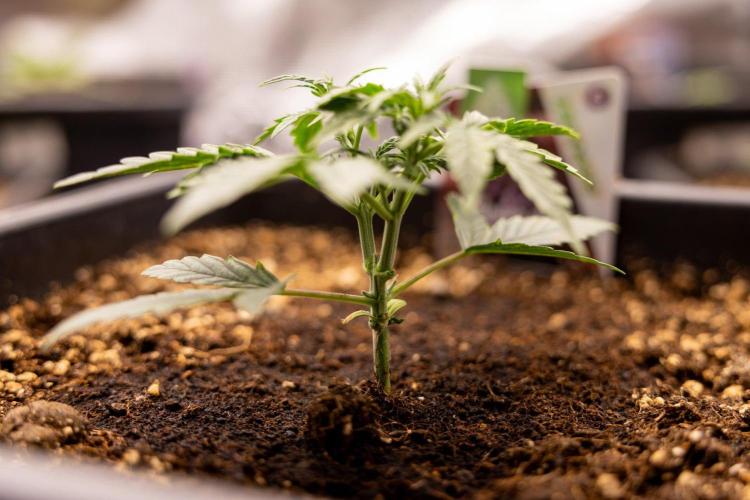
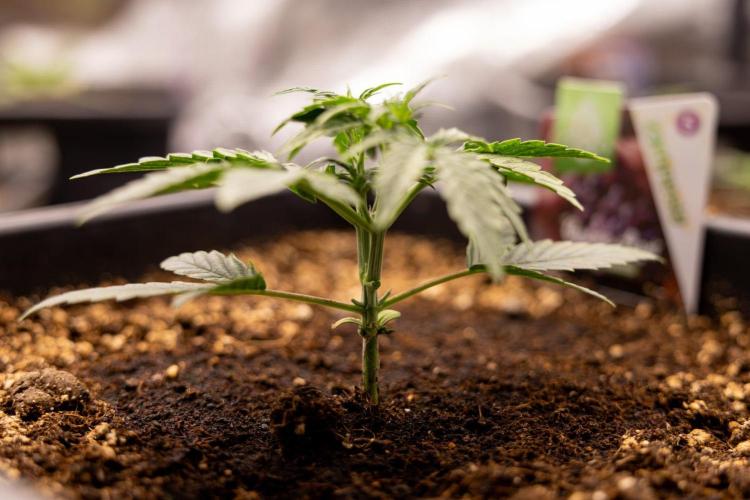
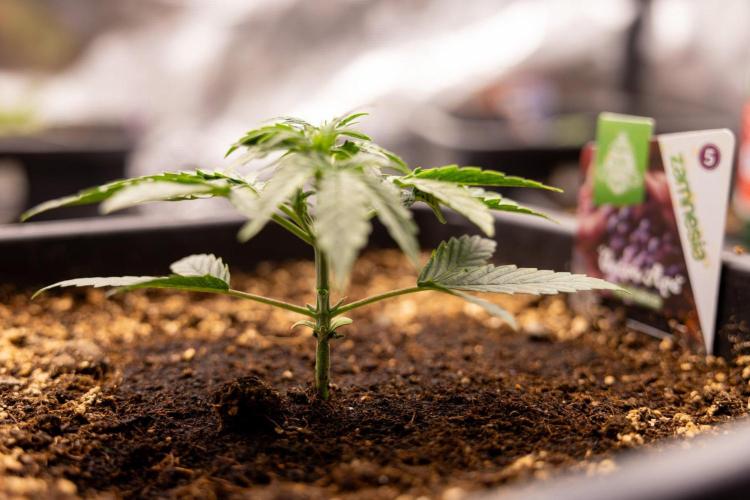
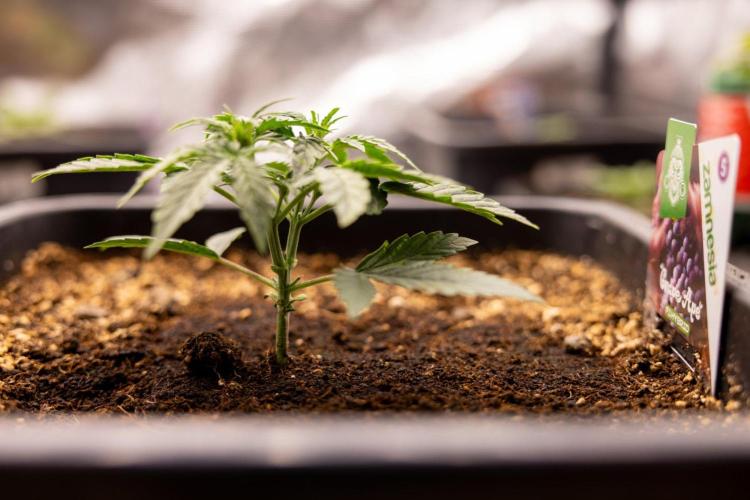
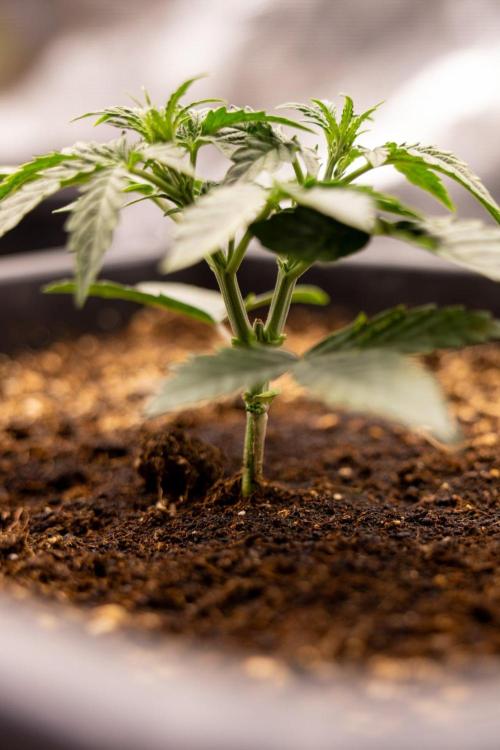
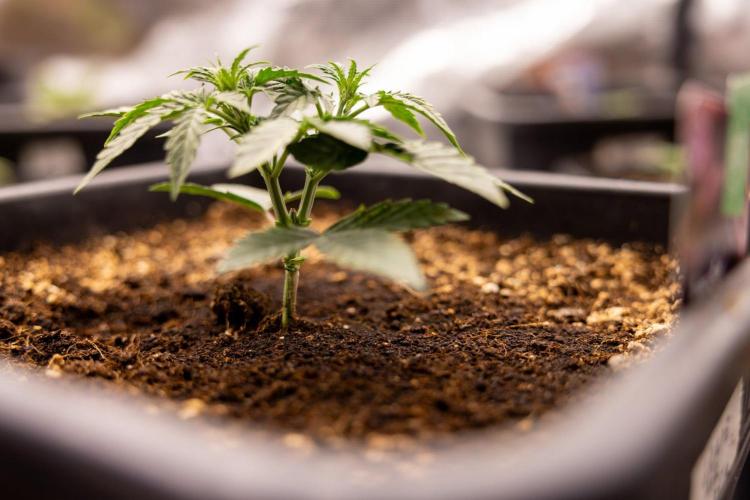
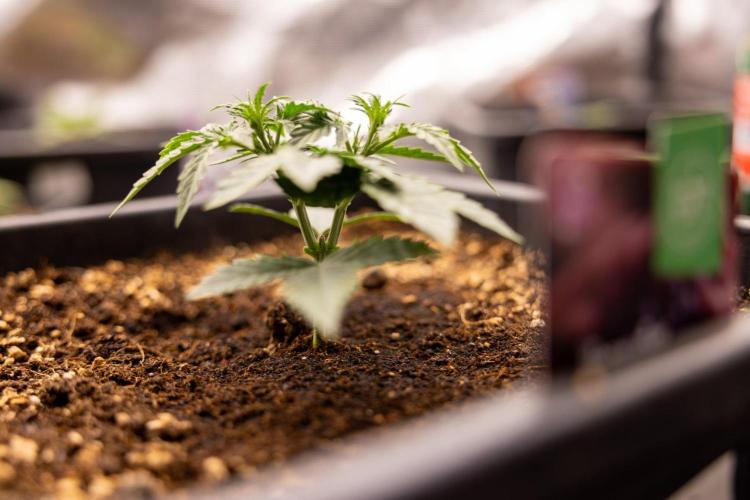
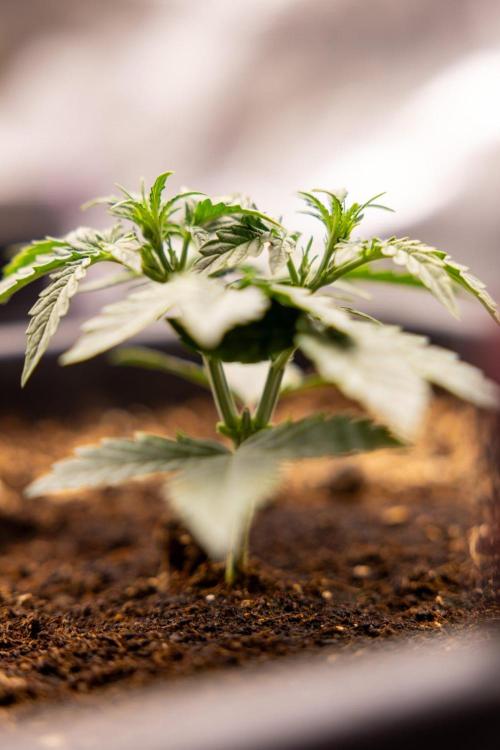
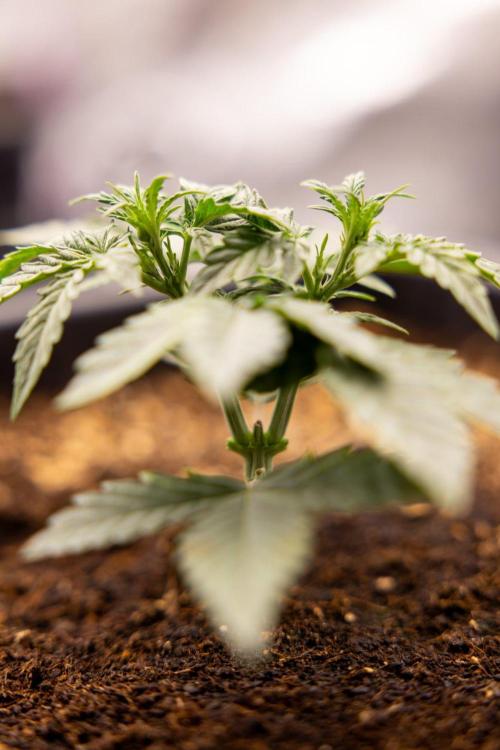
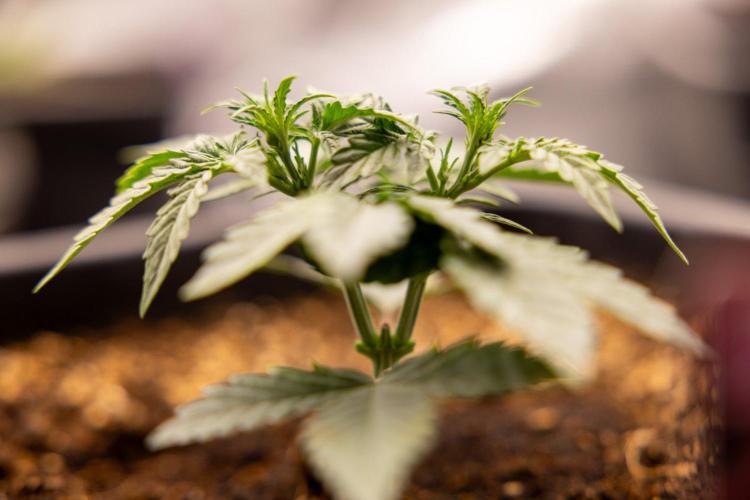
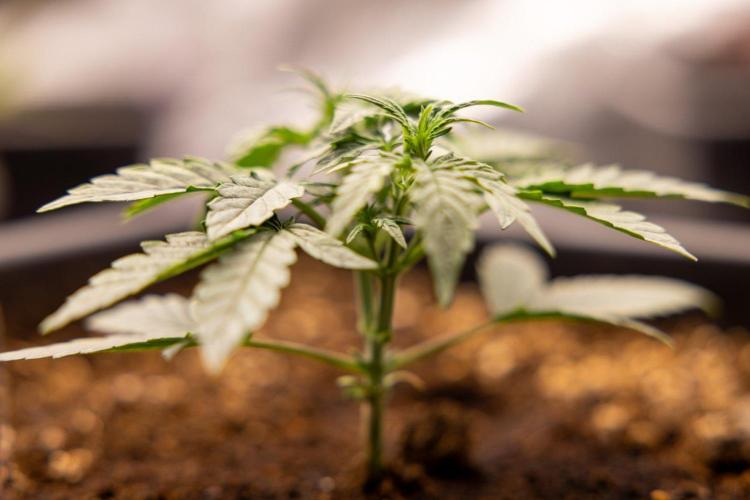
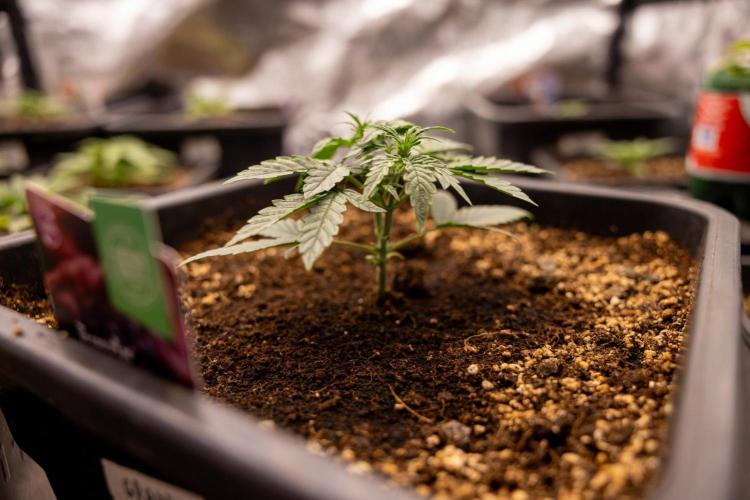
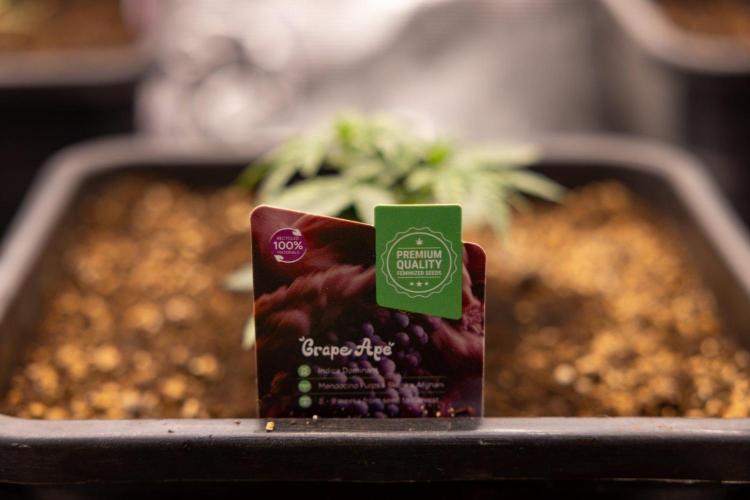
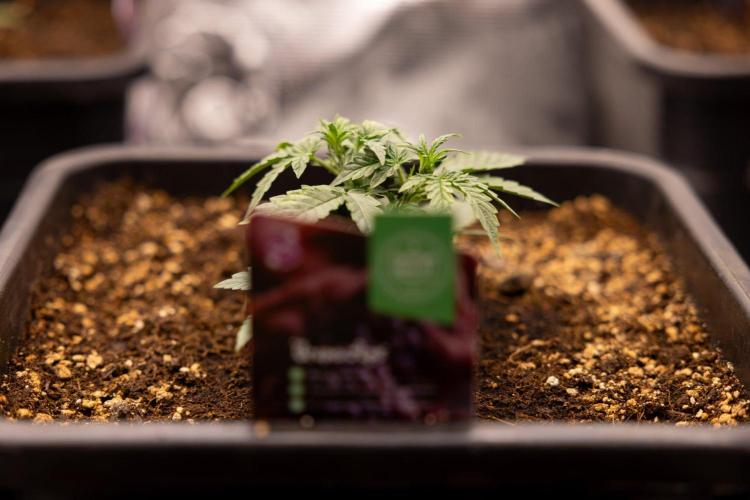
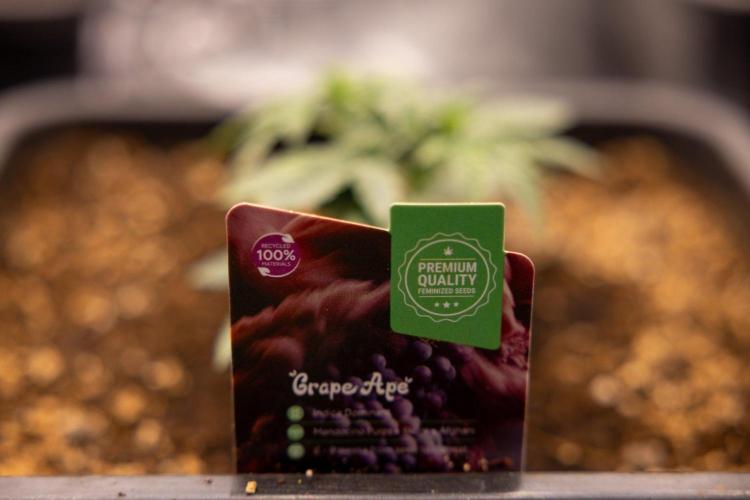
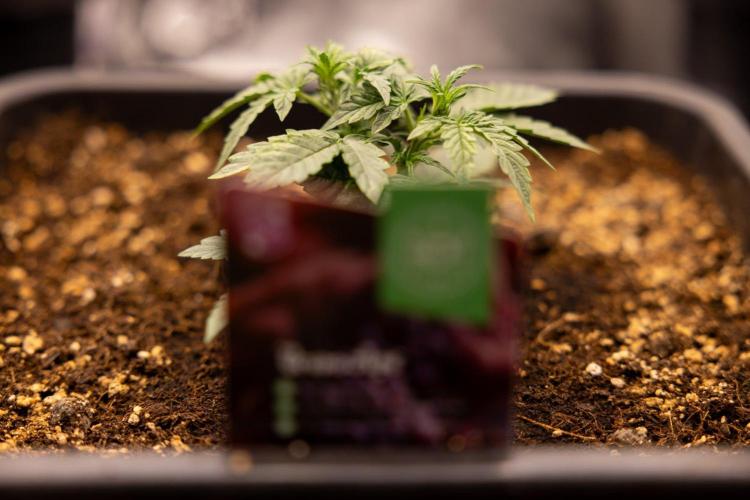
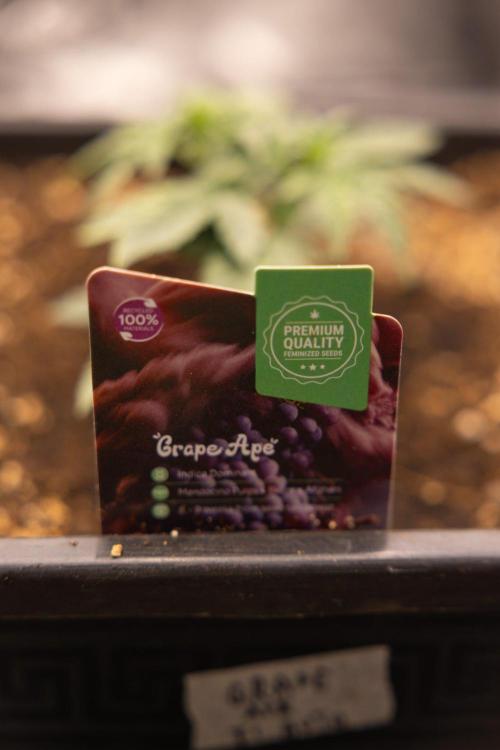
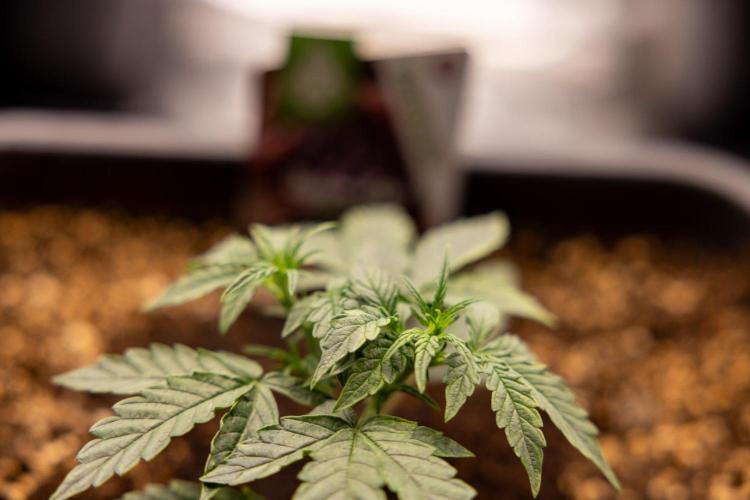
Bread_n_Buds We’re into week two, and our Zamnesia Grape Ape F1 Hybrid Automatics look absolutely killer from every angle.
We have two plants: one left to grow naturally—with just a bit of cleanup on the lower branches—and another trained using the "main-lining" technique (but without LST). We chose this approach to better utilize the grow box's vertical space and fit in more plants.
Main-lining on the second plant got off to a successful start; we made the initial cut at the third node and are now in the growth phase. We plan to top it again at the third node and will then decide which branches to keep based on the height it reaches. The plant is responding incredibly well and is perfectly suited for this technique—even more so than others (it works best on plants that don't stay naturally short; naturally, you shouldn't top at the first or second node).
We’re using 11-liter pots (for the naturally grown plant) and 18-liter pots (for the main-lined plant without LST), filled with Plagron ProMix. Specifically, the substrate this time is recycled and reactivated with a mix of one-third fresh substrate, Florea’s Myko+, and a secret ingredient we guard jealously—just like grandmas do with their recipes. The goal is to start with a well-structured soil while fostering beneficial microorganisms and robust root development.
As for nutrition, we’ve opted for Plagron fertilizers:
- Power Roots: 1 ml/L
- Pure Zym: 1 ml/L
- Cal Mag Pro: 1 ml/L
- Silic Rock: 1 ml/L
- Sugar Royal: 1 ml/L
- Alga Grow: 5 ml/L – We’re running slightly above the recommended dosage for the base fertilizer; I started lower, but the plants showed signs of under-fertilization. Soil and nutrients - www.plagron.com
Myko+ - https://www.florea.bio/
As for the light cycle, we are kicking things off with a 23/1 schedule—just enough time to allow for a brief rest and to carry out foliar treatments without exposing the plants to peak light intensity. Once the first week is over, however, BE AWARE: a 24-hour light cycle requires more fertilizer.
For the grow environment, we are using the Zamnesia Ecosystem 120x120; it is proving to be a durable, well-built, and high-performance grow tent. Another strong point is the complete accessory kit, which ensures a well-organized setup right from the start.
Lighting is provided by a 480W Phytonaut LED, while air circulation is handled by a clip-on fan. Air extraction is managed by a particularly powerful 150mm exhaust fan, paired with the corresponding filtration system. The setup is rounded off with a branded filter cover—a detail that helps keep the filter clean and extends its lifespan.
PPFD levels are managed to deliver the right amount of light at every stage, starting at around 300 μmol/m²/s. As the vegetative phase progresses, I gradually increase the intensity to 600 μmol/m²/s for full vegetative growth and, finally, to 1200 μmol/m²/s during flowering with CO2 supplementation. Everything is professionally monitored using a Phantom Photobio photon flux meter.
https://photobio.com/
The seedlings are doing well, and we are confident they have a bright future ahead.
You can find this fantastic strain, the fertilizers, and an incredible range of products at:
www.zamnesia.com
10 likes
comments
Share
Used techniques
Main-Lining
Technique
Topping
Technique
Manifolding
Technique
Enjoying this diary? Follow for more updates!

Prefer the old Diary view?
Go back to the old Diary view