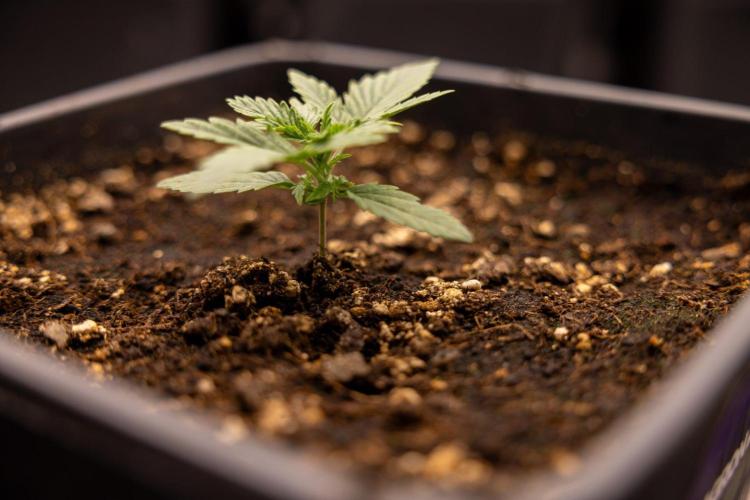
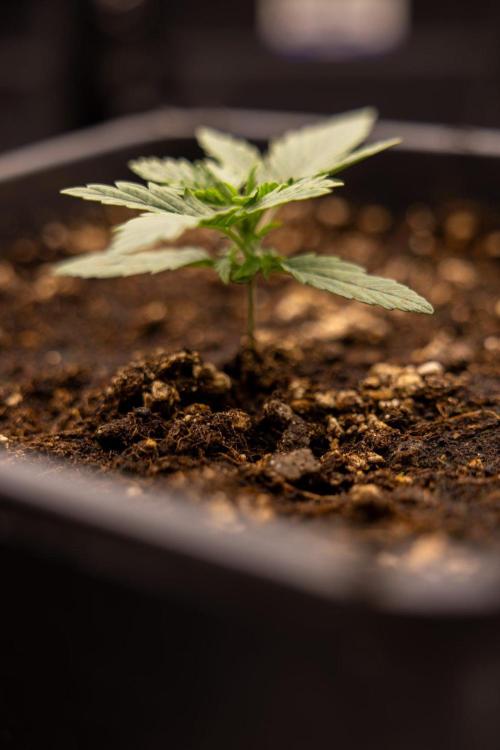
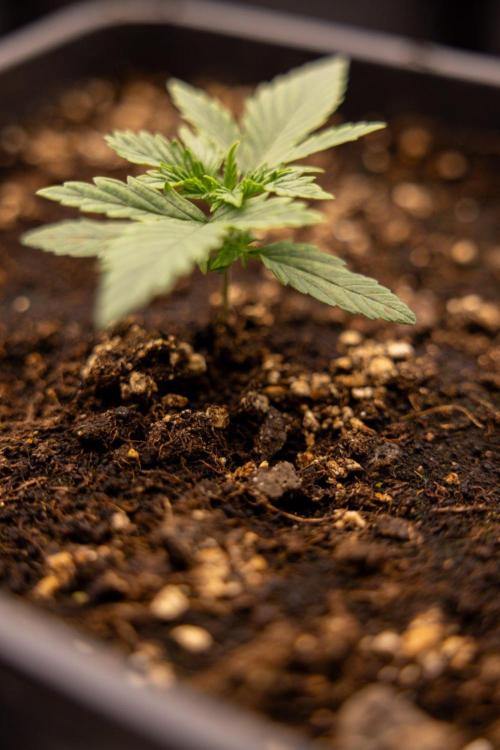
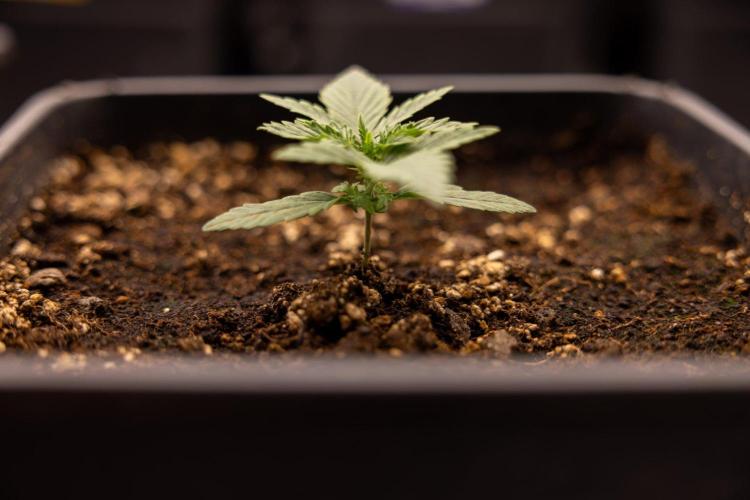
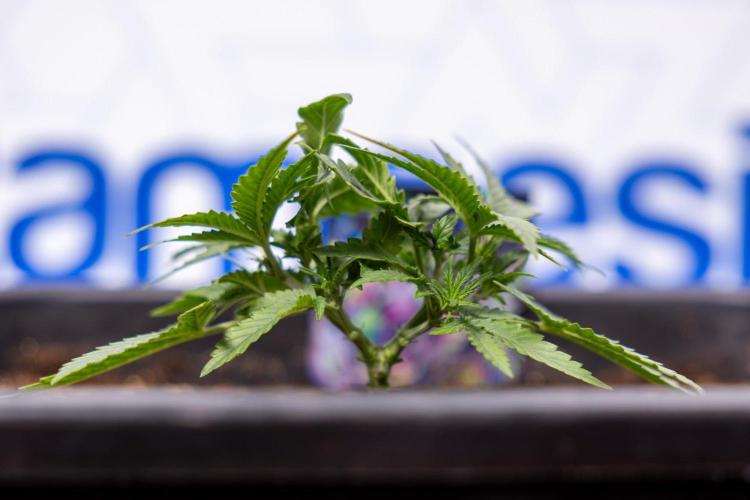
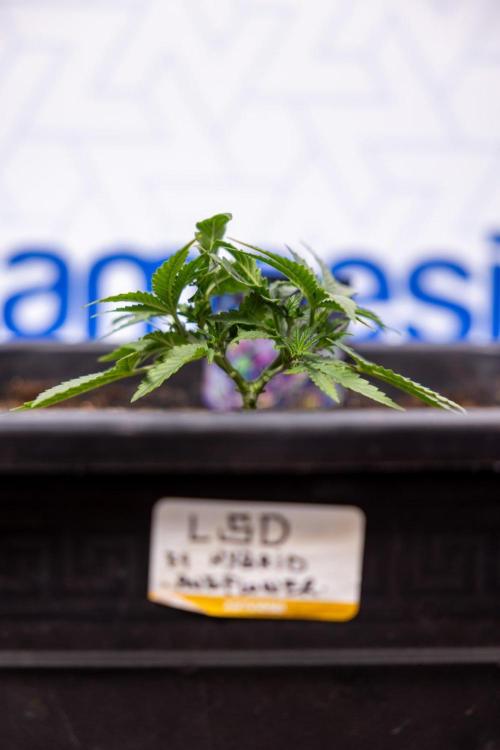
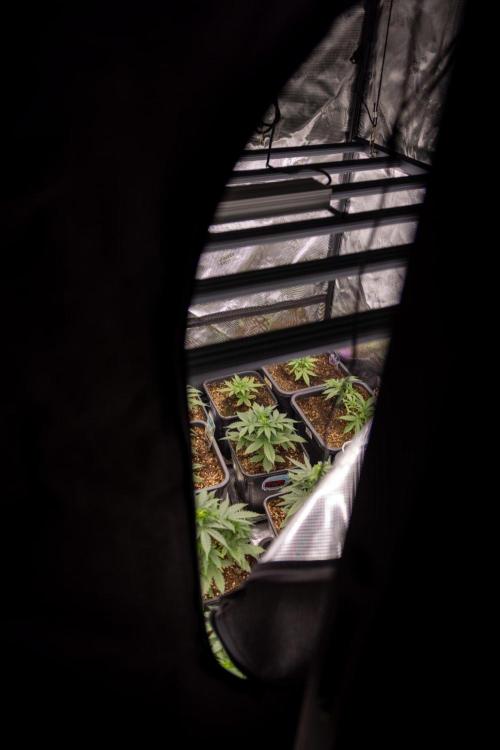
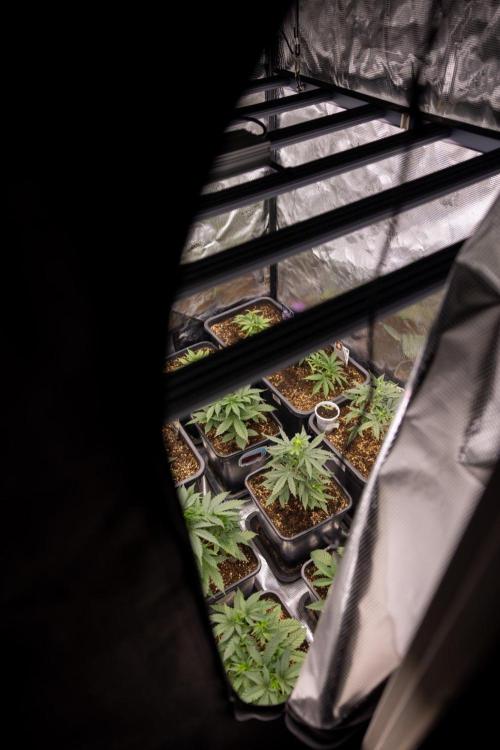
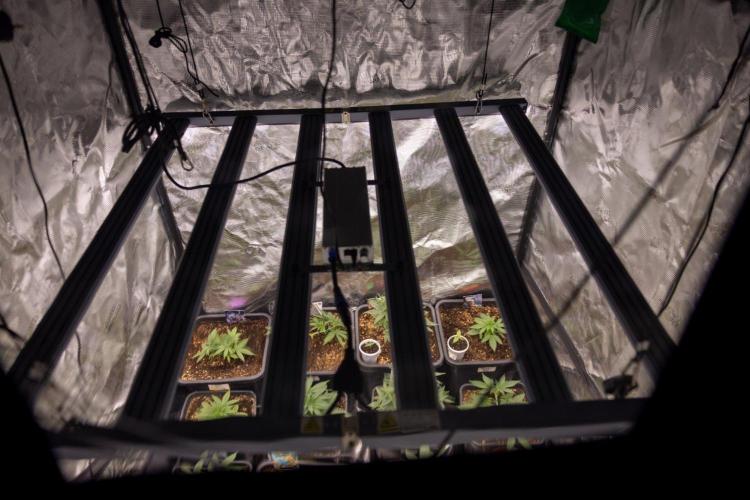
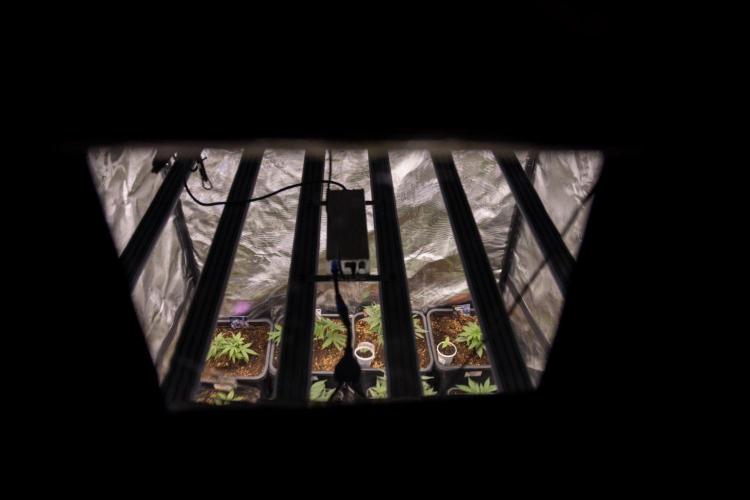
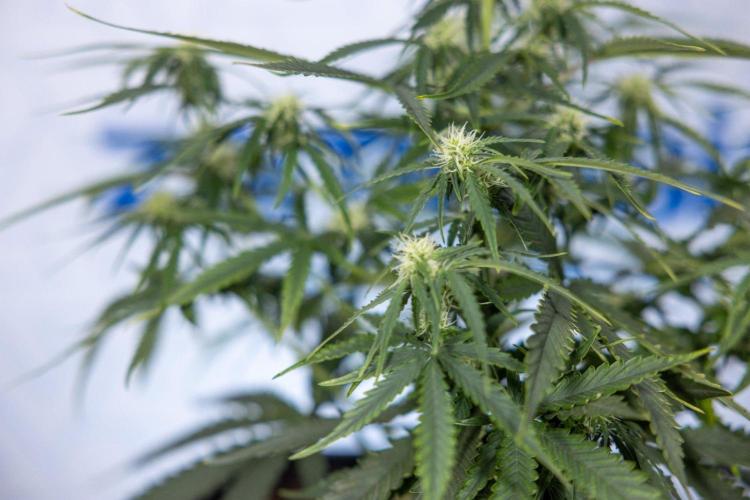
Bread_n_Buds We are ready for our favorite time of the year, which will culminate in a harvest during the ideal autumn/winter window—keeping in mind that autumn lasts a long time in southern Spain.
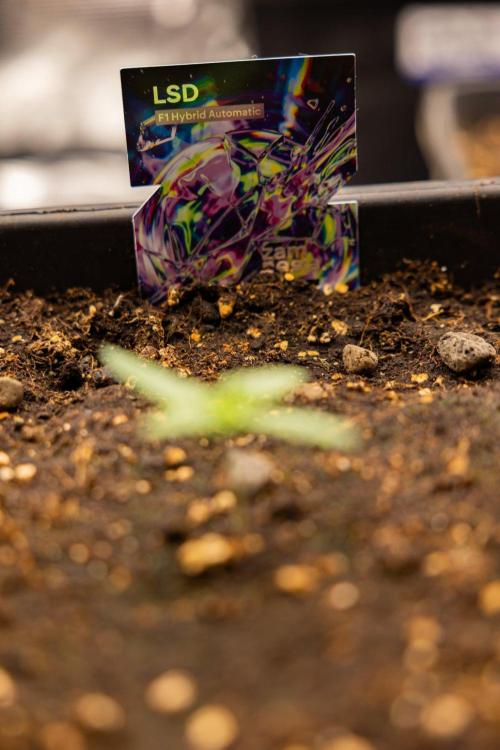
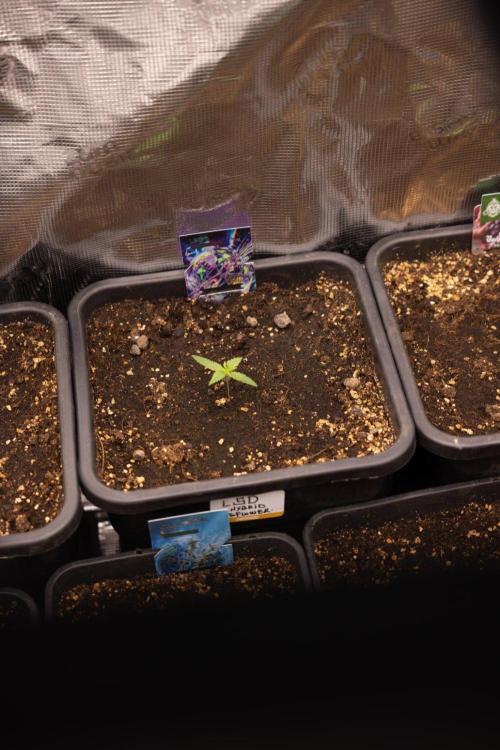
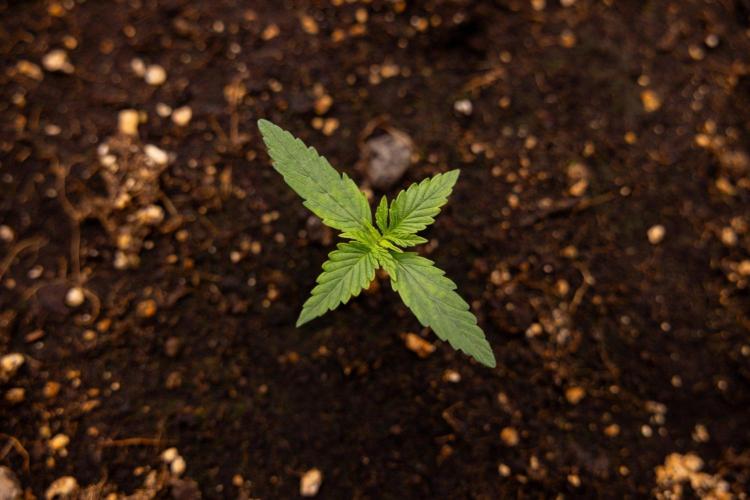
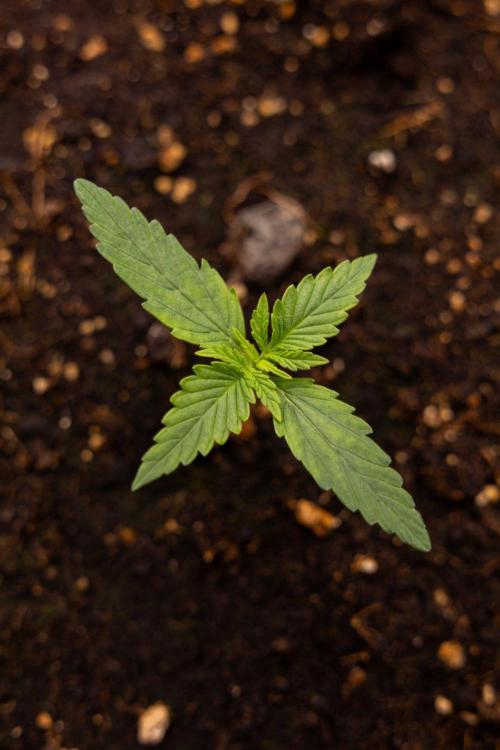
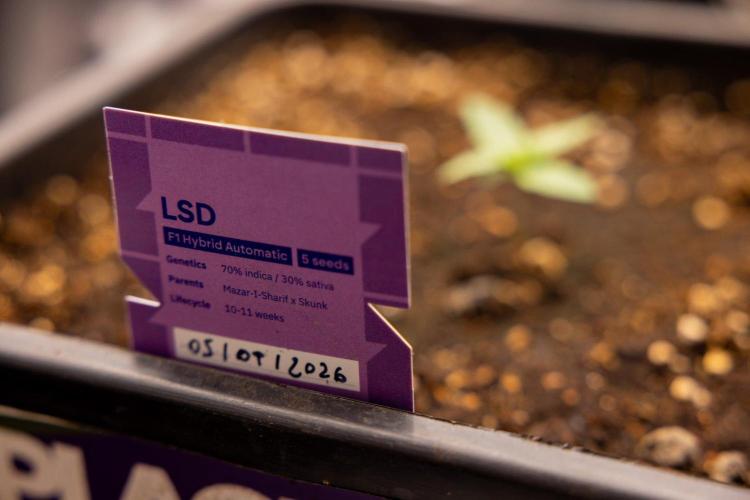
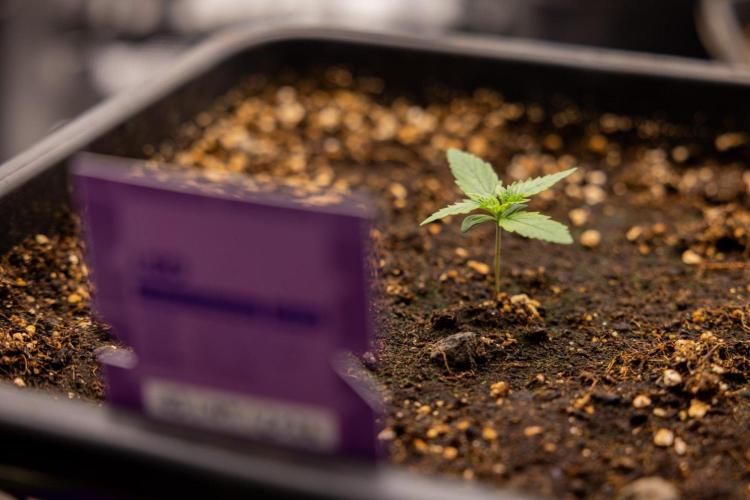
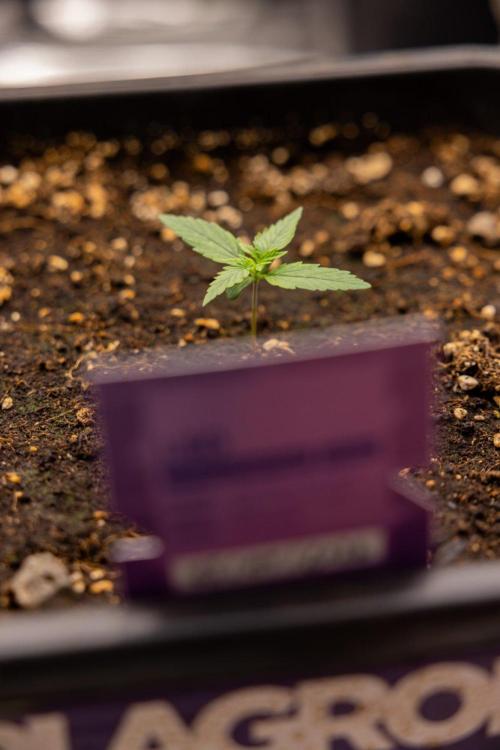
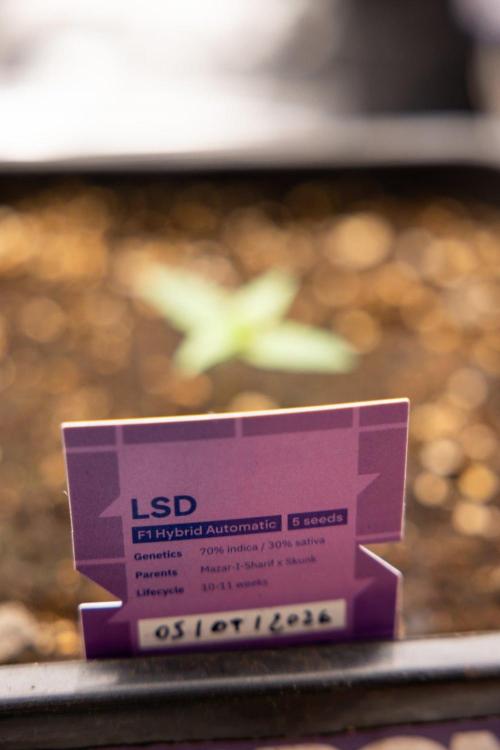
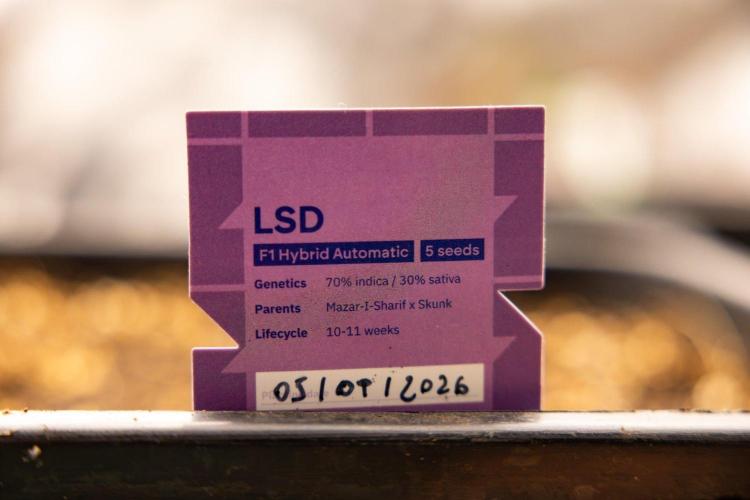
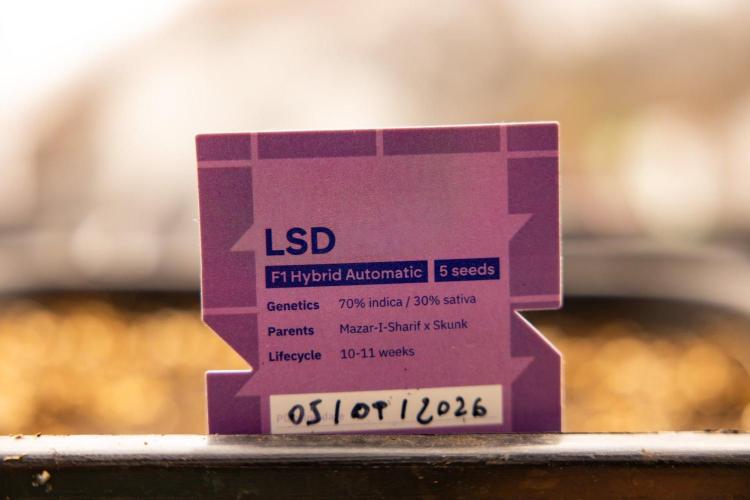
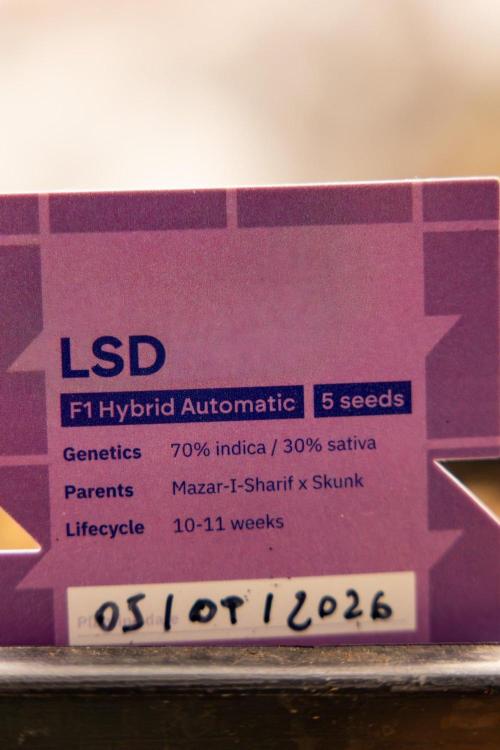
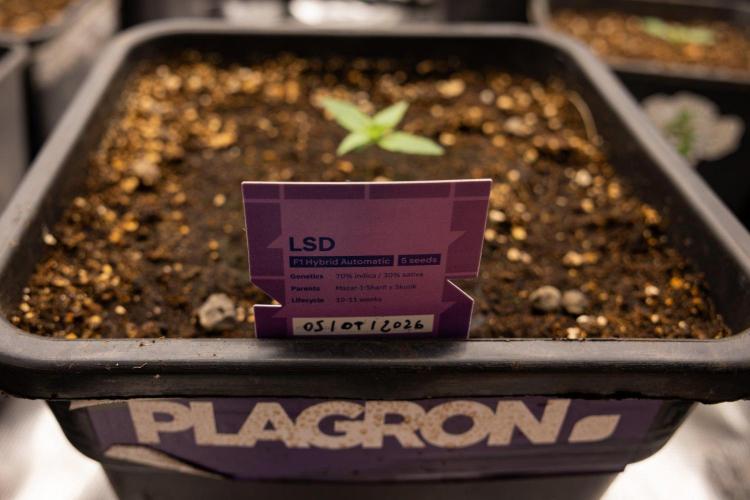
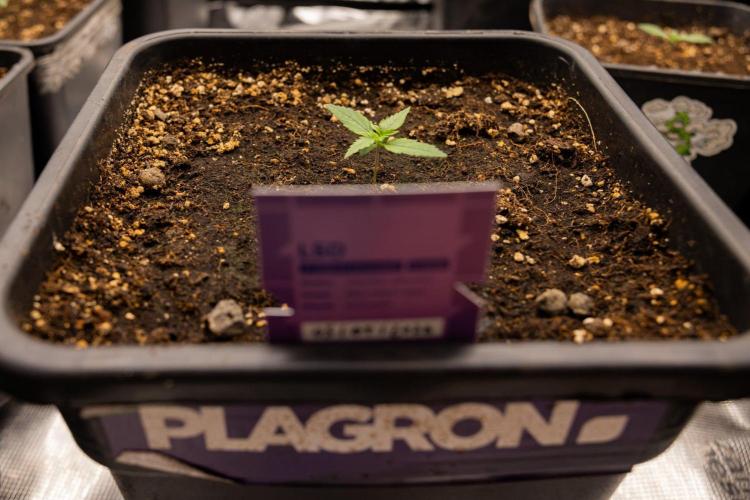
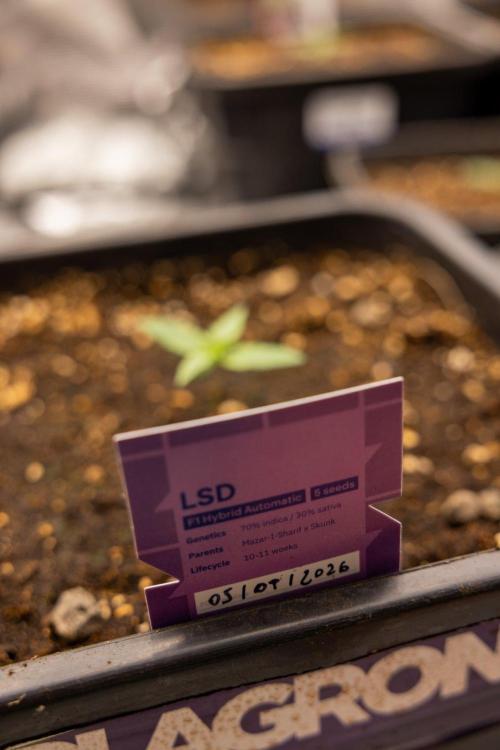
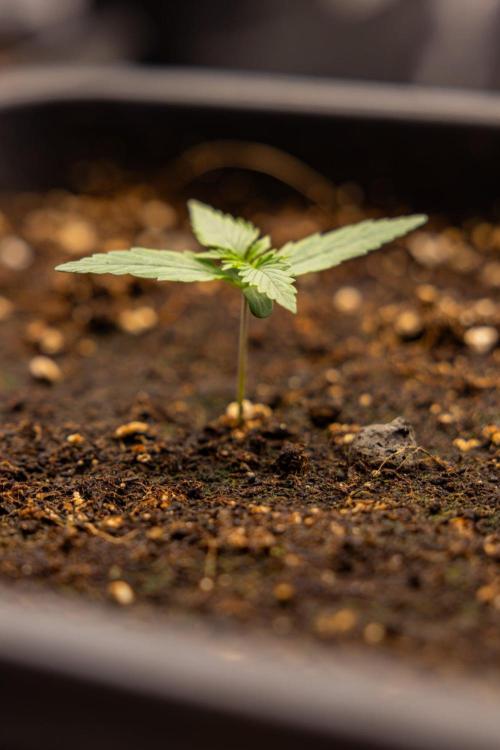
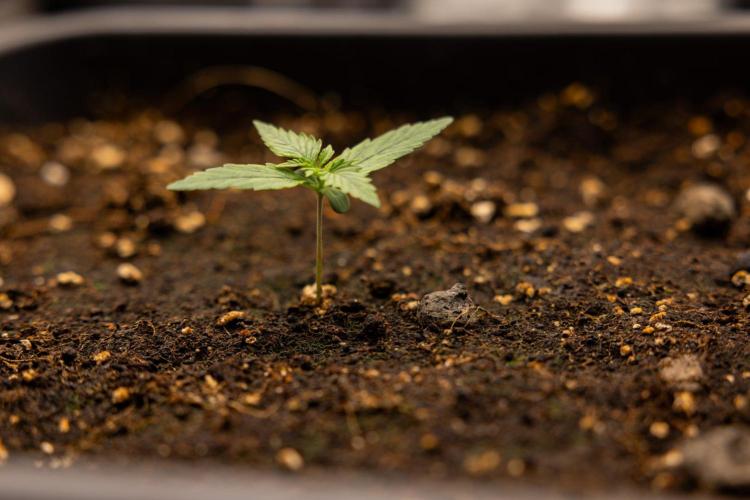
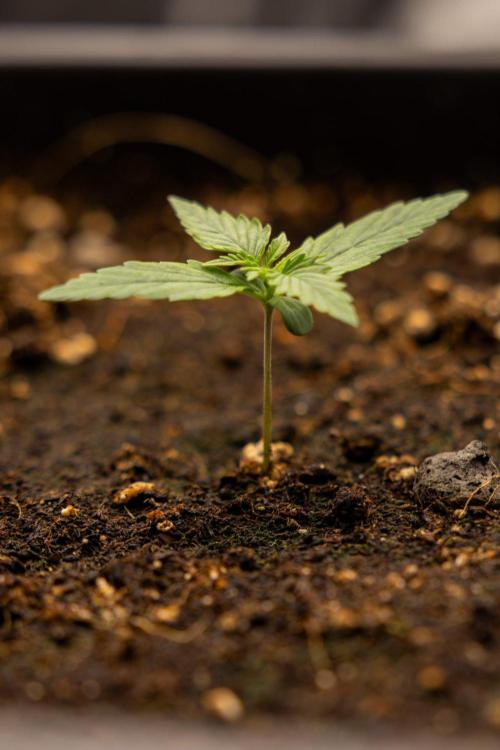
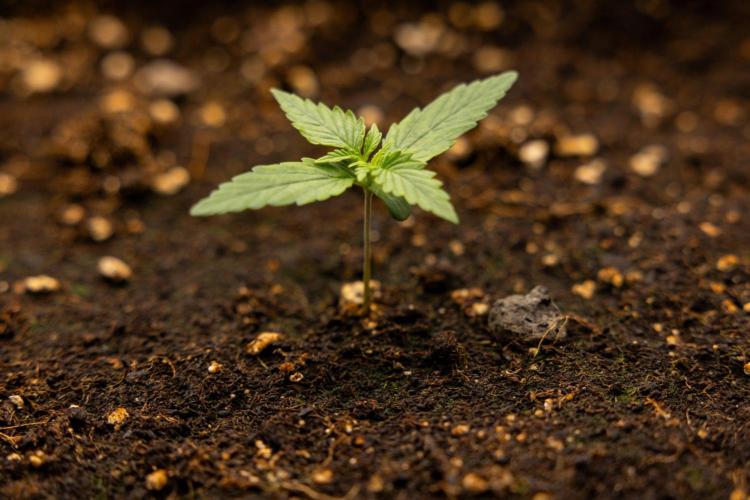
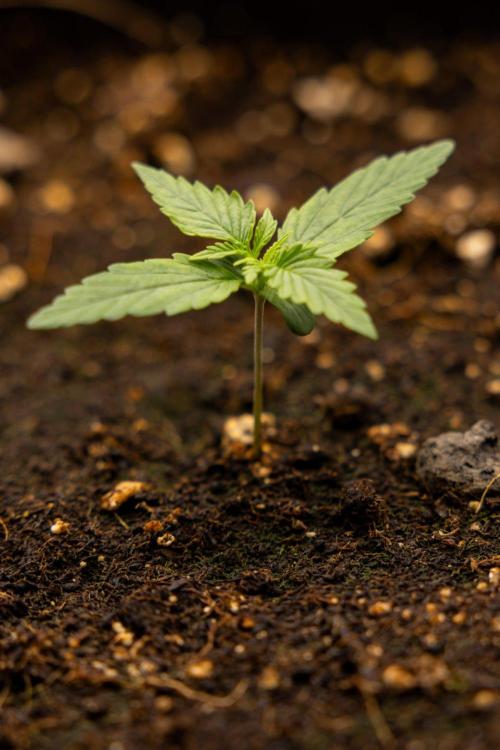
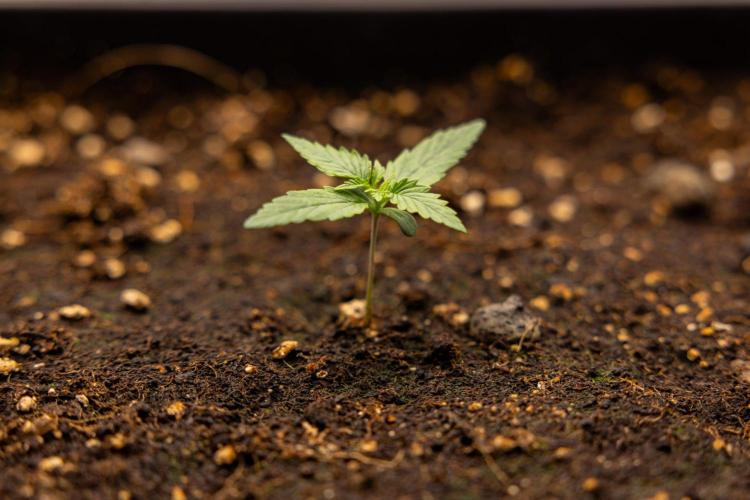
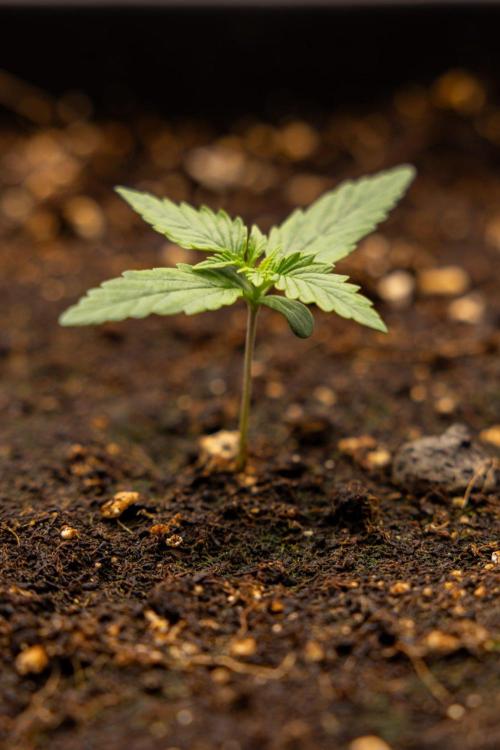
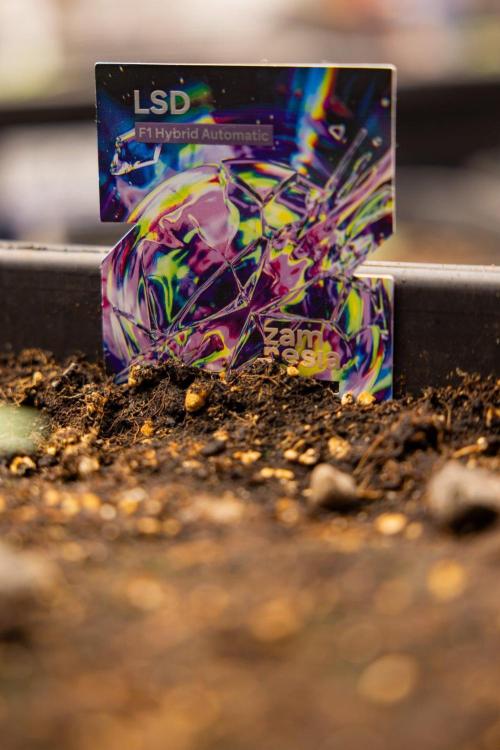
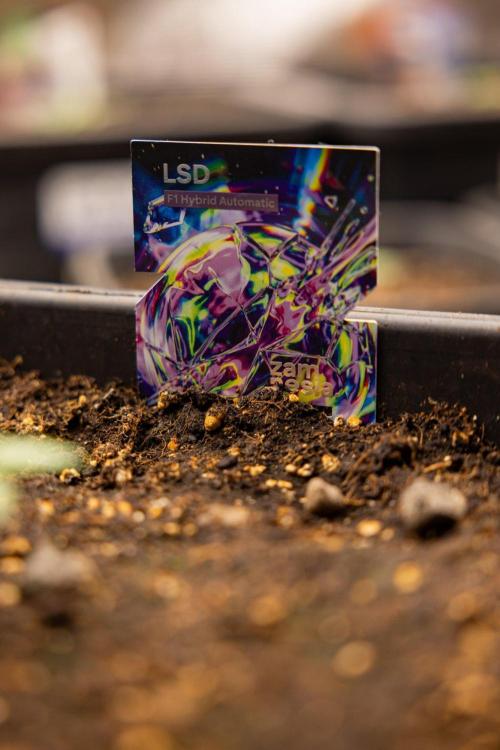
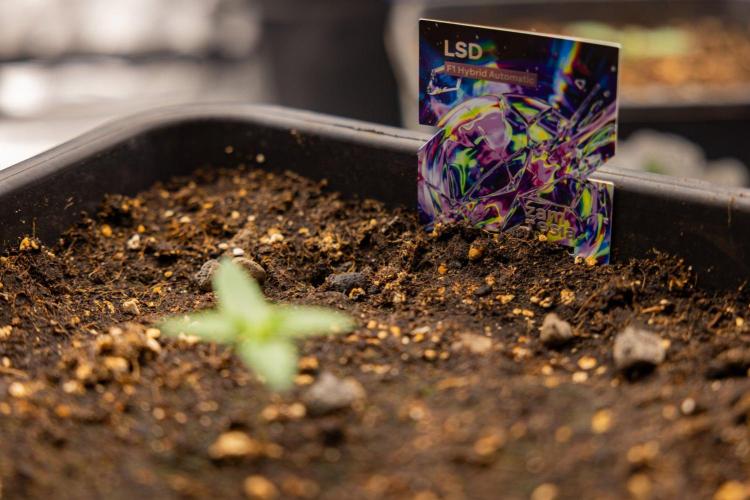
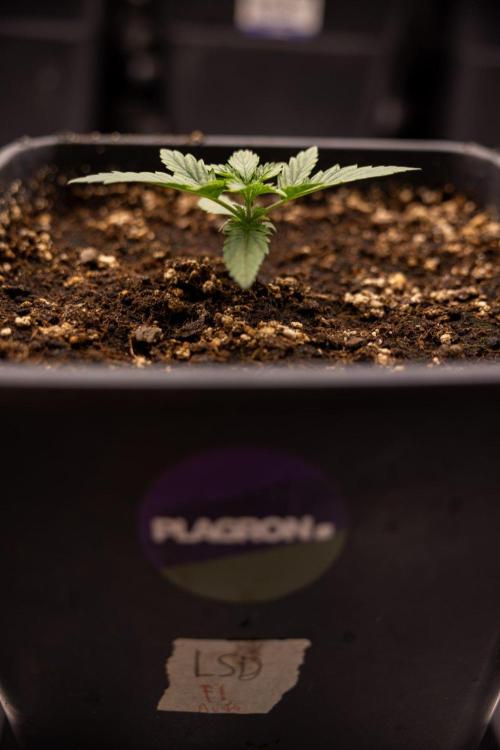
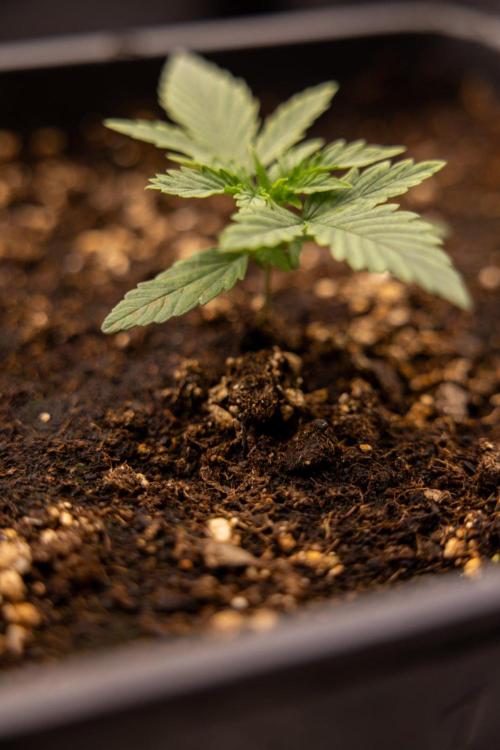
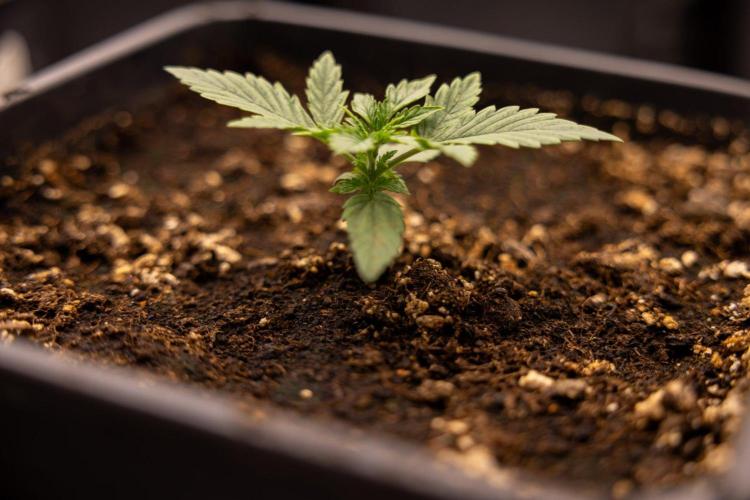
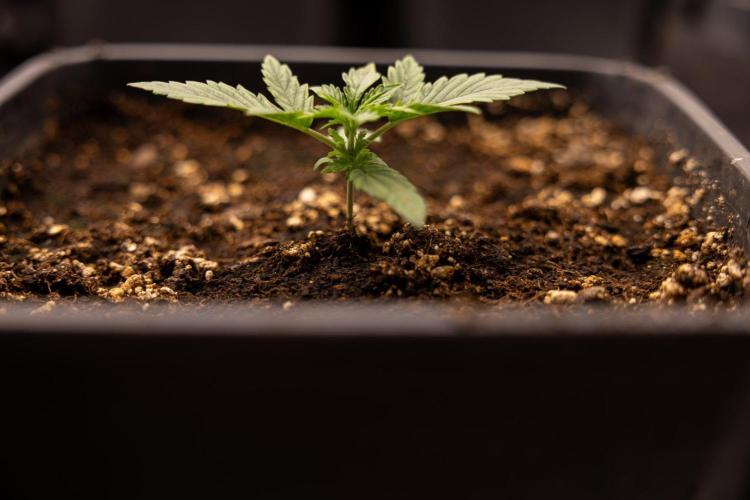
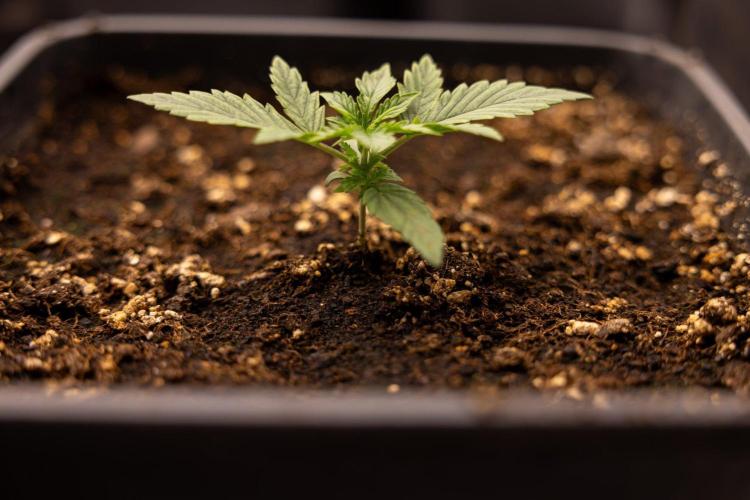
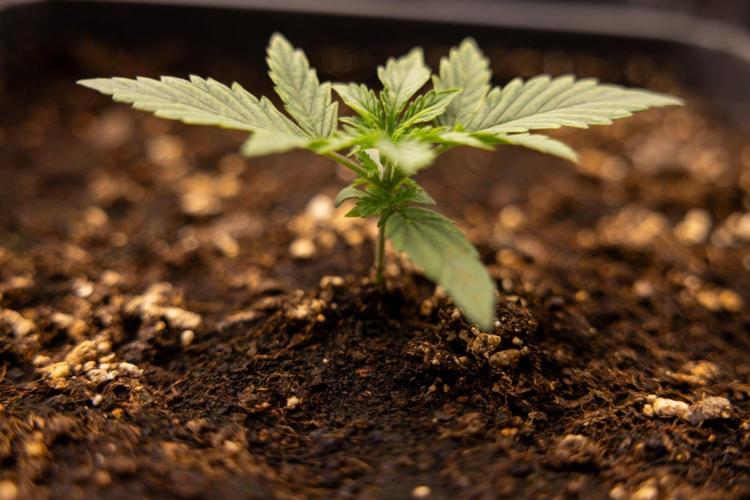
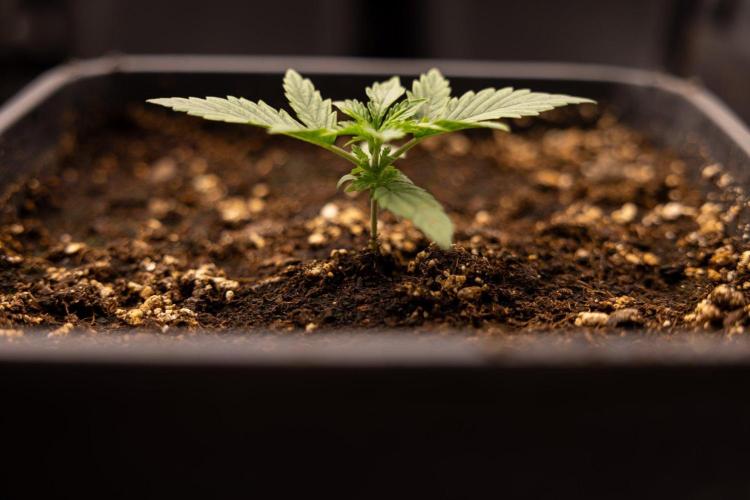
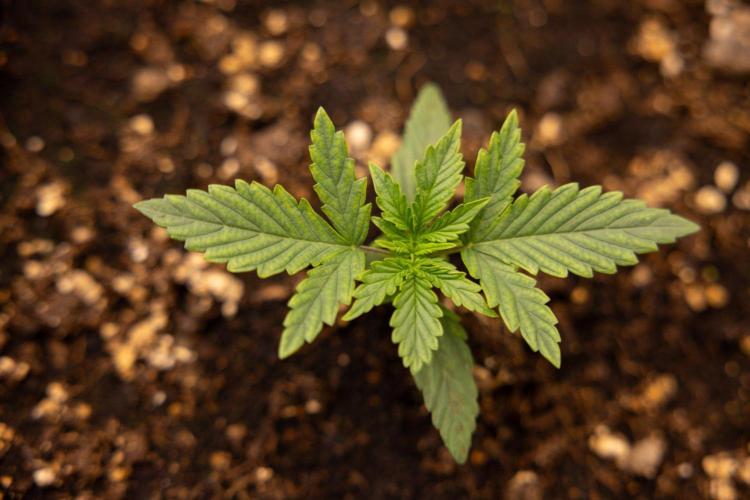
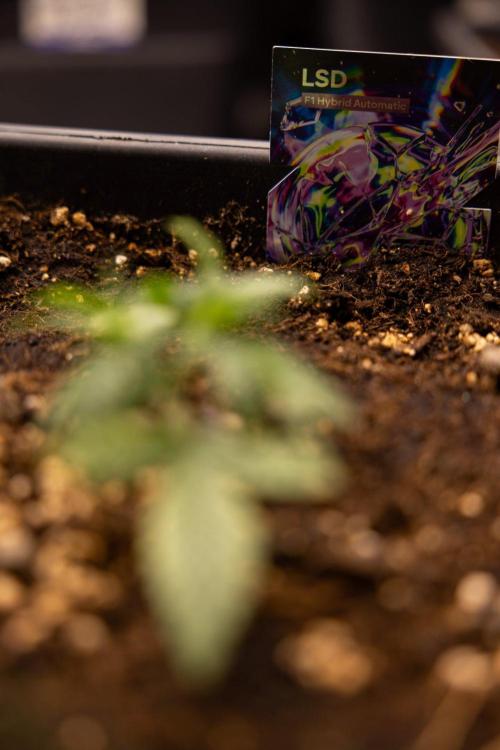
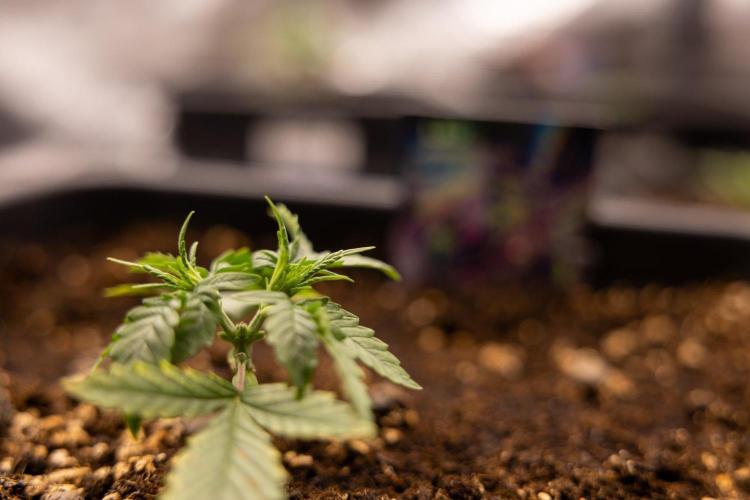
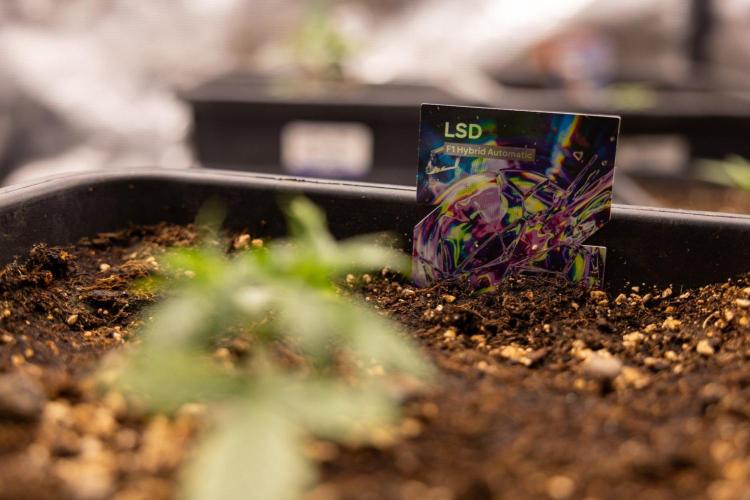
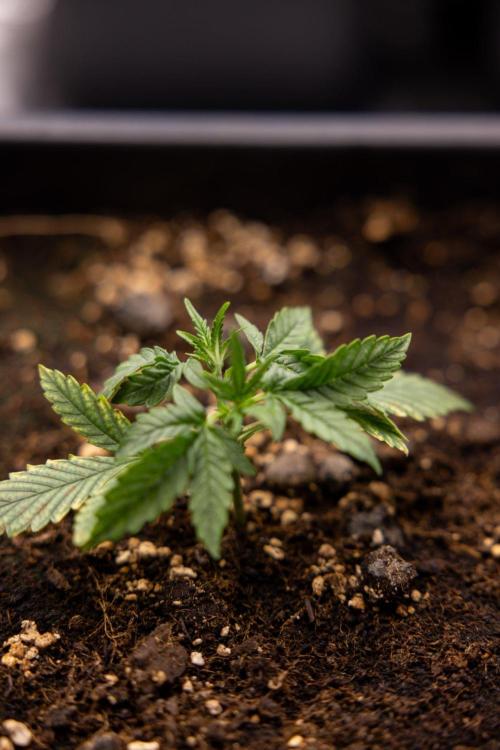
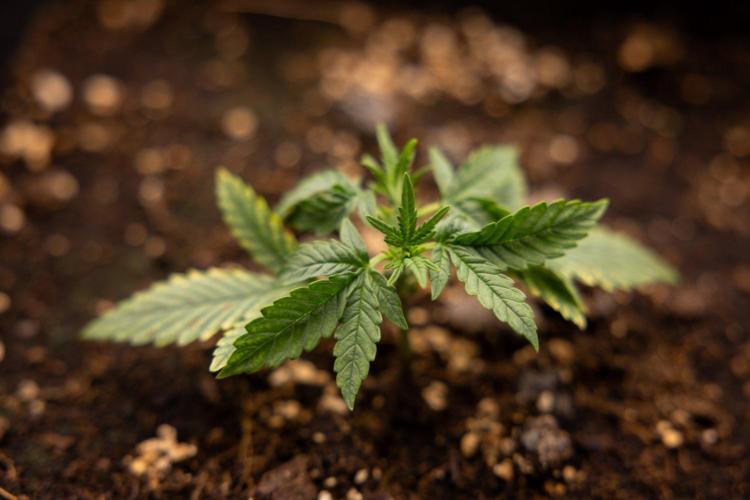
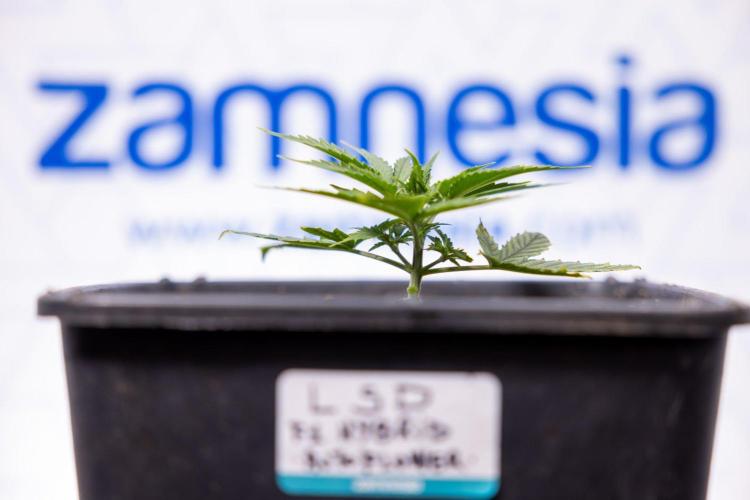
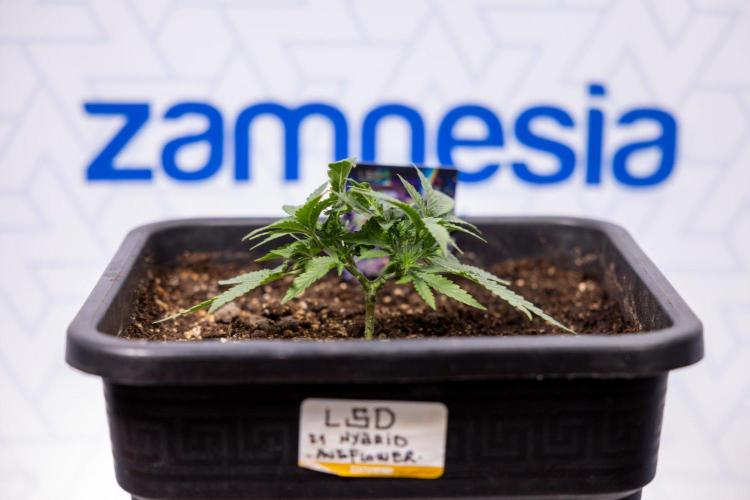
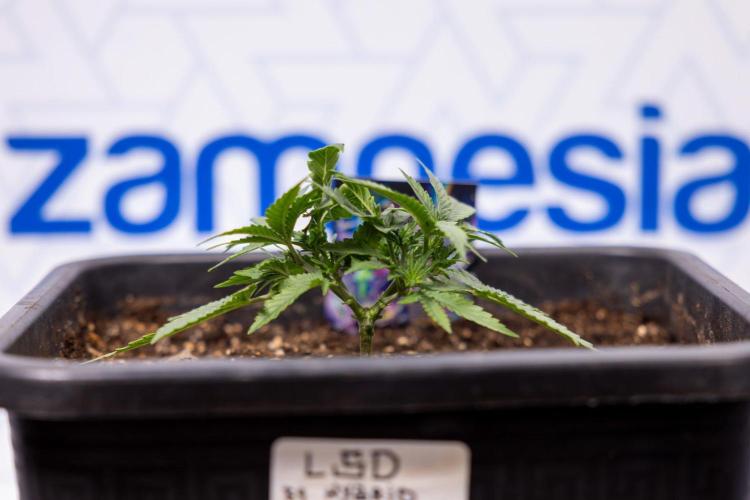
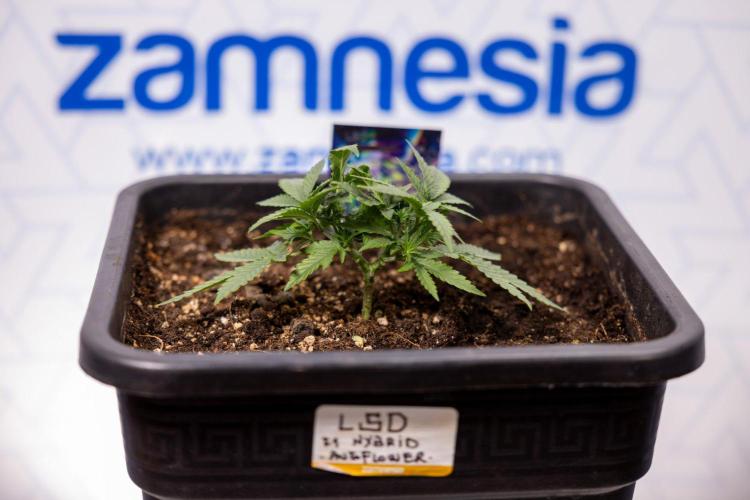
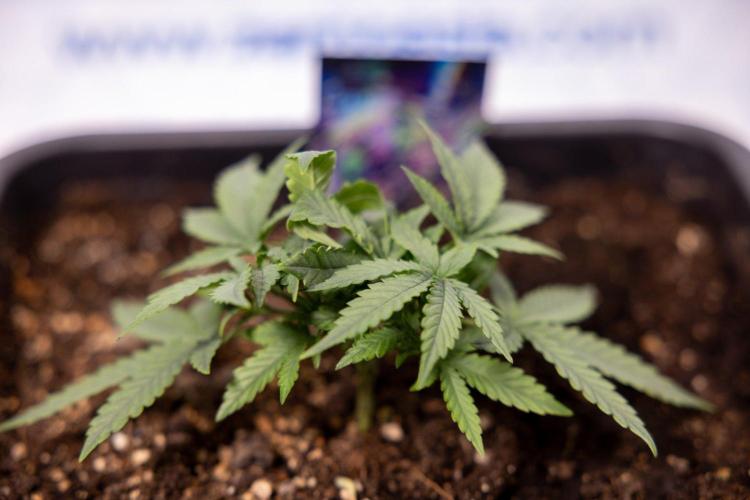
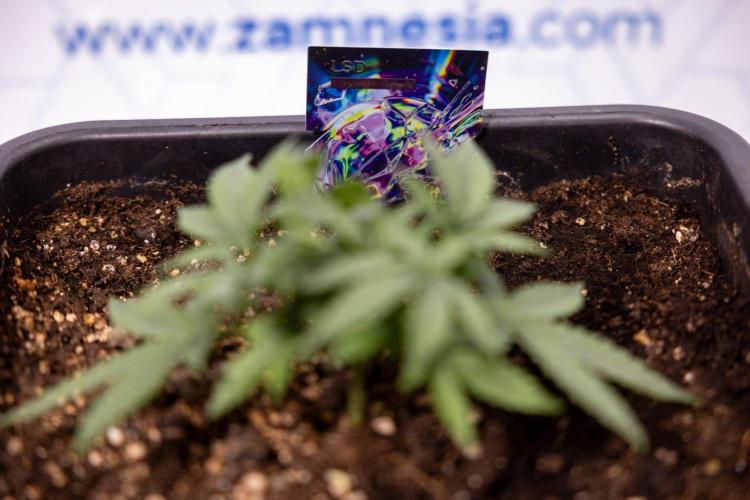
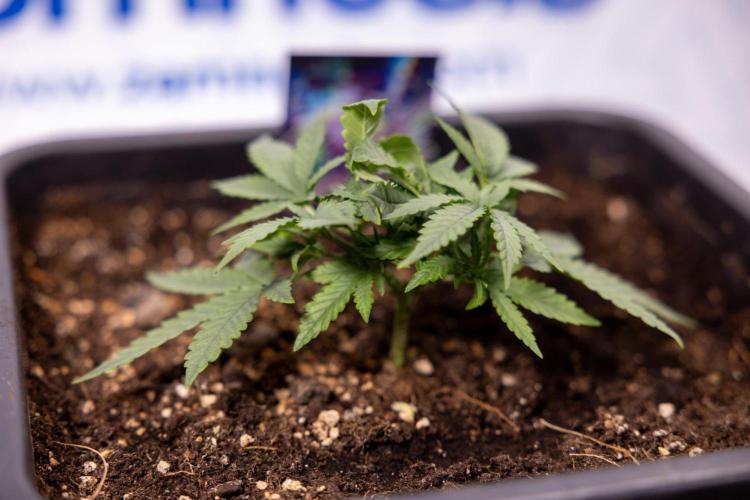
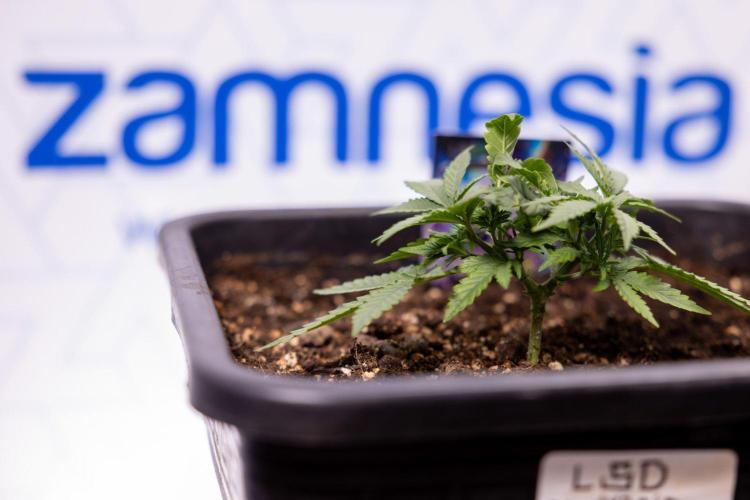
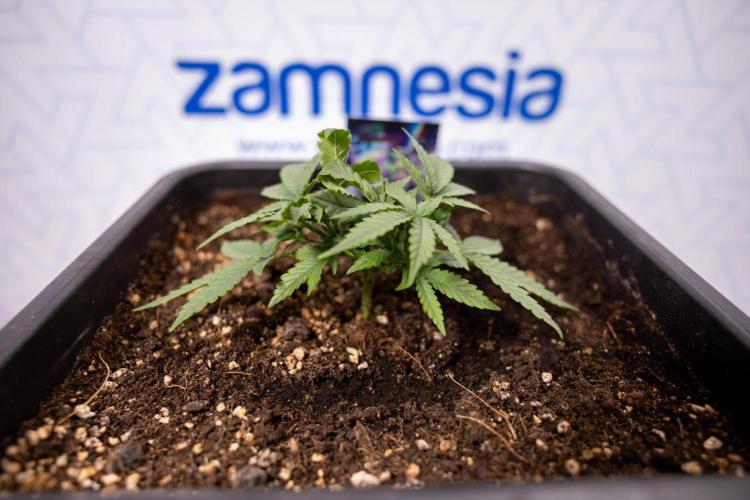
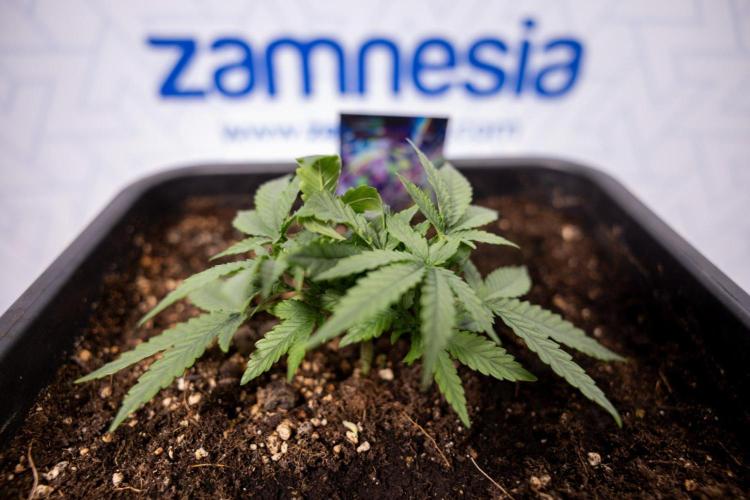
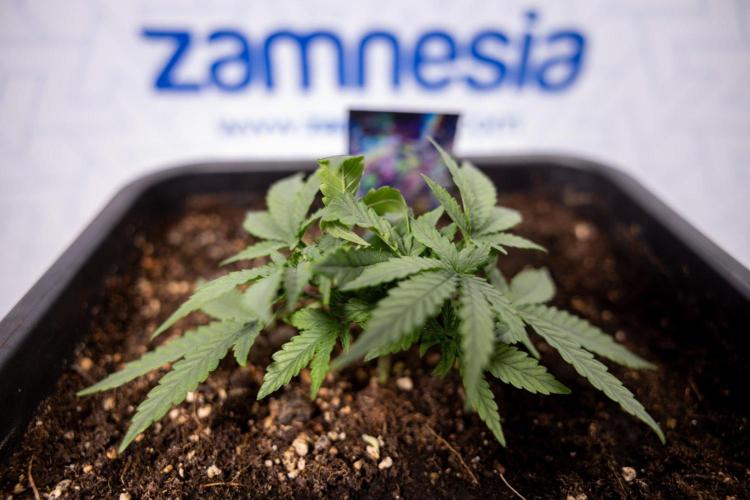
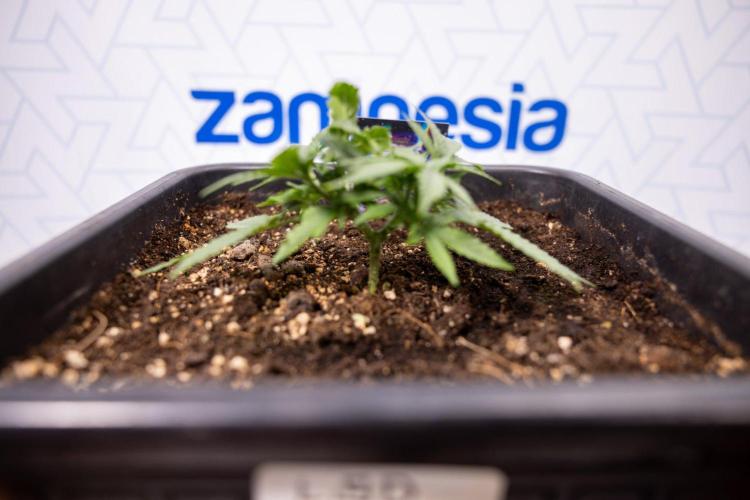
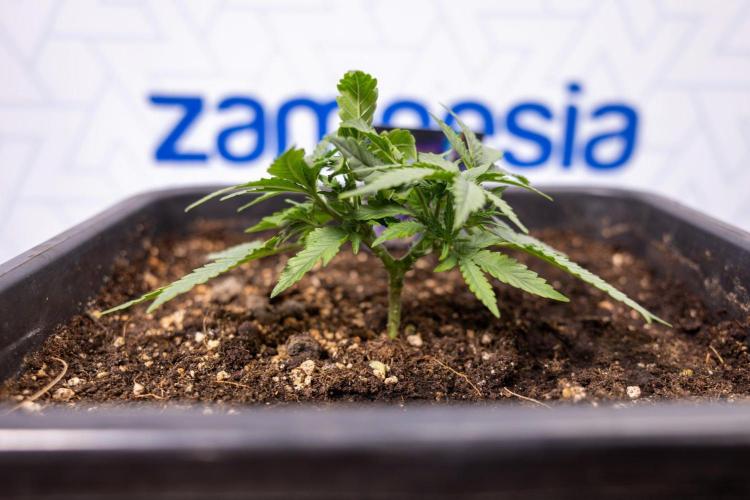
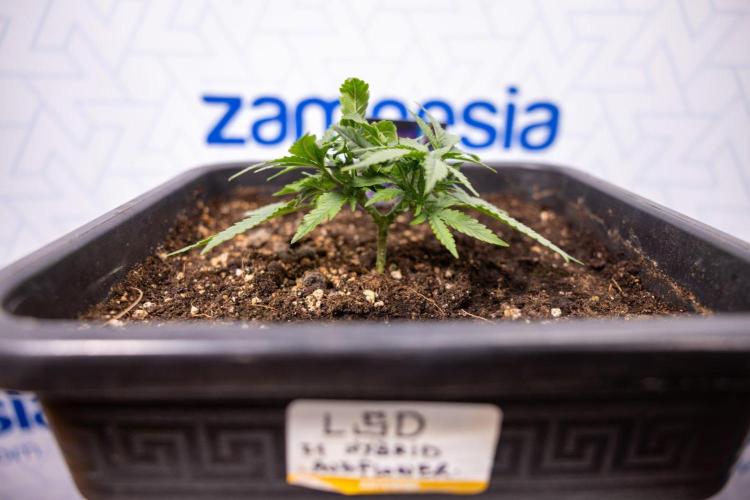
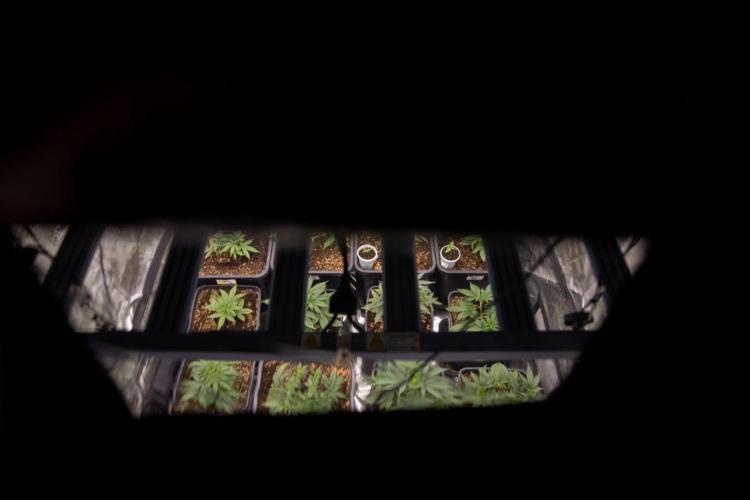
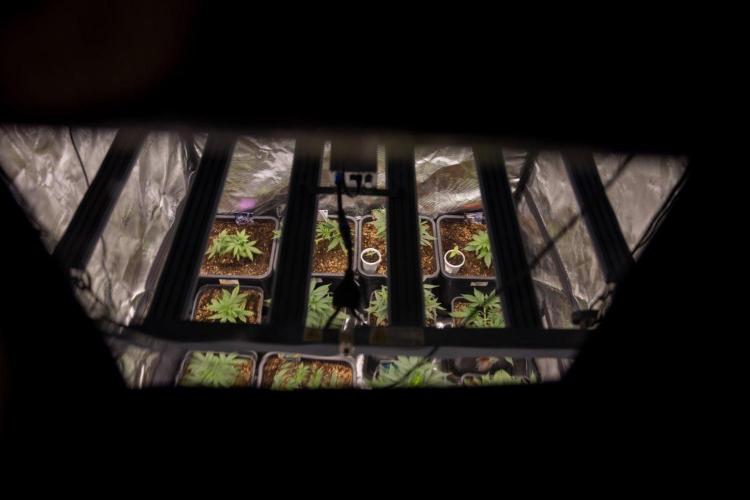
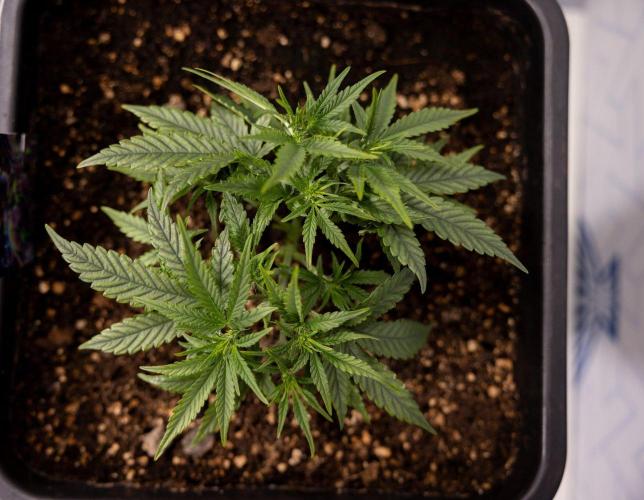
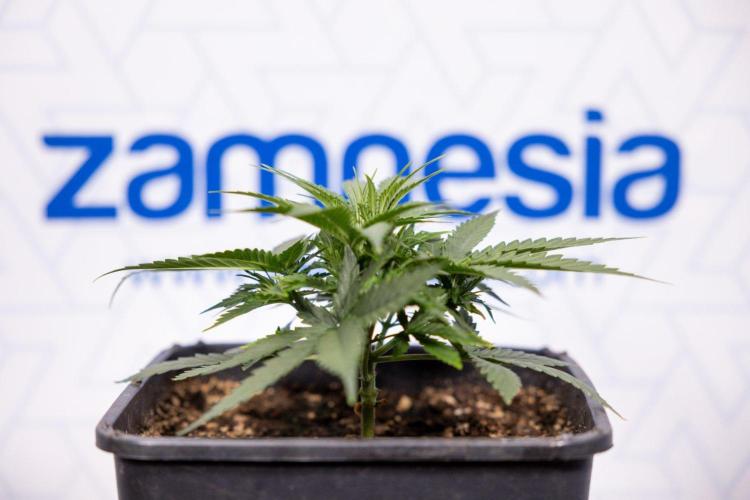
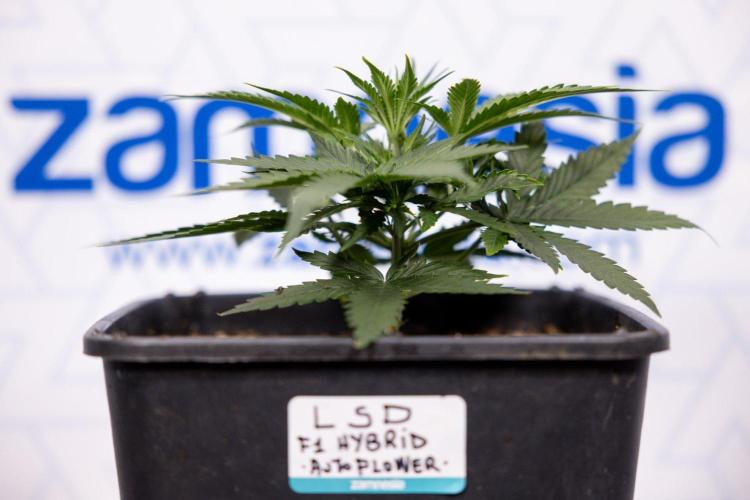
Starting at Day 6: the first week kicked off with the germination of LSD F1 Hybrid Auto seeds from Zamnesia Seeds. Both seeds germinated quite rapidly; after soaking in water for about 24 hours, they were ready to be transferred directly into the soil. We placed them straight into their final pots, avoiding the need for further repotting and giving the young plants plenty of room to develop their root systems right from the start.
For the grow, we are using Plagron ProMix—specifically, a substrate that has been recycled and reactivated with Florea’s Myko+ and a "secret ingredient" we’re keeping under wraps, just like grandmas do with their recipes. The goal is to start with a well-structured soil while fostering beneficial microorganisms and robust root development.
Regarding nutrition, we’ve opted for Plagron fertilizers, using Power Roots, Pure Zym, and Alga Grow for the time being to support the plants through their early growth stages.
Soil x Feeding - www.plagron.com
Myko+ - https://www.florea.bio/
For the light cycle, we’re starting aggressively with 23/1—just enough to allow for a brief rest period and to apply foliar sprays without doing so under direct, intense light once the first week has passed.
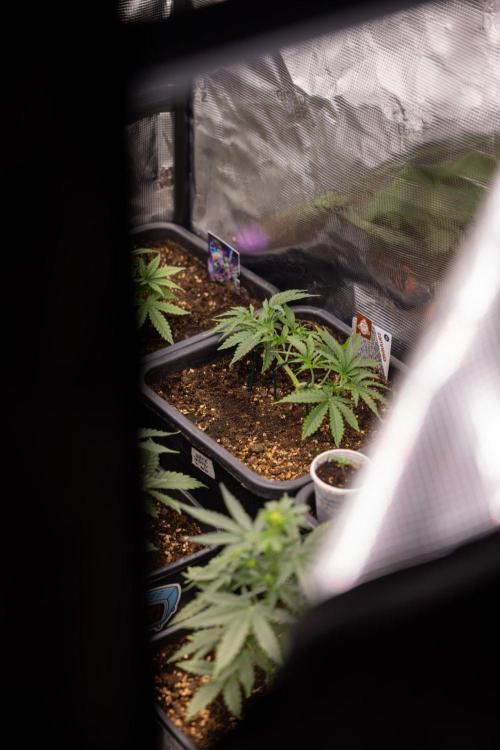
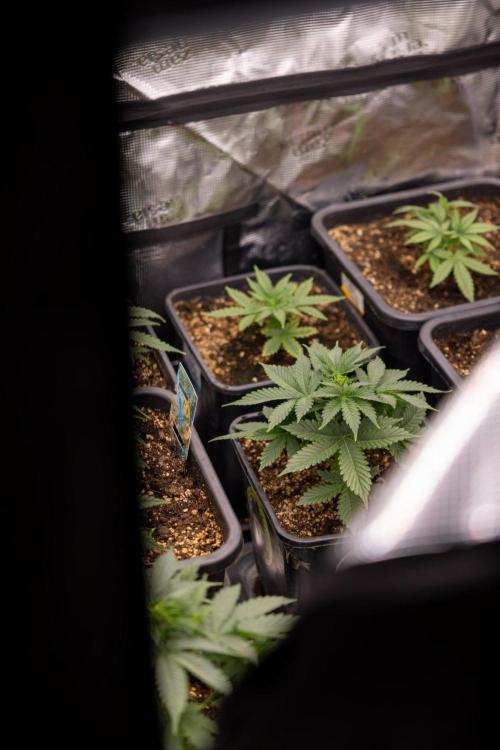
For the grow environment, we are using the Zamnesia Ecosystem 120x120; it’s proving to be a durable, well-constructed, and high-performing grow tent. Another major plus is the comprehensive accessory kit, which ensures a well-organized setup right from the get-go.
Lighting is provided by a 480W Phytonaut LED, while a clip-on fan handles air circulation. Extraction is handled by a particularly powerful 150mm exhaust fan, paired with its corresponding filtration system. The setup is rounded out by a branded filter cover—a detail that helps keep the filter clean and extends its lifespan.
PPFD levels are managed to provide the right amount of light at every stage, starting around 300 μmol/m²/s; as the vegetative phase progresses, I am gradually increasing this to 600 μmol/m²/s for full vegetative growth, and eventually up to 1200 μmol/m²/s during flowering with CO2 supplementation—all professionally monitored using a Phantom Photobio photon flux meter.
https://photobio.com/
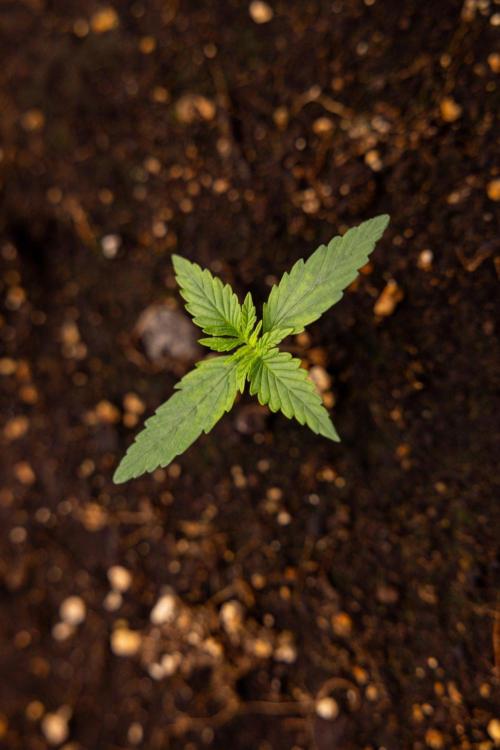
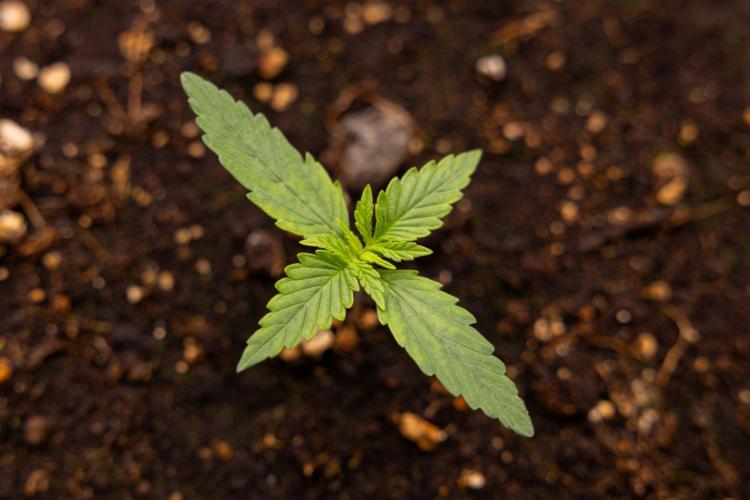
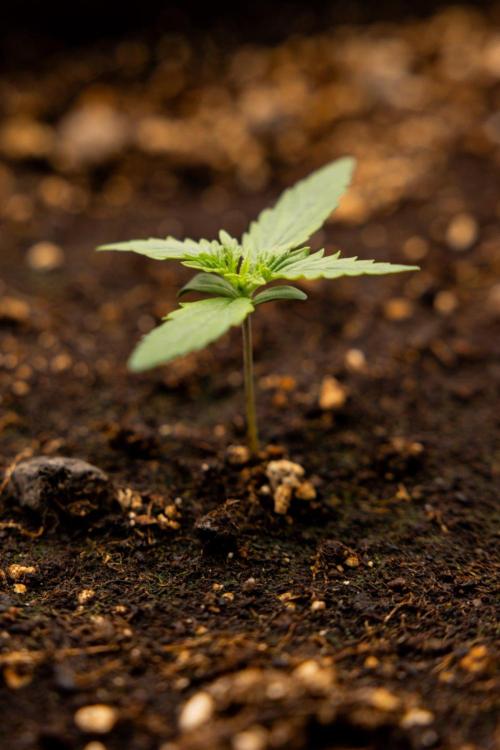
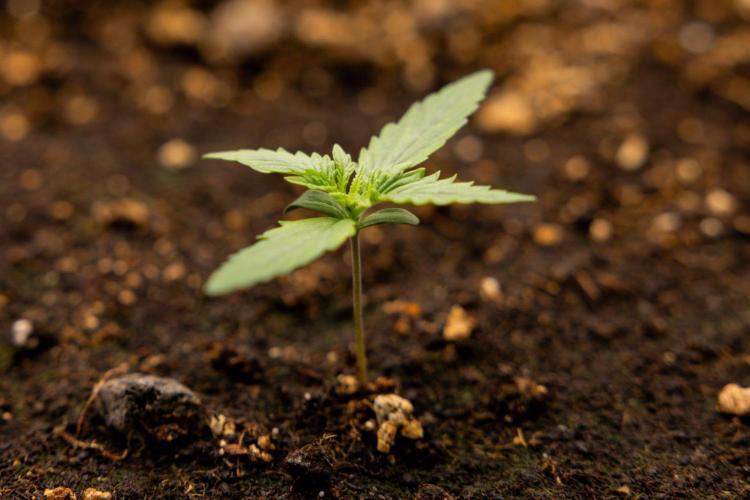
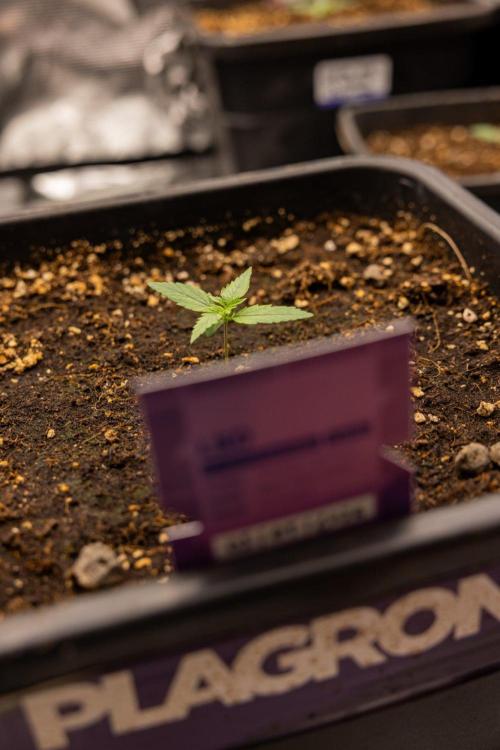
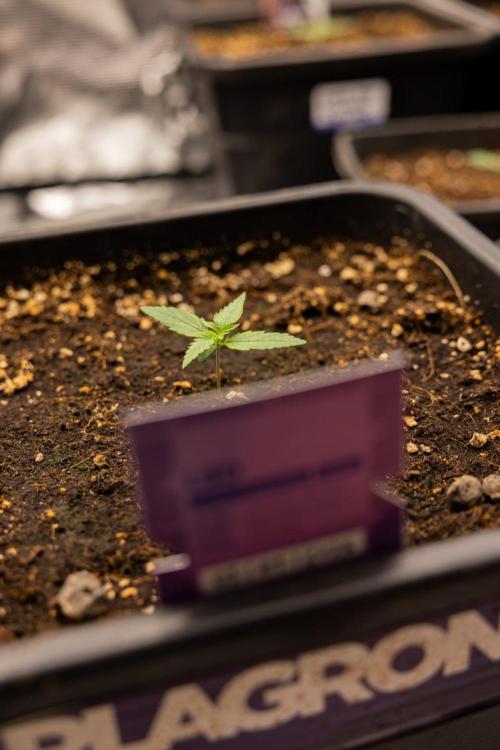
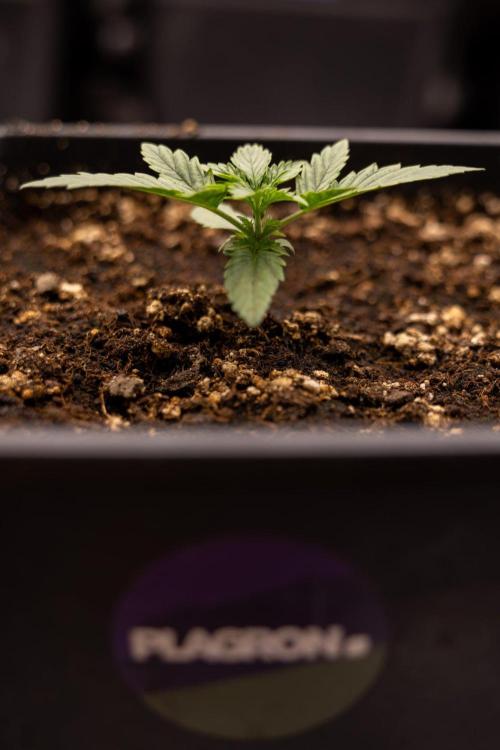
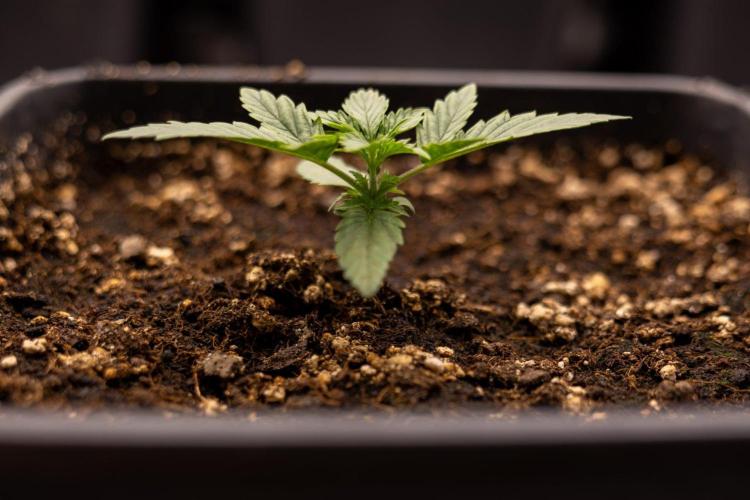
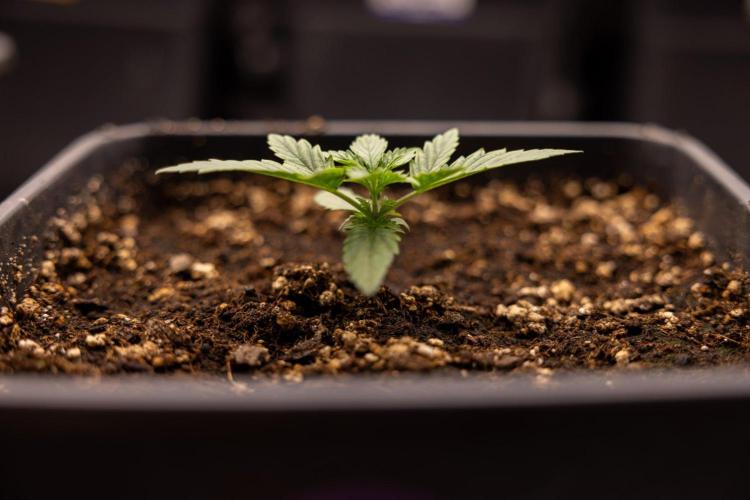
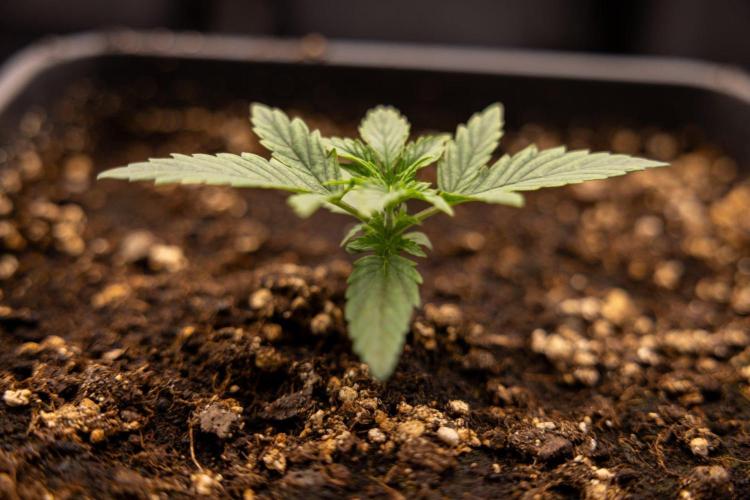
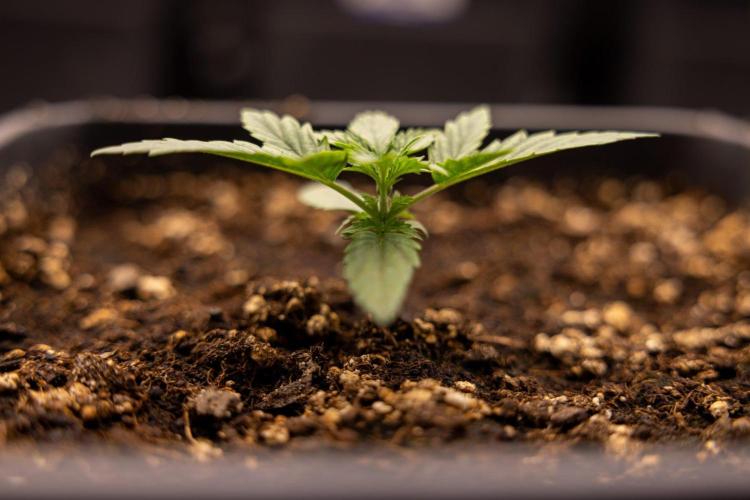
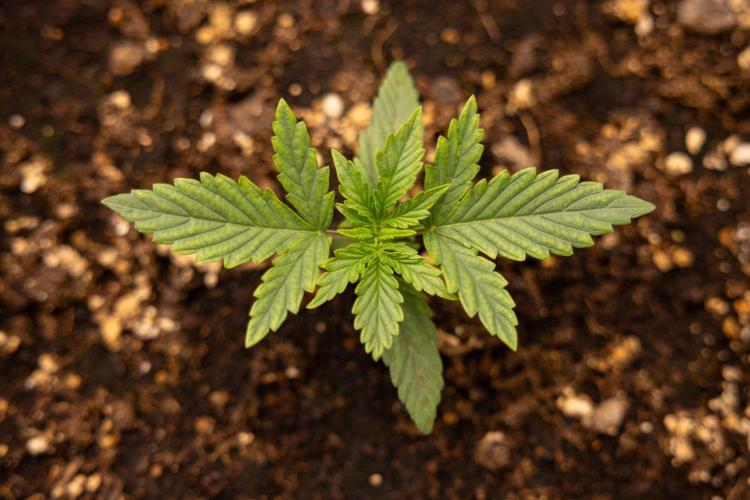
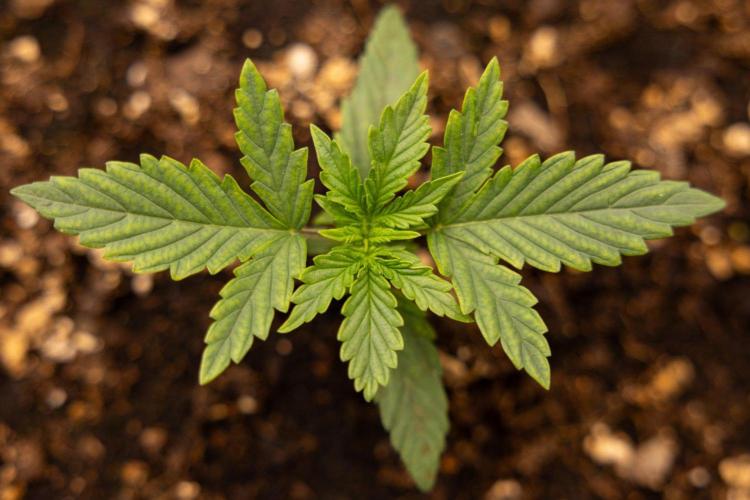
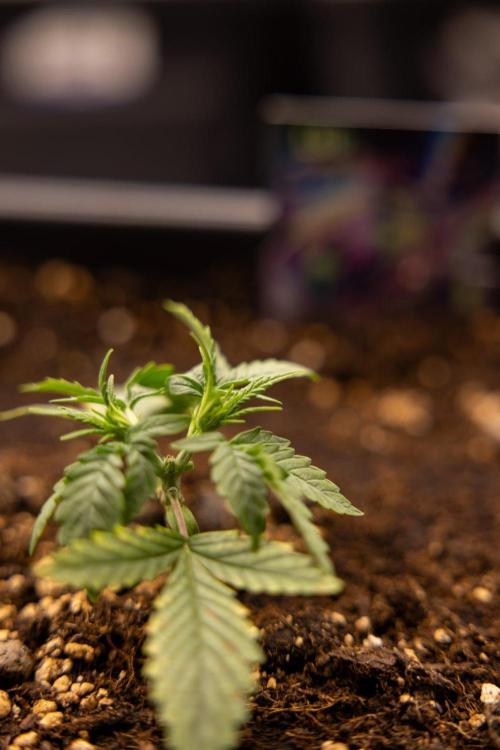
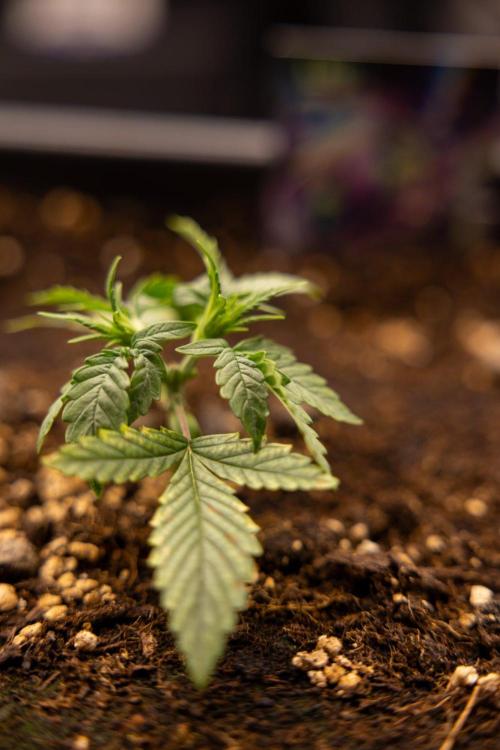
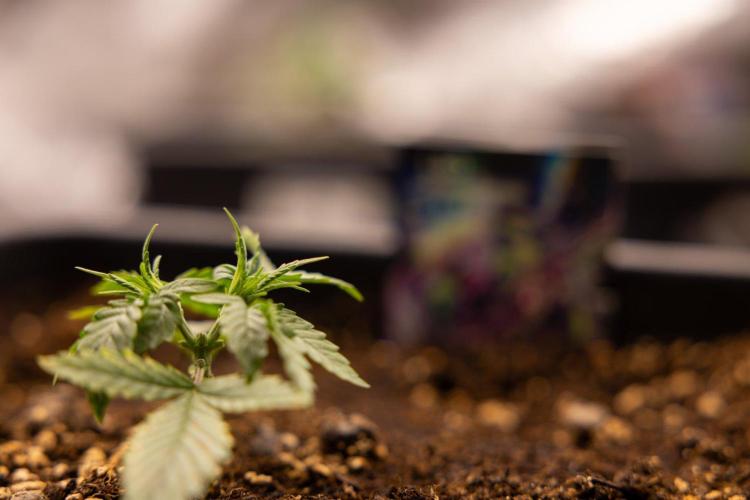
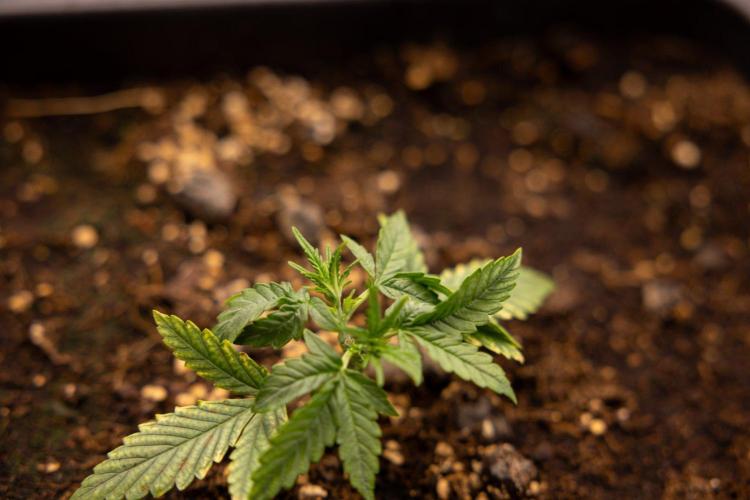
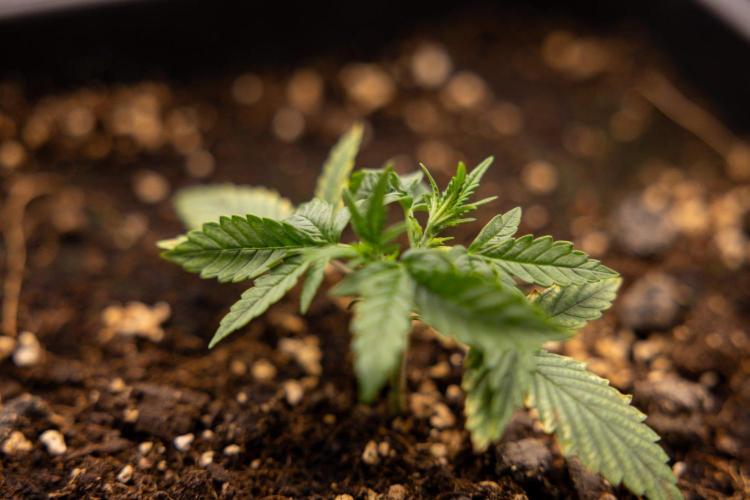
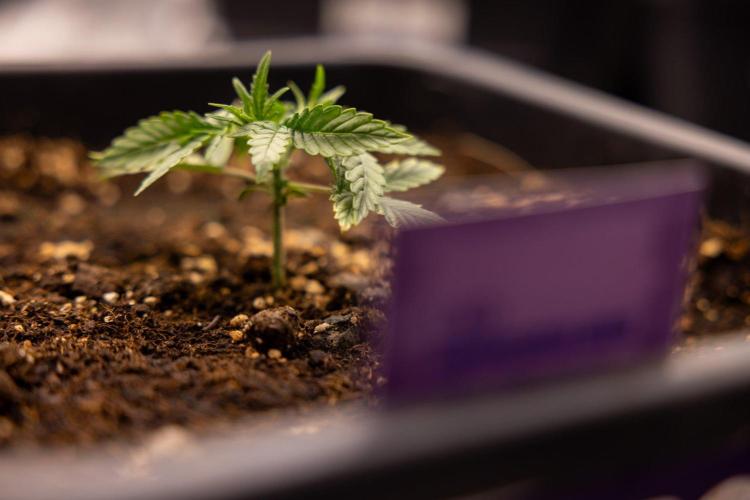
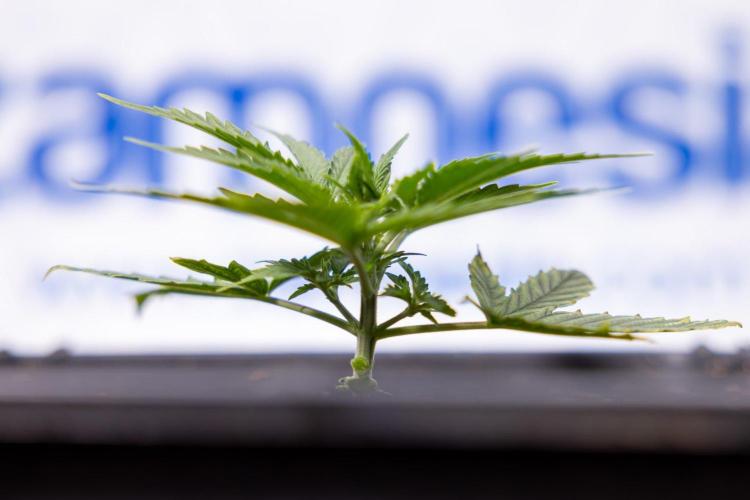
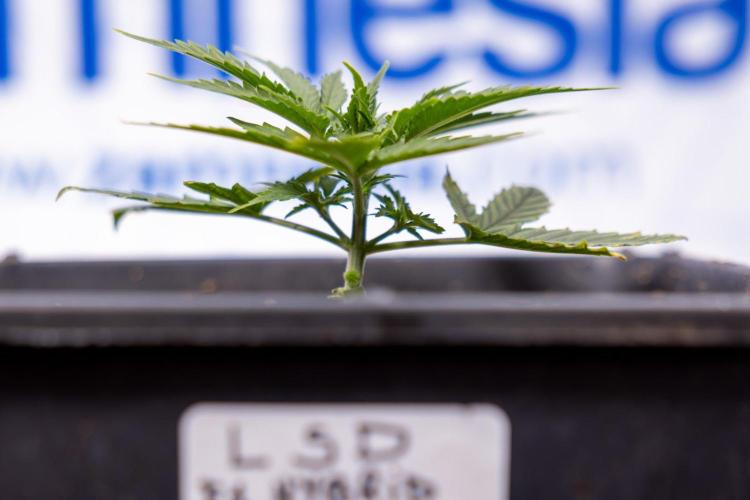
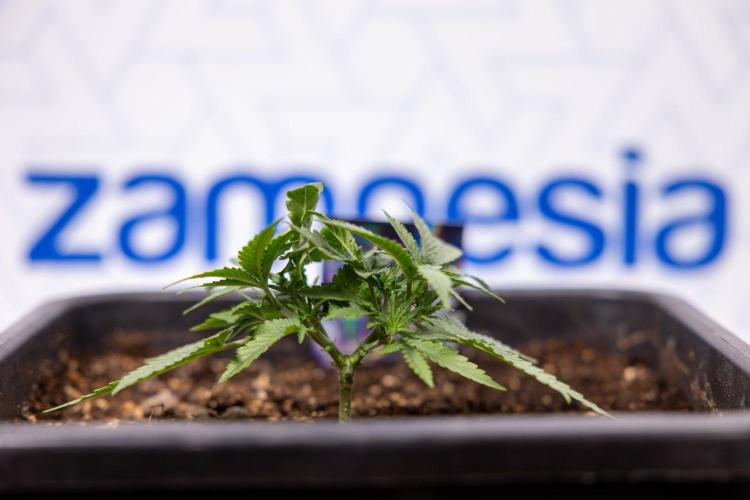
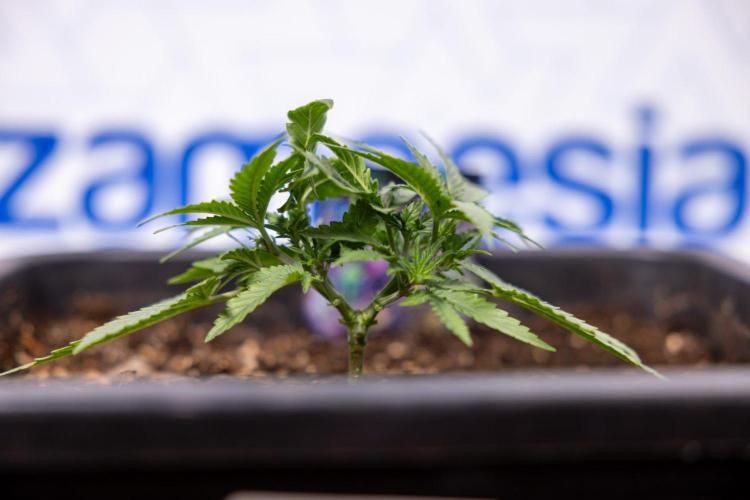
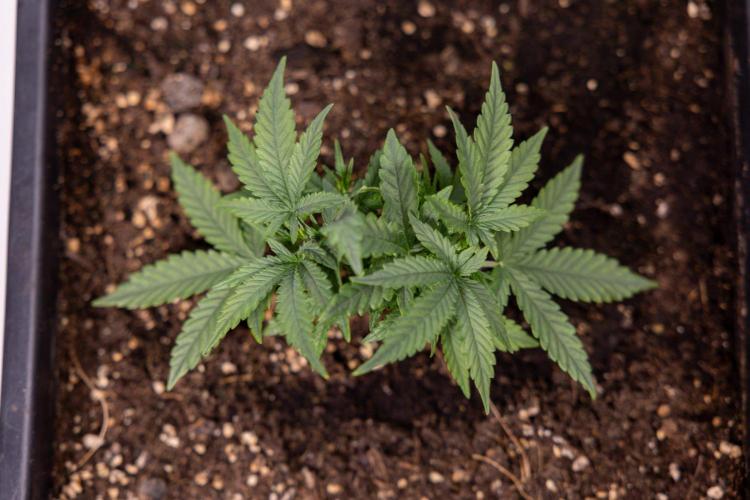
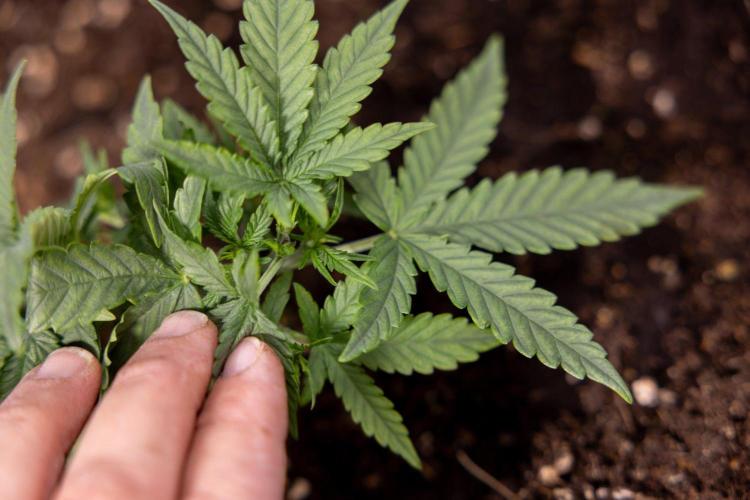
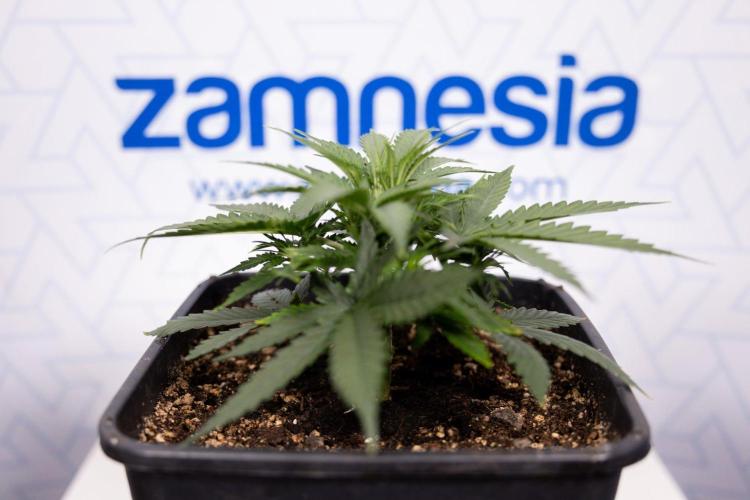
Both seedlings emerged over the following days. Being in their very first days of life, they are naturally small, and their development has only just begun. Nevertheless, both appear healthy and in good shape, looking uniform and showing no signs of stress.
This first week was therefore primarily dedicated to germination and the start of growth. The two seedlings seem to have adapted well to their environment and are progressing without any issues so far. The combination of the new grow environment, the reactivated substrate, and the nutrient program gives us a solid foundation to start from.
The coming days will be interesting as we watch the first true leaves unfold and vegetative development begin.
You can find this fantastic strain, the fertilizers, and an incredible range of products at:
www.zamnesia.com
16 likes
comments
Share
2
Week 2. Vegetation
1mo ago
1/30
15 cm
Height
23 hrs
Light Schedule
28 °C
Day Air Temp
6.0
pH
No Smell
Smell
65 %
Air Humidity
21 °C
Solution Temp
22 °C
Substrate Temp
25 °C
Night Air Temp
11 set_lilers
Pot Size
0.5 set_lilers
Watering Volume
60 cm
Lamp Distance
Nutrients 7
Myko+
1 mll
Alga Grow
5 mll
Pure Zym
1 mll
Bread_n_Buds We’re at week two, and our Zamnesia LSD F1 Hybrid Automatics are looking very promising.
We have two plants: one left to grow naturally—with just a bit of cleanup on the lower sections—and another trained using a "main-lining" technique (but without LST). We chose this approach to better utilize the grow box's vertical space and fit in more plants.
The main-lining process on the second plant has started successfully; we topped it at the third node and are now in the growth phase. We plan to top it again at the third node and will then decide what to keep based on the height it reaches. The plant is a bit small right now, but I’m confident it will pick up speed as it grows.
We are using 11-liter pots (for the natural grow) and 18-liter pots (for the main-lined plant without LST), filled with Plagron ProMix. Specifically, the substrate this time is recycled and reactivated with one-third fresh substrate, Florea’s Myko+, and a secret ingredient we guard jealously—just like grandmothers do with their recipes. The goal is to start with a well-structured soil while fostering beneficial microorganisms and robust root development.
As for nutrition, we’ve chosen Plagron fertilizers:
- Power Roots 1 ml/l
- Pure Zym 1 ml/l
- Cal Mag Pro 1 ml/l
- Silic Rock 1 ml/l
- Sugar Royal 1 ml/l
- Alga Grow 5 ml/l – We’re slightly above the recommended dosage for the base fertilizer; I started lower, but signs of under-fertilization appeared. Soil and nutrients - www.plagron.com
Myko+ - https://www.florea.bio/
As for the light cycle, we are kicking things off with a 23/1 schedule—just enough time to allow for a brief rest and to carry out foliar treatments without exposing the plants to peak light intensity. Once the first week is over, keep in mind: a 24-hour light cycle requires more fertilizer.
For the grow environment, we are using the Zamnesia Ecosystem 120x120; it is proving to be a durable, well-built, and high-performance grow tent. Another strong point is the complete accessory kit, which ensures a well-organized setup right from the start.
Lighting is provided by a 480W Phytonaut LED, while air circulation is handled by a clip-on fan. Air extraction is managed by a particularly powerful 150mm exhaust fan, paired with the corresponding filtration system. The setup is rounded off with a branded filter cover—a detail that helps keep the filter clean and extends its lifespan.
PPFD levels are managed to deliver the right amount of light at every stage, starting at around 300 μmol/m²/s. As the vegetative phase progresses, I gradually increase the intensity to 600 μmol/m²/s for full vegetative growth and, finally, to 1200 μmol/m²/s during flowering with CO2 supplementation. Everything is professionally monitored using a Phantom Photobio photon flux meter.
https://photobio.com/
The seedlings are doing well, and we are confident they have a bright future ahead.
You can find this fantastic strain, the fertilizers, and an incredible range of products at:
www.zamnesia.com
12 likes
comments
Share
Used techniques
Main-Lining
Technique
Manifolding
Technique
Topping
Technique
3
Week 3. Vegetation
25d ago
1/30
20 cm
Height
23 hrs
Light Schedule
28 °C
Day Air Temp
6.0
pH
Weak
Smell
65 %
Air Humidity
21 °C
Solution Temp
22 °C
Substrate Temp
25 °C
Night Air Temp
11 set_lilers
Pot Size
0.5 set_lilers
Watering Volume
60 cm
Lamp Distance
Nutrients 7
Myko+
1 mll
Alga Grow
5 mll
Pure Zym
1 mll
Bread_n_Buds The latest generation of autoflowers truly works wonders, and Zamnesia is excelling in this field—seeing is believing.
Strain – LSD F1 Hybrid Automatic combines Mazar-I-Sharif and Skunk genetics into a 70% indica/30% sativa autoflower designed for maximum consistency. As an F1 hybrid, it aims to deliver a highly uniform harvest, featuring rapid, efficient growth, strong vigor, and good resilience. With 25% THC and under 1% CBD, it is a compact yet potent choice for growers seeking premium results without too many variables.
Techniques – As is now standard practice for me, I’ll be growing two plants: one using training techniques (initial topping at the 5th or 6th node and transplanting) and one left to grow naturally.
Pots – For now, they are in tiny germination pots, but soon I’ll move them to 11L pots (for the non-trained plant) and 15–18L pots (for the trained plant).
Plant 1 – Plant 1 sprouted just over three weeks ago and is growing slightly slower than the others. I started "mainlining" at the third node with a topping that created a manifold; I’ve already reached the third node on each resulting branch and topped them again, so flowering is just around the corner.
Plant 2 – This one is a week younger than the other; the original seed didn't seem to be doing well, so I replanted. It’s doing fine now—just a minor nutrient deficiency, but nothing serious; the 23-hour light cycle requires a bit more fertilizer. Fertilizer – The fertilizer we use for autoflowers is from our favorite brand, Plagron, specifically their 100% organic line—the green packaging, to be precise. This brand offers an impressive range of additives that are perfect for complementing their already excellent base fertilizers. We are using:
- Alga Grow: 4 ml/L (plants in vegetative stage), 2 ml/L (plants in transition)
- Alga Bloom: 2 ml/L (ONLY for plants in transition – 50/50 mix)
- Power Roots: 1 ml/L
- Sugar Royal: 1 ml/L
- Pure Zym: 1 ml/L
- Silic Rock: 1 ml/L
- Cal Mag Pro: 1 ml/L
Soil: Plagron Bio Light Mix (85%), Plagron Perlite (10%), Plagron Euro Pebbles (at the bottom of the pot, 5%)
Fertilizer info: www.plagron.com; available at www.zamnesia.com
Light: We are providing a controlled light intensity of around 600 µmol/m²/s in the center and 520–550 µmol/m²/s at the sides, monitored using the Phantom Photobio (https://photobio.com/). The light used is the Zamnesia Pythonaut LED 480W, designed specifically for growers.
Light available at www.zamnesia.com -
https://www.zamnesia.io/it/14526-lampada-led-per-coltivazione-phytonaut-480.html (search on Google for your local version of the link)
Strain available at www.zamnesia.com -
https://www.zamnesia.io/it/14810-zamnesia-seeds-lsd-f1-auto.html
Z - From seed to harvest in 10–11 weeks: LSD F1 Hybrid Automatic keeps the timeline tight and expectations clear. Indoors, the plants remain small—around 50 cm—making them a practical solution for limited spaces and more discreet setups. Outdoors, expect a manageable height of around 70 cm—easy to position discreetly.
This variety plays it safe with a bold, familiar profile: pungent citrus notes mixed with skunk and sour undertones, all rounded off by a rich "hash" quality. It’s an old-school profile that remains clean and direct, delivering a strong presence from the first puff to the aftertaste. The effects offer a balance between body and mind.
With Indica-leaning genetics and 25% THC, LSD F1 Hybrid Automatic is best described as deep and "heavy," while still retaining a touch of Sativa brightness in the mix. Expect a solid, steady vibe: it can be mentally stimulating at first, gradually becoming calmer and more centered as the experience settles in.
Terpenes - Caryophyllene, Myrcene, Limonene
Growing difficulty - Easy
Parents - Mazar-I-Sharif x Skunk
Genetics - 70% Indica / 30% Sativa
THC - 25%
CBD - 0-1%
Flowering time - 10-11 weeks from seed to harvest
Indoor height - 50 cm
Outdoor height - 70 cm
Taste / Aroma - Citrus, Skunk, Sour, Hashish
Effect - Cerebral, Strong, Balanced, Calming
- Music of the week -
Album - Erykah Badu & The Alchemist
"Before The World Blows"
+ 528 Hz Frequencies
+ www.radionula.com
All the best nature has to offer
www.zamnesia.com
9 likes
comments
Share
Used techniques
Main-Lining
Technique
Topping
Technique
4
Week 4. Vegetation
18d ago
1/16
30 cm
Height
23 hrs
Light Schedule
26 °C
Day Air Temp
6.0
pH
Weak
Smell
65 %
Air Humidity
21 °C
Solution Temp
22 °C
Substrate Temp
23 °C
Night Air Temp
11 set_lilers
Pot Size
0.75 set_lilers
Watering Volume
60 cm
Lamp Distance
Nutrients 8
Myko+
1 mll
Alga Grow
4 mll
Pure Zym
1 mll
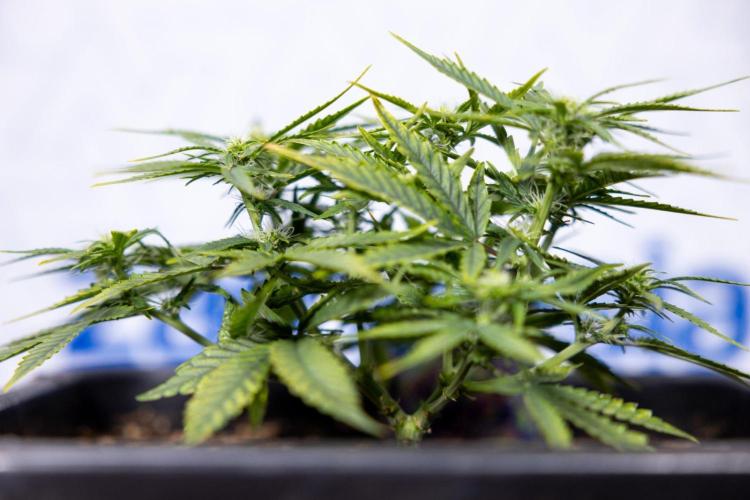
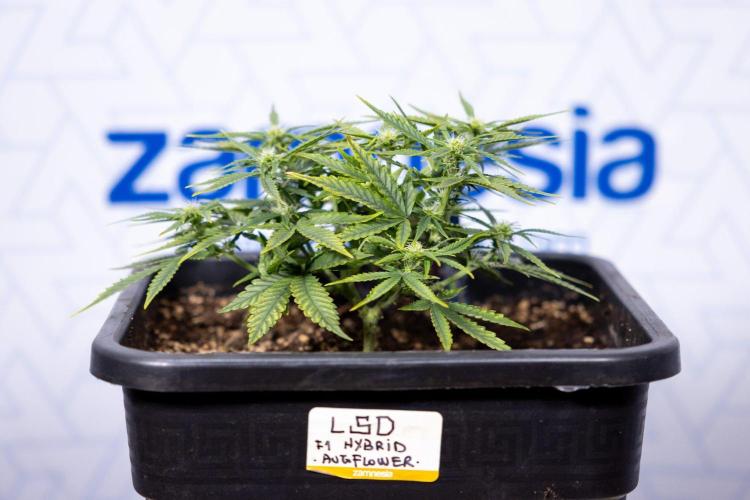
Bread_n_Buds F1 Hybrid Automatic varieties are quite unique: they sometimes stay short (Zamnesia lists a height of 50–70 cm) but begin flowering immediately and very rapidly, completing their cycle in 8–9 weeks. In this instance, too, the plant remained very short after topping; since the variety is rated to reach only 50 cm indoors, it is best to avoid pruning or training techniques.
Variety – LSD F1 Hybrid Automatic combines Mazar-I-Sharif and Skunk genetics into an autoflowering hybrid (70% indica/30% sativa) designed for highly consistent yields. As an F1 hybrid, it aims to deliver an extremely uniform harvest, characterized by rapid, efficient growth, great vigor, and good resilience. With 25% THC and less than 1% CBD, it is a compact yet potent choice for growers seeking high-quality results without too many variables.
Techniques – As is my custom, I will be growing two plants: one subjected to mainlining (without LST in this case) and the other left to grow without any training techniques.
Pots – For now, they are in small germination pots, but I will soon transplant them into 11L pots (for the untrained plant) and 15–18L pots (for the trained one).
Plant 1 – Plant 1 sprouted just over three weeks ago and is growing slightly more slowly than the others. I began the "mainlining" technique at the third node with a topping cut that created a "manifold" structure; I have already reached the third node on each of the resulting branches and topped them again, so flowering is now imminent. Plant 2 – This plant is one week younger than the other but is growing steadily and is about to start flowering.
This plant is a heavy feeder; for this reason, we are administering almost double the recommended dosage.
- Alga Grow: 4 ml/L (plants in vegetative phase), 2 ml/L (plants in transition phase)
- Alga Bloom: 4 ml/L (ONLY for plants in transition phase – 50/50 mix)
- Power Roots: 1 ml/L
- Sugar Royal: 1 ml/L
- Pure Zym: 1 ml/L
- Silic Rock: 1 ml/L
- Cal Mag Pro: 1 ml/L
Soil: Plagron Bio Light Mix (85%), Plagron Perlite (10%), Plagron Euro Pebbles (at the bottom of the pot, 5%)
+ Mycorrhiza www.florea.com Mycko+
Fertilizer information: www.plagron.com; available at www.zamnesia.com
Lighting: We ensure a controlled light intensity of approximately 600 µmol/m²/s in the center and 520–550 µmol/m²/s at the sides, monitored using a Phantom Photobio (https://photobio.com/). The lamp used is the Zamnesia Pythonaut LED 480W, designed specifically for growers. Lamp available at www.zamnesia.com -
https://www.zamnesia.io/it/14526-lampada-led-per-coltivazione-phytonaut-480.html (search Google for the local version of the link)
Strain available at www.zamnesia.com -
https://www.zamnesia.io/it/14810-zamnesia-seeds-lsd-f1-auto.html
Z - From seed to harvest in 10–11 weeks: LSD F1 Hybrid Automatic offers a fast turnaround and predictable results. Indoors, the plants remain compact (around 50 cm), making them a practical solution for small spaces and discreet setups. Outdoors, the height remains manageable—around 70 cm—making it easy to position discreetly.
This strain plays it safe with a bold, familiar flavor profile: pungent citrus notes blend with Skunk undertones and tangy hints, all enriched by rich, hash-like notes. It is a clean, straightforward "old-school" profile that makes itself clearly felt from the first puff to the aftertaste. The effects offer a balance between body and mind.
Thanks to Indica-dominant genetics and a THC content of 25%, LSD F1 Hybrid Automatic delivers deep, heavy sensations while retaining a touch of Sativa-style liveliness in the mix. Expect a solid, steady experience: it may feel mentally stimulating at first, gradually becoming calmer and more centered as the high settles in. Terpenes - Caryophyllene, Myrcene, Limonene
Growing difficulty - Easy
Parents - Mazar-I-Sharif x Skunk
Genetics - 70% Indica / 30% Sativa
THC - 25%
CBD - 0-1%
Flowering time - 10-11 weeks from seed to harvest
Indoor height - 50 cm
Outdoor height - 70 cm
Flavor / Aroma - Citrus, Skunk, Sour, Hashish
Effect - Cerebral, Strong, Balanced, Relaxing
- Music of the week -
Album - Busta Rhymes & J Dilla
"Dillagence 2"
+ 528 Hz frequencies
+ www.radionula.com
The best nature has to offer
www.zamnesia.com
13 likes
1 comment
Share
Used techniques
Main-Lining
Technique
5
Week 5. Flowering
11d ago
1/26
45 cm
Height
20 hrs
Light Schedule
25 °C
Day Air Temp
6.0
pH
Weak
Smell
65 %
Air Humidity
21 °C
Solution Temp
22 °C
Substrate Temp
18 °C
Night Air Temp
11 set_lilers
Pot Size
0.75 set_lilers
Watering Volume
60 cm
Lamp Distance
Nutrients 8
Myko+
1 mll
Alga Grow
4 mll
Pure Zym
1 mll
Bread_n_Buds LSD retains many of the characteristics of an F1 autoflowering hybrid: it is extremely stable, fast, and consistent, with individual plants that are very similar to one another—often remaining quite short, as is the case here. While techniques like "topping" and "mainlining" are generally not recommended for this strain, I decided to try them on one of the plants anyway.
Variety – The LSD F1 autoflowering hybrid combines Mazar-I-Sharif and Skunk genetics (70% indica/30% sativa) and was developed to ensure highly consistent yields. As an F1 hybrid, it aims to provide an extremely uniform harvest, characterized by rapid, efficient growth, great vigor, and good resilience. With a THC content of 25% and less than 1% CBD, it is a compact yet potent choice for growers seeking high-quality results with minimal variability.
Techniques – As is my custom, I am growing two plants: one subjected to "mainlining" (in this case, without the use of LST—Low-Stress Training) and the other left to grow without any shaping techniques.
Pots – Currently, they are in small germination pots, but I will soon transplant them into 11-liter pots (for the unshaped plant) and 15–18 liter pots (for the one undergoing training techniques).
Plant 1 – This one is giving us some trouble; we topped it at the third internode, but it hasn't developed much. Then again, it’s listed as reaching 50 cm, but I had expected something larger—otherwise, I wouldn't have attempted mainlining. It’s a good reminder to always read the full plant profile before starting a grow!
Plant 2 – This one, which is growing straight, is proving much more rewarding; I’d bet it’s going to turn into a really great little plant. This variety requires a high nutrient intake; for this reason, we are applying a dose nearly double the recommended amount.
- Alga Grow: 4 ml/L (plants in the vegetative phase), 2 ml/L (plants in the transition phase)
- Alga Bloom: 4 ml/L (ONLY for plants in the transition phase – 50/50 mix)
- Power Roots: 1 ml/L
- Sugar Royal: 1 ml/L
- Pure Zym: 1 ml/L
- Silic Rock: 1 ml/L
- Cal Mag Pro: 1 ml/L
Soil: Plagron Bio Light Mix (85%), Plagron Perlite (10%), Plagron Euro Pebbles (at the bottom of the pot, 5%)
+ Mycorrhizae: Mycko+ (www.florea.com)
Fertilizer information: www.plagron.com; available at www.zamnesia.com
Lighting: We maintain a controlled light intensity of approximately 600 µmol/m²/s in the center and 520–550 µmol/m²/s at the sides, monitored using a Phantom Photobio device (https://photobio.com/). The lamp used is the Zamnesia Pythonaut LED 480W, designed specifically for growers. Lamp available at www.zamnesia.com -
https://www.zamnesia.io/it/14526-lampada-led-per-coltivazione-phytonaut-480.html (search Google for the local version of this link)
Strain available at www.zamnesia.com -
https://www.zamnesia.io/it/14810-zamnesia-seeds-lsd-f1-auto.html
Terpenes: caryophyllene, myrcene, limonene.
Growing difficulty: easy
Parents: Mazar-I-Sharif x Skunk
Genetics: 70% Indica / 30% Sativa
THC: 25%
CBD: 0–1%
Flowering time: 10–11 weeks from seed to harvest
Indoor height: 50 cm
Outdoor height: 70 cm
Flavor / Aroma: citrusy, Skunk, tangy, hashish
Effect: cerebral, intense, balanced, relaxing
- Music of the week -
Album: Curtis Mayfield
"Curtis!" 1970
+ 528 Hz frequencies
+ www.radionula.com
7 likes
1 comment
Share
Used techniques
Main-Lining
Technique
6
Week 6. Flowering
3d ago
1/30
45 cm
Height
20 hrs
Light Schedule
25 °C
Day Air Temp
6.0
pH
Weak
Smell
65 %
Air Humidity
21 °C
Solution Temp
22 °C
Substrate Temp
18 °C
Night Air Temp
11 set_lilers
Pot Size
0.75 set_lilers
Watering Volume
60 cm
Lamp Distance
Nutrients 8
Myko+
1 mll
Pure Zym
1 mll
Power Roots
1 mll
Bread_n_Buds LSD retains many of the characteristics of an F1 autoflowering hybrid: it is extremely stable, fast, and consistent, with individual plants that are very similar to one another—and, in this case, tend to remain quite short. Although techniques like "topping" and "mainlining" are generally not recommended for this variety, I decided to experiment with them on one of the plants anyway; I can be a bit stubborn, though I should note that I generally advise against cutting-based techniques for any strain known to stay short.
Strain Description – The F1 autoflowering hybrid LSD combines Mazar-I-Sharif and Skunk genetics (70% indica/30% sativa) and was developed to ensure highly consistent yields. As an F1 hybrid, it aims to provide an extremely uniform harvest, characterized by rapid, efficient growth, great vigor, and good resilience. With a THC content of 25% and less than 1% CBD, it is a compact yet potent choice for growers aiming for high-quality results with minimal variability.
Techniques – As is my custom, I am growing two plants: one is being "mainlined"—though without the use of LST (Low-Stress Training), as the plant is too short—while the other has been left to grow without any training techniques. For the same reason—it’s a short plant—it’s best to just let it grow, perhaps with a bit of light cleaning/pruning.
Pots – I am using 11-liter square plastic pots.
Plant 1 – After a few weeks of struggling—trying to recover from an underfeeding issue that just wouldn't resolve—I can definitively say that this plant is a heavy feeder. In particular, it requires a lot of nitrogen (N) during the vegetative phase; to give you an idea, I had to double the dosage of Alga Grow. We are now back to an acceptable coloration, thanks to the extra doses I provided—though not without some risk. It’s worth noting that, during the initial period, the plants were on a 23/1 light cycle, which likely caused them some stress; for this reason, they definitely required extra feeding. In any case, I also need to keep the Alga Bloom dosage on the higher side—I’m currently exceeding the recommended amount by 2 ml/L, though I haven’t gone as far as doubling it.
Plant 2 – This one, which is growing naturally, is proving to be much more satisfying; I’m confident it will turn into an excellent plant. This variety requires a high nutrient intake, which is why we are providing a dose nearly double the recommended amount. - Alga Grow: 4 ml/L (plants in the vegetative phase), 2 ml/L (plants in the transition phase)
- Alga Bloom: 6 ml/L
- Power Buds: 1 ml/L
- Power Roots: 1 ml/L
- Sugar Royal: 1 ml/L
- Pure Zym: 1 ml/L
- Silic Rock: 1 ml/L
- Cal Mag Pro: 1 ml/L
We have discontinued the foliar application of Vita Race, which is otherwise recommended up until the second week of flowering.
Soil: Plagron Bio Light Mix (85%), Plagron Perlite (10%), Plagron Euro Pebbles (at the bottom of the pot, 5%)
+ Mycorrhizae: Mycko+ (www.florea.com)
Information on fertilizers: www.plagron.com available at www.zamnesia.com
Lighting: We maintain a controlled light intensity of approximately 600 µmol/m²/s in the center and 520–550 µmol/m²/s at the sides, monitored using a Phantom Photobio device (https://photobio.com/). The lamp used is the Zamnesia Pythonaut LED 480W, designed specifically for growers. Lamp available at www.zamnesia.com -
https://www.zamnesia.io/it/14526-lampada-led-per-coltivazione-phytonaut-480.html (search Google for the local version of this link)
Strain available at www.zamnesia.com -
https://www.zamnesia.io/it/14810-zamnesia-seeds-lsd-f1-auto.html
Terpenes: caryophyllene, myrcene, limonene. Growing difficulty: easy
Parents: Mazar-I-Sharif x Skunk
Genetics: 70% Indica / 30% Sativa
THC: 25%
CBD: 0–1%
Flowering time: 10–11 weeks from seed to harvest
Indoor height: 50 cm
Outdoor height: 70 cm
Flavor / Aroma: citrus, Skunk, pungent, hashish
Effect: cerebral, intense, balanced, relaxing
- Music of the week -
Commodores - Album: "Natural High (1978)"
+ 528 Hz frequencies
+ www.radionula.com
@Patricia_Zamnesia, thanksss Patricia this is another small f1 declared 50-70 cm on schedule i regret the topping for this reason but nice anyway and the other better











 commentedweek 415d ago