ChillSpace We are officially underway with Mystic Rose from Huckleberry Hill Farms!
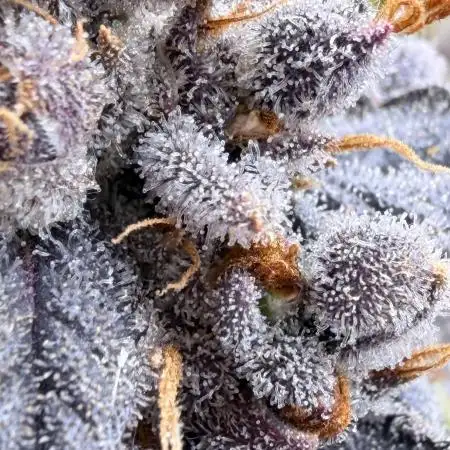
I’ve been really excited to get these genetics started, especially after learning more about the lineage behind this cross. Mystic Rose combines Huckleberry Hill’s Whitethorn Rose with Mystic Mountain Blueberry from James Loud Genetics, bringing together some seriously interesting potential for floral, fruity, and even fuel-like aromas!
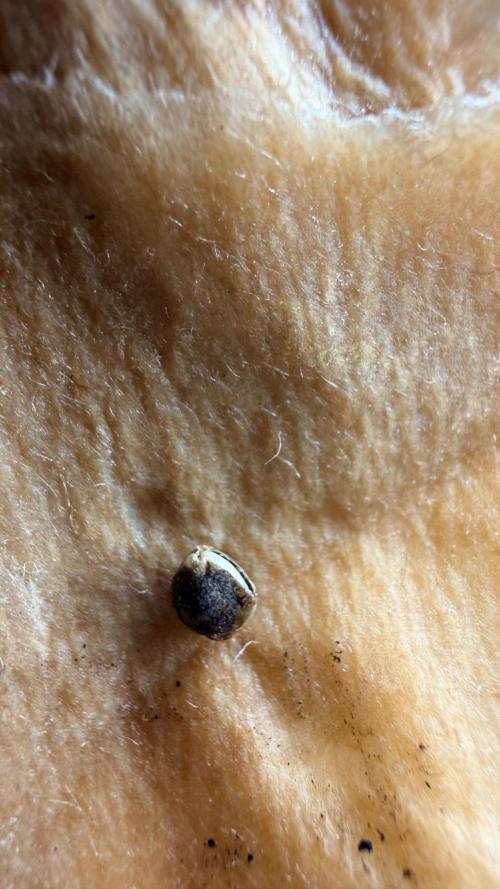
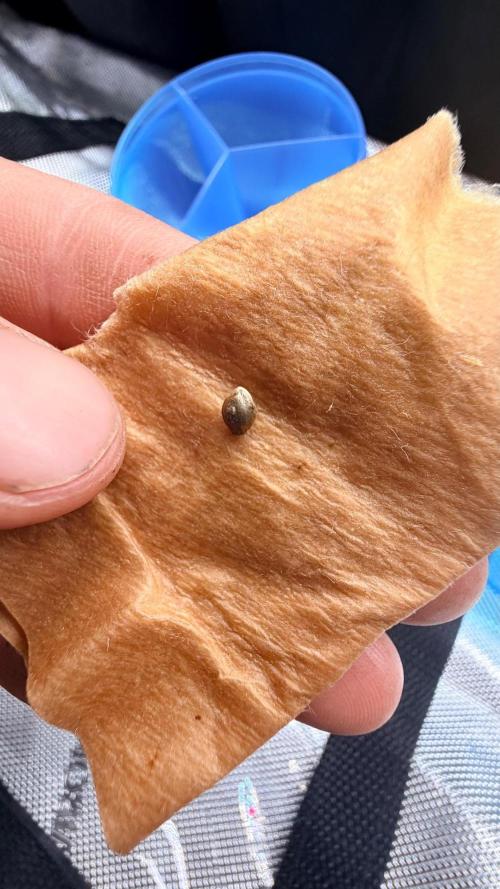
I started three seeds on October 13th using my usual coffee filter germination method. Within roughly 40 hours, all three had cracked for a perfect 3/3 start—about as good as I could ask for!
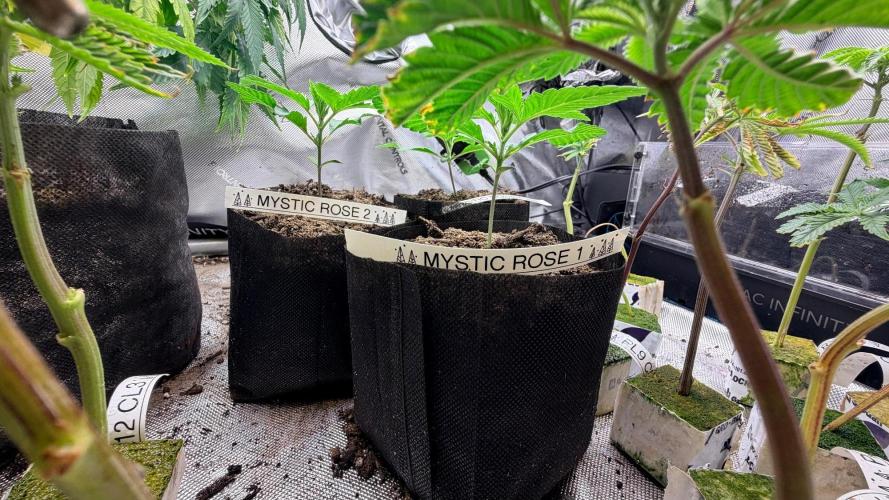
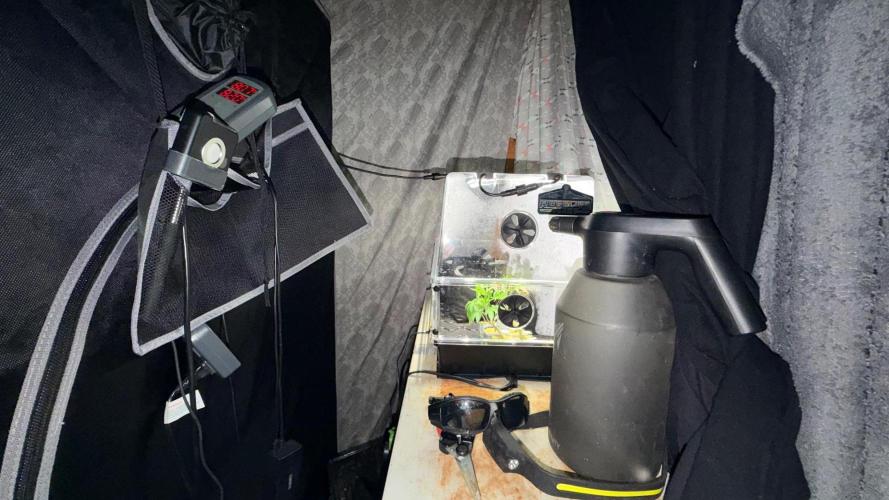
They’ve since been planted in quarter-gallon fabric pots filled with Purple Cow IndiCanja soil and placed in my propagation tent alongside my ongoing Platinum Lantz project.
I’m especially looking forward to seeing how these three develop and what kind of differences show up between phenotypes. There doesn’t seem to be much documented grow information available for this particular cross yet, which makes this project even more exciting!
For now, we’re just waiting for them to break the surface. Couldn’t be happier with how things are starting! 🤙
2 likes
comments
Share
Used method
Paper Towel
Germination Method
1
Week 1. Vegetation
1mo ago
1/9
7.62 cm
Height
27 °C
Day Air Temp
6.0
pH
75 %
Air Humidity
0.95 liters
Pot Size
35.56 cm
Lamp Distance
390 PPM
CO₂ Level
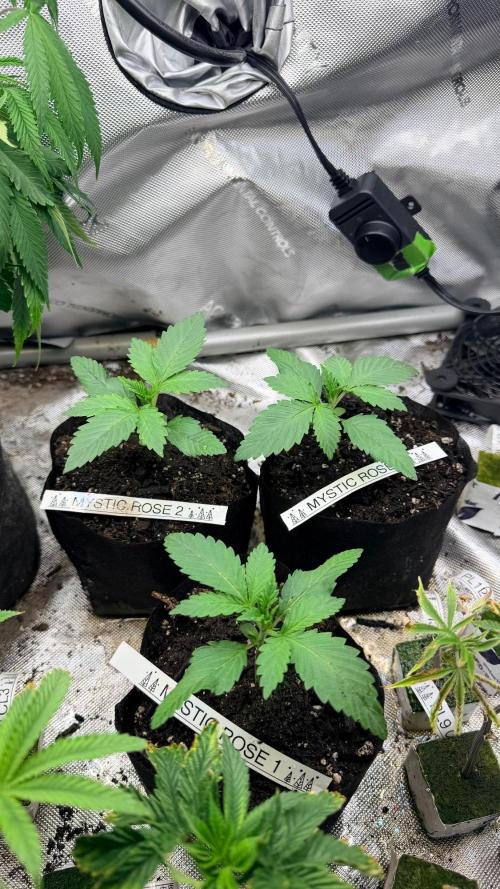
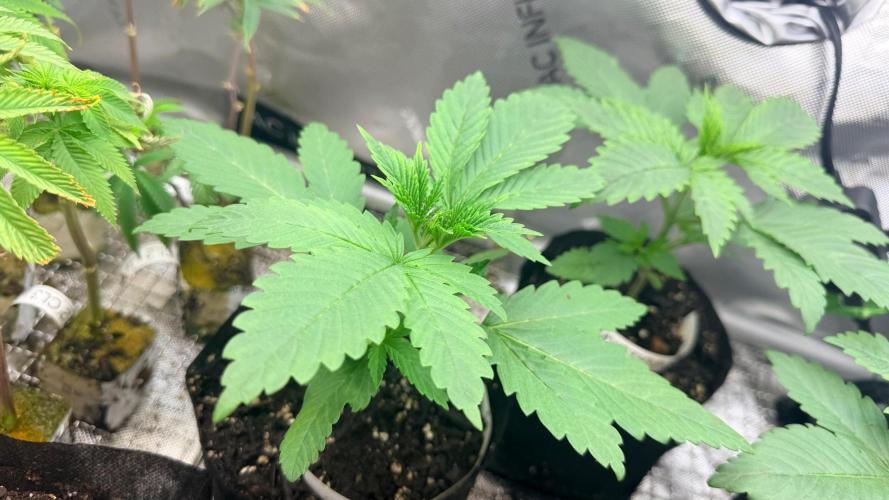
ChillSpace Well, it’s officially been a full week since all three Mystic Rose seedlings broke the surface, and I’m starting to think somebody accidentally switched the difficulty to expert mode for this pheno hunt! Haha.
Seriously though, I couldn’t be happier with how similar these three are developing. All three have been remarkably consistent in their growth, structure, and overall appearance. They’re looking healthy, pushing out new growth, and so far, there really isn’t an obvious favorite. Of course, we’re only getting started, but that’s exactly what makes this so exciting!
One thing I’ve been particularly impressed with is the Purple Cow IndiCanja soil. I’ve experimented with quite a few different growing mediums over the years, and this stuff has been fantastic for early development. I love being able to provide plain water and let the soil handle the nutritional side of things while these young plants establish themselves.
Even the consistency of the soil has impressed me. Sure, you’ll occasionally find a stick or two, but nothing that can’t be broken into smaller pieces. Haha. Overall, it’s been a really positive experience, and I’m planning to make this my standard starting medium for seedlings and clones moving forward.
My current plan is to start everything in quarter-gallon fabric nursery bags filled with IndiCanja before eventually transplanting into 5-gallon containers with a mixture of PRO-MIX HP and worm castings. I’m excited to see how this combination performs as the plants mature, especially compared to my previous soil-based grows.
Now, onto the part I’m REALLY excited about: the genetics!
Mystic Rose brings together Whitethorn Rose and Mystic Mountain Blueberry, and the potential combination of floral, fruity, blueberry, candy, and fuel characteristics sounds absolutely incredible. I’m particularly interested in seeing how much variation develops between these three plants as they mature.
And there’s a bigger reason I’m so excited about this particular run.
I’m already planning to select one of these Mystic Rose phenotypes for a future breeding project involving my Platinum Lantz genetics from Ridgeline Farms. The thought of combining these two genetic backgrounds has me ridiculously excited! Between the potential aroma profiles, plant structure, vigor, and whatever surprises might come from the combination, there’s a lot I’m looking forward to exploring.
That cross is planned for my upcoming breeding run, and holy hell, I cannot wait to see what comes out of it!
For now, though, I’m enjoying watching these three develop and documenting their differences as they emerge. It’s still incredibly early, and there’s a whole lot more to learn before making any selections.
Three healthy seedlings, three potential phenotypes, and one seriously exciting breeding project on the horizon.
Couldn’t ask for a better start! 🤙
5 likes
comments
Share
Used techniques
LST
Technique
2
Week 2. Vegetation
25d ago
1/18
12.7 cm
Height
20 hrs
Light Schedule
27 °C
Day Air Temp
6.0
pH
60 %
Air Humidity
0.95 liters
Pot Size
35.56 cm
Lamp Distance
390 PPM
CO₂ Level
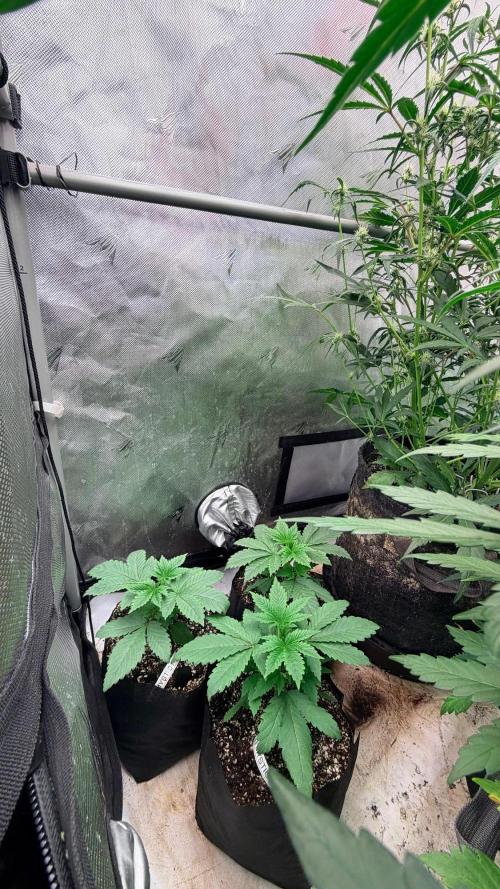
ChillSpace I’m genuinely impressed with these three Mystic Rose ladies so far!
All three have been remarkably consistent throughout their early development. Their growth patterns, leaf structures, and overall appearance are so similar that it’s honestly been a pleasure watching them develop together. Hats off to Huckleberry Hill Farms because, so far, these genetics are making a fantastic first impression!
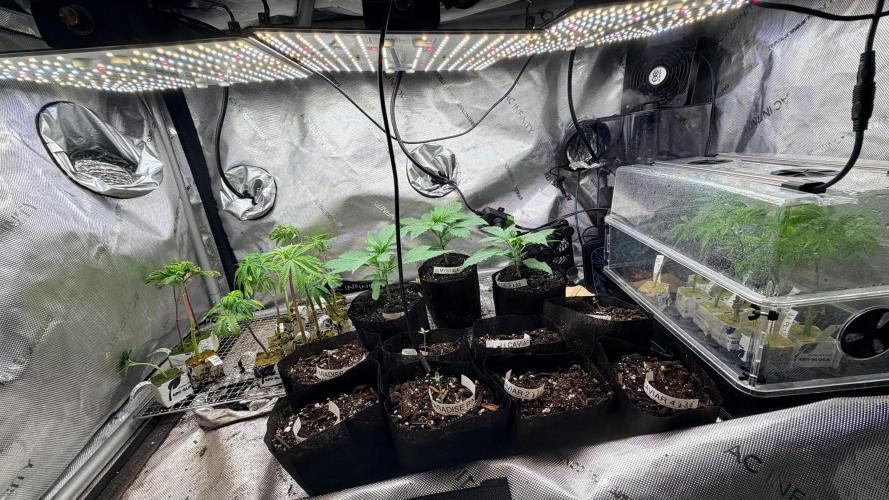
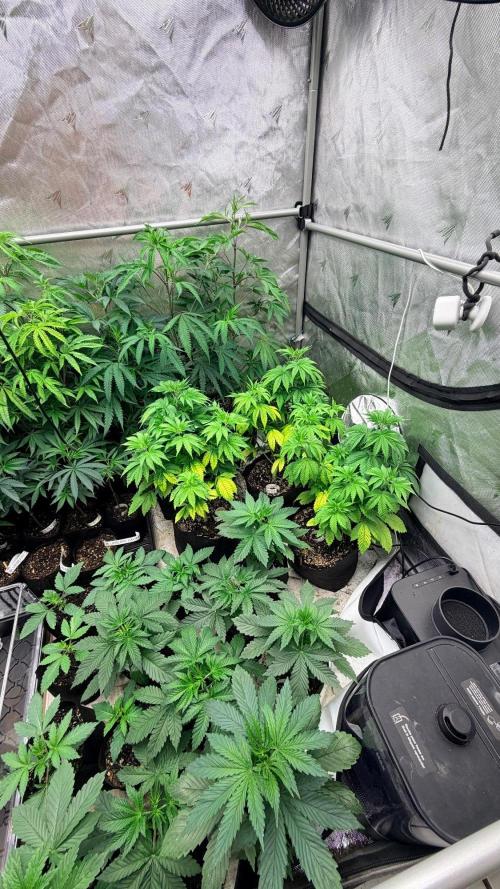
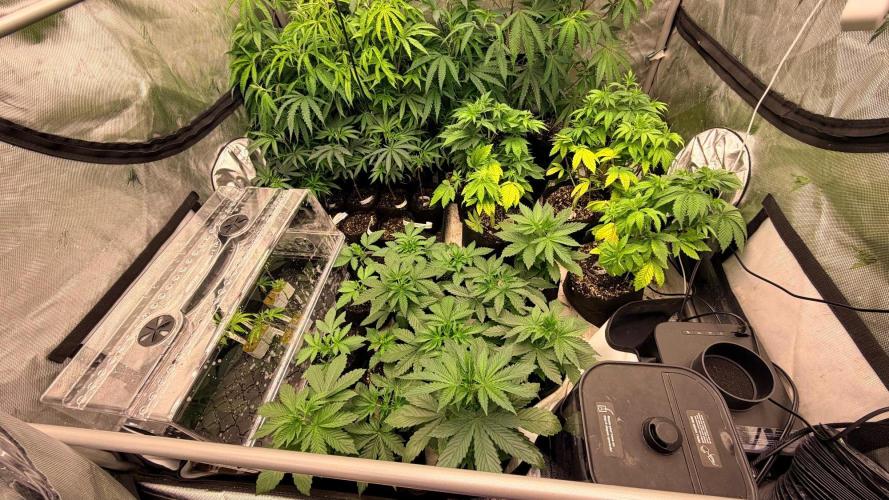
With my other genetic hunts expanding, I’ve officially run out of room in my little seedling and cloning tent, lol. I’ve been starting more Caviar and Paradise Pine seeds alongside my Platinum Lantz project, so these three Mystic Rose plants have graduated to the 4×4!
I actually think the move might be beneficial for them. They were previously receiving 24 hours of continuous lighting, and I suspect that might have been contributing to a little stress. Now they’re enjoying a 20/4 schedule with a more established environment and a proper dark period.
Yesterday, I also whipped up a fresh batch of growing medium and transplanted all three into 1 gallon containers. I combined Pro-Mix HP, worm castings, and additional perlite, then hydrated everything with water containing a Voodoo Juice Plus microbial tablet. I’m planning to use this same base mixture across my plants moving forward, giving everything a more consistent starting point.
One of the things I’m really enjoying about this project is getting to experience several different genetic lines simultaneously. Platinum Lantz has already surprised me with some incredible aromas, Caviar and Paradise Pine are just getting started, and now Mystic Rose is showing me some impressive consistency right out of the gate.
Of course, we’re still early, and there’s a long way to go before I know what these three have to offer in flower. But for now, I’m extremely happy with their development!
Three for three, healthy and consistent. What more could I ask for at Week 2?
2 likes
comments
Share
3
Week 3. Vegetation
17d ago
1/10
20.32 cm
Height
20 hrs
Light Schedule
27 °C
Day Air Temp
6.0
pH
60 %
Air Humidity
0.95 liters
Pot Size
35.56 cm
Lamp Distance
390 PPM
CO₂ Level
Nutrients 3
Balance
0.264 mll
Pro Core
2.378 mll
Pro Grow
3.434 mll
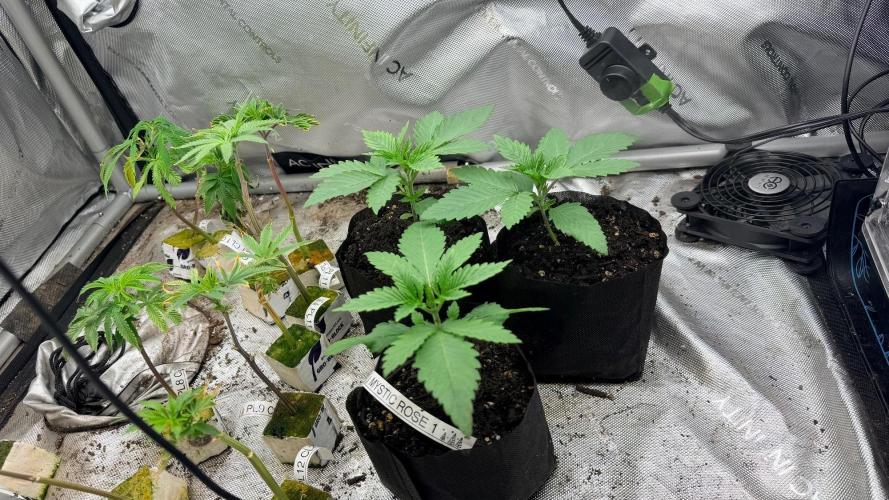
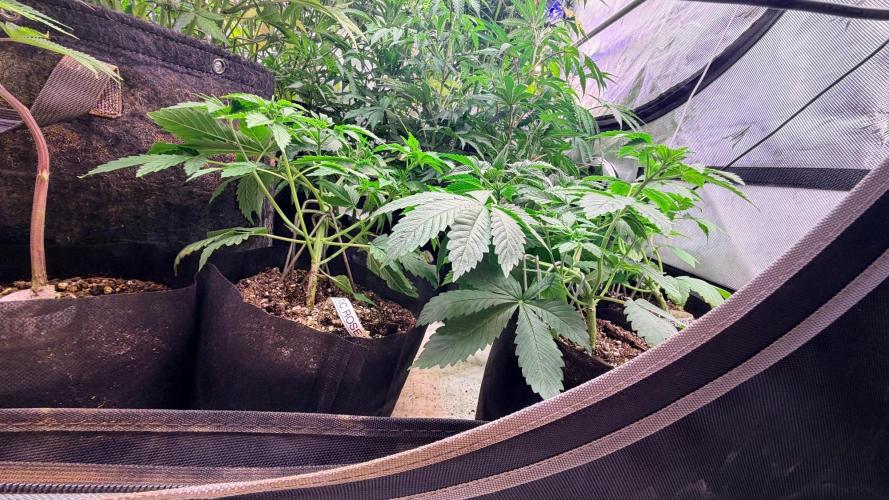
ChillSpace Officially kicking off Week 3 with these three Mystic Rose plants!
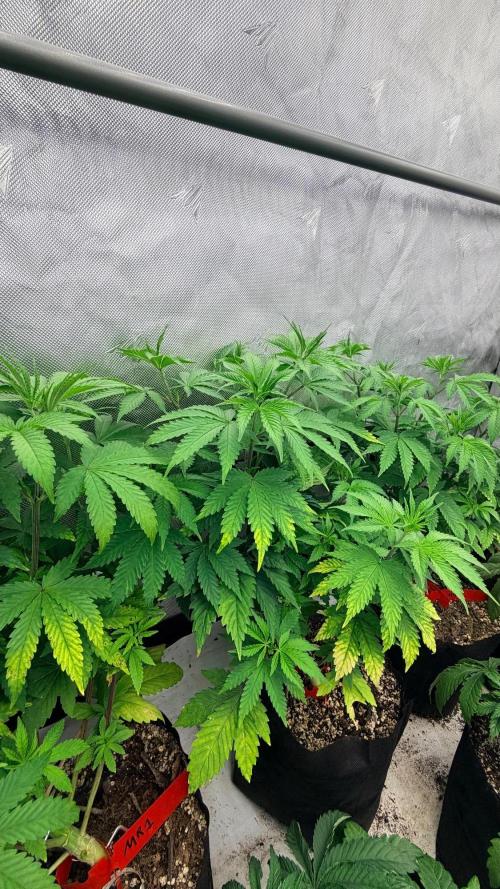
So far, I’ve been really impressed with how consistently they’ve developed. All three are showing healthy growth, relatively tight internodal spacing, and some really nice lateral branching. Their overall growth habits have been remarkably similar, which has been interesting to watch!
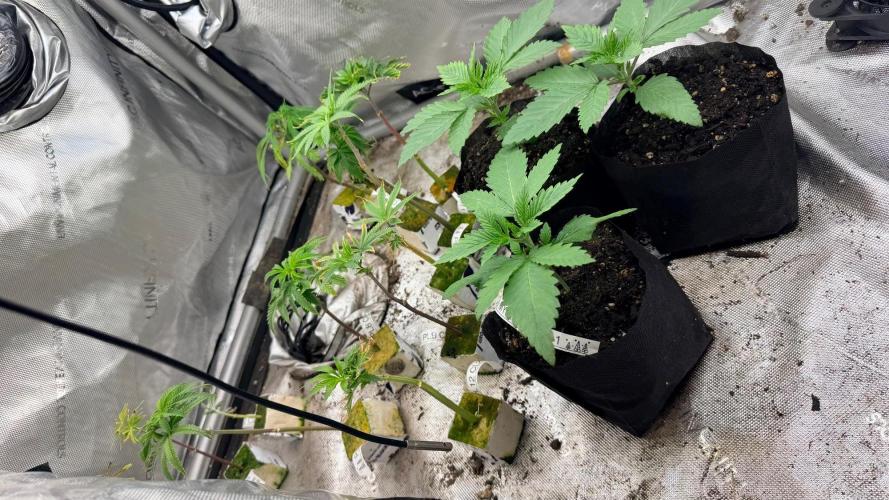
I set their structure with one LST session and a bit of bitch slapping to make everything droop evenly. The idea is to damage the weakness out of them lol.
I focused mainly on the center and upper portions of each individual branch to avoid accidentally ripping anything off at the base. The trick is to pick a direction and stick with it. No whirlwind hands! Left to right, then front to back. Get rough with it, but be deliberate!
Basically, the branches fall outward, opening up the plants and exposing more growing sites. As they recover, they regain some rigidity, which helps keep everything separated instead of growing on top of each other. You really shouldn’t have to touch them again unless, of course, you decide to veg them for 13 weeks and have to mash them in half just to fit them under a net. 😂
I’m really happy with how they turned out, and that’s all the training I have planned.
I’m especially curious to see whether these three continue growing so similarly or if their individual characteristics become more noticeable as they mature. With Whitethorn Rose × Mystic Mountain Blueberry behind them, I’m excited to see what these genetics have to offer!
2 likes
2 comments
Share
Used techniques
LST
Technique
HST
Technique
4
Week 4. Vegetation
8d ago
1/30
30.48 cm
Height
20 hrs
Light Schedule
28 °C
Day Air Temp
6.5
pH
75 %
Air Humidity
0.95 liters
Pot Size
35.56 cm
Lamp Distance
390 PPM
CO₂ Level
Nutrients 3
Balance
0.264 mll
Pro Core
2.378 mll
Pro Grow
3.434 mll
ChillSpace Well, here we are at week four, and these Mystic Roses are becoming increasingly interesting! I’m a few days late getting this update posted because life has been incredibly busy, and I’ve genuinely spent more time working on my breeding operation than sleeping over the last 72 hours. It’s been ridiculous, haha! The excitement makes it increasingly difficult to go to bed on time, and apparently even harder to stay asleep!
The other day, after cleaning the house, taking the kids to the park, and enjoying some homemade wine with my wife, I started tinkering with another project. Around midnight, I told myself I only had a few things left before bed. Big mistake! I opened Pandora’s box, and the next thing I knew, it was 8:30 AM! My wife asked me to watch the kiddos while she made breakfast, and apparently I was snoring within minutes. I spent the next couple of hours alternating between eating and sleeping before eventually making coffee and carrying on. What a time!
Life is genuinely a lot of fun right now, but with four kids, including a newborn, these late nights aren’t doing me any favors! Fortunately, work slows down a little this time of year, and having a stable salary gives me the flexibility to pursue these projects without taking days off. And my wife is the true MVP! She’s definitely tired of hearing about my plants, haha, but she gives me the space to pursue my passions and picks up the slack when life gets crazy. I couldn’t do this without her!
Anyway, back to these Mystic Roses!
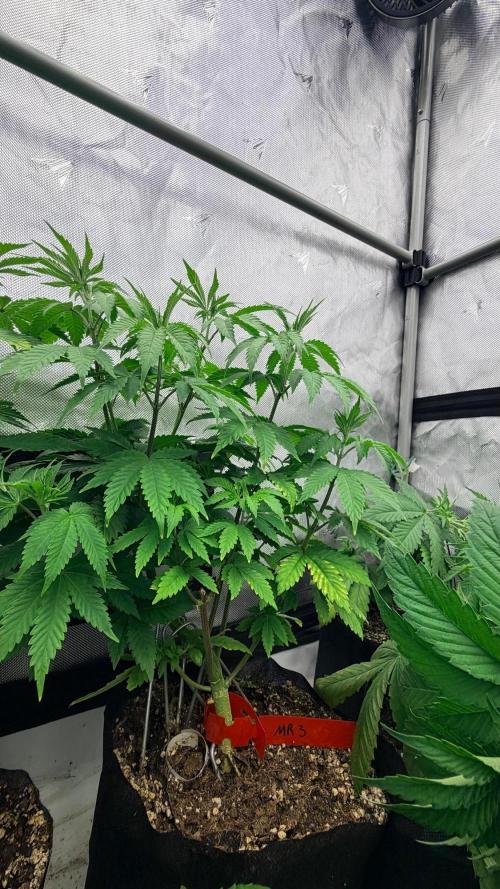
Week four has given me my first meaningful impressions of all three Mystic Rose phenotypes, and MR2 has officially separated herself as my early favorite for aroma!
After spending some quality time with each plant today, taking cuttings, handling their branches, and evaluating their individual aromas, #2 consistently stood out to me. There’s something about her aromatic expression that immediately grabs my attention. It’s exactly the sort of characteristic that makes me want to investigate a phenotype further.
That’s not to take anything away from MR1 or MR3. Both have excellent aromatic potential of their own, and nothing I’ve observed has given me a reason to eliminate either from future breeding consideration. What excites me is that I’m already finding characteristics worth preserving in all three plants, rather than simply searching for one winner.
At only four weeks into vegetation, these are preliminary observations, not conclusions about finished flower. But that’s part of what makes this stage so interesting. I’m becoming increasingly comfortable identifying traits that deserve further investigation without confusing an early preference with a final selection.
I’ve also been experimenting with different methods of evaluating aroma before flowering. Stem rubs are useful, but they can produce conflicting sensory information that doesn’t necessarily translate into finished flowers. What interests me most is following these characteristics over time. By revisiting the same plants regularly, I’m beginning to recognize how their aromatic expressions develop, change, and sometimes become more distinct.
Another technique I’ve been exploring is gently chewing the petiole, particularly near its connection to the stem. It’s interesting trying to distinguish subtle flavors from the natural green, vegetal character of the plant. I don’t consider this a reliable predictor of finished flower quality, but it’s another sensory observation I can compare as the plants mature.
Funny enough, when I first started growing, I used to eat a few leaves here and there that I removed. After all, I’d spent all this money packing them with nutrients! Hahaha! There were days I ate more leaves than actual food, which definitely wasn’t my brightest idea. It can lead to strange sensations. I’ve since learned the occasional taste is plenty! 😂
Sensory evaluation is surprisingly tricky. Impressions are transient, and even the order in which I smell different plants can change what I notice. Having clean hands and a clean palate helps, too. Eating, consuming cannabis, or exposure to strong aromas can influence perception. I would say no smoking, in general lol. Ideally, I’d compare them early in the morning before introducing other flavors or scents.
What I’m really learning is to separate what I personally enjoy from what a phenotype might contribute genetically. A plant doesn’t necessarily need to be my favorite to possess characteristics worth preserving or combining with another line.
That’s probably the biggest change in my approach since starting my earlier breeding projects. I’m no longer interested in immediately ranking every plant from best to worst. I’m interested in documenting their differences, understanding their potential, and figuring out where each might fit into future crosses.
MR2 has earned priority for aroma-driven breeding work, but MR1 and MR3 remain very much in consideration. Right now, I see legitimate reasons to continue exploring all three.
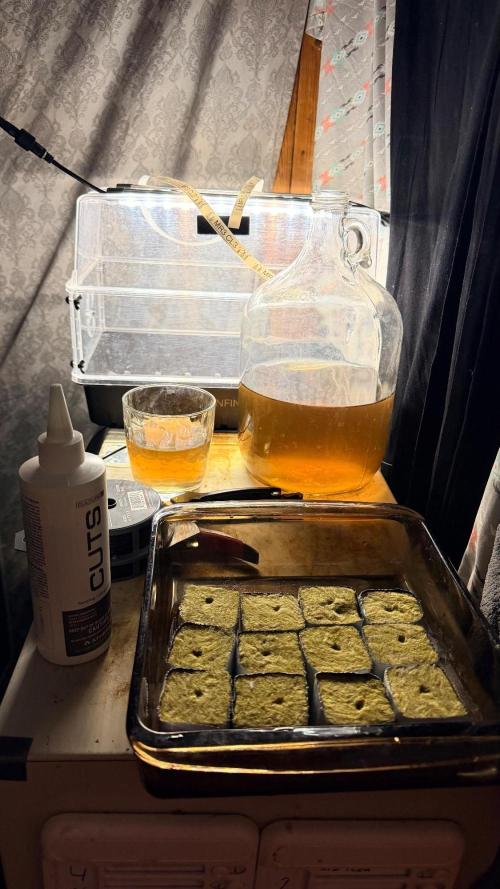
To preserve those possibilities, today I took 12 cuttings total, four from each phenotype. Two from each will serve as genetic backups, while the remaining six will enter an immediate 12/12 flowering experiment.
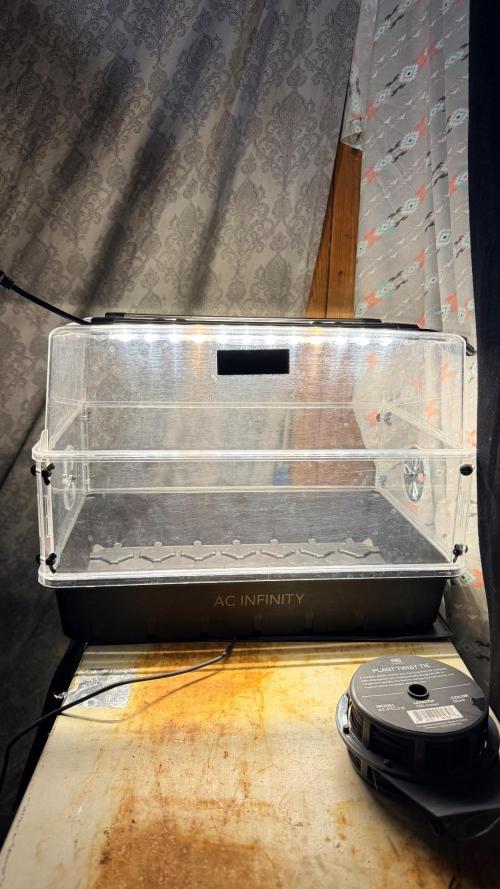
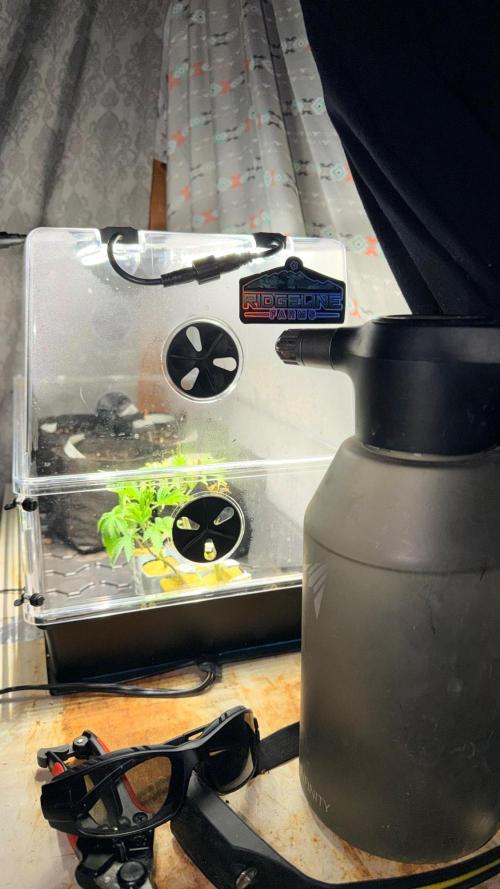
I’ve configured my smaller AC Infinity humidity dome with independent lighting and temperature control, maintaining approximately 82°F near the rooting cubes. Once the cuttings establish themselves, they’ll move into my dedicated phenotype-testing tower.
With these baby clones the goal isn’t production or yield. It’s to get an early preview of how these three phenotypes transition into flowering and begin expressing their individual characteristics. I’m particularly interested in their flower structure, resin development, and how their aromas evolve beyond what I’m experiencing during vegetation.
This also gives me an opportunity to compare the same genetics at different stages while preserving the original plants. I understand that miniature, immediately flowered cuttings won’t necessarily express everything a mature plant can, but they will provide another useful layer of information.
That additional perspective is valuable because I’m making breeding decisions based on accumulating observations rather than a single moment of excitement.
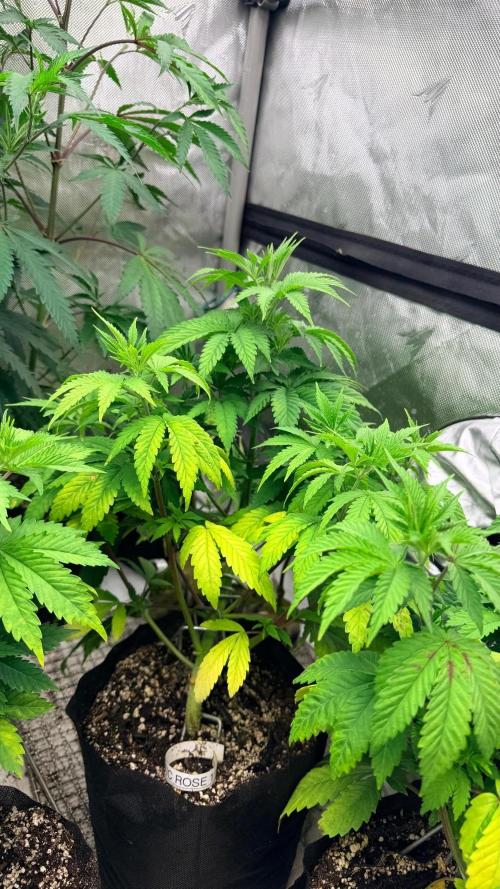
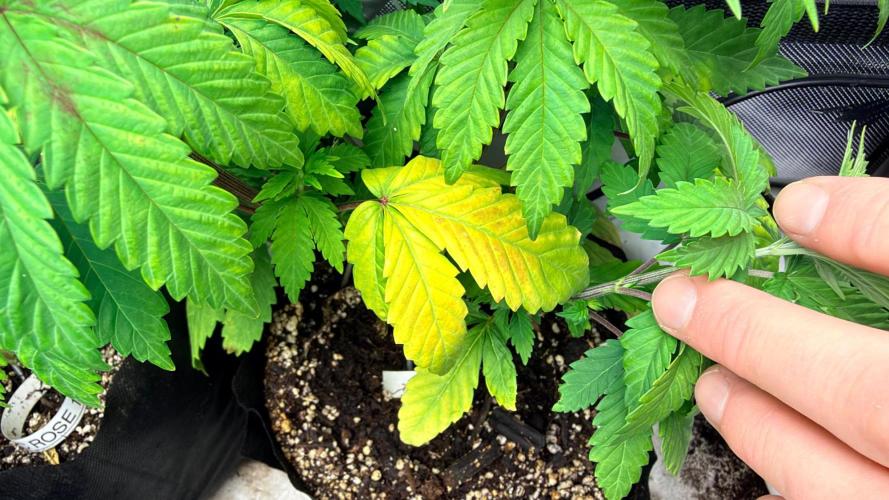
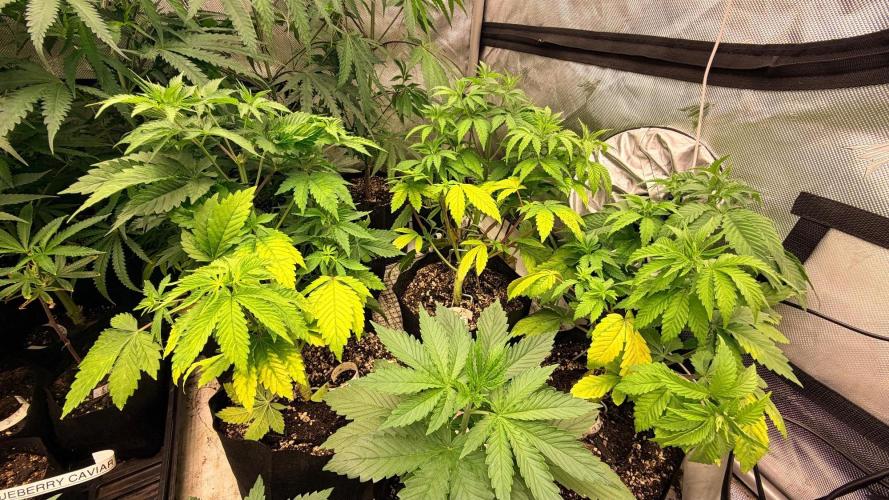
Unfortunately, I did neglect these ladies a little while juggling everything else this week. When rearranging the tent, I noticed their containers were surprisingly light and dry. I’d underestimated how quickly their established root systems were consuming water and nutrients compared with some of my younger plants.
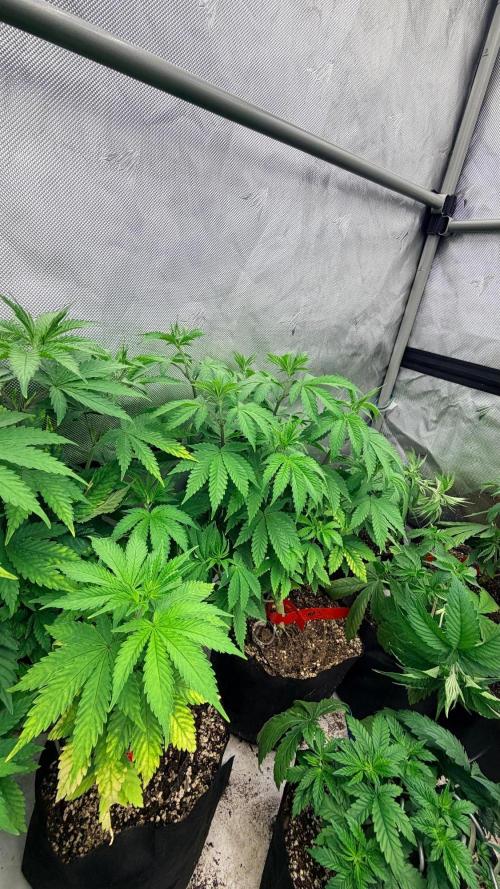
The excessive dryback likely concentrated salts in the root zone, contributing to significant yellowing and damage across portions of the older foliage. It’s frustrating because these plants deserved more attention, but it’s also a useful reminder that their water requirements can change quickly as they establish themselves.
Fortunately, much of the newest growth looks considerably healthier, and the plants are continuing to develop. I’ve corrected my watering practices, and taking cuttings gave me an opportunity to trim them back, preserve the genetics, and reclaim some valuable space.
I’ve also decided to move away from Grodan rockwool cubes. Despite expecting better performance from the established brand, I’ve found them frustratingly prone to staying oversaturated in my setup, and several unsuccessful cuttings developed mold. The paper wrapping has been troublesome, and after dissecting a few cubes, I found unidentified pieces resembling roots or woody material. I can’t confidently blame those materials for my failures, but the overall experience has been disappointing.
For this round, I’ve returned to the slightly more expensive generic premium cubes I originally purchased from Amazon. They’re larger, have a structure I prefer, and seem easier to keep evenly moist without oversaturating. I’ve also experienced better consistency with them. I might revisit Grodan for a side-by-side comparison eventually, but for now, I’m happy to move on!
Beyond the plants themselves, I’m enjoying how this breeding project is evolving. I’ve considered buying additional tents several times, but I’m determined to work with the space I already have. Several projects will eventually free up room, and my long-term goal is actually to downsize once I’ve established the genetic collection I’m working toward. After all, the goal isn’t to fill my entire house with grow tents forever, haha!
I’ve deliberately taken on several projects simultaneously because these genetics will take time to explore and preserve. The logistics can get ridiculous, but I have a bigger vision in mind. I’d rather manage temporary space constraints than miss opportunities to preserve genetics I’m passionate about.
Speaking of Huckleberry Hill genetics, I couldn’t help myself and picked up one more pack today! That brings my foundational collection to six distinct lines, all quite different but connected through some fascinating genetic relationships. I’m especially excited about the possibilities this creates as I continue evaluating females and searching for males worth building future generations around.
And that’s really where the Mystic Roses fit into the bigger picture. I’m not simply growing three plants to see which one produces the nicest flowers. I’m learning what each individual brings to the table, preserving those expressions, and building the foundation for future combinations.
Mystic Rose #2 is my first clear aromatic standout of this group, and she’s earned my attention as a priority breeding candidate. MR1 and MR3 are still firmly in the running, though, and I’m excited to discover what flowering reveals about all three.
I’m not necessarily searching for one winner anymore. I’m building a collection of possibilities, and every week I’m getting better at recognizing what makes each plant special.
Fun times! 😁
4 likes
1 comment
Share
Used techniques
Topping
Technique
5
Week 5. Vegetation
2d ago
1/23
45.72 cm
Height
20 hrs
Light Schedule
28 °C
Day Air Temp
6.5
pH
75 %
Air Humidity
0.95 liters
Pot Size
35.56 cm
Lamp Distance
655 PPM
CO₂ Level
Nutrients 3
Balance
0.264 mll
Pro Core
2.378 mll
Pro Grow
3.434 mll
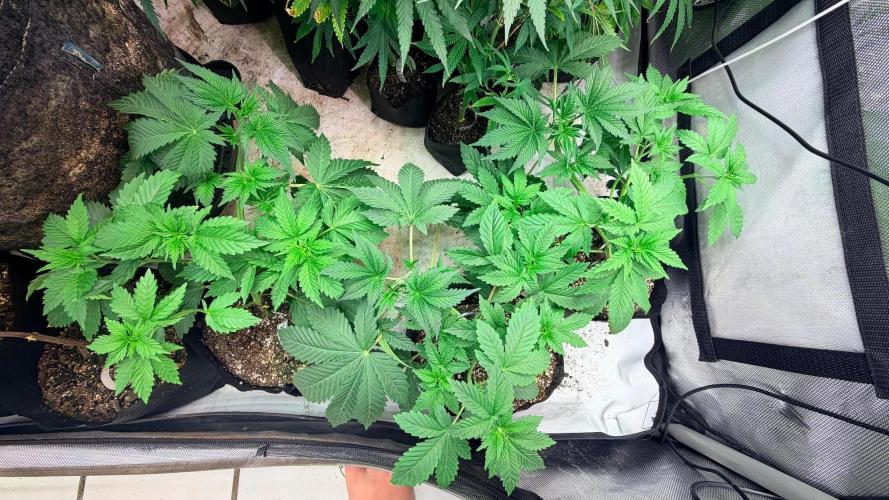
ChillSpace These three continue to impress me! Looking back, I think this particular pack gave me a slightly unrealistic amount of confidence going into my other genetic projects. I started three seeds, all three developed beautifully, and they’ve remained remarkably consistent from the very beginning. Honestly, it’s almost like I took three cuttings from the same mother plant rather than starting three individual seeds! I haven’t encountered this level of consistency again until my Paradise Pine project, and even now I’m still impressed by how closely these three resemble one another.
The plants are currently recovering from taking several cuttings last week, and I’m extremely pleased with how everything has been progressing! So far, the cloning process appears to be approaching a 100% success rate, although I did have a small mishap with the humidity dome. I swapped my smaller and larger domes around to accommodate some additional germination projects. I accidentally bumped one of the vents open and didn’t notice until roughly an hour later, and unfortunately, a couple of the cuttings developed some browning during the process. Interestingly, the two cuttings taken from the tops of the plants suffered the most, while those taken from lateral branches remained noticeably greener. I’m not entirely sure whether that has something to do with their water requirements, leaf structure, or simply how they responded to the temporary humidity change, but it’s an observation I’ll definitely keep in mind.
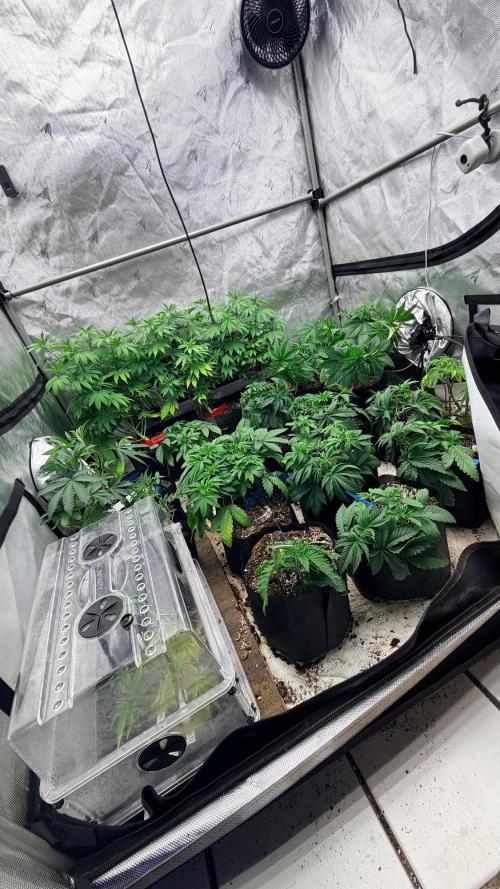
As for the mothers themselves, they’re growing back into their natural shapes beautifully! Aside from taking cuttings and keeping them fed, I really haven’t had to do much to these plants. They’re beginning to consume water quickly enough that I’m considering another transplant, which is something I’ve been evaluating across several of my projects. These three were actually my first experience starting seedlings in quarter-gallon containers, and I’ve used their development to help establish transplant timing for the plants that followed.
One of the most exciting developments, however, has been the aroma! I’ve started noticing an absolutely beautiful sweet watermelon scent when opening the cloning domes. It’s such an inviting smell, and I’m incredibly curious whether any of those characteristics will carry through into flower. I haven’t yet established whether that aroma is coming from one particular plant or all three, but I’m sure the sex testing clones will help me narrow that down soon enough.
I also had a particularly exciting moment while rearranging the mothers when I caught what I could only describe as the unmistakable scent of actual rose petals! Considering the Whitethorn Rose ancestry, that immediately caught my attention. Unfortunately, I wasn’t able to confidently reproduce the smell afterward, so I’m not ready to call that a confirmed characteristic just yet. Still, it was exciting enough that I wanted to document it. If that beautiful floral note develops further alongside the watermelon sweetness, I could be looking at something really special!
Of the three, MR2 remains my early favorite, primarily because of her exceptionally tasty petiole flavor. Visually, however, choosing between them has been surprisingly difficult because they’re so similar. That’s actually been one of the most valuable lessons from this particular group. Sometimes the traits that make an individual worth preserving aren’t immediately obvious from looking at the plant.
That’s also why I’ve started taking cuttings for preservation and early flowering evaluations simultaneously. One thing I learned from my first photoperiod project was just how much time could be saved by taking clones for backups and clones for sex testing, at the same time. I didn’t have all the equipment to approach things that way initially, but little by little, everything is coming together. I’m able to make multiple observations about rooting time and cutting success rate for both sets but I’m especially excited about getting an earlier look at how these three express themselves in flower.
Of course, space and equipment are becoming increasingly interesting challenges! I’ve invested more than ,000 in genetic packs over the past month or so, and my wife has definitely reminded me of that a few times! I mentioned how convenient another couple of tents would be, and she couldn’t help laughing, particularly since I recently managed to squeeze another 3×3 into our laundry room just to give my autoflowers their own space. Fair enough, I suppose! Thankfully, I’ve already accumulated some excellent equipment, so I’m making the most of what I have rather than buying additional equipment.
Ultimately, I’m incredibly happy I started this particular group when I did. These plants have helped me establish routines for the next plants, improve my cloning process, evaluate transplant timing, and become more deliberate about the characteristics I’m looking for. The consistency has been remarkable, but what excites me most is the possibility that their differences will become much more apparent as the project progresses.
Between the sweet watermelon characteristics, that brief encounter with something resembling fresh rose petals, and the opportunity to preserve and evaluate all three individuals, I’m genuinely excited to see what comes next. This is exactly the kind of discovery that made me want to explore breeding in the first place!