Top 10 Photoperiod Sativa Strains: GrowDiaries Selection


Beyond the Label: What Defines a Sativa-Leaning Strain?
Sativa-leaning cannabis is generally associated with energetic growth, longer flowering, expressive terpene profiles, and effects that favor mental activity over heavy physical sedation. These cultivars often feel uplifting, creative, focused, or sociable, although genetics, phenotype, dosage, and individual response can change the experience considerably.

For this selection, we looked beyond pure sativas and included sativa-dominant hybrids that retain recognizable cerebral effects alongside traits inherited from indica or modern hybrid lines. Presented in no particular order, each earned its place through a distinct balance of effect, aroma, cultivation character, and GrowDiaries community feedback.
Fresca Melon originally from Dying Breed Seeds

Fresca Melon combines Zkittlez and Watermelon Z genetics, creating a modern sativa-leaning hybrid with a softer progression than its name might suggest. The effect opens with a euphoric, creatively stimulating lift before settling into calm physical relaxation. What we like most about Fresca Melon is that the experience does not remain in one register: it feels mentally engaging at first, but becomes increasingly comfortable as it develops. Its GrowDiaries rating currently stands at 10.0.
Sweet melon leads the terpene profile, supported by citrus, cream, earthy depth, and occasional diesel notes. Translated from German, grower Organic_G called it their “best and highest-yielding grow” in a completed Fresca Melon grow report. The grower characterized the finished effect as relaxed, happy, and creative, reinforcing Fresca Melon’s balanced rather than aggressively stimulating personality.


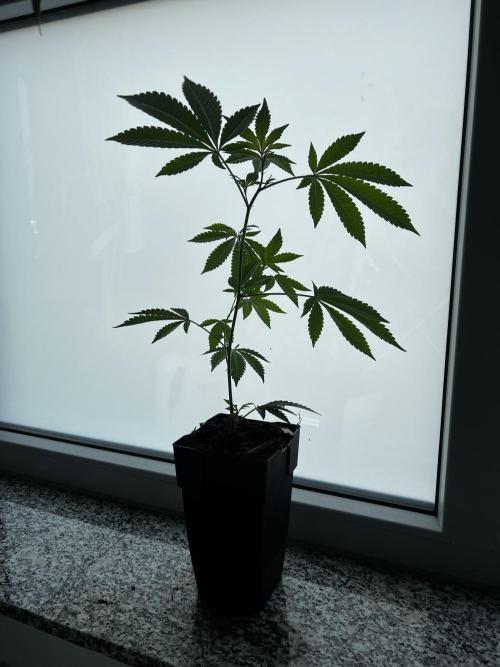
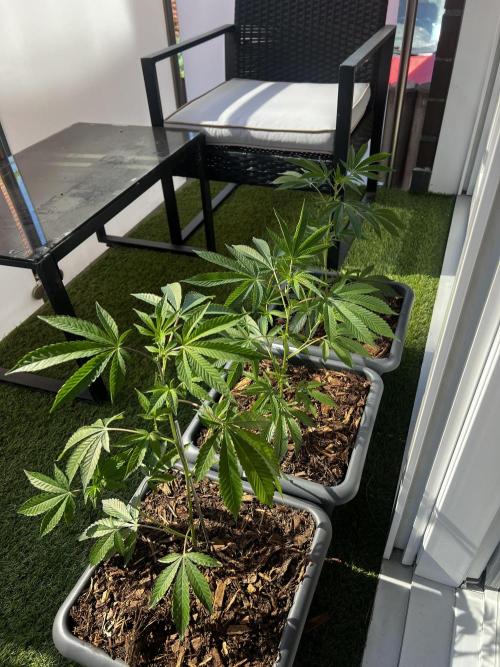
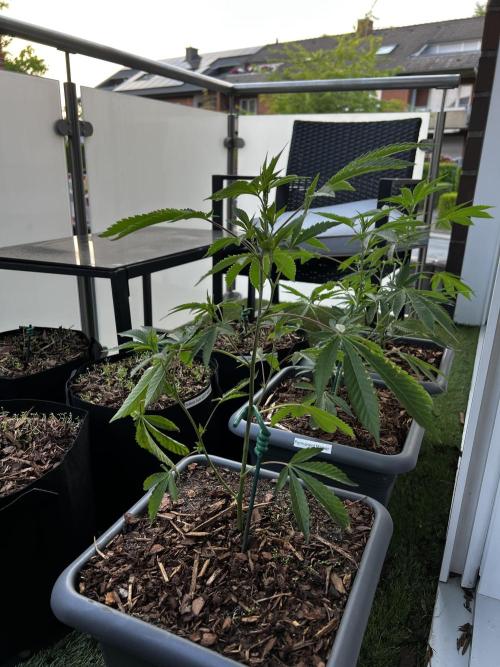
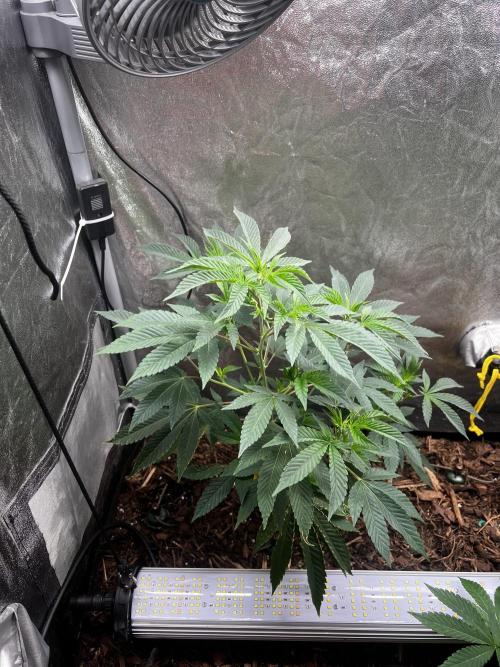
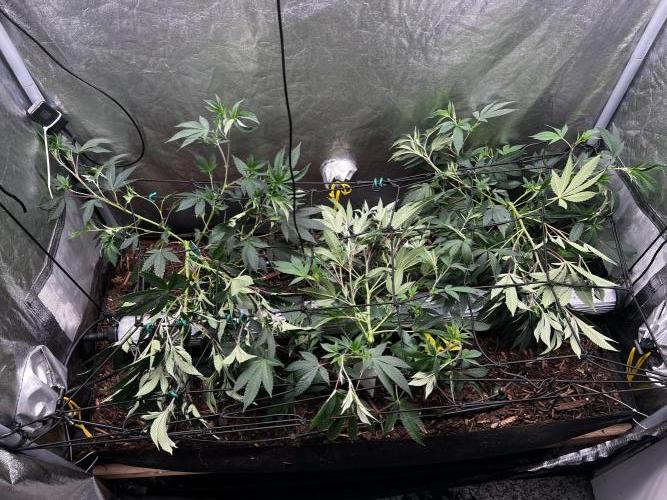


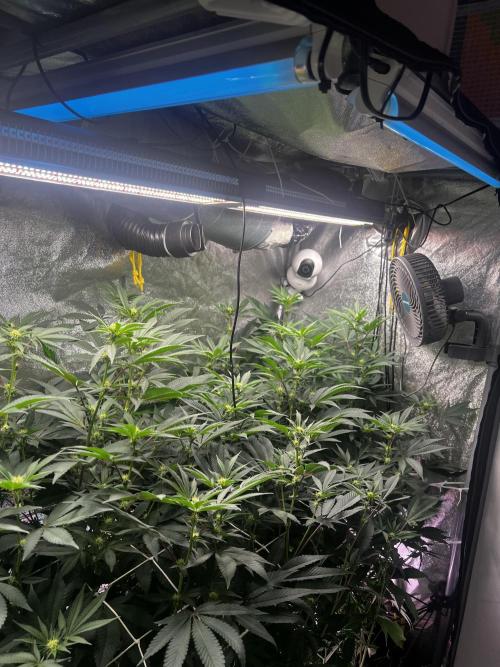
In cultivation, Fresca Melon develops vigorous branches and responds well to early canopy work. Its momentum can produce a crowded interior if vegetation runs too long, while the weight of mature flowers may require support. The plant is approachable, but its best expressions still reward deliberate spacing and airflow.
Grower’s Note: Establish the canopy early and preserve enough room between productive branches. Use topping or LST before flowering, then avoid repeatedly restructuring the plant once the stretch has begun.
Super Lemon Haze originally from Green House Seed Co.

Super Lemon Haze brings together Super Silver Haze and Lemon Skunk, pairing classic Haze energy with one of the most recognizable citrus profiles in modern cannabis. Its effect is distinctly cerebral: uplifting, talkative, creative, and capable of making routine activities feel more engaging. Higher amounts can become intense or mentally restless, so its bright character should not be confused with low potency.
Its aroma begins with sharp lemon zest and develops through sour citrus, herbs, spice, and occasional deeper cheese-like notes. In a completed Green House Seed Co. Super Lemon Haze grow report, grower Lazuli called its terpene profile “straight legendary,” describing an intense lemon character with a deeper, cheese-like edge. The same report illustrates its practical demands: the plant “couldn’t hold its own weight,” making early support particularly useful. That combination of vivid terpenes and strong community feedback is reflected in its 8.9 GrowDiaries rating.



Super Lemon Haze grows with the speed and vertical ambition expected from its name. Topping, LST, and ScrOG can all work well, but the plant should be shaped before its flowering stretch becomes difficult to redirect.
Grower’s Note: Control height during vegetation and install a net, stakes, or another support system before the flowers become heavy. Maintain steady airflow and allow trichome development to determine harvest timing.
Tropicana Cookies originally from Oni Seed Co.
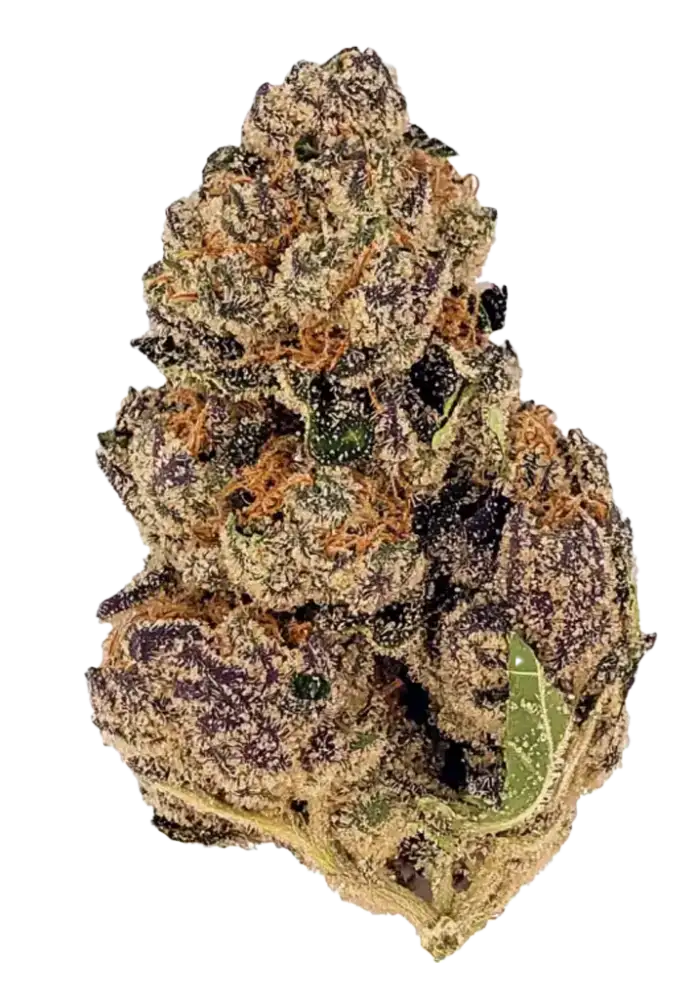
Created from GSC and Tangie, Tropicana Cookies offers an immediate mental lift followed by a more measured physical calm. The initial effect is happy, creative, and socially animated, making conversation and imaginative activities feel more natural. Relaxation develops underneath that energy without normally turning the experience heavily sedating. GrowDiaries currently gives Tropicana Cookies an 8.9 rating.
Orange and tangerine dominate the aroma, joined by sour lemon, sweet cookie dough, earth, pine, and light spice. In a completed Oni Seed Co. Tropicana Cookies grow report, grower TruTraTri characterized the effect as creative, happy, and talkative, accompanied by citrus-and-cream flavors. That combination captures the cultivar’s sociable, mentally animated character more precisely than a generic description of potency.
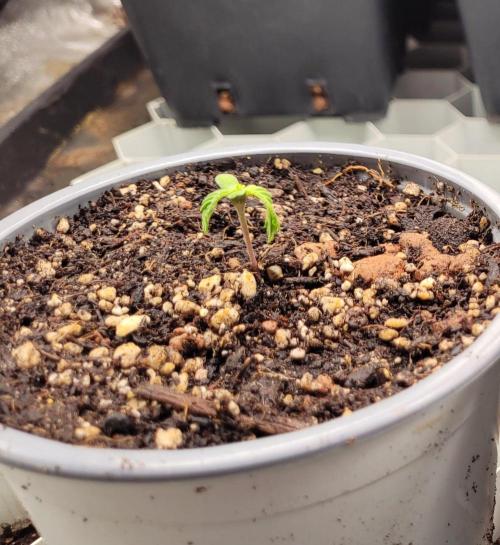


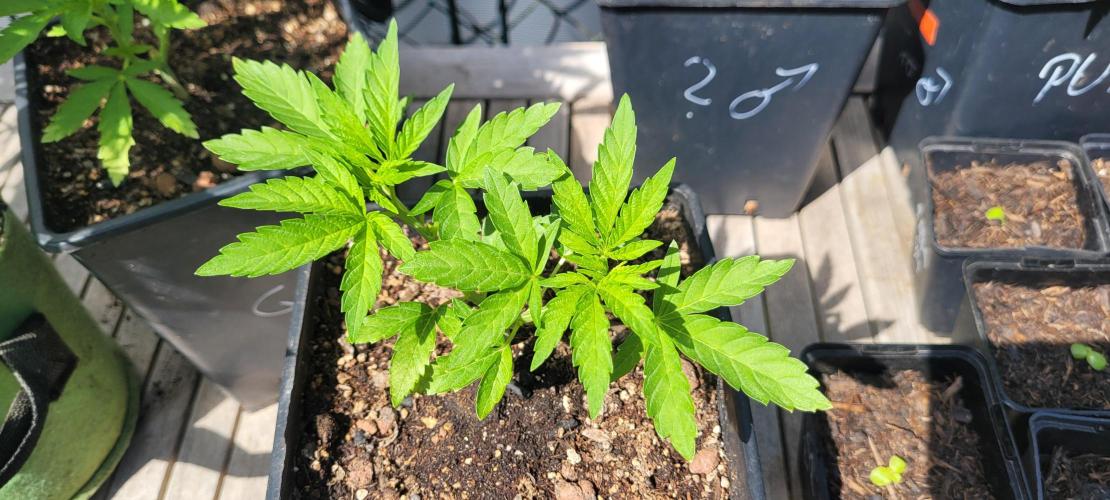
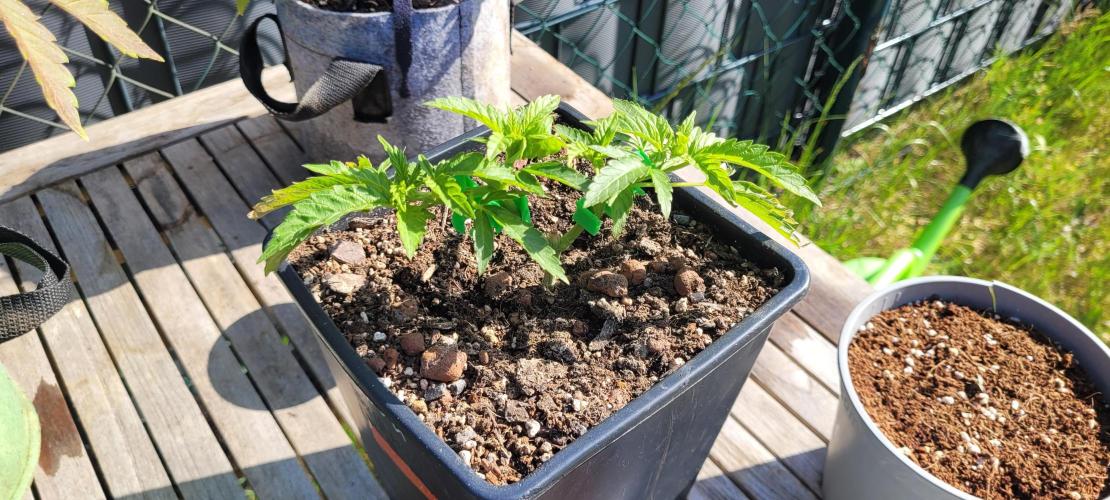
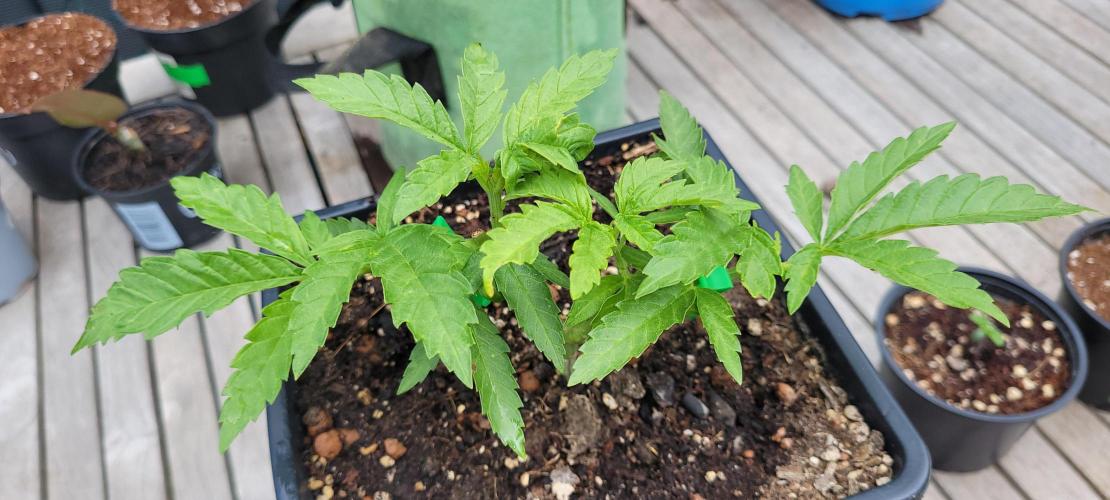
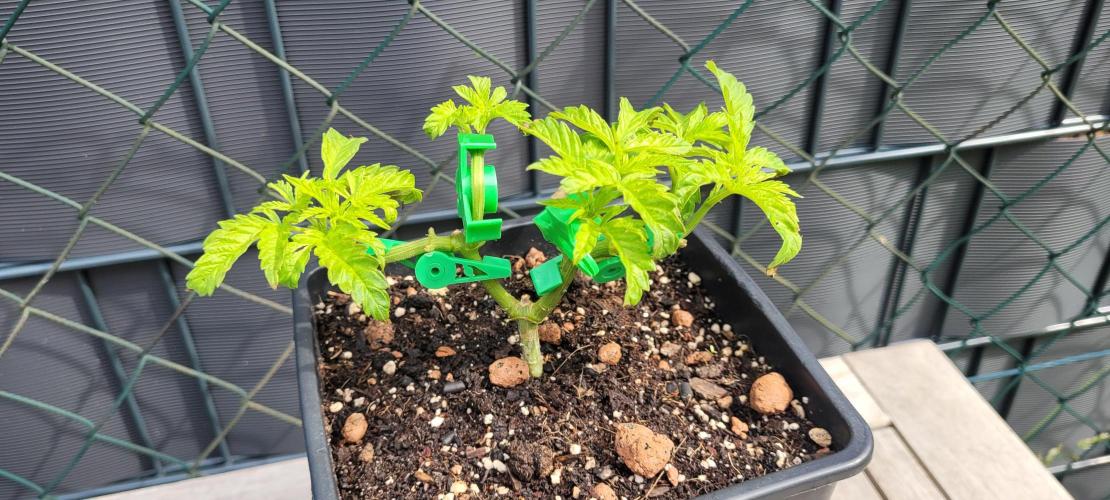


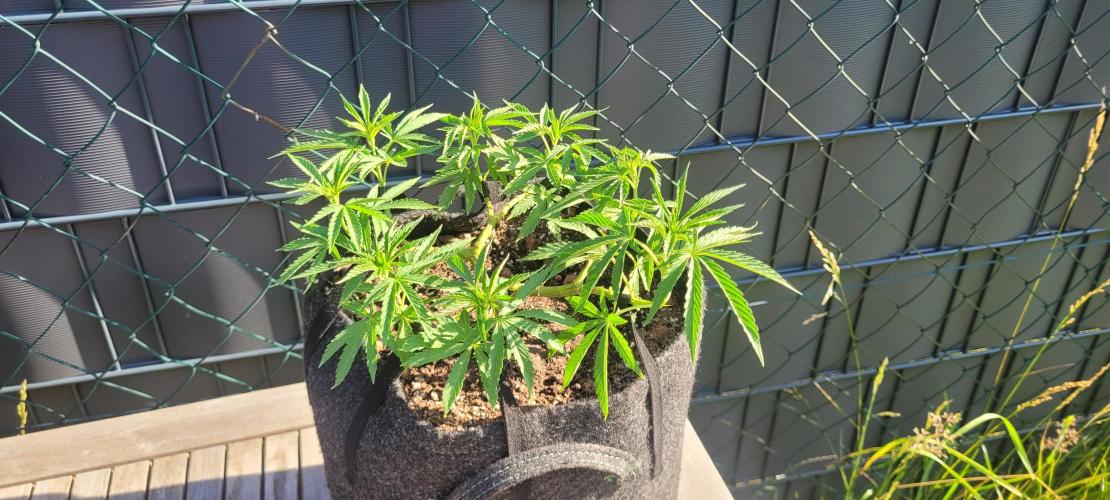
The plant tends to stretch and form a branched, open framework, although expression can vary considerably between phenotypes. Its darker foliage and purple flowers are most attractive when environmental conditions remain stable. Good light distribution helps the lower sites develop, while excessive late defoliation can interrupt an otherwise productive finish.
Grower’s Note: Shape the plant gradually with topping or LST and preserve several evenly positioned branches. Keep the center open, but avoid removing large amounts of foliage in a single session.
Amnesia Haze originally from Soma Seeds

Amnesia Haze is a complex sativa-dominant cultivar whose reputation rests largely on its powerful cerebral effect. It begins with an uplifting head rush that can become euphoric, creative, talkative, and almost psychedelic. This is not necessarily a gentle daytime strain: its mental intensity can feel disorienting when consumed without restraint, particularly by people unaccustomed to energetic Haze genetics.
With an 8.6 GrowDiaries rating, Amnesia Haze pairs that forceful reputation with a terpene profile combining citrus and fresh fruit with earth, pepper, spice, incense, and hash-like depth. Translated from Italian, grower Just_A_Grower_ praised its “intense cerebral high” in a completed Amnesia Haze grow report. That concise description closely matches the cultivar’s powerful and long-lasting cerebral character.


*The featured grow report follows Amnesia Haze from another breeder, but it represents the same established cultivar.
Amnesia Haze requires more patience than most modern hybrids. It can stretch substantially, remain in flower for an extended period, and respond poorly when several environmental variables fluctuate simultaneously.
Grower’s Note: Begin height control early, switch to flowering before the available space is full, and keep feeding moderate. Stable conditions and patient ripening matter more than constant intervention.
Chocolope originally from DNA Genetics
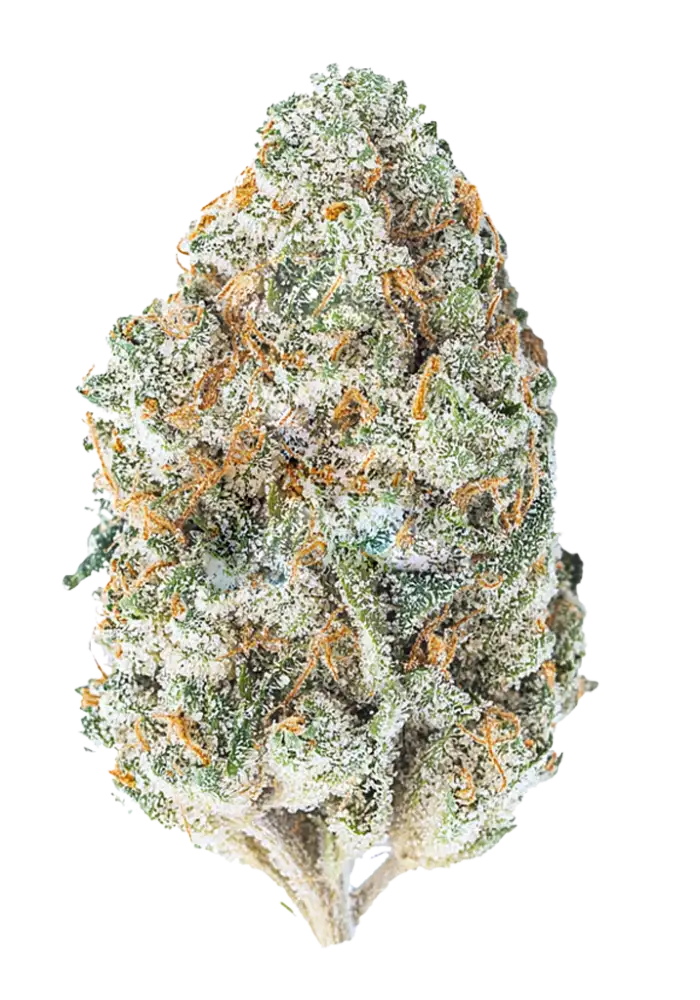
Chocolope unites Chocolate Thai with Cannalope Haze, producing an energetic cultivar with a clear connection to classic sativa lines. Its effect arrives as an upbeat cerebral rush, encouraging motivation, conversation, and focused activity. The experience is euphoric without immediately becoming physically heavy, which is why we see Chocolope as one of the most convincing choices here for readers seeking a distinctly functional sativa-leaning profile.
Its name is supported by an unusual combination of cocoa, coffee, nuts, earth, and sweet fruit. Opening the jar brings “a dark chocolatey smell,” according to grower 1juan420 in a completed DNA Genetics Chocolope grow report. The grower also praised the “excellent smoke with a very sativa kinda effect” and characterized the experience as euphoric, energetic, and uplifted. Chocolope carries an 8.7 rating on GrowDiaries.


The plant grows tall and develops long lateral branches, making early canopy planning essential indoors. Topping and ScrOG can convert that vertical energy into a broad productive surface. Its structure generally allows reasonable airflow, but heavy flowers may still need support toward the end of the cycle.
Grower’s Note: Do not wait for flowering to solve a height problem. Top early, spread the branches across the available area, and provide support before the longer colas begin gaining weight.
Lemonpaya originally from Fast Buds

Lemonpaya crosses a selected Lemonnade line with Papaya, producing a hybrid whose sativa-facing brightness gradually gives way to deeper physical relaxation. The first stage feels mentally elevated, happy, and alert; as it develops, the effect becomes warmer, calmer, and more body-centered. This evolving character separates Lemonpaya from strains that remain sharply cerebral from beginning to end. GrowDiaries users currently rate it at 8.7.
Sweet papaya, tropical fruit, and citrus form the core of its aroma, with lemon adding brightness to the heavier fruit character. In a completed Lemonpaya grow report, grower HippyHemulen described the experience as beginning with a “head high” before developing into a heavier “body stone.” The observation clearly reflects Lemonpaya’s movement from mental stimulation toward a calmer physical finish.


Despite its balanced effect, the plant can express considerable vigor and height. Its branches respond well to LST, and the cultivar is resilient enough to tolerate ordinary adjustments. Dense foliage should be managed selectively so that light and air continue reaching the interior without slowing the plant through excessive defoliation.
Grower’s Note: Give Lemonpaya enough vertical and lateral space, then use gentle training to distribute its branches. Thin crowded interior growth gradually and avoid assuming that its vigor requires aggressive feeding.
Sour Diesel

Sour Diesel remains one of the defining names in sativa-dominant cannabis, although its precise origins and the identity of the original selection remain disputed. The familiar effect is fast, cerebral, and invigorating, often described as euphoric, creative, and mentally active.
Its unmistakable aroma combines fuel, pungent earth, citrus, herbs, and an acidic sour edge. In a completed Sour Diesel grow report, grower DogDoctorOfficial described a “classic cerebral effect” that was “very functional,” “very social,” and “very creative.” For us, that energetic account captures the character that continues to define Sour Diesel and supports its 8.5 GrowDiaries rating.
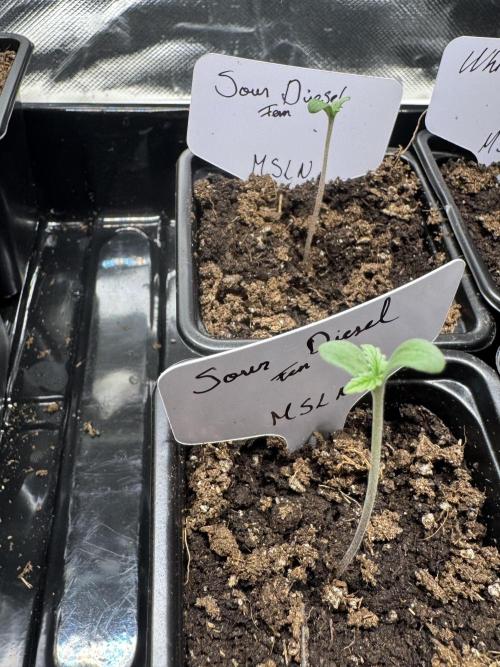
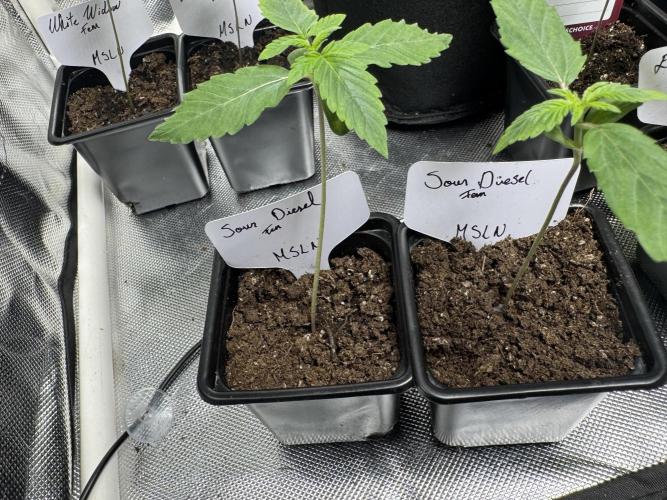




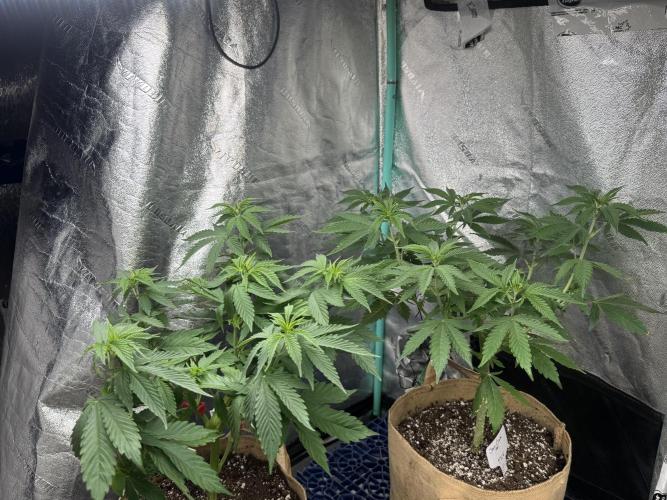



Sour Diesel commonly grows tall, stretches significantly, and requires attentive canopy management. Its long flowering branches can benefit from topping, LST, or a screen, while good odor control is essential well before harvest. The plant is not inherently fragile, but it performs best when its root zone and environment remain consistent.
Grower’s Note: Expect the plant to expand after the flowering switch. Train before that transition, preserve enough headroom, support longer branches, and arrange effective odor control early.
Mimosa originally from Symbiotic Genetics

Mimosa combines Clementine and Purple Punch, giving it a bright sativa-leaning effect supported by a calmer hybrid foundation. The experience is uplifting, energetic, happy, and creative, with enough clarity for social activity or a productive daytime setting. In larger amounts, its cerebral momentum can become more intense, while the Purple Punch influence may introduce a heavier finish.
Its aroma resembles the cocktail that inspired its name: sweet orange, citrus peel, tropical fruit, and earth form the central profile. “We had issues with salts and phosphorus uptake, hence lockout, but she didn’t skip a beat,” grower VirginiaGrower wrote in a completed Royal Queen Seeds Mimosa grow report. The grower characterized the finished effect as uplifted and happy, providing a useful example of both the cultivar’s resilience and its bright experiential profile.


*The featured grow report follows Mimosa from another breeder, but it represents the same established cultivar.
Mimosa holds an 8.4 rating on GrowDiaries and develops quickly enough to make its reactions to training easy to evaluate. Topping, LST, and ScrOG can all help manage its stretch, although repeatedly removing foliage may work against its natural momentum. Stable light coverage and an evenly shaped structure generally achieve more than constant intervention.
Grower’s Note: Complete the main canopy work during vegetation and leave enough vertical space for flowering. Maintain moderate feeding and remove only growth that genuinely restricts light or airflow.
Durban Poison

Durban Poison differs from most cultivars in this selection because it is associated with a South African landrace population rather than a single modern breeder. Ed Rosenthal helped introduce the genetics internationally by bringing seeds from South Africa to the United States in the late 1970s. Its effect is famously energetic, focused, uplifting, and socially open. Physical heaviness remains limited in many expressions, allowing its mental clarity to persist through creative work, outdoor activity, or conversation. The strain is rated 8.6 on GrowDiaries.
Sweet herbs, anise, spice, pine, and lemon give Durban Poison a profile that feels less dessert-like than many contemporary hybrids. “The plant survived high temperature/humidity,” grower timon reported after completing a Durban Poison grow report. The grower characterized the finished effect as happy, hungry, and uplifted, reinforcing the strain’s bright, mood-forward reputation.


*The featured grow report follows a Dutch Passion release of Durban Poison, while the cultivar in this selection represents the established South African landrace line.
Its landrace background often appears in long internodes, narrow leaves, and considerable vertical growth. Outdoor plants appreciate warmth and sunlight, while indoor cultivation benefits from early topping and lateral training. Some expressions tolerate environmental pressure well, but their height and flowering duration still require planning.
Grower’s Note: Use topping or LST before the branches become rigid and switch to flowering with substantial room still available. Keep the canopy open and avoid overcrowding its naturally elongated structure.
Jack Herer originally from Sensi Seeds

Jack Herer combines Haze, Northern Lights #5, and Shiva Skunk, creating a hybrid whose best-known expressions retain a distinctly sativa-leaning effect. The initial sensation is energetic and euphoric, followed by mental clarity, focus, and creative momentum. Its hybrid foundation can smooth the experience without erasing its cerebral character, although different phenotypes may lean in noticeably different directions.
Pine, herbs, pepper, citrus, and flowers form its classic aroma. In a completed Sensi Seeds Jack Herer grow report, grower BudVision_Genetics said that the Haze phenotype “completely blew me away” and delivered “exactly that old school Haze character” they had hoped for. The cultivar’s GrowDiaries rating currently stands at 8.7.
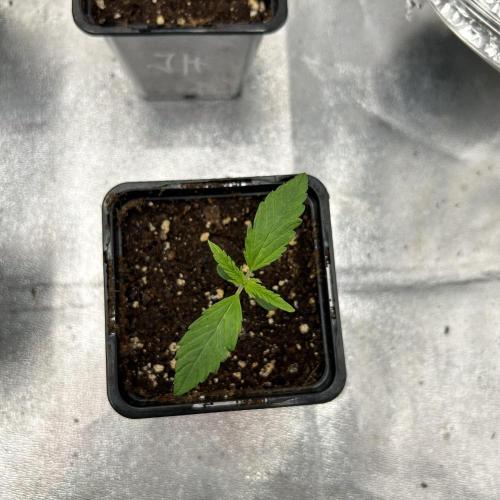









Cultivation depends partly on which phenotype appears. Haze-leaning plants may stretch and flower longer, while more compact expressions can form denser structures. We find early observation especially useful with Jack Herer: the training plan should respond to the plant’s actual growth pattern rather than to a single fixed expectation.
Grower’s Note: Watch internode spacing during vegetation before choosing a training plan. Control taller phenotypes early, maintain airflow around denser expressions, and allow each plant’s trichomes to determine its finish.
Finding the Right Kind of Sativa Energy
Sativa-leaning genetics are not defined by one effect or one growth pattern. Durban Poison and Chocolope emphasize clarity and activity, Super Lemon Haze and Amnesia Haze deliver more forceful cerebral intensity, while Fresca Melon and Lemonpaya gradually introduce greater physical calm.
The best choice is the strain whose effect and cultivation demands fit your preferences, space, and patience. If you have grown one of these cultivars, tell the GrowDiaries community how its effects, aroma, and structure appeared in your phenotype. Those differences are often what make a familiar strain worth discovering again.
Read more