

















ZariRat_Grow commented25d ago
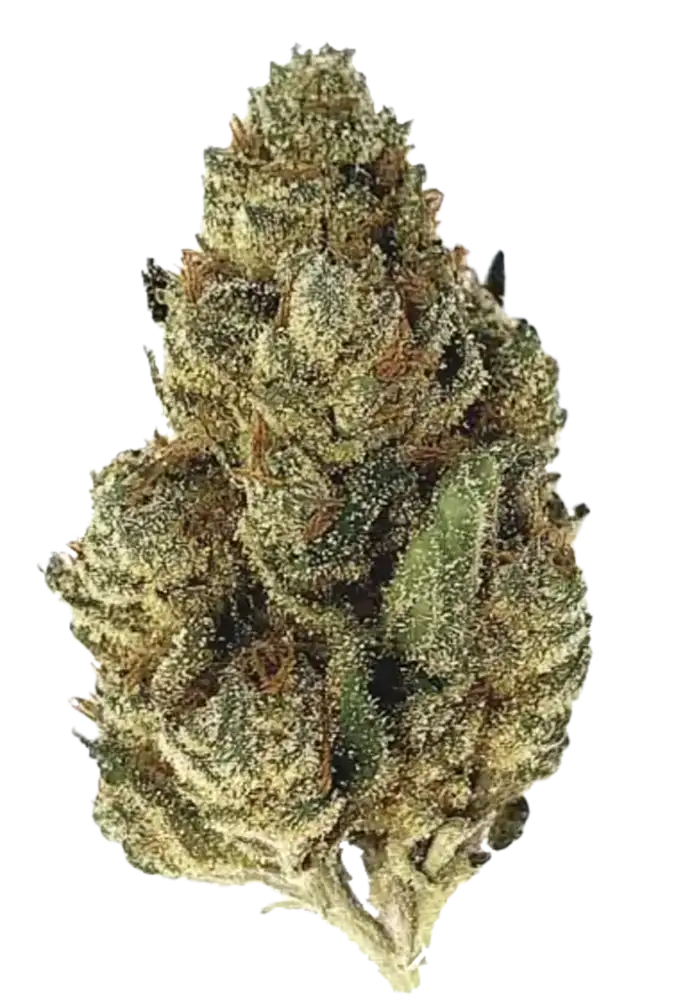
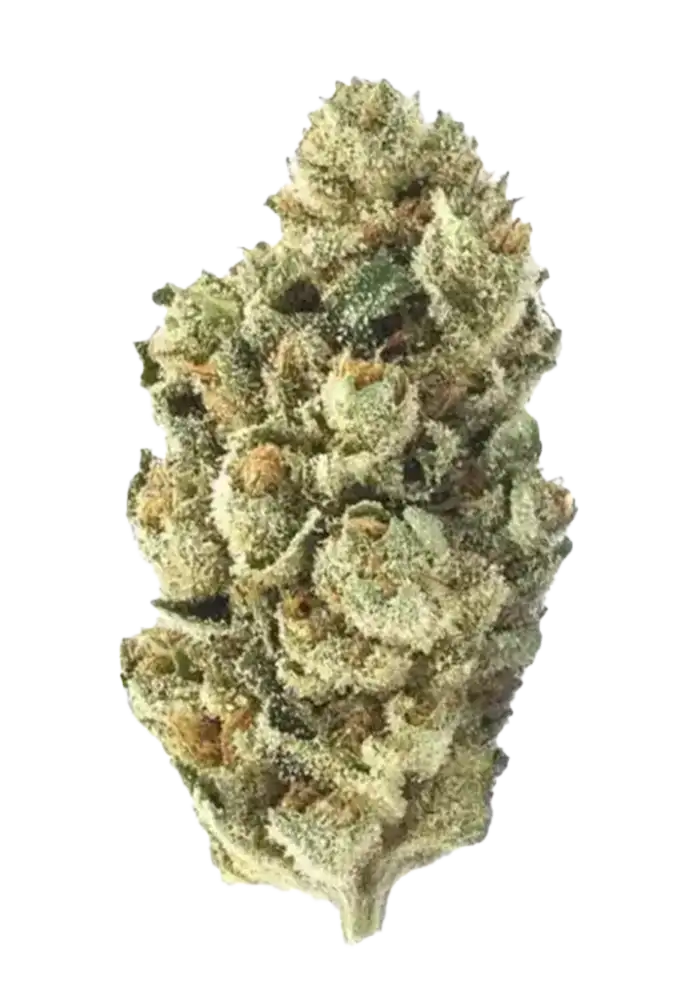
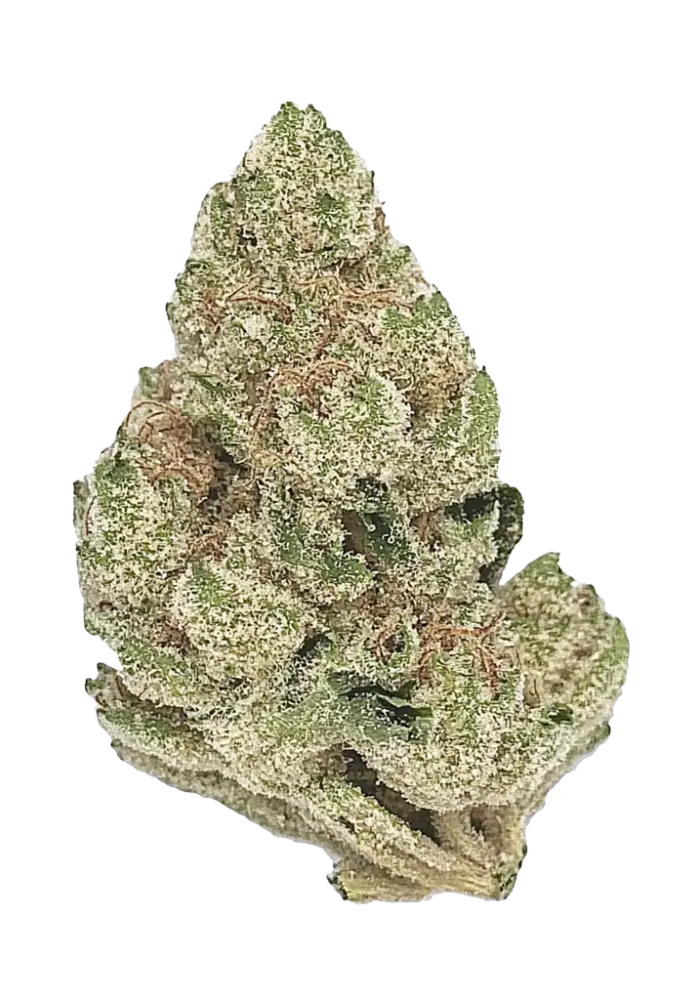
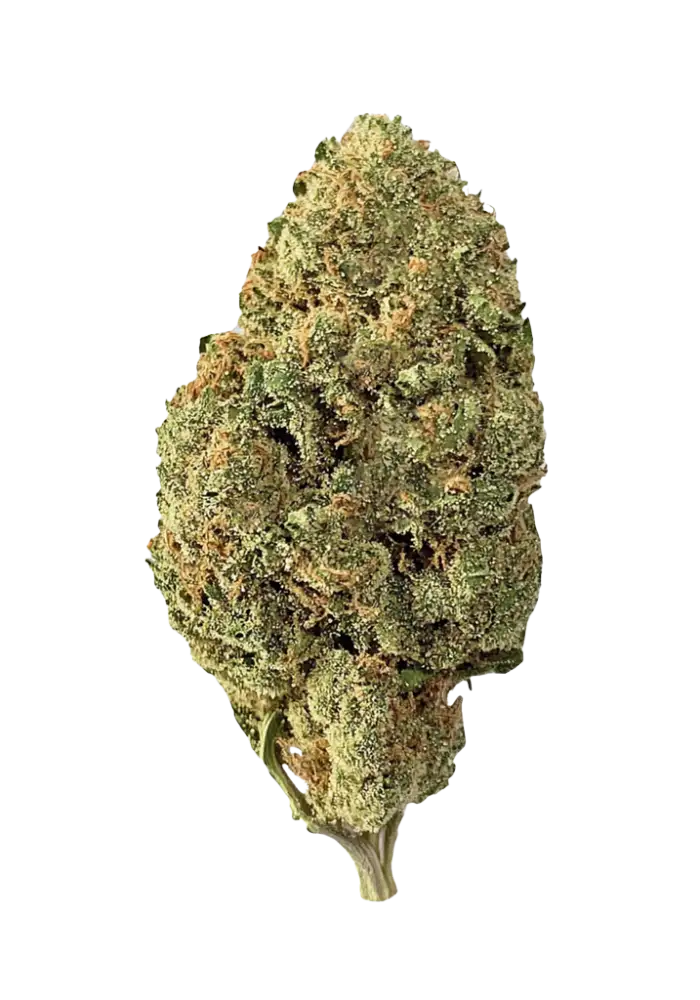
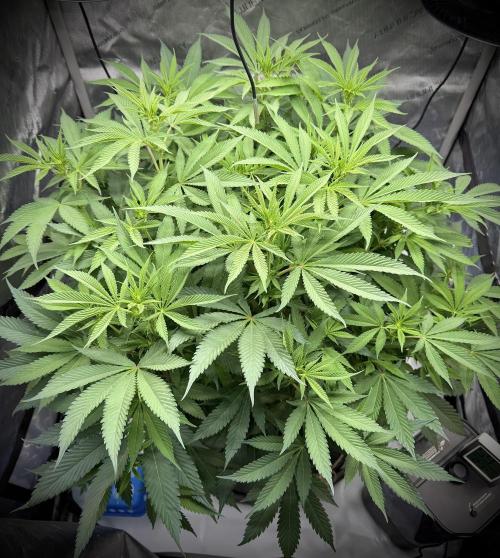
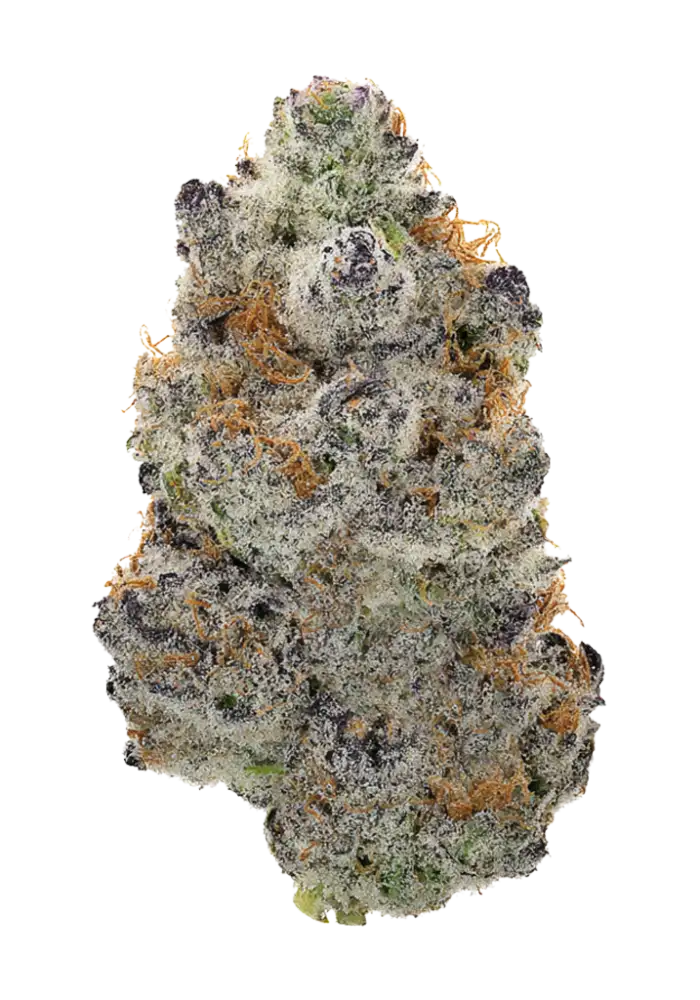
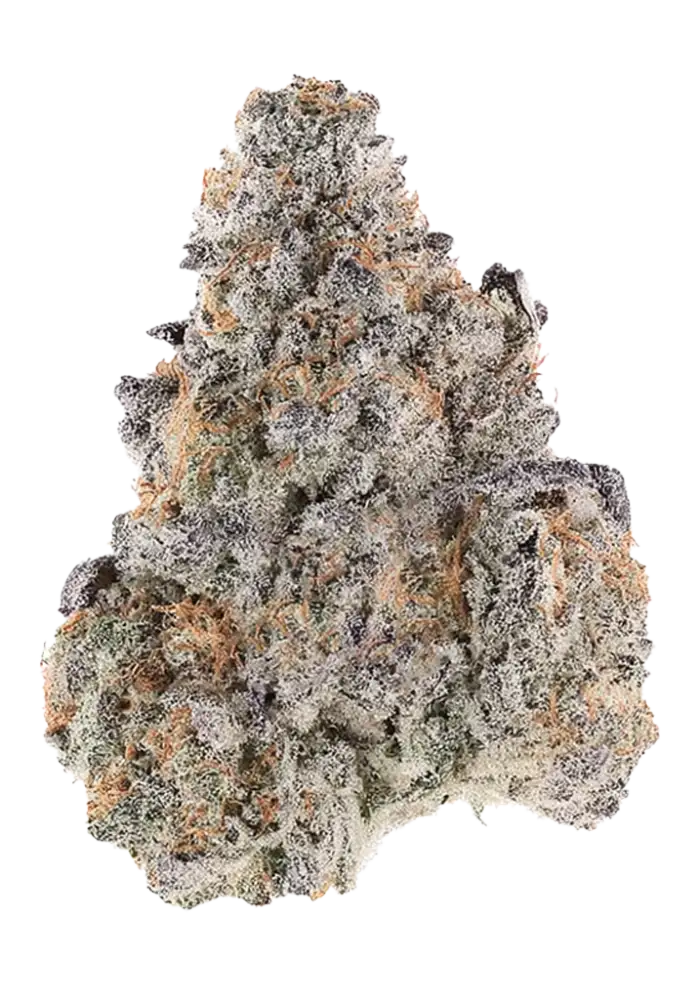
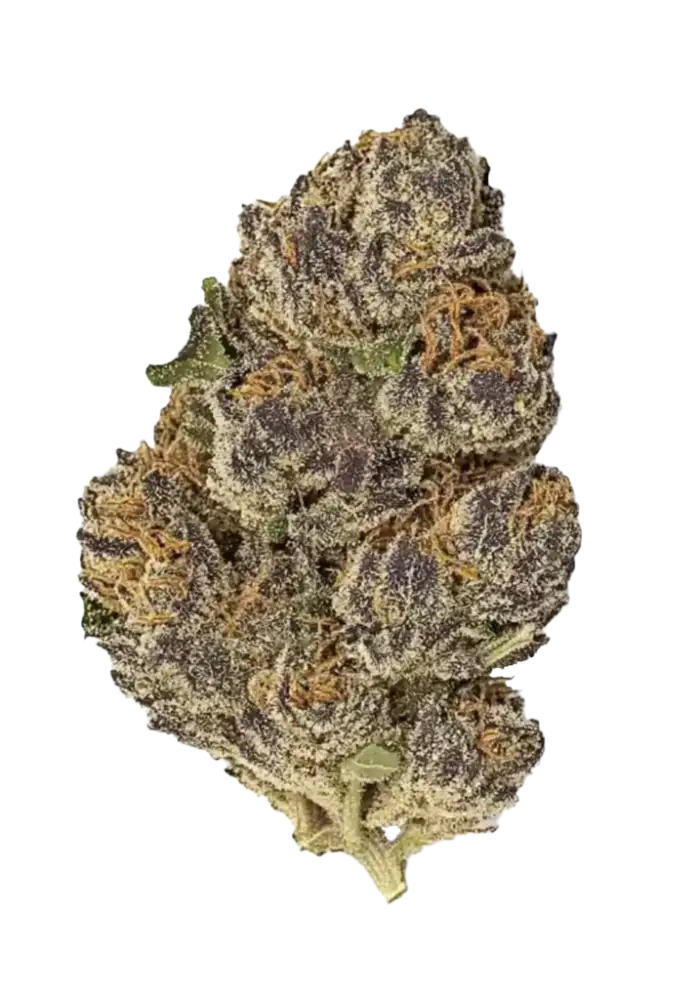
Thank you very much for adding our experience with the Strawberry Banana. Great strain, great breeders, a spectacular plant 💪
likes 6
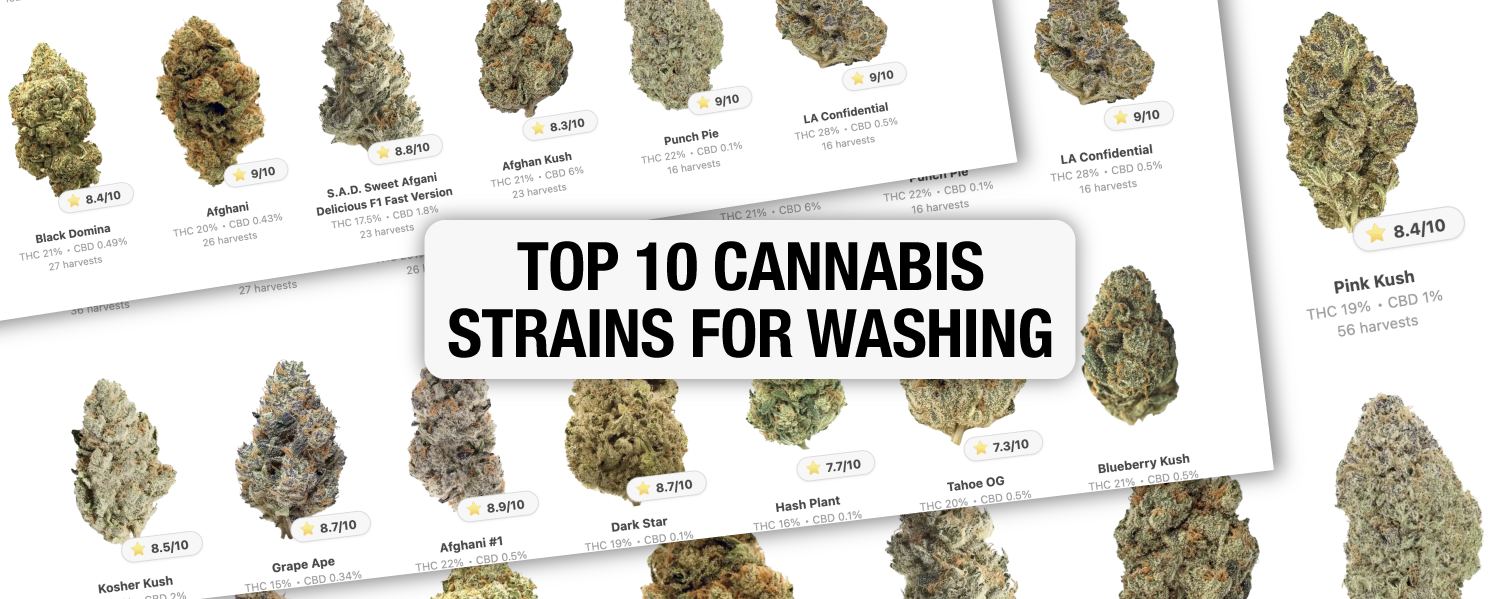
Cannabis breeding once focused heavily on potency and flower yield. As solventless extraction evolved, breeders and processors began paying closer attention to trichome density, head size, stalk strength, terpene retention, and the ability of resin glands to separate cleanly in ice water.

The live rosin movement of the mid-2010s accelerated that change. WPFF, or whole-plant fresh frozen material, allowed processors to preserve volatile terpenes that often fade during drying. Legacy resin producers such as Afghan, Cheese, and Bubble Gum lines established the foundation, while modern Cookies, Gelato, GMO, and fruit-forward hybrids expanded the range of flavors available to hash makers.
A successful washer needs more than visible frost. Sandy resin usually separates readily and behaves like loose grains when cold. Greasy resin may be more aromatic but can smear, clump, and become difficult to handle as it warms. Mold resistance also matters because dense, resin-heavy flowers often trap moisture.
Micron numbers describe the mesh opening used to separate different trichome-head sizes, with 90 μm frequently isolated as a premium fraction. The ranges below are practical starting points rather than guarantees. Documented returns vary considerably by phenotype, harvest timing, starting material, and processing method, so we use qualitative return potential instead of presenting unsupported percentages.
The strains are presented in no particular order.
Cookies and Cream combines Starfighter with an undisclosed Girl Scout Cookies phenotype. Its profile is rich with creamy vanilla, earthy undertones, roasted nuts, and sweet cookies, giving processors a dessert-forward alternative to sharper fuel cultivars. GrowDiaries users currently rate it at 8.8.
In a completed Exotic Genetix Cookies and Cream grow report, grower Weedig_Weedigson described the harvest as “super resinous, super stinky,” with “super firm buds.” That combination suggests abundant resin and commercially attractive flower density, although tightly packed buds require careful humidity management.
Wash Profile: Start with 73-120 μm. The resin tends to be greasy rather than completely sandy, so it should be collected cold and handled quickly. WPFF preserves more vanilla and cream, while cured material can emphasize earth, nuts, and baked-cookie notes. Its qualitative return potential is moderate to high, although documented returns vary by phenotype and resin maturity.
Grower’s Note: Maintain airflow through the center of the plant and avoid pushing humidity late in flower. Freeze WPFF promptly after harvest and compare a short first wash with a slightly longer second cycle.
London Pound Cake pairs Sunset Sherbert with an undisclosed heavy indica line, producing dense flowers with grape, berry, citrus, pastry, nuts, and gas. Its aromatic weight makes it appealing for both flower and solventless extraction. Available GrowDiaries reviews give the cultivar an average rating of 9.0.
Cultivation evidence adds useful context. In a finished London Pound Cake grow report, grower Mrs_Larimar described “fantastic” large flowers that were “dense and crusty.” The report follows another seed release, but the combination of compact flowers and heavy surface resin illustrates why this cultivar family attracts hash makers.
Wash Profile: Examine 73-120 μm first, especially 90-120 μm. The resin is commonly greasy-sticky, with WPFF favoring grape, citrus, and berry while cured flower brings pastry, nuts, and gas forward. Return potential appears moderate to high in resinous phenotypes, but the absence of standardized wash data makes a test batch essential.
*The featured grow report follows London Pound Cake from another breeder, while representing the cultivar’s established Sunset Sherbert-based genetic line.
Grower’s Note: Support the branches and keep humidity controlled as the flowers swell. Avoid aggressive agitation, since greasy resin can smear and carry plant material into broader fractions.
Strawberry Banana became an extraction favorite by combining Crockett’s Banana Kush with the Strawberry phenotype of Bubble Gum. Sweet strawberry, ripe banana, bubble gum, and soft earthy notes give it a recognizable profile, while high-quality sugar trim can provide useful material beyond the trimmed buds. Its GrowDiaries rating currently stands at 8.4.
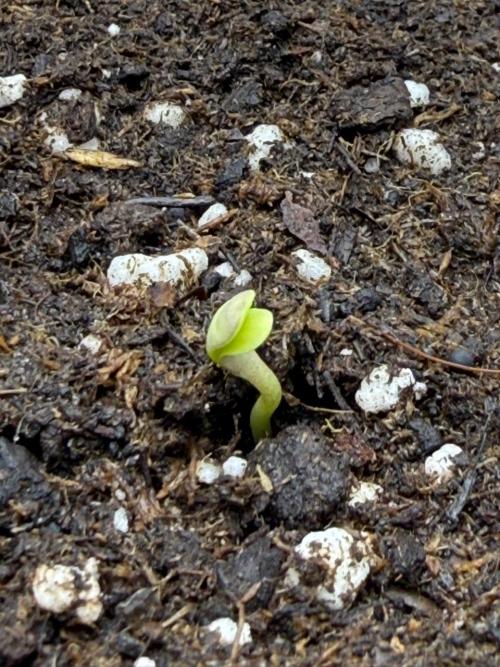
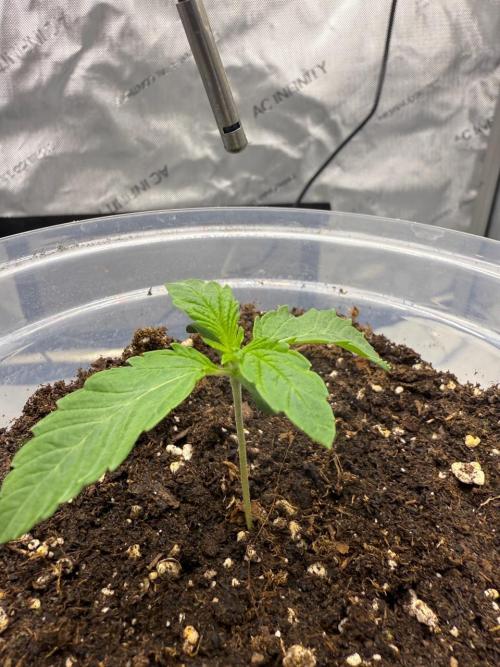
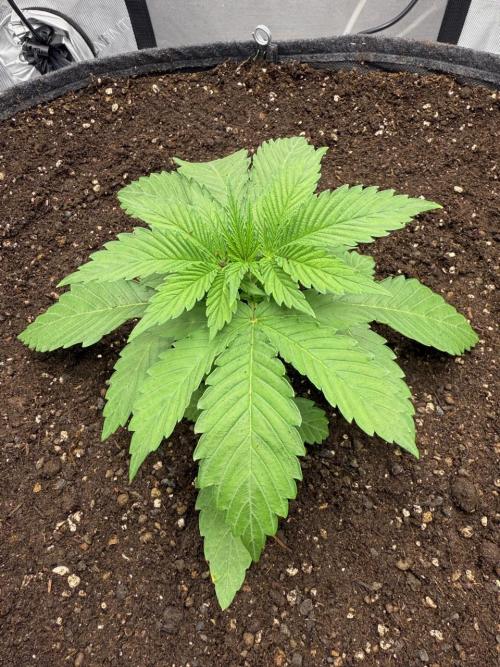
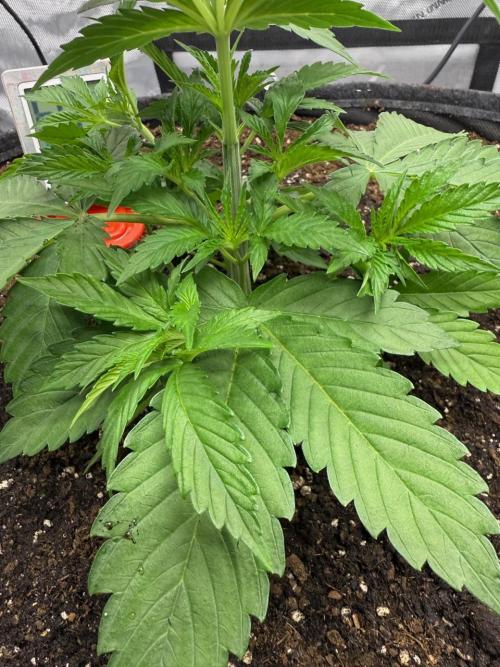
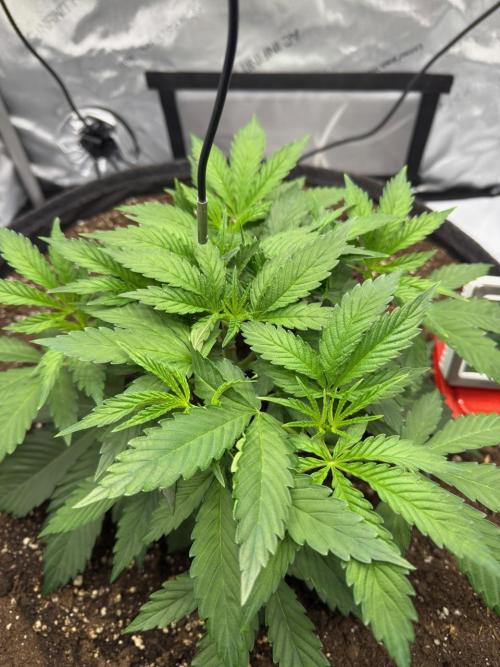
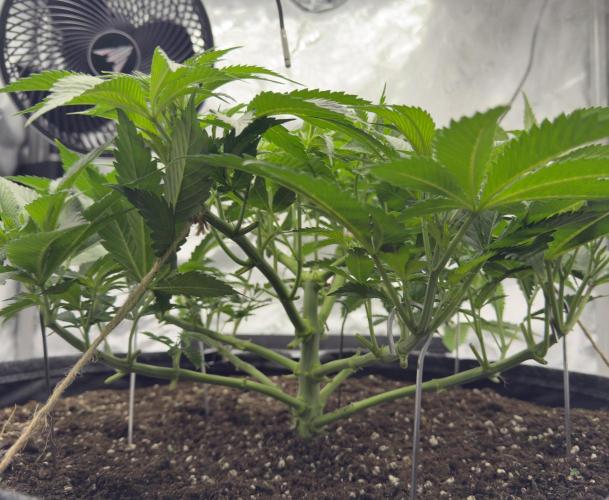
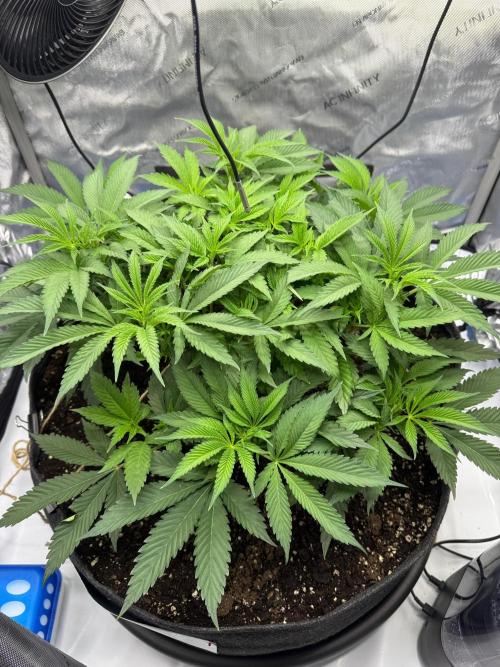
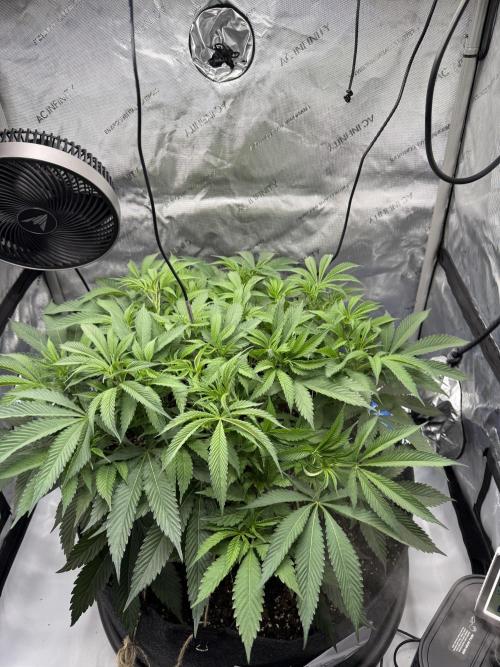
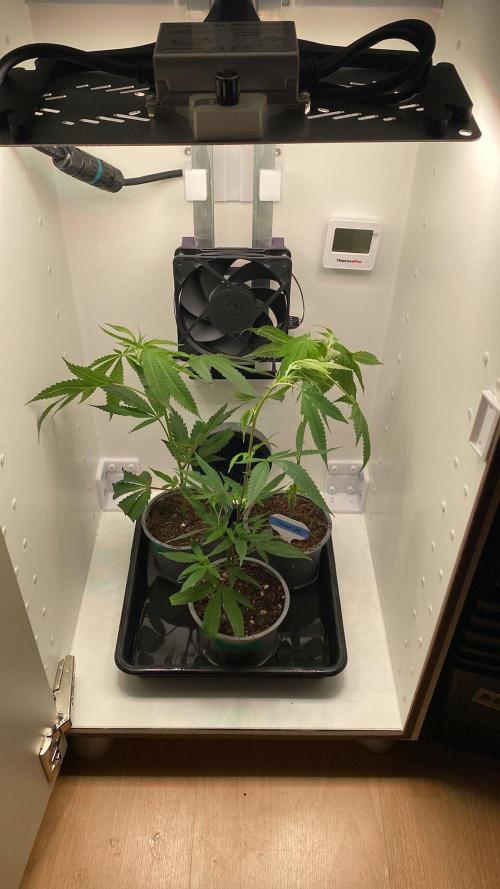
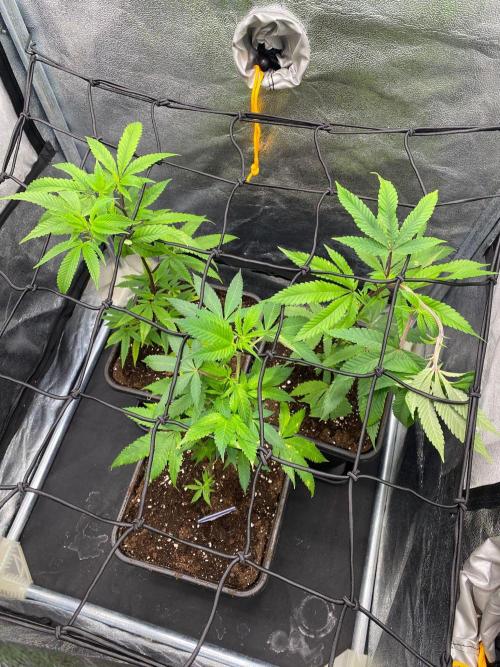
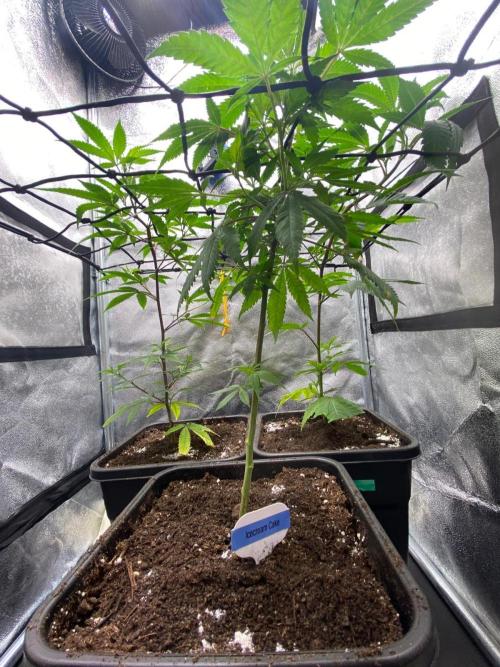
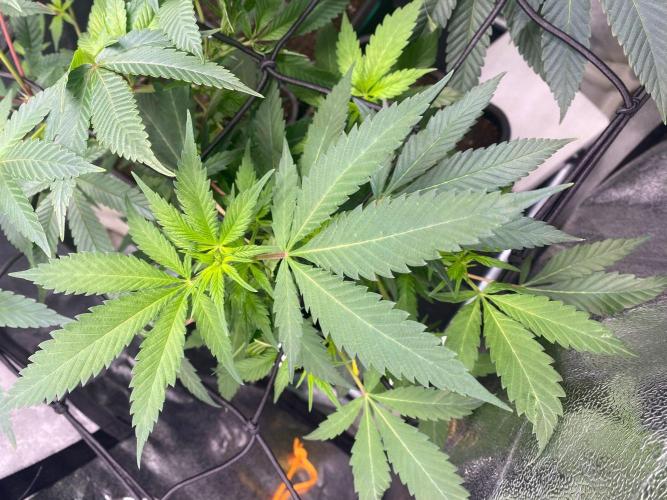
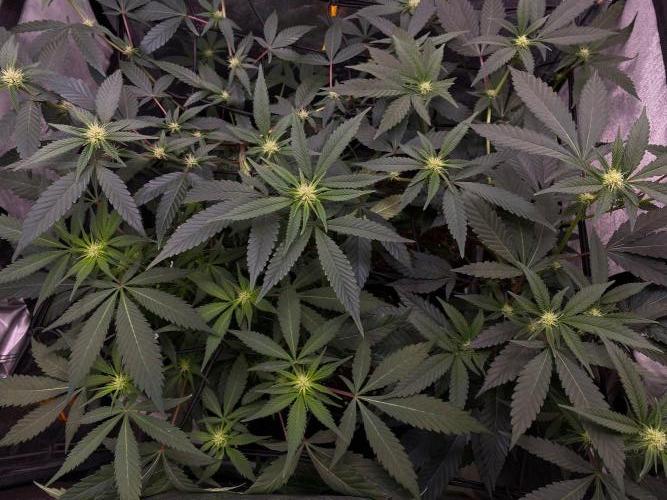
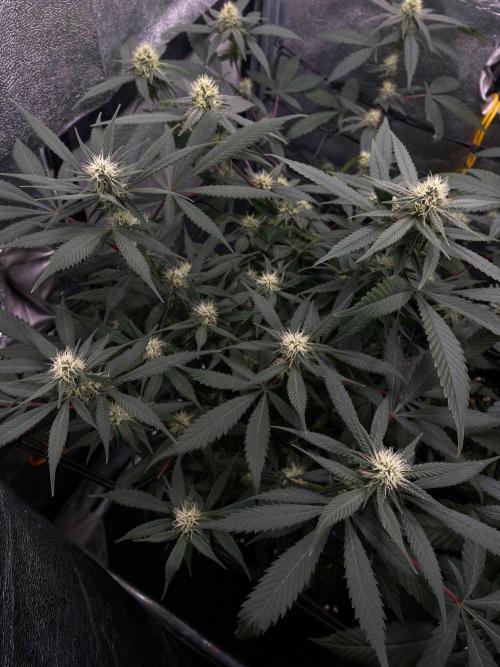
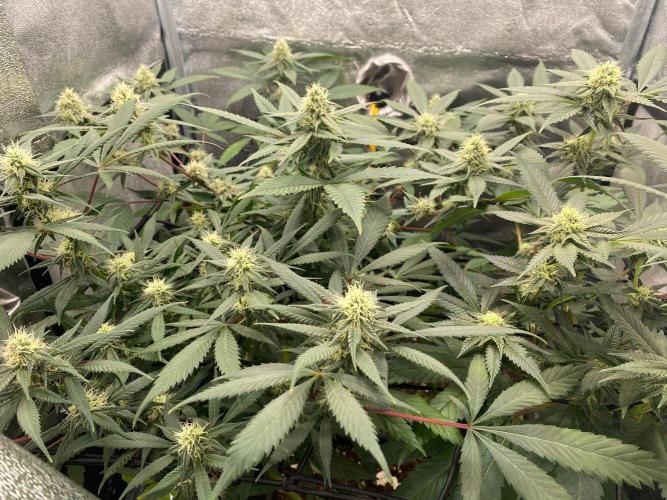
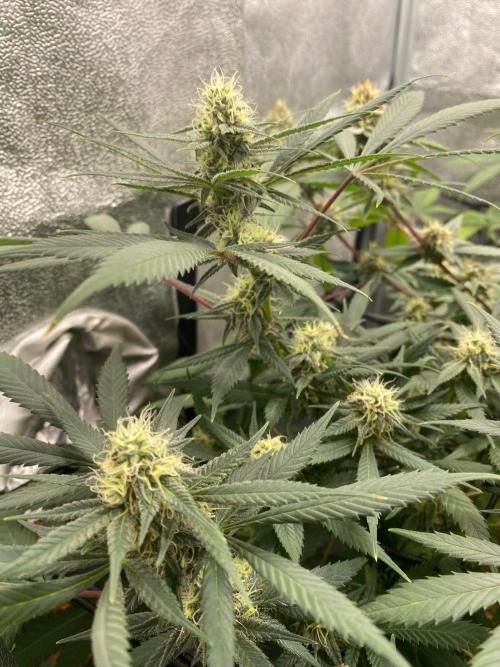
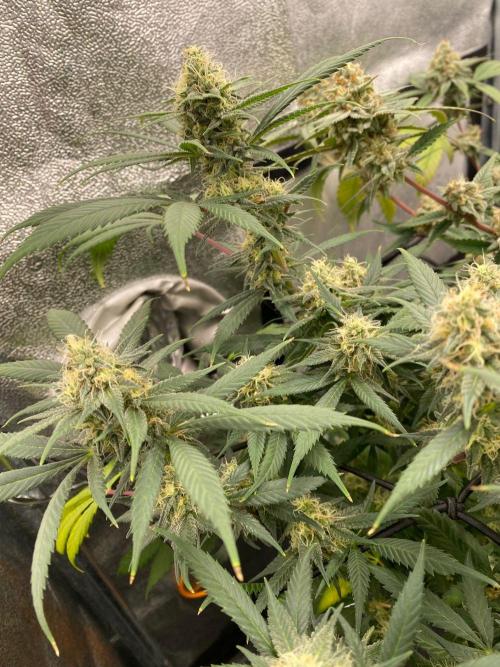
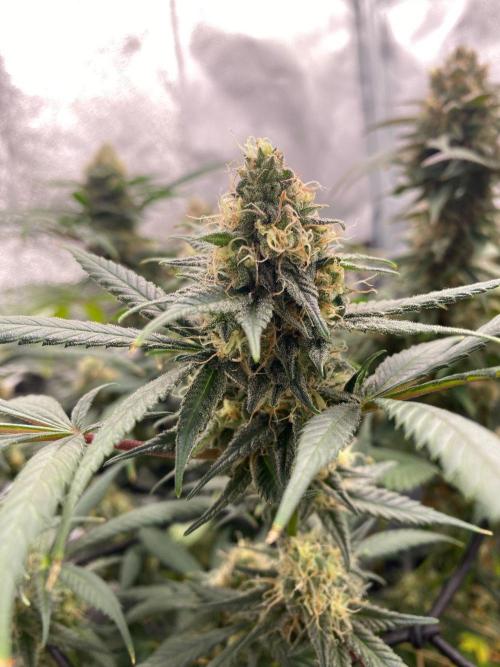
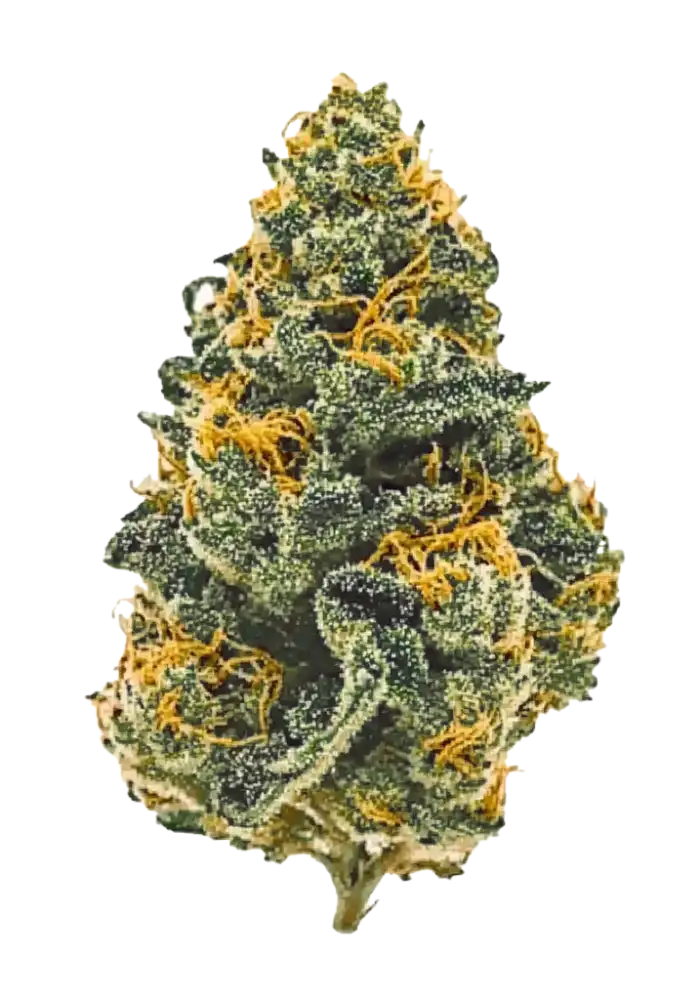
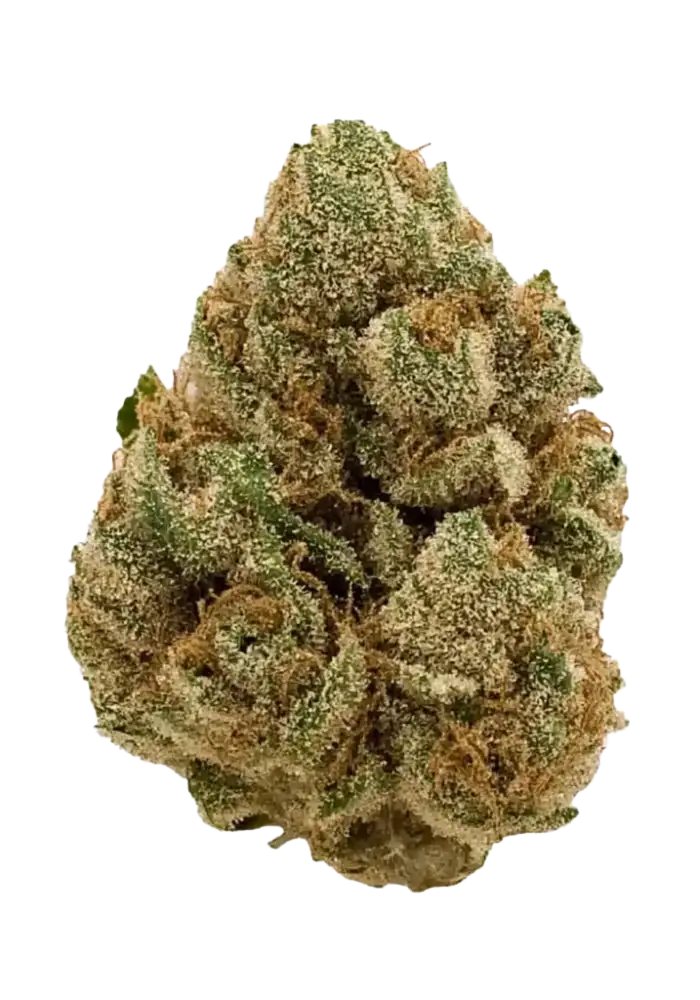
The DNA Genetics Strawberry Banana grow report by ZariRat_Grow offers an especially useful lesson in phenotype selection. After drying, the flowers retained a “compact and sticky structure” with “notable preservation of the resin.” However, the grower also found the line sensitive and observed one plant with very little resin, showing why reputation alone cannot replace selection.
Wash Profile: Test 73-159 μm, with 90-120 μm often producing the cleanest resin. It may release with a sandy texture when cold but becomes greasier as it warms. WPFF protects fresh strawberry notes, while cured flower and sugar trim lean toward banana, bubble gum, and earth. Selected phenotypes can offer high return potential, but results may vary considerably within the same seed population.
*The featured Strawberry Banana grow report is listed under Reserva Privada, a sub-brand and breeding line operated by DNA Genetics.
Grower’s Note: What we value most here is the chance to select for both aroma and resin behavior. Clone promising plants before flowering and wash each phenotype separately before choosing a keeper.
Rainbow Melon brings together Melon genetics and Rainbow Chip, producing sweet melon, candy, citrus, and creamy undertones. The plant develops dense, resinous flowers and currently holds an impressive 9.3 GrowDiaries rating.
Community experience supports that reputation. In a finished Fast Buds Rainbow Melon grow report, grower SmokeInParadise420 described the buds as “very hard and resinous,” with an intensely sweet melon aroma. The plant also tolerated several days without attention, combining resin production with useful resilience.
Wash Profile: Begin with 73-120 μm and inspect the 90 μm fraction separately. The resin can feel sandy-sticky when cold before becoming greasy with warmth. WPFF is the stronger choice for preserving melon, candy, and bright citrus. Return potential is qualitatively moderate to high, but no standardized result should be assumed without washing the selected phenotype.
Grower’s Note: Dense flowers need continuous airflow and conservative late-flower humidity. Harvest and freeze quickly if the goal is to retain the cultivar’s freshest fruit notes.
Gelato combines Sunset Sherbert and Thin Mint Girl Scout Cookies, bringing together citrus, berries, cream, wood, and sweet dessert notes. Its resin often has an oily consistency that can produce exceptionally aromatic rosin when handled cold.
A finished Gelato grow report documented a dark phenotype whose “buds are covered in resin.” Grower MadeInGermany described the cured flavor as moving toward Kush with tropical fruit, connecting substantial resin coverage with a profile that remained expressive after drying. This practical evidence complements Gelato’s 8.8 GrowDiaries rating.
Wash Profile: Focus on 73-120 μm and compare the 73 and 90 μm fractions independently. Gelato resin is usually greasy, so cold tools and rapid collection help reduce smearing. WPFF favors citrus and berry, while cured material emphasizes cream, wood, Kush, and dessert notes. Strong phenotypes can show moderate-to-high return potential, but selection is more important than the Gelato name alone.
*The featured report follows another breeder’s Gelato release from the wider genetic family established by Cookies.
Grower’s Note: We would treat Gelato as a selection project rather than assume every seed will wash equally well. Preserve clones, evaluate resin release, and prioritize the phenotype that combines clean separation with strong aroma.
Dosidos was created from Face Off OG BX1 and OGKB, joining lime, dough, cream, earth, incense, and gas in a dense, resin-rich cultivar. Its OG structure can produce substantial flowers, but those flowers also increase the need for airflow and support.
A completed Archive Seed Bank Dosidos grow report offers a particularly useful production example. Grower Gamestationx360 recorded “sweet cherry dominant terpenes” and “massive dense nugs some 18" long,” later praising an “insane yield of top qual tops galore.” Together with the plant’s strong resistance rating, the report presents Dosidos as vigorous, productive selection material with valuable aromatic potential. Dosidos currently holds an 8.6 GrowDiaries rating.
Wash Profile: Test 73-120 μm, paying particular attention to 90 and 120 μm. The resin may appear sandy while cold but becomes greasier during collection and pressing. WPFF better preserves lime and fresh dough, while cured material deepens cream, earth, incense, and fuel. Its return potential is promising, but documented results vary enough that quality should be evaluated separately from total volume.
Grower’s Note: Thin crowded interior growth early and support heavy branches before late flower. Use restrained agitation during the first wash to keep the premium fractions clean.
Ice Cream Cake combines Wedding Cake and Gelato #33, producing a thick dessert profile of cream, vanilla, dough, nuts, mint, and fuel. Its dense resin and familiar flavor have made it a recurring target for solventless processors.
In a completed Seed Junky Genetics Ice Cream Cake grow report, grower exclusiveX420 called the flowers an “absolute dream for making rosin” and noted “so much dusting.” The plant produced more than six ounces under 200 watts, giving the report unusual commercial relevance, while a minor encounter with bud rot confirms that the cultivar’s exceptional flower density requires strict humidity control. GrowDiaries users currently rate it at 9.1.
Wash Profile: Start with 73-120 μm and isolate 90 μm for evaluation. The resin is generally greasy, with WPFF preserving cream, vanilla, and mint. Cured flower and high-quality sugar trim often express more dough, nuts, and fuel. Return potential is moderate to high in well-selected material, but greasy consistency can make collection efficiency as important as initial separation.
Grower’s Note: Open the canopy before flowering and keep air moving around the compact buds. Collect the resin immediately after draining, before its oily texture begins to soften.
GMO Cookies, created from Chem D and Girl Scout Cookies, is one of the defining modern extraction cultivars. Garlic, onion, fuel, earth, and chemical funk give it an unmistakable identity, while its long flowering period allows substantial resin development.
Practical evidence is especially convincing here. In a completed Mamiko Seeds GMO Cookies grow report, grower Skynet called the plant “super frosty, super stanky” and recorded 165 grams of dry flower per plant. A month after harvest, the flowers remained notably sticky and aromatic. That combination of production, resin, and aromatic persistence helps explain its strong 9.1 GrowDiaries rating.
Wash Profile: Explore 73-159 μm, with 90-120 μm often providing the premium material. The resin may release cleanly and appear sandy in cold water but becomes extremely greasy as it warms. WPFF best preserves garlic and sharp fuel, while sugar trim can remain valuable for secondary washes. GMO is one of the stronger qualitative return candidates in this selection, although documented returns still vary by cut, maturity, and process.
Grower’s Note: Allow enough flowering time for full resin maturity and support the branches early. Maintain strict humidity control because large, late-finishing flowers can become vulnerable to mold.
Blue Cheese combines Blueberry with the original UK Cheese, uniting ripe berries with cheese, musk, earth, spice, and fermentation. Its old-school character gives hash makers something markedly different from modern candy and gas profiles.
A single-plant Big Buddha Seeds Blue Cheese grow report documented a broad ScrOG canopy and 283.5 grams of dry flower. Grower DankGardener found “a nice fruity smell” with “lots of crystals” and said the grow went “pretty smooth.” Those results provide useful context for the cultivar’s current 8.8 GrowDiaries rating.
Wash Profile: Test 45-120 μm, since the smaller 45-73 μm fractions may retain considerable aroma. The resin tends to be greasy or waxy rather than dry and sandy. WPFF keeps the blueberry side brighter, while cured material intensifies cheese, musk, earth, and spice. Its return potential is more accurately described as moderate and aroma-led than exceptionally high-volume, with considerable phenotype dependence.
Grower’s Note: We would compare fresh-frozen and cured batches before committing the whole harvest. Blue Cheese can gain complexity through drying, even if WPFF preserves more of its fruit character.
Apple Fritter combines Sour Apple and Animal Cookies, delivering tart apple, caramel, cream, pastry, and diesel. Its flowers can become exceptionally sticky, but visible frost alone does not guarantee clean separation in water. The cultivar carries an 8.8 GrowDiaries rating.
Resilience becomes the strongest point in this completed Apple Fritter grow report. Grower Krisis reported that the plant withstood humidity reaching 73% with “zero mold/rot issues,” while the finished buds were “dense, frosty and beautiful.” The plant yielded 141.75 grams dry, and the cured flowers developed a smooth, sweet, and gassy character.
The featured report follows Apple Fritter from another breeder, while representing the same established Sour Apple × Animal Cookies cultivar.
Wash Profile: Test 73-120 μm first, with 90 μm usually the most promising starting point. Avoid overly broad upper fractions to limit contamination from trichome stalks and plant material. The resin is greasy-sticky rather than completely sandy. WPFF favors tart apple and fresh fruit, while cured flower and high-quality sugar trim bring out caramel, cream, pastry, and fuel. Return potential is moderate to high, but broad collection ranges can increase weight at the expense of purity.
Grower’s Note: Keep the flowers dry and well ventilated as they gain density. Use short, gentle wash cycles and inspect the upper fractions carefully before combining them with cleaner resin.
A promising washer combines abundant trichome heads, clean separation, stable terpenes, and resin that can be collected without excessive contamination. Genetics establish the potential, but phenotype selection, harvest timing, freezing, water temperature, and agitation determine how much of that potential reaches the final hash.
Cookies and Cream, Gelato, and Ice Cream Cake provide rich dessert profiles. Strawberry Banana and Rainbow Melon preserve brighter fruit, while GMO Cookies and Dosidos deliver heavier gas and funk. Whatever the cultivar, begin with a small test wash, keep fractions separate, and record the WPFF return, bubble hash yield, and hash-to-rosin conversion independently before processing the full harvest.
If you have washed any of these cultivars, tell the community which phenotype, starting material, and micron range performed best for you. Real-world results can help other growers make more informed selections before committing an entire harvest.