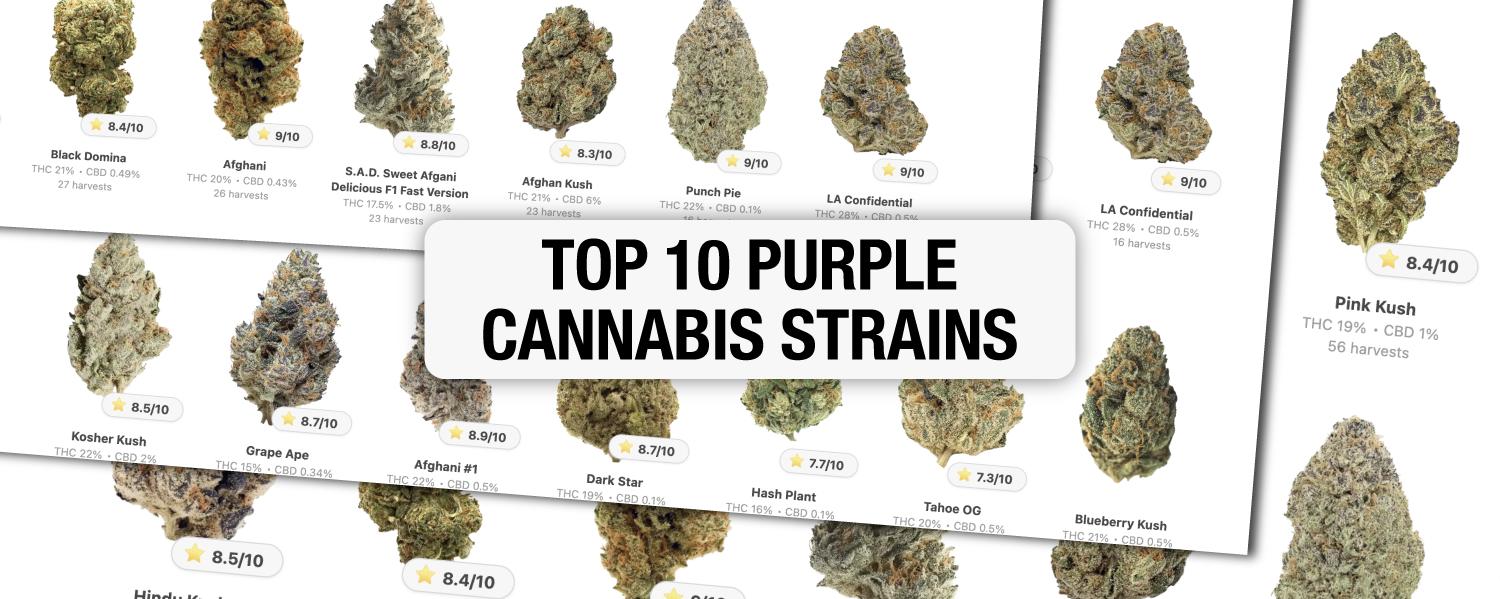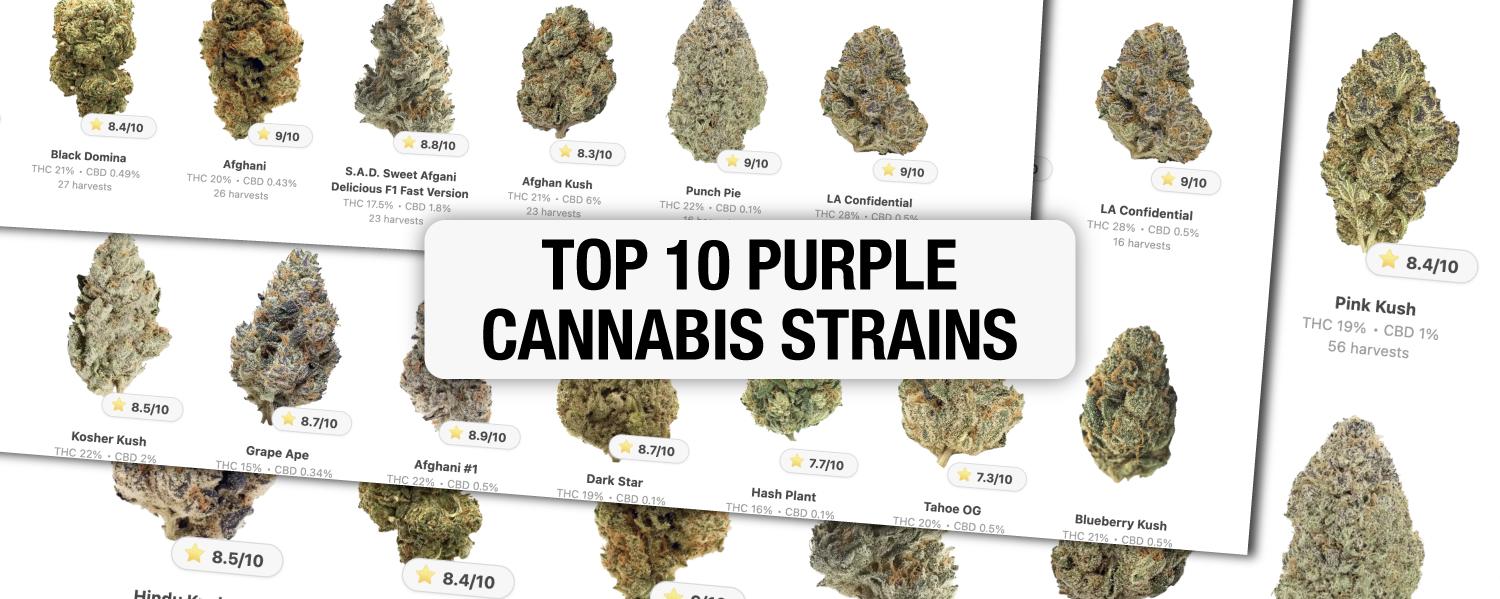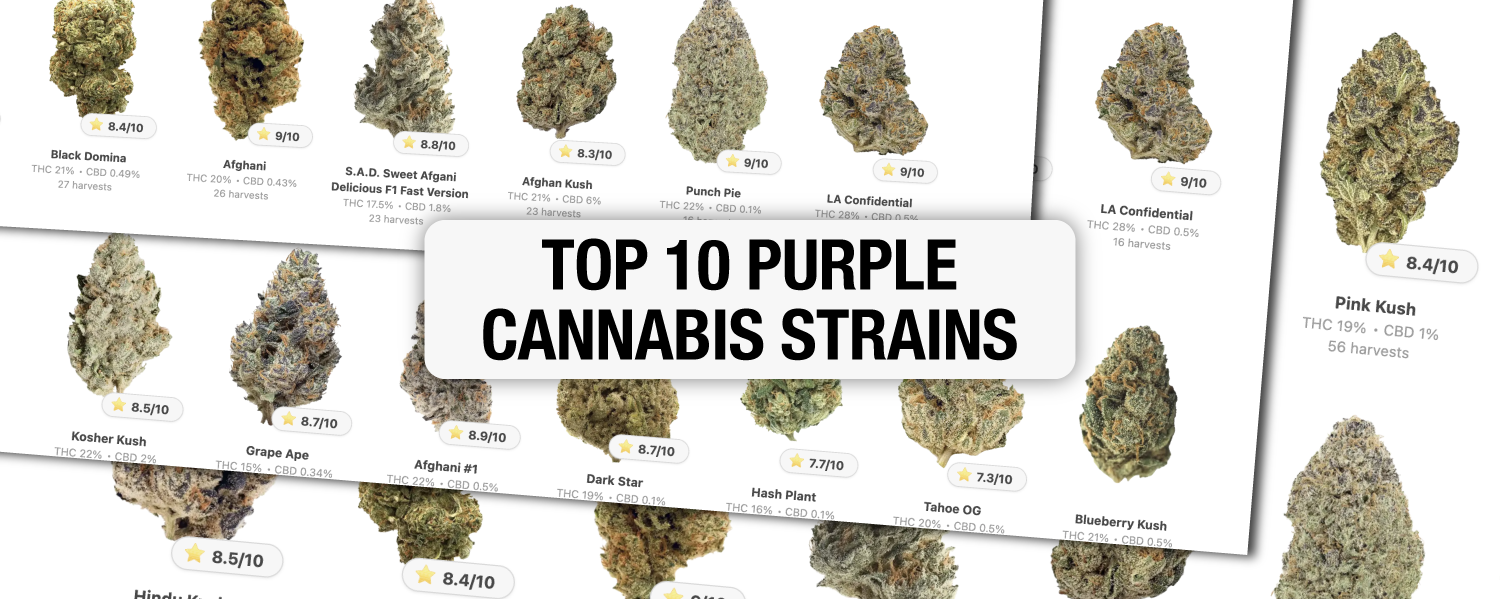
More Than a Beautiful Color
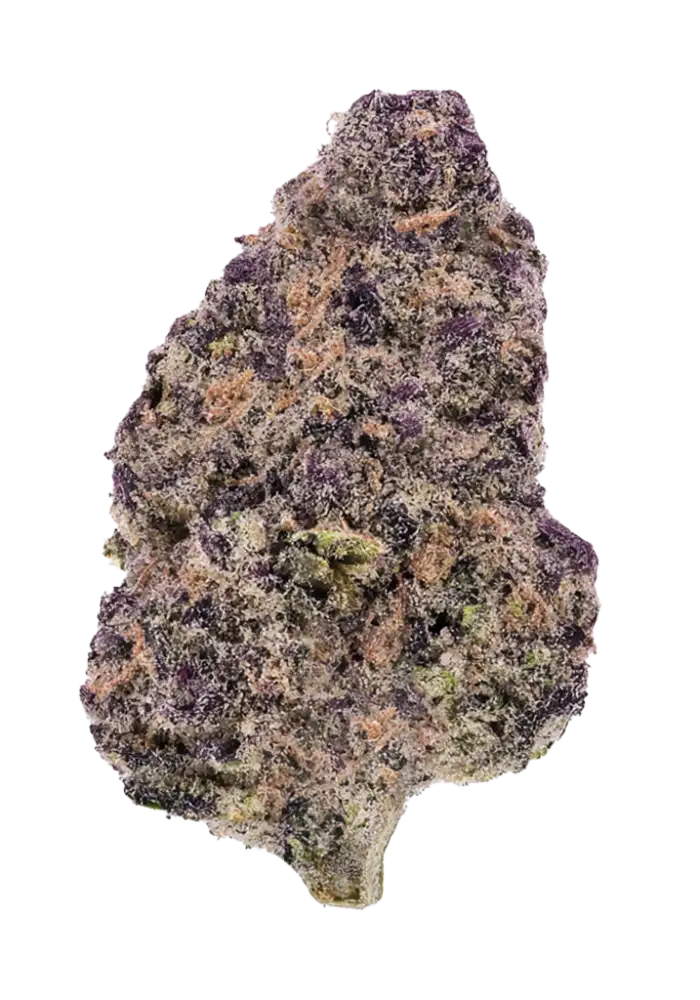
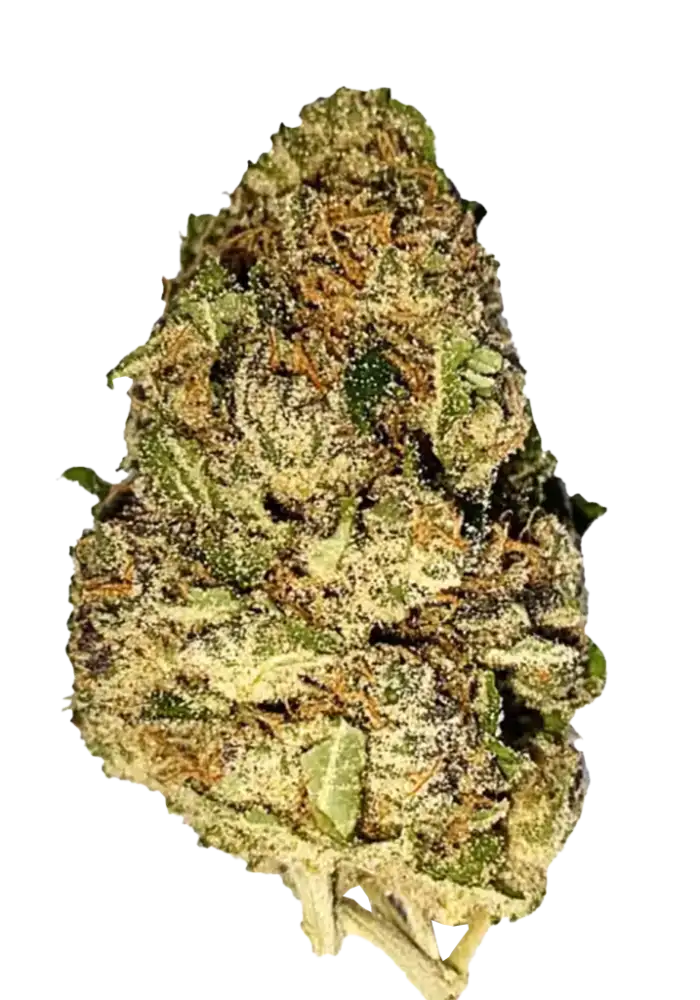
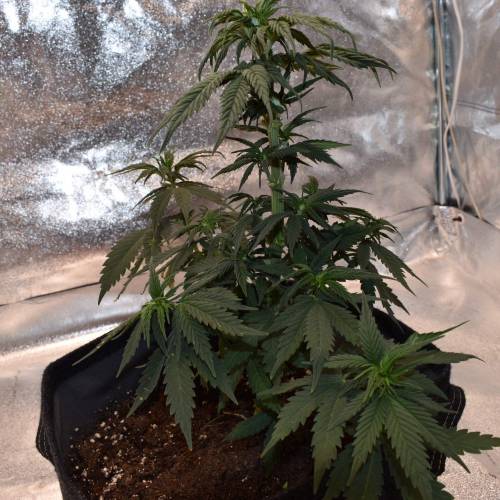
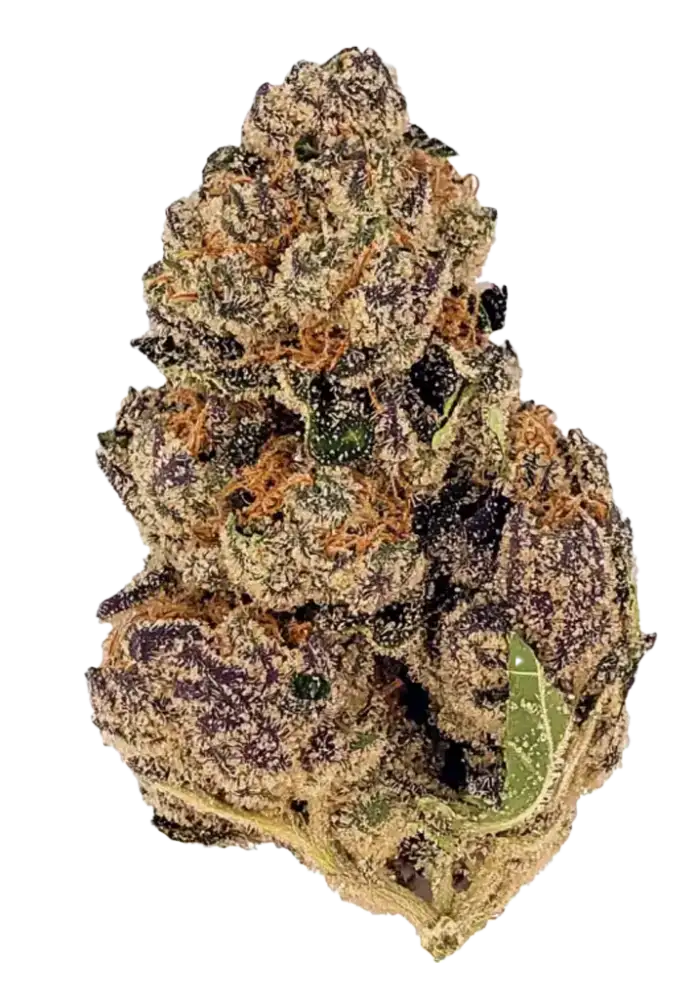
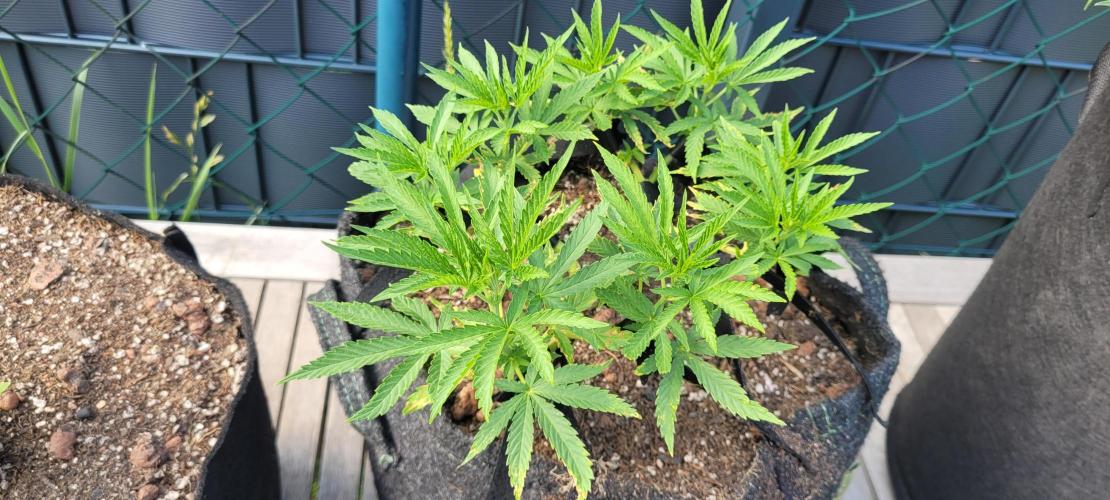
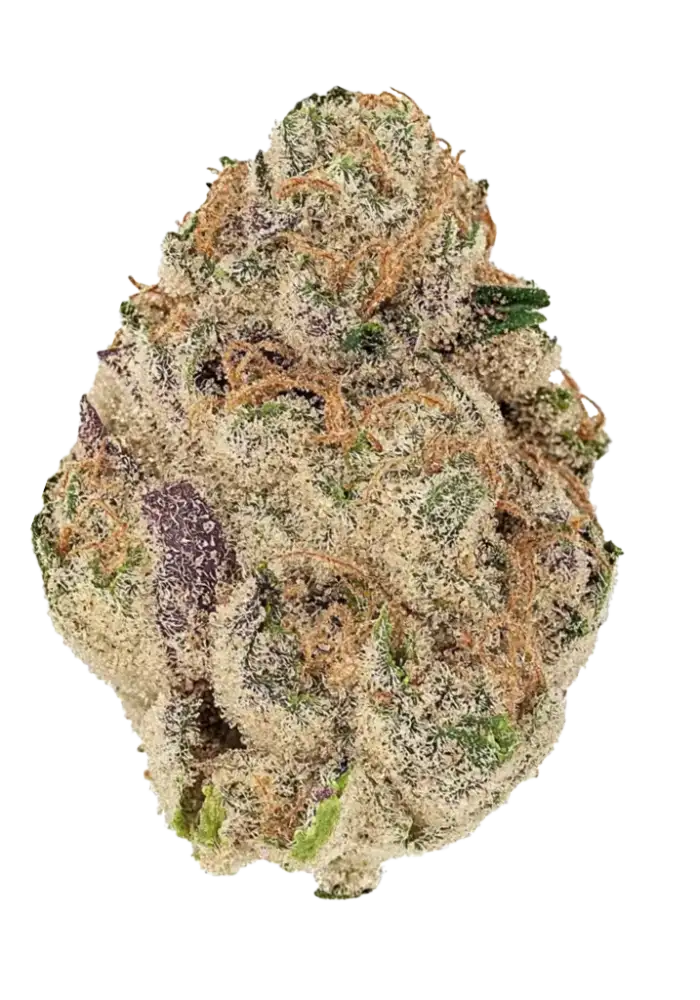
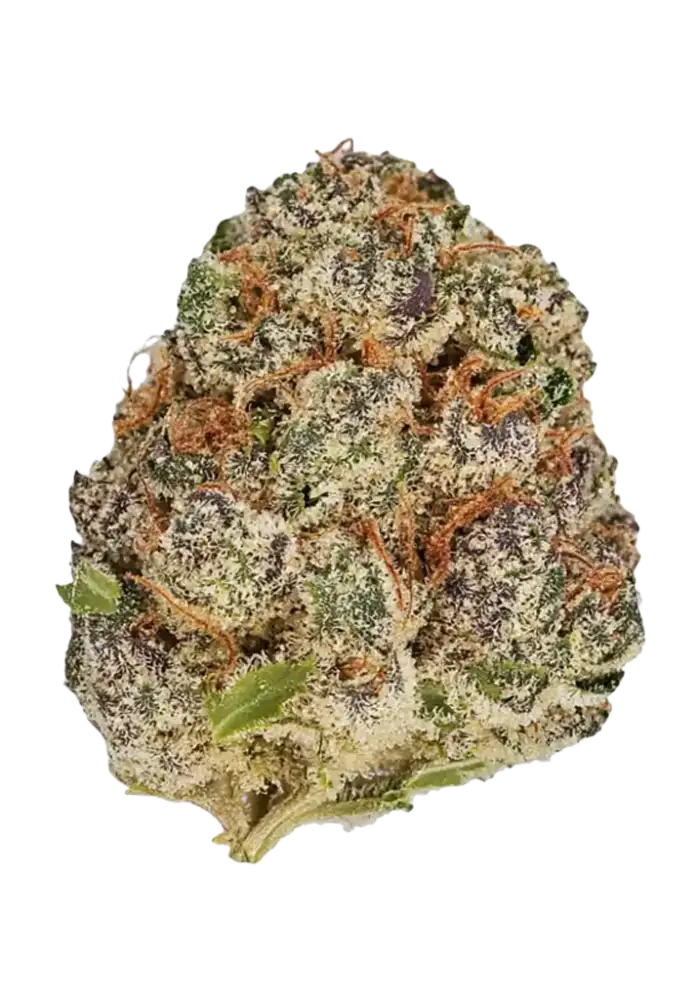
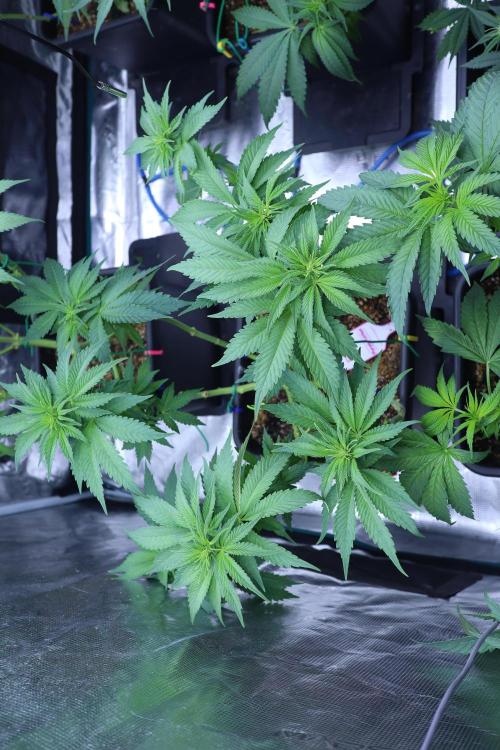
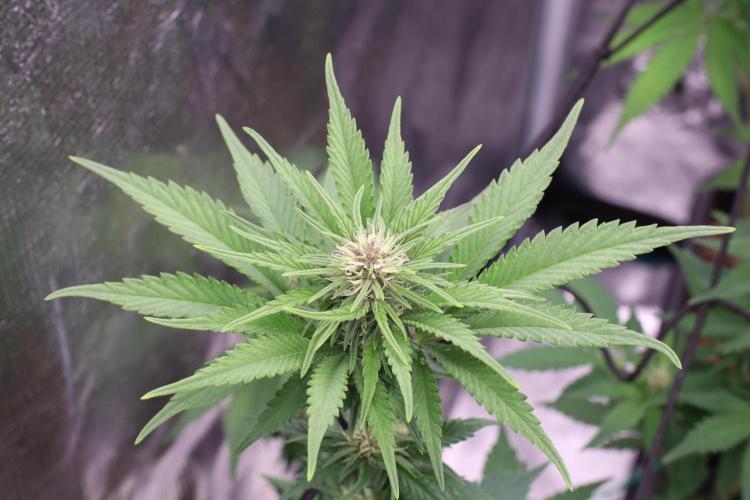
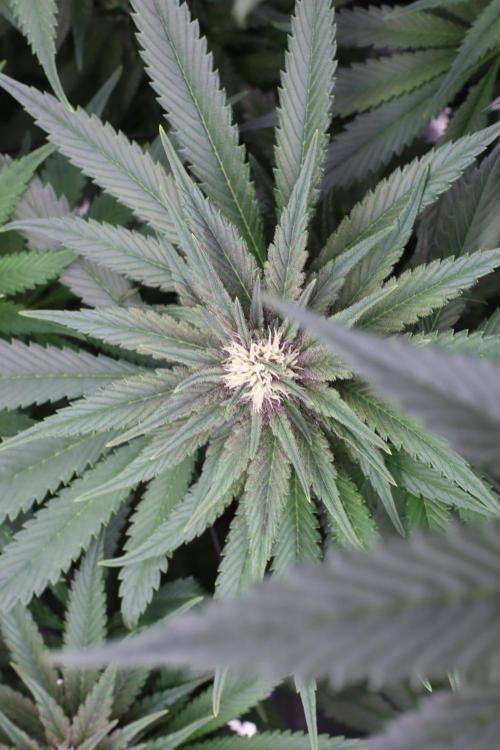
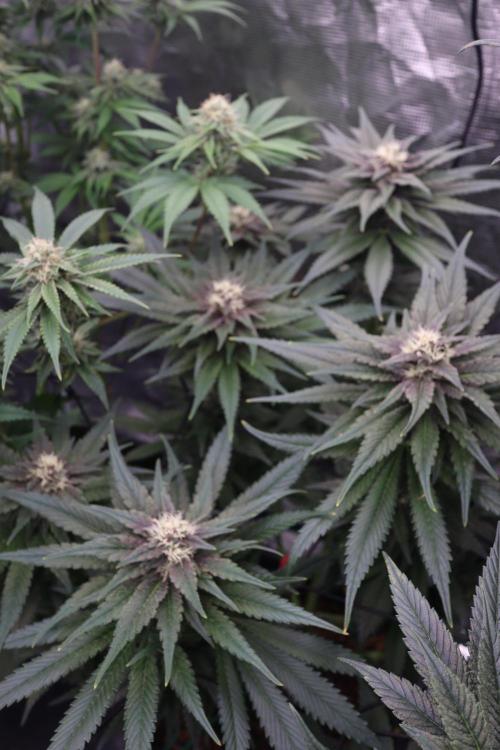
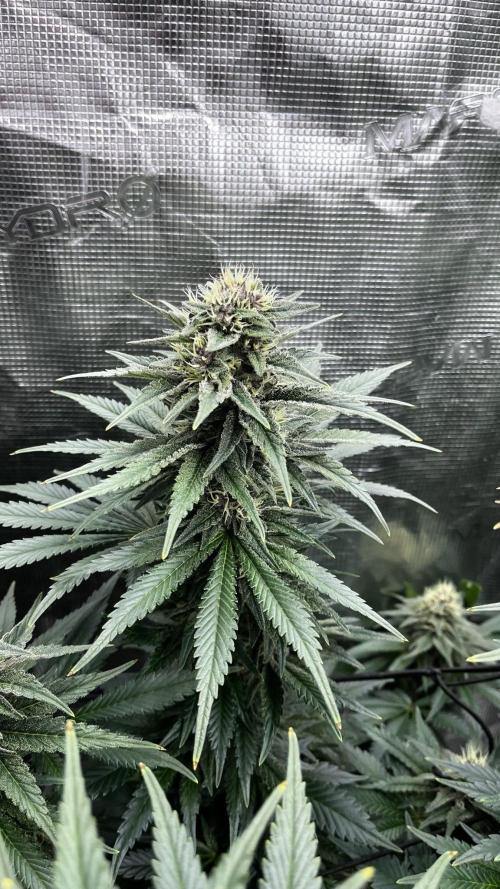
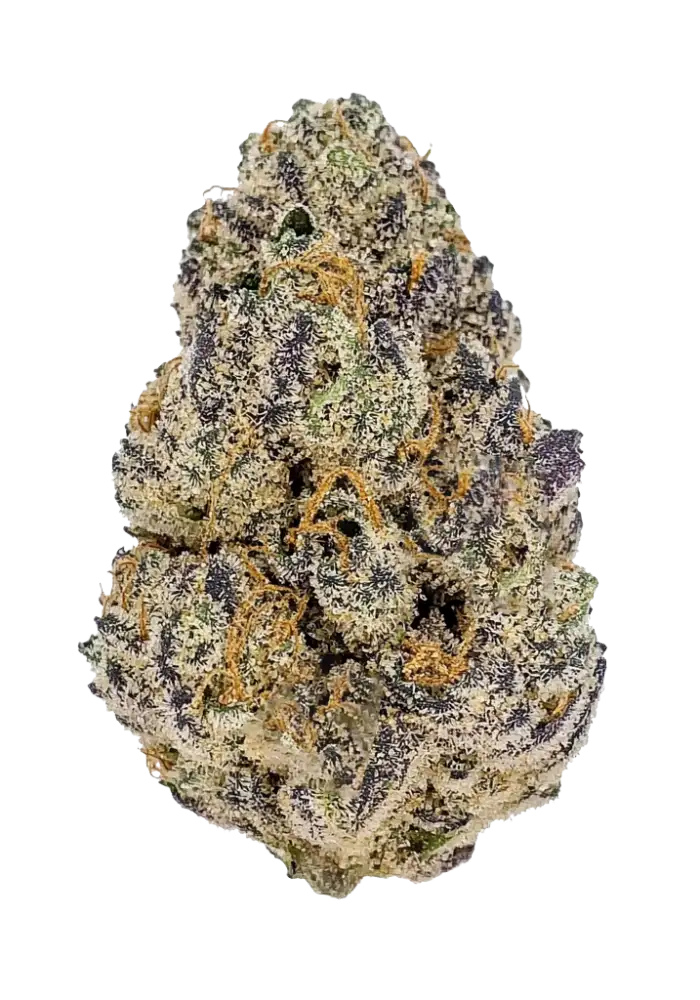
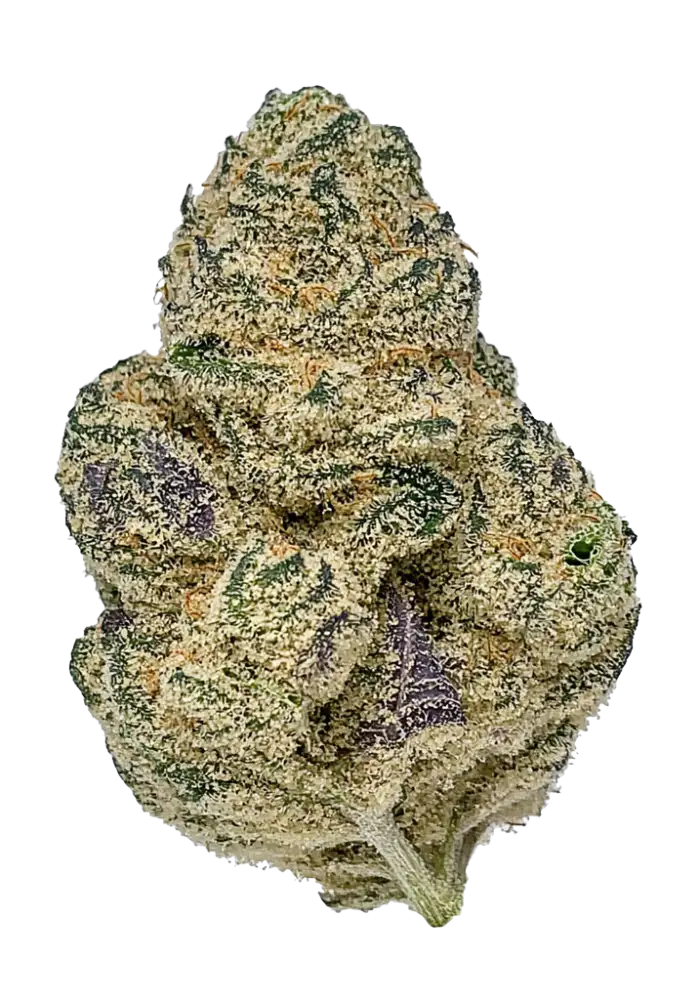
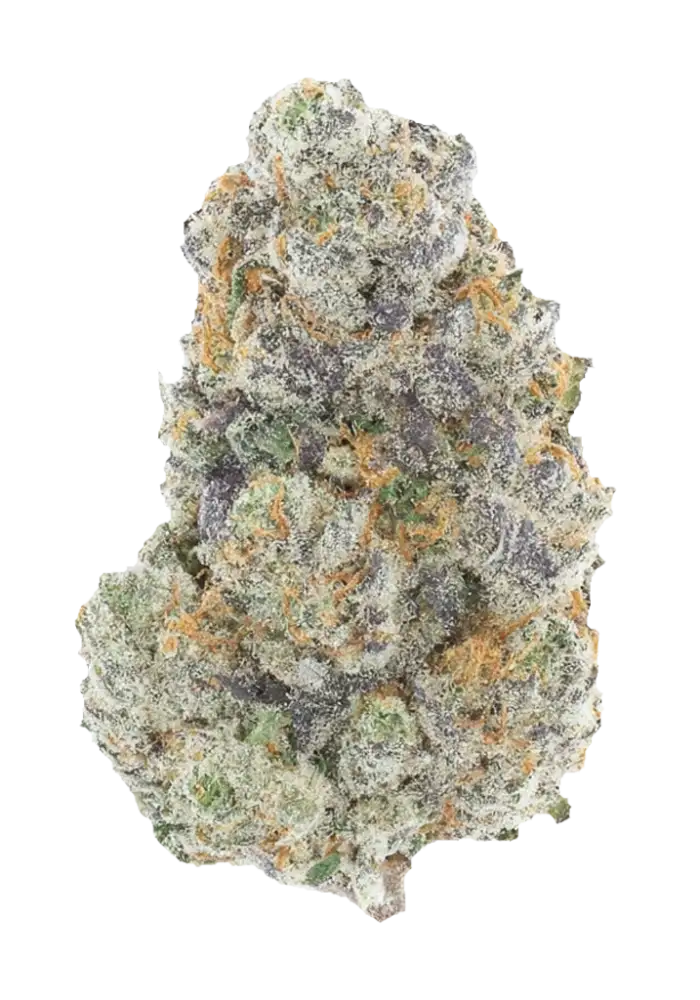
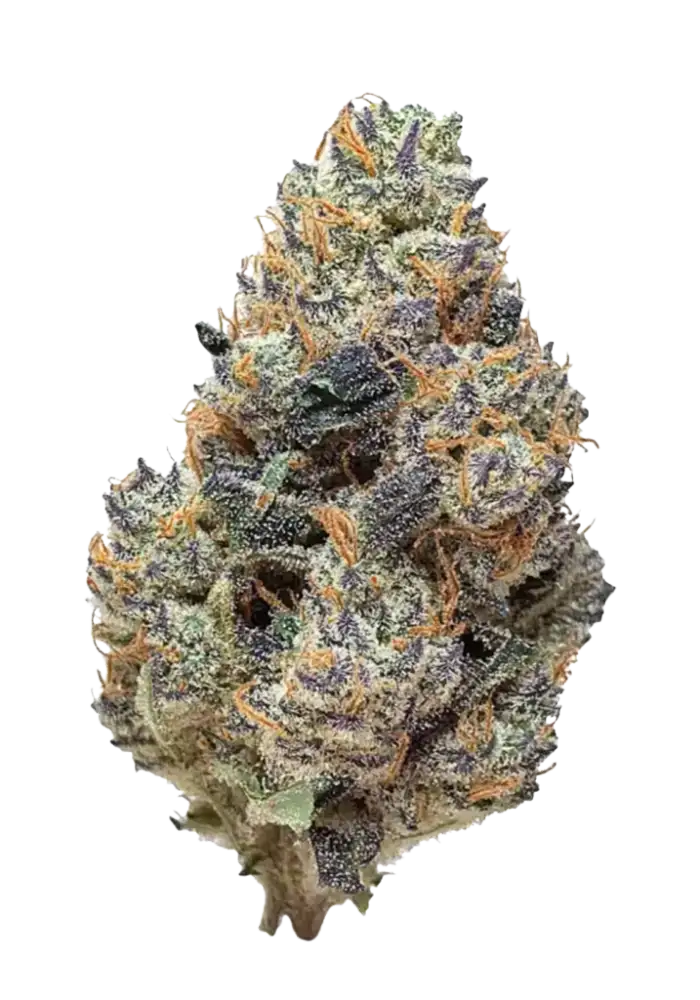
Purple cannabis owes its color to anthocyanins - the flavonoid pigments responsible for red, violet, and blue tones in plant tissue. Genetics creates the potential to produce them, while maturity, light, cellular pH, and cooler flowering temperatures can influence how clearly they appear. As chlorophyll declines late in bloom, previously hidden purple shades may become more visible.

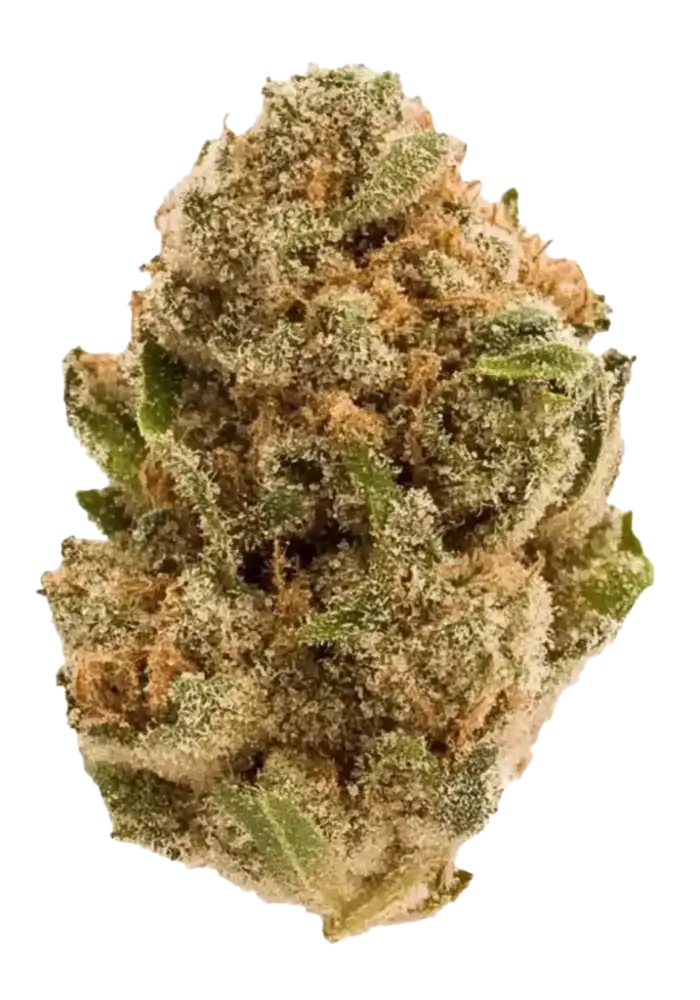
Color, however, is not a potency test. Purple flowers are not automatically higher in THC or more powerful than green flowers. Anthocyanins and cannabinoids are different compounds, and deliberately starving or severely chilling a plant may cause discoloration without improving its resin, aroma, or effects.
This selection is presented in no particular order. We chose ten cultivars that combine distinctive coloration with worthwhile genetics, terpene profiles, effects, and real cultivation experience.
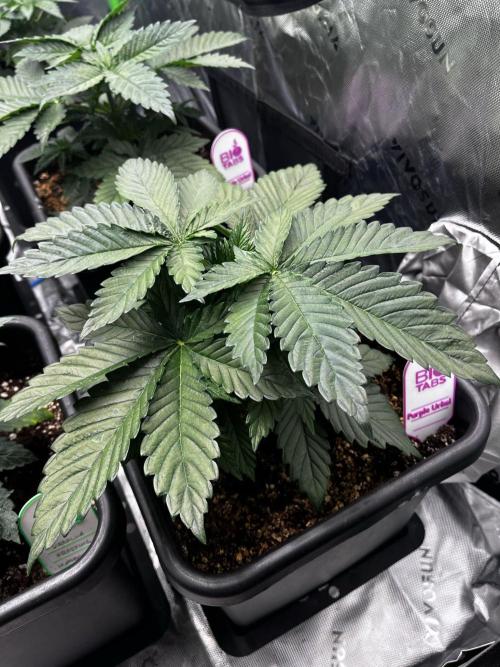
Granddaddy Purple remains one of the cultivars most closely associated with violet cannabis. Its Purple Urkle and Big Bud background combines dark coloration and berry terpenes with the heavier flower structure of a productive indica. Mature plants can develop shades ranging from lavender to deep purple, especially when genetically predisposed phenotypes encounter cooler nights late in bloom.
The aroma blends grapes, ripe berries, sweet fruit, and earth. Its effect generally begins with a calm, pleasant mental lift before settling into pronounced physical relaxation.
In a completed Granddaddy Purple grow report, grower MichaelTheBarnOwl documented two plants with nearly identical height, structure, stretch behavior, and overall growth. Their aroma intensified into “strong berry notes” later in flower. Granddaddy Purple itself currently holds an 8.5 GrowDiaries rating. For our team, that combination of consistent development and an identifiable aromatic profile offers a more meaningful picture of the genetics than color alone.
Grower's Note: Keep airflow moving through the canopy as the flowers become dense. Cooler nights may encourage pigmentation, but avoid dramatic temperature drops that could slow growth or increase humidity-related risk.
Purple Punch originally from Supernova Gardens
Purple Punch combines an initially euphoric softness with the deeply relaxing, body-centered finish expected from a heavier evening cultivar. Grape candy, blueberries, vanilla, baked fruit, and gentle earthiness define its terpene profile. The foliage and flowers may develop violet or burgundy tones late in bloom, although the intensity of that color still depends on phenotype and environment.
Its Granddaddy Purple and Larry OG parentage explains much of this character. Granddaddy Purple contributes the grape-and-berry profile, compact growth, and purple potential, while Larry OG adds structure, earthiness, and a heavier physical influence. Across GrowDiaries, Purple Punch holds an 8.7 rating.
A completed Purple Punch grow report offers a useful reminder that the name does not guarantee the color. Grower Loud_Standart420 reported an “extremely loud smell” combining gas and fruit, even though the plant itself never became purple. For us, this is an especially valuable example: terpene expression and overall quality matter more than whether a particular phenotype matches the expected palette.
*The featured grow report covers Purple Punch from another breeder, based on the same Granddaddy Purple x Larry OG genetic pairing.
Grower's Note: Open the compact canopy gradually and monitor humidity around the dense flowers. Allow genetics and maturity to produce the color naturally instead of trying to force it through excessive cold.
Tropicana Cookies brought a brighter, more energetic personality to purple cannabis. Oni Seed Co. combined Girl Scout Cookies with Tangie, creating a cultivar known for red, magenta, and dark violet flowers alongside intense citrus terpenes. Its colorful expression helped demonstrate that purple strains do not have to be heavy or sedating.
A completed Tropicana Cookies grow report provides a practical example of the vigor behind that colorful canopy. Grower Bread_n_Buds found an “extraordinary root ball” with healthy color and abundant development before transplanting. The plant continued expanding rapidly afterward, confirming the cultivar's exceptional vigor.
Orange peel, tangerine, sweet cookies, tropical fruit, and light earthiness define the aroma. The effect is generally upbeat, cerebral, and creatively stimulating before becoming more balanced. Its 8.9 GrowDiaries rating reflects the cultivar's continuing popularity among the community.
Grower's Note: Train early to control stretch and distribute light across the flowering sites. Maintain a healthy root zone and stable conditions rather than using severe stress in pursuit of darker coloration.
Trop Cherry originally from Relentless Genetics
Tart cherries, citrus peel, sweet fruit, flowers, and light gas give Trop Cherry one of the brightest aromatic profiles in this selection. Its effect is usually lively, social, and mentally uplifting, while the flowers may develop vivid red, magenta, and purple shades. The combination makes Trop Cherry a clear example of how energetic effects and dramatic coloration can exist within the same cultivar.
That identity comes from Tropicana Cookies crossed with Cherry Cookies. Relentless Genetics preserved the bright citrus influence of Tropicana Cookies while adding cherry sweetness, darker coloration, and a more distinctive red-to-purple visual signature. Trop Cherry currently carries an impressive 9.4 GrowDiaries rating.
Grower Cyrusdavirus found the harvested flowers “covered in sticky trichomes” in a completed Trop Cherry grow report, while the aroma developed into a sweet-and-sour cherry-cider profile. The combination shows how the cultivar's appeal can intensify through late flowering rather than relying on color as its only defining feature.
Grower's Note: Provide enough height for its stretch and use gentle training to keep the canopy even. Preserve its volatile citrus and cherry terpenes with stable late-flower conditions and an unhurried dry.
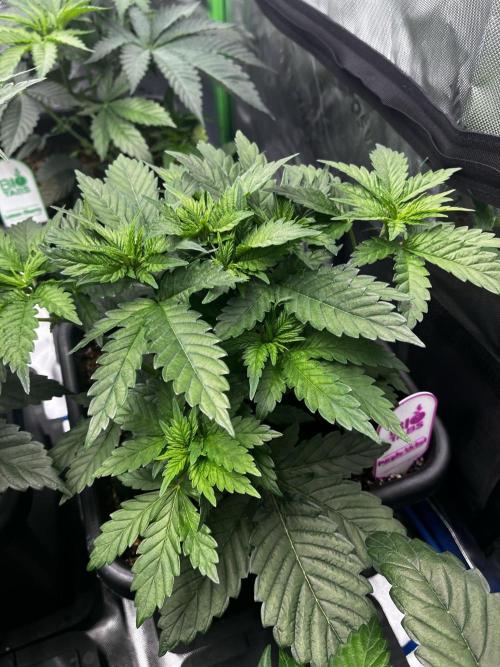
Purple Urkle is one of the foundational names in California's purple cannabis history. Its exact origins remain debated, although it is commonly associated with Mendocino purple genetics. More importantly, its influence is easy to recognize in descendants such as Granddaddy Purple, where its coloration and grape-forward character remain prominent.
A completed Purple Urkle grow report documented two visibly different phenotypes. Grower Bread_n_Buds described one as “super purple, almost phosphorescent,” while the other retained a more conventional appearance. This variation reinforces an important point: even famous purple genetics can produce plants with significantly different colors and structures when grown from seed.
Ripe grapes, berries, skunk, earth, and subtle spice shape the profile. Its effects tend to be calming and physically relaxing, with a dreamy mental quality that suits slower evenings. Purple Urkle currently holds a 9.0 GrowDiaries rating.
*The featured grow report follows a contemporary Purple Urkle seed release representing the established cultivar.
Grower's Note: Expect moderate growth and allow enough vegetative time to build the desired structure. Judge maturity by trichomes and flower development, not by how early or dramatically the plant changes color.
Black Cherry Punch combines Black Cherry Pie with Purple Punch. The cross concentrates dark-fruit aromas, resin production, and purple potential within a modern dessert-style hybrid. Depending on phenotype, the flowers may develop burgundy, plum, or nearly black accents beneath a heavy layer of trichomes.
An In House Genetics Black Cherry Punch grow report follows the plant from an early feeding setback through a successful harvest. After the nutrient level was reduced and damaged growth was removed, the plant returned to healthy development. Grower PersonalSmok3s ultimately harvested “nice solid buds” with pink fading and a profile containing “berry/cherry” alongside “a whole load of gas.” GrowDiaries users currently rate Black Cherry Punch at 9.1. We find this complete progression more valuable than a perfect run because it connects resilience with the color and aroma achieved at maturity.
Cherry preserves, berries, grapes, sweet pastries, spice, and earth form its aromatic core. The effect usually opens with a pleasant euphoric lift before becoming calmer and more physically grounded.
Grower's Note: Begin feeding conservatively and watch how the individual plant responds. Selective defoliation can improve airflow and light penetration, but avoid removing large amounts of foliage at once.
Grandpa’s Stash originally from ETHOS Genetics
A completed ETHOS Genetics Grandpa’s Stash grow report provides a convincing example of the cultivar’s practical strength. Grower MarcGrows called the plant “very forgiving and easy in an indoor environment,” noting that its sturdy structure supported heavy flowers as the canopy filled the available space. By harvest, the buds carried “good frost” alongside molasses, orange, and light fuel notes. Grandpa’s Stash currently holds an 8.3 GrowDiaries rating.
That durable behavior reflects its old-school genetic foundation. ETHOS Genetics developed Grandpa’s Stash from selected expressions carrying Super Skunk, Afghan Kush, and OG Kush heritage. The result is a stocky, fast-transitioning cultivar with broad growth, substantial branching, and the potential to develop plum or purple accents as genetically predisposed plants mature.
Earthy sandalwood, hash, spice, skunk, citrus, molasses, and fuel give Grandpa’s Stash a deeper profile than the sweeter purple cultivars in this selection. The effect is initially contented and relaxing before becoming heavier and more body-centered. For us, its value lies in connecting purple potential with sturdy old-school genetics rather than relying on color or dessert-like sweetness alone.
Grower’s Note: Give the broad branches enough space and use early training to distribute the canopy before the flowering stretch begins. Its structure can support substantial flowers, but consistent airflow remains important as they gain density.
Sunset Sherbert emerged from the Girl Scout Cookies family and helped establish the creamy fruit-and-dessert direction that later shaped numerous modern hybrids. Sherbinskis combined the structural and aromatic influence of GSC with Pink Panties, producing flowers that may display green, violet, and reddish tones beneath bright resin.
Sweet berries, citrus, cream, candy, and earthy gas create a layered terpene profile. The effect is often balanced, beginning with an upbeat mental shift before settling into comfortable physical relaxation. Sunset Sherbert holds a 9.0 GrowDiaries rating.
In a completed Sunset Sherbert grow report, grower sunshinegroww described the harvest as producing “very dense and sticky buds” with a powerful aroma. Although the grower felt that a longer vegetative period could have revealed more of the plant's potential, the finished flower still combined resin, density, and strong terpene expression.
*The featured grow report follows Sunset Sherbert from another breeder while representing the cultivar's established GSC-family identity.
Grower's Note: Support the branches as the dense flowers gain weight and maintain consistent airflow. A slow, controlled dry will protect its creamy fruit and citrus character more effectively than chasing darker color late in bloom.
Grape Ape originally from Apothecary Genetics
Sweet grapes and berries dominate Grape Ape's aroma, supported by skunk, earth, and subtle spice. Its effect is typically calming, cheerful, and physically heavy, with a gradual transition from mental ease to full-body relaxation. This classic combination helped establish the expectation that purple cannabis should deliver more than attractive flowers.
Its Mendocino Purps, Skunk, and Afghani background explains the compact structure, dark foliage, and grape-heavy identity. Mature flowers can move from green and lavender into much deeper violet tones, although not every phenotype colors with the same intensity. Grape Ape currently holds an 8.7 GrowDiaries rating.
In a completed Grape Ape grow report, grower spyder characterized the cultivation as easy and harvested firm flowers that were “crystal coated.” The grower also reported a relaxing finished effect. Together, these observations connect manageable development with the density, resin, and physical calm expected from Grape Ape.
The featured grow report follows another breeder's Grape Ape release based on the same Mendocino Purps, Skunk, and Afghani foundation.
Grower's Note: Give the naturally compact canopy enough airflow and avoid overwatering. Support may be necessary as the flowers become heavier, even when the plant remains relatively short.
Purple Haze occupies a different place in this selection. Instead of the dense, physically relaxing character associated with many purple cultivars, it represents a more energetic, sativa-leaning tradition. Its ancestry is commonly connected to Haze and purple American genetics, although modern releases can differ significantly in their precise parentage.
The aromatic profile may combine berries, flowers, citrus, pepper, spice, and earth. Its effect is generally bright, cerebral, and uplifting, making it another clear example of why flower color cannot predict potency or the direction of the experience.
A completed Purple Haze grow report gives both the color and the sensory profile useful context. Grower Hydro_Hiebs described “a typical haze look but with beautiful purple and green calyxes,” followed by an aroma combining pine, lavender, subtle grape, and spicy Haze notes. After curing, the effect felt uplifting, happy, relaxed, and socially engaging. Purple Haze currently holds an 8.8 GrowDiaries rating.
*The featured grow report follows a modern Purple Haze release from G13 Labs representing the wider cultivar family.
Grower's Note: Prepare for more vertical growth than the compact purple indicas in this selection. Train early, maintain an even canopy, and avoid using cold conditions aggressively to force color.
Color Is a Trait, Not a Potency Test
These strains show how varied purple cannabis can be. Granddaddy Purple, Purple Urkle, Purple Punch, and Grape Ape represent the classic grape-and-berry direction. Tropicana Cookies and Trop Cherry add citrus, cherry, and energetic effects, while Black Cherry Punch and Sunset Sherbert connect purple expression with modern dessert genetics. Grandpa’s Stash returns to a sturdier old-school combination of Skunk, Afghani, and OG Kush, while Purple Haze proves that violet flowers can also remain distinctly sativa-leaning.
Enjoy the color, but evaluate the entire cultivar. Healthy growth, mature resin, terpene clarity, and the desired effect reveal far more about flower quality than pigmentation alone. If you have grown one of these strains, tell the GrowDiaries community when its color appeared and whether its aroma and effects lived up to its appearance.