The Grow Awards 2026 🏆 









Likes
Comments
Share
@microgrowshow
Follow
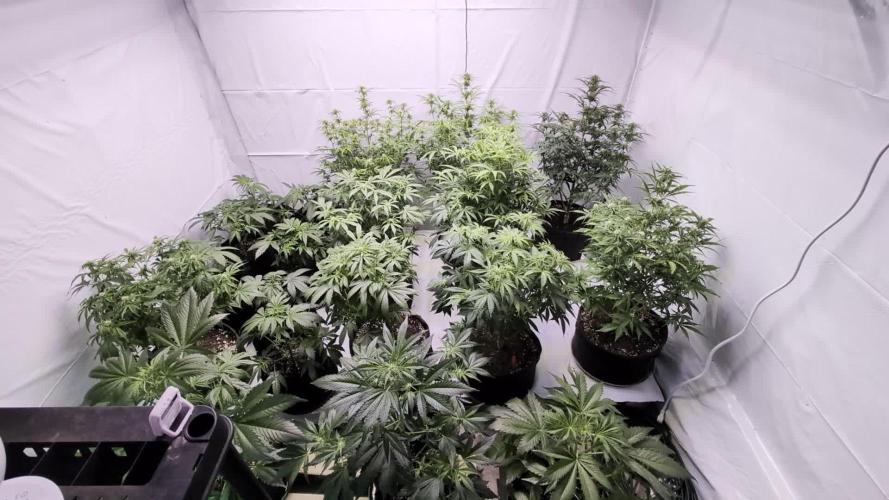
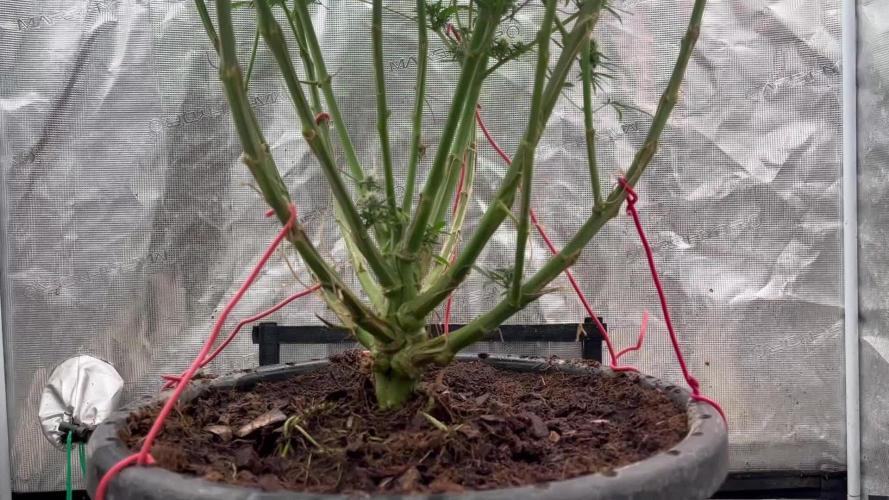
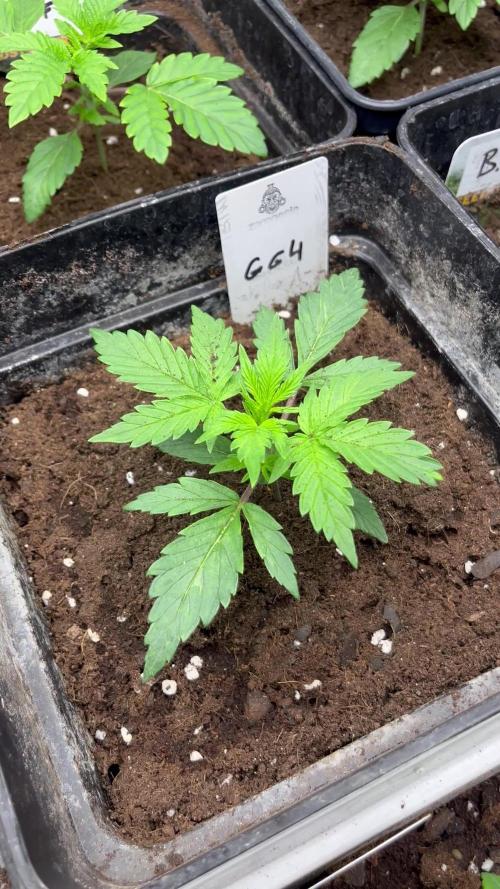
Still stretching 🙄 but I think she's almost done! I will say, she's exactly the shape I was after, and that main cola is going to be my biggest indoor cola for sure. Exciting times ahead!

Likes
5
Share
@Jcoutdoor
Follow
December was a very busy month for me and my family but I was able to take a couple pictures as they progressed into flower.
I am aware these autos are taking longer than normal and I'm thinking it was caused by my room temps.
the next round of plants are explosive in growth since they have been raised up with the heat and air functioning correctly.
I am still nursing this round of plants to finish and am extremely happy with the terps that they are throwing down.
royal queen is a company I will for sure try again.
i also added Gaia green power bloom as a top dressings right at the start of pistils showing.
my next round consists of 420fastbuds , seedsman, and speed run seeds.


Likes
10
Share
@Tischi
Follow
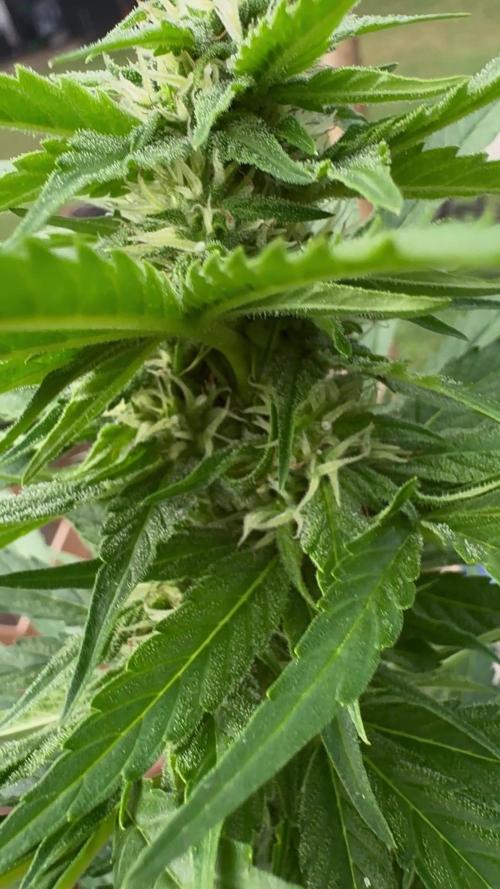
Sieht aus als würden sie von Tag zu Tag anschwellen die Süßen.
Jetzt wo die Regenzeit mit hoher Luftfeuchtigkeit anfängt habe ich mir einen Luftentfeuchter zugelegt.
Weiß nicht ob es übervorsichtig ist, den schon anzumachen. Doch bei einigen Growmies gab es schon Schimmel in der Ernte.
Ich versuche die Luftfeuchte den Rest des Grows unter 50% zu halten


Likes
45
Share
@Robbaus
Follow
Ciao a tutti! Ho finalmente finito il mio primo giro in idroponica. Dunque, al netto dei miei errori che avevo messo in preventivo, è un metodo davvero ottimo per coltivare. Salta subito all'occhio la velocità palese con cui crescono le piante, molto di più rispetto al metodo classico a terra. A suo favore posso anche dire che lascia molto più pulito il box non avendo terra e quant'altro. I vasi da svuotare sono pratici, mi sono segnato però delle tacche per segnare i livelli a diversi litri, da poter capire come fare quando si deve rabboccare di acqua.
Le note dolenti. Beh innanzitutto sconsigliato assolutamente a luglio e agosto per via delle temperature, l'acqua nel vaso dovrebbe stare a 22 gradi al massimo, io stavo almeno a 5 in più. Poi, avendo 35 litri d'acqua in 3 vasi e avendo 10 prodotti da utilizzare nella quantità di 2 ml/l, non posso dire che sia la via più economica. Anche se bisogna valutare anche che, soprattutto in vegetativa, si rabboccano i prodotti anche a distanza di 2 settimane,quindi con ampie pause tra una volta e l'altra.
Ho sbagliato a calcolare l'allungamento quando le ho girate in fioritura, si sono allungate almeno il doppio di quello che pensavo e così facendo non si sono formati dei bei fiori apicali grossi, ma tanti fiori sulla stessa ramificazione e quindi ci ho rimesso almeno in impatto visivo di sicuro. Però questa è una cosa che dipende dalla velocità dell'idroponica, la prossima volta lo so e mi comporterò di conseguenza.
Nota dolente assai: la muffa. Ho sbagliato a volerla fare nel periodo estivo, fa troppo caldo e per mitigare la temperatura ho usato anche l'umidificatore in fioritura. Errore madornale, ho buttato via 60-70 grammi. Già l'estate scorsa ho avuto problemi di temperatura, la prossima sicuramente non coltiverò, sono stato un cretino.
Likes
13
Share
@KirbyFarm
Follow
This was my first outdoor autoflower experience. Very happy with the results. Buds could have had a better taste in my opinion but that is just preference.
Likes
10
Share
@Mazgoth
Follow
I’m waiting for a humidifier to set the perfect humidity level for my plants so the first week will be a little bit difficult for them but they will be happy afterwards

Likes
5
Share
@Budhunter
Follow
Unfortunately what we never want to happen has happened with my baby.. bud rot.. on day 98 of cycle I found 1 bud with bud rot, cut it off, checked the plant and could not find more.. flushed the plant and wait next day to see how it goes. After 2 days main bud was identified with bud rot too.. so sad.. probably due high humidity in my environment + colder weather we are starting to have.. so on day 101 harvest it.. could go few more days to get more amber trichomes but decided to harvest it to avoid lose more buds .. I will keep watching it to see if no spread when drying :(
Likes
5
Share

Likes
10
Share
@Cannibalgardens
Follow
There was a whole lot of buds off this plant and they are dense . Totaling around a pound dry I lost a good sized chunk to pm in the bottom of the canopy due to weather . Even with ipm I still had problems . Besides that there was nothing wrong with her it was a quick germinating plant that had a solid start indoor early in the season . Once she went outdoors into a 5-7 gallon pot the final place saw it in a 7 gallon to the garden box . That have the roots room to grow . I gave the plant miicrobialmass since day one and was in pro mixbx soil . The nutrients were synthetics and organic bit I finished her off with the organic line up dutch science nutrients . The flush lasted about a week mostly because it was grown outdoors with minimal nutrients added as is .. the end results were great smoke which yielded strong medical buds and lots of sugar leaves for edibles .. thx dinafem for the chance to run your gear. I've never been disappointed with the genetics or their customer service .The next one I'm running will be Remo chemo and possibly the ocean grown too the choice is always hard

Likes
11
Share
@Rangaku
Follow
Future is loving the tent to herself, room enough to spread out and phatt up . She’s pungent as , sticky, and colas are like 3 ft long . This strain promises high THC and by looks of it I’m gonna get a bumper yield in around 2 weeks . Can’t wait for my time space continuum to be fucked up 😂😂😂😂😂

Likes
16
Share
@DrLaggis
Follow
🌱 Start: 17.07. 🌱
Hello everyone! This is my very first grow and I'm thrilled to share every step with you! 🎉 I'd appreciate any tips you might have to help me achieve the best results! 😊
Equipment:
I've geared up with an Indoor Grow Kit from MarsHydro along with some BioBizz supplements to ensure my plants get the best care. 🌿
🌼 Seeds:
I opted for Fast Buds seeds after hearing great things about them. They were delivered super fast—just two days! I’m especially excited to test the C4 strain. 🚀
I've begun soaking the seeds and setting up my space. Eagerly awaiting the transition to the next stage in a day or two! 🌱
📅 Update: 19.07.
All three of my C4 seeds sprouted 1-2 cm within just 1.5 days! 🌱 It’s often recommended that autoflowers be planted directly into their final home, so I'm following that advice.
I'm working on improving the air circulation in my tent to ensure the best environment for growth. 🌬️
I'm currently using 0.2L cups with big holes over the sprouts to maintain higher humidity during their initial two weeks. 💧
🎉 UPDATE 22.07. - THEY ARE ALIVE 🎉
My C4 sprouted on 20.07., and I'm overjoyed to soon share photos and a video of my little green buddy! 📸🎥
PS: My plant enjoys 2 hours of chill jazz music every day! HAHA 🎷🎶
Likes
15
Share
@chupacabra80
Follow
привет ребята,вот срезал мой куст, вроде не плохо вышло?! посмотрим сколько будет весить когда высохнут )))) амнезия мой любимый сорт,как только высохнут отпишусь какой будет результат )))
30,06,2021
вот и результат почти 90 грамм,на весах 40 грамм но это моя доля урожая ,я выращиваю в месте с другом так что моя половина 40 грамм сухих шишек и мы еще и покурили пока шишки подсохли, так что приблизительно у меня получилось 85-90 грамм сухих шишек,шишки выросли толстыми но они не плотные,потому и такой результат, посмотрите мой апельсин у него хорошие плотные шишки , он начал цвести в 60 дней , растение без проблем,кто не любит ждать этот сорт не для него )))
09,07,2021 мой урожай пересох, +35,3 с было очень жарко и я не мог контролировать температуру (( я ожидал результат лучше но не вышло, надеюсь дальше все нормализуется
Likes
12
Share
@Skunkiest_bender39
Follow
Umzug hat geholfen, gehen endlich gut weiter voran mit denBlütenständen.

Likes
18
Share
@RFarm21
Follow
9 março - 15 março
12 março - feeding
16 março - cheese #1 feeding:
Bio bloom 0.5ml ; top max 0.5ml ; bio heaven 1.5ml; sílica 0.1ml; bio grow 0.7ml
16 março - cheese #2 feeding:
Bio bloom 0.5ml ; top max 0.5ml ; bio heaven 1ml; bio grow 0.5ml
Likes
99
Share
@BudXs
Follow
Fuck a cbd
Thc leaves me
feeling like a king
And my life is easy
Take more for me than for u to please me
So breathe easy
Hang up your jacket, kick off your custom yeezy's
2020 gonna squeeze ye, so keep the target easy
Get urself a boardgame, get yourself parcheesi


Likes
22
Share
@MadeInGermany
Follow
Flowering day 11
since time change
to 12/12 h.
Hey guys :-)
The first days of this week it looked really terrible for me because it was much too cold because of the unusual temperature.
The heating mat has now also arrived for the big tent and lo and behold the plants have been developing really well since that day ☺️👍.
The temperature doesn't keep quite as well as in the small box, but at least I don't get below 18 degrees in the pots at night anymore, even though it's only 16 at the top 😅👍.
Since I switched to flowering, it was time to rinse off a bit with Clean Fruits :-) .
Did them a lot of good.
You have already received the first watering with Grow Liquid and the next in a mix with Bloom Liquid 😀👍.
Otherwise everything was cleaned and checked.
Stay healthy 🙏🏻
👇🏼👇🏼👇🏼👇🏼👇🏼👇🏼👇🏼👇🏼👇🏼👇🏼👇🏼👇🏼
A thank you for this wonderful strain goes out to
Herzog
https://instagram.com/herzog030?utm_medium=copy_link
and the Exotic Seeds team
You can buy this Nutrients at :
https://greenbuzzliquids.com/en/shop/
With the discount code: Made_in_Germany you get a discount of 15% on all products from an order value of 100 euros.
You can buy this Strain at :
https://www.exoticseed.eu/
Water: Osmosis water mixed with normal water (24 hours stale that the chlorine evaporates) to 0.2 EC. Add Cal / Mag to 0.4 Ec Ph with Organic Ph - to 5.8 - 6.4
👆🏼👆🏼👆🏼👆🏼👆🏼👆🏼👆🏼👆🏼👆🏼👆🏼👆🏼👆🏼


Likes
Comments
Share
@eldruida_lamota
Follow
Que pasa familia, vamos con la tercera semana de vida de estas GG4 feminizadas de MSNL.
Vamos al lío ,se trasplantaron en macetas de 7 litros definitivamente.
El ph se controla en 6.0 , la temperatura la tenemos entre 24/20 grados y la humedad ronda el 50%.
El ciclo de crecimiento puse 16h de luz, el foco está al 50% de potencia.
De momento van creciendo a buen ritmo y tienen un buen color, estaban muy bien enraizadas al realizarle el trasplante se notaba la abundancia radicular.
- os dejo por aquí un CÓDIGO: Eldruida
Descuento para la tienda de MARS HYDRO.
https://www.mars-hydro.com
Hasta aquí todo, Buenos humos 💨💨💨
