




Likes
37
Share


@Capo420
Follow
Will update throughout the harvest, drying, and curing.
Great grow!!! I honestly could not have asked for a better first time growing experience. A few little bumps along the road, but nothing these ladies couldn't handle.
Very citrus smell topped with a salvating creaminess. Will definitely keep this lady in mind for all future grows. Maybe at least one plant. I can't wait until I can try this girl. Thank you to Fast Buds for these awesome genetics and thank you to the Grow Diaries Cimmunity for all your help along the way.
Happy Growing
💚💪🌱😎🌱💪💚

Likes
2
Share


@Ganjagrandaddy
Follow
Hi growmies.
Well here we have it. Week 12 for these hardy ladies. They have coped with a very low growing temp around 16°c-20°c due to high cost of heating the room! , and only lost some yield for it. They have been pushing g some very sticky frost out for the past few weeks and while trying to wet trim them , have clogged my trimmers a few times. They are so resinous and smell so sweet like the berries in their name suggests. The samples I have used and the doner lady that gave me around 2.5 oz of smokable herbs while waiting for these gils have been enjoyable bit clearly needed the extra weeks to be as potent as these are. A dedicated 11 week+ flowering for their best I think. They are in various stages of harvest arthritis moment with the #2 being ready for her cure now she has dried. She has produced a fairly good 74g of sweet smelling and very crumbly/tacky bud. A great start with the #3 and half of plant # 4 already joining the drying party today. Hope the pics do it justice but the harvest report is not there yet !. watch this space.......

Likes
115
Share


@DogDoctorOfficial
Follow
Harvesting the Bounty of Cherry Cola Auto
Dear fellow cultivators, we've reached the triumphant culmination of Cherry Cola's journey as we delve into Week 13 – Harvest Time! Join me in celebrating the fruition of our labor and the bountiful rewards awaiting us as we harvest the radiant buds of Cherry Cola Auto.
As the sun sets on Week 13, the air is filled with anticipation and excitement. Harvest season has dawned upon us, marking the culmination of Cherry Cola's remarkable journey from seed to harvest-ready beauty.
In the heart of the garden, Cherry Cola stands tall, her branches heavy with the weight of abundant buds. Each bud is a testament to her resilience, her vigor, and the care and dedication invested in her growth.
With meticulous care and precision, the time has come to harvest Cherry Cola's radiant buds. Each cut is made with reverence, ensuring that only the finest, most pristine flowers make their way into our stash.
As the buds are trimmed and cured, an aromatic symphony is unleashed, filling the air with the tantalizing scent of Cherry Cola's terpene-rich profile. It's a sensory experience like no other, a celebration of nature's bounty.
As we gather the fruits of our labor, let us take a moment to reflect on the journey that has brought us here. It's been a labor of love, a testament to patience, perseverance, and the boundless wonders of nature.
In conclusion, let us raise a toast to Cherry Cola Auto – a true champion of the garden, a symbol of resilience, and a source of boundless joy. May her harvest be plentiful, her flavors unforgettable, and her legacy enduring. Until next time, happy harvesting, fellow enthusiasts! #CherryColaHarvest #BountifulBuds #GrowersPride
Nutrition: @aptusholland @aptus_world @aptus_
Love, Care, and Attention: @dogdoctorofficial
As always, thank you all for joining me on this journey, for your love, and for it all. My horticultural odyssey would never be the same without you. Your love and support are cherished, and I feel both honored and blessed to have you in my life
Friendly reminder all you see here is pure research and for educational purposes only
Growers Love To you All 💚 💚 💚


Likes
49
Share


@MadeInGermany
Follow
Hey everyone 😃.
Today is the penultimate week before the harvest .
It has continued to develop beautifully and is getting bigger and bigger 😃.
She only gets Ec adapted water so that she can use up her last reserves of nutrients.
I wish you a lot of fun Update, stay healthy and let it grow 👍
Strain : Sour Diesel
☝️🏼😍
Genetic:
Diesel x Northern Lights
👍
Vega Lights : 2 x Todogrow Led
Quantum Board 100 W
💡
Flower Lights : 2 x Todogrow Led
Cxb 3590 COB 3500 K 205 W
💡 ☝️
Soil : Canna Terra Professional +
☝️
Nutrients : Canna Terra Vega, Canna Terra Flores, Rizotonic, Cannazym, CANNA Boost, Pk 13/14,
Canna Cal/Mag, Canna Ph - Grow,
Canna Ph - Flores
☝️ 🌱
Water:
Osmosis water mixed with normal water (24 hours stale that the chlorine evaporates) to 0.2 EG. Add Cal / Mag to 0.4 Ec Ph with Organic Ph - to 6.0
💦 💧

Processing
Likes
47
Share


@Techpuffin
Follow
Flowers are still stretching towards the light.
Also starting to look like actual buds now all that work is starting to show.
Plant is now very thirsty and drinking about 3l during lighting hours it could probably drink more every morning the pot is so light showing me that it’s drinking all of it over night
I like this plant so much I started making more seeds by rooting the cuttings in soil. They will produce seeds as they will also produce pollen!
Hopefully I will contain the pollen away from the main plants by keeping the pots under humidity dome

Likes
4
Share


@SuperGluedGrow
Follow
Week is going good aside from me accidently cutting off a stem on pheno 2. If I can properly save the cutting though I might have a chance at another female. Pheno 3 I'm hoping can make some comeback as I really want to flower the plant, its not dead by any means but the way its growing I just cant see it allowing itself to flower the top leaves were barely growing so I topped. Hopefully positive changes within the next week.
Likes
9
Share


@Pete420
Follow
Big Buds, easy to harvest.
This is my first haze plant.
I cloned 22, but all died.
The taste: 60% incense,30% peach, 10% lemon(or something citrus).


Likes
15
Share


@Chupus
Follow
I use these fertilizers not for the first time, the whole grove was successful, without any problems. the tree did not hurt, and there was no shortage of fertilizers. organic fertilizers are very good for the earth

Likes
34
Share


@PEAKYPLANTERS
Follow
Hello everyone, my friends! this week we will do more with the rinsing of the roots, waiting for these magical nuggets to swell even more 😉🍭
Processing
Likes
20
Share


@FlavoursUk
Follow
Not much to say, we officially have take off. Leaf tucking and LST to expose the bud sites, trying not to take anything off if I can help it. These autos don't cope with much, glad I have my photoperiods in there. Can't wait to see some pretty flowers ;)
Day 42- one of the Stardawg girls has had a huge growth spurt. Added in a 400 watt side light to fatten up any lower buds. 660Watt Hps over the top. Considering adding CO2 and investing in another light.. Maybe LED. Thoughts?
-Day 42 Heights:
StarD-73
StarD-35
GSC-39
GSC-35.5 (Day behind other girls.)


Likes
128
Share


@PapaNugs
Follow
After topping last week we've just been watching them grow. Bending down the branches to help them spread out. Over this next week I'll start my lst ties to help pull them down and out.


Likes
14
Share

@Joni2017
Follow
Hello, Growdiaries Community!😎
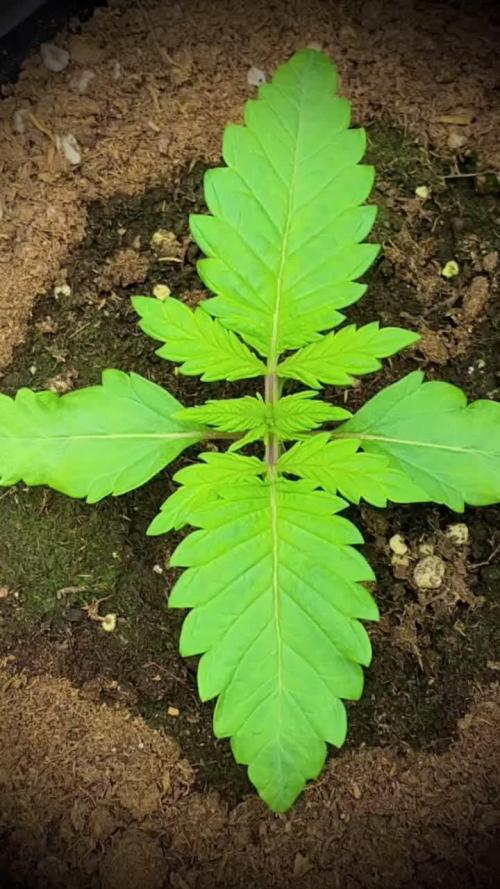
The small one follows its rhythm 8 cm 😋👏🏻, temperature 27º C ☀️ humidity 70% 💧 irrigation 500 ml 💦 alternating one day with nutrients and another without nutrients.
Happy growing, and see you in the next update!😉👍
Likes
6
Share


@LeRaar
Follow
Semana de mucho calor, se a regado en 2 oportunidades solo con agua ya que se evapora muy rapido!
Video 15 dias luego de pasar a 12/12
Hoy 28-07 ya aplacando el calor
Dias pasados hasta 39 grados soportando las niñas


Likes
1
Share

@SirNutalot
Follow
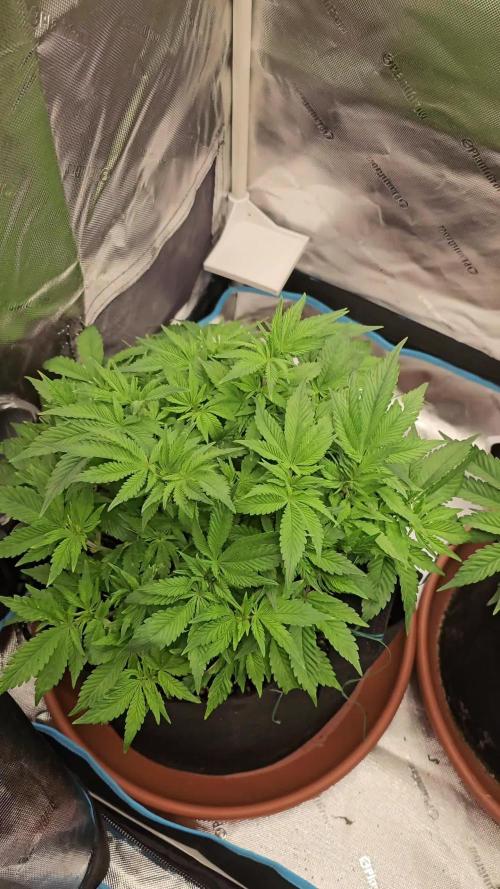
First day in flower and they looking good but there some burnt leaves from to much fertiliser is my diagnosis

Likes
17
Share


@Naujas
Follow
She is much prettier than she was a week ago :) I remembered that I have my first grow light, which is more compact and it will give me more space, so I changed my light, now the girl's side branches get light too:) I add a lot of video memes, because I really want to win Iphone16 pro ;) and those who don't take risks don't drink champagne:) good luck to everyone.