


Likes
Comments
Share


@TheGreenLeopard
Follow
solid week overall. RQS pKush is going along ok. the thai choc looks amazing. really cant wait for it to flower hard. a great full tent. was easy week as i want to let them grow a couple weeks with min tim then i will do a full lollipo sesh maybe next week


Likes
9
Share

@TheCalyxLaboratory
Follow
The Gassy One - Flower Week 3 Update 🚀
Welcome to Week 3 of flower! Things are going absolutely crazy in the tent right now!🛸🐄
📊 This Week's Stats:
EC: 1.8 💧
pH: 5.7
Light (PPFD): 900 for the big lady / 650 for the smaller one ☀️
📏 The Challenge: The Crazy Stretch
Our biggest challenge this week is managing the massive height difference in our AutoPot setup. Our absolute favorite (the big plant) is stretching like a monster, pushing upwards by up to 5 cm (2 inches) per day! 📈 Because of this massive vertical growth, she is soaking up 900 PPFD, while the smaller girl is sitting at around 650 PPFD.
💨 Environment & Maintenance
The summer heat is hitting hard , and getting the humidity down has been quite a struggle. To tackle this, I installed a second fan to keep the airflow moving steadily under the canopy. 🌀 I also went in for another heavy round of defoliation ✂️ to open up the canopy, let the plants breathe, and help drop that RH.
💧 Setup Performance
I have to say, the setup is performing like a dream. The Athena nutrients are delivering outstanding results, and the pH/EC values in the 47-liter (12-gallon) reservoir remain rock solid. ? The combination of the Athena line and the AutoPot system is producing unbelievable, explosive growth. 🌱💥
Can't wait to see these buds swell up in the next few weeks! 🔥🌿
Likes
22
Share


@herbalistssword
Follow
Alright, another week. Ladies looking well.
Defoliated the Sugar Mama and Fastberry mid-week they took it well.
Ran out of Neem Oil last week and noticed a couple of small bugs flying around, no idea what they are so ordered some more neem oil and some stickies.
The other girls are all doing well, they are drinking much less than usual, I had a bunch of alfalfa seeds lying around so sprinkled them around some of the plants.
Upped the feed as they seemed to need it. EC is now going from a base of .6 to 2.4


Likes
9
Share


@Budking420
Follow
Shes actually already pre flowering the bud sites are already purple so I'm super excited to see how dark this one gets. I've seen this variety almost turn black it's so dark purple. I went heavy with LST and lightly defoliated. I hope you enjoy the diaries as much as I do! Check back next week to see just how fast she buds & remember its 4:20 somewhere!!!!!!
Likes
1
Share

@Chubbs
Follow
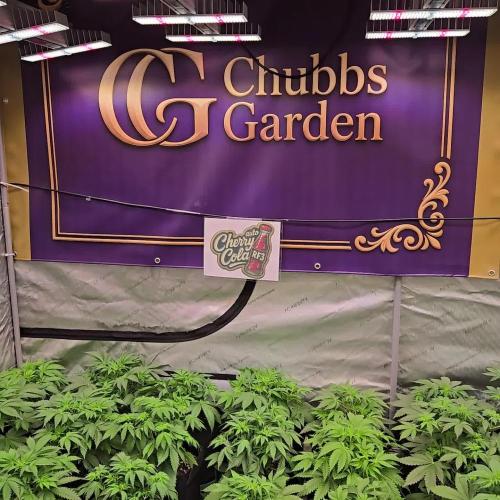
This week's been exciting, they've grown upward a few inches and started to bush out. I did do a mild defoliation taking off a few lower leaves and tucked some of the top bigger fan leaves. I started adding co2 this week and they seem to really be enjoying the added amount.
All in all Happy Growing.
Likes
Comments
Share


@Sativ_420
Follow
Vienen creciendo muy bien. Se nota la diferencia de tamaño entre las que están en 30L y las que están en 50(tienen la tierra por la mitad en maceta de 100. Espero en unos días poder transplantarlas también

Likes
45
Share


@masterofsmeagol
Follow
8/21, 8/22 TOASTED TOFFY WAS TREATED WITH PLANT DOCTOR ON THE 22nd. It's been a few days of rainy dreary weather. This morning I went over and did some MORE defoliation on the toasted toffy trying to get all infected leaves off. I then used the rest of the k bicarb on the gmo in the middle. I haven't seen hardly any pm. So that seems to be working. However I don't want septoria to spread through my garden either. Hopfully the plant doctor will take care of the problem. If not I'll get something different. I can make a diy Dr. Zymes or I could just go to the store and buy something specific like trichodermia. The weather has been a fungus nirvana. The conditions couldn't have been anymore perfect for mold development. I'm super impressed with the k bicarb treating the pm. I took tons of pictures yesterday but I've been sick and couldn't upload them. I still need to sanitize and put my supports up. I'll keep this updated with what I'm doing.
UPDATE: AFTER UNCKES FUNERAL I WATERED THE SHERB PIE THAT I DIDNT LAST TIME AND THEN I FED. I DIDNT FEED THE TOASTED TOFFY DUE TO IT BEING TREATED WITH PLANT DOCTOR. EVERYTHING GOT A QRT THE 50GAL GOT MORE. TWO GALLONS TOTAL USED. I NOTÌCED SOME SLIGHT PM ON THE GMO IN THE MIDDLE. IT WOULD BE TIME TO TREAT AGAIN ANYWAY. I PLAN ON WATERING TOMORROW AND TREATING THIS PLANT AGAIN. IM HESITANT TO UsE PLANT DOCTOR (do to feeding tonight) RIGHT OFF SO ILL PROBABLY USE YHE K BICARD. IT WORKS GOOD. I SHOULDNT HAVE FED THAT PLANT SO I COULD APPLY THE PLANT DOCTOR INSTEAD. THAT SEEMS TO BE WORKING REALLY WELL. LAST TIME I USED IT WAS ON FUSARIUM AND THATS JUST A LOSING BATTLE. DID A QIICK VIDEO ILL UPLOAD TOMORROW.
8/23 I HAD A CRISIS SITUATION AND I FUCKED UP THE DIARY. I THINK I JUST DIDN'T RECORD WHAT I DID ON THIS DAY.
8/24 I checked the bags and they were heavy. I watered the sherb pie today as it missed the last watering. Everything but the toasted toffy got fed yesterday. I noticed some slight pm on the middle GMO that I've been treating with k bicarb. Just a couple leaves. Looks like a couple spots I missed. I was going to apply it again but I dodnt have time. I'll be back over soon and I'll treat it and do the defoliation needed. Maybe I'll even sanitize and get support up. Since I fed yesterday I don't want to use the plant doctor for a few more days. I'm thinking of treating everything with it. I need to read and see when the next application for toasted toffy is due. Things are really starting to flower. Once I get the work done I may add beastie bloom to my nute line up. I think I'll do another k-bicarb app on the plant with pm. It's doing a good job. Since the l bicarb I don't see any pm. I should've held off feeding it so I could've used plant doctor. I'm monitoring toasted toffy and if it keeps working good I'll treat everything preventatively.
WENT BACK OVER AROUND 11:30 BECAUSE IT HAD CLIMBED INTO THE UPPER 80'S. AS I SUSPECTED THE PLANTS NEEDED WATER. THEY COULDVE WAITED UNTIL TONIGHT BUT UNFORTUNATELY I HAvE TO DO THINGS WHEN IM ABLE TOO. EVERYTHING GOT A GALLON EXCEPT THE GMO IN THE MIDDLE IN THE 30, THAT GOT 1.5. SHERB PIE GOT IT YESTERDAY AND ISNT FLOWERING AS VIGEROUS SO IT USES LESS WATER. BEFORE WATERING I WENT THROUGH THE ENTIRE GARDEN AND DEFOLIATED WHAT NEEDED TO BE DEFOLIATED. I HAVE A FEW SMALL LIMBS I SHOULD PRUNE BUT THAT STUFF MAKES GOOD HASH MATERIAL AND ACTUALLY ADDS UP. I NOTICED A LITTLE BIT OF PM ON THE GMO I TREATED. Just a couple spots on a couple leaves and I removed them. I MIXED UP K BICARB AND ILL APPLY IN THE MORNING. I WANTED TO USE PLANT DOCTOR BUT SEEING THAT I FED ILL WAIT. ID LIKE TO GIVE THEM ALL PLANT DOCTOR AS A PREVENTATIVE. SUPPOSABLY IT STIMULATES AN IMMUNE RESPONSE WITHIN THE PLANT WHICH FIGHTS THE PATHOGENS THEN LEAVES POTASSIUM AND PHOSPHORUS BEHIND AFTER 4 DAYS FOR THE PLANT TO USE. I THINK ITS GETTING CLOSE TO TREATING THE TOASTED TOFFY AGAIN. ILL HAVE TO LOOK. I TOOK A VIDEO BUT ILL HAVE TO UPLOAD IT it.
8/25 I know the diary is fucked up. But I know I watered yesterday. Except the sherb pie. I didn't check the weight bit did a bunch of defoliation. I made another half gallon of k bicarb with a drop of dawn and sprayed all the gmos. I only saw a COUPLE spots with pm on them and I removed them. Still though I wanted to make sure it doesn't get out of control. I should've checked the weight of the sherb pie but I'm sure it's fine.. I took a video but I can't upload it yet.
WENT BACK OVER AROUND TWO. IT WAS A BLISTERING HOT DAY IN THE 80'S. THE BAGS WERE DRY. THEY HAD A LITTLE WRIGHT TO THEM AND MOST SOME LEAVES WERE PRAYING. SOME WERE STARTING TO DROOP THOUGH. I WATERED EVERYTHING A GALLON EXCEPT THE SHERB PIE I GOT THIS MORNING. I gave the gmo in the 30 1.5. THE EVENT HORIZON IN THE MIDDLE COULDVE WAITED UNTIL MORNING BUT AT LEAST I CAN KEEP TRACK OF IT EASIER THIS. MAYBE I SHOULD GIVE THE 50 MORE WATER AT A TIME. IM GETTING YELLOW LEAVES. I THINK ITS PROBABKY SENESCENCE. ITS ABOUT THE SAME TIME EVERY YEAR I START LOSING SOME LEAVES. IT SEEMS TO BE JUST THE SHERB PIE AND THE BIG ONE IN THE 50. THAT PLANT HAS QUARTER SIZE BUDS ON IT THOUGH. ITS AMAZIBG HOW MUCH THE WATER INTAKE CHANGES WHEN ITS 60 OR UPPER 50S WITH HIGH HUMIDITY TO WHEN ITS IN THE 80S ALMOST 90. I HOPE IM NOT WATERING TO OFTEN. ITS BEEN COLD AT NIGHT. IN THE 50S. THE EVENT HORIZON HAS TURNED A NICE PURPLE ON MANY LEAVES. THE GMO'S AND SHERB PIE ALSO ARE TURNING PURPLE AND OTHER FALL COLORS. I SAW WHAT LOOKED LIKE SEPTORIA SPOTS CRAWLING UP KY EVENT HORIZON IN THE BACK. IN GOING TO TREAT IT WITH PLANT DOCTOR TOMORROW.
8/26 Rainy day. I noticed some septoria on the toasted toffy climbing a bottom branch. But it is time to reapply plant doctor. I saw a couple spots on the event horizon and I treated it today with 1/4 gallon of 2tsp per gallon plant doctor. I sprayed the leaves then I used the rest on the soil. The k bicarb is still keeping any pm at bay. I haven't seen a spot. I hope the plant doctor helps the event hotlrizon. I'm not even sure if it has it but I want to be cautious. I'm thinking of treating them all with plant doctor. I'm also going to use beastie bloom on some of the more advanced plants. I wasn't expecting it to rain but it wasn't for at least a couple hours after I sprayed. I ran another support line across the cage. I need to lst both event horizons and defoliate the sherb pie. It's weird but it seems like EVERY day I go over the flowers are bigger! I see birds darting out when I approach. Maybe that's why i haven't been finding pillars. I found ONE hairy one this week trying to escape to the soil on a string. I got him though. We'll see how it goes. If not I have other options for treatments if needed. That plant in the 10 is HUGE. I'm suprised it got that big in 10gals! Trying to upload videos but they are LONG so I don't know if they

Likes
8
Share


@Donwon310
Follow
266 grams out of all 4 plants, roughly over half elbow. Went with grove bags. Did 5 day dry then put into totes for few days and bagged after trimmed. Sticky buds with the piney nose to it with heavy gas .
Likes
26
Share


@THC123
Follow
Day 99 (Sept 23rd): Girls are still in their flush. One more day here and the lights go off. Trichomes are about 10% amber. Plan was to harvest around that marker, so we’re off to the races!
Day 100: Lights are off for 48hrs starting this morning. Update to come.
Day 101: They meet the scissors today! All chopped down and hanging to dry at 60 degrees and 60% humidity. I will provide an update in 10-14 days one dry!

Likes
9
Share

@GERGrowDesigns
Follow
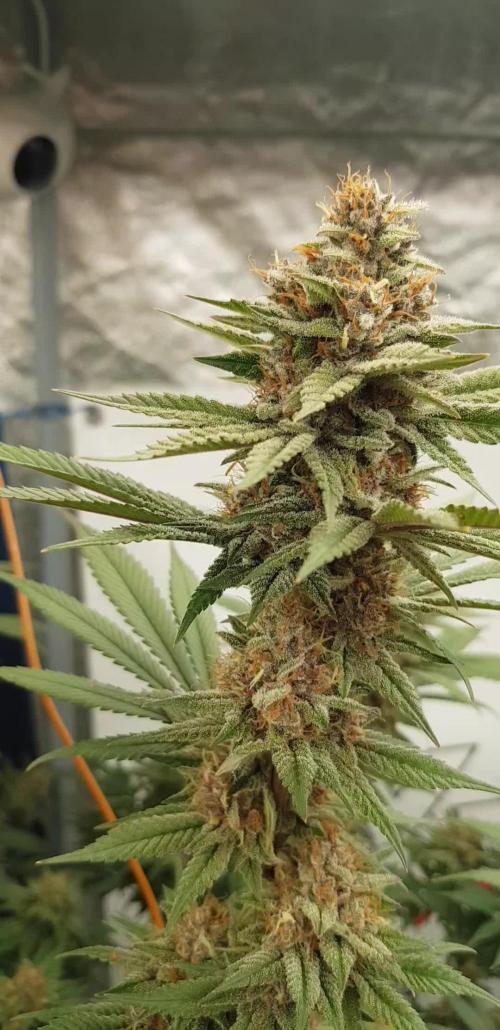
Welcome to Flower Week 7 of Sweet Seeds Sweet Mandarine Skittlez F1
I'm excited to share my grow journey with you from my
Sweet Seeds Project . It's going to be an incredible ride, full of learning, growing, and connecting with fellow growers from all around the world!
For this Project , I’ve chosen the Feminized Photo strain Sweet Mandarine Skittlez F1 :
Here’s what I’m working with:
• 🌱 Tent: 120x60x80
• 🧑🌾 Breeder Company: Sweet Seeds
• 💧 Humidity Range: 35
• ⏳ Flowering Time: 7weeks
• Strain Info: 19-24%THC
• 🌡️ Temperature: 26
• 🍵 Pot Size: 16
• Nutrient Brand: Narcos
• ⚡ Lights : 600W x 2
A huge thank you to Sweet Seeds for allowing me to try my Best with this amazing collection from Photo Strains they managed to Sponsore . Big thanks for supporting the grower community worldwide! Your genetics and passion speak for themselves!
I would truly appreciate every bit of feedback, help, questions, or discussions – and of course, your likes and interactions mean the world to me as I try to stand out in this exciting competition!
Let’s grow together – and don’t forget to stop by again to see the latest updates!
Happy growing!
Stay lifted and stay curious!
Peace & Buds!



Likes
39
Share


@Ezzjaybruh
Follow
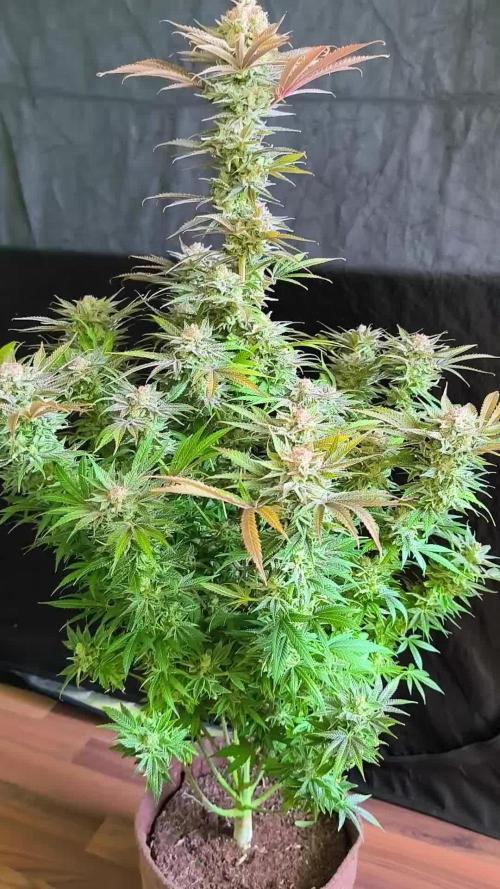
Burnt tips a bit this week but going well
Stretched like a mofo this week. Temps are getting crazy and humidity was bad enough I invested in a new dehumidifier..
I got trigger happy after seeing the excellent growth and structure of this plant last grow that I chose it as my main strain this grow - growing 4 in DWC .. but I’m not in love with the effects of it at this point so that sucks but nbd.. it’s still a decent smoke

Likes
36
Share


@PureMedicin
Follow
Starting to finish up. Beautiful looking this time. Looks really aggressiv and smells just the same. The sour is too stretchy for my liking tho and takes too long time to finish
Likes
15
Share


@SolitudeCorners
Follow
Can't wait to blazeeee
Feeding💪
10/17 Water30L+Cleanse80ml+calmag@190ppm
Ph6.3
Ebb 10.42/11.32/12.26/13
Clone 11.35/12.21/13.05/14
Average runoff ec1.5
Keeper 300ml per pot
10/18 Water26L+Flawless90ml+calmag@300ppm
Ph6.3
Ebb 11.38/12.24/13.17
Average runoff ec1.2 ph6.5
Clone 12.38/13.56/15.20/16.10
Average runoff ec1.5 ppm750
10/19 Water26L+Cleanse80ml+calmag@200ppm
Ph6.3
Ebb 11.12/11.48/12.24
Average runoff ec1.4
Clone 11.50/12.12/12.37/13.37/14.40
Average runoff ec1.3 ph6.6
10/20 Water30L+Cleanse30ml+Calmag@190ppm
Ph6.4
Ebb11.42/12.22/13.20/14
Clone 12.40/13.20/14.20/14.45/15.15
Average runoff 1.2ec ph6.4-6.7
10/22 last light day
10/23 2 Pm Cut and hang
Plan 21day at 23temp 55rh

Likes
23
Share


@Gram_Solo
Follow
Well Everyone!!
Here we are! 😁
Nearly at the end of the Eternity Grow Cup journey! 🙌🔥👽🙌🔥
Just want to first say a massive Thankyou to Zamnesia & Plagron for letting me compete in this contest. Would not be here without you! absolute legends😎
I had an absolute blast making the videos every week and showcasing the Grow
Huge Thankyouuu to everyone who liked, followed and commented on the diary! I have been hooked for weeks on this! and its thanks to all you guys! haha Much love!! 💚💚
I Appreciate it soo much. 💚💚💚
I have Harvested 2 of the Runtz first which were darked out for 3 days in a 3x3.
We have 3 more in flower for another week or 2 as they are little behind schedule!
There are 2 plants which I will be flushing next week as they have really packed out now.
We got 1 straggler but looks like she's fattening up good! and will follow suit very soon! 😎
🌳Plant 1 Harvested and Drying now
The size of this momma Runtz is mad!
After loosing one of the main stems in early flower, she powered through and made 2 massive fat colas!
Hardly ran into any problems with this plant other than loosing a main stem which turned out to be glorious in the end! 💥
She is now drying in the 3x3. I'm aiming for 10 days drying. Smell is absolutely unreal!
I would normally do longer but as I have took most of the main fan leaves off I think it will be a bit quicker this harvest.
🌳Plant 2 Harvested and Drying now - Another whopper! super sticky colas all over it!
I decided to leave a few more fan leaves on this one for now but may take more this week
aiming for 10 days again! couldn't' be happier with the results, Hardly ran into any nutrient problems throughout.
We had a few pale leaves early flower due to overwatering but she soon recovered and powered through! Smells like victory!
Could not be happier with the Results so far! 2 down 3 to go! cant wait to get a weigh on them fat colas! I will take some more snaps over the next few weeks
and show the dried and final trimmed bud of the 2 harvested and hopefully get them uploaded before the contest time expires.
First time using the Green Sensation from Plagron! I will 100% be investing in some more or maybe win some lmao!
I can see a dramatic difference in Weight and health of the Autos grown! Green stems and healthy leaves , PHAT BUDS!!! 😜😜😜
3 more Plants to go not long now!!!! I Will add another flowering week in next 2 days and show the other 3 still in action!
Going to Update this harvest page in the next 2 weeks with dry weigh results and Smoke review to follow!!
Update 25/05/25
3 remaining Plants 🌳🌳🌳 have now been harvested and curing in the grove bags.
there are 2 plants that have a very minty fresh smell, smells well good when u open the bags! hits your nostrils hard!
The other is very lemony earthy fresh stuff , some big fat nuggies and popcorns on all 3 . smells so good!
FINAL WEIGH 10.89 Ounce from 5 plants! - Jackpot! 🥇🥇🥇🥇🥇
💥💥💥💥💥
Well that's it! its been emotional! All 5 harvested 😎 this is the ennnnnnnd! my only friennddd!
Good luck to everyone in the contest! 👍
Peace Out!
Gram_Solo 👽

Likes
17
Share


@CanabisLoverHobbyGrower
Follow
Just focusing on the zkittles now,.. she is focusing on fattening up, not gone any taller this week, I noticed a bit of yellowing around some edges of the leaves, I've added a bit of calmag to this week's feed, and last week I did a somewhat diluted version of biobizzes feed chart,.. any advice on how you guys think she's looking would be appreciated,.. roll on next week 👌 ** update ** 28th, I've started flushing now after abit of advice planning on a 2 week flush that takes her to 77 days which is what fast buds say on there site is top end for this zkittles auto,... ** update update ** after speaking with fastbuds they think there is 3-4 weeks left here so I've added bloom, topmax, heaven and acti Vera back to the feed 🤦♂️
Likes
8
Share


@Weedman420high
Follow
Very excited to grow my first genetics from sweet seeds, they really sorted me out with some free seeds to check them out!! Week one and they have germinated fine will just keep watering for now.
Likes
Comments
Share


Likes
5
Share


@Jays_Not_Here_Man
Follow
Day 63- Switched to plain ph’d water at the end of the week. Probably going to be 2 more in the upcoming week as they finish off. #1 is the tallest, and has some big buds, but are bit looser than the rest. #2 has gone beast mode, she is fattening and had hard dense nugs from top to bottom. #3 was a slow start but is quickly gaining on her sister’s. She has about 1 week longer than the rest, but is hard and dense, and is greasy!
Did a big defoliation mostly to help ease the final trim when it comes, but to also allow for a little more trichome development as they finish up the remaining nutrients. It’s been a much cooler week so I have been gradually increasing the light intensity to get a final push for some weight and trichome production. Running at about 95% intensity at the moment with the tent hovering around 79-81 degrees freedom units.
Checking trichomes daily with my 30x jewellers loupe, mostly cloudy now, with anlmost no amber popping up, just a few on the leaves. I’m watching my other strain as well, hoping the timing will be right for both to come down. I’m not in a rush, really want to maximize these buds, they are already very hard, and should be a good haul. Happy Gardening ❤️🌱🇨🇦😎💨

Likes
10
Share


@GoodTimesOrganics
Follow
Hi liebe Community and Welcome Back! 🌿💚
🖍️Permanent Marker von Seed Junky Genetics x Doja Exklusiv!
Wir befinden uns in Wachstumswoche 9 seit dem Eintopfen (Tag 54 + Tag 7 Blüte).
Die erste Blütewoche ist nun vorbei.
Die Pflanze geht auch ordentlich in den Stretch und hat in dieser Woche nochmal 17cm zugelegt
Die Pflanze hat einen wundervoll geschwungenen Wuchs. Sie ist schön Breit und dennoch kompakt. Ihre Höhe schätze ich als Moderrat ein.
Die Pflanze legt insgesamt eine top Performance hin.
Bildet allerdings viel Blattwerk aus, daher habe ich nochmal ordentlich defoliert und die unteren Triebe Rausgeschnitten.
Auch habe ich nun die oberen Triebe nochmal etwas runtergebunden um eine bessere Homogenität hinein zu bekommen.
Gegrowt wird wie immer rein Organisch, daher kam nun für die Blüte 10ml PK - Booster von Bio Tabs NL hinzu.
Die Bedingungen sind aktuell gut!
—————
🌞 Temp: 26
🌚 Temp: 18°C bis 19°C
💨 RH: 68%
VPD: 0,7 kPa
💡ppfd: 630 mpm
—————
Grüne Grüße 💚🌱
